EP2300016B1 - 6-substituted estradiol derivatives and methods of use - Google Patents
6-substituted estradiol derivatives and methods of use Download PDFInfo
- Publication number
- EP2300016B1 EP2300016B1 EP09759335.4A EP09759335A EP2300016B1 EP 2300016 B1 EP2300016 B1 EP 2300016B1 EP 09759335 A EP09759335 A EP 09759335A EP 2300016 B1 EP2300016 B1 EP 2300016B1
- Authority
- EP
- European Patent Office
- Prior art keywords
- nhch
- nhme
- och
- nhac
- compounds
- Prior art date
- Legal status (The legal status is an assumption and is not a legal conclusion. Google has not performed a legal analysis and makes no representation as to the accuracy of the status listed.)
- Not-in-force
Links
- 0 CC(CC1)(C(CC2)C(C3[C@@]4C[C@](*)C3)[C@@]1(C)c(cc1)c4cc1O)C2O Chemical compound CC(CC1)(C(CC2)C(C3[C@@]4C[C@](*)C3)[C@@]1(C)c(cc1)c4cc1O)C2O 0.000 description 2
- YFAUVQJSZIOYNM-XGRPGNBKSA-N C[C@@](CC[C@@H]([C@H]1C[C@@H]2C#COC)[C@@](C)(C=C3)C2=CC3O)(C(CC2)O)[C@]12O Chemical compound C[C@@](CC[C@@H]([C@H]1C[C@@H]2C#COC)[C@@](C)(C=C3)C2=CC3O)(C(CC2)O)[C@]12O YFAUVQJSZIOYNM-XGRPGNBKSA-N 0.000 description 1
Images




Classifications
-
- C—CHEMISTRY; METALLURGY
- C07—ORGANIC CHEMISTRY
- C07J—STEROIDS
- C07J1/00—Normal steroids containing carbon, hydrogen, halogen or oxygen, not substituted in position 17 beta by a carbon atom, e.g. estrane, androstane
-
- A—HUMAN NECESSITIES
- A61—MEDICAL OR VETERINARY SCIENCE; HYGIENE
- A61K—PREPARATIONS FOR MEDICAL, DENTAL OR TOILETRY PURPOSES
- A61K31/00—Medicinal preparations containing organic active ingredients
- A61K31/56—Compounds containing cyclopenta[a]hydrophenanthrene ring systems; Derivatives thereof, e.g. steroids
-
- A—HUMAN NECESSITIES
- A61—MEDICAL OR VETERINARY SCIENCE; HYGIENE
- A61K—PREPARATIONS FOR MEDICAL, DENTAL OR TOILETRY PURPOSES
- A61K31/00—Medicinal preparations containing organic active ingredients
- A61K31/56—Compounds containing cyclopenta[a]hydrophenanthrene ring systems; Derivatives thereof, e.g. steroids
- A61K31/58—Compounds containing cyclopenta[a]hydrophenanthrene ring systems; Derivatives thereof, e.g. steroids containing heterocyclic rings, e.g. danazol, stanozolol, pancuronium or digitogenin
-
- A—HUMAN NECESSITIES
- A61—MEDICAL OR VETERINARY SCIENCE; HYGIENE
- A61P—SPECIFIC THERAPEUTIC ACTIVITY OF CHEMICAL COMPOUNDS OR MEDICINAL PREPARATIONS
- A61P35/00—Antineoplastic agents
-
- A—HUMAN NECESSITIES
- A61—MEDICAL OR VETERINARY SCIENCE; HYGIENE
- A61P—SPECIFIC THERAPEUTIC ACTIVITY OF CHEMICAL COMPOUNDS OR MEDICINAL PREPARATIONS
- A61P43/00—Drugs for specific purposes, not provided for in groups A61P1/00-A61P41/00
-
- C—CHEMISTRY; METALLURGY
- C07—ORGANIC CHEMISTRY
- C07J—STEROIDS
- C07J13/00—Normal steroids containing carbon, hydrogen, halogen or oxygen having a carbon-to-carbon double bond from or to position 17
-
- C—CHEMISTRY; METALLURGY
- C12—BIOCHEMISTRY; BEER; SPIRITS; WINE; VINEGAR; MICROBIOLOGY; ENZYMOLOGY; MUTATION OR GENETIC ENGINEERING
- C12N—MICROORGANISMS OR ENZYMES; COMPOSITIONS THEREOF; PROPAGATING, PRESERVING, OR MAINTAINING MICROORGANISMS; MUTATION OR GENETIC ENGINEERING; CULTURE MEDIA
- C12N5/00—Undifferentiated human, animal or plant cells, e.g. cell lines; Tissues; Cultivation or maintenance thereof; Culture media therefor
- C12N5/06—Animal cells or tissues; Human cells or tissues
- C12N5/0602—Vertebrate cells
- C12N5/0693—Tumour cells; Cancer cells
-
- C—CHEMISTRY; METALLURGY
- C12—BIOCHEMISTRY; BEER; SPIRITS; WINE; VINEGAR; MICROBIOLOGY; ENZYMOLOGY; MUTATION OR GENETIC ENGINEERING
- C12N—MICROORGANISMS OR ENZYMES; COMPOSITIONS THEREOF; PROPAGATING, PRESERVING, OR MAINTAINING MICROORGANISMS; MUTATION OR GENETIC ENGINEERING; CULTURE MEDIA
- C12N2501/00—Active agents used in cell culture processes, e.g. differentation
- C12N2501/30—Hormones
- C12N2501/38—Hormones with nuclear receptors
- C12N2501/39—Steroid hormones
- C12N2501/392—Sexual steroids
Definitions
- the present invention relates to compositions and methods of making and using 6-substituted estradiol compounds including but not limited to 6-alkoxyalkyl estradiol compounds.
- the present invention relates to compounds (R or S) 6 methyloxyamine, or 6 aminoalkyl derivatives of (8 R or S, 9S, 13 R or S, 14S, 17 R or S) - 13-methyl- 7, 8, 9, 11, 12, 14, 15, 16, 17-decehydrocylopenta [a] phenantherene-3, 17-diol and their pharmaceutically acceptable salts thereof as articulated and described herein.
- the present invention also pertains to pharmaceutical compositions comprising such compounds, for both diagnostic applications and also for use in treatment of proliferative conditions, such as cancer.
- Estrogen receptors belong to a large family of structurally related ligand-inducible transcription factors, including steroid receptors, thyroid/retinoid receptors, vitamin D receptors known as nuclear receptors. While the true ligand for nuclear receptors have not been described, there are distinct small molecules that are able to bind to such receptors and trigger a cellular response.
- Estrogens and estrogen receptor modulators bind to estrogen receptors, classified into two types; ⁇ and ⁇ , to form discrete molecular complexes that exert pleiotropic tissue-specific effects by modulating the expression of target genes.
- the ligand-bound estrogen receptor acts as a key transcription factor in various molecular pathways, and modulation of ER expression levels is important in determining cellular growth potential.
- Tamoxifen is primarily one of the first selective estrogen receptor modulators that have become first-line therapy for hormonal treatment of breast cancer, both for adjuvant treatment and for therapy of metastatic disease. Tamoxifen is a competitive inhibitor of estradiol binding to the estrogen receptor inhibiting its estrogen binding to the estrogen binding element on DNA. It has been suggested that Tamoxifen's binding to the estrogen receptors significantly alters the structural configuration of the estrogen receptors, rendering the binding sites dysfunctional towards any endogenous estrogen. Such structural deformation of the receptor could explain the profound side effect profile associated to the use of Tamoxifen.
- Tamoxifen undergoes an isomerization under physiological conditions from a therapeutically useful antiestrogenic compound to an estrogenic isomer which can stimulate the growth of estrogen-dependent tumor cells, providing an undesired clinical outcome, particularly among patients suffering from estrogen dependent tumors.
- U.S. Patent No. 4,732,904 discloses other type of estrogen receptor antagonists conventionally known as hydrazone compounds. It is thought that these antiestrogenic hydrazone compounds do not undergo isomerization to estrogenic compounds under physiological conditions and the estrogenic side effects observed for Tamoxifen are therefore absent. These hydrazone compounds have been proposed as alternative treatments for estrogen-dependent breast cancers. Among these, the substituted benzophenone nitrophenyl hydrazones, such as 4,4'-dihydroxybenzophenone-2,4- dinitrophenylhydrazone are described to be superior.
- the complex of the receptor and the antiestrogen such as hydrazone based compounds or Tamoxifen may then bind to nuclear chromatin in an atypical manner for a longer time than the normal hormone receptor complex.
- Antiestrogens may also be able to deplete the cytoplasm of free receptor. Either or both of these effects could severely impair the continued growth of an estrogen-dependent tumor.
- Aromatase(CYP19) is described as the principal enzyme that converts androgens to estrogens both in pre- and postmenopausal women. Estrogen deprivation through aromatase inhibition is described as an effective and selective treatment for some postmeriopausal patients with hormone-dependent breast cancer.
- Exemestane which is sold as Aromasin, is chemically described as 6-methylenandrosta-1,4-diene-3,17-dione
- Exemestane acts as an irreversible, steroidal aromatase inactivator. It is believed to act as a false substrate for the aromatase enzyme, and professed to an intermediate that binds irreversibly to the active site of the enzyme causing its inactivation.
- U.S. Patent Nos. 4, 808, 616 , and 4, 904, 650 disclose 6-alkylidenandrosta-1,4-diene-3,17-dione derivatives, such as exemestane, and methods of making them.
- 4,876,045 discloses a method of preparing 6-methylene derivatives of androsta-1,4-diene-3,17-diones.
- U.S. Patent No. 4,990,635 discloses a process for making 6-methylene derivatives of androsta-1,4-diene-3,17-diones.
- a tri-hydroxyl substituted derivative of estranes is disclosed in U.S. Patent No. 3,377,363 to Tadanier et. al , and the 3 hydroxy substituent on the aromatic ring of the present compounds is not disclosed.
- U.S. Patent No. 5,914,324 to De Funari et.al discloses 6 hydroxy and oxy androstane derivatives for hypertension and heart failure.
- U.S. Patent 6,384,250 to Gobbini, et al. discloses the hydroxyl and ketone substituents at the 6 position in the preparation of (E,Z) 3-(2-aminoethoxyimino)-androstane-6,17-dione. These compounds were directed towards the treatment of heart failure. The effects of alkyl hydroxyl substitution at the 6 position is not disclosed.
- Estrogen-dependent cancers i.e. breast cancer
- Estrogen-dependent cancer cells have often been observed to eventually lose their ability to produce estrogen- binding protein receptors and degenerate into much more aggressive estrogen-independent life-threatening cancers.
- the use of antiestrogens to treat estrogen-dependent tumors may lead to the clonal selection of estrogen-independent tumor cells and therefore may promote the conversion of an estrogen-dependent cancer to a non-estrogen-dependent cancer.
- estrogen-independent tumors are not as susceptible to the antiestrogenic properties of drugs such as Tamoxifen, aromatase inhibitors.
- drugs such as Tamoxifen, aromatase inhibitors.
- other chemotherapeutic agents must be used to treat such tumors.
- Many compounds have been documented to be effective to varying degrees against estrogen- independent tumors.
- the hyperproliferative cells can be normal, rapidly growing cells or abnormal cells and can include tissue having rapidly growing endogenous cells or their abnormal subpopulation, or other tissues generally exogenous to the patient.
- US 2008/0119447 also describes further 6-alkoxyalkyl estradiol derivatives and methods of their use. None of the teachings or prior art provide for a therapeutic estradiol derivative with favorable side effect profile that can be used for these types of conditions.
- the present invention is directed towards chemotherapeutic compounds, compositions and their use and preparation, thereby overcoming various deficiencies and shortcomings of the prior art, including those outlined above. Accordingly, it is one object of the present invention to provide compounds useful in the treatment of estrogen-dependent conditions and tumors which provide a better patient tolerance, prognosis and compliance.
- Another object of the present invention is to provide compounds for the treatment of estrogen-independent tumors with compounds having substantially less side effects than those currently available to the patients.
- Yet another objective of the present invention is to provide for compounds for alternative modes of treatment of tissues afflicted with hyperproliferative conditions, including viral and bacterial infections.
- the present invention includes any one of the following sets of compounds represented in claim 1.
- Comparative compounds are described as a compound of Formula (I) and (II). wherein R 1 , R 2 , R 3 , R 4 , R 5 , R 6 , R 7 , R 8 and R 9 are independently selected from the group consisting of hydrogen, C 1 to C 6 alkyl or substituted alkyl, halogen, sulfate, or glucuronide moieties; and the ---- symbol represents either a single or a double bond arid when the ---- symbol is a double bond and forms a keto group at position 3 or 17, then no R 7 or R 6 is present, respectively; the symbol --- represent the presence or absence of a bond at position 10; and the symbol represents any type of bond regardless of the stereochemistry.
- the compounds also embrace the enantiomers, other stereochemical isomers, hydrates, solvates, tautomers and pharmaceutically acceptable salts thereof.
- Further comparative compounds include compounds having Formula (III) and (VIII) and their use in methods of inhibiting growth of cancer cells comprising providing to a patient a prodrug of Formula (III) wherein R 5 is a methyl or hydrogen; and forming metabolites having Formulas (IV), (V), (VI), (VII), and (VIII) wherein any of R 3 , R 4 , R 5 , R 7 , R 8 of their Formula II counterparts may be a methyl or a hydrogen.
- Such metabolites could include for example the structures shown below:
- Formula (IX) represents a general core structure for the present invention.
- Formula (IX) depicts compounds having the structure:
- the compounds of the present invention may be contemplated for administration to the mammalian subject in the form of a drug.
- a drug for administration to the mammalian subject in the form of a drug.
- such compounds are most effective when incorporated into nanoparticles, liposomes or polymeric matrix systems or other delivery systems which are capable of being directly' delivered to a solid mass or. be targeted to tissues of interest via suitable targeting agents.
- the compounds of the present invention may also be used in combination-based therapeutic cancer treatments in a mammalian subject.
- a corresponding salt of the active compound for example, a pharmaceutically-acceptable salt.
- a pharmaceutically-acceptable salt examples are discussed in Berge et al., 1977, "Pharmaceutically Acceptable Salts," J. Pharm. Sci., Vol. 66, pp. 1-19 , and discussed herein.
- Anti-proliferative compounds of the present invention have application in the treatment of cancer, and so the present invention further provides anti-cancer agents.
- anti-cancer agent as used herein, pertains to a compound which treats, delays progression, prolongs relapse period of, and controls symptoms of a cancer (i.e., a compound which is useful in the treatment of a cancer).
- the anti-cancer effect may arise through one or more mechanisms, including but not limited to, the regulation of cell proliferation, the inhibition of angiogenesis (the formation of new blood vessels), the inhibition of metastasis (the spread of a tumor from its origin), the inhibition of invasion (the spread of tumor cells into neighboring normal structures), or the promotion of apoptosis (programmed cell death), or tumor necrosis or tumor autophagy or any combinations thereof.
- the invention further provides active compounds for use in a method of treatment of the human or animal body by therapy.
- a method may comprise administering to such a subject a therapeutically-effective amount of an active compound, preferably in the form of a pharmaceutical composition as discussed further herein.
- estradiol encompasses steroid like hormones that are naturally made and is able to cross the cell membrane to exert its activity inside the cell by binding to the estrogen receptors.
- Estradiol encompasses steroid like hormones that are naturally made and is able to cross the cell membrane to exert its activity inside the cell by binding to the estrogen receptors.
- esterenes include but are not limited to estradiols, estrols, and esterenes.
- treatment in the context of treating a condition, pertains generally to treatment and therapy of a mammalian subject, whether of a human or a non-human animal (e.g., in veterinary applications), in which some desired therapeutic effect is achieved, for example, the inhibition of the progress of the condition, and includes a reduction in the rate of progress, a halt in the rate of progress, amelioration of the condition, and/or cure of the condition.
- Treatment as a prophylactic measure is also included.
- Treatment includes combination treatments and therapies, in which two or more treatments or therapies are combined, for example, sequentially or simultaneously.
- treatments and therapies include, but are not limited to, chemotherapy (the administration of active agents, including, e.g., drugs, antibodies (e.g., as in immunotherapy), prodrugs (e.g., employing protecting groups including phosphoric acid derivatives and phosphinates at suitable positions such as position 3 or 17, other compounds used for photodynamic therapy, GDEPT, ADEPT, etc.); surgery; radiation therapy; and gene therapy.
- chemotherapy the administration of active agents, including, e.g., drugs, antibodies (e.g., as in immunotherapy), prodrugs (e.g., employing protecting groups including phosphoric acid derivatives and phosphinates at suitable positions such as position 3 or 17, other compounds used for photodynamic therapy, GDEPT, ADEPT, etc.); surgery; radiation therapy; and gene therapy.
- stereochemical isomer refers to isomers that differ from each other only in the way the atoms are oriented in space.
- the two stereoisomers particularly of importance in the instant invention are enantiomers and diastereomers depending on whether or not the two isomers are mirror images of each other.
- the claimed formulations comprise such compounds that isolated, resolved and are "substantially free of other isomers.”
- terapéuticaally-effective amount pertains to that amount of an active compound, or a material, composition or dosage form comprising an active compound, which is effective for producing some desired therapeutic effect, commensurate with a reasonable benefit/risk ratio.
- patient refers to animals, including mammals, preferably humans.
- region of a patient refers to a particular area or portion of the patient afflicted with a proliferative disorder, cancer or tumor and in some instances to regions throughout the entire patient. Exemplary of such regions are the pulmonary region, the gastrointestinal region, the breast region, the renal region as well as other bodily regions, tissues, lymphocytes, receptors, organs and the like, including the vasculature and circulatory system, and cancerous tissue.
- Region of a patient includes, for example, regions to be treated with the disclosed compounds and compositions.
- the "region of a patient” is preferably internal, although it may be external.
- amino alkyl refers to an alkyl group with an amino group on it, for example, H2N-CH2-, H2N-CH2CH2-, Me2NCH2-, etc., wherein the point of attachment is a carbon of the alkyl chain; and the term “alkyl amino” as used herein refers to an amino group with an alkyl group attached to the nitrogen atom, for example, CH3NH-, EtNH-, iPr-NH-, etc., wherein the point of attachment is via the nitrogen atom of the amino group.
- proliferative cell disorders refers to disorders such as tumors, primary malignant tumors, and other hyperproliferative conditions.
- primary malignant tumor(s) and “cancer(s)” are used interchangeably.
- the present invention relates to estradiol derivatives with specific modifications at position 6 of the B ring of the estradiol.
- At least one aspect of this invention is directed to such compounds having the general structure set out in claim 1.
- Further comparative compounds are described having the general structure shown in Formula (XIX) below: wherein:
- Comparative aspects are directed to a chemotherapeutic compound of a Formulas (I) - (II) : wherein R 1 , R 2 , R 3 , R 4 , R 5 , R 6 , R 7 , R 8 and R 9 are independently hydrogen, C 1 to C 6 alkyl or substituted alkyl, halogen, sulfate, or glucuronide moieties; and the ---- symbol represents either a single or a double bond and when the ---- symbol is a double bond and forms a keto group at position 3 or 17, then no R 7 or R 6 is present, respectively; the symbol --- represent the presence or absence of a bond at position 10; and the symbol represents any type of bond regardless of the stereochemistry.
- the compounds also embrace the enantiomers, other stereochemical isomers; hydrates, solvates, tautomers and pharmaceutically acceptable salts thereof.
- R 5 , R 6 , R 7 , R 9 are hydrogen atoms, methyl or Cl;
- R 1 , R 2 is hydrogen or methyl;
- R 3 , R 4 is C 1 to about C 6 alkyl or substituted alkyl, halogen and ---- is a single bond corresponding to the alcohol group.
- the stereochemistry at the C-6 carbon comprises a S or R enantiomer or diastereomers.
- Embodiment compounds of the present invention can be used in a pharmaceutical composition.
- a composition can comprise one or more compounds selected from those discussed above, illustrated below or otherwise inferred herein, and combinations thereof.
- such a composition can comprise a pharmaceutically-acceptable carrier component.
- such a composition can comprise a racemic mixture of compounds.
- such a compound can be present as the S and R enantiomer, preferably their isolated and purified form which is substantially free of other isomers, and R 5 , or R 7 can be selected from H, C 1 to C 6 alkyl or substituted alkyl, and a halogen.
- the compounds of the present invention may have symmetric centers and may occur as racemate, racemic mixture or as individual and purified diastereomers or enantiomers such as (6R, 8R, 9S, 13S, 148) -6-(aminooxymethyl)-13-methyl-7, 8, 9, 11, 12, 13, 14, 15, 16, 17-decahydro-6H-cyclopenta[a]phenanthrene-3, 17, -diol (NDC-1187)
- An embodiment of the present disclosure pertains to the preparation of the R or S enantiomers, R or S diastereomers of 6 substituted estradiols.
- Methods for the preparation e.g., asymmetric synthesis
- separation e.g., fractional crystallization and chromatographic means
- isomeric forms are either generally known in the art or are readily obtained by adopting the methods taught herein.
- One such methodologies are described in the co-pending U.S. application SN 11/541,987 .
- a reaction scheme for preparing estradiol derivatives is given below, Schemes 1-3.
- Such methods can comprise reaction of t-butyldimethylsilyl derivative of estradiol with LIDAKOR/THE/formaldehyde to obtain a 6-hydroxylated compound followed by such steps as: (i) hydrolysis to obtain 6-hydroxymethyl derivative of estradiol, NDC-1066; and/or (ii)treatment with dimethylsulfate followed by hydrolysis to obtain 6-methyloxymethyl derivative of estradiol, NDC-1033.
- NDC-1088 can be obtained by further oxidation of NDC-1033 at the C-17 hydroxyl position.
- the compounds can also be prepared by a method comprising such steps as: (i) protecting an estrodial compound, (ii) acylating the protected estradiol compound at the benzylic 6-position with LIDAKOR/ButylLithium/Diisopropylamine/potassium tert-amylate, (iii) reducing the position 6 aldehyde with lithium aluminum hydride, (iv) deprotecting the protected regions of the estradiol compound.
- a reaction scheme for preparing estradiol derivatives is given below in Scheme 2.
- Compounds of the present invention and comparative compounds can be synthesized by the following methods as depicted in the schemes below:
- methyloxyalkyl derivatives involve selection of alkylating agents. Such derivatives would be understood by those skilled in art made aware of this invention, and is available through synthetic procedures of the sort described herein. Accordingly, without limitation, various C 1 to C 6 alkyl and substituted alkyl (e.g., C 1 to C 6 linear, substituted linear, branched and substituted branched alkyl, such substituents as would be understood in the art) reagents can be used as described herein to prepare the corresponding methyloxyalkyl derivatives. methods of making 6-amino derivatives of the estradiol are disclosed in reaction schemes below. Accordingly, 6-methoxylated estradiols described in Schemes 1-2 are employed and converted to their respective amino derivatives.
- the present invention includes compounds for use in treating cancer in a mammalian subject (e.g., a human patient).
- compounds are provided for inhibiting tumor or' cancerous cell growth.
- the cells are exposed to or contacted with a compound of the invention or pharmaceutically acceptable salts or hydrates thereof which are a subset of Formula (IX) below: wherein R 1 , R 2 , R 3 , R 4 , Y, X and Z are as described above, and further wherein n and m are independent integers and can be any number between 0-7, the ---- symbol represents either a single or a double bond capable of forming a keto group at position 3 or 17; and the symbol represents any type of bond regardless of the stereochemistry; and the respective enantiomers, other stereochemical isomers, hydrates, solvates, tautomers and pharmaceutically acceptable salts of said compounds.
- the inventor of the present invention offer a new mode of action for treating estrogen dependent or independent tumors.
- Traditional approach employed drugs once bound to the ERs modified the ERs configuration to the extent that in effect rendered them destroyed. Accordingly, destruction of such bound ERs would cease transmission of all external and internal signals essential for vitality of the cells; creating a stop in cellular growth.
- the presently disclosed compounds are able to bind to number of receptors including the estrogen, testosterone and androgen receptors.
- the inventor has unexpectedly observed that upon binding, the compounds of the present invention are able to modulate the cellular first or second messenger signaling pathways and further potentiate their clinical effects through gene dependent or gene independent mechanisms, e.g. gene dependent estrogen activity has been well described in the art and those of ordinary skill in the art are able to ascertain the pathways involved inactivation of a estrogen dependent gene.
- the inventor has unexpectedly found that the compounds of the claimed invention are able to modulate cellular activity at a level independent of the traditional gene regulated mechanisms.
- the compounds of the instant invention are capable of binding directly to multiple steroid receptors at the plasma membrane and trigger internal cell mediated stress mechanisms involving the enfolded protein response ("UPR") at the endoplasmic reticulum.
- the UPR stress response subsequently lead to growth inhibition, and cell death through modulation of stress response genes such as CHOP also known as GADD153, TRIB3, etc.
- administration of the compounds of the present invention for treatment of various cancer states may comprise administration of a compound of the invention in combination with other adjunct cancer therapies, such as chemotherapy, radiotherapy, gene therapy, hormone therapy and other cancer therapies known in the art.
- adjunct cancer therapies such as chemotherapy, radiotherapy, gene therapy, hormone therapy and other cancer therapies known in the art.
- Combinations of the presently disclosed compounds with other anti-cancer- or chemotherapeutic agents are within the scope of the invention. Examples of such agents can be found in Cancer Principles and Practice of Oncology by V. T. Devita and S. Hellman (editors), 6th edition (Feb. 15, 2001), Lippincott. Williams & Wilkins Publishers .
- a physician, veterinarian or clinician of ordinary skill in the art would be able to discern which combinations of agents would be useful based on the particular characteristics of the drugs and the cancer involved.
- anti-cancer agents include the following: estrogen receptor modulators, androgen receptor modulators, retinoid receptor modulators, cytotoxic agents, anti-proliferatide agents, prenyl-protein transferase inhibitors, HMG-CoA reductase inhibitors, EHV protease inhibitors, reverse transcriptase inhibitors, aromatase inhibitors, and angiogenesis inhibitors.
- The. preferred compounds in Table II include compounds 89, 90, 98, and 128.
- R 1 , R 2 , R 3 , R 4 independently H, C 1 -C 6 alkyl, substituted alkyl, or halogen and is a single or double bond; not present.
- the above active compounds may also be used as part of an in vitro assay, for example, in order to determine whether a candidate host is likely to benefit from treatment with the compound in question.
- Any active compound of the present invention may also be used as a standard, for example, in an assay, in order to identify other active compounds, other anti-proliferative agents, other antiinflammatory agents, etc.
- the candidate compounds were evaluated for their estrogen receptor antagonistic activity.
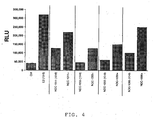
- the evaluation as to whether a compound is an estrogen receptor antagonist may be carried out by various methodologies known in the art. In the instant application, such capacity was, determined by conducting the Luciferase binding assay according to the screening methods described herein.
- the estrogen receptor binding capacity were assessed by transiently transfecting CV-1 cells with expression constructs for either ER( ⁇ ) or ER ( ⁇ ) plus an ERE-tk-luciferase reporter construct.
- the cells were then divided into controls and candidate groups wherein the controls received no treatment, or were treated with estradiol alone (1 nM) and the candidate groups received estradiol plus an Endece compound at varying concentration. After 16-24 hours the cells were harvested and assayed for luciferase activity using a commercially available assay kit.
- IC 50 or the half maximal inhibitory concentration of the candidate compounds were determined to assess drug potency and potential dosing regimens for in vivo use.
- One of ordinary skill in the art is readily able to ascertain such information using commonly known methodologies.
- IC 50 represents and measures how much of a particular substance/molecule is needed to inhibit some biological process by 50%.
- the IC 50 of the candidate compounds were determined as the concentration that led to a response of 50% compared to the vehicle control cells.
- salts of the compounds of this invention refer to non-toxic “pharmaceutically acceptable salts.” Other salts may, however, be useful in the preparation of the compounds according to the invention or of their pharmaceutically acceptable salts.
- salts encompassed within the term "pharmaceutically acceptable salts" refer to non-toxic salts which are generally prepared by reacting the free base with a suitable organic or inorganic acid. Representative salts include any such salt known in the art.
- suitable pharmaceutically acceptable salts thereof may include alkali metal salts, e.g., sodium or potassium salts; alkaline earth metal salts, e.g., calcium or magnesium salts; and salts formed with suitable organic ligands, e.g., quaternary ammonium salts.
- alkali metal salts e.g., sodium or potassium salts
- alkaline earth metal salts e.g., calcium or magnesium salts
- suitable organic ligands e.g., quaternary ammonium salts.
- an effective amount of one or more compounds of the present invention, or a pharmaceutically-acceptable salt thereof is administered to the mammalian subject so as to promote exposure to or contact of cancer cells or the targeted tumor growth.
- Effective dosage forms, modes of administration and dosage amounts may be determined empirically, and making such determinations is within the skill of the art.
- the dosage amount will vary with the activity of the particular compound employed, course and/or progression of the disease state, the route of administration, the rate of excretion of the compound, renal and hepatic function of the patient, the duration of the treatment, the identity of any other drugs being administered to the subject, age, size and like factors well known in the medical arts.
- the compounds of the present invention can be administered in such oral dosage forms as tablets, capsules (each of which includes sustained release or timed release formulations), pills, powders, micronized compositions, granules, elixirs, tinctures, suspensions, syrups and emulsions.
- they may also be administered in intravenous (bolus or infusion), intraperitoneal, topical (e.g., ocular eyedrop), subcutaneous, intramuscular or transdermal (e.g., patch) form, all using forms well known to those of ordinary skill in the pharmaceutical arts.
- intravenous bolus or infusion
- intraperitoneal e.g., ocular eyedrop
- subcutaneous e.g., intramuscular or transdermal
- transdermal e.g., patch
- Oral dosages of the present invention when used for the indicated effects, will range between about 0.01 mg per kg of body weight per day (mg/kg/day) to about 100 mg/kg/day, preferably 0.01 to 10 mg/kg/day, and most preferably 0.1 to 5.0 mg/kg/day.
- the compositions are preferably provided in the form of tablets containing 0.01, 0.05, 0.1, 0.5, 1.0, 2.5, 5.0, 10.0, 15.0, 25.0, 50.0, 100 and 500 milligrams of the active ingredient for the symptomatic adjustment of the dosage to the patient to be treated.
- a medicament typically contains from about 0.01 mg to about 500 mg of the active ingredient, preferably, from about 1 mg to about 100 mg of active ingredient.
- the most preferred doses will range from about 0.1 to about 10 mg/kg/minute during a constant rate infusion.
- Compounds of the present invention may be administered in a single daily dose, or the total daily dosage may be administered in divided doses of two, three or four times daily.
- the compounds of the present invention can be used in combination with other anti-cancer agents or other agents which will enhance the treatment regime for the mammalian subject.
- the individual components of such combinations can be administered separately at different times during the course of therapy or concurrently in divided or single combination forms to patients or regions of such patients in need of such therapy.
- the instant invention is therefore to be understood as embracing all such regimes of simultaneous or alternating treatment and the term "administering" is to be interpreted accordingly.
- the scope of combinations of the compounds of this invention with other agents useful to treat the targeted cancer condition includes in principle any combination with any pharmaceutical composition useful for treating disorders related to estrogen functioning.
- prodrug refers to a compound which, when metabolized, yields the desired active compound or in itself is the active compound. This includes for example adding a phosphoric acid ester moiety in suitable positions such as positions 3, 6, 10 or 17.
- the prodrug is inactive, or less active than the active compound, but may provide advantageous handling, administration, or metabolic properties.
- some prodrugs are ethers of the active compound; during metabolism the ether group is cleaved to yield the active drug.
- some prodrugs are activated enzymatically to yield the active compound, or a compound which, upon further chemical reaction, yields the active compound. Metabolites of these compounds include active species produced upon introduction of compounds of this invention into the mammalian subject.
- Compound of the present invention may be prodrugs for potent anti-proliferative agents.
- Compounds which exhibit low or moderate intrinsic activity may act as prodrugs, and be metabolically activated (e.g., in vivo) to generate more potent compounds. This is especially useful in cancer therapy where metabolic activation can be achieved by an enzyme that is expressed in tumors.
- Prodrugs, acting as a substrate may be metabolized by CYP19, 17 ⁇ -HSD, HS-demethylase or another steroidal linked enzyme to generate a potent anti-cancer agent.
- the (R) or (S)-6-methyloxoalkyl derivatives of exemestane suggest that it may be active against numerous forms of cancer beyond breast cancer.
- NDC-1011 Activity in inhibiting tumor cell growth in cells lines derived from breast, lung, colon, prostate, endometrial and ovarian cancers was observed for the NDC-1011 enantiomer.
- NDC-1011 activity in inhibiting tumor cell growth in cells lines derived from breast, lung, colon, prostate, endometrial and ovarian cancers was observed for the NDC-1011 enantiomer.
- MDA-MB - -213 and SK-OV-3) indicates that NDC-1011 may act as a pxo-drug.
- MCF-7 and NIH:OVCAR-3 CYP19 negative
- NDC-1011 may act as a pxo-drug. See Formula (XI) arid (XII) below for the structure of NDC-1077 and NDC-1011.
- NDC-1011 is a pro-drug
- the prodrug compounds of the instant invention act in a manner analogous to that observed for endogenous androstonedione, NDC-1011 is converted to an aromatic ring by hydroxylation at the C-3 carbon of NDC-1011 via CYP19 to give rise to the metabolite NDC-1099. see Figure 1 in the Estradiol biosynthetic pathway wherein Androstendione is converted to the Estrone via CYP19. NDC-1099 could undergo further hydroxylation at the C-17 carbon via the reversible action of 17 ⁇ -hydroxysteroid dehydrogenase (17 ⁇ -HSD) resulting in the diol compound NDC-1022.
- the diol compound NDC-1022 has an aromatic ring, but differs from estradiol with respect to the methyloxyalkyl substituent at the C-6 carbon.
- the metabolism of NDC-1011 into the diol compound NDC-1022 could occur in any order as shown in Figure 2 .
- NDC-1044 formed by 17 ⁇ -HSD is converted to the NDC-1022 diol by CYP19 aromatization activity.
- Estradiol binds to the receptor ligand pocket of estrogen receptors (both ER ⁇ and ER ⁇ ), via the C17-OH (via His 524); and the C3-OH (via Arg 394 and Glu 353).
- binding of NDC-1022 diol in the same ligand' pocket of ER ⁇ and ER ⁇ via similar amino acid bindings may occur.
- the presence of the methyloxyalkyl substituent at the C-6 carbon of compound NDC-1022 may alter the conformation of the normal ligand-bound receptor resulting in modified activity accounting for the observed anti-tumor activity.
- demethylase enzyme activity directed at the C-6 methyl group of NDC-1011 may indicate the formation of triol metabolite NDC-1055.
- triol metabolite may bind to a broad spectrum of steroid receptors in a range of tissues involving various combinations of the C-3, C-6 and C-17 alcohols.
- One example of such metabolites includes the compound of Formula (VII)B as shown below:
- composition is intended to encompass a product comprising the specified ingredients in the specified amounts, as well as any product which results, directly or indirectly, from combination of the specified ingredients in the specified amounts.
- Methods of preparing pharmaceutical formulations or compositions include the step of bringing the active ingredient(s) into association with the carrier and, optionally, one or more accessory ingredients.
- the formulations are prepared by uniformly and intimately bringing the active ingredient(s) into association with liquid carriers, or finely divided solid carriers, or both, and then, if necessary, shaping the product.
- Formulations of the invention suitable for oral administration may be in the form of capsules, cachets, pills, tablets, lozenges (using a flavored basis, usually sucrose and acacia or tragacanth), powders, granules, or as a solution or a suspension in an aqueous or nonaqueous liquid, or as an oil-in-water or water-in-oil liquid emulsion, or as an elixir or syrup, or as pastilles (using an inert base, such as gelatin and glycerin, or sucrose and acacia) and/or as mouth washes and the like, each containing a predetermined amount of the active ingredient(s).
- the active ingredient(s) may also be administered as a bolus, electuary or paste.
- compositions may also comprise buffering agents.
- Solid compositions of a similar type may also be employed as fillers in soft and hard-filled gelatin capsules using such excipients as lactose or milk sugars, as well as high molecular weight polyethylene glycols and the like.
- a tablet may be made by compression or molding, optionally with one or more accessory ingredients.
- Compressed tablets may be prepared using binder (for example, gelatin or hydroxypropylmethyl cellulose), lubricant, inert diluent, preservative, disintegrant (for example, sodium starch glycolate or cross-linked sodium carboxymethyl cellulose), surface-active or dispersing agent.
- Molded tablets may be made by molding in a suitable machine a mixture of the powdered active ingredient(s) moistened with an inert liquid diluent.
- the tablets, and other solid dosage forms of the pharmaceutical compositions of the present invention may optionally be scored or prepared with coatings and shells, such as enteric coatings and other coatings well known in the pharmaceutical-formulating art. They may also be formulated so as to provide slow or controlled release of the active ingredient(s) therein using, for example, hydroxypropylmethyl cellulose in varying proportions to provide the desired release profile, other polymer matrices, liposomes and/or microspheres. They may be sterilized by, for example, filtration through a bacteria-retaining filter.
- Formulations of the pharmaceutical compositions of the invention for rectal or vaginal administration may be presented as a suppository, which may be prepared by mixing the active ingredient(s) with one or more suitable nonirritating excipients or carriers comprising, for example, cocoa butter, polyethylene glycol, wax or salicylate and which is solid at room temperature, but liquid at body temperature and, therefore, will melt in the rectum or vaginal cavity and release the active ingredient(s).
- suitable nonirritating excipients or carriers comprising, for example, cocoa butter, polyethylene glycol, wax or salicylate and which is solid at room temperature, but liquid at body temperature and, therefore, will melt in the rectum or vaginal cavity and release the active ingredient(s).
- Formulations of the present invention which are suitable for vaginal administration also include pessaries, tampons, creams, gels, pastes, foams or spray formulations containing such carriers as are known in the art to be appropriate.
- Dosage forms for the topical or transdermal administration of the active ingredient(s) include powders sprays, ointments, pastes, creams, lotions, gels, solutions, patches and inhalants.
- the active ingredient(s) may be mixed under sterile conditions with pharmaceutically-acceptable carrier, and with any buffers, or propellants which may be required.
- the ointments, pastes, creams and gels may contain, in addition to the active ingredient(s), excipients, such as animal and vegetable fats, oils, waxes, paraffins, starch, tragacanth, cellulose derivatives, polyethylene glycols, silicones, bentonites, silicic acid, talc and zinc oxide, or mixtures thereof.
- Powders and sprays can contain, in addition to the active ingredient(s), excipients such as lactose, talc, silicic acid, aluminum hydroxide, calcium silicates and polyamide powder, or mixtures of these substances.
- Sprays can additionally contain customary propellants such as chlorofluorohydrocarbons and volatile unsubstituted hydrocarbons, such as butane and propane.
- Transdermal delivery system provides for continuous administration throughout the dosage regimen.
- Transdermal patches have the added advantage of providing controlled delivery of the active ingredient(s) to the body.
- dosage forms can be made by dissolving, dispersing or otherwise incorporating the active ingredient(s) in a proper medium, such as an elastomeric matrix material.
- Absorption enhancers can also be used to increase the flux of the active ingredient(s) across the skin. The rate of such flux can be controlled by either providing a rate-controlling membrane or dispersing the active ingredient(s) in a polymer matrix or gel.
- the compounds of the present invention can also be administered in the form of liposome delivery systems, such as small unilamellar vesicles, large unilamellar vesicles and multilamellar vesicles.
- Liposomes can be formed from a variety of phospholipids, such as cholesterol, stearylamine or phosphatidylcholines.
- Another mode of delivery for the compounds of the present invention may be delivery via the use of monoclonal antibodies as individual carriers to which the compound molecules are coupled.
- the compounds of the present invention may also be coupled with soluble polymers as targetable drug carriers.
- Such polymers can include polyvinylpyrrolidone, pyran copolymer, polyhydroxypropylmethacrylamide-phenol, polyhydroxy-ethylaspartamide-phenol, or polyethyleneoxide-polylysine substituted with palmitoyl residues.
- compositions of this invention suitable for parenteral administration comprise the active ingredient(s) in combination with one or more pharmaceutically-acceptable sterile isotonic aqueous or nonaqueous solutions, suspensions or emulsions, or sterile powders which may be reconstituted into sterile injectable solutions or dispersions just prior to use, which may contain antioxidants, buffers, solutes which render the formulation isotonic with the blood of the intended recipient or suspending or thickening agents.
- aqueous and nonaqueous carriers examples include water, ethanol, polyols (such as glycerol, propylene glycol, polyethylene glycol, and the like), and suitable mixtures thereof, vegetable oils, such as olive oil, and injectable organic esters, such as ethyl oleate.
- polyols such as glycerol, propylene glycol, polyethylene glycol, and the like
- vegetable oils such as olive oil
- injectable organic esters such as ethyl oleate.
- Proper fluidity can be maintained, for example, by the use of coating materials, such as lecithin, by the maintenance of the required particle size, and by the use of surfactants.
- compositions may also contain adjuvants such as wetting agents, emulsifying agents and dispersing agents. It may also be desirable to include isotonic agents, such as sugars, sodium chloride, and the like in the compositions. In addition, prolonged absorption of the injectable pharmaceutical form may be brought about by the inclusion of agents which delay absorption such as aluminum monostearate and gelatin.
- the absorption of the drug in order to prolong the effect of the active ingredient(s), it is desirable to slow the absorption of the drug from subcutaneous or intramuscular injection. This may be accomplished by the use of a liquid suspension of crystalline or amorphous material having poor water solubility. The rate of absorption of the active ingredient(s) then depends upon its/their rate of dissolution which, in turn, may depend upon crystal size and crystalline form. Alternatively, delayed absorption of parenterally-administered active ingredient(s) is accomplished by dissolving or suspending the active ingredient(s)in an oil vehicle.
- Injectable depot forms are made by forming microencapsule matrices of the active ingredient(s) in biodegradable polymers such as polylactide-polyglycolide. Depending on the ratio of the active ingredient(s) to polymer, and the nature of the particular polymer employed, the rate of release of the active ingredient(s) can be controlled. Examples of other biodegradable polymers include poly(orthoesters) and poly(anhydrides). Depot injectable formulations are also prepared by entrapping the active ingredient(s) in liposomes or microemulsions which are compatible with body tissue. The injectable materials can be sterilized for example, by filtration through a bacterial-retaining filter.
- the composition delivered in the form of an injectable dosage form comprise a biocompatible polymer, a compatible form of the presently disclosed compounds and a biocompatible solvent which solubilizes the biocompatible polymer wherein the weight percents of the biocompatible polymer, the instant and biocompatible solvent are based on the total weight of the complete composition; further wherein sufficient amounts of said polymer are employed in said composition such that, upon delivery to a vascular site, the polymer is able to precipitate and allow release of the active compound in doses sufficient to stop tumor growth.
- the composition delivered locally to the solid tumor comprises a biocompatible polymer at a concentration of from about 1 to 95 weight percent, active compound at a concentration of from about 5 to about 75 weight percent, and a biocompatible solvent from about 5 to about 95 weight percent, wherein the weight percent of the all components is based on the total weight of the complete composition and further wherein the composition has a viscosity of at least 10 to about 200 and more preferably at least about 200 cSt at 40° C.
- Biodegradable polymers are disclosed in the art.
- Dunn, et al. in U.S. Patent 4,938,663 discloses the following examples of biodegradable polymers: linear-chain polymers such as polylactides, polyglycolides, polycaprolactones, polyanhydrides, polyamides, polyurethanes, polyesteramides, polyorthoesters, polydioxanones, polyacetals, polyketals, polycarbonates, polyorthocarbonates, polyphosphazenes, polyhydroxybutyrates, polyhydroxyvalerates, polyalkylene oxalates, polyalkylene succinates, poly(malic acid), poly(amino acids), polyvinylpyrrolidone, polyethylene glycol, polyhydroxycellulose, chitin, chitosan, and copolymers, terpolymers and combinations thereof.
- Other biodegradable polymers include, for example, gelatin, collagen, etc.
- Suitable non-biodegradable biocompatible polymers include, by way of example, cellulose acetates, ethylene vinyl alcohol copolymers, hydrogels (e.g., acrylics), polyacrylonitrile, polyvinylacetate, cellulose acetate butyrate, nitrocellulose, copolymers of urethane/carbonate, copolymers of styrene/maleic acid, and mixtures thereof.
- Preferred biocompatible polymers can include acrylic polymers, cellulose diacetate and ethylene vinyl alcohol copolymer, polyethylene glycol, chitosen, collagen and gelatin. Such polymers are either commercially available or can be prepared by art recognized procedures.
- the number average molecular weight, as determined by gel permeation chromatography composition is from about 5,000 to about 200,000 more preferably from about 25,000 to about 180,000 and still more preferably from about 50,000 to 100,000.
- a biocompatible contrast agent within the composition to observed and monitor the clinical progress of the local site of interest.
- these contrast agents include water soluble contrast agents and water insoluble contrast agents.
- the water insoluble contrast agent is a biocompatible material selected from the group consisting of barium sulfate, tantalum powder and tantalum oxide.
- the biocompatible solvent is water, dimethylsulfoxide (DMSO), ethanol, ethyl lactate or acetone.
- the formulations may be presented in unit-dose or multi-dose sealed containers, for example, ampoules and vials, and may be stored in a lyophilized condition requiring only the addition of the sterile liquid carrier, for example water for injection, immediately prior to use.
- sterile liquid carrier for example water for injection
- Extemporaneous injection solutions and suspensions maybe prepared from sterile powders, granules, nanoparticles and tablets of the type described above.
- compositions of the present invention may also be used in the form of veterinary formulations, including those adapted for the following: (1) oral administration, for example, drenches (aqueous or nonaqueous solutions or suspensions), tablets, boluses, powders, granules or pellets for admixture with feed stuffs, pastes for application to the tongue; (2) parenteral administration, for "ampule, by subcutaneous, intramuscular or intravenous injection as, for example, a sterile solution or suspensions or, when appropriate, by intramammary injection where a suspension or solution is introduced into the udder of the animal via its teat; (3) topical application, for example, as a cream, ointment or spray applied to the skin; or (4) intravaginally, for example, as a pessary, cream or foam or any other methods fit to by those of ordinary skill in the art for administration to a region of interest.
- oral administration for example, drenches (aqueous or nonaqueous solutions or suspensions), tablets
- estradiol derivatives NDC-1022, NDC-1033 were synthesized in the following manner.
- the protected estradiol compound 2 is prepared by reaction of compound 1 with dihydropyran in THF, using toluenesulfonic acid or camphorsulfonic acid as catalyst. As one of ordinary skill in the art can appreciate this reaction is an equilibrium reaction and would not go to completion under such conditions. Thus, both the mono-protected estradiols can be found in the reaction mixture.
- Such crude reaction mixture would undergo a trituration step with acetonitrile causing the desired bis-THP estradiol to crystallize in approximately 70 field.
- the key intermediate compound 3 is obtained via acylation at the benzylic 6-position with the strong base mixture referred to as LiDAKOR: butyl lithium, diisopropylamine, and potassium tert-amylate. Under such conditions at -70 °C, one of ordinary skill in the art can appreciate the abstraction of a proton at a benzylic position.
- the intermediate compound 3 is then purified by column chromatography to give a syrup in approximately 50 % yield, still containing minor impurities and column solvents. Reduction of the aldehyde with an excess of lithium aluminum hydride results in high yields of the racemic hydroxymethyl estradiol compound 4 as a glassy foam.
- the methoxymethyl intermediate compound 7 was prepared by methylation of compound 4 with sodium hydride and methyl iodide. Compound 7 was purified by column chromatography to give a glassy foam. Deprotecting the protected groups would give racemic 6-methoxymethyl estradiol, compound 8. Separation of the enantiomers was performed using chiral preparative HPLC to give the compounds NDC-1022 and NDC-1033. For compound NDC-1022, a chiral purity of >95:5 R:S was realized. For compound NDC-1033, a chiral purity of 86:14 S:R was realized. It is well within the level of one of ordinary skill in the art to employ NMR for determination of the absolute stereochemistry of the 6-position, where the 4-and 6-protons are diagnostic.
- Estrogen receptor-negative CV-1 kidney cells were maintained in Dulbecco's modified Eagle's medium with 4.5 g/L glucose supplemented with 10% fetal bovine serum and 100 units / ml penicillin-streptomycin at 37° C in a humidified 5% CO 2 atmosphere. The cells were then plated in 6-well dishes at a density of 2 x 10 5 cells per well in phenol-red free Dulbecco's modified Eagle's medium containing 10% charcoal-dextran-stripped fetal bovine serum. CV-1 cells were transfected using LipofectAMINE reagent according to the manufacturer's protocol.
- a compound or a salt thereof, which is identified by the binding assay described herein is a compound that inhibits the binding of estrodial at the ligand binding site of the estrogen receptors. Specifically, it is a compound or a salt thereof that is envisioned to cause cell proliferation statasis and accordingly exerts its pharmacological activity. As indicated in Figure 3 and 4 , lead compounds NDC-1022, NDC-1033 exhibit strong competitive behavior against estradiol in binding to either of the estrogen receptors thereby causing stasis of cell proliferation activity.
- the cell lines listed were maintained at approximately 5% CO 2 , 37°C, 95% relative humidity in the media appropriate for that cell line.
- the cells were subcultured every two to three days and plated in clear bottom 96-well plates at a density of 1 x 10 4 cells/well and incubated at ca. 5% CO 2 , 37°C overnight prior to initiation of the assay.
- the media in the cell plate 100 ⁇ L was replaced with fresh media (100 ⁇ L).
- test articles were serially diluted 1:2 in fresh media in duplicate and added to the cells (100 ⁇ L) at final sample concentrations of 0.46, 1.37, 4.12, 12.35, 37.04, 111.1, 333.3 and 1000 ⁇ M ( ⁇ 1% DMSO) in a total volume of 200 ⁇ L.
- Wells containing no cells and wells containing cells lysed with 0.1% Triton-X were used for baseline controls. Tamoxifen was used as a known control for each assay and DMSO only will be run as vehicle control.
- the samples were incubated at ca. 37 °C in humidified 5% CO 2 atmosphere for 72 hours. The plate was monitored once a day during the incubation period, paying special attention to the level of confluence. If the cells approach confluence prior to the end of the 72 hour incubation period the experiment was terminated at that time and cell viability measured as described below.
- Cell Viability was determined using a commercially available kit to determine ATP levels by luminescence. Briefly, the cell plate had the media removed and replaced with 100 ⁇ L of fresh media, and the buffer and lyophilized substrate were equilibrated to room temperature. The buffer was used to reconstitute the substrate just prior to addition to the wells of the cell plate (100 ⁇ L per well). The plate was placed into the Infinite M200 plate reader, allowed to shake for 10 minutes followed by a 10 minute wait period, the plate was read using an integration time of 0.5 sec with no attenuation.
- NDC 1022 is prepared. To a solution of NDC-1022 (0.32 g, 1 mmol) in DCM (30 ml) acetic anhydride (0.6 ml, 6 mmol, 3 eq), TEA (0.5 ml, 3.6 mmol, 1.8 eq) and DMAP (50 mg)was added. The reaction solution was stirred at ambient temperature for 3 hrs. Thin Layer Chromatography (“TLC”) followed the reaction.
- TLC Thin Layer Chromatography
- reaction solution was washed with 1M HCl (20 ml), Saturated NaHCO 3 (20 ml) and brine (20 ml) respectively.
- the DCM phase was dried over MgS04 and filtered. The filtrate was evaporated and dried in high vacuum at 60 °C for 3 hrs and at ambient temperature overnight to afford pure desired compound 1 of Scheme 3 (0.4 g, white, quantitative).
- step 1 to step 3 may be repeated to prepare another batch of compound 3 of Scheme 3 (580 mg).
- the pH of final reaction solution was about 14.
- a solution of sat. sodium bicarbonate ( ⁇ 10 ml) was added to adjust pH to 10.
- the mixture was evaporated to remove most of methanol.
- DCM 100 ml
- sat. sodium bicarbonate 30 ml
- the aqueous phase was washed with DCM (2x50 ml).
- the combined DCM phases were evaporated to dryness to give crude mixture 400 mg.
Landscapes
- Health & Medical Sciences (AREA)
- Chemical & Material Sciences (AREA)
- Organic Chemistry (AREA)
- Life Sciences & Earth Sciences (AREA)
- General Health & Medical Sciences (AREA)
- Engineering & Computer Science (AREA)
- Biomedical Technology (AREA)
- Bioinformatics & Cheminformatics (AREA)
- Pharmacology & Pharmacy (AREA)
- Animal Behavior & Ethology (AREA)
- Zoology (AREA)
- Public Health (AREA)
- Veterinary Medicine (AREA)
- Medicinal Chemistry (AREA)
- Wood Science & Technology (AREA)
- Genetics & Genomics (AREA)
- Biotechnology (AREA)
- Chemical Kinetics & Catalysis (AREA)
- Oncology (AREA)
- Cell Biology (AREA)
- Epidemiology (AREA)
- Microbiology (AREA)
- General Chemical & Material Sciences (AREA)
- Nuclear Medicine, Radiotherapy & Molecular Imaging (AREA)
- Biochemistry (AREA)
- General Engineering & Computer Science (AREA)
- Pharmaceuticals Containing Other Organic And Inorganic Compounds (AREA)
- Steroid Compounds (AREA)
Applications Claiming Priority (2)
| Application Number | Priority Date | Filing Date | Title |
|---|---|---|---|
| US12/132,857 US8168621B2 (en) | 2005-09-30 | 2008-06-04 | 6-substituted estradiol derivatives and methods of use |
| PCT/US2009/046120 WO2009149176A1 (en) | 2008-06-04 | 2009-06-03 | 6-substituted estradiol derivatives and methods of use |
Publications (3)
| Publication Number | Publication Date |
|---|---|
| EP2300016A1 EP2300016A1 (en) | 2011-03-30 |
| EP2300016A4 EP2300016A4 (en) | 2012-01-18 |
| EP2300016B1 true EP2300016B1 (en) | 2017-08-09 |
Family
ID=41398499
Family Applications (1)
| Application Number | Title | Priority Date | Filing Date |
|---|---|---|---|
| EP09759335.4A Not-in-force EP2300016B1 (en) | 2008-06-04 | 2009-06-03 | 6-substituted estradiol derivatives and methods of use |
Country Status (13)
| Country | Link |
|---|---|
| US (2) | US8168621B2 (enExample) |
| EP (1) | EP2300016B1 (enExample) |
| JP (1) | JP5727370B2 (enExample) |
| KR (1) | KR101769152B1 (enExample) |
| CN (1) | CN102076343B (enExample) |
| AU (1) | AU2009256237B2 (enExample) |
| BR (1) | BRPI0913632A2 (enExample) |
| CA (1) | CA2726364C (enExample) |
| DK (1) | DK2300016T3 (enExample) |
| ES (1) | ES2641779T3 (enExample) |
| MX (1) | MX2010013288A (enExample) |
| NO (1) | NO2300016T3 (enExample) |
| WO (1) | WO2009149176A1 (enExample) |
Families Citing this family (7)
| Publication number | Priority date | Publication date | Assignee | Title |
|---|---|---|---|---|
| CA2444867C (en) * | 2001-05-16 | 2010-08-17 | Novartis Ag | Combination comprising n-{5-[4-(4-methyl-piperazino-methyl)-benzoylamido]-2-methylphenyl}-4-(3-pyridyl)-2pyrimidine-amine and a chemotherapeutic agent |
| US10174070B2 (en) | 2005-09-30 | 2019-01-08 | Endece Llc | 6-substituted estradiol derivatives and methods of use |
| US20090028895A1 (en) * | 2007-07-27 | 2009-01-29 | Smith Walter P | Methods and compositions for reducing facial lines and wrinkles |
| US20120071455A1 (en) * | 2010-09-14 | 2012-03-22 | Yarger James G | 6-substituted demethyl-estradiol derivatives as selective er-beta agonists |
| US9364486B2 (en) | 2011-03-21 | 2016-06-14 | Endece Llc | 6-substituted estradiol derivatives for use in remyelination of nerve axons |
| US11624095B2 (en) | 2017-09-27 | 2023-04-11 | Case Western Reserve University | Method of quantifying HIV reservoirs by induced transcription based sequencing |
| US20210024568A1 (en) * | 2019-07-23 | 2021-01-28 | Endece Llc | Methods for modulation of lipoprotein lipase and apolipoprotein c2 expression and/or activity in the treatment of peripheral and central nervous system tissue disease states |
Family Cites Families (19)
| Publication number | Priority date | Publication date | Assignee | Title |
|---|---|---|---|---|
| NL122154C (enExample) | 1963-10-18 | |||
| GB8517360D0 (en) | 1985-07-09 | 1985-08-14 | Erba Farmitalia | Substituted androsta-1,4-diene-3,17-diones |
| GB8615092D0 (en) | 1986-06-20 | 1986-07-23 | Erba Farmitalia | Androst-4-ene-317-diones |
| GB8801697D0 (en) | 1988-01-26 | 1988-02-24 | Erba Farmitalia | Improvements in synthesis of 6-methylene derivatives of androsta-1 4-diene-3 17-dione |
| US4904950A (en) | 1988-11-04 | 1990-02-27 | Medical Data Electronics, Inc. | Telemetry digital subcarrier demodulator |
| US5504074A (en) | 1993-08-06 | 1996-04-02 | Children's Medical Center Corporation | Estrogenic compounds as anti-angiogenic agents |
| JPH07215992A (ja) | 1993-12-07 | 1995-08-15 | Teikoku Hormone Mfg Co Ltd | 6−又は7−置換アンドロスタ−1,4−ジエン誘導体 |
| DE19633349A1 (de) | 1996-08-19 | 1998-02-26 | Sigma Tau Ind Farmaceuti | Neue 6-Hydroxy- und 6-Oxo-androstan-Derivate, die auf das kardiovaskuläre System wirken und pharmazeutische Zusammensetzungen, die diese enthalten |
| EP1124545B1 (en) | 1998-08-11 | 2004-12-15 | EntreMed, Inc. | Use of 2-methoxyestradiol as anti-fungal agents |
| WO2001058919A2 (en) | 2000-02-11 | 2001-08-16 | Sri International | Synthesis of anti-estrogenic and other therapeutic steroids from 21-hydroxy-19-norpregna-4-en-3-one |
| IT1317031B1 (it) | 2000-05-17 | 2003-05-26 | Sigma Tau Ind Farmaceuti | Procedimento migliorato per la preparazione di (e,z)3-(2-amminoetossimmino)-androstano-6, 17-dione e di suoi analoghi. |
| WO2002022645A2 (en) | 2000-09-14 | 2002-03-21 | Accelerated Pharmaceuticals, Inc. | Method of making 7alpha-methyl-11beta-methoxy estradiol and related compounds with estrogenic activity |
| EP1633367A2 (en) | 2003-05-28 | 2006-03-15 | EntreMed, Inc. | Antiangiogenic agents |
| US8088758B2 (en) | 2003-11-12 | 2012-01-03 | Abbott Products Gmbh | 17β-hydroxysteroid dehydrogenase type I inhibitors |
| WO2005070951A1 (en) | 2004-01-16 | 2005-08-04 | Cedarburg Pharmaceuticals, Inc. | Exemestane and its intermediates and methods of making the same |
| US7419972B2 (en) | 2004-07-02 | 2008-09-02 | Schering Ag | 2-substituted estra-1,3,5(10)-trien-17-ones as inhibitors of 17β-hydroxy steroid dehydrogenase type 1 |
| BRPI0616639A2 (pt) | 2005-09-30 | 2011-06-28 | Endece Llc | compostos de exemestano de (s)-6-metiloxaalquila e métodos de uso relacionados |
| US20080119447A1 (en) | 2005-09-30 | 2008-05-22 | James Yarger | 6-alkoxyalkyl estradiol derivatives and methods of use |
| TWI392682B (zh) | 2006-04-13 | 2013-04-11 | Sigma Tau Ind Farmaceuti | 作為心血管疾病的治療藥物之雄甾烷和雄甾烯的胺基衍生物 |
-
2008
- 2008-06-04 US US12/132,857 patent/US8168621B2/en not_active Expired - Fee Related
-
2009
- 2009-06-03 CA CA2726364A patent/CA2726364C/en not_active Expired - Fee Related
- 2009-06-03 MX MX2010013288A patent/MX2010013288A/es active IP Right Grant
- 2009-06-03 NO NO09759335A patent/NO2300016T3/no unknown
- 2009-06-03 JP JP2011512613A patent/JP5727370B2/ja active Active
- 2009-06-03 KR KR1020107029911A patent/KR101769152B1/ko not_active Expired - Fee Related
- 2009-06-03 DK DK09759335.4T patent/DK2300016T3/en active
- 2009-06-03 EP EP09759335.4A patent/EP2300016B1/en not_active Not-in-force
- 2009-06-03 CN CN200980124997.9A patent/CN102076343B/zh not_active Expired - Fee Related
- 2009-06-03 WO PCT/US2009/046120 patent/WO2009149176A1/en not_active Ceased
- 2009-06-03 AU AU2009256237A patent/AU2009256237B2/en not_active Ceased
- 2009-06-03 ES ES09759335.4T patent/ES2641779T3/es active Active
- 2009-06-03 BR BRPI0913632A patent/BRPI0913632A2/pt not_active Application Discontinuation
-
2012
- 2012-04-30 US US13/459,665 patent/US8629130B2/en not_active Expired - Fee Related
Also Published As
| Publication number | Publication date |
|---|---|
| EP2300016A1 (en) | 2011-03-30 |
| KR101769152B1 (ko) | 2017-08-17 |
| JP2011522825A (ja) | 2011-08-04 |
| US20120270817A1 (en) | 2012-10-25 |
| DK2300016T3 (en) | 2017-09-18 |
| CN102076343A (zh) | 2011-05-25 |
| US20080312202A1 (en) | 2008-12-18 |
| AU2009256237B2 (en) | 2015-11-26 |
| NO2300016T3 (enExample) | 2018-01-06 |
| CN102076343B (zh) | 2015-04-01 |
| WO2009149176A1 (en) | 2009-12-10 |
| US8168621B2 (en) | 2012-05-01 |
| JP5727370B2 (ja) | 2015-06-03 |
| MX2010013288A (es) | 2010-12-21 |
| AU2009256237A1 (en) | 2009-12-10 |
| EP2300016A4 (en) | 2012-01-18 |
| ES2641779T3 (es) | 2017-11-13 |
| US8629130B2 (en) | 2014-01-14 |
| KR20110019767A (ko) | 2011-02-28 |
| CA2726364A1 (en) | 2009-12-10 |
| BRPI0913632A2 (pt) | 2017-01-24 |
| CA2726364C (en) | 2016-10-11 |
Similar Documents
| Publication | Publication Date | Title |
|---|---|---|
| US10723757B2 (en) | 6-substituted estradiol derivatives and methods of use | |
| US8629130B2 (en) | 6-substituted estradiol derivatives and methods of use | |
| US20080119447A1 (en) | 6-alkoxyalkyl estradiol derivatives and methods of use | |
| AU2007325092B2 (en) | 6-alkoxyalkyl estradiol derivatives and methods of use | |
| HK1139315A (en) | 6-alkoxyalkyl estradiol derivatives and its use | |
| HK1139315B (en) | 6-alkoxyalkyl estradiol derivatives and its use |
Legal Events
| Date | Code | Title | Description |
|---|---|---|---|
| PUAI | Public reference made under article 153(3) epc to a published international application that has entered the european phase |
Free format text: ORIGINAL CODE: 0009012 |
|
| 17P | Request for examination filed |
Effective date: 20110104 |
|
| AK | Designated contracting states |
Kind code of ref document: A1 Designated state(s): AT BE BG CH CY CZ DE DK EE ES FI FR GB GR HR HU IE IS IT LI LT LU LV MC MK MT NL NO PL PT RO SE SI SK TR |
|
| AX | Request for extension of the european patent |
Extension state: AL BA RS |
|
| DAX | Request for extension of the european patent (deleted) | ||
| A4 | Supplementary search report drawn up and despatched |
Effective date: 20111220 |
|
| 17Q | First examination report despatched |
Effective date: 20130204 |
|
| RIC1 | Information provided on ipc code assigned before grant |
Ipc: A61K 31/58 20060101ALI20161109BHEP Ipc: C07J 1/00 20060101ALI20161109BHEP Ipc: A61K 31/56 20060101AFI20161109BHEP |
|
| GRAP | Despatch of communication of intention to grant a patent |
Free format text: ORIGINAL CODE: EPIDOSNIGR1 |
|
| INTG | Intention to grant announced |
Effective date: 20161222 |
|
| GRAS | Grant fee paid |
Free format text: ORIGINAL CODE: EPIDOSNIGR3 |
|
| GRAA | (expected) grant |
Free format text: ORIGINAL CODE: 0009210 |
|
| AK | Designated contracting states |
Kind code of ref document: B1 Designated state(s): AT BE BG CH CY CZ DE DK EE ES FI FR GB GR HR HU IE IS IT LI LT LU LV MC MK MT NL NO PL PT RO SE SI SK TR |
|
| REG | Reference to a national code |
Ref country code: GB Ref legal event code: FG4D |
|
| REG | Reference to a national code |
Ref country code: CH Ref legal event code: EP Ref country code: AT Ref legal event code: REF Ref document number: 916073 Country of ref document: AT Kind code of ref document: T Effective date: 20170815 |
|
| REG | Reference to a national code |
Ref country code: IE Ref legal event code: FG4D |
|
| REG | Reference to a national code |
Ref country code: DK Ref legal event code: T3 Effective date: 20170912 |
|
| REG | Reference to a national code |
Ref country code: DE Ref legal event code: R096 Ref document number: 602009047646 Country of ref document: DE |
|
| REG | Reference to a national code |
Ref country code: SE Ref legal event code: TRGR |
|
| REG | Reference to a national code |
Ref country code: ES Ref legal event code: FG2A Ref document number: 2641779 Country of ref document: ES Kind code of ref document: T3 Effective date: 20171113 |
|
| REG | Reference to a national code |
Ref country code: NL Ref legal event code: FP |
|
| REG | Reference to a national code |
Ref country code: LT Ref legal event code: MG4D |
|
| REG | Reference to a national code |
Ref country code: NO Ref legal event code: T2 Effective date: 20170809 |
|
| PG25 | Lapsed in a contracting state [announced via postgrant information from national office to epo] |
Ref country code: HR Free format text: LAPSE BECAUSE OF FAILURE TO SUBMIT A TRANSLATION OF THE DESCRIPTION OR TO PAY THE FEE WITHIN THE PRESCRIBED TIME-LIMIT Effective date: 20170809 Ref country code: LT Free format text: LAPSE BECAUSE OF FAILURE TO SUBMIT A TRANSLATION OF THE DESCRIPTION OR TO PAY THE FEE WITHIN THE PRESCRIBED TIME-LIMIT Effective date: 20170809 |
|
| PG25 | Lapsed in a contracting state [announced via postgrant information from national office to epo] |
Ref country code: BG Free format text: LAPSE BECAUSE OF FAILURE TO SUBMIT A TRANSLATION OF THE DESCRIPTION OR TO PAY THE FEE WITHIN THE PRESCRIBED TIME-LIMIT Effective date: 20171109 Ref country code: IS Free format text: LAPSE BECAUSE OF FAILURE TO SUBMIT A TRANSLATION OF THE DESCRIPTION OR TO PAY THE FEE WITHIN THE PRESCRIBED TIME-LIMIT Effective date: 20171209 Ref country code: LV Free format text: LAPSE BECAUSE OF FAILURE TO SUBMIT A TRANSLATION OF THE DESCRIPTION OR TO PAY THE FEE WITHIN THE PRESCRIBED TIME-LIMIT Effective date: 20170809 Ref country code: PL Free format text: LAPSE BECAUSE OF FAILURE TO SUBMIT A TRANSLATION OF THE DESCRIPTION OR TO PAY THE FEE WITHIN THE PRESCRIBED TIME-LIMIT Effective date: 20170809 |
|
| REG | Reference to a national code |
Ref country code: GR Ref legal event code: EP Ref document number: 20170403001 Country of ref document: GR Effective date: 20180330 |
|
| PG25 | Lapsed in a contracting state [announced via postgrant information from national office to epo] |
Ref country code: CZ Free format text: LAPSE BECAUSE OF FAILURE TO SUBMIT A TRANSLATION OF THE DESCRIPTION OR TO PAY THE FEE WITHIN THE PRESCRIBED TIME-LIMIT Effective date: 20170809 Ref country code: RO Free format text: LAPSE BECAUSE OF FAILURE TO SUBMIT A TRANSLATION OF THE DESCRIPTION OR TO PAY THE FEE WITHIN THE PRESCRIBED TIME-LIMIT Effective date: 20170809 |
|
| REG | Reference to a national code |
Ref country code: DE Ref legal event code: R097 Ref document number: 602009047646 Country of ref document: DE |
|
| PG25 | Lapsed in a contracting state [announced via postgrant information from national office to epo] |
Ref country code: SK Free format text: LAPSE BECAUSE OF FAILURE TO SUBMIT A TRANSLATION OF THE DESCRIPTION OR TO PAY THE FEE WITHIN THE PRESCRIBED TIME-LIMIT Effective date: 20170809 Ref country code: EE Free format text: LAPSE BECAUSE OF FAILURE TO SUBMIT A TRANSLATION OF THE DESCRIPTION OR TO PAY THE FEE WITHIN THE PRESCRIBED TIME-LIMIT Effective date: 20170809 |
|
| PLBE | No opposition filed within time limit |
Free format text: ORIGINAL CODE: 0009261 |
|
| STAA | Information on the status of an ep patent application or granted ep patent |
Free format text: STATUS: NO OPPOSITION FILED WITHIN TIME LIMIT |
|
| REG | Reference to a national code |
Ref country code: FR Ref legal event code: PLFP Year of fee payment: 10 |
|
| 26N | No opposition filed |
Effective date: 20180511 |
|
| PG25 | Lapsed in a contracting state [announced via postgrant information from national office to epo] |
Ref country code: SI Free format text: LAPSE BECAUSE OF FAILURE TO SUBMIT A TRANSLATION OF THE DESCRIPTION OR TO PAY THE FEE WITHIN THE PRESCRIBED TIME-LIMIT Effective date: 20170809 |
|
| REG | Reference to a national code |
Ref country code: DK Ref legal event code: EBP Effective date: 20180630 |
|
| PG25 | Lapsed in a contracting state [announced via postgrant information from national office to epo] |
Ref country code: FI Free format text: LAPSE BECAUSE OF NON-PAYMENT OF DUE FEES Effective date: 20180603 |
|
| PG25 | Lapsed in a contracting state [announced via postgrant information from national office to epo] |
Ref country code: MC Free format text: LAPSE BECAUSE OF FAILURE TO SUBMIT A TRANSLATION OF THE DESCRIPTION OR TO PAY THE FEE WITHIN THE PRESCRIBED TIME-LIMIT Effective date: 20170809 Ref country code: LU Free format text: LAPSE BECAUSE OF NON-PAYMENT OF DUE FEES Effective date: 20180603 |
|
| PG25 | Lapsed in a contracting state [announced via postgrant information from national office to epo] |
Ref country code: GR Free format text: LAPSE BECAUSE OF NON-PAYMENT OF DUE FEES Effective date: 20190107 |
|
| PG25 | Lapsed in a contracting state [announced via postgrant information from national office to epo] |
Ref country code: DK Free format text: LAPSE BECAUSE OF NON-PAYMENT OF DUE FEES Effective date: 20180630 |
|
| REG | Reference to a national code |
Ref country code: ES Ref legal event code: FD2A Effective date: 20190916 |
|
| PG25 | Lapsed in a contracting state [announced via postgrant information from national office to epo] |
Ref country code: ES Free format text: LAPSE BECAUSE OF NON-PAYMENT OF DUE FEES Effective date: 20180604 |
|
| PG25 | Lapsed in a contracting state [announced via postgrant information from national office to epo] |
Ref country code: MT Free format text: LAPSE BECAUSE OF NON-PAYMENT OF DUE FEES Effective date: 20180603 |
|
| PGFP | Annual fee paid to national office [announced via postgrant information from national office to epo] |
Ref country code: IE Payment date: 20191127 Year of fee payment: 11 Ref country code: NO Payment date: 20191205 Year of fee payment: 11 Ref country code: NL Payment date: 20191126 Year of fee payment: 11 Ref country code: SE Payment date: 20191130 Year of fee payment: 11 Ref country code: CH Payment date: 20190731 Year of fee payment: 11 |
|
| PGFP | Annual fee paid to national office [announced via postgrant information from national office to epo] |
Ref country code: BE Payment date: 20191127 Year of fee payment: 11 Ref country code: IT Payment date: 20191203 Year of fee payment: 11 |
|
| PG25 | Lapsed in a contracting state [announced via postgrant information from national office to epo] |
Ref country code: TR Free format text: LAPSE BECAUSE OF FAILURE TO SUBMIT A TRANSLATION OF THE DESCRIPTION OR TO PAY THE FEE WITHIN THE PRESCRIBED TIME-LIMIT Effective date: 20170809 |
|
| PGFP | Annual fee paid to national office [announced via postgrant information from national office to epo] |
Ref country code: AT Payment date: 20191204 Year of fee payment: 11 |
|
| PG25 | Lapsed in a contracting state [announced via postgrant information from national office to epo] |
Ref country code: PT Free format text: LAPSE BECAUSE OF FAILURE TO SUBMIT A TRANSLATION OF THE DESCRIPTION OR TO PAY THE FEE WITHIN THE PRESCRIBED TIME-LIMIT Effective date: 20170809 Ref country code: HU Free format text: LAPSE BECAUSE OF FAILURE TO SUBMIT A TRANSLATION OF THE DESCRIPTION OR TO PAY THE FEE WITHIN THE PRESCRIBED TIME-LIMIT; INVALID AB INITIO Effective date: 20090603 |
|
| PG25 | Lapsed in a contracting state [announced via postgrant information from national office to epo] |
Ref country code: CY Free format text: LAPSE BECAUSE OF FAILURE TO SUBMIT A TRANSLATION OF THE DESCRIPTION OR TO PAY THE FEE WITHIN THE PRESCRIBED TIME-LIMIT Effective date: 20170809 Ref country code: MK Free format text: LAPSE BECAUSE OF NON-PAYMENT OF DUE FEES Effective date: 20170809 |
|
| REG | Reference to a national code |
Ref country code: NO Ref legal event code: MMEP |
|
| PGFP | Annual fee paid to national office [announced via postgrant information from national office to epo] |
Ref country code: FR Payment date: 20201125 Year of fee payment: 12 Ref country code: GB Payment date: 20201027 Year of fee payment: 12 Ref country code: DE Payment date: 20201127 Year of fee payment: 12 |
|
| REG | Reference to a national code |
Ref country code: CH Ref legal event code: PL |
|
| REG | Reference to a national code |
Ref country code: NL Ref legal event code: MM Effective date: 20200701 |
|
| REG | Reference to a national code |
Ref country code: AT Ref legal event code: MM01 Ref document number: 916073 Country of ref document: AT Kind code of ref document: T Effective date: 20200603 |
|
| REG | Reference to a national code |
Ref country code: BE Ref legal event code: MM Effective date: 20200630 |
|
| PG25 | Lapsed in a contracting state [announced via postgrant information from national office to epo] |
Ref country code: NO Free format text: LAPSE BECAUSE OF NON-PAYMENT OF DUE FEES Effective date: 20200630 Ref country code: NL Free format text: LAPSE BECAUSE OF NON-PAYMENT OF DUE FEES Effective date: 20200701 Ref country code: IE Free format text: LAPSE BECAUSE OF NON-PAYMENT OF DUE FEES Effective date: 20200603 Ref country code: LI Free format text: LAPSE BECAUSE OF NON-PAYMENT OF DUE FEES Effective date: 20200630 Ref country code: CH Free format text: LAPSE BECAUSE OF NON-PAYMENT OF DUE FEES Effective date: 20200630 |
|
| PG25 | Lapsed in a contracting state [announced via postgrant information from national office to epo] |
Ref country code: SE Free format text: LAPSE BECAUSE OF NON-PAYMENT OF DUE FEES Effective date: 20200604 Ref country code: AT Free format text: LAPSE BECAUSE OF NON-PAYMENT OF DUE FEES Effective date: 20200603 Ref country code: BE Free format text: LAPSE BECAUSE OF NON-PAYMENT OF DUE FEES Effective date: 20200630 |
|
| REG | Reference to a national code |
Ref country code: SE Ref legal event code: EUG |
|
| REG | Reference to a national code |
Ref country code: AT Ref legal event code: UEP Ref document number: 916073 Country of ref document: AT Kind code of ref document: T Effective date: 20170809 |
|
| PG25 | Lapsed in a contracting state [announced via postgrant information from national office to epo] |
Ref country code: IT Free format text: LAPSE BECAUSE OF NON-PAYMENT OF DUE FEES Effective date: 20200603 |
|
| REG | Reference to a national code |
Ref country code: DE Ref legal event code: R119 Ref document number: 602009047646 Country of ref document: DE |
|
| GBPC | Gb: european patent ceased through non-payment of renewal fee |
Effective date: 20210603 |
|
| PG25 | Lapsed in a contracting state [announced via postgrant information from national office to epo] |
Ref country code: GB Free format text: LAPSE BECAUSE OF NON-PAYMENT OF DUE FEES Effective date: 20210603 Ref country code: DE Free format text: LAPSE BECAUSE OF NON-PAYMENT OF DUE FEES Effective date: 20220101 |
|
| PG25 | Lapsed in a contracting state [announced via postgrant information from national office to epo] |
Ref country code: FR Free format text: LAPSE BECAUSE OF NON-PAYMENT OF DUE FEES Effective date: 20210630 |