EP2262911B1 - Compositions, methods, and kits using synthetic probes for determining the presence of a target nucleic acid - Google Patents
Compositions, methods, and kits using synthetic probes for determining the presence of a target nucleic acid Download PDFInfo
- Publication number
- EP2262911B1 EP2262911B1 EP09732614.4A EP09732614A EP2262911B1 EP 2262911 B1 EP2262911 B1 EP 2262911B1 EP 09732614 A EP09732614 A EP 09732614A EP 2262911 B1 EP2262911 B1 EP 2262911B1
- Authority
- EP
- European Patent Office
- Prior art keywords
- nucleic acid
- hpv
- probes
- double
- stranded nucleic
- Prior art date
- Legal status (The legal status is an assumption and is not a legal conclusion. Google has not performed a legal analysis and makes no representation as to the accuracy of the status listed.)
- Not-in-force
Links
Images






Classifications
-
- C—CHEMISTRY; METALLURGY
- C12—BIOCHEMISTRY; BEER; SPIRITS; WINE; VINEGAR; MICROBIOLOGY; ENZYMOLOGY; MUTATION OR GENETIC ENGINEERING
- C12Q—MEASURING OR TESTING PROCESSES INVOLVING ENZYMES, NUCLEIC ACIDS OR MICROORGANISMS; COMPOSITIONS OR TEST PAPERS THEREFOR; PROCESSES OF PREPARING SUCH COMPOSITIONS; CONDITION-RESPONSIVE CONTROL IN MICROBIOLOGICAL OR ENZYMOLOGICAL PROCESSES
- C12Q1/00—Measuring or testing processes involving enzymes, nucleic acids or microorganisms; Compositions therefor; Processes of preparing such compositions
- C12Q1/70—Measuring or testing processes involving enzymes, nucleic acids or microorganisms; Compositions therefor; Processes of preparing such compositions involving virus or bacteriophage
- C12Q1/701—Specific hybridization probes
- C12Q1/708—Specific hybridization probes for papilloma
-
- C—CHEMISTRY; METALLURGY
- C12—BIOCHEMISTRY; BEER; SPIRITS; WINE; VINEGAR; MICROBIOLOGY; ENZYMOLOGY; MUTATION OR GENETIC ENGINEERING
- C12Q—MEASURING OR TESTING PROCESSES INVOLVING ENZYMES, NUCLEIC ACIDS OR MICROORGANISMS; COMPOSITIONS OR TEST PAPERS THEREFOR; PROCESSES OF PREPARING SUCH COMPOSITIONS; CONDITION-RESPONSIVE CONTROL IN MICROBIOLOGICAL OR ENZYMOLOGICAL PROCESSES
- C12Q1/00—Measuring or testing processes involving enzymes, nucleic acids or microorganisms; Compositions therefor; Processes of preparing such compositions
- C12Q1/68—Measuring or testing processes involving enzymes, nucleic acids or microorganisms; Compositions therefor; Processes of preparing such compositions involving nucleic acids
- C12Q1/6804—Nucleic acid analysis using immunogens
-
- G—PHYSICS
- G01—MEASURING; TESTING
- G01N—INVESTIGATING OR ANALYSING MATERIALS BY DETERMINING THEIR CHEMICAL OR PHYSICAL PROPERTIES
- G01N33/00—Investigating or analysing materials by specific methods not covered by groups G01N1/00 - G01N31/00
- G01N33/48—Biological material, e.g. blood, urine; Haemocytometers
- G01N33/50—Chemical analysis of biological material, e.g. blood, urine; Testing involving biospecific ligand binding methods; Immunological testing
- G01N33/53—Immunoassay; Biospecific binding assay; Materials therefor
- G01N33/569—Immunoassay; Biospecific binding assay; Materials therefor for microorganisms, e.g. protozoa, bacteria, viruses
- G01N33/56983—Viruses
-
- Y—GENERAL TAGGING OF NEW TECHNOLOGICAL DEVELOPMENTS; GENERAL TAGGING OF CROSS-SECTIONAL TECHNOLOGIES SPANNING OVER SEVERAL SECTIONS OF THE IPC; TECHNICAL SUBJECTS COVERED BY FORMER USPC CROSS-REFERENCE ART COLLECTIONS [XRACs] AND DIGESTS
- Y10—TECHNICAL SUBJECTS COVERED BY FORMER USPC
- Y10T—TECHNICAL SUBJECTS COVERED BY FORMER US CLASSIFICATION
- Y10T436/00—Chemistry: analytical and immunological testing
- Y10T436/14—Heterocyclic carbon compound [i.e., O, S, N, Se, Te, as only ring hetero atom]
- Y10T436/142222—Hetero-O [e.g., ascorbic acid, etc.]
- Y10T436/143333—Saccharide [e.g., DNA, etc.]
Definitions
- the present disclosure relates to compositions, methods, and kits using synthetic probes for determining the presence of a target nucleic acid in a biological sample.
- nucleic acid sequences and sequence changes have been utilized to detect the presence of viral or bacterial nucleic acid sequences indicative of an infection, the presence of variants or alleles of mammalian genes associated with disease and cancers, and the identification of the source of nucleic acids found in forensic samples, as well as in paternity determinations.
- RNA or DNA for many microorganisms and viruses have been isolated and sequenced.
- Nucleic acid probes have been examined for a large number of infections. Detectable nucleic acid sequences that hybridize to complementary RNA or DNA sequences in a test sample have been previously utilized. Detection of the probe indicates the presence of a particular nucleic acid sequence in the test sample for which the probe is specific.
- DNA or RNA probes can be used to detect the presence of viruses and microorganisms such as bacteria, yeast and protozoa as well as genetic mutations linked to specific disorders in patient samples.
- Nucleic acid hybridization probes have the advantages of high sensitivity and specificity over other detection methods and do not require a viable organism. Hybridization probes can be labeled, for example with a radioactive substance that can be easily detected.
- the present invention provides a method for determining the presence of a target nucleic acid in a sample, wherein the target nucleic acid is a DNA, the method comprising:
- the hybridization of the nucleic acids and detection of the double-stranded nucleic acid hybrids are performed at the same time.
- a second anti-hybrid antibody is added to detect the double-stranded nucleic acid hybrids whereby detection of the double-stranded nucleic acid hybrids by these second anti-hybrid antibodies determines the presence of target nucleic acid in the sample.
- synthetic RNA probes corresponding to more than one HPV type are used to detect for the presence of HPV infection.
- the detecting further comprises providing a second anti-hybrid antibody that is immunospecific to double-stranded nucleic acid hybrids, wherein the second anti-hybrid antibody is detectably labeled.
- the at least one probe and the anti-hybrid antibody are added in the same step.
- the target DNA may be an HPV nucleic acid and in certain embodiments, it is a high risk HPV type and the variant is a low risk type or another high risk type HPV nucleic acid.
- the hrHPV type is 16, 18 and/or 45.
- polynucleotide probes consist essentially of a sequence or a complement thereof selected from the group consisting of SEQ ID NOs: 1-2026.
- the present invention provides for a method of determing the presence of an HPV target nucleic acid in a sample wherein if the target nucleic acid is HPV 16, the polynucleotide probes is a set of nucleic acid probes comprising at least one nucleic acid sequence chosen from the group consisting of: SEQ ID NOs: 1-162.
- a method for determining the presence of HPV 16 DNA in a sample is provided, the method comprising:
- the polynucleotide probes is a set of nucleic acid probes comprising at least one nucleic acid sequence chosen from the group consisting of SEQ ID NOs: 163-309.
- a method for determining the presence of HPV 18 DNA in a sample comprising:
- the polynucleotide probes is a set of nucleic acid probes comprising at least one nucleic acid sequence chosen from the group consisting of: SEQ ID NOs: 842-974.
- a method for determining the presence of HPV 45 DNA in a sample is provided, the method comprising:
- the polynucleotide probes is a set of nucleic acid probes comprising at least one nucleic acid sequence chosen from the group consisting of: SEQ ID NOs: 310-454.
- the polynucleotide probes is a set of nucleic acid probes comprising at least one nucleic acid sequence chosen from the group consisting of: SEQ ID NOs: 455-579.
- the polynucleotide probes is a set of nucleic acid probes comprising at least one nucleic acid sequence chosen from the group consisting of: SEQ ID NOs: 580-722.
- the polynucleotide probes is a set of nucleic acid probes comprising at least one nucleic acid sequence chosen from the group consisting of: SEQ ID NOs: 723-841.
- the polynucleotide probes is a set of nucleic acid probes comprising at least one nucleic acid sequence chosen from the group consisting of: SEQ ID NOs: 975-1120.
- the polynucleotide probes is a set of nucleic acid probes comprising at least one nucleic acid sequence chosen from the group consisting of: SEQ ID NOs: 1121-1252.
- the polynucleotide probes is a set of nucleic acid probes comprising at least one nucleic acid sequence chosen from the group consisting of SEQ ID NOs: 1253-1367.
- the polynucleotide probes is a set of nucleic acid probes comprising at least one nucleic acid sequence chosen from the group consisting of: SEQ ID NOs: 1368-1497.
- the polynucleotide probes is a set of nucleic acid probes comprising at least one nucleic acid sequence chosen from the group consisting of: SEQ ID NOs: 1498-1646.
- the polynucleotide probes is a set of nucleic acid probes comprising at least one nucleic acid sequence chosen from the group consisting of: SEQ ID NOs: 1647-1767.
- the polynucleotide probes is a set of nucleic acid probes comprising at least one nucleic acid sequence chosen from the group consisting of: SEQ ID NOs: 1768-1875.
- the polynucleotide probes is a set of nucleic acid probes comprising at least one nucleic acid sequence chosen from the group consisting of: SEQ ID NOs: 1876-2026.
- the polynucleotide probes comprises the whole set of probes for that HPV type provided herein. In certain embodiments, the polynucleotide probes consists essentially of or consists of the whole set of probes for that HPV type provided herein.
- the present invention further provides probe sets of SEQ ID NO: 1-162 (HPV 16); 163-309(HPV 18); 842-974(HPV 45); 310-454(HPV 31); 455-579(HPV 33); 580-722(HPV 35); 723-841(HPV 39); 975-1120(HPV 51); 1121-1252(HPV 52); 1253-1367(HPV 56); 1368-1497(HPV 58); 1498-1646(HPV 59); 1647-1767(HPV 66); 1768-1875(HPV 68); and 1876-2026(HPV 82).
- the present invention further provides probe sets of SEQ ID NO: 1-161 (HPV 16); 163-299 (HPV 18); and 842-968 (HPV 45).
- the polynucleotide probes is a mixture of probe sets comprising the probes set forth in SEQ ID NO: 1-2026.
- the polynucleotide probes is a mixture of probe sets comprising the probes set forth in SEQ ID NO: 1-19, 21-23, 25-53, 55-65, 67-71, 73-92, 94-116, 118-130, 132-241, 244-274, 276, 277, 279, 280, 282-849, 851-893, 895-917, 919-929, 931, 933-936, 938-2026.
- the hybridization is performed at about 45 to about 55 °C.
- kits comprising any one of the probes disclosed herein from SEQ ID NO: 1-2026.
- the kits comprise the probes set forth from the group consisting of SEQ ID NO: 1-162 (HPV 16); 163-309(HPV 18); 842-974(HPV 45); 310-454(HPV 31); 455-579(HPV 33); 580-722(HPV 35); 723-841(HPV 39); 975-1120(HPV 51); 1121-1252(HPV 52); 1253-1367(HPV 56); 1368-1497(HPV 58); 1498-1646(HPV 59); 1647-1767(HPV 66); 1768-1875(HPV 68); and 1876-2026(HPV 82).
- the kit comprises the probes set forth in SEQ ID NO: 1-161 (HPV 16); 163-299 (HPV 18); and 842-968 (HPV 45).
- the kit comprises the probes set forth in SEQ ID NO: 1-2026.
- the kit comprises the 2,007 probes set forth in SEQ ID NO: 1-19, 21-23, 25-53, 55-65, 67-71, 73-92, 94-116, 118-130, 132-241, 244-274, 276, 277, 279, 280, 282-849, 851-893, 895-917, 919-929, 931, 933-936, 938-2026.
- the present inventors have discovered novel methods, compositions, and kits using synthetic probes for determining the presence of a target nucleic acid in a biological sample.
- the present disclosure also provides synthetic probes useful for detecting a target nucleic acid in a sample.
- the present disclosure includes use of novel detection methods, compositions, and kits for, among other uses, clinical diagnostic purposes, including but not limited to the detection and identification of pathogenic organisms.
- the present disclosure provides a method for determining the presence of a target nucleic acid in a sample, wherein the target nucleic acid is a DNA, the method comprising:
- the sample includes, without limitation, a specimen or culture (e.g., microbiological and viral cultures) including biological and environmental samples.
- Biological samples may be from an animal, including a human, fluid, solid (e.g., stool) or tissue, as well as liquid and solid food and feed products and ingredients such as dairy items, vegetables, meat and meat by-products, and waste.
- Environmental samples include environmental material such as surface matter, soil, water and industrial samples, as well as samples obtained from food and dairy processing instruments, apparatus, equipment, utensils, disposable and non-disposable items.
- biological samples including, but not limited to cervical samples (e.g., a sample obtained from a cervical swab), blood, saliva, cerebral spinal fluid, pleural fluid, milk, lymph, sputum and semen.
- the sample may comprise a single- or double-stranded nucleic acid molecule, which includes the target nucleic acid and may be prepared for hybridization analysis by a variety of methods known in the art, e.g., using proteinase K/SDS, chaotropic salts, or the like.
- proteinsase K/SDS proteinase K/SDS
- chaotropic salts or the like.
- a sample such as blood or an exfoliated cervical cell specimen can be collected and subjected to alkaline pH to denature the target nucleic acid and, if necessary, nick the nucleic acid that may be present in the sample.
- the treated, or hydrolyzed, nucleic acids can then be subjected to hybridization with a probe or group of probes diluted in a neutralizing buffer.
- the sample is an exfoliated cell sample, such as an exfoliated cervical cell sample.
- the sample can be collected with a chemically inert collection device such as, but not limited to, a dacron tipped swab, cotton swap, cervical brush, etc.
- the sample and collection device can be stored in a transport medium that preserves nucleic acids and inhibits nucleases, for example in a transport medium comprising a chaotropic salt solution, a detergent solution such as sodium dodecyl sulfate (SDS), preferably 0.5% SDS, or a chelating agent solution such as ethylenediaminetetraacetic acid (EDTA), preferably 100 mM, to prevent degradation of nucleic acids prior to analysis.
- a transport medium comprising a chaotropic salt solution, a detergent solution such as sodium dodecyl sulfate (SDS), preferably 0.5% SDS, or a chelating agent solution such as ethylenediaminetetraacetic acid (ED
- the sample is a cervical cell sample and in this situation, both the cell sample and the collection device are stored in the chaotropic salt solution provided as the Sample Transport MediumTM in the digene Hybrid Capture ® 2 High-Risk HPV DNA Test ® kit (Qiagen Gaithersburg, Inc., Gaithersburg, MD).
- the sample can be collected and stored in a base hydrolysis solution, for example.
- the sample may be collected and stored in a liquid based cytology collection medium such as, but not limited to, PreservCyt® and SurepathTM.
- a liquid based cytology collection medium such as, but not limited to, PreservCyt® and SurepathTM.
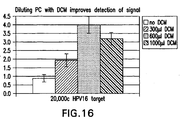
- PreservCyt® and SurepathTM When such collection mediums are used (methanol based), it is preferable that the sample is diluted prior to performing methods of the present invention relating to detecting at target nucleic acid to obtain a stronger detection signal.
- a suitable solution is one that dilutes the methanol concentration, but still allows the rest of the reaction to proceed (i.e. allows hybridization of the probe to the target nucleic acid, allows binding of the hybrid capture antibody to the DNA:RNA, etc.).
- a useful solution is a collection medium comprising NP-40, sodium deoxycholate, Tris-HCl, EDTA, NaCl and sodium azide.
- the medium comprises or consists essentially of 1% NP-40, 0.25% sodium deoxycholate, 50mM Tris-HCl, 25 mM EDTA, 150 mM NaCl and 0.09% sodium azide.
- This medium is often referred to herein and in the figures as Digene Collection Medium or DCM.
- Figure 16 shows that diluting a methanol based collection medium, such as PreserveCyt® (or noted as "PC" in the figure) with a suitable solution such as DCM, produces a stronger signal and as such signals and hence detection of a target nucleic acid can be obtained even when the target nucleic acid has been collected in a relatively large volume of solution (i.e. ⁇ 1ml).
- the methanol based collection medium or PreserveCyt® is diluted in the following ratios of PC to DCM: Amount of PreserveCyt® (PC) in ml Amount of Digene Collection Medium (DCM) in ⁇ l 1 about 100 to about 1500 1 about 200 to about 1300 1 about 300 to about 1200 1 about 400 to about 1100 1 about 500 to about 1000 1 about 600 to about 1000 1 about 600 to about 900 1 about 600 to about 800
- 1 ml of PC is diluted with at least 200 of DCM
- 1 ml of PC is diluted with at least 300 ⁇ l of DCM
- 1 ml of PC is diluted with at least 500 ⁇ l of DCM.
- 1 ml of PC is diluted with at least 500 DCM but no more than 1000 ⁇ l DCM.
- the methods of the present invention are able to provide results and detect a target nucleic acid from a relative large sample volume (i.e. a biological sample collected in ⁇ 1 ml).
- a blood sample can be collected with a syringe, for example, and the serum separated by conventional methods.
- serum is incubated for approximately 20 minutes at approximately 65° C with a protease, such as proteinase K prior to a base treatment.
- the sample is treated with a base, or hydrolyzed, to render the target nucleic acid accessible to hybridization.
- Nucleic acids can be denatured and, if necessary, nicked by incubating the sample and collection device, if present, in 0.1 to 2.0 M base at about 20 to about 100° C for 5 to 120 minutes.
- treatment is achieved with 0.2 to 0.8 M NaOH, or a similar base such as KOH, at 60-70° C for 30 to 60 minutes.
- the sample and swab are incubated in 0.415 M NaOH for 65° C for 45 minutes.
- Approximately one volume of sample can be treated with about one-half volume of base, also referred to herein as the hydrolysis reagent.
- the pH will typically be about 13. This basic pH will both nick and denature a majority of the nucleic acid in the specimen.
- base treatment can disrupt interactions between peptides and nucleic acids to improve accessibility of the target nucleic acid and degrade protein. Base treatment effectively homogenizes the specimen to ensure reproducibility of analysis results for a given sample. Base treatment also can reduce the viscosity of the sample to increase kinetics, homogenize the sample, and reduce background by destroying any existing DNA-RNA or RNA-RNA hybrids in the sample. Base treatment also can help inactivate enzymes such as RNAases that may be present in the sample.
- the variant of the target DNA includes genetic variants of the target.
- a variant includes polymorphisms, mutants, derivatives, modified, altered, or the like forms of the target nucleic acid.
- variants include the various types.
- the target nucleic acid corresponds to HPV type 18 nucleic acid
- the variant can be a corresponding nucleic acid sequence of a type of HPV other than type 18.
- the target DNA is an HPV nucleic acid.
- the HPV nucleic acid is HPV DNA of an HPV type.
- the HPV type is HPV 18, wherein the variant is nucleic acid of a type selected from the group consisting of: HPV 1, 2, 3, 4, 5, 6, 8, 11, 13, 16, 26, 30, 31, 33, 34, 35, 39, 40, 42, 43, 44, 45, 51, 52, 53, 54, 56, 58, 59, 61, 62, 66 , 67, 68, 69, 70, 71, 72, 73, 74, 81, 82, 83, 84, and 89.
- the HPV type is HPV 16, wherein the variant is nucleic acid of a type selected from the group consisting of: HPV 1, 2, 3, 4, 5, 6, 8, 11, 13, 18, 26, 30, 31, 33, 34, 35, 39, 40, 42, 43, 44, 45, 51, 52, 53, 54, 56, 58, 59, 61, 62, 66 , 67, 68, 69, 70, 71, 72, 73, 74, 81, 82, 83, 84, and 89.
- the variant is nucleic acid of a type selected from the group consisting of: HPV 1, 2, 3, 4, 5, 6, 8, 11, 13, 18, 26, 30, 31, 33, 34, 35, 39, 40, 42, 43, 44, 45, 51, 52, 53, 54, 56, 58, 59, 61, 62, 66 , 67, 68, 69, 70, 71, 72, 73, 74, 81, 82, 83, 84, and 89.
- the HPV type is HPV 45, wherein the variant is nucleic acid of a type selected from the group consisting of: HPV 1, 2, 3, 4, 5, 6, 8, 11, 13, 16, 18, 26, 30, 31, 33, 34, 35, 39, 40, 42, 43, 44, 51, 52, 53, 54, 56, 58, 59, 61, 62, 66,67,68,69,70, 71, 72, 73, 74, 81, 82, 83, 84, and 89.
- the variant is nucleic acid of a type selected from the group consisting of: HPV 1, 2, 3, 4, 5, 6, 8, 11, 13, 16, 18, 26, 30, 31, 33, 34, 35, 39, 40, 42, 43, 44, 51, 52, 53, 54, 56, 58, 59, 61, 62, 66,67,68,69,70, 71, 72, 73, 74, 81, 82, 83, 84, and 89.
- the HPV type is HPV 31, wherein the variant is nucleic acid of a type selected from the group consisting of: HPV 1, 2, 3, 4, 5, 6, 8, 11, 13, 16, 18, 26, 30, 33, 34,35, 39, 40, 42, 43, 44, 45, 51, 52, 53, 54, 56, 58, 59, 61,62,66,67, 68, 69, 70, 71, 72, 73, 74, 81, 82, 83, 84, and 89.
- the variant is nucleic acid of a type selected from the group consisting of: HPV 1, 2, 3, 4, 5, 6, 8, 11, 13, 16, 18, 26, 30, 33, 34,35, 39, 40, 42, 43, 44, 45, 51, 52, 53, 54, 56, 58, 59, 61,62,66,67, 68, 69, 70, 71, 72, 73, 74, 81, 82, 83, 84, and 89.
- the HPV type is HPV 33, wherein the variant is nucleic acid of a type selected from the group consisting of: HPV 1, 2, 3, 4, 5, 6, 8, 11, 13, 16, 18, 26, 30, 31, 34, 35, 39, 40, 42, 43, 44, 45, 51, 52, 53, 54, 56, 58, 59, 61, 62, 66, 67, 68, 69, 70, 71, 72, 73, 74, 81, 82, 83, 84, and 89.
- the variant is nucleic acid of a type selected from the group consisting of: HPV 1, 2, 3, 4, 5, 6, 8, 11, 13, 16, 18, 26, 30, 31, 34, 35, 39, 40, 42, 43, 44, 45, 51, 52, 53, 54, 56, 58, 59, 61, 62, 66, 67, 68, 69, 70, 71, 72, 73, 74, 81, 82, 83, 84, and 89.
- the HPV type is HPV 35, wherein the variant is nucleic acid of a type selected from the group consisting of: HPV 1, 2, 3, 4, 5, 6, 8, 11, 13, 16, 18, 26, 30, 31, 33, 34, 39, 40, 42, 43, 44, 45, 51, 52, 53, 54, 56, 58,59, 61, 62, 66, 67, 68, 69, 70, 71, 72, 73, 74, 81, 82, 83, 84, and 89.
- the HPV type is HPV 39, wherein the variant is nucleic acid of a type selected from the group consisting of: HPV 1, 2, 3, 4, 5, 6, 8, 11, 13, 16, 18, 26, 30, 31, 33, 34, 35, 40, 42, 43, 44, 45, 51, 52, 53, 54, 56, 58, 59, 61, 62, 66 ,67, 68, 69, 70, 71, 72, 73, 74, 81, 82, 83, 84, and 89.
- the variant is nucleic acid of a type selected from the group consisting of: HPV 1, 2, 3, 4, 5, 6, 8, 11, 13, 16, 18, 26, 30, 31, 33, 34, 35, 40, 42, 43, 44, 45, 51, 52, 53, 54, 56, 58, 59, 61, 62, 66 ,67, 68, 69, 70, 71, 72, 73, 74, 81, 82, 83, 84, and 89.
- the HPV type is HPV 51, wherein the variant is nucleic acid of a type selected from the group consisting of: HPV 1, 2, 3, 4, 5, 6, 8, 11, 13, 16, 18, 26, 30, 31, 33, 34, 35, 39, 40, 42, 43, 44, 45, 52, 53, 54, 56, 58,59, 61, 62, 66 , 67, 68, 69, 70, 71, 72, 73, 74,81,82, 83, 84, and 89.
- the variant is nucleic acid of a type selected from the group consisting of: HPV 1, 2, 3, 4, 5, 6, 8, 11, 13, 16, 18, 26, 30, 31, 33, 34, 35, 39, 40, 42, 43, 44, 45, 52, 53, 54, 56, 58,59, 61, 62, 66 , 67, 68, 69, 70, 71, 72, 73, 74,81,82, 83, 84, and 89.
- the HPV type is HPV 52, wherein the variant is nucleic acid of a type selected from the group consisting of: HPV 1, 2, 3, 4, 5, 6, 8, 11, 13, 16, 18, 26, 30, 31, 33, 34, 35, 39, 40, 42, 43, 44, 45, 51, 53, 54, 56, 58, 59, 61, 62, 66 , 67, 68, 69, 70, 71, 72, 73, 74, 81, 82, 83, 84, and 89.
- the HPV type is HPV 56, wherein the variant is nucleic acid of a type selected from the group consisting of: HPV 1, 2, 3, 4, 5, 6, 8, 11, 13, 16,18,26, 30, 31, 33, 34, 35, 39, 40, 42, 43,44, 45, 1,52, 3, 4, 58, 59, 61, 62, 66 , 67, 68, 69, 70, 71, 72, 73, 74, 81, 82, 83, 84, and 89.
- the HPV type is HPV 58, wherein the variant is nucleic acid of a type selected from the group consisting of: HPV 1, 2, 3, 4, 5, 6, 8, 11, 13, 16, 18, 26, 30, 31, 33, 34, 35, 39, 40, 42, 43, 44, 45, 51, 52, 53, 54, 56, 59, 61, 62, 66 , 67, 68,69, 70, 71, 72, 73, 74, 81, 82, 83, 84, and 89.
- the HPV type is HPV 59, wherein the variant is nucleic acid of a type selected from the group consisting of: HPV 1, 2, 3, 4, 5, 6, 8, 11, 13, 16, 18, 26, 30, 31, 33, 34, 35, 39, 40, 42, 43, 44, 45, 51, 52, 53, 54, 56, 58, 61, 62, 66 , 67, 68, 69, 70, 71, 72, 73, 74, 81, 82, 83, 84, and 89.
- the HPV type is HPV 66, wherein the variant is nucleic acid of a type selected from the group consisting of: HPV 1, 2, 3, 4, 5, 6, 8, 11, 13, 16, 18, 26, 30, 31, 33, 34, 35, 39, 40, 42, 43, 44, 45, 51, 52, 53, 54, 56, 58, 59, 61, 62, 67, 68, 69, 70, 71, 72, 73, 74, 81, 82, 83, 84, and 89.
- the HPV type is HPV 68, wherein the variant is nucleic acid of a type selected from the group consisting of: HPV 1, 2, 3, 4, 5, 6, 8, 11, 13, 16, 18, 26, 30, 31, 33, 34, 35, 39, 40, 42, 43, 44, 45, 51, 52, 53, 54, 56, 58, 59, 61, 62, 66, 67, 69, 70, 71, 72, 73, 74, 81, 82, 83, 84, and 89.
- the HPV type is HPV 82, wherein the variant is nucleic acid of a type selected from the group consisting of: HPV 1, 2, 3, 4, 5, 6, 8, 11, 13, 16, 18, 26, 30, 31, 33, 34, 35, 39, 40, 42, 43, 44, 45, 51, 52, 53, 54, 56, 58, 59, 61, 62, 66, 67, 68, 69, 70, 71, 72, 73, 74, 81, 83, 84, and 89.
- the HPV type is HPV 16, 18 and 45, wherein the variant is nucleic acid of a low risk HPV type.
- the HPV type is a high risk HPV type (hrHPV), wherein the variant is nucleic acid of a low risk HPV type.
- the HPV type is 16, 18, 31, 33, 35, 39, 45, 51, 52, 56, 58, 59, 66, 68, and 82 wherein the wherein the variant is nucleic acid of a low risk HPV type (such as 1, 2, 3, 4, 5, 6, 8, 11, 13, 26, 30, 34, 53, 54, 61, 62, 67, 69, 70, 71, 72, 73, 74, 81, 83, 84, and 89).
- a low risk HPV type such as 1, 2, 3, 4, 5, 6, 8, 11, 13, 26, 30, 34, 53, 54, 61, 62, 67, 69, 70, 71, 72, 73, 74, 81, 83, 84, and 89.
- the present disclosure provides methods, compositions, and kit for determining a target nucleic acid in a sample.
- the sample can be collected with a chemically inert device and optionally treated with a base or other denaturing solution.
- the sample is incubated with more than one polynucleotide probes that are specific for the target nucleic acid but not for any other member of the population (i.e. will not bind to a variant).
- the target nucleic acid to be determined can be an oncogenic or non-oncogenic HPV DNA sequence, HBV DNA sequence, Gonorrhea DNA, Chlamydia DNA, or other pathogen DNA or RNA.
- the target nucleic acid may be from cells for the detection of cancer.
- the target DNA is an HPV nucleic acid, wherein the target and the variant nucleic acids correspond to an HPV high risk or low risk type.
- HPV types characterized as low risk and high risk are known to one of ordinary skill in the art.
- the target DNA to be determined can be nucleic acid of a microorganism such as, e.g., a disease-causing pathogen, preferably a virus or bacteria, preferably HPV, however, the invention is not restricted thereto and the description following is merely illustrated by reference to determining an HPV DNA in a sample.
- a microorganism such as, e.g., a disease-causing pathogen, preferably a virus or bacteria, preferably HPV
- the invention is not restricted thereto and the description following is merely illustrated by reference to determining an HPV DNA in a sample.
- more than one polynucleotide probes are contacted with the sample under conditions sufficient for the polynucleotide probes to hybridize to the target nucleic acid in the sample to form double-stranded nucleic acid hybrids.
- the target nucleic acid is DNA and the probes are RNA.
- the RNA probes are short probes as opposed to full length transcribed RNA probes. These short probes are often referred to herein as synthetic RNA probes or "synRNA"
- a set of polynucleotide probes is used (i.e. more than one probe).
- the target nucleic acid to be detected is HPV 16
- a set of probes designed to specifically (i.e. only) bind to HPV 16 as opposed to binding to other HPV types is used.
- a set of probes is used to ensure coverage of about 3-4 kb of the target nucleic acid, which ensures a strong, readable signal.
- detection of HPV 16 using the methods of the present invention may use a probe set comprising all of the HPV 16 probes disclosed herein (see Table 1).
- a set of probes designed to specifically bind to another HPV type is used.
- the set of probes comprises the probes disclosed in Table 2, for HPV 45- the set of probes comprises the probes disclosed in Table 3; for HPV 31- the set of probes comprises the probes disclosed in Table 4; for HPV 33 - the set of probes comprises the probes disclosed in Table 5; for HPV 35 - the set of probes comprises the probes disclosed in Table 6; for HPV 39 - the set of probes comprises the probes disclosed in Table 7; for HPV 51 - the set of probes comprises the probes disclosed in Table 8 ; for HPV 52 - the set of probes comprises the probes disclosed in Table 9; for HPV 56 - the set of probes comprises the probes disclosed in Table 10; for HPV 58 - the set of probes comprises the probes disclosed in Table 11; for HPV 59 - the set of probes comprises the probes disclosed in Table 12; for HPV 66 - the set of probes comprises the probes disclosed in Table 13; for HPV 68 - the set of probes comprises the probes disclosed in Table
- a probe mixture comprising multiple sets of probes is used to simultaneously screen for any one of a mixture of desired target nucleic acids. For example, it may be desirable to screen a biological sample for the presence of any hrHPV type. In such a situation, a probe mixture of some, and in some cases, all of the probes provided in Tables 1-15 are used. For example, a probe mixture can be designed to provide a probe set for every high risk HPV (hrHPV) so one test can be run to identify whether the sample had any hrHPV target nucleic acid.
- hrHPV high risk HPV
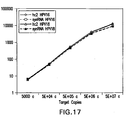
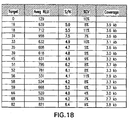
- a probe mixture of 2,007 type-specific probes for the detection of 15 hrHPV types was used and was able to detect 5,000 copies/assay of each target genome (see Figures 17 and 18 ).
- Figure 17 shows that the synthetic probes have the same signal and dynamic range as traditional full length probes.
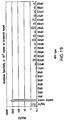
- Figure 19 provides the results of an analytical specificity test, which shows a good signal for the positive control having 10 8 copies, whereas the low risk HPV types had a signal below the cutoff, even when they were present at 10 8 copies.
- figures 17-19 show that the methods of the present utilizing the synthetic RNA probes (“synRNA”) provide analytical specificity and are equivalent in limit of detection and dynamic range to full-length transcribed probes and do not suffer any loss of sensitivity with clinical samples.
- the probes of the present invention enable sensitive detection of a set of target genomes, while also achieving excellent specificity against even very similar related species.
- the methods of the invention using the synprobes are able to distinguish HPV 67 from HPV 52 and 58 (HPV67 is greater than 72% identical to HPV 52 and 56). See Figure 19 .
- the sample would be further tested with one probe specific for the HPV type or a set of probes for the specific HPV type. For example, if one were testing the sample to determine whether the sample contained an HPV 16 target nucleic acid, then at least one probe from Table 1 (HPV 16 probes) would be used, or alternatively the entire set of probes from Table 1 would be used to increase the signal strength. Alternatively, it may be desirable to test for certain hrHPV types such as HPV 16, 18 and 45 and not necessarily test for each individual hrHPV types. In this situation, the mixture of probes would employ at least one probe from the HPV 16, 18 and 45 probe sets (or alternatively, all of the probes from the 16, 18 and 45 HPV probe sets are used).
- the polynucleotide probes are designed so that they do not hybridize to a variant of the target nucleic acid under the hybridization conditions utilized.
- the number of different polynucleotide probes employed per set can depend on the desired sensitivity. Higher coverage of the nucleic acid target with the corresponding polynucleotide probes can provide a stronger signal (as there will be more DNA-RNA hybrids for the antibodies to bind).
- the method further comprises determining the polynucleotide probes, wherein determining comprises identifying a contiguous nucleotide sequence of the target nucleic acid, wherein the contiguous nucleotide sequence is not present in the variant.
- determining comprises identifying a contiguous nucleotide sequence of the target nucleic acid, wherein the contiguous nucleotide sequence is not present in the variant.
- the polynucleotide probes can be prepared to have lengths sufficient to provide target-specific hybridization.
- the polynucleotide probes each have a length of about 20 to about 60, about 20 to about 40, about 20 to about 20 and about 25 to about 30 nucleotides.
- the polynucleotide probes each have a length of about 25 to about 50 nucleotides.
- the probes have a length of 25 nucleotides.
- all of the probes in a set will have the same length, such as 25 nucleotides, and will have very similar melting temperatures to allow hybridization of all of the probes in the set under the same hybridization conditions.
- Bioinformatics tools can be employed to determine the polynucleotide probes.
- Oligoarray 2.0 a software program that designs specific oligonucleotides can be utilized. Oligoarray 2.0 is described by Rouillard et al., Nucleic Acids Research, 31: 3057-3062 (2003 ). Oligoarray 2.0 is a program which combines the functionality of BLAST (Basic Local Alignment Search Tool) and Mfold (Genetics Computer Group, Madison, WI). BLAST, which implements the statistical matching theory by Karlin and Altschul (Proc. Natl. Acad. Sci. USA 87:2264 (1990 ); Proc. Natl. Acad. Sci.
- Melting temperature (Tm) and %GC can then be computed for polynucleotide probes of a specified length and compared to the parameters, after which secondary structure also can be examined. Once all parameters of interest are satisfied, cross hybridization can be checked with the Mfold package, using the similarity determined by BLAST.
- the various programs can be adapted to determine the polynucleotide probes meeting the desired specificity requirements. For example, the parameters of the program can be set to prepare polynucleotides of 25nt length, Tm range of 55-95°C, a GC range of 35-65%, and no secondary structure or cross-hybridization at 55°C or below.
- the present invention utilizes bioinformatics to provide sequence information sufficient to design and/or prepare polynucleotide probes for determining the target in the sample.
- one aspect of the invention comprises the probes disclosed herein.
- an isolated polynucleotide for specific hybridization to HPV 16 consisting essentially of a sequence or a complement thereof selected from the group consisting of SEQ ID NOs: 1-162 (See Table 1). Also described is a set of polynucleotides for specific hybridization to HPV 16, wherein the set comprises at least one polynucleotide consisting essentially of a sequence or a complement thereof selected from the group consisting of: SEQ ID NOs: 1-162. Also described is a set of polynucleotides for specific hybridization to HPV 16, wherein the set comprises at least one polynucleotide consisting essentially of a sequence or a complement thereof selected from the group consisting of: SEQ ID NOs: 1-161.
- the methods of the present invention utilize a set of polynucleotide probes for specific hybridization to HPV 16 comprising SEQ ID NOs: 1-162. In certain embodiments, the methods of the present invention utilize a set of polynucleotide probes for specific hybridization to HPV 16 comprising SEQ ID NO: 1-19, 21-23, 25-53, 55-65, 67-71, 73-92, 94-116, 118-130, 132-162. Table 1: Polyribonucleotide probes for determining HPV 16 nucleic acid.
- an isolated polynucleotide for specific hybridization to HPV 18 consisting essentially of a sequence or a complement thereof selected from the group consisting of: SEQ ID NOs: 163-309 (See Table 2). Also described is a set of polynucleotides for specific hybridization to HPV 18, wherein the set comprises at least one polynucleotide consisting essentially of a sequence or a complement thereof selected from the group consisting of: SEQ ID NOs: 163-309. Also described is a set of polynucleotides for specific hybridization to HPV 18, wherein the set comprises at least one polynucleotide consisting essentially of a sequence or a complement thereof selected from the group consisting of: SEQ ID NOs: 163-299.
- the methods of the present invention utilize a set of polynucleotide probes for specific hybridization to HPV 18 comprising SEQ ID NOs: 163-309. In certain embodiments, the methods of the present invention utilize a set of polynucleotide probes for specific hybridization to HPV 18 comprising SEQ ID NO: 163-241, 244-274, 276, 277, 279, 280, 282-309. Table 2: Polyribonucleotide probes for determining HPV 18 nucleic acid.
- an isolated polynucleotide for specific hybridization to HPV 45 consisting essentially of a sequence or a complement thereof selected from the group consisting of: SEQ ID NOs: 842-974 (See Table3).
- a set of polynucleotides for specific hybridization to HPV 45 wherein the set comprises at least one polynucleotide consisting essentially of a sequence or a complement thereof selected from the group consisting of: SEQ ID NOs: 842-974.
- a set of polynucleotides for specific hybridization to HPV 45 wherein the set comprises at least one polynucleotide consisting essentially of a sequence or a complement thereof selected from the group consisting of: SEQ ID NOs: 842-968.
- the methods of the present invention utilize a set of polynucleotide probes for specific hybridization to HPV 45 comprising SEQ ID NOs: 842-974.
- the methods of the present invention utilize a set of polynucleotide probes for specific hybridization to HPV 45 comprising SEQ ID NO: 842-849, 851-893, 895-917, 919-929, 931, 933-936, 938-974.
- Table 3 Polyribonucleotide probes for determining HPV 45 nucleic acid.
- an isolated polynucleotide for specific hybridization to HPV 31 consisting essentially of a sequence or a complement thereof selected from the group consisting of SEQ ID NOs: 310-454 (See Table4).
- the methods of the present invention utilize a set of polynucleotide probes for specific hybridization to HPV 31 comprising SEQ ID NOs: 310-454.
- Table 4 Polyribonucleotide probes for determining HPV 31 nucleic acid.
- an isolated polynucleotide for specific hybridization to HPV 33 consisting essentially of a sequence or a complement thereof selected from the group consisting of: SEQ ID NOs: 455-579 (See Table 5).
- a set of polynucleotides for specific hybridization to HPV 33 wherein the set comprises at least one polynucleotide consisting essentially of a sequence or a complement thereof selected from the group consisting of: SEQ ID NOs: 455-579.
- the methods of the present invention utilize a set of polynucleotide probes for specific hybridization to HPV 33 comprising SEQ ID NOs:455-579.
- Table 5 Polyribonucleotide probes for determining HPV 33 nucleic acid.
- an isolated polynucleotide for specific hybridization to HPV 35 consisting essentially of a sequence or a complement thereof selected from the group consisting of: SEQ ID NOs: 580-722 (See Table 6).
- a set of polynucleotides for specific hybridization to HPV 35 wherein the set comprises at least one polynucleotide consisting essentially of a sequence or a complement thereof selected from the group consisting of: SEQ ID NOs:580-722.
- the methods of the present invention utilize a set of polynucleotide probes for specific hybridization to HPV 35 comprising SEQ ID NOs:580-722.
- Table 6 Polyribonucleotide probes for determining HPV 35 nucleic acid.
- an isolated polynucleotide for specific hybridization to HPV 39 consisting essentially of a sequence or a complement thereof selected from the group consisting of SEQ ID NOs: 723-841 (See Table 7).
- a set of polynucleotides for specific hybridization to HPV 39 wherein the set comprises at least one polynucleotide consisting essentially of a sequence or a complement thereof selected from the group consisting of: SEQ ID NOs: 723-841.
- the methods of the present invention utilize a set of polynucleotide probes for specific hybridization to HPV 39 comprising SEQ ID NOs: 723-841.
- Table 7 Polyribonucleotide probes for determining HPV 39 nucleic acid.
- an isolated polynucleotide for specific hybridization to HPV 51 consisting essentially of a sequence or a complement thereof selected from the group consisting of SEQ ID NOs 975-1120: (See Table 8).
- a set of polynucleotides for specific hybridization to HPV 51 wherein the set comprises at least one polynucleotide consisting essentially of a sequence or a complement thereof selected from the group consisting of: SEQ ID NOs: 975-1120.
- the methods of the present invention utilize a set of polynucleotide probes for specific hybridization to HPV 51 comprising SEQ ID NOs: 975-1120.
- Table 8 Polyribonucleotide probes for determining HPV 51 nucleic acid.
- an isolated polynucleotide for specific hybridization to HPV 52 consisting essentially of a sequence or a complement thereof selected from the group consisting of SEQ ID NOs: 1121-1252 (See Table 9).
- a set of polynucleotides for specific hybridization to HPV 52 wherein the set comprises at least one polynucleotide consisting essentially of a sequence or a complement thereof selected from the group consisting of: SEQ ID NOs: 1121-1252.
- the methods of the present invention utilize a set of polynucleotide probes for specific hybridization to HPV 52 comprising SEQ ID NOs: 1121-1252.
- Table 9 Polyribonucleotide probes for determining HPV 52 nucleic acid.
- an isolated polynucleotide for specific hybridization to HPV 56 consisting essentially of a sequence or a complement thereof selected from the group consisting of SEQ ID NOs: 1253-1367 (See Table 10).
- a set of polynucleotides for specific hybridization to HPV 56 wherein the set comprises at least one polynucleotide consisting essentially of a sequence or a complement thereof selected from the group consisting of: SEQ ID NOs: 1253-1367.
- the methods of the present invention utilize a set of polynucleotide probes for specific hybridization to HPV 56 comprising SEQ ID NOs: 1253-1367.
- Table 10 Polyribonucleotide probes for determining HPV 56 nucleic acid.
- an isolated polynucleotide for specific hybridization to HPV 58 consisting essentially of a sequence or a complement thereof selected from the group consisting of SEQ ID NOs: 1368-1497 (See Table 11).
- a set of polynucleotides for specific hybridization to HPV 58 wherein the set comprises at least one polynucleotide consisting essentially of a sequence or a complement thereof selected from the group consisting of: SEQ ID NOs: 1368-1497.
- the methods of the present invention utilize a set of polynucleotide probes for specific hybridization to HPV 58 comprising SEQ ID NOs: 1368-1497.
- Table 11 Polyribonucleotide probes for determining HPV 58 nucleic acid.
- an isolated polynucleotide for specific hybridization to HPV 59 consisting essentially of a sequence or a complement thereof selected from the group consisting of SEQ ID NOs: 1498-1646 (See Table 12).
- a set of polynucleotides for specific hybridization to HPV 59 wherein the set comprises at least one polynucleotide consisting essentially of a sequence or a complement thereof selected from the group consisting of: SEQ ID NOs: 1498-1646.
- the methods of the present invention utilize a set of polynucleotide probes for specific hybridization to HPV 59 comprising SEQ ID NOs: 1498-1646.
- Table 12 Polyribonucleotide probes for determining HPV 59 nucleic acid.
- an isolated polynucleotide for specific hybridization to HPV 66 consisting essentially of a sequence or a complement thereof selected from the group consisting of SEQ ID NOs: 1647-1767 (See Table 13).
- a set of polynucleotides for specific hybridization to HPV 66 wherein the set comprises at least one polynucleotide consisting essentially of a sequence or a complement thereof selected from the group consisting of: SEQ ID NOs: 1647-1767.
- the methods of the present invention utilize a set of polynucleotide probes for specific hybridization to HPV 66 comprising SEQ ID NOs: 1647-1767.
- Table 13 Polyribonucleotide probes for determining HPV 66 nucleic acid.
- an isolated polynucleotide for specific hybridization to HPV 68 consisting essentially of a sequence or a complement thereof selected from the group consisting of SEQ ID NOs: 1768-1875 (See Table 14).
- a set of polynucleotides for specific hybridization to HPV68 wherein the set comprises at least one polynucleotide consisting essentially of a sequence or a complement thereof selected from the group consisting of: SEQ ID NOs: 1768-1875.
- the methods of the present invention utilize a set of polynucleotide probes for specific hybridization to HPV 68 comprising SEQ ID NOs: 1768-1875.
- Table 14 Polyribonucleotide probes for determining HPV 68 nucleic acid.
- an isolated polynucleotide for specific hybridization to HPV 82 consisting essentially of a sequence or a complement thereof selected from the group consisting of SEQ ID NOs: 1876-2026 (See Table 15).
- a set of polynucleotides for specific hybridization to HPV 82 wherein the set comprises at least one polynucleotide consisting essentially of a sequence or a complement thereof selected from the group consisting of: SEQ ID NOs: 1876-2026.
- the methods of the present invention utilize a set of polynucleotide probes for specific hybridization to HPV 82 comprising SEQ ID NOs: 1876-2026.
- Table 15 Polyribonucleotide probes for determining HPV 82 nucleic acid.
- the methods of the present invention comprises contacting the polynucleotide probes with the sample under a hybridization condition sufficient for the polynucleotide probes to hybridize to the target nucleic acid in the sample to form double-stranded nucleic acid hybrids.
- the polynucleotide probes are diluted in a probe diluent that also can act as a neutralizing hybridization buffer.
- the diluent can be used to dissolve and dilute the probe and also help restore the sample to about a neutral pH, e.g., about pH 6 to about pH 9, to provide a more favorable environment for hybridization.
- the probe diluent is a 2-[bis(2-Hydroxyethyl) amino] ethane sulfonic acid (BES, Sigma, St. Louis, Mo.)/sodium acetate buffer.
- BES 2-[bis(2-Hydroxyethyl) amino] ethane sulfonic acid
- the probe diluent is a mixture of 2 M BES, 1 M sodium acetate, 0.05% of the antimicrobial agent NaN 3 , 5 mM of the metal chelating agent EDTA, 0.4% of the detergent TweenTM-20 and 20% of the hybridization accelerator dextran sulfate.
- the pH of the probe diluent can be about 5 to about 5.5.
- an aliquot of sample can be removed from the sample tube and combined with a sufficient amount of probe to allow hybridization to occur under a hybridization condition.
- the hybridization condition is sufficient to allow the polynucleotide probes to anneal to a corresponding complementary nucleic acid sequence, if present, in the sample to form double-stranded nucleic acid hybrids.
- the probes and sample nucleic acids can be incubated for a hybridization time, preferably at least about 5 minutes, to allow the polynucleotide probes to anneal to a corresponding complementary nucleic acid sequence.
- the hybridization condition can comprise a hybridization temperature of at least about 20° C, preferably about 50 to about 80° C.
- the hybridization is performed at a temperature of less than 55° C.
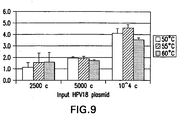
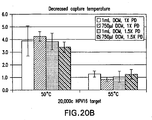
- the hybridization temperature is between 45°C and 55° C and preferably is about 50°C (see figures 20A and 20B ). Lowering the hybridization temperature provides the ability to detect 20,000 copies of HPV target nucleic acid in an assay. For any given target to be determined and the polynucleotides employed, one of ordinary skill in the art can readily determine the desired hybridization condition by routine experimentation.
- the present invention also allows for hybridization of probes to targets in the presence of anti-hybrid antibody that is immunospecific to double-stranded nucleic acid hybrids (i.e. the anti-hybrid antibody can be added at the same time or before the probes are added to the sample containing the target nucleic acid). This allows for reduction in the time to perform an assay.
- the double-stranded nucleic acid hybrids formed in accordance with the present invention can be detected using an antibody that is immunospecific to double-stranded nucleic acid hybrids.
- the antibody is immunospecifc to double-stranded hybrids, such as but not limited to RNA/DNA; DNA/DNA; RNA/RNA; and mimics thereof, where "mimics" as defined herein, refers to molecules that behave similarly to RNA/DNA, DNA/DNA, or RNA/RNA hybrids.
- the anti-double-stranded nucleic acid hybrid antibody i.e ., "anti-hybrid" antibody
- the antibody is immunospecific to RNA/DNA hybrids.
- polyclonal or monoclonal anti-hybrid antibodies can be used and/or immobilized on a solid support or phase in the present assay as described below.
- Monoclonal antibody prepared using standard techniques can be used in place of the polyclonal antibodies.
- immunofragments or derivatives of antibodies specific for double-stranded hybrids where such fragments or derivatives contain binding regions of the antibody.
- RNA:DNA hybrid antibody derived from goats immunized with an RNA:DNA hybrid
- Hybrid-specific antibody can be purified from the goat serum by affinity purification against RNA:DNA hybrid immobilized on a solid support, for example as described in Kitawaga et al., Mol. Immunology, 19:413 (1982 ); and U. S. Patent No. 4,732, 847 .
- Suitable methods of producing or isolating antibodies can be used, including, for example, methods which select recombinant antibody (e.g., single chain Fv or Fab, or other fragments thereof) from a library, or which rely upon immunization of transgenic animals (e.g., mice) capable of producing a repertoire of human antibodies (see, e.g., Jakobovits et al., Proc. Natl. Acad. Sci. USA, 90:2551 (1993 ); Jakobovits et al., Nature, 362: 255 (1993 ); and U.S. Pat. Nos. 5,545, 806 and 5,545, 807 ).
- the target nucleic acid to be determined is DNA (e.g., HPV 18 genomic DNA), wherein the polynucleotide probes are polyribonucleotides.
- the double-stranded nucleic acid hybrids i.e. DN/RNA hybrids
- RNA:DNA hybrids an antibody that is immunospecific to RNA:DNA hybrids.
- a polyclonal anti-RNA/DNA hybrid antibody is derived from goats immunized with an RNA/DNA hybrid.
- Hybrid-specific antibody is purified from the goat serum by affinity purification against RNA/DNA hybrid immobilized on a solid support.
- Monoclonal antibody prepared using standard techniques can be used in place of the polyclonal antibodies.
- a goat or rabbit is immunized with a synthetic poly(A)-poly(dT) hybrid by injecting the hybrid into the animal in accordance with conventional injection procedures.
- Polyclonal antibodies may be collected and purified from the blood of the animal with antibodies specific for the species of the immunized animal in accordance with well-known antibody isolation techniques.
- the spleen can be removed from the animal after a sufficient amount of time, and splenocytes can be fused with the appropriate myeloma cells to produce hybridomas.
- Hybridomas can then be screened for the ability to secrete the anti-hybrid antibody. Selected hybridomas may then be used for injection into the peritoneal cavity of a second animal for production of ascites fluid, which may be extracted and used as an enriched source of the desired monoclonal antibodies.
- the step of detecting comprises contacting the double-stranded nucleic acid hybrids with a first anti-hybrid antibody to capture the double-stranded nucleic acid hybrids, wherein the first anti-hybrid antibody is immunospecific to double-stranded nucleic acid hybrids.
- the first anti-hybrid antibody is immobilized onto a solid support such as a test tube surface.
- a solid support includes polystyrene, polyethylene, polypropylene, polycarbonate or any solid plastic material in the shape of test tubes, beads, microparticles, dip-sticks or the like.
- Examples of a solid support also includes, without limitation, glass beads, silica beads, glass test tubes, and any other appropriate shape made of glass.
- a functionalized solid support such as plastic, silica, or glass that has been modified so that the surface contains carboxyl, amino, hydrazide or aldehyde groups can also be used.
- Immobilization of the antibody can be direct or indirect.
- test tubes are directly coated with anti-hybrid antibody in accordance with methods known to those skilled in the art or briefly described below.
- the antibody can also be biotinylated and subsequently immobilized on, for example streptavidin coated tubes or silica, or modified by other methods to covalently bind to the solid phase.
- Solubilized biotinylated antibody can be immobilized on the streptavidin coated tubes before capture of the hybridized samples as described below or in conjunction with the addition of the hybridized samples to simultaneously immobilize the biotinylated antibody and capture the hybrids.
- the first anti-hybrid antibody is attached to the solid phase in accordance with the method of Fleminger et al., Appl. Biochem. Biotech. 23:123 (1990 ), by oxidizing the carbohydrate portion of the antibody with periodate to yield reactive aldehyde groups.
- the aldehyde groups are then reacted with a hydrazide-modified solid phase such as MicroBind-HZTM microtiter plates available from Dynatech Laboratories (Chantilly, Va.).
- Passive coating of the antibody according to the well known method of Esser, P., Nunc Bulletin No. 6 (November 1988) (Nunc, Roskilde, Denmark ) can also be employed.
- Ventrex StarTM tubes (Ventrex Laboratories Inc., Portland, ME) are coated with streptavidin by the method of Haun et al., Anal. Biochem. 191:337-342 (1990 ). After binding of streptavidin, a biotinylated goat polyclonal antibody as described above, or otherwise produced by methods known to those skilled in the art, is bound to the immobilized streptavidin. Following antibody binding, tubes can be post-coated with a detergent such as TweenTM-20 and sucrose to block unbound sites on the tube and stabilize the bound proteins as described by Esser, Nunc Bulletin No. 8, pp. 1-5 (December 1990 ) and Nunc Bulletin No. 9, pp.
- a detergent such as TweenTM-20 and sucrose
- each tube is coated with between 10 ng and 100 ⁇ g biotinylated antibody. Most preferably each tube is coated with approximately 250 ng of biotinylated antibody.
- the solid phase can be coated with functional antibody fragments or derivatized functional fragments of the anti-hybrid antibody.
- hybridized samples are incubated in tubes coated with the first anti-hybrid antibody for a sufficient amount of time to allow capture of the double-stranded nucleic acid hybrids by the immobilized capture antibodies.
- the hybrids can be bound to the immobilized antibodies by incubation, for example incubation for about 5 minutes to about 24 hours at about 15 to about 65° C.
- the incubation time is about 30 to about 120 minutes at about 20 to about 40° C, with shaking at about 300 to about 1200 rpm.
- capture occurs with incubation at about one hour at about room temperature with vigorous shaking on a rotary platform. It will be understood by those skilled in the art that the incubation time, temperature, and/or shaking can be varied to achieve alternative capture kinetics as desired.
- the first anti-hybrid antibody is coupled to a magnetic bead (e.g., COOH-beads) to capture double-stranded nucleic acid hybrids.
- a magnetic bead e.g., COOH-beads
- Magnetic bead-based technology is well known in the art.
- magnetic silica beads having derivatized surfaces for reacting with antibody can be employed.
- the step of detecting further comprises providing a second anti-hybrid antibody that is immunospecific to double-stranded nucleic acid hybrids, wherein the second anti-hybrid antibody is detectably labeled either directly or indirectly.
- an anti-hybrid antibody as described above can be conjugated to a detectable label to provide the second anti-hybrid antibody for detection of the double-stranded nucleic acid hybrids.
- Conjugation methods for labeling are well known in the art.
- an antibody such as the mouse monoclonal antibody deposited with the American Type Culture Collection as ATCC Accession number HB-8730, is conjugated to a detectable label such as alkaline phosphatase. It will be understood by those skilled in the art that any detectable label such as an enzyme, a fluorescent molecule, or a biotin-avidin conjugate can be used.
- the antibody conjugate can be produced by well known methods such as direct reduction of the monoclonal antibody with dithiothreitol (DTT) to yield monovalent antibody fragments.
- DTT dithiothreitol
- the reduced antibody can then be directly conjugated to maleimated alkaline phosphatase by the methods of Ishikawa et al., J. Immunoassay 4:209-237 (1983 ) and Means et al., Chem. 1: 2-12 (1990 ), and the resulting conjugate can be purified by HPLC.
- the double-stranded nucleic acid hybrids can be detected indirectly, for example using an unlabelled anti-hybrid antibody for which a labeled antibody is specific.
- the second anti-hybrid antibody can be a mouse immunoglobulin that is detected by a labeled goat anti-mouse antibody.
- the double-stranded nucleic acid hybrids can be contacted with the second anti-hybrid antibody under a binding condition that is sufficient to provide for specific antibody-antigen binding (i.e., antibody/double-stranded nucleic acid hybrid binding), while minimizing non-specific binding.
- the binding condition preferably comprises a binding buffer comprising 0.1 M Tris-HCl, pH 7.5, 0.6 M NaCl to reduce cross reaction of antibody with other nucleic acid species, ZnCl 2 and MgCl 2 for stabilizing alkaline phosphatase, normal goat serum to block non-specific interaction of conjugate with the capture surface, 0.25% of the detergent TweenTM-20 to block non-specific binding of conjugate, and sodium azide as a preservative.
- Reactions can then be washed with a wash buffer (e.g., 0.1 M Tris-HCl, pH 7.5, 0.6 M NaCl, 0.25% TweenTM-20, and sodium azide) to remove as much of the unbound or non-specifically bound second anti-hybrid antibody as possible.
- a wash buffer e.g., 0.1 M Tris-HCl, pH 7.5, 0.6 M NaCl, 0.25% TweenTM-20, and sodium azide
- the second anti-hybrid antibody that is bound to the double-stranded nucleic acid hybrids can subsequently be detected, for example by colorimetry or chemiluminescence methods as described by e.g., Coutlee, et al., J. Clin. Microbiol. 27:1002-1007 (1989 ).
- bound alkaline phosphatase conjugate can be detected by chemiluminescence with a reagent such as a Lumi-PhosTM 530 reagent (Lumigen, Detroit, MI) using a detector such as an E / LuminaTM luminometer (Source Scientific Systems, Inc., Garden Grove, CA), an Optocomp ITM Luminometer (MGM Instruments, Hamden, CT), or the like.
- a reagent such as a Lumi-PhosTM 530 reagent (Lumigen, Detroit, MI)
- a detector such as an E / LuminaTM luminometer (Source Scientific Systems, Inc., Garden Grove, CA), an Optocomp ITM Luminometer (MGM Instruments, Hamden, CT), or the like.
- the polynucleotides can be conjugated to a label, such as an enzyme, or to a hapten such as biotin, that is then detected with a labeled anti-hapten antibody.
- a label such as an enzyme
- a hapten such as biotin
- target-specific oligoribonucleotides can be designed using commercially available bioinformatics software.
- DNA can be denatured, hybridized to the RNA probes, and captured via anti-RNA:DNA hybrid antibodies on a solid support.
- Detection can be performed by various methods, including anti-RNA:DNA hybrid antibodies conjugated with alkaline phosphatase for chemiluminescent detection.
- other detection methods can be employed, for example using anti-RNA:DNA hybrid antibodies conjugated with phycoerythrin, suitable for detection by fluorescence.
- the methods of the present invention optionally, further comprise a step of amplification of the target nucleic acid.
- Amplification techniques are known in the art and may be utilized.
- WGA Whole Genome Amplification
- Phi 29 DNA polymerase can be used in combination with non-specific primers to amplify target nucleic acid sequences.
- the polymerase can move along the target nucleic acid sequence displacing the complementary strand.
- the displaced strand becomes a template for replication allowing high yields of high-molecular weight DNA to be generated.
- helicase-dependent amplification may be employed.
- kits comprising the necessary components and reagents for performing the methods of the present invention.
- the kit can comprise at least one of the following: an inert sample collection device, such as a dacron swab for exfoliated cell sample collection; a sample transport medium for stabilization of the sample during transport to the laboratory for analysis; a base, or a hydrolysis reagent; one or more polynucleotide probes specific for the target nucleic acid to be determined; neutralizing probe diluent; anti-hybrid antibody coated test tubes; and any necessary controls.
- an inert sample collection device such as a dacron swab for exfoliated cell sample collection
- a sample transport medium for stabilization of the sample during transport to the laboratory for analysis
- a base or a hydrolysis reagent
- one or more polynucleotide probes specific for the target nucleic acid to be determined neutralizing probe diluent
- anti-hybrid antibody coated test tubes and any necessary controls.
- the sample transport medium is Specimen Transport Medium; the base is 0.415 M NaOH; the neutralizing probe diluent is a BES/sodium acetate buffer, the test tubes are Ventrex StarTM tubes coated with a polyclonal anti-hybrid antibody; and the conjugated anti-hybrid antibody is a mouse monoclonal antibody conjugated to alkaline phosphatase.
- the kit also contains a substrate for the chemiluminescent detection of alkaline phosphatase, such as a CDP-Star® with Emerald II (Applied Biosystems, Bedford, MA).
- Example 1 Polynucleotide probes for determining HPV 18 or HPV 16 DNA
- Oligoarray 2.0 was chosen as the tool with which to identify RNA probes specific for HPV 18 or HPV 16 DNA.
- the parameters of the Oligoarray 2.0 program were set to look for ribonucleotides of 25nt length, Tm range of 55-95°C, a GC range of 35-65%, and no secondary structure or cross-hybridization at 55°C or below.
- ribonucleotide probes for HPV18 resulted in 145 ribonucleotides (for HPV 18) and 127 ribonucleotides (for HPV 16) covering a total of about 3.7kb of the target (i.e., HPV 18 or HPV 16 viral DNA).
- RNA oligos were ordered from IDT technologies, at the 250 nM scale, with standard desalting. Oligos were stored in Ambion's RNA Storage Solution (1 mM Sodium Citrate, pH 6.4). The synthetic ribonucleotide probes are hereinafter referred to as "synRNA.”
- Example 2 Protocol for detecting HPV 18 DNA using HPV 18 synRNA
- the hybridization and detection protocol was performed essentially as described in Table 16.
- Table 16 Protocol Denature 1 Sample nucleic acid was denatured with alkali and heat. Hybridize/ Capture 2 Synthetic RNA probes were added to sample, hybridized, and neutralized 3 Synthetic RNA probe/target DNA hybrids were captured with anti-hybrid antibody immobilized on a substrate Conjugate 4 Alkaline phosphatase-conjugated anti-hybrid antibodies were added Wash 5 Samples were washed Detection 6 Alkaline-phosphatase-activated chemiluminescent substrate was added Read 7 Samples were read using a luminometer
- HPV16 synRNA is unable to detect HPVs 6, 18, or 45 at up to 10 9 copies/assay (200 ng/ml).
- synRNA 3.175kb coverage of HPV 16 DNA; 25 mers @ 1.34 nM final in hybridization.
- HPV16 and HPV18 are detected at equivalent levels
- SynRNAs were prepared by TOM amidite chemistry (Operon Biotechnologies, Inc., Huntsville, AL) or by tBDMS chemistry (Integrated DNA Technologies (IDT)). As shown in Figure 8 , 25mers of comparable quality can be provided using different chemical synthesis methods.
- the hybridization temperature can be reduced, if desired, to provide a more tolerable condition for antibody/antigen interactions ( Figure 9 ).
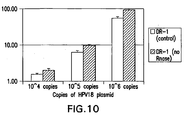
- synRNAs are largely devoid of secondary structure. This eliminates non-specific RNA-based background arising from anti-RNA:DNA hybrid antibodies recognizing long RNA secondary structures. With RNA not bound to DNA no longer contributing to background signal, the use of RNase A in the assay becomes unnecessary ( Figure 10 ).
- the method provided specificity and decreased background, and does not require RNase and is compatible with various media including SurePath, PC, STM and DCM.
- Example 4 Target capture and amplification
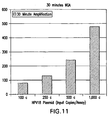
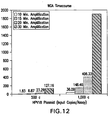
- the inclusion of a target amplification component provided enhanced sensitivity.
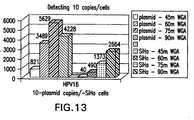
- the method detected as low as 10 copies of HPV plasmids or 10 SiHa cells comprising HPV nucleic acid target.
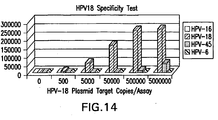
- the method also provided robust specificity, the ability to distinguish HPV 16 or HPV18 plasmid from all other high- and low-risk HPV types.
- Target amplification can involve e.g., generating short amplicons with sequence-specific primers (e.g. Polymerase Chain Reaction) or large amplicons with multiple random primers (e.g. Whole Genome Amplification). Amplified targets can be captured and detected on a variety of different detection platforms.
- sequence-specific primers e.g. Polymerase Chain Reaction
- large amplicons with multiple random primers e.g. Whole Genome Amplification
- Hybrid-specific antibodies were coupled to magnetic beads and employed in combination with short type-specific RNA probes for target capture.
- the sample processing procedure involved capture of targets pre-target amplification and the detection procedure involves capture of targets post-target amplification.
- the isothermal WGA technology was utilized to produce non-specific amplification of any captured targets.
- the nucleic acid target of interest was immobilized on a solid support with the use of type-specific RNA probes to form nucleic acid hybrids and anti-RNA:DNA hybrid-specific antibodies to capture, concentrate and purify.
- the sample preparation process produced single-stranded DNA targets free of amplification inhibitors and non-specific targets and allowed for multiple targets to be captured simultaneously. This was demonstrated by coupling hybrid capture antibodies to magnetic beads and using HPV sequence-specific RNA probes for detection.
- Magnetic beads coupled with anti-hybrid antibodies were used to specifically capture amplicons generated by WGA.
- Short RNA probes were used for specific detection.
- anti-RNA:DNA hybrid antibodies coupled with alkaline phosphatase was used for detection.
- Detection reagent 1 is preferably the detection reagent 1 provided in the digene Hybrid Capture Kit and detection reagent 2 is preferably the detection reagent 2 provided in the digene Hybrid Capture Kit.
- Detection Reagent 1 comprises alkaline phosphatase-conjugated antibodies to RNA:DNA hybrids and Detection Reagent 2 comprises CDP-Star® with Emerald II (chemiluminescent substrate).
- Figure 14 shows specificity for HPV18.
- Example 5 Synthetic type-specific biotinylated DNA probes DNA probes.
- synthetic type-specific biotinylated DNA probes are used to form double-stranded hybrids with target mRNA ( Fig. 15 ). Hybrids are captured on magnetic streptavidin beads. Signal amplification and detection is performed with anti-hybrid antibody/alkaline phosphatase and the resulting chemiluminescent signal is detected.
- Example 6 Sample Assay Flow.
- Predenatured samples are transferred to a multiwell plate.
- Probes in neutralizing solution are added to the denatured sample and incubated with shaking at room temperature for about 1 minute to neutralize the sample.
- the neutralized samples are transferred to a plate containing immobilized anti-RNA:DNA hybrid antibodies so that target DNA is allowed to hybridize to the synthetic RNA probes and also to be captured by the immobilized antibodies.
- the incubation is at about 55°C for about 120 min.
- Anti-RNA:DNA hybrid antibodies conjugated with alkaline phosphatase are added at room temp and incubated for about 30 min. After the conjugated antibody step, the plate is washed for about 12 min. A dioxetane substrate is added and incubated for 15 minutes. The plate is then read with a luminometer.
- Hybridization and hybrid capture by anti-RNA:DNA hybrid antibodies are performed in the same step at about 55°C and may include shaking.
Landscapes
- Health & Medical Sciences (AREA)
- Life Sciences & Earth Sciences (AREA)
- Chemical & Material Sciences (AREA)
- Immunology (AREA)
- Engineering & Computer Science (AREA)
- Organic Chemistry (AREA)
- Molecular Biology (AREA)
- Zoology (AREA)
- Analytical Chemistry (AREA)
- Wood Science & Technology (AREA)
- Proteomics, Peptides & Aminoacids (AREA)
- Biochemistry (AREA)
- General Health & Medical Sciences (AREA)
- Biotechnology (AREA)
- Microbiology (AREA)
- Physics & Mathematics (AREA)
- Virology (AREA)
- Biomedical Technology (AREA)
- Urology & Nephrology (AREA)
- Bioinformatics & Cheminformatics (AREA)
- Genetics & Genomics (AREA)
- General Engineering & Computer Science (AREA)
- Biophysics (AREA)
- Pathology (AREA)
- Hematology (AREA)
- Tropical Medicine & Parasitology (AREA)
- Food Science & Technology (AREA)
- Medicinal Chemistry (AREA)
- General Physics & Mathematics (AREA)
- Cell Biology (AREA)
- Measuring Or Testing Involving Enzymes Or Micro-Organisms (AREA)
- Apparatus Associated With Microorganisms And Enzymes (AREA)
Applications Claiming Priority (4)
| Application Number | Priority Date | Filing Date | Title |
|---|---|---|---|
| US4595208P | 2008-04-17 | 2008-04-17 | |
| US11384108P | 2008-11-12 | 2008-11-12 | |
| US14786209P | 2009-01-28 | 2009-01-28 | |
| PCT/US2009/041033 WO2009129505A2 (en) | 2008-04-17 | 2009-04-17 | Compositions, methods, and kits using synthetic probes for determining the presence of a target nucleic acid |
Publications (3)
| Publication Number | Publication Date |
|---|---|
| EP2262911A2 EP2262911A2 (en) | 2010-12-22 |
| EP2262911A4 EP2262911A4 (en) | 2012-02-08 |
| EP2262911B1 true EP2262911B1 (en) | 2016-10-12 |
Family
ID=41199777
Family Applications (1)
| Application Number | Title | Priority Date | Filing Date |
|---|---|---|---|
| EP09732614.4A Not-in-force EP2262911B1 (en) | 2008-04-17 | 2009-04-17 | Compositions, methods, and kits using synthetic probes for determining the presence of a target nucleic acid |
Country Status (6)
| Country | Link |
|---|---|
| US (1) | US20090298187A1 (enExample) |
| EP (1) | EP2262911B1 (enExample) |
| JP (2) | JP2011518333A (enExample) |
| AU (1) | AU2009238247B2 (enExample) |
| CA (1) | CA2726396C (enExample) |
| WO (1) | WO2009129505A2 (enExample) |
Families Citing this family (28)
| Publication number | Priority date | Publication date | Assignee | Title |
|---|---|---|---|---|
| CA2313641A1 (en) * | 1997-12-12 | 1999-06-24 | Digene Corporation | Universal collection medium |
| US7439016B1 (en) * | 2000-06-15 | 2008-10-21 | Digene Corporation | Detection of nucleic acids by type-specific hybrid capture method |
| US7601497B2 (en) | 2000-06-15 | 2009-10-13 | Qiagen Gaithersburg, Inc. | Detection of nucleic acids by target-specific hybrid capture method |
| TWI419974B (zh) | 2008-10-27 | 2013-12-21 | Qiagen Gaithersburg Inc | 於自動平台上之快速結果雜交捕捉法 |
| WO2010088273A1 (en) * | 2009-01-27 | 2010-08-05 | Qiagen Gaithersburg | Thermophilic helicase dependent amplification technology with endpoint homogenous fluorescent detection |
| AU2010242867B2 (en) | 2009-05-01 | 2016-05-12 | Qiagen Gaithersburg, Inc. | A non-target amplification method for detection of RNA splice-forms in a sample |
| EP2478087B1 (en) | 2009-09-14 | 2017-01-18 | QIAGEN Gaithersburg, Inc. | Compositions and methods for recovery of nucleic acids or proteins from tissue samples fixed in cytology media |
| US20120021460A1 (en) | 2010-01-08 | 2012-01-26 | Qiagen Gaithersburg Inc. | Materials and methods for isothermal nucleic acid amplification |
| WO2011094514A1 (en) | 2010-01-29 | 2011-08-04 | Qiagen Gaithersburg, Inc. | Methods and compositions for sequence-specific purification and multiplex analysis of nucleic acids |
| JP2013517803A (ja) * | 2010-01-29 | 2013-05-20 | キアジェン ゲイサーズバーグ インコーポレイテッド | サンプル中のhpvの存在を決定および確認する方法 |
| EP2572001A2 (en) | 2010-05-19 | 2013-03-27 | QIAGEN Gaithersburg, Inc. | Methods and compositions for sequence-specific purification and multiplex analysis of nucleic acids |
| US8628914B2 (en) | 2010-05-26 | 2014-01-14 | Qiagen Gaithersburg, Inc. | Quantitative helicase assay |
| CN103517994A (zh) | 2011-01-07 | 2014-01-15 | 奇亚根盖瑟斯堡股份有限公司 | 用于对高风险人乳头瘤病毒进行基因型分型和定量的材料和方法 |
| EP2678442B1 (en) | 2011-02-24 | 2019-01-16 | QIAGEN Gaithersburg, Inc. | Materials and methods for detection of hpv nucleic acid |
| EP3246416B1 (en) | 2011-04-15 | 2024-06-05 | The Johns Hopkins University | Safe sequencing system |
| CN103333891A (zh) * | 2011-09-27 | 2013-10-02 | 天津佰思普生物科技有限公司 | 针对hpv16e7基因的小干扰rna及其应用 |
| CN103333892A (zh) * | 2011-09-27 | 2013-10-02 | 天津佰思普生物科技有限公司 | 针对hpv16e7基因的小干扰rna及其应用 |
| WO2014070462A1 (en) | 2012-10-29 | 2014-05-08 | The Johns Hopkins University | Papanicolaou test for ovarian and endometrial cancers |
| PL235847B1 (pl) * | 2014-04-11 | 2020-11-02 | Centrum Onkologii Inst Im Marii Sklodowskiej Curie | Zestaw i sposób do wykrywania obecności onkogennych wirusów HPV |
| CN105368982B (zh) * | 2014-08-28 | 2019-01-29 | 杭州德同生物技术有限公司 | 一种高危型人乳头瘤病毒检测及分型方法 |
| US11286531B2 (en) | 2015-08-11 | 2022-03-29 | The Johns Hopkins University | Assaying ovarian cyst fluid |
| KR20250047324A (ko) | 2017-08-07 | 2025-04-03 | 더 존스 홉킨스 유니버시티 | 암을 평가하고 치료하기 위한 방법 및 재료 |
| JP6995604B2 (ja) * | 2017-12-15 | 2022-01-14 | 東洋鋼鈑株式会社 | 一塩基多型検出用プローブの設計方法及びプローブセット |
| CN109234455A (zh) * | 2018-10-10 | 2019-01-18 | 上海裕隆神光医学检验实验室有限公司 | 人乳头瘤病毒的dna分型检测试剂盒 |
| CN109402298A (zh) * | 2018-11-30 | 2019-03-01 | 广东腾飞基因科技股份有限公司 | 一种用于定性检测人宫颈脱落细胞中hpv感染的试剂盒 |
| CN110938712A (zh) * | 2019-12-27 | 2020-03-31 | 苏州药明检测检验有限责任公司 | 基于实时荧光定量pcr技术检测人乳头瘤病毒的引物、探针、试剂盒及方法 |
| WO2021163546A1 (en) | 2020-02-14 | 2021-08-19 | The Johns Hopkins University | Methods and materials for assessing nucleic acids |
| EP4320278A4 (en) * | 2021-04-08 | 2025-05-07 | Board of Regents, The University of Texas System | METHODS AND SYSTEMS FOR HPV DETECTION AND QUANTIFICATION |
Family Cites Families (53)
| Publication number | Priority date | Publication date | Assignee | Title |
|---|---|---|---|---|
| US4732847A (en) | 1981-06-09 | 1988-03-22 | University Of Hawaii | Monoclonal antibodies for DNA-RNA hybrid complexes and their uses |
| US5200313A (en) * | 1983-08-05 | 1993-04-06 | Miles Inc. | Nucleic acid hybridization assay employing detectable anti-hybrid antibodies |
| US4743535A (en) * | 1984-11-07 | 1988-05-10 | Miles Inc. | Hybridization assay employing labeled probe and anti-hybrid |
| CA1253777A (en) * | 1984-06-01 | 1989-05-09 | Robert J. Carrico | Nucleic acid hybridization assay employing immobilized rna probes |
| US4563417A (en) * | 1984-08-31 | 1986-01-07 | Miles Laboratories, Inc. | Nucleic acid hybridization assay employing antibodies to intercalation complexes |
| FR2629458B2 (fr) * | 1987-07-31 | 1991-08-09 | Ire Celltarg Sa | Nouvelles sondes d'acides nucleiques specifiques de differents types de virus de papillome humain |
| US6326136B1 (en) * | 1988-04-01 | 2001-12-04 | Digene Corporation | Macromolecular conjugate made using unsaturated aldehydes |
| WO1989009940A1 (en) * | 1988-04-04 | 1989-10-19 | Oncor, Inc. | Human papilloma virus typing method and nucleic acid probes used therein |
| GB8823869D0 (en) | 1988-10-12 | 1988-11-16 | Medical Res Council | Production of antibodies |
| ATE118824T1 (de) * | 1989-03-10 | 1995-03-15 | Amoco Corp | Immobilisierte oligonukleotidsonden und ihre verwendungen. |
| US5106727A (en) * | 1989-04-27 | 1992-04-21 | Life Technologies, Inc. | Amplification of nucleic acid sequences using oligonucleotides of random sequences as primers |
| US5116734A (en) * | 1989-09-01 | 1992-05-26 | Digene Diagnostics, Inc. | Highly sensitive method for detecting peroxidase |
| US5545806A (en) | 1990-08-29 | 1996-08-13 | Genpharm International, Inc. | Ransgenic non-human animals for producing heterologous antibodies |
| US5484699A (en) * | 1990-09-28 | 1996-01-16 | Abbott Laboratories | Nucleotide sequences useful as type specific probes, PCR primers and LCR probes for the amplification and detection of human papilloma virus, and related kits and methods |
| EP0667918B1 (en) * | 1991-11-14 | 2000-02-16 | Digene Diagnostics, Inc. | Non-radioactive hybridization assay and kit |
| DE69430665T2 (de) * | 1993-01-15 | 2002-11-21 | The Public Health Research Institute Of The City Of New York, Inc. | Empfindlicher nukleinsäure-sandwichhybridisierungs-assay und kits |
| WO1994028156A1 (en) * | 1993-05-20 | 1994-12-08 | Dana-Farber Cancer Institute | Compositions and methods for treatment of herpesvirus infections |
| US20030104361A1 (en) * | 1997-09-29 | 2003-06-05 | Susan Weininger | Method of detection of nucleic acids with a specific sequence composition |
| US5731153A (en) * | 1996-08-26 | 1998-03-24 | The Regents Of The University Of California | Identification of random nucleic acid sequence aberrations using dual capture probes which hybridize to different chromosome regions |
| US6083925A (en) * | 1995-06-07 | 2000-07-04 | Connaught Laboratories Limited | Nucleic acid respiratory syncytial virus vaccines |
| WO1997018334A2 (en) * | 1995-11-15 | 1997-05-22 | Gen-Probe Incorporated | Nucleic acid probes complementary to human papillomavirus nucleic acid and related methods and kits |
| US5853993A (en) * | 1996-10-21 | 1998-12-29 | Hewlett-Packard Company | Signal enhancement method and kit |
| US20020034737A1 (en) * | 1997-03-04 | 2002-03-21 | Hyseq, Inc. | Methods and compositions for detection or quantification of nucleic acid species |
| CA2308762A1 (en) * | 1997-11-04 | 1999-05-14 | Roche Diagnostics Gmbh | Specific and sensitive nucleic acid detection method |
| CA2313641A1 (en) * | 1997-12-12 | 1999-06-24 | Digene Corporation | Universal collection medium |
| US20030096232A1 (en) * | 1997-12-19 | 2003-05-22 | Kris Richard M. | High throughput assay system |
| US6686151B1 (en) * | 1998-02-06 | 2004-02-03 | Digene Corporation | Immunological detection of RNA:DNA hybrids on microarrays |
| US5994079A (en) * | 1998-02-06 | 1999-11-30 | Digene Corporation | Direct detection of RNA mediated by reverse transcriptase lacking RNAse H function |
| US20010055766A1 (en) * | 1999-04-02 | 2001-12-27 | Alexander Aristarkhov | Immunosorbant assay using branched bis-biotin/avidin/multiple label complex as a detection reagent |
| US7019822B1 (en) * | 1999-04-29 | 2006-03-28 | Mss, Inc. | Multi-grade object sorting system and method |
| US6544732B1 (en) * | 1999-05-20 | 2003-04-08 | Illumina, Inc. | Encoding and decoding of array sensors utilizing nanocrystals |
| US6200746B1 (en) * | 1999-08-25 | 2001-03-13 | Pharmacia & Upjohn Company | Methods of identifying anti-viral agents |
| US6893819B1 (en) * | 2000-11-21 | 2005-05-17 | Stratagene California | Methods for detection of a nucleic acid by sequential amplification |
| US6436662B1 (en) * | 2000-04-04 | 2002-08-20 | Digene Corporation | Device and method for cytology slide preparation |
| US6521190B1 (en) * | 2000-05-19 | 2003-02-18 | Digene Corporation | Cell collection apparatus |
| EP1290225A4 (en) * | 2000-05-20 | 2004-09-15 | Univ Michigan | METHOD FOR PRODUCING A DNA BANK BY POSITIONAL REPRODUCTION |
| US7601497B2 (en) * | 2000-06-15 | 2009-10-13 | Qiagen Gaithersburg, Inc. | Detection of nucleic acids by target-specific hybrid capture method |
| AU1548802A (en) * | 2000-06-21 | 2002-01-02 | Digene Corp | Universal collection medium |
| US20050032105A1 (en) * | 2001-10-12 | 2005-02-10 | Bair Robert Jackson | Compositions and methods for using a solid support to purify DNA |
| EP2272988A3 (en) * | 2002-01-07 | 2011-06-15 | Norchip A/S | Method for detecting human papillomavirus mRNA |
| US20030175828A1 (en) * | 2002-03-15 | 2003-09-18 | Lazar James G. | Signal amplification by Hybrid Capture |
| EP1369694A1 (en) * | 2002-04-09 | 2003-12-10 | MTM Laboratories AG | Method for discrimination of metaplasias from neoplastic or preneoplastic lesions |
| US8048627B2 (en) * | 2003-07-05 | 2011-11-01 | The Johns Hopkins University | Method and compositions for detection and enumeration of genetic variations |
| JP2006141342A (ja) * | 2004-11-24 | 2006-06-08 | Olympus Corp | 核酸の解析法 |
| EP1828414A4 (en) * | 2004-12-23 | 2008-12-10 | Human Genetic Signatures Pty | DETECTION OF HUMAN PAPILLOMA VIRUS |
| GB0500996D0 (en) * | 2005-01-18 | 2005-02-23 | Delfts Diagnostic Labaratory B | Detection method and materials therefor |
| JP2008526248A (ja) * | 2005-01-14 | 2008-07-24 | ザ・リージェンツ・オブ・ザ・ユニバーシティ・オブ・ミシガン | 生体試料におけるヒトパピローマウイルス検出のためのシステム、方法、および組成 |
| US20060240449A1 (en) * | 2005-01-19 | 2006-10-26 | Mcglennen Ronald C | Methods and compositions for preparation of biological samples |
| US7972776B2 (en) * | 2005-11-15 | 2011-07-05 | Oncohealth Corporation | Protein chips for HPV detection |
| EP2114990B9 (en) * | 2007-02-27 | 2012-03-28 | Nuclea Biomarkers LLC | Method for predicting the response of NSCLC-patients to treatment by an EGFR-TK inhibitor |
| US7985375B2 (en) * | 2007-04-06 | 2011-07-26 | Qiagen Gaithersburg, Inc. | Sample preparation system and method for processing clinical specimens |
| US9090948B2 (en) * | 2008-09-30 | 2015-07-28 | Abbott Molecular Inc. | Primers and probes for detecting human papillomavirus and human beta globin sequences in test samples |
| AU2010242867B2 (en) * | 2009-05-01 | 2016-05-12 | Qiagen Gaithersburg, Inc. | A non-target amplification method for detection of RNA splice-forms in a sample |
-
2009
- 2009-04-17 JP JP2011505244A patent/JP2011518333A/ja active Pending
- 2009-04-17 EP EP09732614.4A patent/EP2262911B1/en not_active Not-in-force
- 2009-04-17 CA CA2726396A patent/CA2726396C/en active Active
- 2009-04-17 US US12/426,076 patent/US20090298187A1/en not_active Abandoned
- 2009-04-17 AU AU2009238247A patent/AU2009238247B2/en not_active Ceased
- 2009-04-17 WO PCT/US2009/041033 patent/WO2009129505A2/en not_active Ceased
-
2015
- 2015-02-06 JP JP2015021724A patent/JP6104296B2/ja not_active Expired - Fee Related
Also Published As
| Publication number | Publication date |
|---|---|
| CA2726396C (en) | 2019-03-19 |
| CA2726396A1 (en) | 2009-10-22 |
| JP2011518333A (ja) | 2011-06-23 |
| JP2015109860A (ja) | 2015-06-18 |
| JP6104296B2 (ja) | 2017-03-29 |
| WO2009129505A2 (en) | 2009-10-22 |
| EP2262911A4 (en) | 2012-02-08 |
| WO2009129505A3 (en) | 2010-02-18 |
| AU2009238247B2 (en) | 2014-12-11 |
| US20090298187A1 (en) | 2009-12-03 |
| EP2262911A2 (en) | 2010-12-22 |
| AU2009238247A1 (en) | 2009-10-22 |
Similar Documents
| Publication | Publication Date | Title |
|---|---|---|
| AU2009238247B2 (en) | Compositions, methods, and kits using synthetic probes for determining the presence of a target nucleic acid | |
| US9689047B2 (en) | Methods and compositions for sequence-specific purification and multiplex analysis of nucleic acids | |
| EP2529031B1 (en) | Method of determining and confirming the presence of hpv in a sample | |
| JP2025109742A (ja) | ホルムアルデヒドを含有する液体系細胞診用保存剤中検体から核酸を単離する方法 | |
| JP6153866B2 (ja) | 迅速なハイブリッド捕捉アッセイ、及び関連する戦略的に切断されたプローブ |
Legal Events
| Date | Code | Title | Description |
|---|---|---|---|
| PUAI | Public reference made under article 153(3) epc to a published international application that has entered the european phase |
Free format text: ORIGINAL CODE: 0009012 |
|
| 17P | Request for examination filed |
Effective date: 20101015 |
|
| AK | Designated contracting states |
Kind code of ref document: A2 Designated state(s): AT BE BG CH CY CZ DE DK EE ES FI FR GB GR HR HU IE IS IT LI LT LU LV MC MK MT NL NO PL PT RO SE SI SK TR |
|
| AX | Request for extension of the european patent |
Extension state: AL BA RS |
|
| DAX | Request for extension of the european patent (deleted) | ||
| REG | Reference to a national code |
Ref country code: DE Ref legal event code: R079 Ref document number: 602009041686 Country of ref document: DE Free format text: PREVIOUS MAIN CLASS: C12Q0001680000 Ipc: C12N0001060000 |
|
| RIC1 | Information provided on ipc code assigned before grant |
Ipc: C12N 1/06 20060101AFI20111221BHEP Ipc: C12Q 1/68 20060101ALI20111221BHEP Ipc: C12N 15/10 20060101ALI20111221BHEP |
|
| A4 | Supplementary search report drawn up and despatched |
Effective date: 20120112 |
|
| 17Q | First examination report despatched |
Effective date: 20131104 |
|
| GRAP | Despatch of communication of intention to grant a patent |
Free format text: ORIGINAL CODE: EPIDOSNIGR1 |
|
| INTG | Intention to grant announced |
Effective date: 20150423 |
|
| GRAP | Despatch of communication of intention to grant a patent |
Free format text: ORIGINAL CODE: EPIDOSNIGR1 |
|
| RIN1 | Information on inventor provided before grant (corrected) |
Inventor name: PACHOWICZ, KAROLINA Inventor name: NAZARENKO, IRINA Inventor name: O'NEIL, DOMINIC |
|
| RAP1 | Party data changed (applicant data changed or rights of an application transferred) |
Owner name: NAZARENKO, IRINA Owner name: QIAGEN GAITHERSBURG, INC. Owner name: O'NEIL, DOMINIC |
|
| INTG | Intention to grant announced |
Effective date: 20151001 |
|
| GRAP | Despatch of communication of intention to grant a patent |
Free format text: ORIGINAL CODE: EPIDOSNIGR1 |
|
| INTG | Intention to grant announced |
Effective date: 20160407 |
|
| GRAS | Grant fee paid |
Free format text: ORIGINAL CODE: EPIDOSNIGR3 |
|
| GRAA | (expected) grant |
Free format text: ORIGINAL CODE: 0009210 |
|
| RAP1 | Party data changed (applicant data changed or rights of an application transferred) |
Owner name: QIAGEN GAITHERSBURG, INC. |
|
| AK | Designated contracting states |
Kind code of ref document: B1 Designated state(s): AT BE BG CH CY CZ DE DK EE ES FI FR GB GR HR HU IE IS IT LI LT LU LV MC MK MT NL NO PL PT RO SE SI SK TR |
|
| REG | Reference to a national code |
Ref country code: GB Ref legal event code: FG4D |
|
| REG | Reference to a national code |
Ref country code: CH Ref legal event code: EP |
|
| REG | Reference to a national code |
Ref country code: AT Ref legal event code: REF Ref document number: 836528 Country of ref document: AT Kind code of ref document: T Effective date: 20161015 |
|
| REG | Reference to a national code |
Ref country code: IE Ref legal event code: FG4D |
|
| REG | Reference to a national code |
Ref country code: DE Ref legal event code: R096 Ref document number: 602009041686 Country of ref document: DE |
|
| REG | Reference to a national code |
Ref country code: LT Ref legal event code: MG4D |
|
| REG | Reference to a national code |
Ref country code: NL Ref legal event code: MP Effective date: 20161012 |
|
| PG25 | Lapsed in a contracting state [announced via postgrant information from national office to epo] |
Ref country code: LV Free format text: LAPSE BECAUSE OF FAILURE TO SUBMIT A TRANSLATION OF THE DESCRIPTION OR TO PAY THE FEE WITHIN THE PRESCRIBED TIME-LIMIT Effective date: 20161012 |
|
| REG | Reference to a national code |
Ref country code: AT Ref legal event code: MK05 Ref document number: 836528 Country of ref document: AT Kind code of ref document: T Effective date: 20161012 |
|
| PG25 | Lapsed in a contracting state [announced via postgrant information from national office to epo] |
Ref country code: GR Free format text: LAPSE BECAUSE OF FAILURE TO SUBMIT A TRANSLATION OF THE DESCRIPTION OR TO PAY THE FEE WITHIN THE PRESCRIBED TIME-LIMIT Effective date: 20170113 Ref country code: NO Free format text: LAPSE BECAUSE OF FAILURE TO SUBMIT A TRANSLATION OF THE DESCRIPTION OR TO PAY THE FEE WITHIN THE PRESCRIBED TIME-LIMIT Effective date: 20170112 Ref country code: LT Free format text: LAPSE BECAUSE OF FAILURE TO SUBMIT A TRANSLATION OF THE DESCRIPTION OR TO PAY THE FEE WITHIN THE PRESCRIBED TIME-LIMIT Effective date: 20161012 Ref country code: SE Free format text: LAPSE BECAUSE OF FAILURE TO SUBMIT A TRANSLATION OF THE DESCRIPTION OR TO PAY THE FEE WITHIN THE PRESCRIBED TIME-LIMIT Effective date: 20161012 |
|
| PG25 | Lapsed in a contracting state [announced via postgrant information from national office to epo] |
Ref country code: PT Free format text: LAPSE BECAUSE OF FAILURE TO SUBMIT A TRANSLATION OF THE DESCRIPTION OR TO PAY THE FEE WITHIN THE PRESCRIBED TIME-LIMIT Effective date: 20170213 Ref country code: NL Free format text: LAPSE BECAUSE OF FAILURE TO SUBMIT A TRANSLATION OF THE DESCRIPTION OR TO PAY THE FEE WITHIN THE PRESCRIBED TIME-LIMIT Effective date: 20161012 Ref country code: HR Free format text: LAPSE BECAUSE OF FAILURE TO SUBMIT A TRANSLATION OF THE DESCRIPTION OR TO PAY THE FEE WITHIN THE PRESCRIBED TIME-LIMIT Effective date: 20161012 Ref country code: IS Free format text: LAPSE BECAUSE OF FAILURE TO SUBMIT A TRANSLATION OF THE DESCRIPTION OR TO PAY THE FEE WITHIN THE PRESCRIBED TIME-LIMIT Effective date: 20170212 Ref country code: BE Free format text: LAPSE BECAUSE OF FAILURE TO SUBMIT A TRANSLATION OF THE DESCRIPTION OR TO PAY THE FEE WITHIN THE PRESCRIBED TIME-LIMIT Effective date: 20161012 Ref country code: ES Free format text: LAPSE BECAUSE OF FAILURE TO SUBMIT A TRANSLATION OF THE DESCRIPTION OR TO PAY THE FEE WITHIN THE PRESCRIBED TIME-LIMIT Effective date: 20161012 Ref country code: PL Free format text: LAPSE BECAUSE OF FAILURE TO SUBMIT A TRANSLATION OF THE DESCRIPTION OR TO PAY THE FEE WITHIN THE PRESCRIBED TIME-LIMIT Effective date: 20161012 Ref country code: AT Free format text: LAPSE BECAUSE OF FAILURE TO SUBMIT A TRANSLATION OF THE DESCRIPTION OR TO PAY THE FEE WITHIN THE PRESCRIBED TIME-LIMIT Effective date: 20161012 Ref country code: FI Free format text: LAPSE BECAUSE OF FAILURE TO SUBMIT A TRANSLATION OF THE DESCRIPTION OR TO PAY THE FEE WITHIN THE PRESCRIBED TIME-LIMIT Effective date: 20161012 |
|
| REG | Reference to a national code |
Ref country code: DE Ref legal event code: R097 Ref document number: 602009041686 Country of ref document: DE |
|
| PG25 | Lapsed in a contracting state [announced via postgrant information from national office to epo] |
Ref country code: EE Free format text: LAPSE BECAUSE OF FAILURE TO SUBMIT A TRANSLATION OF THE DESCRIPTION OR TO PAY THE FEE WITHIN THE PRESCRIBED TIME-LIMIT Effective date: 20161012 Ref country code: SK Free format text: LAPSE BECAUSE OF FAILURE TO SUBMIT A TRANSLATION OF THE DESCRIPTION OR TO PAY THE FEE WITHIN THE PRESCRIBED TIME-LIMIT Effective date: 20161012 Ref country code: DK Free format text: LAPSE BECAUSE OF FAILURE TO SUBMIT A TRANSLATION OF THE DESCRIPTION OR TO PAY THE FEE WITHIN THE PRESCRIBED TIME-LIMIT Effective date: 20161012 Ref country code: RO Free format text: LAPSE BECAUSE OF FAILURE TO SUBMIT A TRANSLATION OF THE DESCRIPTION OR TO PAY THE FEE WITHIN THE PRESCRIBED TIME-LIMIT Effective date: 20161012 Ref country code: CZ Free format text: LAPSE BECAUSE OF FAILURE TO SUBMIT A TRANSLATION OF THE DESCRIPTION OR TO PAY THE FEE WITHIN THE PRESCRIBED TIME-LIMIT Effective date: 20161012 |
|
| PLBE | No opposition filed within time limit |
Free format text: ORIGINAL CODE: 0009261 |
|
| STAA | Information on the status of an ep patent application or granted ep patent |
Free format text: STATUS: NO OPPOSITION FILED WITHIN TIME LIMIT |
|
| PG25 | Lapsed in a contracting state [announced via postgrant information from national office to epo] |
Ref country code: BG Free format text: LAPSE BECAUSE OF FAILURE TO SUBMIT A TRANSLATION OF THE DESCRIPTION OR TO PAY THE FEE WITHIN THE PRESCRIBED TIME-LIMIT Effective date: 20170112 Ref country code: IT Free format text: LAPSE BECAUSE OF FAILURE TO SUBMIT A TRANSLATION OF THE DESCRIPTION OR TO PAY THE FEE WITHIN THE PRESCRIBED TIME-LIMIT Effective date: 20161012 |
|
| 26N | No opposition filed |
Effective date: 20170713 |
|
| PG25 | Lapsed in a contracting state [announced via postgrant information from national office to epo] |
Ref country code: SI Free format text: LAPSE BECAUSE OF FAILURE TO SUBMIT A TRANSLATION OF THE DESCRIPTION OR TO PAY THE FEE WITHIN THE PRESCRIBED TIME-LIMIT Effective date: 20161012 |
|
| REG | Reference to a national code |
Ref country code: CH Ref legal event code: PL |
|
| REG | Reference to a national code |
Ref country code: IE Ref legal event code: MM4A |
|
| REG | Reference to a national code |
Ref country code: FR Ref legal event code: ST Effective date: 20171229 |
|
| PG25 | Lapsed in a contracting state [announced via postgrant information from national office to epo] |
Ref country code: MC Free format text: LAPSE BECAUSE OF FAILURE TO SUBMIT A TRANSLATION OF THE DESCRIPTION OR TO PAY THE FEE WITHIN THE PRESCRIBED TIME-LIMIT Effective date: 20161012 Ref country code: FR Free format text: LAPSE BECAUSE OF NON-PAYMENT OF DUE FEES Effective date: 20170502 |
|
| PG25 | Lapsed in a contracting state [announced via postgrant information from national office to epo] |
Ref country code: LI Free format text: LAPSE BECAUSE OF NON-PAYMENT OF DUE FEES Effective date: 20170430 Ref country code: LU Free format text: LAPSE BECAUSE OF NON-PAYMENT OF DUE FEES Effective date: 20170417 Ref country code: CH Free format text: LAPSE BECAUSE OF NON-PAYMENT OF DUE FEES Effective date: 20170430 |
|
| PG25 | Lapsed in a contracting state [announced via postgrant information from national office to epo] |
Ref country code: IE Free format text: LAPSE BECAUSE OF NON-PAYMENT OF DUE FEES Effective date: 20170417 |
|
| PG25 | Lapsed in a contracting state [announced via postgrant information from national office to epo] |
Ref country code: MT Free format text: LAPSE BECAUSE OF NON-PAYMENT OF DUE FEES Effective date: 20170417 |
|
| PG25 | Lapsed in a contracting state [announced via postgrant information from national office to epo] |
Ref country code: HU Free format text: LAPSE BECAUSE OF FAILURE TO SUBMIT A TRANSLATION OF THE DESCRIPTION OR TO PAY THE FEE WITHIN THE PRESCRIBED TIME-LIMIT; INVALID AB INITIO Effective date: 20090417 |
|
| PG25 | Lapsed in a contracting state [announced via postgrant information from national office to epo] |
Ref country code: CY Free format text: LAPSE BECAUSE OF NON-PAYMENT OF DUE FEES Effective date: 20161012 |
|
| PG25 | Lapsed in a contracting state [announced via postgrant information from national office to epo] |
Ref country code: MK Free format text: LAPSE BECAUSE OF FAILURE TO SUBMIT A TRANSLATION OF THE DESCRIPTION OR TO PAY THE FEE WITHIN THE PRESCRIBED TIME-LIMIT Effective date: 20161012 |
|
| PG25 | Lapsed in a contracting state [announced via postgrant information from national office to epo] |
Ref country code: TR Free format text: LAPSE BECAUSE OF FAILURE TO SUBMIT A TRANSLATION OF THE DESCRIPTION OR TO PAY THE FEE WITHIN THE PRESCRIBED TIME-LIMIT Effective date: 20161012 |
|
| PGFP | Annual fee paid to national office [announced via postgrant information from national office to epo] |
Ref country code: GB Payment date: 20240418 Year of fee payment: 16 |
|
| PGFP | Annual fee paid to national office [announced via postgrant information from national office to epo] |
Ref country code: DE Payment date: 20240418 Year of fee payment: 16 |
|
| REG | Reference to a national code |
Ref country code: DE Ref legal event code: R119 Ref document number: 602009041686 Country of ref document: DE |
|
| GBPC | Gb: european patent ceased through non-payment of renewal fee |
Effective date: 20250417 |
|
| PG25 | Lapsed in a contracting state [announced via postgrant information from national office to epo] |
Ref country code: DE Free format text: LAPSE BECAUSE OF NON-PAYMENT OF DUE FEES Effective date: 20251104 |
|
| PG25 | Lapsed in a contracting state [announced via postgrant information from national office to epo] |
Ref country code: GB Free format text: LAPSE BECAUSE OF NON-PAYMENT OF DUE FEES Effective date: 20250417 |