EP2197485B1 - Gas57 mutant antigens and gas57 antibodies - Google Patents
Gas57 mutant antigens and gas57 antibodies Download PDFInfo
- Publication number
- EP2197485B1 EP2197485B1 EP08831187.3A EP08831187A EP2197485B1 EP 2197485 B1 EP2197485 B1 EP 2197485B1 EP 08831187 A EP08831187 A EP 08831187A EP 2197485 B1 EP2197485 B1 EP 2197485B1
- Authority
- EP
- European Patent Office
- Prior art keywords
- antigens
- gas57
- antigen
- seq
- vaccine composition
- Prior art date
- Legal status (The legal status is an assumption and is not a legal conclusion. Google has not performed a legal analysis and makes no representation as to the accuracy of the status listed.)
- Not-in-force
Links
Images















Classifications
-
- C—CHEMISTRY; METALLURGY
- C07—ORGANIC CHEMISTRY
- C07K—PEPTIDES
- C07K14/00—Peptides having more than 20 amino acids; Gastrins; Somatostatins; Melanotropins; Derivatives thereof
- C07K14/195—Peptides having more than 20 amino acids; Gastrins; Somatostatins; Melanotropins; Derivatives thereof from bacteria
- C07K14/315—Peptides having more than 20 amino acids; Gastrins; Somatostatins; Melanotropins; Derivatives thereof from bacteria from Streptococcus (G), e.g. Enterococci
-
- A—HUMAN NECESSITIES
- A61—MEDICAL OR VETERINARY SCIENCE; HYGIENE
- A61K—PREPARATIONS FOR MEDICAL, DENTAL OR TOILETRY PURPOSES
- A61K38/00—Medicinal preparations containing peptides
- A61K38/16—Peptides having more than 20 amino acids; Gastrins; Somatostatins; Melanotropins; Derivatives thereof
- A61K38/164—Peptides having more than 20 amino acids; Gastrins; Somatostatins; Melanotropins; Derivatives thereof from bacteria
-
- A—HUMAN NECESSITIES
- A61—MEDICAL OR VETERINARY SCIENCE; HYGIENE
- A61K—PREPARATIONS FOR MEDICAL, DENTAL OR TOILETRY PURPOSES
- A61K38/00—Medicinal preparations containing peptides
- A61K38/16—Peptides having more than 20 amino acids; Gastrins; Somatostatins; Melanotropins; Derivatives thereof
- A61K38/17—Peptides having more than 20 amino acids; Gastrins; Somatostatins; Melanotropins; Derivatives thereof from animals; from humans
- A61K38/18—Growth factors; Growth regulators
-
- A—HUMAN NECESSITIES
- A61—MEDICAL OR VETERINARY SCIENCE; HYGIENE
- A61K—PREPARATIONS FOR MEDICAL, DENTAL OR TOILETRY PURPOSES
- A61K38/00—Medicinal preparations containing peptides
- A61K38/16—Peptides having more than 20 amino acids; Gastrins; Somatostatins; Melanotropins; Derivatives thereof
- A61K38/17—Peptides having more than 20 amino acids; Gastrins; Somatostatins; Melanotropins; Derivatives thereof from animals; from humans
- A61K38/19—Cytokines; Lymphokines; Interferons
-
- A—HUMAN NECESSITIES
- A61—MEDICAL OR VETERINARY SCIENCE; HYGIENE
- A61K—PREPARATIONS FOR MEDICAL, DENTAL OR TOILETRY PURPOSES
- A61K38/00—Medicinal preparations containing peptides
- A61K38/16—Peptides having more than 20 amino acids; Gastrins; Somatostatins; Melanotropins; Derivatives thereof
- A61K38/17—Peptides having more than 20 amino acids; Gastrins; Somatostatins; Melanotropins; Derivatives thereof from animals; from humans
- A61K38/22—Hormones
-
- A—HUMAN NECESSITIES
- A61—MEDICAL OR VETERINARY SCIENCE; HYGIENE
- A61K—PREPARATIONS FOR MEDICAL, DENTAL OR TOILETRY PURPOSES
- A61K39/00—Medicinal preparations containing antigens or antibodies
- A61K39/02—Bacterial antigens
- A61K39/09—Lactobacillales, e.g. aerococcus, enterococcus, lactobacillus, lactococcus, streptococcus
- A61K39/092—Streptococcus
-
- A—HUMAN NECESSITIES
- A61—MEDICAL OR VETERINARY SCIENCE; HYGIENE
- A61K—PREPARATIONS FOR MEDICAL, DENTAL OR TOILETRY PURPOSES
- A61K45/00—Medicinal preparations containing active ingredients not provided for in groups A61K31/00 - A61K41/00
- A61K45/06—Mixtures of active ingredients without chemical characterisation, e.g. antiphlogistics and cardiaca
-
- A—HUMAN NECESSITIES
- A61—MEDICAL OR VETERINARY SCIENCE; HYGIENE
- A61P—SPECIFIC THERAPEUTIC ACTIVITY OF CHEMICAL COMPOUNDS OR MEDICINAL PREPARATIONS
- A61P31/00—Antiinfectives, i.e. antibiotics, antiseptics, chemotherapeutics
- A61P31/04—Antibacterial agents
-
- C—CHEMISTRY; METALLURGY
- C07—ORGANIC CHEMISTRY
- C07K—PEPTIDES
- C07K14/00—Peptides having more than 20 amino acids; Gastrins; Somatostatins; Melanotropins; Derivatives thereof
- C07K14/195—Peptides having more than 20 amino acids; Gastrins; Somatostatins; Melanotropins; Derivatives thereof from bacteria
- C07K14/22—Peptides having more than 20 amino acids; Gastrins; Somatostatins; Melanotropins; Derivatives thereof from bacteria from Neisseriaceae (F)
-
- C—CHEMISTRY; METALLURGY
- C07—ORGANIC CHEMISTRY
- C07K—PEPTIDES
- C07K14/00—Peptides having more than 20 amino acids; Gastrins; Somatostatins; Melanotropins; Derivatives thereof
- C07K14/195—Peptides having more than 20 amino acids; Gastrins; Somatostatins; Melanotropins; Derivatives thereof from bacteria
- C07K14/235—Peptides having more than 20 amino acids; Gastrins; Somatostatins; Melanotropins; Derivatives thereof from bacteria from Bordetella (G)
-
- C—CHEMISTRY; METALLURGY
- C07—ORGANIC CHEMISTRY
- C07K—PEPTIDES
- C07K14/00—Peptides having more than 20 amino acids; Gastrins; Somatostatins; Melanotropins; Derivatives thereof
- C07K14/195—Peptides having more than 20 amino acids; Gastrins; Somatostatins; Melanotropins; Derivatives thereof from bacteria
- C07K14/285—Peptides having more than 20 amino acids; Gastrins; Somatostatins; Melanotropins; Derivatives thereof from bacteria from Pasteurellaceae (F), e.g. Haemophilus influenza
-
- C—CHEMISTRY; METALLURGY
- C07—ORGANIC CHEMISTRY
- C07K—PEPTIDES
- C07K14/00—Peptides having more than 20 amino acids; Gastrins; Somatostatins; Melanotropins; Derivatives thereof
- C07K14/195—Peptides having more than 20 amino acids; Gastrins; Somatostatins; Melanotropins; Derivatives thereof from bacteria
- C07K14/33—Peptides having more than 20 amino acids; Gastrins; Somatostatins; Melanotropins; Derivatives thereof from bacteria from Clostridium (G)
-
- C—CHEMISTRY; METALLURGY
- C07—ORGANIC CHEMISTRY
- C07K—PEPTIDES
- C07K14/00—Peptides having more than 20 amino acids; Gastrins; Somatostatins; Melanotropins; Derivatives thereof
- C07K14/435—Peptides having more than 20 amino acids; Gastrins; Somatostatins; Melanotropins; Derivatives thereof from animals; from humans
- C07K14/475—Growth factors; Growth regulators
-
- C—CHEMISTRY; METALLURGY
- C07—ORGANIC CHEMISTRY
- C07K—PEPTIDES
- C07K14/00—Peptides having more than 20 amino acids; Gastrins; Somatostatins; Melanotropins; Derivatives thereof
- C07K14/435—Peptides having more than 20 amino acids; Gastrins; Somatostatins; Melanotropins; Derivatives thereof from animals; from humans
- C07K14/52—Cytokines; Lymphokines; Interferons
-
- C—CHEMISTRY; METALLURGY
- C07—ORGANIC CHEMISTRY
- C07K—PEPTIDES
- C07K14/00—Peptides having more than 20 amino acids; Gastrins; Somatostatins; Melanotropins; Derivatives thereof
- C07K14/435—Peptides having more than 20 amino acids; Gastrins; Somatostatins; Melanotropins; Derivatives thereof from animals; from humans
- C07K14/575—Hormones
-
- C—CHEMISTRY; METALLURGY
- C07—ORGANIC CHEMISTRY
- C07K—PEPTIDES
- C07K16/00—Immunoglobulins [IG], e.g. monoclonal or polyclonal antibodies
- C07K16/12—Immunoglobulins [IG], e.g. monoclonal or polyclonal antibodies against material from bacteria
- C07K16/1267—Gram-positive bacteria
- C07K16/1275—Streptococcus (G)
-
- C—CHEMISTRY; METALLURGY
- C07—ORGANIC CHEMISTRY
- C07K—PEPTIDES
- C07K16/00—Immunoglobulins [IG], e.g. monoclonal or polyclonal antibodies
- C07K16/40—Immunoglobulins [IG], e.g. monoclonal or polyclonal antibodies against enzymes
-
- A—HUMAN NECESSITIES
- A61—MEDICAL OR VETERINARY SCIENCE; HYGIENE
- A61K—PREPARATIONS FOR MEDICAL, DENTAL OR TOILETRY PURPOSES
- A61K39/00—Medicinal preparations containing antigens or antibodies
- A61K2039/51—Medicinal preparations containing antigens or antibodies comprising whole cells, viruses or DNA/RNA
- A61K2039/52—Bacterial cells; Fungal cells; Protozoal cells
- A61K2039/522—Bacterial cells; Fungal cells; Protozoal cells avirulent or attenuated
-
- A—HUMAN NECESSITIES
- A61—MEDICAL OR VETERINARY SCIENCE; HYGIENE
- A61K—PREPARATIONS FOR MEDICAL, DENTAL OR TOILETRY PURPOSES
- A61K39/00—Medicinal preparations containing antigens or antibodies
- A61K2039/60—Medicinal preparations containing antigens or antibodies characteristics by the carrier linked to the antigen
- A61K2039/6031—Proteins
- A61K2039/6037—Bacterial toxins, e.g. diphteria toxoid [DT], tetanus toxoid [TT]
-
- A—HUMAN NECESSITIES
- A61—MEDICAL OR VETERINARY SCIENCE; HYGIENE
- A61K—PREPARATIONS FOR MEDICAL, DENTAL OR TOILETRY PURPOSES
- A61K39/00—Medicinal preparations containing antigens or antibodies
- A61K2039/60—Medicinal preparations containing antigens or antibodies characteristics by the carrier linked to the antigen
- A61K2039/6031—Proteins
- A61K2039/6043—Heat shock proteins
-
- A—HUMAN NECESSITIES
- A61—MEDICAL OR VETERINARY SCIENCE; HYGIENE
- A61K—PREPARATIONS FOR MEDICAL, DENTAL OR TOILETRY PURPOSES
- A61K39/00—Medicinal preparations containing antigens or antibodies
- A61K2039/60—Medicinal preparations containing antigens or antibodies characteristics by the carrier linked to the antigen
- A61K2039/6031—Proteins
- A61K2039/6068—Other bacterial proteins, e.g. OMP
-
- C—CHEMISTRY; METALLURGY
- C07—ORGANIC CHEMISTRY
- C07K—PEPTIDES
- C07K2319/00—Fusion polypeptide
-
- C—CHEMISTRY; METALLURGY
- C07—ORGANIC CHEMISTRY
- C07K—PEPTIDES
- C07K2319/00—Fusion polypeptide
- C07K2319/55—Fusion polypeptide containing a fusion with a toxin, e.g. diphteria toxin
-
- Y—GENERAL TAGGING OF NEW TECHNOLOGICAL DEVELOPMENTS; GENERAL TAGGING OF CROSS-SECTIONAL TECHNOLOGIES SPANNING OVER SEVERAL SECTIONS OF THE IPC; TECHNICAL SUBJECTS COVERED BY FORMER USPC CROSS-REFERENCE ART COLLECTIONS [XRACs] AND DIGESTS
- Y02—TECHNOLOGIES OR APPLICATIONS FOR MITIGATION OR ADAPTATION AGAINST CLIMATE CHANGE
- Y02A—TECHNOLOGIES FOR ADAPTATION TO CLIMATE CHANGE
- Y02A50/00—TECHNOLOGIES FOR ADAPTATION TO CLIMATE CHANGE in human health protection, e.g. against extreme weather
- Y02A50/30—Against vector-borne diseases, e.g. mosquito-borne, fly-borne, tick-borne or waterborne diseases whose impact is exacerbated by climate change
-
- Y—GENERAL TAGGING OF NEW TECHNOLOGICAL DEVELOPMENTS; GENERAL TAGGING OF CROSS-SECTIONAL TECHNOLOGIES SPANNING OVER SEVERAL SECTIONS OF THE IPC; TECHNICAL SUBJECTS COVERED BY FORMER USPC CROSS-REFERENCE ART COLLECTIONS [XRACs] AND DIGESTS
- Y10—TECHNICAL SUBJECTS COVERED BY FORMER USPC
- Y10S—TECHNICAL SUBJECTS COVERED BY FORMER USPC CROSS-REFERENCE ART COLLECTIONS [XRACs] AND DIGESTS
- Y10S530/00—Chemistry: natural resins or derivatives; peptides or proteins; lignins or reaction products thereof
- Y10S530/82—Proteins from microorganisms
- Y10S530/825—Bacteria
Definitions
- This invention is in the fields of immunology and vaccinology.
- it relates to antigens derived from Streptococcus pyogenes and their use in immunization.
- S. pyogenes Group A Streptococcus; GAS
- GAS57 expressed as recombinant protein and purified from E. coli, induces protective activity against a lethal challenge with S. pyogenes in mice.
- GAS57 is a protease which cleaves and inactivates human chemokines such as interleukin-8 (IL-8) ( Edwards et al., J. Infectious Diseases 192, 783-90, 2005 ; Hidalgo-Grass et al., EMBO J. 25, 4628-37, 2006 ).
- IL-8 interleukin-8
- This property of GAS57 may hamper its use in a vaccine composition, due to possible side effects.
- GAS57 antigens which are unable to cleave human chemokines but which still maintain the ability to induce protection against S. pyogenes.
- antibodies which specifically bind to GAS57 antigens and which impair the ability of GAS57 to cleave IL-8 and other substrates.
- Patent application WO2004/078907 describes hyperimmune serum reactive antigens and lists proposed amino acid variations, and these antigens include GAS57 / Spy0416.
- the invention provides a vaccine composition
- a vaccine composition comprising a purified mutant GAS57 antigen comprising an amino acid alteration at two or more amino acid positions selected from the group consisting of amino acids D151, H279, and S617, wherein the amino acid positions are numbered according to SEQ ID NO:1 and wherein proteolytic activity of the purified mutant GAS57 antigen against interleukin 8 (IL-8) is reduced by at least 50% relative to wild-type GAS57 as detected by SDS-polyacrylamide gel electrophoresis or by an ELISA assay.
- IL-8 interleukin 8
- the invention also provides a vaccine composition comprising:
- the invention also provides a kit comprising:
- Streptococcus pyogenes Streptococcus pyogenes.
- the invention also provides a method of making a vaccine composition for the prevention or treatment of infection by Streptococcus pyogenes comprising combining:
- the invention provides mutants of Spy0416 or GAS57 (referred to herein as "GAS57 mutant antigens,” “GAS57 mutants,” “mutant GAS57 antigens”) which are unable to cleave human chemokines like IL-8 but which still maintain the ability to induce protection against S. pyogenes.
- GAS57 mutants of the invention are useful in vaccine compositions, to induce protection against S. pyogenes.
- the present disclosure also provides antibodies which specifically bind to wild-type GAS57 and which inhibit the ability of GAS57 to cleave IL-8 and similar substrates. It is envisaged that the antibodies will be useful as therapeutics for the prevention and/or treatment of S. pyogenes infections.
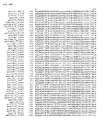
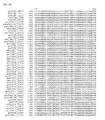
- GAS57 is also referred to as 'Spy0416' (M1), 'SpyM3_0298' (M3), 'SpyM18_0464' (M18) and 'prtS.' GAS57 has also been identified as a putative cell envelope proteinase. See WO 02/34771 and US 2006/0258849 . There are 49 GAS57 sequences from 17 different M types (1, 2, 3, 4, 6, 11, 12, 18, 22, 23, 28, 44/61, 68, 75, 77, 89, 94); according to the Centers for Disease Control, the 17 different M types account for over 95% of pharyngitis cases and about 68% of the invasive GAS isolates in the United States.
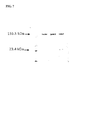
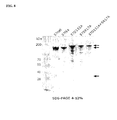
- Wild-type GAS57 contains two non-covalently associated peptides (see Example 5 and FIG. 7 ).
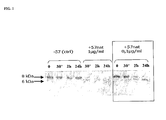
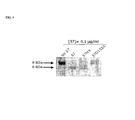
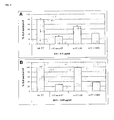
- Mutant GAS57 antigens according to the invention have a proteolytic activity against interleukin 8 (IL-8) which is reduced by at least 50% (e.g., 50, 55, 60, 65, 70, 75, 80, 85, 90, 95, 96, 97, 98, 99, or 100%) relative to wild-type GAS57 as detected by either SDS-PAGE or ELISA (see Examples 2 and 3), but are immunogenic, e.g., they confer protection against GAS lethal challenge in a mouse model (Example 4).
- IL-8 interleukin 8
- a mutant GAS57 of the invention also does not cleave other human cytokines, such as CXCL1/GRO ⁇ (e.g., SEQ ID NO:59), CXCL2/GRO ⁇ (e.g., SEQ ID NO:60), CXCL3/GRO ⁇ (e.g., SEQ ID NO:61), CXCL4 (e.g., SEQ ID NO:57), CXCL12/SDF-1 ⁇ ( e.g., SEQ ID NO:63), CXCL12/SDF-1 ⁇ (e.g., SEQ ID NO:65), CXCL12/SDF-1 ⁇ (e.g., SEQ ID NO:64), CXCL5/ENA78 (e.g, SEQ ID NO:82), CXCL6/GCP-2 (e.g., SEQ ID NO:62), CXCL7/NAP-2 (e.g., SEQ ID NO:58), CXCL9/MIG (e.g., SEQ ID NO:66),
- GAS57 mutants of the invention are single polypeptides, in contrast to wild-type GAS57, which undergoes post-translational processing (maturation) to form two non-covalently associated peptides (Examples 5 and 6).
- the ability to obtain such antigens in the form of a single peptide facilitates the production of the recombinant protein for vaccine purposes.
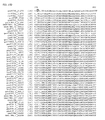
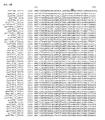
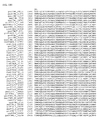
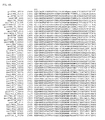
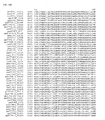
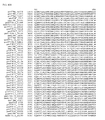
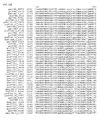
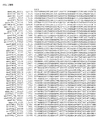
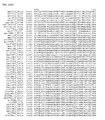
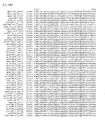
- GAS57 mutants of the invention include those with at an amino acid alteration (i.e., a substitution, deletion, or insertion) at two or more of amino acids D151, H279, or S617, numbered according to the wild-type GAS57 sequence shown in SEQ ID NO:1 (see FIG. 10 ).
- GAS57 mutants of the invention include double, or triple amino acid alterations "double mutants," “triple mutants”) at positions D151, H279, and/or S617.
- GAS57 mutants can comprise D151A + S617A (SEQ ID NO:4).
- GAS57 mutant antigens of the invention also include fusion polypeptides which comprise a GAS57 mutant antigen as disclosed above and another GAS antigen.
- GAS antigens are disclosed, e.g., in WO 02/34771 and include, but are not limited to, GAS25 (Spy0167; gi13621460) GAS39 (Spy0266; gi13621542 ), GAS40 (Spy0269; gi13621545), GAS42 (Spy0287; gi13621559), GAS45 (M5005_Spy0249; gi71910063), GAS58 (Spy0430; gi13621663), GAS84 (SPy1274; 13622398) ,GAS95 (SPy1733; 13622787), GAS117 (Spy0448; gi13621679), GAS130 (Spy0591;gi13621794), GAS137 (Spy0652
- GAS antigens also include, GAS68 (Spy0163; gi13621456), GAS84 (Spy1274; gi13622398), GAS88 (Spy1361; gi13622470), GAS89 (Spy1390; gi13622493), GAS98 (Spy1882; gi13622916), GAS99 (Spy1979; gi13622993), GAS102 (Spy2016, gi13623025), GAS146 (Spy0763; gi13621942), GAS195 (Spy2043; gi13623043), GAS561 (Spy1134; gi13622269), GAS179 (Spy1718, gi13622773) and GAS681 (spy1152; gi1362228).
- the invention also includes equivalents of GAS57 mutants which are single polypeptides, which do not cleave IL-8 as determined by SDS-PAGE or ELISA, which are immunogenic, and which confer protection against GAS lethal challenge in a mouse model.
- Such equivalents may include mutant GAS57 antigens with amino acid deletions, insertions, and/or substitutions at positions other than D151, H279, or S617, including deletions of up to about 40 amino acids at the N or C terminus ( e.g ., 1, 2, 3, 4, 5, 6, 7, 8, 9, 10, 11, 12, 13, 14, 15, 16, 17, 18, 19, 20, 21, 22, 23, 24, 25, 26, 27, 28, 29, 30, 31, 32, 33, 34, 35, 36, 37, 38, 39, or 40 amino acids).
- Such equivalents thus include GAS57 mutants having deletions, insertions, and/or substitutions at positions other than D151, H279, or S617 in addition to having an amino acid alteration at one or more of amino acids D151, H279 or 5617 and S617, as described above.
- the invention includes vaccine compositions comprising nucleic acid molecules which encode mutant GAS57 antigens.
- the invention also includes vaccine compositions comprising nucleic acid molecules comprising nucleotide sequences having at least 50% sequence identity to such molecules. Depending on the particular sequence, the degree of sequence identity is preferably greater than 50% ( e.g., 60%, 70%, 75%, 80%, 85%, 90%, 91%, 92%, 93%, 94%, 95%, 96%, 97%, 98%, 99% or more).
- any nucleic acid molecule which encodes wild-type GAS57 protein or a GAS57 mutant protein of the invention can be used to produce that protein recombinantly.
- Examples of nucleotide sequences which encode wild-type GAS57, GAS57 mutant D151A, GAS57 mutant S617A, and GAS mutant D151A + S617A are provided in SEQ ID NOS:5, 6, 7, and 8, respectively.
- Nucleic acid molecules encoding wild-type GAS57 also can be isolated from the appropriate S.
- pyogenes bacterium using standard nucleic acid purification techniques or can be synthesized using an amplification technique, such as the polymerase chain reaction (PCR), or by using an automatic synthesizer.
- PCR polymerase chain reaction
- cDNA molecules can be made with standard molecular biology techniques, using mRNA as a template. cDNA molecules can thereafter be replicated using molecular biology techniques well known in the art. An amplification technique, such as PCR, can be used to obtain additional copies of polynucleotides of the invention, using either genomic DNA or cDNA as a template.
- polynucleotides can be engineered using methods generally known in the art to alter antigen-encoding sequences for a variety of reasons, including but not limited to, alterations which modify the cloning, processing, and/or expression of the polypeptide or mRNA product.
- DNA shuffling by random fragmentation and PCR reassembly of gene fragments and synthetic oligonucleotides can be used to engineer the nucleotide sequences.
- site directed mutagenesis can be used to insert new restriction sites, alter glycosylation patterns, change codon preference, produce splice variants, introduce mutations, and so forth.
- Sequence modifications such as the addition of a purification tag sequence or codon optimization, can be used to facilitate expression.
- the N-terminal leader sequence may be replaced with a sequence encoding for a tag protein such as polyhistidine ("HIS") or glutathione S-transferase ("GST").
- tag proteins may be used to facilitate purification, detection, and stability of the expressed protein.
- Codons preferred by a particular prokaryotic or eukaryotic host can be selected to increase the rate of protein expression or to produce an RNA transcript having desirable properties, such as a half life which is longer than that of a transcript generated from the naturally occurring sequence.
- a nucleic acid molecule which encodes a mutant GAS57 antigen can be inserted into an expression vector which contains the necessary elements for the transcription and translation of the inserted coding sequence.
- Methods which are well known to those skilled in the art can be used to construct expression vectors containing coding sequences and appropriate transcriptional and translational control elements. These methods include in vitro recombinant DNA techniques, synthetic techniques, and in vivo genetic recombination.
- Host cells for producing mutant GAS57 antigens can be prokaryotic or eukaryotic.
- E . coli is a preferred host cell, but other suitable hosts include Lactococcus lactis, Lactococcus cremoris, Bacillus subtilis, Vibrio cholerae, Salmonella typhi, Salmonella typhimurium, Neisseria lactamica, Neisseria cinerea, Mycobacteria (e.g., M. tuberculosis), yeasts, baculovirus, mammalian cells, etc.
- a host cell strain can be chosen for its ability to modulate the expression of the inserted sequences or to process the expressed polypeptide in the desired fashion.
- modifications of the polypeptide include, but are not limited to, acetylation, carboxylation, glycosylation, phosphorylation, lipidation, and acylation.
- Post translational processing which cleaves a "prepro" form of the polypeptide also can be used to facilitate correct insertion, folding and/or function.
- Different host cells which have specific cellular machinery and characteristic mechanisms for post translational activities are available from the American Type Culture Collection (ATCC; 10801 University Boulevard, Manassas, VA 20110-2209) and can be chosen to ensure the correct modification and processing of a foreign protein. See WO 01/98340 .
- Expression constructs can be introduced into host cells using well-established techniques which include, but are not limited to, transferrin-polycation-mediated DNA transfer, transfection with naked or encapsulated nucleic acids, liposome-mediated cellular fusion, intracellular transportation of DNA-coated latex beads, protoplast fusion, viral infection, electroporation, "gene gun” methods, and DEAE- or calcium phosphate-mediated transfection.
- Host cells transformed with expression vectors can be cultured under conditions suitable for the expression and recovery of the protein from cell culture.
- the protein produced by a transformed cell can be secreted or contained intracellularly depending on the nucleotide sequence and/or the expression vector used.
- expression vectors can be designed to contain signal sequences which direct secretion of soluble antigens through a prokaryotic or eukaryotic cell membrane.
- Signal export sequences can be included in a recombinantly produced mutant GAS57 antigen so that the antigen can be purified from cell culture medium using known methods.
- recombinantly produced mutant GAS57 antigens of the invention can be isolated from engineered host cells and separated from other components in the cell, such as proteins, carbohydrates, or lipids, using methods well-known in the art. Such methods include, but are not limited to, size exclusion chromatography, ammonium sulfate fractionation, ion exchange chromatography, affinity chromatography, and preparative gel electrophoresis.
- a preparation of purified mutant GAS57 antigens is at least 80% pure; preferably, the preparations are 90%, 95%, or 99% pure. Purity of the preparations can be assessed by any means known in the art, such as SDS-polyacrylamide gel electrophoresis. Where appropriate, mutant GAS57 antigens can be solubilized, for example, with urea.
- Mutant GAS57 antigens can be synthesized, for example, using solid phase techniques. See, e.g., Merrifield, J. Am. Chem. Soc. 85, 2149 54, 1963 ; Roberge et al., Science 269, 202 04, 1995 . Protein synthesis can be performed using manual techniques or by automation. Automated synthesis can be achieved, for example, using Applied Biosystems 431A Peptide Synthesizer (Perkin Elmer). Optionally, fragments of a mutant GAS57 antigen can be separately synthesized and combined using chemical methods to produce a full-length molecule.
- the present disclosure also provides antibodies which specifically bind to wild-type GAS57 and which substantially reduce or eliminate the ability of GAS57 to cleave IL-8. Some antibodies of the present disclosure also specifically bind to mutant GAS57 as described above. Preferred antibodies also reduce or eliminate the ability of GAS57 to cleave other substrates such as homologs of IL-8 (e.g ., CXCL1/GRO ⁇ , CXCL2/GRO ⁇ , CXCL3/GRO ⁇ , CXCL4, CXCL12/SIDF-1 ⁇ , CXCL12/SDF-1 ⁇ , CXCL12/SDF-1 ⁇ , CXCL5/ENA 78, CXCL6/GCP-2, CXCL7/NAP-2, CXCL9/MIG, CXCL10/IP10, CXCL11, CXCL13, CXCL14, and CXCL16).
- homologs of IL-8 e.g ., CXCL1/GRO ⁇ , CXCL2/GRO ⁇ , CXCL3/
- an antibody “specifically binds" to wild-type or mutant GAS57 if it provides a detection signal at least 5-, 10-, or 20-fold higher than a detection signal provided with non-GAS57 proteins when used in an immunochemical assay.
- antibodies that specifically bind to wild-type or mutant GAS57 do not detect non-GAS57 proteins in immunochemical assays and can immunoprecipitate wild-type GAS57 from solution.
- Antibodies according to the present disclosure may reduce the proteolytic activity of GAS57 against interleukin 8 (IL-8) by at least 50% (e.g., 50, 55, 60, 65, 70, 75, 80, 85, 90, 95, 96, 97, 98, 99, or 100%) relative to wild-type GAS57 as detected by either SDS-PAGE or ELISA.
- IL-8 interleukin 8
- Antibodies of the present disclosure may block the progression of necrotic lesions in animals immunized with wild-type or mutant GAS57 recombinant antigen and challenged with GAS.
- Antibody as used herein includes intact immunoglobulin molecules, as well as fragments thereof which specifically bind to wild-type GAS57 and, in some cases, to a GAS57 mutant antigen. These include hybrid (chimeric) antibody molecules (e.g ., Winter et al., Nature 349, 293-99, 1991 ; U.S. Patent 4,816,567 ); F(ab') 2 and F(ab) fragments and F v molecules; non-covalent heterodimers (e.g., Inbar et al., Proc. Natl. Acad. Sci. U.S.A.
- sFv single-chain Fv molecules
- minibodies e.g., Pack et al., Biochem 31, 1579-84, 1992 ; Cumber et al., J.
- a mutant or wild-type GAS57 antigen can be used to immunize a mammal, such as a mouse, rat, rabbit, guinea pig, monkey, or human, to produce polyclonal antibodies.
- a GAS57 antigen can be conjugated to a carrier protein, such as bovine serum albumin, thyroglobulin, and keyhole limpet hemocyanin.
- a carrier protein such as bovine serum albumin, thyroglobulin, and keyhole limpet hemocyanin.
- various adjuvants can be used to increase the immunological response.
- adjuvants include, but are not limited to, Freund's adjuvant, mineral gels (e.g ., aluminum hydroxide), and surface active substances (e.g.
- BCG Bacilli Calmette-Guerin
- Corynebacterium parvum are especially useful.
- Monoclonal antibodies which specifically bind to a wild-type or mutant GAS57 antigen can be prepared using any technique which provides for the production of antibody molecules by continuous cell lines in culture. These techniques include, but are not limited to, the hybridoma technique, the human B cell hybridoma technique, and the EBV hybridoma technique ( Kohler et al., Nature 256, 495-97, 1985 ; Kozbor et al., J. Immunol. Methods 81, 31 42, 1985 ; Cote et al., Proc. Natl. Acad. Sci. 80, 2026-30, 1983 ; Cole et al., Mol. Cell Biol. 62, 109-20, 1984 ).
- chimeric antibodies the splicing of mouse antibody genes to human antibody genes to obtain a molecule with appropriate antigen specificity and biological activity, can be used ( Morrison et al., Proc. Natl. Acad. Sci. 81, 6851-55, 1984 ; Neuberger et al., Nature 312, 604-08, 1984 ; Takeda et al., Nature 314, 452-54, 1985 ).
- Monoclonal and other antibodies also can be "humanized” to prevent a patient from mounting an immune response against the antibody when it is used therapeutically.
- Such antibodies may be sufficiently similar in sequence to human antibodies to be used directly in therapy or may require alteration of a few key residues. Sequence differences between rodent antibodies and human sequences can be minimized by replacing residues which differ from those in the human sequences by site directed mutagenesis of individual residues or by grating of entire complementarity determining regions.
- humanized antibodies can be produced using recombinant methods, as described below.
- Antibodies which specifically bind to a particular antigen can contain antigen binding sites which are either partially or fully humanized, as disclosed in U.S. 5,565,332 .
- Human monoclonal antibodies can be prepared in vitro as described in Simmons et al., PLoS Medicine 4(5), 928-36, 2007 .
- single chain antibodies can be adapted using methods known in the art to produce single chain antibodies which specifically bind to a particular antigen.
- Antibodies with related specificity, but of distinct idiotypic composition can be generated by chain shuffling from random combinatorial immunoglobin libraries ( Burton, Proc. Natl. Acad. Sci. 88, 11120-23, 1991 ).
- Single-chain antibodies also can be constructed using a DNA amplification method, such as PCR, using hybridoma cDNA as a template ( Thirion et al., Eur. J. Cancer Prev. 5, 507-11, 1996 ).
- Single-chain antibodies can be mono- or bispecific, and can be bivalent or tetravalent. Construction of tetravalent, bispecific single-chain antibodies is taught, for example, in Coloma & Morrison, Nat. Biotechnol. 15, 159-63, 1997 . Construction of bivalent, bispecific single-chain antibodies is taught in Mallender & Voss, J. Biol. Chem. 269, 199-206, 1994 .
- a nucleotide sequence encoding a single-chain antibody can be constructed using manual or automated nucleotide synthesis, cloned into an expression construct using standard recombinant DNA methods, and introduced into a cell to express the coding sequence, as described below.
- single-chain antibodies can be produced directly using, for example, filamentous phage technology ( Verhaar et al., Int. J. Cancer 61, 497-501, 1995 ; Nicholls et al., J. Immunol. Meth. 165, 81-91, 1993 ).
- Antibodies which specifically bind to a GAS57 antigen also can be produced by inducing in vivo production in the lymphocyte population or by screening immunoglobulin libraries or panels of highly specific binding reagents as disclosed in the literature ( Orlandi et al., Proc. Natl. Acad. Sci. 86, 3833 3837, 1989 ; Winter et al., Nature 349, 293 299, 1991 ).
- Chimeric antibodies can be constructed as disclosed in WO 93/03151 .
- Binding proteins which are derived from immunoglobulins and which are multivalent and multispecific, such as the "diabodies" described in WO 94/13804 , also can be prepared.
- Antibodies can be purified by methods well known in the art. For example, antibodies can be affinity purified by passage over a column to which the relevant antigen is bound. The bound antibodies can then be eluted from the column using a buffer with a high salt concentration.
- compositions for use as medicaments e.g. , as immunogenic compositions or vaccines.
- Compositions of the invention are useful for preventing and/or treating disease caused as a result of S . pyogenes infection and comprise at least one active agent, which can be a polypeptide or a nucleic acid molecule.
- Said disease may be, for example, bacteremia, meningitis, puerperal fever, scarlet fever, erysipelas, pharyngitis, impetigo, necrotizing fasciitis, myositis or toxic shock syndrome.
- compositions according to the invention may be used either prophylactically or therapeutically, but will typically be prophylactic.
- the invention includes a vaccine composition suitable for the therapeutic or prophylactic treatment of a Streptococcus pyogenes infection.
- the animal is preferably a mammal, most preferably a human.
- the methods of treatment involve administering to the animal a therapeutic or prophylactic amount of the immunogenic compositions of the invention.
- the invention also provides the immunogenic compositions of the invention for the therapeutic or prophylactic treatment of a Streptococcus pyogenes infection in an animal.
- compositions containing mutant a GAS57 antigen or a nucleic acid molecule encoding a mutant GAS57 antigen are preferably immunogenic compositions, and are more preferably vaccine compositions.
- the pH of such compositions preferably is between 6 and 8, preferably about 7.
- the pH can be maintained by the use of a buffer.
- the composition can be sterile and/or pyrogen free.
- the composition can be isotonic with respect to human tissue ( e.g ., blood).
- compositions of the invention comprise one or more mutant GAS57 antigens as described herein.
- Other compositions of the invention comprise one or more nucleic acid molecules which encodes the mutant GAS57 antigen(s) and, optionally, other antigens which can be included in the composition (see below). See, e.g., Robinson & Torres (1997) Seminars in Immunology 9:271-283 ; Donnelly et al. (1997) Ann.
- the nucleic acid molecule is a DNA molecule, e.g., in the form of a plasmid.
- compositions of the present disclosure comprise at least one antibody which specifically binds to a wild-type GAS57 antigen as described above or a nucleic acid molecule which encodes such an antibody.
- compositions of the invention can comprise more than one type of active agent (e.g. , a polypeptide antigen and a nucleic acid molecule; a polypeptide antigen and an antibody; a nucleic acid molecule and an antibody; a polypeptide antigen, a nucleic acid molecule, and an antibody).
- active agent e.g. , a polypeptide antigen and a nucleic acid molecule; a polypeptide antigen and an antibody; a nucleic acid molecule and an antibody; a polypeptide antigen, a nucleic acid molecule, and an antibody.
- compositions of the invention can include one or more additional active agents.
- additional active agents include, but are not limited to, (a) another mutant GAS57 antigen of the invention, (b) a polypeptide antigen which is useful in a pediatric vaccine, (c) a polypeptide antigen which is useful in a vaccine for elderly or immunocompromised individuals, (d) a nucleic acid molecule encoding (a)-(c), and an antibody which specifically binds to (a)-(c).
- compositions of the invention may be administered in conjunction with one or more antigens for use in therapeutic or prophylactic methods of the present invention.
- Preferred antigens include those listed below. Additionally, the compositions of the present invention may be used to treat or prevent infections caused by any of the below-listed pathogens. In addition to combination with the antigens described below, the compositions of the invention may also be combined with an adjuvant as described herein.
- Antigens for use with the invention include, but are not limited to, one or more of the following antigens set forth below, or antigens derived from one or more of the pathogens set forth below:
- Bacterial antigens suitable for use in the invention include proteins, polysaccharides, lipopolysaccharides, and outer membrane vesicles which may be isolated, purified or derived from a bacteria.
- bacterial antigens may include bacterial lysates and inactivated bacterial formulations.
- Bacteria antigens may be produced by recombinant expression.
- Bacterial antigens preferably include epitopes which are exposed on the surface of the bacteria during at least one stage of its life cycle. Bacterial antigens are preferably conserved across multiple serotypes.
- Bacterial antigens include antigens derived from one or more of the bacteria set forth below as well as the specific antigens examples identified below.
- Meningitides antigens may include proteins (such as those identified in References 1 - 7), saccharides (including a polysaccharide, oligosaccharide or lipopolysaccharide), or outer-membrane vesicles (References 8, 9, 10, 11) purified or derived from N. meningitides serogroup such as A, C, W135, Y, and/or B. Meningitides protein antigens may be selected from adhesions, autotransporters, toxins, Fe acquisition proteins, and membrane associated proteins (preferably integral outer membrane protein).
- Streptococcus pneumoniae antigens may include a saccharide (including a polysaccharide or an oligosaccharide) and/or protein from Streptococcus pneumoniae. Saccharide antigens may be selected from serotypes 1, 2, 3, 4, 5, 6B, 7F, 8, 9N, 9V, 10A, 11A, 12F, 14, 15B, 17F, 18C, 19A, 19F, 20, 22F, 23F, and 33F. Protein antigens may be selected from a protein identified in WO 98/18931 , WO 98/18930 , US Patent No. 6,699,703 , US Patent No.
- Streptococcus pneumoniae proteins may be selected from the Poly Histidine Triad family (PhtX), the Choline Binding Protein family (CbpX), CbpX truncates, LytX family, LytX truncates, CbpX truncate-LytX truncate chimeric proteins, pneumolysin (Ply), PspA, PsaA, Sp128, Sp101, Sp130, Sp125 or Sp133.
- PhtX Poly Histidine Triad family
- CbpX Choline Binding Protein family
- CbpX truncates CbpX truncates
- LytX family LytX truncates
- pneumolysin (Ply) PspA, PsaA, Sp128, Sp101, Sp130, Sp125 or Sp133.
- Streptococcus pyogenes Group A Streptococcus antigens may include a protein identified in WO 02/34771 or WO 2005/032582 (including GAS 40), fusions of fragments of GAS M proteins (including those described in WO 02/094851 , and Dale, Vaccine (1999) 17:193-200 , and Dale, Vaccine 14(10): 944-948 ), fibronectin binding protein (Sfb1), Streptococcal heme-associated protein (Shp), and Streptolysin S (SagA).
- Group A Streptococcus antigens include, but are not limited to, GAS25 (Spy0167; gi13621460) GAS39 (Spy0266; gi13621542 ), GAS40 (Spy0269; gi13621545), GAS42 (Spy0287; gi13621559), GAS45 (M5005_Spy0249; gi71910063), GAS58 (Spy0430; gi13621663), GAS84 (SPy1274; 13622398) ,GAS95 (SPy1733; 13622787), GAS117 (Spy0448; gi13621679), GAS130 (Spy0591;gi13621794), GAS137 (Spy0652; gi13621842), GAS 159 (Spy1105; gi13622244), GAS 193 (Spy2025; gi3623029), GAS202 (Sp
- Moraxella catarrhalis Moraxella antigens include antigens identified in WO 02/18595 and WO 99/58562 , outer membrane protein antigens (HMW-OMP), C-antigen, and/or LPS.
- HMW-OMP outer membrane protein antigens
- C-antigen C-antigen
- LPS LPS
- Pertussis antigens include petussis holotoxin (PT) and filamentous haemagglutinin (FHA) from B. pertussis, optionally also combination with pertactin and/or agglutinogens 2 and 3 antigen.
- PT petussis holotoxin
- FHA filamentous haemagglutinin
- Staphylococcus aureus antigens include S. aureus type 5 and 8 capsular polysaccharides optionally conjugated to nontoxic recombinant Pseudomonas aeruginosa exotoxin A, such as StaphVAXTM, or antigens derived from surface proteins, invasins (leukocidin, kinases, hyaluronidase), surface factors that inhibit phagocytic engulfment (capsule, Protein A), carotenoids, catalase production, Protein A, coagulase, clotting factor, and/or membrane-damaging toxins (optionally detoxified) that lyse eukaryotic cell membranes (hemolysins, leukotoxin, leukocidin).
- S. epidermidis antigens include slime-associated antigen (SAA).
- Tetanus antigens include tetanus toxoid (TT), preferably used as a carrier protein in conjunction/conjugated with the compositions of the present invention.
- TT tetanus toxoid
- Diphtheria antigens include diphtheria toxin, preferably detoxified, such as CRM197. Additionally antigens capable of modulating, inhibiting or associated with ADP ribosylation are contemplated for combination/coadministration/conjugation with the compositions of the present invention.
- the diphtheria toxoids may be used as carrier proteins.
- Hib antigens include a Hib saccharide antigen.
- Pseudomonas aeruginosa Pseudomonas antigens include endotoxin A, Wzz protein, P. aeruginosa LPS, more particularly LPS isolated from PAO1 (O5 serotype), and/or Outer Membrane Proteins, including Outer Membrane Proteins F (OprF) ( Infect Immun. 2001 May; 69(5): 3510-3515 ).
- Bacterial antigens may be derived from Legionella pneumophila.
- Streptococcus agalactiae Group B Streptococcus antigens include a protein or saccharide antigen identified in WO 02/34771 , WO 03/093306 , WO 04/041157 , or WO 2005/002619 (including proteins GBS 80, GBS 104, GBS 276 and GBS 322, and including saccharide antigens derived from serotypes Ia, Ib, Ia/c, II, III, IV, V, VI, VII and VIII).
- Neiserria gonorrhoeae antigens include Por (or porin) protein, such as PorB (see Zhu et al., Vaccine (2004) 22:660 - 669 ), a transferring binding protein, such as TbpA and TbpB (See Price et al., Infection and Immunity (2004) 71(1):277 - 283 ), a opacity protein (such as Opa), a reduction-modifiable protein (Rmp), and outer membrane vesicle (OMV) preparations (see Plante et al., J Infectious Disease (2000) 182:848 - 855 ), also see e.g. WO99/24578 , WO99/36544 , WO99/57280 , WO02/079243 ).
- PorB PorB
- TbpA and TbpB See Price et al., Infection and Immunity (2004) 71(1):277 - 283
- Chlamydia trachomatis antigens include antigens derived from serotypes A, B, Ba and C (agents of trachoma, a cause of blindness), serotypes L1, L2 & L3 (associated with Lymphogranuloma venereum ), and serotypes, D-K.
- Chlamydia trachomas antigens may also include an antigen identified in WO 00/37494 , WO 03/049762 , WO 03/068811 , or WO 05/002619 , including PepA (CT045), LcrE (CT089), ArtJ (CT381), DnaK (CT396), CT398, OmpH-like (CT242), L7/L12 (CT316), OmcA (CT444), AtosS (CT467), CT547, Eno (CT587), HrtA (CT823), and MurG (CT761).
- Treponema pallidum Syphilis antigens include TmpA antigen.
- Ducreyi antigens include outer membrane protein (DsrA).
- Antigens include a trisaccharide repeat or other Enterococcus derived antigens provided in US Patent No. 6,756,361 .
- H. pylori antigens include Cag, Vac, Nap, HopX, HopY and/or urease antigen.
- Antigens include the 160 kDa hemagglutinin of S. saprophyticus antigen.
- Yersinia enterocolitica antigens include LPS ( Infect Immun. 2002 August; 70(8): 4414 ).
- E. coli antigens may be derived from enterotoxigenic E. coli (ETEC), enteroaggregative E. coli (EAggEC), diffusely adhering E. coli (DAEC), enteropathogenic E. coli (EPEC), and/or enterohemorrhagic E. coli (EHEC).
- ETEC enterotoxigenic E. coli
- EAggEC enteroaggregative E. coli
- DAEC diffusely adhering E. coli
- EPEC enteropathogenic E. coli
- EHEC enterohemorrhagic E. coli
- Bacillus anthracis Bacillus anthracis (anthrax): B. anthracis antigens are optionally detoxified and may be selected from A-components (lethal factor (LF) and edema factor (EF)), both of which can share a common B-component known as protective antigen (PA).
- LF lethal factor
- EF edema factor
- PA protective antigen
- Plague antigens include F1 capsular antigen ( Infect Immun. 2003 Jan; 71(1)): 374-383 , LPS ( Infect Immun. 1999 Oct; 67(10): 5395 ), Yersinia pestis V antigen ( Infect Immun. 1997 Nov; 65(11): 4476-4482 ).
- Tuberculosis antigens include lipoproteins, LPS, BCG antigens, a fusion protein of antigen 85B (Ag85B) and/or ESAT-6 optionally formulated in cationic lipid vesicles ( Infect Immun. 2004 October; 72(10): 6148 ), Mycobacterium tuberculosis (Mtb) isocitrate dehydrogenase associated antigens ( Proc Natl Acad Sci U S A. 2004 Aug 24; 101(34): 12652 ), and/or MPT51 antigens ( Infect Immun. 2004 July; 72(7): 3829 ).
- Antigens include outer membrane proteins, including the outer membrane protein A and/or B (OmpB) ( Biochim Biophys Acta. 2004 Nov 1;1702(2):145 ), LPS, and surface protein antigen (SPA) ( J Autoimmun. 1989 Jun;2 Suppl:81 ).
- OmpB outer membrane protein A and/or B
- SPA surface protein antigen
- Bacterial antigens may be derived from Listeria monocytogenes.
- Chlamydia pneumoniae Antigens include those identified in WO 02/02606 .
- Antigens include proteinase antigens, LPS, particularly lipopolysaccharides of Vibrio cholerae II, O1 Inaba O-specific polysaccharides, V. cholera 0139, antigens of IEM108 vaccine ( Infect Immun. 2003 Oct;71(10):5498-504 ), and/or Zonula occludens toxin (Zot).
- Salmonella typhi typhoid fever
- Antigens include capsular polysaccharides preferably conjugates (Vi, i.e. vax-TyVi).
- Antigens include lipoproteins (such as OspA, OspB, OspC and OspD), other surface proteins such as OspE-related proteins (Erps), decorin-binding proteins (such as DbpA), and antigenically variable VI proteins. , such as antigens associated with P39 and P13 (an integral membrane protein, Infect Immun. 2001 May; 69(5): 3323-3334 ), VlsE Antigenic Variation Protein ( J Clin Microbiol. 1999 Dec; 37(12): 3997 ).
- Antigens include P. gingivalis outer membrane protein (OMP).
- Antigens include an OMP, including OMP A, or a polysaccharide optionally conjugated to tetanus toxoid.
- Further bacterial antigens of the present disclosure may be capsular antigens, polysaccharide antigens or protein antigens of any of the above. Further bacterial antigens may also include an outer membrane vesicle (OMV) preparation. Additionally, antigens include live, attenuated, and/or purified versions of any of the aforementioned bacteria.
- the antigens of the present disclosure may be derived from gram-negative or gram-positive bacteria.
- the antigens of the present disclosure may be derived from aerobic or anaerobic bacteria.
- any of the above bacterial-derived saccharides can be conjugated to another agent or antigen, such as a carrier protein (for example CRM197).
- a carrier protein for example CRM197
- Such conjugation may be direct conjugation effected by reductive amination of carbonyl moieties on the saccharide to amino groups on the protein, as provided in US Patent No. 5,360,897 and Can J Biochem Cell Biol. 1984 May;62(5):270-5 .
- the saccharides can be conjugated through a linker, such as, with succinamide or other linkages provided in Bioconjugate Techniques, 1996 and CRC, Chemistry of Protein Conjugation and Cross-Linking, 1993 .
- Viral antigens suitable for use in the invention include inactivated (or killed) virus, attenuated virus, split virus formulations, purified subunit formulations, viral proteins which may be isolated, purified or derived from a virus, and Virus Like Particles (VLPs).
- Viral antigens may be derived from viruses propagated on cell culture or other substrate. Alternatively, viral antigens may be expressed recombinantly.
- Viral antigens preferably include epitopes which are exposed on the surface of the virus during at least one stage of its life cycle. Viral antigens are preferably conserved across multiple serotypes or isolates. Viral antigens include antigens derived from one or more of the viruses set forth below as well as the specific antigens examples identified below.
- Orthomyxovirus Viral antigens may be derived from an Orthomyxovirus, such as Influenza A, B and C.
- Orthomyxovirus antigens may be selected from one or more of the viral proteins, including hemagglutinin (HA), neuraminidase (NA), nucleoprotein (NP), matrix protein (M1), membrane protein (M2), one or more of the transcriptase components (PB1, PB2 and PA).
- Preferred antigens include HA and NA.
- Influenza antigens may be derived from interpandemic (annual) flu strains.
- influenza antigens may be derived from strains with the potential to cause pandemic a pandemic outbreak (i.e., influenza strains with new haemagglutinin compared to the haemagglutinin in currently circulating strains, or influenza strains which are pathogenic in avian subjects and have the potential to be transmitted horizontally in the human population, or influenza strains which are pathogenic to humans).
- Viral antigens may be derived from Paramyxoviridae viruses, such as Pneumoviruses (RSV), Paramyxoviruses (PIV) and Morbilliviruses (Measles).
- RSV Pneumoviruses
- PMV Paramyxoviruses
- Measles Morbilliviruses
- Viral antigens may be derived from a Pneumovirus, such as Respiratory syncytial virus (RSV), Bovine respiratory syncytial virus, Pneumonia virus of mice, and Turkey rhinotracheitis virus.
- the Pneumovirus is RSV.
- Pneumovirus antigens may be selected from one or more of the following proteins, including surface proteins Fusion (F), Glycoprotein (G) and Small Hydrophobic protein (SH), matrix proteins M and M2, nucleocapsid proteins N, P and L and nonstructural proteins NS1 and NS2.
- Preferred Pneumovirus antigens include F, G and M. See e.g., J Gen Virol. 2004 Nov; 85(Pt 11):3229 ).
- Pneumovirus antigens may also be formulated in or derived from chimeric viruses.
- chimeric RSV/PIV viruses may comprise components of both RSV and PIV.
- Viral antigens may be derived from a Paramyxovirus, such as Parainfluenza virus types 1 - 4 (PIV), Mumps, Sendai viruses, Simian virus 5, Bovine parainfluenza virus and Newcastle disease virus.
- the Paramyxovirus is PIV or Mumps.
- Paramyxovirus antigens may be selected from one or more of the following proteins: Hemagglutinin -Neuraminidase (HN), Fusion proteins F1 and F2, Nucleoprotein (NP), Phosphoprotein (P), Large protein (L), and Matrix protein (M).
- HN Hemagglutinin -Neuraminidase
- NP Nucleoprotein
- Phosphoprotein P
- Large protein L
- Matrix protein M
- Preferred Paramyxovirus proteins include HN, F1 and F2.
- Paramyxovirus antigens may also be formulated in or derived from chimeric viruses.
- chimeric RSV/PIV viruses may comprise components of both RSV and PIV.
- Commercially available mumps vaccines include live attenuated mumps virus, in either a monovalent form or in combination with measles and rubella vaccines (MMR).
- Morbillivirus Viral antigens may be derived from a Morbillivirus, such as Measles. Morbillivirus antigens may be selected from one or more of the following proteins: hemagglutinin (H), Glycoprotein (G), Fusion factor (F), Large protein (L), Nucleoprotein (NP), Polymerase phosphoprotein (P), and Matrix (M).
- H hemagglutinin
- G Glycoprotein
- F Fusion factor
- L Large protein
- NP Nucleoprotein
- P Polymerase phosphoprotein
- M Matrix
- Commercially available measles vaccines include live attenuated measles virus, typically in combination with mumps and rubella (MMR).
- Viral antigens may be derived from Picornaviruses, such as Enteroviruses, Rhinoviruses, Heparnavirus, Cardioviruses and Aphthoviruses. Antigens derived from Enteroviruses, such as Poliovirus are preferred.
- Viral antigens may be derived from an Enterovirus, such as Poliovirus types 1, 2 or 3, Coxsackie A virus types 1 to 22 and 24, Coxsackie B virus types 1 to 6, Echovirus (ECHO) virus) types 1 to 9, 11 to 27 and 29 to 34 and Enterovirus 68 to 71.
- the Enterovirus is poliovirus.
- Enterovirus antigens are preferably selected from one or more of the following Capsid proteins VP1, VP2, VP3 and VP4.
- Commercially available polio vaccines include Inactivated Polio Vaccine (IPV) and Oral poliovirus vaccine (OPV).
- Heparnavirus Viral antigens may be derived from an Heparnavirus, such as Hepatitis A virus (HAV).
- HAV Hepatitis A virus
- Commercially available HAV vaccines include inactivated HAV vaccine.
- Viral antigens may be derived from a Togavirus, such as a Rubivirus, an Alphavirus, or an Arterivirus. Antigens derived from Rubivirus, such as Rubella virus, are preferred. Togavirus antigens may be selected from E1, E2, E3, C, NSP-1, NSPO-2, NSP-3 or NSP-4. Togavirus antigens are preferably selected from E1, E2 or E3.
- Commercially available Rubella vaccines include a live cold-adapted virus, typically in combination with mumps and measles vaccines (MMR).
- Flavivirus Viral antigens may be derived from a Flavivirus, such as Tick-bome encephalitis (TBE), Dengue (types 1, 2, 3 or 4), Yellow Fever, Japanese encephalitis, West Nile encephalitis, St. Louis encephalitis, Russian spring-summer encephalitis, Powassan encephalitis. Flavivirus antigens may be selected from PrM, M, C, E, NS-1, NS-2a, NS2b, NS3, NS4a, NS4b, and NS5. Flavivirus antigens are preferably selected from PrM, M and E. Commercially available TBE vaccine include inactivated virus vaccines.
- TBE vaccine include inactivated virus vaccines.
- Pestivirus Viral antigens may be derived from a Pestivirus, such as Bovine viral diarrhea (BVDV), Classical swine fever (CSFV) or Border disease (BDV).
- BVDV Bovine viral diarrhea
- CSFV Classical swine fever
- BDV Border disease
- Hepadnavirus Viral antigens may be derived from a Hepadnavirus, such as Hepatitis B virus. Hepadnavirus antigens may be selected from surface antigens (L, M and S), core antigens (HBc, HBe). Commercially available HBV vaccines include subunit vaccines comprising the surface antigen S protein.
- Hepatitis C virus Viral antigens may be derived from a Hepatitis C virus (HCV). HCV antigens may be selected from one or more of E1, E2, E1/E2, NS345 polyprotein, NS 345-core polyprotein, core, and/or peptides from the nonstructural regions ( Houghton et al., Hepatology (1991) 14:381 ).
- Viral antigens may be derived from a Rhabdovirus, such as a Lyssavirus (Rabies virus) and Vesiculovirus (VSV).
- Rhabdovirus antigens may be selected from glycoprotein (G), nucleoprotein (N), large protein (L), nonstructural proteins (NS).
- G glycoprotein
- N nucleoprotein
- L large protein
- NS nonstructural proteins
- Rabies virus vaccine comprise killed virus grown on human diploid cells or fetal rhesus lung cells.
- Viral antigens may be derived from Calciviridae, such as Norwalk virus, and Norwalk-like Viruses, such as Hawaii Virus and Snow Mountain Virus.
- Coronavirus Viral antigens may be derived from a Coronavirus, SARS, Human respiratory coronavirus, Avian infectious bronchitis (IBV), Mouse hepatitis virus (MHV), and Porcine transmissible gastroenteritis virus (TGEV). Coronavirus antigens may be selected from spike (S), envelope (E), matrix (M), nucleocapsid (N), and Hemagglutininesterase glycoprotein (HE). Preferably, the Coronavirus antigen is derived from a SARS virus. SARS viral antigens are described in WO 04/92360 ;
- Retrovirus Viral antigens may be derived from a Retrovirus, such as an Oncovirus, a Lentivirus or a Spumavirus.
- Oncovirus antigens may be derived from HTLV-1, HTLV-2 or HTLV-5.
- Lentivirus antigens may be derived from HIV-1 or HIV-2.
- Retrovirus antigens may be selected from gag, pol, env, tax, tat, rex, rev, nef, vif, vpu, and vpr.
- HIV antigens may be selected from gag (p24gag and p55gag), env (gp160 and gp41), pol, tat, nef, rev vpu, miniproteins, (preferably p55 gag and gp140v delete). HIV antigens may be derived from one or more of the following strains: HIVIIIb, HIVSF2, HIVLAV, HIVLAI, HIVMN, HIV-1CM235, HIV-1US4.
- Viral antigens may be derived from a Reovirus, such as an Orthoreovirus, a Rotavirus, an Orbivirus, or a Coltivirus.
- Reovirus antigens may be selected from structural proteins ⁇ 1, ⁇ 2, ⁇ 3, ⁇ l, ⁇ 2, ⁇ 1, ⁇ 2, or ⁇ 3, or nonstructural proteins ⁇ NS, ⁇ NS, or ⁇ ls.
- Preferred Reovirus antigens may be derived from a Rotavirus.
- Rotavirus antigens may be selected from VP1, VP2, VP3, VP4 (or the cleaved product VP5 and VP8), NSP 1, VP6, NSP3, NSP2, VP7, NSP4, or NSP5.
- Preferred Rotavirus antigens include VP4 (or the cleaved product VP5 and VP8), and VP7.
- Viral antigens may be derived from a Parvovirus, such as Parvovirus B19. Parvovirus antigens may be selected from VP-1, VP-2, VP-3, NS-1 and NS-2. Preferably, the Parvovirus antigen is capsid protein VP-2.
- Delta hepatitis virus Viral antigens may be derived HDV, particularly ⁇ -antigen from HDV (see, e.g., U.S. Patent No. 5,378,814 ).
- HEV Hepatitis E virus
- Hepatitis G virus Viral antigens may be derived from HGV.
- Human Herpesvirus Viral antigens may be derived from a Human Herpesvirus, such as Herpes Simplex Viruses (HSV), Varicella-zoster virus (VZV), Epstein-Barr virus (EBV), Cytomegalovirus (CMV), Human Herpesvirus 6 (HHV6), Human Herpesvirus 7 (HHV7), and Human Herpesvirus 8 (HHV8).
- Human Herpesvirus antigens may be selected from immediate early proteins ( ⁇ ), early proteins ( ⁇ ), and late proteins ( ⁇ ).
- HSV antigens may be derived from HSV-1 or HSV-2 strains.
- HSV antigens may be selected from glycoproteins gB, gC, gD and gH, fusion protein (gB), or immune escape proteins (gC, gE, or gI).
- VZV antigens may be selected from core, nucleocapsid, tegument, or envelope proteins.
- a live attenuated VZV vaccine is commercially available.
- EBV antigens may be selected from early antigen (EA) proteins, viral capsid antigen (VCA), and glycoproteins of the membrane antigen (MA).
- CMV antigens may be selected from capsid proteins, envelope glycoproteins (such as gB and gH), and tegument proteins
- Papovaviruses Antigens may be derived from Papovaviruses, such as Papillomaviruses and Polyomaviruses.
- Papillomaviruses include HPV serotypes 1, 2, 4, 5, 6, 8, 11, 13, 16, 18, 31, 33, 35, 39, 41, 42, 47, 51, 57, 58, 63 and 65.
- HPV antigens are derived from serotypes 6, 11, 16 or 18.
- HPV antigens may be selected from capsid proteins (L1) and (L2), or E1 - E7, or fusions thereof HPV antigens are preferably formulated into virus-like particles (VLPs).
- Polyomyavirus viruses include BK virus and JK virus.
- Polyomavirus antigens may be selected from VP 1, VP2 or VP3.
- antigens, compositions, methods, and microbes included in Vaccines, 4th Edition (Plotkin and Orenstein ed. 2004 ); Medical Microbiology 4th Edition (Murray et al. ed. 2002 ); Virology, 3rd Edition (W.K. Joklik ed. 1988 ); Fundamental Virology, 2nd Edition (B.N. Fields and D.M. Knipe, eds. 1991 ), which are contemplated in conjunction with the compositions of the present disclosure.
- Fungal antigens for use in the invention may be derived from one or more of the fungi set forth below.
- Fungal antigens may be derived from Dermatophytres, including: Epidermophyton floccusum, Microsporum audouini, Microsporum canis, Microsporum distortum, Microsporum equinum, Microsporum gypsum, Microsporum nanum, Trichophyton concentricum, Trichophyton equinum, Trichophyton gallinae, Trichophyton gypseum, Trichophyton megnini, Trichophyton mentagrophytes, Trichophyton quinckeanum, Trichophyton rubrum, Trichophyton schoenleini, Trichophyton tonsurans, Trichophyton verrucosum, T. verrucosum var. album, var. discoides, var. ochraceum, Trichophyton violaceum, and/or Trichophyton faviforme.
- Dermatophytres including: Epidermophyton floccusum, Microsporum audouini,
- Fungal pathogens may be derived from Aspergillus fumigatus, Aspergillus flavus, Aspergillus niger, Aspergillus nidulans, Aspergillus terreus, Aspergillus sydowi, Aspergillus flavatus, Aspergillus glaucus, Blastoschizomyces capitatus, Candida albicans, Candida enolase, Candida tropicalis, Candida glabrata, Candida krusei, Candida parapsilosis, Candida stellatoidea, Candida kusei, Candida parakwsei, Candida lusitaniae, Candida pseudotropicalis, Candida guilliermondi, Cladosporium carrionii, Coccidioides immitis, Blastomyces dermatidis, Cryptococcus neoformans, Geotrichum clavatum, Histoplasma capsulatum, Klebsiella pneumoniae, Paracoccidioides brasi
- a solubilized fraction extracted and separated from an insoluble fraction obtainable from fungal cells of which cell wall has been substantially removed or at least partially removed characterized in that the process comprises the steps of: obtaining living fungal cells; obtaining fungal cells of which cell wall has been substantially removed or at least partially removed; bursting the fungal cells of which cell wall has been substantially removed or at least partially removed; obtaining an insoluble fraction; and extracting and separating a solubilized fraction from the insoluble fraction.
- compositions of the invention may include one or more antigens derived from a sexually transmitted disease (STD).
- STD sexually transmitted disease
- Such antigens may provide for prophylactis or therapy for STDs such as chlamydia, genital herpes, hepatits (such as HCV), genital warts, gonorrhoea, syphilis and/or chancroid (See, WO00/15255 ).
- Antigens may be derived from one or more viral or bacterial STDs.
- Viral STD antigens may be derived from, for example, HIV, herpes simplex virus (HSV-1 and HSV-2), human papillomavirus (HPV), and hepatitis (HCV).
- Bacterial STD antigens may be derived from, for example, Neiserria gonorrhoeae, Chlamydia trachomatis, Treponema pallidum, Haemophilus ducreyi, E. coli, and Streptococcus agalactiae. Examples of specific antigens derived from these pathogens are described above.
- compositions of the invention may include one or more antigens derived from a pathogen which causes respiratory disease.
- respiratory antigens may be derived from a respiratory virus such as Orthomyxoviruses (influenza), Pneumovirus (RSV), Paramyxovirus (PIV), Morbillivirus (measles), Togavirus (Rubella), VZV, and Coronavirus (SARS).
- Respiratory antigens may be derived from a bacteria which causes respiratory disease, such as Streptococcus pneumoniae, Pseudomonas aeruginosa, Bordetella pertussis, Mycobacterium tuberculosis, Mycoplasma pneumoniae, Chlamydia pneumoniae, Bacillus anthracis, and Moraxella catarrhalis. Examples of specific antigens derived from these pathogens are described above.
- compositions of the invention may include one or more antigens suitable for use in pediatric subjects.
- Pediatric subjects are typically less than about 3 years old, or less than about 2 years old, or less than about 1 years old.
- Pediatric antigens may be administered multiple times over the course of 6 months, 1, 2 or 3 years.
- Pediatric antigens may be derived from a virus which may target pediatric populations and/or a virus from which pediatric populations are susceptible to infection.
- Pediatric viral antigens include antigens derived from one or more of Orthomyxovirus (influenza), Pneumovirus (RSV), Paramyxovirus (PIV and Mumps), Morbillivirus (measles), Togavirus (Rubella), Enterovirus (polio), HBV, Coronavirus (SARS), and Varicella-zoster virus (VZV), Epstein Barr virus (EBV).
- Orthomyxovirus influenza
- RSV Pneumovirus
- PIV and Mumps Paramyxovirus
- Morbillivirus measles
- Togavirus Rubella
- Enterovirus polio
- HBV HBV
- Coronavirus Coronavirus
- VZV Varicella-zoster virus
- EBV Epstein Barr virus
- Pediatric bacterial antigens include antigens derived from one or more of Streptococcus pneumoniae, Neisseria meningitides, Streptococcus pyogenes (Group A Streptococcus), Moraxella catarrhalis, Bordetella pertussis, Staphylococcus aureus, Clostridium tetani (Tetanus), Cornynebacterium diphtheriae (Diphtheria), Haemophilus influenzae B (Hib), Pseudomonas aeruginosa, Streptococcus agalactiae (Group B Streptococcus), and E. coli. Examples of specific antigens derived from these pathogens are described above.
- compositions of the invention may include one or more antigens suitable for use in elderly or immunocompromised individuals. Such individuals may need to be vaccinated more frequently, with higher doses or with adjuvanted formulations to improve their immune response to the targeted antigens.
- Antigens which may be targeted for use in Elderly or Immunocompromised individuals include antigens derived from one or more of the following pathogens: Neisseria meningitides, Streptococcus pneumoniae, Streptococcus pyogenes (Group A Streptococcus), Moraxella catarrhalis, Bordetella pertussis, Staphylococcus aureus, Staphylococcus epidermis, Clostridium tetani (Tetanus), Cornynebacterium diphtheriae (Diphtheria), Haemophilus influenzae B (Hib), Pseudomonas aeruginosa, Legionella pneumophila, Streptococcus
- compositions of the invention may include one or more antigens suitable for use in adolescent subjects.
- Adolescents may be in need of a boost of a previously administered pediatric antigen.
- Pediatric antigens which may be suitable for use in adolescents are described above.
- adolescents may be targeted to receive antigens derived from an STD pathogen in order to ensure protective or therapeutic immunity before the beginning of sexual activity.
- STD antigens which may be suitable for use in adolescents are described above.
- methods of producing microparticles having adsorbed antigens comprise: (a) providing an emulsion by dispersing a mixture comprising (i) water, (ii) a detergent, (iii) an organic solvent, and (iv) a biodegradable polymer selected from the group consisting of a poly( ⁇ -hydroxy acid), a polyhydroxy butyric acid, a polycaprolactone, a polyorthoester, a polyanhydride, and a polycyanoacrylate.
- the polymer is typically present in the mixture at a concentration of about 1% to about 30% relative to the organic solvent, while the detergent is typically present in the mixture at a weight-to-weight detergent-to-polymer ratio of from about 0.00001:1 to about 0.1:1 (more typically about 0.0001:1 to about 0.1:1, about 0.001:1 to about 0.1:1, or about 0.005:1 to about 0.1:1); (b) removing the organic solvent from the emulsion; and (c) adsorbing an antigen on the surface of the microparticles.
- the biodegradable polymer is present at a concentration of about 3% to about 10% relative to the organic solvent.
- Microparticles for use herein will be formed from materials that are sterilizable, non-toxic and biodegradable. Such materials include, without limitation, poly( ⁇ -hydroxy acid), polyhydroxybutyric acid, polycaprolactone, polyorthoester, polyanhydride, PACA, and polycyanoacrylate.
- microparticles for use with the present invention are derived from a poly( ⁇ -hydroxy acid), in particular, from a poly(lactide) ("PLA”) or a copolymer of D,L-lactide and glycolide or glycolic acid, such as a poly(D,L-lactide-coglycolide) (“PLG” or "PLGA”), or a copolymer of D,L-lactide and caprolactone.
- PLA poly(lactide)
- PLA poly(lactide)
- PLA poly(D,L-lactide-coglycolide)
- caprolactone a copolymer of D,L-lactide and caprolactone
- microparticles may be derived from any of various polymeric starting materials which have a variety of molecular weights and, in the case of the copolymers such as PLG, a variety of lactide:glycolide ratios, the selection of which will be largely a matter of choice, depending in part on the coadministered macromolecule. These parameters are discussed more fully below.
- antigens may also include an outer membrane vesicle (OMV) preparation.
- OMV outer membrane vesicle
- a saccharide or carbohydrate antigen is used, it is preferably conjugated to a carrier protein in order to enhance immunogenicity.
- a carrier protein in order to enhance immunogenicity. See Ramsay et al. (2001) Lancet 357(9251):195-196 ; Lindberg (1999) Vaccine 17 Suppl 2:S28-36 ; Buttery & Moxon (2000) J R Coll Physicians Lond 34:163-168 ; Ahmad & Chapnick (1999) Infect Dis Clin North Am 13:113-133, vii ; Goldblatt (1998) J. Med. Microbiol. 47:563-567 ; European patent 0 477 508 ; US Patent No. 5,306,492 ; WO98/42721 ; Conjugate Vaccines (eds.
- Preferred carrier proteins are bacterial toxins or toxoids, such as diphtheria or tetanus toxoids.
- the CRM197 diphtheria toxoid is particularly preferred.
- carrier polypeptides include the N. meningitidis outer membrane protein (EP-A-0372501 ), synthetic peptides ( EP-A-0378881 and EP-A 0427347 ), heat shock proteins ( WO 93/17712 and WO 94/03208 ), pertussis proteins ( WO 98/58668 and EP A 0471177 ), protein D from H. influenzae ( WO 00/56360 ), cytokines ( WO 91/01146 ), lymphokines, hormones, growth factors, toxin A or B from C. difficile ( WO 00/61761 ), iron-uptake proteins ( WO 01/72337 ), etc.
- a mixture comprises capsular saccharide from both serigraphs A and C
- the ratio (w/w) of MenA saccharide:MenC saccharide is greater than 1 (e.g., 2:1, 3:1, 4:1, 5:1, 10:1 or higher).
- Different saccharides can be conjugated to the same or different type of carrier protein. Any suitable conjugation reaction can be used, with any suitable linker where necessary.
- Toxic protein antigens may be detoxified where necessary e.g. , detoxification of pertussis toxin by chemical and/or genetic means.
- compositions of the invention will typically, in addition to the components mentioned above, comprise one or more "pharmaceutically acceptable carriers.” These include any carrier which does not itself induce the production of antibodies harmful to the individual receiving the composition. Suitable carriers typically are large, slowly metabolized macromolecules such as proteins, polysaccharides, polylactic acids, polyglycolic acids, polymeric amino acids, amino acid copolymers, and lipid aggregates (such as oil droplets or liposomes). Such carriers are well known to those of ordinary skill in the art.
- a composition may also contain a diluent, such as water, saline, glycerol, etc. Additionally, an auxiliary substance, such as a wetting or emulsifying agent, pH buffering substance, and the like, may be present.
- compositions may be administered in conjunction with other immunoregulatory agents.
- compositions will usually include an adjuvant.
- adjuvants for use with the invention include, but are not limited to, one or more of the following set forth below:
- Mineral containing compositions suitable for use as adjuvants in the invention include mineral salts, such as aluminum salts and calcium salts.
- the present disclosure includes mineral salts such as hydroxides (e.g. oxyhydroxides), phosphates (e.g. hydroxyphosphates, orthophosphates), sulfates, etc. (e.g. see chapters 8 & 9 of Vaccine Design... (1995) eds. Powell & Newman. ISBN: 030644867X. Plenum .), or mixtures of different mineral compounds (e.g . a mixture of a phosphate and a hydroxide adjuvant, optionally with an excess of the phosphate), with the compounds taking any suitable form (e.g. gel, crystalline, amorphous, etc.), and with adsorption to the salt(s) being preferred.
- the mineral containing compositions may also be formulated as a particle of metal salt ( WO00/23105 ).
- Aluminum salts may be included in vaccines of the invention such that the dose of Al 3+ is between 0.2 and 1.0 mg per dose.
- the aluminum based adjuvant for use in the present invention is alum (aluminum potassium sulfate (AlK(SO 4 ) 2 )), or an alum derivative, such as that formed in-situ by mixing an antigen in phosphate buffer with alum, followed by titration and precipitation with a base such as ammonium hydroxide or sodium hydroxide.
- alum aluminum potassium sulfate (AlK(SO 4 ) 2 )
- AlK(SO 4 ) 2 aluminum potassium sulfate
- Aluminum-based adjuvant for use in vaccine formulations of the present invention is aluminum hydroxide adjuvant (Al(OH) 3 ) or crystalline aluminum oxyhydroxide (AlOOH), which is an excellent adsorbant, having a surface area of approximately 500m 2 /g.
- Al(OH) 3 aluminum hydroxide adjuvant
- AlOOH crystalline aluminum oxyhydroxide
- AlPO 4 aluminum phosphate adjuvant
- AlPO 4 aluminum hydroxyphosphate, which contains phosphate groups in place of some or all of the hydroxyl groups of aluminum hydroxide adjuvant is provided.
- Preferred aluminum phosphate adjuvants provided herein are amorphous and soluble in acidic, basic and neutral media.
- the adjuvant of the invention comprises both aluminum phosphate and aluminum hydroxide.
- the adjuvant has a greater amount of aluminum phosphate than aluminum hydroxide, such as a ratio of 2:1, 3:1, 4:1, 5:1, 6:1, 7:1, 8:1, 9:1 or greater than 9:1, by weight aluminum phosphate to aluminum hydroxide.
- aluminum salts in the vaccine are present at 0.4 to 1.0 mg per vaccine dose, or 0.4 to 0.8 mg per vaccine dose, or 0.5 to 0.7 mg per vaccine dose, or about 0.6 mg per vaccine dose.
- the preferred aluminum-based adjuvant(s), or ratio of multiple aluminum-based adjuvants, such as aluminum phosphate to aluminum hydroxide is selected by optimization of electrostatic attraction between molecules such that the antigen carries an opposite charge as the adjuvant at the desired pH.
- pretreatment of aluminum hydroxide with phosphate lowers its isoelectric point, making it a preferred adjuvant for more basic antigens.
- Oil-emulsion compositions suitable for use as adjuvants in the invention include squalene-water emulsions, such as MF59 (5% Squalene, 0.5% TWEENTM 80, and 0.5% Span 85, formulated into submicron particles using a microfluidizer). See WO90/14837 . See also, Podda, Vaccine (2001) 19: 2673-2680 ; Frey et al., Vaccine (2003) 21:4234-4237 . MF59 is used as the adjuvant in the FLUADTM influenza virus trivalent subunit vaccine.
- Particularly preferred adjuvants for use in the compositions are submicron oil-in-water emulsions.
- Preferred submicron oil-in-water emulsions for use herein are squalene/water emulsions optionally containing varying amounts of MTP-PE, such as a submicron oil-in-water emulsion containing 4-5% w/v squalene, 0.25-1.0% w/v TWEENTM 80 (polyoxyelthylenesorbitan monooleate), and/or 0.25-1.0% SPAN 85TM (sorbitan trioleate), and, optionally, N-acetylmuramyl-L-alanyl-D-isogluatminyl-L-alanine-2-(1'-2'-dipalmitoyl-sn-glycero-3-huydroxyphosphophoryloxy)-ethylamine (MTP-PE), for example, the submicron oil-in-water e
- MF59 contains 4-5% w/v Squalene (e.g. 4.3%), 0.25-0.5% w/v TWEENTM 80, and 0.5% w/v SPAN 85TM and optionally contains various amounts of MTP-PE, formulated into submicron particles using a microfluidizer such as Model 110Y microfluidizer (Microfluidics, Newton, MA).
- a microfluidizer such as Model 110Y microfluidizer (Microfluidics, Newton, MA).
- MTP-PE may be present in an amount of about 0-500 ⁇ g/dose, more preferably 0-250 ⁇ g/dose and most preferably, 0-100 ⁇ g/dose.
- MF59-0 refers to the above submicron oil-in-water emulsion lacking MTP-PE
- MF59-MTP denotes a formulation that contains MTP-PE.
- MF59-100 contains 100 ⁇ g MTP-PE per dose, and so on.
- MF69 another submicron oil-in-water emulsion for use herein, contains 4.3% w/v squalene, 0.25% w/v TWEENTM 80, and 0.75% w/v SPAN 85TM and optionally MTP-PE.
- MF75 also known as SAF, containing 10% squalene, 0.4% TWEENTM 80, 5% pluronic-blocked polymer L121, and thr-MDP, also microfluidized into a submicron emulsion.
- MF75-MTP denotes an MF75 formulation that includes MTP, such as from 100-400 ⁇ g MTP-PE per dose.
- Submicron oil-in-water emulsions methods of making the same and immunostimulating agents, such as muramyl peptides, for use in the compositions, are described in detail in WO90/14837 and U.S. Patents 6,299,884 and 6,45 1,325 .
- CFA Complete Freund's adjuvant
- IFA incomplete Freund's adjuvant
- Saponin formulations may also be used as adjuvants in the invention.
- Saponins are a heterologous group of sterol glycosides and triterpenoid glycosides that are found in the bark, leaves, stems, roots and even flowers of a wide range of plant species. Saponins isolated from the bark of the Quillaia saponaria Molina tree have been widely studied as adjuvants. Saponins can also be commercially obtained from Smilax ornata (sarsaprilla), Gypsophilla paniculata (brides veil), and Saponaria officianalis (soap root).
- Saponin adjuvant formulations include purified formulations, such as QS21, as well as lipid formulations, such as ISCOMs.
- Saponin compositions have been purified using High Performance Thin Layer Chromatography (HP-TLC) and Reversed Phase High Performance Liquid Chromatography (RP-HPLC). Specific purified fractions using these techniques have been identified, including QS7, QS17, QS18, QS21, QH-A, QH-B and QH-C.
- the saponin is QS21.
- a method of production of QS21 is disclosed in U.S. Patent 5,057,540 .
- Saponin formulations may also comprise a sterol, such as cholesterol (see WO96/33739 ).
- ISCOMs Immunostimulating Complexes
- phospholipid such as phosphatidylethanolamine or phosphatidylcholine.
- Any known saponin can be used in ISCOMs.
- the ISCOM includes one or more of Quil A, QHA and QHC.
- ISCOMS may be devoid of (an) additional detergent(s). See WO00/07621 .
- VLPs Virosomes and Virus Like Particles
- Virosomes and Virus Like Particles can also be used as adjuvants in the invention.
- These structures generally contain one or more proteins from a virus optionally combined or formulated with a phospholipid. They are generally non-pathogenic, non-replicating and generally do not contain any of the native viral genome. The viral proteins may be recombinantly produced or isolated from whole viruses.
- viral proteins suitable for use in virosomes or VLPs include proteins derived from influenza virus (such as HA or NA), Hepatitis B virus (such as core or capsid proteins), Hepatitis E virus, measles virus, Sindbis virus, Rotavirus, Foot-and-Mouth Disease virus, Retrovirus, Norwalk virus, human Papilloma virus, HIV, RNA-phages, Qß-phage (such as coat proteins), GA-phage, fr-phage, AP205 phage, and Ty (such as retrotransposon Ty protein p1).
- influenza virus such as HA or NA
- Hepatitis B virus such as core or capsid proteins
- Hepatitis E virus measles virus
- Sindbis virus Rotavirus
- Foot-and-Mouth Disease virus Retrovirus
- Norwalk virus Norwalk virus
- human Papilloma virus HIV
- RNA-phages Qß-phage (such as coat proteins)
- GA-phage f-phage
- VLPs are discussed further in WO03/024480 , WO03/024481 , and Niikura et al., Virology (2002) 293:273-280 ; Lenz et al., Journal of Immunology (2001) 5246-5355 ; Pinto, et al., Journal of Infectious Diseases (2003) 188:327-338 ; and Gerber et al., Journal of Virology (2001) 75(10):4752-4760 . Virosomes are discussed further in, for example, Gluck et al., Vaccine (2002) 20:B10 -B16 .
- Immunopotentiating reconstituted influenza virosomes are used as the subunit antigen delivery system in the intranasal trivalent INFLEXALTM product ⁇ Mischler & Metcalfe (2002) Vaccine 20 Suppl 5:B17-23 ⁇ and the INFLUVAC PLUSTM product.
- Adjuvants suitable for use in the invention include bacterial or microbial derivatives such as:
- Such derivatives include Monophosphoryl lipid A (MPL) and 3-O-deacylated MPL (3dMPL).
- 3dMPL is a mixture of 3 De-O-acylated monophosphoryl lipid A with 4, 5 or 6 acylated chains.
- a preferred "small particle" form of 3 De-O-acylated monophosphoryl lipid A is disclosed in EP 0 689 454 .
- Such "small particles" of 3dMPL are small enough to be sterile filtered through a 0.22 micron membrane (see EP 0 689 454 ).
- Other non-toxic LPS derivatives include monophosphoryl lipid A mimics, such as aminoalkyl glucosaminide phosphate derivatives e.g. RC 529. See Johnson et al. (1999) Bioorg Med Chem Lett 9:2273-2278 .
- Lipid A derivatives include derivatives of lipid A from Escherichia coli such as OM-174.
- OM-174 is described for example in Meraldi et al., Vaccine (2003) 21:2485-2491 ; and Pajak, et al., Vaccine (2003) 21:836-842 .
- Immunostimulatory oligonucleotides suitable for use as adjuvants in the invention include nucleotide sequences containing a CpG motif (a sequence containing an unmethylated cytosine followed by guanosine and linked by a phosphate bond). Bacterial double stranded RNA or oligonucleotides containing palindromic or poly(dG) sequences have also been shown to be immunostimulatory.
- the CpGs can include nucleotide modifications/analogs such as phosphorothioate modifications and can be double-stranded or single-stranded.
- the guanosine may be replaced with an analog such as 2'-deoxy-7-deazaguanosine. See Kandimalla, et al., Nucleic Acids Research (2003) 31(9): 2393-2400 ; WO02/26757 and WO99/62923 for examples of possible analog substitutions.
- the CpG sequence may be directed to TLR9, such as the motif GTCGTT or TTCGTT. See Kandimalla, et al., Biochemical Society Transactions (2003) 31 (part 3): 654-658 .
- the CpG sequence may be specific for inducing a Th1 immune response, such as a CpG-A ODN, or it may be more specific for inducing a B cell response, such a CpG-B ODN.
- CpG-A and CpG-B ODNs are discussed in Blackwell, et al., J. Immunol. (2003) 170(8):4061-4068 ; Krieg, TRENDS in Immunology (2002) 23(2): 64-65 and WO01/95935 .
- the CpG is a CpG-A ODN.
- the CpG oligonucleotide is constructed so that the 5' end is accessible for receptor recognition.
- two CpG oligonucleotide sequences may be attached at their 3' ends to form "immunomers". See, for example, Kandimalla, et al., BBRC (2003) 306:948-953 ; Kandimalla, et al., Biochemical Society Transactions (2003) 31 (part 3):664-658 ; Bhagat et al., BBRC (2003) 300:853-861 and WO03/035836 .
- Bacterial ADP-ribosylating toxins and detoxified derivatives thereof may be used as adjuvants in the invention.
- the protein is derived from E. coli (i.e., E. coli heat labile enterotoxin "LT), cholera ("CT"), or pertussis ("PT").
- LT E. coli heat labile enterotoxin
- CT cholera
- PT pertussis
- the use of detoxified ADP-ribosylating toxins as mucosal adjuvants is described in WO95/17211 and as parenteral adjuvants in WO98/42375 .
- the adjuvant is a detoxified LT mutant such as LT-K63, LT-R72, and LTR192G.
- ADP-ribosylating toxins and detoxified derivatives thereof, particularly LT-K63 and LT-R72, as adjuvants can be found in the following references: Beignon et al., Infection and Immunity (2002) 70(6):3012-3019 ; Pizza, et al., Vaccine (2001) 19:2534-2541 ; Pizza, et al., Int. J. Med.
- Numerical reference for amino acid substitutions is preferably based on the alignments of the A and B subunits of ADP-ribosylating toxins set forth in Domenighini et al., Mol. Microbiol (1995) 15(6):1165-1167 .
- Bioadhesives and mucoadhesives may also be used as adjuvants in the invention.
- Suitable bioadhesives include esterified hyaluronic acid microspheres ( Singh et al. (2001) J. Cont. Rele. 70:267-276 ) or mucoadhesives such as cross-linked derivatives of polyacrylic acid, polyvinyl alcohol, polyvinyl pyrollidone, polysaccharides and carboxymethylcellulose. Chitosan and derivatives thereof may also be used as adjuvants in the invention. See WO99/27960 .
- Microparticles may also be used as adjuvants in the invention.
- Microparticles i.e. a particle of ⁇ 100nm to ⁇ 150 ⁇ m in diameter, more preferably ⁇ 200nm to ⁇ 30 ⁇ m in diameter, and most preferably ⁇ 500nm to ⁇ 10 ⁇ m in diameter
- materials that are biodegradable and non toxic e.g. a poly( ⁇ -hydroxy acid), a polyhydroxybutyric acid, a polyorthoester, a polyanhydride, a polycaprolactone, etc.
- a negatively-charged surface e.g. with SDS
- a positively-charged surface e.g. with a cationic detergent, such as CTAB
- liposome formulations suitable for use as adjuvants are described in US Patent No. 6,090,406 , US Patent No. 5,916,588 , and EP 0 626 169 .
- Adjuvants suitable for use in the invention include polyoxyethylene ethers and polyoxyethylene esters. WO99/52549 . Such formulations further include polyoxyethylene sorbitan ester surfactants in combination with an octoxynol ( WO01/21207 ) as well as polyoxyethylene alkyl ethers or ester surfactants in combination with at least one additional non-ionic surfactant such as an octoxynol ( WO01/21152 ).
- Preferred polyoxyethylene ethers are selected from the following group: polyoxyethylene-9-lauryl ether (laureth 9), polyoxyethylene-9-steoryl ether, polyoxytheylene-8-steoryl ether, polyoxyethylene-4-lauryl ether, polyoxyethylene-35-lauryl ether, and polyoxyethylene-23-lauryl ether.
- PCPP J. Polyphosphazene
- PCPP formulations are described, for example, in Andrianov et al., "Preparation of hydrogel microspheres by coacervation of aqueous polyphophazene solutions", Biomaterials (1998) 19(1-3):109-115 and Payne et al., “Protein Release from Polyphosphazene Matrices", Adv. Drug. Delivery Review (1998) 31(3):185-196 .
- muramyl peptides suitable for use as adjuvants in the invention include N-acetyl-muramyl-L-threonyl-D-isoglutamine (thr-MDP), N-acetyl-normuramyl-1-alanyl-d-isoglutamine (nor-MDP), and N acetylmuramyl-1-alanyl-d-isoglutaminyl-1-alanine-2-(1'-2'-dipalmitoyl-sn-glycero-3-hydroxyphosphoryloxy)-ethylamine MTP-PE).
- thr-MDP N-acetyl-muramyl-L-threonyl-D-isoglutamine
- nor-MDP N-acetyl-normuramyl-1-alanyl-d-isoglutamine
- imidazoquinoline compounds suitable for use adjuvants in the invention include Imiquimod and its analogues, described further in Stanley, Clin Exp Dermatol (2002) 27(7):571-577 ; Jones, Curr Opin Investig Drugs (2003) 4(2):214-218 ; and U.S. Patents 4,689,338 , 5,389,640 , 5,268,376 , 4,929,624 , 5,266,575 , 5,352,784 , 5,494,916 , 5,482,936 , 5,346,905 , 5,395,937 , 5,238,944 , and 5,525,612 .
- thiosemicarbazone compounds as well as methods of formulating, manufacturing, and screening for compounds all suitable for use as adjuvants in the invention include those described in WO04/60308 .
- the thiosemicarbazones are particularly effective in the stimulation of human peripheral blood mononuclear cells for the production of cytokines, such as TNF- a.
- tryptanthrin compounds as well as methods of formulating, manufacturing, and screening for compounds all suitable for use as adjuvants in the invention include those described in WO04/64759 .
- the tryptanthrin compounds are particularly effective in the stimulation of human peripheral blood mononuclear cells for the production of cytokines, such as TNF- a.
- the invention may also comprise combinations of aspects of one or more of the adjuvants identified above.
- adjuvant compositions may be used in the invention:
- Human immunomodulators suitable for use as adjuvants in the invention include cytokines, such as interleukins (e.g. IL-1, IL-2, IL-4, IL-5, IL-6, IL-7, IL-12, etc.), interferons (e.g. interferon- ⁇ ), macrophage colony stimulating factor, and tumor necrosis factor.
- cytokines such as interleukins (e.g. IL-1, IL-2, IL-4, IL-5, IL-6, IL-7, IL-12, etc.), interferons (e.g. interferon- ⁇ ), macrophage colony stimulating factor, and tumor necrosis factor.
- Aluminum salts and MF59 are preferred adjuvants for use with injectable influenza vaccines.
- Bacterial toxins and bioadhesives are preferred adjuvants for use with mucosally-delivered vaccines, such as nasal vaccines.
- the invention provides the vaccine compositions described above for use in therapy.
- the invention provides the compositions described above for inducing or increasing an immune response to S. pyogenes.
- the invention provides the above compositions for inducing or increasing an immune response to S. pyogenes.
- the immune response is preferably protective and can include antibodies and/or cell-mediated immunity (including systemic and mucosal immunity). Immune responses include booster responses.
- a vaccine intended for children may also be administered to adults e.g., to assess safety, dosage, immunogenicity, etc.
- Streptococcus pyogenes which can be prevented or treated according to the invention include, but are not limited to, pharyngitis (such as streptococcal sore throat), scarlet fever, impetigo, erysipelas, cellulitis, septicemia, toxic shock syndrome, necrotizing fasciitis, and sequelae such as rheumatic fever and acute glomerulonephritis.
- pharyngitis such as streptococcal sore throat
- scarlet fever impetigo
- erysipelas erysipelas
- cellulitis septicemia
- toxic shock syndrome necrotizing fasciitis
- necrotizing fasciitis necrotizing fasciitis
- sequelae such as rheumatic fever and acute glomerulonephritis.
- the compositions may also be effective against other streptococcal bacteria, e.g., GBS.
- One way of assessing efficacy of therapeutic treatment involves monitoring GAS infection after administration of the composition of the invention.
- One way of assessing efficacy of prophylactic treatment involves monitoring immune responses against the mutant GAS57 antigens in the compositions of the invention after administration of the composition.
- Another way of assessing the immunogenicity of the component proteins of the immunogenic compositions of the present invention is to mutant GAS57 antigens recombinantly and to screen patient sera or mucosal secretions by immunoblot.
- a positive reaction between the protein and the patient serum indicates that the patient has previously mounted an immune response to the protein in question; i.e., the protein is an immunogen.
- This method may also be used to identify immunodominant proteins and/or epitopes.
- Another way of checking efficacy of therapeutic treatment involves monitoring GAS infection after administration of the compositions of the invention.
- One way of checking efficacy of prophylactic treatment involves monitoring immune responses both systemically (such as monitoring the level of IgG1 and IgG2a production) and mucosally (such as monitoring the level of IgA production) against GAS57 after administration of the composition.
- immune responses both systemically (such as monitoring the level of IgG1 and IgG2a production) and mucosally (such as monitoring the level of IgA production) against GAS57 after administration of the composition.
- serum specific antibody responses are determined post-immunization but pre-challenge whereas mucosal specific antibody body responses are determined post-immunization and post-challenge.
- the vaccine compositions of the present invention can be evaluated in in vitro and in vivo animal models prior to host, e.g., human, administration.
- Particularly useful mouse models include those in which intraperitoneal immunization is followed by either intraperitoneal challenge or intranasal challenge.
- the efficacy of immunogenic compositions of the invention can also be determined in vivo by challenging animal models with GAS, e.g., guinea pigs or mice, with the immunogenic compositions.
- the immunogenic compositions may or may not be derived from the same serotypes as the challenge serotypes.
- In vivo efficacy models include but are not limited to: (i) a murine infection model using human GAS serotypes; (ii) a murine disease model which is a murine model using a mouse-adapted GAS strain, such as the M23 strain which is particularly virulent in mice, and (iii) a primate model using human GAS isolates.
- the immune response may be one or both of a Th1 immune response and a Th2 response.
- the immune response may be an improved or an enhanced or an altered immune response.
- the immune response may be one or both of a systemic and a mucosal immune response.
- Preferably the immune response is an enhanced system and/or mucosal response.
- an enhanced systemic and/or mucosal immunity is reflected in an enhanced Th1 and/or Th2 immune response.
- the enhanced immune response includes an increase in the production of IgG1 and/or IgG2a and/or IgA.
- the mucosal immune response is a Th2 immune response.
- the mucosal immune response includes an increase in the production of IgA.
- Activated Th2 cells enhance antibody production and are therefore of value in responding to extracellular infections.
- Activated Th2 cells may secrete one or more of IL-4, IL-5, IL-6, and IL-10.
- a Th2 immune response may result in the production of IgG1, IgE, IgA and memory B cells for future protection.
- a Th2 immune response may include one or more of an increase in one or more of the cytokines associated with a Th2 immune response (such as IL-4, IL-5, IL-6 and IL-10), or an increase in the production of IgG1, IgE, IgA and memory B cells.
- the enhanced Th2 immune response will include an increase in IgG1 production.
- a Th1 immune response may include one or more of an increase in CTLs, an increase in one or more of the cytokines associated with a Th1 immune response (such as IL-2, IFN ⁇ , and TNF ⁇ ), an increase in activated macrophages, an increase in NK activity, or an increase in the production of IgG2a.
- the enhanced Th1 immune response will include an increase in IgG2a production.
- Immunogenic compositions of the invention in particular, immunogenic composition comprising one or more mutant GAS57 antigens of the present invention may be used either alone or in combination with other GAS antigens optionally with an immunoregulatory agent capable of eliciting a Th1 and/or Th2 response.
- the invention also comprises an immunogenic composition
- an immunogenic composition comprising one or more immunoregulatory agent, such as a mineral salt, such as an aluminium salt and an oligonucleotide containing a CpG motif.
- the immunogenic composition includes both an aluminium salt and an oligonucleotide containing a CpG motif.
- the immunogenic composition includes an ADP ribosylating toxin, such as a detoxified ADP ribosylating toxin and an oligonucleotide containing a CpG motif.
- one or more of the immunoregulatory agents include an adjuvant.
- the adjuvant may be selected from one or more of the group consisting of a Th1 adjuvant and Th2 adjuvant.
- compositions of the invention will preferably elicit both a cell mediated immune response as well as a humoral immune response in order to effectively address a GAS infection.
- This immune response will preferably induce long lasting (e.g., neutralizing) antibodies and a cell mediated immunity that can quickly respond upon exposure to one or more GAS antigens.
- the immunogenic composition comprises one or more mutant GAS57 antigen(s) which elicit(s) a neutralizing antibody response and one or more mutant GAS57 antigen(s) which elicit(s) a cell mediated immune response.
- the neutralizing antibody response prevents or inhibits an initial GAS infection while the cell-mediated immune response capable of eliciting an enhanced Th1 cellular response prevents further spreading of the GAS infection.
- compositions of the invention will generally be administered directly to a patient.
- the compositions of the present invention may be administered, either alone or as part of a composition, via a variety of different routes. Certain routes may be favored for certain compositions, as resulting in the generation of a more effective immune response, preferably a CMI response, or as being less likely to induce side effects, or as being easier for administration.
- Delivery methods include parenteral injection (e.g. , subcutaneous, intraperitoneal, intravenous, intramuscular, or interstitial injection) and rectal, oral ( e.g., tablet, spray), vaginal, topical, transdermal ( e.g., see WO 99/27961 ), transcutaneous (e.g., see WO02/074244 and WO02/064162 ), intranasal ( e.g. , see WO03/028760 ), ocular, aural, and pulmonary or other mucosal administration.
- parenteral injection e.g. , subcutaneous, intraperitoneal, intravenous, intramuscular, or interstitial injection
- rectal e.g., oral
- vaginal topical
- transdermal e.g., see WO 99/27961
- transcutaneous e.g., see WO02/074244 and WO02/064162
- intranasal e.g.
- compositions of the present invention may be administered via a systemic route or a mucosal route or a transdermal route or it may be administered directly into a specific tissue.
- systemic administration includes but is not limited to any parenteral routes of administration.
- parenteral administration includes but is not limited to subcutaneous, intraperitoneal, intravenous, intraarterial, intramuscular, or intrasternal injection, intravenous, intraarterial, or kidney dialytic infusion techniques.
- the systemic, parenteral administration is intramuscular injection.
- the term “mucosal administration” includes but is not limited to oral, intranasal, intravaginal, intrarectal, intratracheal, intestinal and ophthalmic administration.
- Dosage treatment can be a single dose schedule or a multiple dose schedule. Multiple doses may be used in a primary immunization schedule and/or in a booster immunization schedule. In a multiple dose schedule the various doses may be given by the same or different routes e.g., a parenteral prime and mucosal boost, a mucosal prime and parenteral boost, etc.
- compositions of the invention may be prepared in various forms.
- a composition can be prepared as an injectable, either as a liquid solution or a suspension.
- Solid forms suitable for solution in, or suspension in, liquid vehicles prior to injection can also be prepared (e.g. , a lyophilized composition).
- a composition can be prepared for oral administration, such as a tablet or capsule, as a spray, or as a syrup (optionally flavored).
- a composition can be prepared for pulmonary administration, e.g., as an inhaler, using a fine powder or a spray.
- a composition can be prepared as a suppository or pessary.
- a composition can be prepared for nasal, aural or ocular administration e.g., as drops.
- a composition can be in kit form, designed such that a combined composition is reconstituted just prior to administration to a patient. Such kits may comprise one or more mutant GAS57 or other antigens in liquid form and one or more lyophilized antigens.
- Immunogenic compositions used as vaccines comprise an immunologically effective amount of mutant GAS57 or other antigens (or nucleic acid molecules encoding the antigens), as well as any other components, as needed, such as antibiotics.
- An "immunologically effective amount” is an amount which, when administered to an individual, either in a single dose or as part of a series, increases a measurable immune response or prevents or reduces a clinical symptom.
- the immunogenic compositions of the present invention may be administered in combination with an antibiotic treatment regime.
- the antibiotic is administered prior to administration of the antigen of the invention or the composition comprising the one or more mutant GAS57 antigens of the invention.
- the antibiotic is administered subsequent to the administration of a mutant GAS57 antigen of the invention.
- antibiotics suitable for use in the treatment of a GAS infection include but are not limited to penicillin or a derivative thereof or clindamycin, cephalosporins, glycopeptides ( e.g., vancomycin), and cycloserine.
- the amount of active agent in a composition varies, however, depending upon the health and physical condition of the individual to be treated, age, the taxonomic group of individual to be treated (e.g. , non-human primate, primate, etc.), the capacity of the individual's immune system to synthesize antibodies, the degree of protection desired, the formulation of the vaccine, the treating doctor's assessment of the medical situation, and other relevant factors.
- the amount will fall in a relatively broad range which can be determined through routine trials.
- kits comprising one or more containers of compositions of the invention.
- Compositions can be in liquid form or can be lyophilized, as can individual antigens.
- Suitable containers for the compositions include, for example, bottles, vials, syringes, and test tubes.
- Containers can be formed from a variety of materials, including glass or plastic.
- a container may have a sterile access port (for example, the container may be an intravenous solution bag or a vial having a stopper pierceable by a hypodermic injection needle).
- the kit can further comprise a second container comprising a pharmaceutically-acceptable buffer, such as phosphate-buffered saline, Ringer's solution, or dextrose solution. It can also contain other materials useful to the end-user, including other buffers, diluents, filters, needles, and syringes.
- a pharmaceutically-acceptable buffer such as phosphate-buffered saline, Ringer's solution, or dextrose solution. It can also contain other materials useful to the end-user, including other buffers, diluents, filters, needles, and syringes.
- the kit can also comprise a second or third container with another active agent, for example an antibiotic.
- the kit can also comprise a package insert containing written instructions for methods of inducing immunity against S. pyogenes or for treating S. pyogenes infections.
- the package insert can be an unapproved draft package insert or can be a package insert approved by the Food and Drug Administration (FDA) or other regulatory body.
- FDA Food and Drug Administration
- Wild-type GAS57 was expressed and purified from E. coli either as His-tagged or untagged protein. All variants were expressed without the N-terminal leader sequence and without the C-terminal transmembrane domain (see SEQ ID NOS:78 and 79).
- the gas57 gene was PCR amplified from M1_SF370 genome using the following primers:
- Primers 57F and 57R were used to obtain the His-tagged form, while primers 57F and 57stopR were used to obtain the untagged form.
- the PCR products were digested with Nde I- Xho I and ligated respectively with pET21b+ and pet24b+ cut with the same enzymes.
- E. coli BL21(DE3) electrocompetent cells were transformed with the ligation reactions.
- Kanamycin resistant colonies carrying the plasmid with the correct insert (pET21_57his and pET24_57) were identified by colony PCR, and the GAS57 gene was sequenced from one of the positive clones.
- the positive clone expressing GAS57 was grown in liquid culture at 25°C under agitation, and the expression of the recombinant proteins was obtained by adding to the culture 1 mM IPTG.
- Purification of the His-tagged GAS57 protein was carried out using metal ion affinity chromatography (IMAC).
- IMAC metal ion affinity chromatography
- Purification of the untagged form of GAS57 was accomplished using three chromatographic steps: ion exchange chromatography (Q Sepharose HP), hydroxylapatite chromatography and gel filtration chromatography.
- FIGS. 7 and 8 show SDS-PAGE analyses of purified wild-type proteins.
- IL-8 was incubated with two different concentrations of purified GAS57 for increasing times and run on an SDS-polyacrylamide gel to demonstrate the conversion of the original 8 kDa IL-8 protein into the cleaved inactive 6 kDa protein. The results are shown in FIG. 1 .
- FIG. 12 shows the results of similar experiments in which various chemokines (10 ⁇ g/ml) were incubated with or without GAS57 (1 ⁇ g/ml) at 37°C for 24 hours. Samples were than run on 18% SDS-polyacrylamide gel.
- PCR reaction Template Primers PCR1 (360 bps) genomic SF370 57F, GTGCGT CATATG GCAGATGAGCTAAGCA; SEQ ID NO:69 57mutDR1, CCCTGT GGC AATAACTGCGAC; SEQ ID NO:72 PCR2 (910 bp) genomic SF370 57mutDF1, cgCAGTTATT GcC ACAGGGAT, SEQ ID NO:73 57mutSalR, CTGACTGAGTC GACAGAC TCTGAATAGATG, SEQ ID NO:74 PCR3 (1270 bps) PCR1, PCR2 57F 57 mutSalR
- PCR product 3 was then digested with Nde-Sal and introduced in pET21_57his digested with the same enzymes. Clones containing the correct in-frame substitutions (pET21_57his_D151A) were selected by DNA sequencing.
- PCR reaction Template Primers PCR4 (517 bp) genomic SF370 57mutSalF, CTGACTGA GTCGAC TTTAAAGACATAAAAGATAG;SEQID NO:75 57mutSR1, GAGAGGCCAT AGC TGTTCCTG; SEQ ID NO:76 PCR6 (4740 bp) genomic SF370 57mutSF1, GGAACA GCT ATGGCCTCTCCT; SEQ ID NO:77 57R PCR6 (5257 bp) PCR4, PCR5 57FmutSalF 57R
- PCR product 6 was then digested with Sal-Xho and introduced in pET21_57his digested with the same enzymes. Clones containing the correct in-frame substitutions (pET21_57his_S617A) were selected by DNA sequencing.
- PCR product 6 was digested Sal-Xho and introduced in pET21_57his_D151A digested with the same enzymes. Clones containing the correct in-frame substitutions (pET21_57his_D151A+S617A) were selected by DNA sequencing.
- the single and double mutant proteins were expressed and purified as described above for wild-type GAS57 in Example 1.
- Point mutation D151A results in inactivation of GAS57 proteolytic activity
- GAS57 mutant D151A was expressed as a recombinant His-tagged protein. Two types of assays demonstrated that this mutant has lost the ability to cleave IL-8.
- IL-8 was incubated with wild-type GAS57 or the GAS57 mutant D151A.
- the incubation mixtures were loaded on SDS-PAGE and revealed by silver staining.
- the results are shown in FIG. 3 .
- Wild-type GAS57 (lanes 2 and 3) released two bands: 8 kDa (active form) and 6 kDa (inactive cleaved IL-8).
- the GAS57 D151A mutant released only one band, which corresponded to uncleaved IL-8, as in the control reaction (without enzyme).
- IL-8 was incubated with wild-type GAS57 or the GAS57 mutant D151A at three different concentrations, and the incubation mixtures were tested for the presence of uncleaved IL-8 using an antibody which is specific for the cytokine but which is unable to recognize the cleaved inactive form.
- the results are shown in FIG. 4 , expressed as percentage of uncleaved IL-8 after 0, 8 and 24 h reactions, and were calculated as follows: IL - 8 in the reaction mix IL - 8 in the control mix , ⁇ x 100 where "control mix" is the reaction mix without the enzyme at time point 0.
- wild-type GAS57 almost completely inactivated IL-8 after 8 hours, even at the lower concentration, while no inactivation was observed for IL-8 treated with the mutant enzyme.
- GAS57 mutant S617A and GAS57 double mutant D151A + S617A were expressed as His-tagged proteins and were tested in IL-8 inactivation experiments as described in Example 2.
- IL-8 was incubated with either wild-type GAS57 (His-tagged or tag-less), or each of the GAS57 mutants D151A, S617A and D151AS+S617A for 24 hours.
- the incubation mixtures were loaded on an SDS-polyacrylamide gel and revealed by silver staining.
- FIGS. 5A and 5B The results of two experiments are shown in FIGS. 5A and 5B . Both the GAS57 S617A mutant and the GAS D151 + S617A mutant are unable to cleave IL-8, even at a 100-fold higher concentration than wild-type GAS57.
- the protective capacity of GAS57 mutants is similar to that obtained with wild-type GAS57
- the GAS57 mutants D151A and D151A + S617A were used to immunize mice to test their capacity to confer protection against GAS lethal challenge in comparison to wild-type GAS57.
- the results of two experiments (20 mice each) are summarized below and expressed as average % survival.
- Purified inactive mutants appear as a single peptide compared to wild-type GAS57, which exists only in the form of two non covalently associated protein fragments.
- Wild-type GAS57 is obtained mainly in the form of two fragments, one of about 23 kDa and a one of 150 kDa.
- the two fragments are not separated in Ni-chelating affinity purification or by gel filtration, but appear as two different bands on SDS-PAGE ( FIG. 7 ).
- N-terminal sequencing confirmed that the 23 kDa fragment is the N-terminal portion of GAS57 (amino acids 34-244 of SEQ ID NO:1) while the 150 kDa fragment is the C-terminal region (amino acids 245-1603 of SEQ ID NO:1).
- GAS57 mutants of the invention are obtained as proteins of higher molecular weight (174 kDa), and the 23 kDa band is absent (see FIG. 8 , which shows the results of an experiment in which partially purified wild-type GAS57 and GAS57 mutants were loaded on SDS-polyacrylamide gels).
- IL-8 (10 ⁇ g/ml) was incubated with wild-type GAS57 with or without GAS57 antiserum (1:50 and 1:5000) in two different conditions: (1) 8 hour incubation, 0.1 ⁇ g/ml of GAS57 and (2) 24 hour incubation, 0.05 ⁇ g/ml of GAS57. The incubation mixtures were then tested for the presence of uncleaved IL-8 by ELISA. The results shown in FIGS. 9A and 9B demonstrated a dose-dependent inhibition of GAS57-mediated IL-8 cleavage by the mouse antiserum.
Landscapes
- Health & Medical Sciences (AREA)
- Chemical & Material Sciences (AREA)
- Life Sciences & Earth Sciences (AREA)
- Organic Chemistry (AREA)
- General Health & Medical Sciences (AREA)
- Medicinal Chemistry (AREA)
- Proteomics, Peptides & Aminoacids (AREA)
- Gastroenterology & Hepatology (AREA)
- Immunology (AREA)
- Biophysics (AREA)
- Molecular Biology (AREA)
- Biochemistry (AREA)
- Genetics & Genomics (AREA)
- Animal Behavior & Ethology (AREA)
- Veterinary Medicine (AREA)
- Public Health (AREA)
- Pharmacology & Pharmacy (AREA)
- Epidemiology (AREA)
- Zoology (AREA)
- Bioinformatics & Cheminformatics (AREA)
- Engineering & Computer Science (AREA)
- Toxicology (AREA)
- Endocrinology (AREA)
- Microbiology (AREA)
- Mycology (AREA)
- Communicable Diseases (AREA)
- General Chemical & Material Sciences (AREA)
- Nuclear Medicine, Radiotherapy & Molecular Imaging (AREA)
- Chemical Kinetics & Catalysis (AREA)
- Oncology (AREA)
- Peptides Or Proteins (AREA)
- Medicines Containing Antibodies Or Antigens For Use As Internal Diagnostic Agents (AREA)
- Medicines That Contain Protein Lipid Enzymes And Other Medicines (AREA)
- Preparation Of Compounds By Using Micro-Organisms (AREA)
Applications Claiming Priority (2)
| Application Number | Priority Date | Filing Date | Title |
|---|---|---|---|
| US97163707P | 2007-09-12 | 2007-09-12 | |
| PCT/IB2008/003078 WO2009034473A2 (en) | 2007-09-12 | 2008-09-12 | Gas57 mutant antigens and gas57 antibodies |
Publications (2)
| Publication Number | Publication Date |
|---|---|
| EP2197485A2 EP2197485A2 (en) | 2010-06-23 |
| EP2197485B1 true EP2197485B1 (en) | 2015-11-11 |
Family
ID=40403336
Family Applications (1)
| Application Number | Title | Priority Date | Filing Date |
|---|---|---|---|
| EP08831187.3A Not-in-force EP2197485B1 (en) | 2007-09-12 | 2008-09-12 | Gas57 mutant antigens and gas57 antibodies |
Country Status (12)
| Country | Link |
|---|---|
| US (5) | US8287885B2 (enExample) |
| EP (1) | EP2197485B1 (enExample) |
| JP (2) | JP5653215B2 (enExample) |
| KR (1) | KR101621837B1 (enExample) |
| CN (1) | CN101969992B (enExample) |
| AU (1) | AU2008299376B2 (enExample) |
| BR (1) | BRPI0816689B1 (enExample) |
| CA (1) | CA2699513C (enExample) |
| ES (1) | ES2561483T3 (enExample) |
| MX (1) | MX2010002773A (enExample) |
| RU (2) | RU2471497C2 (enExample) |
| WO (1) | WO2009034473A2 (enExample) |
Families Citing this family (9)
| Publication number | Priority date | Publication date | Assignee | Title |
|---|---|---|---|---|
| US7939087B2 (en) * | 2000-10-27 | 2011-05-10 | Novartis Vaccines And Diagnostics, Inc. | Nucleic acids and proteins from Streptococcus groups A & B |
| US8287885B2 (en) * | 2007-09-12 | 2012-10-16 | Novartis Ag | GAS57 mutant antigens and GAS57 antibodies |
| HRP20160306T1 (hr) * | 2008-09-17 | 2016-04-22 | Glaxosmithkline Biologicals S.A. | Kombinacija cjepiva i terapijskih sredstava protiv gas |
| EP3131575B1 (en) * | 2014-04-15 | 2024-05-08 | Griffith University | Group a streptococcus vaccine |
| EP3283102A4 (en) * | 2015-04-16 | 2018-10-03 | Inventprise, LLC. | Bordetella pertussis immunogenic vaccine compositions |
| US10738338B2 (en) | 2016-10-18 | 2020-08-11 | The Research Foundation for the State University | Method and composition for biocatalytic protein-oligonucleotide conjugation and protein-oligonucleotide conjugate |
| JP2024506713A (ja) * | 2021-02-17 | 2024-02-14 | バックスサイト・インコーポレイテッド | 多糖およびそのポリペプチドコンジュゲートの精製方法 |
| CN114921418B (zh) * | 2022-06-23 | 2023-08-18 | 金河佑本生物制品有限公司 | 一株o型口蹄疫类病毒颗粒单克隆抗体的杂交瘤细胞株1d3及试剂盒和检测方法 |
| GB202215414D0 (en) | 2022-10-18 | 2022-11-30 | Glaxosmithkline Biologicals Sa | Vaccine |
Family Cites Families (195)
| Publication number | Priority date | Publication date | Assignee | Title |
|---|---|---|---|---|
| US5360897A (en) | 1981-08-31 | 1994-11-01 | The University Of Rochester | Immunogenic conjugates of streptococcus pneumonial capsular polymer and toxin or in toxiad |
| US4454121A (en) | 1982-07-27 | 1984-06-12 | The University Of Tennessee Research Corporation | Synthetic peptides corresponding to antigenic determinants of the M protein of Streptococcus pyogenes |
| SE8205892D0 (sv) | 1982-10-18 | 1982-10-18 | Bror Morein | Immunogent membranproteinkomplex, sett for framstellning och anvendning derav som immunstimulerande medel och sasom vaccin |
| US4816567A (en) | 1983-04-08 | 1989-03-28 | Genentech, Inc. | Recombinant immunoglobin preparations |
| IL73534A (en) | 1983-11-18 | 1990-12-23 | Riker Laboratories Inc | 1h-imidazo(4,5-c)quinoline-4-amines,their preparation and pharmaceutical compositions containing certain such compounds |
| US6090406A (en) | 1984-04-12 | 2000-07-18 | The Liposome Company, Inc. | Potentiation of immune responses with liposomal adjuvants |
| US5916588A (en) | 1984-04-12 | 1999-06-29 | The Liposome Company, Inc. | Peptide-containing liposomes, immunogenic liposomes and methods of preparation and use |
| JP2661044B2 (ja) | 1986-06-17 | 1997-10-08 | カイロン コーポレイション | 肝炎δの診断薬およびワクチン |
| US5057540A (en) | 1987-05-29 | 1991-10-15 | Cambridge Biotech Corporation | Saponin adjuvant |
| US5098827A (en) | 1988-02-26 | 1992-03-24 | The University Of Florida | Novel bacterial markers for pathogenic group B streptococci |
| AU627226B2 (en) | 1988-08-25 | 1992-08-20 | Liposome Company, Inc., The | Influenza vaccine and novel adjuvants |
| GB8827038D0 (en) | 1988-11-18 | 1988-12-21 | Kehoe M | Streptolysin o antigens & uses |
| US5354846A (en) | 1988-11-18 | 1994-10-11 | Michael Kehoe | Streptolysin O antigen derivatives, its production and uses |
| DE3841091A1 (de) | 1988-12-07 | 1990-06-13 | Behringwerke Ag | Synthetische antigene, verfahren zu ihrer herstellung und ihre verwendung |
| US5238944A (en) | 1988-12-15 | 1993-08-24 | Riker Laboratories, Inc. | Topical formulations and transdermal delivery systems containing 1-isobutyl-1H-imidazo[4,5-c]quinolin-4-amine |
| JP3237842B2 (ja) | 1988-12-16 | 2001-12-10 | オランダ国 | ニューモリシンミュータント及びそれから製造されたニューモコッカルワクチン |
| GB2233977B (en) | 1989-01-04 | 1993-03-31 | Michael Kehoe | Cytolytic streptolysin o mutants and uses |
| CA2006700A1 (en) | 1989-01-17 | 1990-07-17 | Antonello Pessi | Synthetic peptides and their use as universal carriers for the preparation of immunogenic conjugates suitable for the development of synthetic vaccines |
| US4929624A (en) | 1989-03-23 | 1990-05-29 | Minnesota Mining And Manufacturing Company | Olefinic 1H-imidazo(4,5-c)quinolin-4-amines |
| WO1990014837A1 (en) | 1989-05-25 | 1990-12-13 | Chiron Corporation | Adjuvant formulation comprising a submicron oil droplet emulsion |
| AU651949B2 (en) | 1989-07-14 | 1994-08-11 | American Cyanamid Company | Cytokine and hormone carriers for conjugate vaccines |
| IT1237764B (it) | 1989-11-10 | 1993-06-17 | Eniricerche Spa | Peptidi sintetici utili come carriers universali per la preparazione di coniugati immunogenici e loro impiego per lo sviluppo di vaccini sintetici. |
| US5821088A (en) | 1990-05-11 | 1998-10-13 | Siga Pharmaceuticals, Inc. | Use of gram-positive bacteria to express recombinant proteins |
| US6737521B1 (en) | 1990-05-11 | 2004-05-18 | The Rockefeller University | Delivery and expression of a hybrid surface protein on the surface of gram positive bacteria |
| GB2276169A (en) | 1990-07-05 | 1994-09-21 | Celltech Ltd | Antibodies specific for carcinoembryonic antigen |
| ATE128628T1 (de) | 1990-08-13 | 1995-10-15 | American Cyanamid Co | Faser-hemagglutinin von bordetella pertussis als träger für konjugierten impfstoff. |
| US5153312A (en) | 1990-09-28 | 1992-10-06 | American Cyanamid Company | Oligosaccharide conjugate vaccines |
| US5389640A (en) | 1991-03-01 | 1995-02-14 | Minnesota Mining And Manufacturing Company | 1-substituted, 2-substituted 1H-imidazo[4,5-c]quinolin-4-amines |
| ATE175997T1 (de) | 1991-08-10 | 1999-02-15 | Medical Res Council | Behandlung von zellpopulationen |
| US5378620A (en) | 1991-08-30 | 1995-01-03 | Beckman Instruments, Inc. | Streptolysin O derivatives |
| US5391712A (en) | 1991-08-30 | 1995-02-21 | Beckman Instruments, Inc. | Non-hemolytic streptolysin O variants |
| US5268376A (en) | 1991-09-04 | 1993-12-07 | Minnesota Mining And Manufacturing Company | 1-substituted 1H-imidazo[4,5-c]quinolin-4-amines |
| ES2136092T3 (es) | 1991-09-23 | 1999-11-16 | Medical Res Council | Procedimientos para la produccion de anticuerpos humanizados. |
| US5266575A (en) | 1991-11-06 | 1993-11-30 | Minnesota Mining And Manufacturing Company | 2-ethyl 1H-imidazo[4,5-ciquinolin-4-amines |
| AU3630093A (en) | 1992-03-02 | 1993-10-05 | Biocine S.P.A. | Helicobacter pylori proteins useful for vaccines and diagnostics |
| IT1262896B (it) | 1992-03-06 | 1996-07-22 | Composti coniugati formati da proteine heat shock (hsp) e oligo-poli- saccaridi, loro uso per la produzione di vaccini. | |
| DE69313134T2 (de) | 1992-06-25 | 1998-02-26 | Smithkline Beecham Biolog | Adjuvantien enthaltende impfstoffzusammensetzung |
| IL102687A (en) | 1992-07-30 | 1997-06-10 | Yeda Res & Dev | Conjugates of poorly immunogenic antigens and synthetic pepide carriers and vaccines comprising them |
| DE4240056A1 (de) | 1992-11-28 | 1994-06-01 | Boehringer Mannheim Gmbh | Streptolysin O Peptidantigene und Verfahren zur Bestimmung von Streptolysin-Antikörper |
| ATE199392T1 (de) | 1992-12-04 | 2001-03-15 | Medical Res Council | Multivalente und multispezifische bindungsproteine, deren herstellung und verwendung |
| US5395937A (en) | 1993-01-29 | 1995-03-07 | Minnesota Mining And Manufacturing Company | Process for preparing quinoline amines |
| ATE260976T1 (de) | 1993-02-01 | 2004-03-15 | Beckman Coulter Inc | Mitogener faktor, sein gen und verfahren zur dessen mikrodetektion |
| KR100310510B1 (ko) | 1993-03-23 | 2002-07-04 | 장 스테판느 | 3-0-탈아세틸화모노포스포릴지질a를함유하는백신조성물 |
| ATE248918T1 (de) | 1993-06-23 | 2003-09-15 | Beckman Coulter Inc | Rekombinante dnase b aus streptococcus pyogenes |
| US5352784A (en) | 1993-07-15 | 1994-10-04 | Minnesota Mining And Manufacturing Company | Fused cycloalkylimidazopyridines |
| DK0708772T3 (da) | 1993-07-15 | 2000-09-18 | Minnesota Mining & Mfg | Imidazo[4,5,-c]pyridin-4-aminer |
| US5585098A (en) | 1993-11-23 | 1996-12-17 | Ovimmune, Inc. | Oral administration of chicken yolk immunoglobulins to lower somatic cell count in the milk of lactating ruminants |
| GB9326174D0 (en) | 1993-12-22 | 1994-02-23 | Biocine Sclavo | Mucosal adjuvant |
| GB9326253D0 (en) | 1993-12-23 | 1994-02-23 | Smithkline Beecham Biolog | Vaccines |
| US6429199B1 (en) | 1994-07-15 | 2002-08-06 | University Of Iowa Research Foundation | Immunostimulatory nucleic acid molecules for activating dendritic cells |
| US6239116B1 (en) | 1994-07-15 | 2001-05-29 | University Of Iowa Research Foundation | Immunostimulatory nucleic acid molecules |
| US6207646B1 (en) | 1994-07-15 | 2001-03-27 | University Of Iowa Research Foundation | Immunostimulatory nucleic acid molecules |
| CA2201616A1 (en) | 1994-10-07 | 1996-04-18 | Vincent A. Fischetti | Enzyme for cleavage of the anchor region of surface proteins from gram positive bacteria |
| AUPM873294A0 (en) | 1994-10-12 | 1994-11-03 | Csl Limited | Saponin preparations and use thereof in iscoms |
| AUPM885194A0 (en) | 1994-10-14 | 1994-11-10 | Council Of The Queensland Institute Of Medical Research, The | Synthetic peptides and vaccines comprising same |
| US5482936A (en) | 1995-01-12 | 1996-01-09 | Minnesota Mining And Manufacturing Company | Imidazo[4,5-C]quinoline amines |
| IL117483A (en) | 1995-03-17 | 2008-03-20 | Bernard Brodeur | MENINGITIDIS NEISSERIA shell protein is resistant to proteinase K. |
| UA56132C2 (uk) | 1995-04-25 | 2003-05-15 | Смітклайн Бічем Байолоджікалс С.А. | Композиція вакцини (варіанти), спосіб стабілізації qs21 відносно гідролізу (варіанти), спосіб приготування композиції вакцини |
| US6284884B1 (en) | 1995-06-07 | 2001-09-04 | North American Vaccine, Inc. | Antigenic group B streptococcus type II and type III polysaccharide fragments having a 2,5-anhydro-D-mannose terminal structure and conjugate vaccine thereof |
| US6936259B2 (en) | 1995-06-08 | 2005-08-30 | University Of Saskatchewan | CAMP factor of Streptococcus uberis |
| GB9513261D0 (en) | 1995-06-29 | 1995-09-06 | Smithkline Beecham Biolog | Vaccines |
| US5846547A (en) | 1996-01-22 | 1998-12-08 | Regents Of The University Of Minnesota | Streptococcal C5a peptidase vaccine |
| US6355255B1 (en) | 1998-12-07 | 2002-03-12 | Regents Of The University Of Minnesota | Streptococcal C5a peptidase vaccine |
| JP2000511769A (ja) | 1996-04-02 | 2000-09-12 | スミスクライン・ビーチャム・コーポレイション | 新規化合物 |
| JP2000508178A (ja) | 1996-05-14 | 2000-07-04 | スミスクライン・ビーチャム・コーポレイション | 新規化合物 |
| US6346392B1 (en) | 1996-11-27 | 2002-02-12 | Smithkline Beecham Corporation | Polynucleotides encoding a novel glutamine transport ATP-binding protein |
| IES960488A2 (en) | 1996-07-03 | 1997-11-19 | Trinity College Dublin | Subunit Vaccine for Streptococcus Equi |
| EP0821070A1 (en) | 1996-07-22 | 1998-01-28 | Carelli, Claude Marcel Henri | Pit-1 gene polymorphism and trait selection in animals |
| DE19630390A1 (de) | 1996-07-26 | 1998-01-29 | Chiron Behring Gmbh & Co | Proteine, insbesondere Membranproteine von Helicobacter pylori, ihre Herstellung und Verwendung |
| WO1998009990A1 (en) | 1996-09-04 | 1998-03-12 | Takara Shuzo Co., Ltd. | Fungal antigens and process for producing the same |
| ATE348887T1 (de) | 1996-10-31 | 2007-01-15 | Human Genome Sciences Inc | Streptococcus pneumoniae antigene und impfstoffe |
| WO1998019689A1 (en) | 1996-11-01 | 1998-05-14 | Smithkline Beecham Corporation | Novel coding sequences |
| US7033765B1 (en) | 1997-02-20 | 2006-04-25 | Toronto Research Chemicals, Inc. | Site-specific drug delivery |
| NZ337924A (en) | 1997-02-20 | 2002-09-27 | Klaus Kimmeldirk | Site-specific drug delivery compounds comprising an anchoring moiety, a linking group and a drug |
| AU753688B2 (en) | 1997-03-10 | 2002-10-24 | Ottawa Civic Loeb Research Institute | Use of nucleic acids containing unmethylated CpG dinucleotide as an adjuvant |
| US6426074B1 (en) | 1997-03-19 | 2002-07-30 | The Brigham And Women's Hospital Inc. | Group B Streptococcus vaccine |
| US6818222B1 (en) | 1997-03-21 | 2004-11-16 | Chiron Corporation | Detoxified mutants of bacterial ADP-ribosylating toxins as parenteral adjuvants |
| US6299881B1 (en) | 1997-03-24 | 2001-10-09 | Henry M. Jackson Foundation For The Advancement Of Military Medicine | Uronium salts for activating hydroxyls, carboxyls, and polysaccharides, and conjugate vaccines, immunogens, and other useful immunological reagents produced using uronium salts |
| AU745787B2 (en) | 1997-05-06 | 2002-03-28 | Human Genome Sciences, Inc. | Enterococcus faecalis polynucleotides and polypeptides |
| US6635623B1 (en) | 1997-06-13 | 2003-10-21 | Baylor College Of Medicine | Lipoproteins as nucleic acid vectors |
| GB9712347D0 (en) | 1997-06-14 | 1997-08-13 | Smithkline Beecham Biolog | Vaccine |
| GB9713156D0 (en) | 1997-06-20 | 1997-08-27 | Microbiological Res Authority | Vaccines |
| US6800744B1 (en) | 1997-07-02 | 2004-10-05 | Genome Therapeutics Corporation | Nucleic acid and amino acid sequences relating to Streptococcus pneumoniae for diagnostics and therapeutics |
| WO1999006951A1 (en) | 1997-07-31 | 1999-02-11 | Intergraph Corporation | Alignment and distribution apparatus and method |
| EP1279401B1 (en) | 1997-09-05 | 2008-01-09 | GlaxoSmithKline Biologicals S.A. | Oil in water emulsions containing saponins |
| DE69836744T2 (de) | 1997-09-12 | 2007-10-04 | University Of Tennessee Research Foundation, Knoxville | Gruppe a streptokokken-impfstoff |
| AU9507698A (en) | 1997-09-26 | 1999-04-23 | Med Immune, Inc. | (lmb) gene of (streptococcus agalactiae) |
| US6406883B1 (en) | 1997-09-26 | 2002-06-18 | Luetticken Rudolf | Lmb gene of Streptococcus agalactiae |
| US6756361B1 (en) | 1997-10-14 | 2004-06-29 | Nabi | Enterococcus antigens and vaccines |
| EP1023435B1 (fr) | 1997-10-17 | 2006-09-06 | Societe Des Produits Nestle S.A. | Nouvelle espece de bacterie lactique |
| BR9813930A (pt) | 1997-11-06 | 2006-12-19 | Chiron Spa | antìgeno neisserial |
| KR20010032336A (ko) | 1997-11-21 | 2001-04-16 | 브랑디 빠스깔 | 클라미디아 뉴모니아 게놈 서열과 폴리펩티드, 이의 단편및 이의 용도, 특히, 감염의 진단, 예방 및 치료 용도 |
| AU748950B2 (en) | 1997-11-21 | 2002-06-13 | New Zealand Pastoral Agriculture Research Institute Limited | Zoocin A immunity factor |
| KR100760221B1 (ko) | 1997-11-28 | 2007-10-30 | 세로노 제네틱스 인스티튜트 에스.에이. | 클라미디아 트라코마티스 게놈 서열과 폴리펩티드, 이의단편 및 이의 용도, 특히, 감염의 진단, 예방 및 치료 용도 |
| GB9725084D0 (en) | 1997-11-28 | 1998-01-28 | Medeva Europ Ltd | Vaccine compositions |
| CN1285753A (zh) | 1997-12-02 | 2001-02-28 | 鲍德杰克特疫苗公司 | 透皮给药微粒疫苗组合物 |
| WO1999035270A1 (en) | 1997-12-31 | 1999-07-15 | Stressgen Biotechnologies Corporation | Streptococcal heat shock proteins of the hsp60 family |
| ATE446368T1 (de) | 1998-01-14 | 2009-11-15 | Novartis Vaccines & Diagnostic | Antigene aus neisseria meningitidis |
| US7041814B1 (en) | 1998-02-18 | 2006-05-09 | Genome Therapeutics Corporation | Nucleic acid and amino acid sequences relating to Enterobacter cloacae for diagnostics and therapeutics |
| ATE347600T1 (de) | 1998-02-20 | 2006-12-15 | Id Biomedical Corp | Gruppe b-streptococcus antigene |
| GB9807721D0 (en) | 1998-04-08 | 1998-06-10 | Chiron Spa | Antigen |
| BR9909915A (pt) | 1998-04-09 | 2000-12-26 | Smithkline Beecham Biolog | Composições adjuvantes |
| GB9808327D0 (en) | 1998-04-20 | 1998-06-17 | Chiron Spa | Antidiotypic compounds |
| MX343752B (es) | 1998-05-01 | 2016-11-22 | Novartis Vaccines & Diagnostics Inc | Antigenos de neisseria meningitidis y composiciones que los contienen. |
| GB9810193D0 (en) | 1998-05-12 | 1998-07-08 | Smithkline Beecham Biolog | Novel compounds |
| US6562798B1 (en) | 1998-06-05 | 2003-05-13 | Dynavax Technologies Corp. | Immunostimulatory oligonucleotides with modified bases and methods of use thereof |
| US6660520B2 (en) | 1998-06-05 | 2003-12-09 | Smithkline Beecham Corporation | Nrde |
| US6936252B2 (en) | 1998-07-27 | 2005-08-30 | Microbial Technics Limited | Streptococcus pneumoniae proteins and nucleic acid molecules |
| WO2000006737A2 (en) | 1998-07-27 | 2000-02-10 | Microbial Technics Limited | Streptococcus pneumoniae proteins and nucleic acid molecules |
| US7098182B2 (en) | 1998-07-27 | 2006-08-29 | Microbial Technics Limited | Nucleic acids and proteins from group B streptococcus |
| WO2000006736A2 (en) | 1998-07-27 | 2000-02-10 | Microbial Technics Limited | Nucleic acids and proteins from group b streptococcus |
| GB9819898D0 (en) | 1998-09-11 | 1998-11-04 | Smithkline Beecham Plc | New vaccine and method of use |
| BR9914374A (pt) | 1998-10-09 | 2002-09-17 | Chiron Corp | Sequências genÈmicas de neisseria e métodos para seu uso |
| US6175001B1 (en) | 1998-10-16 | 2001-01-16 | The Scripps Research Institute | Functionalized pyrimidine nucleosides and nucleotides and DNA's incorporating same |
| EP1133572A4 (en) | 1998-11-12 | 2005-06-15 | Univ California | GENOME SEQUENCE OF CHLAMYDIA PNEUMONIAE |
| GB9828000D0 (en) | 1998-12-18 | 1999-02-10 | Chiron Spa | Antigens |
| US7128918B1 (en) | 1998-12-23 | 2006-10-31 | Id Biomedical Corporation | Streptococcus antigens |
| CA2366152A1 (en) | 1999-03-19 | 2000-09-28 | Smithkline Beecham Biologicals S.A. | Streptococcus pneumoniae vaccine |
| WO2000061761A2 (en) | 1999-04-09 | 2000-10-19 | Techlab, Inc. | Recombinant clostridium toxin a protein carrier for polysaccharide conjugate vaccines |
| US6790950B2 (en) | 1999-04-09 | 2004-09-14 | Pharmacia & Upjohn Company | Anti-bacterial vaccine compositions |
| CA2365523A1 (en) | 1999-04-15 | 2000-10-26 | The Regents Of The University Of California | Identification of sortase gene |
| US7101692B2 (en) | 1999-04-15 | 2006-09-05 | The Regents Of The University Of California | Identification of sortase gene |
| WO2000067161A2 (en) | 1999-05-04 | 2000-11-09 | Grant Lee H | Method and apparatus for categorizing and retrieving network pages and sites |
| AU5755500A (en) | 1999-06-21 | 2001-01-09 | University Of Utah Research Foundation | Isolated genes from virulent group B streptococcus agalactiae |
| US6833356B1 (en) | 1999-08-25 | 2004-12-21 | Medimmune, Inc. | Pneumococcal protein homologs and fragments for vaccines |
| GB9921125D0 (en) | 1999-09-07 | 1999-11-10 | Microbial Technics Limited | Proteins |
| CA2384713A1 (en) | 1999-09-29 | 2001-04-05 | Human Genome Sciences, Inc. | Colon and colon cancer associated polynucleotides and polypeptides |
| ES2588917T3 (es) | 2000-01-17 | 2016-11-07 | Glaxosmithkline Biologicals Sa | Vacuna de VME suplementada contra meningococo |
| US20010044416A1 (en) | 2000-01-20 | 2001-11-22 | Mccluskie Michael J. | Immunostimulatory nucleic acids for inducing a Th2 immune response |
| US6777547B1 (en) | 2000-01-31 | 2004-08-17 | Andreas Podbielski | Collagen-binding proteins from streptococcus pyogenes |
| EP1268774A2 (en) | 2000-03-21 | 2003-01-02 | Elitra Pharmaceuticals, Inc. | Identification of essential genes in prokaryotes |
| GB0007432D0 (en) | 2000-03-27 | 2000-05-17 | Microbiological Res Authority | Proteins for use as carriers in conjugate vaccines |
| AUPQ801700A0 (en) | 2000-06-07 | 2000-06-29 | Peplin Research Pty Ltd | Enzyme and viral activation |
| EP1297157A2 (en) | 2000-06-23 | 2003-04-02 | Bayer Aktiengesellschaft | Regulation of human mast cell protease 6-like enzyme |
| ATE440861T1 (de) | 2000-07-03 | 2009-09-15 | Novartis Vaccines & Diagnostic | Immunisierung gegen chlamydia pneumoniae |
| ATE412750T1 (de) | 2000-07-06 | 2008-11-15 | Id Biomedical Corp | Antigen aus streptococcus pyogenes |
| AU2001281168A1 (en) | 2000-08-08 | 2002-02-18 | St. Jude Children's Research Hospital | Group b streptococcus polypeptides nucleic acids and therapeutic compositions and vaccines thereof |
| AU8743001A (en) | 2000-08-28 | 2002-03-13 | Aventis Pasteur | Moraxella polypeptides and corresponding dna fragments and uses thereof |
| EP2292632A3 (en) | 2000-09-26 | 2012-07-25 | Idera Pharmaceuticals, Inc. | Modulation of immunostimulatory activity of immunostimulatory oligonucleotide analogs by positional chemical changes |
| US20020086023A1 (en) | 2000-10-10 | 2002-07-04 | University Of Tennessee Research Corporation | Streptococcal streptolysin S vaccines |
| US7160547B2 (en) | 2000-10-10 | 2007-01-09 | University Of Tennessee Research Corporation | Streptococcal streptolysin S vaccines |
| US7939087B2 (en) | 2000-10-27 | 2011-05-10 | Novartis Vaccines And Diagnostics, Inc. | Nucleic acids and proteins from Streptococcus groups A & B |
| GB0103424D0 (en) | 2001-02-12 | 2001-03-28 | Chiron Spa | Gonococcus proteins |
| EP1372708B1 (en) | 2001-02-13 | 2008-06-18 | GOVERNMENT OF THE UNITED STATES OF AMERICA, as represented by THE SECRETARY OF THE ARMY | Vaccine for transcutaneous immunization against travellers' diarrhoea |
| EP1377299A4 (en) | 2001-03-19 | 2009-11-11 | Intercell Usa Inc | TRANSCUTANE IMMUNOSTIMULATION |
| GB0107658D0 (en) | 2001-03-27 | 2001-05-16 | Chiron Spa | Streptococcus pneumoniae |
| CN101124237A (zh) | 2001-04-13 | 2008-02-13 | 惠氏 | 酿脓链球菌的表面蛋白 |
| US20070128229A1 (en) | 2002-04-12 | 2007-06-07 | Wyeth | Surface proteins of Streptococcus pyogenes |
| FR2824074A1 (fr) | 2001-04-26 | 2002-10-31 | Pasteur Institut | Sequence du genome streptococcus agalactiae, application au developpement de vaccins, d'outils de diagnostic, et a l'identification de cibles therapeutiques |
| ATE557041T1 (de) | 2001-05-18 | 2012-05-15 | Us Gov Health & Human Serv | Peptid-vakzinen gegen streptokokken der gruppe a |
| GB0118249D0 (en) | 2001-07-26 | 2001-09-19 | Chiron Spa | Histidine vaccines |
| US20060073530A1 (en) | 2001-08-15 | 2006-04-06 | Olaf Schneewind | Methods and compositions involving sortase B |
| EP1450856B1 (en) | 2001-09-14 | 2009-11-11 | Cytos Biotechnology AG | Packaging of immunostimulatory cpg into virus-like particles: method of preparation and use |
| EP1425040A2 (en) | 2001-09-14 | 2004-06-09 | Cytos Biotechnology AG | In vivo activation of antigen presenting cells for enhancement of immune responses induced by virus like particles |
| GB0123580D0 (en) | 2001-10-01 | 2001-11-21 | Glaxosmithkline Biolog Sa | Vaccine |
| WO2003035836A2 (en) | 2001-10-24 | 2003-05-01 | Hybridon Inc. | Modulation of immunostimulatory properties of oligonucleotide-based compounds by optimal presentation of 5' ends |
| US20040029129A1 (en) | 2001-10-25 | 2004-02-12 | Liangsu Wang | Identification of essential genes in microorganisms |
| ES2386386T3 (es) | 2001-12-12 | 2012-08-20 | Novartis Vaccines And Diagnostics S.R.L. | Inmunización contra Chlamydia trachomatis |
| EP1472353B1 (en) | 2002-02-11 | 2012-02-01 | ID Biomedical Corporation | Group b streptococcus antigen |
| GB2385274B (en) | 2002-02-13 | 2004-04-14 | Ming-Jeng Shue | Vaginal suppository delivery device |
| GB0203403D0 (en) | 2002-02-13 | 2002-04-03 | Chiron Spa | Chlamydia cytotoxic-T cell epitopes |
| US20050181388A1 (en) | 2002-04-02 | 2005-08-18 | Affinium Pharmaceuticals, Inc. | Novel purified polypeptides from bacteria |
| AU2003213949A1 (en) | 2002-04-08 | 2003-10-27 | Affinium Pharmaceuticals, Inc. | Purified polypeptides involved in membrane biogenesis |
| GB0210128D0 (en) | 2002-05-02 | 2002-06-12 | Chiron Spa | Nucleic acids and proteins from streptococcus groups A & B |
| WO2004018646A2 (en) | 2002-08-26 | 2004-03-04 | Chiron Corporation | Conserved and specific streptococcal genomes |
| PT1551357E (pt) | 2002-09-13 | 2014-10-10 | Novartis Vaccines & Diagnostic | Vacina contra os estreptococos do grupo b |
| TW566366U (en) | 2002-09-27 | 2003-12-11 | Wus Tech Co Ltd | Labor-saving portable battery equipment for power-driven walking assisted scooter |
| JP5116971B2 (ja) | 2002-10-15 | 2013-01-09 | インターセル アーゲー | B群連鎖球菌の接着因子をコードする核酸、b群連鎖球菌の接着因子、およびその使用 |
| CA2511646A1 (en) | 2002-12-27 | 2004-07-22 | Chiron Corporation | Thiosemicarbazones as anti-virals and immunopotentiators |
| WO2004064759A2 (en) | 2003-01-21 | 2004-08-05 | Chiron Corporation | Use of tryptanthrin compounds for immune potentiation |
| CN1756843B (zh) | 2003-03-04 | 2012-03-21 | 英特塞尔股份公司 | 化脓链球菌抗原 |
| US20060257852A1 (en) | 2003-04-10 | 2006-11-16 | Chiron Corporation | Severe acute respiratory syndrome coronavirus |
| EP1620460A2 (en) | 2003-05-07 | 2006-02-01 | Intercell AG | Streptococcus agalactiae antigens i + ii |
| WO2005002619A2 (en) | 2003-06-26 | 2005-01-13 | Chiron Corporation | Immunogenic compositions for chlamydia trachomatis |
| US7709009B2 (en) | 2003-07-31 | 2010-05-04 | Novartis Vaccines And Diagnostics, Srl | Immunogenic compositions for streptococcus pyogenes |
| AU2003904237A0 (en) | 2003-08-08 | 2003-08-21 | Garvan Institute Of Medical Research | Novel translocation assay |
| EP1663303B1 (en) | 2003-09-15 | 2011-05-04 | Novartis Vaccines and Diagnostics, Inc. | Immunogenic compositions for streptococcus agalactiae |
| US8945589B2 (en) | 2003-09-15 | 2015-02-03 | Novartis Vaccines And Diagnostics, Srl | Immunogenic compositions for Streptococcus agalactiae |
| US7424370B2 (en) | 2004-02-06 | 2008-09-09 | Council Of Scientific And Industrial Research | Computational method for identifying adhesin and adhesin-like proteins of therapeutic potential |
| US20060041961A1 (en) | 2004-03-25 | 2006-02-23 | Abad Mark S | Genes and uses for pant improvement |
| WO2005108419A1 (en) | 2004-05-07 | 2005-11-17 | Lea-Ann Kirkham | Mutant cholesterol-binding cytolysin proteins |
| WO2006078318A2 (en) | 2004-07-29 | 2006-07-27 | Novartis Vaccines And Diagnostics Inc. | Immunogenic compositions for gram positive bacteria such as streptococcus agalactiae |
| GB0421465D0 (en) | 2004-09-27 | 2004-10-27 | Chiron Srl | Group A streptococcus protein |
| EP1817432A2 (en) | 2004-10-05 | 2007-08-15 | Wyeth a Corporation of the State of Delaware | Probe arrays for detecting multiple strains of different species |
| EP1807446A2 (en) * | 2004-10-08 | 2007-07-18 | Novartis Vaccines and Diagnostics, Inc. | Immunogenic and therapeutic compositions for streptococcus pyogenes |
| EP1828231A2 (en) | 2004-12-22 | 2007-09-05 | Novartis Vaccines and Diagnostics, Inc. | Group b streptococcus |
| GB0502095D0 (en) | 2005-02-01 | 2005-03-09 | Chiron Srl | Conjugation of streptococcal capsular saccharides |
| GB0502096D0 (en) | 2005-02-01 | 2005-03-09 | Chiron Srl | Purification of streptococcal capsular polysaccharide |
| EP1919934A2 (en) | 2005-05-13 | 2008-05-14 | Novartis Vaccines and Diagnostics, Inc. | Serum resistance factors of gram positive bacteria |
| EP1770171A1 (en) | 2005-09-29 | 2007-04-04 | Universität Zu Köln | DNA microarray for rapid identification of Candida albicans in blood cultures. |
| GB0522303D0 (en) | 2005-11-01 | 2005-12-07 | Chiron Srl | Culture method |
| DK2054431T3 (da) | 2006-06-09 | 2012-01-02 | Novartis Ag | Konformere af bakterielle adhæsiner |
| EP2292647A3 (en) * | 2006-07-07 | 2011-06-08 | Intercell AG | Small Streptococcus pyogenes antigens and their use |
| AU2007348285A1 (en) | 2006-10-30 | 2008-09-12 | Novartis Ag | Immunogenic and therapeutic compositions for streptococcus pyogenes |
| US8287885B2 (en) | 2007-09-12 | 2012-10-16 | Novartis Ag | GAS57 mutant antigens and GAS57 antibodies |
-
2008
- 2008-09-12 US US12/676,192 patent/US8287885B2/en active Active
- 2008-09-12 KR KR1020107007645A patent/KR101621837B1/ko not_active Expired - Fee Related
- 2008-09-12 ES ES08831187.3T patent/ES2561483T3/es active Active
- 2008-09-12 JP JP2010524598A patent/JP5653215B2/ja not_active Expired - Fee Related
- 2008-09-12 BR BRPI0816689-7A patent/BRPI0816689B1/pt not_active IP Right Cessation
- 2008-09-12 MX MX2010002773A patent/MX2010002773A/es active IP Right Grant
- 2008-09-12 EP EP08831187.3A patent/EP2197485B1/en not_active Not-in-force
- 2008-09-12 AU AU2008299376A patent/AU2008299376B2/en not_active Ceased
- 2008-09-12 WO PCT/IB2008/003078 patent/WO2009034473A2/en not_active Ceased
- 2008-09-12 RU RU2010113896/15A patent/RU2471497C2/ru active
- 2008-09-12 CA CA2699513A patent/CA2699513C/en active Active
- 2008-09-12 CN CN200880115439.1A patent/CN101969992B/zh not_active Expired - Fee Related
-
2012
- 2012-09-10 US US13/607,990 patent/US8399651B2/en not_active Expired - Fee Related
- 2012-10-04 RU RU2012142305/15A patent/RU2012142305A/ru not_active Application Discontinuation
-
2013
- 2013-03-14 US US13/830,774 patent/US8858957B2/en active Active
-
2014
- 2014-09-04 JP JP2014179867A patent/JP2014230547A/ja not_active Withdrawn
- 2014-10-13 US US14/512,662 patent/US9102741B2/en active Active
-
2015
- 2015-08-07 US US14/820,924 patent/US20160137702A1/en not_active Abandoned
Also Published As
| Publication number | Publication date |
|---|---|
| KR20100075898A (ko) | 2010-07-05 |
| US20110110967A1 (en) | 2011-05-12 |
| BRPI0816689A2 (pt) | 2017-06-13 |
| CA2699513C (en) | 2018-03-13 |
| US8399651B2 (en) | 2013-03-19 |
| MX2010002773A (es) | 2010-03-31 |
| AU2008299376A1 (en) | 2009-03-19 |
| JP5653215B2 (ja) | 2015-01-14 |
| EP2197485A2 (en) | 2010-06-23 |
| US8287885B2 (en) | 2012-10-16 |
| WO2009034473A3 (en) | 2009-05-14 |
| JP2014230547A (ja) | 2014-12-11 |
| CN101969992B (zh) | 2014-10-01 |
| US20130005030A1 (en) | 2013-01-03 |
| RU2012142305A (ru) | 2014-04-10 |
| AU2008299376B2 (en) | 2013-02-28 |
| BRPI0816689B1 (pt) | 2021-08-24 |
| US20130202609A1 (en) | 2013-08-08 |
| US20160137702A1 (en) | 2016-05-19 |
| US8858957B2 (en) | 2014-10-14 |
| RU2010113896A (ru) | 2011-10-20 |
| US20150030625A1 (en) | 2015-01-29 |
| WO2009034473A2 (en) | 2009-03-19 |
| KR101621837B1 (ko) | 2016-05-17 |
| RU2471497C2 (ru) | 2013-01-10 |
| JP2010538634A (ja) | 2010-12-16 |
| ES2561483T3 (es) | 2016-02-26 |
| CN101969992A (zh) | 2011-02-09 |
| CA2699513A1 (en) | 2009-03-19 |
| US9102741B2 (en) | 2015-08-11 |
Similar Documents
| Publication | Publication Date | Title |
|---|---|---|
| EP2537857B1 (en) | Mutant forms of streptolysin O | |
| EP2344523B1 (en) | Combination gas vaccines and therapeutics | |
| US9102741B2 (en) | GAS57 mutant antigens and GAS57 antibodies | |
| US20120107322A1 (en) | Immunogenic and therapeutic compositions for streptococcus pyogenes | |
| AU2013203022B2 (en) | GAS57 mutant antigens and GAS57 antibodies | |
| AU2013203063A1 (en) | Combination gas vaccines and therapeutics |
Legal Events
| Date | Code | Title | Description |
|---|---|---|---|
| PUAI | Public reference made under article 153(3) epc to a published international application that has entered the european phase |
Free format text: ORIGINAL CODE: 0009012 |
|
| 17P | Request for examination filed |
Effective date: 20100330 |
|
| AK | Designated contracting states |
Kind code of ref document: A2 Designated state(s): AT BE BG CH CY CZ DE DK EE ES FI FR GB GR HR HU IE IS IT LI LT LU LV MC MT NL NO PL PT RO SE SI SK TR |
|
| AX | Request for extension of the european patent |
Extension state: AL BA MK RS |
|
| 17Q | First examination report despatched |
Effective date: 20110119 |
|
| DAX | Request for extension of the european patent (deleted) | ||
| GRAP | Despatch of communication of intention to grant a patent |
Free format text: ORIGINAL CODE: EPIDOSNIGR1 |
|
| RIC1 | Information provided on ipc code assigned before grant |
Ipc: A61K 39/00 20060101ALI20150204BHEP Ipc: C07K 16/12 20060101ALI20150204BHEP Ipc: C07K 14/315 20060101ALI20150204BHEP Ipc: A61K 39/09 20060101AFI20150204BHEP Ipc: C07K 16/40 20060101ALI20150204BHEP |
|
| RIN1 | Information on inventor provided before grant (corrected) |
Inventor name: ZINGARETTI, CHIARA Inventor name: MARGARIT Y ROS, IMMACULADA Inventor name: GRANDI, GUIDO |
|
| INTG | Intention to grant announced |
Effective date: 20150309 |
|
| RAP1 | Party data changed (applicant data changed or rights of an application transferred) |
Owner name: GLAXOSMITHKLINE BIOLOGICALS SA |
|
| GRAS | Grant fee paid |
Free format text: ORIGINAL CODE: EPIDOSNIGR3 |
|
| GRAA | (expected) grant |
Free format text: ORIGINAL CODE: 0009210 |
|
| AK | Designated contracting states |
Kind code of ref document: B1 Designated state(s): AT BE BG CH CY CZ DE DK EE ES FI FR GB GR HR HU IE IS IT LI LT LU LV MC MT NL NO PL PT RO SE SI SK TR |
|
| REG | Reference to a national code |
Ref country code: GB Ref legal event code: FG4D |
|
| REG | Reference to a national code |
Ref country code: CH Ref legal event code: EP |
|
| REG | Reference to a national code |
Ref country code: IE Ref legal event code: FG4D |
|
| REG | Reference to a national code |
Ref country code: AT Ref legal event code: REF Ref document number: 760119 Country of ref document: AT Kind code of ref document: T Effective date: 20151215 |
|
| REG | Reference to a national code |
Ref country code: DE Ref legal event code: R096 Ref document number: 602008041181 Country of ref document: DE |
|
| REG | Reference to a national code |
Ref country code: ES Ref legal event code: FG2A Ref document number: 2561483 Country of ref document: ES Kind code of ref document: T3 Effective date: 20160226 |
|
| REG | Reference to a national code |
Ref country code: LT Ref legal event code: MG4D |
|
| REG | Reference to a national code |
Ref country code: NL Ref legal event code: FP |
|
| REG | Reference to a national code |
Ref country code: AT Ref legal event code: MK05 Ref document number: 760119 Country of ref document: AT Kind code of ref document: T Effective date: 20151111 |
|
| PG25 | Lapsed in a contracting state [announced via postgrant information from national office to epo] |
Ref country code: NO Free format text: LAPSE BECAUSE OF FAILURE TO SUBMIT A TRANSLATION OF THE DESCRIPTION OR TO PAY THE FEE WITHIN THE PRESCRIBED TIME-LIMIT Effective date: 20160211 Ref country code: LT Free format text: LAPSE BECAUSE OF FAILURE TO SUBMIT A TRANSLATION OF THE DESCRIPTION OR TO PAY THE FEE WITHIN THE PRESCRIBED TIME-LIMIT Effective date: 20151111 Ref country code: HR Free format text: LAPSE BECAUSE OF FAILURE TO SUBMIT A TRANSLATION OF THE DESCRIPTION OR TO PAY THE FEE WITHIN THE PRESCRIBED TIME-LIMIT Effective date: 20151111 Ref country code: IS Free format text: LAPSE BECAUSE OF FAILURE TO SUBMIT A TRANSLATION OF THE DESCRIPTION OR TO PAY THE FEE WITHIN THE PRESCRIBED TIME-LIMIT Effective date: 20160311 |
|
| PG25 | Lapsed in a contracting state [announced via postgrant information from national office to epo] |
Ref country code: PT Free format text: LAPSE BECAUSE OF FAILURE TO SUBMIT A TRANSLATION OF THE DESCRIPTION OR TO PAY THE FEE WITHIN THE PRESCRIBED TIME-LIMIT Effective date: 20160311 Ref country code: AT Free format text: LAPSE BECAUSE OF FAILURE TO SUBMIT A TRANSLATION OF THE DESCRIPTION OR TO PAY THE FEE WITHIN THE PRESCRIBED TIME-LIMIT Effective date: 20151111 Ref country code: GR Free format text: LAPSE BECAUSE OF FAILURE TO SUBMIT A TRANSLATION OF THE DESCRIPTION OR TO PAY THE FEE WITHIN THE PRESCRIBED TIME-LIMIT Effective date: 20160212 Ref country code: LV Free format text: LAPSE BECAUSE OF FAILURE TO SUBMIT A TRANSLATION OF THE DESCRIPTION OR TO PAY THE FEE WITHIN THE PRESCRIBED TIME-LIMIT Effective date: 20151111 Ref country code: FI Free format text: LAPSE BECAUSE OF FAILURE TO SUBMIT A TRANSLATION OF THE DESCRIPTION OR TO PAY THE FEE WITHIN THE PRESCRIBED TIME-LIMIT Effective date: 20151111 Ref country code: PL Free format text: LAPSE BECAUSE OF FAILURE TO SUBMIT A TRANSLATION OF THE DESCRIPTION OR TO PAY THE FEE WITHIN THE PRESCRIBED TIME-LIMIT Effective date: 20151111 Ref country code: SE Free format text: LAPSE BECAUSE OF FAILURE TO SUBMIT A TRANSLATION OF THE DESCRIPTION OR TO PAY THE FEE WITHIN THE PRESCRIBED TIME-LIMIT Effective date: 20151111 |
|
| PG25 | Lapsed in a contracting state [announced via postgrant information from national office to epo] |
Ref country code: CZ Free format text: LAPSE BECAUSE OF FAILURE TO SUBMIT A TRANSLATION OF THE DESCRIPTION OR TO PAY THE FEE WITHIN THE PRESCRIBED TIME-LIMIT Effective date: 20151111 |
|
| REG | Reference to a national code |
Ref country code: DE Ref legal event code: R097 Ref document number: 602008041181 Country of ref document: DE |
|
| REG | Reference to a national code |
Ref country code: FR Ref legal event code: PLFP Year of fee payment: 9 |
|
| PG25 | Lapsed in a contracting state [announced via postgrant information from national office to epo] |
Ref country code: EE Free format text: LAPSE BECAUSE OF FAILURE TO SUBMIT A TRANSLATION OF THE DESCRIPTION OR TO PAY THE FEE WITHIN THE PRESCRIBED TIME-LIMIT Effective date: 20151111 Ref country code: DK Free format text: LAPSE BECAUSE OF FAILURE TO SUBMIT A TRANSLATION OF THE DESCRIPTION OR TO PAY THE FEE WITHIN THE PRESCRIBED TIME-LIMIT Effective date: 20151111 Ref country code: RO Free format text: LAPSE BECAUSE OF FAILURE TO SUBMIT A TRANSLATION OF THE DESCRIPTION OR TO PAY THE FEE WITHIN THE PRESCRIBED TIME-LIMIT Effective date: 20151111 Ref country code: SK Free format text: LAPSE BECAUSE OF FAILURE TO SUBMIT A TRANSLATION OF THE DESCRIPTION OR TO PAY THE FEE WITHIN THE PRESCRIBED TIME-LIMIT Effective date: 20151111 |
|
| PLBE | No opposition filed within time limit |
Free format text: ORIGINAL CODE: 0009261 |
|
| STAA | Information on the status of an ep patent application or granted ep patent |
Free format text: STATUS: NO OPPOSITION FILED WITHIN TIME LIMIT |
|
| 26N | No opposition filed |
Effective date: 20160812 |
|
| PG25 | Lapsed in a contracting state [announced via postgrant information from national office to epo] |
Ref country code: SI Free format text: LAPSE BECAUSE OF FAILURE TO SUBMIT A TRANSLATION OF THE DESCRIPTION OR TO PAY THE FEE WITHIN THE PRESCRIBED TIME-LIMIT Effective date: 20151111 |
|
| PG25 | Lapsed in a contracting state [announced via postgrant information from national office to epo] |
Ref country code: MC Free format text: LAPSE BECAUSE OF FAILURE TO SUBMIT A TRANSLATION OF THE DESCRIPTION OR TO PAY THE FEE WITHIN THE PRESCRIBED TIME-LIMIT Effective date: 20151111 |
|
| REG | Reference to a national code |
Ref country code: CH Ref legal event code: PL |
|
| PG25 | Lapsed in a contracting state [announced via postgrant information from national office to epo] |
Ref country code: LI Free format text: LAPSE BECAUSE OF NON-PAYMENT OF DUE FEES Effective date: 20160930 Ref country code: CH Free format text: LAPSE BECAUSE OF NON-PAYMENT OF DUE FEES Effective date: 20160930 |
|
| REG | Reference to a national code |
Ref country code: FR Ref legal event code: PLFP Year of fee payment: 10 |
|
| PG25 | Lapsed in a contracting state [announced via postgrant information from national office to epo] |
Ref country code: LU Free format text: LAPSE BECAUSE OF NON-PAYMENT OF DUE FEES Effective date: 20160912 |
|
| PG25 | Lapsed in a contracting state [announced via postgrant information from national office to epo] |
Ref country code: CY Free format text: LAPSE BECAUSE OF FAILURE TO SUBMIT A TRANSLATION OF THE DESCRIPTION OR TO PAY THE FEE WITHIN THE PRESCRIBED TIME-LIMIT Effective date: 20151111 Ref country code: HU Free format text: LAPSE BECAUSE OF FAILURE TO SUBMIT A TRANSLATION OF THE DESCRIPTION OR TO PAY THE FEE WITHIN THE PRESCRIBED TIME-LIMIT; INVALID AB INITIO Effective date: 20080912 |
|
| PG25 | Lapsed in a contracting state [announced via postgrant information from national office to epo] |
Ref country code: MT Free format text: LAPSE BECAUSE OF NON-PAYMENT OF DUE FEES Effective date: 20160930 |
|
| PG25 | Lapsed in a contracting state [announced via postgrant information from national office to epo] |
Ref country code: BG Free format text: LAPSE BECAUSE OF FAILURE TO SUBMIT A TRANSLATION OF THE DESCRIPTION OR TO PAY THE FEE WITHIN THE PRESCRIBED TIME-LIMIT Effective date: 20151111 |
|
| REG | Reference to a national code |
Ref country code: FR Ref legal event code: PLFP Year of fee payment: 11 |
|
| PGFP | Annual fee paid to national office [announced via postgrant information from national office to epo] |
Ref country code: NL Payment date: 20230822 Year of fee payment: 16 |
|
| PGFP | Annual fee paid to national office [announced via postgrant information from national office to epo] |
Ref country code: TR Payment date: 20230824 Year of fee payment: 16 Ref country code: IT Payment date: 20230822 Year of fee payment: 16 Ref country code: IE Payment date: 20230823 Year of fee payment: 16 Ref country code: GB Payment date: 20230823 Year of fee payment: 16 |
|
| PGFP | Annual fee paid to national office [announced via postgrant information from national office to epo] |
Ref country code: FR Payment date: 20230822 Year of fee payment: 16 Ref country code: DE Payment date: 20230822 Year of fee payment: 16 Ref country code: BE Payment date: 20230822 Year of fee payment: 16 |
|
| PGFP | Annual fee paid to national office [announced via postgrant information from national office to epo] |
Ref country code: ES Payment date: 20231002 Year of fee payment: 16 |
|
| REG | Reference to a national code |
Ref country code: DE Ref legal event code: R119 Ref document number: 602008041181 Country of ref document: DE |
|
| REG | Reference to a national code |
Ref country code: NL Ref legal event code: MM Effective date: 20241001 |
|
| GBPC | Gb: european patent ceased through non-payment of renewal fee |
Effective date: 20240912 |
|
| PG25 | Lapsed in a contracting state [announced via postgrant information from national office to epo] |
Ref country code: NL Free format text: LAPSE BECAUSE OF NON-PAYMENT OF DUE FEES Effective date: 20241001 |
|
| PG25 | Lapsed in a contracting state [announced via postgrant information from national office to epo] |
Ref country code: DE Free format text: LAPSE BECAUSE OF NON-PAYMENT OF DUE FEES Effective date: 20250401 |
|
| PG25 | Lapsed in a contracting state [announced via postgrant information from national office to epo] |
Ref country code: GB Free format text: LAPSE BECAUSE OF NON-PAYMENT OF DUE FEES Effective date: 20240912 |
|
| REG | Reference to a national code |
Ref country code: BE Ref legal event code: MM Effective date: 20240930 |
|
| PG25 | Lapsed in a contracting state [announced via postgrant information from national office to epo] |
Ref country code: BE Free format text: LAPSE BECAUSE OF NON-PAYMENT OF DUE FEES Effective date: 20240930 Ref country code: IT Free format text: LAPSE BECAUSE OF NON-PAYMENT OF DUE FEES Effective date: 20240912 |
|
| PG25 | Lapsed in a contracting state [announced via postgrant information from national office to epo] |
Ref country code: FR Free format text: LAPSE BECAUSE OF NON-PAYMENT OF DUE FEES Effective date: 20240930 |
|
| PG25 | Lapsed in a contracting state [announced via postgrant information from national office to epo] |
Ref country code: IE Free format text: LAPSE BECAUSE OF NON-PAYMENT OF DUE FEES Effective date: 20240912 |
|
| REG | Reference to a national code |
Ref country code: ES Ref legal event code: FD2A Effective date: 20251031 |
|
| PG25 | Lapsed in a contracting state [announced via postgrant information from national office to epo] |
Ref country code: ES Free format text: LAPSE BECAUSE OF NON-PAYMENT OF DUE FEES Effective date: 20240913 |
|
| PG25 | Lapsed in a contracting state [announced via postgrant information from national office to epo] |
Ref country code: TR Free format text: LAPSE BECAUSE OF NON-PAYMENT OF DUE FEES Effective date: 20240912 |