EP2089715B1 - Verfahren zur bestimmung der aktivität von ace2 - Google Patents
Verfahren zur bestimmung der aktivität von ace2 Download PDFInfo
- Publication number
- EP2089715B1 EP2089715B1 EP07815155A EP07815155A EP2089715B1 EP 2089715 B1 EP2089715 B1 EP 2089715B1 EP 07815155 A EP07815155 A EP 07815155A EP 07815155 A EP07815155 A EP 07815155A EP 2089715 B1 EP2089715 B1 EP 2089715B1
- Authority
- EP
- European Patent Office
- Prior art keywords
- ace2
- activity
- amino acids
- binding
- enzyme
- Prior art date
- Legal status (The legal status is an assumption and is not a legal conclusion. Google has not performed a legal analysis and makes no representation as to the accuracy of the status listed.)
- Active
Links
Images

Classifications
-
- G—PHYSICS
- G01—MEASURING; TESTING
- G01N—INVESTIGATING OR ANALYSING MATERIALS BY DETERMINING THEIR CHEMICAL OR PHYSICAL PROPERTIES
- G01N33/00—Investigating or analysing materials by specific methods not covered by groups G01N1/00 - G01N31/00
- G01N33/48—Biological material, e.g. blood, urine; Haemocytometers
- G01N33/50—Chemical analysis of biological material, e.g. blood, urine; Testing involving biospecific ligand binding methods; Immunological testing
- G01N33/53—Immunoassay; Biospecific binding assay; Materials therefor
- G01N33/573—Immunoassay; Biospecific binding assay; Materials therefor for enzymes or isoenzymes
-
- C—CHEMISTRY; METALLURGY
- C12—BIOCHEMISTRY; BEER; SPIRITS; WINE; VINEGAR; MICROBIOLOGY; ENZYMOLOGY; MUTATION OR GENETIC ENGINEERING
- C12Q—MEASURING OR TESTING PROCESSES INVOLVING ENZYMES, NUCLEIC ACIDS OR MICROORGANISMS; COMPOSITIONS OR TEST PAPERS THEREFOR; PROCESSES OF PREPARING SUCH COMPOSITIONS; CONDITION-RESPONSIVE CONTROL IN MICROBIOLOGICAL OR ENZYMOLOGICAL PROCESSES
- C12Q1/00—Measuring or testing processes involving enzymes, nucleic acids or microorganisms; Compositions therefor; Processes of preparing such compositions
- C12Q1/34—Measuring or testing processes involving enzymes, nucleic acids or microorganisms; Compositions therefor; Processes of preparing such compositions involving hydrolase
- C12Q1/37—Measuring or testing processes involving enzymes, nucleic acids or microorganisms; Compositions therefor; Processes of preparing such compositions involving hydrolase involving peptidase or proteinase
Definitions
- the present invention relates to the immunological determination of the enzymatic activity of enzymes.
- the US 5,591,591 describes an assay for the detection of proteases wherein a dioxetane moiety is added with a proteolytic enzyme-specific amino acid or a peptide linked to a sample potentially containing the protease, the amino acid being removed by the enzymatic reaction, which in turn causes the degradation of dioxetane and chemiluminescence.
- the JP 8160046 concerns the use of a kit for determining ACE activity.
- the WO 2002/098448 A1 refers to compounds that specifically bind ACE2 and alter its activity.
- the US 2003/0124622 describes the measurement of the activity of a protease wherein the protease is first bound to an immobilized antibody and a chromogenic substrate is added which discolors under the action of the enzyme activity.
- the change in absorbance can be correlated with enzyme activity.
- the US 2005/0287066 A1 refers to monoclonal antibodies that specifically bind the N domain of ACE, not ACE2.
- the complex solution is e.g. incubated in a microtiter plate, previously used e.g. an ACE2-specific antibody was immobilized.
- an antibody preferably recognizes a portion of the enzyme which is not involved in the catalytic reaction and does not interfere with the enzymatic reaction.
- the antibody recognizes regions of the enzyme that are directly involved in enzymatic reactivity, the sensitivity of the assay is lowered or the assay ceases to function because enzyme activity is blocked. All other components of the complex sample (e.g., serum) do not bind to the solid support, e.g. a plate surface, and are removed from the system in a subsequent step, preferably washed from the plate.
- washing steps may optionally be repeated, e.g. 1, 2, 3 or more times. Finally, only properly bound enzyme remains on the plate.
- a fluorescently labeled substrate which is cleaved by the enzyme and which has a significantly higher fluorescence in the cleaved state
- the fluorescence is measured after a defined incubation time and compared with a standard of known activity and concentration. Usually, this is achieved by two-component fluorescence quenching systems, wherein the fluorescence is increased by cleavage of the quencher.
- Chromogenic substrates that can be modified for such a purpose to track a change in absorbance (or absorption) are, for example, from US 2003/0124622 known.
- the substrate has a fluorescent moiety and a fluorescence quenching moiety which can be separated by enzyme activity. By the reaction by the enzyme, therefore, a change in fluorescence can be measured and monitored.
- the ACE2-binding moiety is preferably an antibody or an artificial or natural receptor of the enzyme that does not inhibit the activity of ACE2.
- the enzyme according to the invention is ACE2, a peptidase or protease of the renin-angiotensin-aldosterone system (RAAS) - also called renin-angiotensin system (RAS).
- RAS renin-angiotensin-aldosterone system
- the proteolytic activity of RAS is a cascade of enzymatic steps to regulate blood pressure.
- ACE Angiotensin Converting Enzyme
- Angiotensin II works to increase blood pressure, which is why ACE inhibitors are often used to treat high blood pressure.
- ACE a peptidase or protease of the renin-angiotensin-aldosterone system
- RAS renin-angiotensin system
- ACE and ACE2 are centered metalloproteases with a catalytic zinc atom. However, this original assumption turned out to be a mistake. Both in terms of activity and mechanistic, ACE and ACE2 are completely different. While ACE works to increase blood pressure, ACE2 lowers blood pressure (1). Mechanistically, ACE is a peptidyl dipeptidase, while ACE2 is a carboxypeptidase (9). Thus, ACE and ACE2 are two completely different enzymes with different requirements for measuring their activity.
- ACE2 Angiotensin Converting Enzyme 2
- mACE2 membrane-anchored
- ACE2 also exists as a soluble protein (secreted ACE2, seACE2) without transmembrane domain and cytoplasmic fraction in body fluids.
- Prominent substrate representatives are apellin, bradykinin but also angiotensin-I, which becomes angiotensin 1-9, or Ang-II, which is cleaved to Ang 1-7 (1, 2).
- ACE2 is responsible for the homeostasis of the organism (3).
- soluble ACE2 As a therapeutic for the treatment of ARDS or ALI, two acute lung diseases that are accompanied by a downregulated ACE2 titer (4, 5), as confirmed by several studies. However, it is also envisaged that soluble ACE2 will also be used to treat cardiac or renal disease (1, 6). Since ACE2 plays a key role in all of these diseases, a robust assay for the quantification of soluble, active ACE2 provides important information the research of these indications. Furthermore, such a method for determining the pharmacokinetics and pharmacodynamics of a therapy with soluble ACE2 offers. The content of enzymatically active ACE2 in body fluids is also a key finding that provides access to a variety of therapeutic and diagnostic areas.
- ACE2 is selected from membrane-bound ACE2 (mACE2) and secreted ACE2 (seACE2), where preferably the enzyme-binding moiety is specific for the C-terminal part of the extracellular domain of ACE2.
- mACE2 membrane-bound ACE2
- seACE2 secreted ACE2
- ACE2 which is still in solution with the membrane domain by means of detergents, should expose the C-terminal part much less in the hydrophilic solution due to the proximity of the hydrophobic region.
- the sequence of ACE2 is in Fig. 4 (SEQ ID NO: 1), wherein the active center - zinc-binding Motif HEXXH is indicated by underlining. The method of the invention works when the bound ACE2 still has enzyme activity.
- the ACE2 binding moiety for a partial sequence is at least 4, preferably at least 5 or 6, more preferably at least 7, most preferably at least 8 consecutive amino acids of the 373 N-terminal amino acids of ACE2 or the 362 C-terminal amino acids of ACE2 specific.
- this partial sequence is selected from the 360, preferably 340 or 320 N-terminal or C-terminal amino acids.
- Such a sequence against which an ACE2-binding moiety can be directed is, for example, EFLGIQPTLGPPN (SEQ ID NO: 2).
- ACE2 is published (9) and known as a native enzyme (PDB database entry: 1R42) and as an inhibitor-bound enzyme (PDB database entry: 1R4L).
- This native structure shows a Zn atom as the center of the active center and serves as a reference for ACE2 in the following.
- Another crystal structure is known, for example, under PDB database entry 108A (native human ACE), which also shows a catalytic zinc atom.
- the enzyme-binding unit is preferably specific for a part of at least 4, 5, 6, 7 or 8 amino acids of the enzyme which has a minimum distance of 0.5 nm, preferably 0.6 nm, particularly preferably 0.7 nm or 0, 8 nm, in particular 0.9 nm or 1.0 nm from the active center (according to the crystal structure of the enzyme).
- the geometric center of the subsequence can be consulted - the subsequence not necessarily having to consist of sequentially successive amino acids, since e.g. Antibodies do not recognize sequences but spatial structures.
- the mean of the coordinates of the amino acids can be consulted or the position of the catalytic metal ion involved in the enzyme reaction.
- the portions or partial sequences of the ACE2 may, in certain embodiments, comprise up to 10, up to 12, up to 15, up to 20, up to 30, or even up to 40 or 50 amino acids of the enzyme.
- An ACE2-binding moiety is preferably an antibody that binds the C-terminal portion of the extracellular domain of natural ACE2. This leads to a directional presentation of the enzyme on the plate surface, in analogy to the presentation on the cell surface are sensitive without affecting the ACE2 activity.
- Activity determination methods can use both fluorescent substrates or chromogenic substrates, with fluorescent being preferred because of the sensitivity of blood samples.
- the ACE2-binding units are preferably selected from antibodies, antibody fragments or antibody derivatives.
- moieties include Fv, Fab or F (ab) 2 portions of antibodies as well as single chain antibodies (SCA) as described in U.S. Pat US 4,946,778 disclosed, or single-chain antigen-binding fragments (ScFv).
- the antibodies, fragments or derivatives are polyclonal, wherein, preferably, antibodies, fragments or derivatives specific for the active sites of the enzyme are less than 20%, preferably less than 10%, more preferably less than 5 %, most preferably less than 1% depleted - eg by immunoabsorption, wherein parts with active centers of the enzymes are immobilized and the eluate contains the depleted, preferred antibodies.
- the antibodies, fragments or derivatives are monoclonal.
- special antibodies are selected that leave the ACE2 activity unaffected (or slightly altered).
- activity losses due to antibody binding can not be avoided.
- current screening methods e.g., phage display methods
- the enzymatic activity is preferably not more than 30%, preferably not more than 20%, more preferably not more than 10%, especially preferably not more than 5%, most preferably not more than 1% by the antibody, the derivative or the -fragment inhibited.
- Especially preferred antibodies may even increase the enzymatic activity.
- the substrate used in the present invention is preferably a low molecular weight peptide having a length of 1 to 30 amino acids, preferably 1 to 20 amino acids, more preferably 1 to 10 amino acids, which can be cleaved by the enzyme, and an expected cleavage product the fluorescent moiety and is covalently linked to another expected cleavage product of the quencher, preferably Mca-Ala-Pro-Lys (Dnp) -OH (Mca: (7-methoxycoumarin-4-yl) acetyl) if the enzyme is ACE2.
- Other peptide substrates are disclosed, for example, in (7) and (8).
- ACE2 the coumarin di-nitro-phenyl system is particularly suitable.
- Other systems are used in the US 6,037,137 , of the EP 1 557 474 A and the WO 90/00618 disclosed.
- the sample may contain chromophoric and / or fluorescent contaminants. It is a significant advantage of the method according to the invention that these interfering substances are removed in the assay in a simple manner.
- the sample is preferably selected from body fluids, homogenized fluid tissue samples and cell culture supernatants, preferably from whole blood, serum or plasma samples.
- the present invention provides the use of the method according to the invention for the in-vitro determination of ACE2 titers in whole blood, serum or plasma samples or an enzyme in such samples.
- Another aspect relates to a method for diagnosing a disease sign associated with abnormal ACE2 activity, which is characterized by providing a sample of an animal or human, and ACE2 by an in vitro method of the present invention Activity is determined, wherein a change in ACE2 activity of over 40% or 50%, preferably of over 50%, more preferably of over 75%, compared to the ACE2 activity in the healthy state indicates a disease or the risk of developing a disease , ACE2-indicated disease states may be indicated by both an increase in ACE2 activity, e.g. Myocardial infarction (10, 11) or reduced ACE2 activity, e.g. ARDS (4).
- the activity change is preferably at least 100%, especially at least 150%.
- the level of activity in the healthy state depends strongly on the species and tissue and can also be determined by the method of the invention - e.g. as an average of healthy organisms or in a reference tissue of the same organism not affected by the disease. With the method according to the invention, it is therefore possible in a simple and reliable manner to detect signs of a disease or to diagnose a disease.
- Cardiovascular diseases in particular myocardial infarction
- kidney diseases in particular ARDS or ALI.
- Special ACE2-influenced lung diseases lead to fluid accumulation in the lungs, which also determines ACE2 activity can. In this sense, a fluid in the lung or in the alveoli is explicitly included among the body fluid samples.
- kits which is suitable for carrying out the method according to the invention consisting of a solid support with immobilized enzyme-binding units which are specific for a part of the enzyme which is not involved in the catalytic activity of the enzyme.
- the enzyme is, as already described above, a protease or peptidase of RAS, preferably ACE2.
- the kit further comprises a substrate of ACE2 having a fluorescent moiety and a fluorescence quencher moiety that can be separated by ACE2 activity.
- the immobilized ACE2 of the kit as well as the ACE2 binding moieties and the substrate may be provided as described above.
- a murine polyclonal ACE2-specific antibody preparation was coated on a 96-well Maxisorp plate (Nunc) and then incubated with four solutions of different ACE2 concentration. After a washing step, the peptide substrate Mca-Ala-Pro-Lys (Dnp) -OH was added and the fluorescence measured over a period of up to 17 hours, at an excitation wavelength of 320 nm and an emission wavelength of 430 nm.
- FIG. 1 shows four standard cures of different ACE2 concentrations. Due to the underlying enzyme kinetics, the product concentration (proportional to the measured fluorescence) appears linearly related to the amount of enzyme present, as long as there is no limitation by the substrate.
- the slope of the straight line corresponds to the amount of enzyme present. In this case, the longer the incubation time has lasted, the more clearly these curves differ, since the slope of the straight line remains constant in the mentioned range. The likewise entrained blank curve does not stand out here, even after 17 hours of incubation, from the initial fluorescence. Therefore, the test batch can be incubated for different times depending on the desired sensitivity.
- Example 2 Absolute measurement of an amount of enzyme in a complex matrix
- the proposed method should allow matrix-independent measurements of ACE2 activity.
- the amount of active ACE2 was measured both by the combination test described and by a "classical" activity assay in solution.
- a constant amount of ACE2 was added in serum samples taken at different times in a sepsis model. It is believed that the concentration of substances that inhibit the function of ACE2 increases with the worsening of ARDS symptoms.
- the matrix-related influence on the measurement signal intensity (quenching) of the combination approach was compared with that of an ELISA and that of an activity test in solution.
- Constant ACE2 concentrations of 0.5 ⁇ g / ml, 0.2 ⁇ g / ml, 0.1 ⁇ g / ml and 0.05 ⁇ g / ml were measured in several serum dilutions starting from 1 to 1:64.
- the signal intensity in the highest sample dilution was set from 1:64 to 100% and compared with the results of the other dilution steps. Using this comparison parameter, the method-specific matrix-related signal suppression can be characterized ( Fig. 3 ).
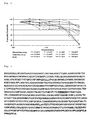
- the ELISA method was subject to the strongest matrix influence: Signal suppression below 90% was measured already at the two highest dilution levels, which continued to increase rapidly with higher serum concentrations, so that in the concentrated approach only a residual signal intensity of 20% could be measured.
- the activity approach in solution showed the lowest matrix influence. Here you could see a much tighter signal suppression to 70% in the concentrated sample.
- the combination approach shows similarities to both other methods: It is characterized by a significantly stronger matrix dependence compared to the activity approach. However, the signal intensity does not fall below 50% even in the concentrated sample.
- This method thus enables an ACE2-specific activity measurement even in concentrated serum samples:
- the immunological ACE2-specific interaction of the first step exclusively introduces this enzyme into the experiment.
- the measurement of its activity is not falsified in the second step by other proteases present in the matrix or ACE2 inhibitors.
Landscapes
- Life Sciences & Earth Sciences (AREA)
- Health & Medical Sciences (AREA)
- Chemical & Material Sciences (AREA)
- Engineering & Computer Science (AREA)
- Immunology (AREA)
- Molecular Biology (AREA)
- Organic Chemistry (AREA)
- Physics & Mathematics (AREA)
- Proteomics, Peptides & Aminoacids (AREA)
- Hematology (AREA)
- Urology & Nephrology (AREA)
- Zoology (AREA)
- Wood Science & Technology (AREA)
- Microbiology (AREA)
- Biotechnology (AREA)
- Analytical Chemistry (AREA)
- Biochemistry (AREA)
- General Health & Medical Sciences (AREA)
- Biomedical Technology (AREA)
- Medicinal Chemistry (AREA)
- Biophysics (AREA)
- Pathology (AREA)
- General Physics & Mathematics (AREA)
- Food Science & Technology (AREA)
- Cell Biology (AREA)
- Bioinformatics & Cheminformatics (AREA)
- General Engineering & Computer Science (AREA)
- Genetics & Genomics (AREA)
- Measuring Or Testing Involving Enzymes Or Micro-Organisms (AREA)
- Investigating Or Analysing Materials By The Use Of Chemical Reactions (AREA)
- Enzymes And Modification Thereof (AREA)
Abstract
Description
- Die vorliegende Erfindung betrifft die immunologische Bestimmung der enzymatischen Aktivität von Enzymen.
- Derzeitige Methoden zur Bestimmung von Enzymaktivitäten in raschen Screeningverfahren werden stark von interferierenden Faktoren von diversen Quellen beeinflusst. Übliche Assays zur Messung von Enzymaktivitäten sehen die Verwendung von fluoreszierenden oder chromogenen Verbindungen vor. Beispielsweise wird bei der Detektion von HIV Protease ein fluoreszierendes Substrat verwendet, das mit einer fluorezierenden Dansyl-Gruppe an einem Ende des Peptids und einem Fluoreszenzquencher am anderen Ende des Peptids modifiziert wurde. Ein Anstieg an gemessenem Fluoreszenzsignal erfolgt durch Spaltung des Peptids durch die Protease, da der Emitterteil vom unterdrückenden Quencher geteilt wird. Fluoreszierende Substrate für andere Enzyme können durch ähnliche Modifizierungen der Substrate des jeweiligen Enzyms modifiziert werden, wie beispielsweise in der
US 6,037,137 ,EP 1 557 474 A undWO 90/00618 - Diese Assays, insbesondere im High-throughput Bereich, neigen zu Problemen mit Autofluoreszenz von biologischen Komponenten, zum Teil bedingt durch die gemessenen Moleküle selbst. Viele der Verbindungen und natürlichen Extrakte sind selbst farbig oder fluoreszieren und befinden sich während der Signalmessung des Assays in Lösung. Das führt dazu, dass diese Interferenz die Detektion und die Sensitivität bzw. den dynamischen Messbereich der Methode limitiert. Die Interferenz kann auch als Inhibition des Enzyms interpretiert werden, wobei es in Inhibitionsassays schwer ist, die gemessene Inhibition von der tatsächlichen (bio)chemischen Inhibition des Enzyms zu unterscheiden.
- Die
US 5,591,591 beschreibt einen Assay zur Detektion von Proteasen, wobei eine Dioxetan-Komponente mit einer proteolytischen Enzym-spezifischen Aminosäure oder einem Peptid verbunden zu einer Probe die potentiell die Protease enthält, zugefügt wird, wobei die Aminosäure durch die enzymatische Reaktion entfernt wird, was wiederum die Zersetzung des Dioxetans und Chemilumineszenz bewirkt. - Die
JP 8160046 - Die
WO 2002/098448 A1 betrifft Verbindungen, die spezifisch ACE2 binden und dessen Aktivität verändern. - Die
US 2003/0124622 beschreibt die Messung der Aktivität einer Protease, wobei die Protease zunächst an einen immobilisierten Antikörper gebunden wird und ein chromogenes Substrat zugegeben wird, das sich unter der Einwirkung der Enzymaktivität verfärbt. Die Änderung der Extinktion kann mit der Enzymaktivität korreliert werden. - Die
US 6,610,497 beschreibt die Isolierung von ACE2 und nennt auch eine Vielzahl an Möglichkeiten zur Bestimmung von ACE2 bzw. ACE2-Bindungspartnerkomplexen. - Die
US 2005/0287066 A1 betrifft monoklonale Antikörper die die N-Domäne von ACE, also nicht ACE2, spezifisch binden. - Guy et al. (Biochemistry 42 (45)(2003): 13185-13192) beschreiben die Aktivität und Spezifität von ACE2.
- Vickers et al. (Biological Chemistry 277 (17)(2002): 14838-14843) nennen Hintergrundinformationen zu ACE2 und beschreiben auch Substrate zur ACE2-Aktivitätsmessung.
- Es ist ein Ziel schnelle Messsysteme zu entwickeln, die von Verunreinigungen unbeeinflusst sind, insbesondere für Systeme zur raschen Messung von Enzymaktivitäten.
- Die vorliegende Erfindung betrifft ein Verfahren zur Bestimmung der Aktivität von ACE2, eines Enzyms des Renin-Angiotensin-Aldosteron-Systems, umfassend folgende Schritte:
- zur Verfügung stellen von an einen festen Träger immobilisierten ACE2-bindenden Einheiten, die spezifisch für einen Teil des ACE2 sind, der nicht an der katalytischen Aktivität des ACE2 beteiligt ist,
- Kontaktieren der immobilisierten ACE2-bindenden Einheiten mit einer Probe, die potentiell ACE2 enthält, wobei ACE2 von der ACE2-bindenden Einheit gebunden wird,
- Entfernen der nicht-bindenden Anteile der Probe von dem an die ACE2-bindenden Einheiten gebundenen Enzym,
- Zufügen eines Substrates des ACE2, das durch die Enzymaktivität umgesetzt wird und die Umsetzung ein Signal liefert,
- Messen der Änderung des Signals in einer bestimmten Zeitspanne, wobei die Änderung mit der ACE2-Aktivität korreliert werden kann.
- Mit dem erfindungsgemäßen Verfahren ist es möglich, quantitativ die enzymatische Aktivität in komplexen Lösungen, wie Körperflüssigkeiten oder Kulturüberständen, zu bestimmen unter Verwendung der endogenen Aktivität des zu quantifizierenden Enzyms unter Umsetzung eines Signal-liefernden Substrates.
- Zur direkten Bestimmung von aktiven Enzymen in komplexen Lösungen, wie Körperflüssigkeiten, wurde eine Methode aufgebaut, welche zwei wesentliche Schritte kombiniert und einen hohen Probendurchsatz erlaubt: Die immunologische Bindung des Enzyms an einen Träger, wie beispielsweise eine Mikrotiterplatte, wodurch die Abreicherung sämtlicher anderer Komponenten erreicht wird, gefolgt von einer spezifischen enzymatischen Reaktion auf Basis eines fluoreszenzmarkierten Substrates, welches ein messbares Signal liefert.
- Im ersten Schritt wird die komplexe Lösung z.B. in einer Mikrotiterplatte inkubiert, in der zuvor z.B. ein ACE2-spezifischer Antikörper immobilisiert wurde. Ein solcher Antikörper erkennt vorzugsweise einen Teil des Enzyms, der nicht an der katalytischen Reaktion beteiligt ist, und beeinträchtigt nicht die enzymatische Reaktion. Wenn der Antikörper hingegen Regionen des Enzyms erkennt, die in die enzymatische Reaktivität direkt involviert sind, wird die Empfindlichkeit des Assays herabgesetzt bzw. der Assay funktioniert nicht mehr, da die Enzymaktivität blockiert ist. Sämtliche weitere Bestandteile der komplexen Probe (z.B. Serum) binden nicht an den festen Träger, z.B. eine Plattenoberfläche, und werden in einem nachfolgenden Schritt aus dem System entfernt, vorzugsweise von der Platte gewaschen. Waschschritte können gegebenfalls wiederholt werden, z.B. 1, 2, 3 oder mehrere Male. Letztendlich verbleibt ausschließlich korrekt gebundenes Enzym auf der Platte. Nach Zugabe eines fluoreszenzmarkierten Substrates, welches durch das Enzym gespalten wird und das im gespaltenen Zustand eine deutlich höhere Fluoreszenz aufweist, wird nach einer definierten Inkubationszeit die Fluoreszenz gemessen und mit einem Standard bekannter Aktivität und Konzentration verglichen. Üblicherweise wird dies durch Zweikomponenten-Fluoreszenz-Quenching-Systeme erzielt, wobei die Fluoreszenz durch Abspaltung des Quenchers erhöht wird.
- Durch die Einwirkung bzw. Umsetzung des Enzyms auf das Substrat wird dieses vorzugsweise in der Extinktion oder Fluoreszenz verändert, die mit optischen Methoden gemessen werden kann. Chromogene Substrate die zu einem solchen Zweck modifiziert werden können um ein Änderung der Extinktion (oder Absorption) zu verfolgen sind beispielsweise aus der
US 2003/0124622 bekannt. Im weiteren Ausführungsformen weist das Substrat einen fluoreszierenden Teil und einen Fluoreszenzquencherteil auf die durch die Enzymaktivität getrennt werden können. Durch die Umsetzung durch das Enzym kann daher eine Änderung der Fluoreszenz gemessen und verfolgt werden. - Die ACE2-bindende Einheit ist vorzugsweise ein Antikörper oder ein künstlicher oder natürlicher Rezeptor des Enzyms, der die Aktivität von ACE2 nicht verhindert.
- Das erfindungsgemäß bestimmte Enzym ist ACE2, eine Peptidase oder Protease des Renin-Angiotensin-Aldosteron-Systems (RAAS) - auch als Renin-Angiotensin-System (RAS) bezeichnet. Die proteolytische Aktivität des RAS stellt eine Kaskade von enzymatischen Schritten zur Regulierung des Blutdrucks dar. ACE (Angiotensin Converting Enzyme) ist hierin das wohl bekannteste Enzym, dass Angiotensin I zu Angiotensin II umsetzt. Angiotensin II wirkt blutdrucksteigernd, weswegen ACE-Hemmer häufig zur Behandlung von erhöhtem Blutdruck eingesetzt werden. Unmittelbar nach der Entdeckung von ACE2 wurde angenommen, dass es die gleiche Aktivität wie ACE aufweisen sollte (
US 6,194,556 ), weswegen es nach diesem Enzym benannt wurde. Sowohl ACE als auch ACE2 sind Metalloproteasen mit einem katalytischen Zink-Atom im Zentrum. Diese ursprüngliche Annahme stellte sich jedoch als Irrtum heraus. Sowohl von der Aktivität her, als auch mechanistisch sind ACE und ACE2 völlig unterschiedlich. Während ACE Blutdruck-steigernd wirkt, bewirkt ACE2 eine Blutdrucksenkung (1). Mechanistisch ist ACE eine Peptidyl-Dipeptidase, ACE2 hingegen eine Carboxypeptidase (9). Somit sind ACE und ACE2 zwei völlig verschiedene Enzyme mit unterschiedlichen Voraussetzungen zur Messung ihrer Aktivität. - ACE2 (Angiotensin Converting Enzyme 2) stellt ein Schlüsselenzym des Renin-Angiotensin-Systems dar. Als Carboxypeptidase wird es membranverankert (mACE2), als Rezeptor vor allem auf Lungen-, Nieren- und Herzzellen exprimiert und spaltet diverse Peptidsubstrate. ACE2 kommt jedoch auch als lösliches Protein (sekretiertes ACE2, seACE2) ohne Transmembrandomäne und cytoplasmischem Anteil in Körperflüssigkeiten vor. Prominente Substratvertreter sind Apellin, Bradykinin aber ebenso Angiotensin-I, welches zu Angiotensin 1-9, oder Ang-II, welches zu Ang 1-7 gespalten wird (1, 2). ACE2 ist maßgeblich für die Homeostasis des Organismus verantwortlich (3).
- Apeiron Biologics entwickelte lösliches ACE2 als Therapeutikum zur Behandlung von ARDS oder ALI, zwei akuten Lungenerkrankungen, mit welchen als Begleitsymptom ein herunter regulierter ACE2 Titer einhergeht (4, 5), wie mehrere Studie bestätigen. Allerdings ist durchaus auch vorgesehen, dass lösliches ACE2 auch zur Behandlung von Herz- oder Nierenerkrankungen eingesetzt wird (1, 6). Nachdem ACE2 in all diesen Erkrankungen eine wesentliche Rolle spielt, liefert eine robuste Bestimmungsmethode zur Quantifizierung von löslichem, aktiven ACE2 wichtige Erkenntnisse in der Erforschung dieser Indikationen. Ferner bietet sich eine solche Methode zur Ermittlung der Pharmakokinetik und Pharmakodynamik einer Therapie mit löslichem ACE2 an. Der Gehalt an enzymatisch aktivem ACE2 in Körperflüssigkeiten stellt außerdem ein Schlüsselergebnis dar, welches den Zugriff auf diverse therapeutische und diagnostische Bereiche eröffnet.
- Klassische, immunologische Bestimmungsmethoden (ELISA) von ACE2-Konzentrationen liefern nur ein unvollständiges Resultat, da diese Methoden sowohl aktives, als auch enzymatisch inaktives Enzym erfassen können. Aufschluss über die Funktion von ACE2 kann aber ausschließlich durch Bestimmung des enzymatisch aktiven Anteils erlangt werden. Die Bestimmung der Aktivität von Peptidasen in komplexen Flüssigkeiten, wie Vollblut, Serum oder Plasmaproben, erwies sich bislang jedoch im Stand der Technik als schwierig, weil zahlreiche Komponenten dieser komplexen Lösungen die enzymatische Reaktion beeinflussen können. Inhibierende Bestandteile sowie Peptidasen geringer Spezifität können den gemessenen Substratumsatz in beide Richtungen verfälschen, was einen Aktivitätsbestimmungsansatz direkt aus diesen komplexen Systemen üblicherweise verhindert. Insbesondere für ACE2 konnte daher bislang auch kein zufriedenstellendes System zur Verfügung gestellt werden, welches vor allem auch der Komplexität der Proben, in denen ACE2 gemessen werden kann, Rechnung trägt.
- Besonders bevorzugt ist ACE2 ausgewählt aus Membran-gebundenem ACE2 (mACE2) und sekretiertem ACE2 (seACE2), wobei vorzugsweise die Enzym-bindende Einheit spezifisch für den C-terminalen Teil der extrazellulären Domain von ACE2 ist. ACE2, welches noch mit der Membrandomäne durch Hilfe von Detergentien in Lösung gehalten wird, sollte den C-terminalen Teil aufgrund der Nähe der hydrophoben Region deutlich geringer in die hydrophile Lösung exponieren. Die Sequenz von ACE2 ist in
Fig. 4 (SEQ ID NO: 1) angegeben, wobei das aktive Zentrum - Zink-bindende-Motif HEXXH durch Unterstreichen gekennzeichnet ist. Das erfindungsgemäße Verfahren funktioniert, wenn das gebundene ACE2 noch Enzymaktivität hat. Gemäß der Sequenz ist die ACE2-bindende Einheit für eine Teilsequenz von mindestens 4, vorzugsweise mindestens 5 oder 6, besonders bevorzugt mindestens 7, speziell bevorzugt mindestens 8 aufeinander folgenden Aminosäuren der 373 N-terminalen Aminosäuren von ACE2 oder der 362 C-terminalen Aminosäuren von ACE2 spezifisch. In besonderen Ausführungsformen ist diese Teilsequenz aus den 360, bevorzugt 340 oder 320 N-terminalen oder C-terminalen Aminosäuren ausgewählt. Eine solche Sequenz, gegen die eine ACE2-bindende Einheit gerichtet werden kann, ist z.B. EFLGIQPTLGPPN (SEQ ID NO:2). - Des Weiteren ist die Kristallstruktur von ACE2 veröffentlicht (9) und als natives Enzym (PDB-Datenbank-Eintrag: 1R42) und als Inhibitor-gebundenes Enzym bekannt (PDB-Datenbank-Eintrag: 1R4L). Diese native Struktur zeigt als Mittelpunkt des aktiven Zentrums ein Zn-Atom und dient im folgenden als Referenz für ACE2. Eine weitere Kristallstruktur ist beispielsweise unter dem PDB-Datenbank-Eintrag 108A (natives menschliches ACE) bekannt, in der ebenfalls ein katalytisches Zink-Atom ersichtlich ist. Bevorzugt ist die Enzym-bindende Einheit für einen Teil von mindestens 4, 5, 6, 7 oder 8 Aminosäuren des Enzyms spezifisch, der einen Mindestabstand von 0,5 nm, vorzugsweise 0,6 nm, besonders bevorzugt 0,7 nm oder 0,8 nm, insbesondere 0,9 nm oder 1,0 nm vom aktiven Zentrums aufweist (gemäß der Kristallstruktur des Enzyms). Hierzu kann der geometrische Mittelpunkt der Teilsequenz hinzugezogen werden - wobei die Teilsequenz nicht unbedingt aus sequentiell aufeinanderfolgenden Aminosäuren bestehen muss, da z.B. Antikörper nicht Sequenzen sondern räumliche Strukturen erkennen. Zur Ermittlung der Position des aktiven Zentrums kann der Mittelwert der Koordinaten der Aminosäuren hinzugezogen werden oder die Position des katalytischen Metallions, die an der Enzymreaktion beteiligt sind.
- Die Teile oder Teilsequenzen des ACE2 können in bestimmten Ausführungsformen bis zu 10, bis zu 12, bis zu 15, bis zu 20, bis zu 30 oder auch bis zu 40 oder 50 Aminosäuren des Enzyms aufweisen.
- Eine ACE2-bindende Einheit ist vorzugsweise ein Antikörper, der den C-terminalen Teil der extrazellulären Domaine von natürlichem ACE2 bindet. Dies führt somit zu einer gerichteten Präsentation des Enzyms auf der Plattenoberfläche, in Analogie zur Präsentation an der Zelloberfläche sind ohne die ACE2-Aktivität empfindlich zu beeinflussen.
- Aktivitätsbestimmungsverfahren können sowohl fluoreszierende Substrate oder chromogene Substrate verwendet werden, wobei fluoreszierende aufgrund der Sensitivität bei Blutproben bevorzugt werden.
- Im erfindungsgemäßen Verfahren sind die ACE2-bindenden Einheiten bevorzugt ausgewählt aus Antikörpern, Antikörperfragmenten oder Antikörperderivaten. Solche Einheiten beinhalten Fv, Fab oder F(ab)2-Teile von Antikörpern sowie Einzelkettenantikörper (single chain antibodies, SCA), wie in der
US 4,946,778 offenbart, oder Einzelketten-Antigen-bindende Fragmente (ScFv). - In speziellen Ausführungsformen sind die Antikörper, -fragmente oder -derivate polyklonal, wobei, vorzugsweise Antikörper, -fragmente oder -derivate, die für die aktiven Zentren des Enzyms spezifisch sind, auf unter 20% bevorzugt auf unter 10%, mehr bevorzugt auf unter 5%, am meisten bevorzugt auf unter 1% abgereichert sind - z.B. durch Immunoabsorption, wobei Teile mit aktiven Zentren der Enzyme immobilisiert präsentiert werden und das Eluat die abgereicherten, bevorzugten Antikörper enthält.
- In anderen Ausführungsformen sind die Antikörper, -fragmente oder -derivate monoklonal. Hierbei werden spezielle Antikörper selektiert, die die ACE2-Aktivität unbeeinflusst (oder gering verändert) lassen. Bei bestimmten Enzymen können Aktivitätseinbußen durch die Antikörperbindung nicht vermieden werden. Hierbei ist es jedoch mit gängigen Auswahlverfahren (z.B. Phagendisplay-Methoden) möglich, diese Inhibierung niedrig zu halten. So wird bevorzugt die enzymatische Aktivität nicht mehr als 30%, bevorzugt nicht mehr als 20% besonders bevorzugt nicht mehr als 10%, speziell bevorzugt nicht mehr als 5%, am meisten bevorzugt nicht mehr als 1% durch den Antikörper, das -derivat oder das -fragment inhibiert. Besonders bevorzugte Antikörper können die enzymatische Aktivität sogar erhöhen.
- Das Substrat, das erfindungsgemäß verwendet wird, ist bevorzugt ein niedermolekulares Peptid mit einer Länge von 1 bis 30 Aminosäuren, bevorzugt 1 bis 20 Aminosäuren, insbesondere bevorzugt 1 bis 10 Aminosäuren ist, das von dem Enzym gespalten werden kann, und an einem zu erwartenden Spaltprodukt der Fluoreszenzteil und an einem anderen zu erwartenden Spaltprodukt der Quencher kovalent verbunden ist, bevorzugt Mca-Ala-Pro-Lys(Dnp)-OH (Mca: (7-methoxycoumarin-4-yl)acetyl) sofern das Enzym ACE2 ist. Andere Peptidsubstrate sind beispielsweise in (7) und (8) offenbart. Für ACE2 ist das Cumarin-di-Nitro-Phenyl System besonders geeignet. Andere Systeme werden beispielsweise in der
US 6,037,137 , derEP 1 557 474 A und derWO 90/00618 - Die Probe kann chromophore und/oder fluoreszierende Verunreinigungen enthalten. Es ist ein wesentlicher Vorteil des erfindungsgemäßen Verfahrens, dass diese Störsubstanzen im Assay auf einfache Weise entfernt werden.
- Bevorzugt ist die Probe ausgewählt aus Körperflüssigkeiten, homogenisierten fluiden Gewebeproben und Zellkulturüberständen, vorzugsweise aus Vollblut, Serum- oder Plasmaproben.
- In einem weiteren Aspekt sieht die vorliegende Erfindung die Verwendung des erfindungsgemäßen Verfahrens zur in-vitro-Bestimmung von ACE2 Titern in Vollblut, Serum- oder Plasmaproben bzw. eines Enzyms in solchen Proben vor.
- Ein anderer Aspekt betrifft ein Verfahren zur Diagnose eines Krankheitsanzeichens, das mit abnormer ACE2 Aktivität verbunden ist, welches dadurch gekennzeichnet ist, dass eine Probe eines Tieres oder Menschen zur Verfügung gestellt wird, und mit einem in-vitro-Verfahren nach der vorliegenden Erfindung die ACE2 Aktivität bestimmt wird, wobei eine Änderung der ACE2 Aktivität von über 40% oder 50%, vorzugsweise von über 50%, besonders bevorzugt von über 75%, im Vergleich zur ACE2 Aktivität im gesunden Zustand eine Krankheit oder die Gefährdung an einer Krankheit zu erkranken anzeigt. ACE2-indizierte Krankheitszustände können sowohl über einen Anstieg der ACE2-Aktivität angezeigt werden, z.B. Mykardinfarkt (10,11) oder über eine reduzierte ACE2-Aktivität, z.B. ARDS (4). Im Fall eines ACE2-Aktivitätsanstiegs ist die Aktivitätsänderung vorzugsweise mindestens 100%, insbesondere mindestens 150%. Der Aktivitätswert im gesunden Zustand hängt stark vom der Spezies und dem Gewebe ab und kann ebenfalls mit dem erfindungsgemäßen Verfahren bestimmt werden - z.B. als Durchschnittswert gesunder Organismen oder in einem nicht von der Krankheit betroffenen Referenzgewebe des selben Organismus'. Mit dem erfindungsgemäßen Verfahren können somit auf einfache und verlässliche Weise Anzeichen für eine Krankheit festgestellt bzw. eine Krankheit diagnostiziert werden.
- Krankheiten, die erfindungsgemäß festgestellt oder angezeigt werden können, sind beispielsweise cardio-vaskuläre Erkrankungen (insbesondere Myokardinfarkt), Nierenerkrankungen und Lungenerkrankungen, insbesondere ARDS oder ALI. Spezielle ACE2-beeinflusste Lungenkrankheiten führen zur Ansammlung von Flüssigkeit in der Lunge, in der auch die ACE2-Aktivität bestimmt werden kann. In diesem Sinne ist unter den Körperflüssigkeitsproben eine Flüssigkeit in der Lunge bzw. in den Lungenbläschen explizit eingeschlossen.
- Desweiteren beschreibt die vorliegende Druckschrift einen Kit (der zur Durchführung des erfindungsgemäßen Verfahrens geeignet ist), bestehend aus einem festen Träger mit immobilisierten Enzym-bindenden Einheiten, die spezifisch für einen Teil des Enzyms sind, der nicht an der katalytischen Aktivität des Enzyms beteiligt ist. Das Enzym ist, wie bereits oben beschrieben eine Protease oder Peptidase des RAS, vorzugsweise ACE2.
- Bevorzugt umfasst der Kit weiters ein Substrat des ACE2, das einen fluoreszierenden Teil und einen Fluoreszenzquencherteil aufweist, die durch ACE2-Aktivität getrennt werden können.
- Das immobilisierte ACE2 des Kits sowie die ACE2-bindenden Einheiten und das Substrat können wie oben beschrieben vorgesehen werden.
- Die vorliegende Erfindung wird durch die folgende Figur und Beispiele näher erläutert ohne auf diese Ausführungen limitiert zu sein.
-
Figur 1 : Immunologische Bestimmung der enzymatischen Aktivität von ACE2 in komplexen Lösungen: Lösungen unterschiedlicher ACE2- Konzentration (0 ng/ml: grau; 125 ng/ml: blau; 250 ng/ml: grün; 500 ng/ml: gelb und 1 µg/ml: rot) wurden nach immunologischer Anreicherung von ACE2 17 Stunden mit dem Peptidsubstrat Mca-Ala-Pro-Lys(Dnp)-OH inkubiert. Der Anstieg der Fluoreszenz wurde bei 320 nm / 430 nm gemessen und korreliert mit der in den Ansätzen vorhandenen Enzymmenge. -
Figur 2 : Immunologische Bestimmung der enzymatischen Aktivität von ACE2 in komplexen Lösungen im Kombinationsansatz: Serumproben unterschiedlicher Zeitpunkte eines ARDS Modells wurden mit 0.2 µg/ml ACE2 versetzt und mittels Kombinationsansatz (blaue Balken) und "klassischem" Aktivitätstest in Lösung (graue Balken) vermessen. -
Figur 3 : Vergleich der matrixabhängigen Signalintensität des Kombinationsansatzes zu ELISA und Aktivitätstest in Lösung. -
Figur 4 : Menschliche ACE2 Sequenz (SEQ ID NO: 1); Das aktive Zentrum mit dem HEXXH-Zn-Bindungsmotif ist unterstrichen und fett, eine C-terminale Teilsequenz (EFLGIQPTLGPPN; (SEQ ID NO: 2) als Antikörper-Epitop ist als Fettdruck hervorgehoben. - Es wurde eine murine polyklonale ACE2-spezifische Antikörperpräparation an eine 96-Well-Maxisorp-Platte (Nunc) gecoatet und anschließend mit vier Lösungen unterschiedlicher ACE2-Konzentration inkubiert. Nach einem Waschschritt wurde das Peptidsubstrat Mca-Ala-Pro-Lys(Dnp)-OH zugesetzt und die Fluoreszenz über einen Zeitraum von bis zu 17 Stunden gemessen, bei einer Anregungswellenlänge von 320 nm und einer Emissionswellenlänge von 430 nm.
Figur 1 zeigt vier Standardkuren unterschiedlicher ACE2-Konzentrationen. Aufgrund der zugrunde liegenden Enzymkinetik erscheint die Produktkonzentration (proportional zur gemessenen Fluoreszenz) in linearem Zusammenhang mit der vorhandenen Enzymmenge, insofern keine Limitierung durch das Substrat auftritt. Die Steigung der Geraden entspricht hierbei den vorhandenen Enzymmengen. Hierbei unterscheiden sich diese Kurven umso deutlicher, je länger die Inkubationszeit angedauert hat, nachdem die Steigung der Geraden im erwähnten Bereich konstant bleibt. Die ebenfalls mitgeführte Blankkurve hebt sich hierbei nicht, auch nicht nach 17stündiger Inkubation, von der Anfangsfluoreszenz ab. Es kann daher der Versuchsansatz je nach gewünschter Empfindlichkeit unterschiedlich lange inkubiert werden. - Die vorgestellte Methode soll matrixunabhängige Messungen der ACE2 Aktivität erlauben. In diesem Ansatz wurde die Menge an aktivem ACE2 sowohl mittels des beschriebenen Kombinationstests als auch mithilfe eines "klassischen" Aktivitätstests in Lösung vermessen. Es wurde eine konstante Menge ACE2 in Serumproben zugefügt, welche zu verschiedenen Zeitpunkten eines Sepsis-Modells gezogen wurden. Es wird angenommen, dass die Konzentration an Substanzen, welche die Funktion von ACE2 inhibieren, mit zunehmender Verschlechterung der ARDS Symptome zunimmt.
- Während die Messwerte beider Untersuchungsmethoden während der ersten 90 Minuten nahezu dem Ausgangswert (100%) entsprechen, kann zum 150 Minuten Messpunkt ausschließlich im Kombinationsansatz ACE2 Aktivität nachgewiesen werden (
Fig. 2 ). Dies kann dadurch erklärt werden, dass ausschließlich im Kombinationstest ACE2 Inhibitoren durch einen Waschschritt aus dem System entfernt werden und die Aktivitätsmessung nicht beeinflussen. Diese Beobachtung qualifiziert diese Methode zur Serumkomponenten unabhängigen Analytik aktiver Enzyme aus komplexen Lösungen. - Die matrixbedingte Beeinflussung der Messsignalintensität (Quenching) des Kombinationsansatzes wurde mit der eines ELISA und der eines Aktivitätstests in Lösung verglichen. Es wurden konstante ACE2 Konzentrationen von 0,5 µg/ml, 0,2 µg/ml, 0,1 µg/ml und 0,05 µg/ml in mehreren Serumverdünnungen beginnend von 1 bis 1:64 gemessen. Zum Vergleich der angeführten Messmethoden wurde die Signalintensität in der höchsten Probenverdünnung von 1:64 auf 100% gesetzt und mit den Resultaten der anderen Verdünnungsstufen verglichen. Mithilfe dieses Vergleichsparameters kann die methodenspezifische matrixbedingte Signalunterdrückung charakterisiert werden (
Fig. 3 ). - Die ELISA Methode unterlag hierbei dem stärksten Matrixeinfluss: Bereits ab den zwei höchsten Verdünnungsstufen wurde eine Signalunterdrückung unter 90% gemessen, welche bei höherer Serumkonzentration weiter rapide zunahm, sodass im konzentrierten Ansatz lediglich eine Restsignalintensität um 20% gemessen werden konnte. Der Aktivitätsansatz in Lösung zeigte den geringsten Matrixeinfluss. Hier konnte man eine deutlich knappere Signalunterdrückung auf 70% in der konzentrierten Probe erkennen. Der Kombinationsansatz zeigt Ähnlichkeiten zu beiden anderen Methoden: Er kennzeichnet sich durch eine deutlich stärkere Matrixabhängigkeit im Vergleich zum Aktivitätsansatz. Jedoch fällt die Signalintensität selbst in der konzentrierten Probe nicht unter 50%.
- Diese Methode ermöglicht somit eine ACE2 spezifische Aktivitätsmessung selbst in konzentrierten Serumproben: Durch die immonologische ACE2 spezifische Interaktion des ersten Schrittes wird ausschließlich dieses Enzym in den Versuch eingebracht. Die Messung dessen Aktivität wird im zweiten Schritt nicht durch andere in der Matrix vorhandene Proteasen oder ACE2 Inhibitoren verfälscht.
-
- 1. Danilczyk et al., Circ Res 98, 463-471 (2006).
- 2. Vickers et al., J Biol Chem 277, 14838-14843 (2002).
- 3. Ferrario et al., J Am Soc Nephrol 9, 1716-1722 (1998).
- 4. Imai et al., Nature 436, 112-116 (2005).
- 5. Kuba et al., Curr Opin Pharmacol (2006).
- 6. Ye et al., Hypertension 43, 1120-1125 (2004).
- 7. Huang et al., J Biol Chem 278, 15532-15540 (2003).
- 8. Guy et al., Biochemistry 42, 13185-13192 (2003).
- 9. Towler et al., J. Biol Chem 279, 17996-18007 (2004).
- 10. Burrell et al., Europ Heart J 26, 369-375 (2005).
- 11. Ishiyama et al., Hypertension 43, 970-976 (2004).
-
- <110> Apeiron Biologics Forschungs- und Entwicklungsgesellschaft m.b.H.
- <120> Verfahren zur Bestimmung der Aktivität von ACE2
- <130> r50504
- <150>
AT A 1758/2006
<151> 2006 10 19 - <160> 2
- <170> PatentIn version 3.3
- <210> 1
<211> 740
<212> PRT
<213> Homo sapiens - <400> 1


- <210> 2
<211> 13
<212> PRT
<213> Homo sapiens - <400> 2

Claims (7)
- Verfahren zur Bestimmung der Aktivität des ACE2, umfassend folgende Schritte:• zur Verfügung stellen von an einen festen Träger immobilisierten ACE2-bindenden Einheiten, die spezifisch für einen Teil des ACE2 sind, der nicht an der katalytischen Aktivität von ACE2 beteiligt ist,• Kontaktieren der immobilisierten ACE2-bindenden Einheiten mit einer Probe, die potentiell das ACE2 enthält, wobei das ACE2 von der ACE2-bindenden Einheit gebunden wird, wobei die Probe ausgewählt ist aus Körperflüssigkeiten (wie Vollblut, Serum oder Plasma), homogenisierten fluiden Gewebeproben und Zellkulturüberständen,• Entfernen der nicht-bindenden Anteile der Probe von dem an die ACE2-bindenden Einheiten gebundenen ACE2 durch Waschen,• Zufügen eines Substrates des ACE2, das durch die ACE2-Aktivität umgesetzt wird und die Umsetzung ein Signal liefert,• Messen der Änderung des Signals in einer bestimmten Zeitspanne, wobei die Änderung mit der ACE2-Aktivität korreliert werden kann,
wobei die ACE2-bindende Einheit ein Antikörper, der den C-terminalen Teil der extrazellulären Domäne von natürlichem ACE2 bindet, ist und spezifisch für eine Teilsequenz von mindestens 4 aufeinander folgende Aminosäuren der 362 C-terminalen Aminosäuren von ACE2 ist. - Verfahren nach Anspruch 1, dadurch gekennzeichnet, dass das Substrat in der Extinktion oder Fluoreszenz verändert wird, wobei vorzugsweise das Substrat einen fluoreszierenden Teil und einen Fluoreszenzquencherteil aufweist die durch die ACE2-Aktivität getrennt werden können.
- Verfahren nach einem der Ansprüche 1 oder 2, dadurch gekennzeichnet, dass das Enzym ACE2 ausgewählt ist aus Membran-gebundenem ACE2 (mACE2) und sekretiertem ACE2 (seACE2).
- Verfahren nach einem der Ansprüche 1 bis 3, dadurch gekennzeichnet, dass die ACE2-bindende Einheit für einen Teil von mindestens 4 Aminosäuren, vorzugsweise 5, 6, 7 oder 8 Aminosäuren, des ACE2 spezifisch, die einen Mindestabstand von 0,5 nm, vorzugsweise 0,6 nm, besonders bevorzugt 0,7 nm oder 0,8 nm, insbesondere 0,9 nm oder 1,0 nm vom aktiven Zentrums aufweist.
- Verfahren nach einem der Ansprüche 1 bis 4, dadurch gekennzeichnet, dass das Substrat ein niedermolekulares Peptid mit einer Länge von 1 bis 30 Aminosäuren, bevorzugt 1 bis 20 Aminosäuren, insbesondere bevorzugt 1 bis 10 Aminosäuren, ist das von ACE2 gespalten werden kann, und an einem zu erwartenden Spaltprodukt der Fluoreszenzteil und an einem anderen zu erwartenden Spaltprodukt der Quencher kovalent verbunden ist, bevorzugt Mca-Ala-Pro-Lys(Dnp)-OH.
- Verfahren nach einem der Ansprüche 1 bis 5, dadurch gekennzeichnet, dass die Probe chromophore und/oder fluoreszierende Verunreinigungen enthält.
- Verwendung eines Verfahrens nach einem der Ansprüche 1 bis 6 zur in vitro Bestimmung von ACE2 Titern in Vollblut, Serum- oder Plasmaproben.
Applications Claiming Priority (2)
| Application Number | Priority Date | Filing Date | Title |
|---|---|---|---|
| AT0175806A AT504443B1 (de) | 2006-10-19 | 2006-10-19 | Verfahren zur bestimmung der aktivität von ace2 |
| PCT/AT2007/000488 WO2008046125A1 (de) | 2006-10-19 | 2007-10-19 | Verfahren zur bestimmung der aktivität von ace2 |
Publications (2)
| Publication Number | Publication Date |
|---|---|
| EP2089715A1 EP2089715A1 (de) | 2009-08-19 |
| EP2089715B1 true EP2089715B1 (de) | 2012-08-08 |
Family
ID=38895681
Family Applications (1)
| Application Number | Title | Priority Date | Filing Date |
|---|---|---|---|
| EP07815155A Active EP2089715B1 (de) | 2006-10-19 | 2007-10-19 | Verfahren zur bestimmung der aktivität von ace2 |
Country Status (6)
| Country | Link |
|---|---|
| US (1) | US8241864B2 (de) |
| EP (1) | EP2089715B1 (de) |
| AT (1) | AT504443B1 (de) |
| CA (1) | CA2666175C (de) |
| ES (1) | ES2394845T3 (de) |
| WO (1) | WO2008046125A1 (de) |
Families Citing this family (20)
| Publication number | Priority date | Publication date | Assignee | Title |
|---|---|---|---|---|
| AT505262A1 (de) | 2007-06-12 | 2008-12-15 | Apeiron Biolog Forschungs Und | Rekombinantes ace2 polypeptid |
| US9757433B2 (en) | 2013-01-14 | 2017-09-12 | Apeiron Biologicals AG | Modified ACE2 polypeptides |
| US12630831B2 (en) | 2019-09-29 | 2026-05-19 | Technion Research & Development Foundation Limited | Synthetic non-coding RNAS |
| WO2021190980A1 (en) | 2020-03-22 | 2021-09-30 | Quadrucept Bio Limited | Multimers for viral strain evolution |
| US20220026428A1 (en) * | 2020-03-25 | 2022-01-27 | National University Of Singapore | Detection of antibodies to sarsr-cov |
| CN111983226A (zh) | 2020-03-25 | 2020-11-24 | 新加坡国立大学 | SARSr-CoV抗体的检测 |
| WO2021211406A1 (en) * | 2020-04-13 | 2021-10-21 | Maddon Advisors Llc | Tmprss2-targeted compositions and methods for treating covid-19 |
| WO2021217062A1 (en) * | 2020-04-24 | 2021-10-28 | Kevin Fialko | Sars-cov-2 susceptibility detection |
| CN112180101A (zh) * | 2020-06-01 | 2021-01-05 | 北京松果天目健康管理有限公司 | 一种用于检测ace2受体丰度的试剂盒及检测方法 |
| WO2021257781A1 (en) * | 2020-06-19 | 2021-12-23 | Vast Sea Biotechnology, Inc. | Compositions and methods for treating covid-19 |
| WO2022008642A1 (en) | 2020-07-08 | 2022-01-13 | Apeiron Biologics Ag | Treatment of sars-cov-2 infection with a combination of targets |
| TW202212354A (zh) * | 2020-08-03 | 2022-04-01 | 美商健生生物科技公司 | 用於病毒治療劑中之多向生物運輸的材料及方法 |
| CN114252621A (zh) * | 2020-09-23 | 2022-03-29 | 中国科学院大连化学物理研究所 | 一种基于rbd与ace2相互作用实时检测新型冠状病毒刺突蛋白的方法 |
| EP4011387A1 (de) | 2020-12-11 | 2022-06-15 | IMBA-Institut für Molekulare Biotechnologie GmbH | Überlegene neutralisierung von sars-cov-2 durch deglykosyliertes, humanes angiotensin konvertierendes enzym 2 |
| WO2022139539A1 (ko) * | 2020-12-24 | 2022-06-30 | 아주대학교산학협력단 | SARS-CoV-2 감염증에 대한 예방 또는 치료용 조성물 |
| WO2022159433A1 (en) | 2021-01-20 | 2022-07-28 | Singh Biotechnology, Llc | Therapeutics directed against coronavirus |
| WO2022184659A1 (en) | 2021-03-01 | 2022-09-09 | Quadrucept Bio Limited | Antibody domains & multimers |
| WO2022207918A1 (en) | 2021-04-02 | 2022-10-06 | Apeiron Biologics Ag | COVID-19 Therapy |
| AU2022273065A1 (en) * | 2021-05-13 | 2023-11-23 | Benevira Inc. | Methods and compositions for treatment of viral infection |
| WO2022246041A2 (en) * | 2021-05-20 | 2022-11-24 | Achelois Biopharma, Inc. | Compositions and methods for multivalent surface display on enveloped particles |
Family Cites Families (13)
| Publication number | Priority date | Publication date | Assignee | Title |
|---|---|---|---|---|
| US4946778A (en) | 1987-09-21 | 1990-08-07 | Genex Corporation | Single polypeptide chain binding molecules |
| EP0424465B1 (de) | 1988-07-08 | 1997-10-29 | Jbl Scientific, Inc. | Herstellung und verwendung von fluoreszierenden benzothiazolderivaten |
| JPH08160046A (ja) * | 1994-12-02 | 1996-06-21 | Konica Corp | アンジオテンシン転換酵素(ace)活性測定法 |
| US5591591A (en) | 1995-02-09 | 1997-01-07 | Tropix, Inc. | Dioxetane compounds for the chemiluminescent detection of proteases, methods of use and kits therefore |
| US6037137A (en) | 1997-02-20 | 2000-03-14 | Oncoimmunin, Inc. | Fluorogenic peptides for the detection of protease activity |
| US6194556B1 (en) * | 1997-12-11 | 2001-02-27 | Millennium Pharmaceuticals, Inc. | Angiotensin converting enzyme homolog and therapeutic and diagnostic uses therfor |
| US6610497B1 (en) * | 1997-12-11 | 2003-08-26 | Millennium Pharmaceuticals, Inc. | Angiotensin converting enzyme homolog and therapeutic and diagnostic uses therefor |
| DE10023923A1 (de) | 1999-06-10 | 2000-12-14 | Aventis Behring Gmbh | Verfahren zur Bestimmung der Aktivität der Faktor VII-aktivierenden Protease aus Proteinlösungen |
| US6900033B2 (en) * | 2001-06-04 | 2005-05-31 | Human Genome Sciences, Inc. | Methods and compositions for modulating ACE-2 activity |
| EP1557474A1 (de) | 2004-01-21 | 2005-07-27 | Nederlandse Organisatie voor toegepast-natuurwetenschappelijk Onderzoek TNO | Methode zur Bestimmung einer Protein-modifizierenden bzw. -demodifizierenden Aktivität und hierfür geeignete Materialien |
| WO2005097109A1 (en) * | 2004-04-01 | 2005-10-20 | Daniel Batlle | Methods for achieving a protective ace2 expression level |
| US20050287066A1 (en) * | 2004-06-28 | 2005-12-29 | Monoace, Inc. | Anti-rat angiotensin I-converting enzyme (ACE, CD143) monoclonal antibodies and uses thereof |
| CA2520514A1 (en) * | 2005-04-04 | 2006-10-04 | Monash University | Detection of plasma ace2 |
-
2006
- 2006-10-19 AT AT0175806A patent/AT504443B1/de not_active IP Right Cessation
-
2007
- 2007-10-19 ES ES07815155T patent/ES2394845T3/es active Active
- 2007-10-19 US US12/445,906 patent/US8241864B2/en not_active Expired - Fee Related
- 2007-10-19 WO PCT/AT2007/000488 patent/WO2008046125A1/de not_active Ceased
- 2007-10-19 CA CA2666175A patent/CA2666175C/en active Active
- 2007-10-19 EP EP07815155A patent/EP2089715B1/de active Active
Also Published As
| Publication number | Publication date |
|---|---|
| ES2394845T3 (es) | 2013-02-06 |
| EP2089715A1 (de) | 2009-08-19 |
| AT504443B1 (de) | 2008-11-15 |
| US8241864B2 (en) | 2012-08-14 |
| US20100261214A1 (en) | 2010-10-14 |
| CA2666175A1 (en) | 2008-04-24 |
| AT504443A1 (de) | 2008-05-15 |
| WO2008046125A1 (de) | 2008-04-24 |
| CA2666175C (en) | 2015-02-10 |
Similar Documents
| Publication | Publication Date | Title |
|---|---|---|
| EP2089715A1 (de) | Verfahren zur bestimmung der aktivität von ace2 | |
| US20240201175A1 (en) | Methods of determining a treatment protocol for and/or a prognosis of a patient’s recovery from a brain injury resulting from a hypoxic event | |
| EP1239049B1 (de) | Wasserstoffperoxid-Bestimmung mittels Oxidasen und Lanthanoid-Liganden-Komplexen | |
| Poon et al. | FRET-based modified graphene quantum dots for direct trypsin quantification in urine | |
| DE69603472T2 (de) | Bestimmung von glykierten proteinen | |
| DE60314990T2 (de) | Verfahren zur quantifizierung von glykosyliertem protein unter verwendung einer redoxreaktion sowie eines quantifizierungskits | |
| Park et al. | A sensitive dual colorimetric and fluorescence system for assaying the activity of alkaline phosphatase that relies on pyrophosphate inhibition of the peroxidase activity of copper ions | |
| Ozcelikay et al. | Assisting dementia diagnosis through the electrochemical immunosensing of glial fibrillary acidic protein | |
| EP1624072A1 (de) | Verfahren zur Bestimmung der Aktivität der Faktor VII-aktivierenden Protease aus Proteinlösungen | |
| KR102125169B1 (ko) | 통풍 진단 펩타이드, 통풍 진단 프로브, 통풍 진단 키트 및 이를 이용한 정보 제공 시스템 | |
| DE60125783T2 (de) | Verfahren zum nachweis von acetylase oder deacetylase-aktivität in einem immunoassay | |
| WO2012001155A1 (de) | Verfahren zur bestimmung der protease cathepsin b in einer biologischen probe | |
| CN112179877B (zh) | 一种基于催化反应原位荧光检测无机焦磷酸酶的方法 | |
| KR102161521B1 (ko) | 아세틸콜린에스터라제 활성 측정용 조성물 및 이를 이용한 아세틸콜린에스터라제 활성 측정방법 | |
| US20210317505A1 (en) | Improved detection of anticoagulants in body fluids | |
| CN113533282B (zh) | 一种基于均相时间分辨荧光的生物素定量测定方法 | |
| EP1294926A2 (de) | Testsystem zur bestimmung der aktivität von cyclo-nukleotid-abhängigen proteinkinasen und vasp-phosphatasen | |
| EP0148193B1 (de) | Verfahren und reagens zur bestimmung von "angiotensin converting enzyme" | |
| Li et al. | Homing-peptide combined with malachite green based ELISA-like assay for highly specific and sensitive fibrin detection | |
| DE69929817T2 (de) | Verfahren zur aktivitätsbestimmung einer substanz mittels eines funktionellen in vitro tests | |
| Liu et al. | Two glycosidases as label enzymes for concurrent enzyme-linked-immunosorbent-assay of two components via spectrophotometric-dual-enzyme-simultaneous-assay in one solution | |
| EP1945798A2 (de) | Verfahren zur bestimmung der spaltbarkeit von substraten | |
| DE19632156C1 (de) | Verfahren zur Detektion mehrerer Antigene auf biologischem Material | |
| JP4073527B2 (ja) | アイソザイム活性測定法 | |
| DE69619915T2 (de) | Immunologischer ELISA-Test für Inter-Alpha-Trypsin-Inhibitor |
Legal Events
| Date | Code | Title | Description |
|---|---|---|---|
| PUAI | Public reference made under article 153(3) epc to a published international application that has entered the european phase |
Free format text: ORIGINAL CODE: 0009012 |
|
| 17P | Request for examination filed |
Effective date: 20090327 |
|
| AK | Designated contracting states |
Kind code of ref document: A1 Designated state(s): AT BE BG CH CY CZ DE DK EE ES FI FR GB GR HU IE IS IT LI LT LU LV MC MT NL PL PT RO SE SI SK TR |
|
| 17Q | First examination report despatched |
Effective date: 20090911 |
|
| DAX | Request for extension of the european patent (deleted) | ||
| GRAP | Despatch of communication of intention to grant a patent |
Free format text: ORIGINAL CODE: EPIDOSNIGR1 |
|
| GRAS | Grant fee paid |
Free format text: ORIGINAL CODE: EPIDOSNIGR3 |
|
| GRAA | (expected) grant |
Free format text: ORIGINAL CODE: 0009210 |
|
| AK | Designated contracting states |
Kind code of ref document: B1 Designated state(s): AT BE BG CH CY CZ DE DK EE ES FI FR GB GR HU IE IS IT LI LT LU LV MC MT NL PL PT RO SE SI SK TR |
|
| REG | Reference to a national code |
Ref country code: GB Ref legal event code: FG4D Free format text: NOT ENGLISH |
|
| RAP1 | Party data changed (applicant data changed or rights of an application transferred) |
Owner name: APEIRON BIOLOGICS AG |
|
| REG | Reference to a national code |
Ref country code: AT Ref legal event code: REF Ref document number: 570031 Country of ref document: AT Kind code of ref document: T Effective date: 20120815 Ref country code: CH Ref legal event code: EP |
|
| REG | Reference to a national code |
Ref country code: IE Ref legal event code: FG4D Free format text: LANGUAGE OF EP DOCUMENT: GERMAN |
|
| REG | Reference to a national code |
Ref country code: DE Ref legal event code: R096 Ref document number: 502007010353 Country of ref document: DE Effective date: 20121004 |
|
| REG | Reference to a national code |
Ref country code: NL Ref legal event code: VDEP Effective date: 20120808 |
|
| REG | Reference to a national code |
Ref country code: LT Ref legal event code: MG4D Effective date: 20120808 |
|
| PG25 | Lapsed in a contracting state [announced via postgrant information from national office to epo] |
Ref country code: LT Free format text: LAPSE BECAUSE OF FAILURE TO SUBMIT A TRANSLATION OF THE DESCRIPTION OR TO PAY THE FEE WITHIN THE PRESCRIBED TIME-LIMIT Effective date: 20120808 Ref country code: IS Free format text: LAPSE BECAUSE OF FAILURE TO SUBMIT A TRANSLATION OF THE DESCRIPTION OR TO PAY THE FEE WITHIN THE PRESCRIBED TIME-LIMIT Effective date: 20121208 Ref country code: CY Free format text: LAPSE BECAUSE OF FAILURE TO SUBMIT A TRANSLATION OF THE DESCRIPTION OR TO PAY THE FEE WITHIN THE PRESCRIBED TIME-LIMIT Effective date: 20120808 Ref country code: FI Free format text: LAPSE BECAUSE OF FAILURE TO SUBMIT A TRANSLATION OF THE DESCRIPTION OR TO PAY THE FEE WITHIN THE PRESCRIBED TIME-LIMIT Effective date: 20120808 |
|
| REG | Reference to a national code |
Ref country code: ES Ref legal event code: FG2A Ref document number: 2394845 Country of ref document: ES Kind code of ref document: T3 Effective date: 20130206 |
|
| PG25 | Lapsed in a contracting state [announced via postgrant information from national office to epo] |
Ref country code: PT Free format text: LAPSE BECAUSE OF FAILURE TO SUBMIT A TRANSLATION OF THE DESCRIPTION OR TO PAY THE FEE WITHIN THE PRESCRIBED TIME-LIMIT Effective date: 20121210 Ref country code: GR Free format text: LAPSE BECAUSE OF FAILURE TO SUBMIT A TRANSLATION OF THE DESCRIPTION OR TO PAY THE FEE WITHIN THE PRESCRIBED TIME-LIMIT Effective date: 20121109 Ref country code: PL Free format text: LAPSE BECAUSE OF FAILURE TO SUBMIT A TRANSLATION OF THE DESCRIPTION OR TO PAY THE FEE WITHIN THE PRESCRIBED TIME-LIMIT Effective date: 20120808 Ref country code: SI Free format text: LAPSE BECAUSE OF FAILURE TO SUBMIT A TRANSLATION OF THE DESCRIPTION OR TO PAY THE FEE WITHIN THE PRESCRIBED TIME-LIMIT Effective date: 20120808 Ref country code: SE Free format text: LAPSE BECAUSE OF FAILURE TO SUBMIT A TRANSLATION OF THE DESCRIPTION OR TO PAY THE FEE WITHIN THE PRESCRIBED TIME-LIMIT Effective date: 20120808 Ref country code: LV Free format text: LAPSE BECAUSE OF FAILURE TO SUBMIT A TRANSLATION OF THE DESCRIPTION OR TO PAY THE FEE WITHIN THE PRESCRIBED TIME-LIMIT Effective date: 20120808 |
|
| PG25 | Lapsed in a contracting state [announced via postgrant information from national office to epo] |
Ref country code: NL Free format text: LAPSE BECAUSE OF FAILURE TO SUBMIT A TRANSLATION OF THE DESCRIPTION OR TO PAY THE FEE WITHIN THE PRESCRIBED TIME-LIMIT Effective date: 20120808 |
|
| PG25 | Lapsed in a contracting state [announced via postgrant information from national office to epo] |
Ref country code: EE Free format text: LAPSE BECAUSE OF FAILURE TO SUBMIT A TRANSLATION OF THE DESCRIPTION OR TO PAY THE FEE WITHIN THE PRESCRIBED TIME-LIMIT Effective date: 20120808 Ref country code: DK Free format text: LAPSE BECAUSE OF FAILURE TO SUBMIT A TRANSLATION OF THE DESCRIPTION OR TO PAY THE FEE WITHIN THE PRESCRIBED TIME-LIMIT Effective date: 20120808 Ref country code: CZ Free format text: LAPSE BECAUSE OF FAILURE TO SUBMIT A TRANSLATION OF THE DESCRIPTION OR TO PAY THE FEE WITHIN THE PRESCRIBED TIME-LIMIT Effective date: 20120808 Ref country code: RO Free format text: LAPSE BECAUSE OF FAILURE TO SUBMIT A TRANSLATION OF THE DESCRIPTION OR TO PAY THE FEE WITHIN THE PRESCRIBED TIME-LIMIT Effective date: 20120808 |
|
| PG25 | Lapsed in a contracting state [announced via postgrant information from national office to epo] |
Ref country code: MC Free format text: LAPSE BECAUSE OF NON-PAYMENT OF DUE FEES Effective date: 20121031 Ref country code: SK Free format text: LAPSE BECAUSE OF FAILURE TO SUBMIT A TRANSLATION OF THE DESCRIPTION OR TO PAY THE FEE WITHIN THE PRESCRIBED TIME-LIMIT Effective date: 20120808 |
|
| REG | Reference to a national code |
Ref country code: CH Ref legal event code: PL |
|
| PLBE | No opposition filed within time limit |
Free format text: ORIGINAL CODE: 0009261 |
|
| STAA | Information on the status of an ep patent application or granted ep patent |
Free format text: STATUS: NO OPPOSITION FILED WITHIN TIME LIMIT |
|
| 26N | No opposition filed |
Effective date: 20130510 |
|
| REG | Reference to a national code |
Ref country code: IE Ref legal event code: MM4A |
|
| PG25 | Lapsed in a contracting state [announced via postgrant information from national office to epo] |
Ref country code: LI Free format text: LAPSE BECAUSE OF NON-PAYMENT OF DUE FEES Effective date: 20121031 Ref country code: BG Free format text: LAPSE BECAUSE OF FAILURE TO SUBMIT A TRANSLATION OF THE DESCRIPTION OR TO PAY THE FEE WITHIN THE PRESCRIBED TIME-LIMIT Effective date: 20121108 Ref country code: CH Free format text: LAPSE BECAUSE OF NON-PAYMENT OF DUE FEES Effective date: 20121031 Ref country code: IE Free format text: LAPSE BECAUSE OF NON-PAYMENT OF DUE FEES Effective date: 20121019 |
|
| REG | Reference to a national code |
Ref country code: DE Ref legal event code: R097 Ref document number: 502007010353 Country of ref document: DE Effective date: 20130510 |
|
| PG25 | Lapsed in a contracting state [announced via postgrant information from national office to epo] |
Ref country code: MT Free format text: LAPSE BECAUSE OF FAILURE TO SUBMIT A TRANSLATION OF THE DESCRIPTION OR TO PAY THE FEE WITHIN THE PRESCRIBED TIME-LIMIT Effective date: 20120808 |
|
| PG25 | Lapsed in a contracting state [announced via postgrant information from national office to epo] |
Ref country code: TR Free format text: LAPSE BECAUSE OF FAILURE TO SUBMIT A TRANSLATION OF THE DESCRIPTION OR TO PAY THE FEE WITHIN THE PRESCRIBED TIME-LIMIT Effective date: 20120808 |
|
| PG25 | Lapsed in a contracting state [announced via postgrant information from national office to epo] |
Ref country code: LU Free format text: LAPSE BECAUSE OF NON-PAYMENT OF DUE FEES Effective date: 20121019 |
|
| PG25 | Lapsed in a contracting state [announced via postgrant information from national office to epo] |
Ref country code: HU Free format text: LAPSE BECAUSE OF FAILURE TO SUBMIT A TRANSLATION OF THE DESCRIPTION OR TO PAY THE FEE WITHIN THE PRESCRIBED TIME-LIMIT Effective date: 20071019 |
|
| REG | Reference to a national code |
Ref country code: FR Ref legal event code: PLFP Year of fee payment: 9 |
|
| REG | Reference to a national code |
Ref country code: FR Ref legal event code: PLFP Year of fee payment: 10 |
|
| REG | Reference to a national code |
Ref country code: FR Ref legal event code: PLFP Year of fee payment: 11 |
|
| REG | Reference to a national code |
Ref country code: FR Ref legal event code: PLFP Year of fee payment: 12 |
|
| P01 | Opt-out of the competence of the unified patent court (upc) registered |
Effective date: 20230522 |
|
| REG | Reference to a national code |
Ref country code: AT Ref legal event code: HC Ref document number: 570031 Country of ref document: AT Kind code of ref document: T Owner name: APEIRON BIOLOGICS GMBH, AT Effective date: 20250210 |
|
| PGFP | Annual fee paid to national office [announced via postgrant information from national office to epo] |
Ref country code: DE Payment date: 20251020 Year of fee payment: 19 |
|
| PGFP | Annual fee paid to national office [announced via postgrant information from national office to epo] |
Ref country code: GB Payment date: 20251024 Year of fee payment: 19 |
|
| PGFP | Annual fee paid to national office [announced via postgrant information from national office to epo] |
Ref country code: AT Payment date: 20251024 Year of fee payment: 19 |
|
| PGFP | Annual fee paid to national office [announced via postgrant information from national office to epo] |
Ref country code: IT Payment date: 20251031 Year of fee payment: 19 |
|
| PGFP | Annual fee paid to national office [announced via postgrant information from national office to epo] |
Ref country code: FR Payment date: 20251024 Year of fee payment: 19 |
|
| PGFP | Annual fee paid to national office [announced via postgrant information from national office to epo] |
Ref country code: BE Payment date: 20251022 Year of fee payment: 19 |
|
| PGFP | Annual fee paid to national office [announced via postgrant information from national office to epo] |
Ref country code: ES Payment date: 20251114 Year of fee payment: 19 |