EP2040728B1 - Fkbp-l and uses thereof as inhibitors of angiogenesis - Google Patents
Fkbp-l and uses thereof as inhibitors of angiogenesis Download PDFInfo
- Publication number
- EP2040728B1 EP2040728B1 EP07733118.9A EP07733118A EP2040728B1 EP 2040728 B1 EP2040728 B1 EP 2040728B1 EP 07733118 A EP07733118 A EP 07733118A EP 2040728 B1 EP2040728 B1 EP 2040728B1
- Authority
- EP
- European Patent Office
- Prior art keywords
- fkbp
- polypeptide
- seq
- amino acid
- acid sequence
- Prior art date
- Legal status (The legal status is an assumption and is not a legal conclusion. Google has not performed a legal analysis and makes no representation as to the accuracy of the status listed.)
- Not-in-force
Links
Images
























Classifications
-
- C—CHEMISTRY; METALLURGY
- C07—ORGANIC CHEMISTRY
- C07K—PEPTIDES
- C07K14/00—Peptides having more than 20 amino acids; Gastrins; Somatostatins; Melanotropins; Derivatives thereof
- C07K14/435—Peptides having more than 20 amino acids; Gastrins; Somatostatins; Melanotropins; Derivatives thereof from animals; from humans
- C07K14/705—Receptors; Cell surface antigens; Cell surface determinants
-
- A—HUMAN NECESSITIES
- A61—MEDICAL OR VETERINARY SCIENCE; HYGIENE
- A61K—PREPARATIONS FOR MEDICAL, DENTAL OR TOILETRY PURPOSES
- A61K31/00—Medicinal preparations containing organic active ingredients
-
- A—HUMAN NECESSITIES
- A61—MEDICAL OR VETERINARY SCIENCE; HYGIENE
- A61K—PREPARATIONS FOR MEDICAL, DENTAL OR TOILETRY PURPOSES
- A61K31/00—Medicinal preparations containing organic active ingredients
- A61K31/33—Heterocyclic compounds
- A61K31/395—Heterocyclic compounds having nitrogen as a ring hetero atom, e.g. guanethidine or rifamycins
- A61K31/435—Heterocyclic compounds having nitrogen as a ring hetero atom, e.g. guanethidine or rifamycins having six-membered rings with one nitrogen as the only ring hetero atom
- A61K31/44—Non condensed pyridines; Hydrogenated derivatives thereof
- A61K31/4412—Non condensed pyridines; Hydrogenated derivatives thereof having oxo groups directly attached to the heterocyclic ring
-
- A—HUMAN NECESSITIES
- A61—MEDICAL OR VETERINARY SCIENCE; HYGIENE
- A61K—PREPARATIONS FOR MEDICAL, DENTAL OR TOILETRY PURPOSES
- A61K31/00—Medicinal preparations containing organic active ingredients
- A61K31/70—Carbohydrates; Sugars; Derivatives thereof
- A61K31/7088—Compounds having three or more nucleosides or nucleotides
- A61K31/7105—Natural ribonucleic acids, i.e. containing only riboses attached to adenine, guanine, cytosine or uracil and having 3'-5' phosphodiester links
-
- A—HUMAN NECESSITIES
- A61—MEDICAL OR VETERINARY SCIENCE; HYGIENE
- A61K—PREPARATIONS FOR MEDICAL, DENTAL OR TOILETRY PURPOSES
- A61K38/00—Medicinal preparations containing peptides
- A61K38/16—Peptides having more than 20 amino acids; Gastrins; Somatostatins; Melanotropins; Derivatives thereof
- A61K38/17—Peptides having more than 20 amino acids; Gastrins; Somatostatins; Melanotropins; Derivatives thereof from animals; from humans
- A61K38/1703—Peptides having more than 20 amino acids; Gastrins; Somatostatins; Melanotropins; Derivatives thereof from animals; from humans from vertebrates
- A61K38/1709—Peptides having more than 20 amino acids; Gastrins; Somatostatins; Melanotropins; Derivatives thereof from animals; from humans from vertebrates from mammals
-
- A—HUMAN NECESSITIES
- A61—MEDICAL OR VETERINARY SCIENCE; HYGIENE
- A61K—PREPARATIONS FOR MEDICAL, DENTAL OR TOILETRY PURPOSES
- A61K38/00—Medicinal preparations containing peptides
- A61K38/16—Peptides having more than 20 amino acids; Gastrins; Somatostatins; Melanotropins; Derivatives thereof
- A61K38/17—Peptides having more than 20 amino acids; Gastrins; Somatostatins; Melanotropins; Derivatives thereof from animals; from humans
- A61K38/177—Receptors; Cell surface antigens; Cell surface determinants
-
- A—HUMAN NECESSITIES
- A61—MEDICAL OR VETERINARY SCIENCE; HYGIENE
- A61K—PREPARATIONS FOR MEDICAL, DENTAL OR TOILETRY PURPOSES
- A61K39/00—Medicinal preparations containing antigens or antibodies
- A61K39/395—Antibodies; Immunoglobulins; Immune serum, e.g. antilymphocytic serum
- A61K39/39533—Antibodies; Immunoglobulins; Immune serum, e.g. antilymphocytic serum against materials from animals
- A61K39/3955—Antibodies; Immunoglobulins; Immune serum, e.g. antilymphocytic serum against materials from animals against proteinaceous materials, e.g. enzymes, hormones, lymphokines
-
- A—HUMAN NECESSITIES
- A61—MEDICAL OR VETERINARY SCIENCE; HYGIENE
- A61K—PREPARATIONS FOR MEDICAL, DENTAL OR TOILETRY PURPOSES
- A61K45/00—Medicinal preparations containing active ingredients not provided for in groups A61K31/00 - A61K41/00
- A61K45/06—Mixtures of active ingredients without chemical characterisation, e.g. antiphlogistics and cardiaca
-
- A—HUMAN NECESSITIES
- A61—MEDICAL OR VETERINARY SCIENCE; HYGIENE
- A61K—PREPARATIONS FOR MEDICAL, DENTAL OR TOILETRY PURPOSES
- A61K9/00—Medicinal preparations characterised by special physical form
- A61K9/10—Dispersions; Emulsions
- A61K9/127—Synthetic bilayered vehicles, e.g. liposomes or liposomes with cholesterol as the only non-phosphatidyl surfactant
-
- A—HUMAN NECESSITIES
- A61—MEDICAL OR VETERINARY SCIENCE; HYGIENE
- A61P—SPECIFIC THERAPEUTIC ACTIVITY OF CHEMICAL COMPOUNDS OR MEDICINAL PREPARATIONS
- A61P17/00—Drugs for dermatological disorders
- A61P17/02—Drugs for dermatological disorders for treating wounds, ulcers, burns, scars, keloids, or the like
-
- A—HUMAN NECESSITIES
- A61—MEDICAL OR VETERINARY SCIENCE; HYGIENE
- A61P—SPECIFIC THERAPEUTIC ACTIVITY OF CHEMICAL COMPOUNDS OR MEDICINAL PREPARATIONS
- A61P27/00—Drugs for disorders of the senses
-
- A—HUMAN NECESSITIES
- A61—MEDICAL OR VETERINARY SCIENCE; HYGIENE
- A61P—SPECIFIC THERAPEUTIC ACTIVITY OF CHEMICAL COMPOUNDS OR MEDICINAL PREPARATIONS
- A61P27/00—Drugs for disorders of the senses
- A61P27/02—Ophthalmic agents
-
- A—HUMAN NECESSITIES
- A61—MEDICAL OR VETERINARY SCIENCE; HYGIENE
- A61P—SPECIFIC THERAPEUTIC ACTIVITY OF CHEMICAL COMPOUNDS OR MEDICINAL PREPARATIONS
- A61P35/00—Antineoplastic agents
-
- A—HUMAN NECESSITIES
- A61—MEDICAL OR VETERINARY SCIENCE; HYGIENE
- A61P—SPECIFIC THERAPEUTIC ACTIVITY OF CHEMICAL COMPOUNDS OR MEDICINAL PREPARATIONS
- A61P35/00—Antineoplastic agents
- A61P35/04—Antineoplastic agents specific for metastasis
-
- A—HUMAN NECESSITIES
- A61—MEDICAL OR VETERINARY SCIENCE; HYGIENE
- A61P—SPECIFIC THERAPEUTIC ACTIVITY OF CHEMICAL COMPOUNDS OR MEDICINAL PREPARATIONS
- A61P43/00—Drugs for specific purposes, not provided for in groups A61P1/00-A61P41/00
-
- A—HUMAN NECESSITIES
- A61—MEDICAL OR VETERINARY SCIENCE; HYGIENE
- A61P—SPECIFIC THERAPEUTIC ACTIVITY OF CHEMICAL COMPOUNDS OR MEDICINAL PREPARATIONS
- A61P9/00—Drugs for disorders of the cardiovascular system
-
- C—CHEMISTRY; METALLURGY
- C12—BIOCHEMISTRY; BEER; SPIRITS; WINE; VINEGAR; MICROBIOLOGY; ENZYMOLOGY; MUTATION OR GENETIC ENGINEERING
- C12N—MICROORGANISMS OR ENZYMES; COMPOSITIONS THEREOF; PROPAGATING, PRESERVING, OR MAINTAINING MICROORGANISMS; MUTATION OR GENETIC ENGINEERING; CULTURE MEDIA
- C12N9/00—Enzymes; Proenzymes; Compositions thereof; Processes for preparing, activating, inhibiting, separating or purifying enzymes
- C12N9/90—Isomerases (5.)
-
- C—CHEMISTRY; METALLURGY
- C12—BIOCHEMISTRY; BEER; SPIRITS; WINE; VINEGAR; MICROBIOLOGY; ENZYMOLOGY; MUTATION OR GENETIC ENGINEERING
- C12Y—ENZYMES
- C12Y502/00—Cis-trans-isomerases (5.2)
- C12Y502/01—Cis-trans-Isomerases (5.2.1)
- C12Y502/01008—Peptidylprolyl isomerase (5.2.1.8), i.e. cyclophilin
Definitions
- the present invention relates to FKBP-L polypeptides, FKBP-L peptides, FKBP-L peptide fragments and derivatives, and uses thereof.
- Angiogenesis is the formation of new blood vessels from pre-existing vasculature and may be controlled by intricate signalling via soluble factors. Pathologies associated with angiogenesis may include cancer ( Folkman J. (1971) N. Engl. J. Med. 285:1182 ; Folkman J. (1999) Nature Med. 1: 27-31 ), arteriosclerosis ( Lip, G.Y., Blann, A.D. (2004) Ann Med. 36(2) 119-125 ), psoriasis ( Powell, J. (1999) Curr. Opin. Pediatr. 11: 457-463 ), endometriosis ( Olive, D.L., Lindheim, S.R., Pritts, E.A. (2004) Best Pract. Res. Clinc.
- Angiogenesis may also be necessary for wound repair since the new vessels provide nutrients to support the active cells, promote granulation tissue formation and facilitate the clearance of debris. Approximately 60% of the granulation tissue mass may be composed of blood vessels which also supply the necessary oxygen to stimulate repair and vessel growth. It is well documented that angiogenic factors are present in wound fluid and promote repair while antiangiogenic factors inhibit repair.
- endothelial cells In tumors, when endothelial cells are exposed to soluble factors which stimulate angiogenesis, they may undergo several physiological changes including a massive increase in proliferation, degradation and invasion through the existing vessel basement membrane, and migration away from the blood vessel to a new location. At the new location the endothelial cells may again proliferate and form capillary tubules before ultimately forming a highly disorganised tumor vasculature ( Garcea G, Lloyd TD, Gescher A, Dennison AR, Steward WP, Berry DP. (2004) Eur J Cancer. Jun;4099):1302-13 ). Activated endothelial cells may show a distinct pattern of gene expression, which leads to modification of the principal cellular functions involved in angiogenesis.
- Novel anti-angiogenic compounds have been shown to inhibit a range of endothelial markers, which have been identified as being up-regulated in activated endothelial cells. These may include receptors, matrix metalloproteins, and adhesion proteins. The success rate of these inhibitors has been quite high. Recently the novel anti-angiogenic compound Avastin, a VEGF antibody, has passed FDA approval and anti-angiogenesis has now become recognised as the fourth modality used in the treatment of cancer ( Abdollhi A., Hlatky L., Huber P.E. (2005) Drug Resistance Updates, Feb-Apr; 8:59-74 ). These therapies may have the following advantages over conventional chemotherapeutic treatments.
- angiogenesis is primarily an onco-foetal mechanism, thus minimal side effects should be expected when administered, even after prolonged treatment.
- tumor-associated angiogenesis is a physiological host mechanism and its pharmacological inhibition should, consequently, not lead to the development of resistance.
- the tumor mass itself is difficult to target, where the endothelial cells that line the supplying vasculature are frequently classed as vulnerable.
- Pro-angiogenic compounds may also be therapeutic.
- pro-angiogeneic compounds which may promote wound repair include angiogenic cytokines, such as FGF, VEGF, TGF-beta, angiopoietin, and mast cell tryptase.
- FKBP-L A novel polypeptide and its gene have been recently identified and partially characterised. This new polypeptide has been named FKBP-L, DIR1 or WISP39. This gene has been demonstrated as having a role in stress responses ( Robson, T., Lohrer, H., Bailie, J.R., Hirst, D.G., Joiner, M.C., Arrand, J.E. (1997) Biochemical J. Transactions 25, 335-341 ).
- FKBP-L may also stabilize newly synthesised p21 (a cyclin dependent kinase inhibitor and a critical regulator of cell cycle) by forming a trimeric complex with p21 and Hsp90 ( Jascur, T. et al (2005) Molecular Cell, Vol. 17, 237-249 ).
- Such therapeutics may be important as stand-alone treatments, or to be used in conjunction with other therapeutic agents.
- Embodiments of the present invention relate to the use of FKBP-L polypeptides to modulate angiogenesis and cell migration.
- the present invention may be embodied in a variety of ways.
- the FKBP-L and fragments thereof may be used to modulate angiogenesis.
- the FKBP-L polypeptides may be used to modulate cell migration and/or metastasis of tumor cells.
- the action of FKBP-L may be mediated by CD44.
- the FKBP-L polypeptide may, in certain embodiments, be used to modulate angiogenesis, cell migration and/or metastasis of cells that express CD44.
- an active compound comprising an isolated FKBP-L polypeptide or a biologically active fragment of a FKBP-L polypeptide, or a biologically active derivative of a FKBP-L polypeptide or (ii) a polynucleotide encoding such a FKBP-L polypeptide, fragment or derivative for use as an inhibitor of angiogenesis, or for use in the treatment of ocular disorders mediated by angiogenesis, wherein the biologically active derivative of a FKBP-L polypeptide comprises an amino acid sequence at least 70% identical to the amino acid sequence shown in any one of SEQ ID NOs: 1 to 28.
- portion and “fragment” are used interchangeably to refer to parts of a polypeptide, nucleic acid, or other molecular construct.
- biologically active FKBP-L polypeptide e.g., fragment and/or modified polypeptides
- biological activity of an FKBP-L polypeptide, fragment or derivative includes any one of anti-angiogenic activity, inhibition of tumour cell growth and/or proliferation, inhibition of tumour cell migration and/or metastasis.
- Biological activity of FKBP-L fragments or derivatives may be tested in comparison to full length FKBP-L using any of the in vitro or in vivo assays described in the accompanying examples, such as for example wound closure or wound scrape assay, in vitro cell migration assay, Matrigel(tm) assay for cell-cell adhesion, mouse sponge assay, aortic ring explant assay, MTT proliferation assay, HMEC-1 tube formation assay in vivo tumour cell growth assay.
- a "subject" may be an animal.
- the subject may be a mammal.
- the subject may be a human.
- the subject may be either a male or a female.
- the subject may be a patient, where a patient is an individual who is under medical care and/or actively seeking medical care for a disorder or disease.
- Polypeptide and “protein” are used interchangeably herein to describe protein molecules that may comprise either partial or full-length proteins.
- peptide is used to denote a less than full-length protein or a very short protein unless the context indicates otherwise.
- proteins As is known in the art, “proteins”, “peptides,” “polypeptides” and “oligopeptides” are chains of amino acids (typically L-amino acids) whose alpha carbons are linked through peptide bonds formed by a condensation reaction between the carboxyl group of the alpha carbon of one amino acid and the amino group of the alpha carbon of another amino acid.
- amino acids making up a protein are numbered in order, starting at the amino terminal residue and increasing in the direction toward the carboxy terminal residue of the protein.
- upstream refers to a residue that is N-terminal to a second residue where the molecule is a protein, or 5' to a second residue where the molecule is a nucleic acid.
- downstream refers to a residue that is C-terminal to a second residue where the molecule is a protein, or 3' to a second residue where the molecule is a nucleic acid.
- nucleic acid is a polynucleotide such as deoxyribonucleic acid (DNA) or ribonucleic acid (RNA).
- DNA deoxyribonucleic acid
- RNA ribonucleic acid
- the term is used to include single-stranded nucleic acids, doublestranded nucleic acids, and RNA and DNA made from nucleotide or nucleoside analogues.
- vector refers to a nucleic acid molecule that may be used to transport a second nucleic acid molecule into a cell.
- the vector allows for replication of DNA sequences inserted into the vector.
- the vector may comprise a promoter to enhance expression of the nucleic acid molecule in at least some host cells.
- Vectors may replicate autonomously (extrachromasomal) or may be integrated into a host cell chromosome.
- the vector may comprise an expression vector capable of producing a protein derived from at least part of a nucleic acid sequence inserted into the vector.
- hybridization may be to filter bound DNA using hybridization solutions standard in the art such as 0.5M NaHPO 4 , 7% sodium dodecyl sulfate (SDS), at 65°C, and washing in 0.25 M NaHPO 4 , 3.5% SDS followed by washing 0.1 x SSC/0.1% SDS at a temperature ranging from room temperature to 68°C depending on the length of the probe (see e.g. Ausubel, F.M.
- a high stringency wash comprises washing in 6x SSC/0.05% sodium pyrophosphate at 37°C for a 14 base oligonucleotide probe, or at 48°C for a 17 base oligonucleotide probe, or at 55°C for a 20 base oligonucleotide probe, or at 60°C for a 25 base oligonucleotide probe, or at 65°C for a nucleotide probe about 250 nucleotides in length.
- Nucleic acid probes may be labeled with radionucleotides by end-labeling with, for example, [ ⁇ - 32 P]ATP, or incorporation of radiolabeled nucleotides such as [ ⁇ - 32 P]dCTP by random primer labeling.
- probes may be labeled by incorporation of biotinylated or fluorescein labeled nucleotides, and the probe detected using Streptavidin or anti-fluorescein antibodies.
- identity refers to sequence identity between two amino acid sequences or between two nucleic acid sequences. Percent identity can be determined by aligning two sequences and refers to the number of identical residues ( i.e ., amino acid or nucleotide) at positions shared by the compared sequences. Sequence alignment and comparison may be conducted using the algorithms standard in the art (e.g. Smith and Waterman, 1981, Adv. Appl. Math. 2:482 ; Needleman and Wunsch, 1970, J. Mol. Biol. 48:443 ; Pearson and Lipman, 1988, Proc. Natl. Acad.
- BLAST and FASTA are publicly available as BLAST and FASTA.
- ENTREZ available through the National Institutes of Health, Bethesda MD, may be used for sequence comparison.
- BLASTN available at the Internet site for the National Center for Biotechnology Information
- the percent identity of two sequences may be determined using GCG with a gap weight of 1, such that each amino acid gap is weighted as if it were a single amino acid mismatch between the two sequences.
- the ALIGN program version 2.0
- binding properties of a protein comprising either a receptor or a ligand can be expressed in terms of binding specificity, which may be determined as a comparative measure relative to other known substances that bind to the receptor.
- Standard assays for quantifying binding and determining binding affinity are known in the art and include, e.g., equilibrium dialysis, equilibrium binding, gel filtration, surface plasmon resonance, the use of a labeled binding partners, ELISAs and indirect binding assays (e.g., competitive inhibition assays).
- the dissociation constant of a protein can be determined by contacting the protein with a binding partner and measuring the concentration of bound and free protein as a function of its concentration.
- conserved residues refers to amino acids that are the same among a plurality of proteins having the same structure and/or function.
- a region of conserved residues may be important for protein structure or function.
- contiguous conserved residues as identified in a three-dimensional protein may be important for protein structure or function.
- a comparison of sequences for the same or similar proteins from different species, or of individuals of the same species may be made.
- similar or “homologue” when referring to amino acid or nucleotide sequences means a polypeptide having a degree of homology or identity with the wild-type amino acid sequence. Homology comparisons can be conducted by eye, or more usually, with the aid of readily available sequence comparison programs. These commercially available computer programs can calculate percent homology between two or more sequences (e.g. Wilbur, W. J. and Lipman, D. J., 1983, Proc. Natl. Acad. Sci. USA, 80:726-730 ).
- homologous sequences may be taken to include an amino acid sequences which in alternate embodiments are at least 70% identical, 75% identical, 80% identical, 85% identical, 90% identical, 95% identical, 96% identical, 97% identical, or 98% identical to each other.
- the term at least 90% identical thereto includes sequences that range from 90 to 99.99% identity to the indicated sequences and includes all ranges in between.
- the term at least 90% identical thereto includes sequences that are 91, 91.5, 92, 92.5, 93, 93.5. 94, 94.5, 95, 95.5, 96, 96.5, 97, 97.5, 98, 98.5, 99, 99.5 percent identical to the indicated sequence.
- the term "at least 70% identical includes sequences that range from 70 to 99.99% identical, with all ranges in between. The determination of percent identity is determined using the algorithms described herein.
- a polypeptide or protein "domain” comprises a region along a polypeptide or protein that comprises an independent unit. Domains may be defined in terms of structure, sequence and/or biological activity. In one embodiment, a polypeptide domain may comprise a region of a protein that folds in a manner that is substantially independent from the rest of the protein. Domains may be identified using domain databases such as, but not limited to PFAM, PRODOM, PROSITE, BLOCKS, PRINTS, SBASE, ISREC PROFILES, SAMRT, and PROCLASS.
- the term "linked” identifies a covalent linkage between two different groups (e.g ., nucleic acid sequences, polypeptides, polypeptide domains) that may have an intervening atom or atoms between the two groups that are being linked.
- “directly linked” identifies a covalent linkage between two different groups (e.g., nucleic acid sequences, polypeptides, polypeptide domains) that does not have any intervening atoms between the two groups that are being linked.
- ligand binding domain refers to a domain of a protein responsible for binding a ligand.
- the term ligand binding domain includes homologues of a ligand binding domain or portions thereof.
- deliberate amino acid substitutions may be made in the ligand binding site on the basis of similarity in polarity, charge, solubility, hydrophobicity, or hydrophilicity of the residues, as long as the binding specificity of the ligand binding domain is retained.
- a "ligand binding site” comprises residues in a protein that directly interact with a ligand, or residues involved in positioning the ligand in close proximity to those residues that directly interact with the ligand.
- the interaction of residues in the ligand binding site may be defined by the spatial proximity of the residues to a ligand in the model or structure.
- the term ligand binding site includes homologues of a ligand binding site, or portions thereof. In this regard, deliberate amino acid substitutions may be made in the ligand binding site on the basis of similarity in polarity, charge, solubility, hydrophobicity, or hydrophilicity of the residues, as long as the binding specificity of the ligand binding site is retained.
- a ligand binding site may exist in one or more ligand binding domains of a protein or polypeptide.
- the term "interact” refers to a condition of proximity between two molecules or portions of a single molecule (e.g., different domains in a peptide).
- the interaction may be non-covalent, for example, as a result of hydrogen-bonding, van der Waals interactions, or electrostatic or hydrophobic interactions, or it may be covalent.
- a "ligand” refers to a molecule or compound or entity that interacts with a ligand binding site, including substrates or analogues or parts thereof.
- the term “ligand” may refer to compounds that bind to the protein of interest.
- a ligand may be an agonist, an antagonist, or a modulator.
- a ligand may not have a biological effect.
- a ligand may block the binding of other ligands thereby inhibiting a biological effect.
- Ligands may include, but are not limited to, small molecule inhibitors. These small molecules may include peptides, peptidomimetics, organic compounds and the like. Ligands may also include polypeptides and/or proteins.
- modulate refers to changing or altering the biological activity of a molecule of interest.
- a “modulator” compound may increase or decrease activity, or change the physical or chemical characteristics, or functional or immunological properties, of the molecule of interest.
- a modulator compound of the present invention may include natural and/or chemically synthesized or artificial FKBP-L peptides, peptide mimetics, modified peptides (e.g., phosphopeptides, cyclic peptides, peptides containing D- and unnatural aminoacids, stapled peptides, peptides containing radiolabels), or peptides linked to antibodies, carbohydrates, monosaccharides, oligosaccharides, polysaccharides, glycolipids, heterocyclic compounds, nucleosides or nucleotides or parts thereof, and/or small organic or inorganic molecules (e.g., peptides modified with PEG or other stabilizing groups).
- the FKBP-L polypeptides e
- An "agonist” comprises a compound that binds to a receptor to form a complex that elicits a pharmacological response specific to the receptor involved.
- an "antagonist” comprises a compound that binds to an agonist or to a receptor to form a complex that does not give rise to a substantial pharmacological response and can inhibit the biological response induced by an agonist.
- peptide mimetics refers to structures that serve as substitutes for peptides in interactions between molecules ( Morgan et al., 1989, Ann. Reports Med. Chem., 24:243-252 ).
- Peptide mimetics may include synthetic structures that may or may not contain amino acids and/or peptide bonds but that retain the structural and functional features of a peptide, or agonist, or antagonist.
- Peptide mimetics also include peptoids, oligopeptoids ( Simon et al., 1972, Proc. Natl. Acad, Sci., USA, 89:9367 ); and peptide libraries containing peptides of a designed length representing all possible sequences of amino acids corresponding to a peptide, or agonist or antagonist of the invention.
- the term "EC50" is defined as the concentration of an agent that results in 50% of a measured biological effect.
- the EC50 of a therapeutic agent having a measurable biological effect may comprise the value at which the agent displays 50% of the biological effect.
- IC50 is defined as the concentration of an agent that results in 50% inhibition of a measured effect.
- the IC50 of an antagonist of binding may comprise the value at which the antagonist reduces ligand binding to a ligand binding site by 50%.
- an “effective amount” means the amount of an agent that is effective for producing a desired effect in a subject.
- the term “therapeutically effective amount” denotes that amount of a drug or pharmaceutical agent that will elicit therapeutic response of an animal or human that is being sought.
- the actual dose which comprises the effective amount may depend upon the route of administration, the size and health of the subject, the disorder being treated, and the like.
- pharmaceutically acceptable carrier may refer to compounds and compositions that are suitable for use in human or animal subjects, as for example, for therapeutic compositions administered for the treatment of a disorder or disease of interest.
- composition that may be administered to a mammalian host, e.g., orally, parenterally, topically, by inhalation spray, intranasally, or rectally, in unit dosage formulations containing conventional non-toxic carriers, diluents, adjuvants, vehicles and the like.
- parenteral includes subcutaneous injections, intravenous, intramuscular, intracisternal injection, or infusion techniques.
- a “stable" formulation is one in which the polypeptide or protein therein essentially retains its physical and chemical stability and biological activity upon storage.
- Various analytical techniques for measuring protein stability are available in the art and are reviewed in Peptide and Protein Drug Delivery, 247-301, Vincent Lee Ed., Marcel Dekker, Inc., New York, N.Y., Pubs. (1991 ) and Jones, A. Adv. Drug Delivery Rev. 10: 29-90 (1993 ).
- Stability can be measured at a selected temperature for a selected time period. For rapid screening, the formulation of interest may be kept at 40° C for 1 week to 1 month, at which time stability is measured. The extent of aggregation following lyophilization and storage can be used as an indicator of peptide and/or protein stability.
- a “stable” formulation is one wherein less than about 10% and preferably less than about 5% of the polypeptide or protein is present as an aggregate in the formulation.
- An increase in aggregate formation following lyophilization and storage of the lyophilized formulation can be determined.
- a "stable" lyophilized formulation may be one wherein the increase in aggregate in the lyophilized formulation is less than about 5% or less than about 3%, when the lyophilized formulation is incubated at 40° C for at least one week. Stability of the fusion protein formulation may be measured using a biological activity assay such as a binding assay as described herein.
- FKBP-L Polypeptides as Modulators of Cell Migration, Angiogenesis, and Tumor Metastasis
- the present invention recognizes that FKBP-L, fragments of FKBP-L and biologically active derivatives thereof, can inhibit cell migration and may possess potent angiogenesis modulating properties.
- Embodiments of the present invention relate to FKBP-L derived peptides and their use.
- the present invention may be embodied in a variety of ways.
- the FKBP-L polypeptides of the present invention may show anti-angiogenic properties. Also, in some embodiments, the FKBP-L polypeptides of the present invention may be used to modulate cell migration and/or metastasis of tumor cells. The action of the FKBP-L polypeptides of the present invention may, in certain embodiments, be mediated by CD44. Thus, in some embodiments of the present invention, FKBP-L polypeptides may be used to modulate angiogenesis, cell migration, and/or metastasis of cells that express CD44.
- the invention may be used to treat disorders mediated by or associated with cell migration.
- FKBP-L peptides can be used to inhibit or combat tumor invasion and metastasis.
- FKBP-L peptides may be used to inhibit the migration of cells involved in wound healing.
- FKBP-L peptides may be used to inhibit angiogenesis to thereby treat disorders mediated by angiogenesis.
- a use for treating a disorder mediated by or associated with at least one of cell migration, angiogenesis, or tumor metastasis comprises administering a therapeutically effective amount of: (i) an active compound comprising an isolated FKBP-L polypeptide or a biologically active fragment of a FKBP-L polypeptide, or a biologically active derivative of a FKBP-L polypeptide or (ii) a polynucleotide encoding such a FKBP-L polypeptide, fragment, or derivative to a patient in need thereof.
- a use in method of modulating angiogenesis or tumor metastasis comprising administering a therapeutically effective amount of an active compound comprising an isolated FKBP-L polypeptide or a biolgically active fragment of a FKBP-L polypeptide, or a biologically active derivative of a FKBP-L polypeptide, or a polynucleotide encoding such a FKBP-L polypeptide, fragment or derivative to a subject in need thereof.
- the present invention comprises the use of: (i) an active compound comprising an isolated FKBP-L polypeptide or a biologically active fragment of a FKBP-L polypeptide, or a biologically active derivative of a FKBP-L polypeptide or a fragment thereof, or (ii) a polynucleotide encoding such a FKBP-L polypeptide, fragment or derivative in the manufacture of a composition or medicament for the treatment of a disorder mediated by or associated with at least one of cell migration and/or angiogenesis.
- the present invention comprises the use of (i) an active compound comprising an isolated FKBP-L polypeptide or a biologically active fragment of a FKBP-L polypeptide, or a biologically active derivative of a FKBP-L polypeptide or fragment thereof or (ii) a polynucleotide encoding such a FKBP-L polypeptide, fragment or derivative in the manufacture of a medicament for use as an inhibitor of angiogenesis.
- compositions and/or medicaments of the present invention may be treated with the compositions and/or medicaments of the present invention.
- the medicament may be used in the treatment of at least one of angiogenesis-associated inflammation, ocular disorders mediated by angiogenesis, wound healing, or cancer.
- an active compound comprising an isolated FKBP-L polypeptide or a biologically active fragment of a FKBP-L polypeptide, or a biologically active derivative of a FKBP-L polypeptide or (ii) a polynucleotide encoding such a FKBP-L polypeptide, fragment or derivative in the manufacture of a medicament for use in the treatment of angiogenesis-associated inflammation.
- the disorder associated with angiogenesis is an ocular disorder, for example, macular degeneration and other ocular disorders described herein. Also described are disorders associated with angiogenesis, such as arteriosclerosis, arthritis, psoriasis or endometriosis.
- the present invention may comprise the use of (i) an active compound comprising an isolated FKBP-L polypeptide or a biologically active fragment of a FKBP-L polypeptide, or a biologically active derivative of a FKBP-L polypeptide or (ii) a polynucleotide encoding such a FKBP-L polypeptide, fragment or derivative in the manufacture of a medicament for use in the treatment of ocular disorders mediated by angiogenesis.
- the FKBP-L peptide or polynucleotide may be used for the manufacture of a medicament for the treatment of macular degenerative disease or diabetic retinopathy.
- an active compound comprising an isolated FKBP-L polypeptide or a biologically active fragment of a FKBP-L polypeptide, or a biologically active derivative of a FKBP-L polypeptide or (ii) a polynucleotide encoding such a FKBP-L polypeptide, fragment or derivative in the manufacture of a medicament for use in the treatment of at least one of arteriosclerosis, psoriasis, arthritis, or endometriosis.
- the invention provides uses in methods of treatment of cancer.
- the present invention provies a use in a method of treating cancer comprising administering a therapeutically effective amount of an active compound comprising an isolated FKBP-L polypeptide, a biologically active fragment of a FKBP-L polypeptide, or a biologically active derivative of a FKBP-L polypeptide or a polynucleotide encoding such a FKBP-L polypeptide, fragment or derivative thereof, for at least one of treating cancer, inhibiting tumor cell migration and/or metastasis, or inhibiting tumor cell growth and/or proliferation.
- the inhibition of tumor cell migration and metastasis is by inhibition of angiogenesis.
- the present invention may comprise the use of (i) an active compound comprising an isolated FKBP-L polypeptide or a biologically active fragment of a FKBP-L polypeptide, or a biologically active derivative of a FKBP-L polypeptide or (ii) a polynucleotide encoding such a FKBP-L polypeptide, fragment or derivative in the manufacture of a medicament for use in the treatment of cancer.
- the compounds and compositions of the present invention may prevent tumor cell growth and/or metastasis.
- the inhibition of tumor cell migration and metastasis is by inhibition of angiogenesis.
- the present invention may comprise the use of (i) an active compound comprising an isolated FKBP-L polypeptide or a biologically active fragment of a FKBP-L polypeptide, or a biologically active derivative of a FKBP-L polypeptide or (ii) a polynucleotide encoding such a FKBP-L polypeptide, fragment or derivative in the manufacture of a medicament for use as an inhibitor of tumor cell migration and/or metastasis.
- the present invention may comprise the use of (i) an active compound comprising an isolated FKBP-L polypeptide or a biologically active fragment of a FKBP-L polypeptide, or a biologically active derivative of a FKBP-L polypeptide or (ii) a polynucleotide encoding such a FKBP-L polypeptide, fragment or derivative in the manufacture of a medicament for use as an inhibitor of tumor cell growth and/or proliferation.
- FKBP-L polypeptides is used in the specification according to its broadest meaning. It designates the naturally occurring proteins as shown in SEQ ID NOS: 1, 2 and 29 together with homologues due to polymorphisms, other variants, mutants and portions of said polypeptide which retain their angiogenesis modulating activities.
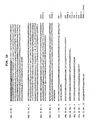
- the FKBP-L polypeptide comprises SEQ ID NO: 1 with an N-terminal sequence (see amino acid residues in bold font in SEQ ID NO: 1 as shown in FIG.
- FIG. 1 that includes a poly-histidine tag of six histidine residues attached to the N-terminus of the protein, or SEQ ID NO: 2 with a Threonine at position 181 and a Glycine at position 186 of the wild-type sequence.
- a polypeptide of SEQ ID NO: 29 (GENBank Accession No. NP_071393; NM_022110; [gi:34304364]) may be used.
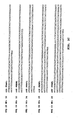
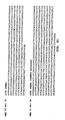
- Example constructs of other FKBP-L polypeptides (e.g., fragments and other modifications) of the present invention are shown in FIG. 1 .
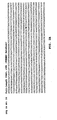
- example constructs of polynucleotide constructs encoding for FKBP-L polypeptide constructs are provided in FIG. 2 .
- Embodiments of the present invention comprise an isolated FKBP-L polypeptide or a biologically active fragment of a FKBP-L polypeptide, or a biologically active derivative of such a FKBP-L polypeptide or fragment for use as a medicament.
- alternate embodiments of the present invention comprise use of a FKBP-L peptide or nucleotide that encodes a FKBP-L peptide as described herein wherein the FKBP-L polypeptide comprises the amino acid sequence shown in SEQ ID NO: 10, or the amino acid sequence shown in SEQ ID NO:1, SEQ ID NO:2, or SEQ ID NO: 29, or the amino acid sequence shown in any one of SEQ ID NOs: 3 to 7, or 11 to 28, or an amino acid sequence at least 90% identical to the amino acid sequence shown in any one of SEQ ID NOs: 1 to 29.
- a sequence that comprises at least 18 contiguous amino acids of SEQ ID NO: 10 e.g., SEQ ID NOs: 11, 16, 23
- References herein to peptides (and to uses thereof) which are shown as modified, such as SEQ ID NOs: 12, 13 and 28, should be interpreted as encompassing peptides of identical amino acid sequence without the listed modification (and uses thereof) unless otherwise stated.
- the uses and compositions of the present invention may utilize a full-length FKBP-L polypeptide, or fragments of the polypeptide.
- certain embodiments of the present invention comprise a FKBP-L derivative which comprises or consists of an effective portion of the N-terminal amino acid sequence of naturally occurring FKBP-L. This sequence may comprise or consist of an active N-terminal portion of the FKBP-L polypeptide.
- the polypeptide may comprise or consist of amino acids 1 to 57 of SEQ ID NO: 2 (i.e., SEQ ID NO: 6), or amino acids 34-57 of SEQ ID NO:2 (i.e., SEQ ID NO: 10).
- the peptide may comprise or consist of a sequence that comprises at least 18 contiguous amino acids of SEQ ID NO: 10 (e.g., SEQ ID NOs: 11, 16, or 23).
- the polypeptide used in the uses and compositions of the present invention may comprise or consist of one of the amino acid sequences shown in any one of SEQ ID NOs: 1-7, 10-29.
- the present invention comprises a biologically active fragment of FKBP-L, wherein said polypeptide includes no more than 200 consecutive amino acids of the amino acid sequence shown in SEQ ID NO:1, SEQ ID NO:2, or SEQ ID NO: 29.
- the peptides may be modified (e.g., to contain PEG and/or His tags or other modifications).
- the present invention may comprise isolated polypeptides having a sequence at least 70%, or 75%, or 80%, or 85%, or 90%, or 95%, or 96%, or 97%, or 98%, or 99% identical to the amino acid seqeunces as set forth in any one of SEQ ID NOS: 1--29.
- the isolated peptide or the peptide used for preparation of a medicament may comprise or consist of a sequence having at least 70%, or 75%, or 80%, or 85%, or 90%, or 95%, or 96%, or 97%, or 98%, or 99% identity to at least 18 contiguous amino acids of SEQ ID NO: 10 (e.g., SEQ ID NOs: 11, 16, 23).
- the FKBP-L derivative of the invention may be of variable length as long as it retains its antiangiogenic/proangiogenic activity and can be used according to the various aspects of the invention described above.
- Functional equivalents of FKBP-L are also described herein.
- a functional equivalent may comprise or consist of a small molecule which can bind CD44 and/or prevent binding of a ligand (e.g. MIF) to a complex containing CD44 and CD74.
- a functional equivalent may comprise or consist of a small molecule that will act in a similar manner as FKBP-L and its peptide derivatives to inhibit at least of cell migration, angiogenesis and/or metastasis.
- the dose of the FKBP-L polypeptide administered may vary depending upon the disorder being treated.
- a dosage to be achieved in vivo would be equivalent to an in vitro level of greater than 10 -12 M, or 10 -11 M, or 10 -10 M, or 10 -9 M, or 10 -8 M, or 10 -7 M, or 10 -6 M, or 10 -5 M.
- a dosage to be achieved in vivo may be equivalent to an in vitro level of 10 -12 M to 10 -5 M, or 10 -11 M to 10 -6 M, or 10 -10 M to 10 -7 M, or 10 -9 M to 10 -7 M or ranges therein.
- the dosage used may be equivalent to an in vitro level of 1-10000 ngml -1 , or 10-5000 ngml -1 , or 100-1000 ngml -1 .
- the dosage may comprise from 0.00001 to 500 mg/kg/day, or from 0.0001 to 300 mg/kg/day, or from 0.003 to 100 mg/kg/day, or from 0.03 to 30 mg/kg/day, or from 0.1 mg/kg/day to 10 mg/kg/day, or from 0.3 mg/kg/day to 3 mg/kg/day.
- the FKBP-L polypeptide is administered to a subject in need thereof.
- a subject in need thereof is a subject who may be benefited by the administration of FKBP-L.
- the present invention comprises an isolated nucleic acid molecule which encodes a protein or polypeptide comprising the amino acid sequence as set forth in any one of SEQ ID NOs: 1-29, or a biologically active fragment thereof, and the use of such molecules for the preparation of medicaments and/or as therapeutic agents.
- a biologically active fragment comprises or consists of at least 18 contiguous amino acids of SEQ ID NO: 10 (e.g., SEQ ID NOS:11, 16, 23).
- embodiments of the present invention comprise the use of a polynucleotide that encodes a FKBP-L peptide, a biologically active fragment of a FKBP-L peptide, or biologically active derivative thereof, wherein the polynucleotide encoding the FKBP-L polypeptide, fragment or derivative comprises the nucleotide sequence shown in any one of SEQ ID NOs: 30-39.
- the present invention comprises isolated nucleic acids that encode for FKBP-L peptides.
- the nucleic acid molecule may comprise a nucleic acid molecule having the sequence as set forth in SEQ ID NOs: 30-39, or a fragment thereof, wherein the nucleic acid molecule encodes for a polypeptide having the sequence of SEQ ID NOs: 1-28, or a fragment of these polypeptides.
- a fragment comprises or consists of at least 18 contiguous amino acids of SEQ ID NO: 10 (e.g., SEQ ID NOS: 11, 16, 23).
- degenerate nucleic acid molecules comprising a degenerate variation in the third position of the amino acid codon such that the same amino acid is encoded by the degenerate sequence, may be used to encode the FKBP-L polypeptides, fragments and/or derivatives of the present invention.
- the present invention may comprise isolated nucleic acid molecules having a sequence at least 70%, or 75%, or 80%, or 85%, or 90%, or 95%, or 96%, or 97%, or 98%, or 99% identical to SEQ ID NOS: 30-39 or fragments thereof.
- primers that may be used to produce polynucleotide fragments of SEQ ID NO: 31, where such fragments encode the FKBP-L peptides shown in FIG. 1 , including oligonucleotide primers comprising the sequences as set forth in SEQ ID NOS: 45-58 or a sequence at least 70%, or at least 80%, or at least 85%, or at least 90%, or at least 95%, or at least 96%, or at least 97%, or at least 98%, or at least 99% identical thereto.
- the present invention comprises vectors containing the isolated nucleic acid molecules of the present invention.
- the present invention also comprise cells transfected with such vectors, such that a FKBP-L polypeptide is expressed. Such embodiments are described in more detail herein.
- nucleic acid molecule which is antisense to the coding strand of the FKBP-L gene or portion thereof and the use of such molecules for the preparation of medicaments and/or as therapeutic agents, including a polynucleotide that is at least 70%, or 75%, or 80%, or 85%, or 90%, or 95%, or 96%, or 97%, or 98%, or 99% identical to a nucleic acid sequence that is antisense to the coding strand of an mRNA encoding a FKBP-L polypeptide of the invention.
- the anti-sense molecules can be used to advantageously promote angiogenesis and/or cell migration and in the treatment of disorders mediated by or associated with at least one of angiogenesis or cell migration.
- an antisense oligonucleotide or siRNA capable of specifically down-regulating expression of FKBP-L in the manufacture of a medicament for use as a modulator to promote angiogenesis
- an antisense oligonucleotide or siRNA capable of specifically down-regulating expression of FKBP-L in the manufacture of a medicament for use as a modulator to promote at least one of hematopoiesis or vasculogenesis.
- an antisense oligonucleotide or siRNA capable of specifically down-regulating expression of FKBP-L in the manufacture of a medicament for use to promote wound healing. Also described is the use of an antisense oligonucleotide or siRNA capable of specifically down-regulating expression of FKBP-L in the manufacture of a medicament for use in the treatment of at least one of peptic ulcer, a bone fracture, or keloids.
- an antisense oligonucleotide or siRNA capable of specifically down-regulating expression of FKBP-L in the manufacture of a medicament for use in the treatment of pardentitis or pardontopathy mediated by angiogenesis also the use of an antisense oligonucleotide or siRNA capable of specifically down-regulating expression of FKBP-L in the manufacture of a medicament for use in the treatment or regulation of the reproductive system, such as ovulation, mestruation and placentation.
- an antisense oligonucleotide or siRNA capable of specifically down-regulating expression of FKBP-L in the manufacture of a medicament for use in the treatment or regulation of the dysfunction in the brain and nervous system, such as may be caused by stroke.
- Use of an antisense oligonucleotide or siRNA capable of specifically down-regulating expression of FKBP-L may therefore be useful in the treatment of certain types of dementia and/or mental retardation.
- FKBP-L modulates cell migration, angiogenesis and metastasis
- FKBP-L and fragments thereof may be used to modulate angiogenesis.
- FKBP-L or fragments thereof may be used to inhibit angiogenesis.
- transfection of cells with FKBP-L may inhibit endothelial cell migration and angiogenesis ( FIG. 3 ) indicating that FKBP-L protein is a potential anti-migratory protein.
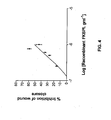
- FIG. 4 The dose-dependent nature effect of FKBP-L on cell migration is shown in FIG. 4 .
- a dose of 10 -6 M full length His-tagged FKBP-L is effective to prevent cell migration.
- FKBP-L may be secreted from certain types of cells such as endothelial cells ( FIG. 5 ), and tumor cells.
- the anti-angiogenic action of FKBP-L may be via receptor activation.
- the secretion of FKBP-L from endothelial cells indicates that application of FKBP-L protein or over-expression of FKBP-L using a cDNA construct may both be able to exert anti-angiogenic effects observed both in vitro and in vivo.
- FKBP-L exhibits an effect on cell migration over a physiologically relevant time period.
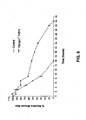
- HMEC-1 cells treated with full length His-tagged recombinant FKBP-L polypeptide may exhibit decreased wound closure for up to 2 to 3 days ( FIG. 6 ).
- application of FKBP-L protein may be for hours, days or weeks as required to inhibit cell migration and/or angiogenesis.
- FKBP-L The effect of FKBP-L on cell migration and/or angiogenesis may, in certain embodiments, be effective for any cells that are influenced by cell migration and/or angiogensis.
- full length recombinant FKBP-L e.g., SEQ ID NO: 1
- HMEC-1 wound closure FIGS. 3 , 4 , and 6
- HMEC-1 tube formation FIG. 7
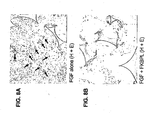
- mouse sponge assay FIGS. 8 , 9A and 9B
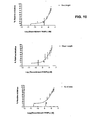
- FIG. 10 the aortic ring explant model
- the effect of FKBP-L on cell mobility and/or angiogenesis is not due to toxicity of the compound.
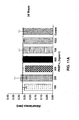
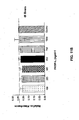
- the cells are exposed to recombinant full-length FKBP-L for up to 48 hours, the may be no indication of toxicity ( FIG. 11A and 11B ).
- FKBP-L acts on the cell.
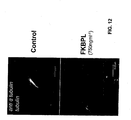
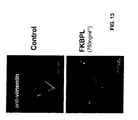
- the mechanism of FKBP-L mediated inhibition of migration may be directed at the cytoskeleton ( FIGS. 12 and 13 ).
- FKBP-L may lead to disruption or other changes in the cytoskeletal filaments.
- FKBP-L may have antitumorigenic and/or antimetastatic acitvity.
- FKBP-L may have antitumorigenic and/or antimetastatic acitvity.
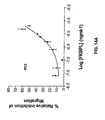
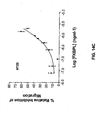
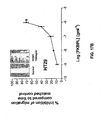
- FIG. 14 panels A, B, and C, full length recombinant FKBP-L polypeptide may inhibit tumor cell migration in a dose-dependent manner, indicating that FKBP-L may be useful as a therapeutic agent to reduce tumor cell invasion and metastasis of tumor cells that depend on migration to metastasize.
- treatment of tumors in vivo with an expression construct that encodes a full length FKBP-L polypeptide by gene therapy leads to a reduction in tumor growth.
- FKBP-L may lead to an increase in the expression of certain genes associated with angiogenesis and/or cell migration.
- FKPB-L may lead to an increase in the expression of certain genes associated with angiogenesis and/or cell migration.
- transfection with an anti-sense FKPB-L nucleic acid may lead to an increase in the expression of PI3K, Rho GTPase activating protein-oligophrenin 1, ROCK, Microtubule associated protein 1B, MMP-like 1 protein, and/or TNF ligand superfamily member 1 protein (see Example 12 herein).
- Rho and ROCK II expression is known to be associated with tumor progression and it has been suggested that Rho and ROCK signalling contribute to the morphologic changes and metastatic behaviour of some tumor cells.
- overexpression of FKBP-L may inhibit angiogenesis, and FKBP-L repression using antisense oligonucleotides may promote angiogenesis by activation of genes associated with angiogenesis, such as Rho and ROCK.
- CD74 is expressed in antigen presenting cells.
- a primary function of CD74 is the intracellular sorting of MHC class II molecules.
- CD74 is expressed on carcinomas of renal, lung, gastric and thymic origin and by certain sarcomas. Additionally, CD74 may be expressed in response to certain tumor genes. For example, INF- ⁇ -induced CD74 surface expression in breast carcinoma lines may be enhanced by retinoblastoma protein. Thus, the restricted expression of CD74 by normal tissues, and its rapid internalization may make CD74 an attractive therapeutic agent for both cancer and immunologic disease.
- Macrophage Inhibitory Factor may also be involved in tumorigenesis. High levels of MIF are seen in human tumors and correlate with grading and prognosis. Moreover MIF may be involved in angiogenesis, tumor growth and metastasis via a Rho-dependent pathway ( Amin et al., 2006, Blood, 107:2252-2261 ; Ren et al., 2006, Oncogene, 25:3501-3508 ; Sun et al., 2005, Clin. Cancer Res., 11:1050-1058 ; Sun et al., 2003, Int. J. Mol. Med., 12:633-641 ). MIF signal transduction can be initiated by binding to CD74 ( Leng et al., 2003, J.
- FKBP-L may act by interacting with CD44.
- FKBP-L may bind to CD44 and prevent CD44 from interacting with CD74. If FKBP-L, or a portion thereof, is able to displace CD74 from CD44, the FKBP-L polypeptide may prevent the formation of the complex of CD44-CD74-MIF that is required for MIF-induced signal transduction. Or, in other embodiments, FKBP-L may act by alternative mechanisms.
- CD44 is believed to be expressed by most epithelial cells and has been implicated in angiogenesis ( Cao et al., 2006, Am. J. Pathol., 169:325-336 ). Thus, in one embodiment, CD44 may be required for FKBP-L inhibition of endothelial cell migration and/or angiogenesis. Also, in an embodiment, CD44 can be required for FKBP-L inhibition of tumor cell migration. Thus, as shown in FIGS.
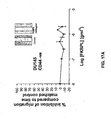
- full length recombinant FKBP-L in certain embodiments, can inhibit tumor cell migration in tumor cell lines that express CD44 (i.e., CD44 positive or CD44 +ve), but not in CD44 negative (CD44 -ve) tumor cell lines, suggesting that FKBP-L may inhibit tumor metastases in a subset of CD44 positive tumor cell lines.
- HMEC-1 cells are also positive for CD44 (not shown).
- inactivation of CD44 results in preventing FKBP-L mediated inhibition of tumor cell migration (e.g., FIG. 18 ), demonstrating that CD44 may be involved in FKBP-L inhibition of tumor cell migration and/or metastasis.
- FKBP-L may interact directly with CD44.
- exogenously overexpressed FKBP-L e.g., SEQ ID NO: 1 generated from SEQ ID NO: 31
- endogenous CD44 in wounded monolayers ( FIG. 19 ; Example 16).
- endogenous FKBP-L and CD44 in non-wounded monolayers, suggesting that a critical level of FKBP-L needs to be expressed before the interaction with CD44 can be detected.
- this interaction may only occur in endothelial cells that are primed for migration (i.e. in wounded monolayers).
- full length FKBP-L is active against CD44 positive microvascular endothelial cells ( FIG. 16 ) and therefore can target these cells within solid tumors to prevent further microvessel outgrowth to support tumour growth.
- FKBP-L may target the vasculature rather than a specific tumor type, and may be active against a majority, if not all, solid tumours and micrometastases.
- FKBP-L peptides display similar activity.
- amino acids 34-57 of FKBP-L i.e., the FKBP-L "24mer”
- amino acids 1-57 of FKBP-L i.e., the FKBP-L "1-57mer”
- other FKBP-L peptides from the N-terminus of FKBP-L protein may inhibit migration of tumor cells that express CD44.
- FKBPL polypeptide and its derivatives can inhibit endothelial cell migration and/or tumor cell migration with implications for angiogenesis and invasion in a manner that is consistant with FKBP-L interacting with CD44.
- Embodiments of the present invention recognize that certain regions of the N-terminus of the FKBP-L protein may display biological activity.
- expression constructs that express full length wild-type (WT) FKBP-L, or, in alternate embodiments, truncated mutants, such as but not limited to ⁇ 48, ⁇ 58, ⁇ 86, ⁇ 151, ⁇ 200 may inhibit wound closure ( FIG. 20 ).
- the amino acid sequence of each of these constructs is shown in FIG. 1 .
- WT-FKBP-L and ⁇ 58 inhibited wound closure by 36.2% and 48.8% respectively. There may be a minimum amount of sequence that is required for activity.
- truncated FKBP-L ⁇ 34 may fail to significantly inhibit wound closure, suggesting that the active domain is deleted in this mutant.
- These experiments may therefore indicate that the active domain resides between amino acids 34 and 57 of full-length (e.g., SEQ ID NO: 2) FKBP-L.
- the domain important for its anti-angiogenic activity may be located between amino acids 34 to 57 (i.e. in the N-terminus) of FKBP-L.
- the portion of FKBP-L between amino acids 34 and 57 exhibits the same biological activity as full-length FKBP-L.
- the FKBP-L 24mer may display increased potency as compared to the full-length FKBP-L.
- the FKBP-L 24mer peptide (SEQ ID NO: 10) may exhibit similar or more potent biological activity as compared to full-length recombinant FKBP-L (e.g., SEQ ID NO: 1) with respect to inhibition of endothelial cell migration/wound closure ( FIG. 21 ), the inhibition of the formation of endothelial cell-to-cell contacts in the Matrigel tube formation assay ( FIG. 22 ), angiogenic sprouting ( FIG.
- the FKBP-L 24mer and the FKBP-L 1-57mer display increased potency as compared to full length FKBP-L (see e.g., FIGS. 21 , 22 and 24 ).
- the biological activity of FKBP-L can require CD44.
- the FKBP-L 24mer peptide SEQ ID NO: 10
- rFKBP-L full-length recombinant FKBP-L
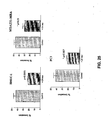
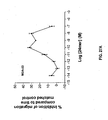
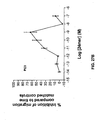
- MDA-231 and PC3 tumor cell migration are both CD44 positive (CD44 +ve) (i.e., express CD44 protein) ( FIG. 27A and 27B ) indicating that the FKBP-L 24mer may be able to inhibit tumor metastases in a subset of CD44 +ve tumor cell lines.
- FKBP-L and its derivatives can inhibit tumor cell migration and invasion and endothelial cell migration in a manner that is consistant with FKBP-L interacting with CD44.
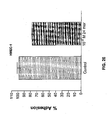
- the FKBP-L 24mer peptide (SEQ ID NO: 10) is an angiostatic inhibitor ( FIG. 28A and 28B ).
- the FKPB-L 24mer may inhibit vessel development when the vessels are either mature or freshly embedded.
- the FKBP-L polypeptide may act by a static mechanism in that it stops vessel development when added, but has little to no residual effect when removed.
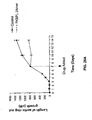
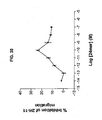
- the FKBP-L 24mer inhibits angiogenesis in vivo using the mouse sponge assay ( FIG. 29 ) and also inhibits mouse endothelial cell migration in vitro ( FIG. 30 ) over a broad dose range, demonstrating that this human peptide is also active in mouse. This is supported by the data provided in FIGS. 29 and 31 .
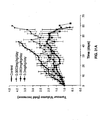
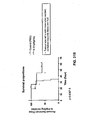
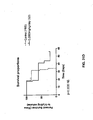
- the FKBP-L 24mer peptide may, in certain embodiments, inhibit tumor cell growth in vivo ( FIG. 31A ). Also, mice treated with the FKBP-L 24mer showed significantly increased survival ( FIG. 31 B-D ). Thus, as shown in FIG. 31A , treatment by i.p. injection with the 24mer FKBP-L peptide at doses of either 0.3 mg/kg/day or 3x10 -3 mg/kg/day significantly slowed the growth of DU145 tumors in SCID mice compared to vehicle only treated tumors. In an embodiment, tumors treated with these doses of 24mer FKBP-L peptide show evidence of a necrotic center as is typical of the effects seen with anti-angiogenics.
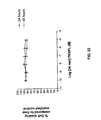
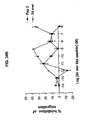
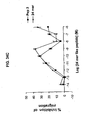
- the activity of the FKBP-L 24mer peptide is not due to toxicity of the peptide ( FIGS. 31E , 32 and 33 ).
- portions or fragments of the FKBP-L 24mer peptide may be used as therapeutic agents.
- Example 29 FIG. 34
- FIG. 34 provides examples of peptide fragments of the FKBP-L 24mer that may have similar activity and potency as the FKBP-L 24, FKBP-L 1-57, and full length FKBP-L.
- a FKBP-L derivative for use in the invention means a polypeptide modified by varying the amino acid sequence of FKBP-L, e.g. SEQ ID NO:1, SEQ ID NO: 2, or SEQ ID NO:29, or a fragment thereof, or a polypeptide at least 70%, 75%, 80%, 85%, 90%, 95%, 96%, 97%, 98%, or 99% identical thereto, or such peptides that have be modified by the addition of a functional group (e.g., PEG). Generation of such peptides may be performed by manipulation of the nucleic acid encoding the polypeptide or by altering the protein itself.
- a functional group e.g., PEG
- FKBP-L derivatives include analogues of the natural FKBP-L amino acid sequence and may involve insertion, addition, deletion and/or substitution of one or more amino acids, while providing a polypeptide capable of effecting similar angiogenic effects to the portions corresponding to the truncated mutants, ⁇ 48 (SEQ ID NO:7), ⁇ 58 (SEQ ID NO:6), ⁇ 86 (SEQ ID NO: 5), ⁇ 151 (SEQ ID NO:4), or ⁇ 200 (SEQ ID NO:3) ( FIG. 1 ).
- polypeptides derived from ⁇ 58 include the FKBP-L 24 mer (SEQ ID NO 10) and peptides 1-17 (SEQ ID NOs: 12-28) shown in FIG. 1 .
- the N-terminal domain (amino acids 34-57) of FKBP-L is important for the anti-angiogenic properties.
- FIG. 20C and Example 17 shows a study in which various FKBP-L fragments where compared for effectiveness in inhibiting migration of cells as compared to time-matched negative controls.
- the ⁇ 58 fragment displays maximum inhibitory activity of the tested fragments.
- the portion of the FKBP-L polpeptide providing inhibition of angiogenesis may be found in the polypeptide comprising the portion of FKBP-L in common to active peptides ⁇ 48 (SEQ ID NO:7) and ⁇ 58 (SEQ ID NO:6).
- This polypeptide may comprise SEQ ID NO: 10 ( FIG. 1 ).
- FKBP-L derivatives used in the methods and compositions of the present invention also include biologically active fragments or derivatives of the naturally occurring FKBP-L.
- the fragments are selected from the N-terminal domain of FKBP-L.
- the fragments are selected from amino acids 1 to 85 of full-length FKBP-L (e.g., SEQ ID NOs: 2 or 29).
- SEQ ID NOs: 2 or 29 amino acids 1 to 85 of full-length FKBP-L
- analogues involve the insertion, addition, deletion and/or substitution of 5 or fewer amino acids, more preferably of 4 or fewer, even more preferably of 3 or fewer, most preferably of 1 or 2 amino acids only.
- FKBP-L derivatives according to the invention also include multimeric peptides including such FKBP-L polypeptide, analogue or fragment sequences e.g. SEQ ID NOs: 1-7, SEQ ID NO: 10-28, and prodrugs including such sequences.
- FKBP-L or fragments of FKBP-L may form multimers by the formation of disulfide bonds between monomers.
- Derivatives of the FKBP-L polypeptide of the invention may include the polypeptide linked to a coupling partner, e.g., an effector molecule, a label, a drug, a toxin and/or a carrier or transport molecule.
- a coupling partner e.g., an effector molecule, a label, a drug, a toxin and/or a carrier or transport molecule.
- a "fragment" of a FKBP-L polypeptide means a stretch of amino acid residues of at least 6 amino acids.
- FKBP-L derivatives of the invention include fusion peptides.
- derivatives may comprise polypeptide peptides of the invention linked, for example, to antibodies that target the peptides to diseased tissue, for example, tumor tissue or the retina.
- the FKBP-L polypeptide or their analogues may be fused with the constant domain of immunoglobulins (IgA, IgE, IgG, IgM), or portions thereof (CH1, CH2, CH3, or any combination thereof), resulting in chimeric polypeptides.
- immunoglobulins IgA, IgE, IgG, IgM
- CH1, CH2, CH3, or any combination thereof immunoglobulins
- fusion polypeptides or proteins can facilitate purification and may show an increased half-life in vivo.
- Such fusion proteins may be more efficient in binding and neutralizing other molecules than monomeric polypeptides or fragments thereof alone. See, e.g., Fountoulakis et al., J. Biochem., 270:3958-3964 (1995 ).
- Fusion proteins of the invention also include FKBP-L polypeptides fused with albumin, for example recombinant human serum albumin or fragments or variants thereof (see, e.g., US Patent No. 5876969 , EP Patent 0413622 and US Patent No. 5766883 ).
- polynucleotides encoding such fusion proteins described herein is also encompassed by the invention.
- the use of a polynucleotide fused to a cytotoxic agent is also encompassed by the invention.
- the FKBP-L polypeptide may bind to a receptor and the cytotoxic drug could be internalised.
- derivatives may include: site-specific PEGylation (or the like) of peptide to increase half life; or incorporation unnatural amino acids and back bone modifications to stabilize against proteolysism; or cyclic derivatives (to provide proteolytic resistance); or to block the N- and C-termini to prevent or reduce exopeptidase and/or proteinase activity; or to join together multiple copies of peptides either in a contiguous chain via linkers chain or in a dendrimer type of approach to increase 'avidity' with cell surface CD44.
- trimeric covalently linked derivatives of 24mer may be used as derivatives of FKBP-L.
- the FKBP-L 24mer may be attached to a domain which homotrimerises to form non-covalent trimers.
- biotin derivatives of peptides which will form tetrameric complexes with streptavidin may be used as derivatives of FKBP-L.
- FKBP-L or fragments of FKBP-L may form multimers by the formation of disulfde bonds between monomers.
- FKBP-L may form oligomers through non-covalent associations, possibly through the predicted tetratricopeptide repeat domains within the protein sequence.
- reverse-or retro-analogues of natural FKBP-L proteins portion thereof or their synthetic derivatives. See, for example, EP 0497 366 , U.S. 5,519,115 , and Merrifield et al., 1995, PNAS, 92:3449-53 .
- reverse peptides are produced by reversing the amino acid sequence of a naturally occurring or synthetic peptide. Such reverse-peptides may retain the same general three-dimensional structure (e. g., alpha-helix) as the parent peptide except for the conformation around internal protease-sensitive sites and the characteristics of the N-and C-termini.
- Reverse peptides are purported not only to retain the biological activity of the non-reversed "normal” peptide but may possess enhanced properties, including increased biological activity. (See Iwahori et al., 1997, Biol. Pharm. Bull. 20: 267-70 ).
- Derivatives for use in the present invention may therefore comprise reverse peptides of natural and synthetic FKBP-L proteins.
- Peptides may be generated wholly or partly by chemical synthesis or by expression from nucleic acid.
- the peptides for use in the present invention can be readily prepared according to well-established, standard liquid or, preferably, solid-phase peptide synthesis methods known in the art (see, for example, J. M. Stewart and J. D. Young, Solid Phase Peptide Synthesis, 2nd edition, Pierce Chemical Company, Rockford, Illinois (1984 ), in M. Bodanzsky and A. Bodanzsky, The Practice of Peptide Synthesis, Springer Verlag, New York (1984 ).
- the peptides may be in the form of multimers.
- multimers of 2, 3 or more individual FKBP-L polypeptide monomeric units, or two or more fragments of FKBP-L are within the scope of the invention.
- such multimers may be used to prepare a monomeric peptide by preparing a multimeric peptide that includes the monomeric unit, and a cleavable site (i.e., an enzymatically cleavable site), and then cleaving the multimer to yield a desired monomer.
- a cleavable site i.e., an enzymatically cleavable site
- the use of multimers can increase the binding affinity for a receptor.
- the multimers can be homomers or heteromers.
- the term homomer refers to a multimer containing only polypeptides corresponding to a specific amino acid sequence (e.g., SEQ ID NO: 1, SEQ ID NO: 2, SEQ ID NO: 10, or SEQ ID NO: 29), or variants, splice variants, fusion proteins, or other FKBP-L analogues or derivatives described herein.
- These homomers may contain FKBP-L peptides having identical or different amino acid sequences.
- the multimers can include only FKBP-L peptides having an identical amino acid sequence, or can include different amino acid sequences.
- the multimer can be a homodimer (e.g., containing only FKBP-L peptides, these in turn may have identical or different amino acid sequences), homotrimer or homotetramer.
- heteromer refers to a multimer containing one or more heterologous polypeptides (i.e., non-FKBP-L peptide or polypeptides) in addition to the FKBP-L (poly)peptides described herein.
- the multimers may be the result of hydrophobic, hydrophilic, ionic and/or covalent associations and/or may be indirectly linked, by for example, liposome formation.
- multimers are formed when the FKBP-L peptides described herein contact one another in solution.
- heteromultimers are formed when FKBP-L and non-FKBP-L (poly)peptides contact antibodies to the (poly)peptides described herein (including antibodies to the heterologous (poly)peptide sequence in a fusion protein described herein) in solution.
- multimers described herein may be formed by covalent associations with and/or between the FKBP-L peptides (and optionally non-FKBP-L peptides) described herein.
- covalent associations can involve one or more amino acid residues contained in the FKBP-L sequence (e.g., that recited in SEQ ID NOs: 1-28.
- the covalent associations are the consequence of chemical or recombinant manipulation.
- such covalent associations can involve one or more amino acid residues contained in the heterologous polypeptide sequence in a FKBP-L fusion protein.
- covalent associations are between the heterologous sequence contained in a fusion protein described herein (see, e.g., US Patent No. 5478925 ).
- covalent associations of fusion proteins described herein are using heterologous polypeptides sequence from another protein that is capable of forming covalently associated multimers, for example, oesteoprotegerin (see, e.g., International Publication NO: WO 98/49305 ).
- two or more polypeptides described herein are joined through peptide linkers. Examples include those peptide linkers described in US Patent No. 5073627 . Proteins comprising multiple FKBP-L peptides separated by peptide linkers can be produced using conventional recombinant DNA technology.
- Multimers may also be prepared by fusing the FKBP-L (poly)peptides to a leucine zipper or isoleucine zipper polypeptide sequence.
- leucine zippers are naturally occurring peptides and derivatives thereof that dimerize or trimerize.
- leucine zipper domains suitable for producing soluble multimeric proteins described herein are those described in PCT application WO 94/10308 .
- Recombinant fusion proteins comprising a polypeptide described herein fused to a polypeptide sequence that dimerizes or trimerizes in solution can be expressed in suitable host cells, and the resulting soluble multimeric fusion protein can be recovered from the culture supernatant using techniques known in the art.
- the multimers may also be generated using chemical techniques known in the art.
- polypeptides to be contained in the multimers described herein may be chemically cross-linked using linker molecules and linker molecule length optimisation techniques known in the art (see, e.g., US Patent No. 5478925 ).
- the multimers can be generated using techniques known in the art to form one or more inter-molecule cross-links between the cysteine residues located within the sequence of the polypeptides desired to be contained in the multimer (see, e.g., US Patent No. 5478925 ).
- polypeptides described herein may be routinely modified by the addition of cysteine or biotin to the C-terminus or N-terminus of the polypeptide and techniques known in the art may be applied to generate multimers containing one or more of these modified polypeptides (see, e.g., US Patent No. 5478925 ). Additionally, techniques known in the art can be used to prepare liposomes containing two or more C-12-C peptides desired to be contained in the multimer (see, e.g., US Patent No. 5478925 ).
- those multimers including only naturally-occurring amino acids can be formed using genetic engineering techniques known in the art.
- those that include post-translational or other modifications can be prepared by a combination of recombinant techniques and chemical modifications.
- the FKBP-L peptides are produced recombinantly using fusion protein technology described herein or otherwise known in the art (see, e.g., US Patent No. 5478925 .
- polynucleotides coding for a homodimer described herein can be generated by ligating a polynucleotide sequence encoding a FKBP-L peptide described herein to sequence encoding a linker polypeptide and then further to a synthetic polynucleotide encoding the translated product of the polypeptide in the reverse orientation from the original C-terminus to the N-terminus (lacking the leader sequence) (see, e.g., US Patent No. 5478925 ).
- FKBP-L polypeptides that contain a transmembrane domain (or hydrophobic or signal peptide) and that can be incorporated by membrane reconstitution techniques into liposomes (see, e.g., US Patent No. 5478925 ).
- polypeptides described herein are intended, at least in some embodiments, to be administered to a human or other mammal to treat or prevent a disorder associated with angiogenesis.
- Peptides are typically administered parenterally, e.g., by intravenous, subcutaneous, or intramuscular injection, or via the intranasal cavity, and may be readily metabolized by plasma proteases.
- the FKBP-L peptide may be delivered in microcapsules of poly(DL-lactide-co-glycolide) - controlled release over 30 days.
- Peptides or polypeptides can be conjugated to various moieties, such as polymeric moieties, to modify the physiochemical properties of the peptide drugs, for example, to increase resistance to acidic and enzymatic degradation and to enhance penetration of such drugs across mucosal membranes.
- moieties such as polymeric moieties
- Abuchowski and Davis have described various methods for derivatizating enzymes to provide water-soluble, non-immunogenic, in vivo stabilized products (" Soluble polymers-Enzyme adducts," Enzymes as Drugs, Eds. Holcenberg and Roberts, J. Wiley and Sons, New York, N.Y. (1981 )).
- the FKBP-L peptides may be conjugated to polymers, such as dextrans, polyvinyl pyrrolidones, glycopeptides, polyethylene glycol and polyamino acids.
- polymers such as dextrans, polyvinyl pyrrolidones, glycopeptides, polyethylene glycol and polyamino acids.
- the resulting conjugated polypeptides retain their biological activities and solubility in water for parenteral applications.
- the FKBP-L peptides may be coupled to polyethylene glycol or polypropropylene glycol having a molecular weight of 500 to 20,000 Daltons to provide a physiologically active non-immunogenic water soluble polypeptide composition ( see e.g ., U.S. Patent No.
- the polyethylene glycol or polypropylene glycol may protect the polypeptide from loss of activity and the composition can be injected into the mammalian circulatory system with substantially no immunogenic response.
- the FKBP-L is coupled to an oligomer that includes lipophilic and hydrophilic moieties (see e.g., U.S. Patent Nos. 5681811 , 5438040 and 5359030 ).
- Prodrugs can be prepared for example, by first preparing a maleic anhydride reagent from polydispersed MPEG5000 and then conjugating this reagent to the polypeptides disclosed herein.
- the reaction of amino acids with maleic anhydrides is well known.
- the hydrolysis of the maleyl-amide bond to reform the amine-containing drug is aided by the presence of the neighbouring free carboxyl group and the geometry of attack set up by the double bond.
- the peptides can be released (by hydrolysis of the prodrugs) under physiological conditions.
- polypeptides can also be coupled to polymers, such as polydispersed PEG, via a degradable linkage, for example, the degradable linkage shown (with respect to pegylated interferon ⁇ -2b) in Roberts, M.J., et al., Adv. Drug Delivery Rev., 2002, 54, 459-476 .
- polypeptides can also be linked to polymers such as PEG using 1,6 or 1,4 benzyl elimination (BE) strategies (see, for example, Lee, S., et al., Bioconjugate Chem., (2001), 12, 163-169 ; Greenwald, R.B., et al., U.S. Patent No. 6,180,095, 2001 ; Greenwald, R.B., et al., J. Med. Chem., 1999, 42, 3657-3667 .); the use of trimethyl lock lactonization (TML) ( Greenwald, R.B., et al., J. Med.
- TML trimethyl lock lactonization
- the FKBP-L polypeptides of the present invention have free amino, amido, hydroxy and/or carboxylic groups, and these functional groups can be used to convert the peptides into prodrugs.
- Prodrugs include compounds wherein an amino acid residue, or a polypeptide chain of two or more (e.g., two, three or four) amino acid residues which are covalently joined through peptide bonds to free amino, hydroxy or carboxylic acid groups of various polymers, for example, polyalkylene glycols such as polyethylene glycol.
- Prodrugs also include compounds wherein PEG, carbonates, carbamates, amides and alkyl esters which are covalently bonded to the above peptides through the C-terminal carboxylic acids.
- Peptide 1 as used herein is FKBP-L peptide having C-terminal PEG groups.
- embodiments of the present invention comprise site-specific PEG addition.
- Enzyme inhibitors may be used to slow the rate of degradation of proteins and peptides in the gastrointestinal tract.
- the pH in the digestive tract may be manipulated to inactivate local digestive enzymes.
- permeation enhancers may be used to improve the absorption of peptides by increasing their paracellular and transcellular transports.
- nanoparticles may be used as particulate carriers to facilitate intact absorption by the intestinal epithelium, especially, Peyer's patches, and to increase resistance to enzyme degradation.
- liquid emulsions may be used to protect the drug from chemical and enzymatic breakdown in the intestinal lumen, or micelle formulations may be used for poorly water-solubilised drugs.
- the polypeptides can be provided in a suitable capsule or tablet with an enteric coating, so that the peptide is not released in the stomach.
- the polypeptide can be provided as a prodrug, such as the prodrugs described above.
- the polypeptides are present in these drug delivery devices as prodrugs.
- Prodrugs comprising the polypeptides of the invention or pro-drugs from which peptides of the invention (including analogues and fragments) are released or are releaseable are considered to be analogues of the invention.
- isotopically-labelled peptides or peptide prodrugs are also encompassed by the invention.
- Such peptides or peptide prodrugs are identical to the peptides or peptide prodrugs of the invention, but for the fact that one or more atoms are replaced by an atom having an atomic mass or mass number different from the atomic mass or mass number usually found in nature.
- isotopes that can be incorporated into compounds of the invention include isotopes of hydrogen, carbon, nitrogen, oxygen, phosphorous, sulfur, fluorine, iodine and chlorine, such as 2 H, 3 H, 13 C, 14 C, 15 N, 18 O, 17 O, 125 I, and 35 S, respectively.
- Polypeptides of the present invention, prodrugs thereof, and/or the prodrugs which contain the aforementioned isotopes and/or other isotopes of other atoms are within the scope of this invention.
- Certain isotopically-labelled compounds of the present invention, for example those into which radioactive isotopes such as 3 H and 14 C are incorporated, are useful in drug and/or substrate tissue distribution assays. Tritiated, i.e., 3 H, and carbon-14, i.e., 14 C, isotopes are particularly preferred for their ease of preparation and detectability.
- Isotopically-labelled peptides and prodrugs thereof can generally be prepared by carrying out readily known procedures, including substituting a readily available isotopically-labelled reagent for a non-isotopically-labelled reagent, e.g., a labelled amino acid.
- nucleic acids which may be used in the invention include any isolated polynucleotide encoding the polypeptides of the invention.
- the polynucleotide comprises any one of the nucleic acid sequences as shown in SEQ ID NOs: 30-39 ( FIG. 2 ).
- Sequences that encode for additional fragments of FKBP-L e.g., SEQ ID NOs: 10-28, may be derived from the full-length nucleic acid sequence, and include degenerate nucleic acid sequences, as is known in the art. Examples 1, 2, and 17 provide descriptions of vectors that may be used to express FKBP-L polypeptides of the present invention.
- Nucleic acid molecules that encode the FKBP-L polypeptides for use in the present invention may comprise DNA or RNA.
- the nucleic acid constructs may be produced recombinantly, synthetically, or by any means available to those in the art, including cloning using standard techniques.
- the nucleic acid molecule may be inserted into any appropriate vector.
- a vector comprising a nucleic acid of the invention forms a further aspect of the present invention.
- the vector is an expression vector and the nucleic acid is operably linked to a control sequence which is capable of providing expression of the nucleic acid in a host cell.
- suitable vectors may include viruses (e. g. vaccinia virus, adenovirus, etc.), baculovirus); yeast vectors, phage, chromosomes, artificial chromosomes, plasmids, cosmid DNA and lipososmes, polyplexes, or cells (e.g. mesenchymal stem cells, macrophages).
- the vectors may be used to introduce the nucleic acids of the invention into a host cell.
- a wide variety of host cells may be used for expression of the nucleic acid of the invention.
- Suitable host cells for use in the invention may be prokaryotic or eukaryotic. They include bacteria, e.g. E. coli, yeast, insect cells and mammalian cells.
- Mammalian cell lines which may be used include but are not limited to, Chinese hamster ovary (CHO) cells, baby hamster kidney cells, NSO mouse melanoma cells, monkey and human cell lines and derivatives thereof and many others.
- a host cell strain that modulates the expression of, modifies, and/or specifically processes the gene product may be used. Such processing may involve glycosylation, ubiquination, disulfide bond formation and general post-translational modification.
- compositions comprising a FKBP-L polypeptide (or nucleic acid encoding a FKBP-L polypeptide).
- Pharmaceutical compositions according to the present invention, and for use in accordance with the present invention may comprise, in addition to active ingredient, a pharmaceutically acceptable excipient, carrier, buffer, stabiliser or other materials well known to those skilled in the art. Such materials should be non-toxic and should not interfere with the efficacy of the active ingredient.
- a pharmaceutically acceptable excipient, carrier, buffer, stabiliser or other materials well known to those skilled in the art. Such materials should be non-toxic and should not interfere with the efficacy of the active ingredient.
- the precise nature of the carrier or other material will depend on the route of administration, which may be, for example, oral, intravenous, or topical.
- the formulation may be a liquid, for example, a physiologic salt solution containing non-phosphate buffer at pH 6.8-7.6, or a lyophilised powder.
- compositions are preferably administered to an individual in a "therapeutically effective amount", this being sufficient to show benefit to the individual.
- the actual amount administered, and rate and time-course of administration, will depend on the nature and severity of what is being treated. Prescription of treatment, e.g. decisions on dosage etc, is ultimately within the responsibility and at the discretion of general practitioners and other medical doctors, and typically takes account of the disorder to be treated, the condition of the individual patient, the site of delivery, the method of administration and other factors known to practitioners.
- a dose range of the FKBPL 24 mer would be from 30 mg/kg/day to 0.00003 mg/kg/day, or 3 mg/kg/day to 0.0003 mg/kg/day, to 0.3mg/kg/day to 0.03mg/kg/day. These doses are equivalent to 10 -5 M to 10 -12 M, or 10 -6 M to 10 -11 M, or 10 -7 M-10 -10 M in vitro, respectively.
- Polypeptides of and for use in the present invention may be administered alone but will preferably be administered as a pharmaceutical composition, which will generally comprise a suitable pharmaceutical excipient, diluent or carrier selected dependent on the intended route of administration.
- polypeptides may be administered to a patient in need of treatment via any suitable route.
- the precise dose will depend upon a number of factors, including the precise nature of the peptide.
- Some suitable routes of administration include (but are not limited to) oral, rectal, nasal, topical (including buccal and sublingual), subcutaneous, vaginal or parenteral (including subcutaneous, intramuscular, intravenous, intradermal, intrathecal and epidural) administration.
- the active ingredient will be in the form of a parenterally acceptable aqueous solution which is pyrogen-free and has suitable pH, isotonicity and stability.
- a parenterally acceptable aqueous solution which is pyrogen-free and has suitable pH, isotonicity and stability.
- isotonic vehicles such as Sodium Chloride Injection, Ringer's Injection, Lactated Ringer's Injection.
- Preservatives, stabilisers, buffers, antioxidants and/or other additives may be included, as required.
- compositions for oral administration may be in tablet, capsule, powder or liquid form.
- a tablet may comprise a solid carrier such as gelatin or an adjuvant.
- Liquid pharmaceutical compositions generally comprise a liquid carrier such as water, petroleum, animal or vegetable oils, mineral oil or synthetic oil. Physiological saline solution, dextrose or other saccharide solution or glycols such as ethylene glycol, propylene glycol or polyethylene glycol may be included.
- composition may also be administered via microspheres, liposomes, other microparticulate delivery systems or sustained release formulations placed in certain tissues including blood.
- sustained release carriers include semipermeable polymer matrices in the form of shared articles, e.g. suppositories or microcapsules.
- Implantable or microcapsular sustained release matrices include polylactides ( US Patent No.
- EP-A-0058481 copolymers of L-glutamic acid and gamma ethyl-L-glutamate ( Sidman et al, Biopolymers 22(1): 547-556, 1985 ), poly (2-hydroxyethylmethacrylate) or ethylene vinyl acetate ( Langer et al, J. Biomed. Mater. Res. 15: 167-277, 1981 , and Langer, Chem. Tech. 12:98-105, 1982 ).
- Liposomes containing the polypeptides are prepared by well-known methods: DE 3,218 , 121A ; Epstein et al, PNAS USA, 82: 3688-3692, 1985 ; Hwang et al, PNAS USA, 77: 4030-4034, 1980 ; EP-A-0052522 ; E-A-0036676 ; EP-A-0088046 ; EP-A-0143949 ; EP-A-0142541 ; JP-A-83-11808 ; US Patent Nos 4,485,045 and 4,544,545 . Ordinarily, the liposomes are of the small (about 200-800 Angstroms) unilamellar type in which the lipid content is greater than about 30 mol. percent cholesterol, the selected proportion being adjusted for the optimal rate of the polypeptide leakage.
- targeting therapies may be used to deliver the active agent e.g. polypeptide more specifically, e.g. to neoplastic tissue or retinal tissue, by the use of targeting systems such as antibody or cell specific ligands.
- purified recombinant or synthetic peptides can be treated with agents to attach mioties to the protein that can facilitate crosslinking.
- These moieties can be photoactivatable crosslinkers such as benzophenone or chemical crosslinkers such as maleimide or activated esters.
- photoactivatable crosslinkers such as benzophenone
- chemical crosslinkers such as maleimide or activated esters.
- cysteine residues in FKBPL with maleimide derivatives of benzophenone, or maleimide derivatives of phenyl azide for photoactivatable crosslinking or with heterobifunctional cross-linking agents containing maleimide and an activated ester for example.
- crosslinking agents As is known in the art, there are a variety of hetero and homo bifunctional crosslinkers that could be attached to FKBPL and then used to crosslink to other biomolecules through amide, thioether, hydrazone, oxime etc forming reactions.
- photactivatable groups may be introduced specifically at the C-terminus, or crosslinking agents may be introduced into recombinant FKBPL in a specific fashion using protein ligation approaches.
- the FKBP-L peptide may also be administered with additional therapeutic agents as described in more detail herein.
- the coding sequence of a FKBP-L polypeptide or an nucleic acid is inserted into an expression vector.
- a regulatory sequence comprising a promoter that is operable iri the host cell of interest may then be linked to cDNA sequence using molecular techniques.
- Other regulatory sequences can also be used, such as one or more of an enhancer sequence, an intron with functional splice donor and acceptance sites, a signal sequence for directing secretion of the recombinant polypeptide, a polyadenylation sequence, other transcription terminator sequences, and a sequence homologous to the host cell genome.
- Other sequences, such as an origin of replication can be added to the vector as well to optimize expression of the desired product.
- a selectable marker may be included in the vector for selection of the presence thereof in the transformed host cells.
- the regulatory sequences may be derived from various sources. For example, one or more of them can be normally associated with the coding sequence, or may be derived from, or homologous with, regulator systems present in the host cell of interest.
- the various components of the expression vector can be linked together directly or via linkers that constitute sites of recognition by restriction enzymes as is known in the art.
- any promoter that would allow expression of the nucleic acid that encodes for FKBP-L polypeptide can be used in the present invention.
- mammalian promoter sequences that can be used are those from mammalian viruses that are highly expressed and that have a broad host range.
- the promoter may be a promoter that is expressed constitutively in most mammalian cells.
- suitable elements which make possible constitutive expression in eukaryotes are promoters which are recognized by the RNA polymerase III or viral promoters, CMV enhancer, CMV promoter, SV40 promoter or LTR promoters, e.g. from MMTV (mouse mammary tumor virus (e.g., Lee et al., 1981, Nature, 214, 228-232 ) and other viral promoter and activator sequences, derived from, for example, HBV, HCV, HSV, HPV, EBV, HTLV or HIV.
- MMTV mimmary tumor virus
- FKBP-L sequence may takes place under the control of tissue-specific promoters.
- the promoter may be a promoter that is turned on at a particular time in the cell cycle or developmental phase.
- the constructs may comprise regulatable elements which make possible tissue-specific expression in eukaryotes, such as promoters or activator sequences from promoters or enhancers of those genes which code for proteins which are only expressed in certain cell types.
- regulatable elements which make possible cell cycle-specific expression in eukaryotes are promoters of the following genes: cdc25A, cdc25B, cdc25C, cyclin A, cyclin E, cdc2, E2F-1 to E2F-5, B-myb or DHFR (see e.g., U.S. Patent No.
- cell cycle regulated promoters may be used where expression of the polypeptides or nucleic acids used according to the invention is to be restricted to proliferating cells.
- Other examples include promoters controled by hypoxia, radiation, heat, or the like.
- an enhancer element can be combined with a promoter sequence.
- Such enhancers may not only amplify, but also can regulate expression of the gene of interest.
- Suitable enhancer elements for use in mammalian.expression systems are, for example, those derived from viruses that have a broad host range, such as the SV40 early gene enhancer, the enhancer/promoters derived from the LTR of the Rous Sarcoma Virus, and from human cytomegalovirus.
- other suitable enhancers include those that can be incorporated into promoter sequences that will become active only in the presence of an inducer, such as a hormone, a metal ion, or an enzyme substrate, as is known in the art.
- a transcription termination sequence may be placed 3' to the translation stop codon of the coding sequence for the gene of interest.
- the terminator sequence together with the promoter, would flank the coding sequence.
- the expression vector may also contain an origin of replication such that the vector can be maintained as a replicon, capable of autonomous replication and stable maintenance in a host.
- an origin of replication includes those that enable an expression vector to be reproduced at a high copy number in the presence of the appropriate proteins within the cell, for example, the 2 ⁇ and autonomously replicating sequences that are effective in yeast, and the origin of replication of the SV40 vital T-antigen, that is effective in COS-7 cells.
- Mammalian replication systems may include those derived from animal viruses that require transacting factors to replicate.
- the replication system of papovaviruses such as SV40
- the polyomavirus that replicate to extremely high copy number in the presence of the appropriate vital T antigen may be used, or those derived from bovine papillomavirus and Epstein-Barr virus may be used.
- the expression vector can have more than one replication system, thus, allowing it to be maintained, for example, in mammalian cells for expression and in a procaryotic host for cloning and amplification (see e.g., U.S. Patent No. 5,677,278 ).
- the expression vector can be made to integrate into the host cell genome as an integrating vector.
- the integrating vector herein may contain at least one polynucleotide sequence that is homologous to the host cell genome that allows the vector to integrate.
- bacteriophage or transposon insertion sequences may be used.
- one or more selectable markers can be included in the expression vector to allow for the selection of the host cells that have been transformed.
- Selectable markers that can be expressed in a host cell include genes that can render the host cell resistant to drugs such as tunicamycin, G418, ampicillin, chloramphenicol, erythromycin, kanamycin (neomycin), and tetracycline.
- Selectable markers also include biosynthetic genes, such as those in the histidine, tryptophan, and leucine biosynthetic pathways, such as ade2, his4, leu2, trp1, or that provide the host cells with the ability to grow in the presence of toxic compounds, such as a metal, may be used.
- formulations of the present invention may comprise specific components that facilitate transfer of nucleic acids into cells.
- the nucleic acid can be present as a plasmid, as part of a viral or non-viral vector.
- Suitable viral vectors may include baculoviruses, vaccinia viruses, lentiviruses (see e.g., Siprashvili and Khavari, Mol. Ther., 2004, 9, 93-100 ), adenoviruses, adeno-associated viruses and herpesviruses.
- vectors having gene therapy activity are virus vectors, for example adenovirus vectors or retroviral vectors ( Lindemann et al., 1997, Mol.
- eukaryotic expression vectors are suitable in isolated form for gene therapy use as naked DNA can penetrate certain cells( Hengge et al., 1996, J. Clin. Invest., 97, 2911-6 ; Yu et al., 1999, J. Invest. Dermatol., 112, 370-5 ).
- Another form of gene therapy vectors can be obtained by applying the above described nucleic acid to gold particles and shooting these into tissue, preferably into the skin, or cells with the aid of the so-called gene gun ( Wang et al., 1999, J. Invest. Dermatol., 112, 775-81 , Tuting et al., 1998, J. Invest. Dermatol., 111, 183-8 ).
- liposomes may be used to facilitate transfer of a polynucleotide encoding FKBP-L into cells.
- Liposomes are artificially-made small vesicles with a lipid bilayer membrane comprised of phospholipids ( Jeschke, M.G. et al., Gene Ther., 12, 1718-24 (2005 ); U.S. Patent No. 6,576,618 ). Nucleic acids, proteins, and other biological materials can be enclosed in liposomes for delivery to mammalian cells through fusion with the cell's plasma membrane. Liposomes may be an attractive delivery system because they are non-viral, stable and can interact with the cell membrane.
- Liposomes can be comprised of cationic, anionic, or neutral lipids, and mixtures thereof ( Luo, D. & Saltzman, W.M., Nat. Biotech., 18, 33-37 (1999 )).
- the lipids can also be modified chemically to incorporate chemical groups to facilitate DNA condensation or release.
- Cationic lipids such as quaternary ammonium detergents, cationic derivatives of cholesterol and diacylglycerol, and lipid derivatives of polyamines, may be favored for cell transfection because they decrease the net negative charge of the DNA and facilitate its interaction with cell membranes ( Nishikawa, M. & Huang, L., Hum. Gene Ther., 12, 861-70 (2001 )).
- Neutral lipids such as dioleoylphosphitylethanolamine (DOPE), glycerol dilaurate, polyoxyethylene-10-stearyl ether (POE-10), and cholesterol, may be added as 'helper lipids' in cationic-lipid DNA complexes to facilitate the release of the DNA from the endosome after endocytic uptake of the complex.
- DOPE dioleoylphosphitylethanolamine
- POE-10 polyoxyethylene-10-stearyl ether
- cholesterol may be added as 'helper lipids' in cationic-lipid DNA complexes to facilitate the release of the DNA from the endosome after endocytic uptake of the complex.
- Auxiliaries that increase DNA transfer such as polymers or proteins that are bound to the DNA or synthetic peptide-DNA molecules that make it possible to transport DNA into the nucleus of the cell more efficiently can also be used (see e.g., Niidome, T. & Huang, L.
- cationic polymers such as polylysine or protamine
- DOTAP 1,2-dioleoyl-3-(trimethylammonium)propane)
- luciferase or ⁇ -galactosidase gene DNA may be precompacted with short peptides derived from human histone or protamine before addition of a cationic lipid (Lipofectamine RPR 115335 or RPR 120535) or polymer (polyethylenimine) to achieve enhanced transfection efficiency, even in the presence of serum (see e.g., Schwartz, B. et al., Gene Ther., 6, 282-92 (1999 )).
- a cationic lipid Lipofectamine RPR 115335 or RPR 120535
- polymer polyethylenimine
- liposomes may be made by heating lipids to form a lipid phase ( Wu, H. et al., Int. J. Pharmaceut., 221, 23-24 (2001 )).
- An aqueous phase containing water, salts or buffer may then be mixed with the lipid phase by passing the mixture back and forth between syringes under cooling conditions, followed by sonication until a final liposome size of 100 to 140 nm is reached.
- the DNA or protein to be included in the liposome is then added (as a solution) by inversion mixing.
- the choice of lipids used, their ratio, the concentration of DNA used in creating the liposomes and the amount of liposomes added will generally require empirical determination for optimization.
- Auxiliaries to facilitate DNA transfer can be mixed with the DNA prior to adding to the liposome mixture but the DNA-auxiliary must maintain sufficiently high aqueous solubility to be properly encapsulated within the external lipid phase of the liposome.
- small unilamellar vesicles can be prepared by ultrasonic treatment of a liposome suspension comprised of cationic lipids, such as Cytofectin GS 2888, mixed with 1,2-dioleyloxypropyl-3-trimethylammonium bromide (DOTMA) or dioleoylphosphati-dylethanolamine bromide (DPOE).
- DOTMA 1,2-dioleyloxypropyl-3-trimethylammonium bromide
- DPOE dioleoylphosphati-dylethanolamine bromide
- the DNA or protein may be bound ionically to the surface of the liposomes, in a ratio that maintains a positive net charge on the complex while having DNA complexed to 100% of the liposomes.
- dimerizable cationic thiol detergents may be used to prepare liposomes for delivery of DNA (see e.g., Dauty, E. et al., J. Am. Chem. Soc., 123, 9227-34 (2001 )).
- the thiol groups in the lipid can convert to disulfides and cause the DNA-lipid complex to form a stable nanometric particle that can bind electrostatically to cell surface anionic heparin sulfate proteoglycans for cellular uptake.
- the reductive environment provided by intracellular glutathione reduces the disulfides back to thiols and releases the DNA.
- an antibody having immunological specificity for FKBP-L or fragments or functional equivalents thereof, as discussed below
- Such antibodies are useful in the treatment of disease conditions which benefit from specific down-regulation of FKBP-L activity, in particular diseases/conditions which benefit from stimulation/up-regulation of angiogenesis.
- an antibody having immunological specificity for FKBP-L (or a fragment or functional equivalent thereof) to promote angiogenesis also use of an antibody having immunological specificity for FKBP-L (or a fragment or functional equivalent thereof) to promote wound healing.
- antibody encompasses purified or isolated naturally occurring antibodies of any isotype having the required immunological specificity, as well as synthetically produced antibodies or structural analogs thereof. Preparations of antibody can be polyclonal or monoclonal. Reference to such an “antibody” as described above includes not only complete antibody molecules, but also fragments thereof which retain substantial antigen (i.e. FKBP-L) binding capability. It is not necessary for any effector functions to be retained in such fragments, although they may be included. Suitable antibody fragments which may be used include, inter alia, F(ab') 2 fragments, scAbs, Fv, scFv fragments and nanoantibodies etc.
- Antibody fragments which contain the idiotype of the molecule can be generated by known techniques, for example, such fragments include but are not limited to the F(ab')2 fragment which can be produced by pepsin digestion of the antibody molecule; the Fab' fragments which can be generated by reducing the disulfide bridges of the F(ab')2 fragments and the Fab fragments which can be generated by treating the antibody molecule with papain and a reducing agent.
- Other antibody fragments with the required antigen binding activity can be prepared by recombinant expression techniques generally known in the art.
- Chimeric humanized and fully humanized monoclonal antibodies can be made by recombinant engineering.
- Breedveld F.C. Therapeutic Monoclonal Antibodies Lancet 2000 Feb 26; 335, P735-40 .
- Recombinant therapeutic monoclonal antibodies may be advantageously prepared by recombinant expression in mammalian host cells (e.g. CHO cells).
- Monoclonal antibodies with immunological specificity for FKBP-L can be prepared by immunisation of a suitable host animal (e.g. mouse or rabbit) with a suitable challenging antigen (e.g. full length FKBP-L or an epitope thereof).
- a suitable host animal e.g. mouse or rabbit
- a suitable challenging antigen e.g. full length FKBP-L or an epitope thereof.
- polypeptides and nucleic acids of and for use in the invention may be used in the control and/or treatment of a wide variety of clinical conditions in mammals, including humans.
- the polypeptides and methods of the invention may be used in the treatment of a condition or disorder for which anti-angiogenic agents may be therapeutically useful.
- treatment includes any regime that can benefit a human or non-human animal.
- the treatment may be in respect of an existing condition or may be prophylactic (preventative treatment).
- Treatment may include curative, alleviation or prophylactic effects.
- Cell migration, angiogenesis and related indications can be inhibited by administering an effective amount of a FKBP-L polypeptide or a nucleic acid encoding said peptide to a patient in need of such treatment.
- the uses can be used to treat tumors, various autoimmune disorders, hereditary disorders, and ocular disorders.
- the therapeutic uses described herein typically involve administering an effective amount of the peptides, nucleic acids or compositions including the polypeptide or nucleic acid of the invention to a patient.
- the exact dose to be administered will vary according to the use of the compositions and on the age, sex and condition of the patient, and can readily be determined by the treating physician.
- the compositions may be administered as a single dose or in a continuous manner over a period of time. Doses may be repeated as appropriate.
- angiogenesis-mediated disorders including haemangioma, solid tumors, leukemia, lymphoma metastasis, telangiectasia, psoriasis, endometriosis, arteriosclerosis, scleroderma, pyogenic granuloma, myocardial angiogenesis, Crohn's disease, plaque neovascularisation, coronary collaterals, cerebral collaterals, arteriovenous malformations, ischemic limb angiogenesis, corneal diseases, rubeosis, neovascular glaucoma, diabetic retinopathy, retrolental fibroplasia, arthritis, diabetic neovascularisation, macular degeneration, peptic ulcer, Helicobacter related diseases, fractures, keloids, and vasculogenesis.
- angiogenesis-mediated disorders including haemangioma, solid tumors, leukemia, lymphoma metastasis, telangiectasia, psoriasis, endo
- Tumors that may be treated include those tumors whose growth is promoted by angiogenesis. In one embodiment such tumors may express CD44.
- Carcinomas that may be treated using the compounds, compositions and methods of the invention may include colorectal carcinoma, gastric carcinoma, signet ring type, oesophageal carcinoma, intestinal type, mucinous type, pancreatic carcinoma, lung carcinoma, breast carcinoma, renal carcinoma, bladder carcinoma, prostate carcinoma, testicular carcinoma, ovarian carcinoma, endometrial carcinoma, thyroid carcinoma, liver carcinoma, larynx carcinoma, mesothelioma, neuroendocrine carcinomas, neuroectodermal tumors, melanoma, gliomas, neuroblastomas, sarcomas, leiomyosarcoma, MFII, fibrosarcoma, liposarcoma, MPNT, and chondrosarcoma.
- FKBP-L may be administerd with other chemotherapeutic and/or chemopreventative agents known in the art.
- agents may include, but are not limited to antiangiogenics, endostatin, angiostatin and VEGF inhibitors, thalidomide, and others, or cytotoxic drugs such as adriamycin daunomycin, cis-platinum, etoposide, taxol, taxotere and alkaloids, such as vincristine, farnesyl transferase inhibitors, and antimetabolites such as methotrexate.
- FKBP-L peptides or polynucleotides encoding FKBP-L polypeptides may be used with cancer therapeutics such as the following: (a) cancer growth inhibitors including, but not limited to bortezomib, erlotinib, gefitinib, imatinib and sorafenib; (b) gene therapy approaches, e.g., using nucleic acid constructs that encode tumor suppressor gene or siRNAs to oncogenes; (c) cancer vaccines; (d) interferon; (e) Aldesleukin; (f) monoclonal antibodies including, but not limited to 90Y-Ibritumomab tiuxetan, ADEPT, Alemtuzumab, Bevacizumab, Cetuximab, Gemtuzumab, Iodine 131 tositumomab, Panitumumab, Rituximab, Trastuzumab
- angiogenesis Various ocular disorders are mediated by angiogenesis, and may be treated using the active compounds, compositions and methods described herein.
- a disease mediated by angiogenesis is ocular neovascular disease, which is characterized by invasion of new blood vessels into the structures of the eye and is the most common cause of blindness.
- ocular neovascular disease is characterized by invasion of new blood vessels into the structures of the eye and is the most common cause of blindness.
- age-related macular degeneration the associated visual problems are caused by an ingrowth of chorioidal capillaries through defects in Bruch's membrane with proliferation of fibrovascular tissue beneath the retinal pigment epithelium.
- wet ARMD abnormal angiogenesis occurs under the retina resulting in irreversible loss of vision.
- the loss of vision is due to scarring of the retina secondary to the bleeding from the new blood vessels.
- Current treatments for "wet" ARMD utilize laser based therapy to destroy offending blood vessels. However, this treatment is not ideal since the laser can permanently scar the overlying retina and the offending blood vessels often regrow.
- An alternative treatment strategy for macular degeneration is the use of anti-angiogenesis agents to inhibit the new blood vessel formation or angiogenesis which causes the most severe visual loss from macular degeneration.
- Angiogenic damage is also associated with diabetic retinopathy, retinopathy of prematurity, corneal graft rejection, neovascular glaucoma and retrolental fibroplasia.
- Other diseases associated with corneal neovascularisation include, but are not limited to, epidemic keratoconjunctivitis, Vitamin A deficiency, atopic keratitis, superior limbic keratitis, pterygium keratitis sicca, periphigoid radial keratotomy, and corneal graph rejection.
- Diseases associated with retinal/choroidal neovascularization include, but are not limited to, diabetic retinopathy, macular degeneration, presumed myopia, optic pits, chronic retinal detachment, hyperviscosity syndromes, trauma and post-laser complications.
- Other diseases include, but are not limited to, diseases associated with rubeosis (neovascularization of the angle) and diseases caused by the abnormal proliferation of fibrovascular or fibrous tissue including all forms of proliferative vitreoretinopathy.
- the active compounds, compositions and methods of the invention may be used in the treatment of angiogenesis-mediated ocular disorders, for example, macular degeneration.
- Described herein is the use in the treatment of other angiogenesis-mediated disorders, such as angiogenesis - associated inflammation, including various forms of arthritis, such as rheumatoid arthritis and osteoarthritis.
- treatment with combinations of the compounds described herein with other agents useful for treating the disorders such as cyclooxygenase-2 (COX-2) inhibitors, which are well known to those of skill in the art.
- COX-2 cyclooxygenase-2
- the blood vessels in the synovial lining of the joints can undergo angiogenesis.
- the endothelial cells form new vascular networks and release factors and reactive oxygen species that lead to pannus growth and cartilage destruction. These factors are believed to actively contribute to rheumatoid arthritis and also to osteoarthritis. Chondrocyte activation by angiogenic-related factors contributes to joint destruction, and also promotes new bone formation. The uses can be used as a therapeutic intervention to prevent bone destruction and new bone formation.
- Pathological angiogenesis is also believed to be involved with chronic inflammation.
- disorders that can be treated using the compounds, compositions and methods described herein include ulcerative colitis, Crohn's disease, bartonellosis, and atherosclerosis.
- the peptides or nucleic acids may be combined with various existing therapeutic agents used for that disease.
- the FKBP-L polypeptides may also be used in combination with anticancer agents such as antiangiogenics, endostatin, angiostatin and VEGF inhibitors and others, or cytotoxic drugs such as adriamycin, daunomycin, cis-platinum, etoposide, taxol, taxotere and alkaloids, such as vincristine, farnesyl transferase inhibitors, and antimetabolites such as methotrexate.
- anticancer agents such as antiangiogenics, endostatin, angiostatin and VEGF inhibitors and others
- cytotoxic drugs such as adriamycin, daunomycin, cis-platinum, etoposide, taxol, taxotere and alkaloids, such as vincristine, farnesyl transferase inhibitors, and antimetabolites such as methotrexate.
- anti-cancer agents and therapeutic methods such as a cancer growth inhibitor, gene therapy, a cancer vaccine, interferon, Aldesleukin, a monoclonal antibody, a chemotherapy drug, radiotherapy, hormonal therapy or other supportive therapies that may be used with FKBP-L are described herein.
- Antisense oligonucleotides are short fragments of DNA or RNA that have complementary sequences to a portion of, or to all of, an mRNA. Being complementary to a particular target mRNA, antisense oligonucleotides bind specifically to that mRNA. It is known to chemically modify such antisense molecules to facilitate tight binding. When binding occurs the ability of the mRNA to be read by the cell's translational machinery is inhibited, and synthesis of the protein that it encodes is blocked. Unlike a gene knockout, this inhibition may require the continuous presence of the antisense molecule; thus, it is reversible and portion can design specific inhibitors of a gene of interest based only on knowledge of the gene sequence.
- nucleic acid molecule which is antisense to the coding strand of a nucleic acid of the invention. Also described is a nucleic acid molecule having a nucleotide sequence that is antisense to the coding strand of an mRNA encoding a polypeptide of the invention.
- the antisense nucleic acid can be complementary to an entire coding strand, or to only a portion thereof, e.g., all or part of the protein coding region (or open reading frame).
- An antisense nucleic acid molecule can be antisense to all or part of a non-coding region of the coding strand of a nucleotide sequence encoding a polypeptide of the invention.
- the non-coding regions (“5' and 3' untranslated regions") are the 5' and 3' sequences which flank the coding region and are not translated into amino acids.
- An antisense oligonucleotide can be, for example, about 5, 10, 15, 18, 20, 25, 30, 35, 40, 45 or 50 nucleotides or more in length.
- An antisense nucleic acid can be constructed using chemical synthesis and enzymatic ligation reactions using procedures known in the art.
- an antisense nucleic acid e.g., an antisense oligonucleotide
- an antisense nucleic acid e.g., an antisense oligonucleotide
- modified nucleotides which can be used to generate the antisense nucleic acid include 5-fluorouracil, 5-bromouracil, 5-chlorouracil, 5-iodouracil, hypoxanthine, xanthine, 4-acetylcytosine, 5-(carboxyhydroxylmethyl) uracil, 5-carboxymethylaminomethyl-2-thiouridine, 5-carboxymethylaminomethyluracil, dihydrouracil, beta-D-galactosylqueosine, inosine, N6-isopentenyladenine, 1-methylguanine, 1-methylinosine, 2,2-dimethylguanine, 2-methyladenine, 2-methylguanine, 3-methylcytosine, 5-methylcytosine, N6-adenine, 7-methylguanine, 5-methylaminomethyluracil, 5-methoxyaminomethyl-2-thiouracil, beta-D-mannosylqueosine, 5'-methoxycar
- the antisense nucleic acid can be produced biologically using an expression vector into which a nucleic acid has been subcloned in an antisense orientation (i.e., RNA transcribed from the inserted nucleic acid will be of an antisense orientation to a target nucleic acid of interest, described further in the following subsection).
- the antisense nucleic acid molecules can typically be administered to a patient. Alternatively it could be generated in situ such that they hybridize with or bind to cellular mRNA and/or genomic DNA encoding a selected polypeptide of the invention to thereby inhibit expression, e.g., by inhibiting transcription and/or translation.
- the hybridization can be by conventional nucleotide complementarity to form a stable duplex, or, for example, in the case of an antisense nucleic acid molecule which binds to DNA duplexes, through specific interactions in the major groove of the double helix.
- An example of a route of administration of antisense nucleic acid molecules includes direct injection at a tissue site.
- antisense nucleic acid molecules can be modified to target selected cells and then administered systemically.
- antisense molecules can be modified such that they specifically bind to receptors or antigens expressed on a selected cell surface, e.g., by linking the antisense nucleic acid molecules to peptides or antibodies which bind to cell surface receptors or antigens.
- vector constructs in which the antisense nucleic acid molecule is placed under the control of a strong pol II or pol III promoter are preferred.
- Oligonucleotides containing natural sugars (D- ribose and D-2-deoxyribose) and phosphodiester (PO) linkages are rapidly degraded by serum and intracellular nucleases, which limits their utility as effective therapeutic agents.
- Chemical strategies to improve nuclease stability include modification of the sugar moiety, the base moiety, and/or modification or replacement of the internucleotide phosphodiester linkage.
- the most widely studied analogues are the phosphorothioate (PS) oligodeoxynucleotides, in which one of the non-bridging oxygen atoms in the phos- phodiester backbone is replaced with a sulfur ( Eckstein, F. Ann. Rev. Biochem.
- siRNAs Small interfering RNAs
- siRNAs are powerful tools for directed post-transcriptional gene expression knockdown in mammalian cells ( Elbashir et al., Duplexes of 21-nucleotide RNAs mediate RNA interference in cultured mammalian cells. Nature. 2001, 411: 494-8 ).
- siRNAs typically comprise a double-stranded target-specific region which corresponds to the target gene to be down-regulated (i.e. FKBP-L).
- This double-stranded target-specific region typically has a length in the range of from 19 to 25 base pairs.
- siRNAs having a double-stranded target-specific region of 19, 20, 21, 22, 23, 24 or 25 base pairs corresponding to the target gene to be down-regulated (FKBP-L) may be used.
- the target-specific region typically has a sequence 100% complementary to a portion of the target gene (FKBP-L).
- 100% sequence identity is not essential for functional RNA inhibition.
- RNA sequences with insertions, deletions, and single point mutations relative to the target sequence have also been found to be effective for RNA inhibition.
- the term "corresponding to”, when used to refer to sequence correspondence between the target-specific part of the siRNA and the target region of the target gene (FKBP-L), is therefore to be interpreted accordingly as not absolutely requiring 100% sequence identity.
- the % sequence identity between the double-stranded RNA and the target region will generally be at least 90%, or at least 95% or at least 99%.
- siRNAs capable of specifically down-regulating expression of FKBP-L may include a double-stranded portion which comprises or consists of 19, 20, 21, 22, 23, 24 or 25 consecutive base pairs of the nucleotide sequence shown in SEQ ID NO:1, SEQ ID NO: 2, or SEQ ID NO:29, or a double-stranded portion of 19, 20, 21, 22, 23, 24 or 25 consecutive bases which is at least 90%, or at least 95%, or at least 99% identical to a portion of the nucleotide sequence shown in SEQ ID NO:1, SEQ ID NO:2, or SEQ ID NO:29, or which include one or two single nucleotide mismatches in comparison to a portion of the nucleotide sequence shown in SEQ ID NO:1 or SEQ ID NO:2.
- the siRNA can be designed to target any suitable region of the FKBP-L mRNA transcript.
- Algorithms are available for siRNA design, based essentially on the characteristics of the primary sequence of the siRNA (eg Reynolds A, et al. Nat Biotechnol. 2004 Mar;22(3):326-30. Epub 2004 Feb 1 .).
- An exemplary siRNA targeting FKBP-L is described by Jascur et al. 2006, Molecular Cell, 17:237-239 .
- down-regulation of gene expression refers to a measurable or observable reduction in gene expression or a complete abolition of detectable gene expression, at the level of protein product and/or mRNA product from the target gene (e.g. FKBP-L). Down-regulation of gene expression is "specific" when down-regulation of the target gene (e.g. FKBP-L) occurs without manifest effects on other genes.
- siRNAs may include single-stranded overhangs at one or both ends, flanking the double-stranded target-specific region corresponding to FKBP-L.
- the siRNA may contain 3' overhanging nucleotides, such as two 3' overhanging thymidines (dTdT) or uridines (UU).
- 3' TT or UU overhangs may be included in the siRNA if the sequence of the target gene immediately upstream of the sequence included in double-stranded part of the dsRNA is AA. This allows the TT or UU overhang in the siRNA to hybridise to the target gene.
- siRNAs which are RNA/DNA chimeras are also contemplated. These chimeras include, for example, the siRNAs comprising a double-stranded RNA with 3' overhangs of DNA bases (e.g.
- RNAs double-stranded "RNAs" which are polynucleotides in which one or more of the RNA bases or ribonucleotides, or even all of the ribonucleotides on an entire strand, are replaced with DNA bases or deoxynucleotides.
- the backbone of the "RNA" strands in the siRNA may be modified, by inclusion of non-natural nucleobases and/or non-natural backbone linkages (see for example Soutschek et al. Nature. 2004 Nov 11;432(7014):173-8 ; Zimmermann TS, et al. Nature 441, 111-4 ).
- 2-O-methyl modifications may be included to stabilised the siRNAs (as described by Soutschek et al. ibid.).
- siRNA may be prepared in a manner known per se in the art.
- siRNAs may be synthesised in vitro using chemical or enzymatic polynucleotide synthesis techniques well known in the art.
- the two separate strands of the siRNA may be synthesised separately and then annealed to form double-strands.
- siRNAs are known to be effective in gene silencing in vivo without the need for additional reagents ( Filleur S, et al. Cancer Res 63, 3919-22 ; Duxbury MS, et al. Oncogene 23, 465-73 ). siRNAs can be used in conjunction with carriers or delivery vehicles such as atelocollagen ( Nozawa H, et al. Cancer Sci. 2006 Oct;97(10):1115-24 ; Takeshita F, et al. Proc Natl Acad Sci U S A. 2005 Aug 23;102(34):12177-82. Epub 2005 Aug 9 ) or nanoparticles ( Schiffelers RM, et al. Nucleic Acids Res.
- carriers or delivery vehicles such as atelocollagen ( Nozawa H, et al. Cancer Sci. 2006 Oct;97(10):1115-24 ; Takeshita F, et al. Proc Natl Acad Sci U S A. 2005 Aug 23;102(34):
- lipid-based carriers including, for example, oil-in water emulsions, micelles, and liposomes which promote uptake.
- Delivery vehicles e.g. liposomes and nanoparticles
- a specific ligand such as a monoclonal antibody, sugar, glycolipid or protein.
- the "siRNA” may have a foldback stem-loop or hairpin structure, wherein the annealed sequences forming the target-specific part of the siRNA are covalently linked.
- the annealed sequences may be present on a single RNA strand.
- RNAs having this structure are typical if the dsRNA is synthesised by expression in vivo or by in vitro transcription.
- the precise nature and sequence of the "loop" linking the two RNA strands is generally not material except that it should not impair the ability of the double-stranded part of the molecule to mediate RNAi.
- the "loop” structure need not necessarily be formed from nucleic acid.
- siRNAs (or precursor structures which can be processed to produce siRNAs, for example by the action of the endogenous enzyme "dicer") may be synthesised by intracellular expression in a host cell or organism from a suitable expression vector.
- siRNAs are expressed as stem-loops, which may be rapidly processed within the cell to produce the "free" siRNA (see review by Tuschl, Nature Biotechnology, Vol. 20(5), 446-448, 2002 ).
- Vector systems for expression of siRNAs are often based on RNA Pol III promoters, since these are particularly suited to accurate expression of very short RNA sequences. Suitable vector systems are described in, for example, Brummelkamp, T.R. et al., Science, Vol. 296, 550-553, 2002 ; Lee, N.S. et al., Nature Biotechnology, Vol.
- siRNAs may be formulated into pharmaceutical compositions comprising a therapeutically effective amount of the nucleic acid in combination with any standard physiologically and/or pharmaceutically acceptable carriers known in the art.
- Targeting therapies may be used to deliver the active agent e.g. polypeptide more specifically to particular tissues or cells, by using targeting systems such as antibody or cell specific ligands.
- targeting systems such as antibody or cell specific ligands.
- These targeting systems can be covalently linked to the peptide sequence, or to a drug delivery vehicle (such as a liposome, microsphere, microparticle, microcapsule and the like).
- the polypeptides can also be targeted to growing tumor beds (which are associated with attached capillary beds) by incorporating the peptides into microparticles or other drug delivery vehicles that are suitably sized so that they pass through the veins but lodge in capillary beds. When lodged in the beds, the polypeptides can be locally released (rather than systemically released) at a location where they are most useful.
- the present invention further extends to methods of gene therapy using nucleotides of the invention.
- the FKBP-L peptides may be used to target cytotoxic agents to tumor cells.
- the FKBP-L peptide may be conjugated to a cytotoxic agent using methods known in the art.
- the FKBP-L peptide may then, by interaction with CD44, deliver the cytotoxic agent to cells that express CD44.
- the cytotoxic agent is an agent that is able to preferentially inhibit tumor cell growth, the agent may be active againts CD44 +ve tumor cells.
- Certain embodiments of the present invention may comprise assessment of angiogenic activity of the compositions of the invention.
- Angiogenic activity may be assessed by any means known in the art or as described herein.
- angiogenesis activity may be assayed using any standard assays, such as the Matrigel assay and the assays used in the Examples.
- the invention may be better understood by reference to the following Examples.
- the designation "N" provides the number of individual experiments performed for the particular example.
- the monolayer was transfected with a FKBP-L/pcDNA mammalian expression construct having an insert with the nucleotide sequence of SEQ ID NO: 31, in the presence of lipofectin (Invitrogen, UK).
- the nucleic acid fragment of SEQ ID NO: 31 was excised from a recombinant pUC18 construct using BamH1 and ligated into the BamH1 restriction site of pcDNA3.1 (Invitrogen).
- FKBP-L insert generates the full-length recombinant polypeptide in SEQ ID NO: 2. After 6 hours the transfection reagents were removed and the monolayer wounded with a pipette tip and re-supplemented with MCDB-131 and incubated for 7 hours.
- the monolayer was fixed in 4% PBS buffered paraformaldehyde solution for 10 minutes.
- the extent of "wound" closure was blindly assessed microscopically by an independent investigator and quantified using a calibrated eyepiece graticule (1mm/100 ⁇ m graduation) at 20x magnification (Olympus BX 50).
- the extent of closure in the FKBP-L treated slides was compared to the wound size at time zero.
- HMEC-1 HMEC-1 were plated into individual chambers on a glass slide and grown to 90% confluence overnight. The medium was removed and the monolayer wounded. The monolayer was re-supplemented with fresh medium and the required volume of recombinant full length his-tagged FKBP-L protein (SEQ ID NO: 1) was added to give the required final concentration.
- the FKBPL cDNA (polynucleotide SEQ ID:31; polypeptide variant variant Thr182, Gly186; SEQ ID NO:1) was subcloned from pcDNA3.1/FKBPL into the Bam HI and PstI sites of the pRSET-A vector (Invitrogen) and was expressed in BL21 (DE3) to give the corresponding N-terminal poly-histidine tagged (his-tag) protein (SEQ ID NO: 1). Expression was induced at OD 0.6 with 0.2 mM IPTG, growing cells overnight at 15 °C. Cells were pelleted by centrifugation and stored at -20 °C.
- the protein was purified using standard IMAC purification followed by desalting to remove any contaminating E.coli proteins (See example 32 for full description).
- the expressed recombinant protein has a calculated molecular weight of 38 kDa; the His-tagged FKBP-L which has a calculated molecular weight of 42220 Da was found to have a molecular weight of 42 kDa as ascertained by SDS polyacrylamide gel electrophoresis (SDS-PAGE).
- the monolayers were incubated for 7 hours after exposure to recombinant FKBP-L protein and then fixed in 4% PBS buffered paraformaldehyde.
- the extent of "wound" closure was blindly assessed microscopically by an independent investigator and quantified using a calibrated eyepiece graticule (1mm/100 ⁇ m graduation) at 20x magnification (Olympus BX 50).
- the extent of closure in the FKBP-L treated slides was compared to time matched sham treated controls and the % inhibition of wound closure compared to time matched controls calculated.
- FKBP-L can inhibit endothelial cell migration when expressed intercellularly (as in the previous FIG. 3 using an expression construct) or extracellularly (i.e., by addition of recombinant protein to the tissue culture medium). This implied that either FKBP-L is inhibiting endothelial cell migration by two different mechanisms or that FKBP-L is secreted from the cell. As shown herein, FKBP-L is indeed secreted.
- HMEC1 Human Microvascular Endothelial Cells
- the FKBPL cDNA (polynucleotide SEQ ID NO:31; polypeptide variant variant Thr182, Gly186 ; SEQ ID NO:2) was excised from pUC18 by digestion with BamH1, blunt ended and directionally cloned into a blunt ended Sal1 site of pCMV-HA mammalian expression vector (Clontech, U.K.). This results in expression of SEQ ID NO: 2, with an N-terminal HA-tag to produce a 44 kDa protein.
- the transfection reagents were removed and the monolayer wounded (controls were unwounded) with a pipette tip and re-supplemented with.MCDB-131 and incubated for a further 7 hours.
- the medium was collected for analysis and the cells were then washed twice with PBS and harvested into 100 ⁇ l of 2X Laemmli buffer (Sigma) and heated to 100°C for 10 minutes.
- Both cell lysates and culture medium were slot blotted onto nitrocellulose membrane and probed with monoclonal anti HA antibody (Clontech) (1:1000 dilution)in order to detect the HA-tagged FKBP-L protein, and then probed with rabbit Ig HRP-linked secondary antibody (1:7500 dilution) (Amersham Biosciences). Antibody binding was detected using SuperSignal ® West Pico Chemiluminescent Substrate detection reagent (Pierce).
- FIG. 5 is a slot/Western blot showing that transfection of an HA-tagged FKBP-L cDNA construct into either normal HMEC-1 monolayers or wounded monlayers results in secretion, into the medium, of the HA-tugged FKBP-L protein 24 h after transfection.
- Western blots were probed with an HA antibody.
- HMEC-1 were plated into individual chambers on a glass slide and grown to 90% confluence overnight. The medium was removed and the monolayer wounded. The monolayer was re-supplemented with fresh medium and the required volume of full length his-tagged recombinant FKBP-L (i.e., SEQ ID NO: 1) added to give the required final concentration 750 ngml -1 .
- the in vitro tubule formation assay used in these studies is a modified version of the method described by Ashton et al (1999).
- assays were conducted using BD BioCoatTM MatrigelTM Matrix Thin Layer 24-well Multiwell Plates (BD Discovery Labware, Oxford, UK).
- the MatrigelTM was rehydrated with 500 ⁇ l MCDB-131 serum free medium and incubated at 37°C for 30 minutes. Excess medium was removed and HMEC-1 were seeded at a density of 1 x 10 5 and the plates incubated at 37°C under 5% CO 2 / 95% air for 1 hour.
- This experiment measured the effects of FKBP-L on angiogenesis using two other in vitro models, the mouse sponge assay, and the aortic ring model.
- polyether sponges were subcutaneously implanted in C57 black mice and injected on alternate days with 10 ng bovine fibroblast growth factor (bFGF) or 10 ng bFGF+ 5 ⁇ g full length His-tagged recombinant FKBP-L polypeptide (SEQ ID NO: 1). After 14 days of treatment, sponges were harvested, sectioned and stained with heamatoxylin and eosin.
- bFGF bovine fibroblast growth factor
- SEQ ID NO: 1 full length His-tagged recombinant FKBP-L polypeptide
- FIGS. 8 and 9 The results are shown in FIGS. 8 and 9 .
- the extent of vessel development was blindly assessed microscopically by an independent investigator and quantified using a calibrated eyepiece graticule (1mm/100 ⁇ m graduation) at 20x magnification (Olympus BX 50). The extent of vessel length, maximum vessel length and number of vessels in each field of view was measured and compared to time matched sham controls and the percent (%) inhibition calculated.
- FKBP-L was seen to be a potent dose dependent inhibitor of angiogenesis in this ex-vivo model.
- the mean vessel length and maximum vessel length formed were significantly inhibited at 1000 ngml -1 exhibiting 63% and 70% inhibition respectively compared to time matched controls.
- the number of vessels formed from the aortic explant was optimally inhibited by 65% following treatment with FKBL-L protein at 500 ngml -1 .
- HMEC-1 cells were seeded (2.5 X 10 3 ) in 96 well plates and allowed to attach for 5 hours. The cells were treated with increasing concentrations of recombinant His-tagged FKBP-L protein (SEQ ID NO: 1) and incubated for 24 ( FIG. 11A ) and 48 hours ( FIG. 11B ) . Post incubation the cells were exposed to a 5 mgml -1 solution of 3-(-4,5-dimethylthiazol-2-yl) 2,5 diphenyl tetrazolium (MTT) for 4 hours. The cells were aspirated and 200 ⁇ l of DMSO added to reduce the salt and induce a colour change. The wells were analyzed colorimetrically at 550nm and the results compared to untreated control cells. The experiment was repeated three times.
- FIGS. 11A and 11B The results are shown in FIGS. 11A and 11B . It was found that FKBP-L had no significant effect on the proliferation of HMEC-1 cells compared to time matched controls at any of the time points measured, suggesting that the antiangiogenic effects observed in the previous assays were not caused by inhibition of cell growth or by FKBP-L-mediated toxicity.
- the cells were washed three times in PBS, and blocked for 20 minutes in 2% BSA containing 0.1% Triton X. Blocked cells were washed in PBS and incubated with one of the following monoclonal.primary antibodies: (A) anti ⁇ tubulin (1:500); and (B) anti-vimentin (1:200), for 90 minutes. The cells were washed in PBS followed by a 1 hour incubation with FITC conjugated anti-mouse secondary (1:30) at room temperature. The cells were mounted with Vectashield containing propidium iodide and sealed to prevent dehydration. The slides were covered in tinfoil and stored at 4°C for analysis using fluorescence confocal microscopy.
- FIG. 12 anti-tubulin staining of cells
- FIG. 13 anti-vimentin staining of cells
- the microtubules stained using anti ⁇ tubulin
- FIG. 12 control
- MTOC microtubule organizational center
- the microtubules appear to have little alignment into the wound. It can be seen that the microtubules appear slightly tortuous or wispy and aligned from left to right, the MTOC appears to sit at the side of the cell, indicating no active directional migration.
- FIG. 13 shows the intermediate filaments of the HMEC-1's stained using anti-vimentin .
- the control (untreated) cells again appear to be organized, elongated and pointing in the direction of the wound again suggesting the cells are actively migrating ( FIG. 13 : control).
- the intermediate filaments in the FKBP-L treated non-migrating HMEC-1's appear highly disorganized, even clumped and showing no indication that they are actively migrating into the wound ( FIG. 13 : FKBP-L).
- Du145 (prostate carcinoma) cells were obtained from Cancer Research UK and cultured in RPMI 1640 medium (Invitrogen) supplemented with 10% foetal calf serum. All cell lines were grown as monolayers, incubated at 37°C under 5% CO 2 .
- the FKBP-L/pcDNA3.1 plasmid was constructed by excision of the FKBPL cDNA using BamH1 (polynucleotide SEQ ID NO:31) from pUC18 and then directional ligation of FKBP-L into the BamHI restriction site of pcDNA3.1 (Invitrogen) as described in Example 1.
- the endostatin plasmid (for use as a postive anti-angiogenic control) hEndo XV/pcDNA3.1, was constructed by digesting the pBLAST hENDO XV plasmid (InVivoGen) with Hpal (Promega) and EcoV (Invitrogen) to release the hEndo XV insert.
- the hEndo XV insert was ligated directionally into the ECoRV restriction site of pcDNA3.1 (Invitrogen).
- mice Nineteen (19) male immunocompromised (severe combined immunodeficient) mice were used (Harlan). The mice were aclimatized and caged in groups of 5 or less in a barrier care facility. Du145 (prostate carcinoma) cells were cultured as previously described. Subconfluent cells were harvested and the cell concentration was adjusted to 5x10 7 cells/ml in PBS. The dorsum of each mouse was shaved. After administrating aesthetic, each mouse received intra-dermal injections of 5x10 6 Du145 tumor cells (100 ⁇ l) bilaterally into the rear dorsum with a 26-gauge needle. The tumors were allowed to grow until they reached a volume of 100-125mm 3 .
- mice were randomly divided into four treatment regimens: (a) untreated (4 mice); (b) empty vector (pcDNA3.1) (4 mice); (c) hEndo XV/pcDNA3.1 (4 mice); and (d) FKBP-L/pcDNA3.1 (7 mice).
- the mice received intratumoral injections of Lipofectamine 2000 (Invitrogen): plasmid complexes, twice weekly, every 3 or 4 days.
- Example 12 Genes regulated in L132 cells by FKBP-L antisense oligonucleotides associated with angiogenesis/migration
- Incyte's Lifearray chips enable the interrogation of up to 10,000 genes simultaneously, resulting in the comparison of gene expression levels in two different samples. Briefly, a standard reverse transcription reaction was carried out to convert both mRNA samples to cyanine-dye-labelled cDNA. mRNA from L132 cells treated with FKBP-L antisense oligonucleotides after 8 h was used to generate a Cyanine 3 (green) labelled probe and mRNA from L132 cells treated with lipofectin only after 8 hours was used to produce a Cyanine 5 (red) labelled probe.
- the two fluorescent probe samples were simultaneously applied to a single microarray chip containing numerous cDNA probes immobilised on a solid support in specific locations, where they competitively reacted with the arrayed cDNA molecules. Following incubation, the microarray was rinsed in a series of baths to ensure the removal of any unhybridised sample. The microarray was then captured as an image that was acquired using a scanner for fluorescent signal detection. This scanner generated data on the intensity of each spot by excitation of the fluorochromes on the array. Each element of the chip was scanned for the Cy3 (green) and then the Cy5 (red) fluorescent label to create electronic images for both dye channels. The final array images were analysed using the Incyte GEMTools software package.
- Rho and ROCK II expression are associated with an increase in angiogenesis (Table 1). Elevated RhoA, RhoC, ROCK I, and ROCK II expression is known to be associated with tumor progression to more advanced stages and it has been suggested that Rho and ROCK signalling contribute to the morphologic changes and metastatic behaviour of some tumor cells. This is consistent with the hypothesis that overexpression of FKBP-L inhibits angiogenesis and FKBP-L repression using antisense oligonucleotides could promote angiogenesis by activation of Rho and ROCK. The data imply that knock-down of FKBPL with antisense or a targetd siRNA could promote angiogeneis and could be used to promote healing of chronic wounds.
- Table 1 Genes differentially expressed following exposure to FKBP-L anti-sense oligonucleotides Genes Fold Increase ( ⁇ ) or Decrease ( ⁇ ) PI3K ⁇ 3.1 Rho GTPase activating protein- ⁇ 2.0 oligophrenin 1 ⁇ 1.7 ROCK ⁇ 1.6 Microtubule associated protein 1B ⁇ 1.6 MMP-like 1 ⁇ 1.5 TNF ligand superfamily member 1 CYR61 ⁇ 2.4 Tubulin ⁇ ⁇ 1.6 Annexin 2 ⁇ 1.6 Tubulin ⁇ ⁇ 1.5 Tubulin ⁇ ⁇ 1.5
- Example 13 Inhibition of cell migration is dependent on CD44 in HMEC-1 and tumor cell lines DU145, PC3, HT29,_MCF-7, MDA-231. RT-PCR to detect CD74 mRNA expression
- RNA 0.5 ug of RNA
- oligo dT primer was made up to 5 ⁇ l with nuclease-free water, incubated at 70°C for 5 min before incubating on ice for 5 min.
- the following reagents were then added: nuclease-free water (5.3 ⁇ l) , 5X ImProm IITMReaction Buffer (4 ⁇ l), 25 mM MgCl 2 (3.2 ⁇ l) 10 mM dNTP mixture (1 ⁇ l) ImProm IITM Reverse Transcriptase (1 ⁇ l) and Recombinant RNasin ribonuclease inhibitor (0.5 ⁇ l).
- the reverse transcription reactions were incubated at 25°C for 5 min, 42 °C for 1 h and finally 70 °C for 15 min.
- PCR reaction cDNA(2 ⁇ l), 10X PCR buffer (5 ⁇ l), 10 mM dNTP mix (2 ⁇ l), 50 mM MgCl 2 (2 ⁇ l), Taq DNA polymerase (5U/ ⁇ l) (0.25 ⁇ l) (Invitrogen Cat #18038-018), molecular grade water (34.75 ⁇ l), and 2 ⁇ l of the appropriate forward and reverse primers (10 ⁇ M) (see Table 2) were combined.
- the samples were amplified using the following temperature program: 1 cycle of 94°C for 1 min, 40 (CD74) or 25 (GAPDH) cycles of 94°C for 45s, 55°C for 30s and 72°C for 90 s; followed by 1 cycle of 72°C for 10 min.
- Table 2:CD74 and GAPDH primer sequences Primer Sequence SEQ ID NO: CD74 5'-CTTCCCAAGCCTCCCAAG-3' 41 5'-AGAAGACGGGTCCTCCAGTT-3' 42 GAPDH 5'-GAGTCAACGGATTTGGTCGT-3' 43 5'-TTGATTTTGGAGGGATCTCG-3' ' . 44
- mice endothelial cell line 2H-11 were assessed for their CD44 and MIF status using western blot analysis.
- Cells were harvested in laemmli buffer (Sigma) and heated to 90°C for 10 min.
- Samples were subjected to SDS-PAGE electrophoresis using the Xcell SureLock Mini-cell system (Invitrogen), transferred to nitrocellulose membranes, blocked for 1 h at room temperature in 1% milk solution and probed with either monoclonal anti-CD44H antibody (R&D Systems, Cat #BBA10) at dilution 1:500, or anti-MIF antibody (R&D Systems, Cat #AF-289-PB) at dilution 1:500 and anti- ⁇ -Actin antibody (Sigma, Cat #A 4700) at 1:5000 dilution.
- monoclonal anti-CD44H antibody R&D Systems, Cat #BBA10
- anti-MIF antibody R&D Systems, Cat #AF-289-PB
- anti- ⁇ -Actin antibody Sigma, Cat #A 4700
- FIG. 16 The results are shown in FIG. 16 . It was found that CD74 and MIF were expressed in all cell lines previously evaluated for FKBP-L-mediated inhibition of wound closure. However, CD44 was present in PC3, MDA-231, HT29 and HMEC-1 but absent in Du145 and MCf-7. The absence of CD44 correlated with the inability of FKBP-L to inhibit wound closure in DU145 and MCF-7 (shown in Example 14 below). The data support the hypothesis that FKBP-L binds to CD44 and interferes with the CD74/MIF binding resulting in inhibition of the angiogenic signalling responses from these receptors.
- PC3 prostate tumor cell line; CD44 positive; CD44 +ve
- MDA231 breast tumor cell line; CD44 +ve
- HT29 Colorectal tumor cell line; CD44 +ve
- MCF-7 breast tumor cell line; CD44 negative; CD44 -ve
- DU145 prostate tumor cell line; CD44 -ve
- the monolayer was re-supplemented with fresh medium and the required volume of recombinant His-tagged FKBP-L protein (SEQ ID NO: 1) was added to give the required final concentration.
- the monolayers were incubated for 24 h and then fixed in 4% PBS buffered paraformaldehyde.
- Cell lines were also assessed for their CD44 status using western blot analysis ( FIG. 16 ).
- Cells were harvested in laemmli buffer (Sigma) and heated to 90°C for 10 min. Samples were subjected to SDS-PAGE electrophoresis using the Xcell SureLock Mini-cell system (Invitrogen), transferred to nitrocellulose membranes, blocked for 1 h at room temperature in 1% milk solution and probed with either monoclonal anti-CD44H antibody (R&D Systems, Cat #BBA10) at dilution 1:500 and anti- ⁇ -Actin antibody (Sigma, Cat #A 4700) at 1:5000 dilution then probed with mouse Ig HRP-linked secondary antibody (GE Healthcare, UK, Cat NA931V) at 1:3500 dilution when probing for CD44 or ⁇ -actin or goat Ig HRP-linked secondary antibody (Santa Cruz Biotechnology, Cat #sc-2020) when probing for MIF. Antibody binding was detected using the SuperSignal
- results of the wound closure assay are shown in FIG. 17A-17E . It can be seen that recombinant FKBP-L can inhibit tumor cell migration in CD44 +ve tumor cell lines, but not in CD44 - ve tumor cell lines. The data suggest that FKBP-L could inhibit tumor metastases in a subset of CD44 +ve tumor cell lines.
- PC3 cells were transfected for 72 h with either sicontrol non-targeting siRNA (SCR siRNA) (Dharmacon, Cat #D-001210-01-05) or CD44 targeted siRNA (CD44siRNA) (Dharmacon, Cat #009999). Briefly, 1.2 x 10 6 PC3 cells were seeded into two P90 dishes and incubated at 37°C for 24 h. To transfect, 150 ⁇ l of the either sicontrol non-targeting siRNA or CD44 targeting siRNA (2 ⁇ M) was added to 450 ⁇ l of serum free medium (Tube 1).
- SCR siRNA sicontrol non-targeting siRNA
- CD44siRNA CD44 targeted siRNA
- the transfected cells were then seeded into chamber slides (1.25 x 10 5 cells /chamber) and incubated for a further 24 h at 37°C.
- the monolayers were wounded and full length recombinant His-tagged FKBP-L (SEQ ID NO: 1) (1500 ng/ml) or complete medium was added to the monolayers.
- the monolayer was fixed after a further 24 h and the extent of wound closure was blindly assessed using a calibrated graticule. Percent inhibition of wound closure in FKBP-L-treated monolayers compared to untreated monolayers was calculated.
- FKBP-L inhibited the migration of the SCR siRNA treated cells by 21.7%, but had no effect on CD44 siRNA treated cells.
- Samples were subjected to SDS-PAGE electrophoresis using the Xcell SureLock Mini-cell system (Invitrogen), transferred to nitrocellulose membranes, blocked for 1 h at room temperature in 1% milk solution and probed with monoclonal anti-CD44H antibody (R&D Systems, Cat #BBA10) at dilution 1:500, and anti- ⁇ -Actin antibody (Sigma, Cat #A 4700) at 1:5000 dilution. The blot was then probed with mouse Ig HRP-linked secondary antibody (GE Healthcare, UK, Cat NA931V) at 1:3500 dilution. Antibody binding was detected using the SuperSignal West Pico Chemiluminescent Substrate (Pierce, Cat #34080).
- Results are shown in FIG. 18 . It was found that FKBP-L can inhibit migration in the CD44 +ve cell line, PC3, in the presence of the control siRNA. By knocking down CD44 with CD44 siNA (see CD44 siRNA lane), it was found that the FKBP-L-mediated inhibition of migration is dependent on the presence of CD44. These data also correlate with the need for endogenous CD44 in cell lines such as HMEC-1, PC3, MDA-231 and HT29 in order to promote FKBP-L-mediated inhibition of migration. Such FKBP-L mediated inhibition of migration is not detected in cell lines lacking CD44 i.e MCF-7 and DU145.
- Example 16 FKBP-L interacts with endogenous CD44 in wounded HMEC-1 monolayers
- HMEC-1 cells Four P90 tissue culture dishes were seeded with HMEC-1 cells, so that they were 90% confluent 24 h later.
- the four P90 dishes of HMEC-1 cells were transfected with the FKBP-L/pcDNA3.1 DNA construct.
- the Lipofectin FKBP-L/pcDNA3.1 plasmid complexes were made up for each p90 dish as follows: 4 ⁇ g of plasmid was added to optimem (Invitrogen) to a final volume of 400 ⁇ l and 40 ⁇ l of Lipofectin (Invitrogen) was added to 360 ⁇ l of optimem. The two solutions were incubated at room temperature for 45 min.
- the 2 solutions were combined and allowed to incubate at room temperature for a further 15 min. During this incubation period, the P90 dishes were washed twice with PBS and 3.2 ml of Optimem was added to each dish. The Lipofectin/plasmid complexes were gently added to the dishes and incubated at 37°C for 6 h. The transfection medium was then removed from the cells and replaced with complete medium. The cells were incubated for a further 18 h at 37°C. The HMEC-1 monolayers were wounded (3 wounds per P90 dish) and incubated at 37°C for 7 h. The cells were then washed twice in ice-cold PBS.
- Cell Lysis buffer PBS, 1% Igepal, 0.5% sodium deoxycholate, 0.1% SDS, 10mM sodium molybdate, 1 EDTA-free tablet
- the cell lysate was incubated at 4°C with rotation for 30 min.
- the cell lysate was centrifuged at 13000 rpm for 20 min at 4°C, in order to remove cell debris.
- the supernatant was then pre-cleared by incubating with prewashed agarose G beads for 1 h at 4°C with rotation.
- the pre-cleared cell lysate was split into 3, 1/3 was added to agarose G-CD44 antibody conjugate, 1/3 was added to agarose G-FKBP-L antibody conjugate and 1/3 was added to prewashed beads (negative control).
- the antibody-agarose G/cell lysate mixtures were incubated overnight at 4°C with rotation. The beads were then washed 3 times with ice-cold cell lysis buffer and 3 times with ice-cold PBS. The beads were then reconstituted in 60 ⁇ l of laemmli buffer.
- Example 17 The N-terminal domain of FKBP-L is important for the anti-angiogenic properties of FKBP-L (N-3)
- the restriction endonuclease Dpn I (10 U/ ⁇ l) (1 ⁇ l) was added directly to each amplification reaction and incubated at 37°C for 1 hour to digest the parental (non-mutated) DNA.
- the digested amplification reactions were transformed into XL-10-Gold Ultracompetent cells and plated onto LB agar plates containing ampicillin (100 ⁇ g/ml). One colony was picked and grown in 200ml of LB broth containing ampicillin (100 ⁇ g/ml).
- Each truncated FKBP-L mutant DNA construct was purified using the Qiagen Plasmid Maxi Kit. Sequence changes in the mutated constructs were confirmed by automated DNA sequencing (Fusion Antibodies Ltd) (see e.g., FIG. 20A and 20B ).
- the seven FKBP-L truncated mutant constructs were transfected to express the polypeptides (SEQ ID NOS: 3-9) shown in FIG. 1 .
- HMEC-1 were plated into individual chambers on a glass slide and grown to 90% confluence.
- the monolayer was transfected with either 1 ⁇ g wild-type FKBP-L/pcDNA (to express the polypeptide SEQ ID 1), ⁇ 34FKBP-L/pcDNA3.1, ⁇ 40FKBP-L/pcDNA3.1, ⁇ 48FKBP-L/pcDNA3.1, ⁇ 58FKBP-L/pcDNA3.1, ⁇ 86FKBP-L/pcDNA3.1, ⁇ 151FKBP-L/pcDNA3.1 or ⁇ 200FKBP-L/pcDNA3.1 construct (to express the polypeptides shown in FIG. 1 ) in the presence of lipofectin. After 6 hours the transfection reagents were removed and the monolayer wounded with a pipette tip and re-supplemented with MCDB-131 and in
- the monolayer was fixed in 4% PBS buffered paraformaldehyde solution for 10 minutes.
- the extent of "wound" closure was blindly assessed microscopically by an independent investigator and quantified using a calibrated eyepiece graticule (1 mm/100 ⁇ m graduation) at 20x magnification (Olympus BX 50).
- HMEC-1 were plated into individual chambers on a glass slide and grown to 90% confluence overnight. The medium was removed and the monolayer wounded. The monolayer was re-supplemented with fresh medium and the required volume of the following peptides was added to achieve a dose range from 10 -14 -10 -6 M.
- FKBP-L 24 mer (aa-34-57) NH 2 -QIRQQPRDPPTETLELEVSPDPAS-COOH SEQ ID NO: 10 FKBP-L, 1-57 SEQ ID NO: 6
- the monolayers were incubated for 7 h and then fixed in 4% PBS buffered paraformaldehyde.
- the extent of "wound" closure was blindly assessed microscopically by an independent investigator and quantified using a calibrated eyepiece graticule (1 mm/100 ⁇ m graduation) at 20x magnification (Olympus BX 50).
- the extent of closure in the FKBP-L treated slides was compared to time matched sham treated controls and the % inhibition of wound closure compared to time matched controls calculated.
- the in vitro tubule formation assay used in these studies is a modified version of the method described by Ashton et al. (1999).
- assays were conducted using BD BioCoatTM MatrigelTM Matrix Thin Layer 24-well Multiwell Plates (BD Discovery Labware, Oxford, UK).
- the MatrigelTM was rehydrated with 500 ⁇ l MCDB-131 serum free medium and incubated at 37°C for 30 min. Excess medium was removed and HMEC-1 were seeded at a density of 1 x 10 5 and the plates incubated at 37°C under 5% CO 2 /95% air for 1 h.
- Increasing concentrations of FKBP-L 24mer (SEQ ID NO: 10) and 1-57 mer (SEQ ID NO: 6) from 10 -14 -10 -6 M were used.
- the plate was incubated for a further 18 h.
- the degree of tubule formation between adjacent HMEC-1 cells was assessed in each well in five fields of view, by counting the number of cell to cell contacts between different HMEC-1 cells in the designated area.
- An independent investigator assessed each well and the FKBP-L treated wells were compared to sham treated controls.
- the plate was blindly assessed by an independent investigator and quantified using a calibrated eyepiece graticule (1 mm/100 ⁇ m graduation) at 20x magnification (Olympus BX 50). The extent of vessel length, maximum vessel length and number of vessels in each field of view was measured and compared to time matched sham controls and the % inhibition calculated.
- FIGS 23-24 The results of these experiments are shown in FIGS 23-24 . It was found that both the FKBP-L 24mer and the FKBP-L 1-57mer were active in this assay when assessed by all three parameters i.e. extent of vessel length, maximum vessel length and number of vessels ( FIG. 23A and 23B , respectively). However, in this assay the 24mer was most potent especially in terms of number of vessels, with an IC50:0.2 pM compared to 0.53 nM for the 1-57mer and 1.56 nM for the full length recombinant FKBP-L ( FIG. 24A and 24B ). The 24mer also shows some biphasic activity.
- the 24mer may be most potent at inhibiting initial vessel sprouting and hence the decrease in the number of vessels.
- the FKBP-L 24mer, 1-57mer, and the recombinant FKBP-L are potent inhibits of angiogenesis.
- HMEC-1 microvascular endothelial cells
- MDA-231 breast; CD44+ve
- PC3 Prostate; CD44+ve
- Inserts were carefully removed from their 12 well plate and inserts without Matrigel coating were placed directly into Carnoys fixative. Inserts, which were coated with Matrigel, had the top surface of the insert wiped three times with a cotton bud to remove non-invading cells. The inserts were then placed in Carnoys and left for 10 min.
- the inserts were removed from the Carnoys solution and allowed to air dry for 20 min.
- the dried inserts were stained in Hoescht (50 ng.ml -1 ) for 30 min before washing in distilled water.
- the polycarbonate inserts were cut from the holders and placed on to mounting medium on a microscope slide. A cover-slip was applied and sealed with nail varnish. The slides were stored at 4°C until analysed.
- the FKBP-L 24mer (SEQ ID NO: 10) is a potent inhibitor of HMEC-1, PC3 and MDA-231 cell invasion.
- the data indicate that the FKBP-L 24mer can also inhibit invasion through Matrigel; an important step in the angiogenic process.
- the data also indicate that metastasis of CD44+ve tumors could be inhibited in a clinical setting.
- This assay measures the ability of cells to adhere. This is an important feature of angiogenesis and metastasis. Important mediators of leukocyte recruitment and adherence to the endothelium include E-selectin, VCAM-1, and ICAM-1 which are upregulated during inflammation, initiating leukocyte adhesion to the endothelium, and ultimately contributing to disease progression or tissue damage.
- a 96-well plate was pre-coated with a thin layer of Matrigel which was allowed to set overnight.
- the plate wells were blocked with 0.5% BSA for 1 h at 37°C in a 95% air/5% CO 2 incubator.
- Human microvascular endothelial cells (HMEC-1) were trypsinised and re-suspended in fresh medium and seeded at a density of 20000 cells per well.
- the plates were placed at 4 °C for 10 min to allow the cells to sediment to the bottom of the wells.
- the required amount of medium supplemented with the FKBP-L 24mer was added to each well and the plate incubated for 1 h at 37°C.
- MDA231 breast tumor cell line; CD44 +ve
- PC3 prostate tumor cell line; CD44 +ve
- the monolayer was re-supplemented with fresh medium and the required volume of FKBP-L 24mer (SEQ ID NO: 10) was added to give the required final concentration (10 -14 -10 -7 M).
- the monolayers were incubated for 24 h and then fixed in 4% PBS buffered paraformaldehyde.
- FIG. 27A MDA-23 cells
- 27B PC3 cells
- FKBP-L 24 mer can inhibit MDA-231 and PC3 tumor cell migration.
- CD44+ve tumor cell lines again indicating that FKBP-L may act via CD44, similar to what was observed with the full length recombinant protein ( FIG. 17 ).
- the data suggest that the FKBP-L 24mer could inhibit tumor metastases in a subset of CD44 +ve tumor cell lines.
- the rat aortic ring assay was used.
- Male Wistar rats were euthanised and the thoracic aorta was aseptically removed and sectioned into 1 cm thick rings.
- the rings were washed ten times in sterile medium to remove any bacteria and embedded into Matrigel on 24 well plates.
- the wells were supplemented with 2 ml of medium.
- the plates were incubated for up to 15 days. Each day the Matrigel rings were photographed and returned to their incubator.
- FIG. 28A and 28B The results are shown in FIG. 28A and 28B .
- vessel development was observed between days 3 and 14 reaching a maximum of 1400 ⁇ m at day 14.
- vessels were allowed to develop for seven days (approx. 800 ⁇ m) and the medium removed and re-supplemented with medium that contained 10 -9 M FKBP-L 24mer. The addition of 24mer caused complete inhibition of vessel development when compared to time matched controls ( FIG. 28A ).
- FIG. 28B In a reversed experiment ( FIG. 28B ), the aortic rings were initially exposed to medium supplemented with the FKBP-L 24mer and incubated for seven days. The FKBP-L 24mer almost completely inhibited vessel development. The FKBP-L 24mer supplemented medium was removed from the rings and fresh medium added, resulting in the continued growth of vessels.
- mice All mice were sacrificed on day 21. Sponges were removed, fixed and paraffin embedded. Five micron sections were stained with haematoxylin and eosin. Vessels were blindly counted by 3 independent assessors using x40 magnification in 10 fields per section. The average count per sponge/mouse was then plotted for each assessor.
- Example 26 Evaluation of the FKBPL 24mer peptide (SEQ ID NO: 10) in a mouse endothelial cell line using the wound scrape assay
- This experiment evaluated the ability of the FKBP-L 24mer to inhibit endothelial cell migration over a dose ranges spanning from 10 -14 M to 10 -7 M.
- the in vitro migration assay used in these studies is a modified version of the method described by Ashton et al (1999) see supra.
- mouse endothelial cells, 2H-11 were obtained from the American Tissue Culture Collection and were grown in D-MEM containing 10% FCS. They were plated into individual chambers on a glass slide and grown to 90% confluence overnight. The medium was removed and the monolayer wounded. The monolayer was re-supplemented with fresh medium and the required volume of the FKBPL 24mer peptide was added to achieve a dose range from 10 -14 -10 -7 M. The monolayers were incubated for 7 hours and then fixed in 4% PBS buffered paraformaldehyde.
- Du145 (prostate carcinoma) cells were obtained from Cancer Research UK and cultured in RPMI 1640 medium (Invitrogen) supplemented with 10% foetal calf serum. All cell lines were grown as monolayers, incubated at 37°C under 5% CO 2 .
- mice 24 male immunocompromised (severe combined immunodeficient) mice were used (Harlan). The mice were acclimatised and caged in groups of 5 or less in an isolator. Du145 (prostate carcinoma) cells were cultured as previously described. Sub-confluent cells were harvested and the cell concentration was adjusted to 5x10 7 cells/ml in PBS. The dorsum of each mouse was shaved. After administrating aesthetic, each mouse received intra-dermal injections of 5x10 6 Du145 tumour cells (100 ⁇ l) bilaterally into the rear dorsum with a 26-gauge needle. The tumours were allowed to grow until they reached a volume of 150-175 mm 3 .
- mice were randomly divided into four treatment groups: (a) Control: PBS only (8 mice); (b) 24mer FKBPL peptide: 0.3 mg/kg/day (6 mice); (c) 24mer FKBPL peptide: 3x10 -3 mg/kg/day (6 mice); and (d) 24mer FKBPL peptide: 3x10 -4 mg/kg/day (5 mice).
- mice received daily IP injections (100 ⁇ l) of the above treatments.
- the weight and the tumour volume of each mouse were recorded every 2 days. Tumour volume was calculated as: Length x Breadth x Height x 0.5236.
- Twenty-one days after initial treatment the following animals were sacrificed: 0.3 mg/kg/day 24mer FKBPL (2 mice), 3x10 -3 mg/kg/day (2 mice), 3x10 -4 mg/kg/day (1 mouse) and PBS (2 mice).
- the tumours were excised and stored in saline formalin solution for future histopathological analysis.
- FIG. 31 The results are shown in FIG. 31 . It can be seen that treatment by i.p. injection with the 24mer FKBPL peptide at doses of either 0.3 mg/kg/day or 3x10 -3 mg/kg/day significantly slowed the growth of DU145 tumours in SCID mice compared to vehicle only treated tumours ( FIG. 31A ). A number of tumours treated with the most effective doses of 24mer FKBPL peptide showed evidence of a necrotic centre, i.e. they looked donut in shape. This is typical of the effects seen with anti-angiogenics.
- FIG. 31A A complete data set is shown in ( FIG. 31A ). Note that two PBS control-treated animals were excluded from the data shown in FIG. 31A . The first control animal was excluded because its tumor was eaten by another animal; the other control animal was excluded because its tumor was implanted too close to the tail in error, which is known to restrict growth.
- HMEC-1 cells were seeded (2.5 X 10 3 ) in 96 well plates and allowed to attach for 5 h. The cells were treated with FKBP-L 24 mer (SEQ ID NO: 10) (10 -5 -10 -10 M), 1-57mer (SEQ ID NO: 6) (10 -9 M and 10 -10 M) or medium (control).
- the cells Post incubation the cells were exposed to a 5 mgml -1 solution of 3-(-4,5-dimethylthiazol-2-yl) 2,5 diphenyl tetrazolium (MTT) for 4 h.
- the cells were aspirated and 200 ⁇ l of DMSO added to reduce the salt and induce a colour change.
- the wells were analysed colourimetrically at 550 nm and the results compared to untreated control cells.
- FIGS. 32 and 33 show a dose range for treatment of cells with the FKBP-L 24mer and FIGS. 33A and 33B show the effect of the FKBP-L 24mer and FKBP-L 1-57 (57mer) after 24 hours and 48 hours, respectively. It can be seen that neither of the peptides had any significant effect on the proliferation of HMEC-1 cells compared to time-matched controls at any of the time points measured, suggesting that the antiangiogenic effects observed in the previous assays were not caused by inhibition of cell growth or by peptide-mediated toxicity.
- Example 29 Analysis of truncated 24 mer based peptides in order to assess the importance of each peptide in terms of inhibition of cell migration using the wound scrape assay
- HMEC-1 were plated into individual chambers on a glass slide and grown to 90% confluence overnight. The medium was removed and the monolayers wounded. The monolayer was re-supplemented with fresh medium and the required volume of each peptide (i.e., peptides 1-17, SEQ ID NOS: 12-28; Table 4 below) was added to give the required final concentration (10 -14 -10 -6 M).
- the fluorophore Alexa488 (Invitrogen) was attached to the side-chain sulfhyrdryl functionality of a cysteine reside which was placed at the C-terminus of the 24mer sequence.
- a -PEG-spacer was used to link this C-terminal cysteine residue to the C-terminus of the 24 mer sequence. This was done during the synthesis of the peptide by incorporating the commercially available building block Fmoc-8-amino-3,6-dioxaoctanoic acid, a polyethylene glycol spacer (NeoMPS) to give a -PEG spacer between the 24mer sequence and the C-terminal Alexa labeled cysteine.
- the PEG spacer/fluorophore has the structure: -NH-(CH 2 ) 2 O-(CH 2 ) 2 O-(CH 2 )-CO-Cys-(Alexa488).
- the other peptides were also made by incorporating commercially available building blocks to generate the peptides 2-17 below.
- the monolayers were incubated for 24 h and then fixed in 4% PBS buffered paraformaldehyde.
- the extent of "wound" closure was blindly assessed microscopically by an independent investigator and quantified using a calibrated eyepiece graticule (1 mm/100 ⁇ m graduation) at 20x magnification (Olympus BX 50).
- the extent of closure in the FKBP-L treated slides was compared to time matched sham treated controls and the % inhibition of wound closure compared to time matched controls calculated.
- FIG. 34A-L The reults for Peptides 1-12 are shown in FIG. 34A-L , respectively and Table 5.
- Table 5 Peptide low dose activity high dose activity 24 mer +++ +++ Pep1 +++ +++ QIRQQPRDPPTETLELEVSPDPAS(488) Pep 2 - - pQIRQQPRDPPTETLELEVSPDPAS Pep 3 +++ + IRQQPRDPPTETLELEVSPDPAS Pep 4 +++ - QIRQQPRDPPTETLELEVSPD Pep 5 ++ + QIRQQPRDPPTETLELEV Pep 6 - ++ QIRQQPRDPPTETLE Pep 7 + - QIRQQPRDPPTE Pep 8 ++++ - QQPRDPPTETLELEVSPDPAS Pep 9 ++++ ++ RDPPTETLELEVSPDPAS Pep 10 - ++ PTETLELEVSPDPAS Pep 11 - ++ TLELEVSPDPAS Pe
- Peptide 12 showed activity that was about the same as the FKBP-L 24 mer. These data suggest that some FKBP-L derived peptides exhibit a biphasic dose response. The data also suggest that the subregion -QQPRDPPTETLELEVSPD- (SEQ ID NO: 11) may be a potent anti-angiogenic domain. The data further indicate that a fragment of SEQ ID NO: 10 including 18 or more contiguous amino acids (see e.g., Peptide 5, SEQ ID NO: 16; Peptide 12, SEQ ID NO: 23, and SEQ ID NO: 11) may be active as an anti-angiogenic agent. Additional peptides including this domain are shown in FIG. 1 .
- FKBP-L (variant Thr181, Gly186), cloned into the Bam HI and PstI sites of the pRSET-A vector, was expressed in BL21 (DE3) to give the corresponding N-terminal poly-histidine tagged protein (SEQ ID NO: 1). Expression was induced at OD 0.6 with 0.2 mM IPTG, growing cells overnight at 15 °C. Cells were pelleted by centrifugation and stored at -20 °C.
- a 5 ml HisTrap HP column was equilibrated in binding buffer (8 M urea, 0.5 M NaCl, 20 mM sodium phosphate buffer pH 8.0, 5 mM ⁇ -mercoptoethanol) and the cell lysate loaded onto the column.
- the column was washed with 10 column volumes of wash buffer (8 M urea, 0.5 M NaCl, 20 mM sodium phosphate buffer pH 8.0, 20 mM imidazole, 5 mM ⁇ -mercoptoethanol), then reequilibrated in the binding buffer.
- Bound protein was refolded slowly in a 30 ml 0-100 % linear gradient of refold buffer (5 mM imidazole, 0.5 M NaCl, 20 mM sodium phosphate buffer pH 7.4, 1 mM ⁇ -mercoptoethanol), followed by 5 mins at 100 % refold buffer.
- refold buffer 5 mM imidazole, 0.5 M NaCl, 20 mM sodium phosphate buffer pH 7.4, 1 mM ⁇ -mercoptoethanol
- Bound proteins were eluted in a 30 ml 0-100 % linear gradient of elution buffer (500 mM imidazole, 0.5 M NaCl, 20 mM sodium phosphate buffer pH 7.4, 1 mM ⁇ -mercoptoethanol). Fractions were analysed by SDS PAGE and pooled accordingly.
- Kav Kav - Vo / Vt - Vo
- Ve the elution volume
- Vo the void volume (elution volume for blue dextran)
- Vt the total column volume.
- Kav was plotted against log molecular weight to give a straight line from which the equation was extracted and used to estimate the molecular weight for a given Ve.
- a 1 % final concentration of glutaraldehyde was added to 25 ⁇ g recombinant FKBP-L (dialysed) in 500 ⁇ l buffer (20 mM NaH 2 PO 4 pH 7.4, 150 mM NaCl, -5 mM imidazole) for 30 seconds.
- the reaction was quenched by adding NaBH 4 , the protein precipitated with Na deoxycholate and TCA and analysed by SDS PAGE under reducing conditions ( FIG. 37 ).
- FKBP-L (variant Thr181, Gly186, cloned into the BamHI and PstI sites of the pRSET-A vector, was expressed in BL21 (DE3) to give the corresponding N-terminal poly-histidine tagged protein (SEQ ID NO: 1).
- a sequence verified clone was transformed into BL21(DE3) E.coli cells and cultured to log phase, and target protein expression induced by addition of isopropyl-b-D-thiogalactoside (IPTG, 1 mM) and incubated for a further 4 hours at 37 °C.
- Cell pellets were resuspended and lysed in 50 mM NaH 2 PO 4 , pH 8.0, containing 8 M urea, 300 mM NaCl and 10 mM imidazole.
- the crude denatured lysate was clarified by centrifugation (10,000 g, 60 minutes at 4 °C), prior to application to a IMAC column charged with Ni 2+ ions HiTrap 1 ml column (GE Healthcare).
- Non-specifically bound material was washed from the column using 50 mM NaH 2 PO 4 , pH 8.0, containing 8 M urea, 300 mM NaCl and 20 mM imidazole, followed by on-column refolding by reduction of the urea from 8 to 0 M over 200 column volumes.
- Refolded column bound material was washed with a further 20 column volumes of 50 mM NaH 2 PO 4 , pH 8.0, 300 mM NaCl and 20 mM imidazole, then eluted with 50 mM NaH 2 PO 4 , pH 8.0, 300 mM NaCl, and 250 mM imidazole. Protein fractions were collected and desalted into PBS.
- Embodiments of the present invention therefore provide methods and compositions comprising FKBP-L.
- FKBP-L and its peptide fragments are polypeptides with clinical utility as anti-angiogenic and/or anti-metastatic agents for use in treatment of cancer and/or other conditions where such therapy would be expected to have a positive prognostic outcome.
- the polypeptide has demonstrable growth-inhibiting effects on selected cancer cells indicative of a potential secondary or primary therapeutic effect on specified tumors.
Landscapes
- Health & Medical Sciences (AREA)
- Life Sciences & Earth Sciences (AREA)
- Chemical & Material Sciences (AREA)
- General Health & Medical Sciences (AREA)
- Medicinal Chemistry (AREA)
- Public Health (AREA)
- Veterinary Medicine (AREA)
- Animal Behavior & Ethology (AREA)
- Pharmacology & Pharmacy (AREA)
- Organic Chemistry (AREA)
- Bioinformatics & Cheminformatics (AREA)
- Engineering & Computer Science (AREA)
- Epidemiology (AREA)
- Zoology (AREA)
- Genetics & Genomics (AREA)
- Biochemistry (AREA)
- Immunology (AREA)
- Chemical Kinetics & Catalysis (AREA)
- Nuclear Medicine, Radiotherapy & Molecular Imaging (AREA)
- General Chemical & Material Sciences (AREA)
- Gastroenterology & Hepatology (AREA)
- Proteomics, Peptides & Aminoacids (AREA)
- Wood Science & Technology (AREA)
- Molecular Biology (AREA)
- Cell Biology (AREA)
- General Engineering & Computer Science (AREA)
- Microbiology (AREA)
- Biophysics (AREA)
- Toxicology (AREA)
- Biotechnology (AREA)
- Biomedical Technology (AREA)
- Marine Sciences & Fisheries (AREA)
- Dispersion Chemistry (AREA)
- Mycology (AREA)
- Endocrinology (AREA)
- Oncology (AREA)
- Ophthalmology & Optometry (AREA)
- Dermatology (AREA)
- Heart & Thoracic Surgery (AREA)
- Cardiology (AREA)
Priority Applications (3)
| Application Number | Priority Date | Filing Date | Title |
|---|---|---|---|
| PL07733118T PL2040728T3 (pl) | 2006-06-09 | 2007-06-08 | FKBP-L i jego zastosowanie jako inhibitora angiogenezy |
| SI200731701T SI2040728T1 (sl) | 2006-06-09 | 2007-06-08 | FKBP-L in njegova uporaba za zaviranje angiogeneze |
| CY20151101070T CY1116970T1 (el) | 2006-06-09 | 2015-11-26 | Fkbp-l και χρησεις αυτων ως αναστολεις αγγειογενεσης |
Applications Claiming Priority (2)
| Application Number | Priority Date | Filing Date | Title |
|---|---|---|---|
| GBGB0611405.2A GB0611405D0 (en) | 2006-06-09 | 2006-06-09 | FKBP-L: A novel inhibitor of angiogenesis |
| PCT/GB2007/002107 WO2007141533A2 (en) | 2006-06-09 | 2007-06-08 | Fkbp-l and uses thereof |
Publications (2)
| Publication Number | Publication Date |
|---|---|
| EP2040728A2 EP2040728A2 (en) | 2009-04-01 |
| EP2040728B1 true EP2040728B1 (en) | 2015-09-02 |
Family
ID=36745574
Family Applications (1)
| Application Number | Title | Priority Date | Filing Date |
|---|---|---|---|
| EP07733118.9A Not-in-force EP2040728B1 (en) | 2006-06-09 | 2007-06-08 | Fkbp-l and uses thereof as inhibitors of angiogenesis |
Country Status (18)
| Country | Link |
|---|---|
| US (3) | US9381228B2 (enExample) |
| EP (1) | EP2040728B1 (enExample) |
| JP (1) | JP5474535B2 (enExample) |
| CN (1) | CN101489575B (enExample) |
| AU (1) | AU2007255196B2 (enExample) |
| CA (1) | CA2657947C (enExample) |
| CY (1) | CY1116970T1 (enExample) |
| DK (1) | DK2040728T3 (enExample) |
| ES (1) | ES2548332T3 (enExample) |
| GB (1) | GB0611405D0 (enExample) |
| HU (1) | HUE028099T2 (enExample) |
| IL (1) | IL195580A (enExample) |
| NZ (2) | NZ573425A (enExample) |
| PL (1) | PL2040728T3 (enExample) |
| PT (1) | PT2040728E (enExample) |
| SI (1) | SI2040728T1 (enExample) |
| WO (1) | WO2007141533A2 (enExample) |
| ZA (1) | ZA200810323B (enExample) |
Families Citing this family (42)
| Publication number | Priority date | Publication date | Assignee | Title |
|---|---|---|---|---|
| US7192713B1 (en) | 1999-05-18 | 2007-03-20 | President And Fellows Of Harvard College | Stabilized compounds having secondary structure motifs |
| EP1680443B9 (en) | 2003-11-05 | 2014-09-03 | Dana-Farber Cancer Institute, Inc. | Stabilized alpha helical peptides and uses thereof |
| US7507842B2 (en) | 2005-08-12 | 2009-03-24 | Radiorx, Inc. | Cyclic nitro compounds, pharmaceutical compositions thereof and uses thereof |
| US8889632B2 (en) | 2007-01-31 | 2014-11-18 | Dana-Farber Cancer Institute, Inc. | Stabilized p53 peptides and uses thereof |
| EP2508531B1 (en) | 2007-03-28 | 2016-10-19 | President and Fellows of Harvard College | Stitched polypeptides |
| GB0724393D0 (en) * | 2007-12-14 | 2008-01-23 | Univ Ulster | Use of FKBPL gene to identify a cause of infertility |
| EP2356139A4 (en) | 2008-07-23 | 2013-01-09 | Harvard College | LIGURE COMBINED POLYPEPTIDES |
| CN102203126A (zh) | 2008-09-22 | 2011-09-28 | 爱勒让治疗公司 | 用于制备纯化的多肽组合物的方法 |
| EP2376100B1 (en) | 2009-01-14 | 2017-10-25 | Aileron Therapeutics, Inc. | Peptidomimetic macrocycles |
| GB0908589D0 (en) | 2009-05-19 | 2009-06-24 | Univ Belfast | Assay method |
| WO2011008260A2 (en) * | 2009-07-13 | 2011-01-20 | President And Fellows Of Harvard College | Bifunctional stapled polypeptides and uses thereof |
| CA2774973A1 (en) | 2009-09-22 | 2011-03-31 | Aileron Therapeutics, Inc. | Peptidomimetic macrocycles |
| SI2603600T1 (sl) | 2010-08-13 | 2019-04-30 | Aileron Therapeutics, Inc. | Peptidomimetični makrocikli |
| WO2012040459A2 (en) | 2010-09-22 | 2012-03-29 | President And Fellows Of Harvard College | Beta-catenin targeting peptides and uses thereof |
| WO2012174423A1 (en) | 2011-06-17 | 2012-12-20 | President And Fellows Of Harvard College | Stabilized polypeptides as regulators of rab gtpase function |
| US20140308260A1 (en) * | 2011-10-07 | 2014-10-16 | Radiorx, Inc. | Methods and compositions comprising a nitrite-reductase promoter for treatment of medical disorders and preservation of blood products |
| TW201806968A (zh) | 2011-10-18 | 2018-03-01 | 艾利倫治療公司 | 擬肽巨環化合物 |
| KR102112373B1 (ko) | 2012-02-15 | 2020-05-18 | 에일러론 테라퓨틱스 인코포레이티드 | 펩티드모방체 마크로사이클 |
| HK1205454A1 (en) | 2012-02-15 | 2015-12-18 | Aileron Therapeutics, Inc. | Triazole-crosslinked and thioether-crosslinked peptidomimetic macrocycles |
| CA3113959A1 (en) | 2012-09-26 | 2014-04-03 | President And Fellows Of Harvard College | Proline-locked stapled peptides and uses thereof |
| WO2014071241A1 (en) | 2012-11-01 | 2014-05-08 | Aileron Therapeutics, Inc. | Disubstituted amino acids and methods of preparation and use thereof |
| EP3782638A1 (en) | 2013-03-13 | 2021-02-24 | President and Fellows of Harvard College | Stapled and stitched polypeptides and uses thereof |
| WO2014201370A1 (en) | 2013-06-14 | 2014-12-18 | President And Fellows Of Harvard College | Stabilized polypeptide insulin receptor modulators |
| CN114805527A (zh) | 2014-05-21 | 2022-07-29 | 哈佛大学的校长及成员们 | Ras抑制肽和其用途 |
| JP2018503595A (ja) | 2014-09-24 | 2018-02-08 | エルロン・セラピューティクス・インコーポレイテッドAileron Therapeutics,Inc. | ペプチド模倣大環状分子およびその製剤 |
| BR112017005598A2 (pt) | 2014-09-24 | 2017-12-12 | Aileron Therapeutics Inc | macrociclos peptidomiméticos e usos dos mesmos |
| WO2016154058A1 (en) | 2015-03-20 | 2016-09-29 | Aileron Therapeutics, Inc. | Peptidomimetic macrocycles and uses thereof |
| US10059741B2 (en) | 2015-07-01 | 2018-08-28 | Aileron Therapeutics, Inc. | Peptidomimetic macrocycles |
| US10023613B2 (en) | 2015-09-10 | 2018-07-17 | Aileron Therapeutics, Inc. | Peptidomimetic macrocycles as modulators of MCL-1 |
| US10342778B1 (en) | 2015-10-20 | 2019-07-09 | Epicentrx, Inc. | Treatment of brain metastases using organonitro compound combination therapy |
| US9987270B1 (en) | 2015-10-29 | 2018-06-05 | Epicentrix, Inc. | Treatment of gliomas using organonitro compound combination therapy |
| DK3402480T3 (da) | 2016-01-11 | 2021-06-28 | Epicentrx Inc | Sammensætninger og fremgangsmåder til intravenøs administration af 2-brom-1-(3,3-dinitroazetidin-1-yl)ethanon |
| WO2017136312A1 (en) | 2016-02-02 | 2017-08-10 | Splash Pharmaceuticals, Inc. | Combination therapy with a6, chemotherapeutic agents, radiation therapy, or a combination thereof for the treatment of cancer |
| US20190231847A1 (en) * | 2016-06-22 | 2019-08-01 | Almac Discovery Limited | Treatment of ocular disease |
| WO2018071741A1 (en) | 2016-10-14 | 2018-04-19 | Epicentrix, Inc. | Sulfoxyalkyl organonitro and related compounds and pharmaceutical compositions for use in medicine |
| EP3528831B1 (en) | 2016-10-19 | 2022-09-21 | Royal College of Surgeons in Ireland | Use of fkbp-l polypeptides and nucleic acids for the treatment of obesity |
| CN108362870A (zh) * | 2017-01-27 | 2018-08-03 | 武汉三鹰生物技术有限公司 | 一种用于人fkbpl蛋白的酶联免疫检测及制备方法 |
| MX2020000265A (es) | 2017-07-07 | 2020-07-22 | Epicentrx Inc | Composiciones para la administración parenteral de agentes terapéuticos. |
| WO2019164593A2 (en) | 2018-01-08 | 2019-08-29 | Epicentrx, Inc. | Methods and compositions utilizing rrx-001 combination therapy for radioprotection |
| CN111603567B (zh) | 2019-02-22 | 2024-12-27 | 赣江新区博瑞创新医药有限公司 | Cd44靶向多臂偶联物 |
| CN113702632A (zh) * | 2021-09-02 | 2021-11-26 | 深圳市光与生物科技有限公司 | 一种快速检测子痫前期的免疫层析检测卡及其制备方法与应用 |
| CN114702564A (zh) * | 2021-12-15 | 2022-07-05 | 江苏省人民医院(南京医科大学第一附属医院) | 一种外泌体肽及其制备方法和应用 |
Family Cites Families (42)
| Publication number | Priority date | Publication date | Assignee | Title |
|---|---|---|---|---|
| US3194732A (en) | 1960-10-03 | 1965-07-13 | Neuhauser Irene | Assisting healing of skin-denuded areas on the body with dried non-fibrous egg-shellmembrane products and compositions therefor |
| US3773919A (en) * | 1969-10-23 | 1973-11-20 | Du Pont | Polylactide-drug mixtures |
| US4179337A (en) * | 1973-07-20 | 1979-12-18 | Davis Frank F | Non-immunogenic polypeptides |
| US4263428A (en) | 1978-03-24 | 1981-04-21 | The Regents Of The University Of California | Bis-anthracycline nucleic acid function inhibitors and improved method for administering the same |
| AU7757581A (en) | 1980-11-19 | 1982-05-27 | United Energy Technologies Inc. | Enhanced surface tubing |
| IE52535B1 (en) | 1981-02-16 | 1987-12-09 | Ici Plc | Continuous release pharmaceutical compositions |
| US4485045A (en) * | 1981-07-06 | 1984-11-27 | Research Corporation | Synthetic phosphatidyl cholines useful in forming liposomes |
| EP0088046B1 (de) | 1982-02-17 | 1987-12-09 | Ciba-Geigy Ag | Lipide in wässriger Phase |
| DE3218121A1 (de) | 1982-05-14 | 1983-11-17 | Leskovar, Peter, Dr.-Ing., 8000 München | Arzneimittel zur tumorbehandlung |
| US4630115A (en) | 1983-05-09 | 1986-12-16 | The General Electric Company, P.L.C. | Cathode ray tube display device |
| US4544545A (en) * | 1983-06-20 | 1985-10-01 | Trustees University Of Massachusetts | Liposomes containing modified cholesterol for organ targeting |
| EP0143949B1 (en) | 1983-11-01 | 1988-10-12 | TERUMO KABUSHIKI KAISHA trading as TERUMO CORPORATION | Pharmaceutical composition containing urokinase |
| JP3065628B2 (ja) * | 1988-12-19 | 2000-07-17 | 三井化学株式会社 | ヒト免疫グロブリン遺伝子関連dna断片及び該dna断片を用いる診断方法 |
| US5766883A (en) * | 1989-04-29 | 1998-06-16 | Delta Biotechnology Limited | Polypeptides |
| FR2650598B1 (fr) | 1989-08-03 | 1994-06-03 | Rhone Poulenc Sante | Derives de l'albumine a fonction therapeutique |
| US5073627A (en) * | 1989-08-22 | 1991-12-17 | Immunex Corporation | Fusion proteins comprising GM-CSF and IL-3 |
| AU648140B2 (en) | 1991-02-01 | 1994-04-14 | Virtual Drug Development, Inc. | Reverse antimicrobial peptides and antimicrobial compositions |
| IL99120A0 (en) * | 1991-08-07 | 1992-07-15 | Yeda Res & Dev | Multimers of the soluble forms of tnf receptors,their preparation and pharmaceutical compositions containing them |
| FR2686899B1 (fr) * | 1992-01-31 | 1995-09-01 | Rhone Poulenc Rorer Sa | Nouveaux polypeptides biologiquement actifs, leur preparation et compositions pharmaceutiques les contenant. |
| PT672141E (pt) | 1992-10-23 | 2003-09-30 | Immunex Corp | Metodos de preparacao de proteinas oligomericas soluveis |
| US5681811A (en) * | 1993-05-10 | 1997-10-28 | Protein Delivery, Inc. | Conjugation-stabilized therapeutic agent compositions, delivery and diagnostic formulations comprising same, and method of making and using the same |
| US5359030A (en) * | 1993-05-10 | 1994-10-25 | Protein Delivery, Inc. | Conjugation-stabilized polypeptide compositions, therapeutic delivery and diagnostic formulations comprising same, and method of making and using the same |
| NZ266622A (en) * | 1993-06-29 | 1997-10-24 | Chiron Corp | Keratinocyte growth factor fragment (kgf) with at least a 2-fold increase in mitogenic activity compared to a full length kgf; dna molecules, expression vectors, host cells, and conjugates |
| AU7248896A (en) * | 1995-10-11 | 1997-04-30 | Chiron Corporation | Combination pdgf, kgf, igf and igfbp for wound healing |
| AU7469998A (en) | 1997-05-01 | 1998-11-24 | Amgen, Inc. | Chimeric opg polypeptides |
| US6583168B1 (en) | 1997-11-25 | 2003-06-24 | Applera Corporation | Sulfonated diarylrhodamine dyes |
| US6180095B1 (en) * | 1997-12-17 | 2001-01-30 | Enzon, Inc. | Polymeric prodrugs of amino- and hydroxyl-containing bioactive agents |
| CA2331382A1 (en) * | 1998-06-18 | 1999-12-23 | Curagen Corporation | Interaction of p27(kip1) with fkbp-12 |
| WO2000021992A1 (en) * | 1998-10-09 | 2000-04-20 | Shanghai Second Medical University | A human fk506 binding protein (fkbp) |
| US6413607B1 (en) | 1999-04-13 | 2002-07-02 | Kabushiki Kaisha Hayashibara Seibutsu Kagaku Kenkyujo | Cyanine dyes |
| AU771904B2 (en) * | 1999-06-22 | 2004-04-08 | Research Development Foundation | Enhanced wound coverage to enhance wound healing |
| AU6074000A (en) * | 1999-07-06 | 2001-01-22 | Incyte Genomics, Inc. | Human immune response molecules |
| US6413507B1 (en) * | 1999-12-23 | 2002-07-02 | Shearwater Corporation | Hydrolytically degradable carbamate derivatives of poly (ethylene glycol) |
| US20030125246A9 (en) * | 2000-01-31 | 2003-07-03 | Rosen Craig A. | Nucleic acids, proteins, and antibodies |
| JP2004526425A (ja) * | 2000-11-28 | 2004-09-02 | ワイス | 前立腺癌の診断および治療に有用なfkbp核酸およびポリペプチドの発現分析 |
| WO2002068579A2 (en) * | 2001-01-10 | 2002-09-06 | Pe Corporation (Ny) | Kits, such as nucleic acid arrays, comprising a majority of human exons or transcripts, for detecting expression and other uses thereof |
| US7235358B2 (en) * | 2001-06-08 | 2007-06-26 | Expression Diagnostics, Inc. | Methods and compositions for diagnosing and monitoring transplant rejection |
| ATE522603T1 (de) * | 2001-06-22 | 2011-09-15 | Hoffmann La Roche | Löslicher komplex, der retrovirale oberflächen- glykoproteine und fkpa oder slyd enthält |
| US6856185B2 (en) * | 2001-10-23 | 2005-02-15 | Arris International, Inc. | Simple RMS to DC converter |
| US20040053388A1 (en) * | 2002-01-03 | 2004-03-18 | Eckert Jorg H. | Detection of protein conformation using a split ubiquitin reporter system |
| US20040047835A1 (en) * | 2002-09-06 | 2004-03-11 | Cell Therapeutics, Inc. | Combinatorial drug therapy using polymer drug conjugates |
| AU2006259583A1 (en) * | 2005-06-13 | 2006-12-28 | The Regents Of The University Of Michigan | Compositions and methods for treating and diagnosing cancer |
-
2006
- 2006-06-09 GB GBGB0611405.2A patent/GB0611405D0/en not_active Ceased
-
2007
- 2007-06-08 DK DK07733118.9T patent/DK2040728T3/en active
- 2007-06-08 WO PCT/GB2007/002107 patent/WO2007141533A2/en not_active Ceased
- 2007-06-08 NZ NZ573425A patent/NZ573425A/en not_active IP Right Cessation
- 2007-06-08 US US12/303,343 patent/US9381228B2/en not_active Expired - Fee Related
- 2007-06-08 NZ NZ600690A patent/NZ600690A/en not_active IP Right Cessation
- 2007-06-08 AU AU2007255196A patent/AU2007255196B2/en not_active Ceased
- 2007-06-08 SI SI200731701T patent/SI2040728T1/sl unknown
- 2007-06-08 JP JP2009513764A patent/JP5474535B2/ja not_active Expired - Fee Related
- 2007-06-08 PT PT77331189T patent/PT2040728E/pt unknown
- 2007-06-08 CA CA2657947A patent/CA2657947C/en not_active Expired - Fee Related
- 2007-06-08 HU HUE07733118A patent/HUE028099T2/en unknown
- 2007-06-08 CN CN2007800276683A patent/CN101489575B/zh not_active Expired - Fee Related
- 2007-06-08 ES ES07733118.9T patent/ES2548332T3/es active Active
- 2007-06-08 EP EP07733118.9A patent/EP2040728B1/en not_active Not-in-force
- 2007-06-08 PL PL07733118T patent/PL2040728T3/pl unknown
-
2008
- 2008-11-27 IL IL195580A patent/IL195580A/en not_active IP Right Cessation
- 2008-12-04 ZA ZA2008/10323A patent/ZA200810323B/en unknown
-
2015
- 2015-11-26 CY CY20151101070T patent/CY1116970T1/el unknown
-
2016
- 2016-05-31 US US15/169,452 patent/US20160340401A1/en not_active Abandoned
- 2016-05-31 US US15/169,460 patent/US10577406B2/en not_active Expired - Fee Related
Also Published As
| Publication number | Publication date |
|---|---|
| US10577406B2 (en) | 2020-03-03 |
| CA2657947A1 (en) | 2007-12-13 |
| WO2007141533A3 (en) | 2008-07-31 |
| IL195580A0 (en) | 2011-08-01 |
| AU2007255196A1 (en) | 2007-12-13 |
| HUE028099T2 (en) | 2016-11-28 |
| JP5474535B2 (ja) | 2014-04-16 |
| JP2009539367A (ja) | 2009-11-19 |
| PT2040728E (pt) | 2015-10-29 |
| IL195580A (en) | 2013-07-31 |
| US20090192085A1 (en) | 2009-07-30 |
| CN101489575B (zh) | 2013-08-28 |
| SI2040728T1 (sl) | 2015-12-31 |
| CN101489575A (zh) | 2009-07-22 |
| AU2007255196B2 (en) | 2013-10-03 |
| NZ573425A (en) | 2012-07-27 |
| PL2040728T3 (pl) | 2016-02-29 |
| DK2040728T3 (en) | 2015-10-26 |
| CA2657947C (en) | 2017-11-21 |
| US9381228B2 (en) | 2016-07-05 |
| NZ600690A (en) | 2014-03-28 |
| ZA200810323B (en) | 2013-05-29 |
| EP2040728A2 (en) | 2009-04-01 |
| ES2548332T3 (es) | 2015-10-15 |
| CY1116970T1 (el) | 2017-04-05 |
| US20160340401A1 (en) | 2016-11-24 |
| US20160340402A1 (en) | 2016-11-24 |
| GB0611405D0 (en) | 2006-07-19 |
| WO2007141533A2 (en) | 2007-12-13 |
Similar Documents
| Publication | Publication Date | Title |
|---|---|---|
| DK2040728T3 (en) | FKBP-L and uses thereof such as angiogenesis inhibitors | |
| JP6243133B2 (ja) | 乳癌を治療または予防するためのアクチビンActRIIaアンタゴニストおよび使用 | |
| KR20200100866A (ko) | 항-전이성 요법에서 axl 신호전달의 저해 | |
| US20160200783A1 (en) | Use of multivalent synthetic ligands of surface nucleolin for treating cancer or inflammation | |
| JP2013199496A (ja) | Alk1受容体およびリガンドアンタゴニストならびにその使用 | |
| WO2018183944A1 (en) | Compositions for the treatment of drug-resistant tumors and methods of use thereof | |
| US9493772B2 (en) | Method for reducing expression of downregulated in renal cell carcinoma in malignant gliomas | |
| JP4955654B2 (ja) | 癌の治療のためのp21タンパク質を含んで成るコンジュゲート | |
| JPWO2005097204A1 (ja) | 癌の予防・治療剤 | |
| US9193970B1 (en) | Replication factor C-40 (RFC40/RFC2) as a prognostic marker and target in estrogen positive and negative and triple negative breast cancer | |
| JP4662269B2 (ja) | 医薬品 | |
| JPWO2005061704A1 (ja) | 癌の予防・治療剤 | |
| AU2016202059A1 (en) | Activin-actriia antagonists and uses for treating or preventing breast cancer |
Legal Events
| Date | Code | Title | Description |
|---|---|---|---|
| PUAI | Public reference made under article 153(3) epc to a published international application that has entered the european phase |
Free format text: ORIGINAL CODE: 0009012 |
|
| 17P | Request for examination filed |
Effective date: 20081216 |
|
| AK | Designated contracting states |
Kind code of ref document: A2 Designated state(s): AT BE BG CH CY CZ DE DK EE ES FI FR GB GR HU IE IS IT LI LT LU LV MC MT NL PL PT RO SE SI SK TR |
|
| AX | Request for extension of the european patent |
Extension state: AL BA HR MK RS |
|
| DAX | Request for extension of the european patent (deleted) | ||
| 17Q | First examination report despatched |
Effective date: 20091211 |
|
| REG | Reference to a national code |
Ref country code: DE Ref legal event code: R079 Ref document number: 602007042889 Country of ref document: DE Free format text: PREVIOUS MAIN CLASS: A61K0038000000 Ipc: C07K0014705000 |
|
| GRAP | Despatch of communication of intention to grant a patent |
Free format text: ORIGINAL CODE: EPIDOSNIGR1 |
|
| RIC1 | Information provided on ipc code assigned before grant |
Ipc: C07K 14/705 20060101AFI20141022BHEP Ipc: A61K 38/17 20060101ALI20141022BHEP Ipc: A61P 27/02 20060101ALI20141022BHEP Ipc: A61K 31/7105 20060101ALI20141022BHEP Ipc: A61P 35/00 20060101ALI20141022BHEP |
|
| INTG | Intention to grant announced |
Effective date: 20141106 |
|
| GRAP | Despatch of communication of intention to grant a patent |
Free format text: ORIGINAL CODE: EPIDOSNIGR1 |
|
| INTG | Intention to grant announced |
Effective date: 20150317 |
|
| GRAS | Grant fee paid |
Free format text: ORIGINAL CODE: EPIDOSNIGR3 |
|
| GRAA | (expected) grant |
Free format text: ORIGINAL CODE: 0009210 |
|
| AK | Designated contracting states |
Kind code of ref document: B1 Designated state(s): AT BE BG CH CY CZ DE DK EE ES FI FR GB GR HU IE IS IT LI LT LU LV MC MT NL PL PT RO SE SI SK TR |
|
| REG | Reference to a national code |
Ref country code: GB Ref legal event code: FG4D |
|
| REG | Reference to a national code |
Ref country code: AT Ref legal event code: REF Ref document number: 746550 Country of ref document: AT Kind code of ref document: T Effective date: 20150915 Ref country code: CH Ref legal event code: EP Ref country code: CH Ref legal event code: NV Representative=s name: KIRKER AND CIE S.A., CH |
|
| REG | Reference to a national code |
Ref country code: IE Ref legal event code: FG4D |
|
| REG | Reference to a national code |
Ref country code: DE Ref legal event code: R096 Ref document number: 602007042889 Country of ref document: DE Ref country code: ES Ref legal event code: FG2A Ref document number: 2548332 Country of ref document: ES Kind code of ref document: T3 Effective date: 20151015 |
|
| REG | Reference to a national code |
Ref country code: DK Ref legal event code: T3 Effective date: 20151023 |
|
| REG | Reference to a national code |
Ref country code: PT Ref legal event code: SC4A Free format text: AVAILABILITY OF NATIONAL TRANSLATION Effective date: 20151008 |
|
| REG | Reference to a national code |
Ref country code: SE Ref legal event code: TRGR |
|
| REG | Reference to a national code |
Ref country code: RO Ref legal event code: EPE |
|
| REG | Reference to a national code |
Ref country code: NL Ref legal event code: FP |
|
| PG25 | Lapsed in a contracting state [announced via postgrant information from national office to epo] |
Ref country code: LV Free format text: LAPSE BECAUSE OF FAILURE TO SUBMIT A TRANSLATION OF THE DESCRIPTION OR TO PAY THE FEE WITHIN THE PRESCRIBED TIME-LIMIT Effective date: 20150902 Ref country code: LT Free format text: LAPSE BECAUSE OF FAILURE TO SUBMIT A TRANSLATION OF THE DESCRIPTION OR TO PAY THE FEE WITHIN THE PRESCRIBED TIME-LIMIT Effective date: 20150902 |
|
| REG | Reference to a national code |
Ref country code: LT Ref legal event code: MG4D |
|
| REG | Reference to a national code |
Ref country code: SK Ref legal event code: T3 Ref document number: E 19751 Country of ref document: SK |
|
| PG25 | Lapsed in a contracting state [announced via postgrant information from national office to epo] |
Ref country code: IS Free format text: LAPSE BECAUSE OF FAILURE TO SUBMIT A TRANSLATION OF THE DESCRIPTION OR TO PAY THE FEE WITHIN THE PRESCRIBED TIME-LIMIT Effective date: 20160102 Ref country code: EE Free format text: LAPSE BECAUSE OF FAILURE TO SUBMIT A TRANSLATION OF THE DESCRIPTION OR TO PAY THE FEE WITHIN THE PRESCRIBED TIME-LIMIT Effective date: 20150902 |
|
| REG | Reference to a national code |
Ref country code: DE Ref legal event code: R097 Ref document number: 602007042889 Country of ref document: DE |
|
| REG | Reference to a national code |
Ref country code: GR Ref legal event code: EP Ref document number: 20150402295 Country of ref document: GR Effective date: 20160201 |
|
| REG | Reference to a national code |
Ref country code: FR Ref legal event code: PLFP Year of fee payment: 10 |
|
| PLBE | No opposition filed within time limit |
Free format text: ORIGINAL CODE: 0009261 |
|
| STAA | Information on the status of an ep patent application or granted ep patent |
Free format text: STATUS: NO OPPOSITION FILED WITHIN TIME LIMIT |
|
| 26N | No opposition filed |
Effective date: 20160603 |
|
| REG | Reference to a national code |
Ref country code: HU Ref legal event code: AG4A Ref document number: E028099 Country of ref document: HU |
|
| REG | Reference to a national code |
Ref country code: FR Ref legal event code: PLFP Year of fee payment: 11 |
|
| REG | Reference to a national code |
Ref country code: AT Ref legal event code: UEP Ref document number: 746550 Country of ref document: AT Kind code of ref document: T Effective date: 20150902 |
|
| PG25 | Lapsed in a contracting state [announced via postgrant information from national office to epo] |
Ref country code: MT Free format text: LAPSE BECAUSE OF NON-PAYMENT OF DUE FEES Effective date: 20160630 |
|
| PG25 | Lapsed in a contracting state [announced via postgrant information from national office to epo] |
Ref country code: BG Free format text: LAPSE BECAUSE OF FAILURE TO SUBMIT A TRANSLATION OF THE DESCRIPTION OR TO PAY THE FEE WITHIN THE PRESCRIBED TIME-LIMIT Effective date: 20150902 |
|
| PGFP | Annual fee paid to national office [announced via postgrant information from national office to epo] |
Ref country code: IE Payment date: 20190610 Year of fee payment: 13 Ref country code: MC Payment date: 20190624 Year of fee payment: 13 Ref country code: PL Payment date: 20190508 Year of fee payment: 13 Ref country code: NL Payment date: 20190618 Year of fee payment: 13 Ref country code: CY Payment date: 20190605 Year of fee payment: 13 Ref country code: PT Payment date: 20190510 Year of fee payment: 13 Ref country code: FI Payment date: 20190619 Year of fee payment: 13 Ref country code: DK Payment date: 20190617 Year of fee payment: 13 Ref country code: CZ Payment date: 20190528 Year of fee payment: 13 Ref country code: LU Payment date: 20190618 Year of fee payment: 13 Ref country code: DE Payment date: 20190614 Year of fee payment: 13 |
|
| PGFP | Annual fee paid to national office [announced via postgrant information from national office to epo] |
Ref country code: GR Payment date: 20190603 Year of fee payment: 13 Ref country code: SE Payment date: 20190617 Year of fee payment: 13 Ref country code: FR Payment date: 20190618 Year of fee payment: 13 Ref country code: RO Payment date: 20190515 Year of fee payment: 13 Ref country code: BE Payment date: 20190618 Year of fee payment: 13 Ref country code: TR Payment date: 20190516 Year of fee payment: 13 Ref country code: HU Payment date: 20190529 Year of fee payment: 13 Ref country code: SI Payment date: 20190529 Year of fee payment: 13 |
|
| PGFP | Annual fee paid to national office [announced via postgrant information from national office to epo] |
Ref country code: SK Payment date: 20190527 Year of fee payment: 13 |
|
| PGFP | Annual fee paid to national office [announced via postgrant information from national office to epo] |
Ref country code: AT Payment date: 20190626 Year of fee payment: 13 Ref country code: GB Payment date: 20190624 Year of fee payment: 13 Ref country code: IT Payment date: 20190627 Year of fee payment: 13 Ref country code: ES Payment date: 20190702 Year of fee payment: 13 |
|
| PGFP | Annual fee paid to national office [announced via postgrant information from national office to epo] |
Ref country code: CH Payment date: 20190702 Year of fee payment: 13 |
|
| REG | Reference to a national code |
Ref country code: DE Ref legal event code: R119 Ref document number: 602007042889 Country of ref document: DE |
|
| REG | Reference to a national code |
Ref country code: FI Ref legal event code: MAE |
|
| REG | Reference to a national code |
Ref country code: DK Ref legal event code: EBP Effective date: 20200630 |
|
| PG25 | Lapsed in a contracting state [announced via postgrant information from national office to epo] |
Ref country code: PT Free format text: LAPSE BECAUSE OF NON-PAYMENT OF DUE FEES Effective date: 20201209 Ref country code: MC Free format text: LAPSE BECAUSE OF NON-PAYMENT OF DUE FEES Effective date: 20200630 Ref country code: CZ Free format text: LAPSE BECAUSE OF NON-PAYMENT OF DUE FEES Effective date: 20200608 Ref country code: CY Free format text: LAPSE BECAUSE OF NON-PAYMENT OF DUE FEES Effective date: 20200608 Ref country code: RO Free format text: LAPSE BECAUSE OF NON-PAYMENT OF DUE FEES Effective date: 20200608 Ref country code: FI Free format text: LAPSE BECAUSE OF NON-PAYMENT OF DUE FEES Effective date: 20200608 |
|
| REG | Reference to a national code |
Ref country code: CH Ref legal event code: PL |
|
| REG | Reference to a national code |
Ref country code: NL Ref legal event code: MM Effective date: 20200701 |
|
| REG | Reference to a national code |
Ref country code: SK Ref legal event code: MM4A Ref document number: E 19751 Country of ref document: SK Effective date: 20200608 |
|
| REG | Reference to a national code |
Ref country code: AT Ref legal event code: MM01 Ref document number: 746550 Country of ref document: AT Kind code of ref document: T Effective date: 20200608 |
|
| GBPC | Gb: european patent ceased through non-payment of renewal fee |
Effective date: 20200608 |
|
| PG25 | Lapsed in a contracting state [announced via postgrant information from national office to epo] |
Ref country code: LU Free format text: LAPSE BECAUSE OF NON-PAYMENT OF DUE FEES Effective date: 20200608 |
|
| REG | Reference to a national code |
Ref country code: BE Ref legal event code: MM Effective date: 20200630 |
|
| PG25 | Lapsed in a contracting state [announced via postgrant information from national office to epo] |
Ref country code: CH Free format text: LAPSE BECAUSE OF NON-PAYMENT OF DUE FEES Effective date: 20200630 Ref country code: HU Free format text: LAPSE BECAUSE OF NON-PAYMENT OF DUE FEES Effective date: 20200609 Ref country code: GR Free format text: LAPSE BECAUSE OF NON-PAYMENT OF DUE FEES Effective date: 20210111 Ref country code: LI Free format text: LAPSE BECAUSE OF NON-PAYMENT OF DUE FEES Effective date: 20200630 Ref country code: IE Free format text: LAPSE BECAUSE OF NON-PAYMENT OF DUE FEES Effective date: 20200608 Ref country code: GB Free format text: LAPSE BECAUSE OF NON-PAYMENT OF DUE FEES Effective date: 20200608 Ref country code: FR Free format text: LAPSE BECAUSE OF NON-PAYMENT OF DUE FEES Effective date: 20200630 Ref country code: NL Free format text: LAPSE BECAUSE OF NON-PAYMENT OF DUE FEES Effective date: 20200701 Ref country code: PT Free format text: LAPSE BECAUSE OF NON-PAYMENT OF DUE FEES Effective date: 20210111 |
|
| REG | Reference to a national code |
Ref country code: SI Ref legal event code: KO00 Effective date: 20210317 |
|
| PG25 | Lapsed in a contracting state [announced via postgrant information from national office to epo] |
Ref country code: DE Free format text: LAPSE BECAUSE OF NON-PAYMENT OF DUE FEES Effective date: 20210101 Ref country code: BE Free format text: LAPSE BECAUSE OF NON-PAYMENT OF DUE FEES Effective date: 20200630 Ref country code: AT Free format text: LAPSE BECAUSE OF NON-PAYMENT OF DUE FEES Effective date: 20200608 Ref country code: SE Free format text: LAPSE BECAUSE OF NON-PAYMENT OF DUE FEES Effective date: 20200609 Ref country code: SI Free format text: LAPSE BECAUSE OF NON-PAYMENT OF DUE FEES Effective date: 20200609 |
|
| PG25 | Lapsed in a contracting state [announced via postgrant information from national office to epo] |
Ref country code: SK Free format text: LAPSE BECAUSE OF NON-PAYMENT OF DUE FEES Effective date: 20200608 |
|
| PG25 | Lapsed in a contracting state [announced via postgrant information from national office to epo] |
Ref country code: DK Free format text: LAPSE BECAUSE OF NON-PAYMENT OF DUE FEES Effective date: 20200630 |
|
| REG | Reference to a national code |
Ref country code: SE Ref legal event code: EUG |
|
| REG | Reference to a national code |
Ref country code: ES Ref legal event code: FD2A Effective date: 20211027 |
|
| PG25 | Lapsed in a contracting state [announced via postgrant information from national office to epo] |
Ref country code: IT Free format text: LAPSE BECAUSE OF NON-PAYMENT OF DUE FEES Effective date: 20200608 |
|
| PG25 | Lapsed in a contracting state [announced via postgrant information from national office to epo] |
Ref country code: ES Free format text: LAPSE BECAUSE OF NON-PAYMENT OF DUE FEES Effective date: 20200609 |
|
| PG25 | Lapsed in a contracting state [announced via postgrant information from national office to epo] |
Ref country code: TR Free format text: LAPSE BECAUSE OF NON-PAYMENT OF DUE FEES Effective date: 20200608 |
|
| PG25 | Lapsed in a contracting state [announced via postgrant information from national office to epo] |
Ref country code: PL Free format text: LAPSE BECAUSE OF NON-PAYMENT OF DUE FEES Effective date: 20200608 |