EP2028850B1 - Information processing apparatus, information processing method and program - Google Patents
Information processing apparatus, information processing method and program Download PDFInfo
- Publication number
- EP2028850B1 EP2028850B1 EP08162649.1A EP08162649A EP2028850B1 EP 2028850 B1 EP2028850 B1 EP 2028850B1 EP 08162649 A EP08162649 A EP 08162649A EP 2028850 B1 EP2028850 B1 EP 2028850B1
- Authority
- EP
- European Patent Office
- Prior art keywords
- content
- broadcast
- viewing
- user
- time frame
- Prior art date
- Legal status (The legal status is an assumption and is not a legal conclusion. Google has not performed a legal analysis and makes no representation as to the accuracy of the status listed.)
- Not-in-force
Links
Images




Classifications
-
- H—ELECTRICITY
- H04—ELECTRIC COMMUNICATION TECHNIQUE
- H04N—PICTORIAL COMMUNICATION, e.g. TELEVISION
- H04N21/00—Selective content distribution, e.g. interactive television or video on demand [VOD]
- H04N21/40—Client devices specifically adapted for the reception of or interaction with content, e.g. set-top-box [STB]; Operations thereof
- H04N21/43—Processing of content or additional data, e.g. demultiplexing additional data from a digital video stream; Elementary client operations, e.g. monitoring of home network or synchronising decoder's clock; Client middleware
- H04N21/431—Generation of visual interfaces for content selection or interaction; Content or additional data rendering
- H04N21/4312—Generation of visual interfaces for content selection or interaction; Content or additional data rendering involving specific graphical features, e.g. screen layout, special fonts or colors, blinking icons, highlights or animations
- H04N21/4314—Generation of visual interfaces for content selection or interaction; Content or additional data rendering involving specific graphical features, e.g. screen layout, special fonts or colors, blinking icons, highlights or animations for fitting data in a restricted space on the screen, e.g. EPG data in a rectangular grid
-
- H—ELECTRICITY
- H04—ELECTRIC COMMUNICATION TECHNIQUE
- H04N—PICTORIAL COMMUNICATION, e.g. TELEVISION
- H04N21/00—Selective content distribution, e.g. interactive television or video on demand [VOD]
- H04N21/40—Client devices specifically adapted for the reception of or interaction with content, e.g. set-top-box [STB]; Operations thereof
- H04N21/47—End-user applications
-
- H—ELECTRICITY
- H04—ELECTRIC COMMUNICATION TECHNIQUE
- H04N—PICTORIAL COMMUNICATION, e.g. TELEVISION
- H04N21/00—Selective content distribution, e.g. interactive television or video on demand [VOD]
- H04N21/40—Client devices specifically adapted for the reception of or interaction with content, e.g. set-top-box [STB]; Operations thereof
- H04N21/41—Structure of client; Structure of client peripherals
- H04N21/4104—Peripherals receiving signals from specially adapted client devices
- H04N21/4135—Peripherals receiving signals from specially adapted client devices external recorder
-
- H—ELECTRICITY
- H04—ELECTRIC COMMUNICATION TECHNIQUE
- H04N—PICTORIAL COMMUNICATION, e.g. TELEVISION
- H04N21/00—Selective content distribution, e.g. interactive television or video on demand [VOD]
- H04N21/40—Client devices specifically adapted for the reception of or interaction with content, e.g. set-top-box [STB]; Operations thereof
- H04N21/43—Processing of content or additional data, e.g. demultiplexing additional data from a digital video stream; Elementary client operations, e.g. monitoring of home network or synchronising decoder's clock; Client middleware
- H04N21/431—Generation of visual interfaces for content selection or interaction; Content or additional data rendering
- H04N21/4312—Generation of visual interfaces for content selection or interaction; Content or additional data rendering involving specific graphical features, e.g. screen layout, special fonts or colors, blinking icons, highlights or animations
-
- H—ELECTRICITY
- H04—ELECTRIC COMMUNICATION TECHNIQUE
- H04N—PICTORIAL COMMUNICATION, e.g. TELEVISION
- H04N21/00—Selective content distribution, e.g. interactive television or video on demand [VOD]
- H04N21/40—Client devices specifically adapted for the reception of or interaction with content, e.g. set-top-box [STB]; Operations thereof
- H04N21/43—Processing of content or additional data, e.g. demultiplexing additional data from a digital video stream; Elementary client operations, e.g. monitoring of home network or synchronising decoder's clock; Client middleware
- H04N21/432—Content retrieval operation from a local storage medium, e.g. hard-disk
- H04N21/4325—Content retrieval operation from a local storage medium, e.g. hard-disk by playing back content from the storage medium
-
- H—ELECTRICITY
- H04—ELECTRIC COMMUNICATION TECHNIQUE
- H04N—PICTORIAL COMMUNICATION, e.g. TELEVISION
- H04N21/00—Selective content distribution, e.g. interactive television or video on demand [VOD]
- H04N21/40—Client devices specifically adapted for the reception of or interaction with content, e.g. set-top-box [STB]; Operations thereof
- H04N21/43—Processing of content or additional data, e.g. demultiplexing additional data from a digital video stream; Elementary client operations, e.g. monitoring of home network or synchronising decoder's clock; Client middleware
- H04N21/435—Processing of additional data, e.g. decrypting of additional data, reconstructing software from modules extracted from the transport stream
-
- H—ELECTRICITY
- H04—ELECTRIC COMMUNICATION TECHNIQUE
- H04N—PICTORIAL COMMUNICATION, e.g. TELEVISION
- H04N21/00—Selective content distribution, e.g. interactive television or video on demand [VOD]
- H04N21/40—Client devices specifically adapted for the reception of or interaction with content, e.g. set-top-box [STB]; Operations thereof
- H04N21/43—Processing of content or additional data, e.g. demultiplexing additional data from a digital video stream; Elementary client operations, e.g. monitoring of home network or synchronising decoder's clock; Client middleware
- H04N21/442—Monitoring of processes or resources, e.g. detecting the failure of a recording device, monitoring the downstream bandwidth, the number of times a movie has been viewed, the storage space available from the internal hard disk
- H04N21/44213—Monitoring of end-user related data
- H04N21/44222—Analytics of user selections, e.g. selection of programmes or purchase activity
-
- H—ELECTRICITY
- H04—ELECTRIC COMMUNICATION TECHNIQUE
- H04N—PICTORIAL COMMUNICATION, e.g. TELEVISION
- H04N21/00—Selective content distribution, e.g. interactive television or video on demand [VOD]
- H04N21/40—Client devices specifically adapted for the reception of or interaction with content, e.g. set-top-box [STB]; Operations thereof
- H04N21/45—Management operations performed by the client for facilitating the reception of or the interaction with the content or administrating data related to the end-user or to the client device itself, e.g. learning user preferences for recommending movies, resolving scheduling conflicts
- H04N21/4508—Management of client data or end-user data
- H04N21/4532—Management of client data or end-user data involving end-user characteristics, e.g. viewer profile, preferences
-
- H—ELECTRICITY
- H04—ELECTRIC COMMUNICATION TECHNIQUE
- H04N—PICTORIAL COMMUNICATION, e.g. TELEVISION
- H04N21/00—Selective content distribution, e.g. interactive television or video on demand [VOD]
- H04N21/40—Client devices specifically adapted for the reception of or interaction with content, e.g. set-top-box [STB]; Operations thereof
- H04N21/45—Management operations performed by the client for facilitating the reception of or the interaction with the content or administrating data related to the end-user or to the client device itself, e.g. learning user preferences for recommending movies, resolving scheduling conflicts
- H04N21/458—Scheduling content for creating a personalised stream, e.g. by combining a locally stored advertisement with an incoming stream; Updating operations, e.g. for OS modules ; time-related management operations
-
- H—ELECTRICITY
- H04—ELECTRIC COMMUNICATION TECHNIQUE
- H04N—PICTORIAL COMMUNICATION, e.g. TELEVISION
- H04N21/00—Selective content distribution, e.g. interactive television or video on demand [VOD]
- H04N21/40—Client devices specifically adapted for the reception of or interaction with content, e.g. set-top-box [STB]; Operations thereof
- H04N21/45—Management operations performed by the client for facilitating the reception of or the interaction with the content or administrating data related to the end-user or to the client device itself, e.g. learning user preferences for recommending movies, resolving scheduling conflicts
- H04N21/462—Content or additional data management e.g. creating a master electronic programme guide from data received from the Internet and a Head-end or controlling the complexity of a video stream by scaling the resolution or bit-rate based on the client capabilities
- H04N21/4622—Retrieving content or additional data from different sources, e.g. from a broadcast channel and the Internet
-
- H—ELECTRICITY
- H04—ELECTRIC COMMUNICATION TECHNIQUE
- H04N—PICTORIAL COMMUNICATION, e.g. TELEVISION
- H04N21/00—Selective content distribution, e.g. interactive television or video on demand [VOD]
- H04N21/40—Client devices specifically adapted for the reception of or interaction with content, e.g. set-top-box [STB]; Operations thereof
- H04N21/45—Management operations performed by the client for facilitating the reception of or the interaction with the content or administrating data related to the end-user or to the client device itself, e.g. learning user preferences for recommending movies, resolving scheduling conflicts
- H04N21/466—Learning process for intelligent management, e.g. learning user preferences for recommending movies
- H04N21/4667—Processing of monitored end-user data, e.g. trend analysis based on the log file of viewer selections
-
- H—ELECTRICITY
- H04—ELECTRIC COMMUNICATION TECHNIQUE
- H04N—PICTORIAL COMMUNICATION, e.g. TELEVISION
- H04N21/00—Selective content distribution, e.g. interactive television or video on demand [VOD]
- H04N21/40—Client devices specifically adapted for the reception of or interaction with content, e.g. set-top-box [STB]; Operations thereof
- H04N21/45—Management operations performed by the client for facilitating the reception of or the interaction with the content or administrating data related to the end-user or to the client device itself, e.g. learning user preferences for recommending movies, resolving scheduling conflicts
- H04N21/466—Learning process for intelligent management, e.g. learning user preferences for recommending movies
- H04N21/4668—Learning process for intelligent management, e.g. learning user preferences for recommending movies for recommending content, e.g. movies
-
- H—ELECTRICITY
- H04—ELECTRIC COMMUNICATION TECHNIQUE
- H04N—PICTORIAL COMMUNICATION, e.g. TELEVISION
- H04N21/00—Selective content distribution, e.g. interactive television or video on demand [VOD]
- H04N21/40—Client devices specifically adapted for the reception of or interaction with content, e.g. set-top-box [STB]; Operations thereof
- H04N21/47—End-user applications
- H04N21/472—End-user interface for requesting content, additional data or services; End-user interface for interacting with content, e.g. for content reservation or setting reminders, for requesting event notification, for manipulating displayed content
- H04N21/47202—End-user interface for requesting content, additional data or services; End-user interface for interacting with content, e.g. for content reservation or setting reminders, for requesting event notification, for manipulating displayed content for requesting content on demand, e.g. video on demand
-
- H—ELECTRICITY
- H04—ELECTRIC COMMUNICATION TECHNIQUE
- H04N—PICTORIAL COMMUNICATION, e.g. TELEVISION
- H04N21/00—Selective content distribution, e.g. interactive television or video on demand [VOD]
- H04N21/40—Client devices specifically adapted for the reception of or interaction with content, e.g. set-top-box [STB]; Operations thereof
- H04N21/47—End-user applications
- H04N21/482—End-user interface for programme selection
- H04N21/4825—End-user interface for programme selection using a list of items to be played back in a given order, e.g. playlists
-
- H—ELECTRICITY
- H04—ELECTRIC COMMUNICATION TECHNIQUE
- H04N—PICTORIAL COMMUNICATION, e.g. TELEVISION
- H04N21/00—Selective content distribution, e.g. interactive television or video on demand [VOD]
- H04N21/80—Generation or processing of content or additional data by content creator independently of the distribution process; Content per se
- H04N21/83—Generation or processing of protective or descriptive data associated with content; Content structuring
- H04N21/84—Generation or processing of descriptive data, e.g. content descriptors
-
- H—ELECTRICITY
- H04—ELECTRIC COMMUNICATION TECHNIQUE
- H04N—PICTORIAL COMMUNICATION, e.g. TELEVISION
- H04N21/00—Selective content distribution, e.g. interactive television or video on demand [VOD]
- H04N21/40—Client devices specifically adapted for the reception of or interaction with content, e.g. set-top-box [STB]; Operations thereof
- H04N21/47—End-user applications
- H04N21/478—Supplemental services, e.g. displaying phone caller identification, shopping application
Definitions
- the present invention relates to an information processing apparatus, an information processing method, and a program, particularly to an information processing apparatus, an information processing method, and a program, which estimate a time frame in which a user watches a content to be broadcast, a content already recorded, and a content to be downloaded in accordance with user's lifestyle, generate a viewing schedule based on the estimated result, and present it to a user.
- a television program broadcast in real time is referred to as a broadcast content
- a content of a recorded television program is a recorded content
- a content downloaded on demand from a predetermined server over the Internet is an on-demand content.
- these contents are referred to as a video content, or simply a content.
- this scheme is also performed that popular contents (contents relatively frequently downloaded) in video on-demand services are made public, and a user is recommended to download the contents.
- EP 1,420,591 describes a display apparatus configured to generate an electronic program guide including display of a virtual channel corresponding to content selected for the user.
- the content may be broadcast content, recorded content and video-on-demand content.
- Content may be selected for the virtual channel based on the user's viewing history.
- the applicant's earlier application GB 2,352,920 describes a system for monitoring a user's viewing history of broadcast programs and creating a virtual channel based on a profile indicating the categories, titles or keywords of broadcast programs viewed at different times.
- the broadcast content, the recorded content, and the on-demand content are common as any of video contents, but no method has been established yet which proposes these contents in an integrated manner including time periods to watch video contents of different types in consideration of user's lifestyle.
- an information processing apparatus which presents a viewing schedule of a video content to a user, the apparatus comprising: a first acquiring means for acquiring a broadcast schedule of a broadcast content to be broadcast; a second acquiring means for acquiring information about a recorded content that has been recorded and an on-demand content that has been downloaded; a generating means for generating a viewing schedule indicating, for each of a plurality of time frames, content for viewing in said time frame, the generating means being configured to generate viewing schedules mixing any broadcast content, recorded content, and on-demand content on a same time axis; a display control means for displaying the generated viewing schedule; and a collecting means for collecting user's viewing history; characterized in that the information processing apparatus further comprises: a taste vector computing means configured to compute, for each of said plurality of time frames, a taste vector indicating user's viewing behavior in previous instances of the time frame based on the collected viewing history, the taste vector having: a first dimension whose magnitude corresponds to how often
- the display control means may display the generated viewing schedule in a two-dimensional matrix in which one of a vertical axis and a horizontal axis depicts a date, and the other depicts a time of day.
- the display control means may display the generated viewing schedule as virtual channels provided on a television program guide.
- the information processing apparatus may further include: a setting means for setting a recording preselect in response to a predetermined manipulation to the displayed viewing schedule.
- an information processing method of an information processing apparatus which presents a viewing schedule of a video content to a user, the method comprising the steps of: acquiring a broadcast schedule of a broadcast content to be broadcast; acquiring information about a recorded content that has been recorded and an on-demand content that has been downloaded; collecting user's viewing history; generating a viewing schedule indicating, for each of a plurality of time frames, content for viewing in said time frame, the generating step being configured to generate viewing schedules mixing any broadcast content, recorded content, and on-demand content on a same time axis; and displaying the generated viewing schedule; characterized in that the information processing method further comprises the steps of: computing, for each of said plurality of time frames, a taste vector indicating user's viewing behavior in previous instances of the time frame based on the collected viewing history, the taste vector having: a first dimension whose magnitude corresponds to how often the user has viewed broadcast content during previous instances of the time frame according to the collected viewing history, a second dimension whose magnitude
- a program of controlling an information processing apparatus which presents a viewing schedule of a video content to a user the program allowing a computer of the information processing apparatus to execute a process comprising the steps of: acquiring a broadcast schedule of a broadcast content to be broadcast; acquiring information about a recorded content that has been recorded and an on-demand content that has been downloaded; collecting user's viewing history; generating a viewing schedule indicating, for each of a plurality of time frames, content for viewing in said time frame, the generating step being configured to generate viewing schedules mixing any broadcast content, recorded content, and on-demand content on a same time axis; and displaying the generated viewing schedule; characterized in that the program is configured to allow a computer of the information processing apparatus to execute a process comprising the further steps of: computing, for each of said plurality of time frames, a taste vector indicating user's viewing behavior in previous instances of the respective time frame based on the collected viewing history, the taste vector having: a first dimension whose magnitude
- the broadcast content, the recorded content, and the on-demand content are arranged on the same time axis as these contents are mixed, and the viewing schedule is generated. Then, the generated viewing schedule is displayed.
- a user can be recommended to watch a video content.
- the viewing schedule of video contents can be proposed in consideration of user's lifestyle.
- the information processing apparatus is an information processing apparatus which presents a viewing schedule of a video content to a user (for example, a television set 10 shown in Fig. 2 ), and the apparatus includes: a first acquiring means for acquiring a broadcast schedule of a broadcast content to be broadcast (for example, an EPG data acquiring part 38shown in Fig. 2 ); a second acquiring means for acquiring information about a recorded content that has been recorded and an on-demand content that has been downloaded (for example, a content information collecting part 40 shown in Fig.
- a generating means for arranging the broadcast content, the recorded content, and the on-demand content on a same time axis as these contents are mixed, and generating the viewing schedule (for example, a viewing schedule generating part 45 shown in Fig. 2 ); and a display control means for displaying the generated viewing schedule (for example, an output control part 34 shown in Fig. 2 ).
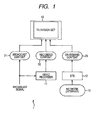
- Fig. 1 shows an exemplary configuration of a content viewing system which is an embodiment of the invention.
- the content viewing system 1 analyzes user's viewing behavior, and generates and displays a viewing schedule for proposing the timing of watching a video content to a user based on the analyzed result.
- the content viewing system 1 is configured of a television set 10 that receives television broadcast signals, a video recorder 11 connected to the television set 10 for recording a television broadcast programs, and a STB (set top box) 12 that downloads video contents from a predetermined server over a network 13 typified by the Internet.
- a television set 10 that receives television broadcast signals
- a video recorder 11 connected to the television set 10 for recording a television broadcast programs
- a STB (set top box) 12 that downloads video contents from a predetermined server over a network 13 typified by the Internet.
- the television set 10 displays a video of a television program broadcast in real time (broadcast content 21) as well as outputs corresponding sounds.
- the television set 10 is configured to control the video recorder 11 connected thereto, and displays a video of a recorded content 22 that is recorded and reproduced by the video recorder 11 as well as outputs corresponding sounds.
- the television set 10 is configured to control the connected STB 12, and displays a video of an on-demand content 23 downloaded and reproduced by the STB 12 as well as outputs corresponding sounds.
- the television set 10, the video recorder 11, and the STB 12 are separate devices.
- the television set 10, the video recorder 11, and the STB 12 may be combined as necessary, in such a combination that the television set 10 incorporates the video recorder 11 and the STB 12 therein.
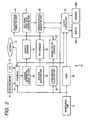
- Fig. 2 shows an exemplary configuration of the television set 10 in detail.
- a manipulating part 31 In the television set 10, a manipulating part 31 generates and outputs manipulation signals corresponding to various manipulations inputted by a user.
- a tuner 32 receives a television broadcast in accordance with the manipulation signal from the manipulating part 31, and outputs a resulting broadcast content to an output control part 34.
- the output control part 34 applies predetermined signal processing (such as image signal processing and sound signal processing) to a broadcast content inputted from the tuner 32, a recorded content inputted from the video recorder 11 through the interface 41, and an on-demand content inputted from the STB 12, displays the video on a display 35a, and outputs sounds from a speaker 35b.
- the output control part 34 displays a viewing schedule inputted from a viewing schedule generating part 45 on the display 35a.
- a viewing history collecting part 36 monitors user manipulations (such as channel select manipulations to television broadcasts, recording preselect manipulations to television programs, manipulations of recording, reproduction and stop to the video recorder 11, and manipulations of download instructions, reproduction and stop to the STB 12), and notifies the viewing history database 37 about the type of video content (the categories of the broadcast content, the recorded content, and the on-demand content) at a predetermined sampling cycle (for example, a ten minute cycle).
- user manipulations such as channel select manipulations to television broadcasts, recording preselect manipulations to television programs, manipulations of recording, reproduction and stop to the video recorder 11, and manipulations of download instructions, reproduction and stop to the STB 12
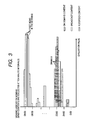
- the viewing history database 37 classifies and stores the types of watched video contents notified from the viewing history collecting part 36 at a predetermined sampling cycle at each of time periods on the individual days of the week. In addition, based on the types of notified video contents, the viewing history database 37 acquires attribute information corresponding to the watched video contents (such as broadcast channels, genres, titles, and keywords) from an EPG database 39 or from a content database 42, and classifies and stores them at each of time periods on the individual days of the week. Consequently, as shown in Figs. 4A to 4C , the viewing history database 37 classifies and stores the types of video contents, keywords (titles), and genres corresponding to a viewing history at each of the time periods. In addition, the viewing history database 37 also maintains taste value vectors showing user's viewing behavior computed by a time frame taste value computing part 43 at each of the time frames on the individual days of the week.
- attribute information corresponding to the watched video contents such as broadcast channels, genres, titles, and keywords
- An EPG data acquiring part 38 extracts EPG data from television broadcast signals, and outputs it to the EPG database 39.
- the EPG database 39 stores therein EPG data inputted from the EPG data acquiring part 38.
- the stored EPG data is maintained until a predetermined period elapses after the corresponding broadcast content is broadcast. Then, the EPG data is deleted.
- a content information collecting part 40 acquires attribute information of video contents (recorded contents or on-demand contents) maintained in the video recorder 11 and the STB 12 connected thereto through the interface 41, and outputs them to the content database 42.
- the content information collecting part 40 may acquire attribute information of recorded contents and on-demand contents from a predetermined server on the network 13.
- the content database 42 maintains attribute information corresponding to video contents maintained in the video recorder 11 and the STB 12. In addition, the content database 42 also maintains evaluation value vectors of video contents computed by an evaluation value computing part 44.
- video contents themselves maintained in the video recorder 11 and the STB 12 may be acquired by the content information collecting part 40, and maintained in the content database 42.
- the time frame taste value computing part 43 references to user's viewing history stored in the viewing history database 37, computes a taste value indicating user's viewing behavior (for example, this user frequently watches broadcast contents belonging to the genre news, or this user frequently watches recorded contents belonging to the genre variety) at each of the time frames on the individual days of the week (for example, a single time frame from eight o'clock to nine o'clock on Monday), and maintains the computed result in the viewing history database 37.
- a taste value indicating user's viewing behavior for example, this user frequently watches broadcast contents belonging to the genre news, or this user frequently watches recorded contents belonging to the genre variety
- the taste value is expressed as a vector having a plurality of dimensions (hereinafter, referred to as a taste value vector), and generates a taste value vector (the broadcast content, recorded content, on-demand content, news, drama, variety, movie, and so on) as the individual dimensions of the taste value vector are associated with the categories of video contents, and the types of genres. Then, the values of the individual dimensions of the taste value vector are increased in accordance with the user watching video contents.
- a taste value vector the broadcast content, recorded content, on-demand content, news, drama, variety, movie, and so on
- the value to be increased may be changed depending on the watching time in the time frame. In addition, the value to be increased may be changed depending on the freshness of the viewing history.
- the taste value vector is zero vector.
- the taste value vector is (1, 0, 0, 1, 0, 0, ...), and furthermore, when the viewing history of an on-demand content of the genre movie is generated in the relevant time frame, the taste value vector is updated to (1, 0, 1, 1, 0, 0, 1, ).
- the taste value vector is updated to (2, 0, 1, 1, 0, 0, 2, ).
- the individual dimensions of the taste value vector are associated with the channel of the broadcast content and the keyword contained in the title.
- the evaluation value computing part 44 references to the taste value vector at each of the time frames on the individual days of the week maintained in the viewing history database 37, detects a time frame having the magnitude of the taste value vector being a predetermined value or greater, and generates the evaluation value vector of each of the broadcast contents to be broadcast in the detected time frame. More specifically, as similar to the taste value vector, for example, the evaluation value vector of a broadcast content of the genre news (1, 0, 0, 1, 0, 0, 0, ...) is generated, and maintained in the EPG database 39.
- the evaluation value computing part 44 generates evaluation value vectors corresponding to the recorded content and the on-demand content, and maintains them in the content database 42.
- the viewing schedule generating part 45 normalizes the taste value vector for the time frame having the magnitude of the taste value vector indicating user's viewing behavior being a predetermined value or greater, and then computes an Euclidean distance as a similarity to the evaluation value vector of each of the broadcast contents to be broadcast in the time frame. Then, in the individual broadcast contents to be broadcast in the time frame, the viewing schedule generating part 45 generates a viewing schedule in which a broadcast content having an Euclidean distance between the normalized taste value vector and the evaluation value vector is arranged in the relevant time frame, the Euclidean distance being equal to or below a predetermined threshold and the shortest.
- the viewing schedule generating part 45 detects such a time frame on the viewing schedule that the time frame has no broadcast content arranged because the magnitude of the taste value vector indicating user's viewing behavior is a predetermined value or greater but the Euclidean distance between the evaluation value vector of each of the broadcast contents to be broadcast in the time frame and the normalized taste value vector is greater than a predetermined threshold. Then, the viewing schedule generating part 45 computes the Euclidean distance as the similarity between the normalized taste value vector of the detected time frame and the evaluation value vectors of the recorded content and the on-demand content, and arranges the recorded content or the on-demand content having the computed Euclidean distance that has a predetermined threshold or below and the shortest in the relevant time.
- the viewing schedule generating part 45 gives the time frame first priority to generate a viewing schedule.
- the viewing schedule thus generated is supplied from the viewing schedule generating part 45 to the output control part 34, and displayed on the display 35a.
- the generated viewing schedule may be outputted to the external devices of the television set 10 (for example, a computer connected over the network 13).
- the method of computing the similarity between the user's taste value and the evaluation value of the video content is not limited to the method described above, to which a given method can be applied.
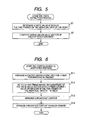
- This taste extraction process is automatically performed at a predetermined timing about once a day, for example (for example, at the time at which no video content is watched).
- the viewing history collecting part 36 monitors user manipulations all the time based on the manipulation signal generated by the manipulating part 31, and notifies the viewing history database 37 about the type of watched video content (the categories of the broadcast content, the recorded content, and the on-demand content) at a predetermined sampling cycle (for example, a ten minute cycle), and based on this notification, the viewing history database 37 acquires attribute information corresponding to a video content being watched (such as a broadcast channel, a genre, a title, and keywords) from the EPG database 39 or the content database 42, and classifies and stores the type of the video content and the attribute information at each of time periods on the individual days of the week.
- a predetermined sampling cycle for example, a ten minute cycle
- Step S1 the time frame taste value computing part 43 references to the user's viewing history stored in the viewing history database 37, computes a taste value vector indicating user's viewing behavior at each of the time frames on the individual days of the week, and maintains the computed result in the viewing history database 37.
- the evaluation value computing part 44 references to the taste value vector at each of the time frames on the individual days of the week maintained in the viewing history database 37, detects a time frame having the magnitude of the taste value vector being a predetermined value or greater, and generates the evaluation value vector of each of the broadcast contents to be broadcast in the detected time frame. More specifically, as similar to the taste value vector, for example, the evaluation value computing part 44 generates the evaluation value vector of a broadcast content of the genre news (1, 0, 0, 1, 0, 0, 0, ...), and maintains it in the EPG database 39. As described above, the discussion of the taste extraction process is ended.
- a viewing schedule generation process a process for generating a viewing schedule based on the taste value vector and the evaluation value vector computed in the taste extraction process (hereinafter, referred to as a viewing schedule generation process) will be described with reference to a flow chart shown in Fig. 6 .
- This viewing schedule generation process is performed at a predetermined timing about once a day, for example (at the time at which a user does not watch any video contents).
- Step S11 in the case in which there is a time frame in which a user sets a video content scheduled to watch, the viewing schedule generating part 45 arranges the video content set by the user in the time frame on a viewing schedule.
- Step S12 the viewing schedule generating part 45 detects a time frame having the magnitude of the taste value vector indicating user's viewing behavior being a predetermined value or greater.
- Step S13 the viewing schedule generating part 45 normalizes the taste value vector of the time frame detected in Step S12, and then computes a Euclidean distance to the evaluation value vector of each of the broadcast contents to be broadcast in the time frame. Then, in the individual broadcast contents to be broadcast in the time frame, the viewing schedule generating part 45 arranges a broadcast content having the Euclidean distance between the normalized taste value vector and the evaluation value vector in the relevant time frame on the viewing schedule, the Euclidean distance being equal to a predetermined threshold or below and the shortest.
- Step S13 in the broadcast contents for which the Euclidean distance between the normalized taste value vector and the evaluation value vector in the time frames detected in Step S12, for a predetermined number of broadcast contents having the computed Euclidean distance that is equal to a predetermined threshold or below and the second shortest from the shortest side, they are not arranged in the relevant time frame on the viewing schedule at this stage, but they are stored as candidates for being arranged in the relevant time frame for use in display on a pop-up window 72 ( Fig. 9 ).
- Step S14 in the time frame in which no broadcast content is arranged in Step S13 in the time frames detected in Step S12, the viewing schedule generating part 45 computes an Euclidean distance between the normalized taste value vector and the evaluation value vectors of the recorded content and the on-demand content.
- the viewing schedule generating part 45 arranges a recorded content or an on-demand content having the computed Euclidean distance that is a predetermined threshold or below and the shortest in the relevant time frame on the viewing schedule.
- the generated viewing schedule is maintained in the viewing schedule generating part 45.
- the viewing schedule is supplied from the viewing schedule generating part 45 to the output control part 34, and displayed on the display 35a.
- the video content is arranged only in the time frame having the magnitude of the taste value vector indicating user's viewing behavior being a predetermined value or greater.
- a user is recommended to watch a video content in the time period in which the user has not watched any video contents on the television set 10, or in the time frame in which noticeable viewing behavior has not been acquired.
- the broadcast content broadcast in real time is arranged in priority in the time frame having the magnitude of the taste value vector indicating user's viewing behavior being a predetermined value or greater more than the recorded content and the on-demand content which are already stored and can be watched any time. Therefore, such an event can be prevented that a user fails to watch the broadcast content matched with user's tastes.
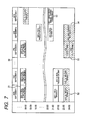
- Fig. 7 shows a first exemplary display of the viewing schedule.
- the horizontal axis depicts the date (days of the week)
- the vertical axis depicts the time of day
- the title of the video content recommended to watch is shown.
- the screen may be scrolled in the lateral direction or in the vertical direction for display, or the screen may be split into a plurality of pages for display.
- the broadcast content "first news in the morning” is arranged. This is according to the result of the viewing behavior obtained based on the user's viewing history that a user watches the broadcast content "first news in the morning” until eight o'clock in the morning on weekdays, for example.
- the broadcast content in the time frame, the broadcast day, the title, and text or a mark indicating that the content is a real time broadcast content (in the case shown in Fig. 7 , "Real") are shown.
- the time frame may be depicted in a predetermined color for display.
- the recorded content "drama X" is arranged. This is according to the result of the viewing behavior obtained based on the user's viewing history that a user watches the recorded content belonging to the genre drama from 11 o'clock to 12 o'clock on Monday night, for example.
- the time frame In the case of the recorded content, in the time frame, text or a mark indicating the recording day (broadcast day), the title, and the content being the recorded content(in the case shown in Fig. 7 , "Record") is shown.
- the time frame instead of text or a mark indicating that the content is the recorded content, or in addition to text or a mark, the time frame may be depicted in a predetermined color different from the color indicating the broadcast content for display.
- the on-demand contents "youth drama 1" and “youth drama 2" are arranged. This is according to the result of the viewing behavior obtained based on the user's viewing history that a user watches the on-demand content belonging to the genre drama from 11. o'clock on Friday night to 1 o'clock midnight, for example.
- the time frame in the time frame, text or a mark indicating the title, and the content being the on-demand content (in the case shown in Fig. 7 , "VOD") is shown.
- the time frame may be depicted in a predetermined color different from the color indicating the broadcast content or the recorded content for display.
- the viewing schedule 50 is different from a normal program guide, as shown in the drawing, there may be time frames in which no video contents are arranged. As described above, in blank time frames, regardless of user's viewing behavior, a broadcast content expected to have a high rating and an on-demand content recommended by the video on-demand service side may be arranged.
- the on-demand content "Document ⁇ " is arranged.
- This content is a recommended one as a high ranking on-demand content from the video on-demand service side.
- the time frame in the time frame, text or a mark indicating the title, and the content being the on-demand content (in the case shown in Fig. 7 , "VOD"), and text or a mark indicating that the content is a recommended one (in the case shown in Fig. 7 , "high ranking") are shown.
- the time frame instead of text or a mark indicating that the content is the on-demand content or a recommended one, or in addition to text or a mark, the time frame may be indicated in a predetermined color different from other colors for display.
- the broadcast content "dynamic period drama" is arranged.
- This content is a recommended one as a broadcast content expected to have a high rating from EPG data and a predetermined server.
- the time frame in the time frame, the broadcast day, text or a mark indicating the title and the content being the recommended broadcast content because the high rating is expected (in the case shown in Fig. 7 , "highly recommended") are shown.
- the time frame instead of text or a mark indicating that the content is the recommended broadcast content because the high rating is expected, or in addition to text or a mark, the time frame may be indicated in a predetermined color for display.
- the viewing schedule 50 is one not only proposing video contents and the time frames to watch the video contents to a user but also functioning as a user interface for inputting recording preselect manipulations.
- a recording preselect button provided on a remote controller is pressed down
- a recording preselect is made to the closest broadcast content having similar attribute information.
- a recording preselect can be readily made to the next time broadcast content of a series drama.
- a predetermined manipulation for example, a "download button” provided on the remote controller is pressed down
- the time frame for example, the time frame 53
- the updated video content is automatically downloaded. Therefore, the updated version of the on-demand content such as a series drama can be readily downloaded.
- the viewing schedule 50 has a function of recommending a single video content in each of the individual time frames as well as recommending a plurality of video contents. More specifically, for example, as shown in Fig. 9 , in a time frame 71 on September 6, the broadcast content "Comedy M" is arranged. When a predetermined manipulation is made (for example, a "next candidate button" provided on the remote controller is pressed down) in the state in which the time frame 71 is selected, the pop-up window 72 is superimposed in response to this manipulation. On the pop-up window 72, a plurality of video contents is displayed in order of contents matched with viewing behavior in the time frame 71.
- a predetermined manipulation for example, a "next candidate button” provided on the remote controller is pressed down
- the broadcast content "Comedy M" arranged in the time frame 71 is replaced by the selected video content.
- the time frame and the video content specified by a user to watch are given higher priority on the viewing schedule 50 even though the viewing schedule 50 is updated after this.
- FIG. 10 shows a second exemplary display of the viewing schedule.
- a viewing schedule 80 that is the second exemplary display is configured of an area 81 in which a program guide of broadcast contents for one day is displayed and an area 82 in which a viewing schedule for one day is displayed, and the horizontal axis depicts the channel and the vertical axis depicts the time period.
- the viewing schedule 80 is one that the program guide of typical television programs is added with the virtual channels corresponding to a viewing schedule for one day.
- this method is suited for browsing and selecting broadcast contents to be broadcast in the time period in which contents are arranged in the virtual channels.
- the content originally recommended is a content that a user is highly likely to watch, the user does not sometimes watch the recommended content and desires to select another content.
- the time period in which the contents are arranged in the virtual channels is the time period in which a user tends to watch some content, the user also browses the broadcast content to be broadcast in the time period according to the display of the program guide, whereby the user can readily select a content.
- Fig. 10 as the display ranging from 09:00 to 21:00 is omitted, the time periods ranging from 07:00 to 08:00 and 21:00 to 24:00 and only the target time periods tomorrow and the day after tomorrow are displayed with no space. Thus, only the contents to be targets for selection can be efficiently browsed on a single screen.
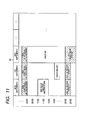
- FIG. 11 shows a third exemplary display of the viewing schedule.
- a viewing schedule 90 that is the third exemplary display is a viewing schedule which is outputted to an external device of the television set 10 (for example, a computer connected over the network 13) and combined with an existing schedule in that external device.
- an external device of the television set 10 for example, a computer connected over the network 13
- a scheduling function is provided to the television set 10 and the viewing schedule 90 that is the third exemplary display is displayed on the television set 10.
- the user references to this viewing schedule to watch video contents, and then the user can watch video contents matched with his/her tastes with no waste of time and without failing to watch them.
- a sequence of the process steps described above may be executed by hardware, or may be executed by software.
- a program configuring the software is installed in a computer incorporated in a dedicated hardware, or is installed from a program recording medium to a multi-purpose personal computer, for example, that can run various functions by installing various programs.
- Fig. 12 shows a block diagram depicting an exemplary hardware configuration of a computer that executes the sequence of the process steps by a program.
- a CPU Central Processing Unit
- ROM Read Only Memory
- RAM Random Access Memory
- an input/output interface 105 is connected to the bus 104.
- the following components are connected: an input part 106 formed of a keyboard, a mouse, and a microphone, an output part 107 formed of a display and a speaker, a storage part 108 formed of a hard disk or a non-volatile memory, a communicating part 109 formed of a network interface, and a drive 110 that drives a removable medium 111 such as a magnetic disk, an optical disk, a magneto-optical disk, or a semiconductor memory.
- a tuner 112 is connected for receiving television broadcast signals.
- the CPU 101 loads a program stored in the storage part 108 to the RAM 103 through the input/output interface 105 and the bus 104 for execution, whereby the sequence of the process steps is performed.
- the program executed by the computer may be a program for processing in a time series in order described in the specification, or may be a program for processing in parallel, or at a necessary timing when called, for example.
- the program may be processed in a single computer, or may be processed by a plurality of computers in distributed processing. Furthermore, the program may be forwarded to a remote computer for implementation.
- system describes the overall apparatus configured of a plurality of devices.
Landscapes
- Engineering & Computer Science (AREA)
- Multimedia (AREA)
- Signal Processing (AREA)
- Databases & Information Systems (AREA)
- Health & Medical Sciences (AREA)
- General Health & Medical Sciences (AREA)
- Social Psychology (AREA)
- Human Computer Interaction (AREA)
- Computer Networks & Wireless Communication (AREA)
- Two-Way Televisions, Distribution Of Moving Picture Or The Like (AREA)
Applications Claiming Priority (1)
| Application Number | Priority Date | Filing Date | Title |
|---|---|---|---|
| JP2007217229A JP5251039B2 (ja) | 2007-08-23 | 2007-08-23 | 情報処理装置、情報処理方法、およびプログラム |
Publications (3)
| Publication Number | Publication Date |
|---|---|
| EP2028850A2 EP2028850A2 (en) | 2009-02-25 |
| EP2028850A3 EP2028850A3 (en) | 2011-08-17 |
| EP2028850B1 true EP2028850B1 (en) | 2013-06-19 |
Family
ID=40090291
Family Applications (1)
| Application Number | Title | Priority Date | Filing Date |
|---|---|---|---|
| EP08162649.1A Not-in-force EP2028850B1 (en) | 2007-08-23 | 2008-08-20 | Information processing apparatus, information processing method and program |
Country Status (4)
| Country | Link |
|---|---|
| US (1) | US8787724B2 (enExample) |
| EP (1) | EP2028850B1 (enExample) |
| JP (1) | JP5251039B2 (enExample) |
| CN (1) | CN101374214B (enExample) |
Families Citing this family (55)
| Publication number | Priority date | Publication date | Assignee | Title |
|---|---|---|---|---|
| EP2252055B1 (en) | 2009-05-13 | 2013-09-18 | Sony Europe Limited | A system for retrieval of executable applications for broadcast television |
| KR101604693B1 (ko) * | 2009-07-01 | 2016-03-18 | 엘지전자 주식회사 | 이동 단말기 및 이것의 멀티미디어 콘텐츠 제어 방법 |
| MX2012006178A (es) * | 2009-12-17 | 2012-06-25 | Sharp Kk | Dispositivo de visualizacion de informacion de programa, metodo de visualizacion de informacion de programa, programa y medio de grabacion. |
| CN101764927A (zh) * | 2009-12-21 | 2010-06-30 | 深圳市同洲电子股份有限公司 | 一种播发内容的编排方法及装置 |
| JP2011182146A (ja) * | 2010-03-01 | 2011-09-15 | Hitachi Ltd | 視聴制御装置及び視聴制御システム |
| JP2012023636A (ja) * | 2010-07-15 | 2012-02-02 | Nippon Hoso Kyokai <Nhk> | コンテンツ提示装置及びコンテンツ提示プログラム |
| KR101802332B1 (ko) | 2010-11-25 | 2017-12-29 | 삼성전자주식회사 | 컨텐츠 제공 방법 및 그 시스템 |
| CN103270472A (zh) * | 2010-12-22 | 2013-08-28 | 汤姆逊许可公司 | 我的频道推荐特征 |
| US10089592B2 (en) | 2010-12-29 | 2018-10-02 | Comcast Cable Communications, Llc | Measuring video asset viewing |
| US10945011B2 (en) | 2010-12-29 | 2021-03-09 | Comcast Cable Communications, Llc | Measuring video viewing |
| US8365212B1 (en) | 2010-12-29 | 2013-01-29 | Robert Alan Orlowski | System and method for analyzing human interaction with electronic devices that access a computer system through a network |
| US12271855B2 (en) | 2010-12-29 | 2025-04-08 | Comcast Cable Communications, Llc | Measuring video-asset viewing |
| US9788069B1 (en) | 2011-06-24 | 2017-10-10 | The Directv Group, Inc. | Method and system for recording recommended content within a user device |
| CA2839481A1 (en) | 2011-06-24 | 2012-12-27 | The Directv Group, Inc. | Method and system for obtaining viewing data and providing content recommendations at a set top box |
| US9032451B2 (en) | 2011-09-01 | 2015-05-12 | The Directv Group, Inc. | Method and system for using a second screen device for interacting with a set top box to enhance a user experience |
| JP5216128B2 (ja) * | 2011-09-06 | 2013-06-19 | 株式会社ソニー・コンピュータエンタテインメント | クラウドコンピューティングシステムおよびアプリケーション提供方法 |
| EP2755386B1 (en) | 2011-09-09 | 2017-08-09 | NTT Docomo, Inc. | Program listing generation device, program data sharing system, program listing generation method and program |
| US12200298B2 (en) * | 2013-09-06 | 2025-01-14 | Comcast Cable Communications, Llc | Measuring video-program viewing |
| US10645433B1 (en) | 2013-08-29 | 2020-05-05 | Comcast Cable Communications, Llc | Measuring video-content viewing |
| US10440428B2 (en) | 2013-01-13 | 2019-10-08 | Comcast Cable Communications, Llc | Measuring video-program-viewing activity |
| US11627356B2 (en) | 2012-01-28 | 2023-04-11 | Comcast Cable Communications, Llc | Data translation for video-viewing activity |
| US9473730B1 (en) * | 2012-02-13 | 2016-10-18 | Nbcuniversal Media, Llc | Method and system for personalized recommendation modeling |
| CN102957969A (zh) * | 2012-05-18 | 2013-03-06 | 华东师范大学 | 为iptv终端用户推荐节目的装置及方法 |
| JP2014045264A (ja) * | 2012-08-24 | 2014-03-13 | Nippon Hoso Kyokai <Nhk> | 推薦番組提示装置およびそのプログラム |
| CN103051933B (zh) * | 2012-12-24 | 2016-01-20 | 华数传媒网络有限公司 | 一种视频点播系统及方法 |
| CN103077233A (zh) * | 2013-01-08 | 2013-05-01 | 苏州海客科技有限公司 | 基于时间段的行程单关键字提示方法 |
| US10148375B2 (en) * | 2013-03-14 | 2018-12-04 | The Directv Group, Inc. | Method and system for displaying recommended content such as movies associated with a cluster |
| US9053419B2 (en) | 2013-03-14 | 2015-06-09 | The Directv Group, Inc. | Method and system for recording recommended content using clustering |
| FR3006540B1 (fr) * | 2013-05-28 | 2017-02-10 | Stephane Larger | Procede de diffusion de contenus media |
| JP5778241B2 (ja) * | 2013-12-12 | 2015-09-16 | シャープ株式会社 | 視聴情報集計装置、視聴情報集計システム、視聴情報集計方法、プログラム、および記録媒体 |
| JP2015126511A (ja) * | 2013-12-27 | 2015-07-06 | Necパーソナルコンピュータ株式会社 | 電子機器、情報処理方法、及びプログラム |
| US10349093B2 (en) * | 2014-03-10 | 2019-07-09 | Cisco Technology, Inc. | System and method for deriving timeline metadata for video content |
| CN103888843B (zh) | 2014-03-11 | 2017-12-12 | 惠州Tcl移动通信有限公司 | 智能电视的电视节目频道与应用程序整合的方法及系统 |
| KR102147389B1 (ko) * | 2014-03-25 | 2020-08-24 | 삼성전자주식회사 | 디스플레이 장치 및 이의 제어 방법 |
| CN103873776A (zh) | 2014-03-26 | 2014-06-18 | 惠州Tcl移动通信有限公司 | 一种移动终端相机自动适应场景的方法及系统 |
| KR101435921B1 (ko) | 2014-04-30 | 2014-09-01 | (주)소담미디어 | 디지털 방송에서 시청이력 스코어와 epg 정보의 상호참조 기반의 방송추천 서비스 방법 및 이를 위한 컴퓨터로 판독가능한 기록매체 |
| JP2016010053A (ja) * | 2014-06-25 | 2016-01-18 | 株式会社Nttぷらら | 番組表管理装置、番組表管理プログラム、および受信装置 |
| US10764424B2 (en) * | 2014-12-05 | 2020-09-01 | Microsoft Technology Licensing, Llc | Intelligent digital assistant alarm system for application collaboration with notification presentation |
| CN104822080A (zh) * | 2015-04-14 | 2015-08-05 | 天脉聚源(北京)传媒科技有限公司 | 一种节目录制方法及装置 |
| US9881094B2 (en) | 2015-05-05 | 2018-01-30 | Snap Inc. | Systems and methods for automated local story generation and curation |
| KR101807361B1 (ko) * | 2015-09-25 | 2017-12-08 | 주식회사 엘지유플러스 | 채널 기반 콘텐츠 제공 시스템에서의 채널 정보 제공 장치 및 방법 |
| KR101761015B1 (ko) * | 2015-10-02 | 2017-08-04 | 주식회사 엘지유플러스 | 채널 기반 콘텐츠 제공 시스템에서의 콘텐츠 실행 장치 및 방법 |
| JP6641204B2 (ja) * | 2016-03-17 | 2020-02-05 | Kddi株式会社 | 番組推薦装置、番組推薦方法及び番組推薦プログラム |
| JP6624452B2 (ja) * | 2016-04-01 | 2019-12-25 | パナソニックIpマネジメント株式会社 | 番組録画再生装置及び番組録画再生方法 |
| CN106060575B (zh) * | 2016-06-27 | 2019-07-05 | 北京数码视讯科技股份有限公司 | 点播节目的方法、装置及系统 |
| CN106791947A (zh) * | 2016-12-28 | 2017-05-31 | 北京金山安全软件有限公司 | 一种传输网络视频的方法、装置及电子设备 |
| WO2018158900A1 (ja) * | 2017-03-02 | 2018-09-07 | マクセル株式会社 | コンテンツ視聴推奨システム、コンテンツ視聴推奨番組表提示装置、および情報端末 |
| US10432987B2 (en) | 2017-09-15 | 2019-10-01 | Cisco Technology, Inc. | Virtualized and automated real time video production system |
| JP6924108B2 (ja) * | 2017-09-19 | 2021-08-25 | 日本放送協会 | プラン作成装置、プラン作成方法及びプラン作成プログラム |
| CN108833983A (zh) | 2018-07-04 | 2018-11-16 | 百度在线网络技术(北京)有限公司 | 播放数据获取方法、装置、设备以及存储介质 |
| CN109495770B (zh) * | 2018-11-23 | 2021-03-16 | 武汉斗鱼网络科技有限公司 | 一种直播间推荐方法、装置、设备及介质 |
| JP6998933B2 (ja) * | 2019-12-27 | 2022-01-18 | Kddi株式会社 | 番組推薦装置、番組推薦方法及び番組推薦プログラム |
| CN113225601A (zh) * | 2021-05-08 | 2021-08-06 | 海信视像科技股份有限公司 | 一种显示设备及节目指南中电视节目的推荐方法 |
| CN116614681A (zh) * | 2023-07-19 | 2023-08-18 | 吉林广电新媒体股份有限公司 | 一种基于推荐算法的开机方法、装置及电子设备 |
| JP7509506B1 (ja) | 2023-11-16 | 2024-07-02 | 株式会社ビデオリサーチ | 行動モデル作成方法 |
Citations (3)
| Publication number | Priority date | Publication date | Assignee | Title |
|---|---|---|---|---|
| GB2352920A (en) * | 1999-05-26 | 2001-02-07 | Sony Corp | Receiver with virtual channel(s) |
| WO2001060064A2 (en) * | 2000-02-08 | 2001-08-16 | Koninklijke Philips Electronics N.V. | Electronic program guide viewing history generator method and system |
| US20020199193A1 (en) * | 1998-06-12 | 2002-12-26 | Metabyte Networks, Inc. | System and method for generating and managing user preference information for scheduled and stored television programs |
Family Cites Families (26)
| Publication number | Priority date | Publication date | Assignee | Title |
|---|---|---|---|---|
| JP4032401B2 (ja) | 1997-08-21 | 2008-01-16 | ソニー株式会社 | 情報提供装置および方法、情報受信装置および方法 |
| GB9828591D0 (en) * | 1998-12-23 | 1999-02-17 | Ntl Group Limited | Electronic programme scheduling system |
| WO2000040012A1 (en) * | 1998-12-23 | 2000-07-06 | Koninklijke Philips Electronics N.V. | Apparatus for receiving programs |
| US7051352B1 (en) * | 2000-02-04 | 2006-05-23 | Koninklijke Philips Electronics N.V. | Adaptive TV program recommender |
| JP2002057686A (ja) * | 2000-08-14 | 2002-02-22 | Niigata Seimitsu Kk | データ伝送システム、データ伝送装置および遠隔制御方法 |
| JP3795348B2 (ja) * | 2001-06-12 | 2006-07-12 | 三菱電機株式会社 | 放送受信装置 |
| US20020193066A1 (en) * | 2001-06-15 | 2002-12-19 | Connelly Jay H. | Methods and apparatus for providing rating feedback for content in a broadcast system |
| JP3654349B2 (ja) * | 2001-07-09 | 2005-06-02 | ソニー株式会社 | コンテンツ嗜好度算出方法およびコンテンツ受信装置 |
| JP4018383B2 (ja) * | 2001-12-18 | 2007-12-05 | パイオニア株式会社 | 録画視聴予約装置及び録画視聴予約方法 |
| JP2003244565A (ja) * | 2002-02-15 | 2003-08-29 | Fujitsu Ltd | 装置、プログラムおよび仮想チャンネル設定方法 |
| US20030193619A1 (en) * | 2002-04-11 | 2003-10-16 | Toby Farrand | System and method for speculative tuning |
| US8001567B2 (en) * | 2002-05-02 | 2011-08-16 | Microsoft Corporation | Media planner |
| US20040003403A1 (en) * | 2002-06-19 | 2004-01-01 | Marsh David J. | Methods and systems for reducing information in electronic program guide and program recommendation systems |
| US20040078807A1 (en) * | 2002-06-27 | 2004-04-22 | Fries Robert M. | Aggregated EPG manager |
| US8181205B2 (en) * | 2002-09-24 | 2012-05-15 | Russ Samuel H | PVR channel and PVR IPG information |
| AU2003269384A1 (en) * | 2002-11-08 | 2004-06-07 | Koninklijke Philips Electronics N.V. | Method and apparatus for providing a selection list of content items |
| JP2006506874A (ja) * | 2002-11-18 | 2006-02-23 | コーニンクレッカ フィリップス エレクトロニクス エヌ ヴィ | コンテント選択方法および装置 |
| US20040254957A1 (en) * | 2003-06-13 | 2004-12-16 | Nokia Corporation | Method and a system for modeling user preferences |
| CN1226879C (zh) * | 2003-08-29 | 2005-11-09 | 广州新华夏宽带网视讯技术有限公司 | 电话视频点播系统及其点播方法 |
| WO2005109907A2 (en) * | 2004-04-30 | 2005-11-17 | Vulcan Inc. | Maintaining a graphical user interface state that is based on a selected time |
| US20050278742A1 (en) * | 2004-06-09 | 2005-12-15 | Ati Technologies, Inc. | Method and apparatus for the display of a viewing events list |
| JP2006166127A (ja) * | 2004-12-08 | 2006-06-22 | Ricoh Co Ltd | 情報機器 |
| CN1838767A (zh) * | 2005-03-23 | 2006-09-27 | 乐金电子(沈阳)有限公司 | 商业用电视机视频点播服务系统及服务提供方法 |
| US8281341B2 (en) * | 2006-07-31 | 2012-10-02 | Rovi Guides, Inc. | Systems and methods for providing media guidance planners |
| US20080112690A1 (en) * | 2006-11-09 | 2008-05-15 | Sbc Knowledge Venturses, L.P. | Personalized local recorded content |
| JP4491746B2 (ja) * | 2007-03-05 | 2010-06-30 | ソニー株式会社 | 情報処理装置および情報処理方法、記録媒体、並びにプログラム |
-
2007
- 2007-08-23 JP JP2007217229A patent/JP5251039B2/ja not_active Expired - Fee Related
-
2008
- 2008-08-20 EP EP08162649.1A patent/EP2028850B1/en not_active Not-in-force
- 2008-08-21 US US12/195,453 patent/US8787724B2/en not_active Expired - Fee Related
- 2008-08-25 CN CN2008102105214A patent/CN101374214B/zh not_active Expired - Fee Related
Patent Citations (3)
| Publication number | Priority date | Publication date | Assignee | Title |
|---|---|---|---|---|
| US20020199193A1 (en) * | 1998-06-12 | 2002-12-26 | Metabyte Networks, Inc. | System and method for generating and managing user preference information for scheduled and stored television programs |
| GB2352920A (en) * | 1999-05-26 | 2001-02-07 | Sony Corp | Receiver with virtual channel(s) |
| WO2001060064A2 (en) * | 2000-02-08 | 2001-08-16 | Koninklijke Philips Electronics N.V. | Electronic program guide viewing history generator method and system |
Also Published As
| Publication number | Publication date |
|---|---|
| JP2009055095A (ja) | 2009-03-12 |
| US8787724B2 (en) | 2014-07-22 |
| EP2028850A2 (en) | 2009-02-25 |
| US20090052864A1 (en) | 2009-02-26 |
| CN101374214B (zh) | 2011-04-06 |
| JP5251039B2 (ja) | 2013-07-31 |
| EP2028850A3 (en) | 2011-08-17 |
| CN101374214A (zh) | 2009-02-25 |
Similar Documents
| Publication | Publication Date | Title |
|---|---|---|
| US8787724B2 (en) | Information processing apparatus, information processing method and program | |
| KR101464815B1 (ko) | 학습된 사용자 선호도에 기초한 오디오비주얼 사용자 인터페이스 | |
| US7941819B2 (en) | Time-based graphical user interface for multimedia content | |
| JP4652485B2 (ja) | グラフィックタイルベース拡大セルガイド | |
| US20130339998A1 (en) | Systems and methods for providing related media content listings during media content credits | |
| US20050086692A1 (en) | Searching for programs and updating viewer preferences with reference to program segment characteristics | |
| US20050125823A1 (en) | Promotional philosophy for a video-on-demand-related interactive display within an interactive television application | |
| KR102611422B1 (ko) | 디스플레이 장치 및 그 컨텐츠 추천 방법 | |
| US20140281973A1 (en) | Methods and systems for rectifying the lengths of media playlists based on time criteria | |
| CN103051960A (zh) | 电视节目推荐系统及其方法 | |
| JP2005505203A (ja) | 同じ時間帯に複数の番組を表示する方法及び装置 | |
| KR20100022091A (ko) | 대화형 미디어 가이드 애플리케이션의 개인화를 위한 시스템 및 방법 | |
| US20090100470A1 (en) | Information processing device | |
| US20170318350A1 (en) | List-type content presentation device and method | |
| US8863186B2 (en) | Management and delivery of audiovisual content items that corresponds to scheduled programs | |
| US20100125873A1 (en) | Event-calendar display apparatus, event-calendar display method, event-calendar display program, and event-information extraction apparatus | |
| JP2007501581A (ja) | Tv番組の視聴状態に依存した推薦スコアの変換 | |
| JP4095479B2 (ja) | コンテンツ選択視聴装置、コンテンツ選択視聴方法およびコンテンツ選択視聴プログラム | |
| US11570516B2 (en) | Display apparatus and control method thereof | |
| US20170318349A1 (en) | Grid-type content presentation device and method | |
| US20120254906A1 (en) | Movie recommendation system and movie recommendation method | |
| US11695981B2 (en) | Electronic program guide, method for an electronic program guide, and corresponding device | |
| US20160192016A1 (en) | Methods and systems for identifying media assets | |
| KR100872516B1 (ko) | 멀티 채널 방송에서의 지역별 방송 데이터 수신 장치 및방법 | |
| US20200092512A1 (en) | Automatic alert to start an audio/visual program |
Legal Events
| Date | Code | Title | Description |
|---|---|---|---|
| PUAI | Public reference made under article 153(3) epc to a published international application that has entered the european phase |
Free format text: ORIGINAL CODE: 0009012 |
|
| AK | Designated contracting states |
Kind code of ref document: A2 Designated state(s): AT BE BG CH CY CZ DE DK EE ES FI FR GB GR HR HU IE IS IT LI LT LU LV MC MT NL NO PL PT RO SE SI SK TR |
|
| AX | Request for extension of the european patent |
Extension state: AL BA MK RS |
|
| PUAL | Search report despatched |
Free format text: ORIGINAL CODE: 0009013 |
|
| AK | Designated contracting states |
Kind code of ref document: A3 Designated state(s): AT BE BG CH CY CZ DE DK EE ES FI FR GB GR HR HU IE IS IT LI LT LU LV MC MT NL NO PL PT RO SE SI SK TR |
|
| AX | Request for extension of the european patent |
Extension state: AL BA MK RS |
|
| RIC1 | Information provided on ipc code assigned before grant |
Ipc: H04N 5/445 20110101AFI20110708BHEP |
|
| 17P | Request for examination filed |
Effective date: 20120203 |
|
| 17Q | First examination report despatched |
Effective date: 20120309 |
|
| AKX | Designation fees paid |
Designated state(s): DE FR GB |
|
| GRAP | Despatch of communication of intention to grant a patent |
Free format text: ORIGINAL CODE: EPIDOSNIGR1 |
|
| GRAS | Grant fee paid |
Free format text: ORIGINAL CODE: EPIDOSNIGR3 |
|
| GRAA | (expected) grant |
Free format text: ORIGINAL CODE: 0009210 |
|
| AK | Designated contracting states |
Kind code of ref document: B1 Designated state(s): DE FR GB |
|
| REG | Reference to a national code |
Ref country code: GB Ref legal event code: FG4D |
|
| REG | Reference to a national code |
Ref country code: DE Ref legal event code: R096 Ref document number: 602008025394 Country of ref document: DE Effective date: 20130814 |
|
| PLBE | No opposition filed within time limit |
Free format text: ORIGINAL CODE: 0009261 |
|
| STAA | Information on the status of an ep patent application or granted ep patent |
Free format text: STATUS: NO OPPOSITION FILED WITHIN TIME LIMIT |
|
| 26N | No opposition filed |
Effective date: 20140320 |
|
| REG | Reference to a national code |
Ref country code: DE Ref legal event code: R097 Ref document number: 602008025394 Country of ref document: DE Effective date: 20140320 |
|
| PGFP | Annual fee paid to national office [announced via postgrant information from national office to epo] |
Ref country code: DE Payment date: 20140821 Year of fee payment: 7 |
|
| PGFP | Annual fee paid to national office [announced via postgrant information from national office to epo] |
Ref country code: GB Payment date: 20140820 Year of fee payment: 7 Ref country code: FR Payment date: 20140821 Year of fee payment: 7 |
|
| REG | Reference to a national code |
Ref country code: DE Ref legal event code: R119 Ref document number: 602008025394 Country of ref document: DE |
|
| GBPC | Gb: european patent ceased through non-payment of renewal fee |
Effective date: 20150820 |
|
| REG | Reference to a national code |
Ref country code: FR Ref legal event code: ST Effective date: 20160429 |
|
| PG25 | Lapsed in a contracting state [announced via postgrant information from national office to epo] |
Ref country code: DE Free format text: LAPSE BECAUSE OF NON-PAYMENT OF DUE FEES Effective date: 20160301 Ref country code: GB Free format text: LAPSE BECAUSE OF NON-PAYMENT OF DUE FEES Effective date: 20150820 |
|
| PG25 | Lapsed in a contracting state [announced via postgrant information from national office to epo] |
Ref country code: FR Free format text: LAPSE BECAUSE OF NON-PAYMENT OF DUE FEES Effective date: 20150831 |