EP1968898B1 - Bioremediation materials - Google Patents
Bioremediation materials Download PDFInfo
- Publication number
- EP1968898B1 EP1968898B1 EP06808470.6A EP06808470A EP1968898B1 EP 1968898 B1 EP1968898 B1 EP 1968898B1 EP 06808470 A EP06808470 A EP 06808470A EP 1968898 B1 EP1968898 B1 EP 1968898B1
- Authority
- EP
- European Patent Office
- Prior art keywords
- charcoal
- pollutant
- bacteria
- microbes
- soil
- Prior art date
- Legal status (The legal status is an assumption and is not a legal conclusion. Google has not performed a legal analysis and makes no representation as to the accuracy of the status listed.)
- Not-in-force
Links
Images





Classifications
-
- B—PERFORMING OPERATIONS; TRANSPORTING
- B01—PHYSICAL OR CHEMICAL PROCESSES OR APPARATUS IN GENERAL
- B01D—SEPARATION
- B01D53/00—Separation of gases or vapours; Recovering vapours of volatile solvents from gases; Chemical or biological purification of waste gases, e.g. engine exhaust gases, smoke, fumes, flue gases, aerosols
- B01D53/34—Chemical or biological purification of waste gases
-
- C—CHEMISTRY; METALLURGY
- C12—BIOCHEMISTRY; BEER; SPIRITS; WINE; VINEGAR; MICROBIOLOGY; ENZYMOLOGY; MUTATION OR GENETIC ENGINEERING
- C12P—FERMENTATION OR ENZYME-USING PROCESSES TO SYNTHESISE A DESIRED CHEMICAL COMPOUND OR COMPOSITION OR TO SEPARATE OPTICAL ISOMERS FROM A RACEMIC MIXTURE
- C12P1/00—Preparation of compounds or compositions, not provided for in groups C12P3/00 - C12P39/00, by using microorganisms or enzymes
- C12P1/04—Preparation of compounds or compositions, not provided for in groups C12P3/00 - C12P39/00, by using microorganisms or enzymes by using bacteria
-
- B—PERFORMING OPERATIONS; TRANSPORTING
- B01—PHYSICAL OR CHEMICAL PROCESSES OR APPARATUS IN GENERAL
- B01D—SEPARATION
- B01D53/00—Separation of gases or vapours; Recovering vapours of volatile solvents from gases; Chemical or biological purification of waste gases, e.g. engine exhaust gases, smoke, fumes, flue gases, aerosols
- B01D53/34—Chemical or biological purification of waste gases
- B01D53/74—General processes for purification of waste gases; Apparatus or devices specially adapted therefor
- B01D53/84—Biological processes
- B01D53/85—Biological processes with gas-solid contact
-
- B—PERFORMING OPERATIONS; TRANSPORTING
- B09—DISPOSAL OF SOLID WASTE; RECLAMATION OF CONTAMINATED SOIL
- B09B—DISPOSAL OF SOLID WASTE NOT OTHERWISE PROVIDED FOR
- B09B3/00—Destroying solid waste or transforming solid waste into something useful or harmless
-
- B—PERFORMING OPERATIONS; TRANSPORTING
- B09—DISPOSAL OF SOLID WASTE; RECLAMATION OF CONTAMINATED SOIL
- B09C—RECLAMATION OF CONTAMINATED SOIL
- B09C1/00—Reclamation of contaminated soil
- B09C1/10—Reclamation of contaminated soil microbiologically, biologically or by using enzymes
-
- C—CHEMISTRY; METALLURGY
- C02—TREATMENT OF WATER, WASTE WATER, SEWAGE, OR SLUDGE
- C02F—TREATMENT OF WATER, WASTE WATER, SEWAGE, OR SLUDGE
- C02F1/00—Treatment of water, waste water, or sewage
- C02F1/28—Treatment of water, waste water, or sewage by sorption
- C02F1/283—Treatment of water, waste water, or sewage by sorption using coal, charred products, or inorganic mixtures containing them
-
- C—CHEMISTRY; METALLURGY
- C02—TREATMENT OF WATER, WASTE WATER, SEWAGE, OR SLUDGE
- C02F—TREATMENT OF WATER, WASTE WATER, SEWAGE, OR SLUDGE
- C02F11/00—Treatment of sludge; Devices therefor
- C02F11/02—Biological treatment
-
- C—CHEMISTRY; METALLURGY
- C02—TREATMENT OF WATER, WASTE WATER, SEWAGE, OR SLUDGE
- C02F—TREATMENT OF WATER, WASTE WATER, SEWAGE, OR SLUDGE
- C02F3/00—Biological treatment of water, waste water, or sewage
- C02F3/34—Biological treatment of water, waste water, or sewage characterised by the microorganisms used
-
- C—CHEMISTRY; METALLURGY
- C12—BIOCHEMISTRY; BEER; SPIRITS; WINE; VINEGAR; MICROBIOLOGY; ENZYMOLOGY; MUTATION OR GENETIC ENGINEERING
- C12N—MICROORGANISMS OR ENZYMES; COMPOSITIONS THEREOF; PROPAGATING, PRESERVING, OR MAINTAINING MICROORGANISMS; MUTATION OR GENETIC ENGINEERING; CULTURE MEDIA
- C12N1/00—Microorganisms; Compositions thereof; Processes of propagating, maintaining or preserving microorganisms or compositions thereof; Processes of preparing or isolating a composition containing a microorganism; Culture media therefor
- C12N1/10—Protozoa; Culture media therefor
- C12N1/105—Protozoal isolates
-
- C—CHEMISTRY; METALLURGY
- C12—BIOCHEMISTRY; BEER; SPIRITS; WINE; VINEGAR; MICROBIOLOGY; ENZYMOLOGY; MUTATION OR GENETIC ENGINEERING
- C12N—MICROORGANISMS OR ENZYMES; COMPOSITIONS THEREOF; PROPAGATING, PRESERVING, OR MAINTAINING MICROORGANISMS; MUTATION OR GENETIC ENGINEERING; CULTURE MEDIA
- C12N1/00—Microorganisms; Compositions thereof; Processes of propagating, maintaining or preserving microorganisms or compositions thereof; Processes of preparing or isolating a composition containing a microorganism; Culture media therefor
- C12N1/14—Fungi; Culture media therefor
- C12N1/145—Fungi isolates
-
- C—CHEMISTRY; METALLURGY
- C12—BIOCHEMISTRY; BEER; SPIRITS; WINE; VINEGAR; MICROBIOLOGY; ENZYMOLOGY; MUTATION OR GENETIC ENGINEERING
- C12N—MICROORGANISMS OR ENZYMES; COMPOSITIONS THEREOF; PROPAGATING, PRESERVING, OR MAINTAINING MICROORGANISMS; MUTATION OR GENETIC ENGINEERING; CULTURE MEDIA
- C12N1/00—Microorganisms; Compositions thereof; Processes of propagating, maintaining or preserving microorganisms or compositions thereof; Processes of preparing or isolating a composition containing a microorganism; Culture media therefor
- C12N1/20—Bacteria; Culture media therefor
-
- C—CHEMISTRY; METALLURGY
- C12—BIOCHEMISTRY; BEER; SPIRITS; WINE; VINEGAR; MICROBIOLOGY; ENZYMOLOGY; MUTATION OR GENETIC ENGINEERING
- C12N—MICROORGANISMS OR ENZYMES; COMPOSITIONS THEREOF; PROPAGATING, PRESERVING, OR MAINTAINING MICROORGANISMS; MUTATION OR GENETIC ENGINEERING; CULTURE MEDIA
- C12N1/00—Microorganisms; Compositions thereof; Processes of propagating, maintaining or preserving microorganisms or compositions thereof; Processes of preparing or isolating a composition containing a microorganism; Culture media therefor
- C12N1/20—Bacteria; Culture media therefor
- C12N1/205—Bacterial isolates
-
- C—CHEMISTRY; METALLURGY
- C02—TREATMENT OF WATER, WASTE WATER, SEWAGE, OR SLUDGE
- C02F—TREATMENT OF WATER, WASTE WATER, SEWAGE, OR SLUDGE
- C02F2101/00—Nature of the contaminant
- C02F2101/30—Organic compounds
- C02F2101/32—Hydrocarbons, e.g. oil
-
- C—CHEMISTRY; METALLURGY
- C02—TREATMENT OF WATER, WASTE WATER, SEWAGE, OR SLUDGE
- C02F—TREATMENT OF WATER, WASTE WATER, SEWAGE, OR SLUDGE
- C02F2101/00—Nature of the contaminant
- C02F2101/30—Organic compounds
- C02F2101/32—Hydrocarbons, e.g. oil
- C02F2101/327—Polyaromatic Hydrocarbons [PAH's]
-
- C—CHEMISTRY; METALLURGY
- C02—TREATMENT OF WATER, WASTE WATER, SEWAGE, OR SLUDGE
- C02F—TREATMENT OF WATER, WASTE WATER, SEWAGE, OR SLUDGE
- C02F2101/00—Nature of the contaminant
- C02F2101/30—Organic compounds
- C02F2101/34—Organic compounds containing oxygen
- C02F2101/345—Phenols
-
- C—CHEMISTRY; METALLURGY
- C02—TREATMENT OF WATER, WASTE WATER, SEWAGE, OR SLUDGE
- C02F—TREATMENT OF WATER, WASTE WATER, SEWAGE, OR SLUDGE
- C02F2305/00—Use of specific compounds during water treatment
- C02F2305/06—Nutrients for stimulating the growth of microorganisms
-
- C—CHEMISTRY; METALLURGY
- C02—TREATMENT OF WATER, WASTE WATER, SEWAGE, OR SLUDGE
- C02F—TREATMENT OF WATER, WASTE WATER, SEWAGE, OR SLUDGE
- C02F3/00—Biological treatment of water, waste water, or sewage
- C02F3/34—Biological treatment of water, waste water, or sewage characterised by the microorganisms used
- C02F3/348—Biological treatment of water, waste water, or sewage characterised by the microorganisms used characterised by the way or the form in which the microorganisms are added or dosed
-
- C—CHEMISTRY; METALLURGY
- C12—BIOCHEMISTRY; BEER; SPIRITS; WINE; VINEGAR; MICROBIOLOGY; ENZYMOLOGY; MUTATION OR GENETIC ENGINEERING
- C12R—INDEXING SCHEME ASSOCIATED WITH SUBCLASSES C12C - C12Q, RELATING TO MICROORGANISMS
- C12R2001/00—Microorganisms ; Processes using microorganisms
- C12R2001/01—Bacteria or Actinomycetales ; using bacteria or Actinomycetales
-
- C—CHEMISTRY; METALLURGY
- C12—BIOCHEMISTRY; BEER; SPIRITS; WINE; VINEGAR; MICROBIOLOGY; ENZYMOLOGY; MUTATION OR GENETIC ENGINEERING
- C12R—INDEXING SCHEME ASSOCIATED WITH SUBCLASSES C12C - C12Q, RELATING TO MICROORGANISMS
- C12R2001/00—Microorganisms ; Processes using microorganisms
- C12R2001/01—Bacteria or Actinomycetales ; using bacteria or Actinomycetales
- C12R2001/065—Azotobacter
-
- C—CHEMISTRY; METALLURGY
- C12—BIOCHEMISTRY; BEER; SPIRITS; WINE; VINEGAR; MICROBIOLOGY; ENZYMOLOGY; MUTATION OR GENETIC ENGINEERING
- C12R—INDEXING SCHEME ASSOCIATED WITH SUBCLASSES C12C - C12Q, RELATING TO MICROORGANISMS
- C12R2001/00—Microorganisms ; Processes using microorganisms
- C12R2001/01—Bacteria or Actinomycetales ; using bacteria or Actinomycetales
- C12R2001/38—Pseudomonas
- C12R2001/39—Pseudomonas fluorescens
-
- C—CHEMISTRY; METALLURGY
- C12—BIOCHEMISTRY; BEER; SPIRITS; WINE; VINEGAR; MICROBIOLOGY; ENZYMOLOGY; MUTATION OR GENETIC ENGINEERING
- C12R—INDEXING SCHEME ASSOCIATED WITH SUBCLASSES C12C - C12Q, RELATING TO MICROORGANISMS
- C12R2001/00—Microorganisms ; Processes using microorganisms
- C12R2001/645—Fungi ; Processes using fungi
-
- C—CHEMISTRY; METALLURGY
- C12—BIOCHEMISTRY; BEER; SPIRITS; WINE; VINEGAR; MICROBIOLOGY; ENZYMOLOGY; MUTATION OR GENETIC ENGINEERING
- C12R—INDEXING SCHEME ASSOCIATED WITH SUBCLASSES C12C - C12Q, RELATING TO MICROORGANISMS
- C12R2001/00—Microorganisms ; Processes using microorganisms
- C12R2001/90—Protozoa ; Processes using protozoa
-
- Y—GENERAL TAGGING OF NEW TECHNOLOGICAL DEVELOPMENTS; GENERAL TAGGING OF CROSS-SECTIONAL TECHNOLOGIES SPANNING OVER SEVERAL SECTIONS OF THE IPC; TECHNICAL SUBJECTS COVERED BY FORMER USPC CROSS-REFERENCE ART COLLECTIONS [XRACs] AND DIGESTS
- Y02—TECHNOLOGIES OR APPLICATIONS FOR MITIGATION OR ADAPTATION AGAINST CLIMATE CHANGE
- Y02A—TECHNOLOGIES FOR ADAPTATION TO CLIMATE CHANGE
- Y02A50/00—TECHNOLOGIES FOR ADAPTATION TO CLIMATE CHANGE in human health protection, e.g. against extreme weather
- Y02A50/20—Air quality improvement or preservation, e.g. vehicle emission control or emission reduction by using catalytic converters
-
- Y—GENERAL TAGGING OF NEW TECHNOLOGICAL DEVELOPMENTS; GENERAL TAGGING OF CROSS-SECTIONAL TECHNOLOGIES SPANNING OVER SEVERAL SECTIONS OF THE IPC; TECHNICAL SUBJECTS COVERED BY FORMER USPC CROSS-REFERENCE ART COLLECTIONS [XRACs] AND DIGESTS
- Y02—TECHNOLOGIES OR APPLICATIONS FOR MITIGATION OR ADAPTATION AGAINST CLIMATE CHANGE
- Y02P—CLIMATE CHANGE MITIGATION TECHNOLOGIES IN THE PRODUCTION OR PROCESSING OF GOODS
- Y02P20/00—Technologies relating to chemical industry
- Y02P20/50—Improvements relating to the production of bulk chemicals
- Y02P20/59—Biological synthesis; Biological purification
Definitions
- the present invention relates to charcoal for use in bioremediation, methods for its manufacture and the selection of materials that allow enhanced survival of the microbes that are associated with the charcoal.
- An example of a procedure for dealing with contaminated groundwaters is pump-and-treat, in which water is pumped from a contaminated site and treated.
- Some pollutants, such as TCE, that have a greater density than water, are difficult to remove using pump and treat, especially where solubility in water is low. This means that vast quantities of water have to be used to remove small quantities of pollutant.
- the pump-and-treat process is therefore very slow and costly and, depending on the pollutant, can require at least 10 years in order to reduce dissolved contaminants to below clean water standards ( Voudrias EA, Global Nest: the Int. J. Vol 3, No. 1, pp 1-10, 2001 ).
- In situ bioremediation of TCE in groundwater aquifers is known, specifically in the form of a continuous system to replace a pump-and-treat system, the bioremediation system requiring the pumping into a polluted aquifer of toluene such that levels in the aquifer reach about 25 parts per billion, thus causing native bacteria to produce toluene monooxygenase (which also catalyses the degradation of TCE), and the continuous pumping of hydrogen peroxide in order to supply oxygen to the native bacteria.
- the efficacy of this technique is known to be limited for a number of reasons including the limited ability of the bacteria to stay attached to the soil in the aquifer.
- Bioaugmentation is also known in which a similar method is used, additionally augmenting the native population of bacteria with a bacterium or bacteria which are known to be able to break down the pollutant.
- a chosen bacterium can be used in bioaugmentation to treat TCE, the chosen bacterium not producing the chloroform which is typically produced by bacteria when they degrade TCE.
- Heavily polluted sites may simply be left undeveloped for prolonged periods whilst the pollutant levels decrease to acceptable levels. This can take decades and during that time the land is not suitable for habitation, farming, or industrial use and this can result in the land becoming an eyesore, and means that potentially valuable land is left unused at a time when it would preferably be put to constructive commercial or beneficial use.
- materials that have been used to support microbial biofilms include, ceramic beads and tubes, volcanic rocks, graded sand (slow sand filters) and granulated activated charcoal (GAC).
- GAC granulated activated charcoal
- Takagi et al. disclose, in US-A-6451580 a method for the enrichment of a soil layer to which a porous material, such as charcoal is added. A suspension containing minerals and pollutants is then added to the soil and charcoal mixture. The charcoal adsorbs contaminants which are chlorinated pesticides that have a greater affinity for the charcoal than for the soil matrix, allowing the pesticides to become desorbed from the soil matrix and becoming bound to the charcoal where they can subsequently be degraded by microbes that become associated with the charcoal. Enriched soil can be used to repeat the process.
- US6451580B discloses a method of enriching bacteria, the method comprising mixing charcoal into a soil which contaminant-decomposing bacteria inhabit to form an enrichment soil layer.
- An inorganic salt medium containing only a kind of organic contaminant to be decomposed is caused to circulate continuously to the enrichment soil layer enabling enrichment of the contaminant-decomposing bacteria.
- the present invention provides claim 1.
- the colonising microbe also referred to herein as an organism, is tolerant to the presence to of the pollutant and is capable of metabolising said pollutant.
- a selective amount of the pollutant is for instance that capable of exerting a selection pressure on non-tolerant organisms.
- the presence of the selected pollutant can be seen as being advantageous for the colonising microbes, thereby allowing preferential colonisation of the charcoal used in the method of the invention by the microbes that are capable of metabolising the substance or are tolerant to it.
- the pollutant is present in the charred material in an amount sufficient to provide a positive selection pressure on the microbes that are capable of metabolising the pollutant.
- colonising microbes or metabolising microbes can be used interchangeably.
- the pollutant is selective for the colonising/metabolising microbes and, therefore, may be selective against other microbes that cannot metabolise said pollutant or lead to the promotion of metabolism of the pollutant.
- the pollutant therefore, preferably leads to a negative or disadvantageous selection pressure on other microbes that cannot metabolise the pollutant, such that its presence is non-advantageous to said non-metabolising organisms.
- the advantage of this is that competition for resources is reduced so that the metabolising microbes of the present invention thrive and, therefore when used in situ, an increase in the total levels of metabolism of the pollutant are seen, leading to a reduction in the levels of the substance in the environment.
- the levels of the pollutant in the environment are reduced, or the rate of "de-contamination" of the area is increased, by the use of the present invention.
- metabolism of the selected pollutant preferably reduces any detrimental effects that the pollutant may have on the environment.
- the pollutant is preferably destroyed or chemically altered, or its detrimental activity reduced, as a result of its metabolism (the process of it being metabolised) by the colonising microbes.
- Microbes that lead to the promotion of metabolism of the pollutant include other microbes that help to support the metabolising microbes (microbes that are capable of metabolising the substance) or microbes that are capable of metabolising the breakdown products of the substance, for instance, as discussed below.
- Wood charcoal is generally preferred.
- the term "environmental” is used herein to indicate a pollutant with which the colonising microbes in the charred material can interact when deployed in situ. Such interaction may only occur once further treatment, such as heating or irrigation, has occurred or been effected.
- a particular advantage of charcoal used in the method is that it provides an inert, protective matrix for the microbes and that, because of its structure, the micro-organisms are able to populate the charcoal to far higher densities than may be found in soil, with levels of between 100 and 1,000,000 times greater than those found in soil being common.
- Charcoal colonised in accordance with the present invention often has quantities of > 10 9 bacteria per gram of charcoal.
- microbes are largely protected against physical and chemical stress. Even when levels drop after a period of dry storage, levels can quickly be restored on hydration and the addition of nutrients where necessary.
- the environment provided by charcoal is, effectively, a highly porous network, or matrix, which is readily colonised by micro-organisms to form a bio-film.
- a bio-film will generally be a community of different cooperating microbes.
- Such a community is generally more effcient and stable in the environment from which it has been selected than any individual microbial strain making up that community, under similar circumstances. It will be appreciated that some strains may actually thrive when grown as a single population, possibly even better than when they were part of a multi-species community.
- microbes may need a commensal where one organism degrades the waste products of another, leading to enhanced survival, while in other cases different species may add to the stability and integrity of the community, for example via the production of extra-cellular polymers that retain water and provide protection against toxins.
- Other microbes might detoxify their environment via the production of carbonates and sulphides that cause the precipitation of toxic metal ions.
- the charcoal used in the method also comprises further organisms which are capable of interacting with the colonising bacteria, thus raising the metabolism of the pollutant.
- combinations of microbes i.e. more than one distinct species or strain, are provided.
- microbes of the present invention may be any that is suitable, and include bacteria, fungi and protozoa. Bacteria and fungi are more preferred, especially bacteria. It will be understood that reference to bacteria, hereon in, also includes reference to other microbes suitable for use in the present invention, unless the context specifically requires otherwise.
- the pollutant may be any that is metabolisable by a microbe.
- the pollutant may be any that it is desirable to metabolise, whether it be to increase levels of advantageous chemicals in the environment by releasing bound ingredients, for example, or to catabolise environmental toxins or undesirable waste substances, such as pollutants and odours, respectively.
- the term 'selected' indicates a pollutant which has been selected in circumstances where the colonised charcoal of the present invention may be used to metabolise it.
- the colonising bacteria or microbes are capable of metabolising or breaking down the further break down products of the pollutant itself, thus preventing a build-up of the metabolite or break-down product, which could affect the equilibrium position or rate of removal of the pollutant per se.
- the selected pollutant is tolerated only by the colonising bacteria or organisms, to the exclusion of other bacteria or organisms that may compete with the colonising bacteria or organisms for essential nutrients.
- the charcoal is predominantly colonised by the bacteria or organisms capable of metabolising or breaking down said pollutant.
- the pollutant may be a hydrocarbon, especially crude oil, petroleum or diesel, or polycyclic, aromatic hydrocarbons.
- the charcoal used in the method is colonised with bacteria, for instance, that not only are capable of tolerating the presence of the hydrocarbon, which would be toxic in even tiny concentrations to a great number of organisms, but the bacteria are also capable of metabolising or breaking down the pollutant, thus reducing its concentration in situ.
- the pollutant is actually added to the charcoal.
- the advantage of this is that bacteria and other organisms that may compete with the colonising bacteria (those that are capable of metabolising the pollutant) for other nutrients, such a minerals etc, are reduced in number and out-competed by those organisms that can utilise the said pollutants such that the selection pressure exerted by adding a selective substance into the charcoal makes the microbial populations of interest (those that can degrade a specific pollutant for example) thrive, leading to greater reductions in the pollutant levels, over time.
- BSM Basal Salt Medium
- the bacteria of the present invention are selected for their ability to metabolise the pollutant. It will be appreciated that certain, individual micro-organisms are known to catabolise certain pollutants, and charcoal containing such strains is included within the scope of the present invention.
- a suitable source for bacterial isolates with specific metabolising properties is the National Collection of Industrial, Marine and Food Bacteria ( NCIMB National Collections of Industrial, Marine and Food Bacteria, Ferguson Building, Craibstone Estate, Bucksburn, Aberdeen AB21 9YA Scotland: http://www.ncimb.co.uk ).
- colonising bacteria not be restricted to just one of the following:
- the present invention selects strains from a naturally occurring environment, such as soil, sediments, standing water, groundwater, partially degraded organic matter, manure, sewage or similar materials present in sewage treatment plant, industrial effluents, industrial waste, sea water, soil, litter and/or waste streams.
- a naturally occurring environment such as soil, sediments, standing water, groundwater, partially degraded organic matter, manure, sewage or similar materials present in sewage treatment plant, industrial effluents, industrial waste, sea water, soil, litter and/or waste streams.
- the material comprises a community of microbial strains isolated from a naturally occurring environment.
- the strains are added to the charred material.
- the communities are selected in the presence of an amount of the pollutant sufficient to preferentially select for at least tolerant microbes.
- the duration of cultivation and the concentration of pollutant may be readily determined by those skilled in the art.
- a preferred level is that which will kill or substantially slow down, or arrest, growth of non-tolerant organisms.
- Those organisms that are capable of metabolising a pollutant do not necessarily do better in the presence of the pollutant than in its absence, but should at least continue to reproduce, such that culturing a soil or water sample or extract will serve to select for such organisms. It will be apparent that organisms that thrive in the presence of the pollutant or any other selective carbon source will be preferably selected by such a technique, especially if the treated charcoal is incubated under conditions that put further selection pressure onto the colonising microbes.
- a carbon source will be required. This can either be derived from, or provided by, the target (polluted) site, can be present in the charcoal itself or added thereto, or can be provided by the substance. Suitable carbon sources will be readily apparent to the skilled person, and will be largely determined by the choice of the colonising bacteria. Non-tolerant i.e. non-colonising bacteria may be a suitable carbon source, at least initially.
- the charred material is sterile, as it will be immediately after charring, due to the elevated temperatures.
- the material can be retained in a sterile environment and preferably sealed, prior to inoculation with the colonising bacteria and the addition of the selected substance.
- the tolerant colonising organism is obtained from the polluted environment.
- Inoculation may occur by a number of means and may include taking a sample of the affected area, or source material, comprising the pollutant and at least one organism tolerant thereof (and capable of metabolising or breaking down the pollutant) and adding the sample to the charred material.
- the tolerant colonising organism may be selected by the user based on a knowledge or analysis of the target environment and is, therefore, preferably added to the material. This can be to "seed" the charred material, for instance.
- the microbes may usefully be separated from the biological sample, such as the soil or sewerage etc, in which they occur, either straight away or when desired, such as after culturing in the presence of the pollutant. It may be preferable to incorporate a source of nutrients to accelerate the selection process.
- Separation from the sample may be by any suitable means.
- One simple, and preferred, technique is to suspend a sample in water, for example, with agitation, and then allow the solids to settle out. The resulting supernatant, that can contain a large variety of microbial species, may then be used as the inoculum. If the sample is cultured, then a similar technique may be used. In either case, filtering and centrifugation may be employed, if desired. Alternatively, the culture may be allowed to stand, preferably in the presence of a selective amount of the pollutant it is desired to metabolise, and separation may simply be by harvesting any bio-film that is established.
- the extracted organisms can then be introduced to a suitable charcoal.
- the microbes will be suspended in an aqueous solution.
- the charcoal may be immersed in the suspension, or the suspension may be added drop-wise to the pre-treated charcoal, for example, allowing adsorption of the suspension between applications.
- a rapid method for achieving microbial infiltration of the charcoal is via vacuum infiltration where the treated charcoal is suspended in a microbial suspension and placed under vacuum. This results in the rapid replacement of any air within the charcoal by the microbial suspension.
- the Takagi et al. method relies on natural adsorption processes of a pollutant from the soil matrix onto charcoal, so that minerals that have a low affinity to charcoal will be in short supply within the pore structure of the charcoal, thus limiting the development of the biofilm within the charcoal. Furthermore, their method is limited to organic pollutants that have a high affinity to charcoal. Because their method deals with creation of an enriched soil layer, they do not discuss the possibility of separating the charcoal from the soil.
- JP 2005021748 discloses carbon powder comprising 'nutrition sources for soil bacteria.' However, there is no suggestion that charcoal, together with bacteria and a pollutant, should be mixed prior to use of charcoal in a target area. Similar considerations apply to JP 8001133 .
- JP 8252086 describes a porous metal colonised with bacteria, but there is no suggestion of selection of the organism or microbe based on the pollutant.
- DE 19928087 describes activated charcoal as a carrier matrix for microorganisms.
- JP 11104600 relates to making charcoal and then using it to grow lactobacillus.
- JP8309375 and all of the above are also silent on selection.
- we create an environment within the charcoal that provides selective growth conditions for organisms that are capable of degrading the pollutant that is seeded into the charcoal.
- the resulting material is colonised by microbes capable of degrading the selected environmental pollutant(s).
- the growth conditions created in the charred material select for the very organisms that are most useful in bioremediation of the selected pollutant.
- minerals are added directly to the charcoal.
- the advantage of this is that the development of a pollutant degrading community within the charcoal is not limited by the ability of the charcoal to adsorb minerals from the soil matrix.
- the charcoal is seeded directly with an environmental pollutant of concern (or a mixture thereof). This is advantageous because the effect of the colonised material is not limited to the degradation of pollutants with a high affinity to charcoal.
- a further advantage of the present invention is that, in some embodiments, it circumvents the mixing of clean charcoal into (polluted) soil but creates instead a soil-free charcoal product that contains large populations of organisms with metabolic capacities that can be adjusted at will by changing the selection pressures within the charcoal.
- the microbially colonised charcoal products allow prolonged survival of the microbial community within the charcoal, even under conditions that would normally lead to rapid cell death.
- charcoals with small macro pore sizes preferably in the region of about 5 - 15 ⁇ m are provided.
- the charcoal has hygroscopic capacities, that further prolong microbial survival.
- Such charcoals can typically attract >0.3% of their weight in water from air with a relative humidity of 60%.
- colonisation of the charcoal further comprises a period of incubation of the impregnated charcoal, so as to allow a bio-film to form and to degrade a majority of the pollutant that has been used to select for organisms with a specific metabolic trait, such as the ability to degrade a specific pollutant.
- Other useful mineral nutrients include one or more of: FeSO 4 , ZnSO 4 , MnCl 2 , CoCl 2 , CuCl 2 , NiCl 2 , NaMoO 4 , H 3 BO 4 , a Mg salt, and a Ca salt.
- Other nutrients preferably comprise one or more of biotin, folic acid, thiamin HCl, D-calcium pantothenate, vitamin B 12 , riboflavin, niacin, pyridoxal HCl, and para-amino benzoic acid.
- the material preferably has been pre-treated with:
- the material comprises an organic nutrients source to which a selective pollutant is added such as one or more antibiotics, heavy metals or toxins.
- the material has been pre-treated with:
- a selective level of a specific carbon source is provided. This may be added before, after, or with the salts/vitamins/trace elements.
- the salts will generally be administered to the charcoal in the form of an aqueous solution, then it is generally preferred to add the pollutants separately, as this will generally be administered in an organic solvent, given the relative hydrophobicity of most pollutants.
- Water soluble carbon and nitrogen sources are normally administered together with the minerals and vitamins. If a solvent is used, it is generally preferred to remove the solvents from the charcoal prior to impregnation with the subsequent solution, especially where the solutions are not readily miscible.
- Seeding the charcoal used in the method of the invention in this way ensures that the microbial community introduced into the charcoal stays true, and has significant advantages over the art, where charcoal is added to a site containing a contaminant and where the charcoal picks up all of the local contaminants with any associated bacteria.
- a particular environmental substance or compound can be targeted and samples of bacterial cultures taken from different sources to establish a desirable microbial community, and any serendipitous element is minimised.
- the various pre-treatment ingredients may be generally impregnated into the charcoal using solutions, any other means is acceptable, including condensation or impregnation with fine dusts, for example.
- the selected pollutant can be added to the material by any suitable method, including coating, inoculating, painting, spraying, impregnating or dunking of the material in a solution of the selected substance.
- reducing agents such as elementary iron, chromium or metal sulphides among others, could be added to the charcoal.
- nutrients suitable for the colonising organisms and/or oxidising or reducing agents are also added to the charred material.
- the choice of such nutrients, oxidising or reducing agents will be apparent to the skilled person based on the organism and the selected pollutant to be degraded or transformed and the presence of otherwise of the nutrients, oxidising or reducing agents at the target or affected area, i.e. in situ.
- cultures for further inoculation of charcoal used in the method may simply be obtained from charcoal of the invention that has already been colonised. This may be achieved, for example, by grinding up colonised charcoal and incubating a suspension obtained therefrom with charcoal ready for inoculation.
- un-inoculated charcoal is added to a site containing colonised charcoal of the invention to provide an additional stable growing environment for the colonising bacteria. It is preferred that the un-inoculated charcoal contains a selective amount of the substance to be metabolised. In a preferred embodiment, the process is perpetuated by the addition of: a) further nutrients, and/or b) further colonised charcoal and/or c) further uncolonised charcoal.
- the uncolonised charcoal may be plain charcoal that has not been pre-treated. However, it is preferred that this charcoal has been pre-treated with nutrients, especially salts, but which may also, alternatively or in addition, comprise other nutrients such as vitamins and sources of carbon and/or nitrogen. More preferably, there is provided charcoal suitable for use in the method in accordance with the present invention, and which has been pre-treated with at least one nutrient and a selective level of pollutant. In this respect, a selective level is that which will compromise growth of a majority of organisms not tolerant of the pollutant.
- colonised charcoal used in the method of the present invention may be effective against more than one pollutant.
- other beneficial micro-organisms, and especially bacteria may be used to colonise the charcoal.
- Particularly preferred pollutants may be selected from hydrocarbons, cyanides, nitrates, ammonia, and so forth.
- the pollutant is degradable or can be transformed into a non-toxic or insoluble product via microbial action.
- pollutants can be oxidised, reduced, or be combined with microbial products or biomass to form insoluble products.
- the pollutant is selected from the group consisting of polycyclic aromatic hydrocarbons (PAHs), benzene, toluene, ethylbenzene, xylenes, pyrene and phenanthrene, trichloroethylene, phenols, and chlorinated phenols.
- PAHs polycyclic aromatic hydrocarbons
- the material can be thought of as a bio-catalyst, as it provides a locus for conversion of a pollutant to a its break-down products.
- radio isotopes oxides of Nitrogen or Sulphur and Heavy Metals.
- a carbon source may be required, depending on the growth conditions required and the nature of the colonising microbes themselves.
- the organisms will "metabolise" the substance in the sense of remove it from the environment or subject the substance to a biological process that leads to a reduction of its concentration or activity (for instance the potency or poisonous, carcinogenic or harmful effect of the substance) at the environmental site for bioremediation.
- charcoal used in the method will be determined by the use to which the colonised charcoal is to be put. In general, it is preferred that the charcoal be sufficiently robust so as not to disintegrate in the environment in which it is to be used. Thus, although most charcoals can be used in the present invention, the more robust charcoals, such as those from various wood sources, are preferred. This type of material is especially favoured in cases where storage of the material at low relative humidity is required. Thus, wood and bamboo charcoals are particularly preferred, but charcoals from relatively fragile sources, such as straw, and nettles, may be used, especially where the charcoal is bounded by a retention means, such as muslin or gauze, or some other form of barrier preventing the free movement of the charcoal within the environment in which it is to be used. An example might be a sock containing the charcoal being suspended in contaminated water or air.
- the size of the charcoal used does not appear to greatly affect the rate of colonisation, so that preparation of the charcoal is not a significant consideration in the selection of the size of pellet/briquette used to treat the occurrence of pollutants.
- one particular advantage of the charcoal is that it serves to adsorb heavy metals and other potential toxins onto its surface, thus preventing such compounds having a deleterious effect on the bacteria associated with the charcoal. This effect can be further enhanced by the colonising organisms that will produce biofilms within the charcoal where the biofilm itself provides further protection against chemical stressors or stress agents.
- stressors may be chemical agents such as heavy metals, cyanides, salts, disinfectants, antibiotics or pesticides that would normally harm the colonising bacteria if they were directly exposed to them.
- metabolic break down products of the pollutants may be excluded from this definition, at least at low concentrations.
- fungi are also preferred as the organism.
- Fungal hyphae have on average a thickness of between 5 and 10 ⁇ m and the macro-pores of most wood charcoals will be able to accommodate this size of hyphae.
- hyphae can be as thin as 1 ⁇ m or as thick as 30 ⁇ m.
- charcoals should be used with very large pore diameters such as those found in charcoal made from bamboo.
- charcoal is powdered
- the powder should only be coarse, in order to allow colonisation by bacteria, so that a minimum diameter of about 0.1mm is generally preferred.
- pellets may be required for use in liquid environments, in order not to impede flow, while smaller pellets may be appropriate where a brown-field site is being treated.
- the charcoal preferably has a tubular structure with an average tube diameter of >2 ⁇ m. Unless there is a particular reason for using activated charcoal, then it is generally preferred not to use activated charcoal, as the procedure for making it is generally more expensive than that for making non-activated charcoal, for example wood charcoal.
- the internal macro-pore surface area of wood charcoal is approximately 4 m 2 /g charcoal, and colonisation rates of 10 9 - 10 10 bacteria per g charcoal are easily obtained.
- charcoal is generally hygroscopic.
- the charcoal is not kept in hermetically sealed packs, it can generally serve to attract water to keep at least some level of hydration for the colonising bacteria.
- the higher the temperature of the initial charcoal manufacture the greater the hygroscopic potential of the charcoal is.
- charcoals with smaller macro-pore sizes normally provide better survival conditions for the colonising microbes than charcoals with large pores.
- the level of colonisation of the charcoal will depend on a number of factors but it may be desirable to colonise the charcoal to its upper limit. In such a case, further growth of the colony will not be possible within the charcoal, but may allow colonisation of the environment and processing of the pollutant. If the pollutant is not an actual nutrient of the colony, then this can be advantageous.
- the pollutant is a nutrient for the colony
- colonised charcoal used in the method of the present invention may be used in any circumstances where it is desired to reduce the levels of a pollutant and where it is possible for the microbes to act.
- colonised charcoal of the invention may be mulched into the soil and, once the soil is cleared of the pollutant, the resulting soil can be used as compost, with the charcoal acting a source of delayed release nutrients.
- the charcoal used in the method of the invention may also be used in the form of pellets in the treatment of liquid waste, such as slurries or sewage, or for the treatment of contaminated surface or ground water, for example.
- the pellets will be held in containers, such as baskets or socks and suspended in the liquid which may be either moving or still. It will be appreciated that a level of movement within the liquid will generally serve to accelerate removal of the pollutants.
- the charcoal of the invention may be provided as part of an absorbent structure, such as where the charcoal is sandwiched between layers of absorbent material, such as cloth or paper.
- the resulting structure may be provided as sheets which can be used to mop up and degrade fuel or oil spills on hard surfaces, for example.
- the sheets may then be removed and placed in a suitable environment to allow the bacteria to degrade the pollutant absorbed by the sheets, or may be left in place, if the environment is suitable, if there is sufficient moisture present, for example. In such a case, sheets can be left until they start to disintegrate or become ineffective. Sheets removed for processing may be placed in a container with some water, for example, to allow rapid degradation of the adsorbed hydrocarbons before the material is disposed of or recycled
- Charcoal used in the method of the invention may also be provided in floating mattresses or booms, for example, which are particularly useful to adsorb and degrade oil spills at sea.
- the charcoal used in the method of the invention is introduced to a site without any intention of removing the charcoal for rejuvenation, then it may be desirable to add further nutrients to the site to encourage growth of the microbes within the charcoal, thereby to assist in removing the pollutant.
- This can include soil tillage, addition of compost, culturing of plants, etc all of which would further improve soil conditions and therefore enhance the activity of the charcoal of the present invention.
- Such measures can be applied either as a pre-treatment, or a co-treatment while there is an expectation that the microbes remain effective.
- charcoal pellets may be removed and rejuvenated.
- Rejuvenation may take any suitable form. For example, it may be that there is a considerable amount of heavy metal contamination, and it may be desirable to use chelating agents, for example, to remove heavy metals from the charcoal that has been exposed to the polluted environment.
- Rejuvenation may also comprise, for example, elevating the temperature of the charcoal to encourage metabolism of the pollutant, and will also typically comprise further dosing with minerals and/or nutrients.
- the rejuvenated charcoal can then be used once again, in the same or another environment, and this process may be repeated as often as is desired.
- the methods of the present invention are useful in the treatment of selected compounds that are present in fluids, in the atmosphere, or bound to solids such as a soil minerals and organic matter.
- solids such as a soil minerals and organic matter.
- contaminated soils both in situ and ex situ (including brown field sites, for example), water, sewage, sewage sludge, oil waste (such as bottom sludge), oil spills, petroleum spills, landfill, landfill leachate, biodegradable waste, industrial discharge, and airborne contaminants.
- the present invention can be thought of as the provision of a catalyst for bioremediation or de-contamination of an environment, from a selected substance.
- the present invention can degrade short chain fatty acids, hydrocarbons and ammonia.
- the pollutant is Ammonia, Ammonium compounds, or salts or derivatives thereof.
- the organism is, therefore, selected from Nitrosomonas spp. and Nitrobacter spp which oxidise ammonium to nitrites and nitrates respectively.
- the charcoal bioreactors will naturally adsorb these collutants where they are subsequently degraded by the bacteria associated with the charcoal.
- the charcoal can additionally be used as a carrier material for a variety of beneficial organisms that are to be introduced into the environment such as bacteria and fungi that are used to control plant pests and diseases (biological control organisms), nitrogen fixing bacteria such as Rhizobium spp and plant growth promoting organisms such as Pseudomonas spp., as well as introduction of micro-organisms which will enhance the degradation of biodegradable wastes e.g. municipal solid waste, green waste; or remediation of contaminants e.g. hydrocarbons contained in exhaust or chimney gases.
- the charcoal can be used as a carrier of health promoting organisms such as Lactobacillus species, including: L acidophilus, L amylovorus, L. brevis, L. casei, L casei subsp. rhamnosus (Lactobacillus GG), L. caucasicus, L. crispatus, L. delbrueckii subsp. bulgaricus (L. bulgaricus), L. fermentum (L fermenti ), L. gasseri, L. helveticus, L johnsonii, L. lactis, L. leichmannii, L. paracasei, L. plantarum, L. reuteri, L.
- Lactobacillus species including: L acidophilus, L amylovorus, L. brevis, L. casei, L casei subsp. rhamnosus (Lactobacillus GG), L. caucasicus, L. crispatus, L. delbrueckii
- Bifidobacterium species including B. adolescents, B. bifidum, B. breve, B. infantis, B. lactis (B. animalis ), B. licheniformis, B. longuim other lactic acid bacteria such as Enterococcus faecium, Lactococcus lactis, Leuconstoc mesenteroides, Pediococcus acidilactici, Streptococcus thermophilus and non-lactic acid bacteria such as Bacillus subtilis, Escherichia coli strain nissle, Saccharomyces boulardii and Saccharomyces cerevisia.
- microbial communities or populations with desirable traits can be achieved by incubating the material as described herein under conditions that specifically encourage the growth of the desired microbial community.
- the selective pollutant may be selected from the group consisting of: at least one carbon source, at least one nitrogen source, at least one antibiotic, at least one cell toxin, at least one heavy metal, at least one mineral, and at least one vitamin.
- the microbes are selected from the group consisting of: hydrocarbon degraders (such as Arthrobacter, Actinobacter, Pseudomonas spp, Mycobacteria, Rhodococcus spp, Spingomonas as well as fungi that produce peroxides and laccases that oxidise aromatic ring structures found in many pollutants), biological control agents (such as Pseudomonas spp, Bacillus spp, and a great many types of biological control fungi), plant growth promoting organisms (such as Pseudomonas fluorescens and mycorrihiza), nitrogen fixers (such as Rhizobium spp, Frankia, Azotobacter, Anabeana, Nostoc, Azotobacter, Beijerinckia and Kiebsiella among others) and health-promoting organisms selected from Lactobacilli, Bifidohacterium, Enterococcus faecium, Lac
- a population of the microbes is provided in macro-pores of between 5 and 15 ⁇ m.
- the pore structure provides sufficient protection from desiccation to thereby allow prolonged survival of a microbial population therein.
- the charcoal is sufficiently hygroscopic so that the microbial community within the charcoal can obtain sufficient moisture to allow prolonged survival.
- the microbial population within the charcoal creates a biofilm that protects the microbes within that charcoal from desiccation.
- the microbial population within the charcoal creates a biofilm that protects the microbes within that charcoal from chemical stress.
- charcoal is biologically inert and can not be used as a energy, nutrient or mineral source by bacteria. When brought into soil, charcoal will become colonised by micro-organisms as minerals and degradable organic substances will accumulate within the charcoal allowing the development of a nonspecific microbial community within.
- a basal salt medium was used containing per litre of water:
- the Mg and Ca solution contains per litre of water 400 mg MgSO 4 .7H 2 O (Fisons plc, UK) and 400 mg CaCl 2 .2H 2 O (BDH).
- Table 1 Vitamins and trace elements for Basal Salt Medium (BSM) Vitamins Trace elements Compound mg/l Compound mg/l Biocin 20 FeSO 4 .7H 2 O 200 Folic Acid 20 ZnSO 4 .7H 2 O 10 Thiamin HCl 50 MnCl 2 .4H 2 O 3 D-calcium pantothenate 50 CoCl 2 .6H 2 O 20 Vitamin B 12 50 CuCl 2 .2H 2 O 1 Riboflavin 50 NiCl 2 .6H 2 O 2 Niacin 200 NaMoO 4 .2H 2 O 500 Pyridoxal HCl 30 H 3 BO 4 30 Para-aminobenzoic acid 20
- sweet chestnut wood was charred at 450°C, broken up into pieces, and graded by passing over a nest of sieves to obtain pieces with the following diameter classes: Fine: ⁇ 0.5 mm; Small: 0.5 - 2 mm; Medium: 2-5 mm; Large: 5-15 mm. Subsequently, from each class size, three, I g samples were taken and soaked in TSB (tryptic soy broth) till saturation. After draining excess liquid from the sample, each sample was mixed with approx. 10 5 Pseudomonas fluorescens bacteria and the sample was subsequently incubated for one week to allow colonisation of the available charcoal surfaces. After incubation, the charcoal was rinsed for 24 h in sterile RO water to remove non-attached bacteria.
- TSB tryptic soy broth
- each sample was suspended in 9 ml 1 ⁇ 4 strength Ringer's solution and crushed in a sterile pestle and mortar before a 10 fold dilution series was prepared. Each dilution was subsequently spread plated onto 10% strength TSA and plates were incubated for 48 hours before plates containing between 20 and 100 colonies were counted. From these counts colonisation of the different charcoal size classes was calculated.
- Charcoal particles obtained by charring sweet chestnut wood at 450°C of size classes of 0.5 - 2 mm (small), 2-5 mm (medium) and 5-15 mm (large) were chosen to test the above hypothesis. Subsequently, from each class size, three, 1 g (dry weight) samples were taken and soaked in TSB (tryptic soy broth) till saturation. After draining excess liquid from the sample, each sample was mixed with approx. 10 5 Pseudomonas fluorescens bacteria and the sample was subsequently incubated for one week to allow colonisation of the available charcoal surfaces. After incubation, the charcoal was rinsed three times in sterile RO water to remove non-attached bacteria.
- TSB tryptic soy broth
- each colonised charcoal sample (0.5 g dryweight) was added to a 250 ml solution containing 250 ppm CuSO 4 .
- Non-colonised samples were used for comparison.
- colonised and non-colonised samples were incubated for 72 hours on a shaker at 100 rpm.
- the charcoal was removed via filtration over a Watman no. 1 filter paper, ashed and digested in concentrated nitric acid. Copper adsorbed onto each sample was estimated using Atomic Adsorption (AA)
- Charcoal particle size had no significant effect on the ability of non-colonised charcoal to adsorb Cu ions from a solution, suggesting that the time allowed for adsorption was sufficient to reach the inner most pores of the larger charcoal particles.
- Bacterial colonisation reduced the ability of charcoal to adsorb metals by 30% when the charcoal particles were small.
- Charcoal particle size had a further significant effect on Cu adsorption with large and medium sized colonised particles adsorbing only 50% of the amount of Cu compared to the small colonised particles ( Fig. 2 ). This suggests that bacterial colonisation leads to blockage of pores and that this effect is of lesser importance when the charcoal particles are small ( ⁇ 2 mm). Larger particles on the other hand afford more protection for bacteria against toxic effects of, for example, heavy metals.
- charcoal provides sufficient protection to the colonising bacteria from desiccation. This is especially important if the product is to be stored for extended periods of time or brought into an environment that is hostile. Normally, bacteria (except for endospores) survive poorly (less than 1 day) under ambient air conditions of low relative humidity and temperatures of >20°C.
- bamboo charcoal is known to be hygroscopic ( US patent 5918333 ) and this property alone could enhance the survival of bacteria colonising charcoal. Furthermore, the temperature at which charring takes place is known to affect the hygroscopic properties of charcoal, with higher charring temperatures normally resulting in charcoal that is more hygroscopic. Besides hygroscopic properties of charcoal, pore size is likely to affect bacterial survival, where smaller pores could afford better microbial survival.
- Table 2 Survival and revival of bacteria (Pseudomonas fluorescens ) within sweet chestnut charcoal after 4 months storage at 60% RH and a temperature of 20°C Treatment Cfu/g charcoal Initial 5 ⁇ 10 9 4 months drying 1.85 ⁇ 10 7 4 months drying + 24h soaking in water 7.5 ⁇ 10 7
- Microbes selected into the charcoal can be obtained from a pure culture of previously isolated microbes or can be recruited from an assortment of many bacteria, some of which are able to grow on the organic substrates that are provided with in the charcoal. Whereas it is possible to choose a known hydrocarbon degrader or known degraders of other pollutants to colonise the charcoal, the charging of the charcoal with both BSM and hydrocarbons of choice creates a habitat that will select for those organisms that are capable of degrading these compounds or make them more available.
- Table 3 Colonisation of charcoal particles by a pure population of phenanthrene degraders. Charcoal particles were made of sweet chestnut wood (size .5 - 2 mm) charred at 450°C and impregnated first with minerals before being spiked with phenanthrene (20g kg -1 charcoal) Table 3 PHENANTHRENE Treatment 1 Charcoal log cfu/g wet weight Sampling Day A B C mean log cfu/g wet weight Standard Error 0 6.64 6.45 5.78 6.29 0.26 1 6.95 6.95 6.81 6.90 0.05 2 7.95 7.72 7.90 7.86 0.07 7 8.36 7.93 8.59 8.29 0.19 14 8.30 8.26 8.70 8.42 0.14
- Table 4 Colonisation of charcoal particles by a pure population of phenanthrene degraders. Charcoal particles were made of sweet chestnut wood (size .5 - 2 mm) charred at 450°C and impregnated first with with with phenanthrene (20g kg -1 charcoal) and subsequently with BSM. Table 4 PHENANTHRENE Treatment 2 Charcoal log cfu/g wet weight Sampling Day A B C mean log cfu/g wet weight Standard Error 0 6.95 6.95 6.38 6.76 0.19 1 6.95 6.56 6.60 6.70 0.13 2 8.00 7.95 7.67 7.88 0.10 7 7.87 8.51 7.71 8.03 0.24 14 7.90 7.72 7.95 7.66 0.07
- Table 5 Colonisation of charcoal particles by a pure population of pyrene degraders. Charcoal particles were made of sweet chestnut wood (size .5 - 2 mm) charred at 450°C and impregnated first with minerals before being spiked with pyrene (20g kg -1 charcoal) Table 5 PYRENE Treatment 1 Charcoal log cfu/g wet weight Sampling Day A B C mean log cfu/g wet weight Standard Error 0 5.20 5.23 5.76 5.40 0.18 1 6.60 5.78 6.08 6.15 0.24 2 7.90 6.90 6.88 7.23 0.34 7 8.52 7.15 7.30 7.66 0.43 14 8.78 6.60 7.30 7.56 0.64
- Table 6 Colonisation of charcoal particles by a pure population of pyrene degraders. Charcoal particles were made of sweet chestnut wood (size .5 - 2 mm) charred at 450°C and impregnated first with with pyrene (20g kg -1 charcoal) and subsequently with BSM. Table 6 PYRENE Treatment 2 Charcoal log cfu/g wet weight Sampling Day A B C mean log cfu/g wet weight Standard Error 1 0 5.30 4.90 6.60 5.60 0.51 1 6.60 5.08 6.95 6.21 0.58 2 6.88 5.15 7.60 6.54 0.73 7 7.00 7.18 7.48 7.22 0.14 14 6.08 5.48 7.32 6.29 0.54
- Table 7 Increase of population size of a pure population of phenanthrene degraders by adding double the amount of BSM. One quantity was added before being spiked with phenanthrene (20g kg -1 charcoal), while the second quantity was added a week after bacterial inoculation. The data presented is the population size measured after the second addition of BSM.
- Table 7 PHENANTHRENE DEGRADERS log cfu/g moist charcoal Sampling Day Charcoal A Charcoal B Charcoal C Mean Standard Error 0 7.98 8.08 8.78 8.28 0.25 1 8.36 8.48 7.56 8.13 0.29 2 8.75 8.74 9.95 9.15 0.40
- Sweet chestnut charcoal charred at 450 °C was impregnated with minerals and the poly-aromatic-hydrocarbons (PAHs) pyrene and phenanthrene.
- PAHs poly-aromatic-hydrocarbons
- the results from previous experiment suggested it was better to add the minerals to the charcoal first, and then add the PAHs (dissolved in acetone).
- the charcoal was dried before being inoculated with a suspension of bacteria extracted from soil.
- the charcoal was kept in a 250ml glass conical flask, covered with a paper cup and incubated at 25°C.
- the inoculated charcoal was kept moist by adding 5-10ml of distilled water to maintain microbial activity.
- the charcoal was then inoculated with bacteria using the following method: 3g of the soil was suspended in 10ml sterile quarter strength Ringers solution, the suspension was shaken to dislodge the microbes from the soil particles and the soil particles were allowed to settle for 10 minutes. The supernatant of this suspension was then added to charcoal charged with minerals. This would have resulted in the charcoal being inoculated with a variety of microbes, most of which would be incapable of diesel degradation.
- Control no inoculum charcoal + 10 ⁇ ml sterile quarter strength Ringer ⁇ s solution + minerals + diesel .
- Treatment 1 soil charcoal + minerals + soil extract + diesel .
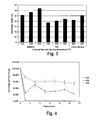
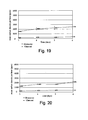
- charcoal that had been inoculated with a soil solution produced significantly more carbon dioxide per hour than the control. This suggests that bacteria from soil had colonised the charcoal and were degrading the diesel. Carbon dioxide production from the inoculated charcoal peaked after 48 - 72 hours (2 - 3 days) and then declined so that by 2 weeks the inoculated charcoal was producing the same amount of carbon dioxide per hour as the control.
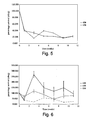
- the graph suggests that most of the diesel had been degraded by day 4 (96 hours), with complete diesel degradation by day 9 (216 hours).
- the treatment where the charcoal had been inoculated with bacteria obtained from soil spiked with diesel and chicken manure seem to work particularly well with almost all diesel being degraded after 4 days.
- the maximum amount of diesel (M.A.D.) that can be adsorbed onto charcoal was found to be 38g diesel per 10g charcoal.
- Inoculated charcoal (bioreactors); weigh out 24 x 10g of the bioreactors and place in labelled 250ml conical flasks.
- Un-inoculated charcoal weigh out 24 x 10g of Sweet Chestnut charcoal ( ⁇ 2mm, >0.5mm diameter) and place in labelled 250ml conical flasks.
Landscapes
- Engineering & Computer Science (AREA)
- Life Sciences & Earth Sciences (AREA)
- Chemical & Material Sciences (AREA)
- Health & Medical Sciences (AREA)
- Organic Chemistry (AREA)
- Environmental & Geological Engineering (AREA)
- Zoology (AREA)
- Wood Science & Technology (AREA)
- Biomedical Technology (AREA)
- Biotechnology (AREA)
- Microbiology (AREA)
- Bioinformatics & Cheminformatics (AREA)
- Genetics & Genomics (AREA)
- General Health & Medical Sciences (AREA)
- Biochemistry (AREA)
- General Engineering & Computer Science (AREA)
- General Chemical & Material Sciences (AREA)
- Chemical Kinetics & Catalysis (AREA)
- Molecular Biology (AREA)
- Water Supply & Treatment (AREA)
- Hydrology & Water Resources (AREA)
- Tropical Medicine & Parasitology (AREA)
- Virology (AREA)
- Medicinal Chemistry (AREA)
- Analytical Chemistry (AREA)
- Oil, Petroleum & Natural Gas (AREA)
- Mycology (AREA)
- Biodiversity & Conservation Biology (AREA)
- Soil Sciences (AREA)
- Botany (AREA)
- Micro-Organisms Or Cultivation Processes Thereof (AREA)
- Processing Of Solid Wastes (AREA)
Applications Claiming Priority (2)
| Application Number | Priority Date | Filing Date | Title |
|---|---|---|---|
| GB0522773A GB2431926B (en) | 2005-11-08 | 2005-11-08 | Bioremediation materials |
| PCT/GB2006/004176 WO2007054691A1 (en) | 2005-11-08 | 2006-11-08 | Bioremediation materials |
Publications (2)
| Publication Number | Publication Date |
|---|---|
| EP1968898A1 EP1968898A1 (en) | 2008-09-17 |
| EP1968898B1 true EP1968898B1 (en) | 2013-07-24 |
Family
ID=35516554
Family Applications (1)
| Application Number | Title | Priority Date | Filing Date |
|---|---|---|---|
| EP06808470.6A Not-in-force EP1968898B1 (en) | 2005-11-08 | 2006-11-08 | Bioremediation materials |
Country Status (9)
| Country | Link |
|---|---|
| US (1) | US20100209988A1 (da) |
| EP (1) | EP1968898B1 (da) |
| AU (1) | AU2006313588B2 (da) |
| CA (1) | CA2628985C (da) |
| DK (1) | DK1968898T3 (da) |
| GB (1) | GB2431926B (da) |
| NZ (1) | NZ568144A (da) |
| WO (1) | WO2007054691A1 (da) |
| ZA (1) | ZA200804347B (da) |
Families Citing this family (31)
| Publication number | Priority date | Publication date | Assignee | Title |
|---|---|---|---|---|
| GB2451509B (en) * | 2007-08-02 | 2012-03-14 | Forestry Commission | Charcoals |
| JP5388096B2 (ja) * | 2008-10-09 | 2014-01-15 | 独立行政法人農業・食品産業技術総合研究機構 | 並行複式無機化反応の触媒として最適化された微生物群の種菌の製造方法 |
| US8361186B1 (en) | 2009-06-08 | 2013-01-29 | Full Circle Biochar, Inc. | Biochar |
| WO2011154959A1 (en) * | 2010-06-09 | 2011-12-15 | Patel, Babubhai C. | Advance method of preparation of bacterial formulation using pseudomonas fluorescens for controlling various diseases of crop plant |
| EP2407432A1 (en) * | 2010-07-14 | 2012-01-18 | Söll GmbH | Composition for triggering microbiological processes in water and method of producing the same |
| US20130199996A1 (en) * | 2012-02-06 | 2013-08-08 | Brian B. Looney | Ground water remediation using humate enhanced aerobic cometabolism |
| EP2834322A4 (en) | 2012-04-05 | 2016-02-17 | Full Circle Biochar Inc | BIOKOHLEZ COMPOSITIONS AND METHOD FOR USE THEREOF |
| KR101426512B1 (ko) * | 2012-11-06 | 2014-08-05 | 경북대학교 산학협력단 | 경도 및 미생물의 개체수가 향상된 수질정화용 흙공 |
| US10906075B2 (en) | 2013-08-09 | 2021-02-02 | Todd Franssen | Compositions and methods for cleaning contaminated solids and liquids |
| SG11201701820VA (en) | 2014-09-09 | 2017-04-27 | Inocucor Technologies Inc | Microbial compositions and methods |
| CN104478049B (zh) * | 2014-11-26 | 2016-01-27 | 燕山大学 | 一种氨氮处理药剂及其应用方法 |
| US9890332B2 (en) * | 2015-03-08 | 2018-02-13 | Proton Power, Inc. | Biochar products and production |
| CN104860490A (zh) * | 2015-06-10 | 2015-08-26 | 张世文 | 一种兰炭废水处理再生及资源回收利用装置 |
| CN106525745B (zh) * | 2015-09-09 | 2019-10-18 | 南京理工大学 | 二甲基二烯丙基氯化铵单体中微量金属离子的检测方法 |
| WO2018106791A1 (en) | 2016-12-06 | 2018-06-14 | University Of South Carolina | Amelioration of oil toxicity and stimulation of bacterial oil degradation |
| JP6515433B1 (ja) * | 2018-09-21 | 2019-05-22 | 松本工業株式会社 | 汚水処理方法 |
| US11351583B2 (en) * | 2018-11-15 | 2022-06-07 | Walter A. Bretz | Method for bioremediation of heavy metal contaminated soil |
| CN109482639A (zh) * | 2018-12-29 | 2019-03-19 | 界首市创兴环保科技有限公司 | 农田土壤污染处理方法 |
| CN110282755A (zh) * | 2019-07-10 | 2019-09-27 | 上海山恒生态科技股份有限公司 | 一种水体修复菌剂的配方及其制备方法 |
| CN110564637B (zh) * | 2019-07-10 | 2022-07-12 | 西北农林科技大学 | 一种促进小麦生长的复合菌剂及应用 |
| CN110921850B (zh) * | 2020-02-10 | 2020-06-05 | 广州赛太特生物医学科技有限公司 | 一种利用微生物处理污水的方法 |
| KR102210223B1 (ko) * | 2020-06-25 | 2021-02-02 | 한국교통대학교산학협력단 | 락토바실러스 파라카제이 cjnu 1877 균주 및 이의 용도 |
| CN113016635A (zh) * | 2021-03-02 | 2021-06-25 | 黑龙江省农业科学院畜牧兽医分院 | 一种寒地环保型猪舍 |
| TWI762280B (zh) * | 2021-04-22 | 2022-04-21 | 許淙慶 | 可分解堆肥的製品 |
| CN113818152B (zh) * | 2021-09-26 | 2023-01-06 | 厦门大学 | 一种负载微生物的生物质炭纳米纤维膜的制备方法及其应用 |
| CN114058507A (zh) * | 2021-10-21 | 2022-02-18 | 东莞理工学院 | 炭耦合复合型菌剂及其制备方法与应用 |
| CN114772721A (zh) * | 2022-04-11 | 2022-07-22 | 中国农业大学 | 一种利用生物炭促进废水中多环芳烃厌氧降解的方法 |
| CN115414389B (zh) * | 2022-10-18 | 2024-03-15 | 南通大学 | 一种枯草芽孢杆菌口服药物 |
| CN116173722B (zh) * | 2023-04-03 | 2025-12-05 | 浙江工业大学 | 一种菌酶协同固定生物活性功能填料及在降解有机污染物中的应用 |
| EP4570372A1 (en) * | 2023-12-15 | 2025-06-18 | Sabic Agri-Nutrients Company | Ammonium sulfate impregnated carbon black as co2 adsorbent |
| CN120054985B (zh) * | 2025-01-15 | 2026-07-21 | 中国矿业大学 | 一种粉煤灰基人工团聚体的制备方法 |
Family Cites Families (24)
| Publication number | Priority date | Publication date | Assignee | Title |
|---|---|---|---|---|
| US2726948A (en) * | 1955-12-13 | Method of manufacture | ||
| GB511250A (en) * | 1938-11-19 | 1939-08-15 | Rudolf Adler | A process for recovering phenols from waste waters and apparatus for use in carrying same into effect |
| JPS5462659A (en) * | 1977-10-28 | 1979-05-19 | Sumitomo Durez Co | Method of treating waste liquid |
| DE3820913A1 (de) * | 1988-06-21 | 1989-12-28 | Metallgesellschaft Ag | Verfahren zum schwelen von holz zur erzeugung von holzkohle |
| US6008028A (en) * | 1993-03-31 | 1999-12-28 | Microbial And Aquatic Treatment Systems | Compositions of constructed microbial mats |
| EP0646642A3 (en) * | 1993-09-30 | 1995-08-16 | Canon Kk | Carrier containing microorganism and method for soil remediation using this carrier. |
| JP3056361B2 (ja) * | 1993-11-08 | 2000-06-26 | シャープ株式会社 | 排水処理装置および排水処理方法 |
| US5976867A (en) * | 1994-05-19 | 1999-11-02 | The United States Of America As Represented By The Department Of Energy | Use of serospecific biocarrier compositions for enhanced biodegradation and bioremediation of groundwater |
| DE69501979D1 (de) * | 1994-06-14 | 1998-05-14 | Takashima Co | Bettware |
| JPH081133A (ja) * | 1994-06-20 | 1996-01-09 | Nippon Tainetsu Kagaku Kogyo Kk | 生ごみの処理方法 |
| JPH08252086A (ja) * | 1995-03-16 | 1996-10-01 | Yuutoku:Kk | 多孔質物質に有用微生物群を増殖する方法 |
| JP2738823B2 (ja) * | 1995-05-16 | 1998-04-08 | 株式会社ダイセツ | 炭ユニット並びに水質浄化装置及び水質浄化方法 |
| US5747311A (en) * | 1995-08-22 | 1998-05-05 | Microgen Corporation | Process for chemical modification of reactants by microbes |
| JPH10174990A (ja) * | 1996-12-17 | 1998-06-30 | Nisshinbo Ind Inc | バイオリアクタ−用担体及び方法 |
| JPH11104600A (ja) * | 1997-10-07 | 1999-04-20 | Tatsuji Abe | 有機性廃棄物処理方法 |
| JP2904432B1 (ja) * | 1998-05-18 | 1999-06-14 | 農林水産省農業環境技術研究所長 | 土壌中の有機塩素系化合物を好気的に分解する分解菌、その分解菌の集積又は単離方法及びその分解菌を保持する分解菌保持担体 |
| DE19928087A1 (de) * | 1999-06-11 | 2000-12-14 | Andreas Bartetzko | Filteranlage zur biologischen Abluft- und Abgasreinigung |
| US6451580B1 (en) * | 1999-08-23 | 2002-09-17 | National Institute For Agro-Environmental Sciences Independent Administrative Institute | Method of enriching organic contaminant-decomposing bacteria in porous material for treating soil |
| US6908556B2 (en) * | 1999-12-02 | 2005-06-21 | The University Of Tulsa | Methods for forming microcultures within porous media |
| IT1318644B1 (it) * | 2000-07-25 | 2003-08-27 | Sued Chemie Mt Srl | Procedimento per la denitrificazione delle acque. |
| GB0109861D0 (en) * | 2001-04-20 | 2001-06-13 | Syngenta Ltd | Fluid dispensing systems |
| US6908554B2 (en) * | 2002-08-14 | 2005-06-21 | Robert D. Jackson | Organic waste treatment method |
| HU0301909D0 (en) * | 2003-06-23 | 2003-08-28 | Someus Edward | Process for solid fermentation of microorganisms bound to bone black carrier amid for production, storage and uses of granular compositions |
| JP2005021748A (ja) * | 2003-06-30 | 2005-01-27 | Ohbayashi Corp | 揮発性有機化合物の拡散防止壁及びその構築方法並びに揮発性有機化合物の浄化方法 |
-
2005
- 2005-11-08 GB GB0522773A patent/GB2431926B/en not_active Expired - Fee Related
-
2006
- 2006-11-08 EP EP06808470.6A patent/EP1968898B1/en not_active Not-in-force
- 2006-11-08 NZ NZ568144A patent/NZ568144A/en not_active IP Right Cessation
- 2006-11-08 WO PCT/GB2006/004176 patent/WO2007054691A1/en not_active Ceased
- 2006-11-08 AU AU2006313588A patent/AU2006313588B2/en not_active Ceased
- 2006-11-08 US US12/084,812 patent/US20100209988A1/en not_active Abandoned
- 2006-11-08 DK DK06808470.6T patent/DK1968898T3/da active
- 2006-11-08 CA CA2628985A patent/CA2628985C/en active Active
-
2008
- 2008-05-20 ZA ZA200804347A patent/ZA200804347B/xx unknown
Also Published As
| Publication number | Publication date |
|---|---|
| CA2628985A1 (en) | 2007-05-18 |
| GB0522773D0 (en) | 2005-12-14 |
| ZA200804347B (en) | 2009-03-25 |
| AU2006313588B2 (en) | 2011-10-13 |
| DK1968898T3 (da) | 2013-11-04 |
| CA2628985C (en) | 2016-05-10 |
| EP1968898A1 (en) | 2008-09-17 |
| GB2431926B (en) | 2010-07-28 |
| NZ568144A (en) | 2011-12-22 |
| AU2006313588A1 (en) | 2007-05-18 |
| US20100209988A1 (en) | 2010-08-19 |
| GB2431926A (en) | 2007-05-09 |
| WO2007054691A1 (en) | 2007-05-18 |
Similar Documents
| Publication | Publication Date | Title |
|---|---|---|
| CA2628985C (en) | Bioremediation materials | |
| Meena et al. | Biological-based methods for the removal of volatile organic compounds (VOCs) and heavy metals | |
| Parmar et al. | Microorganism: an ecofriendly tool for waste management and environmental safety | |
| US8945906B2 (en) | Organic biofilm substrata as a microbial inoculum delivery vehicle for bioaugmentation of persistent organic pollutants in contaminated sediments and soils | |
| Chandra et al. | Mechanism of wetland plant rhizosphere bacteria for bioremediation of pollutants in an aquatic ecosystem | |
| CN113957014B (zh) | 一种兼具多卤代烃降解和铬(vi)还原活性的功能菌株及其应用 | |
| CN102533582A (zh) | 一株多溴联苯醚高效降解菌及其应用 | |
| Yateem et al. | Plants‐associated microflora and the remediation of oil‐contaminated soil | |
| Chen et al. | Immobilized microorganisms to remove petroleum hydrocarbon from wastewater and soil: Mechanisms of enhanced remediation and response of microbial communities | |
| Tabernacka et al. | Air purification from TCE and PCE contamination in a hybrid bioreactors and biofilter integrated system | |
| Beolchini et al. | Bioremediation of sediments contaminated with polycyclic aromatic hydrocarbons: the technological innovation patented review | |
| CN102925392B (zh) | 一株可降解雌激素类物质的荧光假单胞菌及其获取与应用 | |
| Raza et al. | Soil microorganisms and nematodes for bioremediation and amelioration of polluted soils | |
| JP4768332B2 (ja) | 複合分解菌集積保持担体及びその製造方法、新規細菌、並びに汚染環境の浄化方法及びその装置 | |
| Alkhatib et al. | An isolated bacterial consortium for crude oil biodegradation | |
| Ehiomogue | VERMICOMPOST REMEDIATION OF CONTAMINATED SOIL: A MINI REVIEW. | |
| TW200925272A (en) | Microbial reagents for scavenging dioxin pollutants present in a contaminated medium and methods of using the same | |
| Alex et al. | Nanotechnology in soil remediation | |
| CN118256370A (zh) | 一种具有重金属抗性的土壤修复微生物菌剂 | |
| TWI589694B (zh) | 具有苯和/或萘降解能力的瓊氏不動桿菌ds44分離株及其用途 | |
| CN115820621A (zh) | 一种同步降解卤代有机物和钝化重金属的炭基菌剂及其制备方法和应用 | |
| KR100336195B1 (ko) | 토양중의 유기염소계 화합물을 호기적으로 분해하는분해균, 그 분해균의 집적 또는 분리방법 및 그 분해균을유지하는 분해균 유지담체 | |
| Kapoor et al. | Integrative Strategies for Bioremediation of Environmental Contaminants, Volume 2: Avenues to a Cleaner Society | |
| Efadeswarni et al. | Mercury absorption using rice husk charcoal inoculated with five resistant bacteria | |
| Horwat et al. | Biofilms at work: Bio-, phyto-and rhizoremediation approaches for soils contaminated with polychlorinated biphenyls |
Legal Events
| Date | Code | Title | Description |
|---|---|---|---|
| PUAI | Public reference made under article 153(3) epc to a published international application that has entered the european phase |
Free format text: ORIGINAL CODE: 0009012 |
|
| 17P | Request for examination filed |
Effective date: 20080509 |
|
| AK | Designated contracting states |
Kind code of ref document: A1 Designated state(s): AT BE BG CH CY CZ DE DK EE ES FI FR GB GR HU IE IS IT LI LT LU LV MC NL PL PT RO SE SI SK TR |
|
| RIN1 | Information on inventor provided before grant (corrected) |
Inventor name: HUTCHINGS, TONY, RICHARD Inventor name: DE LEIJ, FRANCISCUS, ANTONIUS, ANNA, MARIA Inventor name: WINGATE, JEREMY, ROBERT |
|
| 17Q | First examination report despatched |
Effective date: 20081008 |
|
| DAX | Request for extension of the european patent (deleted) | ||
| R17C | First examination report despatched (corrected) |
Effective date: 20081008 |
|
| GRAP | Despatch of communication of intention to grant a patent |
Free format text: ORIGINAL CODE: EPIDOSNIGR1 |
|
| GRAS | Grant fee paid |
Free format text: ORIGINAL CODE: EPIDOSNIGR3 |
|
| RIN1 | Information on inventor provided before grant (corrected) |
Inventor name: HUTCHINGS, TONY, RICHARD Inventor name: DE LEIJ, FRANCISCUS, ANTONIUS, ANNA, MARIA Inventor name: WINGATE, JEREMY, ROBERT |
|
| GRAA | (expected) grant |
Free format text: ORIGINAL CODE: 0009210 |
|
| AK | Designated contracting states |
Kind code of ref document: B1 Designated state(s): AT BE BG CH CY CZ DE DK EE ES FI FR GB GR HU IE IS IT LI LT LU LV MC NL PL PT RO SE SI SK TR |
|
| RAP1 | Party data changed (applicant data changed or rights of an application transferred) |
Owner name: THE UNIVERSITY OF SURREY Owner name: THE FORESTRY COMMISSION |
|
| REG | Reference to a national code |
Ref country code: GB Ref legal event code: FG4D |
|
| REG | Reference to a national code |
Ref country code: CH Ref legal event code: EP |
|
| RIN2 | Information on inventor provided after grant (corrected) |
Inventor name: WINGATE, JEREMY, ROBERT Inventor name: DE LEIJ, FRANCISCUS, ANTONIUS, ANNA, MARIA Inventor name: HUTCHINGS, TONY |
|
| REG | Reference to a national code |
Ref country code: AT Ref legal event code: REF Ref document number: 623320 Country of ref document: AT Kind code of ref document: T Effective date: 20130815 |
|
| REG | Reference to a national code |
Ref country code: IE Ref legal event code: FG4D |
|
| REG | Reference to a national code |
Ref country code: DE Ref legal event code: R096 Ref document number: 602006037537 Country of ref document: DE Effective date: 20130919 |
|
| REG | Reference to a national code |
Ref country code: DK Ref legal event code: T3 Effective date: 20131028 Ref country code: DK Ref legal event code: T3 |
|
| REG | Reference to a national code |
Ref country code: NL Ref legal event code: T3 |
|
| REG | Reference to a national code |
Ref country code: AT Ref legal event code: MK05 Ref document number: 623320 Country of ref document: AT Kind code of ref document: T Effective date: 20130724 |
|
| REG | Reference to a national code |
Ref country code: LT Ref legal event code: MG4D |
|
| PG25 | Lapsed in a contracting state [announced via postgrant information from national office to epo] |
Ref country code: BE Free format text: LAPSE BECAUSE OF FAILURE TO SUBMIT A TRANSLATION OF THE DESCRIPTION OR TO PAY THE FEE WITHIN THE PRESCRIBED TIME-LIMIT Effective date: 20130724 Ref country code: AT Free format text: LAPSE BECAUSE OF FAILURE TO SUBMIT A TRANSLATION OF THE DESCRIPTION OR TO PAY THE FEE WITHIN THE PRESCRIBED TIME-LIMIT Effective date: 20130724 Ref country code: IS Free format text: LAPSE BECAUSE OF FAILURE TO SUBMIT A TRANSLATION OF THE DESCRIPTION OR TO PAY THE FEE WITHIN THE PRESCRIBED TIME-LIMIT Effective date: 20131124 Ref country code: CY Free format text: LAPSE BECAUSE OF FAILURE TO SUBMIT A TRANSLATION OF THE DESCRIPTION OR TO PAY THE FEE WITHIN THE PRESCRIBED TIME-LIMIT Effective date: 20130626 Ref country code: PT Free format text: LAPSE BECAUSE OF FAILURE TO SUBMIT A TRANSLATION OF THE DESCRIPTION OR TO PAY THE FEE WITHIN THE PRESCRIBED TIME-LIMIT Effective date: 20131125 Ref country code: SE Free format text: LAPSE BECAUSE OF FAILURE TO SUBMIT A TRANSLATION OF THE DESCRIPTION OR TO PAY THE FEE WITHIN THE PRESCRIBED TIME-LIMIT Effective date: 20130724 Ref country code: LT Free format text: LAPSE BECAUSE OF FAILURE TO SUBMIT A TRANSLATION OF THE DESCRIPTION OR TO PAY THE FEE WITHIN THE PRESCRIBED TIME-LIMIT Effective date: 20130724 |
|
| PGFP | Annual fee paid to national office [announced via postgrant information from national office to epo] |
Ref country code: GB Payment date: 20131129 Year of fee payment: 8 |
|
| PG25 | Lapsed in a contracting state [announced via postgrant information from national office to epo] |
Ref country code: GR Free format text: LAPSE BECAUSE OF FAILURE TO SUBMIT A TRANSLATION OF THE DESCRIPTION OR TO PAY THE FEE WITHIN THE PRESCRIBED TIME-LIMIT Effective date: 20131025 Ref country code: PL Free format text: LAPSE BECAUSE OF FAILURE TO SUBMIT A TRANSLATION OF THE DESCRIPTION OR TO PAY THE FEE WITHIN THE PRESCRIBED TIME-LIMIT Effective date: 20130724 Ref country code: SI Free format text: LAPSE BECAUSE OF FAILURE TO SUBMIT A TRANSLATION OF THE DESCRIPTION OR TO PAY THE FEE WITHIN THE PRESCRIBED TIME-LIMIT Effective date: 20130724 Ref country code: FI Free format text: LAPSE BECAUSE OF FAILURE TO SUBMIT A TRANSLATION OF THE DESCRIPTION OR TO PAY THE FEE WITHIN THE PRESCRIBED TIME-LIMIT Effective date: 20130724 Ref country code: LV Free format text: LAPSE BECAUSE OF FAILURE TO SUBMIT A TRANSLATION OF THE DESCRIPTION OR TO PAY THE FEE WITHIN THE PRESCRIBED TIME-LIMIT Effective date: 20130724 |
|
| PG25 | Lapsed in a contracting state [announced via postgrant information from national office to epo] |
Ref country code: CY Free format text: LAPSE BECAUSE OF FAILURE TO SUBMIT A TRANSLATION OF THE DESCRIPTION OR TO PAY THE FEE WITHIN THE PRESCRIBED TIME-LIMIT Effective date: 20130724 |
|
| PG25 | Lapsed in a contracting state [announced via postgrant information from national office to epo] |
Ref country code: SK Free format text: LAPSE BECAUSE OF FAILURE TO SUBMIT A TRANSLATION OF THE DESCRIPTION OR TO PAY THE FEE WITHIN THE PRESCRIBED TIME-LIMIT Effective date: 20130724 Ref country code: CZ Free format text: LAPSE BECAUSE OF FAILURE TO SUBMIT A TRANSLATION OF THE DESCRIPTION OR TO PAY THE FEE WITHIN THE PRESCRIBED TIME-LIMIT Effective date: 20130724 Ref country code: RO Free format text: LAPSE BECAUSE OF FAILURE TO SUBMIT A TRANSLATION OF THE DESCRIPTION OR TO PAY THE FEE WITHIN THE PRESCRIBED TIME-LIMIT Effective date: 20130724 Ref country code: EE Free format text: LAPSE BECAUSE OF FAILURE TO SUBMIT A TRANSLATION OF THE DESCRIPTION OR TO PAY THE FEE WITHIN THE PRESCRIBED TIME-LIMIT Effective date: 20130724 |
|
| PG25 | Lapsed in a contracting state [announced via postgrant information from national office to epo] |
Ref country code: ES Free format text: LAPSE BECAUSE OF FAILURE TO SUBMIT A TRANSLATION OF THE DESCRIPTION OR TO PAY THE FEE WITHIN THE PRESCRIBED TIME-LIMIT Effective date: 20130724 |
|
| PLBE | No opposition filed within time limit |
Free format text: ORIGINAL CODE: 0009261 |
|
| STAA | Information on the status of an ep patent application or granted ep patent |
Free format text: STATUS: NO OPPOSITION FILED WITHIN TIME LIMIT |
|
| REG | Reference to a national code |
Ref country code: CH Ref legal event code: PL |
|
| 26N | No opposition filed |
Effective date: 20140425 |
|
| PG25 | Lapsed in a contracting state [announced via postgrant information from national office to epo] |
Ref country code: MC Free format text: LAPSE BECAUSE OF FAILURE TO SUBMIT A TRANSLATION OF THE DESCRIPTION OR TO PAY THE FEE WITHIN THE PRESCRIBED TIME-LIMIT Effective date: 20130724 Ref country code: CH Free format text: LAPSE BECAUSE OF NON-PAYMENT OF DUE FEES Effective date: 20131130 Ref country code: LI Free format text: LAPSE BECAUSE OF NON-PAYMENT OF DUE FEES Effective date: 20131130 |
|
| REG | Reference to a national code |
Ref country code: DE Ref legal event code: R097 Ref document number: 602006037537 Country of ref document: DE Effective date: 20140425 |
|
| PG25 | Lapsed in a contracting state [announced via postgrant information from national office to epo] |
Ref country code: TR Free format text: LAPSE BECAUSE OF FAILURE TO SUBMIT A TRANSLATION OF THE DESCRIPTION OR TO PAY THE FEE WITHIN THE PRESCRIBED TIME-LIMIT Effective date: 20130724 |
|
| GBPC | Gb: european patent ceased through non-payment of renewal fee |
Effective date: 20141108 |
|
| PG25 | Lapsed in a contracting state [announced via postgrant information from national office to epo] |
Ref country code: HU Free format text: LAPSE BECAUSE OF FAILURE TO SUBMIT A TRANSLATION OF THE DESCRIPTION OR TO PAY THE FEE WITHIN THE PRESCRIBED TIME-LIMIT; INVALID AB INITIO Effective date: 20061108 Ref country code: LU Free format text: LAPSE BECAUSE OF NON-PAYMENT OF DUE FEES Effective date: 20131108 |
|
| PG25 | Lapsed in a contracting state [announced via postgrant information from national office to epo] |
Ref country code: GB Free format text: LAPSE BECAUSE OF NON-PAYMENT OF DUE FEES Effective date: 20141108 |
|
| REG | Reference to a national code |
Ref country code: FR Ref legal event code: PLFP Year of fee payment: 10 |
|
| REG | Reference to a national code |
Ref country code: FR Ref legal event code: PLFP Year of fee payment: 11 |
|
| REG | Reference to a national code |
Ref country code: FR Ref legal event code: PLFP Year of fee payment: 12 |
|
| PGFP | Annual fee paid to national office [announced via postgrant information from national office to epo] |
Ref country code: BG Payment date: 20181121 Year of fee payment: 13 |
|
| PGFP | Annual fee paid to national office [announced via postgrant information from national office to epo] |
Ref country code: DK Payment date: 20200528 Year of fee payment: 14 Ref country code: IE Payment date: 20200518 Year of fee payment: 14 Ref country code: DE Payment date: 20200525 Year of fee payment: 14 Ref country code: NL Payment date: 20200518 Year of fee payment: 14 Ref country code: FR Payment date: 20200518 Year of fee payment: 14 |
|
| PG25 | Lapsed in a contracting state [announced via postgrant information from national office to epo] |
Ref country code: BG Free format text: LAPSE BECAUSE OF NON-PAYMENT OF DUE FEES Effective date: 20200531 |
|
| PGFP | Annual fee paid to national office [announced via postgrant information from national office to epo] |
Ref country code: IT Payment date: 20200527 Year of fee payment: 14 |
|
| REG | Reference to a national code |
Ref country code: DE Ref legal event code: R082 Ref document number: 602006037537 Country of ref document: DE Representative=s name: VENNER SHIPLEY LLP, DE |
|
| REG | Reference to a national code |
Ref country code: DE Ref legal event code: R119 Ref document number: 602006037537 Country of ref document: DE |
|
| REG | Reference to a national code |
Ref country code: DK Ref legal event code: EBP Effective date: 20201130 |
|
| REG | Reference to a national code |
Ref country code: NL Ref legal event code: MM Effective date: 20201201 |
|
| PG25 | Lapsed in a contracting state [announced via postgrant information from national office to epo] |
Ref country code: NL Free format text: LAPSE BECAUSE OF NON-PAYMENT OF DUE FEES Effective date: 20201201 |
|
| PG25 | Lapsed in a contracting state [announced via postgrant information from national office to epo] |
Ref country code: FR Free format text: LAPSE BECAUSE OF NON-PAYMENT OF DUE FEES Effective date: 20201130 Ref country code: IT Free format text: LAPSE BECAUSE OF NON-PAYMENT OF DUE FEES Effective date: 20201108 Ref country code: IE Free format text: LAPSE BECAUSE OF NON-PAYMENT OF DUE FEES Effective date: 20201108 |
|
| PG25 | Lapsed in a contracting state [announced via postgrant information from national office to epo] |
Ref country code: DE Free format text: LAPSE BECAUSE OF NON-PAYMENT OF DUE FEES Effective date: 20210601 Ref country code: DK Free format text: LAPSE BECAUSE OF NON-PAYMENT OF DUE FEES Effective date: 20201130 |