EP1601711B1 - Herabsetzung der vernetzungstemperatur bei der heissvernetzung von organischen polymeren - Google Patents
Herabsetzung der vernetzungstemperatur bei der heissvernetzung von organischen polymeren Download PDFInfo
- Publication number
- EP1601711B1 EP1601711B1 EP04719394A EP04719394A EP1601711B1 EP 1601711 B1 EP1601711 B1 EP 1601711B1 EP 04719394 A EP04719394 A EP 04719394A EP 04719394 A EP04719394 A EP 04719394A EP 1601711 B1 EP1601711 B1 EP 1601711B1
- Authority
- EP
- European Patent Office
- Prior art keywords
- cross
- linking
- weight
- hot
- siloxane
- Prior art date
- Legal status (The legal status is an assumption and is not a legal conclusion. Google has not performed a legal analysis and makes no representation as to the accuracy of the status listed.)
- Expired - Lifetime
Links
- 238000004132 cross linking Methods 0.000 title claims abstract description 39
- 229920000620 organic polymer Polymers 0.000 title claims description 7
- 150000001451 organic peroxides Chemical class 0.000 claims abstract description 18
- 229920000642 polymer Polymers 0.000 claims abstract description 16
- 150000002978 peroxides Chemical class 0.000 claims abstract description 14
- KPUWHANPEXNPJT-UHFFFAOYSA-N disiloxane Chemical class [SiH3]O[SiH3] KPUWHANPEXNPJT-UHFFFAOYSA-N 0.000 claims abstract description 10
- 238000000354 decomposition reaction Methods 0.000 claims abstract description 8
- 238000000034 method Methods 0.000 claims abstract description 8
- 239000003054 catalyst Substances 0.000 claims abstract description 7
- 238000010438 heat treatment Methods 0.000 claims abstract description 5
- 229920002379 silicone rubber Polymers 0.000 claims description 14
- 239000004945 silicone rubber Substances 0.000 claims description 14
- -1 alkyl peroxide Chemical class 0.000 claims description 6
- POSWICCRDBKBMH-UHFFFAOYSA-N dihydroisophorone Natural products CC1CC(=O)CC(C)(C)C1 POSWICCRDBKBMH-UHFFFAOYSA-N 0.000 claims description 2
- 239000003795 chemical substances by application Substances 0.000 claims 1
- 229910052739 hydrogen Inorganic materials 0.000 claims 1
- 239000001257 hydrogen Substances 0.000 claims 1
- FPCCSQOGAWCVBH-UHFFFAOYSA-N ketanserin Chemical compound C1=CC(F)=CC=C1C(=O)C1CCN(CCN2C(C3=CC=CC=C3NC2=O)=O)CC1 FPCCSQOGAWCVBH-UHFFFAOYSA-N 0.000 claims 1
- 229920000728 polyester Polymers 0.000 claims 1
- 239000000203 mixture Substances 0.000 description 12
- 238000004073 vulcanization Methods 0.000 description 12
- 230000000052 comparative effect Effects 0.000 description 4
- 125000003118 aryl group Chemical group 0.000 description 3
- 238000002474 experimental method Methods 0.000 description 3
- 150000002976 peresters Chemical class 0.000 description 3
- 229920005989 resin Polymers 0.000 description 3
- 239000011347 resin Substances 0.000 description 3
- 229920000459 Nitrile rubber Polymers 0.000 description 2
- 239000004372 Polyvinyl alcohol Substances 0.000 description 2
- 238000006243 chemical reaction Methods 0.000 description 2
- 239000012933 diacyl peroxide Substances 0.000 description 2
- 239000005038 ethylene vinyl acetate Substances 0.000 description 2
- 150000002432 hydroperoxides Chemical class 0.000 description 2
- 238000001746 injection moulding Methods 0.000 description 2
- 238000004519 manufacturing process Methods 0.000 description 2
- 125000005634 peroxydicarbonate group Chemical group 0.000 description 2
- 229920001200 poly(ethylene-vinyl acetate) Polymers 0.000 description 2
- 229920002451 polyvinyl alcohol Polymers 0.000 description 2
- 238000007493 shaping process Methods 0.000 description 2
- 239000000126 substance Substances 0.000 description 2
- WYKYCHHWIJXDAO-UHFFFAOYSA-N tert-butyl 2-ethylhexaneperoxoate Chemical compound CCCCC(CC)C(=O)OOC(C)(C)C WYKYCHHWIJXDAO-UHFFFAOYSA-N 0.000 description 2
- 238000004383 yellowing Methods 0.000 description 2
- NALFRYPTRXKZPN-UHFFFAOYSA-N 1,1-bis(tert-butylperoxy)-3,3,5-trimethylcyclohexane Chemical compound CC1CC(C)(C)CC(OOC(C)(C)C)(OOC(C)(C)C)C1 NALFRYPTRXKZPN-UHFFFAOYSA-N 0.000 description 1
- DMWVYCCGCQPJEA-UHFFFAOYSA-N 2,5-bis(tert-butylperoxy)-2,5-dimethylhexane Chemical compound CC(C)(C)OOC(C)(C)CCC(C)(C)OOC(C)(C)C DMWVYCCGCQPJEA-UHFFFAOYSA-N 0.000 description 1
- YKTNISGZEGZHIS-UHFFFAOYSA-N 2-$l^{1}-oxidanyloxy-2-methylpropane Chemical group CC(C)(C)O[O] YKTNISGZEGZHIS-UHFFFAOYSA-N 0.000 description 1
- XMNIXWIUMCBBBL-UHFFFAOYSA-N 2-(2-phenylpropan-2-ylperoxy)propan-2-ylbenzene Chemical compound C=1C=CC=CC=1C(C)(C)OOC(C)(C)C1=CC=CC=C1 XMNIXWIUMCBBBL-UHFFFAOYSA-N 0.000 description 1
- CWPKTBMRVATCBL-UHFFFAOYSA-N 3-[1-[1-[(2-methylphenyl)methyl]piperidin-4-yl]piperidin-4-yl]-1h-benzimidazol-2-one Chemical compound CC1=CC=CC=C1CN1CCC(N2CCC(CC2)N2C(NC3=CC=CC=C32)=O)CC1 CWPKTBMRVATCBL-UHFFFAOYSA-N 0.000 description 1
- 101150022733 DCUP gene Proteins 0.000 description 1
- 229920002943 EPDM rubber Polymers 0.000 description 1
- YIVJZNGAASQVEM-UHFFFAOYSA-N Lauroyl peroxide Chemical compound CCCCCCCCCCCC(=O)OOC(=O)CCCCCCCCCCC YIVJZNGAASQVEM-UHFFFAOYSA-N 0.000 description 1
- 102100029290 Transthyretin Human genes 0.000 description 1
- 108050000089 Transthyretin Proteins 0.000 description 1
- 239000000654 additive Substances 0.000 description 1
- 125000000217 alkyl group Chemical group 0.000 description 1
- DQXBYHZEEUGOBF-UHFFFAOYSA-N but-3-enoic acid;ethene Chemical compound C=C.OC(=O)CC=C DQXBYHZEEUGOBF-UHFFFAOYSA-N 0.000 description 1
- 150000001875 compounds Chemical class 0.000 description 1
- 229920006037 cross link polymer Polymers 0.000 description 1
- YQHLDYVWEZKEOX-UHFFFAOYSA-N cumene hydroperoxide Chemical compound OOC(C)(C)C1=CC=CC=C1 YQHLDYVWEZKEOX-UHFFFAOYSA-N 0.000 description 1
- 229920005565 cyclic polymer Polymers 0.000 description 1
- 230000006866 deterioration Effects 0.000 description 1
- 229920003244 diene elastomer Polymers 0.000 description 1
- 230000000694 effects Effects 0.000 description 1
- 238000001125 extrusion Methods 0.000 description 1
- 230000001771 impaired effect Effects 0.000 description 1
- 238000004898 kneading Methods 0.000 description 1
- 239000007788 liquid Substances 0.000 description 1
- 238000000465 moulding Methods 0.000 description 1
- 239000004033 plastic Substances 0.000 description 1
- 229920003023 plastic Polymers 0.000 description 1
- 229920000548 poly(silane) polymer Polymers 0.000 description 1
- 229920001225 polyester resin Polymers 0.000 description 1
- 239000004645 polyester resin Substances 0.000 description 1
- 238000002360 preparation method Methods 0.000 description 1
- 229920003048 styrene butadiene rubber Polymers 0.000 description 1
- 125000000999 tert-butyl group Chemical group [H]C([H])([H])C(*)(C([H])([H])[H])C([H])([H])[H] 0.000 description 1
- 229920001187 thermosetting polymer Polymers 0.000 description 1
- STCOOQWBFONSKY-UHFFFAOYSA-N tributyl phosphate Chemical compound CCCCOP(=O)(OCCCC)OCCCC STCOOQWBFONSKY-UHFFFAOYSA-N 0.000 description 1
- 229920006337 unsaturated polyester resin Polymers 0.000 description 1
Images



Classifications
-
- C—CHEMISTRY; METALLURGY
- C08—ORGANIC MACROMOLECULAR COMPOUNDS; THEIR PREPARATION OR CHEMICAL WORKING-UP; COMPOSITIONS BASED THEREON
- C08G—MACROMOLECULAR COMPOUNDS OBTAINED OTHERWISE THAN BY REACTIONS ONLY INVOLVING UNSATURATED CARBON-TO-CARBON BONDS
- C08G77/00—Macromolecular compounds obtained by reactions forming a linkage containing silicon with or without sulfur, nitrogen, oxygen or carbon in the main chain of the macromolecule
- C08G77/04—Polysiloxanes
- C08G77/06—Preparatory processes
- C08G77/08—Preparatory processes characterised by the catalysts used
-
- C—CHEMISTRY; METALLURGY
- C08—ORGANIC MACROMOLECULAR COMPOUNDS; THEIR PREPARATION OR CHEMICAL WORKING-UP; COMPOSITIONS BASED THEREON
- C08G—MACROMOLECULAR COMPOUNDS OBTAINED OTHERWISE THAN BY REACTIONS ONLY INVOLVING UNSATURATED CARBON-TO-CARBON BONDS
- C08G77/00—Macromolecular compounds obtained by reactions forming a linkage containing silicon with or without sulfur, nitrogen, oxygen or carbon in the main chain of the macromolecule
- C08G77/04—Polysiloxanes
- C08G77/06—Preparatory processes
-
- C—CHEMISTRY; METALLURGY
- C08—ORGANIC MACROMOLECULAR COMPOUNDS; THEIR PREPARATION OR CHEMICAL WORKING-UP; COMPOSITIONS BASED THEREON
- C08K—Use of inorganic or non-macromolecular organic substances as compounding ingredients
- C08K5/00—Use of organic ingredients
- C08K5/54—Silicon-containing compounds
- C08K5/541—Silicon-containing compounds containing oxygen
- C08K5/5415—Silicon-containing compounds containing oxygen containing at least one Si—O bond
- C08K5/5419—Silicon-containing compounds containing oxygen containing at least one Si—O bond containing at least one Si—C bond
-
- C—CHEMISTRY; METALLURGY
- C08—ORGANIC MACROMOLECULAR COMPOUNDS; THEIR PREPARATION OR CHEMICAL WORKING-UP; COMPOSITIONS BASED THEREON
- C08K—Use of inorganic or non-macromolecular organic substances as compounding ingredients
- C08K5/00—Use of organic ingredients
- C08K5/0008—Organic ingredients according to more than one of the "one dot" groups of C08K5/01 - C08K5/59
- C08K5/0025—Crosslinking or vulcanising agents; including accelerators
Definitions
- the invention relates to the field of preparation of hot crosslinked (hot vulcanized) organic polymers, in particular of polyorganosiloxanes, by crosslinking catalysts.
- Articles of vulcanized silicone rubber are widely used because of their good temperature resistance, chemical resistance, inertness, transparency, elasticity, etc.
- the production of hot vulcanized silicone rubber articles usually comprises an extrusion or injection molding operation followed by crosslinking at elevated temperature inside or outside a mold.
- organic peroxides For the hot crosslinking or vulcanization of silicone rubber organic peroxides are used. It is known to mix such peroxides in kneaders or on roll mills in the silicone rubber and then process these compounds on extruders, injection molding machines, presses or other shaping devices. After shaping, the crosslinking reaction is then initiated by adjusting the corresponding elevated temperature. In this case, the decomposition temperature of the incorporated peroxide must be reached. Depending on the type of peroxide used, therefore, correspondingly high temperatures must be used.
- a significant cost factor in these hot crosslinking methods is the heating of the polymer to be crosslinked to achieve the decomposition temperature of the peroxide.
- the required relatively high temperatures and appropriate equipment measures are required, which are the more complex, the higher the required temperature.
- a lowering possibility for the required crosslinking temperatures by, for example, catalytically active additives has not been found so far. It was sufficient to reduce the cure times while maintaining the high temperature.
- Japanese Kokai Sho 60-120755 discloses to increase the curing rate of thermosetting silicone rubber compositions by adding a polysilalkylenesiloxane, polysilane or carbosilane having at least two SiH bonds in the molecule. A reduction in the curing temperature can not be deduced or derived. All examples operate at 170 to 200 ° C and a pressure of 30 kg / cm 2 .
- the invention is therefore based on the object of lowering the temperature for the crosslinking reaction to a lower temperature range which has hitherto been unusable for the particular organic peroxide used, without having to accept any deterioration in the properties of the crosslinked products.
- This object is achieved according to the invention by the use of Polyorganohydrogensiloxan in an amount of 0.1 to 10 wt .-% based on 100 parts by weight of polymer as a means for reducing the crosslinking temperature in the hot crosslinking of organic polymers with organic peroxides.
- the invention therefore also provides a process for crosslinking polymers by heating in the presence of at least one organic peroxide, which comprises polyorganohydrosiloxane as crosslinking catalyst in an amount of from 0.1 to 10% by weight, based on 100 parts by weight of polymer and the curing at a temperature which is at least 20 ° C below the decomposition temperature of the peroxide is carried out
- the polyorganohydrogensiloxanes used according to the invention as crosslinking catalysts are known and commercially available. These are open-chain branched or unbranched polymers with up to 1000 Si units or cyclic polymers. Preference is given to using open-chain polymethylhydrogensiloxanes, particularly preferably those whose internal chain links consist essentially of CH 3 SiH units. However, CH 3 SiCH 3 groups can also be present, provided that more than two CH 3 SiH groups are present per siloxane molecule. Preferably, at least 30% of the chain links, more preferably at least 50% of the chain links should consist of CH 3 SiH groups. The CH 3 groups may also be wholly or partly replaced by other alkyl or aryl groups.
- the amount of the polyorganohydrogensiloxane should, as mentioned above, be at least 0.1% by weight based on 100 parts by weight of polymer, amounts of more than 10% by weight are unnecessary and give no further advantage. Preferably, an amount between 0.5 and 5 wt .-% is used.
- the polyorganohydrosiloxanes used according to the invention have easily mobile, liquid to oil-like or waxy, but still suitable for heat-kneading consistency.
- organic peroxides the members of all seven organic peroxide groups, namely diacyl peroxides, peresters, dialkyl peroxides, perketals, ketone peroxides, hydroperoxides and peroxydicarbonates, can in principle be used for the novel hot vulcanization. Due to their good suitability, the perketals are particularly preferred, among these particularly preferably TMCH (1,1-di (t-butylperoxy) -3,5,5-trimethylcyclohexane). Another very suitable group are dialkyl peroxides. Among them, DHBP (2,5-dimethyl-2,5-di (t-butylperoxy) hexane) is preferred. However, other dialkyl peroxides are also suitable, for example dicumyl peroxide DCUP.
- diacyl peroxides for example, dilauroyl peroxide has been found to be interesting, peresters, such as tert-butyl peroxy, z. B. TBPA and TBPB, wherein such peresters are suitable without aromatic groups better than those having aromatic groups, ketone peroxides such as CHP, peroxydicarbonates and hydroperoxides.
- peresters such as tert-butyl peroxy, z. B. TBPA and TBPB, wherein such peresters are suitable without aromatic groups better than those having aromatic groups, ketone peroxides such as CHP, peroxydicarbonates and hydroperoxides.
- the amounts of peroxide normally used for hot crosslinking are generally between 0.1 and 5% by weight.
- the range of 0.1 to 10 wt .-% polyorganohydrogensiloxane based on polymer is particularly suitable for the crosslinking of silicone rubber.
- amounts are usually sufficient near the lower limit of this range to achieve the desired temperature reduction. Since, in this case, the catalytically active polyorganohydrogensiloxane is a foreign substance in the hot-crosslinked polymer, it is preferable to work with the least suitable amount.
- a particular advantage of the procedure according to the invention is that even a hot vulcanization can be achieved thereby at temperatures at which hitherto crosslinking with the same peroxide could not be achieved at all.
- crosslinking of a specific silicone rubber with the same organic peroxide and in the same amount could be achieved even at 110 ° C., which in the absence of the crosslinking catalyst polymethylhydrogensiloxane only at 140 ° C. is achievable to a satisfactory extent.
- the use according to the invention of polyorganohydrogensiloxanes for lowering the temperature in the hot crosslinking of organic polymers by means of organic peroxides is generally suitable.
- the temperature reduction according to the invention typically acts on unsaturated polyester resins, e.g. Orthophthalic resins, ethylene vinyl acetate resin (EVA), polyvinyl alcohol resins (PVA), ethyl propyl diene rubber (EPDM), styrene-butadiene rubber (SBR), and nitrile butadiene rubber (NBR).
- EVA ethylene vinyl acetate resin
- PVA polyvinyl alcohol resins
- EPDM ethyl propyl diene rubber
- SBR styrene-butadiene rubber
- NBR nitrile butadiene rubber
- Example 2 As described in Example 1, the same silicone rubber with 0.5 wt .-% TBPEH (tert-butyl peroxy-2-ethylhexanoate) with and without the addition of 0.5 wt .-% MH15 at temperatures of 140 and 160 ° C. Vulcanized for 1.5 minutes. The results are shown in FIG. 3. It can be seen that with the composition according to the invention a substantially better vulcanization is achieved in each case.
- TBPEH tert-butyl peroxy-2-ethylhexanoate
- Example 2 the same silicone rubber with 0.5 wt .-% TBPEHC (tert-butyl peroxy-2-ethylhexylcarbonat) alone as a comparative experiment and according to the invention with further addition of 0.5 wt .-% MH15 7 minutes at 120 and vulcanized at 140 ° C.
- the results shown in Figure 4 show that at 120 ° C with TBPEHC alone hardly any vulcanization occurs, while with the composition according to the invention has already taken place a significant vulcanization. Also at 140 ° C vulcanization is achieved with the composition according to the invention, which already brings close to the maximum achievable torque, while in the comparative experiment is a significantly lower vulcanization.
Landscapes
- Chemical & Material Sciences (AREA)
- Health & Medical Sciences (AREA)
- Chemical Kinetics & Catalysis (AREA)
- Medicinal Chemistry (AREA)
- Polymers & Plastics (AREA)
- Organic Chemistry (AREA)
- Compositions Of Macromolecular Compounds (AREA)
- Processes Of Treating Macromolecular Substances (AREA)
- Separation, Recovery Or Treatment Of Waste Materials Containing Plastics (AREA)
- Addition Polymer Or Copolymer, Post-Treatments, Or Chemical Modifications (AREA)
- Silicon Polymers (AREA)
Description
- Die Erfindung betrifft das Gebiet der Herstellung von heißvernetzten (heißvulkanisierten) organischen Polymeren, insbesondere von Polyorganosiloxanen, durch Vernetzungskatalysatoren.
- Gegenstände aus heißvulkanisiertem Silikonkautschuk (vernetzem Polyorganosiloxanen) finden breite Anwendung wegen ihrer guten Temperaturbeständigkeit, Chemikalienresistenz, Inertheit, Transparenz, Elastizität usw.
- Die Herstellung von heißvulkanisierten Silikonkautschukartikeln umfasst in der Regel einen Extrusions- oder Spritzgussvorgang mit anschließender Vernetzung bei erhöhter Tempertur innerhalb oder außerhalb einer Form.
- Zur Heißvernetzung bzw. Vulkanisation von Silikonkautschuk werden organische Peroxide eingesetzt. Es ist bekannt, solche Peroxide in Knetern oder auf Walzenstühlen in den Silikonkautschuk einzumischen und diese Compounds dann auf Extrudern, Spritzgussmaschinen, Pressen oder anderen formgebenden Vorrichtungen zu verarbeiten. Nach der Formgebung wird dann die Vernetzungsreaktion durch Einstellung entsprechender erhöhter Temperatur eingeleitet. Hierzu dienen Folgeeinrichtungen wie z.B. Infrarotöfen, Heißluft, beheizte Formen und dgl. In jedem Fall muss hierbei die Zersetzungstemperatur des eingearbeiteten Peroxids errreicht werden. Je nach der Art des eingesetzten Peroxids müssen deshalb entsprechend hohe Temperaturen angewendet werden.
- In ähnlicher Weise erfolgt auch die Vernetzung anderer organischer Polymere mittels organischer Peroxide.
- Ein wesentlicher Kostenfaktor bei diesen Heißvernetzungsmethoden ist die zur Erreichung der Zersetzungstemperatur des Peroxids erforderliche Erhitzung des zu vernetzenden Polymers. Außerdem sind durch die erforderlichen relativ hohen Temperaturen auch entsprechende apparative Maßnahmen erforderlich, die um so aufwändiger werden, je höher die erforderliche Temperatur ist. Eine Absenkungsmöglichkeit für die erforderlichen Vernetzungstemperaturen durch beispielsweise katalytisch wirkende Zusätze ist bisher nicht gefunden worden. Man begnügte sich mit einer Reduzierung der Vernetzungszeiten bei Aufrechterhaltung der Temperaturen auf dem hohen Niveau.
- Aus der japanischen Offenlegungsschrift Sho 60-120755 ist es bekannt, bei warmhärtenden Silikongummizusammensetzungen die Härtungsgeschwindigkeit durch Zusatz eines Polysilalkylensiloxans, Polysilans oder Carbosilans, das im Molekül mindestens zwei SiH-Bindungen aufweist, zu erhöhen. Eine Herabsetzung der Härtungstemperatur lässt sich daraus nicht entnehmen oder herleiten. Sämtliche Beispiele arbeiten bei 170 bis 200 °C und einem Druck von 30 kg/cm2.
- Der Erfindung liegt daher die Aufgabe zugrunde, die Temperatur für die Vernetzungsreaktion auf einen für das jeweils verwendete organische Peroxid bisher nicht brauchbaren niedrigeren Temperaturbereich abzusenken, ohne eine Verschlechterung der Eigenschaften der vernetzten Produkte in Kauf nehmen zu müssen.
- Gelöst wird diese Aufgabe erfindungsgemäß durch die Verwendung von Polyorganohydrogensiloxan in einer Menge von 0,1 bis 10 Gew.-% bezogen auf 100 Gew.-Teile Polymer als Mittel zur Herabsetzung der Vernetzungstemperatur bei der Heißvernetzung von organischen Polymeren mit organischen Peroxiden.
- Überraschenderweise gelingt es erfindungsgemäß, die Heißvernetzung der organischen Polymeren bei Temperaturen durchzuführen, die deutlich unterhalb der Zersetzungstemperatur des jeweils verwendeten organischen Peroxids liegt. Dabei gelingt es je nach Art des zu vernetzenden Polymeren und des eingesetzten organischen Peroxids, eine rasche Vulkanisation bei Temperaturen zu erreichen, die um 20 bis 50 °C niedriger liegen als die Zersetzungstemperatur des organischen Peroxids, bei der bisher die Heißvulkanisation vorgenommen werden musste.
- Ein weiterer Gegenstand der Erfindung ist daher ein Verfahren zur Vernetzung von Polymeren durch Erhitzen in Gegenwart mindestens eines organischen Peroxids, das dadurch gekennzeichnet ist, dass man als Vernetzungskatalysator Polyorganohydrogensiloxan in einer Menge von 0,1 bis 10 Gew.-% bezogen auf 100 Gewichtsteile Polymer zusetzt und die Härtung bei einer Temperatur, die mindestens 20 ° C unter der Zerfallstemperatur des Peroxids liegt, durchführt
- Trotz dieser erfindungsgemäß erreichten niedrigeren Vernetzungstemperatur werden die Produkteigenschaften nicht verschlechtert, sondern in vielen Fällen sogar noch verbessert. So wird gemäß der Erfindung nicht nur eine wesentliche Energieersparnis erreicht, sondern die Flexibilität bei der Anpassung der Verfahrungsbedingungen wird verbessert, der Vernetzungsgrad in vielen Fällen erhöht, die Gelbfärbung des Produktes verringert und es können bisher aufgrund der hohen Zersetzungstemperaturen für die Heißvernetzung ungeeignete Peroxide verwendet werden, welche bei niedriger Temperatur zersetzbare Peroxide, die jedoch hinsichtlich Geruch, Verursachung von Gelbfärbung und dgl. Nachteile aufweisen, ersetzen können.
- Die erfindungsgemäß als Vernetzungskatalysatoren verwendeten Polyorganohdyrogensiloxane sind bekannt und im Handel erhältlich. Es handelt sich dabei um offenkettige verzweigte oder unverzweigte Polymere mit bis zu 1000 Si-Einheiten oder auch cyclische Polymere. Bevorzugt verwendet werden offenkettige Polymethylhydrogensiloxane, besonders bevorzugt solche, deren innere Kettenglieder im Wesentlichen aus CH3SiH-Einheiten bestehen. Es können jedoch auch CH3SiCH3-Gruppen vorliegen, vorausgesetzt es liegen pro Siloxanmolekül mehr als zwei CH3SiH-Gruppen vor. Vorzugsweise sollten mindestens 30 % der Kettenglieder, besonders bevorzugt mindestens 50 % der Kettenglieder aus CH3SiH-Gruppen bestehen. Die CH3-Gruppen können auch ganz oder teilweise durch andere Alkyl- oder Arylgruppen ersetzt sein.
- Die Menge des Polyorganohydrogensiloxans sollte, wie oben erwähnt, mindestens 0,1 Gew.-%, bezogen auf 100 Gew.-Teile Polymer betragen, Mengen von mehr als 10 Gew.-% sind unnötig und ergeben keinen weiteren Vorteil. Vorzugsweise verwendet man eine Menge zwischen 0,5 und 5 Gew.-%.
- Die erfindungsgemäß verwendeten Polyorganohydrogensiloxane weisen je nach der Kettenlänge ihrer Moleküle leicht bewegliche flüssige bis ölartige oder wachsartige, aber noch zum Warmeinkneten geeignete Konsistenz auf.
- Als organische Peroxide können für die erfindungsgemäße Heißvulkanisation grundsätzlich die Mitglieder aller sieben organischen Peroxidgruppen, nämlich Diacylperoxide, Perester, Dialkylperoxide, Perketale, Ketonperoxide, hydroperoxide und Peroxidicarbonate, verwendet werden. Besonders bevorzugt sind aufgrund ihrer guten Eignung die Perketale, unter diesen besonders bevorzugt TMCH (1,1-Di(t-butylperoxy)-3,5,5-trimethylcyclohexan). Eine weitere sehr gut geeignete Gruppe sind Dialkylperoxide. Unter diesen wird DHBP (2,5-Dimethyl-2,5-di(t-butylperoxy)hexan) bevorzugt. Geeignet sind aber auch andere Dialkylperoxide, wie z.B. Dicumylperoxid DCUP.
- Ebenso sind geeignet die Diacylperoxide, wobei beispielsweise Dilauroylperoxid sich als interessant herausgestellt hat, Perester, wie Tert-Butylperoxyester, z. B. TBPA und TBPB, wobei solche Perester ohne aromatische Gruppen besser als solche mit aromatischen Gruppen geeignet sind, Ketonperoxide wie CHP, Peroxydicarbonate und Hydroperoxide.
- Die Mengen an Peroxid, die normalerweise für die Heißvernetzung eingesetzt werden, liegen im Allgemeinen zwischen 0,1 und 5 Gew.-%.
- Der Bereich von 0,1 bis 10 Gew.-% Polyorganohydrogensiloxan bezogen auf Polymer eignet sich vor allem für die Vernetzung von Silikonkautschuk. Bei anderen Polymeren, die nicht auf Siloxanbasis aufgebaut sind, reichen normalerweise Mengen nahe der unteren Grenze dieses Bereichs aus, um die angestrebte Temperaturherabsetzung zu erzielen. Da in diesem Falle das katalytisch wirksame Polyorganohydrogensiloxan eine Fremdsubstanz im heißvernetzten Polymer darstellt, wird vorzugsweise mit der geringsten noch geeigneten Menge gearbeitet.
- Ein besonderer Vorteil der erfindungsgemäßen Arbeitsweise besteht darin, dass dadurch sogar eine Heißvulkanisation bei Temperaturen erzielbar ist, bei welchen bisher eine Vernetzung mit dem gleichen Peroxid überhaupt nicht erreicht werden konnte. So ergibt sich aus der graphischen Darstellung in Figur 2 der beigefügten Zeichnung, dass erfindungsgemäß eine Vernetzung eines bestimmten Silikonkautschuks mit dem gleichen organischen Peroxid und in gleicher Menge bereits bei 110 °C erzielt werden konnte, die in Abwesenheit des Vernetzungskatalysators Polymethylhydrogensiloxan erst bei 140 °C in zufriedenstellendem Maße erzielbar ist.
- Wie erwähnt, eignet sich die erfindungsgemäße Verwendung von Polyorganohydrogensiloxanen zur Erniedrigung der Temperatur bei der Heißvernetzung von organischen Polymeren mittels organischen Peroxiden generell. So wirkt die erfindungsgemäße Temperaturherabsetzung typisch bei ungesättigten Polyesterharzen, wie z.B. Orthophtalsäurharzen, Ethylenvinylacetatharz (EVA), Polyvinylalkoholharzen (PVA), Ethylpropyldienkautschuk (EPDM), Styrol-Butadienkautschuk (SBR) und Nitrilbutadienkautschuk (NBR). Derartige, mit organischen Peroxiden härtbare Kunststoffe weisen olefinische Doppelbindungen auf, die für den durch die erfindungsgemäße Verwendung von Polyorganohydrogensiloxanen erzielten Effekt der Herabsetzung der Vernetzungstemperatur wesentlich erscheinen.
- Durch die erfindungsgemäß erzielte Herabsetzung der Vernetzungs- bzw. Vulkanisationstemperatur gelingt es, bei den bevorzugten Zusammensetzungen in einen niederen Temperaturenbereich zu gelangen, bei dem eine drucklose Vernetzung erzielbar ist. Daher wird es erfindungsgemäß möglich, die Vernetzung von Polymeren, die bisher nur bei einer Temperatur durchführbar war, welche eine Druckanwendung nötig machte, nunmehr auch drucklos durchzuführen, obwohl das gleiche organische Peroxid verwendet wird. Die damit ermöglichte drucklose Vernetzung bedeutet eine wesentliche Verbesserung und Vereinfachung bei der Herstellung von hitzegehärteten Gegenständen, die beispielsweise aus Silikongummi oder Polyesterharz bestehen. Insbesondere werden dadurch komplexere Formteile besser herstellbar.
- Die folgenden Beispiele erläutern die Erfindung in Verbindung mit der beigefügten Zeichnung weiter. In der Zeichnung stellen dar:
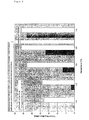
- Figur 1 den Härtungsverlauf, gemessen als Drehmoment bei der Vernetzung von Silikonkautschuk mit DHBP bei Temperaturen von 130 bis 160 °C in Gegenwart und Abwesenheit von Polymethylhydrogensiloxan.
- Figur 2 zeigt den Härtungsverlauf einer anderen Zusammensetzung wie in Figur 1 bei Temperaturen von 110 bis 140 °C.
- Figur 3 zeigt den Härtungsverlauf bei einer noch anderen Zusammensetzung wie in Figur 1 bei Temperaturen von 140 °C und 160 °C.
- Figur 4 zeigt den Härtungsverlauf bei noch einer anderen Zusammensetzung wie in Figur 1 bei Temperaturen von 120 bis 140 °C.
- Auf einem Walzenstuhl werden je 100 g Silikonkautschuk (R401/60U) mit 0,6 Gew.-% DHBP gemischt. In einem erfindungsgemäßen Ansatz wurde dieser Mischung zusätzlich 1 % Polymethylhydrogensiloxan (MH-15) zugesetzt. Die erhaltenen Mischungen wurden auf verschiedene Temperaturen von 130 bis 160 °C erhitzt und mit einem handelsüblichen Rheometer das Drehmoment und der Vernetzungsgrad nach DIN 53529 bestimmt.
- Die erhaltenen Ergebnisse sind in Figur 1 dargestellt.
- Wie Figur 1 zeigt, findet in Abwesenheit des Polymethylhydrogensiloxans bei Temperaturen bis 135 °C praktisch keine Vernetzung statt. Nach 20 minütiger Dauer der Erhitzung hat sich die Viskosität nur kaum messbar erhöht. In der erfindungsgemäßen Zusammensetzung wird dagegen bei diesen Temperaturen bereits eine weitgehende Härtung erzielt, die durch einen Drehmomentwert zwischen 20 und 32 dNm charakterisiert ist.
- Wie in Beispiel 1 beschrieben, wurde der gleiche Silikonkautschuk mit 2 Gew.-% TMCH-75-AL als Vergleichsversuch und mit weiterem Zusatz von 2 Gew.-% Polymethylhydrogensiloxan bei Temperaturen zwischen 110 und 140 °C vulkanisiert. Figur 2 der Zeichnung zeigt, dass bei 110 bis 120 °C in der Vergleichsprobe ohne Vernetzungskatalysator nur eine geringe Vulkanisation festzustellen ist, während in der erfindungsgemäßen Zusammensetzung eine ausgeprägte Härtung erfolgt.
- Wie in Beispiel 1 beschrieben, wurde der gleiche Silikonkautschuk mit 0,5 Gew.-% TBPEH (tert.-Butylperoxy-2-ethylhexanoat) mit und ohne Zusatz von 0,5 Gew.-% MH15 bei Temperaturen von 140 und 160 °C 1,5 Minuten vulkanisiert. Die Ergebnisse zeigt Figur 3. Man erkennt, dass mit der erfindungsgemäßen Zusammensetzung in jedem Fall eine wesentlich bessere Vulkanisation erzielt wird.
- Wie in Beispiel 1 beschrieben, wurde der gleiche Silikonkautschuk mit 0,5 Gew.-% TBPEHC (tert.-Butylperoxy-2-ethylhexylcarbonat) allein als Vergleichsversuch sowie erfindungsgemäß mit weiterem Zusatz von 0,5 Gew.-% MH15 7 Minuten bei 120 und 140 °C vulkanisiert. Die in Figur 4 dargestellten Ergebnisse zeigen, dass bei 120 °C mit TBPEHC alleine kaum eine Vulkanisation erfolgt, während mit der erfindungsgemäßen Zusammensetzung bereits eine erhebliche Vulkanisation stattgefunden hat. Auch bei 140 °C wird mit der erfindungsgemäßen Zusammensetzung eine Vulkanisation erreicht, die bereits dicht an das maximal erreichbare Drehmoment heranführt, während im Vergleichsversuch eine deutlich geringere Vulkanisation vorliegt.
Claims (10)
- Verwendung von Polyorganohydrogensiloxan in einer Menge von 0,1 bis 10 Gew.-% bezogen auf 100 Gew.-Teile Polymer als Mittel zur Herabsetzung der Vernetzungstemperatur bei der Heißvernetzung von organischen Polymeren mit organischen Peroxiden.
- Verwendung von Polymethylhydrogensiloxan für den Zweck von Anspruch 1.
- Verwendung nach Anspruch 2,
dadurch gekennzeichnet,
dass mindestens 30 % der Kettenglieder des Siloxanmoleküls aus CH3SiH-Gruppen bestehen. - Verwendung nach Anspruch 3,
dadurch gekennzeichnet,
dass mindestens 50 % der Kettenglieder des Siloxanmoleküls aus CH3SiH-Gruppen bestehen. - Verwendung von Polyorganohydrogensiloxan nach einem der vorhergehenden Ansprüche in einer Menge von 0,5 bis 5 Gew.-% bezogen auf das Gewicht des Polymeren.
- Verwendung von Polyorganohydrogensiloxan nach einem der vorhergehenden Ansprüche zur Heißvernetzung von Silikonkautschuk oder Polyestern.
- Verwendung nach einem der vorhergehenden Ansprüche,
dadurch gekennzeichnet,
dass man als organisches Peroxid ein Perketal oder Alkylperoxid einsetzt. - Verwendung nach Anspruch 7,
dadurch gekennzeichnet,
dass man TMCH oder DHBP einsetzt. - Verfahren zur Vernetzung von Polymeren durch Erhitzen in Gegenwart mindestens eines organischen Peroxids,
dadurch gekennzeichnet,
dass man als Vernetzungskatalysator Polyorganohydrogensiloxan in einer Menge von 0,1 bis 10 Gew.-% bezogen auf 100 Gewichtsteile Polymer zusetzt und die Härtung bei einer Temperatur, die mindestens 20 °C unter der Zerfallstemperatur des Peroxids liegt, durchführt. - Verfahren nach Anspruch 9,
dadurch gekennzeichnet,
dass man Polymethylhydrogensiloxan verwendet.
Applications Claiming Priority (3)
| Application Number | Priority Date | Filing Date | Title |
|---|---|---|---|
| DE10310806 | 2003-03-12 | ||
| DE10310806A DE10310806A1 (de) | 2003-03-12 | 2003-03-12 | Herabsetzung der Vernetzungstemperatur bei der Heißvernetzung von organischen Polymeren |
| PCT/EP2004/002540 WO2004081102A2 (de) | 2003-03-12 | 2004-03-11 | Herabsetzung der vernetzungstemperatur bei der heissvernetzung von organischen polymeren |
Publications (2)
| Publication Number | Publication Date |
|---|---|
| EP1601711A2 EP1601711A2 (de) | 2005-12-07 |
| EP1601711B1 true EP1601711B1 (de) | 2007-05-02 |
Family
ID=32892088
Family Applications (1)
| Application Number | Title | Priority Date | Filing Date |
|---|---|---|---|
| EP04719394A Expired - Lifetime EP1601711B1 (de) | 2003-03-12 | 2004-03-11 | Herabsetzung der vernetzungstemperatur bei der heissvernetzung von organischen polymeren |
Country Status (5)
| Country | Link |
|---|---|
| EP (1) | EP1601711B1 (de) |
| AT (1) | ATE361336T1 (de) |
| DE (2) | DE10310806A1 (de) |
| ES (1) | ES2285446T3 (de) |
| WO (1) | WO2004081102A2 (de) |
Family Cites Families (1)
| Publication number | Priority date | Publication date | Assignee | Title |
|---|---|---|---|---|
| US4340647A (en) * | 1981-05-22 | 1982-07-20 | General Electric Company | Vinyl gum cure accelerators for addition-cure silicone |
-
2003
- 2003-03-12 DE DE10310806A patent/DE10310806A1/de not_active Withdrawn
-
2004
- 2004-03-11 DE DE502004003685T patent/DE502004003685D1/de not_active Expired - Fee Related
- 2004-03-11 WO PCT/EP2004/002540 patent/WO2004081102A2/de not_active Ceased
- 2004-03-11 EP EP04719394A patent/EP1601711B1/de not_active Expired - Lifetime
- 2004-03-11 ES ES04719394T patent/ES2285446T3/es not_active Expired - Lifetime
- 2004-03-11 AT AT04719394T patent/ATE361336T1/de not_active IP Right Cessation
Also Published As
| Publication number | Publication date |
|---|---|
| DE10310806A1 (de) | 2004-09-23 |
| EP1601711A2 (de) | 2005-12-07 |
| WO2004081102A3 (de) | 2004-12-16 |
| ATE361336T1 (de) | 2007-05-15 |
| DE502004003685D1 (de) | 2007-06-14 |
| ES2285446T3 (es) | 2007-11-16 |
| WO2004081102A2 (de) | 2004-09-23 |
Similar Documents
| Publication | Publication Date | Title |
|---|---|---|
| EP1288235B1 (de) | Mittel für die Verbesserung der Scorch-Bedingungen bei der Herstellung gepfropfter und/oder vernetzter Polymere sowie gefüllter Kunststoffe | |
| DE69513490T2 (de) | Härtbare Siliconkautschukzusammensetzung | |
| DE2063395B2 (de) | Wärmehärtbare Polyäthylenmischung mit einem organischen Silikonzusatz | |
| DE69301004T2 (de) | Verfahren zum Ankleben einer elastomeren Zusammensetzung an eine polare Oberfläche | |
| EP2107081B1 (de) | Kautschukzusammensetzung | |
| DE1795289C3 (de) | Verfahren zur Herstellung von Organopolysiloxanen mit aufgepfropften organischen Seitenketten, die in situ gebildete längliche Teilchen enthalten | |
| DE1102385B (de) | Verfahren zum Vernetzen von Urethangruppen und ungesaettigte Gruppierungen aufweisenden Polymeren | |
| DE102007060039A1 (de) | Thermoplastische Elastomerzusammensetzung | |
| DE2553094B2 (de) | Die Verwendung bestimmter Perverbindungen zur Erhöhung der Beständigkeit von Äthylenpolymerisaten gegen ein Verschmoren und Erhöhung der Aushärtungsgeschwindigkeit | |
| CN101429339B (zh) | 一种硅橡胶聚烯烃合金电缆材料的工业制备方法 | |
| DE2628991A1 (de) | Polyorganosiloxanzubereitung | |
| DE3116299A1 (de) | "verfahren zur herstellung von anlagerungsgehaerteten siliconkautschuk-zubereitungen" | |
| DE69923284T2 (de) | Verfahren zur Verminderung des Molekulargewichts von Ethylen-Copolymeren und -Terpolymeren | |
| EP1261975A1 (de) | Verfahren zur herstellung eines hochspannungsverbundisolators, hochspannungsisolator sowie kunststoff zur verwendung in dem verfahren, und verfahren zur herstellung eines nichtzylindrischen bauteils | |
| DE69517610T2 (de) | Reformierte Polypropylen-Harzzusammensetzung und Verfahren zu ihrer Herstellung | |
| DE2165741B2 (de) | Verfahren zur Herstellung eines vernetzten Copolymeren aus Tetrafluoräthylen und Propylen | |
| DE2553145B2 (de) | Verkohlungsbeständige, vulkanisierbare Masse | |
| DE2536872A1 (de) | Verfahren zur herstellung eines gegenstandes aus vernetztem polymer | |
| EP0801103A1 (de) | Siliconkautschuke mit verbesserter Fellfestigkeit und niedrigem Druckverformungsrest | |
| EP1601711A2 (de) | Herabsetzung der vernetzungstemperatur bei der heissvernetzung von organischen polymeren | |
| DE1544704B2 (de) | Vernetzbare Formmassen aus Polybuten-1 | |
| DE19823626A1 (de) | Teilvernetzter, thermoplastischer Polymerwerkstoff und Verfahren zu seiner Herstellung | |
| EP0510559A2 (de) | Thermoplastische Elastomere und Verfahren zu deren Herstellung | |
| DE959946C (de) | Durch Hitze vulkanisierbare Organopolysiloxan-Masse | |
| DE1494097C3 (de) | Hitzehärtbare Polyäthylenformund Überzugsmassen |
Legal Events
| Date | Code | Title | Description |
|---|---|---|---|
| PUAI | Public reference made under article 153(3) epc to a published international application that has entered the european phase |
Free format text: ORIGINAL CODE: 0009012 |
|
| 17P | Request for examination filed |
Effective date: 20050831 |
|
| AK | Designated contracting states |
Kind code of ref document: A2 Designated state(s): AT BE BG CH CY CZ DE DK EE ES FI FR GB GR HU IE IT LI LU MC NL PL PT RO SE SI SK TR |
|
| AX | Request for extension of the european patent |
Extension state: AL LT LV MK |
|
| DAX | Request for extension of the european patent (deleted) | ||
| GRAP | Despatch of communication of intention to grant a patent |
Free format text: ORIGINAL CODE: EPIDOSNIGR1 |
|
| GRAS | Grant fee paid |
Free format text: ORIGINAL CODE: EPIDOSNIGR3 |
|
| GRAA | (expected) grant |
Free format text: ORIGINAL CODE: 0009210 |
|
| AK | Designated contracting states |
Kind code of ref document: B1 Designated state(s): AT BE BG CH CY CZ DE DK EE ES FI FR GB GR HU IE IT LI LU MC NL PL PT RO SE SI SK TR |
|
| PG25 | Lapsed in a contracting state [announced via postgrant information from national office to epo] |
Ref country code: FI Free format text: LAPSE BECAUSE OF FAILURE TO SUBMIT A TRANSLATION OF THE DESCRIPTION OR TO PAY THE FEE WITHIN THE PRESCRIBED TIME-LIMIT Effective date: 20070502 |
|
| REG | Reference to a national code |
Ref country code: GB Ref legal event code: FG4D Free format text: NOT ENGLISH |
|
| REG | Reference to a national code |
Ref country code: CH Ref legal event code: EP |
|
| REG | Reference to a national code |
Ref country code: IE Ref legal event code: FG4D Free format text: LANGUAGE OF EP DOCUMENT: GERMAN |
|
| REF | Corresponds to: |
Ref document number: 502004003685 Country of ref document: DE Date of ref document: 20070614 Kind code of ref document: P |
|
| PG25 | Lapsed in a contracting state [announced via postgrant information from national office to epo] |
Ref country code: SE Free format text: LAPSE BECAUSE OF FAILURE TO SUBMIT A TRANSLATION OF THE DESCRIPTION OR TO PAY THE FEE WITHIN THE PRESCRIBED TIME-LIMIT Effective date: 20070802 |
|
| GBT | Gb: translation of ep patent filed (gb section 77(6)(a)/1977) |
Effective date: 20070724 |
|
| ET | Fr: translation filed | ||
| NLV1 | Nl: lapsed or annulled due to failure to fulfill the requirements of art. 29p and 29m of the patents act | ||
| REG | Reference to a national code |
Ref country code: ES Ref legal event code: FG2A Ref document number: 2285446 Country of ref document: ES Kind code of ref document: T3 |
|
| PG25 | Lapsed in a contracting state [announced via postgrant information from national office to epo] |
Ref country code: PL Free format text: LAPSE BECAUSE OF FAILURE TO SUBMIT A TRANSLATION OF THE DESCRIPTION OR TO PAY THE FEE WITHIN THE PRESCRIBED TIME-LIMIT Effective date: 20070502 |
|
| REG | Reference to a national code |
Ref country code: IE Ref legal event code: FD4D |
|
| PG25 | Lapsed in a contracting state [announced via postgrant information from national office to epo] |
Ref country code: IE Free format text: LAPSE BECAUSE OF FAILURE TO SUBMIT A TRANSLATION OF THE DESCRIPTION OR TO PAY THE FEE WITHIN THE PRESCRIBED TIME-LIMIT Effective date: 20070502 Ref country code: SI Free format text: LAPSE BECAUSE OF FAILURE TO SUBMIT A TRANSLATION OF THE DESCRIPTION OR TO PAY THE FEE WITHIN THE PRESCRIBED TIME-LIMIT Effective date: 20070502 Ref country code: CZ Free format text: LAPSE BECAUSE OF FAILURE TO SUBMIT A TRANSLATION OF THE DESCRIPTION OR TO PAY THE FEE WITHIN THE PRESCRIBED TIME-LIMIT Effective date: 20070502 Ref country code: NL Free format text: LAPSE BECAUSE OF FAILURE TO SUBMIT A TRANSLATION OF THE DESCRIPTION OR TO PAY THE FEE WITHIN THE PRESCRIBED TIME-LIMIT Effective date: 20070502 Ref country code: DK Free format text: LAPSE BECAUSE OF FAILURE TO SUBMIT A TRANSLATION OF THE DESCRIPTION OR TO PAY THE FEE WITHIN THE PRESCRIBED TIME-LIMIT Effective date: 20070502 Ref country code: PT Free format text: LAPSE BECAUSE OF FAILURE TO SUBMIT A TRANSLATION OF THE DESCRIPTION OR TO PAY THE FEE WITHIN THE PRESCRIBED TIME-LIMIT Effective date: 20071002 Ref country code: BG Free format text: LAPSE BECAUSE OF FAILURE TO SUBMIT A TRANSLATION OF THE DESCRIPTION OR TO PAY THE FEE WITHIN THE PRESCRIBED TIME-LIMIT Effective date: 20070802 |
|
| PG25 | Lapsed in a contracting state [announced via postgrant information from national office to epo] |
Ref country code: SK Free format text: LAPSE BECAUSE OF FAILURE TO SUBMIT A TRANSLATION OF THE DESCRIPTION OR TO PAY THE FEE WITHIN THE PRESCRIBED TIME-LIMIT Effective date: 20070502 |
|
| PLBE | No opposition filed within time limit |
Free format text: ORIGINAL CODE: 0009261 |
|
| STAA | Information on the status of an ep patent application or granted ep patent |
Free format text: STATUS: NO OPPOSITION FILED WITHIN TIME LIMIT |
|
| 26N | No opposition filed |
Effective date: 20080205 |
|
| PG25 | Lapsed in a contracting state [announced via postgrant information from national office to epo] |
Ref country code: GR Free format text: LAPSE BECAUSE OF FAILURE TO SUBMIT A TRANSLATION OF THE DESCRIPTION OR TO PAY THE FEE WITHIN THE PRESCRIBED TIME-LIMIT Effective date: 20070803 |
|
| PG25 | Lapsed in a contracting state [announced via postgrant information from national office to epo] |
Ref country code: RO Free format text: LAPSE BECAUSE OF FAILURE TO SUBMIT A TRANSLATION OF THE DESCRIPTION OR TO PAY THE FEE WITHIN THE PRESCRIBED TIME-LIMIT Effective date: 20070502 |
|
| BERE | Be: lapsed |
Owner name: DEGUSSA INITIATORS G.M.B.H. & CO. KG Effective date: 20080331 |
|
| PG25 | Lapsed in a contracting state [announced via postgrant information from national office to epo] |
Ref country code: MC Free format text: LAPSE BECAUSE OF NON-PAYMENT OF DUE FEES Effective date: 20080331 |
|
| REG | Reference to a national code |
Ref country code: CH Ref legal event code: PL |
|
| PG25 | Lapsed in a contracting state [announced via postgrant information from national office to epo] |
Ref country code: LI Free format text: LAPSE BECAUSE OF NON-PAYMENT OF DUE FEES Effective date: 20080331 Ref country code: CH Free format text: LAPSE BECAUSE OF NON-PAYMENT OF DUE FEES Effective date: 20080331 Ref country code: EE Free format text: LAPSE BECAUSE OF FAILURE TO SUBMIT A TRANSLATION OF THE DESCRIPTION OR TO PAY THE FEE WITHIN THE PRESCRIBED TIME-LIMIT Effective date: 20070502 |
|
| PG25 | Lapsed in a contracting state [announced via postgrant information from national office to epo] |
Ref country code: BE Free format text: LAPSE BECAUSE OF NON-PAYMENT OF DUE FEES Effective date: 20080331 |
|
| PGFP | Annual fee paid to national office [announced via postgrant information from national office to epo] |
Ref country code: GB Payment date: 20090325 Year of fee payment: 6 |
|
| PG25 | Lapsed in a contracting state [announced via postgrant information from national office to epo] |
Ref country code: CY Free format text: LAPSE BECAUSE OF FAILURE TO SUBMIT A TRANSLATION OF THE DESCRIPTION OR TO PAY THE FEE WITHIN THE PRESCRIBED TIME-LIMIT Effective date: 20070502 |
|
| PGFP | Annual fee paid to national office [announced via postgrant information from national office to epo] |
Ref country code: ES Payment date: 20090422 Year of fee payment: 6 |
|
| PG25 | Lapsed in a contracting state [announced via postgrant information from national office to epo] |
Ref country code: AT Free format text: LAPSE BECAUSE OF NON-PAYMENT OF DUE FEES Effective date: 20080311 |
|
| PGFP | Annual fee paid to national office [announced via postgrant information from national office to epo] |
Ref country code: DE Payment date: 20090331 Year of fee payment: 6 Ref country code: IT Payment date: 20090331 Year of fee payment: 6 |
|
| PGFP | Annual fee paid to national office [announced via postgrant information from national office to epo] |
Ref country code: FR Payment date: 20090325 Year of fee payment: 6 |
|
| PG25 | Lapsed in a contracting state [announced via postgrant information from national office to epo] |
Ref country code: HU Free format text: LAPSE BECAUSE OF FAILURE TO SUBMIT A TRANSLATION OF THE DESCRIPTION OR TO PAY THE FEE WITHIN THE PRESCRIBED TIME-LIMIT Effective date: 20071103 Ref country code: LU Free format text: LAPSE BECAUSE OF NON-PAYMENT OF DUE FEES Effective date: 20080311 |
|
| PG25 | Lapsed in a contracting state [announced via postgrant information from national office to epo] |
Ref country code: TR Free format text: LAPSE BECAUSE OF FAILURE TO SUBMIT A TRANSLATION OF THE DESCRIPTION OR TO PAY THE FEE WITHIN THE PRESCRIBED TIME-LIMIT Effective date: 20070502 |
|
| GBPC | Gb: european patent ceased through non-payment of renewal fee |
Effective date: 20100311 |
|
| REG | Reference to a national code |
Ref country code: FR Ref legal event code: ST Effective date: 20101130 |
|
| PG25 | Lapsed in a contracting state [announced via postgrant information from national office to epo] |
Ref country code: FR Free format text: LAPSE BECAUSE OF NON-PAYMENT OF DUE FEES Effective date: 20100331 |
|
| PG25 | Lapsed in a contracting state [announced via postgrant information from national office to epo] |
Ref country code: DE Free format text: LAPSE BECAUSE OF NON-PAYMENT OF DUE FEES Effective date: 20101001 |
|
| PG25 | Lapsed in a contracting state [announced via postgrant information from national office to epo] |
Ref country code: IT Free format text: LAPSE BECAUSE OF NON-PAYMENT OF DUE FEES Effective date: 20100311 Ref country code: GB Free format text: LAPSE BECAUSE OF NON-PAYMENT OF DUE FEES Effective date: 20100311 |
|
| REG | Reference to a national code |
Ref country code: ES Ref legal event code: FD2A Effective date: 20110415 |
|
| PG25 | Lapsed in a contracting state [announced via postgrant information from national office to epo] |
Ref country code: ES Free format text: LAPSE BECAUSE OF NON-PAYMENT OF DUE FEES Effective date: 20110404 |
|
| PG25 | Lapsed in a contracting state [announced via postgrant information from national office to epo] |
Ref country code: ES Free format text: LAPSE BECAUSE OF NON-PAYMENT OF DUE FEES Effective date: 20100312 |