EP1590362B1 - Verbessertes verfahren zur behandlung durch bisulfit - Google Patents
Verbessertes verfahren zur behandlung durch bisulfit Download PDFInfo
- Publication number
- EP1590362B1 EP1590362B1 EP04705800A EP04705800A EP1590362B1 EP 1590362 B1 EP1590362 B1 EP 1590362B1 EP 04705800 A EP04705800 A EP 04705800A EP 04705800 A EP04705800 A EP 04705800A EP 1590362 B1 EP1590362 B1 EP 1590362B1
- Authority
- EP
- European Patent Office
- Prior art keywords
- bisulfite
- solution
- nucleic acid
- reaction
- value
- Prior art date
- Legal status (The legal status is an assumption and is not a legal conclusion. Google has not performed a legal analysis and makes no representation as to the accuracy of the status listed.)
- Expired - Lifetime
Links
Images





Classifications
-
- C—CHEMISTRY; METALLURGY
- C07—ORGANIC CHEMISTRY
- C07H—SUGARS; DERIVATIVES THEREOF; NUCLEOSIDES; NUCLEOTIDES; NUCLEIC ACIDS
- C07H21/00—Compounds containing two or more mononucleotide units having separate phosphate or polyphosphate groups linked by saccharide radicals of nucleoside groups, e.g. nucleic acids
- C07H21/04—Compounds containing two or more mononucleotide units having separate phosphate or polyphosphate groups linked by saccharide radicals of nucleoside groups, e.g. nucleic acids with deoxyribosyl as saccharide radical
-
- C—CHEMISTRY; METALLURGY
- C01—INORGANIC CHEMISTRY
- C01D—COMPOUNDS OF ALKALI METALS, i.e. LITHIUM, SODIUM, POTASSIUM, RUBIDIUM, CAESIUM, OR FRANCIUM
- C01D5/00—Sulfates or sulfites of sodium, potassium or alkali metals in general
- C01D5/14—Preparation of sulfites
- C01D5/145—Pyrosulfites or metabisulfites
-
- C—CHEMISTRY; METALLURGY
- C12—BIOCHEMISTRY; BEER; SPIRITS; WINE; VINEGAR; MICROBIOLOGY; ENZYMOLOGY; MUTATION OR GENETIC ENGINEERING
- C12Q—MEASURING OR TESTING PROCESSES INVOLVING ENZYMES, NUCLEIC ACIDS OR MICROORGANISMS; COMPOSITIONS OR TEST PAPERS THEREFOR; PROCESSES OF PREPARING SUCH COMPOSITIONS; CONDITION-RESPONSIVE CONTROL IN MICROBIOLOGICAL OR ENZYMOLOGICAL PROCESSES
- C12Q1/00—Measuring or testing processes involving enzymes, nucleic acids or microorganisms; Compositions therefor; Processes of preparing such compositions
- C12Q1/68—Measuring or testing processes involving enzymes, nucleic acids or microorganisms; Compositions therefor; Processes of preparing such compositions involving nucleic acids
- C12Q1/6813—Hybridisation assays
- C12Q1/6827—Hybridisation assays for detection of mutation or polymorphism
Definitions
- the present application is directed to a method for performing a bisulfite reaction to determine methylation positions in a nucleic acid, i.e. methylated and non-methylated cytosines, whereby the nucleic acid is incubated in a solution comprising the nucleic acid for a time period of 1.5 to 3.5 hours at a temperature between 70 and 90 °C, whereby the concentration of bisulfite in the solution is between 3 M and 6.25 M and whereby the pH value of the solution is between 5.0 and 6.0 whereby the nucleic acid, i.e. the cytosine bases in the nucleic acid, is deaminated. Then the solution comprising the deaminated nucleic acid is desulfonated and preferably desalted.
- the application is further related to kit with a solution comprising bisulfite with a certain pH and uses thereof as well as a kit comprising the solution.
- Noncoding DNA containing introns, repetitive elements, and potentially active transposable elements requires effective mechanisms for its long term silencing. Mammals appear to have taken advantage of the possibilities afforded by cytosine methylation to provide a heritable mechanism for altering DNA-protein interactions to assist in such silencing. DNA methylation is essential for the development of mammals and plays a potential role during aging and cancer. The involvement of methylation in the regulation of gene expression and as an epigenetic modification marking imprinted genes is well established.
- methylation occurs only at cytosines residues and more specifically only on cytosine residues adjacent to a guanosine residue, i.e. at the sequence CG.
- the detection and mapping of DNA methylation sites are essential steps towards understanding the molecular signals which indicate whether a given sequence is methylated.
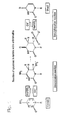
- the bisulfite method of mapping 5-methylcytosine uses the effect that sodium hydrogen sulfite reacts with cytosine but not or only poorly with 5-methyl-cytosine. Cytosine reacts with bisulfite to form a sulfonated cytosine reaction intermediate being prone to deamination resulting in a sulfonated uracil which can be desulfonated to uracil under alkaline conditions (see Fig. 1).
- uracil has the base pairing behavior of thymine different to the educt cytosine whereas 5-methylcytosine has the base pairing behavior of cytosine.
- Basic studies on the reaction of uracil and cytosine derivatives with bisulfite have been performed by Shapiro et al., JACS 92 (1970) 422-424 .
- Hayatsu, H., et al., J. Am. Chem. Soc. 92 (1970) 724-726 describe the reaction of cytosine with 3 M bisulfite at a pH value around 6 at a temperature of 80 °C for 30 min.
- Slae and Shapiro, J. Org. Chem. 43 (1978) 4197-4200 describe the deamination of cytidine with 1 M bisulfite around neutral pH at various temperatures whereby the reaction time is not described. There were no investigations of the deamination of cytosine or methyl-cytosine in nucleic acids in these documents.
- Raizis, A.M., et al., Anal. Biochem. 226 (1995) 161-166 disclose a bisulfite method for 5-methylcytosine mapping that minimizes template degradation. They investigate a method minimizing template degradation using 5 M bisulfite solutions in the presence of 100 mM hydroquinone at a pH value of 5 at 50°C. A maximum yield of PCR product was observed after 4 hours. Other conditions as increased pH and lower temperatures were also investigated.
- Clark, S.J., et al., Nucleic Acids Res 22 (1994) 2990-2997 disclose the use of a 3 to 4 M bisulfite solution at a pH value of 4.8 to 5.8 at a temperature of 37 to 72 °C for 8 to 16 hours in the bisulfite treatment of DNA.
- Tasheva, E.S., and Roufa, D.J., Mol. Cell. Biol. 14 (1994) 5636-5644 disclose the use of a 1 M bisulfite solution at a pH value of 5 at a temperature of 50 °C for 48 hours in the bisulfite treatment of fragments of genomic DNA.
- Grigg, G.W., DNA Seq 6 (1996) 189-198 discloses the use of a 3.1 M bisulfite solution at a pH value of 5 at a temperature of 50 °C for 16 hours in the bisulfite treatment of DNA.
- Olek, A., et al., Nucleic Acids Res. 24 (1996) 5064-5066 disclose a method for bisulfite base sequencing whereby bisulfite treatment and subsequent PCR steps are performed on material embedded in agarose beads.
- a 5 M bisulfite solution at a pH value of 5 at a temperature of 50 °C is used for 4 hours in the bisulfite treatment of DNA.
- Kits for performing bisulfite treatments are commercially available from Intergen, now distributed by Serologicals Corporation, Norcross, GA, USA, e.g. CpGenome TM DNA modification kit (http://www.serologicals.com/products/int_prod/index. html).
- the present invention provides a method for the conversion of a cytosine base, preferably cytosine bases, in a nucleic acid to an uracil base, preferably cytosine bases, whereby preferably a 5-methyl-cytosine base, preferably 5-methyl-cytosine bases, is not significantly converted,comprising the steps of
- the invention provides a solution with a pH value between 5.4 and 5.6 and comprising bisulfite in a concentration between 3 M and 6.25 M, uses thereof and kits comprising this solution.
- a "bisulfite reaction”, “bisulfite treatment” or “bisulfite method” shall mean a reaction for the conversion of a cytosine base, preferably cytosine bases, in a nucleic acid to an uracil base, preferably uracil bases, in the presence of bisulfite ions whereby preferably a 5-methyl-cytosine base, preferably 5-methyl-cytosine bases, is not significantly converted.
- This reaction for the detection of methylated cytosines is described in detail by Frommer et al., supra and Grigg and Clark, supra.
- the bisulfite reaction contains a deamination step and a desulfonation step which can be conducted separately or simultaneously (see Figure 1; Grigg and Clark, supra).
- the statement that 5-methyl-cytosine bases are not significantly converted shall only take the fact into account that it cannot be excluded that a small percentage of 5-methyl-cytosine bases is converted to uracil although it is intended to convert only and exclusively the (non-methylated) cytosine bases (Frommer et al., supra).
- the expert skilled in the art knows how to perform the bisulfite reaction, e.g. by referring to Frommer et al., supra or Grigg and Clark, supra who disclose the principal parameters of the bisulfite reaction.
- a buffer containing bisulfite ions, optionally chaotropic agents and optionally further reagents as an alcohol or stabilizers as hydroquinone are employed and the pH is in the acidic range.
- the concentration of bisulfite is between 0.1 and 6 M bisulfite, preferably between 1 M and 5.5 M, the concentration of the chaotropic agent is between 1 and 8 M, whereby preferably guanidinium salts are employed, the pH is in the acidic range, preferably between 4.5 and 6.5, the temperature is between 0 oC and 90 oC, preferably between room temperature (25 oC) and 90 oC, and the reaction time is between 30 min and 24 hours or 48 hours or even longer, but preferably between 1 hour and 24 hours.
- the desulfonation step is performed by adding an alkaline solution or buffer as e.g.
- a solution only containing a hydroxide e.g sodium hydroxide, or a solution containing ethanol, sodium chloride and sodium hydroxide (e.g. 38% EtOH, 100 mM NaCl, 200 mM NaOH) and incubating at room temperature or elevated temperatures for several min, preferably between 5 min and 60 min.
- a hydroxide e.g sodium hydroxide
- a solution containing ethanol, sodium chloride and sodium hydroxide e.g. 38% EtOH, 100 mM NaCl, 200 mM NaOH
- the method according to the invention allows a relatively short reaction time of the bisulfite reaction giving the possibility to perform a DNA assay within one working day.
- One parameter to speed the reaction is the temperature.
- a low pH value is of advantage.
- a reaction time of e.g. between 120 and 180 min is possible.
- the reaction under conditions according to the invention is more specific for cytosine compared to 5-methylcytosine as with standard conditions after 16 h. Additives for stabilization of the bisulfite reagent like hydroquinone are possible.
- the invention is related to a method for the conversion of a cytosine base, preferably cytosine bases in a nucleic acid to an uracil base, preferably uracil bases, whereby preferably a 5-methyl-cytosine base, preferably 5-methyl-cytosine bases, is not significantly converted, comprising the steps of
- the method may further comprise the step of desalting the solution comprising the deaminated and desulfonated nucleic acid. This can be achieved e.g. by ultrafiltration, gel filtration, precipiation as known to the expert skilled in the art or by binding to magnetic glass particles as described in WO 96/41811 .
- the temperature in the method according to the invention is between 75 any 85 °C.
- the concentration of bisulfite is between 3.2 M and 6 M, preferably between 4.75 M and 5.5 M.
- the pH value of the solution is between 5.25 and 5.75.
- the time period is between 1.75 and 3 hours.
- the time period is between 2 and 3 hours, preferably between 2 and 2.5 hours.
- the reaction is also possible in a time period between 0.75 and 3.5 hours.
- the temperature is 80 °C
- the concentration of bisulfite is 5 M
- the pH value of the solution is 5.5
- the time period is preferably between 2 and 2.5 or 3 hours, most preferred 2 hours.
- the method is preferably performed in solution, however, it is also feasible that the method according to the invention is performed while the nucleic acid is in a solid phase bound form, i.e. it is bound to a solid phase under suitable conditions.
- the solid phase may be a silicon oxide, preferably in the form of glass fleeces or fibers or magnetic glass particles as described in WO96/41811 , WO 00/32762 and WO 01/37291 .
- the principal method of performing a bisulfite treatment while the nucleic acid is bound to a solid phase is e.g. described e.g. in the European patent application with the number EP 02 019 097.1 and EP 02 028 114.3 .
- the nucleic acid is deoxyribonucleic acid (DNA), in particular genomic DNA or nucleic acid, i.e. the DNA or nucleic acid which is found in the organism's genome and is passed on to offspring as information necessary for survival.
- DNA deoxyribonucleic acid
- the phrase is used to distinguish between other types of DNA, such as found within plasmids.
- the source of the nucleic acid may be eukaryotic or prokarytic, preferably from vertebrates, particularly from mammalians, most preferred from animals or humans.
- the nucleic acid is obtained from a biological sample using the solid phases as described above and methods known to the expert in the field.
- the biological sample comprises cells from multicellular organisms as e.g. human and animal cells such as leucocytes, and immunologically active low and high molecular chemical compounds such as haptens, antigens, antibodies and nucleic acids, blood plasma, cerebral fluid, sputum, stool, biopsy specimens, bone marrow, oral rinses, blood serum, tissues, urine or mixtures thereof.
- the biological sample is a fluid from the human or animal body.
- the biological sample can be blood, blood plasma, blood serum, tissue or urine.
- the biological sample comprising the nucleic acids is lysed to create a mixture of biological compounds comprising nucleic acids and other components.
- Procedures for lysing biological samples are known by the expert and can be chemical, enzymatic or physical in nature. A combination of these procedures is applicable as well. For instance, lysis can be performed using ultrasound, high pressure, shear forces, alkali, detergents or chaotropic saline solutions, or proteases or lipases.
- lysis procedure to obtain nucleic acids special reference is made to Sambrook, J., et al., in "Molecular Cloning: A Laboratory Manual” (1989), eds. J. Sambrook, E. F. Fritsch and T.
- nucleic acids are isolated from the lysis mixture using the methods known to the expert skilled in the art, e.g. using solid phases as magnetic glass particles ( WO96/41811 ), and can then be subjected to the methods according to the invention, i.e. the bisulfite treatment according to the invention.
- Chaotropic agents are also used to lyse cells to prepare a mixture between nucleic acids and other biological substances (see e.g.
- the nucleic acid is amplified after the steps of the method according to the invention with the polymerase chain reaction (PCR: EP 0 201 184 ; EP-A-0 200 362 ; US 4,683,202 ).
- the amplification method may also be the Ligase Chain Reaction (LCR: Wu, D. Y., and Wallace, R. B., Genomics 4 (1989) 560-569 ; and Barany, F., Proc. Natl. Acad. Sci. USA 88 (1991) 189-193 ), Polymerase Ligase Chain Reaction ( Barany, F., PCR Methods Appl. 1 (1991) 5-16 ), Gap-LCR ( PCT Patent Publication No.
- amplification methods are the methylation specific PCR method (MSP) disclosed in US 5,786,146 which combines bisulfite treatment and allele-specific PCR (see e.g. US 5,137,806 , US 5,595,890 , US 5,639,611 ).
- MSP methylation specific PCR method
- the method may further comprise the step of detecting the amplified nucleic acid.
- the amplified nucleic acid may be determined or detected by standard analytical methods known to the person skilled in the art and described e.g. by Sambrook, J., et al., in "Molecular Cloning: A Laboratory Manual” (1989), eds. J. Sambrook, E. F. Fritsch and T. Maniatis, Cold Spring Harbor Laboratory Press, Cold Spring Harbor, NY ; Lottspeich and Zorbas, in "Bioanalytik” (1998), eds. L. a.
- the detection methods may include but are not limited to the binding or intercalating of specific dyes as ethidium bromide which intercalates into the double-stranded DNA and changes its fluorescence thereafter.
- the purified nucleic acids may also be separated by electrophoretic methods optionally after a restriction digest and visualized thereafter.
- probe-based assays which exploit the oligonucleotide hybridisation to specific sequences and subsequent detection of the hybrid. It is also possible to sequence the target nucleic acid after further steps known to the expert in the field. Other methods apply a diversity of nucleic acid sequences to a silicon chip to which specific probes are bound and yield a signal when a complementary sequence binds.
- the nucleic acid is detected by measuring the intensity of fluorescence light during amplification.
- This method entails the monitoring of real time fluorescence.
- a particularly preferred method exploiting simultaneous amplification and detection by measuring the intensity of fluorescent light is the TaqMan® method disclosed in WO 92/02638 and the corresponding US patents US 5,210,015 , US 5,804,375 , US 5,487,972 . This method exploits the exonuclease activity of a polymerase to generate a signal.
- the nucleic acid is detected by a process comprising contacting the sample with an oligonucleotide containing a sequence complementary to a region of the target nucleic acid and a labeled oligonucleotide containing a sequence complementary to a second region of the same target nucleic acid strand, but not including the nucleic acid sequence defined by the first oligonucleotide, to create a mixture of duplexes during hybridization conditions, wherein the duplexes comprise the target nucleic acid annealed to the first oligonucleotide and to the labeled oligonucleotide such that the 3'-end of the first oligonucleotide is adjacent to the 5'-end of the labeled oligonucleotide.
- this mixture is treated with a template-dependent nucleic acid polymerase having a 5' to 3' nuclease activity under conditions sufficient to permit the 5' to 3' nuclease activity of the polymerase to cleave the annealed, labeled oligonucleotide and release labeled fragments.
- the signal generated by the hydrolysis of the labeled oligonucleotide is detected and/ or measured.
- TaqMan® technology eliminates the need for a solid phase bound reaction complex to be formed and made detectable.
- the amplification and/ or detection reaction of the method according to the invention is a homogeneous solution-phase assay.
- the method is automated, i.e. the method carries out an automatable process as e.g. described in WO 99/16781 .
- Automatable process means that the steps of the process are suitable to be carried out with an apparatus or machine capable of operating with little or no external control or influence by a human being.
- Automated method means that the steps of the automatable method are carried out with an apparatus or machine capable of operating with little or no external control or influence by a human being. Only the preparation steps for the method may have to be done by hand, e.g. the storage containers have to filled up and put into place, the choice of the samples has to be done by a human being and further steps known to the expert in the field, e.g. the operation of the controlling computer.
- the apparatus or machine may e.g. add automatically liquids, mix the samples or carry out incubation steps at specific temperatures.
- a machine or apparatus is a robot controlled by a computer which carries out a program in which the single steps and commands are specified.
- the method is in a high-throughput format, i.e. the automated methods is carried out in a high-throughput format which means that the methods and the used machine or apparatus are optimized for a high-throughput of samples in a short time.
- the method according to the invention is used in diagnostics, for diagnostic analysis or for bioanalytics, or for the screening of tissue or fluids from the human or even animal body for the presence of a certain methylation pattern. Further, the method according to the invention is used to enhance the speed, accuracy or sensitivity of the detection of methylation sites in nucleic acids.
- a solution with a pH value between 5.25 and 5.75 and comprising bisulfite in a concentration between 3 M and 6.25 M is used in a reaction at a reaction temperature between 70 and 90 °C wherein a cytosine base, preferably cytosine bases, in a nucleic acid are converted to an uracil base, preferably uracil bases, in the presence of bisulfite ions whereby preferably a 5-methyl-cytosine base, preferably 5-methyl-cytosine bases, is not significantly converted.
- the concentration of bisulfite is between 3.2 M and 6 M, preferably between 4.75 M and 5.5 M.
- the pH value of the solution is 5.5 and the concentration of bisulfite is 5 M.
- the solution may also contain hydroquinone for stabilisation.
- the solution according to the invention is preferably an aqueous solution.
- the reaction temperature is between 75 and 85 °C.
- kits comprising a solution according to the invention.
- the solution has a pH value between 5.25 and 5.75, more preferably between 5.4 and 5.6, and comprises bisulfite in a concentration between 3 M and 6.25 M.
- the concentration of bisulfite is between 3.5 M and 6 M, preferably between 4.75 M and 5.5 M.
- the solution may optionally contain hydroquinone.
- the pH value of the solution is 5.5 and the concentration of bisulfite is 5 M.
- kits known in the art further comprise plastics ware which may be used during the bisulfite procedure as e.g. microtiter-plates in the 96 or 384 well format or reaction tubes manufactured e.g.
- the kit may further comprise a washing solution which is suitable for the washing step of the solid phase, in particular, the glass fleece or membrane or the magnetic glass particles. Often the washing solution is provided as a stock solution which has to be diluted before the use.
- the kit may further comprise an eluent, i.e. a solution or a buffer (e.g. TE, 10 mM Tris, 1 mM EDTA, pH 8.0) or pure water to elute the DNA or RNA bound to the solid phase. Further, additional reagents may be present which contain buffers suitable for use in the present invention.
- the kit according to the invention is used for a reaction wherein a cytosine base, preferably cytosine bases, in a nucleic acid are converted to an uracil base, preferably uracil bases, in the presence of bisulfite ions whereby preferably a 5-methyl-cytosine base, preferably 5-methyl-cytosine bases, are not significantly converted.
- a solution is provided with a pH value between 5.4 and 5.6 and comprising bisulfite in a concentration between 3.5 M and 6.25 M.
- the solution optionally contains hydroquinone or other radical scavengers.
- the concentration of bisulfite is between 3.75 M and 6 M, preferably between 4.75 M and 5.5 M.
- the pH value of the solution is 5.5 and the concentration of bisulfite is 5 M.
- Bisulfite reagent pH 5,0/50°C: ("Standard") 1,9g Na 2 S 2 O 5 2ml Millipore water 0,7ml 2M NaOH 0,5ml 1M hydroquinone (optional) addition of Millipore water to a volume of 4 ml
- Bisulfite reagent pH 5,5/80°C: 1,9g Na 2 S 2 O 5 1ml Millipore water 2ml 2M NaOH 0,5ml 1M hydroquinone (optional) addition of Millipore water to a volume of 4 ml
- Hydroquinone can be added optionally; it is not necessary if the reagent is prepared freshly for the experiment.
- oligonucleotides are synthesized using standard automated solid-phase synthesis procedure applying phosphoramidite chemistry.
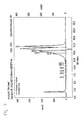
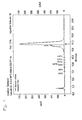
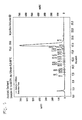
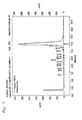
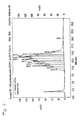
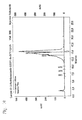
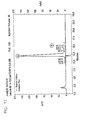
- Conditions according to the invention lead to a similar product yield after 2 h reaction time as standard conditions after 8-16 h. Specificity of bisulfite reaction is significantly better for conditions according to the invention after 2 h compared to "standard conditions" after 16 h.
- Fluorescence measurements are normalized by dividing by an initial fluorescence measurement, i.e., the background fluorescence, obtained during a cycle early in the reaction while the fluorescence measurements between cycles appear to be relatively constant.
- the cycle number chosen for the initial fluorescence measurement is the same for all reactions compared, so that all measurements represent increases relative to the same reaction cycle.
- the number of cycles required to reach a particular threshold value (C T value or crossing point) is inversely proportional to the logarithm of (1 + E).
- the C T value represents a measure of the reaction efficiency that allows comparisons between reactions.
- a decrease in the C T value which means that the reaction reached the threshold value in fewer cycles, indicates an increase in reaction efficiency.
- the C T is defined herein as the number of amplification cycles carried out until the fluorescence exceeded an arbitrary fluorescence level (AFL).
- AFL was chosen close to the baseline fluorescence level, but above the range of random fluctuations in the measured fluorescence, so that the reaction kinetics were measured during the geometric growth phase of the amplification. Accumulation of amplified product in later cycles inhibits the reaction and eventually leads to a reaction plateau. An AFL of 1.5 was chosen for all reactions.
- a PCR amplification consists of discrete cycles and the fluorescence measurements are carried out once per cycle, the measured fluorescence typically increases from below the AFL to above the AFL in a single cycle.
- an "exact" number of cycles to reach the AFL threshold referred to herein as the C T value or crossing point, was calculated by interpolating fluorescence measurements between cycles.
- 112 ⁇ l of the denatured DNA are mixed with 200 ⁇ l bisulfite reagent (2.5M sodium disulfite, 125 mM hydroquinone, pH 5.1) and incubated for 20 h at 50 °C ("Standard method") or 112 ⁇ l of the denatured DNA are mixed with 200 ⁇ l bisulfite reagent (2.5M sodium disulfite, 125 mM hydroquinone, pH 5.5) and incubated for 2h at 80°C ("BIS-METHOD").
- bisulfite reagent 2.5M sodium disulfite, 125 mM hydroquinone, pH 5.1
- 312 ⁇ l of the deaminated DNA (from both methods respectively) are mixed with 600 ⁇ l binding buffer (MagNAPure DNA Isolation Kit I, Roche Cat. Nr. 3 003 990) and 75 ⁇ l magnetic glass particle solution (MagNAPure DNA Isolation Kit I) and incubated for 15min/ room temperature with continuous mixing in order to bind the nucleic acid to the MGFS according to the method described in the European patent applications with the numbers EP02019097.1 or EP02028114.3 . Thereafter, the magnetic glass particles (MGPs) are washed three times with 1 ml 70% ethanol. Bound free separation is done in a magnetic separator (Roche Cat.1641794).
- LightCycler® FastStart DNA Master HybridizationProbe 1x (Roche 2239272), 2mM MgCl 2 , forward Primer 0.5 ⁇ M, reversed Primer 0.5 ⁇ M, donor probe 250 nM, acceptor probe 250 nM, template 10 ⁇ l, total PCR volume 20 ⁇ l.
Landscapes
- Chemical & Material Sciences (AREA)
- Organic Chemistry (AREA)
- Life Sciences & Earth Sciences (AREA)
- Engineering & Computer Science (AREA)
- Health & Medical Sciences (AREA)
- Biochemistry (AREA)
- Molecular Biology (AREA)
- Wood Science & Technology (AREA)
- Proteomics, Peptides & Aminoacids (AREA)
- Biotechnology (AREA)
- General Health & Medical Sciences (AREA)
- Genetics & Genomics (AREA)
- Zoology (AREA)
- Immunology (AREA)
- Bioinformatics & Cheminformatics (AREA)
- Analytical Chemistry (AREA)
- Inorganic Chemistry (AREA)
- Microbiology (AREA)
- Materials Engineering (AREA)
- Physics & Mathematics (AREA)
- Biophysics (AREA)
- General Engineering & Computer Science (AREA)
- Measuring Or Testing Involving Enzymes Or Micro-Organisms (AREA)
- Saccharide Compounds (AREA)
- Compounds Of Iron (AREA)
- Silver Salt Photography Or Processing Solution Therefor (AREA)
- Organic Low-Molecular-Weight Compounds And Preparation Thereof (AREA)
Claims (14)
- Verfahren zur Umwandlung einer Cytosinbase in einer Nukleinsäure in eine Uracilbase, umfassend die Schritte:a) Inkubieren einer Lösung, welche die Nukleinsäure umfasst, für einen Zeitraum von 1,5 bis 3,5 Stunden bei einer Temperatur zwischen 70 und 90°C, wobei die Konzentration an Bisulfit in der Lösung zwischen 3 M und 6,25 M beträgt und wobei der pH-Wert der Lösung zwischen 5,0 und 6,0 liegt, wodurch die Nukleinsäure desaminiert wird, undb) Inkubieren der Lösung, welche die desaminierte Nukleinsäure umfasst, unter alkalischen Bedingungen, wodurch die desaminierte Nukleinsäure desulfoniert wird.
- Verfahren nach Anspruch 1,
dadurch gekennzeichnet, dass
im Schritt a) die Temperatur zwischen 75 und 85°C liegt. - Verfahren nach einem der Ansprüche 1 bis 2,
dadurch gekennzeichnet, dass
die Konzentration an Bisulfit zwischen 3,2 M und 6 M beträgt. - Verfahren nach einem der Ansprüche 1 bis 3,
dadurch gekennzeichnet, dass
der pH-Wert der Lösung zwischen 5,25 und 5,75 liegt. - Verfahren nach einem der Ansprüche 1 bis 4,
dadurch gekennzeichnet, dass
der Zeitraum zwischen 1,75 und 3 Stunden beträgt. - Verfahren nach einem der Ansprüche 1 bis 5,
dadurch gekennzeichnet, dass
der Zeitraum zwischen 2 und 3 Stunden beträgt. - Verfahren nach einem der Ansprüche 1 bis 6,
dadurch gekennzeichnet, dass
im Schritt a) die Temperatur 80°C ist, die Konzentration an Bisulfit 5 M ist, der pH-Wert der Lösung 5,5 beträgt und der Zeitraum zwischen 2 und 3 Stunden beträgt. - Verwendung einer Lösung mit einem pH-Wert zwischen 5,25 und 5,75, die Bisulfit in einer Konzentration zwischen 3 M und 6,25 M umfasst, bei einer Reaktionstemperatur zwischen 70 und 90°C, und die gegebenenfalls Hydrochinon umfasst, bei einer Umsetzung, wobei eine Cytosinbase in einer Nukleinsäure in Gegenwart von Bisulfitionen in eine Uracilbase umgewandelt wird.
- Verwendung nach Anspruch 8, wobei die Konzentration an Bisulfit zwischen 3,2 M und 6 M beträgt.
- Verwendung nach einem der Ansprüche 8 bis 9, wobei der pH-Wert der Lösung 5,5 beträgt und wobei die Konzentration an Bisulfit 5 M beträgt.
- Kit, umfassend eine Lösung mit einem pH-Wert zwischen 5,25 und 5,75, die Bisulfit in einer Konzentration zwischen 3 M und 6,25 M umfasst und die gegebenenfalls Hydrochinon umfasst.
- Lösung mit einem pH-Wert zwischen 5,4 und 5,6, die Bisulfit in einer Konzentration zwischen 3,5 M und 6,25 M umfasst und die gegebenenfalls Hydrochinon umfasst.
- Lösung nach Anspruch 12, wobei die Konzentration an Bisulfit zwischen 3,75 M und 6 M beträgt.
- Lösung nach einem der Ansprüche 12 bis 13, wobei der pH-Wert der Lösung 5,5 beträgt und die Konzentration an Bisulfit 5 M beträgt.
Priority Applications (2)
| Application Number | Priority Date | Filing Date | Title |
|---|---|---|---|
| DE602004009038.7T DE602004009038T3 (de) | 2003-01-29 | 2004-01-28 | Verbessertes Verfahren zur Behandlung durch Bisulfit |
| EP04705800.3A EP1590362B8 (de) | 2003-01-29 | 2004-01-28 | Verbessertes Verfahren zur Behandlung durch Bisulfit |
Applications Claiming Priority (6)
| Application Number | Priority Date | Filing Date | Title |
|---|---|---|---|
| EP03001854 | 2003-01-29 | ||
| EP03001854A EP1443052A1 (de) | 2003-01-29 | 2003-01-29 | Verbessertes Verfahren zur Nukleinsäure Behandlung mit Bisulfit |
| EP03010020 | 2003-05-02 | ||
| EP03010020 | 2003-05-02 | ||
| PCT/EP2004/000729 WO2004067545A1 (en) | 2003-01-29 | 2004-01-28 | Improved method for bisulfite treatment |
| EP04705800.3A EP1590362B8 (de) | 2003-01-29 | 2004-01-28 | Verbessertes Verfahren zur Behandlung durch Bisulfit |
Publications (4)
| Publication Number | Publication Date |
|---|---|
| EP1590362A1 EP1590362A1 (de) | 2005-11-02 |
| EP1590362B1 true EP1590362B1 (de) | 2007-09-19 |
| EP1590362B2 EP1590362B2 (de) | 2015-01-14 |
| EP1590362B8 EP1590362B8 (de) | 2015-06-03 |
Family
ID=32826770
Family Applications (1)
| Application Number | Title | Priority Date | Filing Date |
|---|---|---|---|
| EP04705800.3A Expired - Lifetime EP1590362B8 (de) | 2003-01-29 | 2004-01-28 | Verbessertes Verfahren zur Behandlung durch Bisulfit |
Country Status (7)
| Country | Link |
|---|---|
| US (1) | US7413855B2 (de) |
| EP (1) | EP1590362B8 (de) |
| JP (2) | JP2006516391A (de) |
| AT (1) | ATE373673T1 (de) |
| DE (1) | DE602004009038T3 (de) |
| ES (1) | ES2294462T5 (de) |
| WO (1) | WO2004067545A1 (de) |
Cited By (1)
| Publication number | Priority date | Publication date | Assignee | Title |
|---|---|---|---|---|
| WO2010076546A1 (fr) | 2009-01-05 | 2010-07-08 | Biomerieux | Procede d'amplification et/ou de detection d'acides nucleiques, kits et utilisations de ce procede |
Families Citing this family (30)
| Publication number | Priority date | Publication date | Assignee | Title |
|---|---|---|---|---|
| EP1590362B8 (de) † | 2003-01-29 | 2015-06-03 | Epigenomics AG | Verbessertes Verfahren zur Behandlung durch Bisulfit |
| US7262013B2 (en) * | 2003-08-29 | 2007-08-28 | Applera Corporation | Bisulfite method |
| US7534873B2 (en) | 2003-08-29 | 2009-05-19 | Applied Biosystems, Llc | Method and materials for quaternary amine catalyzed bisulfite conversion of cytosine to uracil |
| US7371526B2 (en) | 2003-08-29 | 2008-05-13 | Applera Corporation | Method and materials for bisulfite conversion of cytosine to uracil |
| US7368239B2 (en) | 2003-08-29 | 2008-05-06 | Applera Corporation | Method and materials for polyamine catalyzed bisulfite conversion of cytosine to uracil |
| CA2537810C (en) | 2003-09-04 | 2012-12-18 | Human Genetic Signatures Pty Ltd | Nucleic acid detection assay |
| US20080070240A2 (en) * | 2004-04-08 | 2008-03-20 | Toyo Boseki Kabushiki Kaisha | Composition for deaminating dna and method of detecting methylated dna |
| EP1632578A1 (de) | 2004-09-03 | 2006-03-08 | Roche Diagnostics GmbH | Methode zur Dekontamination der DNA |
| US7658288B2 (en) | 2004-11-08 | 2010-02-09 | Applied Biosystems, Llc | Bisulfite conversion reagent |
| CN101111606B (zh) * | 2004-12-03 | 2012-05-16 | 人类遗传标记控股有限公司 | 通过化学修饰胞嘧啶而简化微生物核酸的方法 |
| EP1869215B1 (de) | 2005-04-01 | 2014-05-07 | Epigenomics AG | Verbesserte bisulfit-umwandlung von dna |
| EP1883707B1 (de) * | 2005-05-26 | 2014-04-09 | Human Genetic Signatures PTY Ltd | Isothermische strangverdrängungsamplifikation unter verwendung von eine nichtreguläre base enthaltenden primern |
| US20060286577A1 (en) * | 2005-06-17 | 2006-12-21 | Xiyu Jia | Methods for detection of methylated DNA |
| CA2621932A1 (en) * | 2005-09-14 | 2007-03-22 | Human Genetic Signatures Pty Ltd | Assay for hpv and methylated genomic dna targets to screen for cervical cancer |
| CA2631829C (en) | 2005-12-14 | 2012-01-24 | F. Hoffmann-La Roche Ag | New method for bisulfite treatment |
| WO2007123553A1 (en) * | 2006-04-24 | 2007-11-01 | Xiyu Jia | Methods for detection of methylated dna |
| US20080050738A1 (en) * | 2006-05-31 | 2008-02-28 | Human Genetic Signatures Pty Ltd. | Detection of target nucleic acid |
| WO2008109945A1 (en) * | 2007-03-12 | 2008-09-18 | Human Genetic Signatures Pty Ltd | Analysis of ribonucleic acid |
| US20100092972A1 (en) * | 2007-03-16 | 2010-04-15 | Human Genetic Signatures Pty Ltd. | Assay for gene expression |
| CA2706740C (en) * | 2007-11-27 | 2017-01-17 | Human Genetic Signatures Pty Ltd | Enzymes for amplification and copying bisulphite modified nucleic acids |
| JP2011505153A (ja) * | 2007-12-05 | 2011-02-24 | ヒューマン ジェネティック シグネチャーズ ピーティーワイ リミテッド | Rnaのバイサルファイト処理 |
| US20110003700A1 (en) * | 2007-12-20 | 2011-01-06 | Human Genetic Signatures Pty Ltd. | Elimination of contaminants associated with nucleic acid amplification |
| US9637779B2 (en) * | 2008-12-04 | 2017-05-02 | The Johns Hopkins University | Antisense transcriptomes of cells |
| BRPI0924013A2 (pt) * | 2009-04-17 | 2015-11-24 | Hung-Cheng Lai | método para o exame de câncer |
| KR101912488B1 (ko) | 2011-09-07 | 2018-10-26 | 휴먼 제네틱 시그너처스 피티와이 엘티디 | 분자 검출 분석법 |
| CA3111723C (en) | 2012-01-30 | 2026-05-19 | Exact Sciences Corporation | Sulfonated small dna compositions and methods for sulfonating and desulfonating small dnas |
| JP6544860B2 (ja) * | 2012-12-20 | 2019-07-17 | ゼネラル・エレクトリック・カンパニイ | 固体基材上での核酸安定化のための配合物 |
| CA3302676A1 (en) | 2018-04-02 | 2026-05-13 | Grail, Inc. | Methylation markers and targeted methylation probe panels |
| EP3856903A4 (de) | 2018-09-27 | 2022-07-27 | Grail, LLC | Methylierungsmarker und gezieltes methylierungssondenpaneel |
| CN115246823B (zh) * | 2022-09-01 | 2024-02-20 | 渤海大学 | 一种检测亚硫酸氢盐和指示鱼肉新鲜度的双功能近红外发射荧光探针及其合成方法和应用 |
Family Cites Families (28)
| Publication number | Priority date | Publication date | Assignee | Title |
|---|---|---|---|---|
| US4335148A (en) † | 1980-06-04 | 1982-06-15 | Pennwalt Corporation | Methods of preventing grain sprouting after harvest through the application of sulfur dioxide, nitrogen and ammonia gases |
| US4683202A (en) * | 1985-03-28 | 1987-07-28 | Cetus Corporation | Process for amplifying nucleic acid sequences |
| DK171161B1 (da) | 1985-03-28 | 1996-07-08 | Hoffmann La Roche | Fremgangsmåde til påvisning af forekomst eller fravær af mindst én specifik nukleinsyresekvens i en prøve eller til skelnen mellem to forskellige nukleinsyresekvenser i denne prøve |
| US4844880A (en) * | 1985-12-27 | 1989-07-04 | Hmc Patents Holding Co., Inc. | Process for the manufacture of sodium metabisulfite |
| IE61148B1 (en) * | 1988-03-10 | 1994-10-05 | Ici Plc | Method of detecting nucleotide sequences |
| US5130238A (en) * | 1988-06-24 | 1992-07-14 | Cangene Corporation | Enhanced nucleic acid amplification process |
| ATE138106T1 (de) | 1988-07-20 | 1996-06-15 | David Segev | Verfahren zur amplifizierung und zum nachweis von nukleinsäuresequenzen |
| US5639611A (en) * | 1988-12-12 | 1997-06-17 | City Of Hope | Allele specific polymerase chain reaction |
| NL8900725A (nl) | 1989-03-23 | 1990-10-16 | Az Univ Amsterdam | Werkwijze en combinatie van middelen voor het isoleren van nucleinezuur. |
| US5234809A (en) * | 1989-03-23 | 1993-08-10 | Akzo N.V. | Process for isolating nucleic acid |
| US5137806A (en) * | 1989-12-11 | 1992-08-11 | Board Of Regents, The University Of Texas System | Methods and compositions for the detection of sequences in selected DNA molecules |
| KR950013953B1 (ko) | 1990-01-26 | 1995-11-18 | 애보트 래보라토리즈 | 리가제 연쇄 반응에 적용가능한 표적 핵산의 증폭 방법 |
| US5210015A (en) * | 1990-08-06 | 1993-05-11 | Hoffman-La Roche Inc. | Homogeneous assay system using the nuclease activity of a nucleic acid polymerase |
| ZA918965B (en) | 1990-11-13 | 1992-08-26 | Siska Diagnostics Inc | Nucleic acid amplification by two-enzyme,self-sustained sequence replication |
| US5552277A (en) * | 1994-07-19 | 1996-09-03 | The Johns Hopkins University School Of Medicine | Genetic diagnosis of prostate cancer |
| WO2000032762A1 (de) | 1998-11-30 | 2000-06-08 | Roche Diagnostics Gmbh | Magnetische partikel zur reinigung von nukleinsäuren |
| DE19520398B4 (de) | 1995-06-08 | 2009-04-16 | Roche Diagnostics Gmbh | Magnetisches Pigment |
| US5786146A (en) * | 1996-06-03 | 1998-07-28 | The Johns Hopkins University School Of Medicine | Method of detection of methylated nucleic acid using agents which modify unmethylated cytosine and distinguishing modified methylated and non-methylated nucleic acids |
| DE69739357D1 (de) * | 1996-06-04 | 2009-05-28 | Univ Utah Res Found | Überwachung der hybridisierung während pcr |
| DE19743518A1 (de) | 1997-10-01 | 1999-04-15 | Roche Diagnostics Gmbh | Automatisierbare universell anwendbare Probenvorbereitungsmethode |
| WO1999040098A1 (de) | 1998-02-04 | 1999-08-12 | Merck Patent Gmbh | Verfahren zur isolierung und aufreinigung von nucleinsäuren |
| SE9804469L (sv) | 1998-12-21 | 2000-06-22 | Volvo Ab | Anordning vid ett motorfordon |
| US6331393B1 (en) * | 1999-05-14 | 2001-12-18 | University Of Southern California | Process for high-throughput DNA methylation analysis |
| CA2392009C (en) | 1999-11-17 | 2009-07-14 | Roche Diagnostics Gmbh | Magnetic glass particles, method for their preparation and uses thereof |
| DE10029915B4 (de) | 2000-06-19 | 2005-06-16 | Epigenomics Ag | Verfahren zum Nachweis von Cytosin-Methylierungen |
| DE10050942B4 (de) | 2000-10-10 | 2005-11-17 | Epigenomics Ag | Verfahren zum Nachweis von Cytosin-Methylierungen |
| EP1394172A1 (de) | 2002-08-29 | 2004-03-03 | Boehringer Mannheim Gmbh | Verbessertes Verfahren Zur Bisulfit-Behandlung |
| EP1590362B8 (de) † | 2003-01-29 | 2015-06-03 | Epigenomics AG | Verbessertes Verfahren zur Behandlung durch Bisulfit |
-
2004
- 2004-01-28 EP EP04705800.3A patent/EP1590362B8/de not_active Expired - Lifetime
- 2004-01-28 AT AT04705800T patent/ATE373673T1/de active
- 2004-01-28 DE DE602004009038.7T patent/DE602004009038T3/de not_active Expired - Lifetime
- 2004-01-28 JP JP2005518651A patent/JP2006516391A/ja active Pending
- 2004-01-28 US US10/540,406 patent/US7413855B2/en not_active Expired - Fee Related
- 2004-01-28 ES ES04705800.3T patent/ES2294462T5/es not_active Expired - Lifetime
- 2004-01-28 WO PCT/EP2004/000729 patent/WO2004067545A1/en not_active Ceased
-
2009
- 2009-06-25 JP JP2009150412A patent/JP2009261405A/ja not_active Withdrawn
Cited By (1)
| Publication number | Priority date | Publication date | Assignee | Title |
|---|---|---|---|---|
| WO2010076546A1 (fr) | 2009-01-05 | 2010-07-08 | Biomerieux | Procede d'amplification et/ou de detection d'acides nucleiques, kits et utilisations de ce procede |
Also Published As
| Publication number | Publication date |
|---|---|
| EP1590362B8 (de) | 2015-06-03 |
| US20060058518A1 (en) | 2006-03-16 |
| ES2294462T3 (es) | 2008-04-01 |
| US7413855B2 (en) | 2008-08-19 |
| JP2009261405A (ja) | 2009-11-12 |
| EP1590362A1 (de) | 2005-11-02 |
| DE602004009038T3 (de) | 2015-06-25 |
| DE602004009038D1 (de) | 2007-10-31 |
| ATE373673T1 (de) | 2007-10-15 |
| WO2004067545A1 (en) | 2004-08-12 |
| JP2006516391A (ja) | 2006-07-06 |
| ES2294462T5 (es) | 2015-05-06 |
| DE602004009038T2 (de) | 2008-06-19 |
| EP1590362B2 (de) | 2015-01-14 |
Similar Documents
| Publication | Publication Date | Title |
|---|---|---|
| EP1590362B2 (de) | Verbessertes Verfahren zur Behandlung durch Bisulfit | |
| US7501240B2 (en) | Method for bisulfite treatment | |
| CA2438327C (en) | Improved method for bisulfite treatment | |
| EP1963352B1 (de) | Neues verfahren für die bisulfitbehandlung | |
| EP1443052A1 (de) | Verbessertes Verfahren zur Nukleinsäure Behandlung mit Bisulfit | |
| EP1789586B1 (de) | Methode zur dekontamination der dna | |
| EP1780292A1 (de) | Kontrollen für Genmethylierungs-Assays | |
| US8673571B2 (en) | Method for accurate assessment of DNA quality after bisulfite treatment | |
| EP2016188B1 (de) | Verfahren zum nachweis methylierter dna |
Legal Events
| Date | Code | Title | Description |
|---|---|---|---|
| PUAI | Public reference made under article 153(3) epc to a published international application that has entered the european phase |
Free format text: ORIGINAL CODE: 0009012 |
|
| 17P | Request for examination filed |
Effective date: 20050829 |
|
| AK | Designated contracting states |
Kind code of ref document: A1 Designated state(s): AT BE BG CH CY CZ DE DK EE ES FI FR GB GR HU IE IT LI LU MC NL PT RO SE SI SK TR |
|
| AX | Request for extension of the european patent |
Extension state: AL LT LV MK |
|
| DAX | Request for extension of the european patent (deleted) | ||
| RAP1 | Party data changed (applicant data changed or rights of an application transferred) |
Owner name: F.HOFFMANN-LA ROCHE AG Owner name: ROCHE DIAGNOSTICS GMBH |
|
| 17Q | First examination report despatched |
Effective date: 20060713 |
|
| GRAP | Despatch of communication of intention to grant a patent |
Free format text: ORIGINAL CODE: EPIDOSNIGR1 |
|
| RTI1 | Title (correction) |
Free format text: IMPROVED METHOD FOR BISULFITE TREATMENT |
|
| RTI1 | Title (correction) |
Free format text: IMPROVED METHOD FOR BISULFITE TREATMENT |
|
| GRAS | Grant fee paid |
Free format text: ORIGINAL CODE: EPIDOSNIGR3 |
|
| GRAA | (expected) grant |
Free format text: ORIGINAL CODE: 0009210 |
|
| AK | Designated contracting states |
Kind code of ref document: B1 Designated state(s): AT BE BG CH CY CZ DE DK EE ES FI FR GB GR HU IE IT LI LU MC NL PT RO SE SI SK TR |
|
| REG | Reference to a national code |
Ref country code: GB Ref legal event code: FG4D |
|
| REG | Reference to a national code |
Ref country code: CH Ref legal event code: EP |
|
| REF | Corresponds to: |
Ref document number: 602004009038 Country of ref document: DE Date of ref document: 20071031 Kind code of ref document: P |
|
| REG | Reference to a national code |
Ref country code: IE Ref legal event code: FG4D |
|
| ET | Fr: translation filed | ||
| PG25 | Lapsed in a contracting state [announced via postgrant information from national office to epo] |
Ref country code: FI Free format text: LAPSE BECAUSE OF FAILURE TO SUBMIT A TRANSLATION OF THE DESCRIPTION OR TO PAY THE FEE WITHIN THE PRESCRIBED TIME-LIMIT Effective date: 20070919 |
|
| NLV1 | Nl: lapsed or annulled due to failure to fulfill the requirements of art. 29p and 29m of the patents act | ||
| PG25 | Lapsed in a contracting state [announced via postgrant information from national office to epo] |
Ref country code: BE Free format text: LAPSE BECAUSE OF FAILURE TO SUBMIT A TRANSLATION OF THE DESCRIPTION OR TO PAY THE FEE WITHIN THE PRESCRIBED TIME-LIMIT Effective date: 20070919 |
|
| REG | Reference to a national code |
Ref country code: ES Ref legal event code: FG2A Ref document number: 2294462 Country of ref document: ES Kind code of ref document: T3 |
|
| PG25 | Lapsed in a contracting state [announced via postgrant information from national office to epo] |
Ref country code: GR Free format text: LAPSE BECAUSE OF FAILURE TO SUBMIT A TRANSLATION OF THE DESCRIPTION OR TO PAY THE FEE WITHIN THE PRESCRIBED TIME-LIMIT Effective date: 20071220 Ref country code: NL Free format text: LAPSE BECAUSE OF FAILURE TO SUBMIT A TRANSLATION OF THE DESCRIPTION OR TO PAY THE FEE WITHIN THE PRESCRIBED TIME-LIMIT Effective date: 20070919 |
|
| PG25 | Lapsed in a contracting state [announced via postgrant information from national office to epo] |
Ref country code: SK Free format text: LAPSE BECAUSE OF FAILURE TO SUBMIT A TRANSLATION OF THE DESCRIPTION OR TO PAY THE FEE WITHIN THE PRESCRIBED TIME-LIMIT Effective date: 20070919 Ref country code: CZ Free format text: LAPSE BECAUSE OF FAILURE TO SUBMIT A TRANSLATION OF THE DESCRIPTION OR TO PAY THE FEE WITHIN THE PRESCRIBED TIME-LIMIT Effective date: 20070919 |
|
| PLBI | Opposition filed |
Free format text: ORIGINAL CODE: 0009260 |
|
| PG25 | Lapsed in a contracting state [announced via postgrant information from national office to epo] |
Ref country code: SE Free format text: LAPSE BECAUSE OF FAILURE TO SUBMIT A TRANSLATION OF THE DESCRIPTION OR TO PAY THE FEE WITHIN THE PRESCRIBED TIME-LIMIT Effective date: 20071219 Ref country code: RO Free format text: LAPSE BECAUSE OF FAILURE TO SUBMIT A TRANSLATION OF THE DESCRIPTION OR TO PAY THE FEE WITHIN THE PRESCRIBED TIME-LIMIT Effective date: 20070919 |
|
| PLAX | Notice of opposition and request to file observation + time limit sent |
Free format text: ORIGINAL CODE: EPIDOSNOBS2 |
|
| 26 | Opposition filed |
Opponent name: EPIGENOMICS AG Effective date: 20080619 |
|
| PG25 | Lapsed in a contracting state [announced via postgrant information from national office to epo] |
Ref country code: DK Free format text: LAPSE BECAUSE OF FAILURE TO SUBMIT A TRANSLATION OF THE DESCRIPTION OR TO PAY THE FEE WITHIN THE PRESCRIBED TIME-LIMIT Effective date: 20070919 |
|
| PG25 | Lapsed in a contracting state [announced via postgrant information from national office to epo] |
Ref country code: MC Free format text: LAPSE BECAUSE OF NON-PAYMENT OF DUE FEES Effective date: 20080131 |
|
| PLAF | Information modified related to communication of a notice of opposition and request to file observations + time limit |
Free format text: ORIGINAL CODE: EPIDOSCOBS2 |
|
| PG25 | Lapsed in a contracting state [announced via postgrant information from national office to epo] |
Ref country code: EE Free format text: LAPSE BECAUSE OF FAILURE TO SUBMIT A TRANSLATION OF THE DESCRIPTION OR TO PAY THE FEE WITHIN THE PRESCRIBED TIME-LIMIT Effective date: 20070919 Ref country code: IE Free format text: LAPSE BECAUSE OF NON-PAYMENT OF DUE FEES Effective date: 20080128 |
|
| PLBB | Reply of patent proprietor to notice(s) of opposition received |
Free format text: ORIGINAL CODE: EPIDOSNOBS3 |
|
| PG25 | Lapsed in a contracting state [announced via postgrant information from national office to epo] |
Ref country code: SI Free format text: LAPSE BECAUSE OF FAILURE TO SUBMIT A TRANSLATION OF THE DESCRIPTION OR TO PAY THE FEE WITHIN THE PRESCRIBED TIME-LIMIT Effective date: 20070919 |
|
| PG25 | Lapsed in a contracting state [announced via postgrant information from national office to epo] |
Ref country code: CY Free format text: LAPSE BECAUSE OF FAILURE TO SUBMIT A TRANSLATION OF THE DESCRIPTION OR TO PAY THE FEE WITHIN THE PRESCRIBED TIME-LIMIT Effective date: 20070919 |
|
| PG25 | Lapsed in a contracting state [announced via postgrant information from national office to epo] |
Ref country code: BG Free format text: LAPSE BECAUSE OF FAILURE TO SUBMIT A TRANSLATION OF THE DESCRIPTION OR TO PAY THE FEE WITHIN THE PRESCRIBED TIME-LIMIT Effective date: 20071219 |
|
| RTI2 | Title (correction) |
Free format text: IMPROVED METHOD FOR BISULFITE TREATMENT |
|
| APBM | Appeal reference recorded |
Free format text: ORIGINAL CODE: EPIDOSNREFNO |
|
| APBP | Date of receipt of notice of appeal recorded |
Free format text: ORIGINAL CODE: EPIDOSNNOA2O |
|
| APAH | Appeal reference modified |
Free format text: ORIGINAL CODE: EPIDOSCREFNO |
|
| APBM | Appeal reference recorded |
Free format text: ORIGINAL CODE: EPIDOSNREFNO |
|
| APBP | Date of receipt of notice of appeal recorded |
Free format text: ORIGINAL CODE: EPIDOSNNOA2O |
|
| APBQ | Date of receipt of statement of grounds of appeal recorded |
Free format text: ORIGINAL CODE: EPIDOSNNOA3O |
|
| PG25 | Lapsed in a contracting state [announced via postgrant information from national office to epo] |
Ref country code: LU Free format text: LAPSE BECAUSE OF NON-PAYMENT OF DUE FEES Effective date: 20080128 Ref country code: HU Free format text: LAPSE BECAUSE OF FAILURE TO SUBMIT A TRANSLATION OF THE DESCRIPTION OR TO PAY THE FEE WITHIN THE PRESCRIBED TIME-LIMIT Effective date: 20080320 |
|
| PG25 | Lapsed in a contracting state [announced via postgrant information from national office to epo] |
Ref country code: TR Free format text: LAPSE BECAUSE OF FAILURE TO SUBMIT A TRANSLATION OF THE DESCRIPTION OR TO PAY THE FEE WITHIN THE PRESCRIBED TIME-LIMIT Effective date: 20070919 |
|
| PG25 | Lapsed in a contracting state [announced via postgrant information from national office to epo] |
Ref country code: PT Free format text: LAPSE BECAUSE OF FAILURE TO SUBMIT A TRANSLATION OF THE DESCRIPTION OR TO PAY THE FEE WITHIN THE PRESCRIBED TIME-LIMIT Effective date: 20070919 |
|
| PLBP | Opposition withdrawn |
Free format text: ORIGINAL CODE: 0009264 |
|
| RAP2 | Party data changed (patent owner data changed or rights of a patent transferred) |
Owner name: EPIGENOMICS AG |
|
| APAH | Appeal reference modified |
Free format text: ORIGINAL CODE: EPIDOSCREFNO |
|
| APBU | Appeal procedure closed |
Free format text: ORIGINAL CODE: EPIDOSNNOA9O |
|
| PUAH | Patent maintained in amended form |
Free format text: ORIGINAL CODE: 0009272 |
|
| STAA | Information on the status of an ep patent application or granted ep patent |
Free format text: STATUS: PATENT MAINTAINED AS AMENDED |
|
| 27A | Patent maintained in amended form |
Effective date: 20150114 |
|
| AK | Designated contracting states |
Kind code of ref document: B2 Designated state(s): AT BE BG CH CY CZ DE DK EE ES FI FR GB GR HU IE IT LI LU MC NL PT RO SE SI SK TR |
|
| REG | Reference to a national code |
Ref country code: DE Ref legal event code: R102 Ref document number: 602004009038 Country of ref document: DE |
|
| REG | Reference to a national code |
Ref country code: CH Ref legal event code: AELC |
|
| REG | Reference to a national code |
Ref country code: DE Ref legal event code: R102 Ref document number: 602004009038 Country of ref document: DE Effective date: 20150114 |
|
| REG | Reference to a national code |
Ref country code: ES Ref legal event code: DC2A Ref document number: 2294462 Country of ref document: ES Kind code of ref document: T5 Effective date: 20150506 |
|
| REG | Reference to a national code |
Ref country code: GB Ref legal event code: 732E Free format text: REGISTERED BETWEEN 20150423 AND 20150430 |
|
| PGFP | Annual fee paid to national office [announced via postgrant information from national office to epo] |
Ref country code: AT Payment date: 20150129 Year of fee payment: 12 |
|
| REG | Reference to a national code |
Ref country code: AT Ref legal event code: MK05 Ref document number: 373673 Country of ref document: AT Kind code of ref document: T Effective date: 20070919 |
|
| REG | Reference to a national code |
Ref country code: FR Ref legal event code: PLFP Year of fee payment: 13 |
|
| PG25 | Lapsed in a contracting state [announced via postgrant information from national office to epo] |
Ref country code: AT Free format text: THE PATENT HAS BEEN ANNULLED BY A DECISION OF A NATIONAL AUTHORITY Effective date: 20070919 |
|
| REG | Reference to a national code |
Ref country code: FR Ref legal event code: PLFP Year of fee payment: 14 |
|
| PGFP | Annual fee paid to national office [announced via postgrant information from national office to epo] |
Ref country code: DE Payment date: 20170127 Year of fee payment: 14 Ref country code: CH Payment date: 20170125 Year of fee payment: 14 Ref country code: FR Payment date: 20170126 Year of fee payment: 14 |
|
| PGFP | Annual fee paid to national office [announced via postgrant information from national office to epo] |
Ref country code: GB Payment date: 20170131 Year of fee payment: 14 |
|
| PGFP | Annual fee paid to national office [announced via postgrant information from national office to epo] |
Ref country code: IT Payment date: 20170123 Year of fee payment: 14 Ref country code: ES Payment date: 20170221 Year of fee payment: 14 |
|
| REG | Reference to a national code |
Ref country code: DE Ref legal event code: R119 Ref document number: 602004009038 Country of ref document: DE |
|
| REG | Reference to a national code |
Ref country code: CH Ref legal event code: PL |
|
| GBPC | Gb: european patent ceased through non-payment of renewal fee |
Effective date: 20180128 |
|
| PG25 | Lapsed in a contracting state [announced via postgrant information from national office to epo] |
Ref country code: FR Free format text: LAPSE BECAUSE OF NON-PAYMENT OF DUE FEES Effective date: 20180131 Ref country code: DE Free format text: LAPSE BECAUSE OF NON-PAYMENT OF DUE FEES Effective date: 20180801 |
|
| REG | Reference to a national code |
Ref country code: FR Ref legal event code: ST Effective date: 20180928 |
|
| PG25 | Lapsed in a contracting state [announced via postgrant information from national office to epo] |
Ref country code: LI Free format text: LAPSE BECAUSE OF NON-PAYMENT OF DUE FEES Effective date: 20180131 Ref country code: GB Free format text: LAPSE BECAUSE OF NON-PAYMENT OF DUE FEES Effective date: 20180128 Ref country code: CH Free format text: LAPSE BECAUSE OF NON-PAYMENT OF DUE FEES Effective date: 20180131 |
|
| PG25 | Lapsed in a contracting state [announced via postgrant information from national office to epo] |
Ref country code: IT Free format text: LAPSE BECAUSE OF NON-PAYMENT OF DUE FEES Effective date: 20180128 |
|
| REG | Reference to a national code |
Ref country code: ES Ref legal event code: FD2A Effective date: 20190731 |
|
| PG25 | Lapsed in a contracting state [announced via postgrant information from national office to epo] |
Ref country code: ES Free format text: LAPSE BECAUSE OF NON-PAYMENT OF DUE FEES Effective date: 20180129 |