EP1583972B1 - Methods for identifying drug non-target proteins - Google Patents
Methods for identifying drug non-target proteins Download PDFInfo
- Publication number
- EP1583972B1 EP1583972B1 EP04702919A EP04702919A EP1583972B1 EP 1583972 B1 EP1583972 B1 EP 1583972B1 EP 04702919 A EP04702919 A EP 04702919A EP 04702919 A EP04702919 A EP 04702919A EP 1583972 B1 EP1583972 B1 EP 1583972B1
- Authority
- EP
- European Patent Office
- Prior art keywords
- protein
- proteins
- drug
- capture
- compounds
- Prior art date
- Legal status (The legal status is an assumption and is not a legal conclusion. Google has not performed a legal analysis and makes no representation as to the accuracy of the status listed.)
- Expired - Lifetime
Links
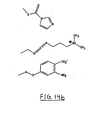
- 0 COC(*)c1cc(*)c(*)cc1[N+]([O-])=O Chemical compound COC(*)c1cc(*)c(*)cc1[N+]([O-])=O 0.000 description 9
Images



























Classifications
-
- C—CHEMISTRY; METALLURGY
- C07—ORGANIC CHEMISTRY
- C07D—HETEROCYCLIC COMPOUNDS
- C07D495/00—Heterocyclic compounds containing in the condensed system at least one hetero ring having sulfur atoms as the only ring hetero atoms
- C07D495/02—Heterocyclic compounds containing in the condensed system at least one hetero ring having sulfur atoms as the only ring hetero atoms in which the condensed system contains two hetero rings
- C07D495/04—Ortho-condensed systems
-
- C—CHEMISTRY; METALLURGY
- C07—ORGANIC CHEMISTRY
- C07C—ACYCLIC OR CARBOCYCLIC COMPOUNDS
- C07C69/00—Esters of carboxylic acids; Esters of carbonic or haloformic acids
- C07C69/76—Esters of carboxylic acids having a carboxyl group bound to a carbon atom of a six-membered aromatic ring
-
- C—CHEMISTRY; METALLURGY
- C07—ORGANIC CHEMISTRY
- C07C—ACYCLIC OR CARBOCYCLIC COMPOUNDS
- C07C69/00—Esters of carboxylic acids; Esters of carbonic or haloformic acids
- C07C69/96—Esters of carbonic or haloformic acids
-
- C—CHEMISTRY; METALLURGY
- C07—ORGANIC CHEMISTRY
- C07D—HETEROCYCLIC COMPOUNDS
- C07D207/00—Heterocyclic compounds containing five-membered rings not condensed with other rings, with one nitrogen atom as the only ring hetero atom
- C07D207/02—Heterocyclic compounds containing five-membered rings not condensed with other rings, with one nitrogen atom as the only ring hetero atom with only hydrogen or carbon atoms directly attached to the ring nitrogen atom
- C07D207/30—Heterocyclic compounds containing five-membered rings not condensed with other rings, with one nitrogen atom as the only ring hetero atom with only hydrogen or carbon atoms directly attached to the ring nitrogen atom having two double bonds between ring members or between ring members and non-ring members
- C07D207/34—Heterocyclic compounds containing five-membered rings not condensed with other rings, with one nitrogen atom as the only ring hetero atom with only hydrogen or carbon atoms directly attached to the ring nitrogen atom having two double bonds between ring members or between ring members and non-ring members with hetero atoms or with carbon atoms having three bonds to hetero atoms with at the most one bond to halogen, e.g. ester or nitrile radicals, directly attached to ring carbon atoms
- C07D207/36—Oxygen or sulfur atoms
- C07D207/40—2,5-Pyrrolidine-diones
- C07D207/404—2,5-Pyrrolidine-diones with only hydrogen atoms or radicals containing only hydrogen and carbon atoms directly attached to other ring carbon atoms, e.g. succinimide
-
- C—CHEMISTRY; METALLURGY
- C07—ORGANIC CHEMISTRY
- C07D—HETEROCYCLIC COMPOUNDS
- C07D207/00—Heterocyclic compounds containing five-membered rings not condensed with other rings, with one nitrogen atom as the only ring hetero atom
- C07D207/46—Heterocyclic compounds containing five-membered rings not condensed with other rings, with one nitrogen atom as the only ring hetero atom with hetero atoms directly attached to the ring nitrogen atom
-
- C—CHEMISTRY; METALLURGY
- C07—ORGANIC CHEMISTRY
- C07D—HETEROCYCLIC COMPOUNDS
- C07D209/00—Heterocyclic compounds containing five-membered rings, condensed with other rings, with one nitrogen atom as the only ring hetero atom
- C07D209/02—Heterocyclic compounds containing five-membered rings, condensed with other rings, with one nitrogen atom as the only ring hetero atom condensed with one carbocyclic ring
- C07D209/44—Iso-indoles; Hydrogenated iso-indoles
- C07D209/48—Iso-indoles; Hydrogenated iso-indoles with oxygen atoms in positions 1 and 3, e.g. phthalimide
-
- C—CHEMISTRY; METALLURGY
- C07—ORGANIC CHEMISTRY
- C07D—HETEROCYCLIC COMPOUNDS
- C07D211/00—Heterocyclic compounds containing hydrogenated pyridine rings, not condensed with other rings
- C07D211/04—Heterocyclic compounds containing hydrogenated pyridine rings, not condensed with other rings with only hydrogen or carbon atoms directly attached to the ring nitrogen atom
- C07D211/06—Heterocyclic compounds containing hydrogenated pyridine rings, not condensed with other rings with only hydrogen or carbon atoms directly attached to the ring nitrogen atom having no double bonds between ring members or between ring members and non-ring members
- C07D211/36—Heterocyclic compounds containing hydrogenated pyridine rings, not condensed with other rings with only hydrogen or carbon atoms directly attached to the ring nitrogen atom having no double bonds between ring members or between ring members and non-ring members with hetero atoms or with carbon atoms having three bonds to hetero atoms with at the most one bond to halogen, e.g. ester or nitrile radicals, directly attached to ring carbon atoms
- C07D211/60—Carbon atoms having three bonds to hetero atoms with at the most one bond to halogen, e.g. ester or nitrile radicals
-
- C—CHEMISTRY; METALLURGY
- C07—ORGANIC CHEMISTRY
- C07D—HETEROCYCLIC COMPOUNDS
- C07D211/00—Heterocyclic compounds containing hydrogenated pyridine rings, not condensed with other rings
- C07D211/04—Heterocyclic compounds containing hydrogenated pyridine rings, not condensed with other rings with only hydrogen or carbon atoms directly attached to the ring nitrogen atom
- C07D211/68—Heterocyclic compounds containing hydrogenated pyridine rings, not condensed with other rings with only hydrogen or carbon atoms directly attached to the ring nitrogen atom having one double bond between ring members or between a ring member and a non-ring member
- C07D211/72—Heterocyclic compounds containing hydrogenated pyridine rings, not condensed with other rings with only hydrogen or carbon atoms directly attached to the ring nitrogen atom having one double bond between ring members or between a ring member and a non-ring member with hetero atoms or with carbon atoms having three bonds to hetero atoms, with at the most one bond to halogen, directly attached to ring carbon atoms
- C07D211/78—Carbon atoms having three bonds to hetero atoms with at the most one bond to halogen
-
- C—CHEMISTRY; METALLURGY
- C07—ORGANIC CHEMISTRY
- C07D—HETEROCYCLIC COMPOUNDS
- C07D213/00—Heterocyclic compounds containing six-membered rings, not condensed with other rings, with one nitrogen atom as the only ring hetero atom and three or more double bonds between ring members or between ring members and non-ring members
- C07D213/02—Heterocyclic compounds containing six-membered rings, not condensed with other rings, with one nitrogen atom as the only ring hetero atom and three or more double bonds between ring members or between ring members and non-ring members having three double bonds between ring members or between ring members and non-ring members
- C07D213/04—Heterocyclic compounds containing six-membered rings, not condensed with other rings, with one nitrogen atom as the only ring hetero atom and three or more double bonds between ring members or between ring members and non-ring members having three double bonds between ring members or between ring members and non-ring members having no bond between the ring nitrogen atom and a non-ring member or having only hydrogen or carbon atoms directly attached to the ring nitrogen atom
- C07D213/60—Heterocyclic compounds containing six-membered rings, not condensed with other rings, with one nitrogen atom as the only ring hetero atom and three or more double bonds between ring members or between ring members and non-ring members having three double bonds between ring members or between ring members and non-ring members having no bond between the ring nitrogen atom and a non-ring member or having only hydrogen or carbon atoms directly attached to the ring nitrogen atom with hetero atoms or with carbon atoms having three bonds to hetero atoms with at the most one bond to halogen, e.g. ester or nitrile radicals, directly attached to ring carbon atoms
- C07D213/78—Carbon atoms having three bonds to hetero atoms, with at the most one bond to halogen, e.g. ester or nitrile radicals
- C07D213/79—Acids; Esters
-
- C—CHEMISTRY; METALLURGY
- C07—ORGANIC CHEMISTRY
- C07D—HETEROCYCLIC COMPOUNDS
- C07D215/00—Heterocyclic compounds containing quinoline or hydrogenated quinoline ring systems
- C07D215/02—Heterocyclic compounds containing quinoline or hydrogenated quinoline ring systems having no bond between the ring nitrogen atom and a non-ring member or having only hydrogen atoms or carbon atoms directly attached to the ring nitrogen atom
- C07D215/16—Heterocyclic compounds containing quinoline or hydrogenated quinoline ring systems having no bond between the ring nitrogen atom and a non-ring member or having only hydrogen atoms or carbon atoms directly attached to the ring nitrogen atom with hetero atoms or with carbon atoms having three bonds to hetero atoms with at the most one bond to halogen, e.g. ester or nitrile radicals, directly attached to ring carbon atoms
- C07D215/48—Carbon atoms having three bonds to hetero atoms with at the most one bond to halogen
-
- C—CHEMISTRY; METALLURGY
- C07—ORGANIC CHEMISTRY
- C07D—HETEROCYCLIC COMPOUNDS
- C07D239/00—Heterocyclic compounds containing 1,3-diazine or hydrogenated 1,3-diazine rings
- C07D239/02—Heterocyclic compounds containing 1,3-diazine or hydrogenated 1,3-diazine rings not condensed with other rings
- C07D239/24—Heterocyclic compounds containing 1,3-diazine or hydrogenated 1,3-diazine rings not condensed with other rings having three or more double bonds between ring members or between ring members and non-ring members
- C07D239/28—Heterocyclic compounds containing 1,3-diazine or hydrogenated 1,3-diazine rings not condensed with other rings having three or more double bonds between ring members or between ring members and non-ring members with hetero atoms or with carbon atoms having three bonds to hetero atoms with at the most one bond to halogen, directly attached to ring carbon atoms
- C07D239/46—Two or more oxygen, sulphur or nitrogen atoms
- C07D239/52—Two oxygen atoms
- C07D239/54—Two oxygen atoms as doubly bound oxygen atoms or as unsubstituted hydroxy radicals
-
- C—CHEMISTRY; METALLURGY
- C07—ORGANIC CHEMISTRY
- C07D—HETEROCYCLIC COMPOUNDS
- C07D239/00—Heterocyclic compounds containing 1,3-diazine or hydrogenated 1,3-diazine rings
- C07D239/02—Heterocyclic compounds containing 1,3-diazine or hydrogenated 1,3-diazine rings not condensed with other rings
- C07D239/24—Heterocyclic compounds containing 1,3-diazine or hydrogenated 1,3-diazine rings not condensed with other rings having three or more double bonds between ring members or between ring members and non-ring members
- C07D239/28—Heterocyclic compounds containing 1,3-diazine or hydrogenated 1,3-diazine rings not condensed with other rings having three or more double bonds between ring members or between ring members and non-ring members with hetero atoms or with carbon atoms having three bonds to hetero atoms with at the most one bond to halogen, directly attached to ring carbon atoms
- C07D239/46—Two or more oxygen, sulphur or nitrogen atoms
- C07D239/52—Two oxygen atoms
- C07D239/54—Two oxygen atoms as doubly bound oxygen atoms or as unsubstituted hydroxy radicals
- C07D239/545—Two oxygen atoms as doubly bound oxygen atoms or as unsubstituted hydroxy radicals with other hetero atoms or with carbon atoms having three bonds to hetero atoms with at the most one bond to halogen, directly attached to ring carbon atoms
-
- C—CHEMISTRY; METALLURGY
- C07—ORGANIC CHEMISTRY
- C07D—HETEROCYCLIC COMPOUNDS
- C07D241/00—Heterocyclic compounds containing 1,4-diazine or hydrogenated 1,4-diazine rings
- C07D241/36—Heterocyclic compounds containing 1,4-diazine or hydrogenated 1,4-diazine rings condensed with carbocyclic rings or ring systems
- C07D241/38—Heterocyclic compounds containing 1,4-diazine or hydrogenated 1,4-diazine rings condensed with carbocyclic rings or ring systems with only hydrogen or carbon atoms directly attached to the ring nitrogen atoms
- C07D241/40—Benzopyrazines
- C07D241/44—Benzopyrazines with hetero atoms or with carbon atoms having three bonds to hetero atoms with at the most one bond to halogen, e.g. ester or nitrile radicals, directly attached to carbon atoms of the hetero ring
-
- C—CHEMISTRY; METALLURGY
- C07—ORGANIC CHEMISTRY
- C07D—HETEROCYCLIC COMPOUNDS
- C07D261/00—Heterocyclic compounds containing 1,2-oxazole or hydrogenated 1,2-oxazole rings
- C07D261/02—Heterocyclic compounds containing 1,2-oxazole or hydrogenated 1,2-oxazole rings not condensed with other rings
- C07D261/06—Heterocyclic compounds containing 1,2-oxazole or hydrogenated 1,2-oxazole rings not condensed with other rings having two or more double bonds between ring members or between ring members and non-ring members
- C07D261/10—Heterocyclic compounds containing 1,2-oxazole or hydrogenated 1,2-oxazole rings not condensed with other rings having two or more double bonds between ring members or between ring members and non-ring members with hetero atoms or with carbon atoms having three bonds to hetero atoms with at the most one bond to halogen, e.g. ester or nitrile radicals, directly attached to ring carbon atoms
- C07D261/12—Oxygen atoms
-
- C—CHEMISTRY; METALLURGY
- C07—ORGANIC CHEMISTRY
- C07D—HETEROCYCLIC COMPOUNDS
- C07D271/00—Heterocyclic compounds containing five-membered rings having two nitrogen atoms and one oxygen atom as the only ring hetero atoms
- C07D271/02—Heterocyclic compounds containing five-membered rings having two nitrogen atoms and one oxygen atom as the only ring hetero atoms not condensed with other rings
- C07D271/06—1,2,4-Oxadiazoles; Hydrogenated 1,2,4-oxadiazoles
- C07D271/07—1,2,4-Oxadiazoles; Hydrogenated 1,2,4-oxadiazoles with oxygen, sulfur or nitrogen atoms, directly attached to ring carbon atoms, the nitrogen atoms not forming part of a nitro radical
-
- C—CHEMISTRY; METALLURGY
- C07—ORGANIC CHEMISTRY
- C07D—HETEROCYCLIC COMPOUNDS
- C07D303/00—Compounds containing three-membered rings having one oxygen atom as the only ring hetero atom
- C07D303/02—Compounds containing oxirane rings
- C07D303/12—Compounds containing oxirane rings with hydrocarbon radicals, substituted by singly or doubly bound oxygen atoms
- C07D303/14—Compounds containing oxirane rings with hydrocarbon radicals, substituted by singly or doubly bound oxygen atoms by free hydroxyl radicals
-
- C—CHEMISTRY; METALLURGY
- C07—ORGANIC CHEMISTRY
- C07D—HETEROCYCLIC COMPOUNDS
- C07D303/00—Compounds containing three-membered rings having one oxygen atom as the only ring hetero atom
- C07D303/02—Compounds containing oxirane rings
- C07D303/12—Compounds containing oxirane rings with hydrocarbon radicals, substituted by singly or doubly bound oxygen atoms
- C07D303/16—Compounds containing oxirane rings with hydrocarbon radicals, substituted by singly or doubly bound oxygen atoms by esterified hydroxyl radicals
-
- C—CHEMISTRY; METALLURGY
- C07—ORGANIC CHEMISTRY
- C07D—HETEROCYCLIC COMPOUNDS
- C07D317/00—Heterocyclic compounds containing five-membered rings having two oxygen atoms as the only ring hetero atoms
- C07D317/08—Heterocyclic compounds containing five-membered rings having two oxygen atoms as the only ring hetero atoms having the hetero atoms in positions 1 and 3
- C07D317/10—Heterocyclic compounds containing five-membered rings having two oxygen atoms as the only ring hetero atoms having the hetero atoms in positions 1 and 3 not condensed with other rings
- C07D317/32—Heterocyclic compounds containing five-membered rings having two oxygen atoms as the only ring hetero atoms having the hetero atoms in positions 1 and 3 not condensed with other rings with hetero atoms or with carbon atoms having three bonds to hetero atoms with at the most one bond to halogen, e.g. ester or nitrile radicals, directly attached to ring carbon atoms
- C07D317/34—Oxygen atoms
- C07D317/36—Alkylene carbonates; Substituted alkylene carbonates
-
- C—CHEMISTRY; METALLURGY
- C07—ORGANIC CHEMISTRY
- C07D—HETEROCYCLIC COMPOUNDS
- C07D401/00—Heterocyclic compounds containing two or more hetero rings, having nitrogen atoms as the only ring hetero atoms, at least one ring being a six-membered ring with only one nitrogen atom
- C07D401/02—Heterocyclic compounds containing two or more hetero rings, having nitrogen atoms as the only ring hetero atoms, at least one ring being a six-membered ring with only one nitrogen atom containing two hetero rings
- C07D401/12—Heterocyclic compounds containing two or more hetero rings, having nitrogen atoms as the only ring hetero atoms, at least one ring being a six-membered ring with only one nitrogen atom containing two hetero rings linked by a chain containing hetero atoms as chain links
-
- C—CHEMISTRY; METALLURGY
- C07—ORGANIC CHEMISTRY
- C07D—HETEROCYCLIC COMPOUNDS
- C07D405/00—Heterocyclic compounds containing both one or more hetero rings having oxygen atoms as the only ring hetero atoms, and one or more rings having nitrogen as the only ring hetero atom
- C07D405/02—Heterocyclic compounds containing both one or more hetero rings having oxygen atoms as the only ring hetero atoms, and one or more rings having nitrogen as the only ring hetero atom containing two hetero rings
- C07D405/10—Heterocyclic compounds containing both one or more hetero rings having oxygen atoms as the only ring hetero atoms, and one or more rings having nitrogen as the only ring hetero atom containing two hetero rings linked by a carbon chain containing aromatic rings
-
- C—CHEMISTRY; METALLURGY
- C07—ORGANIC CHEMISTRY
- C07D—HETEROCYCLIC COMPOUNDS
- C07D405/00—Heterocyclic compounds containing both one or more hetero rings having oxygen atoms as the only ring hetero atoms, and one or more rings having nitrogen as the only ring hetero atom
- C07D405/02—Heterocyclic compounds containing both one or more hetero rings having oxygen atoms as the only ring hetero atoms, and one or more rings having nitrogen as the only ring hetero atom containing two hetero rings
- C07D405/12—Heterocyclic compounds containing both one or more hetero rings having oxygen atoms as the only ring hetero atoms, and one or more rings having nitrogen as the only ring hetero atom containing two hetero rings linked by a chain containing hetero atoms as chain links
-
- C—CHEMISTRY; METALLURGY
- C07—ORGANIC CHEMISTRY
- C07D—HETEROCYCLIC COMPOUNDS
- C07D417/00—Heterocyclic compounds containing two or more hetero rings, at least one ring having nitrogen and sulfur atoms as the only ring hetero atoms, not provided for by group C07D415/00
- C07D417/02—Heterocyclic compounds containing two or more hetero rings, at least one ring having nitrogen and sulfur atoms as the only ring hetero atoms, not provided for by group C07D415/00 containing two hetero rings
- C07D417/12—Heterocyclic compounds containing two or more hetero rings, at least one ring having nitrogen and sulfur atoms as the only ring hetero atoms, not provided for by group C07D415/00 containing two hetero rings linked by a chain containing hetero atoms as chain links
-
- C—CHEMISTRY; METALLURGY
- C07—ORGANIC CHEMISTRY
- C07D—HETEROCYCLIC COMPOUNDS
- C07D417/00—Heterocyclic compounds containing two or more hetero rings, at least one ring having nitrogen and sulfur atoms as the only ring hetero atoms, not provided for by group C07D415/00
- C07D417/14—Heterocyclic compounds containing two or more hetero rings, at least one ring having nitrogen and sulfur atoms as the only ring hetero atoms, not provided for by group C07D415/00 containing three or more hetero rings
-
- C—CHEMISTRY; METALLURGY
- C07—ORGANIC CHEMISTRY
- C07D—HETEROCYCLIC COMPOUNDS
- C07D519/00—Heterocyclic compounds containing more than one system of two or more relevant hetero rings condensed among themselves or condensed with a common carbocyclic ring system not provided for in groups C07D453/00 or C07D455/00
-
- G—PHYSICS
- G01—MEASURING; TESTING
- G01N—INVESTIGATING OR ANALYSING MATERIALS BY DETERMINING THEIR CHEMICAL OR PHYSICAL PROPERTIES
- G01N33/00—Investigating or analysing materials by specific methods not covered by groups G01N1/00 - G01N31/00
- G01N33/48—Biological material, e.g. blood, urine; Haemocytometers
- G01N33/50—Chemical analysis of biological material, e.g. blood, urine; Testing involving biospecific ligand binding methods; Immunological testing
- G01N33/68—Chemical analysis of biological material, e.g. blood, urine; Testing involving biospecific ligand binding methods; Immunological testing involving proteins, peptides or amino acids
- G01N33/6803—General methods of protein analysis not limited to specific proteins or families of proteins
-
- G—PHYSICS
- G01—MEASURING; TESTING
- G01N—INVESTIGATING OR ANALYSING MATERIALS BY DETERMINING THEIR CHEMICAL OR PHYSICAL PROPERTIES
- G01N33/00—Investigating or analysing materials by specific methods not covered by groups G01N1/00 - G01N31/00
- G01N33/48—Biological material, e.g. blood, urine; Haemocytometers
- G01N33/50—Chemical analysis of biological material, e.g. blood, urine; Testing involving biospecific ligand binding methods; Immunological testing
- G01N33/68—Chemical analysis of biological material, e.g. blood, urine; Testing involving biospecific ligand binding methods; Immunological testing involving proteins, peptides or amino acids
- G01N33/6803—General methods of protein analysis not limited to specific proteins or families of proteins
- G01N33/6842—Proteomic analysis of subsets of protein mixtures with reduced complexity, e.g. membrane proteins, phosphoproteins, organelle proteins
-
- G—PHYSICS
- G01—MEASURING; TESTING
- G01N—INVESTIGATING OR ANALYSING MATERIALS BY DETERMINING THEIR CHEMICAL OR PHYSICAL PROPERTIES
- G01N33/00—Investigating or analysing materials by specific methods not covered by groups G01N1/00 - G01N31/00
- G01N33/48—Biological material, e.g. blood, urine; Haemocytometers
- G01N33/50—Chemical analysis of biological material, e.g. blood, urine; Testing involving biospecific ligand binding methods; Immunological testing
- G01N33/68—Chemical analysis of biological material, e.g. blood, urine; Testing involving biospecific ligand binding methods; Immunological testing involving proteins, peptides or amino acids
- G01N33/6803—General methods of protein analysis not limited to specific proteins or families of proteins
- G01N33/6845—Methods of identifying protein-protein interactions in protein mixtures
-
- G—PHYSICS
- G01—MEASURING; TESTING
- G01N—INVESTIGATING OR ANALYSING MATERIALS BY DETERMINING THEIR CHEMICAL OR PHYSICAL PROPERTIES
- G01N33/00—Investigating or analysing materials by specific methods not covered by groups G01N1/00 - G01N31/00
- G01N33/48—Biological material, e.g. blood, urine; Haemocytometers
- G01N33/50—Chemical analysis of biological material, e.g. blood, urine; Testing involving biospecific ligand binding methods; Immunological testing
- G01N33/68—Chemical analysis of biological material, e.g. blood, urine; Testing involving biospecific ligand binding methods; Immunological testing involving proteins, peptides or amino acids
- G01N33/6803—General methods of protein analysis not limited to specific proteins or families of proteins
- G01N33/6848—Methods of protein analysis involving mass spectrometry
-
- C—CHEMISTRY; METALLURGY
- C07—ORGANIC CHEMISTRY
- C07C—ACYCLIC OR CARBOCYCLIC COMPOUNDS
- C07C2603/00—Systems containing at least three condensed rings
- C07C2603/56—Ring systems containing bridged rings
- C07C2603/58—Ring systems containing bridged rings containing three rings
- C07C2603/70—Ring systems containing bridged rings containing three rings containing only six-membered rings
- C07C2603/74—Adamantanes
Definitions
- the compounds and methods are useful for analyzing the proteome.
- SNPs single nucleotide polymorphisms
- an industrial scale e. g ., MassARRAY ® and the MassARRAY ® system, Sequenom, Inc., San Diego, CA
- Sequenom, Inc. San Diego, CA
- the ultimate goal of these efforts is to understand the etiology of disease on the molecular level (e.g ., based on genetic variances (pharmacogenomics)), to develop diagnostic assays and effective drugs with few or no side-effects.
- Genomics has fallen short of the original expectation that this strategy could be used to stratify a population relative to a defined phenotype, including differences between normal and disease patient population or populations. Although single genetic markers have been found to be associated with or cause or predict a specific disease state, genomic information may not be sufficient to stratify individual populations by of the association of an SNP (or SNPs) with a given disease, drug side-effect or other target phenotype.
- RNA messenger RNA
- analyses using expression DNA chips e.g ., GeneChip ® technology, Affymetrix, Inc., Santa Clara, CA; LifeArray ® technology, Incyte Genomics, Inc., Palo Alto, CA.
- the metabolic activities in a cell are not performed by mRNA but rather by the translated proteins and subsequently posttranslationally modified products, such as the alkylated, glycosylated and phosphorylated products.
- proteomics encompasses the study of individual proteins and how these proteins function within a biochemical pathway.
- Proteomics also includes the study of protein interactions, including how they form the architecture that constitutes living cells.
- SNPs and other nucleic acid mutations occur in genes whose products are such proteins as (1) growth related hormones, (2) membrane receptors for growth hormones, (3) components of the transmembrane signal pathway and (4) DNA binding proteins that act on transcription and the inactivation of suppressor genes ( e.g . p53) causing the onset of disease.
- Two-dimensional gel electrophoresis is a laborious, error-prone method with low reproducibility and cannot be effectively automated. This gel technology is unable to effectively analyze membrane proteins. Further, the resolution of 2D gels is insufficient to analyze the profile of all proteins present in a mixture.
- Proteins form the important structural and functional machinery of the cell, and are the molecular entities with which nearly all of today's marketed drugs interact. Proteins are thus drug targets. Most pharma companies are investing heavily to extract truly promising drug targets from their sea of unvalidated targets derived from gene-based approaches. Typically the mechanism of action defining how drugs act upon their targets is poorly understood; for some marketed drugs the target is not even known. Furthermore, identifiying "non-target" proteins with which the drug interacts to trigger side effects has been especially elusive. It is believed that side effects of many drugs could be diminished with a greater understanding of the mechanism of action involving their target and the non-target proteins.
- Drug programs are discontinued for a variety of reasons (e.g ., lack of efficacy compared to placebo), but about half of the terminations relate to clinical safety and toxicity. As a result, the developments of many ill-chosen lead drug compounds are halted late in clinical trials after many years and millions of dollars have been spent. Compounding the financial problems caused by toxicity, the long duration of drug development also substantially reduces the length of patent protection.
- a method for identifying drug non-target proteins in a mixture of proteins comprising: i) contacting a capture compound with a sample containing proteins to effect capture of proteins in the sample, wherein: the capture compound has formula (I):
- X is selected to covalently bind to proteins and comprises a latent reactivity group requiring activation to capture a protein;
- Y is the drug, whose interactions are to be assessed;
- Q is a sorting function;
- Z is a trifunctional moiety as set forth in formula I that presents the drug Y, reactivity function X and sorting function Q;
- m is an integer that is 1 to 100;
- n is an integer from 1 to 100; and contacting is effected for a sufficient time for the interaction between the capture compounds and the proteins to reach equilibrium, whereby the interaction of Y and a protein reaches equilibrium; ii) treating the mixture so that X in the capture compound is activated to form a covalent linkage between X and a protein that interacts with Y, thereby capturing molecules that interact with Y; and iii) isolating and identifying the captured proteins to thereby identify target and non-target proteins in the sample that interact with moiety Y.
- the methods, capture compounds and collections permit sorting of complex mixtures of proteins. In addition, they permit identification of protein structures predicative or indicative of specific phenotypes, such as disease states, thereby eliminating the need for random SNP analysis, expression profiling and protein analytical methods.
- the capture compounds, collections and methods sort complex mixtures by providing a variety of different capture agents.
- they can be used to identify structural "epitopes" that serve as markers for specific disease states, stratify individual populations relative to specific phenotypes, permit a detailed understanding of the proteins underlying molecular function, and provide targets for drug development. The increased understanding of target proteins permit the design of higher efficiency therapeutics.
- the capture compounds, collections and methods provided herein permit screening of proteins, including but not limited to receptor proteins and enzymes, which are drug targets and non-targets, as defined herein, that interact with pharmaceutical drugs under physiological conditions.
- the screening of proteins provides increased understanding of the mechanism of action of the pharmaceutical drugs or drug fragments, metabolites or synthetic intermediates in the drug syntheses, thereby helping the design of more target specific drugs.
- the methods also provide for identification of non-target biomolecules, such as proteins including but not limited to receptors and enzymes, that interact with pharmaceutical drugs, thereby causing side effects and other undesired therapeutic effects.
- various attachments of the drugs or drug fragments, metabolites or synthetic intermediates in the drug syntheses to the capture compounds are used to determine which functionalities of the drugs or drug fragments, metabolites or synthetic intermediates in the drug syntheses interact with the target and non-target biomolecules.
- the non-target functionalities are then eliminated from the drug, resulting in an improved drug that exhibits fewer side effects.
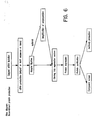
- a drug is included in the capture compound, proteins that interact with the drug are isolated and identified, the proteins are related to function, and the drug is re-engineered to eliminate or reduce interactions with non-target proteins. The method may be repeated on the re-engineered drug, as desired.
- Capture compounds and collections of the compounds are provided herein for use in the methods of the invention, singly or in collections thereof, designed to capture, separate and analyze proteins, including, but not limited to, mixtures of proteins, including individual or membrane proteins.
- the capture and separation of proteins in the methods provided herein is based on the unique surface features of the biomolecules or mixtures thereof, including but not limited to chemically reactive amino acid residues on the surface of a protein or a mixture of proteins.
- the capture compounds provided herein are designed not to target any specific protein, but to capture the proteins based on the reactive groups present on the surface of the proteins or mixtures thereof.
- the collections of the compounds described herein contain a plurality, generally at least two, three, typically at least 10, 50, 100, 1000 or more different capture compounds.
- the compounds and collections are designed to permit probing of a mixture of proteins by virtue of interaction of the capture compounds in the collection with the components of the a mixture under conditions that preserve their three-dimensional configuration.
- Each member of the collection is designed 1) to bind, covalently to fewer than all, typically about 5 to 20 or more component proteins in a mixture, depending upon complexity and diversity of the mixture, under physiological conditions, including hydrophobic conditions, and 2) distinguish among proteins based upon topological features.
- the capture compounds generally include a group, such as a single-stranded oligonucleotide or partially single-stranded oligonucleotide, that permits separation of each set of capture compounds.
- the capture compounds and collections are used in a variety of methods, but are particularly designed for assessing proteins, such as in mixtures from biological samples.
- the collections are used in top-down unbiased methods that assess structural changes, including post-translational structural changes and, for example, are used to compare patterns, particularly post-translational protein patterns, in diseased versus healthy cells from primary cells generally from the same individual.
- the cells that serve as the sources of proteins can be frozen into a selected metabolic state or synchronized to permit direct comparison and identification of phenotype-specific, such as disease-specific proteins.
- a capture compound includes a chemical reactivity group X (also referred to herein as a function or a functionality), which effects the covalent binding, and two other groups (also referred to herein as functions or functionalities).
- the other groups are a selectivity function Y that modulates the interaction of a protein with the reactivity function and a sorting function Q for addressing the components of the collection.
- a capture compound includes a solubility function W that alters solubility of the capture compound, such as by increasing the solubility of the capture compound under selected conditions, such as various physiological conditions, including hydrophobic conditions of cell membranes.
- solubility function W that alters solubility of the capture compound, such as by increasing the solubility of the capture compound under selected conditions, such as various physiological conditions, including hydrophobic conditions of cell membranes.
- the reactivity group includes groups that specifically react or interact with functionalities on the surface of a protein such as hydroxyl, amine, amide, sulfide and carboxylic acid groups, or that recognize specific surface areas, such as an antibody, a lectin or a receptor-specific ligand, or interacts with the active site of enzymes.
- a protein such as hydroxyl, amine, amide, sulfide and carboxylic acid groups
- specific surface areas such as an antibody, a lectin or a receptor-specific ligand, or interacts with the active site of enzymes.
- Those skilled in the art can select from a library of functionalities to accomplish this interaction. While this interaction can be highly reaction-specific, these compounds can react multiple times within the same protein molecule depending on the number of surface-accessible functional groups. Modification of the reaction conditions allows the identification of surface accessible functional groups with differing reactivity, thereby permitting identification of one or more highly reactive sites used to separate an individual protein from a mixture. Available technologies do not separate species in
- Selectivity functions include a variety of groups, as well as the geometric spacing of the second functionality, a single stranded unprotected or suitably protected oligonucleotide or oligonucleotide analog.
- the selective functionality can be separate from the compound and include the solid or semi-solid support,
- the selective functionality in this embodiment can be porosity, hydrophobicity, charge and other chemical properties of the material.
- selectivity functions interact noncovalently with target proteins to alter the specificity or binding of the reactivity function.
- Such functions include chemical groups and biomolecules that can sterically hinder proteins of specific size, hydrophilic compounds or proteins (e.g ., PEG and trityls), hydrophobic compounds or proteins (e.g ., polar aromatic, lipids, glycolipids, phosphotriester, oligosaccharides), positive or negatively charged groups, groups or biomolecules which create defined secondary or tertiary structure.
- hydrophilic compounds or proteins e.g ., PEG and trityls
- hydrophobic compounds or proteins e.g polar aromatic, lipids, glycolipids, phosphotriester, oligosaccharides
- positive or negatively charged groups e.g polar aromatic, lipids, glycolipids, phosphotriester, oligosaccharides
- the capture compounds also include a sorting function for separation or addressing of each capture compound according to its structure.
- the sorting function for example, can be a single-stranded (or partially single-stranded) unprotected or suitably protected oligonucleotide or oligonucleotide analog, typically containing between at least about 5 and up to 25, 35, 50, 100 or any desired number of nucleotides (or analogs thereof) containing a sequence-permuted region and optionally flanking regions.
- Each such block has a multitude of sequence permutations with or without flanking conserved regions, which is capable of hybridizing with a base-complementary single stranded nucleic acid molecule or a nucleic acid analog.
- the sorting function can also be a label, such as a symbology, including a bar code, particularly a machine-readable bar code, a color coded-label, such as small colored bead that can be sorted by virtue of its color, a radio-frequency tag or other electronic label or a chemical label. Any functionality that permits sorting of each set of capture compounds to permit separate analysis of bound biomolecules is contemplated.
- each protein to be captured is derivatized with more than one capture compound provided herein, where each tagged compound provides an additional level of sorting capability.
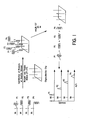
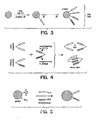
- each of the plurality of compounds that derivatize a single protein is different, allowing for specific and efficient sorting of the protein mixture (see, e.g ., Figure 3 ).
- the capture compound also can be multifunctional containing other functionalities that can be used to reduce the complexity of protein mixtures.
- the capture compounds include a reacitivity function and a selectivity function. These capture compounds also include sorting functionalities, which are one or more additional moieties that bind either covalently or noncovalently to a specific molecule to permit addressing of the compounds, such as by separation at discrete loci on a solid support, separation of the compounds on discrete loci. These capture compounds also optionally include one or more solubility functions, which are moieties that influence the solubility of the resulting compound, to attenuate or alter the hydrophobicity/hydrophilicity of the compounds (solubility function).
- the capture compounds are provided as collections, generally as collections of sets of different compounds that differ in all functionalities.
- the collection includes diverse capture compound members so that, for example, when they are arrayed, each locus of the array contains 0 to 100, generally, 5 to 50 and desirably 1 to 20, typically 5 to 20, different biomolecules at each locus in the array.
- a collection of capture compounds is contacted with a protein mixture and the bound molecules are assessed using, for example, mass spectrometry, followed by optional application of tagging, such as fluorescence tagging, after arraying to identify low abundance proteins.
- tagging such as fluorescence tagging
- a single capture compound is contacted with one or plurality of proteins, and the bound molecules are assessed.
- the methods allow proteins to bind to the target molecules under physiological conditions while maintaining the correct secondary and tertiary conformation of the target.
- the methods can be performed under physiological and other conditions that permit discovery of biologically important proteins, including membrane proteins, that are selected based upon a defined phenotype.
- the oligonucleotide portion, or analog thereof, of these compounds is allowed to hybridize to a complementary strand of immobilized oligonucleotide(s), or analog(s) thereof, to allow separation, isolation and subsequent analysis of bound biomolecules, such as proteins, by, for example, mass spectrometry, such as matrix assisted laser desorption ionization-time of flight (MALDI-TOF) mass spectrometry, colorimetric, fluorescent or chemiluminescent tagging, or to allow for increased resolution by mass spectrometry, including MALDI-TOF mass spectrometry.
- mass spectrometry such as matrix assisted laser desorption ionization-time of flight (MALDI-TOF) mass spectrometry, colorimetric, fluorescent or chemiluminescent tagging, or to allow for increased resolution by mass spectrometry, including MALDI-TOF mass spectrometry.
- MALDI-TOF matrix assisted laser desorption ionization-time of flight
- the collections of capture compounds can be used to generate compound arrays to capture target proteins or groups of related proteins that can mimic biological structures such as nuclear and mitochondrial transmembrane structures, artificial membranes or intact cell walls.
- the compounds and compound arrays provided herein are capable of mimicking biological entities and biological surfaces, thereby allowing for capture of proteins, which would otherwise be difficult or impossible to capture, such as those found in transmembrane regions of a cell.
- Samples for analysis include any protein-containing samples, such as protein mixtures, including, but not limited to, natural and synthetic sources. Proteins can be prepared by translation from isolated chromosomes, genes, cDNA and genomic libraries. Proteins can be isolated from cells, and other sources. In certain embodiments, the capture compounds provided herein are designed to selectively capture different post-translational modifications of the same protein (i.e ., phosphorylation patterns (e.g ., oncogenes), glycosylation and other post-translational modifications).
- phosphorylation patterns e.g ., oncogenes
- an oligonucleotide means a linear sequence of up to about 20, about 50, or about 100, nucleotide joined by phosphodiester bonds. Above this length the term polynucleotide begins to be used.
- an oligonucleotide analog means a linear sequence of up to about 20, about 50, or about 100, nucleotide analogs, or linear sequence of up to about 20, about 50, or about 100 nucleotides linked by a "backbone" bond other than a phosphodiester bond, for example, a phosphotriester bond, a phosphoramidate bond, a phophorothioate bond, a methylphosphonate diester bond, a thioester bond, or a peptide bond (peptide nucleic acid).
- peptide nucleic acid refers to nucleic acid analogs in that the ribose-phosphate backbone is replaced by a backbone held together by amide bonds.
- proteome means all the proteins present within a cell.
- Biomolecule is any compound found in nature, or derivatives thereof.
- Biomolecules include, but are not limited to oligonucleotides, oligonucleosides, proteins, peptides, amino acids, lipids, steroids, peptide nucleic acids (PNAs), oligosaccharides and monosaccharides.
- MALDI-TOF refers to matrix assisted laser desorption ionization-time of flight mass spectrometry.
- conditioned when used in reference to a protein thereof, means that the polypeptide is modified to decrease the laser energy required to volatilize the protein, to minimize the likelihood of fragmentation of the protein, or to increase the resolution of a mass spectrum of the protein or of the component amino acids.
- Resolution of a mass spectrum of a protein can be increased by conditioning the protein prior to performing mass spectrometry. Conditioning can be performed at any stage prior to mass spectrometry and, in one embodiment, is performed while the protein is immobilized.
- a protein can be conditioned, for example, by treating it with a cation exchange material or an anion exchange material, which can reduce the charge heterogeneity of the protein, thereby for eliminating peak broadening due to heterogeneity in the number of cations (or anions) bound to the various proteins in a population.
- removal of all cations by ion exchange, except for H + and ammonium ions is performed.
- an alkylating agent such as alkyliodide, iodoacetamide, iodoethanol, or 2,3epoxy-1-propanol
- the formation of disulfide bonds for example, in a protein can be prevented.
- charged amino acid side chains can be converted to uncharged derivatives employing trialkylsilyl chlorides.
- the capture compounds contain protein and nucleic acid portions
- conditioning suitable for one or both portions is also contemplated.
- a prepurification to enrich the biomolecules to be analyzed and the removal of all cations, such as by ion exchange, except for H+ and ammonium, or other conditioning treatment to improve resolution is advantageous for analysis of the nucleic acid portion as well as the protein portion.
- Conditioning of proteins is generally unnecessary because proteins are relatively stable under acidic, high energy conditions so that proteins do not require conditioning for mass spectrometric analyses.
- cation exchange chromatography, as well as general washing and purification procedures that remove proteins and other reaction mixture components away from the protein can be used to increase the resolution of the spectrum resulting from mass spectrometric analysis of the protein.
- capture efficiency is the peak area of the captured biomolecule/(peak area captured biomolecule + peak area uncaptured biomolecule) as measured by HPLC analysis.
- matrix refers to the material with which the capture compound biomolecule conjugates are combined for MALDI mass spectrometric analysis.
- Any matrix material such as solid acids, including 3-hydroxypicolinic acid, liquid matrices, such as glycerol, known to those of skill in the art for nucleic acid and/or protein analyses is contemplated. Since the compound biomolecule conjugates contain nucleic acid and protein a mixture (optimal for nucleic acids and proteins) of matrix molecules can be used.
- macromolecule refers to any molecule having a molecular weight from the hundreds up to the millions.
- Macromolecules include, but are not limited to, peptides, proteins, nucleotides, nucleic acids, carbohydrates, and other such molecules that are generally synthesized by biological organisms, but can be prepared synthetically or using recombinant molecular biology methods.
- biopolymer is refers to a biological molecule, including macromolecules, composed of two or more monomeric subunits, or derivatives thereof, which are linked by a bond or a macromolecule.
- a biopolymer can be, for example, a polynucleotide, a polypeptide, a carbohydrate, or a lipid, or derivatives or combinations thereof, for example, a nucleic acid molecule containing a peptide nucleic acid portion or a glycoprotein.
- biomolecule includes biopolymers and macromolecules and all molecules that can be isolated from living organisms and viruses, including, but are not limited to, cells, tissues, prions, animals, plants, viruses, bacteria and other organisms.
- a biological particle refers to a virus, such as a viral vector or viral capsid with or without packaged nucleic acid, phage, including a phage vector or phage capsid, with or without encapsulated nucleotide acid, a single cell, including eukaryotic and prokaryotic cells or fragments thereof, a liposome or micellar agent or other packaging particle, and other such biological materials.
- virus such as a viral vector or viral capsid with or without packaged nucleic acid, phage, including a phage vector or phage capsid, with or without encapsulated nucleotide acid, a single cell, including eukaryotic and prokaryotic cells or fragments thereof, a liposome or micellar agent or other packaging particle, and other such biological materials.
- biological particles include molecules that are not typically considered macromolecules because they are not generally synthesized, but are derived from cells and viruses.
- a drug refers to any compound that is a candidate for use as a therapeutic or as a lead compound for designing a therapeutic or that is a known pharmaceutical.
- Such compounds can be small molecules, including small organic molecules, peptides, peptide mimetics, antisense molecules, antibodies, fragments of antibodies or recombinant antibodies.
- drugs that have specific binding properties so that they can be used as selectivity groups or can be used as for sorting of the capture compounds, either a sorting functionality that binds to a target on a support, or linked to a solid support, where the sorting functionality is the drug target.
- a drug metabolite refers to any compound that is formed after transformation of a drug following its metabolism in the body that results in a different molecule that may be more or less active than the parent drug.
- a drug fragment refers to a molecule that is a portion or moiety of a drug.
- a drug synthetic intermediate is a compound that is used as an intermediate in the chemical synthesis of a drug.
- a drug target is a protein including but not limited to receptors and enzymes, that the drug is intended to interact with in vivo, thereby exerting the desired therapeutic effects.
- a drug non-target is a protein including but not limited to receptors and enzymes, that the drug is not intended to interact with in vivo.
- the interaction of a drug with drug non-targets may result in undesired therapeutic effects such as side effects.
- nucleic acid refers to single-stranded and/or double-stranded polynucleotides such as deoxyribonucleic acid (DNA), and ribonucleic acid (RNA) as well as analogs or derivatives of either RNA or DNA.
- Nucleic acid molecules are linear polymers of nucleotide, linked by 3',5' phosphodiester linkages.
- DNA deoxyribonucleic acid
- the sugar group is deoxyribose and the bases of the nucleotides are adenine, guanine, thymine and cytosine.
- RNA, ribonucleic acid has ribose as the sugar and uracil replaces thymine.
- analogs of nucleic acids such as peptide nucleic acid (PNA), phosphorothioate DNA, and other such analogs and derivatives or combinations thereof.
- polynucleotide refers to an oligomer or polymer containing at least two linked nucleotides or nucleotide derivatives, including a deoxyribonucleic acid (DNA), a ribonucleic acid (RNA), and a DNA or RNA derivative containing, for example, a nucleotide analog or a "backbone” bond other than a phosphodiester bond, for example, a phosphotriester bond, a phosphoramidate bond, a methylphosphonate diester bond, a phophorothioate bond, a thioester bond, or a peptide bond (peptide nucleic acid).
- DNA deoxyribonucleic acid
- RNA ribonucleic acid
- DNA or RNA derivative containing, for example, a nucleotide analog or a "backbone” bond other than a phosphodiester bond, for example, a phosphotriester bond, a phosphoramidate bond, a
- oligonucleotide also is used herein essentially synonymously with “polynucleotide,” although those in the art recognize that oligonucleotides, for example, PCR primers, generally are less than about fifty to one hundred nucleotides in length.
- Nucleotide analogs contained in a polynucleotide can be, for example, mass modified nucleotides, which allows for mass differentiation of polynucleotides; nucleotides containing a detectable label such as a fluorescent, radioactive, colorometric, luminescent or chemiluminescent label, which allows for detection of a polynucleotide: or nucleotides containing a reactive group such as biotin or a thiol group, which facilitates immobilization of a polynucleotide to a solid support.
- a polynucleotide also can contain one or more backbone bonds that are selectively cleavable, for example, chemically, enzymatically or photolytically.
- a polynucleotide can include one or more deoxyribonucleotides, followed by one or more ribonucleotides, which can be followed by one or more deoxyribonucleotides, such a sequence being cleavable at the ribonucleotide sequence by base hydrolysis.
- a polynucleotide also can contain one or more bonds that are relatively resistant to cleavage, for example, a chimeric oligonucleotide primer, which can include nucleotides linked by peptide nucleic acid bonds and at least one nucleotide at the 3' end, which is linked by a phosphodiester bond, or the like, and is capable of being extended by a polymerase.
- Peptide nucleic acid sequences can be prepared using well known methods (see, for example, Weiler et al. (1997) Nucleic acids Res. 25:2792-2799 ).
- a polynucleotide can be a portion of a larger nucleic acid molecule, for example, a portion of a gene, which can contain a polymorphic region, or a portion of an extragenic region of a chromosome, for example, a portion of a region of nucleotide repeats such as a short tandem repeat (STR) locus, a variable number of tandem repeats (VNTR) locus, a microsatellite locus or a minisatellite locus.
- STR short tandem repeat
- VNTR variable number of tandem repeats
- a polynucleotide also can be single stranded or double stranded, including, for example, a DNA-RNA hybrid, or can be triple stranded or four stranded. Where the polynucleotide is double stranded DNA, it can be in an A, B. L or Z configuration, and a single polynucleotide can contain combinations of such configurations.
- a “mass modification,” with respect to a biomolecule to be analyzed for mass spectrometry, refers to the inclusion of changes in consituent atoms or groups that change the molecular weight of the resulting molecule in defined increments detectable by mass spectrometric analysis. Mass modifications do not include radiolabels, such as isotope labels or fluorescent groups or other such tags normally used for detection by means other than mass spectrometry.
- polypeptide means at least two amino acids, or amino acid derivatives, including mass modified amino acids and amino acid analogs, which are linked by a peptide bond and which can be a modified peptide bond.
- a polypeptide can be translated from a polynucleotide, which can include at least a portion of a coding sequence or a portion of a nucleotide sequence that is not naturally translated due, for example, to it being located in a reading frame other than a coding frame, or it being an intron sequence, a 3' or 5' untranslated sequence, a regulatory sequence such as a promoter.
- a polypeptide also can be chemically synthesized and can be modified by chemical or enzymatic methods following translation or chemical synthesis.
- the terms "polypeptide,” “peptide” and “protein” are used essentially synonymously herein, although the skilled artisan recognizes that peptides generally contain fewer than about fifty to one hundred amino acid residues, and that proteins often are obtained from a natural source and can contain, for example, post-translational modifications.
- a polypeptide can be posttranslationally modified by, for example, phosphorylation (phosphoproteins) or glycosylation (glycoproteins, proteoglycans), which can be performed in a cell or in a reaction in vitro.
- conjugation refers to stable attachment, typically by virtue of a chemical interaction, including ionic and/or covalent attachment.
- conjugation means are streptavidin- or avidin- to biotin interaction; hydrophobic interaction; magnetic interaction (e.g ., using functionalized magnetic beads, such as DYNABEADS, which are streptavidin-coated magnetic beads sold by Dynal, Inc.
- polar interactions such as "wetting" associations between two polar surfaces or between oligo/polyethylene glycol
- formation of a covalent bond such as an amide bond, disulfide bond, thioether bond, or via crosslinking agents; and via an acid-labile or photocleavable linker.
- sample refers to a composition containing a material to be detected.
- sample refers to anything which can contain an biomolecule.
- the sample can be a biological sample, such as a biological fluid or a biological tissue obtained from any organism or a cell of or from an organism or a viral particle or portions thereof.
- biological fluids include urine, blood, plasma, serum, saliva, semen, stool, sputum, cerebral spinal fluid, tears, mucus, sperm, amniotic fluid or the like.
- Biological tissues are aggregates of cells, usually of a particular kind together with their intercellular substance that form one of the structural materials of a human, animal, plant, bacterial, fungal or viral structure, including connective, epithelium, muscle and nerve tissues. Examples of biological tissues also include organs, tumors, lymph nodes, arteries and individual cell(s).
- samples include biological samples (e.g ., any material obtained from a source originating from a living being (e.g ., human, animal, plant, bacteria, fungi, protist, virus).
- the biological sample can be in any form, including solid materials (e.g ., tissue, cell pellets and biopsies, tissues from cadavers) and biological fluids (e.g ., urine, blood, saliva, amniotic fluid and mouth wash (containing buccal cells)).
- solid materials are mixed with a fluid.
- the a sample for mass spectrometric analysis includes samples that contain a mixture of matrix used for mass spectrometric analyses and the capture compound/protein complexes.
- solid support means a non-gaseous, non-liquid material having a surface.
- a solid support can be a flat surface constructed, for example, of glass, silicon, metal, plastic or a composite; or can be in the form of a bead such as a silica gel, a controlled pore glass, a magnetic or cellulose bead; or can be a pin, including an array of pins suitable for combinatorial synthesis or analysis.
- a collection refers to combination of two or more members, generally 3, 5, 10, 50, 100, 500, 1000 or more members. In particular a collection refers to such combination of the capture compounds as provided herein.
- an array refers to a collection of elements, such as the capture compounds, containing three or more members.
- An addressable array is one in that the members of the array are identifiable, typically by position on a solid phase support but also by virtue of an identifier or detectable label. Hence, in general the members of an array are be immobilized to discrete identifiable loci on the surface of a solid phase.
- a plurality of the compounds are attached to a support, such as an array ( i . e ., a pattern of two or more) on the surface of a support, such as a silicon chip or other surface, generally through binding of the sorting functionality with a group or compound on the surface of the support.
- Addressing can be achieved by labeling each member electronically, such as with an radio-frequency (RF) tag, through the use of color coded beads or other such identifiable and color coded labels and through molecular weight These labels for addressing serve as sorting functions "Q.”
- RF radio-frequency
- the members of the array are immobilized to discrete identifiable loci on the surface of a solid phase or directly or indirectly linked to or otherwise associated with the identifiable label, such as affixed to a microsphere or other particulate support (herein referred to as beads) and suspended in solution or spread out on a surface.
- substrate refers to an insoluble support onto which a sample and/or matrix is deposited.
- Support can be fabricated from virtually any insoluble or solid material.
- silica gel, glass e.g ., controlled-pore glass (CPG)
- nylon Wang resin, Merrifield resin, dextran cross-linked with epichlorohydrin (e.g., Sephadex R ), agarose (e.g., Sepharose R ), cellulose, magnetic beads, Dynabeads ® , a metal surface ( e.g ., steel, gold, silver, aluminum, silicon and copper), a plastic material ( e.g ., polyethylene, polypropylene, polyamide, polyester, polyvinylidenedifluoride (PVDF))
- Exemplary substrate include, but are not limited to, beads (e.g ., silica gel, controlled pore glass, magnetic, dextran cross-linked with epichlorohydrin (e.g., Sephadex R ), agarose (e.g
- the solid support is in any desired form, including, but not limited to, a bead, capillary, plate, membrane, wafer, comb, pin, a wafer with pits, an array of pits or nanoliter wells and other geometries and forms known to those of skill in the art.
- Supports include flat surfaces designed to receive or link samples at discrete loci.
- flat surfaces include those with hydrophobic regions surrounding hydrophilic loci for receiving, containing or binding a sample.
- the supports can be particulate or can be in the form of a continuous surface, such as a microtiter dish or well, a glass slide, a silicon chip, a nitrocellulose sheet, nylon mesh, or other such materials.
- a continuous surface such as a microtiter dish or well, a glass slide, a silicon chip, a nitrocellulose sheet, nylon mesh, or other such materials.
- the particles typically have at least one dimension in the 510 mm range or smaller.
- Such particles referred collectively herein as “beads” are often, but not necessarily, spherical. Reference to “bead,” however, does not constrain the geometry of the matrix, which can be any shape, including random shapes, needles, fibers, and elongated. "Beads”, particularly microspheres that are sufficiently small to be used in the liquid phase, are also contemplated.
- the “beads” can include additional components, such as magnetic or paramagnetic particles (see, e.g .” DynaBeads ® (Dynal, Oslo, Norway)) for separation using magnets, as long as the additional components do not interfere with the methods and analyses herein.
- additional components such as magnetic or paramagnetic particles (see, e.g .” DynaBeads ® (Dynal, Oslo, Norway)) for separation using magnets, as long as the additional components do not interfere with the methods and analyses herein.
- polymorphism refers to the coexistence of more than one form of a gene or portion thereof.
- a portion of a gene of which there are at least two different forms, e.g ., two different nucleotide sequences, is referred to as a "polymorphic region of a gene".
- a polymorphic region can be a single nucleotide, e.g ., a single nucleotide polymorphism (SNP), the identity of which differs in different alleles.
- SNP single nucleotide polymorphism
- a polymorphic region also can be several nucleotides in length.
- polymorphic gene refers to a gene having at least one polymorphic region.
- allele which is used interchangeably herein with “allelic variant” refers to alternative forms of a gene or portions thereof. Alleles occupy the same locus or position on homologous chromosomes. When a subject has two identical alleles of a gene, the subject is said to be homozygous for the gene or allele. When a subject has two different alleles of a gene, the subject is said to be heterozygous for the gene. Alleles of a specific gene can differ from each other in a single nucleotide, or several nucleotides, and can include substitutions, deletions, and insertions of nucleotides. An allele of a gene also can be a form of a gene containing a mutation.
- allelic variants refers to an allele that is represented in the greatest frequency for a given population.
- allelic variants refers to allelic variants.
- association refers to coincidence with the development or manifestation of a disease, condition or phenotype. Association can be due to, but is not limited to, genes responsible for housekeeping functions whose alteration can provide the foundation for a variety of diseases and conditions, those that are part of a pathway that is involved in a specific disease, condition or phenotype and those that indirectly contribute to the manifestation of a disease, condition or phenotype.
- the term "subject” refers to a living organism, such as a mammal, a plant, a fungi, an invertebrate, a fish, an insect, a pathogenic organism, such as a virus or a bacterium, and, includes humans and other mammals.
- gene refers to a nucleic acid molecule containing an open reading frame and including at least one exon and (optionally) an intron sequence.
- a gene can be either RNA or DNA. Genes can include regions preceding and following the coding region.
- intron refers to a DNA fragment present in a given gene that is spliced out during mRNA maturation.
- nucleotide sequence complementary to the nucleotide sequence set forth in SEQ ID NO: x refers to the nucleotide sequence of the complementary strand of a nucleic acid strand having SEQ ID NO: x.
- complementary strand is used herein interchangeably with the term “complement”.
- the complement of a nucleic acid strand can be the complement of a coding strand or the complement of a noncoding strand.
- the complement of a nucleic acid having SEQ ID NO: x refers to the complementary strand of the strand having SEQ ID NO: x or to any nucleic acid having the nucleotide sequence of the complementary strand of SEQ ID NO: x.
- the complement of this nucleic acid is a nucleic acid having a nucleotide sequence that is complementary to that of SEQ ID NO: x.
- coding sequence refers to that portion of a gene that encodes a amino acids that constitute a polypeptide or protein.
- sense strand refers to that strand of a double-stranded nucleic acid molecule that has the sequence of the mRNA that encodes the amino acid sequence encoded by the double-stranded nucleic acid molecule.
- antisense strand refers to that strand of a double-stranded nucleic acid molecule that is the complement of the sequence of the mRNA that encodes the amino acid sequence encoded by the double-stranded nucleic acid molecule.
- amino acids which occur in the various amino acid sequences appearing herein, are identified according to their well-known, three-letter or one-letter abbreviations.
- the nucleotides, which occur in the various DNA fragments, are designated with the standard single-letter designations used routinely in the art (see, Table 1).
- amino acid residue refers to an amino acid formed upon chemical digestion (hydrolysis) of a polypeptide at its peptide linkages.
- the amino acid residues described herein are, in certain embodiments, in the "L” isomeric form. Residues in the "D" isomeric form can be substituted for any Lamino acid residue, as long as the a desired functional property is retained by the polypeptide.
- NH 2 refers to the free amino group present at the amino terminus of a polypeptide.
- COOH refers to the free carboxy group present at the carboxyl terminus of a polypeptide.
- amino acid residue sequences represented herein by formulae have a left to right orientation in the conventional direction of aminoterminus to carboxylterminus.
- amino acid residue is broadly defined to include the amino acids listed in the Table of Correspondence and modified and unusual amino acids, such as those referred to in 37 C.F.R. ⁇ ⁇ 1.821-1.822, and incorporated herein by reference.
- a dash at the beginning or end of an amino acid residue sequence indicates a peptide bond to a further sequence of one or more amino acid residues or to an aminoterminal group such as NH 2 or to a carboxylterminal group such as COOH.
- substitutions can be made in accordance with those set forth in TABLE 2 as follows: TABLE 2 Original residue Conservative substitution Ala (A) Gly; Ser Arg (R) Lys Asn (N) Gin; His Asp (D) Glu Cys (C) Ser Gln (Q) Asn Glu (E) Asp Gly (G) Ala; Pro His (H) Asn; Gin Ile (I) Leu; Val Leu (L) Ile; Val Lys (K) Arg; Gln Met (M) Leu; Tyr; Ile Phe (F) Met; Leu; Tyr Ser (S) Thr Thr (T) Ser Trp (W) Tyr Tyr (Y) Trp; Phe Val (V) Ile; Leu
- substitutions are also permissible and can be determined empirically or in accord with known conservative substitutions.
- a DNA or nucleic acid homolog refers to a nucleic acid that includes a preselected conserved nucleotide sequence, such as a sequence encoding a therapeutic polypeptide.
- substantially homologous is meant having at least 80%, at least 90% or at least 95% homology therewith or a less percentage of homology or identity and conserved biological activity or function.
- the terms “homology” and “identity” are often used interchangeably. In this regard, percent homology or identity can be determined, for example, by comparing sequence information using a GAP computer program.
- the GAP program uses the alignment method of Needleman and Wunsch (J. Mol. Biol. 48:443 (1970 ), as revised by Smith and Waterman (Adv. Appl. Math. 2:482 (1981 ). Briefly, the GAP program defines similarity as the number of aligned symbols (e.g ., nucleotides or amino acids) that are similar, divided by the total number of symbols in the shorter of the two sequences.
- the default parameters for the GAP program can include: (1) a unary comparison matrix (containing a value of 1 for identities and 0 for nonidentities) and the weighted comparison matrix of Gribskov and Burgess, Nucl. Acids Res. 14:6745 (1986 ), as described by Schwartz and Dayhoff, eds., ATLAS OF PROTEIN SEQUENCE AND STRUCTURE, National Biomedical Research Foundation, pp. 353358 (1979 ); (2) a penalty of 3.0 for each gap and an additional 0.10 penalty for each symbol in each gap; and (3) no penalty for end gaps.
- nucleic acid molecules Whether any two nucleic acid molecules have nucleotide sequences that are at least 80%, 85%, 90%, 95%, 96%, 97%, 98% or 99% "identical” can be determined using known computer algorithms such as the "FASTA” program, using for example, the default parameters as in Pearson and Lipman, Proc. Natl. Acad. Sci. USA 85:2444 (1988 ). Alternatively the BLAST function of the National Center for Biotechnology Information database can be used to determine identity.
- sequences are aligned so that the highest order match is obtained. "Identity" perse has an art-recognized meaning and can be calculated using published techniques.
- identity is well known to skilled artisans ( Carillo, H. & Lipton, D., SIAM J Applied Math 48:1073 (1988 )). Methods commonly employed to determine identity or similarity between two sequences include, but are not limited to, those disclosed in Guide to Huge Computers, Martin J. Bishop, ed., Academic Press, San Diego, 1994 , and Carillo, H. & Lipton, D., SIAM J Applied Math 48:1073 (1988 ). Methods to determine identity and similarity are codified in computer programs.
- Computer program methods to determine identity and similarity between two sequences include, but are not limited to, GCG program package ( Devereux, J., et al., Nucleic Acids Research 12(I):387 (1984 )), BLASTP, BLASTN, FASTA ( Atschul, S.F., et al., J Molec Biol 215:403 (1990 )).
- identity represents a comparison between a test and a reference polypeptide or polynucleotide.
- a test polypeptide can be defined as any polypeptide that is 90% or more identical to a reference polypeptide.
- the term at least "90% identical to” refers to percent identities from 90 to 99.99 relative to the reference polypeptides. Identity at a level of 90% or more is indicative of the fact that, assuming for exemplification purposes a test and reference polypeptide length of 100 amino acids are compared. No more than 10% ( e.g., 10 out of 100) amino acids in the test polypeptide differs from that of the reference polypeptides. Similar comparisons can be made between a test and reference polynucleotides.
- differences can be represented as point mutations randomly distributed over the entire length of an amino acid sequence or they can be clustered in one or more locations of varying length up to the maximum allowable, e.g ., 10/100 amino acid difference (approximately 90% identity). Differences are defined as nucleic acid or amino acid substitutions, or deletions.
- SSPE pH 7.4 phosphate- buffered, 0.18M NaCl.
- Hybridizations are carried out in the same solution with the following modifications: 0.02% PVP, 0.02% Ficoll, 0.2% BSA, 100 ⁇ g/ml salmon sperm DNA, 10% (wt/vol) dextran sulfate, and 520 X 10 6 cpm 32 Plabeled probe is used. Filters are incubated in hybridization mixture for 1820 hours at 40°C, and then washed for 1.5 hours at 55°C in a solution containing 2X SSC, 25 mM TrisHCl (pH 7.4), 5 mM EDTA, and 0.1% SDS. The wash solution is replaced with fresh solution and incubated an additional 1.5 hours at 60°C. Filters are blotted dry and exposed for autoradiography. If necessary, filters are washed for a third time at 6568°C and reexposed to film. Other conditions of low stringency which can be used are well known in the art ( e.g ., as employed for cross-species hybridizations).
- procedures using conditions of moderate stringency include, for example, but are not limited to, procedures using such conditions of moderate stringency are as follows: filters containing DNA are pretreated for 6 hours at 55°C in a solution containing 6X SSC, 5X Denhart's solution, 0.5% SDS and 100 ig/ml denatured salmon sperm DNA. Hybridizations are carried out in the same solution and 520 X 10 6 cpm 32 Plabeled probe is used. Filters are incubated in hybridization mixture for 18-20 hours at 55°C, and then washed twice for 30 minutes at 60°C in a solution containing 1X SSC and 0.1% SDS. Filters are blotted dry and exposed for autoradiography. Other conditions of moderate stringency which can be used are well-known in the art. Washing of filters is done at 37°C for 1 hour in a solution containing 2X SSC, 0.1% SDS.
- procedures using conditions of high stringency are as follows: Prehybridization of filters containing DNA is carried out for 8 hours to overnight at 65°C in buffer composed of 6X SSC, 50mM TrisHCl (pH 7.5), 1 mM EDTA, 0.02% PVP, 0.02% Ficoll, 0.02% BSA, and 500 ⁇ g/ml denatured salmon sperm DNA. Filters are hybridized for 48 hours at 65°C in prehybridization mixture containing 100 ig/ml denatured salmon sperm DNA and 520 X 10 6 cpm of 32 Plabeled probe.
- Washing of filters is done at 37°C for 1hour in a solution containing 2X SSC, 0.01 % PVP, 0.01 % Ficoll, and 0.01 % BSA. This is followed by a wash in 0.1X SSC at 50°C for 45 minutes before autoradiography.
- Other conditions of high stringency which can be used are well known in the art.
- substantially identical or substantially homologous or similar varies with the context as understood by those skilled in the relevant art and generally means at least 60% or 70%, preferably means at least 80%, 85% or more preferably at least 90%, and most preferably at least 95% identity.
- the compounds provided herein can contain chiral centers. Such chiral centers can be of either the (R) or (S) configuration, or can be a mixture thereof. Thus, the compounds provided herein can be enantiomerically pure, or be stereoisomeric or diastereomeric mixtures. In the case of amino acid residues, such residues can be of either the L- or D-form. In one embodiment, the configuration for naturally occurring amino acid residues is L.
- substantially pure means sufficiently homogeneous to appear free of readily detectable impurities as determined by standard methods of analysis, such as thin layer chromatography (TLC), gel electrophoresis, high performance liquid chromatography (HPLC) and mass spectrometry (MS), used by those of skill in the art to assess such purity, or sufficiently pure such that further purification would not detectably alter the physical and chemical properties, such as enzymatic and biological activities, of the substance.
- TLC thin layer chromatography
- HPLC high performance liquid chromatography
- MS mass spectrometry
- a cleavable bond or moiety refers to a bond or moiety that is cleaved or cleavable under the specific conditions, such as chemically, enzymatically or photolytically. Where not specified herein, such bond is cleavable under conditions of MALDI-MS analysis, such as by a UV or IR laser.
- a "selectively cleavable" moiety is a moiety that can be selectively cleaved without affecting or altering the composition of the other portions of the compound of interest.
- a cleavable moiety L of the compounds provided herein is one that can be cleaved by chemical, enzymatic, photolytic, or other means without affecting or altering composition ( e.g ., the chemical composition) of the conjugated biomolecule, including a protein.
- “Non-cleavable" moieties are those that cannot be selectively cleaved without affecting or altering the composition of the other portions of the compound of interest.
- binding with high affinity refers to a binding that has an association constant k a of at least 10 9 and generally 10 10 , 10 11 liters/mole or greater) or a K eq of 10 9 , 10 10 , 10 11 , 10 12 or greater.
- high affinity bonds formed by the reactivity groups are those that are stable to the laser (UV and IR) used in MALDI-MS analyses.
- alkyl As used herein, "alkyl”, “alkenyl” and “alkynyl”, if not specified, contain from 1 to 20 carbons, or 1 to 16 carbons, and are straight or branched carbon chains. Alkenyl carbon chains are from 2 to 20 carbons, and, in certain embodiments, contain 1 to 8 double bonds. Alkenyl carbon chains of 1 to 16 carbons, in certain embodiments, contain 1 to 5 double bonds. Alkynyl carbon chains are from 2 to 20 carbons, and, in one embodiment, contain 1 to 8 triple bonds. Alkynyl carbon chains of 2 to 16 carbons, in certain embodiments, contain 1 to 5 triple bonds.
- alkyl, alkenyl and alkynyl groups include, but are not limited to, methyl, ethyl, propyl, isopropyl, isobutyl, n-butyl, sec-butyl, tert-butyl, isopentyl, neopentyl, tert-penytyl and isohexyl.
- the alkyl, alkenyl and alkynyl groups unless otherwise specified, can be optionally substituted, with one or more groups, including alkyl group substituents that can be the same or different.
- lower alkyl As used herein, “lower alkyl”, “lower alkenyl”, and “lower alkynyl” refer to carbon chains having less than about 6 carbons.
- alk(en)(yn)yl refers to an alkyl group containing at least one double bond and at least one triple bond.
- an "alkyl group substituent” includes, but is not limited to, halo, haloalkyl, including halo lower alkyl, aryl, hydroxy, alkoxy, aryloxy, alkyloxy, alkylthio, arylthio, aralkyloxy, aralkylthio, carboxy alkoxycarbonyl, oxo and cycloalkyl.
- aryl refers to aromatic groups containing from 5 to 20 carbon atoms and can be a mono-, multicyclic or fused ring system.
- Aryl groups include, but are not limited to, phenyl, naphthyl, biphenyl, fluorenyl and others that can be unsubstituted or are substituted with one or more substituents.
- aryl also refers to aryl-containing groups, including, but not limited to, aryloxy, arylthio, arylcarbonyl and arylamino groups.
- an "aryl group substituent” includes, but is not limited to, alkyl, alkenyl, alkynyl, cycloalkyl, cycloalkylalkyl, aryl, heteroaryl optionally substituted with 1 or more, including 1 to 3, substituents selected from halo, halo alkyl and alkyl, aralkyl, heteroaralkyl, alkenyl containing 1 to 2 double bonds, alkynyl containing 1 to 2 triple bonds, alk(en)(yn)yl groups, halo, pseudohalo, cyano, hydroxy, haloalkyl and polyhaloalkyl, including halo lower alkyl, especially trifluoromethyl, formyl, alkylcarbonyl, arylcarbonyl that is optionally substituted with 1 or more, including 1 to 3, substituents selected from halo, halo alkyl and alkyl, heteroarylcarbonyl, carboxy, alkoxycarbony
- aralkyl refers to an alkyl group in that one of the hydrogen atoms of the alkyl is replaced by an aryl group.
- heteroarylkyl refers to an alkyl group in that one of the hydrogen atoms of the alkyl is replaced by a heteroaryl group.
- cycloalkyl refers to a saturated mono- or multicyclic ring system, in one embodiment, of 3 to 10 carbon atoms, or 3 to 6 carbon atoms; cycloalkenyl and cycloalkynyl refer to mono- or multicyclic ring systems that respectively include at least one double bond and at least one triple bond. Cycloalkenyl and cycloalkynyl groups can contain, in one embodiment, 3 to 10 carbon atoms, with cycloalkenyl groups, in other embodiments, containing 4 to 7 carbon atoms and cycloalkynyl groups, in other embodiments, containing 8 to 10 carbon atoms.
- ring systems of the cycloalkyl, cycloalkenyl and cycloalkynyl groups can be composed of one ring or two or more rings that can be joined together in a fused, bridged or spiro-connected fashion, and can be optionally substituted with one or more alkyl group substituents.
- Cycloalk(en)(yn)yl refers to a cycloalkyl group containing at least one double bond and at least one triple bond.
- heteroaryl refers to a monocyclic or multicyclic ring system, in one embodiment of about 5 to about 15 members where one or more, or 1 to 3, of the atoms in the ring system is a heteroatom, which is, an element other than carbon, for example, nitrogen, oxygen and sulfur atoms.
- the heteroaryl can be optionally substituted with one or more, including 1 to 3, aryl group substituents.
- the heteroaryl group can be optionally fused to a benzene ring.
- heteroaryl groups include, but are not limited to, pyrroles, porphyrines, furans, thiophenes, selenophenes, pyrazoles, imidazoles, triazoles, tetrazoles, oxazoles, oxadiazoles, thiazoles, thiadiazoles, indoles, carbazoles, benzofurans, benzothiophenes, indazoles, benzimidazoles, benzotriazoles, benzoxatriazoles, benzothiazoles, benzoselenozoles, benzothiadiazoles, benzoselenadiazoles, purines, pyridines, pyridazines, pyrimidines, pyrazines, pyrazines, triazines, quinolines, acridines, isoquinolines, cinnolines, phthalazines, quinazolines, quinoxalines, phenazines, pyr
- heteroaryl also refers to heteroaryl-containing groups, including, but not limited to, heteroaryloxy, heteroarylthio, heteroarylcarbonyl and heteroarylamino.
- heterocyclic refers to a monocyclic or multicyclic ring system, in one embodiment of 3 to 10 members, in another embodiment 4 to 7 members, including 5 to 6 members, where one or more, including 1 to 3 of the atoms in the ring system is a heteroatom, which is, an element other than carbon, for example, nitrogen, oxygen and sulfur atoms.
- the heterocycle can be optionally substituted with one or more, or 1 to 3 aryl group substituents.
- substituents of the heterocyclic group include hydroxy, amino, alkoxy containing 1 to 4 carbon atoms, halo lower alkyl, including trihalomethyl, such as trifluoromethyl, and halogen.
- the term heterocycle can include reference to heteroaryl.
- alkyl refers to saturated carbon chains that contain one or more carbons; the chains can be straight or branched or include cyclic portions or be cyclic.
- haloalkyl can include one or more of the same or different halogens.
- C 1-3 alkoxyphenyl can include one or more of the same or different alkoxy groups containing one, two or three carbons.
- substituents such as carboxy or substituents represented by variables such as W are separately enclosed in parentheses, yet possess no subscript outside the parentheses indicating numerical value and that follow substituents not in parentheses, e.g ., "C 1-4 alkyl(W)(carboxy)", "W” and “carboxy” are each directly attached to C 1-4 alkyl.
- halogen or halide refers to F, Cl, Br or I.
- pseudohalides are compounds that behave substantially similar to halides. Such compounds can be used in the same manner and treated in the same manner as halides (X, in that X is a halogen, such as Cl or Br).
- Pseudohalides include, but are not limited to, cyanide, cyanate, isocyanate, thiocyanate, isothiocyanate, selenocyanate, trifluoromethoxy, and azide.
- haloalkyl refers to a lower alkyl radical in that one or more of the hydrogen atoms are replaced by halogen including, but not limited to, chloromethyl, trifluoromethyl, 1 chloro2fluoroethyl and the like.
- haloalkoxy refers to RO in that R is a haloalkyl group.
- sulfinyl or “thionyl” refers to S(O).
- sulfonyl or “sulfuryl” refers to S(O) 2 .
- sulfo refers to S(O) 2 O.
- Carboxy refers to a divalent radical, C(O)O.
- aminocarbonyl refers to C(O)NH 2 .
- alkylaminocarbonyl refers to C(O)NHR in that R is hydrogen or alkyl, including lower alkyl.
- dialkylaminocarbonyl refers to C(O)NR ' R in that R ' and R are independently selected from hydrogen or alkyl, including lower alkyl.
- carboxamide refers to groups of formula NRCOR.
- diarylaminocarbonyl refers to C(O)NRR' in that R and R' are independently selected from aryl, including lower aryl, such as phenyl.
- aralkylaminocarbonyl refers to C(O)NRR' in that one of R and R' is aryl, including lower aryl, such as phenyl, and the other of R and R' is alkyl, including lower alkyl.
- arylaminocarbonyl refers to C(O)NHR in that R is aryl, including lower aryl, such as phenyl.
- alkoxycarbonyl refers to C(O)OR in that R is alkyl, including lower alkyl.
- aryloxycarbonyl refers to C(O)OR in that R is aryl, including lower aryl, such as phenyl.
- alkoxy and “alkylthio” refer to RO and RS, in that R is alkyl, including lower alkyl.
- aryloxy and “arylthio” refer to RO and RS, in that R is aryl, including lower aryl, such as phenyl.
- alkylene refers to a straight, branched or cyclic, in one embodiment straight or branched, divalent aliphatic hydrocarbon group, in certain embodiments having from 1 to about 20 carbon atoms, in other embodiments 1 to 12 carbons, including lower alkylene.
- the alkylene group is optionally substituted with one or more "alkyl group substituents.” There can be optionally inserted along the alkylene group one or more oxygen, sulphur or substituted or unsubstituted nitrogen atoms, where the nitrogen substituent is alkyl as previously described.
- alkylene groups include methylene (CH 2 ), ethylene (CH 2 CH 2 ), propylene (-(CH 2 ) 3 ), cyclohexylene (C 6 H 10 ), methylenedioxy (OCH 2 O) and ethylenedioxy (O(CH 2 ) 2 O).
- lower alkylene refers to alkylene groups having 1 to 6 carbons. In certain embodiments, alkylene groups are lower alkylene, including alkylene of 1 to 3 carbon atoms.
- alkenylene refers to a straight, branched or cyclic, in one embodiment straight or branched, aliphatic hydrocarbon group, in certain embodiments having from 2 to about 20 carbon atoms and at least one double bond, in other embodiments 1 to 12 carbons, including lower alkenylene.
- the alkenylene group is optionally substituted with one or more "alkyl group substituents.” There can be optionally inserted along the alkenylene group one or more oxygen, sulphur or substituted or unsubstituted nitrogen atoms, where the nitrogen substituent is alkyl as previously described.
- the term "lower alkenylene” refers to alkenylene groups having 2 to 6 carbons. In certain embodiments, alkenylene groups are lower alkenylene, including alkenylene of 3 to 4 carbon atoms.
- alkynylene refers to a straight, branched or cyclic, in one embodiment straight or branched, divalent aliphatic hydrocarbon group, in certain embodiments having from 2 to about 20 carbon atoms and at least one triple bond, in other embodiments 1 to 12 carbons, including lower alkynylene.
- the alkynylene group is optionally substituted with one or more "alkyl group substituents.” There can be optionally inserted along the alkynylene group one or more oxygen, sulphur or substituted or unsubstituted nitrogen atoms, where the nitrogen substituent is alkyl as previously described.
- alkynylene groups include -C ⁇ C-C ⁇ C-, C ⁇ C and C ⁇ CCH 2 .
- the term "lower alkynylene” refers to alkynylene groups having 2 to 6 carbons. In certain embodiments, alkynylene groups are lower alkynylene, including alkynylene of 3 to 4 carbon atoms.
- alk(en)(yn)ylene refers to a straight, branched or cyclic, in one embodiment straight or branched, divalent aliphatic hydrocarbon group, in certain embodiments having from 2 to about 20 carbon atoms and at least one triple bond, and at least one double bond; in other embodiments 1 to 12 carbons, including lower alk(en)(yn)ylene.
- the alk(en)(yn)ylene group is optionally substituted with one or more "alkyl group substituents.” There can be optionally inserted along the alkynylene group one or more oxygen, sulphur or substituted or unsubstituted nitrogen atoms, where the nitrogen substituent is alkyl as previously described.
- lower alk(en)(yn)ylene refers to alk(en)(yn)ylene groups having up to 6 carbons.
- alk(en)(yn)ylene groups are lower alk(en)(yn)ylene, including alk(en)(yn)ylene of 4 carbon atoms.
- arylene refers to a monocyclic or polycyclic, in one embodiment monocyclic, divalent aromatic group, in certain embodiments having from 5 to about 20 carbon atoms and at least one aromatic ring, in other embodiments 5 to 12 carbons, including lower arylene.
- the arylene group is optionally substituted with one or more "alkyl group substituents.” There can be optionally inserted around the arylene group one or more oxygen, sulphur or substituted or unsubstituted nitrogen atoms, where the nitrogen substituent is alkyl as previously described.
- Exemplary arylene groups include 1,2, 1,3- and 1,4-phenylene.
- the term "lower arylene” refers to arylene groups having 5 or 6 carbons. In certain embodiments, arylene groups are lower arylene.
- heteroarylene refers to a divalent monocyclic or multicyclic ring system, in one embodiment of about 5 to about 15 members where one or more, or 1 to 3 of the atoms in the ring system is a heteroatom, which is, an element other than carbon, for example, nitrogen, oxygen and sulfur atoms.
- the heteroarylene group can be optionally substituted with one or more, or 1 to 3, aryl group substituents.
- aralkylidene refers to an alkylidene group in that either R' or R" is and aryl group.
- amido refers to the divalent group C(O)NH.
- Thioamido refers to the divalent group C(S)NH.
- Oxyamido refers to the divalent group OC(O)NH.
- Thiaamido refers to the divalent group SC(O)NH.
- Dithiaamido refers to the divalent group SC(S)NH.
- Ureido refers to the divalent group HNC(O)NH.
- Thioureido refers to the divalent group HNC(S)NH.
- “semicarbazide” refers to NHC(O)NHNH.
- “Carbazate” refers to the divalent group OC(O)NHNH.
- “Isothiocarbazate” refers to the divalent group SC(O)NHNH.
- “Thiocarbazate” refers to the divalent group OC(S)NHNH.
- “Sulfonylhydrazide” refers to the group SO 2 NHNH.
- “Hydrazide” refers to the divalent group C(O)NHNH.
- “Hydrazinyl” refers to the divalent group NHNH.
- amino acid refers to ⁇ -amino acids that are racemic, or of either the D- or L-configuration.
- the designation "d” preceding an amino acid designation e.g ., dAla, dSer, dVal, etc. refers to the D-isomer of the amino acid.
- the designation "di” preceding an amino acid designation e.g ., dlAla refers to a mixture of the L- and D-isomers of the amino acid.
- conformationally altered protein disease refers to diseases associated with a protein or polypeptide that has a disease-associated conformation.
- the methods and collections provided herein permit detection of a conformer associated with a disease to be detected.
- Diseases and associated proteins that exhibit two or more different conformations in which at least one conformation is a conformationally altered protein include, but are not limited to, amyloid diseases and other neurodegenerative diseases known to those of skill in the art and set forth below.
- cell sorting refers to an assay in which cells are separated and recovered from suspension based upon properties measured in flow cytometry analysis. Most assays used for analysis can serve as the basis for sorting experiments, as long as gates and regions defining the subpopulation(s) to be sorted do not logically overlap. Maximum throughput rates are typically 5000 cells/second (18 x 10 8 cells/hour). The rate of collection of the separated population(s) depends primarily upon the condition of the cells and the percentage of reactivity.
- any protective groups, amino acids and other compounds are, unless indicated otherwise, in accord with their common usage, recognized abbreviations, or the IUPAC-IUB Commission on Biochemical Nomenclature (see, Biochem. 1972, 11:942 ).
- DMF N,N -dimethylformamide
- DMAc N,N- dimethylacetamide
- THF tetrahydrofuran
- TRIS tris(hydroxymethyl)aminomethane
- SSPE saline-sodium phosphate-EDTA buffer
- EDTA ethylenediaminetetraacetic acid
- SDS sodium dodecyl sulfate.
- Collections of capture compounds are described that selectively bind to proteins in samples, such as biomolecules, particularly, although not exclusively, a cell lysate or in vitro translated polypeptides from a cell lysate.
- Each capture compound in the collection can bind to specific groups or classes of protein, and is designed to covalently bind to a subset of all of the proteins in the sample.
- a sample can contain 1000's of members, for example a cell lysate.
- the collections of compounds permit sufficient selectivity so that, for example, about 10-20 of the components of the sample bind to each member of the collection. The exact number is a small enough number for routine analyses to identify them, generally in one step, such as by mass spectrometry.
- the compounds described herein are multifunctional synthetic small molecules that can select, covalently bind ("capture") and isolate proteins based on their unique surface features.
- the solubility of the compound may be modulated in the chemical synthesis process such that water soluble (cytosolic) or insoluble (membrane) protein mixtures may be analyzed.
- the compound employs three critical functionalities: (1) a reactivity function; (2) a selectivity function; and (3) a sorting function.
- the selectivity function interacts via non-covalent interactions with a protein e.g. in the active site of enzymes or ligand binding site of receptors ("Biased approach” for e.g. non-target identification), or at a surface affinity motif (SAM) outside of the binding site ("Unbiased approach” for e.g. target discovery).
- a biased selectivity group enables isolation of specific proteins from complex mixtures.
- the selectivity function is a drug (or metabolite thereof) known to cause side effects, attached in several different orientations to make different parts of the molecule accessible to proteins.
- An unbiased selectivity function utilizes chemical features underlying affinity interactions with the protein surface.
- the unbiased selectivity function tends to be less specific than the biased, since it is designed to interact with a broader set of proteins.
- Use of the unbiased capture compounds to screen for global protein profile differences between healthy and disease cells would require the development of a library of capture compounds which as a set interact with the majority of the proteins in the proteome. This approach enables monitoring of protein profile differences Induced by the influence of a drug molecule, or discovering new potential drug targets or biomarkers based on the differences between healthy with disease cells.
- the reactivity function covalently "captures" the selected protein. While the selectivity function serves as the bait, the reactivity function serves as the hook. A protein thus captured will be able to survive downstream purification and analytical processes.
- Reactivity functions employed are chemically reactive with certain protein side chains (e.g. NHS forms bond with lysine amino function), or require an activation step (i.e.light) prior to forming covalent bond (e.g. photoactivated moiety such as azide which forms a nitrene radical).
- the sorting (pull-out) function isolates the specific protein from its complex cellular environment using a solid support (e.g. magnetic bead, DNA chip), enabling subsequent structural and functional characterization.
- a solid support e.g. magnetic bead, DNA chip
- the analytical process ( Figure 26 ) is simple and highly amenable to automation.
- a protein mixture from the cells of interest is incubated with a capture compound in buffer conditions which retain the native structural features of the proteins.
- the selectivity function reversibly interacts and comes to equilibrium with those proteins for which it has an affinity.
- the reactivity function then forms a covalent bond irreversibly linking the compound to those proteins for which there was an affinity.
- Our data indicates that the higher the affinity between the protein and the capture compound, the higher is the percentage covalently captured.
- the covalently captured proteins are isolated onto a solid support and the uncaptured cellular components and proteins washed away. If the sorting function chosen is a biotin, then avidin or streptavidin beads are used as the solid support.
- Mass spectrometry MS is used to detect the captured proteins.
- MS is used for protein identification.
- This initial mass spectrum provides the molecular weights of all proteins captured. The identity of each can then be determined by conventional means (e.g. digestion and analysis or peptide fragments and genome/proteome database searches). Use of the capture compounds allows the researcher to further analyze and characterize the protein, since it is physically isolated from all others (e.g. mass spectrum identification, or x-ray crystallography after removal from beads).
- the protein is washed from the solid support (e.g., if using avidin / streptavidin beads, treat the beads with biotin to displace captured proteins) or make use of an incorporated photocleavable linker, or enzymatically or chemically cleavable linker, thereby releasing the captured purified protein from the solid support.
- the collections permit a top down holistic approach to analysis of the proteome, including post-translationally modified proteins, and other biomolecules. Protein and other biomolecule patterns are the starting point for analyses that use these collections; rather than nucleic acids and the genome (bottom up).
- the collections can be used to assess the protein components of a sample, such as a biological sample, to identify components specific to a particular phenotype, such as a disease state, to identify structural function, biochemical pathways and mechanisms of action.
- the collections and methods of use permit an unbiased analysis of proteins since the methods do not necessarily assess specific classes of targets, instead, changes in samples are detected or identified.
- the collections permit the components of a complex mixture of proteins (i.e., a mixture of 50, 100, 500, 1000, 2000 and more) to be sorted into discrete loci containing reduced numbers, typically by 10%, 50% or greater reduction in complexity, or to about 1 to 50 different biomolecules per locus in an array, so that the components at each spot can be analyzed, such as by mass spectrometric analysis alone or in combination with other analyses.
- homogeneity of the starting sample, such as cells can be important. To provide homogeneity, cells, with different phenotypes, such as diseased versus healthy, from the same individual are compared. Methods for doing so are provided herein.
- the collections can be used to detect structural changes, such as those from the post translational processing of proteins, and can be used to detect changes in membrane proteins, which are involved in the most fundamental processes, such as signal transduction, ion channels, receptors for ligand interaction and cell-to-cell interactions.
- membrane proteins which are involved in the most fundamental processes, such as signal transduction, ion channels, receptors for ligand interaction and cell-to-cell interactions.
- the collections contain sets of member capture compounds.
- members of each set differ in at least one functional group, and generally in two or three, from members of the other sets.
- the compounds include a reactivity function, a selectivity function and a sorting function
- each set differs in at least the sorting function, typically in at least in the sorting and selectivity function, and generally in all three functions.
- the solubility functions if present, which are selected to permit assaying in a selected environment, can differ among the compounds, or can be the same among all sets.
- the collections are contacted with a sample or partially purified or purified components thereof to effect binding of proteins to capture compounds in the collection.
- the capture compounds can be in an addressable array, such as bound to a solid support prior to contacting, or can be arrayed after contacting with the sample.
- the resulting array is optionally treated with a reagent that specifically cleaves the bound polymers, such as a protease, and is subjected to analysis, particularly mass spectrometric analysis to identify components of the bound protein at each locus.
- a molecular weight of a protein or portion thereof of interest is determined, the protein can be identified. Methods for identification include comparison of the molecular weights with databases, for example protein databases that include protease fragments and their molecular weights.
- the capture compounds include functional groups that confer reactivity, selective and separative properties, depending on the specificity of separation and analysis required (which depends on the complexity of the mixture to be analyzed). As more functional groups are added to the compounds, the compounds can exhibit increased selectivity and develop a signature for target molecules similar to an antigen (Ag) binding site on an antibody.
- the compounds provided herein include three functional groups (functions): a reactivity function, which binds to biopolymers covalently; a selectivity function, which by virtue of non covalent interactions alters, generally increases, the specificity of the reactivity function; a sorting function, which permits the compounds to be addressed (arrayed or otherwise separated based according to the structure of the capture compound.
- the compounds provided herein optionally include a solubility function, which when selected alters the solubility of the compounds depending upon the environment in which reactions are performed, permitting the conditions to simulate physiological conditions.
- the reactivity function is the reactive group that specifically interacts covalently with particular proteins, or portions thereof; and the other functionality, the selectivity function, alters, typically increasing, the specificity of the reactivity function.
- the reactive function covalently interacts with groups on a particular protein, such as amine groups on the surface of a protein.
- the reactivity function interacts with biomolecules for form a covalent bound.
- Conditions of analysis include, but are not limited to, mass spectrophotometric analysis, such as matrix assisted laser desorption ionization-time of flight (MALDI-TOF) mass spectrometry.
- MALDI-TOF matrix assisted laser desorption ionization-time of flight
- the selectivity function influences the types of proteins that can interact with the reactivity function through a non-covalent interaction.
- the selectivity function alters the specificity for the particular groups, generally reducing the number of such groups with which the reactivity functions react.
- a goal is to reduce the number of proteins or biomolecules bound at a locus, so that the proteins can then be separated, such as by mass spectrometry.
- the capture compounds described herein are those for use in the methods herein and can be classified in at least two sets: one for reactions in aqueous solution (e . g ., for reaction with hydrophilic biomolecules), and the other for reaction in organic solvents (e.g ., chloroform)( e . g ., for reaction with hydrophobic blomolecules).
- aqueous solution e.g ., for reaction with hydrophilic biomolecules
- organic solvents e.g ., chloroform
- the compounds provided herein discriminate between hydrophilic and hydrophobic proteins, including, but not limited to, proteins, and allow for analysis of both classes of proteins.
- Capture compounds also referred to as capture agents are described for use in the method of the invention.
- the capture compounds include a trifunctional core "Z” that presents one or more reactivity functions "X” and a selectivity function “Y” and a sorting function "Q”, and also optionally one or more solubility functions "W”. Additionally, cleavable linkers and other functions are included in the molecules.
- the particular manner in which the functions are presented on the core or scaffold is a matter of design choice, but are selected such that the resulting molecule has the property that it captures proteins, with sufficient specificity and covalently, so that at least a portion of bound biomolecules remain bound (generally a binding affinity of 10 9 , 10 10 , 10 11 liters/mole or greater, or a K eq of 10 9 , 10 10 , 10 11 , 10 12 or greater).
- the selectivity functionality Y is a group that "looks" at the topology of the protein around reactivity binding sites and functions to select particular groups on proteins from among those with which a reactivity group can form a covalent bond.
- a selectivity group can cause steric hindrance, or permit specific binding to an epitope, or anything in between. It can be a substrate for a drug, lipid, peptide. It selects the environment of the groups with which the reactivity function interacts.
- the selectivity functionality Y can be one whereby a capture compound forms a covalent bond with a protein in a mixture or interacts with high stability such that the affinity of binding of the capture compound to the protein through the reactive functionality in the presence of the selectivity functionality is at least ten-fold or 100-fold greater than in the absence of the selectivity functionality.
- Q is a sorting function that can be anything that provides a means for separating each set of capture compounds from the others, such as by arraying, and includes, groups such as biotin, generally a spacer, binding to an avidin on a surface (or vice versa) array, oligonucleotides for binding oligonucleotide arrays or any molecule that has a cognate binding partner to which it binds with sufficient affinity to survive mass spectrometric analysis, such as MALDI-MS analysis, can be selected.
- groups such as biotin, generally a spacer, binding to an avidin on a surface (or vice versa) array, oligonucleotides for binding oligonucleotide arrays or any molecule that has a cognate binding partner to which it binds with sufficient affinity to survive mass spectrometric analysis, such as MALDI-MS analysis, can be selected.
- groups such as biotin, generally a spacer, binding to an avidin on a surface (or vice versa
- labeling means that can be sorted by virtue of the label, such as RF tags, fluorescent tags, color-coded tags or beads, bar-coded or other symbology labeled tags and other such labels can be used.
- the capture compounds or the X, Y, Z, W functionalities can be on a surface that is attached to an RF tag or a colored tag. These can be readily sorted after reaction so that each set can be separately analyzed to identify bound biomolecules.
- the collections can include capture compounds that have a variety of sorting groups.
- the solubility function, W permits alteration in properties of the capture compound components of the collection.
- W can be selected so that the capture compounds are soluble or not in a particular reaction medium or environment, such as a hydrophobic environment, thereby permitting reactions with membrane components.
- the collections include sets of capture compounds, each of which set differs in Q and at least one or both X and Y.
- the capture compounds provided are those with at least three functionalities: reactivity, sorting and selectivity.
- the sorting function can be selectively cleavable to permit its removal.
- the selectivity function alters the range of binding of the reactivity function, which binds covalently.
- These compounds can also include a solubility function.
- Z is a moiety that is cleavable prior to or during analysis of the biomolecule, including mass spectral analysis, without altering the chemical structure of the biomolecule, including, but not limited to, a protein.
- Z is a trifunctional moiety containing three functionalities that are each capable of being derivatized selectively in the presence of the other two functionalities.
- trifunctional moieties include but are not limited to trifunctionalized trityl groups and amino acids that possess a functionality on the side chain (e.g., tyrosine, cysteine, aspartic acid, glutamic acid, lysine, threonine, serine, etc.).
- amino acids include natural and non-natural amino acids.
- the methods provided herein include a step of mass spectral analysis of proteins, which are displayed in an addressable format.
- the compounds are then bound to an array of single oligonucleotides that include single-stranded portions (or portions that can be made single-stranded) that are complementary to the oligonucleotide portions, or oligonucleotide analog portions, (Q, the sorting function) of the capture compounds.
- Z can be selected to be a group that is (i) stable to the reaction conditions required for reaction of the compounds provided herein with the protein, (ii) stable to the conditions required for hybridization of the Q moiety with the single stranded oligonucleotides, and (iii) cleavable prior to or during analysis of the protein.
- Z with the linked functional groups can be designed so that the Q, X, Y and optionally W is dissolved into lipid bilayers of a cell membrane, thereby contacting internal portions of cell membrane proteins through the X and Y functions.
- the support captures proteins, such as membrane proteins and organelle proteins, including proteins within cell membranes.
- the capture compounds and functional group can be selected so that the resulting capture compounds function under selected physiological conditions.
- the choice of Z, Q, X, Y and/or W allows for design of surfaces and supports that mimic cell membranes and other biological membranes.
- a lipid bilayer such as those used for forming liposomes and other micelles, can be provided on the surface of a support as a way of maintaining the structures of membrane proteins to make a lipid bilayer on the surface.
- This can be employed where the support is the "Z" function and the other functions are linked thereto, or where the compounds are linked to a support through a Q group, such as by double-stranded oligonucleotides.
- the resulting immobilized capture compounds can be coated with or dissolved in a lipid coating.
- an organic film membrane is composed of a linear-dendritic diblock copolymer composed of polyamidoamine (PAMAM) dendrimer attached to one end of a linear polyethylene oxide (PEO) block.
- PAMAM polyamidoamine
- PEO linear polyethylene oxide
- Z is a photocleavable group that is cleaved by a laser used in MALDI-TOF mass spectrometry.
- Z is an acid labile group that is cleaved upon application of a matrix for mass spectrometric analysis to arrayed, such as hybridized compound-biomolecule conjugates, or by exposure to acids (e.g ., trifluoroacetic or hydrochloric acids) in a vapor or liquid form, prior to analysis.
- the matrix maintains the spatial integrity of the array, allowing for addressable analysis of the array.
- the capture compounds for use in the methods provided herein have a Z moiety that is not cleavable under conditions used for analysis of protein, including, but not limited to mass spectrometry, such as matrix assisted laser desorption ionization-time of flight (MALDI-TOF) mass spectrometry.
- mass spectrometry such as matrix assisted laser desorption ionization-time of flight (MALDI-TOF) mass spectrometry.
- Capture compounds of these embodiments can be used, for example, in methods provided herein for identifying proteins in mixtures thereof, for determining protein-protein, interactions, and for determining protein-drug or protein-drug candidate, interactions. In these embodiments, it is not necessary for the Z group to be cleaved for the analysis.
- Z can be virtually any moiety that serves as a core to present the binding (the selectivity and reactivity functions) and the solubility and sorting functions.
- a variety are exemplified herein, but others may be substituted. The precise nature can be a matter of design choice in view of the disclosure herein and the skill of the skilled artisan
- Z is a cleavable or non-cleavable multivalent or trivalent group that contains, generally 50 or fewer, or less than 20 members, and is selected from the following divalent moieties absent at least one hydrogen to render them trivalent or higher valency: straight or branched chain alkylene, straight or branched chain alkenylene, straight or branched chain alkynylene, straight or branched chain alkylenoxy, straight or branched chain alkylenthio, straight or branched chain alkylencarbonyl, straight or branched chain alkylenamino, cycloalkylene, cycloalkenylene, cycloalkynylene, cycloalkylenoxy, cycloalkylenthio, cycloalkylencarbonyl, cycloalkylenamino, heterocyclylene arylene, arylenoxy, arylenthio, arylencarbonyl, arylenamino
- Z is a trivalent cleavable or non-cleavable group selected from the following multivalent moieties, the following trivalent moiety or the following divalent moieties absent at least on hydrogen to render them trivalent or multivalent straight or branched chain alkyl, straight or branched chain alkenyl, straight or branched chain alkynyl, (C(R 15 ) 2 ) d , (CH 2 ) d , (CH 2 ) d O, (CH 2 ) d S, >N(R 15 ), (C(S(O) u )) w , (C(R 15 ) 2 ) d O, (C(R 15 ) 2 ) d S(O) u , O(C(R 15 ) 2 ) d , S(O) u (C(R 15 ) 2 ) d , (C(R 15 ) 2 ) d O(C(R 15 ) 2 ) d , (O) u
- the compounds are selected with the proviso that Z is cleavable prior to or during analysis, including mass spectral analysis, such as matrix assisted laser desorption ionization-time of flight (MALDI-TOF) mass spectrometry, of the protein.
- mass spectral analysis such as matrix assisted laser desorption ionization-time of flight (MALDI-TOF) mass spectrometry, of the protein.
- MALDI-TOF matrix assisted laser desorption ionization-time of flight
- Z is a trivalent moiety selected from the divalent moieties disclosed herein absent at least one hydrogen.
- the capture compounds in the collections provided herein include a core Z that has a variety of valencies.
- Z is a cleavable trivalent moiety and has the formula: (S 1 ) t M(R 15 ) a (S 2 ) b L, where S 1 and S 2 are spacer moieties; t and b are each independently 0 or 1; M is a central moiety possessing three or more points of attachment ( i.e ., trivalent or higher valency); in certain embodiments, three points of attachment ( i.e ., trivalent to hexavalent), in other embodiments, 3, 4 or 5 points of attachment (i.e.
- R 15 is as described above; a is 0 to 4, in certain embodiments, 0,1 or 2; and L is a bond that is cleavable prior to or during analysis, including mass spectral analysis, of a protein without altering the chemical structure of the biomolecule, such as a protein.
- M is selected from the following moieties absent at least one hydrogen to render them trivalent or higher valancy: alkylene, phenylene or biphenylene, or M is a multivalent or trivalent heterobifunctional trityl derivative. M is unsubstituted or is substituted with 1 to 4 groups, each independently selected from R 15 .
- n1, n2, n3 are each independently integers from 0 to 4.
- n1, n2 and n3 are selected with the proviso that n1 + n2 + n3 ⁇ 0. In another embodiment n1, n2 and n3 are 1 to 3. In another embodiment n1 and n2 are 0. In another embodiment n3 is 2. In one embodiment, z is 1.
- M is a trivalent of higher valency moiety selected from straight or branched chain alkyl, straight or branched chain alkenyl, straight or branched chain alkynyl, aryl, heteroaryl, cycloalkyl, heterocyclyl, straight or branched chain aralkyl, straight or branched chain aralkenyl, straight or branched chain aralkynyl, straight or branched chain heteroaralkyl, straight or branched chain heteroaralkenyl, straight or branched chain heteroaralkynyl, straight or branched chain cycloalkylalkyl, straight or branched chain cycloalkylalkenyl, straight or branched chain cycloalkylalkynyl, straight or branched chain heterocyclylalkyl, straight or branched chain heterocyclylalkyl, straight or branched chain heterocyclylalkynyl.
- a spacer region S 1 and/or S 2 can be present on either or both sides of the central moiety M (linked to Z) of the compounds, for example, to reduce steric hinderance in reactions with the surface of large biomolecules and/or for facilitating sorting.
- These can be any groups that provide for spacing, typically without altering desired functional properties of the capture compounds and/or capture compound/biomolecule complexes.
- a spacer is optional.
- steric hinderance also can enhance selectivity in conjunction with Y. This enhanced selectivity can be achieved either by the presence of a selectivity function, Y, that is attached to M or by the selection of the appropriate spacer molecules for S 1 and/or S 2 .
- the spacer group is selected such that the selectivity function (a drug) reaches the binding pocket of a target or non-target protein.
- Spacer groups may be hydrophobic (e.g. alkyl or phosphotriesters) or hydrophilic; their length may be varied to achieve efficient sorting or selectivity or capture; they may be rigid (e.g. trans olefins). The spacer groups may be selected based on the properties (hydrophobic/hydrophilic, size, etc.) of the biomolecular mixture to be analyzed.
- the reactivity of the cleavable bond L can be influenced by one or more substituted functionalities, for example, R 15 on M. modulate the stability of the cleavable bond L.
- R 15 on M modulate the stability of the cleavable bond L.
- M is a trityl derivative
- the linkage to the protein, including, but not limited to, a protein is in one embodiment a trityl ether bond.
- the sensitivity of this bond to mild acids, such as acetic acid or the vapor of trifluoroacetic acid can be significantly enhanced by having as R 15 one or two electron donating groups, including, but not limited to, alkoxy groups, such as methoxy groups, in the para positions of the aryl rings.
- the trityl ether bond can be stabilized by the introduction of electron withdrawing groups, including, but not limited to, either halogen, including bromo and chloro, groups, nitro groups or ester moieties, in the para and/or ortho positions of the aromatic rings.
- electron withdrawing groups including, but not limited to, either halogen, including bromo and chloro, groups, nitro groups or ester moieties, in the para and/or ortho positions of the aromatic rings.
- R 15 is H, OH, OR 51 , SH, SR 51 , NH 2 , NHR 51 .
- R 51 is straight or branched chain alkyl, straight or branched chain alkenyl, straight or branched chain alkynyl, aryl, heteroaryl, cycloalkyl, heterocyclyl, straight or branched chain aralkyl, straight or branched chain aralkenyl, straight or branched chain aralkynyl, straight or branched chain heteroaralkyl, straight or branched chain heteroaralkenyl, straight or branched chain heteroaralkynyl, straight or branched chain cycloalkylalkyl, straight or branched chain cycloalkylalkenyl, straight or branched chain cycloalkylalkynyl, straight or branched chain heterocyclylalkyl, straight or branched chain branched chain cycloalkylalkyl, straight or branched chain cycloalkylalkenyl, straight or branched chain cycloalkylalkynyl,
- the cleavable group L is cleaved either prior to or during analysis of the protein.
- the analysis can include mass spectral analysis, for example MALDI-TOF mass spectral analysis.
- the cleavable group L is selected so that the group is stable during conjugation to a biomolecule, and sorting, such as hybridization of a single stranded oligonucleotide Q moiety to a complementary sequence, and washing of the hybrid; but is susceptable to cleavage under conditions of analysis of the protein , including, but not limited to, mass spectral analysis, for example MALDI-TOF analysis.
- the resulting disulfide bond can be cleaved under various reducing conditions including, but not limited to, treatment with dithiothreitol and 2-mercaptoethanol.
- L is a photocleavable group, which can be cleaved by a short treatment with UV light of the appropriate wave length either prior to or during mass spectrometry.
- Photocleavable groups including those bonds that can be cleaved during MALDI-TOF mass spectrometry by the action of a laser beam, can be used.
- a trityl ether or an ortho nitro substituted aralkyl, including benzyl, group are susceptible to laser induced bond cleavage during MALDI-TOF mass spectrometry.
- Other useful photocleavable groups include, but are not limited to, o-nitrobenzyl, phenacyl, and nitrophenylsulfenyl groups.
- photocleavable groups for use herein include those disclosed in International Patent Application Publication No. WO 98/20166 .
- the photocleavable groups have formula I: where R 20 is ⁇ Oalkylene; R 21 is selected from hydrogen, alkyl, aryl, alkoxycarbonyl, aryloxycarbonyl and carboxy; t is 0-3; and R 50 is alkyl, alkoxy, aryl or aryloxy.
- Q is attached to R 20 through (S 1 ) t M(R 15 ) a (S 2 ) b ; and the biomolecule of interest is captured onto the R 21 CHO moiety via a reactive derivative of the oxygen ( e.g ., X).
- the photocleavable groups have formula II: where R 20 is ⁇ Oalkylene or alkylene; R 21 is selected from hydrogen, alkyl, aryl, alkoxycarbonyl, aryloxycarbonyl and carboxy; and X 20 is hydrogen, alkyl or OR 21 .
- Q is attached to R 20 through (S 1 ) t M(R 15 ) a (S 2 ) b ; and the biomolecule of interest is captured onto the R 21 CHO moiety via a reactive derivative of the oxygen ( e.g ., X).
- R 20 is O(CH 2 ) 3 or methylene; R 21 is selected from hydrogen, methyl and carboxy; and X 20 is hydrogen, methyl or OR 21 . In another embodiment, R 21 is methyl; and X 20 is hydrogen. In certain embodiments, R 20 is methylene; R 21 is methyl; and X 20 is 3-(4,4'-dimethoxytrityloxy)propoxy.
- the photocleavable groups have formula III: where R 2 is selected from ⁇ OalkyleneO and ⁇ Oalkylene, and is unsubstituted or substituted on the alkylene chain with one or more alkyl groups; c and e are each independently 0-4; and R 70 and R 71 are each independently alkyl, alkoxy, aryl or aryloxy. In certain embodiments, R 2 is ⁇ Oalkylene, and is substituted on the alkylene chain with a methyl group.
- Q is attached to R 2 through (S 1 ) t M(R 15 ) a (S 2 ) b ; and the biomolecule of interest is captured onto the Ar 2 CHO moiety via a reactive derivative of the oxygen (e.g ., X).
- a reactive derivative of the oxygen e.g ., X
- R 2 is selected from 3O(CH 2 ) 3 O, 4O(CH 2 ) 4 , 3O(CH 2 ) 3 , 2OCH 2 CH 2 , OCH 2 ,
- c and e are 0.
- cleavable groups L include acid sensitive groups, where bond cleavage is promoted by formation of a cation upon exposure to mild to strong acids.
- cleavage of the group L can be effected either prior to or during analysis, including mass spectrometric analysis, by the acidity of the matrix molecules, or by applying a short treatment of the array with an acid, such as the vapor of trifluoroacetic acid. Exposure of a trityl group to acetic or trifluoroacetic acid produces cleavage of the ether bond either before or during MALDI-TOF mass spectrometry.
- the capture compound-biomolecule array can be treated by either chemical, including, but not limited to, cyanogen bromide, or enzymatic, including, but not limited to, in embodiments where the biomolecule is a protein, trypsin, chymotrypsin, an exopeptidase (e.g ., aminopeptidase and carboxypeptidase) reagents to effect cleavage.
- an exopeptidase e.g ., aminopeptidase and carboxypeptidase
- Partial digestion also can be of advantage to identify and characterize proteins following desorption from the array.
- the cleaved protein/peptide fragments are desorbed, analyzed, and characterized by their respective molecular weights.
- R 15 is H, OH, OR 51 , SH, SR 51 , NH 2 , NHR 51 , N(R 51 ) 2 , F, Cl, Br, I, SO 3 H, PO 2 4 , CH 3 , CH 2 CH 3 , CH(CH 3 ) 2 or C(CH 3 ) 3 ; where R 51 is straight or branched chain alkyl, straight or branched chain alkenyl, straight or branched chain alkynyl, aryl, heteroaryl, cycloalkyl, heterocyclyl, straight or branched chain aralkyl, straight or branched chain aralkenyl, straight or branched chain aralkynyl, straight or branched chain heteroaralkyl, straight or branched chain heteroaralkenyl
- Z has a dendritic structure (i.e ., Z is a multivalent dendrimer) that is linked to a plurality of Q and X moieties.
- Z in certain embodiments, has about 4 up to about 6, about 8, about 10, about 20, about 40, about 60 or more points of attachment (i.e ., Z is tetravalent up to hexavalent, octavalent, decavalent, didecavalent, tetradecavalent, hexadecavalent, etc.).
- the dendritic moiety Z is based on a multivalent core M, as defined above. The number of points of attachment on M may vary from about 2 up to about 4, about 6, about 8, or more.
- Z has the structure: where M is as defined above, and is linked to a plurality of Q, Y, W and X moieties.
- Z has the structure: where M is as defined above, and is linked to a plurality of Q, Y, W and X moieties.
- the dendritic Z moieties may optionally possess a plurality of spacer groups S 1 and/or S 2 , or for embodiments where Z is a cleavable linkage, a plurality of L groups.
- the S 1 , S 2 and/or L moieties are attached to the end of the dendritic chain(s).
- the density of the biopolymer to be analyzed, and thus signal intensity of the subsequent analysis, is increased relative to embodiments where Z is a divalent group.
- c. Z is an insoluble support or a substrate
- Z can be an insoluble support or a substrate, such as a particulate solid support, such as a silicon or other "bead” or microsphere, or solid surface so that the surface presents the functional groups (X, Y, Q and, as needed W).
- Z has bound to it one or a plurality of X moieties (typically, 1 to 100, generally 1 to 10) and to at least one Q and Y moiety, and also optionally to one or more W moieties.
- Z in these embodiments, can have tens up to hundreds, thousands, millions, or more functional moieties (groups) on its surface.
- the capture compound can be a silicon particle or a agarose or other particle with groups presented on it.
- the resulting particles with a hydrophobic surface and optional hydrophobic W groups are used in methods for probing cell membrane environments and other intracellular environments.
- gentle lysis of cells can expose the intracellular compartments and organelles, and hydrophobic capture compounds, such as these, can be reacted with them, and the bound biomolecules assessed by, for example, mass spectrometry or further treated to release the contents of the compartments and organelles and reacted with the capture compounds or other capture compounds.
- the insoluble support or substrate moiety Z can be based on a flat surface constructed, for example, of glass, silicon, metal, plastic or a composite or other suitable surface; or can be in the form of a "bead" or particle, such as a silica gel, a controlled pore glass, a magnetic or cellulose bead; or can be a pin, including an array of pins suitable for combinatorial synthesis or analysis.
- Substrates can be fabricated from virtually any insoluble or solid material.
- silica gel, glass e.g ., controlled-pore glass (CPG)
- nylon Wang resin, Merrifield resin, dextran cross-linked with epichlorohydrin (e.g ., Sephadex ® ), agarose ( e.g ., Sepharose ® ), cellulose, magnetic beads, Dynabeads, a metal surface ( e.g ., steel, gold, silver, aluminum, silicon and copper), a plastic material ( e.g ., polyethylene, polypropylene, polyamide, polyester, polyvinylidenedifluoride (PVDF))
- Exemplary substrate include, but are not limited to, beads ( e.g ., silica gel, controlled pore glass, magnetic, dextran cross-linked with epichlorohydrin (e.g ., Sephadex ® ), agarose ( e.g ., Sepharose ® ), cellulose, capillaries, flat supports such as glass fiber filters, glass surfaces, metal surfaces, metal surfaces
- the solid support is in any desired form, including, but not limited to, a bead, capillary, plate, membrane, wafer, comb, pin, a wafer with pits, an array of pits or nanoliter wells and other geometries and forms known to those of skill in the art.
- Supports include flat surfaces designed to receive or link samples at discrete loci.
- the solid supports or substrates Z are "beads" (i.e ., particles, typically in the range of less than 200 ⁇ m or less than 50 ⁇ m in their largest dimension) including, but not limited to, polymeric, magnetic, colored, R f -tagged, and other such beads.
- the beads can be made from hydrophobic materials, including, but not limited to, polystyrene, polyethylene, polypropylene or teflon, or hydrophilic materials, including, but not limited to, cellulose, dextran cross-linked with epichlorohydrin (e.g ., Sephadex ® ), agarose ( e.g ., Sepharose ® ), polyacrylamide, silica gel and controlled pore glass beads or particles.
- hydrophobic materials including, but not limited to, polystyrene, polyethylene, polypropylene or teflon, or hydrophilic materials, including, but not limited to, cellulose, dextran cross-linked with epichlorohydrin (e.g ., Sephadex ® ), agarose ( e.g ., Sepharose ® ), polyacrylamide, silica gel and controlled pore glass beads or particles.
- They can be sorted using the Q function to bind to distinct loci on a solid support, or they can include a label to permit addressing, such as an radio frequency tag or a colored label or bar code or other symbology imprinted thereon. These can be sorted according to the label, which serves as "Q" function, and then analyzed by mass spectrometry.
- the insoluble support or substrate Z moieties optionally can possess spacer groups S 1 and/or S 2 , or for embodiments where Z is a cleavable linkage, L.
- the S 1 , S 2 and/or L moieties are attached to the surface of the insoluble support or substrate.
- an appropriate array of single stranded oligonucleotides or oligonucleotide analogs that are complementary to the single stranded oligonucleotide or oligonucleotide analog sorting functions Q will be employed in the methods provided herein.
- Reactivity functions confer on the compounds the ability to bind covalently to a protein, including functional groups thereon, which include post-translationally added groups.
- the binding is covalent.
- exemplary groups are set forth herein (see, e.g., Figure 14 , and the discussion below).
- Further groups are inert toward reaction with a protein, until activated.
- Such groups include photoactivatable groups, including but not limited to, azide and diazirine groups.
- an active ester e.g. NHS
- the active ester is inert toward reaction with amine groups under these conditions, but will react upon raising the pH.
- X is a moiety that binds to or interacts with the surface of a protein; an amino acid side chain of a protein; or an active site of an enzyme (protein).
- X is a group that reacts or interacts with functionalities on the surface of a protein to form covalent or non-covalent bonds with high affinity.
- a wide selection of different functional groups are available for X to interact with a protein.
- X can act either as a nucleophile or an electrophile to form covalent bonds upon reaction with the amino acid residues on the surface of a protein.
- Exemplary reagents that bind covalently to amino acid side chains include, but are not limited to, protecting groups for hydroxyl, carboxyl, amino, amide, and thiol moieties, including, for example, those disclosed in T.W. Greene and P.G.M.
- Hydroxyl protecting groups for use as X groups herein include, but are not limited to:
- Carboxyl protecting groups for use as X groups herein include, but are not limited to:
- Thiol protecting groups for use as X groups herein include, but are not limited to:
- Amino protecting groups for use as X groups herein include, but are not limited to:
- amino acid side chains such as hydroxyl (serine, threonine, tyrosine); amino (lysine, arginine, histadine, proline); amide (glutamine, asparagine); carboxylic acid (aspartic acid, glutamic acid); and sulfur derivatives (cysteine, methionine), and are readily adaptable for use in the capture compounds as the reactive moiety X.
- amino acid side chains such as hydroxyl (serine, threonine, tyrosine); amino (lysine, arginine, histadine, proline); amide (glutamine, asparagine); carboxylic acid (aspartic acid, glutamic acid); and sulfur derivatives (cysteine, methionine), and are readily adaptable for use in the capture compounds as the reactive moiety X.
- reagents that are known in natural product chemistry also can serve as a basis for X in forming covalent linkages.
- X include protein purification dyes, such as acridine or methylene blue, which have a strong affinity for certain proteins.
- the reactivity of X is influenced by one or more selectivity functions Y on the core, i.e., M in the formula above, particularly where S 2 is not present.
- the Y function is employed for electronic (e.g ., mesomeric, inductive) and/or steric effects to modulate the reactivity of X and the stability of the resulting X-biomolecule linkage.
- protein mixtures can react and be analyzed due to the modulation by Y, which changes the electronic or steric properties of X and, therefore, increases the selectivity of the reaction of X with the protein.
- X is a photoactivatable group.
- the capture compound contains a selectivity function and is allowed to interact with a protein mixture until, for example, equilibrium is reached. The X group is then activated by exposure to the appropriate wavelength of light, whereby the X group then reacts with a surface group of the protein can capture it.
- the photoactivatable group is an arylazide, such as a phenylazide. Following exposure to light, the resulting nitrene will react with, e.g., the side chain of tyrosine to capture the protein.
- the photoactivatable group is a diazirine group, such as 3-trifluoromethyldiazirine.
- the reactivity functionality X is linked to the central core Z, via a spacer S.
- a spacer can be any group that provides for spacing, typically without altering desired functional properties of the capture compounds and /or capture compound/protein complexes.
- the reactive functionality X linked with the spacer can be extended from the central core Z, to reach to the active sites on the surface of the protein, such as proteins. Those of skill in the art in the light of the disclosure herein, can readily select suitable spacers.
- the selectivity functions serves to modulate the reactivity function by reducing the number of groups to which the reactivity functions bind, such as by steric hindrance and other interactions. It is a group that modifies the steric and/or electronic (e.g ., mesomeric, inductive effects) properties as well as the resulting affinities of the capture compound.
- Selectivity functions include any functional groups that increase the selectivity of the reactivity group so that it binds to fewer different proteins than in the absence of the selectivity function or binds with greater affinity to proteins than in its absence.
- Y is allowed to be extensively varied depending on the goal to be achieved regarding steric hindrance and electronic factors as they relate to modulating the reactivity of the cleavable bond L, if present, and the reactive functionality X.
- a reactivity function X can be selected to bind to amine groups on proteins; the selectivity function can be selected to ensure that only groups exposed on the surface can be accessed.
- the selectivity function is such that the compounds bind to or react with (via the reactivity function) fewer different proteins when it is part of the molecule than when it is absent and/or the compounds bind with greater specificity and higher affinity
- the selectivity function can be attached directly to a compound or can be attached via a linker, such as CH 2 CO 2 or CH 2 -O-(CH 2 ) n -O, where n is an integer from 1 to 12, or 1 to 6, or 2 to 4. See, e.g ., Figure 15 and Figure 19 and the discussion below for exemplary selectivity functions,
- the linker is chosen such that the selectivity function can reach the binding pocket of a target or non-target protein.
- the selectivity function is a chiral group, which allows for stereoselective capture of proteins.
- each Y is independently a group that modifies the affinity properties and/or steric and/or electronic (e.g ., mesomeric, inductive effects) properties of the resulting capture compound.
- Y in certain embodiments, is selected from ATP analogs and inhibitors; peptides and peptide analogs; polyethyleneglycol (PEG); activated esters of amino acids, isolated or within a peptide; cytochrome C; and hydrophobic trityl groups.
- Y is a small molecule moiety, a natural product, a protein agonist or antagonist, a peptide or an antibody (see, e.g ., Figure 15 ).
- Y is a hydrophilic compound or protein (e.g ., PEG or trityl ether), a hydrophobic compound or protein (e.g ., polar aromatics, lipids, glycolipids, phosphotriesters, oligosaccharides), a positive or negatively charged group, a small molecule, a pharmaceutical compound or a biomolecule that creates defined secondary or tertiary structures.
- Y is an enzyme inhibitor, an enzyme agonist or antagonist, a pharmaceutical drug or drug fragment, a prodrug or drug metabolite that modifies the selectivity of the capture compounds or collections thereof, to interact with the proteins or mixtures thereof, including, but not limited to specific receptors, to form covalent or non-covalent bonds with high affinity.
- the capture compounds/ collections thereof have a selectivity function, which is a cox-2 inhibitor, and a mixture of proteins contains cox receptors among other biomolecules.
- the selectivity function is selected from pharmaceutical drugs or drug fragments set forth below, where attachment of exemplary pharmaceutical drugs to a central core is shown below.
- the selectivity function is a drug, drug fragment, drug metabolite, or a drug synthetic intermediate.
- the pharmaceutical drugs or drug fragments can be attached to the central core Z, in different orientations via different points of attachment, thereby modulating the selectivity of the capture compound.
- the attachment of a drug/drug fragment to the central core can be carried out by methods known to a person with skill in the art. Attachment of some exemplary pharmaceutical drugs at various points, to the central core Z is set forth below.
- the capture compounds provided herein include those where the selectivity function is a drug, drug fragment, drug metabolite or a prodrug.
- the capture compounds also contain a reactivity function, as defined elsewhere herein.
- the capture compounds also contain a sorting function, as defined elsewhere herein.
- the capture compounds that contain drug, drug fragment, drug metabolite or prodrug selectivity functions contain an amino acid core.
- the amino acid core may be an amino acid that does not have a functionality on the side chain for attachment of a third function.
- Such amino acid cores include, but are not limited to, glycine, alanine, phenylalanine and leucine.
- the capture compound contains a reactivity function and a selectivity function, which are attached to the amino and carboxy groups of the amino acid.
- the amino acid core may be an amino acid that possesses a functionality on the side chain for attachment of a third function.
- amino acid cores include, but are not limited to, serine, threonine, lysine, tyrosine and cysteine.
- the capture compound contains a reactivity function, a sorting function and a selectivity function, which are attached to the amino, carboxy and side chain functional groups of the amino acid.
- the core is tyrosine and the capture compounds have the formula: where "drug” refers to a drug, drug fragment, drug metabolite or prodrug.
- the drug is LIPITOR® (atorvastatin calcium) and the capture compounds have the formulae:
- the drug is CELEBREX® (celecoxib) and the capture compounds have the formulae:
- the drug is VIOXX® (rofecoxib) and the capture compounds have the formulae:
- the drug is BAYCOL® (cerivastatin sodium) and the capture compounds have the formula:
- the drug is methotrexate and the capture compounds have the formulae:
- Examplary selectivity functions include, but are not limited to, ligands that bind to receptors such as insulin and other receptors (see, e.g ., the Table of ligands below); cyclodextrins; enzyme substrates; lipid structures; prostaglandins; antibiotics; steroids; therapeutic drugs; enzyme inhibitors; transition state analogs; specific peptides that bind to protein surfaces, including glue peptides; lectins ( e.g ., mannose type, lactose type); peptide mimetics; statins; functionalities, such as dyes and other compounds and moieties employed for protein purification and affinity chromatography.
- receptors such as insulin and other receptors (see, e.g ., the Table of ligands below); cyclodextrins; enzyme substrates; lipid structures; prostaglandins; antibiotics; steroids; therapeutic drugs; enzyme inhibitors; transition state analogs; specific peptides that bind to protein surfaces, including glue peptide
- Y selections for Y are can be identified by those of skill in the art and include, for example, those disclosed in Techniques in Protein Chemistry, Vol. 1 (1989) T. Hugli ed. (Academic Press ); Techniques in Protein Chemistry, Vol. 5 (1994) J.W. Crabb ed. (Academic Press ); Lundblad Techniques in Protein Modification (1995) (CRC Press, Boca Raton, FL ); Glazer et al. (1976) Chemical Modification of Proteins (North Holland (Amsterdam))(American Elsevier, New York ); and Hermanson (1996) Bioconjugate Techniques (Academic Press, San Diego, CA ).
- the compounds provided herein can include a sorting function ("Q"), which permits the compounds to be addressed, such as by capture in a 2-D array.
- the sorting function is selected to not interact with the biomolecules (e.g. target and non-target proteins) in the sample.
- the sorting functions are "tags", such as oligonucleotide tags, such that when the compounds are bathed over an array of complementary oligonucleotides linked to solid supports, such as beads, chips, under suitable binding conditions, the oligonucleotides hybridize.
- the identity of the capture compound can be known by virtue of its position in the array.
- sorting functions can be optically coded, including as color coded or bar coded beads that can be separated, or an electronically tagged, such as by providing microreactor supports with electronic tags or bar coded supports (see, e.g ., U.S. Patent No. 6,025,129 ; U.S. Patent No. 6,017,496 ; U.S. Patent No. 5,972,639 ; U.S. Patent No. 5,961,923 ; U.S. Patent No. 5,925,562 ; U.S. Patent No. 5,874,214 ; U.S. Patent No. 5,751,629 ; U.S. Patent No. 5,741,462 ), or chemical tags (see, e.g ., U.S. Patent No.
- the sorting function is selected to permit physical arraying or other addressable separation method suitable for analysis, particularly mass spectrometric, including MALDI, analysis.
- sorting functions for use in the compounds provided herein include biotin, (His) 6 , BODIPY (4,4-difluoro-4-bora-3a,4a-diaza-s-indacene), oligonucleotides, nucleosides, nucleotides, antibodies, immunotoxin conjugates, adhesive peptides, lectins, liposomes, PNA (peptide nucleic acid), activated dextrans and peptides.
- the sorting function is an oligonucleotide, particularly, either a single-stranded or partially single-stranted oligonucleotide to permit hybridization to single-stranded regions on complementary oligonucleotides on solid supports.
- Q is a single stranded unprotected or suitably protected oligonucleotide or oligonucleotide analog (e.g ., PNA) of up to 50 building blocks, which is capable of hybridizing with a base-complementary single stranded nucleic acid molecule.
- Q contains from about 5 up to about 10, 15, 25, 30, 35, 40, 45 or 50 building blocks.
- Protein mixtures can have different hydrophobicities (solubility) than the compounds provided herein.
- the reaction is performed in solution. In other embodiments, the reaction is performed at a solid/liquid or liquid/liquid interface. In certain embodiments, the solubility properties of the compounds provided herein are dominated by the Q moiety. A change in the structure of Q can, in these embodiments, accommodate different solubilities.
- Q can have natural phosphodiester linkages; if the bimolecular mixture is very hydrophobic (lipids, glycolipids, membrane proteins, lipoproteins), Q can have it's phosphodiester bonds protected as phosphotriesters, or alternatively, these bonds can be methylphosphonatediesters or peptide nucleic acids (PNAs). If the biomolecule mixture is of an intermediate hydrophobicity, solubility is achieved, e.g ., with phosphothioate diester bonds. Intermediate solubility also can be attained by mixing phosphodiester with phosphotriester linkages.
- 2D gel electrophoresis is useful only for analysis of water soluble proteins with the result that about 30 to 35% of all cellular proteins, such as those residing in the cell membrane, cannot be analyzed by this method. This is a severe limitation of 2D gel electrophoresis since many proteins, including, but not limited to, those involved in tissue specific cell-cell contacts, signal transduction, ion channels and receptors, are localized in the cell membrane.
- the compounds after reaction or complexation of the compounds provided herein with a protein, including, but not limited to, a protein, the compounds are brought into contact with a set of spatially resolved complementary sequences on a flat support, beads or microtiter plates under hybridization conditions.
- Q is a monovalent oligonucleotide or oligonucleotide analog group that is at least partially single stranded or includes a region that can be single-stranded for hybridization to complementary oligonucleotides on a support.
- Q can have the formula: N 1 s B i N 2 u where N 1 and N 2 are regions of conserved sequences; B is a region of sequence permutations; s, i and u are the number of building blocks in N 1 , B and N 2 , respectively; and the sum of s,u and i is a number of units able to hybridize with a complementary nucleic acid sequence to form a stable hybrid.
- the number of sequence permutations is equal to 4 I .
- the sum of s ,u and i is about 5 up to about 10,15, 25, 30, 35, 40, 45 or 50.
- m and n are each independently 0 to about 48, or are each independently about 1 to about 25, or about 1 to about 10 or 15, or about 1 to about 5.
- i is about 2 to about 25, or is about 3 to about 12, or is about 3 to about 5, 6, 7 or 8.
- the oligonucleotide portion, or oligonucleotide analog portion, of the compounds can be varied to allow optimal size for binding and sequence recognition.
- the diversity of the sequence permutation region B can be relatively low if the protein mixtures is of low complexity. If the mixture is of high complexity, the sequence region B has to be of high diversity to afford sufficient resolving power to separate all the species.
- the flanking conserved regions N 1 s and N 2 u need only be long enough to provide for efficient and stable hybrid formation. There is, however, flexibility in designing these regions: N 1 s and N 2 u can be of the same length and same sequence, of the same length and different sequence or of different length and different sequence.
- N 1 and/or N 2 are absent.
- the oligonucleotide portion of the compounds, or oligonucleotide analog portion of the compounds has the formula, N 1 s B i or B i N 2 u or B i .
- B has a trinucleotide sequence embedded within a 11-mer oligonucleotide sequence, where the N 1 s and N 2 u tetranucleotide sequences provide flanking identical (conserved) regions. This arrangement for N 1 s B i N 2 u affords 64 different compounds where each compound carries the same reactive functionality X.
- B has a tetranucleotide sequence embedded within a 12-mer oligonucleotide sequence, where the N 1 s and N 2 u oligonucleotide sequences provide flanking but not identical octanucleotide sequences.
- This arrangement for N 1 m B i N 2 n affords 256 different compounds where each carries the same reactive functionality X.
- B has an octanucleotide sequence embedded within a 23-mer oligonucleotide sequence, where the N 1 s and N 2 u oligonucleotide sequences provide flanking but not identical octanucleotide sequences.
- This arrangement for N 1 s B i N 2 u affords 65,536 different compounds where each carries the same reactive functionality X, and exceeds the estimated complexity of the human proteome ( e.g ., 30,000-35,000 different proteins).
- use of a B with excess permutations for the complexity of the protein mixture, as the oligonucleotides with the best hybridization properties can be used for analysis to reduce mismatching.
- the compounds described herein can include a solubility function, W, to confer desired solubility properties, such as solubility in hydrophobic environments or hydrophilic environments to permit probing of proteins in physiological environments, such as in membranes.
- exemplary solubility functions for use in the compounds provided herein include polyethylene glycols, sulfates, polysulfates, phosphates, sulfonates, polysulfonates, carbohydrates, dextrin, polyphosphates, poly-carboxylic acids, triethanolamine, alcohols, water soluble polymers, salts of alkyl and aryl carboxylic acids and glycols.
- Amphiphilic compounds such as quaternary ammonium salts (i.e ., betain, choline, sphingomyelin, tetramethyl (or tetrabutyl) alkyl ammonium salts, cationic, ionic and neutral tensides may also be used as the solubility function W.
- quaternary ammonium salts i.e ., betain, choline, sphingomyelin, tetramethyl (or tetrabutyl) alkyl ammonium salts
- cationic, ionic and neutral tensides may also be used as the solubility function W.
- W also can be used to modulate the solubility of the compounds to achieve homogeneous solutions, if desired, when reacting with protein mixtures.
- W is a sulfonate, a polar functionality that can be used to make the compounds more water-soluble.
- W is a hydrophobic group, including lower alkyl, such as tert-butyl, tert-amyl, isoamyl, isopropyl, n-hexyl, sec-hexyl, isohexyl, n-butyl, sec-butyl, iso-butyl and n-amyl, or an aryl group, including phenyl or naphthyl.
- capture compounds that exhibit the above-desqribed properties. It is understood that these are exemplary only and that any compounds that can react covalently with a biomolecule or by other highly stable interaction that is stable to analytic conditions, such as those of mass spectrometric analysis, and that can sorted or otherwise identified are contemplated for use in the collections.
- the compounds for use in the methods provided herein have formula: where Q is a single-stranded unprotected or suitably protected oligonucleotide or oligonucleotide analog (e.g ., peptide nucleic acid (PNA)) of up to 50 building blocks, which is capable of hybridizing with a base-complementary single stranded nucleic acid molecule;
- Q is a single-stranded unprotected or suitably protected oligonucleotide or oligonucleotide analog (e.g ., peptide nucleic acid (PNA)) of up to 50 building blocks, which is capable of hybridizing with a base-complementary single stranded nucleic acid molecule;
- PNA peptide nucleic acid
- Z is a moiety that is cleavable prior to or during analysis of a protein, including mass spectral analysis, without altering the structure of the protein;
- X is a functional group that interacts with and/or reacts with functionalities on the surface of a protein, to form covalent bonds and
- Y is a functional group that interacts with and/or reacts by imposing unique selectivity by introducing functionalities that interact noncovalently with target proteins.
- the compounds for use in the methods provided herein have formula: where Q is a sorting function that is a compound, or one or more biomolecules (e.g ., a pharmaceutical drug preparation, a biomolecule, drug or other compound that immobilizes to the substrate and captures target proteins), which is(are) capable of specific noncovalent binding to a known compound to produce a tightly bound capture compound; Z is a moiety that is cleavable prior to or during analysis of a protein, including mass spectral analysis, without altering the structure of a protein; X is a functional group that interacts with and/or reacts with functionalities on the surface of a protein, to form covalent bonds; and Y is a functional group that interacts with and/or reacts by imposing unique selectivity by introducing functionalities that interact noncovalently with target proteins.
- Q is a sorting function that is a compound, or one or more biomolecules (e.g ., a pharmaceutical drug preparation, a biomolecule, drug or other compound that immobil
- the compounds for use in the methods provided herein have the formulae: where Q, Z, X and Y are as defined above; m is an integer from 1 to 100, in one embodiment 1 to 10, In another embodiment 1 to 3, 4 or 5; and n in an integer from 1 to 100, in one embodiment 1 to 10, in another embodiment 1 to 3, 4 or 5.
- X is a pharmaceutical drug.
- the compounds of these embodiments can be used In drug screening by capturing proteins, which bind to the pharmaceutical drug. Mutations in the proteins interfering with binding to the pharmaceutical drug are identified, thereby determining possible mechanisms of drug resistance. See, e.g ., Hessler et al. (November 9-11, 2001) Ninth Foresight Conference on Molecular Nanotechnology (Abstract)(http://www.foresight.org/Conferences/MNT9/Abstracts/Hessler /).
- the compounds for use in the methods described herein have the formula: N 1 s B i N 2 u (S 1 ) t M(R 15 ) a (S 2 ) b LX where N 1 , B, N 2 , S 1 , M, S 2 , L, X, s, i, u, t, a and b are as defined above.
- the compounds for use in the methods provided herein include a mass modifying tag and have the formula: N 1 sB i N 2 u (S 1 ) t M(R 15 ) a (S 2 ) b LTX, where N 1 , B, N 2 , S 1 , M, S 2 , L, T, X, s, i, u, t, a and b are as defined above.
- the compounds provided herein have the formula: N 1 s B i N 2 u (S 1 ) t M(R 15 ) a (S 2 ) b X, where N 1 , B, N 2 , S 1 , M, S 2 , X, s, i, u, t, a and b are as defined above.
- the compounds for use in the methods provided herein include those of formulae: where L and M are each independently O, S or NR 3 ; X is a reactivity function, as described above; Y is a selectivity function, as described above; Q is a sorting function, as described above; and each R 3 is independently hydrogen, substituted or unsubstituted alkyl, substituted or unsubstituted alkenyl, substituted or unsubstituted alkynyl, substituted or unsubstituted cycloalkyl, substituted or unsubstituted heterocyclyl, substituted or unsubstituted aryl, substituted or unsubstituted heteroaryl, substituted or unsubstituted aralkyl, or substituted or unsubstituted heteroaralkyl.
- the capture compounds provided herein have the formula: where L, M, X, Y and Q are as defined above.
- the capture compounds for use in the method of the invention have the formula where L, M, X, Y and Q are as defined above, n1, n2 and n3 are 0 to 5. In another embodiment, n1, n2 and n3 are selected with the proviso that n1, n2 and n3 are not all 0.
- the capture compounds for use in the method of the invention have the formula: where X, Y, Q and S 1 are as defined above.
- the capture compounds for use in the method of the invention have the formula: where Q, Y. X and S 1 are as defined above.
- the capture compounds for use in the method of the invention have the formula: where X, Y, Q and W are as defined above where the capture compounds comprise at least one moiety Y.
- the capture compounds for use in the methods provided herein have the formulae: where X, Y, Q and W are selected as above; and R is substituted or unsubstituted alkyl, substituted or unsubstituted cycloalkyl, substituted or unsubstituted cycloalkylalkyl, or substituted or unsubstituted aralkyl.
- R is selected from cyclohexyl, cyclohexyl-(CH 2 ) n , isopropyl, and phenyl-(CH 2 ) n , where n is 1, 2 or 3.
- R is optionally substituted with W.
- the compounds for use in the methods provided herein include:
- the capture compounds are designed by assessing the target proteins and reaction conditions.
- the target biomolecules are proteins and X functions suitable to effect covalent binding are selected.
- Y is selected according to the complexity of the target mixture and the desired specificity of binding by X.
- Q is selected according the number of divisions of the mixture that are desired; and W is selected based upon the environment of the biomolecules that is probed.
- a variety of capture compounds are designed according to such criteria.
- the capture compounds once designed can be synthesized by methods available to those of skill in the art. Preparation of exemplary capture compounds is described below. Any capture compound or similar capture compound can be synthesized according to a method discussed in general below or by minor modification of the methods by selecting appropriate starting materials or by methods known to those of skill in the art.
- the capture compounds can be prepared starting with the central moiety Z.
- Z is (S 1 ) t M(R 15 ) a (S 2 ) b L.
- the capture compounds can be prepared starting with an appropriately substituted ( e.g ., with one or more R 15 groups) M group.
- M(R 15 ) a is optionally linked with S 1 and/or S 2 , followed by linkage to the cleavable linker L.
- the L group is optionally linked to S 2 , followed by reaction with M(R 15 ) a , and optionally S 1 .
- This Z group is then derivatized on its S 1 (or M(R 15 ) a ) terminus to have a functionality for coupling with an oligonucleotide or oligonucleotide analog Q (e.g ., a phosphoramidite, H-phosphonate, or phosphoric triester group).
- Q e.g ., a phosphoramidite, H-phosphonate, or phosphoric triester group.
- the Q group will generally be N-protected on the bases to avoid competing reactions upon introduction of the X moiety.
- the Z group is reacted with a mixture of all possible permutations of an oligonucleotide or oligonucleotide Q (e.g ., 4 l permutations where i is the number of nucleotide or nucleotide analogs in B).
- the resulting QZ capture compound or capture compounds is(are) then derivatized through the L terminus to possess an X group for reaction with a biomolecule, such as a protein.
- a biomolecule such as a protein.
- the N-protecting groups on the Q moiety are then removed.
- the N-protecting groups can be removed following reaction of the capture compound with a biomolecule, including a protein.
- Q can be synthesized on Z, including embodiments where Z is an insoluble support or substrate, such as a bead.
- Q is presynthesized by standard solid state techniques, then linked to M.
- Q can be synthesized stepwise on the M moiety.
- 1,4-di(hydroxymethyl)benzene i.e ., M
- 1,4-di(hydroxymethyl)benzene i.e ., M
- the remaining free alcohol is derivatized as the corresponding 2-cyano-ethyl- N,N- diisopropylphosphoramidite by reaction with 2-cyanoethyl- N,N- diisopropylchlorophosphoramidite.
- Reaction of this amidite with an oligonucleotide, ( i.e ., Q) is followed by removal of the protecting group to provide the corresponding alcohol.
- Reaction with, e.g ., trichloromethyl chloroformate affords the illustrated chloroformate ( i.e ., X).
- the amidite is reacted with an oligonucleotide (i.e ., Q), followed by removal of the protecting group and derivatization of the resulting alcohol as the corresponding chloroformate ( i.e ., X).
- the requisite phosphoramidite trityl ether is reacted with the oligonucleotide or oligonucleotide analog Q, followed by deprotection of the trityl ether and capture of a biomolecule, e.g ., a protein, on the alcohol via a reactive derivative of the alcohol (X), as described above.
- an acid labile linker e.g ., a heterobifunctional trityl ether
- the capture compounds provided herein are prepared by the method illustrated below. Briefly, reaction of cystine with a biotin-linker moiety results in derivatization of the amino functionality. Reaction of the resulting compound with N-hydroxysuccinimide and, e.g ., dicyclohexylcarbodiimide (DCC) forms the corresponding di-NHS ester. Reduction of the disulfide bond followed by reaction with a drug-linker moiety forms 2 equivalents of the desired capture compound.
- DCC dicyclohexylcarbodiimide
- An exemplary photoactivatable capture compound may be prepared by the following method:
- photoactivatable capture compounds may be prepared as follows:
- the capture compounds provided herein can be used for the analysis, quantification, purification and/or identification of the components of protein mixtures. They can be used to screen libraries of small molecules to identify drug candidates, and they can be used to assess biomolecule-biomolecule interactions and to identify protein complexes and intermediates, such as those in biochemical pathways and other biological intermediates.
- FIG. 18a depicts an exemplary capture assay in which capture compounds are bound to proteins and analyzed by MALDI-TOF MS.
- Example 8 and Figures 18b-f show results of exemplary assays using a variety of capture compounds and known proteins.
- the capture compounds can be arrayed by virtue of the sorting function either before, during or after the contacting. Following contacting and arraying the loci of the array each contain a subset of the molecules in the mixture. The array can then be analyzed, such as by using mass spectrometry.
- proteins are isolated from biological fluids and/or tissues by cell lysis followed, for example, by either precipitation methods (e.g ., ammonium sulfate) or enzymatic degradation of the nucleic acids and carbohydrates (if necessary) and the low molecular weight material is removed by molecular sieving. Proteins also can be obtained from expression libraries. Aliquots of the protein mixture are reacted with the collections of capture compounds, generally members of the collection have different functionalities, such as different reactivity and/or selectivity, to separate the mixture into separate protein families according to the selected reactivity of X or the reactivity function plus the selectivity function. The diversity (number of different) selected for the sorting function Q depends on the complexity of the target mixture of biomolecules, such as proteins.
- B is selected of an appropriate length to provide for sufficient number loci in the resulting array so that ultimately each "spot" on the array has about 5 to 50 or so biomolecules bound to a particular capture compound.
- all capture compounds with a particular "Q" are the same, so that each "spot" on the resulting array contains the same capture compounds.
- a plurality of different capture compounds can have the same Q functionality.
- an array encompasses not only 2-D arrays on solid supports but any collection that is addressable or in which members are identifiable, such as by tagging with colored beads or RF tags or chemical tags or symbologies on beads. "Spots" are loci on the array, collections where capture compounds are sorted according to their "Q" function are separated.
- the analysis is conducted using the smallest possible number of reactions necessary to completely analyze the mixture.
- selection of the diversity of Q and of the number of X and X/Y groups of different reactivity will be a function of the complexity of the biomolecule mixture to be analyzed.
- Minimization of the diversity of B and the number of X and/or X/Y groups allows for complete analysis of the mixture with minimal complexity.
- the separation of proteins from a complex mixture is achieved by virtue of the compound-protein products bound to different members of the collection.
- the supernatant, which contains the capture compound-protein products is contacted with support bound or otherwise labeled or addressed recipient molecules, such as oligonucleotides on a support and allowed to bind, such as by hybridization to an array of complementary oligonucleotides.
- a flat solid support that carries at spatially distinct locations, an array of oligonudeotides or oligonucleotide analogs that is complementary to the selected N 1 m B i N 2 n oligonucleotide or oligonucleotide analog, is hybridized to the capture compound- protein products.
- separation of the compound-protein products into an addressable array can be achieved by sorting into an array of microwell or microtiter plates, or other microcontainer arrays or by labeling with an identifiable tag.
- the microwell or microtiter plates, or microcontainers can include single-stranded oligonucleotides or oligonucleotide analogs that are complementary to the oligonucleotide or oligonucleotide analog Q.
- any excess compounds can be removed by adding a reagent designed to act:as a "capturing agent.”
- a reagent designed to act for example, a biotinylated small molecule, which has a functionality identical or similar to that reacted with the selected X, is allowed to react with any excess compound. Exposure of this mixture to streptavidin bound to a magnetic bead, allows for removal of the excess of the compounds.
- Hybridization of the compound-protein products to a complementary sequence is effected according to standard conditions (e.g ., in the present of chaotropic salts to balance T m values of the various hybrids). Any non-hybridized material can be washed off and the hybridized material analyzed.
- the methods herein use mixtures of the compounds provided herein that have permuted Q groups to achieve sorting of the biomolecules following reaction with the compounds.
- Reaction of the subsets separately with an aliquot of the biomolecule mixture to be analyzed results in conjugate mixtures that can be aligned with, e . g ., a microtiter plate format ( e.g ., 96, 384 1536, etc.). Analysis using these subsets of compound mixtures provides further sorting of the proteins prior to analysis.
- selective pooling of the products of different X moiety-containing reagents can be performed for combined analysis on a single assay (e.g ., on a single chip).
- Figure 1 depicts an exemplary method for separation and analysis of a complex mixture of proteins by use of MALDI-TOF mass spectrometry.
- the proteins (P1 to P4) are then analyzed by MALDI-TOF mass spectrometry.
- affinity chromatographic or affinity filtration methods can be applied to separate the compound-protein products from the protein mixture. If the proteins to be analyzed were fluorescently labeled prior to (or after) reaction with the compound but prior to hybridization, these labeled proteins also can be detected on the array. In this way the positions that carry a hybrid can be detected prior to scanning over the array with MALDI-TOF mass spectrometry and the time to analyze the array minimized.
- Mass spectrometers of various kinds can be applied to analyze the proteins (e.g ., linear or with reflection, with or without delayed extraction, with TOF, Q-TOFs or Fourier Transform analyzer with lasers of different wavelengths and xy sample stages).
- Mass spectrometry formats for use herein, include, but are not limited to, matrix assisted laser desorption ionization (MALDI), continuous or pulsed electrospray (ES) ionization, ionspray, thermospray, or massive cluster impact mass spectrometry and a detection format such as linear time-of-flight (TOF), reflectron time-of-flight, single quadruple, multiple quadruple, single magnetic sector, multiple magnetic sector, Fourier transform, ion cyclotron resonance (ICR), ion trap, and combinations thereof such as MALDITOF spectrometry.
- MALDITOF matrix assisted laser desorption ionization
- ES electrospray
- ionspray ionspray
- thermospray thermospray
- massive cluster impact mass spectrometry and a detection format such as linear time-of-flight (TOF), reflectron time-of-flight, single quadruple, multiple quadruple, single magnetic sector, multiple magnetic sector,
- the samples dissolved in water or in a volatile buffer, are injected either continuously or discontinuously into an atmospheric pressure ionization interface (API) and then mass analyzed by a quadrupole.
- API atmospheric pressure ionization interface
- the generation of multiple ion peaks that can be obtained using ES mass spectrometry can increase the accuracy of the mass determination. Even more detailed information on the specific structure can be obtained using an MS/MS quadrupole configuration.
- Methods for performing MALDI are known to those of skill in the art. Numerous methods for improving resolution are also known. For example, resolution in MALDI TOF mass spectrometry can be improved by reducing the number of high energy collisions during ion extraction (see, e.g ., Juhasz et al. (1996) Analysis, Anal. Chem. 68:941946 , see also, e.g ., U.S. Patent No. 5,777,325 , U.S. Patent No. 5,742,049 , U.S. Patent No. 5,654,545 , U.S. Patent No. 5,641,959 , U.S. Patent No. 5,654,545 , U.S. Patent No. 5,760,393 and U.S. Patent No. 5,760,393 for descriptions of MALDI and delayed extraction protocols). Conditioning of molecules to be analyzed or of the capture-compound bound biomolecules prior to analysis also can be employed.
- MALDI mass spectrometry In MALDI mass spectrometry (MALDI-MS), various mass analyzers can be used, e.g ., magnetic sector/magnetic deflection instruments in single or triple quadrupole mode (MS/MS), Fourier transform and timeofflight (TOF), including orthogonal time-of-flight (O-TOF), configurations as is known in the art of mass spectrometry.
- MS/MS magnetic sector/magnetic deflection instruments in single or triple quadrupole mode
- TOF Fourier transform and timeofflight
- OF-TOF orthogonal time-of-flight
- numerous matrix/laser combinations can be used.
- lontrap and reflectron configurations also can be employed.
- MALDI-MS requires the biomolecule to be incorporated into a matrix. It has been performed on polypeptides and on nucleic acids mixed in a solid ( i . e ., crystalline) matrix. The matrix is selected so that it absorbs the laser radiation. In these methods, a laser, such as a UV or IR laser, is used to strike the biomolecule/matrix mixture, which is crystallized on a probe tip or other suitable support, thereby effecting desorption and ionization of the biomolecule. In addition, MALDI-MS has been performed on polypeptides, glycerol, and other liquids as a matrix.
- a complex protein mixture can be selectively dissected, and in taking all data together, completely analyzed through the use of compounds with different functionalities X.
- the proteins present in a mixture of biological origin can be detected because all proteins have reactive functionalities present on their surfaces. If at each position on the compound-protein array, there is the same protein cleavable under the same conditions as L or is added without covalent attachment to the solid support and serving as an internal molecular weight standard, the relative amount of each protein (or peptide if the protein array was enzymatically digested) can be determined.
- Protein-protein interactions and protein-small molecule (e.g ., drug) interactions can be studied by contacting the compound-protein array with a mixture of the molecules of interest.
- a compound will be used that has no cleavable linkage L, or that has a linkage L that is stable under MALDI-TOF MS conditions.
- Subsequent scanning of the array with the mass spectrometer demonstrates that hybridized proteins of the protein array have effectively interacted with the protein or small molecule mbdures of interest.
- Selectivity in the reaction of the compounds provided herein with a a protein mixture also can be achieved by performing the reactions under kinetic control and by withdrawing aliquots at different time intervals.
- different parallel reactions can be performed (for example, all differing in the B moiety of the Q group) and either performed with different stoichiometric ratios or stopped at different time intervals and analyzed separately.
- the immobilized compound-biomolecule conjugate can be viewed on the insoluble support prior to analysis. Viewing the conjugate provides information about where the conjugate has hybridized (such as for subsequent MALDI-TOF mass spectrometric analysis).
- the quantity of a given protein from separate experiments e.g ., healthy vs. disease, time point 1 vs. time point 2, etc.
- the quantity of a given protein from separate experiments can be determined by using dyes that can be spectrophotometrically differentiated.
- the methods are performed by tagging the proteins to be analyzed, with more than one, in one embodiment three to five, of the compounds provided herein.
- Such compounds possess functionality designed to target smaller chemical features of the biomolecules rather than a macromolecular feature. See, e.g ., Figure 3 .
- Such smaller chemical features include, but are not limited to, NH 2 , SH, SS (after capping SH, SS can be targeted by, e.g ., gold), and OH.
- the phenolic OH of tyrosine is selectively captured using a diazo compound, such as an aryldiazonium salt.
- the reaction can be performed in water.
- a functionalized diazonium salt could be used where the functionality allows for subsequent capture of a compound provided herein, thereby providing a oligonucleotide-labeled biomolecule.
- One such functionalized diazonium salt is:
- a biomolecule modified with this reagent is then labeled with an oligonucleotide possessing a diene residue.
- dienophile/diene many reagent couples other that dienophile/diene can be used in these embodiments.
- the reaction of the dienophile with the diene can be performed in the presence of many other functional groups, including N-hydroxysuccinimido-activated oligonucleotides reacting with an NH 2 group.
- these two labelling specific reactions can be performed in one reaction. See, e.g ., Figure 5 .
- multiply-tagged proteins are hybridized on an array of antisense oligonucleotides, in one embodiment a chip containing an array of antisense oligonucleotides.
- Such multiply-tagged biomolecules can be sorted with greater selectivity than singly tagged biomolecules. See, e.g ., Figure 4 .
- organic solvents are added to the buffers to improve solubility.
- the ratio of buffer:organic solvent is such that denaturation of the protein does not occur.
- the organic solvents used include, but are not limited to, acetonitrile, formamide and pyridine.
- the ratio of buffer:organic solvent is about 4:1.
- Many pharmaceutical drugs have side effects that may arise from the interaction of the drugs, drug fragments, drug metabolites or prodrugs with drug non-target biomolecules under physiological conditions.
- Cox-2 inhibitors such as Cox-2 inhibitors such as 4-[5-(4-methylphenyl)-3-(trifluoromethyl)-1H-pyrazol-1-yl] benzenesulfonamide, (Celebrex ® ) or 4-(4-(methylsulfonyl)phenyl)-3-phenyl-2(5H)-furanone (VIOXX ® ) have side effects that may be the result of interaction of the drug with non-target biomolecules.
- Cox-2 inhibitors such as 4-[5-(4-methylphenyl)-3-(trifluoromethyl)-1H-pyrazol-1-yl] benzenesulfonamide, (Celebrex ® ) or 4-(4-(methylsulfonyl)phenyl)-3-phenyl-2(5H)-furanone (VIOXX ® ) have side effects that may be the result of interaction of the drug with non-target biomolecules.
- the thaizolidinedione (TDZ) class of antidiabetic drugs are PPAR- ⁇ activators.
- the PPAR- ⁇ protein is a receptor important in the regulation of genes involved in the metabolism of glucose and lipids. TDZs are prescribed to diabetic patients in whom blood sugar (glucose) is not property metabolized.
- TDZ's are known to also interact with PPAR- ⁇ , a protein with a similar structure involved in the synthetic pathway of triglycerides, known to be associated with cardiovascular disease.
- the TDZ Rezulin was withdrawn from the market due to liver toxicity, and Actos and Avandia were recently reported in a Mayo Clinic study to have cardiovascular side effects.
- Drug metabolites can also cause toxicity.
- Cytochrome P450 family primarily located in the liver. These proteins work by attaching functional groups to the (usually lipophilic) drug molecules. These functional groups subsequently allow other enzymes to conjugate moieties (glucuronidation, sulfation, etc.) to the metabolites rendering them water-soluble and thus facilitating excretion.
- Toxicity can occur if a polymorphic form of an enzyme involved in the metabolism malfunction, or a metabolite irreversibly inactivates a cytochrome p450 (suicide inhibition), compromising its excretion potentially leading to a toxic accumulation in the liver.
- these metabolizing enzyme systems in e.g. kidneys, lung, or heart, similar drug toxicities can be observed in those organs.
- the capture compounds/collections thereof described herein are used to identify the drug non-target proteins that interact with the pharmaceutical drugs/drug fragments, drug metabolites or prodrugs including but not limited to, receptors and enzymes.
- the identification and characterization of the drug interacting proteins can also lead to unexpected alternative pharmacological benefits. It is not unlikely that drug targets in other unexpected biological pathways would be found, which allow the application of the drug to treat other diseases. A failed drug that might not be efficacious (or too toxic) for one disease could be turned into a blockbuster for another disease.
- the capture compounds/collections thereof are designed to contain pharmaceutical drugs/drug fragments, drug metabolites or prodrugs as the selectivity function and suitable reactivity and sorting functionality.
- the capture compound/collections thereof are allowed to interact with a mixture of drug target and non-target proteins, including but not limited to, receptor proteins.
- the captured biomolecules are then analyzed to identify drug target and non-target proteins. Screening and identification of drug non-target proteins can help in understanding side effects of the pharmaceutical drugs and permit modification of the drug structure to eliminate or minimize the side effects while maintaining the efficacy.
- Exemplary drug molecules that can be used in the methods and collections provided herein are set forth elsewhere herein, and include, but are not limited to,.LIPITOR® (atorvastatin calcium), CELEBREX® (celecoxib), VIOXX® (refecoxib) and BAYCOL® (cerivastatin sodium).
- bioinformatics and functional genomic tools are available. These include in silico approaches (bioinformatics) including sequence alignment, pharmacophores, homology models and protein motif correlation; in vitro approaches including liver microsomes metabolic pathways (e.g. P450), cDNA-expressed enzymes, signal pathways and back-mapping to yeast pathways, simulations and protein/protein interaction of pull-out proteins; in vivo approaches including native polymorphisms, knock-out/knock-in, flow cytometry, therapeutic activity of the drug (i.e.
- the selectivity function of the capture compound is a drug molecule or one of its metabolites, attached in different chemically relevant orientations.
- the proteins (target and non-targets) that interact with the drug and their respective putative function are identified, screening against all cell types potentially involved in the therapeutic or side-effect-related pathways.
- NCE new chemical entity
- Exemplary diseases that may be studies using these methods include:
- the compounds and the methods described herein are designed to be placed into an integrated system that standardizes and automates the following process steps:
- the compounds and the methods described herein are designed to be placed into an integrated system that standardizes and automates the following process steps:
- the systems include the collections described herein, optionally arrays of such collections, software for control of the processes of sample preparation and instrumental analysis and for analysis of the resulting data, and instrumentation, such as a mass spectrometer, for analysis of the biomolecules.
- the systems include other devices, such as a liquid chromatographic devices so that a protein mixture is at least partially separated.
- the eluate is collected in a continuous series of aliquots Into, e.g ., microtiter plates, and each aliquot reacted with a capture compound provided.
- aliquots In each well can simultaneously react with one or more of the capture compounds provided herein that, for example each differ in X ( i . e ., amino, thiol, lectin specific functionality) with each having a specific and differentiating selectivity moiety Y and in the Q group.
- Chromatography can be done In aqueous or in organic medium. The resulting reaction mixtures are pooled and analyzed directly. Alternatively, subsequent secondary reactions or molecular interaction studies are performed prior to analysis, including mass spectrometric analysis.
- the systems provided herein can contain an assembly line, such as pipetting robots on xy stages and reagent supply/washing modules that are linked with a central separation device and a terminal mass spectrometer for analysis and data interpretation.
- the systems can be programmed to perform process steps including (see, e.g ., FIG. 2 ), for example:
- the raw data generated from the analysis, such as mass spectrometry analysis, of the compound-protein species is processed by background subtraction, noise reduction, molecular weight calibration and peak refinement (e.g ., peak integration).
- the molecular weight values of the cleaved proteins or the digestion products are interpreted and compared with existing protein databases to determine whether the protein in question is known, and if so, what modifications are present (glycosylated or not glycosylated, phosphorylated or not phosphorylated, etc.).
- the different sets of experiments belonging to one set of compounds are composed, compared and interpreted. For example, one set of experiments uses a set of compounds with one X moiety and different Q moieties.
- This set of experiments provides data for a portion of the proteome, since not all proteins in the proteome will react with a given X moiety. Superposition of the data from this set of experiments with data from other sets of experiments with different X moieties provides data for the complete proteome.
- N 1 as a heptamer
- N 2 as an octamer
- B as an octamer N 1 + N 2
- GCTGCCC N 1 ATTCGTAC B ⁇ GCCTGCCC N 2
- the precipitated white solid was filtered and washed several times with CH 2 Cl 2 (4x100 mL). The combined CH 2 Cl 2 was removed under rotaevoporator and the solid obtained was slowly dissolved in 150 mL of thionyl chloride and refluxed for 3 h. The excess of SOCl 2 was evaporated to one-sixth the volume and poured in to 500 mL of dry ether cooled in ice bath and kept in the refrigerator overnight. The ether was removed and the precipitated hydrochloride was dissolved in 500 mL of cold water.
- This Example shows addition of a selectivity function onto a capture compound possessing a N-hydroxy succinimidyl ester reactivity function.
- Compounds with sorting can be prepared by using an appropriate analog of compound 11 below.
- H460 lung cancer and SW480 colon cancer cells were synchronized in Go/G1 with simvastatin and lovastatin (HMG-CoA reductase inhibitors), which can enrich a cancer cell population in Go/G1.
- simvastatin and lovastatin HMG-CoA reductase inhibitors
- lovastatin HMG-CoA reductase inhibitors
- the SW480 cell line was cultured in Dulbecco's modified Eagle medium (DMEM), the H460 cell line (ATCC Manassas, VA) was cultured in RPMI 1640, whereas the FK101 was cultured in serum-free medium (SFM) with 5% CO 2 at 37° C.
- the cell culture media were supplemented with 10% fetal bovine serum (FBS), 2mM L-glutamine, penicillin(100U/ml)and streptomycin(100U/ml).
- H460 and SW480 cells enriched in G 1 phase were obtained after incubation with serum-free medium for 48 hours, or treatment with U026, lovastatin or simvastatin.
- Cells in S phase were synchronized by incubating cells with medium containing no serum for 24 hours, followed by aphidicolin treatment (2ug/ml) for 20 hours and release of cells from aphidicolin for 3 hours.
- Cells arrested in G2/M phase were obtained by treatment with nocodazole (0.4-0.8 mg/ml) for 16-20 hours.
- This example shows exemplary capture binding assays and the effects of selectivity functions on binding.
- This example shows that changing selectivity can alter reactivity of the capture compound thereby providing a means to probe biomolecule structures and to permit sorting or diversity reduction using the collections.
- the core group of the capture compounds is a trityl group and the reactive group is succinimide, which interacts with a primary amine.
- Compound 1341 is a non-selective compound that has a reactivity group, but no selectivity group.
- Compound 1343 (see Figure 18 ) is exemplary of such compound where the selectivity group is -OH. As the selectivity group changes there is a difference in reactivity on the target proteins (lysozyme, cytochrome C and ubiquitin).
- Lysozyme accesion number P00698; Figure 18b
- the capture experiments were analyzed using MALDI-TOF Mass Spectrometry. Binding was performed in 20 uL sample volumes with a 5 uM Lysozyme concentrations in 25 mM HEPES buffer solution, pH 7.0. The trityl-based capture compounds were added to the protein solution at a 10 uM concentration. The binding reaction was incubated at room temperature for 30 minutes. The reaction was quenched using 1 uL of a 100 mM TRIZMA base solution.
- the capture compound-protein binding mixture was prepared for mass spectrometry by mixing a 1 uL aliquot of a binding reaction with 1 uL of a 10mg/mL sinapinic acid in 30% aqueous acetonitrile. The sample was deposited as a 500 nL spot on the surface of the mass target plates and air-dried before mass spectrometric analysis.
- the results of the mass spectrometry analysis which are shown in Figure 18b , demonstrate that addition of selectivity groups to compounds permits alterations in the binding specificity of capture compounds.
- the capture compound-protein binding mixture was prepared for mass spectrometry analysis by mixing a 1 uL aliquot of the binding reaction with 1 uL of a 10mg/mL sinapinic acid in 30% aqueous acetonitrile. The sample was deposited as a 500 nL spot on the surface of mass target plates and subsequently air-dried before mass spectrometric analyses.
- the results of the mass spectrometry analysis demonstrate that addition of selectivity groups to compounds permits alterations in the binding specificity of capture compounds.
- One of the exemplary capture compounds was incubated with a mixture of three different proteins (Ubiquitin, [P02248], Cytochrome C [P00006] and Lysozyme [P00698]) (see, Figure 18d ).
- the capture experiment was analyzed using MALDI-TOF Mass Spectrometry.
- the binding reactions were performed in a 20 uL sample volume with all three proteins at 5 uM concentrations in 25 mM HEPES buffer solution pH 7.0.
- the trityl-based capture compound was added to the protein solution at a 25 uM concentration.
- the binding reaction was incubated at room temperature for 30 minutes and the reaction quenched using 1 uL of a 100 mM TRIZMA base solution.
- the capture compound-protein binding mixture was prepared for mass spectrometry by mixing a 1 uL aliquot of the binding reaction with 1 uL of 10mg/mL sinapinic acid in 30% aqueous acetonitrile. The sample was deposited as a 500 nL spot on the surface of mass target plates and air-dried before mass spectral analysis.
- the results of the mass spectrometry analysis demonstrate that a plurality of compounds bound to a single capture agent that is selective can be identified by mass spectrometric analysis.
- HEC 1365 Another of the exemplary capture compounds (HKC 1365) was incubated with a mixture of three different proteins (Ubiquitin [P02248], Cytochrome C [P00006] and Lysozyme [P00698]; see Figure 18d ).
- the capture experiment was analyzed using MALDI-TOF Mass Spectrometry.
- the binding reactions were performed in a 20 uL sample volume with all three proteins at 5 uM concentrations in 25 mM HEPES buffer solution pH 7.0.
- the trityl-based capture compound was added to the protein solution at a 15 uM concentration.
- the binding reaction was incubated at room temperature for 30 minutes, and quenched using 1 uL of a 100 mM TRIZMA base solution.
- the capture compound-protein binding mixture was prepared for mass spectrometry by mixing a 1 uL aliquot of the binding reaction with 1 uL of a 10mg/mL sinapinic acid in 30% aqueous acetonitrile. The sample was deposited as a 500 nL spot on the surface of the mass target plates and air-dried before mass spectral analyses.
- the results of the mass spectrometry analysis demonstrate that a plurality of compounds bound to a single capture agent that is selective can be identified by mass spectrometric analysis.
- Figure 18f shows mass spectra for a time course reaction of cytochrome C with a non-specific compound (HKC 1341).
- the succinamide reactive group shows specificity and reactivity with the lysines of cytochrome c.
- the top spectrum shows no modification at time 0, the middle spectrum shows 1-9 modifications resulting from binding of HKC1341 after 30 minutes, and the bottom spectrum shows, after 24 hours, 17 and 18 modifications, which correspond to the number of lysines (18) in cytochrome c.
- This example shows the selectivity of the capture compound reacting a mixture of capture compounds and a mixture of proteins
- a protein dilution (mixture) is prepared in the reaction buffer at the concentration of 0.5, 2.5 and 3 ⁇ M, for ubiquitin, cytochrome c and lysozyme, respectively. 19.5 ⁇ l is used for one capturing reaction. Each reaction is started by adding 0.5 ⁇ l of 1 mM compound stock solution (final 25 ⁇ M). The reaction mixture is incubated at room temperature for 30 min before the reaction is stopped by the addition of 5 mM TRIZMA.
- the first two tubes contain HKC 1343 and HKC 1365 individually, and a third one is started by adding compounds HKC 1343 and 1365 (final concentration 25 ⁇ M for each compound).
- HKC 1343 and 1365 final concentration 25 ⁇ M for each compound.
- 1 ll of each sample is mixed with equal volume of matrix and subjected to MALDI analysis. Statistic significance of the results is ensured by triplicate each reaction sample.
- 2-(4-Bromophenyl)-4,4-dimethyl-1,3-oxazoline 1 was prepared as described in Example 3. To a stirred solution of 2-(4-bromophenyl)-4,4-dimethyl-1,3-oxazoline (1.5 g, 6 mM) in anhydrous THF (10 mL) at -78 °C was added slowly n-BuLi (384 mg, 6 mM) in hexane over the period of 20 min. After that the reaction mixture was stirred at -78°C for another 30 min. To this stirred solution was added 3-hydroxybenzophenone (534 mg, 2.7 mM) dissolved in anhy.
- Trityl amino acid 4, 100 mg, 0.26 mM
- Biotin-X-NHS 113mg, 0.25 mM
- This example shows addition of a biotin as a sorting function onto a capture compound.
- HEK293 cellular fractions are FPLC fractionated and multiple fractions collected along the salt gradient.
- Dissolve capture compound in 10 mM DMSO stock Make working stock of capture compound A in methanol. Make new stock every week and keep it on ice with aluminum foil to protect it from light.
- Pierce spin columns (about 500 ul bed volume). It handles as little as 20 ⁇ l and up to 100 ⁇ l sample.
- Soft-Link (avidin) resin Wash the resin 3x1m1 (for a 100 ⁇ l resin aliquot) in 20 mM Hepes, pH 7.2. Care should be taken to maintain the right solid/liquid ratio at the end of washing in order to be consistent in the amount of resin used in pull-down experiments.
- Washing buffer for pull-down Hepes/NaCl/TX100/EDTA/DTT. Make the buffer stock with the first 4 components at the right concentration and pH first, then separately make 1 M DTT stock and freeze it down in small aliquots until use. Right before the washing procedures in the pull-down experiment (step H), thaw a DTT stock tube and add DTT stock at the required final. Each pull-down tube requires ⁇ 1ml washing buffer).
- K d S ⁇ E / SE
- [S] , [E] and [SE] are the concentrations of the free substrate, free enzyme and substrate-enzyme complex respectively.
- the substrate is a biotinylated compound
- Thiazolidinediones (Glitazones): Troglitazone (RezulinTM) Rosiglitazone (AvandiaTM) and Pioglitazone (ActosTM)
- the peroxisome proliferator-activated receptor- ⁇ (PPAR- ⁇ ): potential role for insulin resistance and ⁇ -cell function.
- Thiazolidinediones are pharmacological compounds that reduce insulin resistance both in prediabetic as well as diabetic individuals. Thiazolidinediones are ligands of the PPAR- ⁇ 2. PPAR- ⁇ 2 is predominantly expressed in adipocytes, intestine, and macrophages . There is some evidence that a low level expression might also occur in muscle cells . The PPAR- ⁇ receptor is a transcription factor that controls the expression of numerous genes. It is assumed that the effect of thiazolidinediones on insulin sensitivity is mediated through altered expression of PPAR- ⁇ 2- dependent genes.
- Thiazolidinediones As discussed above, thiadolidinediones, as antidiabetic drugs, clearly show toxicity and undesirable side effects.
- Thiazolidinediones (Glitazones): Troglitazone (RezulinTM) Rosiglitazone (AvandiaTM) and Pioglitazone (ActosTM) will be attached to the “Capture Compound (CC)."
- the CC-Thiazolidinediones will be incubated with kidney, liver, pancreatic, colonic epithelium and muscle cells.
- Rezulin, Avandia and Actos should capture PPAR- ⁇ , PPAR- ⁇ as well as non-target proteins.
- thiazolidinediones could be due to its interaction with PPAR- ⁇ and non-target proteins.
- the ToxPro application of CCMS will be used to identify all proteins which bind to each drug, and their respective binding constants. After identifying non-target proteins with CCMS technology, the thiazolidinediones will be chemically re-engineered, through an iterative process, to prevent their binding to PPAR- ⁇ and non-target proteins while maintaining the interaction with the target protein PPAR- ⁇ .
- Rezulin Capture Compound Structures I and II are incubated with kidney, liver, pancreatic, colon epithelium, and muscle cells.
- the target protein PPAR- ⁇ as well as non-target protein PPAR- ⁇ and protein A, B and C are captured.
- Avandia is attached to the capture compound as depicted below:
- Avandia metabolizes to aromatic hydroxy metabolites. Therefore two possible metabolites are attached to the capture compound as depicted below:
- Avandia and its metabolites attached to the Capture Compound are incubated with kidney, liver, pancreatic, colon epithelium, and muscle cells.
- the target protein PPAR- ⁇ as well as non-target protein PPAR- ⁇ and protein A, B and C are captured.
- Actos and its metabolites attached to the Capture Compound are incubated with kidney, liver, pancreatic, colon epithelium, and muscle cells.
- the target protein PPAR- ⁇ as well as non-target protein PPAR- ⁇ and protein A, B and C are captured.
Landscapes
- Chemical & Material Sciences (AREA)
- Organic Chemistry (AREA)
- Life Sciences & Earth Sciences (AREA)
- Health & Medical Sciences (AREA)
- Engineering & Computer Science (AREA)
- Molecular Biology (AREA)
- Physics & Mathematics (AREA)
- Hematology (AREA)
- Biomedical Technology (AREA)
- Urology & Nephrology (AREA)
- Immunology (AREA)
- Bioinformatics & Cheminformatics (AREA)
- Bioinformatics & Computational Biology (AREA)
- Biophysics (AREA)
- Food Science & Technology (AREA)
- Cell Biology (AREA)
- Microbiology (AREA)
- Biotechnology (AREA)
- Proteomics, Peptides & Aminoacids (AREA)
- Medicinal Chemistry (AREA)
- Analytical Chemistry (AREA)
- Biochemistry (AREA)
- General Health & Medical Sciences (AREA)
- General Physics & Mathematics (AREA)
- Pathology (AREA)
- Spectroscopy & Molecular Physics (AREA)
- Investigating Or Analysing Biological Materials (AREA)
- Measuring Or Testing Involving Enzymes Or Micro-Organisms (AREA)
- Other Investigation Or Analysis Of Materials By Electrical Means (AREA)
- Peptides Or Proteins (AREA)
- Pyrrole Compounds (AREA)
- Investigating Or Analysing Materials By The Use Of Chemical Reactions (AREA)
- Investigating Or Analyzing Non-Biological Materials By The Use Of Chemical Means (AREA)
- Organic Low-Molecular-Weight Compounds And Preparation Thereof (AREA)
- Investigating Or Analysing Materials By Optical Means (AREA)
- Medicines Containing Antibodies Or Antigens For Use As Internal Diagnostic Agents (AREA)
- Medicines That Contain Protein Lipid Enzymes And Other Medicines (AREA)
Priority Applications (2)
| Application Number | Priority Date | Filing Date | Title |
|---|---|---|---|
| EP10179588.8A EP2259068B1 (en) | 2003-01-16 | 2004-01-16 | Capture compounds and methods for analyzing the proteome |
| DK10179588.8T DK2259068T3 (en) | 2003-01-16 | 2004-01-16 | Capture compounds and methods for analyzing the proteome |
Applications Claiming Priority (3)
| Application Number | Priority Date | Filing Date | Title |
|---|---|---|---|
| US44139803P | 2003-01-16 | 2003-01-16 | |
| US441398P | 2003-01-16 | ||
| PCT/US2004/001037 WO2004064972A2 (en) | 2003-01-16 | 2004-01-16 | Capture compounds, collections thereof and methods for analyzing the proteome and complex compositions |
Related Child Applications (1)
| Application Number | Title | Priority Date | Filing Date |
|---|---|---|---|
| EP10179588.8 Division-Into | 2010-09-24 |
Publications (2)
| Publication Number | Publication Date |
|---|---|
| EP1583972A2 EP1583972A2 (en) | 2005-10-12 |
| EP1583972B1 true EP1583972B1 (en) | 2010-11-24 |
Family
ID=32771925
Family Applications (2)
| Application Number | Title | Priority Date | Filing Date |
|---|---|---|---|
| EP04702919A Expired - Lifetime EP1583972B1 (en) | 2003-01-16 | 2004-01-16 | Methods for identifying drug non-target proteins |
| EP10179588.8A Expired - Lifetime EP2259068B1 (en) | 2003-01-16 | 2004-01-16 | Capture compounds and methods for analyzing the proteome |
Family Applications After (1)
| Application Number | Title | Priority Date | Filing Date |
|---|---|---|---|
| EP10179588.8A Expired - Lifetime EP2259068B1 (en) | 2003-01-16 | 2004-01-16 | Capture compounds and methods for analyzing the proteome |
Country Status (11)
| Country | Link |
|---|---|
| US (3) | US20060051879A9 (enExample) |
| EP (2) | EP1583972B1 (enExample) |
| JP (2) | JP4741458B2 (enExample) |
| AT (1) | ATE489629T1 (enExample) |
| AU (1) | AU2004206856B9 (enExample) |
| CA (2) | CA2658334C (enExample) |
| DE (1) | DE602004030212D1 (enExample) |
| DK (1) | DK2259068T3 (enExample) |
| IL (3) | IL169437A (enExample) |
| SG (1) | SG153699A1 (enExample) |
| WO (1) | WO2004064972A2 (enExample) |
Cited By (2)
| Publication number | Priority date | Publication date | Assignee | Title |
|---|---|---|---|---|
| CN108061777A (zh) * | 2017-11-27 | 2018-05-22 | 浙江公正检验中心有限公司 | 减肥类保健食品中34种非法添加药物残留量的检测方法 |
| CN109682912A (zh) * | 2019-01-16 | 2019-04-26 | 徐州立兴佳正医药科技有限公司 | 一种液质联用测定血浆中塞来昔布浓度的方法 |
Families Citing this family (41)
| Publication number | Priority date | Publication date | Assignee | Title |
|---|---|---|---|---|
| JP3935487B2 (ja) | 2001-07-16 | 2007-06-20 | フーベルト・ケスター | 捕獲化合物、その収集物、ならびにプロテオームおよび複合組成物の分析方法 |
| EP1502102B1 (en) * | 2002-03-11 | 2009-01-14 | caprotec bioanalytics GmbH | Compounds and methods for analyzing the proteome |
| ATE489629T1 (de) * | 2003-01-16 | 2010-12-15 | Caprotec Bioanalytics Gmbh | Verfahren zur identifizierung von auf arzneimittel nicht-zielgerichteten proteinen |
| US20060210982A1 (en) * | 2003-01-31 | 2006-09-21 | Hiroshi Yanagawa | Cleavable assigned molecules and screening method using the same |
| EP1800136B1 (en) * | 2004-10-15 | 2011-12-07 | Danisco US Inc. | Competitive differential screening |
| GB0515323D0 (en) * | 2005-07-26 | 2005-08-31 | Electrophoretics Ltd | Mass labels |
| US7837626B2 (en) * | 2005-08-05 | 2010-11-23 | Siemens Medical Solutions Usa, Inc. | Contrast agent manipulation with medical ultrasound imaging |
| ES2397441T5 (es) | 2006-02-13 | 2022-09-14 | Daiichi Sankyo Co Ltd | Secuencias polinucleotídicas y polipeptídicas implicadas en el proceso de remodelación ósea |
| US8168181B2 (en) | 2006-02-13 | 2012-05-01 | Alethia Biotherapeutics, Inc. | Methods of impairing osteoclast differentiation using antibodies that bind siglec-15 |
| US8084734B2 (en) * | 2006-05-26 | 2011-12-27 | The George Washington University | Laser desorption ionization and peptide sequencing on laser induced silicon microcolumn arrays |
| US20080017512A1 (en) * | 2006-07-24 | 2008-01-24 | Bordunov Andrei V | Coatings for capillaries capable of capturing analytes |
| US8110796B2 (en) | 2009-01-17 | 2012-02-07 | The George Washington University | Nanophotonic production, modulation and switching of ions by silicon microcolumn arrays |
| US8268264B2 (en) * | 2009-02-09 | 2012-09-18 | Caprotec Bioanalytics Gmbh | Devices, systems and methods for separating magnetic particles |
| US20100281003A1 (en) * | 2009-04-02 | 2010-11-04 | New York University | System and uses for generating databases of protein secondary structures involved in inter-chain protein interactions |
| US9490113B2 (en) | 2009-04-07 | 2016-11-08 | The George Washington University | Tailored nanopost arrays (NAPA) for laser desorption ionization in mass spectrometry |
| GB0916881D0 (en) * | 2009-09-25 | 2009-11-11 | Electrophoretics Ltd | Mass labels |
| GB201014023D0 (en) | 2010-08-20 | 2010-10-06 | Ucl Business Plc | Process for producing bioconjugates and products thereof |
| DE102010060498B4 (de) | 2010-11-11 | 2013-04-18 | Caprotec Bioanalytics Gmbh | Isolierung und funktionale Identifizierung ganzer Zellen |
| DE102011050363A1 (de) | 2011-05-13 | 2012-11-15 | Caprotec Bioanalytics Gmbh | Stufenweise aufbaubare Fängerverbindungen und Verfahren zur Proteinisolierung aus komplexen Gemischen |
| CA2864080C (en) | 2012-02-07 | 2023-04-25 | Vibrant Holdings, Llc | Substrates, peptide arrays, and methods |
| EP2821489B1 (en) * | 2012-03-02 | 2017-02-22 | Japan Science And Technology Agency | Method for constructing functional nucleic acid molecule, and nucleic acid combination to be used in said method |
| US9354237B2 (en) * | 2012-05-18 | 2016-05-31 | Purdue Research Foundation | Methods for isolating proteins |
| US9493562B2 (en) | 2012-07-19 | 2016-11-15 | Alethia Biotherapeutics Inc. | Anti-Siglec-15 antibodies |
| DE102012216346A1 (de) | 2012-09-13 | 2014-03-13 | Fraunhofer-Gesellschaft zur Förderung der angewandten Forschung e.V. | Verfahren zum Markieren oder Immobilisieren einer Zielstruktur |
| US10006909B2 (en) | 2012-09-28 | 2018-06-26 | Vibrant Holdings, Llc | Methods, systems, and arrays for biomolecular analysis |
| US10286376B2 (en) | 2012-11-14 | 2019-05-14 | Vibrant Holdings, Llc | Substrates, systems, and methods for array synthesis and biomolecular analysis |
| EP2913674A1 (en) | 2014-02-28 | 2015-09-02 | Caprotec Bioanalytics GmbH | Stepwise assembled capture compounds comprising a cleavable function and method for isolating and/or characterizing biomolecules or biomolecule fragments, in particular proteins or protein fragments, of complex mixtures |
| CN104483445B (zh) * | 2014-12-03 | 2016-10-12 | 广东省食品药品检验所 | 一种噻唑烷二酮快速检测试剂盒及其检测方法 |
| JP6920206B2 (ja) * | 2015-03-12 | 2021-08-18 | ヴィブラント ホールディングス リミテッド ライアビリティ カンパニー | ポリペプチドアレイおよびポリペプチドをアレイに取り付ける方法 |
| WO2017029194A1 (en) * | 2015-08-14 | 2017-02-23 | Johannes Kepler Universität Linz | Regenerative biosensor |
| WO2018143357A1 (ja) * | 2017-02-01 | 2018-08-09 | 国立大学法人浜松医科大学 | 標的物質と親和性の高い物質をスクリーニングする方法 |
| CN110325491B (zh) * | 2017-03-17 | 2022-04-19 | 成都先导药物开发股份有限公司 | 编码库的合成方法及组合物 |
| CN107102079A (zh) * | 2017-04-26 | 2017-08-29 | 苏州海科医药技术有限公司 | 检测人血浆中阿托伐他汀及代谢物的液相色谱‑串联质谱方法及临床药动学研究的应用 |
| AU2018356642A1 (en) * | 2017-10-26 | 2020-04-30 | Commissariat A L'energie Atomique Et Aux Energies Alternatives | Methods and pharmaceutical compositions for treating tubulin carboxypeptidases associated diseases |
| EP3729090A4 (en) * | 2017-12-22 | 2021-09-22 | Pacific Biosciences Of California, Inc. | IMMOBILIZATION MODIFIED BIOTIN BINDING PROTEINS |
| US20220081400A1 (en) * | 2018-07-16 | 2022-03-17 | The Scripps Research Institute | Opioid haptens, conjugates, vaccines, and methods of generating antibodies |
| DE102019109771B4 (de) * | 2019-04-12 | 2022-06-30 | Bruker Daltonics GmbH & Co. KG | Auswertung komplexer Massenspektrometrie-Daten von biologischen Proben |
| WO2020261221A1 (en) * | 2019-06-26 | 2020-12-30 | Waters Technologies Corporation | Coatings with immobilized affinity ligands and enzymes and use thereof in liquid chromatography assays |
| CN116829922A (zh) * | 2020-12-17 | 2023-09-29 | 豪夫迈·罗氏有限公司 | 用于质谱法的基于蒸发的样品制备工作流程 |
| CN114112980B (zh) * | 2022-01-24 | 2022-05-10 | 武汉宏韧生物医药股份有限公司 | 一种基于数据分析的药物组分检测方法与系统 |
| CN116136595B (zh) * | 2023-02-24 | 2025-09-30 | 西安电子科技大学 | 基于两级尺度微调的协同探测双基前视sar成像处理方法 |
Family Cites Families (124)
| Publication number | Priority date | Publication date | Assignee | Title |
|---|---|---|---|---|
| US4415732A (en) * | 1981-03-27 | 1983-11-15 | University Patents, Inc. | Phosphoramidite compounds and processes |
| US5198540A (en) * | 1982-10-28 | 1993-03-30 | Hubert Koster | Process for the preparation of oligonucleotides in solution |
| DE3239887A1 (de) | 1982-10-28 | 1984-05-03 | Hubert Prof. Dr. 2000 Hamburg Köster | Verfahren zur herstellung von oligonucleotiden |
| DE3239888A1 (de) | 1982-10-28 | 1984-05-03 | Hubert Prof. Dr. 2000 Hamburg Köster | Verfahren zur herstellung von oligonucleosidphosphonaten |
| DE3326520A1 (de) | 1983-07-22 | 1985-01-31 | Hubert Prof. Dr. 2000 Hamburg Köster | Verfahren zur definierten verknuepfung doppelhelikaler dna-fragmente mittels einer linker-dna sowie als linker-dna geeignete oligonucletide |
| DE3329892A1 (de) | 1983-08-18 | 1985-03-07 | Köster, Hubert, Prof. Dr., 2000 Hamburg | Verfahren zur herstellung von oligonucleotiden |
| DE3537403C2 (de) * | 1985-10-21 | 1995-06-01 | Papst Motoren Gmbh & Co Kg | Kollektorloser Gleichstrommotor mit oder für einen Lüfter |
| EP0285675A1 (de) | 1987-02-06 | 1988-10-12 | BIOSYNTECH Biochemische Synthesetechnik GmbH | Synthetische DNA-Kassetten mit Kodierung fuer artifizielle Proteine und deren Expression |
| US4923901A (en) | 1987-09-04 | 1990-05-08 | Millipore Corporation | Membranes with bound oligonucleotides and peptides |
| EP0310361A3 (en) * | 1987-09-30 | 1989-05-24 | Beckman Instruments, Inc. | Tridentate conjugate and method of use thereof |
| JPS6455181U (enExample) | 1987-09-30 | 1989-04-05 | ||
| US5770625A (en) * | 1988-02-08 | 1998-06-23 | The Trustees Of Columbia University In The City Of New York | Butyryl-tyrosinyl spermine, analogs thereof and methods of preparing and using same |
| US5011861A (en) | 1988-06-28 | 1991-04-30 | Millipore Corporation | Membranes for solid phase protein sequencing |
| US5143854A (en) * | 1989-06-07 | 1992-09-01 | Affymax Technologies N.V. | Large scale photolithographic solid phase synthesis of polypeptides and receptor binding screening thereof |
| US5547839A (en) * | 1989-06-07 | 1996-08-20 | Affymax Technologies N.V. | Sequencing of surface immobilized polymers utilizing microflourescence detection |
| JPH04178394A (ja) * | 1989-09-22 | 1992-06-25 | Mitsui Toatsu Chem Inc | イノシトール誘導体およびその製法 |
| US5410068A (en) * | 1989-10-23 | 1995-04-25 | Perseptive Biosystems, Inc. | Succinimidyl trityl compounds and a process for preparing same |
| US5723286A (en) * | 1990-06-20 | 1998-03-03 | Affymax Technologies N.V. | Peptide library and screening systems |
| CZ49693A3 (en) * | 1990-09-24 | 1994-02-16 | Gen Hospital Corp | Method for testing of a compound capability to inhibit onco-protein activity |
| WO1994010300A1 (en) * | 1992-10-30 | 1994-05-11 | The General Hospital Corporation | Interaction trap system for isolating novel proteins |
| US6436635B1 (en) * | 1992-11-06 | 2002-08-20 | Boston University | Solid phase sequencing of double-stranded nucleic acids |
| US6194144B1 (en) * | 1993-01-07 | 2001-02-27 | Sequenom, Inc. | DNA sequencing by mass spectrometry |
| ATE267877T1 (de) * | 1993-01-07 | 2004-06-15 | Sequenom Inc | Dns - sequenzierung durch massenspektronomie |
| US5605798A (en) * | 1993-01-07 | 1997-02-25 | Sequenom, Inc. | DNA diagnostic based on mass spectrometry |
| US5512473A (en) * | 1993-01-29 | 1996-04-30 | Brent; Roger | Max-interacting proteins and related molecules and methods |
| US6074823A (en) * | 1993-03-19 | 2000-06-13 | Sequenom, Inc. | DNA sequencing by mass spectrometry via exonuclease degradation |
| JPH08507926A (ja) * | 1993-03-19 | 1996-08-27 | シーケノム・インコーポレーテツド | エキソヌクレアーゼ分解を介した質量分析法によるdna配列決定 |
| US5789165A (en) | 1993-05-10 | 1998-08-04 | Nissui Pharmaceutical Co., Ltd. | Method and reagent for simultaneously assaying one or more ligands in a group of preselected ligands |
| US5695941A (en) * | 1994-06-22 | 1997-12-09 | The General Hospital Corporation | Interaction trap systems for analysis of protein networks |
| US6428955B1 (en) * | 1995-03-17 | 2002-08-06 | Sequenom, Inc. | DNA diagnostics based on mass spectrometry |
| JPH11503611A (ja) | 1995-04-11 | 1999-03-30 | トラスティーズ・オブ・ボストン・ユニバーシティ | 生体高分子の固相配列決定法 |
| DE69636866D1 (en) * | 1995-04-11 | 2007-03-15 | Gen Hospital Corp | Reverse "two-hybrid"-systeme |
| US6017496A (en) * | 1995-06-07 | 2000-01-25 | Irori | Matrices with memories and uses thereof |
| US5961923A (en) * | 1995-04-25 | 1999-10-05 | Irori | Matrices with memories and uses thereof |
| US5741462A (en) * | 1995-04-25 | 1998-04-21 | Irori | Remotely programmable matrices with memories |
| US5751629A (en) * | 1995-04-25 | 1998-05-12 | Irori | Remotely programmable matrices with memories |
| US5925562A (en) * | 1995-04-25 | 1999-07-20 | Irori | Remotely programmable matrices with memories |
| US6025129A (en) * | 1995-04-25 | 2000-02-15 | Irori | Remotely programmable matrices with memories and uses thereof |
| US5874214A (en) * | 1995-04-25 | 1999-02-23 | Irori | Remotely programmable matrices with memories |
| US5532379A (en) * | 1995-05-05 | 1996-07-02 | Pierce Chemical Company | Biotin containing heterobifunctional cleavable compounds |
| US5625184A (en) * | 1995-05-19 | 1997-04-29 | Perseptive Biosystems, Inc. | Time-of-flight mass spectrometry analysis of biomolecules |
| US5777888A (en) * | 1995-08-09 | 1998-07-07 | Regents Of The University Of California | Systems for generating and analyzing stimulus-response output signal matrices |
| AU6456496A (en) | 1995-08-17 | 1997-03-12 | Hybridon, Inc. | Apparatus and process for multi-stage solid-phase synthesis of long-chained organic molecules |
| US5807525A (en) * | 1995-08-17 | 1998-09-15 | Hybridon, Inc. | Apparatus and process for multi stage solid phase synthesis of long chained organic molecules |
| US6146854A (en) | 1995-08-31 | 2000-11-14 | Sequenom, Inc. | Filtration processes, kits and devices for isolating plasmids |
| US5654545A (en) * | 1995-09-19 | 1997-08-05 | Bruker-Franzen Analytik Gmbh | Mass resolution in time-of-flight mass spectrometers with reflectors |
| US5742049A (en) * | 1995-12-21 | 1998-04-21 | Bruker-Franzen Analytik Gmbh | Method of improving mass resolution in time-of-flight mass spectrometry |
| US5641959A (en) * | 1995-12-21 | 1997-06-24 | Bruker-Franzen Analytik Gmbh | Method for improved mass resolution with a TOF-LD source |
| JP2000508624A (ja) | 1996-03-08 | 2000-07-11 | スミスクライン・ビーチャム・コーポレイション | コンビナトリアルライブラリーのスクリーニングの間にタンパク質の化学物質に対する親和性を測定する方法 |
| WO1997037041A2 (en) | 1996-03-18 | 1997-10-09 | Sequenom, Inc. | Dna sequencing by mass spectrometry |
| US6475807B1 (en) | 1996-04-08 | 2002-11-05 | Smithkline Beecham Corporation | Mass-based encoding and qualitative analysis of combinatorial libraries |
| ES2288760T3 (es) | 1996-04-25 | 2008-01-16 | Bioarray Solutions Ltd. | Ensamblaje electrocinetico controlado por luz de particulas proximas a superficies. |
| GB9609262D0 (en) | 1996-05-02 | 1996-07-03 | Isis Innovation | Peptide library and method |
| US5777325A (en) * | 1996-05-06 | 1998-07-07 | Hewlett-Packard Company | Device for time lag focusing time-of-flight mass spectrometry |
| US5928906A (en) | 1996-05-09 | 1999-07-27 | Sequenom, Inc. | Process for direct sequencing during template amplification |
| US6022688A (en) | 1996-05-13 | 2000-02-08 | Sequenom, Inc. | Method for dissociating biotin complexes |
| JP3788519B2 (ja) * | 1996-06-28 | 2006-06-21 | カリパー・ライフ・サイエンシズ・インコーポレーテッド | 微小スケール流体装置の高処理能力スクリーニングアッセイシステム |
| IL119029A0 (en) * | 1996-08-07 | 1996-11-14 | Yeda Res & Dev | Long-acting drugs and pharamaceutical compositions comprising them |
| US6117631A (en) * | 1996-10-29 | 2000-09-12 | Polyprobe, Inc. | Detection of antigens via oligonucleotide antibody conjugates |
| DE69706187T2 (de) | 1996-11-06 | 2002-04-11 | Sequenom, Inc. | Zusammensetzungen und verfahren zur immobilisierung von nukleinsäure auf festträgern |
| US20030129589A1 (en) * | 1996-11-06 | 2003-07-10 | Hubert Koster | Dna diagnostics based on mass spectrometry |
| US5900481A (en) * | 1996-11-06 | 1999-05-04 | Sequenom, Inc. | Bead linkers for immobilizing nucleic acids to solid supports |
| US6133436A (en) * | 1996-11-06 | 2000-10-17 | Sequenom, Inc. | Beads bound to a solid support and to nucleic acids |
| US6024925A (en) * | 1997-01-23 | 2000-02-15 | Sequenom, Inc. | Systems and methods for preparing low volume analyte array elements |
| ATE259056T1 (de) * | 1996-11-06 | 2004-02-15 | Sequenom Inc | Verfahren zur massenspektrometrie |
| US6140053A (en) * | 1996-11-06 | 2000-10-31 | Sequenom, Inc. | DNA sequencing by mass spectrometry via exonuclease degradation |
| US5812272A (en) * | 1997-01-30 | 1998-09-22 | Hewlett-Packard Company | Apparatus and method with tiled light source array for integrated assay sensing |
| AU748806B2 (en) * | 1997-02-04 | 2002-06-13 | Sequenom, Inc. | A reversible stoichiometric process for conjugating biomolecules |
| WO1998054139A1 (de) * | 1997-05-30 | 1998-12-03 | Basf Aktiengesellschaft | Verfahren zur herstellung substituierter thiopyridine |
| NZ516848A (en) | 1997-06-20 | 2004-03-26 | Ciphergen Biosystems Inc | Retentate chromatography apparatus with applications in biology and medicine |
| JP2003524364A (ja) * | 1997-07-07 | 2003-08-19 | フロリダ ステート ユニバーシティ | 分子ターゲットの同定 |
| CN1268979A (zh) | 1997-07-22 | 2000-10-04 | 拉普吉恩公司 | 阵列单元的多功能性及其用途 |
| US5972639A (en) * | 1997-07-24 | 1999-10-26 | Irori | Fluorescence-based assays for measuring cell proliferation |
| GB9718129D0 (en) * | 1997-08-27 | 1997-10-29 | Isis Innovation | Branched structures |
| US6207370B1 (en) * | 1997-09-02 | 2001-03-27 | Sequenom, Inc. | Diagnostics based on mass spectrometric detection of translated target polypeptides |
| JP3232052B2 (ja) * | 1997-10-31 | 2001-11-26 | 松下電器産業株式会社 | 画像復号化方法 |
| US5922617A (en) * | 1997-11-12 | 1999-07-13 | Functional Genetics, Inc. | Rapid screening assay methods and devices |
| US6268131B1 (en) * | 1997-12-15 | 2001-07-31 | Sequenom, Inc. | Mass spectrometric methods for sequencing nucleic acids |
| US6083682A (en) * | 1997-12-19 | 2000-07-04 | Glaxo Group Limited | System and method for solid-phase parallel synthesis of a combinatorial collection of compounds |
| EP1037972B1 (en) | 1997-12-19 | 2005-09-14 | HK Pharmaceuticals, Inc. | Non-bacterial cloning in delivery and expression of nucleic acids |
| WO1999051773A1 (en) | 1998-04-03 | 1999-10-14 | Phylos, Inc. | Addressable protein arrays |
| US7094943B2 (en) | 1998-04-27 | 2006-08-22 | Hubert Köster | Solution phase biopolymer synthesis |
| US6723564B2 (en) | 1998-05-07 | 2004-04-20 | Sequenom, Inc. | IR MALDI mass spectrometry of nucleic acids using liquid matrices |
| CA2332862A1 (en) * | 1998-05-15 | 1999-11-25 | Isis Innovation Ltd. | Libraries of oligomers labelled with different tags |
| US6406921B1 (en) * | 1998-07-14 | 2002-06-18 | Zyomyx, Incorporated | Protein arrays for high-throughput screening |
| AU755334C (en) | 1998-08-25 | 2004-02-26 | University Of Washington | Rapid quantitative analysis of proteins or protein function in complex mixtures |
| US6225061B1 (en) * | 1999-03-10 | 2001-05-01 | Sequenom, Inc. | Systems and methods for performing reactions in an unsealed environment |
| US6629040B1 (en) * | 1999-03-19 | 2003-09-30 | University Of Washington | Isotope distribution encoded tags for protein identification |
| US20020009394A1 (en) | 1999-04-02 | 2002-01-24 | Hubert Koster | Automated process line |
| US6391649B1 (en) * | 1999-05-04 | 2002-05-21 | The Rockefeller University | Method for the comparative quantitative analysis of proteins and other biological material by isotopic labeling and mass spectroscopy |
| WO2001018234A1 (en) * | 1999-09-03 | 2001-03-15 | Yale University | Method to identify gene function using small molecule probes |
| WO2001018627A2 (en) * | 1999-09-06 | 2001-03-15 | National University Of Singapore | Method and apparatus for computer automated detection of protein and nucleic acid targets of a chemical compound |
| CA2387035A1 (en) | 1999-10-13 | 2001-04-19 | Sequenom, Inc. | Methods for generating databases and databases for identifying polymorphic genetic markers |
| EP1138781A3 (en) | 2000-03-31 | 2004-07-14 | Health Research, Inc. | Method for Quantifying DNA binding activity of DNA binding proteins |
| CA2403296A1 (en) * | 2000-04-10 | 2001-10-18 | Benjamin F. Cravatt | Proteomic analysis using activity-based probe libraries |
| US20020037506A1 (en) * | 2000-04-18 | 2002-03-28 | Yun Lin | Aptamer based two-site binding assay |
| WO2001094332A1 (en) * | 2000-06-02 | 2001-12-13 | Regents Of The University Of California | Profiling of protease specificity using combinatorial fluorogenic substrate libraries |
| ATE423221T1 (de) | 2000-06-13 | 2009-03-15 | Univ Boston | Verwendung von mass-matched nukleotide in der analyse von oligonukleotidmischungen sowie in der hoch-multiplexen nukleinsäuresequenzierung |
| EP1309855A2 (en) * | 2000-08-14 | 2003-05-14 | Isis Innovation Limited | Mass spectrometry |
| US6531297B2 (en) | 2000-10-20 | 2003-03-11 | Applera Corporation | Isolated human drug-metabolizing proteins, nucleic acid molecules encoding human drug-metabolizing proteins, and uses thereof |
| JP2004534519A (ja) * | 2000-11-17 | 2004-11-18 | アルフレッド イー. スランツ | 標的分子機能の決定と薬物リード化合物の同定に関する方法 |
| US6797523B2 (en) * | 2000-11-30 | 2004-09-28 | Affinium Pharmaceuticals, Inc. | Methods for systematic identification of protein—protein interactions |
| AU2002230788A1 (en) | 2000-12-11 | 2002-06-24 | Hk Pharmaceuticals, Inc. | Multiplexed protein expression and activity assay |
| US6887667B2 (en) | 2000-12-28 | 2005-05-03 | Alfred E. Mann Institute For Biomedical Engineering At The University Of Southern California | Method and apparatus to identify small variations of biomolecules |
| WO2002063271A2 (en) * | 2001-02-05 | 2002-08-15 | Activx Biosciences, Inc. | Activity based probe analysis |
| ATE476654T1 (de) * | 2001-03-02 | 2010-08-15 | Activx Biosciences Inc | Plattform für protein-profiling |
| AU2002256060B2 (en) | 2001-04-03 | 2006-12-07 | Thermo Finnigan Llc | Methods and kits useful for the simplification of complex peptide mixtures |
| US20020146684A1 (en) * | 2001-04-09 | 2002-10-10 | Meldal Morten Peter | One dimensional unichemo protection (UCP) in organic synthesis |
| US7045296B2 (en) | 2001-05-08 | 2006-05-16 | Applera Corporation | Process for analyzing protein samples |
| US7183116B2 (en) * | 2001-05-14 | 2007-02-27 | The Institute For Systems Biology | Methods for isolation and labeling of sample molecules |
| GB0116143D0 (en) | 2001-07-02 | 2001-08-22 | Amersham Pharm Biotech Uk Ltd | Chemical capture reagent |
| JP3935487B2 (ja) * | 2001-07-16 | 2007-06-20 | フーベルト・ケスター | 捕獲化合物、その収集物、ならびにプロテオームおよび複合組成物の分析方法 |
| EP1319954A1 (en) | 2001-12-12 | 2003-06-18 | Centre National de Genotypage | Methods for protein analysis using protein capture arrays |
| EP1468120A1 (en) * | 2002-01-28 | 2004-10-20 | MDS Proteomics, Inc. | Chemical proteomics |
| US20030166007A1 (en) * | 2002-01-28 | 2003-09-04 | Mds Proteomics Inc. | Chemical proteomics |
| EP1502102B1 (en) * | 2002-03-11 | 2009-01-14 | caprotec bioanalytics GmbH | Compounds and methods for analyzing the proteome |
| AU2003249692B2 (en) * | 2002-06-03 | 2008-07-31 | The Institute For Systems Biology | Methods for quantitative proteome analysis of glycoproteins |
| WO2003102220A2 (en) * | 2002-06-04 | 2003-12-11 | The Institute For Systems Biology | Methods for high throughput and quantitative proteome analysis |
| HUP0202212A2 (hu) * | 2002-07-10 | 2004-04-28 | Comgenex Rt. | Új kombinatorikus fehérjemarker molekulakönyvtárak, eljárás azok előállítására és alkalmazására |
| US7473535B2 (en) * | 2002-08-20 | 2009-01-06 | The Institute For Systems Biology | Chemical reagents and methods for detection and quantification of proteins in complex mixtures |
| US7135288B2 (en) * | 2002-09-27 | 2006-11-14 | Ut-Battelle, Llc | Combinatorial synthesis of ceramic materials |
| ATE489629T1 (de) | 2003-01-16 | 2010-12-15 | Caprotec Bioanalytics Gmbh | Verfahren zur identifizierung von auf arzneimittel nicht-zielgerichteten proteinen |
| CN101023181A (zh) * | 2004-05-21 | 2007-08-22 | 加利福尼亚大学董事会 | 提高类异戊二烯化合物的产生的方法 |
| AU2006259224B2 (en) | 2005-06-16 | 2012-08-23 | Mohammed Saeed | Composition and method for inhibiting, preventing, or ameliorating complications associated with ingestion of a medicinal, chemical, or biological substance or agent |
-
2004
- 2004-01-16 AT AT04702919T patent/ATE489629T1/de not_active IP Right Cessation
- 2004-01-16 EP EP04702919A patent/EP1583972B1/en not_active Expired - Lifetime
- 2004-01-16 CA CA2658334A patent/CA2658334C/en not_active Expired - Fee Related
- 2004-01-16 WO PCT/US2004/001037 patent/WO2004064972A2/en not_active Ceased
- 2004-01-16 EP EP10179588.8A patent/EP2259068B1/en not_active Expired - Lifetime
- 2004-01-16 JP JP2006500969A patent/JP4741458B2/ja not_active Expired - Fee Related
- 2004-01-16 DK DK10179588.8T patent/DK2259068T3/da active
- 2004-01-16 CA CA002513549A patent/CA2513549C/en not_active Expired - Fee Related
- 2004-01-16 DE DE602004030212T patent/DE602004030212D1/de not_active Expired - Lifetime
- 2004-01-16 SG SG200719016-8A patent/SG153699A1/en unknown
- 2004-01-16 AU AU2004206856A patent/AU2004206856B9/en not_active Ceased
- 2004-01-16 US US10/760,085 patent/US20060051879A9/en not_active Abandoned
-
2005
- 2005-06-28 IL IL169437A patent/IL169437A/en active IP Right Grant
-
2007
- 2007-11-08 JP JP2007290981A patent/JP4842914B2/ja not_active Expired - Fee Related
- 2007-11-22 IL IL187592A patent/IL187592A/en active IP Right Grant
-
2010
- 2010-02-26 US US12/660,511 patent/US9034798B2/en not_active Expired - Fee Related
- 2010-04-07 US US12/798,624 patent/US20100298168A1/en not_active Abandoned
- 2010-04-28 IL IL205388A patent/IL205388A0/en active IP Right Grant
Non-Patent Citations (2)
| Title |
|---|
| ELBAUM D ET AL: "Structure-Based Design of a Sulfonamide Probe for Fluorescence Anisotrophy Detection of Zinc with a Carbonic Anhydrase-Based Biosensor", JOURNAL OF THE AMERICAN CHEMICAL SOCIETY, vol. 118, 1 January 1996 (1996-01-01), pages 8381 - 8387 * |
| MINCIONE F ET AL: "Carbonic Anhydrase Inhibitors: 4-Sulfamoyl-benzenecarbodiimides and 4-Chloro-3-sulfamoyl-benzenecarboxamides with Strong Topical Antiglaucoma Properties", BIOORGANIC & MEDICINAL CHEMISTRY LETTERS, vol. 11, 1 June 2001 (2001-06-01), pages 1787 - 1791, XP009088794, DOI: doi:10.1016/S0960-894X(01)00303-1 * |
Cited By (2)
| Publication number | Priority date | Publication date | Assignee | Title |
|---|---|---|---|---|
| CN108061777A (zh) * | 2017-11-27 | 2018-05-22 | 浙江公正检验中心有限公司 | 减肥类保健食品中34种非法添加药物残留量的检测方法 |
| CN109682912A (zh) * | 2019-01-16 | 2019-04-26 | 徐州立兴佳正医药科技有限公司 | 一种液质联用测定血浆中塞来昔布浓度的方法 |
Also Published As
Similar Documents
| Publication | Publication Date | Title |
|---|---|---|
| EP1583972B1 (en) | Methods for identifying drug non-target proteins | |
| US8569481B2 (en) | Capture compounds, collections thereof and methods for analyzing the proteome and complex compositions | |
| Seo et al. | Click chemistry to construct fluorescent oligonucleotides for DNA sequencing | |
| US20040209255A1 (en) | Compounds and methods for analyzing the proteome | |
| Latif et al. | New multitarget directed benzimidazole‐2‐thiol‐based heterocycles as prospective anti‐radical and anti‐Alzheimer's agents | |
| AU2006249219B2 (en) | Capture compounds, collections thereof and methods for analyzing the proteome and complex compositions | |
| HK1080946B (en) | Methods for identifying drug non-target proteins |
Legal Events
| Date | Code | Title | Description |
|---|---|---|---|
| PUAI | Public reference made under article 153(3) epc to a published international application that has entered the european phase |
Free format text: ORIGINAL CODE: 0009012 |
|
| 17P | Request for examination filed |
Effective date: 20050706 |
|
| AK | Designated contracting states |
Kind code of ref document: A2 Designated state(s): AT BE BG CH CY CZ DE DK EE ES FI FR GB GR HU IE IT LI LU MC NL PT RO SE SI SK TR |
|
| AX | Request for extension of the european patent |
Extension state: AL LT LV MK |
|
| REG | Reference to a national code |
Ref country code: HK Ref legal event code: DE Ref document number: 1080946 Country of ref document: HK |
|
| RAP1 | Party data changed (applicant data changed or rights of an application transferred) |
Owner name: KOESTER, HUBERT |
|
| 17Q | First examination report despatched |
Effective date: 20060201 |
|
| RAP1 | Party data changed (applicant data changed or rights of an application transferred) |
Owner name: CAPROTEC BIOANALYTICS GMBH |
|
| RTI1 | Title (correction) |
Free format text: METHODS FOR IDENTIFYING DRUG NON-TARGET PROTEINS |
|
| GRAP | Despatch of communication of intention to grant a patent |
Free format text: ORIGINAL CODE: EPIDOSNIGR1 |
|
| GRAS | Grant fee paid |
Free format text: ORIGINAL CODE: EPIDOSNIGR3 |
|
| GRAA | (expected) grant |
Free format text: ORIGINAL CODE: 0009210 |
|
| AK | Designated contracting states |
Kind code of ref document: B1 Designated state(s): AT BE BG CH CY CZ DE DK EE ES FI FR GB GR HU IE IT LI LU MC NL PT RO SE SI SK TR |
|
| AX | Request for extension of the european patent |
Extension state: AL LT LV MK |
|
| REG | Reference to a national code |
Ref country code: GB Ref legal event code: FG4D |
|
| REG | Reference to a national code |
Ref country code: CH Ref legal event code: EP |
|
| REG | Reference to a national code |
Ref country code: IE Ref legal event code: FG4D |
|
| REF | Corresponds to: |
Ref document number: 602004030212 Country of ref document: DE Date of ref document: 20110105 Kind code of ref document: P |
|
| REG | Reference to a national code |
Ref country code: SE Ref legal event code: TRGR |
|
| REG | Reference to a national code |
Ref country code: NL Ref legal event code: T3 |
|
| LTIE | Lt: invalidation of european patent or patent extension |
Effective date: 20101124 |
|
| PG25 | Lapsed in a contracting state [announced via postgrant information from national office to epo] |
Ref country code: FI Free format text: LAPSE BECAUSE OF FAILURE TO SUBMIT A TRANSLATION OF THE DESCRIPTION OR TO PAY THE FEE WITHIN THE PRESCRIBED TIME-LIMIT Effective date: 20101124 Ref country code: SI Free format text: LAPSE BECAUSE OF FAILURE TO SUBMIT A TRANSLATION OF THE DESCRIPTION OR TO PAY THE FEE WITHIN THE PRESCRIBED TIME-LIMIT Effective date: 20101124 Ref country code: PT Free format text: LAPSE BECAUSE OF FAILURE TO SUBMIT A TRANSLATION OF THE DESCRIPTION OR TO PAY THE FEE WITHIN THE PRESCRIBED TIME-LIMIT Effective date: 20110324 Ref country code: AT Free format text: LAPSE BECAUSE OF FAILURE TO SUBMIT A TRANSLATION OF THE DESCRIPTION OR TO PAY THE FEE WITHIN THE PRESCRIBED TIME-LIMIT Effective date: 20101124 Ref country code: BG Free format text: LAPSE BECAUSE OF FAILURE TO SUBMIT A TRANSLATION OF THE DESCRIPTION OR TO PAY THE FEE WITHIN THE PRESCRIBED TIME-LIMIT Effective date: 20110224 Ref country code: CY Free format text: LAPSE BECAUSE OF FAILURE TO SUBMIT A TRANSLATION OF THE DESCRIPTION OR TO PAY THE FEE WITHIN THE PRESCRIBED TIME-LIMIT Effective date: 20101124 |
|
| PG25 | Lapsed in a contracting state [announced via postgrant information from national office to epo] |
Ref country code: GR Free format text: LAPSE BECAUSE OF FAILURE TO SUBMIT A TRANSLATION OF THE DESCRIPTION OR TO PAY THE FEE WITHIN THE PRESCRIBED TIME-LIMIT Effective date: 20110225 |
|
| REG | Reference to a national code |
Ref country code: HK Ref legal event code: GR Ref document number: 1080946 Country of ref document: HK |
|
| PG25 | Lapsed in a contracting state [announced via postgrant information from national office to epo] |
Ref country code: BE Free format text: LAPSE BECAUSE OF FAILURE TO SUBMIT A TRANSLATION OF THE DESCRIPTION OR TO PAY THE FEE WITHIN THE PRESCRIBED TIME-LIMIT Effective date: 20101124 Ref country code: CZ Free format text: LAPSE BECAUSE OF FAILURE TO SUBMIT A TRANSLATION OF THE DESCRIPTION OR TO PAY THE FEE WITHIN THE PRESCRIBED TIME-LIMIT Effective date: 20101124 Ref country code: EE Free format text: LAPSE BECAUSE OF FAILURE TO SUBMIT A TRANSLATION OF THE DESCRIPTION OR TO PAY THE FEE WITHIN THE PRESCRIBED TIME-LIMIT Effective date: 20101124 Ref country code: ES Free format text: LAPSE BECAUSE OF FAILURE TO SUBMIT A TRANSLATION OF THE DESCRIPTION OR TO PAY THE FEE WITHIN THE PRESCRIBED TIME-LIMIT Effective date: 20110307 |
|
| PG25 | Lapsed in a contracting state [announced via postgrant information from national office to epo] |
Ref country code: SK Free format text: LAPSE BECAUSE OF FAILURE TO SUBMIT A TRANSLATION OF THE DESCRIPTION OR TO PAY THE FEE WITHIN THE PRESCRIBED TIME-LIMIT Effective date: 20101124 Ref country code: RO Free format text: LAPSE BECAUSE OF FAILURE TO SUBMIT A TRANSLATION OF THE DESCRIPTION OR TO PAY THE FEE WITHIN THE PRESCRIBED TIME-LIMIT Effective date: 20101124 Ref country code: DK Free format text: LAPSE BECAUSE OF FAILURE TO SUBMIT A TRANSLATION OF THE DESCRIPTION OR TO PAY THE FEE WITHIN THE PRESCRIBED TIME-LIMIT Effective date: 20101124 Ref country code: MC Free format text: LAPSE BECAUSE OF NON-PAYMENT OF DUE FEES Effective date: 20110131 |
|
| PLBE | No opposition filed within time limit |
Free format text: ORIGINAL CODE: 0009261 |
|
| STAA | Information on the status of an ep patent application or granted ep patent |
Free format text: STATUS: NO OPPOSITION FILED WITHIN TIME LIMIT |
|
| 26N | No opposition filed |
Effective date: 20110825 |
|
| REG | Reference to a national code |
Ref country code: DE Ref legal event code: R097 Ref document number: 602004030212 Country of ref document: DE Effective date: 20110825 |
|
| PG25 | Lapsed in a contracting state [announced via postgrant information from national office to epo] |
Ref country code: IT Free format text: LAPSE BECAUSE OF FAILURE TO SUBMIT A TRANSLATION OF THE DESCRIPTION OR TO PAY THE FEE WITHIN THE PRESCRIBED TIME-LIMIT Effective date: 20101124 |
|
| PG25 | Lapsed in a contracting state [announced via postgrant information from national office to epo] |
Ref country code: LU Free format text: LAPSE BECAUSE OF NON-PAYMENT OF DUE FEES Effective date: 20110116 |
|
| PG25 | Lapsed in a contracting state [announced via postgrant information from national office to epo] |
Ref country code: TR Free format text: LAPSE BECAUSE OF FAILURE TO SUBMIT A TRANSLATION OF THE DESCRIPTION OR TO PAY THE FEE WITHIN THE PRESCRIBED TIME-LIMIT Effective date: 20101124 |
|
| PG25 | Lapsed in a contracting state [announced via postgrant information from national office to epo] |
Ref country code: HU Free format text: LAPSE BECAUSE OF FAILURE TO SUBMIT A TRANSLATION OF THE DESCRIPTION OR TO PAY THE FEE WITHIN THE PRESCRIBED TIME-LIMIT Effective date: 20101124 |
|
| PGFP | Annual fee paid to national office [announced via postgrant information from national office to epo] |
Ref country code: IE Payment date: 20140121 Year of fee payment: 11 Ref country code: SE Payment date: 20140123 Year of fee payment: 11 |
|
| REG | Reference to a national code |
Ref country code: SE Ref legal event code: EUG |
|
| REG | Reference to a national code |
Ref country code: IE Ref legal event code: MM4A |
|
| PG25 | Lapsed in a contracting state [announced via postgrant information from national office to epo] |
Ref country code: SE Free format text: LAPSE BECAUSE OF NON-PAYMENT OF DUE FEES Effective date: 20150117 |
|
| REG | Reference to a national code |
Ref country code: FR Ref legal event code: PLFP Year of fee payment: 13 |
|
| PG25 | Lapsed in a contracting state [announced via postgrant information from national office to epo] |
Ref country code: IE Free format text: LAPSE BECAUSE OF NON-PAYMENT OF DUE FEES Effective date: 20150116 |
|
| REG | Reference to a national code |
Ref country code: FR Ref legal event code: PLFP Year of fee payment: 14 |
|
| REG | Reference to a national code |
Ref country code: FR Ref legal event code: PLFP Year of fee payment: 15 |
|
| PGFP | Annual fee paid to national office [announced via postgrant information from national office to epo] |
Ref country code: CH Payment date: 20190124 Year of fee payment: 16 Ref country code: NL Payment date: 20190122 Year of fee payment: 16 Ref country code: FR Payment date: 20190123 Year of fee payment: 16 Ref country code: GB Payment date: 20190124 Year of fee payment: 16 Ref country code: DE Payment date: 20190124 Year of fee payment: 16 |
|
| REG | Reference to a national code |
Ref country code: DE Ref legal event code: R119 Ref document number: 602004030212 Country of ref document: DE |
|
| REG | Reference to a national code |
Ref country code: CH Ref legal event code: PL |
|
| REG | Reference to a national code |
Ref country code: NL Ref legal event code: MM Effective date: 20200201 |
|
| GBPC | Gb: european patent ceased through non-payment of renewal fee |
Effective date: 20200116 |
|
| PG25 | Lapsed in a contracting state [announced via postgrant information from national office to epo] |
Ref country code: DE Free format text: LAPSE BECAUSE OF NON-PAYMENT OF DUE FEES Effective date: 20200801 Ref country code: FR Free format text: LAPSE BECAUSE OF NON-PAYMENT OF DUE FEES Effective date: 20200131 Ref country code: GB Free format text: LAPSE BECAUSE OF NON-PAYMENT OF DUE FEES Effective date: 20200116 Ref country code: NL Free format text: LAPSE BECAUSE OF NON-PAYMENT OF DUE FEES Effective date: 20200201 |
|
| PG25 | Lapsed in a contracting state [announced via postgrant information from national office to epo] |
Ref country code: CH Free format text: LAPSE BECAUSE OF NON-PAYMENT OF DUE FEES Effective date: 20200131 Ref country code: LI Free format text: LAPSE BECAUSE OF NON-PAYMENT OF DUE FEES Effective date: 20200131 |