EP1577673B1 - Verwendung des BNP-Art und ANP-Art Peptiden für das Festsetzen der Gefahren von Herzgefäß- Komplikationen als Folge der Volumenüberlastung - Google Patents
Verwendung des BNP-Art und ANP-Art Peptiden für das Festsetzen der Gefahren von Herzgefäß- Komplikationen als Folge der Volumenüberlastung Download PDFInfo
- Publication number
- EP1577673B1 EP1577673B1 EP05005356A EP05005356A EP1577673B1 EP 1577673 B1 EP1577673 B1 EP 1577673B1 EP 05005356 A EP05005356 A EP 05005356A EP 05005356 A EP05005356 A EP 05005356A EP 1577673 B1 EP1577673 B1 EP 1577673B1
- Authority
- EP
- European Patent Office
- Prior art keywords
- probnp
- patient
- risk
- level
- cardiovascular
- Prior art date
- Legal status (The legal status is an assumption and is not a legal conclusion. Google has not performed a legal analysis and makes no representation as to the accuracy of the status listed.)
- Revoked
Links
Images








Classifications
-
- C—CHEMISTRY; METALLURGY
- C07—ORGANIC CHEMISTRY
- C07K—PEPTIDES
- C07K14/00—Peptides having more than 20 amino acids; Gastrins; Somatostatins; Melanotropins; Derivatives thereof
- C07K14/435—Peptides having more than 20 amino acids; Gastrins; Somatostatins; Melanotropins; Derivatives thereof from animals; from humans
- C07K14/575—Hormones
- C07K14/58—Atrial natriuretic factor complex; Atriopeptin; Atrial natriuretic peptide [ANP]; Cardionatrin; Cardiodilatin
-
- C—CHEMISTRY; METALLURGY
- C07—ORGANIC CHEMISTRY
- C07K—PEPTIDES
- C07K14/00—Peptides having more than 20 amino acids; Gastrins; Somatostatins; Melanotropins; Derivatives thereof
- C07K14/435—Peptides having more than 20 amino acids; Gastrins; Somatostatins; Melanotropins; Derivatives thereof from animals; from humans
- C07K14/575—Hormones
- C07K14/57509—Corticotropin releasing factor [CRF] (Urotensin)
-
- G—PHYSICS
- G01—MEASURING; TESTING
- G01N—INVESTIGATING OR ANALYSING MATERIALS BY DETERMINING THEIR CHEMICAL OR PHYSICAL PROPERTIES
- G01N33/00—Investigating or analysing materials by specific methods not covered by groups G01N1/00 - G01N31/00
- G01N33/48—Biological material, e.g. blood, urine; Haemocytometers
- G01N33/50—Chemical analysis of biological material, e.g. blood, urine; Testing involving biospecific ligand binding methods; Immunological testing
- G01N33/68—Chemical analysis of biological material, e.g. blood, urine; Testing involving biospecific ligand binding methods; Immunological testing involving proteins, peptides or amino acids
- G01N33/6893—Chemical analysis of biological material, e.g. blood, urine; Testing involving biospecific ligand binding methods; Immunological testing involving proteins, peptides or amino acids related to diseases not provided for elsewhere
-
- G—PHYSICS
- G01—MEASURING; TESTING
- G01N—INVESTIGATING OR ANALYSING MATERIALS BY DETERMINING THEIR CHEMICAL OR PHYSICAL PROPERTIES
- G01N33/00—Investigating or analysing materials by specific methods not covered by groups G01N1/00 - G01N31/00
- G01N33/48—Biological material, e.g. blood, urine; Haemocytometers
- G01N33/50—Chemical analysis of biological material, e.g. blood, urine; Testing involving biospecific ligand binding methods; Immunological testing
- G01N33/74—Chemical analysis of biological material, e.g. blood, urine; Testing involving biospecific ligand binding methods; Immunological testing involving hormones or other non-cytokine intercellular protein regulatory factors such as growth factors, including receptors to hormones and growth factors
-
- G—PHYSICS
- G01—MEASURING; TESTING
- G01N—INVESTIGATING OR ANALYSING MATERIALS BY DETERMINING THEIR CHEMICAL OR PHYSICAL PROPERTIES
- G01N2333/00—Assays involving biological materials from specific organisms or of a specific nature
- G01N2333/435—Assays involving biological materials from specific organisms or of a specific nature from animals; from humans
- G01N2333/575—Hormones
- G01N2333/58—Atrial natriuretic factor complex; Atriopeptin; Atrial natriuretic peptide [ANP]; Brain natriuretic peptide [BNP, proBNP]; Cardionatrin; Cardiodilatin
-
- G—PHYSICS
- G01—MEASURING; TESTING
- G01N—INVESTIGATING OR ANALYSING MATERIALS BY DETERMINING THEIR CHEMICAL OR PHYSICAL PROPERTIES
- G01N2800/00—Detection or diagnosis of diseases
- G01N2800/32—Cardiovascular disorders
-
- G—PHYSICS
- G01—MEASURING; TESTING
- G01N—INVESTIGATING OR ANALYSING MATERIALS BY DETERMINING THEIR CHEMICAL OR PHYSICAL PROPERTIES
- G01N2800/00—Detection or diagnosis of diseases
- G01N2800/32—Cardiovascular disorders
- G01N2800/324—Coronary artery diseases, e.g. angina pectoris, myocardial infarction
-
- G—PHYSICS
- G01—MEASURING; TESTING
- G01N—INVESTIGATING OR ANALYSING MATERIALS BY DETERMINING THEIR CHEMICAL OR PHYSICAL PROPERTIES
- G01N33/00—Investigating or analysing materials by specific methods not covered by groups G01N1/00 - G01N31/00
- G01N33/48—Biological material, e.g. blood, urine; Haemocytometers
- G01N33/50—Chemical analysis of biological material, e.g. blood, urine; Testing involving biospecific ligand binding methods; Immunological testing
- G01N33/58—Chemical analysis of biological material, e.g. blood, urine; Testing involving biospecific ligand binding methods; Immunological testing involving labelled substances
Definitions
- the present invention relates to the use of cardiac hormones for assessing the risk of suffering from a cardiovascular complication as a consequence of intravasal volume overload.
- An aim of modem medicine is to provide personalized or individualized treatment regimens. Those are treatment regimens which take into account a patient's individual needs or risks. A particularly important risk is the presence of a cardiovascular complication, particularly an unrecognized cardiovascular complication.
- Cardiovascular complications are the leading cause of morbidity and mortality in the Western hemisphere. Cardiovascular complications can remain asymptomatic for long periods of time. Therefore, reliable diagnosis of the presence of a cardiovascular complication is more difficult and error-prone than generally believed (Svendstrup Nielsen, L., et al. (2003). N-terminal pro-brain natriuretic peptide for discriminating between cardiac and non-cardiac dyspnoea. The European Jounal of Heart Failure)
- intravasal volume can lead to a cardiovascular complication, possibly followed by cardiac decompensation and even death.
- Many pharmaceutical drugs cause fluid retention, either as wanted effects or unwanted side-effects. This can lead to intravasal volume increase, which in turn can lead to a cardiovascular complication or to deterioration of a pre-existing cardiovascular complication.
- a diabetes drug pioglitazone
- a method or means to identify risk patients before they receive treatment that results in volume overload there is a need to provide a suitable diagnostic means.
- a diagnostic means that allows to identify risk patients that have no history of a cardiovascular complication.
- the diagnostic means should be reliable and suited for use by general practitioners and non-cardiologists.
- the object of the invention is attained by a method for diagnosing the risk of a patient who shows no symptoms of a cardiovascular disease according to the NYHA classification and who has no history of cardiovascular complications of suffering from a cardiovascular complication as a consequence of an increase of intravasal volume, comprising the steps of
- the object of the invention is also attained by use of a diagnostic means for measuring, preferably in vitro, a patient's level of a natriuretic peptide from the group of ANP, NT-proANP and/or BNP, NT-proBNP, for diagnosing the risk of a patient who shows no symptoms of a cardiovascular disease according to the NYHA classification and who has no history of cardiovascular complications, of suffering from a cardiovascular complication as a consequence of an increase of intravasal volume.
- the level is determined in a body fluid or tissue sample fo the patient.
- the present invention provides simple and inexpensive methods and means to screen patients, who are presenting with volume overload or are about to receive medication or treatment resulting in volume overload, for their risk to develop a cardiovascular complication as a consequence of said volume overload.
- the present invention also provides levels of cardiac hormones indicating the existence or severity of a cardiovascular complication in patients with or without obvious symptoms of a cardiovascular complication.
- natriuretic peptides as molecular or biochemical markers is known as such.
- BNP brain natriuretic peptide
- WO 02/083913 it has been suggested to use BNP to predict near-term morbidity or mortality in patients with non-ST-elevated acute coronary syndromes.
- US 2003/022235 uses cardiac hormones such as BNP and ANP as the preferred marker for assessing the cardiovascular risk.
- D1 discloses as well the prognostic markers related to BNP, including NT-proBNP, the pro domain, a fragment of the pre pro-BNP other than BNP and a fragment of the pro domain.
- US 2003/022235 is silent about patients showing no symptoms of a pre-existing cardiovascular diseases.
- RUSKOAHO H ENDOCRINE REVIEWS, (2003-06-01), teaches that measuring the level of natriuretic peptides such as, N-ANP, BNP and N-BNP, is a method of identifying (diagnosing) the risk of a patient for future cardiovascular events (complications). Moreover, the patients to whom the review relates are the symptomatic and asymptomatic patients with left ventricular dysfunction after myocardial infarction.
- the natriuretic peptide identified by RUSKOAHO H. as a predictor of a cardiovascular event (e.g. heart failure) in asymptomatic patients with left ventricular dysfunction after myocardial infarction is ANP.
- the present invention is particularly advantageous to general practitioners, specialized physicians, and specialized wards, departments, or clinics which frequently have no access to extensive cardiological examination by cardiologists.
- the present invention provides means and methods to such non-cardiologists for simple and reliable screening of patients for those patients who are posed at risk of suffering from a cardiovascular complication as a consequence of an increase of intravasal volume.
- biochemical marker and “molecular marker” are known to the person skilled in the art.
- biochemical or molecular markers are gene expression products which are differentially expressed (i.e. upregulated or downregulated) in presence or absence of a certain condition, disease, or complication.
- a molecular marker is defined as a nucleic acid (such as an mRNA), whereas a biochemical marker is a protein or peptide.
- the level of a suitable biochemical or molecular marker can indicate the presence or absence of the condition, disease, or complication, and thus allow diagnosis.
- the present invention particularly takes advantage of natriuretic peptides as biochemical markers. Also taking advantage of combinations of any natriuretic peptides as biochemical markers is considered in the context of the present invention.
- Natriuretic peptides according to the present invention are ANP-type and BNP-type peptides (see e.g. Bonow, R.O. (1996). New insights into the cardiac natriuretic peptides. Circulation 93: 1946-1950 ).
- ANP-type peptides comprise pre-proANP, proANP, NT-proANP, and ANP.
- BNP-type peptides comprise pre-proBNP, proBNP, NT-proBNP, and BNP.
- the pre-pro peptide (134 amino acids in the case of pre-proBNP) comprises a short signal peptide, which is enzymatically cleaved off to release the pro peptide (108 amino acids in the case of proBNP).
- the pro peptide is further cleaved into an N-terminal pro peptide (NT-pro peptide, 76 amino acids in case of NT-proBNP) and the active hormone (32 amino acids in the case of BNP, 28 amino acids in the case of ANP).
- Preanalytics are more robust with NT-proBNP allowing easy transportation of the sample to a central laboratory ( Mueller T, Gegenhuber A, Dieplinger B, Poelz W, Haltmayer M. Long-term stability of endogenous B-type natriuretic peptide (BNP) and amino terminal proBNP (NT-proBNP) in frozen plasma samples. Clin Chem Lab Med 2004; 42: 942-4 .). Blood samples can be stored at room temperature for several days or may be mailed or shipped without recovery loss.
- Preferred natriuretic peptides according to the present invention are NT-proANP, ANP, NT-proBNP and BNP.
- ANP and BNP are the active hormones and have a shorter half-life than their respective inactive counterparts, NT-proANP and NT-proBNP. Therefore, depending on the time-course that is of interest, either measurement of the active or the inactive forms can be advantageous.
- the most preferred natriuretic peptides according to the present invention are NT-proBNP.
- variants in this context relates to peptides substantially similar to said peptides.
- substantially similar is well understood by the person skilled in the art.
- a variant may be an isoform or allele which shows amino acid exchanges compared to the amino acid sequence of the most prevalent peptide isoform in the human population.
- a substantially similar peptide has a sequence similarity to the most prevalent isoform of the peptide of at least 80%, preferably at least 85%, more preferably at least 90%, most preferably at least 95%.
- Substantially similar are also proteolytic degradation products which are still recognized by the diagnostic means or by ligands directed against the respective full-length peptide.
- variant also relates to a post-translationally modified peptide such as glycosylated peptide.
- a “variant” is also a peptide which has been modified after collection of the sample, for example by covalent or non-covalent attachment of a label, particularly a radioactive or fluorescent label, to the peptide.
- Other embodiments of the invention include the measuring of different cardiac hormones in combination, simutaneously or non-simultaneously.
- measuring different cardiac hormones can yield important additional information, e.g. on the time course of an intravasal volume increase.
- the level of NT-proBNP rises more slowly than the level of NT-proANP.
- the level of NT-proBNP remains elevated for a longer period of time than the level of NT-proANP (see Example 2). Therefore, the present invention also relates to measuring both an ANP-type peptide and a BNP-type peptide.
- the present invention also relates to measuring the level of NT-proBNP at least 6 hours after onset of the intravasal volume increase.
- the present invention also relates to measuring the level of NT-proANP between 2 and 5 hours after onset of the intravasal volume increase.
- Diagnosing includes determining,monitoring, confirmation, subclassification and prediction of the relevant risk, disease, or complication.
- Determining relates to becoming aware of a risk, disease, or complication.
- Monitoring relates to keeping track of an already diagnosed risk, disease, or complication, e.g. to analyze the progression of the risk, disease, or complication, or the influence of a particular treatment on the progression of the risk, disease, or complication.
- Confirmation relates to the strengthening or substantiating a diagnosis already performed using other indicators or markers.
- Subclassification relates to further defining a diagnosis according to different subclasses of the diagnosed risk, disease, or complication, e.g. defining according to mild and severe forms of the risk, disease, or complication.
- Prediction relates to prognosing a risk, disease, or complication before other symptoms or markers have become evident or have become significantly altered.
- Individuals suffering from a cardiovascular diseases can be individuals suffering from stable angina pectoris (SAP) and individuals with acute coronary syndromes (ACS).
- ACS patients can show unstable angina pectoris (UAP) or these individuals have already suffered from a myocardial infarction (MI).
- MI can be an ST-elevated MI or a non-ST-elevated MI.
- the occurring of an MI can be followed by a left ventricular dysfunction (LVD).
- LVD patients undergo congestive heart failure (CHF) with a mortality rate of roughly 15 %.
- CHF congestive heart failure
- Cardiovascular diseases have been classified into a functional classification system according to the New York Heart Association (NYHA).
- NYHA New York Heart Association
- Patients of Class I have no obvious symptoms of cardiovascular disease. Physical activity is not limited, and ordinary physical activity does not cause undue fatigue, palpitation, or dyspnea (shortness of breath).
- Patients of class II have slight limitation of physical activity. They are comfortable at rest, but ordinary physical activity results in fatigue, palpitation, or dyspnea.
- Patients of class III show a marked limitation of physical activity. They are comfortable at rest, but less than ordinary activity causes fatigue, palpitation, or dyspnea.
- Patients of class IV are unable to carry out any physical activity without discomfort. They show symptoms of cardiac insufficiency at rest. If any physical activity is undertaken, discomfort is increased.
- patients can be divided into individuals showing no clinical symptoms and those with symptoms (e.g. dyspnea).
- LVEF left ventricular ejection fraction
- People with a healthy heart usually have an unimpaired LVEF, which is generally described as above 50 %.
- Most people with a systolic heart disease which is symptomatic generally have an LVEF of 40 % or less.
- the present invention relates to "cardiovascular complications" developing as a consequence of intravasal volume increase.
- a "cardiovascular complication" relates to any cardivascular disease, event, or any secondary complication, e.g. pulmonary congestion or congested lung (which can result e.g. from left ventricular insufficiency).
- cardiovascular complication relates to coronary heart disease, SAP, ACS, UAP, MI, ST-elevated MI, non-ST-elevated MI, LVD, CHF, and pulmonary congestion.
- cardiac complication relates to ACS, UAP, MI, ST-elevated MI, non-ST-elevated MI, LVD, CHF, and pulmonary congestion.
- a cardiovascular complication according to the present invention may cause symptoms, particularly symptoms according to NYHA class II-IV, more particularly according to NYHA class III-IV.
- a cardiovascular complication may be associated with an LVEF of 40% or less.
- a cardiovascular complication may either be "compensated” or “decompensated”. Compensated means that the regular oxygen need of the body can still be satisfied, whereas decompensated means that the regular oxygen need of the body is not satisfied anymore.
- “Suffering from a cardiovascular complication” also includes deterioration of a pre-existing cardiovascular complication.
- the term "patient” according to the present invention relates to a healthy individual, an apparently healthy individual, or particularly an individual suffering from a disease.
- the patient is suffering from or treated for diabetes, (diabetes type I or type II), rheumatism, rheumatoid arthritis, inflammatory diseases, or cancer.
- the patient has no known history of cardiovascular complication, and no (NYHA class I or II) symptoms of a cardiovascular complication, and he is not being treated for a cardiovascular complication.
- healthy volunteers who have no signs or history of a cardiovascular complication are considered to be patients according to the present invention.
- the patient is a patient whose intravasal volume is increased or will be increased.
- the intravasal volume increase may be present or it may be going to take place in the future.
- Intravasal volume relates to the total volume of the cellular (e.g. erythrocytes) and non-cellular (blood plasma) blood components.
- the intravasal volume of an adult individual is typically in the range from 4 to 6 liters.
- a intravasal volume increase relates to an increase in intravasal volume of at least 5 %, particularly at least 10 % and more particularly at least 20 % of the intravasal volume of the patient.
- an increase of a single unit of blood 500 ml, which roughly equals a 10% increase of intravasal volume
- at least two units particularly at least 3 units, is considered to be a intravasal volume increase according to the present invention.
- a "transient" intravasal volume increase is an intravasal volume increase present only once within a given period of time. It is characterized by an increase and subsequent decrease in intravasal volume to a near-normal value within a short time period, particularly within 12 hours, more particularly within 6 hours, and most particularly within 30 minutes after onset of the intravasal volume increase.
- An intravasal volume increase is considered to be "sustained” if it manifests itself more slowly than a "transient" intravasal volume increase and/or if it is present over a longer period of time, e.g. one day, several days, or weeks.
- transient intravasal volume increases include oral application of liquids, and infusions or transfusions. E.g. drinking of water, soup, infusion of plasma, parenteral administration of nutrients and blood transfusions typically cause a transient increase of intravasal volume.
- “Infusions” include, but are not limited to parenteral or intravenous infusions of blood, plasma, erythrocytes, thrombocytes, electrolytes, antibiotics or other medicaments, or nutrients.
- Transfusions particularly include transfusions of blood, plasma, erythrocytes, thrombocytes, or electrolytes.
- Examples for a sustained increase include the constant intravenous application of liquids, and particularly the administration of drugs that cause water retention.
- a sustained increase can be particularly dangerous to the patient.
- a sustained increase may be terminated or treated for example by application of diuretics. Further examples for treatment options are given below.
- a cardiovascular complication can be considered to occur "as a consequence" of the intravasal volume increase.
- a cardiovascular complication is considered to occur as a consequence of the intravasal volume increase, if it occurs within one day, particularly within 12 hours, more particularly within 4 hours after onset of a transient intravasal volume increase.
- a cardiovascular complication is considered to occur as a consequence of the intravasal volume increase, if occurs within a day, a few days or a few weeks after onset of a sustained intravasal volume increase.
- the intravasal volume increase may be caused by disease or artificially.
- diseases causing intravasal volume increase include sepsis and diseases which cause an increase of intravasal protein concentrations (e.g. gammopathies).
- Medical treatment leading to intravasal volume increase includes oral administration of liquids, infusions, transfusions, and administration of drugs which cause water retention.
- Intravasal volume increase caused by administration of drugs usually takes longer to develop than an increase caused by infusions, transfusions, or orally administered liquids. Therefore, drugs typically induce a slow but sustained volume increase, whereas infusions, transfusions, or orally administered liquids cause a rapid but transient volume increase.
- Drugs causing water retention are known to the person skilled in the art.
- drugs include anti-inflammatory drugs (including non-steroid anti-rheumatics, Cox-2 inhibitors, particularly selective Cox-2 inhibitors, corticosteroids), diabetes drugs, estrogens, and TNF inhibitors.
- anti-inflammatory drugs include Alclofenac; Alclometasone Dipropionate; Algestone Acetonide; Alpha Amylase; Amcinafal; Amcinafide; Amfenac Sodium; Amiprilose Hydrochloride; Anakinra; Anirolac; Anitrazafen; Apazone; Balsalazide Disodium; Bendazac; Benoxaprofen; Benzydamine Hydrochloride; Bromelains; Broperamole; Budesonide; Carprofen; Cicloprofen; Cintazone; Cliprofen; Clobetasol Propionate; Clobetasone Butyrate; Clopirac; Cloticasone Propionate; Cormethasone Acetate; Cortodoxone; Cox-2 inhibitors (particularly specific or "selective" Cox-2 inhibitors, more particularly Celecoxib, Rofec
- corticosteroids examples include cortisone; fluocortolone; hydrocortisone; methylprednisolone; prednisolone; prednisone; prednylidene.
- diabetes drugs examples include thiazolidinedones, for example glitazone; medione; pioglitazone; rosiglitazone; troglitazone. Also combinations of such drugs with insulin, sulfonylurea, and metformin are diabetes drugs according to the present invention.
- Estrogens can be natural or synthetic, conjugated or unconjugated.
- Examples for estrogens include estradiol; estriol; estradiolvalerate; estrone; ethinylestradiol; mestranol.
- TNF inhibitors examples include Etanercept and Infliximab.
- non-steroidal anti-rheumatics also referred to as non-steroidal anti-inflammatory drugs or NSAIDs
- NSAIDs inhibit cyclooxygenases (also known as prostaglandin-H-synthetases). Cyclooxygenases catalyze the reaction from arachidonic acid to prostaglandin H 2 (a cyclic endoperoxide), which is the precursor of prostaglandin I 2 (also known as prostacycline), thromboxan A 2 , and other prostaglandins. Prostaglandins play a significant role in pain, fever, and inflammatory reactions.
- NSAIDs include Cox-1 inhibitors and Cox-2 inhibitors.
- the NSAIDs may inhibit both isoforms or they may be selective for one isoform (i.e. they inhibit only one of the two isoforms at the therapeutic dosage).
- Examples for unspecific NSAIDs include Ibuprofen; Flurbiprofen; Naproxen; Flufenamic Acid; Mefenamic Acid; Piroxicam; Diclofenac; Phenbutazone Sodium Glycerate; Indometacin; Tenoxicam.
- Selective Cox-2 inhibitors according to the present invention are compunds which, under therapeutic conditions, do inhibit expression or, preferably, the enzymatic function of Cox-2, whereas not significantly inhibiting expression or, preferably, the enzymatic function of Cox-1.
- Examples for selective Cox-2 inhibitors include coxibes (e.g. celecoxib, rofecoxib, etoricoxib, valdecoxib, parecoxib (a pro-drug of valdecoxib), lumiracoxib), meclofenatmate, sulindac sulphide, diclofenac, nimesulide, meloxicam, etodolac, NS398, L-745,337, DFP (3-(2-propyloxy)-4-(4-methylsulphonylphenyl)-5,5-dimethylfuranone).
- coxibes e.g. celecoxib, rofecoxib, etoricoxib, valdecoxib, parecoxib (a pro-drug of valdecoxib), lumiracoxib
- meclofenatmate e.g. celecoxib, rofecoxib, etoricoxib, val
- the enzymatic function of the two cyclooxygenases can be measured according to methods known in the art, including suitable in vivo or in vitro tests.
- a typical marker for the enzymatic function of Cox-1 is the formation of thromboxan A 2
- a typical marker for the enzymatic function of Cox-2 is the formation of prostaglandins (e.g. prostaglandin E 2 from macrophages.
- a selective Cox-2 inhibitor according to the present invention is more than 5-fold Cox-2 selective according to the William Harvey Modified Assay, more preferably more than 50-fold Cox-2 selective according to the William Harvey Modified Assay (see Warner, T.D. et al., supra, Fig. 3 on page 7567).
- the selective Cox-2 inhibitor according to the present invention is a compound preferably being more selective for Cox-2 than diclofenac, more preferably being more selective for Cox-2 than nimesulide, even more preferably at least as selective as for Cox-2 as celecoxib under therapeutic conditions.
- the present invention relates to means and methods for diagnosing the risk of a patient who shows no symptoms of a cardiovascular disease according to the NYHA classification and who has no history of a cardiovascular complication of suffering from a cardiovascular complication as a consequence of the increase of intravasal volume, wherein the increase of intravasal volume is caused artificially, by infusion or transfusion of liquids, or by administration of a "coxibe".
- coxibes examples include celecoxib (CelebrexTM, Pfizer), rofecoxib (VIOXXTM, Merck), etoricoxib, valdecoxib, parecoxib (a pro-drug of valdecoxib), lumiracoxib (PrexigeTM, Novartis).
- celecoxib CelebrexTM, Pfizer
- rofecoxib VIOXXTM, Merck
- etoricoxib a pro-drug of valdecoxib
- parecoxib a pro-drug of valdecoxib
- lumiracoxib PrexigeTM, Novartis
- the present invention also relates to a method for diagnosing the risk of a patient of suffering from a cardiovascular complication as a consequence of an increase of intravasal volume, said method comprising the additional step of tilting the patient before the cardiac hormone, preferably a natriuretic peptide, is measured. Tilting, combined with a method of diagnosis according to the present invention, allows to diagnose the risk in a carefully controlled medical environment. As the strain on the cardiovascular system by tilting is reversible, a tilting procedure can provide valuable diagnostic information in a safe experimental setting.
- Tilting may also serve to assess a healthy volunteer's risk of suffering from a cardiovascular complication.
- the tilting procedure may be advantageous in physical examinations of persons experiencing sudden changes in blood pressure or blood distribution, such as pilots; skydivers, bungee jumpers, and astronauts.
- tilting relates to any means capable of redistributing blood to the upper body as compared to the blood distribution in the standing or supine position. Examples include tilting of the body head down, the use of gravitational or centrifugal force, and the use of pressure suits.
- tilting relates to tilting the body of the patient, head down, by 5-90°, preferably 10-30°, more preferably 10-20°, most preferably 15°.
- the tilting protocol may include tilting the body of the patient feet down by the respective degrees of tilt.
- Diagnosis according to the present invention is preferably done by use of a diagnostic means.
- a diagnostic means is any means that allows to measure the level amount, or concentration of a substance of interest, particularly a peptide or polypeptide of interest, more particularly a cardiac hormone.
- the present invention relates to a method of deciding about administering to a patient an infusion, a transfusion, or a drug causing volume overload, comprising (a) measuring, preferably in vitro, the level of a natriuretic peptide from the group of ANP, NT-proANP and/or BNP, NT-proBNP in the patient who shows no symptoms of a cardiovascular disease according to the NYHA classification and who has no history of cardiovascular complication, (b) comparing the measured level with at least one known level(s) associated with different grades of risk in a patient, (c) optionally initiating an examination of the patient by a cardiologist, (d) recommending or refraining from administering the infusion, transfusion, or drug, optionally in consideration of the result of the patient's examination by the cardiologist.
- the method is for deciding about administering to a patient a drug causing volume overload and the drug being a selective Cox-2 inhibitor.
- the preferred cardiac hormone is a BNP-type peptide, particularly BNP or NT-proBNP.
- Recommending or refraining from administering the infusion, transfusion, or drug is preferably based upon the risk indicated by comparing the measured level to the at least known level. As already laid out earlier, if the measured level indicates no increased risk, then treatment may be recommended. Recommending administration of the infusion, transfusion, or drug will preferably be done if other cardiovascular risk factors (e.g. the Framingham score, which is well-known to the cardiologist) also indicate a low risk of suffering from a cardiovascular complication.
- cardiovascular risk factors e.g. the Framingham score, which is well-known to the cardiologist
- the measured level indicates an increased risk
- administering may be recommended, but it is preferably accompanied (or “monitored") by further measuring of the level of the cardiac hormones of the invention and by further diagnosis, such as electrocardiography, echocardiography, or any other suitable methods known to the skilled cardiologist. If the measured level indicates a highly or very highly increased risk, then it is preferably refrained from administering the infusion, transfusion, or drug.
- the patient is examined by a cardiologist.
- This examination is preferably done if the measured level indicates an increased, highly increased, or very highly increased risk.
- the cardiologist may examine the patient according to any methods or means known and deemed appropriated. Recommending or refraining from administering the infusion, transfusion, or drug may be made in consideration of the risk as indicated according to the present invention and the result of an examination by a cardiologist.
- Methods and diagnostic means which can be used to determine the levels of the respective peptides are known to the person skilled in the art. These methods include microplate ELISA-based methods, fully-automated or robotic immunoassays (available for example on ElecsysTM analyzers), CBA (an enzymatic C obalt B inding A ssay, available for example on Roche-HitachiTM analyzers), and latex agglutination assays (available for example on Roche-HitachiTM analyzers).
- level relates to amount or concentration of a peptide or polypeptide in a patient or a sample taken from a patient.
- measuring relates to determining the amount or concentration, preferably semi-quantitatively or quantitatively, of the nucleic acid, peptide, polypeptide, or other substance of interest. Measuring can be done directly or indirectly. Indirect measuring includes measuring of cellular responses, bound ligands, labels, or enzymatic reaction products.
- amount also relates to concentration. It is evident, that from the total amount of a substance of interest in a sample of known size, the concentration of the substance can be calculated, and vice versa.
- Measuring can be done according to any method known in the art. Preferred methods are described in the following.
- the method for measuring the level of a peptide or polypeptide of interest comprises the steps of (a) contacting a cell capable of a cellular response to the peptide or polypeptide with the peptide or polypeptide for an adequate period of time, (b) measuring the cellular response.
- the method for measuring the level of a peptide or polypeptide of interest comprises the steps of (a) contacting a peptide or polypeptide with a suitable substrate for an adequate period of time, (b) measuring the amount of product.
- the method for measuring the level of a peptide or polypeptide of interest, particularly a cardiac hormone comprises the steps of (a) contacting a peptide or polypeptide with a specifically binding ligand, (b) (optionally) removing non-bound ligand, (c) measuring the amount of bound ligand.
- the peptide or polypeptide is contained in a sample, particularly a body fluid or tissue sample, and the amount of the peptide or polypeptide in the sample is measured.
- Peptides and polypeptides can be measured in tissue, cell, and body fluid samples, i.e. preferably in vitro.
- the peptide or polypeptide of interest is measured in a body fluid sample.
- a tissue sample according to the present invention refers to any kind of tissue obtained from the dead or alive human or animal body.
- Tissue samples can be obtained by any method known to the person skilled in the art, for example by biopsy or curettage.
- Body fluids according to the present invention may include blood, blood serum, blood plasma, lymphe, cerebral liquor, saliva, and urine.
- body fluids include blood, blood serum, blood plasma, and urine. Samples of body fluids can be obtained by any method known in the art.
- Methods to obtain cell samples include directly preparing single cells or small cell groups, dissociating tissue (e.g. using trypsin), and separating cells from body fluids, e.g. by filtration or centrifugation.
- Cells according to the present invention comprise also platelets and other non-nuclear cells, e.g. erythrocytes.
- nucleic acids, peptides or polypeptides may be purified from the sample according to methods known in the art, including filtration, centrifugation, or extraction methods such as chloroform/phenol extraction.
- the sample or processed sample is added to a cell culture and an internal or external cellular response is measured.
- the cellular response may include the expression of a reporter gene or the secretion of a substance, e.g. a peptide, polypeptide, or a small molecule.
- Binding according to the present invention includes both covalent and non-covalent binding.
- a ligand according to the present invention can be any peptide, polypeptide, nucleic acid, or other substance binding to the peptide or polypeptide of interest. It is well known that peptides or polypeptides, if obtained or purified from the human or animal body, can be modified, e.g. by glycosylation. A suitable ligand according to the present invention may bind the peptide or polypeptide also via such sites.
- the ligand should bind specifically to the peptide or polypeptide to be measured.
- “Specific binding” means that the ligand should not bind substantially to ("cross-react” with) another peptide, polypeptide or substance present in the sample investigated.
- the specifically bound protein or isoform should be bound with at least 3 times higher, more preferably at least 10 times higher and even more preferably at least 50 times higher affinity than any other relevant peptide or polypeptide.
- Non-specific binding may be tolerable, particularly if the investigated peptide or polypeptide can still be distinguished and measured unequivocally, e.g. according to its size on a Western Blot, or by its relatively higher abundance in the sample.
- Binding of the ligand can be measured by any method known in the art.
- the method is semi-quantitative or quantitative. Suitable methods are described in the following.
- binding of a ligand may be measured directly, e.g. by NMR or surface plasmon resonance.
- an enzymatic reaction product may be measured (e.g. the amount of a protease can be measured by measuring the amount of cleaved substrate, e.g. on a Western Blot).
- the amount of substrate is saturating.
- the substrate may also be labeled with an detectable lable prior to the reaction.
- the sample is contacted with the substrate for an adequate period of time.
- An adequate period of time refers to the time necessary for an detectable, preferably measurable amount of product to be produced. Instead of measuring the amount of product, the time necessary for appearance of a given (e.g. detectable) amount of product can be measured.
- the ligand may be coupled covalently or non-covalently to a label allowing detection and measurement of the ligand.
- Labeling may be done by direct or indirect methods.
- Direct labeling involves coupling of the label directly (covalently or non-covalently) to the ligand.
- Indirect labeling involves binding (covalently or non-covalently) of a secondary ligand to the first ligand.
- the secondary ligand should specifically bind to the first ligand.
- Said secondary ligand may be coupled with a suitable label and/or be the target (receptor) of tertiary ligand binding to the secondary ligand.
- the use of secondary, tertiary or even higher order ligands is often used to increase the signal.
- Suitable secondary and higher order ligands may include antibodies, secondary antibodies, and the well-known streptavidin-biotin system (Vector Laboratories, Inc.)
- the ligand or substrate may also be "tagged" with one or more tags as known in the art. Such tags may then be targets for higher order ligands. Suitable tags include biotin, digoxygenin, His-Tag, Glutathion-S-Transferase, FLAG, GFP, myc-tag, influenza A virus haemagglutinin (HA), maltose binding protein, and the like. In the case of a peptide or polypeptide, the tag is preferably at the N-terminus and/or C-terminus.
- Suitable labels are any labels detectable by an appropriate detection method.
- Typical labels include gold particles, latex beads, acridan ester, luminol, ruthenium, enzymatically active labels, radioactive labels, magnetic labels ("e.g. magnetic beads", including paramagnetic and superparamagnetic labels), and fluorescent labels.
- Enzymatically active labels include e.g. horseradish peroxidase, alkaline phosphatase, beta-Galactosidase, Luciferase, and derivatives thereof.
- Suitable substrates for detection include di-amino-benzidine (DAB), 3,3'-5,5'-tetramethylbenzidine, NBT-BCIP (4-nitro blue tetrazolium chloride and 5-bromo-4-chloro-3-indolyl-phosphate, available as ready-made stock solution from Roche Diagnostics), CDP-StarTM (Amersham Biosciences), ECFTM (Amersham Biosciences).
- a suitable enzyme-substrate combination may result in a colored reaction product, fluorescence or chemoluminescence, which can be measured according to methods known in the art (e.g. using a light-sensitive film or a suitable camera system).
- fluorescence or chemoluminescence can be measured according to methods known in the art (e.g. using a light-sensitive film or a suitable camera system).
- chemoluminescence e.g. using a light-sensitive film or a suitable camera system.
- fluorescent labels include fluorescent proteins (such as GFP and its derivatives), Cy3, Cy5, Texas Red, Fluorescein, and the Alexa dyes (e.g. Alexa 568). Further fluorescent labels are available e.g. from Molcular Probes (Oregon). Also the use of quantum dots as fluorescent labels is contemplated.
- Typical radioactive labels include 35 S, 125 I, 32 P, 33 P and the like.
- a radioactive label can be detected by any method known and appropriate, e.g. a light-sensitive film or a phosphor imager.
- Suitable measurement methods according the present invention also include precipitation (particularly immunoprecipitation), electrochemiluminescence (electro-generated chemiluminescence), RIA (radioimmunoassay), ELISA (enzyme-linked immunosorbent assay), sandwich enzyme immune tests, electrochemiluminescence sandwich immunoassays (ECLIA), dissociation-enhanced lanthanide fluoro immuno assay (DELFIA), scintillation proximity assay (SPA), turbidimetry, nephelometry, latex-enhanced turbidimetry or nephelometry, or solid phase immune tests.
- precipitation particularly immunoprecipitation
- electrochemiluminescence electrochemiluminescence (electro-generated chemiluminescence)
- RIA radioimmunoassay
- ELISA enzyme-linked immunosorbent assay
- sandwich enzyme immune tests sandwich enzyme immune tests
- Preferred ligands include antibodies, nucleic acids, peptides or polypeptides, and aptamers, e.g. nucleic acid or peptide aptamers.
- Methods to such ligands are well-known in the art. For example, identification and production of suitable antibodies or aptamers is also offered by commercial suppliers. The person skilled in the art is familiar with methods to develop derivatives of such ligands with higher affinity or specificity. For example, random mutations can be introduced into the nucleic acids, peptides or polypeptides. These derivatives can then be tested for binding according to screening procedures known in the art, e.g. phage display.
- antibody includes both polyclonal and monoclonal antibodies, as well as fragments thereof, such as Fv, Fab and F(ab) 2 fragments that are capable of binding antigen or hapten.
- the present invention also includes "humanized” hybrid antibodies wherein amino acid sequences of a non-human donor antibody exhibiting a desired antigen-specificity are combined with sequences of a human acceptor antibody.
- the donor sequences will usually include at least the antigen-binding amino acid residues of the donor but may comprise other structurally and/or functionally relevant amino acid residues of the donor antibody as well.
- Such hybrids can be prepared by several methods well known in the art.
- the ligand preferably chosen from the group consisting of nucleic acids, peptides, polypeptides, more preferably from the group consisting of nucleic acids, antibodies, or aptamers, is present on an array.
- Said array contains at least one additional ligand, which may be directed against a peptide, polypeptide or a nucleic acid of interest.
- Said additional ligand may also be directed against a peptide, polypeptide or a nucleic acid of no particular interest in the context of the present invention.
- ligands for at least three, preferably at least five, more preferably at least eight peptides or polypeptides of interest in the context of the present invention are contained on the array.
- array refers to a solid-phase or gel-like carrier upon which at least two compounds are attached or bound in one-, two- or three-dimensional arrangement.
- arrays including “gene chips”, “protein chips”, antibody arrays and the like) are generally known to the person skilled in the art and typically generated on glass microscope slides, specially coated glass slides such as polycation-, nitrocellulose- or biotin-coated slides, cover slips, and membranes such as, for example, membranes based on nitrocellulose or nylon.
- the array may include a bound ligand or at least two cells expressing each at least one ligand.
- suspension arrays as arrays according to the present invention ( Nolan JP, Sklar LA. (2002). Suspension array technology: evolution of the flat-array paradigm. Trends Biotechnol. 20(1):9-12 ).
- the carrier e.g. a microbead or microsphere
- the array consists of different microbeads or microspheres, possibly labeled, carrying different ligands.
- the invention further relates to a method of producing arrays as defined above, wherein at least one ligand is bound to the carrier material in addition to other ligands.
- arrays for example based on solid-phase chemistry and photo-labile protective groups, are generally known ( US 5,744,305 ). Such arrays can also be brought into contact with substances or substance libraries and tested for interaction, for example for binding or change of confirmation. Therefore, arrays comprising a peptide or polypeptide as defined above may be used for identifying ligands binding specifically to said peptides or polypeptides.
- the method according to the present invention comprises the step of diagnosing the risk of the patient by comparing the measured level to known levels associated with different grades of risk in a patient.
- the person skilled in the art is able to determine known levels of cardiac hormones which are associated with different grades of risk of suffering from a cardiovascular complication as a consequence of an increase of intravasal volume.
- the term "risk” relates to the probability of a particular incident, more particularly a cardiovascular complication, to take place.
- the grade of risk can be increased, highly increased, or very highly increased.
- the grade of risk can also not be increased. "No increased risk” means that there is apparently no risk of suffering from a cardiovascular complication as a consequence of an increase of intravasal volume.
- NT-proBNP a plasma level of 125 pg/ml of NT-proBNP was considered a normal level (see Example 3). Higher levels of NT-proBNP correlate for example with the level of symptoms according to the NYHA classification and with the level of impairment of LVEF.
- plasma level relates to levels of NT-proBNP measured in blood plasma.
- NT-proBNP plasma levels of NT-proBNP are given which are typically considered to be associated with the indicated grades of risk of suffering from a cardiovascular complication as a consequence of an increase of intravasal volume.
- the levels given below can serve only as a first classification of the risk of a patient.
- the risk is also dependent on the spare pumping capacity of heart of the particular patient.
- the person skilled in the art is able to determine other relevant levels from the Examples shown further below, particularly levels which are relevant in certain patient populations, such as elderly patients or patients with a increased or decreased levels of markers for thyroid function (e.g. TSH or FT4).
- markers for thyroid function e.g. TSH or FT4
- a plasma level of less than 50 pg/ml of NT-proBNP is associated with no increased risk of suffering from a cardiovascular complication as a consequence of an increase of intravasal volume.
- a plasma level of less than approximately 60 to 100 pg/ml is associated with no increased risk
- a plasma level of less than approximately 120 to 150 pg/ml is associated with no increased risk.
- the average value is 125 pg/ml.
- a plasma level higher than the plasma level for no increased risk but lower than 1000 pg/ml of NT-proBNP is associated with an increased risk of suffering from a cardiovascular complication as a consequence of an increase of intravasal volume.
- a plasma level from 1000 to 5000 pg/ml of NT-proBNP is associated with a highly increased risk of suffering from a cardiovascular complication as a consequence of an increase of intravasal volume.
- a plasma level of more than 5000 pg/ml of NT-proBNP is associated with a very highly increased risk of suffering from a cardiovascular complication as a consequence of an increase of intravasal volume.
- the grades of risk mentioned below particularly refer to the grades of risk associated with the above described levels of NT-proBNP.
- treatment may be continued as planned.
- treatment may be adapted.
- treatment will be accompanied by further measuring of the level of the cardiac hormones of the invention and by further diagnosis, such as electrocardiography, echocardiography, or any other suitable methods known to the skilled cardiologist.
- a method according to the present invention indicates a highly increased risk, then treatment may be adapted as described for increased risk. However, it may also be reconsidered if any intravasal volume increase can be tolerated, for example whether an artificial increase of intravasal volume shall be evoked at all.
- a method according to the present invention indicates a very highly increased risk, then treatment may be adapted as described for highly increased risk. However, also immediate hospitalization and/or intensive cardiac treatment may be considered.
- Adapting treatment may include measures such as limitation of any intravasal volume increase present or planned, restriction of salt intake, regular moderate exercise, avoidance of non-steroidal anti-inflammatory agents, providing influenzal and pneumococcal immunization, administering drugs such as diuretics (including co-administration of more than one diuretic), ACE inhibitors, ⁇ -adrenergic blockers, angiotensin-receptor blockers, digitalis and any other measures known and deemed appropriate by the person skilled in the art. Therefore, the present invention also provides a method of treating a patient whose intravasal volume is increased or will be increased.
- drugs such as diuretics (including co-administration of more than one diuretic), ACE inhibitors, ⁇ -adrenergic blockers, angiotensin-receptor blockers, digitalis and any other measures known and deemed appropriate by the person skilled in the art. Therefore, the present invention also provides a method of treating a patient whose intravasal volume is increased or will be increased.
- NT-proBNP was determined by an electrochemoluminescence immunoassay (Elecsys proBNP sandwich immuno assay; Roche Diagnostics, Mannheim, Germany) on Elecsys 2010.
- the assay works according to the electrochemoluminescence sandwich immunoassay principle.
- the biotin-labelled IgG (1-21) capture antibody, the ruthenium-labelled F(ab') 2 (39-50) signal antibody and 20 microliters of sample are incubated at 37 °C for 9 minutes. Afterwards, streptavidin-coated magnetic microparticles are added and the mixture is incubated for additional 9 minutes.
- the reaction mixture is transferred to the measuring cell of the system where the beats are magnetically captured onto the surface of an electrode. Unbound label is removed by washing the measuring cell with buffer.
- HD head-down position
- FD feet-down position
- Hemodynamics heart rate (HR): electrocardiogram; mean arterial blood pressure (MAP: automated oscillomatric sphygmomanometer) were recorded every 15 min. and averaged for respective time periods.
- the endsystolic left atrial diameter (LAD) was determined by transthoracic echocardiography (ATL Ultrasound, Apogee; CX 100-150) in the long parasternal view. LAD measurements were performed after one hour in the respective body position and are given as the mean of 3 measurements. Blood for determination of blood chemistry and hormones was sampled every hour; beginning at 9:00.
- Blood for hormone analysis was sampled in EDTA-tubes containing 5000 U aprotinine (Trasylol, Beyer, Germany) and Lithium-Heparin-tubes (for clinical chemistry), as appropriate. Blood and urine samples were immediately spun for 10 min. at 3400 rpm at 4° C. Supernatants were stored at -80 °C until analysis.
- NT-proANP was determined by a competitive-binding radioimmuno assay with magnetic solid phase technique in a modification of Sundsfjord, J.A., Thibault, G., et al. (1988). Idenfication and plasma concentrations of the N-terminal fragment of proatrial natriuretic factor in man. J Clin Endocrinol Metab 66:605-10 ., using the same rabbit-anti-rat proANP polyclonal serum, human proANP (1-30) from Peninsula Lab (Bachem Ltd, St. Helene, UK) as the standard, and iodined, proANP 1-30 purified by HPLC for radio labelling.
- Dynabeads M280 with sheep-anti-rabbit IgG (Dynal Biotech, Oslo, Norway) as solid phase and second antibody were used.
- the coefficient of variance, at 425, 1163, and 2490 pmol * l -1 was 7.5, 3.7, and 3.4 %, respectively.
- the detection limit was 30 pmol/l.
- NT-proBNP was determined by an electrochemoluminescence immunoassay (Elecsys proBNP sandwich immuno assay; Roche Diagnostics, Basel, Switzerland) on Elecsys 2010 ( Mueller, T., Martinezhuber, A. (2003). Comparison of the Biomedica NT-proBNP enzyme immuno assay and the Roche NT-proBNP chemiluminescence immuno assay: implications for the prediction of symptomatic and asymptomatic structural heart disease. Clin. Chem. 49:976-9 ), see also Example 1.
- the mean intra-assay variance was 4.3 % (range: 2.7 to 5.9 % for plasma samples with a concentration between 7.6 to 2732 pmol *l -1 with an interassay variance of 3.2 %.
- the lower detection limit was 0.6 pmol*l -1 .
- Tilting-protocol With respect to variance at baseline, hormone and LAD data were normalized according to baseline levels (set to 100 %) and analyzed by ANOVA for repeated measures. Bonferoni correction was not used. Intra-individual differences in comparison with normalized baseline values were analyzed with paired Student's t-test.
- Sodium-loading-protocol Intra-individual differences between the control and the volume group were analyzed by Friedman's test followed by Wilcoxon's matched pairs test. With respect to the number of measurements and the stample size, Bonferoni correction was not used. Intra-individual differences during the observation period were determined by Wilcoxon's matched pairs test. For correlation analyses Spearman's rank correlation test was used.
- Plasma sodium, potassium, creatinine at baseline were not different between both tilting groups (plasma sodium: group I: 138 ⁇ 2 mmol *l -1 ; group II: 139 ⁇ 2 mmol *l -1 ; plasma potassium: group I: 3.8 ⁇ 0.3; group II: 3.6 ⁇ 0.2 mmol *l -1 ; plasma creatinine: group I: 75 ⁇ 9 ⁇ mol *l -1 ; group II: 81 ⁇ 8 ⁇ mol *l -1 . No significant between-group-variations in these parameters were observed throughout the observation period.
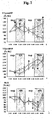
- NT-proANP and NT-proBNP The course of normalized levels of NT-proANP and NT-proBNP is depicted in Fig. 2 . Additionally shown are levels of relaxin (RLX). NT-proANP levels were higher during the HD than during FD in the second tilting period. NT-proBNP levels increased over time until 15:00 but were not different between both groups. No significant inter-individual variations were observed in plasma RLX levels. The intra-individual course of this hormone was comparable in both groups, showing a search in normalized RLX levels at 15:00 in comparison with baseline and an increase from 15:00 to 16:00 back to baseline levels.
- RLX relaxin
- Clinical chemistry plasma sodium, potassium, creatinine and hematocrit at baseline were not different between the control and the sodium-loading protocol (plasma sodium: control: 139 ⁇ 2 mmol *l -1 ; sodium-loading: 140 ⁇ 2 mmol *l -1 ; plasma potassium: control: 3.6 ⁇ 0.3 mmol *l -1 ; sodium-loading: 3.4 ⁇ 0.7 mmol *l -1 ; plasma creatinine: control: 80 ⁇ 11 ⁇ mol *l -1 ; sodium-loading: 76 ⁇ 9 ⁇ mol *l -1 ; hematocrit: control: 40.7 ⁇ 2.0 %; sodium-loading: 40.1 ⁇ 1.8 %).
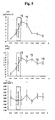
- Plasma hormone levels the plasma levels of NT-proANP, NT-proBNP, and RLX are depicted in Fig. 4 .
- NT-proANP increased immediately after sodium-loading with a peak 2 hours after the infusion. A moderate increase was also observed in the control group.
- NT-proANP levels in this group were not different from baseline levels.
- NT-proBNP showed a protracted increase up to the end of the observation period in both groups.
- NT-proBNP levels in the sodium infusion group were significantly higher than in the control group after 13:00. No significant variations or between-group differences in RLX levels were observed.
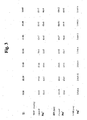
- Renal function parameters urine flow and fractional sodium excretion showed a moderate increase from 8:00 to 10:00. After sodium infusion, a further and more pronounced increase was observed ( Fig. 5 ). Thereafter, UV increased back to pre-infusion levels while FE Na remained elevated until the end of the observation period. Creatinine clearance did not change throughout the observation period ( Fig. 5 ).
- Urinary excretion of hormones urinary excretion of NT-proBNP, RLX, and urodilatin is given in Fig. 6 . Measurement of NT-proANP was only possible in a minority of urine samples; hence no calculations on this parameter were performed.
- U NT-proBNP and U RLX increased significantly from 8:00 to 10:00 and further to reach a peak at 12:00. Thereafter, urinary hormone excretion decreased but remained elevated above baseline levels.
- U URO showed a comparable course like U NT-proBNP and U RLX , however, due to a high variance and the fact, that U URO concentrations in tool subjects were below the detection limit, the course of this peptide after infusion did not reach statistical significance. However, U URO levels at 14:00 were significantly higher than baseline levels.
- Correlation analyses between urinary functional parameters and hormonal plasma levels and urinary excretion of these hormones are given in Fig. 7 . These analyses reveal minor relationships between the plasma levels of NT-proANP and NT-proBNP on one hand and FE Na on the other hand. However, better correlations were observations between the urinary excretion of NT-proBNP, RLX, and URO and UV and between NT-proBNP and RLX and FE Na .
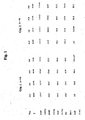
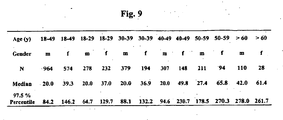
- NT-proBNP values are plotted in relation to age and sex.
- NT-proBNP levels were higher in women than in men.
- Outliers were more frequently observed in elderly individuals (above the age of 50 years) whereas in younger individuals (below 50 years of age) individual determinations clustered.
- Age and sex-related reference values based on the 97.5 perentile were calculated and found to be 84.2 pg/ml for males and 146.2 pg/ml for females respectively under the age of 50 years ( Fig. 9 ).
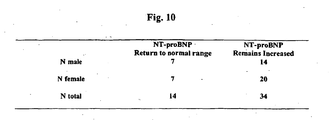
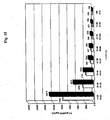
- hemoglobin concentrations were determined in males and females and found to be in average 1.5 g/ml lower in females than in males ( Fig. 10 ). Hemoglobin levels did not depend on age.
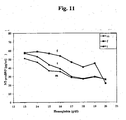
- NT-proBNP values were compared between males and females at the same hemoglobin levels and in age-matched groups there was still a difference between males and females in terms of NT-proBNP levels suggesting that hemoglobin levels did not explain the different concentrations found for NT-proBNP between males and females. It also became apparent that NT-proBNP levels were in fact hemoglobin-dependent, NT-proBNP levels increased with decreasing hemoglobin concentration ( Fig. 11 ).
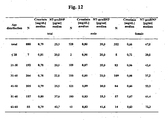
- creatinin levels were compared to NT-proBNP levels.
- creatininin levels were in the normal range for all individuals tested. Creatinin levels did not increase with age, in contrast, NT-proBNP levels increased with age suggesting that kidney function might not trigger increase of NT-proBNP with increasing age ( Fig. 12 ).
- Fig. 13 A total of 473 patients presenting to 18 cardiologists were recruited for the study. They received a medical history, a physical examination and an echocardiogram where left ventricular ejection fraction was recorded. In addition, 10 ml of blood was drawn, centrifuged and stored at -20 °C until analyzed. Major demographic variables of the patients included in this study are depicted in Fig. 13 . The study was approved by a local ethical committee and conducted according to the Declaration of Helsinki.
- NT-proBNP Creatinin levels, TSH, FT4, and NT-proBNP. The tests were conducted according to the instructions of the manufacturer (Roche Diagnostics, Mannheim, Germany). NT-proBNP was analyzed using a newly developed immunoassay (Roche Diagnostics, Mannheim, Germany) using an Elecsys® 2010 instrument (see Example 1).
- LVEF left ventricular injection fraction
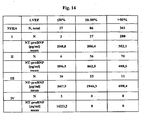
- NT-proBNP levels were recorded based on the level of left ventricular ejection fraction and based on symptoms. The majority of individuals had increased NT-proBNP levels if a cut-off of 84 pg/ml for males and 146 pg/ml for females were used, this discriminates between normal and abnormal cardiac function (see Example 1). The mean NT-proBNP levels increased with the level of symptoms as assessed by NYHA classification and with the level of impaired ejection fraction as measured by echo. The dependency of NT-proBNP on left ventricular injection fraction is also summarized in Fig. 15 and 16 for males and females respectively. As can be seen from the figures, NT-proBNP levels (median) increased with decreasing ejection fraction.
- Atrial fibrillation A total of 32 individuals had atrial fibrillation as indicated by electrocardiogram (ECG) while the majority of individuals had no evidence of atrial fibrillation.
- ECG electrocardiogram
- Fig. 18 median values in the atrial fibrillation group were higher than in the non-atrial fibrillation group. Major demographic valuables for these patient groups are depicted. Individuals who had no atrial fibrillation had more frequently a history of myocardial infarction and Angina Pectoris. The data suggest that atrial fibrillation represents an independent contributor for elevated NT-proBNP levels (P: 0.0002).
- MI myocardial infarction
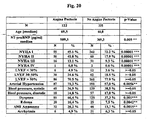
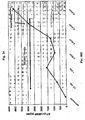
- NT-proBNP values were higher in individuals with a history of angina pectoris than in those who had no history of angina pectoris ( Fig. 20 ). Patients with a history of angina pectoris were not frequently symptomatic, had more frequently heart diseases and more frequently of history of myocardial infarction ( Fig. 19 ).
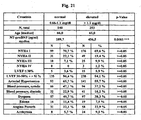
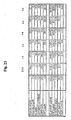
- Creatinin was determined in 470 individuals. Only 152 individuals had creatinin levels in the normal range, 318 were outside of the normal range. Individuals with elevated creatinin levels had higher NT-proBNP levels than those with normal creatinin levels. Demographic variables suggest that individuals with elevated creatinin levels had more frequently a history of myocardial infarction. The data suggest that impaired kidney function per se might contribute the elevation of NT-proBNP levels when patients with a history of MI (AMI) were excluded from assessment ( Fig. 21 ).
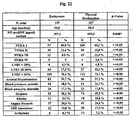
- thyroid function was measured. Based on TSH and FT4 levels the patients were classified in individuals with normal thyroid function and in those with abnormal thyroid function. The majority of the individuals with abnormal thyroid function had elevated TSH levels, but normal FT4, suggesting compensated hypothyroid function. Median NT-proBNP levels were higher in individuals with abnormal thyroid function than in those with normal thyroid function. This suggest that thyroid dysfunction represents a contributor to elevated NT-proBNP levels most likely associated with impaired cardiac function through impaired thyroid function ( Fig. 22 ).
- NT-proBNP levels increased with levels of symptoms and with impairment of left ventricular ejection fraction.
- kidney function was frequently impaired based on creatinin levels in a group of patients with evidence of cardiac complication. This is in contrast to a study in blood donors where significantly lower and normal creatinin levels were found in a population of similar age (see Example 3).
- the data also indicate that thyroid dysfunction might be associated with cardiac dysfunction and might contribute to elevated NT-proBNP levels.
- NT-proBNP value which was determined at first presentation, amounts to 1800 pg/ml, indicating an asymptomatic cardiac complication.
- the treatment with non-steroid anti-rheumatics is initiated at simultaneous administration of cardiac medication and at close clinical surveillance and following measurements of NT-proBNP.
- NT-proBNP 1200 pg/ml.
- the colon carcinoma is removed surgically.
- parenteral nutrition is initiated until resumption of intestinal function.
- the need of liquid amounts to 3000 ml per day.
- a treatment with diuretics is initiated to re-establish an equilibrated water balance.
- NT-proBNP was analysed retrospectively. In connection with infusion therapy and/or termination of treatment with diuretics, an increase of NT-proBNP was observed a total of 5 patients with subsequent clinical diagnosis of cardiac insufficiency. Increased levels of NT-proBNP were also observed before initiating infusion therapy, indicating cardiovascular risk.
- Patient 005 45 year-old patient with known coronary heart disease and pneumonia.
- the NT-proBNP level began to increase on day 4 and cardiac insufficiency was diagnosed on day 6.
- Patient 025 66 year-old patient with status after myocardial infarction and anemia with infusions/transfusions briefly after hospitalization.
- the NT-proBNP level began to increase between day 1 and day 2. Pulmonary edema was observed on day 3 and the patient was treated with diuretics.
- Patient 047 76 year-old pateint with known angina pectoris, known coronary heart disease and exsiccosis (dehydration) at the time of admission to the hospital. Exsiccosis was treated with approximately 2 liters per day. NT-proBNP increased continuously, diagnosis of cardiac insufficiency on day 5 after hospitalization.
- Patient 066 A 64 year-old female patient with known three-vessel-disease and verified coronary heart disease, suffering from hypercholesterolemia, depression and anemia. Aggravation after the first day and treatment with diuretics until day 5. Subsequently increase of NT-proBNP until day 8 and manifestation of cardiac insufficiency as a sign of a rebound of cardiac insufficiency with volume overload.
- Patient 085 78 year-old patient with cardiac insufficieny followed by treatment with diuretics and decrease of the NT-proBNP level (at high start levels). Subsequently infusion treatment in the context of nutrition (approximately 2.5 liters/day). Increase of the NT-proBNP level on day 12, diagnosis of cardiac insufficiency on day 18.
Landscapes
- Health & Medical Sciences (AREA)
- Life Sciences & Earth Sciences (AREA)
- Chemical & Material Sciences (AREA)
- Molecular Biology (AREA)
- Engineering & Computer Science (AREA)
- Biochemistry (AREA)
- Organic Chemistry (AREA)
- Urology & Nephrology (AREA)
- Immunology (AREA)
- Hematology (AREA)
- General Health & Medical Sciences (AREA)
- Biomedical Technology (AREA)
- Medicinal Chemistry (AREA)
- Endocrinology (AREA)
- Proteomics, Peptides & Aminoacids (AREA)
- Biotechnology (AREA)
- Food Science & Technology (AREA)
- Genetics & Genomics (AREA)
- Gastroenterology & Hepatology (AREA)
- Cell Biology (AREA)
- Biophysics (AREA)
- Toxicology (AREA)
- Microbiology (AREA)
- Zoology (AREA)
- Pathology (AREA)
- Physics & Mathematics (AREA)
- Analytical Chemistry (AREA)
- General Physics & Mathematics (AREA)
- Cardiology (AREA)
- Investigating Or Analysing Biological Materials (AREA)
- Medicines That Contain Protein Lipid Enzymes And Other Medicines (AREA)
- Peptides Or Proteins (AREA)
Claims (17)
- Verfahren zur Diagnose des Risikos eines Patienten, der keine Symptome einer kardiovaskulären Erkrankung gemäß der NYHA-Klassifikation zeigt und der keine Vorgeschichte kardiovaskulärer Komplikationen hat, als Folge eines künftigen Anstiegs des intravasalen Volumens kardiovaskuläre Komplikationen zu erleiden, bestehend aus den Schrittena) in-vitro-Bestimmung des Spiegels eines natriuretischen Peptids aus der Gruppe von ANP oder NT-proANP und/oder BNP oder NT-proBNP,b) Diagnose des Risikos des Patienten durch den Vergleich des gemessenen Spiegels mit wenigstens einem bekannten Spiegel, der mit unterschiedlichem Risiko eines Patienten assoziiert ist.
- Verfahren nach Anspruch 1, wobei das natriuretische Peptid NT-proBNP ist.
- Verfahren nach Anspruch 1 oder 2, wobei ein Plasmaspiegel von mehr als 60 und weniger als 1000 pg/ml NT-proBNP eines männlichen Patienten mit einem erhöhten Risiko des Erleidens einer kardiovaskulären Komplikationen assoziiert ist und anzeigt, dass die Behandlung möglicherweise angepasst werden muss.
- Verfahren nach Anspruch 1 oder 2, wobei ein Plasmaspiegel von mehr als 120 und weniger als 1000 pg/ml NT-proBNP eines weiblichen Patienten mit einem erhöhten Risiko des Erleidens einer kardiovaskulären Komplikationen assoziiert ist und anzeigt, dass die Behandlung möglicherweise angepasst werden muss.
- Verfahren nach Anspruch 1 oder 2, wobei ein Plasmaspiegel von 1000 bis 5000 pg/ml NT-proBNP mit einem stark erhöhten Risiko des Erleidens einer kardiovaskulären Komplikationen assoziiert ist und wobei dieses stark erhöhte Risiko anzeigt, dass überdacht werden muss, ob ein weiterer Anstieg des intravasalen Volumens toleriert werden kann.
- Verfahren nach Anspruch 1 oder 2, wobei ein Plasmaspiegel von mehr als 5000 pg/ml ProBNP mit einem sehr stark erhöhten Risiko des Erleidens kardiovaskulärer Komplikationen assoziiert ist, und wobei der besagte sehr stark erhöhte Spiegel anzeigt, dass überdacht werden muss, ob ein weiterer Anstieg des intravasalen Volumens toleriert werden kann, und wobei die sofortige Einweisung in ein Krankenhaus und/oder kardiologische Intensivbehandlung überdacht werden müssen.
- Verfahren nach einem der Ansprüche 1 bis 6, wobei der Anstieg des intravasalen Volumens durch eine Krankheit, insbesondere durch Sepsis oder Gammopathie, verursacht wird.
- Verfahren nach einem der Ansprüche 1 bis 7, wobei der Anstieg des intravasalen Volumens künstlich durch eine per Infusion oder Transfusion zu verabreichende Flüssigkeit oder von einem zu verabreichenden Medikament verursacht ist.
- Verfahren nach Anspruch 8, wobei das zu verabreichende Medikament aus folgender Gruppe ausgewählt wurde:a) nichtsteroidale Antirheumatikab) Kortikosteroidec) Antidiabetikad) Östrogenee) TNF-Inhibitorenf) Selektive COX-2 Inhibitoren
- Verfahren nach den Ansprüchen 1 bis 9, wobei die kardiovaskuläre Komplikation eine koronare Herzkrankheit, stabile Angina Pectoris, akutes Koronarsyndrom, instabile Angina Pectoris, Myokardinfarkt, linksventrikuläre Dysfunktion, eine Herzinsuffizienz oder ein Lungenstauung ist.
- Verfahren nach Anspruch 10 , wobei die kardiovaskuläre Komplikation eine Lungenstauung ist.
- Verfahren nach einem der Ansprüche 1 bis 11, wobei der Spiegel des kardialen Hormons unter Benutzung eines spezifisch bindenden Liganden, eines Arrays, eines auf Mikrofluidität beruhenden Geräts, eines Analysegeräts zur Chemolumineszenzmessung oder eines automatisierten Geräts bestimmt wird.
- Verfahren nach Anspruch 12, wobei der spezifisch bindende Ligand ein Antikörper oder Aptamer ist.
- Verfahren nach einem der Ansprüche 1 bis 13, wobei der spezifisch bindende Ligand markiert ist.
- Verwendung einer diagnostischen Vorrichtung ermöglichend die in-vitro-Bestimmung des Spiegels eines natriuretischen Peptids aus der Gruppe von ANP, NT-proANP und/oder BNP oder NT-proBNP bei einem Patienten, der gemäß der NYHA-Klassifikation keine Symptome einer kardiovaskulären Erkrankung zeigt und der keine Vorgeschichte kardiovaskulärer Komplikationen hat, zur Diagnose des Risikos dieses Patienten, eine kardiovaskuläre Komplikation als Folge eines künftigen Anstiegs des intravasalen Volumens zu erleiden.
- Verfahren zur Entscheidung über die künftige Verabreichung einer Infusion, Transfusion oder eines Hypervolämie auslösenden Medikaments an einen Patienten, der kein Symptom einer kardiovaskulären Erkrankung nach der NYHA-Klassifikation zeigt und der keine Vorgeschichte kardiovaskulärer Komplikationen hat,enthaltend:a) in-vitro-Bestimmung des Spiegels eines natriuretischen Peptids aus der Gruppe von ANP, NT-proANP und/oder BNP, NT-proBNP,b) Vergleich des gemessenen Spiegels mit wenigstens einem bekannten Spiegel, der/die mit unterschiedlichen Risiken des/der Patienten assoziiert sind,c) optional Einleiten einer Untersuchung des Patienten durch einen Kardiologen,d) Empfehlung oder Ablehnung einer Infusion, Transfusion oder eines Medikaments, optional unter Berücksichtigung der Ergebnisse einer Untersuchung des Patienten durch den Kardiologen.
- Verfahren nach Anspruch 16, wobei die Methode zur Entscheidung der zukünftigen Verabreichung eines Medikaments verursachend Hypervolämie in einem Patienten dient, der keine Symptome einer kardiovaskulären Komplikation zeigt, wobei dieses Medikament ein selektiver Cox-2-Inhibitor ist.
Priority Applications (1)
| Application Number | Priority Date | Filing Date | Title |
|---|---|---|---|
| EP05005356A EP1577673B1 (de) | 2004-03-15 | 2005-03-11 | Verwendung des BNP-Art und ANP-Art Peptiden für das Festsetzen der Gefahren von Herzgefäß- Komplikationen als Folge der Volumenüberlastung |
Applications Claiming Priority (3)
| Application Number | Priority Date | Filing Date | Title |
|---|---|---|---|
| EP04006080 | 2004-03-15 | ||
| EP04006080 | 2004-03-15 | ||
| EP05005356A EP1577673B1 (de) | 2004-03-15 | 2005-03-11 | Verwendung des BNP-Art und ANP-Art Peptiden für das Festsetzen der Gefahren von Herzgefäß- Komplikationen als Folge der Volumenüberlastung |
Publications (2)
| Publication Number | Publication Date |
|---|---|
| EP1577673A1 EP1577673A1 (de) | 2005-09-21 |
| EP1577673B1 true EP1577673B1 (de) | 2008-07-30 |
Family
ID=35005597
Family Applications (1)
| Application Number | Title | Priority Date | Filing Date |
|---|---|---|---|
| EP05005356A Revoked EP1577673B1 (de) | 2004-03-15 | 2005-03-11 | Verwendung des BNP-Art und ANP-Art Peptiden für das Festsetzen der Gefahren von Herzgefäß- Komplikationen als Folge der Volumenüberlastung |
Country Status (7)
| Country | Link |
|---|---|
| US (2) | US20050239138A1 (de) |
| EP (1) | EP1577673B1 (de) |
| JP (2) | JP4343866B2 (de) |
| AT (1) | ATE403157T1 (de) |
| CA (1) | CA2500886C (de) |
| DE (1) | DE602005008497D1 (de) |
| ES (1) | ES2311895T3 (de) |
Families Citing this family (31)
| Publication number | Priority date | Publication date | Assignee | Title |
|---|---|---|---|---|
| CA2595794A1 (en) | 2005-01-24 | 2006-07-27 | F. Hoffmann-La Roche Ag | The use of cardiac hormones for assessing a cardiovascular risk with respect to the administration of anti-inflammatory drugs |
| EP1691200A1 (de) * | 2005-02-14 | 2006-08-16 | F. Hoffmann-La Roche Ag | Verwendung des BNP-Art und ANP-Art Peptiden für das Festsetzen der Gefahren von Herzgefäß- Komplikationen als Folge der Volumenüberlastung |
| US7432107B2 (en) | 2005-01-24 | 2008-10-07 | Roche Diagnostics Operations, Inc. | Cardiac hormones for assessing cardiovascular risk |
| JP4654414B2 (ja) * | 2005-12-01 | 2011-03-23 | 独立行政法人産業技術総合研究所 | 免疫化学的検出方法、及びその検出用試薬キット |
| WO2007079392A2 (en) * | 2005-12-30 | 2007-07-12 | The Trustees Of Columbia University In The City Of New York | Real-time assays of neuro-humoral to assess cardiovascular stress |
| EP1816477A1 (de) * | 2006-02-06 | 2007-08-08 | F. Hoffmann-la Roche AG | Verwendung von natriuretischen Peptiden und Plazentawachstumsfaktorwerten zur Risikostratifizierung von für Herzstresstests ausgewählten Personen |
| KR101245877B1 (ko) * | 2006-08-04 | 2013-03-20 | 메디치니쉐 호흐슐레 하노버 | Gdf-15 를 바탕으로 한, 심장 중재의 위험도를 평가하는수단 및 방법 |
| EP1970709B1 (de) * | 2007-03-06 | 2013-07-10 | Roche Diagnostics GmbH | Verwendung von Peptiden vom Typ BNP zur Vorhersage des Dialysebedarfs |
| DE102007010834A1 (de) | 2007-03-03 | 2008-09-04 | Brahms Aktiengesellschaft | Diagnose und Risikostratifizierung von Herzinsuffizienz für NYHA I Patienten |
| DK2187965T3 (da) | 2007-08-17 | 2020-01-20 | Purdue Research Foundation | Psma-bindingsligand-linker-konjugater og fremgangsmåder til anvendelse |
| ES2457529T3 (es) * | 2007-10-10 | 2014-04-28 | F. Hoffmann-La Roche Ag | Medios y métodos para controlar el infarto de miocardio y su tratamiento |
| EP2103943A1 (de) | 2008-03-20 | 2009-09-23 | F. Hoffman-la Roche AG | GDF-15 zur Beurteilung eines kardiovaskulären Risikos hinsichtlich Verabreichung von Entzündungshemmern |
| EP2133696A1 (de) | 2008-06-10 | 2009-12-16 | Eberhardt Spanuth | Sehr geringe Konzentrationen von Troponin I oder T zur Beurteilung eines kardiovaskulären Risikos hinsichtlich der Verabreichung von Entzündungshemmern |
| US9951324B2 (en) | 2010-02-25 | 2018-04-24 | Purdue Research Foundation | PSMA binding ligand-linker conjugates and methods for using |
| EP3088900B1 (de) | 2011-10-17 | 2020-08-12 | Roche Diagniostics GmbH | Troponin als marker für intermittierendes vorhofflimmern |
| CN102854321B (zh) * | 2012-07-26 | 2015-09-02 | 博奥赛斯(天津)生物科技有限公司 | N末端b型脑钠肽前体化学发光免疫定量检测试剂盒及其制备方法 |
| RU2504780C1 (ru) * | 2012-09-25 | 2014-01-20 | ГОСУДАРСТВЕННОЕ БЮДЖЕТНОЕ ОБРАЗОВАТЕЛЬНОЕ УЧРЕЖДЕНИЕ ВЫСШЕГО ПРОФЕССИОНАЛЬНОГО ОБРАЗОВАНИЯ "НИЖЕГОРОДСКАЯ ГОСУДАРСТВЕННАЯ МЕДИЦИНСКАЯ АКАДЕМИЯ" МИНИСТЕРСТВА ЗДРАВООХРАНЕНИЯ И СОЦИАЛЬНОГО РАЗВИТИЯ РОССИЙСКОЙ ФЕДЕРАЦИИ (ГБОУ ВПО "НижГМА" МИНЗДРАВСОЦРАЗВИТИЯ РОССИИ) | Способ оценки риска развития неблагоприятных сердечно-сосудистых событий у пациентов с заболеваниями миокарда, подвергшихся операции с искусственным кровообращением |
| KR102318999B1 (ko) | 2012-11-15 | 2021-10-29 | 엔도사이트, 인코포레이티드 | Psma 발현 세포에 의해 야기되는 질병을 치료하기 위한 컨쥬게이트 |
| AU2014336638C1 (en) | 2013-10-18 | 2020-09-17 | Novartis Ag | Labeled inhibitors of prostate specific membrane antigen (PSMA), their use as imaging agents and pharmaceutical agents for the treatment of prostate cancer |
| WO2015073678A1 (en) | 2013-11-14 | 2015-05-21 | Endocyte, Inc. | Compounds for positron emission tomography |
| US10188759B2 (en) | 2015-01-07 | 2019-01-29 | Endocyte, Inc. | Conjugates for imaging |
| MX2020010813A (es) | 2018-04-17 | 2021-01-08 | Endocyte Inc | Metodos de tratamiento de cancer. |
| US12001939B2 (en) | 2018-12-11 | 2024-06-04 | Eko.Ai Pte. Ltd. | Artificial intelligence (AI)-based guidance for an ultrasound device to improve capture of echo image views |
| US12400762B2 (en) | 2018-12-11 | 2025-08-26 | Eko.Ai Pte. Ltd. | Automatic clinical workflow that recognizes and analyzes 2D and doppler modality echocardiogram images for automated cardiac measurements and diagnosis of cardiac amyloidosis and hypertrophic cardiomyopathy |
| US11446009B2 (en) | 2018-12-11 | 2022-09-20 | Eko.Ai Pte. Ltd. | Clinical workflow to diagnose heart disease based on cardiac biomarker measurements and AI recognition of 2D and doppler modality echocardiogram images |
| US11931207B2 (en) | 2018-12-11 | 2024-03-19 | Eko.Ai Pte. Ltd. | Artificial intelligence (AI) recognition of echocardiogram images to enhance a mobile ultrasound device |
| US12322100B2 (en) | 2018-12-11 | 2025-06-03 | Eko.Ai Pte. Ltd. | Automatic clinical workflow that recognizes and analyzes 2D and doppler modality echocardiogram images for automated cardiac measurements and grading of aortic stenosis severity |
| EP3972627A4 (de) | 2019-05-20 | 2023-06-21 | Endocyte, Inc. | Verfahren zur herstellung von psma-konjugaten |
| WO2022106629A1 (en) | 2020-11-19 | 2022-05-27 | Novartis Ag | Synthesis of prostate specific membrane antigen (psma) ligands |
| CN113571191A (zh) * | 2021-08-31 | 2021-10-29 | 复旦大学附属中山医院 | 免疫检查点抑制剂相关mace发生风险的预测方法 |
| AU2024292177A1 (en) * | 2023-07-17 | 2025-12-18 | Siemens Healthcare Diagnostics Inc. | Methods, reagents, and kits for tuning an immunoassay signal |
Family Cites Families (14)
| Publication number | Priority date | Publication date | Assignee | Title |
|---|---|---|---|---|
| US5744101A (en) * | 1989-06-07 | 1998-04-28 | Affymax Technologies N.V. | Photolabile nucleoside protecting groups |
| US6596476B1 (en) * | 1989-12-22 | 2003-07-22 | Abbott Laboratories | Hepatitis C assay |
| US6190857B1 (en) * | 1997-03-24 | 2001-02-20 | Urocor, Inc. | Diagnosis of disease state using MRNA profiles in peripheral leukocytes |
| US6622036B1 (en) * | 2000-02-09 | 2003-09-16 | Cns Response | Method for classifying and treating physiologic brain imbalances using quantitative EEG |
| SI1133312T1 (sl) * | 1999-06-21 | 2008-02-29 | Lilly Co Eli | Uporaba tiazolidindionov v kombinaciji z glukagonu podobnim peptidom-1 in njegovimi agonisti za zdravljenje sladkorne bolezni, neodvisne od inzulina |
| AT407580B (de) * | 1999-08-20 | 2001-04-25 | Biomedica Gmbh | Indikatorpeptid zur diagnose und/oder vorhersage von cardiovasculären und/oder endothelialen erkrankungen, antikörperzusammensetzung und immunoassay |
| US6689083B1 (en) * | 2000-11-27 | 2004-02-10 | Chf Solutions, Inc. | Controller for ultrafiltration blood circuit which prevents hypotension by monitoring osmotic pressure in blood |
| FI20010019A7 (fi) * | 2001-01-05 | 2002-07-06 | Biohit Oyj | Menetelmä atrofisen gastriitin diagnostisoimiseksi |
| US7632647B2 (en) * | 2001-04-13 | 2009-12-15 | Biosite Incorporated | Use of B-type natriuretic peptide as a prognostic indicator in acute coronary syndromes |
| US6969472B2 (en) * | 2001-04-19 | 2005-11-29 | Lsi Logic Corporation | Method of fabricating sub-micron hemispherical and hemicylidrical structures from non-spherically shaped templates |
| US7202089B2 (en) * | 2001-09-14 | 2007-04-10 | Alan Kleinfeld | Early diagnosis of stroke |
| MXPA03004105A (es) * | 2002-05-14 | 2004-10-15 | Hoffmann La Roche | Elaboracion de una prognosis en casos de enfermedad cardiaca usando una combinacion de marcadores. |
| US6960472B2 (en) * | 2002-11-18 | 2005-11-01 | Ottawa Heart Institute Research Corporation | Monoclonal antibodies against N-Terminus proBNP |
| EP2318844A1 (de) * | 2008-07-14 | 2011-05-11 | Roche Diagnostics GmbH | Multimarkerpanel zur diagnose, überwachung und auswahl der therapie für patienten mit herzinsuffizienz |
-
2005
- 2005-03-11 AT AT05005356T patent/ATE403157T1/de not_active IP Right Cessation
- 2005-03-11 DE DE602005008497T patent/DE602005008497D1/de not_active Expired - Lifetime
- 2005-03-11 EP EP05005356A patent/EP1577673B1/de not_active Revoked
- 2005-03-11 ES ES05005356T patent/ES2311895T3/es not_active Expired - Lifetime
- 2005-03-14 CA CA2500886A patent/CA2500886C/en not_active Expired - Lifetime
- 2005-03-14 US US11/079,162 patent/US20050239138A1/en not_active Abandoned
- 2005-03-15 JP JP2005072768A patent/JP4343866B2/ja not_active Expired - Lifetime
-
2008
- 2008-11-28 JP JP2008303491A patent/JP4944868B2/ja not_active Expired - Lifetime
-
2011
- 2011-05-31 US US13/118,938 patent/US20110229907A1/en not_active Abandoned
Also Published As
| Publication number | Publication date |
|---|---|
| EP1577673A1 (de) | 2005-09-21 |
| CA2500886C (en) | 2010-08-10 |
| JP2009080130A (ja) | 2009-04-16 |
| JP4343866B2 (ja) | 2009-10-14 |
| ES2311895T3 (es) | 2009-02-16 |
| DE602005008497D1 (de) | 2008-09-11 |
| JP4944868B2 (ja) | 2012-06-06 |
| US20050239138A1 (en) | 2005-10-27 |
| CA2500886A1 (en) | 2005-09-15 |
| ATE403157T1 (de) | 2008-08-15 |
| US20110229907A1 (en) | 2011-09-22 |
| JP2005274569A (ja) | 2005-10-06 |
Similar Documents
| Publication | Publication Date | Title |
|---|---|---|
| CA2500886C (en) | The use of cardiac hormones for assessing the risk of suffering from a cardiovascular complication as a consequence of volume overload | |
| US8062896B2 (en) | Cardiac hormones for assessing cardiovascular risk | |
| US20060166303A1 (en) | Use of cardiac hormones for assessing a cardiovascular risk with respect to the administration of anti-inflammatory drugs | |
| JP4828550B2 (ja) | 心機能障害を診断するためのNT−proANP/NT−proBNP比の使用 | |
| US20060286681A1 (en) | Proximal markers of arterial thrombosis and inflammation for risk stratification of coronary heart disease | |
| EP1889073A1 (de) | Verwendung von nt-proanp und nt-probnp zur diagnose von herzerkrankungen | |
| BRPI0716614A2 (pt) | Uso de peptídeos do tipo bnp para a estratificação de terapia com agentes de estimulação eritropoiética | |
| EP1986012B1 (de) | Verwendung von Bnp-typ für die Ermittlung von Herzversagen Risiken als Folge der Volumenüberlastung | |
| CA2567738C (en) | The use of cardiac hormones for diagnosing the risk of suffering from a cardiovascular complication as a consequence of cardiotoxic medication | |
| CA2886698A1 (en) | Tnt based diagnosis of paroxysmal atrial fibrillation | |
| JP4734306B2 (ja) | ナトリウム利尿ペプチドおよび胎盤増殖因子/可溶性vegf受容体を用いた、妊婦での心疾患に関連した心機能不全と胎盤関連心機能不全とを区別するための方法 | |
| EP2103943A1 (de) | GDF-15 zur Beurteilung eines kardiovaskulären Risikos hinsichtlich Verabreichung von Entzündungshemmern | |
| EP1691200A1 (de) | Verwendung des BNP-Art und ANP-Art Peptiden für das Festsetzen der Gefahren von Herzgefäß- Komplikationen als Folge der Volumenüberlastung | |
| EP2133696A1 (de) | Sehr geringe Konzentrationen von Troponin I oder T zur Beurteilung eines kardiovaskulären Risikos hinsichtlich der Verabreichung von Entzündungshemmern | |
| HK1116867A (en) | The use of bnp-type peptides and anp-type peptides for assessing the risk of suffering from a cardiovascular complication as a consequence of volume overload |
Legal Events
| Date | Code | Title | Description |
|---|---|---|---|
| PUAI | Public reference made under article 153(3) epc to a published international application that has entered the european phase |
Free format text: ORIGINAL CODE: 0009012 |
|
| AK | Designated contracting states |
Kind code of ref document: A1 Designated state(s): AT BE BG CH CY CZ DE DK EE ES FI FR GB GR HU IE IS IT LI LT LU MC NL PL PT RO SE SI SK TR |
|
| AX | Request for extension of the european patent |
Extension state: AL BA HR LV MK YU |
|
| RTI1 | Title (correction) |
Free format text: THE USE OF BNP-TYPE PEPTIDES AND ANP-TYPE PEPTIDES FOR ASSESSING THE RISK OF SUFFERING FROM A CARDIOVASCULAR COMPLICATION |
|
| 17P | Request for examination filed |
Effective date: 20050914 |
|
| AKX | Designation fees paid |
Designated state(s): AT BE BG CH CY CZ DE DK EE ES FI FR GB GR HU IE IS IT LI LT LU MC NL PL PT RO SE SI SK TR |
|
| 17Q | First examination report despatched |
Effective date: 20060310 |
|
| GRAP | Despatch of communication of intention to grant a patent |
Free format text: ORIGINAL CODE: EPIDOSNIGR1 |
|
| GRAS | Grant fee paid |
Free format text: ORIGINAL CODE: EPIDOSNIGR3 |
|
| GRAA | (expected) grant |
Free format text: ORIGINAL CODE: 0009210 |
|
| AK | Designated contracting states |
Kind code of ref document: B1 Designated state(s): AT BE BG CH CY CZ DE DK EE ES FI FR GB GR HU IE IS IT LI LT LU MC NL PL PT RO SE SI SK TR |
|
| REG | Reference to a national code |
Ref country code: GB Ref legal event code: FG4D |
|
| REG | Reference to a national code |
Ref country code: CH Ref legal event code: EP |
|
| REF | Corresponds to: |
Ref document number: 602005008497 Country of ref document: DE Date of ref document: 20080911 Kind code of ref document: P |
|
| REG | Reference to a national code |
Ref country code: CH Ref legal event code: NV Representative=s name: BOHEST AG |
|
| REG | Reference to a national code |
Ref country code: IE Ref legal event code: FG4D |
|
| PG25 | Lapsed in a contracting state [announced via postgrant information from national office to epo] |
Ref country code: LT Free format text: LAPSE BECAUSE OF FAILURE TO SUBMIT A TRANSLATION OF THE DESCRIPTION OR TO PAY THE FEE WITHIN THE PRESCRIBED TIME-LIMIT Effective date: 20080730 Ref country code: NL Free format text: LAPSE BECAUSE OF FAILURE TO SUBMIT A TRANSLATION OF THE DESCRIPTION OR TO PAY THE FEE WITHIN THE PRESCRIBED TIME-LIMIT Effective date: 20080730 Ref country code: PT Free format text: LAPSE BECAUSE OF FAILURE TO SUBMIT A TRANSLATION OF THE DESCRIPTION OR TO PAY THE FEE WITHIN THE PRESCRIBED TIME-LIMIT Effective date: 20081230 Ref country code: IS Free format text: LAPSE BECAUSE OF FAILURE TO SUBMIT A TRANSLATION OF THE DESCRIPTION OR TO PAY THE FEE WITHIN THE PRESCRIBED TIME-LIMIT Effective date: 20081130 |
|
| REG | Reference to a national code |
Ref country code: ES Ref legal event code: FG2A Ref document number: 2311895 Country of ref document: ES Kind code of ref document: T3 |
|
| PG25 | Lapsed in a contracting state [announced via postgrant information from national office to epo] |
Ref country code: SI Free format text: LAPSE BECAUSE OF FAILURE TO SUBMIT A TRANSLATION OF THE DESCRIPTION OR TO PAY THE FEE WITHIN THE PRESCRIBED TIME-LIMIT Effective date: 20080730 Ref country code: FI Free format text: LAPSE BECAUSE OF FAILURE TO SUBMIT A TRANSLATION OF THE DESCRIPTION OR TO PAY THE FEE WITHIN THE PRESCRIBED TIME-LIMIT Effective date: 20080730 Ref country code: BG Free format text: LAPSE BECAUSE OF FAILURE TO SUBMIT A TRANSLATION OF THE DESCRIPTION OR TO PAY THE FEE WITHIN THE PRESCRIBED TIME-LIMIT Effective date: 20081030 Ref country code: AT Free format text: LAPSE BECAUSE OF FAILURE TO SUBMIT A TRANSLATION OF THE DESCRIPTION OR TO PAY THE FEE WITHIN THE PRESCRIBED TIME-LIMIT Effective date: 20080730 |
|
| PG25 | Lapsed in a contracting state [announced via postgrant information from national office to epo] |
Ref country code: BE Free format text: LAPSE BECAUSE OF FAILURE TO SUBMIT A TRANSLATION OF THE DESCRIPTION OR TO PAY THE FEE WITHIN THE PRESCRIBED TIME-LIMIT Effective date: 20080730 |
|
| PG25 | Lapsed in a contracting state [announced via postgrant information from national office to epo] |
Ref country code: DK Free format text: LAPSE BECAUSE OF FAILURE TO SUBMIT A TRANSLATION OF THE DESCRIPTION OR TO PAY THE FEE WITHIN THE PRESCRIBED TIME-LIMIT Effective date: 20080730 Ref country code: EE Free format text: LAPSE BECAUSE OF FAILURE TO SUBMIT A TRANSLATION OF THE DESCRIPTION OR TO PAY THE FEE WITHIN THE PRESCRIBED TIME-LIMIT Effective date: 20080730 |
|
| PLBI | Opposition filed |
Free format text: ORIGINAL CODE: 0009260 |
|
| PG25 | Lapsed in a contracting state [announced via postgrant information from national office to epo] |
Ref country code: SK Free format text: LAPSE BECAUSE OF FAILURE TO SUBMIT A TRANSLATION OF THE DESCRIPTION OR TO PAY THE FEE WITHIN THE PRESCRIBED TIME-LIMIT Effective date: 20080730 Ref country code: RO Free format text: LAPSE BECAUSE OF FAILURE TO SUBMIT A TRANSLATION OF THE DESCRIPTION OR TO PAY THE FEE WITHIN THE PRESCRIBED TIME-LIMIT Effective date: 20080730 Ref country code: CZ Free format text: LAPSE BECAUSE OF FAILURE TO SUBMIT A TRANSLATION OF THE DESCRIPTION OR TO PAY THE FEE WITHIN THE PRESCRIBED TIME-LIMIT Effective date: 20080730 |
|
| 26 | Opposition filed |
Opponent name: BRAHMS AG Effective date: 20090430 |
|
| PLAX | Notice of opposition and request to file observation + time limit sent |
Free format text: ORIGINAL CODE: EPIDOSNOBS2 |
|
| PG25 | Lapsed in a contracting state [announced via postgrant information from national office to epo] |
Ref country code: MC Free format text: LAPSE BECAUSE OF NON-PAYMENT OF DUE FEES Effective date: 20090331 |
|
| PLAF | Information modified related to communication of a notice of opposition and request to file observations + time limit |
Free format text: ORIGINAL CODE: EPIDOSCOBS2 |
|
| PLBB | Reply of patent proprietor to notice(s) of opposition received |
Free format text: ORIGINAL CODE: EPIDOSNOBS3 |
|
| PG25 | Lapsed in a contracting state [announced via postgrant information from national office to epo] |
Ref country code: SE Free format text: LAPSE BECAUSE OF FAILURE TO SUBMIT A TRANSLATION OF THE DESCRIPTION OR TO PAY THE FEE WITHIN THE PRESCRIBED TIME-LIMIT Effective date: 20081030 Ref country code: IE Free format text: LAPSE BECAUSE OF NON-PAYMENT OF DUE FEES Effective date: 20090311 |
|
| PG25 | Lapsed in a contracting state [announced via postgrant information from national office to epo] |
Ref country code: PL Free format text: LAPSE BECAUSE OF FAILURE TO SUBMIT A TRANSLATION OF THE DESCRIPTION OR TO PAY THE FEE WITHIN THE PRESCRIBED TIME-LIMIT Effective date: 20080730 |
|
| PG25 | Lapsed in a contracting state [announced via postgrant information from national office to epo] |
Ref country code: GR Free format text: LAPSE BECAUSE OF FAILURE TO SUBMIT A TRANSLATION OF THE DESCRIPTION OR TO PAY THE FEE WITHIN THE PRESCRIBED TIME-LIMIT Effective date: 20081031 |
|
| PLCK | Communication despatched that opposition was rejected |
Free format text: ORIGINAL CODE: EPIDOSNREJ1 |
|
| PG25 | Lapsed in a contracting state [announced via postgrant information from national office to epo] |
Ref country code: LU Free format text: LAPSE BECAUSE OF NON-PAYMENT OF DUE FEES Effective date: 20090311 |
|
| PLAB | Opposition data, opponent's data or that of the opponent's representative modified |
Free format text: ORIGINAL CODE: 0009299OPPO |
|
| APBM | Appeal reference recorded |
Free format text: ORIGINAL CODE: EPIDOSNREFNO |
|
| APBP | Date of receipt of notice of appeal recorded |
Free format text: ORIGINAL CODE: EPIDOSNNOA2O |
|
| APAH | Appeal reference modified |
Free format text: ORIGINAL CODE: EPIDOSCREFNO |
|
| R26 | Opposition filed (corrected) |
Opponent name: B.R.A.H.M.S GMBH Effective date: 20090430 |
|
| PG25 | Lapsed in a contracting state [announced via postgrant information from national office to epo] |
Ref country code: HU Free format text: LAPSE BECAUSE OF FAILURE TO SUBMIT A TRANSLATION OF THE DESCRIPTION OR TO PAY THE FEE WITHIN THE PRESCRIBED TIME-LIMIT Effective date: 20090131 |
|
| APBQ | Date of receipt of statement of grounds of appeal recorded |
Free format text: ORIGINAL CODE: EPIDOSNNOA3O |
|
| PG25 | Lapsed in a contracting state [announced via postgrant information from national office to epo] |
Ref country code: TR Free format text: LAPSE BECAUSE OF FAILURE TO SUBMIT A TRANSLATION OF THE DESCRIPTION OR TO PAY THE FEE WITHIN THE PRESCRIBED TIME-LIMIT Effective date: 20080730 |
|
| PG25 | Lapsed in a contracting state [announced via postgrant information from national office to epo] |
Ref country code: CY Free format text: LAPSE BECAUSE OF FAILURE TO SUBMIT A TRANSLATION OF THE DESCRIPTION OR TO PAY THE FEE WITHIN THE PRESCRIBED TIME-LIMIT Effective date: 20080730 |
|
| APAH | Appeal reference modified |
Free format text: ORIGINAL CODE: EPIDOSCREFNO |
|
| REG | Reference to a national code |
Ref country code: CH Ref legal event code: PCAR Free format text: NEW ADDRESS: HOLBEINSTRASSE 36-38, 4051 BASEL (CH) |
|
| PGFP | Annual fee paid to national office [announced via postgrant information from national office to epo] |
Ref country code: DE Payment date: 20150331 Year of fee payment: 11 |
|
| REG | Reference to a national code |
Ref country code: DE Ref legal event code: R064 Ref document number: 602005008497 Country of ref document: DE Ref country code: DE Ref legal event code: R103 Ref document number: 602005008497 Country of ref document: DE |
|
| APBU | Appeal procedure closed |
Free format text: ORIGINAL CODE: EPIDOSNNOA9O |
|
| REG | Reference to a national code |
Ref country code: FR Ref legal event code: PLFP Year of fee payment: 12 |
|
| RDAD | Information modified related to despatch of communication that patent is revoked |
Free format text: ORIGINAL CODE: EPIDOSCREV1 |
|
| RDAF | Communication despatched that patent is revoked |
Free format text: ORIGINAL CODE: EPIDOSNREV1 |
|
| RDAG | Patent revoked |
Free format text: ORIGINAL CODE: 0009271 |
|
| STAA | Information on the status of an ep patent application or granted ep patent |
Free format text: STATUS: PATENT REVOKED |
|
| REG | Reference to a national code |
Ref country code: CH Ref legal event code: PLX |
|
| 27W | Patent revoked |
Effective date: 20151119 |
|
| GBPR | Gb: patent revoked under art. 102 of the ep convention designating the uk as contracting state |
Effective date: 20151119 |
|
| PG25 | Lapsed in a contracting state [announced via postgrant information from national office to epo] |
Ref country code: LI Free format text: LAPSE BECAUSE OF THE APPLICANT RENOUNCES Effective date: 20080730 Ref country code: CH Free format text: LAPSE BECAUSE OF THE APPLICANT RENOUNCES Effective date: 20080730 |
|
| PGFP | Annual fee paid to national office [announced via postgrant information from national office to epo] |
Ref country code: IT Payment date: 20160314 Year of fee payment: 12 Ref country code: ES Payment date: 20160308 Year of fee payment: 12 Ref country code: CH Payment date: 20160125 Year of fee payment: 12 |
|
| PGFP | Annual fee paid to national office [announced via postgrant information from national office to epo] |
Ref country code: GB Payment date: 20160224 Year of fee payment: 12 Ref country code: FR Payment date: 20160223 Year of fee payment: 12 |