EP1558263B1 - Prolonged release pharmaceutical composition - Google Patents
Prolonged release pharmaceutical composition Download PDFInfo
- Publication number
- EP1558263B1 EP1558263B1 EP03772240A EP03772240A EP1558263B1 EP 1558263 B1 EP1558263 B1 EP 1558263B1 EP 03772240 A EP03772240 A EP 03772240A EP 03772240 A EP03772240 A EP 03772240A EP 1558263 B1 EP1558263 B1 EP 1558263B1
- Authority
- EP
- European Patent Office
- Prior art keywords
- cefquinome
- prolonged release
- oil
- formulation
- formulations
- Prior art date
- Legal status (The legal status is an assumption and is not a legal conclusion. Google has not performed a legal analysis and makes no representation as to the accuracy of the status listed.)
- Expired - Lifetime
Links
Images




Classifications
-
- A—HUMAN NECESSITIES
- A61—MEDICAL OR VETERINARY SCIENCE; HYGIENE
- A61K—PREPARATIONS FOR MEDICAL, DENTAL OR TOILETRY PURPOSES
- A61K31/00—Medicinal preparations containing organic active ingredients
- A61K31/33—Heterocyclic compounds
- A61K31/395—Heterocyclic compounds having nitrogen as a ring hetero atom, e.g. guanethidine or rifamycins
- A61K31/54—Heterocyclic compounds having nitrogen as a ring hetero atom, e.g. guanethidine or rifamycins having six-membered rings with at least one nitrogen and one sulfur as the ring hetero atoms, e.g. sulthiame
- A61K31/542—Heterocyclic compounds having nitrogen as a ring hetero atom, e.g. guanethidine or rifamycins having six-membered rings with at least one nitrogen and one sulfur as the ring hetero atoms, e.g. sulthiame ortho- or peri-condensed with heterocyclic ring systems
- A61K31/545—Compounds containing 5-thia-1-azabicyclo [4.2.0] octane ring systems, i.e. compounds containing a ring system of the formula:, e.g. cephalosporins, cefaclor, or cephalexine
- A61K31/546—Compounds containing 5-thia-1-azabicyclo [4.2.0] octane ring systems, i.e. compounds containing a ring system of the formula:, e.g. cephalosporins, cefaclor, or cephalexine containing further heterocyclic rings, e.g. cephalothin
-
- A—HUMAN NECESSITIES
- A61—MEDICAL OR VETERINARY SCIENCE; HYGIENE
- A61P—SPECIFIC THERAPEUTIC ACTIVITY OF CHEMICAL COMPOUNDS OR MEDICINAL PREPARATIONS
- A61P31/00—Antiinfectives, i.e. antibiotics, antiseptics, chemotherapeutics
-
- A—HUMAN NECESSITIES
- A61—MEDICAL OR VETERINARY SCIENCE; HYGIENE
- A61P—SPECIFIC THERAPEUTIC ACTIVITY OF CHEMICAL COMPOUNDS OR MEDICINAL PREPARATIONS
- A61P31/00—Antiinfectives, i.e. antibiotics, antiseptics, chemotherapeutics
- A61P31/04—Antibacterial agents
Definitions
- the present invention is concerned with an injectable pharmaceutical composition comprising cefquinome in a prolonged release vehicle, a process for preparing said composition and its use for the treatment of infectious diseases in animals.
- the US Patent 4,029,782 discloses an aqueous suspension of cefazolin in a prolonged release vehicle composed of water, lecithin, a pharmaceutically acceptable surfactant and a viscosity modifier.
- Cefazolin is a first generation cephalosporin that is active on gram positive cocci, including staphylococcus spp. and streptococcus spp. but has only moderate activity against a limited number of aerobic gram negative bacilli, including E. coli, Klebsiella pneumoniae (Jones RN et al, J Antibiot 30 , 576-582, 1977).
- the UK patent application GB 2,232,082 discloses a prolonged release system that is based on oil (Miglyol® 840)/ thickening agent (aluminiumstearate) in a composition together with monodicaprylate to promote an initial quick release of amoxicillin.
- WO 94/21267 provides a prolonged release tylosin preparation in Neobee oil / aluminiumtristearate.
- European patent application EP 872,232 describes a prolonged release system for tylosin comprising aluminiumstearate, a buffer and an emulsifying agent.
- EP 356,325 discloses a prolonged release system for tetracycline antibiotics that comprises a glyceride (Miglyol®) together with a cellulose polymer.
- French patent application FR 2685203 discloses a prolonged release system for amoxicillin in Miglyol®/ cellulose based excipients composition.
- antibiotics to animals, especially to livestock, such as cattle and pigs, is a very labour intensive work and causes stress and loss of body weight to the animals.
- livestock such as cattle and pigs
- a highly active antibacterial compound as a modern cephalosporin to companion animals such as e.g. dogs and cats requires frequent visits to the veterinarian which is inconvenient to the owner and stressful for the companion animal.
- An advantageous injectable pharmaceutical composition for a cephalosporin for veterinary application would be one, that enables a single injection, to provide efficacious concentration levels of the active compound in blood plasma of the treated animals over a prolonged period preferably over a 32 hours period.
- the technical features of the pharmaceutical formulation e.g. easiness of application (syringeability and re-suspendability), side effects (local tolerance) and residues in the animal body (especially in livestock) are important features.
- cefquinome An injectable suspension of cefquinome is available on the veterinary market (sold under the trademark Cobactan® by Intervet International b.v., Boxmeer, The Netherlands) containing 25 mg/ml of cefquinome sulphate.
- the present invention provides an injectable composition for cefquinome with such advantageous properties.
- the present invention provides an injectable pharmaceutical composition
- cefquinome and a prolonged release vehicle characterised in that the prolonged release vehicle comprises a mixture of an oil and aluminium distearate.
- a prolonged release vehicle is a composition that releases the cefquinome in a form which results in a prolonged effect, in particular prolonged duration of effective blood plasma concentration of the cefquinome, compared to the pharmaceutical acceptable oil alone.
- composition according to the invention comprises an aluminiumdistearate as a thickening agent or alternatively mixtures of the aluminiumdistearate with other thickening agents known in the art for parenteral pharmaceutical use.
- aluminiumstearate is a compound of aluminium with a mixture of solid organic acids obtained from fats and consisting chiefly of variable proportions of aluminiumstearate and aluminiumpalmitate.
- aluminiumstearate comprises organic solid acids obtained from fats of C14 to C26 fatty acids.
- Aluminium monostearate is a compound of aluminium with a mixture of solid organic acids obtained from fats and consisting chiefly of variable proportions of aluminiummonostearate and aluminium-monopalmitate. It contains the equivalent of not less than 14.5 percent and not more than 16.5% of Al 2 O 3 , (equivalent to an aluminium content of 7.7% to 8.7 % by weight) calculated on the dried basis.
- aluminium distearate comprises the equivalent of less than 7.5 % by weight of aluminium, calculated on the dried basis.
- the aluminium content was measured by Atom Absorption Spectroscopy (AAS).
- aluminium distearate that comprises the equivalent of 3.0 to 7.0 % by weight of aluminium, even more preferred with an aluminium content of 4.0 to 6.0 % and especially preferred 4.5 to 5.0% by weight (measured by AAS).
- a thickening agent in an injectable pharmaceutical formulation in general is useful to provide good suspending properties and increases the viscosity of the composition without negatively affecting the syringeability.
- syringeable it is meant that the suspension can be withdrawn easily from an ampoule/ vial into a syringe with a 16 to 18 gauge needle and subsequently injected from such a syringe through the 16 to 18 gauge needle intramuscularly (im) or subcutaneously (sc).
- composition according to the invention characterised in that it comprises aluminium distearate in an amount of 1.0 to 4.0 % by weight, preferred 2.5 to 3.5 % by weight, most preferred 3.0 % by weight.
- the prolonged release vehicle further comprises a pharmaceutical acceptable oil.
- Oils that can be used in pharmaceutical compositions are in general natural, e.g. vegetable, semi-synthetic or synthetic mono-, di- or tri glyceride. Vegetable oils are e.g. sesame oil, olive oil, cottonseed oil, castor oil, arachis oil, coconut oil.
- the pharmaceutical composition according to the invention is characterised in that the oil is a low viscosity medium chain triglyceride or a mixture of medium chain triglycerides.
- MCT Medium chain triglycerides
- the MCT oil may comprise either triglycerides of the C8-C10 fatty acids, or propylene glycoldiesters of these fatty acids or a mixture of both triglycerides and propylene glycol diesters.
- these C8 -C10 fatty acids are fully saturated, such as n-caprylic and n-capric acids.
- These are conveniently prepared by the commercial fractionating of naturally occurring vegetable (e.g. coconut) oil to give mainly C8-10 fatty acids followed by esterification of these acids with a chosen alcohol.
- Fractionated vegetable oil having the desired composition is commercially available.
- Proprietary examples of such oils are Miglyol® 812 as capric/caprylic triglycerides and Miglyol® 840 as propylene glycol dicaprylate/caprate.
- oils are for example: Aldo® MCT KFG, Aldo® TC, Calgene CC-33, Calgene CC-33-F, Calgene CC-33-L, Calgene CC-33-S, Captex® 300, Captex® 355, Crodamol GTCC, Estasan GT 8-40 3578, Estasan GT 8-60 3575, Estasan GT 8-60 3580, Estasan GT 8-65 3577, Estasan GT 8-65 3581, Estasan GT 8-70 3579, Labrafac® LIPO, Labrafac® lipophile WL 1349, Lexol® GT-855, Lexol® GT-865, Miglyol® 810, Miglyol® 812, Myritol® 312, Myritol® 318, Neobee® 1053, Neobee® M-5, Neobee® O, Pelemol® CCT, Standamul® 318, Standamul
- Cephalosporins are semisynthetic antibiotics derived from cephalosporin C, a natural antibiotic produced by the mould Cephalosporium acremonium. Cephalosporins belong to the class of ⁇ -lactam antibiotics and are classified as first- (e.g. cephalothin, cephaloridine, cefazolin), second- (cefamandole, cefuroxime, cefoxitin), third- (e.g. cefotaxime, ceftriaxone, cefoperazone) or fourth- generation (cefepime, cefpirome, cefquinome) products according to the order of their introduction and the position and type of side-chain that has been incorporated into the basic molecule. At present cephalosporins are widely used for the treatment of infections.
- first- e.g. cephalothin, cephaloridine, cefazolin
- second- cefamandole, cefuroxime, cefoxitin
- third- e.g. cef
- Cefotaxime was the first representative of the modern third and fourth generation semi-synthetic aminothiazolyl cephalosporins, followed by a series of polar cephalosporins. From these compounds cefpirome was selected for development in human medicine. Cefquinome is another representative of this group.
- cephalosporins when used herein includes pharmaceutically acceptable salts and esters thereof.
- Cefquinome (INN-International Nonproprietary Name) is the first fourth-generation cephalosporin developed for use in veterinary medicine. It is a semi-synthetic aminothiazolyl cephalosporin resembling cefotaxime, but with a bicyclic pyridinium group at the C-3 position (Isert et al, Seibert et al, 29 th Interscience Conference on Antimicrobial Agents and Chemotherapy Houston, Texas, 1989).
- cephalosporins possess favourable chemotherapeutic properties, i.e. a broad spectrum activity against a wide range of gram positive and gram negative organisms that are important in human and veterinary medicine and low rates of adverse effects (Limbert et al, Antimicrob Agents Chemotherap 35 , 14-19, 1991, Caprille et al; J. Vet. Pharmacol. Ther. 11 , 1-32, 1988)).
- Cefquinome is described to be stable against chromosomally and plasmid encoded lactamases.
- Cefquinome has been found to be especially useful in treatment of respiratory infections in livestock (e.g. cattle and pigs (particularly Mannheimia haemolytica infection in cattle) when administered by injection.
- livestock e.g. cattle and pigs (particularly Mannheimia haemolytica infection in cattle) when administered by injection.
- the MIC 90 for Mannheimia haemolytica which is known to be one of the most common pathogens in respiratory tract infections in cattle is e.g. 0.25 ⁇ g/mL.
- the minimum plasma concentration level of an antibiotic is the level that is considered to be efficacious in the control of a pathogen and is determined by the MIC 90 (Minimum Inhibitory Concentration).
- cefquinome when used herein includes pharmaceutically acceptable salts and esters thereof.
- cefquinome dihydrochloride or cefquinome sulphate or crystalline cephalosporin addition salts with particularly low solubility e.g. cefquinome -6 hydroxynaphtoate (cefquinome-naphtoate) and cefquinome 2,4 dihydroxybenzoate (cefquinome hydroxybenzoate).
- cefquinome -6 hydroxynaphtoate cefquinome-naphtoate
- cefquinome 2,4 dihydroxybenzoate cefquinome 2,4 dihydroxybenzoate
- the current invention provides a pharmaceutical composition characterised in that the cefquinome is cefquinome sulphate.
- a typical pharmaceutical composition according to the invention comprises 2.0 to 20.0 % by weight of cefquinome.
- the pharmaceutical composition comprises 5.0 to 15.0 %, most preferred 7.5 to 10.0 % by weight of cefquinome.
- the particle size of the active ingredient in the suspension can influence the re-suspendability and syringeability i.e. it should be small enough to prevent compaction or caking and to facilitate re-suspension.
- the cefquinome utilised in the composition according to the current invention can be used in a micronised or non-micronised form.
- a desired reduction of particle size of the cephalosporin can be in general achieved by micronisation by an air jet mill, or by milling of the compound or wet milling of the suspension.
- composition according to the current invention may further comprise additional pharmaceutical excipients known in the art.
- additional pharmaceutical excipients are e.g. described in "Gennaro, Remington: The Science and Practice of Pharmacy” (20. Edition, 2000), incorporated by reference herein.
- Such pharmaceutical excipients are carrier materials, such as starch, starch derivatives, waxes, natural or hardened oils; liquids such as glycerin or polyols; vegetable oils; polymers or copolymers such as copolymers from glycolic acid and lactic acid; surfactants; stabilizers; emulsifiers; disperging agents; thinners; thickening agents; preservation agents; buffer agents; salts and antioxidants.
- composition contemplated herein can, if desired, include more than one pharmacologically active ingredient.
- the current invention further provides a process for preparing an pharmaceutical composition according to the invention comprising the steps of mixing the oil and the aluminium distearate to create the prolonged release vehicle and suspending the cefquinome in the prolonged release vehicle.
- the current invention provides a process according to the invention characterised in that the aluminium distearate is added to the oil under gentle stirring and heating to form the prolonged release vehicle and the mixture is allowed to cool before adding the cefquinome.
- a process for preparing the prolonged release pharmaceutical composition comprising in general the steps of preparing the prolonged release vehicle by mixing and homogenisation of the aluminium distearate with the oil and applying sufficient heat to permit adequate dissolution, allowing the mixture to cool and suspending the cefquinome in the prolonged release vehicle which is subjected to high shear mixing to deposit the aluminium distearate.
- a more specific composition according to the present invention typically contains 7.5 to 10.0 % of cefquinome sulphate, 2.5 to 3.5 % of aluminium distearate and up to 100 % of Miglyol® grade 812.
- composition according to the present invention typically contains 7.5 % of cefquinome sulphate, 3.0 % of aluminium distearate and up to 100 % of Miglyol® grade 812.
- the current invention provides the use of a cefquinome in a prolonged release vehicle comprising a mixture of an oil and aluminium distearate for the manufacture of a medicament for the treatment of infectious diseases in animals.
- the composition according to the invention can be applied to an animal in general by all application forms known in the art. Generally the administration to the animal is done orally or parenterally. While the pharmaceutical composition according to the current invention is preferably administered parenterally, e.g. by intramuscular or subcutaneous injection, treatment via alternative routes is also possible.
- composition according to the current invention can be administered to all species of animals that need treatment or prevention of bacterial infections such as pigs, cattle, horses, goats, sheep, cats, dogs, poultry and fish.
- bacterial infections such as pigs, cattle, horses, goats, sheep, cats, dogs, poultry and fish.
- Specific diseases that can be are bacterial infections of respiratory tract, urogenital tract, soft tissue- and skin infections and mastitis or metritis.
- the particular amount of prolonged release formulation required for a particular treatment will vary, depending upon the species, age and weight of the host animal being treated, the particular disease to be guarded against, or treated, as well as the specific antimicrobial agent selected for the treatment, the route and the frequency of administration.
- cefquinome sulphate for the treatment of horses, sheep, goat, poultry and fish is between 5 to 10 mg/kg bodyweight.
- a dosage of 5 mg/kg bodyweight is recommended and for the application to pig, dog and cat a dosage of 10 mg/kg bodyweight.
- Example 1 Preparation of a 7.5 % cefquinome sulphate composition (100kg)
- compositions provided by this invention have been evaluated in several tests designed to show the utility and efficacy.
- the following in vivo pharmacokinetic experiments in cattle, pigs and dogs show the prolonged release profile of the tested formulations in the target species.
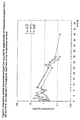
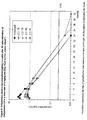
- the tested prolonged release formulation contained a) 7.5% (w/v) cefquinome sulphate, 3% aluminium distearate ad 100 Miglyol® 812, b) 10 % (w/v) cefquinome sulphate, 3% aluminium distearate ad 100 Miglyol® 812, c and d) 15 % (w/v) cefquinome sulphate, 3% aluminium distearate ad 100 Miglyol® 812.
- the formulations were administered at a single dose subcutaneous into the neck. Blood samples were collected by jugular venipuncture at times 0, 1, 2, 4, 6, 8, 10, 12, 24, 28, 30, 32, 48, 52, 56 and 72h after drug administration.
- Concentrations of cefquinome in each plasma sample were determined by a microbiological technique (bioassay to quantify cefquinome in biological fluids) with Streptococcus (Str.) pyogenes A 77 as test organism.
- the Str. pyogenes A77 suspension and sheep erythrocytes were added to Mueller-Hinton agar and after mixing allowed to cool to form a layer of about 2 mm thickness.
- Aliquots of standard samples serum concentrations that were intended to bracket the range of concentrations expected in experimental plasma samples
- experimental samples were pipetted into agar wells of 13mm diameter. Prediffusion time was one hour before incubating at 35°C for 18 hours.
- the limit of quantitation (LOQ) of this assay is 10 ng /mL plasma. This method was used in all following experiments for determination of cefquinome.
- Figure 1 shows bovine plasma cefquinome concentrations ( ⁇ g/mL) after single sc administration of cefquinome sulfate composition at a concentration of 7.5%, 10% and 15%.
- the results obtained show that plasma concentrations above MIC 90 can be maintained over a period of more than 32 hours and therefore a suitable prolonged release profile was reached. There were no technological problems (syringeability, re-suspendability, residues in animal) detectable.
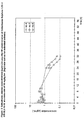
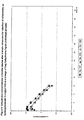
- the tested prolonged release formulation contained 7.5% (w/v) cefquinome sulphate, 3% aluminium distearate ad 100 Miglyol® 812.
- the formulation was administered at a single dose subcutaneous into the neck. Blood samples were collected by jugular venipuncture at times 0, 0.5, 1, 2, 3, 4, 6, 8, 10, 24, 26, 28, 30, 32, 48, 56 and 72h after drug administration.
- Figure 2 show plasma cefquinome concentrations (individual animals in ⁇ g/mL) after single sc administration of the formulations to dogs. The results obtained show that in dogs effective plasma concentrations can be maintained over a period of more than 32 hours and therefore a suitable prolonged release profile was reached.
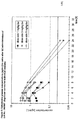
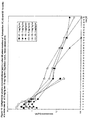
- the tested prolonged release formulation contained 7.5% (w/v) cefquinome sulphate, 3% aluminium distearate ad 100 Miglyol® 812.
- the formulation was administered at a single dose subcutaneously into the neck. Blood samples were collected by jugular venipuncture at times 0, 0.5, 1, 2, 3, 4, 6, 8, 10, 24, 26, 28, 30, 32, 48, 56 and 72h after drug administration.
- Figure 3 shows plasma cefquinome concentrations (individual animals in ⁇ g/mL) after single sc administration of the formulation to pigs. The results obtained show that in pigs effective plasma concentrations can be maintained over a period of more than 24 hours and therefore a suitable prolonged release profile was reached.
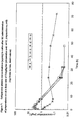
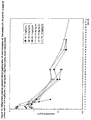
- the formulations were administered at a single dose subcutaneous (sc) into the neck. Each animal received each of the preparations once with a 7 days washout period between the administrations (cross over design). Blood samples were collected by jugular venipuncture at times 0, 1, 2, 4, 6, 8, 24, 32, 48, 56, and 72 h after drug administration.
- Figures 4 and 5 show bovine plasma cefquinome concentrations (individual animals)after sc administration of Lot No. 96906 and Lot 96907. The results obtained show that the two tested formulations can not maintain therapeutic blood levels for more than 24 hours and therefore do not provide a suitable in vivo pharmakokinetic prolonged release profile.
- cefquinome sulphate formulations The pharmacokinetic profile of five different cefquinome sulphate formulations was assessed in this study by a parallel comparison with cefquinome sulphate in ethyloleate oily suspension. Each formulation was administered in a dose of 5 mg/kg bw in a group of 3 animals per group (bw 150 - 210 kg).
- Lot 970802, 970804 and 97903 contained cefquinome sulphate and cellulose based excipients.
- Lot 970803 contained cefquinome naphthoate and cellulose based excipients.
- Lot 970805 contained cefquinome sulphate and aluminium- monostearate (AMS) based excipients.
- AMS aluminium- monostearate
- the formulations were administered at a single dose subcutaneous (sc) into the neck.
- Blood samples were collected by jugular venipuncture at times 0, 0.5, 1, 2, 3, 4, 6, 8, 10, 24, 32, 48, 56 and 72 h after drug administration. Concentrations of cefquinome in each plasma sample were determined by bioassay.
- Figure 6 shows bovine plasma cefquinome concentrations (mean values in ⁇ g/mL) after sc administration of the formulations at a dose rate of 5 mg/kg bw.
- the results obtained show that the tested formulations 970803, 970903, 970804, 970805 can not maintain therapeutic blood levels for more than 32 hours.
- the formulation 970802 (cellulose based) provided a suitable prolonged release profile, but due to technological problems (re-suspendability was impossible) an industrial development was not considered.
- the pharmacokinetic profile of prolonged release cefquinome formulation in cattle (bodyweight 145-400 kg) after microencapsulation of the active ingredient (microspheres) in a matrix of partially hydrogenated vegetable fat in a dosage of 5 mg/kg bw was assessed in this study by a parallel comparison with the reference preparation.
- the tested prolonged release formulations contained: a-d) Cefquinome sulphate suspended in ethyloleate (reference preparation), e) Cefquinome sulphate microspheres suspended in an aqueous carrier solution.
- the formulations were administered at a single dose subcutaneous (sc) into the neck. Each animal received each of the preparations once with a 7 days washout period between the administrations. Blood samples were collected by jugular venipuncture at times 0, 0.5, 1, 1.5, 2, 3, 4, 6, 8, 24, 32, 48, 56 and 72 h after drug administration.
- the concentration of cefquinome in plasma samples was determined by bioassay.
- Figure 7 shows bovine plasma cefquinome concentrations (mean values in mg/L) after sc administration of the formulations.
- the microsphere formulation (No. e) provides a prolonged release profile of the active ingredient.
- the microspheres in the used form were however very poorly re-suspendable and sedimentation took place very soon, even in the syringe. Therefore the development of an industrial application of this type of formulation was not followed up.
- the pharmacokinetic profile of different prolonged release cefquinome formulations at a dosage of 5 mg/kg bw was assessed in this study by a parallel comparison with the reference preparation in cattle (bw 200-400 kg).
- the tested formulation contained:
- Figure 8 shows bovine plasma cefquinome concentrations (mean values in ⁇ g/mL) after sc administration of the formulations. The results obtained show that the tested formulations can not maintain therapeutic blood levels for more than 24 hours.
- the pharmacokinetic profile of a cefquinome sulphate formulation in a dosage of 5 mg/kg bw was assessed in this study by a parallel comparison with cefquinome ethyloleate oily suspension in a group of 3 cattle (bw 340-380 kg).
- the tested formulation contained cefquinome sulphate -p hydroxybenzoate and Miglyol® 812.
- the formulations were administered at a single dose intramuscular (im) into the M. triceps brachii. Blood samples were collected by jugular venipuncture at times 0, 0.5, 1, 2, 4, 6, 8, 10, 12, 24, 26, 28, 30, 32, 48, 56 and 72h after drug administration.
- the concentration of cefquinome in plasma samples was determined by bioassay.
- Figure 9 shows bovine plasma cefquinome concentrations (individual animals in ⁇ g/mL) after single im administration of the formulation. The results obtained show that the tested prolonged release formulation maintained therapeutic blood levels only for 12 hours.
- the pharmacokinetic profile of prolonged release cefquinome formulations that use various SABER® oil Delivery systems, in cattle (bodyweight 230-345 kg) and pigs (41 to 55 kg) in a dosage of 3 mg or 5 mg/kg bw im and sc to cattle and im 6 and 10 mg/kg bw im to pigs was assessed.
- the SABER Delivery system uses a high viscosity base compound (sucrose acetate isobutyrate, SAIB) to provide controlled release.
- SAIB high viscosity base compound
- SAIB high viscosity base compound
- solvent Ethanol (EtOH), Ethyl lactate (EtLac)
- the high viscosity component, SAIB converts to an easily injectable liquid.
- the solvent dissipates and a semi-solid, biodegradable implant is formed.
- the tested prolonged release formulation are Lot 96557, Lot 96558, Lot 96559.
- the formulations were administered at a single dose subcutaneous (sc) into the neck or intramuscular (im) in M.triceps brachii. Each animal received each of the preparations once with a 7 days washout period between the administrations. Blood samples were collected by jugular venipuncture (cattle) and by puncture of the anterior Vena cava (pigs) at times 0, 1, 4, 6, 8, 24, 32, 48, 56 and 72 h after drug administration. The concentration of cefquinome in plasma samples was determined by bioassay. On validation of the method a limit of quantification (LOQ) of 0.04 ⁇ g cefquinome /mL plasma was established.
- LOQ limit of quantification
- Figure 10 shows bovine plasma cefquinome concentrations ( ⁇ g/mL) after im administration of the formulations to cattle.
- Figure 11 shows bovine plasma cefquinome concentrations ( ⁇ g/mL) after sc administration of the formulations to cattle.
- Figure 12 shows porcine plasma cefquinome concentrations ( ⁇ g/mL) after im administration of the formulations to pigs.
- the formulations a and b provided prolonged release pharmacokinetic profiles on a low level after sc, im administration to cattle and im administration to pigs, but the industrial development was not considered because of residues of the carrier in the animal body at the injection site, that were still detectable 6 months after the administration.
- the formulation c did not result in prolonged release profiles with activity >32 h in all applications to pigs and cattle.
Landscapes
- Health & Medical Sciences (AREA)
- Veterinary Medicine (AREA)
- Chemical & Material Sciences (AREA)
- Medicinal Chemistry (AREA)
- Pharmacology & Pharmacy (AREA)
- Life Sciences & Earth Sciences (AREA)
- Animal Behavior & Ethology (AREA)
- General Health & Medical Sciences (AREA)
- Public Health (AREA)
- Chemical Kinetics & Catalysis (AREA)
- Communicable Diseases (AREA)
- Oncology (AREA)
- General Chemical & Material Sciences (AREA)
- Nuclear Medicine, Radiotherapy & Molecular Imaging (AREA)
- Organic Chemistry (AREA)
- Epidemiology (AREA)
- Medicinal Preparation (AREA)
- Pharmaceuticals Containing Other Organic And Inorganic Compounds (AREA)
- Acyclic And Carbocyclic Compounds In Medicinal Compositions (AREA)
Priority Applications (1)
| Application Number | Priority Date | Filing Date | Title |
|---|---|---|---|
| EP03772240A EP1558263B1 (en) | 2002-10-25 | 2003-10-20 | Prolonged release pharmaceutical composition |
Applications Claiming Priority (4)
| Application Number | Priority Date | Filing Date | Title |
|---|---|---|---|
| EP02079477 | 2002-10-25 | ||
| EP02079477 | 2002-10-25 | ||
| PCT/EP2003/011644 WO2004037265A1 (en) | 2002-10-25 | 2003-10-20 | Prolonged release pharmaceutical composition |
| EP03772240A EP1558263B1 (en) | 2002-10-25 | 2003-10-20 | Prolonged release pharmaceutical composition |
Publications (2)
| Publication Number | Publication Date |
|---|---|
| EP1558263A1 EP1558263A1 (en) | 2005-08-03 |
| EP1558263B1 true EP1558263B1 (en) | 2006-05-31 |
Family
ID=32116298
Family Applications (1)
| Application Number | Title | Priority Date | Filing Date |
|---|---|---|---|
| EP03772240A Expired - Lifetime EP1558263B1 (en) | 2002-10-25 | 2003-10-20 | Prolonged release pharmaceutical composition |
Country Status (18)
| Country | Link |
|---|---|
| EP (1) | EP1558263B1 (enExample) |
| JP (1) | JP4584715B2 (enExample) |
| CN (1) | CN1326526C (enExample) |
| AR (1) | AR041713A1 (enExample) |
| AT (1) | ATE327759T1 (enExample) |
| AU (1) | AU2003279302B2 (enExample) |
| BR (2) | BRPI0315513B1 (enExample) |
| CA (1) | CA2501395C (enExample) |
| CO (1) | CO5700769A2 (enExample) |
| DE (1) | DE60305728T2 (enExample) |
| ES (1) | ES2265590T3 (enExample) |
| MX (1) | MXPA05004219A (enExample) |
| NO (1) | NO334158B1 (enExample) |
| NZ (1) | NZ539478A (enExample) |
| PL (1) | PL208585B1 (enExample) |
| PT (1) | PT1558263E (enExample) |
| WO (1) | WO2004037265A1 (enExample) |
| ZA (1) | ZA200502956B (enExample) |
Cited By (1)
| Publication number | Priority date | Publication date | Assignee | Title |
|---|---|---|---|---|
| CN104000783A (zh) * | 2014-05-14 | 2014-08-27 | 河南牧翔动物药业有限公司 | 头孢喹肟脂质体 |
Families Citing this family (16)
| Publication number | Priority date | Publication date | Assignee | Title |
|---|---|---|---|---|
| AU2007291308A1 (en) * | 2006-08-30 | 2008-03-06 | Intervet International B.V. | Pharmaceutical compositions comprising cefquinome |
| AU2007234612B2 (en) | 2006-12-14 | 2013-06-27 | Johnson & Johnson Regenerative Therapeutics, Llc | Protein stabilization formulations |
| US7678764B2 (en) | 2007-06-29 | 2010-03-16 | Johnson & Johnson Regenerative Therapeutics, Llc | Protein formulations for use at elevated temperatures |
| JP5323832B2 (ja) | 2007-08-07 | 2013-10-23 | アドバンスト・テクノロジーズ・アンド・リジェネレイティブ・メディスン・エルエルシー | 酸性水溶液中にgdf−5を含むタンパク質製剤 |
| BRPI0911048A2 (pt) | 2008-04-14 | 2015-12-29 | Atrm Llc | formulações líquidas tamponadas de gdf-5 |
| AR077320A1 (es) * | 2009-07-20 | 2011-08-17 | Intervet Int Bv | Metodo para la preparacion de particulas de cefquinoma y formulaciones farmaceuticas que las comprenden. |
| AU2012206621B2 (en) * | 2011-01-12 | 2017-04-27 | Intervet International B.V. | Use of liquid medium exchange by cross flow filtration in the preparation of drug suspensions |
| WO2012095438A1 (en) * | 2011-01-12 | 2012-07-19 | Intervet International B.V. | Particles and suspensions of cephalosporin antibiotics |
| CN102319210B (zh) * | 2011-09-29 | 2013-05-01 | 武汉回盛生物科技有限公司 | 一种兽用长效硫酸头孢喹肟注射液及其制备方法 |
| CN104546703B (zh) * | 2013-12-10 | 2017-06-23 | 中国农业科学院饲料研究所 | 一种奶牛泌乳期用硫酸头孢喹肟乳房注入剂及其制备方法 |
| CN104873462B (zh) * | 2014-11-18 | 2017-04-05 | 中国农业科学院饲料研究所 | 一种奶牛干乳期用硫酸头孢喹肟乳房注入剂及其制备方法 |
| CN107157927A (zh) * | 2017-05-31 | 2017-09-15 | 合肥中龙神力动物药业有限公司 | 动物用硫酸头孢喹肟注射液及其制备方法 |
| CN109044970A (zh) * | 2018-11-08 | 2018-12-21 | 遂宁市中通实业集团动物药业有限公司 | 一种硫酸头孢喹肟注射液及其制备方法 |
| CN113209014A (zh) * | 2020-01-21 | 2021-08-06 | 江西邦诚动物药业有限公司 | 长效硫酸头孢喹肟混悬注射液及其制备工艺 |
| CN113952298B (zh) * | 2021-12-08 | 2023-02-17 | 江苏农牧科技职业学院 | 硫酸头孢喹肟纳米混悬液及其制备方法 |
| CN117982413B (zh) * | 2024-04-03 | 2024-06-18 | 山东恒邦中科生物工程有限公司 | 一种硫酸头孢喹肟注射液的制备方法 |
Family Cites Families (9)
| Publication number | Priority date | Publication date | Assignee | Title |
|---|---|---|---|---|
| US3920819A (en) * | 1974-12-02 | 1975-11-18 | Lilly Co Eli | Nonaqueous vehicle for oral pharmaceutical suspensions |
| IE49768B1 (en) * | 1979-05-21 | 1985-12-11 | Leo Pharm Prod Ltd | 6beta-halopenicillanic acid derivatives |
| IE51846B1 (en) * | 1980-11-17 | 1987-04-15 | Leo Pharm Prod Ltd | Pharmaceutical preparation for veterinary use and an appliance containing it |
| GB8531609D0 (en) * | 1985-12-23 | 1986-02-05 | Beecham Group Plc | Compounds |
| JP3022692B2 (ja) * | 1992-10-13 | 2000-03-21 | 三菱マテリアル株式会社 | リーク検査装置 |
| GB9306106D0 (en) * | 1993-03-24 | 1993-05-12 | Norbrook Lab Ltd | Sustained release veterinary composition |
| DE4440141A1 (de) * | 1994-11-10 | 1996-05-15 | Hoechst Ag | Neue kristalline Cephem-Säureadditionssalze und Verfahren zu ihrer Herstellung |
| GB9907916D0 (en) * | 1999-04-07 | 1999-06-02 | Takeda Chemical Industries Ltd | Long-acting antibacterial composition |
| WO2003063877A1 (en) * | 2002-02-01 | 2003-08-07 | Akzo Nobel N.V. | Cefquinome composition for intra-mammary administration in cattle |
-
2003
- 2003-10-20 ES ES03772240T patent/ES2265590T3/es not_active Expired - Lifetime
- 2003-10-20 MX MXPA05004219A patent/MXPA05004219A/es active IP Right Grant
- 2003-10-20 JP JP2004545913A patent/JP4584715B2/ja not_active Expired - Lifetime
- 2003-10-20 BR BRPI0315513-7A patent/BRPI0315513B1/pt unknown
- 2003-10-20 AT AT03772240T patent/ATE327759T1/de not_active IP Right Cessation
- 2003-10-20 DE DE60305728T patent/DE60305728T2/de not_active Expired - Lifetime
- 2003-10-20 NZ NZ539478A patent/NZ539478A/en not_active IP Right Cessation
- 2003-10-20 PT PT03772240T patent/PT1558263E/pt unknown
- 2003-10-20 EP EP03772240A patent/EP1558263B1/en not_active Expired - Lifetime
- 2003-10-20 AU AU2003279302A patent/AU2003279302B2/en not_active Expired
- 2003-10-20 CA CA2501395A patent/CA2501395C/en not_active Expired - Fee Related
- 2003-10-20 WO PCT/EP2003/011644 patent/WO2004037265A1/en not_active Ceased
- 2003-10-20 PL PL376840A patent/PL208585B1/pl unknown
- 2003-10-20 BR BR0315513-7A patent/BR0315513A/pt active IP Right Grant
- 2003-10-20 CN CNB2003801015269A patent/CN1326526C/zh not_active Expired - Lifetime
- 2003-10-24 AR ARP030103884A patent/AR041713A1/es active IP Right Grant
-
2005
- 2005-04-04 NO NO20051654A patent/NO334158B1/no not_active IP Right Cessation
- 2005-05-23 CO CO05049742A patent/CO5700769A2/es not_active Application Discontinuation
-
2006
- 2006-01-25 ZA ZA200502956A patent/ZA200502956B/en unknown
Cited By (1)
| Publication number | Priority date | Publication date | Assignee | Title |
|---|---|---|---|---|
| CN104000783A (zh) * | 2014-05-14 | 2014-08-27 | 河南牧翔动物药业有限公司 | 头孢喹肟脂质体 |
Also Published As
| Publication number | Publication date |
|---|---|
| CA2501395A1 (en) | 2004-05-06 |
| CN1326526C (zh) | 2007-07-18 |
| DE60305728D1 (de) | 2006-07-06 |
| MXPA05004219A (es) | 2005-06-08 |
| NO334158B1 (no) | 2013-12-23 |
| BR0315513A (pt) | 2005-08-23 |
| ZA200502956B (en) | 2006-03-29 |
| JP4584715B2 (ja) | 2010-11-24 |
| ATE327759T1 (de) | 2006-06-15 |
| NO20051654L (no) | 2005-05-24 |
| AR041713A1 (es) | 2005-05-26 |
| ES2265590T3 (es) | 2007-02-16 |
| JP2006510607A (ja) | 2006-03-30 |
| AU2003279302B2 (en) | 2008-10-16 |
| EP1558263A1 (en) | 2005-08-03 |
| CN1705483A (zh) | 2005-12-07 |
| DE60305728T2 (de) | 2006-10-12 |
| NZ539478A (en) | 2006-05-26 |
| PL208585B1 (pl) | 2011-05-31 |
| CO5700769A2 (es) | 2006-11-30 |
| BRPI0315513B1 (pt) | 2017-11-28 |
| CA2501395C (en) | 2011-05-24 |
| PT1558263E (pt) | 2006-10-31 |
| WO2004037265A1 (en) | 2004-05-06 |
| AU2003279302A1 (en) | 2004-05-13 |
| PL376840A1 (pl) | 2006-01-09 |
Similar Documents
| Publication | Publication Date | Title |
|---|---|---|
| EP1558263B1 (en) | Prolonged release pharmaceutical composition | |
| EP2063869B1 (en) | Soft chewable veterinary antibiotic formulations | |
| EP1569693B1 (en) | Pharmaceutical compositions having a modified vehicle | |
| EP0941095B1 (en) | Improved pharmaceutical compositions | |
| US6911441B2 (en) | Prolonged release pharmaceutical composition | |
| BG107038A (bg) | Гелен паразитициден състав | |
| AU2001288323B2 (en) | Pharmaceutical composition having modified carrier | |
| JP2002161033A (ja) | 非経口投与用の安定な組成物及びそれらの使用 | |
| US20020068065A1 (en) | Pharmaceutical composition having specific water activity | |
| KR102798067B1 (ko) | 아목시실린을 포함하는 반려동물용 지속형 항생제 및 이의 용도 | |
| US20120122832A1 (en) | Method of making cefquinome particles | |
| JPH0471890B2 (enExample) | ||
| Sayed et al. | Pharmacokinetics and tissue residues of cephradine in healthy and experimentally Salmonella entretidis infected broiler chickens | |
| WO2000061149A1 (en) | Long-acting antibacterial composition | |
| NL8501061A (nl) | Nieuwe geneesmiddelsamenstelling en werkwijze voor de bereiding hiervan. | |
| NZ237615A (en) | Treatment of pneumonic pasteurellosis in lambs and sheep with amoxycillin and clavulanic acid | |
| HK1131552B (en) | Soft chewable veterinary antibiotic formulations |
Legal Events
| Date | Code | Title | Description |
|---|---|---|---|
| PUAI | Public reference made under article 153(3) epc to a published international application that has entered the european phase |
Free format text: ORIGINAL CODE: 0009012 |
|
| 17P | Request for examination filed |
Effective date: 20050525 |
|
| AK | Designated contracting states |
Kind code of ref document: A1 Designated state(s): AT BE BG CH CY CZ DE DK EE ES FI FR GB GR HU IE IT LI LU MC NL PT RO SE SI SK TR |
|
| AX | Request for extension of the european patent |
Extension state: AL LT LV MK |
|
| GRAP | Despatch of communication of intention to grant a patent |
Free format text: ORIGINAL CODE: EPIDOSNIGR1 |
|
| DAX | Request for extension of the european patent (deleted) | ||
| GRAS | Grant fee paid |
Free format text: ORIGINAL CODE: EPIDOSNIGR3 |
|
| GRAA | (expected) grant |
Free format text: ORIGINAL CODE: 0009210 |
|
| AK | Designated contracting states |
Kind code of ref document: B1 Designated state(s): AT BE BG CH CY CZ DE DK EE ES FI FR GB GR HU IE IT LI LU MC NL PT RO SE SI SK TR |
|
| PG25 | Lapsed in a contracting state [announced via postgrant information from national office to epo] |
Ref country code: RO Free format text: LAPSE BECAUSE OF FAILURE TO SUBMIT A TRANSLATION OF THE DESCRIPTION OR TO PAY THE FEE WITHIN THE PRESCRIBED TIME-LIMIT Effective date: 20060531 Ref country code: LI Free format text: LAPSE BECAUSE OF FAILURE TO SUBMIT A TRANSLATION OF THE DESCRIPTION OR TO PAY THE FEE WITHIN THE PRESCRIBED TIME-LIMIT Effective date: 20060531 Ref country code: FI Free format text: LAPSE BECAUSE OF FAILURE TO SUBMIT A TRANSLATION OF THE DESCRIPTION OR TO PAY THE FEE WITHIN THE PRESCRIBED TIME-LIMIT Effective date: 20060531 Ref country code: CH Free format text: LAPSE BECAUSE OF FAILURE TO SUBMIT A TRANSLATION OF THE DESCRIPTION OR TO PAY THE FEE WITHIN THE PRESCRIBED TIME-LIMIT Effective date: 20060531 Ref country code: SK Free format text: LAPSE BECAUSE OF FAILURE TO SUBMIT A TRANSLATION OF THE DESCRIPTION OR TO PAY THE FEE WITHIN THE PRESCRIBED TIME-LIMIT Effective date: 20060531 Ref country code: SI Free format text: LAPSE BECAUSE OF FAILURE TO SUBMIT A TRANSLATION OF THE DESCRIPTION OR TO PAY THE FEE WITHIN THE PRESCRIBED TIME-LIMIT Effective date: 20060531 Ref country code: IT Free format text: LAPSE BECAUSE OF FAILURE TO SUBMIT A TRANSLATION OF THE DESCRIPTION OR TO PAY THE FEE WITHIN THE PRESCRIBED TIME-LIMIT;WARNING: LAPSES OF ITALIAN PATENTS WITH EFFECTIVE DATE BEFORE 2007 MAY HAVE OCCURRED AT ANY TIME BEFORE 2007. THE CORRECT EFFECTIVE DATE MAY BE DIFFERENT FROM THE ONE RECORDED. Effective date: 20060531 Ref country code: AT Free format text: LAPSE BECAUSE OF FAILURE TO SUBMIT A TRANSLATION OF THE DESCRIPTION OR TO PAY THE FEE WITHIN THE PRESCRIBED TIME-LIMIT Effective date: 20060531 Ref country code: CZ Free format text: LAPSE BECAUSE OF FAILURE TO SUBMIT A TRANSLATION OF THE DESCRIPTION OR TO PAY THE FEE WITHIN THE PRESCRIBED TIME-LIMIT Effective date: 20060531 |
|
| REG | Reference to a national code |
Ref country code: GB Ref legal event code: FG4D Ref country code: CH Ref legal event code: EP |
|
| RAP2 | Party data changed (patent owner data changed or rights of a patent transferred) |
Owner name: INTERVET INTERNATIONAL BV |
|
| REG | Reference to a national code |
Ref country code: IE Ref legal event code: FG4D |
|
| REF | Corresponds to: |
Ref document number: 60305728 Country of ref document: DE Date of ref document: 20060706 Kind code of ref document: P |
|
| NLT2 | Nl: modifications (of names), taken from the european patent patent bulletin |
Owner name: INTERVET INTERNATIONAL BV Effective date: 20060614 |
|
| PG25 | Lapsed in a contracting state [announced via postgrant information from national office to epo] |
Ref country code: DK Free format text: LAPSE BECAUSE OF FAILURE TO SUBMIT A TRANSLATION OF THE DESCRIPTION OR TO PAY THE FEE WITHIN THE PRESCRIBED TIME-LIMIT Effective date: 20060831 Ref country code: SE Free format text: LAPSE BECAUSE OF FAILURE TO SUBMIT A TRANSLATION OF THE DESCRIPTION OR TO PAY THE FEE WITHIN THE PRESCRIBED TIME-LIMIT Effective date: 20060831 |
|
| PG25 | Lapsed in a contracting state [announced via postgrant information from national office to epo] |
Ref country code: MC Free format text: LAPSE BECAUSE OF NON-PAYMENT OF DUE FEES Effective date: 20061031 |
|
| REG | Reference to a national code |
Ref country code: PT Ref legal event code: SC4A Effective date: 20060825 |
|
| ET | Fr: translation filed | ||
| REG | Reference to a national code |
Ref country code: CH Ref legal event code: PL |
|
| REG | Reference to a national code |
Ref country code: ES Ref legal event code: FG2A Ref document number: 2265590 Country of ref document: ES Kind code of ref document: T3 |
|
| PLBE | No opposition filed within time limit |
Free format text: ORIGINAL CODE: 0009261 |
|
| STAA | Information on the status of an ep patent application or granted ep patent |
Free format text: STATUS: NO OPPOSITION FILED WITHIN TIME LIMIT |
|
| 26N | No opposition filed |
Effective date: 20070301 |
|
| PG25 | Lapsed in a contracting state [announced via postgrant information from national office to epo] |
Ref country code: GR Free format text: LAPSE BECAUSE OF FAILURE TO SUBMIT A TRANSLATION OF THE DESCRIPTION OR TO PAY THE FEE WITHIN THE PRESCRIBED TIME-LIMIT Effective date: 20060901 |
|
| PG25 | Lapsed in a contracting state [announced via postgrant information from national office to epo] |
Ref country code: EE Free format text: LAPSE BECAUSE OF FAILURE TO SUBMIT A TRANSLATION OF THE DESCRIPTION OR TO PAY THE FEE WITHIN THE PRESCRIBED TIME-LIMIT Effective date: 20060531 Ref country code: BG Free format text: LAPSE BECAUSE OF FAILURE TO SUBMIT A TRANSLATION OF THE DESCRIPTION OR TO PAY THE FEE WITHIN THE PRESCRIBED TIME-LIMIT Effective date: 20060831 |
|
| PG25 | Lapsed in a contracting state [announced via postgrant information from national office to epo] |
Ref country code: LU Free format text: LAPSE BECAUSE OF NON-PAYMENT OF DUE FEES Effective date: 20061020 Ref country code: HU Free format text: LAPSE BECAUSE OF FAILURE TO SUBMIT A TRANSLATION OF THE DESCRIPTION OR TO PAY THE FEE WITHIN THE PRESCRIBED TIME-LIMIT Effective date: 20061201 |
|
| PG25 | Lapsed in a contracting state [announced via postgrant information from national office to epo] |
Ref country code: CY Free format text: LAPSE BECAUSE OF FAILURE TO SUBMIT A TRANSLATION OF THE DESCRIPTION OR TO PAY THE FEE WITHIN THE PRESCRIBED TIME-LIMIT Effective date: 20060531 |
|
| REG | Reference to a national code |
Ref country code: FR Ref legal event code: PLFP Year of fee payment: 13 |
|
| REG | Reference to a national code |
Ref country code: FR Ref legal event code: TP Owner name: INTERVET INTERNATIONAL B.V., NL Effective date: 20160523 |
|
| REG | Reference to a national code |
Ref country code: FR Ref legal event code: PLFP Year of fee payment: 14 |
|
| REG | Reference to a national code |
Ref country code: FR Ref legal event code: PLFP Year of fee payment: 15 |
|
| REG | Reference to a national code |
Ref country code: FR Ref legal event code: PLFP Year of fee payment: 16 |
|
| PGFP | Annual fee paid to national office [announced via postgrant information from national office to epo] |
Ref country code: PT Payment date: 20220926 Year of fee payment: 20 Ref country code: NL Payment date: 20220916 Year of fee payment: 20 Ref country code: IE Payment date: 20220926 Year of fee payment: 20 Ref country code: GB Payment date: 20220914 Year of fee payment: 20 |
|
| PGFP | Annual fee paid to national office [announced via postgrant information from national office to epo] |
Ref country code: FR Payment date: 20220916 Year of fee payment: 20 Ref country code: BE Payment date: 20220915 Year of fee payment: 20 |
|
| PGFP | Annual fee paid to national office [announced via postgrant information from national office to epo] |
Ref country code: TR Payment date: 20221010 Year of fee payment: 20 Ref country code: IT Payment date: 20221014 Year of fee payment: 20 Ref country code: ES Payment date: 20221101 Year of fee payment: 20 Ref country code: DE Payment date: 20220615 Year of fee payment: 20 |
|
| REG | Reference to a national code |
Ref country code: DE Ref legal event code: R071 Ref document number: 60305728 Country of ref document: DE |
|
| REG | Reference to a national code |
Ref country code: NL Ref legal event code: MK Effective date: 20231019 |
|
| REG | Reference to a national code |
Ref country code: ES Ref legal event code: FD2A Effective date: 20231027 |
|
| REG | Reference to a national code |
Ref country code: GB Ref legal event code: PE20 Expiry date: 20231019 |
|
| REG | Reference to a national code |
Ref country code: BE Ref legal event code: MK Effective date: 20231020 |
|
| REG | Reference to a national code |
Ref country code: IE Ref legal event code: MK9A |
|
| PG25 | Lapsed in a contracting state [announced via postgrant information from national office to epo] |
Ref country code: GB Free format text: LAPSE BECAUSE OF EXPIRATION OF PROTECTION Effective date: 20231019 |
|
| PG25 | Lapsed in a contracting state [announced via postgrant information from national office to epo] |
Ref country code: ES Free format text: LAPSE BECAUSE OF EXPIRATION OF PROTECTION Effective date: 20231021 |
|
| PG25 | Lapsed in a contracting state [announced via postgrant information from national office to epo] |
Ref country code: PT Free format text: LAPSE BECAUSE OF EXPIRATION OF PROTECTION Effective date: 20231030 Ref country code: IE Free format text: LAPSE BECAUSE OF EXPIRATION OF PROTECTION Effective date: 20231020 Ref country code: GB Free format text: LAPSE BECAUSE OF EXPIRATION OF PROTECTION Effective date: 20231019 Ref country code: ES Free format text: LAPSE BECAUSE OF EXPIRATION OF PROTECTION Effective date: 20231021 |