EP1523471B1 - Harnstoff- und urethan-substituierte acylharnstoffe, verfahren zu deren herstellung und deren verwendung als arzneimittel - Google Patents
Harnstoff- und urethan-substituierte acylharnstoffe, verfahren zu deren herstellung und deren verwendung als arzneimittel Download PDFInfo
- Publication number
- EP1523471B1 EP1523471B1 EP03740386A EP03740386A EP1523471B1 EP 1523471 B1 EP1523471 B1 EP 1523471B1 EP 03740386 A EP03740386 A EP 03740386A EP 03740386 A EP03740386 A EP 03740386A EP 1523471 B1 EP1523471 B1 EP 1523471B1
- Authority
- EP
- European Patent Office
- Prior art keywords
- agonists
- compounds
- alkyl
- inhibitors
- substituted
- Prior art date
- Legal status (The legal status is an assumption and is not a legal conclusion. Google has not performed a legal analysis and makes no representation as to the accuracy of the status listed.)
- Expired - Lifetime
Links
- 0 CNCc1ccc(*)cc1 Chemical compound CNCc1ccc(*)cc1 0.000 description 6
- BIGWSTKIMFYADA-UHFFFAOYSA-N CC(c1cccc(NC)c1)=O Chemical compound CC(c1cccc(NC)c1)=O BIGWSTKIMFYADA-UHFFFAOYSA-N 0.000 description 1
- SZJIQLSCDIEJFC-UHFFFAOYSA-N CNCc(cc1)ccc1F Chemical compound CNCc(cc1)ccc1F SZJIQLSCDIEJFC-UHFFFAOYSA-N 0.000 description 1
- AIJFPNKGGAPZFJ-UHFFFAOYSA-N CNCc(cc1)ccc1OC Chemical compound CNCc(cc1)ccc1OC AIJFPNKGGAPZFJ-UHFFFAOYSA-N 0.000 description 1
- RPGDVPAENGWKAO-UHFFFAOYSA-N CNc(c(F)c1)ccc1F Chemical compound CNc(c(F)c1)ccc1F RPGDVPAENGWKAO-UHFFFAOYSA-N 0.000 description 1
- JEDXDYXIRZOEKG-UHFFFAOYSA-N CNc(cc1)ccc1C#N Chemical compound CNc(cc1)ccc1C#N JEDXDYXIRZOEKG-UHFFFAOYSA-N 0.000 description 1
- XCEYKKJMLOFDSS-UHFFFAOYSA-N CNc(cc1)ccc1Cl Chemical compound CNc(cc1)ccc1Cl XCEYKKJMLOFDSS-UHFFFAOYSA-N 0.000 description 1
- FHYDHJXZZQCXOX-UHFFFAOYSA-N CNc1cc(F)ccc1 Chemical compound CNc1cc(F)ccc1 FHYDHJXZZQCXOX-UHFFFAOYSA-N 0.000 description 1
Classifications
-
- C—CHEMISTRY; METALLURGY
- C07—ORGANIC CHEMISTRY
- C07D—HETEROCYCLIC COMPOUNDS
- C07D295/00—Heterocyclic compounds containing polymethylene-imine rings with at least five ring members, 3-azabicyclo [3.2.2] nonane, piperazine, morpholine or thiomorpholine rings, having only hydrogen atoms directly attached to the ring carbon atoms
- C07D295/04—Heterocyclic compounds containing polymethylene-imine rings with at least five ring members, 3-azabicyclo [3.2.2] nonane, piperazine, morpholine or thiomorpholine rings, having only hydrogen atoms directly attached to the ring carbon atoms with substituted hydrocarbon radicals attached to ring nitrogen atoms
- C07D295/12—Heterocyclic compounds containing polymethylene-imine rings with at least five ring members, 3-azabicyclo [3.2.2] nonane, piperazine, morpholine or thiomorpholine rings, having only hydrogen atoms directly attached to the ring carbon atoms with substituted hydrocarbon radicals attached to ring nitrogen atoms substituted by singly or doubly bound nitrogen atoms
- C07D295/135—Heterocyclic compounds containing polymethylene-imine rings with at least five ring members, 3-azabicyclo [3.2.2] nonane, piperazine, morpholine or thiomorpholine rings, having only hydrogen atoms directly attached to the ring carbon atoms with substituted hydrocarbon radicals attached to ring nitrogen atoms substituted by singly or doubly bound nitrogen atoms with the ring nitrogen atoms and the substituent nitrogen atoms separated by carbocyclic rings or by carbon chains interrupted by carbocyclic rings
-
- A—HUMAN NECESSITIES
- A61—MEDICAL OR VETERINARY SCIENCE; HYGIENE
- A61P—SPECIFIC THERAPEUTIC ACTIVITY OF CHEMICAL COMPOUNDS OR MEDICINAL PREPARATIONS
- A61P11/00—Drugs for disorders of the respiratory system
- A61P11/06—Antiasthmatics
-
- A—HUMAN NECESSITIES
- A61—MEDICAL OR VETERINARY SCIENCE; HYGIENE
- A61P—SPECIFIC THERAPEUTIC ACTIVITY OF CHEMICAL COMPOUNDS OR MEDICINAL PREPARATIONS
- A61P13/00—Drugs for disorders of the urinary system
- A61P13/12—Drugs for disorders of the urinary system of the kidneys
-
- A—HUMAN NECESSITIES
- A61—MEDICAL OR VETERINARY SCIENCE; HYGIENE
- A61P—SPECIFIC THERAPEUTIC ACTIVITY OF CHEMICAL COMPOUNDS OR MEDICINAL PREPARATIONS
- A61P17/00—Drugs for dermatological disorders
- A61P17/06—Antipsoriatics
-
- A—HUMAN NECESSITIES
- A61—MEDICAL OR VETERINARY SCIENCE; HYGIENE
- A61P—SPECIFIC THERAPEUTIC ACTIVITY OF CHEMICAL COMPOUNDS OR MEDICINAL PREPARATIONS
- A61P19/00—Drugs for skeletal disorders
- A61P19/08—Drugs for skeletal disorders for bone diseases, e.g. rachitism, Paget's disease
- A61P19/10—Drugs for skeletal disorders for bone diseases, e.g. rachitism, Paget's disease for osteoporosis
-
- A—HUMAN NECESSITIES
- A61—MEDICAL OR VETERINARY SCIENCE; HYGIENE
- A61P—SPECIFIC THERAPEUTIC ACTIVITY OF CHEMICAL COMPOUNDS OR MEDICINAL PREPARATIONS
- A61P25/00—Drugs for disorders of the nervous system
-
- A—HUMAN NECESSITIES
- A61—MEDICAL OR VETERINARY SCIENCE; HYGIENE
- A61P—SPECIFIC THERAPEUTIC ACTIVITY OF CHEMICAL COMPOUNDS OR MEDICINAL PREPARATIONS
- A61P25/00—Drugs for disorders of the nervous system
- A61P25/18—Antipsychotics, i.e. neuroleptics; Drugs for mania or schizophrenia
-
- A—HUMAN NECESSITIES
- A61—MEDICAL OR VETERINARY SCIENCE; HYGIENE
- A61P—SPECIFIC THERAPEUTIC ACTIVITY OF CHEMICAL COMPOUNDS OR MEDICINAL PREPARATIONS
- A61P25/00—Drugs for disorders of the nervous system
- A61P25/28—Drugs for disorders of the nervous system for treating neurodegenerative disorders of the central nervous system, e.g. nootropic agents, cognition enhancers, drugs for treating Alzheimer's disease or other forms of dementia
-
- A—HUMAN NECESSITIES
- A61—MEDICAL OR VETERINARY SCIENCE; HYGIENE
- A61P—SPECIFIC THERAPEUTIC ACTIVITY OF CHEMICAL COMPOUNDS OR MEDICINAL PREPARATIONS
- A61P27/00—Drugs for disorders of the senses
- A61P27/02—Ophthalmic agents
-
- A—HUMAN NECESSITIES
- A61—MEDICAL OR VETERINARY SCIENCE; HYGIENE
- A61P—SPECIFIC THERAPEUTIC ACTIVITY OF CHEMICAL COMPOUNDS OR MEDICINAL PREPARATIONS
- A61P29/00—Non-central analgesic, antipyretic or antiinflammatory agents, e.g. antirheumatic agents; Non-steroidal antiinflammatory drugs [NSAID]
-
- A—HUMAN NECESSITIES
- A61—MEDICAL OR VETERINARY SCIENCE; HYGIENE
- A61P—SPECIFIC THERAPEUTIC ACTIVITY OF CHEMICAL COMPOUNDS OR MEDICINAL PREPARATIONS
- A61P3/00—Drugs for disorders of the metabolism
- A61P3/04—Anorexiants; Antiobesity agents
-
- A—HUMAN NECESSITIES
- A61—MEDICAL OR VETERINARY SCIENCE; HYGIENE
- A61P—SPECIFIC THERAPEUTIC ACTIVITY OF CHEMICAL COMPOUNDS OR MEDICINAL PREPARATIONS
- A61P3/00—Drugs for disorders of the metabolism
- A61P3/06—Antihyperlipidemics
-
- A—HUMAN NECESSITIES
- A61—MEDICAL OR VETERINARY SCIENCE; HYGIENE
- A61P—SPECIFIC THERAPEUTIC ACTIVITY OF CHEMICAL COMPOUNDS OR MEDICINAL PREPARATIONS
- A61P3/00—Drugs for disorders of the metabolism
- A61P3/08—Drugs for disorders of the metabolism for glucose homeostasis
-
- A—HUMAN NECESSITIES
- A61—MEDICAL OR VETERINARY SCIENCE; HYGIENE
- A61P—SPECIFIC THERAPEUTIC ACTIVITY OF CHEMICAL COMPOUNDS OR MEDICINAL PREPARATIONS
- A61P3/00—Drugs for disorders of the metabolism
- A61P3/08—Drugs for disorders of the metabolism for glucose homeostasis
- A61P3/10—Drugs for disorders of the metabolism for glucose homeostasis for hyperglycaemia, e.g. antidiabetics
-
- A—HUMAN NECESSITIES
- A61—MEDICAL OR VETERINARY SCIENCE; HYGIENE
- A61P—SPECIFIC THERAPEUTIC ACTIVITY OF CHEMICAL COMPOUNDS OR MEDICINAL PREPARATIONS
- A61P31/00—Antiinfectives, i.e. antibiotics, antiseptics, chemotherapeutics
-
- A—HUMAN NECESSITIES
- A61—MEDICAL OR VETERINARY SCIENCE; HYGIENE
- A61P—SPECIFIC THERAPEUTIC ACTIVITY OF CHEMICAL COMPOUNDS OR MEDICINAL PREPARATIONS
- A61P31/00—Antiinfectives, i.e. antibiotics, antiseptics, chemotherapeutics
- A61P31/12—Antivirals
- A61P31/14—Antivirals for RNA viruses
- A61P31/18—Antivirals for RNA viruses for HIV
-
- A—HUMAN NECESSITIES
- A61—MEDICAL OR VETERINARY SCIENCE; HYGIENE
- A61P—SPECIFIC THERAPEUTIC ACTIVITY OF CHEMICAL COMPOUNDS OR MEDICINAL PREPARATIONS
- A61P35/00—Antineoplastic agents
-
- A—HUMAN NECESSITIES
- A61—MEDICAL OR VETERINARY SCIENCE; HYGIENE
- A61P—SPECIFIC THERAPEUTIC ACTIVITY OF CHEMICAL COMPOUNDS OR MEDICINAL PREPARATIONS
- A61P37/00—Drugs for immunological or allergic disorders
-
- A—HUMAN NECESSITIES
- A61—MEDICAL OR VETERINARY SCIENCE; HYGIENE
- A61P—SPECIFIC THERAPEUTIC ACTIVITY OF CHEMICAL COMPOUNDS OR MEDICINAL PREPARATIONS
- A61P43/00—Drugs for specific purposes, not provided for in groups A61P1/00-A61P41/00
-
- A—HUMAN NECESSITIES
- A61—MEDICAL OR VETERINARY SCIENCE; HYGIENE
- A61P—SPECIFIC THERAPEUTIC ACTIVITY OF CHEMICAL COMPOUNDS OR MEDICINAL PREPARATIONS
- A61P7/00—Drugs for disorders of the blood or the extracellular fluid
- A61P7/02—Antithrombotic agents; Anticoagulants; Platelet aggregation inhibitors
-
- A—HUMAN NECESSITIES
- A61—MEDICAL OR VETERINARY SCIENCE; HYGIENE
- A61P—SPECIFIC THERAPEUTIC ACTIVITY OF CHEMICAL COMPOUNDS OR MEDICINAL PREPARATIONS
- A61P9/00—Drugs for disorders of the cardiovascular system
- A61P9/10—Drugs for disorders of the cardiovascular system for treating ischaemic or atherosclerotic diseases, e.g. antianginal drugs, coronary vasodilators, drugs for myocardial infarction, retinopathy, cerebrovascula insufficiency, renal arteriosclerosis
-
- C—CHEMISTRY; METALLURGY
- C07—ORGANIC CHEMISTRY
- C07C—ACYCLIC OR CARBOCYCLIC COMPOUNDS
- C07C275/00—Derivatives of urea, i.e. compounds containing any of the groups, the nitrogen atoms not being part of nitro or nitroso groups
- C07C275/46—Derivatives of urea, i.e. compounds containing any of the groups, the nitrogen atoms not being part of nitro or nitroso groups containing any of the groups, X being a hetero atom, Y being any atom, e.g. acylureas
- C07C275/48—Y being a hydrogen or a carbon atom
- C07C275/54—Y being a carbon atom of a six-membered aromatic ring, e.g. benzoylureas
-
- C—CHEMISTRY; METALLURGY
- C07—ORGANIC CHEMISTRY
- C07D—HETEROCYCLIC COMPOUNDS
- C07D239/00—Heterocyclic compounds containing 1,3-diazine or hydrogenated 1,3-diazine rings
- C07D239/70—Heterocyclic compounds containing 1,3-diazine or hydrogenated 1,3-diazine rings condensed with carbocyclic rings or ring systems
- C07D239/72—Quinazolines; Hydrogenated quinazolines
- C07D239/95—Quinazolines; Hydrogenated quinazolines with hetero atoms directly attached in positions 2 and 4
- C07D239/96—Two oxygen atoms
Definitions
- radicals or substituents can occur more than once in the compounds of the formula I, such as, for example, COOR13, they may all, independently of one another, have the meanings indicated and be identical or different.
- Suitable pharmaceutically acceptable basic salts are ammonium salts, alkali metal salts (such as sodium and potassium salts), alkaline earth salts (such as magnesium and Calcium salts), and salts of trometamol (2-amino-2-hydroxymethyl-1,3-propanediol), diethanolamine, lysine, or ethylenediamine.
- Salts with a non-pharmaceutically acceptable anion are also within the scope of the invention as useful intermediates for the preparation or purification of pharmaceutically acceptable salts and / or for use in non-therapeutic, for example, in vitro applications.
- the compounds of the invention may also be in various polymorphic forms, e.g. as amorphous and crystalline polymorphic forms. All polymorphic forms of the compounds of the invention are within the scope of the invention and are a further aspect of the invention.
- the compound (s) of the formula (I) can also be administered in combination with other active substances.
- Single doses may e.g. from 1 mg to 10 g of the active ingredient.
- injectable ampoules, and orally administrable unit dose formulations such as tablets or capsules, may contain, for example, from 1.0 to 1000 mg, typically from 10 to 600 mg.
- the compounds according to formula I can themselves be used as compound, but they are preferably present with a compatible carrier in the form of a pharmaceutical composition.
- the carrier must of course be compatible in the sense that it is compatible with the other ingredients of the composition and is not harmful to the patient.
- compositions suitable for peroral (sublingual) administration include lozenges containing a compound of Formula I with a flavor, usually sucrose and gum arabic or tragacanth, and lozenges containing the compound in an inert base such as gelatin and glycerol or sucrose and gum arabic.
- Suitable pharmaceutical compositions for topical application to the skin are preferably as an ointment, cream, lotion, paste, spray, aerosol or oil.
- Vaseline, lanolin, polyethylene glycols, alcohols and combinations of two or more of these substances can be used as the carrier.
- the active ingredient is generally present at a level of from 0.1% to 15% by weight of the composition, for example from 0.5% to 2%.
- Transdermal administration is also possible.
- Suitable pharmaceutical compositions for transdermal applications may be present as single patches for long-term close contact with the epidermis of the patient are suitable.
- patches suitably contain the active ingredient in an optionally buffered aqueous solution, dissolved and / or dispersed in an adhesive or dispersed in a polymer.
- a suitable active ingredient concentration is about 1% to 35%, preferably about 3% to 15%.
- the active ingredient such as in Pharmaceutical Research, 2 (6): 318 (1986 ), are released by electrotransport or iontophoresis.
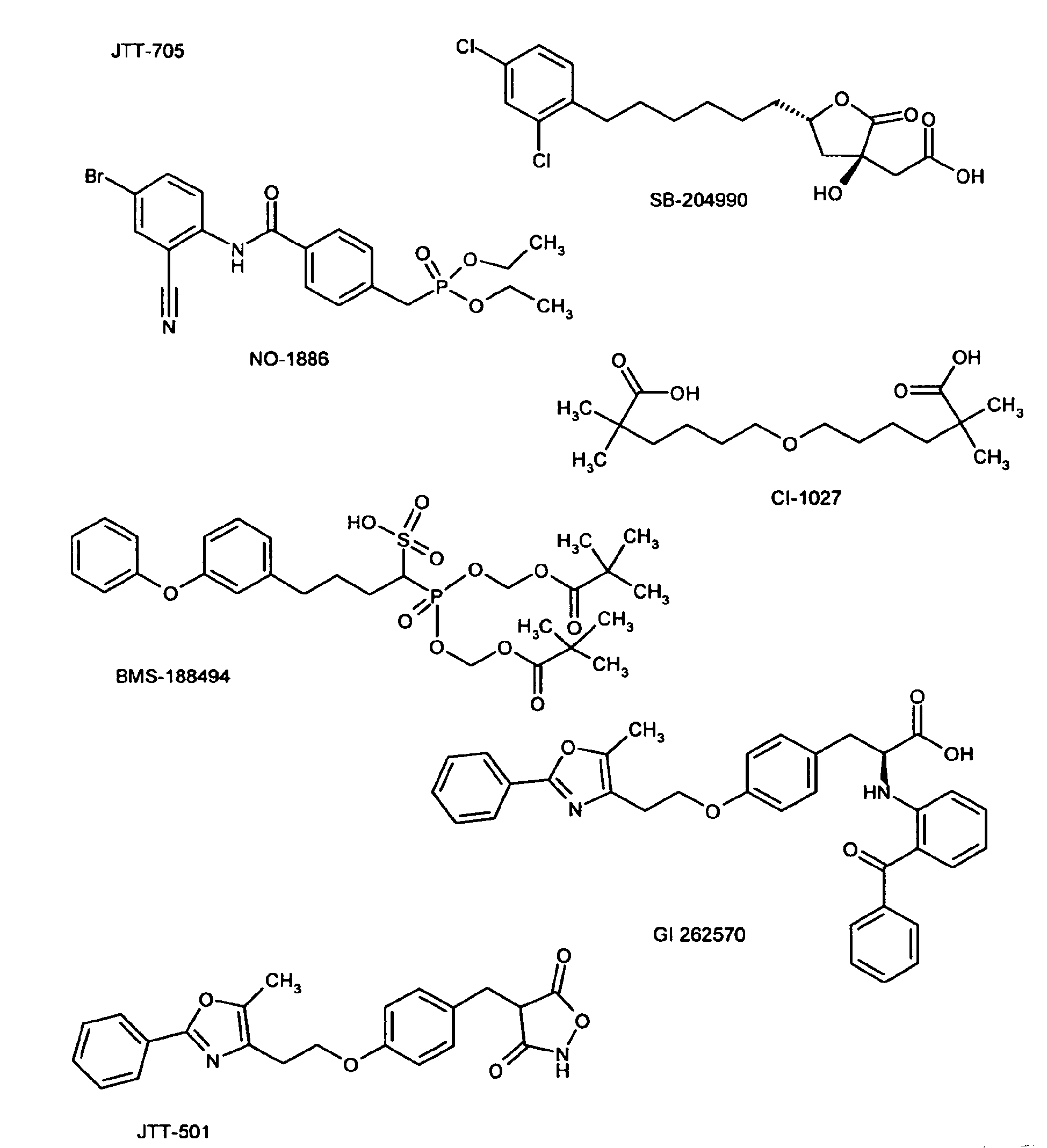
- the compounds of formula I are administered in combination with a CETP inhibitor, e.g. JTT-705.
- a CETP inhibitor e.g. JTT-705.
- the compounds of formula I are administered in combination with an ACAT inhibitor, e.g. Avasimibe, administered.
- an ACAT inhibitor e.g. Avasimibe
- the compounds of formula I are used in combination with a lipoprotein lipase inhibitor, e.g. NO-1886, administered.
- a lipoprotein lipase inhibitor e.g. NO-1886
- the compounds of formula I are administered in combination with a lipoprotein (a) antagonist such as CI-1027 or nicotinic acid.
- a lipoprotein (a) antagonist such as CI-1027 or nicotinic acid.
- the compounds of the formula I in combination with a lipase inhibitor, such as. As orlistat administered.
- the compounds of formula I are administered in combination with an ⁇ -glucosidase inhibitor, such as miglitol or acarbose.
- the compounds of formula I are administered in combination with an agent that acts on the ATP-dependent potassium channel of beta cells, such as tolbutamide, glibenclamide, glipizide, glimepiride or repaglinide.
- the compounds of the formula I are used in combination with more than one of the abovementioned compounds, for example in combination with a sulphonylurea and metformin, a sulphonylurea and acarbose, repaglinide and metformin, insulin and a sulphonylurea, insulin and metformin, insulin and troglitazone , Insulin and lovastatin, etc. administered.
- the compounds of the formula I are administered in combination with CART modulators (see “cocaine-amphetamine-regulated transcriptinfluenza-metabolism, anxiety and gastric emptying in mice”). Asakawa, A, et al.
- the further active ingredient is leptin; see eg " Perspectives in the therapeutic use of leptin “, Salvador, Javier, Gomez-Ambrosi, Javier, Fruhbeck, Gema, Expert Opinion on Pharmacotherapy (2001), 2 (10), 1615-1622 ,
- the compounds of formula I in combination with bulking agents preferably insoluble bulking agents
- bulking agents preferably insoluble bulking agents
- Caromax is a carob-containing product of the company Nutrinova, Nutrition Specialties & Food Ingredients GmbH, Industriepark availability, 65926 Frankfurt / Main)) administered.
- Combination with Caromax ® is possible in one preparation or by separate administration of compounds of the formula I and Caromax ®.
- Caromax.RTM ® can in this case in the form of food, such as administered in bakery products or muesli bars.
- the effect of compounds on the activity of the active form of glycogen phosphorylase (GPa) was measured in the reverse direction by following the glycogen synthesis from glucose 1-phosphate by determination of the release of inorganic phosphate. All reactions were performed as duplicate determinations in 96-well microtiter plates (Costar # 3696), the change in absorbance due to the formation of the reaction product at the wavelength specified below in a Multiskan Ascent Elisa Reader (Lab Systems. Finland). In order to measure the GPa enzyme activity in the reverse direction, the conversion of glucose 1-phosphate to glycogen and inorganic phosphate was determined by the general method of Engers et al.
Landscapes
- Health & Medical Sciences (AREA)
- Chemical & Material Sciences (AREA)
- Organic Chemistry (AREA)
- Life Sciences & Earth Sciences (AREA)
- Pharmacology & Pharmacy (AREA)
- Medicinal Chemistry (AREA)
- Nuclear Medicine, Radiotherapy & Molecular Imaging (AREA)
- Chemical Kinetics & Catalysis (AREA)
- Animal Behavior & Ethology (AREA)
- General Health & Medical Sciences (AREA)
- Public Health (AREA)
- Veterinary Medicine (AREA)
- General Chemical & Material Sciences (AREA)
- Engineering & Computer Science (AREA)
- Bioinformatics & Cheminformatics (AREA)
- Diabetes (AREA)
- Hematology (AREA)
- Obesity (AREA)
- Biomedical Technology (AREA)
- Neurology (AREA)
- Neurosurgery (AREA)
- Physical Education & Sports Medicine (AREA)
- Rheumatology (AREA)
- Virology (AREA)
- Urology & Nephrology (AREA)
- Pulmonology (AREA)
- Communicable Diseases (AREA)
- Oncology (AREA)
- Endocrinology (AREA)
- Emergency Medicine (AREA)
- Orthopedic Medicine & Surgery (AREA)
- Psychiatry (AREA)
- Immunology (AREA)
- Cardiology (AREA)
- Tropical Medicine & Parasitology (AREA)
- AIDS & HIV (AREA)
- Pain & Pain Management (AREA)
- Child & Adolescent Psychology (AREA)
- Ophthalmology & Optometry (AREA)
- Hospice & Palliative Care (AREA)
Description
- Die Erfindung betrifft Harnstoff- und Urethan-substituierte Acylharnstoffe sowie deren physiologisch verträgliche Salze und physiologisch funktionellen Derivate.
- In
EP 0 221 847 sind strukturähnliche Verbindungen zur Schädlingsbekämpfung beschrieben.
InWO 02/096864
InWO 01/94300
Patent Abstracts of Japan bd. 013, Nr. 224, (C-599), 24. Mai 1989 &JP 01 034953 A, 6. Februar 1989 - Der Erfindung lag die Aufgabe zugrunde, Verbindungen zur Verfügung zu stellen, mit denen eine Prävention und Behandlung von Diabetes Typ 2 möglich ist. Die Verbindungen sollen dazu eine merkliche Senkung des Blutzuckerspiegels bewirken.
- Die Erfindung betrifft daher Verbindungen der Formel Ia,
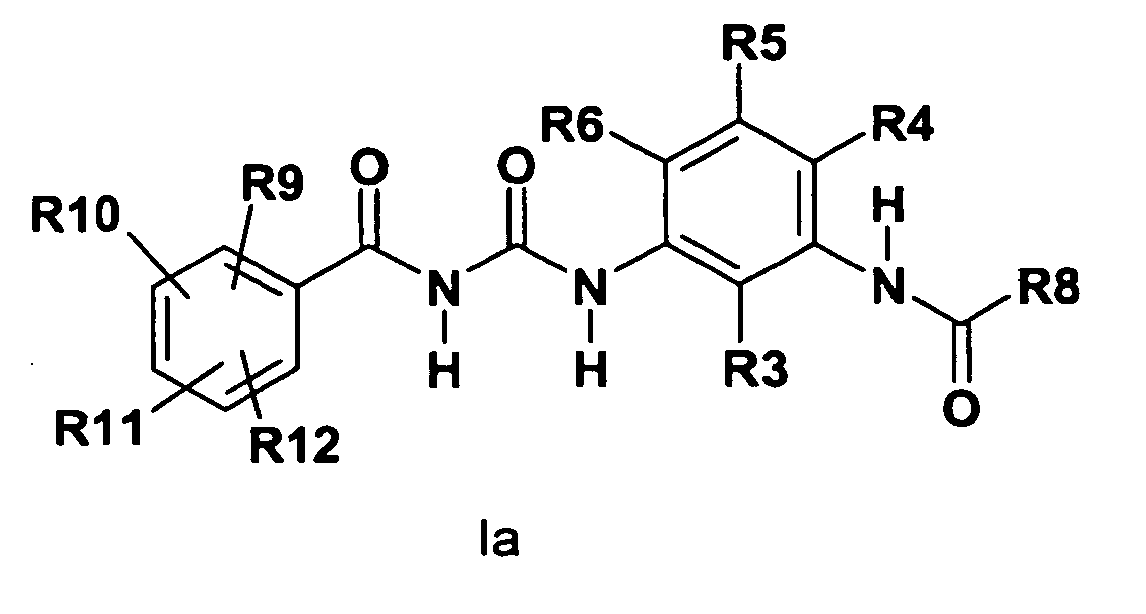
- R9, R10, R11
- unabhängig von einander F oder Cl;
- R12
- H;
- R13
- unabhängig voneinander H oder (C1-C6)-Alkyl;
- R1, R2
- H;
- R3, R4, R5
- unabhängig voneinander H, COOR13;
- R6
- Cl, OCF3, COOR13, N(R14)(R15), (C2-C6)-Alkenyl, O-(C1-C10)-Alkyl, wobei Alkyl, Alkenyl mehrfach mit F, COOR13 oder CON(R14)(R15) substituiert sein können;
- R14, R15
- (C1-C6)-Alkyl, wobei Alkyl mit N(R13)2 substituiert sein kann;
- R8
- N(R18)(R19) oder OR20;
- R18, R19
- unabhängig voneinander H, (C1-C10)-Alkyl, (C2-C10)-Alkenyl, wobei Alkyl durch COOR13, N(R13)2 oder Phenyl substituiert sein kann, (C3-C7)-Cycloalkyl oder (C6-C10)-Aryl, wobei Aryl mehrfach mit F, Cl, CN, (C1-C6)-Alkyl, O-(C1-C6)-Alkyl, CO-(C1-C6)-Alkyl, wobei Alkyl mehrfach durch F substituiert sein kann, O-Phenyl, Phenyl, Pyridyl oder COOR13 substituiert sein kann;
- R20
- (C1-C10)-Alkyl, (C2-C10)-Alkenyl, (C2-C10)-Alkinyl oder Phenyl, wobei Phenyl mit Cl oder (C1-C6)-Alkyl substituiert sein kann;
- Die Alkylreste in den Substituenten R1, R2, R3, R4, R5, R6, R7, R8, R9, R10, R11 R12, R13, R14, R15, R16, R17, R18, R19 oder R20 können sowohl geradkettig wie verzweigt sein.
- Können Reste oder Substituenten mehrfach in den Verbindungen der Formel I auftreten, wie zum Beispiel COOR13, so können sie alle unabhängig voneinander die angegebene Bedeutungen haben und gleich oder verschieden sein.
- Die Erfindung bezieht sich auf Verbindungen der Formel I, in Form ihrer Racemate, racemischen Mischungen und reinen Enantiomere sowie auf ihre Diastereomere und Mischungen davon.
- Pharmazeutisch verträgliche Salze sind aufgrund ihrer höheren Wasserlöslichkeit gegenüber den Ausgangs- bzw. Basisverbindungen besonders geeignet für medizinische Anwendungen. Diese Salze müssen ein pharmazeutisch verträgliches Anion oder Kation aufweisen. Geeignete pharmazeutisch verträgliche Säureadditionssalze der erfindungsgemäßen Verbindungen sind Salze anorganischer Säuren, wie Salzsäure, Bromwasserstoff-, Phosphor-, Metaphosphor-, Salpeter- und Schwefelsäure sowie organischer Säuren, wie z.B. Essigsäure, Benzolsulfon-, Benzoe-, Zitronen-, Ethansulfon-, Fumar-, Glucon-, Glykol-, Isethion-, Milch-, Lactobion-, Malein-, Äpfel-, Methansulfon-, Bernstein-, p-Toluolsulfon- und Weinsäure. Geeignete pharmazeutisch verträgliche basische Salze sind Ammoniumsalze, Alkalimetallsalze (wie Natrium- und Kaliumsalze), Erdalkalisalze (wie Magnesium- und Calciumsalze), und Salze von Trometamol (2-Amino-2-hydroxymethyl-1,3-propandiol), Diethanolamin, Lysin, oder Ethylendiamin.
- Salze mit einem nicht pharmazeutisch verträglichen Anion, wie zum Beispiel Trifluoracetat, gehören ebenfalls in den Rahmen der Erfindung als nützliche Zwischenprodukte für die Herstellung oder Reinigung pharmazeutisch verträglicher Salze und/oder für die Verwendung in nicht-therapeutischen, zum Beispiel in-vitro-Anwendungen.
- Der hier verwendete Begriff "physiologisch funktionelles Derivat" bezeichnet jedes physiologisch verträgliche Derivat einer erfindungsgemäßen Verbindung der Formel 1, z.B. einen Ester, der bei Verabreichung an einen Säuger, wie z.B. den Menschen, in der Lage ist, (direkt oder indirekt) eine Verbindung der Formel I oder einen aktiven Metaboliten hiervon zu bilden.
- Zu den physiologisch funktionellen Derivaten zählen auch Prodrugs der erfindungsgemäßen Verbindungen, wie zum Beispiel in H. Okada et al., Chem. Pharm. Bull. 1994, 42, 57-61 beschrieben. Solche Prodrugs können in vivo zu einer erfindungsgemäßen Verbindung metabolisiert werden. Diese Prodrugs können selbst wirksam sein oder nicht.
- Die erfindungsgemäßen Verbindungen können auch in verschiedenen polymorphen Formen vorliegen, z.B. als amorphe und kristalline polymorphe Formen. Alle polymorphen Formen der erfindungsgemäßen Verbindungen gehören in den Rahmen der Erfindung und sind ein weiterer Aspekt der Erfindung.
- Nachfolgend beziehen sich alle Verweise auf "Verbindung(en) gemäß Formel" auf Verbindung(en) der Formel I wie vorstehend beschrieben, sowie ihre Salze, Solvate und physiologisch funktionellen Derivate wie hierin beschrieben.
- Die Verbindung(en) der Formel (I) können auch in Kombination mit weiteren Wirkstoffen verabreicht werden.
- Die Menge einer Verbindung gemäß Formel I, die erforderlich ist, um den gewünschten biologischen Effekt zu erreichen, ist abhängig von einer Reihe von Faktoren, z.B. der gewählten spezifischen Verbindung, der beabsichtigten Verwendung, der Art der Verabreichung und dem klinischen Zustand des Patienten. Im allgemeinen liegt die Tagesdosis im Bereich von 0,3 mg bis 100 mg (typischerweise von 3 mg und 50 mg) pro Tag pro Kilogramm Körpergewicht, z.B. 3-10 mg/kg/Tag. Eine intravenöse Dosis kann z.B. im Bereich von 0,3 mg bis 1,0 mg/kg liegen, die geeigneterweise als Infusion von 10 ng bis 100 ng pro Kilogramm pro Minute verabreicht werden kann. Geeignete Infusionslösungen für diese Zwecke können z.B. von 0,1 ng bis 10 mg, typischerweise von 1 ng bis 10 mg pro Milliliter, enthalten. Einzeldosen können z.B. von 1 mg bis 10 g des Wirkstoffs enthalten. Somit können Ampullen für Injektionen beispielsweise von 1 mg bis 100 mg, und oral verabreichbare Einzeldosisformulierungen, wie zum Beispiel Tabletten oder Kapseln, können beispielsweise von 1,0 bis 1000 mg, typischerweise von 10 bis 600 mg enthalten. Zur Therapie der oben genannten Zustände können die Verbindungen gemäß Formel I selbst als Verbindung verwendet werden, vorzugsweise liegen sie jedoch mit einem verträglichen Träger in Form einer pharmazeutischen Zusammensetzung vor. Der Träger muss natürlich verträglich sein, in dem Sinne, dass er mit den anderen Bestandteilen der Zusammensetzung kompatibel ist und nicht gesundheitsschädlich für den Patienten ist. Der Träger kann ein Feststoff oder eine Flüssigkeit oder beides sein und wird vorzugsweise mit der Verbindung als Einzeldosis formuliert, beispielsweise als Tablette, die von 0,05% bis 95 Gew.-% des Wirkstoffs enthalten kann. Weitere pharmazeutisch aktive Substanzen können ebenfalls vorhanden sein, einschließlich weiterer Verbindungen gemäß Formel I. Die erfindungsgemäßen pharmazeutischen Zusammensetzungen können nach einer der bekannten pharmazeutischen Methoden hergestellt werden, die im wesentlichen darin bestehen, dass die Bestandteile mit pharmakologisch verträglichen Träger- und/oder Hilfsstoffen gemischt werden.
- Erfindungsgemäße pharmazeutische Zusammensetzungen sind solche, die für orale, rektale, topische, perorale (z.B. sublinguale) und parenterale (z.B. subkutane, intramuskuläre, intradermale oder intravenöse) Verabreichung geeignet sind, wenngleich die geeignetste Verabreichungsweise in jedem Einzelfall von der Art und Schwere des zu behandelnden Zustandes und von der Art der jeweils verwendeten Verbindung gemäß Formel I abhängig ist. Auch dragierte Formulierungen und dragierte Retardformulierungen gehören in den Rahmen der Erfindung. Bevorzugt sind säure- und magensaftresistente Formulierungen. Geeignete magensaftresistente Beschichtungen umfassen Celluloseacetatphthalat, Poylvinylacetatphthalat, Hydroxypropylmethylcellulosephthalat und anionische Polymere von Methacrylsäure und Methacrylsäuremethylester.
- Geeignete pharmazeutische Verbindungen für die orale Verabreichung können in separaten Einheiten vorliegen, wie zum Beispiel Kapseln, Oblatenkapseln, Lutschtabletten oder Tabletten, die jeweils eine bestimmte Menge der Verbindung gemäß Formel I enthalten; als Pulver oder Granulate; als Lösung oder Suspension in einer wässrigen oder nicht-wässrigen Flüssigkeit; oder als eine Öl-in-Wasser- oder Wasser-in-ÖI-Emulsion. Diese Zusammensetzungen können, wie bereits erwähnt, nach jeder geeigneten pharmazeutischen Methode zubereitet werden, die einen Schritt umfasst, bei dem der Wirkstoff und der Träger (der aus einem oder mehreren zusätzlichen Bestandteilen bestehen kann) in Kontakt gebracht werden. Im allgemeinen werden die Zusammensetzungen durch gleichmäßiges und homogenes Vermischen des Wirkstoffs mit einem flüssigen und/oder feinverteilten festen Träger hergestellt, wonach das Produkt, falls erforderlich, geformt wird. So kann beispielsweise eine Tablette hergestellt werden, indem ein Pulver oder Granulat der Verbindung verpresst oder geformt wird, gegebenenfalls mit einem oder mehreren zusätzlichen Bestandteilen. Gepresste Tabletten können durch tablettieren der Verbindung in frei fließender Form, wie beispielsweise einem Pulver oder Granulat, gegebenenfalls gemischt mit einem Bindemittel, Gleitmittel, inertem Verdünner und/oder einem (mehreren) oberflächenaktiven/dispergierenden Mittel in einer geeigneten Maschine hergestellt werden. Geformte Tabletten können durch Formen der pulverförmigen, mit einem inerten flüssigen Verdünnungsmittel befeuchteten Verbindung in einer geeigneten Maschine hergestellt werden.
- Pharmazeutische Zusammensetzungen, die für eine perorale (sublinguale) Verabreichung geeignet sind, umfassen Lutschtabletten, die eine Verbindung gemäß Formel I mit einem Geschmacksstoff enthalten, üblicherweise Saccharose und Gummi arabicum oder Tragant, und Pastillen, die die Verbindung in einer inerten Basis wie Gelatine und Glycerin oder Saccharose und Gummi arabicum umfassen.
- Geeignete pharmazeutische Zusammensetzungen für die parenterale Verabreichung umfassen vorzugsweise sterile wässrige Zubereitungen einer Verbindung gemäß Formel I, die vorzugsweise isotonisch mit dem Blut des vorgesehenen Empfängers sind. Diese Zubereitungen werden vorzugsweise intravenös verabreicht, wenngleich die Verabreichung auch subkutan, intramuskulär oder intradermal als Injektion erfolgen kann. Diese Zubereitungen können vorzugsweise hergestellt werden, indem die Verbindung mit Wasser gemischt wird und die erhaltene Lösung steril und mit dem Blut isotonisch gemacht wird. Injizierbare erfindungsgemäße Zusammensetzungen enthalten im allgemeinen von 0,1 bis 5 Gew.-% der aktiven Verbindung.
- Geeignete pharmazeutische Zusammensetzungen für die rektale Verabreichung liegen vorzugsweise als Einzeldosis-Zäpfchen vor. Diese können hergestellt werden, indem man eine Verbindung gemäß Formel I mit einem oder mehreren herkömmlichen festen Trägern, beispielsweise Kakaobutter, mischt und das entstehende Gemisch in Form bringt.
- Geeignete pharmazeutische Zusammensetzungen für die topische Anwendung auf der Haut liegen vorzugsweise als Salbe, Creme, Lotion, Paste, Spray, Aerosol oder Öl vor. Als Träger können Vaseline, Lanolin, Polyethylenglykole, Alkohole und Kombinationen von zwei oder mehreren dieser Substanzen verwendet werden. Der Wirkstoff ist im allgemeinen in einer Konzentration von 0,1 bis 15 Gew.-% der Zusammensetzung vorhanden, beispielsweise von 0,5 bis 2%.
- Auch eine transdermale Verabreichung ist möglich. Geeignete pharmazeutische Zusammensetzungen für transdermale Anwendungen können als einzelne Pflaster vorliegen, die für einen langzeitigen engen Kontakt mit der Epidermis des Patienten geeignet sind. Solche Pflaster enthalten geeigneterweise den Wirkstoff in einer gegebenenfalls gepufferten wässrigen Lösung, gelöst und/oder dispergiert in einem Haftmittel oder dispergiert in einem Polymer. Eine geeignete Wirkstoff-Konzentration beträgt ca. 1% bis 35%, vorzugsweise ca. 3% bis 15%. Als eine besondere Möglichkeit kann der Wirkstoff, wie beispielsweise in Pharmaceutical Research, 2(6): 318 (1986) beschrieben, durch Elektrotransport oder lontophorese freigesetzt werden.
- Als weitere Wirkstoffe für die Kombinationspräparate sind geeignet:
Alle Antidiabetika, die in der Roten Liste 2001, Kapitel 12 genannt sind. Sie können mit den erfindungsgemäßen Verbindungen der Formel I insbesondere zur synergistischen Wirkungsverbesserung kombiniert werden. Die Verabreichung der Wirkstoffkombination kann entweder durch getrennte Gabe der Wirkstoffe an den Patienten oder in Form von Kombinationspräparaten, worin mehrere Wirkstoffe in einer pharmazeutischen Zubereitung vorliegen, erfolgen. Die meisten der nachfolgend aufgeführten Wirkstoffe sind in USP Dictionary of USAN and International Drug Names, US Pharmacopeia, Rockville 2001, offenbart.
Antidiabetika umfassen Insulin und Insulinderivate, wie z.B. Lantus® (siehe www.lantus.com) oder HMR 1964, schnell wirkende Insuline (sieheUS 6,221,633 ), GLP-1-Derivate wie z.B. diejenigen die inWO 98/08871
Die oral wirksamen hypoglykämischen Wirkstoffe umfassen vorzugsweise Sulphonylfharnstoffe, Biguanide, Meglitinide, Oxadiazolidindione, Thiazolidindione, Glukosidase-Inhibitoren, Glukagon-Antagonisten, GLP-1-Agonisten,
Kaliumkanalöffner, wie z.B. diejenigen, die inWO 97/26265 WO 99/03861 - Bei einer Ausführungsform der Erfindung werden die Verbindungen der Formel I in Kombination mit einem HMGCoA-Reduktase Inhibitor wie Simvastatin, Fluvastatin, Pravastatin, Lovastatin, Atorvastatin, Cerivastatin, Rosuvastatin verabreicht.
- Bei einer Ausführungsform der Erfindung werden die Verbindungen der Formel I in Kombination mit einem Cholesterinresorptionsinhibitor, wie z.B. Ezetimibe, Tiqueside, Pamaqueside, verabreicht.
- Bei einer Ausführungsform der Erfindung werden die Verbindungen der Formel I in Kombination mit einem PPAR gamma Agonist, wie z.B. Rosiglitazon, Pioglitazon, JTT-501, GI 262570, verabreicht.
- Bei einer Ausführungsform der Erfindung werden die Verbindungen der Formel I in Kombination mit einem PPAR alpha Agonist, wie z.B. GW 9578, GW 7647, verabreicht.
- Bei einer Ausführungsform der Erfindung werden die Verbindungen der Formel I in Kombination mit einem gemischten PPAR alpha/gamma Agonisten, wie z.B. GW 1536, AVE 8042, AVE 8134, AVE 0847, oder wie in
PCT/US00/11833 ,PCT/US00/11490 ,DE10142734.4 beschrieben verabreicht. - Bei einer Ausführungsform der Erfindung werden die Verbindungen der Formel I in Kombination mit einem Fibrat, wie z.B. Fenofibrat, Clofibrat, Bezafibrat, verabreicht.
- Bei einer Ausführungsform der Erfindung werden die Verbindungen der Formel I in Kombination mit einem MTP-Inhibitor, wie z.B. Implitapide, BMS-201038, R-103757, verabreicht.
- Bei einer Ausführungsform der Erfindung werden die Verbindungen der Formel I in Kombination mit einem Gallensäureresorptionsinhibitor (siehe z.B.
US 6,245,744 oderUS 6,221,897 ), wie z.B. HMR 1741, verabreicht. - Bei einer Ausführungsform der Erfindung werden die Verbindungen der Formel I in Kombination mit einem CETP-Inhibitor, wie z.B. JTT-705, verabreicht.
- Bei einer Ausführungsform der Erfindung werden die Verbindungen der Formel I in Kombination mit einem polymeren Gallensäureadsorber, wie z.B. Cholestyramin, Colesevelam, verabreicht.
- Bei einer Ausführungsform der Erfindung werden die Verbindungen der Formel I in Kombination mit einem LDL-Rezeptorinducer (siehe
US 6,342,512 ), wie z.B. HMR1171, HMR1586, verabreicht. - Bei einer Ausführungsform der Erfindung werden die Verbindungen der Formel I in Kombination mit einem ACAT-Inhibitor, wie z.B. Avasimibe, verabreicht.
- Bei einer Ausführungsform der Erfindung werden die Verbindungen der Formel I in Kombination mit einem Antioxidans, wie z.B. OPC-14117, verabreicht.
- Bei einer Ausführungsform der Erfindung werden die Verbindungen der Formel I in Kombination mit einem Lipoprotein-Lipase Inhibitor, wie z.B. NO-1886, verabreicht.
- Bei einer Ausführungsform der Erfindung werden die Verbindungen der Formel I in Kombination mit einem ATP-Citrat-Lyase Inhibitor, wie z.B. SB-204990, verabreicht.
- Bei einer Ausführungsform der Erfindung werden die Verbindungen der Formel I in Kombination mit einem Squalen Synthetase Inhibitor, wie z.B. BMS-188494, verabreicht.
- Bei einer Ausführungsform der Erfindung werden die Verbindungen der Formel I in Kombination mit einem Lipoprotein(a) antagonist, wie z.B. CI-1027 oder Nicotinsäure, verabreicht.
- Bei einer Ausführungsform der Erfindung werden die Verbindungen der Formel I in Kombination mit einem Lipase Inhibitor, wie z. B. Orlistat, verabreicht.
- Bei einer Ausführungsform der Erfindung werden die Verbindungen der Formel I in Kombination mit Insulin verabreicht.
Bei einer Ausführungsform werden die Verbindungen der Formel I in Kombination mit einem Sulphonylharnstoff, wie z.B. Tolbutamid, Glibenclamid, Glipizid oder Glimepirid verabreicht.
Bei einer Ausführungsform werden die Verbindungen der Formel I in Kombination mit einem Biguanid, wie z.B. Metformin, verabreicht. - Bei wieder einer Ausführungsform werden die Verbindungen der Formel I in Kombination mit einem Meglitinid, wie z.B. Repaglinid, verabreicht.
Bei einer Ausführungsform werden die Verbindungen der Formel I in Kombination mit einem Thiazolidindion, wie z.B. Troglitazon, Ciglitazon, Pioglitazon, Rosiglitazon oder den inWO 97/41097
Bei einer Ausführungsform werden die Verbindungen der Formel I in Kombination mit einem α-Glukosidase-Inhibitor, wie z.B. Miglitol oder Acarbose, verabreicht.
Bei einer Ausführungsform werden die Verbindungen der Formel I in Kombination mit einem Wirkstoff verabreicht, der auf den ATP-abhängigen Kaliumkanal der Betazellen wirkt, wie z.B. Tolbutamid, Glibenclamid, Glipizid, Glimepirid oder Repaglinid.
Bei einer Ausführungsform werden die Verbindungen der Formel I in Kombination mit mehr als einer der vorstehend genannten Verbindungen, z.B. in Kombination mit einem Sulphonylharnstoff und Metformin, einem Sulphonylharnstoff und Acarbose, Repaglinid und Metformin, Insulin und einem Sulphonylharnstoff, Insulin und Metformin, Insulin und Troglitazon, Insulin und Lovastatin, etc. verabreicht. - Bei einer weiteren Ausführungsform werden die Verbindungen der Formel I in Kombination mit CART-Modulatoren (siehe "Cocaine-amphetamine-regulated transcript influences energy metabolism, anxiety and gastric emptying in mice" Asakawa, A, et al. in: Hormone and Metabolic Research (2001), 33(9), 554-558), NPY-Antagonisten z.B. Naphthalin-1-sulfonsäure-{4-[(4-amino-quinazolin-2-ylamino)-methyl]-cyclohexylmethyl}-amid Hydrochlorid (CGP 71683A)), MC4-Agonisten (z.B. 1-Amino-1,2,3,4-tetrahydro-naphthalin-2-carbonsäure [2-(3a-benzyl-2-methyl-3-oxo-2,3,3a,4,6,7-hexahydro-pyrazolo[4,3-c]pyridin-5-yl)-1-(4-chloro-phenyl)-2-oxo-ethyl]-amid; (
WO 01/91752 WO 00/63208 WO 00/66585 WO 01/83451 WO 99/15525 WO 00/71549 WO 01/09111 WO 01/85695 EP 0 462 884 ) entkoppelnde Protein 2- oder 3-Modulatoren, Leptinagonisten (siehe z.B. Lee, Daniel W.; Leinung, Matthew C.; Rozhavskaya-Arena, Marina; Grasso, Patricia. Leptin agonists as a potential approach to the treatment of obesity. Drugs of the Future (2001), 26(9), 873-881), DA-Agonisten (Bromocriptin, Doprexin), Lipase/Amylase-Inhibitoren (z.B.WO 00/40569 WO 00/78312 - Bei einer Ausführungsform der Erfindung ist der weitere Wirkstoff Leptin; siehe z.B. "Perspectives in the therapeutic use of leptin", Salvador, Javier; Gomez-Ambrosi, Javier; Fruhbeck, Gema, Expert Opinion on Pharmacotherapy (2001), 2(10), 1615-1622.
- Bei einer Ausführungsform ist der weitere Wirkstoff Dexamphetamin oder Amphetamin.
Bei einer Ausführungsform ist der weitere Wirkstoff Fenfluramin oder Dexfenfluramin.
Bei noch einer Ausführungsform ist der weitere Wirkstoff Sibutramin.
Bei einer Ausführungsform ist der weitere Wirkstoff Orlistat.
Bei einer Ausführungsform ist der weitere Wirkstoff Mazindol oder Phentermin. - Bei einer Ausführungsform werden die Verbindungen der Formel I in Kombination mit Ballaststoffen, vorzugsweise unlöslichen Ballaststoffen (siehe z.B. Carob/ Caromax® (Zunft H J; et al., Carob pulp preparation for treatment of hypercholesterolemia, ADVANCES IN THERAPY (2001 Sep-Oct), 18(5), 230-6.) Caromax ist ein Carob enthaltendes Produkt der Fa. Nutrinova, Nutrition Specialties &Food Ingredients GmbH, Industriepark Höchst, 65926 Frankfurt / Main)) verabreicht. Die Kombination mit Caromax® kann in einer Zubereitung erfolgen, oder durch getrennte Gabe von Verbindungen der Formel I und Caromax®. Caromax® kann dabei auch in Form von Lebensmitteln, wie z.B. in Backwaren oder Müsliriegeln, verabreicht werden.
- Es versteht sich, dass jede geeignete Kombination der erfindungsgemäßen Verbindungen mit einer oder mehreren der vorstehend genannten Verbindungen und wahlweise einer oder mehreren weiteren pharmakologisch wirksamen Substanzen als unter den Schutzbereich der vorliegenden Erfindung fallend angesehen wird.

- Die nachfolgend aufgeführten Beispiele dienen zur Erläuterung der Erfindung.
Tabelle 1: Beispiele der Formel I 
Bsp. R9, R10, R11, R12 R3 R4 R5 R6 Verkn. R8 MS * 1 2-Cl-4,5-F2 2-H 4-H 5-H 6-OCH3 3 NHCH3 ok 2 2-Cl-4,5-F2 2-H 4-COOC2H5 5-H 6-OCH3 3 NHCH3 ok 3 2-Cl-4-F 2-H 3-COOH 4-H 5-H 6 OCH3 ok 4 2-Cl-4,5-F2 2-H 4-H 5-H 6-OCF3 3 NHC2H5 ok 5 2-Cl-4,5-F2 2-H 4-H 5-H 
3 NHC2H5 ok 6 2-Cl-4,5-F2 2-H 4-H 5-H 
3 NHC2H5 ok 7 2-Cl-4,5-F2 2-H 4-H 5-H 6-N(CH3)2 3 NHC2H5 ok 8 2-Cl-4,5-F2 2-H 4-H 5-H 
3 NHC2H5 ok 9 2-Cl-4,5-F2 2-H 4-H 5-H 6-Cl 3 NHC2H5 ok 10 2-Cl-4,5-F2 2-H 4-H 5-H 6-OCH3 3 NHC2H5 ok 11 2-Cl-4,5-F2 2-H 4-COOC2H5 5-H 6-OCH3 3 NHC2H5 ok 12 2-Cl-4,5-F2 2-H 4-H 5-H 6-OCH3 3 
ok 13 2-Cl-4,5-F2 2-H 4-H 5-H 6-OCH3 3 
ok 14 2-Cl-4,5-F2 2-H 4-H 5-H 6-OCH3 3 
ok 15 2-Cl-4, 5-F2 2-H 4-H 5-H 6-OCH3 3 
ok 16 2-Cl-4,5-F2 2-H 4-H 5-H 6-OCH3 3 
ok 17 2-Cl-4,5-F2 2-H 4-H 5-H 6-OCH3 3 
ok 18 2-Cl-4,5-F2 2-H 4-H 5-H 6-OCH3 3 NHCH2COOC2H5 ok 19 2-Cl-4,5-F2 2-H 4-H 5-H 6-OCH3 3 
ok 20 2-Cl-4,5-F2 2-H 4-H 5-H 6-OCH3 3 
ok 21 2-Cl-4,5-F2 2-H 4-H 5-H 6-OCH3 3 
ok 22 2-Cl-4,5-F2 2-H 4-H 5-H 6-OCH3 3 
ok 23 2-Cl-4,5-F2 2-H 4-H 5-H 6-OCH3 3 
ok 24 2-Cl-4,5-F2 2-H 4-H 5-H 6-OCH3 3 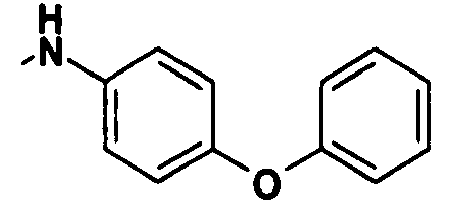
ok 25 2-Cl-4,5-F2 2-H 4-H 5-H 6-OCH3 3 
ok 26 2-Cl-4,5-F2 2-H 4-H 5-H 6-OCH3 3 
ok 27 2-Cl-4,5-F2 2-H 4-H 5-H 6-OCH3 3 NH(CH2)3CH3 ok 28 2-Cl-4,5-F2 2-H 4-H 5-H 6-OCH3 3 
ok 29 2-Cl-4,5-F2 2-H 4-H 5-H 6-OCH3 3 
ok 30 2-Cl-4,5-F2 2-H 4-H 5-H 6-OCH3 3 NHCH(CH3)2 ok 31 2-Cl-4,5-F2 2-H 4-H 5-H 6-OCH3 3 NH(CH2)5CH3 ok 32 2-Cl-4,5-F2 2-H 4-H 5-H 6-OCH3 3 
ok 33 2-Cl-4,5-F2 2-H 4-H 5-H 6-OCH3 3 
ok 34 2-Cl-4,5-F2 2-H 4-H 5-H 6-OCH3 3 
ok 35 2-Cl-4,5-F2 2-H 4-H 5-H 6-OCH3 3 NH(CH2)2CH3 ok 36 2-Cl-4,5-F2 2-H 4-H 5-H 6-OCH3 3 
ok 37 2-Cl-4,5-F2 2-H 4-H 5-H 6-OCH3 3 
ok 38 2-Cl-4,5-F2 2-H 4-H 5-H 6-OCH3 3 
ok 39 2-Cl-4,5-F2 2-H 4-H 5-H 6-OCH3 3 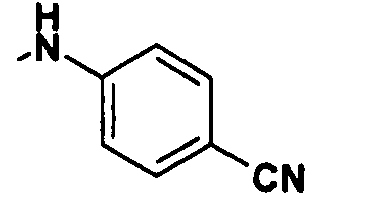
ok 40 2-Cl-4,5-F2 2-H 4-H 5-H 6-OCH3 3 
ok 41 2-Cl-4,5-F2 2-H 4-H 5-H 6-OCH3 3 
ok 42 2-Cl-4,5-F2 2-H 4-H 5-H 6-OCH3 3 
ok 43 2-Cl-4,5-F2 2-H 4-H 5-H 21 6-OCH3 3 NH(CH2)4CH3 ok 44 2-Cl-4,5-F2 2-H 4-H 5-H 6-OCH3 3 
ok 45 2-Cl-4,5-F2 2-H 4-H 5-H 6-OCH3 3 
ok 46 2-Cl-4,5-F2 2-H 4-H 5-H 6-OCH3 3 
ok 47 2-Cl-4,5-F2 2-H 4-H 5-H 6-OCH3 3 
ok 48 2-Cl-4,5-F2 2-H 4-H 5-H 6-OCH3 3 NH(CH2)2COOC2H5 ok 49 2-Cl-4,5-F2 2-H 4-H 5-H 6-OCH3 3 
ok 50 2-Cl-4,5-F2 2-H 4-H 5-H 6-OCH3 3 
ok 51 2-Cl-4,5-F2 2-H 4-H 5-H 6-OCH3 3 
ok 52 2-Cl-4,5-F2 2-H 4-H 5-H 6-OCH3 3 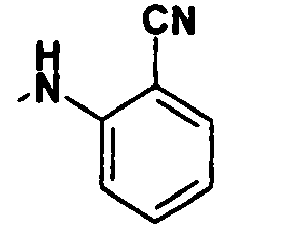
ok 53 2-Cl-4,5-F2 2-H 4-H 5-H 6-OCH3 3 
ok 54 2-Cl-4,5-F2 2-H 4-H 5-H 
3 
ok 55 2-Cl-4,5-F2 2-H 4-H 5-H 
3 
ok 56 2-Cl-4,5-F2 2-H 4-H 5-H 
3 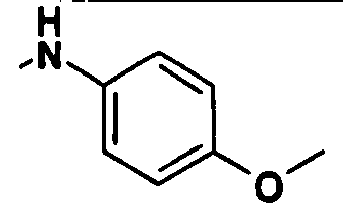
ok 57 2-Cl-4,5-F2 2-H 4-H 5-H 
3 
ok 58 2-Cl-4,5-F2 2-H 4-H 5-H 
3 
ok 59 2-Cl-4,5-F2 2-H 4-H 5-H 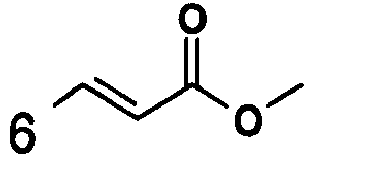
3 NHCH2COOC2H5 ok 60 2-Cl-4,5-F2 2-H 4-H 5-H 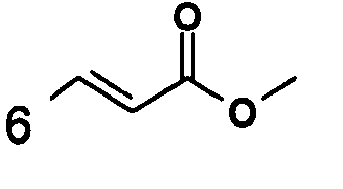
3 
ok 61 2-Cl-4,5-F2 2-H 4-H 5-H 
3 
ok 62 2-Cl-4,5-F2 2-H 4-H 5-H 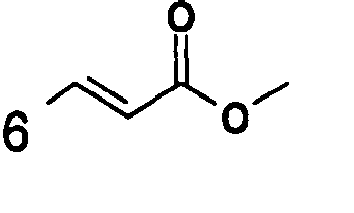
3 
ok 63 2-Cl-4,5-F2 2-H 4-H 5-H 
3 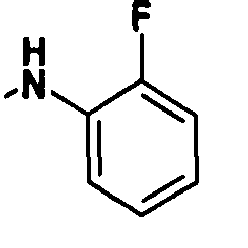
ok 64 2-Cl-4,5-F2 2-H 4-H 5-H 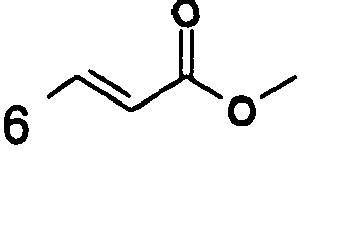
3 
ok 65 2-Cl-4,5-F2 2-H 4-H 5-H 
3 
ok 66 2-Cl-4,5-F2 2-H 4-H 5-H 
3 
ok 67 2-Cl-4,5-F2 2-H 4-H 5-H 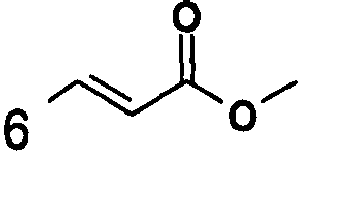
3 
ok 68 2-Cl-4,5-F2 2-H 4-H 5-H 
3 NH(CH2)3CH3 ok 69 2-Cl-4,5-F2 2-H 4-H 5-H 
3 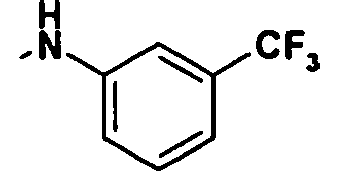
ok 70 2-Cl-4,5-F2 2-H 4-H 5-H 
3 
ok 71 2-Cl-4,5-F2 2-H 4-H 5-H 
3 NHCH(CH3)2 ok 72 2-Cl-4,5-F2 2-H 4-H 5-H 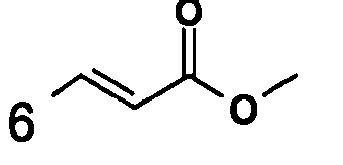
3 NH(CH2)5CH3 ok 73 2-Cl-4,5-F2 2-H 4-H 5-H 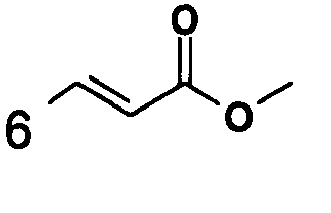
3 
ok 74 2-Cl-4,5-F2 2-H 4-H 5-H 
3 
ok 75 2-Cl-4,5-F2 2-H 4-H 5-H 
3 NH(CH2)2CH3 ok 76 2-Cl-4,5-F2 2-H 4-H 5-H 
3 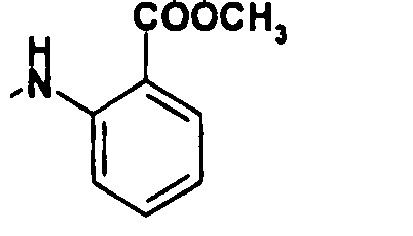
ok 77 2-Cl-4,5-F2 2-H 4-H 5-H 
3 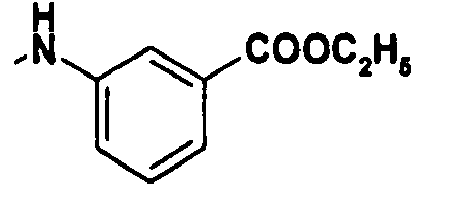
ok 78 2-Cl-4,5-F2 2-H 4-H 5-H 
3 
ok 79 2-Cl-4,5-F2 2-H 4-H 5-H 
3 
ok 80 2-Cl-4,5-F2 2-H 4-H 5-H 
3 
ok 81 2-Cl-4,5-F2 2-H 4-H 5-H 
3 
ok 82 2-Cl-4,5-F2 2-H 4-H 5-H 
3 
ok 83 2-Cl-4,5-F2 2-H 4-H 5-H 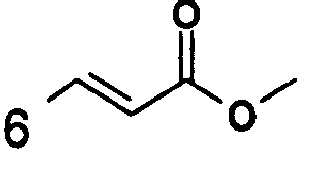
3 NH(CH2)4CH3 ok 84 2-Cl-4,5-F2 2-H 4-H 5-H 
3 
ok 85 2-Cl-4,5-F2 2-H 4-H 5-H 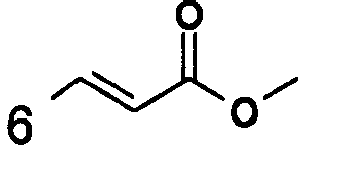
3 
ok 86 2-Cl-4,5-F2 2-H 4-H 5-H 
3 
ok 87 2-Cl-4,5-F2 2-H 4-H 5-H 
3 
ok 88 2-Cl-4,5-F2 2-H 4-H 5-H 
3 NH(CH2)2COOC2H5 ok 89 2-Cl-4,5-F2 2-H 4-H 5-H 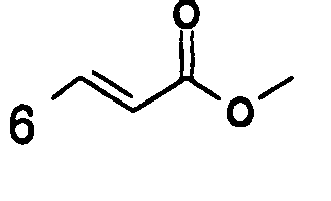
3 
ok 90 2-Cl-4,5-F2 2-H 4-H 5-H 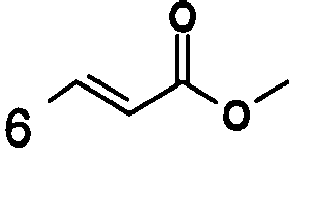
3 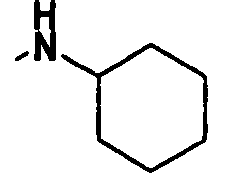
ok 91 2-Cl-4,5-F2 2-H 4-H 5-H 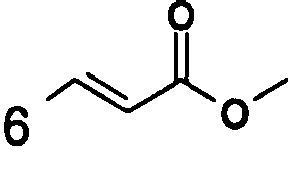
3 
ok 92 2-Cl-4,5-F2 2-H 4-H 5-H 
3 
ok 93 2-Cl-4,5-F2 2-H 4-H 5-H 
3 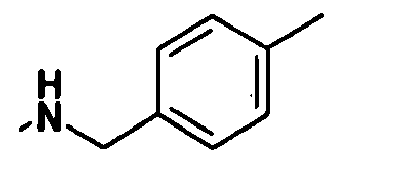
ok 94 2-Cl-4,5-F2 2-H 4-H 5-H 6-OCHF2 3 OCH3 ok 95 2-Cl-4,5-F2 2-H 4-H 5-H 6-OCHF2 3 NHC2H5 ok 96 2-Cl-4,5-F2 2-H 4-H 5-H 6-OCH3 3 O(CH2)2CH3 ok 97 2-Cl-4,5-F2 2-H 4-H 5-H 6-OCH3 3 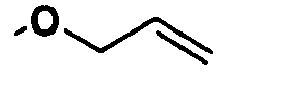
ok 98 2-Cl-4,5-F2 2-H 4-H 5-H 6-OCH3 3 O(CH2)3CH3 ok 99 2-Cl-4,5-F2 2-H 4-H 5-H 6-OCH3 3 OCH2CH(CH3)2 ok 100 2-Cl-4,5-F2 2-H 4-H 5-H 6-OCH3 3 OC2H5 ok 101 2-Cl-4,5-F2 2-H 4-H 5-H 6-OCH3 3 OCH2C≡CCH3 ok 102 2-Cl-4,5-F2 2-H 4-H 5-H 6-OCH3 3 
ok 103 2-Cl-4,5-F2 2-H 4-H 5-H 6-OCH3 3 O(CH2)2CH=CH2 ok 104 2-Cl-4,5-F2 2-H 4-H 5-H 6-OCH3 3 O(CH2)5CH3 ok 105 2-Cl-4,5-F2 2-H 4-H 5-H 
3 O(CH2)2CH3 ok 106 2-Cl-4,5-F2 2-H 4-H 5-H 
3 
ok 107 2-Cl-4,5-F2 2-H 4-H 5-H 
3 O(CH2)3CH3 ok 108 2-Cl-4,5-F2 2-H 4-H 5-H 
3 OCH2CH(CH3)2 ok 109 2-Cl-4,5-F2 2-H 4-H 5-H 
3 OC2H5 ok 110 2-Cl-4,5-F2 2-H 4-H 5-H 
3 
ok 111 2-Cl-4,5-F2 2-H 4-H 5-H 
3 OCH2C≡CCH3 ok 112 2-Cl-4,5-F2 2-H 4-H 5-H 
3 
ok 113 2-Cl-4,5-F2 2-H 4-H 5-H 
3 O(CH2)2CH=CH2 ok 114 2-Cl-4,5-F2 2-H 4-H 5-H 
3 O(CH2)5CH3 ok 115 2-Cl-4,5-F2 2-H 4-H 5-H 6-OC2H5 3 OCH3 ok 116 2-Cl-4,5-F2 2-H 4-H 5-H 6-OC2H5 3 NHC2H5 ok 117 2-Cl-4,5-F2 2-H 4-H 5-H 6-O(CH2)2CH3 3 OCH3 ok 118 2-Cl-4,5-F2 2-H 4-H 5-H 6-O(CH2)2CH3 3 NHC2H5 ok 119 2-Cl-4,5-F2 2-H 4-H 5-H 6-O(CH2)3CH3 3 OCH3 ok 120 2-Cl-4,5-F2 2-H 4-H 5-H 6-O(CH2)3CH3 3 NHC2H5 ok 121 2-Cl-4,5-F2 2-H 4-H 5-H 
3 OCH3 ok 122 2-Cl-4,5-F2 2-H 4-H 5-H 
3 NHC2H5 ok 123 2-Cl-4,5-F2 2-H 4-H 5-H 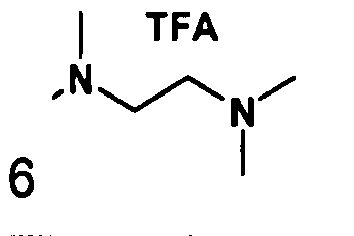
3 OCH3 ok 124 2-Cl-4,5-F2 2-H 4-H 5-H 
3 NHC2H5 ok 125 2,4-Cl2 2-H 4-H 5-H 6-H 3 NHCH3 ok 126 2,4-Cl2 2-H 4-H 5-H 6-Cl 3 NHCH3 ok 127 2,4-Cl2 2-H 4-H 5-H 6-OCH3 3 NHCH3 ok 128 2,4-Cl2 2-H 4-H 5-H 6-OCH3 3 NH(CH2)2COOC2H5 ok 129 2-Cl-4,5-F2 2-H 4-H 5-H 6-Cl 3 NHCH3 ok 130 2,4-Cl2 2-H 3-H 5-H 6-H 4 NHCH3 ok 131 2,4-Cl2 2-H 3-H 5-H 6-H 4 NH(CH2)3NH2 x TFA ok 132 2-Cl-4,5-F2 2-H - 5-H 6-OCH3 3 
ok * Unter der Angabe "MS ist ok" wird verstanden, dass ein Massenspektrum oder HPLC/MS gemessen wurde und in diesem der Molpeak (Molmasse + H+) nachgewiesen wurde. - Die Verbindungen der Formel I zeichnen sich durch günstige Wirkungen auf den Zuckerstoffwechsel aus, sie senken insbesondere den Blutzuckerspiegel und sind zur Behandlung von Typ 2 Diabetes geeignet. Die Verbindungen können daher allein oder in Kombination mit weiteren Blutzucker senkenden Wirkstoffen (Antidiabetika) eingesetzt werden.
Die Verbindungen der Formel I eignen sich weiterhin zur Behandlung von Diabetischen Spätschäden, wie z.B. Nephropathie, Retinopathie, Neuropathie sowie Herzinfarkt, Myocardialem Infarkt, peripheren arteriellen Verschlusskrankheiten, Thrombosen, Arteriosklerose, Syndrom X, Obesitas, Entzündungen, Immunkrankheiten, Autoimmunkrankheiten, wie z.B. AIDS, Asthma, Osteoporose, Krebs, Psoriasis, Alzheimer, Schizophrenie und Infektionskrankheiten. - Die Wirksamkeit der Verbindungen wurde wie folgt getestet:
- Der Effekt von Verbindungen auf die Aktivität der aktiven Form der Glykogenphosphorylase (GPa) wurde in der umgekehrten Richtung, durch Verfolgen der Glykogensynthese aus Glukose-1-Phosphat an Hand der Bestimmung der Freisetzung von anorganischem Phosphat, gemessen. Alle Reaktionen wurden als Doppelbestimmungen in Mikrotiterplatten mit 96-Vertiefungen (Half Area Plates, Costar Nr. 3696) durchgeführt, wobei die Änderung der Absorption auf Grund der Bildung des Reaktionsprodukts bei der weiter unten spezifizierten Wellenlänge in einem Multiskan Ascent Elisa Reader (Lab Systems, Finnland) gemessen wurde.
Um die GPa Enzymaktivität in der umgekehrten Richtung zu messen, wurde die Umwandlung von Glukose-1-Phosphat in Glykogen und anorganisches Phosphat nach der allgemeinen Methode von Engers et al. (Engers HD, Shechosky S, Madsen NB, Can J Biochem 1970 Jul;48(7):746-754) mit folgenden Modifikationen gemessen: Humane Glykogenphosphorylase a (zum Beispiel mit 0,76 mg Protein / ml (Aventis Pharma Deutschland GmbH), gelöst in Pufferlösung E (25 mM β-Glyzerophosphat, pH 7,0, 1 mM EDTA und 1 mM Dithiotreitol) wurde mit Puffer T (50 mM Hepes, pH 7,0, 100 mM KCl, 2,5 mM EDTA, 2,5 mM MgCl26H2O) und Zusatz von 5 mg/ml Glykogen auf eine Konzentration von 10 µg Protein/ml verdünnt. Prüfsubstanzen wurden als 10 mM Lösung in DMSO zubereitet und auf 50 µM mit Pufferlösung T verdünnt. Zu 10 µl dieser Lösung wurden 10 µl 37,5 mM Glukose, gelöst in Pufferlösung T und 5 mg/mL Glykogen, sowie 10 µl einer Lösung von humaner Glykogenphosphorylase a (10 µg Protein/ml) und 20 µl Glukose-1-Phosphat, 2,5 mM zugegeben. Der basale Wert der Glykogenphosphorylase a Aktivität in Abwesenheit von Prüfsubstanz wurde durch Zugabe von 10 µl Pufferlösung T (0,1 % DMSO) bestimmt. Die Mischung wurde 40 Minuten bei Raumtemperatur inkubiert und das freigesetzte anorganische Phosphat mittels der allgemeinen Methode von Drueckes et al. (Drueckes P, Schinzel R, Palm D, Anal Biochem 1995 Sep 1;230(1):173-177) mit folgenden Modifikationen gemessen: 50 µl einer Stop-Lösung von 7,3 mM Ammoniummolybdat, 10,9 mM Zinkacetat, 3,6 % Askorbinsäure, 0,9 % SDS werden zu 50 µl der Enzymmischung gegeben. Nach 60 Minuten Inkubation bei 45 °C wurde die Absorption bei 820 nm gemessen. Zur Bestimmung der Hintergrundsabsorption wurde in einem separaten Ansatz die Stop-Lösung unmittelbar nach Zugabe der Glukose-1-Phosphatlösung zugegeben. Dieser Test wurde mit einer Konzentration von 10 µM der Prüfsubstanz durchgeführt, um die jeweilige Hemmung der Glykogenphosphorylase a in vitro durch die Prüfsubstanz zu bestimmen.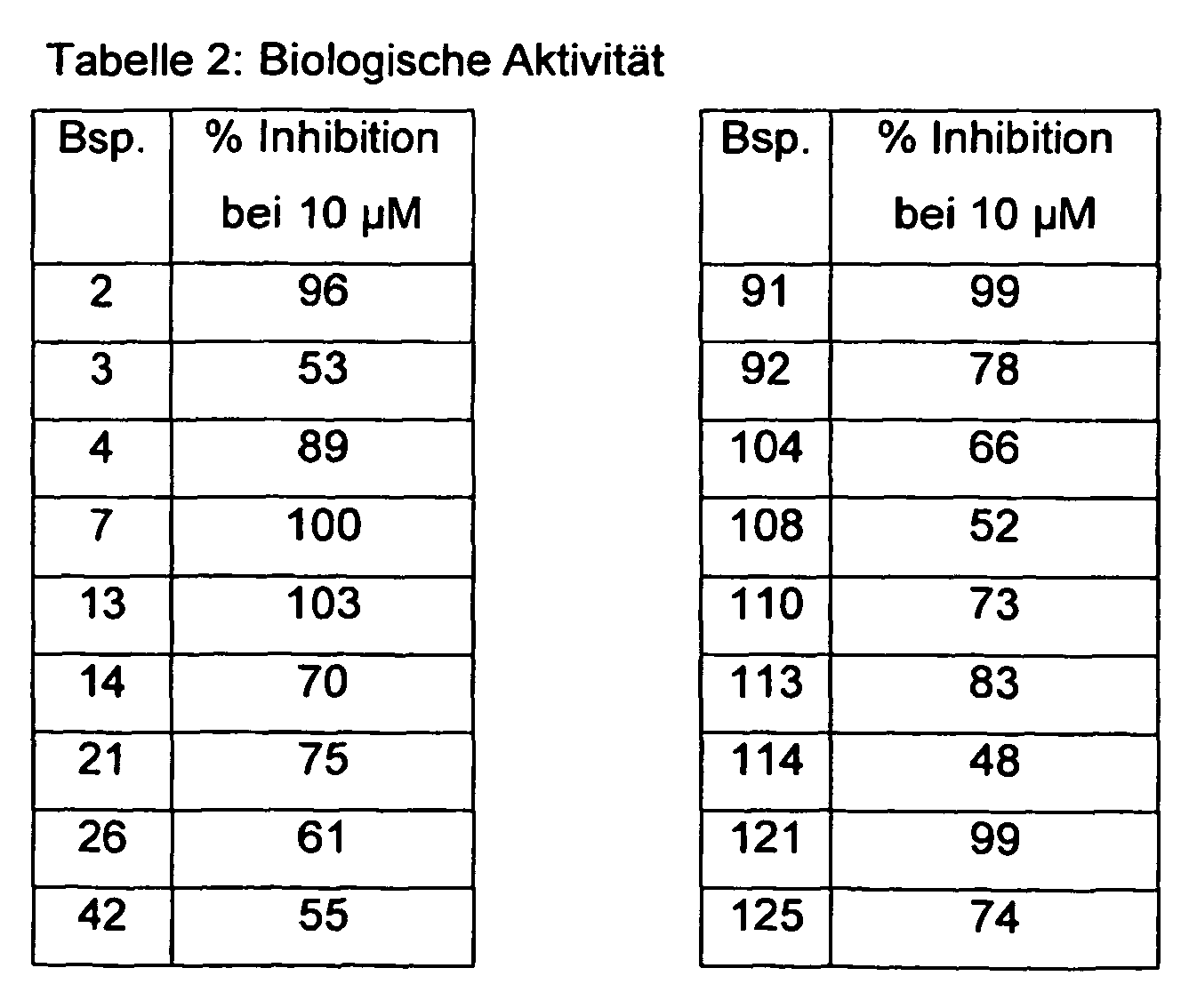

- Aus der Tabelle ist abzulesen, dass die Verbindungen der Formel I die Aktivität der Glykogenphosphorylase a hemmen und dadurch zur Senkung des Blutzuckerspiegels gut geeignet sind. Sie eignen sich damit insbesonders zur Prävention und Behandlung von Diabetes Typ 2.
- Nachfolgend wird die Herstellung einiger Beispiele detailliert beschrieben, die übrigen Verbindungen der Formel I wurden analog erhalten:
- 2-Chlor-4,5-difluorbenzamid wurde in Dichlormethan gelöst, mit 1,5 eq. Oxalylchlorid versetzt und 16 Stunden zum Rückfluss erhitzt. Das Reaktionsgemisch wurde am Hochvakuum eingeengt und ohne weitere Reinigung in Stufe b eingesetzt.
- 4,0 g (23,8 mmol) 2-Methoxy-5-nitroanilin wurden in 10 ml N-Methyl-2-pyrrolidinon gelöst und mit 5,2 g (23,8 mmol) 2-Chlor-4,5-difluorbenzoylisocyanat versetzt. Es trat eine leichte Erwärmung auf. Nach 15 Minuten bei Raumtemperatur wurde Diethylether zugegeben und der entstandene Niederschlag abgesaugt. Man erhielt 6,6 g (79%) des gewünschten Produktes.
- 2,0 g (5,2 mmol) 1-(2-Chloro-4,5-difluoro-benzoyl)-3-(2-methoxy-5-nitro-phenyl)-harnstoff wurden in 20 ml Essigsäureethylester/Methanol-Gemisch bei 70 °C mit 5,8 g (25,9 mmol) Zinndichlorid Hydrat versetzt. Nach 1 Stunde wurden 30 ml N-Methyl-2-pyrrolidinon zugegeben und weitere 2 Stunden gerührt. Nach dem Abkühlen wurde das Reaktionsgemisch basisch gestellt und der entstandene Niederschlag abgesaugt. Die Phasen wurden getrennt. Anschließend wurde die organische Phase dreimal mit Wasser gewaschen, getrocknet und im Hochvakuum eingeengt. Man erhielt 1,2 g (67 %) des gewünschten Produktes.
- 600 mg (1,7 mmol) 1-(5-Amino-2-methoxy-phenyl)-3-(2-chloro-4,5-difluoro-benzoyl)-harnstoff wurden in 5 ml Acetonitril gelöst und mit 69 mg (1,7 mmol) Methylisocyanat versetzt. Nach einer Stunde Rühren bei Raumtemperatur wurde der entstandenen Niederschlag abgesaugt. Man erhielt 638 mg (91 %) des gewünschten Produktes.
- 1,64 g (6 mmol) 2-Chlor-4-fluorbenzamid wurden in 3 ml Dichlormethan gelöst, bei 0 °C und unter Stickstoffatmosphäre mit 0,8 ml (9,3 mmol) Oxalylchlorid versetzt und 9 Stunden zum Rückfluss erhitzt. Das Reaktionsgemisch wurde am Hochvakuum eingeengt und ergab 1,17 g (5,8 mmol) des gewünschten Produktes das als Lösung in Dichlormethan (1 mmol in 1,7 ml Lösung) in Stufe b eingesetzt wurde.
- 150 mg (1 mmol) 3,4-Diaminobenzoesäure wurden in 2 ml N-Methyl-2-pyrrolidinon gelöst und bei 0 °C mit 1 ml (1,2 mmol) der 2-Chlor-4-fluorbenzoylisocyanat-Dichlormethan-lösung, hergestellt in Stufe a, versetzt. Der entstandene Niederschlag wurde abgesaugt. Das Rohgemisch (500 mg) wurde mittels Säulenchromatographie (Dichlormethan/Methanol = 98/2 bis 93/7) gereinigt. Man erhielt 80 mg (25 %) des gewünschten Produktes.
- 28 mg (0,08 mmol) 4-Amino-3-[3-(2-chloro-4-fluoro-benzoyl)-ureido]-benzoesäure wurden in 0,5 ml N-Methyl-2-pyrrolidinon gelöst und mit 0,02 ml (0,24 mmol) Pyridin und 0,007 ml Chlorameisensäuremethylester 4 Stunden bei Raumtemperatur gerührt. Man gab Wasser und Essigsäure hinzu und saugte den entstandenen Niederschlag ab. Man erhielt 18 mg (55 %) des gewünschten Produktes.
Smp: Zersetzung > 400°C - 4,5 g (20,3 mmol) 3-(2-Amino-4-nitro-phenyl)-acrylsäuremethylester wurden mit 4,41 g (20,3 mmol) 2-Chlor-4,5-difluorbenzoylisocyanat (Beispiel 1 a) in 50 ml Acetonitril bei 50 °C für eine Stunde gerührt. Anschließend wurde das Reaktionsgemisch eingeengt, der Rückstand mit Diethylether verrührt und der entstandenen Feststoff abgesaugt. Man erhielt 8,5 g (95 %) des gewünschten Produktes.
- 8,5 g (19,3 mmol) 3-{2-[3-(2-Chloro-4,5-difluoro-benzoyl)-ureido]-4-nitro-phenyl}-acrylsäuremethylester wurden in 60 ml eines Gemisches von Eisessig und konzentrierter Salzsäure (10:1) suspendiert und auf 70°C erhitzt. Anschließend wurden 8,85 g (135,3 mmol) Zinkpulver zugesetzt. Nach 30 Minuten wurde abgekühlt, der Feststoff abgesaugt und das Filtrat eingeengt. Der Rückstand wurde in Essigsäureethylester aufgenommen und mit 10 %iger Natriumhydrogenkarbonat Lösung gewaschen. Die organische Phase wurde getrocknet und eingeengt. Man erhielt 7,9 g (100 %) des gewünschten Produktes.
- 100 mg (0,24 mmol) 3-{4-Amino-2-[3-(2-chloro-4,5-difluoro-benzoyl)-ureido]-phenyl}-acrylsäuremethylester wurden in 1 ml Acetonitril gelöst und mit 2-Trifluor-methylphenyl-isocyanat versetzt und 14 Stunden bei 60 °C geschüttelt. Der entstandene Niederschlag wurde abgesaugt und man erhielt 16 mg (11 %) des gewünschten Produktes.
- 100 mg (0,24 mmol) 3-{4-Amino-2-[3-(2-chloro-4,5-difluoro-benzoyl)-ureido]-phenyl}-acrylsäuremethylester (Beispiel 54 b) wurden in 2 ml Dimethylformamid mit Kaliumkarbonat und Chlorameisensäure-4-chlorphenylester umgesetzt. Nach 4 Stunden wurde der entstandene Niederschlag abgesaugt. Nach präparativer HPLC (Säule: Waters Xterra ™MS C18, 5 µm, 30x100 mm, Laufmittel: A: H2O + 0,2 % Trifluoressigsäure, B: Acetonitril, Gradient: 2,5 Minuten 90 % A / 10 % B bis 17,5 Minuten 10 % A / 90 % B) erhielt man 12 mg (9 %) des gewünschten Produktes.
- 41,1 g (0,3 mol) 4-Methoxy-2-methyl-phenylamine und 37 g (0,5 mol) Dimethylethylamin wurden in 50 ml Tetrahydrofuran gelöst und mit 35,7 g (0,35 mol) Essigsäure-anhydrid unter Rühren versetzt. Dabei erwärmte sich die Lösung zum Sieden. Man rührte 1 Stunde bei Raumtemperatur und kühlte auf 0 °C als. Der entstandene Niederschlag wurde abgesaugt und mehrfach mit wenig kaltem Tetrahydrofuran gewaschen und getrocknet. Man erhielt 40 g (75 %) farblose Kristalle des gewünschten Produktes.
- 34 g (0,19 mol) N-(4-Methoxy-2-methyl-phenyl)-acetamide wurden bei -10 bis -15 °C in kleinen Portionen zu einer Mischung aus 40 ml Eisessig und 70 ml rauchende Salpetersäure gegeben. Dabei wurde so portioniert, dass die Temperatur nicht über - 10 °C anstieg. Anschließend wurde das Reaktionsgemisch auf Eis gegossen. Der entstandene Niederschlag wurde abgesaugt und mit Wasser, Ethanol und Diethylether gewaschen. Man erhielt 22,5 g (53 %) des gewünschten Produktes.
- 11,2 g (50 mmol) N-(4-Methoxy-2-methyl-5-nitro-phenyl)-acetamide und 8,5 g (62,5 mmol) wasserfreies Magnesiumsulfat wurden in 500 ml Wasser suspendiert und auf 85 °C erwärmt. Innerhalb von 30 Minuten wurde eine Lösung aus 21,8 g (138 mmol) Kaliumpermanganat in 250 ml Wasser zugetropft. Man rührte 3 Stunden bei 85 °C und filtrierte das heiße Reaktionsgemisch vom Braunstein ab. Dieser wurde dreimal mit jeweils 100 ml Wasser ausgekocht. Die vereinigten wässrigen Phasen wurden nochmals heiß filtriert und im Vakuum auf ca. 150 ml eingeengt. Der Rückstand wurde mit konzentrierter Salzsäure auf pH 1-2 angesäuert und auf 0 °C abgekühlt. Das entstandene Produkt wurde abgesaugt, mit Wasser und Diethylether gewaschen, getrocknet und ohne weitere Reinigung in der nächsten Stufe umgesetzt.
- 7,5 g 2-Acetylamino-5-methoxy-4-nitro-benzoesäure (Rohgemisches aus Stufe c) wurden in 50 ml Wasser und 20 ml konzentrierter Salzsäure für 3 Stunden zum Rückfluss erhitzt. Das Reaktionsgemisch wurde im Vakuum eingeengt und säulenchromatographisch (Kieselgel, Dichlormethan/Isopropanol = 9/1) gereinigt. Man erhielt 3,1 g (50 %) des gewünschten Produktes.
- 2,0 g (9,4 mmol) 2-Amino-5-methoxy-4-nitro-benzoesäure wurden in 20 ml Chloroform und 10 ml Tetrahydrofuran gelöst und mit 20 ml 20 %iger Phosgen Lösung (1,8 M in Toluol) versetzt. Nach 3 Stunden am Rückfluss wurden bei 60 °C erneut 10 ml Phosgen Lösung zugegeben und weitere 12 Stunden bei 60°C gerührt. Das Phosgen wurde abdestilliert und der Rückstand im Vakuum nach mehrmaliger Zugabe von Toluol eingeengt. Man erhielt 2,2 g (100 %) des gewünschten Produktes.
- 476 mg (2 mmol) 6-Methoxy-7-nitro-1H-benzo[d][1,3]oxazine-2,4-dione und 1,5 g (20 mmol) Ammoniumacetat wurden in 20 ml Essigsäure gelöst und 3 Stunden auf 105 °C erhitzt. Anschließend wurde das Reaktionsgemisch auf Eiswasser gegossen und langsam mit festem Natriumhydrogenkarbonat auf pH 7 gebracht. Die wässrige Phase wurde mit Essigsäureethylester extrahiert. Die organische Phase wurde mit Wasser gewaschen, getrocknet und im Vakuum eingeengt. Das Rohprodukt wurde mit Diethylether verrieben und der entstandene Niederschlag wurde abgesaugt. Man erhielt 285 mg (68 %) des gewünschten Produktes.
- 108 mg (0,5 mmol) 2-Amino-5-methoxy-4-nitro-benzamide wurden in 5 ml Tetrahydrofuran und 5 ml Chloroform gelöst und mit Oxalylchlorid (Lösung in Toluol) versetzt. Man rührte 5 Stunden bei 60 °C und engte anschließend im Vakuum ein. Nach Zugabe von Toluol wurde erneut eingeengt. Man erhielt 120 mg (100 %) des gewünschten Produktes.
- 120 mg (0,5 mmol) 6-Methoxy-7-nitro-1 H-quinazoline-2,4-dione wurden in einem Gemisch von 5 ml Tetrahydrofuran, 5 ml Methanol und 5 ml Essigsäure aufgenommen und 3 Stunden bei Raumtemperatur unter Palladium Katalyse hydriert. Die Reaktionslösung wurde erwärmt um ausgefallenes Produkt zu lösen und warm vom Katalysator abfiltriert. Das Filtrat wurde eingeengt und nach Zugabe von Toluol erneut eingeengt. Man erhielt 100 mg (100 %) des gewünschten Produktes.
- 100 mg (0,53 mmol) 7-Amino-6-methoxy-1H-quinazoline-2,4-dione wurden in 20 ml Acetonitril und 2 ml N-Methyl-2-pyrrolidinon suspendiert und mit 200 mg (0,97 mmol) 2-Chlor-4,5-difluorbenzoylisocyanat (Beispiel 1 a) versetzt. Das Reaktionsgemisch wurde zum Sieden erhitzt, anschließend mit Methanol gequenscht und im Vakuum eingeengt. Der Rückstand wurde mit Acetonitril verrührt und der entstandene Niederschlag wurde abfiltriert. Man erhielt 64 mg (30 %) des gewünschten Produktes.
Claims (10)
- Verbindungen der Formel la
 R9, R10, R11 unabhängig von einander F oder Cl;R12 H;R13 unabhängig voneinander H oder (C1-C6)-Alkyl;R3, R4, R5 unabhängig voneinander H, COOR13;R6 Cl, OCF3, COOR13, N(R14)(R15), (C2-C6)-Alkenyl, O-(C1-C10)-Alkyl, wobei Alkyl, Alkenyl mehrfach mit F, COOR13 oder CON(R14)(R15) substituiert sein können;R14, R15 (C1-C6)-Alkyl, wobei Alkyl mit N(R13)2 substituiert sein kann;oder die Reste R14 und R15 mit dem Stickstoffatom an das sie gebunden sind einem 5 gliedrigen, gesättigten heterocyclischen Ring bilden;R8 N(R18)(R19) oder OR20;R18, R19 unabhängig voneinander H, (C1-C10)-Alkyl, (C2-C10)-Alkenyl, wobei Alkyl durch COOR13, N(R13)2 oder Phenyl substituiert sein kann, (C3-C7)-Cycloalkyl oder (C6-C10)-Aryl, wobei Aryl mehrfach mit F, Cl, CN, (C1-C6)-Alkyl, O-(C1-C6)-Alkyl, CO-(C1-C6)-Alkyl, wobei Alkyl mehrfach durch F substituiert sein kann, O-Phenyl, Phenyl, Pyridyl oder COOR13 substituiert sein kann;R20 (C1-C10)-Alkyl, (C2-C10)-Alkenyl, (C2-C10)-Alkinyl oder Phenyl, wobei Phenyl mit Cl oder (C1-C6)-Alkyl substituiert sein kann;sowie deren physiologisch verträgliche Salze.
 - Arzneimittel enthaltend eine oder mehrere der Verbindungen gemäß Anspruch 1.
- Arzneimittel enthaltend eine oder mehrere der Verbindungen gemäß Anspruch 1 und mindestens einen weiteren Wirkstoff.
- Arzneimittel, gemäß Anspruch 3, dadurch gekennzeichnet, daß es als weiteren Wirkstoff eine oder mehrere Antidiabetika, hypoglykämischen Wirkstoffe, HMGCoA-Reduktase Inhibitoren, Cholesterinresorptionsinhibitoren, PPAR gamma Agonisten, PPAR alpha Agonisten, PPAR alpha/gamma Agonisten, Fibrate, MTP-Inhibitoren, Gallensäureresorptionsinhibitoren, CETP-Inhibitoren, polymere Gallensäureadsorber, LDL-Rezeptorinducer, ACAT-Inhibitoren, Antioxidantien, Lipoprotein-Lipase Inhibitoren, ATP-Citrat-Lyase Inhibitoren, Squalen synthetase inhibitoren, Lipoprotein(a) antagonisten, Lipase Inhibitoren, Insuline, Sulphonylharnstoffe, Biguanide, Meglitinide, Thiazolidindione, α-Glukosidase-Inhibitoren, auf den ATP-abhängigen Kaliumkanal der Betazellen wirkende Wirkstoffe, CART-Agonisten, NPY-Agonisten, MC4-Agonisten, Orexin-Agonisten, H3-Agonisten, TNF-Agonisten, CRF-Agonisten, CRF BP-Antagonisten, Urocortin-Agonisten, β3-Agonisten, MSH (Melanocyt-stimulierendes Hormon)-Agonisten, CCK-Agonisten, Serotonin-Wiederaufnahme-Inhibitoren, gemischte Sertonin- und noradrenerge Verbindungen, 5HT-Agonisten, Bombesin-Agonisten, Galanin-Antagonisten, Wachstumshormone, Wachstumshormon freisetzende Verbindungen, TRH-Agonisten, entkoppelnde Protein 2- oder 3-Modulatoren, Leptinagonisten, DA-Agonisten (Bromocriptin, Doprexin), Lipase/Amylase-Inhibitoren, PPAR-Modulatoren, RXR-Modulatoren oder TR-β-Agonisten oder Amphetamine enthält.
- Verwendung der Verbindungen gemäß Anspruch 1 zur Herstellung eines Medikamentes zur Blutzuckersenkung.
- Verwendung der Verbindungen gemäß Anspruch 1 zur Herstellung eines Medikamentes zur Behandlung des Typ II Diabetes.
- Verwendung der Verbindungen gemäß Anspruch 1 zur Herstellung eines Medikamentes zur Behandlung von Lipid- und Kohlenhydratstoffwechselstörungen.
- Verwendung der gemäß Anspruch 1 zur Herstellung eines Medikaments zur Behandlung arteriosklerotischer Erscheinungen.
- Verwendung der Verbindungen gemäß Anspruch 1 zur Herstellung eines Medikaments zur Behandlung von Insulin Resistenz.
- Verfahren zur Herstellung eines Arzneimittels enthaltend eine oder mehrere der Verbindungen gemäß Anspruch 1, dadurch gekennzeichnet, daß der Wirkstoff mit einem pharmazeutisch geeigneten Träger vermischt wird und diese Mischung in eine für die Verabreichung geeignete Form gebracht wird.
Applications Claiming Priority (3)
| Application Number | Priority Date | Filing Date | Title |
|---|---|---|---|
| DE10231371 | 2002-07-11 | ||
| DE10231371 | 2002-07-11 | ||
| PCT/EP2003/006934 WO2004007437A1 (de) | 2002-07-11 | 2003-06-30 | Harnstoff- und urethan-substituierte acylharnstoffe, verfahren zu deren herstellung und deren verwendung als arzneimittel |
Publications (2)
| Publication Number | Publication Date |
|---|---|
| EP1523471A1 EP1523471A1 (de) | 2005-04-20 |
| EP1523471B1 true EP1523471B1 (de) | 2009-09-16 |
Family
ID=30009906
Family Applications (1)
| Application Number | Title | Priority Date | Filing Date |
|---|---|---|---|
| EP03740386A Expired - Lifetime EP1523471B1 (de) | 2002-07-11 | 2003-06-30 | Harnstoff- und urethan-substituierte acylharnstoffe, verfahren zu deren herstellung und deren verwendung als arzneimittel |
Country Status (11)
| Country | Link |
|---|---|
| EP (1) | EP1523471B1 (de) |
| JP (1) | JP4374428B2 (de) |
| AT (1) | ATE443041T1 (de) |
| AU (1) | AU2003281027A1 (de) |
| BR (1) | BR0312593A (de) |
| CA (1) | CA2493373A1 (de) |
| DE (1) | DE50311923D1 (de) |
| IL (1) | IL166057A0 (de) |
| MX (1) | MXPA05000055A (de) |
| TW (1) | TW200407282A (de) |
| WO (1) | WO2004007437A1 (de) |
Families Citing this family (14)
| Publication number | Priority date | Publication date | Assignee | Title |
|---|---|---|---|---|
| DE10306502B4 (de) * | 2003-02-17 | 2005-03-17 | Aventis Pharma Deutschland Gmbh | Substituierte 3-(Benzoylureido)-thiophenderivate und sie enthaltende Arzneimittel |
| DE10309929B4 (de) * | 2003-03-07 | 2006-02-23 | Sanofi-Aventis Deutschland Gmbh | Substituierte Benzoylureidopyridyl-piperidin- und -pyrrolidin-carbonsäurederivate, Verfahren zu deren Herstellung und deren Verwendung |
| US7501440B2 (en) | 2003-03-07 | 2009-03-10 | Sanofi-Aventis Deutschland Gmbh | Substituted benzoylureidopyridylpiperidine-and-pyrrolidinecarboxylic acid derivatives, processes for preparing them and their use |
| FR2884516B1 (fr) * | 2005-04-15 | 2007-06-22 | Cerep Sa | Antagonistes npy, preparation et utilisations |
| PE20080251A1 (es) | 2006-05-04 | 2008-04-25 | Boehringer Ingelheim Int | Usos de inhibidores de dpp iv |
| DE102007012284A1 (de) | 2007-03-16 | 2008-09-18 | Boehringer Ingelheim Pharma Gmbh & Co. Kg | Neue substituierte Arylsulfonylglycine, deren Herstellung und deren Verwendung als Arzneimittel |
| GB0706932D0 (en) * | 2007-04-10 | 2007-05-16 | Univ London Pharmacy | Ureylene derivatives |
| DE102007035334A1 (de) | 2007-07-27 | 2009-01-29 | Boehringer Ingelheim Pharma Gmbh & Co. Kg | Neue substituierte Arylsulfonylglycine, deren Herstellung und deren Verwendung als Arzneimittel |
| DE102007035333A1 (de) | 2007-07-27 | 2009-01-29 | Boehringer Ingelheim Pharma Gmbh & Co. Kg | Neue substituierte Arylsulfonylglycine, deren Herstellung und deren Verwendung als Arzneimittel |
| DE102007042154A1 (de) | 2007-09-05 | 2009-03-12 | Boehringer Ingelheim Pharma Gmbh & Co. Kg | Arylsulfonylaminomethyphosphonsäure-Derivate, deren Herstellung und deren Verwendung als Arzneimittel |
| FR2930552B1 (fr) * | 2008-04-24 | 2012-10-12 | Centre Nat Rech Scient | N-acylthiourees et n-acylurees inhibiteurs de la voie de signalisation des proteines hedgehog |
| FR2980477B1 (fr) * | 2011-09-23 | 2013-10-18 | Centre Nat Rech Scient | Nouveaux composes modulateurs de la voie de signalisation des proteines hedgehog, leurs formes marquees, et applications |
| CN104125947A (zh) * | 2011-12-21 | 2014-10-29 | 生物区欧洲有限公司 | 杂环脲化合物 |
| EP3508474B1 (de) * | 2016-08-31 | 2023-05-17 | JCR Pharmaceuticals Co., Ltd. | Neuartiger therapeutischer wirkstoff für diabetes |
Family Cites Families (11)
| Publication number | Priority date | Publication date | Assignee | Title |
|---|---|---|---|---|
| DE3378207D1 (en) * | 1983-01-24 | 1988-11-17 | Duphar Int Res | Benzoylurea compounds and pesticidal compositions comprisingsame |
| ATE40111T1 (de) * | 1984-07-05 | 1989-02-15 | Duphar Int Res | Benzoylharnstoffverbindungen sowie solche enthaltende insektizide und akarizide zusammensetzungen. |
| EP0221847A3 (de) * | 1985-10-29 | 1988-03-23 | Ciba-Geigy Ag | Salze von Benzoylharnstoffen |
| JPS6434953A (en) * | 1987-07-30 | 1989-02-06 | Agro Kanesho Co Ltd | Benzoylurea based compound and acaricide and insecticide containing said compound as active ingredient |
| FI974437A0 (fi) * | 1995-06-06 | 1997-12-05 | Pfizer | Substituoituja N-(indoli-2-karbonyyli)amideja ja johdannaisia glykogeenifosforylaasi-inhibiittoreina |
| JP3902313B2 (ja) * | 1998-01-14 | 2007-04-04 | 日本曹達株式会社 | 発色性染料および記録材料を使用する発色方法 |
| UY26615A1 (es) * | 2000-03-16 | 2001-10-25 | Pfizer Prod Inc | Inhibidor de la glucogeno fosforilasa. |
| WO2001087845A2 (en) * | 2000-05-15 | 2001-11-22 | Fujisawa Pharmaceutical Co., Ltd. | N-containing heterocyclic compounds and their use as 5-ht antagonists |
| EP1294682B1 (de) * | 2000-06-09 | 2004-04-28 | Aventis Pharma Deutschland GmbH | Acylphenylharnstoffderivate, verfahren zu ihrer herstellung und ihre verwendung als arzneimittel |
| GB0021831D0 (en) * | 2000-09-06 | 2000-10-18 | Astrazeneca Ab | Chemical compounds |
| PE20021091A1 (es) * | 2001-05-25 | 2003-02-04 | Aventis Pharma Gmbh | Derivados de fenilurea sustituidos con carbonamida y procedimiento para su preparacion |
-
2003
- 2003-06-30 MX MXPA05000055A patent/MXPA05000055A/es unknown
- 2003-06-30 AT AT03740386T patent/ATE443041T1/de not_active IP Right Cessation
- 2003-06-30 DE DE50311923T patent/DE50311923D1/de not_active Expired - Lifetime
- 2003-06-30 EP EP03740386A patent/EP1523471B1/de not_active Expired - Lifetime
- 2003-06-30 JP JP2004520438A patent/JP4374428B2/ja not_active Expired - Fee Related
- 2003-06-30 BR BR0312593-9A patent/BR0312593A/pt not_active IP Right Cessation
- 2003-06-30 WO PCT/EP2003/006934 patent/WO2004007437A1/de not_active Ceased
- 2003-06-30 AU AU2003281027A patent/AU2003281027A1/en not_active Abandoned
- 2003-06-30 CA CA002493373A patent/CA2493373A1/en not_active Abandoned
- 2003-07-09 TW TW092118659A patent/TW200407282A/zh unknown
-
2004
- 2004-12-23 IL IL16605704A patent/IL166057A0/xx unknown
Also Published As
| Publication number | Publication date |
|---|---|
| ATE443041T1 (de) | 2009-10-15 |
| TW200407282A (en) | 2004-05-16 |
| MXPA05000055A (es) | 2005-04-08 |
| DE50311923D1 (de) | 2009-10-29 |
| BR0312593A (pt) | 2005-04-12 |
| JP2005532402A (ja) | 2005-10-27 |
| IL166057A0 (en) | 2006-01-15 |
| WO2004007437A9 (de) | 2007-08-16 |
| WO2004007437A1 (de) | 2004-01-22 |
| CA2493373A1 (en) | 2004-01-22 |
| JP4374428B2 (ja) | 2009-12-02 |
| AU2003281027A1 (en) | 2004-02-02 |
| EP1523471A1 (de) | 2005-04-20 |
Similar Documents
| Publication | Publication Date | Title |
|---|---|---|
| EP1497262B1 (de) | Acyl-4-carboxy-phenyl-harnstoffderivate, verfahren zu deren herstellung und deren verwendung | |
| EP1713803B1 (de) | 7-phenylamino-4-chinolon-3-carbonsäure-derivate, verfahren zu ihrer herstellung und ihre verwendung als arzneimittel | |
| EP1513800B1 (de) | N-benzoylureido-zimts urederivate, verfahren zu deren herste llung und deren verwendung | |
| US20080033042A1 (en) | Urea-and urethane-substituted acylureas, process for their preparation and their use | |
| WO2004007437A9 (de) | Harnstoff- und urethan-substituierte acylharnstoffe, verfahren zu deren herstellung und deren verwendung als arzneimittel | |
| EP1497263B1 (de) | Acyl-3-carboxyphenyl-harnstoffderivate, verfahren zu deren herstellung und deren verwendung | |
| EP1720870B1 (de) | Heterocyclisch substituierte 7-amino-4-chinolon-3-carbonsäure-derivate, verfahren zu ihrer herstellung und ihre verwendung als arzneimittel | |
| EP1713804B1 (de) | Cycloalkyl substituierte 7-amino-4-chinolon-3-carbonsäure-derivate, verfahren zu ihrer herstellung und ihre verwendung als arzneimittel | |
| EP1603895B1 (de) | Substituierte benzoylureidopyridyl-piperidin- und -pyrrolidin-carbons urederivate, verfahren zu deren herstellung und deren v erwendung | |
| DE10306502B4 (de) | Substituierte 3-(Benzoylureido)-thiophenderivate und sie enthaltende Arzneimittel | |
| EP1590322B1 (de) | Carbonylamino-substituierte acyl-phenyl-harnstoffderivate, verfahren zu deren herstellung und deren verwendung | |
| EP1556339B1 (de) | Carboxyalkoxy-substituierte acyl-carboxyphenyl-harnstoffderivate, verfahren zu ihre herstellung und ihre verwendung als arzneimittel | |
| DE102004004973A1 (de) | 7-Phenylamino-4-chinolon-3-carbonsäure-Derivate, Verfahren zu ihrer Herstellung und ihre Verwendung als Arzneimittel | |
| DE10231627B4 (de) | Heterozyklisch substituierte Benzoylharnstoffe und ihre Verwendung als Arzneimittel | |
| DE10306503A1 (de) | Substituierte Benzoylureidophenyl-piperidin- und pyrrolidin-carbonsäurederivate, Verfahren zu deren Herstellung und deren Verwendung | |
| DE102004033405A1 (de) | 7-Phenylamino-4-chinolon-3-carbonsäure-Derivate, Verfahren zu ihrer Herstellung und ihre Verwendung als Arzneimittel |
Legal Events
| Date | Code | Title | Description |
|---|---|---|---|
| PUAI | Public reference made under article 153(3) epc to a published international application that has entered the european phase |
Free format text: ORIGINAL CODE: 0009012 |
|
| 17P | Request for examination filed |
Effective date: 20050211 |
|
| AK | Designated contracting states |
Kind code of ref document: A1 Designated state(s): AT BE BG CH CY CZ DE DK EE ES FI FR GB GR HU IE IT LI LU MC NL PT RO SE SI SK TR |
|
| AX | Request for extension of the european patent |
Extension state: AL LT LV MK |
|
| DAX | Request for extension of the european patent (deleted) | ||
| RAP1 | Party data changed (applicant data changed or rights of an application transferred) |
Owner name: SANOFI-AVENTIS DEUTSCHLAND GMBH |
|
| RIN1 | Information on inventor provided before grant (corrected) |
Inventor name: VON ROEDERN, ERICH Inventor name: SCHOENAFINGER, KARL Inventor name: BURGER, HANS-JOERG Inventor name: HERLING, ANDREAS Inventor name: WENDT, KARL-ULRICH Inventor name: DEFOSSA, ELISABETH Inventor name: KADEREIT, DIETER Inventor name: KLABUNDE, THOMAS |
|
| RIN1 | Information on inventor provided before grant (corrected) |
Inventor name: BURGER, HANS-JOERG Inventor name: HERLING, ANDREAS Inventor name: VON ROEDERN, ERICH Inventor name: KADEREIT, DIETER Inventor name: SCHOENAFINGER, KARL Inventor name: DEFOSSA, ELISABETH Inventor name: WENDT, KARL-ULRICH Inventor name: KLABUNDE, THOMAS |
|
| 17Q | First examination report despatched |
Effective date: 20070613 |
|
| GRAP | Despatch of communication of intention to grant a patent |
Free format text: ORIGINAL CODE: EPIDOSNIGR1 |
|
| GRAS | Grant fee paid |
Free format text: ORIGINAL CODE: EPIDOSNIGR3 |
|
| GRAA | (expected) grant |
Free format text: ORIGINAL CODE: 0009210 |
|
| AK | Designated contracting states |
Kind code of ref document: B1 Designated state(s): AT BE BG CH CY CZ DE DK EE ES FI FR GB GR HU IE IT LI LU MC NL PT RO SE SI SK TR |
|
| REG | Reference to a national code |
Ref country code: GB Ref legal event code: FG4D Free format text: NOT ENGLISH |
|
| REG | Reference to a national code |
Ref country code: CH Ref legal event code: EP |
|
| REG | Reference to a national code |
Ref country code: IE Ref legal event code: FG4D |
|
| REF | Corresponds to: |
Ref document number: 50311923 Country of ref document: DE Date of ref document: 20091029 Kind code of ref document: P |
|
| PG25 | Lapsed in a contracting state [announced via postgrant information from national office to epo] |
Ref country code: FI Free format text: LAPSE BECAUSE OF FAILURE TO SUBMIT A TRANSLATION OF THE DESCRIPTION OR TO PAY THE FEE WITHIN THE PRESCRIBED TIME-LIMIT Effective date: 20090916 Ref country code: SE Free format text: LAPSE BECAUSE OF FAILURE TO SUBMIT A TRANSLATION OF THE DESCRIPTION OR TO PAY THE FEE WITHIN THE PRESCRIBED TIME-LIMIT Effective date: 20090916 |
|
| PG25 | Lapsed in a contracting state [announced via postgrant information from national office to epo] |
Ref country code: SI Free format text: LAPSE BECAUSE OF FAILURE TO SUBMIT A TRANSLATION OF THE DESCRIPTION OR TO PAY THE FEE WITHIN THE PRESCRIBED TIME-LIMIT Effective date: 20090916 Ref country code: NL Free format text: LAPSE BECAUSE OF FAILURE TO SUBMIT A TRANSLATION OF THE DESCRIPTION OR TO PAY THE FEE WITHIN THE PRESCRIBED TIME-LIMIT Effective date: 20090916 |
|
| NLV1 | Nl: lapsed or annulled due to failure to fulfill the requirements of art. 29p and 29m of the patents act | ||
| PG25 | Lapsed in a contracting state [announced via postgrant information from national office to epo] |
Ref country code: CY Free format text: LAPSE BECAUSE OF FAILURE TO SUBMIT A TRANSLATION OF THE DESCRIPTION OR TO PAY THE FEE WITHIN THE PRESCRIBED TIME-LIMIT Effective date: 20090916 |
|
| REG | Reference to a national code |
Ref country code: IE Ref legal event code: FD4D |
|
| PG25 | Lapsed in a contracting state [announced via postgrant information from national office to epo] |
Ref country code: EE Free format text: LAPSE BECAUSE OF FAILURE TO SUBMIT A TRANSLATION OF THE DESCRIPTION OR TO PAY THE FEE WITHIN THE PRESCRIBED TIME-LIMIT Effective date: 20090916 Ref country code: ES Free format text: LAPSE BECAUSE OF FAILURE TO SUBMIT A TRANSLATION OF THE DESCRIPTION OR TO PAY THE FEE WITHIN THE PRESCRIBED TIME-LIMIT Effective date: 20091227 Ref country code: RO Free format text: LAPSE BECAUSE OF FAILURE TO SUBMIT A TRANSLATION OF THE DESCRIPTION OR TO PAY THE FEE WITHIN THE PRESCRIBED TIME-LIMIT Effective date: 20090916 Ref country code: PT Free format text: LAPSE BECAUSE OF FAILURE TO SUBMIT A TRANSLATION OF THE DESCRIPTION OR TO PAY THE FEE WITHIN THE PRESCRIBED TIME-LIMIT Effective date: 20100118 Ref country code: IE Free format text: LAPSE BECAUSE OF FAILURE TO SUBMIT A TRANSLATION OF THE DESCRIPTION OR TO PAY THE FEE WITHIN THE PRESCRIBED TIME-LIMIT Effective date: 20090916 Ref country code: CZ Free format text: LAPSE BECAUSE OF FAILURE TO SUBMIT A TRANSLATION OF THE DESCRIPTION OR TO PAY THE FEE WITHIN THE PRESCRIBED TIME-LIMIT Effective date: 20090916 |
|
| PG25 | Lapsed in a contracting state [announced via postgrant information from national office to epo] |
Ref country code: SK Free format text: LAPSE BECAUSE OF FAILURE TO SUBMIT A TRANSLATION OF THE DESCRIPTION OR TO PAY THE FEE WITHIN THE PRESCRIBED TIME-LIMIT Effective date: 20090916 |
|
| PLBE | No opposition filed within time limit |
Free format text: ORIGINAL CODE: 0009261 |
|
| STAA | Information on the status of an ep patent application or granted ep patent |
Free format text: STATUS: NO OPPOSITION FILED WITHIN TIME LIMIT |
|
| PG25 | Lapsed in a contracting state [announced via postgrant information from national office to epo] |
Ref country code: DK Free format text: LAPSE BECAUSE OF FAILURE TO SUBMIT A TRANSLATION OF THE DESCRIPTION OR TO PAY THE FEE WITHIN THE PRESCRIBED TIME-LIMIT Effective date: 20090916 |
|
| 26N | No opposition filed |
Effective date: 20100617 |
|
| PG25 | Lapsed in a contracting state [announced via postgrant information from national office to epo] |
Ref country code: GR Free format text: LAPSE BECAUSE OF FAILURE TO SUBMIT A TRANSLATION OF THE DESCRIPTION OR TO PAY THE FEE WITHIN THE PRESCRIBED TIME-LIMIT Effective date: 20091217 |
|
| BERE | Be: lapsed |
Owner name: SANOFI-AVENTIS DEUTSCHLAND G.M.B.H. Effective date: 20100630 |
|
| PG25 | Lapsed in a contracting state [announced via postgrant information from national office to epo] |
Ref country code: MC Free format text: LAPSE BECAUSE OF NON-PAYMENT OF DUE FEES Effective date: 20100630 |
|
| REG | Reference to a national code |
Ref country code: CH Ref legal event code: PL |
|
| PG25 | Lapsed in a contracting state [announced via postgrant information from national office to epo] |
Ref country code: IT Free format text: LAPSE BECAUSE OF FAILURE TO SUBMIT A TRANSLATION OF THE DESCRIPTION OR TO PAY THE FEE WITHIN THE PRESCRIBED TIME-LIMIT Effective date: 20090916 |
|
| PG25 | Lapsed in a contracting state [announced via postgrant information from national office to epo] |
Ref country code: CH Free format text: LAPSE BECAUSE OF NON-PAYMENT OF DUE FEES Effective date: 20100630 Ref country code: LI Free format text: LAPSE BECAUSE OF NON-PAYMENT OF DUE FEES Effective date: 20100630 |
|
| PG25 | Lapsed in a contracting state [announced via postgrant information from national office to epo] |
Ref country code: BE Free format text: LAPSE BECAUSE OF NON-PAYMENT OF DUE FEES Effective date: 20100630 |
|
| PG25 | Lapsed in a contracting state [announced via postgrant information from national office to epo] |
Ref country code: AT Free format text: LAPSE BECAUSE OF NON-PAYMENT OF DUE FEES Effective date: 20100630 |
|
| PG25 | Lapsed in a contracting state [announced via postgrant information from national office to epo] |
Ref country code: LU Free format text: LAPSE BECAUSE OF NON-PAYMENT OF DUE FEES Effective date: 20100630 Ref country code: BG Free format text: LAPSE BECAUSE OF FAILURE TO SUBMIT A TRANSLATION OF THE DESCRIPTION OR TO PAY THE FEE WITHIN THE PRESCRIBED TIME-LIMIT Effective date: 20090916 Ref country code: HU Free format text: LAPSE BECAUSE OF FAILURE TO SUBMIT A TRANSLATION OF THE DESCRIPTION OR TO PAY THE FEE WITHIN THE PRESCRIBED TIME-LIMIT Effective date: 20100317 |
|
| PG25 | Lapsed in a contracting state [announced via postgrant information from national office to epo] |
Ref country code: TR Free format text: LAPSE BECAUSE OF FAILURE TO SUBMIT A TRANSLATION OF THE DESCRIPTION OR TO PAY THE FEE WITHIN THE PRESCRIBED TIME-LIMIT Effective date: 20090916 |
|
| PGFP | Annual fee paid to national office [announced via postgrant information from national office to epo] |
Ref country code: GB Payment date: 20140625 Year of fee payment: 12 |
|
| PGFP | Annual fee paid to national office [announced via postgrant information from national office to epo] |
Ref country code: DE Payment date: 20140625 Year of fee payment: 12 |
|
| PGFP | Annual fee paid to national office [announced via postgrant information from national office to epo] |
Ref country code: FR Payment date: 20140609 Year of fee payment: 12 |
|
| REG | Reference to a national code |
Ref country code: DE Ref legal event code: R119 Ref document number: 50311923 Country of ref document: DE |
|
| GBPC | Gb: european patent ceased through non-payment of renewal fee |
Effective date: 20150630 |
|
| REG | Reference to a national code |
Ref country code: FR Ref legal event code: ST Effective date: 20160229 |
|
| PG25 | Lapsed in a contracting state [announced via postgrant information from national office to epo] |
Ref country code: GB Free format text: LAPSE BECAUSE OF NON-PAYMENT OF DUE FEES Effective date: 20150630 Ref country code: DE Free format text: LAPSE BECAUSE OF NON-PAYMENT OF DUE FEES Effective date: 20160101 |
|
| PG25 | Lapsed in a contracting state [announced via postgrant information from national office to epo] |
Ref country code: FR Free format text: LAPSE BECAUSE OF NON-PAYMENT OF DUE FEES Effective date: 20150630 |