EP1513589B1 - 1,5-disubstituierte pyrrolid-2-on-derivate zur verwendung als ep4 rezeptor agonisten zur behandlung von augenkrankheiten wie z.b. glaukom - Google Patents
1,5-disubstituierte pyrrolid-2-on-derivate zur verwendung als ep4 rezeptor agonisten zur behandlung von augenkrankheiten wie z.b. glaukom Download PDFInfo
- Publication number
- EP1513589B1 EP1513589B1 EP03727099A EP03727099A EP1513589B1 EP 1513589 B1 EP1513589 B1 EP 1513589B1 EP 03727099 A EP03727099 A EP 03727099A EP 03727099 A EP03727099 A EP 03727099A EP 1513589 B1 EP1513589 B1 EP 1513589B1
- Authority
- EP
- European Patent Office
- Prior art keywords
- enyl
- difluoro
- hydroxy
- phenylbut
- oxopyrrolidin
- Prior art date
- Legal status (The legal status is an assumption and is not a legal conclusion. Google has not performed a legal analysis and makes no representation as to the accuracy of the status listed.)
- Expired - Lifetime
Links
- TWZYMLFYWDDKNT-UKTHLTGXSA-N CCCC(N(CCCCS/C(/NC)=N/[NH-])C/C=C/C(C(c1ccccc1)(F)F)O)=O Chemical compound CCCC(N(CCCCS/C(/NC)=N/[NH-])C/C=C/C(C(c1ccccc1)(F)F)O)=O TWZYMLFYWDDKNT-UKTHLTGXSA-N 0.000 description 1
- PRPJPLURSBOLKQ-NBGZVGPFSA-N OC(C(c1ccccc1)(F)F)/C=C/[C@@H](CC1)N(CCCCSCCC(O)=O)C1=O Chemical compound OC(C(c1ccccc1)(F)F)/C=C/[C@@H](CC1)N(CCCCSCCC(O)=O)C1=O PRPJPLURSBOLKQ-NBGZVGPFSA-N 0.000 description 1
Classifications
-
- A—HUMAN NECESSITIES
- A61—MEDICAL OR VETERINARY SCIENCE; HYGIENE
- A61K—PREPARATIONS FOR MEDICAL, DENTAL OR TOILETRY PURPOSES
- A61K31/00—Medicinal preparations containing organic active ingredients
- A61K31/33—Heterocyclic compounds
- A61K31/395—Heterocyclic compounds having nitrogen as a ring hetero atom, e.g. guanethidine or rifamycins
- A61K31/41—Heterocyclic compounds having nitrogen as a ring hetero atom, e.g. guanethidine or rifamycins having five-membered rings with two or more ring hetero atoms, at least one of which being nitrogen, e.g. tetrazole
-
- A—HUMAN NECESSITIES
- A61—MEDICAL OR VETERINARY SCIENCE; HYGIENE
- A61K—PREPARATIONS FOR MEDICAL, DENTAL OR TOILETRY PURPOSES
- A61K31/00—Medicinal preparations containing organic active ingredients
- A61K31/33—Heterocyclic compounds
- A61K31/395—Heterocyclic compounds having nitrogen as a ring hetero atom, e.g. guanethidine or rifamycins
- A61K31/40—Heterocyclic compounds having nitrogen as a ring hetero atom, e.g. guanethidine or rifamycins having five-membered rings with one nitrogen as the only ring hetero atom, e.g. sulpiride, succinimide, tolmetin, buflomedil
- A61K31/4015—Heterocyclic compounds having nitrogen as a ring hetero atom, e.g. guanethidine or rifamycins having five-membered rings with one nitrogen as the only ring hetero atom, e.g. sulpiride, succinimide, tolmetin, buflomedil having oxo groups directly attached to the heterocyclic ring, e.g. piracetam, ethosuximide
-
- A—HUMAN NECESSITIES
- A61—MEDICAL OR VETERINARY SCIENCE; HYGIENE
- A61K—PREPARATIONS FOR MEDICAL, DENTAL OR TOILETRY PURPOSES
- A61K45/00—Medicinal preparations containing active ingredients not provided for in groups A61K31/00 - A61K41/00
- A61K45/06—Mixtures of active ingredients without chemical characterisation, e.g. antiphlogistics and cardiaca
-
- A—HUMAN NECESSITIES
- A61—MEDICAL OR VETERINARY SCIENCE; HYGIENE
- A61P—SPECIFIC THERAPEUTIC ACTIVITY OF CHEMICAL COMPOUNDS OR MEDICINAL PREPARATIONS
- A61P19/00—Drugs for skeletal disorders
-
- A—HUMAN NECESSITIES
- A61—MEDICAL OR VETERINARY SCIENCE; HYGIENE
- A61P—SPECIFIC THERAPEUTIC ACTIVITY OF CHEMICAL COMPOUNDS OR MEDICINAL PREPARATIONS
- A61P19/00—Drugs for skeletal disorders
- A61P19/02—Drugs for skeletal disorders for joint disorders, e.g. arthritis, arthrosis
-
- A—HUMAN NECESSITIES
- A61—MEDICAL OR VETERINARY SCIENCE; HYGIENE
- A61P—SPECIFIC THERAPEUTIC ACTIVITY OF CHEMICAL COMPOUNDS OR MEDICINAL PREPARATIONS
- A61P19/00—Drugs for skeletal disorders
- A61P19/08—Drugs for skeletal disorders for bone diseases, e.g. rachitism, Paget's disease
-
- A—HUMAN NECESSITIES
- A61—MEDICAL OR VETERINARY SCIENCE; HYGIENE
- A61P—SPECIFIC THERAPEUTIC ACTIVITY OF CHEMICAL COMPOUNDS OR MEDICINAL PREPARATIONS
- A61P19/00—Drugs for skeletal disorders
- A61P19/08—Drugs for skeletal disorders for bone diseases, e.g. rachitism, Paget's disease
- A61P19/10—Drugs for skeletal disorders for bone diseases, e.g. rachitism, Paget's disease for osteoporosis
-
- A—HUMAN NECESSITIES
- A61—MEDICAL OR VETERINARY SCIENCE; HYGIENE
- A61P—SPECIFIC THERAPEUTIC ACTIVITY OF CHEMICAL COMPOUNDS OR MEDICINAL PREPARATIONS
- A61P25/00—Drugs for disorders of the nervous system
-
- A—HUMAN NECESSITIES
- A61—MEDICAL OR VETERINARY SCIENCE; HYGIENE
- A61P—SPECIFIC THERAPEUTIC ACTIVITY OF CHEMICAL COMPOUNDS OR MEDICINAL PREPARATIONS
- A61P25/00—Drugs for disorders of the nervous system
- A61P25/02—Drugs for disorders of the nervous system for peripheral neuropathies
-
- A—HUMAN NECESSITIES
- A61—MEDICAL OR VETERINARY SCIENCE; HYGIENE
- A61P—SPECIFIC THERAPEUTIC ACTIVITY OF CHEMICAL COMPOUNDS OR MEDICINAL PREPARATIONS
- A61P27/00—Drugs for disorders of the senses
- A61P27/02—Ophthalmic agents
-
- A—HUMAN NECESSITIES
- A61—MEDICAL OR VETERINARY SCIENCE; HYGIENE
- A61P—SPECIFIC THERAPEUTIC ACTIVITY OF CHEMICAL COMPOUNDS OR MEDICINAL PREPARATIONS
- A61P27/00—Drugs for disorders of the senses
- A61P27/02—Ophthalmic agents
- A61P27/06—Antiglaucoma agents or miotics
-
- A—HUMAN NECESSITIES
- A61—MEDICAL OR VETERINARY SCIENCE; HYGIENE
- A61P—SPECIFIC THERAPEUTIC ACTIVITY OF CHEMICAL COMPOUNDS OR MEDICINAL PREPARATIONS
- A61P29/00—Non-central analgesic, antipyretic or antiinflammatory agents, e.g. antirheumatic agents; Non-steroidal antiinflammatory drugs [NSAID]
-
- A—HUMAN NECESSITIES
- A61—MEDICAL OR VETERINARY SCIENCE; HYGIENE
- A61P—SPECIFIC THERAPEUTIC ACTIVITY OF CHEMICAL COMPOUNDS OR MEDICINAL PREPARATIONS
- A61P3/00—Drugs for disorders of the metabolism
- A61P3/12—Drugs for disorders of the metabolism for electrolyte homeostasis
- A61P3/14—Drugs for disorders of the metabolism for electrolyte homeostasis for calcium homeostasis
-
- A—HUMAN NECESSITIES
- A61—MEDICAL OR VETERINARY SCIENCE; HYGIENE
- A61P—SPECIFIC THERAPEUTIC ACTIVITY OF CHEMICAL COMPOUNDS OR MEDICINAL PREPARATIONS
- A61P35/00—Antineoplastic agents
-
- A—HUMAN NECESSITIES
- A61—MEDICAL OR VETERINARY SCIENCE; HYGIENE
- A61P—SPECIFIC THERAPEUTIC ACTIVITY OF CHEMICAL COMPOUNDS OR MEDICINAL PREPARATIONS
- A61P43/00—Drugs for specific purposes, not provided for in groups A61P1/00-A61P41/00
-
- C—CHEMISTRY; METALLURGY
- C07—ORGANIC CHEMISTRY
- C07D—HETEROCYCLIC COMPOUNDS
- C07D403/00—Heterocyclic compounds containing two or more hetero rings, having nitrogen atoms as the only ring hetero atoms, not provided for by group C07D401/00
- C07D403/02—Heterocyclic compounds containing two or more hetero rings, having nitrogen atoms as the only ring hetero atoms, not provided for by group C07D401/00 containing two hetero rings
- C07D403/12—Heterocyclic compounds containing two or more hetero rings, having nitrogen atoms as the only ring hetero atoms, not provided for by group C07D401/00 containing two hetero rings linked by a chain containing hetero atoms as chain links
Definitions
- Glaucoma is a degenerative disease of the eye wherein the intraocular pressure is too high to permit normal eye function. As a result, damage may occur to the optic nerve head and result in irreversible loss of visual function. If untreated, glaucoma may eventually lead to blindness. Ocular hypertension, i.e., the condition of elevated intraocular pressure without optic nerve head damage or characteristic glaucomatous visual field defects, is now believed by the majority of ophthalmologists to represent merely the earliest phase in the onset of glaucoma.
- carbonic anhydrase inhibitors decrease the formation of aqueous humor by inhibiting the enzyme carbonic anhydrase. While such carbonic anhydrase inhibitors are now used to treat elevated intraocular pressure by systemic and topical routes, current therapies using these agents, particularly those using systemic routes are still not without undesirable effects. Topically effective carbonic anhydrase inhibitors are disclosed in U.S. Patent Nos. 4,386,098 ; 4,416,890 ; 4,426,388 ; 4,668,697 ; 4,863,922 ; 4,797,413 ; 5,378,703 , 5,240,923 and 5,153,192 .
- Prostaglandins and prostaglandin derivatives are also known to lower intraocular pressure.
- U.S. Patent 4,883,819 to Bito describes the use and synthesis of PGAs, PGBs and PGCs in reducing intraocular pressure.
- U.S. Patent 4,824,857 to Goh et al. describes the use and synthesis of PGD 2 and derivatives thereof in lowering intraocular pressure including derivatives wherein C-10 is replaced with nitrogen.
- U.S. Patent 4,599,353 describes the use of eicosanoids and eicosanoid derivatives including prostaglandins and prostaglandin inhibitors in lowering intraocular pressure. See also WO 00/38667 , WO 99/32441 , WO 99/02165 , WO 00/38663 , WO 01/46140 , EP 0855389 , JP 2000-1472 , US Patent No. 6,043,275 and WO 00/38690 .
- Prostaglandin and prostaglandin derivatives are known to lower intraocular pressure by increasing uveoscleral outflow. This is true for both the F type and A type of prostaglandins. This invention is particularly interested in those compounds that lower IOP via the uveoscleral outflow pathway and other mechanisms by which the E series prostaglandins (PGE 2 ) may facilitate IOP reduction.
- the four recognized subtypes of the EP receptor are believed to modulate the effect of lowering IOP (EP 1 , EP 2 , EP 3 and EP 4 ; J. Lipid Mediators Cell Signaling, Vol. 14, pages 83-87 (1996 )). See also J. Ocular Pharmacology, Vol. 4, 1, pages 13-18 (1988 ); J.
- prostaglandins or derivatives thereof to lower intraocular pressure are problematic with using prostaglandins or derivatives thereof to lower intraocular pressure.
- disorders in humans and other mammals involve or are associated with abnormal or excessive bone loss.
- Such disorders include, but are not limited to, osteoporosis, glucocorticoid induced osteoporosis, Paget's disease, abnormally increased bone turnover, periodontal disease, tooth loss, bone fractures, rheumatoid arthritis, periprosthetic osteolysis, osteogenesis imperfecta, metastatic bone disease, hypercalcemia of malignancy, and multiple myeloma.
- osteoporosis which in its most frequent manifestation occurs in postmenopausal women.
- Osteoporosis is a systemic skeletal disease characterized by a low bone mass and microarchitectural deterioration of bone tissue, with a consequent increase in bone fragility and susceptibility to fracture. Osteoporotic fractures are a major cause of morbidity and mortality in the elderly population. As many as 50% of women and a third of men will experience an osteoporotic fracture. A large segment of the older population already has low bone density and a high risk of fractures. There is a significant need to both prevent and treat osteoporosis and other conditions associated with bone resorption. Because osteoporosis, as well as other disorders associated with bone loss, are generally chronic conditions, it is believed that appropriate therapy will typically require chronic treatment.
- Osteoblasts are cells that are located on the bone surface. These cells secrete an osseous organic matrix, which then calcifies. Substances such as fluoride, parathyroid hormone, and certain cytokines such as protaglandins are known to provide a stimulatory effect on osetoblast cells.
- an aim of current research is to develop therapeutic agents that will selectively increase or stimulate the bone formation activity of the osteoblasts.
- Osteoclasts are usually large multinucleated cells that are situated either on the surface of the cortical or trabecular bone or within the cortical bone. The osteoclasts resorb bone in a closed, sealed-off microenvironment located between the cell and the bone.
- the recruitment and activity of osteoclasts is known to be influenced by a series of cytokines and hormones. It is well known that bisphosphonates are selective inhibitors of osteoclastic bone resorption, making these compounds important therapeutic agents in the treatment or prevention of a variety of systemic or localized bone disorders caused by or associated with abnormal bone resorption.
- bisphosphonates are selective inhibitors of osteoclastic bone resorption, making these compounds important therapeutic agents in the treatment or prevention of a variety of systemic or localized bone disorders caused by or associated with abnormal bone resorption.
- bisphosphonates there remains the desire amongst researchers to develop additional therapeutic agents for inhibiting the bone resorption activity of osteoclasts.
- Prostaglandins such as the PGE 2 series are known to stimulate bone formation and increase bone mass in mammals, including man. It is believed that the four different receptor subtypes, designated EP 1 , EP 2 , EP 3 , and EP 4 are involved in mediating the bone modeling and remodeling processes of the osteoblasts and osteoclasts.
- the major prostaglandin receptor in bone is EP 4 , which is believed to provide its effect by signaling via cyclic AMP.
- This invention relates to potent selective agonists of the EP 4 subtype of prostaglandin E2 receptors, their use or a formulation thereof in the treatment of glaucoma and other conditions that are related to elevated intraocular pressure in the eye of a patient.
- this invention relates to the use, for the manufacture of a medicament for treating ocular hypertension or glaucoma, of a compound of formula I: or a pharmaceutically acceptable salt, enantiomer, diastereomer, or mixture thereof, wherein, X is (CH 2 ) n , O or S; Y represents (C(R b ) 2 ) n , triple bond, or R 1 represents tetrazole which is unsubstituted or substituted with an Ra group, or (CH 2 ) p CO 2 R 6 , with the proviso that when X is a bond R 1 is not (CH 2 ) p CO 2 R 6 .
- R 2 and R 3 independently represent hydrogen, or C 1-4 alkyl;
- R 6 represents hydrogen, or C 1-6 alkyl;
- Ar 2 independently represents (CH 2 ) m C 6-10 aryl, (CH 2 ) m C 5-10 heteroaryl, (CH 2 ) m C 3-10 heterocycloalkyl, (CH 2 ) m C 3-8 cycloalkyl said cycloalkyl, heterocycloalkyl, aryl or heteroaryl unsubstituted or substituted with 1-3 groups of R a ;
- R a represents C 1-6 alkoxy, C 1-6 alkyl, CF 3 , nitro, amino, cyano, C 1-6 alkylamino, or halogen;
- R b independently represents H, halogen, C 1-6 alkyl, or C 3-6 cylcoalkyl;
- --- represents a double or single bond;
- p represents 1-3;
- n represents 0-4; and
- terapéuticaally effective amount means that amount of the EP 4 receptor subtype agonist of formula I, or other actives of the present invention, that will elicit the desired therapeutic effect or response or provide the desired benefit when administered in accordance with the desired treatment regimen.
- a preferred therapeutically effective amount relating to the treatment of abnormal bone resorption is a bone formation, stimulating amount.
- a preferred therapeutically effective amount relating to the treatment of ocular hypertension or glaucoma is an amount effective for reducing intraocular pressure and/or treating ocular hypertension and/or glaucoma.
- “Pharmaceutically acceptable” as used herein means generally suitable for administration to a mammal, including humans, from a toxicity or safety standpoint.
- alkyl refers to a monovalent alkane (hydrocarbon) derived radical containing from 1 to 10 carbon atoms unless otherwise defined. It may be straight or branched. Preferred alkyl groups include methyl, ethyl, propyl, isopropyl, butyl and t-butyl. When the alkyl group is said to be substituted with an alkyl group, this is used interchangeably with “branched alkyl group”.
- Alkoxy refers to C 1 -C 6 alkyl-O-, with the alkyl group optionally substituted as described herein.
- alkoxy groups are methoxy, ethoxy, propoxy, butoxy and isomeric groups thereof.
- Halogen refers to chlorine, fluoride, iodine or bromine.
- Aryl refers to aromatic rings e.g., phenyl, substituted phenyl and the like, as well as rings which are fused, e.g., naphthyl, phenanthrenyl and the like.
- An aryl group thus contains at least one ring having at least 6 atoms, with up to five such rings being present, containing up to 22 atoms therein, with alternating (resonating) double bonds between adjacent carbon atoms or suitable heteroatoms.
- the preferred aryl groups are phenyl, naphthyl and phenanthrenyl, Aryl groups may likewise be substituted as defined.
- Preferred substituted aryls include phenyl and naphthyl.
- heterocycloalkyl refers to a cycloalkyl group (nonaromatic) having 3 to 10 carbon atoms in which one of the carbon atoms in the ring is replaced by a heteroatom selected from O, S or N, and in which up to three additional carbon atoms may be replaced by hetero atoms.
- cycloalkyl refers to a cyclic alkyl group (nonaromatic) having 3 to 10 carbon atoms.
- heteroatom means O, S or N, selected on an independent basis.
- heteroaryl refers to a monocyclic aromatic group having 5 or 6 ring atoms, or a bicyclic aromatic group having 8 to 10 atoms, containing at least one heteroatom, O, S or N, in which a carbon or nitrogen atom is the point of attachment, and in which one or two additional carbon atoms is optionally replaced by a heteroatom selected from O or S, and in which from 1 to 3 additional carbon atoms are optionally replaced by nitrogen heteroatoms, said heteroaryl group being optionally substituted as described herein.
- this type are pyrrole, pyridine, oxazole, thiazole, tetrazole, and oxazine.
- the tetrazole includes all tautomeric forms. Additional nitrogen atoms may be present together with the first nitrogen and oxygen or sulfur, giving, e.g., thiadiazole.
- heterocyclyl or heterocyclic represents a stable 5- to 7-membered monocyclic or stable 8- to 11-membered bicyclic heterocyclic ring which is either saturated or unsaturated, and which consists of carbon atoms and from one to four heteroatoms selected from the group consisting of N, O, and S, and including any bicyclic group in which any of the above-defined heterocyclic rings is fused to a benzene ring.
- the heterocyclic ring may be attached at any heteroatom or carbon atom which results in the creation of a stable structure.
- a fused heterocyclic ring system may include carbocyclic rings and need include only one heterocyclic ring.
- heterocycle or heterocyclic includes heteroaryl moieties.
- heterocyclic elements include, but are not limited to, azepinyl, benzimidazolyl, benzisoxazolyl, benzofurazanyl, benzopyranyl, benzothiopyranyl, benzofuryl, benzothiazolyl, benzothienyl, benzoxazolyl, chromanyl, cinnolinyl, dihydrobenzofuryl, dihydrobenzothienyl, dihydrobenzothiophenyl, dihydrobenzothiopyranyl sulfone, 1,3-dioxolanyl, furyl, imidazolidinyl, imidazolinyl, imidazolyl, indolinyl, indolyl, isochromanyl, isoindolinyl, isoquinolinyl, isothiazolidinyl, isothiazolyl, isothiazolidinyl, morpholinyl, naphthyrid
- heterocyclic elements include, but are not limited to, azepinyl, benzimidazolyl, benzisoxazolyl, benzofurazanyl, benzopyranyl, benzothiopyranyl, benzofuryl, benzothiazolyl, benzothienyl, benzoxazlyl, chromanyl, cinnolinyl, dihydrobenzofuryl, dihydrobenzothienyl, dihydrobenzothiopyranyl, dihydrobenzothiopyranyl sulfone, furyl, imidazolidinyl, imidazolinyl, imidazolyl, indolinyl, indolyl, isochromanyl, isoindolinyl, isoquinolinyl, isothiazolidinyl, isothiazolyl, isothiazolidinyl, morpholinyl, naphthyridinyl, ox
- agonist means EP 4 subtype compounds of formula I interact with the EP4 receptor to produce maximal, super maximal or submaximal effects compared to the natural agonist, PGE2. See Goodman and Gilman. The Pharmacological Basis of Therapeutics, 9th edition, 1996, chapter 2 .
- One embodiment of this invention is realized when X is (CH 2 ) n ,. Another embodiment of this invention is when X is Sulfur. Still another embodiment of this invention is when X is oxygen.
- Still another embodiment of this invention is realized when Y is C(halo) 2 and all other variables are as originally described.
- Still another embodiment of this invention is realized when Y is a double bond as described by or and all other variables are as originally described.
- Still another embodiment of this invention is realized when Y is a triple bond and all other variables are as originally described.
- R 1 is (CH 2 ) p CO 2 R 6 , and all other variables are as originally described.
- a subembodiment of this invention is realized when X is (CH 2 ) n , and Y is (CH 2 ) n .
- Ar 2 is (CH 2 ) m C 6-10 aryl, said aryl unsubstituted or substituted with 1 to 3 groups of R a and all other variables are as originally described,
- Still another embodiment of this invention is realized when R 1 is a tetrazole unsubstituted or substituted with an R a group and all other variables are as originally described.
- a subembodiment of this invention is realized when X is (CH 2 ) n , and Y is (CH 2 ) n , C(halo) 2 or a double bond as described by or
- Another subembodiment of this invention is realized when
- Still another embodiment of this invention is realized, when Ar 2 is a phenyl unsubstituted or substituted with 1 to 3 groups of R a and all other variables are as originally described.
- R 1 is tetrazolyl and Ar 2 is phenyl, said tetrazolyl unsubstituted or substituted with a R a group and phenyl is unsubstituted or substituted with 1-3 groups of R a , and all other variables are as originally described.
- a subembodiment of this invention is realized when X is (CH 2 ) n , and Y is (CH 2 ) n , C(halo) 2 or a double bond as described by or Another subembodiment of this invention is realized when X is sulfur.
- Still another embodiment of this invention is realized when a compound of formula II: or a pharmaceutically acceptable salt, enantiomer, diastereomer, or mixture thereof is used, wherein X, Y, Ar 2 and n are as previously described.
- a subembodiment of this invention is realized when X is (CH 2 ) n , and Y is (CH 2 ) n , C(halo) 2 or a double bond as described by or and Ar 2 is phenyl. Another subembodiment of this invention is realized when n is 4.
- a subembodiment of this invention is realized when X is S.
- Compound used in this invention are:
- Another embodiment of this invention is directed to a composition containing an EP 4 agonist of Formula I and optionally a pharmaceutically acceptable carrier.
- This invention is further concerned with a process for making a pharmaceutical composition comprising a compound of formula I.
- This invention is further concerned with a process for making a pharmaceutical composition
- a pharmaceutical composition comprising a compound of formula I, and a pharmaceutically acceptable carrier.
- the claimed compounds bind strongly and act on PGE 2 receptor, particularly on the EP 4 subtype receptor and therefore are useful for preventing and/or treating glaucoma and ocular hypertension.
- Dry eye is a common ocular surface disease afflicting millions of people. Although it appears that dry eye may result from a number of unrelated pathogenic causes, the common end result is the breakdown of the tear film, which results in dehydration of the exposed outer surface of the eye. ( Lemp, Report of the National Eye Institute/Industry Workshop on Clinical Trials in Dry Eyes, The CLAO Journal, 21(4):221-231 (1995 )).
- One cause for dry eye is the decreased mucin production by the conjunctival cells and/or corneal epithelial cells of mucin, which protects and lubricates the ocular surface ( Gipson and Inatomi, Mucin genes expressed by ocular surface epithelium.
- Macular edema is swelling within the retina within the critically important central visual zone at the posterior pole of the eye. An accumulation of fluid within the retina tends to detach the neural elements from one another and from their local blood supply, creating a dormancy of visual function in the area. It is believed that EP 4 agonist which lower IOP are useful for treating diseases of the macular such as macular edema or macular degeneration.
- another aspect of this invention is a method for treating macular edema or macular degeneration.
- Glaucoma is characterized by progressive atrophy of the optic nerve and is frequently associated with elevated intraocular pressure (IOP). It is possible to treat glaucoma, however, without necessarily affecting IOP by using drugs that impart a neuroprotective effect. See Arch. Ophthalmol. Vol. 112, Jan 1994, pp. 37-44 ; Investigative Ophthamol. & Visual Science, 32, 5, April 1991, pp. 1593-99 . It is believed that EP 4 agonist which lower IOP are useful for providing a neuroprotective effect. They are also believed to be effective for increasing retinal and optic nerve head blood velocity and increasing retinal and optic nerve oxygen by lowering IOP, which when coupled together benefits optic nerve health. As a result, this invention further relates to a method for increasing retinal and optic nerve head blood velocity, or increasing retinal and optic nerve oxygen tension or providing a neuroprotective effect or a combination thereof by using an EP 4 agonist of formula I.
- this invention enables a method of treating ocular hypertension or glaucoma by administering to a patient in need thereof one of the compounds of formula I alone or in combination with a ⁇ -adrenergic blocking agent such as timolol, betaxolol, levobetaxolol, carteolol, levobunolol, a parasympathomimetic agent such as pilocarpine, a sympathomimetic agents such as epinephrine, iopidine, brimonidine, clonidine, para-aminoclonidine, a carbonic anhydrase inhibitor such as dorzolamide, acetazolamide, metazolamide or brinzolamide; a Maxi-K channel blocker as disclosed in USSN 60/389,205, filed June 17, 2002
- 4,690,931 particularly eliprodil and R-eliprodil as set forth in WO 94/13275 , including memantine; or an agonist of 5-HT2 receptors as set forth in PCT/US00/31247 , particularly 1-(2-aminopropyl)-3-methyl-1H-imdazol-6-ol fumarate and 2-(3-chloro-6-methoxy-indazol-1-yl)-1-methyl-ethylamine.
- This invention also enables a method for increasing retinal and optic nerve head blood velocity, or increasing retinal and optic nerve oxygen tension or providing a neuroprotective effect or a combination thereof by administering to a patient in need thereof one of the compounds of formula I alone or in combination with a ⁇ -adrenergic blocking agent such as timolol, betaxolol, levobetaxolol, carteolol, levobunolol, a parasympathomimetic agent such as pilocarpine, a sympathomimetic agents such as epinephrine, iopidine, brimonidine, clonidine, para-aminoclonidine, a carbonic anhydrase inhibitor such as dorzolamide, acetazolamide, metazolamide or brinzolamide; a Maxi-K channel blocker as described above; a prostaglandin such as latanoprost, travaprost, unoprostone, rescula, S10
- 4,690,931 particularly eliprodil and R-eliprodil as set forth in WO 94/13275 , including memantine; or an agonist of 5-HT2 receptors as set forth in PCT/US00/31247 , particularly 1-(2-aminopropyl)-3-methyl-1H-imdazol-6-ol fumarate and 2-(3-chloro-6-methoxy-indazol-1-yl)-1-methyl-ethylamine.
- Use of the compounds of formula I for the manufacture of a medicament for increasing retinal and optic nerve head blood velocity, or increasing retinal and optic nerve oxygen tension or providing a neuroprotective effect or a combination thereof is also included in this invention.
- This invention further enables a method for treating macular edema or macular degeneration by administering to a patient in need thereof one of the compounds of formula I alone or in combination with a ⁇ -adrenergic blocking agent such as timolol, betaxolol, levobetaxolol, carteolol, levobunolol, a parasympathomimetic agent such as pilocarpine, a sympathomimetic agents such as epinephrine, iopidine, brimonidine, clonidine, para-aminoclonidine, a carbonic anhydrase inhibitor such as dorzolamide, acetazolamide, metazolamide or brinzolamide; a Maxi-K channel blocker as described above, a prostaglandin such as latanoprost, travaprost, unoprostone, rescula, S1033 (compounds set forth in US Patent Nos.
- 4,690,931 particularly eliprodil and R-eliprodil as set forth in WO 94/13275 , including memantine; or an agonist of 5-HT2 receptors as set forth in PCT/US00/31247 , particularly 1-(2-aminopropyl)-3-methyl-1H-imdazol-6-ol fumarate and 2-(3-chloro-6-methoxy-indazol-1-yl)-1-methyl-ethylamine.
- Use of the compounds of formula I for the manufacture of a medicament for macular edema or macular degeneration is also included in this invention.
- the EP 4 agonist used in the instant invention can be administered in a therapeutically effective amount intravaneously, subcutaneously, topically, transdermally, parenterally or any other method known to those skilled in the art.
- Ophthalmic pharmaceutical compositions are preferably adapted for topical administration to the eye in the form of solutions, suspensions, ointments, creams or as a solid insert.
- Ophthalmic formulations of this compound may contain from 0.001 to 5% and especially 0.001 to 0.1% of medicament. Higher dosages as, for example, up to about 10% or lower dosages can be employed provided the dose is effective in reducing intraocular pressure, treating glaucoma, increasing blood flow velocity or oxygen tension.
- For a single dose from between 0.001 to 5.0 mg, preferably 0.005 to 2.0 mg, and especially 0.005 to 1.0 mg of the compound can be applied to the human eye.
- the pharmaceutical preparation which contains the compound may be conveniently admixed with a non-toxic pharmaceutical organic carrier, or with a non-toxic pharmaceutical inorganic carrier.
- a non-toxic pharmaceutical organic carrier or with a non-toxic pharmaceutical inorganic carrier.
- pharmaceutically acceptable carriers are, for example, water, mixtures of water and water-miscible solvents such as lower alkanols or aralkanols, vegetable oils, peanut oil, polyalkylene glycols, petroleum based jelly, ethyl cellulose, ethyl oleate, carboxymethyl-cellulose, polyvinylpyrrolidone, isopropyl myristate and other conventionally employed acceptable carriers.
- the pharmaceutical preparation may also contain non-toxic auxiliary substances such as emulsifying, preserving, wetting agents, bodying agents and the like, as for example, polyethylene glycols 200, 300, 400 and 600, carbowaxes 1,000, 1,500, 4,000, 6,000 and 10,000, antibacterial components such as quaternary ammonium compounds, phenylmercuric salts known to have cold sterilizing properties and which are non-injurious in use, thimerosal, methyl and propyl paraben, benzyl alcohol, phenyl ethanol, buffering ingredients such as sodium borate, sodium acetates, gluconate buffers, and other conventional ingredients such as sorbitan monolaurate, triethanolamine, oleate, polyoxyethylene sorbitan monopalmitylate, dioctyl sodium sulfosuccinate, monothioglycerol, thiosorbitol, ethylenediamine tetracetic acid, and the like.
- auxiliary substances such as e
- suitable ophthalmic vehicles can be used as carrier media for the present purpose including conventional phosphate buffer vehicle systems, isotonic boric acid vehicles, isotonic sodium chloride vehicles, isotonic sodium borate vehicles and the like.
- the pharmaceutical preparation may also be in the form of a microparticle formulation.
- the pharmaceutical preparation may also be in the form of a solid insert. For example, one may use a solid water soluble polymer as the carrier for the medicament.
- the polymer used to form the insert may be any water soluble non-toxic polymer, for example, cellulose derivatives such as methylcellulose, sodium carboxymethyl cellulose, (hydroxyloweralkyl cellulose), hydroxyethyl cellulose, hydroxypropyl cellulose, hydroxypropylmethyl cellulose; acrylates such as polyacrylic acid salts, ethylacrylates, polyactylamides; natural products such as gelatin, alginates, pectins, tragacanth; karaya, chondrus, agar, acacia; the starch derivatives such as stanch acetate, hydroxymethyl starch ethers, hydroxypropyl starch, as well as other synthetic derivatives such as polyvinyl alcohol, polyvinyl pyrrolidone, polyvinyl methyl ether, polyethylene oxide, neutralized carbopol and xanthan gum, gellan gum, and mixtures of said polymer.
- cellulose derivatives such as methylcellulose, sodium carboxymethyl
- Suitable subjects for the administration of the formulation of the present invention include primates, man and other animals, particularly man and domesticated animals such as cats, rabbits and dogs,
- the pharmaceutical preparation may contain non-toxic auxiliary substances such as antibacterial components which are non-injurious in use, for example, thimerosal, benzalkonium chloride, methyl and propyl paraben, benzyldodecinium bromide, benzyl alcohol, or phenylethanol; buffering ingredients such as sodium chloride, sodium borate, sodium acetate, sodium citrate, or gluconate buffers; and other conventional ingredients such as sorbitan monolaurate, triethanolamine, polyoxyethylene sorbitan monopalmitylate, ethylenediamine tetraacetic acid, and the like.
- auxiliary substances such as antibacterial components which are non-injurious in use, for example, thimerosal, benzalkonium chloride, methyl and propyl paraben, benzyldodecinium bromide, benzyl alcohol, or phenylethanol
- buffering ingredients such as sodium chloride, sodium borate, sodium acetate, sodium citrate,
- ophthalmic solutions or suspension may be administered as often as necessary to maintain an acceptable IOP level in the eye. It is contemplated that adininistration to the mammalian eye will be from once up to three times daily.
- novel formulations of this invention may take the form of solutions, gels, ointments, suspensions or solid inserts, formulated so that a unit dosage comprises a therapeutically effective amount of the active component or some multiple thereof in the case of a combination therapy.
- the formula I agonists generally have an Ec 50 value from about 0.001 nM to about. 100 microM, although agonists with activities outside this range can be useful depending upon the dosage and route of administration.
- the agonists have an EG 50 value of from about 0.01 microM to about 10 microM.
- the agonists have an EC 50 value of from about 0.1 microM to about 10 microM.
- EC 50 is a common measure of agonist activity well known to those of ordinary skill in the art and is defined as the concentration or dose of an agonist that is needed to produce half, i.e. 50%, of the maximal effect.
- the compounds embodied in this application may be synthesized in part by Scheme 1.
- Pyroglutamic acid is converted to the corresponding ester through the action of a dehydrating agent such as thienylchloride and an alcohol such as methanol.
- the ester can be reduced by a reducing agent such as sodium borohydrate to provide the corresponding alcohol.
- Protection of the alcohol with a suitable protecting group such as t-butyldimethylsilylchloride in the presence of a base such as imidazole provides these silyl-protected alcohol.
- Reacting the protected alcohol amide with a strong base such as sodium hydride and thence with an alkyl halide (RX) provides the N-alkylated product.
- a protecting group such as paramethoxybenzylbromide may be substituted for RX to provide a protected analog of the N-alkylated product.
- Removal of the silyl-protecting group with a reagent such as HF-pyridine and then subsequent oxidation of the free alcohol with an oxidizing agent such as 2-periodinane then provides the aldehyde 1.
- aryl ketoester such as 2 is reacted with a fluoronating agent such as DAST to provide the difluoro ester 3.
- a fluoronating agent such as DAST
- lithiomethylene dimethoxyphosphonate provides the ketophosphonate 4.
- Reaction of the aldehyde 1 with the ketophosphonate 4 in the presence of a strong base such as sodium hydride provides the olefin 5.
- Reduction of the ketone group with a reducing agent such as sodium borohydride provides the alcohol 6.
- a suitable protecting group such as t-butyldimethylsilylchloride
- an oxidizing agent such as ceric ammonium nitrate.
- the free amide then be reacted with a strong base (sodium hydride) and then reacted with a suitably elaborated alkyl halide RX to provide the final products.
- the amide 13 can then be alkylated with a variety of groups R 3 by reaction first with a strong base such as sodium hydride in a polar non protic solvent in the presence of a phase-transfer catalyst such as tetrabutylammoniumiodide and then addition of electrophilic reagent R 3 X where X is the halogen or a suitable leaving group to provide 14.
- a strong base such as sodium hydride in a polar non protic solvent
- a phase-transfer catalyst such as tetrabutylammoniumiodide
- R 3 is an aromatic group
- the reaction conditions are that compound 13 is mixed with a base such as cesium carbonate in dioxane, the aromatic R 3 X where X is halogen or triflate and a catalytic amount of palladium catalyst and the mixture is heated.
- Step A 7-[2R-(tert-Butyl-dimethyl-silanyloxymethyl)-5-oxo-pyrrolidin-1-yl]-heptanenitrile.
- Step B 7-(2R-Hydroxymethyl-5-oxo-pyrrolidin-1-yl-heptanenitrile.
- Step A (5 R )-(tert-butyl-dimethyl-silanyloxymethyl)-1-(4-chlorobutyl)pyrrolidin-2-one
- the aqueous phase was extracted with AcOEt (4x200ml), the organic phases were washed with water (200 ml), brine (100 ml), dried on MgSO 4 , filtered and the solvent was removed under reduced pressure.
- the residual oil was purified by flash column-chromatography on silica gel (eluent AcOEt 1: Hexanes 1) to provide (5 R )-(tert-butyl-dimethyl-silanyloxymethyl)-1-(4-chlorobutyl)pyrrolidin-2-one as an oil.
- Step B (5 R )-1-(4-chlorobutyl)-5-(hydroxymethyl)pyrrolidin-2-one
- the aqueous phase was extracted with CH 2 Cl 2 (4x30ml), the organic phases was washed with brine (20 ml), dried on MgSO 4 , filtered and the solvent was removed under reduced pressure.
- the residual oil was purified by flash column-chromatography on silica gel (eluent Acetone 1: Toluene 1) to provide (5 R )-1-(4-chlorobutyl)-5-(hydroxymethyl)pyrrolidin-2-one as an oil.
- Step C (2 R )-1-(4-chlorobutyl)-5-oxopyrrolidine-2-carboxaldehyde
- Step D (5 R )-1-(4-chlorobutyl)-5-[(1 E )-3-oxo-4-phenylbut-1-enyl]pyrrolidin-2-one
- Step E (5 R )-1-(4-chlorobutyl)-5-[(1 E )-3-hydroxy-4-phenylbut-1-enyl]pyrrolidin-2-one
- the aqueous phase was extracted with AcOEt (4x10ml), the organic phases were washed with water (2 ml), brine (2 ml), dried on MgSO 4 , filtered and the solvent was removed under reduced pressure.
- the residual oil was purified by flash column-chromatography on silica gel (eluent AcOEt 1: Hexanes 3) to provide both diastereoisomers of (5 R )-5-[(1 E )-3-hydroxy-4-phenylbut-1-enyl]-1-14-[(triisopropylsilyl)thio]butyl ⁇ pyrrolidin-2-one as an oil.
- the residual oil is purified by flash column-chromatography on silica gel (eluent AcOEt 2: Hexanes 3) to provide both diastereoisomers of (5 R )-5-[(1 E )-3-hydroxy-4-difluoro-4-phenylbut-1-enyl]-1- ⁇ 4-[(1-methyl-1 H -tetrazol-5-yl)thio]butyl ⁇ pyrrolidin-2-one.
- the residual oil is purified by flash column-chromatography on silica gel (eluent Acetone 4: Toluene 6) to provide both diastereoisomers of 4- ⁇ (2 R )-2-[(1 E )-3-hydroxy-4-difluoro-4-phenylbut-1-enyl]-5-oxopyrrolidin-1-yl ⁇ butyl thiocyanate.
- Step A methyl 3-[4- ⁇ (2 R )-2-[(1 E )-3-hydroxy-4-phenylbut-1-enyl]-5-oxopyrrolidin-1-yl ⁇ butyl)thio]propanoate
- the aqueous phase is extracted with AcOEt (4x10ml), the organic phases are washed with water (2 ml), brine (2 ml), dried on MgSO 4 , filtered and the solvent is removed under reduced pressure.
- the residual oil is purified by flash column-chromatography on silica gel (eluent Acetone 4: Toluene 6) to provide both diastereoisomers of methyl 3-[4- ⁇ (2 R )-2-[(1 E )-3-hydroxy-4-phenylbut-1-enyl]-5-oxopyrrolidin-1-yl ⁇ butyl)thio]propanoate.
- Step B 3-[4- ⁇ (2 R )-2-[(1 E )-3-hydroxy-4-phenylbut-1-enyl]-5-oxopyrrolidin-1-yl ⁇ butyl)thio]propanoic acid
- the aqueous phase is extracted with Et 2 O (4x10ml), the organic phases are washed with 1N HCl (2 ml), brine (2 ml), dried on Na 2 SO 4 , filtered and the solvent is removed under reduced pressure.
- the residual oil is purified by flash column-chromatography on silica gel (eluent CH 2 Cl 2 95: MeOH 5:AcOH 0.5) to provide both diastereoisomers of methyl [4- ⁇ (2 R )-2-[(1 E )-3-hydroxy-4-difluoro-4-phenylbut-1-enyl]-5-oxopyrrolidin-1-yl ⁇ butyl)thio]methanesulfonic acid.
- Step A (5 R )-5-[(1 E )-3-hydroxy-4-phenylbut-1-enyl[4-(methylthio)butyl]pyrrolidin-2-one
- the aqueous phase is extracted with AcOEt (5x8 ml), the organic phases are washed with brine (2 ml), dried on Na 2 SO 4 , filtered and the solvent is removed under reduced pressure.
- the residual oil is purified by flash column-chromatography on silica gel (eluent Acetone 4: Toluene 60) to provide (5 R )-5-[(1 E )-3-hydroxy-4-difluoro-4-phenylbut-1-enyl]-1-[4-(methylthio)butyl]-pyrrolidin-2-one.
- Step B (5 R )-5-[(1 E )-3-hydroxy-4-phenylbut-1-enyl[4-(methylsulfonyl)butyl]-pyrrolidin-2-one
- the aqueous phase is extracted with CH 2 Cl 2 (4x10 ml), the organic phases are washed with water (5 ml), brine (2 ml), dried on MgSO 4 , filtered and the solvent is removed under reduced pressure.
- the residual oil is purified by flash column-chromatography on silica gel (eluent Acetone 7: Toluene 30) to provide (5 R )-5-[(1 E )-3-hydroxy-4-difluoro- 4-phenylbut-1-enyl]-1-[4-(methylsulfonyl)butyl]pyrrolidin-2-one.
- Step A methyl ( ⁇ [4- ⁇ (2 R )-2-( ⁇ [tert-butyl(dimethyl)silyl]oxy ⁇ methyl)-5-o xopyrolidin-1-yl]butyl ⁇ thio)acetate
- the reaction is cooled to room temperature and methyl thioglycolate (1.39 g, 13.1 mmol), then dropwise addition of 4.9N MeONa (2.4 ml, 11.79 mmol).
- the mixture is stirred overnight at room temperature and water (150 ml) is added.
- the aqueous phase is extracted with AcOEt (4x150ml), the organic phases are washed with water (200 ml), brine (100 ml), dried on MgSO 4 , filtered and the solvent is removed under reduced pressure.
- the residual oil is purified by flash column-chromatography on silica gel (eluent AcOEt 1: Hexanes 1) to provide methyl ( ⁇ [4- ⁇ (2 R )-2-( ⁇ [tert-butyl(dimethyl)silyl]oxy ⁇ methyl)-5-oxopyrrolidin-1-yl]butyl ⁇ thio)acetate.
- Step B methyl ( ⁇ 4-[(2 R )-2-(hydroxymethyl)-5-oxopyrrolidin-1-yl]butyl ⁇ thio)acetate
- aqueous phase is extracted with CH 2 Cl 2 (4x30ml), the organic phases is washed with brine (20 ml), dried on MgSO 4 , filtered and the solvent is removed under reduced pressure to provide methyl ( ⁇ 4-[(2 R )-2-(hydroxymethyl)-5-oxopyrrolidin-1-yl]butyl ⁇ thio)acetate.
- Step C Methyl ( ⁇ 4-[(2 R )-2-formyl-5-oxopyrrolidin-1-yl]butyl ⁇ thio)acetate
- Step D methyl [(4- ⁇ (5 R )-2-oxo-5-[(1 E )-3-oxo-4-phenylbut-1-enyl]pyrrolidin-1-yl ⁇ butyl)thio]acetate
- Step E methyl [(4- ⁇ (2 R )-2-[(1 E )-3-hydroxy-4-phenylbut-1-enyl]-5-pyrrolidin-1-yl ⁇ butyl)thio]acetate
- the residue is dissolved in a mixture of water (5 ml) and 1N HCl (1 ml), the aqueous phase is extracted with AcOEt (3x15ml); the organic phases is washed with water (5 ml), brine (5 ml), dried on MgSO 4 , filtered and the solvent is removed under reduced pressure.
- the residual oil is purified by flash column-chromatography on silica gel (eluent Acetone 4: Toluene 6) to provide both diastereoisomers of methyl [(4- ⁇ (2 R )-2-[(1 E )-3-hydroxy-4-phenylbut-1-enyl]-5-pyrrolidin-1-yl ⁇ butyl)thio]acetate.
- Step F [4- ⁇ (2 R )-2-[(1 E )-3-hydroxy-4-phenylbut-1-enyl]-5-oxopyrrolidin-1-yl ⁇ butyl)thio]acetic acid
- Step A 7- ⁇ 2-Oxo-5R-[3-hydroxy-4,4-difluoro-4-phenyl)-but-1-enyl]-pyrrolidin-1-yl ⁇ -heptanenitrile.
- Oxalyl chloride (2.75 mL) was added dropwise to a solution of dimethylsulfoxide (2.45 mL) in CH 2 Cl 2 (60 ml) at -72 °C under a stream of N 2 , and the mixture was stirred 20 min at that temperature.
- a solution of (5 R )-5-(hydroxymethyl)-1-(4-methoxybenzyl)pyrrolidin-2-one ( 1a , 6.74 g) in CH 2 Cl 2 (30 ml) was then added via a cannula, and the mixture was stirred at -72 °C for 20 min.
- Drug concentrations are expressed in terms of the active ingredient (base).
- the compounds of this invention are dissolved in physiological saline at 0.01, 0.001, 0.0001 % for rabbit study and 0.05, 0.005% for monkey studies.
- Drug or vehicle aliquots (25 ul) are administered topically unilaterally or bilaterally. In unilateral applications, the contralateral eyes receive an equal volume of saline.
- Proparacaine (0.5%) is applied to the cornea prior to tonometry to minimize discomfort.
- Intraocular pressure (IOP) is recorded using a pneumatic tonometer (Alcon Applanation Pneumatonograph) or equivalent.
- results are expressed as the changes in IOP from the basal level measured just prior to administration of drug or vehicle and represent the mean, plus or minus standard deviation.
- Statistical comparisons are made using the Student's t-test for non-paired data between responses of drug-treated and vehicle-treated animals and for paired data between ipsilateral and contralateral eyes at comparable time intervals.
- the significance of the date is also determined as the difference from the "t-0" value using Dunnett's "t” test. Asterisks represent a significance level of p ⁇ 0.05.
- IOP is measured before treatment then the compounds of this invention or vehicle are instilled (one drop of 25 ul) into one or both eyes and IOP is measured at 30, 60, 120, 180, 240, 300, and 360 minutes after instillation. In some cases, equal number of animals treated bilaterally with vehicle only are evaluated and compared to drug treated animals as parallel controls.
- Unilateral ocular hypertension of the right eye is induced in female cynomolgus monkeys weighing between 2 and 3 kg by photocoagulation of the trabecular meshwork with an argon laser system (Coherent NOVUS 2000, Palo Alto, USA) using the method of Lee at al. (1985).
- IOP intraocular pressure
- IOP measurements the monkeys are kept in a sitting position in restraint chairs for the duration of the experiment. Animals are lightly anesthetized by the intramuscular injection of ketamine hydrochloride (3-5 mg/kg) approximately five minutes before each IOP measurement and one drop of 0.5% proparacaine was instilled prior to recording IOP. IOP is measured using a pneumatic tonometer (Alcon Applanation Tonometer) or a Digilab pneumatonometer (Bio-Rad Ophthalmic Division, Cambridge, MA, USA).
- IOP is measured before treatment and generally at 30, 60, 124, 180, 300, and 360 minutes after treatment. Baseline values are also obtained at these time points generally two or three days prior to treatment. Treatment consists of instilling one drop of 25 ul of the compounds of this invention (0.05 and 0.005 %) or vehicle (saline). At least one-week washout period is employed before testing on the same animal. The normotensive (contralateral to the hypertensive) eye is treated in an exactly similar manner to the hypertensive eye. IOP measurements for both eyes are compared to the corresponding baseline values at the same time point. Results are expressed as mean plus-or-minus standard deviation in mm Hg. The activity range of the compounds of this invention for ocular use is between 0.01 and 100,000 nM
- Compound 7 was a high affinity ligand at the EP4 receptor with a binding affinity in the range of 0.2-2 nM. It was also highly selective against other prostanoid receptors with binding affinities greater than 2 ⁇ M. In a PanLab screening against more than 80 receptors and enzymes, this compound displayed no significant activities at concentrations greater than 10 ⁇ M. The compound was a full agonist at the EP4 receptor with an EC 50 of 0.2 -10 nM in a number of cell based functional assays using standard methods for determining EP4 functional agonism. Compound 7 also had good oral bioavailability and terminal elimination half life in rats which are not known for prostaglandin analogs. This unique property allows for convenient oral dosing regimes for study EP4 agonism in in vivo models.
Landscapes
- Health & Medical Sciences (AREA)
- Chemical & Material Sciences (AREA)
- Life Sciences & Earth Sciences (AREA)
- Veterinary Medicine (AREA)
- Public Health (AREA)
- General Health & Medical Sciences (AREA)
- Medicinal Chemistry (AREA)
- Animal Behavior & Ethology (AREA)
- Organic Chemistry (AREA)
- Pharmacology & Pharmacy (AREA)
- General Chemical & Material Sciences (AREA)
- Nuclear Medicine, Radiotherapy & Molecular Imaging (AREA)
- Chemical Kinetics & Catalysis (AREA)
- Engineering & Computer Science (AREA)
- Bioinformatics & Cheminformatics (AREA)
- Physical Education & Sports Medicine (AREA)
- Epidemiology (AREA)
- Rheumatology (AREA)
- Orthopedic Medicine & Surgery (AREA)
- Ophthalmology & Optometry (AREA)
- Neurosurgery (AREA)
- Neurology (AREA)
- Biomedical Technology (AREA)
- Pain & Pain Management (AREA)
- Hematology (AREA)
- Diabetes (AREA)
- Endocrinology (AREA)
- Obesity (AREA)
- Immunology (AREA)
- Pharmaceuticals Containing Other Organic And Inorganic Compounds (AREA)
- Plural Heterocyclic Compounds (AREA)
- Pyrrole Compounds (AREA)
- Medicines That Contain Protein Lipid Enzymes And Other Medicines (AREA)
- Acyclic And Carbocyclic Compounds In Medicinal Compositions (AREA)
Claims (16)
- Verwendung einer Verbindung der Formel I:

wobei
X (CH2)n, O oder S ist,
Y (C(Rb)2)n, Dreifachbindung,

R1 Tetrazol, das unsubstituiert oder mit einer Ra-Gruppe substituiert ist, oder (CH2)pCO2R6 bedeutet, mit der Maßgabe, dass, wenn X eine Bindung ist, R1 nicht (CH2)pCO2R6 ist,
R2 und R3 unabhängig Wasserstoff oder C1-4-Alkyl bedeuten,
R6 Wasserstoff oder C1-6-Alkyl bedeutet,
Ar2 unabhängig (CH2)mC6-10-Aryl, (CH2)mC5-10-Heteroaryl, (CH2)mC3-10-Heterocycloalkyl, (CH2)mC3-8-Cycloalkyl bedeutet, wobei das Cycloalkyl, Heterocycloalkyl, Aryl oder Heteroaryl unsubstituiert oder mit 1-3 Ra-Gruppen substituiert ist,
Ra C1-6-Alkoxy, C1-6-Alkyl, CF3, Nitro, Amino, Cyano, C1-6-Alkylamino oder Halogen bedeutet,
Rb unabhängig H, Halogen, C1-6-Alkyl oder C3-6-Cycloalkyl bedeutet,
--- eine Doppel- oder Einfachbindung bedeutet,
p 1-3 bedeutet,
n 0-4 bedeutet und
m 0-8 bedeutet. - Verwendung gemäß Anspruch 1, wobei X und Y (CH2)n sind.
- Verwendung gemäß Anspruch 1, wobei Y eine Doppelbindung ist, wie sie durch


- Verwendung gemäß Anspruch 1, wobei R1(CH2)pCO2R6 ist, X (CH2)n ist und Y (CH2)n ist.
- Verwendung gemäß Anspruch 1, wobei Ar2(CH2)mC6-10-Aryl ist, das Aryl unsubstituiert oder mit 1 bis 3 Ra-Gruppen substituiert ist, und alle anderen Variablen wie ursprünglich beschrieben sind.
- Verwendung gemäß Anspruch 1, wobei R1 ein Tetrazol ist, unsubstituiert oder mit einer Ra-Gruppe substituiert, X (CH2)n ist und Y (CH2)n, C(Halogen)2 oder eine Doppelbindung, wie sie durch


- Verwendung gemäß Anspruch 1, wobei Ar2 ein Phenyl ist, unsubstituiert oder mit 1 bis 3 Ra-Gruppen substituiert, R1 Tetrazolyl ist, das Tetrazolyl unsubstituiert oder mit einer Ra-Gruppe substituiert ist, und alle anderen Variablen wie ursprünglich beschrieben sind.
- Verwendung gemäß Anspruch 1, wobei die Verbindung ist:(5R)-5-[(1E)-3-Hydroxy-4,4-difluor-4-phenylbut-1-enyl]-1-{4-[(1-methyl-1H-tetrazol-5-yl)]butyl}pyrrolidin-2-on,3-[4-{(2R)-2-[(1E)-3-Hydroxy-4,4-difluor-4-phenylbut-1-enyl]-5-oxopyrrolidin-1-yl}butyl)]propansäure,(5R)-5-[(1E)-3-Hydroxy-4,4-difluor-4-phenylbut-1-enyl]-1-{4-[1H-tetrazol-5-ylmethyl)butyl}pyrrolidin-2-on,[4-{(2R)-2-[(1E-3-Hydroxy-4,4-difluor-4-phenylbut-2-enyl]-5-oxopyrrolidin-1-yl}butyl)]essigsäure,(5R)-5-[(1E)-3-Hydroxy-4,4-difluor-4-phenylbut-1-enyl]-1-{4-[(1-methyl-1H-tetrazol-5-yl)thio]butyl}pyrrolidin-2-on,(5R)-5-[(1E)-3-Hydroxy-4,4-difluor-4-phenylbut-1-enyl]-1-[4-(1H-tetrazol-5-ylthio)butyl]pyrrolidin-2-on, 3-[4-{(2R)-2-[(1E)-3-Hydroxy-4,4-difluor-4-phenylbut-1-enyl]-5-oxopyrrolidin-1-yl}butyl)thio]propansäure,[4-{(2R)-2-[(1E)-3-Hydroxy-4,4-difluor-4-phenylbut-1-enyl]-5-oxopyrrolidin-1-yl}butyl)thio]essigsäure, (5R)-5[(1E)-4,4-Difluor-3-hydroxy-4-phenylbut-1-enyl]-1-[6-(1H-tetrazol-5-yl)hexyl]pyrrolidin-2-on, 7-{(2R)-2-[(1E,3R)-4,4-Difluor-3-hydroxy-4-phenylbut-1-enyl]-5-oxopyrrolidin-1-yl}heptansäure, Isopropyl-7-{(2R)-2-[(1E,3R)-4,4-difluor-3-hydroxy-4-phenylbut-1-enyl]-5-oxopyrrolidin-1-yl}heptanoat, 7-{(2)-2-[(3R)-4,4-Difluor-3-hydroxy-4-phenylbutyl]-5-oxopyrrolidin-1-yl}heptansäure, (5Z)-7-{(2R)-2-[(1E,3R)-4,4-Difluor-3-hydroxy-4-phenylbut-1-enyl]-5-oxopyrrolidin-1-yl}hept-5-ensäure, Isopropyl(5Z)-7-{(2R)-2-[(1E,3R)-4,4-difluor-3-hydroxy-4-phenylbut-1-enyl]-5-oxopyrrolidin-1-yl}hept-5-enoat,7-{(2R)-2-[(1E,3R)-4-(3-Chlorphenyl)-4,4-difluor-3-hydroxybut-1-enyl]-5-oxopyrrolidin-1-yl}heptansäure, Isopropyl-7-{(2R)-2-[(1E,3R)-4-(3-chlorphenyl)-4,4-difluor-3-hydroxybut-1-enyl]-5-oxopyrrolidin-1-yl}heptanoat,7-((2R)-2-{(1E,3R)-4,4-difluor-3-hydroxy-4-[3-(trifluormethyl)phenyl]but-1-enyl}-5-oxopyrrolidin-1-yl)heptansäure,Isopropyl-7-((2R)-2-{(1E,3R)-4,4-difluor-3-hydroxy-4-[3-(trifluormethyl)phenyl]but-1-enyl}-5-oxopyrrolidin-1-yl)heptanoat,Cyclopentyl-7-{(2R)-2-[(1E,3R)-4,4-difluor-3-hydroxy-4-phenylbut-1-enyl]-5-oxopyrrolidin-1-yl}heptanoat,7-{(2R)-2-[(1E,3R)-4,4-Difluor-3-hydroxy-3-methyl-4-phenylbut-1-enyl]-5-oxopyrrolidin-1-yl}heptansäure,Isopropyl-7-{(2R)-2-[(1E,3R)-4,4-difluor-3-hydroxy-3-methyl-4-phenylbut-1-enyl]-5-oxopyrrolidin-1-yl}heptanoat,Isobutyl-7-{(2R)-2-[(1E,3R)-4,4-difluor-3-hydroxy-4-phenylbut-1-enyl]-5-oxopyrrolidin-1-yl}heptanoat, Cyclohexyl-7-{(2R)-2-[(1E,3R)-4,4-difluor-3-hydroxy-4-phenylbut-1-enyl]-5-oxopyrrolidin-1-yl}heptanoat,(5R)-5-[(1E)-(3R)-Hydroxy-4,4-difluor-4-phenylbut-1-enyl]-1-{4-[(1-methyl-1H-tetrazol-5-yl)]butyl}pyrrolidin-2-on,3-[4-{(2R)-2-[(1E)-(3R)-Hydroxy-4,4-difluor-4-phenylbut-1-enyl]-5-oxopyrrolidin-1-yl}butyl)]propansäure,(5R)-5-[(1E)-(3R)-Hydroxy-4,4-difluor-4-phenylbut-1-enyl]-1-{4-[1H-tetrazol-5-ylmethyl)butyl}pyrrolidin-2-on,[4-{(2R)-2-[(1E)-(3R)-Hydroxy-4,4-difluor-4-phenylbut-1-enyl]-5-oxopyrrolidin-1-yl}butyl)]essigsäure, (5R)-5-[(1E)-(3R)-Hydroxy-4,4-difluor-4-phenylbut-1-enyl]-1-{4-[(1-methyl-1H-tetrazol-5-yl)thio]butyl}pyrrolidin-2-on,(5R)-5-[(1E)-(3R)-Hydroxy-4,4-difluor-4-phenylbut-1-enyl]-1-[4-(1H-tetrazol-5-ylthio)butyl]pyrrolidin-2-on,3-[4-{(2R)-2-[(1E)-(3R)-Hydroxy-4,4-difluor-4-phenylbut-1-enyl]-5-oxopyrrolidin-1-yl}butyl)thio]propansäure,[4-{(2R)-2-[(1E)-(3R)-Hydroxy-4,4-difluor-4-phenylbut-1-enyl]-5-oxopyrrolidin-1-yl}butyl)thio]essigsäure oder(5R)-5-[(1E)-4,4-Difluor-(3R)-hydroxy-4-phenylbut-1-enyl]-1-[6-(1H-tetrazol-5-yl)hexyl]pyrrolidin-2-on,ein pharmazeutisch annehmbares Salz, Enantiomer, Diastereomer oder eine Mischung davon.
- Verwendung einer wie in einem der Ansprüche 1-8 genannten Verbindung der Formel I zur Herstellung eines Medikaments zur Behandlung von Makulaödem, Makuladegeneration, Behandlung von trockenem Auge, Erhöhung der Blutflussgeschwindigkeit in der Netzhaut und dem Sehnervenkopf und des Sehnervenkopf-Sauerstoffpartialdrucks.
- Verwendung gemäß Anspruch 1 oder Anspruch 9, wobei das Medikament eine topische Formulierung als eine Lösung oder Suspension ist.
- Verwendung gemäß Anspruch 10, wobei ein zweiter Wirkstoff zu der topischen Formulierung zugegeben wird, der zur Gruppe gehört, bestehend aus: β-adrenergem Blocker, Parasympathomimetikum, Sympathomimetikum, Carboanhydraseinhibitor, Maxi-K-Kanal-Blocker und einem Prostaglandin, hypotonischen Lipid, Neuroprotektor und 5-HT2-Rezeptor-Agonist.
- Verwendung gemäß Anspruch 11, wobei der β-adrenerge Blocker Timolol, Betaxolol, Levobetaxolol, Carteolol oder Levobunolol ist, das Parasympathomimetikum Pilocarpin ist, das Sympathomimetikum Epinephrin, Brimonidin, Iopidin, Clonidin oder para-Aminoclonidin ist, der Carboanhydraseinhibitor Dorzolamid, Acetazolamid, Metazolamid oder Brinzolamid ist, das Prostaglandin Latanoprost, Travaprost, Unoproston, Rescula oder S1033 ist, das hypotonische Lipid Lumigan ist, der Neuroprotektor Eliprodil, R-Eliprodil oder Memantin ist und der 5-HT2-Rezeptor-Agonist 1-(2-Aminopropyl)-3-methyl-1H-imidazol-6-ol-fumarat oder 2-(3-Chlor-6-methoxyindazol-1-yl)-1-methylethylamin ist.
- Eine Verbindung der Strukturformel I:

wobei
X (CH2)n, O oder S ist,
Y (C(Rb)2)n, Dreifachbindung,
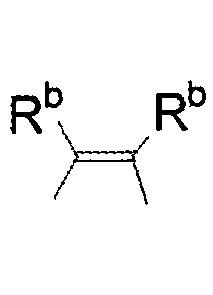
Ar2 unabhängig (CH2)mC6-10-Aryl, (CH2)mC5-10-Heteroaryl, (CH2)mC3-10-Heterocycloalkyl, (CH2)mC3-8-Cycloalkyl bedeutet, wobei das Cycloalkyl, Heterocycloalkyl, Aryl oder Heteroaryl unsubstituiert oder mit 1-3 Ra-Gruppen substituiert ist,
Ra C1-6-Alkoxy, C1-6-Alkyl, CF3, Nitro, Amino, Cyano, C1-6-Alkylamino oder Halogen bedeutet,
Rb unabhängig H, Halogen, C1-6-Alkyl oder C3-6-Cycloalkyl bedeutet oder
--- eine Doppel- oder Einfachbindung bedeutet,
n 0-4 bedeutet und
m 0-8 bedeutet. - Die Verbindung gemäß Anspruch 13, wobei X und Y (CH2)n sind, ---- eine Doppelbindung bedeutet und Ar2 Phenyl ist.
- Die Verbindung gemäß Anspruch 14, wobei X (CH2)n ist und n 1 ist und Y (CH2)n ist und n 3 ist.
- Eine Verbindung gemäß Anspruch 13, 14 oder 15 zur Verwendung in der medizinischen Therapie.
Applications Claiming Priority (5)
| Application Number | Priority Date | Filing Date | Title |
|---|---|---|---|
| US38649902P | 2002-06-06 | 2002-06-06 | |
| US386499P | 2002-06-06 | ||
| US46013403P | 2003-04-03 | 2003-04-03 | |
| US460134P | 2003-04-03 | ||
| PCT/CA2003/000838 WO2003103772A1 (en) | 2002-06-06 | 2003-06-02 | 1,5-distributed pyrrolid-2-one derivatives for use as ep4 receptor agonists in the teatment of eye diseases such as glaucoma |
Publications (2)
| Publication Number | Publication Date |
|---|---|
| EP1513589A1 EP1513589A1 (de) | 2005-03-16 |
| EP1513589B1 true EP1513589B1 (de) | 2010-11-10 |
Family
ID=29739905
Family Applications (1)
| Application Number | Title | Priority Date | Filing Date |
|---|---|---|---|
| EP03727099A Expired - Lifetime EP1513589B1 (de) | 2002-06-06 | 2003-06-02 | 1,5-disubstituierte pyrrolid-2-on-derivate zur verwendung als ep4 rezeptor agonisten zur behandlung von augenkrankheiten wie z.b. glaukom |
Country Status (8)
| Country | Link |
|---|---|
| US (3) | US20050239872A1 (de) |
| EP (1) | EP1513589B1 (de) |
| JP (1) | JP4766875B2 (de) |
| AT (1) | ATE487514T1 (de) |
| AU (1) | AU2003233729B2 (de) |
| CA (1) | CA2488001C (de) |
| DE (1) | DE60334905D1 (de) |
| WO (1) | WO2003103772A1 (de) |
Families Citing this family (20)
| Publication number | Priority date | Publication date | Assignee | Title |
|---|---|---|---|---|
| WO2004037786A2 (en) * | 2002-10-25 | 2004-05-06 | Merck Frosst Canada & Co. | 2-pyrrolidones as ep4 receptor agonists |
| US6977260B2 (en) * | 2004-01-22 | 2005-12-20 | Allergan, Inc. | Piperidinyl prostaglandin E analogs |
| US9498457B2 (en) | 2004-04-30 | 2016-11-22 | Allergan, Inc. | Hypotensive prostamide-containing biodegradable intraocular implants and related implants |
| US7799336B2 (en) * | 2004-04-30 | 2010-09-21 | Allergan, Inc. | Hypotensive lipid-containing biodegradable intraocular implants and related methods |
| US7993634B2 (en) | 2004-04-30 | 2011-08-09 | Allergan, Inc. | Oil-in-oil emulsified polymeric implants containing a hypotensive lipid and related methods |
| US8722097B2 (en) | 2004-04-30 | 2014-05-13 | Allergan, Inc. | Oil-in-water method for making polymeric implants containing a hypotensive lipid |
| JP5271272B2 (ja) | 2006-11-16 | 2013-08-21 | ジェンムス ファーマ インコーポレイティド | A型インフルエンザウィルス感染の治療のための薬剤としてのep2およびep4作動薬 |
| US8969415B2 (en) | 2006-12-01 | 2015-03-03 | Allergan, Inc. | Intraocular drug delivery systems |
| TNSN08110A1 (en) * | 2008-03-11 | 2009-07-14 | Rekik Raouf Dr | Drug delivery to the anterior and posterior segment of the eye from drops |
| EP2149554A1 (de) | 2008-07-30 | 2010-02-03 | Bayer Schering Pharma Aktiengesellschaft | Indolylamide als Modulatoren des EP2-Rezeptors |
| EP2149551A1 (de) | 2008-07-30 | 2010-02-03 | Bayer Schering Pharma AG | N-(Indol-3-ylalkyl)-(hetero)arylamidderivate als Modulatoren des EP2-Rezeptors |
| EP2149552A1 (de) | 2008-07-30 | 2010-02-03 | Bayer Schering Pharma AG | 5,6 substituierte Benzamid-Derivate als Modulatoren des EP2-Rezeptors |
| KR20120093955A (ko) | 2009-10-14 | 2012-08-23 | 젬머스 파마 인코포레이티드 | 바이러스 감염에 대한 병용 요법 치료 |
| CA2738045C (en) * | 2010-05-28 | 2019-02-19 | Simon Fraser University | Conjugate compounds, methods of making same, and uses thereof |
| HUE031885T2 (en) | 2012-07-19 | 2017-08-28 | Cayman Chemical Co Inc | Difluoro lactam preparations for EP4-mediated osteo-related diseases and conditions |
| WO2014144500A2 (en) | 2013-03-15 | 2014-09-18 | Cayman Chemical Company, Inc. | Methods of synthesizing a difluorolactam analog |
| KR20160042039A (ko) | 2013-08-09 | 2016-04-18 | 알데릭스, 인코포레이티드 | 인산염 수송을 억제하기 위한 화합물 및 방법 |
| US9650414B1 (en) | 2014-05-30 | 2017-05-16 | Simon Fraser University | Dual-action EP4 agonist—bisphosphonate conjugates and uses thereof |
| US10400000B2 (en) | 2015-06-12 | 2019-09-03 | Simon Fraser University | Amide-linked EP4 agonist-bisphosphonate compounds and uses thereof |
| WO2020237096A1 (en) | 2019-05-21 | 2020-11-26 | Ardelyx, Inc. | Combination for lowering serum phosphate in a patient |
Family Cites Families (22)
| Publication number | Priority date | Publication date | Assignee | Title |
|---|---|---|---|---|
| FR2534580A1 (fr) | 1982-10-13 | 1984-04-20 | Synthelabo | Derives de phenyl-1 piperidino-2 propanol, leur preparation, et medicaments qui les contiennent |
| ES8607921A1 (es) * | 1984-07-31 | 1986-06-16 | Syntex Inc | Procedimiento para preparar derivados de acidos 11-sustitui-dos-16-fenoxi y 16-fenoxi sustituido-prostatrienoicos |
| US5151444B1 (en) | 1987-09-18 | 1999-07-06 | R Tech Ueno Ltd | Ocular hypotensive agents |
| EP1348437A3 (de) | 1988-09-06 | 2003-11-19 | Pharmacia Aktiebolag | Prostaglandinderivative zur Behandlung von Glaukoma oder okuläre Hypertension |
| US5296504A (en) | 1988-09-06 | 1994-03-22 | Kabi Pharmacia | Prostaglandin derivatives for the treatment of glaucoma or ocular hypertension |
| US5352708A (en) | 1992-09-21 | 1994-10-04 | Allergan, Inc. | Non-acidic cyclopentane heptanoic acid, 2-cycloalkyl or arylalkyl derivatives as therapeutic agents |
| US5922773A (en) | 1992-12-04 | 1999-07-13 | The Children's Medical Center Corp. | Glaucoma treatment |
| US5510383A (en) | 1993-08-03 | 1996-04-23 | Alcon Laboratories, Inc. | Use of cloprostenol, fluprostenol and their salts and esters to treat glaucoma and ocular hypertension |
| JPH10265454A (ja) | 1997-01-27 | 1998-10-06 | Ono Pharmaceut Co Ltd | 3,7−ジチアプロスタン酸誘導体、それらの製造方法およびそれらを有効成分として含有する薬剤 |
| SE9702681D0 (sv) * | 1997-07-10 | 1997-07-10 | Pharmacia & Upjohn Ab | Method and composition for treatment of impotence |
| EP1000619A3 (de) * | 1998-06-23 | 2002-07-24 | Pfizer Products Inc. | Verfahren zur Behandlung von Glaukoma |
| TWI249520B (en) * | 1998-07-15 | 2006-02-21 | Ono Pharmaceutical Co | 5-Thia-omega-substituted phenyl prostaglandin E derivatives, method for producing the same and medicines containing the same as the active ingredient |
| KR20010074981A (ko) | 1998-09-14 | 2001-08-09 | 우에노 도시오 | ω치환된 페닐프로스타그란딘 E 유도체 및 그 유도체를유효 성분으로 하는 약제 |
| AU2211700A (en) * | 1998-12-24 | 2000-07-31 | Alcon Laboratories, Inc. | Prostaglandin e agonists for treatment of glaucoma |
| AU2183900A (en) | 1998-12-24 | 2000-07-31 | Alcon Laboratories, Inc. | Ep4 receptor agonists for treatment of dry eye |
| PL356662A1 (en) | 1999-12-22 | 2004-06-28 | Pfizer Products Inc. | Ep4 receptor selective agonists in the treatment of osteoporosis |
| PT1132086E (pt) | 2000-01-31 | 2006-09-29 | Pfizer Prod Inc | Utilizacao de agonistas selectivos para o receptor da prostaglandina (pge2) 4 (ep4) para o tratamento de falha renal aguda e cronica |
| AU4466901A (en) | 2000-03-31 | 2001-10-08 | Toray Industries, Inc. | Hair growth or hair formation controlling agents |
| AU2001290250A1 (en) * | 2000-09-21 | 2002-04-02 | Ono Pharmaceutical Co. Ltd. | Ep4 receptor agonists containing 8-azaprostaglandin derivatives as the active ingredient |
| NZ525164A (en) * | 2000-11-27 | 2005-04-29 | Pfizer Prod Inc | EP4 receptor selective agonists in the treatment of osteoporosis |
| JP2004530647A (ja) | 2001-01-30 | 2004-10-07 | メルク エンド カムパニー インコーポレーテッド | 高眼圧治療用眼薬組成物 |
| CA2441708A1 (en) | 2001-03-22 | 2002-10-03 | Merck & Co., Inc. | Mch1r deficient mice |
-
2003
- 2003-06-02 US US10/511,736 patent/US20050239872A1/en not_active Abandoned
- 2003-06-02 AT AT03727099T patent/ATE487514T1/de not_active IP Right Cessation
- 2003-06-02 EP EP03727099A patent/EP1513589B1/de not_active Expired - Lifetime
- 2003-06-02 DE DE60334905T patent/DE60334905D1/de not_active Expired - Lifetime
- 2003-06-02 AU AU2003233729A patent/AU2003233729B2/en not_active Ceased
- 2003-06-02 WO PCT/CA2003/000838 patent/WO2003103772A1/en not_active Ceased
- 2003-06-02 CA CA2488001A patent/CA2488001C/en not_active Expired - Fee Related
- 2003-06-02 JP JP2004510890A patent/JP4766875B2/ja not_active Expired - Fee Related
-
2009
- 2009-06-10 US US12/455,971 patent/US20090258918A1/en not_active Abandoned
-
2013
- 2013-07-25 US US13/951,032 patent/US20130317013A1/en not_active Abandoned
Also Published As
| Publication number | Publication date |
|---|---|
| EP1513589A1 (de) | 2005-03-16 |
| US20090258918A1 (en) | 2009-10-15 |
| US20130317013A1 (en) | 2013-11-28 |
| JP4766875B2 (ja) | 2011-09-07 |
| CA2488001A1 (en) | 2003-12-18 |
| AU2003233729B2 (en) | 2007-10-04 |
| ATE487514T1 (de) | 2010-11-15 |
| AU2003233729A1 (en) | 2003-12-22 |
| JP2005537235A (ja) | 2005-12-08 |
| DE60334905D1 (de) | 2010-12-23 |
| WO2003103772A1 (en) | 2003-12-18 |
| CA2488001C (en) | 2011-03-22 |
| US20050239872A1 (en) | 2005-10-27 |
Similar Documents
| Publication | Publication Date | Title |
|---|---|---|
| US20090258918A1 (en) | EP4 receptor agonist, compositions and methods thereof | |
| JP2005514378A (ja) | 高眼圧症の治療方法 | |
| KR20060002873A (ko) | Ep4 수용체 길항제로서의 프로스타글란딘 동족체 | |
| US20060154899A1 (en) | Oxazolidin-2-one and thiazolidin-2-one derivatives for use as ep4 receptor agonists in the treatment of glaucoma | |
| EP3053576B1 (de) | Ester-prodrugs aus [3-(1-(1h-imidazol-4-yl)ethyl)-2-methylphenyl]methanol zur senkung des augeninnendrucks | |
| ZA200303729B (en) | Compounds specific to adenosine A1, A2A, and A3 receptor and uses thereof. | |
| US7279490B2 (en) | Ophthalmic compositions for treating ocular hypertension | |
| FR2613934A1 (fr) | Composition pharmaceutique a base de 1,2,3,9-tetrahydro-9-methyl-3-((2-methyl-1h-imidazol-1-yl) methyl)-4h-carbazol-4-one et de la ranitidine, son procede de fabrication, l'utilisation de ses deux principes actifs pour la fabrication d'un medicament | |
| US20060167081A1 (en) | Ep4 receptor agonists | |
| JP5907077B2 (ja) | 二環式化合物およびその医薬用途 | |
| WO2003047417A2 (en) | Ep4 receptor agonist, compositions and methods thereof | |
| KR20050072805A (ko) | 고안압증을 치료하기 위한 안과용 조성물 | |
| AU771130B2 (en) | Ophthalmic compositions for treating ocular hypertension | |
| US20040254230A1 (en) | Method for treating ocular hypertension | |
| JP2003520245A5 (de) | ||
| ES2354516T3 (es) | Derivados de pirrolid-2-ona 1,5-disustituida para su uso como agonista del receptor de ep4 en el tratamiento de enfermedades oculares tales como glaucoma. | |
| JP2008507521A (ja) | 高眼圧症を治療するための眼科用組成物 | |
| HK1185541B (en) | Ester pro-drugs of [3-(1-(1h-imidazol-4-yl)ethyl)-2-methylphenyl]methanol for lowering intraocular pressure |
Legal Events
| Date | Code | Title | Description |
|---|---|---|---|
| PUAI | Public reference made under article 153(3) epc to a published international application that has entered the european phase |
Free format text: ORIGINAL CODE: 0009012 |
|
| 17P | Request for examination filed |
Effective date: 20050107 |
|
| AK | Designated contracting states |
Kind code of ref document: A1 Designated state(s): AT BE BG CH CY CZ DE DK EE ES FI FR GB GR HU IE IT LI LU MC NL PT RO SE SI SK TR |
|
| AX | Request for extension of the european patent |
Extension state: AL LT LV MK |
|
| RAP1 | Party data changed (applicant data changed or rights of an application transferred) |
Owner name: MERCK FROSST CANADA & CO. |
|
| RAX | Requested extension states of the european patent have changed |
Extension state: LV Payment date: 20050107 Extension state: LT Payment date: 20050107 |
|
| RAP1 | Party data changed (applicant data changed or rights of an application transferred) |
Owner name: MERCK FROSST CANADA LTD. |
|
| 17Q | First examination report despatched |
Effective date: 20061115 |
|
| GRAP | Despatch of communication of intention to grant a patent |
Free format text: ORIGINAL CODE: EPIDOSNIGR1 |
|
| GRAS | Grant fee paid |
Free format text: ORIGINAL CODE: EPIDOSNIGR3 |
|
| GRAA | (expected) grant |
Free format text: ORIGINAL CODE: 0009210 |
|
| AK | Designated contracting states |
Kind code of ref document: B1 Designated state(s): AT BE BG CH CY CZ DE DK EE ES FI FR GB GR HU IE IT LI LU MC NL PT RO SE SI SK TR |
|
| AX | Request for extension of the european patent |
Extension state: LT LV |
|
| REG | Reference to a national code |
Ref country code: GB Ref legal event code: FG4D |
|
| REG | Reference to a national code |
Ref country code: CH Ref legal event code: EP |
|
| REG | Reference to a national code |
Ref country code: IE Ref legal event code: FG4D |
|
| REF | Corresponds to: |
Ref document number: 60334905 Country of ref document: DE Date of ref document: 20101223 Kind code of ref document: P |
|
| REG | Reference to a national code |
Ref country code: NL Ref legal event code: T3 |
|
| REG | Reference to a national code |
Ref country code: CH Ref legal event code: NV Representative=s name: SERVOPATENT GMBH |
|
| REG | Reference to a national code |
Ref country code: ES Ref legal event code: FG2A Effective date: 20110303 |
|
| LTIE | Lt: invalidation of european patent or patent extension |
Effective date: 20101110 |
|
| PG25 | Lapsed in a contracting state [announced via postgrant information from national office to epo] |
Ref country code: FI Free format text: LAPSE BECAUSE OF FAILURE TO SUBMIT A TRANSLATION OF THE DESCRIPTION OR TO PAY THE FEE WITHIN THE PRESCRIBED TIME-LIMIT Effective date: 20101110 Ref country code: SI Free format text: LAPSE BECAUSE OF FAILURE TO SUBMIT A TRANSLATION OF THE DESCRIPTION OR TO PAY THE FEE WITHIN THE PRESCRIBED TIME-LIMIT Effective date: 20101110 Ref country code: PT Free format text: LAPSE BECAUSE OF FAILURE TO SUBMIT A TRANSLATION OF THE DESCRIPTION OR TO PAY THE FEE WITHIN THE PRESCRIBED TIME-LIMIT Effective date: 20110310 Ref country code: CY Free format text: LAPSE BECAUSE OF FAILURE TO SUBMIT A TRANSLATION OF THE DESCRIPTION OR TO PAY THE FEE WITHIN THE PRESCRIBED TIME-LIMIT Effective date: 20101110 Ref country code: SE Free format text: LAPSE BECAUSE OF FAILURE TO SUBMIT A TRANSLATION OF THE DESCRIPTION OR TO PAY THE FEE WITHIN THE PRESCRIBED TIME-LIMIT Effective date: 20101110 Ref country code: AT Free format text: LAPSE BECAUSE OF FAILURE TO SUBMIT A TRANSLATION OF THE DESCRIPTION OR TO PAY THE FEE WITHIN THE PRESCRIBED TIME-LIMIT Effective date: 20101110 Ref country code: BG Free format text: LAPSE BECAUSE OF FAILURE TO SUBMIT A TRANSLATION OF THE DESCRIPTION OR TO PAY THE FEE WITHIN THE PRESCRIBED TIME-LIMIT Effective date: 20110210 |
|
| PG25 | Lapsed in a contracting state [announced via postgrant information from national office to epo] |
Ref country code: GR Free format text: LAPSE BECAUSE OF FAILURE TO SUBMIT A TRANSLATION OF THE DESCRIPTION OR TO PAY THE FEE WITHIN THE PRESCRIBED TIME-LIMIT Effective date: 20110211 |
|
| PG25 | Lapsed in a contracting state [announced via postgrant information from national office to epo] |
Ref country code: CZ Free format text: LAPSE BECAUSE OF FAILURE TO SUBMIT A TRANSLATION OF THE DESCRIPTION OR TO PAY THE FEE WITHIN THE PRESCRIBED TIME-LIMIT Effective date: 20101110 Ref country code: BE Free format text: LAPSE BECAUSE OF FAILURE TO SUBMIT A TRANSLATION OF THE DESCRIPTION OR TO PAY THE FEE WITHIN THE PRESCRIBED TIME-LIMIT Effective date: 20101110 Ref country code: EE Free format text: LAPSE BECAUSE OF FAILURE TO SUBMIT A TRANSLATION OF THE DESCRIPTION OR TO PAY THE FEE WITHIN THE PRESCRIBED TIME-LIMIT Effective date: 20101110 |
|
| PG25 | Lapsed in a contracting state [announced via postgrant information from national office to epo] |
Ref country code: DK Free format text: LAPSE BECAUSE OF FAILURE TO SUBMIT A TRANSLATION OF THE DESCRIPTION OR TO PAY THE FEE WITHIN THE PRESCRIBED TIME-LIMIT Effective date: 20101110 Ref country code: RO Free format text: LAPSE BECAUSE OF FAILURE TO SUBMIT A TRANSLATION OF THE DESCRIPTION OR TO PAY THE FEE WITHIN THE PRESCRIBED TIME-LIMIT Effective date: 20101110 Ref country code: SK Free format text: LAPSE BECAUSE OF FAILURE TO SUBMIT A TRANSLATION OF THE DESCRIPTION OR TO PAY THE FEE WITHIN THE PRESCRIBED TIME-LIMIT Effective date: 20101110 |
|
| PLBE | No opposition filed within time limit |
Free format text: ORIGINAL CODE: 0009261 |
|
| STAA | Information on the status of an ep patent application or granted ep patent |
Free format text: STATUS: NO OPPOSITION FILED WITHIN TIME LIMIT |
|
| 26N | No opposition filed |
Effective date: 20110811 |
|
| REG | Reference to a national code |
Ref country code: DE Ref legal event code: R097 Ref document number: 60334905 Country of ref document: DE Effective date: 20110811 |
|
| PG25 | Lapsed in a contracting state [announced via postgrant information from national office to epo] |
Ref country code: IE Free format text: LAPSE BECAUSE OF NON-PAYMENT OF DUE FEES Effective date: 20110602 |
|
| PG25 | Lapsed in a contracting state [announced via postgrant information from national office to epo] |
Ref country code: MC Free format text: LAPSE BECAUSE OF NON-PAYMENT OF DUE FEES Effective date: 20110630 |
|
| PG25 | Lapsed in a contracting state [announced via postgrant information from national office to epo] |
Ref country code: LU Free format text: LAPSE BECAUSE OF NON-PAYMENT OF DUE FEES Effective date: 20110602 |
|
| PG25 | Lapsed in a contracting state [announced via postgrant information from national office to epo] |
Ref country code: TR Free format text: LAPSE BECAUSE OF FAILURE TO SUBMIT A TRANSLATION OF THE DESCRIPTION OR TO PAY THE FEE WITHIN THE PRESCRIBED TIME-LIMIT Effective date: 20101110 |
|
| PG25 | Lapsed in a contracting state [announced via postgrant information from national office to epo] |
Ref country code: HU Free format text: LAPSE BECAUSE OF FAILURE TO SUBMIT A TRANSLATION OF THE DESCRIPTION OR TO PAY THE FEE WITHIN THE PRESCRIBED TIME-LIMIT Effective date: 20101110 |
|
| PGFP | Annual fee paid to national office [announced via postgrant information from national office to epo] |
Ref country code: GB Payment date: 20140527 Year of fee payment: 12 |
|
| PGFP | Annual fee paid to national office [announced via postgrant information from national office to epo] |
Ref country code: IT Payment date: 20140623 Year of fee payment: 12 Ref country code: CH Payment date: 20140425 Year of fee payment: 12 Ref country code: ES Payment date: 20140609 Year of fee payment: 12 Ref country code: FR Payment date: 20140527 Year of fee payment: 12 |
|
| PGFP | Annual fee paid to national office [announced via postgrant information from national office to epo] |
Ref country code: DE Payment date: 20140630 Year of fee payment: 12 Ref country code: NL Payment date: 20140610 Year of fee payment: 12 |
|
| REG | Reference to a national code |
Ref country code: DE Ref legal event code: R119 Ref document number: 60334905 Country of ref document: DE |
|
| PG25 | Lapsed in a contracting state [announced via postgrant information from national office to epo] |
Ref country code: IT Free format text: LAPSE BECAUSE OF NON-PAYMENT OF DUE FEES Effective date: 20150602 |
|
| REG | Reference to a national code |
Ref country code: CH Ref legal event code: PL |
|
| GBPC | Gb: european patent ceased through non-payment of renewal fee |
Effective date: 20150602 |
|
| REG | Reference to a national code |
Ref country code: NL Ref legal event code: MM Effective date: 20150701 |
|
| REG | Reference to a national code |
Ref country code: FR Ref legal event code: ST Effective date: 20160229 |
|
| PG25 | Lapsed in a contracting state [announced via postgrant information from national office to epo] |
Ref country code: CH Free format text: LAPSE BECAUSE OF NON-PAYMENT OF DUE FEES Effective date: 20150630 Ref country code: NL Free format text: LAPSE BECAUSE OF NON-PAYMENT OF DUE FEES Effective date: 20150701 Ref country code: LI Free format text: LAPSE BECAUSE OF NON-PAYMENT OF DUE FEES Effective date: 20150630 Ref country code: DE Free format text: LAPSE BECAUSE OF NON-PAYMENT OF DUE FEES Effective date: 20160101 Ref country code: GB Free format text: LAPSE BECAUSE OF NON-PAYMENT OF DUE FEES Effective date: 20150602 |
|
| PG25 | Lapsed in a contracting state [announced via postgrant information from national office to epo] |
Ref country code: FR Free format text: LAPSE BECAUSE OF NON-PAYMENT OF DUE FEES Effective date: 20150630 |
|
| REG | Reference to a national code |
Ref country code: ES Ref legal event code: FD2A Effective date: 20160729 |
|
| PG25 | Lapsed in a contracting state [announced via postgrant information from national office to epo] |
Ref country code: ES Free format text: LAPSE BECAUSE OF NON-PAYMENT OF DUE FEES Effective date: 20150603 |