EP1487482B1 - Dna vaccine against proliferating endothelial cells and methods of use thereof - Google Patents
Dna vaccine against proliferating endothelial cells and methods of use thereof Download PDFInfo
- Publication number
- EP1487482B1 EP1487482B1 EP03726007A EP03726007A EP1487482B1 EP 1487482 B1 EP1487482 B1 EP 1487482B1 EP 03726007 A EP03726007 A EP 03726007A EP 03726007 A EP03726007 A EP 03726007A EP 1487482 B1 EP1487482 B1 EP 1487482B1
- Authority
- EP
- European Patent Office
- Prior art keywords
- vaccine
- dna
- sequence
- seq
- vegf
- Prior art date
- Legal status (The legal status is an assumption and is not a legal conclusion. Google has not performed a legal analysis and makes no representation as to the accuracy of the status listed.)
- Expired - Lifetime
Links
Images






Classifications
-
- A—HUMAN NECESSITIES
- A61—MEDICAL OR VETERINARY SCIENCE; HYGIENE
- A61K—PREPARATIONS FOR MEDICAL, DENTAL OR TOILETRY PURPOSES
- A61K48/00—Medicinal preparations containing genetic material which is inserted into cells of the living body to treat genetic diseases; Gene therapy
-
- A—HUMAN NECESSITIES
- A61—MEDICAL OR VETERINARY SCIENCE; HYGIENE
- A61K—PREPARATIONS FOR MEDICAL, DENTAL OR TOILETRY PURPOSES
- A61K39/00—Medicinal preparations containing antigens or antibodies
- A61K39/0005—Vertebrate antigens
-
- A—HUMAN NECESSITIES
- A61—MEDICAL OR VETERINARY SCIENCE; HYGIENE
- A61K—PREPARATIONS FOR MEDICAL, DENTAL OR TOILETRY PURPOSES
- A61K39/00—Medicinal preparations containing antigens or antibodies
-
- A—HUMAN NECESSITIES
- A61—MEDICAL OR VETERINARY SCIENCE; HYGIENE
- A61K—PREPARATIONS FOR MEDICAL, DENTAL OR TOILETRY PURPOSES
- A61K39/00—Medicinal preparations containing antigens or antibodies
- A61K39/0005—Vertebrate antigens
- A61K39/0011—Cancer antigens
-
- A—HUMAN NECESSITIES
- A61—MEDICAL OR VETERINARY SCIENCE; HYGIENE
- A61P—SPECIFIC THERAPEUTIC ACTIVITY OF CHEMICAL COMPOUNDS OR MEDICINAL PREPARATIONS
- A61P35/00—Antineoplastic agents
-
- A—HUMAN NECESSITIES
- A61—MEDICAL OR VETERINARY SCIENCE; HYGIENE
- A61P—SPECIFIC THERAPEUTIC ACTIVITY OF CHEMICAL COMPOUNDS OR MEDICINAL PREPARATIONS
- A61P43/00—Drugs for specific purposes, not provided for in groups A61P1/00-A61P41/00
-
- C—CHEMISTRY; METALLURGY
- C12—BIOCHEMISTRY; BEER; SPIRITS; WINE; VINEGAR; MICROBIOLOGY; ENZYMOLOGY; MUTATION OR GENETIC ENGINEERING
- C12N—MICROORGANISMS OR ENZYMES; COMPOSITIONS THEREOF; PROPAGATING, PRESERVING, OR MAINTAINING MICROORGANISMS; MUTATION OR GENETIC ENGINEERING; CULTURE MEDIA
- C12N1/00—Microorganisms; Compositions thereof; Processes of propagating, maintaining or preserving microorganisms or compositions thereof; Processes of preparing or isolating a composition containing a microorganism; Culture media therefor
- C12N1/20—Bacteria; Culture media therefor
-
- A—HUMAN NECESSITIES
- A61—MEDICAL OR VETERINARY SCIENCE; HYGIENE
- A61K—PREPARATIONS FOR MEDICAL, DENTAL OR TOILETRY PURPOSES
- A61K39/00—Medicinal preparations containing antigens or antibodies
- A61K2039/51—Medicinal preparations containing antigens or antibodies comprising whole cells, viruses or DNA/RNA
- A61K2039/52—Bacterial cells; Fungal cells; Protozoal cells
- A61K2039/522—Bacterial cells; Fungal cells; Protozoal cells avirulent or attenuated
-
- A—HUMAN NECESSITIES
- A61—MEDICAL OR VETERINARY SCIENCE; HYGIENE
- A61K—PREPARATIONS FOR MEDICAL, DENTAL OR TOILETRY PURPOSES
- A61K39/00—Medicinal preparations containing antigens or antibodies
- A61K2039/51—Medicinal preparations containing antigens or antibodies comprising whole cells, viruses or DNA/RNA
- A61K2039/53—DNA (RNA) vaccination
-
- A—HUMAN NECESSITIES
- A61—MEDICAL OR VETERINARY SCIENCE; HYGIENE
- A61K—PREPARATIONS FOR MEDICAL, DENTAL OR TOILETRY PURPOSES
- A61K39/00—Medicinal preparations containing antigens or antibodies
- A61K2039/54—Medicinal preparations containing antigens or antibodies characterised by the route of administration
- A61K2039/541—Mucosal route
- A61K2039/542—Mucosal route oral/gastrointestinal
-
- Y—GENERAL TAGGING OF NEW TECHNOLOGICAL DEVELOPMENTS; GENERAL TAGGING OF CROSS-SECTIONAL TECHNOLOGIES SPANNING OVER SEVERAL SECTIONS OF THE IPC; TECHNICAL SUBJECTS COVERED BY FORMER USPC CROSS-REFERENCE ART COLLECTIONS [XRACs] AND DIGESTS
- Y02—TECHNOLOGIES OR APPLICATIONS FOR MITIGATION OR ADAPTATION AGAINST CLIMATE CHANGE
- Y02A—TECHNOLOGIES FOR ADAPTATION TO CLIMATE CHANGE
- Y02A50/00—TECHNOLOGIES FOR ADAPTATION TO CLIMATE CHANGE in human health protection, e.g. against extreme weather
- Y02A50/30—Against vector-borne diseases, e.g. mosquito-borne, fly-borne, tick-borne or waterborne diseases whose impact is exacerbated by climate change
Definitions
- This invention relates to deoxyribonucleic acid (DNA) vaccines encoding suitable molecules effective for eliciting an immune response against proliferating endothelial cells. More particularly this invention relates to DNA vaccines encoding for the vascular endothelial growth factor (VEGF) receptor.
- the DNA vaccine may be used to inhibit vascular endothelial cell proliferation, tumor growth, and angiogenesis.
- Vaccines have been utilized to provide a long term protection against a number of disease conditions by very limited administration of a prophylactic agent that stimulates an organism's immune system to destroy disease pathogens before they can proliferate and cause a pathological effect.
- Various approaches to vaccines and vaccinations are described in Bernard R. Glick and Jack J. Pasternak, Molecular Biotechnology, Principles and Applications of Recombinant DNA, Second Edition, ASM Press pp. 253-276 (1998 ).
- Vaccination is a means of inducing the body's own immune system to seek out and destroy an infecting agent before it causes a pathological response.
- vaccines are either live, but attenuated, infectious agents (virus or bacteria) or a killed form of the agent.
- a vaccine consisting of a live bacteria or virus must be non-pathogenic.
- a bacterial or viral culture is attenuated (weakened) by physical or chemical treatment. Although the agent is nonvirulent, it can still elicit an immune response in a subject treated with the vaccine.
- antigens either specific macromolecules, or an infectious agent.
- antigens are generally either proteins, polysaccharides, lipids, or glycolipids, which are recognized as "foreign" by lymphocytes known as B cells and T cells. Exposure of both types of lymphocytes to an antigen elicits a rapid cell division and differentiation response, resulting in the formation of clones of the exposed lymphocytes.
- B cells produce plasma cells, which in turn, produce proteins called antibodies (Ab), which selectively bind to the antigens present on the infectious agent, thus neutralizing or inactivating the pathogen (humoral immunity). In some cases, B cell response requires the assistance of CD4 helper T cells.
- the specialized T cell clone that forms in response to the antigen exposure is a cytotoxic T lymphocyte (CTL), which is capable of binding to and eliminating pathogens and tissues that present the antigen (cell-mediated or cellular immunity).
- CTL cytotoxic T lymphocyte
- APC antigen presenting cell
- the APC then processes the antigens from the cells, and presents these antigens in the form of a histocompatibility molecule:peptide complex to the T cell receptor (TCR) on CTLs, thus stimulating an immune response.
- Humoral immunity characterized by the formation of specific antibodies is generally most effective against acute bacterial infections and repeat infections from viruses, whereas cell-mediated immunity is most effective against viral infection, chronic intracellular bacterial infection, and fungal infection.
- Cellular immunity is also known to protect against cancers and is responsible for rejection of organ transplants.
- Antibodies to antigens from prior infections remain detectable in the blood for very long periods of time, thus affording a means of determining prior exposure to a pathogen.
- the immune system Upon re-exposure to the same pathogen, the immune system effectively prevents reinfection by eliminating the pathogenic agent before it can proliferate and produce a pathogenic response.
- the same immune response that would be elicited by a pathogen can also sometimes be produced by a non-pathogenic agent that presents the same antigen as the pathogen. In this manner, the subject can be protected against subsequent exposure to the pathogen without having previously fought off an infection.
- infectious agents can be readily cultured and inactivated, as is required for vaccine formation, however.
- Modern recombinant DNA techniques have allowed the engineering of new vaccines to seek to overcome this limitation. Infectious agents can be created that lack the pathogenic genes, thus allowing a live, nonvirulent form of the organism to be used as a vaccine. It is also possible to engineer a relatively nonpathogenic organism such as E. coli to present the cell surface antigens of a pathogenic carrier. The immune system of a subject treated with such a transformed carrier is "tricked" into forming antibodies to the pathogen.
- the antigenic proteins of a pathogenic agent can be engineered and expressed in a nonpathogenic species and the antigenic proteins can be isolated and purified to produce a "subunit vaccine."
- Subunit vaccines have the advantage of being stable, safe, and chemically well defined; however, their production can be cost prohibitive.
- a new approach to vaccines has emerged in recent years, broadly termed genetic immunization.
- a gene encoding an antigen of a pathogenic agent is operably inserted into cells in the subject to be immunized.
- the treated cells are transformed and produce the antigenic proteins of the pathogen.
- These in vivo -produced antigens then trigger the desired immune response in the host.
- the genetic material utilized in such genetic vaccines can be either a DNA or RNA construct.
- the polynucleotide encoding the antigen is introduced in combination with other promoter polynucleotide sequences to enhance insertion, replication, or expression of the gene.
- DNA vaccines encoding antigen genes can be introduced into the host cells of the subject by a variety of expression systems. These expression systems include prokaryotic, mammalian, and yeast expression systems. For example, one approach is to utilize a viral vector, such as vaccinia virus incorporating the new genetic material, to innoculate the host cells. Alternatively, the genetic material can be incorporated in a vector or can be delivered directly to the host cells as a "naked" polynucleotide, i.e. simply as purified DNA. In addition, the DNA can be stably transfected into attenuated bacteria such as Salmonella typhimurium. When a patient is orally vaccinated with the transformed Salmonella, the bacteria are transported to Peyer's patches in the gut (i.e., secondary lymphoid tissues), which then stimulate an immune response.
- a viral vector such as vaccinia virus incorporating the new genetic material
- the genetic material can be incorporated in a vector or can be delivered directly to the host cells as a "
- DNA vaccines provide an opportunity to immunize against disease states that are not caused by traditional pathogens, such as genetic diseases and cancer.
- pathogens such as genetic diseases and cancer.
- antigens to a specific type of tumor cell must be isolated and then introduced into the vaccine.
- An effective general vaccine against a number of cancers can thus entail development of numerous individual vaccines for each type of cancer cell to be immunized against.
- Angiogenesis is the process by which new capillaries and blood vessels form. Angiogenesis is important in embryonic development, tissue growth, tissue repair, and tissue regeneration. In addition to these normal and essential processes, angiogenesis is also involved in many abnormal pathological processes such as tumor growth, tumor metastasis, and ocular vascular diseases such as diabetic retinopathy.
- Angiogenesis involves a number of interdependent processes, including (a) activation of vascular endothelial cells, (b) decomposition of cell matrix proteins by endothelial cells expressing protease activity, (c) migration of endothelial cells to a potential growth sites, (d) proliferation of endothelial cells and (e) tube formation by differentiation of endothelial cells.
- Each of these processes is affected by a variety of promoter substances such as fibroblast growth factor (FGF), platelet-derived growth factor (PDGF), and vascular endothelial growth factors (VEGF).
- FGF fibroblast growth factor
- PDGF platelet-derived growth factor
- VEGF vascular endothelial growth factors
- the vascular endothelial growth factors (collectively VEGF) play a crucial role in endothelial cell growth and differentiation.
- VEGF acts by binding to receptor protein-tyrosine kinases present in the endothelial cell membranes, which in turn initiate
- Inhibition of pathological angiogenesis has been proposed as a treatment for tumors. See, for example, Folkman et al. Science, 221, 719, (1983 ).
- the basic concept of such treatment is that, since tumors require vascularization to grow, inhibition of blood vessel formation, through the administration of angiogenesis inhibiting compounds, will prevent tumor growth by starving the tumor of its blood supply.
- a disadvantage of his approach is that angiogenesis inhibitors must be administered on a relatively continuous basis to prevent tumor growth. A cessation in delivery of the inhibitor can lead to a resumption of tumor growth.
- a vaccine effective at inhibiting angiogenesis would be an attractive preventative agent against tumor formation.
- WO 99/45018 describes active immunization against angiogenesis-associated antigens.
- the present invention provides a DNA vaccine effective for eliciting an immune response against proliferating endothelial cells comprising a DNA construct operably encoding a VEGF receptor protein in a pharmaceutically acceptable carrier, wherein the VEGF receptor protein is selected from the group consisting of VEGFR-2 having the sequence of SEQ ID NO: 2, Flk-1 having the sequence of SEQ ID NO: 6, and a receptor that binds to VEGF or fragments thereof and that has a sequence which shares at least 80% homology with the sequence of SEQ ID NO: 2 or 6 and the DNA construct is operably incorporated in an attenuated Salmonella typhimurium or Salmonella typhi vector.
- the DNA construct is a substantially purified DNA having a polynucleotide sequence selected from the group consisting of SEQ ID NO: 1, SEQ ID NO: 5, and a polynucleotide sequence that shares at least 80% homology therewith and encodes a receptor that binds to VEGF or fragments thereof.
- the present invention also provides the use of a DNA construct operably encoding a VEGF receptor protein and a pharmaceutically acceptable carrier therefor for the preparation of a DNA vaccine for inhibiting tumor growth in a mammal, wherein an immunologically effective amount of said DNA vaccine is to be administered orally to said mammal, whereby said mammal exhibits an immune response elicited by vaccine and specific to proliferating endothelial cells, resulting in the arresting of tumor growth, reduction in tumor size, or inhibition of tumor dissemination, wherein the VEGF receptor protein is selected from the group consisting of VEGFR-2 having the sequence of SEQ ID NO: 2, Flk-1 having the sequence of SEQ ID NO: 6, and a receptor that binds to VEGF or fragments thereof and that has a sequence which shares at least 80% homology with the sequence of SEQ ID NO: 2 or 6 and the DNA construct is operably incorporated in an attenuated Salmonella typhimurium or Salmonella typhi vector.
- the mammal is
- the present invention also provides an article of manufacture comprising a vaccine of the invention packaged in a hermetically sealed, sterile container, the container having a label affixed thereto, the label bearing printed material identifying the vaccine and providing information useful to an individual administering said vaccine to a patient.
- the vaccine can comprise a linear nucleic acid such as a purified DNA construct, or a DNA construct incorporated in a plasmid vector.
- the DNA vaccines of the present invention stimulate formation of CTLs active against proliferating endothelial cells that overexpress VEGFR-2.
- Endothelial cells form the lining of mammalian vascular tissue.
- the proliferation of endothelial cells is a key process in angiogenesis.
- the vaccines of the present invention provide for producing long term inhibition of angiogenesis in an organism treated with the vaccine by eliciting an immune response against proliferating endothelial cells.
- Non-proliferating endothelial cells such as the linings of established blood vessels, do not present significant quantities of VEGF receptor antigens and thus remain substantially unaffected by the CTLs that are produced in response to the vaccine.
- the DNA vaccine may be utilized to provide long term inhibition of endothelial cell proliferation in a vaccinated patient.
- the DNA vaccine comprising a polynucleotide construct operably encoding a VEGF receptor protein is administered orally to a patient in need of inhibition of endothelial cell proliferation in an amount that is sufficient to elicit an immune response against proliferating endothelial cells.
- an immune response eliciting amount of the vaccine that includes a DNA construct operably encoding a VEGF receptor protein may be administered to a patient suffering from an angiogenesis-related disease.
- Tumor growth is inhibited by vaccinating a patient with a DNA vaccine.
- an immune response eliciting effective amount of a vaccine comprising a DNA construct operably encoding a VEGF receptor protein is administered to a patient having a growing tumor.
- Vaccination results in tumor growth arrest. Destruction of proliferating endothelial cells by the patient's immune system prevents vascularization of the tumor, in essence starving the tumor to death.
- the DNA vaccines can be administered enterally, such as by oral administration, or perenterally, such as by injection or intravenous infusion.
- the vaccines of the present invention are useful for treatment and prevention of a number of disease states.
- a patient suffering from a cancer, diabetic retinopathy, and the like can benefit from immunization by the vaccines of the present invention.
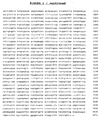
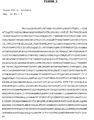
- FIGURE 1 depicts the DNA sequence encoding human KDR, SEQ ID NO: 1;
- DNA construct means a synthetic DNA structure that can be transcribed in target cells.
- the construct can comprise a linear nucleic acid such as a purified DNA, or preferably, DNA incorporated in a plasmid vector.
- the DNA can also be incorporated in a viral or bacterial vector, preferably an attenuated viral or bacterial vector that is non-pathogenic.
- DNAs that encode a VEGF receptor protein include VEGFR-2 (KDR; SEQ ID NO: 2), VEGFR-1 (Flt-1; SEQ ID NO: 4), and Flk-1 (SEQ ID NO: 6), e.g., DNA sequences SEQ ID NO: 1, SEQ ID NO: 3, and SEQ ID NO 5, respectively.
- VEGF-1 also known as VEGF-A
- VEGF-2 also known as VEGF-C
- VEGF-B VEGF-D
- VEGF-E VEGF-E
- Flt-1 VEGF receptor 1; VEGFR-1
- KDR VEGFR-2
- Flk-1 the murine homolog of KDR
- Flt-4 VEGFR-3
- Tie Tie-2 and Tek, several of which are VEGF receptors.
- the DNA vaccines of the present invention stimulate formation of CTLs that are active against proliferating endothelial cells, which overexpress VEGFR-2. Because VEGF receptors are only substantially expressed on proliferating endothelial cells, a CTL that forms in response to the vaccine will substantially target only tissues where active angiogenesis (e.g., vascularization) is occurring. Non-proliferating endothelial cells, such as the linings of established blood vessels, are substantially lacking in VEGF receptor antigens and are thus not affected by a CTL elicited by the vaccine.
- the vaccine can promote activation of naive T cells, both directly and indirectly, through the intervention of dendritic cells.
- the term “immunity” refers to long term immunological protection against the virulent form of the infectious agent or tumor antigen.
- the term “immunization” refers to prophylactic exposure to an antigen of a pathogenic agent derived from a non-virulent source, which results in immunity to the pathogen in the treated subject.
- a DNA construct used in the present invention preferably comprises a nucleotide sequence that encodes a VEGF receptor protein operably linked to regulatory elements needed for gene expression.
- Useful DNA constructs preferably include regulatory elements necessary for expression of nucleotides. Such elements include, for example, a promoter, an initiation codon, a stop codon, and a polyadenylation signal.
- enhancers are often required for expression of a sequence that encodes an immunogenic target protein. As is known in the art, these elements are preferably operably linked to the sequence that encodes the desired protein. Regulatory elements are preferably selected that are operable in the species to which they are to be administered.
- Initiation codons and stop codons are preferably included as part of a nucleotide sequence that encodes the VEGF receptor protein in a genetic vaccine of the present invention.
- the initiation and termination codons must be in frame with the coding sequence.
- Promoters and polyadenylation signals included in a vaccine of the present invention are preferably selected to be functional within the cells of the subject to be immunized.
- promoters useful in the vaccines of the present invention include but are not limited to promoters from Simian Virus 40 (SV40), Mouse Mammary Tumor Virus (MMTV) promoter, Human Immunodeficiency Virus (HIV) such as the HIV Long Terminal Repeat (LTR) promoter, Moloney virus, Cytomegalovirus (CMV) such as the CMV immediate early promoter, Epstein Barr Virus (EBV), Rous Sarcoma Virus (RSV) as well as promoters from human genes such as human actin, human myosin, human hemoglobin, human muscle creatine, and human metalothionein.
- SV40 Simian Virus 40
- MMTV Mouse Mammary Tumor Virus
- HIV HIV Long Terminal Repeat
- CMV Cytomegalovirus
- EBV Epstein Barr Virus
- RSV Rous Sarcoma Virus
- polyadenylation signals useful in the vaccines of the present invention include but are not limited to SV40 polyadenylation signals and LTR polyadenylation signals.
- enhancers can be, for example, human actin, human myosin, human hemoglobin, human muscle creatine and viral enhancers such as those from CMV, RSV and EBV.
- regulatory sequences and codons are generally species dependent, so in order to maximize protein production, the regulatory sequences and codons are preferably selected to be effective in the species to be immunized.
- One having ordinary skill in the art can produce DNA constructs that are functional in a given subject species.
- DNA polynucleotides may be administered to tissue of a mammal, such as a human.
- the DNA polynucleotides are administered orally, intramuscularly, intranasally, intraperitoneally, subcutaneously, intradermally, or topically.
- a DNA vaccine can be utilized to provide long term inhibition of endothelial cell proliferation in a patient treated with the vaccine.
- a DNA vaccine comprising a polynucleotide construct operably encoding a VEGF receptor protein is administered to a mammal in need of inhibition of endothelial cell proliferation, in an amount that is sufficient to elicit an immune response against proliferating endothelial cells.
- a DNA vaccine of the present invention may be used for inhibiting angiogenesis in a mammal treated with the DNA vaccine.
- a vaccine comprising a DNA construct operably encoding a VEGF receptor protein is administered to a mammal suffering from an angiogenesis related disease, in an amount sufficient to elicit an immune response against proliferating endothelial cells.
- tumor growth is inhibited by treatment of a mammal with a DNA vaccine.
- an immune response eliciting amount of a vaccine comprising a DNA construct operably encoding a VEGF receptor protein is administered to a mammal having a growing tumor.
- Treatment with the vaccine results in tumor growth arrest by immunizing the mammal against proliferating endothelial cells. Destruction of proliferating endothelial cells by the mammal's immune system prevents, or at least minimizes vascularization of the tumor.
- the vaccines can be administered enterally, such as by oral administration, or by intramuscular injection.
- the mammal treated with the inventive vaccine is a human.
- a patient suffering from cancer, such as lung or colon carcinoma, or prostate tumors, diabetic retinopathy, and the like, can benefit from immunization by the vaccines of the present invention.
- Vaccines of the present invention are preferably formulated with pharmaceutically acceptable carriers or exipients such as water, saline, dextrose, glycerol, and the like, and combinations thereof.
- the vaccines can also contain auxiliary substances such as wetting agents, emulsifying agents, buffers, and the like.
- the vaccines of the present invention are preferably administered orally to a mammal, such as a human, as a solution or suspension in a pharmaceutically acceptable carrier, at a DNA concentration in the range of about 1 to about 10 micrograms per milliliter.
- a mammal such as a human
- a pharmaceutically acceptable carrier such as a pharmaceutically acceptable carrier
- the vaccines of the present invention can be packaged in suitably sterilized containers such as ampules, bottles, or vials, either in multi-dose or in unit dosage forms.
- the containers are preferably hermetically sealed after being filled with a vaccine preparation.
- the vaccines are packaged in a container having a label affixed thereto, which label identifies the vaccine, and bears a notice in a form prescribed by a government agency such as the United States Food and Drug Administration reflecting approval of the vaccine under appropriate laws, dosage information, and the like.
- the label preferably contains information about the vaccine that is useful to an health care professional administering the vaccine to a patient.
- the package also preferably contains printed informational materials relating to the administration of the vaccine, instructions, indications, and any necessary required warnings.
- VEGF receptor proteins such as tyrosine kinases that are specific to endothelial cells, include, for example Flt-1, KDR, Flk-1, and functional homologs thereof.
- the functional homologs preferably share at least about 80 % homology with the aforementioned VEGF receptor proteins.
- the amino acid sequences of VEGF receptor proteins have been disclosed in the art, as have the nucleic acid sequences encoding these proteins.
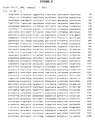
- the nucleic acid sequence encoding KDR ( FIG. 1 , SEQ ID NO: 1), and its corresponding protein sequence ( FIG. 2 , SEQ ID NO: 2) have been published by Yu et al., in the EMBL database of the European Bioinformatics Institute, Wellcome Trust Genome Campus, Hinxton, Cambridge CB10 1SD, UK (EMBL accession number is EMBL:AF063658).
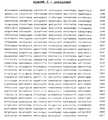
- the nucleic acid sequence encoding Flt-1 FIG. 3 , SEQ ID NO: 3
- FIG. 3 The nucleic acid sequence encoding Flt-1 ( FIG. 3 , SEQ ID NO: 3), and its corresponding protein sequence ( FIG.
- DNA sequences which encode substantially the same or a functionally equivalent amino acid sequence to the VEGF receptor proteins KDR and Flk-1 can be used in the practice of the invention.
- DNA sequences include those which are capable of hybridizing to the VEGF receptor sequences as well.
- the functionally equivalent homologs of the VEGF receptor protein DNA shares at least 80 % homology with the DNA encoding the aforementioned VEGF receptor proteins.
- Altered DNA sequences which can be used in accordance with the invention include deletions, additions or substitutions of different nucleotide residues resulting in a sequence that encodes the same or a functionally equivalent gene product.
- the gene product itself may contain deletions, additions or substitutions of amino acid residues within the VEGF receptor sequences, which result in a silent change, thus producing a functionally equivalent VEGF receptor proteins.
- Such amino acid substitutions may be made on the basis of similarity in polarity, charge, solubility, hydrophobicity, hydrophilicity, and/or the amphipathic nature of the residues involved.
- negatively charged amino acids include aspartic acid and glutamic acid; positively charged amino acids include lysine and arginine; amino acids with uncharged polar head groups having similar hydrophilicity values include the following: leucine, isoleucine, valine; glycine, alanine; asparagine, glutamine; serine, threonine; phenylalanine, tyrosine.
- a functionally equivalent VEGF receptor refers to a receptor that binds to VEGF or fragments thereof, but not necessarily with the same binding affinity of its counterpart native KDR, Flk-1 or Flt-1.
- the DNA sequences may be engineered in order to alter the VEGF receptor coding sequence for a variety of ends including, but not limited to, alterations that modify processing and expression of the gene product.
- mutations may be introduced using techniques that are well known in the art, e.g. site-directed mutagenesis, to insert new restriction sites, to alter glycosylation patterns, phosphorylation, etc.
- Mouse Flk-1 (SEQ ID NO: 6) shares an approximately 85% homology with human KDR (SEQ ID NO: 2) and plays an analogous role in mouse physiology to the role of KDR in humans.
- VEGFR-2 is often referred to as KDR/Flk-1, reflecting the close analogy between these two VEGF receptor homologs.
- encoding Flk-1 (e.g., DNA SEQ ID NO: 5) was chosen as a suitable model for human DNA vaccines encoding KDR.
- mice C57/BL/6J and Balb/C mice were obtained from the Scripps Research Institute breeding facility.
- the murine tumor cell lines used for evaluation included the melanoma cell line B16 and the colon carcinoma cell line CT26, all of which were obtained from Dr. I. J. Fidler, MD Anderson Cancer Center, Houston, TX.
- the murine Lewis lung cancer cell line D121 was obtained from Dr. Lea Eisenbach, Weizmann Institute, Rehovot, Israel.
- the DNA encoding Flk-1 was kindly provided by Dr. Lemischka (Princeton University, Princeton, NJ), and was cloned into the pcDNA3.1 eucaryotic expression vector provided by Invitrogen, Huntsville, Alabama, using the restriction sites KpnI and Xbal.
- FITC-labeled and PE-labeled antibodies were prepared according to the manufacturer's recommended protocols.
- the pcDNA3.1 vector containing Flk-1 DNA (SEQ ID NO: 5; about 10 pg to about 0.1 ⁇ g of pDNA) was electroporated into freshly prepared attenuated Salmonella typhimurium, utilizing a Bio-Rad Pulser at 2.5 kV, 25 ⁇ F, and 200 Ohm according to the manufacturer's recommended procedures. Salmonella containing the vector were selected on ampicillin-containing plates. Colonies were picked the next day and cultured overnight in LB broth (EM Science, Gibbstown, NJ) with ampicillin added. The bacteria were isolated and washed in phosphate buffered saline (PBS).
- PBS phosphate buffered saline
- the washed bacteria were then suspended in PBS medium at a concentration of about 1 x 10 9 recombinant Salmonella per milliliter of PBS, to form a vaccine solution for later use.
- the vaccine was stored in sealed ampules until used.
- a "control vaccine” consisting of Salmonella transformed with the pcDNA3.1 vector alone (no Flk-1 DNA) was also prepared according to the same procedure.
- the plasmid DNA was stored at about -80 °C before transforming the Salmonella.
- mice (about 6 mice per treatment group) were vaccinated with the DNA vaccine of Example 1 (about 1 x 10 8 recombinant Salmonella in about 100 ⁇ l of PBS) by oral gavage, three times at two week intervals.
- Another group of mice were vaccinated with control vaccine (consisting of attenuated Salmonella containing the empty vector) according to the same schedule as the mice vaccinated with the inventive vaccine.
- mice from Example 2 were challenged with either about 1 x 10 5 B16 melanoma cells (subcutaneously), about 1 x 10 5 D121 Lewis lung carcinoma cells (subcutaneously), or about 7.5 x 10 4 CT26 colon carcinoma cells (intravenously).
- the subcutaneous Lewis lung tumors were surgically removed after about two weeks of growth to allow spontaneous dissemination to the lung.
- the amount of spontaneous metastasis of D121 to the lungs was evaluated about 30 days after removal of the subcutaneous primary tumor.
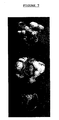
- FIG. 7 shows pictures of lungs from three mice challenged with D121 Lewis lung carcinoma cells. The lower lung was scored 1, whereas the upper two lungs were scored 3, having a large proportion of the lung surface covered by tumors. Animals that died prior to the 30 day evaluation were given a " + " score.
- Tables 1-4 The results of these evaluations are provided in Tables 1-4, and in FIGS. 8-10 , discussed in detail below.
- Table 1. Tumor Metastasis in Balb/C Mice Challenged with D121 Lewis Lung Carcinoma Cells. Mouse Vaccination Group Metastatic Scores Control - vaccination with untransformed Salmonella 3,3,3,3,+,+ Control - vaccination with control vaccine (containing empty vector) 3,3,3,3, +, + Vaccination with DNA Vaccine of Example 1 (containing Flk-1) 0,0,1,1,1,2,2
- the Balb/C mice that were challenged by intravenous injection of CT-26 colon carcinoma cells were evaluated for mortality over about a 63 day (7 week) period. Mortality information is presented in Table 2 below, and graphically illustrated in FIG. 8 .
- mice treated with the inventive vaccine of Example 1 is indicated by the heavy, solid line at 100% survival.
- the % survival of naive mice (no vaccination) challenged with the C26 cell is indicated by the solid, thin line, whereas, the % survival of the mice treated with the control vaccine (no Flk-1 DNA) is indicated by the dot-dash line.
- Table 2. Suppression of Mortality in Balb/C Mice Immunized With the Vaccine of Example 1 and Challenged with CT 26 Carcinoma. Treatment % Survival on Day 30 % Survival on Day 36 % Survival on Day 63 Control, No Vaccine 50 0 0 Control Vaccine 33 0 0 Vaccine of Ex. 1 100 100 100 100 100 100 100 100 100 100 100 100 100 100 100 100 100 100 100 100 100 100 100 100 100 100 100 100 100
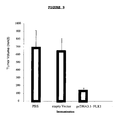
- the first bar indicates mice that were not vaccinated (naive mice)
- the middle bar indicates mice treated with the control vaccine
- the third bar labeled "pcDNA3.1-FLK1” indicates mice immunized with the inventive vaccine of Example 1.
- Table 3. Suppression of Subcutaneous D121 Carcinoma Tumor in Balb/C Mice Immunized With the Vaccine of Example 1. Treatment Tumor volume mm 3 Standard Deviation Control No Vaccine 665 227 Control Vaccine 641 157 Vaccine of Ex. 1 183 35
- EXAMPLE 4 Upregulation of CD25, CD69 and CD2 Activation Markers in Splenocytes (CD8+ T Cells) From Vaccinated Mice.
- C5/7BL/6J mice (about 4 mice per treatment group) were vaccinated with the DNA vaccine of Example 1 and the control vaccine (no Flk-1) as described in Example 2.
- Splenocytes were isolated from the immunized mice and the control mouse group about six weeks after the third vaccination.
- the splenocyte cells were cultured for 24 hours together with cells from a B16 melanoma cell line transduced to express Flk-1 and with untransformed B16 cells in T cell medium (about 5 mL per culture) containing about 4% by volume of T-STIM culture supplement (Cat. # 354115, BD Biosciences, Bedford, MA).
- the cells were then stained with FITC-conjugated CD8 + antibody and PE-conjugated antibodies of CD25, CD69, and CD2.
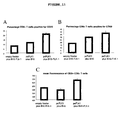
- the cell suspensions were evaluated using a Becton Dickenson FAC scan to determine the percentage of CD8+T cells positive for CD25 and CD69 for each splenocyte/B16 melanoma cell combination. The results are presented in Table 5 and are illustrated graphically in FIG. 11 . Table 5.
- Example 1 comprising a DNA encoding Flk-1, the murine analog of KDR, can effectively immunize mice against a variety of tumor forming cancer cells.
- the vaccine acts by inhibiting angiogenesis in the tumor, i.e, preventing new blood vessel formation and effectively starving the tumor.
- mice challenged with D121 Lewis lung carcinoma None of the mice immunized with the vaccine of Example 1 died, and all had less than about 50% tumor coverage on the lungs (2 had ⁇ 20%). In contrast, two mice died from each control group and all of the remaining mice had greater than about 50% tumor coverage on the lungs.
- the inventive vaccine of Example 1 also significantly decreased mortality of Balb-C mice that were challenged intravenously by CT-26 colon carcinoma cells, as demonstrated by the data in Table 2 and FIG. 8 . All of the mice immunized with the vaccine of Example 1 survived the entire 63 day observation period after challenge. In the control groups, however, all of the mice had died by day 36 post challenge.
- subcutaneous D121 Lewis lung carcinoma tumor growth was suppressed by immunization with the inventive vaccine of Example 1 by a factor of about 4.3 to about 4.5, relative to the control mouse groups treated with no vaccine or the control vaccine..
- subcutaneous B16 melanoma tumor growth was suppressed by a factor of about 4 in mice immunized with the inventive vaccine of Example 1, relative to tumor growth in the control group.
Landscapes
- Health & Medical Sciences (AREA)
- Life Sciences & Earth Sciences (AREA)
- Chemical & Material Sciences (AREA)
- Medicinal Chemistry (AREA)
- General Health & Medical Sciences (AREA)
- Veterinary Medicine (AREA)
- Pharmacology & Pharmacy (AREA)
- Animal Behavior & Ethology (AREA)
- Public Health (AREA)
- Microbiology (AREA)
- Epidemiology (AREA)
- Mycology (AREA)
- Immunology (AREA)
- Engineering & Computer Science (AREA)
- Organic Chemistry (AREA)
- Oncology (AREA)
- Genetics & Genomics (AREA)
- Biotechnology (AREA)
- Bioinformatics & Cheminformatics (AREA)
- Zoology (AREA)
- Wood Science & Technology (AREA)
- General Chemical & Material Sciences (AREA)
- Nuclear Medicine, Radiotherapy & Molecular Imaging (AREA)
- Chemical Kinetics & Catalysis (AREA)
- Tropical Medicine & Parasitology (AREA)
- Biomedical Technology (AREA)
- Virology (AREA)
- Molecular Biology (AREA)
- Biochemistry (AREA)
- General Engineering & Computer Science (AREA)
- Medicines Containing Antibodies Or Antigens For Use As Internal Diagnostic Agents (AREA)
- Medicines That Contain Protein Lipid Enzymes And Other Medicines (AREA)
- Micro-Organisms Or Cultivation Processes Thereof (AREA)
- Medicines Containing Material From Animals Or Micro-Organisms (AREA)
Priority Applications (2)
| Application Number | Priority Date | Filing Date | Title |
|---|---|---|---|
| SI200332080T SI1487482T1 (sl) | 2002-03-02 | 2003-02-28 | DNA cepivo proti proliferajočim endotelijskim celicam in postopki za uporabo le-tega |
| CY20111101264T CY1112663T1 (el) | 2002-03-02 | 2011-12-20 | Εμβολιο dνα εναντι πολλαπλασιαζομενων ενδοθηλιακων κυτταρων και μεθοδοι χρησεως αυτου |
Applications Claiming Priority (3)
| Application Number | Priority Date | Filing Date | Title |
|---|---|---|---|
| US90183 | 1979-11-01 | ||
| US10/090,183 US7094410B2 (en) | 2002-03-02 | 2002-03-02 | DNA vaccine against proliferating endothelial cells and methods of use thereof |
| PCT/US2003/006256 WO2003073995A2 (en) | 2002-03-02 | 2003-02-28 | Dna vaccine against proliferating endothelial cells and methods of use thereof. |
Publications (3)
| Publication Number | Publication Date |
|---|---|
| EP1487482A2 EP1487482A2 (en) | 2004-12-22 |
| EP1487482A4 EP1487482A4 (en) | 2006-04-12 |
| EP1487482B1 true EP1487482B1 (en) | 2011-10-12 |
Family
ID=27787599
Family Applications (1)
| Application Number | Title | Priority Date | Filing Date |
|---|---|---|---|
| EP03726007A Expired - Lifetime EP1487482B1 (en) | 2002-03-02 | 2003-02-28 | Dna vaccine against proliferating endothelial cells and methods of use thereof |
Country Status (19)
| Country | Link |
|---|---|
| US (3) | US7094410B2 (pl) |
| EP (1) | EP1487482B1 (pl) |
| JP (1) | JP4598401B2 (pl) |
| KR (1) | KR100979898B1 (pl) |
| CN (1) | CN1293917C (pl) |
| AT (1) | ATE528015T1 (pl) |
| AU (1) | AU2003228229B2 (pl) |
| BR (1) | BRPI0308103B8 (pl) |
| CA (1) | CA2477406C (pl) |
| CY (1) | CY1112663T1 (pl) |
| DK (1) | DK1487482T3 (pl) |
| ES (1) | ES2371870T3 (pl) |
| MX (1) | MXPA04008468A (pl) |
| PL (1) | PL213364B1 (pl) |
| PT (1) | PT1487482E (pl) |
| RU (1) | RU2318019C2 (pl) |
| SI (1) | SI1487482T1 (pl) |
| WO (1) | WO2003073995A2 (pl) |
| ZA (1) | ZA200406988B (pl) |
Families Citing this family (17)
| Publication number | Priority date | Publication date | Assignee | Title |
|---|---|---|---|---|
| EP1595548A3 (en) * | 2001-03-07 | 2006-02-22 | Mannkind Corporation | Anti-neovasculature preparations for treating cancer |
| US7094410B2 (en) * | 2002-03-02 | 2006-08-22 | The Scripps Research Institute | DNA vaccine against proliferating endothelial cells and methods of use thereof |
| CU23178A1 (es) * | 2002-04-15 | 2006-09-22 | Ct Ingenieria Genetica Biotech | INMUNOTERAPIA ACTIVA ANTIANGIOGéNICA |
| KR100614220B1 (ko) | 2004-11-08 | 2006-08-21 | 고려대학교 산학협력단 | Flt3 리간드 유전자를 발현하는 살모넬라 균주 및 이를함유하는 항암 치료용 조성물 |
| CN101766818B (zh) * | 2008-12-30 | 2013-05-22 | 陕西北美基因股份有限公司 | 多糖金磁复合微粒载药体及其制备方法 |
| WO2010102140A1 (en) * | 2009-03-04 | 2010-09-10 | The Trustees Of The University Of Pennsylvania | Compositions comprising angiogenic factors and methods of use thereof |
| US9492523B2 (en) | 2011-12-09 | 2016-11-15 | The Board Of Regents For Oklahoma State University | Broadly protective Shigella vaccine based on type III secretion apparatus proteins |
| CA2853656C (en) * | 2011-12-22 | 2020-12-29 | Vaximm Ag | Method of producing high yield attenuated salmonella strains |
| JP6325534B2 (ja) | 2012-07-05 | 2018-05-16 | バクシム アクチェンゲゼルシャフト | 膵臓癌患者用dnaワクチン |
| JP6422022B2 (ja) | 2012-08-31 | 2018-11-14 | 国立大学法人大阪大学 | Vegf及び/又はアンギオポエチン−2の特異的エピトープを含むdnaワクチン |
| US10548962B2 (en) | 2012-10-22 | 2020-02-04 | The Board Of Regents For Oklahoma State University | Use of the salmonella SPP type III secretion proteins as a protective vaccination |
| US9950053B2 (en) | 2012-10-22 | 2018-04-24 | The Board Of Regents For Oklahoma State University | Use of the Salmonella SPP type III secretion proteins as a protective vaccination |
| US20180153976A1 (en) | 2015-06-18 | 2018-06-07 | Vaximm Ag | Novel cmv pp65 targeting dna vaccine for cancer immunotherapy |
| RU2018101722A (ru) | 2015-06-18 | 2019-07-18 | Факсимм Аг | Днк-вакцина, нацеленная на vegfr-2, для комбинированной терапии |
| RU2759227C2 (ru) * | 2020-04-10 | 2021-11-11 | Генетик Диагностикс Энд Терапи 21 Лтд | ДНК-вакцина против вируса SARS-CoV-2 на основе генотерапевтического ДНК-вектора GDTT1.8NAS12, способ ее получения, штаммы, несущие генотерапевтические ДНК-вектора, способ их получения, способ производства в промышленных масштабах генотерапевтических ДНК-векторов |
| US10973908B1 (en) | 2020-05-14 | 2021-04-13 | David Gordon Bermudes | Expression of SARS-CoV-2 spike protein receptor binding domain in attenuated salmonella as a vaccine |
| US12537071B1 (en) | 2020-07-22 | 2026-01-27 | David Gordon Bermudes | Bacteria having boolean control pathways expressing therapeutic proteins including immunotherapeutic cytotoxins |
Family Cites Families (11)
| Publication number | Priority date | Publication date | Assignee | Title |
|---|---|---|---|---|
| US6214804B1 (en) * | 1989-03-21 | 2001-04-10 | Vical Incorporated | Induction of a protective immune response in a mammal by injecting a DNA sequence |
| US6228844B1 (en) * | 1991-11-12 | 2001-05-08 | Vical Incorporated | Stimulating vascular growth by administration of DNA sequences encoding VEGF |
| US6177401B1 (en) * | 1992-11-13 | 2001-01-23 | Max-Planck-Gesellschaft Zur Forderung Der Wissenschaften | Use of organic compounds for the inhibition of Flk-1 mediated vasculogenesis and angiogenesis |
| US5741492A (en) * | 1996-01-23 | 1998-04-21 | St. Jude Children's Research Hospital | Preparation and use of viral vectors for mixed envelope protein vaccines against human immunodeficiency viruses |
| US5939400A (en) * | 1996-02-26 | 1999-08-17 | The Board Of Trustees Of The Leland Stanford Junior University | DNA vaccination for induction of suppressive T cell response |
| RU2177950C2 (ru) * | 1996-10-25 | 2002-01-10 | Нексстар Фармасьютикалз, Инк. | Комплексы нуклеиновых кислот - лигандов сосудистого эндотелиального фактора роста (vegf) |
| WO1998058053A1 (en) * | 1997-06-18 | 1998-12-23 | Merck & Co., Inc. | Human receptor tyrosine kinase, kdr |
| AU2994599A (en) * | 1998-03-06 | 1999-09-20 | Imclone Systems Incorporated | Active immunization against angiogenesis-associated antigens |
| SI1108035T1 (sl) * | 1998-09-04 | 2007-12-31 | Sanofi Pasteur Ltd | Zdravljenje raka materničnega vratu |
| WO2002003961A1 (en) | 2000-07-07 | 2002-01-17 | Corixa Corporation | Microspheres and adjuvants for dna vaccine delivery |
| US7094410B2 (en) * | 2002-03-02 | 2006-08-22 | The Scripps Research Institute | DNA vaccine against proliferating endothelial cells and methods of use thereof |
-
2002
- 2002-03-02 US US10/090,183 patent/US7094410B2/en not_active Expired - Lifetime
-
2003
- 2003-02-28 CN CNB038099470A patent/CN1293917C/zh not_active Expired - Lifetime
- 2003-02-28 SI SI200332080T patent/SI1487482T1/sl unknown
- 2003-02-28 PL PL372314A patent/PL213364B1/pl unknown
- 2003-02-28 AT AT03726007T patent/ATE528015T1/de active
- 2003-02-28 PT PT03726007T patent/PT1487482E/pt unknown
- 2003-02-28 DK DK03726007.2T patent/DK1487482T3/da active
- 2003-02-28 WO PCT/US2003/006256 patent/WO2003073995A2/en not_active Ceased
- 2003-02-28 ES ES03726007T patent/ES2371870T3/es not_active Expired - Lifetime
- 2003-02-28 EP EP03726007A patent/EP1487482B1/en not_active Expired - Lifetime
- 2003-02-28 CA CA2477406A patent/CA2477406C/en not_active Expired - Lifetime
- 2003-02-28 RU RU2004129332/13A patent/RU2318019C2/ru active
- 2003-02-28 BR BRPI0308103A patent/BRPI0308103B8/pt not_active IP Right Cessation
- 2003-02-28 AU AU2003228229A patent/AU2003228229B2/en not_active Expired
- 2003-02-28 KR KR1020047013668A patent/KR100979898B1/ko not_active Expired - Lifetime
- 2003-02-28 JP JP2003572517A patent/JP4598401B2/ja not_active Expired - Lifetime
- 2003-02-28 MX MXPA04008468A patent/MXPA04008468A/es active IP Right Grant
-
2004
- 2004-09-01 ZA ZA2004/06988A patent/ZA200406988B/en unknown
-
2006
- 2006-08-21 US US11/507,298 patent/US8048428B2/en not_active Expired - Lifetime
-
2011
- 2011-10-25 US US13/280,855 patent/US8241637B2/en not_active Expired - Fee Related
- 2011-12-20 CY CY20111101264T patent/CY1112663T1/el unknown
Non-Patent Citations (1)
| Title |
|---|
| KENDALL R L, THOMAS K A: "Inhibition of vascular endothelial cell growth factor activity by an endogenously encoded soluble receptor", PROC. NATL. ACAD. SCI., vol. 90, November 1993 (1993-11-01), pages 10705 - 10709 * |
Also Published As
Similar Documents
| Publication | Publication Date | Title |
|---|---|---|
| US8241637B2 (en) | DNA composition encoding an immunogenic VEGF receptor peptide and methods of use thereof | |
| US9655815B2 (en) | DNA vaccines against tumor growth and methods of use thereof | |
| US9775891B2 (en) | Methods and compositions for inducing an immune response to EGFRvIII | |
| EP2035581B1 (en) | Dna composition against tumor stromal antigen fap and methods of use thereof | |
| AU2007314433B9 (en) | DNA composition for eliciting an immune response against tumor-associated macrophages | |
| US8053421B2 (en) | DNA vaccines against tumor growth and methods of use thereof |
Legal Events
| Date | Code | Title | Description |
|---|---|---|---|
| PUAI | Public reference made under article 153(3) epc to a published international application that has entered the european phase |
Free format text: ORIGINAL CODE: 0009012 |
|
| 17P | Request for examination filed |
Effective date: 20040929 |
|
| AK | Designated contracting states |
Kind code of ref document: A2 Designated state(s): AT BE BG CH CY CZ DE DK EE ES FI FR GB GR HU IE IT LI LU MC NL PT SE SI SK TR |
|
| AX | Request for extension of the european patent |
Extension state: AL LT LV MK RO |
|
| RIC1 | Information provided on ipc code assigned before grant |
Ipc: 7C 12N 15/85 B Ipc: 7C 12N 15/74 B Ipc: 7C 12N 1/21 B Ipc: 7A 61K 39/00 A Ipc: 7A 61K 48/00 B Ipc: 7C 12N 15/70 B Ipc: 7C 12N 15/12 B |
|
| A4 | Supplementary search report drawn up and despatched |
Effective date: 20060223 |
|
| 17Q | First examination report despatched |
Effective date: 20071217 |
|
| GRAP | Despatch of communication of intention to grant a patent |
Free format text: ORIGINAL CODE: EPIDOSNIGR1 |
|
| RTI1 | Title (correction) |
Free format text: DNA VACCINE AGAINST PROLIFERATING ENDOTHELIAL CELLS AND METHODS OF USE THEREOF |
|
| GRAS | Grant fee paid |
Free format text: ORIGINAL CODE: EPIDOSNIGR3 |
|
| GRAA | (expected) grant |
Free format text: ORIGINAL CODE: 0009210 |
|
| AK | Designated contracting states |
Kind code of ref document: B1 Designated state(s): AT BE BG CH CY CZ DE DK EE ES FI FR GB GR HU IE IT LI LU MC NL PT SE SI SK TR |
|
| REG | Reference to a national code |
Ref country code: GB Ref legal event code: FG4D |
|
| REG | Reference to a national code |
Ref country code: CH Ref legal event code: NV Representative=s name: SERVOPATENT GMBH Ref country code: CH Ref legal event code: EP |
|
| REG | Reference to a national code |
Ref country code: IE Ref legal event code: FG4D |
|
| REG | Reference to a national code |
Ref country code: SE Ref legal event code: TRGR |
|
| REG | Reference to a national code |
Ref country code: DE Ref legal event code: R096 Ref document number: 60338737 Country of ref document: DE Effective date: 20111201 |
|
| REG | Reference to a national code |
Ref country code: DK Ref legal event code: T3 |
|
| REG | Reference to a national code |
Ref country code: NL Ref legal event code: T3 |
|
| REG | Reference to a national code |
Ref country code: PT Ref legal event code: SC4A Free format text: AVAILABILITY OF NATIONAL TRANSLATION Effective date: 20111212 |
|
| REG | Reference to a national code |
Ref country code: ES Ref legal event code: FG2A Ref document number: 2371870 Country of ref document: ES Kind code of ref document: T3 Effective date: 20120110 |
|
| REG | Reference to a national code |
Ref country code: SK Ref legal event code: T3 Ref document number: E 10703 Country of ref document: SK |
|
| REG | Reference to a national code |
Ref country code: GR Ref legal event code: EP Ref document number: 20110402785 Country of ref document: GR Effective date: 20120117 |
|
| REG | Reference to a national code |
Ref country code: HU Ref legal event code: AG4A Ref document number: E012913 Country of ref document: HU |
|
| PG25 | Lapsed in a contracting state [announced via postgrant information from national office to epo] |
Ref country code: EE Free format text: LAPSE BECAUSE OF FAILURE TO SUBMIT A TRANSLATION OF THE DESCRIPTION OR TO PAY THE FEE WITHIN THE PRESCRIBED TIME-LIMIT Effective date: 20111012 Ref country code: BG Free format text: LAPSE BECAUSE OF FAILURE TO SUBMIT A TRANSLATION OF THE DESCRIPTION OR TO PAY THE FEE WITHIN THE PRESCRIBED TIME-LIMIT Effective date: 20120112 |
|
| PLBE | No opposition filed within time limit |
Free format text: ORIGINAL CODE: 0009261 |
|
| STAA | Information on the status of an ep patent application or granted ep patent |
Free format text: STATUS: NO OPPOSITION FILED WITHIN TIME LIMIT |
|
| 26N | No opposition filed |
Effective date: 20120713 |
|
| PG25 | Lapsed in a contracting state [announced via postgrant information from national office to epo] |
Ref country code: MC Free format text: LAPSE BECAUSE OF NON-PAYMENT OF DUE FEES Effective date: 20120229 |
|
| REG | Reference to a national code |
Ref country code: DE Ref legal event code: R097 Ref document number: 60338737 Country of ref document: DE Effective date: 20120713 |
|
| REG | Reference to a national code |
Ref country code: FR Ref legal event code: PLFP Year of fee payment: 14 |
|
| REG | Reference to a national code |
Ref country code: FR Ref legal event code: PLFP Year of fee payment: 15 |
|
| REG | Reference to a national code |
Ref country code: FR Ref legal event code: PLFP Year of fee payment: 16 |
|
| REG | Reference to a national code |
Ref country code: CH Ref legal event code: PCAR Free format text: NEW ADDRESS: WANNERSTRASSE 9/1, 8045 ZUERICH (CH) |
|
| PGFP | Annual fee paid to national office [announced via postgrant information from national office to epo] |
Ref country code: IE Payment date: 20220110 Year of fee payment: 20 Ref country code: HU Payment date: 20220112 Year of fee payment: 20 Ref country code: GB Payment date: 20220106 Year of fee payment: 20 Ref country code: FI Payment date: 20220209 Year of fee payment: 20 Ref country code: DK Payment date: 20220209 Year of fee payment: 20 Ref country code: DE Payment date: 20220105 Year of fee payment: 20 Ref country code: CH Payment date: 20220114 Year of fee payment: 20 Ref country code: AT Payment date: 20220125 Year of fee payment: 20 |
|
| PGFP | Annual fee paid to national office [announced via postgrant information from national office to epo] |
Ref country code: TR Payment date: 20220223 Year of fee payment: 20 Ref country code: SK Payment date: 20220113 Year of fee payment: 20 Ref country code: SE Payment date: 20220110 Year of fee payment: 20 Ref country code: PT Payment date: 20220228 Year of fee payment: 20 Ref country code: NL Payment date: 20220118 Year of fee payment: 20 Ref country code: LU Payment date: 20220214 Year of fee payment: 20 Ref country code: IT Payment date: 20220111 Year of fee payment: 20 Ref country code: GR Payment date: 20220120 Year of fee payment: 20 Ref country code: FR Payment date: 20220118 Year of fee payment: 20 Ref country code: ES Payment date: 20220303 Year of fee payment: 20 Ref country code: CZ Payment date: 20220216 Year of fee payment: 20 Ref country code: BE Payment date: 20220118 Year of fee payment: 20 |
|
| PGFP | Annual fee paid to national office [announced via postgrant information from national office to epo] |
Ref country code: SI Payment date: 20211229 Year of fee payment: 20 |
|
| PGFP | Annual fee paid to national office [announced via postgrant information from national office to epo] |
Ref country code: CY Payment date: 20220222 Year of fee payment: 20 |
|
| REG | Reference to a national code |
Ref country code: CH Ref legal event code: PL Ref country code: DE Ref legal event code: R071 Ref document number: 60338737 Country of ref document: DE |
|
| REG | Reference to a national code |
Ref country code: NL Ref legal event code: MK Effective date: 20230227 |
|
| REG | Reference to a national code |
Ref country code: BE Ref legal event code: MK Effective date: 20230228 Ref country code: DK Ref legal event code: EUP Expiry date: 20230228 |
|
| REG | Reference to a national code |
Ref country code: GB Ref legal event code: PE20 Expiry date: 20230227 |
|
| REG | Reference to a national code |
Ref country code: SE Ref legal event code: EUG |
|
| REG | Reference to a national code |
Ref country code: IE Ref legal event code: MK9A Ref country code: SK Ref legal event code: MK4A Ref document number: E 10703 Country of ref document: SK Expiry date: 20230228 |
|
| REG | Reference to a national code |
Ref country code: AT Ref legal event code: MK07 Ref document number: 528015 Country of ref document: AT Kind code of ref document: T Effective date: 20230228 |
|
| PG25 | Lapsed in a contracting state [announced via postgrant information from national office to epo] |
Ref country code: PT Free format text: LAPSE BECAUSE OF EXPIRATION OF PROTECTION Effective date: 20230310 Ref country code: IE Free format text: LAPSE BECAUSE OF EXPIRATION OF PROTECTION Effective date: 20230228 Ref country code: CZ Free format text: LAPSE BECAUSE OF EXPIRATION OF PROTECTION Effective date: 20230228 |
|
| REG | Reference to a national code |
Ref country code: ES Ref legal event code: FD2A Effective date: 20230504 |
|
| PG25 | Lapsed in a contracting state [announced via postgrant information from national office to epo] |
Ref country code: SK Free format text: LAPSE BECAUSE OF EXPIRATION OF PROTECTION Effective date: 20230228 Ref country code: SI Free format text: LAPSE BECAUSE OF EXPIRATION OF PROTECTION Effective date: 20230301 Ref country code: GB Free format text: LAPSE BECAUSE OF EXPIRATION OF PROTECTION Effective date: 20230227 |
|
| PG25 | Lapsed in a contracting state [announced via postgrant information from national office to epo] |
Ref country code: ES Free format text: LAPSE BECAUSE OF EXPIRATION OF PROTECTION Effective date: 20230301 |