EP1388553A1 - Utilisation d'une structure à base de poly(diméthylcétène) et objects comprenant cette structure - Google Patents
Utilisation d'une structure à base de poly(diméthylcétène) et objects comprenant cette structure Download PDFInfo
- Publication number
- EP1388553A1 EP1388553A1 EP20030291818 EP03291818A EP1388553A1 EP 1388553 A1 EP1388553 A1 EP 1388553A1 EP 20030291818 EP20030291818 EP 20030291818 EP 03291818 A EP03291818 A EP 03291818A EP 1388553 A1 EP1388553 A1 EP 1388553A1
- Authority
- EP
- European Patent Office
- Prior art keywords
- polymer
- packaging
- aqueous
- direct contact
- layer
- Prior art date
- Legal status (The legal status is an assumption and is not a legal conclusion. Google has not performed a legal analysis and makes no representation as to the accuracy of the status listed.)
- Granted
Links
Classifications
-
- C—CHEMISTRY; METALLURGY
- C08—ORGANIC MACROMOLECULAR COMPOUNDS; THEIR PREPARATION OR CHEMICAL WORKING-UP; COMPOSITIONS BASED THEREON
- C08F—MACROMOLECULAR COMPOUNDS OBTAINED BY REACTIONS ONLY INVOLVING CARBON-TO-CARBON UNSATURATED BONDS
- C08F16/00—Homopolymers and copolymers of compounds having one or more unsaturated aliphatic radicals, each having only one carbon-to-carbon double bond, and at least one being terminated by an alcohol, ether, aldehydo, ketonic, acetal or ketal radical
- C08F16/36—Homopolymers and copolymers of compounds having one or more unsaturated aliphatic radicals, each having only one carbon-to-carbon double bond, and at least one being terminated by an alcohol, ether, aldehydo, ketonic, acetal or ketal radical by a ketonic radical
-
- B—PERFORMING OPERATIONS; TRANSPORTING
- B32—LAYERED PRODUCTS
- B32B—LAYERED PRODUCTS, i.e. PRODUCTS BUILT-UP OF STRATA OF FLAT OR NON-FLAT, e.g. CELLULAR OR HONEYCOMB, FORM
- B32B27/00—Layered products comprising a layer of synthetic resin
- B32B27/36—Layered products comprising a layer of synthetic resin comprising polyesters
-
- C—CHEMISTRY; METALLURGY
- C08—ORGANIC MACROMOLECULAR COMPOUNDS; THEIR PREPARATION OR CHEMICAL WORKING-UP; COMPOSITIONS BASED THEREON
- C08G—MACROMOLECULAR COMPOUNDS OBTAINED OTHERWISE THAN BY REACTIONS ONLY INVOLVING UNSATURATED CARBON-TO-CARBON BONDS
- C08G63/00—Macromolecular compounds obtained by reactions forming a carboxylic ester link in the main chain of the macromolecule
- C08G63/005—Polyesters prepared from ketenes
-
- C—CHEMISTRY; METALLURGY
- C09—DYES; PAINTS; POLISHES; NATURAL RESINS; ADHESIVES; COMPOSITIONS NOT OTHERWISE PROVIDED FOR; APPLICATIONS OF MATERIALS NOT OTHERWISE PROVIDED FOR
- C09D—COATING COMPOSITIONS, e.g. PAINTS, VARNISHES OR LACQUERS; FILLING PASTES; CHEMICAL PAINT OR INK REMOVERS; INKS; CORRECTING FLUIDS; WOODSTAINS; PASTES OR SOLIDS FOR COLOURING OR PRINTING; USE OF MATERIALS THEREFOR
- C09D167/00—Coating compositions based on polyesters obtained by reactions forming a carboxylic ester link in the main chain; Coating compositions based on derivatives of such polymers
-
- Y—GENERAL TAGGING OF NEW TECHNOLOGICAL DEVELOPMENTS; GENERAL TAGGING OF CROSS-SECTIONAL TECHNOLOGIES SPANNING OVER SEVERAL SECTIONS OF THE IPC; TECHNICAL SUBJECTS COVERED BY FORMER USPC CROSS-REFERENCE ART COLLECTIONS [XRACs] AND DIGESTS
- Y10—TECHNICAL SUBJECTS COVERED BY FORMER USPC
- Y10T—TECHNICAL SUBJECTS COVERED BY FORMER US CLASSIFICATION
- Y10T428/00—Stock material or miscellaneous articles
- Y10T428/13—Hollow or container type article [e.g., tube, vase, etc.]
- Y10T428/1352—Polymer or resin containing [i.e., natural or synthetic]
-
- Y—GENERAL TAGGING OF NEW TECHNOLOGICAL DEVELOPMENTS; GENERAL TAGGING OF CROSS-SECTIONAL TECHNOLOGIES SPANNING OVER SEVERAL SECTIONS OF THE IPC; TECHNICAL SUBJECTS COVERED BY FORMER USPC CROSS-REFERENCE ART COLLECTIONS [XRACs] AND DIGESTS
- Y10—TECHNICAL SUBJECTS COVERED BY FORMER USPC
- Y10T—TECHNICAL SUBJECTS COVERED BY FORMER US CLASSIFICATION
- Y10T428/00—Stock material or miscellaneous articles
- Y10T428/13—Hollow or container type article [e.g., tube, vase, etc.]
- Y10T428/1352—Polymer or resin containing [i.e., natural or synthetic]
- Y10T428/1379—Contains vapor or gas barrier, polymer derived from vinyl chloride or vinylidene chloride, or polymer containing a vinyl alcohol unit
-
- Y—GENERAL TAGGING OF NEW TECHNOLOGICAL DEVELOPMENTS; GENERAL TAGGING OF CROSS-SECTIONAL TECHNOLOGIES SPANNING OVER SEVERAL SECTIONS OF THE IPC; TECHNICAL SUBJECTS COVERED BY FORMER USPC CROSS-REFERENCE ART COLLECTIONS [XRACs] AND DIGESTS
- Y10—TECHNICAL SUBJECTS COVERED BY FORMER USPC
- Y10T—TECHNICAL SUBJECTS COVERED BY FORMER US CLASSIFICATION
- Y10T428/00—Stock material or miscellaneous articles
- Y10T428/13—Hollow or container type article [e.g., tube, vase, etc.]
- Y10T428/1352—Polymer or resin containing [i.e., natural or synthetic]
- Y10T428/1379—Contains vapor or gas barrier, polymer derived from vinyl chloride or vinylidene chloride, or polymer containing a vinyl alcohol unit
- Y10T428/1383—Vapor or gas barrier, polymer derived from vinyl chloride or vinylidene chloride, or polymer containing a vinyl alcohol unit is sandwiched between layers [continuous layer]
-
- Y—GENERAL TAGGING OF NEW TECHNOLOGICAL DEVELOPMENTS; GENERAL TAGGING OF CROSS-SECTIONAL TECHNOLOGIES SPANNING OVER SEVERAL SECTIONS OF THE IPC; TECHNICAL SUBJECTS COVERED BY FORMER USPC CROSS-REFERENCE ART COLLECTIONS [XRACs] AND DIGESTS
- Y10—TECHNICAL SUBJECTS COVERED BY FORMER USPC
- Y10T—TECHNICAL SUBJECTS COVERED BY FORMER US CLASSIFICATION
- Y10T428/00—Stock material or miscellaneous articles
- Y10T428/31504—Composite [nonstructural laminate]
- Y10T428/31786—Of polyester [e.g., alkyd, etc.]
-
- Y—GENERAL TAGGING OF NEW TECHNOLOGICAL DEVELOPMENTS; GENERAL TAGGING OF CROSS-SECTIONAL TECHNOLOGIES SPANNING OVER SEVERAL SECTIONS OF THE IPC; TECHNICAL SUBJECTS COVERED BY FORMER USPC CROSS-REFERENCE ART COLLECTIONS [XRACs] AND DIGESTS
- Y10—TECHNICAL SUBJECTS COVERED BY FORMER USPC
- Y10T—TECHNICAL SUBJECTS COVERED BY FORMER US CLASSIFICATION
- Y10T428/00—Stock material or miscellaneous articles
- Y10T428/31504—Composite [nonstructural laminate]
- Y10T428/31786—Of polyester [e.g., alkyd, etc.]
- Y10T428/31797—Next to addition polymer from unsaturated monomers
-
- Y—GENERAL TAGGING OF NEW TECHNOLOGICAL DEVELOPMENTS; GENERAL TAGGING OF CROSS-SECTIONAL TECHNOLOGIES SPANNING OVER SEVERAL SECTIONS OF THE IPC; TECHNICAL SUBJECTS COVERED BY FORMER USPC CROSS-REFERENCE ART COLLECTIONS [XRACs] AND DIGESTS
- Y10—TECHNICAL SUBJECTS COVERED BY FORMER USPC
- Y10T—TECHNICAL SUBJECTS COVERED BY FORMER US CLASSIFICATION
- Y10T428/00—Stock material or miscellaneous articles
- Y10T428/31504—Composite [nonstructural laminate]
- Y10T428/31942—Of aldehyde or ketone condensation product
Definitions
- the present invention relates to the use of a polymer (A) derived from the polymerization of dimethyl ketene to make objects in direct contact with water or used in a humid atmosphere with relative humidity greater than 50% and the objects themselves.
- DMK dimethyl ketene
- the existence of a carbon-carbon and carbon-oxygen double bond makes it possible, depending on the polymerization conditions, to selectively open one or the other of these double bonds.
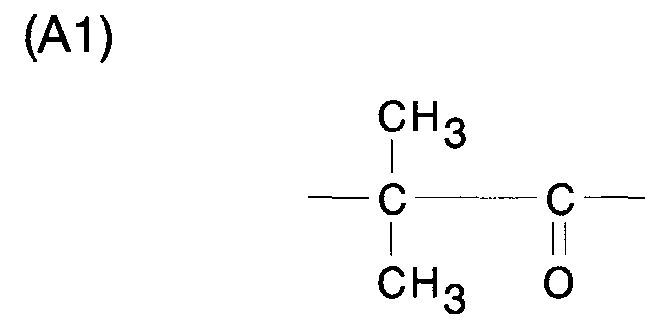
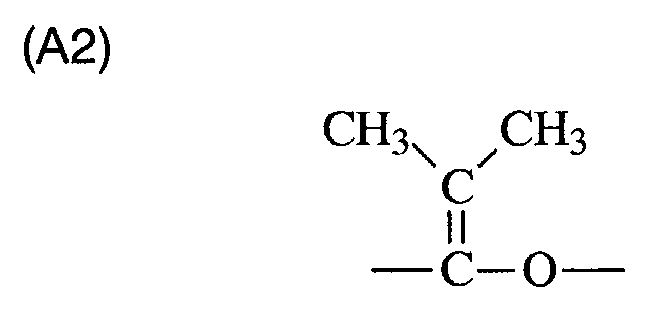
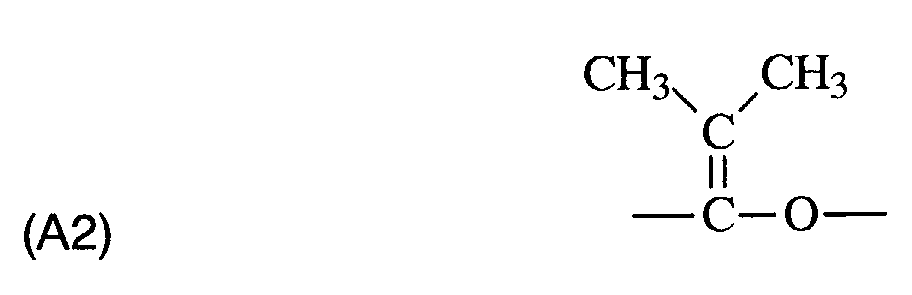
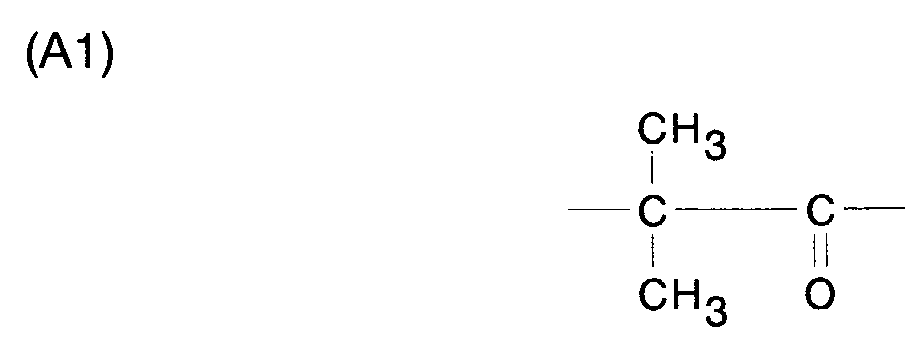
- the polymerization of this monomer can therefore give two different structural units: The regular sequence head to tail of the units (A1) leads to polymers of ⁇ -ketonic structure and the head to tail sequence of units (A2) leads to polymers of polyvinyl acetal structure.
- the polymer (A) used in the invention is such that the molar ratio A2 / (A1 + A2) is between 0 and 30% which means that the polymer (A) contains from 70 to 100% in moles of units ( A1) and from 30 to 0% in moles of units (A2). This is called polydimethylketone, the ketone units being predominant in the polymer.
- the packaging industry in general and the food packaging industry in particular to have of material insensitive to moisture, waterproof and not swelling in an aqueous or humid environment by absorption of water.
- the packaging food may contain drinks or foods containing large part of the water but can also undergo sterilization treatments, pasteurization during the packaging process.
- the waterproofing or water vapor of the packaging can be used to protect water-sensitive content from an outdoor atmosphere wet. This is particularly useful for packaging products from biscuit, pastry and bakery sectors sensitive to humidity in the food packaging and anhydrous chemicals in the part of the technical packaging.
- EVOH acts as a barrier to gases, especially oxygen, and the layers of polyolefins (polyethylene or polypropylene) protect the EVOH from water, EVOH losing its barrier properties in the presence of water or humidity.
- This structure has the disadvantage of comprising several layers to be effective.
- the Applicant has now found that it is packaging possible using a single-layer structure polydimethylketone type having all the properties required for a use in a wet or aqueous environment: waterproof or water barrier, insensitive to water (physical and mechanical properties remain constant in the presence of water), does not absorb water and is an oxygen barrier whatever the humidity level of the environment.
- Polydimethylketone is a polymer of choice for many applications involving direct contact with an aqueous or moist medium. he is particularly useful for making packaging, comprising at least a layer of polydimethylketone, intended to contain water or liquids hydrophilic (e.g. beer, soda, fruit juice, milk, dairy) or food containing by definition water.
- water or liquids hydrophilic e.g. beer, soda, fruit juice, milk, dairy
- the subject of the invention is the use of a structure for manufacturing hermetically sealed food or technical packaging in direct contact with an aqueous or humid medium, said structure comprising at least one layer of a polymer (A) in direct contact with the wettest medium, this being located inside the packaging when the latter contains water or a wet or aqueous product and the wettest medium being located outside the packaging when the latter contains a dry product or one to be protected from moisture, the polymer (A) comprising the patterns: the A2 / (A1 + A2) molar ratio being between 0 and 30%.
- the invention also relates to an object in direct contact with an aqueous or wet medium, comprising a structure comprising at least one layer of a polymer (A) in direct contact with the wettest medium, the latter being located at the inside the packaging when the latter contains water or a wet or aqueous product and the wettest environment is located outside the packaging when the latter contains a dry product or to be protected from humidity, the polymer (A) comprising the units: the A2 / (A1 + A2) molar ratio being between 0 and 30%.
- the molar ratio A2 / (A1 + A2) is preferably between 5 and 15%.
- the object comprises a structure multilayer comprising, in addition to the polymer layer (A), at least one layer of a polymer (B), a binder which can be placed between the layers of polymers (A) and (B).
- the object is characterized in that it is a food packaging such as a tray, a sachet, a bottle and a carboy or technical packaging such as a pipe, a container and a drum.
- the invention relates to the use of a structure used to manufacture packaging, this structure being mainly monolayer, that is to say that there is only one layer of polymer and that this polymer is (A).
- the structure can incidentally be multilayer, that is to say comprise at least one layer of the polymer (A) and at least one layer of polymer (B), a binder which can be placed between the layers of polymers (A) and B).
- a binder which can be placed between the layers of polymers (A) and B).
- the polymer layer (A) is preferably in direct contact with the most aqueous or humid medium in the case of a multilayer structure.
- the present invention also relates to objects manufactured with one any of the preceding mono or multilayer structures, in particular objects in direct contact with an aqueous or humid environment (Humidity Relative, HR> 50%).
- objects can generally be packaging containing an aqueous medium or to be protected from moisture and more particularly food packaging or technical packaging.
- Food packaging is for example bottles, trays, canisters, bags and sachets that you get with said mono or multilayer structures in the form of films mono or multilayer.
- Technical packaging is for example containers or barrels for the chemical industry to avoid the exchange of water molecules from on either side of the container wall or for example pipes heating incorporated in the floors or walls of housing.
- the polymer (A) forms the internal layer in direct contact with the water of heating in the case of a pipe with a multilayer structure or the pipe does not has only one layer made of polymer (A) and in direct contact with the heating water and the medium outside the pipe.
- the polymer (A) will now be described in detail.
- This pyrolysis can be carried out between 550 ° C and 675 ° C under pressure absolute between 30 and 40 mmHg (3960 and 5280 Pa).
- Examples include AlCl 2 C 2 H 5 ; AlCl (C 2 H 5 ) 2 ; AlC 6 H 5 Cl 2 ; Al (OC 3 H 7 ) Br 2 ; AlBr 3 ; AlCl 3 ; or their dimers or sesquihalides of the Al C 2 H 5 Cl 2 type .
- the proportion of A2 in the polymer (A) depends on the conditions of polymerization in particular of the polarity of the solvent. This proportion is important for the technical qualities of the polymer (A) especially with regard to the water.
- the proportion of A2 is usually (in moles) from 5 to 15%.
- the polymer (A) can be filmed by the usual means of thermoplastics such as sheath blowing, pressing, calendering, extrusion in flat die.
- the polymer hollow bodies (A) can be produced by extrusion (for tubes), blow molding (for hollow bodies).
- the polymer (B) can be example chosen from polyolefins, polystyrenics, polyamides, polycarbonate, PVC, PVDF and saturated polyesters such as PET and PBT.
- these structures have for example respective thicknesses 5 to 30 ⁇ m / 15 to 100 ⁇ m.
- the thicknesses can be 5 to 10,000 ⁇ m / 0.5 to 5 mm.
- the thicknesses depend on the volume and can be several millimeters. It is recommended to have a binder between layers (A) and (B).
- This product can be the binder described above.
- Polymer (A) therefore polydimethylketone is 3 to 6 times more waterproof as EVOH and the level of polyolefins (PE and PP) which serve usually protect EVOH in packaging.
- Water absorption is measured with two films of the same thickness one in polymer (A), the other in EVOH (38 mol% of ethylene) immersed in water at 30 ° C. The percentage of water at this temperature is measured in the two cases. 0.1% by weight of water is present in the polymer film (A) and 11.2% in that in EVOH. Polymer (A) therefore polydimethylketone absorbs therefore 100 times less water than EVOH.
Landscapes
- Chemical & Material Sciences (AREA)
- Chemical Kinetics & Catalysis (AREA)
- Organic Chemistry (AREA)
- Health & Medical Sciences (AREA)
- Medicinal Chemistry (AREA)
- Polymers & Plastics (AREA)
- Materials Engineering (AREA)
- Engineering & Computer Science (AREA)
- Life Sciences & Earth Sciences (AREA)
- Wood Science & Technology (AREA)
- Wrappers (AREA)
- Laminated Bodies (AREA)
- Organic Low-Molecular-Weight Compounds And Preparation Thereof (AREA)
- Polyethers (AREA)
- Manufacture Of Tobacco Products (AREA)
- Packages (AREA)
Abstract
Description




- soit on emballe un produit humide ou aqueux et on empêche ainsi les échanges d'eau de l'intérieur vers l'extérieur de l'emballage,
- M. Mugno, M. Bornengo, Chim. Ind. (Milan 46,1,5-9, 1964
- G.F. Pregaglia, M. Binaghi, Makromol. Syn., 3, 150-160, 1968.
- G.F.Pregaglia, M. Peraldo, M. Binaghi, Gazz. Chim. Ital., 92,488-500,1962.
- G.F.Pregaglia, M.Binaghi, Makromol. Syn., 3, 150-165, 1968.
- G. Natta, G. Mazzanti, GF. Pregaglia, M. Binaghi, M. Peraldo, J. Am. Chem. Soc., Vol.82, 4742-4743, 1960.
- dégradation thermique : début de dégradation à partir de 300°C sans stabilisant obtenu par thermogravimétrie à 10°C/mn.
- densité : 1,28
- températures de fusion à 230 et 255°C, pic mesuré par analyse enthalpique différentielle (20°C / min sous azote).
- viscosité inhérente en solution à 20°C : de 0,5 à 3 (pour une solution à 0,5 g/dl dans le métacrésol).
(A) / PA-6 ; (A) / (PA-6.6) ; (A) / (PA-6/6.6); (A) / PA-11 ; (A) / PA-12 ; (A) / PE ; (A) / polypropylène.
- le polyéthylène, le polypropylène, les copolymères de l'éthylène et d'au moins une alpha-oléfine, des mélanges de ces polymères, tous ces polymères étant greffés par des anhydrides d'acides carboxyliques insaturés tels que par exemple, l'anhydride maléique. On peut aussi utiliser des mélanges de ces polymères greffés et de ces polymères non greffés.
- les copolymères de l'éthylène avec au moins un produit choisi parmi (i) les acides carboxyliques insaturés, leurs sels, leurs esters, (ii) les esters vinyliques d'acides carboxyliques saturés, (iii) les acides dicarboxyliques insaturés, leurs sels, leurs esters, leurs hemiesters, leurs anhydrides, (iv) les époxydes insaturés ; ces copolymères pouvant être greffés par des anhydrides d'acides dicarboxyliques insaturés tels que l'anhydride maléique ou des époxydes insaturés tels que le méthacrylate de glycidyle.
| Matériau | Perméabilité à l'eau en g.50 µm/(m2.24h) | |
| Comp.1 | PVDC | 1.5 |
| Comp.2 | PEHD | 3 |
| Comp.3 | PP | 5 |
| Comp.4 | PEBD | 5 |
| Ex.1 | Polymère (A) | 6 |
| Comp.5 | PET | 16 |
| Comp.6 | PVC | 18 |
| Comp.7 | EVOH (38% en moles d'éthylène) | 20 |
| Comp.8 | PA 6 aromatique | 35 |
| Comp.9 | EVOH (32% en moles d'éthylène) | 35 |
| Comp.10 | PAN | 50 |
| Comp.11 | PA 6 | 85 |
Claims (6)
- Utilisation d'une structure pour fabriquer des emballages alimentaires ou techniques fermés hermétiquement en contact direct avec un milieu aqueux ou humide, ladite structure comprenant au moins une couche d'un polymère (A) en contact direct avec le milieu le plus humide, (i) celui-ci se trouvant situé à l'intérieur de l'emballage lorsque ce dernier contient de l'eau ou un produit humide ou aqueux et (ii) le milieu le plus humide se trouvant situé à l'extérieur de l'emballage lorsque ce dernier contient un produit sec ou à protéger de l'humidité, le polymère (A) comprenant les motifs :
 le rapport molaire A2 / (A1 +A2) étant compris entre 0 et 30 %.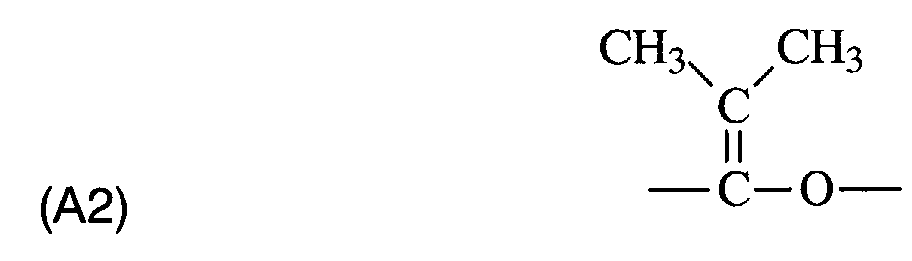
- Utilisation selon la revendication 1, le rapport molaire A2/(A1+A2) étant compris entre 5 et 15 %.
- Objet en contact direct avec un milieu aqueux ou humide, comprenant une structure comprenant au moins une couche d'un polymère (A) en contact direct avec le milieu le plus humide, (i) celui-ci se trouvant situé à l'intérieur de l'emballage lorsque ce dernier contient de l'eau ou un produit humide ou aqueux et (ii) le milieu le plus humide se trouvant situé à l'extérieur de l'emballage lorsque ce dernier contient un produit sec ou à protéger de l'humidité, le polymère (A) comprenant les motifs :
 le rapport molaire A2 / (A1+A2) étant compris entre 0 et 30 %.
- Objet selon la revendication 3, caractérisé en ce que le rapport molaire A2 / (A1 +A2) est de préférence compris entre 5 et 15%.
- Objet selon la revendication 3 ou 4 comprenant une structure multicouche comprenant en plus de la couche de polymère (A), au moins une couche d'un polymère (B), un liant pouvant être disposé entre les couches de polymères (A) et (B).
- Objet selon l'une quelconque des revendications 3 à 5, caractérisé en ce que c'est un emballage alimentaire tel qu'une barquette, un sachet, une bouteille et une bonbonne ou un emballage technique tel qu'un tuyau, un conteneur et un fût.
Applications Claiming Priority (2)
| Application Number | Priority Date | Filing Date | Title |
|---|---|---|---|
| FR0209860 | 2002-08-02 | ||
| FR0209860A FR2843116B1 (fr) | 2002-08-02 | 2002-08-02 | Utilisation d'une structure a base de poly(dimethylcetene) et objets comprenant cette structure |
Publications (2)
| Publication Number | Publication Date |
|---|---|
| EP1388553A1 true EP1388553A1 (fr) | 2004-02-11 |
| EP1388553B1 EP1388553B1 (fr) | 2008-02-27 |
Family
ID=30129643
Family Applications (1)
| Application Number | Title | Priority Date | Filing Date |
|---|---|---|---|
| EP03291818A Expired - Lifetime EP1388553B1 (fr) | 2002-08-02 | 2003-07-23 | Utilisation d'une structure à base de poly(diméthylcétène) et objects comprenant cette structure |
Country Status (11)
| Country | Link |
|---|---|
| US (1) | US7011873B2 (fr) |
| EP (1) | EP1388553B1 (fr) |
| JP (1) | JP2004074798A (fr) |
| KR (1) | KR100666891B1 (fr) |
| CN (1) | CN1260261C (fr) |
| AT (1) | ATE387466T1 (fr) |
| AU (1) | AU2003231581B2 (fr) |
| BR (1) | BR0302498A (fr) |
| CA (1) | CA2436232C (fr) |
| DE (1) | DE60319312T2 (fr) |
| FR (1) | FR2843116B1 (fr) |
Cited By (1)
| Publication number | Priority date | Publication date | Assignee | Title |
|---|---|---|---|---|
| EP1637319A1 (fr) | 2004-09-15 | 2006-03-22 | Arkema | Structures de barrieres |
Families Citing this family (5)
| Publication number | Priority date | Publication date | Assignee | Title |
|---|---|---|---|---|
| US9056447B2 (en) * | 2006-07-06 | 2015-06-16 | Arkema Inc. | Flexible multilayer vinylidene fluoride tubes |
| WO2008097641A2 (fr) * | 2007-02-08 | 2008-08-14 | Meissner Filtration Products, Inc. | Film multicouche, procédé d'élaboration et contenants fabriqués à partir de ces films |
| WO2009045483A2 (fr) | 2007-10-02 | 2009-04-09 | Meissner Filtration Products, Inc. | Tubage multicouche à soudure hf et procédé d'élaboration |
| KR101038276B1 (ko) * | 2008-08-04 | 2011-06-01 | 이우춘 | 방음벽용 패널 |
| WO2012012349A2 (fr) | 2010-07-17 | 2012-01-26 | Enginuity Worldwide, LLC | Nouveaux procédés pour améliorer des caractéristiques de surface |
Citations (2)
| Publication number | Priority date | Publication date | Assignee | Title |
|---|---|---|---|---|
| GB987370A (en) * | 1959-12-24 | 1965-03-31 | Montedison Spa | Process for preparing ketoketene polymers |
| FR2786190A1 (fr) * | 1998-11-20 | 2000-05-26 | Atochem Elf Sa | Structure a base de poly(dimethylcetene), materiau d'emballage comprenant cette structure |
-
2002
- 2002-08-02 FR FR0209860A patent/FR2843116B1/fr not_active Expired - Fee Related
-
2003
- 2003-07-23 EP EP03291818A patent/EP1388553B1/fr not_active Expired - Lifetime
- 2003-07-23 AT AT03291818T patent/ATE387466T1/de not_active IP Right Cessation
- 2003-07-23 DE DE2003619312 patent/DE60319312T2/de not_active Expired - Lifetime
- 2003-07-28 BR BR0302498A patent/BR0302498A/pt not_active IP Right Cessation
- 2003-07-29 CA CA 2436232 patent/CA2436232C/fr not_active Expired - Fee Related
- 2003-07-31 AU AU2003231581A patent/AU2003231581B2/en not_active Ceased
- 2003-07-31 US US10/631,074 patent/US7011873B2/en not_active Expired - Fee Related
- 2003-08-02 KR KR1020030053599A patent/KR100666891B1/ko not_active Expired - Fee Related
- 2003-08-04 JP JP2003286250A patent/JP2004074798A/ja active Pending
- 2003-08-04 CN CNB031580238A patent/CN1260261C/zh not_active Expired - Fee Related
Patent Citations (2)
| Publication number | Priority date | Publication date | Assignee | Title |
|---|---|---|---|---|
| GB987370A (en) * | 1959-12-24 | 1965-03-31 | Montedison Spa | Process for preparing ketoketene polymers |
| FR2786190A1 (fr) * | 1998-11-20 | 2000-05-26 | Atochem Elf Sa | Structure a base de poly(dimethylcetene), materiau d'emballage comprenant cette structure |
Non-Patent Citations (1)
| Title |
|---|
| SUGIMOTO H ET AL: "LANTHANOID ALKOXIDE AS A NOVEL INITIATOR FOR THE SYNTHESIS OF POLYESTER VIA POLYMERIZATION OF KETENES", MACROMOLECULAR CHEMISTRY AND PHYSICS, WILEY VCH, WEINHEIM, DE, vol. 199, no. 8, 1 August 1998 (1998-08-01), pages 1651 - 1655, XP000785420, ISSN: 1022-1352 * |
Cited By (1)
| Publication number | Priority date | Publication date | Assignee | Title |
|---|---|---|---|---|
| EP1637319A1 (fr) | 2004-09-15 | 2006-03-22 | Arkema | Structures de barrieres |
Also Published As
| Publication number | Publication date |
|---|---|
| BR0302498A (pt) | 2004-09-08 |
| AU2003231581B2 (en) | 2004-11-11 |
| CA2436232A1 (fr) | 2004-02-02 |
| CN1488658A (zh) | 2004-04-14 |
| FR2843116B1 (fr) | 2004-09-24 |
| AU2003231581A1 (en) | 2004-02-19 |
| KR100666891B1 (ko) | 2007-01-10 |
| FR2843116A1 (fr) | 2004-02-06 |
| KR20040012606A (ko) | 2004-02-11 |
| US20040121099A1 (en) | 2004-06-24 |
| CA2436232C (fr) | 2007-10-16 |
| US7011873B2 (en) | 2006-03-14 |
| DE60319312T2 (de) | 2009-02-26 |
| ATE387466T1 (de) | 2008-03-15 |
| CN1260261C (zh) | 2006-06-21 |
| DE60319312D1 (de) | 2008-04-10 |
| EP1388553B1 (fr) | 2008-02-27 |
| JP2004074798A (ja) | 2004-03-11 |
Similar Documents
| Publication | Publication Date | Title |
|---|---|---|
| EP1521793B1 (fr) | Polymeres liquides cristallins, procedes pour les produire et articles constitues de ceux-ci | |
| KR20140080529A (ko) | 복합 구조체 및 이의 제조 방법, 이를 사용한 포장 재료 및 성형품, 및 코팅액 | |
| EP3239188B1 (fr) | Copolymère d'alcool polyméthallylique et corps moulé utilisant celui-ci et procédé de production de copolymère d'alcool polyméthallylique | |
| EP1388553B1 (fr) | Utilisation d'une structure à base de poly(diméthylcétène) et objects comprenant cette structure | |
| JP3248448B2 (ja) | ガスバリア性樹脂フィルム | |
| EP0441666B1 (fr) | Film barrière constitué d'un alliage à base d'un copolymère éthylène-alcool vinylique, sa préparation, son utilisation notamment dans l'emballage | |
| JP7339872B2 (ja) | 多層構造体およびその製造方法、それを用いた包装材、真空断熱体並びに電子デバイスの保護シート | |
| CN107001756B (zh) | 聚甲基烯丙醇树脂组合物和使用了其的成型体 | |
| JP4162489B2 (ja) | ガスバリア性成形体、その製造方法、ガスバリア性フィルム、その製造方法 | |
| JPH0839716A (ja) | 複合蒸着フィルム及びその製造方法 | |
| CN1820092A (zh) | 阻气性涂布剂组合物、其制造方法及使用该组合物得到的阻气性包装容器 | |
| EP1002819B1 (fr) | Utilisation d'une structure a base de poly(dimethylcetene) et objets comprenant cette structure | |
| JP5098602B2 (ja) | ガスバリア性蒸着フィルム、その製造方法及びそれを使用した積層材 | |
| JP6634386B2 (ja) | ポリメタアリルアルコール樹脂組成物及びそれを用いた成形体 | |
| JP3956627B2 (ja) | 高水蒸気バリアフイルム及びその製造方法 | |
| JPH03112655A (ja) | ガスバリアー性多層容器及び多層包装体 | |
| JP2019069597A (ja) | ガスバリア性樹脂積層体及びその製造方法 | |
| EP0457648B1 (fr) | Utilisation d'un film barrière constitué d'un alliage à base d'un copolymère éthylène-alcool vinylique comme film thermoformable | |
| JP3298099B2 (ja) | ガスバリア性樹脂フィルム | |
| JP3010757B2 (ja) | 積層体 | |
| KR20060109068A (ko) | 폴리에스테르 필름 및 그 제조방법 | |
| FR2901560A1 (fr) | Revetement barriere a l'eau et a l'oxygene adherant sans primaire sur substrat metallique | |
| JPH03258541A (ja) | 積層体 |
Legal Events
| Date | Code | Title | Description |
|---|---|---|---|
| PUAI | Public reference made under article 153(3) epc to a published international application that has entered the european phase |
Free format text: ORIGINAL CODE: 0009012 |
|
| 17P | Request for examination filed |
Effective date: 20030726 |
|
| AK | Designated contracting states |
Kind code of ref document: A1 Designated state(s): AT BE BG CH CY CZ DE DK EE ES FI FR GB GR HU IE IT LI LU MC NL PT RO SE SI SK TR |
|
| AX | Request for extension of the european patent |
Extension state: AL LT LV MK |
|
| AKX | Designation fees paid |
Designated state(s): AT BE BG CH CY CZ DE DK EE ES FI FR GB GR HU IE IT LI LU MC NL PT RO SE SI SK TR |
|
| RAP1 | Party data changed (applicant data changed or rights of an application transferred) |
Owner name: ARKEMA |
|
| RAP1 | Party data changed (applicant data changed or rights of an application transferred) |
Owner name: ARKEMA FRANCE |
|
| RAP1 | Party data changed (applicant data changed or rights of an application transferred) |
Owner name: ARKEMA FRANCE |
|
| GRAP | Despatch of communication of intention to grant a patent |
Free format text: ORIGINAL CODE: EPIDOSNIGR1 |
|
| GRAS | Grant fee paid |
Free format text: ORIGINAL CODE: EPIDOSNIGR3 |
|
| GRAA | (expected) grant |
Free format text: ORIGINAL CODE: 0009210 |
|
| AK | Designated contracting states |
Kind code of ref document: B1 Designated state(s): AT BE BG CH CY CZ DE DK EE ES FI FR GB GR HU IE IT LI LU MC NL PT RO SE SI SK TR |
|
| REG | Reference to a national code |
Ref country code: GB Ref legal event code: FG4D Free format text: NOT ENGLISH |
|
| REG | Reference to a national code |
Ref country code: CH Ref legal event code: EP |
|
| REG | Reference to a national code |
Ref country code: IE Ref legal event code: FG4D Free format text: LANGUAGE OF EP DOCUMENT: FRENCH |
|
| REF | Corresponds to: |
Ref document number: 60319312 Country of ref document: DE Date of ref document: 20080410 Kind code of ref document: P |
|
| PG25 | Lapsed in a contracting state [announced via postgrant information from national office to epo] |
Ref country code: FI Free format text: LAPSE BECAUSE OF FAILURE TO SUBMIT A TRANSLATION OF THE DESCRIPTION OR TO PAY THE FEE WITHIN THE PRESCRIBED TIME-LIMIT Effective date: 20080227 Ref country code: ES Free format text: LAPSE BECAUSE OF FAILURE TO SUBMIT A TRANSLATION OF THE DESCRIPTION OR TO PAY THE FEE WITHIN THE PRESCRIBED TIME-LIMIT Effective date: 20080607 |
|
| PG25 | Lapsed in a contracting state [announced via postgrant information from national office to epo] |
Ref country code: AT Free format text: LAPSE BECAUSE OF FAILURE TO SUBMIT A TRANSLATION OF THE DESCRIPTION OR TO PAY THE FEE WITHIN THE PRESCRIBED TIME-LIMIT Effective date: 20080227 |
|
| PG25 | Lapsed in a contracting state [announced via postgrant information from national office to epo] |
Ref country code: SI Free format text: LAPSE BECAUSE OF FAILURE TO SUBMIT A TRANSLATION OF THE DESCRIPTION OR TO PAY THE FEE WITHIN THE PRESCRIBED TIME-LIMIT Effective date: 20080227 |
|
| REG | Reference to a national code |
Ref country code: IE Ref legal event code: FD4D |
|
| PG25 | Lapsed in a contracting state [announced via postgrant information from national office to epo] |
Ref country code: DK Free format text: LAPSE BECAUSE OF FAILURE TO SUBMIT A TRANSLATION OF THE DESCRIPTION OR TO PAY THE FEE WITHIN THE PRESCRIBED TIME-LIMIT Effective date: 20080227 Ref country code: SK Free format text: LAPSE BECAUSE OF FAILURE TO SUBMIT A TRANSLATION OF THE DESCRIPTION OR TO PAY THE FEE WITHIN THE PRESCRIBED TIME-LIMIT Effective date: 20080227 Ref country code: CZ Free format text: LAPSE BECAUSE OF FAILURE TO SUBMIT A TRANSLATION OF THE DESCRIPTION OR TO PAY THE FEE WITHIN THE PRESCRIBED TIME-LIMIT Effective date: 20080227 Ref country code: PT Free format text: LAPSE BECAUSE OF FAILURE TO SUBMIT A TRANSLATION OF THE DESCRIPTION OR TO PAY THE FEE WITHIN THE PRESCRIBED TIME-LIMIT Effective date: 20080721 Ref country code: IE Free format text: LAPSE BECAUSE OF FAILURE TO SUBMIT A TRANSLATION OF THE DESCRIPTION OR TO PAY THE FEE WITHIN THE PRESCRIBED TIME-LIMIT Effective date: 20080227 Ref country code: SE Free format text: LAPSE BECAUSE OF FAILURE TO SUBMIT A TRANSLATION OF THE DESCRIPTION OR TO PAY THE FEE WITHIN THE PRESCRIBED TIME-LIMIT Effective date: 20080527 |
|
| PG25 | Lapsed in a contracting state [announced via postgrant information from national office to epo] |
Ref country code: RO Free format text: LAPSE BECAUSE OF FAILURE TO SUBMIT A TRANSLATION OF THE DESCRIPTION OR TO PAY THE FEE WITHIN THE PRESCRIBED TIME-LIMIT Effective date: 20080227 |
|
| PLBE | No opposition filed within time limit |
Free format text: ORIGINAL CODE: 0009261 |
|
| STAA | Information on the status of an ep patent application or granted ep patent |
Free format text: STATUS: NO OPPOSITION FILED WITHIN TIME LIMIT |
|
| 26N | No opposition filed |
Effective date: 20081128 |
|
| REG | Reference to a national code |
Ref country code: CH Ref legal event code: PL |
|
| PG25 | Lapsed in a contracting state [announced via postgrant information from national office to epo] |
Ref country code: MC Free format text: LAPSE BECAUSE OF NON-PAYMENT OF DUE FEES Effective date: 20080731 |
|
| PG25 | Lapsed in a contracting state [announced via postgrant information from national office to epo] |
Ref country code: EE Free format text: LAPSE BECAUSE OF FAILURE TO SUBMIT A TRANSLATION OF THE DESCRIPTION OR TO PAY THE FEE WITHIN THE PRESCRIBED TIME-LIMIT Effective date: 20080227 Ref country code: BG Free format text: LAPSE BECAUSE OF FAILURE TO SUBMIT A TRANSLATION OF THE DESCRIPTION OR TO PAY THE FEE WITHIN THE PRESCRIBED TIME-LIMIT Effective date: 20080527 |
|
| PG25 | Lapsed in a contracting state [announced via postgrant information from national office to epo] |
Ref country code: CH Free format text: LAPSE BECAUSE OF NON-PAYMENT OF DUE FEES Effective date: 20080731 Ref country code: LI Free format text: LAPSE BECAUSE OF NON-PAYMENT OF DUE FEES Effective date: 20080731 |
|
| PG25 | Lapsed in a contracting state [announced via postgrant information from national office to epo] |
Ref country code: CY Free format text: LAPSE BECAUSE OF FAILURE TO SUBMIT A TRANSLATION OF THE DESCRIPTION OR TO PAY THE FEE WITHIN THE PRESCRIBED TIME-LIMIT Effective date: 20080227 |
|
| PG25 | Lapsed in a contracting state [announced via postgrant information from national office to epo] |
Ref country code: HU Free format text: LAPSE BECAUSE OF FAILURE TO SUBMIT A TRANSLATION OF THE DESCRIPTION OR TO PAY THE FEE WITHIN THE PRESCRIBED TIME-LIMIT Effective date: 20080828 Ref country code: LU Free format text: LAPSE BECAUSE OF NON-PAYMENT OF DUE FEES Effective date: 20080723 |
|
| PG25 | Lapsed in a contracting state [announced via postgrant information from national office to epo] |
Ref country code: TR Free format text: LAPSE BECAUSE OF FAILURE TO SUBMIT A TRANSLATION OF THE DESCRIPTION OR TO PAY THE FEE WITHIN THE PRESCRIBED TIME-LIMIT Effective date: 20080227 |
|
| PG25 | Lapsed in a contracting state [announced via postgrant information from national office to epo] |
Ref country code: GR Free format text: LAPSE BECAUSE OF FAILURE TO SUBMIT A TRANSLATION OF THE DESCRIPTION OR TO PAY THE FEE WITHIN THE PRESCRIBED TIME-LIMIT Effective date: 20080528 |
|
| PGFP | Annual fee paid to national office [announced via postgrant information from national office to epo] |
Ref country code: FR Payment date: 20110727 Year of fee payment: 9 |
|
| PGFP | Annual fee paid to national office [announced via postgrant information from national office to epo] |
Ref country code: GB Payment date: 20110720 Year of fee payment: 9 Ref country code: DE Payment date: 20110720 Year of fee payment: 9 |
|
| PGFP | Annual fee paid to national office [announced via postgrant information from national office to epo] |
Ref country code: BE Payment date: 20110712 Year of fee payment: 9 Ref country code: NL Payment date: 20110715 Year of fee payment: 9 Ref country code: IT Payment date: 20110720 Year of fee payment: 9 |
|
| BERE | Be: lapsed |
Owner name: ARKEMA FRANCE Effective date: 20120731 |
|
| REG | Reference to a national code |
Ref country code: NL Ref legal event code: V1 Effective date: 20130201 |
|
| GBPC | Gb: european patent ceased through non-payment of renewal fee |
Effective date: 20120723 |
|
| REG | Reference to a national code |
Ref country code: FR Ref legal event code: ST Effective date: 20130329 |
|
| PG25 | Lapsed in a contracting state [announced via postgrant information from national office to epo] |
Ref country code: GB Free format text: LAPSE BECAUSE OF NON-PAYMENT OF DUE FEES Effective date: 20120723 Ref country code: DE Free format text: LAPSE BECAUSE OF NON-PAYMENT OF DUE FEES Effective date: 20130201 Ref country code: NL Free format text: LAPSE BECAUSE OF NON-PAYMENT OF DUE FEES Effective date: 20130201 Ref country code: FR Free format text: LAPSE BECAUSE OF NON-PAYMENT OF DUE FEES Effective date: 20120731 |
|
| PG25 | Lapsed in a contracting state [announced via postgrant information from national office to epo] |
Ref country code: IT Free format text: LAPSE BECAUSE OF NON-PAYMENT OF DUE FEES Effective date: 20120723 Ref country code: BE Free format text: LAPSE BECAUSE OF NON-PAYMENT OF DUE FEES Effective date: 20120731 |
|
| REG | Reference to a national code |
Ref country code: DE Ref legal event code: R119 Ref document number: 60319312 Country of ref document: DE Effective date: 20130201 |