EP1373510B1 - Mutant allergens - Google Patents
Mutant allergens Download PDFInfo
- Publication number
- EP1373510B1 EP1373510B1 EP01996610A EP01996610A EP1373510B1 EP 1373510 B1 EP1373510 B1 EP 1373510B1 EP 01996610 A EP01996610 A EP 01996610A EP 01996610 A EP01996610 A EP 01996610A EP 1373510 B1 EP1373510 B1 EP 1373510B1
- Authority
- EP
- European Patent Office
- Prior art keywords
- allergen
- mutant
- recombinant
- bet
- amino acid
- Prior art date
- Legal status (The legal status is an assumption and is not a legal conclusion. Google has not performed a legal analysis and makes no representation as to the accuracy of the status listed.)
- Expired - Lifetime
Links
Images


























Classifications
-
- C—CHEMISTRY; METALLURGY
- C12—BIOCHEMISTRY; BEER; SPIRITS; WINE; VINEGAR; MICROBIOLOGY; ENZYMOLOGY; MUTATION OR GENETIC ENGINEERING
- C12N—MICROORGANISMS OR ENZYMES; COMPOSITIONS THEREOF; PROPAGATING, PRESERVING, OR MAINTAINING MICROORGANISMS; MUTATION OR GENETIC ENGINEERING; CULTURE MEDIA
- C12N15/00—Mutation or genetic engineering; DNA or RNA concerning genetic engineering, vectors, e.g. plasmids, or their isolation, preparation or purification; Use of hosts therefor
- C12N15/09—Recombinant DNA-technology
- C12N15/11—DNA or RNA fragments; Modified forms thereof; Non-coding nucleic acids having a biological activity
-
- C—CHEMISTRY; METALLURGY
- C07—ORGANIC CHEMISTRY
- C07K—PEPTIDES
- C07K14/00—Peptides having more than 20 amino acids; Gastrins; Somatostatins; Melanotropins; Derivatives thereof
- C07K14/435—Peptides having more than 20 amino acids; Gastrins; Somatostatins; Melanotropins; Derivatives thereof from animals; from humans
- C07K14/43504—Peptides having more than 20 amino acids; Gastrins; Somatostatins; Melanotropins; Derivatives thereof from animals; from humans from invertebrates
- C07K14/43563—Peptides having more than 20 amino acids; Gastrins; Somatostatins; Melanotropins; Derivatives thereof from animals; from humans from invertebrates from insects
-
- A—HUMAN NECESSITIES
- A61—MEDICAL OR VETERINARY SCIENCE; HYGIENE
- A61P—SPECIFIC THERAPEUTIC ACTIVITY OF CHEMICAL COMPOUNDS OR MEDICINAL PREPARATIONS
- A61P37/00—Drugs for immunological or allergic disorders
- A61P37/02—Immunomodulators
- A61P37/06—Immunosuppressants, e.g. drugs for graft rejection
-
- A—HUMAN NECESSITIES
- A61—MEDICAL OR VETERINARY SCIENCE; HYGIENE
- A61P—SPECIFIC THERAPEUTIC ACTIVITY OF CHEMICAL COMPOUNDS OR MEDICINAL PREPARATIONS
- A61P37/00—Drugs for immunological or allergic disorders
- A61P37/08—Antiallergic agents
-
- C—CHEMISTRY; METALLURGY
- C07—ORGANIC CHEMISTRY
- C07K—PEPTIDES
- C07K14/00—Peptides having more than 20 amino acids; Gastrins; Somatostatins; Melanotropins; Derivatives thereof
- C07K14/415—Peptides having more than 20 amino acids; Gastrins; Somatostatins; Melanotropins; Derivatives thereof from plants
-
- C—CHEMISTRY; METALLURGY
- C07—ORGANIC CHEMISTRY
- C07K—PEPTIDES
- C07K14/00—Peptides having more than 20 amino acids; Gastrins; Somatostatins; Melanotropins; Derivatives thereof
- C07K14/435—Peptides having more than 20 amino acids; Gastrins; Somatostatins; Melanotropins; Derivatives thereof from animals; from humans
- C07K14/43504—Peptides having more than 20 amino acids; Gastrins; Somatostatins; Melanotropins; Derivatives thereof from animals; from humans from invertebrates
- C07K14/43563—Peptides having more than 20 amino acids; Gastrins; Somatostatins; Melanotropins; Derivatives thereof from animals; from humans from invertebrates from insects
- C07K14/43568—Peptides having more than 20 amino acids; Gastrins; Somatostatins; Melanotropins; Derivatives thereof from animals; from humans from invertebrates from insects from wasps
-
- C—CHEMISTRY; METALLURGY
- C07—ORGANIC CHEMISTRY
- C07K—PEPTIDES
- C07K14/00—Peptides having more than 20 amino acids; Gastrins; Somatostatins; Melanotropins; Derivatives thereof
- C07K14/435—Peptides having more than 20 amino acids; Gastrins; Somatostatins; Melanotropins; Derivatives thereof from animals; from humans
- C07K14/43504—Peptides having more than 20 amino acids; Gastrins; Somatostatins; Melanotropins; Derivatives thereof from animals; from humans from invertebrates
- C07K14/43563—Peptides having more than 20 amino acids; Gastrins; Somatostatins; Melanotropins; Derivatives thereof from animals; from humans from invertebrates from insects
- C07K14/43572—Peptides having more than 20 amino acids; Gastrins; Somatostatins; Melanotropins; Derivatives thereof from animals; from humans from invertebrates from insects from bees
-
- C—CHEMISTRY; METALLURGY
- C07—ORGANIC CHEMISTRY
- C07K—PEPTIDES
- C07K16/00—Immunoglobulins [IG], e.g. monoclonal or polyclonal antibodies
- C07K16/16—Immunoglobulins [IG], e.g. monoclonal or polyclonal antibodies against material from plants
-
- A—HUMAN NECESSITIES
- A61—MEDICAL OR VETERINARY SCIENCE; HYGIENE
- A61K—PREPARATIONS FOR MEDICAL, DENTAL OR TOILETRY PURPOSES
- A61K39/00—Medicinal preparations containing antigens or antibodies
- A61K2039/57—Medicinal preparations containing antigens or antibodies characterised by the type of response, e.g. Th1, Th2
-
- A—HUMAN NECESSITIES
- A61—MEDICAL OR VETERINARY SCIENCE; HYGIENE
- A61K—PREPARATIONS FOR MEDICAL, DENTAL OR TOILETRY PURPOSES
- A61K38/00—Medicinal preparations containing peptides
-
- A—HUMAN NECESSITIES
- A61—MEDICAL OR VETERINARY SCIENCE; HYGIENE
- A61K—PREPARATIONS FOR MEDICAL, DENTAL OR TOILETRY PURPOSES
- A61K39/00—Medicinal preparations containing antigens or antibodies
-
- C—CHEMISTRY; METALLURGY
- C07—ORGANIC CHEMISTRY
- C07K—PEPTIDES
- C07K2299/00—Coordinates from 3D structures of peptides, e.g. proteins or enzymes
Definitions
- the present invention relates to novel recombinant allergens, which are mutants of naturally occurring allergens. Also, the invention relates to a composition comprising a mixture of the novel recombinant mutant allergens. Further, the invention relates to a method of preparing such recombinant mutant allergens as well as to pharmaceutical compositions, including vaccines, comprising the recombinant mutant allergens. The present invention relates to methods of generating immune responses in a subject, vaccination or treatment of a subject as well as processes for preparing the compositions of the invention.
- Allergic responses range from hay fever, rhinoconductivitis, rhinitis and asthma to systemic anaphylaxis and death in response to e.g. bee or hornet sting or insect bite.
- the reaction is immediate and can be caused by a variety of atopic allergens such as compounds originating from grasses, trees, weeds, insects, food, drugs, chemicals and perfumes.
- the responses do not occur when an individual is exposed to an allergen for the first time.
- the initial adaptive response takes time and does usually not cause any symptoms. But when antibodies and T cells capable of reacting with the allergen have been produced, any subsequent exposure may provoke symptoms.
- allergic responses demonstrate that the immune response itself can cause significant pathological states, which may be life threatening.
- the antibodies involved in atopic allergy belong primarily to immunoglobulins of the IgE class.
- IgE binds to specific receptors on the surface of mast cells and basophils. Following complex formation of a specific allergen with IgE bound to mast cells, receptor cross-linking on the cell surface results in signalling through the receptors and the physiological response of the target cells. Degranulation results in the release of i.a. histamine, heparin, a chemotactic factor for eosinophilic leukocytes, leukotrienes C4, D4 and E4, which cause prolonged constriction of the bronchial smooth muscle cells. The resulting effects may be systemic or local in nature.
- the antibody-mediated hypersensitivity reactions can be divided into four classes, namely type I, type II, type III and type IV.
- Type I allergic reactions is the classic immediate hypersensitivity reaction occurring within seconds or minutes following antigen exposure. These symptoms are mediated by allergen specific IgE.
- allergic reactions are observed as a response to protein allergens present e.g. in pollens, house dust mites, animal hair and dandruff, venoms, and food products.
- allergy vaccines In order to reduce or eliminate allergic reactions, carefully controlled and repeated administration of allergy vaccines is commonly used. Allergy vaccination is traditionally performed by parenteral, intranasal, or sublingual administration in increasing doses over a fairly long period of time, and results in desensitisation of the patient. The exact immunological mechanism is not known, but induced differences in the phenotype of allergen specific T cells is thought to be of particular importance.
- Vaccination will prime the immune system of the recipient, and upon repeated exposure to similar proteins the immune system will be in a position to respond more rigorously to the challenge of for.example a microbial infection.
- Vaccines are mixtures of proteins intended to be used in vaccination for the purpose of generating such a protective immune response in the recipient.
- the protection will comprise only components present in the vaccine and homologous antigens.
- allergy vaccination is complicated by the existence of an ongoing immune response in allergic patients. This immune response is characterised by the presence of allergen specific IgE mediating the release of allergic symptoms upon exposure to allergens.
- allergens from natural sources has an inherent risk of side effects being in the utmost consequence life threatening to the patient.
- First category of measures includes the administration of several small doses over prolonged time to reach a substantial accumulated dose.
- Second category of measures includes physical modification of the allergens by incorporation of the allergens into gel substances such as aluminium hydroxide. Aluminium hydroxide formulation has an adjuvant effect and a depot effect of slow allergen release reducing the tissue concentration of active allergen components.
- Third category of measures include chemical modification of the allergens for the purpose of reducing allergenicity, i.e. IgE binding.
- Th1 and Th2 determine the allergic status of an individual.
- Th1 cells Upon stimulation with allergen Th1 cells secrete interleukines dominated by interferon- ⁇ leading to protective immunity and the individual is healthy.
- Th2 cells Upon stimulation with allergen Th1 cells secrete predominantly interleukin 4 and 5 leading to IgE synthesis and eosinophilia and the individual is allergic.
- Th1 cells Upon stimulation with allergen Th1 cells secrete interleukines dominated by interferon- ⁇ leading to protective immunity and the individual is healthy.
- Th2 cells secrete predominantly interleukin 4 and 5 leading to IgE synthesis and eosinophilia and the individual is allergic.
- IgE synthesis and eosinophilia In vitro studies have indicated the possibility of altering the responses of allergen specific T cells by challenge with allergen derived peptides containing relevant T cell epitopes.
- Current approaches to new allergy vaccines are therefore largely based on addressing the T cells, the aim being to
- B-cell epitopes Antibody-binding epitopes (B-cell epitopes)
- antibody-binding epitopes can be defined as a section of the surface of the antigen comprising atoms from 15-25 amino acid residues, which are within a distance from the atoms of the antibody enabling direct interaction.
- the affinity of the antigen-antibody interaction can not be predicted from the enthalpy contributed by van der Waals interactions, hydrogen bonds or ionic bonds, alone.
- the entropy associated with the almost complete expulsion of water molecules from the interface represent an energy contribution similar in size. This means that perfect fit between the contours of the interacting molecules is a principal factor underlying antigen-antibody high affinity interactions.
- WO 97/30150 (ref. 1), a population of protein molecules is claimed, which protein molecules have a distribution of specific mutations in the amino acid sequence as compared to a parent protein. From the description, it appears that the invention is concerned with producing analogues which are modified as compared to the parent protein, but which are taken up, digested and presented to T cells in the same manner as the parent protein (naturally occurring allergens). Thereby, a modified T cell response is obtained. Libraries of modified proteins are prepared using a technique denoted PM (Parsimonious Mutagenesis).
- recombinant DNA molecules are described, which molecules comprise a DNA coding for a polypeptide having at least one epitope of an allergen of trees of the order Fagales , the allergen being selected from Aln g 1, Cor a 1 and Bet v 1.
- the recombinant molecules described herein do all have an amino acid sequence or part of an amino acid sequence that corresponds to the sequence of a naturally occurring allergen.
- WO 90/11293 (ref. 3) relates i.a. to isolated allergenic peptides of ragweed pollen and to modified ragweed pollen peptides.
- the peptides disclosed therein have an amino acid sequence corresponding either to the sequence of the naturally occurring allergen or to naturally occurring isoforms thereof.
- allergens More recent approaches to chemical modification of allergens aim at a total disruption of the tertiary structure of the allergen thus eliminating IgE binding assuming that the essential therapeutic target is the allergen specific T cell.
- Such vaccines contain allergen sequence derived synthetic peptides representing minimal T cells epitopes, longer peptides representing linked T cells epitopes, longer allergen sequence derived synthetic peptides representing regions of immunodominant T cell epitopes, or allergen molecules cut in two halves by recombinant technique.
- Another approach based on this rationale has been the proposal of the use of "low IgE binding" recombinant isoforms.
- the article by Wiedemann et al . (ref. 12) describes the use of site directed mutagenesis and peptide synthesis for the purpose of monoclonal antibody epitope characterisation.
- the authors have knowledge of the tertiary structure of the antigen and they use this knowledge to select a surface exposed amino acid for mutation.
- the algorithm used can be said to be opposite to the one described by the present inventors since an amino acid differing from homologous sequences is selected.
- the study demonstrates that substitution of a surface exposed amino acid has the capacity to modify the binding characteristics of a monoclonal antibody, which is not surprising considering common knowledge.
- the experiments described are not designed to assess modulation in the binding of polyclonal antibodies such as allergic patients' serum IgE.
- One of the experiments contained do apply serum IgE and although this experiment is not suitable for quantitative assessment, IgE binding does not seem to be affected by the mutations performed.
- the article by Smith et al. (ref. 5) describes the use of site directed mutagenesis for the purpose of monoclonal antibody epitope mapping and reduction of IgE binding.
- the authors have no knowledge of the tertiary structure and make no attempt to assess the conservation of ⁇ -carbon backbone tertiary structure.
- the algorithm used does not ensure that amino acids selected for mutation are actually exposed to the molecular surface. Only one of the mutants described lead to a substantial reduction in IgE binding. This mutant is deficient in binding of all antibodies tested indicating that the tertiary structure is disrupted.
- the authors do not define a therapeutic strategy and initiation of a new immune response is not mentioned.
- the article by Colombo et al. (ref. 14) describes the study of an IgE binding epitope by use of site directed mutagenesis and peptide synthesis.
- the authors use a three dimensional computer model structure based on the crystal structure of a homologous protein to illustrate the presence of the epitope on the molecular surface.
- the further presence of an epitope on a different allergen showing primary structure homology is addressed using synthetic peptides representing the epitope.
- the therapeutic strategy is based on treatment using this synthetic peptide representing a monovalent IgE binding epitope. conserveed surface areas between homologous allergens as well as the therapeutic concept of initiating a new protective immune response are not mentioned.
- the article by Spangfort et al . (ref. 15) describes the three-dimensional structure and conserved surface exposed patches of the major birch allergen.
- the article does not mention major IgE binding epitopes nor site directed mutagenesis, neither is therapeutic application addressed.
- WO 99/47680 discloses the introduction of artificial amino acid substitutions into defined critical positions while retaining the ⁇ -carbon backbone tertiary structure of the allergen.
- WO 99/47680 discloses a recombinant allergen, which is a non-naturally occurring mutant derived from a naturally occurring allergen, wherein at least one surface-exposed, conserved amino acid residue of a B cell epitope is substituted by another residue which does not occur in the same position in the amino acid sequence of any known homologous protein within the taxonomic order from which said naturally occurring allergen originates, said mutant allergen having essentially the same ⁇ -carbon backbone tertiary structure as said naturally occurring allergen, and the specific IgE binding to the mutated allergen being reduced as compared to the binding to said naturally occurring allergen.
- the recombinant allergen disclosed in WO 99/47680 is obtainable by a) identifying amino acid residues in a naturally occurring allergen which are conserved with more than 70% identity in all known homologous proteins within the taxonomic order from which said naturally occurring allergen originates, b) defining at least one patch of conserved amino acid residues being coherently connected over at least 400 ⁇ 2 of the surface of the three-dimensional of the allergen molecule as defined by having a solvent accessibility of at least 20%, said at least one patch comprising at least one B cell epitope, and c) substituting at least one amino acid residue in said at least one patch by another amino acid being non-conservative in the particular position while essentially preserving the overall ⁇ -carbon backbone tertiary structure of the allergen molecule.
- the current invention is based on a unique rationale. According to this rationale the mechanism of successful allergy vaccination is not an alteration of the ongoing Th2-type immune response, but rather a parallel initiation of a new immune response involving tertiary epitope recognition by B-cells and antibody formation. It is believed that this new immune response is partly a Th1-type immune response.
- This model is supported by the observation that levels of specific IgE are unaffected by successful vaccination treatment, and that successful treatment is often accompanied by a substantial rise in allergen specific IgG4.
- studies of nasal biopsies before and after allergen challenge do not show a reduction in T cells with the Th2-like phenotype, but rather an increase in Th1-like T cells are observed.
- the vaccine or pharmaceutical compositions
- the new immune response evolves in a location physically separated from the ongoing Th2 response thereby enabling the two responses to exist in parallel.
- IgE binding epitopes Another important aspect of the immunological system is the assertion of the existence of so-called dominant IgE binding epitopes. It is proposed that these dominant IgE binding epitopes are constituted by tertiary structure dependent coherent surface areas large enough to accommodate antibody binding and conserved among isoallergens, variants, and/or homologous allergens from related species. The existence of cross-reactive IgE capable of binding similar epitopes on homologous allergens is supported by the clinical observation that allergic patients often react to several closely related species, e.g. alder, birch, and hazel, multiple grass species, or several species of the house dust mite genus Dermatophagoides.
- the allergen has an ⁇ -carbon backbone tertiary structure which essentially is the same as that of the natural allergen, thus ensuring conservation of the surface topology of areas surrounding conserved patches representing targets for mutagenesis aimed at reducing IgE binding.
- the allergen has the potential to be administered in relatively higher doses improving its efficacy in generating a protective immune response without compromising safety.
- the invention is based on the finding that allergic symptoms are triggered by the cross-linking of allergen with two specific IgE's bound to the surface of effector cells, i.e. mast cells and basophils, via the high affinity IgE receptor, FceRI.
- Fig. 15 depicts a theoretical model of an allergen with IgE binding epitopes. Induction of mediator release from the mast cell and hence allergic symptoms is effected by allergen-mediated cross-linking of IgE bound to the surface of the mast cell, cf. Fig 15A . In the situation shown in Fig.
- allergens usually comprise more than three B cell epitopes.
- Fig. 15 it may be assumed that the more epitopes, which have been mutated so as to eliminate or reduce their IgE binding ability, the lower the risk of allergen-mediated cross-linking and resulting allergic symptoms.
- the allergen in order for a mutated allergen to be able to raise the new immune response, including the IgG response, the allergen must comprise at least one intact epitope.
- the intact epitope is a dominant epitope, since such a mutated allergen will provide an improved protection when used for vaccination.
- the inventive idea of the present invention is based on the recognition that a mutated allergen having IgE binding reducing mutations in multiple B cell epitopes, and at least one intact epitope, would on the one hand reduce the allergen-mediated cross-linking and on the other hand allow the raising of an IgG response with a binding ability competitive with that of IgE.
- the said mutated allergen would constitute a highly advantageous allergen in that the risk of anaphylactic reactions would be strongly reduced.
- the present invention is based on the recognition that a vaccine comprising a mixture of different such mutated allergens, wherein ideally many or all epitopes are represented as intact, would be equally efficient in its ability to induce protection against allergic symptoms as the natural occurring allergen from which the mutated allergens are derived.
- the present invention relates to the introduction of artificial amino acid substitutions into a number of defined critical positions, i.e. IgE binding epitopes, with the object of reducing the specific IgE binding capability of each mutated epitope.
- the invention provides claim 1.
- the B cell epitopes can be distributed over almost the entire surface of the allergen. Furthermore, there is experimental evidence that at least some epitopes constitute a part of a cluster of epitopes comprising a large number of overlapping epitopes. Therefore, the theoretical basis for the present invention is that any surface-exposed amino acid constitutes a potential site of mutation, which may result in a reduced capability to bind specific IgE.
- the primary mutations are defined by their location in respect to each other, i.e. they are spaced apart, to ensure that they are mutations in separate clusters of epitopes.
- the present invention also provides a composition comprising two or more recombinant mutant allergen variants according to claim 1, wherein each variant is defined by having at least one principal mutation, which is absent in at least one of the other variants, wherein for each variant no secondary mutation is present within a radius of 15 ⁇ from each absent primary mutation.
- the composition preferably comprises 2-12, more preferably 3-10, more preferably 4-8 and most preferably 5-7 variants.
- the present invention also provides a method of preparing the recombinant allergen according to claim 1, characterised in
- the invention relates to a method of preparing a recombinant allergen according to the invention, characterised in that the allergen is produced from a DNA sequence obtained by DNA shuffling (molecular breeding) of the DNA encoding the corresponding naturally occurring.
- the invention relates to a recombinant allergen according to claim 1 for use as a pharmaceutical.
- the invention relates to use of the recombinant allergen according to claim 1 for preparing a pharmaceutical for preventing and/or treating allergy.
- the invention relates to the composition according to claim 39 for use as a pharmaceutical.
- the invention relates to the use of a composition according to claim 39 for preparing a pharmaceutical for preventing and/or treating allergy.
- the invention relates to a pharmaceutical composition, characterised in that it comprises a recombinant allergen according to claim 1 or a composition according to claim 39, optionally in combination with a pharmaceutically acceptable carrier and/or excipient, and optionally an adjuvant.
- the pharmaceutical composition according to the invention may be in the form of a vaccine against allergic reactions elicited by a naturally occurring allergen in patients suffering from allergy.
- the invention relates to a method of generating an immune response in a subject comprising administering to the subject a recombinant allergen according to claim 1, a composition according to claim 39 or a pharmaceutical composition according to claim 43-44 or 48.
- the invention relates to vaccination or treatment of a subject comprising administering to the subject a recombinant allergen according to claim 1, a composition according to claim 39 or a pharmaceutical composition according to claim 43-44 or 48.
- the invention relates to a process for preparing a pharmaceutical composition according to claim 43 or 44 comprising mixing a recombinant allergen according to claim 1 or a composition according to claim 39 with pharmaceutically acceptable substances and/or excipients.
- the invention relates to a pharmaceutical composition obtainable by the process according to claim 45.
- the invention relates to a method for the treatment, prevention or alleviation of allergic reactions in a subject comprising administering to a subject a recombinant allergen according to claim 1, a composition according to claim 39 or a pharmaceutical composition according to claims 43-44 or 48.
- the invention relates to a DNA sequence encoding an allergen according to invention, a derivative thereof, a partial sequence thereof, a degenerated sequence thereof or a sequence, which hybridises thereto under stringent conditions, wherein said derivative, partial sequence, degenerated sequence or hybridising sequence encodes a peptide having at least one B cell epitope.
- the invention relates to an expression vector comprising the DNA according to the invention.
- the invention relates to a host cell comprising the expression vector according to the invention.
- the invention relates to a method of producing a recombinant mutant allergen comprising the step of cultivating the host cell according to the invention.
- the invention relates to a recombinant allergen according to the invention or encoded by the DNA sequence according to the invention comprising at least one T cell epitope capable of stimulating a T cell clone or T cell line specific for the naturally occurring allergen.
- the mutants according to invent should preferable be able to stimulate allergen specific T-cell lines in a similar manner/degree as measured by the T-cell stimulation index.
- the primary mutations are spaced 20 ⁇ , preferably 25 ⁇ and most preferably 30 ⁇ .
- an allergen comprises a number of potential binding regions for specific IgE's, wherein each region approximately has a size of 800 ⁇ 2 , each surface region comprising a large number of overlapping epitopes.
- an allergen has a number of potential primary mutations of the surface area divided by 800 ⁇ 2
- the recombinant allergen according to the invention comprises from 5 to 20, preferably from 6 to 15, more preferably from 7 to 12, and most preferably from.8 to 10 primary mutations.
- the surface region comprising no mutation has an area of 700 ⁇ 2 , preferably 600 ⁇ 2 , more preferably 500 ⁇ 2 and most preferably 400 ⁇ 2 .
- the recombinant allergen comprises a number of secondary mutations, which each reduce the specific IgE binding capability of the mutated allergen as compared to the binding capability of the said naturally occurring allergen, wherein each secondary mutation is a substitution of one surface-exposed amino acid residue with another residue, which does not occur in the same position in the amino acid sequence of any known homologous protein within the taxonomic species from which said naturally occurring allergen originates, wherein the secondary mutations are placed outside the said circular region.
- the secondary mutations may be located close to a primary mutation, i.e. a secondary mutation may well be an additional mutation for the same epitope, which is mutated by the primary mutation.
- At least one of the surface-exposed amino acids to be substituted in the naturally occurring allergen has a solvent accessibility of above 20 %, preferably above 30 %, more preferably above 40 % and most preferably above 50 %.
- At least one of the surface-exposed amino acids to be substituted in the naturally occurring allergen is conserved with more than 70 %, preferably 80 % and most preferably 90 % identity in all known homologous proteins within the species from which said naturally occurring allergen originates.
- the recombinant allergen according to invention essentially has the same ⁇ -carbon backbone tertiary structure as said naturally occurring allergen.
- the average root mean square deviation of the atomic coordinates is preferably below 2 ⁇ .
- each amino acid residue to be incorporated into the mutant allergen does not occur in the same position in the amino acid sequence of any known homologous protein within the taxonomic genus, preferably the subfamily, more preferably the family, more preferably the superfamily, more preferably the legion, more preferably the suborder and most preferably the order from which said naturally occurring allergen originates.
- the recombinant mutant allergen according to the invention is a non-naturally occurring allergen.
- Specific IgE binding to the mutated allergen is preferably reduced by at least 5%, preferably at least 10% in comparison to naturally-occurring isoallergens or similar recombinant proteins in an immuno assay with sera from source-specific IgE reactive allergic patients or pools thereof.
- HR Histamine Release
- the circular surface region with an area of 800 ⁇ 2 comprising no mutation comprises atoms of 15-25 amino acid residues.
- a preferred recombinant allergen according to the invention is characterised in that the surface-exposed amino acid residues are ranked with respect to solvent accessibility, and that one or more amino acids among the more solvent accessible ones are substituted.
- a further preferred recombinant allergen according to the invention is characterised in that the surface-exposed amino acid residues are ranked with respect to degree of conversation in all known homologous proteins within the species from which said naturally occurring allergen originates, and that one or more amino acids among the more conserved ones are substituted.
- the recombinant allergen according to the invention comprises from 1 to 4 secondary mutations per primary mutation.
- a preferred embodiment of the invention is characterised in that one or more of the substitutions is carried out by site-directed mutagenesis.
- Another preferred embodiment of the invention is characterised in that one or more of the substitutions is carried out by random mutagenesis.
- a further preferred embodiment of the invention is characterised in that one or more of the substitutions is carried out by DNA shuffling.
- Recombinant allergens according to the invention may suitably be a mutant of an inhalation allergen originating i.a. from trees, grasses, herbs, fungi, house dust mites, cockroaches and animal hair and dandruff.
- Important pollen allergens from trees, grasses and herbs are such originating from the taxonomic orders of Fagales, Oleales and Pinales including i.a. birch ( Betula ), alder ( Alnus ) , hazel ( Corylus ) , hornbeam ( Carpinus ) and olive ( Olea ) , the order of Poales including i.a.
- grasses of the genera Lolium, Phleum, Poa, Cynodon, Dactylis and Secale the orders of Asterales and Urticales including i.a. herbs of the genera Ambrosia and Artemisia.
- Important inhalation allergens from fungi are i.a. such originating from the genera Alternaria and Cladosporium.
- Other important inhalation allergens are those from house dust mites of the genus Dermatophagoides, those from cockroaches and those from mammals such as cat, dog and horse.
- recombinant allergens according to the invention may be mutants of venom allergens including such originating from stinging or biting insects such as those from the taxonomic order of Hymenoptera including bees (superfamily Apidae), wasps (superfamily Vespidea), and ants (superfamily Formicoidae).
- allergen components include e.g. Bet v 1 ( B. verrucosa, birch), Aln g 1 ( Alnus glutinosa , alder), Cor a 1 ( Corylus avelana, hazel) and Car b 1 ( Carpinus betulus, hornbeam) of the Fagales order.
- Bet v 1 B. verrucosa, birch
- Aln g 1 Alnus glutinosa , alder
- Cor a 1 Corylus avelana, hazel
- Car b 1 Carpinus betulus, hornbeam
- the recombinant allergen is a mutant of Bet v 1.
- Amino acids potentially suitable for substitution comprise amino acids V2, D72, E87, K-129, E-60, N-47, K-65, P-108, N-159, D-93, K-123, K-32, D-125, R-145, D-109, E-127, Q-36, E-131, L-152, E-6, E-96, D-156, P-63, H-76, E-8, K-134, E-45, T-10, V-12, K-20, S-155, H-126, P-50, N-78, K-119, V-2, L-24, E-42, N-4, A-153, I-44, E-138, G-61, A-130, R-70, N-28, P-35, S-149, K-103, Y-150, H-154, N-43, A-106, K-115, P-14, Y-5, K-137, E-141, E-87 and E
- One or more of the primary and secondary substitutions may be selected from the group consisting of V2F, V2L, V2I, V2M, Y5V, T10P, T10A, K20N, D25E, N28T, K32Q, Q36A, Q36K, E42S, E45S, N47S, K55N, K65N, D72H, D72Q, D72N, T77A, N78K, E87G, E96L, K97S, K103V, P108G, D109N, K123I, D125Y, K129N, K134E, R145E, S149R, S149T, D156H and +160N, wherein + means that an additional amino acid is incorporated.
- Bet v 1 mutants according to the present invention are as follows (parentheses, when used, indicate primary and secondary mutations):
- the recombinant allergen is derived from a venom allergen from the taxonomic order of Vespidae, Apidae and Formicoidae.
- the recombinant allergen is derived from Ves v 5.
- Amino acids potentially suitable for substitution comprise amino acids
- Amino acids potentially suitable for substitution comprise amino acids K-16, K-185, K-11, K-44, K-210, R-63, K-13, F-6, K-149, K-128, E-184, K-112, F-157, E-3, K-29, N-203, N-34, K-78, K-151, L-15, L-158, Y-102, W-186, K-134, D-87, K-52, T-67, T-125, K-150, Y-40, Q-48, L-65, K-81, Q-101, Q-208, K-144, N-8, N-70, H-104, Q-45, K-137, K-159, E-205, N-82, A-111, D-131, K-24, V-36, N-7, M-138, T-209, V-84, K-172, V-19, D-56, P
- the recombinant allergen is derived from Der p 2.
- Amino acids potentially suitable for substitution comprise amino acids R-128, D-129, H-11, H-30, S-1, K-77, Y-75, R-31, K-82, K-6, K-96, K-48, K-55, K-89, Q-85, W-92, 1-97, H-22, V-65, S-24, H-74, K-126, L-61, P-26, N-93, D-64, I-28, K-14, K-100, E-62, I-127, E-102, E-25, P-66, L-17, G-60, P-95, E-53, V-81, K-51, N-103, Q-2, N-46, E-42, T-91, D-87, N-10, M-111, C-8, H-124, I-68, P-79, K-109 and R-128, D-129, H-11, H-30, S-1, K-77, Y-75
- One or more of the primary and secondary substitutions may be selected from the group consisting of K6A, N10S, K15E, S24N, H30N, K48A, E62S, H74N, K77N, K82N, K100N and R128Q.
- Vaccines are typically prepared as injectables either as liquid solutions or suspensions. Such vaccine may also be emulsified or formulated so as to enable nasal administration as well as oral, including buccal and sublingual, administration.
- the immunogenic component in question (the recombinant allergen as defined herein) may suitably be mixed with excipients which are pharmaceutically acceptable and further compatible with the active ingredient. Examples of suitable excipients are water, saline, dextrose, glycerol, ethanol and the like as well as combinations thereof.
- the vaccine may additionally contain other substances such as wetting agents, emulsifying agents, buffering agents or adjuvants enhancing the effectiveness of the vaccine.
- Vaccines are most frequently administered parenterally by subcutaneous or intramuscular injection.
- Formulations which are suitable for administration by another route include oral formulations and suppositories.
- Vaccines for oral administration may suitably be formulated with excipients normally employed for such formulations, e.g. pharmaceutical grades of mannitol, lactose, starch, magnesium stearate, sodium saccharine, cellulose, magnesium carbonate and the like.
- the composition can be formulated as solutions, suspensions, emulsions, tablets, pills, capsules, sustained release formulations, aerosols, powders, or granulates.
- the vaccines are administered in a way so as to be compatible with the dosage formulation and in such amount as will be therapeutically effective and immunogenic.
- the quantity of active component contained within the vaccine depends on the subject to be treated, i.a. the capability of the subject's immune system to respond to the treatment, the route of administration and the age and weight of the subject. Suitable dosage ranges can vary within the range from about 0.0001 ⁇ g to 1000 ⁇ g.
- adjuvants examples include aluminum hydroxide and phosphate (alum) or calcium phosphate as a 0.05 to 0.1 percent solution in phosphate buffered saline, synthetic polymers of sugars or polylactid glycolid (PLG) used as 0.25 percent solution.
- alum aluminum hydroxide and phosphate
- PLG polylactid glycolid
- Mixture with bacterial cells such as C . parvum, endotoxins or lipopolysaccharide components of gram-negative bacteria, emulsion in physiologically acceptable oil vehicles such as mannide monoaleate (Aracel A) or emulsion with 20 percent solution of a perfluorocarbon (e.g. Fluosol-DA) used as a block substitute may also be employed.
- Oil emulsions such as MF-59 may also be used.
- Other adjuvants such as Freund's complete and incomplete adjuvants as well as saponins, such as QuilA, Qs-21 and ISCOM, and RIBI may also be used.
- the vaccine is administered as an initial administration followed by subsequent inoculations or other administrations.
- the number of vaccinations will typically be in the range of from 1 to 50, usually not exceeding 35 vaccinations.
- Vaccination will normally be performed from biweekly to bimonthly for a period of 3 months to 5 years. This is contemplated to give desired level of prophylactic or therapeutic effect.
- the recombinant allergen may be used as a pharmaceutical preparation, which is suitable for providing a certain protection against allergic responses during the period of the year where symptoms occur (prophylaxis). Usually, the treatment will have to be repeated every year to maintain the protective effect. Preparations formulated for nasal, oral and sublingual application are particular suited for this purpose.
- the present invention also relates to a method of preparing the recombinant mutant allergen of the invention, cf. claim 50.
- the surface-exposed amino acids suitable for substitution in accordance with the present invention may be identified on the basis of information of their solvent (water) accessibility, which expresses the extent of surface exposure.
- a preferred embodiment of the method of the invention is characterised in ranking the said identified amino acid residues with respect to solvent accessibility and substituting one or more amino acids among the more solvent accessible ones.
- a second parameter, which may contribute to the identification of surface-exposed amino acids suitable for substitution in accordance with the present invention is the extent in which an amino acid is conserved in all known homologous proteins within the species from which said naturally occurring allergen originates.
- the extent in which in all known homologous proteins within the taxonomic genus, subfamily, family, superfamily, legion suborder or order from which said naturally occurring allergen originates is used as such a second parameter.
- a preferred embodiment of the method of the invention is characterised in selecting identified amino acid residues, which are conserved with more than 70 %, preferably more than 80 % and most preferably more than 90 % identity in all known homologous proteins within the species from which said naturally occurring allergen originates.
- a particularly preferred embodiment of the method of the invention is characterised in ranking the said identified amino acid residues with respect to degree of conversation in all known homologous proteins within the species from which said naturally occurring allergen originates and substituting one or more amino acids among the more conserved ones.
- a further preferred embodiment of the method of the invention comprises selecting the identified amino acids so as to form a mutant allergen, which has essentially the same ⁇ -carbon backbone tertiary structure as said naturally occurring allergen.
- Another preferred embodiment of the method of the invention is characterised in that the substitution of amino acid residues is carried out by site-directed mutagenesis.
- An alternative preferred embodiment of the method of the invention is characterised in that the substitution of amino acid residues is carried out by DNA shuffling.
- the mutant carrying the substituted amino acid(s) should preferably fulfil the following criteria:
- the amino acid to be incorporated may be selected on the basis of a comparison with a protein, which is a structural homologue to the allergen, e.g. a protein, which belongs to the same taxonomic order as the allergen, and which does not have any cross-reactivity with the allergen.
- a protein which is a structural homologue to the allergen, e.g. a protein, which belongs to the same taxonomic order as the allergen, and which does not have any cross-reactivity with the allergen.
- the DNA sequence of the invention is a derivative of the DNA sequence encoding the naturally occurring allergen.
- the DNA derivative is obtained by site-directed or random mutagenesis of the DNA encoding the naturally occurring allergen.
- the DNA sequence is a derivative of the sequence shown in Fig. 3 , wherein the DNA sequence is mutated so as to encode an allergen having at least four mutations selected from the group consisting of K-129, E-60, N-47, K-65, P-108, N-159, D-93, K-123, K-32, D-125, R-145, D-109, E-127, Q-36, E-131, L-152, E-6, E-96, D-156, P-63, H-76, E-8, K-134, E-45, T-10, V-12, K-20, S-155, H-126, P-50, N-78, K-119, V-2, L-24, E-42, N-4, A-153, I-44, E-138, G-61, A-130, R-70, N-28, P-35, S-149, K-103, Y-150, H-154, N-43, A-106, K-115, P-14, Y
- the DNA sequence is a derivative of the sequence shown in Fig. 13 , wherein the DNA sequence is mutated so as to encode an allergen having at least four mutations selected from the group consisting of K-16, K-185, K-11, K-44, K-210, R-63, K-13, F-6, K-149, K-128, E-184, K-112, F-157, E-3, K-29, N-203, N-34, K-78, K-151, L-15, L-158, Y-102, W-186, K-134, D-87, K-52, T-67, T-125, K-150, Y-40, Q-48, L-65, K-81, Q-101, Q-208, K-144, N-8, N-70, H-104, Q-45, K-137, K-159, E-205, N-82, A-111, D-131, K-24, V-36, N-7, M-138, T-209, V-84, K-
- the DNA sequence is a derivative of the sequence shown in Fig. 16 , wherein the DNA sequence is mutated so as to encode an allergen having at least four mutations selected from the group consisting of R-128, D-129, H-11, H-30, S-1, K-77, Y-75, R-31, K-82, K-6, K-96, K-48, K-55, K-89, Q-85, W-92, I-97, H-22, V-65, S-24, H-74, K-126, L-61, P-26, N-93, D-64, I-28, K-14, K-100, E-62, I-127, E-102, E-25, P-66, L-17, G-60, P-95, E-53, V-81, K-51, N-103, Q-2, N-46, E-42, T-91, D-87, N-10, M-111, C-8, H-124, I-68, P-79, K-109 and R
- the recombinant mutant allergen according to the present invention may be produced using a DNA sequence obtained by DNA shuffling (molecular breeding) of the corresponding naturally DNA.
- DNA shuffling may be carried out according to the procedures disclosed in the article by Punnonen et al. (ref. 25) as well as the procedures disclosed in the articles mentioned therein, which are all included herein by this reference.
- the recombinant mutant allergens according to the invention have diagnostic possibilities and advantages.
- Prior art allergy vaccines are based on extracts of the naturally occurring allergen source, and thus represent a wide variety of isoforms.
- the allergic individual has initially been sensitised and has IgE to one or some of the isoforms present.
- Some of the isoforms may be relevant with respect to the allergic reactions of the allergic individual due to homology and subsequent cross-reactivity with the isoform to which the individual is allergic, whereas other isoforms may be irrelevant as they do not harbour any of the IgE binding epitopes to which the allergic individual has specific IgE.
- isoforms may therefore be safe to administer, i.e. they do not result in an allergic response via IgE, whereas other isoforms may be harmful causing undesirable side-effects.
- the mutants of the invention and the compositions of the invention intended to be administered therapeutically may also be used for an in vivo or in vitro diagnostic assay to monitor the relevance, safety or outcome of a treatment with such mutants or compositions.
- Diagnostic samples to be applied include body samples, such as sera.
- the invention also relates to a diagnostic assay for assessing relevance, safety or outcome of therapy of a subject using a recombinant mutant allergen according to the invention or a composition according to the invention, wherein an IgE containing sample of the subject is mixed with said mutant or said composition and assessed for the level of reactivity between the IgE in said sample and said mutant.
- the assessing of the level of reactivity between the IgE in the sample and the mutant may be carried out using any known immunoassay.
- the expression "reduce the specific IgE binding capability as compared to the IgE binding capability of the said natural-occurring allergen” means that the reduction is measurable in a statistically significant manner (p ⁇ 0.05) in at least one immunoassay using serum from a subject allergic to the natural-occurring allergen.
- the IgE binding capability is reduced by at least 5 %, more preferably at least 10 %.
- surface-exposed amino acid means that the amino acid residue is located at the surface of the three-dimensional structure in such a manner that when the allergen is in solution at least a part of at least one atom of the amino acid residue is accessible for contact with the surrounding solvent.
- the amino acid residue in the three-dimensional structure has a solvent (water) accessibility of at least 20%, suitably at least 30 %, more suitably at least 40 % and most preferably at least 50 %.
- taxonomic species from which said naturally occurring allergen originates means species in the taxonomic system.
- said mutant allergen having essentially the same ⁇ -carbon backbone tertiary structure as said naturally occurring allergen means that when comparing the structures, the average root mean square deviation of the atomic coordinates is below 2 ⁇ .
- substitution means the deletion, substitution or addition of an amino acid in comparison to the amino acid sequence of the naturally occurring allergen.
- Example 1 describes the preparation of recombinant mutant allergens with one and three primary mutations.
- Recombinant mutant allergens according to the invention i.e. allergens comprising at least four primary mutations, may be prepared using the same procedures.
- Bet v 1 shows about 90% amino acid sequence identity with major allergens from pollens of taxonomically related trees, i.e Fagales (for instance hazel and hornbeam) and birch pollen allergic patients often show clinical symptoms of allergic cross-reactivity towards these Bet v 1 homologous proteins.
- Bet v 1 also shows about 50-60% sequence identity with allergic proteins present in certain fruits (for instance apple and cherry) and vegetables (for instance celery and carrot) and there are clinical evidence for allergic cross-reactivity between Bet v 1 and these food related proteins.
- Bet v 1 shares significant sequence identity (20-40%) with a group of plant proteins called pathogenesis-related proteins (PR-10), however there are no reports of allergic cross-reactivity towards these PR-10 proteins.
- Amino acid residues for site-directed mutagenesis were selected among residues present in Bet v 1 specific areas and the common patches since modifications of these is expected to affect the binding of serum IgE from the majority of patients showing clinical tree pollen allergic cross-reactivity.
- Sequences homologous to the query sequence ( Bet v 1 No. 2801, WHO IUIS Nomenclature Subcommittee on Allergens) were derived from GenBank and EMBL sequence databases by a BLAST search (Altschul et al., ref. 18). All sequences with BLAST reported probabilities less than 0.1 were taken into consideration and one list were constructed containing a non-redundant list of homologous sequences. These were aligned by CLUSTAL W (Higgins et al., ref. 19) and the percentage identity were calculated for each position in the sequence considering the complete list or taxonomically related species only. A total of 122 sequences were homologous to Bet v 1 No. 2801 of which 57 sequences originates from taxonomically related species.
- RNA was prepared from Betula verrucosa pollen (Allergon, Sweden) by phenol extraction and LiCl precipitation. Oligo(dT)-cellulose affinity chromatography was performed batch-wise in Eppendorph tubes, and double-stranded cDNA was synthesised using a commercially available kit (Amersham). DNA encoding Bet v 1 was amplified by PCR and cloned. In brief, PCR was performed using cDNA as template, and primers designed to match the sequence of the cDNA in positions corresponding to the amino terminus of Bet v 1 and the 3'-untranslated region, respectively. The primers were extended in the 5'-ends to accommodate restriction sites ( Nco I and Hin dIII) for directional cloning into pKK233-2.
- the gene encoding Bet v 1 was subsequently subcloned into the maltose binding protein fusion vector pMAL-c (New England Biolabs). The gene was amplified by PCR and subcloned in frame with malE to generate maltose binding protein (MBP)- Bet v 1 protein fusion operons in which MBP and Bet v 1 were separated by a factor X a protease clevage site positioned to restore the authentic aminoterminal sequence of Bet v 1 upon cleavage, as described in ref. 15.
- MBP maltose binding protein
- Bet v 1 were separated by a factor X a protease clevage site positioned to restore the authentic aminoterminal sequence of Bet v 1 upon cleavage, as described in ref. 15.
- PCR was performed using pKK233-3 with Bet v 1 inserted as template and primers corresponding to the amino- and carboxyterminus of the protein, respectively.
- the promoter proximal primer was extended in the 5'-end to accommodate 4 codons encoding an in frame factor X a protease cleavage site. Both primers were furthermore extended in the 5'-ends to accommodate restriction sites ( Kpn I) for cloning.
- the Bet v 1 encoding genes were subcloned using 20 cycles of PCR to reduce the frequency of PCR artefacts.
- In vitro mutagenesis was performed by PCR using recombinant pMAL-c with Bet v 1 inserted as template. Each mutant Bet v 1 gene was generated by 3 PCR reactions using 4 primers.
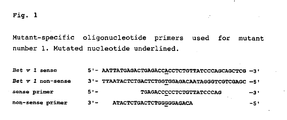
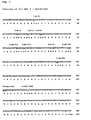
- Two mutation-specific oligonucleotide primers were synthesised accommodating each mutation, one for each DNA strand, see Figs. 1 and 2 .
- both primers were extended 7 nucleotides in the 5'-end and 15 nucleotides in the 3'-end.
- the extending nucleotides were identical in sequence to the Bet v 1 gene in the actual region.
- primers Two generally applicable primers (denoted “all-sense” and “all non-sense” in Figure 2 ) were furthermore synthesised and used for all mutants. These primers were 15 nucleotides in length and correspond in sequence to regions of the pMAL-c vector approximately 1 kilobase upstream and downstream from the Bet v 1 . The sequence of the upstream primer is derived from the sense strand and the sequence of the downstream primer is derived from the non-sense strand, see Fig. 2 .
- PCR reaction Two independent PCR reactions were performed essentially according to standard procedures (Saiki et al 1988, ref. 20) with the exception that only 20 temperature cycles were performed in order to reduce the frequency of PCR artefacts.
- Each PCR reaction used pMAL-c with Bet v 1 inserted as template and one mutation-specific and one generally applicable primer in meaningful combinations.
- the PCR products were purified by agarose gel electrophoresis and electro-elution followed by ethanol precipitation.
- a third PCR reaction was performed using the combined PCR products from the first two PCR reactions as template and both generally applicable primers. Again, 20 cycles of standard PCR were used.
- the PCR product was purified by agarose gel electrophoresis and electro-elution followed by ethanol precipitation, cut with restriction enzymes ( Bsi WI/ Eco RI), and ligated directionally into pMAL-c with Bet v 1 inserted restricted with the same enzymes.
- FIG. 3 shows an overview of all 9 Bet v 1 mutations, which are as follows
- Plasmid DNA's from 10 ml of bacterial culture grown to saturation overnight in LB medium supplemented with 0.1 g/l ampicillin were purified on Qiagen-tip 20 columns and sequenced using the Sequenase version 2.0 DNA sequencing kit (USB) following the recommendations of the suppliers.
- Recombinant Bet v 1 ( Bet v 1 No. 2801 and mutants) were over-expressed in Escherichia coli DH 5a fused to maltose-binding protein and purified as described in ref. 15. Briefly, recombinant E.coli cells were grown at 37°C to an optical density of 1.0 at 436 nm, whereupon expression of the Bet v 1 fusion protein was induced by addition of IPTG. Cells were harvested by centrifugation 3 hours post-induction, re-suspended in lysis buffer and broken by sonication.
- recombinant fusion protein was isolated by amylose affinity chromatography and subsequently cleaved by incubation with Factor Xa (ref. 15). After F Xa cleavage, recombinant Bet v 1 was isolated by gelfiltration and if found necessary, subjected to another round of amylose affinity chromatography in order to remove trace amounts of maltose-binding protein.
- Purified recombinant Bet v 1 was concentrated by ultrafiltration to about 5 mg/ml and stored at 4 °C. The final yields of the purified recombinant Bet v 1 preparations were between 2-5 mg per litre E . coli cell culture.
- the purified recombinant Bet v 1 preparations appeared as single bands after silver-stained SDS-polyacrylamide electrophoresis with an apparent molecular weight of 17.5 kDa.
- N-terminal sequencing showed the expected sequences as derived from the cDNA nucleotide sequences and quantitative amino acid analysis showed the expected amino acid compositions.
- the seven mutant Bet v 1 were produced as recombinant Bet v 1 proteins and purified as described above and tested for their reactivity towards polyclonal rabbit antibodies raised against Bet v 1 isolated from birch pollen. When analysed by immunoelectrophoresis (rocket-line immunoelectrophoresis) under native conditions, the rabbit antibodies were able to precipitate all mutants, indicating that the mutants had conserved ⁇ -carbon backbone tertiary structure.
- mutants Glu45Ser, Pro108Gly Asn28Thr+Lys32Gln and Glu60Ser were selected for further analysis.
- Glutamic acid in position 45 show a high degree of solvent-exposure (40%) and is located in a molecular surface patch common for Fagales allergens (patch I).
- a serine residue was found to occupy position 45 in some of the Bet v 1 homologous PR-10 proteins arguing for that glutamic acid can be replaced by serine without distortion of the ⁇ -carbon backbone tertiary structure.
- the substitution of glutamic acid with serine gives rise to a non-naturally occurring Bet v 1 molecule.
- Crystals of recombinant Glu45Ser Bet v 1 were grown by vapour diffusion at 25°C, essentially as described in (Spangfort et al 1996b, ref. 21).
- Glu45Ser Bet v 1 at a concentration of 5 mg/ml, was mixed with an equal volume of 2.0 M ammonium sulphate, 0.1 M sodium citrate, 1% (v/v) dioxane, pH 6.0 and equilibrated against 100x volume of 2.0 M ammonium sulfate, 0.1 M sodium citrate, 1% (v/v) dioxane, pH 6.0. After 24 hours of equilibration, crystal growth was induced by applying the seeding technique described in ref. 21, using crystals of recombinant wild-type Bet v 1 as a source of seeds.
- the structural effect of the mutation was addressed by growing three-dimensional Bet v 1 Glu45Ser protein crystals diffracting to 3.0 ⁇ resolution when analysed by X-rays generated from a rotating anode.
- the substitution of glutamic acid to serine in position 45 was verified by the Bet v 1 Glu45Ser structure electron density map which also showed that the overall ⁇ -carbon backbone tertiary structure is preserved.
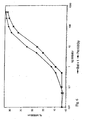
- the IgE-binding properties of Bet v 1 Glu45Ser mutant was compared with recombinant Bet v 1 in a fluid-phase IgE-inhibition assay using a pool of serum IgE derived from birch allergic patients.
- Recombinant Bet v 1 no. 2801 was biotinylated at a molar ratio of 1:5 (Bet v 1 no. 2801:biotin).
- the inhibition assay was performed as follows: a serum sample (25 ⁇ l) was incubated with solid phase anti IgE, washed, resuspended and further incubated with a mixture of biotinylated Bet v 1 no. 2801 (3.4 nM) and a given mutant (0-28.6 nM).
- the amount of biotinylated Bet v 1 no. 2801 bound to the solid phase was estimated from the measured RLU after incubation with acridinium ester labelled streptavidin. The degree of inhibition was calculated as the ratio between the RLU's obtained using buffer and mutant as inhibitor.
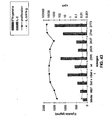
- Figure 4 shows the inhibition of the binding of biotinylated recombinant Bet v 1 to serum IgE from a pool of allergic patients by non-biotinylated Bet v 1 and by Bet v 1 Glu45Ser mutant.
- Aspartate and lysine in positions 28 and 32 respectively show a high degree of solvent-exposure (35% and 50%, respectively) and are located in a molecular surface patch common for Fagales allergens (patch II).
- aspartate 28 and lysine 32 are located close to each other on the molecular surface and most likely interact via hydrogen bonds.
- a threonine and a gluatamate residue were found to occupy positions 28 and 32, respectively in some of the Bet v 1 homologous PR-10 proteins argues for that aspartate and lysine can be replaced with threonine and glutamate, respectively without distortion of the ⁇ -carbon backbone tertiary structure.
- the substitutions gives rise to a non-naturally occurring Bet v 1 molecule.
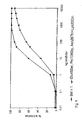
- Figure 5 shows the inhibition of the binding of biotinylated recombinant Bet v 1 to serum IgE from a pool of allergic patients by non-biotinylated Bet v 1 and by Bet v 1 mutant Asn28Thr+Lys32Gln.
- the maximum level of inhibition reached by the Bet v 1 mutant Asn28Thr+Lys32Gln mutant is clearly lower compared to recombinant Bet v 1. This may indicate that after the Asn28Thr+Lys32Gln substitutions, some of the specific IgE present in the serum pool are unable to recognise the Bet v 1 mutant Asn28Thr+Lys32Gln.
- Proline in position 108 show a high degree of solvent-exposure (60%) and is located in a molecular surface patch common for Fagales allergens (patch III).
- a glycine residue was found to occupy position 108 in some of the Bet v 1 homologous PR-10 proteins arguing for that proline can be replaced with glycine without distortion of the ⁇ -carbon backbone tertiary structure.
- the substitution of proline with glycine gives rise to a non-naturally occurring Bet v 1 molecule.
- the IgE-binding properties of Bet v 1 Pro108Gly mutant was compared with recombinant Bet v 1 in a fluid-phase IgE-inhibition assay using the pool of serum IgE derived from birch allergic patients described above.
- Figure 6 shows the inhibition of the binding of biotinylated recombinant Bet v 1 to serum IgE from a pool of allergic patients by non-biotinylated Bet v 1 and by Bet v 1 Pro108Gly mutant.
- the maximum level of inhibition reached by the Bet v 1 Pro108Gly mutant is somewhat lower compared to recombinant Bet v 1. This may indicate that after the Pro108Gly substitution, some of the specific IgE present in the serum pool are unable to recognise the Bet v 1 Pro108Gly mutant.
- Glutamic acid in position 60 show a high degree of solvent-exposure (60%) however, it is not located in a molecular surface patch common for Fagales allergens.
- a serine residue was found to occupy position 60 in some of the Bet v 1 homologous PR-10 proteins arguing for that glutamic acid can be replaced with serine without distortion of the ⁇ -carbon backbone tertiary structure.
- the substitution of glutamic acid with serine gives rise to a non-naturally occurring Bet v 1 molecule.
- the IgE-binding properties of Bet v 1 Glu60Ser mutant was compared with recombinant Bet v 1 in a fluid-phase IgE-inhibition assay using the pool of serum IgE derived from birch allergic patients described above.
- Figure 7 shows the inhibition of the binding of biotinylated recombinant Bet v 1 to serum IgE from a pool of allergic patients by non-biotinylated Bet v 1 and by Bet v 1 Glu60Ser mutant.
- the substitution glutamic acid 60 to serine does not shown any significant effect on the IgE-binding properties of. This indicates that substitutions outside the defined Fagales common patches only have a marginal effect on the binding of specific serum IgE supporting the concept that conserved allergen molecular surface areas harbours dominant IgE-binding epitopes.
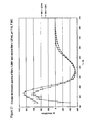
- FIG. 8 shows the CD spectra of recombinant and Triple-patch mutant, recorded at close to equal concentrations.
- the overlap in peak amplitudes and positions in the CD spectra from the two recombinant proteins shows that the two preparations contain equal amounts of secondary structures strongly suggesting that the ⁇ -carbon backbone tertiary structure is not affected by the introduced amino acid substitutions.
- the IgE-binding properties of Bet v 1 Triple-patch mutant was compared with recombinant Bet v 1 in a fluid-phase IgE-inhibition assay using the pool of serum IgE derived from birch allergic patients described above.
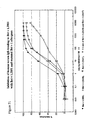
- Figure 9 shows the inhibition of the binding of biotinylated recombinant Bet v 1 to serum IgE from a pool of allergic patients by non-biotinylated Bet v 1 and by Bet v 1 Triple-patch mutant.
- the inhibition curve of the Triple-patch mutant is no longer parallel relative to recombinant. This shows that the substitutions introduced in the Triple-patch mutant has changed the IgE-binding properties and epitope profile compared to recombinant. The lack of parallellity makes it difficult to quantify the decrease of the Triple-patch mutant affinity for specific serum IgE.
- Recombinant Bet v 1 reaches 50% inhibition at about 6 ng whereas the corresponding concentration for Bet v 1 Triple-patch mutant is 30 ng, i.e a decrease in affinity by a factor 5. However, in order to reach 80% inhibition the corresponding values are 20 ng and 400 ng, respectively, i.e a decrease by a factor 20.
- Example 2 describes the preparation of recombinant mutant allergens with one primary mutation.
- Recombinant mutant allergens according to the invention i.e. allergens comprising at least four primary mutations, may be prepared using the same procedures.
- Antigen 5 is one of the three vespid venom proteins, which are known allergens in man.
- the vespids include hornets, yellow-jacket and wasps.
- the other two known allergens of vespid venoms are phospholipase A 1 and hyaluronidase.
- Antigen 5 from Vespula vulgaris ( Ves v 5) has been cloned and expressed as recombinant protein in the yeast system (Monsalve et al. 1999, ref. 22).
- the three-dimensional crystal structure of recombinant Ves v 5 has recently been determined at 1.8 ⁇ resolution (in preparation).
- the main features of the structure consist of four ⁇ -strands and four ⁇ -helices arranged in three stacked layers giving rise to a " ⁇ - ⁇ - ⁇ sandwich".
- the sequence identity between Antigen 5 homologous allergens from different Vespula species is about 90% suggesting presence of conserved molecular surface areas and B cell epitopes.
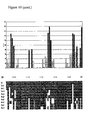
- FIG. 10 shows solvent accessibility of individually aligned antigen 5 residues and alignment of Vespula antigen 5 sequences (left panel). On the right panel of figure 10 is shown the molecular surface of antigen 5 with conserved areas among Vespula antigen 5:s coloured.
- Amino acid residues for site-directed mutagenesis were selected among residues present the patches common for Vespula since modifications of these is expected to affect the binding of serum IgE from the majority of patients showing clinical Vespula allergic cross-reactivity.
- the gene encoding Ves v 5 was subsequently sub-cloned into the pPICZ ⁇ A vector (Invitrogen) for secreted expression of Ves v 5 in Pichia pastoris .
- the gene was amplified by PCR and sub-cloned in frame with the coding sequence for the ⁇ -factor secretion signal of Saccharomyces cerevisiae. In this construct the ⁇ -factor is cleaved off, in vivo, by the Pichia pastoris Kex2 protease system during secretion of the protein.
- PCR was performed using Ves v 5 as template and primers corresponding to the amino- and carboxyterminus of the protein, respectively.
- the primers were extended in the 5'-end to accommodate restriction sites for cloning, EcoRI and XbaI, respectively.
- Nucleotides encoding the Kex2 cleavage site was in this construct positioned 18 nucleotides upstream to the amino terminus of the protein, resulting in the expression of Ves v 5 with six additional amino acids, Glu-Ala-Glu-Ala-Glu-Phe, at the amino terminus.
- the pPICZ ⁇ A vectors with the Ves v 5 gene inserted was linearised by Sac I restriction and inserted into the AOX1 locus on the Pichia pastoris genome. Insertion was performed by homologous recombination on Pichia pastoris KM71 cells following the recommendations of Invitrogen.
- In vitro mutagenesis was performed by PCR using recombinant pPICZ ⁇ A with Ves v 5 inserted as template. Each mutant Ves v 5 gene was generated by 3 PCR reactions using 4 primers.
- Two mutation-specific oligonucleotide primers were synthesised accommodating each mutation, one for each DNA strand, see Figures 11 and 12 .
- both primers were extended 6-7 nucleotides in the 5'-end and 12-13 nucleotides in the 3'-end.
- the extending nucleotides were identical in sequence to the Ves v 5 gene in the actual region.
- Two generally applicable primers (denoted “all sense” and “all non-sense” in Figure 12 ) were furthermore synthesised and used for all mutants.
- one primer corresponding to the amino terminus of the protein was extended in the 5'-end with a Xho I site.
- the Kex2 protease cleavage site was regenerated directly upstream to the amino terminus of Ves v 5.
- the second primer was corresponding in sequence to a region of the pPICZ ⁇ A vector positioned approximately 300 bp downstream from the Ves v 5 gene.
- the sequence of the primer corresponding to the amino terminus of Ves v 5 is derived from the sense strand and the sequence of the downstream primer is derived from the non-sense strand, see Figure 11 .
- PCR reaction Two independent PCR reactions were performed essentially according to standard procedures (Saiki et al 1988) with the exception that only 20 temperature cycles were performed in order to reduce the frequency of PCR artefacts.
- Each PCR reaction used pPICZ ⁇ A with Ves v 5 inserted as template and one mutation-specific and one generally applicable primer in meaningful combinations.
- the PCR products were purified by using "Concert, Rapid PCR Purification System” (Life Technologies). A third PCR reaction was performed using the combined PCR products from the first two PCR reactions as template and both generally applicable primers. Again, 20 cycles of standard PCR were used. The PCR product was purified with the "Concert, Rapid PCR Purification System” (Life Technologies), cut with restriction enzymes (Xho I /Xba I ), and ligated directionally into pPICZ ⁇ A vector restricted with the same enzymes.
- Figure 13 shows an overview of all Ves v 5 mutations.
- the pPICZ ⁇ A vectors with the Ves v 5 mutant genes inserted were linearised by Sac I restriction and inserted into the AOX1 locus on the Pichia pastoris genome. Insertions were performed by homologous recombination on Pichia pastoris KM71 cells following the recommendations of Invitrogen.
- Plasmid DNA's from 10 ml of bacterial culture grown to saturation overnight in LB medium supplemented with 0.1 g/l ampicillin were purified on Qiagen-tip 20 columns and sequenced using the Sequenase version 2.0 DNA sequencing kit (USB) following the recommendations of the suppliers.
- Recombinant yeast cells of Pichia pastoris strain KM71 were grown in 500 ml bottles containing 100 ml of pH 6.0 phosphate buffer containing yeast nitrogen base, biotin, glycerol and histidine at 30°C with orbital shaking at 225 rpm until A 600 nm of 4-6. Cells were collected by centrifugation and re-suspended in 10 ml of similar buffered medium containing methanol in place of glycerol. Incubation was continued at 30°C for 7 days with daily addition of 0.05 ml methanol.
- Ves v 5 Crystals of Ves v 5 was grown by the vapour diffusion technique at 25°C. For crystallisation, 5 ⁇ l of 5 mg/ml Ves v 5 was mixed with 5 ⁇ l of 18% PEG 6000, 0.1 M sodium citrate, pH 6.0 and equilibrated against 1 ml of 18% PEG 6000, 0.1 M sodium citrate, pH 6.0.
- X-ray diffraction data was collected at 100K from native Ves v 5 crystals and after incorporation of heavy-atom derivatives and used to solve the three-dimensional structure of Ves v 5, see Figure 10 (manuscript in preparation).
- the two Ves v 5 mutants were produced as recombinant Ves v 5 proteins and tested for their reactivity towards polyclonal rabbit antibodies raised against recombinant Ves v 5.
- the rabbit antibodies were able to precipitate recombinant Ves v 5 as well as both mutants, indicating that the mutants have conserved ⁇ -carbon backbone tertiary structure.
- the IgE-binding properties of Ves v 5 mutants were compared to recombinant Ves v 5 in a fluid-phase IgE-inhibition assay using a pool of serum IgE derived from vespid venom allergic patients.
- the inhibition assay was performed as described above using biotinylated recombinant Ves v 5 instead of Bet v 1.
- Lysine in position 72 show a high degree of solvent-exposure (70%) and is located in a molecular surface patch common for Vespula antigen 5.
- the relative orientation and high degree of solvent exposure argued for that lysine 72 can be replaced by an alanine residue without distortion of the ⁇ -carbon backbone tertiary structure.
- the substitution of lysine with alanine gives rise to a non-naturally occurring Ves v 5 molecule.
- the IgE-binding properties of Ves v 5 Lys72Ala mutant was compared with recombinant Ves v 5 in a fluid-phase IgE-inhibition assay using the pool of serum IgE derived from birch allergic patients described above.
- Figure 14 shows the inhibition of the binding of biotinylated recombinant Ves v 5 to serum IgE from a pool of allergic patients by non-biotinylated Ves v 5 and by Ves v 5 Lys72Ala mutant.
- Tyrosine in position 96 show a high degree of solvent-exposure (65%) and is located in a molecular surface patch common for Vespula antigen 5.
- the relative orientation an high degree of solvent exposure argued for that tyrosine 96 can be replaced by an alanine residue without distortion of the three-dimensional structure.
- the substitution of tyrosine with alanine gives rise to a non-naturally occurring Ves v 5 molecule.
- the IgE-binding properties of Ves v 5 Tyr96Ala mutant was compared with recombinant Ves v 5 in a fluid-phase IgE-inhibition assay using the pool of serum IgE derived from birch allergic patients described above.
- Figure 14 shows the inhibition of the binding of biotinylated recombinant Ves v 5 to serum IgE from a pool of allergic patients by non-biotinylated Ves v 5 and by Ves v 5 Tyr96Ala mutant.
- the maximum level of inhibition reached by the Ves v 5 Tyr96Ala mutant significantly lower compared to recombinant Ves v 5. This may indicate that after the Tyr96Ala substitution, some of the specific IgE present in the serum pool are unable to recognise the Ves v 5 Tyr96Ala mutant.
- Solvent accessibility was calculated using the software InsightII, version 97.0 (MSI) and a probe radius of 1.4 ⁇ (Connolly surface).
- 3-D structure is based on accession number Z80104 (1bv1.pdb).
- 3-D structure is based on accession number P49278 (1a9v.pdb). 6 other Der p 2 sequences included in the analysis of conserved residues comprise the following substitutions:
- 3-D structure is based on accession number Q05110 (pdb coordinates unpublished).
- Ves v 5 sequence in the analysis of conserved residues contains one amino acid substitution: M202K.
- Table 1 shows a listing in descending order of solvent exposure of Bet v 1 amino acids. Column 1 lists the amino acid number starting from the amino-terminal, column 2 lists the amino acid in one letter abbreviation, column 3 lists the normalised solvent exposure index, column 4 lists the percent of known sequences having the concerned amino acid in this position.
- Table 2 shows a listing in descending order of solvent exposure of Der p 2 amino acids.
- Column 1 lists the amino acid number starting from the amino-terminal
- column 2 lists the amino acid in one letter abbreviation
- column 3 lists the normalised solvent exposure index
- column 4 lists the percent of known sequences having the concerned amino acid in this position.
- Table 3 shows a listing in descending order of solvent exposure of Ves v 5 amino acids.
- Column 1 lists the amino acid number starting from the amino-terminal
- column 2 lists the amino acid in one letter abbreviation
- column 3 lists the normalised solvent exposure index
- column 4 lists the percent of known sequences having the concerned amino acid in this position.
- Table 3 Ves v 5 NO AA Solv_exp 16K 1,000 100 185K 0,989 100 11K 0,978 100 44K 0,978 100 210K 0,962 100 63R 0,956 100 13K 0,951 100 6F 0,868 100 149K 0,868 100 128K 0,857 100 184E 0,841 100 112K 0,824 100 202K 0,824 50 157F 0,819 100 3E 0,802 100 29K 0,797 100 203N 0,797 100 34N 0,775 100 78K 0,775 100 151K 0,753 100 15L 0,714 100 158L 0,714 100 102Y 0,687 100 186W 0,665 100 134K 0,654 100 87D 0,621 100 52K 0,615 100 67T 0,610 100 125T 0,610 100 150K 0,604 100 40Y 0,593 100 48Q 0,593 100 65L 0,593 100 81 K 0,588 100 101Q 0,577 100 208Q 0,566 100 144K 0,560 100 8
- This Example describes preparation and characterisation of recombinant mutant Bet v 1 allergens according to the invention, i.e. allergens with diminished IgE-binding affinity comprising at least four primary mutations.
- Example 3 Solvent accessibility of amino acid residues of Bet v 1 is shown in Example 3, table 1.
- the rate of amino acid conservation is based on sequence alignment performed at the ExPaSy Molecular Biology Server (http://www.expasy.ch/) using the ClustalW algorithm on a BLAST search where the Bet V 1.2801 wild type amino acid sequence is used as input sequence.
- the alignment includes 67 allergen sequences (39 Bet v 1 sequences, 11 Car b 1 sequences, 6 Cor a 1 sequences, and 13 Aln g 1 sequences) from species within the order Fagales (Bet v 1: Betula verrrucosa ; Car b 1: Carpinus betulus ; Cor a 1: Corylus avellana ; Aln g 1: alnus glutinosa ).
- target residues for substitution was based on ⁇ 95% amino acid identity.
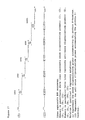
- PCR products from PCR reaction I were purified, mixed and used as templates for an additional PCR reaction (II) with oligonucleotide primers accommodating the N-terminus and C-terminus of Bet v 1 as schematically illustrated in Figure 17 (II).
- the PCR products were purified by agarose gel electrophoresis and PCR gel purification (Life Techhnologies) followed by ethanol precipitation, cut with restriction enzymes (SacI / EcoRI) or (SacI / XbaI), and ligated directionally into pMAL-c restricted with the same enzymes.
- Figure 18 shows synthesised oligonucleotide primers and schematically illustrations for the construction of Bet v 1 mutants with five to nine primary mutations.
- the mutated amino acids were preferably selected from the group consisting of amino acids that are characterised by being highly solvent exposed and conserved as described in Example 3.
- the Bet v 1 mutants are the following primary and secondary mutations stated in parenthesis:
- Plasmid DNA's from 10 ml of bacterial culture grown to saturation overnight in LB medium supplemented with 0.1 g/l ampicillin were purified on Qiagen-tip 20 columns and sequenced using the Ready reaction dye terminator cycle sequencing kit and a Fluorescence Sequencer AB PRISM 377, both from (Perkin Elmer), following the recommendations of the suppliers.
- Bet v 1 (Bet v 1.2801 and mutants) were over-expressed in Escherichia coli DH 5 ⁇ fused to maltose-binding protein and purified as described in ref. 15. Briefly, recombinant E. coli cells were grown at 37°C to an optical density of 0.8 at 600 nm, whereupon expression of Bet v 1 fusion protein was induced by addition of IPTG. Cells were harvested by centrifugation 3 hours post-induction, re-suspended in lysis buffer and broken by sonication.
- recombinant fusion protein was isolated by amylose affinity chromatography and subsequently cleaved by incubation with Factor Xa (ref. 15). After F Xa cleavage, recombinant Bet v 1 was isolated by gelfiltration and subjected to another round of amylose affinity chromatography in order to remove trace amounts of maltose-binding protein.
- Purified recombinant Bet v 1 was concentrated by ultrafiltration to about 5 mg/ml and stored at 4 °C. The final yields of the purified recombinant Bet v 1 preparations were between 2-5 mg per litre E . coli cell culture.
- the purified recombinant Bet v 1 preparations appeared as single bands after silver-stained SDS-polyacrylamide electrophoresis with an apparent molecular weight of 17.5 kDa.
- Figure 19 shows introduced point mutations at the molecular surface of Bet v 1 (2628) and Bet v 1 (2637).
- mutant Bet v 1 (2628) five primary mutations were introduced in one half of Bet v 1 leaving the other half unaltered.
- mutant Bet v 1(2637) five primary and three secondary mutations were introduced in the other half leaving the first half unaltered. In this way, mutations in mutant Bet v 1 (2628) and mutant Bet v 1(2637) affects different halves of the Bet v 1 surface, respectively.
- Crystals of recombinant Bet v 1 (2628) were grown by vapour diffusion at 25°C, essentially as described in (Spangfort et al 1996b, ref. 21).
- Bet v 1 (2628) at a concentration of 5 mg/ml, was mixed with an equal volume of 2.2 M ammonium sulphate, 0.1 M sodium citrate, 1% (v/v) dioxane, pH 6.3 and equilibrated against 100x volume of 2.2 M ammonium sulfate, 0.1 M sodium citrate, 1% (v/v) dioxane, pH 6.3. After 24 hours of equilibration, crystal growth was induced by applying the seeding technique described in ref. 21, using crystals of recombinant wild-type Bet v 1 as a source of seeds.
- the structural effect of the mutations was addressed by growing three-dimensional Bet v 1 (2628) protein crystals diffracting to 2.0 ⁇ resolution when analysed by X-rays generated from a rotating anode.
- the substitutions Tyr5Val, Glu45Ser, Lys65Asn, Lys97Ser, Lys134Glu were verified by the Bet v 1 (2628) structure electron density map which also showed that the overall ⁇ -carbon backbone tertiary structure is preserved.
- FIG. 20 shows the CD spectra of recombinant Bet v 1.2801 (wildtype) and Bet v 1 (2637) mutant, recorded at close to equal concentrations.
- the overlap in peak amplitudes and positions in the CD spectra from the two recombinant proteins shows that the two preparations contain equal amounts of secondary structures strongly suggesting that the ⁇ -carbon backbone tertiary structure is not affected by the introduced amino acid substitutions.
- the IgE-binding properties of Bet v 1 (2628) and Bet v 1 (2637) as well as a 1:1 mix of Bet v 1 (2628) and Bet v 1 (2637) was compared with recombinant wild type Bet v 1.2801 in a fluid-phase IgE-inhibition assay using a pool of serum IgE derived from birch allergic patients.
- recombinant Bet v 1.2801 was biotinylated at a molar ratio of 1:5 (Bet v 1 no. 2801:biotic).
- the inhibition assay was performed as follows: a serum sample (25 ⁇ l) was incubated with solid phase anti IgE, washed, re-suspended and further incubated with a mixture of biotinylated Bet v 1.2801 and a given mutant or 1:1 mix of the two mutants.
- the amount of biotinylated Bet v 1.2801 bound to the solid phase was estimated from the measured RLU after incubation with acridinium ester labelled streptavidin. The degree of inhibition was calculated as the ratio between the RLU's obtained using buffer and mutant as inhibitor.
- Figure 21 shows the inhibition of the binding of biotinylated recombinant Bet v 1.2801 to serum IgE from a pool of allergic patients by non-biotinylated Bet v 1.2801 and by Bet v 1 (2628), Bet v 1 (2637) and a 1:1 mix of Bet v 1 (2628) and Bet v 1 (2637).
- the maximum level of inhibition reached by the Bet v 1 (2628) mutant protein is clearly lower compared to recombinant Bet v 1.2801. This may indicate that some of the specific IgE present in the serum pool are unable to recognise the Bet v 1 (2628) mutant protein due to the introduced point mutations.
- Bet v 1 (2637) reaches 50% inhibition at about 400-500 ng showing that the point mutation introduced in the Bet v 1 (2637) mutant lowers the affinity for specific serum IgE by 80 to 100-fold compared to Bet v 1.2801.
- the large difference in IgE-binding is further supported by a clear difference in inclination of the inhibition curve obtained with Bet v 1(2637) mutant protein compared to the inhibition curve for Bet v 1.2801.
- the different inclination provide evidence that the reduction in IgE-binding is due to a distinctly different epitope pattern of the mutant compared to Bet v 1.2801.
- Bet v 1 (2628) and Bet v 1(2637) mutant protein were both able to induce proliferation in T cell lines from birch pollen allergic patients with stimulation indices similar to recombinant and naturally occurring. This suggests that both of Bet v 1 (2628) and Bet v 1 (2637) mutant protein can each initiate the cellular immune response necessary for antibody production.
- Histamine release from basophil leucocytes was performed as follows. Heparinized blood (20 ml) was drawn from each birch pollen patient, stored at room temperature, and used within 24 hours. Twenty-five microlitres of heparinized whole blood was applied to glass fibre coated microtitre wells (Reference Laboratory, Copenhagen, Denmark) and incubated with 25 microlitres of allergen or anti-IgE for 1 hour at 37°C. Thereafter the plates were rinsed and interfering substances were removed. Finally, histamine bound to the microfibres was measured spectrophotofluometrically.
- Histamine release data is shown in Figure 22 and Figure 23 .
- the potency of Bet v 1 (2628) and Bet v 1 (2637) mutant protein to induce histamine release in human basophil from two birch pollen allergic patients has been tested.
- the release curve of the mutated allergens to induce histamine release is clearly shifted to the right compared to the release curve of Bet v 1.2801.
- the shift indicate that the potency of Bet v 1 (2628) and Bet v 1 (2637) is reduced 3 to 10-fold.
- Bet v 1 (2744) and Bet v 1 (2753) was likewise constructed for use as a mixed allergen vaccine.
- point mutations were distributed in an all surface arranged fashion as shown in Figure 24 and Figure 25 and was again designed to affect different surface areas in the two molecules, respectively, as shown in Figure 26 .
- modified allergens might individually be used as single allergen vaccines as well.
- FIG. 27 shows the CD spectra of recombinant Bet v 1.2801 (wildtype) and Bet v 1 (2744) mutant, recorded at close to equal concentrations.
- the overlap in peak amplitudes and positions in the CD spectra from the two recombinant proteins shows that the two preparations contain equal amounts of secondary structures strongly suggesting that the ⁇ -carbon backbone tertiary structure is not affected by the introduced amino acid substitutions.
- FIG. 28 and Figure 29A-D Histamine release data from five experiments with basophil leucocytes from five different birch pollen allergic patients is shown in Figure 28 and Figure 29A-D .
- the potency of Bet v 1 (2744) mutant protein to induce histamine release in human basophil has been tested.
- the release curves of the mutated allergens are clearly shifted to the right compared to the release curve of Bet v 1.2801 indicating that the potency of Bet v 1 (2744) to release histamine is reduced 3 to 5-fold.
- a Mutant Bet v 1 (2733) with nine primary mutations has been constructed and recombinantly expressed.
- Figure 30 show introduced point mutations at the molecular surface of Bet v 1 (2733).
- This Example describes cloning of the gene encoding Der p 2 from Dermatophagoides pteronyssinus and construction of mutants with reduced IgE-binding affinity.
- PCR amplified products from first strand cDNA synthesis of Dermatophagoides pteronyssinus total RNA was obtained from Dr. Wendy-Anne Smith and Dr. Wayne Thomas (TVW Telethon Institute for Child Health Research, 100 Roberts Rd, Subiaco, Western Australia 6008).
- Der p 2 had been selectively amplified using Der p 2 specific primers.
- PCR fragments were subsequently cloned into the Bam HI site of pUC19 (New England BioLabs).
- DNA sequencing of Der p 2 was performed using vector specific sense (5'-GGCGATTAAGTTGGGTAACGCCAGGG-3') and anti-sense (5'-GGAAACAGCTATGACCATGATTACGCC-3') primers.
- a total of seven unique Der p 2 isoforms designated ALK-101, ALK-102, ALK-103, ALK-104, ALK-113, ALK-114, and ALK120 were identified.
- the clone entitled ALK-114 was chosen as starting point for generation of low-affinity IgE-mutants because of its high sequence identity with the Der p 2 NMR structure with the data base accession number 1A9V.
- the 6 other naturally occurring isoforms comprise the following substitutions:
- the gene encoding Der p 2 was subsequently inserted into the pGAPZ ⁇ -A vector (Invitrogen) for secreted expression of Der p 2 in the yeast, Pichia pastoris.
- the gene was amplified using sense primer OB27 (5'- GGAATTCCTCGAGAAAAGAGATCAAGTCGATGTCAAAGATTGTGCC-3') and anti-sense primer OB28 (5'-CGTTCTAGACTATTAATCGCGGATTTTAGCATGAGTTGC-3') corresponding to the amino- and the carboxytermi of the Der p 2 polypeptide, respectively.
- the primers were extended in the 5'-end to accomodate the restriction sites Xho I and Xba I, respectively.
- the Xho I restriction site fuses the first codon of Der p2 in frame with the nucleic acid sequence encoding the KEX2 cleavage site (LYS-ARG) of pGAPZ ⁇ -A.
- a single round of PCR amplification was performed in a 100 microliter ( ⁇ l) volume: 0.1 mg of template ALK-114 DNA, 1 X Expand polymerase buffer (available from Boehringer Mannheim), 0.2 millimolar (mM) each of the four dNTPs, 0.3 micromolar ( ⁇ M) each of the sense and anti-sense primers and 2.5 Units of Expand polymerase (available from Boehringer Mannheim).
- the DNA was amplified following 25 cycles of: 95°C for 15 seconds, 45°C for 30 seconds, 72°C for 1 minute, followed by 1 cycle of 72°C for 7 minutes.
- the resulting 475 base pair ALK-114 PCR fragment was purified using a QIAquick spin purification procedure (available from Qiagen).
- the purified DNA fragment was then digested with Xho I and Xba I, gel purified and ligated into similarly digested pGAPZ ⁇ -A.
- the ligation reaction was trasformed into E.coli strain DH5 ⁇ , resulting in plasmid, pCBo06.
- the nucleotide sequence of Der p 2 was confirmed by DNA sequencing before and after cloning and following in vitro mutagenesis (see below).
- SEQ ID NO 1 corresponds to the nucleic acid sequence of Der p 2 (ALK-114): 1 gatcaagtcgatgtcaaagattgtgccaatcatgaaatcaaaaagttttggtaccagga 61 tgccatggttcagaaccatgtatcattcatcgtggtaaaccattccaattggaagccgtt 121 ttcgaagccaaccaaaacacaaaaccgctaaaattgaaatcaaagcctcaatcgatggt 181 ttagaagttgatgttcccggtatcgatccaaatgcatgccattacatgaaatgcccattg 241 gttaaaggacaacaatatgatattaaatatacatggaatgttccgaaaattgcaccaaa 301 tctgaaaatgtttg
- the vector, pCBo06 was linearized using Avr II restriction enzyme and transformed into competent P. pastoris strain, X-33, as described in the Invitrogen manual. Recombinant cells resistant to 100 micrograms per milliliter ( ⁇ g/ml) of Zeocin were selected, and colony purifed on fresh YPD plates containing 100 ⁇ g/ml Zeocin.
- a 250 ml of YPD medium (1% yeast extract, 2% peptone, 2% glucose) containing 100 ⁇ g/ml Zeocin was inoculated with an overnight culture of recombinant yeast cells expressing Der p 2.
- the culture was grown at 30°C for 72 hours to obtain optimal Der p 2 expression.
- Cells were harvested by centrifugation and the resulting culture supernatant was saturated with 50% ammonium sulfate. Following centrifugation at 3000x g for 30 minutes, the supernatant was saturated with 80% ammonium sulfate.
- Expression plasmids encoding Der p 2 mutants were produced using pCBo06 as DNA template. PCR reactions were performed using sense and anti-sense primers incorporating the specified mutations. Primer pairs used in the PCR reactions to generate the specified mutations are listed in Figure 31 . The mutations are designated in bold and the restriction sites used in the subsequent cloning step are underlined in the figure. For the construction of mutants K6A, K15E, H30N, H74N and K82N, PCR reactions were performed essentially as described in the section "Cloning of Der p 2 into pGAPZ ⁇ -A". The purified PCR fragments were digested with the designated restriction enzyme sites (see Figure 31 ), gel purified, ligated into similarly digested pCBo06 and transformed into E.coli DH5 ⁇ .
- the mutation E62S was generated using an alternative PCR mutagenesis methodology described for the generation of Bet v 1 mutants in Example 1.
- Two mutation specific oligonucleotide primers were synthesized covering the specified mutations (OB47 and OB48, listed in Figure 31 ).
- Two additional primers used for the secondary amplification step were OB27 and OB28 as described in the section: "Insertion of Der p 2 into pGAPZ ⁇ -A".
- the mutant allergens produced are characterised using the same methods as described in example 4, e.g. circular dichroism (CD) spectroscopy, crystallisation, measurements of IgE binding properties, histamin-release, T-cell proliferation stimulation capacity, etc.
- CD circular dichroism
- SEQ ID NO. 3 shows the nucleotide and deduced amino acid sequence of Der p 2-ALK-G clone, which is a wild type isoform.
- SEQ ID NO. 3 Nucleotide and deduced amino acid sequence of Der p 2-ALK-G.
- Fig. 32 shows a sequence alignment performed at the ExPaSy Molecular Biology Server (http://www.expasy.ch/) using the ClustalW algorithm on a BLAST search using the Der p 2-ALK-G amino acid sequence shown in SEQ ID NO. 3 as input sequence.
- the alignment includes sequences from house dust mite species, i.e. Der p 2, Der f 2 and Eur m 2.
- amino acid residues identical to amino acids in the same position in the Der p 2-ALK-G protein sequence are highlighted using black letters on grey background. Non-identical amino acids are printed in black on a white background.
- Amino acid sequences representing the house dust mite group 2 allergens have a similarity greater than 85 % and some of the molecular surface is conserved (grey-coloured zones), see Fig. 33 .
- Fig. 33 shows surface contours viewed from 4 different angles when superimposing the Der p 2-ALK-G protein sequence on to the published PDB:1A9V NMR structure, structure number 1 of 10 contained in the PDB file.
- Fig. 34 shows surface contours of mutant number 1 as an example. Grey colour indicates conserved amino acid residues. Black colour indicates amino acid residues selected for mutation.
- SEQ ID NO. 4 shows the nucleotide and deduced amino acid sequence of Der p 1-ALK clone, which is a wild-type isoform.
- SEQ ID NO. 4 Nucleotide and deduced amino acid sequence of Der p 1-ALK
- Fig. 35 shows a sequence alignment performed at the ExPaSy Molecular Biology Server (http://www.expasy.ch/) using the ClustalW algorithm on a BLAST search using the Der p 1-ALK amino acid sequence shown in SEQ ID NO. 4 as input sequence.
- the alignment includes sequences from house dust mite species, i.e. Der p 1, Der f 1 and Eur m 1.
- amino acid residues identical to amino acids in the same position in the Der p 1-ALK protein sequence are highlighted using black letters on grey background. Non-identical amino acids are printed in black on a white background.
- Fig. 36 shows surface contours viewed from 4 different angles when superimposing the Der p 1-ALK protein sequence on to a Der p 1 molecular structure model.
- Grey colour indicates conserved amino acid residues.
- Black colour indicates amino acid residues selected for mutation.
- SEQ ID NO. 5 shows the nucleotide and deduced amino acid sequence of the Phl p 5.0103 clone, which is a wild-type isoform.
- SEQ ID NO. 5 Nucleotide and deduced amino acid sequence of Phl p 5.0103.
- Fig. 38 shows a sequence alignment performed at the ExPaSy Molecular Biology Server (http://www.expasy.ch/) using the ClustalW algorithm on a BLAST search using the Phl p 5.0103 amino acid sequence shown in SEQ ID NO. 5 as input sequence.
- the alignment includes group 5 allergen sequences from grass species, i.e. Phl p 5, Poa p 5, Lol p 5, Hol 1 5, Pha a 5, Hor v 9 and Hor v 5.
- amino acid residues identical to amino acids in the same position in the Phl p 5.0103 protein sequence are highlighted using black letters on grey background. Non-identical amino acids are printed in black on a white background.
- Fig. 39 shows surface contours viewed from 4 different angles when superimposing the Phl p 5.0103 protein sequence on to a Phl p 5 molecular structure model.
- the structure model encompass the molecule in two halves, Model A (amino acid 34-142) shown in Fig. 39A , and Model B (amino acid 149-259) shown in Fig. 39B .
- PBL Peripheral blood lymphocytes
- T-cells were added in 3x10 4 T-cells per well and stimulated with irradiated autologous PBL (1x10 5 cells/well) and 3 different concentrations of the different birch samples. After 1 day cells from each well with the highest concentration birch were harvested for cytokine production. Radioactive labelled thymidine were added to the wells. At day 2 the cells were harvested onto a filter and counted as described for PBL.
- Fig. 41 shows the Stimulation Index for the above-mentioned Bet v 1 preparations.
- the Stimulation Index (SI) is calculated as proliferation (cpm: count per minute) of the stimulated sample (highest concentration) divided with the proliferation (cpm) of the medium control.
- PPD designates purified protein derivative from mucobacterium tuberculosis, which serves as a positive control.
- Cytokine production was dominated by IFN-gamma and increased proportionally with PBL proliferation. No signs of a Th1/Th2 shift were apparent ( FIG. 42-44 ).
- Figure 42 shows a patient with a Th0 profile
- Figure 43 a Th1 profile
- Figure 44 a Th2 profile.
- Cytokine production is measured in pg/ml indicated as the bars and the ratio between IL-5/IFN-gamma is the lower dashed line (Y-axis to the right).
- Proliferation is measured in cpm seen on the Y-axis to the right as a solid line measured in cpm.
- Medium and MBP maltose bindig protein
- T-cell lines established on nBet v 1 and all, except one, proliferated equally well to all birch samples.
- Four T-cell lines were secreting Th0 like cytokines based on the IL-5 and IFN-gamma ratio (Th2 > 5, 5 > Th0 > 0.2, 0.2 > Th1).
- Three T-cell lines were secreting Th1 cytokines and one T-cell line was secreting Th2 cytokines.
- the IL-5/IFN-gamma ratio was not affected by the different birch samples.
- blocking antibodies is defined as antibodies, different from human IgE antibodies, that are able to bind to an antigen and prevent the binding of human IgE antibodies to that antigen.
- mice (8 in each group) were immunized by intraperitoneal injections with recombinant Bet v1 2227 wild type protein or the four mutant proteins. The mice were immunized four times with a dose interval of 14 days. The different proteins were conjugated to 1,25 mg/ml Alhydrogel, (Aluminium Hydroxide gel, 1,3 % pH 8.0 - 8.4, Superfos Biosector). The mice were immunized with either 1 ug protein/dose or 10 ug protein/dose. Blood samples were drawn by orbital bleed at day 0,14,35, 21, 49 and 63.
- IgG antibody levels was analyzed by direct ELISA using rBet v 1 coated microtiterplates and biotinylated rabbit anti mouse IgG antibodies (Jackson) as detection antibody. Immunization with recombinant Bet v1 2227 wild type protein or the four mutant proteins induced a strong r Bet v 1 specific IgG response. This finding demonstrates that the four mutated proteins are able to induce antibodies that are highly cross reactive to the Bet v 1 2227 wild type protein
Landscapes
- Health & Medical Sciences (AREA)
- Life Sciences & Earth Sciences (AREA)
- Chemical & Material Sciences (AREA)
- Organic Chemistry (AREA)
- Genetics & Genomics (AREA)
- Zoology (AREA)
- General Health & Medical Sciences (AREA)
- Medicinal Chemistry (AREA)
- Engineering & Computer Science (AREA)
- Molecular Biology (AREA)
- Biochemistry (AREA)
- Biophysics (AREA)
- Bioinformatics & Cheminformatics (AREA)
- Insects & Arthropods (AREA)
- Proteomics, Peptides & Aminoacids (AREA)
- Immunology (AREA)
- Gastroenterology & Hepatology (AREA)
- Toxicology (AREA)
- Tropical Medicine & Parasitology (AREA)
- Biomedical Technology (AREA)
- Veterinary Medicine (AREA)
- Pharmacology & Pharmacy (AREA)
- General Engineering & Computer Science (AREA)
- Public Health (AREA)
- Wood Science & Technology (AREA)
- Botany (AREA)
- Biotechnology (AREA)
- Animal Behavior & Ethology (AREA)
- Chemical Kinetics & Catalysis (AREA)
- General Chemical & Material Sciences (AREA)
- Nuclear Medicine, Radiotherapy & Molecular Imaging (AREA)
- Transplantation (AREA)
- Microbiology (AREA)
- Physics & Mathematics (AREA)
- Pulmonology (AREA)
- Plant Pathology (AREA)
- Medicines Containing Antibodies Or Antigens For Use As Internal Diagnostic Agents (AREA)
- Peptides Or Proteins (AREA)
- Micro-Organisms Or Cultivation Processes Thereof (AREA)
- Medicines Containing Material From Animals Or Micro-Organisms (AREA)
Applications Claiming Priority (7)
| Application Number | Priority Date | Filing Date | Title |
|---|---|---|---|
| US24936100P | 2000-11-16 | 2000-11-16 | |
| DK200001718 | 2000-11-16 | ||
| US249361P | 2000-11-16 | ||
| DKPA200001718 | 2000-11-16 | ||
| US29817001P | 2001-06-14 | 2001-06-14 | |
| US298170P | 2001-06-14 | ||
| PCT/DK2001/000764 WO2002040676A2 (en) | 2000-11-16 | 2001-11-16 | Mutant allergens |
Publications (2)
| Publication Number | Publication Date |
|---|---|
| EP1373510A2 EP1373510A2 (en) | 2004-01-02 |
| EP1373510B1 true EP1373510B1 (en) | 2008-11-19 |
Family
ID=27222455
Family Applications (1)
| Application Number | Title | Priority Date | Filing Date |
|---|---|---|---|
| EP01996610A Expired - Lifetime EP1373510B1 (en) | 2000-11-16 | 2001-11-16 | Mutant allergens |
Country Status (17)
| Country | Link |
|---|---|
| EP (1) | EP1373510B1 (https=) |
| JP (1) | JP2004521618A (https=) |
| KR (1) | KR100919914B1 (https=) |
| CN (1) | CN100577804C (https=) |
| AT (1) | ATE414773T1 (https=) |
| AU (2) | AU2350502A (https=) |
| CA (1) | CA2429172C (https=) |
| CZ (1) | CZ20031653A3 (https=) |
| DE (1) | DE60136653D1 (https=) |
| DK (1) | DK1373510T3 (https=) |
| ES (1) | ES2317955T3 (https=) |
| HU (1) | HUP0302601A3 (https=) |
| MX (1) | MXPA03004174A (https=) |
| NO (1) | NO329721B1 (https=) |
| NZ (1) | NZ525820A (https=) |
| PL (1) | PL214225B1 (https=) |
| WO (1) | WO2002040676A2 (https=) |
Cited By (1)
| Publication number | Priority date | Publication date | Assignee | Title |
|---|---|---|---|---|
| EP1908777B1 (en) * | 2006-10-06 | 2016-02-03 | Stallergenes | Mite fusion proteins |
Families Citing this family (41)
| Publication number | Priority date | Publication date | Assignee | Title |
|---|---|---|---|---|
| DK2116257T3 (da) | 2000-08-09 | 2013-02-04 | Alk Abello As | Parenterale vaccineformuleringer og anvendelser deraf |
| CN1668737A (zh) * | 2002-05-16 | 2005-09-14 | 阿尔克-阿贝洛有限公司 | 重组Bet.V.1过敏原突变体及其方法和制备 |
| FR2841906B1 (fr) * | 2002-07-05 | 2006-08-18 | Stallergenes Sa | Molecule d'acide nucleique codant une preproproteine d'allergene d'un acarien du genre dermatophagoides ou euroglyphus et son utilisation pour la production dudit allergene dans les plantes |
| CA2503886A1 (en) * | 2002-11-01 | 2004-05-13 | Alk-Abello A/S | Recombinant protein variants |
| WO2004047793A1 (en) | 2002-11-26 | 2004-06-10 | Alk-Abelló A/S | Pharmaceutical allergen product |
| EP1599185A1 (en) | 2003-02-28 | 2005-11-30 | Alk-Abello A/S | Dosage form having a saccharide matrix |
| US8012505B2 (en) | 2003-02-28 | 2011-09-06 | Alk-Abello A/S | Dosage form having a saccharide matrix |
| EP2287180B9 (de) * | 2003-06-04 | 2013-11-06 | Merck Patent GmbH | Lol p 5-Derivate mit reduzierter Allergenität und erhaltener T-Zellreaktivität |
| ES2363342T3 (es) * | 2003-12-19 | 2011-08-01 | Alk-Abelló A/S | Procedimiento para criogranulación y almacenamiento de alérgenos. |
| RU2006126051A (ru) | 2003-12-19 | 2008-01-27 | Альк-Абелло А/С (Dk) | Способы получения партии активного фармацевтического ингредиента, контейнер, содержащий криогранулы аллергенного продукта, и криогранула аллергенного продукта |
| WO2005103082A2 (en) * | 2004-04-23 | 2005-11-03 | Novozymes A/S | Group 1 mite polypeptide variants |
| US20060115499A1 (en) * | 2004-09-27 | 2006-06-01 | Alk-Abello A/S | Liquid allergy vaccine formulation for oromucosal administration |
| US20060121063A1 (en) * | 2004-10-22 | 2006-06-08 | Novozymes A/S | Group 2 mite polypeptide variants |
| ZA200707413B (en) | 2005-03-18 | 2009-01-28 | Cytos Biotechnology Ag | Cat allergen fusion proteins and uses thereof |
| AU2006299310A1 (en) | 2005-10-04 | 2007-04-12 | Alk-Abello A/S | Solid vaccine formulation |
| EP1814516B1 (en) * | 2005-11-04 | 2012-12-26 | Alk-Abelló A/S | Use of a liquid allergy vaccine formulation for oromucosal administration |
| CN103933562A (zh) * | 2005-11-04 | 2014-07-23 | 爱尔开-阿贝优公司 | 用于口腔粘膜给药的液体变态反应性疫苗制剂的用途 |
| ITMI20052517A1 (it) * | 2005-12-29 | 2007-06-30 | Lofarma Spa | Varianbtio ipoallergeniche dell'allergene maggiore bet v 1 di polline di betula verrucosa |
| AT503297B1 (de) * | 2006-05-18 | 2007-09-15 | Biomay Ag | Allergen-spezifische antikörper |
| AT503690A1 (de) | 2006-06-09 | 2007-12-15 | Biomay Ag | Hypoallergene moleküle |
| CA2682054A1 (en) | 2007-03-28 | 2008-10-02 | Alk-Abello A/S | Use of an adjuvanted allergy vaccine formulation for parenteral administration |
| NZ583362A (en) * | 2007-08-15 | 2012-06-29 | Circassia Ltd | Peptide with reduced dimer formation |
| DE202008006598U1 (de) | 2008-04-11 | 2008-10-02 | Alk-Abelló A/S | Allergie-Impfstoff-Formulierung zur mucosalen Verabreichung |
| WO2010146171A1 (en) | 2009-06-19 | 2010-12-23 | Alk-Abelló A/S | Novel manner of administering allergen in allergen specific immunotherapy |
| EP2523685A1 (de) * | 2010-01-14 | 2012-11-21 | Merck Patent GmbH | VARIANTEN DER GRUPPE 5-ALLERGENE DER SÜßGRÄSER MIT REDUZIERTER ALLERGENITÄT DURCH MUTAGENESE VON PROLINRESTEN |
| EP2388268A1 (en) * | 2010-05-18 | 2011-11-23 | Stallergenes S.A. | Recombinant Der p 2 expressed in Pichia pastoris as a "natural-like" allergen for immunotherapy and diagnostic purposes |
| FI20115374A0 (fi) | 2011-04-18 | 2011-04-18 | Teknologian Tutkimuskeskus Vtt Oy | Uudet hypoallergeenit |
| FI20115375A0 (fi) | 2011-04-18 | 2011-04-18 | Teknologian Tutkimuskeskus Vtt Oy | Uudet hypoallergeenit |
| ITMI20112301A1 (it) | 2011-12-19 | 2013-06-20 | Lofarma Spa | Varianti ipoallergeniche dell'allergene maggiore phl p 5 di phleum pratense |
| EP2692732A1 (en) | 2012-08-03 | 2014-02-05 | Stallergenes S.A. | Novel allergen from ragweed pollen and uses thereof |
| PL2914286T3 (pl) | 2012-10-30 | 2022-01-31 | Aravax Pty Ltd | Nowe cząsteczki immunoterapeutyczne oraz ich zastosowania |
| CA2914037A1 (en) * | 2013-06-06 | 2014-12-11 | Anergis S.A. | Contiguous overlapping peptides for treatment of house dust mites allergy |
| EP3050040A2 (en) | 2013-09-24 | 2016-08-03 | Fibar Group S.A. | Intelligent smoke sensor |
| WO2015042664A1 (en) | 2013-09-25 | 2015-04-02 | Monash University | Novel immunotherapeutic composition and uses thereof |
| EP2952200A1 (en) | 2014-06-04 | 2015-12-09 | Alk-Abelló A/S | Allergen for prophylactic treatment of allergy |
| US9898175B2 (en) | 2014-08-05 | 2018-02-20 | Fibar Group S.A. | Home network manager for home automation |
| EP3269730A1 (en) * | 2016-07-12 | 2018-01-17 | Universität Salzburg | Allergen variant |
| CN110621773B (zh) | 2017-05-19 | 2023-06-09 | 豪夫迈·罗氏有限公司 | 用于产生胸腺细胞上清液的方法 |
| CN110093336B (zh) * | 2018-01-29 | 2023-03-24 | 上海雅心生物技术有限公司 | 一种稳定的胰蛋白酶及其制备方法 |
| RU2761431C9 (ru) | 2020-10-26 | 2022-04-18 | Федеральное государственное бюджетное учреждение "Государственный научный центр "Институт иммунологии" Федерального медико-биологического агентства России (ФГБУ "ГНЦ Институт иммунологии" ФМБА России) | Рекомбинантный полипептид на основе аллергена пыльцы березы и аллергена яблока в качестве вакцины от аллергии |
| EP4539877A1 (en) * | 2022-06-17 | 2025-04-23 | Danmarks Tekniske Universitet | Allergy vaccines based on consensus allergens |
Family Cites Families (4)
| Publication number | Priority date | Publication date | Assignee | Title |
|---|---|---|---|---|
| WO1997030150A2 (en) * | 1996-02-15 | 1997-08-21 | Pangenetics B.V. | Molecules for the induction of immunological tolerance |
| DE19713001A1 (de) * | 1997-03-27 | 1998-10-01 | Merck Patent Gmbh | Graminaenpollenallergenmutanten zur spezifischen Immuntherapie, deren Herstellung und Verwendung |
| AU743647B2 (en) * | 1998-01-31 | 2002-01-31 | Mt. Sinai School Of Medicine Of New York University | Methods and reagents for decreasing allergic reactions |
| PL194804B1 (pl) * | 1998-03-16 | 2007-07-31 | Alk Abello As | Zrekombinowany alergen, sposób przygotowywania zrekombinowanego alergenu, kompozycja farmaceutyczna oraz zastosowanie zrekombinowanego alergenu do przygotowywania leku do wywoływania odpowiedzi immunologicznej u osobnika i do przygotowywania leku do leczenia, zapobiegania lub osłabiania reakcji alergicznych |
-
2001
- 2001-11-16 AT AT01996610T patent/ATE414773T1/de active
- 2001-11-16 CA CA2429172A patent/CA2429172C/en not_active Expired - Fee Related
- 2001-11-16 MX MXPA03004174A patent/MXPA03004174A/es active IP Right Grant
- 2001-11-16 DE DE60136653T patent/DE60136653D1/de not_active Expired - Lifetime
- 2001-11-16 AU AU2350502A patent/AU2350502A/xx active Pending
- 2001-11-16 AU AU2002223505A patent/AU2002223505B2/en not_active Ceased
- 2001-11-16 EP EP01996610A patent/EP1373510B1/en not_active Expired - Lifetime
- 2001-11-16 HU HU0302601A patent/HUP0302601A3/hu unknown
- 2001-11-16 JP JP2002543671A patent/JP2004521618A/ja active Pending
- 2001-11-16 CN CN01820783A patent/CN100577804C/zh not_active Expired - Fee Related
- 2001-11-16 PL PL362273A patent/PL214225B1/pl not_active IP Right Cessation
- 2001-11-16 NZ NZ525820A patent/NZ525820A/en not_active IP Right Cessation
- 2001-11-16 DK DK01996610T patent/DK1373510T3/da active
- 2001-11-16 KR KR1020037006644A patent/KR100919914B1/ko not_active Expired - Fee Related
- 2001-11-16 WO PCT/DK2001/000764 patent/WO2002040676A2/en not_active Ceased
- 2001-11-16 ES ES01996610T patent/ES2317955T3/es not_active Expired - Lifetime
- 2001-11-16 CZ CZ20031653A patent/CZ20031653A3/cs unknown
-
2003
- 2003-05-15 NO NO20032213A patent/NO329721B1/no not_active IP Right Cessation
Cited By (1)
| Publication number | Priority date | Publication date | Assignee | Title |
|---|---|---|---|---|
| EP1908777B1 (en) * | 2006-10-06 | 2016-02-03 | Stallergenes | Mite fusion proteins |
Also Published As
| Publication number | Publication date |
|---|---|
| KR20030076577A (ko) | 2003-09-26 |
| MXPA03004174A (es) | 2004-12-02 |
| ATE414773T1 (de) | 2008-12-15 |
| WO2002040676A3 (en) | 2003-10-09 |
| JP2004521618A (ja) | 2004-07-22 |
| ES2317955T3 (es) | 2009-05-01 |
| WO2002040676A2 (en) | 2002-05-23 |
| PL214225B1 (pl) | 2013-07-31 |
| AU2350502A (en) | 2002-05-27 |
| CN1484699A (zh) | 2004-03-24 |
| HUP0302601A2 (hu) | 2003-11-28 |
| AU2002223505B2 (en) | 2006-12-07 |
| NO20032213D0 (no) | 2003-05-15 |
| CA2429172A1 (en) | 2002-05-23 |
| EP1373510A2 (en) | 2004-01-02 |
| NO329721B1 (no) | 2010-12-06 |
| PL362273A1 (en) | 2004-10-18 |
| DK1373510T3 (da) | 2009-02-23 |
| NO20032213L (no) | 2003-07-02 |
| DE60136653D1 (de) | 2009-01-02 |
| CA2429172C (en) | 2012-03-20 |
| NZ525820A (en) | 2005-01-28 |
| CZ20031653A3 (en) | 2004-03-17 |
| KR100919914B1 (ko) | 2009-10-06 |
| HUP0302601A3 (en) | 2010-01-28 |
| HK1060371A1 (en) | 2004-08-06 |
| CN100577804C (zh) | 2010-01-06 |
Similar Documents
| Publication | Publication Date | Title |
|---|---|---|
| EP1373510B1 (en) | Mutant allergens | |
| AU2002223505A1 (en) | Mutant allergens | |
| EP1062341B1 (en) | Mutant recombinant allergens | |
| WO2003096869A2 (en) | Recombinant bet. v. 1. allergen mutants, methods and process thereof | |
| JP2004521618A5 (https=) | ||
| US20110052639A1 (en) | Allergen mutants | |
| JP2006520184A (ja) | 組換えタンパク質変種 | |
| US20030175312A1 (en) | Novel mutant allergens | |
| RU2285042C2 (ru) | Новые мутантные аллергены | |
| HK1060371B (en) | Mutant allergens | |
| ZA200303667B (en) | Novel mutant allergens. | |
| HK1033591B (en) | Mutant recombinant allergens | |
| Thomas | Recombinant allergens for immunotherapy |
Legal Events
| Date | Code | Title | Description |
|---|---|---|---|
| PUAI | Public reference made under article 153(3) epc to a published international application that has entered the european phase |
Free format text: ORIGINAL CODE: 0009012 |
|
| 17P | Request for examination filed |
Effective date: 20030515 |
|
| AK | Designated contracting states |
Kind code of ref document: A2 Designated state(s): AT BE CH CY DE DK ES FI FR GB GR IE IT LI LU MC NL PT SE TR |
|
| AX | Request for extension of the european patent |
Extension state: AL LT LV MK RO SI |
|
| REG | Reference to a national code |
Ref country code: HK Ref legal event code: DE Ref document number: 1060371 Country of ref document: HK |
|
| 17Q | First examination report despatched |
Effective date: 20060127 |
|
| GRAP | Despatch of communication of intention to grant a patent |
Free format text: ORIGINAL CODE: EPIDOSNIGR1 |
|
| RIC1 | Information provided on ipc code assigned before grant |
Ipc: C07K 14/435 20060101ALI20080327BHEP Ipc: C07K 14/415 20060101ALI20080327BHEP Ipc: C12N 5/10 20060101ALI20080327BHEP Ipc: A61P 37/08 20060101ALI20080327BHEP Ipc: C12N 15/29 20060101AFI20080327BHEP Ipc: A61K 39/36 20060101ALI20080327BHEP Ipc: C12N 15/12 20060101ALI20080327BHEP Ipc: A61K 39/35 20060101ALI20080327BHEP |
|
| GRAS | Grant fee paid |
Free format text: ORIGINAL CODE: EPIDOSNIGR3 |
|
| GRAA | (expected) grant |
Free format text: ORIGINAL CODE: 0009210 |
|
| AK | Designated contracting states |
Kind code of ref document: B1 Designated state(s): AT BE CH CY DE DK ES FI FR GB GR IE IT LI LU MC NL PT SE TR |
|
| AX | Request for extension of the european patent |
Extension state: AL LT LV MK RO SI |
|
| REG | Reference to a national code |
Ref country code: GB Ref legal event code: FG4D |
|
| REG | Reference to a national code |
Ref country code: CH Ref legal event code: EP |
|
| REG | Reference to a national code |
Ref country code: IE Ref legal event code: FG4D |
|
| REG | Reference to a national code |
Ref country code: CH Ref legal event code: NV Representative=s name: BUGNION S.A. |
|
| REF | Corresponds to: |
Ref document number: 60136653 Country of ref document: DE Date of ref document: 20090102 Kind code of ref document: P |
|
| REG | Reference to a national code |
Ref country code: DK Ref legal event code: T3 |
|
| REG | Reference to a national code |
Ref country code: SE Ref legal event code: TRGR |
|
| REG | Reference to a national code |
Ref country code: ES Ref legal event code: FG2A Ref document number: 2317955 Country of ref document: ES Kind code of ref document: T3 |
|
| REG | Reference to a national code |
Ref country code: HK Ref legal event code: GR Ref document number: 1060371 Country of ref document: HK |
|
| PG25 | Lapsed in a contracting state [announced via postgrant information from national office to epo] |
Ref country code: FI Free format text: LAPSE BECAUSE OF FAILURE TO SUBMIT A TRANSLATION OF THE DESCRIPTION OR TO PAY THE FEE WITHIN THE PRESCRIBED TIME-LIMIT Effective date: 20081119 |
|
| PLBI | Opposition filed |
Free format text: ORIGINAL CODE: 0009260 |
|
| PG25 | Lapsed in a contracting state [announced via postgrant information from national office to epo] |
Ref country code: PT Free format text: LAPSE BECAUSE OF FAILURE TO SUBMIT A TRANSLATION OF THE DESCRIPTION OR TO PAY THE FEE WITHIN THE PRESCRIBED TIME-LIMIT Effective date: 20090420 |
|
| PLAX | Notice of opposition and request to file observation + time limit sent |
Free format text: ORIGINAL CODE: EPIDOSNOBS2 |
|
| 26 | Opposition filed |
Opponent name: MERCK PATENT GMBH Effective date: 20090818 |
|
| NLR1 | Nl: opposition has been filed with the epo |
Opponent name: MERCK PATENT GMBH |
|
| PLAF | Information modified related to communication of a notice of opposition and request to file observations + time limit |
Free format text: ORIGINAL CODE: EPIDOSCOBS2 |
|
| PLBB | Reply of patent proprietor to notice(s) of opposition received |
Free format text: ORIGINAL CODE: EPIDOSNOBS3 |
|
| PG25 | Lapsed in a contracting state [announced via postgrant information from national office to epo] |
Ref country code: MC Free format text: LAPSE BECAUSE OF NON-PAYMENT OF DUE FEES Effective date: 20091130 |
|
| PG25 | Lapsed in a contracting state [announced via postgrant information from national office to epo] |
Ref country code: GR Free format text: LAPSE BECAUSE OF FAILURE TO SUBMIT A TRANSLATION OF THE DESCRIPTION OR TO PAY THE FEE WITHIN THE PRESCRIBED TIME-LIMIT Effective date: 20090220 |
|
| PG25 | Lapsed in a contracting state [announced via postgrant information from national office to epo] |
Ref country code: TR Free format text: LAPSE BECAUSE OF FAILURE TO SUBMIT A TRANSLATION OF THE DESCRIPTION OR TO PAY THE FEE WITHIN THE PRESCRIBED TIME-LIMIT Effective date: 20081119 |
|
| PG25 | Lapsed in a contracting state [announced via postgrant information from national office to epo] |
Ref country code: CY Free format text: LAPSE BECAUSE OF FAILURE TO SUBMIT A TRANSLATION OF THE DESCRIPTION OR TO PAY THE FEE WITHIN THE PRESCRIBED TIME-LIMIT Effective date: 20081119 |
|
| APBM | Appeal reference recorded |
Free format text: ORIGINAL CODE: EPIDOSNREFNO |
|
| APBP | Date of receipt of notice of appeal recorded |
Free format text: ORIGINAL CODE: EPIDOSNNOA2O |
|
| APAH | Appeal reference modified |
Free format text: ORIGINAL CODE: EPIDOSCREFNO |
|
| APBM | Appeal reference recorded |
Free format text: ORIGINAL CODE: EPIDOSNREFNO |
|
| APBP | Date of receipt of notice of appeal recorded |
Free format text: ORIGINAL CODE: EPIDOSNNOA2O |
|
| APBQ | Date of receipt of statement of grounds of appeal recorded |
Free format text: ORIGINAL CODE: EPIDOSNNOA3O |
|
| APBQ | Date of receipt of statement of grounds of appeal recorded |
Free format text: ORIGINAL CODE: EPIDOSNNOA3O |
|
| PGFP | Annual fee paid to national office [announced via postgrant information from national office to epo] |
Ref country code: DK Payment date: 20121112 Year of fee payment: 12 Ref country code: LU Payment date: 20121108 Year of fee payment: 12 |
|
| PGFP | Annual fee paid to national office [announced via postgrant information from national office to epo] |
Ref country code: IE Payment date: 20121112 Year of fee payment: 12 Ref country code: CH Payment date: 20121113 Year of fee payment: 12 |
|
| PGFP | Annual fee paid to national office [announced via postgrant information from national office to epo] |
Ref country code: BE Payment date: 20121113 Year of fee payment: 12 Ref country code: IT Payment date: 20121010 Year of fee payment: 12 Ref country code: ES Payment date: 20121212 Year of fee payment: 12 Ref country code: SE Payment date: 20121113 Year of fee payment: 12 Ref country code: GB Payment date: 20121114 Year of fee payment: 12 |
|
| PGFP | Annual fee paid to national office [announced via postgrant information from national office to epo] |
Ref country code: NL Payment date: 20121110 Year of fee payment: 12 Ref country code: AT Payment date: 20121029 Year of fee payment: 12 |
|
| BERE | Be: lapsed |
Owner name: ALK-ABELLO A/S Effective date: 20131130 |
|
| REG | Reference to a national code |
Ref country code: NL Ref legal event code: V1 Effective date: 20140601 |
|
| REG | Reference to a national code |
Ref country code: DK Ref legal event code: EBP Effective date: 20131130 |
|
| REG | Reference to a national code |
Ref country code: CH Ref legal event code: PL |
|
| REG | Reference to a national code |
Ref country code: SE Ref legal event code: EUG |
|
| REG | Reference to a national code |
Ref country code: AT Ref legal event code: MM01 Ref document number: 414773 Country of ref document: AT Kind code of ref document: T Effective date: 20131116 |
|
| GBPC | Gb: european patent ceased through non-payment of renewal fee |
Effective date: 20131116 |
|
| PG25 | Lapsed in a contracting state [announced via postgrant information from national office to epo] |
Ref country code: LI Free format text: LAPSE BECAUSE OF NON-PAYMENT OF DUE FEES Effective date: 20131130 Ref country code: CH Free format text: LAPSE BECAUSE OF NON-PAYMENT OF DUE FEES Effective date: 20131130 |
|
| REG | Reference to a national code |
Ref country code: IE Ref legal event code: MM4A |
|
| PG25 | Lapsed in a contracting state [announced via postgrant information from national office to epo] |
Ref country code: AT Free format text: LAPSE BECAUSE OF NON-PAYMENT OF DUE FEES Effective date: 20131116 Ref country code: IT Free format text: LAPSE BECAUSE OF NON-PAYMENT OF DUE FEES Effective date: 20131116 Ref country code: SE Free format text: LAPSE BECAUSE OF NON-PAYMENT OF DUE FEES Effective date: 20131117 Ref country code: NL Free format text: LAPSE BECAUSE OF NON-PAYMENT OF DUE FEES Effective date: 20140601 |
|
| PG25 | Lapsed in a contracting state [announced via postgrant information from national office to epo] |
Ref country code: BE Free format text: LAPSE BECAUSE OF NON-PAYMENT OF DUE FEES Effective date: 20131130 |
|
| PG25 | Lapsed in a contracting state [announced via postgrant information from national office to epo] |
Ref country code: IE Free format text: LAPSE BECAUSE OF NON-PAYMENT OF DUE FEES Effective date: 20131116 Ref country code: DK Free format text: LAPSE BECAUSE OF NON-PAYMENT OF DUE FEES Effective date: 20131130 |
|
| PG25 | Lapsed in a contracting state [announced via postgrant information from national office to epo] |
Ref country code: GB Free format text: LAPSE BECAUSE OF NON-PAYMENT OF DUE FEES Effective date: 20131116 |
|
| REG | Reference to a national code |
Ref country code: ES Ref legal event code: FD2A Effective date: 20150327 |
|
| PG25 | Lapsed in a contracting state [announced via postgrant information from national office to epo] |
Ref country code: ES Free format text: LAPSE BECAUSE OF NON-PAYMENT OF DUE FEES Effective date: 20131117 |
|
| PG25 | Lapsed in a contracting state [announced via postgrant information from national office to epo] |
Ref country code: LU Free format text: LAPSE BECAUSE OF NON-PAYMENT OF DUE FEES Effective date: 20131116 |
|
| REG | Reference to a national code |
Ref country code: FR Ref legal event code: PLFP Year of fee payment: 15 |
|
| PGFP | Annual fee paid to national office [announced via postgrant information from national office to epo] |
Ref country code: DE Payment date: 20151110 Year of fee payment: 15 |
|
| PGFP | Annual fee paid to national office [announced via postgrant information from national office to epo] |
Ref country code: FR Payment date: 20151008 Year of fee payment: 15 |
|
| REG | Reference to a national code |
Ref country code: DE Ref legal event code: R119 Ref document number: 60136653 Country of ref document: DE |
|
| REG | Reference to a national code |
Ref country code: FR Ref legal event code: ST Effective date: 20170731 |
|
| PG25 | Lapsed in a contracting state [announced via postgrant information from national office to epo] |
Ref country code: FR Free format text: LAPSE BECAUSE OF NON-PAYMENT OF DUE FEES Effective date: 20161130 |
|
| PG25 | Lapsed in a contracting state [announced via postgrant information from national office to epo] |
Ref country code: DE Free format text: LAPSE BECAUSE OF NON-PAYMENT OF DUE FEES Effective date: 20170601 |
|
| APBU | Appeal procedure closed |
Free format text: ORIGINAL CODE: EPIDOSNNOA9O |
|
| REG | Reference to a national code |
Ref country code: DE Ref legal event code: R100 Ref document number: 60136653 Country of ref document: DE |
|
| PLBD | Termination of opposition procedure: decision despatched |
Free format text: ORIGINAL CODE: EPIDOSNOPC1 |
|
| PLBM | Termination of opposition procedure: date of legal effect published |
Free format text: ORIGINAL CODE: 0009276 |
|
| STAA | Information on the status of an ep patent application or granted ep patent |
Free format text: STATUS: OPPOSITION PROCEDURE CLOSED |
|
| 27C | Opposition proceedings terminated |
Effective date: 20180701 |