EP1367056A1 - Drugs that enhance synaptic responses mediated by AMPA receptors - Google Patents
Drugs that enhance synaptic responses mediated by AMPA receptors Download PDFInfo
- Publication number
- EP1367056A1 EP1367056A1 EP03016192A EP03016192A EP1367056A1 EP 1367056 A1 EP1367056 A1 EP 1367056A1 EP 03016192 A EP03016192 A EP 03016192A EP 03016192 A EP03016192 A EP 03016192A EP 1367056 A1 EP1367056 A1 EP 1367056A1
- Authority
- EP
- European Patent Office
- Prior art keywords
- use according
- compound
- aniracetam
- compounds
- acid
- Prior art date
- Legal status (The legal status is an assumption and is not a legal conclusion. Google has not performed a legal analysis and makes no representation as to the accuracy of the status listed.)
- Withdrawn
Links
- 0 *C1CNC(C(I)=O)NC1 Chemical compound *C1CNC(C(I)=O)NC1 0.000 description 4
- AGBOTFZVFKQVOM-UHFFFAOYSA-N N[NH+](c(cc1)cc2c1OCO2)[O-] Chemical compound N[NH+](c(cc1)cc2c1OCO2)[O-] AGBOTFZVFKQVOM-UHFFFAOYSA-N 0.000 description 1
Images

Classifications
-
- C—CHEMISTRY; METALLURGY
- C07—ORGANIC CHEMISTRY
- C07D—HETEROCYCLIC COMPOUNDS
- C07D235/00—Heterocyclic compounds containing 1,3-diazole or hydrogenated 1,3-diazole rings, condensed with other rings
- C07D235/02—Heterocyclic compounds containing 1,3-diazole or hydrogenated 1,3-diazole rings, condensed with other rings condensed with carbocyclic rings or ring systems
- C07D235/04—Benzimidazoles; Hydrogenated benzimidazoles
- C07D235/06—Benzimidazoles; Hydrogenated benzimidazoles with only hydrogen atoms, hydrocarbon or substituted hydrocarbon radicals, directly attached in position 2
-
- A—HUMAN NECESSITIES
- A61—MEDICAL OR VETERINARY SCIENCE; HYGIENE
- A61K—PREPARATIONS FOR MEDICAL, DENTAL OR TOILETRY PURPOSES
- A61K31/00—Medicinal preparations containing organic active ingredients
-
- A—HUMAN NECESSITIES
- A61—MEDICAL OR VETERINARY SCIENCE; HYGIENE
- A61K—PREPARATIONS FOR MEDICAL, DENTAL OR TOILETRY PURPOSES
- A61K31/00—Medicinal preparations containing organic active ingredients
- A61K31/33—Heterocyclic compounds
- A61K31/335—Heterocyclic compounds having oxygen as the only ring hetero atom, e.g. fungichromin
- A61K31/357—Heterocyclic compounds having oxygen as the only ring hetero atom, e.g. fungichromin having two or more oxygen atoms in the same ring, e.g. crown ethers, guanadrel
- A61K31/36—Compounds containing methylenedioxyphenyl groups, e.g. sesamin
-
- A—HUMAN NECESSITIES
- A61—MEDICAL OR VETERINARY SCIENCE; HYGIENE
- A61K—PREPARATIONS FOR MEDICAL, DENTAL OR TOILETRY PURPOSES
- A61K31/00—Medicinal preparations containing organic active ingredients
- A61K31/33—Heterocyclic compounds
- A61K31/395—Heterocyclic compounds having nitrogen as a ring hetero atom, e.g. guanethidine or rifamycins
- A61K31/40—Heterocyclic compounds having nitrogen as a ring hetero atom, e.g. guanethidine or rifamycins having five-membered rings with one nitrogen as the only ring hetero atom, e.g. sulpiride, succinimide, tolmetin, buflomedil
- A61K31/4025—Heterocyclic compounds having nitrogen as a ring hetero atom, e.g. guanethidine or rifamycins having five-membered rings with one nitrogen as the only ring hetero atom, e.g. sulpiride, succinimide, tolmetin, buflomedil not condensed and containing further heterocyclic rings, e.g. cromakalim
-
- A—HUMAN NECESSITIES
- A61—MEDICAL OR VETERINARY SCIENCE; HYGIENE
- A61K—PREPARATIONS FOR MEDICAL, DENTAL OR TOILETRY PURPOSES
- A61K31/00—Medicinal preparations containing organic active ingredients
- A61K31/33—Heterocyclic compounds
- A61K31/395—Heterocyclic compounds having nitrogen as a ring hetero atom, e.g. guanethidine or rifamycins
- A61K31/435—Heterocyclic compounds having nitrogen as a ring hetero atom, e.g. guanethidine or rifamycins having six-membered rings with one nitrogen as the only ring hetero atom
- A61K31/44—Non condensed pyridines; Hydrogenated derivatives thereof
- A61K31/4427—Non condensed pyridines; Hydrogenated derivatives thereof containing further heterocyclic ring systems
- A61K31/443—Non condensed pyridines; Hydrogenated derivatives thereof containing further heterocyclic ring systems containing a five-membered ring with oxygen as a ring hetero atom
-
- A—HUMAN NECESSITIES
- A61—MEDICAL OR VETERINARY SCIENCE; HYGIENE
- A61K—PREPARATIONS FOR MEDICAL, DENTAL OR TOILETRY PURPOSES
- A61K31/00—Medicinal preparations containing organic active ingredients
- A61K31/33—Heterocyclic compounds
- A61K31/395—Heterocyclic compounds having nitrogen as a ring hetero atom, e.g. guanethidine or rifamycins
- A61K31/435—Heterocyclic compounds having nitrogen as a ring hetero atom, e.g. guanethidine or rifamycins having six-membered rings with one nitrogen as the only ring hetero atom
- A61K31/44—Non condensed pyridines; Hydrogenated derivatives thereof
- A61K31/4427—Non condensed pyridines; Hydrogenated derivatives thereof containing further heterocyclic ring systems
- A61K31/4433—Non condensed pyridines; Hydrogenated derivatives thereof containing further heterocyclic ring systems containing a six-membered ring with oxygen as a ring hetero atom
-
- A—HUMAN NECESSITIES
- A61—MEDICAL OR VETERINARY SCIENCE; HYGIENE
- A61K—PREPARATIONS FOR MEDICAL, DENTAL OR TOILETRY PURPOSES
- A61K31/00—Medicinal preparations containing organic active ingredients
- A61K31/33—Heterocyclic compounds
- A61K31/395—Heterocyclic compounds having nitrogen as a ring hetero atom, e.g. guanethidine or rifamycins
- A61K31/435—Heterocyclic compounds having nitrogen as a ring hetero atom, e.g. guanethidine or rifamycins having six-membered rings with one nitrogen as the only ring hetero atom
- A61K31/44—Non condensed pyridines; Hydrogenated derivatives thereof
- A61K31/4427—Non condensed pyridines; Hydrogenated derivatives thereof containing further heterocyclic ring systems
- A61K31/4439—Non condensed pyridines; Hydrogenated derivatives thereof containing further heterocyclic ring systems containing a five-membered ring with nitrogen as a ring hetero atom, e.g. omeprazole
-
- A—HUMAN NECESSITIES
- A61—MEDICAL OR VETERINARY SCIENCE; HYGIENE
- A61K—PREPARATIONS FOR MEDICAL, DENTAL OR TOILETRY PURPOSES
- A61K31/00—Medicinal preparations containing organic active ingredients
- A61K31/33—Heterocyclic compounds
- A61K31/395—Heterocyclic compounds having nitrogen as a ring hetero atom, e.g. guanethidine or rifamycins
- A61K31/435—Heterocyclic compounds having nitrogen as a ring hetero atom, e.g. guanethidine or rifamycins having six-membered rings with one nitrogen as the only ring hetero atom
- A61K31/44—Non condensed pyridines; Hydrogenated derivatives thereof
- A61K31/445—Non condensed piperidines, e.g. piperocaine
- A61K31/4523—Non condensed piperidines, e.g. piperocaine containing further heterocyclic ring systems
- A61K31/4525—Non condensed piperidines, e.g. piperocaine containing further heterocyclic ring systems containing a five-membered ring with oxygen as a ring hetero atom
-
- A—HUMAN NECESSITIES
- A61—MEDICAL OR VETERINARY SCIENCE; HYGIENE
- A61K—PREPARATIONS FOR MEDICAL, DENTAL OR TOILETRY PURPOSES
- A61K31/00—Medicinal preparations containing organic active ingredients
- A61K31/33—Heterocyclic compounds
- A61K31/395—Heterocyclic compounds having nitrogen as a ring hetero atom, e.g. guanethidine or rifamycins
- A61K31/435—Heterocyclic compounds having nitrogen as a ring hetero atom, e.g. guanethidine or rifamycins having six-membered rings with one nitrogen as the only ring hetero atom
- A61K31/44—Non condensed pyridines; Hydrogenated derivatives thereof
- A61K31/445—Non condensed piperidines, e.g. piperocaine
- A61K31/4523—Non condensed piperidines, e.g. piperocaine containing further heterocyclic ring systems
- A61K31/454—Non condensed piperidines, e.g. piperocaine containing further heterocyclic ring systems containing a five-membered ring with nitrogen as a ring hetero atom, e.g. pimozide, domperidone
-
- A—HUMAN NECESSITIES
- A61—MEDICAL OR VETERINARY SCIENCE; HYGIENE
- A61K—PREPARATIONS FOR MEDICAL, DENTAL OR TOILETRY PURPOSES
- A61K31/00—Medicinal preparations containing organic active ingredients
- A61K31/33—Heterocyclic compounds
- A61K31/395—Heterocyclic compounds having nitrogen as a ring hetero atom, e.g. guanethidine or rifamycins
- A61K31/55—Heterocyclic compounds having nitrogen as a ring hetero atom, e.g. guanethidine or rifamycins having seven-membered rings, e.g. azelastine, pentylenetetrazole
-
- A—HUMAN NECESSITIES
- A61—MEDICAL OR VETERINARY SCIENCE; HYGIENE
- A61P—SPECIFIC THERAPEUTIC ACTIVITY OF CHEMICAL COMPOUNDS OR MEDICINAL PREPARATIONS
- A61P25/00—Drugs for disorders of the nervous system
- A61P25/28—Drugs for disorders of the nervous system for treating neurodegenerative disorders of the central nervous system, e.g. nootropic agents, cognition enhancers, drugs for treating Alzheimer's disease or other forms of dementia
-
- A—HUMAN NECESSITIES
- A61—MEDICAL OR VETERINARY SCIENCE; HYGIENE
- A61P—SPECIFIC THERAPEUTIC ACTIVITY OF CHEMICAL COMPOUNDS OR MEDICINAL PREPARATIONS
- A61P43/00—Drugs for specific purposes, not provided for in groups A61P1/00-A61P41/00
-
- C—CHEMISTRY; METALLURGY
- C07—ORGANIC CHEMISTRY
- C07D—HETEROCYCLIC COMPOUNDS
- C07D235/00—Heterocyclic compounds containing 1,3-diazole or hydrogenated 1,3-diazole rings, condensed with other rings
- C07D235/02—Heterocyclic compounds containing 1,3-diazole or hydrogenated 1,3-diazole rings, condensed with other rings condensed with carbocyclic rings or ring systems
- C07D235/04—Benzimidazoles; Hydrogenated benzimidazoles
- C07D235/06—Benzimidazoles; Hydrogenated benzimidazoles with only hydrogen atoms, hydrocarbon or substituted hydrocarbon radicals, directly attached in position 2
- C07D235/08—Radicals containing only hydrogen and carbon atoms
-
- C—CHEMISTRY; METALLURGY
- C07—ORGANIC CHEMISTRY
- C07D—HETEROCYCLIC COMPOUNDS
- C07D241/00—Heterocyclic compounds containing 1,4-diazine or hydrogenated 1,4-diazine rings
- C07D241/36—Heterocyclic compounds containing 1,4-diazine or hydrogenated 1,4-diazine rings condensed with carbocyclic rings or ring systems
- C07D241/38—Heterocyclic compounds containing 1,4-diazine or hydrogenated 1,4-diazine rings condensed with carbocyclic rings or ring systems with only hydrogen or carbon atoms directly attached to the ring nitrogen atoms
- C07D241/40—Benzopyrazines
- C07D241/42—Benzopyrazines with only hydrogen atoms, hydrocarbon or substituted hydrocarbon radicals, directly attached to carbon atoms of the hetero ring
-
- C—CHEMISTRY; METALLURGY
- C07—ORGANIC CHEMISTRY
- C07D—HETEROCYCLIC COMPOUNDS
- C07D263/00—Heterocyclic compounds containing 1,3-oxazole or hydrogenated 1,3-oxazole rings
- C07D263/52—Heterocyclic compounds containing 1,3-oxazole or hydrogenated 1,3-oxazole rings condensed with carbocyclic rings or ring systems
- C07D263/54—Benzoxazoles; Hydrogenated benzoxazoles
- C07D263/56—Benzoxazoles; Hydrogenated benzoxazoles with only hydrogen atoms, hydrocarbon or substituted hydrocarbon radicals, directly attached in position 2
-
- C—CHEMISTRY; METALLURGY
- C07—ORGANIC CHEMISTRY
- C07D—HETEROCYCLIC COMPOUNDS
- C07D317/00—Heterocyclic compounds containing five-membered rings having two oxygen atoms as the only ring hetero atoms
- C07D317/08—Heterocyclic compounds containing five-membered rings having two oxygen atoms as the only ring hetero atoms having the hetero atoms in positions 1 and 3
- C07D317/44—Heterocyclic compounds containing five-membered rings having two oxygen atoms as the only ring hetero atoms having the hetero atoms in positions 1 and 3 ortho- or peri-condensed with carbocyclic rings or ring systems
- C07D317/46—Heterocyclic compounds containing five-membered rings having two oxygen atoms as the only ring hetero atoms having the hetero atoms in positions 1 and 3 ortho- or peri-condensed with carbocyclic rings or ring systems condensed with one six-membered ring
- C07D317/48—Methylenedioxybenzenes or hydrogenated methylenedioxybenzenes, unsubstituted on the hetero ring
- C07D317/50—Methylenedioxybenzenes or hydrogenated methylenedioxybenzenes, unsubstituted on the hetero ring with only hydrogen atoms, hydrocarbon or substituted hydrocarbon radicals, directly attached to atoms of the carbocyclic ring
- C07D317/60—Radicals substituted by carbon atoms having three bonds to hetero atoms with at the most one bond to halogen, e.g. ester or nitrile radicals
-
- C—CHEMISTRY; METALLURGY
- C07—ORGANIC CHEMISTRY
- C07D—HETEROCYCLIC COMPOUNDS
- C07D317/00—Heterocyclic compounds containing five-membered rings having two oxygen atoms as the only ring hetero atoms
- C07D317/08—Heterocyclic compounds containing five-membered rings having two oxygen atoms as the only ring hetero atoms having the hetero atoms in positions 1 and 3
- C07D317/44—Heterocyclic compounds containing five-membered rings having two oxygen atoms as the only ring hetero atoms having the hetero atoms in positions 1 and 3 ortho- or peri-condensed with carbocyclic rings or ring systems
- C07D317/46—Heterocyclic compounds containing five-membered rings having two oxygen atoms as the only ring hetero atoms having the hetero atoms in positions 1 and 3 ortho- or peri-condensed with carbocyclic rings or ring systems condensed with one six-membered ring
- C07D317/48—Methylenedioxybenzenes or hydrogenated methylenedioxybenzenes, unsubstituted on the hetero ring
- C07D317/62—Methylenedioxybenzenes or hydrogenated methylenedioxybenzenes, unsubstituted on the hetero ring with hetero atoms or with carbon atoms having three bonds to hetero atoms with at the most one bond to halogen, e.g. ester or nitrile radicals, directly attached to atoms of the carbocyclic ring
- C07D317/68—Carbon atoms having three bonds to hetero atoms with at the most one bond to halogen
-
- C—CHEMISTRY; METALLURGY
- C07—ORGANIC CHEMISTRY
- C07D—HETEROCYCLIC COMPOUNDS
- C07D319/00—Heterocyclic compounds containing six-membered rings having two oxygen atoms as the only ring hetero atoms
- C07D319/10—1,4-Dioxanes; Hydrogenated 1,4-dioxanes
- C07D319/14—1,4-Dioxanes; Hydrogenated 1,4-dioxanes condensed with carbocyclic rings or ring systems
- C07D319/16—1,4-Dioxanes; Hydrogenated 1,4-dioxanes condensed with carbocyclic rings or ring systems condensed with one six-membered ring
- C07D319/18—Ethylenedioxybenzenes, not substituted on the hetero ring
-
- C—CHEMISTRY; METALLURGY
- C07—ORGANIC CHEMISTRY
- C07D—HETEROCYCLIC COMPOUNDS
- C07D319/00—Heterocyclic compounds containing six-membered rings having two oxygen atoms as the only ring hetero atoms
- C07D319/10—1,4-Dioxanes; Hydrogenated 1,4-dioxanes
- C07D319/14—1,4-Dioxanes; Hydrogenated 1,4-dioxanes condensed with carbocyclic rings or ring systems
- C07D319/16—1,4-Dioxanes; Hydrogenated 1,4-dioxanes condensed with carbocyclic rings or ring systems condensed with one six-membered ring
- C07D319/20—1,4-Dioxanes; Hydrogenated 1,4-dioxanes condensed with carbocyclic rings or ring systems condensed with one six-membered ring with substituents attached to the hetero ring
-
- C—CHEMISTRY; METALLURGY
- C07—ORGANIC CHEMISTRY
- C07D—HETEROCYCLIC COMPOUNDS
- C07D401/00—Heterocyclic compounds containing two or more hetero rings, having nitrogen atoms as the only ring hetero atoms, at least one ring being a six-membered ring with only one nitrogen atom
- C07D401/02—Heterocyclic compounds containing two or more hetero rings, having nitrogen atoms as the only ring hetero atoms, at least one ring being a six-membered ring with only one nitrogen atom containing two hetero rings
- C07D401/06—Heterocyclic compounds containing two or more hetero rings, having nitrogen atoms as the only ring hetero atoms, at least one ring being a six-membered ring with only one nitrogen atom containing two hetero rings linked by a carbon chain containing only aliphatic carbon atoms
-
- C—CHEMISTRY; METALLURGY
- C07—ORGANIC CHEMISTRY
- C07D—HETEROCYCLIC COMPOUNDS
- C07D403/00—Heterocyclic compounds containing two or more hetero rings, having nitrogen atoms as the only ring hetero atoms, not provided for by group C07D401/00
- C07D403/02—Heterocyclic compounds containing two or more hetero rings, having nitrogen atoms as the only ring hetero atoms, not provided for by group C07D401/00 containing two hetero rings
- C07D403/06—Heterocyclic compounds containing two or more hetero rings, having nitrogen atoms as the only ring hetero atoms, not provided for by group C07D401/00 containing two hetero rings linked by a carbon chain containing only aliphatic carbon atoms
-
- C—CHEMISTRY; METALLURGY
- C07—ORGANIC CHEMISTRY
- C07D—HETEROCYCLIC COMPOUNDS
- C07D405/00—Heterocyclic compounds containing both one or more hetero rings having oxygen atoms as the only ring hetero atoms, and one or more rings having nitrogen as the only ring hetero atom
- C07D405/02—Heterocyclic compounds containing both one or more hetero rings having oxygen atoms as the only ring hetero atoms, and one or more rings having nitrogen as the only ring hetero atom containing two hetero rings
- C07D405/06—Heterocyclic compounds containing both one or more hetero rings having oxygen atoms as the only ring hetero atoms, and one or more rings having nitrogen as the only ring hetero atom containing two hetero rings linked by a carbon chain containing only aliphatic carbon atoms
-
- C—CHEMISTRY; METALLURGY
- C07—ORGANIC CHEMISTRY
- C07D—HETEROCYCLIC COMPOUNDS
- C07D413/00—Heterocyclic compounds containing two or more hetero rings, at least one ring having nitrogen and oxygen atoms as the only ring hetero atoms
- C07D413/02—Heterocyclic compounds containing two or more hetero rings, at least one ring having nitrogen and oxygen atoms as the only ring hetero atoms containing two hetero rings
- C07D413/06—Heterocyclic compounds containing two or more hetero rings, at least one ring having nitrogen and oxygen atoms as the only ring hetero atoms containing two hetero rings linked by a carbon chain containing only aliphatic carbon atoms
Definitions
- the present invention relates to novel compounds which are useful, for example, in the prevention of cerebral insufficiency, to enhance receptor functioning in synapses in those brain networks responsible for higher order behaviors, and the like.
- the invention relates to methods for the use of the compounds disclosed herein, and to methods for the preparation thereof.
- telencephalon cortex, limbic system, striatum; about 90% of human brain
- AMPA ⁇ -amino-3-hydroxy-5-methyl-isoxazole-4-propionic acid
- AMPA AMPA/quisqualate
- Drugs that enhances these receptor currents will facilitate communication in brain networks responsible for perceptual-motor integration and higher order behaviors. It is also known from the literature [see Arai and Lynch in Brain Research, in press] that such drugs will promote the formation of long-term potentiation, a physiological effect widely held to encode memory.
- aniracetam N-anisoyl-2-pyrrolidinone
- aniracetam N-anisoyl-2-pyrrolidinone
- the drug is effective only at high concentrations (-1.0 mM) applied directly to the brain.
- the low potency, limited solubility, and peripheral metabolism of aniracetam limit its utility as an experimental tool and its potential value as a therapeutic.
- Such compounds would provide new tools for manipulating the properties of the AMPA receptor and would be a major step towards a drug that could enhance AMPA receptor function in the brain after peripheral administration.
- invention compounds that are several times more potent than aniracetam in enhancing synaptic responses (i.e, they produce larger effects than aniracetam at lower concentrations).
- the invention compounds increase the strength of long-term potentiation and increase synaptic responses in the brain following peripheral administration.
- invention compounds can be used, for example, to facilitate behaviors dependent upon AMPA receptor, as therapeutics in conditions in which receptors or synapses utilizing them are reduced in numbers, and the like.
- AMPA/quisqualate and N-methyl-D-aspartic acid (NMDA) receptors The first of these mediates a voltage independent fast e xcitatory p ost s ynaptic c urrent (the fast epsc) while the NMDA receptor generates a voltage dependent, slow excitatory current.
- the AMPA receptor-mediated fast epsc is by far the dominant component at most glutaminergic synapses under most circumstances.
- AMPA receptors are not evenly distributed across the brain but instead are largely restricted to telencephalon and cerebellum. They are found in high concentrations in the superficial layers of neocortex, in each of the major synaptic zones of hippocampus, and in the striatal complex [see, for example, Monaghan et al., in Brain Research 324 :160-164 (1984)]. Studies in animals and humans indicate that these structures organize complex perceptual-motor processes and provide the substrates for higher-order behaviors. Thus, AMPA receptors mediate transmission in those brain networks responsible for a host of cognitive activities.
- LTP long-term potentiation
- LTP is the substrate of memory; for example, compounds that block LTP interfere with memory formation in animals, and certain drugs that disrupt learning in humans antagonize the stabilization of LTP [see, for example, del Cerro and Lynch, Neuroscience 49 :1-6 (1992)].
- nootropic drug aniracetam N-anisoyl-2-pyrrolidinone
- GABA ⁇ -amino-butyric acid
- KA kainic acid
- NMDA receptors NMDA receptors
- aniracetam enhances synaptic responses at several sites in hippocampus, and that it has no effects on NMDA-receptor mediated potentials [see, for example, Staubli et al., in Psychobiology 18 :377-381 (1990) and Xiao et al., in Hippocampus 1 :373-380 (1991)].
- Aniracetam has also been found to have an extremely rapid onset and washout, and can be applied repeatedly with no apparent lasting effects; these are valuable traits for behaviorally-relevant drugs.
- aniracetam prolongs the open time of AMPA receptor responses and blocks their desensitization in membrane patches excised from hippocampal neurons in culture; the magnitude of the effect corresponds closely to the increase in the duration of synaptic responses (recorded in culture or slices) produced by the drug [Tang et al., Science 254 : 288-290 (1991)].
- Aniracetam may also produce other changes in receptor properties; it causes a small but reliable decrease in the binding of agonists (but not antagonists) to the receptor [Xiao et al., 1991, supra ] and may also slightly enhance the conductance of the receptor channel [Tang et al. supra ].
- Nootropics are proposed to be "cognitive enhancers" [see Fröstl and Maitre, Pharmacopsychiatry Vol. 22 :54-100 (Supplement) (1989)] but their efficacy in this regard is highly controversial.
- Several nootropics have been tested in slices [see, for example, Olpe et al., Life Sci. Vol. 31 :1947-1953 (1982); Olpe et al., Europ. J. Pharmacol. Vol.
- aniracetam and its near relative (R)-1-p-anisoyl-3-hydroxy-2-pyrrolidinone (AHP) facilitate AMPA receptor mediated responses.
- AHP near relative-1-p-anisoyl-3-hydroxy-2-pyrrolidinone
- aniracetam is not likely to influence brain receptors.
- the drug works only at high concentrations ( ⁇ 1.0 mM) and about 80% of it is converted to anisoyl-GABA following peripheral administration in humans [Guenzi and Zanetti, J. Chromatogr. Vol. 530 :397-406 (1990)].
- the metabolite, anisoyl-GABA has been found to have no aniracetam-like effects.
- aniracetam to anisoyl-GABA involves a break in the pyrrolidinone ring between the nitrogen and the adjacent carbonyl group, as illustrated below:
- novel compounds having the structure: wherein:
- -Y- is selected from:
- each Y' is -O-, and Z' is -CH 2 - or -CH 2 -CH 2 -. This pattern of substitution is especially preferred when -Y- is selected from one of the preferred groups set forth above.
- preferred substituent -NR 2 i.e., where the ring bears a para-substituent
- preferred substituent -OR i.e., where the ring bears a meta-substituent
- Invention Compound I 1-(1,4-benzodioxan-5-ylcarbonyl)-1,2,3,6-tetrahydropyridine (referred to herein as Invention Compound I), is shown below:
- Invention Compound II is (1-(1,3-benzodioxol-5-ylcarbonyl)-piperidine) (referred to herein as Invention Compound II), shown below:
- Invention Compound IV A variant of Invention Compounds I and II, in which the nitrogen-containing heterocycle is replaced with a cyclopentanone or cyclohexanone ring, is expected to be especially metabolically stable and can be synthesized as follows:
- the above compound is referred to herein as Invention Compound IV.
- EC 50 data for this and a number of other compounds described herein have been determined and are presented in the Examples.
- Additional preferred compounds of the invention include Invention Compound V (i.e., (R,S)-1-(2-methyl-1,3-benzodioxol-5-ylcarbonyl)-piperidine, Invention Compound XIV (i.e., 1-(quinoxalin-6-ylcarbonyl)-piperidine, Invention Compound XV (i.e., N-(4-dimethylamino)benzoyl-1,2,3,6-tetrahydropyridine, and the like.
- Invention Compound V i.e., (R,S)-1-(2-methyl-1,3-benzodioxol-5-ylcarbonyl)-piperidine
- Invention Compound XIV i.e., 1-(quinoxalin-6-ylcarbonyl)-piperidine
- Invention Compound XV i.e., N-(4-dimethylamino)benzoyl-1,2,3,6-tetrahydro
- One such method comprises:
- Conditions suitable for activating the carboxy group of the benzoic acid can readily be determined by those of skill in the art.
- the benzoic acid can be contacted with carbonyl diimidazole (see, for example, Paul and Anderson in J. Am. Chem. Soc. 82 :4596 (1960)), a chlorinating agent (such as thionyl chloride or oxalyl chloride), or the like, under conditions suitable to produce an activated acid, such as the corresponding benzoyl chloride derivative. See, for example, March, Advanced Organic Chemistry: Reactions, Mechanisms and Structure , McGraw-Hill, Inc. 1968.
- Suitable reaction conditions used to carry out the step (b) condensation are well known to those of skill in the art. The artisan also recognizes that care is generally taken to carry out such reactions under substantially anhydrous conditions.
- Another method for the preparation of the compounds of the present invention comprises:
- Suitable bases contemplated for use in this embodiment of the present invention include tertiary amine bases such as triethyl amine, and the like.
- Suitable solvents contemplated for use in the practice of the present invention include inert solvents such as CH 2 Cl 2 , alcohol-free CHCl 3 , and the like.
- Reactive carboxylic acid anhydrides contemplated for use in the practice of the present invention include trifluoroacetic anhydride, trichloroacetic anhydride, and the like.
- Suitable reaction conditions used to carry out the above-described reaction are well known to those of skill in the art. The artisan also recognizes that care is generally taken to carry out such reactions under substantially anhydrous conditions.
- Yet another suitable method for the preparation of the compounds of the present invention comprises:
- 3,4-(alkylenedihetero)benzaldehydes contemplated for use in the practice of the present invention include 3,4-(methylenedioxy)benzaldehyde, 3,4-(ethylenedioxy)-benzaldehyde, 3,4-(propylenedioxy)benzaldehyde, 3,4-(ethylidenedioxy)benzaldehyde, 3,4-(propylenedithio)-benzaldehyde, 3,4-(ethylidenethioxy)benzaldehyde, 4-benziinidazolecarboxaldehyde,4-quinoxalinecarboxaldehyde, and the like.
- Simple conjugated dienes contemplated for use in the practice of the present invention include butadiene, 1,3-pentadiene, isoprene, and the like.
- Lewis acids contemplated for use in the practice of the present invention are well known in the art and include AlCl 3 , ZnCl 2 , and the like. See, for example, March, supra .
- Still another suitable method for the preparation of the compounds of the present invention comprises:
- Suitable oxidizing agents contemplated for use in the practice of the present invention include potassium permanganate, and the like. Oxidizing conditions suitable to produce 4,5-ethylenedioxyphthaldehydic acid are described, for example, in Organic Synthesis, Collective Volume 2, at page 523 (1943).
- Treatment of 4,5-ethylenedioxyphthaldehydic acid with anhydrous ammonia initially forms an imine, which is then treated with a suitable carbonyl-activating agent which, under appropriate reaction conditions, promotes cyclization of the intermediate imine to produce an acyl imine.
- the method comprises administering to a subject an effective amount of a compound having the structure: wherein:
- Invention compounds are demonstrated in the examples which follow to be substantially more potent than aniracetam in increasing AMPA receptor function in slices of hippocampus.
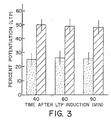
- Invention Compound I is shown to facilitate induction of maximal long-term potentiation in vitro, and to reversibly prolong synaptic responses in the hippocampus following peripheral (i.e., intraperitoneal) injections in anesthetized rats.
- the above-described compounds can be incorporated into a variety of formulations (e.g., capsule, tablet, syrup, suppository, injectable form, etc.) for administration to a subject.
- various modes of delivery e.g., oral, rectal, parenteral, intraperitoneal, etc.
- Dose levels employed can vary widely, and can readily be determined by those of skill in the art. Typically, amounts in the milligram up to gram quantities are employed.
- Subjects contemplated for treatment with the invention compounds include humans, domesticated animals, laboratory animals, and the like.
- invention compounds can be used, for example, as a research tool for studying the biophysical and biochemical properties of the AMPA receptor and the consequences of selectively enhancing excitatory transmission on the operation of neuronal circuitry. Since invention compounds reach central synapses, they will allow for testing of the behavioral effects of enhancing AMPA receptor currents.
- Metabolically stable variants of aniracetam have many potential applications in humans. For example, increasing the strength of excitatory synapses could compensate for losses of synapses or receptors associated with aging and brain disease (e.g., Alzheimer's). Enhancing AMPA receptors could cause more rapid processing by multisynaptic circuitries found in higher brain regions and thus could produce an increase in perceptual-motor and intellectual performance. As another example, since increasing AMPA receptor-mediated responses facilitates synaptic changes of the type believed to encode memory, metabolically stable variants of aniracetam are expected to be functional as memory enhancers.
- Additional applications contemplated for the compounds of the present invention include improving the performance of subjects with sensory-motor problems dependent upon brain networks utilizing AMPA receptors; improving the performance of subjects impaired in cognitive tasks dependent upon brain networks utilizing AMPA receptors; improving the performance of subjects with memory deficiencies; and the like.
- invention compounds, in suitable formulations can be employed for decreasing the amount of time needed to learn a cognitive, motor or perceptual task.
- invention compounds, in suitable formulations can be employed for increasing the time for which cognitive, motor or perceptual tasks are retained.
- invention compounds, in suitable formulations can be employed for decreasing the quantity and/or severity of errors made in recalling a cognitive, motor or perceptual task.
- Such treatment may prove especially advantageous in individuals who have suffered injury to the nervous system, or who have endured disease of the nervous system, especially injury or disease which affects the number of AMPA receptors in the nervous system.
- Invention compounds are administered to the affected individual, and thereafter, the individual is presented with a cognitive, motor or perceptual task.
- ketone is oxidized to the acid by dissolution in aqueous dioxane/NaOH and treatment with Br 2 and iodoform reagent (KI/I 2 in aqueous NaOH). Excess halogen is destroyed with Na 2 SO 3 and the aqueous solution extracted with CH 2 Cl 2 , then ether. Acidification of the aqueous solution with conc. HCl yields 2-methyl-1,3-benzo-dioxol-5-ylcarboxylic acid, which can be crystallized from CHCl 3 /CCl 4 /petroleum ether.
- the above-described acid is coupled to piperidine by first activating the acid with a suitable reagent. Specifically, the acid is suspended in CH 2 Cl 2 and stirred with one equivalent carbonyl diimidazole (CDI). After 30 min, 10% excess piperidine is added. After the reaction is complete (usually less than 1 hr), the solution is extracted with aqueous HCl, water, and aqueous NaHCO 3 . The organic solution is dried over Na 2 SO 4 and CH 2 Cl 2 removed under reduced pressure. Crystallization of the resulting oil by methods known in the art gives (R,S)-1-(2-methyl-1,3-benzodioxol-5-ylcarbonyl)-piperidine (V) as a white solid.
- CDI carbonyl diimidazole
- Catechol (11.0 g; 0.10 mol) is dissolved in 50 ml of ether and 29 g of freshly-prepared dioxane dibromide (Yanovskaya, Terent'ev and Belsn'kii), J. Gen. Chem. Vol. 22:1594 (1952)) is added slowly as a solution in 50 ml of ether. The organic solution is washed with water (3 times) and dried over MgSO 4 . The solvent is removed under reduced pressure to yield 4-bromocatechol as a red-brown oil.
- 4-Bromocatechol (18.9 g, 0.100 mol) is dissolved in 200 ml dry toluene and 20 ml vinyl acetate is added at once, followed by 0.20 g mercuric oxide and 0.4 ml BF 3 etherate. After standing for 10 hr, the solution is extracted with 0.5 M NaOH until the aqueous layer is strongly basic (pH > 12). The organic solution is dried over K 2 CO 3 and filtered to remove the drying agent.
- Conversion of the bromoaromatic derivative to the substituted benzoic acid is accomplished by the well-known Grignard reaction (or other suitable method known in the art). Specifically, the bromoderivative is dissolved in dry tetrahydrofuran and combined with magnesium. The resulting Grignard reagent is treated with gaseous carbon dioxide. The reaction solution is quenched with aqueous HCl and the product acid is extracted into ether. The ether solution is extracted with aqueous bicarbonate and the bicarbonate solution is then washed with ether or other suitable organic solvent. The bicarbonate solution is neutralized with conc.
- Grignard reaction or other suitable method known in the art.
- 1,4-benzodioxan-6-carboxylic acid also known as 3,4-ethylenedioxybenzoic acid
- 3,4-ethylenedioxybenzoic acid was synthesized by the oxidation of commercially available 3,4-ethylene-dioxybenzaldehyde with potassium permanganate, as described in Org. Syn. 2 :538 (1943).
- 1,4-benzodioxan-6-carboxylic acid (3.0 g; 16.7 mmol) was suspended in 40 mL of dichloromethane. The acid dissolved upon addition of 3.7 g (2.2 equivalents) of triethylamine. Addition of 2.0 g of pivaloyl chloride was exothermic, and produced a dense precipitate. The mixture was stirred at room temperature for about 20 minutes, then 1.52 g of 1,2,3,6-tetrahydropyridine was slowly added.
- the product amide is made by the method employed for the preparation of Invention Compound V, which uses carbonyl diimidazole in order to activate piperonylic acid, or piperonyloyl chloride (available from Aldrich) can be combined with 1,2,3,6-tetrahydropyridine either in a suitable anhydrous solvent or without solvent. In either case, the isolation of product is performed in the same manner as done for Invention Compound V to give Invention Compound III as a white solid.
- EIMS m/z 231 (parent, 149 (base), and 121.
- the product amide is made by the same method as employed for the preparation of Invention Compound V, which uses carbonyl diimidazole in order to activate piperonylic acid, or piperonyloyl chloride can be combined with hexamethyleneimine in a suitable anhydrous solvent or without solvent. In either case, the isolation of product is performed in the same manner as done for Invention Compound V to yield Invention Compound VII as a colorless oil.
- 1,4-Benzodioxan-6-carboxaldehyde is oxidized to the corresponding acid by the procedure ofshriner anddianer in Organic Syntheses, Coll. Vol. 2 :538 (1943).
- Coupling of the acid with 3-pyrroline is conducted by employing the same method as employed for the preparation of Invention Compound V, which uses carbonyl diimidazole in order to activate the carboxylic acid, or any other method known in the art, such as, for example, activation by the reaction of the triethylammonium salt with trimethylacetyl chloride.
- the product is crystallized from CCl 4 /Et 2 O/hexanes.
- Coupling of 1,3-benzoxazol-6-carboxylic acid with 1,2,3,6-tetrahydropyridine is performed in the same manner as described for the preparation of Invention Compound V through activation with carbonyl diimidazole or by activation with other suitable reagents such as oxalyl chloride.
- the product can be isolated by the same methods as described for the isolation of Invention Compound V and purified by chromatography on silica gel.
- EIMS m/z 228 (parent), 146 (base), and 118.
- 5-Benzimidazolecarboxylic acid is coupled to 1,2,3,6-tetrahydropyridine by activation of the acid with carbonyl diimidazole in CH 2 Cl 2 plus 10% (v/v) dimethylformamide. Purification is achieved by chromatography on silica gel. FABMS m/z 455 (parent dimer +1), 228 (parent +1), and 145.
- 3,4-Diaminobenzoic acid (2.0 g; 13 mmol) is dispersed into 50 ml absolute ethanol.
- To the chocolate-brown slurry is added 2.2 g (15 mmol) of glyoxal 40% in water) that has been dissolved in 10 ml of ethanol.
- the mixture is stirred at room temperature for 24 hr.
- the light sand-brown 6-quinoxalinecarboxylic acid is collected by filtration and washed with ethanol and diethyl ether.
- EMIS m/z 174 (base), 157, 147, 129, and 120.
- 6-Quinoxalinecarboxylic acid (320 mg; 1.8 mmol) is suspended in 10 ml methylene chloride. As the suspension is stirred, 2 equivalents of triethylamine are added, followed by 0.22 ml (1.8 mmol) of trimethylacetyl chloride. After 15 min, 164 ul (1.8 mmol) of 1,2,3,6-tetrahydropyridine is added and the solution is stirred overnight. The solution is diluted with 20 ml of diethyl ether and washed with 10 ml water followed by 10 ml 10% NaCO 3 . The organic solution is dried over Na 2 SO 4 /K 2 CO 3 and concentrated to a red-brown oil.
- the hippocampus was removed from anesthetized, 2 month old Sprague-Dawley rats and in vitro slices (400 micrometers thick) were prepared and maintained in an interface chamber at 35°C using conventional techniques [see, for example, Dunwiddie and Lynch, J. Physiol. Vol. 276 : 353-367 (1978)].
- the chamber was constantly perfused at 0.5 ml/min with ACSF containing (in mM) : NaCl 124, KCl 3, KH 2 PO 4 1.25, MgSO 4 2.5, CaCl 2 3.4, NaHCO 3 26, glucose 10 and L-ascorbate 2.
- a bipolar nichrome stimulating electrode was positioned in the dendritic layer (stratum radiatum) of the hippocampal subfield CA1 close to the border of subfield CA3.
- the intensity of the stimulation current was adjusted to produce half-maximal EPSPs (typically about 1.5 - 2.0 mV). Paired stimulation pulses were given every 40 sec with an interpulse interval of 200 msec (see below).
- the field EPSPs of the second response were digitized and analyzed to determine amplitude, half-width, and response area. If the responses were stable for 15-30 minutes (baseline), test compounds were added to the perfusion lines for a period of about 15 minutes. The perfusion was then changed back to regular ACSF.
- Paired-pulse stimulation was used since stimulation of the SC fibers, in part, activates interneurons which generate an i nhibitory p ost s ynaptic p otential (IPSP) in the pyramidal cells of CA1.
- This feed forward IPSP typically sets in after the EPSP reaches its peak. It accelerates the repolarization and shortens the decay phase of the EPSP, and thus could partially mask the effects of the test compounds.
- One of the relevant features of the feed-forward IPSP is that it can not be reactivated for several hundred milliseconds following a stimulation pulse. This phenomenon can be employed to advantage to eliminate IPSP by delivering paired pulses separated by 200 milliseconds and using the second ("primed") response for data analysis.
- the field EPSP recorded in field CA1 after stimulation of CA3 axons is known to be mediated by AMPA receptors: the receptors are present in the synapses [Kessler et al., Brain Res. Vol. 560: 337-341 (1991)] and drugs that selectively block the receptor selectively block the field EPSP [Muller et al., Science, supra ].
- Aniracetam increases the mean open time of the AMPA receptor channel and as expected from this increases the amplitude of the synaptic current and prolongs its duration [Tang et al. Science, supra ].
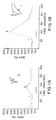
- the right hand panel of Figure 1 summarizes a typical experiment with Invention Compound I used at 750 ⁇ M (i.e., one half the concentration of aniracetam).
- the invention compound produced the same qualitative effects as aniracetam as shown in field EPSPs collected immediately before and immediately after a 15 minute infusion. As is evident upon inspection of the data in Figure 1, the magnitude of the effects was much greater even though the concentration of invention compound used was only 50% of that of aniracetam. The same can be seen in the main graph ( Figure 1, right hand panel), which shows the effects of Invention Compound I on the area of the field EPSPs as a function of time. Invention compound is similar to aniracetam in that it effected a rapid onset of action and was fully reversible upon washout. Comparison of the two panels in Figure 1 illustrates the extent to which 750 ⁇ M of Invention Compound I was more potent than 1.5 mM aniracetam.
- invention compounds produced dose-dependent increases in both measures (i.e., in maximum amplitude and response area) and were effective at concentrations as low as 100 ⁇ M.
- Invention Compound I at this dose enhanced the area of the field EPSP by 46 ⁇ 16 % (mean and S.D. of 4 experiments).
- each of the three invention compounds was significantly more potent than aniracetam at all dosages tested.
- Invention Compound I tested at dosages in the range of 750 ⁇ M to 1.5 mM
- LTP Long-term potentiation
- the time constant for the decay of the EPSP is a measure for the duration of the response.
- a recording electrode (stainless steel, 150 ⁇ m diameter, insulated with teflon) was placed in the ipsilateral CA1 field (coordinates relative to Bregma: 3.8 mm P., 2.9 mm L., and 2.2-2.8 mm V.), 100-200 ⁇ m ventral to the electrophysiologically-identified CA1 stratum pyramidale (i.e., in the stratum radiatum).
- Negative field potentials reflecting dendritic EPSPs evoked by SC stimulation (0.1 ms pulses, 10-100 ⁇ A) with paired pulses (inter-pulse interval of 200 msec; see methodology described in Example XV) were amplified 500 times and digitized by computer at 20 sec intervals throughout each experiment.
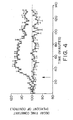
- Test compound 120-180 mg/kg of Invention Compound I in 20% w/v 2-hydroxypropyl-beta-cyclodextrin in 50% saline vehicle) or vehicle (1.5-2.1 g/kg) injections were made i.p. Stable synaptic responses for 10-60 min before and 60-180 min after injection were obtained in all animals used for the analysis shown in Figure 4.
- test compound produced a rapid increase in the duration of the synaptic response, and this effect reversed within 60-120 minutes of the injection.
- the effect of Invention Compound I was somewhat larger for the second (primed) response of the paired stimulation.
- the effect on response duration is typical for this group of compounds (cf. responses 1 and 2 in the right panel of Figure 1).
- Other manipulations which have been used in slices to modulate synaptic responses in general had little effect on the decay time constant [see, for example, Xiao et al. (1991) supra ].
- test compound cross the blood-brain barrier to augment AMPA receptor functioning in situ, and that test compound influences the response in much the same way as low doses of Invention Compound I directly applied to hippocampal slices.
- the on-going hippocampal electroencephalogram was continuously monitored in these experiments and in no case did injections of Invention Compound I produce electrographic seizures.
- nootrophic drugs or their active metabolites, must pass the blood brain barrier or be introduced directly through the blood brain barrier.
- Invention Compound II was labelled with carbon-11.
- Radiolabelled Invention Compound II (see the table above) is synthesized by the following scheme (wherein the numbers in parenthesis refer to the quantity of reagent used, in millimoles): wherein Ar is aryl (such as methylenedioxybenzene), Im is imidazole (thus, ImHCl is imidazole hydrochloride), and R is an alkyl or alkylene radical (so that R 2 NH is, for example, piperidine).
- 11 C-labelled CO 2 is produced by cyclotron irradiation and subsequently used in the above-described synthetic scheme. The time to complete the synthesis is about 22 min (2 times the half-life of carbon-11).
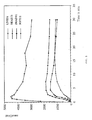
- liver showed the maximum uptake, followed by heart.
- uptake in the brain was nearly as effective as uptake in the heart, and as much as a quarter that of liver. This demonstrates that Invention Compound II passes freely through the blood-brain barrier.
- Invention Compound II entry of Invention Compound II into its target tissue was relatively rapid and stayed in the brain for an extended period. These properties indicate that invention compounds may be administered shortly before they are needed, and that frequent readministration may not be necessary.
Landscapes
- Chemical & Material Sciences (AREA)
- Organic Chemistry (AREA)
- Health & Medical Sciences (AREA)
- Medicinal Chemistry (AREA)
- Veterinary Medicine (AREA)
- Public Health (AREA)
- Pharmacology & Pharmacy (AREA)
- Life Sciences & Earth Sciences (AREA)
- Animal Behavior & Ethology (AREA)
- General Health & Medical Sciences (AREA)
- Epidemiology (AREA)
- Engineering & Computer Science (AREA)
- Bioinformatics & Cheminformatics (AREA)
- Nuclear Medicine, Radiotherapy & Molecular Imaging (AREA)
- Chemical Kinetics & Catalysis (AREA)
- Biomedical Technology (AREA)
- General Chemical & Material Sciences (AREA)
- Neurology (AREA)
- Neurosurgery (AREA)
- Psychiatry (AREA)
- Hospice & Palliative Care (AREA)
- Pharmaceuticals Containing Other Organic And Inorganic Compounds (AREA)
- Medicines That Contain Protein Lipid Enzymes And Other Medicines (AREA)
- Acyclic And Carbocyclic Compounds In Medicinal Compositions (AREA)
- Plural Heterocyclic Compounds (AREA)
- Steroid Compounds (AREA)
- Organic Low-Molecular-Weight Compounds And Preparation Thereof (AREA)
- Medical Treatment And Welfare Office Work (AREA)
Applications Claiming Priority (4)
| Application Number | Priority Date | Filing Date | Title |
|---|---|---|---|
| US91951292A | 1992-07-24 | 1992-07-24 | |
| US919512 | 1992-07-24 | ||
| EP01111268A EP1156043B1 (en) | 1992-07-24 | 1993-07-23 | Drugs that enhance synaptic responses mediated by ampa receptors |
| EP93918326A EP0651746B1 (en) | 1992-07-24 | 1993-07-23 | Drugs that enhance synaptic responses mediated by ampa receptors |
Related Parent Applications (1)
| Application Number | Title | Priority Date | Filing Date |
|---|---|---|---|
| EP01111268A Division EP1156043B1 (en) | 1992-07-24 | 1993-07-23 | Drugs that enhance synaptic responses mediated by ampa receptors |
Publications (1)
| Publication Number | Publication Date |
|---|---|
| EP1367056A1 true EP1367056A1 (en) | 2003-12-03 |
Family
ID=25442213
Family Applications (3)
| Application Number | Title | Priority Date | Filing Date |
|---|---|---|---|
| EP03016192A Withdrawn EP1367056A1 (en) | 1992-07-24 | 1993-07-23 | Drugs that enhance synaptic responses mediated by AMPA receptors |
| EP93918326A Expired - Lifetime EP0651746B1 (en) | 1992-07-24 | 1993-07-23 | Drugs that enhance synaptic responses mediated by ampa receptors |
| EP01111268A Revoked EP1156043B1 (en) | 1992-07-24 | 1993-07-23 | Drugs that enhance synaptic responses mediated by ampa receptors |
Family Applications After (2)
| Application Number | Title | Priority Date | Filing Date |
|---|---|---|---|
| EP93918326A Expired - Lifetime EP0651746B1 (en) | 1992-07-24 | 1993-07-23 | Drugs that enhance synaptic responses mediated by ampa receptors |
| EP01111268A Revoked EP1156043B1 (en) | 1992-07-24 | 1993-07-23 | Drugs that enhance synaptic responses mediated by ampa receptors |
Country Status (14)
| Country | Link |
|---|---|
| US (2) | US5747492A (enExample) |
| EP (3) | EP1367056A1 (enExample) |
| JP (1) | JP4374082B2 (enExample) |
| KR (1) | KR100303523B1 (enExample) |
| AT (2) | ATE215079T1 (enExample) |
| AU (1) | AU688271B2 (enExample) |
| CA (2) | CA2138533C (enExample) |
| DE (2) | DE69331761T2 (enExample) |
| DK (2) | DK1156043T3 (enExample) |
| ES (2) | ES2210060T3 (enExample) |
| HK (1) | HK1042485B (enExample) |
| NZ (2) | NZ255097A (enExample) |
| PT (2) | PT651746E (enExample) |
| WO (1) | WO1994002475A1 (enExample) |
Families Citing this family (49)
| Publication number | Priority date | Publication date | Assignee | Title |
|---|---|---|---|---|
| DK1156043T3 (da) | 1992-07-24 | 2004-03-01 | Univ California | Lægemidler, der forøger synaptiske reaktioner formidlet af ampa-receptorer |
| US6274600B1 (en) * | 1995-06-05 | 2001-08-14 | The Regents Of The University Of California | Heteroatom substituted benzoyl derivatives that enhance synaptic responses mediated by AMPA receptors |
| US5650409A (en) * | 1995-06-02 | 1997-07-22 | Cortex Pharmaceuticals, Inc. | Benzoyl piperidines/pyrrolidines for enhancing synaptic response |
| US5773434A (en) * | 1995-08-30 | 1998-06-30 | Gary A. Rogers | Facilitation of AMPA receptor-mediated synaptic transmission in brain as a treatment for schizophrenia |
| DE69739970D1 (de) * | 1996-01-29 | 2010-10-07 | Univ California | Methode zur behandlung sexueller fehlfunktionen |
| US5736543A (en) * | 1996-04-03 | 1998-04-07 | The Regents Of The University Of California | Benzoxazines for enhancing synaptic response |
| WO1997039750A1 (en) * | 1996-04-19 | 1997-10-30 | The Regents Of The University Of California | Treatment of mood/affective disorders by glutamatergic upmodulators |
| US6030968A (en) * | 1996-09-17 | 2000-02-29 | The Regents Of The University Of California | Positive AMPA receptor modulation to enhance brain neurotrophic factor expression |
| US6110935A (en) * | 1997-02-13 | 2000-08-29 | The Regents Of The University Of California | Benzofurazan compounds for enhancing glutamatergic synaptic responses |
| US5985871A (en) * | 1997-12-24 | 1999-11-16 | Cortex Pharmaceuticals, Inc. | Benzoxazine compounds for enhancing synaptic response |
| US6124278A (en) * | 1998-04-03 | 2000-09-26 | The Regents Of The University Of California | Acylbenzoxazines for enhancing synaptic response |
| PE20000942A1 (es) * | 1998-07-31 | 2000-09-28 | Lilly Co Eli | Derivados de amida, carbamato y urea |
| US6011991A (en) * | 1998-12-07 | 2000-01-04 | Technology Patents, Llc | Communication system and method including brain wave analysis and/or use of brain activity |
| TWI232863B (en) | 2001-06-11 | 2005-05-21 | Akzo Nobel Nv | Benzoxazepine derivatives |
| NZ529671A (en) | 2001-06-14 | 2005-10-28 | Akzo Nobel Nv | (Pyrido/thieno)-[f]-oxazepin-5-one derivatives |
| US6562972B1 (en) * | 2001-07-19 | 2003-05-13 | Air Products And Chemicals, Inc. | Method for preparing heterocyclic-carboxylic acids |
| SK2292004A3 (en) | 2001-11-26 | 2004-09-08 | Cortex Pharma Inc | Carbonyl benzoxazine compounds for enhancement of glutamatergic synaptic responses |
| CN1764460A (zh) | 2003-01-13 | 2006-04-26 | 科泰克斯药品公司 | 由于睡眠剥夺和应激引起的认知下降的治疗方法 |
| AU2005208871B2 (en) * | 2004-01-26 | 2010-04-01 | Cortex Pharmaceuticals Inc. | Enhancement of ampakine-induced facilitation of synaptic responses by cholinesterase inhibitors |
| US20060063707A1 (en) * | 2004-09-17 | 2006-03-23 | Lifelike Biomatic, Inc. | Compositions for enhancing memory and methods therefor |
| TW200800959A (en) | 2005-06-10 | 2008-01-01 | Wyeth Corp | Piperazine-piperidine antagonists and agonists of the 5-HT1a receptor |
| EP1960373A2 (en) | 2005-11-22 | 2008-08-27 | NeuroSearch A/S | Novel quinoxaline derivatives and their medical use |
| WO2008027648A2 (en) * | 2006-06-26 | 2008-03-06 | Case Western Reserve University | Methods and compositions for treating pathologies associated with bdnf signaling |
| CN101600436A (zh) | 2006-08-31 | 2009-12-09 | 艾伯塔大学校董 | 使用正变构ampa受体调节剂抑制呼吸抑制的方法 |
| EP2255848A3 (en) | 2006-09-04 | 2011-04-06 | NeuroSearch AS | Pharmaceutical combinations of a nicotine receptor modulator and a cognitive enhancer |
| US20080139472A1 (en) * | 2006-10-06 | 2008-06-12 | The Regents Of The University Of California | Upregulating bdnf levels to mitigate mental retardation |
| JP5139446B2 (ja) * | 2007-01-03 | 2013-02-06 | レ ラボラトワール セルヴィエ | グルタミン酸作動性シナプス応答を増強する3−置換−[1,2,3]−ベンゾトリアジノン化合物 |
| AU2007342364A1 (en) * | 2007-01-03 | 2008-07-17 | Cortex Pharmaceuticals, Inc. | 3-substituted-[1,2,3]benzotriazinone compounds for enhancing glutamatergic synaptic responses |
| TW200901974A (en) | 2007-01-16 | 2009-01-16 | Wyeth Corp | Compounds, compositions, and methods of making and using them |
| NZ582035A (en) * | 2007-05-17 | 2012-03-30 | Cortex Pharma Inc | Di-substituted amides for enhancing glutamatergic synaptic responses |
| MX2010001630A (es) | 2007-08-10 | 2010-03-15 | Cortex Pharma Inc | Amidas bicíclicas para mejorar las respuestas sinápticas glutamatergícas. |
| US8119632B2 (en) | 2007-08-10 | 2012-02-21 | Cortex Pharmaceuticals, Inc. | Bicyclic amide derivatives for enhancing glutamatergic synaptic responses |
| US8071914B2 (en) | 2007-12-26 | 2011-12-06 | Noboru Oshima | Heating apparatus |
| US20110218190A1 (en) * | 2008-11-10 | 2011-09-08 | The Regents Of The University Of California | Therapeutic uses of ampa receptor modulators for treatment of motor dysfunction |
| AU2010208646A1 (en) * | 2009-02-02 | 2011-09-01 | Cortex Pharmaceuticals, Inc. | Bicyclic amide derivatives for enhancing glutamatergic synaptic responses |
| PT105083A (pt) | 2009-04-28 | 2011-07-25 | Univ De Coimbra | Processo para cultura de células estaminais neurais baseado nas ampacinas e/ou outros moduladores de receptores glutamatérgicos ionotrópicos, composições e seu uso em condições do sistema nervoso central |
| EP2544688B1 (en) | 2010-03-02 | 2016-09-07 | President and Fellows of Harvard College | Methods and compositions for treatment of angelman syndrome |
| EP2701727B1 (en) | 2011-03-04 | 2019-05-08 | The Regents of The University of California | Locally released growth factors to mediate motor recovery after stroke |
| WO2014117089A1 (en) | 2013-01-25 | 2014-07-31 | Case Western Reserve University | Compositions and methods for the treatment of pervasive development disorders |
| BR112015031249A2 (pt) | 2013-06-13 | 2017-07-25 | Veroscience Llc | método de tratamento, método para tratar um distúrbio metabólico ou um elemento chave do mesmo, método para normalizar um ritmo diário de liberação de dopamina no sumn, método para estimular a liberação de dopamina de neurônios dopaminérgicos no sumn de um indivíduo e composição farmacêutica |
| EP3436021B1 (en) | 2016-03-29 | 2026-07-29 | RespireRx Pharmaceuticals, Inc. | Compositions comprising low impact ampakines for treating attention deficit disorders |
| CN107286114B (zh) | 2016-04-13 | 2020-08-18 | 中国人民解放军军事医学科学院毒物药物研究所 | Ampa受体增效剂的脑靶向前药及其医药用途 |
| US11723579B2 (en) | 2017-09-19 | 2023-08-15 | Neuroenhancement Lab, LLC | Method and apparatus for neuroenhancement |
| US11717686B2 (en) | 2017-12-04 | 2023-08-08 | Neuroenhancement Lab, LLC | Method and apparatus for neuroenhancement to facilitate learning and performance |
| US12280219B2 (en) | 2017-12-31 | 2025-04-22 | NeuroLight, Inc. | Method and apparatus for neuroenhancement to enhance emotional response |
| WO2019133997A1 (en) | 2017-12-31 | 2019-07-04 | Neuroenhancement Lab, LLC | System and method for neuroenhancement to enhance emotional response |
| US11364361B2 (en) | 2018-04-20 | 2022-06-21 | Neuroenhancement Lab, LLC | System and method for inducing sleep by transplanting mental states |
| WO2020056418A1 (en) | 2018-09-14 | 2020-03-19 | Neuroenhancement Lab, LLC | System and method of improving sleep |
| US11786694B2 (en) | 2019-05-24 | 2023-10-17 | NeuroLight, Inc. | Device, method, and app for facilitating sleep |
Citations (5)
| Publication number | Priority date | Publication date | Assignee | Title |
|---|---|---|---|---|
| FR2242978A1 (enExample) * | 1973-09-08 | 1975-04-04 | Eisai Co Ltd | |
| EP0005143A1 (de) * | 1978-02-10 | 1979-11-14 | F. HOFFMANN-LA ROCHE & CO. Aktiengesellschaft | 1-Benzoyl-2-pyrrolidinonderivat, Verfahren zu seiner Herstellung und dieses enthaltende Arzneimittel |
| EP0151539A2 (en) * | 1984-02-02 | 1985-08-14 | Warner-Lambert Company | Benzobicyclic lactam acids, their derivatives, an intermediate in the preparation thereof and processes for the production thereof |
| JPS60163812A (ja) * | 1984-02-03 | 1985-08-26 | Zenyaku Kogyo Kk | 抗アレルギ−剤 |
| EP0486386A2 (fr) * | 1990-11-14 | 1992-05-20 | Adir Et Compagnie | Nouveaux dérivés de la N-benzoyl proline, leur procédé de préparation et les compositions pharmaceutiques qui les contiennent |
Family Cites Families (43)
| Publication number | Priority date | Publication date | Assignee | Title |
|---|---|---|---|---|
| US2456991A (en) * | 1946-01-16 | 1948-12-21 | Thompson Boyce Plant Res | 3, 4-methylenedioxyphenyl-propylene compound |
| US2487179A (en) * | 1946-08-23 | 1949-11-08 | Thompson Boyce Plant Res | Organic compounds |
| US2773062A (en) * | 1953-10-06 | 1956-12-04 | Thompson Boyce Plant Res | Organic compounds and insecticidal compositions |
| FR1534547A (fr) * | 1966-08-23 | 1968-07-26 | May & Baker Ltd | Nouveaux sels d'ammonium quaternaires de semicarbazones et thiosemicarbazones et leur préparation |
| US3869431A (en) * | 1973-03-12 | 1975-03-04 | Firestone Tire & Rubber Co | Polyamides and their production |
| US4117228A (en) * | 1973-09-08 | 1978-09-26 | Eisai Co., Ltd. | 1,3-benzodioxol derivatives |
| CH583730A5 (enExample) * | 1973-09-25 | 1977-01-14 | Wander Ag Dr A | |
| US4025629A (en) * | 1974-01-07 | 1977-05-24 | The Upjohn Company | P-(trifluoromethylquinolylamino)benzamides, pharmaceutical dosage forms and method of treatment |
| DE2757483C2 (de) * | 1977-12-22 | 1980-02-28 | Haarmann & Leimer Gmbh, 3450 Holzminden | Verfahren zur Herstellung von Il-peronylidencrotonsäureamiden |
| DE2757506C2 (de) * | 1977-12-22 | 1980-02-14 | Haarmann & Reimer Gmbh, 3450 Holzminden | Verfahren zur Herstellung von Piperonylidencrotonsaureamiden |
| US4209517A (en) * | 1978-07-17 | 1980-06-24 | Unicler | α-Ethylenic alcohols and ketones, their preparation, and their use as medicaments |
| FR2461710A1 (fr) * | 1979-07-16 | 1981-02-06 | Sarget Sa Labo | Nouvelles imines derivees de l'amino-5 benzodioxole-1,3 utiles comme medicaments |
| DE3009542A1 (de) * | 1980-03-13 | 1981-09-24 | Henkel KGaA, 4000 Düsseldorf | Desodorierende kosmetische zusammensetzungen |
| CH646149A5 (de) * | 1981-02-05 | 1984-11-15 | Hoffmann La Roche | Pyrrolidin-derivat. |
| US4431662A (en) * | 1981-03-06 | 1984-02-14 | Hodgson Gordon L Jun | 1-(1,3-Benzodioxol-5-yl)-2-pyrrolidinone and its medicinal use |
| ES8203877A1 (es) * | 1981-05-13 | 1982-04-01 | Ferrer Int | Procedimiento de obtencion de nuevos aminoderivados en posi-cion 1, del 1-(3',4'-metilendioxifenil)propan-2-ol |
| US4438142A (en) * | 1982-03-05 | 1984-03-20 | Burroughs Wellcome Co. | Pharmaceutical combination |
| US4543361A (en) * | 1983-08-29 | 1985-09-24 | Muchowski Joseph M | ±2-[Phenethyl]-5-[(3,4-methylenedioxy)-α-hydroxybenzyl]pyrrolidine antihypertensives and use thereas |
| US4548949A (en) * | 1983-01-24 | 1985-10-22 | Syntex (U.S.A.) Inc. | +2-[(3,4-Methylenedioxy)phenethyl]-5-[(3-carboxamido-4-hydroxy)-α-hydroxybenzyl]pyrrolidines |
| US4499100A (en) * | 1983-05-18 | 1985-02-12 | Syntex (U.S.A.) Inc. | Benzodioxanyl-hydroxyethyleneamino-piperidinyl acetanilides, ketones, esters and carbamates which effect immunity and calcium entry and β-blockade |
| IT1215587B (it) * | 1987-06-26 | 1990-02-14 | Roussel Maestretti Spa | Derivati della 1-benzoil2-oxo 5-alcossi pirrolidina, loro procedimento di preparazione e loro impiego come sostanza medicinale. |
| US5284876A (en) * | 1988-02-26 | 1994-02-08 | Neuromedica, Inc. | Method of treating tardive dyskinesia using dopaminergic agents of prodrugs of therapeutic agents |
| JPH02124884A (ja) * | 1988-07-08 | 1990-05-14 | Zhongguo Yixuekexueyuan Yaowo Yanjiusuo | N―置換アミド誘導体 |
| JP2842888B2 (ja) * | 1989-05-19 | 1999-01-06 | 森永製菓株式会社 | リボヌクレアーゼインヒビターを有効成分とする癌細胞転移抑制剤 |
| IT1231921B (it) * | 1989-06-12 | 1992-01-15 | Sigma Tau Ind Farmaceuti | 1-acil-2-pirrolidoni quali attivatori dei processi di apprendimento e della memoria e composizioni farmaceutiche comprendenti tali composti |
| US5132119A (en) * | 1989-07-31 | 1992-07-21 | Massachusetts Institute Of Technology | Treatment of hypertrophic wound healing disorders with calcium channel blockers |
| SE464275B (sv) * | 1989-07-31 | 1991-04-08 | Aagerup Bengt | Ny anvaendning av beta-receptorblockerare foer beredning av ett preparat verksamt mot menieres sjukdom |
| IE910939A1 (en) * | 1990-04-13 | 1991-10-23 | Neurosearch As | Use of benzodiazepine compounds |
| DK0498722T3 (da) * | 1991-02-07 | 1998-03-09 | Roussel Uclaf | Nye bicycliske nitrogenforbindelser substitueret med en benzylgruppe, fremgangsmåde til deres fremstilling, de opnåede nye intermediærer, deres anvendelse som lægemidler og de pharmaceutiske præparater som de indgår i |
| US5070101A (en) * | 1991-02-14 | 1991-12-03 | Mount Sinai School Of Medicine Of The City University Of New York | Method and pharmaceutical composition for the treatment of schizophrenia |
| US5104877A (en) * | 1991-02-25 | 1992-04-14 | Abbott Laboratories | Psoriasis treatment |
| EP0584185B1 (en) * | 1991-05-14 | 1999-08-11 | Ernir Snorrason | Treatment of fatigue syndrome with cholinesterase inhibitors |
| US5336675A (en) * | 1991-05-14 | 1994-08-09 | Ernir Snorrason | Method of treating mania in humans |
| DE4119146C2 (de) * | 1991-06-11 | 2001-01-11 | Rehau Ag & Co | Polymer-Mischungen Verfahren zu ihrer Herstellung und ihre Verwendung |
| US5298506A (en) * | 1992-05-08 | 1994-03-29 | Brigham And Women's Hospital | Use of guanylate cyclase inhibitors in the treatment of shock |
| US6406868B1 (en) * | 1992-06-10 | 2002-06-18 | Nps Allelix Corporation | AMPA-binding human GluR1 receptors |
| DK1156043T3 (da) | 1992-07-24 | 2004-03-01 | Univ California | Lægemidler, der forøger synaptiske reaktioner formidlet af ampa-receptorer |
| US5385940A (en) * | 1992-11-05 | 1995-01-31 | The General Hospital Corporation | Treatment of stroke with nitric-oxide releasing compounds |
| US5488049A (en) * | 1993-12-10 | 1996-01-30 | Fidia - Georgetown Institute For The Neuro-Sciences | Method of treating learning and memory disorders using benzothiadiazide derivatives as nootropic agents |
| US6288057B1 (en) * | 1994-08-31 | 2001-09-11 | Eli Lilly And Company | Physical form of dihydro-2,3-benzodiazepine derivative |
| US5852008A (en) | 1995-01-24 | 1998-12-22 | The Regents Of The University Of California | Heteroatom substituted benzoyl derivatives that enhance synaptic response mediated by receptors |
| US5773434A (en) | 1995-08-30 | 1998-06-30 | Gary A. Rogers | Facilitation of AMPA receptor-mediated synaptic transmission in brain as a treatment for schizophrenia |
| CN1281335A (zh) | 1997-10-27 | 2001-01-24 | 科泰克斯药物股份有限公司 | 用安哌克和精神安定剂治疗精神分裂症 |
-
1993
- 1993-07-23 DK DK01111268T patent/DK1156043T3/da active
- 1993-07-23 AU AU47815/93A patent/AU688271B2/en not_active Ceased
- 1993-07-23 AT AT93918326T patent/ATE215079T1/de active
- 1993-07-23 DE DE69331761T patent/DE69331761T2/de not_active Expired - Lifetime
- 1993-07-23 PT PT93918326T patent/PT651746E/pt unknown
- 1993-07-23 US US08/374,584 patent/US5747492A/en not_active Expired - Lifetime
- 1993-07-23 CA CA002138533A patent/CA2138533C/en not_active Expired - Lifetime
- 1993-07-23 NZ NZ255097A patent/NZ255097A/en not_active IP Right Cessation
- 1993-07-23 KR KR1019950700260A patent/KR100303523B1/ko not_active Expired - Fee Related
- 1993-07-23 ES ES01111268T patent/ES2210060T3/es not_active Expired - Lifetime
- 1993-07-23 EP EP03016192A patent/EP1367056A1/en not_active Withdrawn
- 1993-07-23 ES ES93918326T patent/ES2174851T3/es not_active Expired - Lifetime
- 1993-07-23 DK DK93918326T patent/DK0651746T3/da active
- 1993-07-23 CA CA002450801A patent/CA2450801C/en not_active Expired - Lifetime
- 1993-07-23 AT AT01111268T patent/ATE253909T1/de not_active IP Right Cessation
- 1993-07-23 WO PCT/US1993/006916 patent/WO1994002475A1/en not_active Ceased
- 1993-07-23 DE DE69333299T patent/DE69333299T2/de not_active Expired - Lifetime
- 1993-07-23 EP EP93918326A patent/EP0651746B1/en not_active Expired - Lifetime
- 1993-07-23 JP JP50469994A patent/JP4374082B2/ja not_active Expired - Fee Related
- 1993-07-23 PT PT01111268T patent/PT1156043E/pt unknown
- 1993-07-23 EP EP01111268A patent/EP1156043B1/en not_active Revoked
-
1994
- 1994-02-03 NZ NZ510375A patent/NZ510375A/xx not_active IP Right Cessation
-
1995
- 1995-06-05 US US08/461,235 patent/US5891876A/en not_active Expired - Lifetime
-
2002
- 2002-05-17 HK HK02103739.8A patent/HK1042485B/en not_active IP Right Cessation
Patent Citations (5)
| Publication number | Priority date | Publication date | Assignee | Title |
|---|---|---|---|---|
| FR2242978A1 (enExample) * | 1973-09-08 | 1975-04-04 | Eisai Co Ltd | |
| EP0005143A1 (de) * | 1978-02-10 | 1979-11-14 | F. HOFFMANN-LA ROCHE & CO. Aktiengesellschaft | 1-Benzoyl-2-pyrrolidinonderivat, Verfahren zu seiner Herstellung und dieses enthaltende Arzneimittel |
| EP0151539A2 (en) * | 1984-02-02 | 1985-08-14 | Warner-Lambert Company | Benzobicyclic lactam acids, their derivatives, an intermediate in the preparation thereof and processes for the production thereof |
| JPS60163812A (ja) * | 1984-02-03 | 1985-08-26 | Zenyaku Kogyo Kk | 抗アレルギ−剤 |
| EP0486386A2 (fr) * | 1990-11-14 | 1992-05-20 | Adir Et Compagnie | Nouveaux dérivés de la N-benzoyl proline, leur procédé de préparation et les compositions pharmaceutiques qui les contiennent |
Non-Patent Citations (10)
| Title |
|---|
| "THE MERCK INDEX", 1989, MERCK & CO., RAHWAY, N.J., U.S.A., XP002178009 * |
| CHEMICAL ABSTRACTS, vol. 58, no. 38, 1963, Columbus, Ohio, US; abstract no. 4541d, MOTOITI YTAIA: "2-METHYL-5(OR6)-ALKYL(OR-ARYL)CARBAMOYLBENZIMIDAZOLES." column 4541; XP002178010 * |
| COPANI A ET AL: "NOOTROPIC DRUGS POSITIVELY MODULATE ALPHA-AMINO-3-HYDROXY-5-METHYL-4- ISOXAZOLEPROPIONIC ACID-SENSITIVE GLUTAMATE RECEPTORS IN NEURONAL CULTURES", JOURNAL OF NEUROCHEMISTRY, NEW YORK, NY, US, vol. 58, no. 4, April 1992 (1992-04-01), pages 1199 - 1204, XP000847616, ISSN: 0022-3042 * |
| DATABASE CA [online] CHEMICAL ABSTRACTS SERVICE, COLUMBUS, OHIO, US; FABRYCY, ANDRZEJ ET AL: "New synergists for insecticides and their synthesis", XP002178012, retrieved from STN Database accession no. 88:169713 HCA * |
| DATABASE CHEMICAL ABSTRACTS [online] "Anti-allergy pharmaceuticals containing benzamide derivatives", XP002178011, retrieved from STN Database accession no. 104:10668 * |
| DOKL. SOOBSHCH. - MEZHDUNAR. KONGR. ZASHCH. RAST., 8TH (1975), VOLUME 3, ISSUE 2, 569-73 PUBLISHER: ORGKOM. VIII MEZHDUNAR. KONGR. ZASHCH. RAST., MOSCOW, USSR. * |
| J.E.F. REYNOLDS: "MARTINDALE, The Extra Pharmacopoeia", 1989, THE PHARMACEUTICAL PRESS, LONDON, XP002178008 * |
| MYHRER, TROND ET AL: "Memory dysfunction following disruption of glutamergic systems in the temporal region of the rat: Effects of agonistic amino acids.", BRAIN RESEARCH, (1992) VOL. 599, NO. 2, PP. 345-352., XP001028132 * |
| R. GRANGER ET AL.: "A Drug That Facilitates Glutamatergic Transmission Reduces Exploratory Activity and Improves Performance in a Learning-Dependent Task", SYNAPSE, vol. 15, no. 4, December 1993 (1993-12-01), pages 326 - 329, XP000986487 * |
| YAKUGAKU ZASSHI, vol. 82, 1962, JAPAN, pages 634 - 639 * |
Also Published As
| Publication number | Publication date |
|---|---|
| EP0651746A1 (en) | 1995-05-10 |
| CA2450801C (en) | 2009-11-17 |
| PT1156043E (pt) | 2004-03-31 |
| CA2138533A1 (en) | 1994-02-03 |
| DK1156043T3 (da) | 2004-03-01 |
| DE69333299D1 (de) | 2003-12-18 |
| DE69331761D1 (de) | 2002-05-02 |
| ATE253909T1 (de) | 2003-11-15 |
| EP1156043A2 (en) | 2001-11-21 |
| AU688271B2 (en) | 1998-03-12 |
| JPH07509468A (ja) | 1995-10-19 |
| WO1994002475A1 (en) | 1994-02-03 |
| HK1042485A1 (en) | 2002-08-16 |
| JP4374082B2 (ja) | 2009-12-02 |
| EP0651746B1 (en) | 2002-03-27 |
| KR100303523B1 (ko) | 2001-11-22 |
| EP1156043A3 (en) | 2001-12-05 |
| EP1156043B1 (en) | 2003-11-12 |
| ES2210060T3 (es) | 2004-07-01 |
| KR950702550A (ko) | 1995-07-29 |
| US5747492A (en) | 1998-05-05 |
| US5891876A (en) | 1999-04-06 |
| DE69333299T2 (de) | 2004-09-09 |
| HK1042485B (en) | 2004-03-05 |
| NZ255097A (en) | 2001-04-27 |
| DK0651746T3 (da) | 2002-07-29 |
| DE69331761T2 (de) | 2002-09-12 |
| NZ510375A (en) | 2003-04-29 |
| ES2174851T3 (es) | 2002-11-16 |
| AU4781593A (en) | 1994-02-14 |
| CA2138533C (en) | 2009-04-14 |
| CA2450801A1 (en) | 1994-02-03 |
| PT651746E (pt) | 2002-09-30 |
| ATE215079T1 (de) | 2002-04-15 |
Similar Documents
| Publication | Publication Date | Title |
|---|---|---|
| EP1156043B1 (en) | Drugs that enhance synaptic responses mediated by ampa receptors | |
| EP0839134B1 (en) | Benzoyl piperidines/pyrrolidines for enhancing synaptic response | |
| US5962447A (en) | Benzoxazines for enhancing synaptic response | |
| EP1428534B1 (en) | Benzofurazan derivatives for enhancing glutamatergic synaptic responses | |
| US5852008A (en) | Heteroatom substituted benzoyl derivatives that enhance synaptic response mediated by receptors | |
| US6274600B1 (en) | Heteroatom substituted benzoyl derivatives that enhance synaptic responses mediated by AMPA receptors | |
| US20020099050A1 (en) | Drugs that enhance synaptic responses mediated by AMPA receptors | |
| CN1186020C (zh) | 用于提高突触应答的酰基苯并噁嗪 | |
| AU725127B2 (en) | Drugs that enhance synaptic responses mediated by AMPA receptors | |
| AU721936B2 (en) | Benzoxazines for enhancing synaptic response | |
| JP2012516845A (ja) | グルタミン酸作動性シナプス反応を増強するための二環式アミド誘導体 | |
| MXPA99007361A (en) | Benzofurazan compounds which enhance ampa receptor activity |
Legal Events
| Date | Code | Title | Description |
|---|---|---|---|
| PUAI | Public reference made under article 153(3) epc to a published international application that has entered the european phase |
Free format text: ORIGINAL CODE: 0009012 |
|
| AC | Divisional application: reference to earlier application |
Ref document number: 1156043 Country of ref document: EP Kind code of ref document: P Ref document number: 0651746 Country of ref document: EP Kind code of ref document: P |
|
| AK | Designated contracting states |
Kind code of ref document: A1 Designated state(s): AT BE CH DE DK ES FR GB GR IE IT LI LU MC NL PT SE |
|
| 17P | Request for examination filed |
Effective date: 20040525 |
|
| AKX | Designation fees paid |
Designated state(s): AT BE CH DE DK ES FR GB GR IE IT LI LU MC NL PT SE |
|
| 17Q | First examination report despatched |
Effective date: 20080520 |
|
| STAA | Information on the status of an ep patent application or granted ep patent |
Free format text: STATUS: THE APPLICATION IS DEEMED TO BE WITHDRAWN |
|
| 18D | Application deemed to be withdrawn |
Effective date: 20120211 |