EP1366158B1 - Trp8 markers for cancer - Google Patents
Trp8 markers for cancer Download PDFInfo
- Publication number
- EP1366158B1 EP1366158B1 EP01967204A EP01967204A EP1366158B1 EP 1366158 B1 EP1366158 B1 EP 1366158B1 EP 01967204 A EP01967204 A EP 01967204A EP 01967204 A EP01967204 A EP 01967204A EP 1366158 B1 EP1366158 B1 EP 1366158B1
- Authority
- EP
- European Patent Office
- Prior art keywords
- trp8a
- trp8b
- nucleic acid
- acid molecule
- trp8
- Prior art date
- Legal status (The legal status is an assumption and is not a legal conclusion. Google has not performed a legal analysis and makes no representation as to the accuracy of the status listed.)
- Expired - Lifetime
Links
Images



Classifications
-
- C—CHEMISTRY; METALLURGY
- C07—ORGANIC CHEMISTRY
- C07K—PEPTIDES
- C07K14/00—Peptides having more than 20 amino acids; Gastrins; Somatostatins; Melanotropins; Derivatives thereof
- C07K14/435—Peptides having more than 20 amino acids; Gastrins; Somatostatins; Melanotropins; Derivatives thereof from animals; from humans
- C07K14/705—Receptors; Cell surface antigens; Cell surface determinants
-
- A—HUMAN NECESSITIES
- A61—MEDICAL OR VETERINARY SCIENCE; HYGIENE
- A61P—SPECIFIC THERAPEUTIC ACTIVITY OF CHEMICAL COMPOUNDS OR MEDICINAL PREPARATIONS
- A61P35/00—Antineoplastic agents
-
- C—CHEMISTRY; METALLURGY
- C12—BIOCHEMISTRY; BEER; SPIRITS; WINE; VINEGAR; MICROBIOLOGY; ENZYMOLOGY; MUTATION OR GENETIC ENGINEERING
- C12Q—MEASURING OR TESTING PROCESSES INVOLVING ENZYMES, NUCLEIC ACIDS OR MICROORGANISMS; COMPOSITIONS OR TEST PAPERS THEREFOR; PROCESSES OF PREPARING SUCH COMPOSITIONS; CONDITION-RESPONSIVE CONTROL IN MICROBIOLOGICAL OR ENZYMOLOGICAL PROCESSES
- C12Q1/00—Measuring or testing processes involving enzymes, nucleic acids or microorganisms; Compositions therefor; Processes of preparing such compositions
- C12Q1/68—Measuring or testing processes involving enzymes, nucleic acids or microorganisms; Compositions therefor; Processes of preparing such compositions involving nucleic acids
- C12Q1/6876—Nucleic acid products used in the analysis of nucleic acids, e.g. primers or probes
- C12Q1/6883—Nucleic acid products used in the analysis of nucleic acids, e.g. primers or probes for diseases caused by alterations of genetic material
- C12Q1/6886—Nucleic acid products used in the analysis of nucleic acids, e.g. primers or probes for diseases caused by alterations of genetic material for cancer
-
- G—PHYSICS
- G01—MEASURING; TESTING
- G01N—INVESTIGATING OR ANALYSING MATERIALS BY DETERMINING THEIR CHEMICAL OR PHYSICAL PROPERTIES
- G01N33/00—Investigating or analysing materials by specific methods not covered by groups G01N1/00 - G01N31/00
- G01N33/48—Biological material, e.g. blood, urine; Haemocytometers
- G01N33/50—Chemical analysis of biological material, e.g. blood, urine; Testing involving biospecific ligand binding methods; Immunological testing
- G01N33/53—Immunoassay; Biospecific binding assay; Materials therefor
- G01N33/575—Immunoassay; Biospecific binding assay; Materials therefor for cancer
-
- C—CHEMISTRY; METALLURGY
- C12—BIOCHEMISTRY; BEER; SPIRITS; WINE; VINEGAR; MICROBIOLOGY; ENZYMOLOGY; MUTATION OR GENETIC ENGINEERING
- C12Q—MEASURING OR TESTING PROCESSES INVOLVING ENZYMES, NUCLEIC ACIDS OR MICROORGANISMS; COMPOSITIONS OR TEST PAPERS THEREFOR; PROCESSES OF PREPARING SUCH COMPOSITIONS; CONDITION-RESPONSIVE CONTROL IN MICROBIOLOGICAL OR ENZYMOLOGICAL PROCESSES
- C12Q2600/00—Oligonucleotides characterized by their use
- C12Q2600/136—Screening for pharmacological compounds
Definitions
- the present invention relates to gene expression in normal cells and cells of malignant tumors and particularly to a novel markers associated with cancer, Trp8, and the genes encoding Trp8.
- Prostate cancer is one of the most common diseases of older men world wide. Diagnosis and monitoring of prostate cancer is difficult because of the heterogeneity of the disease. For diagnosis different grades of malignancy can be distinguished according to the Gleason-Score Diagnosis. For this diagnosis a prostate tissue sample is taken from the patient by biopsy and the morphology of the tissue is investigated. However, this approach only yields subjective results depending on the experience of the pathologist. For confirmation of these results and for obtaining an early diagnosis an additional diagnostic method can be applied which is based on the detection of a prostate specific antigen (PSA). PSA is assayed in serum samples, blood samples etc. using an anti-PSA-antibody.
- PSA prostate specific antigen
- the present invention fulfils such a need by the provision of Tpr8 and the genes encoding Trp8:
- the genes encoding Trp8 are expressed in prostate carcinoma and prostatic metastasis, but not in normal prostate, benign hyperplasia (BHP) and intraepithelial prostatic neoplasia (PIN).
- Trp8 is a member of the trp (transient receptor potential) - family, isolated from human placenta. Trp proteins belong to a steadily growing family of Ca 2+ selective and non selective ion channels. In the recent years seven Trp proteins (trp1 - trp7) have been identified and suggested to be involved in cation entry, receptor operated calcium entry and pheromone sensory signaling. Structurally related to the trp proteins are the vanilloid receptor (VR1) and the vanilloid like receptor (VRL-1) both involved in nociception triggered by heat.
- VR1 vanilloid receptor
- VRL-1 vanilloid like receptor
- Trp8a and Trp8b Two polymorphic variants of the Trp8 cDNA were isolated from placenta (Trp8a and Trp8b).
- Trp8b cDNA Transient expression of the Trp8b cDNA in HEK (human embryonic kidney) cells results in cytosolic calcium overload implicating that the Trp8 channel is constitutive open in the expression system.
- Trp8 induces highly calcium selective inward currents in HEK cells.
- the C -terminus of the Trp8 protein binds calmodulin in a calcium dependent manner.
- the Trp8 channel is expressed in prostatic carcinoma and prostatic metastases, but not in normal tissue of the prostate. No expression of Trp8 transcripts is detectable in benign prostatic hyperplasia (BPH) or prostatic intraepithelial neoplasia (PIN). Therefore, the Trp8 channel is exclusively expressed in malign prostatic tissues and serves as molecular marker for prostate cancer. From the experimental results it is also apparent that the modulation of Trp8 e.g. the inhibition of expression or activity , is of therapeutic interest, e.g. for the prevention of tumor progression.
- BPH benign prostatic
- the present invention thus, provides a Trp8 protein, respectively, as well as nucleic acid molecule encoding the protein and, moreover, an antisense RNA, a ribozyme and an inhibitor, which allow to inhibit the expression or the activity of Trp8.
- the present invention provides a diagnostic method for detecting a prostate cancer or endometrial cancer (cancer of the uterus) associated with Trp8 in a tissue of a subject, comprising contacting a sample containing Trp8 encoding mRNA with a reagent which detects Trp8 or the corresponding mRNA.
- the present invention provides a method of treating a prostate tumor, carcinoma of the lung, carcinoma of the placenta or melanoma associated with Trp8, comprising administering to a subject with such an disorder a therapeutically effect amount of a reagent which modulates, e.g. inhibits, expression of Trp8 or the activity of the protein, e.g. the above described compounds.
- the present invention provides a method of gene therapy comprising introducing into cells of a subject an expression vector comprising a nucleotide sequence encoding the above mentioned antisense RNA or ribozyme, in operable linkage with a promoter.
- the present invention relates to an isolated nucleic acid molecule encoding the human prostate carcinoma associated protein Trp8a and being selected from the group consisting of
- Trp8a As used herein, a protein exhibiting biological properties of Trp8a, Trp8b is understood to be a protein having at least one of the activities as illustrated in the Examples, below.
- isolated nucleic acid molecule includes nucleic acid molecules substantially free of other nucleic acids, proteins, lipids, carbohydrates or other materials with which it is naturally associated.
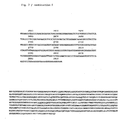
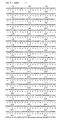
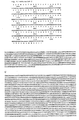
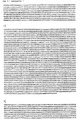
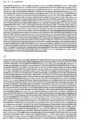
- the invention provides an isolated nucleic acid molecule encoding the human prostate carcinoma associated protein Trp8a comprising the amino acid sequence depicted in Figure 7 .
- the present invention also provides a nucleic acid molecule comprising the nucleotide sequence depicted in Figure 7 .
- the present invention provides not only the generated nucleotide sequence identified in Figure 7 , respectively and the predicted translated amino acid sequence, respectively, but also plasmid DNA containing a Trp8a cDNA deposited with the DSMZ, under DSM 13579.
- the nucleotide sequence of the deposited Trp-clone can readily be determined by sequencing the deposited clone in accordance with known methods.
- amino acid sequence of the protein encoded by each deposited clone can also be directly determined by peptide sequencing or by expressing the protein in a suitable host cell containing the deposited Trp-encoding DNA, collecting the protein, and determining its sequence.
- the nucleic acid molecules of the invention can be both DNA and RNA molecules. Suitable DNA molecules are, for example, genomic or cDNA molecules.
- the nucleic acid molecules of the invention can be isolated from natural sources or can be synthesized according to know methods.
- the present invention also provides nucleic acid molecules which hybridize to the above nucleic acid molecules.
- hybridize has the meaning of hybridization under conventional hybridization conditions, preferably under stringent conditions as described, for example, in Sambrook et al., Molecular Cloning, A Laboratory Manual 2nd edition (1989) Cold Spring Harbor Laboratory Press, Cold Spring Harbor, NY .
- nucleic acid molecules that hybridize to the Trp nucleic acid molecules at lower stringency hybridization conditions Changes in the stringency of hybridization and signal detection are primarily accomplished through the manipulation of formamide concentration (lower percentages of formamide result in lowered stringency), salt conditions, or temperature.
- washes performed following stringent hybridization can be done at higher salt concentrations (e.g. 5X SSC).
- Variations in the above conditions may be accomplished through the inclusion and/or substitution of alternate blocking reagents used to suppress background in hybridization experiments. The inclusion of specific blocking reagents may require modification of the hybridization conditions described above, due to problems with compatibility.
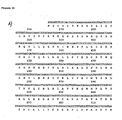
- Nucleic acid molecules that hybridize to the molecules of the invention can be isolated, e.g., from genomic or cDNA libraries that were produced from human cell lines or tissues. In order to identify and isolate such nucleic acid molecules the molecules of the invention or parts of these molecules or the reverse complements of these molecules can be used, for example by means of hybridization according to conventional methods (see, e.g., Sambrook et al., supra). As a hybridization probe nucleic acid molecules can be used, for example, that have exactly or basically the nucleotide sequence depicted in Figure 7 , 8A , respectively, or parts of these sequences. The fragments used as hybridization probe can be synthetic fragments that were produced by means of conventional synthetic methods and the sequence of which basically corresponds to the sequence of a nucleic acid molecule of the invention.
- the nucleic acid molecules of the present invention also include molecules with sequences that are degenerate as a result of the genetic code.
- “Fragments” are understood to be parts of the nucleic acid molecules that are long enough to encode one of the described proteins. These fragments comprise nucleic acid molecules specifically hybridizing to transcripts of the nucleic acid molecules of the invention. These nucleic acid molecules can be used, for example, as probes or primers in the diagnostic assay and/or kit described below and, preferably, are oligonucleotides having a length of at least 10, in particular of at least 15 and particularly preferred of at least 50 nucleotides. The nucleic acid molecules and oligonucleotides can also be used, for example, as primers for a PCR reaction. Examples of particular useful probes (primers) are shown in Tables 1 and 2.
- Trp8 probes used for in situ hybridization Probes (antisense) 1.) 5' TCCGCTGCCGGTTGAGATCTTGCC 3' 2.) 5' CTTGCTCCATAGGCAGAGAATTAG 3' 3.) 5' ATCCTCAGAGCCCCGGGTGTGGAA3' Controls (sense) 1.) 5' GGCAAGATCTCAACCGGCAGCGGA 3' 2.) 5' CTAATTCTCTGCCTATGGAGCAAG 3' 3.) 5' TTCCACACCCGGGGCTCTGAGGAT 3'
- nucleic acid molecules that are homologous to the above-described molecules and that represent derivatives of these molecules usually are variations of these molecules that represent modifications having the same biological function. They can be naturally occurring variations, for example sequences from other organisms, or mutations that can either occur naturally or that have been introduced by specific mutagenesis. Furthermore the variations can be synthetically produced sequences.
- allelic variants can be either naturally occurring variants or synthetically produced variants or variants produced by recombinant DNA processes.
- Trp proteins or Trp related proteins with possibly modified biological properties are synthesized.
- One possibility is the production of deletion mutants in which nucleic acid molecules are produced by continuous deletions from the 5'- or 3'-terminal of the coding DNA sequence and that lead to the synthesis of proteins that are shortened accordingly.
- Another possibility is the introduction of single-point mutation at positions where a modification of the amino aid sequence influences, e.g., the ion channel properties or the regulations of the trp-ion channel.
- muteins can be produced, for example, that possess a modified ion conducting pore, a modified K m -value or that are no longer subject to the regulation mechanisms that normally exist in the cell, e.g. with regard to allosteric regulation or covalent modification. Such muteins might also be valuable as therapeutically useful antagonists of Trp8a or Trp8b respectively.
- nucleic acid molecules of the invention or parts of these molecules can be introduced into plasmids allowing a mutagenesis or a modification of a sequence by recombination of DNA sequences.
- bases can be exchanged and natural or synthetic sequences can be added.
- manipulations can be performed that provide suitable cleavage sites or that remove superfluous DNA or cleavage sites. If insertions, deletions or substitutions are possible, in vitro mutagenesis, primer repair, restriction or ligation can be performed.
- analysis method usually sequence analysis, restriction analysis and other biochemical or molecular biological methods are used.
- the proteins encoded by the various variants of the nucleic acid molecules of the invention show certain common characteristics, such as ion channel activity, molecular weight, immunological reactivity or conformation or physical properties like the electrophoretical mobilty, chromatographic behavior, sedimentation coefficients, solubility, spectroscopic properties, stability; pH optimum, temperature optimum.
- the invention furthermore relates to vectors containing the nucleic acid molecules of the invention.
- they are plasmids, cosmids, viruses, bacteriophages and other vectors usually used in the field of genetic engineering.
- Vectors suitable for use in the present invention include, but are not limited to the T7-based expression vector for expression in mammalian cells and baculovirus-derived vectors for expression in insect cells.
- the nucleic acid molecule of the invention is operatively linked to the regulatory elements in the recombinant vector of the invention that guarantee the transcription and synthesis of an RNA in prokryotic and/or eukaryotic cells that can be translated.
- the nucleotide sequence to be transcribed can be operably linked to a promoter like a T7, metallothionein I or polyhedrin promoter.
- the present invention relates to recombinant host cells transiently or stable containing the nucleic acid molecules or vectors or the invention.
- a host cell is understood to be an organism that is capable to take up in vitro recombinant DNA and, if the case may be, to synthesize the proteins encoded by the nucleic acid molecules of the invention.
- these cells are prokaryotic or eukaryotic cells, for example mammalian cells, bacterial cells, insect cells or yeast cells.
- the host cells of the invention are preferably characterized by the fact that the introduced nucleic acid molecule of the invention either is heterologous with regard to the transformed cell, i.e. that it does not naturally occur in these cells, or is localized at a place in the genome different from that of the corresponding naturally occurring sequence.
- a further embodiment of the invention relates to isolated proteins exhibiting biological properties of the human prostate carcinoma associated protein Trp8a and being encoded by the nucleic acid molecules of the invention, as well as to methods for their production, whereby, e.g., a host cell of the invention is cultivated under conditions allowing the synthesis of the protein and the protein is subsequently isolated from the cultivated cells and/or the culture medium. Isolation and purification of the recombinantly produced proteins may be carried out by conventional means including preparative chromatography and affinity and immunological separations involving affinity with an anti-Trp8a antibody.
- isolated protein includes proteins substantially free of other proteins, nucleic acids, lipids, carbohydrates or other materials with which it is naturally associated. Such proteins however not only comprise recombinantly produced proteins but include isolated naturally occurring proteins, synthetically produced proteins, or proteins produced by a combination of these methods. Means for preparing, such proteins are well understood in the art.
- the Trp proteins are preferably in a substantially purified form.
- a recombinantly produced version of a human prostate carcinoma associated protein Trp8a protein, including the secreted protein can be substantially purified by the one-step method described in Smith and Johnson, Gene 67; 31-40 (1988 ).
- the present invention relates to an antisense RNA sequence characterised that it is complementary to an mRNA transcribed from a nucleic acid molecule of the present invention or a part thereof and can selectively bind to said mRNA, said sequence being capable of inhibiting the synthesis of the protein encoded by said nucleic acid molecules, and a ribozyme characterised in that it is complementary to an mRNA transcribed from a nucleic acid molecule of the present invention or a part thereof and can selectively bind to and cleave said mRNA, thus inhibiting the synthesis of the proteins encoded by said nucleic acid molecules.
- Riboyzmes which are composed of a single RNA chain are RNA enzymes, i.e.
- catalytic RNAs which can intermolecularly cleave a target RNA, for example the mRNA transcribed from one of the Trp genes. It is now possible to construct ribozymes which are able to cleave the target RNA at a specific site by following the strategies described in the literature. (see, e.g., Tanner et al., in: Antisense Research and Applications, CRC Press Inc. (1993), 415-426). The two main requirements for such ribozymes are the catalytic domain and regions which are complementary to the target RNA and which allow them to bind to its substrate, which is a prerequisite for cleavage.
- Said complementary sequences i.e., the antisense RNA or ribozyme, are useful for repression of Trp8a expression, respectively, i.e. in the case of the treatment of a prostate cancer or endometrial cancer (carcinoma of the uterus).
- the antisense RNA and ribozyme of the invention are complementary to the coding region.
- the person skilled in the art provided with the sequences of the nucleic acid molecules of the present invention will be in a position to produce and utilise the above described antisense RNAs or ribozymes.
- the region of the antisense RNA and ribozyme, respectively, which shows complementarity to the mRNA transcribed from the nucleic acid molecules of the present invention preferably has a length of at least 10, in particular of at least 15 and particularly preferred of at least 50 nucleotides.
- the present invention relates to inhibitors of Trp8a, which fulfill a similar purpose as the antisense RNAs or ribozymes mentioned above, i.e. reduction or elimination of biologically active Trp8a molecules.
- inhibitors can be, for instance, structural analogues of the corresponding protein that act as antagonists.
- inhibitors comprise molecules identified by the use of the recombinantly produced proteins, e.g. the recombinantly produces protein can be used to screen for and identify inhibitors, for example, by exploiting the capability of potential inhibitors to bind to the protein under appropriate conditions.
- the inhibitors can, for example, be identified by preparing a test mixture wherein the inhibitor candidate is incubated with Trp8a, under appropriate conditions that allow Trp8a, to be in a native conformation.
- Such an in vitro test system can be established according to methods well known in the art.
- Inhibitors can be identified, for example, by first screening for either synthetic or naturally occurring molecules that bind to the recombinantly produced Trp protein and then, in a second step, by testing those selected molecules in cellular assays for inhibition of the Trp protein, as reflected by inhibition of at least one of the biological activities as described in the examples, below.
- Such screening for molecules that bind Trp8a could easily performed on a large scale, e.g.
- inhibitors are, e.g., a synthetic organic chemical, a natural fermentation product, a substance extracted from a microorganism, plant or animal, or a peptide. Additional examples of inhibitors are specific antibodies, preferably monoclonal antibodies.
- the nucleic sequences of the invention and the encoded proteins can be used to identify further factors involved in tumor development and progression. In this context it .should be emphasized that the modulation of the calcium channel of a member of the trp family can result in the stimulation of the immune response of T lymphocytes leading to proliferation of the T lymphocytes.
- the proteins of the invention can, e.g., be used to identify further (unrelated) proteins which are associated with the tumor using screening methods based on protein/protein interactions, e.g. the two-hybrid-system Fields, S. and Song, O. (1989) Nature (340): 245-246 .
- the present invention also provides a method for diagnosing a prostate carcinoma which comprises contacting a target sample suspected to contain the protein Trp8a or Trp8b or the Trp8a, Trp8b encoding mRNA with a reagent which reacts with Trp8a, Trp8b or the Trp8a, Trp8b encoding mRNA and detecting Trp8a, Trp8b or Trp8a, Trp8b encoding mRNA.
- the reagent is typically a nucleic acid probe or a primer for PCR.
- the person skilled in the art is in a position to design suitable nucleic acids probes based on the information as regards the nucleotide sequence of Trp8a, Trp8b as depicted in figure 7 , 8a , respectively, or table 1 above.
- the reagent is typically an antibody probe.
- antibody preferably, relates to antibodies which consist essentially of pooled monoclonal antibodies with different epitopic specifities, as well as distinct monoclonal antibody preparations.
- Monoclonal antibodies are made from an antigen containing fragments of the proteins of the invention by methods well known to those skilled in the art (see, e.g., Köhler et al., Nature 256 (1975), 495).
- antibody or “monoclonal antibody” (Mab) is meant to include intact molecules as well as antibody fragments (such as, for example, Fab and F(ab') 2 fragments) which are capable of specifically binding to protein.
- Fab and f(ab')2 fragments lack the Fc fragment of intact antibody, clear more rapidly from the circulation, and may have less non-specific tissue binding than an intact antibody.
- antibodies of the present invention include chimerical, single chain, and humanized antibodies.
- the target cellular component i.e. Trp8a, Trp8b or Trp8a, Trp8b encoding mRNA, e.g., in biological fluids or tissues, may be detected directly in situ, e.g. by in situ hybridization (e.g., according to the examples, below) or it may be isolated from other cell components by common methods known to those skilled in the art before contacting with a probe. Detection methods include Northern blot analysis, RNase protection, in situ methods, e.g.
- Products obtained by in vitro amplification can be detected according to established methods, e.g. by separating the products on agarose gels and by subsequent staining with ethidium bromide.
- the amplified products can be detected by using labeled primers for amplification or labeled dNTPs.
- the probes can be detectable labeled, for example, with a radioisotope, a bioluminescent, compound, a chemiluminescent compound, a fluorescent compound, a metal chelate, or an enzyme.
- Trp8a, Trp8b, respectively, in tissues can be studied with classical immunohistological methods ( Jalkanen et al., J. Cell. Biol. 101 (1985), 976-985 ; Jalkanen et al., J. Cell. Biol. 105 (1987), 3087-3096 ; Sobol et al. Clin. Immunpathol. 24 (1982), 139-144 ; Sobol et al., Cancer 65 (1985), 2005-2010 ).
- Other antibody based methods useful for detecting protein gene expression include immunoassays, such as the enzyme linked immunosorbent assay (ELISA) and the radioimmunoassay (RIA).
- ELISA enzyme linked immunosorbent assay
- RIA radioimmunoassay
- Suitable antibody assay labels are known in the art and include enzyme labels, such as, glucose oxidase, and radioisotopes, such as iodine ( 125 I, 125 I), carbon ( 14 C), sulfur ( 35 S), tritium ( 3 H), indium ( 112 In), and technetium rhodamine, and biotin.
- enzyme labels such as, glucose oxidase, and radioisotopes, such as iodine ( 125 I, 125 I), carbon ( 14 C), sulfur ( 35 S), tritium ( 3 H), indium ( 112 In), and technetium rhodamine, and biotin.
- the protein can also be detected in vivo by imaging.
- Antibody labels or markers for in vivo imaging of protein include those detectable by X-radiography, NMR or ESR.
- suitable labels include radioisotopes such as barium or cesium, which emit detectable radiation but are not overtly harmful to the subject.
- Suitable markers for NMR and ESR include those with a detectable characteristic spin, such as deuterium, which may be incorporated into the antibody by labeling of nutrients for the relevant hybridoma.
- the size of the subject and the imaging system used will determine the quantity of imaging moiety needed to produce diagnostic images.
- the quantity of radioactivity injected will normally range from about 5 to 20 millicuries of 99 mTc.
- the labeled antibody or antibody fragment will then preferentially accumulate at he location of cells which contain the specific protein.
- In vivo tumor imaging is described in S.W. Burchiel et al., "Immunopharmacokinetics of Radiolabeled Antibodies and Their Fragments". (Chapter 13 in Tumor Imaging: The Radiochemical Detection of Cancer, S.W. Burchiel and B.A. Rhodes, eds., Masson Publishing Inc. (1982)).
- the marker Trp8a and Trp8b is also useful for prognosis, for monitoring the progression of the tumor and the diagnostic evaluation of the degree of malignancy of a prostate tumor (grading and staging), e.g. by using in situ hybridization: In a primary carcinoma Trp8 is expressed in about 2 to 10% of carcinoma cells, in a bonneive carcinoma in about 10 to 60% of cells and in metastases in about 60 to 90% of cells.
- the present invention also relates to a method for diagnosing endometrial cancer (cancer of the uterus) which comprises contacting a target sample suspected to contain the protein Trp8a and/or Trp8b or the Trp8a and/or Trp8b encoding mRNA with a reagent which reacts with Trp8a and/or Trp8b or the encoding mRNA and detecting Trp8a and/or Trp8b encoding mRNA.
- a target sample suspected to contain the protein Trp8a and/or Trp8b or the Trp8a and/or Trp8b encoding mRNA
- a reagent which reacts with Trp8a and/or Trp8b or the encoding mRNA and detecting Trp8a and/or Trp8b encoding mRNA.
- the present invention also relates to a pharmaceutical composition containing a reagent which decreases or inhibits Trp8a, Trp8b expression or the activity of Trp8a, Trp8b, and a method for preventing, treating, or ameliorating a prostate tumor, endometrial cancer (uterine carcinoma) tumor, a chorion carcinoma, cancer of the lung or melanoma,which comprises administering to a mammalian subject a therapeutically effective amount of a reagent which decreases or inhibits Trp8a, Trp8b, expression or the activity of Trp8a, Trp8b.
- reagents are the above described antisense RNAs, ribozymes or inhibitors, e.g. specific antibodies.
- Trp8b may be useful as therapeutical reagents.
- these peptides can be obtained by screening combina-torial phage display libraries (Cosmix, Braunschweig, Germany) as described by Rottgen, P. and Collins, J. (Gene (1995) 164 (2): 243-250 ).
- antigenic epitopes of the Trp8 proteins can be identified by the expression of recombinant Trp8 epitope libraries in E. coli ( Marquart, A. & Flockerzi, V., FEBS Lett. 407 (1997), 137-140 ; Trost, C., et al., FEBS Lett.
- Trp8 epitopes which are immunogenic and which lead to the formation of antibodies in the serum of the patients can be then be used as Trp8 derived peptide vaccines for immune inventions against cancer cells which express Trp8.
- Trp8 or epitopes of Trp8 can be expressed in mammalian cell lines such as human embryonic kidney (Hek 293) cells (American Type Culture Collection, ATCC CRL 1573).
- Trp8 is a highly calcium selective ion channel which in the presence of monovalent (namely sodium) and divalent ions (namely calcium) is only permeable for calcium ions (see Example 4, below, and Figures 3A , C, E). Under physiological conditions, Trp8 is a calcium selective channel exhibiting large inward currents. This very large conductance of Trp8 channels is useful to establish systems for high throughput screening of pharmacological compounds interacting with Trp channels.
- Useful high throughput screening systems are well known to the person skilled in the art and include, e.g., the use of cell lines stably or transiently transfected with DNA sequences encoding Trp8 channels in assays to detect calcium signaling in biological systems.
- Such systems include assays based on Ca-sensitive dyes such as aequorin, apoaequorin, Fura-2, Fluo-3 and Indo-1.
- the present invention also relates to a method for identifying compounds which act as agonists or antagonists on the ion channels Trp8 said method comprising contacting a test compound with the ion channel Trp8, preferably by using a system based on cells stably or transiently transfected with DNA sequences encoding Trp8, and determining whether said test compound affects the calcium uptake.
- suitable pharmaceutical carriers are well known in the art and include phosphate buffered saline solutions, water, emulsions, such as oil/water emulsions, various types of wetting agents, sterile solutions etc.
- Such carriers can be formulated by conventional methods and can be administered to the subject at a suitable dose.
- Administration of the suitable compositions may be effected by different ways, e.g. by intravenous, intraperetoneal, subcutaneous, intramuscular, topical or intradermal administration.
- the route of administration depends on the nature of the tumor and the kind of compound contained in the pharmaceutical composition.
- the dosage regimen will be determined by the attending physician and other clinical factors.
- dosages for any one patient depends on many factors, including the patient's size, body surface area, age, sex, the particular compound to be administered, time and route of administration, the,kind and stage of the tumor, general health and other drugs being administered concurrently.
- the delivery of the antisense RNAs or ribozymes of the invention can be achieved by direct application or, preferably, by using a recombinant expression vector such as a chimeric virus containing these compounds or a colloidal dispersion system.
- a recombinant expression vector such as a chimeric virus containing these compounds or a colloidal dispersion system.
- Direct application to the target site can be performed, e.g., by ballistic delivery, as a colloidal dispersion system or by catheter to a site in artery.
- the colloidal dispersion systems which can be used for delivery of the above nucleic, acids include macromolecule complexes, nanocapsules, microspheres, beads and lipid-based systems including oil-in-water emulsions (mixed), micelles, liposomes and lipoplexes,
- the preferred colloidal system is a liposome.
- the composition of the liposome is usually a combination of phospholipids and steroids, especially cholesterol. The skilled person is in a position to select such liposomes which are suitable for the delivery of the desired nucleic acid molecule.
- Organ-specific or cell-specific liposomes can be used in order to achieve delivery only to the desired tumor.
- the targeting of liposomes can be carried out by the person skilled in the art by applying commonly known methods. This targeting includes passive targeting (utilizing the natural tendency of the liposomes to distribute to cells of the RES in organs which contain sinusoidal capillaries) or active targeting (for example by coupling the liposome to a specific ligand, e.g., an antibody, a receptor, sugar, glycolipid, protein etc., by well known methods).
- a specific ligand e.g., an antibody, a receptor, sugar, glycolipid, protein etc.
- monoclonal antibodies are preferably used to target liposomes to specific tumors via specific cell-surface ligands.
- Preferred recombinant vectors useful for gene therapy are viral vectors, e.g. adenovirus, herpes virus, vaccinia, or, more preferably, an RNA virus such as a Retrovirus.
- the retroviral vector is a derivative of a murine or avian retrovirus. Examples of such retroviral vectors which can be used in the present invention are: Moloney murine leukemia virus (MoMuLV), Harvey murine sarcoma virus (HaMuSV), murine mammary tumor virus (MuMTV) and Rous sarcoma virus (RSV).
- a non-human primate retroviral vector is employed, such as the gibbon ape leukemia virus (GaLV), providing a broader host range compared to murine vectors.
- GaLV gibbon ape leukemia virus
- recombinant retroviruses are defective, assistance is required in order to produce infectious particles.
- assistance can be provided, e.g., by using helper cell lines that contain plasmids encoding all of the structural genes of the retrovirus under the control of regulatory sequences within the LTR. Suitable helper cell lines are well known to those skilled in the art.
- Said vectors can additionally contain a gene encoding a selectable marker so that the transduced cells can be identified.
- the retroviral vectors can be modified in such a way that they become target specific.
- a polynucleotide encoding a sugar, a glycolipid, or a protein, preferably an antibody.
- Those skilled in the art know additional methods for generating target specific vectors. Further suitable vectors and methods for in vitro- or in vivo-gene therapy are described in the literature and are known to the persons skilled in the art; see, e.g., WO 94/29469 or WO 97/00957 .
- the nucleic acids encoding e.g. an antisense RNA or ribozyme can also be operably linked to a tissue specific promoter and used for gene therapy.
- tissue specific promoters are well known to those skilled in the art (see e.g. Zimmermann et al., (1994) Neuron 12, 11-24 ; Vidal et al.; (1990) EMBO J. 9, 833-840 ; Mayford et al., (1995), Cell 81, 891-904 ; Pinkert et al., (1987) Genes & Dev. 1, 268-76 ).
- kits are also provided by the present invention. Such kits are useful for the detection of a target cellular component, which is Trp8a, Trp8b or, alternatively, Trp8a, Trp8b, encoding mRNA, wherein the presence or an increased concentration of Trp8a, Trp8b or, alternatively, Trp8a, Trp8b encoding mRNA is indicative for a prostate tumor, endometrial cancer, melanoma, chorion carcinoma or cancer of the lung, said kit comprising a probe for detection of Trp8a, Trp8b or, alternatively, Trp8a, Trp8b encoding mRNA.
- the probe can be detectably labeled.
- Such probe may be a specific antibody or specific oligonucleotide.
- said kit contains an anti-Trp8a-, anti-Trp8b- antibody and allows said diagnosis, e.g., by ELISA and contains the antibody bound to a solid support, for example, a polystyrene microtiter dish or nitrocellulose paper, using techniques known in the art.
- said kits are based on a RIA and contain said antibody marked with a radioactive isotope.
- the antibody is labeled with enzymes, fluorescent compounds, luminescent compounds, ferromagnetic probes or radioactive compounds.
- the kit of the invention may comprise one or more containers filled with, for example, one or more probes of the invention.
- container (s) of the kit can be a notice in the form prescribed by a governmental agency regulating the manufacture, use or sale of pharmaceuticals or biological products, which notice reflects approval by the agency of manufacture, us or sale for human administration.
- Additional cDNA clones were isolated from two specifically primed cDNA libraries using primers 5'-gca tag gaa ggg aca ggt gg-3' and 5'-gag agt cga ggt cag tgg tcc-3'.
- cDNA clones were sequenced using a thermocycler (PE Applied Biosystems, USA) and Thermo Sequenase (Amersham Pharmacia Biotech Europe, Freiburg, Germany). DNA sequences were analyzed with an automated sequencer (Licor, Linccoln, USA).
- RNA from human placenta or prostate were separated by electrophoresis on 0.8 % agarose gels.
- Poly (A) + RNA was transferred to Hybond N nylon membranes (Amersham Pharmacia Biotech Europe, Freiburg, Germany). The membranes were hyridized in the presence of 50 % formamide at 42°C over night.
- DNA probes were labelled using [ ⁇ 32 P]dCTP and the "ready prime" labelling kit (Amersham Pharmacia Biotech Europe, Freiburg, Germany).
- Commercial Northern blots were hybridized according to the distributors instructions (Clontech, Paolo Alto, USA).
- Lipofections were carried out with the recombinant dicistronic eucaryotic expression plasmid pdiTRP8 containing the cDNA of Trp8b under the control of the chicken ⁇ -actin promotor followed by an internal ribosome entry side (IRES) and the cDNA of the green fluorescent protein (GFP).
- IRS internal ribosome entry side
- GFP green fluorescent protein
- HEK 293 cells were cotransfected with the pcDNA3-TRPBb vector and the pcDNA3-GFPvector in a molar ratio of 4 : 1 in the presence of lipofectamine (Quiagen, Hilden, Germany).
- pcDNA3-TRP8b the entire protein coding region of TRP8b including the consensus sequence for initiation of translation in vertebrates ( Kozak, M. (1987) Nucleic Acids Research15, 8125-8148 ) was subcloned into the pcDNA3 vector (Invitrogen, Groningen, Netherlands). Calcium monitoring and patch clamp experiments were carried out two days and one day after transfection, respectively.
- the chromosomal localization of the human TRP8 gene was performed using NIGMS somatic hybrid mapping panel No.2 (Coriell Institute, . Camden, NJ, USA) previously described ( Drwinga, H.L., Toji, L.H., Kim, C.H., Greene, A.E., Mulivor, R.A. (1993) Genomics 16, 311-314 ; Dubois, B.L. and Naylor, S.L. (1993) Genomics 16, 31S-319 ).
- Trp8-fragments were subcloned into the pGEX-4T2 vector (Amersham Pharmacia Europe, Freiburg, Germany) resulting in glutathione-S-transferase (GST)-Trp8 fusion constructs ( Fig. 4 ).
- GST-TRP8-fusion proteins were expressed in E. coli BL 21 cells and purified using glutathione - sepharose beads (Amersham Pharmacia Biotech Europe, Freiburg, Germany).
- Trp8 cDNA and Xenopus laevis calmodulin cDNA Davis, T.N. and Thorner, J. Proc.Natl.Acad.Sci.
- the intracellular Ca 2+ concentration ([Ca 2+ ] i ) was determined by dual wavelength fura-2 fluorescence ratio measurements ( Tsien, R.Y. (1988) Trends Neurosci. 11, 419-424 ) using a digital imaging system (T.I.L.L. Photonics, Planegg, Germany).
- HEK cells were grown in minimal essential medium in the presence of 10 % fetal calf serum and cotransfected with the pcDNA3-TRP8b vector and the pCDNA3-GFPvector as described above (B). Transfected cells were detected by development of green fluorescence. The cells were loaded with 4 ⁇ M fura-2/AM (Molecular Probes, Oregon, USA) for one hour.
- buffer B1 (10 mM Hepes, 115 mM NaCl, 2 mM MgCl 2 , 5mM KCl, pH 7.4) and the [Ca 2+ ] i was calculated from the fluorescence ratios obtained at 340 and 380 nm excitation wavelengths as described ( Garcia, D.E., Cavalié, A. and Lux, H.D. (1994) J. Neurosci 14, 545-553 ).
- HEK cells were transfected with the eucaryotic expression plasmid pdiTRP8 described in (B) and electrophysiolocigal recordings were carried out one day after transfection.
- Single cells were voltage clamped in the whole cell mode of the patch clamp technique as described ( Hamill, O.P., Marty, A., Neher, E., Sakmann, B. and Sigworth, F.J. (1981) Pflügers Arch. 391, 85-100 ; Philipp, S., Cavalié, A., Freichel, M., Horbach, U, Zimmer, S., Trost, C., Marquart, A., Murakami, M. and Flockerzi, V. (1996) EMBO J. 6166-6171 ).
- the pipette solution contained contained (mM): 140 aspartic acid, 10 EGTA, 10 NaCl, 1 MgCl2, 10 Hepes (pH 7.2 with CsOH) or 125 CsCl, 10 EGTA, 4 CaCl 2 10 Hepes (pH 7,2 with CsOH).
- the bath solution contained (mM): 100 NaCl, 10 CsCl, 2 MgCl 2 , 50 mannitol, 10 glucose, 20 Hepes (pH 7,4 with CsOH) and 2 CaCl 2 , or no added CaCl 2 (-Ca 2+ solution).
- Divalent free bath solution contained (mM): 110 N-methyl-D-glucamine (NMDG). Whole cell currents were recorded during 100 msec voltage ramps from -100 to +100 mV at varying holding potentials.
- In situ hybridizations were carried out using formalin fixed tissue slices of 6 - 8 ⁇ M thickness.
- the slices were hydrated and incubated in the presence of PBS buffer including 10 ⁇ g / ml proteinase K (Roche Diagnostics, Mannheim, Germany) for 0.5 h.
- the slices were hybridized at 37°C using biotinylated deoxy-oligonucleotides (0.5 pmol / ⁇ l) in the presence of 33 % formamide for 12 h.
- Furthermore the slices were several times rinsed with 2 x SSC and incubated at 25°C for 0.5 h with avidin / biotinylated horse raddish peroxidase complex (ABC, DAKO, Santa Barbara, USA).
- the slices were incubated in the presence of biotinylated tyramid and peroxide (0.15 % w/v) for 10 min, rinsed with PBS buffer and additionally incubated with ABC complex for 0.5 h.
- the slices were washed with PBS buffer and incubated in the presence of DAB solution (diaminobenzidine (50 ⁇ g / ml), 50 mM Tris/EDTA buffer pH 8.4, 0.15 % H 2 O 2 in N,N - dimethyl-formamide; Merck, Darmstadt, Germany), The detection was stopped after 4 minutes by incubating the slides in water.
- DAB solution diaminobenzidine (50 ⁇ g / ml), 50 mM Tris/EDTA buffer pH 8.4, 0.15 % H 2 O 2 in N,N - dimethyl-formamide; Merck, Darmstadt, Germany
- Tyramid was biotinylated by incubating NHS-LC Biotin (sulfosuccinimidyl-6-(biotinimid)-hexanoat), 2.5 mg / ml; Pierce, Rockford, USA) and tyramin-HCl (0.75 mg / ml, Sigma) in 25 mM borate buffer pH 8.5 for 12 h.
- the tyramid solution was diluted 1 - 5 : 1000 in PBS buffer.
- an human expressed sequence tag (EST, GenBank accession number 1404042) was identified in the GenBank database using BLAST programms (at the National Center for Biotechnology Information (NCBI); Altschul, S.F., Gish, W., Miller, W., Myers, E.W. and Lipman, D.J.J. (1990) Mol. Biol. 5, 403-410 ) being slightly homologous to the VR1 gene.
- NCBI National Center for Biotechnology Information
- Altschul, S.F., Gish, W., Miller, W., Myers, E.W. and Lipman, D.J.J. (1990) Mol. Biol. 5, 403-410 being slightly homologous to the VR1 gene.
- Several human placenta cDNA libraries were constructed and screeened with this EST DNA as probe.
- Several full length cDNA clones were identified and isolated.
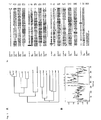
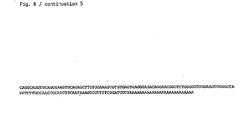
- Trp8a and Trp8b The full length cDNA clones encoded two putative proteins differing in three amino acids and were termed Trp8a and Trp8b ( Fig. 1c , 2a , 7 and 8A ). This finding was reproduced by isolating cDNA clones from two cDNA libraries constructed from two individual placentas.
- the derived protein sequence(s) comprises six transmembrane domains, a characteristic overall feature of trp channels and related proteins ( Fig.: 1b ).
- CaT1 calcium uptake transport protein 1
- rat intestine Peng, J.B., Chen, X.Z., Berger, U.V., Vassilev, P.M., Tsukaguchi, H., Brown, E.M. and Hediger M.A.(1999) J Biol Chem. 6;274, 22739-22746
- EaC epithelial calcium uptake channel isolated from rabbit kidney
- Trp8a/b transcripts are detectable in human placenta, pancreas and prostate ( Fig.: 5 ) and the size of the Northern signal (3.0 kb) corresponds with the size of the isolated full length cDNAs.
- a shorter transcript of 1.8 kb probably a splice variant, is detectable in human testis.
- the Trp8 mRNA is not expressed in small intestine or colon ( Fig.: 5 ) implicating that Trp8 is not the human ortholog of the rat CaT1 or rabbit ECaC proteins.
- Trp8a/b derived primers UW241, 5'-TAT GAG GGT TCA GAC TGC-3' and UW242, 5'-CAA AGT AGA TGA GGT TGC-3'
- Trp8a/b derived primers UW241, 5'-TAT GAG GGT TCA GAC TGC-3' and UW242, 5'-CAA AGT AGA TGA GGT TGC-3'
- Trp8a and Trp8b Two variants of the Trp8 protein (Trp8a and Trp8b) arise by polymorphism
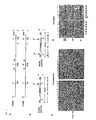
- Trp8a and Trp8b Two variants of the Trp8 cDNA were isolated from human placenta ( Fig.: 2A , 7 and 8A ) which encoded two proteins which differ in three amino acids and were termed Trp8a and Trp8b.
- Trp8a/b specific primers were designed to amplify a DNA fragment of 458 bp of the Trp8 gene from genomic DNA isolated from human T-lymphocytes (primer pair: UW243, 5'-CAC CAT GTG CTG CAT CTA CC-3' and UW244, 5'-CAA TGA CAG TCA CCA GCT CC-3').
- the amplification product contains a part of the sequence where the derived protein sequence of Trp8a comprises the amino acid valine and the Trp8b sequence methionine as well as a silent base pair exchange (g versus a) and an intron of 303bp ( Fig.: 2.A, B ).
- Both variants of the Trp8 genes (a,b) were amplified from genomic DNA in equal amounts indicating the existence of both variants in the human genome and therefore being not the result of RNA editing ( Fig.: 2B ).
- the Trp8a gene can be distinguished from the Trp8b gene by cutting the genomic fragment of 458bp with the restriction enzyme Bsp1286I ( Fig. 2B ).
- Trp8b Using human genomic DNA isolated from blood of twelve human subjects as template, the 458bp fragment was amplified and restricted with BSP1286I. In eleven of the tested subjects only the Trp8b gene is detectable, while one subject (7) contains Trp8a and Trp8b genes ( Fig.: 2D ). These implicates that the two Trp8 variants arise by polymorphism and do not represent individual genes. Using Trp8 specific primers and chromosomal DNA as template, the Trp8 locus is detectable on chromosome 7 ( Fig.: 2C ).
- Trp8b is a calcium permeable channel
- Trp8b cDNA The protein coding sequence of the Trp8b cDNA was subcloned into pcDNA3 vector (Invitrogen, Groningen, Netherlands) under the control of the cytomegalovirus promotor (CMV).
- CMV cytomegalovirus promotor
- HEK 293 cells Human embryonic kidney (HEK 293) cells were cotransfected with the Trp8b pcDNA3 construct (pcDNA3-Trp8b vector) and the pcDNA3-GFPvector encoding the green fluorescent protein (GFP) in 4:1 ratio.
- the Trp8b cDNA and the cDNA of the reporter, GFP was transiently expressed in human embryonic kidney (HEK 293) cells.
- the intracellular Ca 2+ concentration ([Ca 2+ ] i ) and changes of [Ca 2+ ] i were determined by dual wavelength fura-2 fluorescence ratio measurements ( Fig.: 3F ) in cotransfected cells which were identified by the green fluorescence of the reporter gene GFP.
- Dual wavelength fura-2 fluorescence ratio measurement is a standard procedure (e.g. in: An introduction of Molecular Neurobiology (ed. Hall, Z.W.)Sinauer Associates, Sunderland, USA (1992)) using fura-2, which is a fluorescent Ca 2+ sensitive dye and which was designed by R.Y.Tsien (e.g. Trends Neurosci. 11, 419-424 (1988) based upon the structure of EGTA. Its fluorescence emission spectrum is altered by binding to Ca 2+ in the physiological concentration range. In the absence of Ca 2+ , fura-2 fluoresces most strongly at an excitation wavelength of 385 nm; when it binds Ca 2+ , the most effective excitation wavelength shifts to 345 nm. This property is used to measure local Ca 2+ concentrations within cells.
- Cells can be loaded with fura-2 esters (e.g. fura-2AM) that diffuse across cell membranes and are hydrolyzed to active fura-2 by cytosolic esterases.
- Trp8 expressing cells typically contained more than 300 nM cytosolic Ca 2+ , while non transfected controls contained less than 100 nM Ca 2+ ions ( Fig. 3F ).
- Trp8b transfected cells were incubated without extracellular Ca 2+ , the intracellular Ca 2+ concentration ([Ca2 + ] i ) decreased to levels comparable to non transfected cells.
- Readdition of 1mM Ca 2+ to the bath resulted in significant increase of the cytosolic [Ca 2+ ] in Trp8b transfected cells, but not in controls ( Fig.: 3F ).
- the cytosolic Ca 2+ concentration remains on a high steady state level in the Trp8b transfected cells.
- Trp8 expressing cells show calcium selective inward currents
- TRP8 and GFP were coexpressed in HEK293 cells using the dicistronic expression vector pdiTRP8 and measured currents using the patch clamp technique in the whole cell mode ( Hamill, O.P., Marty, A., Neher, E., Sakmann, B. and Sigworth, F.J. (1981) Pflugers Arch., 391, 85-100 ).
- the eucaryotic expression plasmid pdiTRP8 contains the cDNA of Trp8b under the control of the chicken ⁇ -actin promotor followed by an internal ribosome entry side (IRES) and the cDNA of the green fluorescent protein (GFP).
- IRS internal ribosome entry side
- GFP green fluorescent protein
- Trp8b transfected HEK cells show inwardly rectifying currents, the size of which depends on the level of intracellular calcium and the electrochemical driving force.
- the resting membrane potential was held either at -40 mV, or, to lower the driving force for calcium influx in between pulses, at + 70 mV.
- Current traces were recorded in response to voltage ramps from -100 to +100 mV, that were applied every second.
- Figure 3A shows a representative trace of the current at - 80 mV over time.
- Trp8 transfected cells can now conduct very large sodium currents.
- the currents immediately after the solution change, the currents first become smaller before increasing rapidly, indicating that the pore may initially still be blocked by calcium a phenomenon usually called anomalous mole fraction behaviour ( Warnat, J., Philipp, S., Zimmer, S.,.Flockerzi, V., and Cavalié A.(1999) J.Physiol. (Lond) 518, 631-638 ).
- Trp8 transfected cells in normal bath solution are not significantly different from non-transfected control cells or cells which only express the reporter gene GFP.
- the remaining current was subtracted from the current before the solution change to obtain the uncontaminated Trp8 conductance (see inset in Fig.: 3C ).
- the current-voltage relationship now shows prominent inward rectification with little to no outward current.
- Trp8 currents Both the time course of the development of Trp8 currents and the size of the currents depend on the frequency of stimulation (data not shown), the internal and external Ca 2+ concentration and the resting membrane potential, suggesting that Trp8 calcium conductance is intrically regulated by a Ca 2+ mediated feedback mechanisms.
- Example 6 Ca 2+ / calmodulin binds to the C-terminus of the Trp8 protein
- Trp8 protein a prime mediator of calcium regulated feedback, is involved.
- Trp8 cDNA was in vitro translated in the presence of 35 S-methionine and the product incubated with calmodulin-agarose beads. After several washes either in the presence or abscence of Ca 2+ , the beads were incubated in Laemmli buffer and subjected to SDS-polyacrylamide gel electrophoresis. In the presence of Ca 2+ (1mM), but not in the absence of Ca 2+ , Trp8 protein binds to calmodulin ( Fig.: 4B ).
- fusion proteins of the N-terminal region (N1, N2) of Trp8 did not bind calmodulin, while C-terminal fragments (Cl, C2, C3, C4) showed calmodulin binding in the presence of calcium (for localization of fragments within the entire Trp8 protein see Fig. 4C ).
- C-terminal fragments Cl, C2, C3, C4
- a truncated version of in vitro translated Trp8 which lacks the C-terminal 32 amino acid residues did not bind to calmodulin-agarose (4B).
- This calmodulin binding site does not resemble the typical conserved IQ - motif of conventional myosins, but has limited sequence homology to the calcium dependent calmodulin binding site 1 of the transient receptor potential like (trp1) protein of Drosophila melanogaster (Warr and Kelly, 1996) with several charged amino acid residues conserved.
- the sequence of the calmodulin binding site of the Trp8 protein resembles a putative amphipathic ⁇ -helical wheel structure with a charged and a hydrophobic site according to a model proposed by Erickson-Vitanen and De Grado (1987, Methods Enzymol. 139, 455-478 .).
- Trp8 transcripts are detectable in human pancreas ( Fig.: 5A ). Therefore Trp8 probes were hybridized to tissue sections of human pancreas. The pancreatic tissues were removed from patients with pancreas cancer. Trp8 expression is detectable in pancreatic acinar cells, but not in Langerhans islets ( Fig.: 5C ). No Trp8 expression was found in regions of pancreatic carcinomas (data not shown).
- Trp8 cDNA is not detectable in human colon nor in human kidney by in situ hybridization as well as by Northern analysis ( Fig.: 5A, D ).
- the Northern results taken together with the in situ expression data indicate that the Trp8 protein is not the human ortholog of the CaT1 and ECaC channels cloned from rat intestine ( Peng, J.B., Chen, X.Z., Berger, U.V., Vassilev, P.M., Tsukaguchi, H., Brown, E.M. and Hediger M.A.(1999) J Biol Chem.
- Trp8 is unlikely to represent the human version of CaT1 as its expression is undetectable in the small intestine and colon tissues where CaT1 is abundantly expressed. If, however, Trp8 is the human version of rat CaT1, a second gene product appears to be required for Ca 2+ uptake in human small intestine and colon attributed to CaT1 in rat small intestine and colon.
- Example 8 Differential expression of Trp8 transcripts in benign and malign tissue of the prostate
- Trp8 transcripts are expressed in human prostate as shown by hybridization of a Trp8 probe to a commercial Northern blot (Clontech, Palo Alto, USA) ( Fig.: 5A ). Trp8 transcripts were not detectable by Northern blot analysis using pooled mRNA of patients with benign prostatic hyperplasia (BPH) ( Fig.: 5A , prostate*). To examine Trp8 expression on the cellular level, sections of prostate tissues were hybridized using Trp8 specific cDNA probes (Table 3).
- the commercial Northern blot used in Fig.: 5A contains not only normal prostate mRNA as indicated by the distributor. According to the distributors instructions the prostate mRNA used for this Northern blot was collected from 155 human subjects in the range of 14 to 60 years of age. This prostate tissue was not examined by pathologic means. Since Trp8 expression is not detectable in normal or benign prostate, this finding implicates that the mRNA used for this Northern blot was extracted in part from prostatic carcinoma tissue. To summarize, Trp8 expression is only detectable in malign prostate and, thus, the Trp8 cDNA is a marker for prostate carcinoma. The results are summarized in Table 4.
- Trp8 probes used for in situ hybridization Probes (antisense) 1.) 5' TCCGCTGCCGGTTGAGATCTTGCC 3' 2.) 5' CTTGCTCCATAGGCAGAGAATTAG 3' 3.) 5' ATCCTCAGAGCCCCGGGTGTGGAA3' Controls (sense) 1.) 5' GGCAAGATCTCAACCGGCAGCGGA 3' 2.) 5' CTAATTCTCTGCCTATGGAGCAAG 3' 3.) 5' TTCCACACCCGGGGCTCTGAGGAT 3' Table 4 Prostate total negative positive normal 3 3 0 BPH 15 15 0 PIN 9 9 0 carcinoma 18 1 17
- Trp8 transcripts Differential expression of Trp8 transcripts in benign and malign tissue of the uterus
- Trp8 is expresed in endometrial cancer (also called cancer of the uterus, to be distinguished from uterine sarcoma or cancer of the cervix) whereas no expression was observed in normal uterus tissue.
- Trp8 also is a specific marker for the diagnosis of the above cancer (Fig. 12).
Landscapes
- Health & Medical Sciences (AREA)
- Life Sciences & Earth Sciences (AREA)
- Chemical & Material Sciences (AREA)
- Immunology (AREA)
- Organic Chemistry (AREA)
- Engineering & Computer Science (AREA)
- Proteomics, Peptides & Aminoacids (AREA)
- Molecular Biology (AREA)
- General Health & Medical Sciences (AREA)
- Analytical Chemistry (AREA)
- Pathology (AREA)
- Genetics & Genomics (AREA)
- Zoology (AREA)
- Biochemistry (AREA)
- Medicinal Chemistry (AREA)
- Physics & Mathematics (AREA)
- Wood Science & Technology (AREA)
- Microbiology (AREA)
- Urology & Nephrology (AREA)
- Hematology (AREA)
- Biophysics (AREA)
- Biomedical Technology (AREA)
- Biotechnology (AREA)
- Cell Biology (AREA)
- General Engineering & Computer Science (AREA)
- Bioinformatics & Cheminformatics (AREA)
- Toxicology (AREA)
- Oncology (AREA)
- Hospice & Palliative Care (AREA)
- Gastroenterology & Hepatology (AREA)
- Food Science & Technology (AREA)
- General Physics & Mathematics (AREA)
- Animal Behavior & Ethology (AREA)
- Veterinary Medicine (AREA)
- Public Health (AREA)
- Pharmacology & Pharmacy (AREA)
- Nuclear Medicine, Radiotherapy & Molecular Imaging (AREA)
- General Chemical & Material Sciences (AREA)
- Chemical Kinetics & Catalysis (AREA)
- Measuring Or Testing Involving Enzymes Or Micro-Organisms (AREA)
Applications Claiming Priority (3)
| Application Number | Priority Date | Filing Date | Title |
|---|---|---|---|
| US22151300P | 2000-07-28 | 2000-07-28 | |
| US221513P | 2000-07-28 | ||
| PCT/EP2001/008309 WO2002010382A2 (en) | 2000-07-28 | 2001-07-18 | Trp8, trp9 and trp10, markers for cancer |
Publications (2)
| Publication Number | Publication Date |
|---|---|
| EP1366158A2 EP1366158A2 (en) | 2003-12-03 |
| EP1366158B1 true EP1366158B1 (en) | 2008-05-21 |
Family
ID=22828139
Family Applications (1)
| Application Number | Title | Priority Date | Filing Date |
|---|---|---|---|
| EP01967204A Expired - Lifetime EP1366158B1 (en) | 2000-07-28 | 2001-07-18 | Trp8 markers for cancer |
Country Status (8)
| Country | Link |
|---|---|
| US (1) | US7205108B2 (https=) |
| EP (1) | EP1366158B1 (https=) |
| JP (1) | JP2004505617A (https=) |
| AT (1) | ATE396266T1 (https=) |
| AU (1) | AU2001287639A1 (https=) |
| CA (1) | CA2417671A1 (https=) |
| DE (1) | DE60134178D1 (https=) |
| WO (1) | WO2002010382A2 (https=) |
Families Citing this family (84)
| Publication number | Priority date | Publication date | Assignee | Title |
|---|---|---|---|---|
| US7364867B2 (en) | 2000-04-17 | 2008-04-29 | The Mount Sinai School Of Medicine | Method of identifying bitter compounds by employing TRP8, a transient receptor potential channel expressed in taste receptor cells |
| DE10215321A1 (de) * | 2002-04-02 | 2003-10-23 | Metagen Pharmaceuticals Gmbh | Trp-p8 Splice Varianten und regulatorische RNA |
| EP1497328A2 (en) * | 2002-04-16 | 2005-01-19 | Bayer HealthCare AG | Regulation of human transient receptor potential channel |
| JP2005538697A (ja) * | 2002-04-19 | 2005-12-22 | シエーリング アクチエンゲゼルシャフト | 新規前立腺腫瘍特異的プロモーター |
| AU2003261710B2 (en) * | 2003-01-08 | 2008-08-14 | Nippon Milk Community Co., Ltd. | Human calcium transporter 1 gene, screening method of calcium absorption regulating factor, and calcium absorption regulating factor |
| EP2478912B1 (en) | 2003-11-06 | 2016-08-31 | Seattle Genetics, Inc. | Auristatin conjugates with anti-HER2 or anti-CD22 antibodies and their use in therapy |
| NZ579482A (en) | 2004-06-01 | 2011-02-25 | Genentech Inc | Antibody drug conjugates and methods |
| US20100111856A1 (en) | 2004-09-23 | 2010-05-06 | Herman Gill | Zirconium-radiolabeled, cysteine engineered antibody conjugates |
| DK1791565T3 (en) | 2004-09-23 | 2016-08-01 | Genentech Inc | Cysteingensplejsede antibodies and conjugates |
| WO2007053570A2 (en) * | 2005-10-31 | 2007-05-10 | Janssen Pharmaceutica N.V. | A polypeptide complex of trpm8 and calmodulin and its uses thereof |
| JP5749154B2 (ja) * | 2008-03-19 | 2015-07-15 | ソリシメド・バイオファーマ・インコーポレーテッド | Trpv6カルシウムチャネル活性阻害による癌治療のためのペプチド組成物 |
| EP2445932B1 (en) | 2009-06-26 | 2018-02-28 | Soricimed Biopharma Inc. | Soricidin derived peptides and methods for the detection of trpv-6 cancers and drug delivery |
| JP2013504585A (ja) | 2009-09-09 | 2013-02-07 | セントローズ, エルエルシー | 細胞外標的化薬物複合体 |
| SI2528625T1 (sl) | 2010-04-15 | 2013-11-29 | Spirogen Sarl | Pirolobenzodiazepini in njihovi konjugati |
| CA2799540A1 (en) | 2010-06-08 | 2011-12-15 | Genentech, Inc. | Cysteine engineered antibodies and conjugates |
| US20120121615A1 (en) | 2010-11-17 | 2012-05-17 | Flygare John A | Alaninyl maytansinol antibody conjugates |
| US8679767B2 (en) | 2011-05-12 | 2014-03-25 | Genentech, Inc. | Multiple reaction monitoring LC-MS/MS method to detect therapeutic antibodies in animal samples using framework signature peptides |
| BR112014009050B1 (pt) | 2011-10-14 | 2022-06-21 | Medimmune Limited | Conjugado anticorpo-fármaco de pirrolbenzodiazepinas, composição farmacêutica que compreende o mesmo, bem como compostos de pirrolbenzodiazepinas |
| WO2013130093A1 (en) | 2012-03-02 | 2013-09-06 | Genentech, Inc. | Biomarkers for treatment with anti-tubulin chemotherapeutic compounds |
| MX338711B (es) | 2012-10-12 | 2016-04-28 | Medimmune Ltd | Pirrolobenzodiazepinas y conjugados de las mismas. |
| RS57694B1 (sr) | 2012-10-12 | 2018-11-30 | Adc Therapeutics Sa | Pirolobenzodiazepin - anti-psma konjugati antitela |
| HRP20182129T1 (hr) | 2012-10-12 | 2019-02-08 | Adc Therapeutics Sa | Konjugati protutijelo - pirolobenzodiazepin |
| EP2906296B1 (en) | 2012-10-12 | 2018-03-21 | ADC Therapeutics SA | Pyrrolobenzodiazepine-antibody conjugates |
| ES2680153T3 (es) | 2012-10-12 | 2018-09-04 | Adc Therapeutics Sa | Conjugados de anticuerpos anti-PSMA-pirrolobenzodiazepinas |
| JP6392765B2 (ja) | 2012-10-12 | 2018-09-19 | エイディーシー・セラピューティクス・エス・アーAdc Therapeutics Sa | ピロロベンゾジアゼピン−抗体結合体 |
| EP2906297B1 (en) | 2012-10-12 | 2017-12-06 | ADC Therapeutics SA | Pyrrolobenzodiazepine-antibody conjugates |
| CN110627797A (zh) | 2012-12-21 | 2019-12-31 | 麦迪穆有限责任公司 | 用于治疗增殖性和自身免疫疾病的非对称吡咯并苯并二氮杂卓二聚物 |
| CN105189507A (zh) | 2012-12-21 | 2015-12-23 | 斯皮罗根有限公司 | 吡咯并苯并二氮杂卓及其结合物 |
| KR102189659B1 (ko) | 2013-02-28 | 2020-12-11 | 가부시키가이샤 니찌레이 바이오사이언스 | 표지 효소를 사용한 염색용 dab 함유 기질 키트 |
| MX362970B (es) | 2013-03-13 | 2019-02-28 | Medimmune Ltd | Pirrolobenzodiazepinas y conjugados de las mismas. |
| AU2014229529B2 (en) | 2013-03-13 | 2018-02-15 | Medimmune Limited | Pyrrolobenzodiazepines and conjugates thereof |
| TWI680766B (zh) | 2013-03-13 | 2020-01-01 | 英商梅迪繆思有限公司 | 吡咯并苯并二氮呯及其共軛物 |
| BR112016002829A2 (pt) | 2013-08-12 | 2017-09-19 | Genentech Inc | Composto e processo para preparar o composto de conjugado anticorpo-¿droga, composição farmacêutica, método de tratamento do câncer, kit para o tratamento do câncer, intermediário ligante¿-droga, porção e composto de porção droga de dímero cbi |
| WO2015052534A1 (en) | 2013-10-11 | 2015-04-16 | Spirogen Sàrl | Pyrrolobenzodiazepine-antibody conjugates |
| WO2015052535A1 (en) | 2013-10-11 | 2015-04-16 | Spirogen Sàrl | Pyrrolobenzodiazepine-antibody conjugates |
| EP3054983B1 (en) | 2013-10-11 | 2019-03-20 | Medimmune Limited | Pyrrolobenzodiazepine-antibody conjugates |
| GB201317982D0 (en) | 2013-10-11 | 2013-11-27 | Spirogen Sarl | Pyrrolobenzodiazepines and conjugates thereof |
| WO2015095227A2 (en) | 2013-12-16 | 2015-06-25 | Genentech, Inc. | Peptidomimetic compounds and antibody-drug conjugates thereof |
| EP3082876B1 (en) | 2013-12-16 | 2018-01-17 | Genentech, Inc. | 1-(chloromethyl)-2,3-dihydro-1h-benzo[e]indole dimer antibody-drug conjugate compounds, and methods of use and treatment |
| JP6671292B2 (ja) | 2013-12-16 | 2020-03-25 | ジェネンテック, インコーポレイテッド | ペプチド模倣化合物及びその抗体−薬物コンジュゲート |
| EP3193940A1 (en) | 2014-09-10 | 2017-07-26 | Medimmune Limited | Pyrrolobenzodiazepines and conjugates thereof |
| WO2016040825A1 (en) | 2014-09-12 | 2016-03-17 | Genentech, Inc. | Anthracycline disulfide intermediates, antibody-drug conjugates and methods |
| SG11201701128YA (en) | 2014-09-12 | 2017-03-30 | Genentech Inc | Cysteine engineered antibodies and conjugates |
| GB201416112D0 (en) | 2014-09-12 | 2014-10-29 | Medimmune Ltd | Pyrrolobenzodiazepines and conjugates thereof |
| CN107073136A (zh) | 2014-09-17 | 2017-08-18 | 健泰科生物技术公司 | 吡咯并苯并二氮杂卓及其抗体二硫化物偶联物 |
| CN107148285B (zh) | 2014-11-25 | 2022-01-04 | Adc治疗股份有限公司 | 吡咯并苯并二氮杂䓬-抗体缀合物 |
| AU2015358532C1 (en) | 2014-12-03 | 2020-10-29 | Genentech, Inc. | Quaternary amine compounds and antibody-drug conjugates thereof |
| GB201506402D0 (en) | 2015-04-15 | 2015-05-27 | Berkel Patricius H C Van And Howard Philip W | Site-specific antibody-drug conjugates |
| GB201506411D0 (en) | 2015-04-15 | 2015-05-27 | Bergenbio As | Humanized anti-axl antibodies |
| CR20180243A (es) | 2015-10-02 | 2018-07-31 | Genentech Inc | Conjugados de anticuerpo-fármaco de pirrolobenzodiazepina y métodos de uso |
| MA43354A (fr) | 2015-10-16 | 2018-08-22 | Genentech Inc | Conjugués médicamenteux à pont disulfure encombré |
| EP3365025B1 (en) | 2015-10-20 | 2020-07-15 | Genentech, Inc. | Calicheamicin-antibody-drug conjugates and methods of use |
| GB201601431D0 (en) | 2016-01-26 | 2016-03-09 | Medimmune Ltd | Pyrrolobenzodiazepines |
| GB201602356D0 (en) | 2016-02-10 | 2016-03-23 | Medimmune Ltd | Pyrrolobenzodiazepine Conjugates |
| GB201602359D0 (en) | 2016-02-10 | 2016-03-23 | Medimmune Ltd | Pyrrolobenzodiazepine Conjugates |
| CN108700598A (zh) | 2016-03-25 | 2018-10-23 | 豪夫迈·罗氏有限公司 | 多路总抗体和抗体缀合的药物量化测定法 |
| GB201607478D0 (en) | 2016-04-29 | 2016-06-15 | Medimmune Ltd | Pyrrolobenzodiazepine Conjugates |
| CN118436801A (zh) | 2016-05-20 | 2024-08-06 | 豪夫迈·罗氏有限公司 | Protac抗体缀合物及其使用方法 |
| EP3465221B1 (en) | 2016-05-27 | 2020-07-22 | H. Hoffnabb-La Roche Ag | Bioanalytical method for the characterization of site-specific antibody-drug conjugates |
| WO2017214024A1 (en) | 2016-06-06 | 2017-12-14 | Genentech, Inc. | Silvestrol antibody-drug conjugates and methods of use |
| CN109689111B (zh) | 2016-08-11 | 2024-04-05 | 基因泰克公司 | 吡咯并苯并二氮杂䓬前药及其抗体缀合物 |
| JP7050770B2 (ja) | 2016-10-05 | 2022-04-08 | エフ・ホフマン-ラ・ロシュ・アクチェンゲゼルシャフト | 抗体薬物コンジュゲートの調製方法 |
| GB201617466D0 (en) | 2016-10-14 | 2016-11-30 | Medimmune Ltd | Pyrrolobenzodiazepine conjugates |
| GB201702031D0 (en) | 2017-02-08 | 2017-03-22 | Medlmmune Ltd | Pyrrolobenzodiazepine-antibody conjugates |
| RS61795B1 (sr) | 2017-02-08 | 2021-06-30 | Adc Therapeutics Sa | Konjugati pirolobenzodiazepin antitela |
| CN110582505B (zh) | 2017-04-18 | 2021-04-02 | 免疫医疗有限公司 | 吡咯并苯并二氮杂*缀合物 |
| WO2018193102A1 (en) | 2017-04-20 | 2018-10-25 | Adc Therapeutics Sa | Combination therapy with an anti-axl antibody-drug conjugate |
| CA3064804A1 (en) | 2017-06-14 | 2018-12-20 | Adc Therapeutics Sa | Dosage regimes for the administration of an anti-cd19 adc |
| KR102270107B1 (ko) | 2017-08-18 | 2021-06-30 | 메디뮨 리미티드 | 피롤로벤조디아제핀 컨쥬게이트 |
| EP3684773B1 (en) | 2017-09-20 | 2026-04-29 | pH Pharma Co., Ltd. | Thailanstatin analogs |
| GB201803342D0 (en) | 2018-03-01 | 2018-04-18 | Medimmune Ltd | Methods |
| GB201806022D0 (en) | 2018-04-12 | 2018-05-30 | Medimmune Ltd | Pyrrolobenzodiazepines and conjugates thereof |
| GB201814281D0 (en) | 2018-09-03 | 2018-10-17 | Femtogenix Ltd | Cytotoxic agents |
| EP3867267A1 (en) * | 2018-10-18 | 2021-08-25 | FundaMental Pharma GmbH | Novel means to modulate nmda receptor-mediated toxicity |
| JP7708662B2 (ja) | 2018-10-24 | 2025-07-15 | エフ・ホフマン-ラ・ロシュ・アクチェンゲゼルシャフト | コンジュゲート化された化学的分解誘導物質および使用方法 |
| JP2022513198A (ja) | 2018-12-10 | 2022-02-07 | ジェネンテック, インコーポレイテッド | Fc含有タンパク質への部位特異的コンジュゲーションのための光架橋性ペプチド |
| GB201901197D0 (en) | 2019-01-29 | 2019-03-20 | Femtogenix Ltd | G-A Crosslinking cytotoxic agents |
| CN113631560B (zh) | 2019-03-15 | 2025-02-18 | 麦迪穆有限责任公司 | 氮杂环丁烷并苯并二氮杂䓬二聚体和用于治疗癌症的包含它们的缀合物 |
| GB2597532A (en) | 2020-07-28 | 2022-02-02 | Femtogenix Ltd | Cytotoxic compounds |
| EP4426727A2 (en) | 2021-11-03 | 2024-09-11 | Hangzhou Dac Biotech Co., Ltd. | Specific conjugation of an antibody |
| WO2024138128A2 (en) | 2022-12-23 | 2024-06-27 | Genentech, Inc. | Cereblon degrader conjugates, and uses thereof |
| KR20260012304A (ko) | 2023-04-17 | 2026-01-26 | 피크 바이오, 인크. | 항체 및 항체-약물 접합체 및 사용 방법 및 합성 공정 및 중간체 |
| WO2026006689A2 (en) | 2024-06-28 | 2026-01-02 | Firefly Bio, Inc. | Bcl-xl degrader antibody conjugates and uses thereof |
| WO2026006688A2 (en) | 2024-06-28 | 2026-01-02 | Firefly Bio, Inc. | Degrader antibody conjugates and uses thereof |
Family Cites Families (15)
| Publication number | Priority date | Publication date | Assignee | Title |
|---|---|---|---|---|
| US5885776A (en) * | 1997-01-30 | 1999-03-23 | University Of Iowa Research Foundation | Glaucoma compositions and therapeutic and diagnositic uses therefor |
| US5919638A (en) * | 1996-10-08 | 1999-07-06 | Abbott Laboratories | Reagents and methods useful for detecting prostate tumors |
| PL196260B1 (pl) * | 1997-02-25 | 2007-12-31 | Corixa Corp | Polipeptyd, cząsteczka DNA, komórka gospodarza, białko fuzyjne, kompozycje farmaceutyczne i szczepionki do leczenia raka prostaty |
| US6194152B1 (en) * | 1997-08-20 | 2001-02-27 | Dendreon Corporation | Prostate tumor polynucleotide compositions and methods of detection thereof |
| DE69939553D1 (de) | 1998-12-30 | 2008-10-23 | Beth Israel Hospital | Charakterisierung der proteinfamilie von soc/crac kalziumkanälen |
| US6534642B1 (en) * | 1999-07-09 | 2003-03-18 | Matthias A. Hediger | Compositions corresponding to a calcium transporter and methods of making and using same |
| WO2001014423A1 (en) * | 1999-08-19 | 2001-03-01 | Smithkline Beecham P.L.C. | Identification of three putative calcium channel vanilrep peptides |
| AU2074201A (en) | 1999-12-08 | 2001-06-18 | Millennium Pharmaceuticals, Inc. | Novel genes, compositions, kits, and methods for identification, assessment, prevention, and therapy of cervical cancer |
| CA2397741A1 (en) * | 2000-01-14 | 2001-07-19 | Corixa Corporation | Compositions and methods for the therapy and diagnosis of prostate cancer |
| US20020072101A1 (en) * | 2000-01-21 | 2002-06-13 | Gaughan Glen T. | Novel human nucleic acid molecules and polypeptides encoding cation channels |
| US20020142377A1 (en) * | 2000-02-22 | 2002-10-03 | Glucksmann Maria Alexandra | 18607, a novel human calcium channel |
| WO2001068857A2 (en) * | 2000-03-15 | 2001-09-20 | Millennium Pharmaceuticals, Inc. | 18615 and 48003, human ion channels and uses therefor |
| AU2001270240A1 (en) * | 2000-06-26 | 2002-01-08 | Millennium Pharmaceuticals, Inc. | Human calcium channels (48000; 52920) and uses thereof |
| AU2001285018A1 (en) * | 2000-08-17 | 2002-02-25 | Agensys, Inc. | Nucleic acids and corresponding proteins entitled 83p2h3 and catrf2e11 useful in treatment and detection of cancer |
| EP1474528A4 (en) * | 2000-10-13 | 2006-06-14 | Protein Design Labs Inc | METHODS OF DIAGNOSIS OF PROSTATE CANCER, COMPOSITIONS AND METHODS OF EXAMINING PROSTATE CANCER MODULATORS |
-
2001
- 2001-07-18 DE DE60134178T patent/DE60134178D1/de not_active Expired - Lifetime
- 2001-07-18 US US10/343,114 patent/US7205108B2/en not_active Expired - Fee Related
- 2001-07-18 WO PCT/EP2001/008309 patent/WO2002010382A2/en not_active Ceased
- 2001-07-18 JP JP2002516300A patent/JP2004505617A/ja not_active Ceased
- 2001-07-18 CA CA002417671A patent/CA2417671A1/en not_active Abandoned
- 2001-07-18 AU AU2001287639A patent/AU2001287639A1/en not_active Abandoned
- 2001-07-18 AT AT01967204T patent/ATE396266T1/de not_active IP Right Cessation
- 2001-07-18 EP EP01967204A patent/EP1366158B1/en not_active Expired - Lifetime
Also Published As
| Publication number | Publication date |
|---|---|
| US7205108B2 (en) | 2007-04-17 |
| ATE396266T1 (de) | 2008-06-15 |
| WO2002010382A3 (en) | 2003-10-09 |
| CA2417671A1 (en) | 2002-02-07 |
| AU2001287639A1 (en) | 2002-02-13 |
| JP2004505617A (ja) | 2004-02-26 |
| WO2002010382A9 (en) | 2002-09-19 |
| US20040072998A1 (en) | 2004-04-15 |
| WO2002010382A2 (en) | 2002-02-07 |
| DE60134178D1 (de) | 2008-07-03 |
| EP1366158A2 (en) | 2003-12-03 |
Similar Documents
| Publication | Publication Date | Title |
|---|---|---|
| EP1366158B1 (en) | Trp8 markers for cancer | |
| Wissenbach et al. | Expression of CaT-like, a novel calcium-selective channel, correlates with the malignancy of prostate cancer | |
| EP0972201B1 (en) | Compounds for immunodiagnosis of prostate cancer and methods for their use | |
| US8227200B2 (en) | Methods for identifying kremen polypeptide binding partners | |
| US20030028905A1 (en) | Mutant forms of the TGF-beta type II receptor which bind all TGF-beta isoforms | |
| KR20090111307A (ko) | 전립선 특이적 전사물 및 전립선암의 치료 및 진단에 사용되는 이의 용도 | |
| US6150117A (en) | Method for diagnosis of cancer | |
| US20030235533A1 (en) | Prostate specific genes and the use thereof in design or therapeutics | |
| US20040137487A1 (en) | hKCa3/KCNN3 small conductance calcium activated potassium channel: a diagnostic marker and therapeutic target | |
| US6875854B1 (en) | Compositions and methods for the improved diagnosis and treatment of germ cell tumors | |
| US7883896B2 (en) | Marker molecules associated with lung tumors | |
| WO2001036445A1 (en) | Compositions and methods for the improved diagnosis and treatment of germ cell tumors | |
| US20020061552A1 (en) | Mammalian dishevelled-associated proteins | |
| JP2002541843A (ja) | プロテアーゼ活性化受容体2の変異体 | |
| US20060088832A1 (en) | Tap-70, a novel marker for epithelial tumors | |
| EP1589101A1 (en) | Novel protein and its gene | |
| EP1395830B1 (en) | Bcmp-101, a cancer associated protein | |
| US20060223129A1 (en) | Compounds for immunodiagnosis of prostate cancer and methods for their use | |
| US20020081608A1 (en) | Tumor associated proteins | |
| Kim | Tavtigian et al. | |
| JP2005527190A (ja) | 核タンパク質「shoca」−wntシグナル伝達経路の成分 | |
| US20030186232A1 (en) | Human and non-human primate homologues of Nkd protein, nucleic acid sequences encoding, and uses thereof | |
| EP1606408A2 (en) | Human p53 splice variant displaying differential transcriptional activity | |
| JPH08140688A (ja) | Ecdn蛋白質およびそれをコードするdna |
Legal Events
| Date | Code | Title | Description |
|---|---|---|---|
| PUAI | Public reference made under article 153(3) epc to a published international application that has entered the european phase |
Free format text: ORIGINAL CODE: 0009012 |
|
| 17P | Request for examination filed |
Effective date: 20030121 |
|
| AK | Designated contracting states |
Kind code of ref document: A2 Designated state(s): AT BE CH CY DE DK ES FI FR GB GR IE IT LI LU MC NL PT SE TR |
|
| AX | Request for extension of the european patent |
Extension state: AL LT LV MK RO SI |
|
| 17Q | First examination report despatched |
Effective date: 20040216 |
|
| GRAP | Despatch of communication of intention to grant a patent |
Free format text: ORIGINAL CODE: EPIDOSNIGR1 |
|
| DAX | Request for extension of the european patent (deleted) | ||
| RTI1 | Title (correction) |
Free format text: TRP8 MARKERS FOR CANCER |
|
| GRAS | Grant fee paid |
Free format text: ORIGINAL CODE: EPIDOSNIGR3 |
|
| GRAA | (expected) grant |
Free format text: ORIGINAL CODE: 0009210 |
|
| AK | Designated contracting states |
Kind code of ref document: B1 Designated state(s): AT BE CH CY DE DK ES FI FR GB GR IE IT LI LU MC NL PT SE TR |
|
| REG | Reference to a national code |
Ref country code: GB Ref legal event code: FG4D |
|
| REG | Reference to a national code |
Ref country code: CH Ref legal event code: EP |
|
| REF | Corresponds to: |
Ref document number: 60134178 Country of ref document: DE Date of ref document: 20080703 Kind code of ref document: P |
|
| REG | Reference to a national code |
Ref country code: IE Ref legal event code: FG4D |
|
| REG | Reference to a national code |
Ref country code: CH Ref legal event code: NV Representative=s name: ING. MARCO ZARDI C/O M. ZARDI & CO. S.A. |
|
| PG25 | Lapsed in a contracting state [announced via postgrant information from national office to epo] |
Ref country code: ES Free format text: LAPSE BECAUSE OF FAILURE TO SUBMIT A TRANSLATION OF THE DESCRIPTION OR TO PAY THE FEE WITHIN THE PRESCRIBED TIME-LIMIT Effective date: 20080901 Ref country code: FI Free format text: LAPSE BECAUSE OF FAILURE TO SUBMIT A TRANSLATION OF THE DESCRIPTION OR TO PAY THE FEE WITHIN THE PRESCRIBED TIME-LIMIT Effective date: 20080521 |
|
| PG25 | Lapsed in a contracting state [announced via postgrant information from national office to epo] |
Ref country code: AT Free format text: LAPSE BECAUSE OF FAILURE TO SUBMIT A TRANSLATION OF THE DESCRIPTION OR TO PAY THE FEE WITHIN THE PRESCRIBED TIME-LIMIT Effective date: 20080521 |
|
| PG25 | Lapsed in a contracting state [announced via postgrant information from national office to epo] |
Ref country code: DK Free format text: LAPSE BECAUSE OF FAILURE TO SUBMIT A TRANSLATION OF THE DESCRIPTION OR TO PAY THE FEE WITHIN THE PRESCRIBED TIME-LIMIT Effective date: 20080521 Ref country code: PT Free format text: LAPSE BECAUSE OF FAILURE TO SUBMIT A TRANSLATION OF THE DESCRIPTION OR TO PAY THE FEE WITHIN THE PRESCRIBED TIME-LIMIT Effective date: 20081021 Ref country code: SE Free format text: LAPSE BECAUSE OF FAILURE TO SUBMIT A TRANSLATION OF THE DESCRIPTION OR TO PAY THE FEE WITHIN THE PRESCRIBED TIME-LIMIT Effective date: 20080821 |
|
| PG25 | Lapsed in a contracting state [announced via postgrant information from national office to epo] |
Ref country code: BE Free format text: LAPSE BECAUSE OF FAILURE TO SUBMIT A TRANSLATION OF THE DESCRIPTION OR TO PAY THE FEE WITHIN THE PRESCRIBED TIME-LIMIT Effective date: 20080521 |
|
| PLBE | No opposition filed within time limit |
Free format text: ORIGINAL CODE: 0009261 |
|
| STAA | Information on the status of an ep patent application or granted ep patent |
Free format text: STATUS: NO OPPOSITION FILED WITHIN TIME LIMIT |
|
| PG25 | Lapsed in a contracting state [announced via postgrant information from national office to epo] |
Ref country code: MC Free format text: LAPSE BECAUSE OF NON-PAYMENT OF DUE FEES Effective date: 20080731 |
|
| 26N | No opposition filed |
Effective date: 20090224 |
|
| REG | Reference to a national code |
Ref country code: IE Ref legal event code: MM4A |
|
| PG25 | Lapsed in a contracting state [announced via postgrant information from national office to epo] |
Ref country code: IE Free format text: LAPSE BECAUSE OF NON-PAYMENT OF DUE FEES Effective date: 20080718 |
|
| PG25 | Lapsed in a contracting state [announced via postgrant information from national office to epo] |
Ref country code: IT Free format text: LAPSE BECAUSE OF FAILURE TO SUBMIT A TRANSLATION OF THE DESCRIPTION OR TO PAY THE FEE WITHIN THE PRESCRIBED TIME-LIMIT Effective date: 20080521 |
|
| PG25 | Lapsed in a contracting state [announced via postgrant information from national office to epo] |
Ref country code: CY Free format text: LAPSE BECAUSE OF FAILURE TO SUBMIT A TRANSLATION OF THE DESCRIPTION OR TO PAY THE FEE WITHIN THE PRESCRIBED TIME-LIMIT Effective date: 20080521 Ref country code: LU Free format text: LAPSE BECAUSE OF NON-PAYMENT OF DUE FEES Effective date: 20080718 |
|
| PG25 | Lapsed in a contracting state [announced via postgrant information from national office to epo] |
Ref country code: TR Free format text: LAPSE BECAUSE OF FAILURE TO SUBMIT A TRANSLATION OF THE DESCRIPTION OR TO PAY THE FEE WITHIN THE PRESCRIBED TIME-LIMIT Effective date: 20080521 |
|
| PG25 | Lapsed in a contracting state [announced via postgrant information from national office to epo] |
Ref country code: GR Free format text: LAPSE BECAUSE OF FAILURE TO SUBMIT A TRANSLATION OF THE DESCRIPTION OR TO PAY THE FEE WITHIN THE PRESCRIBED TIME-LIMIT Effective date: 20080822 |
|
| PGFP | Annual fee paid to national office [announced via postgrant information from national office to epo] |
Ref country code: NL Payment date: 20130724 Year of fee payment: 13 Ref country code: CH Payment date: 20130725 Year of fee payment: 13 Ref country code: DE Payment date: 20130920 Year of fee payment: 13 |
|
| PGFP | Annual fee paid to national office [announced via postgrant information from national office to epo] |
Ref country code: GB Payment date: 20130731 Year of fee payment: 13 Ref country code: FR Payment date: 20130731 Year of fee payment: 13 |
|
| REG | Reference to a national code |
Ref country code: DE Ref legal event code: R119 Ref document number: 60134178 Country of ref document: DE |
|
| REG | Reference to a national code |
Ref country code: NL Ref legal event code: V1 Effective date: 20150201 |
|
| REG | Reference to a national code |
Ref country code: CH Ref legal event code: PL |
|
| GBPC | Gb: european patent ceased through non-payment of renewal fee |
Effective date: 20140718 |
|
| PG25 | Lapsed in a contracting state [announced via postgrant information from national office to epo] |
Ref country code: NL Free format text: LAPSE BECAUSE OF NON-PAYMENT OF DUE FEES Effective date: 20150201 |
|
| REG | Reference to a national code |
Ref country code: FR Ref legal event code: ST Effective date: 20150331 |
|
| PG25 | Lapsed in a contracting state [announced via postgrant information from national office to epo] |
Ref country code: LI Free format text: LAPSE BECAUSE OF NON-PAYMENT OF DUE FEES Effective date: 20140731 Ref country code: DE Free format text: LAPSE BECAUSE OF NON-PAYMENT OF DUE FEES Effective date: 20150203 Ref country code: CH Free format text: LAPSE BECAUSE OF NON-PAYMENT OF DUE FEES Effective date: 20140731 |
|
| REG | Reference to a national code |
Ref country code: DE Ref legal event code: R119 Ref document number: 60134178 Country of ref document: DE Effective date: 20150203 |
|
| PG25 | Lapsed in a contracting state [announced via postgrant information from national office to epo] |
Ref country code: FR Free format text: LAPSE BECAUSE OF NON-PAYMENT OF DUE FEES Effective date: 20140731 Ref country code: GB Free format text: LAPSE BECAUSE OF NON-PAYMENT OF DUE FEES Effective date: 20140718 |