EP1249459A1 - Mit duftstoffhaltigen Mikrokapseln ausgerüstetes Leder - Google Patents
Mit duftstoffhaltigen Mikrokapseln ausgerüstetes Leder Download PDFInfo
- Publication number
- EP1249459A1 EP1249459A1 EP02006684A EP02006684A EP1249459A1 EP 1249459 A1 EP1249459 A1 EP 1249459A1 EP 02006684 A EP02006684 A EP 02006684A EP 02006684 A EP02006684 A EP 02006684A EP 1249459 A1 EP1249459 A1 EP 1249459A1
- Authority
- EP
- European Patent Office
- Prior art keywords
- leather
- microcapsules
- guanidine compounds
- reaction products
- guanidine
- Prior art date
- Legal status (The legal status is an assumption and is not a legal conclusion. Google has not performed a legal analysis and makes no representation as to the accuracy of the status listed.)
- Withdrawn
Links
- 239000003094 microcapsule Substances 0.000 title claims abstract description 60
- 239000010985 leather Substances 0.000 title claims abstract description 59
- 239000002304 perfume Substances 0.000 title description 2
- 150000002357 guanidines Chemical class 0.000 claims abstract description 41
- 239000005056 polyisocyanate Substances 0.000 claims abstract description 28
- 229920001228 polyisocyanate Polymers 0.000 claims abstract description 28
- 239000003205 fragrance Substances 0.000 claims abstract description 26
- 239000007795 chemical reaction product Substances 0.000 claims abstract description 14
- 238000000034 method Methods 0.000 claims description 22
- 239000006185 dispersion Substances 0.000 claims description 19
- 239000000047 product Substances 0.000 claims description 13
- 239000002253 acid Substances 0.000 claims description 11
- 238000004519 manufacturing process Methods 0.000 claims description 11
- 229920000768 polyamine Polymers 0.000 claims description 9
- 230000029936 alkylation Effects 0.000 claims description 5
- 238000005804 alkylation reaction Methods 0.000 claims description 5
- 235000013372 meat Nutrition 0.000 claims description 4
- 239000004615 ingredient Substances 0.000 claims description 3
- 239000002775 capsule Substances 0.000 description 28
- XLYOFNOQVPJJNP-UHFFFAOYSA-N water Substances O XLYOFNOQVPJJNP-UHFFFAOYSA-N 0.000 description 24
- 150000003839 salts Chemical class 0.000 description 23
- -1 guanidine compounds Chemical class 0.000 description 20
- 239000000243 solution Substances 0.000 description 18
- ZRALSGWEFCBTJO-UHFFFAOYSA-N anhydrous guanidine Natural products NC(N)=N ZRALSGWEFCBTJO-UHFFFAOYSA-N 0.000 description 17
- 239000003921 oil Substances 0.000 description 16
- 235000019198 oils Nutrition 0.000 description 16
- 239000005057 Hexamethylene diisocyanate Substances 0.000 description 14
- CHJJGSNFBQVOTG-UHFFFAOYSA-N N-methyl-guanidine Natural products CNC(N)=N CHJJGSNFBQVOTG-UHFFFAOYSA-N 0.000 description 14
- SWSQBOPZIKWTGO-UHFFFAOYSA-N dimethylaminoamidine Natural products CN(C)C(N)=N SWSQBOPZIKWTGO-UHFFFAOYSA-N 0.000 description 14
- OHJMTUPIZMNBFR-UHFFFAOYSA-N biuret Chemical compound NC(=O)NC(N)=O OHJMTUPIZMNBFR-UHFFFAOYSA-N 0.000 description 13
- 239000012071 phase Substances 0.000 description 13
- BDAGIHXWWSANSR-UHFFFAOYSA-N methanoic acid Natural products OC=O BDAGIHXWWSANSR-UHFFFAOYSA-N 0.000 description 12
- 150000007529 inorganic bases Chemical class 0.000 description 11
- 239000000203 mixture Substances 0.000 description 11
- 239000002245 particle Substances 0.000 description 9
- 239000007864 aqueous solution Substances 0.000 description 8
- 238000006243 chemical reaction Methods 0.000 description 8
- 229920002451 polyvinyl alcohol Polymers 0.000 description 8
- 238000003756 stirring Methods 0.000 description 8
- 239000000839 emulsion Substances 0.000 description 7
- 230000035943 smell Effects 0.000 description 7
- OSWFIVFLDKOXQC-UHFFFAOYSA-N 4-(3-methoxyphenyl)aniline Chemical compound COC1=CC=CC(C=2C=CC(N)=CC=2)=C1 OSWFIVFLDKOXQC-UHFFFAOYSA-N 0.000 description 6
- QTBSBXVTEAMEQO-UHFFFAOYSA-N Acetic acid Chemical compound CC(O)=O QTBSBXVTEAMEQO-UHFFFAOYSA-N 0.000 description 6
- 239000008346 aqueous phase Substances 0.000 description 6
- STIAPHVBRDNOAJ-UHFFFAOYSA-N carbamimidoylazanium;carbonate Chemical compound NC(N)=N.NC(N)=N.OC(O)=O STIAPHVBRDNOAJ-UHFFFAOYSA-N 0.000 description 6
- 235000019253 formic acid Nutrition 0.000 description 6
- 150000007513 acids Chemical class 0.000 description 5
- 230000009965 odorless effect Effects 0.000 description 5
- 238000002360 preparation method Methods 0.000 description 5
- 239000000126 substance Substances 0.000 description 5
- 239000002562 thickening agent Substances 0.000 description 5
- VEXZGXHMUGYJMC-UHFFFAOYSA-N Hydrochloric acid Chemical compound Cl VEXZGXHMUGYJMC-UHFFFAOYSA-N 0.000 description 4
- 229920000881 Modified starch Polymers 0.000 description 4
- 239000004368 Modified starch Substances 0.000 description 4
- NBIIXXVUZAFLBC-UHFFFAOYSA-N Phosphoric acid Chemical compound OP(O)(O)=O NBIIXXVUZAFLBC-UHFFFAOYSA-N 0.000 description 4
- 239000004372 Polyvinyl alcohol Substances 0.000 description 4
- QAOWNCQODCNURD-UHFFFAOYSA-N Sulfuric acid Chemical compound OS(O)(=O)=O QAOWNCQODCNURD-UHFFFAOYSA-N 0.000 description 4
- 239000002585 base Substances 0.000 description 4
- SESFRYSPDFLNCH-UHFFFAOYSA-N benzyl benzoate Chemical compound C=1C=CC=CC=1C(=O)OCC1=CC=CC=C1 SESFRYSPDFLNCH-UHFFFAOYSA-N 0.000 description 4
- 238000009826 distribution Methods 0.000 description 4
- 238000001035 drying Methods 0.000 description 4
- 230000000694 effects Effects 0.000 description 4
- 239000012948 isocyanate Substances 0.000 description 4
- 150000002513 isocyanates Chemical class 0.000 description 4
- 235000019426 modified starch Nutrition 0.000 description 4
- 239000002002 slurry Substances 0.000 description 4
- IAUKWGFWINVWKS-UHFFFAOYSA-N 1,2-di(propan-2-yl)naphthalene Chemical compound C1=CC=CC2=C(C(C)C)C(C(C)C)=CC=C21 IAUKWGFWINVWKS-UHFFFAOYSA-N 0.000 description 3
- UPMLOUAZCHDJJD-UHFFFAOYSA-N 4,4'-Diphenylmethane Diisocyanate Chemical compound C1=CC(N=C=O)=CC=C1CC1=CC=C(N=C=O)C=C1 UPMLOUAZCHDJJD-UHFFFAOYSA-N 0.000 description 3
- 229920000538 Poly[(phenyl isocyanate)-co-formaldehyde] Polymers 0.000 description 3
- HEMHJVSKTPXQMS-UHFFFAOYSA-M Sodium hydroxide Chemical compound [OH-].[Na+] HEMHJVSKTPXQMS-UHFFFAOYSA-M 0.000 description 3
- 125000001931 aliphatic group Chemical group 0.000 description 3
- 125000003118 aryl group Chemical group 0.000 description 3
- 125000002091 cationic group Chemical group 0.000 description 3
- 239000003795 chemical substances by application Substances 0.000 description 3
- 239000003925 fat Substances 0.000 description 3
- RRAMGCGOFNQTLD-UHFFFAOYSA-N hexamethylene diisocyanate Chemical compound O=C=NCCCCCCN=C=O RRAMGCGOFNQTLD-UHFFFAOYSA-N 0.000 description 3
- IQPQWNKOIGAROB-UHFFFAOYSA-N isocyanate group Chemical group [N-]=C=O IQPQWNKOIGAROB-UHFFFAOYSA-N 0.000 description 3
- 230000005923 long-lasting effect Effects 0.000 description 3
- LSHROXHEILXKHM-UHFFFAOYSA-N n'-[2-[2-[2-(2-aminoethylamino)ethylamino]ethylamino]ethyl]ethane-1,2-diamine Chemical compound NCCNCCNCCNCCNCCN LSHROXHEILXKHM-UHFFFAOYSA-N 0.000 description 3
- 230000007935 neutral effect Effects 0.000 description 3
- LIZLYZVAYZQVPG-UHFFFAOYSA-N (3-bromo-2-fluorophenyl)methanol Chemical compound OCC1=CC=CC(Br)=C1F LIZLYZVAYZQVPG-UHFFFAOYSA-N 0.000 description 2
- YXRKNIZYMIXSAD-UHFFFAOYSA-N 1,6-diisocyanatohexane Chemical compound O=C=NCCCCCCN=C=O.O=C=NCCCCCCN=C=O.O=C=NCCCCCCN=C=O YXRKNIZYMIXSAD-UHFFFAOYSA-N 0.000 description 2
- WRMNZCZEMHIOCP-UHFFFAOYSA-N 2-phenylethanol Chemical compound OCCC1=CC=CC=C1 WRMNZCZEMHIOCP-UHFFFAOYSA-N 0.000 description 2
- QGZKDVFQNNGYKY-UHFFFAOYSA-N Ammonia Chemical compound N QGZKDVFQNNGYKY-UHFFFAOYSA-N 0.000 description 2
- PAYRUJLWNCNPSJ-UHFFFAOYSA-N Aniline Chemical compound NC1=CC=CC=C1 PAYRUJLWNCNPSJ-UHFFFAOYSA-N 0.000 description 2
- 239000005058 Isophorone diisocyanate Substances 0.000 description 2
- GRYLNZFGIOXLOG-UHFFFAOYSA-N Nitric acid Chemical compound O[N+]([O-])=O GRYLNZFGIOXLOG-UHFFFAOYSA-N 0.000 description 2
- VYPSYNLAJGMNEJ-UHFFFAOYSA-N Silicium dioxide Chemical compound O=[Si]=O VYPSYNLAJGMNEJ-UHFFFAOYSA-N 0.000 description 2
- UIIMBOGNXHQVGW-UHFFFAOYSA-M Sodium bicarbonate Chemical compound [Na+].OC([O-])=O UIIMBOGNXHQVGW-UHFFFAOYSA-M 0.000 description 2
- 239000000654 additive Substances 0.000 description 2
- 229910000147 aluminium phosphate Inorganic materials 0.000 description 2
- 150000001412 amines Chemical class 0.000 description 2
- 235000015278 beef Nutrition 0.000 description 2
- HUMNYLRZRPPJDN-UHFFFAOYSA-N benzaldehyde Chemical compound O=CC1=CC=CC=C1 HUMNYLRZRPPJDN-UHFFFAOYSA-N 0.000 description 2
- 229960002903 benzyl benzoate Drugs 0.000 description 2
- 239000011230 binding agent Substances 0.000 description 2
- 230000015572 biosynthetic process Effects 0.000 description 2
- 238000009835 boiling Methods 0.000 description 2
- BVKZGUZCCUSVTD-UHFFFAOYSA-N carbonic acid Chemical compound OC(O)=O BVKZGUZCCUSVTD-UHFFFAOYSA-N 0.000 description 2
- 150000001875 compounds Chemical class 0.000 description 2
- FLKPEMZONWLCSK-UHFFFAOYSA-N diethyl phthalate Chemical compound CCOC(=O)C1=CC=CC=C1C(=O)OCC FLKPEMZONWLCSK-UHFFFAOYSA-N 0.000 description 2
- VAYGXNSJCAHWJZ-UHFFFAOYSA-N dimethyl sulfate Chemical compound COS(=O)(=O)OC VAYGXNSJCAHWJZ-UHFFFAOYSA-N 0.000 description 2
- 239000003995 emulsifying agent Substances 0.000 description 2
- 238000005538 encapsulation Methods 0.000 description 2
- 238000011156 evaluation Methods 0.000 description 2
- 238000011049 filling Methods 0.000 description 2
- 238000011065 in-situ storage Methods 0.000 description 2
- 239000012442 inert solvent Substances 0.000 description 2
- 238000005342 ion exchange Methods 0.000 description 2
- 150000002500 ions Chemical class 0.000 description 2
- NIMLQBUJDJZYEJ-UHFFFAOYSA-N isophorone diisocyanate Chemical compound CC1(C)CC(N=C=O)CC(C)(CN=C=O)C1 NIMLQBUJDJZYEJ-UHFFFAOYSA-N 0.000 description 2
- OSWPMRLSEDHDFF-UHFFFAOYSA-N methyl salicylate Chemical compound COC(=O)C1=CC=CC=C1O OSWPMRLSEDHDFF-UHFFFAOYSA-N 0.000 description 2
- 229910017604 nitric acid Inorganic materials 0.000 description 2
- WVDDGKGOMKODPV-ZQBYOMGUSA-N phenyl(114C)methanol Chemical compound O[14CH2]C1=CC=CC=C1 WVDDGKGOMKODPV-ZQBYOMGUSA-N 0.000 description 2
- 239000002243 precursor Substances 0.000 description 2
- 239000007921 spray Substances 0.000 description 2
- 238000003860 storage Methods 0.000 description 2
- PCHXZXKMYCGVFA-UHFFFAOYSA-N 1,3-diazetidine-2,4-dione Chemical compound O=C1NC(=O)N1 PCHXZXKMYCGVFA-UHFFFAOYSA-N 0.000 description 1
- AZUYLZMQTIKGSC-UHFFFAOYSA-N 1-[6-[4-(5-chloro-6-methyl-1H-indazol-4-yl)-5-methyl-3-(1-methylindazol-5-yl)pyrazol-1-yl]-2-azaspiro[3.3]heptan-2-yl]prop-2-en-1-one Chemical compound ClC=1C(=C2C=NNC2=CC=1C)C=1C(=NN(C=1C)C1CC2(CN(C2)C(C=C)=O)C1)C=1C=C2C=NN(C2=CC=1)C AZUYLZMQTIKGSC-UHFFFAOYSA-N 0.000 description 1
- VILCJCGEZXAXTO-UHFFFAOYSA-N 2,2,2-tetramine Chemical compound NCCNCCNCCN VILCJCGEZXAXTO-UHFFFAOYSA-N 0.000 description 1
- QWBBPBRQALCEIZ-UHFFFAOYSA-N 2,3-dimethylphenol Chemical compound CC1=CC=CC(O)=C1C QWBBPBRQALCEIZ-UHFFFAOYSA-N 0.000 description 1
- VFPARZVCTRSYHL-UHFFFAOYSA-N 2-[2,3-di(propan-2-yl)phenyl]-2-methylpropanal Chemical compound CC(C)C1=CC=CC(C(C)(C)C=O)=C1C(C)C VFPARZVCTRSYHL-UHFFFAOYSA-N 0.000 description 1
- QTWJRLJHJPIABL-UHFFFAOYSA-N 2-methylphenol;3-methylphenol;4-methylphenol Chemical compound CC1=CC=C(O)C=C1.CC1=CC=CC(O)=C1.CC1=CC=CC=C1O QTWJRLJHJPIABL-UHFFFAOYSA-N 0.000 description 1
- CGAQXXMSNHSMMI-UHFFFAOYSA-N 3-methylnona-2,4-dien-2-ol Chemical compound CCCCC=CC(C)=C(C)O CGAQXXMSNHSMMI-UHFFFAOYSA-N 0.000 description 1
- JXVWWYHQHMQAGE-UHFFFAOYSA-N C(C)(=O)OC1(C(C(CCCC1)C)(C)C)C1CCCCCC1 Chemical compound C(C)(=O)OC1(C(C(CCCC1)C)(C)C)C1CCCCCC1 JXVWWYHQHMQAGE-UHFFFAOYSA-N 0.000 description 1
- 239000004971 Cross linker Substances 0.000 description 1
- RPNUMPOLZDHAAY-UHFFFAOYSA-N Diethylenetriamine Chemical compound NCCNCCN RPNUMPOLZDHAAY-UHFFFAOYSA-N 0.000 description 1
- 206010013786 Dry skin Diseases 0.000 description 1
- 239000001293 FEMA 3089 Substances 0.000 description 1
- DGAQECJNVWCQMB-PUAWFVPOSA-M Ilexoside XXIX Chemical compound C[C@@H]1CC[C@@]2(CC[C@@]3(C(=CC[C@H]4[C@]3(CC[C@@H]5[C@@]4(CC[C@@H](C5(C)C)OS(=O)(=O)[O-])C)C)[C@@H]2[C@]1(C)O)C)C(=O)O[C@H]6[C@@H]([C@H]([C@@H]([C@H](O6)CO)O)O)O.[Na+] DGAQECJNVWCQMB-PUAWFVPOSA-M 0.000 description 1
- 235000019502 Orange oil Nutrition 0.000 description 1
- 241000218657 Picea Species 0.000 description 1
- 229920002873 Polyethylenimine Polymers 0.000 description 1
- KWYUFKZDYYNOTN-UHFFFAOYSA-M Potassium hydroxide Chemical compound [OH-].[K+] KWYUFKZDYYNOTN-UHFFFAOYSA-M 0.000 description 1
- 244000223014 Syzygium aromaticum Species 0.000 description 1
- 235000016639 Syzygium aromaticum Nutrition 0.000 description 1
- 235000005811 Viola adunca Nutrition 0.000 description 1
- 240000009038 Viola odorata Species 0.000 description 1
- 235000013487 Viola odorata Nutrition 0.000 description 1
- 235000002254 Viola papilionacea Nutrition 0.000 description 1
- 230000002378 acidificating effect Effects 0.000 description 1
- 238000007259 addition reaction Methods 0.000 description 1
- 239000000853 adhesive Substances 0.000 description 1
- 230000001070 adhesive effect Effects 0.000 description 1
- 239000003513 alkali Substances 0.000 description 1
- 229910000287 alkaline earth metal oxide Inorganic materials 0.000 description 1
- 125000000217 alkyl group Chemical group 0.000 description 1
- 230000002152 alkylating effect Effects 0.000 description 1
- WUOACPNHFRMFPN-UHFFFAOYSA-N alpha-terpineol Chemical compound CC1=CCC(C(C)(C)O)CC1 WUOACPNHFRMFPN-UHFFFAOYSA-N 0.000 description 1
- 125000003277 amino group Chemical group 0.000 description 1
- 229910021529 ammonia Inorganic materials 0.000 description 1
- 239000010775 animal oil Substances 0.000 description 1
- 150000001450 anions Chemical class 0.000 description 1
- 239000004305 biphenyl Substances 0.000 description 1
- 235000010290 biphenyl Nutrition 0.000 description 1
- AXCZMVOFGPJBDE-UHFFFAOYSA-L calcium dihydroxide Chemical compound [OH-].[OH-].[Ca+2] AXCZMVOFGPJBDE-UHFFFAOYSA-L 0.000 description 1
- 239000000920 calcium hydroxide Substances 0.000 description 1
- 229910001861 calcium hydroxide Inorganic materials 0.000 description 1
- 150000001733 carboxylic acid esters Chemical class 0.000 description 1
- 239000003153 chemical reaction reagent Substances 0.000 description 1
- 239000010631 citron oil Substances 0.000 description 1
- 238000004581 coalescence Methods 0.000 description 1
- 238000004040 coloring Methods 0.000 description 1
- 238000011437 continuous method Methods 0.000 description 1
- 238000010924 continuous production Methods 0.000 description 1
- 229930003836 cresol Natural products 0.000 description 1
- 229940013361 cresol Drugs 0.000 description 1
- 238000004132 cross linking Methods 0.000 description 1
- SQIFACVGCPWBQZ-UHFFFAOYSA-N delta-terpineol Natural products CC(C)(O)C1CCC(=C)CC1 SQIFACVGCPWBQZ-UHFFFAOYSA-N 0.000 description 1
- 239000003814 drug Substances 0.000 description 1
- 238000004043 dyeing Methods 0.000 description 1
- 230000001804 emulsifying effect Effects 0.000 description 1
- 150000002148 esters Chemical class 0.000 description 1
- 239000010642 eucalyptus oil Substances 0.000 description 1
- 229940044949 eucalyptus oil Drugs 0.000 description 1
- 238000007730 finishing process Methods 0.000 description 1
- 239000012458 free base Substances 0.000 description 1
- 239000000417 fungicide Substances 0.000 description 1
- 239000004009 herbicide Substances 0.000 description 1
- 229930195733 hydrocarbon Natural products 0.000 description 1
- 150000002430 hydrocarbons Chemical class 0.000 description 1
- 235000011167 hydrochloric acid Nutrition 0.000 description 1
- 230000007062 hydrolysis Effects 0.000 description 1
- 238000006460 hydrolysis reaction Methods 0.000 description 1
- 230000002209 hydrophobic effect Effects 0.000 description 1
- 150000004679 hydroxides Chemical class 0.000 description 1
- 239000012535 impurity Substances 0.000 description 1
- 239000002917 insecticide Substances 0.000 description 1
- ZFSLODLOARCGLH-UHFFFAOYSA-N isocyanuric acid Chemical compound OC1=NC(O)=NC(O)=N1 ZFSLODLOARCGLH-UHFFFAOYSA-N 0.000 description 1
- 230000014759 maintenance of location Effects 0.000 description 1
- 238000002844 melting Methods 0.000 description 1
- 230000008018 melting Effects 0.000 description 1
- 229960001047 methyl salicylate Drugs 0.000 description 1
- 238000002156 mixing Methods 0.000 description 1
- 239000000346 nonvolatile oil Substances 0.000 description 1
- 239000007764 o/w emulsion Substances 0.000 description 1
- 239000010502 orange oil Substances 0.000 description 1
- 239000012074 organic phase Substances 0.000 description 1
- 239000003960 organic solvent Substances 0.000 description 1
- HXSACZWWBYWLIS-UHFFFAOYSA-N oxadiazine-4,5,6-trione Chemical group O=C1ON=NC(=O)C1=O HXSACZWWBYWLIS-UHFFFAOYSA-N 0.000 description 1
- 239000000123 paper Substances 0.000 description 1
- QNGNSVIICDLXHT-UHFFFAOYSA-N para-ethylbenzaldehyde Natural products CCC1=CC=C(C=O)C=C1 QNGNSVIICDLXHT-UHFFFAOYSA-N 0.000 description 1
- 230000035515 penetration Effects 0.000 description 1
- ZUOUZKKEUPVFJK-UHFFFAOYSA-N phenylbenzene Natural products C1=CC=CC=C1C1=CC=CC=C1 ZUOUZKKEUPVFJK-UHFFFAOYSA-N 0.000 description 1
- 229940067107 phenylethyl alcohol Drugs 0.000 description 1
- 235000011007 phosphoric acid Nutrition 0.000 description 1
- 238000005554 pickling Methods 0.000 description 1
- 229920001281 polyalkylene Polymers 0.000 description 1
- 229920000642 polymer Polymers 0.000 description 1
- 239000002994 raw material Substances 0.000 description 1
- 239000011347 resin Substances 0.000 description 1
- 229920005989 resin Polymers 0.000 description 1
- RMAQACBXLXPBSY-UHFFFAOYSA-N silicic acid Chemical compound O[Si](O)(O)O RMAQACBXLXPBSY-UHFFFAOYSA-N 0.000 description 1
- 239000000377 silicon dioxide Substances 0.000 description 1
- 235000012239 silicon dioxide Nutrition 0.000 description 1
- 239000011734 sodium Substances 0.000 description 1
- 229910052708 sodium Inorganic materials 0.000 description 1
- 229910000030 sodium bicarbonate Inorganic materials 0.000 description 1
- 235000017557 sodium bicarbonate Nutrition 0.000 description 1
- 239000002904 solvent Substances 0.000 description 1
- 238000005507 spraying Methods 0.000 description 1
- 239000003381 stabilizer Substances 0.000 description 1
- 239000000758 substrate Substances 0.000 description 1
- 229920001864 tannin Polymers 0.000 description 1
- 239000001648 tannin Substances 0.000 description 1
- 235000018553 tannin Nutrition 0.000 description 1
- 229940116411 terpineol Drugs 0.000 description 1
- FAGUFWYHJQFNRV-UHFFFAOYSA-N tetraethylenepentamine Chemical compound NCCNCCNCCNCCN FAGUFWYHJQFNRV-UHFFFAOYSA-N 0.000 description 1
- 239000004753 textile Substances 0.000 description 1
- 229960001124 trientine Drugs 0.000 description 1
- 238000001291 vacuum drying Methods 0.000 description 1
- 235000015112 vegetable and seed oil Nutrition 0.000 description 1
- 239000008158 vegetable oil Substances 0.000 description 1
Classifications
-
- B—PERFORMING OPERATIONS; TRANSPORTING
- B01—PHYSICAL OR CHEMICAL PROCESSES OR APPARATUS IN GENERAL
- B01J—CHEMICAL OR PHYSICAL PROCESSES, e.g. CATALYSIS OR COLLOID CHEMISTRY; THEIR RELEVANT APPARATUS
- B01J13/00—Colloid chemistry, e.g. the production of colloidal materials or their solutions, not otherwise provided for; Making microcapsules or microballoons
- B01J13/02—Making microcapsules or microballoons
- B01J13/06—Making microcapsules or microballoons by phase separation
- B01J13/14—Polymerisation; cross-linking
- B01J13/16—Interfacial polymerisation
-
- B—PERFORMING OPERATIONS; TRANSPORTING
- B01—PHYSICAL OR CHEMICAL PROCESSES OR APPARATUS IN GENERAL
- B01J—CHEMICAL OR PHYSICAL PROCESSES, e.g. CATALYSIS OR COLLOID CHEMISTRY; THEIR RELEVANT APPARATUS
- B01J13/00—Colloid chemistry, e.g. the production of colloidal materials or their solutions, not otherwise provided for; Making microcapsules or microballoons
- B01J13/02—Making microcapsules or microballoons
- B01J13/06—Making microcapsules or microballoons by phase separation
- B01J13/14—Polymerisation; cross-linking
-
- C—CHEMISTRY; METALLURGY
- C08—ORGANIC MACROMOLECULAR COMPOUNDS; THEIR PREPARATION OR CHEMICAL WORKING-UP; COMPOSITIONS BASED THEREON
- C08G—MACROMOLECULAR COMPOUNDS OBTAINED OTHERWISE THAN BY REACTIONS ONLY INVOLVING UNSATURATED CARBON-TO-CARBON BONDS
- C08G18/00—Polymeric products of isocyanates or isothiocyanates
- C08G18/06—Polymeric products of isocyanates or isothiocyanates with compounds having active hydrogen
- C08G18/08—Processes
- C08G18/0838—Manufacture of polymers in the presence of non-reactive compounds
- C08G18/0842—Manufacture of polymers in the presence of non-reactive compounds in the presence of liquid diluents
- C08G18/0861—Manufacture of polymers in the presence of non-reactive compounds in the presence of liquid diluents in the presence of a dispersing phase for the polymers or a phase dispersed in the polymers
-
- C—CHEMISTRY; METALLURGY
- C08—ORGANIC MACROMOLECULAR COMPOUNDS; THEIR PREPARATION OR CHEMICAL WORKING-UP; COMPOSITIONS BASED THEREON
- C08G—MACROMOLECULAR COMPOUNDS OBTAINED OTHERWISE THAN BY REACTIONS ONLY INVOLVING UNSATURATED CARBON-TO-CARBON BONDS
- C08G18/00—Polymeric products of isocyanates or isothiocyanates
- C08G18/06—Polymeric products of isocyanates or isothiocyanates with compounds having active hydrogen
- C08G18/28—Polymeric products of isocyanates or isothiocyanates with compounds having active hydrogen characterised by the compounds used containing active hydrogen
- C08G18/30—Low-molecular-weight compounds
- C08G18/38—Low-molecular-weight compounds having heteroatoms other than oxygen
- C08G18/3819—Low-molecular-weight compounds having heteroatoms other than oxygen having nitrogen
-
- C—CHEMISTRY; METALLURGY
- C08—ORGANIC MACROMOLECULAR COMPOUNDS; THEIR PREPARATION OR CHEMICAL WORKING-UP; COMPOSITIONS BASED THEREON
- C08G—MACROMOLECULAR COMPOUNDS OBTAINED OTHERWISE THAN BY REACTIONS ONLY INVOLVING UNSATURATED CARBON-TO-CARBON BONDS
- C08G18/00—Polymeric products of isocyanates or isothiocyanates
- C08G18/06—Polymeric products of isocyanates or isothiocyanates with compounds having active hydrogen
- C08G18/28—Polymeric products of isocyanates or isothiocyanates with compounds having active hydrogen characterised by the compounds used containing active hydrogen
- C08G18/30—Low-molecular-weight compounds
- C08G18/38—Low-molecular-weight compounds having heteroatoms other than oxygen
- C08G18/3819—Low-molecular-weight compounds having heteroatoms other than oxygen having nitrogen
- C08G18/3823—Low-molecular-weight compounds having heteroatoms other than oxygen having nitrogen containing -N-C=O groups
- C08G18/3829—Low-molecular-weight compounds having heteroatoms other than oxygen having nitrogen containing -N-C=O groups containing ureum groups
-
- C—CHEMISTRY; METALLURGY
- C08—ORGANIC MACROMOLECULAR COMPOUNDS; THEIR PREPARATION OR CHEMICAL WORKING-UP; COMPOSITIONS BASED THEREON
- C08G—MACROMOLECULAR COMPOUNDS OBTAINED OTHERWISE THAN BY REACTIONS ONLY INVOLVING UNSATURATED CARBON-TO-CARBON BONDS
- C08G18/00—Polymeric products of isocyanates or isothiocyanates
- C08G18/06—Polymeric products of isocyanates or isothiocyanates with compounds having active hydrogen
- C08G18/70—Polymeric products of isocyanates or isothiocyanates with compounds having active hydrogen characterised by the isocyanates or isothiocyanates used
- C08G18/72—Polyisocyanates or polyisothiocyanates
- C08G18/74—Polyisocyanates or polyisothiocyanates cyclic
- C08G18/76—Polyisocyanates or polyisothiocyanates cyclic aromatic
- C08G18/7657—Polyisocyanates or polyisothiocyanates cyclic aromatic containing two or more aromatic rings
- C08G18/7664—Polyisocyanates or polyisothiocyanates cyclic aromatic containing two or more aromatic rings containing alkylene polyphenyl groups
-
- C—CHEMISTRY; METALLURGY
- C08—ORGANIC MACROMOLECULAR COMPOUNDS; THEIR PREPARATION OR CHEMICAL WORKING-UP; COMPOSITIONS BASED THEREON
- C08G—MACROMOLECULAR COMPOUNDS OBTAINED OTHERWISE THAN BY REACTIONS ONLY INVOLVING UNSATURATED CARBON-TO-CARBON BONDS
- C08G18/00—Polymeric products of isocyanates or isothiocyanates
- C08G18/06—Polymeric products of isocyanates or isothiocyanates with compounds having active hydrogen
- C08G18/70—Polymeric products of isocyanates or isothiocyanates with compounds having active hydrogen characterised by the isocyanates or isothiocyanates used
- C08G18/72—Polyisocyanates or polyisothiocyanates
- C08G18/77—Polyisocyanates or polyisothiocyanates having heteroatoms in addition to the isocyanate or isothiocyanate nitrogen and oxygen or sulfur
- C08G18/78—Nitrogen
- C08G18/7806—Nitrogen containing -N-C=0 groups
- C08G18/7818—Nitrogen containing -N-C=0 groups containing ureum or ureum derivative groups
- C08G18/7831—Nitrogen containing -N-C=0 groups containing ureum or ureum derivative groups containing biuret groups
-
- C—CHEMISTRY; METALLURGY
- C08—ORGANIC MACROMOLECULAR COMPOUNDS; THEIR PREPARATION OR CHEMICAL WORKING-UP; COMPOSITIONS BASED THEREON
- C08G—MACROMOLECULAR COMPOUNDS OBTAINED OTHERWISE THAN BY REACTIONS ONLY INVOLVING UNSATURATED CARBON-TO-CARBON BONDS
- C08G18/00—Polymeric products of isocyanates or isothiocyanates
- C08G18/06—Polymeric products of isocyanates or isothiocyanates with compounds having active hydrogen
- C08G18/70—Polymeric products of isocyanates or isothiocyanates with compounds having active hydrogen characterised by the isocyanates or isothiocyanates used
- C08G18/72—Polyisocyanates or polyisothiocyanates
- C08G18/77—Polyisocyanates or polyisothiocyanates having heteroatoms in addition to the isocyanate or isothiocyanate nitrogen and oxygen or sulfur
- C08G18/78—Nitrogen
- C08G18/79—Nitrogen characterised by the polyisocyanates used, these having groups formed by oligomerisation of isocyanates or isothiocyanates
- C08G18/791—Nitrogen characterised by the polyisocyanates used, these having groups formed by oligomerisation of isocyanates or isothiocyanates containing isocyanurate groups
- C08G18/792—Nitrogen characterised by the polyisocyanates used, these having groups formed by oligomerisation of isocyanates or isothiocyanates containing isocyanurate groups formed by oligomerisation of aliphatic and/or cycloaliphatic isocyanates or isothiocyanates
-
- C—CHEMISTRY; METALLURGY
- C14—SKINS; HIDES; PELTS; LEATHER
- C14C—CHEMICAL TREATMENT OF HIDES, SKINS OR LEATHER, e.g. TANNING, IMPREGNATING, FINISHING; APPARATUS THEREFOR; COMPOSITIONS FOR TANNING
- C14C11/00—Surface finishing of leather
- C14C11/003—Surface finishing of leather using macromolecular compounds
- C14C11/006—Surface finishing of leather using macromolecular compounds using polymeric products of isocyanates (or isothiocyanates) with compounds having active hydrogen
-
- Y—GENERAL TAGGING OF NEW TECHNOLOGICAL DEVELOPMENTS; GENERAL TAGGING OF CROSS-SECTIONAL TECHNOLOGIES SPANNING OVER SEVERAL SECTIONS OF THE IPC; TECHNICAL SUBJECTS COVERED BY FORMER USPC CROSS-REFERENCE ART COLLECTIONS [XRACs] AND DIGESTS
- Y10—TECHNICAL SUBJECTS COVERED BY FORMER USPC
- Y10T—TECHNICAL SUBJECTS COVERED BY FORMER US CLASSIFICATION
- Y10T428/00—Stock material or miscellaneous articles
- Y10T428/249921—Web or sheet containing structurally defined element or component
-
- Y—GENERAL TAGGING OF NEW TECHNOLOGICAL DEVELOPMENTS; GENERAL TAGGING OF CROSS-SECTIONAL TECHNOLOGIES SPANNING OVER SEVERAL SECTIONS OF THE IPC; TECHNICAL SUBJECTS COVERED BY FORMER USPC CROSS-REFERENCE ART COLLECTIONS [XRACs] AND DIGESTS
- Y10—TECHNICAL SUBJECTS COVERED BY FORMER USPC
- Y10T—TECHNICAL SUBJECTS COVERED BY FORMER US CLASSIFICATION
- Y10T428/00—Stock material or miscellaneous articles
- Y10T428/29—Coated or structually defined flake, particle, cell, strand, strand portion, rod, filament, macroscopic fiber or mass thereof
- Y10T428/2982—Particulate matter [e.g., sphere, flake, etc.]
-
- Y—GENERAL TAGGING OF NEW TECHNOLOGICAL DEVELOPMENTS; GENERAL TAGGING OF CROSS-SECTIONAL TECHNOLOGIES SPANNING OVER SEVERAL SECTIONS OF THE IPC; TECHNICAL SUBJECTS COVERED BY FORMER USPC CROSS-REFERENCE ART COLLECTIONS [XRACs] AND DIGESTS
- Y10—TECHNICAL SUBJECTS COVERED BY FORMER USPC
- Y10T—TECHNICAL SUBJECTS COVERED BY FORMER US CLASSIFICATION
- Y10T428/00—Stock material or miscellaneous articles
- Y10T428/31504—Composite [nonstructural laminate]
- Y10T428/31551—Of polyamidoester [polyurethane, polyisocyanate, polycarbamate, etc.]
- Y10T428/31641—Next to natural rubber, gum, oil, rosin, wax, bituminous or tarry residue
-
- Y—GENERAL TAGGING OF NEW TECHNOLOGICAL DEVELOPMENTS; GENERAL TAGGING OF CROSS-SECTIONAL TECHNOLOGIES SPANNING OVER SEVERAL SECTIONS OF THE IPC; TECHNICAL SUBJECTS COVERED BY FORMER USPC CROSS-REFERENCE ART COLLECTIONS [XRACs] AND DIGESTS
- Y10—TECHNICAL SUBJECTS COVERED BY FORMER USPC
- Y10T—TECHNICAL SUBJECTS COVERED BY FORMER US CLASSIFICATION
- Y10T428/00—Stock material or miscellaneous articles
- Y10T428/4935—Impregnated naturally solid product [e.g., leather, stone, etc.]
Definitions
- the invention relates to leather equipped with fragrance-containing microcapsules, process for its manufacture, as well as special cationized microcapsules, a process for their manufacture and their use.
- microcapsule preparations for finishing leather is known and described for some examples.
- DE-A-3921145 e.g. describes a process for matting leather surfaces by applying dressing binders containing microcapsules. Significant for the effectiveness here is only the particle size, but not the nature of the particles or even their content. In addition, the microcapsules with the Binder applied superficially.
- WO-A-00/65100 describes a process for finishing leather with microcapsules, discloses, wherein the leather is pressed together by means of a roller and takes appropriate microcapsules during the relaxation, without the to further specify the chemical nature of the capsules.
- a leather has now been found that contains microcapsules containing fragrance in its cross section contains, wherein the microcapsules are characterized in that their Walls made of reaction products of guanidine compounds and polyisocyanates exist or contain such reaction products.
- the leather according to the invention preferably contains fragrance-containing microcapsules in 50%, preferably in 80% of the leather cross section.
- the average particle size of the microcapsules is preferably 2-20 ⁇ m.
- the content of fragrance-containing microcapsule in the leather is preferably 0.1-10% by weight, in particular 0.5-3% by weight, based on the weight of the finished Leather.
- the retention properties can be very easily of the capsules are affected.
- “slow release” capsules generated that are continuously applied to leather over a long period of time Give off fragrance, but also practically odorless leather, which is only available with mechanical Spread the fragrance under stress.
- Preferred wall thicknesses of the fragrance-containing microcapsules are in the range of 2 - 25%, preferably 3 - 15%, in particular 4 - 10% wall proportion, in each case based on the sum of the capsule ingredients.
- the wall portion of the microcapsule is directly proportional to the portion of the primary Mural, the polyisocyanate.
- the salts can be carbonic acid, nitric acid, Sulfuric acid, hydrochloric acid, silica, phosphoric acid, formic acid and / or acetic acid act.
- the use of salts of guanidine compounds of the formula (I) can in combination with inorganic bases to free the salts in situ from the salts Obtain guanidine compounds of formula (I).
- inorganic bases for this Purpose come e.g. Alkali and / or alkaline earth hydroxides and / or alkaline earth oxides in Question.
- Aqueous solutions or slurries of these bases are preferred, in particular aqueous sodium hydroxide solution, aqueous potassium hydroxide solution and aqueous solutions or slurries of calcium hydroxide. Combinations of several bases can also be used be applied.
- guanidine compounds of the formula (I) are commercially available in this form and the free guanidine compounds are partly sparingly soluble in water or not stable in storage.
- inorganic bases are used, they can be used in stoichiometric, substoichiometric and superstoichiometric amounts, based on salts of guanidine compounds. It is preferred to use 10 to 100 equivalent% of inorganic base (based on salts of the guanidine compounds).
- the addition of inorganic bases means that in the microencapsulation in the aqueous phase, guanidine compounds with free NH 2 groups are available for reaction with the polyisocyanates contained in the oil phase. In the microencapsulation, salts of guanidine compounds and bases are expediently added in such a way that they are added separately to the aqueous phase.
- guanidine or salts of guanidine with carbonic acid, Nitric acid, sulfuric acid, hydrochloric acid, silicic acid, phosphoric acid, formic acid and / or acetic acid used.
- salts of guanidine compounds with weak acids use. These are in equilibrium in aqueous solution as a result of hydrolysis with the corresponding free guanidine compound.
- the free guanidine compound is consumed during the encapsulation process and forms according to the mass action law continuously.
- This advantage shows in a special way the guanidine carbonate.
- salts of guanidine compounds with weak acids is an addition of inorganic bases to release the free Guanidine compounds not required.
- guanidine compounds of the invention which are suitable for the present invention Formula (I) can also be derived from their water-soluble salts by ion exchange the state of the art with the help of commercially available basic ion exchangers become.
- the eluate from the ion exchanger can be used directly to form the capsule wall by mixing it with the oil-in-water emulsion.
- guanidine compounds that 0.2 to 4.0 mol of free NH 2 groups in the form of guanidine compounds are introduced into or released from the water phase per mole of NCO groups which are present as polyisocyanate in the oil phase. This amount is preferably 0.5 to 1.5 mol.
- free NCO groups remain after the reaction with the polyisocyanate. These then generally react with water, which is usually not critical because new, free, crosslinkable amino groups are formed.
- the guanidine compounds are preferably used in the form of aqueous solutions.
- concentration of such solutions is not critical and generally only through limits the solubility of the guanidine compounds in water. Suitable are e.g. 1 to 20% by weight aqueous solutions of guanidine compounds.
- polyisocyanates can be used to produce the fragrance-containing microcapsules aliphatic, aromatic and aromatic-aliphatic 2- and higher functional Isocyanates are used, especially those used in the manufacture of microcapsules are known.
- Aliphatic polyisocyanates are preferably used. The following are particularly preferably used: hexamethylene diisocyanate, isophorone diisocyanate and / or derivatives of hexamethylene diisocyanate containing free isocyanate groups and the isophorone diisocyanate, the biuret, isocyanurate, uretdione and / or Contain oxadiazinetrione groups. Mixtures of different types can also be used Polyisocyanates are used. Some useful polyisocyanates are e.g. described in EP-A 227 562, EP-A 164 666 and EP-A 16 378.
- Microcapsules are used, the walls of which are reaction products of guanidine compounds, Polyamines and polyisocyanates exist or such reaction products contain.
- the guanidine compound is preferred in an amount of 0.5-0.99, in particular 0.51 - 0.75 molar equivalents, based on polyisocyanate and the polyamine compound in an amount of 0.1-1, in particular 0.5-0.75 mol equivalents, based on polyisocyanate, the total amount of Guanidine compound and polyamine greater than 1.1 molar equivalents, based on Polyisocyanate.
- Such capsules can be, for example, by the action of acid or Cationize alkylation, which also makes microcapsules preferred arise.
- the invention therefore also relates, for example, to the action of acid or Alkylation of cationized microcapsules, as well as their cationizable precursors, their Walls made of reaction products of guanidine compounds, polyamines and polyisocyanates exist or contain such reaction products.
- the polyfunctional amines are primarily linear and / or branched Polyalkylene amines with MW ⁇ 5000 in question, but preferred water-soluble polyethylene amines such as diethylene triamine, triethylene tetramine, tetraethylene pentamine, Pentaethylene hexamine or triaminoethylene amine and mixtures thereof.
- a permanent one Cationization can occur both before and after capsule formation usual alkylating reagents such as e.g. Dimethyl sulfate take place.
- the leather according to the invention is also preferred if it is preferably by Alkylation contains cationized microcapsules, the walls of which are based on reaction products of guanidine compounds and polyisocyanates or such Implementation products included.
- the invention therefore also relates to corresponding cationized microcapsules and the corresponding cationizable microcapsules.
- the cationized or cationizable microcapsules according to the invention are in capable, particularly in an application process from an aqueous liquor and mount it substantively on leather. This way you can also use the fleet process good effects can be achieved even with small amounts.
- microcapsules according to the invention can of course also be other encapsulated ones Contain compounds such as dye precursors, adhesives, Pharmaceuticals, insecticides, fungicides, herbicides and repellants. You leave not only on leather, but also on paper and textile and other substrates apply.
- the invention further relates to aqueous dispersions of the invention Microcapsules.
- the dispersions according to the invention preferably contain 5-60, in particular 25-52% by volume of microcapsules, based on the aqueous dispersion.
- the invention further relates to a method for producing the invention leather, which is characterized in that the microcapsules, preferably an aqueous dispersion of microcapsules preferably by Spray, film or roller-coat on the meat side of the leather or in the pull-out process applied to the leather.
- the microcapsules preferably an aqueous dispersion of microcapsules preferably by Spray, film or roller-coat on the meat side of the leather or in the pull-out process applied to the leather.
- the leather finishing process according to the invention is preferably carried out using of 0.1-10% by weight, in particular 0.5-3% by weight, of microcapsules.
- the application takes place by means of exhaust processes in the fleet, in particular those according to the invention cationized or cationizable microcapsules are used. Doing so preferably more than 75% of the liquor, in particular more than 90% of the fleet.
- microcapsules according to the invention are preferably added to the tanning liquor during retanning or during final greasing.
- Retanning means that Aftertreatment of pre-tanned (generally chrome-tanned) leather to Color, levelness, softness, fullness and behavior against water (hydrophobicity) to optimize and fix tannins.
- pre-tanned generally chrome-tanned
- the microcapsules are, preferably as an aqueous dispersion, in a pH range from 3 to 6, in particular from 4.5 to 5.9.
- a pH range from 3 to 6, in particular from 4.5 to 5.9.
- the fixation is particularly in the case of acidic, i.e. the latently cationized microcapsules according to the invention are advantageous.
- organic water-immiscible and inert solvent used in the manufacture the microcapsules according to the invention and applied according to the invention together with the encapsulated substance and the polyisocyanate part of the Are oil phase, e.g. aromatic, aliphatic and naphthenic hydrocarbons, Carboxylic acid esters, chlorinated paraffins, animal and vegetable oils Origin, natural fats with melting points in the range 10 to 35 ° C and over 100 ° C boiling aromatic and aliphatic ethers in question. Mixtures can also be used several solvents can be used.
- aromatic, aliphatic and naphthenic hydrocarbons e.g. aromatic, aliphatic and naphthenic hydrocarbons, Carboxylic acid esters, chlorinated paraffins, animal and vegetable oils Origin, natural fats with melting points in the range 10 to 35 ° C and over 100 ° C boiling aromatic and aliphatic ethers in question.
- Mixtures can also be used several solvents can be used.
- the aqueous phase can optionally Emulsifiers, stabilizers and / or substances preventing coalescence contain.
- Emulsifiers can optionally also contain the oil phase.
- the amount such additives can e.g. in the range 0 to 2% by weight, based on the respective Phase.
- fragrances to be encapsulated are of course allowed under the encapsulation conditions do not react with isocyanates.
- the fragrance-containing microcapsules can be made according to continuous methods known per se and discontinuous processes are produced, but then not as a crosslinker the usual polyamines but guanidine compounds are to be used.
- guanidine compounds of the formula (I) or their salts, if appropriate in combination used with inorganic bases.
- the use leads to a more basic reaction Salts of guanidine compounds with weak acids for good results. This procedure is technically particularly advantageous since the free base is not separate must be manufactured, e.g. by adding inorganic bases or by ion exchange.
- the cationized microcapsules according to the invention can also be as described above getting produced.
- the cationization is then preferably carried out by Acid or alkylation.
- the polyamine is preferred only after the polyisocyanate has been crosslinked with the guanidine compound used.
- guanidine compounds are available as salts, then an aqueous solution of the free guanidine compound can optionally be obtained from an aqueous solution of the respective salt using an anion exchanger and used. It is assumed that all NH 2 groups present in guanidine compounds or formed from salts of guanidine compounds can react with NCO groups.
- Salts of guanidine compounds can also be added to the emulsion mentioned above.
- the temperature is then kept below 60 ° C. and an inorganic one can then be used Add base of the type described, preferably in a stoichiometric amount, based on on the salt.
- Guanidine compounds are released in situ, which then in the above React wisely.
- salts from guanidine compounds and weak Acids that are hydrolytically cleaved in the presence of water and then fractions free guanidine compounds the addition of inorganic bases can be omitted. This is particularly true of guanidine carbonate.
- the present invention also relates to a method for producing the invention Microcapsule dispersions in which an oil phase, which is an organic phase, is used Water-immiscible, inert solvent, the fragrance to be encapsulated and contains a polyisocyanate, in a water phase, which may contain additives, emulsifies and adds a substance to the emulsion containing isocyanate groups Addition reactions can be characterized, which is characterized in that the Add a guanidine compound to the emulsion.
- Example 1 Capsules with fragrance filling
- Example 2 Capsules with fragrance and neutral oil
- ⁇ Average diameter in ⁇ m (volume evaluation); Distribution: Wide distribution (d 90 - d 10 ) / d 50 (volume evaluation);
- Example 3 Leather finishing in the application process
- Example 2a If the capsule preparation from Example 2a is used instead, the result is Leather is practically odorless after drying, but the desired effect occurs at or after mechanical stress.
- Example 4 Finishing leather in the application process with a dye capsule
- Example 2 In order to demonstrate the penetration of the leather, a capsule was made analogous to Example 2 was prepared, however, a solution of 4% crystal violet lactone was used as the capsule filling used in diisopropylnaphthalene. Crystal violet lactone is under neutral conditions colorless, but is in contact with moisture and acid (like available in leather) intense blue-violet.
- the surface and also the cross section through the leather are colorless, what means that there is no free dye and proves that the Microcapsules will not be damaged.
- Example 5 Latent cationic capsule
- Example 6 Latent cationic capsule
- Example 7 Permanent cationic capsule
- Example 8 Finishing leather in a barrel, liquor process
- the wet blue is combined with the retanning agents and fats at a pH of approx. 5 given.
- microcapsules can be added (time of addition A).
- Retanning agents, if necessary, microcapsules and fats then penetrate into the leather, before they are fixed at pH 3.5 to 4.
- microcapsules can also be used during the subsequent final greasing can be added (time B).
Landscapes
- Chemical & Material Sciences (AREA)
- Organic Chemistry (AREA)
- Chemical Kinetics & Catalysis (AREA)
- Health & Medical Sciences (AREA)
- Medicinal Chemistry (AREA)
- Polymers & Plastics (AREA)
- Dispersion Chemistry (AREA)
- General Chemical & Material Sciences (AREA)
- Engineering & Computer Science (AREA)
- Manufacturing & Machinery (AREA)
- Manufacturing Of Micro-Capsules (AREA)
- Treatment And Processing Of Natural Fur Or Leather (AREA)
Abstract
Description
- Auftrag solcher Präparationen mit ledertypischen Anwendungsverfahren und Geräten ist mit einer starken Geruchsbelästigung der Arbeitskräfte verbunden.
- Die Wirkung einer solchen Präparation ist schon nach kurzer Zeit verflogen, während es sich bei Leder um ein sehr langlebiges Produkt handelt.
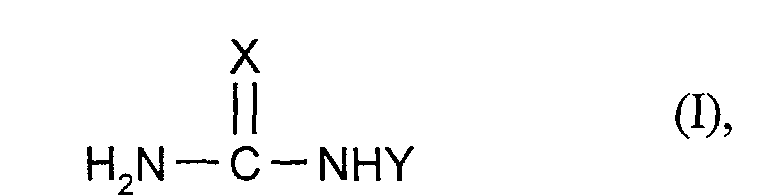
x
für HN=,

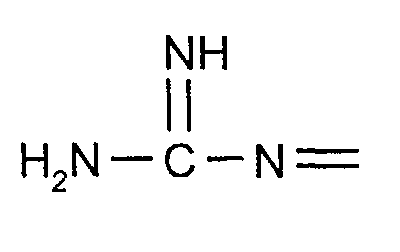
Y
für
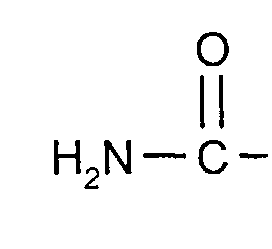

oder deren Salze mit Säuren.
| N° | Duftstoff | Isocyanat | Teilchengröße [µm]; Verteilung | Slurry |
| 1a | Blue Line | HDI-Biuret | 7.2; 2.1 | weiß, |
| 1b | Cuir Naturell | HDI-Biuret | 6.9; 2.0 | weiß, |
| 1c | Blue Line | HDI-Trimer | 7.0; 2.2 | weiß, |
| 1d | Blue Line | HDI-Biuret + PMDI 1:1 | 11.5; 1.6 | weiß, |
| 2a | Blue Line | HDI-Biuret | 6.0; 1.3 | weiß, |
| 2b | Lennox | HDI-Biuret | 5.7; 1.3 | weiß, |
| 2c | Cuir Naturell | HDI-Biuret | 5.8; 1.4 | weiß, |
| 2d | Frutti di Bosco | HDI-Biuret | 3.1; 1.8 | weiß, |
| 2e | Ozonodor | HDI-Biuret | 4.0; 1.4 | weiß, |
| % | Produkt | Zeit Min. | Bemerkungen | |
| 200 | Wasser 40°C | |||
| 0,2 | Ameisensäure 1:10 | 15 | pH: 3,4 | |
| Flotte ab | ||||
| 100 | Wasser 40°C | |||
| 1,0 | Farbstoff 1:20 | 20 | ||
| + | 2,0 | Neutralsalz, (aromatische Sulfonsäuren) | ||
| 2,0 | Syntan (Kondensat aromatischer Sulfonsäuren) | |||
| 1,5 | Natriumformiat | 30 | pH: 4,2 | |
| + | 0,5 | Natriumbicarbonat | 30 | pH: 4,8 |
| Flotte ab | ||||
| 300 | Wasser 40°C | 10 | Flotte ab | |
| 50 | Wasser 40°C | |||
| 3,0 | Weichmachender Polymergerbstoff | 20 | pH: 5,2 | |
| + | 6,0 | Syntan (Kondensat aromatischer Sulfonsäuren) | ||
| 3,0 | Harzgerbstoff | 30 | ||
| + | 2,0 | Färbereihilfsmittel (aromatische Sulfonsäuren) | ||
| 3,0 | Farbstoff | |||
| 3,0 | Testprodukt, Zugabezeitpunkt A | 60 | ||
| + | 50 | Wasser 50°C | 5 | |
| + | 0,5 | Ameisensäure 1:10 | 15 | |
| + | 0,5 | Ameisensäure 1:10 | 30 | pH: 3,9 |
| Flotte ab | ||||
| 50 | Wasser 50°C | |||
| 0,5 | Ammoniak 1:10 | 5 | ||
| + | 2,0 | Testprodukt, Zugabezeitpunkt B | ||
| 8,0 | Synthetisches Fettungsmittel 1:4 | 60 | ||
| + | 1,0 | Ameisensäure 1:10 | 30 | pH: 3,8 |
| Flotte ab | ||||
| 300 | Wasser 40°C | 10 | Flotte ab |
| N° | Testprodukt | Zugabe-zeitpunkt | Flottenauszehrung | Bemerkung |
| 8a | Duftstoff "Blue Line" | B | Nicht bestimmbar | starke Geruchsbelästigung während der Gerbung, Geruch im Leder verfliegt innerhalb einiger Tage |
| 8b | Kapseln aus Beispiel 4 | A | 90 % | langanhaltend angenehm riechendes Leder, Geruch wird durch Bewegung verstärkt |
| 8c | Kapseln aus Beispiel 4 | B | 77% | langanhaltend angenehm riechendes Leder, Geruch wird durch Bewegung verstärkt |
| 8d | Kapseln aus Beispiel 5 | A | 91 % | fast geruchloses Leder, Nach Bewegung angenehm riechend |
| 8e | Kapseln aus Beispiel 6 | B | 94 % | fast geruchloses Leder, Nach Bewegung angenehm riechend |
Claims (8)
- Leder, dadurch gekennzeichnet, dass es in seinem Querschnitt duftstoffhaltige Mikrokapseln enthält, wobei die Mikrokapseln dadurch gekennzeichnet sind, dass ihre Wände aus Umsetzungsprodukten von Guanidinverbindungen und Polyisocyanaten bestehen oder solche Umsetzungsprodukte enthalten.
- Leder gemäß Anspruch 1, dadurch gekennzeichnet, dass der Gehalt an duftstoffhaltiger Mikrokapsel in Leder 0,1 - 10 Gew.-%, bezogen auf das Gewicht des ausgerüsteten Leders, beträgt.
- Verfahren zum Herstellen von ausgerüstetem Leder gemäß Anspruch 1, dadurch gekennzeichnet, dass man Mikrokapseln auf die Fleischseite des Leders oder im Ausziehverfahren auf das Leder appliziert.
- Verfahren gemäß Anspruch 3, dadurch gekennzeichnet, dass die Applizierung der Mikrokapseln mittels Ausziehverfahren in der Flotte erfolgt, wobei die zum Einsatz kommenden Mikrokapseln kationisiert oder durch Säureeinwirkung kationisierbar sind.
- Durch Alkylierung oder Säureeinwirkung kationisierte Mikrokapseln, deren Wände aus Umsetzungsprodukten von Guanidinverbindungen, Polyaminen und Polyisocyanaten bestehen oder solche Umsetzungsprodukte enthalten.
- Kationisierbare Mikrokapseln, deren Wände aus Umsetzungsprodukten von Guanidinverbindungen Polyaminen und Polyisocyanaten bestehen oder solche Umsetzungsprodukte enthalten.
- Wässrige Dispersionen enthaltend kationisierte oder kationisierbare Mikrokapseln nach Anspruch 5 oder 6.
- Verwendung von Mikrokapseln gemäß Anspruch 5 oder 6 zur Ausrüstung von Leder mit eingekapselten Inhaltsstoffen, insbesondere Duftstoffen.
Applications Claiming Priority (2)
| Application Number | Priority Date | Filing Date | Title |
|---|---|---|---|
| DE10117671 | 2001-04-09 | ||
| DE10117671A DE10117671A1 (de) | 2001-04-09 | 2001-04-09 | Mit duftstoffhaltigen Mikrokapseln ausgerüstetes Leder |
Publications (1)
| Publication Number | Publication Date |
|---|---|
| EP1249459A1 true EP1249459A1 (de) | 2002-10-16 |
Family
ID=7680956
Family Applications (1)
| Application Number | Title | Priority Date | Filing Date |
|---|---|---|---|
| EP02006684A Withdrawn EP1249459A1 (de) | 2001-04-09 | 2002-03-27 | Mit duftstoffhaltigen Mikrokapseln ausgerüstetes Leder |
Country Status (4)
| Country | Link |
|---|---|
| US (3) | US20020198392A1 (de) |
| EP (1) | EP1249459A1 (de) |
| CN (1) | CN1380424A (de) |
| DE (1) | DE10117671A1 (de) |
Cited By (1)
| Publication number | Priority date | Publication date | Assignee | Title |
|---|---|---|---|---|
| WO2005035795A1 (de) * | 2003-10-16 | 2005-04-21 | Basf Aktiengesellschaft | Leder oder lederähnliches material, das kunstsoff-beschichtet ist |
Families Citing this family (27)
| Publication number | Priority date | Publication date | Assignee | Title |
|---|---|---|---|---|
| DE10241000A1 (de) * | 2001-09-10 | 2003-03-27 | Bayer Ag | Mikrokapsel-haltige Vliese |
| AU2002307625A1 (en) * | 2002-03-08 | 2003-09-22 | Cueros Industrializados Del Bajio | Method of incorporating heat-stable particles into leather |
| EP1899047A1 (de) * | 2005-06-30 | 2008-03-19 | Firmenich Sa | Polyurethan- und polyharn-mikrokapseln |
| FR2897617B1 (fr) * | 2006-02-20 | 2008-05-16 | Centre Nat Rech Scient | Capsules a surface modifiee pour greffage sur des fibres |
| DE102008002145A1 (de) | 2008-06-02 | 2009-12-03 | Symrise Gmbh & Co. Kg | Kapsel mit organisch-anorganischer Hybridwand |
| WO2009153695A1 (en) * | 2008-06-16 | 2009-12-23 | Firmenich Sa | Process for preparing polyurea microcapsules |
| US8295256B2 (en) * | 2008-08-29 | 2012-10-23 | Airvana, Corp. | Private access point beacon signals in wireless networks |
| EP2379047B1 (de) | 2008-12-18 | 2017-03-15 | Firmenich S.A. | Mikrokapseln und ihre verwendungen |
| DE102009060176A1 (de) * | 2009-12-23 | 2011-06-30 | Volkswagen AG, 38440 | Verfahren zur Herstellung von gegerbtem Leder |
| US9499769B2 (en) | 2011-06-28 | 2016-11-22 | Firmenich Sa | Process for preparing polyurea microcapsules |
| WO2015189309A1 (en) * | 2014-06-13 | 2015-12-17 | Firmenich Sa | Process for preparing polyurea microcapsules with improved deposition |
| CN104497652B (zh) * | 2014-12-25 | 2016-09-21 | 中国工程物理研究院材料研究所 | 一种黄金纳米胶囊化的芳香型皮革涂饰剂及其制备方法 |
| WO2016193435A1 (en) | 2015-06-05 | 2016-12-08 | Firmenich Sa | Microcapsules with high deposition on surfaces |
| EP3316973B1 (de) | 2015-06-30 | 2019-08-07 | Firmenich SA | Abgabesystem mit verbesserter abscheidung |
| CA2991169C (en) | 2015-07-07 | 2023-03-28 | Bae Systems Plc | Pbx composition |
| US11001540B2 (en) | 2015-07-07 | 2021-05-11 | Bae Systems Plc | Cast explosive composition |
| GB2540158A (en) * | 2015-07-07 | 2017-01-11 | Bae Systems Plc | Cast explosive composition |
| WO2017085033A1 (en) | 2015-11-18 | 2017-05-26 | Basf Se | Improvements in or relating to organic compounds |
| US11173465B2 (en) | 2015-12-15 | 2021-11-16 | Firmenich Sa | Process for preparing polyurea microcapsules with improved deposition |
| GB201615905D0 (en) | 2016-09-19 | 2016-11-02 | Givaudan Sa | Improvements in or relating to organic compounds |
| US11135561B2 (en) | 2016-12-22 | 2021-10-05 | Firmenich Sa | Microcapsules having a mineral layer |
| WO2018115330A1 (en) | 2016-12-22 | 2018-06-28 | Firmenich Sa | Microcapsules having a mineral layer |
| WO2019185553A1 (en) | 2018-03-30 | 2019-10-03 | Firmenich Sa | Process for preparing microcapsules with improved deposition |
| US12569821B2 (en) | 2020-03-16 | 2026-03-10 | Firmenich Sa | Microcapsules coated with a polysuccinimide derivative |
| WO2023006533A1 (en) | 2021-07-29 | 2023-02-02 | Firmenich Sa | Microcapsules having a mineral layer |
| CN114410851A (zh) * | 2022-01-23 | 2022-04-29 | 浙江奥康鞋业股份有限公司 | 一种有香味的新型牛皮材料及其制作工艺 |
| IT202200005300A1 (it) * | 2022-03-17 | 2023-09-17 | Fgl Int S P A | Metodo per lubrificare articoli in pelle e prodotto lubrificante usato in tale metodo |
Citations (4)
| Publication number | Priority date | Publication date | Assignee | Title |
|---|---|---|---|---|
| US5635211A (en) * | 1995-01-19 | 1997-06-03 | Bayer Aktiengesellschaft | Microcapsules having walls made of polyisocyanate/guanidine reaction products |
| EP0792682A1 (de) * | 1996-02-29 | 1997-09-03 | Bayer Ag | Mikrokapseln mit Wänden aus Umsetzungsprodukten von Biuret-Polyisocyanaten und Guanidinen |
| JPH10130700A (ja) * | 1996-10-31 | 1998-05-19 | Wacoal Corp | 芳香性皮革およびその製造方法 |
| WO2000065100A1 (en) * | 1999-04-26 | 2000-11-02 | Pittards Public Limited Company | Impregnation of leather with micro-encapsulated material |
Family Cites Families (6)
| Publication number | Priority date | Publication date | Assignee | Title |
|---|---|---|---|---|
| DE2909906A1 (de) * | 1979-03-14 | 1980-10-02 | Bayer Ag | Verfahren zur kontinuierlichen herstellung von mikrokapseln |
| US4882220A (en) * | 1988-02-02 | 1989-11-21 | Kanebo, Ltd. | Fibrous structures having a durable fragrance |
| US5298035A (en) * | 1991-12-27 | 1994-03-29 | Og Kabushiki Kaisha | Process for preparing thermosensitive fibrous structure |
| DE19646110A1 (de) * | 1996-11-08 | 1998-05-14 | Bayer Ag | Mikrokapseln unter Verwendung von Iminooxadiazindion-Polyisocyanaten |
| US6277439B1 (en) * | 1999-04-26 | 2001-08-21 | Pittards Public Limited Company | Impregnation of leather with micro-encapsulated material |
| DE10051190A1 (de) * | 2000-10-16 | 2002-04-25 | Bayer Ag | Mikrokapseln mit Wänden aus Polyharnstoff |
-
2001
- 2001-04-09 DE DE10117671A patent/DE10117671A1/de not_active Withdrawn
-
2002
- 2002-03-27 EP EP02006684A patent/EP1249459A1/de not_active Withdrawn
- 2002-04-03 US US10/115,822 patent/US20020198392A1/en not_active Abandoned
- 2002-04-09 CN CN02106026.6A patent/CN1380424A/zh active Pending
-
2004
- 2004-07-09 US US10/887,685 patent/US20040241485A1/en not_active Abandoned
-
2006
- 2006-05-26 US US11/442,040 patent/US20060216509A1/en not_active Abandoned
Patent Citations (4)
| Publication number | Priority date | Publication date | Assignee | Title |
|---|---|---|---|---|
| US5635211A (en) * | 1995-01-19 | 1997-06-03 | Bayer Aktiengesellschaft | Microcapsules having walls made of polyisocyanate/guanidine reaction products |
| EP0792682A1 (de) * | 1996-02-29 | 1997-09-03 | Bayer Ag | Mikrokapseln mit Wänden aus Umsetzungsprodukten von Biuret-Polyisocyanaten und Guanidinen |
| JPH10130700A (ja) * | 1996-10-31 | 1998-05-19 | Wacoal Corp | 芳香性皮革およびその製造方法 |
| WO2000065100A1 (en) * | 1999-04-26 | 2000-11-02 | Pittards Public Limited Company | Impregnation of leather with micro-encapsulated material |
Non-Patent Citations (1)
| Title |
|---|
| PATENT ABSTRACTS OF JAPAN vol. 1998, no. 10 31 August 1998 (1998-08-31) * |
Cited By (1)
| Publication number | Priority date | Publication date | Assignee | Title |
|---|---|---|---|---|
| WO2005035795A1 (de) * | 2003-10-16 | 2005-04-21 | Basf Aktiengesellschaft | Leder oder lederähnliches material, das kunstsoff-beschichtet ist |
Also Published As
| Publication number | Publication date |
|---|---|
| US20060216509A1 (en) | 2006-09-28 |
| US20040241485A1 (en) | 2004-12-02 |
| DE10117671A1 (de) | 2002-10-10 |
| US20020198392A1 (en) | 2002-12-26 |
| CN1380424A (zh) | 2002-11-20 |
Similar Documents
| Publication | Publication Date | Title |
|---|---|---|
| DE10117671A1 (de) | Mit duftstoffhaltigen Mikrokapseln ausgerüstetes Leder | |
| EP1205239B1 (de) | Mikrokapseln mit Wänden aus Polyharnstoff | |
| EP1199100B1 (de) | Mikrokapseln mit Wänden aus Polyharnstoff | |
| EP0727251B1 (de) | Mikrokapseln mit Wänden aus Umsetzungsprodukten von Polyisocyanaten und Guanidinen | |
| DE3037309C2 (de) | ||
| DE1645656C3 (de) | Verfahren zur Herstellung mechanisch stabiler, wässriger Dispersionen von Polyurethanen | |
| DE2706329A1 (de) | Nachbehandlung von polyharnstoffmikrokapseln | |
| DE19840583A1 (de) | Mikrokapsel-Formulierungen | |
| DE2855065A1 (de) | Verfahren zur einkapselung durch grenzflaechen-polykondensation | |
| DE60009106T2 (de) | Mikrokapseln mit veränderlicher freisetzung | |
| DE2221750A1 (de) | Verfahren zur herstellung von polyurethanharnstoff-loesungen | |
| DE2617747C2 (de) | Reaktionsdurchschreibepapiere | |
| DE2537653B2 (de) | Papierleimungsmittel und verfahren zur papierleimung | |
| DE2146889A1 (de) | ||
| DE860550C (de) | Verfahren zur Herstellung haltbarer waessriger Kunstharz-Emulsionen | |
| CH517161A (de) | Verfahren zur Herstellung von flüssigen, Polyurethankunststoff enthaltenden Überzugsmitteln | |
| DE1696280C3 (de) | Mit Polymeren imprägniertes Papier | |
| DE2623962C3 (de) | Verfahren zum Grundieren von Leder | |
| EP1151789A1 (de) | Mikrokapseln erhältlich unter Verwendung von Eiweisshydrolysaten als Emulgator | |
| EP0792682A1 (de) | Mikrokapseln mit Wänden aus Umsetzungsprodukten von Biuret-Polyisocyanaten und Guanidinen | |
| EP0641772B1 (de) | Cyanamidgruppen enthaltende Polyisocyanat-Additionsverbindungen und ihre Verwendung | |
| DE922711C (de) | Verfahren zur UEberfuehrung von Verbindungen mit reaktionsfaehigen Wasserstoffatomen in ihre Umsetzungsprodukte mit Isocyansaeureestern | |
| EP0516742B1 (de) | Eine wässrige phase enthaltende mikrokapseln | |
| CH213035A (de) | Verfahren zur Herstellung von haltbaren, pastenförmigen, zur Veredlung von Faserstoffen, insbesondere Textilien, geeigneten Emulsionen und nach diesem Verfahren hergestellte Emulsion. | |
| DE19623566A1 (de) | Mikrokapseln mit Wänden aus Umsetzungsprodukten von Uretdion-Polyisocyanaten und Guanidinen |
Legal Events
| Date | Code | Title | Description |
|---|---|---|---|
| PUAI | Public reference made under article 153(3) epc to a published international application that has entered the european phase |
Free format text: ORIGINAL CODE: 0009012 |
|
| AK | Designated contracting states |
Kind code of ref document: A1 Designated state(s): AT BE CH CY DE DK ES FI FR GB GR IE IT LI LU MC NL PT SE TR |
|
| AX | Request for extension of the european patent |
Free format text: AL;LT;LV;MK;RO;SI |
|
| 17P | Request for examination filed |
Effective date: 20030416 |
|
| AKX | Designation fees paid |
Designated state(s): DE ES GB IT TR |
|
| RAP1 | Party data changed (applicant data changed or rights of an application transferred) |
Owner name: BAYER CHEMICALS AG |
|
| RAP1 | Party data changed (applicant data changed or rights of an application transferred) |
Owner name: LANXESS DEUTSCHLAND GMBH |
|
| STAA | Information on the status of an ep patent application or granted ep patent |
Free format text: STATUS: THE APPLICATION IS DEEMED TO BE WITHDRAWN |
|
| 18D | Application deemed to be withdrawn |
Effective date: 20071002 |