EP0635062B1 - METHOD OF ELIMINATING INHIBITORY/INSTABILITY REGIONS OF mRNA - Google Patents
METHOD OF ELIMINATING INHIBITORY/INSTABILITY REGIONS OF mRNA Download PDFInfo
- Publication number
- EP0635062B1 EP0635062B1 EP93909192A EP93909192A EP0635062B1 EP 0635062 B1 EP0635062 B1 EP 0635062B1 EP 93909192 A EP93909192 A EP 93909192A EP 93909192 A EP93909192 A EP 93909192A EP 0635062 B1 EP0635062 B1 EP 0635062B1
- Authority
- EP
- European Patent Office
- Prior art keywords
- gene
- gag
- expression
- inhibitory
- mrna
- Prior art date
- Legal status (The legal status is an assumption and is not a legal conclusion. Google has not performed a legal analysis and makes no representation as to the accuracy of the status listed.)
- Expired - Lifetime
Links
Images










Classifications
-
- C—CHEMISTRY; METALLURGY
- C07—ORGANIC CHEMISTRY
- C07K—PEPTIDES
- C07K14/00—Peptides having more than 20 amino acids; Gastrins; Somatostatins; Melanotropins; Derivatives thereof
- C07K14/005—Peptides having more than 20 amino acids; Gastrins; Somatostatins; Melanotropins; Derivatives thereof from viruses
-
- A—HUMAN NECESSITIES
- A61—MEDICAL OR VETERINARY SCIENCE; HYGIENE
- A61P—SPECIFIC THERAPEUTIC ACTIVITY OF CHEMICAL COMPOUNDS OR MEDICINAL PREPARATIONS
- A61P31/00—Antiinfectives, i.e. antibiotics, antiseptics, chemotherapeutics
- A61P31/12—Antivirals
-
- A—HUMAN NECESSITIES
- A61—MEDICAL OR VETERINARY SCIENCE; HYGIENE
- A61P—SPECIFIC THERAPEUTIC ACTIVITY OF CHEMICAL COMPOUNDS OR MEDICINAL PREPARATIONS
- A61P43/00—Drugs for specific purposes, not provided for in groups A61P1/00-A61P41/00
-
- C—CHEMISTRY; METALLURGY
- C12—BIOCHEMISTRY; BEER; SPIRITS; WINE; VINEGAR; MICROBIOLOGY; ENZYMOLOGY; MUTATION OR GENETIC ENGINEERING
- C12N—MICROORGANISMS OR ENZYMES; COMPOSITIONS THEREOF; PROPAGATING, PRESERVING, OR MAINTAINING MICROORGANISMS; MUTATION OR GENETIC ENGINEERING; CULTURE MEDIA
- C12N15/00—Mutation or genetic engineering; DNA or RNA concerning genetic engineering, vectors, e.g. plasmids, or their isolation, preparation or purification; Use of hosts therefor
- C12N15/09—Recombinant DNA-technology
- C12N15/63—Introduction of foreign genetic material using vectors; Vectors; Use of hosts therefor; Regulation of expression
- C12N15/67—General methods for enhancing the expression
-
- A—HUMAN NECESSITIES
- A61—MEDICAL OR VETERINARY SCIENCE; HYGIENE
- A61K—PREPARATIONS FOR MEDICAL, DENTAL OR TOILETRY PURPOSES
- A61K39/00—Medicinal preparations containing antigens or antibodies
-
- C—CHEMISTRY; METALLURGY
- C12—BIOCHEMISTRY; BEER; SPIRITS; WINE; VINEGAR; MICROBIOLOGY; ENZYMOLOGY; MUTATION OR GENETIC ENGINEERING
- C12N—MICROORGANISMS OR ENZYMES; COMPOSITIONS THEREOF; PROPAGATING, PRESERVING, OR MAINTAINING MICROORGANISMS; MUTATION OR GENETIC ENGINEERING; CULTURE MEDIA
- C12N2740/00—Reverse transcribing RNA viruses
- C12N2740/00011—Details
- C12N2740/10011—Retroviridae
- C12N2740/16011—Human Immunodeficiency Virus, HIV
- C12N2740/16111—Human Immunodeficiency Virus, HIV concerning HIV env
- C12N2740/16122—New viral proteins or individual genes, new structural or functional aspects of known viral proteins or genes
-
- C—CHEMISTRY; METALLURGY
- C12—BIOCHEMISTRY; BEER; SPIRITS; WINE; VINEGAR; MICROBIOLOGY; ENZYMOLOGY; MUTATION OR GENETIC ENGINEERING
- C12N—MICROORGANISMS OR ENZYMES; COMPOSITIONS THEREOF; PROPAGATING, PRESERVING, OR MAINTAINING MICROORGANISMS; MUTATION OR GENETIC ENGINEERING; CULTURE MEDIA
- C12N2740/00—Reverse transcribing RNA viruses
- C12N2740/00011—Details
- C12N2740/10011—Retroviridae
- C12N2740/16011—Human Immunodeficiency Virus, HIV
- C12N2740/16211—Human Immunodeficiency Virus, HIV concerning HIV gagpol
- C12N2740/16222—New viral proteins or individual genes, new structural or functional aspects of known viral proteins or genes
-
- C—CHEMISTRY; METALLURGY
- C12—BIOCHEMISTRY; BEER; SPIRITS; WINE; VINEGAR; MICROBIOLOGY; ENZYMOLOGY; MUTATION OR GENETIC ENGINEERING
- C12N—MICROORGANISMS OR ENZYMES; COMPOSITIONS THEREOF; PROPAGATING, PRESERVING, OR MAINTAINING MICROORGANISMS; MUTATION OR GENETIC ENGINEERING; CULTURE MEDIA
- C12N2740/00—Reverse transcribing RNA viruses
- C12N2740/00011—Details
- C12N2740/10011—Retroviridae
- C12N2740/16011—Human Immunodeficiency Virus, HIV
- C12N2740/16311—Human Immunodeficiency Virus, HIV concerning HIV regulatory proteins
- C12N2740/16322—New viral proteins or individual genes, new structural or functional aspects of known viral proteins or genes
Definitions
- the invention relates to methods of increasing the stability and/or utilization of a mRNA produced by a gene by mutating regulatory or inhibitory/instability sequences (INS) in the coding region of the gene which prevent or reduce expression.
- INS regulatory or inhibitory/instability sequences
- the invention also relates to constructs, including expression vectors, containing genes mutated in accordance with these methods and host cells containing these constructs.
- the methods of the invention are particularly useful for increasing the stability and/or utilization of a mRNA without changing its protein coding capacity. These methods are useful for allowing or increasing the expression of genes which would otherwise not be expressed or which would be poorly expressed because of the presence of INS regions in the mRNA transcript. Thus, the methods, constructs and host cells of the invention are useful for increasing the amount of protein produced by any gene which encodes an mRNA transcript which contains an INS.
- the methods, constructs and host cells of the invention are useful for increasing the amount of protein produced from genes such as those coding for growth factors, interferons, interleukins, the fos proto-oncogene protein, and HIV-1 gag and env, for example.
- the invention also relates to using the constructs of the invention in immunotherapy and immunoprophylaxis, e.g., as a vaccine, or in genetic therapy after expression in humans.
- constructs can include or be incorporated into retroviral or other expression vectors or they may also be directly injected into tissue cells resulting in efficient expression of the encoded protein or protein fragment.
- constructs may also be used for in-vivo or in-vitro gene replacement, e.g., by homologous recombination with a target gene in-situ.
- the invention also relates to certain exemplified constructs which can be used to simply and rapidly detect and/or define the boundaries of inhibitory/instability sequences in any mRNA, methods of using these constructs, and host cells containing these constructs.
- the nucleotide sequences encoding these INS regions can be mutated in accordance with the method of this invention to allow the increase in stability and/or utilization of the mRNA and, therefore, allow an increase in the amount of protein produced from expression vectors encoding the mutated mRNA.
- post-transcriptional processes also modulate the amount and utilization of RNA produced from a given gene.
- These post-transcriptional processes include nuclear post-transcriptional processes (e.g., splicing, polyadenylation, and transport) as well as cytoplasmic RNA degradation. All these processes contribute to the final steady-state level of a particular transcript.
- nuclear post-transcriptional processes e.g., splicing, polyadenylation, and transport
- All these processes contribute to the final steady-state level of a particular transcript.
- These points of regulation create a more flexible regulatory system than any one process could produce alone. For example, a short-lived message is less abundant than a stable one, even if it is highly transcribed and efficiently processed.
- RNAs for example the mRNAS for proto-oncogenes c- myc and c- fos , have been studied which exhibit this kind of regulation in that they are expressed at very low levels, decay rapidly and are modulated quickly and transiently under different conditions. See, M. Hentze, Biochim. Biophys. Acta 1090 :281-292 (1991) for a review. The rate of degradation of many of these mRNAs has been shown to be a function of the presence of one or more instability/inhibitory sequences within the mRNA itself.
- Some cellular genes which encode unstable or short-lived mRNAs have been shown to contain A and U-rich (AU-rich) INS within the 3' untranslated region (3' UTR) of the transcript mRNA.
- These cellular genes include the genes encoding granulocyte-monocyte colony stimulating factor (GM-CSF), whose AU-rich 3'UTR sequences (containing 8 copies of the sequence motif AUUUA) are more highly conserved between mice and humans than the protein encoding sequences themselves (93% versus 65%) (G. Shaw, and R.
- GM-CSF granulocyte-monocyte colony stimulating factor
- interferons alpha, beta and gamma IFNs
- interleukins IL1, IL2 and IL3
- TNF tumor necrosis factor
- Lym lymphotoxin
- IgG1 induction factor IgG IF
- G-CSF granulocyte colony stimulating factor
- c- myb myb proto-oncogene
- sis proto-oncogene c- sis
- GTA galactosyltransferase-associated protein
- HIV-1 mRNAs Like the cellular mRNAs, a number of HIV-1 mRNAs have also been shown to contain INS within the protein coding regions, which in some cases coincide with areas of high AU-content. For example, a 218 nucleotide region with high AU content (61.5%) present in the HIV-1 gag coding sequence and located at the 5' end of the gag gene has been implicated in the inhibition of gag expression. S. Schwartz et al., J. Virol. 66:150-159 (1992). Further experiments have indicated the presence of more than one INS in the gag-protease gene region of the viral genome (see below). Regions of high AU content have been found in the HIV-1 gag/pol and env INS regions.
- the AUUUA sequence is not present in the gag coding sequence, but it is present in many copies within gag/pol and env coding regions.
- the INS regions are not necessarily AU-rich.
- the c- fos coding region INS is structurally unrelated to the AU-rich 3' UTR INS (A. Shyu et al., Gen. & Devel. 5 :221-231 (1991), and some parts of the env coding region, which appear to contain INS elements, are not AU-rich.
- some stable transcripts also carry the AUUUA motif in their 3' UTRs, implying either that this sequence alone is not sufficient to destabilize a transcript, or that these messages also contain a dominant stabilizing element (M. Cole and S.E. Mango, Enzyme 44 :167-180 (1990)).
- Rev responsive element which in the presence of Rev protein promotes the transport, stability and utilization of a mRNA transcript (B. Felber et al., Proc. Natl. Acad. Sci. USA 86 :1495-1499 (1989)).
- the c- fos protein-coding region INS (which is structurally unrelated to the 3' UTR INS) was studied by inserting it in-frame into the coding region of a ⁇ -globin and observing the effect of deletions on the stability of the heterologous c- fos - ⁇ -globin mRNA.
- gnd gene's internal regulatory element appears to function as a cis-acting antisense RNA.
- This 42 nucleotide segment has a high content (8 out of 14) of rare codons (where a rare codon is defined by its occurrence fewer than 13 times per 1000 yeast codons (citing S. Aota et al., Nucl. Acids. Res. 16 :r315-r402 (1988))) that may induce slowing of translation elongation.
- a rare codon is defined by its occurrence fewer than 13 times per 1000 yeast codons (citing S. Aota et al., Nucl. Acids. Res. 16 :r315-r402 (1988))
- the authors of the study, R. Parker and A. Jacobson state that the concentration of rare codons in the sequences required for rapid decay, coupled with the prevalence of rare codons in unstable yeast mRNAs and the known ability of rare codons to induce translational pausing, suggests a model in which mRNA structural changes may be affected by the particular positioning of a paused ribosome.
- the invention relates to methods of increasing the stability and/or utilization of a mRNA produced by a gene by mutating regulatory or inhibitory/instability sequences (INS) in the coding region of the gene which prevent or reduce expression.
- INS regulatory or inhibitory/instability sequences
- the invention also relates to constructs, including expression vectors, containing genes mutated in accordance with these methods and host cells containing these constructs.
- an inhibitory/instability sequence of a transcript is a regulatory sequence that resides within an mRNA transcript and is either (1) responsible for rapid turnover of that mRNA and can destabilize a second indicator/reporter mRNA when fused to that indicator/reporter mRNA, or is (2) responsible for und tilization of a mRNA and can cause decreased protein production from a second indicator/reporter mRNA when fused to that second indicator/reporter mRNA or (3) both of the above.
- the inhibitory/instability sequence of a gene is the gene sequence that encodes an inhibitory/instability sequence of a transcript.
- utilization refers to the overall efficiency of translation of an mRNA.
- the methods of the invention are particularly useful for increasing the stability and/or utilization of a mRNA without changing its protein coding capacity.
- alternative embodiments of the invention in which the inhibitory/instability sequence is mutated in such a way that the amino acid sequence of the encoded protein is changed to include conservative or non-conservative amino acid substitutions, while still retaining the function of the originally encoded protein, are also envisioned as part of the invention.
- the invention provides methods of increasing the production of a protein encoded by a gene which encodes an mRNA containing an inhibitory/instability region by altering the portion of the nucleotide sequence of any gene encoding the inhibitory/instability region.
- the methods, constructs and host cells of the invention are useful for increasing the amount of protein produced by any gene which encodes an mRNA transcript which contains an INS.
- genes include, for example, those coding for growth factors, interferons, interleukins, and the fos proto-oncogene protein, as well as the genes coding for HIV-1 gag and env proteins.
- the method of the invention is exemplified by the nutational inactivation of an INS within the coding region of the HIV-1 gag gene which results in increased gag expression, and by constructs useful for Rev-independent gag expression in human cells.
- This nutational inactivation of the inhibitory/instability sequences involves introducing multiple point mutations into the AU-rich inhibitory sequences within the coding region of the gag gene which, due to the degeneracy of nucleotide coding sequences, do not affect the amino acid sequence of the gag protein.
- constructs of the invention are exemplified by vectors containing the gag env, and pol genes which have been mutated in accordance with the methods of this invention and the host cells are exemplified by human HLtat cells containing these vectors.
- the invention also relates to using the constructs of the invention in immunotherapy and immunoprophylaxis, e.g., as a vaccine, or in genetic therapy after expression in humans.
- constructs can include or be incorporated into retroviral vectors or other expression vectors or they may also be directly injected into tissue cells resulting in efficient expression of the encoded protein or protein fragment.
- constructs may also be used for in-vivo or in-vitro gene replacement, e.g., by homologous recombination with a target gene in-situ.
- the invention also relates to certain exemplified constructs which can be used to simply and rapidly detect and/or further define the boundaries of inhibitory/instability sequences in any mRNA which is known or suspected to contain such regions, whether the INS are within the coding region or in the 3'UTR or both.
- the same vectors can be used in mutagenesis experiments to eliminate the identified INS without affecting the coding capacity of the gene, thereby allowing an increase in the amount of protein produced from expression vectors containing these mutated genes.
- the invention also relates to methods of using these constructs and to host cells containing these constructs.
- constructs of the invention which can be used to detect instability/inhibitory regions within an mRNA are exemplified by the vectors, p19, p17M1234, p37M1234 and p37M1-10D, which are set forth in Fig. 1. (B) and Fig. 6.
- p37M1234 and p37Ml-10D are the preferred constructs, due to the existence of a commercially available ELISA test which allows the simple and rapid detection of any changes in the amount of expression of the gag indicator/reporter protein.
- any constructs which contain the elements depicted between the long terminal repeats in the afore-mentioned constructs of Fig. 1. (B) and Fig. 6, and which can be used to detect instability/inhibitory regions within a mRNA, are also envisioned as part of this invention.
- inhibitory/instability sequences has been known in the art, but no solution to the problem which allowed increased expression of the genes encoding the mRNAs containing these sequences within coding regions by making multiple nucleotide substitutions, without altering the coding capacity of the gene, has heretofore been disclosed.
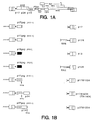
- Plasmid p17 contains the complete HIV-1 5' LTR and sequences up to the BssHII restriction site at nucleotide (nt) 257.
- the nucleotide numbering refers to the revised nucleotide sequence of the HIV-1 molecular clone pHXB2 (G. Myers et al., Eds. Human retroviruses and AIDS. A compilation and analysis of nucleic acid and amino acid sequences (Los Alamos National Laboratory, Los Alamos, New Mexico, 1991), incorporated herein by reference).
- Plasmid p17R contains in addition the 330 nt StyI fragment encompassing the RRE (L. Solomin et al., J Virol 64 :6010-6017 (1990)) (represented as a stippled box) 3' to the p17 gag coding sequence.
- the RRE is followed by HIV-1 sequences from nt 8021 to the last nucleotide of the U5 region of the 3' LTR.
- Plasmids p19 and p19R were generated by replacing the HIV-1 p17 gag coding sequence in plasmids p17 and p17R, respectively, with the RSV p19 gag coding sequence (represented as a black box).
- Plasmid p17M1234 is identical to p17, except for the presence of 28 silent nucleotide substitutions within the gag coding region, indicated by XXX. Wavy lines represent plasmid sequences.
- Plasmid p17M1234(731-1424) and plasmid p37M1234 are described immediately below and in the description. These vectors are illustrative of constructs which can be used to determine whether a particular nucleotide sequence encodes an INS.
- vector p17M1234 which contains an indicator gene (here, p17 gag ) represents the control vector and vectors p17M1234(731-1424).
- p37M1234 represent vectors in which the nucleotide sequence of interest (here the p24 gag coding region) is inserted into the vector either 3' to the stop codon of the indicator gene or is fused in frame to the coding region of the indicator gene, respectively.
- C Construction of expression vectors for identification of gag INS and for further mutagenesis. p17M1234 was used as a vector to insert additional HIV-1 gag sequences downstream from the coding region of the altered p17 gag gene.
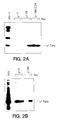
- HLtat cells were transfected with plasmid p17, p17R, or p17M1234 in the absence (-) or presence (+) of Rev ( see infra ). The transfected cells were analyzed by immunoblotting using a human HIV-1 patient serum.
- Plasmid p19 or p19R was transfected into HLtat cells in the absence (-) or presence (+) of Rev. The transfected cells were analyzed by immunoblotting using rabbit and anti-RSV p19 gag serum. HIV or RSV proteins served as markers in the same gels. The positions of p17 gag and p19 gag are indicated at right.
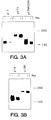
- Fig. 3 mRNA analysis on northern blots.
- A HLtat cells were transfected with the indicated plasmids in the absence (-) or presence (+) of Rev. 20 ⁇ g of total RNA prepared from the transfected cells were analyzed ( see infra).
- B RNA production from plasmid p19 or p19R was similarly analyzed in the absence (-) or presence (+) of Rev.
- Fig. 4 Nucleotide sequence of the HIV-1 pl7 gag region. The locations of the 4 oligonucleotides (M1-M4) used to generate all mutants are underlined. The silent nucleotide substitutions introduced by each mutagenesis oligonucleotide are indicated below the coding sequence. Numbering starts from nt +1 of the viral mRNA.
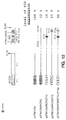
- Fig. 5 Gag expression by different mutants.
- HLtat cells were transfected with the various plasmids indicated at the top of the figure.
- Plasmid p17R was transfected in the absence (-) or presence (+) of Rev, while the other plasmids were analyzed in the absence of Rev.
- p17 gag production was assayed by immunoblotting as described in Fig. 2.
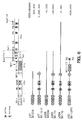
- gag and pol region nucleotides included in each vector are indicated by lines.
- the position of some gag and pol oligonucleotides is indicated at the top of the figure, as are the coding regions for p17 gag , p24 gag , p15 gag , protease and p66 pol proteins.
- Vector p37M1234 was further mutagenized using different combinations of oligonucleotides. One obtained mutant gave high levels of p24 after expression. It was analyzed by sequencing and found to contain four mutant oligonucleotides M6gag, M7gag, M8gag and M10gag.
- p55BM1-10 and p55AM1-10 were derived from p37M1-10D.
- p55Ml-13P0 contains additional mutations in the gag and pol regions included in the oligonucleotides Mllgag, M12gag, M13gag and MOpol.
- the hatched boxes indicate the location of the mutant oligonucleotides; the hatched boxes containing circles indicate mutated regions containing ATTTA sequences, which may contribute to instability and/or inhibition of the mRNA; and the open boxes containing triangles indicate mutated regions containing AATAAA sequences, which may contribute to instability and/or inhibition of the mRNA.
- Typical levels of p24 gag expression in human cells after transfections as described supra are shown at the right (in pg/ml).
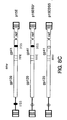
- Fig. 7 Eukaryotic expression plasmids used to study env expression.
- the different expression plasmids are derived from pNL15E (Schwartz, et al. J. Virol. 64:5448-5456 (1990). The generation of the different constructs is described in the text. The numbering follows the corrected HXB2 sequence (Myers et al., 1991, supra ; Ratner et al., Hamatol. Bluttransfus. 31:404-406 (1987); Ratner et al., AIDS Res. Hum. Retroviruses 3:57-69 (1987); Solomin, et al. J. Virol. 64:6010-6017 (1990), starting with the first nucleotide of R as +1. 5'SS, 5' splice site; 3'SS, 3' splice site.
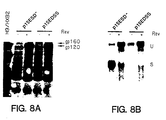
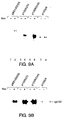
- Fig. 9 Env production from the gp120 expression plasmids.
- the indicated plasmids were transfected into HLtat cells in duplicate plates.
- a rev expression plasmid (pL3srev) was cotransfected as indicated.
- One day later, the cells were harvested for analyses of RNA and protein.
- Total RNA was extracted and analyzed on Northern blots (A).
- the blots were hybridized using a nick-translated probe spanning nt 6158 to 7924.
- Protein production (B) was measured by immunoprecipitation after labeling for 5 h with 200 mCi/ml of 35 S-cysteine to detect secreted processed Env (gp120).
- Fig. 10 The identification of INS elements within gp120 and gp41 using the p19 (RSV gag) test system. Schematic structure of exon 5E containing the env ORF. Different fragments (A to G) of the gp41 portion and fragment H of the vpu/gp120 portion were PCR amplified and inserted into the unique EcoRI site located downstream of the RSV gag gene in p19. The location of the sequences included in the amplified fragments is indicated to the right using HXB2R numbering system.
- Fragments A and B are amplified from pNL15E and pNL15EDSS (in which the splice acceptor sites 7A, 7B and 7 have been deleted) respectively, using the same oligonucleotide primers. They are 276 and 234 nucleotides long, respectively.
- Fragment C was amplified from pNL15EDSS as a 323 nucleotide fragment.
- Fragment F is a HpaI-KpnI restriction fragment of 362 nucleotides.
- Fragment E was amplified as a 668 nucleotide fragment from pNL15EDSS, therefore the major splice donor at nucleotide 5592 of HXB2 has been deleted.
- the rest of the fragments were amplified from pNL15E as indicated in the figure.
- HLtat cells were transfected with these constructs.
- the cells were harvested and pl9gag production was determined by Western blot analysis using the anti-RSVGag antibody.
- the expression of Gag from these plasmids was compared to Gag production of p19.
- SA splice acceptor
- B BamHI
- H HpaI
- X XhoI
- K KpnI.
- the down regulatory effect of INS contained within the different fragments is indicated at right.
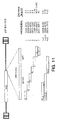
- Fig. 11 The identification of INS elements within gp120 and gp41 using the p37M1-10D (mutant INS p37 gag expression system) test system. Schematic structure of the env ORF. Different fragments (1 to 7) of env were PCR amplified as indicated in the figure and inserted into the polylinker located downstream of the p37 mutant gag gene in p37M1-10D. Fragments 1 to 6 were amplified from the molecular clone pLW2.4, a gift of Dr. M. Reitz, which is very similar to HXB2R.
- Clone pLW2.4 was derived from an individual infected by the same HIV-1 strain IIIB, from which the HXB2R molecular clone has been derived. Fragment 7 was cloned from pNL43. For consistency and clarity, the numbering follows the HXB2R system. HLtat cells were transfected with these constructs. One day later, the cells were harvested and p24 gag production was determined by antigen capture assay. The expression of Gag from these plasmids was compared to Gag production of p37M1-10D. The down regulatory effect of each fragment is indicated at right.
- Fig. 12 Elimination of the negative effects of CRS in the pol region.
- Nucleotides 3700-4194 of HIV-1 were inserted in vector p37M1234 as indicated. This resulted in the inhibition of gag expression.
- mutant oligonucleotides M9pol-M12pol P9-P12
- several mutated CRS clones were isolated and characterized. One of them, p37M1234RCRSP10+P12p contains the mutations indicated in Fig. 13. This clone produced high levels of gag. Therefore, the combination of mutations in p37M1234RCRSP10+P12p eliminated the INS, while mutations only in the region of P10 or of P12 did not eliminate the INS.
- Fig. 13 Point mutations eliminating the negative effects of CRS in the pol region (nucleotides 3700-4194).
- the combination of mutations able to completely inactivate the inhibitory/instability element within the CRS region of HIV-1 pol is shown under the sequence in small letters. These mutations are contained within oligonucleotides M10pol and M12pol (see Table 2).
- M12pol oligonucleotide contains additional mutations that were not introduced into p37M1234RCRSP10+P12p (see Fig. 12), as determined by DNA sequencing.
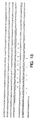
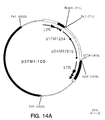
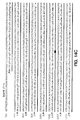
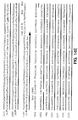
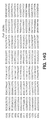
- Fig. 14 Plasmid map and nucleotide sequence of the efficient gag expression vector p37Ml-10D.
- A Plasmid map of vector p37M1-10D.
- the plasmid contains a pBluescriptKS(-) backbone, human genomic sequences flanking the HIV-1 sequences as found in pNL43 genomic clone, HIV-1 LTRs and the p37 gag region (p17 and p24).
- the p17 region has been mutagenized using oligonucleotides M1 to M4, and the p24 region has been mutagenized using oligonucleotides M6, M7, M8 and M10, as described in the test.
- the coding region for p37 is flanked by the 5' and 3 HIV-1 LTRs, which provide promoter and polyadenylation signals, as indicated by the arrows. Three consecutive arrows indicate the U5, R, and U3 regions of the LTR, respectively. The transcribed portions of the LTRs are shown in black. The translational stop codon inserted at the end of the p24 coding region is indicated at position 1818. Some restriction endonuclease cleavage sites are also indicated. (B-I) Complete nucleotide sequence of p37M1-10D. The amino acid sequence of the p37 gag protein is shown under the coding region. Symbols are as above. Numbering starts at the first nucleotide of the 5' LTR.
- the invention comprises methods for eliminating intragenic inhibitory/instability regions of an mRNA by (a) identifying the intragenic inhibitory/instability regions, and (b) mutating the intragenic inhibitory/instability regions by making multiple point mutations. These mutations may be clustered. This method does not require the identification of the exact location or knowledge of the mechanism of function of the INS. Nonetheless, the results set forth herein allow the conclusion that multiple regions within mRNAs participate in determining stability and utilization and that many of these elements act at the level of RNA transport, turnover, and/or localization.
- the mutations are such that the amino acid sequence encoded by the mRNA is unchanged, although conservative and non-conservative amino acid substitutions are also envisioned as part of the invention where the protein encoded by the mutated gene is substantially similar to the protein encoded by the non-mutated gene.
- nucleotides to be altered can be chosen randomly, the only requirement being that the amino acid sequence encoded by the protein remain unchanged; or, if conservative and non-conservative amino acid substitutions are to be made, the only requirement is that the protein encoded by the mutated gene be substantially similar to the protein encoded by the non-mutated gene.
- the INS region is AT rich or GC rich, it is preferable that it be altered so that it has a content of about 50% G and C and about 50% A and T. If the INS region contains less-preferred codons, it is preferable that those be altered to more-preferred codons. If desired, however (e.g., to make an A and T rich region more G and C rich), more-preferred codons can be altered to less-preferred codons. If the INS region contains conserved nucleotides, some of those conserved nucleotides could be altered to non-conserved nucleotides.
- the only requirement is that the amino acid sequence encoded by the protein remain unchanged; or, if conservative and non-conservative amino acid substitutions are to be made, the only requirement is that the protein encoded by the mutated gene be substantially similar to the protein encoded by the non-mutated gene.
- conserved nucleotides means evolutionarily conserved nucleotides for a given gene, since this conservation may reflect the fact that they are part of a signal involved in the inhibitory/instability determination. conserveed nucleotides can generally be determined from published references about the gene of interest or can be determined by using a variety of computer programs available to practitioners of the art.
- codon usage charts such as those set forth in T. Maruyama et al., Nucl. Acids Res. 14 :r151-r197 (1986) and in S. Aota et al., Nucl. Acids. Res. 16 :r315-r402 (1988), or through use of a computer program, such as that disclosed in U.S. Patent No. 5,082,767 entitled "Codon Pair Utilization", issued to G. W. Hatfield et al. on January 21, 1992, which is incorporated herein by reference.
- a candidate for an mRNA containing an inhibitory/instability sequence is one whose mRNA or protein is either not detectably expressed or is expressed poorly as compared to the level of expression of a reference mRNA or protein under the control of the same or similar strength promoter.
- Candidate mRNAs containing inhibitory/instability regions include mRNAs from genes whose expression is tightly regulated, e.g., many oncogenes, growth factor genes and genes for biological response modifiers such as interleukins. Many of these genes are expressed at very low levels, decay rapidly and are modulated quickly and transiently under different conditions. The negative regulation of expression at the level of mRNA stability and utilization has been documented in several cases and has been proposed to be occurring in many other cases.
- genes for which there is evidence for post-transcriptional regulation due to the presence of inhibitory/instability regions in the mRNA include the cellular genes encoding granulocyte-monocyte colony stimulating factor (GM-CSF), proto-oncogenes c- myc , c- myb , c- sis , c- fos ; interferons (alpha, beta and gamma IFNs); interleukins (IL1, IL2 and IL3); tumor necrosis factor (TNF); lymphotoxin (Lym); IgG1 induction factor (IgG IF); granulocyte colony stimulating factor (G-CSF); transferrin receptor (TfR); and galactosyltransferase-associated protein (GTA); HIV-1 genes encoding env, gag and pol; the E.
- GM-CSF granulocyte-monocyte colony stimulating factor
- proto-oncogenes c- myc , c-
- genes for 6-phosphogluconate dehydrogenase (gnd) and btuB are particularly relevant to the invention.
- the genes encoding the cellular proto-oncogenes c- myc and c- fos , as well as the yeast gene for MAT ⁇ 1 and the HIV-1 genes for gag, env and pol are genes for which there is evidence for inhibitory/instability regions within the coding region in addition to evidence for inhibitory/instability regions within the non-coding region.
- Genes encoding or suspected of encoding mRNAs containing inhibitory/instability regions within the coding region are particularly relevant to the invention.
- the in vivo half-life (or stability) of that mRNA can be studied by conducting pulse-chase experiments (i.e., labeling newly synthesized RNAs with a radioactive precursor and monitoring the decay of the radiolabeled mRNA in the absence of label); or by introducing in vitro transcribed mRNA into target cells (either by microinjection, calcium phosphate coprecipitation, electroporation, or other methods known in the art) to monitor the in vivo half-life of the defined mRNA population; or by expressing the mRNA under study from a promoter which can be induced and which shuts off transcription soon after induction, and estimating the half-life of the mRNA which was synthesized during this short transcriptional burst; or by blocking transcription pharmacologically (e.g., with Actinomycin D) and following the decay of the particular mRNA at various time points after the addition of the drug by Northern blotting or RNA protection (
- the next step is to search for the responsible ( cis -acting) RNA sequence elements.
- Detailed methods for localizing the cis -acting inhibitory/instability regions are set forth in each of the references described in the "Background Art" section, above, and are also discussed infra.
- the exemplified constructs of the present invention can also be used to localize INS (see below).
- Cis acting sequences responsible for specific mRNA turnover can be identified by deletion and point mutagenesis as well as by the occasional identification of naturally occurring mutants with an altered mRNA stability.
- DNA sequences coding for the suspected INS regions are fused to an indicator (or reporter) gene to create a gene coding for a hybrid mRNA.
- the DNA sequences fused to the indicator (or reporter) gene can be cDNA, genomic DNA or synthesized DNA.
- indicator (or reporter) genes that are described in the references set forth in the "Background Art” section include the genes for neomycin, ⁇ -galactosidase, chloramphenicol actetyltransferase (CAT), and luciferase, as well as the genes for ⁇ -globin, PGK1 and ACT1.
- genes which can be used as indicator genes are disclosed herein (i.e., the gag gene of the Rous Sarcoma Virus (which lacks an inhibitory/instability region) and the Rev independent HIV-1 gag genes of constructs p17M1234, p37M1234 and p37M1-10D, which have been mutated to inactivate the inhibitory/instability region and which constitute one aspect of the invention.
- any gene encoding a mRNA which is stable or which is expressed at relatively high levels can be used as an indicator or reporter gene, although the constructs p37M1234 and p37M1-10D, which are exemplified herein, are preferred for reasons set forth below.
- Preferred methods of creating hybrid genes using these constructs and testing the expression of mRNA and protein from these constructs are also set forth below.
- the stability and/or utilization of the mRNAs generated by the indicator gene and the hybrid genes consisting of the indicator gene fused to the sequences suspected of encoding an INS region are tested by transfecting the hybrid genes into host cells which are appropriate for the expression vector used to clone and express the mRNAs.
- the resulting levels of mRNA are determined by standard methods of determining mRNA stability, e.g. Northern blots, S1 mapping or PCR methods, and the resulting levels of protein produced are quantitated by protein measuring assays, such as ELISA, immunoprecipitation and/or western blots.
- the inhibitory/instability region (or regions, if there are more than one) will be identified by a decrease in the protein expression and/or stability of the hybrid mRNA as compared to the control indicator mRNA. Note that if the ultimate goal is to increase production of the encoded protein, the identification of the INS is most preferably carried out in the same host cell as will be used for the production of the protein.
- Examples of some of the host cells that have been used to detect INS sequences include somatic mammalian cells, Xenopus oocytes, yeast and E. coli. See, e.g., G. Shaw and R. Kamen, Cell 46 :659-667 (1986) (discussed supra ) which localized instability sequences in GM-CSF by inserting putative inhibitory sequences into the 3' UTR of the ⁇ -globin gene, causing the otherwise stable ⁇ -globin mRNA to become unstable when transfected into mouse or human cells. See also I. Laird-Offringa et al., Nucleic Acids Res.
- Emerman, Cell 57 :1155-1165 (1989) (replaced 3' UTR of env gene with part of HBV and introduced into COS-1 cells); S. Schwartz et al., J. Virol. 66 :150-159 (1992) (gag gene fusions with Rev independent tat reporter gene introduced into HeLa cells); F. Maldarelli et al., J. Virol. 65 :5732-5743 (1991) (gag/pol gene fusions with Rev independent tat reporter gene or chloramphenicol acetyltransferase (CAT) gene introduced into HeLa and SW480 cells); and A. Cochrane et al., J. Virol. 65 :5303-5313 (1991) (pol gene fusions with CAT gene or rat proinsulin gene introduced into COS-1 and CHO cells).
- the whole gene of interest may be fused to an indicator or reporter gene and tested for its effect on the resulting hybrid mRNA in order to determine whether that gene contains an inhibitory/instability region or regions.
- fragments of the gene of interest may be prepared by sequentially deleting sequences from the gene of interest from either the 5' or 3' ends or both.
- the gene of interest may also be separated into overlapping fragments by methods known in the art (e.g., with restriction endonucleases, etc.) See, e.g., S. Schwartz et al., J. Virol. 66 :150-159 (1992).
- the gene is separated into overlapping fragments about 300 to 2000 nucleotides in length.
- Two types of vector constructs can be made. To permit the detection of inhibitory/instability regions that do not need to be translated in order to function, vectors can be constructed in which the gene of interest (or its fragments or suspected INS) can be inserted into the 3' UTR downstream from the stop codon of an indicator or reporter gene. This does not permit translation through the INS. To test the possibility that some inhibitory/instability sequences may act only after translation of the mRNA, vectors can be constructed in which the gene of interest (or its fragments or suspected INS) is inserted into the coding region of the indicator/reporter gene.
- the hybrid constructs are transfected into host cells, and the resulting mRNA levels are determined by standard methods of determining mRNA stability, e.g. Northern blots, S1 mapping or PCR methods, as set forth above and as described in most of the references cited in the "Background Art” section. See also , Sambrook et al. (1989), supra , for experimental methods.
- the protein produced from such genes is also easily quantitated by existing assays, such as ELISAS, immunoprecipitation and western blots, which are also described in most of the references cited in the "Background Art” section. See also , Sambrook et al.
- the hybrid DNAs containing the inhibitory/instability region will be identified by a decrease in the protein expression and/or stability of the hybrid mRNA as compared to the control indicator mRNA.
- the use of various fragments of the gene permits the identification of multiple independently functional inhibitory/instability regions, if any, while the use of overlapping fragments lessen the possibility that an inhibitory/instability region will not be identified as a result of its being cut in half, for example.
- test vectors set forth in Fig. 1. (B) and Fig. 6 and described herein can be used to assay for the presence and location of INS in various RNAs, including INS which are located within coding regions. These vectors can also be used to determine whether a gene of interest not yet characterized has INS which are candidates for mutagenesis curing. These vectors have a particular advantage over the prior art in that the same vectors can be used in the mutagenesis step of the invention (described below) in which the identified INS is eliminated without affecting the coding capacity of the gene.
- the method of using these vectors involves introducing the entire gene, entire cDNA or fragments of the gene ranging from approximately 300 nucleotides to approximately 2 kilobases 3' to the coding region for gag protein using unique restriction sites which are engineered into the vectors.
- the expression of the gag gene in HLtat cells is measured at both the RNA and protein levels, and compared to the expression of the starting vectors. A decrease in expression indicates the presence of INS candidates that may be cured by mutagenesis.
- the method of using the vectors exemplified in Fig. 1 herein involves introducing the entire gene and fragments of the gene of interest into vectors p17M1234, p37M1234 and p19. The size of the fragments are preferably 300-2000 nucleotides long. Plasmid DNA is prepared in E . coli and purified by the CsCl method.
- the entire gene and fragments of the gene of interest are introduced into vectors p17M1234, p37M1234 or p19 3' of the stop codon of the p17 gag coding region.
- the described vectors can be manipulated so that the coding region of the entire gene or fragments of the gene of interest are fused in frame to the expressed gag protein gene.
- a fragment containing all or part of the coding region of the gene of interest can be inserted exactly 3' to the termination codon of the gag coding sequence in vector p37M1234 and the termination codon of gag and the linker sequences can be removed by oligonucleotide mutagenesis in such a way as to fuse the gag reading frame to the reading frame of the gene of interest.
- RNA and protein production from the two expression vectors are then compared after transfection of purified DNA into HLtat cells.
- RNA levels are quantitated by, e.g., Northern blots, S1 mapping or PCR methods.
- Protein levels are quantitated by, e.g., western blot or ELISA methods.
- p37M1234 and p37M1-10D are ideal for quantitative analysis because a fast non-radioactive ELISA protocol can be used to detect gag protein (DUPONT or COULTER gag antigen capture assay).
- a decrease in the level of expression of the gag antigen indicates the presence of inhibitory/instability regions within the cloned gene or fragment of the gene of interest.
- the vectors containing the appropriate INS fragments can be used to prepare single-stranded DNA and then used in mutagenesis experiments with specific chemically synthesized oligonucleotides in the clustered mutagenesis protocol described below.
- the gene is modified to remove these inhibitory/instability sequences without altering the coding capacity of the gene.
- the gene is modified to remove the inhibitory/instability sequences, simultaneously altering the coding capacity of the gene to encode either conservative or non-conservative amino acid substitutions.
- the most general method of eliminating the INS in the coding region of the gene of interest is by making multiple mutations in the INS region of the gene or gene fragments, without changing the amino acid sequence of the protein encoded by the gene; or, if conservative and non-conservative amino acid substitutions are to be made, the only requirement is that the protein encoded by the mutated gene be substantially similar to the protein encoded by the non-mutated gene. It is preferred that all of the suspected inhibitory/instability regions, if more than one, be mutated at once. Later, if desired, each inhibitory/instability region can be mutated separately in order to determine the smallest region of the gene that needs to be mutated in order to generate a stable mRNA.
- the ability to mutagenize long DNA regions at the same time can decrease the time and effort needed to produce the desired stable and/or highly expressed mRNA and resulting protein.
- the altered gene or gene fragments containing these mutations will then be tested in the usual manner, as described above, e.g., by fusing the altered gene or gene fragment with a reporter or indicator gene and analyzing the level of mRNA and protein produced by the altered genes after transfection into an appropriate host cell. If the level of mRNA and protein produced by the hybrid gene containing the altered gene or gene fragment is about the same as that produced by the control construct encoding only the indicator gene, then the inhibitory/instability regions have been effectively eliminated from the gene or gene fragment due to the alterations made in the INS.
- point mutations will be made in the INS region.
- point mutations may be made in at least about 10% of the nucleotides in the inhibitory/instability region. These point mutations may also be clustered.
- the nucleotides to be altered can be chosen randomly (i.e., not chosen because of AT or GC content or the presence or absence of rare or preferred codons), the only requirement being that the amino acid sequence encoded by the protein remain unchanged; or, if conservative and non-conservative amino acid substitutions are to be made, the only requirement is that the protein encoded by the mutated gene be substantially similar to the protein encoded by the non-mutated gene.
- the gene sequence can be mutated so that the encoded protein remains the same due to the fact that the genetic code is degenerate, i.e., many of the amino acids may be encoded by more than one codon.
- the base code for serine for example, is six-way degenerate such that the codons TCT, TCG, TCC, TCA, AGT, and AGC all code for serine.
- threonine is encoded by any one of codons ACT, ACA, ACC and ACG.
- a plurality of different DNA sequences can be used to code for a particular set of amino acids.
- the codons encoding the other amino acids are TTT and TTC for phenylalanine; TTA, TTG, CTT, CTC, CTA and CTG for leucine; ATT, ATC and ATA for isoleucine; ATG for methione; GTT, GTC, GTA and GTG for valine; CCT, CCC, CCA and CCG for proline; GCU, GCC, GCA and GCG for alanine; TAT and TAC for tyrosine; CAT and CAC for histidine; CAA and CAG for glutamine; AAT and AAC for asparagine; AAA and AAG for lysine; GAT and GAC for aspartic acid; GAA and GAG for glutamic acid; TGT and TGC for cysteine; TGG for tryptophan; CGT, CGC, CGA and CGG for arginine; and GGU, GGC, GGA and GGG for glycine. Charts depicting the codons (i.
- the portion(s) of the gene encoding the inhibitory/instability regions are AT-rich, it is preferred, but not believed to be necessary, that most or all of the mutations in the inhibitory/instability region be the replacement of A and T with G and C nucleotides, making the regions more GC-rich, while still maintaining the coding capacity of the gene.
- the portion(s) of the gene encoding the inhibitory/instability regions are GC-rich, it is preferred, but not believed to be necessary, that most or all of the mutations in the inhibitory/instability region be the replacement of G and C nucleotides with A and T nucleotides, making the regions less GC-rich, while still maintaining the coding capacity of the gene.
- the INS region is either AT-rich or GC-rich, it is most preferred that it be altered so that it has a content of about 50% G and C and about 50% A and T.
- the AT- (or AU-) content (or, alternatively, the GC-content) of an inhibitory/instability region or regions can be calculated by using a computer program designed to make such calculations. Examples of such programs, used to determine the AT-richness of the HIV-1 gag inhibitory/instability regions exemplified herein, are the GCG Analysis Package for the VAX (University of Wisconsin) and the Gene Works Package (Intelligenetics
- the INS region contains less-preferred codons, it is preferable that those be altered to more-preferred codons. If desired, however (e.g., to make an AT-rich region more GC-rich), more-preferred codons can be altered to less-preferred codons. It is also preferred, but not believed to be necessary, that less-preferred or rarely used codons be replaced with more-preferred codons. Optionally, only the most rarely used codons (identified from published codon usage tables, such as in T. Maruyama et al., Nucl. Acids Res.
- coding sequences are chosen on the basis of the genetic code and, preferably on the preferred codon usage in the host cell or organism in which the mutated gene of this invention is to be expressed.
- the preferred codon usage of a particular host or expression system can be ascertained from available references (see , e.g., T. Maruyama et al., Nucl. Acids Res. 14 (Supp):r151-197 (1986)), or can be ascertained by other methods ( see , e.g., U.S. Patent No. 5,082,767 entitled "Codon Pair Utilization", issued to G. W. Hatfield et al. on January 21, 1992, which is incorporated herein by reference).
- sequences will be chosen to optimize transcription and translation as well as mRNA stability so as to ultimately increase the amount of protein produced.
- Selection of codons is thus, for example, guided by the preferred use of codons by the host cell and/or the need to provide for desired restriction endonuclease sites and could also be guided by a desire to avoid potential secondary structure constraints in the encoded mRNA transcript.
- Potential secondary structure constraints can be identified by the use of computer programs such as the one described in M. Zucker et al., Nucl. Acids Res. 9 :133 (1981). More than one coding sequence may be chosen in situations where the codon preference is unknown or ambiguous for optimum codon usage in the chosen host cell or organism. However, any correct set of codons would encode the desired protein, even if translated with less than optimum efficiency.
- conserved nucleotides in the method of the invention, if the INS region contains conserved nucleotides, it is also preferred, but not believed to be necessary, that conserved nucleotides sequences in the inhibitory/instability region be mutated. Optionally, at least approximately 75% of the mutations made in the inhibitory/instability region may involve the mutation of conserved nucleotides. conserveed nucleotides can be determined by using a variety of computer programs available to practitioners of the art.
- inhibitory/instability sequences can be mutated such that the encoded amino acids are changed to contain one or more conservative or non-conservative amino acids yet still provide for a functionally equivalent protein.
- one or more amino acid residues within the sequence can be substituted by another amino acid of a similar polarity which acts as a functional equivalent, resulting in a neutral substitution in the amino acid sequence.
- Substitutes for an amino acid within the sequence may be selected from other members of the class to which the amino acid belongs.
- the nonpolar (hydrophobic) amino acids include alanine, leucine, isoleucine, valine, proline, phenylalanine, tryptophan and methionine.
- the polar neutral amino acids include glycine, serine, threonine, cysteine, tyrosine, asparagine, and glutamine.
- the positively charged (basic) amino acids include arginine, lysine and histidine.
- the negatively charged (acidic) amino acids include aspartic acid and glutamic acid.
- all of the regions in the HIV-1 gag gene suspected to have inhibitory/instability activity were first mutated at once over a region approximately 270 nucleotides in length using clustered site-directed mutagenesis with four different oligonucleotides spanning a region of approximately 300 nucleotides to generate the construct p17M1234, described infra, which encodes a stable mRNA.
- the four oligonucleotides which are depicted in Fig. 4, are These oligonucleotides are 51 (M1), 48 (M2), 50 (M3) and 50 (M4) nucleotides in length. Each oligonucleotide introduced several point mutations over an area of 19-22 nucleotides (see infra). The number of nucleotides 5' to the first mutated nucleotide were 14 (M1); 18 (M2); 17 (M3); and 11 (M4); and the number of nucleotides 3' to the last mutated nucleotide were 15 (M1); 8 (M2); 14 (M3); and 17 (M4).
- the ratios of AT to GC nucleotides present in each of these regions before mutation was 33AT/18GC (M1); 30AT/18GC (M2); 29AT/21GC (M3) and 27AT/23GC (M4).
- the ratios of AT to GC nucleotides present in each of these regions after mutation was 25AT/26GC (M1); 24AT/24GC (M2); 23AT/27GC (M3) and 22AT/28GC (M4).
- a total of 26 codons were changed. The number of times the codon appears in human genes per 1000 codons (from T. Maruyama et al., Nuc. Acids Res. 14 (Supp.):r151-r197 (1986)) is listed in parentheses next to the codon.
- the techniques of oligonucleotide-directed site-specific mutagenesis employed to effect the modifications in structure or sequence of the DNA molecule are known to those of skill in the art.
- the target DNA sequences which are to be mutagenized can be cDNA, genomic DNA or synthesized DNA sequences.
- these DNA sequences are cloned into an appropriate vector, e.g., a bacteriophage M13 vector, and single-stranded template DNA is prepared from a plaque generated by the recombinant bacteriophage.
- the single-stranded DNA is annealed to the synthetic oligonucleotides and the mutagenesis and subsequent steps are performed by methods well known in the art. See , e.g., M. Smith and S.
- the synthetic oligonucleotides can be synthesized on a DNA synthesizer (e.g., Applied Biosystems) and purified by electrophoresis by methods known in the art.
- the length of the selected or prepared oligodeoxynucleotides using this method can vary. There are no absolute size limits.
- the shortest length of the oligodeoxynucleotide is generally approximately 20 nucleotides and the longest length is generally approximately 60 to 100 nucleotides.
- the size of the oligonucleotide primers are determined by the requirement for stable hybridization of the primers to the regions of the gene in which the mutations are to be induced, and by the limitations of the currently available methods for synthesizing oligonucleotides. The factors to be considered in designing oligonucleotides for use in oligonucleotide-directed mutagenesis (e.g., overall size, size of portions flanking the mutation(s)) are described by M. Smith and S.
- the overall length of the oligonucleotide will be such as to optimize stable, unique hybridization at the mutation site with the 5' and 3' extensions from the mutation site being of sufficient size to avoid editing of the mutation(s) by the exonuclease activity of the DNA polymerase.
- Oligonucleotides used for mutagenesis in the present invention will generally be at least about 20 nucleotides, usually about 40 to 60 nucleotides in length and usually will not exceed about 100 nucleotides in length.
- the oligonucleotides will usually contain at least about five bases 3' of the altered codons.
- the INS containing expression vectors contain the BLUESCRIPT plasmid vector as a backbone. This enables the preparation of double-stranded as well as single-stranded DNA.
- Single-stranded uracil containing DNA is prepared according to a standard protocol as follows: The plasmid is transformed into a F' bacterial strain (e.g.. DH5aF'). A colony is grown and infected with the helper phage M13-VCS [Stratagene #20025; 1x10 11 pfu/ml]. This phage is used to infect a culture of the E. coli strain CJ236 and single-stranded DNA is isolated according to standard methods.
- oligonucleotides 0.25 ug of single-stranded DNA is annealed with the synthesized oligonucleotides (5 ul of each oligo, dissolved at a concentration of 5 OD 260 /ml.
- the synthesized oligonucleotides are usually about 40 to 60 nucleotides in length and are designed to contain a perfect match of approximately 10 nucleotides at each end. They may contain as many changes as desired within the remaining 20-40 nucleotides.
- the oligonucleotides are designed to cover the region of interest and they may be next to each other or there may be gaps between them.
- oligonucleotides Up to six different oligonucleotides have been used at the same time, although it is believed that the use of more than six oligonucleotides at the same time would also work in the method of this invention.
- elongation with T4 polymerase produces the second strand which does not contain uracil.
- the free ends are ligated using ligase. This results in double-stranded DNA which can be used to transform E. coli strain HB101.
- the mutated strand which does not contain uracil produces double-stranded DNA, which contains the introduced mutations. Individual colonies are picked and the mutations are quickly verified by sequence analysis.
- this mutagenesis method can (and has been) used to select for different combinations of oligonucleotides which result in different mutant phenotypes. This facilitates the analysis of the regions important for function and is helpful in subsequent experiments because it allows the analysis of exact sequences involved in the INS.
- this method has also been used to mutate in one step a region of 150 nucleotides using three tandemly arranged oligonucleotides that introduced a total of 35 mutations. The upper limit of changes is not clear, but it is estimated that regions of approximately 500 nucleotides can be changed in 20% of their nucleotides in one step using this protocol.
- the exemplified method of mutating by using oligonucleotide-directed site-specific mutagenesis may be varied by using other methods known in the art.
- the mutated gene can be synthesized directly using overlapping synthetic deoxynucleotides (see , e.g., Edge et al., Nature 292 :756 (1981); Nambair et al., Science 223 :1299 (1984); Jay et al., J. Biol. Chem. 259 :6311 (1984); or by using a combination of polymerase chain reaction generated DNAs or cDNAs and synthesized oligonucleotides.
- the steady state level and/or stability of the resultant mutated mRNAs can be tested in the same manner as the steady state level and/or stability of the unmodified mRNA containing the inhibitory/instability regions are tested (e.g., by Northern blotting), as discussed in section 1, above.
- the mutated mRNA can be analyzed along with (and thus compared to) the unmodified mRNA containing the inhibitory/instability region(s) and with an unmodified indicator mRNA, if desired.
- the HIV-1 p17 gag mutants are compared to the unmutated HIV-1 p17 gag in transfection experiments by subsequent analysis of the mRNAs by Northern blot analysis.
- the proteins produced by these mRNAs are measured by immunoblotting and other methods known in the art, such as ELISA. See infra.
- Genes which can be mutated by the methods of this invention include those whose mRNAs are known or suspected of containing INS regions in their mRNAs. These genes include, for example, those coding for growth factors, interferons, interleukins, the fos proto-oncogene protein, and HIV-1 gag, env and pol, as well as other viral mRNAs in addition to those exemplified herein. Genes mutated by the methods of this invention can be expressed in the native host cell or organism or in a different cell or organism. The mutated genes can be introduced into a vector such as a plasmid, cosmid, phage, virus or mini-chromosome and inserted into a host cell or organism by methods well known in the art.
- the mutated genes or constructs containing these mutated genes can be utilized in any cell, either eukaryotic or prokaryotic, including mammalian cells (e.g., human (e.g., HeLa), monkey (e.g., Cos), rabbit (e.g., rabbit reticulocytes), rat, hamster (e.g., CHO and baby hamster kidney cells) or mouse cells (e.g., L cells), plant cells, yeast cells, insect cells or bacterial cells (e.g., E. coli ).
- mammalian cells e.g., human (e.g., HeLa), monkey (e.g., Cos), rabbit (e.g., rabbit reticulocytes), rat, hamster (e.g., CHO and baby hamster kidney cells) or mouse cells (e.g., L cells), plant cells, yeast cells, insect cells or bacterial cells (e.g., E. coli ).
- mammalian cells e.g
- the vectors which can be utilized to clone and/or express these mutated genes are the vectors which are capable of replicating and/or expressing the mutated genes in the host cell in which the mutated genes are desired to be replicated and/or expressed. See , e.g., F. Ausubel et al., Current Protocols in Molecular Biology, Greene Publishing Associates and Wiley-Interscience (1992) and Sambrook et al. (1989) for examples of appropriate vectors for various types of host cells.
- the native promoters for such genes can be replaced with strong promoters compatible with the host into which the gene is inserted. These promoters may be inducible.
- the host cells containing these mutated genes can be used to express large amounts of the protein useful in enzyme preparations, pharmaceuticals, diagnostic reagents, vaccines and therapeutics.
- Genes altered by the methods of the invention or constructs containing said genes may also be used for in-vivo or in-vitro gene replacement.
- a gene which produces an mRNA with an inhibitory instability region can be replaced with a gene that has been modified by the method of the invention in situ to ultimately increase the amount of protein expressed.
- Such gene include viral genes and/or cellular genes. Such gene replacement might be useful, for example, in the development of a vaccine and/or genetic therapy.
- the constructs and/or proteins made by using constructs encoding the exemplified altered gag, env, and pol genes could be used, for example, in the production of diagnostic reagents, vaccines and therapies for AIDS and AIDS related diseases.
- the inhibitory/instability elements in the exemplified HIV-1 gag gene may be involved in the establishment of a state of low virus production in the host. HIV-1 and the other lentiviruses cause chronic active infections that are not cleared by the immune system. It is possible that complete removal of the inhibitory/instability sequence elements from the lentiviral genome would result in constitutive expression. This could prevent the virus from establishing a latent infection and escaping immune system surveillance.
- the success in increasing expression of p17 gag by eliminating the inhibitory sequence element suggests that one could produce lentiviruses without any negative elements. Such lentiviruses could provide a novel approach towards attenuated vaccines.
- vectors expressing high levels of Gag can be used in immunotherapy and immunoprophylaxis, after expression in humans.
- Such vectors include retroviral vectors and also include direct injection of DNA into muscle cells or other receptive cells, resulting in the efficient expression of gag, using the technology described, for example, in Wolff et al., Science 247:1465-1468 (1990), Wolff et al., Human Molecular Genetics 1(6):363-369 (1992) and Ulmer et al., Science 259:1745-1749 (1993).
- the gag constructs could be used in transdominant inhibition of HIV expression after the introduction into humans.
- gag constructs of the invention could be used in the generation of new retroviral vectors based on the expression of lentiviral gag proteins. Lentiviruses have unique characteristics that may allow the targeting and efficient infection of non-dividing cells. Similar applications are expected for vectors expressing high levels of env.
- the exemplified constructs can also be used to simply and rapidly detect and/or further define the boundaries of inhibitory/instability sequences in any mRNA which is known or suspected to contain such regions, e.g., in mRNAs encoding various growth factors, interferons or interleukins, as well as other viral mRNAs in addition to those exemplified herein.
- Rev-responsive element The interaction of the Rev regulatory protein of human immunodeficiency virus type 1 (HIV-1) with its RNA target, named the Rev-responsive element (RRE), is necessary for expression of the viral structure proteins (for reviews see G. Pavlakis and B. Felber, New Biol. 2 :20-31 (1990); B. Cullen and W. Greene, Cell 58 :423-426 (1989); and C. Rosen and G. Pavlakis, AIDS J. 4:499-509 (1990)). Rev acts by promoting the nuclear export and increasing the stability of the RRE-containing mRNAs. Recent results also indicate a role for REV in the efficient polysome association of these mRNAs (S. Arrigo and I. Chen, Gene Dev.
- p17 gag expression plasmid (p17, Fig. 1) was constructed.
- the p17 gag sequence was engineered to contain a translational stop codon immediately after the coding sequence and thus could produce only p17 gag (the construction of this plasmid is described below).
- the major 5' splice site of HIV-1 upstream of the gag AUG has been deleted from this vector (B. Felber et al., Proc. Natl. Acad. Sci. USA 86 :1495-1499 (1989)).
- p17 was transfected into HLtat cells (S.
- Plasmid p17 was transfected in the absence or presence of Rev, and the production of p17 gag was analyzed by western immunoblotting. The results revealed that very low levels of p17 gag protein were produced (Fig. 2A). The presence of Rev did not increase gag expression, as expected, since this mRNA did not contain the RRE. Next, a plasmid that contained both the p17 gag coding sequence and the RRE (p17R, Fig. 1) was constructed.
- this plasmid produced very low levels of p17 gag in the absence of Rev. High levels of p17 gag were produced only in the presence of Rev (Fig. 2A). These experiments suggested that an inhibitory/instability element was located in the p17 gag coding sequence.
- gag expression in HIV-1 is fundamentally different from that in RSV.
- the HIV-1 p17 gag coding sequence contains a strong inhibitory element while the RSV p19 gag coding sequence does not.
- plasmid p19 contains the 5' splice site used to generate the RSV env mRNA, which is located downstream of the gag AUG. This 5' splice site is not utilized in the described expression vectors (Fig. 3B).
- oligonucleotide introduced several point mutations over an area of 19-22 nucleotides. These mutations did not affect the amino acid sequence of the p17 gag protein, since they introduced silent codon changes.
- all four oligonucleotides were used simultaneously in mutagenesis using a single-stranded DNA template as described (T. Kunkel, Proc. Natl. Acad. Sci. USA 82 :488-492 (1985); S. Schwartz et al., Mol. Cell. Biol.
- the p17 gag coding sequence in plasmid p17 was mutated with only one of the four mutated oligonucleotides at a time. This procedure resulted in four mutant plasmids, named p17M1, p17M2, p17M3, and p17M4, according to the oligonucleotide that each contains. None of these mutants produced significantly higher levels of p17 gag protein compared to plasmid p17 (Fig. 5), indicating that the inhibitory/instability element was not affected. The p17 coding sequence was next mutated with two oligonucleotides at a time.
- the resulting mutants were named p17M12, p17M13, p17M14, p17M23, p17M24, and p17M34. Protein production from these mutants was minimally increased compared with that from p17, and it was considerably lower than that from p17M1234 (Fig. 5).
- a triple oligonucleotide mutant, p17M123 also failed to express high levels of p17 gag (data not shown).
- inhibitory/instability element in the p17 gag coding sequence is required for strong inhibition of gag expression. Further deletions of this sequence resulted in gradual loss of inhibition (S. Schwartz et al., J. Virol. 66 :150-159 (1992)).
- the inhibitory/instability element may coincide with a specific secondary structure on the mRNA. It is currently being investigated whether a specific structure is important for the function of the inhibitory/instability element.
- the p17 gag coding sequence has a high content of A and U nucleotides, unlike the coding sequence of p19 gag of RSV (S. Schwartz et al., J. Virol. 66 :150-159 (1992); G. Myers and G. Pavlakis, in The Retroviridae J. Levy, Eds. (Plenum Press, New York, NY, 1992), pp. 1-37).
- Four regions with high AU content are present in the p17 gag coding sequence and have been implicated in the inhibition of gag expression (S. Schwartz et al., J. Virol. 66 :150-159 (1992)).
- Lentiviruses have a high AU content compared to the mammalian genome.
- Regions of high AU content are found in the gag/pol and env regions, while the multiply spliced mRNAs have a lower AU content (G. Myers and G. Pavlakis, in The Retroviridae, J. Levy, Eds. (Plenum Press, New York, NY, 1992), pp. 1-37), supporting the possibility that the inhibitory/instability elements are associated with mRNA regions with high AU content. It has been shown that a specific oligonucleotide sequence, AUUUA, found at the AU-rich 3' untranslated regions of some unstable mRNAs, may confer RNA instability (G. Shaw and R. Kamen, Cell 46 :659-667 (1986)).
- the p17 gag coding region spans nucleotides 336-731, as described in the description of Fig. 1. (B) above, and contains the first of three parts (i.e., p17, p24, and p15) of the gag coding region, as indicated on in Fig. 1. (A) and (B)) on the expression of the complete gag gene expression vectors were constructed in which additional sequences of the gag gene were inserted 3' to the nutationally altered p17 gag coding region, downstream of the stop codon, of vector p17M1234.
- C Three vectors containing increasing lengths of gag sequences were studied: p17M1234(731-1081), p17M1234(731-1424) and p17M1234(731-2165), as shown in Fig. 1.
- region of the mRNA encoding the second part of the gag protein i.e., the part encoding the p24 gag protein, which spans nucleotides 731-1424
- contains only a weak INS as determined by a small reduction in the amount of p17 gag protein expressed by p17M1234 as compared with the amount of p17 gag protein expressed by p17M1234(731-1424)
- the region of the mRNA encoding the third part of the gag protein i.e., the part encoding the p15 gag protein, which spans nucleot
- Vector p37M1234 which expressed high levels of p37 gag precursor protein (which contains both the p17 gag and p24 gag protein regions).
- Vector p37M1234 was constructed by removing the stop codon at the end of the gene encoding the altered p17 gag protein and fusing the nucleotide sequence encoding the p24 gag protein into the correct reading frame by oligonucleotide mutagenesis. This restored the nucleotide sequence so that it encoded the fused p17 gag and p24 gag protein (i.e., the p37 gag protein) as it is encoded by HIV-1.
- vector p37M1234 can be used for inserting and testing additional fragments suspected of containing INS. Examples of such uses are shown below.
- vectors that contained the complete gag gene and part of the pol gene e.g. vector p55BM1234, see Fig. 6
- vector p55BM1234, see Fig. 6 were not expressed at high levels, despite the elimination of INS-1 in the p17 gag region as described above.
- the inventors have hypothesized that this is caused by the presence of multiple INS regions able to act independently of each other.
- several mutant HIV-1 oligonucleotides were constructed (see Table 2) and incorporated in various gag expression vectors.
- oligonucleotides M6gag, M7gag, M8gag and M10gag were introduced into p37M1234, resulting in p37M1-10D and the same oligonucleotides were introduced into p55BM1234, resulting in p55BM1-10.
- gag region nucleotides M10gag, M11gag, M12gag, M13gag, and pol region nucleotide MOpol increased the levels of gag expression approximately six fold over vectors such as p55BM1-10.
- the HIV-1 promoter was replaced by the human cytomegalovirus early promoter (CMV) in plasmids p37M1-10D and p55M1-13P0 to generate plasmids pCMV37M1-10D and pCMV55Ml-13P0, respectively.
- CMV human cytomegalovirus early promoter
- a fragment containing the CMV promoter was amplified by PCR (nucleotides -670 to +73, where +1 is the start of transcription, see , Boshart, et al., Cell, 41, 521 (1985)).
- This fragment was exchanged with the StuI - BssHII fragment in gag vectors p37M1-10D and p55M1-13P0, resulting in the replacement of the HIV-1 promoter with that of CMV.
- the resulting plasmids were compared to those containing the HIV-1 promoter after transfection in human cells, and gave similar high expression of gag. Therefore, the high expression of gag can be achieved in the total absence of any other viral protein.
- the exchange of the HIV-1 with other promoters is beneficial if constitutive expression is desirable and also for expression in other mammalian cells, such as mouse cells, in which the HIV-1 promoter is weak.
- the constructed vectors p37M1-10D and p55BM1-10 can be used for the Rev independent production of p37 gag and p55 gag proteins, respectively.
- these vectors can be used as convenient reporters, to identify and eliminate additional INS in different RNA molecules.
- regions have been identified within the gp41 (the transmembrane part of HIV-1 env) coding area and at the post-env 3' region of HIV-1 which contain INS.
- the elimination of INS from gag, pol and env regions will allow the expression of high levels of authentic HIV-1 structural proteins in the absence of the Rev regulatory factor of HIV-1.
- the mutated coding sequences can be incorporated into appropriate gene transfer vectors which may allow the targeting of specific cells and/or more efficient gene transfer.
- the mutated coding sequences can be used for direct expression in human or other cells in vitro or in vivo with the goal being the production of high protein levels and the generation of a strong immune response. The ultimate goal in either case is subsequent protection from HIV infection and disease.
- inhibitory/instability sequences act in the absence of any other viral proteins and that they can be inactivated by mutagenesis suggest that these elements may be targets for the binding of cellular factors that interact with the mRNA and inhibit post transcriptional steps of gene expression.
- the interaction of HIV-1 mRNAs with such factors may cause nuclear retention, resulting in either further splicing or rapid degradation of the mRNAs.
- components of the splicing machinery interact with splice sites in HIV-1 mRNAs and modulated mRNA expression (A. Cochrane et al., J. Virol. 65 :5305-5313 (1991); D. Chang and P. Sharp, Cell 59 :789-795 (1989); X.
- Rev may act by dissociating unspliced mRNA from the splicesomes (D. Chang and P. Sharp, Cell 59 :789-795 (1989)) or by inhibiting splicing (J. Kjems et al., Cell 67 :169-178 (1991)) are not easily reconciled with the knowledge that all retroviruses produce structural proteins from mRNAs that contain unutilized splice sites.
- Plasmid p17R has been described as pNL17R (S. Schwartz et al., J. Virol. 66 -150-159 (1992)). Plasmid p17 was generated from p17R by digestion with restriction enzyme Asp718 followed by religation. This procedure deleted the RRE and HIV-1 sequences spanning nt 8021-8561 upstream of the 3' LTR. To generate mutants of p17 gag , the p17 gag coding sequence was subcloned into a modified pBLUESCRIPT vector (Stratagene) and generated single stranded uracil-containing DNA. Site-directed mutagenesis was performed as described (T. Kunkel, Proc. Natl. Acad. Sci.
- Plasmid p17R was first digested with BssHII and EcoRI, thereby deleting the entire p17 gag coding sequence, six nucleotides upstream of the p17 gag AUG and nine nucleotides of linker sequences 3' of the p17 gag stop codon.
- the p17 gag coding sequence in p17R was replaced by a PCR-amplified DNA fragment containing the RSV p19 gag coding sequence (R.
- RNA Tumor Viruses Molecular Biology of Tumor Viruses (Cold Spring Harbor Laboratory, Cold Spring Harbor, New York, 1985)
- This fragment contained eight nucleotides upstream of the RSV gag AUG and the p19 gag coding sequence immediately followed by a translational stop codon.
- the RSV gag fragment was derived form the infectious RSV proviral clone S-RA (R. Weiss et al., RNA Tumor Viruses. Molecular Biology of Tumor Viruses (Cold Spring Harbor Laboratory, Cold Spring Harbor, New York, 1985)).
- p19 was derived from p19R by excising an Asp 718 fragment containing the RRE and 3' HIV-1 sequences spanning nt 8021-8561.
- HLtat cells (S. Schwartz et al., J. Virol. 64 :2519-2529 (1990)) were transfected using the calcium coprecipitation technique (F. Graham et al. and A. Van der Eb, Virology 52 :456-460 (1973)) as described (B. Felber et al., Proc. Natl. Acad. Sci. USA 86 :1495-1499 (1989)), using 5 ⁇ g of p17, p17R, p17M1234, p19, or p19R in the absence (-) or presence (+) of 2 ⁇ g of the Rev-expressing plasmid pL3crev (B. Felber et al., Proc. Natl.
- HLtat cells were transfected as described above and harvested 20 h post transfection.
- Total RNA was prepared by the heparin/DNase method (Z. Krawczyk and C. Wu, Anal. Biochem. 165 :20-27 (1987)), and 20 ⁇ g of total RNA was subjected to northern blot analysis as described (M. Hadzopoulou-Cladaras et al., J. Virol. 63 :1265-1274 (1989)).
- the filters were hybridized to a nick-translatec PCR-amplified DNA fragment spanning nt 8304-9008 in the HIV-1 3' LTR. The results are set forth in Fig. 3.
- fragments of the env gene were inserted into vectors p19 or p37M1234 and the expression of the resulting plasmids were analyzed by transfections into HLtat cells. It was found that several fragments inhibited protein expression.
- One of the strong INS identified was in the fragment containing nucleotides 8206-8561 ("fragment [8206-8561]"). To eliminate this INS, the following oligonucleotides were synthesized and used in mutagenesis experiments as specified supra . The fragment was derived from the molecular clone pNL43 (Genbank accession No. M19921 and Adachi et al., J. Virol.
- HXB2 Genbank accession Nos. K03455 and M38432, Starcich et al., Science 277, 538-540 (1985); Ratner et al., Nature 313, 277-284 (1985); Ratner et al., Aids Res. Hum. Retroviruses 3 , 57-69 (1987); Reitz, Cell 54, 57-63 (1988); and Solomin et al., J. Virol. (1990).
- the numbering system used herein follows the numbering of molecular clone HXB2 throughout.
- the synthesized oligonucleotides follow the pNL43 sequence.
- oligonucleotides which were used to mutagenize fragment [8206-8561], and which made changes in the env coding region between nucleotides 8210-8555 (the letters in lower case indicate mutated nucleotides) were:
- env was increased by the elimination of the INS in fragment [8206-8561] as determined by analysis of both mRNA and protein.
- the coding region of env was divided into different fragments, which were produced by PCR using appropriate synthetic oligonucleotides, and cloned in vector p37M1-10D.
- This vector was produced from p37M1234 by additional mutagenesis as described above. After introduction into human cells, vector p37M1-10D produces high levels of p37 gag protein. Any strong INS element will inhibit the expression of gag if ligated in the same vector.
- the summary of the env fragments used is shown in Figure 11. The results of these experiments show that, like in HIV-1 gag, there exist multiple regions inhibiting expression in HIV-1 env, and combinations of such regions result in additive or synergistic inhibition.
- oligonucleotides For example, while fragments 1, 2, or 3 individually inhibit expression by 2-6 fold, the combination of these fragments inhibits expression by 30 fold. Based on these results, additional mutant oligonucleotides have been synthesized for the correction of env INS. These oligonucleotides have been introduced in the expression vectors for HIV-1 env p120pA and p120R270 (see Fig. 7) for the development of Rev-independent HIV-1 env expression plasmids as discussed in detail below.
- mRNAs for gp160 and for the extracellular domain are defective and their expression depends on the presence of RRE in cis and Rev in trans
- pNL15E was generated from the molecular clone pNL4-3 (pNL4-3 is identical to pNL43 herein) (Adachi et al., J. Virol. 59:284-291 (1986) and lacks the splice acceptor site for exon 6D, which was used to generate the tev mRNA (Benko et al., J. Virol. 64:2505-2518 (1990).
- the Env expression plasmids were transfected in the presence or absence of the Rev-expressing plasmid pL3crev (Felber et al., J. Virol. 64:3734-3741 (1990) into HLtat cells (Schwartz et al., J. Virol.
- RNA was extracted and analyzed on Northern blots. Protein production was measured by Western blots to detect cell-associated Env.
- NL15E mRNA was efficiently spliced and produced Nef; in the presence of Rev, most of the RNA remained unspliced and produces the Env precursor gp160, which is processed to gp120, the secreted portion of the precursor and gp41.
- splice sites known to exist within some of the fragments used were eliminated as discussed below.
- Analysis of the resulting expression vectors included size determination of the produced mRNA, providing the verification that splicing does not interfere with the interpretation of the data.
- splice donor at nt 5592 was removed by site-directed mutagenesis (changing GCAGTA to GaAtTc, and thus introducing an EcoRI site), which resulted in plasmid 15ESD- (Fig. 7).
- the mRNA from this construct was efficiently spliced and produced a small mRNA encoding Nef (Fig. 8).
- TACATgtaatg an alternative splice donor located at nt 5605
- TACATgtaatg common splice acceptor site at nt 7925.
- a series of constructs were designed that allowed the determination of the location of such INS elements.
- a stop codon followed by the restriction sites for NruI and MluI was introduced at the cleavage site between the extracellular gp120 and the transmembrane protein gp41 at nt 7301 in plasmid NL15EDSS, resulting in pl20DSS (Fig. 7).
- Immunoprecipitation of gp120 from the medium of cells transfected with p120DSS confirmed the production of high levels of gp120 only in the presence of Rev (Fig. 9B). The release of gp120 is very efficient, since only barely detectable amounts remain associated with the cells (data not shown).
- fragments of env cDNA were inserted into two different test expression vectors, p19 and p37M1-10D.
- These vectors contain a strong promoter for rapid detection of the gene product, such as the HIV-1 LTR in the presence of Tat, and an indicator gene that is expressed at high levels and can easily be assayed such as p19 gag of RSV or the mutated p37 gag gene of HIV-1 (p37M1-10D), neither of which contains any known INS-like elements.
- Expression vector p19 contains the HIV-1 LTR promoter, the RSV p19 gag matrix gene, and HIV-1 sequences starting at KpnI (nt 8561) including the complete 3' LTR (Schwartz, et al., J. Virol. 66:7176-7182 (1992). Upon transfection into HLtat cells high levels of pl9gag are constitutively produced and are visualized on Western blots.
- Expression vector p37M1-10D contains the HIV-1 LTR promoter, the mutant p37gag (M1-10), and the 3' portion of the virus starting at KpnI (nt 8561). Upon transfection into HLtat cells this plasmid constitutively produces p37 gag that can be quantitated by the HIV-1 p24 gag antigen capture assay.
- INS elements within the gp41 and gp120 portions were identified.
- the vector p19 was used and the following fragments (Fig. 10) were inserted: (A) nt 7684 to 7959; (B) nt 7684 to 7884 and nt 7927 to 7959; this is similar to fragment A but has the region of the splice acceptors 7A, 7B and 7 deleted; (C) nt 7595 to 7884 and nt 7927 to 7959, having the splice sites deleted as in B; (D) nt 7939 to 8066; (E) nt 7939 to 8416; (F) nt 8200 to 8561 (HpaI-KpnI) ; (G) nt 7266 to 7595 containing the intact RRE; (H) nt 5523 to 6190, having the splice donor SD5 deleted.
- Fragments A, B, and D did not affect Gag expression, whereas fragment G (RRE) decreased gag expression approximately 5x. Fragment C, E, and H lowered Gag expression by about 10-20-fold indicating the presence of INS elements.
- this INS element is present in all the multiply spliced Rev-independent mRNAs, such as tat, rev and nef. Experiments were performed to define the function of fragment F within the class of the small mRNAs by removing this fragment from the tat cDNA. In the context of this mRNA, this element confers only a weak INS effect (3-5- fold inhibition), which suggests that inhibition of expression in env mRNA may require the presence of at least two distinct elements. These results suggested that the INS effect within env is based on multiple interacting components. Alternatively, the relative location and interactions among multiple INS components may be important for the magnitude of the INS effect. Therefore, more than one type of analysis in different vectors may be necessary for the identification and elimination of INS.
- the env coding region was subdivided into different consecutive fragments. These fragments and combinations of thereof were PCR-amplified using oligos as indicated in Fig. 11 and inserted downstream of the mutated p37 gag gene in p37M1-10D. The plasmids were transfected into HLtat cells that were harvested the next day and analyzed for p24 gag expression. Fig. 11 shows that the presence of fragments 2, 3, 5 as well as the combination 1+2+3 lowered gag expression substantially. Different oligos (Table 4) were synthesized that change the AT-rich domains including the three AATAAA elements located within the env coding region by changing the nucleotide but not the amino acid composition of Env.
- these oligos 1-19 are being introduced into plasmid p120R270 with the goal or producing gp120 in a Rev-independent manner.
- Oligonucleotides such as oligos 20-26 will then be introduced into the gp41 portion, the two env portions combined and the complete gp160 expressed in a Rev-independent manner.
- Fragments of the fos gene were inserted into the vector p19 and the expression of the resulting plasmids were analyzed by transfections into HLtat cells. It was found that several fragments inhibited protein expression.
- a strong INS was identified in the fragment containing nucleotides 3328-3450 ("fragment [3328-3450]") (nucleotides of the fos gene are numbered according to Genebank sequence entry HUMCFOT, ACCESSION # V01512).
- a weaker element was identified in the coding region.
- oligonucleotides which make changes in the fos non-coding region between nucleotides [3328-3450] (the letters in lower case indicate mutated nucleotides), were synthesized and are used to mutagenize fragment [3328-3450]: mutagenesis experiments as specified supra:
- oligonucleotides are used to mutagenize fos fragment [3328-3450] inserted into vectors p19, p17M1234 or p37M1234 and the expression of the resulting plasmids are analyzed after transfection into HLtat cells.
- INS element in the coding region is first mapped more precisely using this expression vector and is then corrected using the following oligonucleotides:
- Vector p37M1234 was used to eliminate an inhibitory/instability sequence from the pol gene of HIV-1 which had been characterized by AW Cochrane et al., "Identification and characterization of intragenic sequences which repress human immunodeficiency virus structural gene expression", J. Virol. 65:5305-5313 (1991). These investigators suggested that a region in pol (HIV nucleotides 3792-4052), termed CRS, was important for inhibition.
- Plasmid p37M1234RCRS plasmid p37M1234RCRS
- HIV-1 pol contains INS elements that can be detected and eliminated with the techniques described.
- FIG 4 SEQ ID NO:1 nucleotides 336-731 SEQ ID NO:2 nucleotides 402-452 SEQ ID NO:3 nucleotides 536-583, above line SEQ ID NO:4 nucleotides 585-634, above line SEQ ID NO:5 nucleotides 654-703, above line SEQ ID NO:6 nucleotides 402-452, below line (M1) SEQ ID NO:7 nucleotides 536-583, below line (M2) SEQ ID NO:8 nucleotides 585-634, below line (M3) SEQ ID NO:9 nucleotides 654-703, below line (M4)
- oligos #1 to #6 The six oligonucleotides used to eliminate the INS effect of fragment F (oligos #1 to #6) are set forth above in Example 2 (SEQ. ID. NOS. 10-15). Comments: Although the vast majority of oligonucleotides follow the HXB2 sequence, some exceptions are noted: In oligo M15, nt 6807 follows the pNL43 sequence. (Specifically, nt 6807 is C in NL43 but A in HBX2.) Oligo M26 has the nucleotide sequence derived from pNL43.
- new genetic information has been introduced into tissues by indirect means such as removing target cells from the body, infecting them with viral vectors carrying the new genetic information, and then reimplanting them into the body; or by direct means such as encapsulating formulations of DNA in liposomes; entrapping DNA in proteoliposomes containing viral envelope receptor proteins; calcium phosphate coprecipitating DNA; and coupling DNA to a polylysine-glycoprotein carrier complex.
- direct means such as encapsulating formulations of DNA in liposomes; entrapping DNA in proteoliposomes containing viral envelope receptor proteins; calcium phosphate coprecipitating DNA; and coupling DNA to a polylysine-glycoprotein carrier complex.
- mRNA sequences containing elements that enhance stability have also been shown to be efficiently translated in Xenopus laevis embryos, with the use of cationic lipid vesicles. See , e.g., J.A. Wolff, et al., Science 247:1465-1468 (1990) and references cited therein.
- RNA or DNA introduced into muscle cells by other means such as by particle-acceleration (N. -S. Yang, et al. Proc. Natl. Acad. Sci. USA 87:9568-9572 (1990); S.R. Williams et al., Proc. Natl. Acad. Sci. USA 88:2726-2730 (1991)) or by viral transduction should also allow the DNA or RNA to be stably maintained and expressed.
- RNA or DNA vectors were used to express reporter genes in mouse skeletal muscle cells, specifically cells of the quadriceps muscles. Protein expression was readily detected and no special delivery system was required for these effects. Polynucleotide expression was also obtained when the composition and volume of the injection fluid and the method of injection were modified from the described protocol. For example, reporter enzyme activity was reported to have been observed with 10 to 100 ⁇ l of hypotonic, isotonic, and hypertonic sucrose solutions, Opti-MEM, or sucrose solutions containing 2mM CaCl 2 and also to have been observed when the 10- to 100- ⁇ l injections were performed over 20 min. with a pump instead of within 1 min.
- Enzymatic activity from the protein encoded by the reporter gene was also detected in abdominal muscle injected with the RNA or DNA vectors, indicating that other muscles can take up and express polynucleotides. Low amounts of reporter enzyme were also detected in other tissues (liver, spleen, skin, lung, brain and blood) injected with the RNA and DNA vectors. Intramuscularly injected plasmid DNA has also been demonstrated to be stably expressed in non-human primate muscle. S. Jiao et al., Hum. Gene Therapy 3:21-33 (1992).
- Muscle is potentially a suitable tissue for the heterologous expression of a transgene that would modify disease states in which muscle is not primarily involved, in addition to those in which it is.
- muscle tissue could be used for the heterologous expression of proteins that can immunize, be secreted in the blood, or clear a circulating toxic metabolite.
- RNA and a tissue that can be repetitively accessed might be useful for a reversible type of gene transfer, administered much like conventional pharmaceutical treatments. See J.A. Wolff, et al., Science 247:1465-1468 (1990) and S. Jiao et al., Hum. Gene Therapy 3:21-33 (1992).
- RNA or DNA vectors encoding the viral antigen can be used for endogenous expression of the antigen to generate the viral antigen for presentation to the immune system without the need for self-replicating agents or adjuvants, resulting in the generation of antigen-specific CTLs and protection from a subsequent challenge with a homologous or heterologous strain of virus.
- CTLs in both mice and humans are capable of recognizing epitopes derived from conserved internal viral proteins and are thought to be important in the immune response against viruses. By recognition of epitopes from conserved viral proteins, CTLs may provide cross-strain protection. CTLs specific for conserved viral antigens can respond to different strains of virus, in contrast to antibodies, which are generally strain-specific.
- RNA or DNA encoding the viral antigen has the advantage of being without some of the limitations of direct peptide delivery or viral vectors. See J.A. Ulmer et al., supra , and the discussions and references therein). Furthermore, the generation of high-titer antibodies to expressed proteins after injection of DNA indicates that this may be a facile and effective means of making antibody-based vaccines targeted towards conserved or non-conserved antigens, either separately or in combination with CTL vaccines targeted towards conserved antigens. These may also be used with traditional peptide vaccines, for the generation of combination vaccines. Furthermore, because protein expression is maintained after DNA injection, the persistence of B and T cell memory may be enhanced, thereby engendering long-lived humoral and cell-mediated immunity.
- mutated gag genomic sequences in vectors p37M1-10D or p55M1-13P0 will be inserted in expression vectors using a strong constitutive promoter such as CMV or RSV, or an inducible promoter such as HIV-1.
- the vector will be introduced into animals or humans in a pharmaceutically acceptable carrier using one of several techniques such as injection of DNA directly into human tissues; electroporation or transfection of the DNA into primary human cells in culture ( ex vivo ), selection of cells for desired properties and reintroduction of such cells into the body, (said selection can be for the successful homologous recombination of the incoming DNA to an appropriate preselected genomic region); generation of infectious particles containing the gag gene, infection of cells ex vivo and reintroduction of such cells into the body; or direct infection by said particles in vivo.
- the described constructs will be modified to express mutated gag proteins that are unable to participate in virus particle formation. It is expected that such gag proteins will stimulate the immune system to the same extent as the wild-type gag protein, but be unable to contribute to increased HIV-1 production. This modification should result in safer vectors for immunotherapy and immunophrophylaxis.
- TDgag trans-dominant gag
- retroviral vectors e.g. mouse-derived retroviral vectors, encoding HIV-1 TDgag, which will not interfere with the infection of human cells by the retroviral vectors.
- Felber, et al., supra it was shown that fragments of the HIV-1 LTR containing the promoter and part of the polyA signal can be incorporated without detrimental effects within mouse retroviral vectors and remain transcriptionally silent.
- the presence of Tat protein stimulated transcription from the HIV-1 LTR and resulted in the high level expression of genes linked to the HIV-1 LTR.
- hybrid TDgag-TDRev or TDgag-pro-TDRev genes and the introduction of expression vectors in human cells will allow the efficient production of two proteins that will inhibit HIV-1 expression.
- the incorporation of two TD proteins in the same vector is expected to amplify the effects of each one on viral replication.
- the use of the HIV-1 promoter in a matter similar to one described in B.K. Felber, et al., supra, will allow high level gag and rev expression in infected cells. In the absence of infection, expression will be substantially lower. Alternatively, the use of other strong promoters will allow the constitutive expression of such proteins.
- This approach could be highly beneficial, because of the production of a highly immunogenic gag, which is not able to participate in the production of infectious virus, but which, in fact, antagonizes such production. This can be used as an efficient immuniprophylactic or immunotherapeutic approach against AIDS.
- trans-dominant mutants are described in Trono et al., Cell 59:112-120 (1989).
- Gag mutant proteins that can act as trans-dominant mutants, as described, for example, in Trono et al., supra, will be generated by modifying vector p37M1-10D or p55Ml-13P0 to produce transdominant gag proteins at high constitutive levels.
- the transdominant gag protein will stimulate the immune system and will inhibit the production of infectious virus, but will not contribute to the production of infectious virus.
Landscapes
- Health & Medical Sciences (AREA)
- Life Sciences & Earth Sciences (AREA)
- Chemical & Material Sciences (AREA)
- Genetics & Genomics (AREA)
- Organic Chemistry (AREA)
- Engineering & Computer Science (AREA)
- General Health & Medical Sciences (AREA)
- Bioinformatics & Cheminformatics (AREA)
- Molecular Biology (AREA)
- Medicinal Chemistry (AREA)
- Zoology (AREA)
- Wood Science & Technology (AREA)
- Biophysics (AREA)
- Biochemistry (AREA)
- Biomedical Technology (AREA)
- Biotechnology (AREA)
- General Engineering & Computer Science (AREA)
- Virology (AREA)
- Microbiology (AREA)
- Veterinary Medicine (AREA)
- Physics & Mathematics (AREA)
- Proteomics, Peptides & Aminoacids (AREA)
- Gastroenterology & Hepatology (AREA)
- Chemical Kinetics & Catalysis (AREA)
- General Chemical & Material Sciences (AREA)
- Nuclear Medicine, Radiotherapy & Molecular Imaging (AREA)
- Pharmacology & Pharmacy (AREA)
- Animal Behavior & Ethology (AREA)
- Public Health (AREA)
- Plant Pathology (AREA)
- Communicable Diseases (AREA)
- Oncology (AREA)
- Micro-Organisms Or Cultivation Processes Thereof (AREA)
- Medicines That Contain Protein Lipid Enzymes And Other Medicines (AREA)
- Preparation Of Compounds By Using Micro-Organisms (AREA)
- Measuring Or Testing Involving Enzymes Or Micro-Organisms (AREA)
- Medicines Containing Antibodies Or Antigens For Use As Internal Diagnostic Agents (AREA)
- Pharmaceuticals Containing Other Organic And Inorganic Compounds (AREA)
- Peptides Or Proteins (AREA)
- Compounds Of Unknown Constitution (AREA)
Applications Claiming Priority (3)
| Application Number | Priority Date | Filing Date | Title |
|---|---|---|---|
| US858747 | 1992-03-27 | ||
| US07/858,747 US6174666B1 (en) | 1992-03-27 | 1992-03-27 | Method of eliminating inhibitory/instability regions from mRNA |
| PCT/US1993/002908 WO1993020212A1 (en) | 1992-03-27 | 1993-03-29 | METHOD OF ELIMINATING INHIBITORY/INSTABILITY REGIONS OF mRNA |
Publications (2)
| Publication Number | Publication Date |
|---|---|
| EP0635062A1 EP0635062A1 (en) | 1995-01-25 |
| EP0635062B1 true EP0635062B1 (en) | 1999-12-29 |
Family
ID=25329086
Family Applications (1)
| Application Number | Title | Priority Date | Filing Date |
|---|---|---|---|
| EP93909192A Expired - Lifetime EP0635062B1 (en) | 1992-03-27 | 1993-03-29 | METHOD OF ELIMINATING INHIBITORY/INSTABILITY REGIONS OF mRNA |
Country Status (7)
| Country | Link |
|---|---|
| US (6) | US6174666B1 (enExample) |
| EP (1) | EP0635062B1 (enExample) |
| JP (4) | JP4180650B2 (enExample) |
| AU (1) | AU678157B2 (enExample) |
| CA (1) | CA2132208C (enExample) |
| DE (1) | DE69327456T2 (enExample) |
| WO (1) | WO1993020212A1 (enExample) |
Cited By (1)
| Publication number | Priority date | Publication date | Assignee | Title |
|---|---|---|---|---|
| EP4458957A3 (en) * | 2015-11-23 | 2025-03-05 | Novartis AG | Optimized lentiviral transfer vectors and uses thereof |
Families Citing this family (221)
| Publication number | Priority date | Publication date | Assignee | Title |
|---|---|---|---|---|
| AU671101B2 (en) * | 1992-02-28 | 1996-08-15 | Syngenix Limited | Defective packaging non-oncoviral vectors based on MPMV |
| US6174666B1 (en) * | 1992-03-27 | 2001-01-16 | The United States Of America As Represented By The Department Of Health And Human Services | Method of eliminating inhibitory/instability regions from mRNA |
| US6995008B1 (en) | 1994-03-07 | 2006-02-07 | Merck & Co., Inc. | Coordinate in vivo gene expression |
| AU709401B2 (en) * | 1994-08-30 | 1999-08-26 | Austin Research Institute, The | Improvements in production of proteins in host cells |
| AUPM772494A0 (en) * | 1994-08-30 | 1994-09-22 | Austin Research Institute, The | Improvements in production of proteins in host cells |
| AU734968B2 (en) * | 1996-07-22 | 2001-06-28 | Government Of The United States Of America, As Represented By The Secretary Of The Department Of Health And Human Services, The | Vectors for inhibiting HIV and tumor growth |
| JP3959117B2 (ja) * | 1996-12-16 | 2007-08-15 | エーザイ・アール・アンド・ディー・マネジメント株式会社 | 遺伝子治療用レトロウイルスベクターの作製法 |
| WO1999019501A1 (en) * | 1997-10-14 | 1999-04-22 | Institute For Vaccine Development | Non-integrating dna vector of retroviral origin having high-protein expression, and secreted immunogenic antigens |
| GB9828709D0 (en) * | 1998-12-24 | 1999-02-17 | Novartis Ag | Assay |
| US7598079B2 (en) * | 1998-12-24 | 2009-10-06 | Novation Pharmaceuticals, Inc. | Assay for identifying compounds which affect stability of mRNA |
| EP1141314A2 (en) * | 1998-12-31 | 2001-10-10 | Chiron Corporation | Polynucleotides encoding antigenic hiv type c polypeptides, polypeptides and uses thereof |
| ES2299276T3 (es) | 1998-12-31 | 2008-05-16 | Novartis Vaccines And Diagnostics, Inc. | Polipeptidos env del vih modificados. |
| EP1141313A2 (en) | 1998-12-31 | 2001-10-10 | Chiron Corporation | Improved expression of hiv polypeptides and production of virus-like particles |
| US7935805B1 (en) * | 1998-12-31 | 2011-05-03 | Novartis Vaccines & Diagnostics, Inc | Polynucleotides encoding antigenic HIV Type C polypeptides, polypeptides and uses thereof |
| CA2395269C (en) * | 1999-12-23 | 2015-12-08 | The Government Of The United States Of America As Represented By The Secretary Of The Department Of Health And Human Services | Molecular clones with mutated hiv gag/pol, siv gag and siv env genes |
| US6656706B2 (en) * | 1999-12-23 | 2003-12-02 | The United States Of America As Represented By The Department Of Health And Human Services | Molecular clones with mutated HIV gag/pol, SIV gag and SIV env genes |
| WO2002020852A1 (en) * | 2000-09-01 | 2002-03-14 | Gen-Probe Incorporated | Amplification of hiv-1 sequences for detection of sequences associated with drug-resistance mutations |
| US6582920B2 (en) | 2000-09-01 | 2003-06-24 | Gen-Probe Incorporated | Amplification of HIV-1 RT sequences for detection of sequences associated with drug-resistance mutations |
| US20020164349A1 (en) | 2000-10-04 | 2002-11-07 | Weiner David B. | Compositions and methods of using capsid protein from Flaviviruses and Pestiviruses |
| JP2002125687A (ja) * | 2000-10-30 | 2002-05-08 | Tosoh Corp | Hiv−1検出のためのオリゴヌクレオチドおよび検出法 |
| WO2002036806A2 (en) * | 2000-11-01 | 2002-05-10 | The Government Of The United States Of America, Represented By The Secretary, Department Of Health And Human Services | Expression vectors able to elicit improved immune response and methods of using same |
| JP4701532B2 (ja) * | 2001-04-26 | 2011-06-15 | 東ソー株式会社 | Hiv−1rnaの増幅および検出法 |
| DE50214801D1 (de) | 2001-06-05 | 2011-01-13 | Curevac Gmbh | Stabilisierte mRNA mit erhöhtem G/C-Gehalt, kodierend für ein virales Antigen |
| US7205278B2 (en) | 2001-06-14 | 2007-04-17 | The Scripps Research Institute | Stabilized proteins with engineered disulfide bonds |
| US20040136963A1 (en) * | 2001-06-22 | 2004-07-15 | The Trustees Of The University Of Pennsylvania | Simian adenovirus vectors and methods of use |
| CZ304169B6 (cs) * | 2001-06-22 | 2013-12-04 | The Wistar Institute Of Anatomy And Biology | Replikacne defektní opicí adenovirový vektor, zpusob jeho prípravy a lécivo, imunogenní kompozice a vakcína obsahující rekombinantní adenovirus |
| US20030198621A1 (en) * | 2001-07-05 | 2003-10-23 | Megede Jan Zur | Polynucleotides encoding antigenic HIV type B and/or type C polypeptides, polypeptides and uses thereof |
| US7211659B2 (en) * | 2001-07-05 | 2007-05-01 | Chiron Corporation | Polynucleotides encoding antigenic HIV type C polypeptides, polypeptides and uses thereof |
| US20030170614A1 (en) * | 2001-08-31 | 2003-09-11 | Megede Jan Zur | Polynucleotides encoding antigenic HIV type B polypeptides, polypeptides and uses thereof |
| WO2003020876A2 (en) * | 2001-08-31 | 2003-03-13 | Chiron Corporation | Polynucleotides encoding antigenic hiv type b polypeptides, polypeptides and uses thereof |
| US6835568B2 (en) * | 2001-10-30 | 2004-12-28 | Virxsys Corporation | Regulated nucleic acid expression system |
| PL220644B1 (pl) | 2001-11-13 | 2015-11-30 | Univ Pennsylvania | Wirus stowarzyszony z adenowirusem (AAV), kompozycja, wyizolowane białko kapsydowe, wyizolowane lub syntetyczne cząsteczki kwasu nukleinowego, sposób wytwarzania zrekombinowanego wirusa, komórka gospodarza |
| CA2990322A1 (en) | 2001-11-21 | 2003-06-05 | The Trustees Of The University Of Pennsylvania | Simian adenovirus nucleic acid and amino acid sequences, vectors containing same, and methods of use |
| EP1944043A1 (en) | 2001-11-21 | 2008-07-16 | The Trustees of the University of Pennsylvania | Simian adenovirus nucleic acid and amino acid sequences, vectors containing same, and methods of use |
| DE10162480A1 (de) | 2001-12-19 | 2003-08-07 | Ingmar Hoerr | Die Applikation von mRNA für den Einsatz als Therapeutikum gegen Tumorerkrankungen |
| US7943146B2 (en) * | 2001-12-21 | 2011-05-17 | Myrexis, Inc. | Immunizing compositions comprising HIV-1 proviral constructs with an inactive p6 gag TSG101 UEV binding domain capable of producing budding-defective viral particles that remain tethered to the cell surface |
| US20050075298A1 (en) * | 2002-01-31 | 2005-04-07 | Wei Chen | Methods and composition for delivering nucleic acids and/or proteins to the intestinal mucosa |
| US20040043003A1 (en) * | 2002-01-31 | 2004-03-04 | Wei Chen | Clinical grade vectors based on natural microflora for use in delivering therapeutic compositions |
| US20040009937A1 (en) * | 2002-01-31 | 2004-01-15 | Wei Chen | Methods and composition for delivering nucleic acids and/or proteins to the respiratory system |
| US6974762B2 (en) * | 2002-08-01 | 2005-12-13 | Intel Corporation | Adhesion of carbon doped oxides by silanization |
| AU2002953015A0 (en) * | 2002-12-02 | 2002-12-12 | Women's And Children's Hospital | Modified lacz gene |
| CN1301263C (zh) * | 2002-12-18 | 2007-02-21 | 北京昭衍新药研究中心 | 一组抗hiv感染及防治艾滋病的核苷酸序列及其应用 |
| CA2756797C (en) * | 2002-12-23 | 2015-05-05 | Vical Incorporated | Codon-optimized polynucleotide-based vaccines against human cytomegalovirus infection |
| US8426194B2 (en) | 2003-01-21 | 2013-04-23 | Ptc Therapeutics, Inc. | Methods and agents for screening for compounds capable of modulating VEGF expression |
| EP1604011A4 (en) | 2003-01-21 | 2009-12-09 | Ptc Therapeutics Inc | METHODS FOR IDENTIFYING COMPOUNDS THAT MODULATE THE EXPRESSION OF DEPENDENT GENES FROM A NON-TRANSLATED REGION, AND METHODS OF USING SAME |
| US9068234B2 (en) | 2003-01-21 | 2015-06-30 | Ptc Therapeutics, Inc. | Methods and agents for screening for compounds capable of modulating gene expression |
| US20090069256A1 (en) * | 2004-06-04 | 2009-03-12 | Smith Larry R | Enhancing protein expression |
| CA2569747C (en) | 2004-06-07 | 2015-08-11 | The Government Of The United States As Represented By The Secretary Of The Department Of Health And Human Services, Centers For Disease Control And Prevention | Real-time pcr point mutation assays for detecting hiv-1 resistance to antiviral drugs |
| TW200613554A (en) | 2004-06-17 | 2006-05-01 | Wyeth Corp | Plasmid having three complete transcriptional units and immunogenic compositions for inducing an immune response to HIV |
| CN104293835B (zh) | 2005-04-07 | 2017-07-04 | 宾夕法尼亚大学托管会 | 增强腺相关病毒载体功能的方法 |
| EP3805245A1 (en) | 2005-05-17 | 2021-04-14 | University of Connecticut | Compositions and methods for immunomodulation in an organism |
| AU2007207785B2 (en) | 2006-01-13 | 2013-11-14 | The Government Of The United States, As Represented By The Secretary Of The Department Of Health And Human Services, National Institutes Of Health | Codon optimized IL- 15 and IL- 15R-alpha genes for expression in mammalian cells |
| WO2008091283A2 (en) * | 2006-07-13 | 2008-07-31 | Institute For Advanced Study | Viral inhibitory nucleotide sequences and vaccines |
| US8283115B1 (en) | 2007-06-20 | 2012-10-09 | Ptc Therapeutics, Inc. | Methods of screening for compounds for treating muscular dystrophy using UTRN mRNA translation regulation |
| US8283116B1 (en) | 2007-06-22 | 2012-10-09 | Ptc Therapeutics, Inc. | Methods of screening for compounds for treating spinal muscular atrophy using SMN mRNA translation regulation |
| WO2009002562A2 (en) | 2007-06-27 | 2008-12-31 | Marine Polymer Technologies, Inc. | Complexes of il-15 and il-15ralpha and uses thereof |
| PL2220241T3 (pl) | 2007-11-28 | 2017-06-30 | The Trustees Of The University Of Pennsylvania | Adenowirus zawierający kapsydowe białko heksonu SAdV-39 małpiego adenowirusa E oraz jego zastosowanie |
| KR101614369B1 (ko) | 2007-11-28 | 2016-04-21 | 더 트러스티스 오브 더 유니버시티 오브 펜실바니아 | 유인원 아과 c 아데노바이러스 sadv-40, -31, 및 -34 및 그것의 사용 |
| CN102016011B (zh) | 2008-03-04 | 2013-12-11 | 宾夕法尼亚大学托管会 | 猿猴腺病毒sadv-36、-42.1、-42.2和-44及其应用 |
| WO2009140206A1 (en) | 2008-05-11 | 2009-11-19 | The Gov. Of The U. S. A., As Represented By The Secretary Of The Dept. Of Health And Human Services | Improved expression of il-12 family heterodimers |
| US7561972B1 (en) | 2008-06-06 | 2009-07-14 | Dna Twopointo, Inc. | Synthetic nucleic acids for expression of encoded proteins |
| US8126653B2 (en) * | 2008-07-31 | 2012-02-28 | Dna Twopointo, Inc. | Synthetic nucleic acids for expression of encoded proteins |
| US8401798B2 (en) * | 2008-06-06 | 2013-03-19 | Dna Twopointo, Inc. | Systems and methods for constructing frequency lookup tables for expression systems |
| US7561973B1 (en) | 2008-07-31 | 2009-07-14 | Dna Twopointo, Inc. | Methods for determining properties that affect an expression property value of polynucleotides in an expression system |
| EP2350269B1 (en) | 2008-10-31 | 2015-09-09 | The Trustees Of The University Of Pennsylvania | Simian adenoviruses with sadv-46 hexon capsid proteins and uses thereof |
| US8846031B2 (en) | 2009-05-29 | 2014-09-30 | The Trustees Of The University Of Pennsylvania | Simian adenovirus 41 and uses thereof |
| US20130052221A1 (en) | 2010-02-26 | 2013-02-28 | The Govt. of the U.S, as represented by The Sec. of The Dept. of Health and Human Services | Dna-protein vaccination protocols |
| ES2625406T3 (es) | 2010-03-25 | 2017-07-19 | Oregon Health & Science University | Glicoproteínas de CMV y vectores recombinantes |
| WO2012019168A2 (en) | 2010-08-06 | 2012-02-09 | Moderna Therapeutics, Inc. | Engineered nucleic acids and methods of use thereof |
| RS66304B1 (sr) | 2010-10-01 | 2025-01-31 | Modernatx Inc | Modifikovani nukleosidi, nukleotidi i nukleinske kiseline i njihove primene |
| EP2625263B1 (en) | 2010-10-08 | 2020-03-11 | Terumo BCT, Inc. | Configurable methods and systems of growing and harvesting cells in a hollow fiber bioreactor system |
| EP3075860A1 (en) | 2010-11-23 | 2016-10-05 | The Trustees of the University of Pennsylvania | Subfamily e simian adenovirus a1295 and uses thereof |
| US20120189633A1 (en) | 2011-01-26 | 2012-07-26 | Kolltan Pharmaceuticals, Inc. | Anti-kit antibodies and uses thereof |
| JP2014511687A (ja) | 2011-03-31 | 2014-05-19 | モデルナ セラピューティクス インコーポレイテッド | 工学操作された核酸の送達および製剤 |
| LT2691530T (lt) | 2011-06-10 | 2018-08-10 | Oregon Health & Science University | Cmv glikoproteinai ir rekombinantiniai vektoriai |
| WO2012174001A1 (en) | 2011-06-13 | 2012-12-20 | Abgenomics Cooperatief U.A. | Anti-psgl-1 antibodies and uses thereof |
| US9464124B2 (en) | 2011-09-12 | 2016-10-11 | Moderna Therapeutics, Inc. | Engineered nucleic acids and methods of use thereof |
| CA2789539A1 (en) | 2011-09-12 | 2013-03-12 | International Aids Vaccine Initiative | Immunoselection of recombinant vesicular stomatitis virus expressing hiv-1 proteins by broadly neutralizing antibodies |
| CN103974724B (zh) | 2011-10-03 | 2019-08-30 | 现代泰克斯公司 | 修饰的核苷、核苷酸和核酸及其用途 |
| MX2014007233A (es) | 2011-12-16 | 2015-02-04 | Moderna Therapeutics Inc | Composiciones de nucleosidos, nucleotidos y acidos nucleicos modificados. |
| EP2620446A1 (en) | 2012-01-27 | 2013-07-31 | Laboratorios Del Dr. Esteve, S.A. | Immunogens for HIV vaccination |
| US9283287B2 (en) | 2012-04-02 | 2016-03-15 | Moderna Therapeutics, Inc. | Modified polynucleotides for the production of nuclear proteins |
| US9572897B2 (en) | 2012-04-02 | 2017-02-21 | Modernatx, Inc. | Modified polynucleotides for the production of cytoplasmic and cytoskeletal proteins |
| US10501512B2 (en) | 2012-04-02 | 2019-12-10 | Modernatx, Inc. | Modified polynucleotides |
| EP2834259A4 (en) | 2012-04-02 | 2016-08-24 | Moderna Therapeutics Inc | MODIFIED POLYNUCLEOTIDES |
| BR112014028684A2 (pt) | 2012-05-18 | 2017-07-25 | Univ Pennsylvania | subfamília e adenovírus de símio a1302, a1320, a1331 e a1337 e usos dos mesmos |
| EP2679596B1 (en) | 2012-06-27 | 2017-04-12 | International Aids Vaccine Initiative | HIV-1 env glycoprotein variant |
| CA2880007C (en) | 2012-07-25 | 2021-12-28 | Kolltan Pharmaceuticals, Inc. | Anti-kit antibodies and uses thereof |
| EP2911684B1 (en) | 2012-10-24 | 2019-06-19 | Novartis Ag | Il-15r alpha forms, cells expressing il-15r alpha forms, and therapeutic uses of il-15r alpha and il-15/il-15r alpha complexes |
| CA2892529C (en) | 2012-11-26 | 2023-04-25 | Moderna Therapeutics, Inc. | Terminally modified rna |
| US8980864B2 (en) | 2013-03-15 | 2015-03-17 | Moderna Therapeutics, Inc. | Compositions and methods of altering cholesterol levels |
| US20150065381A1 (en) | 2013-09-05 | 2015-03-05 | International Aids Vaccine Initiative | Methods of identifying novel hiv-1 immunogens |
| WO2015048744A2 (en) | 2013-09-30 | 2015-04-02 | Moderna Therapeutics, Inc. | Polynucleotides encoding immune modulating polypeptides |
| KR20160067219A (ko) | 2013-10-03 | 2016-06-13 | 모더나 세라퓨틱스, 인코포레이티드 | 저밀도 지단백질 수용체를 암호화하는 폴리뉴클레오타이드 |
| US10058604B2 (en) | 2013-10-07 | 2018-08-28 | International Aids Vaccine Initiative | Soluble HIV-1 envelope glycoprotein trimers |
| WO2015062738A1 (en) | 2013-11-01 | 2015-05-07 | Curevac Gmbh | Modified rna with decreased immunostimulatory properties |
| EP3068866B1 (en) | 2013-11-16 | 2018-04-25 | Terumo BCT, Inc. | Expanding cells in a bioreactor |
| EP3122866B1 (en) | 2014-03-25 | 2019-11-20 | Terumo BCT, Inc. | Passive replacement of media |
| MX365658B (es) | 2014-05-13 | 2019-06-10 | Univ Pennsylvania | Composiciones que comprenden virus adenoasociado (aav) que expresa constructos de anticuerpos duales y sus usos. |
| HRP20210364T1 (hr) | 2014-05-28 | 2021-04-30 | Agenus Inc. | Anti-gitr antitijela i postupci za njihovu primjenu |
| ES2811974T3 (es) | 2014-07-29 | 2021-03-15 | Novartis Ag | Regímenes de aumento escalonado de la dosis del heterodímero de il-15 e il-15ralfa para tratar afecciones |
| CN106715676A (zh) | 2014-09-26 | 2017-05-24 | 泰尔茂比司特公司 | 按计划供养 |
| US10174292B2 (en) | 2015-03-20 | 2019-01-08 | International Aids Vaccine Initiative | Soluble HIV-1 envelope glycoprotein trimers |
| EP3072901A1 (en) | 2015-03-23 | 2016-09-28 | International Aids Vaccine Initiative | Soluble hiv-1 envelope glycoprotein trimers |
| US10259882B2 (en) | 2015-05-07 | 2019-04-16 | Agenus Inc. | Anti-OX40 antibodies |
| ES2959642T3 (es) | 2015-05-13 | 2024-02-27 | The Us Secretary Of The Department Of Health And Human Services | Metodos y composiciones para inducir una respuesta inmunitaria mediante construcciones con elementos conservados |
| CA2986765A1 (en) | 2015-05-29 | 2016-12-08 | Agenus Inc. | Anti-ctla-4 antibodies and methods of use thereof |
| WO2017004592A1 (en) | 2015-07-02 | 2017-01-05 | Terumo Bct, Inc. | Cell growth with mechanical stimuli |
| CN114605548A (zh) | 2015-09-01 | 2022-06-10 | 艾吉纳斯公司 | 抗-pd-1抗体及其使用方法 |
| JP7078536B2 (ja) | 2016-01-08 | 2022-05-31 | アルトゥルバイオ, インコーポレイテッド | 四価抗psgl-1抗体とその使用 |
| SG10202009852PA (en) | 2016-04-15 | 2020-11-27 | Univ Pennsylvania | Novel aav8 mutant capsids and compositions containing same |
| JP7034949B2 (ja) | 2016-05-25 | 2022-03-14 | テルモ ビーシーティー、インコーポレーテッド | 細胞の増殖 |
| KR20260004581A (ko) | 2016-05-27 | 2026-01-08 | 아게누스 인코포레이티드 | 항-tim-3 항체 및 이의 사용 방법 |
| US11685883B2 (en) | 2016-06-07 | 2023-06-27 | Terumo Bct, Inc. | Methods and systems for coating a cell growth surface |
| US11104874B2 (en) | 2016-06-07 | 2021-08-31 | Terumo Bct, Inc. | Coating a bioreactor |
| EP3481864A1 (en) | 2016-07-08 | 2019-05-15 | Staten Biotechnology B.V. | Anti-apoc3 antibodies and methods of use thereof |
| WO2018013855A2 (en) | 2016-07-14 | 2018-01-18 | The United States Of America As Represented By The Secretary Of The Department Of Health And Human Services | Il-15/il-15 receptor alpha treatment regimens and use with therapeutic vaccines |
| CA3037380A1 (en) | 2016-10-11 | 2018-04-19 | Agenus Inc. | Anti-lag-3 antibodies and methods of use thereof |
| IL307242B1 (en) | 2016-12-07 | 2026-07-01 | Agenus Inc | Anti-CTLA-4 antibodies and methods of using them |
| KR102312222B1 (ko) | 2016-12-22 | 2021-10-12 | 우니베르시따 델리 스투디 만냐 그레챠 카탄차로 | Cd43의 독특한 시알로글리코실화된 암-연관 에피토프를 표적으로 하는 모노클로날 항체 |
| MA47265A (fr) | 2017-01-13 | 2019-11-20 | Agenus Inc | Récepteurs de lymphocytes t qui se lient à ny-eso-1 et méthodes d'utilisation de ces derniers |
| CA3046120A1 (en) | 2017-01-20 | 2018-07-26 | Novartis Ag | Combination therapy for the treatment of cancer |
| US20200237874A1 (en) | 2017-01-20 | 2020-07-30 | Novartis Ag | Combination therapy for the treatment of cancer |
| BR112019017260A2 (pt) | 2017-02-17 | 2020-04-14 | Camris Int Inc | antiveneno universal |
| EP3656841A1 (en) | 2017-03-31 | 2020-05-27 | Terumo BCT, Inc. | Cell expansion |
| US11624046B2 (en) | 2017-03-31 | 2023-04-11 | Terumo Bct, Inc. | Cell expansion |
| US12234441B2 (en) | 2017-03-31 | 2025-02-25 | Terumo Bct, Inc. | Cell expansion |
| US11242385B2 (en) | 2017-04-13 | 2022-02-08 | Agenus Inc. | Anti-CD137 antibodies and methods of use thereof |
| CN110506056A (zh) | 2017-04-21 | 2019-11-26 | 斯塔滕生物技术有限公司 | 抗apoc3抗体和其使用方法 |
| HUE062927T2 (hu) | 2017-05-01 | 2023-12-28 | Agenus Inc | Anti-TIGIT ellenanyagok és alkalmazási eljárásaik |
| WO2018229706A1 (en) | 2017-06-16 | 2018-12-20 | Novartis Ag | Combination therapy for the treatment of cancer |
| JP7009517B2 (ja) | 2017-06-21 | 2022-01-25 | ギリアード サイエンシーズ, インコーポレイテッド | Hiv gp120およびcd3を標的とする多重特異性抗体 |
| UA128472C2 (uk) | 2017-08-25 | 2024-07-24 | Файв Прайм Терапеутікс Інк. | B7-h4 антитіла і методи їх використання |
| KR20200052327A (ko) | 2017-09-04 | 2020-05-14 | 아게누스 인코포레이티드 | 혼합 계통 백혈병 (mll)-특이적 포스포펩타이드에 결합하는 t 세포 수용체 및 그것의 사용 방법 |
| CA3080103A1 (en) | 2017-10-31 | 2019-05-09 | Staten Biotechnology B.V. | Anti-apoc3 antibodies and methods of use thereof |
| CA3090171A1 (en) | 2018-02-02 | 2019-08-08 | Novartis Ag | Combination of sting agonist and il-15/il15-ra for the treatment of cancer |
| CN111741978A (zh) | 2018-02-21 | 2020-10-02 | 戊瑞治疗有限公司 | B7-h4抗体制剂 |
| WO2019165075A1 (en) | 2018-02-21 | 2019-08-29 | Five Prime Therapeutics, Inc. | B7-h4 antibody dosing regimens |
| EP3759142A1 (en) | 2018-03-02 | 2021-01-06 | Five Prime Therapeutics, Inc. | B7-h4 antibodies and methods of use thereof |
| US10870691B2 (en) | 2018-04-05 | 2020-12-22 | Gilead Sciences, Inc. | Antibodies and fragments thereof that bind hepatitis B virus protein X |
| WO2020003172A1 (en) | 2018-06-26 | 2020-01-02 | Mor Research Applications | Transthyretin antibodies and uses thereof |
| SI4257600T1 (sl) | 2018-07-03 | 2025-06-30 | Gilead Sciences, Inc. | Protitelesa, ki ciljajo na hiv gp120, in postopki za uporabo |
| CA3113575A1 (en) | 2018-10-03 | 2020-04-09 | Staten Biotechnology B.V. | Antibodies specific for human and cynomolgus apoc3 and methods of use thereof |
| BR112021007134A2 (pt) | 2018-10-15 | 2021-08-10 | Five Prime Therapeutics, Inc. | terapia combinada para câncer |
| JP2022512912A (ja) | 2018-11-07 | 2022-02-07 | グリットストーン バイオ インコーポレイテッド | アルファウイルス新生抗原ベクター及びインターフェロン阻害因子 |
| WO2020113199A1 (en) | 2018-12-01 | 2020-06-04 | International Aids Vaccine Initiative | Recombinant hiv env polypeptides and their use |
| EP3938379A4 (en) | 2019-03-15 | 2023-02-22 | ModernaTX, Inc. | HIV RNA VACCINE |
| US12611453B2 (en) | 2019-05-22 | 2026-04-28 | Gilead Sciences, Inc. | Method of inducing an HIV-1-specific immune response using a chimpanzee adenovirus vector encoding an hivacat t-cell immunogen and TLR7 agonist |
| PE20220231A1 (es) | 2019-06-25 | 2022-02-07 | Gilead Sciences Inc | Proteinas de fusion flt3l-fc y metodos de uso |
| WO2021011544A1 (en) | 2019-07-16 | 2021-01-21 | Gilead Sciences, Inc. | Hiv vaccines and methods of making and using |
| MX2022002315A (es) | 2019-08-30 | 2022-03-25 | Agenus Inc | Anticuerpos anti-cd96 y sus metodos de uso. |
| CN117843811A (zh) | 2019-09-30 | 2024-04-09 | 吉利德科学公司 | Hbv疫苗和治疗hbv的方法 |
| EP4058058A1 (en) | 2019-11-14 | 2022-09-21 | Aelix Therapeutics S.L. | Dosage regimens for vaccines |
| IL295278A (en) | 2020-02-05 | 2022-10-01 | Novartis Ag | cho cell expressing heterodimers of il-15 |
| CN115515615A (zh) | 2020-02-18 | 2022-12-23 | 艾莱克特有限责任公司 | Pilra抗体及其使用方法 |
| JP2023516724A (ja) | 2020-03-06 | 2023-04-20 | オーエヌエー セラピューティクス エセ.エレ. | 抗cd36抗体及び癌を治療するためのそれらの使用 |
| CR20220545A (es) | 2020-03-26 | 2023-01-09 | Univ Vanderbilt | ANTICUERPOS MONOCLONALES HUMANOS DIRIGIDOS CONTRA EL CORONAVIRUS 2 DEL SÍNDROME RESPIRATORIO AGUDO GRAVE (SARS-CoV-2) |
| CA3173793A1 (en) | 2020-04-03 | 2021-10-07 | Andrew Ferguson | Infectious disease antigens and vaccines |
| TW202214290A (zh) | 2020-04-22 | 2022-04-16 | 瑞士商諾華公司 | 異源二聚體人介白素-15(hetil-15)之藥物組成物及藥物產品 |
| CN115697491A (zh) | 2020-05-17 | 2023-02-03 | 阿斯利康(英国)有限公司 | Sars-cov-2抗体及其选择和使用方法 |
| JP2023534520A (ja) | 2020-07-20 | 2023-08-09 | アストラゼネカ・ユーケイ・リミテッド | Sars-cov-2タンパク質、抗sars-cov-2抗体、及びその使用方法 |
| KR20230051208A (ko) | 2020-08-14 | 2023-04-17 | 더 트러스티스 오브 더 유니버시티 오브 펜실베니아 | 신규 aav 캡시드 및 이를 함유하는 조성물 |
| PL4200018T3 (pl) | 2020-08-18 | 2025-06-02 | Cephalon Llc | Przeciwciała anty-par-2 i sposoby ich zastosowania |
| NZ797564A (en) | 2020-08-25 | 2026-07-31 | Gilead Sciences Inc | Multi-specific antigen binding molecules targeting hiv and methods of use |
| CA3173768A1 (en) | 2020-10-13 | 2022-04-21 | Brian Furmanski | Viral vector constructs for delivery of nucleic acids encoding cytokines and uses thereof for treating cancer |
| TWI815194B (zh) | 2020-10-22 | 2023-09-11 | 美商基利科學股份有限公司 | 介白素2-Fc融合蛋白及使用方法 |
| TW202233844A (zh) | 2020-10-29 | 2022-09-01 | 賓州大學委員會 | Aav衣殼及含有其之組成物 |
| EP4259203A4 (en) | 2020-12-11 | 2024-12-18 | The University of North Carolina at Chapel Hill | COMPOSITIONS AND METHODS COMPRISING SFRP2 ANTAGONISTS |
| CR20230312A (es) | 2021-01-14 | 2023-08-31 | Gilead Sciences Inc | Vacunas contra el vih y métodos de uso |
| WO2022164923A1 (en) | 2021-01-26 | 2022-08-04 | Kriya Therapeutics, Inc. | Vector constructs for delivery of nucleic acids encoding therapeutic anti-tnf antibodies and methods of using the same |
| AU2022224054A1 (en) | 2021-02-19 | 2023-09-28 | Beam Therapeutics Inc. | Recombinant rabies viruses for gene therapy |
| WO2022204315A1 (en) | 2021-03-23 | 2022-09-29 | Terumo Bct, Inc. | Cell capture and expansion |
| CA3216585A1 (en) | 2021-04-27 | 2022-11-03 | Nathaniel SILVER | Non-viral dna vectors expressing therapeutic antibodies and uses thereof |
| AR125467A1 (es) | 2021-04-27 | 2023-07-19 | Univ Pennsylvania | Cápsides de virus adenoasociados derivados de porcinos y usos de los estos |
| WO2022245671A1 (en) | 2021-05-18 | 2022-11-24 | Gilead Sciences, Inc. | Methods of using flt3l-fc fusion proteins |
| WO2022263357A1 (en) | 2021-06-14 | 2022-12-22 | Argenx Iip Bv | Anti-il-9 antibodies and methods of use thereof |
| CA3223292A1 (en) | 2021-06-25 | 2022-12-29 | Laura Van Lieshout | Adeno-associated virus packaging systems |
| AU2022320051A1 (en) | 2021-07-30 | 2024-01-25 | ONA Therapeutics S.L. | Anti-cd36 antibodies and their use to treat cancer |
| CN118369429A (zh) | 2021-09-08 | 2024-07-19 | 比姆医疗股份有限公司 | 病毒引导rna递送 |
| CA3235018A1 (en) | 2021-10-15 | 2023-04-20 | Leila M. BOUSTANY | Activatable polypeptide complex |
| IL311963A (en) | 2021-10-15 | 2024-06-01 | Regenxbio Inc | Antibodies and methods of using thereof |
| IL312145A (en) | 2021-10-15 | 2024-06-01 | Amgen Inc | An activatable polypeptide complex |
| WO2023064955A1 (en) | 2021-10-15 | 2023-04-20 | Cytomx Therapeutics, Inc. | Activatable anti-cd3, anti-egfr, heteromultimeric bispecific polypeptide complex |
| WO2023114901A2 (en) | 2021-12-15 | 2023-06-22 | Oxford Biomedica Solutions Llc | Methods and compositions for the production of adeno-associated virus |
| WO2023133561A1 (en) | 2022-01-09 | 2023-07-13 | Kriya Therapeutics, Inc. | Vector constructs for delivery of nucleic acids encoding therapeutic anti-igf-1r antibodies and methods of using the same |
| US20250115675A1 (en) | 2022-02-08 | 2025-04-10 | Amgen Inc. | Codon-optimized nucleic acids encoding ocrelizumab |
| TW202342510A (zh) | 2022-02-18 | 2023-11-01 | 英商Rq生物科技有限公司 | 抗體 |
| US12152699B2 (en) | 2022-02-28 | 2024-11-26 | Terumo Bct, Inc. | Multiple-tube pinch valve assembly |
| WO2023177655A1 (en) | 2022-03-14 | 2023-09-21 | Generation Bio Co. | Heterologous prime boost vaccine compositions and methods of use |
| CN119836431A (zh) | 2022-04-04 | 2025-04-15 | 维克多瑞私人有限公司 | 重组aav衣壳蛋白 |
| DK4514842T3 (da) | 2022-04-29 | 2026-06-15 | Astrazeneca Uk Ltd | Sars-cov-2-antistoffer og fremgangsmåder til anvendelse heraf |
| WO2023242633A2 (en) | 2022-06-14 | 2023-12-21 | Vectory B.V. | Recombinant aav capsid proteins |
| AU2023291783A1 (en) | 2022-06-15 | 2024-12-12 | argenx BV | Fcrn binding molecules and methods of use |
| WO2023248008A2 (en) | 2022-06-20 | 2023-12-28 | Vectory B.V. | Degron fusion constructs |
| US20260284175A1 (en) | 2022-07-12 | 2026-09-24 | Gilead Sciences, Inc. | Hiv immunogenic polypeptides and vaccines and uses thereof |
| WO2024015966A2 (en) | 2022-07-15 | 2024-01-18 | The Trustees Of The University Of Pennsylvania | Recombinant aav having aav clade d and clade e capsids and compositions containing same |
| CA3261519A1 (en) | 2022-07-29 | 2024-02-01 | Alector Llc | TRANSFERRIN RECEPTOR ANTIGEN BINDING DOMAINS AND THEIR USES |
| WO2024026471A1 (en) | 2022-07-29 | 2024-02-01 | Alector Llc | Cd98hc antigen-binding domains and uses therefor |
| EP4572781A2 (en) | 2022-08-16 | 2025-06-25 | The United States of America, as Represented By the Secretary, Department of Health and Human Services | Synergistic interactions for improved cancer treatment |
| USD1099116S1 (en) | 2022-09-01 | 2025-10-21 | Terumo Bct, Inc. | Display screen or portion thereof with a graphical user interface for displaying cell culture process steps and measurements of an associated bioreactor device |
| WO2024054993A1 (en) | 2022-09-09 | 2024-03-14 | Kriya Therapeutics, Inc. | Vector constructs for delivery of nucleic acids encoding therapeutic anti-ctla4 antibodies and methods of using the same |
| IL320846A (en) | 2022-11-14 | 2025-07-01 | argenx BV | Fcrn antagonist molecules and methods of use thereof |
| WO2024194685A2 (en) | 2023-03-17 | 2024-09-26 | Oxitope Pharma B.V. | Anti-phosphocholine antibodies and methods of use thereof |
| CN121399155A (zh) | 2023-03-17 | 2026-01-23 | 奥西托普制药有限公司 | 抗磷酸胆碱抗体及其使用方法 |
| WO2024263882A2 (en) | 2023-06-23 | 2024-12-26 | Pyxis Oncology, Inc. | Anti-klrg1 antibodies and uses thereof |
| CN122003252A (zh) | 2023-07-07 | 2026-05-08 | 克里雅疗法股份有限公司 | 用于治疗眼科病理的aav载体的眼周递送 |
| EP4771052A2 (en) | 2023-09-01 | 2026-07-08 | iTeos Belgium SA | Anti-trem2 antibodies and methods of use |
| EP4530295A3 (en) | 2023-09-07 | 2025-05-28 | argenx BV | Fcrn antagonists and methods of use |
| AU2024403128A1 (en) | 2023-12-19 | 2026-06-25 | Vectory Therapeutics B.V. | Anti-tdp-43 antibodies and uses thereof |
| WO2025133694A1 (en) | 2023-12-20 | 2025-06-26 | argenx BV | Fcrn/hsa-binding molecules and methods of use |
| WO2025166042A1 (en) | 2024-01-31 | 2025-08-07 | Alector Llc | Cd98hc antigen-binding domains and uses therefor |
| WO2025166045A1 (en) | 2024-01-31 | 2025-08-07 | Alector Llc | β-GLUCOCEREBROSIDASE ENZYMES, FUSION PROTEINS AND COMPLEXES COMPRISING THE SAME, AND METHODS OF USE THEREOF |
| WO2025166040A1 (en) | 2024-01-31 | 2025-08-07 | Alector Llc | Multi-specific binding proteins that bind to gpnmb and a blood brain barrier target and methods of use thereof |
| WO2025166077A1 (en) | 2024-01-31 | 2025-08-07 | Alector Llc | Compositions comprising progranulin and uses thereof |
| US20250361297A1 (en) | 2024-03-12 | 2025-11-27 | Adaptam Therapeutics, S.L. | Anti- siglec-15 binding molecules and methods of use |
| WO2025235515A1 (en) | 2024-05-07 | 2025-11-13 | Cytomx Therapeutics, Inc. | Activatable polypeptide complex formulations |
| WO2025233867A1 (en) | 2024-05-10 | 2025-11-13 | Adaptam Therapeutics, S.L. | Anti-siglec-9 antibodies and uses thereof |
| TW202607031A (zh) | 2024-06-17 | 2026-02-16 | 美商阿列克特有限責任公司 | 運鐵蛋白受體抗原結合結構域及其用途 |
| WO2026088159A1 (en) | 2024-10-24 | 2026-04-30 | Imuno Therapeutics | Hla-a2 p53 antibodies and methods of use thereof |
| WO2026112287A1 (en) | 2024-11-22 | 2026-05-28 | Gilead Sciences, Inc. | Single immunoglobulin domain bispecific antibodies against il-10r alpha and beta subunits and methods of use |
| WO2026150085A1 (en) | 2025-01-10 | 2026-07-16 | argenx BV | Igg-binding molecules and methods of use thereof |
Family Cites Families (11)
| Publication number | Priority date | Publication date | Assignee | Title |
|---|---|---|---|---|
| US33653A (en) * | 1861-11-05 | Improvement in swivel hooks and rings | ||
| US4652639A (en) | 1982-05-06 | 1987-03-24 | Amgen | Manufacture and expression of structural genes |
| US4518584A (en) | 1983-04-15 | 1985-05-21 | Cetus Corporation | Human recombinant interleukin-2 muteins |
| US4959455A (en) * | 1986-07-14 | 1990-09-25 | Genetics Institute, Inc. | Primate hematopoietic growth factors IL-3 and pharmaceutical compositions |
| IL89567A0 (en) | 1988-03-28 | 1989-09-10 | Univ Leland Stanford Junior | Mutated hiv envelope protein |
| AP129A (en) | 1988-06-03 | 1991-04-17 | Smithkline Biologicals S A | Expression of retrovirus gag protein eukaryotic cells |
| US5082767A (en) * | 1989-02-27 | 1992-01-21 | Hatfield G Wesley | Codon pair utilization |
| DE69034078T2 (de) * | 1989-03-21 | 2004-04-01 | Vical, Inc., San Diego | Expression von exogenen Polynukleotidsequenzen in Wirbeltieren |
| US4970491A (en) | 1989-04-03 | 1990-11-13 | Trams Enterprises, Inc. | Air pressure alert system |
| US5073627A (en) * | 1989-08-22 | 1991-12-17 | Immunex Corporation | Fusion proteins comprising GM-CSF and IL-3 |
| US6174666B1 (en) * | 1992-03-27 | 2001-01-16 | The United States Of America As Represented By The Department Of Health And Human Services | Method of eliminating inhibitory/instability regions from mRNA |
-
1992
- 1992-03-27 US US07/858,747 patent/US6174666B1/en not_active Expired - Lifetime
-
1993
- 1993-03-29 DE DE69327456T patent/DE69327456T2/de not_active Expired - Lifetime
- 1993-03-29 AU AU39694/93A patent/AU678157B2/en not_active Expired
- 1993-03-29 EP EP93909192A patent/EP0635062B1/en not_active Expired - Lifetime
- 1993-03-29 CA CA002132208A patent/CA2132208C/en not_active Expired - Lifetime
- 1993-03-29 WO PCT/US1993/002908 patent/WO1993020212A1/en not_active Ceased
- 1993-03-29 JP JP51759593A patent/JP4180650B2/ja not_active Expired - Fee Related
-
1994
- 1994-01-26 US US08/050,478 patent/US5972596A/en not_active Expired - Lifetime
-
1997
- 1997-05-02 US US08/850,049 patent/US5965726A/en not_active Expired - Lifetime
-
1999
- 1999-10-08 US US09/414,117 patent/US6291664B1/en not_active Expired - Lifetime
-
2000
- 2000-10-02 US US09/678,437 patent/US6414132B1/en not_active Expired - Fee Related
-
2001
- 2001-08-31 US US09/943,722 patent/US6794498B2/en not_active Expired - Lifetime
-
2007
- 2007-02-22 JP JP2007075534A patent/JP4336371B2/ja not_active Expired - Lifetime
-
2009
- 2009-05-07 JP JP2009112524A patent/JP2009165497A/ja not_active Withdrawn
-
2010
- 2010-08-05 JP JP2010176155A patent/JP2010252809A/ja not_active Withdrawn
Cited By (1)
| Publication number | Priority date | Publication date | Assignee | Title |
|---|---|---|---|---|
| EP4458957A3 (en) * | 2015-11-23 | 2025-03-05 | Novartis AG | Optimized lentiviral transfer vectors and uses thereof |
Also Published As
| Publication number | Publication date |
|---|---|
| EP0635062A1 (en) | 1995-01-25 |
| AU3969493A (en) | 1993-11-08 |
| WO1993020212A1 (en) | 1993-10-14 |
| US6794498B2 (en) | 2004-09-21 |
| US6291664B1 (en) | 2001-09-18 |
| JPH07509121A (ja) | 1995-10-12 |
| JP4336371B2 (ja) | 2009-09-30 |
| AU678157B2 (en) | 1997-05-22 |
| US5965726A (en) | 1999-10-12 |
| CA2132208C (en) | 1999-09-14 |
| US20020192660A1 (en) | 2002-12-19 |
| JP4180650B2 (ja) | 2008-11-12 |
| DE69327456T2 (de) | 2000-08-10 |
| DE69327456D1 (de) | 2000-02-03 |
| US6174666B1 (en) | 2001-01-16 |
| JP2009165497A (ja) | 2009-07-30 |
| CA2132208A1 (en) | 1993-10-14 |
| JP2007209345A (ja) | 2007-08-23 |
| JP2010252809A (ja) | 2010-11-11 |
| US5972596A (en) | 1999-10-26 |
| US6414132B1 (en) | 2002-07-02 |
Similar Documents
| Publication | Publication Date | Title |
|---|---|---|
| CA2132208C (en) | Method of eliminating inhibitory/instability regions of mrna | |
| Mahalingam et al. | Identification of residues in the N-terminal acidic domain of HIV-1 Vpr essential for virion incorporation | |
| Cullen et al. | Subcellular localization of the human immunodeficiency virus trans-acting art gene product | |
| Malim et al. | Stable expression of transdominant Rev protein in human T cells inhibits human immunodeficiency virus replication. | |
| Schwartz et al. | Mutational inactivation of an inhibitory sequence in human immunodeficiency virus type 1 results in Rev-independent gag expression | |
| US6787351B2 (en) | Adenovirus carrying gag gene HIV vaccine | |
| EP0361749B1 (en) | A vector comprising a replication competent HIV-I provirus and a heterologous gene | |
| Neumann et al. | Restriction of human immunodeficiency virus type 1 production in a human astrocytoma cell line is associated with a cellular block in Rev function | |
| AU743616B2 (en) | Synthetic HIV gag genes | |
| Pluymers et al. | Nuclear localization of human immunodeficiency virus type 1 integrase expressed as a fusion protein with green fluorescent protein | |
| US20060018881A1 (en) | Coordinate in vivo gene expression | |
| US5880276A (en) | Purified retroviral constitutive transport enhancer elements that enhance nucleocytoplasmic transport of mRNA, and methods of making and using the elements | |
| AU729231B2 (en) | Synthetic HIV genes | |
| US20030050468A1 (en) | Synthetic HIV gag genes | |
| WO1994003596A1 (en) | Antisense viruses and antisense-ribozyme viruses | |
| CA2258568A1 (en) | Vaccines comprising synthetic genes | |
| Ryan-Graham et al. | Both virus and host components are important for the manifestation of a Nef-phenotype in HIV-1 and HIV-2 | |
| Zolotukhin et al. | Rev of human immunodeficiency virus and Rex of the human T-cell leukemia virus type I can counteract and mRNA downregulatory element of the transferrin receptor mRNA | |
| Boyce et al. | Identification of a functionally important amino acid residue near to the amino-terminus of the human immunodeficiency virus type 1 Vif protein | |
| Natarajan et al. | Regulation of HIV-1 envelope protein synthesis by Tat and Rev in 293 cells | |
| Chenciner et al. | Residual expression of reporter genes in constructs mimicking HIV genome organization | |
| Zhang | Analysis of the interaction between U5-primer binding site and the primer tRNA used for the initiation of human immunodeficiency virus type 1 reverse transcription | |
| US20030087225A1 (en) | Synthetic HIV genes |
Legal Events
| Date | Code | Title | Description |
|---|---|---|---|
| PUAI | Public reference made under article 153(3) epc to a published international application that has entered the european phase |
Free format text: ORIGINAL CODE: 0009012 |
|
| 17P | Request for examination filed |
Effective date: 19941027 |
|
| AK | Designated contracting states |
Kind code of ref document: A1 Designated state(s): BE DE DK ES FR GB GR IE IT LU NL PT |
|
| 17Q | First examination report despatched |
Effective date: 19960905 |
|
| GRAG | Despatch of communication of intention to grant |
Free format text: ORIGINAL CODE: EPIDOS AGRA |
|
| GRAG | Despatch of communication of intention to grant |
Free format text: ORIGINAL CODE: EPIDOS AGRA |
|
| GRAH | Despatch of communication of intention to grant a patent |
Free format text: ORIGINAL CODE: EPIDOS IGRA |
|
| GRAH | Despatch of communication of intention to grant a patent |
Free format text: ORIGINAL CODE: EPIDOS IGRA |
|
| GRAA | (expected) grant |
Free format text: ORIGINAL CODE: 0009210 |
|
| AK | Designated contracting states |
Kind code of ref document: B1 Designated state(s): BE DE DK ES FR GB GR IE IT LU NL PT |
|
| PG25 | Lapsed in a contracting state [announced via postgrant information from national office to epo] |
Ref country code: NL Free format text: LAPSE BECAUSE OF FAILURE TO SUBMIT A TRANSLATION OF THE DESCRIPTION OR TO PAY THE FEE WITHIN THE PRESCRIBED TIME-LIMIT Effective date: 19991229 Ref country code: GR Free format text: LAPSE BECAUSE OF NON-PAYMENT OF DUE FEES Effective date: 19991229 Ref country code: ES Free format text: THE PATENT HAS BEEN ANNULLED BY A DECISION OF A NATIONAL AUTHORITY Effective date: 19991229 |
|
| REF | Corresponds to: |
Ref document number: 69327456 Country of ref document: DE Date of ref document: 20000203 |
|
| REG | Reference to a national code |
Ref country code: IE Ref legal event code: FG4D |
|
| ITF | It: translation for a ep patent filed | ||
| PG25 | Lapsed in a contracting state [announced via postgrant information from national office to epo] |
Ref country code: PT Free format text: LAPSE BECAUSE OF FAILURE TO SUBMIT A TRANSLATION OF THE DESCRIPTION OR TO PAY THE FEE WITHIN THE PRESCRIBED TIME-LIMIT Effective date: 20000329 Ref country code: LU Free format text: LAPSE BECAUSE OF NON-PAYMENT OF DUE FEES Effective date: 20000329 Ref country code: IE Free format text: LAPSE BECAUSE OF NON-PAYMENT OF DUE FEES Effective date: 20000329 Ref country code: DK Free format text: LAPSE BECAUSE OF FAILURE TO SUBMIT A TRANSLATION OF THE DESCRIPTION OR TO PAY THE FEE WITHIN THE PRESCRIBED TIME-LIMIT Effective date: 20000329 |
|
| ET | Fr: translation filed | ||
| NLV1 | Nl: lapsed or annulled due to failure to fulfill the requirements of art. 29p and 29m of the patents act | ||
| PLBE | No opposition filed within time limit |
Free format text: ORIGINAL CODE: 0009261 |
|
| STAA | Information on the status of an ep patent application or granted ep patent |
Free format text: STATUS: NO OPPOSITION FILED WITHIN TIME LIMIT |
|
| REG | Reference to a national code |
Ref country code: FR Ref legal event code: CA |
|
| 26N | No opposition filed | ||
| REG | Reference to a national code |
Ref country code: IE Ref legal event code: MM4A |
|
| REG | Reference to a national code |
Ref country code: GB Ref legal event code: IF02 |
|
| PGFP | Annual fee paid to national office [announced via postgrant information from national office to epo] |
Ref country code: FR Payment date: 20120406 Year of fee payment: 20 |
|
| PGFP | Annual fee paid to national office [announced via postgrant information from national office to epo] |
Ref country code: IT Payment date: 20120327 Year of fee payment: 20 Ref country code: BE Payment date: 20120330 Year of fee payment: 20 Ref country code: GB Payment date: 20120326 Year of fee payment: 20 |
|
| PGFP | Annual fee paid to national office [announced via postgrant information from national office to epo] |
Ref country code: DE Payment date: 20120328 Year of fee payment: 20 |
|
| REG | Reference to a national code |
Ref country code: DE Ref legal event code: R071 Ref document number: 69327456 Country of ref document: DE |
|
| BE20 | Be: patent expired |
Owner name: THE *GOVERNMENT OF THE UNITED STATES OF AMERICA AS Effective date: 20130329 |
|
| REG | Reference to a national code |
Ref country code: DE Ref legal event code: R071 Ref document number: 69327456 Country of ref document: DE |
|
| REG | Reference to a national code |
Ref country code: GB Ref legal event code: PE20 Expiry date: 20130328 |
|
| PG25 | Lapsed in a contracting state [announced via postgrant information from national office to epo] |
Ref country code: GB Free format text: LAPSE BECAUSE OF EXPIRATION OF PROTECTION Effective date: 20130328 |
|
| PG25 | Lapsed in a contracting state [announced via postgrant information from national office to epo] |
Ref country code: DE Free format text: LAPSE BECAUSE OF EXPIRATION OF PROTECTION Effective date: 20130403 |