EP0272484A2 - Verfahren zur Herstellung von halogenierten Phosphono-phosphorsäureestern und ihre Verwendung - Google Patents
Verfahren zur Herstellung von halogenierten Phosphono-phosphorsäureestern und ihre Verwendung Download PDFInfo
- Publication number
- EP0272484A2 EP0272484A2 EP87117373A EP87117373A EP0272484A2 EP 0272484 A2 EP0272484 A2 EP 0272484A2 EP 87117373 A EP87117373 A EP 87117373A EP 87117373 A EP87117373 A EP 87117373A EP 0272484 A2 EP0272484 A2 EP 0272484A2
- Authority
- EP
- European Patent Office
- Prior art keywords
- halogen
- process step
- halogenated
- carbon atoms
- hydrogen
- Prior art date
- Legal status (The legal status is an assumption and is not a legal conclusion. Google has not performed a legal analysis and makes no representation as to the accuracy of the status listed.)
- Granted
Links
Classifications
-
- C—CHEMISTRY; METALLURGY
- C08—ORGANIC MACROMOLECULAR COMPOUNDS; THEIR PREPARATION OR CHEMICAL WORKING-UP; COMPOSITIONS BASED THEREON
- C08K—Use of inorganic or non-macromolecular organic substances as compounding ingredients
- C08K5/00—Use of organic ingredients
- C08K5/49—Phosphorus-containing compounds
- C08K5/51—Phosphorus bound to oxygen
- C08K5/53—Phosphorus bound to oxygen bound to oxygen and to carbon only
- C08K5/5317—Phosphonic compounds, e.g. R—P(:O)(OR')2
- C08K5/5333—Esters of phosphonic acids
- C08K5/5337—Esters of phosphonic acids containing also halogens
-
- C—CHEMISTRY; METALLURGY
- C07—ORGANIC CHEMISTRY
- C07F—ACYCLIC, CARBOCYCLIC OR HETEROCYCLIC COMPOUNDS CONTAINING ELEMENTS OTHER THAN CARBON, HYDROGEN, HALOGEN, OXYGEN, NITROGEN, SULFUR, SELENIUM OR TELLURIUM
- C07F9/00—Compounds containing elements of Groups 5 or 15 of the Periodic Table
- C07F9/02—Phosphorus compounds
- C07F9/28—Phosphorus compounds with one or more P—C bonds
- C07F9/38—Phosphonic acids [RP(=O)(OH)2]; Thiophosphonic acids ; [RP(=X1)(X2H)2(X1, X2 are each independently O, S or Se)]
- C07F9/40—Esters thereof
- C07F9/4003—Esters thereof the acid moiety containing a substituent or a structure which is considered as characteristic
- C07F9/4006—Esters of acyclic acids which can have further substituents on alkyl
-
- C—CHEMISTRY; METALLURGY
- C07—ORGANIC CHEMISTRY
- C07F—ACYCLIC, CARBOCYCLIC OR HETEROCYCLIC COMPOUNDS CONTAINING ELEMENTS OTHER THAN CARBON, HYDROGEN, HALOGEN, OXYGEN, NITROGEN, SULFUR, SELENIUM OR TELLURIUM
- C07F9/00—Compounds containing elements of Groups 5 or 15 of the Periodic Table
- C07F9/02—Phosphorus compounds
- C07F9/28—Phosphorus compounds with one or more P—C bonds
- C07F9/38—Phosphonic acids [RP(=O)(OH)2]; Thiophosphonic acids ; [RP(=X1)(X2H)2(X1, X2 are each independently O, S or Se)]
- C07F9/40—Esters thereof
- C07F9/4003—Esters thereof the acid moiety containing a substituent or a structure which is considered as characteristic
- C07F9/4015—Esters of acyclic unsaturated acids
Definitions
- the present invention relates to a process for the preparation of halogenated phosphonophosphoric esters and a new type of use of these compounds.
- trialkyl phosphates can be reacted with a-halocarbonyl compounds with elimination of alkyl halide to give the dialkyl beta-oxoalkanephosphonates (MICHAELIS-ARBUSOW rearrangement):
- the desired end product is obtained in good yield and with sufficient purity when subsequent washing stages are added according to the invention in order to be used for special purposes.
- the process of the invention now consists in that in a first process step phosphorus (III) chloride is reacted with alkylene oxide in the presence of a catalyst, then freed from excess alkylene oxide and the reaction product obtained is composed essentially of trialkyl phosphate without working it up in a second process step with the haloacyl halide in question in a molar ratio of 2: 1-1.5, and then either isolating the phosphonophosphoric acid ester after repeated washing with water and / or an aqueous solution of ammonia or without further working up in one halogenated third process step under UV catalysis and only then isolated the phosphonophosphoric acid ester after repeated washing with water and / or an aqueous solution of ammonia.
- downstream washing stages according to the invention are carried out in particular with water or - alternately - also with about 10% ammonium hydroxide solutions, whereupon the halogenated phosphonophosphoric acid esters obtained are suitable for use as flame retardants or flame retardant components.
- Such halogenated phosphonophosphoric acid esters are advantageously used as flame retardants to reduce the combustibility of combustible substances which have been produced by the process according to the invention.
- the compounds mentioned are suitable, for example, for the flame-retardant treatment of plastics such as unsaturated polyesters and epoxy resins and for the flame-resistant treatment of textiles.
- the reaction product was then washed successively with 6 liters of water, 6 liters of 10% ammonium hydroxide solution and again with 6 liters of water.
- the water was then distilled off at a pressure of about 120 mbar while slowly increasing the temperature; the remaining volatile constituents were removed at a temperature of 120 ° C. and a pressure of 1 mbar.
- the reaction product was then washed successively with 6 liters of water, 6 liters of 10% ammonium hydroxide solution and again with 6 liters of water.
- the water was then distilled off at a pressure of about 120 mbar while slowly increasing the temperature; the remaining volatile constituents were removed at a temperature of 120 ° C. and a pressure of 1 mbar.
- the reaction product was then washed successively with 6 liters of water, 6 liters of 10% ammonium hydroxide solution and again with 6 liters of water.
- the water was then distilled off at a pressure of about 120 mbar while slowly increasing the temperature; the remaining volatile constituents were removed at a temperature of 120 ° C. and a pressure of 1 mbar.
- the foam block was placed in a circulating air drying cabinet at a temperature of 140 ° C. for further curing for 15 minutes.
Landscapes
- Chemical & Material Sciences (AREA)
- Organic Chemistry (AREA)
- Health & Medical Sciences (AREA)
- Life Sciences & Earth Sciences (AREA)
- Biochemistry (AREA)
- General Health & Medical Sciences (AREA)
- Molecular Biology (AREA)
- Chemical Kinetics & Catalysis (AREA)
- Medicinal Chemistry (AREA)
- Polymers & Plastics (AREA)
- Fireproofing Substances (AREA)
- Compositions Of Macromolecular Compounds (AREA)
Abstract
Description
- Die vorliegende Erfindung betrifft ein Verfahren zur Herstellung von halogenierten Phosphono-phosphorsäureestern sowie eine neue Verwendungsart dieser Verbindungen.
- Bekanntlich lassen sich Phosphorigsäuretrialkylester mit a-Halogencarbonylverbindungen unter Abspaltung von Alkylhalogenid zu den β-Oxo-alkanphosphonsäuredialkylestern umsetzen (MICHAELIS-ARBUSOW-Umlagerung):

- Als Konkurrenzreaktion ist die ebenfalls bekannte Bildung von Phosphorsäuredialkylvinylestern anzusehen (PERKOW-Reaktion):

- Führt man nun die Umsetzung von Phosphorigsäuretrialkylestern mit a-Halogenacylhalogeniden durch, so gelangt man durch Kombination der MICHAELIS-ARBUSOW-Umlagerung mit der PERKOW-Reaktion zu den Phosphonovinylphosphorsäureestern (siehe K. Sasse in "Methoden der organischen Chemie" (HOUBEN-WEYL), Band XII/2, S. 352).
- Aus der US-PS 2 934 469 ist es schließlich schon bekannt, daß Phosphonovinylphosphorsäureester in einfacher Reaktion aus 2 Mol Phosphorigsäuretrialkylester und 1 Mol a-Halo genacylhalogenid herzustellen sind, und daß diese Verbindungen als Pestizide eingesetzt werden können.
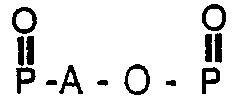
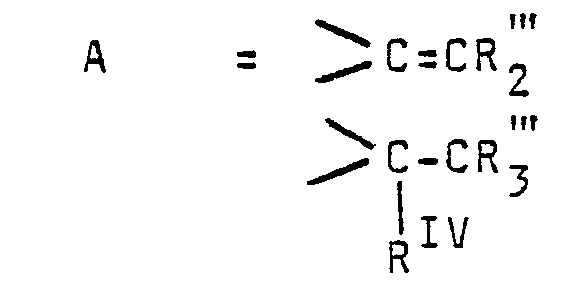
- Überraschenderweise wurde nun gefunden, daß man beim Verfahren zur Herstellung von'haiogenierten Phosphono-phosphorsäureestern der allqemeinen Formel


- bedeuten, ausgehend von Phosphor(III)-chlorid - anstelle von Phosphorigsäuretriester als Phosphorkomponente - in einem sogenannten Eintopfverfahren ohne Zwischenschaltung von Aufarbeitungs-und Reinigungsstufen des Triesters arbeiten kann, was erhebliche Vorteile an apparativem Aufwand und Energieeinsparungen mit sich bringt.
- Insbesondere fällt dennoch das gewünschte Endprodukt in guter Ausbeute und bei erfindungsgemäßer Nachschaltung geeigneter Waschstufen in genügender Reinheit an, um speziellen Verwendungszwecken zugeführt zu werden.
- Das Verfahren der Erfindung besteht nunmehr darin, daß man in einem ersten Verfahrensschritt Phosphor(III)-chlorid in Gegenwart eines Katalysators mit Alkylenoxid umsetzt, dann von überschüssigem Alkylenoxid befreit und das erhaltene Reaktionsprodukt aus im wesentlichen Phosphorigsäuretrialkylester ohne dessen Aufarbeitung in einem zweiten Verfahrensschritt mit dem betreffenden Halogenacylhalogenid im Molverhältnis 2 : 1 - 1,5 umsetzt, und dann entweder den Phosphono-phosphorsäureester nach mehrmaligem Waschen mit Wasser und/oder einer wässerigen Lösung von Ammoniak isoliert oder diesen ohne weitere Aufarbeitung in einem dritten Verfahrensschritt unter UV-Katalyse halogeniert und dann erst den Phosphono-phosphorsäureester nach mehrmaligem Waschen mit Wasser und/oder einer wässerigen Lösung von Ammoniak isoliert.
- Im einzelnen können in jeweils vorteilhafter Weise
- a) als Alkylenoxid das Ethylenoxid eingesetzt werden;
- b) Chlor oder Brom für den Begriff Halogen stehen;
- c) als Halogenacylhalogenid das Chloressigsäurechlorid eingesetzt werden, wobei der Phosphorsäure-bis-(2-chlorethyl)-1-[bis-(2-chlorethyl)-phosphono]-vinylester der allgemeinen Formel

- d) im zweiten Verfahrensschritt ein Molverhältnis von Phosphorigsäuretrialkylester zu Halogenacylhalogenid von 2 : 1,1 eingehalten werden;
- e) beim ersten Verfahrensschritt Temperaturen von -20°C bis +20°C, vorzugsweise 0° bis 10°C, und Reaktionszeiten zwischen 0,5 - 5 Stunden, vorzugsweise 2 - 3 Stunden, eingehalten werden; und - schließlich
- f) beim zweiten und gegebenenfalls beim dritten Verfahrensschritt Temperaturen von 0° bis 100°C, vorzugsweise < 30°C, und Reaktionszeiten zwischen 0,5 -5 Stunden, vorzugsweise 1 - 2 Stunden, eingehalten werden.
- Die erfindungsgemäßen nachgeschalteten Waschstufen werden insbesondere mit Wasser oder - im Wechsel - auch mit etwa 10 %igen Ammoniumhydroxidlösungen durchgeführt, worauf die erhaltenen halogenierten Phosphono-phosphorsäureester zum Einsatz als Flammschutzmittel bzw. Flammschutzmittelkomponenten geeignet sind.
- Ein weiterer Gedanke der vorliegenden Erfindung besteht daher in der Verwendung von halogenierten Phosphono-phosphorsäureestern der allgemeinen Formel


- Vorteilhafterweise werden dabei solche halogenierten Phosphonophosphorsäureester als Flammschutzmittel zur Verminderung der Brennbarkeit von brennbaren Stoffen eingesetzt, die nach dem erfindungsgemäßen Verfahren hergestellt wurden. Die genannten Verbindungen eignen sich beispielsweise zur Flammfestausrüstung von Kunststoffen wie ungesättigten Polyestern und Epoxidharzen sowie zur Flammfestausrüstung von Textilien.
- Die nachfolgenden Beispiele dienen zur näheren Erläuterung des erfindunsgemäßen Herstellungsverfahrens sowie der Verwendung der halogenierten Phosphono-phosphorsäureester.
- In einen Rührreaktor von 5 I-Inhalt mit Rückflußkühler und Thermometer wurden 1900 g (14 Mol) Phosphor(III)-chlorid eingefüllt und mit 10 g Titan(IV)-chlorid versetzt. Dann wurden im Verlauf von 3 Stunden unter Rühren 2000 g (45 Mol) Ethylenoxid eingeleitet, wobei die Reaktionstemperatur durch Kühlung unter 10°C gehalten wurde. Nach einer Nachreaktion von 1 Stunde bei 80°C wurde das überschüssige Ethylenoxid bei vermindertem Druck von ca. 30 mbar entfernt. Anschließend wurden im Verlauf von 1,5 Stunden 870 g (7,7 Mol) Chloressigsäurechlorid eingetropft, wobei durch Kühlung die Reaktionstemperatur unter 30°C gehalten wurde.
- Nach einer Nachreaktionszeit von 1,5 Stunden bei 90 -100°C wurde der Rückflußkühler durch einen absteigenden Kühler ersetzt; das als Reaktionsnebenprodukt entstandene Dichlorethan wurde abdestilliert. Weitere flüchtige Nebenbestandteile wurden dann unter vermindertem Druck von ca.10 mbar entfernt.
- Das Reaktionsprodukt wurde anschließend nacheinander mit 6 Liter Wasser, 6 Liter 10 %iger Ammoniumhydroxidlösung und nochmals mit 6 Liter Wasser gewaschen. Unter langsamer Temperatursteigerung wurde dann das Wasser bei einem Druck von ca. 120 mbar abdestilliert; die restlichen flüchtigen Bestandteile wurden bei einer Temperatur von 120°C und einem Druck von 1 mbar entfernt.
- Nach dem Abkühlen wurden 2490 g einer farblosen Flüssigkeit mit folgenden analytischen Daten erhalten:

- Die p3'-NMR-spektroskopische Untersuchung ergab, daß 85 % der gewünschten Verbindung vorlagen; der Rest verteilte sich auf eine Reihe strukturverwandter Phosphor-und Phosphonsäureester.
- In einen Rührreaktor von 5 I-Inhalt mit Rückflußkühler und Thermometer wurden 1900 g (14 Mol) Phosphor(III)-chlorid eingefüllt und mit 10 g Titan(IV)-chlorid versetzt. Dann wurden im Verlauf von 3 Stunden unter Rühren 2000 g (45 Mol) Ethylenoxid eingeleitet, wobei die Reaktionstemperatur durch Kühlung unter 10°C gehalten wurde. Nach einer Nachreaktion von 1 Stunde bei 80°C wurde das überschüssige Ethylenoxid bei vermindertem Druck von ca. 30 mbar entfernt. Anschließend wurden im Verlauf von 1,5 Stunden 1140g (7,7 Mol) Dichloressigsäurechlorid eingetropft, wobei durch Kühlung die Reaktionstemperatur unter 30°C gehalten wurde.
- Nach einer Nachreaktionszeit von 1,5 Stunden bei 90 -100°C wurde der Rückflußkühler durch einen absteigenden Kühler ersetzt; das als Reaktionsnebenprodukt entstandene Dichlorethan wurde abdestilliert. Weitere flüchtige Nebenbestandteile wurden dann unter vermindertem Druck von ca. 10 mbar entfernt.
- Das Reaktionsprodukt wurde anschließend nacheinander mit 6 Liter Wasser, 6 Liter 10 %iger Ammoniumhydroxidlösung und nochmals mit 6 Liter Wasser gewaschen. Unter langsamer Temperatursteigerung wurde dann das Wasser bei einem Druck von ca. 120 mbar abdestilliert; die restlichen flüchtigen Bestandteile wurden bei einer Temperatur von 120°C und einem Druck von 1 mbar entfernt.
- Nach dem Abkühlen wurden 2980 g einer farblosen Flüssigkeit mit folgenden analytischen Daten erhalten:

- Die P31-NMR-spektroskopische Untersuchung ergab, daß 88 % der gewünschten Verbindung vorlagen; der Rest verteilte sich auf eine Reihe strukturverwandter Phosphor-und Phosphonsäureester.
- In einen Rührreaktor von 5 I-Inhalt mit Rückflußkühler und Thermometer wurden 1900 g (14 Mol) hosphor(III)-chlorid eingefüllt und mit 10 g Titan(IV)-chlorid versetzt. Dann wurden im Verlauf von 3 Stunden unter Rühren 2000 g (45 Mol) Ethylenoxid eingeleitet, wobei die Reaktionstemperatur durch Kühlung unter 10°C gehalten wurde. Nach einer Nachreaktion von 1 Stunde bei 80°C wurde das überschüssige Ethylenoxid bei vermindertem Druck von ca. 30 mbar entfernt. Anschließend wurden im Verlauf von 1,5 Stunden 870 g (7,7 Mol) Chloressigsäurechlorid eingetropft, wobei durch Kühlung die Reaktionstemperatur unter 30°C gehalten wurde.
- Nach einer Nachreaktionszeit von 1,5 Stunden bei 90 -100°C wurde der Rückflußkühler durch einen absteigenden Kühler ersetzt; das als Reaktionsnebenprodukt entstandene Dichlorethan wurde abdestilliert. heitere flüchtige Nebenbestandteile wurden dann unter vermindertem Druck von ca. 10 mbar entfernt.
- Anschließend wurden 2000 ml Tetrachlormethan zugegeben und eine PHILIPS-Quecksilberdampflampe Typ HPK 125 W) mit wassergekühltem Tauchfinger eingebaut.
- Dann wurden im Verlauf von 3 Stunden 550 g Chlor eingeleitet, wobei die Reaktionstemperatur durch Kühlung unter 10°C gehalten wurde. Nach einer Nachreaktionszeit von 1 Stunde bei 50°C wurde das überschüssige Chlor zusammen mit dem als Lösungsmittel eingesetzten Tetrachlormethan abdestilliert. Weitere lüchtige Nebenbestandteile wurden dann unter vermindertem Druck von ca. 10 mbar entfernt.
- Das Reaktionsprodukt wurde anschließend nacheinander mit 6 Liter Wasser, 6 Liter 10 %iger Ammoiumhydroxidlösung und nochmals mit 6 Liter Wasser gewaschen. Unter langsamer Temperatursteigerung wurde dann das Wasser bei einem Druck von ca. 120 mbar abdestilliert; die restlichen flüchtigen Bestandteile wurden bei einer Temperatur von 120°C und einem Druck von 1 mbar entfernt.
- Nach dem Abkühlen wurden 3350 g einer farblosen Flüssigkeit mit folgenden analytischen Daten erhalten:

- Die P31-NMR-spektroskopische Untersuchung ergab, daß 81 % der gewünschten Verbindung vorlagen; der Rest verteilte sich auf eine Reihe strukturverwandter Phosphor-und Phosphonsäureester.
-

- Nach 5 min wurde der Schaumblock zur weiteren Aushärtung für 15 min in einen Umluft-Trockenschrank bei einer Temperatur von 140°C eingestellt.
- Die weitere Ausprüfung des Schaums erfolgte nach einer Lagerzeit von mindestens 24 Stunden bei Raumtemperatur und ergab folgende Daten: Rohdichte: 27 kg/m3
- Bei den Brandtests gemäß FMVSS 302 (Federal Motor Vehicle Safety Standard 302 - USA -) und ASTM-D 2863-74 (Sauerstoff-Index-Test - USA -) wurden folgende Werte erhalten:

- Sowohl an den Werten des FMVSS 302-Tests als auch an den Zahlen des Sauerstoff-Index- lests ist abzulesen, daß der Flammschutzeffekt unter den Alterungsbedingungen der trockenen Hitze sogar noch zunimmt.
Claims (9)




Applications Claiming Priority (2)
| Application Number | Priority Date | Filing Date | Title |
|---|---|---|---|
| DE19863643684 DE3643684A1 (de) | 1986-12-20 | 1986-12-20 | Verfahren zur herstellung von halogenierten phosphono-phosphorsaeureestern und ihre verwendung |
| DE3643684 | 1986-12-20 |
Publications (3)
| Publication Number | Publication Date |
|---|---|
| EP0272484A2 true EP0272484A2 (de) | 1988-06-29 |
| EP0272484A3 EP0272484A3 (en) | 1989-11-02 |
| EP0272484B1 EP0272484B1 (de) | 1992-03-04 |
Family
ID=6316720
Family Applications (1)
| Application Number | Title | Priority Date | Filing Date |
|---|---|---|---|
| EP87117373A Expired - Lifetime EP0272484B1 (de) | 1986-12-20 | 1987-11-25 | Verfahren zur Herstellung von halogenierten Phosphono-phosphorsäureestern und ihre Verwendung |
Country Status (4)
| Country | Link |
|---|---|
| US (1) | US4894469A (de) |
| EP (1) | EP0272484B1 (de) |
| JP (1) | JPS63166895A (de) |
| DE (2) | DE3643684A1 (de) |
Cited By (1)
| Publication number | Priority date | Publication date | Assignee | Title |
|---|---|---|---|---|
| US5041596A (en) * | 1989-07-03 | 1991-08-20 | Akzo America Inc. | Formation of glycol bisphosphate compounds |
Families Citing this family (2)
| Publication number | Priority date | Publication date | Assignee | Title |
|---|---|---|---|---|
| CA2102303A1 (en) * | 1991-06-19 | 1992-12-20 | Roy Allen Johnson | Dialkyl (dialkoxyphosphinyl) methyl phosphates as anti-inflammatory agents |
| CN103945869A (zh) * | 2011-08-31 | 2014-07-23 | 马林克罗特有限公司 | 使用h-膦酸酯-烯/-炔的氢膦酸酯化反应进行的靶向纳米颗粒的远程组装 |
Family Cites Families (6)
| Publication number | Priority date | Publication date | Assignee | Title |
|---|---|---|---|---|
| DE949948C (de) * | 1952-10-11 | 1956-09-27 | Bayer Ag | Verfahren zur Herstellung von halogenierten Phosphorsaeureestern |
| US2934469A (en) * | 1956-01-30 | 1960-04-26 | Monsanto Chemicals | Phosphinylvinyl phosphates |
| GB866817A (en) * | 1958-05-15 | 1961-05-03 | Monsanto Chemicals | Insecticidal compositions and phosphorylvinyl phosphates for use therein |
| FR2218343B1 (de) * | 1973-02-21 | 1977-04-29 | Ugine Kuhlmann | |
| US4407765A (en) * | 1980-07-02 | 1983-10-04 | Stauffer Chemical Company | Synthesis of organic phosphate-phosphonates |
| US4407103A (en) * | 1982-05-06 | 1983-10-04 | Miller Robert R | Mobile unit support |
-
1986
- 1986-12-20 DE DE19863643684 patent/DE3643684A1/de not_active Withdrawn
-
1987
- 1987-11-25 DE DE8787117373T patent/DE3777115D1/de not_active Expired - Fee Related
- 1987-11-25 EP EP87117373A patent/EP0272484B1/de not_active Expired - Lifetime
- 1987-12-04 US US07/128,805 patent/US4894469A/en not_active Expired - Fee Related
- 1987-12-15 JP JP62315413A patent/JPS63166895A/ja active Pending
Cited By (1)
| Publication number | Priority date | Publication date | Assignee | Title |
|---|---|---|---|---|
| US5041596A (en) * | 1989-07-03 | 1991-08-20 | Akzo America Inc. | Formation of glycol bisphosphate compounds |
Also Published As
| Publication number | Publication date |
|---|---|
| DE3643684A1 (de) | 1988-06-30 |
| US4894469A (en) | 1990-01-16 |
| EP0272484A3 (en) | 1989-11-02 |
| DE3777115D1 (de) | 1992-04-09 |
| EP0272484B1 (de) | 1992-03-04 |
| JPS63166895A (ja) | 1988-07-11 |
Similar Documents
| Publication | Publication Date | Title |
|---|---|---|
| DE2334736A1 (de) | Herstellung von kohlensaeureestern | |
| DE2149377A1 (de) | Verfahren zur Herstellung von 0,0-Diaryl-N,N-dialkylphosphoramidaten | |
| DE68904150T2 (de) | Verfahren zur herstellung von fluorierten kohlenwasserstoffen. | |
| DE2047195A1 (de) | Mittel zum Flammfestmachen von Kunststoffen und Verfahren zu deren Herstellung | |
| EP0150739B1 (de) | Verfahren zur Herstellung alkanphosphoniger Säuren | |
| DE2649226C2 (de) | O,O'-Bis-(2-hydroxyalkyl)-(1)-N,N-di(niedrigalkyl)aminomethanphosphonate und ihre Verwendung in lagerungsstabilen Vormischungen zur Herstellung feuerhemmender Polyurethanschaumstoffe | |
| DE2601278B2 (de) | Cyclische Pentaerythritdiphosphate | |
| DE2338007A1 (de) | Verfahren zur herstellung von tetrakis(2-halogenalkyl)-alkylendiphosphaten | |
| DE848946C (de) | Verfahren zur Herstellung organischer Phosphate oder Phosphonate | |
| EP0272484B1 (de) | Verfahren zur Herstellung von halogenierten Phosphono-phosphorsäureestern und ihre Verwendung | |
| DE2833341A1 (de) | Verfahren zur herstellung von phosphorsaeure-triestern | |
| DE2027089B2 (de) | Verfahren zur herstellung von phosphorhaltigen polyolen | |
| DE60005539T2 (de) | Herstellung oligomerischer organophosphorzusammensetzungen mit verbesserten farben | |
| DE69011007T2 (de) | Bildung von Glykol-Bisphosphat-Verbindungen. | |
| EP0001996B1 (de) | Verfahren zur herstellung von N,N-Bis-(2-hydroxyalkyl)-aminomethan-phosphonsäure-dimethylester und ihre Verwendung als flammhemmende Mittel für Kunststoffe | |
| DE2160783A1 (de) | Phosphorsäureester von polyfluorierten Alkoholen | |
| EP0272482B1 (de) | Flammwidrige Polyurethanschaumstoffe | |
| DE2511932C2 (de) | Verfahren zur Herstellung von tert.-Hydroxyalkylphosphinoxiden | |
| DE19910463B4 (de) | Dialkylphosphorsäuren nach der Methanol-Methode | |
| DE1793778C3 (de) | Neues sekundäres Phosphinoxyd | |
| DE2156203A1 (de) | Verfahren zur herstellung von dialkylphosphinoxiden | |
| EP0570823B1 (de) | Verfahren zur Herstellung von phosphorhaltigen Alkoxylierungsprodukten | |
| DE4303654A1 (de) | Phosphorsäurepolyester und ein Verfahren zu ihrer Herstellung | |
| DE1140920B (de) | Verfahren zur Herstellung von Orthophosphorsaeureestern | |
| EP0537197B1 (de) | Verfahren zur herstellung von phosphonigsäure-arylester- halogeniden |
Legal Events
| Date | Code | Title | Description |
|---|---|---|---|
| PUAI | Public reference made under article 153(3) epc to a published international application that has entered the european phase |
Free format text: ORIGINAL CODE: 0009012 |
|
| AK | Designated contracting states |
Kind code of ref document: A2 Designated state(s): BE DE FR GB IT NL SE |
|
| PUAL | Search report despatched |
Free format text: ORIGINAL CODE: 0009013 |
|
| AK | Designated contracting states |
Kind code of ref document: A3 Designated state(s): BE DE FR GB IT NL SE |
|
| 17P | Request for examination filed |
Effective date: 19891116 |
|
| 17Q | First examination report despatched |
Effective date: 19910801 |
|
| GRAA | (expected) grant |
Free format text: ORIGINAL CODE: 0009210 |
|
| AK | Designated contracting states |
Kind code of ref document: B1 Designated state(s): BE DE FR GB IT NL SE |
|
| ITF | It: translation for a ep patent filed | ||
| REF | Corresponds to: |
Ref document number: 3777115 Country of ref document: DE Date of ref document: 19920409 |
|
| ET | Fr: translation filed | ||
| GBT | Gb: translation of ep patent filed (gb section 77(6)(a)/1977) | ||
| PG25 | Lapsed in a contracting state [announced via postgrant information from national office to epo] |
Ref country code: GB Effective date: 19921125 |
|
| PG25 | Lapsed in a contracting state [announced via postgrant information from national office to epo] |
Ref country code: SE Effective date: 19921126 |
|
| PG25 | Lapsed in a contracting state [announced via postgrant information from national office to epo] |
Ref country code: BE Effective date: 19921130 |
|
| PLBE | No opposition filed within time limit |
Free format text: ORIGINAL CODE: 0009261 |
|
| 26N | No opposition filed | ||
| BERE | Be: lapsed |
Owner name: HOECHST A.G. Effective date: 19921130 |
|
| PG25 | Lapsed in a contracting state [announced via postgrant information from national office to epo] |
Ref country code: NL Effective date: 19930601 |
|
| NLV4 | Nl: lapsed or anulled due to non-payment of the annual fee | ||
| GBPC | Gb: european patent ceased through non-payment of renewal fee |
Effective date: 19921125 |
|
| PG25 | Lapsed in a contracting state [announced via postgrant information from national office to epo] |
Ref country code: FR Effective date: 19930730 |
|
| PG25 | Lapsed in a contracting state [announced via postgrant information from national office to epo] |
Ref country code: DE Effective date: 19930803 |
|
| REG | Reference to a national code |
Ref country code: FR Ref legal event code: ST |
|
| EUG | Se: european patent has lapsed |
Ref document number: 87117373.8 Effective date: 19930610 |
|
| PG25 | Lapsed in a contracting state [announced via postgrant information from national office to epo] |
Ref country code: IT Free format text: LAPSE BECAUSE OF NON-PAYMENT OF DUE FEES;WARNING: LAPSES OF ITALIAN PATENTS WITH EFFECTIVE DATE BEFORE 2007 MAY HAVE OCCURRED AT ANY TIME BEFORE 2007. THE CORRECT EFFECTIVE DATE MAY BE DIFFERENT FROM THE ONE RECORDED. Effective date: 20051125 |