EP0129499B1 - 13alpha-Alkylgonane, deren Herstellung und diese enthaltende pharmazeutische Präparate - Google Patents
13alpha-Alkylgonane, deren Herstellung und diese enthaltende pharmazeutische Präparate Download PDFInfo
- Publication number
- EP0129499B1 EP0129499B1 EP84730062A EP84730062A EP0129499B1 EP 0129499 B1 EP0129499 B1 EP 0129499B1 EP 84730062 A EP84730062 A EP 84730062A EP 84730062 A EP84730062 A EP 84730062A EP 0129499 B1 EP0129499 B1 EP 0129499B1
- Authority
- EP
- European Patent Office
- Prior art keywords
- methyl
- hydroxy
- dimethylaminophenyl
- gonadien
- alkyl
- Prior art date
- Legal status (The legal status is an assumption and is not a legal conclusion. Google has not performed a legal analysis and makes no representation as to the accuracy of the status listed.)
- Expired
Links
- 238000002360 preparation method Methods 0.000 title claims description 6
- 239000008194 pharmaceutical composition Substances 0.000 title 1
- -1 methoxyphenyl Chemical group 0.000 claims description 92
- 150000001875 compounds Chemical class 0.000 claims description 20
- 125000004432 carbon atom Chemical group C* 0.000 claims description 19
- 125000000217 alkyl group Chemical group 0.000 claims description 18
- UFHFLCQGNIYNRP-UHFFFAOYSA-N Hydrogen Chemical compound [H][H] UFHFLCQGNIYNRP-UHFFFAOYSA-N 0.000 claims description 17
- 229910052739 hydrogen Inorganic materials 0.000 claims description 16
- 239000001257 hydrogen Substances 0.000 claims description 16
- 125000002496 methyl group Chemical group [H]C([H])([H])* 0.000 claims description 15
- 125000001495 ethyl group Chemical group [H]C([H])([H])C([H])([H])* 0.000 claims description 12
- 238000000034 method Methods 0.000 claims description 11
- XLYOFNOQVPJJNP-UHFFFAOYSA-N water Substances O XLYOFNOQVPJJNP-UHFFFAOYSA-N 0.000 claims description 10
- 229920006395 saturated elastomer Polymers 0.000 claims description 9
- QOXOZONBQWIKDA-UHFFFAOYSA-N 3-hydroxypropyl Chemical group [CH2]CCO QOXOZONBQWIKDA-UHFFFAOYSA-N 0.000 claims description 8
- 125000004435 hydrogen atom Chemical group [H]* 0.000 claims description 8
- 150000001204 N-oxides Chemical group 0.000 claims description 7
- 125000003903 2-propenyl group Chemical group [H]C([*])([H])C([H])=C([H])[H] 0.000 claims description 6
- 239000002253 acid Substances 0.000 claims description 6
- 125000005842 heteroatom Chemical group 0.000 claims description 6
- 229910052757 nitrogen Inorganic materials 0.000 claims description 6
- 125000001436 propyl group Chemical group [H]C([*])([H])C([H])([H])C([H])([H])[H] 0.000 claims description 6
- 229910052717 sulfur Inorganic materials 0.000 claims description 6
- 125000005853 β-dimethylaminoethyl group Chemical group 0.000 claims description 6
- 150000002431 hydrogen Chemical class 0.000 claims description 5
- 238000005935 nucleophilic addition reaction Methods 0.000 claims description 5
- 125000003545 alkoxy group Chemical group 0.000 claims description 4
- 125000002887 hydroxy group Chemical group [H]O* 0.000 claims description 4
- 150000003839 salts Chemical class 0.000 claims description 4
- 125000004825 2,2-dimethylpropylene group Chemical group [H]C([H])([H])C(C([H])([H])[H])(C([H])([H])[*:1])C([H])([H])[*:2] 0.000 claims description 3
- VGGSQFUCUMXWEO-UHFFFAOYSA-N Ethene Chemical compound C=C VGGSQFUCUMXWEO-UHFFFAOYSA-N 0.000 claims description 3
- 239000005977 Ethylene Substances 0.000 claims description 3
- 125000004423 acyloxy group Chemical group 0.000 claims description 3
- 125000001589 carboacyl group Chemical group 0.000 claims description 3
- 238000003776 cleavage reaction Methods 0.000 claims description 3
- 229910052736 halogen Inorganic materials 0.000 claims description 3
- 150000002367 halogens Chemical class 0.000 claims description 3
- 239000000825 pharmaceutical preparation Substances 0.000 claims description 3
- 230000008569 process Effects 0.000 claims description 3
- 230000007017 scission Effects 0.000 claims description 3
- 150000003431 steroids Chemical group 0.000 claims description 3
- NMHLYYNUHXEKKV-VJLHXPKFSA-N (8s,13r,14s,17s)-13-[2-[4-(dimethylamino)phenyl]ethyl]-17-ethynyl-17-hydroxy-1,2,6,7,8,11,12,14,15,16-decahydrocyclopenta[a]phenanthren-3-one Chemical compound C1=CC(N(C)C)=CC=C1CC[C@]1([C@@](CC2)(O)C#C)[C@@H]2[C@@H]2CCC3=CC(=O)CCC3=C2CC1 NMHLYYNUHXEKKV-VJLHXPKFSA-N 0.000 claims 1
- 238000009281 ultraviolet germicidal irradiation Methods 0.000 claims 1
- XEKOWRVHYACXOJ-UHFFFAOYSA-N Ethyl acetate Chemical compound CCOC(C)=O XEKOWRVHYACXOJ-UHFFFAOYSA-N 0.000 description 103
- VLKZOEOYAKHREP-UHFFFAOYSA-N n-Hexane Chemical compound CCCCCC VLKZOEOYAKHREP-UHFFFAOYSA-N 0.000 description 50
- 239000000243 solution Substances 0.000 description 48
- QTBSBXVTEAMEQO-UHFFFAOYSA-N Acetic acid Chemical compound CC(O)=O QTBSBXVTEAMEQO-UHFFFAOYSA-N 0.000 description 33
- WYURNTSHIVDZCO-UHFFFAOYSA-N Tetrahydrofuran Chemical compound C1CCOC1 WYURNTSHIVDZCO-UHFFFAOYSA-N 0.000 description 30
- YMWUJEATGCHHMB-UHFFFAOYSA-N Dichloromethane Chemical compound ClCCl YMWUJEATGCHHMB-UHFFFAOYSA-N 0.000 description 29
- LFQSCWFLJHTTHZ-UHFFFAOYSA-N Ethanol Chemical compound CCO LFQSCWFLJHTTHZ-UHFFFAOYSA-N 0.000 description 21
- 239000012043 crude product Substances 0.000 description 20
- 239000000203 mixture Substances 0.000 description 19
- 238000002844 melting Methods 0.000 description 16
- 230000008018 melting Effects 0.000 description 16
- YLQBMQCUIZJEEH-UHFFFAOYSA-N tetrahydrofuran Natural products C=1C=COC=1 YLQBMQCUIZJEEH-UHFFFAOYSA-N 0.000 description 15
- ZAFNJMIOTHYJRJ-UHFFFAOYSA-N Diisopropyl ether Chemical compound CC(C)OC(C)C ZAFNJMIOTHYJRJ-UHFFFAOYSA-N 0.000 description 14
- YXFVVABEGXRONW-UHFFFAOYSA-N Toluene Chemical compound CC1=CC=CC=C1 YXFVVABEGXRONW-UHFFFAOYSA-N 0.000 description 14
- 239000005457 ice water Substances 0.000 description 13
- RTZKZFJDLAIYFH-UHFFFAOYSA-N Diethyl ether Chemical compound CCOCC RTZKZFJDLAIYFH-UHFFFAOYSA-N 0.000 description 12
- OKKJLVBELUTLKV-UHFFFAOYSA-N Methanol Chemical compound OC OKKJLVBELUTLKV-UHFFFAOYSA-N 0.000 description 12
- 238000006243 chemical reaction Methods 0.000 description 12
- 229960000583 acetic acid Drugs 0.000 description 10
- 238000002425 crystallisation Methods 0.000 description 10
- 230000008025 crystallization Effects 0.000 description 10
- 238000001816 cooling Methods 0.000 description 9
- 239000002904 solvent Substances 0.000 description 9
- MZRVEZGGRBJDDB-UHFFFAOYSA-N N-Butyllithium Chemical compound [Li]CCCC MZRVEZGGRBJDDB-UHFFFAOYSA-N 0.000 description 8
- 239000000047 product Substances 0.000 description 8
- 239000000725 suspension Substances 0.000 description 8
- ZMXDDKWLCZADIW-UHFFFAOYSA-N N,N-Dimethylformamide Chemical compound CN(C)C=O ZMXDDKWLCZADIW-UHFFFAOYSA-N 0.000 description 7
- KDLHZDBZIXYQEI-UHFFFAOYSA-N Palladium Chemical compound [Pd] KDLHZDBZIXYQEI-UHFFFAOYSA-N 0.000 description 7
- VYPSYNLAJGMNEJ-UHFFFAOYSA-N Silicium dioxide Chemical compound O=[Si]=O VYPSYNLAJGMNEJ-UHFFFAOYSA-N 0.000 description 7
- 238000004587 chromatography analysis Methods 0.000 description 7
- UHOVQNZJYSORNB-UHFFFAOYSA-N Benzene Chemical compound C1=CC=CC=C1 UHOVQNZJYSORNB-UHFFFAOYSA-N 0.000 description 6
- 239000003054 catalyst Substances 0.000 description 6
- 238000005984 hydrogenation reaction Methods 0.000 description 6
- 239000011734 sodium Substances 0.000 description 6
- RYHBNJHYFVUHQT-UHFFFAOYSA-N 1,4-Dioxane Chemical compound C1COCCO1 RYHBNJHYFVUHQT-UHFFFAOYSA-N 0.000 description 5
- CSCPPACGZOOCGX-UHFFFAOYSA-N Acetone Chemical compound CC(C)=O CSCPPACGZOOCGX-UHFFFAOYSA-N 0.000 description 5
- 206010000210 abortion Diseases 0.000 description 5
- 231100000176 abortion Toxicity 0.000 description 5
- 239000012230 colorless oil Substances 0.000 description 5
- 238000002474 experimental method Methods 0.000 description 5
- ARNWQMJQALNBBV-UHFFFAOYSA-N lithium carbide Chemical compound [Li+].[Li+].[C-]#[C-] ARNWQMJQALNBBV-UHFFFAOYSA-N 0.000 description 5
- 239000003921 oil Substances 0.000 description 5
- TWNQGVIAIRXVLR-UHFFFAOYSA-N oxo(oxoalumanyloxy)alumane Chemical compound O=[Al]O[Al]=O TWNQGVIAIRXVLR-UHFFFAOYSA-N 0.000 description 5
- QGZKDVFQNNGYKY-UHFFFAOYSA-N Ammonia Chemical compound N QGZKDVFQNNGYKY-UHFFFAOYSA-N 0.000 description 4
- XKRFYHLGVUSROY-UHFFFAOYSA-N Argon Chemical compound [Ar] XKRFYHLGVUSROY-UHFFFAOYSA-N 0.000 description 4
- RJKFOVLPORLFTN-LEKSSAKUSA-N Progesterone Chemical compound C1CC2=CC(=O)CC[C@]2(C)[C@@H]2[C@@H]1[C@@H]1CC[C@H](C(=O)C)[C@@]1(C)CC2 RJKFOVLPORLFTN-LEKSSAKUSA-N 0.000 description 4
- 230000002378 acidificating effect Effects 0.000 description 4
- HSFWRNGVRCDJHI-UHFFFAOYSA-N alpha-acetylene Natural products C#C HSFWRNGVRCDJHI-UHFFFAOYSA-N 0.000 description 4
- 239000003153 chemical reaction reagent Substances 0.000 description 4
- 229960004132 diethyl ether Drugs 0.000 description 4
- 230000000694 effects Effects 0.000 description 4
- 125000002534 ethynyl group Chemical group [H]C#C* 0.000 description 4
- 230000007935 neutral effect Effects 0.000 description 4
- BASFCYQUMIYNBI-UHFFFAOYSA-N platinum Chemical compound [Pt] BASFCYQUMIYNBI-UHFFFAOYSA-N 0.000 description 4
- 230000035935 pregnancy Effects 0.000 description 4
- 239000000126 substance Substances 0.000 description 4
- WFDIJRYMOXRFFG-UHFFFAOYSA-N Acetic anhydride Chemical compound CC(=O)OC(C)=O WFDIJRYMOXRFFG-UHFFFAOYSA-N 0.000 description 3
- PNEYBMLMFCGWSK-UHFFFAOYSA-N Alumina Chemical compound [O-2].[O-2].[O-2].[Al+3].[Al+3] PNEYBMLMFCGWSK-UHFFFAOYSA-N 0.000 description 3
- MHAJPDPJQMAIIY-UHFFFAOYSA-N Hydrogen peroxide Chemical compound OO MHAJPDPJQMAIIY-UHFFFAOYSA-N 0.000 description 3
- JUJWROOIHBZHMG-UHFFFAOYSA-N Pyridine Chemical compound C1=CC=NC=C1 JUJWROOIHBZHMG-UHFFFAOYSA-N 0.000 description 3
- QAOWNCQODCNURD-UHFFFAOYSA-N Sulfuric acid Chemical compound OS(O)(=O)=O QAOWNCQODCNURD-UHFFFAOYSA-N 0.000 description 3
- ZMANZCXQSJIPKH-UHFFFAOYSA-N Triethylamine Chemical compound CCN(CC)CC ZMANZCXQSJIPKH-UHFFFAOYSA-N 0.000 description 3
- 229910052783 alkali metal Inorganic materials 0.000 description 3
- 150000001340 alkali metals Chemical class 0.000 description 3
- 230000000380 anti-gestagenic effect Effects 0.000 description 3
- 238000010828 elution Methods 0.000 description 3
- DVSDBMFJEQPWNO-UHFFFAOYSA-N methyllithium Chemical compound C[Li] DVSDBMFJEQPWNO-UHFFFAOYSA-N 0.000 description 3
- 229910000510 noble metal Inorganic materials 0.000 description 3
- 230000003647 oxidation Effects 0.000 description 3
- 238000007254 oxidation reaction Methods 0.000 description 3
- 239000000583 progesterone congener Substances 0.000 description 3
- 238000000746 purification Methods 0.000 description 3
- 230000005855 radiation Effects 0.000 description 3
- 230000009467 reduction Effects 0.000 description 3
- 239000000741 silica gel Substances 0.000 description 3
- 229910002027 silica gel Inorganic materials 0.000 description 3
- 229910052708 sodium Inorganic materials 0.000 description 3
- 239000008259 solid foam Substances 0.000 description 3
- VHYFNPMBLIVWCW-UHFFFAOYSA-N 4-Dimethylaminopyridine Chemical compound CN(C)C1=CC=NC=C1 VHYFNPMBLIVWCW-UHFFFAOYSA-N 0.000 description 2
- XYZWMVYYUIMRIZ-UHFFFAOYSA-N 4-bromo-n,n-dimethylaniline Chemical compound CN(C)C1=CC=C(Br)C=C1 XYZWMVYYUIMRIZ-UHFFFAOYSA-N 0.000 description 2
- 125000004172 4-methoxyphenyl group Chemical group [H]C1=C([H])C(OC([H])([H])[H])=C([H])C([H])=C1* 0.000 description 2
- 0 CC1(C)O*CC1 Chemical compound CC1(C)O*CC1 0.000 description 2
- 229910021591 Copper(I) chloride Inorganic materials 0.000 description 2
- DOJXGHGHTWFZHK-UHFFFAOYSA-N Hexachloroacetone Chemical compound ClC(Cl)(Cl)C(=O)C(Cl)(Cl)Cl DOJXGHGHTWFZHK-UHFFFAOYSA-N 0.000 description 2
- VEXZGXHMUGYJMC-UHFFFAOYSA-N Hydrochloric acid Chemical compound Cl VEXZGXHMUGYJMC-UHFFFAOYSA-N 0.000 description 2
- DGAQECJNVWCQMB-PUAWFVPOSA-M Ilexoside XXIX Chemical compound C[C@@H]1CC[C@@]2(CC[C@@]3(C(=CC[C@H]4[C@]3(CC[C@@H]5[C@@]4(CC[C@@H](C5(C)C)OS(=O)(=O)[O-])C)C)[C@@H]2[C@]1(C)O)C)C(=O)O[C@H]6[C@@H]([C@H]([C@@H]([C@H](O6)CO)O)O)O.[Na+] DGAQECJNVWCQMB-PUAWFVPOSA-M 0.000 description 2
- WHXSMMKQMYFTQS-UHFFFAOYSA-N Lithium Chemical compound [Li] WHXSMMKQMYFTQS-UHFFFAOYSA-N 0.000 description 2
- FYYHWMGAXLPEAU-UHFFFAOYSA-N Magnesium Chemical compound [Mg] FYYHWMGAXLPEAU-UHFFFAOYSA-N 0.000 description 2
- 241001465754 Metazoa Species 0.000 description 2
- NBIIXXVUZAFLBC-UHFFFAOYSA-N Phosphoric acid Chemical compound OP(O)(O)=O NBIIXXVUZAFLBC-UHFFFAOYSA-N 0.000 description 2
- ZLMJMSJWJFRBEC-UHFFFAOYSA-N Potassium Chemical compound [K] ZLMJMSJWJFRBEC-UHFFFAOYSA-N 0.000 description 2
- 241000700159 Rattus Species 0.000 description 2
- 238000010521 absorption reaction Methods 0.000 description 2
- 150000001412 amines Chemical class 0.000 description 2
- 229910052786 argon Inorganic materials 0.000 description 2
- 239000003795 chemical substances by application Substances 0.000 description 2
- 238000011097 chromatography purification Methods 0.000 description 2
- 230000002860 competitive effect Effects 0.000 description 2
- OXBLHERUFWYNTN-UHFFFAOYSA-M copper(I) chloride Chemical compound [Cu]Cl OXBLHERUFWYNTN-UHFFFAOYSA-M 0.000 description 2
- 125000004663 dialkyl amino group Chemical group 0.000 description 2
- XBDQKXXYIPTUBI-UHFFFAOYSA-N dimethylselenoniopropionate Natural products CCC(O)=O XBDQKXXYIPTUBI-UHFFFAOYSA-N 0.000 description 2
- GRXPVLPQNMUNNX-MHJRRCNVSA-N estrane Chemical class C1CC2CCCC[C@@H]2[C@@H]2[C@@H]1[C@@H]1CCC[C@@]1(C)CC2 GRXPVLPQNMUNNX-MHJRRCNVSA-N 0.000 description 2
- 239000000284 extract Substances 0.000 description 2
- 230000035558 fertility Effects 0.000 description 2
- 239000006260 foam Substances 0.000 description 2
- 239000007943 implant Substances 0.000 description 2
- INQOMBQAUSQDDS-UHFFFAOYSA-N iodomethane Chemical compound IC INQOMBQAUSQDDS-UHFFFAOYSA-N 0.000 description 2
- 150000002500 ions Chemical class 0.000 description 2
- 229910052744 lithium Inorganic materials 0.000 description 2
- 239000011777 magnesium Substances 0.000 description 2
- 229910052749 magnesium Inorganic materials 0.000 description 2
- 150000002730 mercury Chemical class 0.000 description 2
- 239000007800 oxidant agent Substances 0.000 description 2
- VLTRZXGMWDSKGL-UHFFFAOYSA-N perchloric acid Chemical compound OCl(=O)(=O)=O VLTRZXGMWDSKGL-UHFFFAOYSA-N 0.000 description 2
- 229910052697 platinum Inorganic materials 0.000 description 2
- 229910052700 potassium Inorganic materials 0.000 description 2
- 239000011591 potassium Substances 0.000 description 2
- NNFCIKHAZHQZJG-UHFFFAOYSA-N potassium cyanide Chemical compound [K+].N#[C-] NNFCIKHAZHQZJG-UHFFFAOYSA-N 0.000 description 2
- 229960003387 progesterone Drugs 0.000 description 2
- 239000000186 progesterone Substances 0.000 description 2
- TVDSBUOJIPERQY-UHFFFAOYSA-N prop-2-yn-1-ol Chemical class OCC#C TVDSBUOJIPERQY-UHFFFAOYSA-N 0.000 description 2
- BDERNNFJNOPAEC-UHFFFAOYSA-N propan-1-ol Chemical compound CCCO BDERNNFJNOPAEC-UHFFFAOYSA-N 0.000 description 2
- MWWATHDPGQKSAR-UHFFFAOYSA-N propyne Chemical compound CC#C MWWATHDPGQKSAR-UHFFFAOYSA-N 0.000 description 2
- 125000006239 protecting group Chemical group 0.000 description 2
- LEHBURLTIWGHEM-UHFFFAOYSA-N pyridinium chlorochromate Chemical compound [O-][Cr](Cl)(=O)=O.C1=CC=[NH+]C=C1 LEHBURLTIWGHEM-UHFFFAOYSA-N 0.000 description 2
- 239000013558 reference substance Substances 0.000 description 2
- 239000007858 starting material Substances 0.000 description 2
- 239000000758 substrate Substances 0.000 description 2
- JOXIMZWYDAKGHI-UHFFFAOYSA-N toluene-4-sulfonic acid Chemical compound CC1=CC=C(S(O)(=O)=O)C=C1 JOXIMZWYDAKGHI-UHFFFAOYSA-N 0.000 description 2
- VFJYIHQDILEQNR-UHFFFAOYSA-M trimethylsulfanium;iodide Chemical compound [I-].C[S+](C)C VFJYIHQDILEQNR-UHFFFAOYSA-M 0.000 description 2
- 210000004291 uterus Anatomy 0.000 description 2
- ZXSQEZNORDWBGZ-UHFFFAOYSA-N 1,3-dihydropyrrolo[2,3-b]pyridin-2-one Chemical compound C1=CN=C2NC(=O)CC2=C1 ZXSQEZNORDWBGZ-UHFFFAOYSA-N 0.000 description 1
- 125000003635 2-dimethylaminoethoxy group Chemical group [H]C([H])([H])N(C([H])([H])[H])C([H])([H])C([H])([H])O* 0.000 description 1
- TVEXGJYMHHTVKP-UHFFFAOYSA-N 6-oxabicyclo[3.2.1]oct-3-en-7-one Chemical compound C1C2C(=O)OC1C=CC2 TVEXGJYMHHTVKP-UHFFFAOYSA-N 0.000 description 1
- QTBSBXVTEAMEQO-UHFFFAOYSA-M Acetate Chemical compound CC([O-])=O QTBSBXVTEAMEQO-UHFFFAOYSA-M 0.000 description 1
- 229910018072 Al 2 O 3 Inorganic materials 0.000 description 1
- LSNNMFCWUKXFEE-UHFFFAOYSA-M Bisulfite Chemical compound OS([O-])=O LSNNMFCWUKXFEE-UHFFFAOYSA-M 0.000 description 1
- XDTMQSROBMDMFD-UHFFFAOYSA-N Cyclohexane Chemical compound C1CCCCC1 XDTMQSROBMDMFD-UHFFFAOYSA-N 0.000 description 1
- 239000004593 Epoxy Substances 0.000 description 1
- 125000002777 acetyl group Chemical group [H]C([H])([H])C(*)=O 0.000 description 1
- 230000021736 acetylation Effects 0.000 description 1
- 238000006640 acetylation reaction Methods 0.000 description 1
- FDTGUDJKAXJXLL-UHFFFAOYSA-N acetylene Chemical compound C#C.C#C FDTGUDJKAXJXLL-UHFFFAOYSA-N 0.000 description 1
- 230000009471 action Effects 0.000 description 1
- 125000002252 acyl group Chemical group 0.000 description 1
- 230000001476 alcoholic effect Effects 0.000 description 1
- 150000001345 alkine derivatives Chemical class 0.000 description 1
- XXROGKLTLUQVRX-UHFFFAOYSA-N allyl alcohol Chemical compound OCC=C XXROGKLTLUQVRX-UHFFFAOYSA-N 0.000 description 1
- 229910000147 aluminium phosphate Inorganic materials 0.000 description 1
- 229910021529 ammonia Inorganic materials 0.000 description 1
- 230000003042 antagnostic effect Effects 0.000 description 1
- 239000005557 antagonist Substances 0.000 description 1
- 239000003418 antiprogestin Substances 0.000 description 1
- QVGXLLKOCUKJST-UHFFFAOYSA-N atomic oxygen Chemical compound [O] QVGXLLKOCUKJST-UHFFFAOYSA-N 0.000 description 1
- 125000001797 benzyl group Chemical group [H]C1=C([H])C([H])=C(C([H])=C1[H])C([H])([H])* 0.000 description 1
- SIPUZPBQZHNSDW-UHFFFAOYSA-N bis(2-methylpropyl)aluminum Chemical compound CC(C)C[Al]CC(C)C SIPUZPBQZHNSDW-UHFFFAOYSA-N 0.000 description 1
- 210000002459 blastocyst Anatomy 0.000 description 1
- UORVGPXVDQYIDP-UHFFFAOYSA-N borane Chemical class B UORVGPXVDQYIDP-UHFFFAOYSA-N 0.000 description 1
- 229910000085 borane Inorganic materials 0.000 description 1
- 125000002915 carbonyl group Chemical group [*:2]C([*:1])=O 0.000 description 1
- 239000012876 carrier material Substances 0.000 description 1
- 239000004359 castor oil Substances 0.000 description 1
- 230000003197 catalytic effect Effects 0.000 description 1
- 238000006555 catalytic reaction Methods 0.000 description 1
- 230000008859 change Effects 0.000 description 1
- 239000007795 chemical reaction product Substances 0.000 description 1
- NEHMKBQYUWJMIP-UHFFFAOYSA-N chloromethane Chemical compound ClC NEHMKBQYUWJMIP-UHFFFAOYSA-N 0.000 description 1
- KRVSOGSZCMJSLX-UHFFFAOYSA-L chromic acid Substances O[Cr](O)(=O)=O KRVSOGSZCMJSLX-UHFFFAOYSA-L 0.000 description 1
- RYPRIXSYXLDSOA-UHFFFAOYSA-L chromium(2+);sulfate Chemical compound [Cr+2].[O-]S([O-])(=O)=O RYPRIXSYXLDSOA-UHFFFAOYSA-L 0.000 description 1
- 229910000334 chromium(II) sulfate Inorganic materials 0.000 description 1
- 238000004440 column chromatography Methods 0.000 description 1
- 239000012084 conversion product Substances 0.000 description 1
- 229910052593 corundum Inorganic materials 0.000 description 1
- 238000001514 detection method Methods 0.000 description 1
- 150000001983 dialkylethers Chemical class 0.000 description 1
- NKRNGKIEDAVMHL-UHFFFAOYSA-L dihydroxy(dioxo)chromium;pyridine Chemical compound O[Cr](O)(=O)=O.C1=CC=NC=C1 NKRNGKIEDAVMHL-UHFFFAOYSA-L 0.000 description 1
- 230000008030 elimination Effects 0.000 description 1
- 238000003379 elimination reaction Methods 0.000 description 1
- 238000000605 extraction Methods 0.000 description 1
- 230000002349 favourable effect Effects 0.000 description 1
- IYWCBYFJFZCCGV-UHFFFAOYSA-N formamide;hydrate Chemical compound O.NC=O IYWCBYFJFZCCGV-UHFFFAOYSA-N 0.000 description 1
- 238000001640 fractional crystallisation Methods 0.000 description 1
- AWJWCTOOIBYHON-UHFFFAOYSA-N furo[3,4-b]pyrazine-5,7-dione Chemical compound C1=CN=C2C(=O)OC(=O)C2=N1 AWJWCTOOIBYHON-UHFFFAOYSA-N 0.000 description 1
- 239000012362 glacial acetic acid Substances 0.000 description 1
- 230000036571 hydration Effects 0.000 description 1
- 238000006703 hydration reaction Methods 0.000 description 1
- RCBVKBFIWMOMHF-UHFFFAOYSA-L hydroxy-(hydroxy(dioxo)chromio)oxy-dioxochromium;pyridine Chemical compound C1=CC=NC=C1.C1=CC=NC=C1.O[Cr](=O)(=O)O[Cr](O)(=O)=O RCBVKBFIWMOMHF-UHFFFAOYSA-L 0.000 description 1
- 238000007654 immersion Methods 0.000 description 1
- 238000011065 in-situ storage Methods 0.000 description 1
- 230000001939 inductive effect Effects 0.000 description 1
- 230000036512 infertility Effects 0.000 description 1
- 229910052500 inorganic mineral Inorganic materials 0.000 description 1
- 239000000543 intermediate Substances 0.000 description 1
- 239000012280 lithium aluminium hydride Substances 0.000 description 1
- 238000004519 manufacturing process Methods 0.000 description 1
- 230000013011 mating Effects 0.000 description 1
- QSHDDOUJBYECFT-UHFFFAOYSA-N mercury Chemical compound [Hg] QSHDDOUJBYECFT-UHFFFAOYSA-N 0.000 description 1
- 229910052753 mercury Inorganic materials 0.000 description 1
- 229910000474 mercury oxide Inorganic materials 0.000 description 1
- UKWHYYKOEPRTIC-UHFFFAOYSA-N mercury(ii) oxide Chemical compound [Hg]=O UKWHYYKOEPRTIC-UHFFFAOYSA-N 0.000 description 1
- UKVIEHSSVKSQBA-UHFFFAOYSA-N methane;palladium Chemical compound C.[Pd] UKVIEHSSVKSQBA-UHFFFAOYSA-N 0.000 description 1
- 239000011707 mineral Substances 0.000 description 1
- 150000007522 mineralic acids Chemical class 0.000 description 1
- 238000002156 mixing Methods 0.000 description 1
- HXRAMSFGUAOAJR-UHFFFAOYSA-N n,n,n',n'-tetramethyl-1-[(2-methylpropan-2-yl)oxy]methanediamine Chemical compound CN(C)C(N(C)C)OC(C)(C)C HXRAMSFGUAOAJR-UHFFFAOYSA-N 0.000 description 1
- SYSQUGFVNFXIIT-UHFFFAOYSA-N n-[4-(1,3-benzoxazol-2-yl)phenyl]-4-nitrobenzenesulfonamide Chemical class C1=CC([N+](=O)[O-])=CC=C1S(=O)(=O)NC1=CC=C(C=2OC3=CC=CC=C3N=2)C=C1 SYSQUGFVNFXIIT-UHFFFAOYSA-N 0.000 description 1
- 150000007524 organic acids Chemical class 0.000 description 1
- 238000006053 organic reaction Methods 0.000 description 1
- 150000002900 organolithium compounds Chemical class 0.000 description 1
- 150000002901 organomagnesium compounds Chemical class 0.000 description 1
- 150000002902 organometallic compounds Chemical class 0.000 description 1
- 229910052760 oxygen Inorganic materials 0.000 description 1
- 239000001301 oxygen Substances 0.000 description 1
- 229910052763 palladium Inorganic materials 0.000 description 1
- 238000007911 parenteral administration Methods 0.000 description 1
- 125000001997 phenyl group Chemical group [H]C1=C([H])C([H])=C(*)C([H])=C1[H] 0.000 description 1
- 239000003880 polar aprotic solvent Substances 0.000 description 1
- LPNYRYFBWFDTMA-UHFFFAOYSA-N potassium tert-butoxide Chemical compound [K+].CC(C)(C)[O-] LPNYRYFBWFDTMA-UHFFFAOYSA-N 0.000 description 1
- 239000000044 progesterone antagonist Substances 0.000 description 1
- 229940095055 progestogen systemic hormonal contraceptives Drugs 0.000 description 1
- 235000019260 propionic acid Nutrition 0.000 description 1
- 125000001501 propionyl group Chemical group O=C([*])C([H])([H])C([H])([H])[H] 0.000 description 1
- UMJSCPRVCHMLSP-UHFFFAOYSA-N pyridine Natural products COC1=CC=CN=C1 UMJSCPRVCHMLSP-UHFFFAOYSA-N 0.000 description 1
- 150000003254 radicals Chemical class 0.000 description 1
- 238000010992 reflux Methods 0.000 description 1
- 239000012266 salt solution Substances 0.000 description 1
- 239000012047 saturated solution Substances 0.000 description 1
- 238000009738 saturating Methods 0.000 description 1
- LKZMBDSASOBTPN-UHFFFAOYSA-L silver carbonate Substances [Ag].[O-]C([O-])=O LKZMBDSASOBTPN-UHFFFAOYSA-L 0.000 description 1
- 229910001958 silver carbonate Inorganic materials 0.000 description 1
- ODZPKZBBUMBTMG-UHFFFAOYSA-N sodium amide Chemical compound [NH2-].[Na+] ODZPKZBBUMBTMG-UHFFFAOYSA-N 0.000 description 1
- 238000003756 stirring Methods 0.000 description 1
- 238000005556 structure-activity relationship Methods 0.000 description 1
- 238000007920 subcutaneous administration Methods 0.000 description 1
- 125000001424 substituent group Chemical group 0.000 description 1
- 238000012360 testing method Methods 0.000 description 1
- 238000004809 thin layer chromatography Methods 0.000 description 1
- 230000000699 topical effect Effects 0.000 description 1
- 238000012876 topography Methods 0.000 description 1
- 150000003623 transition metal compounds Chemical class 0.000 description 1
- 229940086542 triethylamine Drugs 0.000 description 1
- 238000011121 vaginal smear Methods 0.000 description 1
- 239000003981 vehicle Substances 0.000 description 1
- 238000005303 weighing Methods 0.000 description 1
- 229910001845 yogo sapphire Inorganic materials 0.000 description 1
Classifications
-
- C—CHEMISTRY; METALLURGY
- C07—ORGANIC CHEMISTRY
- C07J—STEROIDS
- C07J41/00—Normal steroids containing one or more nitrogen atoms not belonging to a hetero ring
- C07J41/0033—Normal steroids containing one or more nitrogen atoms not belonging to a hetero ring not covered by C07J41/0005
- C07J41/0077—Normal steroids containing one or more nitrogen atoms not belonging to a hetero ring not covered by C07J41/0005 substituted in position 11-beta by a carbon atom, further substituted by a group comprising at least one further carbon atom
- C07J41/0083—Normal steroids containing one or more nitrogen atoms not belonging to a hetero ring not covered by C07J41/0005 substituted in position 11-beta by a carbon atom, further substituted by a group comprising at least one further carbon atom substituted in position 11-beta by an optionally substituted phenyl group not further condensed with other rings
-
- C—CHEMISTRY; METALLURGY
- C07—ORGANIC CHEMISTRY
- C07J—STEROIDS
- C07J71/00—Steroids in which the cyclopenta(a)hydrophenanthrene skeleton is condensed with a heterocyclic ring
- C07J71/0005—Oxygen-containing hetero ring
- C07J71/001—Oxiranes
-
- Y—GENERAL TAGGING OF NEW TECHNOLOGICAL DEVELOPMENTS; GENERAL TAGGING OF CROSS-SECTIONAL TECHNOLOGIES SPANNING OVER SEVERAL SECTIONS OF THE IPC; TECHNICAL SUBJECTS COVERED BY FORMER USPC CROSS-REFERENCE ART COLLECTIONS [XRACs] AND DIGESTS
- Y02—TECHNOLOGIES OR APPLICATIONS FOR MITIGATION OR ADAPTATION AGAINST CLIMATE CHANGE
- Y02P—CLIMATE CHANGE MITIGATION TECHNOLOGIES IN THE PRODUCTION OR PROCESSING OF GOODS
- Y02P20/00—Technologies relating to chemical industry
- Y02P20/50—Improvements relating to the production of bulk chemicals
- Y02P20/55—Design of synthesis routes, e.g. reducing the use of auxiliary or protecting groups
Definitions
- the invention relates to new 13a-alkylgonanes of the general formula [insert pages 1 a and 1 b], a process for their preparation, pharmaceutical preparations containing these compounds and the new 13-episteroids of the general formula III insert p. 1c as intermediates.
- the compounds of the general formula have a strong affinity for the gestagen receptor, without having self-gestagen activity. They are competitive antagonists of progesterone (anti-progestogens) and are suitable for triggering abortions because they displace the progesterone required for maintaining pregnancy from the receptor. The compounds are therefore valuable and interesting with regard to their use for postcoital (p.c.) fertility control.
- the animals were treated with the substance to be tested or the solvent after the blastocysts had been nidated by d 5 p.c. to d 7 p.c. (Experiment I) or d 13 p.c. to d 15 p.c. (Experiment II). On d 9 p.c. or d 17 p.c. the animals were sacrificed and the uteri examined for implants and absorption sites. Photos of all uteri were taken. The absence of implants was considered an abortion.
- Compounds B and C according to the invention have a fully abortive effect in doses ⁇ 1.0 mg / d in the early gravid rat (abortion rate: 4/4).
- the reference substance A shows maximum abortion-inducing (anti-gestagenic) effect only at doses of> 3.0 mg / d (Table 1).
- the 13a-alkylgonanes of the general formula can be used in the form of pharmaceutical preparations.
- the preparations are prepared by galenical methods known per se by mixing with organic or inorganic inert carrier material which is suitable for enteral, percutaneous or parenteral administration.
- the dosage of the active compounds according to the invention in humans is about 10 to 1000 mg per day.
- Alkyl groups in R I and R "of the general formula I should contain 1 to 4 carbon atoms, the methyl and ethyl group being preferred.
- the group also stands for a saturated 5- or 6-membered ring which, in addition to C atoms and N, can also contain a further heteroatom such as 0, N or S, for example ge the pyrrolidino, piperidino, piperazino, morpholino, oxa and thiazolidino and thiadiazolidino ring may be mentioned.
- N-oxides are also to be understood, such as, for example, dimethylamino-N-oxide, pyrrolidino, piperidino, piperazino, etc. N-oxide.
- alkyl and alkanoyl groups contained in R IV and R V should each have 1 to 4 carbon atoms, methyl, ethyl and acetyl, propionyl being preferred.
- the new 13a-alkylgonanes of the general formula are produced according to the invention by the process according to claim 13.
- the 13 ⁇ -alkyl steroids of the general formula II are converted into the 13-episteroids (13a-alkyl steroids) of the general formula III in good yield.
- the irradiation is carried out with the full light of a high pressure mercury lamp in the quartz glass apparatus.
- the temperature of the reaction solutions is set to about 25 ° C, the concentration of the solutions is 0.1-1.0 percent by weight.
- Tetrahydrofuran and dioxane are preferably used as solvents, but non-polar aprotic solvents such as hexane, cyclohexane, benzene, toluene and mixtures thereof can also be used.
- the irradiation time is about 10-15 minutes.
- the 13-episteroids III obtained in this way are converted into the end compound of the general formula I by the usual methods by nucleophilic addition to the 17-ketone and subsequent reactions.
- the nucleophilic addition to III generally proceeds to form both possible isomeric forms at C-17, which, however, are easily separable by chromatography or fractional crystallization. In many cases, both isomers are pharmacologically active, although there may be differences in potency.
- acetylene ethyne
- propyne acetylene
- alkali metal acetylides such as, for example, potassium and lithium acetylide or methyl acetylide.
- the organometallic compound can also be formed in situ and reacted with the 17-ketone of the formula III.
- acetylene and an alkali metal especially potassium, sodium or lithium, can be allowed to act on the 17-ketone in a suitable solvent in the presence of an alcohol or in the presence of ammonia.
- the alkali metal can also act in the form of, for example, methyl or butyllithium.
- Dialkyl ether, tetrahydrofuran, dioxane, benzene and toluene are particularly suitable as solvents.
- the 17-ethynyl-17-hydroxy compounds can be hydrated in alcoholic solution under mercury salt catalysis to give the 17-acetyl-17-hydroxy compounds (Chem. Ber. 111 (1978) 3086-3093).
- 3-hydroxypropane or 3-hydroxypropene in the 17-position is introduced by reacting the 17-ketone with metalated derivatives of propargyl alcohol, for example with 1-lithium-3-tetrahydropyran-2'-yloxypropin-1 17- (3-Hydroxy-1-propiny)) - 17-hydroxy compounds, which are then hydrogenated to the 17- (3-hydroxypropyl or 3-hydroxypropenyl -) - 17-hydroxy compounds.
- the hydrogenation must be carried out under conditions which only ensure attack on the C-C triple bond without saturating the tetrasubstituted 9 (10) double bond.
- This can be achieved, for example, by hydrogenation at room temperature and normal pressure in solvents such as methanol, ethanol, propanol, tetrahydrofuran (TH F) or ethyl acetate with the addition of noble metal catalysts such as platinum or palladium.
- solvents such as methanol, ethanol, propanol, tetrahydrofuran (TH F) or ethyl acetate
- noble metal catalysts such as platinum or palladium.
- the homologous hydroxyalkane and hydroxyalkene groups of the general formula -CH CH- (CH 2 ) n OH or -CH 2 -CH 2 - (CH 2 ) n OH are introduced in a corresponding manner with homologues of propargyl alcohol.
- the compound with the Z-configured double bond in the hydroxypropenyl group is formed by hydrogenating the acetylenic triple bond with a deactivated noble metal catalyst (J. Fried, JA Edwards: Organic Reactions in Steroid Chemistry, Van Nostrand Reinhold Company 1972, page 134, and HO House: Modern Synthetic Reactions 1972, page 19).
- a deactivated noble metal catalyst are, for example, 10% palladium on barium sulfate in the presence of an amine or 5% palladium on calcium carbonate with the addition of lead (II) acetate. The hydrogenation is stopped after the absorption of one equivalent of hydrogen.
- connection with the E-configured double bond in the hydroxypropenyl group is formed by reducing the acetylenic triple bond in a manner known per se.
- a whole series of methods for converting alkynes to trans-olefins are described in the literature, for example reduction with sodium in liquid ammonia (J. Am. Chem. Soc. 63 (1941), 216), with sodium amide in liquid ammonia ( J. Chem. Soc. 1955, 3558), with lithium in low molecular weight amines (J. Am. Chem. Soc. 77 (1955) 3378), with boranes (J. Am. Chem. Soc.
- R 3 / R 4 in meaning the 17- (3-hydroxypropyl) -17-hydroxy compounds are oxidized in a manner known per se.
- the conditions during the oxidation depend on the nature of the substituent R 1 in the formula. If R 1 is, for example, a dialkylamino group, chromic acid reagents are unsuitable for the oxidation since they primarily attack the dialkylamino group. In these cases, oxidizing agents such as silver carbonate / Celite (Fetizon reagent; M. Fetizon and M. Golfier, Comp. Rend. 267 (1968) 900) or platinum / oxygen (H.
- oxidizing agents such as Jones' reagent, chromic acid pyridine, pyridinium dichromate or pyridinium chlorochromate can also be used.
- the 17-cyanomethyl side chain is built up in a manner known per se from the 17-ketone of the general formula III, for example via the 17-spiroepoxide and cleavage of the spiroepoxide with HCN according to Z. Chem. 18 (1978) 259-260.
- the 17-hydroxyacetyl side chain is also introduced by methods known per se, for example by the method described in J. Org. Chem. 47 (1982), 2993-2995.
- Free hydroxyl groups in the 17-position can be esterified or etherified in a manner known per se.
- the compounds of the formula III are treated with acid or an acidic ion exchanger for elimination of water to form the 4 (5) double bond and for simultaneous cleavage and removal of any further protective groups which can be removed with acid.
- the acidic treatment is carried out in a manner known per se by containing the compound of the formula III which contains a 3-ketal group and a 5a-hydroxy group and, instead of the C 17 carbonyl function, an optionally O-protected 17- (3-hydroxypropyl) group , in a water-miscible solvent, such as aqueous methanol, ethanol or acetone, and dissolves catalytic amounts of mineral or sulfonic acid, such as hydrochloric acid, sulfuric acid, phosphoric acid, perchloric acid or p-toluenesulfonic acid, or an organic acid, such as acetic acid, on the solution allows to act until water is split off and protective groups are removed.
- the reaction which takes place at temperatures from 0 to 100 ° C, can also be carried out with an acidic ion exchanger. The course of the reaction can be followed using analystic methods, for example samples taken by thin-layer chromatography.
- the cooled reaction solution is poured into ice water, a pH of 10.5 is set by adding concentrated aqueous NH 3 solution and extracted with ethyl acetate.
- the oily crude product thus obtained is crystallized from methylene chloride / diisopropyl ether. 2.37 g of 11 ⁇ - (4-dimethylaminophenyl) -17a-hydroxy-13a-methyl-18,19-dinor-4,9-pregnadiene-3,20-dione with a melting point of 224-225 ° C. are obtained.
- Example 1 b 6.1 g of 11 ⁇ - (4-dimethylaminophenyl) - 3,3- (2,2-dimethylpropan-1,3-dioxy) -13a-ethyl-5a-hydroxy-9-gonen-17-one are made under the conditions of Example 1 b) reacted with lithium acetylide and the crude product thus obtained split under the conditions of Example 1 c) with acetic acid.
- Example 1 d Mercury-salt-catalyzed hydration as in Example 1 d) and subsequent acetylation as in Example 1 e) gives 11 ⁇ - (4-dimethylaminophenyl) 17 ⁇ -ethynyl-13a-ethyl-17a-hydroxy-4,9-gonadiene from 1.3 g 3-one after chromatographic purification 720 mg 17a-acetoxy-11 ⁇ - (4-dimethylaminophenyl) -13a-ethyl-18,19-dinor-4,9-pregnadien-3,20-dione as a solid foam.
Landscapes
- Chemical & Material Sciences (AREA)
- Organic Chemistry (AREA)
- Health & Medical Sciences (AREA)
- General Health & Medical Sciences (AREA)
- Steroid Compounds (AREA)
- Pharmaceuticals Containing Other Organic And Inorganic Compounds (AREA)
- Acyclic And Carbocyclic Compounds In Medicinal Compositions (AREA)
- Organic Low-Molecular-Weight Compounds And Preparation Thereof (AREA)
Description
- Die Erfindung betrifft neue 13a-Alkylgonane der allgemeinen Formel [insert pages 1 a und 1 b] ein Verfahren zu deren Herstellung, diese Verbindungen enthaltende pharmazeutische Präparate sowie die neuen 13-Episteroide der allgemeinen Formel III insert p. 1c als Zwischenprodukte.
- Die Verbindungen der allgemeinen Formel besitzen eine starke Affinität zum Gestagenrezeptor, ohne selbst gestagene Aktivität zu besitzen. Sie sind kompetitive Antagonisten des Progesterons (Anti-Gestagene) und sind zur Auslösung von Aborten geeignet, da sie das zur Aufrechterhaltung der Schwangerschaft erforderliche Progesteron vom Rezeptor verdrängen. Die Verbindungen sind deshalb wertvoll und interessant im Hinblick auf ihre Verwendung zur postcoitalen (p.c.) Fertilitätskontrolle.
- Entsprechende Verbindungen in der Estran-reihe werden bereits als antigestagen wirksame Verbindungen in Fertility and Sterility 40 (1982), Seite 253, beschrieben.
- Die bisher bekannten Struktur-Wirkungsbeziehungen für kompetitive Progesteron-Antagonisten deuteten darauf hin, dass eine 1,3-diaxiale Anordnung von 11β-Arylrest und 13ß-Alkylgruppe für die Entfaltung antigestagener Aktivität zwingend erforderlich sei. Um so überraschender ist die starke und selektive antagonistische Wirkung der 13a-Alkylgonane des Typs I, der eine völlig andere molekulare Topographie im Vergleich zur Estran-Reihe aufweist.
- Zur Kennzeichnung der antigestagenen Wirkung der erfindungsgemässen Verbindungen wurde die abortive Wirkung in einer frühen Phase post nidationem (Experiment I) und in einer fortgeschrittenen Phase post nidationem (Experiment II) untersucht.
- Die Versuche wurden an weiblichen Ratten im Gewicht von ca. 200 g durchgeführt. Nach erfolgter Anpaarung wurde der Schwangerschaftsbeginn durch Nachweis von Spermien in Vaginalabstrichen gesichert. Der Tag des Spermiennachweises gilt als Tag 1 der Gravidität (= d 1 p.c.).
- Die Behandlung der Tiere mit der jeweils zu testenden Substanz bzw. dem Lösungsmittel erfolgte nach der Nidation der Blastocysten von d 5 p.c. bis d 7 p.c. (Experiment I) bzw. d 13 p.c. bis d 15 p.c. (Experiment II). An d 9 p.c. bzw. d 17 p.c. wurden die Tiere getötet und die Uteri auf Implantate und Resorptionsstellen hin untersucht. Von allen Uteri wurden Fotos angefertigt. Das Fehlen von Implantaten wurde als Abort gewertet.
- Als Antigestagene wurden untersucht:
- A: 11β-(4-Dimethylaminophenyl)-17β-hydroxy- 17a-propinyl-4,9-estradien-3-on (Referenzsubstanz).
- B: 11 β-(4-Dimethylaminophenyl)-17β-hydroxy-17a- (3-hydroxypropyl)-13a-methyl-4,9-go- nadien-3-on (gemäss Erfindung).
- C: 11β-(4-Dimethylaminophenyl)-17α-hydroxy-17ß- (3-hydroxypropyl)-13a-methyl-4,9-go- nadien-3-on (gemäss Erfindung).
- Die Testsubstanzen wurden in einem Benzylbenzoat-Rizinusöl-Gemisch (Verhältnis 1:4) gelöst. Das Vehikelvolumen pro Einzeldosis betrug 0,2 ml. Die Behandlung erfolgte subcutan (s.c.).


- -ORIII mit R"' in der Bedeutung von Methyl, Ethyl, Propyl, Methoxyphenyl, Allyl oder β-Dimethylaminoethyl,
- R2 ein Wasserstoffatom, eine Methyl- oder Ethylgruppe,
- R3-(CH2)n-CH3 mit n=0-4,
- -(CH2)n-CH2-O(S)RIV mit n=0-4 und RIV in der Bedeutung von Wasserstoff oder Alkyl mit 1 bis 4 Kohlenstoffatomen,
- -CH=CH-(CH2)n-ORV mit n=1-4 und RV in der Bedeutung von Wasserstoff, Alkyl oder Alkanoyl mit jeweils 1 bis 4 Kohlenstoffatomen,
- -C≡C-X mit X in der Bedeutung von Wasserstoff, Alkyl mit 1 bis 4 Kohlenstoffatomen oder Halogen,
- -(CH2)n-CH2CN mit n=0-3 oder
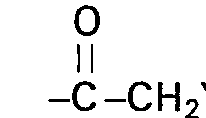
- R4 Hydroxy, Alkyloxy oder Alkanoyloxy mit jeweils 1 bis 4 Kohlenstoffatomen oder R3/R4

- R5 ein Wasserstoffatom oder eine a- oder β-ständige Alkylgruppe mit 1 bis 4 Kohlenstoffatomen bedeuten. Weitere Gegenstände sind

- R1

- -OR"' mit RIII in der Bedeutung von Methyl, Ethyl, Propyl, Methoxyphenyl, Allyl oder β-Dimethylaminoethyl,
- R2 ein Wasserstoffatom, eine Methyl- oder Ethylgruppe,
- R5 ein Wasserstoffatom oder eine a- oder β-ständige Alkylgruppe mit 1 bis 4 Kohlenstoffatomen und
- Z eine Ethylen- oder 2,2-Dimethylpropylengruppe bedeuten.


- Die erfindungsgemässen Verbindungen B und C wirken bei der frühgraviden Ratte in Dosierungen ≧ 1,0 mg/d voll abortiv (Abortrate: 4/4). lm Gegensatz dazu zeigt die Referenzsubstanz A maximale abortauslösende (antigestagene) Wirkung erst bei Dosen von > 3,0 mg/d (Tabelle 1).
- In einer forgeschrittenen Phase der Schwangerschaft (d 13-15 p.c.) beträgt der Prozentsatz kompletter Aborte bei 3tätiger s.c.-Gabe von 3,0 mg/d für B 35,4%, für C 52,3% und für die Vergleichssubstanz A 3,5% (Tabelle 2).
- Die 13a-Alkylgonane der allgemeinen Formel können in Form pharmazeutischer Präparate Verwendung finden. Die Herstellung der Präparate erfolgt nach an sich bekannten Methoden der Galenik durch Mischen mit organischem oder anorganischem inertem Trägermaterial, welches für die enterale, perkutane oder parenterale Applikation geeignet ist.
- Die Dosierung der erfindungsgemässen Wirkstoffe liegt beim Menschen bei etwa 10 bis 1000 mg pro Tag.
- Alkylgruppen in RI und R" der allgemeinen Formel I sollen 1 bis 4 Kohlenstoffatome enthalten, wobei die Methyl- und Ethylgruppe bevorzugt sind. Die Gruppe


- Die in RIV und RV enthaltenen Alkyl- und Alkanoylgruppen sollen jeweils 1 bis 4 Kohlenstoffatome haben, wobei Methyl, Ethyl und Acetyl, Propionyl bevorzugt sind.
- Die neuen 13a-Alkylgonane der allgemeinen Formel werden erfindungsgemäss nach dem Verfahren gemäss Anspruch 13 hergestellt.
- Durch Bestrahlung mit ultraviolettem Licht werden die 13ß-Alkylsteroide der allgemeinen Formel II in guter Ausbeute in die 13-Episteroide (13a-Alkylsteroide) der allgemeinen Formel III umgewandelt.
- Die gute Ausbeute an Umwandlungsprodukt ist überraschend. Zwar ist lange bekannt, dass 17-Oxosteroide der Normalreihe durch UV-Bestrahlung in die 13-Episteroide überführbar sind (A. Butenandt et al., Ber. Deutsch. Chem. Ges. 74,1308 (1941)); man erhielt jedoch stets Gemische aus Ausgangsmaterial und epimerisierter Verbindung, die Bestrahlungszeiten betrugen mehrere Stunden, und die Ausbeuten waren ausserordentlich niedrig. Daher ist auch die Suche nach einem alternativen, chemischen Zugang in die 13-Epi-Reihe immer noch aktuell, wie eine jüngere Arbeit von Barton et al., J.C.S. Perkin I, 2163 (1977) zeigt. Diese Alternative ist jedoch zur Herstellung von Verbindungen des Typs I nicht geeignet. Es wurde gefunden, dass die Bestrahlung von Verbindungen des Typs II unter bestimmten Bedingungen einen wesentlich günstigeren Verlauf nimmt als in der Reihe 11 -unsubstituierter 17-Oxosteroide. So betragen die durchschnittlichen Bestrahlungszeiten nur noch 10-30 Minuten, und die Ausbeuten an 13-Episteroid liegen zwischen 60-80%. Die Bestrahlungsprodukte können gegebenenfalls ohne chromatographische Reinigung weiter umgesetzt werden. Wesentliche Voraussetzung für ein gutes Ergebnis ist die richtige Wahl des Lösungsmittels, die Konzentration des zu bestrahlenden Substrats und das extakte Einhalten der Bestrahlungsdauer. Diese Parameter sind für jedes neue Substrat gesondert zu ermitteln.
- Die Bestrahlung wird mit dem vollen Licht einer Hg-Hochdrucklampe in der Quartzglas-Apparatur durchgeführt. Die Temperatur der Reaktionslösungen wird auf etwa 25 °C eingestellt, die Konzentration der Lösungen beträgt 0,1-1,0 Gewichtsprozent. Als Lösungsmittel werden bevorzugt Tetrahydrofuran und Dioxan verwendet, jedoch können auch unpolare aprotische Solventien wie Hexan, Cyclohexan, Benzol, Toluol und deren Gemische angewendet werden. Die Bestrahlungsdauer beträgt etwa10-15 Minuten.
- Die auf diese Weise erhaltenen 13-Episteroide III werden nach den üblichen Verfahren durch nucleophile Addition an das 17-Keton und Folgereaktionen in die Endverbindung der allgemeinen Formel I überführt. Die nucleophile Addition an III verläuft im allgemeinen unter Bildung beider möglicher, isomerer Formen an C-17, die jedoch durch Chromatographie oder fraktionierte Kristallisation leicht trennbar sind. In vielen Fällen sind beide Isomere pharmakologisch wirksam, wenn auch Unterschiede in der Wirkungsstärke bestehen können.
- Die nucleophile Addition von Acetylen (Ethin) oder Propin erfolgt mit Hilfe eines den Rest -C=:CH oder -C=C-CH3 abgebenden Mittels. Solche Mittel sind zum Beispiel Alkalimetallacetylide, wie zum Beispiel Kalium- und Lithiumacetylid bzw. -methylacetylid.
- Die metallorganische Verbindung kann auch in situ gebildet und mit dem 17-Keton der Formel III zur Reaktion gebracht werden. So kann man zum Beispiel auf das 17-Keton in einem geeigneten Lösungsmittel Acetylen und ein Alkalimetall, insbesondere Kalium, Natrium oder Lithium, in Gegenwart eines Alkohols oder in Gegenwart von Ammoniak einwirken lassen. Das Alkalimetall kann auch in Form von zum Beispiel Methyl- oder Butyllithium zur Einwirkung kommen. Als Lösungsmittel sind insbesondere Dialkylether, Tetrahydrofuran, Dioxan, Benzol und Toluol geeignet.
- Die 17-Ethinyl-17-hydroxy-Verbindungen lassen sich in alkoholischer Lösung unter Quecksilbersalzkatalyse hydratisieren zu den 17-Acetyl-17-hydroxy-Verbindungen (Chem. Ber. 111 (1978) 3086-3093).
- Die Einführung von 3-Hydroxypropan bzw. 3-Hydroxypropen in 17-Stellung erfolgt durch Umsetzung des 17-Ketons mit metallierten Derivaten des Propargylalkohols, zum Beispiel mit 1 -Lithium-3-tetrahydropyran-2'-yloxy-propin-1, zu den 17-(3-Hydroxy-1-propiny))-17-hydroxyVerbindungen, die anschliessend zu den 17-(3-Hydroxypropyl- bzw. 3-Hydroxypropenyl-)-17-hydroxy-Verbindungen hydriert werden. Die Hydrierung muss unter Bedingungen durchgeführt werden, die ausschliesslich den Angriff an der C-C-Dreifachbindung gewährleisten, ohne die tetrasubstituierte 9(10)-Doppelbindung abzusättigen. Das gelingt zum Beispiel bei der Hydrierung bei Raumtemperatur und Normaldruck in Lösungsmitteln wie Methanol, Ethanol, Propanol, Tetrahydrofuran (TH F) oder Essigester unter Zusatz von Edelmetall-Katalysatoren wie Platin oder Palladium.
- Die Einführung der homologen Hydroxyalkan-und Hydroxyalken-Gruppen der allgemeinen Formel -CH=CH-(CH2)nOH oder -CH2-CH2-(CH2)nOH erfolgt in entsprechender Weise mit Homologen des Propargylalkohols.
- Die Verbindung mit der Z-konfigurierten Doppelbindung in der Hydroxypropenylgruppe entsteht durch Hydrieren der acetylenischen Dreifachbindung mit einem desaktivierten Edelmetallkatalysator (J. Fried, J.A. Edwards: Organic Reactions in Steroid Chemistry, Van Nostrand Reinhold Company 1972, Seite 134, und H.O. House: Modern Synthetic Reactions 1972, Seite 19). Als desaktivierte Edelmetallkatalysatoren kommen beispielsweise 10% Palladium auf Bariumsulfat in Gegenwart eines Amins oder 5% Palladium auf Calciumcarbonat unter Zusatz von Blei(II)-acetat in Frage. Die Hydrierung wird nach der Aufnahme von einem Äquivalent Wasserstoff abgebrochen.
- Die Verbindung mit der E-konfigurierten Doppelbindung in der Hydroxypropenylgruppe entsteht durch Reduktion der acetylenischen Dreifachbindung in an sich bekannter Weise. In der Literatur sind eine ganze Reihe von Methoden zur Umwandlung von Alkinen in trans-Olefine beschrieben, beispielsweise die Reduktion mit Natrium in flüssigem Ammoniak (J. Am. Chem. Soc. 63 (1941), 216), mit Natriumamid in flüssigem Ammoniak (J. Chem. Soc. 1955, 3558), mit Lithium in niedermolekularen Aminen (J. Am. Chem. Soc. 77 (1955) 3378), mit Boranen (J. Am. Chem. Soc. 93 (1971) 3395 und 94 (1971) 6560) mit Diisobutylaluminiumhydrid und Methyl-Lithium (J. Am. Chem. Soc. 89 (1967) 5085) und insbesondere mit Lithiumaluminiumhydrid/Alkoholat (J. Am. Chem. Soc. 89 (1967) 4245). Eine weitere Möglichkeit ist die Reduktion der Dreifachbindung mit Chrom(II)-sulfat in Gegenwart von Wasser oder Dimethylformamid in schwach saurem Milieu (J. Am. Chem. Soc. 86 (1964) (4358) sowie allgemein die Reduktion durch Einwirkung von Übergangsmetallverbindungen unter Wechsel der Oxydationsstufe.
- Werden Endprodukte der Formel gewünscht mit R3/R4 in der Bedeutung
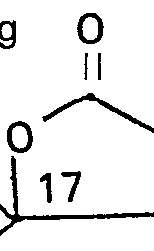
- Der Aufbau der 17-Cyanmethylseitenkette erfolgt in an sich bekannter Weise aus dem 17-Keton der allgemeinen Formel III, zum Beispiel über das 17-Spiroepoxid und Spaltung des Spiroepoxids mit HCN gemäss Z. Chem. 18 (1978) 259-260.
- Die Einführung der Cyanalkanseitenkette n(CH2)n-CH2CN mit n=1-3 erfolgt zum Beispiel durch Addition von Li-(CH2)n-CH2CN an das 17-Keton.
- Auch die Einführung der 17-Hydroxyacetylseitenkette erfolgt nach an sich bekannten Methoden, beispielsweise nach der in J. Org. Chem. 47 (1982), 2993-2995, beschriebenen Methode.
- Freie Hydroxygruppen in 17-Stellung können in an sich bekannter Weise verestert oder verethert werden.
- Nach Umsetzung (nucleophiler Addition) des 17-Ketons werden die Verbindungen der Formel III zur Wasserabspaltung unter Ausbildung der 4(5)-Doppelbindung und zur gleichzeitigen Ketalspaltung und Entfernung gegebenenfalls vorhandener weiterer mit Säure abspaltbarer Schutzgruppen mit Säure oder einem sauren lonenaustauscher behandelt.
- Die saure Behandlung erfolgt in an sich bekannter Weise, indem man die Verbindung der Formel III, die eine 3-Ketalgruppe und eine 5a-Hydroxygruppe und anstelle der C 17-Carbonylfunktion eine gegebenenfalls O-geschützte 17-(3-Hydroxypropyl)-Gruppe enthält, in einem mit Wasser mischbaren Lösungsmittel, wie wässrigem Methanol, Ethanol oder Aceton, löst und auf die Lösung katalytische Mengen Mineral-oder Sulfonsäure, wie Salzsäure, Schwefelsäure, Phosphorsäure, Perchlorsäure oder p-Toluolsulfonsäure oder eine organische Säure, wie Essigsäure, so lange einwirken lässt, bis Wasser abgespalten ist und Schutzgruppen entfernt sind. Die Umsetzung, die bei Temperaturen von 0 bis 100°C abläuft, kann auch mit einem sauren Ionenaustauscher vorgenommen werden. Der Verlauf der Umsetzung kann mit analystischen Methoden, beispielsweise durch Dünnschichtchromatographie entnommener Proben, verfolgt werden.
- Zusätzlich zu den in den Beispielen 1 bis 7 beschriebenen Verbindungen sind folgende Verbindungen bevorzugt:
- 11 β-(4-Dimethylaminophenyl)-17a-(3-hydroxypropyl)- 17ß-hydroxy-13a-methyl-4,9-go- nadien-3-on-N-oxid.
- 17α-Ethynyl-17β-hydroxy-13α-methyl-11β-(4-piperidinophenyl)-4,9-gonadien-3-on.
- 17ß-Ethynyl-17a-hydroxy-13a-methyl-11β-(4-piperidinophenyl)-4,9-gonadien-3-on.
- 11 β-[4-(2-Dimethylaminoethoxy)- phenyl] - 17a-hydroxy-17ß- (3-hydroxypropyl)-13a-methyl-4,9-gonadien-3-on.
- 11 β-(4-Ethoxyphenyl)-17α-hydroxy-17β-(3-hydroxypropyl)-13a-methyl-4,9-gona- dien-3-on.
- 11β-(4-Dimethylaminophenyl)-17α-hydroxy-13a-methyl-17ß- n-propyl-4,9-gonadien-3-on.
- 11β-(4-Dimethylaminophenyl)-17α-hydroxy-17ß-(3-methoxypropyl)- 13a-methyl-4,9-gona- dien-3-on.
- 11β-(4-Dimethylaminophenyl)-17β- (ethoxymethyl) -17α-hydroxy-13α-methyl-4,9-gona- dien-3-on.
- 17β-(3-Acetoxy-1Z-propenyl)-11β- (4-dimethylaminophenyl)- 17a-hydroxy-13a-methyl-4,9-gonadien-3-on.
- 11 β-(4-Dimethylaminophenyl)- 17a-hydroxy-17ß- (3-methoxy-1Z-propenyl)-13α-methyl-4,9-gonadien-3-on.
- 17ß-Chlorethynyl-11 β- (4-dimethylaminophenyl)- 17a-hydroxy-13a-methyl-4,9-gonadien-3-on.
- 17β-(2-Cyan)-ethyl-11β- (4-dimethylaminophenyl) - 17a-hydroxy-13a-methyl-4,9-gona- dien-3-on.
- 17a, 21-Bis-acetoxy-11β-(4-dimethylaminophenyl)- 13a-methyl-18,19-dinor-4,9-pregna- dien-3,20-dion.
- 11 β-(4-Dimethylaminophenyl)-21-methoxy-13a-methyl-18,19-dinor-4,9-pregnadien-3,20-dion.
- 3- [11 β-(4- Dimethytaminophenyl)- 17a-hydroxy-13a-methyl-3-oxo-4,9-gonadien-17ß- yl] - propionsäurelacton.
-
- a) Eine Lösung von 2,0 g 11 β-(4-Dimethylaminophenyl)-3,3- (2,2-dimethyl-propan-1,3-di- oxy)- 5a-hydroxy-9(10)-estren-17-on (F. 143-145 °C) in 300 ml absolutem Tetrahydrofuran (THF) wird 16 Minuten bei 25 °C mit einer Hg-Hochdrucklampe (Philips HPK 125, Tauchlampe, Quartzglasreaktor) bestrahlt. Anschliessend destilliert man das Lösungsmittel im Vakuum ab und chromatographiert den Rückstand über Aluminiumoxid (Merck, neutral, Stufe III) mit Hexan/Essigsäure. Man erhält 1,46 g 11 β-(4-Dimethylaminophenyl)- 3,3-(2,2-dimethyl-propan-1,3-dioxy)- 5a-hydroxy-13a-methyl-9(10)-gonen-17-on als farbloses Öl.
- b) Absolutes THF (248 ml) wird bei 5 °C durch 30-minütiges Einleiten mit Acetylen gesättigt. Anschliessend tropft man langsam 51 ml einer 15%igen Lösung von n-Butyllithium in Hexan hinzu und rührt weitere 15 Minuten unter Eiswasserkühlung. Eine Lösung von 2,7 g 11β-(4-Dimethylaminophenyl)- 3,3-(2,2-dimethyl-propan-1,3-dioxy) -5a-hydroxy-13a-methyl-9-go- nen-17-on in 40 ml absolutem THF wird dann innerhalb von 15 Minuten zur Suspension des Lithiumacetylids getropft und weitere 2 Stunden bei Raumtemperatur gerührt. Zur Aufarbeitung giesst man in Eiswasser und extrahiert mit Essigester. Das so erhaltene Rohprodukt (2,85 g) wird ohne weitere Reinigung in die Folgestufe eingesetzt.
- c) 2,8 g des unter b) erhaltenen Rohprodukts werden in 29 ml 70%iger wässriger Essigsäure suspendiert und 3 Stunden bei 50 °C gerührt. Nach dem Abkühlen verdünnt man mit ca. 100 ml Wasser und stellt durch Zugabe von konzentrierter wässriger NH3-Lösung einen pH-Wert von 10,5 ein. Nach Extraktion mit Essigester erhält man ein öliges Isomerengemisch, das durch Säulenchromatographie an Kieselgel mit Hexan/ Essigester getrennt wird. Man erhält in der Elutionsreihenfolge:
- 1. 530 mg 11 β-(4-Dimethylaminophenyl)-17a-ethinyl-17ß-hydroxy-13a-methyl-4,9-gona- dien-3-on vom Schmelzpunkt 120-123 °C (Essigester/Diisopropylether) und
- 2. 1,33 g 11ß-(4-Dimethylaminophenyl)-17ß-ethinyl-17a-hydroxy-13a- methyl-4,9-gona- dien-3-on vom Schmelzpunkt 201-204 °C (Essigester).
- Analog b) und c) erhält man mit Methylacetylen anstelle von Acetylen:
- 1. 11β-(4-Dimethylaminophenyl)-17β-hydroxy-13a-methyl-17a-propinyl- 4,9-gonadien-3-on als Öl.
- 2. 11β-(4-Dimethylaminophenyl) -17a-hydroxy-13a-methyl-17ß-propinyl-4,9-gonadien-3-on als Öl.
- d) Eine Suspension von 1,02 g Quecksilberoxid (HgO, rot) in 20 ml Wasser wird nach Zugabe von 0,87 ml konzentrierter Schwefelsäure 30 Minuten bei 60 °C gerührt. 9 ml dieser Quecksilbersalz-Lösung werden zu einer Lösung von 3,25 g 11 β-(4-Dimethylaminophenyl)-17β- ethinyl-17α-hydroxy-13α-methyl-4,9-gonadien-3-on in 32 ml Eisessig gegeben. Anschliessend rührt man 2 Stunden bei 60 °C. Zur Aufarbeitung giesst man die abgekühlte Reaktionslösung in Eiswasser, stellt durch Zugabe von konzentrierter wässriger NH3-Lösung einen pH-Wert von 10,5 ein und extrahiert mit Ethylacetat. Das so erhaltene ölige Rohprodukt wird aus Methylenchlorid/Diisopropylether kristallisiert. Man erhält 2,37 g 11β- (4-Dimethylaminophenyl)-17a-hydroxy-13a-methyl-18,19-dinor-4,9- pregnadien-3,20-dion vom Schmelzpunkt 224-225 °C.
- e) Eine Suspension von 2,3g 11ß-(4-Dimethylaminophenyl)- 17a-hydroxy-13a-methyl-18,19-dinor-4,9- pregnadien-3,20-dion in 58 ml Toluol wird nach Zugabe von 11,6 ml Acetanhydrid und 5,8 g 4-Dimethylaminopyridin 20 Stunden bei 25 °C gerührt. Danach giesst man in gesättigte NaHC03-Lösung und extrahiert mit Ethylacetat. Das Rohprodukt wird an 200 g Kieselgel mit Hexan/Ethylacetat chromatographiert. Nach Kristallisation der Hauptfraktion aus Hexan/ Ethylacetat erhält man 1,71 g 17α-Acetoxy-11 β-(4-dimethylaminophenyl)-13α-methyl- 18,19- dinor-4,9-pregnadien-3,20-dion vom Schmelzpunkt 194-195 °C.
- a) Eine Lösung von 1,8 g 11 β-(4-Diethylaminophenyl)3,3-(2,2-dimethyl-propan-1,3-dioxy) -5a-hydroxy-9-estren-17-on (F. 223-226 °C) in 300 ml THF wird unter den Bedingungen des Beispiels 1 a) 26 Minuten bestrahlt. Nach Chromatographie des Rohprodukts erhält man 1,58 g 11 β-(4-Diethylaminophenyl)- 3,3- (2,2-dimethyl-propan-1,3-dioxy)- 5a-hydroxy-13a-methyl-9-gonen-1 7-on als farbloses Öl.
- b) Aus 3,94 g 3-Tetrahydropyran-2'-yloxy-1-propin in 85 ml abs. THF und 23,1 ml einer 15%igen Lösung von n-Butyllithium in Hexan stellt man bei 0 °C die lithiumorganische Verbindung her. Anschliessend tropft man eine Lösung von 3,53 g des unter 2 a) beschriebenen Produkts in 71 ml abs. THF hinzu und rührt 4 Stunden bei Raumtemperatur. Die Reaktionslösung wird danach in Eiswasser gegossen und mit Essigester extrahiert. Das Rohprodukt (3,85g) 11 β-(4-Dimethylaminophenyl)- 3,3-(2,2-dimethyl-propan-1,3-dioxy)- 13α-methyl-17a-[3- (tetrahydropyran-2-yloxy) -1 -propiny)] -9-gonen- 5a,-17ß-diol und 11 β-(4-Diethyöaminophenyl)-3,3-(2,2-dimethyl-propan-1,3-dioxy)-13a-methyl-17ß- [3-(tetrahydropyran-2-yloxy)-1-propinyl]-9-gonen-5a, 17a-diol wird ohne weitere Reinigung zur Hydrierung eingesetzt.
- c) 3,85 g des unter 2 b) erhaltenen Rohprodukts werden in 95 ml Ethanol nach Zusatz von 400 mg 10%iger Palladiumkohle bei Raumtemperatur und Normaldruck hydriert. Nach Aufnahme von 191 ml Wasserstoff filtriert man vom Katalysator ab und engt ein.
- d) Das unter 2 c) erhaltene Hydrierungsrohprodukt (3,85 g) wird in 30 ml 70%iger Essigsäure 2 Stunden bei 60 °C gerührt. Nach dem Abkühlen arbeitet man wie unter 1 c) auf und chromatographiert das erhaltene Isomerengemisch. In der Elutionsreihenfolge erhält man:
- 1. 410 mg 11 β-(4-Diethylaminophenyl)- 17a-(3-hydroxy-propyl) -17ß-hydroxy-13a-methyl-4,9-gonadien-3-on als gelbliches Öl.
- UV (Methanol): ε266 = 19080,ε309 = 19110.
- 2. 1,39 g 11 β-(4-D; nylaminophenyl)- 17α= (3-hydroxypropyl)- 17a-hydroxy-13a-methyl-4,9-gonadien-3-on als festen Schaum.
- Analog b) bis d) erhält man bei der Verwendung von 11 β-(4-Dimethylaminophenyl)-3,3- (2,2-dimethy)-propan-1,3-dioxy) -5a-hydroxy-13α-methyl-9-gonen-17-on als Ausgangsmaterial:
- 1. 11 β-(4-Dimethylaminophenyl)-17ß-hydroxy-17a- (3-hydroxypropyl)-13a-methyl-4,9-go- nadien-3-on als Öl.
- 2. 11 β-(4-Dimethylaminophenyl) -17a-hydroxy-17ß- (3-hydroxypropyl)- 13a-methyl-4,9-go- nadien-3-on als Öl.
- a) Eine Lösung von 1,75 g 3,3-(2,2-Dimethylpropan-1,3-dioxy)- 5a-hydroxy-11ß- (3-methoxyphenyl)- 9-estren-17-on in 290 ml Dioxan wird 19 Minuten unter den Bedingungen des Beispiels 1 a) bestrahlt. Nach Chromatographie erhält man 1, 45 g 3,3-(2,2-Dimethy)-propan-1,3-dioxy)- 5a-hydroxy-11ß- (4-methoxyphenyl)- 13a-methyl-9-gonen-17-on als farbloses ÖI.
- b) Zu einer Suspension von Lithiumacetylid, hergestellt aus einer gesättigten Lösung von Acetylen in 450 ml THF und 130 ml einer 15%igen Lösung von n-Butyllithium in Hexan, tropft man eine Lösung von 8,2 g 3,3-(2,2-Dimethyl-propan-1,3-dioxy) -5a-hydroxy-11 ß-(4-methoxyphenyl)- 13a-methyl-9-gonen-17-on in 130 ml THF. Anschliessend rührt man 3 Stunden bei Raumtemperatur, giesst danach die Reaktionslösung in ca. 3 I Eiswasser und extrahiert mit Ethylacetat. Das Rohprodukt wird an Aluminiumoxid mit Hexan/Ethylacetat chromatographiert. In der Elutionsreihenfolge erhält man:
- 1. 1,8 g 3,3-(2,2-Dimethyl-propan-1,3-dioxy) -17α-ethinyl-11 β- (4-methoxyphenyl)- 13a-methyl-9-gonen-5α,17ß-diol als farbloses Öl.
- 2. 5,1 g 3,3-(2,2-Dimethyl-propan-1,3-di- oxy)-17ß- ethinyl-11 β- (4-methoxyphenyl)-13a-methyl- 9-gonen-5a,17a-diol als festen Schaum.
- c) Eine Lösung von 3,28 g 3,3-(2,2-Dimethylpropan-1,3-dioxy)17ß-ethinyl-11 β-(4-methoxyphenyl)- 13a-methyl-9-gonen-5a,17a-diol in 33 ml 70%iger wässriger Essigsäure wird 30 Minuten bei 60 °C gerührt. Nach dem Abkühlen giesst man in Eiswasser, extrahiert mit Methylenchlorid, wäscht die MeCl2-Extrakte mit gesättigter NaHC03-Lösung und engt ein. Kristallisation des Rohprodukts aus Ethylacetat ergibt 2,0 g 17ß-Ethinyl- 17a-hydroxy-11ß- (4-methoxyphenyl)- 13a-methyl- 4,9-gonadien-3-on vom Schmelzpunkt 186-187 °C.
- 20-minütige Bestrahlung von 1,84 g 11β-(4-Dimethylaminophenyl)- 3,3-(2,2-dimethyl-propan-1,3-dioxy)- 5a-hydroxy-18-methyl-9-estren-17-on in 280 ml THF unter den Bedingungen des Beispiels 1 a) führt zu 1,36 g 11β-(4-Dimethylaminophenyl)-3,3- (2,2-dimethyl-propan-1,3-dioxy)- 13a-ethyl-5a-hydroxy-9-gonen-17-on als Schaum.
- 6,1 g 11β- (4-Dimethylaminophenyl)- 3,3-(2,2-dimethylpropan-1,3-dioxy) -13a-ethyl-5a-hydroxy-9-gonen-17-on werden unter den Bedingungen des Beispiels 1 b) mit Lithiumacetylid umgesetzt und das so erhaltene Rohprodukt unter den Bedingungen des Beispiels 1 c) mit Essigsäure gespalten. Nach Chromatographie und Kristallisation aus Ethylacetat/Diisopropylether erhält man 3,2g 11β-(4-Dimethylaminophenyl)-17ß-ethinyl-13a-ethyl-17a- hydroxy-4,9-gona- dien-3-on vom Schmelzpunkt 197-198 °C,

- Durch Quecksilbersalz-katalysierte Hydratisierung analog Beispiel 1 d) und anschliessende Acetylierung analog Beispiel 1 e) erhält man aus 1,3g 11β-(4-Dimethylaminophenyl)- 17ß-ethinyl-13a-ethyl-17a-hydroxy- 4,9-gonadien-3-on nach chromatographischer Reinigung 720 mg 17a- Acetoxy- 11β- (4-dimethylaminophenyl)-13a-ethyl- 18,19-dinor- 4,9-pregnadien-3,20-dion als festen Schaum.

-
- a) Durch Umsetzung von 7,3 g 11 β-(4-Dimethylaminophenyl) -3,3- (2,2-dimethyl-propan-1,3-oxy)- 5a-hydroxy-13a-methyl-9-gonen-17-on mit 10,7 g 3-Tetrahydropyran-2'-yloxy-1-propin unter den Bedingungen des Beispiels 2 b) erhält man nach Chromatographie des Rohprodukts an Aluminiumoxid mit Hexan/Ethylacetat 4,83 g 11 β-(4-Dimethylaminophenyl)- 3,3-(2,2-dimethyl-propan-1,3-dioxy)- 13α-methyl-17β-[3-(tetrahydropyran-2-yloxy)- 1-propinyl]-9- gonen-5α,17α-diol als gelblichen Schaum.
- b) Eine Lösung von 2,2 g des unter a) erhaltenen Addukts in 67 ml Ethanol und 0,56 ml Triethylamin wird nach Zusatz von 210 mg Palladium auf Bariumsulfat (10%) bei Raumtemperatur und Normaldruck hydriert. Nach Aufnahme von 83,5 ml Wasserstoff wird vom Katalysator abfiltriert und eingeengt. Das so erhaltene Hydrierungsprohprodukt wird mit 14 ml 70%iger Essigsäure unter den Bedingungen des Beispiels 1 c) gespalten. Nach Kristallisation aus Ethylacetat/ Diisopropylether erhält man 1,1 g 11 β-(4-Dimethylaminophenyl)17α-hydroxy-17β- (3-hydroxy-1 (Z)-propenyl)-13α-methyl-4,9- gonadien-3-on vom Schmelzpunkt 133-135 °C.
- Herstellung von 11β-(4-Dimethylaminophenyl)- 17ß-ethinyl-16ß-ethyl-17a-hydroxy- 13a-methyl-4,9-gonadien-3-on
- a) Eine Suspension aus 29,3 g 3,3-(2,2-Dimethyl-propan-1,3-dioxy)-5(10),9(11 )-estradien-17-on und 28,6 g Bis-dimethylamino-tert.-but- oxymethan wird unter Argon 60 Minuten bei 160 °C gerührt. Nach dem Abkühlen verreibt man das Rohprodukt mit ca. 50 ml Ethylacetat, filtriert und kristallisiert den Filtrierrückstand aus Ethylacetat um. Auf diese Weise erhält man 27,6 g 16-Dimethylaminomethylen-3,3-(2,2-dimethylpropan-1,3-dioxy) -5-(10),9(11)-estradien-17- on vom Schmelzpunkt 208-211 °C.
- b) Eine Lösung von 14,4 g 16-Dimethylamino- methylen-3,3- (2,2-dimethyl-propan-1,3-di- oxy)- 5(10),9(11)-estradien-17-on in 220 ml Toluol wird unter Eiswasserkühlung tropfenweise mit 85 ml einer 5%igen Lösung von Methyllithium in Diethylether versetzt. Nach Zugabe rührt man 15 Minuten bei +5 bis +10 °C, zersetzt überschüssiges Reagenz durch vorsichtige Zugabe von ca. 20 ml Wasser, giesst die Reaktionslösung anschliessend in ca. 3 1 Eiswasser und extrahiert mit Methylenchlorid. Das Rohprodukt wird an neutralem Aluminiumoxid mit Hexan/ Ethylacetat chromatisiert. Nach Kristallisation der Hauptfraktion aus Ethylacetat erhält man 13,0 g 3,3-(2,2-Dimethyl-propan-1,3-dioxy) -16(E)-ethyliden-5(10),9(11 )-estradien-17-on vom Schmelzpunkt 121-123 °C.
- c) Zu einer Lösung von 9,4 g 3,3-(2,2-Dimethyl-propan-1,3-dioxy)-16(E)-ethyliden- 5(10), 9(11)- estradien-17-on in 43 ml Methylenchlorid, 0,34 ml Hexachloraceton und 0,01 ml Pyridin tropft man unter Eiswasserkühlung 4,3 ml 30%igen Wasserstoffperoxid und rührt anschliessend 16 Stunden bei 25 °C. Zur Aufarbeitung verdünnt man die Reaktionslösung mit ca. 100 ml Methylenchlorid, wäscht nacheinander mit 5%iger Na2S203-Lösung und Wasser, trocknet die Methylenchlorid-Phase über Na2S04 und engt ein. Das so erhaltene 5,10-Epoxidgemisch wird an Al2O3, neutral, Stufe III, mit Hexan/Ethylacetat chromatographiert. Man erhält 4,7 g 3,3-(2,2-Dimethylpropan-1,3-dioxy)- 5a,10a-epoxy- 16(E)-ethyliden- 9(11)-estren- 17-on vom Schmelzpunkt 139-141 °C (Ethylacetat/Diisopropylether).
- d) Eine Lösung von 8,2 g 3,3-(2,2-Dimethylpropan- 1,3-dioxy)5a,10a-epoxy- 16(E)-ethyliden-9(11) -estren-17-on in 400 ml Ethanol wird nach Zusatz von 930 mg Palladiumkohle (10%) bei Raumtemperatur und Normaldruck hydriert. Nach Aufnahme von 510 ml Wasserstoff wird vom Katalysator abfiltriert und im Vakuum eingeengt. Man erhält 7,7 g 3,3-(2,2-Dimethyl- propan-1,3-dioxy)- 5a,1 0α-epoxy-16β-ethyl-9(11) - estren-17-on als farbloses 01.
- e) aus 1,4 g Magnesium, 0,05 ml Methyljodid und 17,9 g 4-Brom-N,N-dimethylanilin in 150 ml abs. TH wird die magnesiumorganische Verbindung hergestellt. Nach Zusatz von 344 g CuCl rührt man 15 Minuten bei.0 °C und gibt dann tropfenweise eine Lösung von 7,7 g des unter d) erhaltenen Produkts in 70 ml abs. THF hinzu. Danach wird 3,5 Stunden bei Raumtemperatur gerührt. Zur Aufarbeitung giesst man die Reaktionslösung in ein Gemisch aus Eiswasser und NH3-Lösung und extrahiert mit Ethylacetat. Nach Chromatographie des Rohprodukts an Aluminiumoxid mit Hexan/Ethylacetat und Kristallisation der Hauptfraktion aus Diisopropylether/Ethylacetat erhält man 6,5 g 11 β-(4-Dimethylaminophenyl)- 3,3-(2,2-dimethylpropan-1,3-dioxy)-16ß- ethyl- 5a-hydroxy- 9(10)-estren-17-on vom Schmelzpunkt 180-181 °C.
- f) Eine Lösung von 4,0 g des unter e) erhaltenen Produkts in 600 ml Dioxan wird unter den Bedingungen des Beispiels 1 a) bestrahlt. Nach Kristallisation des Bestrahlungsrohprodukts aus Diisopropylether erhält man 1,74g g 11β-(4-Dimethylaminophenyl)- 3,3-(2,2-dimethyl-propan- 1,3-dioxy)- 16ß-ethyl-5a-hydroxy- 13a-methyl-9(10)-gonen-17-on vom Schmelzpunkt 192-194 °C.
- g) Unter den Bedingungen des Beispiels 1 b) werden 1,4 g des unter f) erhaltenen Produkts mit Lithiumacetylid umgesetzt. Nach Kristallisation des Rohprodukts aus Ethylacetat/Diisopropylether erhält man 960 mg 11 β-(4-Dimethylaminophenyl)- 3,3- (2,2-dimethyl- propan- 1,3-di- oxy)-17ß- ethinyl-16ß-ethyl-13a-methyl-9(10)-gonen-5a,17a- diol vom Schmelzpunkt 132-134°C.
- h) Unter den Bedingungen des Beispiels 1 c) setzt man 760 mg des unter g) erhaltenen Produkts mit 8 ml 70%iger Essigsäure um. Kristallisation des Rohprodukts aus Hexan/Diethylether ergibt 460 mg 11 β-(4-Dimethylaminophenyl)-17ß-ethinyl-16ß- ethyl-17a-hydroxy-13a-methyl- 4,9-gonadien-3-on vom Schmelzpunkt 195-197°C.
- Herstellung von 17β-Cyanmethyl-11β- (4-dimethylaminophenyl)- 17a-hydroxy-13a-methyl-4,9-gonadien-3-on
- a) Eine Suspension von 5,0 g 11ß-(4-Dimethylaminophenyl)- 3,3-(2,2-dimethyl-propan-1,3-dioxy)- 5a-hydroxy-13a-methyl-9(10)-go- nen-17-on und 4,74g Trimethylsulfoniumiodid in 60 ml Dimethylformamid wird unter Eiswasserkühlung portionsweise mit 2,63 g Kalium-tert.-butylat versetzt. Man rührt 4 Stunden bei 25 °C, giesst anschliessend in Eiswasser und extrahiert mit Ethylacetat. Nach Entfernen des Lösungsmittels kristallisiert man das zunächst ölige Rohprodukt aus Ethylacetat/Diisopropylether und erhält auf diese Weise 4,2 g 11β-(4-Dimethylaminophenyl)- 3,3-(2,2-dimethyl-propan-1,3-dioxy) -5a-hydroxy-13a-methyl-9(10)-gonen-17a-spiro- 1',2'-oxiran vom Schmelzpunkt 234-236 °C.
- b) 2,0 g des unter a) erhaltenen Spiro-oxirans werden in 84 ml Ethanol gelöst und nach Zusatz von 4,6 g Kaliumcyanid 4 Stunden unter Rückfluss erhitzt. Die abgekühlte Lösung wird in gesättigte NaHC03-Lösung gegossen und mit Ethylacetat extrahiert. Das nach dem Einengen erhaltene Rohprodukt wirdohne weitere Reinigung in 26 ml 70%ige Essigsäure aufgenommen und 60 Minuten bei 60 °C gerührt. Nach dem Abkühlen giesst man in Eiswasser, stellt durch Zugabe von NH3-Lösung einen pH-Wert von 10,5 ein und extrahiert mit Methylenchlorid. Nach Chromatographie des Rohprodukts an Kieselgel mit Hexan/ Aceton und Kristallisation der Hauptfraktion aus Ethanol erhält man 1,4 g 17β-Cyanmethyl-11 β-(4-dimethylaminophenyl)- 17a-hydroxy-13a-methyl-4,9- gonadien-3-on vom Schmelzpunkt 135-137°C.
Claims (15)


Priority Applications (1)
| Application Number | Priority Date | Filing Date | Title |
|---|---|---|---|
| AT84730062T ATE31313T1 (de) | 1983-06-15 | 1984-06-13 | 13alpha-alkylgonane, deren herstellung und diese enthaltende pharmazeutische praeparate. |
Applications Claiming Priority (4)
| Application Number | Priority Date | Filing Date | Title |
|---|---|---|---|
| DE3321826A DE3321826A1 (de) | 1983-06-15 | 1983-06-15 | 13(alpha)-alkylgonane, deren herstellung und diese enthaltende pharmazeutische praeparate |
| DE3321826 | 1983-06-15 | ||
| DE19843413036 DE3413036A1 (de) | 1984-04-04 | 1984-04-04 | 13(alpha)-alkylgonane, deren herstellung und diese enthaltende pharmazeutische praeparate |
| DE3413036 | 1984-04-04 |
Publications (3)
| Publication Number | Publication Date |
|---|---|
| EP0129499A2 EP0129499A2 (de) | 1984-12-27 |
| EP0129499A3 EP0129499A3 (en) | 1985-10-09 |
| EP0129499B1 true EP0129499B1 (de) | 1987-12-09 |
Family
ID=25811539
Family Applications (1)
| Application Number | Title | Priority Date | Filing Date |
|---|---|---|---|
| EP84730062A Expired EP0129499B1 (de) | 1983-06-15 | 1984-06-13 | 13alpha-Alkylgonane, deren Herstellung und diese enthaltende pharmazeutische Präparate |
Country Status (16)
| Country | Link |
|---|---|
| EP (1) | EP0129499B1 (de) |
| JP (1) | JPH02167296A (de) |
| AU (1) | AU572849B2 (de) |
| CA (1) | CA1307784C (de) |
| DD (1) | DD218624A5 (de) |
| DE (1) | DE3468030D1 (de) |
| DK (1) | DK166729B1 (de) |
| ES (1) | ES8502612A1 (de) |
| FI (1) | FI78709C (de) |
| GR (1) | GR82210B (de) |
| HU (1) | HU191131B (de) |
| IE (1) | IE57620B1 (de) |
| IL (1) | IL72085A (de) |
| NO (1) | NO160521C (de) |
| NZ (1) | NZ208441A (de) |
| PT (1) | PT78732B (de) |
Cited By (1)
| Publication number | Priority date | Publication date | Assignee | Title |
|---|---|---|---|---|
| RU2129125C1 (ru) * | 1995-04-06 | 1999-04-20 | Украинский научно-исследовательский институт фармакотерапии эндокринных заболеваний | СПОСОБ ПОЛУЧЕНИЯ 13α--1,3,510-ТРИЕН-19-НОРАНДРОСТАН-3-ОЛ-17-ОНА И ЕГО МЕТИЛОВОГО ЭФИРА |
Families Citing this family (35)
| Publication number | Priority date | Publication date | Assignee | Title |
|---|---|---|---|---|
| DE3446661A1 (de) * | 1984-12-18 | 1986-06-19 | Schering AG, 1000 Berlin und 4709 Bergkamen | Neue 13(alpha)-alkyl-17(beta)-(3-acyloxypropyl)-gonane |
| DE3506785A1 (de) * | 1985-02-22 | 1986-08-28 | Schering AG, Berlin und Bergkamen, 1000 Berlin | 11ss-n,n-dimethylaminophenyl-estradiene, deren herstellung und diese enthaltende pharmazeutische praeparate |
| DE3630030A1 (de) * | 1986-09-01 | 1988-03-03 | Schering Ag | 13(alpha)-alkylgonan-(delta)(pfeil hoch)9(pfeil hoch)(pfeil hoch)((pfeil hoch)(pfeil hoch)1(pfeil hoch)1(pfeil hoch))(pfeil hoch)-5,10-epoxide |
| US4774236A (en) * | 1986-09-17 | 1988-09-27 | Research Triangle Institute | 17α-(substituted-methyl)-17β-hydroxy/esterified hydroxy steroids and pharmaceutical compositions containing them |
| IE60780B1 (en) * | 1987-01-23 | 1994-08-10 | Akzo Nv | New 11-aryl steroid derivatives |
| EP0310542B1 (de) * | 1987-10-01 | 1994-06-08 | Schering Aktiengesellschaft | Antigestagen- und antiöstrogenwirksame Verbindungen zur Behandlung hormonabhängiger Tumoren |
| JP2785023B2 (ja) * | 1987-12-30 | 1998-08-13 | ルセル―ユクラフ | 17α位置を置換された17β―OH―19―ノルステロイドの新誘導体、その製造方法、その薬剤としての使用及びそれを含有する製薬組成物 |
| US4954490A (en) * | 1988-06-23 | 1990-09-04 | Research Triangle Institute | 11 β-substituted progesterone analogs |
| DE3822770A1 (de) * | 1988-07-01 | 1990-01-04 | Schering Ag | 13-alkyl-11ss-phenylgonane |
| DE3832303A1 (de) * | 1988-09-20 | 1990-04-12 | Schering Ag | 11ss-phenyl-14ssh-steroide |
| US5364847A (en) * | 1989-03-10 | 1994-11-15 | Endorecherche | Inhibitors of sex steroid biosynthesis and methods for their production and use |
| US5372996A (en) * | 1989-03-10 | 1994-12-13 | Endorecherche, Inc. | Method of treatment of androgen-related diseases |
| ES2189784T3 (es) * | 1989-07-07 | 2003-07-16 | Endorech Inc | Procedimiento para el tratamiento de enfermedades relacionadas con adrogenos. |
| AU5856090A (en) * | 1989-07-07 | 1991-02-06 | Endorecherche Inc. | Androgen derivatives for use in the inhibition of sex steroid activity |
| JP3202224B2 (ja) * | 1989-08-04 | 2001-08-27 | シエーリング アクチエンゲゼルシヤフト | 11β―アリール―ゴナ―4,9―ジエン―3―オン、その製造方法及びそれを含有する調剤学的調製剤 |
| FR2654337B1 (fr) * | 1989-11-15 | 1994-08-05 | Roussel Uclaf | Nouvelles microspheres injectables biodegradables procede de preparation et suspensions injectables les renfermant. |
| DE4008584A1 (de) * | 1990-03-15 | 1991-09-26 | Schering Ag | Verfahren zur herstellung von zwischenprodukten fuer die antigestagensynthese (onapristonsynthese) |
| US5407928A (en) * | 1990-08-15 | 1995-04-18 | Schering Aktiengesellschaft | 11β-aryl-gona-4,9-dien-3-ones |
| US5472854A (en) * | 1990-08-18 | 1995-12-05 | Schering Aktiengesellschaft | Process for the production of 17-oxosteroids via the fermentative oxidation of 17β-hydroxysteroids by Mycobacterium |
| ATE152773T1 (de) * | 1990-08-18 | 1997-05-15 | Schering Ag | Verfahren zur herstellung von 17-oxosteroiden |
| US7704983B1 (en) | 1992-03-02 | 2010-04-27 | Eastern Virginia Medical School | Antiprogestin method for reducing side effects associated with low dosage HRT and oral contraception |
| MX9301121A (es) * | 1992-03-02 | 1993-09-01 | Schering Ag | Metodo y equipo para la contracepcion oral y regulacion de la menstruacion con estrogeno/progestina/aniprogestina. |
| US5439913A (en) | 1992-05-12 | 1995-08-08 | Schering Aktiengesellschaft | Contraception method using competitive progesterone antagonists and novel compounds useful therein |
| SK140494A3 (en) * | 1992-05-21 | 1995-07-11 | Endorecherche Inc | Inhibitors of testosterone 5-alpha-reductase activity |
| DE4413185A1 (de) * | 1994-04-12 | 1995-10-19 | Schering Ag | 11beta,19-überbrückte 13alpha-Alkylsteroide |
| DE4415590A1 (de) * | 1994-04-28 | 1995-11-02 | Schering Ag | Verfahren zur stereoselektiven Einführung einer Alkinylseitenkette an 11ß-Aryl-substituierten 13alpha-Alkylgonan-17-onen |
| DE4434488A1 (de) | 1994-09-14 | 1996-03-21 | Schering Ag | Steroidester und -amide, Verfahren zu ihrer Herstellung und ihre pharmazeutische Verwendung |
| ZA9510926B (en) | 1994-12-23 | 1996-07-03 | Schering Ag | Compounds with progesterone-antagonistic and antiestrogenic action to be used together for female contraception |
| US6900193B1 (en) | 1996-05-01 | 2005-05-31 | The United States Of America As Represented By The Department Of Health And Human Services | Structural modification of 19-norprogesterone I: 17-α-substituted-11-β-substituted-4-aryl and 21-substituted 19-norpregnadienedione as new antiprogestational agents |
| PT900234E (pt) | 1996-05-01 | 2000-12-29 | Us Gov Health & Human Serv | Derivados de progesterona substituidos em 21 que podem ser utilizados como novos agentes antiprogestativos |
| US6262042B1 (en) * | 1998-05-29 | 2001-07-17 | Research Triangle Institute | 17β-amino and hydroxylamino-11β-arylsteroids and their derivatives having agonist or antagonist hormonal properties |
| CN113559075A (zh) | 2014-11-17 | 2021-10-29 | 康泰科思特生物制药公司 | 奥那司酮延长释放组合物和方法 |
| CA2998924A1 (en) * | 2015-09-25 | 2017-03-30 | Context Biopharma Inc. | Methods of making onapristone intermediates |
| JP2019503353A (ja) * | 2015-12-15 | 2019-02-07 | コンテキスト・バイオファーマ・インコーポレイテッド | 非晶質オナプリストン組成物およびそれを作製する方法 |
| US20180148471A1 (en) | 2016-11-30 | 2018-05-31 | Arno Therapeutics, Inc. | Methods for onapristone synthesis dehydration and deprotection |
Family Cites Families (4)
| Publication number | Priority date | Publication date | Assignee | Title |
|---|---|---|---|---|
| FR2377418A1 (fr) * | 1977-01-13 | 1978-08-11 | Roussel Uclaf | Nouveaux derives steroides 4,9-dieniques 11b-substitues, leur procede de preparation et leur application comme medicaments |
| ZA8231B (en) * | 1981-01-09 | 1982-11-24 | Roussel Uclaf | New 11 -substituted steroid derivatives, their preparation, their use as medicaments, the compositions containing them and the new intermediates thus obtained |
| DE3347126A1 (de) * | 1983-12-22 | 1985-07-11 | Schering AG, 1000 Berlin und 4709 Bergkamen | 11ss-aryl-estradiene, deren herstellung und diese enthaltende pharmazeutische praeparate |
| CA1304916C (en) * | 1984-10-18 | 1992-07-14 | Wilhelm Bannwarth | Apparatus for the parallel performance of a plurality of chemical reaction sequences |
-
1984
- 1984-06-08 ES ES533260A patent/ES8502612A1/es not_active Expired
- 1984-06-12 DK DK288184A patent/DK166729B1/da not_active IP Right Cessation
- 1984-06-13 IL IL72085A patent/IL72085A/xx not_active IP Right Cessation
- 1984-06-13 EP EP84730062A patent/EP0129499B1/de not_active Expired
- 1984-06-13 GR GR75001A patent/GR82210B/el unknown
- 1984-06-13 FI FI842395A patent/FI78709C/fi not_active IP Right Cessation
- 1984-06-13 DE DE8484730062T patent/DE3468030D1/de not_active Expired
- 1984-06-13 DD DD84264102A patent/DD218624A5/de not_active IP Right Cessation
- 1984-06-14 IE IE1484/84A patent/IE57620B1/en not_active IP Right Cessation
- 1984-06-14 HU HU842310A patent/HU191131B/hu not_active IP Right Cessation
- 1984-06-14 PT PT78732A patent/PT78732B/de not_active IP Right Cessation
- 1984-06-14 AU AU29361/84A patent/AU572849B2/en not_active Ceased
- 1984-06-14 NO NO842394A patent/NO160521C/no unknown
- 1984-06-15 CA CA000456734A patent/CA1307784C/en not_active Expired - Lifetime
- 1984-06-15 NZ NZ208441A patent/NZ208441A/en unknown
-
1989
- 1989-09-28 JP JP1250836A patent/JPH02167296A/ja active Granted
Cited By (1)
| Publication number | Priority date | Publication date | Assignee | Title |
|---|---|---|---|---|
| RU2129125C1 (ru) * | 1995-04-06 | 1999-04-20 | Украинский научно-исследовательский институт фармакотерапии эндокринных заболеваний | СПОСОБ ПОЛУЧЕНИЯ 13α--1,3,510-ТРИЕН-19-НОРАНДРОСТАН-3-ОЛ-17-ОНА И ЕГО МЕТИЛОВОГО ЭФИРА |
Also Published As
| Publication number | Publication date |
|---|---|
| IE57620B1 (en) | 1993-02-10 |
| IE841484L (en) | 1984-12-15 |
| DK288184D0 (da) | 1984-06-12 |
| AU2936184A (en) | 1984-12-20 |
| NO160521B (no) | 1989-01-16 |
| NO842394L (no) | 1984-12-17 |
| JPH02167296A (ja) | 1990-06-27 |
| JPH0369919B2 (de) | 1991-11-05 |
| FI78709B (fi) | 1989-05-31 |
| NZ208441A (en) | 1988-01-08 |
| IL72085A (en) | 1987-09-16 |
| AU572849B2 (en) | 1988-05-19 |
| GR82210B (de) | 1984-12-13 |
| PT78732A (pt) | 1985-01-01 |
| EP0129499A3 (en) | 1985-10-09 |
| HU191131B (en) | 1987-01-28 |
| EP0129499A2 (de) | 1984-12-27 |
| FI842395A7 (fi) | 1984-12-16 |
| DK288184A (da) | 1984-12-16 |
| PT78732B (de) | 1986-06-03 |
| DK166729B1 (da) | 1993-07-05 |
| ES533260A0 (es) | 1985-02-01 |
| DD218624A5 (de) | 1985-02-13 |
| CA1307784C (en) | 1992-09-22 |
| NO160521C (no) | 1989-04-26 |
| FI78709C (fi) | 1989-09-11 |
| FI842395A0 (fi) | 1984-06-13 |
| IL72085A0 (en) | 1984-10-31 |
| DE3468030D1 (en) | 1988-01-21 |
| HUT36139A (en) | 1985-08-28 |
| ES8502612A1 (es) | 1985-02-01 |
Similar Documents
| Publication | Publication Date | Title |
|---|---|---|
| EP0129499B1 (de) | 13alpha-Alkylgonane, deren Herstellung und diese enthaltende pharmazeutische Präparate | |
| EP0116974B1 (de) | 11-Beta-Aryl-Estradiene, Verfahren zu deren Herstellung und diese enthaltende pharmazeutische Präparate | |
| EP0147361B1 (de) | 11 Beta-Aryl-Estradiene, deren Herstellung und diese enthaltende pharmazeutische Präparate | |
| EP0254670B1 (de) | 11beta-(4-Isopropenylphenyl)-estra-4,9-diene, deren Herstellung und diese enthaltende pharmazeutische Präparate | |
| EP0190759B1 (de) | 11 Beta-Phenyl-Gonane, deren Herstellung und diese enthaltende pharmazeutische Präparate | |
| EP0349481B1 (de) | 13-Alkyl-11Beta-phenylgonane | |
| DE3321826A1 (de) | 13(alpha)-alkylgonane, deren herstellung und diese enthaltende pharmazeutische praeparate | |
| DE3504421A1 (de) | Neue 11ss-phenyl-gonane, deren herstellung und diese enthaltende pharmazeutische praeparate | |
| EP0156284A2 (de) | 17-Substituierte Estradiene | |
| EP0372665A1 (de) | 14alpha, 17alpha-Ethano-estratriene | |
| DE69215125T2 (de) | Kardioaktive Steroide | |
| DE69109515T2 (de) | Neue 17-spiro substituierte Steroide, Verfahren zu deren Herstellung und Zwischenprodukten davon, ihre Verwendung als Arzneimittel sowie pharmazeutische Präparate davon. | |
| EP0019247B1 (de) | 16-Alpha-Alkylsteroide, Verfahren zu ihrer Herstellung und diese enthaltende pharmazeutische Präparate | |
| DE3619413C2 (de) | 9alpha, 10alpha-Methylen-Estrene, deren Herstellung und diese enthaltende pharmazeutische Präparate | |
| DE3413036A1 (de) | 13(alpha)-alkylgonane, deren herstellung und diese enthaltende pharmazeutische praeparate | |
| DE3306121A1 (de) | 11ss-aryl-spirolaktone in der steroidreihe, verfahren zu deren herstellung und diese verbindungen enthaltende pharmazeutische praeparate | |
| EP0225272A1 (de) | 1-Methyl-15alpha-alkyl-androsta-1,4-dien-3,17-dione, Verf. zu deren Herstellung und diese enthaltende pharmazeutische Präparate | |
| DE2129943A1 (de) | 19-Nor-6,6-aethylen-20-spiroxene | |
| DE3426771C2 (de) | 13alpha-Methylgonane, deren Herstellung und Verwendung | |
| DE1593348C3 (de) | Verfahren zur Herstellung von 19-Fluorsteroidepoxyden und 19-Fluor-11,19epoxysteroide | |
| EP0127864A2 (de) | D-Homo-4,9,16-estratriene, deren Herstellung und diese enthaltende pharmazeutische Präparate | |
| DE2018087A1 (de) | Verfahren zur Herstellung von 17 alpha - Propadienylsteroiden | |
| DE2207421B2 (de) | -acylate, Verfahren zu ihrer Herstellung sowie diese enthaltende Arzneimittel | |
| DE2909433A1 (de) | 15 beta , 17 beta -methylenoxy-steroide, verfahren zu ihrer herstellung und diese enthaltende pharmazeutische praeparate | |
| DE2755578A1 (de) | C-homo-oestratriene |
Legal Events
| Date | Code | Title | Description |
|---|---|---|---|
| PUAI | Public reference made under article 153(3) epc to a published international application that has entered the european phase |
Free format text: ORIGINAL CODE: 0009012 |
|
| 17P | Request for examination filed |
Effective date: 19840705 |
|
| AK | Designated contracting states |
Designated state(s): AT BE CH DE FR GB IT LI LU NL SE |
|
| PUAL | Search report despatched |
Free format text: ORIGINAL CODE: 0009013 |
|
| AK | Designated contracting states |
Designated state(s): AT BE CH DE FR GB IT LI LU NL SE |
|
| 17Q | First examination report despatched |
Effective date: 19870507 |
|
| ITF | It: translation for a ep patent filed | ||
| GRAA | (expected) grant |
Free format text: ORIGINAL CODE: 0009210 |
|
| AK | Designated contracting states |
Kind code of ref document: B1 Designated state(s): AT BE CH DE FR GB IT LI LU NL SE |
|
| REF | Corresponds to: |
Ref document number: 31313 Country of ref document: AT Date of ref document: 19871215 Kind code of ref document: T |
|
| REF | Corresponds to: |
Ref document number: 3468030 Country of ref document: DE Date of ref document: 19880121 |
|
| GBT | Gb: translation of ep patent filed (gb section 77(6)(a)/1977) | ||
| ET | Fr: translation filed | ||
| PLBE | No opposition filed within time limit |
Free format text: ORIGINAL CODE: 0009261 |
|
| STAA | Information on the status of an ep patent application or granted ep patent |
Free format text: STATUS: NO OPPOSITION FILED WITHIN TIME LIMIT |
|
| 26N | No opposition filed | ||
| ITTA | It: last paid annual fee | ||
| EPTA | Lu: last paid annual fee | ||
| EAL | Se: european patent in force in sweden |
Ref document number: 84730062.1 |
|
| PGFP | Annual fee paid to national office [announced via postgrant information from national office to epo] |
Ref country code: BE Payment date: 19970515 Year of fee payment: 14 Ref country code: AT Payment date: 19970515 Year of fee payment: 14 |
|
| PGFP | Annual fee paid to national office [announced via postgrant information from national office to epo] |
Ref country code: SE Payment date: 19970520 Year of fee payment: 14 |
|
| PGFP | Annual fee paid to national office [announced via postgrant information from national office to epo] |
Ref country code: LU Payment date: 19971001 Year of fee payment: 14 |
|
| PG25 | Lapsed in a contracting state [announced via postgrant information from national office to epo] |
Ref country code: LU Free format text: LAPSE BECAUSE OF NON-PAYMENT OF DUE FEES Effective date: 19980613 Ref country code: AT Free format text: LAPSE BECAUSE OF NON-PAYMENT OF DUE FEES Effective date: 19980613 |
|
| PG25 | Lapsed in a contracting state [announced via postgrant information from national office to epo] |
Ref country code: SE Free format text: LAPSE BECAUSE OF NON-PAYMENT OF DUE FEES Effective date: 19980614 |
|
| PG25 | Lapsed in a contracting state [announced via postgrant information from national office to epo] |
Ref country code: BE Free format text: LAPSE BECAUSE OF NON-PAYMENT OF DUE FEES Effective date: 19980630 |
|
| BERE | Be: lapsed |
Owner name: SCHERING A.G. Effective date: 19980630 |
|
| EUG | Se: european patent has lapsed |
Ref document number: 84730062.1 |
|
| REG | Reference to a national code |
Ref country code: FR Ref legal event code: ST |
|
| REG | Reference to a national code |
Ref country code: FR Ref legal event code: RN |
|
| REG | Reference to a national code |
Ref country code: FR Ref legal event code: FC |
|
| PGFP | Annual fee paid to national office [announced via postgrant information from national office to epo] |
Ref country code: FR Payment date: 20000511 Year of fee payment: 17 |
|
| PGFP | Annual fee paid to national office [announced via postgrant information from national office to epo] |
Ref country code: CH Payment date: 20000522 Year of fee payment: 17 |
|
| PGFP | Annual fee paid to national office [announced via postgrant information from national office to epo] |
Ref country code: GB Payment date: 20000523 Year of fee payment: 17 |
|
| PGFP | Annual fee paid to national office [announced via postgrant information from national office to epo] |
Ref country code: NL Payment date: 20000524 Year of fee payment: 17 Ref country code: DE Payment date: 20000524 Year of fee payment: 17 |
|
| PG25 | Lapsed in a contracting state [announced via postgrant information from national office to epo] |
Ref country code: GB Free format text: LAPSE BECAUSE OF NON-PAYMENT OF DUE FEES Effective date: 20010613 |
|
| PG25 | Lapsed in a contracting state [announced via postgrant information from national office to epo] |
Ref country code: LI Free format text: LAPSE BECAUSE OF NON-PAYMENT OF DUE FEES Effective date: 20010630 Ref country code: CH Free format text: LAPSE BECAUSE OF NON-PAYMENT OF DUE FEES Effective date: 20010630 |
|
| PG25 | Lapsed in a contracting state [announced via postgrant information from national office to epo] |
Ref country code: NL Free format text: LAPSE BECAUSE OF NON-PAYMENT OF DUE FEES Effective date: 20020101 |
|
| GBPC | Gb: european patent ceased through non-payment of renewal fee |
Effective date: 20010613 |
|
| REG | Reference to a national code |
Ref country code: CH Ref legal event code: PL |
|
| PG25 | Lapsed in a contracting state [announced via postgrant information from national office to epo] |
Ref country code: FR Free format text: LAPSE BECAUSE OF NON-PAYMENT OF DUE FEES Effective date: 20020228 |
|
| NLV4 | Nl: lapsed or anulled due to non-payment of the annual fee |
Effective date: 20020101 |
|
| PG25 | Lapsed in a contracting state [announced via postgrant information from national office to epo] |
Ref country code: DE Free format text: LAPSE BECAUSE OF NON-PAYMENT OF DUE FEES Effective date: 20020403 |