WO2024204747A1 - 高分子有用成分包含微細針を含有した皮膚外用剤組成物 - Google Patents
高分子有用成分包含微細針を含有した皮膚外用剤組成物 Download PDFInfo
- Publication number
- WO2024204747A1 WO2024204747A1 PCT/JP2024/013116 JP2024013116W WO2024204747A1 WO 2024204747 A1 WO2024204747 A1 WO 2024204747A1 JP 2024013116 W JP2024013116 W JP 2024013116W WO 2024204747 A1 WO2024204747 A1 WO 2024204747A1
- Authority
- WO
- WIPO (PCT)
- Prior art keywords
- crystals
- mass
- taurine
- substance
- aqueous solution
- Prior art date
- Legal status (The legal status is an assumption and is not a legal conclusion. Google has not performed a legal analysis and makes no representation as to the accuracy of the status listed.)
- Ceased
Links
Images
Classifications
-
- A—HUMAN NECESSITIES
- A61—MEDICAL OR VETERINARY SCIENCE; HYGIENE
- A61K—PREPARATIONS FOR MEDICAL, DENTAL OR TOILETRY PURPOSES
- A61K8/00—Cosmetics or similar toiletry preparations
- A61K8/02—Cosmetics or similar toiletry preparations characterised by special physical form
- A61K8/0241—Containing particulates characterized by their shape and/or structure
- A61K8/0245—Specific shapes or structures not provided for by any of the groups of A61K8/0241
-
- A—HUMAN NECESSITIES
- A61—MEDICAL OR VETERINARY SCIENCE; HYGIENE
- A61K—PREPARATIONS FOR MEDICAL, DENTAL OR TOILETRY PURPOSES
- A61K8/00—Cosmetics or similar toiletry preparations
- A61K8/18—Cosmetics or similar toiletry preparations characterised by the composition
- A61K8/30—Cosmetics or similar toiletry preparations characterised by the composition containing organic compounds
- A61K8/33—Cosmetics or similar toiletry preparations characterised by the composition containing organic compounds containing oxygen
- A61K8/34—Alcohols
-
- A—HUMAN NECESSITIES
- A61—MEDICAL OR VETERINARY SCIENCE; HYGIENE
- A61K—PREPARATIONS FOR MEDICAL, DENTAL OR TOILETRY PURPOSES
- A61K8/00—Cosmetics or similar toiletry preparations
- A61K8/18—Cosmetics or similar toiletry preparations characterised by the composition
- A61K8/30—Cosmetics or similar toiletry preparations characterised by the composition containing organic compounds
- A61K8/33—Cosmetics or similar toiletry preparations characterised by the composition containing organic compounds containing oxygen
- A61K8/34—Alcohols
- A61K8/347—Phenols
-
- A—HUMAN NECESSITIES
- A61—MEDICAL OR VETERINARY SCIENCE; HYGIENE
- A61K—PREPARATIONS FOR MEDICAL, DENTAL OR TOILETRY PURPOSES
- A61K8/00—Cosmetics or similar toiletry preparations
- A61K8/18—Cosmetics or similar toiletry preparations characterised by the composition
- A61K8/30—Cosmetics or similar toiletry preparations characterised by the composition containing organic compounds
- A61K8/33—Cosmetics or similar toiletry preparations characterised by the composition containing organic compounds containing oxygen
- A61K8/36—Carboxylic acids; Salts or anhydrides thereof
- A61K8/368—Carboxylic acids; Salts or anhydrides thereof with carboxyl groups directly bound to carbon atoms of aromatic rings
-
- A—HUMAN NECESSITIES
- A61—MEDICAL OR VETERINARY SCIENCE; HYGIENE
- A61K—PREPARATIONS FOR MEDICAL, DENTAL OR TOILETRY PURPOSES
- A61K8/00—Cosmetics or similar toiletry preparations
- A61K8/18—Cosmetics or similar toiletry preparations characterised by the composition
- A61K8/30—Cosmetics or similar toiletry preparations characterised by the composition containing organic compounds
- A61K8/40—Cosmetics or similar toiletry preparations characterised by the composition containing organic compounds containing nitrogen
- A61K8/44—Aminocarboxylic acids or derivatives thereof, e.g. aminocarboxylic acids containing sulfur; Salts; Esters or N-acylated derivatives thereof
-
- A—HUMAN NECESSITIES
- A61—MEDICAL OR VETERINARY SCIENCE; HYGIENE
- A61K—PREPARATIONS FOR MEDICAL, DENTAL OR TOILETRY PURPOSES
- A61K8/00—Cosmetics or similar toiletry preparations
- A61K8/18—Cosmetics or similar toiletry preparations characterised by the composition
- A61K8/30—Cosmetics or similar toiletry preparations characterised by the composition containing organic compounds
- A61K8/46—Cosmetics or similar toiletry preparations characterised by the composition containing organic compounds containing sulfur
- A61K8/466—Cosmetics or similar toiletry preparations characterised by the composition containing organic compounds containing sulfur containing sulfonic acid derivatives; Salts
-
- A—HUMAN NECESSITIES
- A61—MEDICAL OR VETERINARY SCIENCE; HYGIENE
- A61K—PREPARATIONS FOR MEDICAL, DENTAL OR TOILETRY PURPOSES
- A61K8/00—Cosmetics or similar toiletry preparations
- A61K8/18—Cosmetics or similar toiletry preparations characterised by the composition
- A61K8/30—Cosmetics or similar toiletry preparations characterised by the composition containing organic compounds
- A61K8/64—Proteins; Peptides; Derivatives or degradation products thereof
-
- A—HUMAN NECESSITIES
- A61—MEDICAL OR VETERINARY SCIENCE; HYGIENE
- A61K—PREPARATIONS FOR MEDICAL, DENTAL OR TOILETRY PURPOSES
- A61K8/00—Cosmetics or similar toiletry preparations
- A61K8/18—Cosmetics or similar toiletry preparations characterised by the composition
- A61K8/30—Cosmetics or similar toiletry preparations characterised by the composition containing organic compounds
- A61K8/64—Proteins; Peptides; Derivatives or degradation products thereof
- A61K8/65—Collagen; Gelatin; Keratin; Derivatives or degradation products thereof
-
- A—HUMAN NECESSITIES
- A61—MEDICAL OR VETERINARY SCIENCE; HYGIENE
- A61K—PREPARATIONS FOR MEDICAL, DENTAL OR TOILETRY PURPOSES
- A61K8/00—Cosmetics or similar toiletry preparations
- A61K8/18—Cosmetics or similar toiletry preparations characterised by the composition
- A61K8/30—Cosmetics or similar toiletry preparations characterised by the composition containing organic compounds
- A61K8/67—Vitamins
-
- A—HUMAN NECESSITIES
- A61—MEDICAL OR VETERINARY SCIENCE; HYGIENE
- A61K—PREPARATIONS FOR MEDICAL, DENTAL OR TOILETRY PURPOSES
- A61K8/00—Cosmetics or similar toiletry preparations
- A61K8/18—Cosmetics or similar toiletry preparations characterised by the composition
- A61K8/72—Cosmetics or similar toiletry preparations characterised by the composition containing organic macromolecular compounds
- A61K8/73—Polysaccharides
-
- A—HUMAN NECESSITIES
- A61—MEDICAL OR VETERINARY SCIENCE; HYGIENE
- A61K—PREPARATIONS FOR MEDICAL, DENTAL OR TOILETRY PURPOSES
- A61K8/00—Cosmetics or similar toiletry preparations
- A61K8/18—Cosmetics or similar toiletry preparations characterised by the composition
- A61K8/72—Cosmetics or similar toiletry preparations characterised by the composition containing organic macromolecular compounds
- A61K8/73—Polysaccharides
- A61K8/735—Mucopolysaccharides, e.g. hyaluronic acid; Derivatives thereof
-
- A—HUMAN NECESSITIES
- A61—MEDICAL OR VETERINARY SCIENCE; HYGIENE
- A61K—PREPARATIONS FOR MEDICAL, DENTAL OR TOILETRY PURPOSES
- A61K8/00—Cosmetics or similar toiletry preparations
- A61K8/18—Cosmetics or similar toiletry preparations characterised by the composition
- A61K8/72—Cosmetics or similar toiletry preparations characterised by the composition containing organic macromolecular compounds
- A61K8/81—Cosmetics or similar toiletry preparations characterised by the composition containing organic macromolecular compounds obtained by reactions involving only carbon-to-carbon unsaturated bonds
-
- A—HUMAN NECESSITIES
- A61—MEDICAL OR VETERINARY SCIENCE; HYGIENE
- A61K—PREPARATIONS FOR MEDICAL, DENTAL OR TOILETRY PURPOSES
- A61K8/00—Cosmetics or similar toiletry preparations
- A61K8/18—Cosmetics or similar toiletry preparations characterised by the composition
- A61K8/72—Cosmetics or similar toiletry preparations characterised by the composition containing organic macromolecular compounds
- A61K8/84—Cosmetics or similar toiletry preparations characterised by the composition containing organic macromolecular compounds obtained by reactions otherwise than those involving only carbon-carbon unsaturated bonds
-
- A—HUMAN NECESSITIES
- A61—MEDICAL OR VETERINARY SCIENCE; HYGIENE
- A61Q—SPECIFIC USE OF COSMETICS OR SIMILAR TOILETRY PREPARATIONS
- A61Q19/00—Preparations for care of the skin
-
- A—HUMAN NECESSITIES
- A61—MEDICAL OR VETERINARY SCIENCE; HYGIENE
- A61K—PREPARATIONS FOR MEDICAL, DENTAL OR TOILETRY PURPOSES
- A61K2800/00—Properties of cosmetic compositions or active ingredients thereof or formulation aids used therein and process related aspects
- A61K2800/80—Process related aspects concerning the preparation of the cosmetic composition or the storage or application thereof
- A61K2800/805—Corresponding aspects not provided for by any of codes A61K2800/81 - A61K2800/95
Definitions
- the present invention relates to a method for producing composite fine needle-shaped crystals in which a polymeric useful ingredient is encapsulated in a fine crystalline valuable substance, and to a skin topical composition containing the composite fine needle-shaped crystals.
- Patent Document 1 shows that when calcium pantothenate and ascorbic acid are crystallized and mixed, the stability is improved compared to a mixture of calcium pantothenate and ascorbic acid that is not crystallized.
- Patent Document 2 also describes a method of adding water-soluble vitamins to edible oils such as sunflower oil, corn oil, and cottonseed oil to obtain a stable liquid formulation.
- Patent Document 3 shows a lipstick composition containing a crystalline vitamin B3 compound.
- compositions described in Patent Documents 1 to 3 were mixtures of powders in the absence of polar solvents such as water.
- the compositions described in Patent Documents 1 to 3 have valuable substances in a dispersed state in oils in the absence of polar solvents, and their applications are limited to conditions in the absence of polar solvents such as water. Therefore, the compositions described in Patent Documents 1 to 3 are not skin topical compositions consisting of crystals of valuable substances in an aqueous medium such as a milky lotion or cream.
- Water-soluble polymeric components such as hyaluronic acid and its salts, chondroitin sulfate and its salts, proteoglycans, and collagens have high moisturizing properties, and have the ability to retain moisture in the body and improve skin elasticity, so it is preferable to deliver them intradermally in a polymeric state.
- polymeric components cannot penetrate the skin simply by being applied due to the barrier function of the skin. Therefore, in order to overcome this, various methods have been developed, such as methods using phospholipid vesicles and penetration enhancers.
- Patent documents 4 and 5 show methods of encapsulating hyaluronic acid in multisome lipid vesicles and penetrating it into the skin.
- Patent document 6 also shows a method using a skin penetration enhancer containing a peptide, and shows that penetration is possible by binding hyaluronic acid to a peptide.
- the object of the present invention is to provide a skin topical preparation composition in which a biosoluble substance (valuable substance) is crystallized and stably dispersed in an oil-based medium, an aqueous medium, or an emulsified medium that is a mixture of both, and the crystallized valuable substance is absorbed through the skin, by forming composite fine needle-like crystals that contain or have a surface-attached useful component that is a polymeric substance (polymeric useful component) in addition to the crystallized valuable substance, and by providing a skin topical preparation composition that contains this composite fine needle-like crystals as its main component.
- microspicules can be blended in polar solvent systems, non-polar solvent systems, and mixtures thereof, making it possible to provide a skin topical agent composition that has a good feel when applied, thus completing the present invention.
- a high-concentration valuable substance-containing solution is mixed with or contacted with a poor solvent in which the valuable substance has a low solubility, thereby creating an environment in which the valuable substance has an extremely low solubility at the interface between the valuable substance-containing solution and the poor solvent, thereby precipitating fine crystals.
- the useful component can be incorporated into the crystals or precipitated on the outer surface of the crystals during the crystallization process of the valuable substance.
- the useful component is contained in the needle-shaped crystals of the valuable substance or on the outer surface.
- a skin external preparation composition comprising composite fine needle-like crystals containing a useful polymeric ingredient within a crystal of a biosoluble substance.
- the skin external preparation composition according to any one of [1] to [5], wherein the biosoluble substance is gallic acid.
- the useful polymer component is hyaluronic acid and its salts, hydrolyzed hyaluronic acid and its salts, acetylated hyaluronic acid and its salts, acylated hyaluronic acid and its salts, other hyaluronic acid derivatives and their salts, chondroitin sulfate and its salts, chondroitin sulfate derivatives and their salts, elastin, hydrolyzed elastin, water-soluble collagen, atelocollagen, acyl hydrolyzed collagen, succinyl atelocollagen, succinoyl atelocollagen, water-soluble collagen crosspolymer, water-soluble elastin, water-soluble proline.
- the skin external preparation composition according to any one of [1] to [8], which is one or more selected from the group consisting of proteoglycan, heparinoids, 2-methacryloyloxyethyl phosphorylcholine/butyl methacrylate copolymer, 2-methacryloyloxyethyl phosphorylcholine/stearyl methacrylate copolymer, glyceryl-N-(2-methacryloyloxyethyl)carbamate/stearyl methacrylate copolymer, dextran, carboxymethyldextran and salts thereof, and Aphanothece sacrum polysaccharides.
- proteoglycan heparinoids
- 2-methacryloyloxyethyl phosphorylcholine/butyl methacrylate copolymer 2-methacryloyloxyethyl phosphorylcholine/stearyl methacrylate copolymer
- a method for producing composite fine needle crystals of taurine encapsulating a useful polymer component in the crystals comprising a step of growing crystals in an environment in which an aqueous solution (A) in which taurine, a biosoluble substance, is dissolved, is mixed with or brought into contact with a liquid substance (B) in which taurine has a low solubility, wherein the useful polymer component is dissolved or dispersed in the aqueous solution (A) or the liquid substance (B), and thus the useful polymer component is incorporated into the crystals as the crystals grow.
- the liquid substance (B) is a water-soluble organic solvent.
- the water-soluble organic solvent is one or more selected from the group consisting of ethanol, isopropyl alcohol, ethylene glycol, 1,2-propanediol, 1,3-propanediol, 1,2-butanediol, 1,3-butanediol, isoprene glycol, diethylene glycol, dipropylene glycol, glycerin, diglycerin, 1,2-pentanediol, 1,2-hexanediol, cyclohexylglycerin, and n-hexylglycerin.
- a method for producing a skin external preparation composition containing composite fine needle crystals of taurine containing a useful polymeric ingredient in the crystals comprising the following steps: A step of growing crystals in an environment in which an aqueous solution (A) in which taurine is dissolved is mixed with or brought into contact with a liquid substance (B) in which taurine is poorly soluble, in which the useful polymer component is dissolved or dispersed in the aqueous solution (A) or the liquid substance (B), and thus the useful polymer component is incorporated into the crystals as the crystals grow; and The method includes a step of blending the composite fine needle crystals of taurine containing a useful polymeric ingredient therein, obtained in the crystal growth step, into a skin topical preparation composition.
- liquid substance (B) is a water-soluble organic solvent
- the water-soluble organic solvent is one or more selected from the group consisting of ethanol, isopropyl alcohol, ethylene glycol, 1,2-propanediol, 1,3-propanediol, 1,2-butanediol, 1,3-butanediol, isoprene glycol, diethylene glycol, dipropylene glycol, glycerin, diglycerin, 1,2-pentanediol, 1,2-hexanediol, cyclohexylglycerin, and n-hexylglycerin.
- a skin external preparation composition having microspicules (fine needles) that have a tingling sensation on the skin, regardless of whether it is a polar solvent system or a non-polar solvent system.
- the crystalline component valuable substance
- the crystals dissolve during application on the skin and blending with the skin, and are absorbed into the skin, so that it is possible to provide a skin external preparation composition that has a good feeling of use, is gentle on the skin, does not cause skin irritation, and has an unprecedented feeling of touch.
- the polymeric useful component encapsulated in or attached to the surface of the valuable substance crystal is also absorbed into the skin and dissolved in the skin, thereby exhibiting a significant effect compared to applying only the useful component to the skin.
- the present invention provides a new means for intradermal delivery of valuable substances and high molecular weight useful ingredients, and can also increase the stability of the incorporated high molecular weight useful ingredients.
- the outline of the manufacturing method of the present invention is that a solution containing a high molecular weight useful component and a crystalline valuable substance is introduced into or brought into contact with a solvent in which the crystalline valuable substance has low solubility, thereby creating an environment in which the crystalline valuable substance has extremely low solubility, and as the valuable substance crystals grow, the high molecular weight useful component is incorporated into the crystals.
- FIG. 1 is a fluorescent micrograph (magnification: 400 times) of the taurine crystals obtained in Example 2.
- FIG. 2 is a fluorescence microscope photograph (magnification: 200 times) of the taurine crystals obtained in Example 2.
- FIG. 3 is a fluorescence microscope photograph (magnification: 100 times) of the taurine crystals obtained in Example 2.
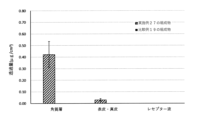
- FIG. 4 is a graph showing the evaluation results of the amount of skin permeation of the compositions obtained in Example 27 and Comparative Example 19.
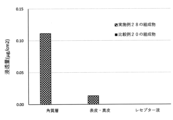
- FIG. 5 is a graph showing the evaluation results of the amount of skin permeation of the compositions obtained in Example 28 and Comparative Example 20.
- the skin external preparation composition of the present invention contains composite fine needle-like crystals that encapsulate a useful polymeric ingredient in crystals of a valuable substance.
- the skin external preparation composition of the present invention contains composite fine needle-like crystals that encapsulate a useful polymeric ingredient in crystals of a valuable substance.
- the valuable substance that forms the composite fine needle crystals is a biosoluble substance. Examples of the biosoluble substance include amino acids, peptides, and vitamins.
- the biosoluble substance is preferably a biosoluble substance selected from the group consisting of amino acids, peptides, and vitamins.
- Amino acids that can be used in the present invention include essential amino acids such as isoleucine, leucine, valine, histidine, lysine, methionine, tryptophan, phenylalanine, and threonine; non-essential amino acids such as asparagine, aspartic acid, alanine, arginine, cysteine, cystine, glutamine, glutamic acid, glycine, proline, serine, and tyrosine; and free amino acids that do not form proteins such as theanine, ornithine, citrulline, taurine, and ⁇ -aminobutyric acid.
- Modified amino acids such as methylated amino acids and acetylated amino acids can also be used as amino acids. Modified amino acids include hydroxyproline, etc.
- the most suitable ones for use are asparagine, glutamine, histidine, methionine, valine, isoleucine, leucine, phenylalanine, tryptophan, taurine, etc., which have a saturated solubility in the range of 1 to 10 g per 100 g of water at 25°C.
- the taurine is present in a mixture of a dissolved state and a crystalline state in the skin topical agent composition.
- Peptides that can be used in the present invention include dipeptides in which two amino acids are bonded together, tripeptides in which three amino acids are bonded together, and other oligopeptides in which multiple amino acids are bonded together.
- dipeptides in which two amino acids are bonded together
- tripeptides in which three amino acids are bonded together
- other oligopeptides in which multiple amino acids are bonded together.
- dipeptides There are 20 types of dipeptides, including the amino acids that make up proteins, and there are over 400 types of dipeptides with numerous combinations.
- the most suitable ones are glycylglycine, carnosine in which ⁇ -alanine and histidine are bonded together, anserine in which ⁇ -alanine and 1-methylhistidine are bonded together, balenine in which ⁇ -alanine and 3-methylhistidine are bonded together, and aspartame in which phenylalanine and aspartic acid are bonded together.
- glycylglycine carnosine in which ⁇ -alanine and histidine are bonded together
- anserine in which ⁇ -alanine and 1-methylhistidine are bonded together balenine in which ⁇ -alanine and 3-methylhistidine are bonded together
- aspartame in which phenylalanine and aspartic acid are bonded together.
- glutathione in which glutamic acid, cysteine, and glycine are bonded together is the most suitable one.
- peptides that can be used include hydrolyzed peptides made by hydrolyzing vegetable proteins such as soybeans, corn, and wheat with enzymes or acids; hydrolyzed peptides made by hydrolyzing animal proteins such as milk proteins and gelatin with enzymes or acids; and hydrolyzed peptides made by hydrolyzing silk, wool, etc. with enzymes or acids.
- Vitamins that can be used in the present invention include water-soluble vitamins, such as vitamin B1 (thiamine), vitamin B2 (riboflavin), vitamin B3 (niacinamide), vitamin B5 (pantothenic acid), vitamin B6 (pyridoxine), vitamin B7 (biotin), vitamin B9 (folic acid), vitamin B12 (cyanocobalamin), and vitamin C.
- vitamin B1 thiamine
- vitamin B2 riboflavin
- vitamin B3 niacinamide
- vitamin B5 pantothenic acid
- vitamin B6 pyridoxine
- vitamin B7 biotin
- vitamin B9 folic acid
- vitamin B12 cyanocobalamin
- vitamin C water-soluble vitamins
- water-soluble vitamins derivatives such as thiamine monophosphate, thiamine diphosphate, thiamine triphosphate, flavin mononucleotide, flavin adenine dinucleotide, riboflavin phosphate, nicotinic acid adenine dinucleotide phosphate, pyridoxine cyclic phosphate, hydroxycobalamin, deoxyadenosylcobalamin, ascorbyl glucoside, sodium ascorbyl phosphate, and 3-O-ethyl ascorbic acid can also be used.
- the valuable substances (biosoluble substances) may be cymene-5-ol or gallic acid.
- the skin external preparation composition of the present invention contains composite fine needle crystals, but in addition to the composite fine needle crystals, it may also contain composite fine columnar crystals (columnar crystals containing a useful polymer component in a valuable substance crystal).
- the needle crystals refer to crystals having a shape in which the major axis is three times or more the minor axis
- the columnar crystals refer to crystals having a shape in which the major axis is less than three times the minor axis.
- the composite fine needle crystals preferably have a minor axis of 150 micrometers or less and a major axis of 3000 micrometers or less, more preferably a minor axis of 150 micrometers or less and a major axis of 100 to 3000 micrometers, even more preferably a minor axis of 100 micrometers or less and a major axis of 100 to 2000 micrometers, and most preferably a minor axis of 80 micrometers or less and a major axis of 150 to 2000 micrometers.
- the thickness and length of the crystal were measured using a digital microscope (Keyence Corporation Digital Microscope VHX-7000), and the thickness refers to the length of the short side of the crystal, and the length refers to the length of the long side of the crystal.
- the above-mentioned composite fine needle crystals are at least partially dispersed in the skin topical preparation composition. It is preferable that at least a portion of the above-mentioned composite fine needle crystals are contained in a dispersed state in the skin topical preparation composition.
- the composite fine needle crystals have spaces and that useful polymeric ingredients are encapsulated in the spaces.
- one or more types of useful polymeric ingredients may also be dissolved or dispersed in the medium of the topical skin preparation composition.
- the topical skin preparation composition may contain useful polymeric ingredients that are not encapsulated in the composite fine needle crystals.
- the specific recrystallization (crystal growth) process is a process in which an aqueous solution (A) in which a valuable substance is dissolved is mixed with or brought into contact with a liquid substance (B) in which the valuable substance has low solubility, and crystals are grown in an environment in which the valuable substance has extremely low solubility.
- Liquid substances (B) are not particularly limited, but examples include polar organic solvents such as acetone, methyl ethyl ketone, dimethyl sulfoxide, dimethylformamide, ethyl acetate, isopropyl myristate, methylheptyl laurate, and jojoba oil; non-polar organic solvents such as dodecane, isododecane, liquid paraffin, squalane, hydrogenated polyisobutene, and olefin oligomers; monohydric alcohols such as ethanol and 1-propanol; and polyhydric alcohols such as 1,3-butanediol, glycerin, and 1,2-pentanediol.
- polar organic solvents such as acetone, methyl ethyl ketone, dimethyl sulfoxide, dimethylformamide, ethyl acetate, isopropyl myristate, methylheptyl laurate
- the liquid substance (B) is preferably a liquid substance (water-soluble organic solvent) having a solubility in water at 25°C of 1% by mass or more, since its addition has a high effect of reducing the solubility of valuable substances.
- the liquid substance (B) is preferably one or more selected from the group consisting of ethanol, 1-propanol, 2-propanol, 1-butanol, 2-butanol, ethylene glycol, diethylene glycol, 1,2-propanediol, 1,3-propanediol, 1,2-butanediol, 1,3-butanediol, isoprene glycol, diethylene glycol, dipropylene glycol, glycerin, diglycerin, 1,2-pentanediol, 1,2-hexanediol, acetone, methyl ethyl ketone, dimethyl sulfoxide, dimethylformamide, cyclohexylglycer
- the water-soluble organic solvent which is the liquid substance (B)
- the water-soluble organic solvent is most preferably one or more selected from the group consisting of ethanol, isopropyl alcohol, ethylene glycol, 1,2-propanediol, 1,3-propanediol, 1,2-butanediol, 1,3-butanediol, isoprene glycol, diethylene glycol, dipropylene glycol, glycerin, diglycerin, 1,2-pentanediol, 1,2-hexanediol, cyclohexylglycerin, and n-hexylglycerin.
- two or more solvents it is preferable that they are mixed solvents.
- the crystal form will not be fine needle crystals, and when incorporated into a skin topical composition, it will feel rough when used, which is not preferred.
- the concentration of the valuable substance in the aqueous solution (A) in which the valuable substance is dissolved and used for recrystallization is preferably 40% by mass or more and 300% by mass or less of the saturation concentration of the valuable substance at the temperature at which the crystals are precipitated, from the viewpoint of forming fine needle-like crystals when mixed with a solvent in which the valuable substance has low solubility. If the saturation concentration is less than 40% by mass, the liquid substance (B) must be added at 100% by mass or more to the aqueous solution (A) to precipitate the crystals, and a sufficient amount of crystals cannot be obtained, so this is not practical in terms of cost and yield.
- the concentration of the valuable substance in the aqueous solution (A) is preferably 50 to 200% by mass of the saturation concentration, more preferably 60 to 180% by mass of the saturation concentration, and most preferably 70 to 170% by mass of the saturation concentration.
- the aqueous solution (A) in which the valuable substance used for recrystallization is dissolved is an aqueous solution
- preferred water-soluble organic solvents include glycerin, 1,3-propanediol, ethanol, isopropyl alcohol, ethylene glycol, 1,2-propanediol, 1,2-butanediol, 1,3-butanediol, isoprene glycol, diethylene glycol, dipropylene glycol, diglycerin, 1,2-pentanediol, 1,2-hexanediol, cyclohexylglycerin, and n-hexylglycerin.
- the concentration of the liquid substance (B) is preferably 50% by mass or less, more preferably 30% by mass or less, and most preferably 25% by mass or less, based on the total amount of the aqueous solution (A). If the valuable substance is taurine, the solubility of the taurine will be too low and a sufficient amount of crystals will not be obtained if the amount exceeds 50% by mass, which is not practical in terms of cost and yield.
- the present invention is characterized in that a useful polymer component is encapsulated within or attached to the surface of fine needle-like crystals of a valuable substance.
- Polymer useful component is not particularly limited, but preferably is a polymer with high biocompatibility.As polymer useful components derived from nature, hyaluronic acid and its salt, hydrolyzed hyaluronic acid and its salt, acetylated hyaluronic acid and its salt, acylated hyaluronic acid and its salt, other hyaluronic acid derivatives and its salt, chondroitin sulfate and its salt, chondroitin sulfate derivatives and its salt, elastin, hydrolyzed elastin, water-soluble collagen, atelocollagen, acyl hydrolyzed collagen, succinyl atelocollagen, succinoyl atelocollagen, water-soluble collagen crosspolymer, water-soluble elastin, water-soluble proteo
- Examples of useful polymeric components of synthetic origin include 2-methacryloyloxyethyl phosphorylcholine/butyl methacrylate copolymer, 2-methacryloyloxyethyl phosphorylcholine/stearyl methacrylate copolymer, and glyceryl-N-(2-methacryloyloxyethyl)carbamate/stearyl methacrylate copolymer.
- the useful polymer component is preferably one or more selected from the group consisting of hyaluronic acid and its salts, hydrolyzed hyaluronic acid and its salts, acetylated hyaluronic acid and its salts, acylated hyaluronic acid and its salts, other hyaluronic acid derivatives and their salts, chondroitin sulfate and its salts, chondroitin sulfate derivatives and its salts, elastin, hydrolyzed elastin, water-soluble collagen, atelocollagen, acyl hydrolyzed collagen, succinyl atelocollagen, succinoyl atelocollagen, water-soluble collagen crosspolymer, water-soluble elastin, water-soluble proteoglycan, heparinoids, 2-methacryloyloxyethyl phosphorylcholine/butyl methacrylate copolymer, 2-methacryloyloxyeth
- the inclusion rate of the useful polymer component in the composite fine needle crystals is preferably 0.001% by mass to 30% by mass.
- the inclusion rate of the useful polymer component in the taurine crystals is preferably 0.001% by mass to 30% by mass.
- the inclusion rate of the useful polymer component in the composite fine needle crystals means the content of the useful polymer component in 100% by mass of the composite fine needle crystals.
- the inclusion rate of the useful polymer component in the taurine crystals means the content of the useful polymer component in 100% by mass of the taurine crystals.
- the composite fine needle crystals may contain two or more types of polymeric useful components, or may contain both a polymeric useful component and a low molecular weight useful component.
- polymeric useful components such as polymeric hyaluronic acid and collagen
- functional components such as low molecular weight useful components
- low molecular weight moisturizers and whitening agents are simultaneously encapsulated in the composite fine needle crystals, which can increase the skin permeability of the components and is expected to have a high skin care effect.
- the encapsulated polymeric useful component can be used in a dissolved or dispersed state in an aqueous solution (A) in which the valuable substance is dissolved, or in a liquid substance (B) in which the valuable substance is poorly soluble.
- concentration of the polymeric useful component in the aqueous solution (A) or liquid substance (B) it is preferable that the concentration be 0.001% by mass or more.
- the obtained composite fine needle crystals may be filtered and dried before being blended into the skin topical composition, or the solution in which the crystals are precipitated may be blended as is.
- the useful polymer component may not only be present in the valuable substance crystals, but may also be dissolved or dispersed in the skin topical composition.
- the skin topical composition may contain a useful polymer component different from the useful polymer component in the valuable substance crystals.
- the topical skin composition of the present invention can be used mainly as a topical composition for cosmetics, quasi-drugs, and pharmaceuticals.
- the formulation of the topical skin composition of the present invention is not particularly limited, but examples include liquids, lotions, cosmetic oils, emulsions, creams, aqueous gels, ointments, etc. These formulations can be prepared by conventional methods.
- compositions for liquids, lotions, emulsions, creams, and aqueous gels, it is possible to prepare preparations while maintaining the complex fine needle crystals by maintaining the concentration of the valuable substance in the aqueous phase at or above the saturation concentration.
- Cosmetic oils and ointments can be prepared by filtering and drying the composite fine needle crystals and blending them.
- the skin topical preparation composition of the present invention may contain one or more of the following ingredients that are normally used in the preparation of cosmetics, quasi-drugs, topical medicines, etc., namely, water, oils, surfactants, gelling agents, powders, nanoparticles, alcohols, water-soluble polymers, film-forming agents, resins, UV protection agents, inclusion compounds, antibacterial agents, fragrances, deodorants, salts, pH adjusters, cooling agents, animal and microbial extracts, plant extracts, blood circulation promoters, astringents, antiseborrheic agents, whitening agents, anti-inflammatory agents, moisturizers, anti-glycation agents, keratolytic agents, colorants (including natural pigments), enzymes, hormones, vitamins, etc., as appropriate, within the scope that does not impair the effects of the present invention.
- ingredients that are normally used in the preparation of cosmetics, quasi-drugs, topical medicines, etc., namely, water, oils, surfactants, gelling agents, powders, nanop
- the water contained in the skin topical composition of the present invention is not particularly limited, and examples include purified water, ion-exchanged water, tap water, etc.
- water-soluble alcohols include lower alcohols, polyhydric alcohols, polyhydric alcohol polymers, dihydric alcohol alkyl ethers, dihydric alcohol alkyl ethers, dihydric alcohol ether esters, glycerin monoalkyl ethers, sugar alcohols, monosaccharides, oligosaccharides, polysaccharides, and derivatives thereof.
- lower alcohols examples include ethanol, propanol, isopropanol, isobutyl alcohol, and t-butyl alcohol.
- polyhydric alcohols examples include dihydric alcohols (e.g., dipropylene glycol, 1,3-butylene glycol, ethylene glycol, trimethylene glycol, 1,2-butylene glycol, tetramethylene glycol, 2,3-butylene glycol, pentamethylene glycol, 2-butene-1,4-diol, hexylene glycol, octylene glycol, etc.), trihydric alcohols (e.g., glycerin, trimethylolpropane, etc.), tetrahydric alcohols (e.g., diglycerin, 1,2,6-hexanetriol, and other pentaerythritols), pentahydric alcohols (e.g., xylitol, triglycerin, etc.), hexahydric alcohols (e.g., sorbitol, mannitol, etc.), polyhydric alcohol polymers (e.g., diethylene glyco
- monosaccharides include trioses (e.g., D-glyceryl aldehyde, dihydroxyacetone, etc.), tetraoses (e.g., D-erythrose, D-erythrulose, D-threose, erythritol, etc.), pentoses (e.g., L-arabinose, D-xylose, L-lyxose, D-arabinose, D-ribose, D-ribulose, D-xylulose, L-xylulose, etc.), hexoses (e.g., D-glucose, D-talose, D-bsicose, D-galactose, D-fructose, L-galactose, L-glycosyl, etc.), and glycerols (e.g., D-glycerol ...
- trioses e.g., D-glyceryl aldehyde
- heptoses e.g., aldoheptose, heptose, etc.
- octose e.g., octose, etc.
- deoxy sugars e.g., 2-deoxy-D-ribose, 6-deoxy-L-galactose, 6-deoxy-L-mannose, etc.
- amino sugars e.g., D-glucosamine, D-galactosamine, sialic acid, aminouronic acid, muramic acid, etc.
- uronic acids e.g., D-glucuronic acid, D-mannuronic acid, L-guluronic acid, D-galacturonic acid, L-iduronic acid, etc.
- oligosaccharides include sucrose, gunthianose, umbelliferose, lactose, planteose, isolichinoses, ⁇ , ⁇ -trehalose, raffinose, lychinoses, umbilicin, stachyose, verbascoses, etc.
- polysaccharides examples include cellulose, quince seed, starch, galactan, dermatan sulfate, glycogen, gum arabic, heparan sulfate-tragacanth gum, keratan sulfate, chondroitin, xanthan gum, guar gum, dextran, keratosulfate, locust bean gum, and succinoglucan.
- anti-inflammatory agents include plant-derived ingredients, allantoin and its derivatives, glycyrrhetinic acid and its derivatives, glycyrrhizinic acid and its salts or derivatives, salicylic acid derivatives, aminocaproic acid, azulene and its derivatives, etc.
- Gelling agents include, for example, gum arabic, carrageenan, karaya gum, tragacanth gum, carob gum, quince seed, casein, dextrin, gelatin, sodium pectinate, sodium alginate, methylcellulose, ethylcellulose, CMC, hydroxyethylcellulose, hydroxypropylcellulose, PVA, PVM, PVP, sodium polyacrylate, carboxyvinyl polymer, locust bean gum, guar gum, tamarind gum, dialkyldimethylammonium cellulose sulfate, xanthan gum, magnesium aluminum silicate, bentonite, hectorite, magnesium silicate A1 (beegum), laponite, anhydrous silicic acid, etc.
- Natural water-soluble polymers include, for example, plant-based polymers (e.g., gum arabic, tragacanth gum, galactan, guar gum, carob gum, karaya gum, carrageenan, pectin, agar, quince seed, algae colloids (cassou extract), starch (rice, corn, potato, wheat), glycyrrhizic acid), microbial-based polymers (e.g., xanthan gum, dextran, succinoglucan, pullulan, etc.), and animal-based polymers (e.g., collagen, casein, albumin, gelatin, etc.).
- plant-based polymers e.g., gum arabic, tragacanth gum, galactan, guar gum, carob gum, karaya gum, carrageenan, pectin, agar, quince seed, algae colloids (cassou extract), starch (rice, corn, potato, wheat), glycyrrhizic
- semi-synthetic water-soluble polymers include starch-based polymers (e.g., carboxymethyl starch, methylhydroxypropyl starch, etc.), cellulose-based polymers (methyl cellulose, ethyl cellulose, methylhydroxypropyl cellulose, hydroxyethyl cellulose, sodium cellulose sulfate, hydroxypropyl cellulose, carboxymethyl cellulose, sodium carboxymethyl cellulose, crystalline cellulose, cellulose powder, etc.), and alginic acid-based polymers (e.g., sodium alginate, propylene glycol alginate, etc.).
- starch-based polymers e.g., carboxymethyl starch, methylhydroxypropyl starch, etc.
- cellulose-based polymers methyl cellulose, ethyl cellulose, methylhydroxypropyl cellulose, hydroxyethyl cellulose, sodium cellulose sulfate, hydroxypropyl cellulose, carboxymethyl cellulose, sodium carboxymethyl cellulose,
- Synthetic water-soluble polymers include, for example, vinyl polymers (e.g., polyvinyl alcohol, polyvinyl methyl ether, polyvinylpyrrolidone, carboxyvinyl polymer, etc.), polyoxyethylene polymers (e.g., polyethylene glycol 20,000, 40,000, 60,000, etc.), acrylic polymers (e.g., sodium polyacrylate, polyethyl acrylate, polyacrylamide, etc.), polyethyleneimine, cationic polymers, etc.
- vinyl polymers e.g., polyvinyl alcohol, polyvinyl methyl ether, polyvinylpyrrolidone, carboxyvinyl polymer, etc.
- polyoxyethylene polymers e.g., polyethylene glycol 20,000, 40,000, 60,000, etc.
- acrylic polymers e.g., sodium polyacrylate, polyethyl acrylate, polyacrylamide, etc.
- polyethyleneimine cationic polymers
- moisturizing agents include chondroitin sulfate, hyaluronic acid and its derivatives, crosslinked hyaluronic acid, mucoitin sulfate, caronic acid, atelocollagen, cholesteryl-12-hydroxystearate, sodium lactate, bile salts, DL-pyrrolidone carboxylate, short-chain soluble collagen, diglycerin (EO)PO adduct, Rosa robur extract, Achillea millefolium extract, and Melilot extract.
- chondroitin sulfate hyaluronic acid and its derivatives
- crosslinked hyaluronic acid mucoitin sulfate
- caronic acid atelocollagen
- cholesteryl-12-hydroxystearate sodium lactate
- bile salts DL-pyrrolidone carboxylate
- short-chain soluble collagen diglycerin (EO)PO adduct
- Rosa robur extract Achillea millefolium
- Skin whitening agents include, for example, tranexamic acid, ascorbic acid and its salts, ascorbic acid derivatives and other vitamin C derivatives (such as sodium ascorbic acid phosphate, magnesium ascorbic acid phosphate, ascorbyl tetra-2-hexyldecanoate, 2-O-ethyl ascorbic acid, 3-O-ethyl ascorbic acid, ascorbic acid glucoside, etc.), arbutin, kojic acid, placenta, ellagic acid, nicotinamide, hydroquinone, linoleic acid and its derivatives, astaxanthin, etc.
- vitamin C derivatives such as sodium ascorbic acid phosphate, magnesium ascorbic acid phosphate, ascorbyl tetra-2-hexyldecanoate, 2-O-ethyl ascorbic acid, 3-O-ethyl ascorbic acid, ascorbic acid glucoside, etc.
- arbutin kojic
- Keratin dissolving agents include, for example, lactic acid, salicylic acid, gluconic acid, glycolic acid, citric acid, malic acid, fruit acids, phytic acid, urea, sulfur, etc.
- anti-aging ingredients include hydrolyzed soy protein, retinoids (retinol and its derivatives, retinoic acid, retinal, etc.), kinetin, adenosine, NMN (nicotinamide mononucleotide), AMP (adenosine monophosphate), ADP (adenosine diphosphate), ATP (adenosine triphosphate), ursolic acid, turmeric extract, sphingosine derivatives, mevalonolactone, etc.
- anti-glycation agents examples include plant extracts such as Budreja axillaris leaf extract, evening primrose oil, amla fruit, fruit juice or extracts thereof, L-arginine, L-lysine, hydrolyzed casein, hydrolyzable tannins, carnosine, etc.
- blood circulation promoters examples include ginseng, angelica, arnica, ginkgo, fennel, emmeiso, Dutch oak, chamomile, Roman chamomile, carrot, gentian, burdock, rice, hawthorn, shiitake mushroom, ginger, European hawthorn, European juniper, cnidium rhizome, Swertia japonica, thyme, clove, tangerine peel, red pepper, angelica tree, toucan, spruce, carrot, garlic, butcher's broom, grape, peony, horse chestnut, melissa, yuzu, coix seed, ryokucha, rosemary, rose hip, tangerine peel, angelica tree, spruce, peach, apricot, walnut, corn, golden chamomile, ichthammol, cantharides tincture, cepharanthine, and other ingredients derived from plants: gamma or
- Polyphenols include flavonoid polyphenols such as curcuminoids, flavanones, stilpenoids, polymethoxyflavonoids, flavonols, xanthonoids, chalcones, lignoids, flavanols, and isoflavones.
- flavonoid polyphenols such as curcuminoids, flavanones, stilpenoids, polymethoxyflavonoids, flavonols, xanthonoids, chalcones, lignoids, flavanols, and isoflavones.
- sequestering agents include 1-hydroxyethane-1,1-diphosphonic acid, 1-hydroxyethane-1,1-diphosphonic acid tetrasodium salt, disodium edetate, trisodium edetate, tetrasodium edetate, sodium citrate, sodium polyphosphate, sodium metaphosphate, gluconic acid, phosphoric acid, citric acid, ascorbic acid, succinic acid, edetic acid, trisodium ethylenediaminehydroxyethyltriacetate, etc.
- ultraviolet protection agents water-soluble ultraviolet absorbers
- examples of ultraviolet protection agents include 2,4-dihydroxybenzophenone, 2,2'-dihydroxy-4-methoxybenzophenone, 2,2'-dihydroxy-4,4'-dimethoxybenzophenone, 2,2',4,4'-tetrahydroxybenzophenone, 2-hydroxy-4-methoxybenzophenone, 2-hydroxy-4-methoxy-4'-methylbenzophenone, 2-hydroxy-4-methoxybenzophenone-5-sulfonate, 4-phenylbenzophenone, 2-ethylhexyl-4'-phenylbenzophenone, These include benzophenone-based UV absorbers such as nyl-benzophenone-2-carboxylate, 2-hydroxy-4-n-octoxybenzophenone, and 4-hydroxy-3-carboxybenzophenone; benzimidazole-based UV absorbers such as phenylbenzimidazole-5-sulfonic acid and its salts, and pheny
- Powder (powder component), nanoparticles for example, inorganic powders (e.g., talc, kaolin, mica, sericite, muscovite, phlogopite, synthetic mica, red mica, biotite, vermiculite, magnesium carbonate, calcium carbonate, aluminum silicate, barium silicate, calcium silicate, magnesium silicate, strontium silicate, tungstate metal salts, magnesium, silica, zeolite, barium sulfate, calcined calcium sulfate (calcined gypsum), calcium phosphate, fluorapatite, hydroxyapatite, ceramic powder, metal soap (e.g., , zinc myristate, calcium palmitate, aluminum stearate), boron nitride, etc.), organic powders (for example, polyamide resin powder (nylon powder), polyethylene powder, polymethyl methacrylate powder, polystyrene powder, styrene-acrylic acid copo
- natural pigments for example, chlorophyll, ⁇ -carotene, etc.
- enzymes examples include hydrolases (protease, amylase, diastase, dextranase, lipase, cellulase, lysozyme), oxidoreductases (laccase, peroxidase, catalase, lactate oxidase, glucose oxidase, galactose oxidase, pyruvate oxidase, aldehyde oxidase, monoamine oxidase, urate oxidase), and the like.
- hydrolases protease, amylase, diastase, dextranase, lipase, cellulase, lysozyme
- oxidoreductases laccase, peroxidase, catalase, lactate oxidase, glucose oxidase, galactose oxidase, pyruvate oxidase, aldehyde oxidase, monoamine oxidas
- the protease that can be used in the present invention is mainly formulated for the purpose of effectively removing keratin from aged skin, and any protease that satisfies this purpose and can be formulated in cosmetics can be used.
- Specific examples include proteases derived from microorganisms such as Bacillus subtilis and actinomycetes that are in a form that can be formulated in cosmetics.
- papain can also be used as the protease.
- vitamins examples include vitamins A, B1, B2, B6, C, E and their derivatives, pantothenic acid and its derivatives, biotin, etc.
- antioxidants examples include tocopherols, dibutylhydroxytoluene, butylhydroxyanisole, and gallic acid esters.
- pH adjusters examples include buffers such as lactic acid-sodium lactate, citric acid-sodium citrate, and succinic acid-sodium succinate.
- oils examples include liquid oils and fats, solid oils and fats, waxes, hydrocarbon oils, higher fatty acids, synthetic ester oils, silicone oils, etc. that are commonly used in cosmetics and quasi-drugs. These oil phase components and the above-mentioned water phase components can be combined with an appropriate surfactant to form a skin composition.
- liquid oils examples include avocado oil, camellia oil, turtle oil, macadamia nut oil, corn oil, mink oil, olive oil, rapeseed oil, egg yolk oil, sesame oil, persic oil, wheat germ oil, sasanqua oil, castor oil, linseed oil, safflower oil, cottonseed oil, perilla oil, soybean oil, peanut oil, tea seed oil, kaya oil, rice bran oil, Chinese tung oil, Japanese tung oil, jojoba oil, germ oil, triglycerin, etc.
- solid fats and oils examples include cacao butter, coconut oil, horse tallow, hardened coconut oil, palm oil, beef tallow, mutton tallow, hardened beef tallow, palm kernel oil, lard, beef bone fat, Japan Rice Kernel Oil, hardened oil, beef foot fat, Japan Rice, and hardened castor oil.
- waxes examples include beeswax, candelilla wax, cotton wax, carnauba wax, bayberry wax, ivory wax, whale wax, montan wax, bran wax, lanolin, kapok wax, lanolin acetate, liquid lanolin, sugarcane wax, lanolin fatty acid isopropyl, hexyl laurate, reduced lanolin, jojoba wax, hard lanolin, shellac wax, polyoxyethylene lanolin alcohol ether, polyoxyethylene lanolin alcohol acetate, polyoxyethylene cholesterol ether, lanolin fatty acid polyethylene glycol, polyoxyethylene hydrogenated lanolin alcohol ether, and cetyl palmitate.
- hydrocarbon oils examples include liquid paraffin, ozokerite, squalane, pristane, paraffin, ceresin, squalene, petrolatum, and microcrystalline wax.
- higher fatty acids examples include lauric acid, myristic acid, palmitic acid, stearic acid, behenic acid, oleic acid, undecylenic acid, tallic acid, linoleic acid, linolenic acid, eicosapentaenoic acid (EPA), docosahexaenoic acid (DHA), etc.
- ester oils examples include cetyl octanoate, myristyl myristate, glyceryl tri-2-ethylhexanoate, pentaerythritol tetra-2-ethylhexanoate, dioctyl succinate, and tripropylene glycol dineopentanoate.
- silicone oils include linear polysiloxanes (e.g., dimethylpolysiloxane, methylphenylpolysiloxane, diphenylpolysiloxane, etc.); cyclic polysiloxanes (e.g., octamethylcyclotetrasiloxane, decamethylcyclopentasiloxane, dodecamethylcyclohexasiloxane, etc.), silicone resins that form a three-dimensional network structure, silicone rubber, various modified polysiloxanes (amino-modified polysiloxane, polyether-modified polysiloxane, alkyl-modified polysiloxane, fluorine-modified polysiloxane, etc.), acrylic silicones, etc.
- linear polysiloxanes e.g., dimethylpolysiloxane, methylphenylpolysiloxane, diphenylpolysiloxane, etc.
- Amino acids include the neutral amino acids glycine, alanine, valine, leucine, and isoleucine, the aliphatic amino acids and oxyamino acids serine and threonine, the aliphatic amino acids and sulfur-containing amino acids cysteine, cystine, and methionine, the acidic amino acids glutamic acid and aspartic acid, the amino acids glutamine and asparagine that have an amide group, the basic amino acid arginine, the aromatic amino acids phenylalanine and tyrosine, and the imino groups proline and oxyproline.
- the method for producing the topical skin composition of the present invention is characterized by comprising the following steps: A process for growing crystals in an environment in which an aqueous solution (A) having a biosoluble substance (valuable substance) dissolved therein is mixed with or brought into contact with a liquid substance (B) in which the biosoluble substance has low solubility, in which the biosoluble substance is dissolved or dispersed in the aqueous solution (A) or the liquid substance (B), and the high molecular weight useful component is incorporated into valuable substance crystals as the crystals grow; and a process for incorporating the composite fine needle crystals obtained in the crystal growth process, in which the high molecular weight useful component is encapsulated within the crystals, into a skin topical preparation composition.
- biosoluble substance is taurine as an example.
- the method for producing the composite fine needle crystals of taurine includes a step of growing crystals in an environment in which an aqueous solution (A) in which taurine is dissolved is mixed with or contacted with a liquid substance (B) in which taurine is poorly soluble (crystal growth step). Since the useful polymer component is dissolved or dispersed in the aqueous solution (A) or the liquid substance (B), the useful polymer component is incorporated into the crystals as the crystals grow.
- the liquid substance (B) is preferably a water-soluble organic solvent, and the water-soluble organic solvent is preferably one or more selected from the group consisting of ethanol, isopropyl alcohol, ethylene glycol, 1,2-propanediol, 1,3-propanediol, 1,2-butanediol, 1,3-butanediol, isoprene glycol, diethylene glycol, dipropylene glycol, glycerin, diglycerin, 1,2-pentanediol, 1,2-hexanediol, cyclohexylglycerin, and n-hexylglycerin.
- the concentration of the polymeric useful component in the aqueous solution (A) or the liquid substance (B) is preferably 0.001% by mass or more, and the concentration of taurine in the aqueous solution (A) is preferably 3 to 28% by mass.
- the amount of the liquid substance (B) is preferably 50 mass % or less based on the total amount of the aqueous solution (A).
- the method for producing a skin external preparation composition containing complex fine needle crystals of taurine includes a step of growing crystals in an environment in which an aqueous solution (A) in which taurine is dissolved is mixed with or contacted with a liquid substance (B) in which taurine is poorly soluble (crystal growth step). Since a polymeric useful component is dissolved or dispersed in the aqueous solution (A) or the liquid substance (B), the useful component is included in the crystals as the crystals grow.
- the method for producing a skin topical preparation composition containing complex fine needle-like crystals of taurine includes a step of blending the complex fine needle-like crystals of taurine, which contain a useful polymeric ingredient in the crystals obtained in the above-mentioned crystal growth step, into a skin topical preparation composition.
- the preferred configuration of the crystal growth step in the method for producing a skin topical composition containing complex fine needle-like crystals of taurine is the same as the preferred configuration of the crystal growth step in the method for producing complex fine needle-like crystals of taurine described above.
- Each topical skin composition can be prepared by a variety of manufacturing methods, such as preparing a formulation while maintaining the complex fine needle crystals by keeping the concentration of the valuable substance in the aqueous phase during the manufacturing process at or above the saturation concentration, or by blending the complex fine needle crystals obtained by separate recrystallization that have been filtered and dried.
- manufacturing methods such as preparing a formulation while maintaining the complex fine needle crystals by keeping the concentration of the valuable substance in the aqueous phase during the manufacturing process at or above the saturation concentration, or by blending the complex fine needle crystals obtained by separate recrystallization that have been filtered and dried.
- Comparative Example 1 1mL of an aqueous solution containing 10% by weight of taurine and 0.1% by weight of fluoresceinamine-labeled sodium hyaluronate (PG Research, average molecular weight 100,000 to 300,000) was heated to 50°C to dissolve uniformly, then cooled to room temperature and allowed to stand for 24 hours. The precipitated crystals were filtered off, washed with 10.0mL of ethanol, and dried to obtain a crystalline product. When the obtained crystals were observed under a fluorescent microscope, no fluorescent substance was found to be present in the crystals.
- PG Research average molecular weight 100,000 to 300,000
- Comparative Example 2 1mL of an aqueous solution containing 10% by weight of taurine and 0.1% by weight of fluoresceinamine-labeled sodium hyaluronate (PG Research, average molecular weight 1.2 million to 1.6 million) was heated to 50°C to dissolve uniformly, then cooled to room temperature and allowed to stand for 24 hours. The precipitated crystals were filtered off, washed with 10.0mL of ethanol, and dried to obtain a crystalline product. When the obtained crystals were observed under a fluorescent microscope, no fluorescent substance was found to be present in the crystals.
- PG Research average molecular weight 1.2 million to 1.6 million
- Comparative Example 3 1 mL of an aqueous solution containing 10% by mass of taurine and 0.1% by mass of fluoresceinamine-labeled sodium chondroitin sulfate C (PG Research Co., Ltd.) was heated to 50°C to dissolve uniformly, then cooled to room temperature, and left to stand for 24 hours. The precipitated crystals were filtered off, washed with 10.0 mL of ethanol, and dried to obtain a crystalline product. When the obtained crystals were observed under a fluorescent microscope, no fluorescent substance was found in the crystals.
- Comparative Example 4 1 mL of an aqueous solution containing 10% by mass of taurine and 0.1% by mass of fluoresceinamine-labeled sodium heparan sulfate (PG Research Co., Ltd.) was heated to 50°C to dissolve uniformly, then cooled to room temperature and allowed to stand for 24 hours. The precipitated crystals were filtered, washed with ethanol, and dried to obtain a crystalline product. When the obtained crystals were observed under a fluorescent microscope, no fluorescent substance was found in the crystals.
- Comparative Example 5 1 mL of an aqueous solution containing 10% by mass of taurine and 0.1% by mass of sodium hyaluronate (manufactured by Kikkoman Biochemifa Corporation, product name: hyaluronic acid FCH-200, average molecular weight 1.8 million to 2.2 million) was heated to 50° C. and uniformly dissolved, and then allowed to cool to room temperature and allowed to stand for 24 hours. The precipitated crystals were filtered off, washed with 10.0 mL of ethanol, and dried to obtain a crystalline product.
- hyaluronate product name: hyaluronic acid FCH-200, average molecular weight 1.8 million to 2.2 million
- Comparative Example 6 1 mL of an aqueous solution containing 10% by mass of taurine and 0.1% by mass of sodium hyaluronate (manufactured by Kikkoman Biochemifa Corporation, product name: hyaluronic acid FCH-80, average molecular weight 600,000 to 1,000,000) was heated to 50° C. and uniformly dissolved, and then allowed to cool to room temperature and allowed to stand for 24 hours. The precipitated crystals were filtered off, washed with 10.0 mL of ethanol, and dried to obtain a crystalline product.
- hyaluronate product name: hyaluronic acid FCH-80, average molecular weight 600,000 to 1,000,000
- Comparative Example 7 1 mL of an aqueous solution containing 10% by mass of taurine and 0.1% by mass of sodium hyaluronate (manufactured by Kikkoman Biochemifa Corporation, product name: hyaluronic acid FCH-SU, average molecular weight 50,000 to 110,000) was heated to 50°C to dissolve uniformly, and then allowed to cool to room temperature. After standing for 24 hours, the precipitated crystals were filtered off, washed with 10.0 mL of ethanol, and dried to obtain a crystalline product.
- hyaluronic acid FCH-SU average molecular weight 50,000 to 110,000
- Comparative Example 8 1 mL of an aqueous solution containing 10% by mass of taurine and 0.1% by mass of water-soluble proteoglycan (manufactured by Rinice Co., Ltd., product name: Proteoglycan-LS, average molecular weight 900,000 to 1,400,000) was heated to 50° C. and uniformly dissolved, and then allowed to cool to room temperature and allowed to stand for 24 hours. The precipitated crystals were filtered off, washed with 10.0 mL of ethanol, and dried to obtain a crystalline product.
- Proteoglycan-LS average molecular weight 900,000 to 1,400,000
- Comparative Example 9 1 mL of an aqueous solution containing 10% by mass of taurine and 0.1% by mass of sodium chondroitin sulfate (manufactured by Maruha Nichiro Corporation, product name: external standard sodium chondroitin sulfate) was heated to 50° C. and uniformly dissolved, and then allowed to cool to room temperature and allowed to stand for 24 hours. The precipitated crystals were filtered off, washed with 10.0 mL of ethanol, and dried to obtain a crystalline product.
- sodium chondroitin sulfate manufactured by Maruha Nichiro Corporation, product name: external standard sodium chondroitin sulfate
- Comparative Example 10 1 mL of an aqueous solution containing 10% by mass of taurine and 0.1% by mass of water-soluble collagen (manufactured by Katakura Co-op Agri Co., Ltd., product name: Sea Gem Collagen) was heated to 50° C. to dissolve uniformly, and then allowed to cool to room temperature. After standing for 24 hours, the precipitated crystals were filtered off, washed with 10.0 mL of ethanol, and dried to obtain a crystalline product.
- water-soluble collagen manufactured by Katakura Co-op Agri Co., Ltd., product name: Sea Gem Collagen
- Comparative Example 11 1 mL of an aqueous solution containing 10% by mass of taurine, 0.1% by mass of sodium hyaluronate (manufactured by Kikkoman Biochemifa Corporation, product name: hyaluronic acid FCH-200, average molecular weight 1.8 million to 2.2 million), and 5.0% by mass of trimethylglycine was heated to 50° C. and uniformly dissolved, and then allowed to cool to room temperature and allowed to stand for 24 hours. The precipitated crystals were filtered off, washed with 10.0 mL of ethanol, and dried to obtain a crystalline product.
- Comparative Example 12 1 mL of an aqueous solution containing 10% by mass of taurine, 0.1% by mass of sodium hyaluronate (manufactured by Kikkoman Biochemifa Corporation, product name: hyaluronic acid FCH-200, average molecular weight 1.8 million to 2.2 million), and 5.0% by mass of sodium pyrrolidonecarboxylate was heated to 50° C. and uniformly dissolved, and then allowed to cool to room temperature and allowed to stand for 24 hours. The precipitated crystals were filtered off, washed with 10.0 mL of ethanol, and dried to obtain a crystalline product.
- Example 1 1mL of an aqueous solution containing 10% by mass of taurine and 0.1% by mass of fluoresceinamine-labeled sodium hyaluronate (PG Research, average molecular weight 100,000 to 300,000) was heated to 50°C to dissolve uniformly, and then 1.0mL of ethanol solution was slowly and quietly poured into the solution. The crystals precipitated at the interface of the two phases were filtered, washed with 10.0mL of ethanol, and dried to obtain pale yellowish white needle crystals. When the obtained crystals were observed under a fluorescence microscope, fluorescence due to fluoresceinamine-labeled sodium hyaluronate was confirmed within the crystals.
- PG Research average molecular weight 100,000 to 300,000
- Example 2 1 mL of an aqueous solution containing 10% by weight of taurine and 0.1% by weight of fluoresceinamine-labeled sodium hyaluronate (PG Research, average molecular weight 1.2 million to 1.6 million) was heated to 50°C to dissolve uniformly, and then 1.0 mL of ethanol solution was slowly and quietly poured in. The crystals precipitated at the interface of the two phases were filtered, washed with 10.0 mL of ethanol, and dried to obtain pale yellowish white needle crystals. When the obtained crystals were observed under a fluorescent microscope, fluorescence due to fluoresceinamine-labeled sodium hyaluronate was confirmed in the crystals.
- PG Research average molecular weight 1.2 million to 1.6 million
- Example 3 1mL of an aqueous solution containing 10% by mass of taurine and 0.1% by mass of fluoresceinamine-labeled sodium chondroitin sulfate C (PG Research Co., Ltd.) was heated to 50°C to dissolve uniformly, and then 1.0mL of ethanol solution was slowly and quietly poured into the solution. The crystals precipitated at the interface of the two phases were filtered, washed with 10.0mL of ethanol, and dried to obtain pale yellowish white needle crystals. When the obtained crystals were observed under a fluorescence microscope, fluorescence due to fluoresceinamine-labeled sodium chondroitin sulfate C was confirmed in the crystals.
- Example 4 1 mL of an aqueous solution containing 10% by mass of taurine and 0.1% by mass of fluoresceinamine-labeled sodium heparan sulfate (PG Research Co., Ltd.) was heated to 50°C to dissolve uniformly, and then 1.0 mL of ethanol solution was slowly and quietly poured into the solution. The crystals precipitated at the interface of the two phases were filtered, washed with 10.0 mL of ethanol, and dried to obtain pale yellowish white needle crystals. When the obtained crystals were observed under a fluorescence microscope, fluorescence due to fluoresceinamine-labeled sodium heparan sulfate was confirmed in the crystals.
- Example 5 1mL of an aqueous solution containing 23% by weight of pyridoxine hydrochloride and 0.1% by weight of fluoresceinamine-labeled sodium hyaluronate (PG Research, average molecular weight 100,000 to 300,000) is heated to 50°C to dissolve uniformly, and then 1.0mL of ethanol solution is poured slowly and quietly into the solution. The crystals precipitated at the interface of the two phases are filtered, washed with 10.0mL of ethanol, and then dried to obtain pale yellowish white needle crystals. When the obtained crystals are observed under a fluorescence microscope, the fluorescence due to fluoresceinamine-labeled sodium hyaluronate is confirmed in the crystals.
- PG Research average molecular weight 100,000 to 300,000
- Example 6 1mL of an aqueous solution containing 15% by mass of glycylglycine and 0.1% by mass of fluoresceinamine-labeled sodium hyaluronate (PG Research, average molecular weight 100,000 to 300,000) was heated to 50°C to dissolve uniformly, and then 1.0mL of ethanol solution was slowly and quietly poured into the solution. The crystals precipitated at the interface of the two phases were filtered, washed with 10.0mL of ethanol, and dried to obtain pale yellowish white needle crystals. When the obtained crystals were observed under a fluorescence microscope, fluorescence due to fluoresceinamine-labeled sodium hyaluronate was confirmed within the crystals.
- PG Research average molecular weight 100,000 to 300,000
- Example 7 1mL of an aqueous solution containing 15% by weight of glutathione and 0.1% by weight of fluoresceinamine-labeled sodium hyaluronate (PG Research, average molecular weight 100,000 to 300,000) was heated to 50°C to dissolve uniformly, and then 1.0mL of ethanol solution was slowly and quietly poured into the solution. The crystals precipitated at the interface of the two phases were filtered, washed with 10.0mL of ethanol, and dried to obtain pale yellowish white needle crystals. When the obtained crystals were observed under a fluorescence microscope, fluorescence due to fluoresceinamine-labeled sodium hyaluronate was confirmed within the crystals.
- PG Research average molecular weight 100,000 to 300,000
- Example 8 10 mL of an aqueous solution containing 0.1% by mass of fluoresceinamine-labeled sodium hyaluronate (PG Research, average molecular weight 100,000 to 300,000) was slowly and gently poured into 1.0 mL of ethanol in which 5% by mass of cymen-5-ol was dissolved, and the precipitated crystals were filtered off, washed with 10.0 mL of purified water, and then dried to obtain pale yellowish white needle crystals. When the obtained crystals were observed under a fluorescence microscope, fluorescence due to fluoresceinamine-labeled sodium hyaluronate was confirmed within the crystals.
- fluoresceinamine-labeled sodium hyaluronate PG Research, average molecular weight 100,000 to 300,000
- Example 9 1 mL of an aqueous solution containing 0.1% by mass of fluoresceinamine-labeled sodium hyaluronate (PG Research, average molecular weight 100,000 to 300,000) was slowly and gently poured into 1.0 mL of ethanol containing 5% by mass of gallic acid, and the precipitated crystals were filtered off, washed with 10.0 mL of purified water, and then dried to obtain pale yellowish white needle crystals. When the obtained crystals were observed under a fluorescence microscope, fluorescence due to fluoresceinamine-labeled sodium hyaluronate was confirmed within the crystals.
- PG Research average molecular weight 100,000 to 300,000
- Example 10 100 mL of an aqueous solution containing 10% by mass of taurine and 0.1% by mass of sodium hyaluronate (manufactured by Kikkoman Biochemifa Corporation, product name: hyaluronic acid FCH-200, average molecular weight 1.8 million to 2.2 million) was heated to 50° C. and uniformly dissolved, and then 50 mL of ethanol solution was slowly and gently poured into the solution in five portions. The crystals precipitated at the interface between the two phases were filtered off, washed with 200 mL of ethanol, and dried to obtain white needle-like crystals.
- hyaluronate product name: hyaluronic acid FCH-200, average molecular weight 1.8 million to 2.2 million
- Example 11 100 mL of an aqueous solution containing 10% by mass of taurine and 0.1% by mass of sodium hyaluronate (manufactured by Kikkoman Biochemifa Corporation, product name: hyaluronic acid FCH-80, average molecular weight 600,000 to 1,000,000) was heated to 50° C. and uniformly dissolved, and then 50 mL of ethanol solution was slowly and gently poured into the solution in five portions. The crystals precipitated at the interface between the two phases were filtered off, washed with 200 mL of ethanol, and dried to obtain white needle-like crystals.
- hyaluronate product name: hyaluronic acid FCH-80, average molecular weight 600,000 to 1,000,000
- Example 12 100 mL of an aqueous solution containing 10% by mass of taurine and 0.1% by mass of sodium hyaluronate (manufactured by Kikkoman Biochemifa Corporation, product name: hyaluronic acid FCH-SU, average molecular weight 50,000 to 110,000) was heated to 50°C to dissolve uniformly, and then 50 mL of ethanol solution was slowly and gently poured into the solution in five portions. The crystals precipitated at the interface between the two phases were filtered off, washed with 200 mL of ethanol, and dried to obtain white needle-like crystals.
- hyaluronic acid FCH-SU average molecular weight 50,000 to 110,000
- Example 13 100 mL of an aqueous solution containing 10% by mass of taurine and 0.1% by mass of water-soluble proteoglycan (manufactured by Rinice Co., Ltd., product name: Proteoglycan-LS, average molecular weight 900,000 to 1,400,000) was heated to 50°C to dissolve uniformly, and then 50 mL of ethanol solution was slowly and gently poured into the solution in five portions. The crystals precipitated at the interface between the two phases were filtered off, washed with 200 mL of ethanol, and dried to obtain white needle-like crystals.
- Proteoglycan-LS average molecular weight 900,000 to 1,400,000
- Example 14 100 mL of an aqueous solution containing 10% by mass of taurine and 0.1% by mass of sodium chondroitin sulfate (manufactured by Maruha Nichiro Corporation, product name: external standard sodium chondroitin sulfate) was heated to 50° C. to dissolve uniformly, and then 50 mL of an ethanol solution was slowly and gently poured into the solution in five portions. The crystals precipitated at the interface between the two phases were filtered off, washed with 200 mL of ethanol, and dried to obtain white needle-like crystals.
- sodium chondroitin sulfate manufactured by Maruha Nichiro Corporation, product name: external standard sodium chondroitin sulfate
- Example 15 100 mL of an aqueous solution containing 10% by mass of taurine and 0.1% by mass of water-soluble collagen (manufactured by Katakura Co-op Agri Co., Ltd., product name: Sea Gem Collagen) was heated to 50° C. to dissolve uniformly, and then 50 mL of ethanol solution was slowly and gently poured into the solution in five portions. The crystals precipitated at the interface between the two phases were filtered off, washed with 200 mL of ethanol, and dried to obtain white needle-like crystals.
- water-soluble collagen manufactured by Katakura Co-op Agri Co., Ltd., product name: Sea Gem Collagen
- Example 16 1mL of an aqueous solution containing 10% by weight of taurine and 0.1% by weight of fluorescein isothiocyanate-labeled dextran (Merck, average molecular weight 4,000) is heated to 50°C to dissolve uniformly, then 1.0mL of ethanol solution is poured slowly and quietly, and the crystals precipitated at the interface of the two-phase separation are filtered, washed with 10.0mL of ethanol, and dried to obtain pale yellowish white needle crystals. When the obtained crystals are observed under a fluorescent microscope, the fluorescence due to fluorescein isothiocyanate-labeled dextran is confirmed in the crystals.
- Example 17 1mL of an aqueous solution containing 10% by weight of taurine and 0.1% by weight of fluorescein isothiocyanate-labeled dextran (Merck, average molecular weight 150,000) is heated to 50°C to dissolve uniformly, then 1.0mL of ethanol solution is poured slowly and quietly, and the crystals precipitated at the interface of the two-phase separation are filtered, washed with 10.0mL of ethanol, and dried to obtain pale yellowish white needle crystals. When the obtained crystals are observed under a fluorescent microscope, the fluorescence due to fluorescein isothiocyanate-labeled dextran is confirmed in the crystals.
- fluorescein isothiocyanate-labeled dextran Merck, average molecular weight 150,000
- Example 18 100 mL of an aqueous solution containing 10% by mass of taurine and 0.1% by mass of carboxymethyldextran sodium (manufactured by Meito Sangyo Co., Ltd., average molecular weight 1,000,000) was heated to 50° C. to dissolve uniformly, and then 50 mL of an ethanol solution was slowly and gently poured into the solution in five portions. The crystals precipitated at the interface between the two phases were filtered off, washed with 200 mL of ethanol, and dried to obtain white needle-like crystals.
- carboxymethyldextran sodium manufactured by Meito Sangyo Co., Ltd., average molecular weight 1,000,000
- Example 19 100 mL of an aqueous solution containing 10% by mass of taurine, 0.1% by mass of sodium hyaluronate (manufactured by Kikkoman Biochemifa Corporation, product name: hyaluronic acid FCH-200, average molecular weight 1.8 million to 2.2 million), and 5.0% by mass of trimethylglycine was heated to 50° C. and uniformly dissolved, and then 50 mL of ethanol solution was slowly and gently poured into the solution in five portions. The crystals precipitated at the interface between the two phases were filtered off, washed with 200 mL of ethanol, and dried to obtain white needle-like crystals.
- Example 20 100 mL of an aqueous solution containing 10% by mass of taurine, 0.1% by mass of sodium hyaluronate (manufactured by Kikkoman Biochemifa Corporation, product name: hyaluronic acid FCH-200, average molecular weight 1.8 million to 2.2 million), and 5.0% by mass of sodium pyrrolidonecarboxylate was heated to 50° C. and uniformly dissolved, and then 50 mL of ethanol solution was slowly and gently poured into the solution in five portions. The crystals precipitated at the interface between the two phases were filtered off, washed with 200 mL of ethanol, and dried to obtain white needle-like crystals.
- Example 21 100 mL of an aqueous solution containing 10% by mass of taurine and 0.1% by mass of sodium hyaluronate (manufactured by Nippon Shinyaku Co., Ltd., product name: Hyaluron 3000CS, average molecular weight 3,000) was heated to 50°C to dissolve uniformly, and then 50 mL of ethanol solution was slowly and gently poured into the solution in five portions. The crystals precipitated at the interface between the two phases were filtered off, washed with 200 mL of ethanol, and dried to obtain white needle-like crystals.
- hyaluronate manufactured by Nippon Shinyaku Co., Ltd., product name: Hyaluron 3000CS, average molecular weight 3,000
- the crystals obtained in Comparative Examples 5-10 and Examples 10-15 were blended with the emulsion formulations shown in Table 5 and the cosmetic oil formulations shown in Table 6, and the texture was evaluated by five panelists using the scores shown in Table 7 to calculate the average score. In addition, the presence or absence of a moisturizing feel 2 hours after use was evaluated. The results are shown in Tables 8 and 9.
- the taurine concentration in phase A was set to be saturated at 25°C
- phase B was added to phase A heated to 80°C while mixing with a homomixer, and after cooling to 25°C, phase C was mixed in.
- the taurine crystals from layer D were mixed with the resulting composition to prepare an emulsion containing crystals.
- phase A was heated to 100°C and mixed, then cooled to 25°C, and the taurine crystals from layer B were mixed in to prepare a cosmetic oil containing crystals.
- the crystals obtained by the manufacturing method of the present invention form fine needle-like or columnar crystals, and by controlling the crystal size, it was confirmed that the blended product does not feel rough when used, and the feel is clearly improved.
- Example 27 and Comparative Example 19 Using the fine needle crystals obtained in Example 2, the amount of fluoresceinamine-labeled sodium hyaluronate permeated into the skin was measured.
- the composition shown in the table below, which contains 20% by weight of the fine needle crystals obtained in Example 2, and a comparative composition in which fluoresceinamine-labeled sodium hyaluronate was dissolved to the same concentration were prepared, and the amount of fluoresceinamine-labeled sodium hyaluronate penetrating into the skin when the obtained compositions were applied to human skin were compared.
- the amount of permeation into the skin was evaluated by applying each sample at 100.0 mg/cm 2 to an excised human skin using a vertical Franz diffusion cell having an effective diameter of 2.0 cm, an area of 3.14 cm 2 and a receptor liquid volume of 2.4 mL. After 4 hours, the stratum corneum was separated from the epidermis and dermis by tape stripping from the sample skin, and the fluoresceinamine-labeled sodium hyaluronate contained in the stratum corneum, epidermis, dermis, and receptor solution was quantified based on the fluorescence intensity.
- Example 28 and Comparative Example 20 Using the fine needle crystals obtained in Example 17, the amount of fluorescein isothiocyanate-labeled dextran permeated into the skin was measured.
- the amount of permeation into the skin was evaluated by applying each sample at 30.0 mg/cm 2 to an excised human skin using a vertical Franz diffusion cell having an effective diameter of 2.0 cm, an area of 3.14 cm 2 and a receptor liquid volume of 2.4 mL. After 4 hours, the stratum corneum was separated from the epidermis and dermis by tape stripping from the sample skin, and the fluorescein isothiocyanate-labeled dextran contained in the stratum corneum, epidermis, dermis and receptor solution was quantified based on the fluorescence intensity.
- [Lotion] [A] Purified water 71.60% by mass Taurine 7.80% by mass Glycerin 5.00% by mass Diglycerin 0.50% by mass Betaine 0.50% by mass Phenoxyethanol 0.30% by mass [B] Dipropylene glycol 10.00% by mass 1,2-Pentanediol 2.50% by mass [C] (Acrylates/steareth-20 methacrylate) copolymer 0.45% by mass Purified water 1.05% by mass [D] Crystals obtained in Example 12 0.30% by mass Phase A was heated to 80° C., and the homogeneously dissolved phase A was cooled to 35° C., added to phase B with stirring, and stirred for 10 minutes at 35° C.
- Phase C was added thereto, and after stirring with a homomixer for 10 minutes to homogeneously mix, the crystals of phase D were added and stirred for 5 minutes to obtain a lotion composition.
- the shape of the taurine microcrystals in the obtained composition was needle-like, with a maximum particle diameter (minor axis) of 45 micrometers and a maximum particle diameter (major axis) of 379 micrometers.
- the composition had a smooth feel when used, and a composition with a good feel when used was obtained.
- [Aqueous gel] [A] Purified water 71.40% by mass Taurine 8.00% by mass Glycerin 5.00% by mass Raffinose 0.50% by mass Phenoxyethanol 0.30% by mass [B] Dipropylene glycol 10.00% by mass 1,2-Pentanediol 2.50% by mass [C] Polyacrylate crosspolymer-6 2.00% by mass [D] Crystals obtained in Example 11 0.30% by mass Phase A was heated to 80° C., and the homogeneously dissolved phase A was cooled to 35° C., and added to phase B with stirring, followed by stirring for 10 minutes at 35° C. to precipitate fine needle-like crystals of taurine.
- Phase C was added to the mixture, and after stirring for 10 minutes with a homomixer to homogeneously mix, the crystals of phase D were added and stirred for 5 minutes to obtain an aqueous gel composition.
- the shape of the taurine microcrystals in the obtained composition was needle-like, with a maximum particle diameter (minor axis) of 24 micrometers and a maximum particle diameter (major axis) of 671 micrometers.
- the obtained composition had a smooth feel when used, and a composition with a good feel when used was obtained.
- [Emulsion] [A] Purified water 60.10% by mass Taurine 8.00% by mass Glycerin 5.00% by mass Fluoresceinamine-labeled sodium hyaluronate 0.1% by weight [B] 1,3-propanediol 15.00% by mass 3-O-ethyl ascorbic acid 3.00% by mass Pentylene glycol 1.50% by mass Phenoxyethanol 0.30% by mass [C] (Hydroxyethyl acrylate/Sodium acryloyldimethyltaurate) copolymer 0.75% by mass Isohexadecane 0.45% by mass Polysorbate 80 0.15% by mass Purified water 0.65% by mass [D] Squalane 5.00% by mass Phase A was heated to 80°C and uniformly dissolved, and then cooled to 35°C, added to phase B with stirring, and stirred for 10 minutes at 35°C to precipitate fine needle crystals of taurine.
- Phase C mixture was added thereto, and after stirring for 5 minutes with a homomixer to uniformly mix, phase D was added and emulsified by stirring for 10 minutes with a homomixer to obtain an emulsion composition.
- the shape of the taurine microcrystal in the obtained composition is needle-like, the maximum particle diameter (minor axis) is 30 micrometers, and the maximum particle diameter (major axis) is 250 micrometers.
- the crystal taken out from the obtained composition is analyzed, and the analysis by high performance liquid chromatography confirms that it contains 3-O-ethyl ascorbic acid. The observation by fluorescence microscope confirms that the fluoresceinamine-labeled sodium hyaluronate is contained in the crystal.
- the feeling of the obtained composition is smooth, and a composition with good feeling of use is obtained.
- [O/W type cream] [A] Purified water 62.50% by mass Taurine 8.00% by mass Glycerin 5.00% by mass Nicotinamide 5.00% by mass Fluoresceinamine-labeled sodium chondroitin sulfate C 0.50% by mass [B] 1,3-propanediol 15.00% by mass Pentylene glycol 1.50% by mass Phenoxyethanol 0.30% by mass [C] (Hydroxyethyl acrylate/Sodium acryloyldimethyltaurate) copolymer 0.75% by mass Polysorbate 80 0.15% by mass Purified water 0.65% by mass [D] Squalane 0.65% by mass Phase A was heated to 80° C., and the homogeneously dissolved phase A was cooled to 35° C., added to phase B with stirring, and stirred at 35° C.
- phase C mixture was added thereto, and homogeneously mixed by stirring for 5 minutes with a homomixer.
- Phase D was then added and emulsified by stirring for 10 minutes with a homomixer to obtain an O/W type cream composition.
- the shape of the taurine microcrystals in the obtained composition is needle-like, with a maximum particle diameter (minor axis) of 30 micrometers and a maximum particle diameter (major axis) of 250 micrometers.
- the crystals taken from the obtained composition were analyzed, and it was confirmed by high performance liquid chromatography that they contained nicotinamide. The observation with a fluorescent microscope confirmed that the crystals contained fluoresceinamine-labeled sodium chondroitin sulfate C.
- the obtained composition had a smooth feel when used, and a composition with a good feel was obtained.
- [W/O type cream] [A] Purified water 31.80% by mass Taurine 7.00% by mass Glycerin 5.00% by mass L-ascorbic acid-2-glucoside 2.00% by mass Fluoresceinamine-labeled sodium heparan sulfate 0.50% by mass [B] 1,3-propanediol 9.00% by mass 1,2-Hexanediol 0.70% by mass Phenoxyethanol 0.30% by mass [C] Isopropyl myristate 33.70% by mass Jojoba oil 5.00% by mass Polyglyceryl-6 polyricinoleate 3.25% by mass Polyglyceryl-2 isostearate 1.00% by mass Disteardimonium hectorite 0.75% by weight Phase A was heated to 80° C., and the homogeneously dissolved phase A was cooled to 35° C., added to phase B with stirring, and stirred at 35° C.
- the obtained composition had a smooth feel when used, and a composition with a good feel when used was obtained.
- [Cosmetic oil] [A] Cetyl 2-ethylhexanoate 63.40% by mass Hydrogenated polydecene 29.00% by mass Hydrogenated (styrene/isoprene) copolymer 7.00% by mass Tocopherol 0.10% by mass [B] Taurine fine needle crystals obtained in Example 13 0.50% by mass Phase A was heated to 100° C. and stirred until homogenous. This was cooled to 35° C., and Phase B was added and stirred to disperse homogenously, to obtain a cosmetic oil composition.
- the shape of the taurine microcrystals in the obtained composition was needle-like, with a maximum particle diameter (minor axis) of 57 micrometers and a maximum particle diameter (major axis) of 879 micrometers.
- the obtained composition had a smooth feel when used, and a composition with a good feel when used was obtained.
Landscapes
- Health & Medical Sciences (AREA)
- Life Sciences & Earth Sciences (AREA)
- General Health & Medical Sciences (AREA)
- Veterinary Medicine (AREA)
- Public Health (AREA)
- Animal Behavior & Ethology (AREA)
- Birds (AREA)
- Epidemiology (AREA)
- Emergency Medicine (AREA)
- Dermatology (AREA)
- Physics & Mathematics (AREA)
- Geometry (AREA)
- Cosmetics (AREA)
- Medicinal Preparation (AREA)
Priority Applications (3)
| Application Number | Priority Date | Filing Date | Title |
|---|---|---|---|
| KR1020257032163A KR20250169541A (ko) | 2023-03-31 | 2024-03-29 | 고분자 유용 성분을 포함한 미세 바늘을 함유한 피부 외용제 조성물 |
| JP2025511290A JPWO2024204747A1 (https=) | 2023-03-31 | 2024-03-29 | |
| CN202480022755.3A CN120957701A (zh) | 2023-03-31 | 2024-03-29 | 含有高分子有效成分的复合微细针的皮肤外用剂组合物 |
Applications Claiming Priority (2)
| Application Number | Priority Date | Filing Date | Title |
|---|---|---|---|
| JP2023-059570 | 2023-03-31 | ||
| JP2023059570 | 2023-03-31 |
Publications (1)
| Publication Number | Publication Date |
|---|---|
| WO2024204747A1 true WO2024204747A1 (ja) | 2024-10-03 |
Family
ID=92905936
Family Applications (1)
| Application Number | Title | Priority Date | Filing Date |
|---|---|---|---|
| PCT/JP2024/013116 Ceased WO2024204747A1 (ja) | 2023-03-31 | 2024-03-29 | 高分子有用成分包含微細針を含有した皮膚外用剤組成物 |
Country Status (4)
| Country | Link |
|---|---|
| JP (1) | JPWO2024204747A1 (https=) |
| KR (1) | KR20250169541A (https=) |
| CN (1) | CN120957701A (https=) |
| WO (1) | WO2024204747A1 (https=) |
Families Citing this family (1)
| Publication number | Priority date | Publication date | Assignee | Title |
|---|---|---|---|---|
| CN121648737B (zh) * | 2026-02-06 | 2026-04-28 | 大连力佳化学制品有限公司 | 一种抗结晶船用尿素及制备方法 |
Citations (7)
| Publication number | Priority date | Publication date | Assignee | Title |
|---|---|---|---|---|
| JPS60155159A (ja) * | 1974-04-18 | 1985-08-15 | リチヤ−ドソン−ヴイツクス・インコ−ポレ−テツド | ピリドキシン酸誘導体の製造方法 |
| CN102659644A (zh) * | 2012-05-10 | 2012-09-12 | 南京优科生物医药有限公司 | 2-氨基乙磺酸的晶型及制备工艺 |
| WO2017159555A1 (ja) * | 2016-03-17 | 2017-09-21 | 協和発酵バイオ株式会社 | 還元型グルタチオンの結晶及びその製造方法 |
| CN112574075A (zh) * | 2020-12-29 | 2021-03-30 | 江苏远洋药业股份有限公司 | 一种高纯度牛磺酸制取方法 |
| CN113233976A (zh) * | 2021-05-08 | 2021-08-10 | 广州萃普生物科技有限公司 | 一种没食子酸和氨基乙酸共晶及含有该共晶的美白膏霜 |
| WO2023199995A1 (ja) * | 2022-04-15 | 2023-10-19 | コスメディ製薬株式会社 | タウリンの微細針状又は柱状結晶を配合した皮膚外用剤組成物 |
| WO2023210059A1 (ja) * | 2022-04-25 | 2023-11-02 | コスメディ製薬株式会社 | 有用成分包含タウリン結晶を配合した皮膚外用剤組成物 |
-
2024
- 2024-03-29 JP JP2025511290A patent/JPWO2024204747A1/ja active Pending
- 2024-03-29 KR KR1020257032163A patent/KR20250169541A/ko active Pending
- 2024-03-29 CN CN202480022755.3A patent/CN120957701A/zh active Pending
- 2024-03-29 WO PCT/JP2024/013116 patent/WO2024204747A1/ja not_active Ceased
Patent Citations (7)
| Publication number | Priority date | Publication date | Assignee | Title |
|---|---|---|---|---|
| JPS60155159A (ja) * | 1974-04-18 | 1985-08-15 | リチヤ−ドソン−ヴイツクス・インコ−ポレ−テツド | ピリドキシン酸誘導体の製造方法 |
| CN102659644A (zh) * | 2012-05-10 | 2012-09-12 | 南京优科生物医药有限公司 | 2-氨基乙磺酸的晶型及制备工艺 |
| WO2017159555A1 (ja) * | 2016-03-17 | 2017-09-21 | 協和発酵バイオ株式会社 | 還元型グルタチオンの結晶及びその製造方法 |
| CN112574075A (zh) * | 2020-12-29 | 2021-03-30 | 江苏远洋药业股份有限公司 | 一种高纯度牛磺酸制取方法 |
| CN113233976A (zh) * | 2021-05-08 | 2021-08-10 | 广州萃普生物科技有限公司 | 一种没食子酸和氨基乙酸共晶及含有该共晶的美白膏霜 |
| WO2023199995A1 (ja) * | 2022-04-15 | 2023-10-19 | コスメディ製薬株式会社 | タウリンの微細針状又は柱状結晶を配合した皮膚外用剤組成物 |
| WO2023210059A1 (ja) * | 2022-04-25 | 2023-11-02 | コスメディ製薬株式会社 | 有用成分包含タウリン結晶を配合した皮膚外用剤組成物 |
Also Published As
| Publication number | Publication date |
|---|---|
| JPWO2024204747A1 (https=) | 2024-10-03 |
| KR20250169541A (ko) | 2025-12-03 |
| CN120957701A (zh) | 2025-11-14 |
Similar Documents
| Publication | Publication Date | Title |
|---|---|---|
| JP3687277B2 (ja) | 美白化粧料 | |
| KR100221112B1 (ko) | 외용 피부학적 조성물 | |
| US7854922B2 (en) | Skin preparation for external use characterized by containing sugar derivative of α, α-trehalose | |
| JP5007471B2 (ja) | 機能性粉体 | |
| EP2027849A1 (en) | External preparation for skin | |
| US20240197602A1 (en) | Dermatological topical agent composition containing useful component-including taurine crystals | |
| JP2010070492A (ja) | 化粧料 | |
| JP2981523B2 (ja) | 皮膚外用剤 | |
| JP2004323401A (ja) | 皮膚外用剤 | |
| JPH04182413A (ja) | 皮膚外用剤 | |
| KR20130097148A (ko) | 트라넥사메이트의 생리학적으로 허용 가능한 염을 함유하는 외용 조성물의 제조방법 | |
| JP2005179313A (ja) | 皮膚化粧料用基剤の製造方法および皮膚化粧料 | |
| WO2024204747A1 (ja) | 高分子有用成分包含微細針を含有した皮膚外用剤組成物 | |
| EP4458422A1 (en) | Skin care composition for application to skin | |
| EP4509175A1 (en) | Skin external agent composition in which fine needle-like or columnar crystals of taurine are blended | |
| JP2005089427A (ja) | 皮膚外用剤 | |
| JPWO2007094030A1 (ja) | 美白剤 | |
| JPH04182414A (ja) | 頭髪化粧料 | |
| JP7137924B2 (ja) | 水中油乳化組成物 | |
| JP2017190292A (ja) | 乳化組成物 | |
| JP2013071890A (ja) | 皮膚美白用化粧料 | |
| JP2020097554A (ja) | シームレスカプセルを含む皮膚外用組成物 | |
| JPH11263711A (ja) | 養毛剤 | |
| JP2018168117A (ja) | 皮膚外用剤 |
Legal Events
| Date | Code | Title | Description |
|---|---|---|---|
| 121 | Ep: the epo has been informed by wipo that ep was designated in this application |
Ref document number: 24780842 Country of ref document: EP Kind code of ref document: A1 |
|
| ENP | Entry into the national phase |
Ref document number: 2025511290 Country of ref document: JP Kind code of ref document: A |
|
| WWE | Wipo information: entry into national phase |
Ref document number: 2025511290 Country of ref document: JP |
|
| ENP | Entry into the national phase |
Ref document number: 1020257032163 Country of ref document: KR Free format text: ST27 STATUS EVENT CODE: A-0-1-A10-A15-NAP-PA0105 (AS PROVIDED BY THE NATIONAL OFFICE) |
|
| WWE | Wipo information: entry into national phase |
Ref document number: KR1020257032163 Country of ref document: KR |
|
| NENP | Non-entry into the national phase |
Ref country code: DE |
|
| 122 | Ep: pct application non-entry in european phase |
Ref document number: 24780842 Country of ref document: EP Kind code of ref document: A1 |