WO2022176971A1 - 植物寄生性センチュウ防除剤 - Google Patents
植物寄生性センチュウ防除剤 Download PDFInfo
- Publication number
- WO2022176971A1 WO2022176971A1 PCT/JP2022/006530 JP2022006530W WO2022176971A1 WO 2022176971 A1 WO2022176971 A1 WO 2022176971A1 JP 2022006530 W JP2022006530 W JP 2022006530W WO 2022176971 A1 WO2022176971 A1 WO 2022176971A1
- Authority
- WO
- WIPO (PCT)
- Prior art keywords
- plant
- rknr1
- polypeptide
- nematode
- seq
- Prior art date
- Legal status (The legal status is an assumption and is not a legal conclusion. Google has not performed a legal analysis and makes no representation as to the accuracy of the status listed.)
- Ceased
Links
Images



Classifications
-
- A—HUMAN NECESSITIES
- A01—AGRICULTURE; FORESTRY; ANIMAL HUSBANDRY; HUNTING; TRAPPING; FISHING
- A01H—NEW PLANTS OR NON-TRANSGENIC PROCESSES FOR OBTAINING THEM; PLANT REPRODUCTION BY TISSUE CULTURE TECHNIQUES
- A01H1/00—Processes for modifying genotypes ; Plants characterised by associated natural traits
-
- A—HUMAN NECESSITIES
- A01—AGRICULTURE; FORESTRY; ANIMAL HUSBANDRY; HUNTING; TRAPPING; FISHING
- A01H—NEW PLANTS OR NON-TRANSGENIC PROCESSES FOR OBTAINING THEM; PLANT REPRODUCTION BY TISSUE CULTURE TECHNIQUES
- A01H5/00—Angiosperms, i.e. flowering plants, characterised by their plant parts; Angiosperms characterised otherwise than by their botanic taxonomy
-
- A—HUMAN NECESSITIES
- A01—AGRICULTURE; FORESTRY; ANIMAL HUSBANDRY; HUNTING; TRAPPING; FISHING
- A01H—NEW PLANTS OR NON-TRANSGENIC PROCESSES FOR OBTAINING THEM; PLANT REPRODUCTION BY TISSUE CULTURE TECHNIQUES
- A01H6/00—Angiosperms, i.e. flowering plants, characterised by their botanic taxonomy
- A01H6/46—Gramineae or Poaceae, e.g. ryegrass, rice, wheat or maize
-
- A—HUMAN NECESSITIES
- A01—AGRICULTURE; FORESTRY; ANIMAL HUSBANDRY; HUNTING; TRAPPING; FISHING
- A01N—PRESERVATION OF BODIES OF HUMANS OR ANIMALS OR PLANTS OR PARTS THEREOF; BIOCIDES, e.g. AS DISINFECTANTS, AS PESTICIDES OR AS HERBICIDES; PEST REPELLANTS OR ATTRACTANTS; PLANT GROWTH REGULATORS
- A01N65/00—Biocides, pest repellants or attractants, or plant growth regulators containing material from algae, lichens, bryophyta, multi-cellular fungi or plants, or extracts thereof
- A01N65/40—Liliopsida [monocotyledons]
- A01N65/44—Poaceae or Gramineae [Grass family], e.g. bamboo, lemon grass or citronella grass
-
- A—HUMAN NECESSITIES
- A01—AGRICULTURE; FORESTRY; ANIMAL HUSBANDRY; HUNTING; TRAPPING; FISHING
- A01P—BIOCIDAL, PEST REPELLANT, PEST ATTRACTANT OR PLANT GROWTH REGULATORY ACTIVITY OF CHEMICAL COMPOUNDS OR PREPARATIONS
- A01P5/00—Nematocides
-
- C—CHEMISTRY; METALLURGY
- C07—ORGANIC CHEMISTRY
- C07K—PEPTIDES
- C07K14/00—Peptides having more than 20 amino acids; Gastrins; Somatostatins; Melanotropins; Derivatives thereof
- C07K14/415—Peptides having more than 20 amino acids; Gastrins; Somatostatins; Melanotropins; Derivatives thereof from plants
-
- Y—GENERAL TAGGING OF NEW TECHNOLOGICAL DEVELOPMENTS; GENERAL TAGGING OF CROSS-SECTIONAL TECHNOLOGIES SPANNING OVER SEVERAL SECTIONS OF THE IPC; TECHNICAL SUBJECTS COVERED BY FORMER USPC CROSS-REFERENCE ART COLLECTIONS [XRACs] AND DIGESTS
- Y02—TECHNOLOGIES OR APPLICATIONS FOR MITIGATION OR ADAPTATION AGAINST CLIMATE CHANGE
- Y02A—TECHNOLOGIES FOR ADAPTATION TO CLIMATE CHANGE
- Y02A40/00—Adaptation technologies in agriculture, forestry, livestock or agroalimentary production
- Y02A40/10—Adaptation technologies in agriculture, forestry, livestock or agroalimentary production in agriculture
- Y02A40/146—Genetically Modified [GMO] plants, e.g. transgenic plants
Definitions
- the present invention relates to a plant parasitic nematode control agent, a plant transformant, and a method for producing a plant transformant.
- Phytoparasitic nematodes are said to parasitize more than 2,000 species of plants, and are known to have an extremely wide host range. Potential host plants include many agriculturally important crops, and it is reported that the cost of damage is as much as $150 billion worldwide.
- nematode species that cause particularly severe agricultural damage are the root-knot nematode, negusare nematode, and cyst nematode.
- root-knot nematode a type of root-knot nematode
- negusare nematode a type of root-knot nematode
- cyst nematode a type of root-knot nematode
- Meloidogyne incognita a type of root-knot nematode, has a wide host range and is parasitic on various plants around the world, including agricultural crops. . It has become a problem all over the world from the viewpoint of stabilizing food production, and countermeasures are urgently needed.
- nematocide fungal fungal fungal fungal fungal fungal fungal fungal fungal fungal fungal fungal fungal fungal fungal fungal fungal fungal fungal fungal fungal fungal fungal fungal fungal fungal fungal fungal fungal fungal fungal fungal fungal fungal fungal fungal fungal fungal fungal fungal fungal fungal fungal fungal fungal fungal fungal fungal fungal fungal fungal fungal fungal fungal fungal fungal fungal fungal fungal fungal fungal fungal fungal fungal fungal fungal fungal fungal fungal fungal fungal fungal fungal fungal fungal fungal fungal fungal fungal fungal fungal fungal fung
- Non-Patent Document 1 Tomatoes into which the Mi-1 gene has been introduced exhibit strong resistance to root-knot nematode, and thus tomatoes into which this gene has been introduced are widely used in agricultural fields. It has also been reported that lettuce into which the tomato-derived Mi-1 gene has been introduced acquires nematode resistance (Non-Patent Document 2).
- the object of the present invention is to provide a plant parasitic nematode control agent based on a new plant parasitic nematode resistance gene.
- ROOT KNOT NEMATODE RESISTANCE 1 is a gene that causes differences in nematode resistance among rice cultivars.
- the inventors introduced the RKNR1 gene of Kalo Dhan into a nematode-susceptible cultivar, Nipponbare, to prepare a transformant strain.
- the present invention is based on the above findings and provides the following.
- a plant parasitic nematode control agent comprising a polypeptide comprising any one of the following amino acid sequences (a) to (c) or a fragment thereof.
- a plant parasitic nematode control agent comprising a polynucleotide encoding the polypeptide of sequence (2) or a fragment thereof.
- the plant parasitic nematode control agent according to (2) wherein the polynucleotide comprises any one of the following nucleotide sequences (a) to (d).
- a plant parasitic nematode control agent comprising an expression vector comprising the polynucleotide of sequence (4), (2) or (3).
- the plant parasitic nematode control agent according to any one of (1) to (4), wherein the plant parasitic nematode is root-knot nematode.
- a plant transformant having resistance to plant parasitic nematodes comprising the polynucleotide of (2) or (3), or the expression vector of (4), or the polynucleotide or the Progeny that carried the expression vector.
- the plant transformant or its progeny according to (7) which is a monocotyledon.
- the plant transformant or its progeny according to (8) wherein the monocotyledonous plant is a gramineous plant.
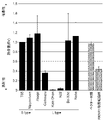
- FIG. 2 shows the results of evaluating the resistance of 77 types of rice cultivars and the RKNR1 transformant strain to Knot-root nematode.
- a lower evaluation value (EV) indicates higher resistance to nematodes.
- “S type” and “L type” shown below the graph indicate cultivars having S-type and L-type RKNR1 genes, respectively. Error bars indicate standard error.
- FIG. 2 shows the results of evaluation of rice cultivars having S-type and L-type RKNR1 genes and RKNR1 transformant strains for their resistance to root-knot nematode. Error bars indicate standard error.
- FIG. 10 is a diagram showing the results of comparing the resistance of T65 and Kalo Dhan to root-knot nematode.
- (A) Shows the results of measuring the attracting activity of the root apex of rice against root-knot nematode. * indicates P ⁇ 0.05 (Student's t-test).
- (B) It is a figure which shows the result of having measured the number of migrated individuals of Meknot nematode nematodes to the root apex of rice.
- FIG. 2 shows giant cells induced in roots by Mesothorium root nematode.
- A Giant cells in T65 7 days after nematode inoculation. Scale bar indicates 100 ⁇ m.
- C Giant cells in Kalo Dhan 7 days after nematode inoculation. Scale bars indicate 100 ⁇ m (left panel) and 50 ⁇ m (right panel).
- FIG. 2 is a diagram showing the results of QTL analysis on the root-knot nematode resistance.
- A It is a figure showing the result that qRKNR1 on chromosome 4 and qRKNR2 on chromosome 6 were found as major QTLs.
- B RIL was classified into four groups based on the genotypes of S4-693908 and S6-25039213 (T65 type or Kalo Dhan type), and RIL evaluation values were plotted for each group.
- FIG. 4 shows the region to which qRKNR1 is mapped on chromosome 4; The root-knot nematode resistance gene was mapped to a 1.3 Mb region between IDK0401 and IDK0405 (region indicated by double arrow). ** indicates P ⁇ 0.01 (Student's t-test). Error bars indicate standard error.
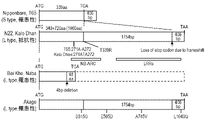
- FIG. 3 shows the structure of the RKNR1 gene in Nipponbare, T65, N22, Kalo Dhan, Bei Khe, Naba, and Akage.
- Plant parasitic nematode control agent 1-1 Overview
- a first aspect of the present invention is a plant parasitic nematode control agent.
- the plant parasitic nematode control agent of the present invention consists of a nematode-resistant RKNR1 polypeptide or a fragment thereof, or comprises a polynucleotide encoding any of these or an expression vector containing the same.
- the plant parasitic nematode control agent of the present invention has a controlling effect on plant parasitic nematodes.
- the term "phytoparasitic nematode” is not particularly limited as long as it is a nematode that can parasitize plants.
- plant parasitic nematodes Root-knot nematode; Meloidogyne, Pratylenchus, and cyst nematodes (Cyst nematodes are known to include six genera: Afenestrata, Cactodera, Dolichodera, Globodera, Heterodera, and Punctodera. are known), Aphelenchoides, and Ditylenchus.
- the plant parasitic nematode to be controlled by the present invention is preferably root-knot nematode.
- Root-knot nematodes parasitize plant roots, take nutrients from the protoplasm of plant cells, and form knobs on plant roots.
- the root-knot nematode larva molts once inside the egg to become a second stage (J2) larva before hatching.
- J2 second stage larva
- the second-stage larva moves through the soil, penetrates into the tissue from near the apex of the root of the plant, settles near the vascular bundle, takes in nutrients, and then molts a second time to become an adult.
- Adults are approximately 0.5-1 mm in length, and female adults excrete an egg sac, in which about 400-1500 eggs are laid.
- Species belonging to Meloidogyne javanica include, for example, Meloidogyne javanica, Meloidogyne incognita (herein often referred to as "Mi"), Meloidogyne hapla, Meloidogyne mali, and Arena Meloidogyne arenaria.
- Species belonging to Negusare nematode include, for example, Pratylenchus penetrans, Pratylenchus coffeae, Pratylenchus neglectus, Pratylenchus crenatus, Pratylenchus vulnus), and Pratylenchus loosi.
- cyst nematode Species belonging to cyst nematode include, for example, potato cyst nematode (Globodera rostochiensis), soybean cyst nematode (Heterodera glycines), and clover cyst nematode (Heterodera trifolii).
- potato cyst nematode Globodera rostochiensis
- soybean cyst nematode Heterodera glycines
- clover cyst nematode Heterodera trifolii
- Nematode nematodes include, for example, Aphelenchoides ritzemabosi, Strawberry nematode (Aphelenchoides fragariae), and Rice nematode (Aphelenchoides besseyi).
- Species belonging to Kuki nematode include, for example, Dithlenchus destructor and Ditylenchus dipsaci.
- the plant is not particularly limited as long as it is a plant species that can be parasitized by plant parasitic nematodes, and may be either an angiosperm or a gymnosperm.
- Angiosperms also include both dicotyledonous and monocotyledonous plants.
- Representative examples include crop plants such as cereals, flowers, vegetables, fruits and the like, which are important agriculturally, particularly in the seedling industry and the floriculture industry.
- species belonging to the Poaceae family e.g., rice, wheat, barley, rye, corn, sugarcane, millet, millet, millet, sorghum, sorghum
- species belonging to the Musaceae family bananas, mussels
- pineapples eg, pineapples
- species belonging to the Brassicaceae family e.g. cabbage, Japanese radish, Chinese cabbage, rapeseed
- species belonging to the legume family e.g. soybean, peanut, pea, kidney bean, adzuki bean, broad bean, sweet pea
- Solanaceae e.g.
- Mandarin, orange, grapefruit, lemon, yuzu species belonging to the family Grape (e.g. grape), species belonging to the family Asteraceae (e.g. lettuce, chrysanthemum, dahlia, margaret, sunflower), dianthus Species belonging to the family (eg, carnation, gypsophila) and species belonging to the family Theaceae (eg, camellia, tea tree) are applicable.
- Grape e.g. grape
- Asteraceae e.g. lettuce, chrysanthemum, dahlia, margaret, sunflower
- dianthus Species belonging to the family eg, carnation, gypsophila
- Theaceae eg, camellia, tea tree
- root-knot nematodes parasitize (infect) more than 2,000 species of plants, and although there are differences in the hosts parasitized by nematode species, Solanaceae, Poaceae, Brassicaceae, Legumes, Cucurbitaceae, Convolvulaceae, It has a wide range of hosts such as Liliaceae, Asteraceae, Chenopodiaceae, Apiaceae, Araceae, Zingiberaceae, Malvaceae, etc. It parasitizes various crops and causes plant diseases.
- Examples of host plant species for root-knot nematode include tomato, green pepper, melon, potato, sweet potato, eggplant, carrot, burdock, spinach, chard, chrysanthemum, allium, ginger, pea, kidney bean, cowpea, and rice.
- Asian rice is classified into two subspecies, Indica and Japonica.
- Japonica is temperate japonica (shown as “Temperate japonica” in Table 1) and tropical japonica (shown as “Tropical japonica” in Table 1). are categorized. Examples of varieties belonging to temperate japonica include Taichung65 (T65), Nipponbare, Kinmaze, Hinohikari, Yukihikari, Aikoku, Kameji ), Kyoutoasahi, Akage, Dianyu1 and the like.
- varieties belonging to tropical japonica include Ma Sho, Khao Nok, Jaguary, Khau Mac Kho, Padi Perak, Rexmont, Senshou, Kahei and the like. Indica can be classified into Indica (indicated as "Indica” in Table 1) and Aus (indicated as “Aus” in Table 1). Indica varieties include, for example, Bei Khe, Naba, Passik Arang, Ryou Suisan Koumai, Jinguoyin, Keiboba, Qingyu, Deng Pao Zhai, Milyang23, Karahoushi, and the like.
- Cultivars belonging to Aus include Kasalath, Jena035, Muha, Jhona2, Nepal8, Jarjan, Kalo Dhan, Anjana Dhan, Shoni, Surjamukhi, ARC7291, ARC5955, ARC7047, ARC11094, Badari Dhan, Nepal555, Kaluheenati, DV85, ARC10313, N22, etc. is mentioned. Also, Nerica is a hybrid between Asian rice and African rice. Cultivars belonging to NERICA include NERICA 1, NERICA 2, NERICA 4, NERICA 6, NERICA L20, NERICA L41, etc. (In Table 1, NERICA-related cultivars including NERICA cultivars are indicated as "NERICA related").
- Hybrids not classified into any of the above groups include Davao1, Asu, IR58, Co13, Vary Futsi, Shwe Nang Gyi, Pinulupot1, Local Basmati, Basilanon, Khau Tan Chiem, Tima1, Tupa729 and the like.
- examples of unclassifiable varieties include Basmati370, IRAT109, LTH, IR24, Kinandang Patong, Silewah, and the like.
- Rice cultivars can be classified into plant-parasitic nematode-susceptible cultivars and plant-parasitic nematode-resistant cultivars.
- evaluation value (Evaluation value; EV) is calculated using the evaluation method described in the examples of the present specification, and the evaluation value is a rice variety with a specific value or more nematode susceptibility breed, the evaluation value is a specific Rice cultivars below the value can be classified as nematode-resistant cultivars.
- phytoarasitic nematode resistance refers to the action of preventing or suppressing host plant damage and/or parasitism (infection) by plant parasitic nematodes.
- Plant resistance to plant parasitic nematodes, such as root-knot nematodes can be tested using methods known to those skilled in the art. For example, a test plant is inoculated with a certain number (eg, 200) of root-knot nematode J2 larvae in its culture soil, and the state of infection is evaluated after a certain period of time (eg, 2 months later). For the evaluation, it is preferable to count the number of knobs in the roots of the plant and/or the number of root-knot nematode egg masses. The number of nodules can be visually counted.
- plant parasitic nematode control refers to the action of preventing or suppressing damage and/or parasitism (infection) of host plants by plant parasitic nematodes.
- RKNR1 ROOT KNOT NEMATODE RESISTANCE 1 gene
- Os04g0112100 gene on the Nipponbare genome associated with resistance to plant parasitic nematodes in rice, the orthologous gene corresponding to the Os04g0112100 gene in any rice variety, An orthologous gene corresponding to the Os04g0112100 gene in any plant species, or a mutant gene derived from either.
- RKNR1 gene includes wild-type and mutant RKNR1 genes derived from any species (referred to as “wild-type RKNR1 gene” and “mutant RKNR1 gene”, respectively), It also includes the L-type RKNR1 gene and the S-type RKNR1 gene, which will be described later.
- RKNR1 gene sequence there may be differences in the RKNR1 gene sequence between rice cultivars.
- the ORF of the RKNR1 gene the presence or absence of a sequence region of 1754 bp extending from the central part of the NB-ARC domain to the vicinity of the C-terminal side of the LRR domain in the RKNR1 amino acid sequence found in Nipponbare and T65 differs between rice cultivars.
- rice RKNR1 genes are classified into S-type RKNR1 genes and L-type RKNR1 genes according to the presence or absence of the 1754 bp region.
- the S-type RKNR1 gene lacks a 1754 bp region compared to the L-type RKNR1 gene (the L-type RKNR1 gene has a 1754 bp region inserted compared to the S-type RKNR1 gene).
- S-type RKNR1 gene examples include the RKNR1 gene of some temperate Japonica varieties (eg, T65, Nipponbare, Kinnanpu, Hinohikari, Yukihikari, Aikoku, Kameji, KyotoAsahi, and Dianyu1).
- base sequences of the S-type RKNR1 gene include SEQ ID NO: 3 (T65) and SEQ ID NO: 4 (Nipponbare).
- L-type RKNR1 genes include the RKNR1 genes of some cultivars belonging to temperate japonica (for example, Akage and Ginbozu), and cultivars belonging to indica, tropical japonica, aus, and nerica.
- base sequences of L-type RKNR1 genes include SEQ ID NO: 2 (N22 and Kalo Dhan), SEQ ID NO: 5 (Naba), SEQ ID NO: 6 (Bei Khe), and SEQ ID NO: 7 (red hair).
- the nucleotide sequences of the RKNR1 gene are 100% identical between N22 and Kalo Dhan, both of which are shown in SEQ ID NO:2.
- RKNR1 polypeptide refers to a polypeptide encoded by the Os04g0112100 gene on the Nipponbare genome (that is, a polypeptide encoded by the RKNR1 gene), which is associated with resistance to plant parasitic nematodes in rice. It refers to orthologs corresponding to it in rice cultivars, orthologs corresponding to it in any plant species, or mutant polypeptides derived from either.
- RKNR1 polypeptide When simply referred to as “RKNR1 polypeptide” in this specification, wild-type and mutant RKNR1 polypeptides derived from any species (referred to as “wild-type RKNR1 polypeptide” and “mutant RKNR1 polypeptide”, respectively) and the L-type RKNR1 polypeptide and S-type RKNR1 polypeptide described below.
- Wild-type RKNR1 polypeptides of rice are classified into S-type RKNR1 polypeptides encoded by S-type RKNR1 genes and L-type RKNR1 polypeptides encoded by L-type RKNR1 genes.
- the L-type RKNR1 polypeptide is an NB-LRR protein with a nucleotide binding domain (NB-ARC domain) and seven leucine-rich repeat (LRR) domains.
- an S-type RKNR1 polypeptide is a polypeptide lacking part of the nucleotide binding domain and most of the LRR domain in the L-type RKNR1 polypeptide.
- the Bei Khe and Naba RKNR1 polypeptides are classified as L-type RKNR1 polypeptides because the 1754 bp region is not deleted in their gene sequences, but they are classified as proteins with a short amino acid length due to the stop codon caused by the frameshift. Become.
- Examples of amino acid sequences of S-type RKNR1 polypeptides include SEQ ID NO: 8 (T65) and SEQ ID NO: 9 (Nipponbare).
- Examples of amino acid sequences of L-form RKNR1 polypeptides include SEQ ID NO: 1 (N22 and Kalo Dhan), SEQ ID NO: 10 (Naba), SEQ ID NO: 11 (Bei Khe), and SEQ ID NO: 12 (red hair).
- the amino acid sequences of the RKNR1 polypeptide are 100% identical between Kalo Dhan and N22, both of which are shown in SEQ ID NO:1.
- the term "whole plant” refers to the entire region that constitutes a living plant.
- the "part” of the plant body refers to a partial region that constitutes a living plant body, specifically an organ (e.g., root, stem, leaf, flower, epidermis, or a combination thereof). , or pollen, egg cells, seeds, etc.), a tissue or part thereof, or a cell consisting of a group of morphologically and/or functionally differentiated cells.
- amino acid identity means that the amino acid sequences of the two polypeptides to be compared are aligned by appropriately inserting gaps in one or both of the amino acid sequences so that the number of matching amino acid residues is maximized. It refers to the ratio (%) of the number of matching amino acid residues to the total number of amino acid residues when (aligned). Alignment of two amino acid sequences for calculating amino acid identity can be performed using known programs such as Blast, FASTA, ClustalW. "Base identity" is similarly calculated.
- substitution (of amino acids) means that among the 20 types of amino acids that make up natural proteins, within a group of conservative amino acids with similar properties such as charge, side chain, polarity, and aromaticity It means replacement.
- uncharged polar amino acids with low polarity side chains Gly, Asn, Gln, Ser, Thr, Cys, Tyr
- branched chain amino acids Leu, Val, Ile
- neutral amino acids Gly, Ile , Val, Leu, Ala, Met, Pro
- neutral amino acids with hydrophilic side chains Asn, Gln, Thr, Ser, Tyr, Cys
- acidic amino acids Asp, Glu
- basic amino acids Arg, Lys, His
- substitutions within the group of aromatic amino acids Phe, Tyr, Trp.
- Amino acid substitutions within these groups are preferred because they are known to be less likely to cause changes in the properties of the polypeptide.
- stringent conditions means conditions under which non-specific hybrids are less likely to form.
- highly stringent conditions refers to conditions under which non-specific hybrids are less likely to be formed or are not formed.
- the conditions for washing after hybridization are, for example, washing at 50° C.-70° C., 55° C.-68° C., or 65° C.-68° C. with 0.1 ⁇ SSC and 0.1% SDS.
- the stringency of hybridization can be increased by appropriately combining other conditions such as probe concentration, probe base length, and hybridization time.
- the plant parasitic nematode control agent of the present invention comprises, as an active ingredient, (1) a plant parasitic nematode-resistant RKNR1 polypeptide or a fragment thereof, or (2) a plant parasitic nematode-resistant RKNR1 polypeptide or or (3) an expression vector comprising a polynucleotide encoding a plant parasitic nematode resistant RKNR1 polypeptide or a fragment thereof.
- the plant parasitic nematode control agent of the present invention comprises a plant parasitic nematode-resistant RKNR1 polypeptide or a fragment thereof. or contain it.
- the term "phytoparasitic nematode-resistant RKNR1 polypeptide” refers to a RKNR1 polypeptide that confers resistance to a host plant against plant parasitic nematode and/or enhances the host plant's resistance to plant parasitic nematode.
- a polypeptide which is a wild-type or mutant RKNR1 polypeptide derived from a plant parasitic nematode-resistant plant.
- Wild-type RKNR1 polypeptides resistant to plant parasitic nematodes include L-type RKNR1 polypeptides other than Bei Khe, Naba, and Akage RKNR1 polypeptides.
- L-type RKNR1 polypeptides other than the Bei Khe, Naba, and Akage RKNR1 polypeptides include the N22 wild-type RKNR1 polypeptide shown in SEQ ID NO: 1, the Kalo Dhan wild-type RKNR1 shown in SEQ ID NO: 1 Polypeptides and their wild-type RKNR1 orthologs of other rice cultivars or other plant species.
- RKNR1 polypeptide wild-type RKNR1 polypeptide of Senshou, wild-type RKNR1 polypeptide of Kahei, wild-type RKNR1 polypeptide of Passik Arang, wild-type RKNR1 polypeptide of Ryou Suisan Koumai, wild-type RKNR1 polypeptide of Jinguoyin, wild-type RKNR1 polypeptide of Keiboba wild-type RKNR1 polypeptide, wild-type RKNR1 polypeptide of Qingyu, wild-type RKNR1 polypeptide of Deng Pao Zhai, wild-type RKNR1 polypeptide of Milyang23, wild-type RKNR1 polypeptide of Karahoushi, wild-type RKNR1 polypeptide of Kasalath, wild-type RKNR1 polypeptide of Jena035 Wild-type RKNR1 polypeptide, Muha wild-type RKNR1 polypeptide, Jhona2 wild-type RKNR1 polypeptide
- one or more amino acids are deleted, substituted, or added in the amino acid sequence of any of the above plant parasitic nematode-resistant wild-type RKNR1 polypeptides.
- the plant parasitic nematode-resistant mutant RKNR1 polypeptide has 50% or more, 60% or more, 70% or more, 80% or more, or 90% or more activity of the plant parasitic nematode-resistant wild-type RKNR1 polypeptide, Or those having an activity equal to or higher than that are preferred.
- the plant parasitic nematode-resistant mutant RKNR1 polypeptide has an amino acid residue (e.g., Asp) other than Gly at position 315 in the amino acid sequence shown in SEQ ID NO: 12, and the amino acid sequence shown in SEQ ID NO: 12 is an amino acid residue other than Asp (e.g., Glu), and position 745 in the amino acid sequence shown in SEQ ID NO: 12 is an amino acid residue other than Val (e.g., Ala), and/or the amino acid shown in SEQ ID NO: 12 Position 1040 in the sequence is an amino acid residue other than Gln (eg Leu).
- the plant parasitic nematode-resistant mutant RKNR1 polypeptide preferably has an amino acid residue other than Gln (eg, Leu) at position 1040 in the amino acid sequence shown in SEQ ID NO:12.
- the plant parasitic nematode-resistant RKNR1 polypeptide has (a) an amino acid sequence represented by SEQ ID NO: 1, (b) deletion or substitution of one or more amino acids in the amino acid sequence represented by SEQ ID NO: 1. or an added amino acid sequence, or (c) an amino acid sequence having 90% or more identity with the amino acid sequence shown in SEQ ID NO: 1, or a fragment thereof.
- fragment of the plant parasitic nematode-resistant RKNR1 polypeptide refers to the above plant parasitic nematode-resistant RKNR1 polypeptide that confers resistance to plant parasitic nematode to the host plant, and / or a fragment having activity to enhance the resistance of host plants to plant parasitic nematode, for example, 50% or more, 60% or more, 70% or more, 80% or more of the activity of the plant parasitic nematode-resistant RKNR1 polypeptide, Alternatively, it refers to a fragment having an activity of 90% or more, or an activity equivalent to or greater than that.
- a polypeptide fragment comprising the LRR domain in the plant parasitic nematode-resistant RKNR1 polypeptide.
- the amino acid length of the polypeptide constituting this fragment is not particularly limited, but for example, in the plant parasitic nematode-resistant RKNR1 polypeptide, Any contiguous region of 500, 550, 600, 650, 700, 750, 800, 850, 900, 950, or 1000 amino acids is acceptable.
- the plant parasitic nematode control agent of the present invention is a plant parasitic nematode-resistant RKNR1 polypeptide or a fragment thereof. comprising or consisting of a polynucleotide encoding a
- the polynucleotide of the present invention encodes the plant parasitic nematode-resistant RKNR1 polypeptide or a fragment thereof.
- the nucleotide sequence of the polynucleotide of the present invention is not particularly limited as long as it is a polynucleotide encoding a plant parasitic nematode-resistant RKNR1 polypeptide or a fragment thereof.
- a polynucleotide encoding a N22 wild-type RKNR1 polypeptide consisting of the amino acid sequence shown in SEQ ID NO: 1 e.g., a polynucleotide of the N22 wild-type RKNR1 gene consisting of the base sequence shown in SEQ ID NO: 2
- a polynucleotide encoding a Kalo Dhan RKNR1 polypeptide consisting of the amino acid sequence shown in SEQ ID NO: 1 for example, a Kalo Dhan wild-type RKNR1 gene consisting of a base sequence shown in SEQ ID NO: 2.
- the polynucleotide of the present invention has (a) the base sequence shown in SEQ ID NO: 2, and (b) one or more bases deleted, substituted or added in the base sequence shown in SEQ ID NO: 2. Sequence, (c) 60% or more, 65% or more, 70% or more, 75% or more, 80% or more, 82% or more, 85% or more, 87% or more, 90% or more, 91 with the base sequence shown in SEQ ID NO: 2 % or higher, 92% or higher, 93% or higher, 94% or higher, 95% or higher, 96% or higher, 97% or higher, 98% or higher, or 99% or higher, or (d) SEQ ID NO: 2 A base sequence that hybridizes under highly stringent conditions with a base sequence that is complementary to the base sequence shown in .
- the base sequence of the polynucleotide of the present invention may be a base sequence codon-optimized according to the codon usage frequency in the cell into which the polynucleotide is introduced.
- Polynucleotides of the present invention may be DNA or RNA such as mRNA.
- its nucleotide sequence may be mRNA containing, as a coding region, a nucleotide sequence obtained by substituting uracil (U) for thymine (T) in any of the nucleotide sequences exemplified above. can.
- the mRNA corresponding to the polynucleotide of the present invention has a 5'-terminal cap structure, a 3'-terminal poly A chain, a 5' untranslated region (5'UTR) upstream of the initiation codon, and/or Alternatively, it may include a 3' untranslated region (3' UTR) downstream of the stop codon, and the like.
- the 5'UTR and/or 3'UTR and the like may contain sequences for regulating the amount of translation from mRNA.
- the plant parasitic nematode control agent of the present invention comprises a plant parasitic nematode-resistant RKNR1 polypeptide It comprises or consists of an expression vector containing a polynucleotide encoding a peptide or fragment thereof.
- the expression vector of the present invention contains a polynucleotide encoding the plant parasitic nematode-resistant RKNR1 polypeptide of the present invention or a fragment thereof in an expressible state.
- state capable of expression refers to placing a gene to be expressed in the downstream region of the promoter under the control of the promoter.
- the expression vector of the present invention comprises, as essential components, a promoter and the polynucleotide described in "(2) Polynucleotide encoding a plant parasitic nematode-resistant RKNR1 polypeptide or fragment thereof".
- Vectors that can be used as the expression vectors of the present invention are, for example, expression vectors using plasmids or viruses.
- expression vector includes recombinant vectors.
- Plasmid expression vectors include, but are not limited to, pPZP system, pSMA system, pUC system, pBR system, pBluescript system (Agilent Technologies Co.), pTriEXTM series (TaKaRa), or pBI, pRI or pGW binary vectors can be used.
- viruses In the case of expression vectors using viruses (hereinafter often referred to as "viral expression vectors"), cauliflower mosaic virus (CaMV), kidney bean golden mosaic virus (BGMV), tobacco mosaic virus (TMV), etc. are used as viruses. can do.
- CaMV cauliflower mosaic virus
- BGMV kidney bean golden mosaic virus
- TMV tobacco mosaic virus
- an expression vector suitable for the Agrobacterium method such as a binary vector or a modified vector thereof can also be used.
- expression vectors include pBI121, pBIN19, pSMAB704, pCAMBIA, pGreen and the like.
- promoters such as overexpression promoters, constitutive promoters, site-specific promoters, time-specific promoters, and/or inducible promoters
- promoters can be used as promoters.
- Specific examples of overexpressed constitutive promoters that can operate in plant cells include the 35S promoter derived from cauliflower mosaic virus (CaMV), the promoter Pnos of the nopaline synthase gene derived from Ti plasmid, the ubiquitin promoter derived from maize, and the ubiquitin promoter derived from rice. actin promoter, tobacco-derived PR protein promoter, and the like.
- Ribulose bisphosphate carboxylase small subunit (Rubisco ssu) promoters of various plant species, or histone promoters can also be used.
- inducible promoters include heat shock promoters that can be controlled by temperature, and inducible promoters such as tetracycline-responsive promoters that can be controlled by the presence or absence of tetracycline.
- the expression vector contains a terminator, enhancer, poly A addition signal, 5'-UTR (untranslated region) sequence, intron sequence, ribosome binding sequence, marker or selectable marker gene, multiple cloning site, nuclease recognition sequence, and/or replication initiation. It can also include points and the like. Each type is not particularly limited as long as it can exhibit its function in host cells. Those known in the art may be appropriately selected depending on the plant cell or plant host to be introduced.
- Terminators are, for example, nopaline synthase (NOS) gene terminator, octopine synthase (OCS) gene terminator, CaMV 35S terminator, E. coli lipopolyprotein lpp 3′ terminator, trp operon terminator, amyB terminator, ADH1 gene terminator. etc. There is no particular limitation as long as the sequence is capable of terminating the transcription of the gene transcribed by the promoter.
- NOS nopaline synthase
- OCS octopine synthase
- Enhancers include, for example, enhancer regions containing upstream sequences within the CaMV 35S promoter. There is no particular limitation as long as it can enhance the expression efficiency of the nucleic acid encoding the active peptide.
- nuclease recognition sequences include restriction enzyme recognition sequences, loxP sequences recognized by Cre recombinase, sequences targeted by artificial nucleases such as ZFNs and TALENs, and sequences targeted by the CRISPR/Cas9 system.
- the replication origin sequence is exemplified by the SV40 replication origin sequence.
- Selection marker genes include drug resistance genes (e.g., tetracycline resistance gene, ampicillin resistance gene, kanamycin resistance gene, hygromycin resistance gene, spectinomycin resistance gene, chloramphenicol resistance gene, dihydrofolate reductase gene, neomycin resistance gene), fluorescent or luminescent reporter genes (e.g., luciferase, ⁇ -galactosidase, ⁇ -glucuronidase (GUS), or green fluorescence protein (GFP)), neomycin phosphotransferase II (NPT II), dihydrofolate reductase, etc. Enzyme genes are included.
- drug resistance genes e.g., tetracycline resistance gene, ampicillin resistance gene, kanamycin resistance gene, hygromycin resistance gene, spectinomycin resistance gene, chloramphenicol resistance gene, dihydrofolate reductase gene, neomycin resistance gene
- fluorescent or luminescent reporter genes
- the selectable marker gene that the expression vector of the present invention can contain is a selectable marker gene that can select cells into which the expression vector of the present invention has been introduced.
- selectable marker genes include drug resistance genes such as ampicillin resistance gene, kanamycin resistance gene, tetracycline resistance gene, chloramphenicol resistance gene, neomycin resistance gene, puromycin resistance gene, and hygromycin resistance gene. be done.
- a reporter gene that can be included in the expression vector of the present invention is a gene that encodes a reporter capable of identifying cells into which the expression vector of the present invention has been introduced.
- reporter genes include genes encoding fluorescent proteins such as GFP and RFP, and luciferase genes.
- the plant parasitic nematode control agent of the present invention may be composed only of the active ingredients described in "1-3-1. Active ingredients", but may contain other ingredients as necessary. can.
- the plant parasitic nematode control agent of the present invention may contain an agriculturally acceptable carrier.
- an agriculturally acceptable carrier refers to a substance that does not substantially affect the activity of the plant parasitic nematode control agent of the present invention, and even if it is applied to plant cultivation, soil and water quality, etc. Substances that have no or little harmful effect on the environment, or no or little harmfulness to animals, especially humans. Examples include solvents, adjuvants, excipients, emulsifiers, dispersants, surfactants and the like.
- the plant parasitic nematode control agent of the present invention contains other pharmacologically active ingredients, such as nematodes, herbicides, fertilizers (e.g., urea, ammonium nitrate, superphosphate), as long as they do not affect the activity of the active ingredient. ) can also be included.
- pharmacologically active ingredients such as nematodes, herbicides, fertilizers (e.g., urea, ammonium nitrate, superphosphate), as long as they do not affect the activity of the active ingredient. ) can also be included.
- the dosage form of the plant parasitic nematode control agent of the present invention may be in any state as long as it can enter the plant body to which the plant parasitic nematode control agent of the present invention is applied. It can be a liquid agent in a liquid state or a solid agent in a solid state. Liquid formulations include solutions, oily dispersions, emulsions and suspensions in which the active ingredient is suspended in a suitable solution. In the case of solid formulations, there are no particular restrictions as long as the active ingredients can act on the plants to which they are applied. Examples include powders, powders, pastes, and gels.
- the plant parasitic nematode control agent of the present invention can impart resistance to plant parasitic nematodes to plants susceptible to plant parasitic nematodes.
- resistance to plant parasitic nematodes can be enhanced in plants resistant to plant parasitic nematodes.
- the nematode attracting activity in the plant to which this agent is applied the migration of nematodes into the roots, the formation of nodules, the maturation of nematodes, the growth of nematodes in the roots, and / or the host It can suppress the induction of giant cells in plants.
- a second aspect of the present invention is a plant transformant or its progeny that is resistant to plant parasitic nematodes.
- the plant transformant or its progeny of the present invention contains the polynucleotide or expression vector according to the first aspect, and has resistance to plant parasitic nematodes such as root-knot nematodes.
- nematode attracting activity, migration of nematodes into roots, knob formation, knob maturation, growth of nematodes in roots, and/or induction of giant cells in host plants is suppressed. It is resistant to plant parasitic nematodes.
- Plant transformant refers to a plant host genetically modified to acquire resistance to plant parasitic nematodes.
- the plant transformant of the present invention comprises a polynucleotide encoding the plant parasitic nematode-resistant RKNR1 polypeptide or fragment thereof according to the first aspect, or an expression vector containing the polynucleotide.
- the host plant species transformed in the present invention is not limited.
- the host plant may be a monocotyledonous plant or a dicotyledonous plant, but a monocotyledonous plant is particularly preferred.
- species belonging to the family Poaceae e.g., rice, wheat, barley, rye, corn, sugarcane, foxtail millet, millet, barnyard millet, sorghum, sorghum
- species belonging to the Musaceae family e.g., banana, Japanese mustard
- species belonging to Amaryllidaceae for example, green onion, onion, garlic, and Chinese chive
- Pineraceae for example, pineapple.
- the host plant is a plant species susceptible to plant parasitic nematodes or a plant species with weak resistance to plant parasitic nematodes (e.g., rice cultivars with S-type RKNR1 gene, or plant species without L-type RKNR1 gene). ) is preferred.
- the plant transformants of the present invention include clones having the same genetic information.
- Part of a plant body collected from the first generation of plant transformants for example, plant tissues such as epidermis, phloem, parenchyma, xylem or vascular tissue, plants such as leaves, petals, stems, roots or seeds
- plant tissues such as epidermis, phloem, parenchyma, xylem or vascular tissue
- plants such as leaves, petals, stems, roots or seeds
- Clones obtained from organs or plant cells by plant tissue culture methods, cuttings, grafting or grafting, or nutrients obtained by asexual reproduction from the first generation of plant transformants such as rhizomes, tubers, corms, runners, etc.
- the plant transformants of the present invention also include new clones newly generated from reproductive organs, somatic embryos induced by dedifferentiation treatment from the first generation of plant transformants or clones derived therefrom.
- the plant transformant of the present invention may be a genetic recombinant.
- progeny refers to the sexually reproduced progeny of the first generation of the plant transformant, which is a polynucleotide encoding a plant parasitic nematode-resistant RKNR1 polypeptide or a fragment thereof; Alternatively, it means a host plant that retains an expression vector containing the polynucleotide and has resistance to plant parasitic nematodes. It doesn't matter to future generations.
- a third aspect of the present invention relates to a method for producing a plant transformant having resistance to plant parasitic nematodes. According to the production method of the present invention, resistant plant transformants can be produced from plants susceptible to plant parasitic nematodes.
- the method of the present invention for producing a plant transformant having resistance to plant parasitic nematodes includes an introduction step and a selection step as essential steps. Each step will be specifically described below.
- the “introduction step” is a step of introducing an expression vector containing a polynucleotide encoding a plant parasitic nematode-resistant RKNR1 polypeptide or a fragment thereof into a host plant.
- the construction of the expression vector introduced in this step conforms to the description of "(3) Expression vector containing a polynucleotide encoding a plant parasitic nematode-resistant RKNR1 polypeptide or a fragment thereof" of the first aspect.
- the introduced polynucleotide may be integrated into the host's genomic DNA, or may exist in the state of the introduced polynucleotide (eg, contained in a foreign vector). Furthermore, the introduced polynucleotide may continue to be maintained within the host cell, such as when integrated into the host's genomic DNA, or may be transiently retained.
- an appropriate Agrobacterium for example, Agro
- the strain may be introduced into Agrobacterium tumefaciens by electroporation or the like, and the strain may be inoculated into plant cells, callus, cotyledon sections, or the like for infection.
- Suitable Agrobacterium strains include, but are not limited to, GV3101, C58, C58C1Rif(R), EHA101, EHA105, AGL1, and LBA4404 strains.
- a section such as a plant leaf may be used, or a protoplast may be prepared and used (Christou P, et al., Bio/Technology (1991) 9: 957-962 ).
- a gene introduction device eg, PDS-1000 (BIO-RAD), etc.
- PDS-1000 BIO-RAD
- metal particles coated with the expression vector or DNA construct of the present invention are placed in this way. It can be introduced into plant cells and transformed plant cells can be obtained.
- the operating conditions are usually a pressure of about 450-2000 psi and a distance of about 4-12 cm.
- the “selection step” is a step of selecting plants into which the expression vector has been introduced.
- This step may be performed by a method known in the art after introducing the expression vector into the host by the method described above.
- transformants can be selected using the activity of a protein encoded by a selectable marker gene or reporter gene in an expression vector.
- plant cells, cotyledon sections, etc. into which the expression vector or polynucleotide of the present invention has been introduced are cultured in a selective medium according to the plant tissue culture method, and surviving callus is transferred to a regeneration medium (appropriate concentration of plant hormones ( auxin, cytokinin, gibberellin, abscisic acid, ethylene, brassinolide, etc.), the transformed plant can be regenerated. Transformants can be selected in this way.
- Example 1 Examination of resistance of various rice cultivars to Knot nematode nematode> (Purpose) Various rice cultivars are examined for their resistance to root-knot nematode (Mi).
- Mi resistance evaluation method The evaluation of Mi resistance was reported by the present inventor (Sunohara, H., Kaida, S., and Sawa, S., 2020, Plant Biotechnol., 37, 343-347). was performed according to the method described in .
- rice seeds were soaked in a sterilization solution (a 1000-fold diluted solution of kitchen bleach manufactured by Kao Corporation) at 26°C for 3 days (water absorption period) to kill mold and fungi and induce germination.
- a sterilization solution a 1000-fold diluted solution of kitchen bleach manufactured by Kao Corporation
- Germinated seeds were sown in paper pouches (CYG Seed Germination Pouch, Mega International, USA) at 2 per pouch.
- Pouches with germinated seeds were placed in the dark at 26°C for 3 days.
- 10 pouches were sandwiched between wooden boards and fixed with spring clamps, and grown for 8 days under 12 hours of light (26°C)/12 hours of darkness (24°C).
- the purpose of sandwiching between wooden boards is to remove excess water from the paper pouch, as the efficiency of nematode infection decreases when there is a lot of moisture.
- 14 days after water absorption 2 mL of a solution containing 400 J2-stage Nematode nematodes per mL (800 individuals in total) was added along the roots (nematode inoculation).
- the pouches sandwiched between wooden boards were placed horizontally in a dark place for 3 days, then stood upright in the dark for 12 hours at 28°C and 12 hours at 26°C.
- water-saving conditions were maintained during the growth period, and each plant was treated once a week (7, 14, 21, 28 days after inoculation). : 45-49.) was added.
- the number of egg masses was measured 48 days after water absorption (34 days after inoculation).
- the entire root system was stained by soaking in 50 ng/ ⁇ L eriogloucine for at least 15 minutes and the number of blue-stained egg masses was determined.
- the root system was placed in an incubator at 50° C. for at least 5 days, and weighed after complete removal of water within the roots.
- the number of egg masses per unit dry root weight was calculated from the obtained dry root weight and the number of egg masses.
- the evaluation value (EV) for each variety was standardized using the T65 value as the reference value.
- Rice cultivars with an obtained evaluation value of 0.6 or more were classified as Mi-susceptible cultivars, and rice cultivars with an evaluation value of less than 0.6 as Mi-resistant cultivars.
- Example 2 Comparison between T65 and Kalo Dhan> (Purpose) A comparison is made between the japonica cultivar T65 and the indica cultivar Kalo Dhan for resistance to root-knot nematode (Mi).
- Nematode attracting activity T65 and Kalo Dhan were examined for nematode attracting activity to the root apex.
- Nematode attractant activity was measured using the Pluronic F-127-based matrix described previously (Wang, C., Lower, S., and Williamson, VM, 2009, Nematology, 11:453-464), using the following went by the way 20,000 J2 larval-stage Mi in a 60 mm dish were mixed in 3.5 mL medium (1.5 mL ddH 2 O, 2 mL 50% [w/v] Pluronic F-127 [Sigma P2443]) at 4 °C. After that, the medium was allowed to solidify.
- Nodule Width In the same manner as in (2) above, Mi was directly inoculated into the root apex of rice, and the nodule width at the root of T65 and Kalo Dhan was measured.
- the width of the nodule was evaluated by measuring the width of the root of the non-nodule region and the width of the nodule region 28 days after inoculation with Mi (Fig. 3C, left), and calculating the ratio as the relative width of the nodule. The results are shown on the right side of FIG. 3C.
- the relative nodule widths in T65 and Kalo Dhan were 2.86 ⁇ 0.07 and 1.44 ⁇ 0.04, respectively, indicating that Kalo Dhan has resistance even during the process of maturation of the nodule.
- the number of nodules formed in T65 and Kalo Dhan was 301 and 46, respectively, and the number of nodules formed in Kalo Dhan was smaller than that in T65.
- Fig. 4 shows giant cells in the roots of T65 and Kalo Dhan.
- the Kalo Dhan nodules giant cell enlargement was greatly suppressed compared to the T65 nodules.
- Kalo Dhan's nodule cell division was suppressed in surrounding cells.
- Kalo Dhan has stronger nematode attracting activity, migration of nematodes to the root, initiation of nodule formation, nodule maturation, growth of nematodes in the root, and induction of giant cells. shown to be suppressed.
- Example 3 Mapping and identification of Mi resistance gene> (Purpose) Identify the Mi resistance gene by QTL analysis and positional cloning. (Method and result) (1) Analysis of RIL We created 128 recombinant inbred lines (RIL) with T65 and Kalo Dhan as mating parents, and performed QTL (quantitative trait locus) analysis using 2,144 SNPs. gone. As a result, two major QTLs were found on chromosomes 4 and 6, designated qRKNR1 (qROOT KNOT NEMATODE RESISTANCE 1) and qRKNR2, respectively (Fig. 5A). The contribution of qRKNR1 and qRKNR2 was 29.84% and 14.47%, respectively.
- RIL is classified into four groups based on the genotype (T65 type or Kalo Dhan type) of each of S4-693908 and S6-25039213, the markers closest to the peaks on chromosomes 4 and 6. (Fig. 5B).
- S4-693908 is Kalo Dhan type and S6-25039213 is T65 type group
- S4-693908 is T65 type
- S6-25039213 is Kalo Dhan type
- the evaluation value is lower than the group, Mi resistance was found to be high. This result indicated that qRKNR1 had the strongest effect on Mi resistance and prompted further mapping of qRKNR1.
- the RKNR1 alleles at N22 and Kalo Dhan have a 3-base insertion (N22 in FIG. 7, Kalo Dhan).
- Nipponbare/T65 is a Thr residue
- N22 and Kalo Dhan are Thr residues. It was an Arg residue (Fig. 7).
- the Nipponbare/T65 genome lacks 1754 bp from the central part of the NB-ARC domain to near the C-terminal side of the LRR domain in the RKNR1 amino acid sequence compared to N22 and Kalo Dhan.
- Example 4 Determination of RKNR1 gene structure in various rice cultivars> (Purpose) Regarding the rice cultivars evaluated in Example 1, the structure of the RKNR1 gene is determined, and the relationship with Mi resistance is examined.
- Example 1 The various rice cultivars evaluated in Example 1 are examined for the presence or absence of the 1754 bp deletion in the RKNR1 amino acid sequence found in Nipponbare/T65, and the RKNR1 gene is classified into L-type or S-type. The results of classifying the RKNR1 gene of each rice cultivar into L-type or S-type are shown at the bottom of FIG.
- the RKNR1 gene sequence was determined by sequencing in Akage, Bei Khe, and Naba.
- Bei Khe and Naba had a 4-nucleotide deletion before the NB-ARC domain, and a stop codon was generated in the middle of the ORF due to a frameshift (Bei Khe, Naba in FIG. 7).
- the RKNR1 gene sequence of red hair contains a SNP (L1040Q in Akage in FIG. 7) in which the amino acid at position 1040 in the LRR domain of N22 is substituted from Leu to Glu. In red hair, this SNP was thought to change the function of the LRR domain.
- Example 5 Effect of introduction of Kalo Dhan-type RKNR1 gene on Mi-resistant trait> (Purpose) A transformant strain in which the genomic region containing the RKNR1 gene of Kalo Dhan was introduced into Nipponbare will be prepared, and whether Mi resistance will be obtained or not will be verified.
- the RKNR1 upstream sequence (region 1) from ⁇ 3060 to ⁇ 1307 bp in the Os04g0112100 gene was subjected to a primer set of attB1-OsMi4c1p-F (SEQ ID NO: 13) and attB2-OsMi4c1p-M3Fr (SEQ ID NO: 14), and PrimeSTAR Max DNA Polymerase (TaKaRa). was PCR amplified from the wild-type Kalo Dhan genome using . PCR was then performed using PrimeSTAR Max with attB1 and attB2 primers and the PCR product was cloned into pDONR221 vector using BP clonase II (Thermo Fisher scientific).
- the RKNR1 coding sequence was PCR amplified from the Kalo Dhan genome using the attB1-OsMi4c1-cDNA-F (SEQ ID NO: 17) and attB2-OsMi4c1-cDNA-R (SEQ ID NO: 18) primer sets and PrimeSTAR Max. PCR was then performed using PrimeSTAR Max with attB1 and attB2 primers and the PCR product was cloned into the pDONR221 vector using BP clonase II.
- the RKNR1 3' sequence (3007 bp) was PCR amplified from the Kalo Dhan genome using the attB1-OsMi4c1t-F (SEQ ID NO: 19) and attB2-OsMi4c1t-R (SEQ ID NO: 20) primer sets and PrimeSTAR Max. PCR was then performed using PrimeSTAR Max with attB1 and attB2 primers and the PCR product was cloned into the pDONR221 vector using BP clonase II.
- region 2 fragment was extracted using OsMi4c1p-M3F (SEQ ID NO: 21) and OsMi4c1p-r5-r (SEQ ID NO: 23) primer sets and KOD One PCR Master Mix -Blue- (TOYOBO). PCR amplified.
- a region 3 fragment was PCR amplified from a vector containing region 3 using the OsMi4C1_r5 (SEQ ID NO: 24) and OsMi4c1-IF-ATG-pro-R (SEQ ID NO: 25) primer set and PrimeSTAR Max.
- the RKNR1 coding region was PCR amplified from a vector containing the RKNR1 coding region using the OsMi4c1-ATG-F (SEQ ID NO:26) and OsMi4C1-TAA-R (SEQ ID NO:27) primer sets and PrimeSTAR Max.
- OsMi4c1-IF-TAA-Ter-F SEQ ID NO: 28
- pUC19-IF-M13R SEQ ID NO: 30
- primer sets and PrimeSTAR Max were used with the Gateway attL2 sequence.
- the RKNR1 3' sequence was PCR amplified. The above five PCR products were incorporated into the pUC19 Linearized vector using NEBuilder. Entry clones of the RKNR1 genomic sequence were transferred into the pGWB1 vector (Nakagawa T., et al., 2007, J. Biosci. Bioeng. 104:34-41) using LR clonase II (Thermo Fisher scientific). The sequences of the primers used in this example are shown in Table 2 below.
- the binary vector was introduced into Agrobacterium tumefaciens strain EHA105 by electroporation. Transformation of rice was performed according to the method described in the literature (Toki S., et al, Plant J. 47:969-976). Specifically, Nipponbare seeds were placed on 2N6 at 28° C. for 7 days, immersed in an Agrobacterium suspension for several minutes, and then transferred onto 2N6-AS medium. After co-culturing for 3 days in the dark at 2° C., the seeds were washed with sterilized water containing 25 mg/L meropenem (Wako) to remove Agrobacterium. Thereafter, the plantlets were cultured in N6D medium containing 50 mg/L hygromycin at 32°C under continuous light for 2 weeks, followed by regeneration and collection of plantlets. A Mi resistance test was performed using the obtained transformants.
Landscapes
- Life Sciences & Earth Sciences (AREA)
- Health & Medical Sciences (AREA)
- Environmental Sciences (AREA)
- General Health & Medical Sciences (AREA)
- Chemical & Material Sciences (AREA)
- Botany (AREA)
- Engineering & Computer Science (AREA)
- Developmental Biology & Embryology (AREA)
- Natural Medicines & Medicinal Plants (AREA)
- Plant Pathology (AREA)
- Wood Science & Technology (AREA)
- Organic Chemistry (AREA)
- Genetics & Genomics (AREA)
- Zoology (AREA)
- Physiology (AREA)
- General Chemical & Material Sciences (AREA)
- Gastroenterology & Hepatology (AREA)
- Mycology (AREA)
- Microbiology (AREA)
- Chemical Kinetics & Catalysis (AREA)
- Agronomy & Crop Science (AREA)
- Pest Control & Pesticides (AREA)
- Dentistry (AREA)
- Biochemistry (AREA)
- Biophysics (AREA)
- Medicinal Chemistry (AREA)
- Molecular Biology (AREA)
- Proteomics, Peptides & Aminoacids (AREA)
- Biotechnology (AREA)
- Breeding Of Plants And Reproduction By Means Of Culturing (AREA)
Priority Applications (1)
| Application Number | Priority Date | Filing Date | Title |
|---|---|---|---|
| JP2023500938A JP7742993B2 (ja) | 2021-02-19 | 2022-02-18 | 植物寄生性センチュウ防除剤 |
Applications Claiming Priority (2)
| Application Number | Priority Date | Filing Date | Title |
|---|---|---|---|
| JP2021-024793 | 2021-02-19 | ||
| JP2021024793 | 2021-02-19 |
Publications (1)
| Publication Number | Publication Date |
|---|---|
| WO2022176971A1 true WO2022176971A1 (ja) | 2022-08-25 |
Family
ID=82930647
Family Applications (1)
| Application Number | Title | Priority Date | Filing Date |
|---|---|---|---|
| PCT/JP2022/006530 Ceased WO2022176971A1 (ja) | 2021-02-19 | 2022-02-18 | 植物寄生性センチュウ防除剤 |
Country Status (2)
| Country | Link |
|---|---|
| JP (1) | JP7742993B2 (https=) |
| WO (1) | WO2022176971A1 (https=) |
Cited By (1)
| Publication number | Priority date | Publication date | Assignee | Title |
|---|---|---|---|---|
| WO2024257777A1 (ja) | 2023-06-13 | 2024-12-19 | 国立大学法人 熊本大学 | 植物寄生性センチュウ防除剤 |
Citations (2)
| Publication number | Priority date | Publication date | Assignee | Title |
|---|---|---|---|---|
| JP2001500006A (ja) * | 1996-08-09 | 2001-01-09 | ケイヘーネ・エヌ・ブイ | 線虫及び/又はアリマキに対する耐性 |
| JP2006507840A (ja) * | 2002-09-09 | 2006-03-09 | ザ オハイオ ステート ユニバーシティー | 広範なスペクトルの抵抗性の遺伝子Pi2のクローニングおよび特徴付け |
-
2022
- 2022-02-18 WO PCT/JP2022/006530 patent/WO2022176971A1/ja not_active Ceased
- 2022-02-18 JP JP2023500938A patent/JP7742993B2/ja active Active
Patent Citations (2)
| Publication number | Priority date | Publication date | Assignee | Title |
|---|---|---|---|---|
| JP2001500006A (ja) * | 1996-08-09 | 2001-01-09 | ケイヘーネ・エヌ・ブイ | 線虫及び/又はアリマキに対する耐性 |
| JP2006507840A (ja) * | 2002-09-09 | 2006-03-09 | ザ オハイオ ステート ユニバーシティー | 広範なスペクトルの抵抗性の遺伝子Pi2のクローニングおよび特徴付け |
Non-Patent Citations (5)
| Title |
|---|
| DASH MANORANJAN; SOMVANSHI VISHAL SINGH; BUDHWAR ROLI; GODWIN JEFFREY; SHUKLA ROHIT N.; RAO UMA: "A rice root-knot nematode Meloidogyne graminicola-resistant mutant rice line shows early expression of plant-defence genes", PLANTA, SPRINGER BERLIN HEIDELBERG, BERLIN/HEIDELBERG, vol. 253, no. 5, 17 April 2021 (2021-04-17), Berlin/Heidelberg, XP037426997, ISSN: 0032-0935, DOI: 10.1007/s00425-021-03625-0 * |
| DATABASE UNIPROT 12 August 2020 (2020-08-12), ANONYMOUS: "A2XPP2 · A2XPP2_ORYSINB-ARC domain-containing protein · Oryza sativa subsp. indica (Rice) · Gene: OsI_14606 · 1059 amino acids · Predicted", XP009539135, retrieved from UNIPROT Database accession no. A2XPP2 * |
| DATABASE UNIPROT 27 May 2015 (2015-05-27), ANONYMOUS: "A0A0E0IQK0 - RecName: Full=NB-ARC domain-containing protein {ECO:0000259|Pfam:PF00931}", XP009539128, retrieved from UNIPROT Database accession no. A0A0E0IQK0 * |
| DATABASE UNIPROT 29 April 2015 (2015-04-29), ANONYMOUS: "A0A0D3FRY9 - RecName: Full=NB-ARC domain-containing protein {ECO:0000259|Pfam:PF00931}", XP009539126, retrieved from UNIPROT Database accession no. A0A0D3FRY9 * |
| G. VAN OOIJEN, MAYR G., KASIEM M. M. A., ALBRECHT M., CORNELISSEN B. J. C., TAKKEN F. L. W.: "Structure-function analysis of the NB-ARC domain of plant disease resistance proteins", JOURNAL OF EXPERIMENTAL BOTANY, OXFORD UNIVERSITY PRESS ¬ETC.|, vol. 59, no. 6, pages 1383 - 1397, XP055046589, ISSN: 00220957, DOI: 10.1093/jxb/ern045 * |
Cited By (1)
| Publication number | Priority date | Publication date | Assignee | Title |
|---|---|---|---|---|
| WO2024257777A1 (ja) | 2023-06-13 | 2024-12-19 | 国立大学法人 熊本大学 | 植物寄生性センチュウ防除剤 |
Also Published As
| Publication number | Publication date |
|---|---|
| JPWO2022176971A1 (https=) | 2022-08-25 |
| JP7742993B2 (ja) | 2025-09-24 |
Similar Documents
| Publication | Publication Date | Title |
|---|---|---|
| CN101875689A (zh) | 水稻锌指蛋白转录因子新基因及抗旱耐盐应用 | |
| JP2002500503A (ja) | 獲得抵抗性npr遺伝子およびその利用 | |
| EP2806731A1 (en) | Pathogen resistant citrus compositions, organisms, systems, and methods | |
| US11608505B2 (en) | Genome-edited plant production method | |
| Bala et al. | Overexpression of a fusion defensin gene from radish and fenugreek improvesresistance against leaf spot diseases caused by Cercospora arachidicola and Phaeoisariopsis personata in peanut | |
| ES2373318T3 (es) | Modificación del desarrollo y morfología de una planta. | |
| CN101501200A (zh) | 病原体抗性改进的植物的产生 | |
| JP7742993B2 (ja) | 植物寄生性センチュウ防除剤 | |
| KR100742193B1 (ko) | 신규한 환경 스트레스 저항성 전사인자 및 이를 이용하여식물체의 환경 스트레스 저항성을 증가시키는 방법 | |
| JP2013051911A (ja) | 植物のネコブセンチュウ抵抗性の増加方法 | |
| Singh et al. | In planta transformation of Polianthes tuberosa for concomitant knockdown of flp-1, flp-12 and flp-18 genes induced root-knot nematode resistance | |
| JP6153154B2 (ja) | ジェミニウイルス複製阻害剤 | |
| WO2024257777A1 (ja) | 植物寄生性センチュウ防除剤 | |
| US9943083B2 (en) | Geminivirus replication inhibitor | |
| Koropacka | Molecular contest between potato and the potato cyst nematode Globodera pallida: modulation of Gpa2-mediated resistance | |
| CN102325442A (zh) | 改造植物热稳定的疾病抗性 | |
| JP5516993B2 (ja) | 複数の病害に対して抵抗性を示す植物及びその作出法 | |
| JP5246910B2 (ja) | アブラナ科野菜類炭疽病菌に抵抗性を示す新規遺伝子及びその利用 | |
| EP1088091A2 (en) | Plant pathogen inducible control sequences operably linked to cell cycle genes and the uses thereof | |
| JP4399605B2 (ja) | イネに耐虫性を付与するGrh2遺伝子及びその利用 | |
| Wang | Investigating the roles of BLADE-ON-PETIOLE1 and 2 with clade I TGACG-motif binding basic leucine zipper transcription factors in the regulation of development and defense in Arabidopsis thaliana | |
| US20040172685A1 (en) | Method of using MAPK4 and orthologues thereof to control plant disease resistance and plant growth | |
| Krasauskas | Cellular and molecular analysis of barley leaf growth, in response to hormones and pathogen infection | |
| Christou | Cereals | |
| MISHRA et al. | KIRTI 2 6 |
Legal Events
| Date | Code | Title | Description |
|---|---|---|---|
| 121 | Ep: the epo has been informed by wipo that ep was designated in this application |
Ref document number: 22756288 Country of ref document: EP Kind code of ref document: A1 |
|
| ENP | Entry into the national phase |
Ref document number: 2023500938 Country of ref document: JP Kind code of ref document: A |
|
| NENP | Non-entry into the national phase |
Ref country code: DE |
|
| 122 | Ep: pct application non-entry in european phase |
Ref document number: 22756288 Country of ref document: EP Kind code of ref document: A1 |