WO2021200744A1 - 増殖細胞の生産方法、細胞生産物の生産方法、間葉系幹細胞集団およびその生産方法、幹細胞の培養上清およびその生産方法、並びに治療剤 - Google Patents
増殖細胞の生産方法、細胞生産物の生産方法、間葉系幹細胞集団およびその生産方法、幹細胞の培養上清およびその生産方法、並びに治療剤 Download PDFInfo
- Publication number
- WO2021200744A1 WO2021200744A1 PCT/JP2021/013099 JP2021013099W WO2021200744A1 WO 2021200744 A1 WO2021200744 A1 WO 2021200744A1 JP 2021013099 W JP2021013099 W JP 2021013099W WO 2021200744 A1 WO2021200744 A1 WO 2021200744A1
- Authority
- WO
- WIPO (PCT)
- Prior art keywords
- culture
- cells
- cell
- mesenchymal stem
- laminin
- Prior art date
- Legal status (The legal status is an assumption and is not a legal conclusion. Google has not performed a legal analysis and makes no representation as to the accuracy of the status listed.)
- Ceased
Links
Images



















Classifications
-
- C—CHEMISTRY; METALLURGY
- C12—BIOCHEMISTRY; BEER; SPIRITS; WINE; VINEGAR; MICROBIOLOGY; ENZYMOLOGY; MUTATION OR GENETIC ENGINEERING
- C12N—MICROORGANISMS OR ENZYMES; COMPOSITIONS THEREOF; PROPAGATING, PRESERVING, OR MAINTAINING MICROORGANISMS; MUTATION OR GENETIC ENGINEERING; CULTURE MEDIA
- C12N5/00—Undifferentiated human, animal or plant cells, e.g. cell lines; Tissues; Cultivation or maintenance thereof; Culture media therefor
- C12N5/06—Animal cells or tissues; Human cells or tissues
- C12N5/0602—Vertebrate cells
- C12N5/0652—Cells of skeletal and connective tissues; Mesenchyme
- C12N5/0662—Stem cells
-
- A—HUMAN NECESSITIES
- A61—MEDICAL OR VETERINARY SCIENCE; HYGIENE
- A61K—PREPARATIONS FOR MEDICAL, DENTAL OR TOILETRY PURPOSES
- A61K35/00—Medicinal preparations containing materials or reaction products thereof with undetermined constitution
- A61K35/12—Materials from mammals; Compositions comprising non-specified tissues or cells; Compositions comprising non-embryonic stem cells; Genetically modified cells
- A61K35/28—Bone marrow; Haematopoietic stem cells; Mesenchymal stem cells of any origin, e.g. adipose-derived stem cells
-
- A—HUMAN NECESSITIES
- A61—MEDICAL OR VETERINARY SCIENCE; HYGIENE
- A61P—SPECIFIC THERAPEUTIC ACTIVITY OF CHEMICAL COMPOUNDS OR MEDICINAL PREPARATIONS
- A61P43/00—Drugs for specific purposes, not provided for in groups A61P1/00-A61P41/00
-
- C—CHEMISTRY; METALLURGY
- C12—BIOCHEMISTRY; BEER; SPIRITS; WINE; VINEGAR; MICROBIOLOGY; ENZYMOLOGY; MUTATION OR GENETIC ENGINEERING
- C12N—MICROORGANISMS OR ENZYMES; COMPOSITIONS THEREOF; PROPAGATING, PRESERVING, OR MAINTAINING MICROORGANISMS; MUTATION OR GENETIC ENGINEERING; CULTURE MEDIA
- C12N5/00—Undifferentiated human, animal or plant cells, e.g. cell lines; Tissues; Cultivation or maintenance thereof; Culture media therefor
- C12N5/06—Animal cells or tissues; Human cells or tissues
- C12N5/0602—Vertebrate cells
- C12N5/0652—Cells of skeletal and connective tissues; Mesenchyme
- C12N5/0662—Stem cells
- C12N5/0665—Blood-borne mesenchymal stem cells, e.g. from umbilical cord blood
-
- C—CHEMISTRY; METALLURGY
- C12—BIOCHEMISTRY; BEER; SPIRITS; WINE; VINEGAR; MICROBIOLOGY; ENZYMOLOGY; MUTATION OR GENETIC ENGINEERING
- C12N—MICROORGANISMS OR ENZYMES; COMPOSITIONS THEREOF; PROPAGATING, PRESERVING, OR MAINTAINING MICROORGANISMS; MUTATION OR GENETIC ENGINEERING; CULTURE MEDIA
- C12N5/00—Undifferentiated human, animal or plant cells, e.g. cell lines; Tissues; Cultivation or maintenance thereof; Culture media therefor
- C12N5/06—Animal cells or tissues; Human cells or tissues
- C12N5/0602—Vertebrate cells
- C12N5/0652—Cells of skeletal and connective tissues; Mesenchyme
- C12N5/0662—Stem cells
- C12N5/0668—Mesenchymal stem cells from other natural sources
-
- C—CHEMISTRY; METALLURGY
- C12—BIOCHEMISTRY; BEER; SPIRITS; WINE; VINEGAR; MICROBIOLOGY; ENZYMOLOGY; MUTATION OR GENETIC ENGINEERING
- C12N—MICROORGANISMS OR ENZYMES; COMPOSITIONS THEREOF; PROPAGATING, PRESERVING, OR MAINTAINING MICROORGANISMS; MUTATION OR GENETIC ENGINEERING; CULTURE MEDIA
- C12N2501/00—Active agents used in cell culture processes, e.g. differentation
- C12N2501/10—Growth factors
- C12N2501/12—Hepatocyte growth factor [HGF]
-
- C—CHEMISTRY; METALLURGY
- C12—BIOCHEMISTRY; BEER; SPIRITS; WINE; VINEGAR; MICROBIOLOGY; ENZYMOLOGY; MUTATION OR GENETIC ENGINEERING
- C12N—MICROORGANISMS OR ENZYMES; COMPOSITIONS THEREOF; PROPAGATING, PRESERVING, OR MAINTAINING MICROORGANISMS; MUTATION OR GENETIC ENGINEERING; CULTURE MEDIA
- C12N2501/00—Active agents used in cell culture processes, e.g. differentation
- C12N2501/10—Growth factors
- C12N2501/15—Transforming growth factor beta (TGF-β)
-
- C—CHEMISTRY; METALLURGY
- C12—BIOCHEMISTRY; BEER; SPIRITS; WINE; VINEGAR; MICROBIOLOGY; ENZYMOLOGY; MUTATION OR GENETIC ENGINEERING
- C12N—MICROORGANISMS OR ENZYMES; COMPOSITIONS THEREOF; PROPAGATING, PRESERVING, OR MAINTAINING MICROORGANISMS; MUTATION OR GENETIC ENGINEERING; CULTURE MEDIA
- C12N2501/00—Active agents used in cell culture processes, e.g. differentation
- C12N2501/20—Cytokines; Chemokines
- C12N2501/21—Chemokines, e.g. MIP-1, MIP-2, RANTES, MCP, PF-4
-
- C—CHEMISTRY; METALLURGY
- C12—BIOCHEMISTRY; BEER; SPIRITS; WINE; VINEGAR; MICROBIOLOGY; ENZYMOLOGY; MUTATION OR GENETIC ENGINEERING
- C12N—MICROORGANISMS OR ENZYMES; COMPOSITIONS THEREOF; PROPAGATING, PRESERVING, OR MAINTAINING MICROORGANISMS; MUTATION OR GENETIC ENGINEERING; CULTURE MEDIA
- C12N2501/00—Active agents used in cell culture processes, e.g. differentation
- C12N2501/20—Cytokines; Chemokines
- C12N2501/23—Interleukins [IL]
- C12N2501/2301—Interleukin-1 (IL-1)
-
- C—CHEMISTRY; METALLURGY
- C12—BIOCHEMISTRY; BEER; SPIRITS; WINE; VINEGAR; MICROBIOLOGY; ENZYMOLOGY; MUTATION OR GENETIC ENGINEERING
- C12N—MICROORGANISMS OR ENZYMES; COMPOSITIONS THEREOF; PROPAGATING, PRESERVING, OR MAINTAINING MICROORGANISMS; MUTATION OR GENETIC ENGINEERING; CULTURE MEDIA
- C12N2501/00—Active agents used in cell culture processes, e.g. differentation
- C12N2501/20—Cytokines; Chemokines
- C12N2501/23—Interleukins [IL]
- C12N2501/2304—Interleukin-4 (IL-4)
-
- C—CHEMISTRY; METALLURGY
- C12—BIOCHEMISTRY; BEER; SPIRITS; WINE; VINEGAR; MICROBIOLOGY; ENZYMOLOGY; MUTATION OR GENETIC ENGINEERING
- C12N—MICROORGANISMS OR ENZYMES; COMPOSITIONS THEREOF; PROPAGATING, PRESERVING, OR MAINTAINING MICROORGANISMS; MUTATION OR GENETIC ENGINEERING; CULTURE MEDIA
- C12N2501/00—Active agents used in cell culture processes, e.g. differentation
- C12N2501/20—Cytokines; Chemokines
- C12N2501/23—Interleukins [IL]
- C12N2501/231—Interleukin-10 (IL-10)
-
- C—CHEMISTRY; METALLURGY
- C12—BIOCHEMISTRY; BEER; SPIRITS; WINE; VINEGAR; MICROBIOLOGY; ENZYMOLOGY; MUTATION OR GENETIC ENGINEERING
- C12N—MICROORGANISMS OR ENZYMES; COMPOSITIONS THEREOF; PROPAGATING, PRESERVING, OR MAINTAINING MICROORGANISMS; MUTATION OR GENETIC ENGINEERING; CULTURE MEDIA
- C12N2501/00—Active agents used in cell culture processes, e.g. differentation
- C12N2501/20—Cytokines; Chemokines
- C12N2501/25—Tumour necrosing factors [TNF]
-
- C—CHEMISTRY; METALLURGY
- C12—BIOCHEMISTRY; BEER; SPIRITS; WINE; VINEGAR; MICROBIOLOGY; ENZYMOLOGY; MUTATION OR GENETIC ENGINEERING
- C12N—MICROORGANISMS OR ENZYMES; COMPOSITIONS THEREOF; PROPAGATING, PRESERVING, OR MAINTAINING MICROORGANISMS; MUTATION OR GENETIC ENGINEERING; CULTURE MEDIA
- C12N2501/00—Active agents used in cell culture processes, e.g. differentation
- C12N2501/50—Cell markers; Cell surface determinants
- C12N2501/599—Cell markers; Cell surface determinants with CD designations not provided for elsewhere
-
- C—CHEMISTRY; METALLURGY
- C12—BIOCHEMISTRY; BEER; SPIRITS; WINE; VINEGAR; MICROBIOLOGY; ENZYMOLOGY; MUTATION OR GENETIC ENGINEERING
- C12N—MICROORGANISMS OR ENZYMES; COMPOSITIONS THEREOF; PROPAGATING, PRESERVING, OR MAINTAINING MICROORGANISMS; MUTATION OR GENETIC ENGINEERING; CULTURE MEDIA
- C12N2533/00—Supports or coatings for cell culture, characterised by material
- C12N2533/50—Proteins
- C12N2533/52—Fibronectin; Laminin
Definitions
- the present invention relates to a method for producing proliferating cells, a method for producing a cell product, a mesenchymal stem cell population and a method for producing the same, a culture supernatant of stem cells and a method for producing the same, and a therapeutic agent.
- an object of the present invention is to provide a cell culture technique capable of proliferating cells seeded at a low cell density at a high proliferation ratio. Further, the present invention is a cell culture technique that is a further development of the above cell culture technique, and can produce a large amount of cell products by a simple method while maintaining the adhered state of the obtained proliferating cells. An object of the present invention is to provide a cell culture technique. Furthermore, the present invention provides a mesenchymal stem cell population having novel characteristics based on the above-mentioned cell culture technique, and includes a large amount of cell products such as cytokines based on the above-mentioned cell culture technique. , An object of the present invention is to provide a culture supernatant of stem cells. Another object of the present invention is to provide a therapeutic agent containing the above-mentioned mesenchymal stem cell population or the above-mentioned culture supernatant.
- a culture substrate selected from laminin fragments having integrin-binding activity and variants thereof in a growth culture medium in which cells seeded at a cell density of 0.002-2000 cells / cm 2 is used.
- a method for producing proliferating cells comprises culturing by adherent culture to proliferate the cells.
- Stem cells are cultured by adhesive culture in a growth culture medium in the presence of a culture substrate selected from a laminin fragment having integrin-binding activity and a variant thereof to obtain the growth cells in an adhesive state.
- a culture substrate selected from a laminin fragment having integrin-binding activity and a variant thereof to obtain the growth cells in an adhesive state.
- the recovery culture solution preferably contains no protein in the above-mentioned "production culture solution", whereas it preferably contains a protein that promotes cell proliferation.
- proteins that promote stem cell growth include bFGF (basic fibroblast growth factor), TGF ⁇ 1 (transforming growth factor ⁇ 1), EGF (epidermal growth factor), IGF (insulin-like growth factor), and VEGF (vascular). Endophilic cell growth factor), HGF (hepatocellular growth factor), insulin, albumin, transferase and the like.
- the recovery culture medium is a medium prepared by adding growth factors to basal medium for cell culture (for example, MEM, DMEM, IMDM, Ham's F-12, DMEM / F12, RPMI1640, etc.). You may use it.
- the method according to the second embodiment since cells seeded at a low cell density can be grown at a high proliferation rate, a large amount of cell products are produced from a small amount of raw material cells. Can be done.
- the method according to the second embodiment can maintain the adherent state of cells, it is possible to shift from proliferation culture to production culture or repeat the cycle of production culture and recovery culture simply by exchanging the culture solution. It is convenient in that it can be used. That is, the method according to the second embodiment does not require cell passage, and thus it is possible to eliminate lot differences due to passage and costs associated with passage.
- the method according to the second embodiment is convenient in that the culture supernatant containing the cell product can be easily recovered because the adherent state of the cells can be maintained.
- a method for producing proliferating cells which comprises culturing and proliferating the cells.
- A4 Seeding a cell suspension containing a growth culture medium and an amount of cells that achieves a seeding density of 0.002-2000 cells / cm 2 into a culture vessel.
- iPS cell human induced pluripotent stem cell
- ES cell human embryonic stem cell
- the cells are human umbilical cord-derived mesenchymal stem cells, human bone marrow-derived mesenchymal stem cells, human adipose-derived mesenchymal stem cells, human placenta-derived mesenchymal stem cells, or human umbilical cord blood-derived mesenchymal stem cells.
- [A14] The method according to any one of [A1] to [A13], wherein the cell is a human umbilical cord-derived mesenchymal stem cell.
- [A15] The method according to any one of [A1] to [A14], wherein the cell is a frozen cell.
- [A16] The method according to any one of [A1] to [A15], wherein the cell is a cell prepared by thawing a frozen cell.
- the cells are 0.002 to 1900 cells / cm 2 , preferably 0.002 to 1800 cells / cm 2 , more preferably 0.002 to 1700 cells / cm 2 , and even more preferably 0.002 to 1600.
- Cells / cm 2 more preferably 0.002-1500 cells / cm 2 , still more preferably 0.002-1400 cells / cm 2 , still more preferably 0.002-1300 cells / cm 2 , still more preferably 0.002.
- the cells are 1 to 2000 cells / cm 2 , preferably 1 to 1900 cells / cm 2 , more preferably 1 to 1800 cells / cm 2 , still more preferably 1 to 1700 cells / cm 2 , still more preferably. 1-1600 cells / cm 2 , more preferably 1-1500 cells / cm 2 , even more preferably 1-1400 cells / cm 2 , even more preferably 1-1300 cells / cm 2 , even more preferably 1-1200 cells / cm.
- [A26] The method according to [A25], wherein the laminin fragment is a human-derived laminin fragment.
- [A27] The method according to [A25] or [A26], wherein the laminin fragment is a laminin E8 fragment.
- the laminin fragments are laminin 511 E8 fragment, laminin 521 E8 fragment, laminin 411 E8 fragment, laminin 421 E8 fragment, laminin 332 E8 fragment, laminin 311 E8 fragment, laminin 321 E8 fragment, laminin 211 E8 fragment, laminin 221.
- [A31] The method according to [A30], wherein the variant is a complex of a laminin fragment having integrin-binding activity and another functional molecule.
- [A32] The method according to [A30] or [A31], wherein the variant is a complex of a laminin fragment having integrin-binding activity and a growth factor-binding molecule.
- [A33] The method according to [A31] or [A32], wherein the laminin fragment is a laminin E8 fragment.
- the laminin E8 fragment is laminin 511 E8 fragment, laminin 521 E8 fragment, laminin 411 E8 fragment, laminin 421 E8 fragment, laminin 332 E8 fragment, laminin 311 E8 fragment, laminin 321 E8 fragment, laminin 211 E8 fragment, laminin. 221 E8 Fragment, Laminin 213 E8 Fragment, Laminin 111 E8 Fragment, or Laminin 121 E8 Fragment [A33]. [A35] The method according to [A33] or [A34], wherein the laminin E8 fragment is a laminin 511 E8 fragment. [A36] The method according to [A33] or [A34], wherein the laminin E8 fragment is a laminin 421 E8 fragment.
- [A40] The method according to any one of [A1] to [A39], wherein the concentration of the laminin fragment or a variant thereof in the growth culture solution is 0.005 ⁇ g to 2 ⁇ g per 1 cm 2 of the culture area of the culture vessel. .. [A41] Described in any one of [A1] to [A40], wherein the concentration of the laminin fragment or a variant thereof in the growth culture solution is 0.01 ⁇ g to 0.5 ⁇ g per 1 cm 2 of the culture area of the culture vessel. the method of.
- a method for producing a cell product which comprises culturing the proliferating cells in a production culture medium while maintaining the adherent state, and causing the cells to produce a cell product.
- a method for producing a cell product which comprises culturing the proliferating cells in a production culture medium while maintaining the adherent state, and causing the cells to produce a cell product.
- B2 To obtain the proliferated cells in an adherent state by culturing the cells in a proliferative culture medium according to the method according to any one of [A1] to [A42]. By culturing the proliferating cells in a production culture medium while maintaining the adherent state, the cells are allowed to produce a cell product.
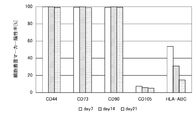
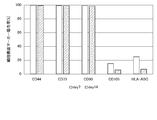
- mesenchymal stem cells are known to be HLA-ABC positive and CD105 positive.
- the positiveness of the cell surface marker can be represented by the value of the positive rate of the cell surface marker.
- the positive rate of the cell surface marker can be determined by a flow cytometer using a fluorescently labeled antibody of the cell surface marker as described in Examples described later.
- the term "mesenchymal stem cell” includes both the mesenchymal stem cell before culturing by the above-mentioned method and the mesenchymal stem cell obtained by culturing by the above-mentioned method. That is, in the present specification, the term “mesenchymal stem cell” refers to mesenchymal stem cells that are HLA-ABC positive, CD105-positive mesenchymal stem cells, and HLA-ABC-negative mesenchymal stem cells. It also includes stem cells and mesenchymal stem cells that are CD105 negative. Therefore, as used herein, the term “mesenchymal stem cell” can be defined as a mesenchymal stem cell that is positive for CD44, CD73, CD90 and negative for CD45, CD34, CD31, HLA-DR. ..
- a method for producing a culture supernatant of stem cells is a method for producing a culture supernatant of stem cells.
- Stem cells are cultured by adhesive culture in a growth culture medium in the presence of a culture substrate selected from a laminin fragment having integrin-binding activity and a variant thereof to obtain the growth cells in an adhesive state.
- a culture substrate selected from a laminin fragment having integrin-binding activity and a variant thereof to obtain the growth cells in an adhesive state.
- the proliferating cells in a production culture medium while maintaining the adherent state
- the cells are allowed to produce a cell product.
- the culture in the production culture solution and the culture in the recovery culture solution are alternately repeated while maintaining the adhesive state of the cells, and the method is the culture in the production culture solution.
- a method is provided that further comprises collecting the supernatant of the production culture broth
- This culture supernatant contains, for example, 5000-1000000 pg / mL, preferably 10000-1000000 pg / mL, more preferably 15000-1000000 pg / mL HGF.
- HGF is known to have angiogenic and wound healing effects.
- a culture supernatant of stem cells containing a CD9 / CD63 EC domain fusion protein of 50 pg / mL or more can be obtained (see FIG. 42).
- this culture supernatant is also referred to as a culture supernatant according to the second embodiment.
- This culture supernatant contains, for example, 50 pg / mL or more, preferably 100 pg / mL or more, more preferably 200 pg / mL or more of the CD9 / CD63 EC domain fusion protein.
- This culture supernatant contains, for example, 50-100,000 pg / mL, preferably 100-100,000 pg / mL, more preferably 200-100,000 pg / mL of CD9 / CD63 EC domain fusion protein.
- the CD9 / CD63 EC domain fusion protein is a marker protein for exosomes, and a high content of the CD9 / CD63 EC domain fusion protein in the culture supernatant indicates a high content of exosomes in the culture supernatant. Exosomes are known to have angiogenic and wound healing effects.
- the culture supernatant according to the first embodiment and the culture supernatant according to the second embodiment are each of MCP-1 (monocyte chemotactic protein-1) of 3000 pg / mL or more and GRO of 1000 pg / mL or more. (Growth-related oncogene), and fibronectin of 5 ⁇ g / mL or more can be further contained (see FIGS. 18 to 20).
- MCP-1 monocyte chemotactic protein-1
- GRO 1000 pg / mL or more.
- fibronectin 5 ⁇ g / mL or more can be further contained (see FIGS. 18 to 20).
- Each of the culture supernatant according to the first embodiment and the culture supernatant according to the second embodiment is, for example, 3000 pg / mL or more, preferably 4000 pg / mL or more, more preferably 6000 pg / mL or more MCP-1; for example, 1000 pg. Further containing fibronectin of / mL or more, preferably 2000 pg / mL or more, more preferably 4000 pg / mL or more; and, for example, 5 ⁇ g / mL or more, preferably 6 ⁇ g / mL or more, more preferably 8 ⁇ g / mL or more. Can be done.
- Each of the culture supernatant according to the first embodiment and the culture supernatant according to the second embodiment is, for example, 3000 to 1000000 pg / mL, preferably 4000 to 1000000 pg / mL, and more preferably 6000 to 1000000 pg / mL MCP-1.
- 1000-1000000 pg / mL preferably 2000-1000000 pg / mL, more preferably 4000-1000000 pg / mL GRO; and, for example, 5-1000 ⁇ g / mL, preferably 6-1000 ⁇ g / mL, more preferably 8-1000 ⁇ g. It can further contain / mL fibronectin.
- MCP-1, GRO and fibronectin are all known to have angiogenic and wound healing effects. Since GRO is also known as CXCL1, it is also referred to as GRO / CXCL1 in this specification.
- each of the culture supernatant according to the first embodiment and the culture supernatant according to the second embodiment has TGF-1b (transforming growth factor-1b) of 200 pg / mL or more and IL of 5 pg / mL or more.
- TGF-1b transforming growth factor-1b
- IL IL of 5 pg / mL or more.
- -4 interleukin-4
- IL-10 interleukin-10
- Each of the culture supernatant according to the first embodiment and the culture supernatant according to the second embodiment is TGF-1b having, for example, 200 to 100,000 pg / mL, preferably 300 to 100,000 pg / mL, and more preferably 500 to 100,000 pg / mL.
- IL-4 of 5 to 100,000 pg / mL, preferably 10 to 100,000 pg / mL, more preferably 20 to 100,000 pg / mL; and, for example, 8 to 100,000 pg / mL, preferably 10 to 100,000 pg / mL, more preferably 12. It can further contain ⁇ 100,000 pg / mL IL-10.
- TGF-1b, IL-4 and IL-10 are all known to have anti-inflammatory effects.
- each of the culture supernatant according to the first embodiment and the culture supernatant according to the second embodiment does not contain at least one of insulin, transferrin, and albumin. It is more preferable that each of the culture supernatant according to the first embodiment and the culture supernatant according to the second embodiment does not contain any of insulin, transferrin, and albumin.
- the culture supernatant not containing the above-mentioned component can be obtained. Considering that the culture supernatant is used as a therapeutic agent, it is desirable that the culture supernatant does not contain the above components.
- each of the culture supernatant according to the first embodiment and the culture supernatant according to the second embodiment does not contain heterologous components.
- heterologous refers to a species different from the species of stem cells used to obtain the culture supernatant. Considering that the culture supernatant is used as a therapeutic agent, it is desirable that the culture supernatant does not contain heterologous components.
- each of these cytokines has been demonstrated to have a concentration of 10 pg / mL or higher (see FIGS. 16-19, 21-29, 33-41). ).
- concentration of each cytokine of 20 or more cytokines varies depending on the type of cytokine, but is, for example, 1,000,000 pg / mL or less.
- mesenchymal stem cells other than mesenchymal stem cells, such as pluripotent stem cells such as ES cells and iPS cells, nerve stem cells, skin stem cells, and hepatic stem cells, Somatic stem cells such as muscle stem cells and adipose stem cells are also known to secrete cytokines, extracellular matrix, and exosomes into the culture medium.
- pluripotent stem cells such as ES cells and iPS cells
- nerve stem cells such as ES cells and iPS cells
- skin stem cells and hepatic stem cells
- Somatic stem cells such as muscle stem cells and adipose stem cells are also known to secrete cytokines, extracellular matrix, and exosomes into the culture medium.
- stem cells other than mesenchymal stem cells such as pluripotent stem cells such as ES cells and iPS cells, nerve stem cells, skin stem cells, hepatic stem cells, muscle stem cells, and fat.
- somatic stem cells such as stem cells
- a culture supernatant containing a large amount of cytokines, extracellular matrix, and exosomes can be obtained as in the case of "culture supernatant of mesenchymal stem cells”.
- a therapeutic agent containing the mesenchymal stem cell population of the present invention is provided.
- the mesenchymal stem cell population of the present invention is ⁇ 1.
- Proliferating cells can be obtained by culturing mesenchymal stem cells in a proliferative culture medium in the presence of a laminin fragment having integrin-binding activity according to the method described in the column of>.
- the mesenchymal stem cell population of the present invention is characterized by a low positive rate of a specific cell surface marker HLA-ABC, unlike the conventional findings regarding the mesenchymal stem cell population.
- the culture supernatant of the present invention is characterized by containing a large amount of cytokines, extracellular matrix and exosomes as compared with the conventional culture supernatant.
- the mesenchymal stem cell population of the present invention includes cytokines (eg, HGF, MCP-1, GRO / CXCL1, PDGF-AA, VEGF, TGF-1b, IL-4, IL-10, IL-13, IL-7, IL-15, IL-9, IL-8, EOTAXIN, IL-6, G-CSF, GM-CSF, MCP-3, IL-12P40, IP-10, and MIP-1 ⁇ ), extracellular matrix (eg, It has been demonstrated to secrete Fibronectin) and exosomes, and the culture supernatant of the present invention has been demonstrated to contain cytokines, extracellular matrix and exosomes secreted by mesenchymal stem cells.
- cytokines eg, HGF, MCP-1, GRO / CXCL1, PDGF-AA, VEGF, TGF-1b, IL-4, IL-10, IL-13, IL-7, IL-15, IL-9, IL-8, E
- the therapeutic agent containing the mesenchymal stem cell population of the present invention or the culture supernatant of the present invention is HGF, MCP-1, MCP-3, GRO / CXCL1, Fibronectin, PDGF-AA, VEGF, IL-8, EOTAXIN. , IL-6, IP-10, and exosomes are known to have angiogenic effects, so ischemic diseases such as lower limb ischemia, myocardial infarction, cerebral infarction, spinal cord infarction, and chronic arterial occlusion; epithelium Wounds, burns and other wounds; can be used to treat senchymal ischemia.
- IL-7, IL-15, GM-CSF, and G-CSF are considered to be involved in immunoregulation in the therapeutic agent containing the mesenchymal stem cell population of the present invention or the culture supernatant of the present invention.
- immune disorders such as GVHD (graft-versus-host disease), Sjogren's syndrome, atopic dermatitis, collagen disease, multiple sclerosis, autoimmune disorders; it can be used for the treatment of cancer disorders.
- the therapeutic agent containing the mesenchymal stem cell population of the present invention and the therapeutic agent containing the culture supernatant of the present invention are, for example, liquid preparations, preferably liquid preparations for injection or liquid preparations for external use. Is.
- the therapeutic agent may be diluted with a pharmaceutically acceptable medium.
- a pharmaceutically acceptable medium is, for example, a medium or infusion preparation of mesenchymal stem cells.
- Therapeutic agents may include additives to increase storage stability, isotonicity, absorbability, and / or viscosity.
- the therapeutic agent may be in the form of a cell sheet if it comprises a mesenchymal stem cell population.
- the dose of the therapeutic agent can be appropriately determined according to the target disease, age, body weight, symptoms, and the like.
- a single dose of the therapeutic agent is, for example, 1000-100000000 cells / kg, preferably 100,000,000-10000000 cells / kg. This dose may be administered as a single dose in multiple doses, or the dose may be administered in multiple doses.
- the therapeutic agent contains a culture supernatant
- a single dose of the therapeutic agent is expressed in terms of the amount (mL) of the culture supernatant before dilution, for example, 0.01 to 100 mL / kg, preferably 0.1 to 10 mL. / Kg.
- This dose may be administered in multiple doses as a single dose, or this dose may be administered in multiple doses.
- the mesenchymal stem cells are umbilical cord-derived mesenchymal stem cells, bone marrow-derived mesenchymal stem cells, adipose-derived mesenchymal stem cells, placenta-derived mesenchymal stem cells, or cord blood-derived mesenchymal stem cells [C1]. ] The method described in. [C3] The method according to [C1] or [C2], wherein the mesenchymal stem cells are umbilical cord-derived mesenchymal stem cells or adipose-derived mesenchymal stem cells, preferably umbilical cord-derived mesenchymal stem cells.
- the mesenchymal stem cells are human umbilical cord-derived mesenchymal stem cells, human bone marrow-derived mesenchymal stem cells, human adipose-derived mesenchymal stem cells, human placenta-derived mesenchymal stem cells, or human cord blood-derived mesenchymal stem cells.
- the mesenchymal stem cell is a human umbilical cord-derived mesenchymal stem cell or a human adipose-derived mesenchymal stem cell, preferably a human umbilical cord-derived mesenchymal stem cell.
- the method of. [C7] The method according to any one of [C1] to [C6], wherein the growth culture solution is a growth culture solution containing a protein that promotes the growth of the stem cells.
- the growth culture solution is a culture solution containing a basal medium for cell culture to which a growth factor has been added.
- [C23] The method according to [C21] or [C22], wherein the laminin E8 fragment is a laminin 511 E8 fragment.
- [C24] The method according to [C21] or [C22], wherein the laminin E8 fragment is a laminin 421 E8 fragment.
- [C25] The method according to any one of [C20] to [C24], wherein the growth factor-binding molecule is heparan sulfate.
- [C29] Described in any one of [C1] to [C28], wherein the concentration of the laminin fragment or a variant thereof in the growth culture solution is 0.01 ⁇ g to 0.5 ⁇ g per 1 cm 2 of the culture area of the culture vessel. the method of. [C30] Described in any one of [C1] to [C29], wherein the concentration of the laminin fragment or a variant thereof in the growth culture solution is 0.05 ⁇ g to 0.25 ⁇ g per 1 cm 2 of the culture area of the culture vessel. the method of.
- Stem cell culture supernatant and its production method A method for producing a culture supernatant of stem cells.
- Stem cells are cultured by adhesive culture in a growth culture medium in the presence of a culture substrate selected from a laminin fragment having integrin-binding activity and a variant thereof to obtain the growth cells in an adhesive state.
- a culture substrate selected from a laminin fragment having integrin-binding activity and a variant thereof to obtain the growth cells in an adhesive state.
- the culture in the production culture solution and the culture in the recovery culture solution are alternately repeated while maintaining the adhesive state of the cells, and the method is the culture in the production culture solution.
- the method further comprises collecting the supernatant of the production culture broth after the above.
- the supernatant of the production culture solution is collected after the second and subsequent cultures in the production culture solution, preferably after the third and subsequent cultures in the production culture solution.
- the stem cells are somatic stem cells such as mesenchymal stem cells, nerve stem cells, skin stem cells, hepatic stem cells, muscle stem cells, and adipose stem cells; or induced pluripotent stem cells (iPS cells) and embryonic stem cells (ES cells).
- stem cell is an umbilical cord-derived mesenchymal stem cell or an adipose-derived mesenchymal stem cell, preferably an umbilical cord-derived mesenchymal stem cell.
- the stem cell is a human stem cell.
- the stem cells are human somatic stem cells such as human mesenchymal stem cells, human neural stem cells, human skin stem cells, human hepatic stem cells, human muscle stem cells, and human adipose stem cells; or human induced pluripotent stem cells (human iPS cells).
- the stem cells are human umbilical cord-derived mesenchymal stem cells, human bone marrow-derived mesenchymal stem cells, human adipose-derived mesenchymal stem cells, human placenta-derived mesenchymal stem cells, or human umbilical cord blood-derived mesenchymal stem cells.
- the stem cell is a human umbilical cord-derived mesenchymal stem cell or a human adipose-derived mesenchymal stem cell, preferably a human umbilical cord-derived mesenchymal stem cell.
- the growth culture solution is a growth culture solution containing a protein that promotes the growth of the stem cells.
- the growth culture medium is a culture medium containing a basal medium for cell culture to which a growth factor has been added.
- the laminin fragments are laminin 511 E8 fragment, laminin 521 E8 fragment, laminin 411 E8 fragment, laminin 421 E8 fragment, laminin 332 E8 fragment, laminin 311 E8 fragment, laminin 321 E8 fragment, laminin 211 E8 fragment, laminin 221.
- the laminin E8 fragment is laminin 511 E8 fragment, laminin 521 E8 fragment, laminin 411 E8 fragment, laminin 421 E8 fragment, laminin 332 E8 fragment, laminin 311 E8 fragment, laminin 321 E8 fragment, laminin 211 E8 fragment, laminin. 221 E8 Fragment, Laminin 213 E8 Fragment, Laminin 111 E8 Fragment, or Laminin 121 E8 Fragment [E26].
- [E31] The method according to any one of [E23] to [E30], wherein the variant is a complex of laminin 511 E8 fragment and heparan sulfate.
- [E32] The method according to any one of [E23] to [E30], wherein the variant is a complex of laminin 421 E8 fragment and heparan sulfate.
- [E33] The method according to any one of [E1] to [E32], wherein the concentration of the laminin fragment or a variant thereof in the growth culture solution is 0.005 ⁇ g to 2 ⁇ g per 1 cm 2 of the culture area of the culture vessel. ..
- [E41] The method according to any one of [E1] to [E40], wherein the production culture medium is a basal medium for cell culture or a basal medium for cell culture to which a nutritional component of cells is added.
- the production culture medium is a basic medium for cell culture to which a nutritional component of cells, preferably amino acids, is added.
- the production culture solution does not contain a laminin fragment or a variant thereof.
- [E46] The method according to any one of [E1] to [E45], wherein the recovery culture medium is a culture medium containing a protein that promotes the proliferation of the stem cells.
- the recovery culture medium is a culture medium containing a basal medium for cell culture to which a growth factor has been added.
- the recovery culture medium is a basic medium for cell culture to which a growth factor has been added.
- the recovery culture solution has the same composition as the growth culture solution.
- [E50] The method according to any one of [E1] to [E49], wherein the recovery culture solution does not contain a laminin fragment or a variant thereof.
- [E51] The method according to any one of [E1] to [E50], wherein the culture in the recovery culture solution is carried out for 0.5 to 10 days, preferably 2 to 5 days.
- [E52] The method according to any one of [E1] to [E51], wherein the cycle of the culture in the production culture solution and the culture in the recovery culture solution is repeated 2 to 10 times.
- [F1] A culture supernatant of stem cells containing HGF of 5000 pg / mL or more.
- [F2] The culture supernatant according to [F1], wherein the culture supernatant contains HGF of 10,000 pg / mL or more, preferably 15,000 pg / mL or more.
- [F3] The culture supernatant according to [F1] or [F2], wherein the culture supernatant contains HGF of 5000 to 1000000 pg / mL, preferably 10,000 to 1,000,000 pg / mL, more preferably 15,000 to 1,000,000 pg / mL.
- the culture supernatant contains 50 to 100,000 pg / mL, preferably 100 to 100,000 pg / mL, more preferably 200 to 100,000 pg / mL of CD9 / CD63 EC domain fusion protein.
- the culture supernatant further contains a CD9 / CD63 EC domain fusion protein of 50-100,000 pg / mL, preferably 100-100,000 pg / mL, more preferably 200-100,000 pg / mL [F1]-[F3].
- the culture supernatant is 3000-1000000 pg / mL, preferably 4000-1000000 pg / mL, more preferably 6000-1000000 pg / mL MCP-1; 1000-1000000 pg / mL, preferably 2000-1000000 pg / mL, More preferably 4000-1000000 pg / mL GRO; and any of [F1]-[F9] further containing 5-1000 ⁇ g / mL, preferably 6-1000 ⁇ g / mL, more preferably 8-1000 ⁇ g / mL fibronectin.
- the culture supernatant according to 1.
- the culture supernatant according to any one of [F1] to [F20], wherein the culture supernatant contains 20 or more types of cytokines, and each cytokine has a concentration of 10 pg / mL or more.
- the culture supernatant is a culture supernatant of somatic stem cells such as mesenchymal stem cells, nerve stem cells, skin stem cells, hepatic stem cells, muscle stem cells, and adipose stem cells; or artificial pluripotent stem cells (iPS cells), embryos.
- the culture supernatant according to any one of [F1] to [F21] which is a culture supernatant of pluripotent stem cells such as sex stem cells (ES cells).
- the culture supernatant according to any one of [F1] to [F23], wherein the culture supernatant is a culture supernatant of human mesenchymal stem cells.
- the culture supernatant is a culture supernatant of human umbilical cord-derived mesenchymal stem cells, a culture supernatant of human bone marrow-derived mesenchymal stem cells, a culture supernatant of human adipose-derived mesenchymal stem cells, and a human placenta-derived mesenchymal stem cell.
- [F29] A culture supernatant obtained by the method according to any one of [E1] to [E52].
- [F30] The culture supernatant according to any one of [F1] to [F28], wherein the culture supernatant is obtained by the method according to any one of [E1] to [E52].
- Therapeutic agent > [G1] A therapeutic agent containing the mesenchymal stem cell population according to any one of [D1] to [D6] or the culture supernatant according to any one of [F1] to [F30]. [G2] A therapeutic agent containing the mesenchymal stem cell population according to any one of [D1] to [D6]. [G3] A therapeutic agent containing the culture supernatant according to any one of [F1] to [F30].
- the therapeutic agent is an ischemic disease such as lower limb ischemia, myocardial infarction, cerebral infarction, spinal cord infarction, chronic arterial occlusion; wounds such as epithelial wounds and burns; Arthritis such as arthroplasty; Inflammatory diseases such as nephritis, keratitis, cytokine storm; Psychiatric diseases such as autism and insomnia that are considered to be one of the causes; GVHD (transplant-to-host disease), Schegren The following one of [G1] to [G3], which is for treating an immune disease such as a syndrome, atopic dermatitis, collagen disease, multiple sclerosis, autoimmune disease; or a cancer disease. Therapeutic agent.
- the therapeutic agent is for treating ischemic disease; preferably lower limb ischemia, myocardial infarction, cerebral infarction, spinal cord infarction, or chronic arterial occlusion; more preferably lower limb ischemia [G1]. ] To [G4].
- the therapeutic agent according to any one.
- [G6] The subject is administered with the mesenchymal stem cell population according to any one of [D1] to [D6] or the culture supernatant according to any one of [F1] to [F30]. How to treat injuries and illnesses.
- [G7] A method for treating an injury or illness, which comprises administering the mesenchymal stem cell population according to any one of [D1] to [D6] to a subject.
- [G8] A method for treating an injury or illness, which comprises administering the culture supernatant according to any one of [F1] to [F30] to a subject.
- the injuries include ischemic diseases such as lower limb ischemia, myocardial infarction, cerebral infarction, spinal cord infarction, and chronic arterial occlusion; wounds such as epithelial wounds and burns; Arthritis such as arthritis; Inflammatory diseases such as cytokine storm, nephritis, and keratitis; Psychiatric diseases such as autism and insomnia that are considered to be one of the causes; GVHD (transplant-to-host disease), Schegren's syndrome , An inflammatory disease such as atopic dermatitis, collagen disease, multiple sclerosis, autoimmune disease; or the method according to any one of [G6] to [G8], which is a cancer disease.
- ischemic diseases such as lower limb ischemia, myocardial infarction, cerebral infarction, spinal cord infarction, and chronic arterial occlusion
- wounds such as epithelial wounds and burns
- Arthritis such as arthritis
- Inflammatory diseases such
- the therapeutic agent is an ischemic disease such as lower limb ischemia, myocardial infarction, cerebral infarction, spinal cord infarction, chronic arterial occlusion; wounds such as epithelial wounds and burns; Arthritis such as arthritis; inflammatory diseases such as cytokine storm, nephritis, and keratitis; mental diseases such as autism and insomnia that are considered to be caused by neuroinflammation; GVHD (transplant-to-host disease), Schegren The following one of [G12] to [G14], which is for treating an immune disease such as a syndrome, atopic dermatitis, collagen disease, multiple sclerosis, autoimmune disease; or a cancer disease. use.
- the therapeutic agent is for treating ischemic disease; preferably lower limb ischemia, myocardial infarction, cerebral infarction, spinal cord infarction, or chronic arterial occlusion; more preferably lower limb ischemia [G12]. ] To [G15].
- the therapeutic agent according to any one of.
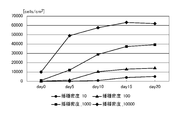
- Example 1 Proliferation culture (1) Method In Example 1, stem cell proliferation culture was performed. As stem cells, umbilical cord-derived mesenchymal stem cells (UCMSC) cryopreserved in a cryopreservation solution Stem Cell Banker (Xenoac) were used.
- UMSC umbilical cord-derived mesenchymal stem cells
- Xenoac Stem Cell Banker
- each flask After 5 days (day5), 10 days (day10), 15 days (day15), and 20 days (day20) after sowing, each flask is treated with TrypLE TM Select (Thermo Fisher Scientific) for 10 to 20 minutes, and is single. After dispersing in cells, the number of cells was counted with a cell counter.
- TrypLE TM Select Thermo Fisher Scientific
- the present inventors seeded umbilical cord-derived mesenchymal stem cells (UCMSC) at a cell density of 2 cells / cm 2 according to the same method as in Experiment 1-2, and proliferated containing the iMatrix-511 laminin fragment. It has been demonstrated that cells can proliferate until they reach a confluent state even when cultured in a culture medium.
- UMSC umbilical cord-derived mesenchymal stem cells
- Umbilical cord-derived mesenchymal stem cells are hung in 100 ml of MSC Expansion XSFM B (Fuji Film Wako Pure Chemical Industries, Ltd.) (hereinafter also referred to as MSC medium B) with a cell number of 5x10e5 (seed density 1000 cells / cm 2).
- MSC medium B MSC Expansion XSFM B
- 5x10e5 seed density 1000 cells / cm 2
- the cell suspension obtained after turbidity was seeded in a peel-off T512 flask (Sumitomo Bakelite Co., Ltd.).
- MSC medium A protein-free medium
- the amino acids added here are MEM essential amino acid solution (Fujifilm Wako Pure Chemical Industries, Ltd.) and MEM non-essential amino acid solution (Fujifilm Wako Pure Chemical Industries, Ltd.).
- MSC medium A was added and cultured for 3 days (production culture). After culturing for 3 days, two images of cells were taken with an Olympus microscope. The two images were taken at different locations within the flask. Micrographs are shown in FIGS. 7A and 7B.
- Umbilical cord-derived mesenchymal stem cells are hung in 100 ml of MSC Expansion XSFM B (Fuji Film Wako Pure Chemical Industries, Ltd.) (hereinafter also referred to as MSC medium B) with a cell number of 5x10e5 (seed density 1000 cells / cm 2).
- MSC medium B MSC Expansion XSFM B
- iMatrix-511 Laminine Fragment was added at 50 ⁇ l / 100 ml, and the obtained cell suspension was seeded in a peel-off T512 flask (Sumitomo Bakelite Co., Ltd.).
- the medium was changed every 5 days. Five days after sowing, the iMatrix-511 laminin fragment was added again at 50 ⁇ l / 100 ml. No laminin fragment was added 10 days after sowing.
- Example 3 Long-term production culture (1) Method In Example 3, long-term production culture was performed after proliferative culture of stem cells. The culture step performed in Example 3 is schematically shown in FIG. As stem cells, umbilical cord-derived mesenchymal stem cells (UCMSC) cryopreserved in a cryopreservation solution Stem Cell Banker (Xenoac) were used.
- UMSC umbilical cord-derived mesenchymal stem cells
- Xenoac Stem Cell Banker
- Umbilical cord-derived mesenchymal stem cells are suspended in 100 ml of MSC Expansion XSFM B (Fujifilm Wako Pure Chemical Industries, Ltd.) (hereinafter also referred to as MSC medium B) with a cell number of 5x10e5 (seed density 1000 cells / cm2).
- MSC medium B MSC Expansion XSFM B
- IMatrix-511 Laminine Fragment was added at 50 ⁇ l / 100 ml, and the obtained cell suspension was seeded in a peel-off T512 flask (Sumitomo Bakelite Co., Ltd.).
- the medium was changed every 5 days. Five days after sowing, the iMatrix-511 laminin fragment was added again at 50 ⁇ l / 100 ml. No laminin fragment was added 10 days after sowing.
- VEGF vascular endothelial growth factor
- IL-7 interleukin-7
- HGF hepatocyte growth factor
- the cells were returned to MSC medium B and cultured for 3 days (recovery culture). After the recovery culture for 3 days, the medium was replaced with MSC medium A again, and the culture was carried out for 4 days. This culture is referred to as "second production culture" in FIG.
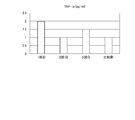
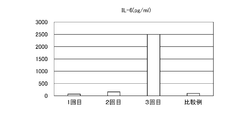
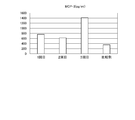
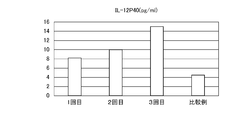
- FIGS. 10 to 12 Results The results of quantification of cytokines are shown in FIGS. 10 to 12.
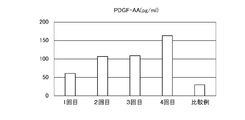
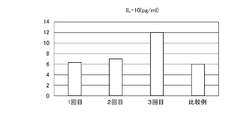
- the graphs of FIGS. 10 to 12 are shown in order from the left.
- the amount of cytokines in the culture supernatant recovered after the first production culture in the example of the present invention, The amount of cytokines in the culture supernatant recovered after the second production culture in the example of the present invention, The amount of cytokines in the culture supernatant recovered after the third production culture in the example of the present invention and the amount of cytokines in the culture supernatant recovered in the comparative example are shown.
- cytokines in an amount equal to or higher than that of the comparative example could be produced, and the production amount decreased even after repeated production culture. It has been shown to not or increase.
- VEGF and HGF are cytokines with angiogenic effects.
- the production amount of VEGF may be slightly smaller than that of the comparative example, it can be said that VEGF is produced in a sufficient amount because the absolute amount of VEGF production is large.
- the production of HGF tended to increase as the production culture was repeated.
- IL-7 is a cytokine involved in immune cell activation and inflammation. The production of IL-7 tended to increase as the production culture was repeated.
- Example 3 a total of 3 production cultures were performed, and a total of 3 times of culture supernatant recovery and cytokine analysis were performed. However, the present inventors performed a total of 6 production cultures to obtain cytokines. It demonstrates that it can be produced.
- the obtained proliferating cells are cultured in a protein-free culture medium containing no foreign components, and then produced and cultured while maintaining the adherent state of the proliferating cells. It can be performed.
- recovery culture can be performed while maintaining the adherent state of the cells, and the ability of the cells to produce cell products can be restored.
- a plurality of production cultures can be repeated while maintaining the cell adhesion state, and as a result, a large amount of cell products can be produced over a long period of time by a simple method.
- Example 4 Mesenchymal stem cell population
- mesenchymal stem cells were cultured in the presence of a laminin fragment, and the cell surface marker positive rate of the obtained mesenchymal stem cell population was analyzed.
- mesenchymal stem cells were cultured in the presence of laminin fragments, and the expression of cell surface markers in the obtained mesenchymal stem cell population was confirmed by immunostaining images.
- Method Experiment 4-1 (Example of the present invention) Umbilical cord-derived mesenchymal stem cells (UCMSC) or adipose-derived mesenchymal stem cells (ADMSC) with a cell number of 5x10e5 (seed density 1000 cells / cm 2 ), MSC Expansion XSFM B medium (Fujifilm Wako Pure Chemical Industries, Ltd.) 100 ml The iMatrix-511 laminin fragment (Nippi Co., Ltd.) was added at 50 ⁇ l / 100 ml, and the obtained cell suspension was seeded in a peel-off T512 flask (Sumitomo Bakelite Co., Ltd.). Umbilical cord-derived mesenchymal stem cells were cultured for a period of 1 week, 2 weeks, and 3 weeks, and adipose-derived mesenchymal stem cells were cultured for a period of 1 week and 2 weeks.
- UMSC Umbilical cord-derived me
- the cells were detached by treating with TrypLE Select solution (Thermo Fisher Scientific). The obtained cells were stained with the cell surface markers CD44, CD73, CD90, CD105, and HLA-ABC antibody with PE (phycoerythrin) (BioLegend), and each marker was positive using a flow cytometer (Sony). The rate was analyzed.
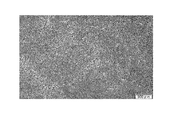
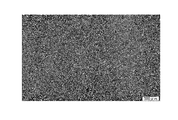
- umbilical cord-derived mesenchymal stem cells were seeded on a 24-well plate (Corning) in the presence of a laminin fragment and cultured for 1 week. After that, mesenchymal stem cells adhered to 24 wells were immunostained with PE-equipped antibodies of cell surface markers CD73, CD90, CD105, and HLA-ABC, and bright-field imaging and fluorescence imaging were performed with a fluorescence microscope (Keyence). went.
- UMSC Umbilical cord-derived mesenchymal stem cells
- MSC Expansion XSFM B medium Flujifilm Wako Pure Chemical Industries, Ltd.
- 5x10e5 seed density 1000 cells / cm 2
- iMatrix-511 laminin fragment was added.
- the seeds were sown in a peel-off T512 flask (Sumitomo Bakelite Co., Ltd.) without addition. Culturing was carried out in the same procedure as in Experiment 4-1 except that no laminin fragment was added.
- Example 5 Culture supernatant of mesenchymal stem cells
- the mesenchymal stem cells were proliferated and cultured according to the method described in Example 3, followed by multiple production cultures, and each production culture was performed. After that, the culture supernatant was collected. The amounts of cytokines, extracellular matrix, and exosome markers contained in the obtained culture supernatant of mesenchymal stem cells were analyzed.
- cytokines and extracellular matrix contained in the culture supernatant were analyzed using an ELISA analysis kit (R & D Systems).
- cytokines HGF (hepatocellular growth factor), MCP-1, GRO / CXCL1, PDGF-AA, VEGF (vascular endothelial growth factor), TGF-1b, IL-4, IL-10, IL-13, IL-7 , IL-15, IL-9, IL-1 ⁇ , IL-1 ⁇ , TNF- ⁇ , IL-8, EOTAXIN, IL-6, G-CSF, GM-CSF, MCP-3, IL-12P40, IP-10 , MIP-1 ⁇ was analyzed, and Fibronectin was analyzed as an extracellular matrix.
- the amount of exosomes contained in the culture supernatant was analyzed using the CD9 / CD63 ELISA kit (Cosmo Bio) using the exosome marker protein (CD9 / CD63 fusion protein) as an index.
- the amount of cytokine, the amount of extracellular matrix, and the amount of exosome marker protein refer to the values measured by the ELISA method using a specific antibody.
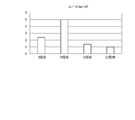
- FIGS. 16 to 19 and 21 to 41 The results of the amount of cytokines contained in the culture supernatant are shown in FIGS. 16 to 19 and 21 to 41, and the results of the amount of fibronectin contained in the culture supernatant are shown in FIG. The result of the amount of is shown in FIG.
- first refers to the amount of cytokine, fibronectin, or exosome marker protein in the culture supernatant recovered after the first production culture (4 days) in the example of the present invention.
- second time indicates the amount of cytokine, fibronectin, or exosome marker protein in the culture supernatant recovered after performing the second production culture (4 days) in the example of the present invention, and "3". The same meanings apply to “the 4th time”, “the 4th time”, and “the 5th time”.
- “Comparative Example” refers to the amount of cytokine, fibronectin, or exosome marker protein in the culture supernatant recovered 2 days after the start of the first production culture in Comparative Example. show.
- proteins other than IL-1 ⁇ , IL-1 ⁇ , and TNF- ⁇ that is, HGF, MCP-1, GRO / CXCL1, PDGF-AA, VEGF, TGF-1b, IL-4, IL-10, IL-13, IL-7, IL-15, IL-9, IL-8, EOTAXIN, IL-6, G-
- the amount of CSF, GM-CSF, MCP-3, IL-12P40, IP-10, MIP-1 ⁇ , Fibronectin, and exosome marker protein tended to increase.
- the culture supernatant of mesenchymal stem cells is obtained by culturing in a protein-free culture medium containing no foreign components, all the proteins contained in this culture supernatant are interstitial. Since it is derived from mesenchymal stem cells, it has the advantage of being easy to apply as a therapeutic agent. Moreover, since the culture supernatant of mesenchymal stem cells can increase the content of cytokines such as HGF, fibronectin and exosomes by repeatedly collecting them, it is excellent in that therapeutic effects by these proteins and exosomes can be expected. ing.
- the culture supernatant of mesenchymal stem cells is inflamed because the contents of IL-1 ⁇ , IL-1 ⁇ , and TNF- ⁇ , which are known to cause inflammation, do not increase when the culture supernatant is repeatedly collected. It is excellent in that the content of system cytokines is relatively low.
- Example 6 Therapeutic agent In Example 6, the mesenchymal stem cells obtained according to the method of the present invention were administered to rats of a lower limb ischemia model, and the therapeutic effect was confirmed.
- LDPI laser Doppler perfusion imaging
- Umbilical cord-derived mesenchymal stem cells were cultured in the same manner as in Example 4 in the presence and absence of the laminin fragment, respectively.
- ADMSC adipose-derived mesenchymal stem cells
- Obtained mesenchymal stem cells ie, umbilical cord-derived mesenchymal stem cells cultured in the presence of laminin fragment, umbilical cord-derived mesenchymal stem cells cultured in the absence of laminin fragment, fat cultured in the presence of laminin fragment.
- the cell suspension was intravenously administered from the tail vein with a 27-gauge needle.
- the administration was performed 4 times in total on the 4th, 5th, 6th, and 10th days after the induction of lower limb ischemia.
- As a control only DMEM / F12 medium was administered.
- the mesenchymal stem cells obtained according to the method of the present invention are effective as a therapeutic agent for lower limb ischemia. Since this therapeutic effect is considered to be brought about by cytokines, extracellular matrix, and exosomes secreted by mesenchymal stem cells, the culture supernatant of mesenchymal stem cells obtained according to the method of the present invention is also treated in the same manner. It is considered to have an effect.
- the mesenchymal stem cells and mesenchymal stem cells obtained according to the method of the present invention Culture supernatants are used for diseases in which cytokines are known to have therapeutic effects, diseases in which extracellular matrices are known to have therapeutic effects, and diseases in which exosomes are known to have therapeutic effects. On the other hand, it is considered to have a therapeutic effect.
Landscapes
- Health & Medical Sciences (AREA)
- Life Sciences & Earth Sciences (AREA)
- Engineering & Computer Science (AREA)
- Biomedical Technology (AREA)
- Developmental Biology & Embryology (AREA)
- Chemical & Material Sciences (AREA)
- Zoology (AREA)
- Biotechnology (AREA)
- Cell Biology (AREA)
- Organic Chemistry (AREA)
- Bioinformatics & Cheminformatics (AREA)
- Wood Science & Technology (AREA)
- Genetics & Genomics (AREA)
- General Health & Medical Sciences (AREA)
- Immunology (AREA)
- Hematology (AREA)
- General Engineering & Computer Science (AREA)
- Public Health (AREA)
- Microbiology (AREA)
- Rheumatology (AREA)
- Veterinary Medicine (AREA)
- Medicinal Chemistry (AREA)
- Pharmacology & Pharmacy (AREA)
- Biochemistry (AREA)
- Animal Behavior & Ethology (AREA)
- Epidemiology (AREA)
- Virology (AREA)
- Chemical Kinetics & Catalysis (AREA)
- General Chemical & Material Sciences (AREA)
- Nuclear Medicine, Radiotherapy & Molecular Imaging (AREA)
- Micro-Organisms Or Cultivation Processes Thereof (AREA)
- Medicines Containing Material From Animals Or Micro-Organisms (AREA)
- Apparatus Associated With Microorganisms And Enzymes (AREA)
- Medicines That Contain Protein Lipid Enzymes And Other Medicines (AREA)
- Peptides Or Proteins (AREA)
Priority Applications (11)
| Application Number | Priority Date | Filing Date | Title |
|---|---|---|---|
| CN202310081275.1A CN116179480A (zh) | 2020-03-31 | 2021-03-26 | 增殖细胞和细胞生产物的生产法、间充质干细胞群和干细胞培养上清及其生产法、治疗剂 |
| CA3173721A CA3173721A1 (en) | 2020-03-31 | 2021-03-26 | Method of producing proliferated cells, method of producing cell product, mesenchymal stem cell population and method of producing same, culture supernatant of stem cells and method of producing same, and therapeutic agent |
| CN202180024893.1A CN115362252A (zh) | 2020-03-31 | 2021-03-26 | 增殖细胞和细胞生产物的生产法、间充质干细胞群和干细胞培养上清及其生产法、治疗剂 |
| US17/995,095 US20230172992A1 (en) | 2020-03-31 | 2021-03-26 | Method for producing proliferating cells, method for producing cell product, mesenchymal stem cell population and method for producing same, culture supernatant of stem cells and method for producing same, and therapeutic agent |
| AU2021247879A AU2021247879B2 (en) | 2020-03-31 | 2021-03-26 | Method of producing proliferated cells, method of producing cell product, mesenchymal stem cell population and method of producing same, culture supernatant of stem cells and method of producing same, and therapeutic agent |
| EP22207135.9A EP4155389A3 (en) | 2020-03-31 | 2021-03-26 | Method of producing proliferated cells, method of producing cell product, mesenchymal stem cell population and method of producing same, culture supernatant of stem cells and method of producing same, and therapeutic agent |
| JP2022512159A JPWO2021200744A1 (https=) | 2020-03-31 | 2021-03-26 | |
| EP21779739.8A EP4130240A4 (en) | 2020-03-31 | 2021-03-26 | Method for producing proliferating cells, method for producing cell product, mesenchymal stem cell population and method for producing same, culture supernatant of stem cells and method for producing same, and therapeutic agent |
| JP2022160399A JP2022181218A (ja) | 2020-03-31 | 2022-10-04 | 増殖細胞の生産方法、細胞生産物の生産方法、間葉系幹細胞集団およびその生産方法、幹細胞の培養上清およびその生産方法、並びに治療剤 |
| AU2022259729A AU2022259729B2 (en) | 2020-03-31 | 2022-10-25 | Method of producing proliferated cells, method of producing cell product, mesenchymal stem cell population and method of producing same, culture supernatant of stem cells and method of producing same, and therapeutic agent |
| JP2023206347A JP2024015245A (ja) | 2020-03-31 | 2023-12-06 | 増殖細胞の生産方法、細胞生産物の生産方法、間葉系幹細胞集団およびその生産方法、幹細胞の培養上清およびその生産方法、並びに治療剤 |
Applications Claiming Priority (2)
| Application Number | Priority Date | Filing Date | Title |
|---|---|---|---|
| JP2020063408 | 2020-03-31 | ||
| JP2020-063408 | 2020-03-31 |
Publications (1)
| Publication Number | Publication Date |
|---|---|
| WO2021200744A1 true WO2021200744A1 (ja) | 2021-10-07 |
Family
ID=77930052
Family Applications (1)
| Application Number | Title | Priority Date | Filing Date |
|---|---|---|---|
| PCT/JP2021/013099 Ceased WO2021200744A1 (ja) | 2020-03-31 | 2021-03-26 | 増殖細胞の生産方法、細胞生産物の生産方法、間葉系幹細胞集団およびその生産方法、幹細胞の培養上清およびその生産方法、並びに治療剤 |
Country Status (8)
| Country | Link |
|---|---|
| US (1) | US20230172992A1 (https=) |
| EP (2) | EP4130240A4 (https=) |
| JP (3) | JPWO2021200744A1 (https=) |
| CN (2) | CN115362252A (https=) |
| AU (2) | AU2021247879B2 (https=) |
| CA (2) | CA3177567A1 (https=) |
| TW (2) | TW202204605A (https=) |
| WO (1) | WO2021200744A1 (https=) |
Cited By (5)
| Publication number | Priority date | Publication date | Assignee | Title |
|---|---|---|---|---|
| JP2022181218A (ja) * | 2020-03-31 | 2022-12-07 | Cell Exosome Therapeutics株式会社 | 増殖細胞の生産方法、細胞生産物の生産方法、間葉系幹細胞集団およびその生産方法、幹細胞の培養上清およびその生産方法、並びに治療剤 |
| JP2023094881A (ja) * | 2021-12-24 | 2023-07-06 | 株式会社日本バイオセラピー研究所 | 培養上清を生産する方法 |
| WO2024019080A1 (ja) * | 2022-07-19 | 2024-01-25 | 国立大学法人 長崎大学 | 血管内皮増殖因子を高発現する臍帯由来間葉系細胞の製造方法、および肺疾患治療用医薬組成物 |
| WO2024135853A1 (ja) | 2022-12-23 | 2024-06-27 | Cell Exosome Therapeutics株式会社 | 間葉系幹細胞又はその培養上清の利用 |
| US20250222034A1 (en) * | 2024-01-10 | 2025-07-10 | Biotech Therapeutics, LLC | Mesenchymal stromal cell-derived extracellular vesicle-exosomes |
Families Citing this family (1)
| Publication number | Priority date | Publication date | Assignee | Title |
|---|---|---|---|---|
| EP4324914B1 (en) * | 2021-06-11 | 2026-03-18 | Fullstem Co., Ltd. | Exosome production promoting agent and exosome production promoting method |
Citations (12)
| Publication number | Priority date | Publication date | Assignee | Title |
|---|---|---|---|---|
| JPH05207875A (ja) * | 1992-01-28 | 1993-08-20 | Mitsui Toatsu Chem Inc | 無血清培地 |
| JPH09512165A (ja) * | 1994-04-06 | 1997-12-09 | イミュネックス・コーポレーション | インターロイキン15 |
| JPH10179147A (ja) * | 1996-12-27 | 1998-07-07 | Ishikawajima Harima Heavy Ind Co Ltd | 植物細胞培養方法および二次代謝物高生産性植物細胞 |
| JP2010538681A (ja) * | 2008-10-10 | 2010-12-16 | 深▲セン▼市嘉天源生物科技有限公司 | 人または動物胚から間葉系幹細胞を抽出及びその分泌物を抽出する方法 |
| WO2012137970A1 (ja) | 2011-04-08 | 2012-10-11 | 国立大学法人大阪大学 | 改変ラミニンおよびその利用 |
| WO2014103534A1 (ja) | 2012-12-28 | 2014-07-03 | 国立大学法人大阪大学 | コラーゲン結合性分子を付加した改変ラミニンおよびその利用 |
| WO2014199754A1 (ja) * | 2013-06-12 | 2014-12-18 | 国立大学法人大阪大学 | ラミニンフラグメントが乾燥状態でコーティングされている細胞培養器具 |
| CN104651305A (zh) * | 2015-02-13 | 2015-05-27 | 沈阳澔源生物科技有限公司 | 一种利用脐带间充质干细胞获取生物活性蛋白的方法 |
| WO2016010082A1 (ja) | 2014-07-16 | 2016-01-21 | 国立大学法人大阪大学 | ラミニンフラグメントの細胞培養基質活性増強方法 |
| WO2017082220A1 (ja) * | 2015-11-10 | 2017-05-18 | 国立大学法人京都大学 | ラミニンフラグメント含有培地を用いる細胞培養方法 |
| WO2019245050A1 (ja) * | 2018-06-22 | 2019-12-26 | 株式会社バイオミメティクスシンパシーズ | 中空糸細胞培養装置,細胞培養方法,培養上清の製造方法 |
| JP2020508679A (ja) * | 2017-02-28 | 2020-03-26 | ユニバーシティ デ ロライン | 敗血症の治療のための、ワルトンジェリーから取得された間葉系幹細胞 |
Family Cites Families (6)
| Publication number | Priority date | Publication date | Assignee | Title |
|---|---|---|---|---|
| US5378612A (en) * | 1990-05-11 | 1995-01-03 | Juridical Foundation The Chemo-Sero-Therapeutic Research Institute | Culture medium for production of recombinant protein |
| EP1930413B1 (en) * | 2005-08-23 | 2011-01-12 | Oriental Yeast Co., Ltd. | Technique for culture of mesenchymal stem cell utilizing laminin-5 |
| AU2007294731B2 (en) * | 2006-09-13 | 2014-04-17 | Abbvie Inc. | Cell culture improvements |
| WO2012145682A1 (en) * | 2011-04-21 | 2012-10-26 | Amgen Inc. | A method for culturing mammalian cells to improve recombinant protein production |
| RU2742828C2 (ru) * | 2016-03-09 | 2021-02-11 | Авита Интернэшнл Лтд. | Применение стволовых клеток, экспрессирующих мезенхимальные и нейрональные маркеры, и их композиций для лечения неврологических заболеваний (варианты) |
| JPWO2021200744A1 (https=) * | 2020-03-31 | 2021-10-07 |
-
2021
- 2021-03-26 JP JP2022512159A patent/JPWO2021200744A1/ja active Pending
- 2021-03-26 EP EP21779739.8A patent/EP4130240A4/en active Pending
- 2021-03-26 CN CN202180024893.1A patent/CN115362252A/zh active Pending
- 2021-03-26 EP EP22207135.9A patent/EP4155389A3/en active Pending
- 2021-03-26 US US17/995,095 patent/US20230172992A1/en active Pending
- 2021-03-26 AU AU2021247879A patent/AU2021247879B2/en active Active
- 2021-03-26 WO PCT/JP2021/013099 patent/WO2021200744A1/ja not_active Ceased
- 2021-03-26 CN CN202310081275.1A patent/CN116179480A/zh not_active Withdrawn
- 2021-03-26 CA CA3177567A patent/CA3177567A1/en active Pending
- 2021-03-26 CA CA3173721A patent/CA3173721A1/en active Pending
- 2021-03-30 TW TW110111636A patent/TW202204605A/zh unknown
- 2021-03-30 TW TW111147409A patent/TW202311526A/zh unknown
-
2022
- 2022-10-04 JP JP2022160399A patent/JP2022181218A/ja active Pending
- 2022-10-25 AU AU2022259729A patent/AU2022259729B2/en active Active
-
2023
- 2023-12-06 JP JP2023206347A patent/JP2024015245A/ja not_active Withdrawn
Patent Citations (12)
| Publication number | Priority date | Publication date | Assignee | Title |
|---|---|---|---|---|
| JPH05207875A (ja) * | 1992-01-28 | 1993-08-20 | Mitsui Toatsu Chem Inc | 無血清培地 |
| JPH09512165A (ja) * | 1994-04-06 | 1997-12-09 | イミュネックス・コーポレーション | インターロイキン15 |
| JPH10179147A (ja) * | 1996-12-27 | 1998-07-07 | Ishikawajima Harima Heavy Ind Co Ltd | 植物細胞培養方法および二次代謝物高生産性植物細胞 |
| JP2010538681A (ja) * | 2008-10-10 | 2010-12-16 | 深▲セン▼市嘉天源生物科技有限公司 | 人または動物胚から間葉系幹細胞を抽出及びその分泌物を抽出する方法 |
| WO2012137970A1 (ja) | 2011-04-08 | 2012-10-11 | 国立大学法人大阪大学 | 改変ラミニンおよびその利用 |
| WO2014103534A1 (ja) | 2012-12-28 | 2014-07-03 | 国立大学法人大阪大学 | コラーゲン結合性分子を付加した改変ラミニンおよびその利用 |
| WO2014199754A1 (ja) * | 2013-06-12 | 2014-12-18 | 国立大学法人大阪大学 | ラミニンフラグメントが乾燥状態でコーティングされている細胞培養器具 |
| WO2016010082A1 (ja) | 2014-07-16 | 2016-01-21 | 国立大学法人大阪大学 | ラミニンフラグメントの細胞培養基質活性増強方法 |
| CN104651305A (zh) * | 2015-02-13 | 2015-05-27 | 沈阳澔源生物科技有限公司 | 一种利用脐带间充质干细胞获取生物活性蛋白的方法 |
| WO2017082220A1 (ja) * | 2015-11-10 | 2017-05-18 | 国立大学法人京都大学 | ラミニンフラグメント含有培地を用いる細胞培養方法 |
| JP2020508679A (ja) * | 2017-02-28 | 2020-03-26 | ユニバーシティ デ ロライン | 敗血症の治療のための、ワルトンジェリーから取得された間葉系幹細胞 |
| WO2019245050A1 (ja) * | 2018-06-22 | 2019-12-26 | 株式会社バイオミメティクスシンパシーズ | 中空糸細胞培養装置,細胞培養方法,培養上清の製造方法 |
Non-Patent Citations (5)
| Title |
|---|
| ANONYMOUS: "CD9XCD63 ELISA Kit for Human-Derived Exosome Quantitation", COSMO BIO NEWS, no. 140, 1 April 2018 (2018-04-01), JP, pages 15, XP009540547 * |
| DE LA GARZA-RODEA ANABEL S., VERWEIJ MARIEKE C., BOERSMA HESTER, VAN DER VELDE-VAN DIJKE IETJE, DE VRIES ANTOINE A. F., HOEBEN ROB: "Exploitation of Herpesvirus Immune Evasion Strategies to Modify the Immunogenicity of Human Mesenchymal Stem Cell Transplants", PLOS ONE, vol. 6, no. 1, 1 January 2011 (2011-01-01), XP055925774, DOI: 10.1371/journal.pone.0014493 * |
| FUJITA, MIYUKI; YANAGAWA, TOSHIHIDE; IMABAYASHI, TSUKASA; TAKAHASHI, EMI; OYANAGI, JUN; MIYAZAKI, KAORU: "2T10p-18 Effects of various laminin isoforms on growth and differentiation of human mesenchymal stem cells", 84TH ANNUAL MEETING OF THE JAPANESE BIOCHEMICAL SOCIETY; KYOTO, JAPAN; SEPTEMBER 21-24, 2011, vol. 84, 30 November 2010 (2010-11-30) - 24 September 2011 (2011-09-24), pages 2T10p-18, XP009541007 * |
| See also references of EP4130240A4 |
| STEPHANOPOULOS A. SAMBANIS ET AL.: "Use of Regulated Secretion in Protein Production from Animal Cells: An Evaluation with the AtT-20 Model Cell Line", BIOTECHNOLOGY AND BIOENGINEERING, vol. 35, 1990, pages 771 - 780, XP000673557, DOI: 10.1002/bit.260350804 * |
Cited By (10)
| Publication number | Priority date | Publication date | Assignee | Title |
|---|---|---|---|---|
| JP2022181218A (ja) * | 2020-03-31 | 2022-12-07 | Cell Exosome Therapeutics株式会社 | 増殖細胞の生産方法、細胞生産物の生産方法、間葉系幹細胞集団およびその生産方法、幹細胞の培養上清およびその生産方法、並びに治療剤 |
| JP2023094881A (ja) * | 2021-12-24 | 2023-07-06 | 株式会社日本バイオセラピー研究所 | 培養上清を生産する方法 |
| JP7763475B2 (ja) | 2021-12-24 | 2025-11-04 | 株式会社日本バイオセラピー研究所 | 培養上清を生産する方法 |
| WO2024019080A1 (ja) * | 2022-07-19 | 2024-01-25 | 国立大学法人 長崎大学 | 血管内皮増殖因子を高発現する臍帯由来間葉系細胞の製造方法、および肺疾患治療用医薬組成物 |
| WO2024135853A1 (ja) | 2022-12-23 | 2024-06-27 | Cell Exosome Therapeutics株式会社 | 間葉系幹細胞又はその培養上清の利用 |
| JPWO2024135853A1 (https=) * | 2022-12-23 | 2024-06-27 | ||
| JP2025081432A (ja) * | 2022-12-23 | 2025-05-27 | Cell Exosome Therapeutics株式会社 | 間葉系幹細胞又はその培養上清の利用 |
| EP4640838A1 (en) | 2022-12-23 | 2025-10-29 | Cell Exosome Therapeutics Inc. | Utilization of mesenchymal stem cells or culture supernatant thereof |
| JP7851648B2 (ja) | 2022-12-23 | 2026-04-27 | Cell Exosome Therapeutics株式会社 | 間葉系幹細胞又はその培養上清の利用 |
| US20250222034A1 (en) * | 2024-01-10 | 2025-07-10 | Biotech Therapeutics, LLC | Mesenchymal stromal cell-derived extracellular vesicle-exosomes |
Also Published As
| Publication number | Publication date |
|---|---|
| AU2021247879A1 (en) | 2022-11-03 |
| EP4155389A3 (en) | 2023-07-12 |
| JPWO2021200744A1 (https=) | 2021-10-07 |
| EP4130240A1 (en) | 2023-02-08 |
| CA3177567A1 (en) | 2021-10-07 |
| EP4130240A4 (en) | 2024-05-08 |
| EP4155389A2 (en) | 2023-03-29 |
| CN116179480A (zh) | 2023-05-30 |
| TW202311526A (zh) | 2023-03-16 |
| AU2022259729B2 (en) | 2025-05-01 |
| AU2022259729A1 (en) | 2022-12-01 |
| AU2021247879B2 (en) | 2025-04-24 |
| JP2024015245A (ja) | 2024-02-01 |
| US20230172992A1 (en) | 2023-06-08 |
| JP2022181218A (ja) | 2022-12-07 |
| TW202204605A (zh) | 2022-02-01 |
| CN115362252A (zh) | 2022-11-18 |
| CA3173721A1 (en) | 2021-10-07 |
Similar Documents
| Publication | Publication Date | Title |
|---|---|---|
| WO2021200744A1 (ja) | 増殖細胞の生産方法、細胞生産物の生産方法、間葉系幹細胞集団およびその生産方法、幹細胞の培養上清およびその生産方法、並びに治療剤 | |
| Harrell et al. | Therapeutic potential of amniotic fluid derived mesenchymal stem cells based on their differentiation capacity and immunomodulatory properties | |
| JP2022078044A (ja) | コロニー形成培地及びその使用 | |
| US12006513B2 (en) | Methods for the long-term expansion of granulocyte-macrophage progenitors and applications thereof | |
| US20060110825A1 (en) | Process for the preparation of stem cells from human muscle tissue and adipose tissue, and stem cell obtainable by this process | |
| JPWO2017188403A1 (ja) | Cd201、cd46、cd56、cd147及びcd165からなる群より選択される少なくとも1種の細胞表面マーカーを発現する間葉系幹細胞及びその調製方法、並びに上記間葉系幹細胞を含む医薬組成物及びその調製方法 | |
| CN110898078B (zh) | 一种间充质干细胞分泌因子的制备及应用 | |
| AU2008266885A1 (en) | Treatment of diseases and disorders using self-renewing colony forming cells cultured and expanded in vitro | |
| CN104603263A (zh) | 高浓度干细胞的生产方法 | |
| TW200916581A (en) | Paracrine signals from mesenchymal feeder cells and regulating expansion and differentiation of hepatic progenitors using same | |
| CN108138137A (zh) | 增强的脐带来源的粘着干细胞、其制备方法及其用途 | |
| WO2003050273A1 (en) | Human cell culture medium and culture method | |
| US20240117301A1 (en) | Method for producing proliferating cells, method for producing cell product, mesenchymal stem cell population and method for producing same, culture supernatant of stem cells and method for producing same, and therapeutic agent | |
| US20130259837A1 (en) | Compositions and Methods of Using Living and Non-Living Bioactive Devices with Components Derived From Self-Renewing Colony Forming Cells Cultured and Expanded In Vitro | |
| JP6695795B2 (ja) | 造血細胞の増殖ペプチドおよびその用途 | |
| NZ793106A (en) | Method of producing proliferated cells, method of producing cell product, mesenchymal stem cell population and method of producing same, culture supernatant of stem cells and method of producing same, and therapeutic agent | |
| HK40089499A (zh) | 增殖细胞和细胞生产物的生产法、间充质干细胞群和干细胞培养上清及其生产法、治疗剂 | |
| HK40084736A (en) | Method for producing proliferating cells, method for producing cell product, mesenchymal stem cell population and method for producing same, culture supernatant of stem cells and method for producing same, and therapeutic agent | |
| JP2003235548A (ja) | ヒト細胞の培養用培地および培養方法 | |
| CN106635981A (zh) | 破骨细胞培养基及其制备方法和培养破骨细胞的方法 | |
| KR20250142712A (ko) | Vegf 모사 펩타이드를 이용한 혈관 내피 전구세포 분화 배지 및 이를 포함하는 배양 방법 | |
| KR20250142323A (ko) | 세포분화도의 조절 방법 | |
| Seo et al. | The effect of fibroblast growth factor and periodontal ligament fibroblast-conditioned medium on fibroblast-related gene expression in bone marrow stromal cells | |
| CN120958115A (zh) | 间充质干细胞增殖促进剂、间充质干细胞用培养基、间充质干细胞及培养上清液 | |
| CN108148807B (zh) | 生长因子诱导生成神经前体细胞的方法 |
Legal Events
| Date | Code | Title | Description |
|---|---|---|---|
| 121 | Ep: the epo has been informed by wipo that ep was designated in this application |
Ref document number: 21779739 Country of ref document: EP Kind code of ref document: A1 |
|
| ENP | Entry into the national phase |
Ref document number: 3173721 Country of ref document: CA Ref document number: 2022512159 Country of ref document: JP Kind code of ref document: A |
|
| ENP | Entry into the national phase |
Ref document number: 2021247879 Country of ref document: AU Date of ref document: 20210326 Kind code of ref document: A |
|
| NENP | Non-entry into the national phase |
Ref country code: DE |
|
| ENP | Entry into the national phase |
Ref document number: 2021779739 Country of ref document: EP Effective date: 20221031 |
|
| WWW | Wipo information: withdrawn in national office |
Ref document number: 793070 Country of ref document: NZ |