WO2021130900A1 - 旅程提案システム、旅程提案方法、及びコンピュータプログラム - Google Patents
旅程提案システム、旅程提案方法、及びコンピュータプログラム Download PDFInfo
- Publication number
- WO2021130900A1 WO2021130900A1 PCT/JP2019/050839 JP2019050839W WO2021130900A1 WO 2021130900 A1 WO2021130900 A1 WO 2021130900A1 JP 2019050839 W JP2019050839 W JP 2019050839W WO 2021130900 A1 WO2021130900 A1 WO 2021130900A1
- Authority
- WO
- WIPO (PCT)
- Prior art keywords
- itinerary
- proposed
- travel
- content
- proposal system
- Prior art date
- Legal status (The legal status is an assumption and is not a legal conclusion. Google has not performed a legal analysis and makes no representation as to the accuracy of the status listed.)
- Ceased
Links
Images








Classifications
-
- G—PHYSICS
- G06—COMPUTING OR CALCULATING; COUNTING
- G06Q—INFORMATION AND COMMUNICATION TECHNOLOGY [ICT] SPECIALLY ADAPTED FOR ADMINISTRATIVE, COMMERCIAL, FINANCIAL, MANAGERIAL OR SUPERVISORY PURPOSES; SYSTEMS OR METHODS SPECIALLY ADAPTED FOR ADMINISTRATIVE, COMMERCIAL, FINANCIAL, MANAGERIAL OR SUPERVISORY PURPOSES, NOT OTHERWISE PROVIDED FOR
- G06Q50/00—Information and communication technology [ICT] specially adapted for implementation of business processes of specific business sectors, e.g. utilities or tourism
- G06Q50/10—Services
- G06Q50/14—Travel agencies
-
- G—PHYSICS
- G06—COMPUTING OR CALCULATING; COUNTING
- G06Q—INFORMATION AND COMMUNICATION TECHNOLOGY [ICT] SPECIALLY ADAPTED FOR ADMINISTRATIVE, COMMERCIAL, FINANCIAL, MANAGERIAL OR SUPERVISORY PURPOSES; SYSTEMS OR METHODS SPECIALLY ADAPTED FOR ADMINISTRATIVE, COMMERCIAL, FINANCIAL, MANAGERIAL OR SUPERVISORY PURPOSES, NOT OTHERWISE PROVIDED FOR
- G06Q10/00—Administration; Management
- G06Q10/02—Reservations, e.g. for tickets, services or events
-
- G—PHYSICS
- G06—COMPUTING OR CALCULATING; COUNTING
- G06Q—INFORMATION AND COMMUNICATION TECHNOLOGY [ICT] SPECIALLY ADAPTED FOR ADMINISTRATIVE, COMMERCIAL, FINANCIAL, MANAGERIAL OR SUPERVISORY PURPOSES; SYSTEMS OR METHODS SPECIALLY ADAPTED FOR ADMINISTRATIVE, COMMERCIAL, FINANCIAL, MANAGERIAL OR SUPERVISORY PURPOSES, NOT OTHERWISE PROVIDED FOR
- G06Q10/00—Administration; Management
- G06Q10/02—Reservations, e.g. for tickets, services or events
- G06Q10/025—Coordination of plural reservations, e.g. plural trip segments, transportation combined with accommodation
-
- G—PHYSICS
- G06—COMPUTING OR CALCULATING; COUNTING
- G06Q—INFORMATION AND COMMUNICATION TECHNOLOGY [ICT] SPECIALLY ADAPTED FOR ADMINISTRATIVE, COMMERCIAL, FINANCIAL, MANAGERIAL OR SUPERVISORY PURPOSES; SYSTEMS OR METHODS SPECIALLY ADAPTED FOR ADMINISTRATIVE, COMMERCIAL, FINANCIAL, MANAGERIAL OR SUPERVISORY PURPOSES, NOT OTHERWISE PROVIDED FOR
- G06Q10/00—Administration; Management
- G06Q10/06—Resources, workflows, human or project management; Enterprise or organisation planning; Enterprise or organisation modelling
- G06Q10/063—Operations research, analysis or management
- G06Q10/0631—Resource planning, allocation, distributing or scheduling for enterprises or organisations
- G06Q10/06315—Needs-based resource requirements planning or analysis
Definitions
- the present invention relates to an itinerary proposal system that proposes an itinerary that meets the conditions of a traveler, an itinerary proposal method, and a technical field of a computer program.
- Patent Document 1 discloses that a travel plan is created by freely selecting and combining tourism contents that suit each person's taste.
- Patent Document 2 discloses that an itinerary is created through a travel information management system by inputting information on a travel destination and a travel period.
- Patent Documents 3 and 4 disclose technologies related to ontology.
- the present invention has been made in view of the above problems, and an object of the present invention is to provide an itinerary proposal system, an itinerary proposal method, and a computer program capable of appropriately proposing an itinerary suitable for the conditions of a traveler. And.
- One aspect of the itinerary proposal system of the present invention is a storage means for systematically accumulating an itinerary sample including a plurality of travel contents based on the relevance of the travel contents, and an itinerary sample systematically accumulated. It is provided with an extraction means for searching and extracting the itinerary sample that meets the input conditions, and a presentation means for presenting the extracted itinerary sample as a proposed itinerary.
- One aspect of the itinerary proposal method of the present invention is to systematically accumulate an itinerary sample including a plurality of travel contents based on the relevance of the travel contents, and from the systematized and accumulated itinerary samples.
- the itinerary sample that meets the input conditions is searched and extracted, and the extracted itinerary sample is presented as a proposed itinerary.
- One aspect of the computer program of the present invention is to systematically accumulate an itinerary sample including a plurality of travel contents based on the relevance of the travel contents, and input the itinerary sample from the systematized and accumulated itinerary samples.
- the computer is operated so as to search for and extract the itinerary sample that meets the specified conditions and present the extracted itinerary sample as a proposed itinerary.
- itinerary proposal system According to each of the above-mentioned itinerary proposal system, itinerary proposal method, and computer program, it is possible to appropriately propose an itinerary that meets the conditions of the traveler.
- the itinerary proposal system according to the first embodiment will be described with reference to FIGS. 1 to 6.
- a case where the itinerary proposal system is configured as a system of a travel agency (that is, a company that proposes an itinerary to a traveler) will be described as an example.
- FIG. 1 is a block diagram showing an overall configuration of the itinerary proposal system according to the first embodiment.
- the itinerary proposal system 1 includes, for example, a server managed by a travel agency.
- the itinerary proposal system 1 may be configured to include a cloud or the like.
- the itinerary proposal system 1 includes an itinerary sample storage unit 10, a search / extraction unit 20, and an itinerary presentation unit 30 as processing blocks for realizing the function.
- the itinerary sample storage unit 10 is configured to be able to store an itinerary sample composed of a plurality of travel contents (for example, tourist spots, accommodation facilities, activities, etc.).
- the itinerary sample storage unit 10 collects and stores itinerary samples by crawling on the Internet, for example.
- the itinerary sample storage unit 10 may store the itinerary sample manually input.
- the itinerary sample storage unit 10 systematically stores a plurality of itinerary samples based on the relevance of the travel contents included in each itinerary sample.
- the itinerary sample storage unit 10 systematically stores a plurality of itinerary samples using an ontology technique. Since the ontology technology is an existing technology, detailed description thereof will be omitted, but the itinerary sample storage unit 10 stores the itinerary sample in a state where, for example, a concept search using the relevance of the travel content can be used.
- the itinerary accumulated in the itinerary sample storage unit 10 is a consistent itinerary among the included travel contents.
- Consistent here, it means that the relationships between multiple travel contents are taken into consideration and incorporated into the itinerary sample in an appropriate state.
- the itinerary stored in the itinerary sample storage unit 10 includes travel content that offers a discounted rate in a specific combination.
- the itinerary stored in the itinerary sample storage unit 10 incorporates travel content so as to be a forward circuit that is efficient in terms of distance or transportation.
- the itinerary accumulated in the itinerary sample accumulating unit 10 is incorporated in the order in which the travel contents can alleviate congestion.
- the itinerary accumulated in the itinerary sample storage unit 10 is incorporated so that the arrival time at each travel content becomes an appropriate time.
- the search extraction unit 20 is an itinerary sample that matches the input traveler data (for example, information on the attribute information of the traveler, information on desired travel conditions, etc.) from the plurality of itinerary samples stored in the itinerary sample storage unit 10. Is configured to be searchable and extractable. Specifically, the search extraction unit 20 extracts an itinerary sample that matches the traveler data by a conceptual search by utilizing the fact that the itinerary sample storage unit 10 systematically accumulates a plurality of itinerary samples. The search extraction unit 20 extracts, for example, an itinerary sample including travel content related to a keyword included in the traveler data and travel content related to a keyword associated with the keyword. The search / extraction unit 20 may extract a plurality of itinerary samples.
- the itinerary presentation unit 30 is configured to be able to present the itinerary sample extracted by the search extraction unit 20 to a system user (for example, a staff of a travel agency, a traveler who is a customer, etc.).
- the itinerary presentation unit 30 outputs and presents the information regarding the extracted itinerary sample to a display device having a display (for example, a personal computer, a tablet, a smartphone, etc.).
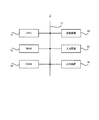
- FIG. 2 is a block diagram showing a hardware configuration of the itinerary proposal system according to the first embodiment.
- the itinerary proposal system 1 includes a CPU (Central Processing Unit) 11, a RAM (Random Access Memory) 12, a ROM (Read Only Memory) 13, and a storage device 14. It has.
- the itinerary proposal system 1 may further include an input device 15 and an output device 16.
- the CPU 11, the RAM 12, the ROM 13, the storage device 14, the input device 15, and the output device 16 are connected via the data bus 17.
- the CPU 11 reads a computer program.
- the CPU 11 is configured to read a computer program stored in at least one of the RAM 12, the ROM 13, and the storage device 14.
- the CPU 11 may read a computer program stored in a computer-readable recording medium using a recording medium reading device (not shown).
- the CPU 11 may acquire (that is, may read) a computer program from a device (not shown) located outside the itinerary proposal system 1 via a network interface.
- the CPU 11 controls the RAM 12, the storage device 14, the input device 15, and the output device 16 by executing the read computer program.
- a functional block for proposing an itinerary is realized in the CPU 11 (see FIG. 1).
- the RAM 12 temporarily stores the computer program executed by the CPU 11.
- the RAM 12 temporarily stores data temporarily used by the CPU 11 when the CPU 11 is executing a computer program.
- the RAM 12 may be, for example, a D-RAM (Dynamic RAM).
- the ROM 13 stores a computer program executed by the CPU 11.
- the ROM 13 may also store fixed data.
- the ROM 13 may be, for example, a P-ROM (Programmable ROM).
- the storage device 14 stores the data stored in the itinerary proposal system 1 for a long period of time.
- the storage device 14 may operate as a temporary storage device of the CPU 11.
- the storage device 14 may include, for example, at least one of a hard disk device, a magneto-optical disk device, an SSD (Solid State Drive), and a disk array device.
- the input device 15 is a device that receives an input instruction from the user of the itinerary proposal system 1.
- the input device 15 may include, for example, at least one of a keyboard, a mouse and a touch panel.
- the output device 16 is a device that outputs information about the itinerary proposal system 1 to the outside.
- the output device 16 may be a display device (for example, a display) capable of displaying information about the itinerary proposal system 1.
- FIG. 3 is a flowchart showing the operation flow of the itinerary proposal system according to the first embodiment. It should be noted that the following operations are operations when presenting the itinerary sample, and it is assumed that the operation of systematizing and accumulating the itinerary sample has been performed in advance.
- the itinerary proposal system 1 first acquires traveler data (step S11).
- the traveler data is input to the itinerary proposal system 1 as, for example, a travel chart created by a travel agency.
- the travel chart will be specifically described with reference to FIG.
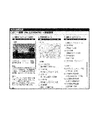
- FIG. 4 is an image diagram showing an example of a travel chart.
- the travel chart includes the traveler's profile information (for example, name, address, family structure, etc.), preference keywords, and conditions for this trip.
- a travel chart is created, for example, based on information obtained from a traveler by a staff member of a travel agency.
- the travel chart may be created by input of the staff of the travel agency, or may be automatically created by voice input.
- the search extraction unit 20 executes a concept search for the itinerary sample stored in the itinerary sample storage unit 10 (step S12). Specifically, the search / extraction unit 20 searches and extracts an itinerary sample suitable for the traveler by using the keyword included in the traveler data and the keyword associated with the keyword.
- the itinerary presenting unit 30 presents the itinerary (hereinafter, appropriately referred to as “proposal itinerary”) extracted by the search extraction unit 20 (step S13).
- provisional itinerary the itinerary extracted by the search extraction unit 20
- FIGS. 5 and 6 the presentation of the proposed itinerary will be specifically described with reference to FIGS. 5 and 6.
- FIG. 5 is an image diagram showing a display example of the proposed itinerary.
- FIG. 6 is an image diagram showing a pop-up display example of the travel content included in the proposed itinerary.
- the proposed itinerary is presented as including information on the characteristics and evaluation of the itinerary, as well as information on the travel content included in the itinerary.
- Proposed itineraries include information on routes and travel times between travel contents, as well as the degree of recommendation of the itinerary (matching degree with traveler data), evaluations from other travelers, characteristics of the itinerary, and good points of the itinerary. It may also include information about the itinerary budget, etc.
- the proposed itinerary may be presented in a layout in which a plurality of itineraries can be compared. In the example shown in the figure, the three itineraries are presented vertically side by side.
- the display example of FIG. 5 is just an example, and the proposed itinerary may be displayed in other modes.
- the detailed information of the travel content included in the proposed itinerary may be displayed. Specifically, when a travel content is selected, information about the travel content may be displayed in a pop-up. In this way, it becomes easier to understand what kind of itinerary the proposed itinerary is.
- an itinerary sample suitable for the traveler is extracted from the accumulated itinerary samples.
- the itinerary sample is systematized and accumulated, it is possible to extract the itinerary sample suitable for the traveler by using the concept search.
- itinerary samples that cannot be extracted by keyword search or synonym search can be extracted and presented.
- a concept search can be used to extract an itinerary sample that includes travel content that corresponds to an ambiguous concept such as "quiet.”
- a keyword associated with a keyword contained in the traveler data can be used to extract an itinerary sample containing unexpected travel content (that is, difficult to come up with from the traveler data).
- the itinerary proposal system 1 according to the first embodiment can search and extract the itinerary by the concept search by systematically accumulating the itinerary samples. Therefore, according to the itinerary proposal system 1 according to the first embodiment, it is possible to propose an appropriate itinerary that suits the taste of the traveler.
- the itinerary proposal system 1 according to the second embodiment will be described with reference to FIGS. 7 to 9.
- the second embodiment is different from the first embodiment described above in that only a part of the configuration and the operation are different, and the other parts are substantially the same. Therefore, in the following, the parts different from the first embodiment will be described in detail, and the description of other overlapping parts will be omitted as appropriate.
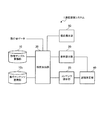
- FIG. 7 is a block diagram showing the overall configuration of the itinerary proposal system according to the second embodiment.
- the same reference numerals are given to the same components as the components shown in FIG.
- the itinerary proposal system 1 includes a travel content storage unit 10b, a content presentation unit 35, and an itinerary correction unit 40, in addition to the components of the first embodiment (see FIG. 1). It is configured with.
- the travel content storage unit 10b is configured to be able to store a plurality of travel contents.
- the travel content storage unit 10b collects and stores travel content by crawling on the Internet, for example.
- the travel content storage unit 10b may store the travel content manually input.
- the travel content storage unit 10b systematically stores a plurality of travel contents based on their relevance, similarly to the itinerary sample storage unit 10.
- the travel content storage unit 10b systematically stores a plurality of travel contents using the ontology technology.
- the travel content storage unit 10b may be configured as the same storage device as the itinerary sample storage unit 10.
- the content presentation unit 35 is configured to be able to present the travel content (hereinafter, appropriately referred to as “proposal content”) searched and extracted by the search extraction unit 20 to the system user.
- the search / extraction unit 20 in the second embodiment can search for travel content that matches the input traveler data from the plurality of travel contents stored in the travel content storage unit 10b and extract it as proposed content. It is configured in.
- the search extraction unit 20 extracts travel content that matches the traveler data by a concept search by utilizing the fact that the travel content storage unit 10b systematically stores a plurality of travel contents.
- the search extraction unit 20 extracts, for example, travel content related to a keyword included in the traveler data and travel content related to a keyword associated with the keyword.
- the search extraction unit 20 may extract a plurality of travel contents.
- the content presenting unit 35 outputs the proposed content extracted in this way to a display device having a display and presents the proposed content.
- the itinerary correction unit 40 is configured to be able to correct the proposed itinerary presented by the itinerary presentation unit 30. Specifically, the itinerary correction unit 40 corrects the proposed itinerary by replacing a part of the travel content included in the proposed itinerary with the proposed content presented by the content presentation unit 35. The itinerary correction unit 40 typically corrects the proposed itinerary (in other words, replaces the travel content) by the operation of the system user. The proposed itinerary modified by the itinerary correction unit 40 is presented again by the itinerary presentation unit 30.
- FIG. 8 is a flowchart showing the operation flow of the itinerary proposal system according to the second embodiment.
- the same reference numerals are given to the same processes as those shown in FIG.
- the itinerary proposal system 1 first executes the processes of steps S11 to S13 in the same manner as in the first embodiment. After that, the itinerary proposal system 1 according to the second embodiment determines whether or not it is required to modify the presented proposed itinerary (step S21). For example, when a new condition is input after the proposed itinerary is presented by the itinerary presenting unit 30, it may be determined that the proposed itinerary presented is required to be modified. If it is determined that the proposed itinerary is not required to be modified (step S21: NO), the subsequent processing is omitted and a series of operations is completed.
- the search extraction unit 20 newly inputs the traveler data (in addition to the already input data).
- a search for travel content is performed based on (data may be used) (step S22).
- the search extraction unit 20 executes a concept search on the travel content stored in the travel content storage unit 10b, and extracts travel content that matches the traveler data.
- the content presenting unit 35 presents the travel content extracted by the search extraction unit 20 as proposed content (step S23).
- the staff of the travel agency uses the proposed content presented to modify the proposed itinerary that has already been proposed.
- the itinerary correction unit 40 corrects the proposed itinerary (step S24).
- the itinerary presentation unit 30 presents the revised proposed itinerary (step S25).
- FIG. 9 is an image diagram showing a specific example of the itinerary modification itinerary modification in the itinerary proposal system according to the second embodiment.
- the itinerary presentation unit 30 displays a customization screen including an itinerary display area, a narrowed search area, a content display area, and a content temporary storage area.
- the proposed itinerary is displayed in the itinerary display area.
- the refined search area is displayed for inputting new conditions (for example, upper / lower limits of keywords and charges).
- the search extraction unit 20 may execute the concept search of the travel content (that is, the process of step S22 in FIG. 8) according to the conditions input here.
- the content display area a plurality of proposed contents extracted by the search extraction unit 20 are displayed in a scrollable state.
- the travel content being temporarily stored is displayed (temporary storage will be described below).
- the travel content displayed in the content display area may be dragged and dropped into the itinerary display area. Then, the itinerary correction unit 40 replaces the travel content of the proposed itinerary displayed in the itinerary display area with the proposed content displayed in the content display area. At this time, the route and staying time may be changed automatically. In addition, if the set discount or the like is not applied due to the replacement of travel contents, an alert or the like may be displayed.
- Travel content deleted from the proposed itinerary due to the modification will be temporarily stored in the content temporary storage area. If you drag and drop the travel content displayed in the temporary storage area to the itinerary display area, the travel content currently being temporarily stored will be replaced with the travel content included in the proposed itinerary. Therefore, even if the travel content is once deleted, it can be easily returned to the proposed itinerary. Further, when the travel content displayed in the content display area is dragged and dropped into the content temporary storage area, the travel content is temporarily stored in the content temporary storage area. Therefore, it is possible to temporarily store the proposed content that is a candidate for addition to the proposed itinerary.
- the proposed itinerary can be modified by using the proposed content. Therefore, even if you are not satisfied with the proposed itinerary presented at the beginning, it is possible to modify it to a more appropriate itinerary.
- the proposed content used for modification is extracted as a result of the concept search as in the proposed itinerary. Therefore, the proposed itinerary can be modified by using the travel content that suits the taste of the traveler.
- the itinerary proposal system 1 according to the third embodiment will be described with reference to FIGS. 10 and 11. It should be noted that the third embodiment is different from the first and second embodiments described above only in a part of the configuration and operation, and the other parts are substantially the same. Therefore, in the following, the parts different from the first and second embodiments will be described in detail, and the description of other overlapping parts will be omitted as appropriate.
- FIG. 10 is a block diagram showing the overall configuration of the itinerary proposal system according to the third embodiment.
- the same reference numerals are given to the same components as those shown in FIG. 7.
- the itinerary proposal system 1 is configured to include a reason presentation unit 50 in addition to the components (see FIG. 7) according to the second embodiment.
- the reason presentation unit 50 is configured to be able to present the reason why the proposed itinerary was presented. Specifically, the reason presentation unit 50 presents the grounds (for example, information indicating what kind of search was performed and extracted) that the search extraction unit 20 extracted the itinerary sample from the itinerary sample storage unit 10. The reason presentation unit 50 may present the reason for each travel content included in the proposed itinerary, instead of the proposed itinerary itself. Further, the reason presentation unit 50 may be configured to be able to present the reason why the proposed content is presented. Specifically, the reason presentation unit 50 may present the grounds for the search extraction unit 20 to extract the travel content from the travel content storage unit 10b. There may be a plurality of reasons presented by the reason presentation unit 50.
- the reason presentation unit 50 may present the reasons for the proposal at the timing when the itinerary presentation unit 30 presents the proposed itinerary or the timing when the content presentation unit 35 presents the proposed content. Alternatively, the reason presenting unit 50 may present the reason why the proposed itinerary and the proposed content are proposed according to the operation of the system user. The reason presenting unit 50 may present the reason why the travel content is proposed when a specific travel content is selected by the system user from, for example, the proposed itinerary or the proposed content. The reason presentation unit 50 outputs the reason why the proposed itinerary and the proposed content are proposed to a display device having a display and presents the reason. The proposed reason may be displayed on the same display as the proposed itinerary, the proposed content, and the like.
- FIG. 11 is an image diagram showing a specific example of reason presentation in the itinerary proposal system according to the third embodiment.
- the reason presentation unit 50 presents the travel content and the proposed content included in the proposed itinerary, as well as the reason why they were proposed.
- the reason the number of travelers who selected the same travel content, information about the traveler, keywords used in the search by the search extraction unit 20, similar keywords, and associative keywords (that is, included in the traveler data). Keywords associated with the keywords that are used) and the like.
- the reason presentation unit 50 may display a conceptual graph from the keyword to the associative keyword.
- the itinerary proposal system 1 according to the third embodiment presents the reason why the proposed itinerary or the proposed content is proposed. Therefore, according to the itinerary proposal system 1 according to the third embodiment, the system user (that is, the staff of the travel agency or the traveler) can know the reason why the proposed itinerary or the proposed content is proposed. Such a technical effect is remarkably exhibited when a concept search using the ontology technology is performed. For example, even if an unexpected itinerary or travel content is proposed by an associative keyword, it is possible to grasp what kind of search was used to extract them. As a result, the system user can be satisfied with the content of the proposed itinerary and the proposed content.
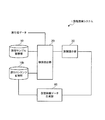
- FIG. 12 is a block diagram showing the overall configuration of the itinerary proposal system according to the fourth embodiment.
- the same reference numerals are given to the same components as those shown in FIG. 7.
- the itinerary proposal system 1 includes a travel content storage unit 10b and a virtual experience data generation unit 60 in addition to the components (see FIG. 1) according to the first embodiment. It is configured.
- the virtual experience data generation unit 60 is configured to be able to generate and output virtual experience data for virtually experiencing the proposed itinerary presented by the itinerary presentation unit 30.
- the virtual experience data generation unit 60 generates virtual experience data by using the travel content stored in the travel content storage unit 10b. Alternatively, the virtual experience data generation unit 60 may newly collect data for generating the virtual experience data from the Internet or the like to generate the virtual experience data.
- the virtual experience data includes an image related to the travel content included in the proposed itinerary, an image showing the state of the route between the travel contents included in the proposed itinerary, and the like.
- the virtual experience data generation unit 60 may output virtual experience data at the timing when the itinerary presentation unit 30 presents the proposed itinerary, for example.
- the virtual experience data generation unit 60 may output the virtual experience data according to the operation of the system user (in other words, at the timing when the system user desires to output the virtual experience data).
- the virtual experience data output from the virtual experience data generation unit 60 is presented by the itinerary presenting unit 30 together with the proposed itinerary or in place of the proposed itinerary.
- FIG. 13 is an image diagram showing a presentation example of virtual experience data generated by the itinerary proposal system according to the fourth embodiment.
- a screen including an itinerary display area, a video display area, a route display area, an operation panel area, and an explanation display area is displayed.
- the proposed itinerary corresponding to the virtual experience data is displayed.
- the video display area a video (or image) included in the virtual experience data is displayed.
- the route display area the route corresponding to the proposed itinerary is displayed.
- the route corresponding to the image displayed in the image display area may be highlighted.
- an operation panel for performing various operations related to playback of the video displayed in the video display area is displayed.
- the explanation display area the explanation corresponding to the image displayed in the image display area is displayed.
- the itinerary proposal system 1 according to the fourth embodiment outputs virtual experience data generated based on the proposed itinerary.
- the virtual experience data is presented to the traveler along with the proposed itinerary. Therefore, according to the itinerary proposal system 1 according to the fourth embodiment, it is possible to allow the traveler who is presented with the proposed itinerary to experience the proposed itinerary virtually.
- the virtual experience data it is possible to provide the traveler with information that makes the traveler have a concrete image of the trip and stimulates the motivation to travel.
- the itinerary proposal system 1 according to the fifth embodiment will be described with reference to FIGS. 14 and 15. It should be noted that the fifth embodiment is different from the first to fourth embodiments described above in that only a part of the configuration and the operation are different, and the other parts are substantially the same. Therefore, in the following, the parts different from the first to fourth embodiments will be described in detail, and the description of other overlapping parts will be omitted as appropriate.
- FIG. 14 is a block diagram showing the overall configuration of the itinerary proposal system according to the fifth embodiment.
- the same reference numerals are given to the same components as those shown in FIG. 7.
- the itinerary proposal system 1 includes a bookmark generation unit 70 and a pamphlet generation unit 80 in addition to the components of the second embodiment (see FIG. 7). ..
- the bookmark generation unit 70 is configured to be able to generate bookmarks corresponding to the proposed itinerary presented by the itinerary presentation unit 30.
- the "bookmark" here is a collection of information for introducing the proposed itinerary, and information on the proposed itinerary and information on the travel content included in the proposed itinerary (for example, the proposed itinerary and its inclusion). Includes images and introductory texts to convey the appeal of travel content).
- the bookmark generation unit 70 uses the travel content accumulated in the travel content storage unit 10b to generate a bookmark corresponding to the proposed itinerary.
- the pamphlet generation unit 80 is configured to be able to generate a pamphlet corresponding to the proposed content presented by the content presentation unit 35.
- the "pamphlet” here is a collection of information for introducing the proposed content, and includes information on the proposed content (for example, an image or an introductory text to convey the attractiveness of the proposed content). ..
- the pamphlet generation unit 80 generates a pamphlet corresponding to the proposed content by using the proposed content presented by the content presentation unit 35.
- bookmarks and pamphlets will be provided to travelers as electronic data.
- Bookmarks and pamphlets are provided to travelers as being viewable on, for example, terminals owned by travelers.
- FIG. 15 is an image diagram showing an example of a pamphlet generated by the itinerary proposal system according to the fifth embodiment.
- bookmarks and pamphlets like general travel pamphlets, include catchy images and introductory texts that motivate travelers (eg, content included in the itinerary). It is preferable that it is.
- the structure and layout of the bookmarks and pamphlets are typically determined automatically based on preset items, but may be appropriately modified by the staff of the travel agency. Since bookmarks and pamphlets are electronic data, it is possible to incorporate dynamic contents such as moving images, walkthroughs, and links. In addition, an electronic coupon that discounts the price of travel content may be attached.
- the itinerary proposal system 1 according to the fifth embodiment generates a pamphlet corresponding to the proposed itinerary or the proposed content. Therefore, according to the itinerary proposal system 1 according to the fifth embodiment, the travel motivation of the traveler for the proposed itinerary can be stimulated by providing the bookmark and the pamphlet. In addition, travelers can bring home bookmarks and pamphlets, so they can consider the proposed itinerary at home. This also makes it possible to consider a proposed itinerary with the family accompanying the trip.
- the itinerary proposal system described in Appendix 1 is a storage means for systematically accumulating itinerary samples including a plurality of travel contents based on the relevance of the travel contents, and the itinerary sample systematically accumulated.
- the itinerary proposal system is characterized by comprising an extraction means for searching and extracting the itinerary sample satisfying the input conditions and a presentation means for presenting the extracted itinerary sample as a proposed itinerary.
- Appendix 2 In the itinerary proposal system described in Appendix 2, the storage means systematically accumulates the travel content based on the relevance of the travel content, and the extraction means systematically stores the travel content. Appendix 1 is characterized in that the travel content that meets the input conditions is searched for and extracted from the list, and the presenting means presents the extracted travel content as the proposed content in addition to the proposed itinerary. Itinerary proposal system described in.
- Appendix 3 The itinerary proposal system described in Appendix 3 is described in Appendix 2, characterized in that the travel content included in the proposed itinerary is further provided with a modification means for modifying the proposed itinerary by exchanging the proposed content with the proposed content. Itinerary proposal system.
- the itinerary proposal system described in Appendix 6 outputs virtual experience data including an image related to the travel content included in the proposed itinerary and an image showing the state of a route between the travel contents included in the proposed itinerary.
- the itinerary proposal system according to any one of Supplementary Provisions 1 to 5, further comprising means.
- the itinerary proposal system described in Appendix 7 acquires first content data related to the travel content included in the proposed itinerary, and uses the first content data to generate a bookmark generating means for introducing the proposed itinerary.
- the itinerary proposal system according to any one of Appendix 1 to 6, further comprising.
- Appendix 8 The itinerary proposal system described in Appendix 8 is further provided with a pamphlet generation means for acquiring the second content data related to the proposed content and generating a pamphlet introducing the proposed content using the second content data. Itinerary proposal system according to Appendix 2 or 3.
- itinerary proposals method In the itinerary proposal method described in Appendix 9, itinerary samples including a plurality of travel contents are systematically accumulated based on the relevance of the travel contents, and input from the itinerary samples systematically accumulated.
- the itinerary proposal method is characterized in that the itinerary sample satisfying the above conditions is searched and extracted, and the extracted itinerary sample is presented as a proposed itinerary.
- Appendix 10 The computer program according to Appendix 10 systematically accumulates itinerary samples including a plurality of travel contents based on the relevance of the travel contents, and inputs the itinerary samples from the systematized and accumulated itinerary samples. It is a computer program characterized in that a computer is operated so as to search for and extract the itinerary sample that meets the conditions and present the extracted itinerary sample as a proposed itinerary.
- the present invention can be appropriately modified within the scope of the claims and within the scope not contrary to the gist or idea of the invention that can be read from the entire specification, and the itinerary proposal system, the itinerary proposal method, and the computer program accompanied by such changes It is also included in the technical idea of the present invention.
- Itinerary proposal system 10 Itinerary sample storage unit 10b Travel content storage unit 20 Search extraction unit 30 Itinerary presentation unit 35 Content presentation unit 40 Itinerary correction unit 50 Reason presentation unit 60 Virtual experience data generation unit 70 Bookmark generation unit 80 Pamphlet generation unit
Landscapes
- Business, Economics & Management (AREA)
- Human Resources & Organizations (AREA)
- Tourism & Hospitality (AREA)
- Engineering & Computer Science (AREA)
- Strategic Management (AREA)
- Economics (AREA)
- General Business, Economics & Management (AREA)
- Entrepreneurship & Innovation (AREA)
- Marketing (AREA)
- Physics & Mathematics (AREA)
- Theoretical Computer Science (AREA)
- General Physics & Mathematics (AREA)
- Development Economics (AREA)
- Operations Research (AREA)
- Quality & Reliability (AREA)
- Health & Medical Sciences (AREA)
- General Health & Medical Sciences (AREA)
- Educational Administration (AREA)
- Primary Health Care (AREA)
- Game Theory and Decision Science (AREA)
- Management, Administration, Business Operations System, And Electronic Commerce (AREA)
Priority Applications (3)
| Application Number | Priority Date | Filing Date | Title |
|---|---|---|---|
| PCT/JP2019/050839 WO2021130900A1 (ja) | 2019-12-25 | 2019-12-25 | 旅程提案システム、旅程提案方法、及びコンピュータプログラム |
| US17/786,860 US20230129675A1 (en) | 2019-12-25 | 2019-12-25 | Itinerary proposal system, itinerary proposal method, and computer program |
| JP2021566637A JP7517351B2 (ja) | 2019-12-25 | 2019-12-25 | 旅程提案システム、旅程提案方法、及びコンピュータプログラム |
Applications Claiming Priority (1)
| Application Number | Priority Date | Filing Date | Title |
|---|---|---|---|
| PCT/JP2019/050839 WO2021130900A1 (ja) | 2019-12-25 | 2019-12-25 | 旅程提案システム、旅程提案方法、及びコンピュータプログラム |
Publications (1)
| Publication Number | Publication Date |
|---|---|
| WO2021130900A1 true WO2021130900A1 (ja) | 2021-07-01 |
Family
ID=76573745
Family Applications (1)
| Application Number | Title | Priority Date | Filing Date |
|---|---|---|---|
| PCT/JP2019/050839 Ceased WO2021130900A1 (ja) | 2019-12-25 | 2019-12-25 | 旅程提案システム、旅程提案方法、及びコンピュータプログラム |
Country Status (3)
| Country | Link |
|---|---|
| US (1) | US20230129675A1 (https=) |
| JP (1) | JP7517351B2 (https=) |
| WO (1) | WO2021130900A1 (https=) |
Cited By (1)
| Publication number | Priority date | Publication date | Assignee | Title |
|---|---|---|---|---|
| JPWO2023062852A1 (https=) * | 2021-10-11 | 2023-04-20 |
Citations (9)
| Publication number | Priority date | Publication date | Assignee | Title |
|---|---|---|---|---|
| JP2005108002A (ja) * | 2003-09-30 | 2005-04-21 | Canon Sales Co Inc | コンテンツ管理システム及び方法、並びにそのプログラム |
| JP2010039707A (ja) * | 2008-08-04 | 2010-02-18 | Panasonic Corp | 情報提供装置および情報提供方法 |
| JP2010039710A (ja) * | 2008-08-04 | 2010-02-18 | Vip Partners:Kk | 情報収集装置、旅行案内装置、旅行案内システム及びコンピュータプログラム |
| JP2016143192A (ja) * | 2015-01-30 | 2016-08-08 | 株式会社日本ラノス | 旅行プラン提案システム、サーバ装置、サーバプログラム、クライアント装置及びクライアントプログラム |
| JP2016200884A (ja) * | 2015-04-08 | 2016-12-01 | 株式会社ユニモト | 観光誘客システム、観光誘客方法、観光誘客用データベース、情報処理装置、通信端末装置およびそれらの制御方法と制御プログラム |
| JP2018018183A (ja) * | 2016-07-26 | 2018-02-01 | 宗典 下條 | 検索システム、ツアープラン生成システム、ツアープラン生成方法、及びコミュニケーションシステム |
| JP2018147169A (ja) * | 2017-03-03 | 2018-09-20 | 富士通株式会社 | 特徴語分類プログラム、特徴語分類方法および情報処理装置 |
| US20180375804A1 (en) * | 2017-06-23 | 2018-12-27 | Wayblazer, Inc. | Interaction driven artificial intelligence system and uses for same |
| JP2019215679A (ja) * | 2018-06-12 | 2019-12-19 | 株式会社野村総合研究所 | サーバおよびコンピュータプログラム |
Family Cites Families (3)
| Publication number | Priority date | Publication date | Assignee | Title |
|---|---|---|---|---|
| TWI525460B (zh) * | 2013-10-07 | 2016-03-11 | 財團法人資訊工業策進會 | 電子計算裝置、其個人化資訊推薦方法及其電腦程式產品 |
| KR101660106B1 (ko) * | 2014-06-09 | 2016-09-27 | 한국과학기술원 | 비정형 문화관광 데이터 수집 및 정형화를 통한 맞춤형 문화관광 콘텐츠 추천 시스템 및 방법 |
| US9820094B2 (en) * | 2015-08-10 | 2017-11-14 | Facebook, Inc. | Travel recommendations on online social networks |
-
2019
- 2019-12-25 US US17/786,860 patent/US20230129675A1/en not_active Abandoned
- 2019-12-25 JP JP2021566637A patent/JP7517351B2/ja active Active
- 2019-12-25 WO PCT/JP2019/050839 patent/WO2021130900A1/ja not_active Ceased
Patent Citations (9)
| Publication number | Priority date | Publication date | Assignee | Title |
|---|---|---|---|---|
| JP2005108002A (ja) * | 2003-09-30 | 2005-04-21 | Canon Sales Co Inc | コンテンツ管理システム及び方法、並びにそのプログラム |
| JP2010039707A (ja) * | 2008-08-04 | 2010-02-18 | Panasonic Corp | 情報提供装置および情報提供方法 |
| JP2010039710A (ja) * | 2008-08-04 | 2010-02-18 | Vip Partners:Kk | 情報収集装置、旅行案内装置、旅行案内システム及びコンピュータプログラム |
| JP2016143192A (ja) * | 2015-01-30 | 2016-08-08 | 株式会社日本ラノス | 旅行プラン提案システム、サーバ装置、サーバプログラム、クライアント装置及びクライアントプログラム |
| JP2016200884A (ja) * | 2015-04-08 | 2016-12-01 | 株式会社ユニモト | 観光誘客システム、観光誘客方法、観光誘客用データベース、情報処理装置、通信端末装置およびそれらの制御方法と制御プログラム |
| JP2018018183A (ja) * | 2016-07-26 | 2018-02-01 | 宗典 下條 | 検索システム、ツアープラン生成システム、ツアープラン生成方法、及びコミュニケーションシステム |
| JP2018147169A (ja) * | 2017-03-03 | 2018-09-20 | 富士通株式会社 | 特徴語分類プログラム、特徴語分類方法および情報処理装置 |
| US20180375804A1 (en) * | 2017-06-23 | 2018-12-27 | Wayblazer, Inc. | Interaction driven artificial intelligence system and uses for same |
| JP2019215679A (ja) * | 2018-06-12 | 2019-12-19 | 株式会社野村総合研究所 | サーバおよびコンピュータプログラム |
Cited By (3)
| Publication number | Priority date | Publication date | Assignee | Title |
|---|---|---|---|---|
| JPWO2023062852A1 (https=) * | 2021-10-11 | 2023-04-20 | ||
| WO2023062852A1 (ja) * | 2021-10-11 | 2023-04-20 | 日本電気株式会社 | 情報処理装置、情報処理方法、およびプログラム |
| JP7574946B2 (ja) | 2021-10-11 | 2024-10-29 | 日本電気株式会社 | 情報処理装置、情報処理方法、およびプログラム |
Also Published As
| Publication number | Publication date |
|---|---|
| JP7517351B2 (ja) | 2024-07-17 |
| US20230129675A1 (en) | 2023-04-27 |
| JPWO2021130900A1 (https=) | 2021-07-01 |
Similar Documents
| Publication | Publication Date | Title |
|---|---|---|
| US11774264B2 (en) | Method and system for providing information to a user relating to a point-of-interest | |
| TWI539308B (zh) | 於搜尋結果頁內提供已標定應用程式之系統與方法 | |
| JP4637969B1 (ja) | ウェブページの主意,およびユーザの嗜好を適切に把握して,最善の情報をリアルタイムに推奨する方法 | |
| JP5229226B2 (ja) | 情報共有システム、情報共有方法、および情報共有プログラム | |
| JP6381775B2 (ja) | 情報処理システム及び情報処理方法 | |
| JP2010066870A (ja) | 情報推薦装置および情報推薦方法 | |
| JP7262861B2 (ja) | コンテンツ配置プログラム、コンテンツ配置装置およびコンテンツ配置方法、Webサイト構築支援プログラム、Webサイト構築支援装置およびWebサイト構築支援方法、ならびに、経済規模出力プログラム、経済規模出力装置および経済規模出力方法 | |
| US20210304086A1 (en) | System and method for sharing a travel itinerary with booking options | |
| JP6712614B2 (ja) | ページ生成システム、ページ生成方法、及びプログラム | |
| JP5125558B2 (ja) | 推薦情報提供装置、推薦情報提供方法、推薦情報提供システムおよび推薦情報提供プログラム | |
| JP5284064B2 (ja) | 商品idサーバ装置、および商品idサーバ装置の制御方法 | |
| JP2017117021A (ja) | キーワード抽出装置、コンテンツ生成システム、キーワード抽出方法、およびプログラム | |
| JP7517351B2 (ja) | 旅程提案システム、旅程提案方法、及びコンピュータプログラム | |
| JP6868576B2 (ja) | 事象提示システムおよび事象提示装置 | |
| JP3908634B2 (ja) | 検索支援方法および検索支援装置 | |
| JP6506839B2 (ja) | 不満情報処理装置及びシステム | |
| JP6993955B2 (ja) | 情報処理装置、情報処理方法、およびプログラム | |
| JP6960553B2 (ja) | ブランド辞書作成装置、商品等評価装置、ブランド辞書作成方法及びプログラム | |
| JP7336163B2 (ja) | 評価支援プログラム、評価支援方法および評価支援装置 | |
| KR20130131865A (ko) | 여행 상품 비교 방법 및 장치 | |
| JP5741242B2 (ja) | プロファイル更新装置およびその制御方法、ならびに、プロファイル更新用プログラム | |
| Madhu et al. | Content Analysis of Library Websites of National Institute of Pharmaceutical Education and Research (NIPER’s) Institutes of India: An Evaluative study | |
| JP2008276594A (ja) | 情報推薦装置 | |
| JP2014222448A (ja) | 書籍抽出装置、書籍抽出方法及び書籍抽出用プログラム | |
| JP4473639B2 (ja) | コンテンツマップ作成プログラム、方法及び装置 |
Legal Events
| Date | Code | Title | Description |
|---|---|---|---|
| 121 | Ep: the epo has been informed by wipo that ep was designated in this application |
Ref document number: 19957508 Country of ref document: EP Kind code of ref document: A1 |
|
| ENP | Entry into the national phase |
Ref document number: 2021566637 Country of ref document: JP Kind code of ref document: A |
|
| NENP | Non-entry into the national phase |
Ref country code: DE |
|
| 122 | Ep: pct application non-entry in european phase |
Ref document number: 19957508 Country of ref document: EP Kind code of ref document: A1 |