WO2021039331A1 - 感放射線性樹脂組成物及びレジストパターンの形成方法 - Google Patents
感放射線性樹脂組成物及びレジストパターンの形成方法 Download PDFInfo
- Publication number
- WO2021039331A1 WO2021039331A1 PCT/JP2020/030051 JP2020030051W WO2021039331A1 WO 2021039331 A1 WO2021039331 A1 WO 2021039331A1 JP 2020030051 W JP2020030051 W JP 2020030051W WO 2021039331 A1 WO2021039331 A1 WO 2021039331A1
- Authority
- WO
- WIPO (PCT)
- Prior art keywords
- group
- radiation
- resin composition
- mass
- sensitive resin
- Prior art date
- Legal status (The legal status is an assumption and is not a legal conclusion. Google has not performed a legal analysis and makes no representation as to the accuracy of the status listed.)
- Ceased
Links
Classifications
-
- C—CHEMISTRY; METALLURGY
- C07—ORGANIC CHEMISTRY
- C07C—ACYCLIC OR CARBOCYCLIC COMPOUNDS
- C07C381/00—Compounds containing carbon and sulfur and having functional groups not covered by groups C07C301/00 - C07C337/00
- C07C381/12—Sulfonium compounds
-
- C—CHEMISTRY; METALLURGY
- C07—ORGANIC CHEMISTRY
- C07C—ACYCLIC OR CARBOCYCLIC COMPOUNDS
- C07C229/00—Compounds containing amino and carboxyl groups bound to the same carbon skeleton
- C07C229/02—Compounds containing amino and carboxyl groups bound to the same carbon skeleton having amino and carboxyl groups bound to acyclic carbon atoms of the same carbon skeleton
- C07C229/04—Compounds containing amino and carboxyl groups bound to the same carbon skeleton having amino and carboxyl groups bound to acyclic carbon atoms of the same carbon skeleton the carbon skeleton being acyclic and saturated
- C07C229/20—Compounds containing amino and carboxyl groups bound to the same carbon skeleton having amino and carboxyl groups bound to acyclic carbon atoms of the same carbon skeleton the carbon skeleton being acyclic and saturated the carbon skeleton being further substituted by halogen atoms or by nitro or nitroso groups
-
- C—CHEMISTRY; METALLURGY
- C07—ORGANIC CHEMISTRY
- C07C—ACYCLIC OR CARBOCYCLIC COMPOUNDS
- C07C25/00—Compounds containing at least one halogen atom bound to a six-membered aromatic ring
- C07C25/18—Polycyclic aromatic halogenated hydrocarbons
-
- C—CHEMISTRY; METALLURGY
- C07—ORGANIC CHEMISTRY
- C07C—ACYCLIC OR CARBOCYCLIC COMPOUNDS
- C07C323/00—Thiols, sulfides, hydropolysulfides or polysulfides substituted by halogen, oxygen or nitrogen atoms, or by sulfur atoms not being part of thio groups
- C07C323/50—Thiols, sulfides, hydropolysulfides or polysulfides substituted by halogen, oxygen or nitrogen atoms, or by sulfur atoms not being part of thio groups containing thio groups and carboxyl groups bound to the same carbon skeleton
- C07C323/51—Thiols, sulfides, hydropolysulfides or polysulfides substituted by halogen, oxygen or nitrogen atoms, or by sulfur atoms not being part of thio groups containing thio groups and carboxyl groups bound to the same carbon skeleton having the sulfur atoms of the thio groups bound to acyclic carbon atoms of the carbon skeleton
- C07C323/52—Thiols, sulfides, hydropolysulfides or polysulfides substituted by halogen, oxygen or nitrogen atoms, or by sulfur atoms not being part of thio groups containing thio groups and carboxyl groups bound to the same carbon skeleton having the sulfur atoms of the thio groups bound to acyclic carbon atoms of the carbon skeleton the carbon skeleton being acyclic and saturated
-
- C—CHEMISTRY; METALLURGY
- C07—ORGANIC CHEMISTRY
- C07C—ACYCLIC OR CARBOCYCLIC COMPOUNDS
- C07C323/00—Thiols, sulfides, hydropolysulfides or polysulfides substituted by halogen, oxygen or nitrogen atoms, or by sulfur atoms not being part of thio groups
- C07C323/50—Thiols, sulfides, hydropolysulfides or polysulfides substituted by halogen, oxygen or nitrogen atoms, or by sulfur atoms not being part of thio groups containing thio groups and carboxyl groups bound to the same carbon skeleton
- C07C323/61—Thiols, sulfides, hydropolysulfides or polysulfides substituted by halogen, oxygen or nitrogen atoms, or by sulfur atoms not being part of thio groups containing thio groups and carboxyl groups bound to the same carbon skeleton having the sulfur atom of at least one of the thio groups bound to a carbon atom of a ring other than a six-membered aromatic ring of the carbon skeleton
-
- C—CHEMISTRY; METALLURGY
- C07—ORGANIC CHEMISTRY
- C07C—ACYCLIC OR CARBOCYCLIC COMPOUNDS
- C07C323/00—Thiols, sulfides, hydropolysulfides or polysulfides substituted by halogen, oxygen or nitrogen atoms, or by sulfur atoms not being part of thio groups
- C07C323/50—Thiols, sulfides, hydropolysulfides or polysulfides substituted by halogen, oxygen or nitrogen atoms, or by sulfur atoms not being part of thio groups containing thio groups and carboxyl groups bound to the same carbon skeleton
- C07C323/62—Thiols, sulfides, hydropolysulfides or polysulfides substituted by halogen, oxygen or nitrogen atoms, or by sulfur atoms not being part of thio groups containing thio groups and carboxyl groups bound to the same carbon skeleton having the sulfur atom of at least one of the thio groups bound to a carbon atom of a six-membered aromatic ring of the carbon skeleton
-
- C—CHEMISTRY; METALLURGY
- C07—ORGANIC CHEMISTRY
- C07C—ACYCLIC OR CARBOCYCLIC COMPOUNDS
- C07C59/00—Compounds having carboxyl groups bound to acyclic carbon atoms and containing any of the groups OH, O—metal, —CHO, keto, ether, groups, groups, or groups
- C07C59/125—Saturated compounds having only one carboxyl group and containing ether groups, groups, groups, or groups
- C07C59/135—Saturated compounds having only one carboxyl group and containing ether groups, groups, groups, or groups containing halogen
-
- C—CHEMISTRY; METALLURGY
- C07—ORGANIC CHEMISTRY
- C07C—ACYCLIC OR CARBOCYCLIC COMPOUNDS
- C07C69/00—Esters of carboxylic acids; Esters of carbonic or haloformic acids
- C07C69/66—Esters of carboxylic acids having esterified carboxylic groups bound to acyclic carbon atoms and having any of the groups OH, O—metal, —CHO, keto, ether, acyloxy, groups, groups, or in the acid moiety
- C07C69/73—Esters of carboxylic acids having esterified carboxylic groups bound to acyclic carbon atoms and having any of the groups OH, O—metal, —CHO, keto, ether, acyloxy, groups, groups, or in the acid moiety of unsaturated acids
- C07C69/734—Ethers
-
- C—CHEMISTRY; METALLURGY
- C07—ORGANIC CHEMISTRY
- C07C—ACYCLIC OR CARBOCYCLIC COMPOUNDS
- C07C69/00—Esters of carboxylic acids; Esters of carbonic or haloformic acids
- C07C69/76—Esters of carboxylic acids having a carboxyl group bound to a carbon atom of a six-membered aromatic ring
- C07C69/84—Esters of carboxylic acids having a carboxyl group bound to a carbon atom of a six-membered aromatic ring of monocyclic hydroxy carboxylic acids, the hydroxy groups and the carboxyl groups of which are bound to carbon atoms of a six-membered aromatic ring
- C07C69/92—Esters of carboxylic acids having a carboxyl group bound to a carbon atom of a six-membered aromatic ring of monocyclic hydroxy carboxylic acids, the hydroxy groups and the carboxyl groups of which are bound to carbon atoms of a six-membered aromatic ring with etherified hydroxyl groups
-
- C—CHEMISTRY; METALLURGY
- C07—ORGANIC CHEMISTRY
- C07D—HETEROCYCLIC COMPOUNDS
- C07D307/00—Heterocyclic compounds containing five-membered rings having one oxygen atom as the only ring hetero atom
- C07D307/02—Heterocyclic compounds containing five-membered rings having one oxygen atom as the only ring hetero atom not condensed with other rings
- C07D307/34—Heterocyclic compounds containing five-membered rings having one oxygen atom as the only ring hetero atom not condensed with other rings having two or three double bonds between ring members or between ring members and non-ring members
- C07D307/56—Heterocyclic compounds containing five-membered rings having one oxygen atom as the only ring hetero atom not condensed with other rings having two or three double bonds between ring members or between ring members and non-ring members with hetero atoms or with carbon atoms having three bonds to hetero atoms with at the most one bond to halogen, e.g. ester or nitrile radicals, directly attached to ring carbon atoms
- C07D307/58—One oxygen atom, e.g. butenolide
-
- C—CHEMISTRY; METALLURGY
- C07—ORGANIC CHEMISTRY
- C07D—HETEROCYCLIC COMPOUNDS
- C07D307/00—Heterocyclic compounds containing five-membered rings having one oxygen atom as the only ring hetero atom
- C07D307/77—Heterocyclic compounds containing five-membered rings having one oxygen atom as the only ring hetero atom ortho- or peri-condensed with carbocyclic rings or ring systems
- C07D307/93—Heterocyclic compounds containing five-membered rings having one oxygen atom as the only ring hetero atom ortho- or peri-condensed with carbocyclic rings or ring systems condensed with a ring other than six-membered
-
- C—CHEMISTRY; METALLURGY
- C07—ORGANIC CHEMISTRY
- C07D—HETEROCYCLIC COMPOUNDS
- C07D327/00—Heterocyclic compounds containing rings having oxygen and sulfur atoms as the only ring hetero atoms
- C07D327/02—Heterocyclic compounds containing rings having oxygen and sulfur atoms as the only ring hetero atoms one oxygen atom and one sulfur atom
- C07D327/06—Six-membered rings
-
- C—CHEMISTRY; METALLURGY
- C07—ORGANIC CHEMISTRY
- C07D—HETEROCYCLIC COMPOUNDS
- C07D327/00—Heterocyclic compounds containing rings having oxygen and sulfur atoms as the only ring hetero atoms
- C07D327/02—Heterocyclic compounds containing rings having oxygen and sulfur atoms as the only ring hetero atoms one oxygen atom and one sulfur atom
- C07D327/06—Six-membered rings
- C07D327/08—[b,e]-condensed with two six-membered carbocyclic rings
-
- C—CHEMISTRY; METALLURGY
- C07—ORGANIC CHEMISTRY
- C07D—HETEROCYCLIC COMPOUNDS
- C07D333/00—Heterocyclic compounds containing five-membered rings having one sulfur atom as the only ring hetero atom
- C07D333/02—Heterocyclic compounds containing five-membered rings having one sulfur atom as the only ring hetero atom not condensed with other rings
- C07D333/04—Heterocyclic compounds containing five-membered rings having one sulfur atom as the only ring hetero atom not condensed with other rings not substituted on the ring sulphur atom
- C07D333/06—Heterocyclic compounds containing five-membered rings having one sulfur atom as the only ring hetero atom not condensed with other rings not substituted on the ring sulphur atom with only hydrogen atoms, hydrocarbon or substituted hydrocarbon radicals, directly attached to the ring carbon atoms
- C07D333/14—Radicals substituted by singly bound hetero atoms other than halogen
- C07D333/16—Radicals substituted by singly bound hetero atoms other than halogen by oxygen atoms
-
- C—CHEMISTRY; METALLURGY
- C07—ORGANIC CHEMISTRY
- C07D—HETEROCYCLIC COMPOUNDS
- C07D333/00—Heterocyclic compounds containing five-membered rings having one sulfur atom as the only ring hetero atom
- C07D333/50—Heterocyclic compounds containing five-membered rings having one sulfur atom as the only ring hetero atom condensed with carbocyclic rings or ring systems
- C07D333/76—Dibenzothiophenes
-
- G—PHYSICS
- G03—PHOTOGRAPHY; CINEMATOGRAPHY; ANALOGOUS TECHNIQUES USING WAVES OTHER THAN OPTICAL WAVES; ELECTROGRAPHY; HOLOGRAPHY
- G03F—PHOTOMECHANICAL PRODUCTION OF TEXTURED OR PATTERNED SURFACES, e.g. FOR PRINTING, FOR PROCESSING OF SEMICONDUCTOR DEVICES; MATERIALS THEREFOR; ORIGINALS THEREFOR; APPARATUS SPECIALLY ADAPTED THEREFOR
- G03F7/00—Photomechanical, e.g. photolithographic, production of textured or patterned surfaces, e.g. printing surfaces; Materials therefor, e.g. comprising photoresists; Apparatus specially adapted therefor
- G03F7/004—Photosensitive materials
- G03F7/0045—Photosensitive materials with organic non-macromolecular light-sensitive compounds not otherwise provided for, e.g. dissolution inhibitors
-
- G—PHYSICS
- G03—PHOTOGRAPHY; CINEMATOGRAPHY; ANALOGOUS TECHNIQUES USING WAVES OTHER THAN OPTICAL WAVES; ELECTROGRAPHY; HOLOGRAPHY
- G03F—PHOTOMECHANICAL PRODUCTION OF TEXTURED OR PATTERNED SURFACES, e.g. FOR PRINTING, FOR PROCESSING OF SEMICONDUCTOR DEVICES; MATERIALS THEREFOR; ORIGINALS THEREFOR; APPARATUS SPECIALLY ADAPTED THEREFOR
- G03F7/00—Photomechanical, e.g. photolithographic, production of textured or patterned surfaces, e.g. printing surfaces; Materials therefor, e.g. comprising photoresists; Apparatus specially adapted therefor
- G03F7/004—Photosensitive materials
- G03F7/038—Macromolecular compounds which are rendered insoluble or differentially wettable
- G03F7/0382—Macromolecular compounds which are rendered insoluble or differentially wettable the macromolecular compound being present in a chemically amplified negative photoresist composition
-
- G—PHYSICS
- G03—PHOTOGRAPHY; CINEMATOGRAPHY; ANALOGOUS TECHNIQUES USING WAVES OTHER THAN OPTICAL WAVES; ELECTROGRAPHY; HOLOGRAPHY
- G03F—PHOTOMECHANICAL PRODUCTION OF TEXTURED OR PATTERNED SURFACES, e.g. FOR PRINTING, FOR PROCESSING OF SEMICONDUCTOR DEVICES; MATERIALS THEREFOR; ORIGINALS THEREFOR; APPARATUS SPECIALLY ADAPTED THEREFOR
- G03F7/00—Photomechanical, e.g. photolithographic, production of textured or patterned surfaces, e.g. printing surfaces; Materials therefor, e.g. comprising photoresists; Apparatus specially adapted therefor
- G03F7/004—Photosensitive materials
- G03F7/039—Macromolecular compounds which are photodegradable, e.g. positive electron resists
- G03F7/0392—Macromolecular compounds which are photodegradable, e.g. positive electron resists the macromolecular compound being present in a chemically amplified positive photoresist composition
- G03F7/0397—Macromolecular compounds which are photodegradable, e.g. positive electron resists the macromolecular compound being present in a chemically amplified positive photoresist composition the macromolecular compound having an alicyclic moiety in a side chain
-
- G—PHYSICS
- G03—PHOTOGRAPHY; CINEMATOGRAPHY; ANALOGOUS TECHNIQUES USING WAVES OTHER THAN OPTICAL WAVES; ELECTROGRAPHY; HOLOGRAPHY
- G03F—PHOTOMECHANICAL PRODUCTION OF TEXTURED OR PATTERNED SURFACES, e.g. FOR PRINTING, FOR PROCESSING OF SEMICONDUCTOR DEVICES; MATERIALS THEREFOR; ORIGINALS THEREFOR; APPARATUS SPECIALLY ADAPTED THEREFOR
- G03F7/00—Photomechanical, e.g. photolithographic, production of textured or patterned surfaces, e.g. printing surfaces; Materials therefor, e.g. comprising photoresists; Apparatus specially adapted therefor
- G03F7/16—Coating processes; Apparatus therefor
- G03F7/162—Coating on a rotating support, e.g. using a whirler or a spinner
-
- G—PHYSICS
- G03—PHOTOGRAPHY; CINEMATOGRAPHY; ANALOGOUS TECHNIQUES USING WAVES OTHER THAN OPTICAL WAVES; ELECTROGRAPHY; HOLOGRAPHY
- G03F—PHOTOMECHANICAL PRODUCTION OF TEXTURED OR PATTERNED SURFACES, e.g. FOR PRINTING, FOR PROCESSING OF SEMICONDUCTOR DEVICES; MATERIALS THEREFOR; ORIGINALS THEREFOR; APPARATUS SPECIALLY ADAPTED THEREFOR
- G03F7/00—Photomechanical, e.g. photolithographic, production of textured or patterned surfaces, e.g. printing surfaces; Materials therefor, e.g. comprising photoresists; Apparatus specially adapted therefor
- G03F7/20—Exposure; Apparatus therefor
- G03F7/2002—Exposure; Apparatus therefor with visible light or UV light, through an original having an opaque pattern on a transparent support, e.g. film printing, projection printing; by reflection of visible or UV light from an original such as a printed image
- G03F7/2004—Exposure; Apparatus therefor with visible light or UV light, through an original having an opaque pattern on a transparent support, e.g. film printing, projection printing; by reflection of visible or UV light from an original such as a printed image characterised by the use of a particular light source, e.g. fluorescent lamps or deep UV light
- G03F7/2006—Exposure; Apparatus therefor with visible light or UV light, through an original having an opaque pattern on a transparent support, e.g. film printing, projection printing; by reflection of visible or UV light from an original such as a printed image characterised by the use of a particular light source, e.g. fluorescent lamps or deep UV light using coherent light; using polarised light
-
- G—PHYSICS
- G03—PHOTOGRAPHY; CINEMATOGRAPHY; ANALOGOUS TECHNIQUES USING WAVES OTHER THAN OPTICAL WAVES; ELECTROGRAPHY; HOLOGRAPHY
- G03F—PHOTOMECHANICAL PRODUCTION OF TEXTURED OR PATTERNED SURFACES, e.g. FOR PRINTING, FOR PROCESSING OF SEMICONDUCTOR DEVICES; MATERIALS THEREFOR; ORIGINALS THEREFOR; APPARATUS SPECIALLY ADAPTED THEREFOR
- G03F7/00—Photomechanical, e.g. photolithographic, production of textured or patterned surfaces, e.g. printing surfaces; Materials therefor, e.g. comprising photoresists; Apparatus specially adapted therefor
- G03F7/26—Processing photosensitive materials; Apparatus therefor
- G03F7/30—Imagewise removal using liquid means
- G03F7/32—Liquid compositions therefor, e.g. developers
- G03F7/322—Aqueous alkaline compositions
-
- G—PHYSICS
- G03—PHOTOGRAPHY; CINEMATOGRAPHY; ANALOGOUS TECHNIQUES USING WAVES OTHER THAN OPTICAL WAVES; ELECTROGRAPHY; HOLOGRAPHY
- G03F—PHOTOMECHANICAL PRODUCTION OF TEXTURED OR PATTERNED SURFACES, e.g. FOR PRINTING, FOR PROCESSING OF SEMICONDUCTOR DEVICES; MATERIALS THEREFOR; ORIGINALS THEREFOR; APPARATUS SPECIALLY ADAPTED THEREFOR
- G03F7/00—Photomechanical, e.g. photolithographic, production of textured or patterned surfaces, e.g. printing surfaces; Materials therefor, e.g. comprising photoresists; Apparatus specially adapted therefor
- G03F7/26—Processing photosensitive materials; Apparatus therefor
- G03F7/38—Treatment before imagewise removal, e.g. prebaking
Definitions
- the present invention relates to a radiation-sensitive resin composition and a method for forming a resist pattern.
- Photolithography technology using a resist composition is used to form fine circuits in semiconductor devices.
- an acid is generated by exposure to a film of a resist composition by irradiation through a mask pattern, and an alkali-based resin is used in an exposed portion and an unexposed portion by a reaction using the acid as a catalyst.
- a resist pattern is formed on the substrate by causing a difference in solubility in an organic developer.
- the above photolithography technology uses short-wavelength radiation such as an ArF excimer laser, and is an immersion exposure method (liquid immersion) in which the space between the lens of the exposure device and the resist film is filled with a liquid medium for exposure.
- short-wavelength radiation such as an ArF excimer laser
- immersion exposure method liquid immersion
- Patent Document 1 lithography using shorter wavelength radiation such as electron beam, X-ray, and EUV (extreme ultraviolet) is also being studied.
- CDU critical dimension uniformity
- LWR line widow roughness
- An object of the present invention is to provide a radiation-sensitive resin composition and a method for forming a resist pattern capable of exhibiting sensitivity, CDU performance, and LWR performance at a sufficient level.
- the present invention includes an onium salt compound represented by the following formula (1) (hereinafter, also referred to as “compound (1)”).
- R 1 is a substituted or unsubstituted monovalent organic group having a cyclic structure or a chain hydrocarbon group having 2 or more carbon atoms.
- X is an oxygen atom, a sulfur atom or -NR ⁇ - .
- R ⁇ is a hydrogen atom or a monovalent hydrocarbon group having 1 to 10 carbon atoms.
- Z + is a monovalent onium cation.
- the radiation-sensitive resin composition contains compound (1) as a quencher (acid diffusion control agent), it can exhibit excellent sensitivity, CDU performance, and LWR performance when forming a resist pattern.
- compound (1) as a quencher (acid diffusion control agent)
- it can exhibit excellent sensitivity, CDU performance, and LWR performance when forming a resist pattern.
- the reason for this is presumed as follows, although it is not bound by any theory.
- two electron-attracting fluorine atoms are bonded to a carbon atom adjacent to a carboxylic acid ion, and an electron-attracting (thio) ether bond or nitrogen atom adjacent to the carbon atom is also bonded.
- the compound (1) anion portion
- the organic group means a group containing at least one carbon atom.
- the present invention is a step of forming a resist film with the radiation-sensitive resin composition.
- the present invention relates to a method for forming a resist pattern, which comprises a step of exposing the resist film and a step of developing the exposed resist film.
- the above-mentioned radiation-sensitive resin composition having excellent sensitivity, CDU performance and LWR performance is used in the resist pattern forming method, a high-quality resist pattern can be efficiently formed.
- the radiation-sensitive resin composition according to the present embodiment (hereinafter, also simply referred to as “composition”) contains compound (1), a resin and a solvent. Further, if necessary, a radiation-sensitive acid generator is included. The composition may contain other optional components as long as the effects of the present invention are not impaired.
- Compound (1) can function as a quencher (also referred to as a "photodisintegrating base” or "acid diffusion control agent”) that captures an acid before or in an unexposed area.
- Compound (1) is represented by the following formula (1).
- R 1 is a substituted or unsubstituted monovalent organic group having a cyclic structure or a chain hydrocarbon group having 2 or more carbon atoms.
- X is an oxygen atom, a sulfur atom or -NR ⁇ - .
- R ⁇ is a hydrogen atom or a monovalent hydrocarbon group having 1 to 10 carbon atoms.
- Z + is a monovalent onium cation.
- the substituted or unsubstituted monovalent organic group having a cyclic structure is not particularly limited, and is either a group containing only a cyclic structure or a group combining a cyclic structure and a chain structure. You may.
- the cyclic structure may be either monocyclic or polycyclic. Further, the cyclic structure may be any of an aromatic ring structure, an alicyclic structure, a heterocyclic structure, or a combination thereof. Heterocyclic structures include lactone structures, cyclic carbonate structures, sultone structures or combinations thereof. These structures are preferably included as the smallest basic skeleton of the cyclic structure.
- the number of cyclic structures as the basic skeleton in the organic group may be 1 or 2 or more. Heteroatoms may be interposed between the carbon atoms forming the skeleton of the cyclic structure or the chain structure, and the hydrogen atoms on the carbon atoms of the cyclic structure or the chain structure may be substituted with other substituents. .. Since R 1 has a cyclic structure, the affinity of the compound (1) with the resin can be enhanced, and the diffusion length of the compound (1) can be appropriately suppressed, and as a result, the radiation-sensitive radiation can be suppressed. It is possible to improve various resist performances of the sex resin composition.
- aromatic ring structure examples include benzene, inden, naphthalene, azulene, phenanthrene, anthracene, tetracene, tetraphene, chrysene, pyrene, pentacene, triphenylene, and fluorene.
- the aromatic ring structure is at least one selected from the group consisting of the following structures.
- the alicyclic structure as the basic skeleton includes, for example, Monocyclic cycloalkane structures such as cyclopropane, cyclobutane, cyclopentane, cyclohexane, cycloheptane; Polycyclic cycloalkane structures such as norbornane, adamantane, tricyclodecane, tetracyclododecane, decahydronaphthalene; Monocyclic cycloalkene structures such as cyclopropene, cyclobutene, cyclopentene, cyclohexene; Examples thereof include polycyclic cycloalkenyl structures such as norbornene, tricyclodecene, and tetracyclododecene.
- the alicyclic structure is preferably at least one selected from the group consisting of the following structures.
- the heterocyclic structure as a basic skeleton includes an aromatic heterocyclic structure and an alicyclic heterocycle in which one or more heteroatoms are interposed between carbon atoms forming the skeleton of the aromatic ring structure or the alicyclic structure.
- the structure can be mentioned.
- a 5-membered aromatic structure having aromaticity by introducing a hetero atom is also included in the heterocyclic structure.
- the hetero atom include an oxygen atom, a nitrogen atom, a sulfur atom and the like.
- aromatic heterocyclic structure examples include oxygen atom-containing aromatic heterocyclic structures such as furan, pyran, benzofuran, and benzopyran; Nitrogen atom-containing aromatic heterocyclic structures such as pyrrole, imidazole, pyridine, pyrimidine, pyrazine, indole, quinoline, isoquinoline, acridine, phenazine, carbazole; Sulfur atom-containing aromatic heterocyclic structure such as thiophene; Examples thereof include aromatic heterocyclic structures containing a plurality of heteroatoms such as thiazole, benzothiazole, thiazine, and oxazine.
- Examples of the alicyclic heterocyclic structure include oxygen atom-containing alicyclic heterocyclic structures such as oxylan, tetrahydrofuran, tetrahydropyran, dioxolane, and dioxane; Nitrogen atom-containing alicyclic heterocyclic structure such as aziridine, pyrrolidine, piperidine, piperazine; Sulfur atom-containing alicyclic heterocyclic structure such as thietane, thiolan, thiane; Examples thereof include an alicyclic heterocyclic structure containing a plurality of heteroatoms such as morpholine, 1,2-oxathiolane, and 1,3-oxathiolane.
- lactone structure examples include structures represented by the following formulas (H-1) to (H-9).
- m is an integer of 1 to 3.
- the heterocyclic structure is preferably at least one selected from the group consisting of the following structures.
- the compound (1) has a plurality of the cyclic structures, and the chain structure when the plurality of cyclic structures are linked by a chain structure is not particularly limited, but is single bond, -O-, -COO-, -OCO. -, -CO-, an alkanediyl group or a combination thereof is preferable.
- the alkanediyl group include an alkanediyl group having 1 to 8 carbon atoms such as a methanediyl group, an ethanediyl group, a propanediyl group, and a butanjiyl group.
- substituents that replaces the hydrogen atom on the carbon atom of the cyclic structure or the chain structure include halogen atoms such as fluorine atom, chlorine atom, bromine atom and iodine atom; hydroxy group; carboxy group; cyano group; nitro group.
- halogen atoms such as fluorine atom, chlorine atom, bromine atom and iodine atom
- hydroxy group carboxy group
- cyano group nitro group.
- substituents may contain a cyclic structure.
- the substituted or unsubstituted monovalent organic group having a cyclic structure in the above formula (1) has one or more of the above-mentioned cyclic structures in combination, and if necessary, the above chain together with the cyclic structure. It has a combination of similar structures.
- the organic group may have a plurality of types of cyclic structures, or may have a plurality of types of cyclic structures of the same type.
- the chain structure may have a plurality of types of chain structures, or may have a plurality of chains of the same type.
- the chain hydrocarbon group having 2 or more carbon atoms is not particularly limited, and examples thereof include a chain hydrocarbon group having 2 to 20 carbon atoms.
- Examples of the chain hydrocarbon group having 2 to 20 carbon atoms include a linear or branched saturated hydrocarbon group having 2 to 20 carbon atoms and a linear or branched unsaturated hydrocarbon group having 2 to 20 carbon atoms. Can be done.
- the number of carbon atoms may be 2 or more, the lower limit is preferably 3, more preferably 4, further preferably 5, and particularly preferably 6.
- As the upper limit of the number of carbon atoms 18 is preferable, 16 is more preferable, 14 is further preferable, and 12 is particularly preferable.
- As the chain hydrocarbon group having 2 to 20 carbon atoms a chain saturated hydrocarbon group having 2 to 20 carbon atoms is preferable.
- a part or all of the hydrogen atom on the carbon atom of the chain hydrocarbon group may be replaced with a halogen atom such as a fluorine atom, a chlorine atom, a bromine atom and an iodine atom.
- the linear saturated hydrocarbon group having 2 to 20 carbon atoms is preferably at least one selected from the group consisting of the following structures. (In the formula, * is the connecting part with other structures.)
- branched chain saturated hydrocarbon group having 2 to 20 carbon atoms at least one selected from the group consisting of the following structures is preferably mentioned. (In the formula, * is the connecting part with other structures.)
- the anion moiety in compound (1) may have an arbitrary structure obtained by combining the cyclic structure and, if necessary, a chain structure, or the chain hydrocarbon group.
- Specific examples of the anion portion are not particularly limited, and examples thereof include a structure represented by the following formula.
- Examples of the monovalent onium cation include radiolytic onium cations containing elements such as S, I, O, N, P, Cl, Br, F, As, Se, Sn, Sb, Te and Bi. Examples thereof include sulfonium cations, tetrahydrothiophenium cations, iodonium cations, phosphonium cations, diazonium cations, pyridinium cations and the like. Of these, sulfonium cations or iodonium cations are preferable.
- the sulfonium cation or the iodonium cation is preferably represented by the following formulas (X-1) to (X-6).
- R a1 , R a2 and R a3 are independently substituted or unsubstituted linear or branched alkyl groups having 1 to 12 carbon atoms, alkoxy groups or alkoxycarbonyls.
- the ring structure may contain heteroatoms such as O and S between the carbon-carbon bonds forming the skeleton.
- RP , RQ, and RT are independently substituted or unsubstituted linear or branched alkyl groups having 1 to 12 carbon atoms, and substituted or unsubstituted alicyclics having 5 to 25 carbon atoms. It is a hydrocarbon group or an substituted or unsubstituted aromatic hydrocarbon group having 6 to 12 carbon atoms.
- k1, k2, and k3 are independently integers of 0 to 5.
- R a1 ⁇ R a3 and R P, if R Q and R T is plural respective plurality of R a1 ⁇ R a3 and R P, R Q and R T may have respectively the same or different.
- R b1 is a substituted or unsubstituted linear or branched alkyl group or alkoxy group having 1 to 20 carbon atoms, or a substituted or unsubstituted acyl group having 2 to 8 carbon atoms. , Or a substituted or unsubstituted aromatic hydrocarbon group having 6 to 8 carbon atoms, or a hydroxy group.
- nk is 0 or 1. When n k is 0, k4 is an integer of 0 to 4, and when n k is 1, k4 is an integer of 0 to 7.
- R b1 is plural, the plurality of R b1 may be the same or different, and plural R b1 may represent a constructed ring aligned with each other.
- R b2 is a substituted or unsubstituted linear or branched alkyl group having 1 to 7 carbon atoms, or a substituted or unsubstituted aromatic hydrocarbon group having 6 or 7 carbon atoms.
- L C is a single bond or a divalent linking group.
- k5 is an integer from 0 to 4.
- R b2 is plural, the plurality of R b2 may be the same or different, and plural R b2 may represent a keyed configured ring structure.
- q is an integer from 0 to 3.
- the ring structure containing S + may contain a heteroatom such as O or S between the carbon-carbon bonds forming the skeleton.
- R c1 , R c2, and R c3 are independently substituted or unsubstituted linear or branched alkyl groups having 1 to 12 carbon atoms, or substituted or unsubstituted. It is an aromatic hydrocarbon group having 6 to 12 carbon atoms.
- R g1 is a substituted or unsubstituted linear or branched alkyl group or alkoxy group having 1 to 20 carbon atoms, or a substituted or unsubstituted acyl group having 2 to 8 carbon atoms. , Or a substituted or unsubstituted aromatic hydrocarbon group having 6 to 8 carbon atoms, or a hydroxy group.
- nk is 0 or 1. When n k2 is 0, k10 is an integer of 0 to 4, and when n k2 is 1, k10 is an integer of 0 to 7.
- R g1 is plural, plural R g1 are the the same or different and also, the plurality of R g1 may represent a constructed ring aligned with each other.
- R g2 and R g3 are each independently substituted or unsubstituted linear or branched alkyl group having 1 to 12 carbon atoms, alkoxy group or alkoxycarbonyloxy group, substituted or unsubstituted carbon number 3 It is a monocyclic or polycyclic cycloalkyl group of ⁇ 12, a substituted or unsubstituted aromatic hydrocarbon group having 6 to 12 carbon atoms, a hydroxy group, a halogen atom, or these groups are combined with each other. Represents a ring structure.
- k11 and k12 are independently integers of 0 to 4.
- the plurality of R g2 and R g3 may be the same or different from each other.
- R d1 and R d2 are independently substituted or unsubstituted linear or branched alkyl groups having 1 to 12 carbon atoms, alkoxy groups or alkoxycarbonyl groups, and substituted. Alternatively, it is an unsubstituted aromatic hydrocarbon group having 6 to 12 carbon atoms, a halogen atom, an alkyl halide group having 1 to 4 carbon atoms, a nitro group, or two or more of these groups are combined with each other. Represents the ring structure to be composed.
- k6 and k7 are independently integers of 0 to 5. If R d1 and R d2 is a multiple respectively, it may be different in each of the plurality of R d1 and R d2 same.
- R e1 and R e2 are independently halogen atoms, substituted or unsubstituted linear or branched alkyl groups having 1 to 12 carbon atoms, or substituted or unsubstituted. It is an aromatic hydrocarbon group having 6 to 12 carbon atoms.
- k8 and k9 are independently integers of 0 to 4.
- Compound (1) is formed by a combination of an arbitrary anion moiety containing the monovalent organic group or chain hydrocarbon group having the cyclic structure and the monovalent onium cation.
- Specific examples of the compound (1) preferably include the following formulas (1-1) to (1-52).
- the compound (1) represented by the above formulas (1-1) to (1-39) is preferable.
- the content of the compound (1) in the radiation-sensitive resin composition according to the present embodiment is preferably 0.1 part by mass or more and 20 parts by mass or less with respect to 100 parts by mass of the resin described later.
- the upper limit of the content is more preferably 18 parts by mass, further preferably 15 parts by mass, and particularly preferably 10 parts by mass.
- the lower limit of the content is more preferably 1 part by mass and further preferably 2 parts by mass.
- the content of the compound (1) is appropriately selected according to the type of resin used, the exposure conditions and required sensitivity, and the type and content of the radiation-sensitive acid generator described later. As a result, excellent sensitivity, CDU performance, and LWR performance can be exhibited when forming a resist pattern.
- Compound (1) can be typically synthesized according to the following scheme. (In the formula, R 1 and Z + are synonymous with the above formula (1). R ⁇ is a monovalent hydrocarbon group. M is an alkali metal.)
- a nucleophilic substitution reaction between an alcohol having a structure corresponding to a monovalent organic group or a chain hydrocarbon group having a cyclic structure in the anion portion and ⁇ -bromodifluorocarboxylate is allowed to proceed under basic conditions to cause an anion.
- the target compound (1) can be synthesized by hydrolyzing the anion partial precursor with a metal hydroxide and finally reacting with the onium cation chloride corresponding to the onium cation moiety to promote salt exchange. it can.
- the compound (1) having another structure can be synthesized by appropriately selecting a precursor corresponding to the anion moiety and the onium cation moiety.
- the resin is an aggregate of polymers having a structural unit containing an acid dissociative group (hereinafter, also referred to as “structural unit (I)”) (hereinafter, this resin is also referred to as “base resin”).
- the "acid dissociative group” is a group that replaces a hydrogen atom of a carboxy group, a phenolic hydroxyl group, an alcoholic hydroxyl group, a sulfo group, or the like, and means a group that dissociates by the action of an acid.
- the radiation-sensitive resin composition is excellent in pattern forming property because the resin has a structural unit (I).
- the base resin preferably has a structural unit (II) containing at least one selected from the group consisting of a lactone structure, a cyclic carbonate structure, and a sultone structure, which will be described later, and the structural unit (I). ) And (II) may have other structural units.
- each structural unit will be described.
- the structural unit (I) is a structural unit containing an acid dissociative group.
- the structural unit (I) is not particularly limited as long as it contains an acid dissociative group.
- a structural unit having a tertiary alkyl ester moiety and a structure in which a hydrogen atom of a phenolic hydroxyl group is substituted with a tertiary alkyl group examples thereof include a structural unit having an acetal bond, and a structural unit represented by the following formula (2) from the viewpoint of improving the pattern forming property of the radiation-sensitive resin composition (hereinafter, “structure”).
- Unit (I-1) is preferable.
- R 7 is a hydrogen atom, a fluorine atom, a methyl group or a trifluoromethyl group.
- R 8 is a hydrogen atom or a monovalent hydrocarbon group having 1 to 20 carbon atoms.
- R 9 and R 10 are independently monovalent chain hydrocarbon groups having 1 to 10 carbon atoms or monovalent alicyclic hydrocarbon groups having 3 to 20 carbon atoms, or groups thereof. Represents a divalent alicyclic group having 3 to 20 carbon atoms, which is composed of carbon atoms to which they are bonded together.
- L 1 represents a single bond or a divalent linking group. However, when L 1 is a divalent linking group, the carbon atom bonded to the oxygen atom of -COO- in the above formula (2) is a tertiary carbon, or the structure on the side chain terminal side is-. COO-.
- a hydrogen atom preferably a methyl group, more preferably a methyl group.
- Examples of the monovalent hydrocarbon group having 1 to 20 carbon atoms represented by R 8 include a chain hydrocarbon group having 1 to 10 carbon atoms and a monovalent alicyclic hydrocarbon having 3 to 20 carbon atoms. Examples thereof include a monovalent aromatic hydrocarbon group having 6 to 20 carbon atoms.
- the chain hydrocarbon group having 1 to 10 carbon atoms represented by R 8 to R 10 is a linear hydrocarbon group having 1 to 10 carbon atoms or a branched saturated hydrocarbon group, or a linear hydrocarbon group having 1 to 10 carbon atoms.
- Branch chain unsaturated hydrocarbon groups can be mentioned.
- Examples of the alicyclic hydrocarbon group having 3 to 20 carbon atoms represented by R 8 to R 10 include a monocyclic or polycyclic saturated hydrocarbon group or a monocyclic or polycyclic unsaturated hydrocarbon group. Be done.
- a saturated hydrocarbon group of the monocycle a cyclopentyl group, a cyclohexyl group, a cycloheptyl group, and a cyclooctyl group are preferable.
- As the polycyclic cycloalkyl group an alicyclic hydrocarbon group having a bridge such as a norbornyl group, an adamantyl group, a tricyclodecyl group and a tetracyclododecyl group is preferable.
- the alicyclic hydrocarbon group is a polycyclic fat in which two carbon atoms that are not adjacent to each other among the carbon atoms constituting the alicyclic are bonded by a bond chain containing one or more carbon atoms. It refers to a cyclic hydrocarbon group.
- R 8 preferably a linear or branched chain saturated hydrocarbon group, an alicyclic hydrocarbon group having 3 to 20 carbon atoms having 1 to 10 carbon atoms.
- a divalent alicyclic group having 3 to 20 carbon atoms in which a chain hydrocarbon group or an alicyclic hydrocarbon group represented by R 9 and R 10 is combined with each other and composed of carbon atoms to which they are bonded is The group is not particularly limited as long as it is a group obtained by removing two hydrogen atoms from the same carbon atom constituting the carbon ring of the monocyclic or polycyclic alicyclic hydrocarbon having the above carbon number. It may be either a monocyclic hydrocarbon group or a polycyclic hydrocarbon group, and the polycyclic hydrocarbon group may be either an abridged alicyclic hydrocarbon group or a condensed alicyclic hydrocarbon group, and is saturated hydrocarbon.
- the condensed alicyclic hydrocarbon group refers to a polycyclic alicyclic hydrocarbon group in which a plurality of alicyclics share a side (bond between two adjacent carbon atoms).
- the saturated hydrocarbon group is preferably a cyclopentanediyl group, a cyclohexanediyl group, a cycloheptandyl group, a cyclooctanediyl group or the like, and the unsaturated hydrocarbon group is a cyclopentendyl group.
- Cyclohexendyl group, cycloheptendyl group, cyclooctendyl group, cyclodecendyl group and the like are preferable.
- polycyclic alicyclic hydrocarbon group an alicyclic saturated hydrocarbon group with a bridge is preferable, and for example, a bicyclo [2.2.1] heptane-2,2-diyl group (norbornan-2,2-diyl group) is preferable. ), Bicyclo [2.2.2] octane-2,2-diyl group, tricyclo [3.3.1.1 3,7 ] decan-2,2-diyl group (adamantan-2,2-diyl group) Etc. are preferable.
- Examples of the divalent linking group represented by L 1 include an alkanediyl group, a cycloalkanediyl group, an arcendyl group, * -R LA O-, * -R LB COO-, and the like (* indicates oxygen). Represents a side joint.)
- the carbon atom bonded to the oxygen atom of -COO- in the above formula (2) is a tertiary carbon and does not have a hydrogen atom.
- this tertiary carbon when two bonds are formed from the same carbon atom in the group, or one or two substituents are further bonded to the carbon atom in which one bond is present in the group. Obtained when A part or all of the hydrogen atoms contained in these groups may be substituted with halogen atoms such as fluorine atoms and chlorine atoms, cyano groups and the like.
- alkanediyl group an alkanediyl group having 1 to 8 carbon atoms is preferable.
- cycloalkanediyl group examples include a monocyclic cycloalkanediyl group such as a cyclopentanediyl group and a cyclohexanediyl group; a polycyclic cycloalkanediyl group such as a norbornanediyl group and an adamantandiyl group.
- a cycloalkanediyl group having 5 to 12 carbon atoms is preferable.
- alkenyl group examples include an ethenyl group, a propendyl group, a butenyl group and the like.
- alkendyl group an alkendyl group having 2 to 6 carbon atoms is preferable.
- the alkanediyl group As the * -R LA O-a R LA, the alkanediyl group, the cycloalkanediyl group, said alkenediyl group.
- the arenediyl group include a phenylene group, a trilene group, a naphthylene group and the like.
- an arenediyl group having 6 to 15 carbon atoms is preferable.
- R 8 is an alkyl group having 1 to 4 carbon atoms, and cycloalkanes having a polycyclic or monocyclic alicyclic structure in which R 9 and R 10 are combined with each other and composed of carbon atoms to which they are bonded. It is preferably a structure.
- L 1 is preferably single bond or * -R LA O-. The R LA alkanediyl group.
- the structural unit (I-1) is, for example, a structural unit represented by the following formulas (3-1) to (3-6) (hereinafter, “structural unit (I-1-1) to (I-1-”). 6) ”) and the like.
- R 7 to R 10 and R LA are synonymous with the above formula (2).
- i and j are each independently an integer of 1 to 4.
- n A is 0 or 1.
- R 8 to R 10 a methyl group, an ethyl group or an isopropyl group is preferable.
- the structural unit (I-1) includes a structural unit (I-1-1), a structural unit (I-1-2), a structural unit (I-1-4), and a structural unit (I-). 1-5) is preferable.
- the structural unit (I-1-1) preferably has a cyclopentane structure.
- n A is preferably 0.
- the base resin may contain one or a combination of two or more structural units (I).
- the lower limit of the content ratio of the structural unit (I) is preferably 10 mol%, more preferably 15 mol%, further preferably 20 mol%, particularly preferably 30 mol%, based on all the structural units constituting the base resin.
- the upper limit of the content ratio is preferably 90 mol%, more preferably 80 mol%, further preferably 75 mol%, and particularly preferably 70 mol%.
- the structural unit (II) is a structural unit containing at least one selected from the group consisting of a lactone structure, a cyclic carbonate structure and a sultone structure.
- the base resin can adjust the solubility in the developing solution, and as a result, the radiation-sensitive resin composition improves lithography performance such as resolution. be able to.
- the adhesion between the resist pattern formed from the base resin and the substrate can be improved.
- Examples of the structural unit (II) include structural units represented by the following formulas (T-1) to (T-10).
- RL1 is a hydrogen atom, a fluorine atom, a methyl group or a trifluoromethyl group.
- RL2 to RL5 are independently composed of a hydrogen atom, an alkyl group having 1 to 4 carbon atoms, a cyano group, a trifluoromethyl group, a methoxy group, a methoxycarbonyl group, a hydroxy group, a hydroxymethyl group, and a dimethylamino group. is there.
- RL4 and RL5 may be divalent alicyclic groups having 3 to 8 carbon atoms which are combined with each other and composed of carbon atoms to which they are bonded.
- L 2 is a single bond or divalent linking group.
- X is an oxygen atom or a methylene group.
- k is an integer from 0 to 3.
- m is an integer of 1 to 3.
- the divalent alicyclic group having 3 to 8 carbon atoms in which the above RL4 and RL5 are combined with each other and together with the carbon atom to which they are bonded is represented by R 9 and R 10 in the above formula (2).
- the chain hydrocarbon groups or alicyclic hydrocarbon groups to be formed are combined with each other and composed of carbon atoms to which they are bonded, and the number of carbon atoms is 3 to 8. The group is mentioned.
- One or more hydrogen atoms on this alicyclic group may be substituted with a hydroxy group.
- Examples of the divalent linking group represented by L 2 include a divalent linear or branched hydrocarbon group having 1 to 10 carbon atoms and a divalent alicyclic hydrocarbon having 4 to 12 carbon atoms. Examples thereof include a hydrogen group, or a group composed of one or more of these hydrocarbon groups and at least one group of -CO-, -O-, -NH- and -S-.
- a structural unit containing a lactone structure is preferable, a structural unit containing a norbornane lactone structure is more preferable, and a structural unit derived from norbornane lactone-yl (meth) acrylate is further preferable.
- the lower limit of the content ratio of the structural unit (II) 20 mol% is preferable, 25 mol% is more preferable, and 30 mol% is further more preferable with respect to all the structural units constituting the base resin.
- the upper limit of the content ratio is preferably 80 mol%, more preferably 70 mol%, still more preferably 60 mol%.
- the base resin optionally has other structural units in addition to the structural units (I) and (II).
- the other structural units include structural units containing polar groups (excluding those corresponding to structural unit (II)).
- the base resin can adjust the solubility in a developing solution, and as a result, improve the lithography performance such as the resolution of the radiation-sensitive resin composition. be able to.
- the polar group include a hydroxy group, a carboxy group, a cyano group, a nitro group, a sulfonamide group and the like. Among these, a hydroxy group and a carboxy group are preferable, and a hydroxy group is more preferable.
- Examples of the structural unit having this polar group include a structural unit represented by the following formula.
- RA is a hydrogen atom, a fluorine atom, a methyl group or a trifluoromethyl group.
- the lower limit of the content ratio of the structural unit having the polar group is preferably 5 mol%, preferably 8 mol, based on all the structural units constituting the base resin. % Is more preferred, and 10 mol% is even more preferred.
- the upper limit of the content ratio is preferably 50 mol%, more preferably 40 mol%, still more preferably 30 mol%.
- the base resin is also referred to as a structural unit derived from hydroxystyrene or a structural unit having a phenolic hydroxyl group (hereinafter, both are collectively referred to as “structural unit (III)”).
- structural unit (III) contributes to the improvement of etching resistance and the difference in developer solubility (dissolution contrast) between the exposed portion and the unexposed portion. In particular, it can be suitably applied to pattern formation using exposure with radiation having a wavelength of 50 nm or less, such as an electron beam or EUV.
- the resin preferably has a structural unit (I) as well as a structural unit (III).
- the phenolic hydroxyl group may be protected by a protecting group such as an alkaline dissociative group, and then hydrolyzed to deprotect the structural unit (III).
- a protecting group such as an alkaline dissociative group
- the structural unit that gives the structural unit (III) by hydrolysis is preferably represented by the following formulas (4-1) and (4-2).
- R 11 is a hydrogen atom, a fluorine atom, a methyl group or a trifluoromethyl group.
- R 12 is a monovalent hydrocarbon group or an alkoxy group having 1 to 20 carbon atoms. Examples of the monovalent hydrocarbon group having 1 to 20 carbon atoms of R 12 include a monovalent hydrocarbon group having 1 to 20 carbon atoms of R 8 in the structural unit (I). Examples of the alkoxy group include a methoxy group, an ethoxy group, a tert-butoxy group and the like.
- R 12 is preferably an alkyl group and alkoxy group, and among them methyl group, tert- butoxy group is more preferable.
- the lower limit of the content ratio of the structural unit (III) is preferably 10 mol%, more preferably 20 mol%, based on all the structural units constituting the resin.
- the upper limit of the content ratio is preferably 70 mol%, more preferably 60 mol%.
- the base resin can be synthesized, for example, by polymerizing a monomer that gives each structural unit in an appropriate solvent using a radical polymerization initiator or the like.
- radical polymerization initiator examples include azobisisobutyronitrile (AIBN), 2,2'-azobis (4-methoxy-2,4-dimethylvaleronitrile), and 2,2'-azobis (2-cyclopropylpro). Pionitrile), 2,2'-azobis (2,4-dimethylvaleronitrile), dimethyl 2,2'-azobisisobutyrate and other azo radical initiators; benzoyl peroxide, t-butyl hydroperoxide, Peroxide-based radical initiators such as cumene hydroperoxide can be mentioned. Among these, AIBN and dimethyl 2,2'-azobisisobutyrate are preferable, and AIBN is more preferable. These radical initiators can be used alone or in admixture of two or more.
- Examples of the solvent used for the polymerization include alkanes such as n-pentane, n-hexane, n-heptane, n-octane, n-nonane, and n-decane; Cycloalkanes such as cyclohexane, cycloheptane, cyclooctane, decalin, norbornane; Aromatic hydrocarbons such as benzene, toluene, xylene, ethylbenzene, cumene; Halogenated hydrocarbons such as chlorobutanes, bromohexanes, dichloroethanes, hexamethylenedibromid, chlorobenzene; Saturated carboxylic acid esters such as ethyl acetate, n-butyl acetate, i-butyl acetate, methyl propionate; Ketones such as acetone, methyl ethyl ket
- the reaction temperature in the above polymerization is usually 40 ° C. to 150 ° C., preferably 50 ° C. to 120 ° C.
- the reaction time is usually 1 hour to 48 hours, preferably 1 hour to 24 hours.
- the molecular weight of the base resin is not particularly limited, but the polystyrene-equivalent weight average molecular weight (Mw) by gel permeation chromatography (GPC) is preferably 1,000 or more and 50,000 or less, and more preferably 2,000 or more and 30,000 or less. , 3,000 or more and 15,000 or less are more preferable, and 4,000 or more and 12,000 or less are particularly preferable. If the Mw of the base resin is less than the above lower limit, the heat resistance of the obtained resist film may decrease. If the Mw of the base resin exceeds the above upper limit, the developability of the resist film may decrease.
- Mw polystyrene-equivalent weight average molecular weight
- the ratio of Mw (Mw / Mn) to the polystyrene-equivalent number average molecular weight (Mn) of the base resin by GPC is usually 1 or more and 5 or less, preferably 1 or more and 3 or less, and further preferably 1 or more and 2 or less.
- the Mw and Mn of the resin in the present specification are values measured by gel permeation chromatography (GPC) under the following conditions.
- GPC column 2 G2000HXL, 1 G3000HXL, 1 G4000HXL (all manufactured by Tosoh) Column temperature: 40 ° C Elution solvent: tetrahydrofuran Flow velocity: 1.0 mL / min Sample concentration: 1.0% by mass Sample injection volume: 100 ⁇ L Detector: Differential Refractometer Standard Material: Monodisperse Polystyrene
- the content ratio of the base resin is preferably 70% by mass or more, more preferably 80% by mass or more, still more preferably 85% by mass or more, based on the total solid content of the radiation-sensitive resin composition.
- the radiation-sensitive resin composition of the present embodiment may contain, as another resin, a resin having a larger mass content of fluorine atoms than the above-mentioned base resin (hereinafter, also referred to as “high fluorine content resin”). Good.
- the radiation-sensitive resin composition contains a high-fluorine content resin, it can be unevenly distributed on the surface layer of the resist film with respect to the base resin, and as a result, the surface of the resist film is repelled during immersion exposure. It can increase the water content.
- the high fluorine content resin preferably has, for example, a structural unit represented by the following formula (5) (hereinafter, also referred to as “structural unit (IV)”), and if necessary, the structural unit in the base resin. It may have (I) or a structural unit (II).
- R 13 is a hydrogen atom, a methyl group or a trifluoromethyl group.
- GL is a single bond, an oxygen atom, a sulfur atom, -COO-, -SO 2 ONH-, -CONH- or -OCONH-.
- R 14 is a monovalent fluorinated chain hydrocarbon group having 1 to 20 carbon atoms or a monovalent fluorinated alicyclic hydrocarbon group having 3 to 20 carbon atoms.
- R 13 from the viewpoint of copolymerizability of the monomer giving the structural unit (IV), preferably a hydrogen atom or a methyl group, more preferably a methyl group.
- a single bond and -COO- are preferable, and -COO- is more preferable, from the viewpoint of copolymerizability of the monomer giving the structural unit (IV).
- the monovalent fluorinated alicyclic hydrocarbon group having 3 to 20 carbon atoms represented by R 14 is a part of hydrogen atoms contained in a monocyclic or polycyclic hydrocarbon group having 3 to 20 carbon atoms. Examples include those in which all are substituted with fluorine atoms.
- R 14 preferably a fluorinated chain hydrocarbon group, more preferably a fluorinated alkyl group, a 2,2,2-trifluoroethyl group, 1,1,1,3,3,3-hexafluoro-propyl Groups and 5,5,5-trifluoro-1,1-diethylpentyl groups are more preferred.
- the lower limit of the content ratio of the structural unit (IV) is preferably 30 mol% with respect to all the structural units constituting the high fluorine content resin, and is 35. More preferably, 40 mol%, more preferably 45 mol%.
- the upper limit of the content ratio is preferably 90 mol%, more preferably 85 mol%, still more preferably 80 mol%.
- the high fluorine content resin is also referred to as a fluorine atom-containing structural unit (hereinafter, structural unit (V)) represented by the following formula (f-2) together with the structural unit (IV) or instead of the structural unit (IV). ) May have. Since the high fluorine content resin has a structural unit (f-2), its solubility in an alkaline developer can be improved and the occurrence of development defects can be suppressed.
- structural unit (V) fluorine atom-containing structural unit represented by the following formula (f-2) together with the structural unit (IV) or instead of the structural unit (IV).
- the structural unit (V) is also referred to as (x) a group having an alkali-soluble group and (y) a group that dissociates due to the action of alkali and increases its solubility in an alkaline developer (hereinafter, simply referred to as "alkali dissociative group"). It is roughly divided into two cases of having (say). Common to both (x) and (y), in the above formula (f-2), RC is a hydrogen atom, a fluorine atom, a methyl group or a trifluoromethyl group.
- R D is a single bond, having from 1 to 20 carbon atoms (s + 1) -valent hydrocarbon group, an oxygen atom at the terminal of R E side of the hydrocarbon group, a sulfur atom, -NR dd -, carbonyl group, -COO- or It is a structure in which -CONH- is bonded, or a structure in which a part of the hydrogen atom of this hydrocarbon group is replaced by an organic group having a heteroatom.
- R dd is a hydrogen atom or a monovalent hydrocarbon group having 1 to 10 carbon atoms.
- s is an integer of 1 to 3.
- R F is a hydrogen atom
- a 1 is an oxygen atom
- -COO- * or -SO 2 O-* is. * Indicates a site which binds to R F.
- W 1 is a single-bonded hydrocarbon group having 1 to 20 carbon atoms or a divalent fluorinated hydrocarbon group.
- a 1 is an oxygen atom
- W 1 is a fluorinated hydrocarbon group having a fluorine atom or a fluoroalkyl group at the carbon atom to which A 1 is bonded.
- RE is a single bond or a divalent organic group having 1 to 20 carbon atoms.
- a plurality of R E, W 1, A 1 and R F is may be respectively the same or different.
- the structural unit (V) has the (x) alkali-soluble group, the affinity for the alkaline developer can be enhanced and development defects can be suppressed.
- (X) As the structural unit (V) having an alkali-soluble group, when A 1 is an oxygen atom and W 1 is a 1,1,1,3,3,3-hexafluoro-2,2-methanediyl group. Is particularly preferable.
- R F is a monovalent organic group having 1 to 30 carbon atoms
- a 1 is an oxygen atom, -NR aa -, - COO- *, or -SO 2 O- *.
- Raa is a hydrogen atom or a monovalent hydrocarbon group having 1 to 10 carbon atoms. * Indicates a site which binds to R F.
- W 1 is a single bond or a divalent fluorinated hydrocarbon group having 1 to 20 carbon atoms.
- RE is a single bond or a divalent organic group having 1 to 20 carbon atoms.
- W 1 or R F is a fluorine atom on the carbon atom adjacent to the carbon atoms or which binds to A 1.
- a 1 is an oxygen atom
- W 1, R E is a single bond
- R D is a structure bonded carbonyl group at the terminal of R E side of the hydrocarbon group having 1 to 20 carbon atoms
- R F is an organic group having a fluorine atom. If s is 2 or 3, a plurality of R E, W 1, A 1 and R F is may be respectively the same or different.
- the structural unit (V) has the (y) alkali dissociative group, the surface of the resist film changes from hydrophobic to hydrophilic in the alkaline development step. As a result, the affinity for the developing solution can be significantly increased, and development defects can be suppressed more efficiently.
- the structural unit (V) with (y) alkali dissociative group, A 1 is -COO- *, which both R F or W 1 or they have a fluorine atom is particularly preferred.
- a hydrogen atom and a methyl group are preferable, and a methyl group is more preferable, from the viewpoint of copolymerizability of the monomer giving the structural unit (V).
- RE is a divalent organic group
- a group having a lactone structure is preferable, a group having a polycyclic lactone structure is more preferable, and a group having a norbornane lactone structure is more preferable.
- the lower limit of the content ratio of the structural unit (V) is preferably 40 mol% with respect to all the structural units constituting the high fluorine content resin, preferably 50. More preferably mol%, more preferably 60 mol%.
- the upper limit of the content ratio is preferably 95 mol%, more preferably 90 mol%, still more preferably 85 mol%.
- Mw of the high fluorine content resin 1,000 is preferable, 2,000 is more preferable, 3,000 is further preferable, and 5,000 is particularly preferable.
- Mw 50,000 is preferable, 30,000 is more preferable, 20,000 is further preferable, and 15,000 is particularly preferable.
- the lower limit of Mw / Mn of the high fluorine content resin is usually 1, and 1.1 is more preferable.
- the upper limit of Mw / Mn is usually 5, preferably 3, more preferably 2, and even more preferably 1.7.
- the lower limit of the content of the high fluorine content resin is preferably 0.1% by mass, more preferably 0.5% by mass, and 1% by mass with respect to the total solid content in the radiation-sensitive resin composition. More preferably, 1.5% by mass is further preferable.
- the upper limit of the content is preferably 20% by mass, more preferably 15% by mass, further preferably 10% by mass, and particularly preferably 7% by mass.
- the lower limit of the content of the high fluorine content resin 0.1 part by mass is preferable, 0.5 part by mass is more preferable, and 1 part by mass is further preferable, 1.5 parts by mass with respect to 100 parts by mass of the base resin. Parts by mass are particularly preferred.
- the upper limit of the content is preferably 15 parts by mass, more preferably 10 parts by mass, further preferably 8 parts by mass, and particularly preferably 5 parts by mass.
- the radiation-sensitive resin composition may contain one or more high-fluorine content resins.
- the high fluorine content resin can be synthesized by the same method as the above-mentioned method for synthesizing the base resin.
- the radiation-sensitive resin composition of the present embodiment preferably further contains an acid having a pKa smaller than that of the acid generated from the compound (1), that is, a radiation-sensitive acid generator that generates a relatively strong acid upon exposure. ..
- the resin contains a structural unit (I) having an acid dissociative group
- the acid generated from the radiation-sensitive acid generator by exposure dissociates the acid dissociative group of the structural unit (I), such as a carboxy group. Can be generated.
- This function does not substantially dissociate the acid dissociative group of the structural unit (I) of the resin or the like under the pattern forming conditions using the radiation-sensitive resin composition, and the radiation-sensitive portion in the unexposed portion.
- the energy required for the acid dissociative group of the structural unit (I) of the resin to dissociate and the radiation-sensitive resin composition are used. It is determined by the thermal energy conditions given when forming the pattern.
- the radiation-sensitive acid generator contained in the radiation-sensitive resin composition may be in the form of being present as a compound by itself (liberated from the polymer) or in the form incorporated as a part of the polymer. Although both forms may be used, the form that exists alone as a compound is preferable.
- the radiation-sensitive resin composition contains the above-mentioned radiation-sensitive acid generator, the polarity of the resin in the exposed portion is increased, and the resin in the exposed portion becomes soluble in the developing solution in the case of developing with an alkaline aqueous solution. On the other hand, in the case of organic solvent development, it becomes sparingly soluble in the developing solution.
- Examples of the radiation-sensitive acid generator include onium salt compounds (however, compound (1) is excluded), sulfonimide compounds, halogen-containing compounds, diazoketone compounds and the like.
- Examples of the onium salt compound include sulfonium salt, tetrahydrothiophenium salt, iodonium salt, phosphonium salt, diazonium salt, pyridinium salt and the like. Of these, sulfonium salts and iodonium salts are preferable.
- an acid that produces sulfonic acid by exposure can be mentioned.
- examples of such an acid include compounds in which one or more fluorine atoms or fluorinated hydrocarbon groups are substituted for carbon atoms adjacent to sulfo groups.
- the radiation-sensitive acid generator those having a cyclic structure are particularly preferable.
- the lower limit of the content of the radiation-sensitive acid generator is preferably 0.1 part by mass, more preferably 1 part by mass, and even more preferably 5 parts by mass.
- the upper limit of the content is preferably 40 parts by mass, more preferably 30 parts by mass, and even more preferably 20 parts by mass.
- the radiation-sensitive resin composition according to this embodiment contains a solvent.
- the solvent is not particularly limited as long as it is a solvent capable of dissolving or dispersing at least the compound (1), the resin, and the radiation-sensitive acid generating agent contained if desired.
- solvent examples include alcohol-based solvents, ether-based solvents, ketone-based solvents, amide-based solvents, ester-based solvents, hydrocarbon-based solvents, and the like.
- an alcohol solvent for example Carbons such as iso-propanol, 4-methyl-2-pentanol, 3-methoxybutanol, n-hexanol, 2-ethylhexanol, furfuryl alcohol, cyclohexanol, 3,3,5-trimethylcyclohexanol, diacetone alcohol, etc. Numbers 1 to 18 of monoalcoholic solvents; Ethylene glycol, 1,2-propylene glycol, 2-methyl-2,4-pentanediol, 2,5-hexanediol, diethylene glycol, dipropylene glycol, triethylene glycol, tripropylene glycol, etc., which have 2 to 18 carbon atoms. Hydrate alcohol solvent; Examples thereof include a polyhydric alcohol partial ether solvent obtained by etherifying a part of the hydroxy groups of the polyhydric alcohol solvent.
- ether solvent for example, Dialkyl ether solvents such as diethyl ether, dipropyl ether and dibutyl ether; Cyclic ether solvent such as tetrahydrofuran and tetrahydropyran; Aromatic ring-containing ether solvents such as diphenyl ether and anisole (methylphenyl ether); Examples thereof include a polyhydric alcohol ether solvent obtained by etherifying the hydroxy group of the polyhydric alcohol solvent.
- ketone solvent examples include chain ketone solvents such as acetone, butanone, and methyl-iso-butyl ketone: Cyclic ketone solvents such as cyclopentanone, cyclohexanone, and methylcyclohexanone: Examples thereof include 2,4-pentanedione, acetonylacetone and acetophenone.
- amide solvent examples include cyclic amide solvents such as N, N'-dimethylimidazolidinone and N-methylpyrrolidone; Examples thereof include chain amide solvents such as N-methylformamide, N, N-dimethylformamide, N, N-diethylformamide, acetamide, N-methylacetamide, N, N-dimethylacetamide and N-methylpropionamide.
- ester solvent examples include Monocarboxylic acid ester solvent such as n-butyl acetate and ethyl lactate; Polyhydric alcohol partial ether acetate solvent such as diethylene glycol mono-n-butyl ether acetate, propylene glycol monomethyl ether acetate, dipropylene glycol monomethyl ether acetate; Lactone-based solvents such as ⁇ -butyrolactone and valero lactone; Carbonate-based solvents such as diethyl carbonate, ethylene carbonate, and propylene carbonate; Examples thereof include polyvalent carboxylic acid diester solvents such as propylene glycol diacetate, methoxytriglycolacetate, diethyl oxalate, ethyl acetoacetate, ethyl lactate, and diethyl phthalate.
- Monocarboxylic acid ester solvent such as n-butyl acetate and ethyl lactate
- hydrocarbon solvent examples include aliphatic hydrocarbon solvents such as n-hexane, cyclohexane, and methylcyclohexane; Examples thereof include aromatic hydrocarbon solvents such as benzene, toluene, di-iso-propylbenzene and n-amylnaphthalene.
- ester-based solvents and ketone-based solvents are preferable, polyhydric alcohol partial ether acetate-based solvents, cyclic ketone-based solvents, and lactone-based solvents are more preferable, and propylene glycol monomethyl ether acetate, cyclohexanone, and ⁇ -butyrolactone are even more preferable. ..
- the radiation-sensitive resin composition may contain one or more solvents.
- the radiation-sensitive resin composition may contain other optional components in addition to the above components.
- the other optional components include a cross-linking agent, an uneven distribution accelerator, a surfactant, an alicyclic skeleton-containing compound, and a sensitizer. These other optional components may be used alone or in combination of two or more.
- the cross-linking agent is a compound having two or more functional groups, and in the baking step after the batch exposure step, an acid-catalyzed reaction causes (1) a cross-linking reaction in the polymer component and (1) increases the molecular weight of the polymer component. By doing so, the solubility of the pattern exposed portion in the developing solution is lowered.
- the functional group include (meth) acryloyl group, hydroxymethyl group, alkoxymethyl group, epoxy group, vinyl ether group and the like.
- the uneven distribution accelerator has the effect of more efficiently unevenly distributing the high fluorine content resin on the surface of the resist film.
- this uneven distribution accelerator in the radiation-sensitive resin composition, the amount of the high-fluorine-containing resin added can be reduced as compared with the conventional case. Therefore, while maintaining the lithography performance of the radiation-sensitive resin composition, it is possible to further suppress the elution of components from the resist film into the immersion medium, and to perform immersion exposure at a higher speed by high-speed scanning. As a result, the hydrophobicity of the resist film surface that suppresses immersion-derived defects such as water mark defects can be improved.
- Examples of those that can be used as such an uneven distribution accelerator include low molecular weight compounds having a relative permittivity of 30 or more and 200 or less and a boiling point of 100 ° C. or more at 1 atm. Specific examples of such compounds include lactone compounds, carbonate compounds, nitrile compounds, and polyhydric alcohols.
- lactone compound examples include ⁇ -butyrolactone, valero lactone, mevalonic lactone, norbornane lactone and the like.
- Examples of the carbonate compound include propylene carbonate, ethylene carbonate, butylene carbonate, vinylene carbonate and the like.
- nitrile compound examples include succinonitrile.
- Examples of the above-mentioned polyhydric alcohol include glycerin and the like.
- the lower limit of the content of the uneven distribution accelerator 10 parts by mass is preferable, 15 parts by mass is more preferable, and 20 parts by mass is further preferable with respect to 100 parts by mass of the total amount of the resin in the radiation-sensitive resin composition. 25 parts by mass is more preferable.
- the upper limit of the content is preferably 300 parts by mass, more preferably 200 parts by mass, further preferably 100 parts by mass, and particularly preferably 80 parts by mass.
- the radiation-sensitive resin composition may contain one or more of the uneven distribution accelerators.
- Surfactant Surfactants have the effect of improving coatability, striation, developability and the like.
- the surfactant include polyoxyethylene lauryl ether, polyoxyethylene stearyl ether, polyoxyethylene oleyl ether, polyoxyethylene n-octylphenyl ether, polyoxyethylene n-nonylphenyl ether, polyethylene glycol dilaurate, and polyethylene glycol.
- Nonionic surfactants such as distearate; commercially available products include KP341 (manufactured by Shinetsu Chemical Industry Co., Ltd.), Polyflow No. 75, No.
- the content of the surfactant in the radiation-sensitive resin composition is usually 2 parts by mass or less with respect to 100 parts by mass of the resin.
- the alicyclic skeleton-containing compound has the effect of improving dry etching resistance, pattern shape, adhesiveness to a substrate, and the like.
- Examples of the alicyclic skeleton-containing compound include Adamantane derivatives such as 1-adamantane carboxylic acid, 2-adamantanone, 1-adamantane carboxylate t-butyl; Deoxycholic acid esters such as t-butyl deoxycholic acid, t-butoxycarbonylmethyl deoxycholic acid, and 2-ethoxyethyl deoxycholic acid; Lithocholic acid esters such as t-butyl lithocholic acid, t-butoxycarbonylmethyl lithocholic acid, 2-ethoxyethyl lithocholic acid; 3- [2-Hydroxy-2,2-bis (trifluoromethyl) ethyl] tetracyclo [4.4.0.1 (2,5).
- the content of the alicyclic skeleton-containing compound in the radiation-sensitive resin composition is usually 5 parts by mass or less with respect to 100 parts by mass of the resin.
- the sensitizer has an effect of increasing the amount of acid produced from a radiation-sensitive acid generator or the like, and has an effect of improving the "apparent sensitivity" of the radiation-sensitive resin composition.
- sensitizer examples include carbazoles, acetophenones, benzophenones, naphthalenes, phenols, biacetyls, eosin, rose bengal, pyrenes, anthracenes, phenothiazines and the like. These sensitizers may be used alone or in combination of two or more.
- the content of the sensitizer in the radiation-sensitive resin composition is usually 2 parts by mass or less with respect to 100 parts by mass of the resin.
- the radiation-sensitive resin composition can be prepared, for example, by mixing compound (1), a resin, a radiation-sensitive acid generator, a high-fluorine-containing resin or the like, if necessary, and a solvent in a predetermined ratio. After mixing, the radiation-sensitive resin composition is preferably filtered with, for example, a filter having a pore size of about 0.05 ⁇ m.
- the solid content concentration of the radiation-sensitive resin composition is usually 0.1% by mass to 50% by mass, preferably 0.5% by mass to 30% by mass, and more preferably 1% by mass to 20% by mass.
- the resist pattern forming method is A step (1) of directly or indirectly applying the radiation-sensitive resin composition on a substrate to form a resist film (hereinafter, also referred to as a “resist film forming step”).
- the step (2) of exposing the resist film hereinafter, also referred to as “exposure step”
- the step (3) hereinafter, also referred to as “development step” of developing the exposed resist film is included.
- the resist pattern forming method since the radiation-sensitive resin composition having excellent sensitivity, depth of focus, and process margin in the exposure process is used, a high-quality resist pattern can be formed.
- each step will be described.
- a resist film is formed from the radiation-sensitive resin composition.
- the substrate on which the resist film is formed include conventionally known substrates such as silicon wafers, silicon dioxide, and wafers coated with aluminum. Further, for example, an organic or inorganic antireflection film disclosed in Japanese Patent Application Laid-Open No. 6-12452 and JP-A-59-93448 may be formed on the substrate.
- the coating method include rotary coating (spin coating), cast coating, roll coating and the like.
- prebaking (PB) may be performed to volatilize the solvent in the coating film.
- the PB temperature is usually 60 ° C. to 140 ° C., preferably 80 ° C. to 120 ° C.
- the PB time is usually 5 seconds to 600 seconds, preferably 10 seconds to 300 seconds.
- the film thickness of the resist film to be formed is preferably 10 nm to 1,000 nm, more preferably 10 nm to 500 nm.
- the immersion liquid and the resist film are formed on the formed resist film regardless of the presence or absence of the water-repellent polymer additive such as the high fluorine content resin in the radiation-sensitive resin composition.
- An insoluble protective film for immersion may be provided in the immersion liquid for the purpose of avoiding direct contact with the liquid.
- a solvent peeling type protective film that is peeled off by a solvent before the developing step (see, for example, Japanese Patent Application Laid-Open No.
- the exposure step which is the next step, is performed with radiation having a wavelength of 50 nm or less
- the resist film formed in the resist film forming step of the step (1) is passed through a photomask (in some cases, via an immersion medium such as water). , Irradiate and expose.
- the radiation used for exposure is, for example, electromagnetic waves such as visible light, ultraviolet rays, far ultraviolet rays, EUV (extreme ultraviolet rays), X-rays, and ⁇ -rays; electron beams, ⁇ -rays, etc., depending on the line width of the target pattern. Charged particle beams can be mentioned.
- far ultraviolet rays, electron beams, and EUV are preferable, ArF excimer laser light (wavelength 193 nm), KrF excimer laser light (wavelength 248 nm), electron beams, and EUV are more preferable, and a wavelength of 50 nm, which is positioned as a next-generation exposure technology.
- the following electron beams and EUV are more preferable.
- the immersion liquid to be used include water and a fluorine-based inert liquid.
- the immersion liquid is preferably a liquid that is transparent to the exposure wavelength and has a refractive index temperature coefficient as small as possible so as to minimize distortion of the optical image projected on the film.
- the exposure light source is ArF.
- excimer laser light wavelength 193 nm
- water it is preferable to use water from the viewpoints of easy availability and handling in addition to the above viewpoints.
- an additive that reduces the surface tension of water and increases the surface activity may be added in a small proportion. It is preferable that this additive does not dissolve the resist film on the wafer and the influence on the optical coating on the lower surface of the lens can be ignored. Distilled water is preferable as the water to be used.
- PEB post-exposure baking
- the PEB temperature is usually 50 ° C. to 180 ° C., preferably 80 ° C. to 130 ° C.
- the PEB time is usually 5 seconds to 600 seconds, preferably 10 seconds to 300 seconds.
- the resist film exposed in the exposure step which is the step (2) is developed.
- a predetermined resist pattern can be formed.
- it is generally washed with a rinse solution such as water or alcohol and dried.
- the developing solution used for the above development is, for example, sodium hydroxide, potassium hydroxide, sodium carbonate, sodium silicate, sodium metasilicate, aqueous ammonia, ethylamine, n-propylamine, diethylamine, di-.
- TMAH tetramethylammonium hydroxide
- pyrrole pyrrole
- piperidine choline
- 1,8-diazabicyclo- [5.4.0] -7-undecene 1,5-Diazabicyclo- [4.3.0] -5-None and the like
- alkaline aqueous solution in which at least one of the alkaline compounds is dissolved
- the TMAH aqueous solution is preferable, and the 2.38 mass% TMAH aqueous solution is more preferable.
- organic solvents such as hydrocarbon solvents, ether solvents, ester solvents, ketone solvents, alcohol solvents, etc., or solvents containing organic solvents can be mentioned.
- organic solvent include one or more of the solvents listed as the solvent of the above-mentioned radiation-sensitive resin composition.
- ester-based solvents and ketone-based solvents are preferable.
- the ester solvent an acetic acid ester solvent is preferable, and n-butyl acetate and amyl acetate are more preferable.
- ketone solvent a chain ketone is preferable, and 2-heptanone is more preferable.
- the content of the organic solvent in the developing solution is preferably 80% by mass or more, more preferably 90% by mass or more, further preferably 95% by mass or more, and particularly preferably 99% by mass or more.
- the components other than the organic solvent in the developing solution include water, silicone oil and the like.
- Examples of the developing method include a method of immersing the substrate in a tank filled with a developing solution for a certain period of time (dip method), and a method of developing by raising the developing solution on the surface of the substrate by surface tension and allowing it to stand still for a certain period of time (paddle).
- dip method a method of immersing the substrate in a tank filled with a developing solution for a certain period of time
- paddle a method of developing by raising the developing solution on the surface of the substrate by surface tension and allowing it to stand still for a certain period of time
- Method a method of spraying the developer on the surface of the substrate
- spray method a method of continuing to apply the developer on the substrate rotating at a constant speed while scanning the developer application nozzle at a constant speed
- Mw Weight average molecular weight
- Mn number average molecular weight
- the start of dropping was set as the start time of the polymerization reaction, and the polymerization reaction was carried out for 6 hours.
- the polymerization solution was water-cooled and cooled to 30 ° C. or lower.
- the cooled polymerization solution was put into methanol (2,000 parts by mass), and the precipitated white powder was filtered off.
- the filtered white powder was washed twice with methanol, filtered, and dried at 50 ° C. for 24 hours to obtain a white powdery polymer (A-1) (yield: 80%).
- the Mw of the polymer (A-1) was 8,700, and the Mw / Mn was 1.49.
- the polymerization solution was water-cooled and cooled to 30 ° C. or lower.
- the cooled polymerization solution was put into hexane (2,000 parts by mass), and the precipitated white powder was filtered off.
- the filtered white powder was washed twice with hexane, filtered, and dissolved in 1-methoxy-2-propanol (300 parts by mass).
- methanol (500 parts by mass), triethylamine (50 parts by mass) and ultrapure water (10 parts by mass) were added, and a hydrolysis reaction was carried out at 70 ° C. for 6 hours with stirring.
- the polymerization solution was water-cooled and cooled to 30 ° C. or lower.
- hexane 100 parts by mass was added and stirred, and the operation of recovering the acetonitrile layer was repeated three times.
- the solvent By substituting the solvent with propylene glycol monomethyl ether acetate, a solution of the high fluorine content resin (E-1) was obtained (yield: 69%).
- the Mw of the high fluorine content resin (E-1) was 6,000, and the Mw / Mn was 1.62.
- the content ratios of the structural units derived from (M-1) and (M-20) were 19.9 mol% and 80.1 mol%, respectively.
- exposure was performed through a mask pattern having a 40 nm space and a 105 nm pitch.
- PEB post-exposure baking
- the resist film is alkaline-developed with a 2.38 mass% TMAH aqueous solution as an alkaline developer, washed with water after development, and further dried to form a positive resist pattern (40 nm line and space pattern). Formed.
- a positive resist pattern (40 nm hole, 105 nm pitch) was formed in the same manner as described above except that the mask pattern was changed.
- the exposure amount for forming the 40 nm line-and-space pattern is set as the optimum exposure amount, and this optimum exposure amount is defined as the sensitivity (mJ / cm 2 ). did.
- the sensitivity was evaluated as "good” when it was 23 mJ / cm 2 or less, and as “poor” when it exceeded 23 mJ / cm 2.
- CDU performance A total of 1,800 resist patterns with 40 nm holes and 105 nm pitches were measured at arbitrary points from the upper part of the pattern using the scanning electron microscope. The dimensional variation (3 ⁇ ) was determined and used as the CDU performance (nm). The CDU shows that the smaller the value, the smaller the variation in the hole diameter in the long period and the better. The CDU performance was evaluated as "good” when it was 3.3 nm or less, and as “poor” when it exceeded 3.3 nm.
- LWR performance A resist pattern was formed by irradiating the optimum exposure amount obtained in the above sensitivity evaluation and adjusting the mask size so as to form a 40 nm line-and-space pattern. The formed resist pattern was observed from above the pattern using the scanning electron microscope. A total of 500 points of variation in line width were measured, and 3 sigma values were obtained from the distribution of the measured values, and these 3 sigma values were defined as LWR (nm). The LWR indicates that the smaller the value, the smaller and better the roughness of the line. The LWR performance was evaluated as "good” when it was 3.6 nm or less and “poor” when it exceeded 3.6 nm.
- EUV extreme ultraviolet
- PEB was performed at 120 ° C. for 60 seconds.
- the resist film is alkaline-developed with a 2.38 mass% TMAH aqueous solution as an alkaline developer, washed with water after development, and further dried to form a positive resist pattern (32 nm line and space pattern). Formed.
- the exposure amount for forming the 32 nm line-and-space pattern is set as the optimum exposure amount, and this optimum exposure amount is defined as the sensitivity (mJ / cm 2 ). did.
- the sensitivity was evaluated as "good” when it was 30 mJ / cm 2 or less, and as “poor” when it exceeded 30 mJ / cm 2.
- LWR performance A resist pattern was formed by irradiating the optimum exposure amount obtained in the above sensitivity evaluation and adjusting the mask size so as to form a 32 nm line-and-space pattern. The formed resist pattern was observed from above the pattern using the scanning electron microscope. A total of 500 points of variation in line width were measured, and 3 sigma values were obtained from the distribution of the measured values, and these 3 sigma values were defined as LWR (nm). The LWR indicates that the smaller the value, the smaller the rattling of the line and the better. The LWR performance was evaluated as "good” when it was 4.0 nm or less and “poor” when it exceeded 4.0 nm.
- the radiation-sensitive resin composition of the examples had good sensitivity and LWR performance when used for EUV exposure, whereas in the comparative example, each characteristic had each characteristic. It was inferior to.
- a radiation-sensitive resin composition (J-86) was prepared by mixing 3,230 parts by mass of a mixed solvent of 29/1 (mass ratio) and filtering with a membrane filter having a pore size of 0.2 ⁇ m.
- ASML's "TWINSCAN XT-1900i” ArF excimer laser immersion exposure device
- the resist pattern using the negative type radiation-sensitive resin composition for ArF exposure was evaluated in the same manner as the evaluation of the resist pattern using the positive radiation-sensitive resin composition for ArF exposure.
- the radiation-sensitive resin composition of Example 86 had good sensitivity, LWR performance, and CDU performance even when a negative resist pattern was formed by ArF exposure.
- [Preparation of negative radiation-sensitive resin composition for EUV exposure, formation and evaluation of resist pattern using this composition] [Example 87] [A] 100 parts by mass of (A-12) as a resin, [B] 15.0 parts by mass of (B-4) as a radiation-sensitive acid generator, and (C-28) as an acid diffusion control agent. ) 5.0 parts by mass, [E] 3.0 parts by mass (solid content) of (E-5) as a high fluorine content resin, and (D-1) / (D-4) as a [D] solvent.
- a radiation-sensitive resin composition (J-87) was prepared by mixing 6,110 parts by mass of the mixed solvent of the above and filtering with a membrane filter having a pore size of 0.2 ⁇ m.
- EUV exposure apparatus NXE3300” manufactured by ASML
- NA 0.33
- mask imageDEFECT32FFR02.
- PEB was performed at 120 ° C. for 60 seconds.
- the resist film was developed with an organic solvent using n-butyl acetate as an organic solvent developer, and dried to form a negative resist pattern (40 nm hole, 105 nm pitch).
- the resist pattern using the negative type radiation-sensitive resin composition for EUV exposure was evaluated in the same manner as the evaluation of the resist pattern using the positive radiation-sensitive resin composition for EUV exposure.
- the radiation-sensitive resin composition of Example 87 had good sensitivity and CDU performance even when a negative resist pattern was formed by EUV exposure.
- the radiation-sensitive resin composition and the resist pattern forming method described above it is possible to form a resist pattern having good sensitivity to exposure light and excellent LWR performance and CDU performance. Therefore, these can be suitably used for processing processes of semiconductor devices, which are expected to be further miniaturized in the future.
Landscapes
- Chemical & Material Sciences (AREA)
- Organic Chemistry (AREA)
- Physics & Mathematics (AREA)
- General Physics & Mathematics (AREA)
- Spectroscopy & Molecular Physics (AREA)
- Materials For Photolithography (AREA)
- Inorganic Chemistry (AREA)
Abstract
Description
酸解離性基を有する構造単位を含む樹脂と、
溶剤と
を含む感放射線性樹脂組成物に関する。
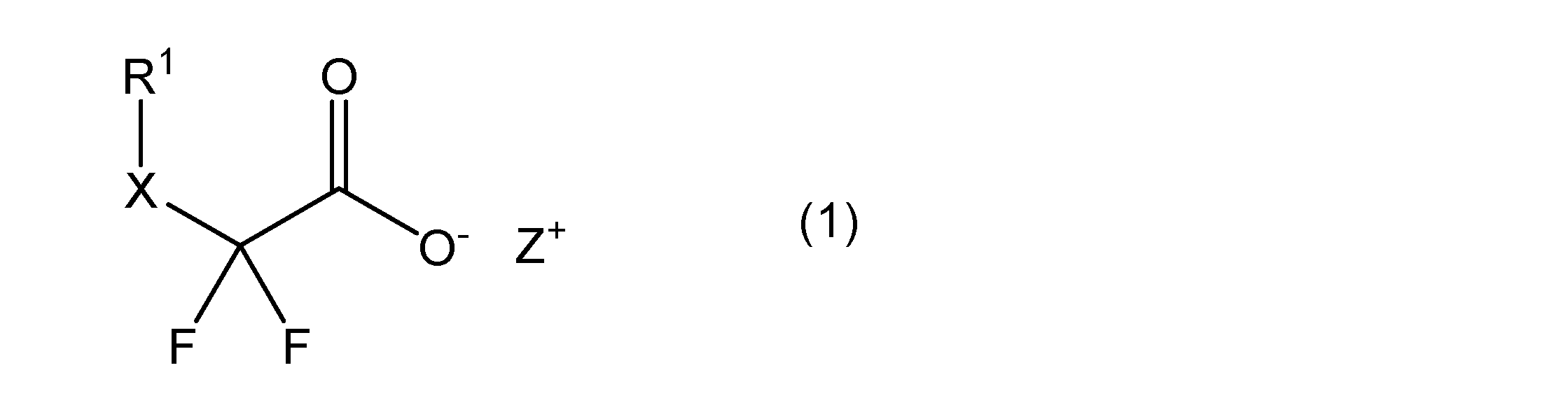
R1は、環状構造を有する置換又は非置換の1価の有機基又は炭素数2以上の鎖状炭化水素基である。
Xは、酸素原子、硫黄原子又は-NRα-である。Rαは、水素原子又は炭素数1~10の1価の炭化水素基である。
Z+は、1価のオニウムカチオンである。)
上記レジスト膜を露光する工程、及び
上記露光されたレジスト膜を現像する工程を含むレジストパターンの形成方法に関する。
本実施形態に係る感放射線性樹脂組成物(以下、単に「組成物」ともいう。)は、化合物(1)、樹脂及び溶剤を含む。さらに必要に応じて、感放射線性酸発生剤を含む。上記組成物は、本発明の効果を損なわない限り、他の任意成分を含んでいてもよい。
化合物(1)は、露光前又は未露光部における酸を捕捉するクエンチャー(「光崩壊性塩基」、「酸拡散制御剤」とも称される。)として機能し得る。化合物(1)は、下記式(1)で表される。

R1は、環状構造を有する置換又は非置換の1価の有機基又は炭素数2以上の鎖状炭化水素基である。
Xは、酸素原子、硫黄原子又は-NRα-である。Rαは、水素原子又は炭素数1~10の1価の炭化水素基である。
Z+は、1価のオニウムカチオンである。)
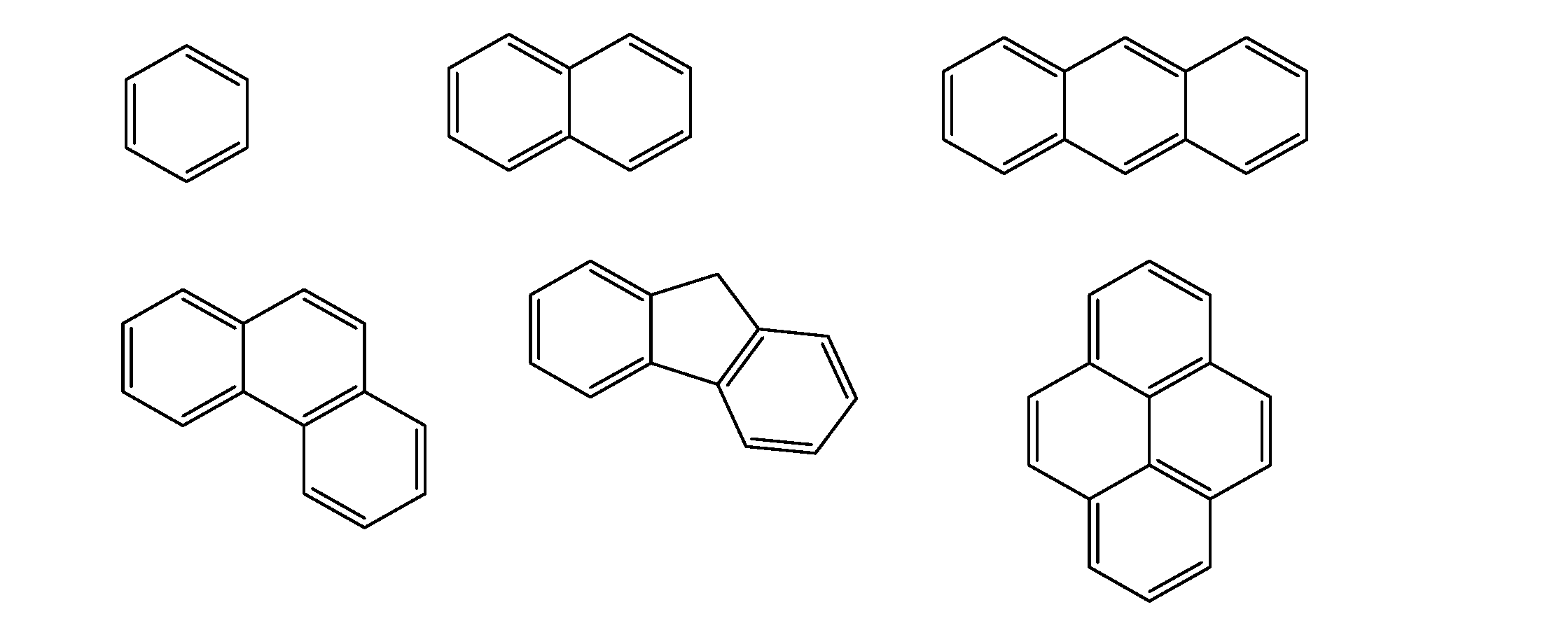
シクロプロパン、シクロブタン、シクロペンタン、シクロヘキサン、シクロヘプタン等の単環のシクロアルカン構造;
ノルボルナン、アダマンタン、トリシクロデカン、テトラシクロドデカン、デカヒドロナフタレン等の多環のシクロアルカン構造;
シクロプロペン、シクロブテン、シクロペンテン、シクロヘキセン等の単環のシクロアルケン構造;
ノルボルネン、トリシクロデセン、テトラシクロドデセン等の多環のシクロアルケニル構造などが挙げられる。
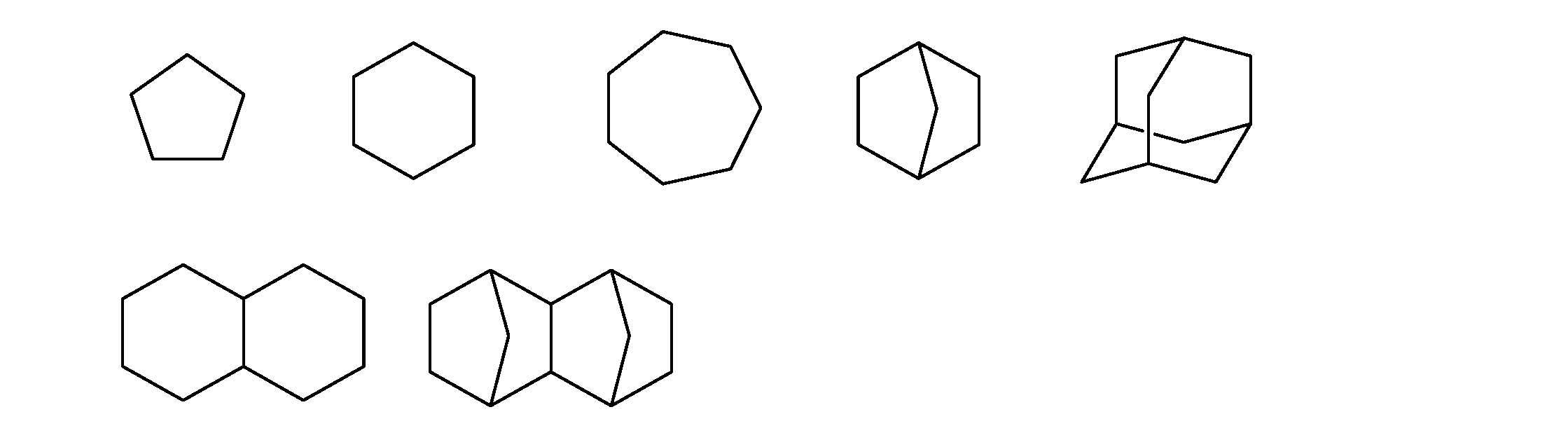
フラン、ピラン、ベンゾフラン、ベンゾピラン等の酸素原子含有芳香族複素環構造;
ピロール、イミダゾール、ピリジン、ピリミジン、ピラジン、インドール、キノリン、イソキノリン、アクリジン、フェナジン、カルバゾール等の窒素原子含有芳香族複素環構造;
チオフェン等の硫黄原子含有芳香族複素環構造;
チアゾール、ベンゾチアゾール、チアジン、オキサジン等の複数のヘテロ原子を含有する芳香族複素環構造等が挙げられる。
オキシラン、テトラヒドロフラン、テトラヒドロピラン、ジオキソラン、ジオキサン等の酸素原子含有脂環複素環構造;
アジリジン、ピロリジン、ピペリジン、ピペラジン等の窒素原子含有脂環複素環構造;
チエタン、チオラン、チアン等の硫黄原子含有脂環複素環構造;
モルホリン、1,2-オキサチオラン、1,3-オキサチオラン等の複数のヘテロ原子を含有する脂環複素環構造等が挙げられる。
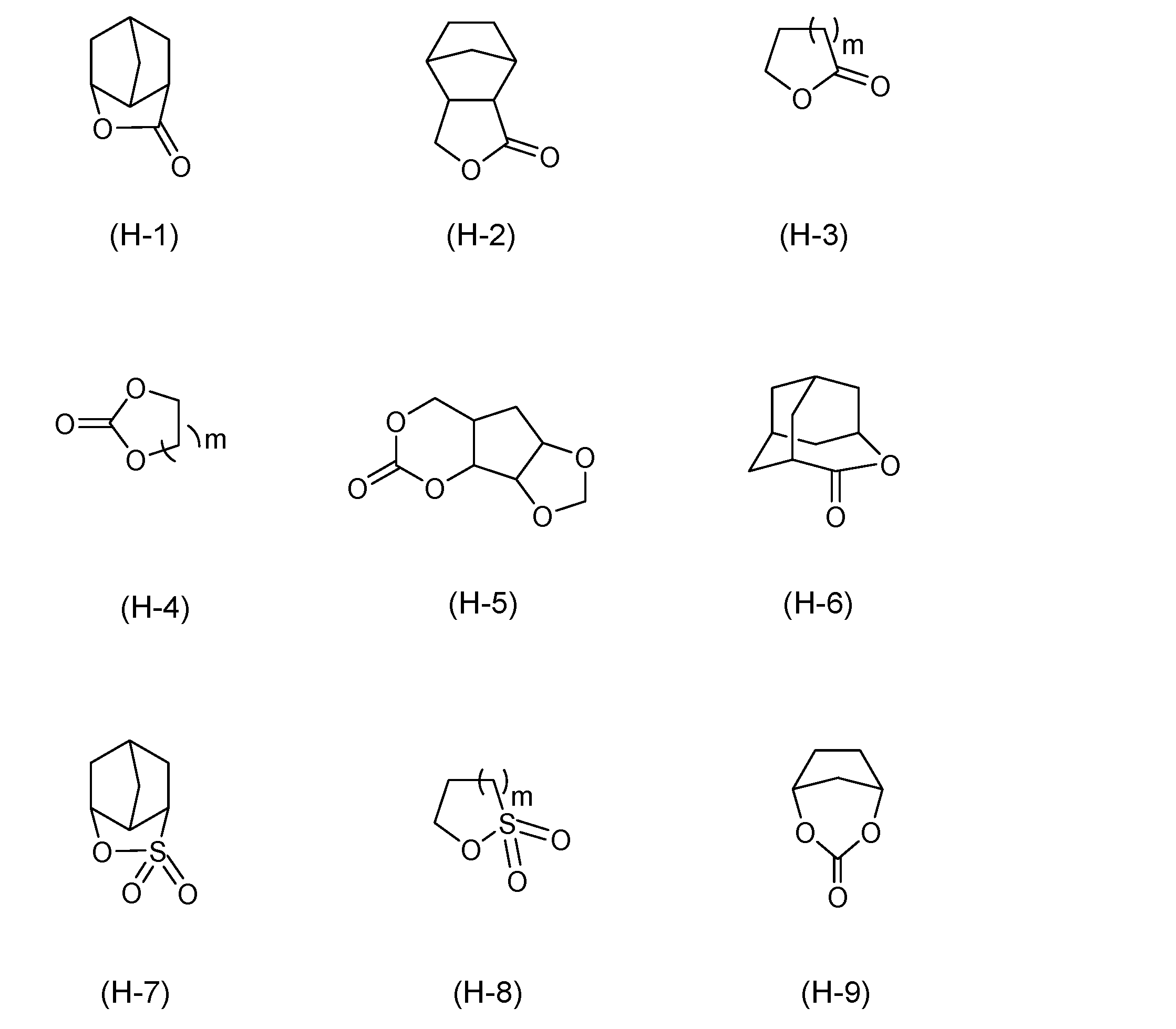
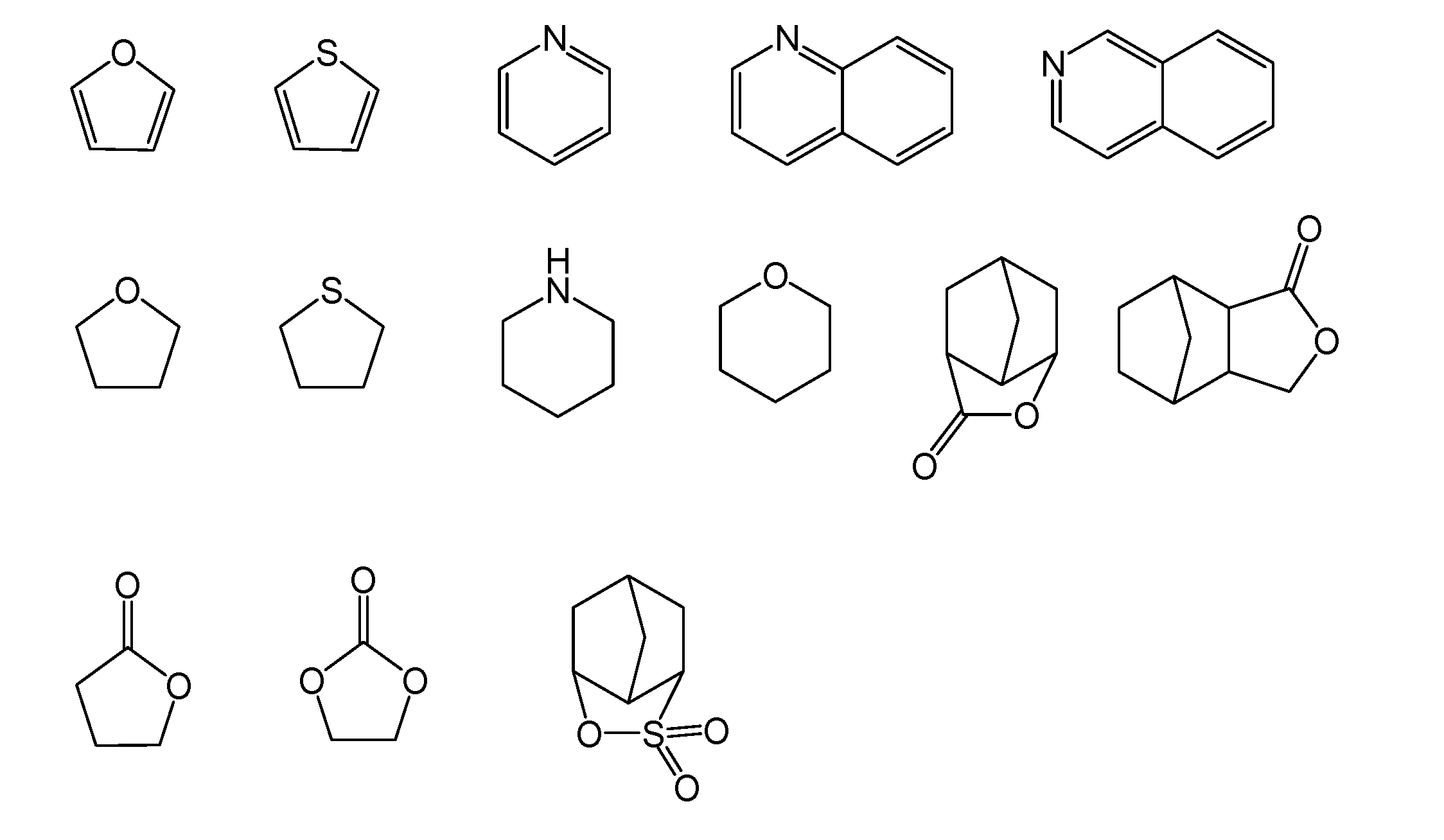
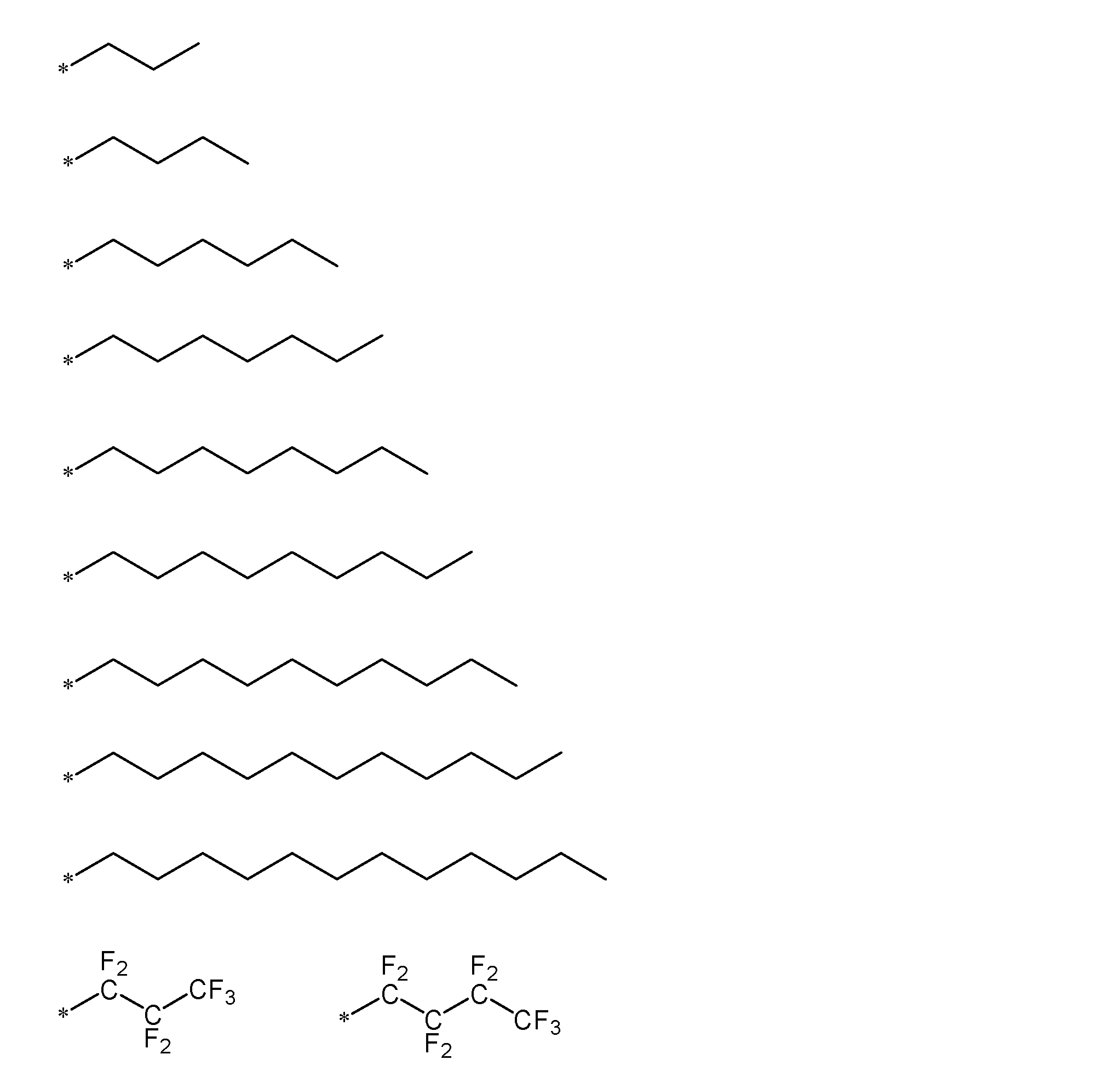

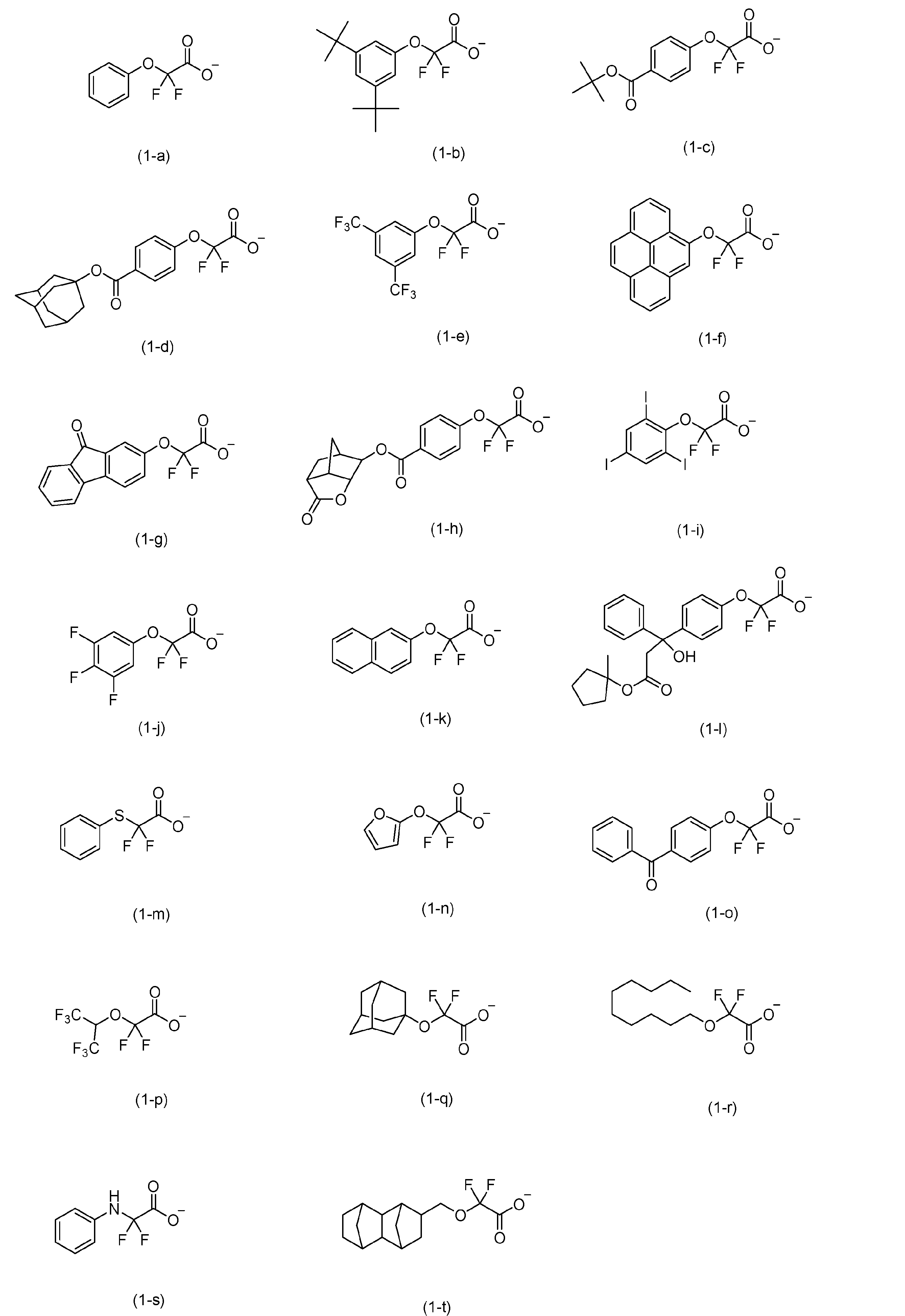
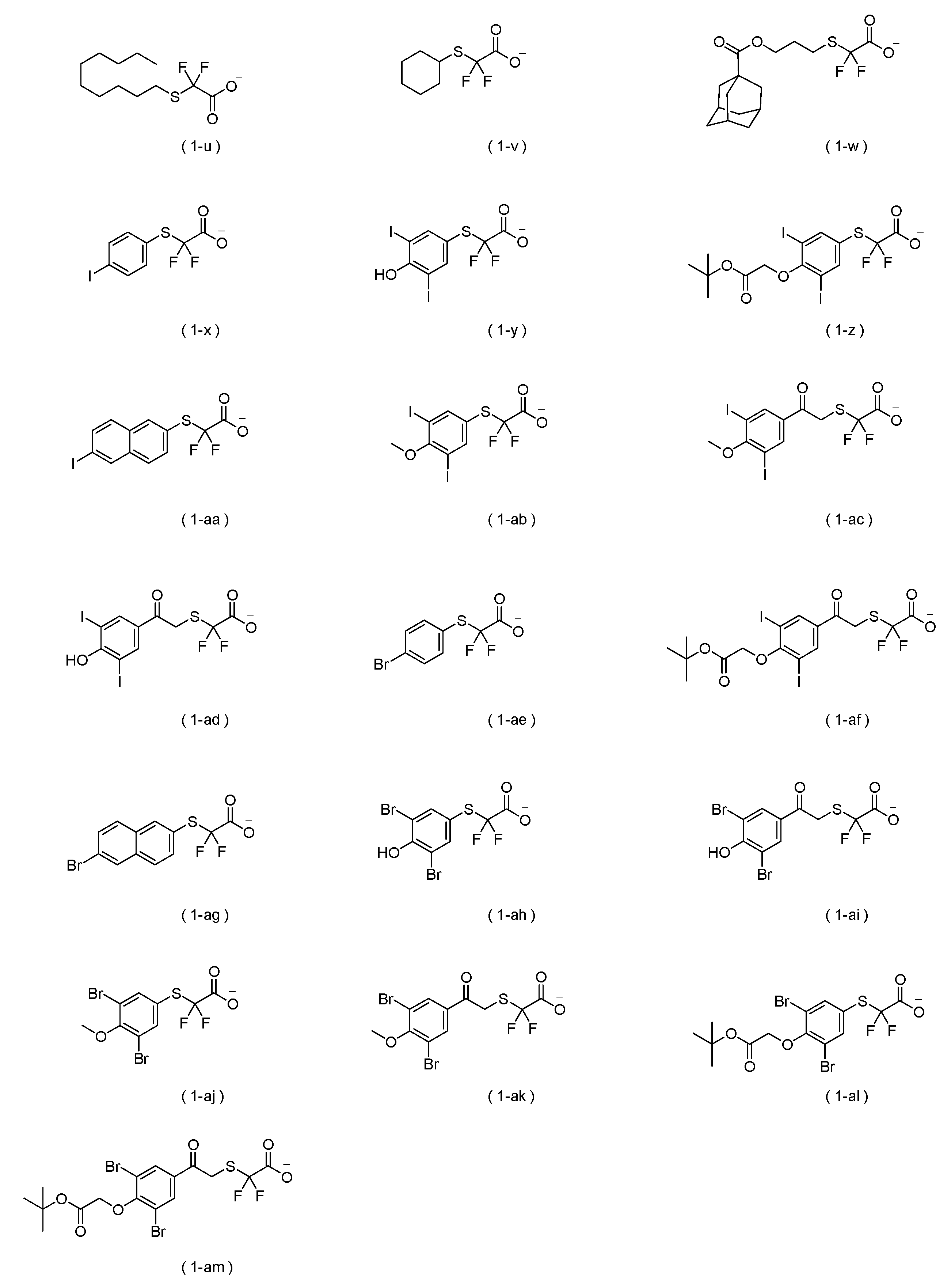
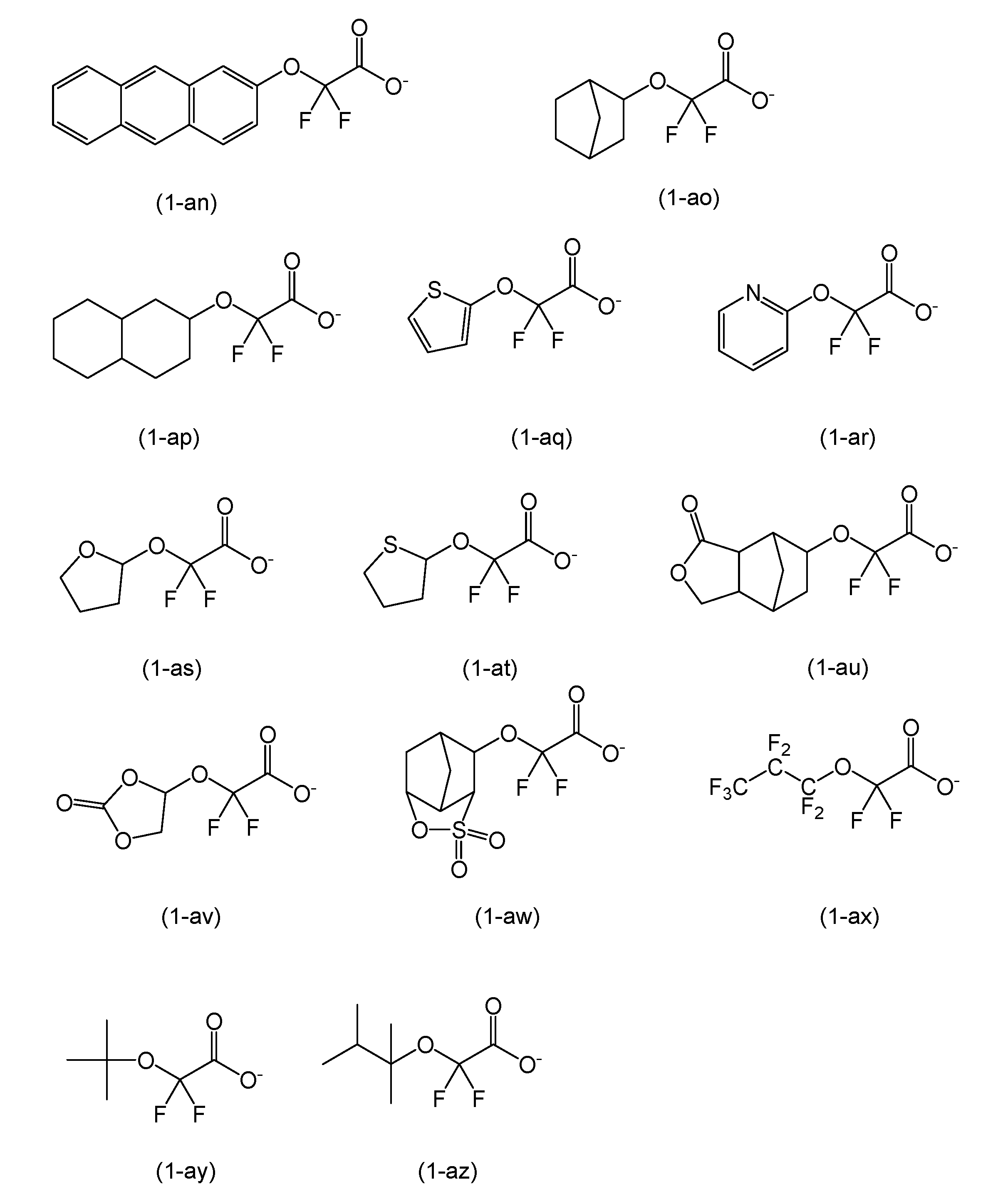
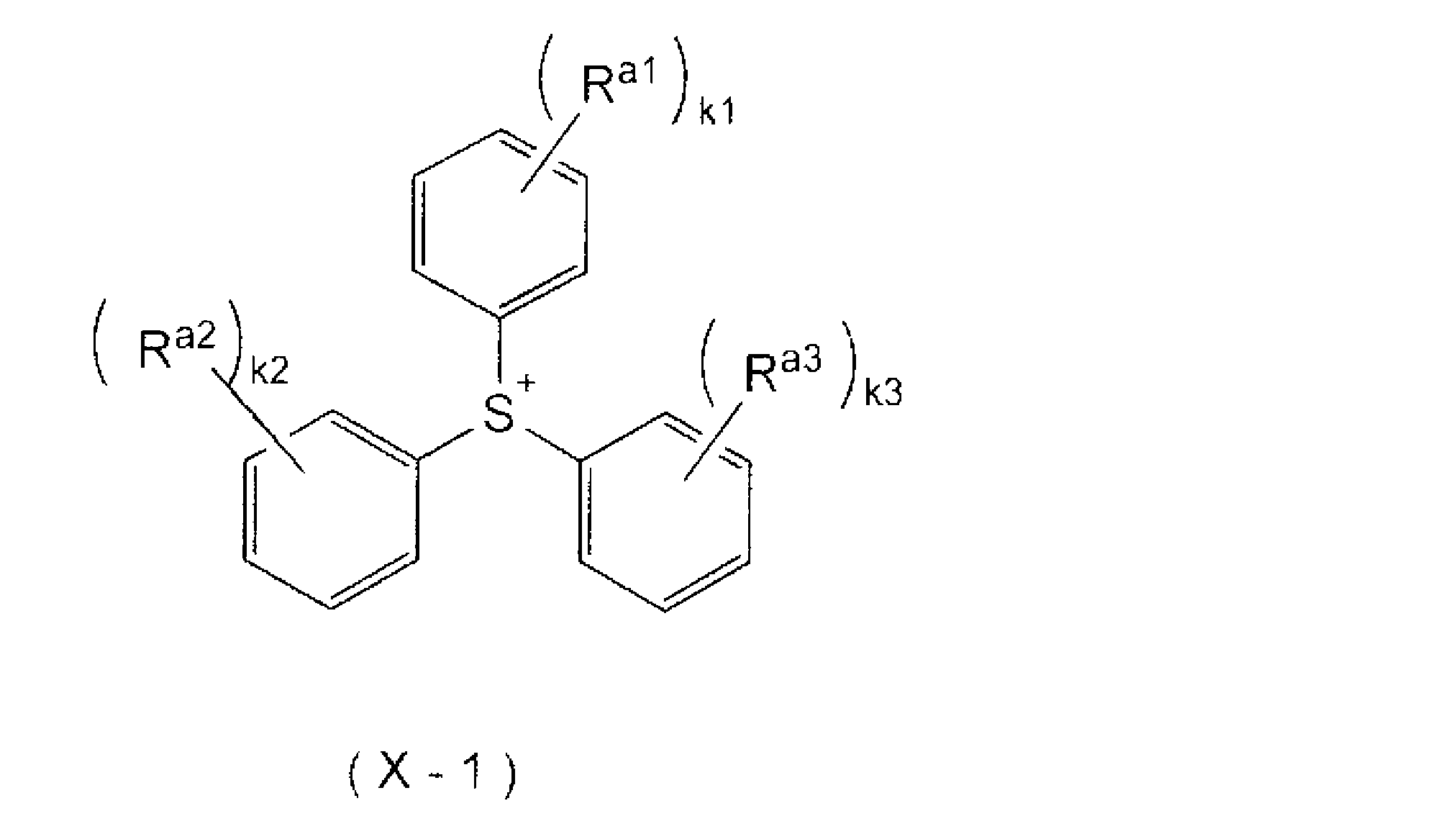

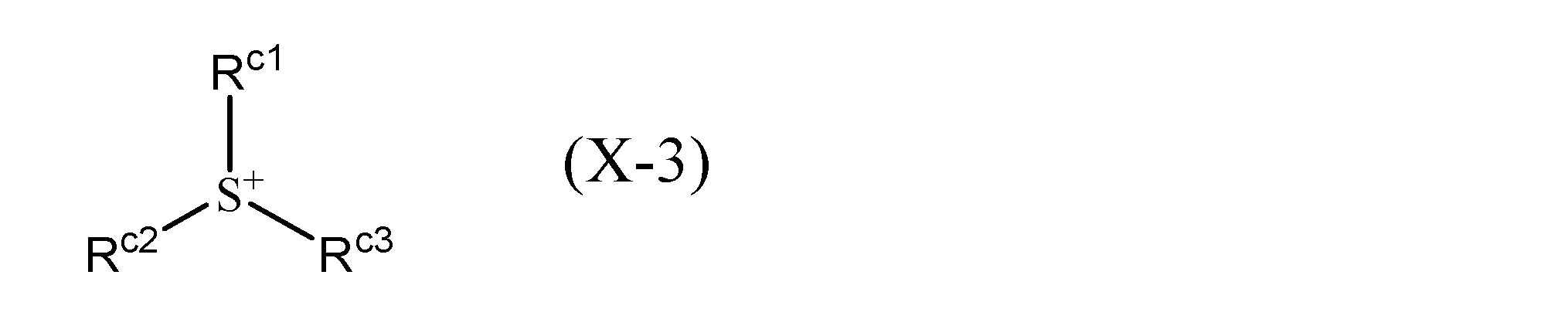

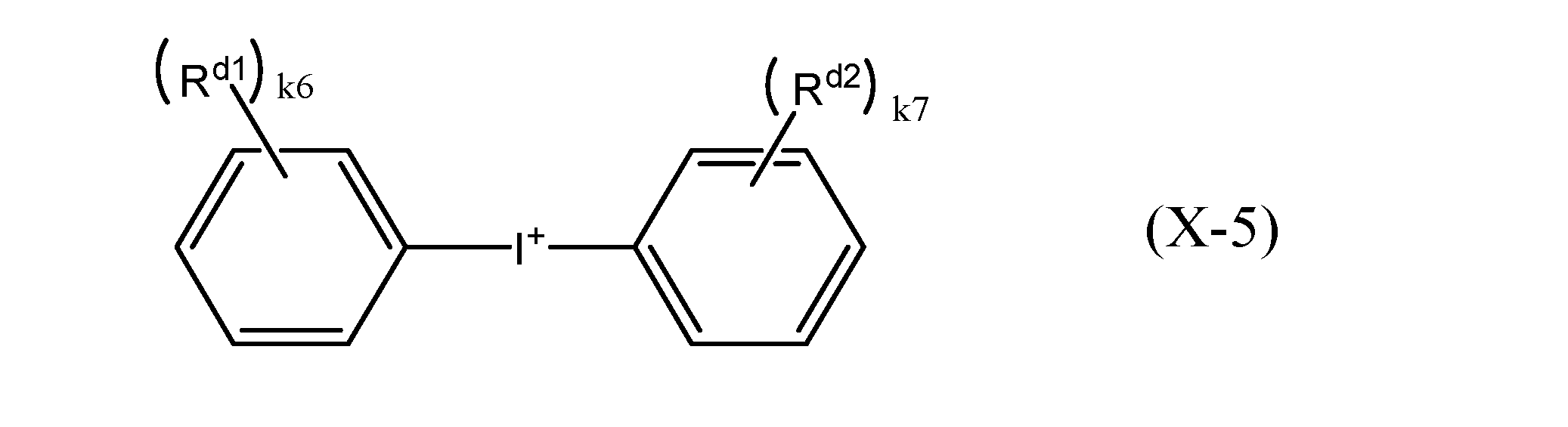

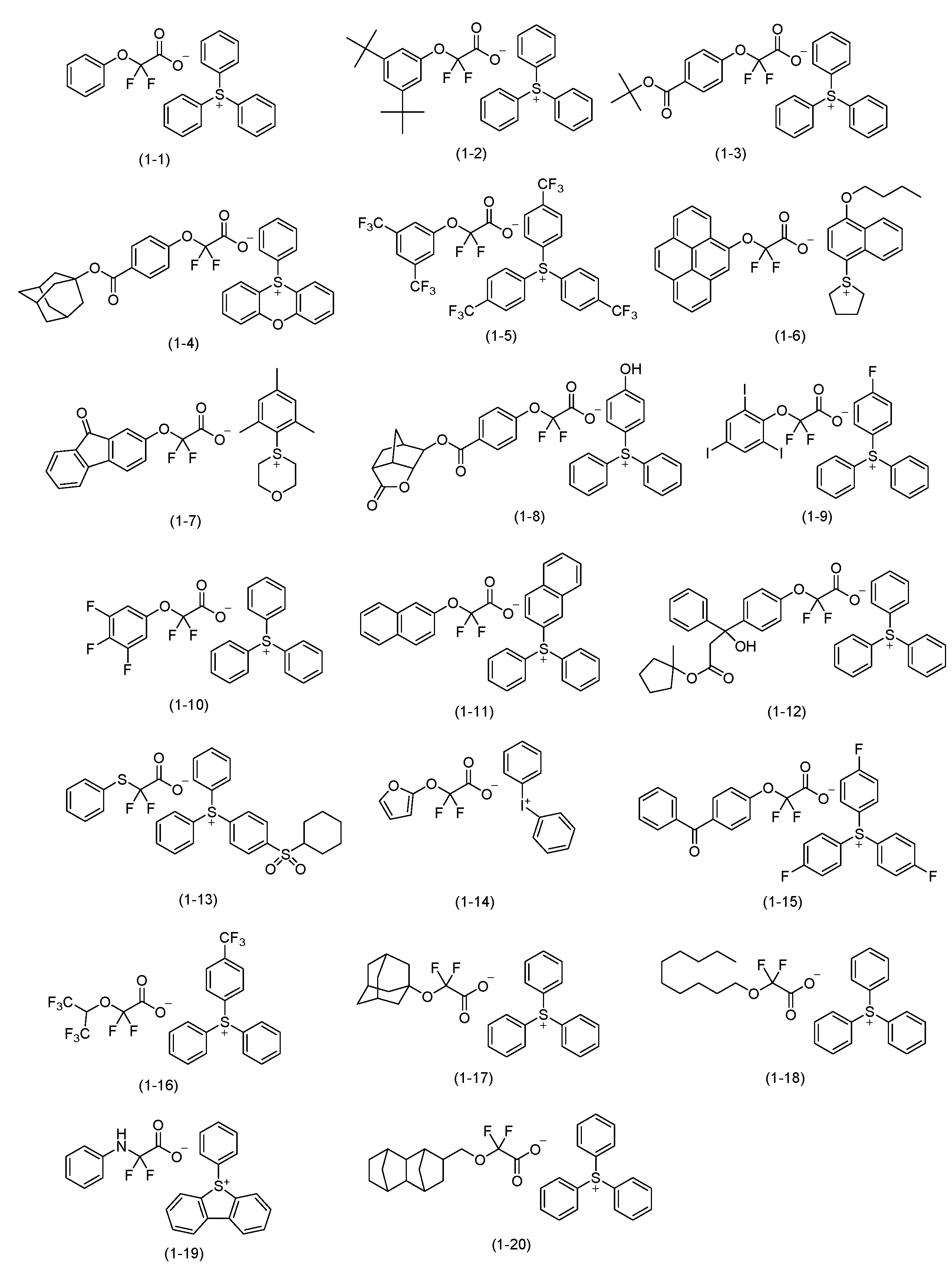
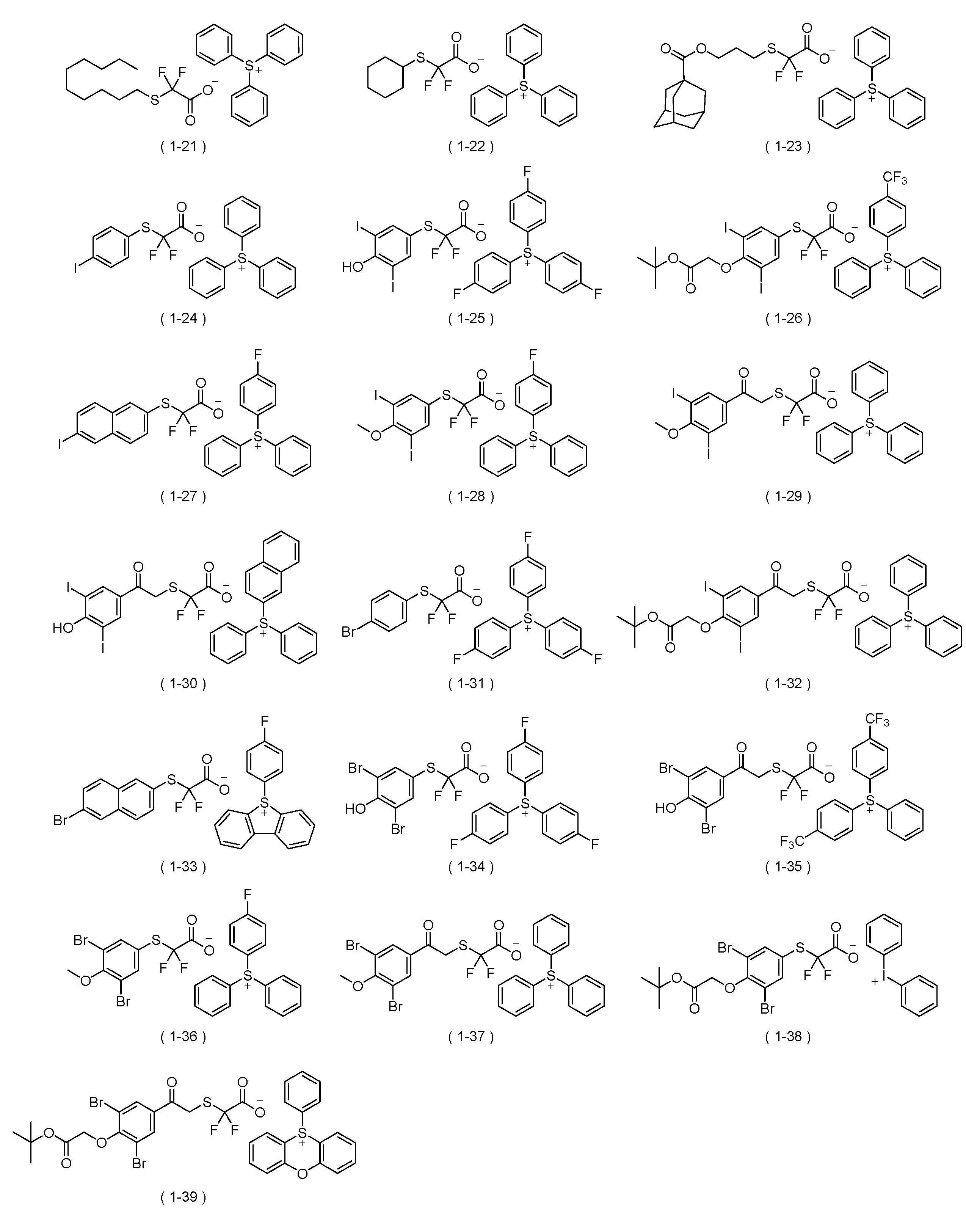

化合物(1)は、代表的には、下記スキームに沿って合成することができる。

樹脂は、酸解離性基を含む構造単位(以下、「構造単位(I)」ともいう)を有する重合体の集合体である(以下、この樹脂を「ベース樹脂」ともいう。)。「酸解離性基」とは、カルボキシ基、フェノール性水酸基、アルコール性水酸基、スルホ基等が有する水素原子を置換する基であって、酸の作用により解離する基をいう。当該感放射線性樹脂組成物は、樹脂が構造単位(I)を有することで、パターン形成性に優れる。
構造単位(I)は、酸解離性基を含む構造単位である。構造単位(I)としては、酸解離性基を含む限り特に限定されず、例えば、第三級アルキルエステル部分を有する構造単位、フェノール性水酸基の水素原子が第三級アルキル基で置換された構造を有する構造単位、アセタール結合を有する構造単位等が挙げられるが、当該感放射線性樹脂組成物のパターン形成性の向上の観点から、下記式(2)で表される構造単位(以下、「構造単位(I-1)」ともいう)が好ましい。
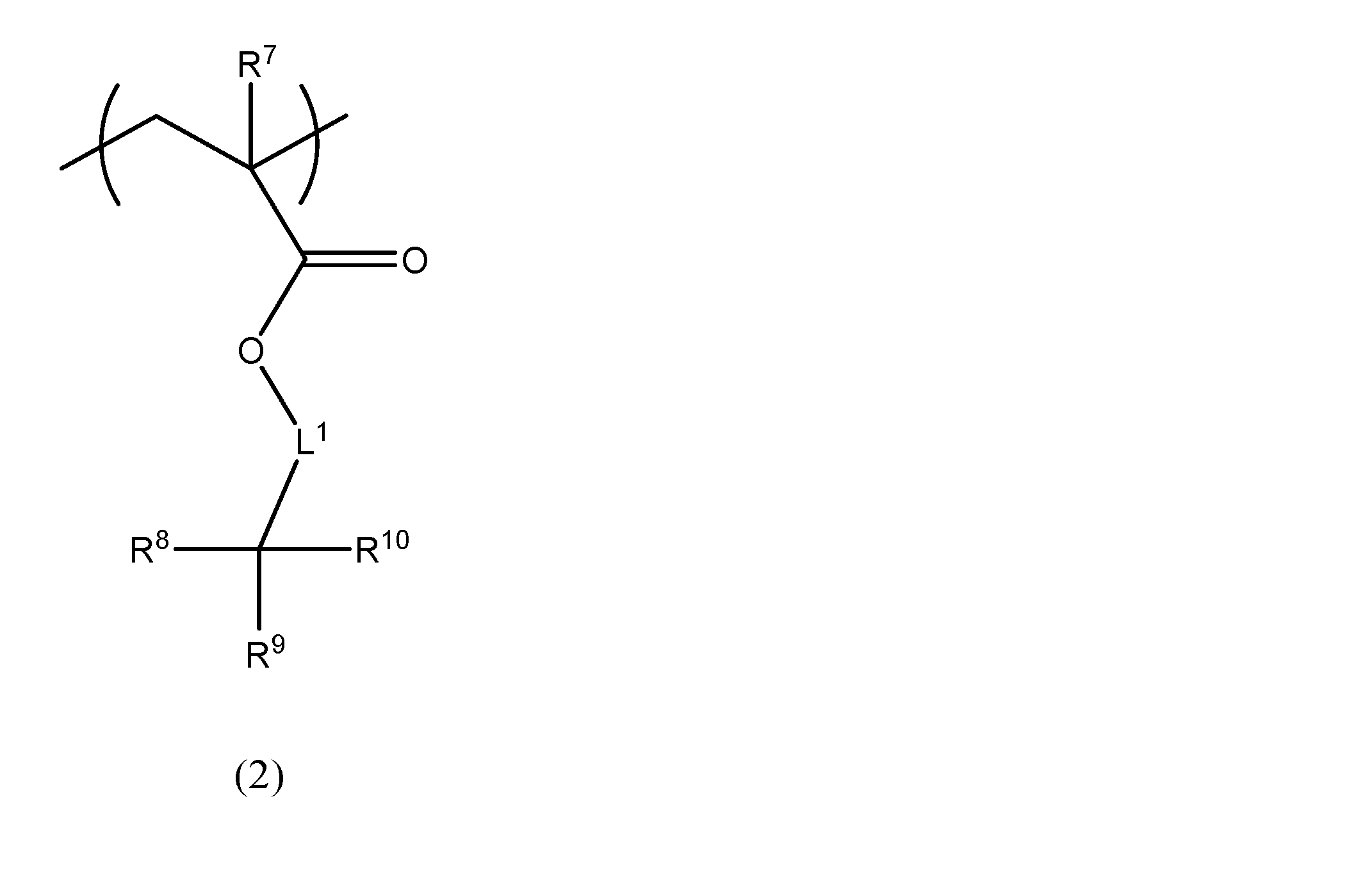
フェニル基、トリル基、キシリル基、ナフチル基、アントリル基等のアリール基;ベンジル基、フェネチル基、ナフチルメチル基等のアラルキル基などが挙げられる。
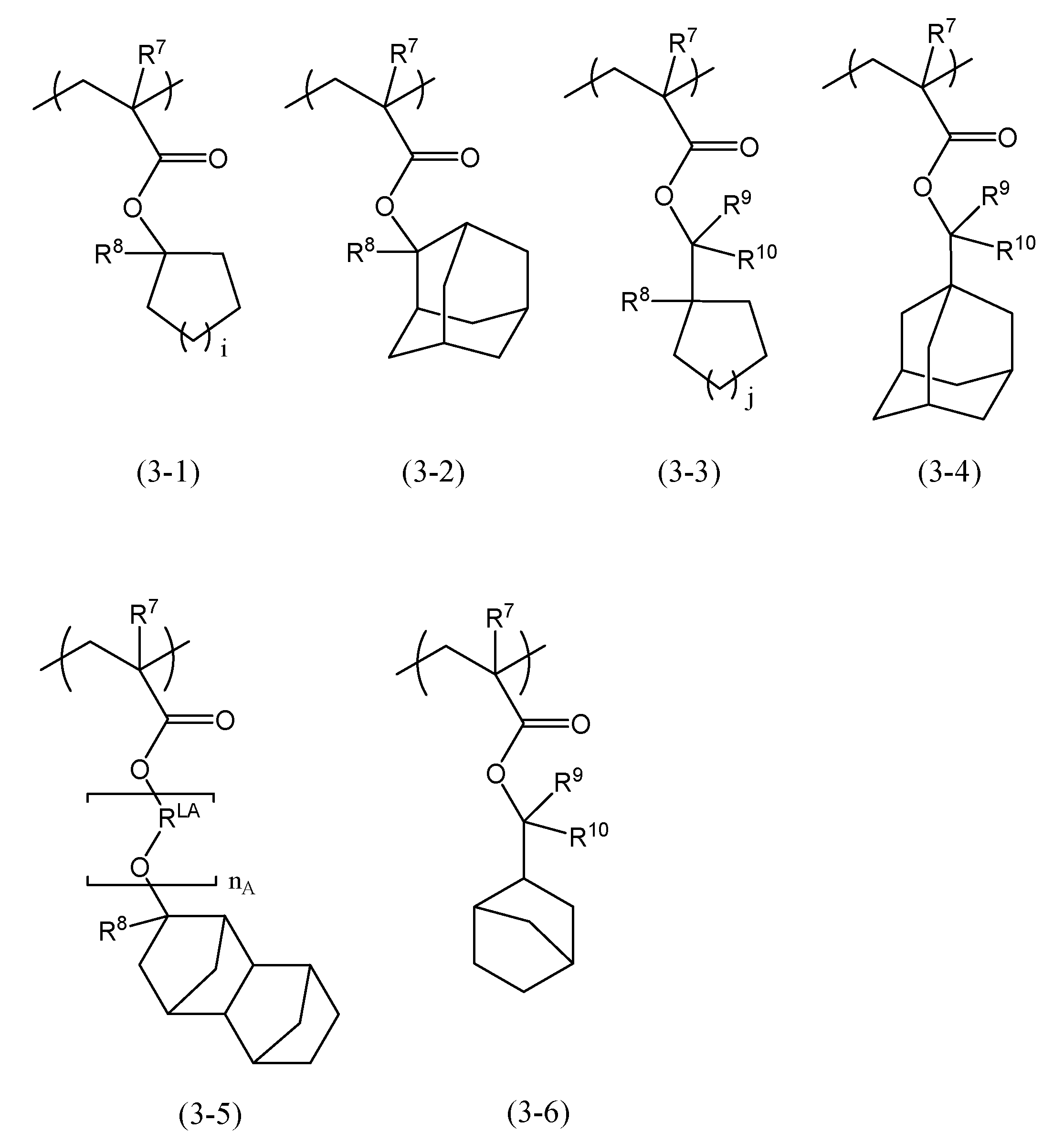
構造単位(II)は、ラクトン構造、環状カーボネート構造及びスルトン構造からなる群より選ばれる少なくとも1種を含む構造単位である。ベース樹脂は、構造単位(II)をさらに有することで、現像液への溶解性を調整することができ、その結果、当該感放射線性樹脂組成物は、解像性等のリソグラフィー性能を向上させることができる。また、ベース樹脂から形成されるレジストパターンと基板との密着性を向上させることができる。
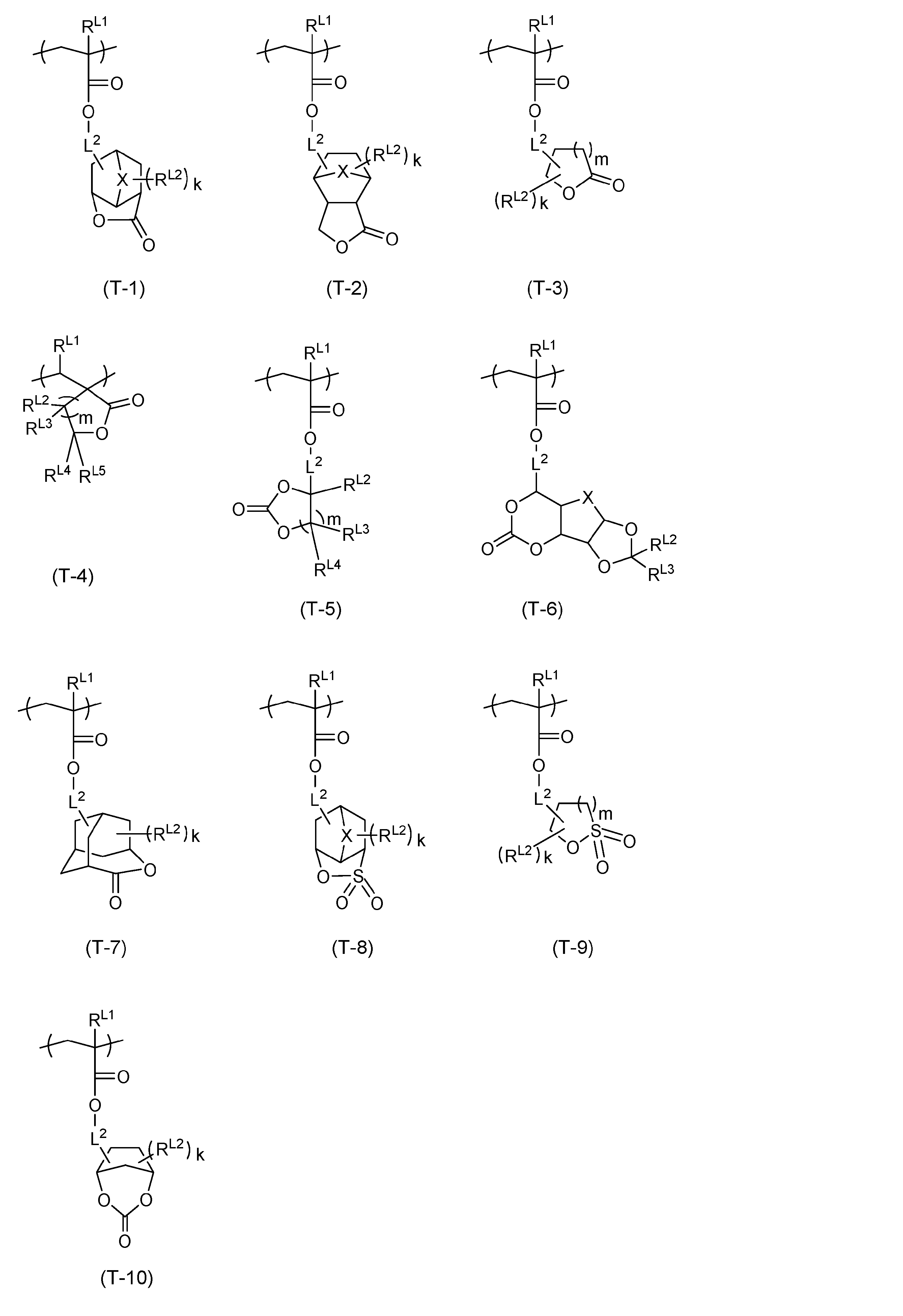
ベース樹脂は、上記構造単位(I)及び(II)以外にも、その他の構造単位を任意で有する。上記その他の構造単位としては、例えば、極性基を含む構造単位等が挙げられる(但し、構造単位(II)に該当するものを除く)。ベース樹脂は、極性基を含む構造単位をさらに有することで、現像液への溶解性を調整することができ、その結果、当該感放射線性樹脂組成物の解像性等のリソグラフィー性能を向上させることができる。上記極性基としては、例えば、ヒドロキシ基、カルボキシ基、シアノ基、ニトロ基、スルホンアミド基等が挙げられる。これらの中で、ヒドロキシ基、カルボキシ基が好ましく、ヒドロキシ基がより好ましい。

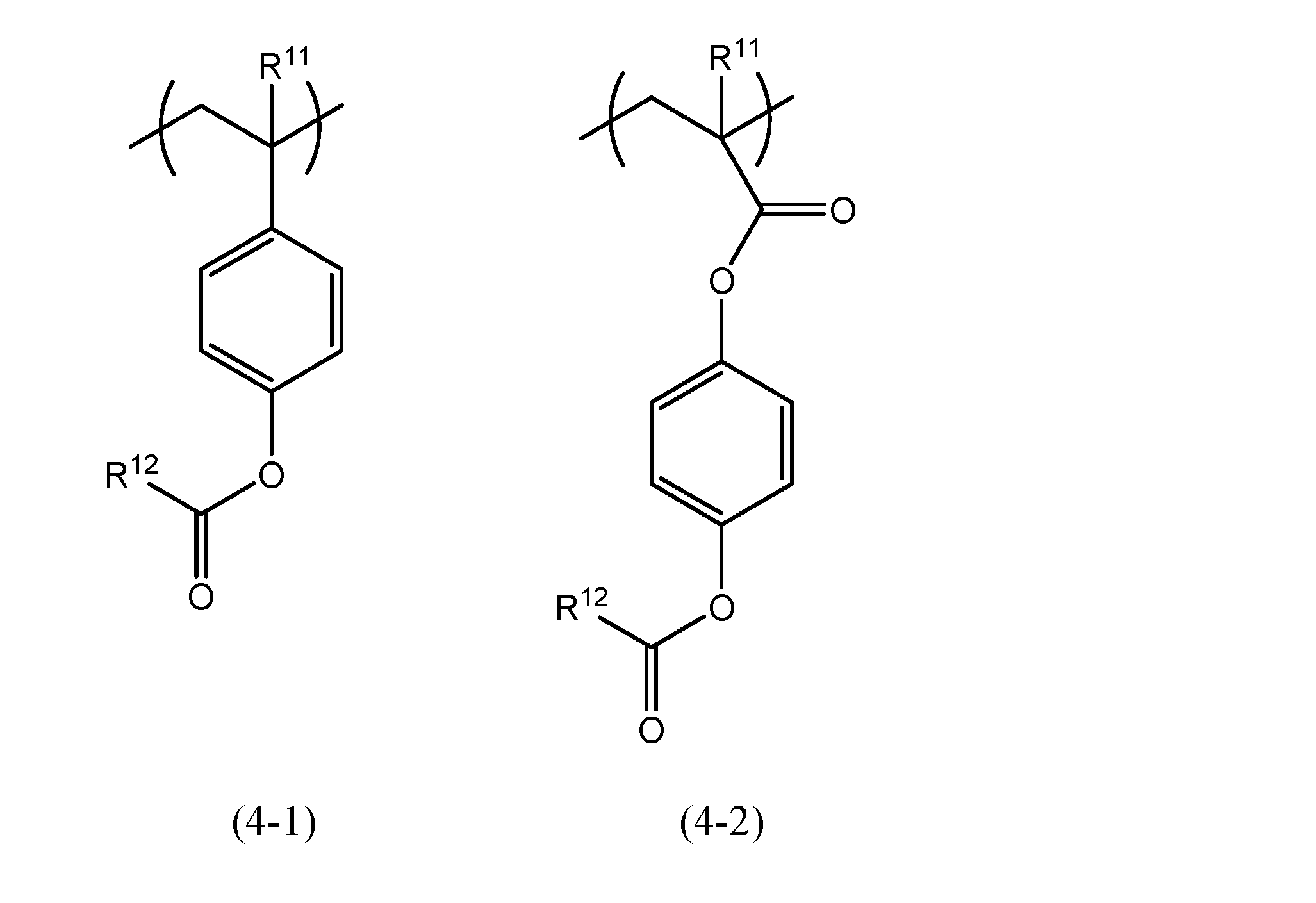
ベース樹脂は、例えば、各構造単位を与える単量体を、ラジカル重合開始剤等を用い、適当な溶剤中で重合することにより合成できる。
n-ペンタン、n-ヘキサン、n-ヘプタン、n-オクタン、n-ノナン、n-デカン等のアルカン類;
シクロヘキサン、シクロヘプタン、シクロオクタン、デカリン、ノルボルナン等のシクロアルカン類;
ベンゼン、トルエン、キシレン、エチルベンゼン、クメン等の芳香族炭化水素類;
クロロブタン類、ブロモヘキサン類、ジクロロエタン類、ヘキサメチレンジブロミド、クロロベンゼン等のハロゲン化炭化水素類;
酢酸エチル、酢酸n-ブチル、酢酸i-ブチル、プロピオン酸メチル等の飽和カルボン酸エステル類;
アセトン、メチルエチルケトン、4-メチル-2-ペンタノン、2-ヘプタノン等のケトン類;
テトラヒドロフラン、ジメトキシエタン類、ジエトキシエタン類等のエーテル類;
メタノール、エタノール、1-プロパノール、2-プロパノール、4-メチル-2-ペンタノール等のアルコール類等が挙げられる。これらの重合に使用される溶剤は、1種単独で又は2種以上を併用してもよい。
カラム温度:40℃
溶出溶剤:テトラヒドロフラン
流速:1.0mL/分
試料濃度:1.0質量%
試料注入量:100μL
検出器:示差屈折計
標準物質:単分散ポリスチレン
本実施形態の感放射線性樹脂組成物は、他の樹脂として、上記ベース樹脂よりもフッ素原子の質量含有率が大きい樹脂(以下、「高フッ素含有量樹脂」ともいう。)を含んでいてもよい。当該感放射線性樹脂組成物が高フッ素含有量樹脂を含有する場合、上記ベース樹脂に対してレジスト膜の表層に偏在化させることができ、その結果、液浸露光時のレジスト膜の表面の撥水性を高めることができる。

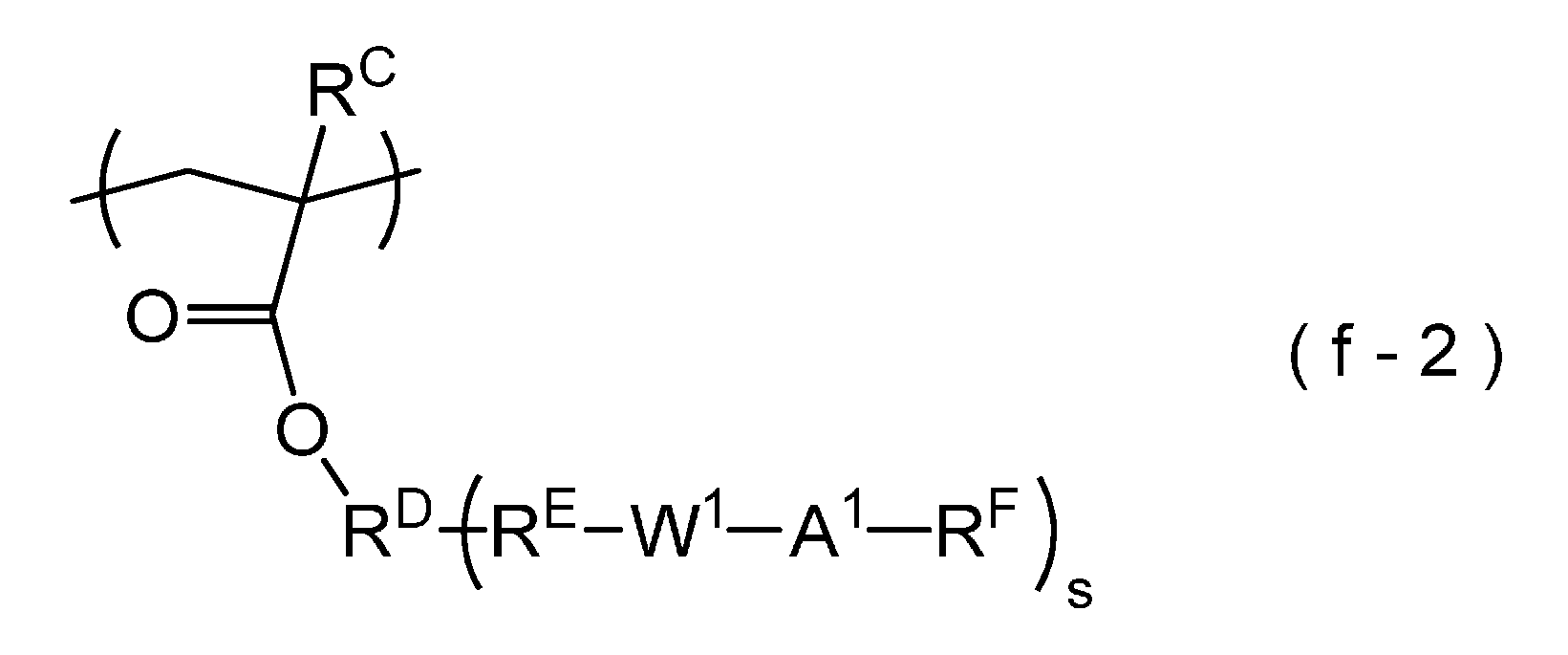
高フッ素含有量樹脂は、上述のベース樹脂の合成方法と同様の方法により合成することができる。
本実施形態の感放射線性樹脂組成物は、露光により、化合物(1)から発生する酸よりpKaが小さい酸、すなわち相対的に強い酸を発生する感放射線性酸発生剤をさらに含むことが好ましい。樹脂が酸解離性基を有する構造単位(I)を含む場合、露光により該感放射線性酸発生剤から発生した酸は該構造単位(I)の有する酸解離性基を解離させ、カルボキシ基等を発生させることができる。この機能は、上記感放射線性樹脂組成物を用いたパターン形成条件において、樹脂の構造単位(I)等が有する酸解離性基などを実質的に解離させず、未露光部において上記感放射線性酸発生剤から発生した酸の拡散を抑制するという化合物(1)の機能とは異なる。化合物(1)及び感放射線性酸発生剤の機能の別は、樹脂の構造単位(I)等が有する酸解離性基が解離するのに必要とするエネルギー、および感放射線性樹脂組成物を用いてパターンを形成する際に与えられる熱エネルギー条件等によって決まる。感放射線性樹脂組成物における感放射線性酸発生剤の含有形態としては、それ単独で化合物として存在する(重合体から遊離した)形態でも、重合体の一部として組み込まれた形態でも、これらの両方の形態でもよいものの、単独で化合物として存在する形態が好ましい。
本実施形態に係る感放射線性樹脂組成物は、溶剤を含有する。溶剤は、少なくとも化合物(1)及び樹脂、並びに所望により含有される感放射線性酸発生剤等を溶解又は分散可能な溶剤であれば特に限定されない。
iso-プロパノール、4-メチル-2-ペンタノール、3-メトキシブタノール、n-ヘキサノール、2-エチルヘキサノール、フルフリルアルコール、シクロヘキサノール、3,3,5-トリメチルシクロヘキサノール、ジアセトンアルコール等の炭素数1~18のモノアルコール系溶剤;
エチレングリコール、1,2-プロピレングリコール、2-メチル-2,4-ペンタンジオール、2,5-ヘキサンジオール、ジエチレングリコール、ジプロピレングリコール、トリエチレングリコール、トリプロピレングリコール等の炭素数2~18の多価アルコール系溶剤;
上記多価アルコール系溶剤が有するヒドロキシ基の一部をエーテル化した多価アルコール部分エーテル系溶剤等が挙げられる。
ジエチルエーテル、ジプロピルエーテル、ジブチルエーテル等のジアルキルエーテル系溶剤;
テトラヒドロフラン、テトラヒドロピラン等の環状エーテル系溶剤;
ジフェニルエーテル、アニソール(メチルフェニルエーテル)等の芳香環含有エーテル系溶剤;
上記多価アルコール系溶剤が有するヒドロキシ基をエーテル化した多価アルコールエーテル系溶剤等が挙げられる。
シクロペンタノン、シクロヘキサノン、メチルシクロヘキサノン等の環状ケトン系溶剤:
2,4-ペンタンジオン、アセトニルアセトン、アセトフェノン等が挙げられる。
N-メチルホルムアミド、N,N-ジメチルホルムアミド、N,N-ジエチルホルムアミド、アセトアミド、N-メチルアセトアミド、N,N-ジメチルアセトアミド、N-メチルプロピオンアミド等の鎖状アミド系溶剤等が挙げられる。
酢酸n-ブチル、乳酸エチル等のモノカルボン酸エステル系溶剤;
ジエチレングリコールモノ-n-ブチルエーテルアセテート、プロピレングリコールモノメチルエーテルアセテート、ジプロピレングリコールモノメチルエーテルアセテート等の多価アルコール部分エーテルアセテート系溶剤;
γ-ブチロラクトン、バレロラクトン等のラクトン系溶剤;
ジエチルカーボネート、エチレンカーボネート、プロピレンカーボネート等のカーボネート系溶剤;
ジ酢酸プロピレングリコール、酢酸メトキシトリグリコール、シュウ酸ジエチル、アセト酢酸エチル、乳酸エチル、フタル酸ジエチル等の多価カルボン酸ジエステル系溶剤が挙げられる。
n-ヘキサン、シクロヘキサン、メチルシクロヘキサン等の脂肪族炭化水素系溶剤;
ベンゼン、トルエン、ジ-iso-プロピルベンセン、n-アミルナフタレン等の芳香族炭化水素系溶剤等が挙げられる。
上記感放射線性樹脂組成物は、上記成分以外にも、その他の任意成分を含有していてもよい。上記その他の任意成分としては、例えば、架橋剤、偏在化促進剤、界面活性剤、脂環式骨格含有化合物、増感剤等をあげることができる。これらのその他の任意成分は、それぞれ1種又は2種以上を併用してもよい。
架橋剤は2つ以上の官能基を有する化合物であり、一括露光工程後のベーク工程において、酸触媒反応により(1)重合体成分において架橋反応を引き起こし、(1)重合体成分の分子量を増加させることで、パターン露光部の現像液に対する溶解度を低下させるものである。上記官能基としては、例えば、(メタ)アクリロイル基、ヒドロキシメチル基、アルコキシメチル基、エポキシ基、ビニルエーテル基等をあげることができる。
偏在化促進剤は、上記高フッ素含有量樹脂をより効率的にレジスト膜表面に偏在させる効果を有するものである。上記感放射線性樹脂組成物にこの偏在化促進剤を含有させることで、上記高フッ素含有量樹脂の添加量を従来よりも少なくすることができる。従って、上記感放射線性樹脂組成物のリソグラフィー性能を維持しつつ、レジスト膜から液浸媒体への成分の溶出をさらに抑制したり、高速スキャンにより液浸露光をより高速に行うことが可能になり、結果としてウォーターマーク欠陥等の液浸由来欠陥を抑制するレジスト膜表面の疎水性を向上させることができる。このような偏在化促進剤として用いることができるものとしては、例えば、比誘電率が30以上200以下で、1気圧における沸点が100℃以上の低分子化合物をあげることができる。このような化合物としては、具体的には、ラクトン化合物、カーボネート化合物、ニトリル化合物、多価アルコール等をあげることができる。
界面活性剤は、塗布性、ストリエーション、現像性等を改良する効果を奏する。界面活性剤としては、例えば、ポリオキシエチレンラウリルエーテル、ポリオキシエチレンステアリルエーテル、ポリオキシエチレンオレイルエーテル、ポリオキシエチレンn-オクチルフェニルエーテル、ポリオキシエチレンn-ノニルフェニルエーテル、ポリエチレングリコールジラウレート、ポリエチレングリコールジステアレート等のノニオン系界面活性剤;市販品としては、KP341(信越化学工業製)、ポリフローNo.75、同No.95(以上、共栄社化学製)、エフトップEF301、同EF303、同EF352(以上、トーケムプロダクツ製)、メガファックF171、同F173(以上、DIC製)、フロラードFC430、同FC431(以上、住友スリーエム製)、アサヒガードAG710、サーフロンS-382、同SC-101、同SC-102、同SC-103、同SC-104、同SC-105、同SC-106(以上、旭硝子工業製)等をあげることができる。上記感放射線性樹脂組成物における界面活性剤の含有量としては、樹脂100質量部に対して通常2質量部以下である。
脂環式骨格含有化合物は、ドライエッチング耐性、パターン形状、基板との接着性等を改善する効果を奏する。
1-アダマンタンカルボン酸、2-アダマンタノン、1-アダマンタンカルボン酸t-ブチル等のアダマンタン誘導体類;
デオキシコール酸t-ブチル、デオキシコール酸t-ブトキシカルボニルメチル、デオキシコール酸2-エトキシエチル等のデオキシコール酸エステル類;
リトコール酸t-ブチル、リトコール酸t-ブトキシカルボニルメチル、リトコール酸2-エトキシエチル等のリトコール酸エステル類;
3-〔2-ヒドロキシ-2,2-ビス(トリフルオロメチル)エチル〕テトラシクロ[4.4.0.1(2,5).1(7,10)]ドデカン、2-ヒドロキシ-9-メトキシカルボニル-5-オキソ-4-オキサ-トリシクロ[4.2.1.0(3,7)]ノナン等をあげることができる。上記感放射線性樹脂組成物における脂環式骨格含有化合物の含有量としては、樹脂100質量部に対して通常5質量部以下である。
増感剤は、感放射線性酸発生剤等からの酸の生成量を増加する作用を示すものであり、上記感放射線性樹脂組成物の「みかけの感度」を向上させる効果を奏する。
上記感放射線性樹脂組成物は、例えば、化合物(1)、樹脂、感放射線性酸発生剤、必要に応じて高フッ素含有量樹脂等、及び溶剤を所定の割合で混合することにより調製できる。上記感放射線性樹脂組成物は、混合後に、例えば、孔径0.05μm程度のフィルター等でろ過することが好ましい。上記感放射線性樹脂組成物の固形分濃度としては、通常0.1質量%~50質量%であり、0.5質量%~30質量%が好ましく、1質量%~20質量%がより好ましい。
本発明の一実施形態に係るレジストパターン形成方法は、
基板上に直接又は間接に上記感放射線性樹脂組成物を塗布してレジスト膜を形成する工程(1)(以下、「レジスト膜形成工程」ともいう)、
上記レジスト膜を露光する工程(2)(以下、「露光工程」ともいう)、及び、
露光された上記レジスト膜を現像する工程(3)(以下、「現像工程」ともいう)を含む。
本工程(上記工程(1))では、上記感放射線性樹脂組成物でレジスト膜を形成する。このレジスト膜を形成する基板としては、例えば、シリコンウエハ、二酸化シリコン、アルミニウムで被覆されたウェハ等の従来公知のもの等を挙げることができる。また、例えば、特公平6-12452号公報や特開昭59-93448号公報等に開示されている有機系又は無機系の反射防止膜を基板上に形成してもよい。塗布方法としては、例えば、回転塗布(スピンコーティング)、流延塗布、ロール塗布等をあげることができる。塗布した後に、必要に応じて、塗膜中の溶剤を揮発させるため、プレベーク(PB)を行ってもよい。PB温度としては、通常60℃~140℃であり、80℃~120℃が好ましい。PB時間としては、通常5秒~600秒であり、10秒~300秒が好ましい。形成されるレジスト膜の膜厚としては、10nm~1,000nmが好ましく、10nm~500nmがより好ましい。
本工程(上記工程(2))では、上記工程(1)であるレジスト膜形成工程で形成されたレジスト膜に、フォトマスクを介して(場合によっては、水等の液浸媒体を介して)、放射線を照射し、露光する。露光に用いる放射線としては、目的とするパターンの線幅に応じて、例えば、可視光線、紫外線、遠紫外線、EUV(極端紫外線)、X線、γ線等の電磁波;電子線、α線等の荷電粒子線などをあげることができる。これらの中でも、遠紫外線、電子線、EUVが好ましく、ArFエキシマレーザー光(波長193nm)、KrFエキシマレーザー光(波長248nm)、電子線、EUVがより好ましく、次世代露光技術として位置付けされる波長50nm以下の電子線、EUVがさらに好ましい。
本工程(上記工程(3))では、上記工程(2)である上記露光工程で露光されたレジスト膜を現像する。これにより、所定のレジストパターンを形成することができる。現像後は、水又はアルコール等のリンス液で洗浄し、乾燥することが一般的である。
重合体のMw及びMnは、上述した条件により測定した。また、分散度(Mw/Mn)は、Mw及びMnの測定結果より算出した。
重合体の13C-NMR分析は、核磁気共鳴装置(日本電子(株)の「JNM-Delta400」)を用いて行った。
各実施例及び各比較例における各樹脂及び高フッ素含有量樹脂の合成で用いた単量体を以下に示す。なお、以下の合成例においては特に断りのない限り、質量部は使用した単量体の合計質量を100質量部とした場合の値を意味し、モル%は使用した単量体の合計モル数を100モル%とした場合の値を意味する。
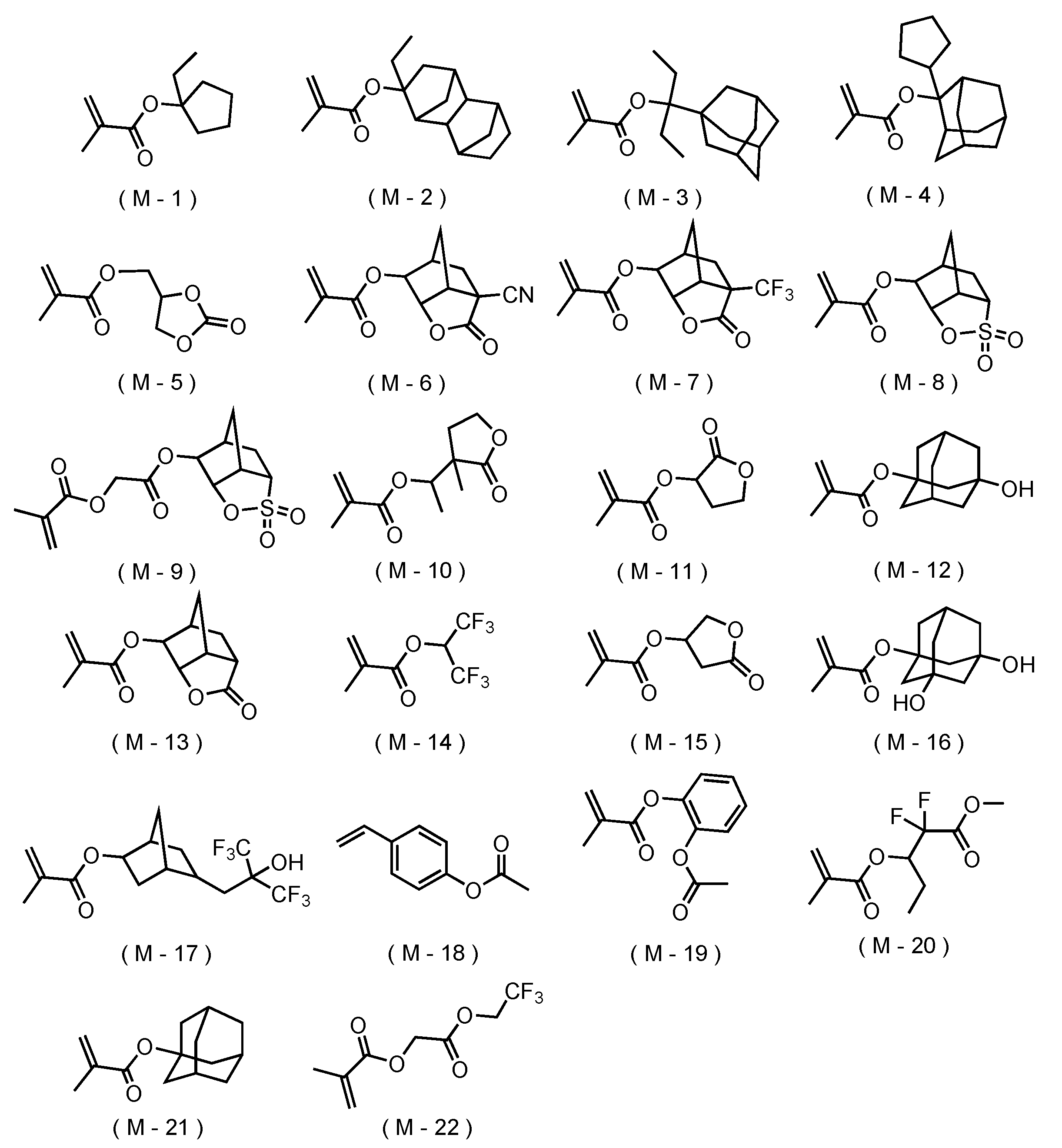
(樹脂(A-1)の合成)
単量体(M-1)、単量体(M-2)及び単量体(M-10)を、モル比率が40/15/45(モル%)となるよう2-ブタノン(200質量部)に溶解し、開始剤としてAIBN(アゾビスイソブチロニトリル)(使用した単量体の合計100モル%に対して3モル%)を添加して単量体溶液を調製した。反応容器に2-ブタノン(100質量部)を入れ、30分窒素パージした後、反応容器内を80℃とし、撹拌しながら上記単量体溶液を3時間かけて滴下した。滴下開始を重合反応の開始時間とし、重合反応を6時間実施した。重合反応終了後、重合溶液を水冷して30℃以下に冷却した。冷却した重合溶液をメタノール(2,000質量部)中に投入し、析出した白色粉末をろ別した。ろ別した白色粉末をメタノールで2回洗浄した後、ろ別し、50℃で24時間乾燥させて白色粉末状の重合体(A-1)を得た(収率:80%)。重合体(A-1)のMwは8,700であり、Mw/Mnは1.49であった。また、13C-NMR分析の結果、(M-1)、(M-2)及び(M-10)に由来する各構造単位の含有割合は、それぞれ39.9モル%、14.3モル%及び45.8モル%であった。
(樹脂(A-2)~樹脂(A-11)の合成)
下記表1に示す種類及び配合割合の単量体を用いたこと以外は合成例1と同様にして、樹脂(A-2)~樹脂(A-11)を合成した。得られた樹脂の各構造単位の含有割合(モル%)、収率(%)及び物性値(Mw及びMw/Mn)を下記表1に併せて示す。なお、下記表1における「-」は、該当する単量体を使用しなかったことを示す。

(樹脂(A-12)の合成)
単量体(M-1)及び単量体(M-18)を、モル比率が50/50(モル%)となるよう1-メトキシ-2-プロパノール(200質量部)に溶解し、開始剤としてAIBN(5モル%)を添加して単量体溶液を調製した。反応容器に1-メトキシ-2-プロパノール(100質量部)を入れ、30分窒素パージした後、反応容器内を80℃とし、撹拌しながら上記単量体溶液を3時間かけて滴下した。滴下開始を重合反応の開始時間とし、重合反応を6時間実施した。重合反応終了後、重合溶液を水冷して30℃以下に冷却した。冷却した重合溶液をヘキサン(2,000質量部)中に投入し、析出した白色粉末をろ別した。ろ別した白色粉末をヘキサンで2回洗浄した後、ろ別し、1-メトキシ-2-プロパノール(300質量部)に溶解した。次いで、メタノール(500質量部)、トリエチルアミン(50質量部)及び超純水(10質量部)を加え、撹拌しながら70℃で6時間加水分解反応を実施した。反応終了後、残溶媒を留去し、得られた固体をアセトン(100質量部)に溶解し、水(500質量部)の中に滴下して樹脂を凝固させた。得られた固体をろ別し、50℃で13時間乾燥させて白色粉末状の樹脂(A-12)を得た(収率:79%)。樹脂(A-12)のMwは5200であり、Mw/Mnは1.60であった。また、13C-NMR分析の結果、(M-1)及び(M-18)に由来する各構造単位の含有割合は、それぞれ51.3モル%及び48.7モル%であった。
(樹脂(A-13)~樹脂(A-15)の合成)
下記表2に示す種類及び配合割合の単量体を用いたこと以外は合成例12と同様にして、樹脂(A-13)~樹脂(A-15)を合成した。得られた樹脂の各構造単位の含有割合(モル%)、収率(%)及び物性値(Mw及びMw/Mn)を下記表2に併せて示す。

(高フッ素含有量樹脂(E-1)の合成)
単量体(M-1)及び単量体(M-20)を、モル比率が20/80(モル%)となるよう2-ブタノン(200質量部)に溶解し、開始剤としてAIBN(4モル%)を添加して単量体溶液を調製した。反応容器に2-ブタノン(100質量部)を入れ、30分窒素パージした後、反応容器内を80℃とし、撹拌しながら上記単量体溶液を3時間かけて滴下した。滴下開始を重合反応の開始時間とし、重合反応を6時間実施した。重合反応終了後、重合溶液を水冷して30℃以下に冷却した。溶媒をアセトニトリル(400質量部)に置換した後、ヘキサン(100質量部)を加えて撹拌しアセトニトリル層を回収する作業を3回繰り返した。溶媒をプロピレングリコールモノメチルエーテルアセテートに置換することで、高フッ素含有量樹脂(E-1)の溶液を得た(収率:69%)。高フッ素含有量樹脂(E-1)のMwは6,000であり、Mw/Mnは1.62であった。また、13C-NMR分析の結果、(M-1)及び(M-20)に由来する各構造単位の含有割合は、それぞれ19.9モル%及び80.1モル%であった。
(高フッ素含有量樹脂(E-2)~高フッ素含有量樹脂(E-5)の合成)
下記表3に示す種類及び配合割合の単量体を用いたこと以外は合成例16と同様にして、高フッ素含有量樹脂(E-2)~高フッ素含有量樹脂(E-5)を合成した。得られた高フッ素含有量樹脂の各構造単位の含有割合(モル%)、収率(%)及び物性値(Mw及びMw/Mn)を下記表3に合わせて示す。

[合成例21]
(化合物(C-1)の合成)
反応容器にフェノール20.0mmol、ブロモジフルオロ酢酸エチル30.0mmol、1,8-ジアザビシクロ[5,4,0]-7-ウンデセン30.0mmol及びジメチルホルムアミド50gを加えて50℃で4時間撹拌した。その後、反応溶液を30℃以下に冷却し、水を加えて希釈させたのち、酢酸エチルを加えて抽出し、有機層を分離した。得られた有機層を飽和塩化ナトリウム水溶液、次いで水で洗浄した。硫酸ナトリウムで乾燥後、溶媒を留去し、カラムクロマトグラフィーで精製することで、フェノール誘導体を良好な収率で得た。

(化合物(C-2)~(C-39)の合成)
原料及び前駆体を適宜変更したこと以外は合成例21と同様にして、下記式(C-2)~(C-39)で表される化合物(1)を合成した。


各感放射線性樹脂組成物の調製に用いた樹脂、高フッ素含有量樹脂及び化合物(1)以外の成分を以下に示す。
B-1~B-8:下記式(B-1)~(B-8)で表される化合物(以下、式(B-1)~(B-8)で表される化合物をそれぞれ「感放射線性酸発生剤(B-1)」~「感放射線性酸発生剤(B-8)」と記載する場合がある。)
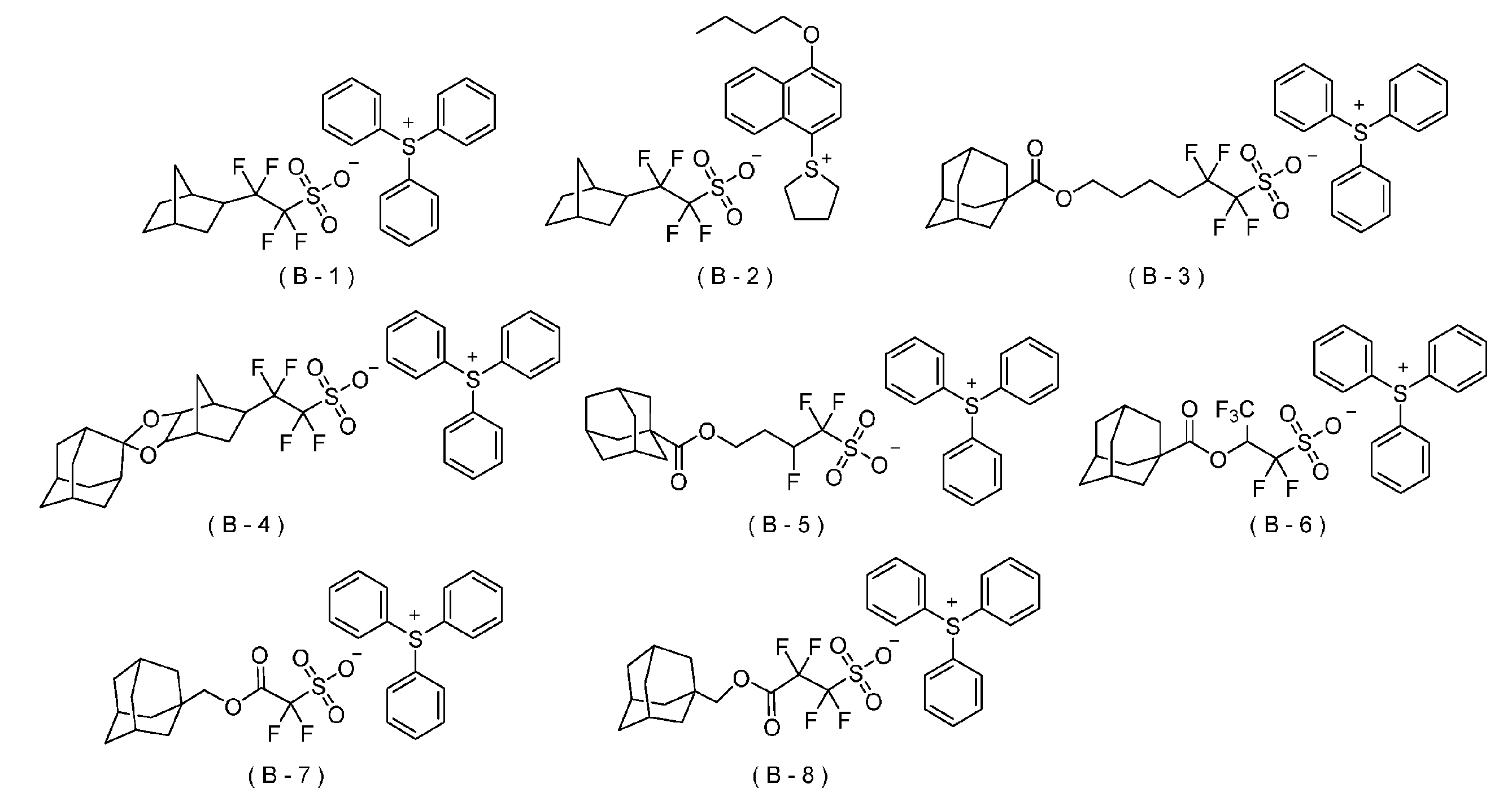
cc-1~cc-10:下記式(cc-1)~(cc-10)で表される化合物(以下、式(cc-1)~(cc-10)で表される化合物をそれぞれ「化合物(cc-1)」~「化合物(cc-10)」と記載する場合がある。)

D-1:酢酸プロピレングリコールモノメチルエーテル
D-2:シクロヘキサノン
D-3:γ-ブチロラクトン
D-4:乳酸エチル
[実施例1]
樹脂としての(A-1)100質量部、感放射線性酸発生剤としての(B-4)14.0質量部、化合物(1)(酸拡散制御剤)としての(C-1)2.3質量部、高フッ素含有量樹脂としての(E-1)5.0質量部(固形分)、並びに溶剤としての(D-1)/(D-2)/(D-3)=70/29/1(質量比)の混合溶剤3,230質量部を混合し、孔径0.2μmのメンブランフィルターで濾過することにより、感放射線性樹脂組成物(J-1)を調製した。
下記表4に示す種類及び含有量の各成分を用いたこと以外は実施例1と同様にして、感放射線性樹脂組成物(J-2)~(J-48)及び(CJ-1)~(CJ-10)を調製した。

12インチのシリコンウエハ上に、スピンコーター(東京エレクトロン(株)の「CLEAN TRACK ACT12」)を使用して、下層反射防止膜形成用組成物(ブルワーサイエンス社の「ARC66」)を塗布した後、205℃で60秒間加熱することにより平均厚さ105nmの下層反射防止膜を形成した。この下層反射防止膜上に上記スピンコーターを使用して上記調製したArF露光用ポジ型感放射線性樹脂組成物を塗布し、90℃で60秒間PB(プレベーク)を行った。その後、23℃で30秒間冷却することにより、平均厚さ90nmのレジスト膜を形成した。次に、このレジスト膜に対し、ArFエキシマレーザー液浸露光装置(ASML社の「TWINSCAN XT-1900i」)を用い、NA=1.35、Annular(σ=0.8/0.6)の光学条件にて、40nmスペース、105nmピッチのマスクパターンを介して露光した。露光後、90℃で60秒間PEB(ポストエクスポージャーベーク)を行った。その後、アルカリ現像液として2.38質量%のTMAH水溶液を用いて上記レジスト膜をアルカリ現像し、現像後に水で洗浄し、さらに乾燥させることでポジ型のレジストパターン(40nmラインアンドスペースパターン)を形成した。また、マスクパターンを変えたこと以外は上述の操作と同様にして、ポジ型のレジストパターン(40nmホール、105nmピッチ)を形成した。
上記ArF露光用ポジ型感放射線性樹脂組成物を用いて形成したレジストパターンについて、感度、LWR性能及びCDU性能を下記方法に従って評価した。その結果を下記表5に示す。なお、レジストパターンの測長には、走査型電子顕微鏡(日立ハイテクノロジーズ(株)の「CG-5000」)を用いた。
上記ArF露光用ポジ型感放射線性樹脂組成物を用いたレジストパターンの形成において、40nmラインアンドスペースパターンを形成する露光量を最適露光量とし、この最適露光量を感度(mJ/cm2)とした。感度は、23mJ/cm2以下の場合は「良好」と、23mJ/cm2を超える場合は「不良」と評価した。
40nmホール、105nmピッチのレジストパターンを、上記走査型電子顕微鏡を用い、パターン上部から任意のポイントで計1,800個測長した。寸法のバラつき(3σ)を求め、これをCDU性能(nm)とした。CDUは、その値が小さいほど、長周期でのホール径のばらつきが小さく良好であることを示す。CDU性能は、3.3nm以下の場合は「良好」と、3.3nmを超える場合は「不良」と評価した。
上記感度の評価で求めた最適露光量を照射して40nmラインアンドスペースパターンを形成するようにマスクサイズを調整して、レジストパターンを形成した。形成したレジストパターンを、上記走査型電子顕微鏡を用い、パターン上部から観察した。線幅のばらつきを計500点測定し、その測定値の分布から3シグマ値を求め、この3シグマ値をLWR(nm)とした。LWRは、その値が小さいほど、ラインのラフネスが小さく良好であることを示す。LWR性能は、3.6nm以下の場合は「良好」と、3.6nmを超える場合は「不良」と評価した。

[実施例49]
樹脂としての(A-12)100質量部、感放射線性酸発生剤としての(B-4)20.0質量部、化合物(1)(酸拡散制御剤)としての(C-1)3.2質量部、高フッ素含有量樹脂としての(E-5)3.0質量部、並びに溶剤としての(D-1)/(D-4)=70/30(質量比)の混合溶剤6,110質量部を混合し、孔径0.2μmのメンブランフィルターで濾過することにより、感放射線性樹脂組成物(J-49)を調製した。
下記表6に示す種類及び含有量の各成分を用いたこと以外は実施例41と同様にして、感放射線性樹脂組成物(J-50)~(J-85)及び(CJ-11)~(CJ-14)を調製した。

12インチのシリコンウエハ上に、スピンコーター(東京エレクトロン(株)の「CLEAN TRACK ACT12」)を使用して、下層反射防止膜形成用組成物(ブルワーサイエンス社の「ARC66」)を塗布した後、205℃で60秒間加熱することにより平均厚さ105nmの下層反射防止膜を形成した。この下層反射防止膜上に上記スピンコーターを使用して上記調製したEUV露光用ポジ型感放射線性樹脂組成物を塗布し、130℃で60秒間PBを行った。その後、23℃で30秒間冷却することにより、平均厚さ55nmのレジスト膜を形成した。次に、このレジスト膜に対し、EUV露光装置(ASML社の「NXE3300」)を用い、NA=0.33、照明条件:Conventional s=0.89、マスク:imecDEFECT32FFR02にて露光した。露光後、120℃で60秒間PEBを行った。その後、アルカリ現像液として2.38質量%のTMAH水溶液を用いて上記レジスト膜をアルカリ現像し、現像後に水で洗浄し、さらに乾燥させることでポジ型のレジストパターン(32nmラインアンドスペースパターン)を形成した。
上記EUV露光用ポジ型感放射線性樹脂組成物を用いて形成したレジストパターンについて、感度及びLWR性能を下記方法に従って評価した。その結果を下記表7に示す。なお、レジストパターンの測長には、走査型電子顕微鏡(日立ハイテクノロジーズ(株)の「CG-5000」)を用いた。
上記EUV露光用ポジ型感放射線性樹脂組成物を用いたレジストパターンの形成において、32nmラインアンドスペースパターンを形成する露光量を最適露光量とし、この最適露光量を感度(mJ/cm2)とした。感度は、30mJ/cm2以下の場合は「良好」と、30mJ/cm2を超える場合は「不良」と評価した。
上記感度の評価で求めた最適露光量を照射して32nmラインアンドスペースのパターンを形成するようにマスクサイズを調整して、レジストパターンを形成した。形成したレジストパターンを、上記走査型電子顕微鏡を用い、パターン上部から観察した。線幅のばらつきを計500点測定し、その測定値の分布から3シグマ値を求め、この3シグマ値をLWR(nm)とした。LWRは、その値が小さいほど、ラインのがたつきが小さく良好であることを示す。LWR性能は、4.0nm以下の場合は「良好」と、4.0nmを超える場合は「不良」と評価した。
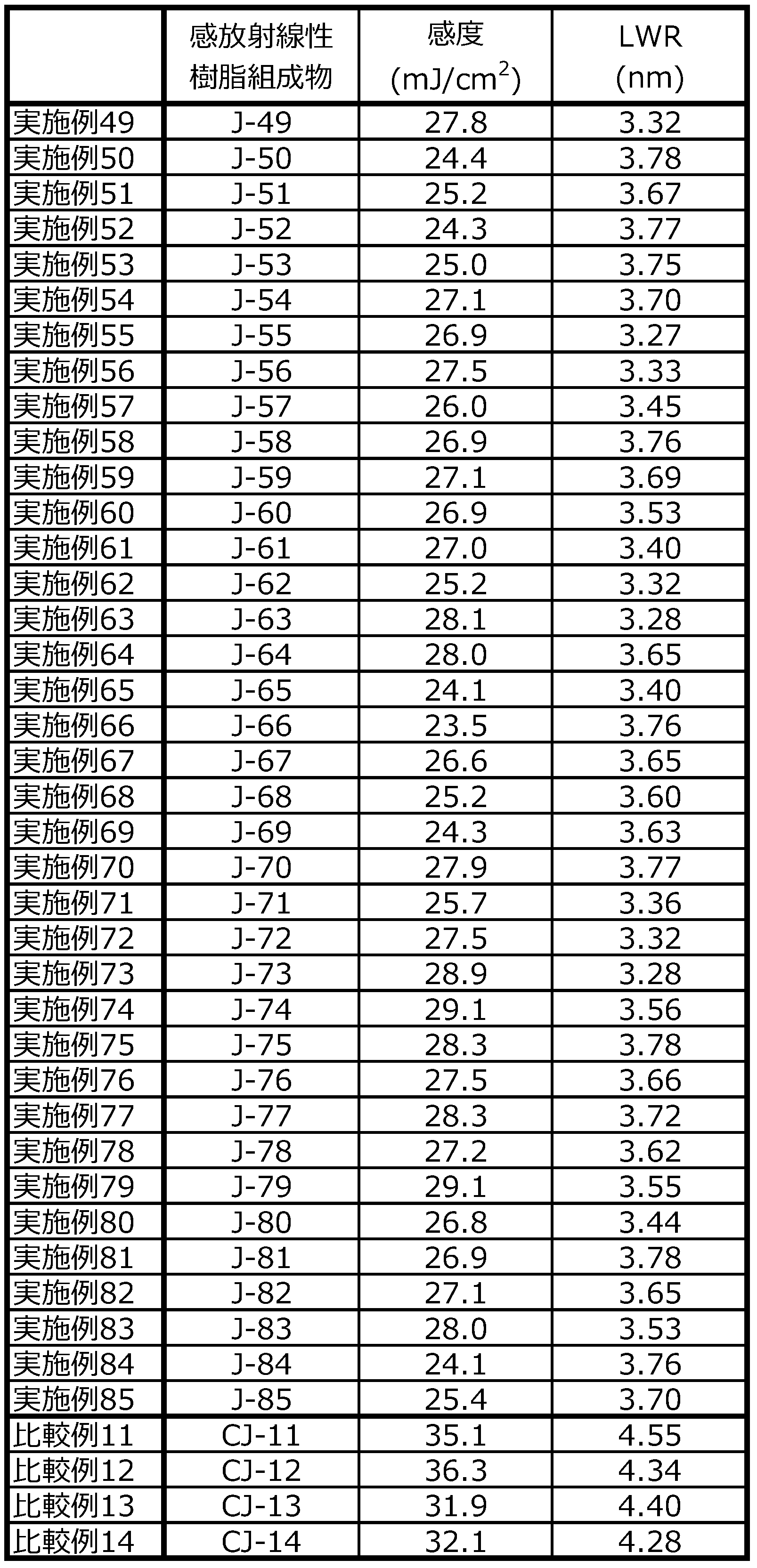
[実施例86]
樹脂としての(A-6)100質量部、感放射線性酸発生剤としての(B-4)16.0質量部、化合物(1)(酸拡散制御剤)としての(C-1)3.0質量部、高フッ素含有量樹脂としての(E-3)3.0質量部(固形分)、並びに溶剤としての(D-1)/(D-2)/(D-3)=70/29/1(質量比)の混合溶剤3,230質量部を混合し、孔径0.2μmのメンブランフィルターで濾過することにより、感放射線性樹脂組成物(J-86)を調製した。
[実施例87]
[A]樹脂としての(A-12)100質量部、[B]感放射線性酸発生剤としての(B-4)15.0質量部、[C]酸拡散制御剤としての(C-28)5.0質量部、[E]高フッ素含有量樹脂としての(E-5)3.0質量部(固形分)、並びに[D]溶剤としての(D-1)/(D-4)の混合溶媒6,110質量部を混合し、孔径0.2μmのメンブランフィルターで濾過することにより、感放射線性樹脂組成物(J-87)を調製した。
Claims (12)
- 下記式(1)で表されるオニウム塩化合物と、
酸解離性基を有する構造単位を含む樹脂と、
溶剤と
を含む感放射線性樹脂組成物。

R1は、環状構造を有する置換又は非置換の1価の有機基又は炭素数2以上の鎖状炭化水素基である。
Xは、酸素原子、硫黄原子又は-NRα-である。Rαは、水素原子又は炭素数1~10の1価の炭化水素基である。
Z+は、1価のオニウムカチオンである。) - 上記環状構造が、芳香環構造、脂環構造及び複素環構造からなる群より選択される少なくとも1種である請求項1に記載の感放射線性樹脂組成物。
- 上記芳香環構造が、下記構造からなる群より選択される少なくとも1種である請求項2に記載の感放射線性樹脂組成物。

- 上記脂環構造が、下記構造からなる群より選択される少なくとも1種である請求項2に記載の感放射線性樹脂組成物。
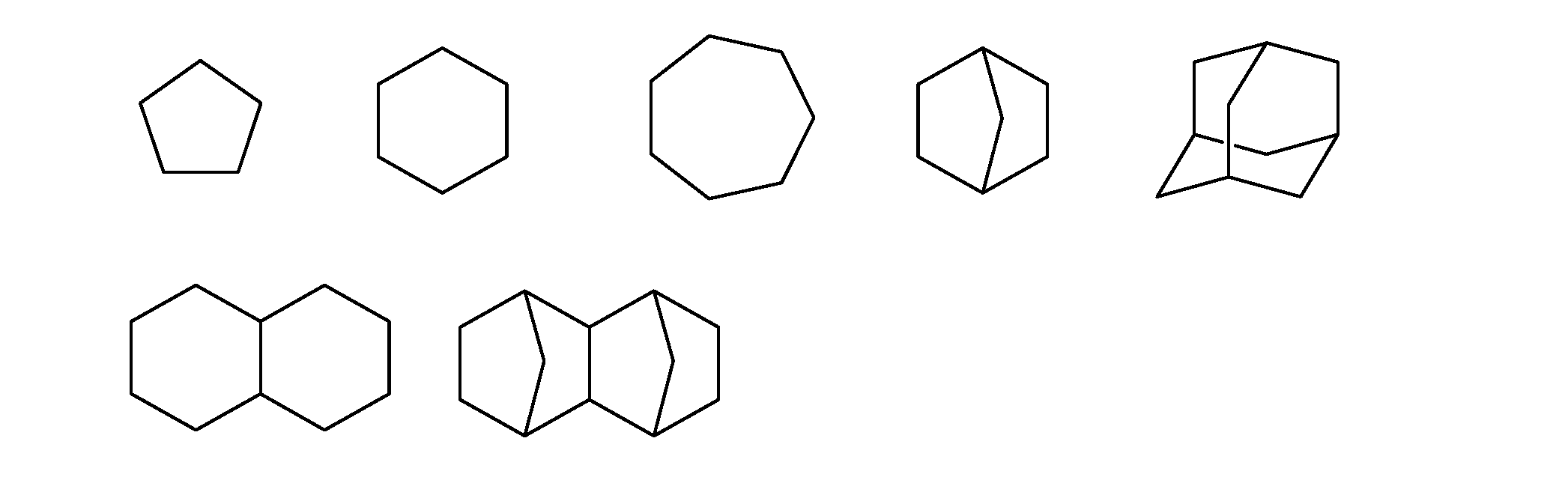
- 上記複素環構造が、下記構造からなる群より選択される少なくとも1種である請求項2に記載の感放射線性樹脂組成物。

- 上記環状構造が複数存在し、複数の環状構造が単結合、-O-、-COO-、-OCO-、-CO-、アルカンジイル基又はこれらの組み合わせを介して結合している請求項2~5のいずれか1項に記載の感放射線性樹脂組成物。
- 上記式(1)におけるオニウムカチオンが、スルホニウムカチオン又はヨードニウムカチオンである請求項1~6のいずれか1項に記載の感放射線性樹脂組成物。
- 上記オニウム塩化合物の含有量は、上記樹脂100質量部に対して0.1質量部以上20質量部以下である請求項1~7のいずれか1項に記載の感放射線性樹脂組成物。
- 上記式(1)で表される化合物から発生する酸よりpKaが小さい酸を発生する感放射線性酸発生剤をさらに含む請求項1~8のいずれか1項に記載の感放射線性樹脂組成物。
- 上記感放射線性酸発生剤の含有量が、上記樹脂100質量部に対し0.1質量部以上40質量部以下である請求項9に記載の感放射線性樹脂組成物。
- 請求項1~10のいずれか1項に記載の感放射線性樹脂組成物によりレジスト膜を形成する工程、
上記レジスト膜を露光する工程、及び
上記露光されたレジスト膜を現像する工程を含むレジストパターンの形成方法。 - 上記露光をArFエキシマレーザー光、極端紫外線又は電子線を用いて行う請求項11に記載のレジストパターンの形成方法。
Priority Applications (4)
| Application Number | Priority Date | Filing Date | Title |
|---|---|---|---|
| JP2021542692A JP7764249B2 (ja) | 2019-08-29 | 2020-08-05 | 感放射線性樹脂組成物及びレジストパターンの形成方法 |
| KR1020257010904A KR20250051790A (ko) | 2019-08-29 | 2020-08-05 | 감방사선성 수지 조성물 및 레지스트 패턴의 형성 방법 |
| KR1020227006318A KR102793074B1 (ko) | 2019-08-29 | 2020-08-05 | 감방사선성 수지 조성물 및 레지스트 패턴의 형성 방법 |
| US17/679,262 US20220177424A1 (en) | 2019-08-29 | 2022-02-24 | Radiation-sensitive resin composition and method for forming resist pattern |
Applications Claiming Priority (2)
| Application Number | Priority Date | Filing Date | Title |
|---|---|---|---|
| JP2019-157261 | 2019-08-29 | ||
| JP2019157261 | 2019-08-29 |
Related Child Applications (1)
| Application Number | Title | Priority Date | Filing Date |
|---|---|---|---|
| US17/679,262 Continuation-In-Part US20220177424A1 (en) | 2019-08-29 | 2022-02-24 | Radiation-sensitive resin composition and method for forming resist pattern |
Publications (1)
| Publication Number | Publication Date |
|---|---|
| WO2021039331A1 true WO2021039331A1 (ja) | 2021-03-04 |
Family
ID=74683712
Family Applications (1)
| Application Number | Title | Priority Date | Filing Date |
|---|---|---|---|
| PCT/JP2020/030051 Ceased WO2021039331A1 (ja) | 2019-08-29 | 2020-08-05 | 感放射線性樹脂組成物及びレジストパターンの形成方法 |
Country Status (5)
| Country | Link |
|---|---|
| US (1) | US20220177424A1 (ja) |
| JP (1) | JP7764249B2 (ja) |
| KR (2) | KR102793074B1 (ja) |
| TW (1) | TWI881997B (ja) |
| WO (1) | WO2021039331A1 (ja) |
Cited By (8)
| Publication number | Priority date | Publication date | Assignee | Title |
|---|---|---|---|---|
| JP2021089345A (ja) * | 2019-12-03 | 2021-06-10 | 東京応化工業株式会社 | レジスト組成物及びレジストパターン形成方法 |
| JP2021091645A (ja) * | 2019-12-12 | 2021-06-17 | 信越化学工業株式会社 | オニウム塩化合物、化学増幅レジスト組成物及びパターン形成方法 |
| US20210200087A1 (en) * | 2019-12-25 | 2021-07-01 | Tokyo Ohka Kogyo Co., Ltd. | Resist composition and method of forming resist pattern |
| CN113185437A (zh) * | 2021-04-09 | 2021-07-30 | 宁波南大光电材料有限公司 | 一种含环状阴离子结构的三苯基硫鎓盐的制备方法 |
| JP2022091720A (ja) * | 2020-12-09 | 2022-06-21 | 住友化学株式会社 | カルボン酸塩、カルボン酸発生剤、レジスト組成物及びレジストパターンの製造方法 |
| JP2023018671A (ja) * | 2021-07-27 | 2023-02-08 | 住友化学株式会社 | カルボン酸塩、カルボン酸発生剤、レジスト組成物及びレジストパターンの製造方法 |
| WO2023053977A1 (ja) * | 2021-09-28 | 2023-04-06 | 富士フイルム株式会社 | 塩の製造方法、感活性光線性又は感放射線性樹脂組成物の製造方法、パターン形成方法、及び電子デバイスの製造方法 |
| WO2024101044A1 (ja) * | 2022-11-07 | 2024-05-16 | 東京応化工業株式会社 | レジスト組成物、レジストパターン形成方法、化合物及び酸拡散制御剤 |
Families Citing this family (2)
| Publication number | Priority date | Publication date | Assignee | Title |
|---|---|---|---|---|
| JP2023177272A (ja) * | 2022-06-01 | 2023-12-13 | 信越化学工業株式会社 | 化学増幅ネガ型レジスト組成物及びレジストパターン形成方法 |
| CN118908932A (zh) * | 2024-07-18 | 2024-11-08 | 湖北固润科技股份有限公司 | 1,4-氧硫鎓盐及其制备方法和产酸剂型阳离子光引发剂的制备方法 |
Citations (6)
| Publication number | Priority date | Publication date | Assignee | Title |
|---|---|---|---|---|
| JP2013092723A (ja) * | 2011-10-27 | 2013-05-16 | Shin Etsu Chem Co Ltd | パターン形成方法及びレジスト組成物 |
| JP2017203885A (ja) * | 2016-05-11 | 2017-11-16 | Jsr株式会社 | 感放射線性樹脂組成物、レジストパターン形成方法、酸拡散制御剤の製造方法及び感放射線性樹脂組成物の製造方法 |
| WO2019087626A1 (ja) * | 2017-10-31 | 2019-05-09 | 東洋合成工業株式会社 | 光酸発生剤、レジスト組成物及び、該レジスト組成物を用いたデバイスの製造方法 |
| JP2019101417A (ja) * | 2017-11-29 | 2019-06-24 | 信越化学工業株式会社 | パターン形成方法 |
| JP2019120729A (ja) * | 2017-12-28 | 2019-07-22 | 東京応化工業株式会社 | レジスト組成物、レジストパターン形成方法、及び化合物 |
| WO2019187445A1 (ja) * | 2018-03-27 | 2019-10-03 | 富士フイルム株式会社 | 感活性光線性又は感放射線性樹脂組成物、レジスト膜、パターン形成方法、及び、電子デバイスの製造方法 |
Family Cites Families (5)
| Publication number | Priority date | Publication date | Assignee | Title |
|---|---|---|---|---|
| JP5741521B2 (ja) * | 2011-05-11 | 2015-07-01 | 信越化学工業株式会社 | レジスト組成物及びパターン形成法 |
| JP5904180B2 (ja) | 2013-09-11 | 2016-04-13 | 信越化学工業株式会社 | スルホニウム塩、化学増幅型レジスト組成物、及びパターン形成方法 |
| WO2018168260A1 (ja) * | 2017-03-13 | 2018-09-20 | 富士フイルム株式会社 | 感活性光線性又は感放射線性樹脂組成物、レジスト膜、パターン形成方法、電子デバイスの製造方法 |
| JP6904302B2 (ja) * | 2017-06-14 | 2021-07-14 | 信越化学工業株式会社 | レジスト材料及びパターン形成方法 |
| JP7149241B2 (ja) * | 2019-08-26 | 2022-10-06 | 信越化学工業株式会社 | レジスト材料及びパターン形成方法 |
-
2020
- 2020-08-05 KR KR1020227006318A patent/KR102793074B1/ko active Active
- 2020-08-05 WO PCT/JP2020/030051 patent/WO2021039331A1/ja not_active Ceased
- 2020-08-05 JP JP2021542692A patent/JP7764249B2/ja active Active
- 2020-08-05 KR KR1020257010904A patent/KR20250051790A/ko active Pending
- 2020-08-14 TW TW109127635A patent/TWI881997B/zh active
-
2022
- 2022-02-24 US US17/679,262 patent/US20220177424A1/en active Pending
Patent Citations (6)
| Publication number | Priority date | Publication date | Assignee | Title |
|---|---|---|---|---|
| JP2013092723A (ja) * | 2011-10-27 | 2013-05-16 | Shin Etsu Chem Co Ltd | パターン形成方法及びレジスト組成物 |
| JP2017203885A (ja) * | 2016-05-11 | 2017-11-16 | Jsr株式会社 | 感放射線性樹脂組成物、レジストパターン形成方法、酸拡散制御剤の製造方法及び感放射線性樹脂組成物の製造方法 |
| WO2019087626A1 (ja) * | 2017-10-31 | 2019-05-09 | 東洋合成工業株式会社 | 光酸発生剤、レジスト組成物及び、該レジスト組成物を用いたデバイスの製造方法 |
| JP2019101417A (ja) * | 2017-11-29 | 2019-06-24 | 信越化学工業株式会社 | パターン形成方法 |
| JP2019120729A (ja) * | 2017-12-28 | 2019-07-22 | 東京応化工業株式会社 | レジスト組成物、レジストパターン形成方法、及び化合物 |
| WO2019187445A1 (ja) * | 2018-03-27 | 2019-10-03 | 富士フイルム株式会社 | 感活性光線性又は感放射線性樹脂組成物、レジスト膜、パターン形成方法、及び、電子デバイスの製造方法 |
Cited By (13)
| Publication number | Priority date | Publication date | Assignee | Title |
|---|---|---|---|---|
| JP2021089345A (ja) * | 2019-12-03 | 2021-06-10 | 東京応化工業株式会社 | レジスト組成物及びレジストパターン形成方法 |
| JP7407576B2 (ja) | 2019-12-03 | 2024-01-04 | 東京応化工業株式会社 | レジスト組成物及びレジストパターン形成方法 |
| JP7255472B2 (ja) | 2019-12-12 | 2023-04-11 | 信越化学工業株式会社 | オニウム塩化合物、化学増幅レジスト組成物及びパターン形成方法 |
| JP2021091645A (ja) * | 2019-12-12 | 2021-06-17 | 信越化学工業株式会社 | オニウム塩化合物、化学増幅レジスト組成物及びパターン形成方法 |
| US20210200087A1 (en) * | 2019-12-25 | 2021-07-01 | Tokyo Ohka Kogyo Co., Ltd. | Resist composition and method of forming resist pattern |
| JP2022091720A (ja) * | 2020-12-09 | 2022-06-21 | 住友化学株式会社 | カルボン酸塩、カルボン酸発生剤、レジスト組成物及びレジストパターンの製造方法 |
| JP7824058B2 (ja) | 2020-12-09 | 2026-03-04 | 住友化学株式会社 | カルボン酸塩、カルボン酸発生剤、レジスト組成物及びレジストパターンの製造方法 |
| CN113185437A (zh) * | 2021-04-09 | 2021-07-30 | 宁波南大光电材料有限公司 | 一种含环状阴离子结构的三苯基硫鎓盐的制备方法 |
| JP2023018671A (ja) * | 2021-07-27 | 2023-02-08 | 住友化学株式会社 | カルボン酸塩、カルボン酸発生剤、レジスト組成物及びレジストパターンの製造方法 |
| JPWO2023053977A1 (ja) * | 2021-09-28 | 2023-04-06 | ||
| WO2023053977A1 (ja) * | 2021-09-28 | 2023-04-06 | 富士フイルム株式会社 | 塩の製造方法、感活性光線性又は感放射線性樹脂組成物の製造方法、パターン形成方法、及び電子デバイスの製造方法 |
| WO2024101044A1 (ja) * | 2022-11-07 | 2024-05-16 | 東京応化工業株式会社 | レジスト組成物、レジストパターン形成方法、化合物及び酸拡散制御剤 |
| JP2024067732A (ja) * | 2022-11-07 | 2024-05-17 | 東京応化工業株式会社 | レジスト組成物、レジストパターン形成方法、化合物及び酸拡散制御剤 |
Also Published As
| Publication number | Publication date |
|---|---|
| TWI881997B (zh) | 2025-05-01 |
| US20220177424A1 (en) | 2022-06-09 |
| TW202115492A (zh) | 2021-04-16 |
| KR20220055463A (ko) | 2022-05-03 |
| KR20250051790A (ko) | 2025-04-17 |
| JPWO2021039331A1 (ja) | 2021-03-04 |
| KR102793074B1 (ko) | 2025-04-11 |
| JP7764249B2 (ja) | 2025-11-05 |
Similar Documents
| Publication | Publication Date | Title |
|---|---|---|
| JP7091762B2 (ja) | 感放射線性樹脂組成物及びレジストパターンの形成方法 | |
| KR102793074B1 (ko) | 감방사선성 수지 조성물 및 레지스트 패턴의 형성 방법 | |
| JP7544200B2 (ja) | 感放射線性樹脂組成物及びレジストパターンの形成方法 | |
| KR102794088B1 (ko) | 감방사선성 수지 조성물 및 패턴 형성 방법 | |
| JP7676384B2 (ja) | 感放射線性樹脂組成物及びパターン形成方法 | |
| WO2022113814A1 (ja) | 感放射線性樹脂組成物、パターン形成方法及びオニウム塩化合物 | |
| KR102780202B1 (ko) | 감방사선성 수지 조성물 및 레지스트 패턴의 형성 방법 | |
| JP2017181697A (ja) | 感放射線性樹脂組成物及びレジストパターン形成方法 | |
| JP7061268B2 (ja) | レジストパターンの形成方法及び感放射線性樹脂組成物 | |
| WO2021220648A1 (ja) | 感放射線性樹脂組成物及びそれを用いたレジストパターンの形成方法、並びに、スルホン酸塩化合物及びそれを含む感放射線性酸発生剤 | |
| JP2026065160A (ja) | 化合物及び感放射線性酸発生剤 | |
| JP2022095677A (ja) | 感放射線性樹脂組成物及びレジストパターンの形成方法 | |
| JP7323865B2 (ja) | 感放射線性樹脂組成物及びパターン形成方法 | |
| JP6528606B2 (ja) | 感放射線性樹脂組成物及びレジストパターン形成方法 | |
| JP7693697B2 (ja) | 感放射線性樹脂組成物、パターン形成方法及びオニウム塩化合物 | |
| JP7717060B2 (ja) | 感放射線性樹脂組成物、パターン形成方法及びオニウム塩化合物 | |
| WO2021065350A1 (ja) | 感放射線性樹脂組成物及びそれを用いたレジストパターンの形成方法 | |
| JP7848693B2 (ja) | 感放射線性樹脂組成物、パターン形成方法、及び撥水性改善剤 | |
| JP7777291B2 (ja) | 感放射線性樹脂組成物、パターン形成方法、重合体、及び化合物 | |
| KR102884861B1 (ko) | 레지스트 패턴의 형성 방법 및 감방사선성 수지 조성물 | |
| JP2026067953A (ja) | スルホニウム塩化合物及びそれを含む感放射線性酸発生剤 | |
| WO2024116576A1 (ja) | 感放射線性樹脂組成物、パターン形成方法及び感放射線性酸発生剤 |
Legal Events
| Date | Code | Title | Description |
|---|---|---|---|
| 121 | Ep: the epo has been informed by wipo that ep was designated in this application |
Ref document number: 20858888 Country of ref document: EP Kind code of ref document: A1 |
|
| ENP | Entry into the national phase |
Ref document number: 2021542692 Country of ref document: JP Kind code of ref document: A |
|
| NENP | Non-entry into the national phase |
Ref country code: DE |
|
| 122 | Ep: pct application non-entry in european phase |
Ref document number: 20858888 Country of ref document: EP Kind code of ref document: A1 |
|
| WWD | Wipo information: divisional of initial pct application |
Ref document number: 1020257010904 Country of ref document: KR |
|
| WWP | Wipo information: published in national office |
Ref document number: 1020257010904 Country of ref document: KR |