WO2020166093A1 - ヒドロキシカルボン酸エステルの製造方法 - Google Patents
ヒドロキシカルボン酸エステルの製造方法 Download PDFInfo
- Publication number
- WO2020166093A1 WO2020166093A1 PCT/JP2019/008686 JP2019008686W WO2020166093A1 WO 2020166093 A1 WO2020166093 A1 WO 2020166093A1 JP 2019008686 W JP2019008686 W JP 2019008686W WO 2020166093 A1 WO2020166093 A1 WO 2020166093A1
- Authority
- WO
- WIPO (PCT)
- Prior art keywords
- acid ester
- hydroxycarboxylic acid
- catalyst
- producing
- carrier
- Prior art date
- Legal status (The legal status is an assumption and is not a legal conclusion. Google has not performed a legal analysis and makes no representation as to the accuracy of the status listed.)
- Ceased
Links
Classifications
-
- B—PERFORMING OPERATIONS; TRANSPORTING
- B01—PHYSICAL OR CHEMICAL PROCESSES OR APPARATUS IN GENERAL
- B01J—CHEMICAL OR PHYSICAL PROCESSES, e.g. CATALYSIS OR COLLOID CHEMISTRY; THEIR RELEVANT APPARATUS
- B01J27/00—Catalysts comprising the elements or compounds of halogens, sulfur, selenium, tellurium, phosphorus or nitrogen; Catalysts comprising carbon compounds
- B01J27/14—Phosphorus; Compounds thereof
-
- B—PERFORMING OPERATIONS; TRANSPORTING
- B01—PHYSICAL OR CHEMICAL PROCESSES OR APPARATUS IN GENERAL
- B01J—CHEMICAL OR PHYSICAL PROCESSES, e.g. CATALYSIS OR COLLOID CHEMISTRY; THEIR RELEVANT APPARATUS
- B01J23/00—Catalysts comprising metals or metal oxides or hydroxides, not provided for in group B01J21/00
- B01J23/38—Catalysts comprising metals or metal oxides or hydroxides, not provided for in group B01J21/00 of noble metals
- B01J23/54—Catalysts comprising metals or metal oxides or hydroxides, not provided for in group B01J21/00 of noble metals combined with metals, oxides or hydroxides provided for in groups B01J23/02 - B01J23/36
- B01J23/56—Platinum group metals
- B01J23/64—Platinum group metals with arsenic, antimony, bismuth, vanadium, niobium, tantalum, polonium, chromium, molybdenum, tungsten, manganese, technetium or rhenium
- B01J23/648—Vanadium, niobium or tantalum or polonium
- B01J23/6482—Vanadium
-
- B—PERFORMING OPERATIONS; TRANSPORTING
- B01—PHYSICAL OR CHEMICAL PROCESSES OR APPARATUS IN GENERAL
- B01J—CHEMICAL OR PHYSICAL PROCESSES, e.g. CATALYSIS OR COLLOID CHEMISTRY; THEIR RELEVANT APPARATUS
- B01J23/00—Catalysts comprising metals or metal oxides or hydroxides, not provided for in group B01J21/00
- B01J23/38—Catalysts comprising metals or metal oxides or hydroxides, not provided for in group B01J21/00 of noble metals
- B01J23/54—Catalysts comprising metals or metal oxides or hydroxides, not provided for in group B01J21/00 of noble metals combined with metals, oxides or hydroxides provided for in groups B01J23/02 - B01J23/36
- B01J23/56—Platinum group metals
- B01J23/64—Platinum group metals with arsenic, antimony, bismuth, vanadium, niobium, tantalum, polonium, chromium, molybdenum, tungsten, manganese, technetium or rhenium
- B01J23/652—Chromium, molybdenum or tungsten
- B01J23/6525—Molybdenum
-
- B—PERFORMING OPERATIONS; TRANSPORTING
- B01—PHYSICAL OR CHEMICAL PROCESSES OR APPARATUS IN GENERAL
- B01J—CHEMICAL OR PHYSICAL PROCESSES, e.g. CATALYSIS OR COLLOID CHEMISTRY; THEIR RELEVANT APPARATUS
- B01J23/00—Catalysts comprising metals or metal oxides or hydroxides, not provided for in group B01J21/00
- B01J23/38—Catalysts comprising metals or metal oxides or hydroxides, not provided for in group B01J21/00 of noble metals
- B01J23/54—Catalysts comprising metals or metal oxides or hydroxides, not provided for in group B01J21/00 of noble metals combined with metals, oxides or hydroxides provided for in groups B01J23/02 - B01J23/36
- B01J23/56—Platinum group metals
- B01J23/64—Platinum group metals with arsenic, antimony, bismuth, vanadium, niobium, tantalum, polonium, chromium, molybdenum, tungsten, manganese, technetium or rhenium
- B01J23/652—Chromium, molybdenum or tungsten
- B01J23/6527—Tungsten
-
- B—PERFORMING OPERATIONS; TRANSPORTING
- B01—PHYSICAL OR CHEMICAL PROCESSES OR APPARATUS IN GENERAL
- B01J—CHEMICAL OR PHYSICAL PROCESSES, e.g. CATALYSIS OR COLLOID CHEMISTRY; THEIR RELEVANT APPARATUS
- B01J23/00—Catalysts comprising metals or metal oxides or hydroxides, not provided for in group B01J21/00
- B01J23/38—Catalysts comprising metals or metal oxides or hydroxides, not provided for in group B01J21/00 of noble metals
- B01J23/54—Catalysts comprising metals or metal oxides or hydroxides, not provided for in group B01J21/00 of noble metals combined with metals, oxides or hydroxides provided for in groups B01J23/02 - B01J23/36
- B01J23/56—Platinum group metals
- B01J23/64—Platinum group metals with arsenic, antimony, bismuth, vanadium, niobium, tantalum, polonium, chromium, molybdenum, tungsten, manganese, technetium or rhenium
- B01J23/656—Manganese, technetium or rhenium
- B01J23/6567—Rhenium
-
- B—PERFORMING OPERATIONS; TRANSPORTING
- B01—PHYSICAL OR CHEMICAL PROCESSES OR APPARATUS IN GENERAL
- B01J—CHEMICAL OR PHYSICAL PROCESSES, e.g. CATALYSIS OR COLLOID CHEMISTRY; THEIR RELEVANT APPARATUS
- B01J27/00—Catalysts comprising the elements or compounds of halogens, sulfur, selenium, tellurium, phosphorus or nitrogen; Catalysts comprising carbon compounds
- B01J27/14—Phosphorus; Compounds thereof
- B01J27/16—Phosphorus; Compounds thereof containing oxygen, i.e. acids, anhydrides and their derivates with N, S, B or halogens without carriers or on carriers based on C, Si, Al or Zr; also salts of Si, Al and Zr
- B01J27/18—Phosphorus; Compounds thereof containing oxygen, i.e. acids, anhydrides and their derivates with N, S, B or halogens without carriers or on carriers based on C, Si, Al or Zr; also salts of Si, Al and Zr with metals other than Al or Zr
- B01J27/1802—Salts or mixtures of anhydrides with compounds of other metals than V, Nb, Ta, Cr, Mo, W, Mn, Tc, Re, e.g. phosphates, thiophosphates
- B01J27/1806—Salts or mixtures of anhydrides with compounds of other metals than V, Nb, Ta, Cr, Mo, W, Mn, Tc, Re, e.g. phosphates, thiophosphates with alkaline or alkaline earth metals
-
- B—PERFORMING OPERATIONS; TRANSPORTING
- B01—PHYSICAL OR CHEMICAL PROCESSES OR APPARATUS IN GENERAL
- B01J—CHEMICAL OR PHYSICAL PROCESSES, e.g. CATALYSIS OR COLLOID CHEMISTRY; THEIR RELEVANT APPARATUS
- B01J27/00—Catalysts comprising the elements or compounds of halogens, sulfur, selenium, tellurium, phosphorus or nitrogen; Catalysts comprising carbon compounds
- B01J27/14—Phosphorus; Compounds thereof
- B01J27/185—Phosphorus; Compounds thereof with iron group metals or platinum group metals
- B01J27/1856—Phosphorus; Compounds thereof with iron group metals or platinum group metals with platinum group metals
-
- B—PERFORMING OPERATIONS; TRANSPORTING
- B01—PHYSICAL OR CHEMICAL PROCESSES OR APPARATUS IN GENERAL
- B01J—CHEMICAL OR PHYSICAL PROCESSES, e.g. CATALYSIS OR COLLOID CHEMISTRY; THEIR RELEVANT APPARATUS
- B01J27/00—Catalysts comprising the elements or compounds of halogens, sulfur, selenium, tellurium, phosphorus or nitrogen; Catalysts comprising carbon compounds
- B01J27/14—Phosphorus; Compounds thereof
- B01J27/186—Phosphorus; Compounds thereof with arsenic, antimony, bismuth, vanadium, niobium, tantalum, polonium, chromium, molybdenum, tungsten, manganese, technetium or rhenium
- B01J27/195—Phosphorus; Compounds thereof with arsenic, antimony, bismuth, vanadium, niobium, tantalum, polonium, chromium, molybdenum, tungsten, manganese, technetium or rhenium with vanadium, niobium or tantalum
- B01J27/198—Vanadium
-
- B—PERFORMING OPERATIONS; TRANSPORTING
- B01—PHYSICAL OR CHEMICAL PROCESSES OR APPARATUS IN GENERAL
- B01J—CHEMICAL OR PHYSICAL PROCESSES, e.g. CATALYSIS OR COLLOID CHEMISTRY; THEIR RELEVANT APPARATUS
- B01J37/00—Processes, in general, for preparing catalysts; Processes, in general, for activation of catalysts
- B01J37/04—Mixing
-
- C—CHEMISTRY; METALLURGY
- C07—ORGANIC CHEMISTRY
- C07B—GENERAL METHODS OF ORGANIC CHEMISTRY; APPARATUS THEREFOR
- C07B61/00—Other general methods
-
- C—CHEMISTRY; METALLURGY
- C07—ORGANIC CHEMISTRY
- C07C—ACYCLIC OR CARBOCYCLIC COMPOUNDS
- C07C67/00—Preparation of carboxylic acid esters
- C07C67/30—Preparation of carboxylic acid esters by modifying the acid moiety of the ester, such modification not being an introduction of an ester group
- C07C67/31—Preparation of carboxylic acid esters by modifying the acid moiety of the ester, such modification not being an introduction of an ester group by introduction of functional groups containing oxygen only in singly bound form
-
- C—CHEMISTRY; METALLURGY
- C07—ORGANIC CHEMISTRY
- C07C—ACYCLIC OR CARBOCYCLIC COMPOUNDS
- C07C67/00—Preparation of carboxylic acid esters
- C07C67/30—Preparation of carboxylic acid esters by modifying the acid moiety of the ester, such modification not being an introduction of an ester group
- C07C67/317—Preparation of carboxylic acid esters by modifying the acid moiety of the ester, such modification not being an introduction of an ester group by splitting-off hydrogen or functional groups; by hydrogenolysis of functional groups
Definitions
- the present invention relates to a method for producing a hydroxycarboxylic acid ester by reducing a dicarboxylic acid monoester.
- Examples of compounds derived from biomass include dicarboxylic acid monoesters such as succinic acid monomethyl ester.
- the hydroxycarboxylic acid ester obtained by hydrogenating the dicarboxylic acid monoester is useful as a plastic raw material, a pharmaceutical intermediate, a cosmetic raw material, and the like.
- it is also useful as a raw material for a fatty acid hydroxycarboxylic acid ester salt useful as an emulsifier.
- a known method for hydrogenating a dicarboxylic acid monoester to obtain a hydroxycarboxylic acid ester is a homogeneous reaction method using a borane-tetrahydrofuran (BH 3 .THF) complex as a reducing agent.
- this method is not suitable as a method for industrially producing a hydroxycarboxylic acid ester, in that an equivalent amount of a reducing agent is required, temperature control must be strictly performed, and a multistep reaction is performed. there were.
- the present situation is that no method has been found for selectively obtaining a hydroxycarboxylic acid ester by reducing a dicarboxylic acid monoester by a heterogeneous reaction.
- the inventors of the present invention have conducted extensive studies to solve the above problems, and as a result, have found that the following specific catalysts can be used to rapidly reduce dicarboxylic acid monoesters to selectively produce hydroxycarboxylic acid esters. ..
- the present invention has been completed based on these findings.
- a dicarboxylic acid monoester represented by the following formula (1) as a substrate is reduced in the presence of the following catalyst to produce a hydroxycarboxylic acid ester represented by the following formula (2):
- a method for producing a hydroxycarboxylic acid ester is provided.
- Catalyst Catalyst (M 1 ) Rhodium, platinum, ruthenium, iridium, or palladium (M 2 ) tin, vanadium, molybdenum, tungsten, or rhenium (M 1 ) in which the following M 1 and M 2 as metal species are supported on the following carrier: Carrier) hydroxyapatite, fluoroapatite, or hydrotalcite (In the formula, R represents a single bond or a divalent hydrocarbon group, and R′ represents a monovalent hydrocarbon group)
- the selectivity of the hydroxycarboxylic acid ester represented by the following formula (2) is 70% or more in the total amount of the reaction product when the conversion rate of the substrate is 90% or more
- a method for producing the hydroxycarboxylic acid ester wherein the selectivity of the lactone represented by the following formula (3) is 5% or less.
- R represents a single bond or a divalent hydrocarbon group
- R′ represents a monovalent hydrocarbon group
- the present invention is also the catalyst, the M 1 and M 2 as metal species, provides a method of manufacturing the hydroxycarboxylic acid esters containing in the range of 0.05 to 1 mol of M 2 against M 1 1 mole To do.
- the present invention also provides a method for producing the hydroxycarboxylic acid ester, wherein the amount of the catalyst used (as M 1 metal) is 0.01 to 30 mol% of the substrate.
- the present invention also provides a method for producing the hydroxycarboxylic acid ester, which comprises performing a reduction reaction in the presence of water.
- the present invention also relates to the following M 1 and M 2 as metal species supported on the following carrier, which is used to reduce the dicarboxylic acid monoester to obtain the corresponding hydroxycarboxylic acid ester.
- An ester reduction catalyst is provided.
- M 2 tin, vanadium, molybdenum, tungsten, or rhenium (carrier) hydroxyapatite, fluoroapatite, or hydrotalcite
- a hydroxycarboxylic acid ester can be efficiently and selectively produced from a dicarboxylic acid monoester under mild conditions in one step. Further, according to the production method of the present invention, it is possible to efficiently and selectively produce a hydroxycarboxylic acid ester by using water that is safe for the human body and is environmentally friendly as a solvent.
- the hydroxycarboxylic acid ester thus obtained is useful as a plastic raw material, a pharmaceutical intermediate, a cosmetic raw material, and the like. In addition, it is also useful as a raw material for a fatty acid hydroxycarboxylic acid ester salt useful as an emulsifier. Therefore, the production method of the present invention is suitable as a method for industrially producing a hydroxycarboxylic acid ester.
- the catalyst of the present invention in which M 1 and M 2 are supported on hydroxyapatite, fluoroapatite, or hydrotalcite, is a human-body safe and dicarboxylic acid prepared by using environment-friendly water as a solvent. It can be suitably used as a catalyst for reducing a monoester to selectively obtain a hydroxycarboxylic acid ester.
- the method for producing a hydroxycarboxylic acid ester of the present invention is characterized by using at least one catalyst in which the following M 1 and M 2 as metal species are supported on the following carrier.
- M 1 rhodium, platinum, ruthenium, iridium, or palladium
- M 2 tin, vanadium, molybdenum, tungsten, or rhenium (carrier) hydroxyapatite, fluoroapatite, or hydrotalcite
- M 1 and M 2 supported on the carrier may be a simple metal, or a metal salt, a metal oxide, a metal hydroxide, a metal complex, or the like.
- the amount of M 1 supported is, for example, about 1 to 50% by weight, preferably 1 to 20% by weight, and particularly preferably 1 to 10% by weight of the carrier. Even if M 1 is supported in excess, the catalytic activity becomes saturated and leveled off, and the effect of promoting the reaction cannot be obtained. On the other hand, if the supported amount of M 1 is less than the above range, it tends to be difficult to obtain sufficient catalytic activity.
- the amount of M 2 supported (in terms of metal) is, for example, about 0.01 to 20% by weight, preferably 0.01 to 10% by weight, particularly preferably 0.01 to 1% by weight, most preferably 0. It is from 05 to 0.8% by weight, particularly preferably from 0.1 to 0.6% by weight. If the amount of M 2 supported is out of the above range, it tends to be difficult to selectively produce a hydroxycarboxylic acid ester.
- the catalyst of the present invention is considered to have a catalytic active site at the interface between M 1 and M 2 .
- M 1 and M 2 becomes excessive, the other metal species are covered with the excess metal species and the interface is reduced, and the catalytic activity sites are reduced. Probably because the catalytic activity is lowered, The yield of acid ester tends to decrease.
- the supported amount of M 1 and M 2 is preferably in the specific range, the supported amount of M 2 for M 1 1 mole is preferably in the range of, for example, 0.05 to 1 mol.
- the upper limit of the supported amount of M 2 for M 1 1 mole preferably 0.5 mole, particularly preferably 0.4 mol, most preferably 0.35 moles, especially preferably 0.3 mol.
- the lower limit of the supported amount of M 2 for M 1 1 mol preferably 0.07 mol, particularly preferably 0.1 mol, most preferably 0.15 moles, especially preferably 0.2 mol.
- the loading amount of the third metal species other than M 1 and M 2 is, for example, 200 mol% or less, preferably 150 mol% or less, and more preferably 100 mol% of the total loading amount of M 1 and M 2. % Or less, more preferably 70 mol% or less, further preferably 50 mol% or less, further preferably 30 mol% or less, particularly preferably 10 mol% or less, most preferably 5 mol% or less, particularly preferably 1 mol% or less. Is. If the amount of the third metal species carried exceeds the above range, the effect of the present invention tends to be difficult to obtain, probably because the catalytic active sites decrease.
- M 1 and M 2 are used in a state of being carried on a carrier.
- the interfacial area between M 1 and M 2 can be increased, and a large number of catalytic active points can be exposed.
- the catalyst in which M 1 and M 2 are supported on the carrier since the catalyst in which M 1 and M 2 are supported on the carrier is used, the catalyst and the reaction product can be easily separated by physical separation means such as filtration and centrifugation after the reaction is completed.
- the catalyst separated from the reaction product and recovered can be reused as it is or after washing, drying and the like.
- the expensive catalyst since the expensive catalyst can be repeatedly used, the production cost of the hydroxycarboxylic acid ester can be significantly reduced.
- hydroxyapatite or fluoroapatite is preferable, and hydroxyapatite is particularly preferable, from the viewpoint that a hydroxycarboxylic acid ester can be selectively produced from a dicarboxylic acid monoester in a high yield.
- hydroxyapatite or hydrotalcite is preferable, and hydroxyapatite is particularly preferable, from the viewpoint that a hydroxycarboxylic acid ester can be selectively produced from a dicarboxylic acid monoester in a high yield.
- hydroxyapatite for example, commercially available products such as trade name “tricalcium phosphate” (manufactured by Wako Pure Chemical Industries, Ltd.) can be preferably used.
- the catalyst of the present invention can be suitably used as a reduction catalyst for reducing a dicarboxylic acid monoester to obtain a hydroxycarboxylic acid ester.
- the catalyst in the present invention can be prepared, for example, by an impregnation method.
- a solution for example, an aqueous solution
- a solvent for example, water
- the metal species is supported on the carrier by firing.
- the amount of the metal species supported can be controlled by adjusting the concentration of the metal compound in the solution, the immersion time of the carrier, and the like.
- M 1 -containing solution a solution obtained by dissolving a compound containing M 1 in a solvent
- M 2 -containing solution a solution obtained by dissolving a compound containing M 2 in a solvent
- the carrier When the catalyst is prepared by the co-impregnation method, the carrier may be impregnated in a mixed solution of the M 1 -containing solution and the M 2 -containing solution, and then calcination may be performed. It is preferable to sequentially immerse the above into the M 1 -containing solution and the M 2 -containing solution, and perform firing each time.
- the catalyst obtained by supporting M 1 and M 2 by the co-impregnation method is particularly preferable because it can selectively produce a hydroxycarboxylic acid ester.
- a catalyst in which Pt as M 1 and Mo as M 2 are supported on hydroxyapatite as a carrier by a co-impregnation method is a Pt compound (for example, H 2 PtCl 6 etc.) and Mo compound [e.g., (NH 4) 6 Mo 7 O 24 ⁇ 4H 2 O , etc.]. after distilling off the hydroxyapatite immersed in a solution obtained by dissolving in water, after which the solvent, It can be prepared by firing hydroxyapatite.
- the temperature for immersing the carrier in the solution is, for example, about 10 to 80°C.
- the time for immersing the carrier in the solution is, for example, about 1 to 30 hours, preferably 1 to 5 hours.
- Calcination is performed by heating at 300 to 700° C. for 1 to 5 hours using, for example, a muffle furnace.
- reducing agent used in the reduction treatment examples include hydrogen (H 2 ).
- the reduction treatment temperature and time are, for example, 0 to 600° C. (preferably 100 to 200° C.) and about 0.5 to 5 hours (preferably 0.5 to 2 hours).
- the catalyst obtained by the above preparation method may be subsequently subjected to washing treatment (washing with water, organic solvent, etc.), drying treatment (drying by vacuum drying, etc.).
- a dicarboxylic acid monoester represented by the following formula (1) is used as a substrate.
- R represents a single bond or a divalent hydrocarbon group
- R′ represents a monovalent hydrocarbon group
- the divalent hydrocarbon group for R is a divalent aliphatic hydrocarbon group, a divalent alicyclic hydrocarbon group, a divalent aromatic hydrocarbon group, and two or more selected from these.
- a divalent group formed by combining groups is included.
- the divalent aliphatic hydrocarbon group is, for example, a straight chain or branched chain having 1 to 10 carbon atoms (preferably 1 to 6 carbon atoms) such as methylene, methylmethylene, dimethylmethylene, ethylene, propylene and trimethylene groups.
- Examples thereof include a chain-like or branched-chain alkenylene group.
- Examples of the divalent alicyclic hydrocarbon group include carbon such as cyclopentylene, cyclohexylene (eg, 1,2-cyclohexylene, 1,3-cyclohexylene, 1,4-cyclohexylene) and cycloheptylene group.
- a cycloalkylene group having 3 to 10 carbon atoms preferably having 3 to 6 carbon atoms
- a cycloalkylene group having 3 to 10 carbon atoms preferably carbon, such as cyclopropenylene, cyclobutenylene, cyclopentenylene, cyclohexenylene and cyclooctenylene groups
- Examples thereof include cycloakenylene groups of the formulas 3 to 6).
- divalent aromatic hydrocarbon group examples include arylene groups having 6 to 20 carbon atoms such as phenylene (eg, o-phenylene, m-phenylene, p-phenylene), biphenylene, naphthylene, binaphthylene, anthracenylene group and the like.
- Examples of the divalent group formed by combining two or more groups selected from the above hydrocarbon groups include, for example, cyclohexylenebis(methylene) [eg, 1,2-cyclohexylenebis(methylene), 1,3 -Cyclohexylenebis(methylene), 1,4-cyclohexylenebis(methylene)], phenylenebis(methylene) (eg 1,2-phenylenebis(methylene), 1,3-phenylenebis(methylene), 1, 4-phenylenebis(methylene)) and the like.
- cyclohexylenebis(methylene) eg, 1,2-cyclohexylenebis(methylene), 1,3 -Cyclohexylenebis(methylene), 1,4-cyclohexylenebis(methylene)
- phenylenebis(methylene) eg 1,2-phenylenebis(methylene), 1,3-phenylenebis(methylene), 1, 4-phenylenebis(methylene)
- the monovalent hydrocarbon group for R′ is a monovalent aliphatic hydrocarbon group, a monovalent alicyclic hydrocarbon group, a monovalent aromatic hydrocarbon group, and two or more selected from these.
- a monovalent group formed by combining the groups of is included.
- the monovalent aliphatic hydrocarbon group includes, for example, methyl, ethyl, propyl, isopropyl, butyl, pentyl, octyl, 2-ethylhexyl, decyl group and the like having 1 to 10 carbon atoms (preferably 1 to 5 carbon atoms).
- a linear or branched alkyl group having 2 to 10 carbon atoms (preferably 2 to 5 carbon atoms) such as vinyl, allyl, propenyl, 1-butenyl, 2-butenyl, 1-pentenyl and 2-pentenyl groups.
- Examples of the monovalent alicyclic hydrocarbon group include cycloalkyl groups having 3 to 10 carbon atoms (preferably 3 to 6 carbon atoms) such as cyclopentyl, cyclohexyl and cycloheptyl groups; cyclopropenyl, cyclobutenyl and cyclopentenyl. And cyclohexenyl, cyclooctenyl, and other cycloalkenyl groups having 3 to 10 carbon atoms (preferably 3 to 6 carbon atoms).
- Examples of the monovalent aromatic hydrocarbon group include aryl groups having 6 to 20 carbon atoms such as phenyl, biphenyl, naphthyl, binaphthyl and anthracenyl groups.
- Examples of the monovalent group formed by combining two or more groups selected from the above hydrocarbon groups include cyclohexylmethyl, benzyl group and the like.
- the monovalent hydrocarbon group and the divalent hydrocarbon group may have one or more substituents.
- substituents include a C 1-5 alkoxy group, a C 6-10 aryloxy group, a C 7-11 aralkyloxy group, an oxo group, a halogen atom and a halo C 1-5 alkyl group.
- the method for producing a hydroxycarboxylic acid ester of the present invention comprises reducing the carboxyl group of the substrate, that is, the dicarboxylic acid monoester, in the presence of the above-mentioned catalyst (preferably, reducing it with molecular hydrogen) to obtain the corresponding hydroxy. It is characterized by producing a carboxylic acid ester.
- the above catalyst selectively reduces only the carboxyl group even if an ester group is present in the substrate, it is represented by the following formula (2) from the dicarboxylic acid monoester represented by the following formula (1).
- the hydroxycarboxylic acid ester is selectively obtained [1].
- the reduction reaction of the carboxyl group in the dicarboxylic acid monoester represented by the following formula (1) proceeds more rapidly than the intramolecular dehydration condensation reaction, a by-product of the lactone represented by the following formula (3) is produced. It can be suppressed [2].
- the amount of the above catalyst used (as calculated as M 1 metal contained in the catalyst) is, for example, about 0.01 to 30 mol %, preferably 0.1 to 10 mol %, particularly preferably 0.5 to 5 mol% of the substrate. , And most preferably 1 to 5 mol %.
- the amount of the catalyst used is, for example, about 0.01 to 10 mol %, preferably 0.05 to 5 mol %, particularly preferably 0.1 to 2 mol of the substrate. %.
- the substrate can be efficiently hydrogenated under mild conditions to selectively produce the hydroxycarboxylic acid ester. If the amount of the catalyst used is less than the above range, the yield of hydroxycarboxylic acid ester tends to decrease.
- Supply of hydrogen used for the reduction reaction (or hydrogenation reaction) is performed by, for example, a method of performing the reaction in a hydrogen atmosphere or a method of bubbling hydrogen gas.
- the carboxyl group of the substrate can be rapidly reduced under mild conditions, and the hydrogen pressure during the reduction reaction is, for example, 10 MPa or less, preferably 8 MPa or less, and particularly It is preferably 6 MPa or less, and most preferably 5 MPa or less (for example, 1 to 5 MPa).
- the reaction temperature of the reduction reaction is, for example, 50 to 200° C., preferably 100 to 180° C., particularly preferably 120 to 160° C., most preferably 120 to 150° C.
- the reaction time of the reduction reaction is, for example, about 1 to 36 hours, preferably 5 to 30 hours, particularly preferably 5 to 20 hours.
- the reduction reaction can be performed by any method such as batch type, semi-batch type, and continuous type.
- the reduction reaction in the present invention is preferably a liquid phase reaction. Since the dicarboxylic acid monoester has a high boiling point, when the reduction reaction is carried out in the gas phase, the reaction product is decomposed and the yield of the hydroxycarboxylic acid ester tends to decrease.
- examples of the solvent include water; alcohol solvents such as methanol, ethanol, 2-propanol and 1-butanol; 1,4-dioxane, THF, 1,2-dimethoxyethane, diethyl ether. And the like; hydrocarbon solvents such as toluene, hexane and dodecane; halogenated hydrocarbon solvents such as 1,2-dichloroethane and dichloromethane. These can be used individually by 1 type or in combination of 2 or more types.
- the reduction reaction in the present invention is preferably performed in the presence of water. Further, in the present invention, even when the lactone represented by the formula (3) is by-produced by the reaction of the above [2], if the reduction reaction is carried out in the presence of water, ester ring-opening of the lactone produced as a by-product The reaction can proceed to form the hydroxycarboxylic acid ester represented by the formula (2). Therefore, in the present invention, it is particularly preferable to carry out the reduction reaction in the presence of water, since the hydroxycarboxylic acid ester represented by the formula (2) can be obtained in a high yield.
- the amount of water used in the total amount of the solvent is, for example, preferably 1% by weight or more, more preferably 5% by weight or more, more preferably 10% by weight or more, further preferably 30% by weight or more, further preferably 50% by weight or more, particularly It is preferably 70% by weight or more, most preferably 80% by weight or more, particularly preferably 90% by weight or more. Therefore, the amount of the solvent other than water (for example, an organic solvent, particularly an ether organic solvent such as THF) used in the total amount of the solvent is preferably 90% by weight or less, more preferably 80% by weight or less, and more preferably 70% by weight. Or less, more preferably 50% by weight or less, further preferably 30% by weight or less, particularly preferably 20% by weight or less, particularly preferably 10% by weight or less, most preferably 5% by weight or less, particularly preferably 1% by weight or less. is there.
- an organic solvent particularly an ether organic solvent such as THF
- the amount of the solvent used is preferably such that the initial concentration of the substrate is, for example, about 0.01 to 10% by weight when the reaction is performed in a batch system.
- the catalyst since the catalyst is used, it is selected from acids such as hydrochloric acid, sulfuric acid, phosphoric acid and acetic acid, and bases such as sodium hydroxide, potassium hydroxide, sodium carbonate, sodium hydrogen carbonate, potassium carbonate and potassium hydrogen carbonate. Even if one or two or more of them are not present in the reaction system, the reduction reaction of the substrate can proceed rapidly. Further, in the present invention, the acid or base may be used, but the amount used (the total amount when two or more kinds are contained) is, for example, less than 0.001 mol with respect to 1 mol of the substrate. It is preferable that it is substantially not used.
- the acid or base is present in the reaction system in an amount exceeding the above range, a neutralization treatment is required as a post-treatment, but a salt is by-produced by the neutralization treatment, and the salt produced as a by-product is removed to give a product. This is because loss occurs. Also, since the acid or base has corrosiveness, the material of the reactor used is limited.
- reaction product can be separated and purified by a separation means such as filtration, concentration, distillation, extraction, crystallization, recrystallization, column chromatography, or a combination of these separation means.
- a separation means such as filtration, concentration, distillation, extraction, crystallization, recrystallization, column chromatography, or a combination of these separation means.
- the substrate can be efficiently converted even under mild conditions.
- the conversion rate of the substrate after 30 hours (preferably after 20 hours) from the start of the reaction is, for example, 80% or more, preferably 90% or more, and particularly preferably 95% or more.
- the selectivity of the hydroxycarboxylic acid ester represented by the above formula (2) in the total amount of the reaction product at the time when the conversion rate of the dicarboxylic acid monoester as the substrate becomes 90% or more is, for example, 70%. Or more, preferably 80% or more, more preferably 85% or more, particularly preferably 90% or more.
- the selectivity of the lactone represented by the above formula (3) is, for example, 5% or less, preferably 3% or less, and particularly preferably 1% or less.
- hydroxycarboxylic acid ester of the present invention water which is safe for the human body and which is environmentally friendly is used as a solvent in a simple one-step method to suppress the lactone by-product.
- the hydroxycarboxylic acid ester can be produced selectively and in high yield.
- Examples 2-5 In an autoclave equipped with a Teflon (registered trademark) inner cylinder, 1 mmol of the substrate shown in the table below and 100 mg of the catalyst (1) [2 mol% Pt of the substrate, 0.5 mol% Mo (metal conversion)], And 3 mL of water were charged and reacted at 110° C. under a hydrogen pressure of 5 MPa for the time shown in the following table to obtain a reaction product.
- the conversion rate (conv. [%]) of the substrate was measured using HPLC, and the yield (yield [%]) of each reaction product was measured using a gas chromatograph mass spectrometer (GC-MS). ..
- Catalyst Catalyst (M 1 ) Rhodium, platinum, ruthenium, iridium, or palladium (M 2 ) tin, vanadium, molybdenum, tungsten, or rhenium (M 1 ) in which the following M 1 and M 2 as metal species are supported on the following carrier: Carrier) Hydroxyapatite, fluoroapatite, or hydrotalcite [2] The method for producing a hydroxycarboxylic acid ester according to [1], wherein the amount of M 1 supported (as metal) is 1 to 50% by weight of the carrier.
- [3] The method for producing a hydroxycarboxylic acid ester according to [1] or [2], wherein the amount of M 2 supported (as metal) is 0.01 to 20% by weight of the carrier.
- [4] The method for producing a hydroxycarboxylic acid ester according to any one of [1] to [3], wherein the amount of M 2 supported is 0.05 to 1 mol per 1 mol of M 1.
- the amount of the third metal species other than M 1 and M 2 supported (the total amount when two or more types are supported) is 200 mol% or less of the total supported amount of M 1 and M 2 .
- [6] The method for producing a hydroxycarboxylic acid ester according to any one of [1] to [5], wherein the carrier is hydroxyapatite or fluoroapatite.
- [7] The method for producing a hydroxycarboxylic acid ester according to any one of [1] to [5], wherein the carrier is hydroxyapatite or hydrotalcite.
- [8] The method for producing a hydroxycarboxylic acid ester according to any one of [1] to [7], wherein M 1 is rhodium, platinum, ruthenium, or iridium.
- [21] The method for producing a hydroxycarboxylic acid ester according to any one of [1] to [15], wherein M 2 is vanadium or molybdenum.
- [22] The method for producing a hydroxycarboxylic acid ester according to any one of [1] to [21], wherein the conversion rate of the substrate after 30 hours from the start of the reaction is 80% or more.
- the selectivity of the hydroxycarboxylic acid ester represented by the formula (2) is 70% or more in the total amount of the reaction product when the conversion rate of the substrate is 90% or more, and the formula (3)
- catalyst the M 1 and M 2 as metal species, containing in the range of M 2 of from 0.05 to 1 mole relative to M 1 1 mole, any one of [1] to [23]
- a dicarboxylic acid monoester reduction catalyst which comprises the following M 1 and M 2 as metal species supported on the following carrier and is used to reduce a dicarboxylic acid monoester to obtain a corresponding hydroxycarboxylic acid ester: ..
- M 1 supported amount Rhodium, platinum, ruthenium, iridium, or palladium (M 2 ) tin, vanadium, molybdenum, tungsten, or rhenium (carrier) hydroxyapatite, fluoroapatite, or hydrotalcite
- M 1 supported amount The dicarboxylic acid monoester reduction catalyst according to [31], wherein the metal conversion) is 1 to 50% by weight of the carrier.
- supported amount of M 2 for M 1 1 mole is 0.05 to 1 mol
- the amount of the third metal species other than M 1 and M 2 supported is 200 mol% or less of the total supported amount of M 1 and M 2 .
- M 1 is platinum, ruthenium, iridium, or palladium.
- a hydroxycarboxylic acid ester can be efficiently and selectively produced from a dicarboxylic acid monoester under mild conditions using environment-friendly water as a solvent in one step.
- You can The hydroxycarboxylic acid ester thus obtained is useful as a plastic raw material, a pharmaceutical intermediate, a cosmetic raw material, and the like.
Landscapes
- Chemical & Material Sciences (AREA)
- Organic Chemistry (AREA)
- Engineering & Computer Science (AREA)
- Materials Engineering (AREA)
- Chemical Kinetics & Catalysis (AREA)
- Organic Low-Molecular-Weight Compounds And Preparation Thereof (AREA)
- Low-Molecular Organic Synthesis Reactions Using Catalysts (AREA)
- Catalysts (AREA)
Abstract
本発明の目的は、不均一系反応により、ジカルボン酸モノエステルを還元して、ヒドロキシカルボン酸エステルを選択的に製造する方法を提供する。 本発明のヒドロキシカルボン酸エステルの製造方法は、下記触媒の存在下で、基質としての下記式(1)で表されるジカルボン酸モノエステルを還元して、下記式(2)で表されるヒドロキシカルボン酸エステルを製造することを特徴とする。 触媒:金属種として下記M1とM2が、下記担体に担持されてなる触媒 (M1)ロジウム、白金、ルテニウム、イリジウム、又はパラジウム (M2)スズ、バナジウム、モリブデン、タングステン、又はレニウム (担体)ハイドロキシアパタイト、フルオロアパタイト、又はハイドロタルサイト
Description
本発明は、ジカルボン酸モノエステルを還元してヒドロキシカルボン酸エステルを製造する方法に関する。本願は、2019年2月15日に日本に出願した、特願2019-025398号の優先権を主張し、その内容をここに援用する。
地球規模の二酸化炭素排出量削減のために、バイオマス資源から有用化成品への効率的変換反応の開発が強く望まれている。バイオマス由来の化合物としては、たとえばコハク酸モノメチルエステル等のジカルボン酸モノエステルが挙げられる。そして、ジカルボン酸モノエステルを水素化して得られるヒドロキシカルボン酸エステルは、プラスチック原料、医薬中間体、化粧品原料等として有用である。その他、乳化剤として有用な脂肪酸ヒドロキシカルボン酸エステル塩の原料としても有用である。
ジカルボン酸モノエステルを水素化してヒドロキシカルボン酸エステルを得る方法としては、還元剤としてボラン・テトラヒドロフラン(BH3・THF)錯体を使用した、均一系反応による方法が知られている。しかし、この方法では当量の還元剤が必要である点、温度管理を厳密に行う必要がある点、及び多段階反応を行う点など、工業的にヒドロキシカルボン酸エステルを製造する方法としては不向きであった。
一方、不均一系反応としては、ジカルボン酸モノエステルを、Ru及びGeを活性炭に担持した触媒を使用して水素化する方法が知られている(特許文献1)。しかし、この方法では、エステル基が優先的に還元されるため、例えばアジピン酸エステルを水素化すれば、主に1,6-ヘキサンジオールやオキシカプロン酸が得られることが記載されている。
すなわち、不均一系反応によりジカルボン酸モノエステルを還元して、ヒドロキシカルボン酸エステルを選択的に得る方法が見いだされていないのが現状である。
従って、本発明の目的は、不均一系反応により、ジカルボン酸モノエステルを還元してヒドロキシカルボン酸エステルを選択的に製造する方法を提供することにある。
本発明の他の目的は、温和な条件下で、効率よくジカルボン酸モノエステルを還元して、ヒドロキシカルボン酸エステルを選択的に製造する方法を提供することにある。
本発明の他の目的は、人体に安全であり、環境に優しい水を溶媒として使用して、効率よくジカルボン酸モノエステルを還元して、ヒドロキシカルボン酸エステルを選択的に製造する方法を提供することにある。
本発明の他の目的は、ジカルボン酸モノエステルを効率よく還元してヒドロキシカルボン酸エステルを選択的に製造する用途に使用する触媒を提供することにある。
本発明の他の目的は、温和な条件下で、効率よくジカルボン酸モノエステルを還元して、ヒドロキシカルボン酸エステルを選択的に製造する方法を提供することにある。
本発明の他の目的は、人体に安全であり、環境に優しい水を溶媒として使用して、効率よくジカルボン酸モノエステルを還元して、ヒドロキシカルボン酸エステルを選択的に製造する方法を提供することにある。
本発明の他の目的は、ジカルボン酸モノエステルを効率よく還元してヒドロキシカルボン酸エステルを選択的に製造する用途に使用する触媒を提供することにある。
本発明者等は上記課題を解決するため鋭意検討した結果、下記特定の触媒を使用すると、ジカルボン酸モノエステルを速やかに還元してヒドロキシカルボン酸エステルを選択的に製造することができることを見いだした。本発明はこれらの知見に基づいて完成させたものである。
すなわち、本発明は下記触媒の存在下で、基質としての下記式(1)で表されるジカルボン酸モノエステルを還元して、下記式(2)で表されるヒドロキシカルボン酸エステルを製造する、ヒドロキシカルボン酸エステルの製造方法を提供する。
触媒:金属種として下記M1とM2が、下記担体に担持されてなる触媒
(M1)ロジウム、白金、ルテニウム、イリジウム、又はパラジウム
(M2)スズ、バナジウム、モリブデン、タングステン、又はレニウム
(担体)ハイドロキシアパタイト、フルオロアパタイト、又はハイドロタルサイト

(式中、Rは単結合又は2価の炭化水素基を示し、R’は1価の炭化水素基を示す)
触媒:金属種として下記M1とM2が、下記担体に担持されてなる触媒
(M1)ロジウム、白金、ルテニウム、イリジウム、又はパラジウム
(M2)スズ、バナジウム、モリブデン、タングステン、又はレニウム
(担体)ハイドロキシアパタイト、フルオロアパタイト、又はハイドロタルサイト
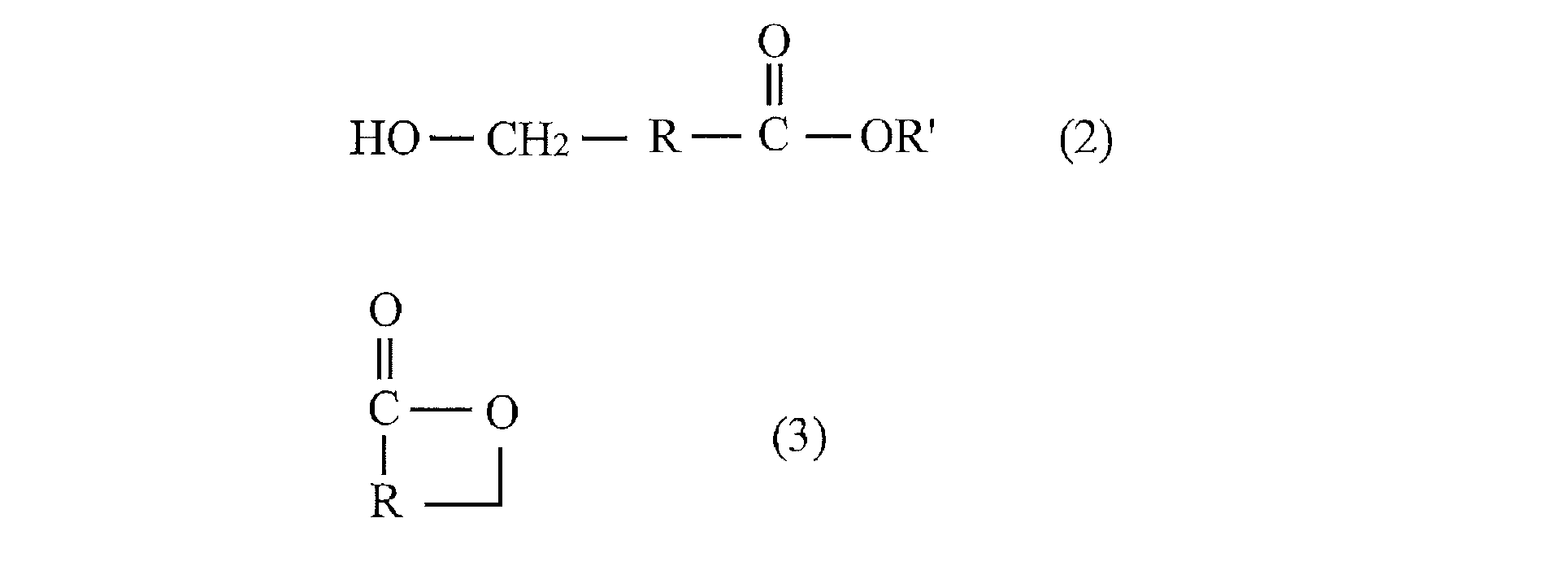
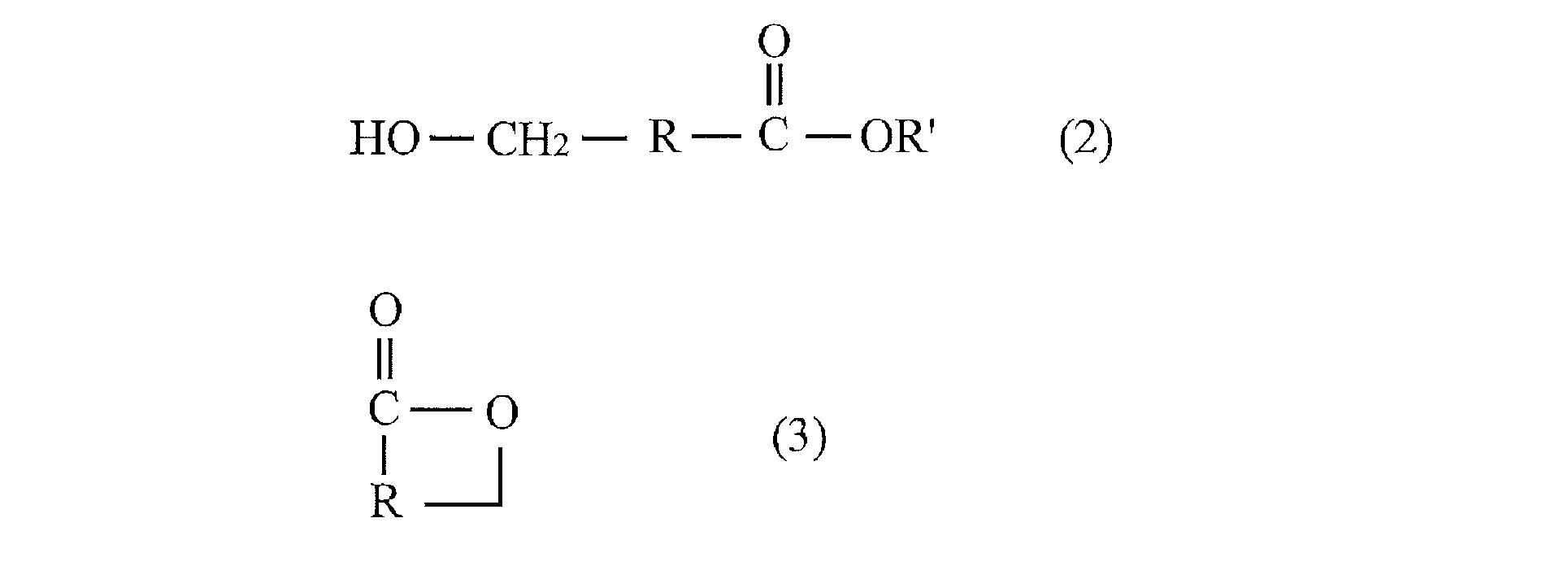
本発明は、また、基質の転化率が90%以上となった時点での、反応生成物全量における、下記式(2)で表されるヒドロキシカルボン酸エステルの選択率が70%以上であり、下記式(3)で表されるラクトンの選択率が5%以下である前記ヒドロキシカルボン酸エステルの製造方法を提供する。
(式中、Rは単結合又は2価の炭化水素基を示し、R’は1価の炭化水素基を示す)
本発明は、また、触媒が、金属種としてM1とM2を、M11モルに対してM2を0.05~1モルの範囲で含有する前記ヒドロキシカルボン酸エステルの製造方法を提供する。
本発明は、また、触媒の使用量(M1金属換算)が、基質の0.01~30モル%である前記ヒドロキシカルボン酸エステルの製造方法を提供する。
本発明は、また、水の存在下で還元反応を行う前記ヒドロキシカルボン酸エステルの製造方法を提供する。
本発明は、また、金属種として下記M1とM2が下記担体に担持されてなり、ジカルボン酸モノエステルを還元して、対応するヒドロキシカルボン酸エステルを得るのに使用される、ジカルボン酸モノエステル還元触媒を提供する。
(M1)ロジウム、白金、ルテニウム、イリジウム、又はパラジウム
(M2)スズ、バナジウム、モリブデン、タングステン、又はレニウム
(担体)ハイドロキシアパタイト、フルオロアパタイト、又はハイドロタルサイト
(M1)ロジウム、白金、ルテニウム、イリジウム、又はパラジウム
(M2)スズ、バナジウム、モリブデン、タングステン、又はレニウム
(担体)ハイドロキシアパタイト、フルオロアパタイト、又はハイドロタルサイト
本発明の製造方法によれば、ジカルボン酸モノエステルから、温和な条件下で、ワンステップで、効率よく且つ選択的にヒドロキシカルボン酸エステルを製造することができる。
また、本発明の製造方法によれば、人体に安全であり、環境に優しい水を溶媒として使用して、効率よく且つ選択的にヒドロキシカルボン酸エステルを製造することができる。
そして、このようにして得られるヒドロキシカルボン酸エステルは、プラスチック原料、医薬中間体、化粧品原料等として有用である。その他、乳化剤として有用な脂肪酸ヒドロキシカルボン酸エステル塩の原料としても有用である。従って、本発明の製造方法は工業的にヒドロキシカルボン酸エステルを製造する方法として好適である。
また、本発明の製造方法によれば、人体に安全であり、環境に優しい水を溶媒として使用して、効率よく且つ選択的にヒドロキシカルボン酸エステルを製造することができる。
そして、このようにして得られるヒドロキシカルボン酸エステルは、プラスチック原料、医薬中間体、化粧品原料等として有用である。その他、乳化剤として有用な脂肪酸ヒドロキシカルボン酸エステル塩の原料としても有用である。従って、本発明の製造方法は工業的にヒドロキシカルボン酸エステルを製造する方法として好適である。
また、本発明の、M1とM2が、ハイドロキシアパタイト、フルオロアパタイト、又はハイドロタルサイトに担持されてなる触媒は、人体に安全であり、環境に優しい水を溶媒として使用して、ジカルボン酸モノエステルを還元してヒドロキシカルボン酸エステルを選択的に得るための触媒として好適に使用することができる。
(触媒)
本発明のヒドロキシカルボン酸エステルの製造方法は、金属種として下記M1とM2が、下記担体に担持されてなる触媒を、少なくとも1種使用することを特徴とする。
(M1)ロジウム、白金、ルテニウム、イリジウム、又はパラジウム
(M2)スズ、バナジウム、モリブデン、タングステン、又はレニウム
(担体)ハイドロキシアパタイト、フルオロアパタイト、又はハイドロタルサイト
本発明のヒドロキシカルボン酸エステルの製造方法は、金属種として下記M1とM2が、下記担体に担持されてなる触媒を、少なくとも1種使用することを特徴とする。
(M1)ロジウム、白金、ルテニウム、イリジウム、又はパラジウム
(M2)スズ、バナジウム、モリブデン、タングステン、又はレニウム
(担体)ハイドロキシアパタイト、フルオロアパタイト、又はハイドロタルサイト
担体に担持されるM1とM2は、金属単体であってもよく、金属塩、金属酸化物、金属水酸化物、又は金属錯体等であってもよい。
M1の担持量(金属換算)は、担体の、例えば1~50重量%程度、好ましくは1~20重量%、特に好ましくは1~10重量%である。M1を過剰に担持しても、触媒活性は飽和して横ばい状態となり、反応を促進する効果は得られない。一方、M1の担持量が上記範囲を下回ると、十分な触媒活性が得られ難くなる傾向がある。
M2の担持量(金属換算)は、担体の、例えば0.01~20重量%程度、好ましくは0.01~10重量%、特に好ましくは0.01~1重量%、最も好ましくは0.05~0.8重量%、とりわけ好ましくは0.1~0.6重量%である。M2の担持量が上記範囲を外れると、ヒドロキシカルボン酸エステルを選択的に製造することが困難となる傾向がある。
本発明における触媒は、M1とM2の界面に触媒活性点を有すると考えられる。そして、M1とM2の一方が過剰になると、過剰の金属種によってもう一方の金属種が覆われて界面が減少し、触媒活性点が減少するためか、触媒活性が低下してヒドロキシカルボン酸エステルの収率が低下する傾向がある。
そのため、M1とM2の担持量は特定の範囲であることが好ましく、M11モルに対するM2の担持量は、例えば0.05~1モルの範囲であることが好ましい。また、M11モルに対するM2の担持量の上限は、好ましくは0.5モル、特に好ましくは0.4モル、最も好ましくは0.35モル、とりわけ好ましくは0.3モルである。M11モルに対するM2の担持量の下限は、好ましくは0.07モル、特に好ましくは0.1モル、最も好ましくは0.15モル、とりわけ好ましくは0.2モルである。
本発明における触媒は、M1とM2以外の第3金属種の担持量が、M1とM2の合計担持量の例えば200モル%以下、好ましくは150モル%以下、より好ましくは100モル%以下、更に好ましくは70モル%以下、更に好ましくは50モル%以下、更に好ましくは30モル%以下、特に好ましくは10モル%以下、最も好ましくは5モル%以下、とりわけ好ましくは1モル%以下である。第3金属種の担持量が上記範囲を上回ると、触媒活性点が減少するためか、本発明の効果が得られにくくなる傾向がある。
本発明においては、M1とM2を担体に担持した状態で使用する。担体に担持することにより、M1とM2の界面面積を稼ぐことができ、触媒活性点を多く露出させることができる。
また、本発明においては、M1とM2を担体に担持してなる触媒を使用するため、反応終了後に、濾過、遠心分離等の物理的な分離手段により容易に触媒と反応生成物を分離することができ、反応生成物と分離され、回収された触媒は、そのままで、又は洗浄、乾燥等を施した後に、再利用することができる。本発明においては、前記の通り、高価な触媒を繰り返し利用することができるので、ヒドロキシカルボン酸エステルの製造コストを大幅に削減することができる。
担体としては、なかでも、ジカルボン酸モノエステルからヒドロキシカルボン酸エステルを選択的且つ収率よく製造することができる点で、ハイドロキシアパタイト又はフルオロアパタイトが好ましく、特にハイドロキシアパタイトが好ましい。
担体としては、なかでも、ジカルボン酸モノエステルからヒドロキシカルボン酸エステルを選択的且つ収率よく製造することができる点で、ハイドロキシアパタイト又はハイドロタルサイトが好ましく、特にハイドロキシアパタイトが好ましい。
ハイドロキシアパタイトとしては、例えば、商品名「リン酸三カルシウム」(和光純薬工業(株)製)等の市販品を好適に使用することができる。
本発明における触媒は、ジカルボン酸モノエステルを還元してヒドロキシカルボン酸エステルを得るための還元触媒として好適に使用することができる。
(触媒の調製方法)
本発明における触媒は、例えば、含浸法により調製することができる。
本発明における触媒は、例えば、含浸法により調製することができる。
含浸法は、上記金属種を含む化合物(=金属化合物)を溶媒(例えば、水等)に溶解して得られる溶液(例えば、水溶液)に担体を浸漬して、前記金属化合物を担体に含浸させた後、焼成することにより金属種を担体に担持させる方法である。溶液中の金属化合物濃度や、担体の浸漬時間等を調整することにより、金属種の担持量を制御することができる。
そして、担体に、M1を含む化合物を溶媒に溶解して得られる溶液(以後、「M1含有溶液」と称する場合がある)とM2を含む化合物を溶媒に溶解して得られる溶液(以後、「M2含有溶液」と称する場合がある)を順次含浸させる方法(=逐次含浸法)や、担体にM1含有溶液とM2含有溶液を同時に含浸させる方法(=共含浸法)により調製することができる。共含浸法により触媒を調製する場合は、M1含有溶液とM2含有溶液の混合液中に担体を含浸し、その後焼成を行えばよいが、逐次含浸法により触媒を調製する場合は、担体をM1含有溶液とM2含有溶液に順次浸漬し、その都度焼成を行うことが好ましい。
本発明においては、なかでも、共含浸法によりM1とM2を担持して得られた触媒が、とりわけ選択的にヒドロキシカルボン酸エステルを製造することができる点で好ましい。
例えば、M1としてのPtとM2としてのMoが、担体としてのハイドロキシアパタイトに、共含浸法により担持された触媒(例えば、Pt-Mo/HAP)は、Pt化合物(例えば、H2PtCl6等)とMo化合物[例えば、(NH4)6Mo7O24・4H2O等]を水に溶解して得られる溶液中にハイドロキシアパタイトを浸漬し、その後、溶媒を留去してから、ハイドロキシアパタイトを焼成することにより調製することができる。
前記溶液中に担体を浸漬する際の温度は、例えば10~80℃程度である。
前記溶液中に担体を浸漬する時間は、例えば1~30時間程度、好ましくは1~5時間である。
焼成は、例えばマッフル炉等を使用して、300~700℃で1~5時間加熱することにより行われる。
また、焼成後、更に還元処理を施してもよい。還元処理に使用する還元剤としては、例えば、水素(H2)等が挙げられる。
還元処理温度及び時間としては、例えば0~600℃(好ましくは、100~200℃)の温度で、0.5~5時間程度(好ましくは、0.5~2時間)である。
上記調製方法により得られた触媒は、その後、洗浄処理(水や有機溶媒等により洗浄)、乾燥処理(真空乾燥等により乾燥)等を施してもよい。
(基質)
本発明においては基質として、下記式(1)で表されるジカルボン酸モノエステルを使用する。

本発明においては基質として、下記式(1)で表されるジカルボン酸モノエステルを使用する。
前記式中、Rは単結合又は2価の炭化水素基を示し、R’は1価の炭化水素基を示す。
前記Rにおける2価の炭化水素基には、2価の脂肪族炭化水素基、2価の脂環式炭化水素基、2価の芳香族炭化水素基、及びこれらから選択される2個以上の基が結合してなる2価の基が含まれる。
2価の脂肪族炭化水素基としては、例えば、メチレン、メチルメチレン、ジメチルメチレン、エチレン、プロピレン、トリメチレン基等の炭素数1~10(好ましくは、炭素数1~6)の直鎖状又は分岐鎖状のアルキレン基;ビニレン、1-メチルビニレン、プロペニレン、1-ブテニレン、2-ブテニレン、1-ペンテニレン、2-ペンテニレン基等の炭素数2~10(好ましくは、炭素数2~6)の直鎖状又は分岐鎖状アルケニレン基等が挙げられる。
2価の脂環式炭化水素基としては、例えば、シクロペンチレン、シクロヘキシレン(例えば、1,2-シクロヘキシレン、1,3-シクロヘキシレン、1,4-シクロヘキシレン)、シクロヘプチレン基等の炭素数3~10(好ましくは、炭素数3~6)のシクロアルキレン基;シクロプロペニレン、シクロブテニレン、シクロペンテニレン、シクロヘキセニレン、シクロオクテニレン基等の炭素数3~10(好ましくは、炭素数3~6)のシクロアケニレン基等が挙げられる。
2価の芳香族炭化水素基としては、例えば、フェニレン(例えば、o-フェニレン、m-フェニレン、p-フェニレン)、ビフェニレン、ナフチレン、ビナフチレン、アントラセニレン基等の炭素数6~20のアリーレン基が挙げられる。
前記炭化水素基から選択される2個以上の基が結合してなる2価の基としては、例えば、シクロヘキシレンビス(メチレン)[例えば、1,2-シクロヘキシレンビス(メチレン)、1,3-シクロヘキシレンビス(メチレン)、1,4-シクロヘキシレンビス(メチレン)]、フェニレンビス(メチレン)(例えば、1,2-フェニレンビス(メチレン)、1,3-フェニレンビス(メチレン)、1,4-フェニレンビス(メチレン))等が挙げられる。
前記R’における1価の炭化水素基には、1価の脂肪族炭化水素基、1価の脂環式炭化水素基、1価の芳香族炭化水素基、及びこれらから選択される2個以上の基が結合してなる1価の基が含まれる。
1価の脂肪族炭化水素基としては、例えば、メチル、エチル、プロピル、イソプロピル、ブチル、ペンチル、オクチル、2-エチルヘキシル、デシル基等の炭素数1~10(好ましくは、炭素数1~5)の直鎖状又は分岐鎖状のアルキル基;ビニル、アリル、プロペニル、1-ブテニル、2-ブテニル、1-ペンテニル、2-ペンテニル基等の炭素数2~10(好ましくは、炭素数2~5)の直鎖状又は分岐鎖状アルケニル基等が挙げられる。
1価の脂環式炭化水素基としては、例えば、シクロペンチル、シクロヘキシル、シクロヘプチル基等の炭素数3~10(好ましくは、炭素数3~6)のシクロアルキル基;シクロプロペニル、シクロブテニル、シクロペンテニル、シクロヘキセニル、シクロオクテニル基等の炭素数3~10(好ましくは、炭素数3~6)のシクロアケニル基等が挙げられる。
1価の芳香族炭化水素基としては、例えば、フェニル、ビフェニル、ナフチル、ビナフチル、アントラセニル基等の炭素数6~20のアリール基等が挙げられる。
前記炭化水素基から選択される2個以上の基が結合してなる1価の基としては、例えば、シクロヘキシルメチル、ベンジル基等が挙げられる。
前記1価の炭化水素基及び2価の炭化水素基は置換基を1個又は2個以上有していてもよい。前記置換基としては、例えば、C1-5アルコキシ基、C6-10アリールオキシ基、C7-11アラルキルオキシ基、オキソ基、ハロゲン原子、ハロC1-5アルキル基等が挙げられる。
[ヒドロキシカルボン酸エステルの製造方法]
本発明のヒドロキシカルボン酸エステルの製造方法は、上記触媒の存在下で基質、すなわちジカルボン酸モノエステル、が有するカルボキシル基を還元して(好ましくは、分子状水素で還元して)、対応するヒドロキシカルボン酸エステルを製造することを特徴とする。
本発明のヒドロキシカルボン酸エステルの製造方法は、上記触媒の存在下で基質、すなわちジカルボン酸モノエステル、が有するカルボキシル基を還元して(好ましくは、分子状水素で還元して)、対応するヒドロキシカルボン酸エステルを製造することを特徴とする。
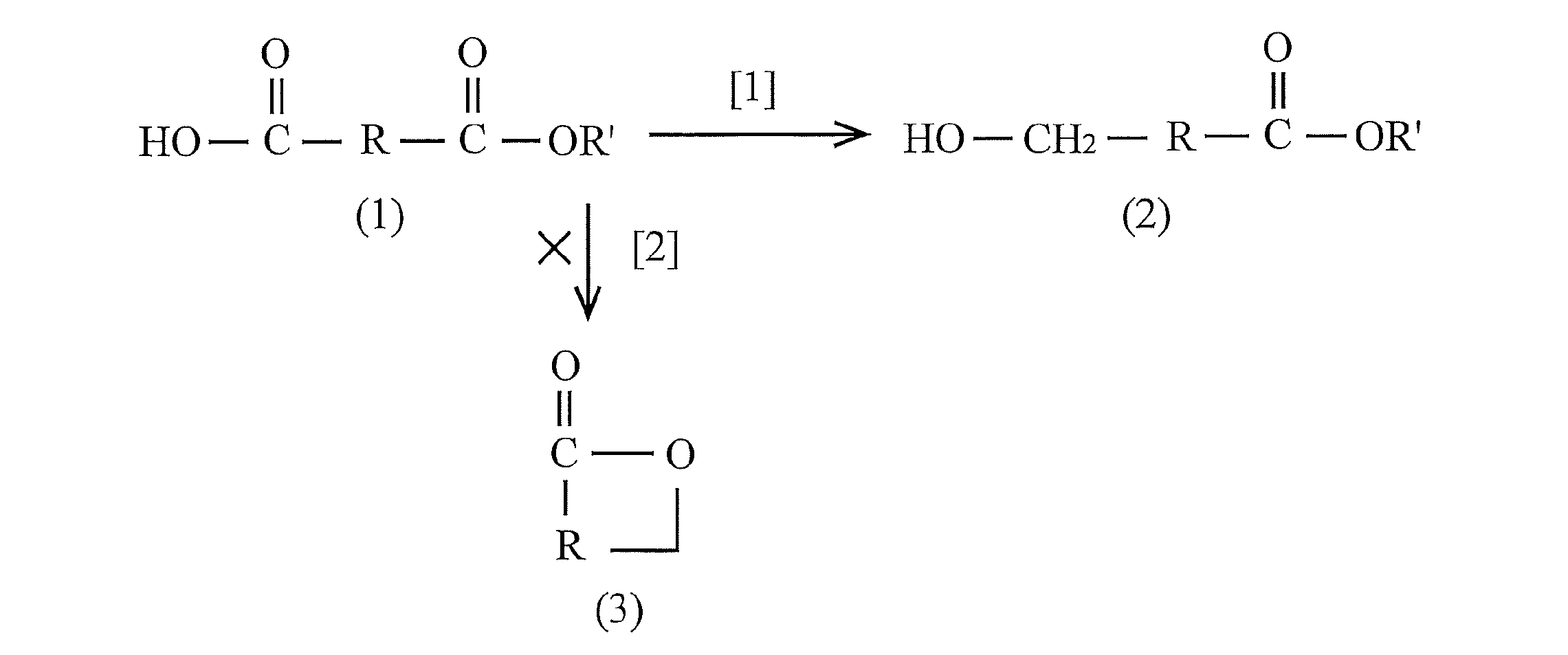
上記触媒は、基質中にエステル基が存在していても、カルボキシル基のみを選択的に還元するため、下記式(1)で表されるジカルボン酸モノエステルから、下記式(2)で表されるヒドロキシカルボン酸エステルが選択的に得られる[1]。
また、下記式(1)で表されるジカルボン酸モノエステル中のカルボキシル基の還元反応は、分子内脱水縮合反応より速やかに進行するため、下記式(3)で表されるラクトンの副生を抑制することができる[2]。
また、下記式(1)で表されるジカルボン酸モノエステル中のカルボキシル基の還元反応は、分子内脱水縮合反応より速やかに進行するため、下記式(3)で表されるラクトンの副生を抑制することができる[2]。
上記触媒の使用量(触媒に含まれるM1金属換算)は、基質の、例えば0.01~30モル%程度、好ましくは0.1~10モル%、特に好ましくは0.5~5モル%、最も好ましくは1~5モル%である。
また、触媒の使用量(触媒に含まれるM2金属換算)は、基質の、例えば0.01~10モル%程度、好ましくは0.05~5モル%、特に好ましくは0.1~2モル%である。
触媒を上記範囲で使用すると、温和な条件下で、効率よく基質を水素化して、ヒドロキシカルボン酸エステルを選択的に製造することができる。触媒の使用量が上記範囲を下回ると、ヒドロキシカルボン酸エステルの収率が低下する傾向がある。
還元反応(若しくは、水素化反応)に使用する水素の供給は、例えば水素雰囲気下で反応を行う方法や、水素ガスをバブリングする方法等により行われる。
本発明では上記触媒を使用するため、温和な条件下で基質が有するカルボキシル基の還元を速やかに進行させることができ、還元反応時の水素圧は、例えば、10MPa以下、好ましくは8MPa以下、特に好ましくは6MPa以下、最も好ましくは5MPa以下(例えば、1~5MPa)である。
また、還元反応の反応温度は、例えば50~200℃、好ましくは100~180℃、特に好ましくは120~160℃、最も好ましくは120~150℃である。
還元反応の反応時間は、例えば1~36時間程度、好ましくは5~30時間、特に好ましくは5~20時間である。
還元反応はバッチ式、セミバッチ式、連続式などの何れの方法で行うこともできる。
還元反応は液相で行うことが好ましい。すなわち、本発明における還元反応は液相反応が好ましい。ジカルボン酸モノエステルは沸点が高いので、還元反応を気相で行うと反応生成物が分解し、ヒドロキシカルボン酸エステルの収率が低下する傾向がある。
液相で反応を行う場合、溶媒としては、例えば、水;メタノール、エタノール、2-プロパノール、1-ブタノール等のアルコール系溶媒;1,4-ジオキサン、THF、1,2-ジメトキシエタン、ジエチルエーテル等のエーテル系溶媒;トルエン、ヘキサン、ドデカン等の炭化水素系溶媒;1,2-ジクロロエタン、ジクロロメタン等のハロゲン化炭化水素系溶媒などを挙げることができる。これらは1種を単独で、又は2種以上を組み合わせて使用することができる。
本発明においては、なかでも、人体に安全であり、環境に優しい点で、水が好ましい。すなわち、本発明における還元反応は水の存在下で行うことが好ましい。また、本発明においては、上記[2]の反応により式(3)で表されるラクトンが副生した場合にも、水の存在下で還元反応を行うと、副生したラクトンのエステル開環反応が進行して、式(2)で表されるヒドロキシカルボン酸エステルを生成することができる。従って、本発明では、とりわけ、水の存在下で還元反応を行うことが、式(2)で表されるヒドロキシカルボン酸エステルを高収率で得ることができる点で好ましい。
溶媒全量における水の使用量は、例えば1重量%以上が好ましく、より好ましくは5重量%以上、より好ましくは10重量%以上、更に好ましくは30重量%以上、更に好ましくは50重量%以上、特に好ましくは70重量%以上、最も好ましくは80重量%以上、とりわけ好ましくは90重量%以上である。従って、溶媒全量における水以外の溶媒(例えば有機溶媒、特にTHF等のエーテル系有機溶媒)の使用量は、例えば90重量%以下が好ましく、より好ましくは80重量%以下、より好ましくは70重量%以下、更に好ましくは50重量%以下、更に好ましくは30重量%以下、特に好ましくは20重量%以下、特に好ましくは10重量%以下、最も好ましくは5重量%以下、とりわけ好ましくは1重量%以下である。
溶媒の使用量は、バッチ式で反応させる場合は基質の初期濃度が例えば0.01~10重量%程度となる範囲が好ましい。
本発明では、上記触媒を使用するため、塩酸、硫酸、リン酸、酢酸などの酸や、水酸化ナトリウム、水酸化カリウム、炭酸ナトリウム、炭酸水素ナトリウム、炭酸カリウム、炭酸水素カリウム等の塩基から選択される1種又は2種以上が反応系に存在せずとも、基質の還元反応を速やかに進行させることができる。また、本発明では、前記酸や塩基を使用してもよいが、これらの使用量(2種以上含有する場合はその総量)は、基質1モルに対して、例えば0.001モル未満であることが好ましく、実質的に使用しないことが特に好ましい。反応系に前記酸や塩基が前記範囲を超えて存在すると、後処理にて中和処理が必要となるが、中和処理により塩が副生し、副生した塩を除去することで製品にロスが発生するためである。また、前記酸や塩基は腐食性を有するため、使用する反応器の材質が制限されるためである。
反応終了後、反応生成物は、例えば、濾過、濃縮、蒸留、抽出、晶析、再結晶、カラムクロマトグラフィーなどの分離手段や、これらを組み合わせた分離手段により分離精製できる。
本発明のヒドロキシカルボン酸エステルの製造方法では、温和な条件下でも、基質を効率よく転化することができる。反応開始から30時間後(好ましくは20時間後)の基質の転化率は、例えば80%以上、好ましくは90%以上、特に好ましくは95%以上である。
そして、上記触媒を使用すれば、カルボキシル基の還元反応が極めて速やかに進行するため、ジカルボン酸モノエステルの分子内脱水縮合反応が進行してラクトンが副生するのを防止或いは抑制することができる。
そのため、基質であるジカルボン酸モノエステルの転化率が90%以上となった時点での、反応生成物全量における、上記式(2)で表されるヒドロキシカルボン酸エステルの選択率は、例えば70%以上、好ましくは80%以上、より好ましくは85%以上、特に好ましくは90%以上である。そして、上記式(3)で表されるラクトンの選択率は、例えば5%以下、好ましくは3%以下、特に好ましくは1%以下である。
従って、本発明のヒドロキシカルボン酸エステルの製造方法によれば、ワンステップの簡便な方法で、また、人体に安全であり、環境に優しい水を溶媒として使用して、ラクトンの副生を抑制して、ヒドロキシカルボン酸エステルを選択的且つ高収率で製造することができる。
以下、実施例により本発明をより具体的に説明するが、本発明はこれらの実施例により限定されるものではない。
実施例1
(触媒の調製:共含浸法)
H2PtCl6 0.0898gと(NH4)6Mo7O24・4H2O 0.0088gを水50mLに溶解して得られた溶液中に、室温(25℃)条件下で、ハイドロキシアパタイト(HAP、商品名「リン酸三カルシウム」、和光純薬工業(株)製)1gを4時間浸漬した。浸漬後、ロータリーエバポレーターにて減圧下で水を留去し、粉末を得た。その後、得られた粉末を空気雰囲気下、マッフル炉にて500℃で3時間焼成して触媒(1)[Pt-Mo/HAP、Pt担持量:4重量%、Mo担持量:0.485重量%、Mo/Pt(モル比)=0.25]を得た。
(触媒の調製:共含浸法)
H2PtCl6 0.0898gと(NH4)6Mo7O24・4H2O 0.0088gを水50mLに溶解して得られた溶液中に、室温(25℃)条件下で、ハイドロキシアパタイト(HAP、商品名「リン酸三カルシウム」、和光純薬工業(株)製)1gを4時間浸漬した。浸漬後、ロータリーエバポレーターにて減圧下で水を留去し、粉末を得た。その後、得られた粉末を空気雰囲気下、マッフル炉にて500℃で3時間焼成して触媒(1)[Pt-Mo/HAP、Pt担持量:4重量%、Mo担持量:0.485重量%、Mo/Pt(モル比)=0.25]を得た。
実施例2~5
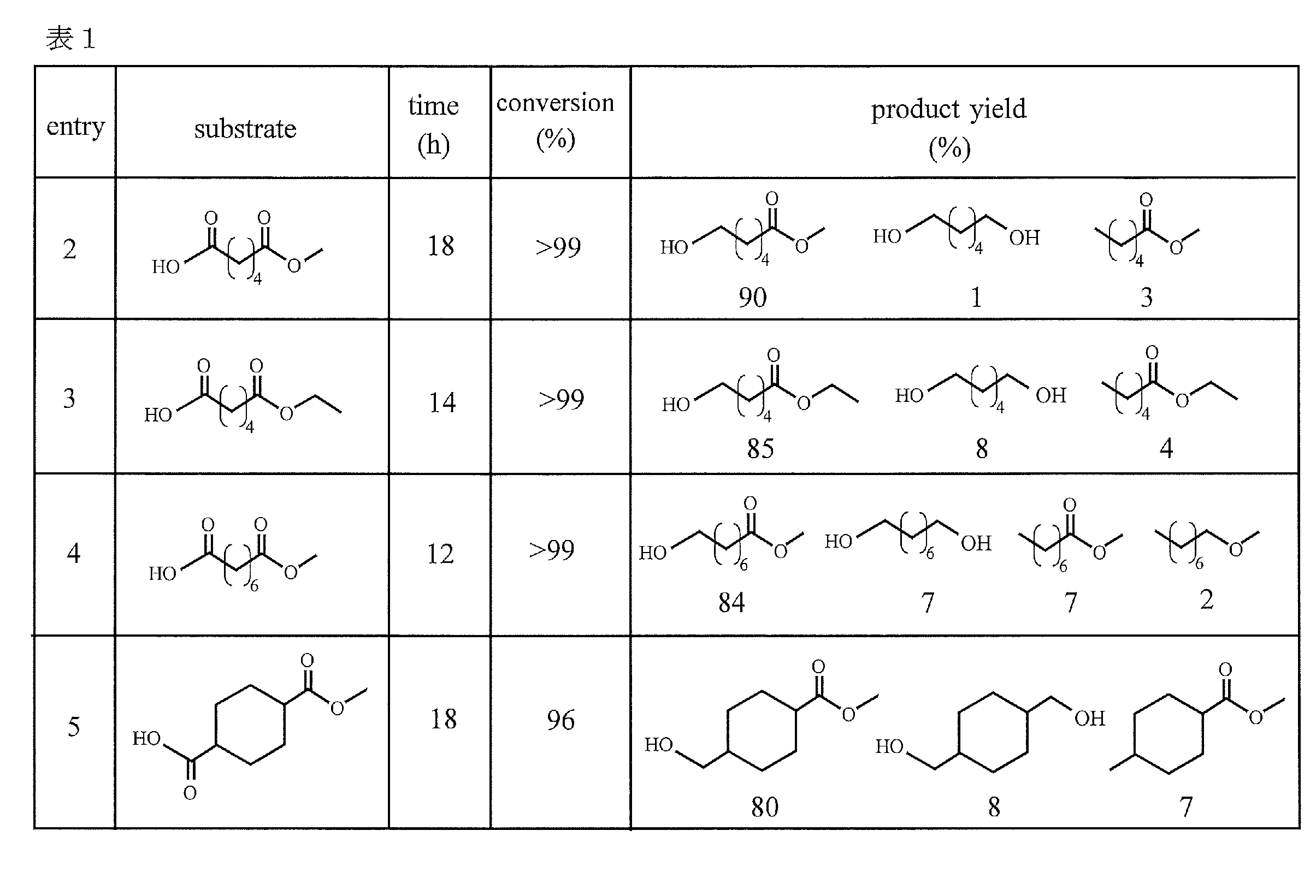
テフロン(登録商標)製内筒を備えたオートクレーブに、下記表に記載の基質1ミリモルと触媒(1)100mg[基質の2モル%のPt、0.5モル%のMo(金属換算)]、及び水3mLを仕込み、水素圧5MPaの条件下、110℃で下記表に記載の時間反応させて反応生成物を得た。HPLCを使用して基質の転化率(conv.[%])を測定し、ガスクロマトグラフ質量分析計(GC-MS)を使用して各反応生成物の収率(yield[%])を測定した。
テフロン(登録商標)製内筒を備えたオートクレーブに、下記表に記載の基質1ミリモルと触媒(1)100mg[基質の2モル%のPt、0.5モル%のMo(金属換算)]、及び水3mLを仕込み、水素圧5MPaの条件下、110℃で下記表に記載の時間反応させて反応生成物を得た。HPLCを使用して基質の転化率(conv.[%])を測定し、ガスクロマトグラフ質量分析計(GC-MS)を使用して各反応生成物の収率(yield[%])を測定した。
結果を下記表にまとめて示す。
以上のまとめとして、本発明の構成及びそのバリエーションを以下に付記する。
[1] 下記触媒の存在下で、基質としての式(1)で表されるジカルボン酸モノエステルを還元して、式(2)で表されるヒドロキシカルボン酸エステルを製造する、ヒドロキシカルボン酸エステルの製造方法。
触媒:金属種として下記M1とM2が、下記担体に担持されてなる触媒
(M1)ロジウム、白金、ルテニウム、イリジウム、又はパラジウム
(M2)スズ、バナジウム、モリブデン、タングステン、又はレニウム
(担体)ハイドロキシアパタイト、フルオロアパタイト、又はハイドロタルサイト
[2] M1の担持量(金属換算)が担体の1~50重量%である、[1]に記載のヒドロキシカルボン酸エステルの製造方法。
[3] M2の担持量(金属換算)が担体の0.01~20重量%である、[1]又は[2]に記載のヒドロキシカルボン酸エステルの製造方法。
[4] M11モルに対するM2の担持量が0.05~1モルである、[1]~[3]の何れか1つに記載のヒドロキシカルボン酸エステルの製造方法。
[5] M1とM2以外の第3金属種の担持量(2種以上担持されている場合にはその総量)が、M1とM2の合計担持量の200モル%以下である、[1]~[4]の何れか1つに記載のヒドロキシカルボン酸エステルの製造方法。
[6] 担体が、ハイドロキシアパタイト又はフルオロアパタイトである、[1]~[5]の何れか1つに記載のヒドロキシカルボン酸エステルの製造方法。
[7] 担体が、ハイドロキシアパタイト又はハイドロタルサイトである、[1]~[5]の何れか1つに記載のヒドロキシカルボン酸エステルの製造方法。
[8] M1が、ロジウム、白金、ルテニウム、又はイリジウムである、[1]~[7]の何れか1つに記載のヒドロキシカルボン酸エステルの製造方法。
[9] M1が、白金、ルテニウム、イリジウム、又はパラジウムである、[1]~[7]の何れか1つに記載のヒドロキシカルボン酸エステルの製造方法。
[10] M1が、ロジウム、白金、又はルテニウムである、[1]~[7]の何れか1つに記載のヒドロキシカルボン酸エステルの製造方法。
[11] M1が、白金、ルテニウム、又はイリジウムである、[1]~[7]の何れか1つに記載のヒドロキシカルボン酸エステルの製造方法。
[12] M1が、ロジウム又は白金である、[1]~[7]の何れか1項に記載のヒドロキシカルボン酸エステルの製造方法。
[13] M1が、白金又はルテニウムである、[1]~[7]の何れか1つに記載のヒドロキシカルボン酸エステルの製造方法。
[14] M1が、白金又はイリジウムである、[1]~[7]の何れか1つに記載のヒドロキシカルボン酸エステルの製造方法。
[15] M1が、白金又はパラジウムである、[1]~[7]の何れか1つに記載のヒドロキシカルボン酸エステルの製造方法。
[16] M2が、バナジウム、モリブデン、タングステン、又はレニウムである、[1]~[15]の何れか1つに記載のヒドロキシカルボン酸エステルの製造方法。
[17] M2が、モリブデン、タングステン、又はレニウムである、[1]~[15]の何れか1つに記載のヒドロキシカルボン酸エステルの製造方法。
[18] M2が、バナジウム、モリブデン、又はタングステンである、[1]~[15]の何れか1つに記載のヒドロキシカルボン酸エステルの製造方法。
[19] M2が、モリブデン又はタングステンである、[1]~[15]の何れか1つに記載のヒドロキシカルボン酸エステルの製造方法。
[20] M2が、モリブデン又はレニウムである、[1]~[15]の何れか1つに記載のヒドロキシカルボン酸エステルの製造方法。
[21] M2が、バナジウム又はモリブデンである、[1]~[15]の何れか1つに記載のヒドロキシカルボン酸エステルの製造方法。
[22] 反応開始から30時間後の基質の転化率が80%以上である、[1]~[21]の何れか1つに記載のヒドロキシカルボン酸エステルの製造方法。
[23] 基質の転化率が90%以上となった時点での、反応生成物全量における、式(2)で表されるヒドロキシカルボン酸エステルの選択率が70%以上であり、式(3)で表されるラクトンの選択率が5%以下である、[1]~[22]の何れか1つに記載のヒドロキシカルボン酸エステルの製造方法。
[24] 触媒が、金属種としてM1とM2を、M11モルに対してM2を0.05~1モルの範囲で含有する、[1]~[23]の何れか1つに記載のヒドロキシカルボン酸エステルの製造方法。
[25] 触媒の使用量(M1金属換算)が、基質の0.01~30モル%である、[1]~[24]の何れか1つに記載のヒドロキシカルボン酸エステルの製造方法。
[26] 水の存在下で還元反応を行う、[1]~[25]の何れか1つに記載のヒドロキシカルボン酸エステルの製造方法。
[27] 溶媒全量における水の占める割合が70重量%以上である、[26]に記載のヒドロキシカルボン酸エステルの製造方法。
[28] 酸及び塩基の使用量(2種以上含有する場合はその総量)が基質1モルに対して0.001モル未満である、[1]~[27]の何れか1つに記載のヒドロキシカルボン酸エステルの製造方法。
[29] 前記酸が塩酸、硫酸、リン酸、及び酢酸から選択される少なくとも1種の酸である、[28]に記載のヒドロキシカルボン酸エステルの製造方法。
[30] 前記塩基が、水酸化ナトリウム、水酸化カリウム、炭酸ナトリウム、炭酸水素ナトリウム、炭酸カリウム、及び炭酸水素カリウムから選択される少なくとも1種の塩基である、[28]又は[29]に記載のヒドロキシカルボン酸エステルの製造方法。
[31] 金属種として下記M1とM2が下記担体に担持されてなり、ジカルボン酸モノエステルを還元して、対応するヒドロキシカルボン酸エステルを得るのに使用される、ジカルボン酸モノエステル還元触媒。
(M1)ロジウム、白金、ルテニウム、イリジウム、又はパラジウム
(M2)スズ、バナジウム、モリブデン、タングステン、又はレニウム
(担体)ハイドロキシアパタイト、フルオロアパタイト、又はハイドロタルサイト
[32] M1の担持量(金属換算)が担体の1~50重量%である、[31]に記載のジカルボン酸モノエステル還元触媒。
[33] M2の担持量(金属換算)が担体の0.01~20重量%である、[31]又は[32]に記載のジカルボン酸モノエステル還元触媒。
[34] M11モルに対するM2の担持量が0.05~1モルである、[31]~[33]の何れか1つに記載のジカルボン酸モノエステル還元触媒。
[35] M1とM2以外の第3金属種の担持量(2種以上担持されている場合にはその総量)が、M1とM2の合計担持量の200モル%以下である、[31]~[34]の何れか1つに記載のジカルボン酸モノエステル還元触媒。
[36] 担体が、ハイドロキシアパタイト又はフルオロアパタイトである、[31]~[35]の何れか1つに記載のジカルボン酸モノエステル還元触媒。
[37] 担体が、ハイドロキシアパタイト又はハイドロタルサイトである、[31]~[35]の何れか1つに記載のジカルボン酸モノエステル還元触媒。
[38] M1が、ロジウム、白金、ルテニウム、又はイリジウムである、[31]~[37]の何れか1つに記載のジカルボン酸モノエステル還元触媒。
[39] M1が、白金、ルテニウム、イリジウム、又はパラジウムである、[31]~[37]の何れか1つに記載のジカルボン酸モノエステル還元触媒。
[40] M1が、ロジウム、白金、又はルテニウムである、[31]~[37]の何れか1つに記載のジカルボン酸モノエステル還元触媒。
[41] M1が、白金、ルテニウム、又はイリジウムである、[31]~[37]の何れか1つに記載のジカルボン酸モノエステル還元触媒。
[42] M1が、ロジウム又は白金である、[31]~[37]の何れか1つに記載のジカルボン酸モノエステル還元触媒。
[43] M1が、白金又はルテニウムである、[31]~[37]の何れか1つに記載のジカルボン酸モノエステル還元触媒。
[44] M1が、白金又はイリジウムである、[31]~[37]の何れか1つに記載のジカルボン酸モノエステル還元触媒。
[45] M1が、白金又はパラジウムである、[31]~[37]の何れか1つに記載のジカルボン酸モノエステル還元触媒。
[46] M2が、バナジウム、モリブデン、タングステン、又はレニウムである、[31]~[45]の何れか1つに記載のジカルボン酸モノエステル還元触媒。
[47] M2が、モリブデン、タングステン、又はレニウムである、[31]~[45]の何れか1つに記載のジカルボン酸モノエステル還元触媒。
[48] M2が、バナジウム、モリブデン、又はタングステンである、[31]~[45]の何れか1つに記載のジカルボン酸モノエステル還元触媒。
[49] M2が、モリブデン又はタングステンである、[31]~[45]の何れか1つに記載のジカルボン酸モノエステル還元触媒。
[50] M2が、モリブデン又はレニウムである、[31]~[45]の何れか1つに記載のジカルボン酸モノエステル還元触媒。
[51] M2が、バナジウム又はモリブデンである、[31]~[45]の何れか1つに記載のジカルボン酸モノエステル還元触媒。
[1] 下記触媒の存在下で、基質としての式(1)で表されるジカルボン酸モノエステルを還元して、式(2)で表されるヒドロキシカルボン酸エステルを製造する、ヒドロキシカルボン酸エステルの製造方法。
触媒:金属種として下記M1とM2が、下記担体に担持されてなる触媒
(M1)ロジウム、白金、ルテニウム、イリジウム、又はパラジウム
(M2)スズ、バナジウム、モリブデン、タングステン、又はレニウム
(担体)ハイドロキシアパタイト、フルオロアパタイト、又はハイドロタルサイト
[2] M1の担持量(金属換算)が担体の1~50重量%である、[1]に記載のヒドロキシカルボン酸エステルの製造方法。
[3] M2の担持量(金属換算)が担体の0.01~20重量%である、[1]又は[2]に記載のヒドロキシカルボン酸エステルの製造方法。
[4] M11モルに対するM2の担持量が0.05~1モルである、[1]~[3]の何れか1つに記載のヒドロキシカルボン酸エステルの製造方法。
[5] M1とM2以外の第3金属種の担持量(2種以上担持されている場合にはその総量)が、M1とM2の合計担持量の200モル%以下である、[1]~[4]の何れか1つに記載のヒドロキシカルボン酸エステルの製造方法。
[6] 担体が、ハイドロキシアパタイト又はフルオロアパタイトである、[1]~[5]の何れか1つに記載のヒドロキシカルボン酸エステルの製造方法。
[7] 担体が、ハイドロキシアパタイト又はハイドロタルサイトである、[1]~[5]の何れか1つに記載のヒドロキシカルボン酸エステルの製造方法。
[8] M1が、ロジウム、白金、ルテニウム、又はイリジウムである、[1]~[7]の何れか1つに記載のヒドロキシカルボン酸エステルの製造方法。
[9] M1が、白金、ルテニウム、イリジウム、又はパラジウムである、[1]~[7]の何れか1つに記載のヒドロキシカルボン酸エステルの製造方法。
[10] M1が、ロジウム、白金、又はルテニウムである、[1]~[7]の何れか1つに記載のヒドロキシカルボン酸エステルの製造方法。
[11] M1が、白金、ルテニウム、又はイリジウムである、[1]~[7]の何れか1つに記載のヒドロキシカルボン酸エステルの製造方法。
[12] M1が、ロジウム又は白金である、[1]~[7]の何れか1項に記載のヒドロキシカルボン酸エステルの製造方法。
[13] M1が、白金又はルテニウムである、[1]~[7]の何れか1つに記載のヒドロキシカルボン酸エステルの製造方法。
[14] M1が、白金又はイリジウムである、[1]~[7]の何れか1つに記載のヒドロキシカルボン酸エステルの製造方法。
[15] M1が、白金又はパラジウムである、[1]~[7]の何れか1つに記載のヒドロキシカルボン酸エステルの製造方法。
[16] M2が、バナジウム、モリブデン、タングステン、又はレニウムである、[1]~[15]の何れか1つに記載のヒドロキシカルボン酸エステルの製造方法。
[17] M2が、モリブデン、タングステン、又はレニウムである、[1]~[15]の何れか1つに記載のヒドロキシカルボン酸エステルの製造方法。
[18] M2が、バナジウム、モリブデン、又はタングステンである、[1]~[15]の何れか1つに記載のヒドロキシカルボン酸エステルの製造方法。
[19] M2が、モリブデン又はタングステンである、[1]~[15]の何れか1つに記載のヒドロキシカルボン酸エステルの製造方法。
[20] M2が、モリブデン又はレニウムである、[1]~[15]の何れか1つに記載のヒドロキシカルボン酸エステルの製造方法。
[21] M2が、バナジウム又はモリブデンである、[1]~[15]の何れか1つに記載のヒドロキシカルボン酸エステルの製造方法。
[22] 反応開始から30時間後の基質の転化率が80%以上である、[1]~[21]の何れか1つに記載のヒドロキシカルボン酸エステルの製造方法。
[23] 基質の転化率が90%以上となった時点での、反応生成物全量における、式(2)で表されるヒドロキシカルボン酸エステルの選択率が70%以上であり、式(3)で表されるラクトンの選択率が5%以下である、[1]~[22]の何れか1つに記載のヒドロキシカルボン酸エステルの製造方法。
[24] 触媒が、金属種としてM1とM2を、M11モルに対してM2を0.05~1モルの範囲で含有する、[1]~[23]の何れか1つに記載のヒドロキシカルボン酸エステルの製造方法。
[25] 触媒の使用量(M1金属換算)が、基質の0.01~30モル%である、[1]~[24]の何れか1つに記載のヒドロキシカルボン酸エステルの製造方法。
[26] 水の存在下で還元反応を行う、[1]~[25]の何れか1つに記載のヒドロキシカルボン酸エステルの製造方法。
[27] 溶媒全量における水の占める割合が70重量%以上である、[26]に記載のヒドロキシカルボン酸エステルの製造方法。
[28] 酸及び塩基の使用量(2種以上含有する場合はその総量)が基質1モルに対して0.001モル未満である、[1]~[27]の何れか1つに記載のヒドロキシカルボン酸エステルの製造方法。
[29] 前記酸が塩酸、硫酸、リン酸、及び酢酸から選択される少なくとも1種の酸である、[28]に記載のヒドロキシカルボン酸エステルの製造方法。
[30] 前記塩基が、水酸化ナトリウム、水酸化カリウム、炭酸ナトリウム、炭酸水素ナトリウム、炭酸カリウム、及び炭酸水素カリウムから選択される少なくとも1種の塩基である、[28]又は[29]に記載のヒドロキシカルボン酸エステルの製造方法。
[31] 金属種として下記M1とM2が下記担体に担持されてなり、ジカルボン酸モノエステルを還元して、対応するヒドロキシカルボン酸エステルを得るのに使用される、ジカルボン酸モノエステル還元触媒。
(M1)ロジウム、白金、ルテニウム、イリジウム、又はパラジウム
(M2)スズ、バナジウム、モリブデン、タングステン、又はレニウム
(担体)ハイドロキシアパタイト、フルオロアパタイト、又はハイドロタルサイト
[32] M1の担持量(金属換算)が担体の1~50重量%である、[31]に記載のジカルボン酸モノエステル還元触媒。
[33] M2の担持量(金属換算)が担体の0.01~20重量%である、[31]又は[32]に記載のジカルボン酸モノエステル還元触媒。
[34] M11モルに対するM2の担持量が0.05~1モルである、[31]~[33]の何れか1つに記載のジカルボン酸モノエステル還元触媒。
[35] M1とM2以外の第3金属種の担持量(2種以上担持されている場合にはその総量)が、M1とM2の合計担持量の200モル%以下である、[31]~[34]の何れか1つに記載のジカルボン酸モノエステル還元触媒。
[36] 担体が、ハイドロキシアパタイト又はフルオロアパタイトである、[31]~[35]の何れか1つに記載のジカルボン酸モノエステル還元触媒。
[37] 担体が、ハイドロキシアパタイト又はハイドロタルサイトである、[31]~[35]の何れか1つに記載のジカルボン酸モノエステル還元触媒。
[38] M1が、ロジウム、白金、ルテニウム、又はイリジウムである、[31]~[37]の何れか1つに記載のジカルボン酸モノエステル還元触媒。
[39] M1が、白金、ルテニウム、イリジウム、又はパラジウムである、[31]~[37]の何れか1つに記載のジカルボン酸モノエステル還元触媒。
[40] M1が、ロジウム、白金、又はルテニウムである、[31]~[37]の何れか1つに記載のジカルボン酸モノエステル還元触媒。
[41] M1が、白金、ルテニウム、又はイリジウムである、[31]~[37]の何れか1つに記載のジカルボン酸モノエステル還元触媒。
[42] M1が、ロジウム又は白金である、[31]~[37]の何れか1つに記載のジカルボン酸モノエステル還元触媒。
[43] M1が、白金又はルテニウムである、[31]~[37]の何れか1つに記載のジカルボン酸モノエステル還元触媒。
[44] M1が、白金又はイリジウムである、[31]~[37]の何れか1つに記載のジカルボン酸モノエステル還元触媒。
[45] M1が、白金又はパラジウムである、[31]~[37]の何れか1つに記載のジカルボン酸モノエステル還元触媒。
[46] M2が、バナジウム、モリブデン、タングステン、又はレニウムである、[31]~[45]の何れか1つに記載のジカルボン酸モノエステル還元触媒。
[47] M2が、モリブデン、タングステン、又はレニウムである、[31]~[45]の何れか1つに記載のジカルボン酸モノエステル還元触媒。
[48] M2が、バナジウム、モリブデン、又はタングステンである、[31]~[45]の何れか1つに記載のジカルボン酸モノエステル還元触媒。
[49] M2が、モリブデン又はタングステンである、[31]~[45]の何れか1つに記載のジカルボン酸モノエステル還元触媒。
[50] M2が、モリブデン又はレニウムである、[31]~[45]の何れか1つに記載のジカルボン酸モノエステル還元触媒。
[51] M2が、バナジウム又はモリブデンである、[31]~[45]の何れか1つに記載のジカルボン酸モノエステル還元触媒。
本発明の製造方法によれば、ジカルボン酸モノエステルから、温和な条件下で、環境に優しい水を溶媒として使用して、ワンステップで、効率よく且つ選択的にヒドロキシカルボン酸エステルを製造することができる。
そして、このようにして得られるヒドロキシカルボン酸エステルは、プラスチック原料、医薬中間体、化粧品原料等として有用である。
そして、このようにして得られるヒドロキシカルボン酸エステルは、プラスチック原料、医薬中間体、化粧品原料等として有用である。
Claims (6)
- 下記触媒の存在下で、基質としての下記式(1)で表されるジカルボン酸モノエステルを還元して、下記式(2)で表されるヒドロキシカルボン酸エステルを製造する、ヒドロキシカルボン酸エステルの製造方法。
触媒:金属種として下記M1とM2が、下記担体に担持されてなる触媒
(M1)ロジウム、白金、ルテニウム、イリジウム、又はパラジウム
(M2)スズ、バナジウム、モリブデン、タングステン、又はレニウム
(担体)ハイドロキシアパタイト、フルオロアパタイト、又はハイドロタルサイト

- 基質の転化率が90%以上となった時点での、反応生成物全量における、下記式(2)で表されるヒドロキシカルボン酸エステルの選択率が70%以上であり、下記式(3)で表されるラクトンの選択率が5%以下である、請求項1に記載のヒドロキシカルボン酸エステルの製造方法。
- 触媒が、金属種としてM1とM2を、M11モルに対してM2を0.05~1モルの範囲で含有する請求項1又は2に記載のヒドロキシカルボン酸エステルの製造方法。
- 触媒の使用量(M1金属換算)が、基質の0.01~30モル%である請求項1~3の何れか1項に記載のヒドロキシカルボン酸エステルの製造方法。
- 水の存在下で還元反応を行う請求項1~4の何れか1項に記載のヒドロキシカルボン酸エステルの製造方法。
- 金属種として下記M1とM2が下記担体に担持されてなり、ジカルボン酸モノエステルを還元して、対応するヒドロキシカルボン酸エステルを得るのに使用される、ジカルボン酸モノエステル還元触媒。
(M1)ロジウム、白金、ルテニウム、イリジウム、又はパラジウム
(M2)スズ、バナジウム、モリブデン、タングステン、又はレニウム
(担体)ハイドロキシアパタイト、フルオロアパタイト、又はハイドロタルサイト
Priority Applications (3)
| Application Number | Priority Date | Filing Date | Title |
|---|---|---|---|
| US17/428,127 US20220127218A1 (en) | 2019-02-15 | 2019-03-05 | Method for producing hydroxycarboxylic acid ester |
| JP2020572064A JP7369373B2 (ja) | 2019-02-15 | 2019-03-05 | ヒドロキシカルボン酸エステルの製造方法 |
| US19/245,087 US20250312779A1 (en) | 2019-02-15 | 2025-06-20 | Method for producing hydroxycarboxylic acid ester |
Applications Claiming Priority (2)
| Application Number | Priority Date | Filing Date | Title |
|---|---|---|---|
| JP2019025398 | 2019-02-15 | ||
| JP2019-025398 | 2019-02-15 |
Related Child Applications (2)
| Application Number | Title | Priority Date | Filing Date |
|---|---|---|---|
| US17/428,127 A-371-Of-International US20220127218A1 (en) | 2019-02-15 | 2019-03-05 | Method for producing hydroxycarboxylic acid ester |
| US19/245,087 Division US20250312779A1 (en) | 2019-02-15 | 2025-06-20 | Method for producing hydroxycarboxylic acid ester |
Publications (1)
| Publication Number | Publication Date |
|---|---|
| WO2020166093A1 true WO2020166093A1 (ja) | 2020-08-20 |
Family
ID=72044091
Family Applications (1)
| Application Number | Title | Priority Date | Filing Date |
|---|---|---|---|
| PCT/JP2019/008686 Ceased WO2020166093A1 (ja) | 2019-02-15 | 2019-03-05 | ヒドロキシカルボン酸エステルの製造方法 |
Country Status (3)
| Country | Link |
|---|---|
| US (2) | US20220127218A1 (ja) |
| JP (1) | JP7369373B2 (ja) |
| WO (1) | WO2020166093A1 (ja) |
Citations (6)
| Publication number | Priority date | Publication date | Assignee | Title |
|---|---|---|---|---|
| WO1995024371A1 (en) * | 1994-03-09 | 1995-09-14 | Sagami Chemical Research Center | Process for producing alcohol |
| JPH115757A (ja) * | 1997-06-16 | 1999-01-12 | Sagami Chem Res Center | アルコール類の製造法 |
| JP2004035464A (ja) * | 2002-07-03 | 2004-02-05 | Ube Ind Ltd | カルボン酸及び/又はカルボン酸エステルの水素化方法 |
| JP2016500697A (ja) * | 2012-10-26 | 2016-01-14 | イーストマン ケミカル カンパニー | カルボン酸の対応するアルコールへの改良水素化のための促進ルテニウム触媒 |
| JP2016160243A (ja) * | 2015-03-04 | 2016-09-05 | 国立大学法人大阪大学 | 1,4−ペンタンジオールの製造方法 |
| WO2018181563A1 (ja) * | 2017-03-31 | 2018-10-04 | 国立大学法人大阪大学 | アミド化合物の水素化に用いる水素添加反応用触媒およびこれを用いたアミン化合物の製造方法。 |
Family Cites Families (5)
| Publication number | Priority date | Publication date | Assignee | Title |
|---|---|---|---|---|
| CN108117480B (zh) * | 2016-11-26 | 2021-09-03 | 中国科学院大连化学物理研究所 | 一种催化转化甲醇和乙醇混合液制备异丁醇的方法 |
| WO2018164193A1 (ja) * | 2017-03-08 | 2018-09-13 | 三菱ケミカル株式会社 | カルボニル化合物の水素化触媒ならびにアルコールの製造方法 |
| JP7489065B2 (ja) * | 2018-09-05 | 2024-05-23 | 国立大学法人大阪大学 | アミド化合物の水素化に用いる水素添加反応用触媒およびこれを用いたアミン化合物の製造方法 |
| US12172949B2 (en) * | 2019-02-15 | 2024-12-24 | Osaka University | Method for producing alcohol |
| CN115667193A (zh) * | 2020-05-20 | 2023-01-31 | 国立大学法人大阪大学 | 醚的制造方法 |
-
2019
- 2019-03-05 US US17/428,127 patent/US20220127218A1/en not_active Abandoned
- 2019-03-05 JP JP2020572064A patent/JP7369373B2/ja active Active
- 2019-03-05 WO PCT/JP2019/008686 patent/WO2020166093A1/ja not_active Ceased
-
2025
- 2025-06-20 US US19/245,087 patent/US20250312779A1/en active Pending
Patent Citations (6)
| Publication number | Priority date | Publication date | Assignee | Title |
|---|---|---|---|---|
| WO1995024371A1 (en) * | 1994-03-09 | 1995-09-14 | Sagami Chemical Research Center | Process for producing alcohol |
| JPH115757A (ja) * | 1997-06-16 | 1999-01-12 | Sagami Chem Res Center | アルコール類の製造法 |
| JP2004035464A (ja) * | 2002-07-03 | 2004-02-05 | Ube Ind Ltd | カルボン酸及び/又はカルボン酸エステルの水素化方法 |
| JP2016500697A (ja) * | 2012-10-26 | 2016-01-14 | イーストマン ケミカル カンパニー | カルボン酸の対応するアルコールへの改良水素化のための促進ルテニウム触媒 |
| JP2016160243A (ja) * | 2015-03-04 | 2016-09-05 | 国立大学法人大阪大学 | 1,4−ペンタンジオールの製造方法 |
| WO2018181563A1 (ja) * | 2017-03-31 | 2018-10-04 | 国立大学法人大阪大学 | アミド化合物の水素化に用いる水素添加反応用触媒およびこれを用いたアミン化合物の製造方法。 |
Non-Patent Citations (2)
| Title |
|---|
| NITTA, KOUDAI ET AL.: "Selective Hydrogenation Reaction of Carboxylic Acid in Alcohol Using Pt-Mo-type Catalyst", 122ND MEETING OF THE CATALYSIS SOCIETY OF JAPAN A: PROCEEDINGS, 19 September 2018 (2018-09-19), pages 470, ISSN: 1343-9936 * |
| ULLRICH, J. ET AL.: "Selective Hydrogenation of Carboxylic Acids to Alcohols or Alkanes Employing a Heterogeneous Catalyst", ACS CATALYSIS, vol. 8, no. 2, 2018, pages 785 - 789, XP055733005, ISSN: 2155-5435 * |
Also Published As
| Publication number | Publication date |
|---|---|
| US20250312779A1 (en) | 2025-10-09 |
| US20220127218A1 (en) | 2022-04-28 |
| JP7369373B2 (ja) | 2023-10-26 |
| JPWO2020166093A1 (ja) | 2021-12-16 |
Similar Documents
| Publication | Publication Date | Title |
|---|---|---|
| JP6399455B2 (ja) | 1,4−ペンタンジオールの製造方法 | |
| EP1828095B1 (en) | A process for the hydrogenation of a lactone or of a carboxylic acid or an ester having a gamma-carbonyl group | |
| JP5146194B2 (ja) | ジクロロプロパノールの製造方法 | |
| US12577186B2 (en) | Method for producing ether | |
| JP7399411B2 (ja) | アルコールの製造方法 | |
| EP0201957A2 (en) | Process for the preparation of a carboxylic acid salt | |
| JP7555537B2 (ja) | アルコールの製造方法 | |
| JP7369373B2 (ja) | ヒドロキシカルボン酸エステルの製造方法 | |
| EP3015446A1 (en) | Method for producing allyl alcohol and allyl alcohol produced thereby | |
| JP6656667B2 (ja) | 2−メチルテトラヒドロフランの製造方法 | |
| JP3726504B2 (ja) | 触媒の再生方法及び再生触媒を用いる水素化方法 | |
| JP6458473B2 (ja) | ラクトン類の製造方法 | |
| CN107001215B (zh) | 3-丁烯-1,2-二醇(bdo)的催化氧化反应 | |
| KR101602428B1 (ko) | 연속 촉매 반응에 의한 글리시돌의 제조방법 | |
| JP2019108418A (ja) | ポリアルキレンエーテルグリコール組成物及びその製造方法 | |
| JP2019108419A (ja) | ポリアルキレンエーテルグリコール組成物の製造方法 | |
| JP6888229B2 (ja) | ファルネソールの製造 | |
| KR20160102801A (ko) | 글리세롤을 이용한 글리시돌의 제조방법 및 이에 따라 제조된 글리시돌 | |
| JP6485532B2 (ja) | カルボン酸無水物の製造方法及びγ−ブチロラクトンの製造方法 | |
| US4465847A (en) | Method for the production of butyrolactones | |
| WO2020249428A1 (en) | Products obtained by the conversion of glycolaldehyde derivatives and aminating agents and their conversion to ethyleneamines and ethanolamines | |
| TWI922472B (zh) | 醚的製造方法 | |
| WO2024219292A1 (ja) | 飽和脂肪族アミンの製造方法、及びカルボン酸の還元的アミノ化触媒 | |
| KR101786910B1 (ko) | 1,4-사이클로헥산디메탄올의 제조 방법 | |
| JPH0948763A (ja) | ピラジン類の製造法 |
Legal Events
| Date | Code | Title | Description |
|---|---|---|---|
| 121 | Ep: the epo has been informed by wipo that ep was designated in this application |
Ref document number: 19915053 Country of ref document: EP Kind code of ref document: A1 |
|
| ENP | Entry into the national phase |
Ref document number: 2020572064 Country of ref document: JP Kind code of ref document: A |
|
| NENP | Non-entry into the national phase |
Ref country code: DE |
|
| 122 | Ep: pct application non-entry in european phase |
Ref document number: 19915053 Country of ref document: EP Kind code of ref document: A1 |