WO2020125519A1 - 阻燃聚合物凝胶电解质及其制备方法、锂电池 - Google Patents
阻燃聚合物凝胶电解质及其制备方法、锂电池 Download PDFInfo
- Publication number
- WO2020125519A1 WO2020125519A1 PCT/CN2019/124602 CN2019124602W WO2020125519A1 WO 2020125519 A1 WO2020125519 A1 WO 2020125519A1 CN 2019124602 W CN2019124602 W CN 2019124602W WO 2020125519 A1 WO2020125519 A1 WO 2020125519A1
- Authority
- WO
- WIPO (PCT)
- Prior art keywords
- flame
- polymer gel
- retardant polymer
- gel electrolyte
- lithium
- Prior art date
- Legal status (The legal status is an assumption and is not a legal conclusion. Google has not performed a legal analysis and makes no representation as to the accuracy of the status listed.)
- Ceased
Links
Images


Classifications
-
- H—ELECTRICITY
- H01—ELECTRIC ELEMENTS
- H01M—PROCESSES OR MEANS, e.g. BATTERIES, FOR THE DIRECT CONVERSION OF CHEMICAL ENERGY INTO ELECTRICAL ENERGY
- H01M10/00—Secondary cells; Manufacture thereof
- H01M10/05—Accumulators with non-aqueous electrolyte
- H01M10/056—Accumulators with non-aqueous electrolyte characterised by the materials used as electrolytes, e.g. mixed inorganic/organic electrolytes
- H01M10/0564—Accumulators with non-aqueous electrolyte characterised by the materials used as electrolytes, e.g. mixed inorganic/organic electrolytes the electrolyte being constituted of organic materials only
- H01M10/0565—Polymeric materials, e.g. gel-type or solid-type
-
- C—CHEMISTRY; METALLURGY
- C08—ORGANIC MACROMOLECULAR COMPOUNDS; THEIR PREPARATION OR CHEMICAL WORKING-UP; COMPOSITIONS BASED THEREON
- C08F—MACROMOLECULAR COMPOUNDS OBTAINED BY REACTIONS ONLY INVOLVING CARBON-TO-CARBON UNSATURATED BONDS
- C08F120/00—Homopolymers of compounds having one or more unsaturated aliphatic radicals, each having only one carbon-to-carbon double bond, and only one being terminated by only one carboxyl radical or a salt, anhydride, ester, amide, imide or nitrile thereof
- C08F120/02—Monocarboxylic acids having less than ten carbon atoms; Derivatives thereof
- C08F120/10—Esters
- C08F120/12—Esters of monohydric alcohols or phenols
- C08F120/14—Methyl esters, e.g. methyl (meth)acrylate
-
- H—ELECTRICITY
- H01—ELECTRIC ELEMENTS
- H01M—PROCESSES OR MEANS, e.g. BATTERIES, FOR THE DIRECT CONVERSION OF CHEMICAL ENERGY INTO ELECTRICAL ENERGY
- H01M10/00—Secondary cells; Manufacture thereof
- H01M10/05—Accumulators with non-aqueous electrolyte
- H01M10/052—Li-accumulators
- H01M10/0525—Rocking-chair batteries, i.e. batteries with lithium insertion or intercalation in both electrodes; Lithium-ion batteries
-
- H—ELECTRICITY
- H01—ELECTRIC ELEMENTS
- H01M—PROCESSES OR MEANS, e.g. BATTERIES, FOR THE DIRECT CONVERSION OF CHEMICAL ENERGY INTO ELECTRICAL ENERGY
- H01M10/00—Secondary cells; Manufacture thereof
- H01M10/05—Accumulators with non-aqueous electrolyte
- H01M10/058—Construction or manufacture
-
- H—ELECTRICITY
- H01—ELECTRIC ELEMENTS
- H01M—PROCESSES OR MEANS, e.g. BATTERIES, FOR THE DIRECT CONVERSION OF CHEMICAL ENERGY INTO ELECTRICAL ENERGY
- H01M2300/00—Electrolytes
- H01M2300/0085—Immobilising or gelification of electrolyte
-
- Y—GENERAL TAGGING OF NEW TECHNOLOGICAL DEVELOPMENTS; GENERAL TAGGING OF CROSS-SECTIONAL TECHNOLOGIES SPANNING OVER SEVERAL SECTIONS OF THE IPC; TECHNICAL SUBJECTS COVERED BY FORMER USPC CROSS-REFERENCE ART COLLECTIONS [XRACs] AND DIGESTS
- Y02—TECHNOLOGIES OR APPLICATIONS FOR MITIGATION OR ADAPTATION AGAINST CLIMATE CHANGE
- Y02E—REDUCTION OF GREENHOUSE GAS [GHG] EMISSIONS, RELATED TO ENERGY GENERATION, TRANSMISSION OR DISTRIBUTION
- Y02E60/00—Enabling technologies; Technologies with a potential or indirect contribution to GHG emissions mitigation
- Y02E60/10—Energy storage using batteries
-
- Y—GENERAL TAGGING OF NEW TECHNOLOGICAL DEVELOPMENTS; GENERAL TAGGING OF CROSS-SECTIONAL TECHNOLOGIES SPANNING OVER SEVERAL SECTIONS OF THE IPC; TECHNICAL SUBJECTS COVERED BY FORMER USPC CROSS-REFERENCE ART COLLECTIONS [XRACs] AND DIGESTS
- Y02—TECHNOLOGIES OR APPLICATIONS FOR MITIGATION OR ADAPTATION AGAINST CLIMATE CHANGE
- Y02P—CLIMATE CHANGE MITIGATION TECHNOLOGIES IN THE PRODUCTION OR PROCESSING OF GOODS
- Y02P70/00—Climate change mitigation technologies in the production process for final industrial or consumer products
- Y02P70/50—Manufacturing or production processes characterised by the final manufactured product
Definitions
- the invention belongs to the technical field of lithium batteries, in particular to a flame retardant polymer gel electrolyte and a preparation method thereof, and also relates to a lithium battery containing the flame retardant polymer gel electrolyte.
- Lithium batteries have the advantages of wide operating temperature range, stable discharge voltage, low self-discharge rate and long service life. They have been widely used in various fields, especially aerospace, military, long-life instrumentation, logistics tracking, automotive electronics, Mobile digital products and other fields.
- Lithium batteries are usually composed of positive electrode, negative electrode, separator, electrolyte, structural case and so on. Electrolyte, as one of its most important components, not only bears the role of ion transmission between electrodes, but also determines the use voltage, cycle performance, safety performance and cost of energy storage devices. However, at present, most commercial lithium batteries use liquid organic electrolytes. Due to their low flash point, low vapor pressure, and strong fluidity, they are prone to leakage, and their decomposition voltage is low, and they are easily decomposed under high pressure, even burning or explosion. Etc., there is a very big safety hazard, which also limits its application in energy storage devices.
- the present invention provides a flame retardant polymer gel electrolyte and a preparation method thereof, which can improve the flame retardant performance of the lithium battery, and can also effectively improve the cycle stability of the lithium battery.
- a flame-retardant polymer gel electrolyte which includes in situ polymerized: a basic electrolyte formed by dissolving a lithium salt in a phosphate ester solvent, methyl methacrylate, and a thermal initiator.
- the mass percentage of the basic electrolyte is 71.23% to 74.81%
- the mass percentage of the methyl methacrylate is 24.94% to 28.53%
- the thermal initiator The mass percentage is 0.14% ⁇ 0.28%.
- the mole fraction of the lithium salt is 3 mol/L to 7 mol/L.
- the lithium salt is selected from one or more of lithium bis(fluorosulfonyl)imide, lithium bistrifluoromethanesulfonimide, and lithium bisoxodiborate.
- the phosphate ester solvent is selected from one or two of trimethyl phosphate and triethyl phosphate.
- the thermal initiator is selected from one or both of azobisisobutyronitrile and benzoyl peroxide.
- the invention also provides a method for preparing the flame-retardant polymer gel electrolyte as described above, which includes the steps of:
- the lithium salt when added to the phosphate ester solvent, it is stirred at a temperature of 15°C to 25°C for 0.5 to 3 hours; when methyl methacrylate is added to the base electrolyte, at a temperature of 15°C to 25°C Stir for 0.5 to 2 hours; when adding the thermal initiator to the first solution, stir at a temperature of 0°C to 25°C for 0.5 to 2 hours.
- the heating temperature is 50°C to 70°C, and the heating time is 6 to 10 hours.
- Another aspect of the present invention is to provide a lithium battery including a positive electrode, a negative electrode, a separator and an electrolyte disposed between the positive electrode and the negative electrode, wherein the electrolyte uses a flame-retardant polymer gel electrolyte as described above .
- the flame-retardant polymer gel electrolyte provided by the embodiment of the present invention and a preparation method thereof obtain a gel electrolyte by in-situ polymerization of methyl methacrylate in a phosphate solution of a high-concentration lithium salt, which is applied to a lithium battery, by This can improve the flame retardant performance of the lithium battery, and can also effectively improve the cycle stability of the lithium battery.
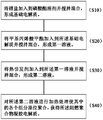
- FIG. 1 is a process flow chart of a method for preparing a flame-retardant polymer gel electrolyte according to an embodiment of the present invention
- FIG. 2 is a photo illustration of a flame test of a flame-retardant polymer gel electrolyte of an embodiment of the present invention
- FIG. 3 and FIG. 4 show charge-discharge cycle test curves of the battery samples of the embodiment of the present invention at 0.2C rate.
- embodiments of the present invention provide a flame-retardant polymer gel electrolyte, which includes in-situ polymerization: lithium salt is dissolved in phosphate ester Solvent-based basic electrolyte, methyl methacrylate, and thermal initiator.
- a gel electrolyte is obtained by in-situ polymerization of methyl methacrylate in a phosphate solution of a high-concentration lithium salt, thereby improving its flame retardant performance and improving the safety performance of a lithium battery.
- the mass percentage of the basic electrolyte is 71.23% to 74.81%, and the mass percentage of the methyl methacrylate is 24.94% to 28.53%.
- the mass percentage of the thermal initiator is 0.14% to 0.28%.
- the mole fraction of the lithium salt is 3mol/L-7mol/L.
- the lithium salt is selected from one kind or two or more kinds of lithium bis(fluorosulfonyl)imide, lithium bistrifluoromethanesulfonimide and lithium dioxodiborate.
- the phosphate ester solvent is selected from one or two of trimethyl phosphate and triethyl phosphate.
- the thermal initiator is selected from one or two of azobisisobutyronitrile and benzoyl peroxide.
- the embodiment of the present invention provides the preparation method of the flame retardant polymer gel electrolyte as described above. As shown in FIG. 1, the preparation method includes the steps of:
- the lithium salt when added to the phosphate ester solvent, it is stirred at a temperature of 15°C to 25°C for 0.5 to 3 hours, so that the lithium salt is completely dissolved to form a basic electrolyte with a high salt-to-solubility ratio.
- the molar concentration of the lithium salt in the basic electrolyte is 3-7 mol/L.
- the thermal initiator when added to the first solution, it is stirred at a temperature of 0°C to 25°C for 0.5 to 2 hours, so that the thermal initiator is uniformly dispersed in the first solution.
- the second solution may be applied to the separator, and then heat-treated to in-situ polymerize the various components therein, whereby the flame-retardant polymer gel electrolyte is directly prepared and formed on the separator To facilitate subsequent battery assembly.
- the separator may be selected from a nonwoven fabric membrane, a cellulose membrane, or a polypropylene membrane, and a nonwoven fabric membrane is preferably used.
- the heating temperature is 50°C to 70°C, and the heating time is 6 to 10h.
- the flame-retardant polymer gel electrolyte is obtained by in-situ polymerization of methyl methacrylate in a phosphate ester solution (basic electrolyte) of a high concentration lithium salt, which is applied to a lithium battery, thereby improving the lithium battery Flame retardant performance, and can also effectively improve the cycle stability of lithium batteries.
- the preparation method of the flame-retardant polymer gel electrolyte has the advantages of simple technological process and easy realization, and is suitable for large-scale industrial production.
- the flame retardant polymer gel electrolyte provided in this example includes the following components in terms of weight ratio: 71.33% of the basic electrolyte, 28.53% of methyl methacrylate, and 0.14% of azobisisobutyronitrile, which is treated by heating The above components are polymerized in situ to form the flame retardant polymer gel electrolyte.
- the basic electrolyte is a basic electrolyte formed by dissolving lithium bis(fluorosulfonyl)imide in a solvent of trimethyl phosphate, and the molar fraction of lithium bis(fluorosulfonyl)imide in the basic electrolyte is 7mol/ L.
- the second solution is first applied to the separator (non-woven fabric separator), and then heat treatment is performed to in-situ polymerize the various components therein, thus the flame retardant
- the polymer gel electrolyte is directly prepared and formed on the nonwoven fabric membrane, the heating temperature is 50° C., and the heating time is 10 h.
- FIG. 2 is a photo illustration of the flame retardant polymer gel electrolyte prepared in this example for burning test. After the test, the flame retardant polymer gel electrolyte provided in this example has very good flame retardant performance.
- the flame-retardant polymer gel electrolyte provided in this example includes the following components in terms of weight ratio: 71.23% basic electrolyte, 28.49% methyl methacrylate, and 0.28% azobisisobutyronitrile, which are treated by heating The above components are polymerized in situ to form the flame retardant polymer gel electrolyte.
- the basic electrolyte is a basic electrolyte formed by dissolving lithium bistrifluoromethanesulfonimide in triethyl phosphate solvent. In the basic electrolyte, the mole fraction of lithium bistrifluoromethanesulfonimide is 5mol/ L.
- the second solution is first applied to the separator (non-woven fabric separator), and then heat treatment is performed to in-situ polymerize the various components therein, thus the flame retardant
- the polymer gel electrolyte was directly prepared and formed on the non-woven fabric membrane, the heating temperature was 60°C, and the heating time was 8 hours.
- the flame-retardant polymer gel electrolyte provided in this example includes the following components in terms of weight ratio: 74.81% of the base electrolyte, 24.94% of methyl methacrylate, and 0.25% of the thermal initiator.
- the components are polymerized in situ to form the flame retardant polymer gel electrolyte.
- the basic electrolyte is a basic electrolyte formed by dissolving lithium dioxalate borate in a phosphate ester solvent (trimethyl phosphate and triethyl phosphate are mixed in a volume ratio of 1:1).
- the molar fraction of lithium dioxalate borate is 7 mol/L;
- the thermal initiator is azobisisobutyronitrile and benzoyl peroxide mixed in a mass ratio of 1:1.
- thermal initiator azobisisobutyronitrile and benzoyl peroxide in a mass ratio of 1:1
- the second solution is first applied to the separator (non-woven fabric separator), and then heat treatment is performed to in-situ polymerize the various components therein, thus the flame retardant
- the polymer gel electrolyte is directly prepared and formed on the non-woven membrane, the heating temperature is 70° C., and the heating time is 6 h.
- the flame-retardant polymer gel electrolyte provided above is assembled in a lithium battery for electrochemical testing, as follows:
- the specific battery structure may use a button battery, which includes a positive electrode, a negative electrode, a separator and an electrolyte provided between the positive electrode and the negative electrode.
- the positive electrode is made of aluminum foil current collector coated with lithium iron phosphate
- the negative electrode is made of lithium metal electrode or copper foil current collector coated with graphite, graphene, carbon nanotubes, carbon
- the electrode sheet, separator and electrolyte formed by nanobelt, porous carbon and other negative electrode materials use the flame retardant polymer gel electrolyte formed in the nonwoven fabric separator of the above examples 1 to 3, and a total of 2 battery samples are prepared for electrochemical testing To obtain the following performance parameter table (Table 1).
- FIG. 3 shows a charging and discharging cycle test curve of the battery sample P1 of this embodiment at 0.2C rate.
- the capacity retention rate of the battery sample P1 after cycling 100 times at 0.2C rate reaches 93.7%
- FIG. 4 shows a charging and discharging cycle test curve of the battery sample P2 of this embodiment at 0.2C rate.
- the capacity retention rate of the battery sample P2 after cycling 100 times at 0.2C rate reaches 97.3%.
- the flame retardant polymer gel electrolyte and the preparation method thereof provided by the embodiments of the present invention are obtained by in-situ polymerization of methyl methacrylate in a phosphate solution of a high concentration lithium salt, which is applied to In the lithium battery, the flame retardant performance of the lithium battery can be improved, and the cycle stability of the lithium battery can also be effectively improved.
Landscapes
- Chemical & Material Sciences (AREA)
- Engineering & Computer Science (AREA)
- Chemical Kinetics & Catalysis (AREA)
- General Chemical & Material Sciences (AREA)
- Electrochemistry (AREA)
- Manufacturing & Machinery (AREA)
- General Physics & Mathematics (AREA)
- Inorganic Chemistry (AREA)
- Physics & Mathematics (AREA)
- Dispersion Chemistry (AREA)
- Condensed Matter Physics & Semiconductors (AREA)
- Health & Medical Sciences (AREA)
- Medicinal Chemistry (AREA)
- Polymers & Plastics (AREA)
- Organic Chemistry (AREA)
- Materials Engineering (AREA)
- Secondary Cells (AREA)
- Addition Polymer Or Copolymer, Post-Treatments, Or Chemical Modifications (AREA)
Abstract
本发明公开了一种阻燃聚合物凝胶电解质,其包括原位聚合的:将锂盐溶解于磷酸酯溶剂形成的基础电解质、甲基丙烯酸甲酯以及热引发剂。所述阻燃聚合物凝胶电解质的制备方法包括步骤:S10、将锂盐加入到磷酸酯溶剂并搅拌混合,形成基础电解质;S20、将甲基丙烯酸甲酯加入到所述基础电解质并搅拌混合,形成第一溶液;S30、将热引发剂加入到所述第一溶液并搅拌混合,形成第二溶液;S40、对所述第二溶液进行加热处理使其中的各个组分原位聚合,获得所述阻燃聚合物凝胶电解质。本发明提供的阻燃聚合物凝胶电解质应用于锂电池中,可以提升锂电池的阻燃性能,并且还可以有效地提高锂电池的循环稳定性。
Description
本发明属于锂电池技术领域,尤其涉及一种阻燃聚合物凝胶电解质及其制备方法,还涉及包含所述阻燃聚合物凝胶电解质的锂电池。
锂电池具有工作温度范围宽,放电电压平稳,自放电率低,使用寿命长等优点,已被广泛应用于各种领域,特别是航天航空、军事、长寿命仪器仪表、物流追踪、汽车电子、移动数码产品等领域。
锂电池通常是由正极、负极、隔膜、电解质、结构壳体等部分组成。电解质,作为其最重要组成部分之一,不仅担负着在电极间离子传输的作用,而且决定着储能器件的使用电压、循环性能、安全性能以及造价成本等。然而,目前大多数商业化锂电池采用的是液态有机电解质,由于其闪点低,蒸气压低,流动性强,易发生泄漏,且其分解电压低,高压下易发生分解,甚至发生燃烧、爆炸等,存在非常大的安全隐患,因而也限制了其在储能装置方面的应用。
因此,在锂电池技术领域,将液体电解质向凝胶化以及固态化发展并且增强其阻燃性等安全性能是十分必要的。
发明内容
鉴于现有技术存在的不足,本发明提供了一种阻燃聚合物凝胶电解质及其制备方法,其可以提升锂电池的阻燃性能,并且还可以有效地提高锂电池的循环稳定性。
为实现上述发明目的,本发明采用了如下技术方案:
一种阻燃聚合物凝胶电解质,其包括原位聚合的:将锂盐溶解于磷酸酯溶剂形成的基础电解质、甲基丙烯酸甲酯以及热引发剂。
具体地,所述阻燃聚合物凝胶电解质中,所述基础电解质的质量百分比为 71.23%~74.81%,所述甲基丙烯酸甲酯的质量百分比为24.94%~28.53%,所述热引发剂的质量百分比为0.14%~0.28%。
具体地,所述基础电解质中,所述锂盐的摩尔分数为3mol/L~7mol/L。
具体地,所述锂盐选自双(氟磺酰)亚胺锂、双三氟甲烷磺酰亚胺锂和双乙二酸硼酸锂中的一种或两种以上。
具体地,所述磷酸酯溶剂选自磷酸三甲酯和磷酸三乙酯中的一种或两种。
具体地,所述热引发剂选自偶氮二异丁腈和过氧苯甲酰中的一种或两种。
本发明还提供了一种如上所述的阻燃聚合物凝胶电解质的制备方法,其包括步骤:
S10、将锂盐加入到磷酸酯溶剂并搅拌混合,形成基础电解质;
S20、将甲基丙烯酸甲酯加入到所述基础电解质并搅拌混合,形成第一溶液;
S30、将热引发剂加入到所述第一溶液并搅拌混合,形成第二溶液;
S40、对所述第二溶液进行加热处理使其中的各个组分原位聚合,获得所述阻燃聚合物凝胶电解质。
具体地,将锂盐加入到磷酸酯溶剂时,在15℃~25℃的温度下搅拌0.5~3h;将甲基丙烯酸甲酯加入到所述基础电解质时,在15℃~25℃的温度下搅拌0.5~2h;将热引发剂加入到所述第一溶液时,在0℃~25℃的温度下搅拌0.5~2h。
具体地,对所述第二溶液进行加热处理时,加热温度为50℃~70℃,加热时间为6~10h。
本发明的另一方面是提供一种锂电池,其包括正极、负极以及设置在所述正极与负极之间的隔膜和电解质,其中,所述电解质采用如上所述的阻燃聚合物凝胶电解质。
本发明实施例提供的阻燃聚合物凝胶电解质及其制备方法,通过将甲基丙烯酸甲酯在高浓度锂盐的磷酸酯溶液中原位聚合获得凝胶电解质,其应用于锂电池中,由此可以提升锂电池的阻燃性能,并且还可以有效地提高锂电池的循环稳定性。
图1是本发明实施例的阻燃聚合物凝胶电解质的制备方法的工艺流程图;
图2是本发明实施例的阻燃聚合物凝胶电解质进行燃烧测试的照片图示;
图3和图4示出了本发明实施例的电池样品在0.2C倍率下充放电循环测试曲线图。
为使本发明的目的、技术方案和优点更加清楚,下面结合附图对本发明的具体实施方式进行详细说明。这些优选实施方式的示例在附图中进行了例示。附图中所示和根据附图描述的本发明的实施方式仅仅是示例性的,并且本发明并不限于这些实施方式。
针对目前锂电池采用液态有机电解质存在的易燃易爆等安全隐患的问题,本发明实施例提供了一种阻燃聚合物凝胶电解质,其包括原位聚合的:将锂盐溶解于磷酸酯溶剂形成的基础电解质、甲基丙烯酸甲酯以及热引发剂。通过将甲基丙烯酸甲酯在高浓度锂盐的磷酸酯溶液中原位聚合获得凝胶电解质,由此提升其阻燃性能,提高锂电池的安全性能。
在具体的技术方案中,所述阻燃聚合物凝胶电解质中,所述基础电解质的质量百分比为71.23%~74.81%,所述甲基丙烯酸甲酯的质量百分比为24.94%~28.53%,所述热引发剂的质量百分比为0.14%~0.28%。
其中,所述基础电解质中,所述锂盐的摩尔分数为3mol/L~7mol/L。
其中,所述锂盐选自双(氟磺酰)亚胺锂、双三氟甲烷磺酰亚胺锂和双乙二酸硼酸锂中的一种或两种以上。
其中,所述磷酸酯溶剂选自磷酸三甲酯和磷酸三乙酯中的一种或两种。
其中,所述热引发剂选自偶氮二异丁腈和过氧苯甲酰中的一种或两种。
本发明实施例提供了如上所述的阻燃聚合物凝胶电解质的制备方法,如图1所示,所述制备方法包括步骤:
S10、将锂盐加入到磷酸酯溶剂并搅拌混合,形成基础电解质。
在具体的方案中,将锂盐加入到磷酸酯溶剂时,在15℃~25℃的温度下搅拌0.5~3h,使得锂盐完全溶解,形成高盐溶比的基础电解质。优选地,所述基础电 解质中锂盐的摩尔浓度为3~7mol/L。
S20、将甲基丙烯酸甲酯加入到所述基础电解质并搅拌混合,形成第一溶液。
在具体的方案中,将甲基丙烯酸甲酯加入到所述基础电解质时,在15℃~25℃的温度下搅拌0.5~2h,使得甲基丙烯酸甲酯均匀混合到所述基础电解质中。
S30、将热引发剂加入到所述第一溶液并搅拌混合,形成第二溶液。
在具体的方案中,将热引发剂加入到所述第一溶液时,在0℃~25℃的温度下搅拌0.5~2h,使得热引发剂均匀分散在到所述第一溶液中。
S40、对所述第二溶液进行加热处理使其中的各个组分原位聚合,获得阻燃聚合物凝胶电解质。
在具体的方案中,可以是将所述第二溶液涂覆到隔膜上,然后加热处理使其中的各个组分原位聚合,由此所述阻燃聚合物凝胶电解质直接制备形成在隔膜上,方便后续进行电池组装。其中,所述隔膜可以选择为无纺布隔膜、纤维素隔膜或者是聚丙烯隔膜,优选使用无纺布隔膜。
其中,对所述第二溶液进行加热处理时,加热温度为50℃~70℃,加热时间为6~10h。
如上阻燃聚合物凝胶电解质,通过将甲基丙烯酸甲酯在高浓度锂盐的磷酸酯溶液(基础电解质)中原位聚合获得凝胶电解质,其应用于锂电池中,由此可以提升锂电池的阻燃性能,并且还可以有效地提高锂电池的循环稳定性。所述阻燃聚合物凝胶电解质的制备方法工艺过程简单、易于实现的优点,适于大规模工业化生产。
实施例1
本实施例提供的阻燃聚合物凝胶电解质包括按照重量比计的以下组分:71.33%的基础电解质、28.53%的甲基丙烯酸甲酯以及0.14%的偶氮二异丁腈,通过加热处理使得以上各个组分原位聚合形成所述阻燃聚合物凝胶电解质。其中,所述基础电解质是将双(氟磺酰)亚胺锂溶解于磷酸三甲酯溶剂形成的基础电解质,所述基础电解质中,双(氟磺酰)亚胺锂的摩尔分数为7mol/L。
本实施例中的阻燃聚合物凝胶电解质的制备方法如下:
(1)、将3.3g双(氟磺酰)亚胺锂溶于2.5mL的磷酸三甲酯溶剂中,在20℃的温度下搅拌1h至所述双(氟磺酰)亚胺锂完全溶解形成高浓度锂盐的基础电解质,所述基础电解质中,双(氟磺酰)亚胺锂的摩尔浓度为7mol/L。
(2)、将1g甲基丙烯酸甲酯加入到2.5g的所述高浓度锂盐的基础电解质中,在25℃的温度下搅拌0.5h,直至甲基丙烯酸甲酯均匀混合到所述基础电解质中形成第一溶液。
(3)、将0.005g偶氮二异丁腈加入到所述第一溶液中,在25℃的温度下搅拌15min,直至偶氮二异丁腈均匀分散在到所述第一溶液中形成第二溶液。
(4)、对所述第二溶液进行加热处理使其中的各个组分原位聚合,获得阻燃聚合物凝胶电解质。本实施例中,为了方便后续进行电池组装,首先将所述第二溶液涂覆到隔膜(无纺布隔膜)上,然后加热处理使其中的各个组分原位聚合,由此所述阻燃聚合物凝胶电解质直接制备形成在无纺布隔膜上,加热温度为50℃,加热时间为10h。
图2是本实施例制备获得的阻燃聚合物凝胶电解质进行燃烧测试的照片图示,经过试验,本实施例提供的阻燃聚合物凝胶电解质具有很好的阻燃性能。
实施例2
本实施例提供的阻燃聚合物凝胶电解质包括按照重量比计的以下组分:71.23%的基础电解质、28.49%的甲基丙烯酸甲酯以及0.28%的偶氮二异丁腈,通过加热处理使得以上各个组分原位聚合形成所述阻燃聚合物凝胶电解质。其中,所述基础电解质是将双三氟甲烷磺酰亚胺锂溶解于磷酸三乙酯溶剂形成的基础电解质,所述基础电解质中,双三氟甲烷磺酰亚胺锂的摩尔分数为5mol/L。
本实施例中的阻燃聚合物凝胶电解质的制备方法如下:
(1)、将2.3g双三氟甲烷磺酰亚胺锂溶于2.5mL的磷酸三乙酯溶剂中,在15℃的温度下搅拌3h至所述双三氟甲烷磺酰亚胺锂完全溶解形成高浓度锂盐的基础电解质,所述基础电解质中,双三氟甲烷磺酰亚胺锂的摩尔浓度为5mol/L。
(2)、将1g甲基丙烯酸甲酯加入到2.5g所述高浓度锂盐的基础电解质中,在20℃的温度下搅拌1h,直至甲基丙烯酸甲酯均匀混合到所述基础电解质中形成第一溶液。
(3)、将0.010g偶氮二异丁腈加入到所述第一溶液中,在25℃的温度下搅 拌0.5h,直至偶氮二异丁腈均匀分散在到所述第一溶液中形成第二溶液。
(4)、对所述第二溶液进行加热处理使其中的各个组分原位聚合,获得阻燃聚合物凝胶电解质。本实施例中,为了方便后续进行电池组装,首先将所述第二溶液涂覆到隔膜(无纺布隔膜)上,然后加热处理使其中的各个组分原位聚合,由此所述阻燃聚合物凝胶电解质直接制备形成在无纺布隔膜上,加热温度为60℃,加热时间为8h。
实施例3
本实施例提供的阻燃聚合物凝胶电解质包括按照重量比计的以下组分:74.81%的基础电解质、24.94%的甲基丙烯酸甲酯以及0.25%的热引发剂,通过加热处理使得以上各个组分原位聚合形成所述阻燃聚合物凝胶电解质。其中,所述基础电解质是将双乙二酸硼酸锂溶解于磷酸酯溶剂(磷酸三甲酯与磷酸三乙酯按照体积比1∶1的比例混合)形成的基础电解质,所述基础电解质中,双乙二酸硼酸锂的摩尔分数为7mol/L;所述热引发剂是偶氮二异丁腈与过氧苯甲酰按照质量比1∶1的比例混合。
本实施例中的阻燃聚合物凝胶电解质的制备方法如下:
(1)、将2.80g双乙二酸硼酸锂溶于5mL的磷酸酯溶剂(磷酸三甲酯与磷酸三乙酯按照体积比1∶1的比例混合)中,在25℃的温度下搅拌0.5h至所述双乙二酸硼酸锂完全溶解形成高浓度锂盐的基础电解质,所述基础电解质中,双乙二酸硼酸锂的摩尔浓度为3mol/L。
(2)、将1g甲基丙烯酸甲酯加入到3g所述高浓度锂盐的基础电解质中,在15℃的温度下搅拌2h,直至甲基丙烯酸甲酯均匀混合到所述基础电解质中形成第一溶液。
(3)、将0.010g热引发剂(偶氮二异丁腈与过氧苯甲酰按照质量比1∶1的比例混合)加入到所述第一溶液中,在20℃的温度下搅拌1h,直至热引发剂均匀分散在到所述第一溶液中形成第二溶液。
(4)、对所述第二溶液进行加热处理使其中的各个组分原位聚合,获得阻燃聚合物凝胶电解质。本实施例中,为了方便后续进行电池组装,首先将所述第二溶液涂覆到隔膜(无纺布隔膜)上,然后加热处理使其中的各个组分原位聚合,由此所述阻燃聚合物凝胶电解质直接制备形成在无纺布隔膜上,加热温度为70℃,加热时间为6h。
本发明实施例将以上提供的阻燃聚合物凝胶电解质组装在锂电池中,以进行电化学测试,具体如下:
具体电池结构可以采用纽扣式电池,其包括正极、负极以及设置在所述正极与负极之间的隔膜和电解质。其中,正极的电极片采用在铝箔集流体上涂覆磷酸铁锂形成的电极片,负极的电极片采用锂金属电极或者是在铜箔集流体上涂覆石墨、石墨烯、碳纳米管、碳纳米带、多孔碳等负极材料形成的电极片,隔膜和电解质采用以上实施例1~3在无纺布隔膜制备形成的阻燃聚合物凝胶电解质,总共制备获得2个电池样品进行电化学测试,获得以下性能参数表(表1)。
表1 电化学性能测试参数表

图3示出了本实施例的电池样品P1在0.2C倍率下充放电循环测试曲线图,从图3可以看出,电池样品P1在0.2C倍率下循环100次后容量保持率达到93.7%,库伦效率达到98.6%。图4示出了本实施例的电池样品P2在0.2C倍率下充放电循环测试曲线图,从图4可以看出,电池样品P2在0.2C倍率下循环100次后容量保持率达到97.3%,库伦效率达到99.3%。
综上所述,本发明实施例提供的阻燃聚合物凝胶电解质及其制备方法,通过将甲基丙烯酸甲酯在高浓度锂盐的磷酸酯溶液中原位聚合获得凝胶电解质,其应用于锂电池中,由此可以提升锂电池的阻燃性能,并且还可以有效地提高锂电池的循环稳定性。
以上所述仅是本申请的具体实施方式,应当指出,对于本技术领域的普通技术人员来说,在不脱离本申请原理的前提下,还可以做出若干改进和润饰,这些改进和润饰也应视为本申请的保护范围。
Claims (20)
- 一种阻燃聚合物凝胶电解质,其中,包括原位聚合的:将锂盐溶解于磷酸酯溶剂形成的基础电解质;甲基丙烯酸甲酯;以及,热引发剂。
- 根据权利要求1所述的阻燃聚合物凝胶电解质,其中,所述阻燃聚合物凝胶电解质中,所述基础电解质的质量百分比为71.23%~74.81%,所述甲基丙烯酸甲酯的质量百分比为24.94%~28.53%,所述热引发剂的质量百分比为0.14%~0.28%。
- 根据权利要求2所述的阻燃聚合物凝胶电解质,其中,所述基础电解质中,所述锂盐的摩尔分数为3mol/L~7mol/L。
- 根据权利要求1所述的阻燃聚合物凝胶电解质,其中,所述锂盐选自双(氟磺酰)亚胺锂、双三氟甲烷磺酰亚胺锂和双乙二酸硼酸锂中的一种或两种以上。
- 根据权利要求1所述的阻燃聚合物凝胶电解质,其中,所述磷酸酯溶剂选自磷酸三甲酯和磷酸三乙酯中的一种或两种。
- 根据权利要求1所述的阻燃聚合物凝胶电解质,其中,所述热引发剂选自偶氮二异丁腈和过氧苯甲酰中的一种或两种。
- 一种阻燃聚合物凝胶电解质的制备方法,其中,包括步骤:S10、将锂盐加入到磷酸酯溶剂并搅拌混合,形成基础电解质;S20、将甲基丙烯酸甲酯加入到所述基础电解质并搅拌混合,形成第一溶液;S30、将热引发剂加入到所述第一溶液并搅拌混合,形成第二溶液;S40、对所述第二溶液进行加热处理使其中的各个组分原位聚合,获得所述阻燃聚合物凝胶电解质。
- 根据权利要求7所述的阻燃聚合物凝胶电解质的制备方法,其中,将锂盐加入到磷酸酯溶剂时,在15℃~25℃的温度下搅拌0.5~3h;将甲基丙烯酸甲酯 加入到所述基础电解质时,在15℃~25℃的温度下搅拌0.5~2h;将热引发剂加入到所述第一溶液时,在0℃~25℃的温度下搅拌0.5~2h。
- 根据权利要求7所述的阻燃聚合物凝胶电解质的制备方法,其中,对所述第二溶液进行加热处理时,加热温度为50℃~70℃,加热时间为6~10h。
- 根据权利要求7所述的阻燃聚合物凝胶电解质的制备方法,其中,所述阻燃聚合物凝胶电解质中,所述基础电解质的质量百分比为71.23%~74.81%,所述甲基丙烯酸甲酯的质量百分比为24.94%~28.53%,所述热引发剂的质量百分比为0.14%~0.28%。
- 根据权利要求10所述的阻燃聚合物凝胶电解质的制备方法,其中,所述基础电解质中,所述锂盐的摩尔分数为3mol/L~7mol/L。
- 根据权利要求7所述的阻燃聚合物凝胶电解质的制备方法,其中,所述锂盐选自双(氟磺酰)亚胺锂、双三氟甲烷磺酰亚胺锂和双乙二酸硼酸锂中的一种或两种以上。
- 根据权利要求7所述的阻燃聚合物凝胶电解质的制备方法,其中,所述磷酸酯溶剂选自磷酸三甲酯和磷酸三乙酯中的一种或两种。
- 根据权利要求7所述的阻燃聚合物凝胶电解质的制备方法,其中,所述热引发剂选自偶氮二异丁腈和过氧苯甲酰中的一种或两种。
- 一种锂电池,包括正极、负极以及设置在所述正极与负极之间的隔膜和电解质,其中,所述电解质为阻燃聚合物凝胶电解质,所述阻燃聚合物凝胶电解质包括原位聚合的:将锂盐溶解于磷酸酯溶剂形成的基础电解质;甲基丙烯酸甲酯;以及,热引发剂。
- 根据权利要求15所述的锂电池,其中,所述阻燃聚合物凝胶电解质中,所述基础电解质的质量百分比为71.23%~74.81%,所述甲基丙烯酸甲酯的质量百分比为24.94%~28.53%,所述热引发剂的质量百分比为0.14%~0.28%。
- 根据权利要求16所述的锂电池,其中,所述基础电解质中,所述锂盐的摩尔分数为3mol/L~7mol/L。
- 根据权利要求15所述的锂电池,其中,所述锂盐选自双(氟磺酰)亚胺锂、双三氟甲烷磺酰亚胺锂和双乙二酸硼酸锂中的一种或两种以上。
- 根据权利要求15所述的锂电池,其中,所述磷酸酯溶剂选自磷酸三甲酯和磷酸三乙酯中的一种或两种。
- 根据权利要求15所述的锂电池,其中,所述热引发剂选自偶氮二异丁腈和过氧苯甲酰中的一种或两种。
Applications Claiming Priority (2)
| Application Number | Priority Date | Filing Date | Title |
|---|---|---|---|
| CN201811543127.2 | 2018-12-17 | ||
| CN201811543127.2A CN109671977A (zh) | 2018-12-17 | 2018-12-17 | 阻燃聚合物凝胶电解质及其制备方法、锂电池 |
Publications (1)
| Publication Number | Publication Date |
|---|---|
| WO2020125519A1 true WO2020125519A1 (zh) | 2020-06-25 |
Family
ID=66144794
Family Applications (1)
| Application Number | Title | Priority Date | Filing Date |
|---|---|---|---|
| PCT/CN2019/124602 Ceased WO2020125519A1 (zh) | 2018-12-17 | 2019-12-11 | 阻燃聚合物凝胶电解质及其制备方法、锂电池 |
Country Status (2)
| Country | Link |
|---|---|
| CN (1) | CN109671977A (zh) |
| WO (1) | WO2020125519A1 (zh) |
Cited By (1)
| Publication number | Priority date | Publication date | Assignee | Title |
|---|---|---|---|---|
| CN117855614A (zh) * | 2023-12-28 | 2024-04-09 | 贲安能源科技江苏有限公司 | 一种零体积效应的胶态钠离子电池及其装配方法 |
Families Citing this family (10)
| Publication number | Priority date | Publication date | Assignee | Title |
|---|---|---|---|---|
| CN109671977A (zh) * | 2018-12-17 | 2019-04-23 | 深圳先进技术研究院 | 阻燃聚合物凝胶电解质及其制备方法、锂电池 |
| CN110911739A (zh) * | 2019-11-20 | 2020-03-24 | 深圳先进技术研究院 | 一种固态聚合物电解质、其制备方法及锂电池 |
| CN111253523B (zh) * | 2020-01-19 | 2022-05-17 | 四川大学 | 一种不燃凝胶聚合物电解质及其制备方法和应用 |
| CN111786012A (zh) * | 2020-07-13 | 2020-10-16 | 深圳先进技术研究院 | 不可燃凝胶电解质前驱体、改性固态电解质、锂电池及其制备方法 |
| WO2022183606A1 (zh) * | 2021-03-01 | 2022-09-09 | 齐鲁工业大学 | 一种基于凝胶聚合物电解质的高性能全固态超级电容器及其制备方法 |
| CN113437352B (zh) * | 2021-06-24 | 2023-06-20 | 珠海冠宇电池股份有限公司 | 一种电池及电池的制备方法 |
| CN115911535B (zh) * | 2021-09-30 | 2026-03-27 | 中南大学 | 一种固态电池及其阻燃聚合物固态电解质 |
| CN116072963B (zh) * | 2022-05-06 | 2023-10-10 | 齐齐哈尔大学 | 一种生物质衍生碳/聚合物凝胶电解质的制备方法和在钠硫电池中的应用 |
| CN114976236B (zh) * | 2022-07-08 | 2024-07-26 | 福州大学 | 一种锂金属用阻燃凝胶电解质及其制备方法和应用 |
| CN115954449A (zh) * | 2022-12-28 | 2023-04-11 | 广东微电新能源有限公司 | 阻燃凝胶聚合物电极材料的制备方法以及电池 |
Citations (6)
| Publication number | Priority date | Publication date | Assignee | Title |
|---|---|---|---|---|
| CN1267683A (zh) * | 1999-03-17 | 2000-09-27 | 小山昇 | 聚合物电解质 |
| CN103996869A (zh) * | 2014-05-13 | 2014-08-20 | 东莞新能源科技有限公司 | 凝胶电解质及其含有该电解质的锂离子电池的制备方法 |
| CN106450442A (zh) * | 2016-09-27 | 2017-02-22 | 湖南杉杉能源科技股份有限公司 | 锂离子电池用阻燃凝胶电解液及其制备方法、锂离子电池的制备方法 |
| CN108183028A (zh) * | 2017-12-19 | 2018-06-19 | 中南大学 | 铝电解电容器用阻燃型热固化凝胶聚合物电解质及制备方法 |
| CN108352569A (zh) * | 2016-09-02 | 2018-07-31 | 株式会社Lg化学 | 凝胶聚合物电解质和包括该凝胶聚合物电解质的锂二次电池 |
| CN109671977A (zh) * | 2018-12-17 | 2019-04-23 | 深圳先进技术研究院 | 阻燃聚合物凝胶电解质及其制备方法、锂电池 |
Family Cites Families (6)
| Publication number | Priority date | Publication date | Assignee | Title |
|---|---|---|---|---|
| CN100452520C (zh) * | 2003-08-26 | 2009-01-14 | 独立行政法人宇宙航空研究开发机构 | 不燃性非水电解质溶液及使用该电解质溶液的锂离子电池 |
| CN101071863A (zh) * | 2007-05-31 | 2007-11-14 | 惠州亿纬电源科技有限公司 | 一种锂电池电解液 |
| US9865900B2 (en) * | 2012-02-07 | 2018-01-09 | Battelle Memorial Institute | Solid electrolyte interphase film-suppression additives |
| CN105720300B (zh) * | 2016-03-31 | 2019-06-21 | 成都国珈星际固态锂电科技有限公司 | 凝胶聚合物锂离子电池及其制备方法,及电动车 |
| CN107464950A (zh) * | 2017-07-27 | 2017-12-12 | 中国科学院化学研究所 | 一种高盐浓度固体电解质及应用 |
| CN108808085B (zh) * | 2018-07-12 | 2020-09-04 | 合肥国轩高科动力能源有限公司 | 一种提高锂离子电池耐热失控性能的电解液 |
-
2018
- 2018-12-17 CN CN201811543127.2A patent/CN109671977A/zh active Pending
-
2019
- 2019-12-11 WO PCT/CN2019/124602 patent/WO2020125519A1/zh not_active Ceased
Patent Citations (6)
| Publication number | Priority date | Publication date | Assignee | Title |
|---|---|---|---|---|
| CN1267683A (zh) * | 1999-03-17 | 2000-09-27 | 小山昇 | 聚合物电解质 |
| CN103996869A (zh) * | 2014-05-13 | 2014-08-20 | 东莞新能源科技有限公司 | 凝胶电解质及其含有该电解质的锂离子电池的制备方法 |
| CN108352569A (zh) * | 2016-09-02 | 2018-07-31 | 株式会社Lg化学 | 凝胶聚合物电解质和包括该凝胶聚合物电解质的锂二次电池 |
| CN106450442A (zh) * | 2016-09-27 | 2017-02-22 | 湖南杉杉能源科技股份有限公司 | 锂离子电池用阻燃凝胶电解液及其制备方法、锂离子电池的制备方法 |
| CN108183028A (zh) * | 2017-12-19 | 2018-06-19 | 中南大学 | 铝电解电容器用阻燃型热固化凝胶聚合物电解质及制备方法 |
| CN109671977A (zh) * | 2018-12-17 | 2019-04-23 | 深圳先进技术研究院 | 阻燃聚合物凝胶电解质及其制备方法、锂电池 |
Cited By (2)
| Publication number | Priority date | Publication date | Assignee | Title |
|---|---|---|---|---|
| CN117855614A (zh) * | 2023-12-28 | 2024-04-09 | 贲安能源科技江苏有限公司 | 一种零体积效应的胶态钠离子电池及其装配方法 |
| CN117855614B (zh) * | 2023-12-28 | 2024-09-20 | 贲安能源科技江苏有限公司 | 一种零体积效应的胶态钠离子电池及其装配方法 |
Also Published As
| Publication number | Publication date |
|---|---|
| CN109671977A (zh) | 2019-04-23 |
Similar Documents
| Publication | Publication Date | Title |
|---|---|---|
| WO2020125519A1 (zh) | 阻燃聚合物凝胶电解质及其制备方法、锂电池 | |
| CN111326789B (zh) | 一种半互穿网络阻燃固态锂离子电解质、固态锂电池及制备方法 | |
| CN107591536B (zh) | 凝胶复合正极片及其制备方法和制备全固态锂电池的方法 | |
| CN102709597B (zh) | 一种复合全固态聚合物电解质锂离子电池及其制备方法 | |
| CN110120496A (zh) | 一种锂离子电池负极及其预锂化方法和应用 | |
| CN114024025B (zh) | 一种共聚合固体电解质、其制备方法及固态聚合物锂电池 | |
| CN109671985A (zh) | 一种一体化结构在固态锂离子电池中的应用 | |
| CN108281704A (zh) | 一种固态电解质复合材料及其制备方法和应用 | |
| CN109638350B (zh) | 一种对锂稳定的丁二腈基固态电解质、制备方法及其应用 | |
| CN110518250A (zh) | 高正极活性物质载量的塑化正极及其制备方法、固态电池 | |
| CN111786012A (zh) | 不可燃凝胶电解质前驱体、改性固态电解质、锂电池及其制备方法 | |
| CN106450474A (zh) | 凝胶型聚合物电解质膜及其制备方法 | |
| CN115241541A (zh) | 一种原位热聚合固态锂硫电池的制备方法 | |
| WO2022001036A1 (zh) | 局部高浓度阻燃电解质、锂电池及其制备方法 | |
| CN106450291A (zh) | 一种锂离子电池nca正极浆料及其制备方法 | |
| CN109863627A (zh) | 电极的干燥方法 | |
| CN103351448B (zh) | 一种耐高温型锂离子二次电池粘合剂及制备方法 | |
| CN103326064A (zh) | 一种安全锂离子电池电解液 | |
| JP2017069204A (ja) | 二次電池用添加剤、それを含む二次電池用電解液及びそれを含む二次電池 | |
| WO2024183283A1 (zh) | 一种二次电池 | |
| CN105845886A (zh) | 一种离子电池负极材料及其制备方法 | |
| CN110336072B (zh) | 双聚合物复合固态电解质、电解质膜及其原位制备方法 | |
| JP2015525283A (ja) | ポリアクリロニトリル−メタクリル酸メチルゲル電解質膜の製造方法、並びにそれに対応する電解質及び製造方法 | |
| CN105098137B (zh) | 锂离子电池及其正极材料及制备方法 | |
| CN116404244A (zh) | 一种超稳定柔性全固态聚合物电解质及其制备方法 |
Legal Events
| Date | Code | Title | Description |
|---|---|---|---|
| 121 | Ep: the epo has been informed by wipo that ep was designated in this application |
Ref document number: 19898410 Country of ref document: EP Kind code of ref document: A1 |
|
| NENP | Non-entry into the national phase |
Ref country code: DE |
|
| 32PN | Ep: public notification in the ep bulletin as address of the adressee cannot be established |
Free format text: NOTING OF LOSS OF RIGHTS PURSUANT TO RULE 112(1) EPC (EPO FORM 1205A DATED 10/11/2021) |
|
| 122 | Ep: pct application non-entry in european phase |
Ref document number: 19898410 Country of ref document: EP Kind code of ref document: A1 |