WO2019160057A1 - 炎症性疾患若しくは骨疾患の予防又は治療剤及び医薬組成物 - Google Patents
炎症性疾患若しくは骨疾患の予防又は治療剤及び医薬組成物 Download PDFInfo
- Publication number
- WO2019160057A1 WO2019160057A1 PCT/JP2019/005415 JP2019005415W WO2019160057A1 WO 2019160057 A1 WO2019160057 A1 WO 2019160057A1 JP 2019005415 W JP2019005415 W JP 2019005415W WO 2019160057 A1 WO2019160057 A1 WO 2019160057A1
- Authority
- WO
- WIPO (PCT)
- Prior art keywords
- ketamine
- bone
- mice
- group
- disease
- Prior art date
- Legal status (The legal status is an assumption and is not a legal conclusion. Google has not performed a legal analysis and makes no representation as to the accuracy of the status listed.)
- Ceased
Links
- 0 C*(*)[C@@](CCCC1(O)O)(C1=O)c1ccccc1* Chemical compound C*(*)[C@@](CCCC1(O)O)(C1=O)c1ccccc1* 0.000 description 2
- YQEZLKZALYSWHR-CYBMUJFWSA-N CN[C@@](CCCC1)(C1=O)c(cccc1)c1Cl Chemical compound CN[C@@](CCCC1)(C1=O)c(cccc1)c1Cl YQEZLKZALYSWHR-CYBMUJFWSA-N 0.000 description 1
Images




Classifications
-
- A—HUMAN NECESSITIES
- A61—MEDICAL OR VETERINARY SCIENCE; HYGIENE
- A61K—PREPARATIONS FOR MEDICAL, DENTAL OR TOILETRY PURPOSES
- A61K31/00—Medicinal preparations containing organic active ingredients
- A61K31/16—Amides, e.g. hydroxamic acids
- A61K31/165—Amides, e.g. hydroxamic acids having aromatic rings, e.g. colchicine, atenolol, progabide
- A61K31/167—Amides, e.g. hydroxamic acids having aromatic rings, e.g. colchicine, atenolol, progabide having the nitrogen of a carboxamide group directly attached to the aromatic ring, e.g. lidocaine, paracetamol
-
- A—HUMAN NECESSITIES
- A61—MEDICAL OR VETERINARY SCIENCE; HYGIENE
- A61K—PREPARATIONS FOR MEDICAL, DENTAL OR TOILETRY PURPOSES
- A61K31/00—Medicinal preparations containing organic active ingredients
- A61K31/13—Amines
- A61K31/135—Amines having aromatic rings, e.g. ketamine, nortriptyline
- A61K31/137—Arylalkylamines, e.g. amphetamine, epinephrine, salbutamol, ephedrine or methadone
-
- A—HUMAN NECESSITIES
- A61—MEDICAL OR VETERINARY SCIENCE; HYGIENE
- A61K—PREPARATIONS FOR MEDICAL, DENTAL OR TOILETRY PURPOSES
- A61K31/00—Medicinal preparations containing organic active ingredients
- A61K31/13—Amines
- A61K31/135—Amines having aromatic rings, e.g. ketamine, nortriptyline
-
- A—HUMAN NECESSITIES
- A61—MEDICAL OR VETERINARY SCIENCE; HYGIENE
- A61P—SPECIFIC THERAPEUTIC ACTIVITY OF CHEMICAL COMPOUNDS OR MEDICINAL PREPARATIONS
- A61P1/00—Drugs for disorders of the alimentary tract or the digestive system
- A61P1/04—Drugs for disorders of the alimentary tract or the digestive system for ulcers, gastritis or reflux esophagitis, e.g. antacids, inhibitors of acid secretion, mucosal protectants
-
- A—HUMAN NECESSITIES
- A61—MEDICAL OR VETERINARY SCIENCE; HYGIENE
- A61P—SPECIFIC THERAPEUTIC ACTIVITY OF CHEMICAL COMPOUNDS OR MEDICINAL PREPARATIONS
- A61P1/00—Drugs for disorders of the alimentary tract or the digestive system
- A61P1/18—Drugs for disorders of the alimentary tract or the digestive system for pancreatic disorders, e.g. pancreatic enzymes
-
- A—HUMAN NECESSITIES
- A61—MEDICAL OR VETERINARY SCIENCE; HYGIENE
- A61P—SPECIFIC THERAPEUTIC ACTIVITY OF CHEMICAL COMPOUNDS OR MEDICINAL PREPARATIONS
- A61P11/00—Drugs for disorders of the respiratory system
-
- A—HUMAN NECESSITIES
- A61—MEDICAL OR VETERINARY SCIENCE; HYGIENE
- A61P—SPECIFIC THERAPEUTIC ACTIVITY OF CHEMICAL COMPOUNDS OR MEDICINAL PREPARATIONS
- A61P11/00—Drugs for disorders of the respiratory system
- A61P11/06—Antiasthmatics
-
- A—HUMAN NECESSITIES
- A61—MEDICAL OR VETERINARY SCIENCE; HYGIENE
- A61P—SPECIFIC THERAPEUTIC ACTIVITY OF CHEMICAL COMPOUNDS OR MEDICINAL PREPARATIONS
- A61P13/00—Drugs for disorders of the urinary system
- A61P13/12—Drugs for disorders of the urinary system of the kidneys
-
- A—HUMAN NECESSITIES
- A61—MEDICAL OR VETERINARY SCIENCE; HYGIENE
- A61P—SPECIFIC THERAPEUTIC ACTIVITY OF CHEMICAL COMPOUNDS OR MEDICINAL PREPARATIONS
- A61P17/00—Drugs for dermatological disorders
-
- A—HUMAN NECESSITIES
- A61—MEDICAL OR VETERINARY SCIENCE; HYGIENE
- A61P—SPECIFIC THERAPEUTIC ACTIVITY OF CHEMICAL COMPOUNDS OR MEDICINAL PREPARATIONS
- A61P17/00—Drugs for dermatological disorders
- A61P17/06—Antipsoriatics
-
- A—HUMAN NECESSITIES
- A61—MEDICAL OR VETERINARY SCIENCE; HYGIENE
- A61P—SPECIFIC THERAPEUTIC ACTIVITY OF CHEMICAL COMPOUNDS OR MEDICINAL PREPARATIONS
- A61P19/00—Drugs for skeletal disorders
- A61P19/02—Drugs for skeletal disorders for joint disorders, e.g. arthritis, arthrosis
-
- A—HUMAN NECESSITIES
- A61—MEDICAL OR VETERINARY SCIENCE; HYGIENE
- A61P—SPECIFIC THERAPEUTIC ACTIVITY OF CHEMICAL COMPOUNDS OR MEDICINAL PREPARATIONS
- A61P19/00—Drugs for skeletal disorders
- A61P19/08—Drugs for skeletal disorders for bone diseases, e.g. rachitism, Paget's disease
-
- A—HUMAN NECESSITIES
- A61—MEDICAL OR VETERINARY SCIENCE; HYGIENE
- A61P—SPECIFIC THERAPEUTIC ACTIVITY OF CHEMICAL COMPOUNDS OR MEDICINAL PREPARATIONS
- A61P19/00—Drugs for skeletal disorders
- A61P19/08—Drugs for skeletal disorders for bone diseases, e.g. rachitism, Paget's disease
- A61P19/10—Drugs for skeletal disorders for bone diseases, e.g. rachitism, Paget's disease for osteoporosis
-
- A—HUMAN NECESSITIES
- A61—MEDICAL OR VETERINARY SCIENCE; HYGIENE
- A61P—SPECIFIC THERAPEUTIC ACTIVITY OF CHEMICAL COMPOUNDS OR MEDICINAL PREPARATIONS
- A61P29/00—Non-central analgesic, antipyretic or antiinflammatory agents, e.g. antirheumatic agents; Non-steroidal antiinflammatory drugs [NSAID]
-
- A—HUMAN NECESSITIES
- A61—MEDICAL OR VETERINARY SCIENCE; HYGIENE
- A61P—SPECIFIC THERAPEUTIC ACTIVITY OF CHEMICAL COMPOUNDS OR MEDICINAL PREPARATIONS
- A61P3/00—Drugs for disorders of the metabolism
- A61P3/08—Drugs for disorders of the metabolism for glucose homeostasis
- A61P3/10—Drugs for disorders of the metabolism for glucose homeostasis for hyperglycaemia, e.g. antidiabetics
-
- A—HUMAN NECESSITIES
- A61—MEDICAL OR VETERINARY SCIENCE; HYGIENE
- A61P—SPECIFIC THERAPEUTIC ACTIVITY OF CHEMICAL COMPOUNDS OR MEDICINAL PREPARATIONS
- A61P37/00—Drugs for immunological or allergic disorders
- A61P37/02—Immunomodulators
Definitions
- the present invention relates to an agent for preventing or treating inflammatory diseases or bone diseases, and a pharmaceutical composition for preventing or treating inflammatory diseases or bone diseases.
- Inflammation is an important cause of many chronic inflammatory diseases. Long-term inflammation also results in tissue destruction, causing extensive damage and ultimately damage to the inflamed organ.
- Chronic inflammatory diseases are associated with specific tissues or organs.
- chronic inflammatory diseases in musculoskeletal tissues cause diseases such as rheumatoid arthritis and ankylosing spondylitis.
- chronic inflammatory diseases in the gastrointestinal tract cause diseases such as Crohn's disease and ulcerative colitis.
- chronic inflammatory diseases in pancreatic ⁇ cells cause diseases such as insulin-dependent diabetes.
- chronic inflammatory diseases in the adrenal glands cause diseases such as Addison's disease.
- chronic inflammatory diseases in the kidney cause diseases such as Goodpasture's syndrome, IgA nephropathy, and interstitial nephritis.
- chronic inflammatory diseases in the exocrine glands cause diseases such as Sjogren's syndrome and autoimmune pancreatitis.
- chronic inflammatory diseases in the skin cause diseases such as psoriasis and atopic dermatitis.
- chronic inflammatory diseases in the respiratory tract cause diseases such as pneumonia, chronic bronchitis, and bronchial asthma.
- chronic inflammatory diseases those involving multiple organs such as systemic lupus erythematosus (SLE) and scleroderma are also known.
- IBD inflammatory bowel disease
- Crohn's disease a generic term for diseases of unknown cause causing chronic inflammation or ulcers in the mucosa of the large and small intestine
- IBD inflammatory bowel disease
- Characteristic symptoms include bloody stool, mucous stool, diarrhea, abdominal pain, and the like, which are characterized by symptom improvement (remission) and worsening (exacerbation).
- the number of patients with ulcerative colitis in Japan is just over 160,000 at the end of 2013, about 100 per 100,000 population.
- the number of patients with Crohn's disease is less than 40,000 at the end of 2013, about 27 per 100,000 population.
- steroids often used in pharmacotherapy have strong anti-inflammatory effects, but due to their large side effects, it is desirable to avoid long-term use and are not suitable for the purpose of maintaining remission of inflammatory bowel disease .
- Azathioprine and 6-mercaptopurine (6-MP), which are immunomodulators, are used as alternatives for the purpose of reducing the amount of steroids used, but these drugs are used for about 2 to 3 months before their effects are realized. Take it.
- infliximab In pharmacotherapy for inflammatory bowel disease, biological preparations such as anti-TNF ⁇ antibodies (infliximab, adalimumab, etc.) may be used.
- infliximab has been reported to have side effects such as tuberculosis infection, septicemia, infections such as pneumonia, liver damage, rash and leukopenia due to immunosuppressive action. It has also been reported that the production of antibodies against these antibody preparations occurs and the effects are diminished.
- 5-aminosalicylic acid is widely used for mild to moderate ulcerative colitis and Crohn's disease, but it tends to be less effective in severe patients.
- ketamine is a compound known as an allylcyclohexylamine-based dissociative anesthetic and is a racemate that is an equal mixture of R-ketamine and S-ketamine.
- Ketamine is known to be an NMDA receptor antagonist. Ketamine has the great advantage that it does not inhibit respiration at low doses compared to other common anesthetics and is often used as an anesthetic for animals.
- Non-Patent Document 1 reports that ketamine has an anti-inflammatory effect in ulcerative colitis model mice.
- bone homeostasis is maintained by reconstruction (bone remodeling) in which osteoclasts destroy and resorb old bones and osteoblasts form new bones. If this bone remodeling balance is lost for various reasons and bone destruction / resorption becomes superior to bone formation, it causes bone diseases such as osteoporosis, osteolytic bone metastasis, and Paget's disease of bone.
- osteoporosis develops due to various factors such as lack of calcium and magnesium that form bone, lack of balanced intake of vitamins such as vitamin D necessary for calcium absorption, lack of exercise, aging, and menopause.
- the onset mechanism is still unknown.
- rheumatoid arthritis caused by inflammation caused by immune abnormalities is characterized by chronic polysynovitis due to systemic autoimmunity and accompanying bone destruction. Rheumatoid arthritis is increasing year by year, and it is important to investigate the cause of bone loss and bone destruction and develop treatments in this patient.
- Receptor activator of nuclear factor ⁇ B ligand (RANKL) produced from osteoblasts promotes osteoclast formation and function. For this reason, excessive production of RANKL for some reason leads to excessive bone resorption.
- RANKL nuclear factor ⁇ B ligand
- Denosumab a bone disease treatment
- RANKL a human monoclonal antibody preparation targeting RANKL.
- This preparation suppresses the increase in bone resorption by osteoclasts by binding to RANKL and inhibiting the action of RANKL, and shows an effect of improving bone disease by increasing bone density.
- RANKL bone resorption caused by osteoclasts at joint sites is suppressed, and the effect of suppressing the development of bone erosion and bone destruction of joints in patients with rheumatoid arthritis is shown (for example, see Patent Document 1).
- Non-Patent Document 1 which describes that ketamine has an anti-inflammatory action
- ketamine is used at a high dose of 50 mg / kg.
- Such a dose is an anesthetic dose, and side effects such as an acute momentum enhancement effect are remarkably observed. It is not practical to administer an anesthetic volume of ketamine to a patient for the purpose of preventing or treating inflammatory diseases.
- denosumab is not a fundamental treatment for bone diseases.
- denosumab was administered to patients with bone disease, serious cases such as hypocalcemia, osteonecrosis of the jaw, osteomyelitis of the jaw, anaphylaxis, subtrochanteric femur and atypical fracture of the proximal femoral shaft, skin infection, etc. It is known that side effects may occur.
- an object of the present invention is to provide a preventive or therapeutic agent for inflammatory diseases or bone diseases and a pharmaceutical composition.
- a prophylactic or therapeutic agent for inflammatory diseases or bone diseases comprising as an active ingredient a compound represented by the following formula (1) or a pharmacologically acceptable salt thereof.
- X represents a hydrogen atom, a halogen atom or an optionally substituted alkyl group having 1 to 10 carbon atoms
- R 1 represents an optionally substituted alkyl group having 1 to 10 carbon atoms.
- the inflammatory disease is ulcerative colitis, Crohn's disease, rheumatoid arthritis, ankylosing spondylitis, insulin-dependent diabetes mellitus, Addison's disease, Goodpasture syndrome, IgA nephropathy, interstitial nephritis, Sjogren's syndrome, self Immune pancreatitis, psoriasis, atopic dermatitis, pneumonia, chronic bronchitis, bronchial asthma, systemic lupus erythematosus (SLE), scleroderma or delirium, and the bone disease is osteoporosis, osteolytic bone metastasis or The preventive or therapeutic agent for inflammatory disease or bone disease according to [1] or [2], which is Paget's disease of bone.
- X represents a hydrogen atom, a halogen atom or an optionally substituted alkyl group having 1 to 10 carbon atoms
- R 1 represents an optionally substituted alkyl group having 1 to 10 carbon atoms.
- an agent for preventing or treating inflammatory diseases or bone diseases and a pharmaceutical composition can be provided.
- FIG. 10 is a graph showing the results of Experimental Example 2.
- 10 is a graph showing the results of Experimental Example 3.
- 10 is a graph showing the results of Experimental Example 4.
- (A) to (e) are graphs showing the results of Experimental Example 6.
- FIG. 10 is a graph showing the results of Experimental Example 8.
- 10 is a graph showing the results of Experimental Example 9. It is a graph which shows the result of Experimental example 10.
- A) is a schematic diagram explaining the experiment schedule in Experimental Example 11.
- FIG. (B) to (e) are graphs showing the results of behavior evaluation in Experimental Example 11.
- FIG. 1 is a graph which shows the measurement result of the bone density in Experimental example 11.
- FIG. 1 is a graph which shows the measurement result of the bone density in Experimental example 12.
- FIG. (A)-(d) is a graph which shows the measurement result of the bone density in Experimental example 13.
- FIG. 1 is a graph which shows the measurement result of the bone density in Experimental example 13.
- the present invention provides a prophylactic or therapeutic agent for inflammatory diseases or bone diseases, comprising as an active ingredient a compound represented by the following formula (1) or a pharmacologically acceptable salt thereof. .
- a prophylactic or therapeutic agent for inflammatory diseases or bone diseases comprising as an active ingredient a compound represented by the following formula (1) or a pharmacologically acceptable salt thereof.
- the preventive or therapeutic agent for bone diseases will be described later.
- inflammatory diseases can be prevented or treated with the preventive or therapeutic agent of the present embodiment.
- X represents a hydrogen atom, a halogen atom or an optionally substituted alkyl group having 1 to 10 carbon atoms
- R 1 represents an optionally substituted alkyl group having 1 to 10 carbon atoms.
- containing as an active ingredient means containing as a main active ingredient, and the compound represented by the above formula (1) or a pharmacologically acceptable salt thereof as a medicinal ingredient. If it contains, the content will not be specifically limited.
- inflammatory diseases include ulcerative colitis, inflammatory bowel diseases such as Crohn's disease, rheumatoid arthritis, ankylosing spondylitis, insulin-dependent diabetes, Addison Disease, Goodpasture syndrome, IgA nephropathy, interstitial nephritis, Sjogren's syndrome, autoimmune pancreatitis, psoriasis, atopic dermatitis, pneumonia, chronic bronchitis, bronchial asthma, systemic lupus erythematosus (SLE), scleroderma Symptoms, delirium, etc.
- the preventive or therapeutic agent of the present embodiment is particularly effective for inflammatory bowel diseases such as ulcerative colitis and Crohn's disease, and is particularly effective for ulcerative colitis as described later in Examples.
- Inflammatory diseases are chronic diseases that progress over a long period (yearly), so that the progression of symptoms can be prevented by starting treatment early. It can also be used to prevent the development of inflammatory diseases by giving it to patients who have a genetic background that is likely to suffer from inflammatory diseases before they develop symptoms of inflammatory diseases. You can also.
- the preventive or therapeutic agent of the present embodiment can be said to be an agent for preventing the onset of inflammatory diseases, and it can also be said to be an agent for preventing the progression of symptoms of inflammatory diseases. It can also be said that the preventive or therapeutic agent of the present embodiment is a therapeutic agent that prevents progression of symptoms of an inflammatory disease and alleviates or improves the symptoms.
- X represents a hydrogen atom, a halogen atom or an optionally substituted alkyl group having 1 to 10 carbon atoms.
- the halogen atom include F, Cl, Br, or I.
- the alkyl group having 1 to 10 carbon atoms include methyl, ethyl, propyl, isopropyl, cyclopropyl, butyl, isobutyl, t-butyl, cyclobutyl, cyclopropylmethyl, pentyl, and cyclopentyl. Groups and the like.
- halogen atoms such as F, Cl, Br, and I, a hydroxyl group, etc. are mentioned, for example.
- R 1 is an optionally substituted alkyl group having 1 to 10 carbon atoms, an optionally substituted alkenyl group having 1 to 10 carbon atoms, or a substituted group. And an aryl group having 6 to 14 carbon atoms which may be present.
- R 1 is an alkyl group
- the alkyl group has 1 to 10 carbon atoms, and preferably 1 to 6 carbon atoms.
- the alkyl group may be linear, branched, or may form a ring.
- substituent of the alkyl group examples include halogen atoms such as F, Cl, Br, and I, hydroxyl groups, and the like.
- the alkyl group having 1 to 10 carbon atoms is not particularly limited as long as the effect of the present embodiment is exhibited.
- the alkyl group is preferably a linear alkyl group, more preferably a linear alkyl group having 1 to 5 carbon atoms, still more preferably a methyl group or an ethyl group, and particularly preferably methyl. .
- R 1 is an alkenyl group
- the alkenyl group has 1 to 10 carbon atoms, preferably 1 to 6 carbon atoms.
- the alkenyl group may be linear, branched, or may form a ring.
- substituent for the alkenyl group include halogen atoms such as F, Cl, Br, and I, hydroxyl groups, and the like.
- alkenyl group examples include groups in which one or two or more double bonds are introduced into the above-described group as an alkyl group, and examples thereof include a vinyl group and an allyl group.
- R 1 is an aryl group
- the aryl group has 6 to 14 carbon atoms, preferably 6 to 10 carbon atoms.
- the substituent for the aryl group include halogen atoms such as F, Cl, Br, and I, and a hydroxyl group.
- Specific examples of the aryl group include a phenyl group.
- the compound represented by the above formula (1) may be labeled with an isotope.
- the isotope is not particularly limited, and examples thereof include stable isotopes 13 C and 2 H (D).
- isotope labeling By performing isotope labeling, the in vivo kinetics of the compound or the pharmacologically acceptable salt thereof before the isotope labeling can be changed. Examples of such compounds include compounds labeled with deuterium atoms represented by the following formulas (A), (B), and (C).
- X represents a hydrogen atom, a halogen atom or an optionally substituted alkyl group having 1 to 10 carbon atoms
- R 1 represents an optionally substituted alkyl group having 1 to 10 carbon atoms
- D represents a deuterium atom.
- X and R 1 in formula (A) is the same as X and R 1 in the formula (1).
- X represents a hydrogen atom, a halogen atom or an optionally substituted alkyl group having 1 to 10 carbon atoms
- R 2 represents an optionally substituted alkyl group having 1 to 10 carbon atoms.
- at least one of the hydrogen atoms contained in the group represented by X and R 2 is a deuterium atom.
- X in the formula (B) is the same as X in the formula (1)
- R 2 in the formula (B) is the same as R 1 in the formula (1).
- X represents a hydrogen atom, a halogen atom or an optionally substituted alkyl group having 1 to 10 carbon atoms
- R 2 represents an optionally substituted alkyl group having 1 to 10 carbon atoms.
- 0 or more of the hydrogen atoms contained in the groups represented by X and R 2 are deuterium atoms.
- X in the formula (C) is the same as X in the formula (1)
- R 2 in the formula (C) is the same as R 1 in the formula (1).
- the pharmacologically acceptable salt of the compound represented by the above formula (1) includes hydrochloride, sulfate, hydrobromide, iodide. Hydronate, phosphate, nitrate, benzoate, methanesulfonate, 2-hydroxyethanesulfonate, p-toluenesulfonate, acetate, propanoate, oxalate, malonate, succinic acid Salt, glutarate, adipate, tartrate, maleate, fumarate, malate, mandelate, etc., and hydrochloride, methanesulfonate, p-toluenesulfonate are preferred, Hydrochloride is particularly preferred.
- the compound represented by the above formula (1) or a pharmacologically acceptable salt thereof may be a hydrate or other than a hydrate.
- a solvate may also be used.
- the prophylactic or therapeutic agent for inflammatory diseases of the present embodiment may contain, as an active ingredient, a compound represented by the above formula (1) which is a free base, or represented by the above formula (1).
- a pharmacologically acceptable salt of the compound, a compound represented by the formula (1) and a pharmacologically acceptable salt of the compound represented by the formula (1). Both may be contained.
- the compound represented by the above formula (1) is preferably a compound represented by the following formula (2). That is, the preventive or therapeutic agent of this embodiment preferably contains a compound represented by the following formula (2) or a pharmacologically acceptable salt thereof as an active ingredient. As will be described later in Examples, the compound represented by the following formula (2) or a pharmacologically acceptable salt thereof has a high effect of preventing or treating inflammatory diseases.
- one or more hydrogen atoms may be substituted with deuterium atoms.
- the compound represented by the formula (2) is a compound called R-ketamine, in which X is Cl and R 1 is a methyl group in the formula (1). That is, the preventive or therapeutic agent for inflammatory diseases of this embodiment preferably contains R-ketamine or a pharmacologically acceptable salt thereof as an active ingredient.
- the compound represented by the above formula (2) may be labeled with an isotope.
- the isotope is not particularly limited, and examples thereof include stable isotopes 13 C and 2 H (D).
- isotope labeling By performing isotope labeling, the in vivo kinetics of the compound or the pharmacologically acceptable salt thereof before the isotope labeling can be changed. Examples of such compounds include compounds labeled with deuterium atoms represented by the following formulas (D), (E), and (F).
- D represents a deuterium atom.
- D represents a deuterium atom.
- D represents a deuterium atom.
- R-ketamine represented by the above formula (2) is a free base.
- hydrochloride is preferable.
- the chemical formula of R-ketamine hydrochloride is shown in the following formula (5).
- R-ketamine or a pharmacologically acceptable salt thereof may be a hydrate or a solvate other than a hydrate. Good.
- R-ketamine or a pharmacologically acceptable salt thereof may be labeled with an isotope.
- the isotope is not particularly limited, and examples thereof include stable isotopes 13 C and 2 H (D).
- the in vivo kinetics of R-ketamine or a pharmacologically acceptable salt thereof prior to isotope labeling can be changed.
- R-ketamine hydrochloride labeled with a deuterium atom represented by the following formula (6) is expected to have a slow metabolism and a long duration.
- D represents a deuterium atom.
- the preventive or therapeutic agent for inflammatory diseases of the present embodiment is preferably one that does not substantially contain a compound represented by the following formula (3) and a pharmacologically acceptable salt thereof.
- X represents a hydrogen atom, a halogen atom or an optionally substituted alkyl group having 1 to 10 carbon atoms
- R 1 represents an optionally substituted alkyl group having 1 to 10 carbon atoms.
- substantially free of the compound represented by the above formula (3) and a pharmacologically acceptable salt thereof means (i) the above formula. It does not contain any compound represented by (3) and does not contain any pharmacologically acceptable salt of the compound represented by the above formula (3), (ii) represented by the above formula (3). Or a pharmacologically acceptable salt of the compound represented by the above formula (3) in an amount that does not cause side effects, or (iii) represented by the above formula (3). Or a pharmacologically acceptable salt of the compound represented by the above formula (3) may be contained in an amount unavoidable for the production thereof.
- the compound represented by the above formula (1) which is a drug substance when used as a pharmaceutical, or a pharmacologically acceptable salt thereof.
- the salt may contain 0.15 mol% or less of the compound represented by the above formula (3) or a pharmacologically acceptable salt thereof.
- the compound represented by the above formula (3) and a pharmacologically acceptable salt thereof may be a compound represented by the following formula (4) and a pharmacologically acceptable salt thereof. That is, the preventive or therapeutic agent for inflammatory diseases of the present embodiment may be substantially free of the compound represented by the following formula (4) and pharmacologically acceptable salts thereof.
- the compound represented by the above formula (4) is a compound called S-ketamine in the above formula (3), wherein X is Cl and R 1 is a methyl group. That is, it is preferable that the preventive or therapeutic agent for inflammatory diseases of this embodiment does not substantially contain S-ketamine or a pharmacologically acceptable salt thereof.
- the preventive or therapeutic effect of inflammatory diseases when R-ketamine is administered is higher than the preventive or therapeutic effect when S-ketamine is administered.
- side effects (such as psychosis-inducing action, dissociation symptoms, and drug dependence) of RS-ketamine, which is an equal mixture of R-ketamine and S-ketamine, are considered to be mainly caused by S-ketamine.
- the compound represented by the above formula (1) or a pharmacologically acceptable salt thereof is contained as an active ingredient, and the compound represented by the above formula (3) and a pharmacologically acceptable salt thereof are contained.
- a prophylactic or therapeutic agent for inflammatory diseases that is substantially not contained has high therapeutic effects and few side effects.
- the present invention provides a medicament for preventing or treating inflammatory bowel disease or bone disease, comprising the above-mentioned preventive or therapeutic agent for inflammatory disease or bone disease and a pharmacologically acceptable carrier.
- a composition is provided.
- the pharmaceutical composition for preventing or treating bone diseases will be described later.
- the above-mentioned preventive or therapeutic agent for inflammatory diseases is preferably formulated as a pharmaceutical composition.
- the pharmaceutical composition may be a dosage form used orally or a dosage form used parenterally.
- Oral dosage forms include tablets, capsules, coated tablets, troches, solutions such as solutions or suspensions, and the like.
- dosage forms used parenterally include injections, powders, drops, sprays, creams, suppositories, patches, liniments, gels and the like. Any of these dosage forms can be prepared by methods known to those skilled in the pharmaceutical arts.
- a solution or suspension preparation is preferable.
- the pharmaceutical composition of the present embodiment is prepared as a preparation for transmucosal administration such as nasal cavity and oral cavity, it is preferably in the form of a powder, drop or aerosol preparation.
- the pharmaceutical composition of this embodiment is prepared as a preparation for rectal administration, it is preferably in the form of a semi-solid preparation such as a cream or suppository.
- the pharmaceutically acceptable carrier is not particularly limited, and those used for usual pharmaceutical compositions can be used.
- antioxidants, stabilizers, preservatives, flavoring agents, coloring agents, solubilizers, solubilizers, surfactants, emulsifiers, antifoaming agents, viscosity modifiers, gelling agents, absorption enhancers, dispersants examples include excipients and pH adjusters.
- the pharmaceutical composition may further contain an additive.
- Additives include lubricants such as magnesium stearate; sweeteners such as sucrose, lactose and saccharin; flavoring agents such as peppermint and red mono oil; stabilizers for benzyl alcohol and phenol; buffers such as phosphate and sodium acetate Agents; solubilizing agents such as benzyl benzoate and benzyl alcohol; antioxidants; preservatives and the like.
- the pharmaceutical composition of the present embodiment comprises a compound represented by the above formula (1) or a pharmacologically thereof.
- Other medicinal components having an anti-inflammatory effect other than an acceptable salt may be contained.
- the injectable preparation may contain, as a pharmaceutically acceptable carrier, for example, a plasma-derived protein such as albumin, an amino acid such as glycine, a sugar such as mannitol, and the like, and further a buffer, a solubilizing agent, etc. It may contain a tonicity agent and the like. Further, when used as an aqueous preparation or a lyophilized preparation, a surfactant such as Tween (registered trademark) 80 and Tween (registered trademark) 20 may be contained in order to prevent aggregation.
- a pharmaceutically acceptable carrier for example, a plasma-derived protein such as albumin, an amino acid such as glycine, a sugar such as mannitol, and the like, and further a buffer, a solubilizing agent, etc. It may contain a tonicity agent and the like.
- a surfactant such as Tween (registered trademark) 80 and Tween (registered trademark) 20 may be contained in order
- Preparations for parenteral administration other than injectable preparations are used as pharmaceutically acceptable carriers, for example, distilled water or physiological saline, polyalkylene glycols such as polyethylene glycol, oils of plant origin, hydrogenated You may contain naphthalene etc.
- preparations for rectal administration such as suppositories may contain, for example, polyalkylene glycol, petrolatum, cacao oil and fat as excipients.
- the preparation for inhalation may be a solid, and may contain, for example, lactose as an excipient.
- the drops for nasal administration may be an aqueous solution or an oil solution.
- the exact dose and administration schedule of the pharmaceutical composition of the present embodiment can be appropriately adjusted depending on the required amount for each individual treatment target, the treatment method, the disease or the degree of necessity.
- the administration route is preferably oral administration, nasal administration, intravenous administration by injection, subcutaneous administration or intramuscular administration.
- the treatment target is not particularly limited, but is preferably a mammal, and preferably a human.
- the dose can be determined according to age, weight, health condition, sex, meal, administration time, administration method, excretion rate, drug combination, subject's medical condition, etc. You may decide in consideration.
- the pharmaceutical composition of this embodiment When the pharmaceutical composition of this embodiment is administered to a patient having an inflammatory disease, the pharmaceutical composition is an active ingredient (a compound represented by the above formula (1) or a pharmacologically acceptable salt thereof). ) Is preferably included in an amount effective for reducing the symptoms of each inflammatory disease, preferably the inflammation of each inflammatory disease.
- the daily dose of the compound represented by the above formula (1) or a pharmacologically acceptable salt thereof varies depending on the patient's condition, body weight, type of compound, route of administration, etc. Is usually about 0.01 to 1000 mg / person / day, preferably 0.1 to 500 mg / person / day, and usually about 0.01 to 500 mg / person / day for parenteral administration. It is preferably 0.1 to 100 mg / person / day. It is considered appropriate to administer the pharmaceutical composition of the present embodiment once a day or divided into several times.
- the pharmaceutical composition of the present embodiment can be used for the prevention of inflammatory diseases by being administered before the onset of inflammatory diseases, or can be used for the treatment of inflammatory diseases by being administered after the onset of inflammatory diseases. It can also be used.
- the present invention provides a preventive or therapeutic agent for bone diseases, which contains a compound represented by the following formula (1) or a pharmacologically acceptable salt thereof as an active ingredient.
- a preventive or therapeutic agent for bone diseases which contains a compound represented by the following formula (1) or a pharmacologically acceptable salt thereof as an active ingredient.
- bone diseases can be prevented or treated with the preventive or therapeutic agent of the present embodiment.
- X represents a hydrogen atom, a halogen atom or an optionally substituted alkyl group having 1 to 10 carbon atoms
- R 1 represents an optionally substituted alkyl group having 1 to 10 carbon atoms.
- examples of the “bone disease” include osteoporosis, osteolytic bone metastasis, and Paget's disease of bone.
- the balance between bone resorption by osteoclasts and bone formation by osteoblasts can be changed predominately by administering the prophylactic or therapeutic agent of the present embodiment. As a result, bone diseases can be prevented or treated.
- X and R 1 may be the same as those in the preventive or therapeutic agent for inflammatory diseases described above.
- the pharmacologically acceptable salt of the compound represented by the formula (1) may be the same as that in the preventive or therapeutic agent for inflammatory diseases described above.
- the compound represented by the above formula (1) is preferably a compound represented by the following formula (2). That is, the preventive or therapeutic agent for bone disease according to the present embodiment preferably contains a compound represented by the following formula (2) or a pharmacologically acceptable salt thereof as an active ingredient. As will be described later in Examples, the compound represented by the following formula (2) or a pharmacologically acceptable salt thereof has a high effect of preventing or treating bone diseases.
- the compound represented by the formula (2) is a compound called R-ketamine, in which X is Cl and R 1 is a methyl group in the formula (1). That is, the preventive or therapeutic agent for bone diseases of this embodiment preferably contains R-ketamine or a pharmacologically acceptable salt thereof as an active ingredient.
- R-ketamine represented by the above formula (2) is a free base.
- hydrochloride is preferable.
- the chemical formula of R-ketamine hydrochloride is shown in the following formula (5).
- R-ketamine or a pharmacologically acceptable salt thereof may be a hydrate or a solvate other than a hydrate. .
- R-ketamine or a pharmacologically acceptable salt thereof may be labeled with an isotope.
- the isotope is not particularly limited, and examples thereof include stable isotopes 13 C and 2 H (D).
- the in vivo kinetics of R-ketamine or a pharmacologically acceptable salt thereof prior to isotope labeling can be changed.
- R-ketamine hydrochloride labeled with a deuterium atom represented by the following formula (6) is expected to have a slow metabolism and a long duration.
- D represents a deuterium atom.
- the preventive or therapeutic agent for bone diseases of the present embodiment is substantially free of a compound represented by the following formula (3) and a pharmacologically acceptable salt thereof.
- X represents a hydrogen atom, a halogen atom or an optionally substituted alkyl group having 1 to 10 carbon atoms
- R 1 represents an optionally substituted alkyl group having 1 to 10 carbon atoms.
- substantially free of the compound represented by the above formula (3) and a pharmacologically acceptable salt thereof means (i) the above formula ( 3) It does not contain any compound represented by the formula (3) and does not contain any pharmacologically acceptable salt of the compound represented by the formula (3), (ii) It is represented by the formula (3).
- the compound or a pharmacologically acceptable salt of the compound represented by the above formula (3) may be contained in an amount that does not cause side effects, or (iii) represented by the above formula (3).
- a pharmacologically acceptable salt of the compound represented by the above formula (3) may be contained in an amount unavoidable for the production thereof.
- the compound represented by the above formula (1) or a pharmacologically acceptable salt thereof as a drug substance when used as a pharmaceutical product May contain 0.15 mol% or less of the compound represented by the above formula (3) or a pharmacologically acceptable salt thereof.
- the compound represented by the above formula (3) and a pharmacologically acceptable salt thereof may be a compound represented by the following formula (4) and a pharmacologically acceptable salt thereof. That is, the preventive or therapeutic agent for bone disease according to the present embodiment may be substantially free of a compound represented by the following formula (4) and a pharmacologically acceptable salt thereof.
- the compound represented by the above formula (4) is a compound called S-ketamine in the above formula (3), wherein X is Cl and R 1 is a methyl group. That is, it is preferable that the preventive or therapeutic agent for bone diseases of this embodiment does not substantially contain S-ketamine or a pharmacologically acceptable salt thereof.
- the preventive or therapeutic effect of bone disease when R-ketamine is administered is higher than the preventive or therapeutic effect of bone disease when S-ketamine is administered.
- the side effects of RS-ketamine which is an equal mixture of R-ketamine and S-ketamine, are considered to be mainly caused by S-ketamine.
- the compound represented by the above formula (1) or a pharmacologically acceptable salt thereof is contained as an active ingredient, and the compound represented by the above formula (3) and a pharmacologically acceptable salt thereof are contained.
- a preventive or therapeutic agent for bone diseases that is substantially not contained has a high therapeutic effect and few side effects.
- the present invention provides a pharmaceutical composition for preventing or treating a bone disease, comprising the above-mentioned agent for preventing or treating a bone disease and a pharmacologically acceptable carrier.
- the above-mentioned preventive or therapeutic agent for bone diseases is preferably formulated as a pharmaceutical composition.
- the pharmaceutical composition may be a dosage form used orally or a dosage form used parenterally.
- the dosage form of the pharmaceutical composition for prevention or treatment of bone disease of the present embodiment may be the same as that of the above-described pharmaceutical composition for prevention or treatment of inflammatory bowel disease.
- the pharmaceutical composition of the present embodiment comprises a compound represented by the above formula (1) or a pharmacologically thereof. It may contain other medicinal ingredients having an effect of preventing or treating bone diseases other than acceptable salts. Examples of such components include calcium, magnesium, vitamin D, calcitocin, vitamin K2, anti-RANKL preparation, biological preparation (antibody drug), and the like.
- the exact dose and administration schedule of the pharmaceutical composition of the present embodiment can be appropriately adjusted depending on the required amount for each individual treatment target, the treatment method, the disease or the degree of necessity.
- the administration route is preferably oral administration, nasal administration, intravenous administration by injection, subcutaneous administration or intramuscular administration.
- the treatment target is not particularly limited, but is preferably a mammal, and preferably a human.
- the dose can be determined according to age, weight, health condition, sex, meal, administration time, administration method, excretion rate, drug combination, subject's medical condition, etc. You may decide in consideration.
- the pharmaceutical composition of the present embodiment When the pharmaceutical composition of the present embodiment is administered to a patient with a bone disease, the pharmaceutical composition contains an active ingredient (a compound represented by the above formula (1) or a pharmacologically acceptable salt thereof). It is preferable to include an amount effective for alleviating the symptoms of each bone disease.
- an active ingredient a compound represented by the above formula (1) or a pharmacologically acceptable salt thereof. It is preferable to include an amount effective for alleviating the symptoms of each bone disease.
- the daily dose of the compound represented by the above formula (1) or a pharmacologically acceptable salt thereof varies depending on the patient's condition, body weight, type of compound, route of administration, etc. Is usually about 0.01 to 1000 mg / person / day, preferably 0.1 to 500 mg / person / day, and usually about 0.01 to 500 mg / person / day for parenteral administration. It is preferably 0.1 to 100 mg / person / day. It is considered appropriate to administer the pharmaceutical composition of the present embodiment once a day or divided into several times.
- the pharmaceutical composition of the present embodiment can be used for the prevention of bone disease by being administered before the onset of the bone disease, or can be used for the treatment of the bone disease by being administered after the onset of the bone disease. it can.
- the present invention relates to an inflammatory disease comprising administering an effective amount of a compound represented by the above formula (1) or a pharmacologically acceptable salt thereof to a patient in need of treatment.
- a method for preventing or treating bone diseases is provided.
- the present invention provides a compound represented by the above formula (1) or a pharmacologically acceptable salt thereof for the prevention or treatment of inflammatory diseases or bone diseases.
- the present invention provides use of a compound represented by the above formula (1) or a pharmacologically acceptable salt thereof for producing an agent for preventing or treating inflammatory diseases or bone diseases. .
- the compound represented by the above formula (1), the pharmacologically acceptable salt of the compound represented by the above formula (1), inflammatory diseases, and bone diseases are as described above. It is the same.
- the compound represented by the formula (1) or a pharmacologically acceptable salt thereof may be substantially free of the compound represented by the formula (3) and a pharmacologically acceptable salt thereof. preferable.
- Example 1 (Inflammatory disease model mouse) R-ketamine and S-ketamine were administered to inflammatory disease model mice, and the therapeutic effect was examined.
- an ulcerative colitis model mouse administered with dextran sulfate (DSS) was used as an inflammatory disease model mouse.
- R-ketamine hydrochloride was used as R-ketamine.
- S-ketamine hydrochloride was used as S-ketamine.
- R-ketamine hydrochloride and S-ketamine hydrochloride are US patents from RS-ketamine (Ketarar®, Ketamine Hydrochloride, Daiichi Sankyo Co., Ltd.) using D-tartaric acid or L-tartaric acid. It was prepared by the method described in No. 6040479.
- the purity of the prepared S-ketamine was 99% or more.
- the purity of R-ketamine was 99% or more.
- FIG. 1 is a schematic diagram illustrating an experiment schedule.
- a male BALB / cCr Slc mouse (6 weeks old, Japan SLC Co., Ltd.) was used. Mice received water and feed ad libitum.
- the experiment was started when the mice were 7 weeks old. With the start of the experiment, tap water to which 3% DSS was added was given as drinking water. Moreover, the group which gave the normal tap water which does not contain DSS to the drinking water as a control group was prepared.
- mice in the group given 3% DSS-added tap water had saline (10 mL / kg body weight), S-ketamine (10 mg / kg body weight) or R-ketamine (10 mg / kg body weight). kg body weight) was intraperitoneally administered once a day for 14 days. From the first day of the experiment, physiological saline (10 mL / kg body weight) was intraperitoneally administered to the control group of mice once a day for 14 days.
- each group of mice was anesthetized with 5% isoflurane, and blood was collected from the heart to obtain plasma.
- the plasma was stored in a freezer at ⁇ 80 ° C. until inflammatory cytokine measurement described below.
- each group of mice was euthanized by exsanguination under isoflurane anesthesia.
- mice evaluation of disease state score of inflammatory disease model mice
- pathological scores were calculated on the 7th, 10th, 12th, and 14th days from the start of the experiment.
- the disease state score was evaluated before mice were administered saline, S-ketamine or R-ketamine.
- an evaluation score for weight loss, an evaluation score for feces, and an evaluation score for bleeding were obtained according to the following evaluation criteria, and the total score was used as a disease state score.
- FIG. 2 is a graph showing the disease state score of each group of mice.
- control shows the results of the mice in the control group
- DSS + saline shows the results of the mice in the group administered with DSS and saline
- DSS + S-ketamine shows the results of DSS and S -Shows the results of mice in the group administered with ketamine
- DSS + R-ketamine shows the results of mice in the group administered with DSS and R-ketamine.
- Statistical analysis was performed by performing a one-way analysis of variance (one-way ANOVA) followed by a least significant difference test (Fisher LSD test).
- “*”, “**”, and “***” indicate “p ⁇ 0.05” and “p ⁇ 0.01, respectively, as compared with the group administered with DSS and physiological saline. ",” P ⁇ 0.001 "indicates that a significant difference was observed.
- Example 3 Evaluation of colon inflammation score in inflammatory disease model mice
- the colon inflammation score was evaluated for each group of mice euthanized on the 15th day from the start of the experiment.
- FIG. 3 is a graph showing the colon inflammation score of each group of mice.
- control shows the results of the mice in the control group
- DSS + saline shows the results of the mice in the group administered with DSS and saline
- DSS + S-ketamine shows the results of DSS and S -Shows the results of mice in the group administered with ketamine
- DSS + R-ketamine shows the results of mice in the group administered with DSS and R-ketamine.
- Example 4 Evaluation of inflammatory cytokines in blood
- inflammatory cytokines in plasma collected from each group of mice on the 15th day from the start of the experiment were quantified.
- Interleukin (IL) -6 was quantified as an inflammatory cytokine.
- IL-6 was quantified by ELISA using a commercially available kit.
- FIG. 4 is a graph showing the results of quantifying IL-6 in blood.
- control shows the results of the mice in the control group
- DSS + saline shows the results of the mice in the group administered with DSS and saline
- DSS + S-ketamine shows the results of DSS and S -Shows the results of mice in the group administered with ketamine
- DSS + R-ketamine shows the results of mice in the group administered with DSS and R-ketamine.
- mice subjected to social defeat stress were subjected to a social interaction test.
- about 3/4 mice showed depressive symptoms, and the rest did not show depressive symptoms.
- mice exhibiting depressive symptoms were selected, and a tail suspension test (Tail Suspension Test, TST), a forced swimming test (Forced swimming Test, FST), and a sucrose preference test were performed.
- TST Tail Suspension Test
- FST Forced swimming Test
- sucrose preference test sucrose preference test
- R-ketamine (10 mg / kg body weight), S-ketamine (10 mg / kg body weight) or physiological saline (10 mL / kg body weight) was intraperitoneally administered to social defeat stress mice.
- physiological saline (10 mL / kg body weight) was intraperitoneally administered to social defeat stress mice.
- a C57 / B6 male mouse not given "social defeat stress” was used as a control mouse.
- Control mice received a single intraperitoneal injection of physiological saline (10 mL / kg body weight).
- each mouse was anesthetized with isoflurane. Subsequently, blood was collected and immediately centrifuged to obtain plasma. The plasma was stored in a ⁇ 80 ° C. freezer until measurement.
- osteoprotegerin hereinafter referred to as “OPG”
- RANKL RANKL
- osteopontin hereinafter referred to as “OPN”
- FIGS. 5A to 5E are graphs showing measurement results.
- 5A shows the measurement result of OPG
- FIG. 5B shows the measurement result of RANKL
- FIG. 5C is calculated based on the results of FIGS. 5A and 5B.
- 5D shows the OPN measurement result
- FIG. 5E shows the OPN / RANKL ratio calculated based on the results of FIGS. 5B and 5D. Show.
- FIGS. 5A to 5E are graphs showing measurement results.
- 5A shows the measurement result of OPG
- FIG. 5B shows the measurement result of RANKL
- FIG. 5C is calculated based on the results of FIGS. 5A and 5B
- 5D shows the OPN measurement result
- FIG. 5E shows the OPN / RANKL ratio calculated based on the results of FIGS. 5B and 5D. Show.
- the OPG / RANKL ratio is a marker used as an index of the balance between bone formation and bone resorption. As shown in FIG.5 (c), it became clear that the OPG / RANKL ratio of the social defeat stress mouse
- Example 7 Inflammatory disease model mouse
- Inflammatory disease model mice were administered physiological saline, 5-aminosalicylic acid (5-ASA) or R-ketamine, which are standard drugs for ulcerative colitis, and their therapeutic effects were examined.
- an inflammatory disease model mouse an ulcerative colitis model mouse to which dextran sulfate (DSS) similar to Experimental Example 1 was administered was used.
- DSS dextran sulfate
- R-ketamine R-ketamine hydrochloride prepared in the same manner as in Experimental Example 1 was used.
- FIG. 6 is a schematic diagram for explaining the experiment schedule.
- a male BALB / cCr Slc mouse (6 weeks old, Japan SLC Co., Ltd.) was used. Mice received water and feed ad libitum.
- the experiment was started when the mice were 7 weeks old. With the start of the experiment, tap water to which 3% DSS was added was given as drinking water. Moreover, the group which gave the normal tap water which does not contain DSS to the drinking water as a control group was prepared.
- mice in the group fed with tap water supplemented with 3% DSS had saline (10 mL / kg body weight), 5-ASA (50 mg / kg body weight) or R-ketamine (10 mg / kg body weight). kg body weight) was intraperitoneally administered once a day for 14 days. From the first day of the experiment, physiological saline (10 mL / kg body weight) was intraperitoneally administered to the control group of mice once a day for 14 days.
- each group of mice was anesthetized with 5% isoflurane, and blood was collected from the heart to obtain plasma.
- the plasma was stored in a freezer at ⁇ 80 ° C. until inflammatory cytokine measurement described below.
- each group of mice was euthanized by exsanguination under isoflurane anesthesia.
- Example 8 Evaluation of disease state score of inflammatory disease model mice
- pathological scores were calculated on the 7th, 10th, 12th, and 14th days from the start of the experiment.
- the pathological score was evaluated prior to administration of saline, 5-ASA or R-ketamine to mice.
- an evaluation score for weight loss, an evaluation score for feces, and an evaluation score for bleeding were obtained according to the same evaluation criteria as in Experimental Example 2, and the total score was used as a disease state score.
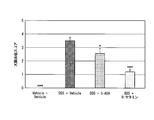
- FIG. 7 is a graph showing the disease state score of each group of mice.
- Vehicle + Vehicle indicates the results of the mice in the control group
- DSS + Vehicle indicates the results of the mice in the group administered with DSS and physiological saline
- DSS + 5-ASA indicates the DSS and 5-ASA.
- the results of the mice in the administered group are shown
- DSS + R-ketamine shows the results of the mice in the group administered with DSS and R-ketamine.
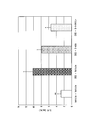
- FIG. 8 is a graph showing the colon inflammation score of each group of mice.
- “Vehicle + Vehicle” indicates the results of the mice in the control group
- “DSS + Vehicle” indicates the results of the mice in the group administered with DSS and physiological saline
- “DSS + 5-ASA” indicates the DSS and 5-ASA.
- the results of the mice in the administered group are shown
- “DSS + R-ketamine” shows the results of the mice in the group administered with DSS and R-ketamine.
- Example 10 Evaluation of inflammatory cytokines in blood
- inflammatory cytokines in plasma collected from each group of mice on the 15th day from the start of the experiment were quantified.
- IL-6 was quantified as an inflammatory cytokine.
- IL-6 was quantified by ELISA using a commercially available kit.
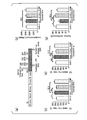
- FIG. 9 is a graph showing the results of quantifying IL-6 in blood.
- Vehicle + Vehicle indicates the results of the mice in the control group
- DSS + Vehicle indicates the results of the mice in the group administered with DSS and physiological saline
- DSS + 5-ASA indicates the DSS and 5-ASA.
- the results of the mice in the administered group are shown
- DSS + R-ketamine shows the results of the mice in the group administered with DSS and R-ketamine.
- FIG. 10A is a schematic diagram for explaining the experiment schedule.
- D12 the day on which social defeat stress began to be applied was defined as day 1 (D1), and R-ketamine (10 mg / kg body weight), 2R, 6R-HNK (10 mg / kg) were given to social defeat stress mice.
- kg body weight) or physiological saline (10 mL / kg body weight) was intraperitoneally administered once.
- a C57 / B6 male mouse not given "social defeat stress” was used as a control mice received a single intraperitoneal injection of physiological saline (10 mL / kg body weight).
- each mouse was anesthetized with isoflurane. Subsequently, blood was collected and immediately centrifuged to obtain plasma. The plasma was stored in a ⁇ 80 ° C. freezer until measurement. In addition, femurs were collected for bone density measurement.
- osteoprotegerin hereinafter referred to as “OPG”
- RANKL RANKL
- osteopontin hereinafter referred to as “OPN”
- the bone density of the femur was measured using an X-ray CT for laboratory animals (Hitachi Arokamedical Co., Ltd., Lacita LCT-200).
- FIGS. 10B to 10E are graphs showing the results of behavior evaluation.
- FIG. 10B shows the measurement result of the momentum.
- FIG.10 (c) is a measurement result of a tail suspension test.
- FIG.10 (d) is a measurement result of a forced swimming test.
- FIG. 10 (e) shows the measurement results of the sucrose preference test.
- FIGS. 11A to 11E are graphs showing the measurement results of OPG, RANKL, and OPN.
- 11A shows the measurement result of OPG
- FIG. 11B shows the measurement result of RANKL
- FIG. 11C shows the OPG / value calculated based on the results of FIGS. 11A and 11B.
- the RANKL ratio is shown
- FIG. 11 (d) shows the measurement result of OPN
- FIG. 11 (e) shows the OPN / RANKL ratio calculated based on the results of FIGS. 11 (b) and 11 (d).
- the OPG / RANKL ratio is a marker used as an index of the balance between bone formation and bone resorption. As shown in FIG. 11 (c), it was revealed that the OPG / RANKL ratio of the social defeat stress mice to which physiological saline was administered was significantly lower than that of the control mice. A low OPG / RANKL ratio indicates that bone destruction / resorption tends to be superior to bone formation.
- 12 (a) to 12 (d) are graphs showing measurement results of bone density.
- 12A is a graph showing the result of cortical bone density
- FIG. 12B is a graph showing the result of cancellous bone density
- FIG. 12C is a graph showing the result of total bone density.
- FIG. 12D is a graph showing the results of planar bone density.
- FIGS. 12A and 12C it was revealed that the cortical bone density and the total bone density of the social defeat stress mouse were significantly lower than those of the control mouse.
- cortical bone density and total bone density are significantly increased as compared to the case where physiological saline is administered to social defeat stress mice. It was.
- sRANKL soluble RANKL, Oriental Yeast Co., Ltd., Tokyo, Japan
- R-ketamine R-ketamine hydrochloride prepared in the same manner as in Experimental Example 1 was used and dissolved in physiological saline.
- the mouse mouth which administered physiological saline instead of sRANKL was used as a control mouse.
- R-ketamine (10 mg / kg) was intraperitoneally administered 30 minutes before, 24 hours and 48 hours after administration of sRANKL (1 mg / kg). 24 hours after the final administration, each mouse was anesthetized with isoflurane. Subsequently, femurs were collected for bone density measurement. The bone density of the femur was measured using an X-ray CT for laboratory animals (Hitachi Aloka Medical, Lacita LCT-200). Statistical analysis was performed by performing a one-way analysis of variance followed by a least significant difference test.
- FIGS. 13 (a) to (c) are graphs showing measurement results of bone density.
- FIG. 13 (a) is a graph showing the result of cortical bone density
- FIG. 13 (b) is a graph showing the result of cancellous bone density
- FIG. 13 (c) is a graph showing the result of total bone density.
- “Saline” indicates the result of a mouse administered with physiological saline
- “sRNAKL” indicates the result of a mouse administered with sRANKL
- R ⁇ ” “Ketamine” indicates the result of a mouse administered with R-ketamine.
- “*” and “**” were significantly different at “p ⁇ 0.05” and “p ⁇ 0.01”, respectively, as compared with mice administered with sRNAKL and physiological saline. It shows that.
- FIGS. 13A and 13C it was revealed that the cortical bone density and the total bone density of the mice administered with sRANKL were significantly lower than those of the control mice. It was also revealed that when R-ketamine was administered to mice administered sRANKL, cortical bone density and total bone density were significantly increased as compared to the case where physiological saline was administered. Further, as shown in FIG. 13 (b), the cancellous bone density of the mice administered with sRANKL was significantly increased when R-ketamine was administered.
- mice 8 weeks old female ddY mice (Japan SLC, Hamamatsu, Japan) were inhaled by anesthesia with isoflurane and then subjected to sham operation or ovariectomy (Wednesday). The next day (Thursday), physiological saline (10 mL / kg) or R-ketamine (10 mg / kg) was intraperitoneally administered. Thereafter, the administration of physiological saline or R-ketamine was repeated on Monday and Thursday, and each mouse was anesthetized with isoflurane 6 weeks after the operation. Subsequently, femurs were collected for bone density measurement.
- the bone density of the femur was measured using X-ray CT for laboratory animals (Hitachi Aloka Medical Co., Ltd., Lacita LCT-200). Statistical analysis was performed by performing a one-way analysis of variance followed by a least significant difference test.
- FIG. 14 (a) to 14 (d) are graphs showing the measurement results of bone density.
- 14A is a graph showing the result of cortical bone density
- FIG. 14B is a graph showing the result of cancellous bone density
- FIG. 14C is a graph showing the result of total bone density.
- FIG. 14 (d) is a graph showing the results of planar bone density.
- “Saline” indicates the result of a mouse administered with physiological saline
- “R-ketamine” indicates the result of a mouse administered with R-ketamine.
- “*” and “**” are significant differences in “p ⁇ 0.05” and “p ⁇ 0.01”, respectively, compared with mice that had undergone ovariectomy and administered physiological saline. Indicates that is recognized.
- the cortical bone density, cancellous bone density, total bone density and planar bone density of the ovariectomized mice were significantly lower than those of the sham-operated mice. It became clear. In addition, it was revealed that when R-ketamine was administered to ovariectomized mice, cortical bone density and total bone density were significantly increased compared to the case where physiological saline was administered. As shown in FIGS. 14B and 14D, the cancellous bone density and planar bone density of the ovariectomized mice tended to increase when R-ketamine was administered, but were not statistically significant. It was.
- an agent for preventing or treating inflammatory diseases or bone diseases and a pharmaceutical composition can be provided.
Landscapes
- Health & Medical Sciences (AREA)
- Medicinal Chemistry (AREA)
- Veterinary Medicine (AREA)
- Public Health (AREA)
- General Health & Medical Sciences (AREA)
- Animal Behavior & Ethology (AREA)
- Life Sciences & Earth Sciences (AREA)
- Chemical & Material Sciences (AREA)
- Pharmacology & Pharmacy (AREA)
- General Chemical & Material Sciences (AREA)
- Organic Chemistry (AREA)
- Chemical Kinetics & Catalysis (AREA)
- Nuclear Medicine, Radiotherapy & Molecular Imaging (AREA)
- Bioinformatics & Cheminformatics (AREA)
- Engineering & Computer Science (AREA)
- Physical Education & Sports Medicine (AREA)
- Rheumatology (AREA)
- Orthopedic Medicine & Surgery (AREA)
- Epidemiology (AREA)
- Diabetes (AREA)
- Immunology (AREA)
- Pulmonology (AREA)
- Dermatology (AREA)
- Emergency Medicine (AREA)
- Pain & Pain Management (AREA)
- Endocrinology (AREA)
- Hematology (AREA)
- Obesity (AREA)
- Urology & Nephrology (AREA)
- Acyclic And Carbocyclic Compounds In Medicinal Compositions (AREA)
- Pharmaceuticals Containing Other Organic And Inorganic Compounds (AREA)
- Medicines That Contain Protein Lipid Enzymes And Other Medicines (AREA)
Priority Applications (6)
| Application Number | Priority Date | Filing Date | Title |
|---|---|---|---|
| BR112020016500-0A BR112020016500A2 (pt) | 2018-02-15 | 2019-02-14 | Agente preventivo ou terapêutico e composição farmacêutica para doença inflamatória ou doença óssea |
| JP2020500562A JP7548669B2 (ja) | 2018-02-15 | 2019-02-14 | 炎症性疾患若しくは骨疾患の予防又は治療剤及び医薬組成物 |
| CN201980013557.XA CN111936127A (zh) | 2018-02-15 | 2019-02-14 | 炎症性疾病或骨病的预防或治疗剂及医药组合物 |
| EP19754880.3A EP3753557B1 (en) | 2018-02-15 | 2019-02-14 | Preventive or therapeutic agent and pharmaceutical composition for inflammatory diseases or bone diseases |
| CN202410554639.8A CN118453559A (zh) | 2018-02-15 | 2019-02-14 | 炎症性疾病或骨病的预防或治疗剂及医药组合物 |
| US16/969,713 US11980595B2 (en) | 2018-02-15 | 2019-02-14 | Preventive or therapeutic agent and pharmaceutical composition for inflammatory diseases or bone diseases |
Applications Claiming Priority (4)
| Application Number | Priority Date | Filing Date | Title |
|---|---|---|---|
| JP2018-025170 | 2018-02-15 | ||
| JP2018025170 | 2018-02-15 | ||
| JP2018121858 | 2018-06-27 | ||
| JP2018-121858 | 2018-06-27 |
Publications (1)
| Publication Number | Publication Date |
|---|---|
| WO2019160057A1 true WO2019160057A1 (ja) | 2019-08-22 |
Family
ID=67618723
Family Applications (1)
| Application Number | Title | Priority Date | Filing Date |
|---|---|---|---|
| PCT/JP2019/005415 Ceased WO2019160057A1 (ja) | 2018-02-15 | 2019-02-14 | 炎症性疾患若しくは骨疾患の予防又は治療剤及び医薬組成物 |
Country Status (7)
| Country | Link |
|---|---|
| US (1) | US11980595B2 (https=) |
| EP (1) | EP3753557B1 (https=) |
| JP (1) | JP7548669B2 (https=) |
| CN (2) | CN118453559A (https=) |
| BR (1) | BR112020016500A2 (https=) |
| TW (1) | TW201936567A (https=) |
| WO (1) | WO2019160057A1 (https=) |
Cited By (9)
| Publication number | Priority date | Publication date | Assignee | Title |
|---|---|---|---|---|
| US11207279B2 (en) | 2013-09-13 | 2021-12-28 | National University Corporation Chiba University | Application of R-ketamine and salt thereof as pharmaceuticals |
| US11344510B2 (en) | 2019-12-26 | 2022-05-31 | Gilgamesh Pharmaceuticals, Inc. | Arylcyclohexylamine derivatives and their use in the treatment of psychiatric disorders |
| US11426367B2 (en) | 2018-05-04 | 2022-08-30 | Perception Neuroscience, Inc. | Methods of treating substance abuse |
| US11440879B2 (en) | 2020-02-18 | 2022-09-13 | Gilgamesh Pharmaceuticals, Inc. | Methods of treating mood disorders |
| WO2023064363A1 (en) | 2021-10-12 | 2023-04-20 | Perception Neuroscience, Inc. | R-ketamine salts and methods of use thereof |
| WO2023178039A1 (en) | 2022-03-14 | 2023-09-21 | Perception Neuroscience, Inc. | Pharmaceutical formulations of r-ketamine |
| US11980595B2 (en) | 2018-02-15 | 2024-05-14 | National University Corporation Chiba University | Preventive or therapeutic agent and pharmaceutical composition for inflammatory diseases or bone diseases |
| US12129234B1 (en) | 2023-08-03 | 2024-10-29 | Gilgamesh Pharmaceuticals, Inc. | Crystalline salts of N-ethyl-(5-fluoro-1H-indol-3-yl)-N-methylethan-1-amine |
| US12157722B1 (en) | 2023-08-03 | 2024-12-03 | Gilgamesh Pharmaceuticals, Inc. | Crystalline hydrochloride salts of N-ethyl-2-(5-fluoro-1H-indol-3-yl)-N-methylethan-1-amine |
Families Citing this family (1)
| Publication number | Priority date | Publication date | Assignee | Title |
|---|---|---|---|---|
| CN115364195B (zh) * | 2022-09-28 | 2026-03-17 | 中南大学湘雅二医院 | Thiostrepton在制备预防和治疗硬皮病的药物中的应用 |
Citations (5)
| Publication number | Priority date | Publication date | Assignee | Title |
|---|---|---|---|---|
| US6040479A (en) | 1996-05-15 | 2000-03-21 | Goedecke Aktiengesellschaft | Racemic separation of ketamine |
| JP4401613B2 (ja) | 2000-02-23 | 2010-01-20 | アムジエン・インコーポレーテツド | オステオプロテゲリン結合タンパク質のアンタゴニスト性選択的結合因子 |
| JP2015078181A (ja) * | 2013-09-13 | 2015-04-23 | 国立大学法人 千葉大学 | R−ケタミンおよびその塩の医薬品としての応用 |
| JP2018025170A (ja) | 2016-08-12 | 2018-02-15 | マツダ株式会社 | ディーゼルエンジンの制御方法及び制御システム |
| JP2018121858A (ja) | 2017-01-31 | 2018-08-09 | 日本製紙クレシア株式会社 | 吸収性補助パッド及びその使用方法 |
Family Cites Families (81)
| Publication number | Priority date | Publication date | Assignee | Title |
|---|---|---|---|---|
| US3254124A (en) | 1962-06-29 | 1966-05-31 | Parke Davis & Co | Aminoketones and methods for their production |
| CH535201A (de) | 1969-12-19 | 1973-03-31 | Bristol Myers Co | Verfahren zur Spaltung von racemischen 2-(o-Chlorphenyl)-2-methylaminocyclohexanon in die optisch-aktiven Isomeren |
| US4670459A (en) | 1984-10-03 | 1987-06-02 | Merrell Dow Pharmaceuticals Inc. | Method of alleviating withdrawal symptoms |
| US5679714A (en) | 1995-06-07 | 1997-10-21 | Weg; Stuart L. | Administration of ketamine for detoxification and treatment of tobacco addiction |
| US5543434A (en) | 1994-02-25 | 1996-08-06 | Weg; Stuart L. | Nasal administration of ketamine to manage pain |
| US6248789B1 (en) | 1996-08-29 | 2001-06-19 | Stuart L. Weg | Administration of ketamine to manage pain and to reduce drug dependency |
| US7001609B1 (en) | 1998-10-02 | 2006-02-21 | Regents Of The University Of Minnesota | Mucosal originated drug delivery systems and animal applications |
| US6382204B1 (en) | 1999-10-14 | 2002-05-07 | Becton Dickinson And Company | Drug delivery system including holder and drug container |
| US6962151B1 (en) | 1999-11-05 | 2005-11-08 | Pari GmbH Spezialisten für effektive Inhalation | Inhalation nebulizer |
| BRPI0002693B8 (pt) | 2000-06-19 | 2021-05-25 | Cristalia Produtos Quim Farmaceuticos Ltda | processo de obtenção dos enantiômeros da cetamina e seus sais farmaceuticamente aceitáveis |
| US7090830B2 (en) | 2001-05-24 | 2006-08-15 | Alexza Pharmaceuticals, Inc. | Drug condensation aerosols and kits |
| CA2529857A1 (en) | 2002-07-30 | 2004-02-05 | Peter Migaly | Combination therapy for depression, prevention of suicide, and varous medical and psychiatric conditions |
| US7273889B2 (en) | 2002-09-25 | 2007-09-25 | Innovative Drug Delivery Systems, Inc. | NMDA receptor antagonist formulation with reduced neurotoxicity |
| JP2006510618A (ja) | 2002-11-18 | 2006-03-30 | ヤウポン セラピューティクス,インコーポレーテッド | ノルケタミンおよびケタミン/ノルケタミンプロドラッグの鎮痛的使用 |
| US7713440B2 (en) | 2003-10-08 | 2010-05-11 | Lyotropic Therapeutics, Inc. | Stabilized uncoated particles of reversed liquid crystalline phase materials |
| US7928132B2 (en) * | 2004-08-06 | 2011-04-19 | Ohio University | Methods for the amelioration of episodes of acute or chronic ulcerative colitis |
| KR101271263B1 (ko) | 2005-09-28 | 2013-06-07 | 아우리스 메디칼 아게 | 내이 장애 치료용 약학 조성물 |
| AU2007229866A1 (en) | 2006-03-22 | 2007-10-04 | Mount Sinai School Of Medicine | Intranasal administration of ketamine to treat depression |
| BRPI0809843A2 (pt) | 2007-04-26 | 2014-09-23 | Auspex Pharmaceuticals Inc | "composto, composição farmacêutica e uso de um composto" |
| US20120225949A1 (en) | 2009-08-14 | 2012-09-06 | Demitri Papalos | Compositions and methods for treating bipolar disorder |
| US20110038807A1 (en) | 2009-08-14 | 2011-02-17 | Demitri Papolos | Compositions and methods for treating bipolar disorder |
| US9737531B2 (en) | 2012-07-12 | 2017-08-22 | Glytech, Llc | Composition and method for treatment of depression and psychosis in humans |
| WO2013138322A1 (en) | 2012-03-12 | 2013-09-19 | Janssen Pharmaceutica Nv | Esketamine for the treatment of treatment-refractory or treatment-resistant depression |
| EP2830604A4 (en) | 2012-03-30 | 2015-08-19 | Gen Hospital Corp | COMPOSITIONS WITH SCOPOLAMINE AND KETAMINE FOR THE TREATMENT OF DEPRESSIONS |
| KR20150096370A (ko) | 2012-08-23 | 2015-08-24 | 스튜어트 엘. 웨그 | 항불안제 조성물, 제형 및 사용방법 |
| DK2968221T3 (da) | 2013-03-15 | 2019-08-05 | Janssen Pharmaceutica Nv | Farmaceutisk sammensætning af s-ketaminhydrochlorid |
| US20140274981A1 (en) | 2013-03-15 | 2014-09-18 | Janssen Pharmaceutica Nv | Pharmaceutical composition of s-ketamine hydrochloride |
| DK2983787T3 (da) | 2013-04-12 | 2020-01-06 | Icahn School Med Mount Sinai | Fremgangsmåde til behandling af posttraumatisk stresssygdom |
| WO2015051259A1 (en) | 2013-10-04 | 2015-04-09 | Impax Laboratories, Inc. | Pharmaceutical compositions and methods of use |
| EP3094312B1 (en) | 2014-01-14 | 2019-03-13 | Children's Hospital Medical Center | Compositions comprising ketamine for treating an autism spectrum disorder |
| JP6462002B2 (ja) * | 2014-04-29 | 2019-01-30 | ザ カトリック ユニバーシティ オブ コリア インダストリー−アカデミック コーオペレイション ファウンデーション | 免疫疾患治療効果を有する新規化合物およびその使用 |
| KR20170040800A (ko) | 2014-08-13 | 2017-04-13 | 얀센 파마슈티카 엔.브이. | 우울증 치료 방법 |
| DK3215147T3 (da) | 2014-11-04 | 2024-04-02 | Acadia Pharm Inc | Neurodæmpende norketamin-forbindelser og fremgangsmåder |
| EP3085366A1 (en) | 2015-04-22 | 2016-10-26 | Institut du Cerveau et de la Moelle Epiniere-ICM | Nmda antagonists for the treatment of mental disorders with occurrence of aggressive and/or impulsive behavior |
| US20160332962A1 (en) | 2015-05-13 | 2016-11-17 | Janssen Pharmaceutica Nv | (s)-csa salt of s-ketamine, (r)-csa salt of s-ketamine and processes for the preparation of s-ketamine |
| US11426366B2 (en) | 2015-05-15 | 2022-08-30 | Arizona Board Of Regents On Behalf Of The Universsity Of Arizona | Compositions and methods for treating motor disorders |
| US9918993B2 (en) | 2015-06-19 | 2018-03-20 | Imprimis Pharmaceuticals, Inc. | Pharmaceutical compositions for anesthesiological applications |
| US20200297734A1 (en) | 2015-06-19 | 2020-09-24 | Melt Pharmaceuticals, Inc. | Pharmaceutical compositions and methods for anesthesiological applications |
| CN107847469A (zh) | 2015-06-27 | 2018-03-27 | 美国神农制药责任有限公司 | 氯胺酮透皮递送系统 |
| US11110070B2 (en) | 2015-11-17 | 2021-09-07 | The Trustees Of Columbia University In The City Of New York | Pharmacological prophylactics against stress-induced affective disorders and their associated symptoms |
| CA3019012A1 (en) | 2016-03-25 | 2017-09-28 | The United States Of America, As Represented By The Secretary, Department Of Health And Human Services | Methods of using (2r, 6r)-hydroxynorketamine and (2s, 6s)-hydroxynorketamine in the treatment of depression, anxiety, anhedonia, fatigue, suicidal ideation, and post traumatic stress disorders |
| EP3442940A1 (en) * | 2016-04-11 | 2019-02-20 | Clexio Biosciences Ltd. | Deuterated ketamine derivatives |
| US11103499B2 (en) | 2016-08-26 | 2021-08-31 | EXCIVA (UG) (haftungsbeschränkt) | Compositions and methods thereof |
| US20200261442A1 (en) | 2016-08-26 | 2020-08-20 | Sreenivasarao Vepachedu | Targeted drug rescue with novel compositions, combinations, and methods thereof |
| US20180177743A1 (en) | 2016-12-22 | 2018-06-28 | Gary Jay | Method of treating pain using racemic mixture of s-ketamine and r-ketamine |
| EP3562529A4 (en) | 2016-12-27 | 2021-03-03 | Action Medical Technologies, LLC | APPARATUS AND METHOD FOR INJECTING MEDICINES |
| US11478467B2 (en) | 2017-05-04 | 2022-10-25 | Sreenivasarao Vepachedu | Targeted drug rescue with novel compositions, combinations, and methods thereof |
| CA3064846A1 (en) | 2017-05-25 | 2018-11-29 | Glytech, Llc | Combined therapy for nmdar antagonist-responsive neuropsychiatric disorders |
| WO2018234568A2 (en) | 2017-06-23 | 2018-12-27 | Develco Pharma Schweiz Ag | HYDROXYNORKETAMINE FOR USE IN TREATING DEPRESSION |
| US20200405663A1 (en) | 2017-09-27 | 2020-12-31 | National University Corporation Chiba University | R-ketamine and derivative thereof as prophylactic or therapeutic agent for neurodegeneration disease or recognition functional disorder |
| US10869838B2 (en) | 2017-10-10 | 2020-12-22 | Douglas Pharmaceuticals, Ltd. | Extended release pharmaceutical formulation |
| US10441544B2 (en) | 2017-10-10 | 2019-10-15 | Douglas Pharmaceuticals, Ltd. | Extended release pharmaceutical formulation |
| WO2019094757A1 (en) | 2017-11-09 | 2019-05-16 | The Trustees Of Columbia University In The City Of New York | Pharmacological prophylactics against stress-induced affective disorders in females |
| EP3505509A1 (en) | 2017-12-29 | 2019-07-03 | Université de Liège | Methods for the preparation of arylcycloalkylamine derivatives |
| PL3737665T3 (pl) | 2018-01-10 | 2026-04-20 | XWPharma Ltd. | Proleki ketaminy, ich kompozycje i zastosowania |
| US11980595B2 (en) | 2018-02-15 | 2024-05-14 | National University Corporation Chiba University | Preventive or therapeutic agent and pharmaceutical composition for inflammatory diseases or bone diseases |
| WO2019169165A1 (en) | 2018-02-28 | 2019-09-06 | Novocine Therapeutics, Llc | Ketamine and ketamine-related compounds for the treatment of neurological disorders |
| EP3761970A4 (en) | 2018-03-26 | 2022-06-08 | Cellix Bio Private Limited | COMPOSITIONS AND METHODS FOR THE TREATMENT OF NEUROLOGICAL DISEASES |
| WO2019213551A1 (en) | 2018-05-04 | 2019-11-07 | Perception Neuroscience, Inc. | Methods of treating substance abuse |
| GB201809976D0 (en) | 2018-06-18 | 2018-08-01 | Neurocentrx Pharma Ltd | Novel formulations |
| BR112020023882A2 (pt) | 2018-06-27 | 2021-02-09 | Clexio Biosciences Ltd. | método para tratar transtorno depressivo maior |
| US12090145B2 (en) | 2018-08-20 | 2024-09-17 | Yale University | Combination therapy for treating or preventing depression or other mood diseases |
| CN112702995A (zh) | 2018-10-05 | 2021-04-23 | 克雷西奥生物科技有限公司 | 治疗重度抑郁症的艾氯胺酮的治疗方案 |
| EP3863617A1 (en) | 2018-10-11 | 2021-08-18 | Clexio Biosciences Ltd. | Esketamine for use in treating major depressive disorder |
| WO2020138491A1 (ja) | 2018-12-27 | 2020-07-02 | 国立大学法人千葉大学 | 神経発達障害の予防または治療剤としてのr-ケタミンおよびその誘導体 |
| PL3908570T3 (pl) | 2019-01-11 | 2024-07-01 | Alar Pharmaceuticals Inc. | Embonian ketaminy i jego zastosowanie |
| WO2020198039A1 (en) | 2019-03-23 | 2020-10-01 | Sermone Sandra | Ketamine for treatment of sensory processing deficits |
| EP3956300A1 (en) | 2019-04-16 | 2022-02-23 | Janssen Pharmaceutica NV | Synthetic methods of preparing esketamine |
| EP3968979A4 (en) | 2019-05-15 | 2023-03-01 | Bexson Biomedical, Inc. | KETAMINE FORMULATION FOR SUBCUTANEOUS INJECTION |
| CA3133012A1 (en) | 2019-08-05 | 2021-02-11 | The Ketamine Research Foundation | Ketamine for the treatment of postpartum symptoms and disorders |
| US11007200B2 (en) | 2019-08-21 | 2021-05-18 | MediSynergics, LLC | Cycloalkyl-diamines for the treatment of pain |
| PH12022550775A1 (en) | 2019-12-20 | 2023-08-23 | Alar Pharmaceuticals Inc | Long-acting injectable formulations of ketamine pamoate salts |
| CN119241381A (zh) | 2019-12-26 | 2025-01-03 | 吉尔伽美什制药公司 | 芳基环己基胺衍生物及其在精神障碍的治疗中的用途 |
| EP4084786A1 (en) | 2019-12-30 | 2022-11-09 | Clexio Biosciences Ltd. | Dosage regime with esketamine for treating major depressive disorder |
| JP2023507926A (ja) | 2019-12-30 | 2023-02-28 | クレキシオ バイオサイエンシーズ エルティーディー. | 神経精神状態または神経学的状態を治療するためのエスケタミンを用いた投与計画 |
| JP2023511370A (ja) | 2020-01-22 | 2023-03-17 | シーロス セラピューティクス, インコーポレイテッド | Nmda拮抗薬の副作用の低減 |
| AU2021242363A1 (en) | 2020-03-27 | 2022-11-03 | Homeostasis Therapeutics, Limited | Method of treatment for anorexia nervosa, bulimia and related clinical syndromes |
| JP7821116B2 (ja) | 2020-04-07 | 2026-02-26 | ザ トラスティーズ オブ コロンビア ユニバーシティー イン ザ シティー オブ ニューヨーク | ストレス誘導性恐怖、うつ様行動および不安様行動の予防のための組成物および方法 |
| US12128012B2 (en) | 2020-05-15 | 2024-10-29 | University Of Kansas | Ketamine treatment for amyotrophic lateral sclerosis |
| WO2021252971A2 (en) | 2020-06-12 | 2021-12-16 | Bexson Biomedical, Inc. | Systems and devices for controlled drug delivery |
| US20230265046A1 (en) | 2020-06-17 | 2023-08-24 | Spirify Pharma Inc. | Hydroxynorketamine analogues, compositions comprising same and methods of use thereof |
-
2019
- 2019-02-14 US US16/969,713 patent/US11980595B2/en active Active
- 2019-02-14 CN CN202410554639.8A patent/CN118453559A/zh active Pending
- 2019-02-14 JP JP2020500562A patent/JP7548669B2/ja active Active
- 2019-02-14 EP EP19754880.3A patent/EP3753557B1/en active Active
- 2019-02-14 WO PCT/JP2019/005415 patent/WO2019160057A1/ja not_active Ceased
- 2019-02-14 BR BR112020016500-0A patent/BR112020016500A2/pt unknown
- 2019-02-14 CN CN201980013557.XA patent/CN111936127A/zh active Pending
- 2019-02-15 TW TW108105200A patent/TW201936567A/zh unknown
Patent Citations (5)
| Publication number | Priority date | Publication date | Assignee | Title |
|---|---|---|---|---|
| US6040479A (en) | 1996-05-15 | 2000-03-21 | Goedecke Aktiengesellschaft | Racemic separation of ketamine |
| JP4401613B2 (ja) | 2000-02-23 | 2010-01-20 | アムジエン・インコーポレーテツド | オステオプロテゲリン結合タンパク質のアンタゴニスト性選択的結合因子 |
| JP2015078181A (ja) * | 2013-09-13 | 2015-04-23 | 国立大学法人 千葉大学 | R−ケタミンおよびその塩の医薬品としての応用 |
| JP2018025170A (ja) | 2016-08-12 | 2018-02-15 | マツダ株式会社 | ディーゼルエンジンの制御方法及び制御システム |
| JP2018121858A (ja) | 2017-01-31 | 2018-08-09 | 日本製紙クレシア株式会社 | 吸収性補助パッド及びその使用方法 |
Non-Patent Citations (6)
| Title |
|---|
| ASHRY E.E. ET AL.: "Protective Effect of Ketamine Against Acetic Acid-Induced Ulcerative Colitis in Rats", PHARMACOLOGY & PHARMACY, vol. 7, 2016, pages 9 - 18, XP055634621, DOI: 10.4236/pp.2016.71002 |
| ASHRY, EE ET AL.: "Protective Effect of Ketamine against Acetic Acid-Induced Ulcerative Colitis in Rats", PHARMACOLOGY & PHARMACY, vol. 7, no. 1, 2016, pages 9 - 18, XP055634621 * |
| KADRIU, B. ET AL.: "Acute Ketamine Administration Corrects Abnormal Inflammatory Bone Markers in Major Depressive Disorder", MOLECULAR PSYCHIATRY, vol. 23, 30 May 2017 (2017-05-30), pages 1626 - 1631, XP036725721, doi:10.1038/mp.2017.109 * |
| See also references of EP3753557A4 |
| ZHANG, JC ET AL.: "R(-)-ketamine shows greater potency and longer lasting antidepressant effects than S(+)-ketamine", PHARMACOLOGY, BIOCHEMISTRY AND BEHAVIOR, vol. 116, 2014, pages 137 - 141, XP055158236, doi:10.1016/j.pbb.2013.11.033 * |
| ZHANG, K. ET AL.: "Role of Inflammatory Bone Markers in the Antidepressant Actions of (R)- Ketamine in a Chronic Social Defeat Stress Model", INTERNATIONAL JOURNAL OF NEUROPSYCHOPHARMACOLOGY, vol. 21, no. 11, 21 September 2018 (2018-09-21), pages 1025 - 1030, XP055634633 * |
Cited By (11)
| Publication number | Priority date | Publication date | Assignee | Title |
|---|---|---|---|---|
| US11207279B2 (en) | 2013-09-13 | 2021-12-28 | National University Corporation Chiba University | Application of R-ketamine and salt thereof as pharmaceuticals |
| US12558324B2 (en) | 2013-09-13 | 2026-02-24 | National University Corporation Chiba University | Application of R-ketamine and salt thereof as pharmaceuticals |
| US11980595B2 (en) | 2018-02-15 | 2024-05-14 | National University Corporation Chiba University | Preventive or therapeutic agent and pharmaceutical composition for inflammatory diseases or bone diseases |
| US11426367B2 (en) | 2018-05-04 | 2022-08-30 | Perception Neuroscience, Inc. | Methods of treating substance abuse |
| US11344510B2 (en) | 2019-12-26 | 2022-05-31 | Gilgamesh Pharmaceuticals, Inc. | Arylcyclohexylamine derivatives and their use in the treatment of psychiatric disorders |
| US11440879B2 (en) | 2020-02-18 | 2022-09-13 | Gilgamesh Pharmaceuticals, Inc. | Methods of treating mood disorders |
| WO2023064363A1 (en) | 2021-10-12 | 2023-04-20 | Perception Neuroscience, Inc. | R-ketamine salts and methods of use thereof |
| WO2023178039A1 (en) | 2022-03-14 | 2023-09-21 | Perception Neuroscience, Inc. | Pharmaceutical formulations of r-ketamine |
| US12129234B1 (en) | 2023-08-03 | 2024-10-29 | Gilgamesh Pharmaceuticals, Inc. | Crystalline salts of N-ethyl-(5-fluoro-1H-indol-3-yl)-N-methylethan-1-amine |
| US12157722B1 (en) | 2023-08-03 | 2024-12-03 | Gilgamesh Pharmaceuticals, Inc. | Crystalline hydrochloride salts of N-ethyl-2-(5-fluoro-1H-indol-3-yl)-N-methylethan-1-amine |
| US12180158B1 (en) | 2023-08-03 | 2024-12-31 | Gilgamesh Pharmaceuticals, Inc. | Crystalline fumarate salts of n-ethyl-2-(5-fluoro-1H-indol-3-yl)-n-methylethan-1-amine |
Also Published As
| Publication number | Publication date |
|---|---|
| CN118453559A (zh) | 2024-08-09 |
| EP3753557A1 (en) | 2020-12-23 |
| JP7548669B2 (ja) | 2024-09-10 |
| CN111936127A (zh) | 2020-11-13 |
| BR112020016500A2 (pt) | 2020-12-15 |
| EP3753557B1 (en) | 2025-11-05 |
| US20210000762A1 (en) | 2021-01-07 |
| JPWO2019160057A1 (ja) | 2021-02-04 |
| EP3753557A4 (en) | 2021-12-01 |
| TW201936567A (zh) | 2019-09-16 |
| US11980595B2 (en) | 2024-05-14 |
Similar Documents
| Publication | Publication Date | Title |
|---|---|---|
| JP7548669B2 (ja) | 炎症性疾患若しくは骨疾患の予防又は治療剤及び医薬組成物 | |
| JP6931019B2 (ja) | 多発性硬化症を処置するためのs1p受容体モジュレーター | |
| US20220152053A1 (en) | Methods and compositions for treating various disorders | |
| RU2729630C2 (ru) | Терапевтическое средство для фиброза | |
| JP2007514754A (ja) | 炎症性関節炎を処置するためのガリウムの使用 | |
| WO2020249602A1 (en) | Methods for treating pulmonary arterial hypertension | |
| AU2017328999B2 (en) | Combination of FXR agonists | |
| JP7539898B2 (ja) | オピオイド鎮痛耐性を治療するためのmGluR5アンタゴニストの使用 | |
| US20160287535A1 (en) | Uses and Methods for the Treatment of Liver Diseases or Conditions | |
| KR20230017843A (ko) | 폐 섬유증을 치료하는 방법 | |
| KR102512518B1 (ko) | 페마피브레이트를 함유하는 의약 | |
| HK40032686A (en) | Preventive or therapeutic agent and pharmaceutical composition for inflammatory diseases or bone diseases | |
| JP2020050624A (ja) | 線維症治療用医薬組成物 | |
| JP2022176678A (ja) | 炎症性疾患の予防又は治療剤及び医薬組成物 | |
| WO2021010348A1 (ja) | うつ病またはうつ症状の予防または治療剤としてのトランスフォーミング増殖因子β1 | |
| JP7233087B2 (ja) | 抗動脈硬化剤 | |
| RU2569732C9 (ru) | Модуляторы рецептора s1p для лечения рассеянного склероза | |
| JP2021084889A (ja) | 低分子化合物クプリゾンおよびその誘導体による体脂肪量減少効果 | |
| CN121079090A (zh) | 用于治疗癌症的parp1抑制剂和选择性雌激素降解剂的组合 | |
| WO2025083237A1 (en) | Londamocitinib for the treatment of asthma | |
| WO2023190976A1 (ja) | 呼吸器疾患治療剤 | |
| TW202045184A (zh) | 預防或治療肺纖維化的藥物 | |
| CN119300818A (zh) | 用于治疗癌症的包含metap2抑制剂的组合 | |
| HK40113428A (zh) | 呼吸系统疾病治疗剂 | |
| JP2005053890A (ja) | アディポネクチン濃度低下及び/又はc反応性蛋白濃度上昇及び/又はil−18濃度上昇に起因する疾患の予防及び/又は治療剤。 |
Legal Events
| Date | Code | Title | Description |
|---|---|---|---|
| 121 | Ep: the epo has been informed by wipo that ep was designated in this application |
Ref document number: 19754880 Country of ref document: EP Kind code of ref document: A1 |
|
| ENP | Entry into the national phase |
Ref document number: 2020500562 Country of ref document: JP Kind code of ref document: A |
|
| NENP | Non-entry into the national phase |
Ref country code: DE |
|
| ENP | Entry into the national phase |
Ref document number: 2019754880 Country of ref document: EP Effective date: 20200915 |
|
| REG | Reference to national code |
Ref country code: BR Ref legal event code: B01A Ref document number: 112020016500 Country of ref document: BR |
|
| ENP | Entry into the national phase |
Ref document number: 112020016500 Country of ref document: BR Kind code of ref document: A2 Effective date: 20200813 |
|
| WWG | Wipo information: grant in national office |
Ref document number: 2019754880 Country of ref document: EP |