WO2018180191A1 - 情報処理システム - Google Patents
情報処理システム Download PDFInfo
- Publication number
- WO2018180191A1 WO2018180191A1 PCT/JP2018/007982 JP2018007982W WO2018180191A1 WO 2018180191 A1 WO2018180191 A1 WO 2018180191A1 JP 2018007982 W JP2018007982 W JP 2018007982W WO 2018180191 A1 WO2018180191 A1 WO 2018180191A1
- Authority
- WO
- WIPO (PCT)
- Prior art keywords
- information
- terminal device
- event
- receiving
- mobile terminal
- Prior art date
- Legal status (The legal status is an assumption and is not a legal conclusion. Google has not performed a legal analysis and makes no representation as to the accuracy of the status listed.)
- Ceased
Links
Images





Classifications
-
- H—ELECTRICITY
- H04—ELECTRIC COMMUNICATION TECHNIQUE
- H04W—WIRELESS COMMUNICATION NETWORKS
- H04W4/00—Services specially adapted for wireless communication networks; Facilities therefor
- H04W4/02—Services making use of location information
- H04W4/029—Location-based management or tracking services
-
- G—PHYSICS
- G01—MEASURING; TESTING
- G01C—MEASURING DISTANCES, LEVELS OR BEARINGS; SURVEYING; NAVIGATION; GYROSCOPIC INSTRUMENTS; PHOTOGRAMMETRY OR VIDEOGRAMMETRY
- G01C21/00—Navigation; Navigational instruments not provided for in groups G01C1/00 - G01C19/00
- G01C21/26—Navigation; Navigational instruments not provided for in groups G01C1/00 - G01C19/00 specially adapted for navigation in a road network
- G01C21/28—Navigation; Navigational instruments not provided for in groups G01C1/00 - G01C19/00 specially adapted for navigation in a road network with correlation of data from several navigational instruments
-
- H—ELECTRICITY
- H04—ELECTRIC COMMUNICATION TECHNIQUE
- H04M—TELEPHONIC COMMUNICATION
- H04M11/00—Telephonic communication systems specially adapted for combination with other electrical systems
-
- H—ELECTRICITY
- H04—ELECTRIC COMMUNICATION TECHNIQUE
- H04Q—SELECTING
- H04Q9/00—Arrangements in telecontrol or telemetry systems for selectively calling a substation from a main station, in which substation desired apparatus is selected for applying a control signal thereto or for obtaining measured values therefrom
-
- H—ELECTRICITY
- H04—ELECTRIC COMMUNICATION TECHNIQUE
- H04W—WIRELESS COMMUNICATION NETWORKS
- H04W4/00—Services specially adapted for wireless communication networks; Facilities therefor
- H04W4/02—Services making use of location information
- H04W4/024—Guidance services
-
- H—ELECTRICITY
- H04—ELECTRIC COMMUNICATION TECHNIQUE
- H04W—WIRELESS COMMUNICATION NETWORKS
- H04W88/00—Devices specially adapted for wireless communication networks, e.g. terminals, base stations or access point devices
- H04W88/02—Terminal devices
Definitions
- This disclosure relates to an information processing system.
- a position measurement system that identifies the current position of a moving object indoors.
- radio wave transmitters are installed at a plurality of positions in a facility and a mobile terminal device is carried by a mobile person. Radio waves from the radio wave transmitter are received by the mobile terminal device, and based on the received information of the mobile terminal device, it is possible to confirm in the server where the mobile body is currently located.
- Patent Document 1 discloses an in-area route guidance system.
- unique identification information different from each other is transmitted from a plurality of beacons in the area.
- the mobile terminal receives the unique identification information of nearby beacons and queries the server.
- the server sends beacon position information corresponding to the inquired unique identification information to the mobile terminal, and the mobile terminal acquires current location information.
- the mobile terminal receives the destination information of the user and acquires the destination information based on the attribute information of each place in the area. Further, the mobile terminal searches for a recommended route from the current location to the destination based on the current location information, the destination information, and the route network information, and presents the recommended route.
- This disclosure aims to provide an information processing system capable of appropriately grasping the behavior of the target person in a certain aspect.
- An information processing system using a mobile terminal device includes a plurality of transmitting devices that are distributed in a predetermined area and transmit different identification information, a receiving unit that is provided in a mobile terminal device and receives identification information, and a plurality of transmitting devices
- Information storing means for storing device information including identification information and position information of the transmitting device, an input means provided in the mobile terminal device for receiving input of event information relating to the subject, and an identification received by the receiving means
- Acquisition means for acquiring position information of the mobile terminal device at the time when the input of the event information is received by the input means based on the information and the device information, event information regarding the target person, and the mobile terminal device at the time
- Output means for outputting the event history information of the target person including the position information.
- FIG. 3 is a block diagram showing an example of a hardware configuration of a mobile terminal device according to Embodiment 1.
- FIG. 3 is a block diagram showing a hardware configuration of a server according to the first embodiment.
- FIG. 11 is a diagram for explaining the operation of the information processing system according to the first embodiment. It is a figure which shows the apparatus information of the transmitter according to Embodiment 1.
- FIG. It is a figure which shows the determination table according to Embodiment 1.
- FIG. It is a figure which shows the event history information according to Embodiment 1.
- FIG. 13 is a diagram for describing an example of an operation of an information processing system according to a third embodiment. It is a figure which shows the whole structure of the information processing system according to Embodiment 4. It is a figure for demonstrating an example of operation
- FIG. 23 shows an example of operation of an information processing system according to the sixth embodiment.
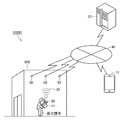
- FIG. 1 is a diagram showing an overall configuration of an information processing system 1000A according to the first embodiment.
- the information processing system 1000 ⁇ / b> A provides a service for reducing the burden on a caregiver who cares for a care recipient (care recipient) in a limited area 800.
- the “target person” whose behavior is managed is the “care recipient”.
- the area 800 is, for example, a care facility for elderly people.
- the area 800 may be an area where the subject moves, and may be a hospital, a commercial facility, an airport, a station, an office building, or the like.
- information processing system 1000 ⁇ / b> A includes a caregiver's mobile terminal device 10, a server 20, a plurality of transmitters 30, and a network 40.
- a care recipient for example, an elderly person
- the mobile terminal device 10 and the server 20 are configured to be communicable via the network 40.
- the network 40 includes various networks such as the Internet and a mobile terminal communication network.
- the network 40 may adopt other wireless communication methods such as a wireless LAN (local area network).
- the mobile terminal device 10 is, for example, a smartphone. However, the mobile terminal device 10 may be another mobile device such as a foldable mobile phone, a tablet terminal device, a laptop PC (personal computer), or the like.
- the plurality of transmitters 30 are distributed in the area 800.
- the transmitter 30 is, for example, a small transmission module (for example, a beacon module on the transmission side) incorporating a transmission circuit, and has a battery mounted as a drive source.
- the transmitter 30 may have a solar cell element as an independent power source.
- the solar cell element is a dye-sensitized solar cell element.
- the transmission circuit transmits a beacon signal 33 including identification information (beacon ID) of the transmitter 30 around the transmitter 30 at a predetermined period (for example, 0.1 second).
- the mobile terminal device 10 receives the beacon signal 33.
- the communication standard used between the transmission circuit and the mobile terminal device 10 is a short-range wireless communication standard such as Bluetooth (registered trademark) or BLE (Bluetooth Low Energy).
- the transmitter 30 corresponding to the BLE standard transmits advertising data including a beacon ID as a beacon signal around the transmitter 30 by broadcasting.
- the location of the transmitter 30 is various places such as a cafeteria, a bedroom, a rehabilitation room, a toilet, and a bath in the area 800.
- the transmitter 30 is installed on the ceiling, wall, floor, etc. of these places.
- the arrangement interval of the transmitters 30 is appropriately set according to the structure of the region 800 (the height and width of the ceiling, etc.), the effective reach distance of the beacon signal, and the like.
- the effective reach is the maximum distance between the transmitter 30 and the mobile terminal device 10 that the mobile terminal device 10 can receive and process the beacon signal 33.
- the mobile terminal device 10 receives the beacon signal 33 from one or more transmitters 30 within the effective reach among the plurality of transmitters 30 in the region 800.
- the mobile terminal device 10 decodes the beacon ID from the received beacon signal 33 and calculates the radio wave intensity of the beacon signal 33.
- the portable terminal device 10 receives the beacon signal 33 and acquires the beacon ID.
- the radio wave intensity correlates with the distance between the mobile terminal device 10 and the transmitter 30, and the higher the radio wave intensity, the shorter the distance.
- the mobile terminal device 10 executes the above process every time it receives the beacon signal 33.
- the server 20 exchanges various types of information with the mobile terminal device 10 to execute a service provided by the information processing system 1000A in cooperation with the mobile terminal device 10 and the like. Detailed processing of the mobile terminal device 10 and the server 20 will be described later.
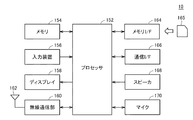
- FIG. 2 is a block diagram showing an example of a hardware configuration of mobile terminal device 10 according to the first embodiment.
- the mobile terminal device 10 includes, as main components, a processor 152, a memory 154, an input device 156, a display 158, a wireless communication unit 160, a communication antenna 162, a memory interface (I). / F) 164, a communication interface (I / F) 166, a speaker 168, and a microphone 170.
- the processor 152 is typically an arithmetic processing unit such as a CPU (Central Processing Unit) or an MPU (Multi Processing Unit).
- the processor 152 functions as a control unit that controls the operation of each unit of the mobile terminal device 10 by reading and executing the program stored in the memory 154.
- the processor 152 implements each process (step) of the portable terminal device 10 to be described later by executing the program.
- the memory 154 is realized by a RAM (Random Access Memory), a ROM (Read-Only Memory), a flash memory, or the like.
- the memory 154 stores a program executed by the processor 152, data used by the processor 152, and the like.
- the input device 156 accepts an operation input to the mobile terminal device 10.
- the input device 156 is realized by a touch panel.
- the touch panel is provided on a display 158 having a function as a display unit, and is, for example, a capacitance type.
- the touch panel detects a touch operation on the touch panel by an external object every predetermined time, and inputs touch coordinates to the processor 152.
- the input device 156 may include a button or the like.
- the wireless communication unit 160 connects to the mobile communication network via the communication antenna 162 and transmits and receives signals for wireless communication.
- the mobile terminal device 10 can communicate with another communication device (for example, the server 20) via the network 40 (for example, a mobile communication network such as LTE (Long Term Evolution)).
- the network 40 for example, a mobile communication network such as LTE (Long Term Evolution)
- Memory interface 164 reads data from external storage medium 165.
- the processor 152 reads data stored in the storage medium 165 via the memory interface 164 and stores the data in the memory 154.
- the processor 152 reads data from the memory 154 and stores the data in the external storage medium 165 via the memory interface 164.
- the storage medium 165 is non-volatile such as CD (Compact Disc), DVD (Digital Versatile Disk), BD (Blu-ray (registered trademark) Disc), USB (Universal Serial Bus) memory, SD (Secure Digital) memory card, etc. Includes media for storing programs.
- CD Compact Disc
- DVD Digital Versatile Disk
- BD Blu-ray (registered trademark) Disc
- USB Universal Serial Bus
- SD Secure Digital
- the communication interface (I / F) 166 is a communication interface for exchanging various data between the mobile terminal device 10 and the transmitter 30, and is realized by an adapter or a connector.
- a communication method for example, a wireless communication method using BLE (Bluetooth (registered trademark) low energy), a wireless LAN, or the like is employed.
- the speaker 168 converts the audio signal given from the processor 152 into audio and outputs it to the outside of the mobile terminal device 10.
- the microphone 170 receives an audio input to the mobile terminal device 10 and gives an audio signal corresponding to the audio input to the processor 152.
- the portable terminal device 10 further includes an acceleration sensor, an angular velocity sensor, a timer unit for measuring time, and the like.
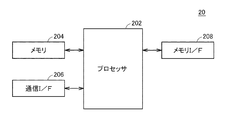
- FIG. 3 is a block diagram showing a hardware configuration of server 20 according to the first embodiment.
- server 20 includes, as main components, a processor 202 for executing various processes, a memory 204 for storing programs executed by processor 202, data, and the like, and each mobile terminal device 10 and a communication interface (I / F) 206 for transmitting / receiving various data to / from the memory 10, and a memory interface (I / F) 208 for reading data from an external storage medium.
- the server 20 further includes a timer unit for measuring time.
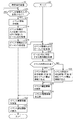
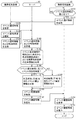
- FIG. 4 is a diagram for explaining the operation of information processing system 1000A according to the first embodiment.
- the mobile terminal device 10 always receives the beacon signal 33 transmitted from each transmitter 30.
- the following steps of the mobile terminal device 10 are realized mainly by the processor 152 executing a program stored in the memory 154.
- the following steps of the server 20 are realized mainly by the processor 202 executing a program stored in the memory 204.
- portable terminal device 10 determines whether or not an input of event information related to the care recipient has been received from the caregiver via input device 156 (step S10).
- the event information is information including at least event contents that occur in the care recipient.
- the event content includes, for example, meals (breakfast, lunch, dinner, etc.), urination, defecation, wake-up, sleeping, bathing, rehabilitation, and the like.
- the mobile terminal device 10 may display a user interface screen on which software buttons for inputting event information are prepared on the display 158, and accept input of event information via the touch panel. Further, the mobile terminal device 10 may accept input of event information by voice input via the microphone 170.
- step S10 If the input of event information has not been accepted (NO in step S10), the mobile terminal device 10 repeats the process of step S10.
- the mobile terminal device 10 stores event information including the input time in the memory 154.
- the memory 154 stores data in which the event occurrence time “7:00” corresponding to the input time is associated with the event content “breakfast”.
- the mobile terminal device 10 acquires the beacon ID included in the beacon signal 33 received when receiving the input of event information (step S14). Specifically, the mobile terminal device 10 specifies the beacon ID included in the beacon signal 33 received within a predetermined time (for example, 1 second) from the time when the input of event information is received. The mobile terminal device 10 transmits the event information for which the input has been received and the specified beacon ID to the server 20 via the wireless communication unit 160 (step S16).
- the event information transmitted here includes, for example, the contents of the event that has occurred (for example, “breakfast”, etc.), the time at which the event information was received (hereinafter also referred to as “input time”), and the remarks. Including.
- the server 20 receives the event information and the beacon ID via the communication interface 206 (step S18).
- the server 20 refers to the information table shown in FIG. 5 and acquires beacon position information corresponding to the received beacon ID (step S20). Specifically, the server 20 calculates the location of the transmitter 30 that is the transmission source of the beacon signal 33 received by the mobile terminal device 10 when the event information is input. That is, the server 20 calculates the position information of the mobile terminal device 10 at the time when the event information is input.
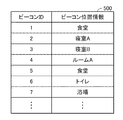
- FIG. 5 is a diagram showing device information of the transmitter according to the first embodiment.
- Device information 500 includes identification information (beacon ID) of transmitter 30 and beacon position information (location information).
- the device information 500 is information indicating the relationship between the identification information (ID) of each transmitter 30 and the location of each transmitter 30.
- ID identification information
- the location where each transmitter 30 is arranged is shown as the beacon position information.
- the server 20 can determine that the position of the mobile terminal device 10 is the bedroom A when receiving the beacon ID “2”.
- the server 20 refers to the determination table shown in FIG. 6, and includes the received event information as the event content that occurred at the location indicated by the calculated position information of the mobile terminal device 10. It is determined whether or not the event content is valid (step S22).
- FIG. 6 is a diagram showing a determination table according to the first embodiment.
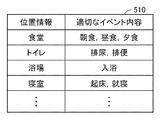
- determination table 410 is information indicating the relationship between position information and (appropriate) event contents that should occur at the location indicated by the position information.
- the location indicated by the position information of the mobile terminal device 10 is “Dining room”, it is indicated that the legitimate event content is “breakfast”, “lunch”, or “dinner”.
- the location information of the mobile terminal device 10 is “toilet”, the legitimate event content is “urination” or “defecation”, and when the location information is “bathroom”, the legitimate event content is Is "bathing” and the location information is "bedroom” It is indicated that the event content is “getting up” or “sleeping”.
- step S20 determines that the event content is valid. Further, when the calculated position information is “bathhouse” and the event content according to the received event information is “breakfast”, the server 20 determines that the event content is inappropriate.
- step S22 server 20 generates event history information including the determination result (valid) of the event content (step S24).
- the generated event history information is stored in the memory 204 (step S28).
- step S26 the server 20 generates event history information including the determination result (inappropriate) of the event content (step S26), and the generated event history information is displayed.
- the data is stored in the memory 204 (step S28).
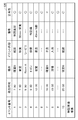
- FIG. 7 is a diagram showing event history information according to the first embodiment.
- the event history information includes an event number, an event occurrence time, an event occurrence location, an event content that has occurred, remarks, and a validity determination result.
- the occurrence time corresponds to the input time of the event information received from the mobile terminal device 10.
- the location of occurrence corresponds to the position information of the mobile terminal device 10 calculated in step S20.
- the remarks correspond to the remarks received from the mobile terminal device 10.
- the determination result of validity corresponds to the determination result in step S22.
- the event content “wake up” occurs in the place “Bedroom B” at time “7:00”. Is valid (corresponding to the circle in the figure).
- the remarks column indicates that the cared person is in “good physical condition”.
- the event information corresponding to the event number “7” the event content “Dinner” occurred in the place “Bedroom B” at the time “18:00”, and this event content is illegal (the x mark in the figure). Corresponding to the above).
- the server 20 updates the event history information 520 by adding the received event information.
- the event history information 520 shown in FIG. 7 is a state in which event information corresponding to each event number “1” to “10” is added.
- the server 20 transmits the event history information 520 to the mobile terminal device 10 via the communication interface 206 (step S30).
- the mobile terminal device 10 receives the event history information 520 via the wireless communication unit 160 (step S32), and displays the received event history information 520 on the display 158 (step S34).
- the server 20 may be configured to transmit event history information to a predetermined PC.
- the predetermined PC receives the event history information and stores the event history information in the internal memory.
- the mobile terminal device 10 acquires the location information of the device itself
- the received radio wave intensity and the beacon ID are transmitted to the server 20, and the server 20 acquires the location information based on these information.
- a method of transmitting the position information to the portable terminal device 10 or a recording (data storage) PC can be considered.
- the mobile terminal device 10 receives radio waves of a plurality of beacon IDs, acquires its own location information from the radio field intensity by a method such as a three-point positioning method, and transmits the information to the server 20. Can be considered.
- the configuration in which the device information 500 is stored in the memory 204 of the server 20 has been described.
- the configuration is not limited thereto.
- the device information 500 may be stored in the memory 154 of the mobile terminal device 10.
- the processor 152 of the mobile terminal device 10 may be configured to execute processing corresponding to steps S20 to S28 in FIG. That is, the processor 152 may execute a position information acquisition process, an event content determination process, an event history information generation process, and an event history information storage process of the mobile terminal device 10.
- Embodiment 1 described above an example in which the subject is a care recipient has been described, but the caregiver may be the subject.
- the caregiver When the caregiver is the target person, the work contents of the caregiver himself / herself may be input as event information. That is, a caregiver who has acquired position information may input his / her action record as event information.
- the caregiver can easily reconfirm the daily behavior of the care recipient (target person).
- the caregiver can also use the event history information 520 as a care record (action record) of the care recipient. Therefore, it becomes possible to appropriately grasp the behavior of the care recipient while reducing the burden on the caregiver (for example, the burden of leaving a record of the behavior of the care recipient). Further, since it is determined whether or not the care recipient's action is performed at an appropriate position, the reliability of the created action record is ensured.
- FIG. 8 shows an overall configuration of an information processing system 1000B according to the second embodiment.
- the information processing system 1000B is different from the information processing system 1000A in that it includes the care receiver's mobile terminal device 11.
- differences from the first embodiment will be described.
- the mobile terminal device 11 has a hardware configuration similar to that of the mobile terminal device 10 and is carried by a care recipient.
- the mobile terminal device 11 is configured to be able to communicate with the mobile terminal device 10 via the network 40.
- the portable terminal device 10 is carried by a caregiver.
- the user terminal used by the caregiver may not be portable, and may be a desktop PC, for example. That is, portable terminal device 10 according to the second embodiment may be replaced with a terminal device that cannot be carried.
- the mobile terminal device 11 receives the beacon signal 33 transmitted from each transmitter 30 and transmits the beacon ID included in the received beacon signal 33 to the server 20. Therefore, the server 20 can calculate the current position information of the mobile terminal device 11 by referring to the device information 500 shown in FIG.
- the mobile terminal device 10 can acquire the current location information of the mobile terminal device 11 by inquiring the server 20 about the current location information of the mobile terminal device 11.
- FIG. 9 is a diagram for explaining an example of the operation of information processing system 1000B according to the second embodiment.
- portable terminal device 10 determines whether or not an input of event notification information for notifying a care receiver is received via input device 156 (step S50).
- the event notification information is information for notifying the cared person of the event content that the carer wants the cared person to perform.
- the event notification information includes information for prompting meals (for example, “please eat”), information for prompting bathing (for example, “please take a bath”), and the like.
- the event notification information is information (for example, “Go to the bath”) that prompts you to go to an appropriate place (for example, “Bath”) to have the event contents (for example, “Bath”). May be.
- the mobile terminal device 10 may display a user interface screen on which software buttons for inputting event notification information are prepared on the display 158, and accept input of event information via the touch panel. Further, the mobile terminal device 10 may accept input of event notification information by voice input via the microphone 170.
- step S50 If the input of event notification information has not been accepted (NO in step S50), the mobile terminal device 10 repeats the process of step S50.
- the mobile terminal device 10 transmits the event notification information to the mobile terminal device 11 (step S52).
- the mobile terminal device 11 receives the event notification information (step S54), and notifies the care receiver of the received event notification information (step S56). For example, the mobile terminal device 11 may display the event notification information on the display 158, or may output the event notification information by voice through the speaker 168.
- the mobile terminal device 11 acquires the beacon ID included in the beacon signal 33 received after the reference time T1 has elapsed since the event notification information was notified (step S58).
- the reference time T1 takes into account the time required for the cared person to arrive at the place where the event is to be performed after receiving the notification of the event notification information.
- the reference time T1 may be a time fixed in advance, or may be a time determined according to the event notification content.
- the mobile terminal device 10 transmits information indicating the reference time T1 to the mobile terminal device 11 together with the event notification information, for example.
- the mobile terminal device 11 transmits the received event notification information and the acquired beacon ID to the server 20 (step S60).
- the server 20 receives the event notification information and the beacon ID (Step S62).
- the server 20 refers to the information table (device information 500) shown in FIG. 5 and acquires beacon position information corresponding to the received beacon ID (step S64). That is, the server 20 calculates the position information of the mobile terminal device 11 after the reference time T1 has elapsed from the time when the event notification information is notified.
- the server 20 determines whether or not the care recipient has performed the event content based on the event notification information (step S66). .
- the server 20 extracts event contents based on the event notification information. For example, when the event notification information is information for encouraging bathing “please take a bath”, the server 20 extracts “bathing” as event contents from the event notification information. In addition, when the event notification information is information “encourage bathing” “please go to the bathhouse”, “bathing” that is an appropriate event content in the place “bathhouse” is extracted.
- the extraction process is executed, for example, by referring to an extraction table in which a place and event content are associated.
- the server 20 receives the notification of event notification information (for example, information prompting bathing) based on the position information of the mobile terminal device 11 calculated in step S64, and then the reference time T1. After the elapse of time, it is determined whether or not the event content (for example, “bathing”) based on the event notification information exists at a place (for example, “bathing place”).
- event notification information for example, information prompting bathing
- the server 20 displays the event content (for example, “bathing”) based on the event notification information. It is determined that the care recipient has carried out (deemed).
- the server 20 displays the event content (for example, “bathing”) based on the event notification information. It is determined that the care recipient is not conducting.
- the server 20 determines that the care recipient is carrying out the event content based on the event notification information (YES in step S66), the server 20 generates event history information 520 including the determination result (valid) (step S66). S68), the generated event history information 520 is stored in the memory 204 (step S72).
- the “location”, “event content”, and “validity” in the event history information 520 illustrated in FIG. 7 include, for example, the position information, the event of the mobile terminal device 11 after the reference time T1 has elapsed since the event notification information was notified. This corresponds to the event contents based on the notification information and the determination result (valid).
- step S66 the server 20 determines that the care receiver has not implemented the event content based on the event notification information (NO in step S66)
- the server 20 generates event history information 520 including the determination result (unauthorized)
- step S70 the generated event history information 520 is stored in the memory 204 (step S72).
- “validity” in the event history information 520 corresponds to a determination result (unauthorized).
- the server 20 transmits the event history information 520 to the mobile terminal device 10 (step S74).
- the mobile terminal device 10 receives the event history information 520 (step S76), and displays the event history information 520 on the display 158 (step S78).
- Embodiment 2 if a cared person is present at a place where event contents based on the event notification information should be performed after the elapse of the reference time T1 from the notification time of the event notification information, although the structure considered that the caregiver implemented the event content was demonstrated, it is not restricted to the said structure.
- the care receiver when the care receiver is present at the place where the event content is to be implemented and the event content end notification is received from the mobile terminal device 11 of the care receiver after the reference time T1 has elapsed, for example, The configuration may be such that the cared person determines that the event content has been implemented.
- the portable terminal device 11 transmits an event content end notification to the server 20 when receiving an input of information indicating that the event content has ended.
- the server 20 has a cared person at a place where the event content should be executed after the elapse of the reference time T1 from the notification time of the event notification information, and the reference time T2 (where T2> T1) has elapsed from that time.
- the configuration may be such that, when there is no cared person at a place where the event content is to be performed later, it is determined that the cared person has performed the event content. That is, if the care receiver exists at a place where the care receiver should perform the event content for a period from the elapse of the reference time T1 to the elapse of the reference time T2, the server 20 performs the event content during the period.
- the above determination is made assuming that
- the server 20 may analyze the movement trajectory and movement time data obtained from the position information of the mobile terminal device 11 (for example, machine learning) and provide the analysis result to the mobile terminal device 10.
- the care giver's mobile terminal device 10 can change the event notification content (for example, the event content or schedule) by feeding back the result.
- the mobile terminal device 11 of the care receiver may be configured to output information indicating the abnormality when receiving input of information indicating the abnormality of the care receiver. For example, when the portable terminal device 11 accepts input of information indicating an emergency situation of the care recipient via the input device 156, the mobile terminal device 11 displays the information on the display 158 or outputs sound via the speaker 168. Or transmitted to the server 20 or the mobile terminal device 10.
- the device information 500 may be stored in the memory 154 of the mobile terminal device 11.
- the processor 152 of the mobile terminal device 11 may be configured to execute processing corresponding to steps S64 to S72 in FIG.
- the processor 152 may execute processing for acquiring position information of the mobile terminal device 11, event content execution determination processing, event history information generation processing, and event history information storage processing.
- the caregiver can easily reconfirm the daily behavior of the cared person by giving an instruction to the cared person remotely.
- the caregiver can also use the event history information as a care record of the care receiver.
- the caregiver is not accompanied by the cared person, but instructs the cared person to act voluntarily by instructing the event content. Therefore, for example, when the event content is “rehabilitation”, it is possible to prompt the care recipient to actively perform rehabilitation.
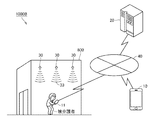
- FIG. 10 shows an overall configuration of an information processing system 1000C according to the third embodiment.
- information processing system 1000 ⁇ / b> C includes a caregiver's mobile terminal device 10, a server 20, a transmitter 30, a network 40, and a plurality of receivers 50.
- a care recipient is accompanied by a caregiver and acts.
- the portable terminal device 10 and the transmitter 30 are assumed to be carried by a caregiver.
- the caregiver may have a portable terminal device in which the portable terminal device 10 and the transmitter 30 are integrated.
- the plurality of receivers 50 are distributed in the area 800.
- the receiver 50 is, for example, a small receiving module (for example, a receiving-side beacon module) that includes a receiving circuit for receiving a beacon signal 33 transmitted from the transmitter 30, and includes a battery as a driving source. Yes.
- the receiver 50 may have a solar cell element as an independent power source.
- the solar cell element is a dye-sensitized solar cell element.
- the arrangement location of the receiver 50 is the same as the arrangement location of the transmitter 30 in the first embodiment, and is, for example, various places such as a cafeteria, a bedroom, a rehabilitation room, a toilet, and a bath in the area 800.
- the receiver 50 receives the beacon signal 33 via the built-in communication interface, the receiver 50 transmits identification information (receiver ID) of the receiver 50 to the server 20.
- the server 20 stores the device information of the receiver 50 in the memory 204.
- the device information of the receiver 50 includes identification information (receiver ID) of the receiver 50 and position information (location information) of the receiver 50.
- the device information of the receiver 50 is information indicating the relationship between the identification information of each receiver 50 and the arrangement location of each receiver 50. For example, in the information table shown in FIG. This corresponds to the one obtained by replacing “ID” and “beacon position information” with the receiver ID and the position information of the receiver 50, respectively. In this case, the receiver 50 corresponding to the receiver ID “2” is arranged in the bedroom A.
- FIG. 11 is a diagram for explaining an example of the operation of information processing system 1000C according to the third embodiment.
- the transmitter 30 possessed by the caregiver always transmits a beacon signal 33, and when each receiver 50 receives the beacon signal 33 from the transmitter 30, the receiver ID is sent to the server 20. Shall be sent.
- the mobile terminal device 10 transmits the event information that has received the input to the server 20 (step S106).
- the server 20 receives the event information (step S108).
- the server 20 acquires the position information of the mobile terminal device 10 at the time when the input of the event information is received (step S110).
- the server 20 refers to the memory 204 and the receiver 50 corresponding to the receiver ID received by the server 20 within a predetermined time (for example, 1 second) from the time when the event information is input.
- the placement location is calculated as the location information.
- steps S112 to S120 executed by the server 20 is the same as the processing of S22 to S30 in FIG.
- the processes of steps S122 and S124 executed by the mobile terminal device 10 are the same as the processes of S32 and S34 in FIG. 4, respectively. Therefore, detailed description of these processes will not be repeated.
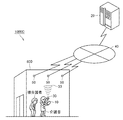
- FIG. 12 is a diagram showing an overall configuration of an information processing system 1000D according to the fourth embodiment.
- Information processing system 1000D differs from information processing system 1000C according to the third embodiment in that it includes portable terminal device 11 of the care recipient.
- Information processing system 1000D is different from information processing system 1000B according to the second embodiment in that a plurality of receivers 50 are arranged in area 800 and cared person possesses transmitter 30.
- a plurality of receivers 50 are arranged in area 800 and cared person possesses transmitter 30.
- the portable terminal device 11 and the transmitter 30 are owned by the care recipient.
- the care recipient may have a portable terminal device in which the portable terminal device 11 and the transmitter 30 are integrated.
- FIG. 13 is a diagram for explaining an example of the operation of information processing system 1000D according to the fourth embodiment.
- the transmitter 30 possessed by the caregiver always transmits a beacon signal 33, and when each receiver 50 receives the beacon signal 33 from the transmitter 30, the receiver ID is sent to the server 20. Shall be sent.
- steps S130 and S132 executed by portable terminal device 10 are the same as the processes of steps S50 and S52 in FIG. 9, respectively, and thus detailed description thereof will not be repeated.
- the mobile terminal device 11 transmits the event notification information and the time when the event notification information is notified (notification time) to the server 20 (step S138).
- the server 20 receives the event notification information and the notification time (step S140).
- the server 20 acquires the position information of the mobile terminal device 11 after the reference time T1 has elapsed from the notification time of the event notification information (step S142). Specifically, the server 20 calculates an arrangement location of the receiver 50 corresponding to the receiver ID received immediately after the reference time T1 has elapsed from the notification time of the event notification information as the position information.
- steps S144 to S152 executed by the server 20 is the same as the processing of S66 to S74 in FIG.
- the processes of steps S154 and S156 executed by the mobile terminal device 10 are the same as the processes of S76 and S78 in FIG. 9, respectively. Therefore, detailed description of these processes will not be repeated.
- FIG. 14 is a diagram showing an overall configuration of an information processing system 1000E according to the fifth embodiment. As illustrated in FIG. 14, the information processing system 1000E assumes a scene in which the care recipient who has the mobile terminal device 11 performs the event content “rehabilitation” in the rehabilitation room 802 in the area 800.
- the transmitter 30 is arranged, and a rehabilitation device 600 is provided.
- the rehabilitation device 600 is, for example, a room runner, an exercise bike (registered trademark), a step machine, or the like.
- the rehabilitation device 600 includes a processor for controlling the entire device, an input device for receiving input from a care recipient, a communication interface for connection to the network 40, a memory, and a sensor device for detecting an operation status Etc.
- the rehabilitation device 600 accepts input of user information of a care recipient.
- the rehabilitation device 600 transmits user information and information indicating the end of rehabilitation to the server 20 via the network 40.
- the rehabilitation apparatus 600 transmits rehabilitation end information to the server 20 when it is determined that the event content “rehabilitation” by the care recipient has ended.
- the rehabilitation device 600 is a room runner or an exercise bike.
- the rehabilitation device 600 determines that the rehabilitation has ended, and transmits the rehabilitation end information and user information to the server 20.
- the rehabilitation apparatus 600 determines that the rehabilitation has ended when the measurement distance of the distance measurement meter has not changed for a certain period of time (for example, 30 minutes) after the operation of the own apparatus is detected, and the rehabilitation ends.
- Information and user information may be transmitted to the server 20.
- the server 20 or the mobile terminal device 10 can grasp that the event content “rehabilitation” of the care recipient has ended by receiving the user information and the rehabilitation end information.
- the rehabilitation apparatus 600 since the event content is “rehabilitation”, the rehabilitation apparatus 600 has been described as an example, but the configuration is not limited thereto.
- the server 20 or the mobile terminal device 10 determines whether or not the event content has ended based on event end information transmitted from a predetermined device associated with the event content to be performed by the care recipient. If it is.
- FIG. 15 shows an overall configuration of an information processing system 1000F according to the sixth embodiment.
- the information processing system 1000 ⁇ / b> F is different from the information processing system 1000 ⁇ / b> A in that the care receiver has the mobile terminal device 11.
- differences from the first embodiment will be described.
- the mobile terminal devices 10 and 11 receive the beacon signal 33 transmitted from each transmitter 30 and transmit the beacon ID included in the received beacon signal 33 to the server 20. Therefore, the server 20 can calculate the current position information of the mobile terminal devices 10 and 11 by referring to the device information 500 shown in FIG.
- FIG. 16 shows an example of operation of information processing system 1000F according to the sixth embodiment.
- the mobile terminal device 11 receives the beacon signal 33 transmitted from each transmitter 30 and constantly transmits the beacon ID included in the received beacon signal 33 to the server 20.
- steps S170 to S176 executed by portable terminal device 10 are the same as the processes in steps S10 to S16 in FIG. 4, respectively, and therefore detailed description thereof will not be repeated.
- the server 20 receives the event information and the beacon ID from the mobile terminal device 10 (step S178).
- the server 20 refers to the information table (device information 500) shown in FIG. 5 and acquires beacon position information corresponding to the beacon ID received from the mobile terminal device 10 (step S180). That is, the server 20 calculates the position information P1 of the mobile terminal device 10 at the time when the event information is input.
- the server 20 acquires beacon position information corresponding to the beacon ID received from the mobile terminal device 11 at the event input time included in the event information received from the mobile terminal device 10 (step S182). That is, the server 20 calculates the position information P2 of the mobile terminal device 11 at the time when the event information is input.
- the server 20 determines whether or not the position information P1 and the position information P2 match (step S184). If these pieces of information do not match (NO in step S184), the server 20 generates event history information including the event content determination result (unauthorized) (step S190). That is, the server 20 generates event history information including a determination result that the event content is inappropriate when both the caregiver and the care recipient are not acting. If these pieces of information match (YES in step S184), server 20 refers to determination table 410 and is included in the received event information as the event content at the location indicated by position information P1 and position information P2. It is determined whether the event content is valid (step S186).
- step S186 If the event content is valid (YES in step S186), the server 20 generates event history information including the determination result (valid) of the event content (step S188), and uses the generated event history information. Store in the memory 204 (step S192). The generated event history information corresponds to the event history information 520 illustrated in FIG. 7 added with the position information of the mobile terminal device 11. On the other hand, if the event content is inappropriate (NO in step S186), the server 20 generates event history information including the determination result (unauthorized) of the event content (step S190), and the generated event history information is displayed. Store in the memory 204 (step S192). The server 20 transmits the event history information to the mobile terminal device 10 (step S194).
- steps S196 and S198 executed by the mobile terminal device 10 Since the processing of steps S196 and S198 executed by the mobile terminal device 10 is the same as the processing of steps S32 and S34 in FIG. 4, detailed description thereof will not be repeated.
- a program that causes a computer to function and execute control as described in the above embodiment.
- Such a program is recorded on a non-temporary computer-readable recording medium such as a flexible disk attached to the computer, a CD-ROM (Compact Disk Read Only Memory), a ROM, a RAM, and a memory card as a program product. It can also be provided.
- the program can be provided by being recorded on a recording medium such as a hard disk built in the computer.
- a program can also be provided by downloading via a network.
- the program may be a program module that is provided as a part of an operating system (OS) of a computer and that calls necessary modules in a predetermined arrangement at a predetermined timing to execute processing.
- OS operating system
- the program itself does not include the module, and the process is executed in cooperation with the OS.
- a program that does not include such a module can also be included in the program according to the present embodiment.
- the program according to the present embodiment may be provided by being incorporated in a part of another program. Even in this case, the program itself does not include the module included in the other program, and the process is executed in cooperation with the other program. A program incorporated in such another program can also be included in the program according to the present embodiment.
- a care facility is assumed as the area 800 and the target person is a care recipient or a caregiver.
- the area 800 is not limited to a care facility, and the target is A person is not limited to a care recipient or a caregiver.
- the area 800 may be a hospital, a commercial facility, an airport, a station, an office building, or the like.
- the target person may be a human, an animal, a robot, or the like in which both position information and action records are recorded within the area 800.
- the information processing system 1000A using the mobile terminal device 10 is distributed in a predetermined area (area 800) and a plurality of transmitting apparatuses (transmitters 30) that transmit different identification information (beacon ID). including.
- the processor 152 of the mobile terminal device 10 includes a receiving unit that receives a beacon ID via the communication interface 166.
- the server 20 includes, for each of the plurality of transmitters 30, an information storage unit (memory 204) that stores device information 500 including the beacon ID and beacon position information of the transmitter 30.
- the processor 152 of the mobile terminal device 10 includes an input unit that receives input of event information related to the care recipient via the input device 156.
- the processor 202 of the server 20 acquires the position information of the mobile terminal device 10 at the time when the input of the event information is received by the input unit based on the beacon ID received by the receiving unit and the device information 500. Part.
- the processor 202 of the server 20 outputs (transmits) the care receiver's event history information 520 including the event information related to the care receiver and the position information of the mobile terminal device 10 at the time via the communication interface 206. Includes output.
- the processor 202 of the server 20 includes the event content included in the event information regarding the care recipient as the event content at the location indicated by the acquired location information of the mobile terminal device 10. Includes a determination unit for determining whether or not is valid.
- the information processing system 1000B using the care receiver's mobile terminal device 11 and the caregiver's mobile terminal device 10 is distributed in a predetermined area (area 800) and has different identification information (beacons).
- the processor 152 of the mobile terminal device 11 includes a receiving unit that receives the beacon ID via the first communication interface (communication interface 166).
- the server 20 includes, for each of the plurality of transmitters 30, an information storage unit (memory 204) that stores device information 500 including the beacon ID and beacon position information of the transmitter 30.
- the processor 152 of the mobile terminal device 11 includes a notification information receiving unit that receives event notification information from the mobile terminal device 10 via the second communication interface (the wireless communication unit 160 and the communication antenna 162), and the event notification information. And a notifying unit for notifying.
- the processor 202 of the server 20 is based on the beacon ID received by the receiving unit and the device information 500, and the mobile terminal device after a predetermined time (reference time T1) has elapsed since the event notification information was notified by the notification unit.
- the acquisition part which acquires 11 positional information is included.
- the processor 202 of the server 20 outputs the event history information of the cared person including the event contents based on the event notification information and the position information of the mobile terminal device 11 after the reference time T1 has passed through the communication interface 206. It includes an output unit for transmission.
- the processor 202 of the server 20 allows the care receiver to determine the event content based on the event notification information based on the location information of the mobile terminal device 11 acquired by the acquisition unit. It further includes a determination unit that determines whether or not it has been implemented.
- An information processing system 1000C using a mobile terminal device that transmits identification information (beacon ID) by a transmission module provided therein includes a plurality of receiving devices that are distributed in a predetermined area (area 800) (Receiver 50). Each of the plurality of receivers 50 transmits the identification information of the receiver 50 to the server 20 when receiving the beacon ID.
- the server 20 includes, for each of the plurality of receivers 50, an information storage unit (memory 204) that stores reception device information including the receiver ID of the receiver 50 and the position information of the receiver 50.
- the processor 152 of the portable terminal device includes an input unit that receives input of event information related to the care recipient, and an event information transmission unit that transmits the event information received by the input unit to the server 20.
- the processor 202 of the server 20 acquires the position information of the mobile terminal device at the time when the input of the event information is received by the input unit based on the receiver ID transmitted to the server 20 and the receiving device information. including.
- the processor 202 of the server 20 includes an output unit that outputs (transmits) the care receiver's event history information including event information related to the care receiver and position information of the mobile terminal device at the time.
- the information processing system 1000D using the care receiver's mobile terminal device 10 and the caregiver's mobile terminal device 10 that transmits the identification information by a transmission module provided in the interior is within a predetermined area (area 800).
- a plurality of receiving devices (receivers 50) arranged in a distributed manner. Each of the plurality of receivers 50 transmits the identification information of the receiver 50 to the server 20 when receiving the beacon ID.
- the server 20 includes, for each of the plurality of receivers 50, an information storage unit (memory 204) that stores reception device information including the receiver ID of the receiver 50 and the position information of the receiver 50.
- the processor 152 of the mobile terminal device includes a notification information receiving unit that receives event notification information from the mobile terminal device 10 via a communication interface (wireless communication unit 160 and communication antenna 162), and a notification unit that notifies the event notification information. Including.
- the processor 202 of the server 20 is based on the receiver ID transmitted to the server 20 and the receiving device information, and the mobile terminal device after a predetermined time (reference time T1) has elapsed since the event notification was notified by the notification unit.
- the acquisition part which acquires 11 positional information is included.
- the processor 202 of the server 20 outputs the event history information of the cared person including the event contents based on the event notification information and the position information of the mobile terminal device 11 after the reference time T1 has passed through the communication interface 206. It includes an output unit for transmission.
- the processor 202 of the server 20 includes event end information (rehabilitation end) transmitted from a predetermined device (rehabilitation device 600) associated with the event content to be performed by the care recipient. Based on the information), it is determined whether or not the event content has ended.
- event end information rehabilitation end
- rehabilitation device 600 rehabilitation device 600
- the information processing system 1000F using a plurality of portable terminal devices is distributed and arranged in a predetermined area (area 800), and a plurality of transmitting apparatuses (transmitter 30) that transmit different identification information (beacon ID). )including.
- Each processor 152 of the mobile terminal devices 10 and 11 includes a receiving unit that receives a beacon ID via each communication interface 166.
- the server 20 includes, for each of the plurality of transmitters 30, an information storage unit (memory 204) that stores device information 500 including the beacon ID and beacon position information of the transmitter 30.
- the processor 152 of the mobile terminal device 10 includes an input unit that receives input of event information related to the care recipient via the input device 156.
- the processor 202 of the server 20 is based on the beacon ID received by the mobile terminal device 10 and the device information 500, and the mobile terminal devices 10 and 11 at the time when the input of event information is received by the mobile terminal device 10.
- An acquisition unit for acquiring position information is included.
- the processor 202 of the server 20 outputs, through the communication interface 206, care receiver event history information 520 including event information related to the care receiver and position information of the mobile terminal devices 10 and 11 at that time ( Output part to transmit).
- the input unit accepts input of information indicating the care recipient's abnormality.
- the processor 152 of the portable terminal device includes an abnormality information output unit that outputs information indicating abnormality.
- each of the plurality of transmitters 30 has a solar cell element as a power source.
- the solar cell element is a dye-sensitized solar cell element.
- the configuration exemplified as the above-described embodiment is an example of the configuration of the present disclosure, and can be combined with another known technique, and a part of the configuration is omitted without departing from the gist of the present disclosure. It is also possible to change the configuration.
- 10 11 mobile terminal device, 20 server, 30 transmitter, 33 beacon signal, 40 network, 50 receiver, 152, 202 processor, 154, 204 memory, 156 input device, 158 display, 160 wireless communication unit, 162 communication antenna 164 memory interface, 165 storage medium, 166, 206 communication interface, 168 speaker, 170 microphone, 410 determination table, 500 device information, 520 event history information, 600 rehabilitation device, 800 area, 802 rehabilitation room, 1000A-1000F information processing system.
Landscapes
- Engineering & Computer Science (AREA)
- Computer Networks & Wireless Communication (AREA)
- Signal Processing (AREA)
- Radar, Positioning & Navigation (AREA)
- Remote Sensing (AREA)
- Physics & Mathematics (AREA)
- Automation & Control Theory (AREA)
- General Physics & Mathematics (AREA)
- Telephonic Communication Services (AREA)
- Alarm Systems (AREA)
- Mobile Radio Communication Systems (AREA)
- Selective Calling Equipment (AREA)
- Navigation (AREA)
- Emergency Alarm Devices (AREA)
Abstract
携帯端末装置を利用した情報処理システムは、所定領域内に分散して配置され、互いに異なる識別情報を発信する複数の発信装置と、携帯端末装置に設けられ、識別情報を受信する受信手段と、複数の発信装置の各々について、当該発信装置の識別情報および位置情報を含む装置情報を格納する情報格納手段と、携帯端末装置に設けられ、対象者に関するイベント情報の入力を受け付ける入力手段と、受信手段により受信された識別情報と装置情報とに基づいて、イベント情報の入力が受け付けられた時点での携帯端末装置の位置情報を取得する取得手段と、対象者に関するイベント情報と、当該時点での携帯端末装置の位置情報とを含む、対象者のイベント履歴情報を出力する出力手段とを備える。
Description
本国際出願は、2017年3月29日に日本国特許庁に出願された日本国特許出願第2017-065841号に基づく優先権を主張するものであり、日本国特許出願第2017-065841号の全内容を参照により本国際出願に援用する。
本開示は、情報処理システムに関する。
従来、屋内等で移動体の現在位置を特定する位置測定システムが使用されている。位置測定システムでは、施設内の複数の位置に電波発信機を設置するとともに携帯端末装置が移動者により所持される。電波送信機からの電波が携帯端末装置により受信され、携帯端末装置の受信情報に基づいて、移動体が現在どの位置に居るかをサーバにて確認できるようにしている。
例えば、特開2015-200609号公報(特許文献1)は、区域内経路案内システムを開示している。当該システムでは、区域内の複数のビーコンから互いに異なる固有識別情報が発信される。携帯端末は、近くのビーコンの固有識別情報を受信してサーバに照会する。サーバは、照会を受けた固有識別情報に対応するビーコン位置情報を携帯端末に送り、携帯端末が現在地情報を取得する。携帯端末は、利用者の目的情報を受け付け、区域内の各場所の属性情報に基づく目的地情報を取得する。さらに、携帯端末は、現在地情報と目的地情報と経路網情報とに基づいて、現在地から目的地までの推奨経路を探索し、推奨経路を提示する。
しかしながら、特許文献1に係るシステムでは、現在地の位置情報を正確に取得して経路案内することを検討しているが、対象者が存在する位置において当該対象者が具体的に何を行なったか(行動)を把握するための技術的手段を何ら教示ないし示唆するものではない。
本開示は、ある局面では、対象者の行動を適切に把握することが可能な情報処理システムを提供することを目的とする。
ある実施の形態に従うと、携帯端末装置を利用した情報処理システムが提供される。情報処理システムは、所定領域内に分散して配置され、互いに異なる識別情報を発信する複数の発信装置と、携帯端末装置に設けられ、識別情報を受信する受信手段と、複数の発信装置の各々について、当該発信装置の識別情報および位置情報を含む装置情報を格納する情報格納手段と、携帯端末装置に設けられ、対象者に関するイベント情報の入力を受け付ける入力手段と、受信手段により受信された識別情報と、装置情報とに基づいて、入力手段によりイベント情報の入力が受け付けられた時点での携帯端末装置の位置情報を取得する取得手段と、対象者に関するイベント情報と、時点での携帯端末装置の位置情報とを含む、対象者のイベント履歴情報を出力する出力手段とを備える。
本開示によると、対象者の行動を適切に把握することが可能となる。
以下、図面を参照しつつ、本開示の実施の形態について説明する。以下の説明では、同一の部品には同一の符号を付してある。それらの名称および機能も同じである。したがって、それらについての詳細な説明は繰り返さない。
[実施の形態1]
<システムの全体構成>
図1は、実施の形態1に従う情報処理システム1000Aの全体構成を示す図である。図1に示すように、情報処理システム1000Aは、限定された領域800内において、要介護者(被介護者)の介護を行なう介護者の負担を軽減するためのサービスを提供する。本実施の形態では、行動を管理される「対象者」が「被介護者」であるとして説明する。領域800は、例えば、高齢者の介護施設である。なお、領域800は、対象者が移動する領域であれよく、病院、商業施設、空港、駅、オフィスビル等であってもよい。
<システムの全体構成>
図1は、実施の形態1に従う情報処理システム1000Aの全体構成を示す図である。図1に示すように、情報処理システム1000Aは、限定された領域800内において、要介護者(被介護者)の介護を行なう介護者の負担を軽減するためのサービスを提供する。本実施の形態では、行動を管理される「対象者」が「被介護者」であるとして説明する。領域800は、例えば、高齢者の介護施設である。なお、領域800は、対象者が移動する領域であれよく、病院、商業施設、空港、駅、オフィスビル等であってもよい。
図1を参照して、情報処理システム1000Aは、介護者の携帯端末装置10と、サーバ20と、複数の発信機30と、ネットワーク40とを含む。実施の形態1では、被介護者(例えば、高齢者)が、介護者に付き添われて行動している場面を想定する。
携帯端末装置10とサーバ20とは、ネットワーク40を介して通信可能に構成されている。ネットワーク40は、インターネット、移動体端末通信網などの各種ネットワークを含む。ネットワーク40は、無線LAN(local area network)等のその他の無線通信方式を採用してもよい。
携帯端末装置10は、例えば、スマートフォンである。ただし、携帯端末装置10は、折り畳み式携帯電話、タブレット端末装置、ラップトップPC(personal computer)等のような他の携帯機器であってもよい。
複数の発信機30は、領域800内に分散して配置されている。発信機30は、例えば、発信回路を内蔵した小型発信モジュール(例えば、発信側のビーコンモジュール)であり、駆動源として電池を搭載している。発信機30は、独立電源としての太陽電池素子を有していてもよい。例えば、太陽電池素子は、色素増感型太陽電池素子である。
発信回路は、発信機30の識別情報(ビーコンID)を含むビーコン信号33を、発信機30の周囲に所定周期(例えば、0.1秒)で送信する。携帯端末装置10は、ビーコン信号33を受信する。発信回路と、携帯端末装置10との間で用いられる通信規格としては、例えば、Bluetooth(登録商標)やBLE(Bluetooth Low Energy)等の近距離無線通信規格である。例えば、BLE規格に対応する発信機30は、ビーコンIDを含むアドバタイジングデータをビーコン信号としてブロードキャストにより発信機30の周囲に送信する。
発信機30の配置場所は、領域800内における食堂、寝室、リハビリルーム、トイレ、浴場等の各所である。発信機30は、これらの場所の天井、壁、床等に設置される。発信機30の配置間隔は、領域800の構造(天井の高さ、幅等)、およびビーコン信号の有効到達距離等に応じて適宜設定される。なお、有効到達距離とは、携帯端末装置10がビーコン信号33を受信して処理可能な、発信機30と携帯端末装置10との間の最大距離である。
携帯端末装置10は、領域800内の複数の発信機30のうち有効到達距離内の1つ又は複数の発信機30からビーコン信号33を受信する。携帯端末装置10は、受信したビーコン信号33からビーコンIDを復号して、ビーコン信号33の電波強度を算出する。これにより、携帯端末装置10は、ビーコン信号33を受信してビーコンIDを取得する。電波強度は、携帯端末装置10と発信機30との間の距離と相関し、電波強度が高いほど距離が短い。携帯端末装置10は、ビーコン信号33を受信する度に上記処理を実行する。
サーバ20は、携帯端末装置10と各種情報をやり取りすることにより、情報処理システム1000Aが提供するサービスを携帯端末装置10等と協働して実行する。携帯端末装置10およびサーバ20の詳細な処理については後述する。
<ハードウェア構成>
図2は、実施の形態1に従う携帯端末装置10のハードウェア構成の一例を示すブロック図である。図2を参照して、携帯端末装置10は、主たる構成要素として、プロセッサ152と、メモリ154と、入力装置156と、ディスプレイ158と、無線通信部160と、通信アンテナ162と、メモリインターフェイス(I/F)164と、通信インターフェイス(I/F)166と、スピーカ168と、マイク170とを含む。
図2は、実施の形態1に従う携帯端末装置10のハードウェア構成の一例を示すブロック図である。図2を参照して、携帯端末装置10は、主たる構成要素として、プロセッサ152と、メモリ154と、入力装置156と、ディスプレイ158と、無線通信部160と、通信アンテナ162と、メモリインターフェイス(I/F)164と、通信インターフェイス(I/F)166と、スピーカ168と、マイク170とを含む。
プロセッサ152は、典型的には、CPU(Central Processing Unit)やMPU(Multi Processing Unit)といった演算処理部である。プロセッサ152は、メモリ154に記憶されたプログラムを読み出して実行することで、携帯端末装置10の各部の動作を制御する制御部として機能する。プロセッサ152は、当該プログラムを実行することによって、後述する携帯端末装置10の処理(ステップ)の各々を実現する。
メモリ154は、RAM(Random Access Memory)、ROM(Read-Only Memory)、フラッシュメモリなどによって実現される。メモリ154は、プロセッサ152によって実行されるプログラム、またはプロセッサ152によって用いられるデータなどを記憶する。
入力装置156は、携帯端末装置10に対する操作入力を受け付ける。典型的には、入力装置156は、タッチパネルによって実現される。タッチパネルは、表示部としての機能を有するディスプレイ158上に設けられており、例えば、静電容量方式タイプである。タッチパネルは、所定時間毎に外部物体によるタッチパネルへのタッチ操作を検知し、タッチ座標をプロセッサ152に入力する。ただし、入力装置156は、ボタンなどを含んでいてもよい。
無線通信部160は、通信アンテナ162を介して移動体通信網に接続し無線通信のための信号を送受信する。これにより、携帯端末装置10は、ネットワーク40(たとえば、LTE(Long Term Evolution)などの移動体通信網)を介して他の通信装置(例えば、サーバ20)との通信が可能となる。
メモリインターフェイス164は、外部の記憶媒体165からデータを読み出す。プロセッサ152は、メモリインターフェイス164を介して記憶媒体165に格納されているデータを読み出して、当該データをメモリ154に格納する。プロセッサ152は、メモリ154からデータを読み出して、メモリインターフェイス164を介して当該データを外部の記憶媒体165に格納する。
記憶媒体165は、CD(Compact Disc)、DVD(Digital Versatile Disk)、BD(Blu-ray(登録商標) Disc)、USB(Universal Serial Bus)メモリ、SD(Secure Digital)メモリカードなどの不揮発的にプログラムを格納する媒体を含む。
通信インターフェイス(I/F)166は、携帯端末装置10と発信機30との間で各種データをやり取りするための通信インターフェイスであり、アダプタやコネクタなどによって実現される。通信方式としては、例えば、BLE(Bluetooth(登録商標) low energy)、無線LANなどによる無線通信方式が採用される。
スピーカ168は、プロセッサ152から与えられる音声信号を音声に変換して携帯端末装置10の外部へ出力する。マイク170は、携帯端末装置10に対する音声入力を受け付けて、当該音声入力に対応する音声信号をプロセッサ152に与える。なお、携帯端末装置10は、加速度センサおよび角速度センサや時刻を計時するための計時部等をさらに含む。
(サーバ20)
図3は、実施の形態1に従うサーバ20のハードウェア構成を示すブロック図である。図3を参照して、サーバ20は、主たる構成要素として、各種処理を実行するためのプロセッサ202と、プロセッサ202によって実行されるプログラム、データなどを格納するためのメモリ204と、各携帯端末装置10と各種データを送受信するための通信インターフェイス(I/F)206と、外部の記憶媒体からデータを読み出すメモリインターフェイス(I/F)208とを含む。なお、サーバ20は、時刻を計時するための計時部等をさらに含む。
図3は、実施の形態1に従うサーバ20のハードウェア構成を示すブロック図である。図3を参照して、サーバ20は、主たる構成要素として、各種処理を実行するためのプロセッサ202と、プロセッサ202によって実行されるプログラム、データなどを格納するためのメモリ204と、各携帯端末装置10と各種データを送受信するための通信インターフェイス(I/F)206と、外部の記憶媒体からデータを読み出すメモリインターフェイス(I/F)208とを含む。なお、サーバ20は、時刻を計時するための計時部等をさらに含む。
<システムの動作>
図4は、実施の形態1に従う情報処理システム1000Aの動作を説明するための図である。ここでは、携帯端末装置10は、各発信機30から送信されるビーコン信号33を常時受信している。以下の携帯端末装置10の各ステップは、主に、プロセッサ152がメモリ154に格納されたプログラムを実行することによって実現される。以下のサーバ20の各ステップは、主に、プロセッサ202がメモリ204に格納されたプログラムを実行することによって実現される。
図4は、実施の形態1に従う情報処理システム1000Aの動作を説明するための図である。ここでは、携帯端末装置10は、各発信機30から送信されるビーコン信号33を常時受信している。以下の携帯端末装置10の各ステップは、主に、プロセッサ152がメモリ154に格納されたプログラムを実行することによって実現される。以下のサーバ20の各ステップは、主に、プロセッサ202がメモリ204に格納されたプログラムを実行することによって実現される。
図4を参照して、携帯端末装置10は、入力装置156を介して、介護者から被介護者に関するイベント情報の入力を受け付けたか否かを判断する(ステップS10)。イベント情報は、被介護者において発生するイベント内容を少なくとも含む情報である。イベント内容は、例えば、食事(朝食、昼食、夕食等)、排尿、排便、起床、就寝、入浴、リハビリ等である。例えば、携帯端末装置10は、イベント情報の入力用のソフトウェアボタンが用意されたユーザインターフェイス画面をディスプレイ158に表示して、タッチパネルを介してイベント情報の入力を受け付けてもよい。また、携帯端末装置10は、マイク170を介した音声入力により、イベント情報の入力を受け付けてもよい。
イベント情報の入力を受け付けていない場合には(ステップS10においてNO)、携帯端末装置10はステップS10の処理を繰り返す。イベント情報の入力を受け付けた場合には(ステップS10においてYES)、携帯端末装置10は、入力された時刻を含むイベント情報をメモリ154に格納する。例えば、メモリ154には、入力された時刻に対応するイベント発生時刻「7:00」と、イベント内容「朝食」とが関連付けられたデータが格納される。
携帯端末装置10は、イベント情報の入力を受け付けたときに受信したビーコン信号33に含まれるビーコンIDを取得する(ステップS14)。具体的には、携帯端末装置10は、イベント情報の入力を受け付けた時点から所定時間(例えば、1秒)内に受信したビーコン信号33に含まれるビーコンIDを特定する。携帯端末装置10は、無線通信部160を介して、入力を受け付けたイベント情報と、特定されたビーコンIDとをサーバ20に送信する(ステップS16)。ここで送信されるイベント情報は、例えば、発生したイベント内容(例えば、「朝食」等)と、イベント情報の入力を受け付けた時刻(以下、「入力時刻」とも称する。)と、備考内容とを含む。
サーバ20は、通信インターフェイス206を介して、イベント情報およびビーコンIDを受信する(ステップS18)。サーバ20は、図5に示す情報テーブルを参照して、受信したビーコンIDに対応するビーコン位置情報を取得する(ステップS20)。具体的には、サーバ20は、イベント情報が入力された時点で、携帯端末装置10が受信したビーコン信号33の発信元の発信機30の配置場所を算出する。すなわち、サーバ20は、イベント情報が入力された時点における携帯端末装置10の位置情報を算出する。
図5は、実施の形態1に従う発信機の装置情報を示す図である。装置情報500は、発信機30の識別情報(ビーコンID)と、ビーコン位置情報(場所情報)とを含む。具体的には、装置情報500は、各発信機30の識別情報(ID)と、各発信機30の配置場所との関係を示す情報である。図5の例では、ビーコン位置情報として、各発信機30が配置された場所が示されており、例えば、ビーコンID「2」に対応する発信機30は、寝室Aに配置されている。そのため、サーバ20は、ビーコンID「2」を受信した場合、携帯端末装置10の位置が寝室Aであると判断できる。
再び、図4を参照して、サーバ20は、図6に示す判定テーブルを参照して、算出された携帯端末装置10の位置情報が示す場所で発生したイベント内容として、受信したイベント情報に含まれるイベント内容が正当か否かを判定する(ステップS22)。
図6は、実施の形態1に従う判定テーブルを示す図である。図6を参照して、判定テーブル410は、位置情報と、当該位置情報が示す場所で発生すべき(適切な)イベント内容との関係を示す情報である。携帯端末装置10の位置情報が示す場所が「食堂」である場合には、正当なイベント内容が「朝食」、「昼食」および「夕食」のいずれかであることが示されている。同様に、携帯端末装置10の位置情報が「トイレ」である場合には正当なイベント内容が「排尿」または「排便」であり、当該位置情報が「浴場」である場合には正当なイベント内容が「入浴」であり、当該位置情報が「寝室」である場合には正当
なイベント内容が「起床」または「就寝」であることが示されている。
なイベント内容が「起床」または「就寝」であることが示されている。
例えば、ステップS20において算出した位置情報が「食堂」であり、ステップS18において受信したイベント情報に従うイベント内容が「朝食」である場合には、サーバ20は当該イベント内容が正当であると判定する。また、当該算出した位置情報が「浴場」であり、当該受信したイベント情報に従うイベント内容が「朝食」である場合には、サーバ20は当該イベント内容が不当であると判定する。
再び、図4を参照して、イベント内容が正当である場合には(ステップS22においてYES)、サーバ20は、イベント内容の判定結果(正当)を含むイベント履歴情報を生成して(ステップS24)、当該生成したイベント履歴情報をメモリ204に格納する(ステップS28)。一方、イベント内容が不当である場合には(ステップS22においてNO)、サーバ20は、イベント内容の判定結果(不当)を含むイベント履歴情報を生成し(ステップS26)、当該生成したイベント履歴情報をメモリ204に格納する(ステップS28)。
図7は、実施の形態1に従うイベント履歴情報を示す図である。図7を参照して、イベント履歴情報は、イベント番号と、イベントの発生時刻と、イベントの発生場所と、発生したイベント内容と、備考と、正当性の判定結果とを含む。発生時刻は、または、携帯端末装置10から受信したイベント情報の入力時刻に対応する。発生場所は、ステップS20において算出された携帯端末装置10の位置情報に対応する。備考は、携帯端末装置10から受信した備考に対応する。正当性の判定結果は、ステップS22における判定結果に対応する。
例えば、図7の例では、イベント番号「1」に対応するイベント情報を参照すると、イベント内容「起床」が、時刻「7:00」に場所「寝室B」で発生しており、このイベント内容が正当(図中の丸印に対応)であることを示している。備考欄には被介護者の状態が「体調良好」であることが示されている。イベント番号「7」に対応するイベント情報を参照すると、イベント内容「夕食」が、時刻「18:00」に場所「寝室B」で発生しており、このイベント内容が不当(図中の×印に対応)であることが示されている。
サーバ20は、イベント情報を受信するごとに、当該受信したイベント情報を追加していくことによりイベント履歴情報520を更新する。図7に示すイベント履歴情報520は、各イベント番号「1」~「10」に対応するイベント情報が追加された状態である。
再び、図4を参照して、サーバ20は、通信インターフェイス206を介して、イベント履歴情報520を携帯端末装置10に送信する(ステップS30)。
携帯端末装置10は、無線通信部160を介して、イベント履歴情報520を受信し(ステップS32)、当該受信したイベント履歴情報520をディスプレイ158に表示する(ステップS34)。
上記のステップS30において、サーバ20は、所定のPCにイベント履歴情報を送信する構成であってもよい。この場合、所定のPCは、イベント履歴情報を受信し、内部メモリにイベント履歴情報を記憶する。
また、携帯端末装置10が自装置の位置情報を取得する他の方法として、受信した電波強度とビーコンIDとをサーバ20に送信し、サーバ20がこれらの情報に基づいて当該位置情報を取得し、当該位置情報を携帯端末装置10や記録用(データ保存用)のPCへ送信する方法が考えられる。また、さらに他の方法として、携帯端末装置10が複数のビーコンIDの電波を受信し、その電波強度から3点測位法などの方法で自装置の位置情報を取得し、サーバ20へ送信する方法が考えられる。
<変形例>
上述した実施の形態1では、サーバ20のメモリ204に装置情報500が格納される構成について説明したが、当該構成に限られない。例えば、装置情報500は、携帯端末装置10のメモリ154に格納される構成であってもよい。この場合、携帯端末装置10のプロセッサ152が、図4中のステップS20~S28に対応する処理を実行する構成であってもよい。すなわち、プロセッサ152は、携帯端末装置10の位置情報の取得処理、イベント内容の判定処理、イベント履歴情報の生成処理、イベント履歴情報の格納処理を実行してもよい。
上述した実施の形態1では、サーバ20のメモリ204に装置情報500が格納される構成について説明したが、当該構成に限られない。例えば、装置情報500は、携帯端末装置10のメモリ154に格納される構成であってもよい。この場合、携帯端末装置10のプロセッサ152が、図4中のステップS20~S28に対応する処理を実行する構成であってもよい。すなわち、プロセッサ152は、携帯端末装置10の位置情報の取得処理、イベント内容の判定処理、イベント履歴情報の生成処理、イベント履歴情報の格納処理を実行してもよい。
上述した実施の形態1では、対象者が被介護者である例を説明したが、介護者が対象者であってもよい。介護者が対象者である場合、介護者自身の作業内容をイベント情報として入力してもよい。すなわち、位置情報を取得されている介護者が自身の行動記録をイベント情報として入力してもよい。
<利点>
実施の形態1によると、介護者は、被介護者(対象者)の1日の行動を容易に再確認することができる。また、介護者は、イベント履歴情報520を被介護者の介護記録(行動記録)として用いることもできる。そのため、介護者の負担(例えば、被介護者の行動記録を残す負担)を軽減しつつ、被介護者の行動を適切に把握することが可能となる。また、被介護者の行動が適切な位置で行われているか否かが判定されるため、作成された行動記録の信頼性が担保される。
実施の形態1によると、介護者は、被介護者(対象者)の1日の行動を容易に再確認することができる。また、介護者は、イベント履歴情報520を被介護者の介護記録(行動記録)として用いることもできる。そのため、介護者の負担(例えば、被介護者の行動記録を残す負担)を軽減しつつ、被介護者の行動を適切に把握することが可能となる。また、被介護者の行動が適切な位置で行われているか否かが判定されるため、作成された行動記録の信頼性が担保される。
[実施の形態2]
実施の形態1では、被介護者が、介護者に付き添われて行動している場面を想定した。実施の形態2では、被介護者が介護者と離れて行動している場面を想定する。
実施の形態1では、被介護者が、介護者に付き添われて行動している場面を想定した。実施の形態2では、被介護者が介護者と離れて行動している場面を想定する。
<システム構成>
図8は、実施の形態2に従う情報処理システム1000Bの全体構成を示す図である。情報処理システム1000Bは、被介護者の携帯端末装置11を有する点で情報処理システム1000Aと異なる。以下、実施の形態1と異なる点について説明する。
図8は、実施の形態2に従う情報処理システム1000Bの全体構成を示す図である。情報処理システム1000Bは、被介護者の携帯端末装置11を有する点で情報処理システム1000Aと異なる。以下、実施の形態1と異なる点について説明する。
携帯端末装置11は、携帯端末装置10と同様のハードウェア構成を有し、被介護者に所持されている。携帯端末装置11は、ネットワーク40を介して携帯端末装置10と通信可能に構成される。携帯端末装置10は、介護者に所持されている。なお、実施の形態2においては、介護者が使用するユーザ端末は、携帯可能でなくてもよく、例えば、デスクトップPC等であってもよい。すなわち、実施の形態2に従う携帯端末装置10は、携帯不能な端末装置に置き換えてもよい。
携帯端末装置11は、各発信機30から送信されるビーコン信号33を受信し、当該受信したビーコン信号33に含まれるビーコンIDをサーバ20に送信する。そのため、サーバ20は、図5に示す装置情報500を参照することにより、携帯端末装置11の現在の位置情報を算出できる。携帯端末装置10は、サーバ20に携帯端末装置11の現在の位置情報を問い合わせることにより、携帯端末装置11の現在の位置情報を取得できる。
<システムの動作例>
図9は、実施の形態2に従う情報処理システム1000Bの動作の一例を説明するための図である。
図9は、実施の形態2に従う情報処理システム1000Bの動作の一例を説明するための図である。
図9を参照して、携帯端末装置10は、入力装置156を介して、被介護者に通知するためのイベント通知情報の入力を受け付けたか否かを判断する(ステップS50)。イベント通知情報は、介護者が被介護者に実施してもらいたいイベント内容を被介護者に通知するための情報である。イベント通知情報は、食事を促す情報(例えば、「食事して下さい」)、入浴を促す情報(例えば、「入浴して下さい」)等である。イベント通知情報は、イベント内容(例えば、「入浴」)を実施してもらうために適切な場所(例えば、「浴場」)に行くように促す情報(例えば、「浴場に行って下さい」)であってもよい。
例えば、携帯端末装置10は、イベント通知情報の入力用のソフトウェアボタンが用意されたユーザインターフェイス画面をディスプレイ158に表示して、タッチパネルを介してイベント情報の入力を受け付けてもよい。また、携帯端末装置10は、マイク170を介した音声入力により、イベント通知情報の入力を受け付けてもよい。
イベント通知情報の入力を受け付けていない場合には(ステップS50においてNO)、携帯端末装置10はステップS50の処理を繰り返す。イベント通知情報の入力を受け付けた場合には(ステップS50においてYES)、携帯端末装置10は、イベント通知情報を携帯端末装置11に送信する(ステップS52)。
携帯端末装置11は、イベント通知情報を受信して(ステップS54)、当該受信されたイベント通知情報を被介護者に報知する(ステップS56)。例えば、携帯端末装置11は、イベント通知情報をディスプレイ158に表示してもよいし、イベント通知情報をスピーカ168を介して音声出力してもよい。
携帯端末装置11は、イベント通知情報を報知した時点から基準時間T1経過後において受信されたビーコン信号33に含まれるビーコンIDを取得する(ステップS58)。基準時間T1は、被介護者がイベント通知情報の報知を受けた時点から、イベントを実施すべき場所に到着するまでに要する時間を考慮したものである。基準時間T1は、予め固定された時間であってもよいし、イベント通知内容に応じて決定される時間であってもよい。基準時間T1がイベント通知内容に応じて決定される場合、携帯端末装置10は、例えば、イベント通知情報とともに当該基準時間T1を示す情報を携帯端末装置11に送信する。
続いて、携帯端末装置11は、受信したイベント通知情報と、取得したビーコンIDとをサーバ20に送信する(ステップS60)。サーバ20は、イベント通知情報およびビーコンIDを受信する(ステップS62)。サーバ20は、図5に示す情報テーブル(装置情報500)を参照して、受信したビーコンIDに対応するビーコン位置情報を取得する(ステップS64)。すなわち、サーバ20は、イベント通知情報が報知された時点から基準時間T1経過後における携帯端末装置11の位置情報を算出する。
サーバ20は、図6の判定テーブル410と、算出した携帯端末装置11の位置情報とに基づいて、イベント通知情報に基づくイベント内容を被介護者が実施したか否かを判定する(ステップS66)。
具体的には、サーバ20は、イベント通知情報に基づくイベント内容を抽出する。例えば、イベント通知情報が、入浴を促す情報「入浴して下さい」である場合、サーバ20は、イベント通知情報からイベント内容として「入浴」を抽出する。また、イベント通知情報が、入浴を促す情報「浴場に行って下さい」である場合、場所「浴場」における適切なイベント内容である「入浴」を抽出する。当該抽出処理は、例えば、場所とイベント内容とが関連付けられた抽出用のテーブルを参照することにより実行される。
当該抽出処理後、サーバ20は、ステップS64において算出した携帯端末装置11の位置情報に基づいて、被介護者がイベント通知情報(例えば、入浴を促す情報)の報知を受けた時点から基準時間T1経過後に、当該イベント通知情報に基づくイベント内容(例えば、「入浴」)を実施すべき場所(例えば、「浴場」)に存在しているか否かを判定する。
サーバ20は、当該実施すべき場所に存在している場合(例えば、当該基準時間T1経過後に「浴場」に存在している場合)、イベント通知情報に基づくイベント内容(例えば、「入浴」)を被介護者が実施したと判定する(みなす)。サーバ20は、当該実施すべき場所に存在していない場合(例えば、当該基準時間T1経過後に「食堂」に存在している場合)、イベント通知情報に基づくイベント内容(例えば、「入浴」)を被介護者が実施していないと判定する。
サーバ20は、イベント通知情報に基づくイベント内容を被介護者が実施していると判定した場合には(ステップS66においてYES)、判定結果(正当)を含むイベント履歴情報520を生成して(ステップS68)、当該生成したイベント履歴情報520をメモリ204に格納する(ステップS72)。図7に示すイベント履歴情報520における「場所」、「イベント内容」および「正当性」は、例えば、イベント通知情報が報知された時点から基準時間T1経過後における携帯端末装置11の位置情報、イベント通知情報に基づくイベント内容、および判定結果(正当)にそれぞれ対応する。
一方、サーバ20は、イベント通知情報に基づくイベント内容を被介護者が実施していないと判定した場合には(ステップS66においてNO)、判定結果(不当)を含むイベント履歴情報520を生成し(ステップS70)、当該生成したイベント履歴情報520をメモリ204に格納する(ステップS72)。この場合、イベント履歴情報520における「正当性」は、判定結果(不当)に対応する。
サーバ20は、イベント履歴情報520を携帯端末装置10に送信する(ステップS74)。携帯端末装置10は、イベント履歴情報520を受信して(ステップS76)、当該イベント履歴情報520をディスプレイ158に表示する(ステップS78)。
<変形例>
(1)上記の実施の形態2では、イベント通知情報の報知時点から基準時間T1経過後に、当該イベント通知情報に基づくイベント内容を実施すべき場所に被介護者が存在する場合には、当該被介護者が当該イベント内容を実施したとみなす構成について説明したが、当該構成に限られない。例えば、サーバ20は、当該基準時間T1経過後に、当該イベント内容を実施すべき場所に被介護者が存在し、かつ当該被介護者の携帯端末装置11からイベント内容の終了通知を受信した場合に、当該被介護者が当該イベント内容を実施したと判定する構成であってもよい。例えば、携帯端末装置11は、イベント内容が終了したことを示す情報の入力を受け付けた場合に、イベント内容の終了通知をサーバ20に送信する。
(1)上記の実施の形態2では、イベント通知情報の報知時点から基準時間T1経過後に、当該イベント通知情報に基づくイベント内容を実施すべき場所に被介護者が存在する場合には、当該被介護者が当該イベント内容を実施したとみなす構成について説明したが、当該構成に限られない。例えば、サーバ20は、当該基準時間T1経過後に、当該イベント内容を実施すべき場所に被介護者が存在し、かつ当該被介護者の携帯端末装置11からイベント内容の終了通知を受信した場合に、当該被介護者が当該イベント内容を実施したと判定する構成であってもよい。例えば、携帯端末装置11は、イベント内容が終了したことを示す情報の入力を受け付けた場合に、イベント内容の終了通知をサーバ20に送信する。
あるいは、サーバ20は、イベント通知情報の報知時点から基準時間T1経過後に当該イベント内容を実施すべき場所に被介護者が存在し、かつ、当該時点から基準時間T2(ただし、T2>T1)経過後に、当該イベント内容を実施すべき場所に被介護者が存在しない場合に、当該被介護者が当該イベント内容を実施したと判定する構成であってもよい。すなわち、サーバ20は、基準時間T1経過後から基準時間T2経過後までの期間、被介護者が当該イベント内容を実施すべき場所に存在している場合には、当該期間に当該イベント内容を実施したとみなして上記判定を行なう。
(2)サーバ20は、携帯端末装置11の位置情報から得られる移動軌跡と移動時間のデータを解析(例えば、機械学習等)し、当該解析結果を携帯端末装置10に提供してもよい。介護者の携帯端末装置10は、当該結果をフィードバックすることにより、イベント通知内容(例えば、イベント内容やスケジュール等)を変更することができる。
(3)被介護者の携帯端末装置11は、被介護者の異常を示す情報の入力を受け付けた場合に、当該異常を示す情報を出力するように構成されていてもよい。例えば、携帯端末装置11は、入力装置156を介して、被介護者の緊急事態を示す情報の入力を受け付けた場合、当該情報をディスプレイ158に表示したり、スピーカ168を介して音声出力したり、サーバ20や携帯端末装置10に送信したりする。
(4)上述した実施の形態2において、装置情報500は、携帯端末装置11のメモリ154に格納される構成であってもよい。この場合、携帯端末装置11のプロセッサ152が、図9中のステップS64~S72に対応する処理を実行する構成であってもよい。すなわち、プロセッサ152は、携帯端末装置11の位置情報の取得処理、イベント内容の実施判定処理、イベント履歴情報の生成処理、イベント履歴情報の格納処理を実行してもよい。
<利点>
実施の形態2によると、介護者は、被介護者に遠隔で指示を与えることにより、被介護者の1日の行動を容易に再確認することができる。また、介護者は、イベント履歴情報を被介護者の介護記録として用いることもできる。
実施の形態2によると、介護者は、被介護者に遠隔で指示を与えることにより、被介護者の1日の行動を容易に再確認することができる。また、介護者は、イベント履歴情報を被介護者の介護記録として用いることもできる。
また、実施の形態2では、介護者が被介護者に付き添うのではなく、イベント内容を指示することにより、被介護者に自主的に行動するように促す。そのため、例えば、イベント内容が「リハビリ」である場合には、被介護者にリハビリを能動的に行なうように促すことができる。
[実施の形態3]
実施の形態1では、複数の発信機30が領域800内に分散して配置されている構成について説明した。実施の形態3では、複数の受信機50が領域800内に分散して配置されている構成について説明する。
実施の形態1では、複数の発信機30が領域800内に分散して配置されている構成について説明した。実施の形態3では、複数の受信機50が領域800内に分散して配置されている構成について説明する。
<システム構成>
図10は、実施の形態3に従う情報処理システム1000Cの全体構成を示す図である。図10を参照して、情報処理システム1000Cは、介護者の携帯端末装置10と、サーバ20と、発信機30と、ネットワーク40と、複数の受信機50を含む。実施の形態3では、被介護者が、介護者に付き添われて行動している場面を想定する。また、携帯端末装置10および発信機30は、介護者に所持されているものとする。なお、介護者が、携帯端末装置10および発信機30を一体にした携帯端末装置を所持する構成であってもよい。
図10は、実施の形態3に従う情報処理システム1000Cの全体構成を示す図である。図10を参照して、情報処理システム1000Cは、介護者の携帯端末装置10と、サーバ20と、発信機30と、ネットワーク40と、複数の受信機50を含む。実施の形態3では、被介護者が、介護者に付き添われて行動している場面を想定する。また、携帯端末装置10および発信機30は、介護者に所持されているものとする。なお、介護者が、携帯端末装置10および発信機30を一体にした携帯端末装置を所持する構成であってもよい。
複数の受信機50は、領域800内に分散して配置されている。受信機50は、例えば、発信機30から発信されるビーコン信号33を受信するための受信回路を内蔵した小型受信モジュール(例えば、受信側のビーコンモジュール)であり、駆動源として電池を搭載している。受信機50は、独立電源としての太陽電池素子を有していてもよい。例えば、太陽電池素子は、色素増感型太陽電池素子である。
受信機50の配置場所は、実施の形態1における発信機30の配置場所と同様であり、例えば、領域800内における食堂、寝室、リハビリルーム、トイレ、浴場等の各所である。受信機50は、内蔵された通信インターフェイスを介して、ビーコン信号33を受信した場合、受信機50の識別情報(受信機ID)をサーバ20に送信する。
サーバ20は、受信機50の装置情報をメモリ204に格納している。例えば、受信機50の装置情報は、受信機50の識別情報(受信機ID)と、受信機50の位置情報(場所情報)とを含む。具体的には、受信機50の装置情報は、各受信機50の識別情報と、各受信機50の配置場所との関係を示す情報であり、例えば、図5に示す情報テーブルにおいて、「ビーコンID」および「ビーコン位置情報」を、それぞれ受信機IDおよび受信機50の位置情報に置き換えたものに対応する。この場合、受信機ID「2」に対応する受信機50は、寝室Aに配置される。
<システムの動作例>
図11は、実施の形態3に従う情報処理システム1000Cの動作の一例を説明するための図である。ここでは、介護者に所持されている発信機30は、常時、ビーコン信号33を発信し、各受信機50は、発信機30からのビーコン信号33を受信した場合、受信機IDをサーバ20に送信するものとする。
図11は、実施の形態3に従う情報処理システム1000Cの動作の一例を説明するための図である。ここでは、介護者に所持されている発信機30は、常時、ビーコン信号33を発信し、各受信機50は、発信機30からのビーコン信号33を受信した場合、受信機IDをサーバ20に送信するものとする。
図11を参照して、ステップS102,S104の処理は、図4中のステップS10,S12の処理と同様であるため、その詳細な説明は繰り返さない。携帯端末装置10は、入力を受け付けたイベント情報をサーバ20に送信する(ステップS106)。
サーバ20は、イベント情報を受信する(ステップS108)。サーバ20は、当該イベント情報の入力を受け付けた時点における携帯端末装置10の位置情報を取得する(ステップS110)。具体的には、サーバ20は、メモリ204を参照して、イベント情報が入力された時点から所定時間(例えば、1秒)内に、サーバ20が受信した受信機IDに対応する受信機50の配置場所を、当該位置情報として算出する。
サーバ20により実行されるステップS112~S120の処理は、それぞれ図4中のS22~S30の処理と同様である。携帯端末装置10により実行されるステップS122,S124の処理は、それぞれ図4中のS32,S34の処理と同様である。そのため、これらの処理については、その詳細な説明は繰り返さない。
<利点>
実施の形態3によると、実施の形態1と同様の利点が得られる。
実施の形態3によると、実施の形態1と同様の利点が得られる。
[実施の形態4]
実施の形態3では、複数の受信機50が領域800内の各所に配置されており、被介護者が、介護者に付き添われて行動している場面を想定した。実施の形態4では、複数の受信機50が領域800内の各所に配置されており、被介護者が介護者と離れて行動している場面について想定する。
実施の形態3では、複数の受信機50が領域800内の各所に配置されており、被介護者が、介護者に付き添われて行動している場面を想定した。実施の形態4では、複数の受信機50が領域800内の各所に配置されており、被介護者が介護者と離れて行動している場面について想定する。
<システム構成>
図12は、実施の形態4に従う情報処理システム1000Dの全体構成を示す図である。情報処理システム1000Dは、被介護者の携帯端末装置11を有する点で実施の形態3に従う情報処理システム1000Cと異なる。また、情報処理システム1000Dは、領域800内に複数の受信機50が配置されており、発信機30を被介護者が所持している点で実施の形態2に従う情報処理システム1000Bと異なる。以下、実施の形態2,3と異なる点について説明する。
図12は、実施の形態4に従う情報処理システム1000Dの全体構成を示す図である。情報処理システム1000Dは、被介護者の携帯端末装置11を有する点で実施の形態3に従う情報処理システム1000Cと異なる。また、情報処理システム1000Dは、領域800内に複数の受信機50が配置されており、発信機30を被介護者が所持している点で実施の形態2に従う情報処理システム1000Bと異なる。以下、実施の形態2,3と異なる点について説明する。
携帯端末装置11および発信機30は、被介護者に所持されている。なお、被介護者が、携帯端末装置11および発信機30を一体にした携帯端末装置を所持する構成であってもよい。
<システムの動作例>
図13は、実施の形態4に従う情報処理システム1000Dの動作の一例を説明するための図である。ここでは、介護者に所持されている発信機30は、常時、ビーコン信号33を発信し、各受信機50は、発信機30からのビーコン信号33を受信した場合、受信機IDをサーバ20に送信するものとする。
図13は、実施の形態4に従う情報処理システム1000Dの動作の一例を説明するための図である。ここでは、介護者に所持されている発信機30は、常時、ビーコン信号33を発信し、各受信機50は、発信機30からのビーコン信号33を受信した場合、受信機IDをサーバ20に送信するものとする。
図13を参照して、携帯端末装置10が実行するステップS130,S132の処理は、それぞれ図9中のステップS50,S52の処理と同様であるため、その詳細な説明は繰り返さない。
携帯端末装置11が実行するステップS134,S136の処理は、それぞれ図9中のステップS54,S56の処理と同様であるため、その詳細な説明は繰り返さない。携帯端末装置11は、イベント通知情報と、イベント通知情報を報知した時刻(報知時刻)とをサーバ20に送信する(ステップS138)。
サーバ20は、イベント通知情報および報知時刻を受信する(ステップS140)。サーバ20は、イベント通知情報の報知時刻から基準時間T1経過後における携帯端末装置11の位置情報を取得する(ステップS142)。具体的には、サーバ20は、イベント通知情報の報知時刻から基準時間T1経過後の直近で受信された受信機IDに対応する受信機50の配置場所を、当該位置情報として算出する。
サーバ20により実行されるステップS144~S152の処理は、それぞれ図9中のS66~S74の処理と同様である。携帯端末装置10により実行されるステップS154,S156の処理は、それぞれ図9中のS76,S78の処理と同様である。そのため、これらの処理については、その詳細な説明は繰り返さない。
<利点>
実施の形態4によると、実施の形態2と同様の利点が得られる。
実施の形態4によると、実施の形態2と同様の利点が得られる。
[実施の形態5]
実施の形態5では、イベント内容に関連付けられた装置を利用して、イベント内容が終了したか否かを判断する構成について説明する。
実施の形態5では、イベント内容に関連付けられた装置を利用して、イベント内容が終了したか否かを判断する構成について説明する。
<システム構成>
図14は、実施の形態5に従う情報処理システム1000Eの全体構成を示す図である。図14に示すように、情報処理システム1000Eは、領域800内のリハビリルーム802において、携帯端末装置11を所持した被介護者がイベント内容「リハビリ」を行なう場面を想定する。
図14は、実施の形態5に従う情報処理システム1000Eの全体構成を示す図である。図14に示すように、情報処理システム1000Eは、領域800内のリハビリルーム802において、携帯端末装置11を所持した被介護者がイベント内容「リハビリ」を行なう場面を想定する。
リハビリルーム802には、発信機30が配置されており、リハビリ装置600が設けられている。リハビリ装置600は、例えば、ルームランナー、エアロバイク(登録商標)、ステップマシン等である。
リハビリ装置600は、装置全体を制御するためのプロセッサと、被介護者からの入力を受け付ける入力装置と、ネットワーク40に接続するための通信インターフェイスと、メモリと、稼働状況を検出するためのセンサ装置等を含む。
リハビリ装置600は、被介護者のユーザ情報の入力を受け付ける。リハビリ装置600は、ユーザ情報と、リハビリ終了を示す情報とをネットワーク40を介してサーバ20に送信する。具体的には、リハビリ装置600は、被介護者によるイベント内容「リハビリ」が終了したと判断した場合に、リハビリ終了情報をサーバ20に送信する。
例えば、リハビリ装置600がルームランナーやエアロバイクである場合を想定する。この場合、リハビリ装置600は、距離測定メータの測定距離が予め定められた距離に到達した場合に、リハビリが終了したと判断して、リハビリ終了情報とユーザ情報とをサーバ20に送信する。または、リハビリ装置600は、自装置の稼働が検出された後、距離測定メータの測定距離が一定時間(例えば、30分)変化しなかった場合に、リハビリが終了したと判断して、リハビリ終了情報とユーザ情報とをサーバ20に送信してもよい。
サーバ20あるいは携帯端末装置10は、ユーザ情報とリハビリ終了情報とを受信することにより、被介護者のイベント内容「リハビリ」が終了したことを把握できる。
上記では、イベント内容が「リハビリ」であるため、リハビリ装置600を例示して説明したが、当該構成に限られない。例えば、イベント内容が「排尿」である場合には、トイレ装置等であってもよい。そのため、サーバ20あるいは携帯端末装置10が、被介護者が実施すべきイベント内容に関連付けられた所定装置から送信されるイベント終了情報に基づいて、当該イベント内容が終了したか否かを判断する構成であればよい。
<利点>
実施の形態5によれば、イベント内容の終了を精度良く把握することができる。
実施の形態5によれば、イベント内容の終了を精度良く把握することができる。
[実施の形態6]
実施の形態1では、被介護者が、介護者に付き添われて行動しているときに、介護者のみが携帯端末装置を所持している構成について説明した。実施の形態6では、介護者および被介護者が携帯端末装置を所持している構成について説明する。
実施の形態1では、被介護者が、介護者に付き添われて行動しているときに、介護者のみが携帯端末装置を所持している構成について説明した。実施の形態6では、介護者および被介護者が携帯端末装置を所持している構成について説明する。
<システム構成>
図15は、実施の形態6に従う情報処理システム1000Fの全体構成を示す図である。情報処理システム1000Fは、被介護者が携帯端末装置11を所持している点で情報処理システム1000Aと異なる。以下、実施の形態1と異なる点について説明する。
図15は、実施の形態6に従う情報処理システム1000Fの全体構成を示す図である。情報処理システム1000Fは、被介護者が携帯端末装置11を所持している点で情報処理システム1000Aと異なる。以下、実施の形態1と異なる点について説明する。
携帯端末装置10および11は、各発信機30から送信されるビーコン信号33を受信し、当該受信したビーコン信号33に含まれるビーコンIDをサーバ20に送信する。そのため、サーバ20は、図5に示す装置情報500を参照することにより、携帯端末装置10および11の現在の位置情報を算出できる。
<システムの動作例>
図16は、実施の形態6に従う情報処理システム1000Fの動作の一例を示す図である。ここでは、携帯端末装置11は、各発信機30から送信されるビーコン信号33を受信し、当該受信したビーコン信号33に含まれるビーコンIDをサーバ20に常時送信しているものとする。
図16は、実施の形態6に従う情報処理システム1000Fの動作の一例を示す図である。ここでは、携帯端末装置11は、各発信機30から送信されるビーコン信号33を受信し、当該受信したビーコン信号33に含まれるビーコンIDをサーバ20に常時送信しているものとする。
図16を参照して、携帯端末装置10が実行するステップS170~S176の処理は、それぞれ図4中のステップS10~S16の処理と同様であるため、その詳細な説明は繰り返さない。
サーバ20は、イベント情報およびビーコンIDを携帯端末装置10から受信する(ステップS178)。サーバ20は、図5に示す情報テーブル(装置情報500)を参照して、携帯端末装置10から受信したビーコンIDに対応するビーコン位置情報を取得する(ステップS180)。すなわち、サーバ20は、イベント情報が入力された時点における携帯端末装置10の位置情報P1を算出する。
サーバ20は、携帯端末装置10から受信したイベント情報に含まれるイベント入力時刻において、携帯端末装置11から受信したビーコンIDに対応するビーコン位置情報を取得する(ステップS182)。すなわち、サーバ20は、イベント情報が入力された時点における携帯端末装置11の位置情報P2を算出する。
サーバ20は、位置情報P1および位置情報P2が一致するか否かを判定する(ステップS184)。これらの情報が一致しない場合には(ステップS184においてNO)、サーバ20は、イベント内容の判定結果(不当)を含むイベント履歴情報を生成する(ステップS190)。すなわち、サーバ20は、介護者および被介護が共に行動していないと場合には、イベント内容が不当であるとの判定結果を含むイベント履歴情報を生成する。これらの情報が一致する場合には(ステップS184においてYES)、サーバ20は、判定テーブル410を参照して、位置情報P1および位置情報P2が示す場所におけるイベント内容として、受信したイベント情報に含まれるイベント内容が正当か否かを判定する(ステップS186)。
当該イベント内容が正当である場合には(ステップS186においてYES)、サーバ20は、イベント内容の判定結果(正当)を含むイベント履歴情報を生成して(ステップS188)、当該生成したイベント履歴情報をメモリ204に格納する(ステップS192)。当該生成されるイベント履歴情報は、図7に示すイベント履歴情報520に、携帯端末装置11の位置情報を追加したものに相当する。一方、イベント内容が不当である場合には(ステップS186においてNO)、サーバ20は、イベント内容の判定結果(不当)を含むイベント履歴情報を生成し(ステップS190)、当該生成したイベント履歴情報をメモリ204に格納する(ステップS192)。サーバ20は、イベント履歴情報を携帯端末装置10に送信する(ステップS194)。
携帯端末装置10が実行するステップS196,S198の処理は、それぞれ図4中のステップS32,S34の処理と同様であるため、その詳細な説明は繰り返さない。
<利点>
実施の形態6によると、介護者および被介護が共に行動していない場合には、イベント内容が不当であると判定される。そのため、より精度の高いイベント履歴情報を生成することができる。
実施の形態6によると、介護者および被介護が共に行動していない場合には、イベント内容が不当であると判定される。そのため、より精度の高いイベント履歴情報を生成することができる。
[その他の実施の形態]
なお、コンピュータを機能させて、上述の実施の形態で説明したような制御を実行させるプログラムを提供することもできる。このようなプログラムは、コンピュータに付属するフレキシブルディスク、CD-ROM(Compact Disk Read Only Memory)、ROM、RAMおよびメモリカードなどの一時的でないコンピュータ読取り可能な記録媒体にて記録させて、プログラム製品として提供することもできる。あるいは、コンピュータに内蔵するハードディスクなどの記録媒体にて記録させて、プログラムを提供することもできる。また、ネットワークを介したダウンロードによって、プログラムを提供することもできる。
なお、コンピュータを機能させて、上述の実施の形態で説明したような制御を実行させるプログラムを提供することもできる。このようなプログラムは、コンピュータに付属するフレキシブルディスク、CD-ROM(Compact Disk Read Only Memory)、ROM、RAMおよびメモリカードなどの一時的でないコンピュータ読取り可能な記録媒体にて記録させて、プログラム製品として提供することもできる。あるいは、コンピュータに内蔵するハードディスクなどの記録媒体にて記録させて、プログラムを提供することもできる。また、ネットワークを介したダウンロードによって、プログラムを提供することもできる。
プログラムは、コンピュータのオペレーティングシステム(OS)の一部として提供されるプログラムモジュールのうち、必要なモジュールを所定の配列で所定のタイミングで呼出して処理を実行させるものであってもよい。その場合、プログラム自体には上記モジュールが含まれずOSと協働して処理が実行される。このようなモジュールを含まないプログラムも、本実施の形態にかかるプログラムに含まれ得る。
また、本実施の形態にかかるプログラムは他のプログラムの一部に組込まれて提供されるものであってもよい。その場合にも、プログラム自体には上記他のプログラムに含まれるモジュールが含まれず、他のプログラムと協働して処理が実行される。このような他のプログラムに組込まれたプログラムも、本実施の形態にかかるプログラムに含まれ得る。
また、上述した実施の形態1~6では、領域800として、介護施設を想定し、対象者を被介護者または介護者である例を説明したが、領域800は介護施設に限定されず、対象者も被介護者または介護者に限定されない。領域800は、病院、商業施設、空港、駅、オフィスビル等であってもよい。対象者は、領域800の範囲内で位置情報と行動記録の両方を記録される人間、動物、ロボット等であってもよい。
[まとめ]
上記実施の形態を通して述べてきた内容を総括すると、概ね以下のとおりである。
上記実施の形態を通して述べてきた内容を総括すると、概ね以下のとおりである。
(1)携帯端末装置10を利用した情報処理システム1000Aは、所定領域(領域800)内に分散して配置され、互いに異なる識別情報(ビーコンID)を発信する複数の発信装置(発信機30)を含む。携帯端末装置10のプロセッサ152は、通信インターフェイス166を介して、ビーコンIDを受信する受信部を含む。サーバ20は、複数の発信機30の各々について、当該発信機30のビーコンIDおよびビーコン位置情報を含む装置情報500を格納する情報格納部(メモリ204)を含む。
携帯端末装置10のプロセッサ152は、入力装置156を介して、被介護者に関するイベント情報の入力を受け付ける入力部を含む。サーバ20のプロセッサ202は、受信部により受信されたビーコンIDと、装置情報500とに基づいて、入力部によりイベント情報の入力が受け付けられた時点における当該携帯端末装置10の位置情報を取得する取得部を含む。サーバ20のプロセッサ202は、通信インターフェイス206を介して、被介護者に関するイベント情報と、当該時点での携帯端末装置10の位置情報とを含む被介護者のイベント履歴情報520を出力(送信)する出力部を含む。
(2)上記(1)における情報処理システム1000Aにおいて、サーバ20のプロセッサ202は、取得された携帯端末装置10の位置情報が示す場所におけるイベント内容として、被介護者に関するイベント情報に含まれるイベント内容が正当か否かを判定する判定部を含む。
(3)被介護者の携帯端末装置11と、介護者の携帯端末装置10とを利用した情報処理システム1000Bは、所定領域(領域800)内に分散して配置され、互いに異なる識別情報(ビーコンID)を発信する複数の発信装置(発信機30)を含む。携帯端末装置11のプロセッサ152は、第1の通信インターフェイス(通信インターフェイス166)を介して、ビーコンIDを受信する受信部を含む。サーバ20は、複数の発信機30の各々について、当該発信機30のビーコンIDおよびビーコン位置情報を含む装置情報500を格納する情報格納部(メモリ204)を含む。
携帯端末装置11のプロセッサ152は、第2の通信インターフェイス(無線通信部160および通信アンテナ162)を介して、携帯端末装置10からのイベント通知情報を受信する通知情報受信部と、当該イベント通知情報を報知する報知部とを含む。サーバ20のプロセッサ202は、受信部により受信されたビーコンIDと、装置情報500とに基づいて、報知部によりイベント通知情報が報知された時点から所定時間(基準時間T1)経過後における携帯端末装置11の位置情報を取得する取得部を含む。サーバ20のプロセッサ202は、通信インターフェイス206を介して、イベント通知情報に基づくイベント内容と、当該基準時間T1経過後における携帯端末装置11の位置情報とを含む、被介護者のイベント履歴情報を出力(送信)する出力部を含む。
(4)上記(3)における情報処理システム1000Bにおいて、サーバ20のプロセッサ202は、取得部により取得された携帯端末装置11の位置情報に基づいて、イベント通知情報に基づくイベント内容を被介護者が実施したか否かを判定する判定部をさらに含む。
(5)内部に設けられた発信モジュールにより識別情報(ビーコンID)を発信する携帯端末装置を利用した情報処理システム1000Cは、所定領域(領域800)内に分散して配置される複数の受信装置(受信機50)を含む。複数の受信機50の各々は、ビーコンIDを受信した場合、当該受信機50の識別情報をサーバ20に送信する。サーバ20は、複数の受信機50の各々について、当該受信機50の受信機IDおよび受信機50の位置情報を含む受信装置情報を格納する情報格納部(メモリ204)を含む。
携帯端末装置のプロセッサ152は、被介護者に関するイベント情報の入力を受け付ける入力部と、当該入力部により受け付けられたイベント情報をサーバ20に送信するイベント情報送信部とを含む。サーバ20のプロセッサ202は、サーバ20に送信された受信機IDと、受信装置情報とに基づいて、入力部によりイベント情報の入力が受け付けられた時点における携帯端末装置の位置情報を取得する取得部を含む。サーバ20のプロセッサ202は、被介護者に関するイベント情報と、当該時点における携帯端末装置の位置情報とを含む、被介護者のイベント履歴情報を出力(送信)する出力部を含む。
(6)内部に設けられた発信モジュールにより識別情報を発信する、被介護者の携帯端末装置と、介護者の携帯端末装置10とを利用した情報処理システム1000Dは、所定領域(領域800)内に分散して配置される複数の受信装置(受信機50)を含む。複数の受信機50の各々は、ビーコンIDを受信した場合、当該受信機50の識別情報をサーバ20に送信する。サーバ20は、複数の受信機50の各々について、当該受信機50の受信機IDおよび受信機50の位置情報を含む受信装置情報を格納する情報格納部(メモリ204)を含む。
携帯端末装置のプロセッサ152は、通信インターフェイス(無線通信部160および通信アンテナ162)を介して携帯端末装置10からのイベント通知情報を受信する通知情報受信部と、当該イベント通知情報を報知する報知部とを含む。
サーバ20のプロセッサ202は、サーバ20に送信された受信機IDと、受信装置情報とに基づいて、報知部によりイベント通知が報知された時点から所定時間(基準時間T1)経過後における携帯端末装置11の位置情報を取得する取得部を含む。サーバ20のプロセッサ202は、通信インターフェイス206を介して、イベント通知情報に基づくイベント内容と、当該基準時間T1経過後における携帯端末装置11の位置情報とを含む、被介護者のイベント履歴情報を出力(送信)する出力部を含む。
(7)上記(3)または(6)において、サーバ20のプロセッサ202は、被介護者が実施すべきイベント内容に関連付けられた所定装置(リハビリ装置600)から送信されるイベント終了情報(リハビリ終了情報)に基づいて、当該イベント内容が終了したか否かを判断する。
(8)複数の携帯端末装置を利用した情報処理システム1000Fは、所定領域(領域800)内に分散して配置され、互いに異なる識別情報(ビーコンID)を発信する複数の発信装置(発信機30)を含む。携帯端末装置10および11の各プロセッサ152は、各通信インターフェイス166を介して、ビーコンIDを受信する受信部を含む。サーバ20は、複数の発信機30の各々について、当該発信機30のビーコンIDおよびビーコン位置情報を含む装置情報500を格納する情報格納部(メモリ204)を含む。
携帯端末装置10のプロセッサ152は、入力装置156を介して、被介護者に関するイベント情報の入力を受け付ける入力部を含む。サーバ20のプロセッサ202は、携帯端末装置10により受信されたビーコンIDと、装置情報500とに基づいて、携帯端末装置10によりイベント情報の入力が受け付けられた時点における当該携帯端末装置10および11の位置情報を取得する取得部を含む。サーバ20のプロセッサ202は、通信インターフェイス206を介して、被介護者に関するイベント情報と、当該時点での携帯端末装置10および11の位置情報とを含む、被介護者のイベント履歴情報520を出力(送信)する出力部を含む。
(9)上記において、入力部は、被介護者の異常を示す情報の入力を受け付ける。携帯端末装置のプロセッサ152は、異常を示す情報を出力する異常情報出力部を含む。
(10)上記において、複数の発信機30の各々は、電源としての太陽電池素子を有する。
(11)上記において、太陽電池素子は、色素増感型太陽電池素子である。
上述の実施の形態として例示した構成は、本開示の構成の一例であり、別の公知の技術と組み合わせることも可能であるし、本開示の要旨を逸脱しない範囲で、一部を省略する等、変更して構成することも可能である。
上述の実施の形態として例示した構成は、本開示の構成の一例であり、別の公知の技術と組み合わせることも可能であるし、本開示の要旨を逸脱しない範囲で、一部を省略する等、変更して構成することも可能である。
また、上述した実施の形態において、変形例および他の実施の形態で説明した処理や構成を適宜組み合わせて実施する場合であってもよい。
今回開示された実施の形態はすべての点で例示であって制限的なものではないと考えられるべきである。本開示の範囲は、上記した説明ではなく、特許請求の範囲によって示され、特許請求の範囲と均等の意味および範囲内でのすべての変更が含まれることが意図される。
10,11 携帯端末装置、20 サーバ、30 発信機、33 ビーコン信号、40 ネットワーク、50 受信機、152,202 プロセッサ、154,204 メモリ、156 入力装置、158 ディスプレイ、160 無線通信部、162 通信アンテナ、164 メモリインターフェイス、165 記憶媒体、166,206 通信インターフェイス、168 スピーカ、170 マイク、410 判定テーブル、500 装置情報、520 イベント履歴情報、600 リハビリ装置、800 領域、802 リハビリルーム、1000A~1000F 情報処理システム。
Claims (13)
- 携帯端末装置を利用した情報処理システムであって、
所定領域内に分散して配置され、互いに異なる識別情報を発信する複数の発信装置と、
前記携帯端末装置に設けられ、前記識別情報を受信する受信手段と、
前記複数の発信装置の各々について、当該発信装置の識別情報および位置情報を含む装置情報を格納する情報格納手段と、
前記携帯端末装置に設けられ、対象者に関するイベント情報の入力を受け付ける入力手段と、
前記受信手段により受信された識別情報と、前記装置情報とに基づいて、前記入力手段により前記イベント情報の入力が受け付けられた時点における前記携帯端末装置の位置情報を取得する取得手段と、
前記対象者に関するイベント情報と、前記時点における前記携帯端末装置の位置情報とを含む、前記対象者のイベント履歴情報を出力する出力手段とを備える、情報処理システム。 - 前記取得された前記携帯端末装置の位置情報が示す場所におけるイベント内容として、前記対象者に関するイベント情報に含まれるイベント内容が正当か否かを判定する判定手段をさらに備える、請求項1に記載の情報処理システム。
- 対象者の携帯端末装置と、前記携帯端末装置と通信可能に構成された端末装置とを利用した情報処理システムであって、
所定領域内に分散して配置され、互いに異なる識別情報を発信する複数の発信装置と、
前記携帯端末装置に設けられ、前記識別情報を受信する受信手段と、
前記複数の発信装置の各々について、当該発信装置の識別情報および位置情報を含む装置情報を格納する情報格納手段と、
前記携帯端末装置に設けられ、前記端末装置からのイベント通知情報を受信する通知情報受信手段と、
前記携帯端末装置に設けられ、前記イベント通知情報を報知する報知手段と、
前記受信手段により受信される識別情報と、前記装置情報とに基づいて、前記報知手段により前記イベント通知情報が報知された時点から所定時間経過後における前記携帯端末装置の位置情報を取得する取得手段と、
前記イベント通知情報に基づくイベント内容と、前記所定時間経過後における前記携帯端末装置の位置情報とを含む、前記対象者のイベント履歴情報を出力する出力手段とを備える、情報処理システム。 - 前記取得手段により取得された前記携帯端末装置の位置情報に基づいて、前記イベント通知情報に基づくイベント内容を前記対象者が実施したか否かを判定する判定手段をさらに備える、請求項3に記載の情報処理システム。
- 前記受信手段は、第1の通信インターフェイスを介して前記識別情報を受信し、
前記通知情報受信手段は、第2の通信インターフェイスを介して前記イベント通知情報を受信する、請求項3または4に記載の情報処理システム。 - 識別情報を発信する携帯端末装置を利用した情報処理システムであって、
所定領域内に分散して配置される複数の受信装置を備え、
前記複数の受信装置の各々は、前記識別情報を受信した場合、当該受信装置の識別情報をサーバに送信し、
前記サーバに設けられ、前記複数の受信装置の各々について、当該受信装置の識別情報および位置情報を含む受信装置情報を格納する情報格納手段と、
前記携帯端末装置に設けられ、対象者に関するイベント情報の入力を受け付ける入力手段と、
前記携帯端末装置に設けられ、前記入力手段により受け付けられたイベント情報を前記サーバに送信するイベント情報送信手段と、
前記サーバに設けられ、前記サーバに送信された前記受信装置の識別情報と、前記受信装置情報とに基づいて、前記入力手段により前記イベント情報の入力が受け付けられた時点における前記携帯端末装置の位置情報を取得する取得手段と、
前記対象者に関するイベント情報と、前記時点における前記携帯端末装置の位置情報とを含む、前記対象者のイベント履歴情報を出力する出力手段とを備える、情報処理システム。 - 識別情報を発信する対象者の携帯端末装置と、前記携帯端末装置と通信可能に構成された端末装置とを利用した情報処理システムであって、
所定領域内に分散して配置される複数の受信装置を備え、
前記複数の受信装置の各々は、前記識別情報を受信した場合、当該受信装置の識別情報をサーバに送信し、
前記サーバに設けられ、前記複数の受信装置の各々について、当該受信装置の識別情報および位置情報を含む受信装置情報を格納する情報格納手段と、
前記携帯端末装置に設けられ、前記端末装置からのイベント通知情報を受信する通知情報受信手段と、
前記携帯端末装置に設けられ、前記イベント通知情報を報知する報知手段と、
前記サーバに設けられ、前記サーバに送信された前記受信装置の識別情報と、前記受信装置情報とに基づいて、前記報知手段により前記イベント通知情報が報知された時点から所定時間経過後における前記携帯端末装置の位置情報を取得する取得手段と、
前記イベント通知情報に基づくイベント内容と、前記所定時間経過後における前記携帯端末装置の位置情報とを含む、前記対象者のイベント履歴情報を出力する出力手段とを備える、情報処理システム。 - 前記識別情報は、前記携帯端末装置に設けられた発信モジュールにより発信され、
前記通知情報受信手段は、通信インターフェイスを介して前記イベント通知情報を受信する、請求項7に記載の情報処理システム。 - 前記対象者が実施すべきイベント内容に関連付けられた所定装置から送信されるイベント終了情報に基づいて、当該イベントが終了したか否かを判断する終了判断部をさらに備える、請求項3、5、7、8のいずれか1項に記載の情報処理システム。
- 複数の携帯端末装置を利用した情報処理システムであって、
所定領域内に分散して配置され、互いに異なる識別情報を発信する複数の発信装置と、
第1および第2の携帯端末装置に設けられ、前記識別情報を受信する受信手段と、
前記複数の発信装置の各々について、当該発信装置の識別情報および位置情報を含む装置情報を格納する情報格納手段と、
前記第1の携帯端末装置に設けられ、対象者に関するイベント情報の入力を受け付ける入力手段と、
前記受信手段により受信された識別情報と、前記装置情報とに基づいて、前記入力手段により前記イベント情報の入力が受け付けられた時点における前記第1および第2の携帯端末装置の位置情報を取得する取得手段と、
前記対象者に関するイベント情報と、前記時点における前記第1および第2の携帯端末装置の位置情報とを含む、前記対象者のイベント履歴情報を出力する出力手段とを備える、情報処理システム。 - 前記入力手段は、前記対象者の異常を示す情報の入力を受け付け、
前記携帯端末装置に設けられ、前記異常を示す情報を出力する異常情報出力手段をさらに備える、請求項1、2、6、10のいずれか1項に記載の情報処理システム。 - 前記複数の発信装置の各々は、電源としての太陽電池素子を有する、請求項1~4、10のいずれか1項に記載の情報処理システム。
- 前記太陽電池素子は、色素増感型太陽電池素子である、請求項12に記載の情報処理システム。
Priority Applications (3)
| Application Number | Priority Date | Filing Date | Title |
|---|---|---|---|
| JP2019509051A JP6740459B2 (ja) | 2017-03-29 | 2018-03-02 | 情報処理システム |
| US16/490,278 US20200029175A1 (en) | 2017-03-29 | 2018-03-02 | Information processing system |
| CN201880023100.2A CN110476406B (zh) | 2017-03-29 | 2018-03-02 | 信息处理系统 |
Applications Claiming Priority (2)
| Application Number | Priority Date | Filing Date | Title |
|---|---|---|---|
| JP2017065841 | 2017-03-29 | ||
| JP2017-065841 | 2017-03-29 |
Publications (1)
| Publication Number | Publication Date |
|---|---|
| WO2018180191A1 true WO2018180191A1 (ja) | 2018-10-04 |
Family
ID=63677120
Family Applications (1)
| Application Number | Title | Priority Date | Filing Date |
|---|---|---|---|
| PCT/JP2018/007982 Ceased WO2018180191A1 (ja) | 2017-03-29 | 2018-03-02 | 情報処理システム |
Country Status (4)
| Country | Link |
|---|---|
| US (1) | US20200029175A1 (ja) |
| JP (2) | JP6740459B2 (ja) |
| CN (1) | CN110476406B (ja) |
| WO (1) | WO2018180191A1 (ja) |
Citations (3)
| Publication number | Priority date | Publication date | Assignee | Title |
|---|---|---|---|---|
| JP2012185644A (ja) * | 2011-03-04 | 2012-09-27 | Toshiba Tec Corp | 看護支援システム、端末装置及びサーバ装置 |
| JP2015200609A (ja) * | 2014-04-10 | 2015-11-12 | 株式会社Nvc | 区域内経路案内システム及び方法、並びにプログラム |
| JP2016149066A (ja) * | 2015-02-13 | 2016-08-18 | 株式会社サテライト | 行動管理装置、情報端末、行動管理方法、コンピュータプログラム |
Family Cites Families (11)
| Publication number | Priority date | Publication date | Assignee | Title |
|---|---|---|---|---|
| JP3943553B2 (ja) | 2004-03-24 | 2007-07-11 | 株式会社エヌ・ティ・ティ・ドコモ | 最適データ提供装置および最適データ提供方法 |
| JP2009058999A (ja) | 2007-08-29 | 2009-03-19 | Panasonic Corp | 監視サーバ、監視システム、監視方法およびプログラム |
| JP5204676B2 (ja) | 2009-01-19 | 2013-06-05 | パナソニック株式会社 | 入退場管理システム |
| US20110077965A1 (en) * | 2009-09-25 | 2011-03-31 | Cerner Innovation, Inc. | Processing event information of various sources |
| JP6107944B2 (ja) | 2013-05-14 | 2017-04-05 | 富士通株式会社 | 携帯型情報処理装置、情報処理システム、及び情報処理方法 |
| CN106537869A (zh) * | 2014-03-18 | 2017-03-22 | 里斯特考尔有限责任公司 | 无线患者护理系统和方法 |
| US10347108B2 (en) * | 2015-01-16 | 2019-07-09 | City University Of Hong Kong | Monitoring user activity using wearable motion sensing device |
| US9443410B1 (en) * | 2015-03-25 | 2016-09-13 | Anelto, Inc. | Personal safety response system and method |
| KR102396291B1 (ko) * | 2015-04-06 | 2022-05-10 | 삼성전자주식회사 | 데이터 처리 방법 및 그 전자 장치 |
| US10600296B2 (en) * | 2015-08-19 | 2020-03-24 | Google Llc | Physical knowledge action triggers |
| CN105267000A (zh) * | 2015-09-06 | 2016-01-27 | 丹阳伦图电子技术有限公司 | 一种基于室内定位推送信息的医护人员腕表系统及其操作方法 |
-
2018
- 2018-03-02 WO PCT/JP2018/007982 patent/WO2018180191A1/ja not_active Ceased
- 2018-03-02 CN CN201880023100.2A patent/CN110476406B/zh not_active Expired - Fee Related
- 2018-03-02 JP JP2019509051A patent/JP6740459B2/ja not_active Expired - Fee Related
- 2018-03-02 US US16/490,278 patent/US20200029175A1/en not_active Abandoned
-
2020
- 2020-07-22 JP JP2020124935A patent/JP7004775B2/ja not_active Expired - Fee Related
Patent Citations (3)
| Publication number | Priority date | Publication date | Assignee | Title |
|---|---|---|---|---|
| JP2012185644A (ja) * | 2011-03-04 | 2012-09-27 | Toshiba Tec Corp | 看護支援システム、端末装置及びサーバ装置 |
| JP2015200609A (ja) * | 2014-04-10 | 2015-11-12 | 株式会社Nvc | 区域内経路案内システム及び方法、並びにプログラム |
| JP2016149066A (ja) * | 2015-02-13 | 2016-08-18 | 株式会社サテライト | 行動管理装置、情報端末、行動管理方法、コンピュータプログラム |
Also Published As
| Publication number | Publication date |
|---|---|
| JP7004775B2 (ja) | 2022-01-21 |
| US20200029175A1 (en) | 2020-01-23 |
| CN110476406A (zh) | 2019-11-19 |
| JP2020174405A (ja) | 2020-10-22 |
| CN110476406B (zh) | 2021-05-04 |
| JP6740459B2 (ja) | 2020-08-12 |
| JPWO2018180191A1 (ja) | 2020-01-09 |
Similar Documents
| Publication | Publication Date | Title |
|---|---|---|
| US9171445B2 (en) | Activity level monitoring participant station network | |
| US20100201573A1 (en) | Ranging transceiver based activity monitoring system | |
| US20110028093A1 (en) | Bluetooth Proximity Detection System and Method of Interacting With One or More Bluetooth Devices | |
| EP3092630B1 (en) | Dual mode baby monitoring priority application | |
| KR101330046B1 (ko) | 고령자의 일상생활지원을 위한 보행보조로봇을 이용한 고령자의 기억 보조 시스템, 및 보행보조로봇을 이용한 고령자의 기억 보조 방법 | |
| CN106164951A (zh) | 关联广播设备数据和用户账户 | |
| EP3435870A1 (en) | Sonar-based contactless vital and environmental monitoring system and method | |
| CN105765637A (zh) | 一种水中报警的方法及智能手环 | |
| JP5882426B1 (ja) | 情報処理システム、情報処理装置、情報処理方法及びプログラム | |
| JP2017045218A (ja) | 近距離無線通信可能な発信機器を用いた迷子防止システム | |
| JP2019008656A (ja) | 介護記録支援システム、介護記録支援システム用プログラム、端末用プログラム、機器用プログラム、およびサーバー用プログラム | |
| KR101625907B1 (ko) | 어린이 안심 등하원 관리 및 알림 관제 방법 | |
| JP2015099423A (ja) | 機器設定装置、機器設定システム及び機器設定方法 | |
| JP7004775B2 (ja) | 情報処理システム | |
| US20190117123A1 (en) | Systems to detect movement of a user | |
| KR101542575B1 (ko) | 위치 확인 서비스 방법 및 시스템 | |
| Schwiegelshohn et al. | Enabling indoor object localization through Bluetooth beacons on the RADIO robot platform | |
| JP2018026637A (ja) | 情報処理装置及び情報処理プログラム | |
| KR20160045423A (ko) | 반려동물 목걸이를 활용한 분실방지 및 건강관리 시스템 | |
| WO2018227697A1 (zh) | 物联网定位方法、装置及系统 | |
| JP7072353B2 (ja) | 位置探索システムおよび位置探索方法 | |
| JP2016099922A (ja) | 装置、端末、システム、感染予防方法 | |
| JP2020109568A (ja) | 患者情報提供システム、および患者情報提供方法 | |
| TWI656502B (zh) | 隨身安全照護方法、裝置及系統 | |
| JP2022174135A (ja) | 音声報知システム、音声報知システムの制御方法および音声報知システムの制御プログラム |
Legal Events
| Date | Code | Title | Description |
|---|---|---|---|
| 121 | Ep: the epo has been informed by wipo that ep was designated in this application |
Ref document number: 18774556 Country of ref document: EP Kind code of ref document: A1 |
|
| ENP | Entry into the national phase |
Ref document number: 2019509051 Country of ref document: JP Kind code of ref document: A |
|
| NENP | Non-entry into the national phase |
Ref country code: DE |
|
| 122 | Ep: pct application non-entry in european phase |
Ref document number: 18774556 Country of ref document: EP Kind code of ref document: A1 |