WO2018168269A1 - ゲーム装置、ゲーム用物品及びプログラム - Google Patents
ゲーム装置、ゲーム用物品及びプログラム Download PDFInfo
- Publication number
- WO2018168269A1 WO2018168269A1 PCT/JP2018/004259 JP2018004259W WO2018168269A1 WO 2018168269 A1 WO2018168269 A1 WO 2018168269A1 JP 2018004259 W JP2018004259 W JP 2018004259W WO 2018168269 A1 WO2018168269 A1 WO 2018168269A1
- Authority
- WO
- WIPO (PCT)
- Prior art keywords
- game
- card
- play
- information
- type
- Prior art date
- Legal status (The legal status is an assumption and is not a legal conclusion. Google has not performed a legal analysis and makes no representation as to the accuracy of the status listed.)
- Ceased
Links
Images



Classifications
-
- A—HUMAN NECESSITIES
- A63—SPORTS; GAMES; AMUSEMENTS
- A63F—CARD, BOARD, OR ROULETTE GAMES; INDOOR GAMES USING SMALL MOVING PLAYING BODIES; VIDEO GAMES; GAMES NOT OTHERWISE PROVIDED FOR
- A63F13/00—Video games, i.e. games using an electronically generated display having two or more dimensions
- A63F13/20—Input arrangements for video game devices
-
- A—HUMAN NECESSITIES
- A63—SPORTS; GAMES; AMUSEMENTS
- A63F—CARD, BOARD, OR ROULETTE GAMES; INDOOR GAMES USING SMALL MOVING PLAYING BODIES; VIDEO GAMES; GAMES NOT OTHERWISE PROVIDED FOR
- A63F13/00—Video games, i.e. games using an electronically generated display having two or more dimensions
- A63F13/25—Output arrangements for video game devices
-
- A—HUMAN NECESSITIES
- A63—SPORTS; GAMES; AMUSEMENTS
- A63F—CARD, BOARD, OR ROULETTE GAMES; INDOOR GAMES USING SMALL MOVING PLAYING BODIES; VIDEO GAMES; GAMES NOT OTHERWISE PROVIDED FOR
- A63F13/00—Video games, i.e. games using an electronically generated display having two or more dimensions
- A63F13/70—Game security or game management aspects
- A63F13/73—Authorising game programs or game devices, e.g. checking authenticity
-
- A—HUMAN NECESSITIES
- A63—SPORTS; GAMES; AMUSEMENTS
- A63F—CARD, BOARD, OR ROULETTE GAMES; INDOOR GAMES USING SMALL MOVING PLAYING BODIES; VIDEO GAMES; GAMES NOT OTHERWISE PROVIDED FOR
- A63F13/00—Video games, i.e. games using an electronically generated display having two or more dimensions
- A63F13/70—Game security or game management aspects
- A63F13/79—Game security or game management aspects involving player-related data, e.g. identities, accounts, preferences or play histories
-
- A—HUMAN NECESSITIES
- A63—SPORTS; GAMES; AMUSEMENTS
- A63F—CARD, BOARD, OR ROULETTE GAMES; INDOOR GAMES USING SMALL MOVING PLAYING BODIES; VIDEO GAMES; GAMES NOT OTHERWISE PROVIDED FOR
- A63F13/00—Video games, i.e. games using an electronically generated display having two or more dimensions
- A63F13/80—Special adaptations for executing a specific game genre or game mode
Definitions
- the present invention relates to a game apparatus, a game article, and a program, and more particularly to a game apparatus that executes a game based on information acquired from the article.
- Patent Document 1 A game element such as a character or an item is associated with a game article discharged by such a game device, and by acquiring information from the article for game play, the corresponding game element is added to the game. It can be reflected (Patent Document 1).
- a rarity corresponding to a game element associated with the game article is determined.
- a game article having a high rarity has a certain value such as favorably progressing game play, and can be distributed, for example, in an Internet auction.
- the game balance collapses, such as users who have obtained game articles distributed in a manner different from the regular occupy the top of the game's score ranking, or the users advance the competitive game, etc. Can occur. Such a collapse of the game balance can cut the interest of a user who is playing a game using a game article that has been properly obtained.
- the present invention has been made in view of the above-described problems, and an object thereof is to provide a game device, a game article, and a program that can provide a highly entertaining game experience while ensuring user benefits. To do.
- a game device of the present invention is a game device that executes a game based on information acquired from a first type of article, the first type of article, A second type of article different from the type, the second type of article including at least user identification information, an acquisition unit for acquiring information from the item, and a first type for which information is acquired by the acquisition unit
- the first management means for managing the association with the identification information, and the control means for controlling whether or not the game of the first type of goods can be used. Whether or not the first type of article can be used in a game is controlled according to the manner in which the article and identification information are linked.
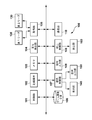
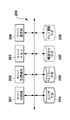
- the system figure which showed the structure of the game system which concerns on embodiment of this invention The block diagram which showed the function structure of the game device 100 which concerns on embodiment of this invention.
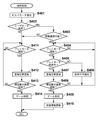
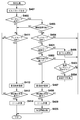
- the flowchart which illustrated the provision process which concerns on Embodiment 2 of this invention The flowchart which illustrated the provision process which concerns on Embodiment 3 of this invention.
- the figure which showed the data structural example of the various information which concerns on Embodiment 1 and 2 of this invention The figure which showed the data structural example of the various information which concerns on Embodiment 3 of this invention.
- the game element associated with the item may appear by acquiring information from the first type of usable item when playing the game. It will be explained as possible.
- the game device is configured to be capable of discharging the first type of article that can be used in the game as described above.
- the first type of article discharged by the game device and the second type of article configured to be able to acquire other information are both assumed to be cards, but as will be described later.
- An article is not limited to a card as long as it is an article configured such that information handled differently for each type can be acquired.
- the article may be a modeled object such as a figure having the appearance of a game element (character or item), for example.
- the article information may be acquirable from a recording medium inside the modeled object or a part of the appearance such as painting, sealing, or printing attached to the modeled object.
- the article may be any article such as a toy or a seal as well as a figure.
- information (article information) attached to an article is converted into a one-dimensional or multi-dimensional pattern (code) by applying a predetermined conversion operation, and printed on the card surface.
- code image of the card is configured to be able to acquire the article information by being read by each reader described later.
- the manner in which the article information is attached to the card is not limited to that attached to the card as such visible information, but is attached to a recording medium such as an IC chip attached by printing with invisible ink or included in the card. Any data may be recorded and stored as data.
- the game elements that can be made to appear by using the card relating to the first type of article are characters and items, and correspond to the cards.
- a description will be given assuming that a character or item pattern (character image, item image) is attached.
- the embodiment of the present invention is not limited to this, and a card for a purpose of specifying a game element of a game to be executed is not limited to one configured to be able to specify a character and an item related to the game, and is activated. It goes without saying that other game elements such as effects may be specified. *
- the game system is configured so that the server 200 and each of the plurality of game devices 100 can communicate with each other via the network 300.
- components that realize the same function in the game device 100 and the server 200 are distinguished by attaching the prefix “server” to the latter.
- the control unit 101 is, for example, a CPU, and controls the operation of each block included in the game apparatus 100. Specifically, the control unit 101 controls the operation of each block by, for example, reading an operation program for each block recorded on the recording medium 102 and developing the operation program in the memory 103. *
- the recording medium 102 is a recording device capable of permanently storing data, such as a nonvolatile memory or an HDD.
- the recording medium 102 stores, in addition to the operation program for each block of the game apparatus 100, information such as parameters necessary for the operation of each block, and various graphics data used for the game executed by the game apparatus 100.
- the memory 103 is a storage device used for temporary data storage such as a volatile memory.
- the memory 103 is used not only as a development area for the operation program of each block, but also as a storage area for temporarily storing data output in the operation of each block. *
- the payment detection unit 104 detects that the game device 100 has paid the price.
- the payment of the consideration is determined by detecting, for example, that a predetermined amount of coins or corresponding coins have been inserted into the coin slot, or completion of settlement processing based on communication with a chip related to the predetermined electronic money. It may be done.
- the game apparatus 100 according to the present embodiment is described as starting the provision of a service that involves discharging a card to a user based on the payment of the consideration. However, payment of the consideration is not an essential requirement, and a predetermined start instruction is given. Based on this, provision of services may be started. *
- the acquisition unit 105 acquires information from various cards via the first reader 120 and the second reader 130 when playing a game provided by the game apparatus 100 of the present embodiment.
- the first reader 120 and the second reader 130 are provided in a form that is incorporated in the same housing as the game apparatus 100 or in a form that is detachably connected to the outside of the game apparatus 100.
- the first reader 120 and the second reader 130 are configured to be able to acquire information from different types of cards, and receive information acquired from the cards in response to the placement of the corresponding cards.
- the data is output to the acquisition unit 105. At this time, a predetermined data conversion process or the like may be performed in order to convert the article information acquired from the card into a format suitable for use in the process related to the game.
- the first reader 120 and the second reader 130 detect that a card has been placed at a predetermined part and recognize the card or from the card during a period in which information is acquired from the card.
- This information acquisition is performed, for example, by applying predetermined image processing to an image obtained by imaging.
- a device that acquires information directly from a card will be described as a reader.
- the device may be a device that further includes a write (information writing) function instead of a device that includes only a read (information reading) function. .
- each card has a built-in storage medium that holds information and is rewritable. *
- the first reader 120 and the second reader 130 are provided at different positions on the operation panel, and information is acquired by different methods at the respective positions. It will be explained as a thing. However, in the implementation of the present invention, it is not essential that the first reader 120 and the second reader 130 are separately provided and that the information acquisition method is different, and the first reader 120 and the second reader 130 are different from each other. May be constituted by the same reader. *
- the game element DB 106 is a database that manages information (element information) about each game element that is predetermined as appearing in the game.
- a plurality of types of game elements can appear during a game related to one game play.
- the plurality of types of game elements include, for example, a boarding aircraft, equipment (items), and a pilot. By combining these game elements that appeared during the game, a user-specific operation character is configured, and the user can play the game You can play. *
- the play card is uniquely specified as shown in FIG. It is configured to include at least a play card ID 701 and an element ID 702 that uniquely identifies a game element that can appear when used for game play.
- a pattern indicating a corresponding game element in addition to the code image is provided on the surface of the play card. Is attached.
- the game element controlled to appear by the play card is described as being used for the configuration of the user operation character in the game play.
- the play card may cause the corresponding game element to appear. The handling of these game elements on the game is not limited to this embodiment. *
- the element information managed for each game element in the game element DB 106 is associated with an element ID, and the play card information is acquired by the first reader 120, so that element information to be referred to for the current game play is obtained. Configured to be identifiable. In other words, by obtaining the play card information, information necessary for causing the corresponding game element to appear in the game related to the game play is prepared.
- the presentation control unit 107 controls the presentation of various information to the user in the game apparatus 100.
- the game apparatus 100 will be described as having a display unit 140 that displays an image (game screen, menu screen, etc.) and a voice output unit 150 that performs voice output as means for presenting various information to the user. Needless to say, the means for presenting information is not limited to these, and can be replaced or added. *
- the presentation control unit 107 includes a drawing device such as a GPU, for example, and performs a predetermined drawing process when generating a screen to be displayed on the display unit 140.
- the presentation control unit 107 is appropriate for a necessary drawing object based on processing and commands performed by the control unit 101 while the game apparatus 100 is in operation (during game play or in a standby state). Performs arithmetic processing and draws the screen.
- the generated screen is output to the display unit 140 which is a display device detachably connected in the same housing as the game device 100 or outside the game device 100, and is displayed in a predetermined display area to the user.
- the display unit 140 which is a display device detachably connected in the same housing as the game device 100 or outside the game device 100, and is displayed in a predetermined display area to the user.
- the presentation control unit 107 includes a circuit that outputs / amplifies an audio signal, such as a sound board or an amplifier, and performs predetermined processing when generating audio to be output from the audio output unit 150. Specifically, the presentation control unit 107 determines audio data to be output at the same time based on, for example, audio data recorded in advance on the recording medium 102, and converts this into an electric audio signal (D / A conversion). And output to the audio output unit 150 to perform audio output.
- the audio output unit 150 may be a predetermined speaker or the like, and outputs a sound wave based on the input audio signal. *
- the discharge control unit 108 normally controls the discharge of one play card per game play based on the payment of the consideration.
- the play card discharged in the game device 100 is discharged before the start of a game sequence related to the provision of a predetermined game (game part that operates an operation character: a battle game), for example, basically the play contents of the game Regardless of the card, a predetermined (fixed) information is attached to each card.
- the discharge unit 160 is, for example, a card dispenser, has a stocker (not shown) that accumulates play cards in the vertical direction, and stores the play card held at the bottom of the stocker according to the discharge command issued by the discharge control unit 108. It may be configured to have a mechanism for discharging one sheet.
- the discharged play card is provided to the user by being guided to a discharge port 161 (see FIG. 1) accessible from the outside of the game device 100 when the discharge unit 160 is built in the same housing as the game device 100. May be.
- the play cards ejected from the game apparatus 100 of the present embodiment are pre-made cards that are pre-printed and manufactured, and the design of character images, parameters, etc. printed on the card surface is fixed, and all cards have the same shape and shape. Largely formed. Further, in the present embodiment, it is assumed that a code image is attached to the play card, and which game element each play card corresponds to can be acquired by the code image. *
- the operation input unit 109 is a user interface that the game apparatus 100 has, such as an operation member for direction input, an operation member for determination input, and various sensors. When the operation input unit 109 detects that an operation input to the operation member has been made, the operation input unit 109 outputs a control signal corresponding to the operation input to the control unit 101.
- the game apparatus 100 is described as having various interfaces as physical operation members, but includes, for example, a touch input detection sensor that detects touch input made on the screen of the display unit 140. Also good. *
- Communication unit 110 is a communication interface with an external device included in game device 100.
- the communication unit 110 may be connected to an external device via a network 300 (whether wired or wireless) that may be a communication network such as the Internet or a cable for connecting devices, and may transmit and receive data. it can.
- the communication unit 110 converts information input as a transmission target into data of a predetermined format and transmits the data to an external device such as a server via a network. Further, for example, when receiving information from an external device via a network, the communication unit 110 decodes the information and stores it in the memory 103.
- the game apparatus 100 according to the present embodiment is configured to be able to receive program data obtained by packaging a processing program related to a game from an external apparatus via the communication unit 110.
- the control unit 101 uses the received program data for the processing program relating to the game currently stored in the recording medium 102 according to the update request. Can be updated.
- the program update processing of the game is automatically executed when the program data recorded on the recording medium is inserted into an optical drive (not shown) included in the game device, or after the insertion. It can also be executed by the start command from the administrator.
- the server control unit 201 is a CPU, for example, and controls the operation of each block included in the server 200. Specifically, the server control unit 201 controls the operation of each block by, for example, reading the operation program of each block recorded in the server recording medium 202 and developing it in the server memory 203 and executing it. *
- the server recording medium 202 is a recording device that can hold data permanently, such as a nonvolatile memory or an HDD.
- the server recording medium 202 stores information such as parameters necessary for the operation of each block in addition to the operation program for each block of the server 200.
- the server memory 203 is a storage device used for temporary data storage such as a volatile memory.
- the server memory 203 is used not only as a development area for the operation program of each block, but also as a storage area for temporarily storing data output in the operation of each block. *
- the user DB 204 can experience a continuous interest element (an element that provides a game play reflecting the content of the game play performed earlier) on any game apparatus 100 connected to the game apparatus 100 in communication.
- a continuous interest element an element that provides a game play reflecting the content of the game play performed earlier
- the user can experience the entertainment element continuously by using the user card as the second type of the present invention separately from the play card when playing the game.
- a user card is not provided from the game device 100 for game play, but is provided to the user by purchase or distribution in order to use continuous interest elements.
- the user card is given a user card ID that can uniquely identify the user card, and the user information is configured to be identifiable by using the user card ID.
- the user can play the game with the user information including the past play history reflected. More specifically, by using the user card, information such as the progress of the game play performed is recorded (saved) in the server 200, and the game is played in a state reflecting the content of the game play performed previously in the subsequent game play. It can be resumed (loaded). *
- the user information is associated with a user card ID 711 as shown in FIG. 7B, and a used flag 712 indicating whether or not the user card has been used for game play (unused state when the card is issued), and It manages play history information 713 indicating a history of game play performed in the past on the user card.
- the play history information 713 is used for the game elements used to manage the growth information (nurturing elements) from the initial state generated for the used game elements in the game play performed on the user card. Contains information about each such play card.
- state information 722 including growth information (such as parameter increments) according to the progress of the game play is associated with the play card ID 721 and the play history information 713.
- the play history information 713 may include information such as the number of times of play, the play date and time, and the highest score. It is assumed that the used flag 712 is changed to a value (true) indicating a use state when it is used for the first time in the game play. *
- the play card DB 205 manages information (linking information) as to which user is registered for use for each issued play card.
- the play cards used in the game play are associated with the user cards used in the game play, and thereafter other users.
- the user card of the other user is restricted to be unusable for game play. That is, the association of the play card to the user card is performed when information is acquired from the play card in the game play using the user card, and after the association, the play card is associated with the associated user card. It can be used only in the game play to be used. For this reason, the association state between the user card and the play card is managed in the play card DB 205.
- the association information includes information on all issued play cards.
- the play card is associated with the play card ID 731 of the play card. It may be configured to manage the user card ID 732 related to the user used for the game play.
- the user card ID 732 may be registered when used for the first time in a game play using a user card, and the initial value is set to a value (for example, null) that does not specify any user card. It may be. *
- the server communication unit 206 is a communication interface with an external device included in the server 200.
- the server communication unit 206 is connected to an external device via a network 300 (whether wired or wireless), which may be a communication network such as the Internet or a cable for connecting devices, and can transmit and receive data. Can do.
- the server communication unit 206 converts information input as a transmission target into data of a predetermined format, and transmits the data to an external device such as a server via a network. Further, when receiving information from an external device via a network, for example, the server communication unit 206 decrypts the information and stores it in the server memory 203. *
- a specific process of the providing process executed in connection with one game play in the game apparatus 100 of the present embodiment having such a configuration will be described with reference to the flowchart of FIG.
- the processing corresponding to the flowchart can be realized by the control unit 101 reading, for example, a corresponding processing program stored in the recording medium 102, developing it in the memory 103, and executing it.
- the present providing process will be described as being started when the payment detecting unit 104 detects that the payment of the consideration has been made, for example. *
- step S401 the discharge control unit 108 operates the discharge unit 160 under the control of the control unit 101 to provide a play card to the user.
- the control unit 101 determines whether or not a user card is used for the current game play. At this time, the presentation control unit 107 notifies the display unit 140 to prompt the user card to be read if a continuous interest element is used. Whether or not a user card is used may be determined based on whether or not user card information has been acquired by the second reader 130. If the control unit 101 determines that the user card is used, the process proceeds to S403, and if it is determined that the user card is not used, the process proceeds to S411. The determination that the user card information is not used may be made when a predetermined time limit has elapsed without acquisition of user card information or when an operation input indicating that the user card information is not used has been made.
- step S ⁇ b> 403 the control unit 101 determines whether information communication with the server 200 is possible.
- the control unit 101 establishes a communication connection with the server 200 via the communication unit 110, and performs the determination of this step depending on whether or not information transmission / reception is possible.
- the control unit 101 moves the process to S404, and when it determines that the information communication is impossible, the control unit 101 moves the process to S411.
- the presentation control unit 107 notifies the display unit 140 to read the card if there is a game element to be registered for each of the boarding aircraft, the equipment, and the pilot using a hand-held play card. It is determined whether or not information on a play card used for the current game play has been acquired. If the control unit 101 determines that the play card information has been acquired, the control unit 101 moves the process to S405. If it determines that the play card information has not been acquired, the control unit 101 repeats the process of this step. Note that the repetition of this step ends when a predetermined time limit elapses or when an operation input indicating that it is not used has been made, and the control unit 101 performs a lottery process for game elements that have not been registered with a play card. The game elements to be entered are determined and registered (in the initial state), and the process proceeds to S409. *
- step S405 the control unit 101 determines whether or not the play card (target play card) for which information has been acquired in step S404 is usable.
- the play card target play card
- the determination in this step is performed according to the association status with the user card (used user card) used in the current game.
- the control unit 101 transmits the user card ID of the used user card and the play card ID of the target play card to the server 200 via the communication unit 110 together with the association confirmation request.
- the server control unit 201 first refers to the user card ID 732 associated with the play card ID of the target play card in the association information managed by the play card DB 205.
- the server control unit 201 associates the user card ID with the received play card ID from the user history play history information 713 managed in the user DB 204. Status information 722 is acquired and returned to the game apparatus 100 via the server communication unit 206.
- the server control unit 201 executes a process related to associating the user card to be used with the target play card.
- the server control unit 201 updates the user card ID 732 associated with the play card ID of the target play card in the association information managed in the play card DB 205 to the user card ID of the received used user card.
- the server control unit 201 adds the play card ID of the target play card and the state information 722 indicating the initial state in association with the play history information 713 of the user information relating to the user card used. Then, the server control unit 201 returns the added state information 722 to the game device 100 via the server communication unit 206.
- the server control unit 201 displays information indicating that the target play card has already been linked to another user card in the server communication unit 206. To the game device 100. *
- the control unit 101 determines whether the information returned in response to the association confirmation request is state information or information indicating that the information is already associated with another user card. Then, this step is determined. If the control unit 101 determines that the target play card can be used (receives status information), the process proceeds to S407. If the control unit 101 determines that the target play card cannot be used (receives information indicating that it is already linked to another user card), it has already been registered for use by another user in S406, After notifying the presentation control unit 107 that it cannot be used, the process returns to S404. *
- the target play card and the user card to be used are linked when information acquisition from the target play card is performed.
- the process related to the association of the target play card when it is not associated with any user card, and the return of the status information when it is usable are performed at a time, It will be easily understood that the processing may be performed by separating and transmitting different requests from the game apparatus 100 to the server 200 together with necessary information.
- the control unit 101 acquires element information about the play card ID of the target play card from the game element DB 106, changes the basic status (for example, initial state) of the corresponding game element based on the received state information, Register information about game elements to appear in the game.
- the state information differs depending on whether or not the corresponding information exists in the play history information at the stage of the association confirmation request, and when the target play card has already been associated, Game element information is registered in a state in which the progress of the game is more advantageous than the basic status and the contents of the previously played game play are reflected and nurtured.
- game element information is registered in the basic status. *
- step S ⁇ b> 408 the control unit 101 determines whether registration of information on a predetermined number (three types) of game elements that can appear in the game has ended. If the control unit 101 determines that the registration of the prescribed number of game element information has been completed, the control unit 101 moves the process to S409, and if it determines that the registration has not ended, returns the process to S404. *
- step S409 the control unit 101 executes a game process related to the provided game content related to the current game play based on the registered game element information, and provides a play experience to the user.
- the control unit 101 changes the status of the game element registered for the current game play in accordance with the progress of the played game in S410, and sends status information based on the changed status to the server 200.
- the corresponding information included in the play history information 713 of the user information is updated. More specifically, the control unit 101 is based on the user card ID of the user card used, the play card ID of the play card used for registering each game element, and the status after the change of the game element, along with the update request for the state information.
- the state information is transmitted to the server 200 via the communication unit 110.
- the server control unit 201 updates the play history information 713 of the user information related to the received user card ID with the received other information. For example, the control unit 101 receives the update completion information from the server 200 and completes the provision process.
- the control unit 101 uses a play card for the presentation control unit 107 in S411.
- a message indicating that the registration of the game element is accepted is presented, and it is determined whether or not information on a play card used for the current game play has been acquired.
- the control unit 101 moves the process to S412 when determining that the play card information has been acquired, and repeats the process of this step when determining that the play card information has not been acquired. Note that the repetition of this step may be terminated when the same conditions as in S404 are satisfied, and the control unit 101 performs lottery processing for game elements that have not been registered with the play card.
- the game element to be determined is determined and registered (in the initial state), and the process proceeds to S412. *
- control unit 101 acquires element information about the play card ID of the play card (target play card) for which information has been acquired in S411 from the game element DB 106, and the corresponding game element appears in the game with a basic status. Register as game element information.
- step S413 the control unit 101 determines whether or not registration of information on a specified number (type) of game elements that can appear in the game has ended.
- the control unit 101 moves the process to S414 when determining that the registration of the information of the prescribed number of game elements is completed, and returns the process to S411 when determining that the registration is not completed.
- control unit 101 executes a game process of the provided game content related to the current game play based on the registered game element information, and provides a play experience to the user. Since the state information is not updated when the user card is not used, the control unit 101 completes the present providing process when the game process is completed.
- each play card is configured only to be linked to a user card so as to enable a continuous entertainment experience, so even if it is illegally distributed, a game balance is given. The effect obtained can be reduced.
- the play card is configured so that it can be used only in the game play using the associated user card. It becomes a configuration in which the presence or absence cannot be confirmed.
- the acquisition of a play card by other than the regular method is a high risk because it is not guaranteed that the card is not linked, and the game balance is particularly affected by using a continuous interest element. It is possible to prevent unauthorized distribution by not providing an on-going manual machine to the user who obtains and, as a result, there is no demand.
- the play card already linked to the user card to be used and other user cards have been described as being restricted for use in the game play using the user card. Reduction of the influence that can be given to the game balance and suppression of illegal distribution are not limited to this. In other words, even such a play card can be used for game play, but it appears in the game only in a state where the game cannot proceed more advantageously than the basic status (the progress of the game becomes disadvantageous), or even a game It is good also as what restricts the use of a play card by comprising so that the status information according to the play content may not be updated. *
- the content of the game play in which the game element corresponding to the card is performed first is reflected.
- a play card that is made to appear in the game and is not yet linked to any user card is used, when a play card is used in a game play that does not use a user card, and the game apparatus 100 and the server 200
- the game element corresponding to the card is boarded in the state of the basic status, but the present invention is not limited to this. is not.
- a difference is made between the status of the corresponding game element in the first game play in which the play card is linked to the user card used and the status of the corresponding game element in the case of being used for game play without being linked to the user card. You may comprise.
- the association between the user card and the play card is set as a condition for the continuous use of the interest element, and even a play card that has already been associated is determined by game play. If the condition is satisfied, a mode of allowing use by a new user will be described.
- the circulation number is usually set differently depending on the card type.
- a play card corresponds to a card to be traded. Therefore, the game elements corresponding to the play cards are classified according to the rarity, and for example, the game elements with parameters that can make the progress of the game more advantageous are given higher ranks, considering the game balance. It is assumed that the discharge frequency is low (the number of circulation is small). In other words, since play cards have different values depending on the rarity of the corresponding game elements, they can be targeted for card exchange (trading), and nurture the fun elements of the game from the viewpoint of collection and capture. *
- the game system of the present embodiment is different from the game system of the first embodiment in that the server 200 has a configuration indicated by a broken line in FIG.
- the description of the same configuration as that of the first embodiment will be omitted, and only the configuration unique to the present embodiment will be described.
- the association DB 207 is a database that manages user information associated with the same user. As in the first embodiment, the user information is identified based on the user card ID and is managed in association with each user card. However, in the game system of the present embodiment, the user information is the same as described later. Association information indicating which of the user information managed in the user DB 204 is user information related to the same user is managed in the association DB 207 so that a plurality of user cards can be used by the user. That is, a plurality of user cards used by the same user are allowed to acquire information and can be discriminated by the association information after an operation related to the association is performed. The association information may be configured to manage the user card ID 742 of each associated user card in association with the association information ID 741 as shown in FIG. *
- the play history information is managed in the play history DB 208 so that play cards associated with all user cards for the same user and state information thereof can be integrated.
- the play history information is information that is managed for each user, not for each user card.
- the play history information includes a play history information ID 761 for specifying the play history information.
- the play card ID 721 and status information 722 of each play card associated with any user card of the user are managed.
- the user information is associated with the user card ID 711, in addition to the used flag 712, an association flag 751 indicating whether or not the user card is associated.
- the play history information is basically stored in the play history DB 208 in association with the user card in response to the fact that the used flag 712 of the corresponding user information is truly changed when the user card is used for the first time, for example.
- the play history information ID 761 of the play history information may be added to the user information as the play history information ID 753. *
- the registration of the association information in the association DB 207 and the update of the user information associated therewith may be performed when, for example, the processing related to the association is started in the game apparatus 100 and information acquisition from the newly associated user card is performed. .
- the game device 100 transmits the user card ID of each of the plurality of user cards to be associated to the server 200 together with the association request.
- the server control unit 201 When associating user cards that are not associated with any user card, when the server control unit 201 receives an association request from the game apparatus 100, the server control unit 201 issues a new association flag 751 and sets the received plurality of user card IDs. In association, association information is added to the association DB 207. In addition, the server control unit 201 changes the association flag 751 of the user information corresponding to each of the received plurality of user card IDs to true (true) and relates to the association information added to the association DB 207. Registered in the association information ID 752. *
- association information of user information related to the user card A is registered and updated in the association information specified by the ID 741. Furthermore, for the user information related to the user card B, the used flag 712 and the association flag 751 are set to true, and the information of the association information ID 752 of the user information related to the user card A may be substituted. Thereby, even when the user card B is used, the play card associated with the user card A can be used, for example, in a nurtured state.
- the user card ID 742 managed by the association information specified by the association information ID 752 of the user information related to the user card (user card D) may be integrated.
- the user information association information ID 752 related to the user card C may be substituted into the user information association information ID 752 related to the user card D.
- the association information other than the one association information after the integration may be deleted from the association DB 207 at this time.
- play history information when it has already produced
- the play history information ID 753 only needs to be changed to indicate one piece of play history information after integration.
- play history information other than the integrated one piece of play history information may be deleted from the play history DB 208 at this time.
- the play history information ID 753 may be substituted into the user information related to the former user card.
- each play card is linked to the user card, and a condition that can be used while using the continuous interest element is determined, and the condition is satisfied. Allow trade to other users when they are gone. More specifically, with respect to one play card that has been linked, the play card is temporarily made unusable for game play on the condition that it has been used for a predetermined number of game plays.
- the game system is configured so that it is possible to change the association with other user cards.
- the predetermined number of times (usable number of times) that is the upper limit of the number of times of use is preferably provided to the user, for example, the number of times necessary for the game element corresponding to the play card to be in a predetermined growth state or the interest of the game element itself It is preferable to set the number of times that can be determined as a repeat user who is performing a preferred game play, such as the number of times that can be played, but the implementation of the present invention is not limited to this. *
- the information on the number of usable times may be included in the status information 722 of the corresponding play card in the play history information related to the user who uses the device, and for example, once each time the corresponding play card is used for game play. It may be configured so that the number of remaining usable times can be managed by reducing and updating each one.
- the game system is configured to relax a condition that a play card can be used on the condition that a new user card is associated with the user card being used.
- the upper limit of the number of times each user uses a play card by one user is determined according to the number of user cards that the user owns and has associated with each other. Further, even when there is a play card that is restricted from being used after the upper limit has been used, this restriction is lifted by associating a new user card.
- the upper limit number in a state where the use of the upper limit number is not completed, it may be updated so that the usable number increases or is reset (to the upper limit number) by associating a new user card.
- the play card and the user card associated with the play card are illegally distributed, if the user card is not further associated, the play card Eventually, since the usable condition is not satisfied, the possibility of being used after distribution can be reduced.
- a play card with high rarity When a play card is ranked by rarity, a user who owns a play card with high rarity tends to select it for use in game play. That is, since a play card with high rarity advances the game advantageously, the user can easily use such a play card in order to easily obtain a suitable play result. On the other hand, since the play cards are discharged in a random order, whether or not the user can obtain a play card with high rarity depends on luck or the number of times of play. There will be a difference in the game experience with the unsuccessful user. *
- a user who owns a play card with high rarity can be fixed because the play card used for game play can be fixed, and as a result, the clear conditions set for the game can be easily achieved.
- game content including a battle element between users, a score ranking element, and the like
- a user who does not have a play card with high rarity cannot enjoy these elements and is easily bored.
- ⁇ Providing Process a specific process of the providing process executed by the game apparatus 100 of the present embodiment will be described with reference to the flowchart of FIG.
- the processing corresponding to the flowchart can be realized by the control unit 101 reading, for example, a corresponding processing program stored in the recording medium 102, developing it in the memory 103, and executing it.
- the same reference numerals are assigned to the steps for performing the same process as the providing process of the first embodiment, and the description thereof is omitted.
- the steps for performing the processes specific to the present embodiment Mainly explained.
- the present providing process is described as being started when the payment detecting unit 104 detects that the consideration has been paid, for example. *
- the control unit 101 determines in S501 whether the target play card can be used in a game play using the user card to be used.
- the play card is a user card associated with another user in addition to a state associated with the user card used and a state in which the play card is not yet associated with any user card. Those that have been linked but have been used for the upper limit number of times and cannot be used can be used by changing the linkage. Therefore, whether or not the target play card can be used is determined according to the association status with the user card to be used and the usage status of the target play card itself. Since it can be used by associating a new user card, which will be described later, in this step, it is not determined whether the target play card already linked to the user card to be used can be used. *
- the control unit 101 transmits the user card ID of the used user card and the play card ID of the target play card to the server 200 via the communication unit 110 together with the association confirmation request.
- the server control unit 201 first refers to the user card ID 732 associated with the play card ID of the target play card in the association information managed by the play card DB 205.
- the server control unit 201 is associated with the received play card ID from the play history information indicated by the play history information ID 753 of the user information related to the user card ID.
- Status information 722 is acquired and returned to the game apparatus 100 via the server communication unit 206.
- the server control unit 201 executes a process related to associating the user card to be used with the target play card.
- the server control unit 201 updates the user card ID 732 associated with the play card ID of the target play card in the association information managed in the play card DB 205 to the user card ID of the received used user card.
- the server control unit 201 indicates the play card ID of the target play card and the status of the initial state in the play history information indicated by the play history information ID 753 of the user information relating to the user card used, and sets the maximum number of times that can be used.
- the state information 722 is added in an associated state. Then, the server control unit 201 returns the added state information 722 to the game device 100 via the server communication unit 206.
- the server control unit 201 sets the target play card of the play history information indicated by the play history information ID 753 of the user information related to the different user card ID.
- the state information 722 associated with the play card ID is referred to. *
- the server control unit 201 When the status information 722 indicates that the usable number of times indicates an unusable state, the server control unit 201 first plays the play history information (play history information relating to the user who previously owned the target play card). ) To delete information related to the target play card. Subsequently, the server control unit 201 executes a process related to associating the user card to be used with the target play card. The server control unit 201 updates the user card ID 732 associated with the play card ID of the target play card in the association information managed in the play card DB 205 to the user card ID of the received used user card.
- the server control unit 201 indicates the play card ID of the target play card and the status of the initial state in the play history information indicated by the play history information ID 753 of the user information relating to the user card used, and sets the maximum number of times that can be used.
- the state information 722 is added in an associated state. Then, the server control unit 201 returns the added state information 722 to the game device 100 via the server communication unit 206.
- the server control unit 201 cannot release the association between another user card and the target play card. Information indicating this is returned to the game apparatus 100 via the server communication unit 206.
- the control unit 101 determines whether the information returned in response to the association confirmation request is state information or information indicating that association cannot be released. Make a decision. If the control unit 101 determines that the target play card can be used (receives status information), the process proceeds to S502. If the control unit 101 determines that the target play card cannot be used (receives information indicating that the association cannot be released), it is already registered for use by another user in S406 and cannot be used. After notifying the presentation control unit 107 of the notification, the process returns to S404. *
- step S502 the control unit 101 determines whether the target play card satisfies a usable condition based on the received state information. As described above, since the status information includes information on the number of times of use, in this embodiment, the control unit 101 determines whether or not the target play card is usable based on the information. If the control unit 101 determines that the target play card satisfies the usable condition (the number of usable times remains), the control unit 101 moves the process to S407, and the target play card does not satisfy the usable condition (usable) If it is determined that the upper limit of the number of times has been reached, the process proceeds to S503. *
- step S503 the control unit 101 causes the presentation control unit 107 to present information indicating that the target play card cannot be used because the number of times of use has reached the upper limit, associates a new user card, and sets the target play card to the current time.
- a selection input for changing the target play card to another play card without accepting a new user card is made.
- the control unit 101 moves the process to S504 when a selection input for associating a new user card is made, and performs a process when a selection input for changing to another play card is made without performing the association.
- S404 *
- step S504 the control unit 101 waits until acquisition of information on a newly associated user card is performed.
- the server 101 stores the user card ID of the user card and the user card ID of the user card to be used together with an association request. 200.
- the server control unit 201 updates the user information relating to the newly associated user card, the association information, and, in some cases, the user information relating to the user card to be used, and associates these user cards.
- the server control unit 201 updates the status information 722 of each play card managed by the play history information indicated by the play history information ID 753 of the user information related to the user card to be used, and resets the usable count. That's fine.
- the control unit 101 changes the status of the game element registered for the current game play in accordance with the progress of the played game in S505, and based on the changed status.
- the state information is transmitted to the server 200, and the corresponding information in the play history DB 208 is updated.
- the control unit 101 sets a value obtained by subtracting 1 from the number of times each game element can be used, and includes it in the state information. More specifically, the control unit 101 is based on the user card ID of the user card used, the play card ID of the play card used for registering each game element, and the status after the change of the game element, along with the update request for the state information.
- the state information is transmitted to the server 200 via the communication unit 110.
- the server control unit 201 updates the play history information indicated by the play history information ID 753 of the user information related to the received user card ID with the other received information. For example, the control unit 101 receives the update completion information from the server 200 and completes the provision process. At this time, if the remaining usable count becomes 0 due to the change of the status information and becomes unusable, the control unit 101 has entered a state where the corresponding play card can be traded, In order to use the play card from the next time onward, the presentation control unit 107 may be notified of a notification indicating that a new user card needs to be associated. *
- each play card is configured only to be linked to a user card so as to enable a continuous entertainment experience, so even if it is illegally distributed, a game balance is given.
- the effect obtained can be reduced.
- further users are required to satisfy the demand for long-term use. The restriction is adjusted on the condition that the card association is performed.
- the usable condition may not be set based on the usable number of times.
- the play card usable condition may be set to permit use only for a predetermined period after being associated with the user card. In this case, if the period is exceeded, the play card is treated as unusable unless a new user card is associated.
- the use of the play card is disabled unless a new user card is associated. It is not limited to.
- the restriction may be realized by controlling the handling of the game element in a direction in which the progress of the game is more disadvantageous than the current status, such as an initial state.
- the usable condition of each play card is changed according to the user card associated with the user card to be used (the usable condition is reduced as the number of associated user cards is larger).
- the implementation of the present invention is not limited to this.
- an associated user card group is provided in order to improve interest.
- the restriction mode may be made different.
- the element attached to the user card is not limited to a character that can be an avatar, and may be any attribute on the game.
- the play history information associated with the user information is integrated, and the play history information ID 761 of one integrated play history information is attached to each user information, the present invention is not limited to this. It is not something that can be done. If only the association state between user cards (between user information) can be managed, when one of the user cards is used, the association information is referred to, so that the play card and the user card are It can be ascertained whether there is a direct or indirect association.
- the data length of each piece of play history information in the play history DB 208 may not be configured to be dynamically changeable.
- the mode of integrating the play history information at each association can suppress the absolute number of the play history information, but can be divided and stored in the storage area because the data length fluctuates, and reference to one play history information The reference address may be changed a plurality of times.
- the memory access frequency of the storage area related to the play history DB 208 may increase particularly when game play is performed simultaneously on a plurality of game devices 100. Therefore, the number of play cards that can be linked to one user card may be up to a specified number, and the play history information may be configured to have a fixed data length. In this case, in order to ensure fairness from the viewpoint of the capacity that allows management of play history information per user, associating (using) more than a specified number of play cards with the requirement of further user card association It is good also as a structure which makes it possible. *
- the number of play cards that can be linked can be increased by associating them, but with a configuration in which fixed-length play history information is provided for each user card
- the storage area of the play history DB 208 can be occupied unnecessarily. For this reason, every time the number of plays performed using the associated user card group reaches a predetermined number, the play history information ID 753 associated with the user information related to the u card group may be issued. .
- the number of play cards that can be linked to one user card is 30 and the play history information is secured with a data length of 30 play cards.
- the user can link 90 play cards, but in a configuration in which a maximum of three play cards can be used in one game play, If it does not exceed 10 times, the information of all linked play cards can be managed with the play history information for one record. Therefore, the number of play cards that can be associated with user cards used by the same user is not only the number of associated user cards, but also the number of game plays performed using these user cards. You may comprise so that it may change according to it. That is, new play history information is added to the play history DB 208 every 10 times, and the play history information ID 761 of the play history information is one of the corresponding user information (the play history information ID 753 is still the initial value). (User information) may be registered. *
- the play card is a ready-made card that is printed and manufactured, loaded into the stocker, and discharged one by one in accordance with payment of the price.
- Implementation of the invention is not limited to game devices that provide games using such ready-made cards.
- the game device 100 is not configured to eject a ready-made card, but configures print data and prints on a predetermined photographic paper in a state where printing is not performed. A mode in which a so-called on-demand printing card is discharged will be described. *
- ⁇ Configuration of Game Device 100 The configuration of the game system, the game device 100, and the server 200 of the present embodiment is the same as that of the second embodiment described above except that the discharge control unit 108 and the discharge unit 160 of the game device 100 are different. It may be. Hereinafter, different configurations will be described. *
- the discharge control unit 108 performs control to discharge one play card for each game play based on the payment of the consideration.
- the discharge control unit 108 When a play card generation instruction is given, the discharge control unit 108 generates print data for a play card to be printed out, including a code image corresponding to information to be included in the card and other images forming a print surface. .
- the play card ejected by the game apparatus 100 identifies any game element that appears in the game, and enables the user to use the game element in the game. Therefore, the appearance of the game element that can be used by using the play card is formed on the card printing surface, and the user can easily understand which game element corresponds to the play card.
- the discharge control unit 108 transmits the print data together with the print command to the discharge unit 160 to instruct printing of the corresponding play card and discharge the print card.
- the discharge unit 160 is a printing device such as a printer configured to be able to transmit and receive information to and from the discharge control unit 108 detachably connected in the same housing as the game device 100 or outside the game device 100.
- the discharge unit 160 performs a print operation of the print data.
- the discharge unit 160 is built in the same housing as the game apparatus 100, the card discharged by printing is guided to the user by being guided to the discharge port 161 (see FIG. 1) accessible from the outside of the game apparatus 100. May be provided. *
- the play card generated and discharged by the on-demand printing method can control the corresponding game elements.
- the next game element to be discharged as a play card is determined by the order loaded in the stocker and cannot be controlled, but in the on-demand print card mode, The game elements to be discharged can be controlled by print data that constitutes the game elements.
- the game apparatus 100 employs the on-demand printing method, so that one game element desired by the user is discharged as a play card from among the game elements that have appeared in the game for the current game play. It is configured to be selectable as a target (discharge target). For example, when the game content is to provide a battle game performed between an operation character for a user and a character (an opponent character) operated by an NPC, each of the operation character and the opponent character is played in one game play.
- the boarding aircraft, equipment, and pilot used in the configuration are candidates for discharge. Candidates to be discharged may be extracted from game elements that have appeared in the game according to the content of the game play that has been performed. For example, when the game is defeated, the configuration of the operation character When only the game element used in the above wins the battle game, in addition to this, the game element used in the configuration of the opponent character becomes a candidate.
- the user can obtain a play card corresponding to, for example, an initial state related to the game element by selecting a game element that does not yet have a play card as a discharge target.
- a play card related to the game element corresponding to the state grown according to the play content.
- the on-demand printing characteristic enables a variation element generated by game play, such as a training element, to be represented on the play card in a manner that the user can easily grasp.
- the information of the play card can be obtained without performing the information acquisition in the game device 100.
- the user can confirm the growth state and the like.
- “derivation” refers to the generation of a new play card that reflects the play content for the character corresponding to the play card due to the use of the play card in the game play. Shall.
- the element IDs 702 of the play card information are the same among the play cards in the derivation relationship, the game element corresponding to the card is not changed, and the rarity of the game element itself is maintained.
- a play card having a derivation relationship is a play card used in game play and a play card that is generated and discharged based on the play card after play of a battle game, that is, a play generated in one derivation. It is not limited to cards.
- the game element corresponding to the play card used for the previous game play has passed through one or more derivations and inherited the growth state ( If it is a play card that is generated), it is defined as having a derivation relationship.
- an upper limit is set for the total number of play cards in a derivative relationship that can be issued for each user, and only when the total number reaches the upper limit, trades to other users of these play cards can be made. It is configured to allow In other words, the condition that a user can use a play card in a derivation relationship for one game element is until the total number of play cards in the derivation relationship of the upper limit number is discharged, and the play in the derivation relationship of the upper limit number After the card is generated, the user cannot use any of the play card groups, but can trade with other users. In other words, after reaching the upper limit, none of the derived play cards can be used in the game, so it is impossible to generate a newly derived play card, and to grow the corresponding game element. It becomes a state that can not be. *
- the total number of play cards that can be issued for each user is required to associate additional user cards as in the second embodiment.
- additional user cards As configured to mitigate. By doing so, it becomes possible to grow a game element that the user likes over a long period of time, and it is possible to provide a highly entertaining game experience while ensuring the user's profit.
- the play history information of the present embodiment attaches a play card linked to the user information of one user to one derivation management ID 801 for each play card group in the derivation relationship. Managed with the derived management information.
- the maximum number of derivation play cards can be generated in association with the derivation management ID 801 that uniquely identifies the derivation management information.
- the play card group in the derivation relationship is managed for each user, and indicates a play card that is used by a single user for game play and is derived and discharged.
- a new derivation management ID 801 is assigned to a play card whose ownership is transferred from an arbitrary user to another user via a trade or the like when the play card is linked to the user card of another user
- the derived card upper limit number 802 is determined according to the number of user cards associated with the other user.
- the derived card issuance number 803 is set to “1”, and the number is increased when the derived play card is determined to be discharged. That is, the derived card issuance number 803 for one play card group having a derivation relationship indicates the number of play cards linked to the user information and belonging to the play card group.
- the server 200 issues a play card ID to be attached to the play card. It is assumed that the information related to is registered in the play card DB 205 and associated with the user card of the user who used it.
- the implementation of the present invention is not limited to this.
- the play card information attached to the play card in addition to the play card ID 701 and the element ID 702, a corresponding derivation relationship is used when used in the game play. It is good also as what includes user card ID and derivative management ID801 concerning a user who used it so that information can be easily acquired from play history information.
- the server 200 since it is not necessary for the server 200 to manage all of the issued play cards, the server 200 may not have the play card DB 205 as a configuration. *
- the state is different from the growing state displayed on the card (initial state).
- Corresponding game elements will appear. That is, when the on-demand printing method is adopted, the growth state of the game element that appears on the play card and the game element that actually appears in the game differ depending on the user who uses the printing system. Also, even if the game element is targeted for discharge after the battle game, the game card that has grown from the initial state will be discharged according to the content of the game play. Unplayed play cards can be discharged.
- ⁇ Providing Process a specific process of the providing process executed by the game apparatus 100 of the present embodiment will be described with reference to the flowchart of FIG.
- the processing corresponding to the flowchart can be realized by the control unit 101 reading, for example, a corresponding processing program stored in the recording medium 102, developing it in the memory 103, and executing it.
- the same reference numerals are assigned to the steps for performing the same processing as the provision processing of the first and second embodiments, description thereof is omitted, and processing specific to the present embodiment is performed below. The steps will be mainly described.
- the present providing process will be described as being started when the payment detecting unit 104 detects, for example, that the payment of the consideration has been made. *
- the control unit 101 determines in S601 whether the target play card is usable.
- the play card is linked to the user card used or linked to a user card related to another user, but is in a derivation relationship of the upper limit number.
- a play card is generated and can be used only in an unusable state. Therefore, whether or not the target play card can be used is determined according to the association status with the user card to be used and the total number of cards that are derived from the target play card.
- it since it can be used by associating a new user card, which will be described later, in this step, it is not determined whether the target play card already linked to the user card to be used can be used according to the number of derived cards issued . *
- control unit 101 transmits the user card ID of the used user card and the play card ID of the target play card to the server 200 via the communication unit 110 together with the association confirmation request.
- server control unit 201 first refers to the user card ID 732 associated with the play card ID of the target play card in the association information managed by the play card DB 205.
- the server control unit 201 When the user card ID 732 is the same as the received user card ID, the server control unit 201 includes the received play card ID from the play history information indicated by the play history information ID 753 of the user information related to the user card ID. The derived management information is acquired and returned to the game device 100 via the server communication unit 206. *
- the server control unit 201 sets the target play card of the play history information indicated by the play history information ID 753 of the user information related to the different user card ID.
- the derivation management information including the play card ID is referred to. *
- the server control unit 201 When the derived card issuance number 803 of the derived management information indicates the same value as the derived card upper limit number 802, the server control unit 201 first plays all the play card IDs included in the derived card information 804.
- the user card ID 732 of the association information managed in the card DB 205 is changed to a value (a value indicating that the user card cannot be used) that does not specify any user card.
- the user card ID 732 associated with the play card ID related to the target play card is changed to the received user card ID.
- the server control unit 201 deletes the derivation management information from the play history information (play history information related to the user who previously owned the target play card) that included the derivation management information.
- the server control unit 201 executes a process related to associating the user card to be used with the target play card.
- the server control unit 201 updates the user card ID 732 associated with the play card ID of the target play card in the association information managed in the play card DB 205 to the user card ID of the received used user card. Further, the server control unit 201 issues a new derivation management ID 801 and adds new derivation management information to the play history information indicated by the play history information ID 753 of the user information related to the user card used.
- the derivation card upper limit number 802 is an upper limit number according to the association mode of the user card used, the derivation card issue number 803 is “1”, and the derivation card information 804 is the play card ID of the target play card. State information 722 indicating the status of the initial state is included. Then, the server control unit 201 returns the added new derivation management information to the game device 100 via the server communication unit 206. *
- the server control unit 201 determines that another user card and the target play card Information indicating that the association cannot be released is returned to the game apparatus 100 via the server communication unit 206.
- the server control unit 201 has a play card that is derived from the target play card already linked to another user card. Information indicating that the target play card cannot be used is returned to the game apparatus 100 via the server communication unit 206.
- the control unit 101 determines whether the information returned in response to the association confirmation request is derivation management information, or information indicating that association cancellation is not possible or information indicating that the association is unusable. Accordingly, this step is determined. If the control unit 101 determines that the target play card can be used (receives derivation management information), the process proceeds to S602. If the control unit 101 determines that the target play card cannot be used (receives information indicating that the association cannot be released or information indicating that it cannot be used), it is already registered for use by another user in S406 and cannot be used. After notifying the presentation control unit 107 of the notification to that effect, the process returns to S404. *
- step S ⁇ b> 603 the control unit 101 causes the presentation control unit 107 to present information indicating that the target play card cannot be used because the total number of play cards having a derivative relationship has reached the upper limit, and associates a new user card.
- the selection input for accepting whether the target play card can be used for the current game play or changing the target play card to another play card without accepting a new user card is accepted.
- the control unit 101 moves the process to S604 when a selection input for performing association of a new user card is performed, and when selection input for changing to another play card without performing association is performed.
- the process returns to S404. *
- step S ⁇ b> 604 the control unit 101 waits until acquisition of information on a newly associated user card is performed, and when the acquisition is performed, the server 101 stores the user card ID of the user card and the user card ID of the user card to be used together with an association request. 200. Based on the request, the server control unit 201 updates the user information relating to the newly associated user card, the association information, and, in some cases, the user information relating to the user card to be used, and associates these user cards. At this time, the server control unit 201 may reset the derivative card upper limit number 802 of each derivative management information included in the play history information indicated by the play history information ID 753 related to the user card used. *
- step S605 the control unit 101 causes the presentation control unit 107 to present game elements that are candidates for discharge according to the content of the game play performed.
- the selection input of the game element is accepted.
- Candidates for discharge are, for example, all game elements used for the configuration of both the operation character and the opponent character when winning the battle game, and the configuration of only the operation character when defeating the battle game It may be a game element used in the above.
- the game element used for the configuration of the operation character includes a game element in a state where a derived play card cannot be obtained, the game element is excluded from candidates for discharge. At this time, if all the game elements are excluded from the candidates for discharge, for example, the game element selected by the control unit 101 through the lottery process may be selected as the discharge target.
- step S606 the control unit 101 causes the discharge control unit 108 to configure the print data of the game element selected as the discharge target, causes the discharge unit 160 to discharge the corresponding play card, and sets the status of the corresponding game element.
- the state information based on this is transmitted to the server 200, and the corresponding information in the play history DB 208 is updated.
- the control unit 101 requests the server 200 to acquire a new play card ID via the communication unit 110, and the play card ID of the play card to be discharged is discharged in response to the request.
- the control unit 101 changes the operation depending on which game element is selected as the discharge target. *
- the control unit 101 configures print data with the status of the game element selected as the discharge target as an initial state, and outputs the discharge unit 160. Causes the play card to be discharged.
- the control unit 101 transmits the user card ID of the user card used, the play card ID of the discharged play card, and the state information related to the status of the initial state to the communication unit 110.
- the server control unit 201 acquires a new derivation management ID 801 in response to the request, and uses the received play card ID and state information as the derivation card in the play history information associated with the user information related to the received user card ID. New derivative management information included in the information 804 is added.
- the server control unit 201 determines the derived card upper limit number 802 according to the number of user cards associated with the used user card, sets the derived card issuance number 803 to an initial value “1”, and sets the derived management card to the ownership management information. Register.
- the control unit 101 receives the registration completion information from the server 200 and completes the provision process. *
- the control unit 101 Changes the status of the game element selected for discharge according to the content of the current game play, and print data (the code image having the same element ID as the used play card) based on the status information after the change. And the play unit 160 is caused to discharge the play card.
- the control unit 101 changes the user card ID of the user card used, the derivation management ID related to the game element to be discharged, the play card ID of the discharged play card, and the change of the game element. Is transmitted to the server 200 via the communication unit 110.
- the server control unit 201 updates the play history information associated with the user information related to the received user card ID with the received other information. That is, the server control unit 201 increments the derived card issuance number 803 for the derived management information indicated by the received derived management ID, and adds the received play card ID and state information to the derived card information 804. For example, the control unit 101 receives the update completion information from the server 200 and completes the provision process. At this time, if the total number of play cards in the derivation relationship becomes the upper limit due to the change in the derived card issue number 803 and becomes unusable, the control unit 101 determines the derivation relationship including the corresponding play card. A notification is sent to the presentation control unit 107 indicating that it is possible to trade the play card group, and that it is necessary to associate a new user card in order to use the play card group in the future. Just notify. *
- the control unit 101 performs the process in S607.
- the presentation control unit 107 presents game elements that are candidates for discharge, and accepts selection input of game elements to be discharged.
- step S ⁇ b> 608 the control unit 101 causes the discharge control unit 108 to configure the print data of the game element selected as the discharge target, and causes the discharge unit 160 to discharge the corresponding play card.
- a value temporarily acquired by the game device 100 is used as the play card ID attached to the play card to be ejected. It's okay. That is, in a mode in which a user card is not used or a mode in which the user card cannot be used, it is treated that it is not possible to continuously provide an interesting element. Therefore, a play card discharged in such a mode is used later for game play using a user card.
- the play card when used in the game play using the user card, for example, it may be made to appear in the game as a game element in a state where a derivative play card cannot be obtained.
- the number of play cards having a derivation relationship is managed through the server 200.
- the play card information attached to the play card can be updated, not only in the aspect adopting the on-demand printing method, the usable condition as shown in the above-described first embodiment is not satisfied (usable)
- the present invention can also be realized by attaching to the play card itself information indicating that the number of times has reached the upper limit and exceeding the usable period) or information on the number of derived play cards generated. That is, without using the server 200 to manage information related to the state of the play card, the use restriction of the game element related to the play card can be realized based on the information attached to the play card.
- collectors that aim to collect more types of game items as users of game devices that discharge such game items.
- the types of game articles to be discharged are not limited to those with different game elements such as corresponding characters, but even the same game elements vary depending on the rarity (the progress when they appear in the game is different) , Different design and processing, different sizes, etc.), contributing to the diversity of the game. Therefore, for collectors, it is more important to increase the opportunity to obtain these gaming items than to experience an ongoing fun element such as a breeding element. *
- a play card having a usable number and a derivative relationship managed for each user with respect to play cards It is possible to discharge play cards with higher rarity (making game progress more advantageous, higher rarity, etc.) related to the same game element, as long as the number of cards that can be generated has reached the upper limit It may be configured to level.
- such a structure employ
- a game apparatus that has a stocker for each type of play card and that can be realized by an aspect of controlling from which stocker the play card is discharged. Also good.
- the ready-made cards are discharged, and if the conditions are met, the play cards can be discharged by on-demand printing. This can be realized by configuring to do.
- information management is performed in the server 200, the game apparatus 100 is connected to the network 200 via the network 300, and various processes relating to game provision are performed on the server 200 based on a predetermined request.
- the practice of the present invention is not limited to this. That is, in the above description, for the sake of convenience, in the server 200 capable of information communication connection from a plurality of game devices 100, management of information serving as a master is integrated, but information managed in the server 200 is stored in each game device 100. Are duplicated and information is collected in the server 200 at a predetermined timing, or when this is realized in a predetermined LAN, one of the plurality of game devices 100 becomes a master.
- the present invention can also be implemented by being configured to manage information, or by constructing a game system only by the game apparatus 100 alone and managing all information by the game apparatus 100. Needless to say.
- at least a part of the state information is written on a recording medium or converted into a code image so that the state information is attached to the play card, and the game apparatus 100 is based on the state information acquired from the play card.
- Various processes that refer to information may be performed. *
- the present invention is not limited to the above-described embodiments, and various changes and modifications can be made without departing from the spirit and scope of the present invention.
- the game device according to the present invention can also be realized by a program that causes one or more computers to function as the game device.
- the program can be provided / distributed by being recorded on a computer-readable recording medium or through a telecommunication line.
- Game device 101 Control unit 102: Recording medium 103: Memory 104: Payment detection unit 105: Acquisition unit 106: Game element DB 107: Presentation control unit 108: Discharge control unit 109: Operation input unit, 110: communication unit, 120: first reader, 130: second reader, 140: display unit, 150: audio output unit, 160: discharge unit, 161: discharge port
Landscapes
- Engineering & Computer Science (AREA)
- Multimedia (AREA)
- Computer Security & Cryptography (AREA)
- Business, Economics & Management (AREA)
- General Business, Economics & Management (AREA)
- Software Systems (AREA)
- Human Computer Interaction (AREA)
- Management, Administration, Business Operations System, And Electronic Commerce (AREA)
Abstract
【課題】ユーザ利益を担保しつつ、興趣性の高いゲーム体験の提供を実現する。【解決手段】ゲーム装置は、第1の種別の物品と、第1の種別とは異なる第2の種別の物品であって、少なくともユーザの識別情報を含む第2の種別の物品と、から情報を取得する。また装置は、情報取得した第1の種別の物品について、識別情報との紐付けを管理し、第1の種別の物品と識別情報との紐付け態様に応じて、該第1の種別の物品のゲーム使用可否を制御する。
Description
本発明は、ゲーム装置、ゲーム用物品及びプログラムに関し、特に物品から取得した情報に基づくゲームを実行するゲーム装置に関する。
近年、カード等のゲーム用物品の排出機能を備えたゲーム装置が存在する。このようなゲーム装置で排出されるゲーム用物品には、キャラクタやアイテム等のゲーム要素が対応付けられており、ゲームプレイにあたり該物品から情報取得を行わせることで、対応するゲーム要素をゲームに反映させることができる(特許文献1)。
ところで、ゲームプレイまたは物品収集に係る興趣性を向上させるため、ゲーム用物品には、対応付けられたゲーム要素に応じたレアリティが定められる。レアリティが高い(希少である)ゲーム用物品は、ゲームプレイを有利に進行せしめる等、一定の価値を有しており、例えばインターネットオークション等で流通し得る。
しかしながら、このような正規と異なる手法で流通したゲーム用物品を入手したユーザらによってゲームのスコアランキングの上位が占有される、あるいは該ユーザらが対戦ゲームを優位に進行させる等、ゲームバランスの崩壊が生じ得る。このようなゲームバランスの崩壊は、正当に入手したゲーム用物品を用いてゲームプレイを行っているユーザの興趣を削ぎ得る。
本発明は、上述の問題点に鑑みてなされたものであり、ユーザ利益を担保しつつ、興趣性の高いゲーム体験の提供を実現するゲーム装置、ゲーム用物品及びプログラムを提供することを目的とする。
前述の目的を達成するために、本発明のゲーム装置は、第1の種別の物品から取得された情報に基づくゲームを実行するゲーム装置であって、第1の種別の物品と、第1の種別とは異なる第2の種別の物品であって、少なくともユーザの識別情報を含む第2の種別の物品と、から情報を取得する取得手段と、取得手段により情報取得がなされた第1の種別の物品について、識別情報との紐付けを管理する第1の管理手段と、第1の種別の物品のゲーム使用可否を制御する制御手段と、を有し、制御手段は、第1の種別の物品と識別情報との紐付け態様に応じて、該第1の種別の物品のゲーム使用可否を制御する。
このような構成により本発明によれば、ユーザ利益を担保しつつ、興趣性の高いゲームプレイの提供を実現することが可能となる。
[実施形態1] 以下、本発明の例示的な実施形態について、図面を参照して詳細に説明する。なお、以下に説明する一実施形態は、ゲーム装置の一例としての、2種類の異なる種別の物品からの情報取得を可能に構成されたゲーム装置に、本発明を適用した例を説明する。しかし、本発明は、2種類以上の異なる種別の物品からの情報を取得することが可能な任意の機器に適用可能である。
なお、本実施形態のゲーム装置において提供されるゲームでは、ゲームプレイに際し、使用可能な第1の種別の物品から情報取得を行わせることで、物品に対応付けられたゲーム要素を登場させることができるものとして説明する。またゲーム装置は、このようにゲームに使用可能な第1の種別の物品を排出可能に構成されているものとする。
以下の説明において、ゲーム装置が排出する第1の種別の物品、及びこの他情報取得可能に構成された第2の種別の物品は、いずれもカードであるものとして説明するが、後述するように種別ごとに取り扱いの異なる情報が取得可能に構成された物品であれば、物品はカードに限られるものではない。物品は、例えばゲーム要素(キャラクタやアイテム)の外観を有するフィギュア等の造形物であってよい。この場合、物品情報は、該造形物の内部の記録媒体、あるいは該造形物に付された塗装、シール、印字等の外観の一部から取得可能であってよい。また物品はフィギュア等だけでなく、玩具やシール等、任意の物品であってよい。また本実施形態では物品に付される情報(物品情報)は、所定の変換演算を適用することで1次元あるいは多次元のパターン(コード)に変換され、カード表面に印刷される態様でカードに付されるものとして説明する。カードのコード画像は、後述の各リーダにより読み取られることで、該物品情報が取得可能に構成されるものとして説明する。しかしながら、物品情報をカードに付す態様は、このような可視の情報としてカードに付されるものに限らず、不可視インクでの印刷により付される、あるいはカードに含まれるICチップ等の記録媒体に記録され、データとして保持される等、どのようなものであってもよい。
また本実施形態ではゲーム装置が実行するゲームにおいて、第1の種別の物品に係るカードを用いることで登場させることが可能となるゲーム要素は、キャラクタやアイテムであるものとし、カードには対応するキャラクタまたはアイテムの図柄(キャラクタ画像、アイテム画像)が付されるものとして説明する。しかしながら、本発明の実施はこれに限られるものではなく、実行されるゲームのゲーム要素を特定する用途のカードは、ゲームに係るキャラクタやアイテムを特定可能に構成されるものに限らず、発動する効果等、その他のゲーム要素を特定するものであってもよいことは言うまでもない。
《ゲームシステムの構成》 ここで、本発明の実施形態に係るゲームシステムのシステム構成について、図1を用いて説明する。図示されるように、ゲームシステムは、ネットワーク300を介することでサーバ200と複数のゲーム装置100の各々とが通信可能に構成される。なお、以下の説明では、ゲーム装置100とサーバ200において同様の機能を実現する構成要素については、後者に「サーバ」の接頭文字を付して峻別する。
〈ゲーム装置100の構成〉 まず、ゲーム装置100の機能構成について、図2のブロック図を用いて説明する。
制御部101は、例えばCPUであり、ゲーム装置100が有する各ブロックの動作を制御する。具体的には制御部101は、例えば記録媒体102に記録されている各ブロックの動作プログラムを読み出し、メモリ103に展開して実行することにより各ブロックの動作を制御する。
記録媒体102は、例えば不揮発性メモリやHDD等の、恒久的にデータを保持可能な記録装置である。記録媒体102は、ゲーム装置100が有する各ブロックの動作プログラムに加え、各ブロックの動作において必要となるパラメータ等の情報や、ゲーム装置100が実行するゲームに使用される各種のグラフィックスデータを記憶する。メモリ103は、例えば揮発性メモリ等の一時的なデータ記憶に使用される記憶装置である。メモリ103は、各ブロックの動作プログラムの展開領域としてだけでなく、各ブロックの動作において出力されたデータ等を一時的に記憶する格納領域としても用いられる。
支払検出部104は、ゲーム装置100において対価の支払いがなされたことを検出する。対価の支払いは、例えば硬貨の投入口に所定の金額の硬貨や相当するコインが投入されたこと、あるいは所定の電子マネーに係るチップとの通信に基づく決算処理の完了等を検出することにより判断されるものであってよい。本実施形態のゲーム装置100は、対価の支払いに基づいてユーザへのカードの排出を伴うサービスの提供を開始するものとして説明するが、対価の支払いは必須の要件ではなく、所定の開始指示に基づいてサービスの提供は開始されるものであってもよい。
取得部105は、本実施形態のゲーム装置100が提供するゲームのプレイに際し、第1リーダ120及び第2リーダ130を介して各種カードからの情報取得を行う。第1リーダ120及び第2リーダ130は、ゲーム装置100と同一筐体内に組み込まれる態様、あるいはゲーム装置100の外部に着脱可能に接続される態様で設けられる。第1リーダ120と第2リーダ130は、それぞれ異なる種別のカードからの情報取得が可能に構成されており、各々対応するカードが載置されたことを受けて、該カードから取得された情報を取得部105に出力する。このとき、カードから取得された物品情報を、ゲームに係る処理における利用に適した形式に変換するために、所定のデータ変換処理等が行われてもよい。第1リーダ120及び第2リーダ130は、カードからの情報取得可能な状態に制御されている期間において、所定の部位にカードが載置されたことの検出、及び該カードの認識または該カードからの情報取得を、例えば撮像により得られた画像に所定の画像処理を適用することで行う。なお、本実施形態ではカードから直接の情報取得を行う装置をリーダとして説明するが、リード(情報読み取り)機能のみを備える装置でなく、ライト(情報書き込み)機能をさらに備える装置であってもよい。この場合、カードの各々は情報を保持し、書き換え可能に構成された記憶媒体を内蔵しているものとする。
図1に示されるように、本実施形態のゲーム装置100において第1リーダ120と第2リーダ130とは、操作盤上の異なる位置に設けられ、各々の位置においてそれぞれ異なる方式で情報取得を行うものとして説明する。しかしながら、本発明の実施において、第1リーダ120と第2リーダ130とを分離して設けること、及び情報取得の方式が異なることは必須の要件ではなく、第1リーダ120と第2リーダ130とは同一のリーダにより構成されるものであってもよい。
ゲーム要素DB106は、ゲームに登場するものとして予め定められたゲーム要素の各々についての情報(要素情報)を管理するデータベースである。本実施形態のゲーム装置100で提供されるゲームでは、1回のゲームプレイに係るゲーム中に複数種類のゲーム要素が登場し得る。複数種類のゲーム要素には、例えば搭乗機体、装備(アイテム)、パイロットが含まれており、ゲーム中に登場したこれらのゲーム要素を組み合わせることで、ユーザ独自の操作キャラクタを構成し、ユーザはゲームプレイを行うことができる。
故に、本発明の第1の種別の物品としてのプレイプレイカードにコード画像として付される情報(プレイカード情報)には、図7(a)に示されるように、プレイカードを一意に特定するプレイカードID701と、ゲームプレイに使用した場合に登場させることができるゲーム要素を一意に特定する要素ID702と、を少なくとも含んで構成される。なお、プレイカードからの情報取得をさせることでゲームに登場させることが可能なゲーム要素を容易に判別可能ならしめるよう、プレイカードの表面には、コード画像に加え、対応するゲーム要素を示す図柄が付されている。本実施形態では、プレイカードにより登場させるよう制御されたゲーム要素は、ゲームプレイにおけるユーザの操作キャラクタの構成に用いられるものとして説明するが、プレイカードは、対応のゲーム要素を登場させるものであればよく、これらゲーム要素のゲーム上での取り扱いは本実施形態に限定されるものではない。
またゲーム要素DB106において各
ゲーム要素につき管理される要素情報は、要素IDが関連付けられており、第1リーダ120によりプレイカード情報が取得されることで、今回のゲームプレイについて参照すべき要素情報が特定可能に構成される。即ち、プレイカード情報が取得されることで、対応するゲーム要素を該ゲームプレイに係るゲーム中に登場させるために必要な情報が揃うよう、構成される。
ゲーム要素につき管理される要素情報は、要素IDが関連付けられており、第1リーダ120によりプレイカード情報が取得されることで、今回のゲームプレイについて参照すべき要素情報が特定可能に構成される。即ち、プレイカード情報が取得されることで、対応するゲーム要素を該ゲームプレイに係るゲーム中に登場させるために必要な情報が揃うよう、構成される。
提示制御部107は、ゲーム装置100におけるユーザへの各種情報提示の制御を司る。本実施形態のゲーム装置100では、ユーザへの各種情報提示の手段として、画像(ゲーム画面、メニュー画面等)表示を行う表示部140、音声出力を行う音声出力部150を有するものとして説明するが、情報提示の手段はこれらに限られるものではなく、代替あるいは追加が可能であることは言うまでもない。
提示制御部107は、例えばGPU等の描画装置を含み、表示部140に表示させる画面を生成する際には所定の描画処理を行う。具体的には提示制御部107は、ゲーム装置100の稼働中(ゲームプレイ中やスタンバイ状態中)において、制御部101により行われた処理や命令に基づいて必要な描画用オブジェクトに対して適当な演算処理を実行し、画面の描画を行う。生成した画面は、ゲーム装置100と同一筐体内、あるいはゲーム装置100の外部に着脱可能に接続された表示装置である表示部140に出力され、所定の表示領域中に表示されることでユーザに提示される。
また提示制御部107は、例えばサウンドボードやアンプ等の音声信号の出力/増幅を行う回路を含み、音声出力部150から出力させる音声を生成する際には所定の処理を行う。具体的には提示制御部107は、例えば予め記録媒体102に記録された音声データに基づき、同時に出力を行う音声データを確定し、これを電気的な音声信号に変換(D/A変換)して音声出力部150に出力することで、音声出力を行う。音声出力部150は、所定のスピーカ等であってよく、入力された音声信号に基づく音波を出力する。
排出制御部108は、対価の支払いに基づく1回のゲームプレイにつき、通常1枚のプレイカードの排出を制御する。ゲーム装置100において排出されるプレイカードは、例えば所定の遊戯(操作キャラクタを操作するゲームパート:対戦ゲーム)の提供に係るゲームシーケンスの開始前に排出される、即ち基本的にはゲームのプレイ内容によらずカードごとに予め定められた(固定の)情報が付されたカードである。排出部160は、例えばカードディスペンサであり、鉛直方向にプレイカードを堆積する不図示のストッカを有し、排出制御部108によりなされた排出命令に応じてストッカ最下部に保持されているプレイカードを1枚排出する機構を有する構成であってよい。排出されたプレイカードは、排出部160がゲーム装置100と同一筐体内に内蔵される場合は、ゲーム装置100の外部からアクセス可能な排出口161(図1参照)に導かれることでユーザに提供されてよい。本実施形態のゲーム装置100から排出されるプレイカードは、予め印刷製造された既製カードであり、カード表面に印刷されるキャラクタ画像やパラメータ等のデザインが固定的で、全てのカードは同形同大に形成される。また本実施形態では、プレイカードにはコード画像が付され、各プレイカードがいずれのゲーム要素に対応するものであるかが、該コード画像により取得可能に構成されるものとする。
操作入力部109は、例えば方向入力用の操作部材や決定入力用の操作部材や各種センサ等の、ゲーム装置100が有するユーザインタフェースである。操作入力部109は、操作部材に対する操作入力がなされたことを検出すると、該操作入力に対応する制御信号を制御部101に出力する。なお、本実施形態ではゲーム装置100は物理的な操作部材として各種インタフェースを備えるものとして説明するが、例えば表示部140の画面上になされたタッチ入力を検出するタッチ入力検出センサ等を含んでいてもよい。
通信部110は、ゲーム装置100が有する外部装置との通信インタフェースである。通信部110は、インターネット等の通信網や機器間を接続するケーブルであってもよいネットワーク300(有線・無線を問わない)を介して外部装置と接続し、データの送受信を可能とすることができる。通信部110は、例えば送信対象として入力された情報を所定の形式のデータに変換し、ネットワークを介してサーバ等の外部装置に送信する。また通信部110は、例えばネットワークを介して外部装置から情報を受信すると、該情報を復号し、メモリ103に格納する。また本実施形態のゲーム装置100は、ゲームに係る処理のプログラムをパッケージ化したプログラムデータを通信部110を介して外部装置から受信可能に構成される。制御部101は、通信部110により該プログラムデータがプログラムの更新要求とともに受信された場合、更新要求に従って現在記録媒体102に格納されているゲームに係る処理のプログラムを、受信したプログラムデータを用いて更新することができる。なお、ゲームに係る処理のプログラムの更新処理は、この他、例えば記録媒体に記録されているプログラムデータをゲーム装置が有する不図示の光学ドライブ等に挿入した際に自動実行される、あるいは挿入後に管理者が開始命令を行うことによっても実行可能である。
〈サーバ200の構成〉 次に、サーバ200の機能構成について、図3のブロック図を用いて説明する。なお、本実施形態のサーバ200では、図3のブロック図において破線で示した構成は有さないものとする。
サーバ制御部201は、例えばCPUであり、サーバ200が有する各ブロックの動作を制御する。具体的にはサーバ制御部201は、例えばサーバ記録媒体202に記録されている各ブロックの動作プログラムを読み出し、サーバメモリ203に展開して実行することにより各ブロックの動作を制御する。
サーバ記録媒体202は、例えば不揮発性メモリやHDD等の、恒久的にデータを保持可能な記録装置である。サーバ記録媒体202は、サーバ200が有する各ブロックの動作プログラムに加え、各ブロックの動作において必要となるパラメータ等の情報を記憶する。サーバメモリ203は、例えば揮発性メモリ等の一時的なデータ記憶に使用される記憶装置である。サーバメモリ203は、各ブロックの動作プログラムの展開領域としてだけでなく、各ブロックの動作において出力されたデータ等を一時的に記憶する格納領域としても用いられる。
ユーザDB204は、ゲーム装置100と通信接続されたいずれのゲーム装置100においても、ユーザが継続的な興趣要素(先に行ったゲームプレイの内容を反映したゲームプレイを提供する要素)を体験可能なように、ユーザごとの各種情報(ユーザ情報)を管理するデータベースである。本実施形態のゲーム装置100では、ユーザはプレイカードとは別に、本発明の第2の種別の物品としてのユーザカードをゲームプレイに際し使用することで、継続的な興趣要素の体験が可能となる。ユーザカードは、プレイカードとは異なり、ゲームプレイに対してゲーム装置100から提供されるのではなく、継続的な興趣要素を利用するために、購入や配布によりユーザに提供される。ユーザカードには、プレイカードと同様、一意にユーザカードを特定可能なユーザカードIDが付されており、ユーザ情報は、該ユーザカードIDを用いることで、識別可能に構成される。即ち、ユーザは同一のユーザカードを使用することで、過去のプレイ履歴を含むユーザ情報を反映させた状態でゲームプレイを行うことができる。より詳しくは、ユーザカードを用いることで、行ったゲームプレイの進行等の情報をサーバ200に記録(セーブ)し、以降のゲームプレイにおいて先に行ったゲームプレイの内容を反映した状態でゲームを再開(ロード)することができる。
ユーザ情報は、図7(b)に示されるようにユーザカードID711に関連付けて、該ユーザカードがゲームプレイに使用されたか否か(カード発行時は未使用状態)を示す使用済みフラグ712、及び過去に該ユーザカードに係り行われたゲームプレイの履歴を示すプレイ履歴情報713を管理する。本実施形態ではプレイ履歴情報713は、ユーザカードに係り行われたゲームプレイにおいて、使用されたゲーム要素について生じた初期状態からの成長情報(育成要素)を管理すべく、使用されたゲーム要素に係るプレイカードの各々についての情報を含む。図7(b)の例では、使用されたプレイカードのそれぞれについて、プレイカードID721に関連付けて、ゲームプレイの進行に応じた成長情報(パラメータ増分等)を含む状態情報722が、プレイ履歴情報713に含まれる。この他、プレイ履歴情報713には、プレイ回数やプレイ日時、最高スコア等の情報を含むものであってよい。なお、使用済みフラグ712は、初めてゲームプレイに使用された場合に、使用状態を示す値(真:True)に変更されるものとする。
プレイカードDB205は、発行されているプレイカードの各々について、いずれのユーザに使用登録されているものであるかの情報(紐付け情報)を管理する。本実施形態のゲームシステムでは、不正に流通したプレイカードの使用を回避するため、ゲームプレイにおいて使用されたプレイカードについては、同ゲームプレイで使用されたユーザカードと紐付け、以降、他のユーザに渡ったとしても該他のユーザのユーザカードではゲームプレイに使用不能として制限する。即ち、ユーザカードへのプレイカードの紐付けは、ユーザカードを用いるゲームプレイにおいてプレイカードからの情報取得がなされた際に行われ、紐付け後は、該プレイカードは紐付けられたユーザカードを用いるゲームプレイにおいてのみ使用可能となる。このため、プレイカードDB205においてユーザカードとプレイカードとの紐付け状態を管理する。紐付け情報は、発行されている全プレイカードの情報を有しており、各プレイカードについて図7(c)に示されるように、該プレイカードのプレイカードID731に関連付けて、該プレイカードをゲームプレイに使用したユーザに係るユーザカードID732を管理する構成であってよい。ユーザカードID732は、ユーザカードを使用するゲームプレイにおいて初めて使用された際に登録されるものであってよく、初期値はいずれのユーザカードも特定しない値(例えばnull)に設定されているものであってよい。
サーバ通信部206は、サーバ200が有する外部装置との通信インタフェースである。サーバ通信部206は、インターネット等の通信網や機器間を接続するケーブルであってもよいネットワーク300(有線・無線を問わない)を介して外部装置と接続し、データの送受信を可能とすることができる。サーバ通信部206は、例えば送信対象として入力された情報を所定の形式のデータに変換し、ネットワークを介してサーバ等の外部装置に送信する。またサーバ通信部206は、例えばネットワークを介して外部装置から情報を受信すると、該情報を復号し、サーバメモリ203に格納する。
《提供処理》 このような構成をもつ本実施形態のゲーム装置100で1回のゲームプレイに係り実行される提供処理について、図4のフローチャートを用いて具体的な処理を説明する。該フローチャートに対応する処理は、制御部101が、例えば記録媒体102に記憶されている対応する処理プログラムを読み出し、メモリ103に展開して実行することにより実現することができる。なお、本提供処理は、例えば対価の支払いがなされたことを支払検出部104が検出した際に開始されるものとして説明する。
S401で、排出制御部108は制御部101の制御の下、排出部160を動作させてユーザへのプレイカードの提供を行う。
S402で、制御部101は、今回のゲームプレイにあたりユーザカードが使用されるか否かを判断する。このとき、提示制御
部107は表示部140に、継続的な興趣要素を利用するのであればユーザカードの読み取りを促す通知を行う。ユーザカードの使用有無は、第2リーダ130によりユーザカード情報の取得がなされたか否かにより判断すればよい。制御部101は、ユーザカードが使用されると判断した場合は処理をS403に移し、使用されないと判断した場合は処理をS411に移す。なお、使用されないとの判断は、ユーザカード情報の取得がなされずに所定の制限時間が経過したこと、あるいは使用しない旨の操作入力がなされたことをもって、行われるものであってよい。
部107は表示部140に、継続的な興趣要素を利用するのであればユーザカードの読み取りを促す通知を行う。ユーザカードの使用有無は、第2リーダ130によりユーザカード情報の取得がなされたか否かにより判断すればよい。制御部101は、ユーザカードが使用されると判断した場合は処理をS403に移し、使用されないと判断した場合は処理をS411に移す。なお、使用されないとの判断は、ユーザカード情報の取得がなされずに所定の制限時間が経過したこと、あるいは使用しない旨の操作入力がなされたことをもって、行われるものであってよい。
S403で、制御部101は、サーバ200との情報通信が可能であるか否かを判断する。制御部101は、通信部110を介してサーバ200との通信接続を確立し、情報の送受信が可能な状態にあるか否かにより、本ステップの判断を行う。制御部101は、サーバ200との情報通信が可能であると判断した場合は処理をS404に移し、不可能であると判断した場合は処理をS411に移す。
S404で、提示制御部107は表示部140に、搭乗機体、装備、パイロットの各々について手持ちのプレイカードを用いて登録するゲーム要素があればカードの読み取りを促す通知を行い、制御部101は、今回のゲームプレイにつき使用するプレイカードの情報取得がなされたか否かを判断する。制御部101は、プレイカードの情報取得がなされたと判断した場合は処理をS405に移し、なされていないと判断した場合は本ステップの処理を繰り返す。なお、本ステップの繰り返しは、所定の制限時間の経過、あるいは使用しない旨の操作入力がなされたことをもって終了し、プレイカードによる登録がなされなかったゲーム要素について、制御部101は抽選処理を行って登場させるゲーム要素を決定して(初期状態で)登録し、処理をS409に移す。
S405で、制御部101は、S404において情報取得のなされたプレイカード(対象プレイカード)が使用可能であるか否かを判断する。上述したように、本実施形態ではユーザカードを使用するゲームプレイにおいては、該ユーザカードに紐付けされたプレイカード、または、まだいずれのユーザカードにも紐付けされていないプレイカードのみが使用可能となり、他のユーザカードに紐付けされているプレイカードは使用不能となる。従って、今回のゲームに使用されるユーザカード(使用ユーザカード)との紐付け状況に応じて、本ステップの判断は行われる。
具体的には、例えば制御部101は、紐付け確認要求と共に、使用ユーザカードのユーザカードIDと対象プレイカードのプレイカードIDとを通信部110を介してサーバ200に送信する。サーバ制御部201は、該要求に従い、まずプレイカードDB205で管理されている紐付け情報において、対象プレイカードのプレイカードIDに関連付けられているユーザカードID732を参照する。
ユーザカードID732が受信したユーザカードIDと同一である場合、サーバ制御部201は、該ユーザカードIDについてユーザDB204で管理されているユーザ情報のプレイ履歴情報713から、受信したプレイカードIDに関連付けられている状態情報722を取得し、サーバ通信部206を介してゲーム装置100に返送する。
また、ユーザカードID732がいずれのユーザカードも特定しない値を示す場合、サーバ制御部201は、使用ユーザカードと対象プレイカードの紐付けに係る処理を実行する。サーバ制御部201は、プレイカードDB205で管理されている紐付け情報の、対象プレイカードのプレイカードIDに関連付けられたユーザカードID732を、受信した使用ユーザカードのユーザカードIDに更新する。またサーバ制御部201は、使用ユーザカードに係るユーザ情報のプレイ履歴情報713に、対象プレイカードのプレイカードIDと初期状態を示す状態情報722とを関連付けた状態で追加する。そしてサーバ制御部201は、該追加した状態情報722をサーバ通信部206を介してゲーム装置100に返送する。
またユーザカードID732が受信したユーザカードIDと異なるユーザカードIDである場合、サーバ制御部201は、対象プレイカードが既に別のユーザカードに紐付けされていることを示す情報をサーバ通信部206を介してゲーム装置100に返送する。
従って、本実施形態では制御部101は、紐付け確認要求に対して返送された情報が状態情報であるか、または既に別のユーザカードに紐付けされていることを示す情報であるかに応じて、本ステップの判断を行う。制御部101は、対象プレイカードが使用できる(状態情報を受信)と判断した場合は処理をS407に移す。また制御部101は、対象プレイカードが使用できない(既に別のユーザカードに紐付けされていることを示す情報を受信)と判断した場合は、S406で既に他のユーザにより使用登録済みであり、使用できない旨の通知を提示制御部107に通知させた後、処理をS404に戻す。
なお、本実施形態ではゲーム装置100とサーバ200との通信回数を低減するために、対象プレイカードからの情報取得がなされた際に、対象プレイカードと使用ユーザカードとが紐付けされているか否かの判断、いずれのユーザカードにも紐付けされていない場合の対象プレイカードの紐付けに係る処理、及び使用可能である場合の状態情報の返送を一時に行うものとして説明するが、これらの処理は分離し、各々異なる要求をゲーム装置100からサーバ200に必要情報と共に送信することで行われるものであってもよいことは容易に理解されよう。
S407で、制御部101は、対象プレイカードのプレイカードIDについての要素情報をゲーム要素DB106から取得し、該当のゲーム要素の基本ステータス(例えば初期状態)を、受信した状態情報に基づき変更し、ゲームに登場させるゲーム要素の情報を登録する。ここで、上述したように状態情報は、紐付け確認要求の段階でプレイ履歴情報に該当の情報が存在していたか否かにより異なり、既に対象プレイカードが紐付け済みであった場合には、基本ステータスよりもゲーム進行が有利である、先に行ったゲームプレイの内容を反映させて育成させた状態でゲーム要素の情報登録がなされる。また対象プレイカードが初めて紐付けされる場合には、基本ステータスの状態でゲーム要素の情報登録がなされる。
S408で、制御部101は、ゲームに登場させることが可能な規定数(3種類)のゲーム要素の情報の登録が終了したか否かを判断する。制御部101は、規定数のゲーム要素の情報の登録が終了したと判断した場合は処理をS409に移し、終了していないと判断した場合は処理をS404に戻す。
S409で、制御部101は、登録されたゲーム要素の情報に基づき、今回のゲームプレイに係る提供ゲームコンテンツに係るゲーム処理を実行し、ユーザにプレイ体験を提供する。
ゲーム処理が完了すると、制御部101はS410で、今回のゲームプレイにつき登録されたゲーム要素のステータスを行われたゲームの進行に応じて変更し、変更後のステータスに基づく状態情報をサーバ200に送信して、ユーザ情報のプレイ履歴情報713に含まれる該当の情報を更新させる。より詳しくは制御部101は、状態情報の更新要求と共に、使用ユーザカードのユーザカードIDと、各ゲーム要素の登録に用いられたプレイカードのプレイカードID及び該ゲーム要素の変更後のステータスに基づく状態情報とを、通信部110を介してサーバ200に送信する。サーバ制御部201は、該要求に基づき、受信したユーザカードIDに係るユーザ情報のプレイ履歴情報713を、受信したその他の情報で更新する。制御部101は、例えばサーバ200からの更新完了の情報受信を受けて、本提供処理を完了する。
同様に、S402においてユーザカードが使用されないと判断した場合、またはS403においてサーバ200との情報通信が不可能であると判断した場合、制御部101はS411で、提示制御部107にプレイカードを用いるゲーム要素の登録を受け付ける旨を提示させ、今回のゲームプレイにつき使用するプレイカードの情報取得がなされたか否かを判断する。制御部101は、プレイカードの情報取得がなされたと判断した場合は処理をS412に移し、なされていないと判断した場合は本ステップの処理を繰り返す。なお、本ステップの繰り返しは、S404と同様の条件が満たされたことをもって終了されるものであってよく、プレイカードによる登録がなされなかったゲーム要素について、制御部101は抽選処理を行って登場させるゲーム要素を決定して(初期状態で)登録し、処理をS412に移す。
S412で、制御部101は、S411において情報取得のなされたプレイカード(対象プレイカード)のプレイカードIDについての要素情報をゲーム要素DB106から取得し、該当のゲーム要素を基本ステータスで、ゲームに登場させるゲーム要素の情報として登録する。
S413で、制御部101は、ゲームに登場させることが可能な規定数(種類)のゲーム要素の情報の登録が終了したか否かを判断する。制御部101は、規定数のゲーム要素の情報の登録が終了したと判断した場合は処理をS414に移し、終了していないと判断した場合は処理をS411に戻す。
S414で、制御部101は、登録されたゲーム要素の情報に基づき、今回のゲームプレイに係る提供ゲームコンテンツのゲーム処理を実行し、ユーザにプレイ体験を提供する。ユーザカードを使用しない場合は状態情報の更新がないため、制御部101はゲーム処理が完了すると、本提供処理を完了する。
このようにすることで、本実施形態のゲーム装置によれば、ユーザ利益を担保しつつ、興趣性の高いゲーム体験の提供を実現することができる。具体的にはプレイカードの各々はユーザカードに紐付けることで初めて、継続的な興趣要素の体験を可能ならしめるよう構成されるため、たとえ不正に流通した場合であっても、ゲームバランスについて与え得る影響を低減することができる。換言すれば、本実施形態のゲーム装置によれば、プレイカードを、紐付けられたユーザカードを用いるゲームプレイにおいてのみ使用可能な構成とすることで、ゲーム装置100で使用しなければ紐付けの有無が確認できない構成となる。即ち、正規の方法以外でのプレイカードの入手は、該カードが紐付けされていないことが担保されないためリスクが高いものであり、特に継続的な興趣要素を利用し、ゲームバランスに影響を与え得るユーザに入手動機を与えないようにし、結果、需要がなくなることで不正な流通も抑制することができる。
なお、本実施形態の提供処理では、使用ユーザカードと他のユーザカードに紐付け済のプレイカードについては、使用ユーザカードを用いるゲームプレイには使用できないものとして、その制限態様を説明したが、ゲームバランスについて与え得る影響の低減や不正な流通の抑制はこれに限られるものではない。即ち、このようなプレイカードであってもゲームプレイに使用可能とするが、基本ステータスよりもゲームを有利に進行できない(ゲームの進行が不利になる)状態でのみゲームに登場する、あるいはさらにゲームのプレイ内容に応じた状態情報の更新もしないよう構成することで、プレイカードの使用制限を行うものとしてもよい。
また、本実施形態の提供処理では、使用ユーザカードについて既に紐付けられたプレイカードが使用される場合には、該カードに対応するゲーム要素を先に行ったゲームプレイの内容が反映された状態でゲームに登場させ、まだいずれのユーザカードにも紐付けられていないプレイカードが使用される場合、使用ユーザカードを用いないゲームプレイにおいてプレイカードが使用される場合、及びゲーム装置100とサーバ200とが情報通信不能なゲームプレイにおいてプレイカードが使用される場合に
は、該カードに対応するゲーム要素を基本ステータスの状態で搭乗させるものとして説明したが、本発明の実施はこれに限られるものではない。プレイカードを使用ユーザカードに紐付けた初回のゲームプレイでの対応のゲーム要素のステータスと、ユーザカードに紐付けていない状態でゲームプレイに使用した場合の対応のゲーム要素のステータスに違いを設けるよう構成してもよい。
は、該カードに対応するゲーム要素を基本ステータスの状態で搭乗させるものとして説明したが、本発明の実施はこれに限られるものではない。プレイカードを使用ユーザカードに紐付けた初回のゲームプレイでの対応のゲーム要素のステータスと、ユーザカードに紐付けていない状態でゲームプレイに使用した場合の対応のゲーム要素のステータスに違いを設けるよう構成してもよい。
[実施形態2] ところで、トレーディングカードゲーム(TCG)のようなジャンルのゲームでは、ユーザ間でのカードの交換(トレード)を行うことも、興趣を提供する要素の1つであり、一概に、当初入手したユーザとは異なるユーザのカード使用を排除することは好適ではない。即ち、所有のプレイカードのトレードがユーザ間で行われることは、ゲームコンテンツへのユーザの関心を持続させ、ひいては新たに入手したカードを用いるゲームプレイにつながる。
本実施形態では、実施形態1と同様、ユーザカードとプレイカードの紐付けを継続的な興趣要素の利用の条件としつつ、既に紐付けが行われたプレイカードであってもゲームプレイによって所定の条件が満たされた状態であれば、新たなユーザによる使用を許容する態様について説明する。
なお、カードのトレードを生じさせるためには、ユーザの入手するカードに分散が生じることが好適であるため、通常、カード種類に応じて流通数が異なるよう設定される。本発明のようなカード排出機能を有するゲーム装置では、プレイカードがトレードの対象となるカードに該当する。故に、プレイカードに対応するゲーム要素については、レアリティが定められてランク分けされており、例えばゲームの進行を有利にし得るパラメータが付されたゲーム要素ほど高いランクが付され、ゲームバランスを考慮して排出頻度が低くなっている(流通数が少ない)ものとする。即ち、プレイカードは、対応するゲーム要素のレアリティに応じて価値が異なるため、カード交換(トレーディング)の対象とされ得、収集や攻略性の観点でゲームの興趣要素を醸成する。
《サーバ200の構成》 本実施形態のゲームシステムは、実施形態1のゲームシステムと、サーバ200が、図3において破線で示した構成を有している点が異なる。以下、実施形態1と同様の構成については説明を省略し、本実施形態特有の構成についてのみ説明する。
関連付けDB207は、同一のユーザに関連付けられているユーザ情報を管理するデータベースである。実施形態1と同様に、ユーザ情報はユーザカードIDに基づいて識別されるものであり、ユーザカードの各々に対応付けられて管理されるが、本実施形態のゲームシステムでは、後述するように同一のユーザによって複数のユーザカードが使用可能なよう、ユーザDB204で管理されるユーザ情報のいずれが、同一のユーザに係るユーザ情報であるかを示す関連付け情報が、関連付けDB207において管理される。即ち、同一のユーザが使用する複数のユーザカードは、情報取得を行わせ、関連付けに係る操作がなされた後は、関連付け情報により判別可能となる。なお、関連付け情報は、図7(d)に示されるように、関連付け情報ID741に関連付けて、関連付けられているユーザカードそれぞれのユーザカードID742を管理する構成であってよい。
また本実施形態のゲームシステムでは、関連付けがなされた後、いずれのユーザカードを用いたとしても、同一のユーザが先に行ったゲームプレイの内容を反映した状態で継続的な興趣要素を提供することが可能なよう、図7(e)に示されるように、各ユーザカードと対応付けられるユーザ情報はプレイ履歴情報を含まない。プレイ履歴情報は、同一のユーザについての全ユーザカードに紐付けられたプレイカード及びその状態情報を統合できるよう、プレイ履歴DB208において管理される。プレイ履歴DB208においてプレイ履歴情報は、ユーザカードごとではなく、ユーザ1人ごとに管理される情報であり、図7(f)に示されるよう、プレイ履歴情報を特定するためのプレイ履歴情報ID761に関連付けて、該ユーザのいずれかのユーザカードについて紐付けられたプレイカードの各々のプレイカードID721及び状態情報722が管理される。
従って、ユーザ情報は図7(e)に示されるように、ユーザカードID711に関連付けて、使用済みフラグ712に加え、ユーザカードの関連付けが行われている否かを示す関連付けフラグ751、関連付けが行われている場合、関連付けDB207に管理される該当の関連付け情報を特定する関連付け情報ID752(関連付けがなされていない場合はnull等であってよい)、及び該ユーザカードについてプレイ履歴DB208に管理されるプレイ履歴情報を特定するプレイ履歴情報ID753を管理する構成であってよい。プレイ履歴情報は、基本的には例えばユーザカードが初めて利用された場合に、該当のユーザ情報の使用済みフラグ712を真に変更したことに応じて、該ユーザカードに対応付けてプレイ履歴DB208に追加され、該プレイ履歴情報のプレイ履歴情報ID761がユーザ情報にプレイ履歴情報ID753として追加されればよい。
関連付け情報の関連付けDB207への登録、及びこれに伴うユーザ情報の更新は、例えばゲーム装置100において関連付けに係る処理が開始され、新たに関連付けるユーザカードからの情報取得がなされた際に行われればよい。このとき、ゲーム装置100は、関連付け対象である複数のユーザカードそれぞれのユーザカードIDを関連付け要求と共にサーバ200に送信する。
いずれのユーザカードとも関連付けされていないユーザカード同士を関連付けする場合、サーバ制御部201は、関連付け要求をゲーム装置100から受信すると、新たな関連付けフラグ751を発行させ、受信した複数のユーザカードIDを関連付けて、関連付けDB207に関連付け情報を追加する。またサーバ制御部201は、受信した複数のユーザカードIDの各々に対応するユーザ情報の関連付けフラグ751を真(True:関連付けがなされている状態)に変更し、関連付けDB207に追加した関連付け情報に係る関連付け情報ID752に登録する。
また、既に関連付けが行われているユーザカード(ユーザカードA)に対して未使用の新たなユーザカード(ユーザカードB)の関連付けを行う場合には、まずユーザカードAに係るユーザ情報の関連付け情報ID741で特定される関連付け情報に、ユーザカードBに係るユーザカードIDが登録されて更新される。さらに、ユーザカードBに係るユーザ情報については、使用済みフラグ712及び関連付けフラグ751を真とし、ユーザカードAに係るユーザ情報の関連付け情報ID752の情報が代入されればよい。これにより、ユーザカードAについて紐付けしたプレイカードを、ユーザカードBの使用時にも、例えば育成した状態で利用することが可能となる。
一方、既に関連付けが行われている複数のユーザカード同士を関連付ける場合には、例えばいずれか一方のユーザカード(ユーザカードC)に係るユーザ情報の関連付け情報ID752で特定される関連付け情報に、他方のユーザカード(ユーザカードD)に係るユーザ情報の関連付け情報ID752で特定される関連付け情報で管理されているユーザカードID742を統合すればよい。そして、ユーザカードDに係るユーザ情報の関連付け情報ID752には、ユーザカードCに係るユーザ情報の関連付け情報ID752が代入されればよい。また統合後の1つの関連付け情報以外の関連付け情報は、この時点で関連付けDB207から削除されてよい。
なお、プレイ履歴情報については、関連付けの対象である複数のユーザカードの全てについて既に生成されている場合には、これらをいずれか1つのプレイ履歴情報に統合し、各ユーザカードに係るユーザ情報のプレイ履歴情報ID753が、統合後の1つのプレイ履歴情報を示すものに変更されればよい。また統合後の1つのプレイ履歴情報以外のプレイ履歴情報は、この時点でプレイ履歴DB208から削除されてよい。また、関連付けの対象である2つのユーザカードの一方が未使用であり、まだ該ユーザカードについてのプレイ履歴情報が生成されていない場合には、統合は行われず、他方のユーザカードに係るユーザ情報のプレイ履歴情報ID753が、前者のユーザカードに係るユーザ情報に代入されればよい。
《トレード許容の仕組み》 上述したように、不正に流通したようなプレイカードの使用を無条件に認めることはゲームバランスの崩壊や他のユーザの興趣性を低減させ得るため、トレードに係る興趣要素の提供にあたっては、不正な流通を目的とするユーザを適切に排除する必要がある。故に、本実施形態のゲームシステムでは、実際にゲームプレイを行っており、ゲームコンテンツへの関心が高く、かつ長期にわたるサービス利用が期待されるユーザ(リピートユーザ)を好適に抽出し、プレイカードのトレードを可能ならしめることで、このようなユーザに対してトレードに係る興趣をさらに提供できるようにする。
以下、本実施形態のゲームシステムにおいて、あるユーザのユーザカードについて既に紐付けされたプレイカードであっても、他のユーザの使用を認め、トレードを許容する仕組みについて説明する。
トレードに係る興趣要素の提供にあたり、本実施形態のゲームシステムでは、各プレイカードには、ユーザカードに紐付け、継続的な興趣要素を利用しつつ使用可能な条件を定め、該条件が満たされなくなった状態となった場合に、他のユーザへのトレードを許容する。より詳しくは、紐付けが行われた1つのプレイカードについては、所定回数のゲームプレイに使用されたことを条件として、該プレイカードを一時的にゲームプレイに使用不能な状態とし、このことをもって、他のユーザカードへの紐付け変更を可能ならしめるよう、ゲームシステムは構成される。使用回数の上限となる所定回数(使用可能回数)は、例えばプレイカードに対応するゲーム要素が所定の成長状態となるまでに必要な回数や、該ゲーム要素そのものの興趣性が好適にユーザに提供され得る回数等、好ましいゲームプレイを行っているリピートユーザと判断可能な回数に設定されることが好適であるが、本発明の実施はこれに限られるものではない。
使用可能回数の情報は、使用するユーザに係るプレイ履歴情報において、該当のプレイカードの状態情報722に含められるものであってよく、例えばゲームプレイに該当のプレイカードが使用されるたびに1回ずつ減らして更新し、残存の使用可能回数を管理するよう構成されればよい。
一方で、ユーザにとって所謂お気に入りのプレイカードは育成し、長期にわたって使用したいとの需要もある。このような背景も鑑み、本実施形態のゲームシステムでは、使用しているユーザカードに対して新たなユーザカードを関連付けることを要件として、プレイカードが使用可能となる条件を緩和するよう構成される。より詳しくは、1人のユーザによる各プレイカードの使用回数の上限は、該ユーザが所有し、関連付けを行ったユーザカードの数に応じて決定される。また、上限回数の使用が完了し、使用できないよう制限されているプレイカードが存在する場合であっても、新たなユーザカードを関連付けることでこの制限が解除される。対して、上限回数の使用が完了していない状態では、新たなユーザカードを関連付けることで、使用可能回数が増加する、あるいは(上限数に)リセットされるよう更新されるものであってよい。このような構成によれば、たとえプレイカード、及び該プレイカードと紐付けがなされたユーザカードの両方が不正に流通した場合であっても、更なるユーザカードの関連付けを行わなければ、プレイカードはやがてその使用可能条件が満たされなくなるため、流通後に使用される可能性を低減することができる。
また、このように使用可能回数を定める構成としたことで、以下のよう
に、提供されるプレイ体験をより好適なものとすることもできる。
に、提供されるプレイ体験をより好適なものとすることもできる。
プレイカードについてレアリティでランク付けがなされる場合、レアリティの高いプレイカードを所有しているユーザは、これをゲームプレイに使用するものとして選択する傾向にある。即ち、レアリティの高いプレイカードはゲームを有利に進行せしめるため、ユーザは容易に好適なプレイ結果を得るべく、このようなプレイカードを使用しやすい。一方で、プレイカードの排出は無作為に定められた順序で行われるため、ユーザがレアリティの高いプレイカードを入手できるか否かは運次第あるいはプレイ回数次第となり、これを入手できたユーザと入手できていないユーザとの間で、ゲーム体験に差が生じることになる。
従って、レアリティの高いプレイカードを所有しているユーザは、ゲームプレイに使用するプレイカードが固定的となり得、結果、ゲームについて設定されるクリア条件を容易に達成できてしまうことで、飽きやすくなる。また、特にユーザ間での対戦要素やスコアランキングの要素等を含むゲームコンテンツでは、レアリティの高いプレイカードを所有していないユーザはこれらの要素を楽しむことができず、やはり飽きやすくなる。
本実施形態のゲームシステムでは、上述したように1つのユーザカードIDに対してプレイカードを使用可能な条件を定めたことで、新たなユーザカードを入手しない限りは、1人のユーザがレアリティの高いプレイカードを使用し続けることを抑制することができ、結果、ユーザ間での公平性を担保しつつ、かつプレイするユーザのゲームに対する関心を持続させることができる。
《提供処理》 以下、本実施形態のゲーム装置100で実行される提供処理について、図5のフローチャートを用いて具体的な処理を説明する。該フローチャートに対応する処理は、制御部101が、例えば記録媒体102に記憶されている対応する処理プログラムを読み出し、メモリ103に展開して実行することにより実現することができる。なお、本実施形態の提供処理において実施形態1の提供処理と同様の処理を行うステップについては同一の参照番号を付して説明を省略し、以下では本実施形態に特有の処理を行うステップについて主に説明する。また、本提供処理は実施形態1と同様に、例えば対価の支払いがなされたことを支払検出部104が検出した際に開始されるものとして説明する。
S404において対象プレイカードからの情報取得がなされたと判断した場合、制御部101はS501で、使用ユーザカードを用いたゲームプレイにおいて対象プレイカードが使用可能であるか否かを判断する。本実施形態ではプレイカードは、実施形態1と異なり、使用ユーザカードと紐付けされている状態、及びまだいずれのユーザカードにも紐付けされていない状態に加え、他のユーザに係るユーザカードに紐付けされているが、上限回数の使用がなされて使用不能な状態となっているものも、紐付けを変更することで使用可能となる。従って、対象プレイカードの使用可否は、使用ユーザカードとの紐付け状況及び対象プレイカード自体の使用状況に応じて判断される。なお、後述の新たなユーザカードの関連付けにより使用可能となり得るため、本ステップでは、既に使用ユーザカードに紐付けされている対象プレイカードについての、使用可能回数に係る使用可否の判断は行わない。
具体的には、例えば制御部101は、紐付け確認要求と共に、使用ユーザカードのユーザカードIDと対象プレイカードのプレイカードIDとを通信部110を介してサーバ200に送信する。サーバ制御部201は、該要求に従い、まずプレイカードDB205で管理されている紐付け情報において、対象プレイカードのプレイカードIDに関連付けられているユーザカードID732を参照する。
ユーザカードID732が受信したユーザカードIDと同一である場合、サーバ制御部201は、該ユーザカードIDに係るユーザ情報のプレイ履歴情報ID753で示されるプレイ履歴情報から、受信したプレイカードIDに関連付けられている状態情報722を取得し、サーバ通信部206を介してゲーム装置100に返送する。
また、ユーザカードID732がいずれのユーザカードも特定しない値を示す場合、サーバ制御部201は、使用ユーザカードと対象プレイカードの紐付けに係る処理を実行する。サーバ制御部201は、プレイカードDB205で管理されている紐付け情報の、対象プレイカードのプレイカードIDに関連付けられたユーザカードID732を、受信した使用ユーザカードのユーザカードIDに更新する。またサーバ制御部201は、使用ユーザカードに係るユーザ情報のプレイ履歴情報ID753で示されるプレイ履歴情報に、対象プレイカードのプレイカードIDと、初期状態のステータスを示し、かつ使用可能回数を上限数とした状態情報722と、を関連付けた状態で追加する。そしてサーバ制御部201は、該追加した状態情報722をサーバ通信部206を介してゲーム装置100に返送する。
またユーザカードID732が受信したユーザカードIDと異なるユーザカードIDである場合、サーバ制御部201は、該異なるユーザカードIDに係るユーザ情報のプレイ履歴情報ID753で示されるプレイ履歴情報の、対象プレイカードのプレイカードIDに関連付けられた状態情報722を参照する。
そしてサーバ制御部201は、状態情報722において使用可能回数の情報が使用不能な状態を示している場合には、まず該プレイ履歴情報(対象プレイカードを以前所有していたユーザに係るプレイ履歴情報)から対象プレイカードに係る情報を削除する。続いてサーバ制御部201は、使用ユーザカードと対象プレイカードの紐付けに係る処理を実行する。サーバ制御部201は、プレイカードDB205で管理されている紐付け情報の、対象プレイカードのプレイカードIDに関連付けられたユーザカードID732を、受信した使用ユーザカードのユーザカードIDに更新する。またサーバ制御部201は、使用ユーザカードに係るユーザ情報のプレイ履歴情報ID753で示されるプレイ履歴情報に、対象プレイカードのプレイカードIDと、初期状態のステータスを示し、かつ使用可能回数を上限数とした状態情報722と、を関連付けた状態で追加する。そしてサーバ制御部201は、該追加した状態情報722をサーバ通信部206を介してゲーム装置100に返送する。
一方、参照した状態情報722において使用可能回数の情報がまだ使用可能な状態を示している場合には、サーバ制御部201は、別のユーザカードと対象プレイカードとの紐付けを解除不能であることを示す情報をサーバ通信部206を介してゲーム装置100に返送する。
従って、本実施形態では制御部101は、紐付け確認要求に対して返送された情報が状態情報であるか、または紐付けを解除不能であることを示す情報であるかに応じて、本ステップの判断を行う。制御部101は、対象プレイカードが使用できる(状態情報を受信)と判断した場合は処理をS502に移す。また制御部101は、対象プレイカードが使用できない(紐付けを解除不能であることを示す情報を受信)と判断した場合は、S406で既に他のユーザにより使用登録中であり、使用できない旨の通知を提示制御部107に通知させた後、処理をS404に戻す。
なお、実施形態1と同様、ゲーム装置100とサーバ200との通信回数を低減するために、対象プレイカードからの情報取得がなされた際に、種々の処理が紐付け確認要求に応じて行うものとして説明するが、これらの処理は分離し、各々異なる要求をゲーム装置100からサーバ200に必要情報と共に送信することで行われるものであってもよいことは容易に理解されよう。
S502で、制御部101は、受信した状態情報に基づいて、対象プレイカードが使用可能条件を満たしているか否かを判断する。上述したように、状態情報には使用可能回数の情報が含まれているため、本実施形態では制御部101は、該情報に基づき対象プレイカードが使用可能であるか否かを判断する。制御部101は、対象プレイカードが使用可能条件を満たしている(使用可能回数が残っている)と判断した場合は処理をS407に移し、対象プレイカードが使用可能条件を満たしていない(使用可能回数の上限に達している)と判断した場合は処理をS503に移す。
S503で、制御部101は、使用回数が上限に至っているため対象プレイカードが使用できないことを示す情報を提示制御部107に提示させ、新たなユーザカードの関連付けを行って、対象プレイカードを今回のゲームプレイに使用できるようにするか、または新たなユーザカードの関連付けを行わず、対象プレイカードを他のプレイカードに変更するかの選択入力を受け付ける。制御部101は、新たなユーザカードの関連付けを行う旨の選択入力がなされた場合は処理をS504に移し、関連付けを行わずに他のプレイカードに変更する旨の選択入力がなされた場合は処理をS404に戻す。
S504で、制御部101は、新たに関連付けるユーザカードの情報取得が行われるまで待機し、取得が行われると、該ユーザカードのユーザカードIDと使用ユーザカードのユーザカードIDとを関連付け要求と共にサーバ200に送信する。サーバ制御部201は、該要求に基づき、新たに関連付けるユーザカードに係るユーザ情報、関連付け情報、及び場合によっては使用ユーザカードに係るユーザ情報を更新し、これらのユーザカードについての関連付けを行う。このとき、サーバ制御部201は、使用ユーザカードに係るユーザ情報のプレイ履歴情報ID753で示されるプレイ履歴情報で管理される、各プレイカードの状態情報722を更新し、使用可能回数を再設定すればよい。
またS409において開始されたゲーム処理が完了すると、制御部101はS505で、今回のゲームプレイにつき登録されたゲーム要素のステータスを行われたゲームの進行に応じて変更し、変更後のステータスに基づく状態情報をサーバ200に送信し、プレイ履歴DB208の該当の情報を更新させる。このとき制御部101は、各ゲーム要素の使用可能回数を1減算した値とし、状態情報に含めるものとする。より詳しくは制御部101は、状態情報の更新要求と共に、使用ユーザカードのユーザカードIDと、各ゲーム要素の登録に用いられたプレイカードのプレイカードID及び該ゲーム要素の変更後のステータスに基づく状態情報とを、通信部110を介してサーバ200に送信する。サーバ制御部201は、該要求に基づき、受信したユーザカードIDに係るユーザ情報のプレイ履歴情報ID753で示されるプレイ履歴情報を、受信したその他の情報で更新する。制御部101は、例えばサーバ200からの更新完了の情報受信を受けて、本提供処理を完了する。なお、このとき、状態情報の変更により残りの使用可能回数が0となり、使用不能な状態となった場合には、制御部101は、該当のプレイカードのトレードが可能な状態となったこと、該プレイカードを次回以降も使用するためには新たなユーザカードの関連付けが必要であることを示す通知を、提示制御部107に通知させればよい。
このようにすることで、本実施形態のゲーム装置によれば、ユーザ利益を担保しつつ、さらに興趣性の高いゲーム体験の提供を実現することができる。具体的にはプレイカードの各々はユーザカードに紐付けることで初めて、継続的な興趣要素の体験を可能ならしめるよう構成されるため、たとえ不正に流通した場合であっても、ゲームバランスについて与え得る影響を低減することができる。また、レアリティが高いようなプレイカードが頻繁に使用されることを低減するために、各プレイカードの使用可能回数に制限を設ける一方で、長期にわたって使用したいとの要求も満たすべく、更なるユーザカードの関連付けを行うことを要件として該制限を調整する。
なお、本実施形態ではプレイカードの使用に係る制限として、使用可能回数を設定するものとして説明したが、使用可能条件は使用可能回数により設定されるものでなくてもよい。例えば、プレイカードの使用可能条件は、ユーザカードに紐付けられてから所定の期間に限り使用を認めるものとして設定されるものであってもよい。この場合、該期間を超過している場合には、新たなユーザカードの関連付けがなされなければ、該プレイカードは使用不可能として取り扱われる。
また、本実施形態では使用可能条件が満たされない状態となった場合には、新たなユーザカードの関連付けを行わない限り、プレイカードの使用を不可とするものとして説明したが、制限の態様はこれに限られるものではない。例えば初期状態等、現在のステータスよりもゲーム進行が不利となる方向にゲーム要素の取り扱いを制御することで、制限を実現するものとしてもよい。
また、本実施形態では使用ユーザカードと関連付けがなされているユーザカードに応じて、各プレイカードの使用可能条件が変更される(関連付けがなされているユーザカード数が多いほど、使用可能条件が緩和される(使用上限回数が多くなる、使用可能期間が長くなる))ものとして説明したが、本発明の実施は、これに限られるものではない。例えば、アバター等として、提供ゲームに係るいずれかのゲーム要素の図柄がユーザカードにも付され、これがユーザDB204において管理されるような態様では、興趣性を向上させるため、関連付けられたユーザカード群において実現されるアバターの組み合わせに応じて、制限態様を異ならせるよう構成するものであってもよい。なお、ユーザカードに付される要素は、アバターたり得るキャラクタ等に限られるものでなく、ゲーム上のいずれの属性等であってもよいことは言うまでもない。
また、本実施形態のユーザDB204では、関連付けが行われたユーザカードのいずれを使用したとしても、同一のプレイ履歴情報が参照されるように、関連付けの時点で、関連付け状態となる全てのユーザカードについてのユーザ情報に対応付けられたプレイ履歴情報を統合し、統合後の1つのプレイ履歴情報のプレイ履歴情報ID761を、各ユーザ情報に付すものとして説明したが、本発明の実施はこれに限られるものではない。ユーザカード間(ユーザ情報間)の関連付け状態さえ管理できていれば、このうちの1枚のユーザカードが使用された場合に、関連付け情報を参照することで、プレイカードとユーザカードとの間に直接的または間接的な関連付けが存在するか否かは把握することができる。従って、プレイ履歴DB208における各プレイ履歴情報のデータ長を動的に変更可能なよう構成しなくともよい。換言すれば、関連付けのたびにプレイ履歴情報を統合する態様はプレイ履歴情報の絶対数は抑え得るが、データ長が変動するため記憶領域において分断して格納され得、1つのプレイ履歴情報の参照において、複数回の参照アドレスの変更が生じ得る。このような構成では、特に複数台のゲーム装置100において同時にゲームプレイがなされるような場合においてプレイ履歴DB208に係る記憶領域のメモリアクセス頻度が上昇し得る。故に、1枚のユーザカードにつき紐付け可能なプレイカードの枚数を規定数までとし、プレイ履歴情報を固定データ長となるよう構成してもよい。この場合、1人のユーザにつきプレイ履歴情報を管理可能とする容量の観点で公平性を担保するため、更なるユーザカードの関連付けを要件として、規定数以上のプレイカードの紐付け(使用)を可能ならしめる構成としてもよい。
また、ユーザカードを容易に複数枚入手可能であるとすると、これらを関連付けることで紐付け可能なプレイカード数を増加させることができるが、各ユーザカードについて固定長のプレイ履歴情報を設ける構成ではプレイ履歴DB208の記憶領域を不要に占有し得る。このため、関連付けられたユーザカード群を使用して行われたプレイ回数が所定の回数となるごとに、該ユーカード群に係るユーザ情報に対応付けるプレイ履歴情報ID753を発行するよう構成してもよい。具体的には例えば、1枚のユーザカードにつき紐付け可能なプレイカード数を30枚とし、プレイ履歴情報をプレイカード30枚分のデータ長で確保する構成とした場合を考える。このとき、3枚のユーザカードを関連付ければユーザは90枚分のプレイカードの紐付けが可能となるが、1回のゲームプレイで最大3枚のプレイカードを使用できる構成では、プレイ回数が10回を越えなければ、1レコード分のプレイ履歴情報で、紐付けされた全てのプレイカードの情報を管理できる。従って、同一のユーザにより使用されるユーザカードについて紐付けることが可能なプレイカードの枚数は、関連付けられたユーザカードの枚数だけでなく、これらのユーザカードを用いて行われたゲームプレイの回数に応じて変更するよう構成してもよい。即ち、プレイ回数が10回ごとにプレイ履歴DB208に新たなプレイ履歴情報を追加し、該プレイ履歴情報のプレイ履歴情報ID761を該当するユーザ情報のいずれか(まだプレイ履歴情報ID753が初期値であるユーザ情報)に登録するよう構成してもよい。
[実施形態3] 上述した実施形態1及び2では、プレイカードは印刷製造された既製カードであり、ストッカに装填され、対価の支払いに応じて1枚ずつ排出されるものとして説明したが、本発明の実施はこのような既製カードを使用したゲームを提供するゲーム装置に限られるものではない。本実施形態では、ゲーム装置100が、既製カードを排出する構成ではなく、印刷データを構成し、印刷がなされていない状態の所定の印画紙に対して印刷させることで初めて、プレイカードの項目全体が形成される、所謂オンデマンド印刷のカードを排出する構成を採用する態様について説明する。
《ゲーム装置100の構成》 本実施形態のゲームシステム、ゲーム装置100及びサーバ200の構成は上述の実施形態2と、ゲーム装置100の排出制御部108及び排出部160が異なる点を除いて同様であってよい。以下、異なる構成について説明する。
排出制御部108は、対価の支払いに基づく1回のゲームプレイにつき、1枚のプレイカードを排出するよう制御を行う。排出制御部108は、プレイカードの生成指示がなされた場合に、該カードに含める情報に対応するコード画像と印刷面を形成するその他の画像を含む、印刷出力するプレイカードの印刷データを生成する。上述したようにゲーム装置100により排出されるプレイカードは、ゲームに登場するいずれかのゲーム要素を特定し、ゲームにおいて該ゲーム要素の使用をユーザに可能ならしめる。故に、プレイカードを使用することで使用可能となるゲーム要素の外観がカード印刷面に形成され、いずれのゲーム要素に対応するプレイカードであるかをユーザが容易に把握可能となっている。排出制御部108は、印刷データを生成すると、該印刷データを印刷命令と共に排出部160に伝送して該当のプレイカードの印刷を指示し、排出させる。
排出部160は、ゲーム装置100と同一筐体内、あるいはゲーム装置100の外部に着脱可能に接続された、排出制御部108との情報送受信が可能に構成されたプリンタ等の印刷装置である。排出部160は、排出制御部108からプレイカードに係る印刷データ及び該データに係る印刷命令を受信すると、印刷データの印刷動作を行う。印刷により排出されるカードは、排出部160がゲーム装置100と同一筐体内に内蔵される場合は、ゲーム装置100の外部からアクセス可能な排出口161(図1参照)に導かれることでユーザに提供されてよい。
《プレイカード》 実施形態1及び2のような既製カードと異なり、オンデマンド印刷方式で生成されて排出されるプレイカードは、対応するゲーム要素の制御を行うことができる。換言すれば、既製カードの態様において、プレイカードとして次に排出されるゲーム要素は、ストッカに装填された順序により定まるもので制御することはできないが、オンデマンド印刷カードの態様においては、次に排出されるゲーム要素は構成する印刷データによって制御することができる。
本実施形態のゲーム装置100は、オンデマンド印刷方式を採用したことで、今回のゲームプレイにつきゲームに登場させたゲーム要素のうちから、ユーザの所望する1つのゲーム要素を、プレイカードとして排出する対象(排出対象)として選択可能に構成される。例えばゲームコンテンツがユーザ用の操作キャラクタとNPCにより操作されるキャラクタ(相手キャラクタ)との間で行われる対戦ゲームを提供するものである場合、1回のゲームプレイでは、操作キャラクタ及び相手キャラクタの各々の構成に用いられた搭乗機体、装備、パイロットが排出対象の候補となる。排出対象の候補は、行われたゲームプレイの内容に応じて、ゲームに登場させたゲーム要素のうちから抽出されるものであってよく、例えば対戦ゲームに敗北した場合には、操作キャラクタの構成に用いられたゲーム要素のみが、対戦ゲームに勝利した場合には、これに加えて相手キャラクタの構成に用いられたゲーム要素が候補となる。
ユーザはまだプレイカードを所有していないゲーム要素を排出対象として選択することで、該ゲーム要素に係る例えば初期状態に対応したプレイカードを得ることができる。一方、ゲームプレイに際し、プレイカードを用いて登録したゲーム要素を排出対象として選択することで、プレイ内容に応じて成長した状態に対応した該ゲーム要素に係るプレイカードを得ることができる。このように、オンデマンド印刷の特性により、例えば育成要素のような、ゲームプレイによって生じた変動要素を、ユーザが容易に把握可能な態様でプレイカードに表すことが可能となる。即ち、上述した実施形態1においてプレイ履歴DB208で状態情報722として管理されていた情報の一部が、プレイカード上に表現されるため、ゲーム装置100において情報取得を行わせずとも、プレイカードの成長状態等をユーザは確認することができる。
ところで、このような態様では、任意のゲーム要素について1度プレイカードを取得すると、該ゲーム要素に係るプレイカードを繰り返し取得する機会が得られることになる。即ち、ゲームプレイに際し登録に使用し、排出対象としても選択することで、任意のゲーム要素に係るプレイカードから派生させた、同一のゲーム要素に係る成長状態の異なるプレイカードを、ユーザは入手することが可能となる。
ここで「派生」とは、ゲームプレイにあたりプレイカードを使用したことに起因して、該プレイカードに対応するキャラクタについて、プレイ内容を反映した状態の、新たなプレイカードが生成されることを指すものとする。派生関係にあるプレイカード間では、プレイカード情報の要素ID702は同一であり、カードに対応するゲーム要素は変わらず、ゲーム要素自体のレアリティも維持される。また、派生関係にあるプレイカードとは、ゲームプレイに際し使用したプレイカードと、対戦ゲームのプレイ後に該プレイカードに基づいて生成されて排出されるプレイカード、即ち1回の派生で生成されるプレイカードに限られるものではない。つまり、プレイカードを得るまでに行われた派生回数に依らず、先に行われたゲームプレイに使用されたプレイカードに対応するゲーム要素について、1以上の派生を経て、成長状態を引き継いで(更新して)生成されるプレイカードであれば、派生関係を有するものとして定義する。
従って、好適な成長状態のプレイカードの入手後は、派生関係にあるその他のプレイカードはユーザにとって必要性が低いものとなり得、従来のオンデマンド印刷方式を採用するゲームコンテンツではユーザが手放しやすいものであった。一方、1つのゲーム要素について、派生関係にあるプレイカードの生成を無制限に認めてしまえば、他のユーザに渡ったプレイカードからも派生関係にあるプレイカードの生成が可能となり得、結果、プレ
イカードの絶対数を単純に増加させ、ひいてはゲーム上における該ゲーム要素の価値が低下し得る。
イカードの絶対数を単純に増加させ、ひいてはゲーム上における該ゲーム要素の価値が低下し得る。
故に、本実施形態のゲームシステムでは、ユーザごとに発行可能な派生関係にあるプレイカードの総数に上限を設定し、総数が上限に至った場合にのみ、これらプレイカードの他のユーザへのトレードを許容するよう構成する。換言すれば、ユーザが1つのゲーム要素について、派生関係にあるプレイカードを使用可能な条件は、上限数の派生関係にあるプレイカードの総数を排出させるまでとなり、上限数の派生関係にあるプレイカードを生成させた後は、ユーザは該プレイカード群のいずれも使用することができなくなるが、他のユーザとトレードすることは可能となる。つまり、上限数に至った後は、派生関係にあるプレイカードのいずれもゲーム使用することができないため、新たに派生させたプレイカードの生成もできなくなり、また対応するゲーム要素の成長もさせることができない状態となる。
一方で、長期の使用により醸成される愛着等の要素を考慮すべく、ユーザごとに発行可能な派生関係にあるプレイカードの総数は、実施形態2と同様に、追加のユーザカードの関連付けを要件として、緩和するよう構成される。このようにすることで、ユーザの気に入ったゲーム要素を長期にわたって成長可能ならしめることが可能となり、ユーザ利益を担保しつつ、興趣性の高いゲーム体験の提供を実現することができる。
このため、本実施形態のプレイ履歴情報は図8に示されるように、1人のユーザのユーザ情報に紐付けられるプレイカードを、派生関係にあるプレイカード群ごとに1つの派生管理ID801を付した派生管理情報で管理する。図示されるように、1つの派生関係にあるプレイカード群に係る派生管理情報では、該派生管理情報を一意に特定する派生管理ID801に関連付けて、派生させたプレイカードを生成可能な上限数を示す派生カード上限数802、派生させて生成されたプレイカードの総数を示す派生カード発行数803、及び該プレイカード群のそれぞれについてプレイカードID721及び状態情報722を管理する派生カード情報804を含むよう構成される。
派生関係にあるプレイカード群は、ユーザごとに管理されるものであり、1人のユーザがゲームプレイに使用し、派生して排出されたプレイカードを示している。換言すれば、トレード等を介して、任意のユーザから他のユーザに所有が移されたプレイカードについては、他のユーザのユーザカードに紐付けられた時点で新たな派生管理ID801が割り当てられ、該他のユーザについて関連付けられているユーザカードの数に応じて派生カード上限数802が定まる。またプレイ履歴情報に該プレイカードを登録したことで派生カード発行数803は「1」とされ、派生したプレイカードが排出決定されたことを受けて数が増加するよう構成される。即ち、派生関係にある1つのプレイカード群についての派生カード発行数803は、ユーザ情報に紐付けられ、かつ該プレイカード群に属しているプレイカードの数を示す。
なお、新たな派生管理ID801が割り当てられてプレイ履歴情報にプレイカードの情報が登録されるタイミングは、ゲームプレイにおいて、プレイカードを使用せずにゲームに登場したゲーム要素が排出対象として選択された場合(またはその後初めて同ユーザによりゲームに使用された場合)と、他のユーザ等から入手したプレイカードが初めて使用された場合となる。このとき、該プレイカードについて登録される状態情報722は、初期状態に設定される。つまり、これらいずれのタイミングであっても、プレイカードに係る継続的な興趣要素はリセットされた状態とすることで、ユーザ間でトレーディングが行われたとしても、公平なユーザ体験を提供することができる。
また本実施形態では既製カードの場合と同様、各ゲーム装置100においてプレイカードが生成・排出されるたびに、該プレイカードに付すプレイカードIDをサーバ200に発行させ、サーバ200において、該プレイカードに係る情報がプレイカードDB205に登録され、使用したユーザのユーザカードと紐づけられるものとして説明する。しかしながら、本発明の実施はこれに限られるものではなく、例えばプレイカードに付されるプレイカード情報には、プレイカードID701及び要素ID702に加え、ゲームプレイに使用された際に、対応する派生関係情報がプレイ履歴情報から容易に取得可能なよう、使用したユーザに係るユーザカードIDと派生管理ID801とを含めるものとしてもよい。この場合、発行されたプレイカードの全てについて、サーバ200において管理する必要がないため、サーバ200はプレイカードDB205を構成として有していなくてよい。
また上記態様によれば、既に初期状態から成長した状態にあるプレイカードを他のユーザから入手してゲームに使用した場合に、該カードに現わされる成長状態と異なる状態(初期状態)で、対応のゲーム要素が登場することになる。即ち、オンデマンド印刷方式を採用した場合、使用するユーザによって、プレイカードに現れるゲーム要素と、実際にゲームに登場するゲーム要素との成長状態が異なる。また、対戦ゲーム後に該ゲーム要素を排出対象としたとしても、ゲームプレイの内容に応じて初期状態から成長した状態のプレイカードが排出されることになるため、使用したプレイカードよりも成長していない状態のプレイカードが排出され得る。従って、ユーザは同一のゲーム要素に係るプレイカードであっても、いずれのプレイカードが該ユーザにとっての最新の(最も成長状態が高い)ものであるかの判別が困難となり得るため、例えばユーザ名等、派生させたユーザを識別可能な情報を、プレイカード表面に視認可能に付すよう構成してもよい。
《提供処理》 以下、本実施形態のゲーム装置100で実行される提供処理について、図6のフローチャートを用いて具体的な処理を説明する。該フローチャートに対応する処理は、制御部101が、例えば記録媒体102に記憶されている対応する処理プログラムを読み出し、メモリ103に展開して実行することにより実現することができる。なお、本実施形態の提供処理において実施形態1及び2の提供処理と同様の処理を行うステップについては同一の参照番号を付して説明を省略し、以下では本実施形態に特有の処理を行うステップについて主に説明する。また、本提供処理は実施形態1及び2と同様に、例えば対価の支払いがなされたことを支払検出部104が検出した際に開始されるものとして説明する。
S404において対象プレイカードの情報取得がなされたと判断した場合、制御部101はS601で、対象プレイカードが使用可能であるか否かを判断する。本実施形態ではプレイカードは、実施形態1や2と異なり、使用ユーザカードと紐付けされている状態か、他のユーザに係るユーザカードに紐付けされているが、上限数の派生関係にあるプレイカードの生成がなされ、使用不能な状態においてのみ、使用可能となる。従って、対象プレイカードの使用可否は、使用ユーザカードとの紐付け状況及び対象プレイカードと派生関係にあるカードの総数に応じて判断される。なお、後述の新たなユーザカードの関連付けにより使用可能となり得るため、本ステップでは、既に使用ユーザカードに紐付けされている対象プレイカードについての、派生カード発行数に係る使用可否の判断は行わない。
具体的には、例えば制御部101は、紐付け確認要求と共に、使用ユーザカードのユーザカードIDと対象プレイカードのプレイカードIDとを通信部110を介してサーバ200に送信する。サーバ制御部201は、該要求にしたが、まずプレイカードDB205で管理されている紐付け情報において、対象プレイカードのプレイカードIDに関連付けられているユーザカードID732を参照する。
ユーザカードID732が受信したユーザカードIDと同一である場合、サーバ制御部201は、該ユーザカードIDに係るユーザ情報のプレイ履歴情報ID753で示されるプレイ履歴情報から、受信したプレイカードIDが含まれている派生管理情報を取得し、サーバ通信部206を介してゲーム装置100に返送する。
またユーザカードID732が受信したユーザカードIDと異なるユーザカードIDである場合、サーバ制御部201は、該異なるユーザカードIDに係るユーザ情報のプレイ履歴情報ID753で示されるプレイ履歴情報の、対象プレイカードのプレイカードIDを含む派生管理情報を参照する。
そしてサーバ制御部201は、派生管理情報の派生カード発行数803が派生カード上限数802と同一の値を示している場合には、まず派生カード情報804に含まれる全てのプレイカードIDについて、プレイカードDB205で管理されている紐付け情報のユーザカードID732をいずれのユーザカードも特定しない値(使用が不可能であることを示す値)に変更する。このとき、対象プレイカードに係るプレイカードIDに紐付けられているユーザカードID732については、受信したユーザカードIDに変更される。そしてサーバ制御部201は、該派生管理情報を含んでいたプレイ履歴情報(対象プレイカードを以前所有していたユーザに係るプレイ履歴情報)から同派生管理情報を削除する。
続いてサーバ制御部201は、使用ユーザカードと対象プレイカードの紐付けに係る処理を実行する。サーバ制御部201は、プレイカードDB205で管理されている紐付け情報の、対象プレイカードのプレイカードIDに関連付けられたユーザカードID732を、受信した使用ユーザカードのユーザカードIDに更新する。またサーバ制御部201は、新たな派生管理ID801を発行し、使用ユーザカードに係るユーザ情報のプレイ履歴情報ID753で示されるプレイ履歴情報に、新たな派生管理情報を追加する。該派生管理情報は、派生カード上限数802が使用ユーザカードの関連付け態様に応じた上限数とし、派生カード発行数803が「1」であり、派生カード情報804として、対象プレイカードのプレイカードIDと、初期状態のステータスを示す状態情報722が含められる。そしてサーバ制御部201は、追加した新たな派生管理情報をサーバ通信部206を介してゲーム装置100に返送する。
またサーバ制御部201は、派生管理情報の派生カード発行数803が派生カード上限数802と同一の値を示していない場合には、サーバ制御部201は、別のユーザカードと対象プレイカードとの紐付けを解除不能であることを示す情報をサーバ通信部206を介してゲーム装置100に返送する。
一方、ユーザカードID732が使用が不可能であることを示す値である場合、サーバ制御部201は、対象プレイカードと派生関係にあるプレイカードが既に別のユーザカードに紐付けられているため、該対象プレイカードは使用不能であることを示す情報を、サーバ通信部206を介してゲーム装置100に返送する。
従って、本実施形態では制御部101は、紐付け確認要求に対して返送された情報が派生管理情報であるか、または紐付け解除不能を示す情報及び使用不能を示す情報のいずれであるかに応じて、本ステップの判断を行う。制御部101は、対象プレイカードが使用できる(派生管理情報を受信)と判断した場合は処理をS602に移す。また制御部101は、対象プレイカードが使用できない(紐付け解除不能を示す情報または使用不能を示す情報を受信)と判断した場合は、S406で既に他のユーザにより使用登録中であり、使用できない旨の通知を提示制御部107に通知させた後、処理をS404に戻す。
なお、実施形態1及び2と同様、ゲーム装置100とサーバ200との通信回数を低減するために、対象プレイカードからの情報取得がなされた際に、種々の処理が紐付け確認要求に応じて行うものとして説明するが、これらの処理は分離し、各々異なる要求をゲーム装置
100からサーバ200に必要情報と共に送信することで行われるものであってもよいことは容易に理解されよう。
100からサーバ200に必要情報と共に送信することで行われるものであってもよいことは容易に理解されよう。
S602で、制御部101は、受信した派生管理情報に基づいて、対象プレイカードが使用可能条件を満たしているか否かを判断する。上述したように、派生管理情報には、派生カード上限数802及び派生カード発行数803が含まれているため、本実施形態では制御部101は、これら情報に基づき対象プレイカードが使用可能であるか否かを判断する。制御部101は、対象プレイカードが使用可能条件を満たしている(派生関係にあるプレイカードの生成が可能(派生カード発行数803<派生カード上限数802))と判断した場合は処理をS407に移し、対象プレイカードが使用可能条件を満たしていない(派生関係にあるプレイカードの生成が不可能(派生カード発行数803=派生カード上限数802))と判断した場合は処理をS603に移す。
S603で、制御部101は、派生関係にあるプレイカードの総数が上限に至っているため対象プレイカードが使用できないことを示す情報を提示制御部107に提示させ、新たなユーザカードの関連付けを行って、対象プレイカードを今回のゲームプレイに使用できるようにするか、または新たなユーザカードの関連付けを行わず、対象プレイカードを他のプレイカードに変更するかの選択入力を受け付ける。制御部101は、新たなユーザカードの関連付け尾を行う旨の選択入力がなされた場合は処理をS604に移し、関連付けを行わずに他のプレイカードに変更する旨の選択入力がなされた場合は処理をS404に戻す。
S604で、制御部101は、新たに関連付けるユーザカードの情報取得が行われるまで待機し、取得が行われると、該ユーザカードのユーザカードIDと使用ユーザカードのユーザカードIDとを関連付け要求と共にサーバ200に送信する。サーバ制御部201は、該要求に基づき、新たに関連付けるユーザカードに係るユーザ情報、関連付け情報、及び場合によっては使用ユーザカードに係るユーザ情報を更新し、これらのユーザカードについての関連付けを行う。このとき、サーバ制御部201は、使用ユーザカードに係るプレイ履歴情報ID753で示されるプレイ履歴情報に含まれる、各派生管理情報の派生カード上限数802を再設定すればよい。
またS409において開始されたゲーム処理が完了すると、制御部101はS605で、行われたゲームプレイの内容に応じて排出対象の候補となるゲーム要素を提示制御部107に提示させ、このうち排出対象のゲーム要素の選択入力を受け付ける。排出対象の候補は、例えば対戦ゲームに勝利した場合には、操作キャラクタと相手キャラクタの双方の構成に用いられた全てのゲーム要素であり、対戦ゲームに敗北した場合には、操作キャラクタのみの構成に用いられたゲーム要素であってよい。また、操作キャラクタの構成に用いられたゲーム要素に、派生プレイカードを入手できない状態のゲーム要素が含まれる場合、該ゲーム要素は排出対象の候補から除外される。このとき、全てのゲーム要素が排出対象の候補から除外されるのであれば、例えば制御部101が抽選処理により選択したゲーム要素が排出対象として選択されればよい。
S606で、制御部101は、排出対象として選択されたゲーム要素の印刷データを排出制御部108に構成させ、対応するプレイカードの排出を排出部160に行わせ、また該当のゲーム要素のステータスに基づく状態情報をサーバ200に送信して、プレイ履歴DB208の該当の情報を更新させる。印刷データの構成にあたっては、制御部101は通信部110を介してサーバ200に新たなプレイカードIDの取得要求を行い、これに応じて受信したプレイカードIDを、排出させるプレイカードのプレイカード情報に含める。本ステップでは、排出対象として選択されたゲーム要素がいずれであるかによって、制御部101は動作を異ならせる。
排出対象として選択されたゲーム要素がプレイカードに基づきゲームに登場させた要素ではない場合、制御部101は排出対象として選択されたゲーム要素のステータスを初期状態として印刷データを構成させ、排出部160にプレイカードの排出を行わせる。また制御部101は、新規派生関係に係るプレイカードの紐付け要求と共に、使用ユーザカードのユーザカードID、排出させたプレイカードのプレイカードID、及び初期状態のステータスに係る状態情報を通信部110を介してサーバ200に送信する。サーバ制御部201は、該要求に応じて新たな派生管理ID801を取得し、受信したユーザカードIDに係るユーザ情報と対応付けられたプレイ履歴情報に、受信したプレイカードID及び状態情報を派生カード情報804に含む、新たな派生管理情報を追加してする。このとき、サーバ制御部201は、使用ユーザカードと関連付けられているユーザカードの数に応じて派生カード上限数802を決定し、派生カード発行数803を初期値「1」とし、所有管理情報への登録を行う。制御部101は、例えばサーバ200からの登録完了の情報受信を受けて、本提供処理を完了する。
また、排出対象として選択されたゲーム要素がプレイカードに基づきゲームに登場させた要素である場合、即ち、既にサーバ200において派生管理ID801が割り当てられて管理されている要素である場合、制御部101は排出対象として選択されたゲーム要素のステータスを今回のゲームプレイの内容に応じて変更し、変更後の状態情報に基づいて印刷データ(使用されたプレイカードと同一の要素IDを有するコード画像を含む)を構成させ、排出部160にプレイカードの排出を行わせる。また制御部101は、状態情報の更新要求と共に、使用ユーザカードのユーザカードIDと、排出対象のゲーム要素に係る派生管理ID、排出させたプレイカードのプレイカードID、及び該ゲーム要素の変更後の状態情報とを、通信部110を介してサーバ200に送信する。サーバ制御部201は、該要求に基づき、受信したユーザカードIDに係るユーザ情報と対応付けられたプレイ履歴情報を、受信したその他の情報で更新する。即ち、サーバ制御部201は、受信した派生管理IDで示される派生管理情報について、派生カード発行数803を1増加させ、派生カード情報804に、受信したプレイカードID及び状態情報を追加する。制御部101は、例えばサーバ200からの更新完了の情報受信を受けて、本提供処理を完了する。なお、このとき、派生カード発行数803の変更により派生関係にあるプレイカードの総数が上限数となり、使用不能な状態となった場合には、制御部101は、該当のプレイカードを含む派生関係にあるプレイカード群のトレードが可能な状態となったこと、該プレイカード群を次回以降も使用するためには新たなユーザカードの関連付けが必要であることを示す通知を、提示制御部107に通知させればよい。
同様に、S402においてユーザカードが使用されないと判断した後、またはS403においてサーバ200との情報通信が不可能であると判断した後、S414におけるゲーム処理が完了すると、制御部101はS607で、行われたゲームプレイの内容に応じて排出対象の候補となるゲーム要素を提示制御部107に提示させ、このうち排出対象のゲーム要素の選択入力を受け付ける。
S608で、制御部101は、排出対象として選択されたゲーム要素の印刷データを排出制御部108に構成させ、対応するプレイカードの排出を排出部160に行わせる。なお、サーバ200との通信が不可能な状態で印刷データの構成を行う状況では、排出させるプレイカードに付すプレイカードIDは、ゲーム装置100において一時的に取得された値が用いられるものであってよい。即ち、ユーザカードを使用しない態様や使用できない態様においては、継続的な興趣要素の提供はできないものとして扱うため、このような態様において排出されたプレイカードを、ユーザカードを用いるゲームプレイに後に使用したとしても、初期状態の状態情報を有するカードとして扱えばよい。またユーザカードを用いるゲームプレイにおいて該プレイカードを使用した際には、例えば派生プレイカードを入手できない状態のゲーム要素として、ゲームに登場させるようにしてもよい。
このようにすることで、本実施形態のゲームシステムのようにオンデマンド印刷を採用する方式においても、ユーザ利益を担保しつつ、興趣性の高いゲーム体験の提供を実現することができる。
なお、本実施形態ではサーバ200を介することで、派生関係を有するプレイカードの枚数を管理するものとして説明したが、所定の成長状態のゲーム要素に係るプレイカードの流通を制限するとの観点では、プレイカード情報として派生プレイカードの生成数が上限に至っていることを示す情報を付す構成としてもよい。また、オンデマンド印刷方式を採用する態様に限らず、プレイカードに付されたプレイカード情報を更新可能な態様では、上述した実施形態1に示したような使用可能条件を満たさなくなった(使用可能回数が上限に至った、使用可能期間を超過した)ことを示す情報や、派生プレイカードの生成数の情報をプレイカード自体に付すことによっても、本発明は実現可能である。即ち、サーバ200においてプレイカードの状態に係る情報管理をせずとも、プレイカードに付された情報に基づき、該プレイカードに係るゲーム要素の使用制限は実現可能である。
[変形例] 上述した実施形態3では派生関係を有するプレイカードの数が上限数となった場合に、新たなユーザカードを関連付けなければ、派生関係を有する更なるプレイカードの生成ができないように制御するものとして説明した。このような態様によれば、例えばゲームを有利に進行せしめるようなゲーム要素に係るプレイカードの絶対数を制限することでゲームバランスの崩壊を抑制し、多くのユーザに対して好適なゲーム体験を提供することができる。また、ユーザカードを新たに関連付けることを要件として派生プレイカードの生成を許容し、継続的な興趣要素の体験を可能ならしめることができるため、所謂リピーターのような、繰り返しゲームプレイを行うことでゲームを攻略することを目的とする一部のユーザに対しても好適なゲーム体験を提供することができる。
一方、このようなゲーム用物品を排出するゲーム装置の利用ユーザには、より多くの種類のゲーム用物品を収集することを目的とする、所謂コレクターと呼ばれるユーザも存在する。一般に、排出されるゲーム用物品の種類には、対応するキャラクタ等のゲーム要素が異なるものに限らず、同一のゲーム要素であってもレアリティによって異なるもの(ゲームに登場させた場合の進行が異なる、デザイン・加工が異なる、サイズが異なる等)が含まれ、ゲームの多様性に貢献している。故に、コレクターにとっては、育成要素のような継続的な興趣要素の体験よりも、如何にこれらのゲーム用物品を入手する機会を増加させるかが重要となる。
しかしながら、レアリティが高く設定されたゲーム要素についてのゲーム用物品は、例えばゲームに登場しにくい、排出対象として選択される条件の達成が厳しく設定される等、その入手が困難になっている。従って、なかなか入手できない状況が続くようであれば、コレクターのゲームへの関心を減退させ得、結果、サービス提供側としても収益の機会を逸することになる。
このため、ゲーム攻略を目的とするユーザと同様、物品収集を目的とするユーザにも好適なゲーム体験を提供するため、プレイカードについてユーザごとに管理される、使用可能回数や派生関係を有するプレイカードの生成可能回数が上限に至ったことを要件として、同一のゲーム要素に係る、より上位のレアリティ(ゲームの進行をより有利にせしめる、希少性がより高い等)のプレイカードの排出を可能ならしめるよう構成してもよい。
なお、このような構成は、ゲーム装置によるプレイカードの生成にオン
デマンド印刷方式を採用していることが好ましいが、これに限られるものではない。即ち、プレイカードの種類ごとにストッカを有し、いずれのストッカからプレイカードの排出を行わせるかを制御する態様によっても該構成は実現可能であるため、既製カードを排出するゲーム装置であってもよい。あるいは、既製カードとオンデマンド印刷カードの両方を排出可能に構成されたゲーム装置であっても、通常は既製カードの排出を行い、条件が満たされた場合にオンデマンド印刷によりプレイカードの排出を行うよう構成することで、実現できる。
デマンド印刷方式を採用していることが好ましいが、これに限られるものではない。即ち、プレイカードの種類ごとにストッカを有し、いずれのストッカからプレイカードの排出を行わせるかを制御する態様によっても該構成は実現可能であるため、既製カードを排出するゲーム装置であってもよい。あるいは、既製カードとオンデマンド印刷カードの両方を排出可能に構成されたゲーム装置であっても、通常は既製カードの排出を行い、条件が満たされた場合にオンデマンド印刷によりプレイカードの排出を行うよう構成することで、実現できる。
また上述した実施形態及び変形例では、サーバ200において情報管理を行い、ネットワーク300を介してゲーム装置100がこれと通信接続し、所定の要求に基づきサーバ200上においてゲーム提供に係る種々の処理を行うものとして説明したが、本発明の実施はこれに限られるものではない。即ち、上記説明では便宜上、複数のゲーム装置100からの情報通信接続可能なサーバ200において、マスタとなる情報の管理を統括して行っていたが、サーバ200において管理される情報を各ゲーム装置100が複製して有しており、所定のタイミングでサーバ200に情報が集約される、あるいは所定のLAN内においてこれが実現される場合、複数台のゲーム装置100のうちのいずれかが、マスタとなる情報の管理を行うよう構成される、あるいはゲーム装置100単体でのみゲームシステムが構築され、全ての情報を該ゲーム装置100が管理するよう構成される、ことによっても本発明が実施可能であることは言うまでもない。この他、例えば状態情報は少なくとも一部は、記録媒体に書き込まれる、あるいはコード画像に変換されることで、プレイカードに付され、ゲーム装置100はプレイカードから取得された状態情報に基づき、状態情報を参照する各種の処理を行うものであってもよい。
[その他の実施形態] 本発明は上記実施の形態に制限されるものではなく、本発明の精神及び範囲から離脱することなく、様々な変更及び変形が可能である。また本発明に係るゲーム装置は、1以上のコンピュータを該ゲーム装置として機能させるプログラムによっても実現可能である。該プログラムは、コンピュータが読み取り可能な記録媒体に記録されることにより、あるいは電気通信回線を通じて、提供/配布することができる。
100:ゲーム装置、101:制御部、102:記録媒体、103:メモリ、104:支払検出部、105:取得部、106:ゲーム要素DB、107:提示制御部、108:排出制御部、109:操作入力部、110:通信部、120:第1リーダ、130:第2リーダ、140:表示部、150:音声出力部、160:排出部、161:排出口
Claims (19)
- 第1の種別の物品から取得された情報に基づくゲームを実行するゲーム装置であって、 前記第1の種別の物品と、前記第1の種別とは異なる第2の種別の物品であって、少なくともユーザの識別情報を含む第2の種別の物品と、から情報を取得する取得手段と、 前記取得手段により情報取得がなされた前記第1の種別の物品について、前記識別情報との紐付けを管理する第1の管理手段と、 前記第1の種別の物品のゲーム使用可否を制御する制御手段と、を有し、 前記制御手段は、前記第1の種別の物品と前記識別情報との紐付け態様に応じて、該第1の種別の物品のゲーム使用可否を制御するゲーム装置。
- 前記制御手段は、前記ゲームに係り前記第2の種別の物品から取得された前記識別情報との前記紐付け態様が適正であることを条件として、前記第1の種別の物品のゲーム使用を可能する請求項1に記載のゲーム装置。
- 前記取得手段により情報取得がなされた複数の前記第2の種別の物品について、同一ユーザに対応する物品であることを示すよう、前記識別情報を用いて該複数の第2の種別の物品の関連付けを管理する第2の管理手段をさらに有する請求項1に記載のゲーム装置。
- 前記制御手段は、同一ユーザについての複数の前記第2の種別の物品の関連付け態様に応じて、前記第1の種別の物品のゲーム使用可否を制御する請求項3に記載のゲーム装置。
- 前記制御手段は、前記関連付け態様に応じて定められた前記第1の種別の物品の使用に係る条件に基づいて、前記第1の種別の物品のゲーム使用を許可する請求項4に記載のゲーム装置。
- 前記制御手段は、前記識別情報につき関連付けられている前記第2の種別の物品の数、及び前記識別情報に関連付けられた前記第2の種別の物品の各々に対応するゲーム要素の組み合わせ、の少なくともいずれかに応じて、前記第1の種別の物品のゲーム使用可否を制御する請求項4または5に記載のゲーム装置。
- 前記識別情報と紐付けることが可能な前記第1の種別の物品の数は、該識別情報につき関連付けられている前記第2の種別の物品の数、及び該関連付けられている前記第2の種別の物品を使用して行われたゲームのプレイ回数の少なくともいずれかに応じて変更される請求項4乃至6のいずれか1項に記載のゲーム装置。
- 前記識別情報と紐付けされた前記第1の種別の物品の各々について、ゲーム使用により変化する状態を示す状態情報を、該識別情報に関連付けて管理する第3の管理手段をさらに有し、 前記制御手段はさらに、ゲーム使用する前記第1の種別の物品に係る前記状態情報が所定の状態を示す場合に、該第1の種別の物品のゲーム使用を制限する請求項1乃至7のいずれか1項に記載のゲーム装置。
- 前記第1の種別の物品に係る前記状態情報は、該第1の種別の物品がゲーム使用された回数の情報を含み、 前記所定の状態は、前記第1の種別の物品がゲーム使用された回数が、設定された上限回数に至った状態であることを含む請求項8に記載のゲーム装置。
- 前記第1の種別の物品に係る前記状態情報は、該第1の種別の物品をゲーム使用することが可能な使用期間の情報を含み 前記所定の状態は、前記第1の種別の物品が前記使用期間を超過した状態であることを含む請求項8または9に記載のゲーム装置。
- ゲーム使用する前記第1の種別の物品に基づいて、新たな前記第1の種別の物品を出力する出力手段をさらに有し、 前記第1の種別の物品に係る前記状態情報は、該第1の種別の物品に基づいて出力された前記新たな第1の種別の物品の数の情報を含み、 前記所定の状態は、前記第1の種別の物品に基づいて出力された前記新たな第1の種別の物品の数が上限数に至った状態であることを含む請求項8乃至10のいずれか1項に記載のゲーム装置。
- ゲーム使用する前記第1の種別の物品に係る前記状態情報が前記所定の状態を示す場合に、該第1の種別の物品に基づく、ゲームの進行をより有利にせしめる新たな前記第1の種別の物品を出力する出力手段をさらに有する請求項8乃至11のいずれか1項に記載のゲーム装置。
- 前記第1の種別の物品には、第1の種別のゲーム要素のいずれかが関連付けられており、 前記新たな第1の種別の物品に関連付けられる前記第1の種別のゲーム要素は、前記ゲーム使用する第1の種別の物品に関連付けられた前記第1の種別のゲーム要素と同一である請求項12に記載のゲーム装置。
- 前記状態情報は、前記第1の種別の物品に付される請求項8乃至13のいずれか1項に記載のゲーム装置。
- 外部機器との間で情報通信を行う通信手段をさらに有し、 前記識別情報との関連付けまたは紐付けは、該当の情報が前記通信手段により要求と共に前記外部機器に送信され、該外部機器において記録されることで行われ、 前記識別情報との関連付けまたは紐付けがなされた情報は、該識別情報と関連付けられた前記第2の種別の物品からの情報取得がなされた場合に、前記外部機器から取得される請求項8乃至13のいずれか1項に記載のゲーム装置。
- 前記識別情報の関連付けまたは前記識別情報との紐付けは、前記通信手段が前記外部機器と通信可能な状態であることを要件として行われる請求項15に記載のゲーム装置。
- 前記制御手段は、前記第1の種別の物品のゲーム使用を制限すると判断した場合に、新たな前記第2の種別の物品との紐付けがなされたことに応じて、当該制限を解除する請求項1乃至16のいずれか1項に記載のゲーム装置。
- 請求項8乃至14のいずれか1項に記載のゲーム装置における前記第1の種別の物体としてのゲーム用物品であって、 前記取得手段により情報取得される前記状態情報を有するゲーム用物品。
- コンピュータを、請求項1乃至17のいずれか1項に記載のゲーム装置の各手段として機能させるためのプログラム。
Priority Applications (1)
| Application Number | Priority Date | Filing Date | Title |
|---|---|---|---|
| CN201880010197.3A CN110248709B (zh) | 2017-03-14 | 2018-02-07 | 游戏装置、游戏用物品以及记录介质 |
Applications Claiming Priority (2)
| Application Number | Priority Date | Filing Date | Title |
|---|---|---|---|
| JP2017-049015 | 2017-03-14 | ||
| JP2017049015A JP6730950B2 (ja) | 2017-03-14 | 2017-03-14 | ゲーム装置、ゲームシステム及びプログラム |
Publications (1)
| Publication Number | Publication Date |
|---|---|
| WO2018168269A1 true WO2018168269A1 (ja) | 2018-09-20 |
Family
ID=63522072
Family Applications (1)
| Application Number | Title | Priority Date | Filing Date |
|---|---|---|---|
| PCT/JP2018/004259 Ceased WO2018168269A1 (ja) | 2017-03-14 | 2018-02-07 | ゲーム装置、ゲーム用物品及びプログラム |
Country Status (3)
| Country | Link |
|---|---|
| JP (1) | JP6730950B2 (ja) |
| CN (1) | CN110248709B (ja) |
| WO (1) | WO2018168269A1 (ja) |
Families Citing this family (1)
| Publication number | Priority date | Publication date | Assignee | Title |
|---|---|---|---|---|
| JP7319147B2 (ja) * | 2019-09-05 | 2023-08-01 | 株式会社ポケモン | カード利用システム、カード利用方法、及びカード利用プログラム |
Citations (7)
| Publication number | Priority date | Publication date | Assignee | Title |
|---|---|---|---|---|
| JP2005168742A (ja) * | 2003-12-10 | 2005-06-30 | Konami Co Ltd | カードゲームシステム及びそのカードシステムで使用されるカード |
| JP2007082636A (ja) * | 2005-09-21 | 2007-04-05 | Taito Corp | 印刷されたカードの画像情報を利用するビデオゲーム装置 |
| JP2010253187A (ja) * | 2009-04-28 | 2010-11-11 | Sega Corp | ゲーム装置 |
| JP2014108194A (ja) * | 2012-11-30 | 2014-06-12 | Konami Digital Entertainment Co Ltd | ゲームシステム、それに用いられる制御方法及びコンピュータプログラム |
| JP2015058139A (ja) * | 2013-09-18 | 2015-03-30 | 株式会社コナミデジタルエンタテインメント | ゲームシステム、それに用いられる制御方法及びコンピュータプログラム |
| JP2016013159A (ja) * | 2014-06-30 | 2016-01-28 | 株式会社バンダイ | ゲーム装置及びプログラム |
| JP2016163671A (ja) * | 2015-03-06 | 2016-09-08 | 株式会社コナミデジタルエンタテインメント | ゲームシステム、それに用いられる制御方法及びコンピュータプログラム |
Family Cites Families (4)
| Publication number | Priority date | Publication date | Assignee | Title |
|---|---|---|---|---|
| JP2001334012A (ja) * | 2000-05-29 | 2001-12-04 | Creatures Inc | 遊戯カードを使用したゲームシステム、それに用いられる遊戯カード、及びそれに用いられるゲーム情報記憶媒体 |
| JP2007323264A (ja) * | 2006-05-31 | 2007-12-13 | Daiichikosho Co Ltd | 顧客カード管理システム |
| JP2008067837A (ja) * | 2006-09-13 | 2008-03-27 | Atlus Co Ltd | カードゲーム装置及びカード載置部 |
| JP2008257546A (ja) * | 2007-04-06 | 2008-10-23 | Seiko Epson Corp | ポイント管理システム、コンピュータおよびプログラム |
-
2017
- 2017-03-14 JP JP2017049015A patent/JP6730950B2/ja active Active
-
2018
- 2018-02-07 WO PCT/JP2018/004259 patent/WO2018168269A1/ja not_active Ceased
- 2018-02-07 CN CN201880010197.3A patent/CN110248709B/zh active Active
Patent Citations (7)
| Publication number | Priority date | Publication date | Assignee | Title |
|---|---|---|---|---|
| JP2005168742A (ja) * | 2003-12-10 | 2005-06-30 | Konami Co Ltd | カードゲームシステム及びそのカードシステムで使用されるカード |
| JP2007082636A (ja) * | 2005-09-21 | 2007-04-05 | Taito Corp | 印刷されたカードの画像情報を利用するビデオゲーム装置 |
| JP2010253187A (ja) * | 2009-04-28 | 2010-11-11 | Sega Corp | ゲーム装置 |
| JP2014108194A (ja) * | 2012-11-30 | 2014-06-12 | Konami Digital Entertainment Co Ltd | ゲームシステム、それに用いられる制御方法及びコンピュータプログラム |
| JP2015058139A (ja) * | 2013-09-18 | 2015-03-30 | 株式会社コナミデジタルエンタテインメント | ゲームシステム、それに用いられる制御方法及びコンピュータプログラム |
| JP2016013159A (ja) * | 2014-06-30 | 2016-01-28 | 株式会社バンダイ | ゲーム装置及びプログラム |
| JP2016163671A (ja) * | 2015-03-06 | 2016-09-08 | 株式会社コナミデジタルエンタテインメント | ゲームシステム、それに用いられる制御方法及びコンピュータプログラム |
Also Published As
| Publication number | Publication date |
|---|---|
| JP6730950B2 (ja) | 2020-07-29 |
| CN110248709B (zh) | 2022-11-01 |
| CN110248709A (zh) | 2019-09-17 |
| JP2018149198A (ja) | 2018-09-27 |
Similar Documents
| Publication | Publication Date | Title |
|---|---|---|
| TW202014232A (zh) | 程式、遊戲裝置及遊戲系統 | |
| JP6392929B1 (ja) | ゲーム装置、ゲーム用物品及びプログラム | |
| JP6189503B1 (ja) | ゲーム装置、及びプログラム | |
| JP6869128B2 (ja) | ゲーム装置、プログラム及びゲームシステム | |
| JP2019118649A (ja) | ゲーム装置、ゲームシステム及びプログラム | |
| JP6093468B1 (ja) | ゲーム装置及びプログラム | |
| JP6316903B1 (ja) | ゲームシステム、ゲーム装置、ゲーム用物品及びプログラム | |
| JP5723047B1 (ja) | ゲーム装置及びプログラム | |
| KR102116967B1 (ko) | 게임 장치, 게임용 물품 및 프로그램 | |
| CN110312554A (zh) | 游戏装置、游戏用物品以及程序 | |
| JP6730950B2 (ja) | ゲーム装置、ゲームシステム及びプログラム | |
| CN110215713B (zh) | 游戏装置、游戏系统以及记录介质 | |
| JP2018020117A (ja) | ゲーム装置、及びプログラム | |
| JP2017213344A (ja) | ゲーム装置及びプログラム | |
| WO2017141533A1 (ja) | ゲーム装置及びプログラム | |
| CN110337317B (zh) | 游戏系统、游戏装置、玩具体、游戏用物品以及记录介质 | |
| JP2018114326A (ja) | ゲームシステム、ゲーム装置、ゲーム用物品及びプログラム | |
| JP2019093189A (ja) | ゲーム装置、プログラム及びゲームシステム | |
| JP2018187458A (ja) | ゲーム装置、ゲーム用物品及びプログラム | |
| JP6336938B2 (ja) | ゲーム装置、プログラム及びゲームシステム | |
| JP6761825B2 (ja) | ゲーム装置、ゲームシステム及びプログラム | |
| JP2019162446A (ja) | ゲーム装置、プログラム及びゲームシステム | |
| JP2019033815A (ja) | ゲームシステム、ゲーム装置、物品提供装置及びプログラム | |
| HK1259705B (zh) | 游戏装置、记录介质以及游戏系统 | |
| JP2020028719A (ja) | プログラム、ゲーム装置及びゲームシステム |
Legal Events
| Date | Code | Title | Description |
|---|---|---|---|
| 121 | Ep: the epo has been informed by wipo that ep was designated in this application |
Ref document number: 18767487 Country of ref document: EP Kind code of ref document: A1 |
|
| NENP | Non-entry into the national phase |
Ref country code: DE |
|
| 122 | Ep: pct application non-entry in european phase |
Ref document number: 18767487 Country of ref document: EP Kind code of ref document: A1 |