WO2018100661A1 - 通信システム、車載器及び通信方法 - Google Patents
通信システム、車載器及び通信方法 Download PDFInfo
- Publication number
- WO2018100661A1 WO2018100661A1 PCT/JP2016/085510 JP2016085510W WO2018100661A1 WO 2018100661 A1 WO2018100661 A1 WO 2018100661A1 JP 2016085510 W JP2016085510 W JP 2016085510W WO 2018100661 A1 WO2018100661 A1 WO 2018100661A1
- Authority
- WO
- WIPO (PCT)
- Prior art keywords
- information
- vehicle
- travel
- message
- area
- Prior art date
- Legal status (The legal status is an assumption and is not a legal conclusion. Google has not performed a legal analysis and makes no representation as to the accuracy of the status listed.)
- Ceased
Links
Images







Classifications
-
- G—PHYSICS
- G08—SIGNALLING
- G08G—TRAFFIC CONTROL SYSTEMS
- G08G1/00—Traffic control systems for road vehicles
- G08G1/16—Anti-collision systems
- G08G1/164—Centralised systems, e.g. external to vehicles
-
- G—PHYSICS
- G08—SIGNALLING
- G08G—TRAFFIC CONTROL SYSTEMS
- G08G1/00—Traffic control systems for road vehicles
- G08G1/09—Arrangements for giving variable traffic instructions
- G08G1/0962—Arrangements for giving variable traffic instructions having an indicator mounted inside the vehicle, e.g. giving voice messages
- G08G1/0967—Systems involving transmission of highway information, e.g. weather, speed limits
- G08G1/096708—Systems involving transmission of highway information, e.g. weather, speed limits where the received information might be used to generate an automatic action on the vehicle control
- G08G1/096716—Systems involving transmission of highway information, e.g. weather, speed limits where the received information might be used to generate an automatic action on the vehicle control where the received information does not generate an automatic action on the vehicle control
-
- G—PHYSICS
- G08—SIGNALLING
- G08G—TRAFFIC CONTROL SYSTEMS
- G08G1/00—Traffic control systems for road vehicles
- G08G1/01—Detecting movement of traffic to be counted or controlled
-
- G—PHYSICS
- G01—MEASURING; TESTING
- G01C—MEASURING DISTANCES, LEVELS OR BEARINGS; SURVEYING; NAVIGATION; GYROSCOPIC INSTRUMENTS; PHOTOGRAMMETRY OR VIDEOGRAMMETRY
- G01C21/00—Navigation; Navigational instruments not provided for in groups G01C1/00 - G01C19/00
- G01C21/26—Navigation; Navigational instruments not provided for in groups G01C1/00 - G01C19/00 specially adapted for navigation in a road network
- G01C21/34—Route searching; Route guidance
- G01C21/3453—Special cost functions, i.e. other than distance or default speed limit of road segments
- G01C21/3492—Special cost functions, i.e. other than distance or default speed limit of road segments employing speed data or traffic data, e.g. real-time or historical
-
- G—PHYSICS
- G08—SIGNALLING
- G08G—TRAFFIC CONTROL SYSTEMS
- G08G1/00—Traffic control systems for road vehicles
- G08G1/01—Detecting movement of traffic to be counted or controlled
- G08G1/0104—Measuring and analyzing of parameters relative to traffic conditions
- G08G1/0108—Measuring and analyzing of parameters relative to traffic conditions based on the source of data
- G08G1/0112—Measuring and analyzing of parameters relative to traffic conditions based on the source of data from the vehicle, e.g. floating car data [FCD]
-
- G—PHYSICS
- G08—SIGNALLING
- G08G—TRAFFIC CONTROL SYSTEMS
- G08G1/00—Traffic control systems for road vehicles
- G08G1/09—Arrangements for giving variable traffic instructions
-
- G—PHYSICS
- G08—SIGNALLING
- G08G—TRAFFIC CONTROL SYSTEMS
- G08G1/00—Traffic control systems for road vehicles
- G08G1/09—Arrangements for giving variable traffic instructions
- G08G1/0962—Arrangements for giving variable traffic instructions having an indicator mounted inside the vehicle, e.g. giving voice messages
- G08G1/0967—Systems involving transmission of highway information, e.g. weather, speed limits
- G08G1/096708—Systems involving transmission of highway information, e.g. weather, speed limits where the received information might be used to generate an automatic action on the vehicle control
- G08G1/096725—Systems involving transmission of highway information, e.g. weather, speed limits where the received information might be used to generate an automatic action on the vehicle control where the received information generates an automatic action on the vehicle control
-
- G—PHYSICS
- G08—SIGNALLING
- G08G—TRAFFIC CONTROL SYSTEMS
- G08G1/00—Traffic control systems for road vehicles
- G08G1/09—Arrangements for giving variable traffic instructions
- G08G1/0962—Arrangements for giving variable traffic instructions having an indicator mounted inside the vehicle, e.g. giving voice messages
- G08G1/0967—Systems involving transmission of highway information, e.g. weather, speed limits
- G08G1/096733—Systems involving transmission of highway information, e.g. weather, speed limits where a selection of the information might take place
- G08G1/096741—Systems involving transmission of highway information, e.g. weather, speed limits where a selection of the information might take place where the source of the transmitted information selects which information to transmit to each vehicle
-
- G—PHYSICS
- G08—SIGNALLING
- G08G—TRAFFIC CONTROL SYSTEMS
- G08G1/00—Traffic control systems for road vehicles
- G08G1/09—Arrangements for giving variable traffic instructions
- G08G1/0962—Arrangements for giving variable traffic instructions having an indicator mounted inside the vehicle, e.g. giving voice messages
- G08G1/0967—Systems involving transmission of highway information, e.g. weather, speed limits
- G08G1/096766—Systems involving transmission of highway information, e.g. weather, speed limits where the system is characterised by the origin of the information transmission
- G08G1/096775—Systems involving transmission of highway information, e.g. weather, speed limits where the system is characterised by the origin of the information transmission where the origin of the information is a central station
-
- G—PHYSICS
- G08—SIGNALLING
- G08G—TRAFFIC CONTROL SYSTEMS
- G08G1/00—Traffic control systems for road vehicles
- G08G1/09—Arrangements for giving variable traffic instructions
- G08G1/0962—Arrangements for giving variable traffic instructions having an indicator mounted inside the vehicle, e.g. giving voice messages
- G08G1/0967—Systems involving transmission of highway information, e.g. weather, speed limits
- G08G1/096766—Systems involving transmission of highway information, e.g. weather, speed limits where the system is characterised by the origin of the information transmission
- G08G1/096791—Systems involving transmission of highway information, e.g. weather, speed limits where the system is characterised by the origin of the information transmission where the origin of the information is another vehicle
-
- G—PHYSICS
- G08—SIGNALLING
- G08G—TRAFFIC CONTROL SYSTEMS
- G08G1/00—Traffic control systems for road vehicles
- G08G1/09—Arrangements for giving variable traffic instructions
- G08G1/0962—Arrangements for giving variable traffic instructions having an indicator mounted inside the vehicle, e.g. giving voice messages
- G08G1/0968—Systems involving transmission of navigation instructions to the vehicle
-
- G—PHYSICS
- G08—SIGNALLING
- G08G—TRAFFIC CONTROL SYSTEMS
- G08G1/00—Traffic control systems for road vehicles
- G08G1/09—Arrangements for giving variable traffic instructions
- G08G1/0962—Arrangements for giving variable traffic instructions having an indicator mounted inside the vehicle, e.g. giving voice messages
- G08G1/0968—Systems involving transmission of navigation instructions to the vehicle
- G08G1/096805—Systems involving transmission of navigation instructions to the vehicle where the transmitted instructions are used to compute a route
- G08G1/096827—Systems involving transmission of navigation instructions to the vehicle where the transmitted instructions are used to compute a route where the route is computed onboard
-
- G—PHYSICS
- G08—SIGNALLING
- G08G—TRAFFIC CONTROL SYSTEMS
- G08G1/00—Traffic control systems for road vehicles
- G08G1/09—Arrangements for giving variable traffic instructions
- G08G1/0962—Arrangements for giving variable traffic instructions having an indicator mounted inside the vehicle, e.g. giving voice messages
- G08G1/0968—Systems involving transmission of navigation instructions to the vehicle
- G08G1/096833—Systems involving transmission of navigation instructions to the vehicle where different aspects are considered when computing the route
- G08G1/096844—Systems involving transmission of navigation instructions to the vehicle where different aspects are considered when computing the route where the complete route is dynamically recomputed based on new data
-
- H—ELECTRICITY
- H04—ELECTRIC COMMUNICATION TECHNIQUE
- H04W—WIRELESS COMMUNICATION NETWORKS
- H04W4/00—Services specially adapted for wireless communication networks; Facilities therefor
- H04W4/02—Services making use of location information
- H04W4/021—Services related to particular areas, e.g. point of interest [POI] services, venue services or geofences
-
- H—ELECTRICITY
- H04—ELECTRIC COMMUNICATION TECHNIQUE
- H04W—WIRELESS COMMUNICATION NETWORKS
- H04W4/00—Services specially adapted for wireless communication networks; Facilities therefor
- H04W4/02—Services making use of location information
- H04W4/024—Guidance services
-
- H—ELECTRICITY
- H04—ELECTRIC COMMUNICATION TECHNIQUE
- H04W—WIRELESS COMMUNICATION NETWORKS
- H04W4/00—Services specially adapted for wireless communication networks; Facilities therefor
- H04W4/30—Services specially adapted for particular environments, situations or purposes
- H04W4/40—Services specially adapted for particular environments, situations or purposes for vehicles, e.g. vehicle-to-pedestrians [V2P]
- H04W4/48—Services specially adapted for particular environments, situations or purposes for vehicles, e.g. vehicle-to-pedestrians [V2P] for in-vehicle communication
Definitions
- the present invention relates to a communication system, an in-vehicle device, and a communication method.
- a server collects vehicle information acquired by the on-vehicle device, and for a certain period (for example, one hour).
- the communication system which transmits the traffic information produced
- a server in such a communication system can generate highly accurate traffic information based on vehicle information collected from a plurality of vehicle-mounted devices.
- the server cannot generate highly accurate traffic information unless a large number of vehicle information is collected, the frequency of updating the traffic information is low.
- V2V Vehicle to Vehicle
- the vehicle-mounted device directly communicates with other vehicle-mounted devices mounted on a vehicle traveling in the vicinity so that the vehicles are approaching each other and the vehicle that has suddenly braked is Travel information such as existence can be collected in real time.
- the known communication system as described above uses different communication methods for communication between the vehicle-mounted device and the server and communication between the vehicle-mounted device and the vehicle-mounted device. For this reason, it is necessary for the vehicle-mounted device to support a plurality of communication methods, which is a factor that increases the development cost of the vehicle-mounted device.
- the present invention has been made in view of such problems, and a communication system and an in-vehicle device capable of performing communication between the on-vehicle device and the server and between the on-vehicle device and the on-vehicle device using a common communication method. And a communication method.
- the communication system (1) includes an on-vehicle device (10) mounted on a vehicle, a server (30) that generates traffic information, a plurality of the on-vehicle devices, and A broker (20) that mediates communication between the vehicle-mounted device and the server.
- the on-vehicle device is a travel target area specifying unit (110) that specifies a travel target area including at least one of points where the vehicle is traveling and planned to travel among a plurality of areas obtained by dividing the map into predetermined ranges.
- a travel information generation unit (120) that generates travel information including a point where the vehicle is traveling, and a topic indicating the travel target area among a plurality of topics prepared in advance for each of the plurality of areas.
- the server includes a travel information acquisition unit (302) that requests the broker to subscribe to a message including the travel information of the vehicle-mounted device, and a traffic information generation unit that generates traffic information for each area based on the travel information ( 310) and a traffic information transmitting unit (301) for transmitting a message including the traffic information to the broker.
- the broker has a message delivery unit (202) for delivering a message received from the onboard device and the server to the onboard device and the server that have requested subscription by designating a topic associated with the message.
- messages associated with each area can be transmitted / received via the broker between the vehicle-mounted device and the server and between the vehicle-mounted device and the on-vehicle device.
- the onboard equipment can perform transmission / reception of a message using a common communication system irrespective of whether the other party who transmits and receives a message is a server or another onboard equipment. For this reason, the increase in the development cost of the onboard equipment by respond
- the traffic information generation unit of the server is predicted to have a risk of collision of the vehicle based on the travel information.
- Danger area information indicating an area is generated as the traffic information.
- the message subscription unit of the in-vehicle device designates a topic indicating the travel target area included in the danger area, and subscribes to a message associated with the topic.
- the guidance information generation unit of the on-vehicle device generates first warning information indicating that the host vehicle is approaching the danger area as the guidance information, and the message transmission unit.
- Designates a topic indicating the travel target area associates the designated topic with a message including the first warning information, and transmits the associated topic to the broker.
- the on-vehicle device determines that the travel target area is included in the danger area
- the on-vehicle device makes a subscription request to the broker for travel information of other on-vehicle devices traveling in the travel target area.
- the guidance information generation unit of the vehicle-mounted device generates first warning information indicating that the host vehicle is approaching the danger area, and indicates a message including the first warning information indicating the travel target area. Associate with topic and send to broker.
- the message associated with the topic is distributed to other vehicles existing in the danger area, and it is possible to reduce the danger of the vehicles colliding with each other.
- the on-vehicle device includes at least one of the travel information generated by the travel information generation unit and the travel information of the other on-vehicle device.
- it further includes a failure information generation unit (150) that generates failure information indicating that a failure may occur in the travel target area.
- the message transmission unit of the on-vehicle device designates a topic indicating the travel target area where the failure has occurred, associates the topic with the message including the failure information, and transmits the related message to the broker.
- the server cannot generate highly accurate traffic information unless it collects a large amount of travel information from the vehicle-mounted device, there is a possibility that the frequency of updating traffic information may be low.
- the vehicle-mounted device has a configuration as described above, so that the frequency with which the server updates traffic information is low, and even if a message containing traffic information is not distributed over a long period of time, It is possible to detect in real time that there is a possibility that a failure has occurred in the travel target area.
- the guidance information generation unit of the on-vehicle device has a fault in the travel target area based on the fault information generated by the fault information generation unit.
- the second warning information indicating that there is a possibility of occurrence of the is generated as the guidance information.
- the traffic information generation unit of the server generates traffic information for each area as the traffic information based on the travel information.
- the guidance information generation unit of the in-vehicle device uses the guidance information as an alternative route including a point different from a planned travel point based on at least one of the failure information, the dangerous area information, and the traffic jam information.
- the guidance information generating unit of the vehicle-mounted device can generate an alternative route based on the dangerous area information or the traffic jam information generated by the server, and the server can also generate the dangerous area information or the traffic jam information. Even when a message containing dangerous area information or traffic jam information is not delivered over a long period of time, the alternative route can be generated based on the failure information.
- the vehicle-mounted device mounted on the vehicle has at least one of a plurality of areas where the vehicle is traveling and scheduled to travel among a plurality of areas obtained by dividing the map for each predetermined range.
- a traveling target area identifying unit that identifies a traveling target area that includes a traveling information generating unit that generates traveling information including a point where the vehicle is traveling
- a message transmission unit that designates a topic indicating a travel target area, associates the designated topic with a message including the travel information, and transmits the message to a broker that mediates communication with a server and another vehicle-mounted device, and the travel
- a message subscription unit that specifies a topic indicating a target area and requests the broker to subscribe to a message associated with the topic; and the broker Based on al messages delivered, and a guide information generator for generating guidance information in the travel target area.
- the vehicle-mounted device mounted on the vehicle, the server that generates traffic information, the plurality of vehicle-mounted devices, and the communication between the vehicle-mounted device and the server are mediated.
- the communication method using the broker is a travel target area including at least one of a point where the vehicle is traveling and a point where the vehicle is scheduled to travel among a plurality of areas obtained by dividing the map into predetermined ranges by the vehicle-mounted device.
- a topic indicating the travel target area is designated, and the designated topic is associated with a message including the running information and transmitted to the broker.
- a message transmission step for specifying a topic indicating the travel target area by the on-vehicle device, and requesting the broker to subscribe to a message associated with the topic, and the on-vehicle device by the on-vehicle device.
- a guidance information generating step for generating guidance information in the travel target area, and a travel requesting the broker to subscribe to the message including the travel information of the on-vehicle device by the server.
- An information acquisition step a traffic information generation step for generating traffic information for each area based on the travel information by the server; and a traffic information transmission step for transmitting a message including the traffic information to the broker by the server.
- the signal message includes a message delivery step of delivering the topic associated with the message to that requesting a subscription specified by the vehicle-mounted device and the server, the.
- communication between the vehicle-mounted device and the server and between the vehicle-mounted device and the vehicle-mounted device can be performed using a common communication method.
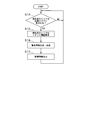
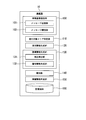
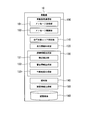
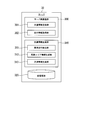
- FIG. 1 is a diagram illustrating an overall configuration of a communication system according to a first embodiment of the present invention. It is a figure which shows the function structure of the onboard equipment which concerns on the 1st Embodiment of this invention. It is a figure which shows the function structure of the server which concerns on the 1st Embodiment of this invention. It is a figure which shows the function structure of the broker which concerns on the 1st Embodiment of this invention. It is a figure explaining the function of the communication system which concerns on the 1st Embodiment of this invention. It is a 1st processing flow of the onboard equipment concerning a 1st embodiment of the present invention. It is a processing flow of the server which concerns on the 1st Embodiment of this invention.
- FIG. 1 is a diagram showing an overall configuration of a communication system according to the first embodiment of the present invention.
- the communication system 1 is a publish / subscribe type communication system using a protocol such as MQTT (Message Queue Telemetry Transport).
- MQTT Message Queue Telemetry Transport
- the communication system 1 includes a plurality of vehicle-mounted devices 10 a, 10 b, 10 c..., A broker 20, and a server 30.
- the vehicle-mounted devices 10a, 10b, 10c,... are mounted on the vehicles A1, A2, A3,.
- the plurality of vehicle-mounted devices 10a, 10b, 10c,... are collectively referred to as the vehicle-mounted device 10, and the plurality of vehicles A1, A2, A3,. .
- the vehicle-mounted device 10 acquires travel information of the vehicle A using a sensor (not shown) and transmits a message including the travel information to the broker 20. Details of the travel information will be described later.
- the broker 20 can be connected to the vehicle-mounted device 10 by wireless communication.
- the broker 20 is always connected to the server 30 by wired communication.
- the broker 20 mediates message transmission / reception between the vehicle-mounted devices 10 (between the vehicle-mounted device and the vehicle-mounted device) and message transmission / reception between the vehicle-mounted device 10 and the server 30 (between the vehicle-mounted device and the server).
- the server 30 generates traffic information based on the travel information acquired from the vehicle-mounted device 10 via the broker 20 and transmits a message including the traffic information to the broker 20. Details of the traffic information will be described later.
- the vehicle-mounted device 10 and the server 30 function as a publisher that transmits (issues) a message to the broker 20 and also functions as a subscriber (client) that receives (subscribes) a message from the broker 20. To do.
- the broker 20 collects a message from the onboard equipment 10 and the server 30, and distributes each of the collected messages to the onboard equipment 10 and the server 30 requesting subscription, so that the onboard equipment 10 and the server 30 Intermediary between sending and receiving messages.
- the on-vehicle device 10 and the server 30 transmit a message to the broker 20 and request the broker 20 to subscribe to the message
- the on-vehicle device 10 and the server 30 specify a topic, and transmit and subscribe messages related to the topic.
- the broker 20 identifies the in-vehicle device 10 and the server 30 to which each message is distributed by comparing the topic associated with the message with the topic specified at the time of the subscription request from the in-vehicle device 10 and the server 30. .
- the topic indicates an attribute of information included in the message, and one topic is designated for each message.
- a plurality of topics are prepared in advance for each of a plurality of areas obtained by dividing the map for each predetermined range.
- Each of the plurality of areas may be obtained by dividing the map for each road with a predetermined range from the start point to the end point of each road, or the map is divided into rectangles at predetermined distances (for example, 1 km). It may be a thing.
- a topic indicating “all areas” may be prepared as a topic at a higher hierarchy than a topic indicating each area.
- the broker 20 delivers all messages associated with topics indicating any of a plurality of areas to the server 30.
- topics indicating areas other than areas may be prepared.
- a topic indicating “all on-vehicle devices” may be prepared as a topic for delivering a message to all on-vehicle devices 10.
- the vehicle-mounted device 10 and the server 30 have map information that can identify each area and a topic list that records topics prepared in advance, and specify topics based on the map information and the topic list.
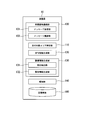
- FIG. 2 is a diagram illustrating a functional configuration of the vehicle-mounted device according to the first embodiment of the present invention.
- the vehicle-mounted device 10 includes a vehicle-mounted device-side communication unit 100, a travel target area specifying unit 110, a travel information generating unit 120, a guidance information generating unit 130, a notification unit 140, and a storage medium 160. And have.
- the in-vehicle device side communication unit 100 transmits and receives messages to and from the broker 20 via wireless communication. Moreover, the onboard equipment side communication part 100 functions as an MQTT function part which implement
- the in-vehicle device side communication unit 100 includes a message transmission unit 101 for transmitting a message to the broker 20 and a message subscription unit 102 for requesting the broker 20 to subscribe to the message.
- the message transmission unit 101 designates a travel target area (described later) of the vehicle A on which the vehicle-mounted device 10 is mounted as a topic, associates the topic with a message including the travel information of the vehicle A, and transmits the message to the broker 20. .
- the message subscription unit 102 specifies the travel target area of the vehicle A in which the vehicle-mounted device 10 is mounted as a topic, and requests the broker 20 to subscribe to a message associated with the topic. Further, the message subscription unit 102 designates a topic for which the in-vehicle device 10 requests subscription, and requests the broker 20 to subscribe to a message associated with the topic.
- the travel target area specifying unit 110 specifies a travel target area indicating an area including at least one of a point where the vehicle A on which the vehicle-mounted device 10 is mounted is traveling and a point scheduled to travel.
- the travel target area includes a “current travel area” indicating an area in which the vehicle A is traveling and a “scheduled travel area” indicating an area in which the vehicle A is scheduled to travel.
- the traveling target area specifying unit 110 acquires a current position (latitude, longitude, etc.) that is a point where the vehicle A is traveling with a sensor (not shown). Then, an area including the current position is extracted from the map information stored in advance in the storage medium 160 and specified as a “current travel area”.
- the travel target area specifying unit 110 plans to travel after the current travel area on the vehicle A based on a travel route indicating a combination of roads from the current position to the destination set in the vehicle-mounted device 10. The area including this point is extracted from the map information and specified as the “traveling area”. Note that the travel target area specifying unit 110 may specify a plurality of “scheduled travel areas”. In addition, when the destination is not set, the travel target area specifying unit 110 further acquires the moving speed, the traveling direction, and the like of the vehicle A using a sensor (not shown). Then, the travel target area specifying unit 110 predicts an area in which the vehicle A travels next to the current travel area based on the current position, the moving speed, and the traveling direction of the vehicle A. May be specified. The travel target area specifying unit 110 sequentially updates the current travel area and the planned travel area based on the latest travel information, destination information, and the like of the vehicle A.
- the travel information generation unit 120 acquires information such as the current position, the moving speed, the acceleration, and the traveling direction of the vehicle A at predetermined intervals (for example, 1 second) by a sensor (not shown). The travel information generation unit 120 generates travel information including the acquired information. Then, the travel information generation unit 120 designates a topic indicating the current travel area (travel target area) specified by the travel target area specification unit 110, and sends a message including the generated travel information to the broker 20, the current A topic indicating a travel area (travel target area) is transmitted in association with the topic. In the present embodiment, the travel information generation unit 120 will describe a mode in which travel information including the current position, moving speed, acceleration, and traveling direction of the vehicle A is transmitted to the broker 20 as one message. There is no limit.
- the traveling information generation unit 120 may transmit each information of the vehicle A to the broker 20 as a different message.
- the travel information generation unit 120 stratifies topics such as “current travel area / current position” and “current travel area / moving speed”, a topic indicating the current travel area and the content of travel information, A message including travel information may be associated with the message and transmitted to the broker 20.
- the guidance information generation unit 130 generates guidance information in the travel target area based on the message distributed from the broker 20.
- the guidance information generation unit 130 includes an approach detection unit 131 and a warning information generation unit 132.
- the approach detection unit 131 determines whether or not the travel target area is included in the dangerous area based on the traffic information included in the message distributed from the broker 20. Then, the approach detection unit 131 indicates that the “current travel area” is included in the danger area (the vehicle A is traveling in the danger area), or the “planned travel area” is included in the danger area (the vehicle A is Detecting that you are approaching the danger area.
- the warning information generation unit 132 When the approach detection unit 131 detects that the vehicle A (own vehicle) is approaching the danger area or is traveling in the danger area, the warning information generation unit 132 approaches the danger area. Warning information (first warning information) indicating that the vehicle is traveling or traveling in the dangerous area is generated as guidance information. Further, the warning information generation unit 132 associates the message including the warning information with the topic indicating the travel target area, and transmits it to the broker 20. Further, the warning information generation unit 132 outputs the warning information to the notification unit 140 as guidance information. At this time, the guidance information output to the notification unit 140 may be visual information such as a character string or an image, or may be audio information such as a buzzer or a warning information read out. Further, when the warning information generation unit 132 receives a message including warning information from another vehicle, the warning information generation unit 132 displays guidance information indicating that the other vehicle is approaching the danger area or is traveling in the danger area. It may be generated and output to the notification unit 140.
- Warning information first warning information
- the notification unit 140 notifies the driver or the like of the vehicle A of the guidance information generated by the guidance information generation unit 130.
- the notification unit 140 has a display function such as an LCD (Liquid Crystal Display) and a sound output function such as a speaker.
- the notification unit 140 outputs the guidance information using at least one of the display function and the voice output function.
- the notification unit 140 outputs guidance information including the warning information generated by the warning information generation unit 132 using at least one of the display function and the voice output function, so that the driver of the vehicle A and the like Notify that the vehicle is approaching the danger area or is traveling in the danger area.
- the notification unit 140 may notify that the other vehicle is approaching the danger area or is traveling in the danger area. Good.
- the storage medium 160 stores traffic information distributed from the broker 20, travel information of other vehicles, and the like. Further, the storage medium 160 stores map information that can identify each area and a topic list that records topics prepared in advance.
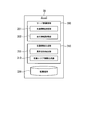
- FIG. 3 is a diagram illustrating a functional configuration of the server according to the first embodiment of the present invention.
- the server 30 includes a server-side communication unit 300, a traffic information generation unit 310, and a storage medium 320.
- the server side communication unit 300 transmits / receives a message to / from the broker 20 via wired communication. Further, the server side communication unit 300 functions as an MQTT function unit that realizes a function using the MQTT protocol.
- the server-side communication unit 300 includes a traffic information transmission unit 301 for transmitting a message including traffic information to the broker 20, and a travel information acquisition unit 302 for requesting the broker 20 to subscribe to a message including travel information of the vehicle-mounted device 10. ,have.
- the traffic information transmission unit 301 transmits a message including traffic information for each area generated by the traffic information generation unit 310 described later to the broker 20.
- the travel information acquisition unit 302 specifies a topic that the server 30 desires to subscribe to and requests the broker 20 to subscribe to a message associated with the topic.
- the travel information acquisition unit 302 includes the travel information of the vehicle-mounted device 10 located in each area by designating a topic indicating “all areas” and requesting the broker 20 to subscribe to a message. Get the message.
- the traveling information acquisition unit 302 collects traveling information of the vehicle-mounted device 10 in all areas.
- the travel information acquisition unit 302 may specify a topic indicating one area among a plurality of areas and make a message subscription request for each area.
- the traffic information generation unit 310 generates traffic information based on travel information collected from the plurality of vehicle-mounted devices 10 via the broker 20.
- the traffic information generation unit 310 generates danger area information indicating an area where it is predicted that there is a risk that the vehicle will collide as traffic information.
- the traffic information generation unit 310 includes an abnormal travel detection unit 311 and a dangerous area information generation unit 312.
- the abnormal traveling detection unit 311 detects abnormal traveling of the vehicle A in which the vehicle-mounted device 10 is mounted based on the traveling information collected from the plurality of vehicle-mounted devices 10 via the broker 20.
- Abnormal traveling indicates that, for example, the vehicle A has operated sudden braking, sudden steering, etc. during traveling.
- the abnormal traveling detection unit 311 detects that the vehicle A associated with the traveling information has performed abnormal traveling based on the current position, the moving speed, the acceleration, and the traveling direction included in the traveling information.
- the area where the abnormal running is detected is specified. For example, when the acceleration (acceleration in the traveling direction) included in the travel information of the vehicle A is lower than the reference value, the abnormal travel detection unit 311 detects that the vehicle A has operated a sudden brake.
- the abnormal traveling detection unit 311 may indicate that the traveling direction included in the traveling information of the vehicle A indicates a direction different from the extending direction of the road on which the vehicle A is located, or acceleration (corresponding to the turning motion). (Acceleration to be performed) exceeds the reference value, it is detected that the vehicle A has operated the sudden handle.
- the abnormal traveling detection unit 311 detects that the abnormal traveling has been performed, the abnormal traveling detection unit 311 identifies the area where the abnormal traveling is detected based on the topic specified in the message including the traveling information.
- the abnormal traveling detection unit 311 may identify a point (latitude, longitude) where abnormal traveling is detected based on the current position included in the traveling information.
- the dangerous area information generation unit 312 identifies an area where the abnormal traveling is frequently performed based on the detection result of the abnormal traveling by the abnormal traveling detection unit 311. Specifically, the dangerous area information generation unit 312 detects abnormal driving in the area based on the area where the abnormal driving detection unit 311 detects abnormal driving and the number of abnormal driving detected within a predetermined collection period. Determine whether the frequency is high. When the number of abnormal runs in a certain area is a predetermined number (for example, 5) or more, the dangerous area information generation unit 312 determines that the area has a high frequency of abnormal runs.
- the dangerous area information generation unit 312 predicts that there is a risk that the vehicle will collide in an area where the abnormal driving frequency is high, and generates dangerous area information indicating that the area is a dangerous area as traffic information. .
- the dangerous area information generation unit 312 generates dangerous area information indicating that the area is no longer a dangerous area. May be.
- the dangerous area information generation unit 312 generates and updates the dangerous area information every time a predetermined collection period elapses.
- the dangerous area information generation unit 312 designates a topic indicating “all on-vehicle devices” so that messages including the dangerous area information are distributed to all the on-vehicle devices 10, and generates the generated dangerous area information.
- a message including the message is transmitted to the broker 20 via the traffic information transmission unit 301.
- the storage medium 320 stores travel information and the like of the plurality of vehicle-mounted devices 10 distributed from the broker 20. Further, the storage medium 320 stores map information that can identify each area and a topic list that records topics prepared in advance.
- FIG. 4 is a diagram illustrating a functional configuration of the broker according to the first embodiment of the present invention.
- the broker 20 includes an MQTT function unit 200 and a storage medium 210.
- the MQTT function unit 200 transmits / receives a message to / from the in-vehicle device 10 via wireless communication, and transmits / receives a message to / from the server 30 via wired communication.
- the MQTT function unit 200 includes a subscription information storage unit 201, a message distribution unit 202, and a client connection monitoring unit 203.
- the subscription information storage unit 201 stores, in the storage medium 210, subscription information in which a topic specified in a subscription request from the message subscription unit 102 of the in-vehicle device 10 and a client ID that identifies the on-vehicle device 10 are associated with each other.
- the subscription information storage unit 201 stores, in the storage medium 210, subscription information in which a topic specified in a subscription request from the travel information acquisition unit 302 of the server 30 is associated with a client ID that identifies the server 30.
- the subscription information storage unit 201 stores the topic requested for subscription from each of the plurality of vehicle-mounted devices 10 and the server 30 as subscription information for each device.
- the message delivery unit 202 is based on the subscription information stored in the storage medium 210 for the message transmitted from the on-vehicle device 10 and the server 30, and the on-vehicle device 10 and server that are the delivery destinations requesting the subscription of the message. 30.
- the message delivery unit 202 retrieves and extracts delivery destinations that are requesting subscription of each message from the subscription information using the topic specified in each message as a key. Then, the message delivery unit 202 delivers the message associated with the topic to the extracted delivery destination. Further, when the wireless communication with the vehicle-mounted device 10 requesting the subscription of the message is disconnected, the message delivery unit 202 stores a message for the topic requested by the vehicle-mounted device 10 in the storage medium 210. And accumulate. Then, when the wireless communication with the vehicle-mounted device 10 is reconnected, the message delivery unit 202 reads the accumulated message from the storage medium 210 and delivers it in a batch.
- the client connection monitoring unit 203 monitors whether communication with the vehicle-mounted device 10 and the server 30 is normally established. In this embodiment, since the client connection monitoring unit 203 is always connected to the server 30 by wired communication, it can monitor only whether the wireless communication with the vehicle-mounted device 10 is normally established. Good.
- the storage medium 210 In the storage medium 210, messages transmitted from the vehicle-mounted device 10 and the server 30 are stored, and subscription information for each device is stored.
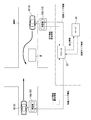
- FIG. 5 is a diagram for explaining functions of the communication system according to the first embodiment of the present invention.
- both the vehicle A1 on which the vehicle-mounted device 10a is mounted and the vehicle A2 on which the vehicle-mounted device 10b is mounted are traveling on the road X.
- FIG. 6 is a first processing flow of the vehicle-mounted device according to the first embodiment of the present invention.
- the traveling target area specifying unit 110 detects a point where the vehicle A on which the vehicle-mounted device 10 is mounted is traveling by a sensor (not shown).
- the travel target area identification unit 110 identifies a “current travel area” that indicates an area including the traveling point (step S111).
- the vehicle-mounted device 10a illustrated in FIG. 5 identifies “road X”, which is an area including a traveling point, as the “current traveling area”.
- the travel information generation unit 120 acquires the current position, moving speed, acceleration, and traveling direction of the vehicle A at predetermined intervals (for example, 1 second) by a sensor (not shown). Then, the travel information generation unit 120 generates travel information including each acquired information (Step S112).
- the travel information generation unit 120 specifies a topic indicating the current travel area (road X) identified by the travel target area identification unit 110, a topic indicating the travel area, and a message including the generated travel information. Are transmitted to the broker 20 (step S113). As described above, the vehicle-mounted device 10 repeatedly executes the processes of steps S111 to S113 at predetermined intervals.
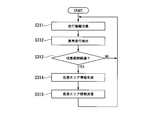
- FIG. 7 is a processing flow of the server according to the first embodiment of the present invention.
- the travel information acquisition unit 302 specifies a topic indicating “all areas” and requests the broker 20 to subscribe to messages related to each area. Then, the travel information acquisition unit 302 collects the travel information of the vehicle-mounted device 10 in each area based on the message distributed from the broker 20 and the topic associated with the message (step S311).
- the abnormal travel detection unit 311 detects the abnormal travel of the vehicle A based on the travel information collected by the travel information acquisition unit 302 (step S312). For example, as shown in FIG. 5, when there is an obstacle B on the road X, the vehicle A2 traveling in the vicinity of the obstacle B decelerates (rapid braking) before the obstacle B. It is assumed that an operation such as changing the traveling direction (steep steering) is performed so as to avoid it.
- the abnormal traveling detection unit 311 detects that sudden braking, sudden steering, or the like has been performed based on the current position, moving speed, acceleration, and traveling direction included in the traveling information.
- the abnormal running detection unit 311 detects that a sudden braking operation (abnormal driving) has been performed. Furthermore, when the traveling direction indicates a direction different from the extending direction of the road X, that is, the abnormal traveling detection unit 311 has an angle between a virtual line extending in the traveling direction of the vehicle and the road X being equal to or greater than a predetermined value. In this case, it is detected that the sudden steering operation (abnormal driving) is performed. In addition, when the acceleration (acceleration corresponding to the turning motion) exceeds the reference value, the abnormal traveling detection unit 311 may detect that the operation of the sudden handle (abnormal traveling) has been performed.
- the abnormal running detection unit 311 identifies an area where abnormal running is detected based on a topic associated with a message including the running information. Furthermore, the abnormal traveling detection unit 311 identifies a point (latitude, longitude) where abnormal traveling such as sudden braking or sudden steering is detected based on the current position of the vehicle A included in the traveling information.
- the dangerous area information generation unit 312 determines whether or not a predetermined collection period (for example, 30 minutes) has elapsed (step S313).
- a predetermined collection period for example, 30 minutes
- the dangerous area information generation unit 312 waits until the collection period has elapsed. Meanwhile, the server 30 returns to step S311 and repeats the above processing.
- the dangerous area information generation unit 312 proceeds to the next step S314.
- the dangerous area information generation unit 312 generates dangerous area information indicating a dangerous area with a high frequency of abnormal traveling based on the detection result of abnormal traveling by the abnormal traveling detection unit 311 (step S314). Specifically, the dangerous area information generation unit 312 determines that the road X has a high frequency of abnormal driving when an abnormal driving of a predetermined number (for example, five) or more is detected in a certain area (road X). To do. Then, the dangerous area information generation unit 312 predicts that there is a risk of a vehicle colliding on the road X, and generates dangerous area information indicating that the road X is a dangerous area as traffic information.
- a predetermined number for example, five
- the dangerous area information generation unit 312 predicts that there is a risk of a vehicle colliding on the road X, and generates dangerous area information indicating that the road X is a dangerous area as traffic information.
- the dangerous area information generation unit 312 may further divide each area into a plurality of sections, and determine in which section of each area abnormal running frequently occurs. For example, the dangerous area information generation unit 312 identifies an area where abnormal running is detected based on a point where the abnormal running detection unit 311 detects abnormal running. And the dangerous area information generation part 312 shows the dangerous area information which shows that the area containing the said area is a dangerous area, when the number of abnormal driving
- the dangerous area information generation unit 312 when the dangerous area information generation unit 312 generates the dangerous area information indicating that the road X is a dangerous area, the dangerous area information generation unit 312 designates a topic indicating “all on-board equipment” and sends a message including the dangerous area information to the traffic information. It transmits to the broker 20 via the transmission part 301 (step S315). In this way, the server 30 generates (updates) and transmits dangerous area information by repeatedly executing the processes of steps S311 to S315 described above.
- FIG. 8 is a second processing flow of the vehicle-mounted device according to the first embodiment of the present invention.
- the message subscription unit 102 of the in-vehicle device 10 is configured to “subscribe to all on-vehicle devices” in order to subscribe to messages issued to all the on-vehicle devices 10 when wireless communication with the broker 20 is established. It is assumed that the topic indicating “device” is designated and the broker 20 is requested to subscribe to a message associated with the “all on-vehicle devices” topic.
- the approach detection unit 131 determines whether or not the current traveling area is included in the dangerous area based on the dangerous area information included in the message delivered from the broker 20 (step S114). When the danger area information does not include information indicating that the current travel area is a dangerous area, the approach detection unit 131 determines that the current travel area is not included in the dangerous area (step S114: NO). In this case, the approach detection unit 131 returns to the top of the process.
- the approach detection unit 131 may stand by without performing the process of step S114 until the current travel area or the risk area information is updated.
- the dangerous area information indicating that the road X is a dangerous area is generated by the dangerous area information generation unit 312 of the server 30 as in the example of FIGS. 5 and 7 (steps S314 to S315 in FIG. 7). )
- a message including the dangerous area information is distributed to the vehicle-mounted device 10. Therefore, the approach detection unit 131 determines that the current travel area (road X) is included in the danger area based on the danger area information (step S114: YES). In this case, the approach detection unit 131 proceeds to the next step S115. Further, the approach detection unit 131 may determine whether or not the planned travel area is included in the dangerous area based on the dangerous area information.
- the message subscription unit 102 designates the current travel area as a topic and indicates the current travel area.
- the broker 20 is requested to subscribe to the message associated with the topic (step S115).
- the approach detection unit 131 determines that the road X that is the current travel area is included in the danger area. Therefore, the message subscription unit 102 designates the road X, which is the current travel area, as a topic, and requests the broker 20 to subscribe to a message associated with the road X.
- the message subscription unit 102 When the message subscription unit 102 acquires dangerous area information indicating that the road X, which is the current travel area, is no longer a dangerous area, the message subscription unit 102 cancels the subscription of the message associated with the road X to the broker 20. Make a request.
- the warning information generation part 132 of the onboard equipment 10a is warning information (1st warning information) which shows that the vehicle A1 (own vehicle) is approaching the danger area, or is drive
- the warning information generation unit 132 of the vehicle-mounted device 10a outputs warning information indicating that the host vehicle A1 is approaching the danger area or is traveling in the danger area to the notification unit 140 as guidance information.
- the notification unit 140 notifies the driver or the like of the vehicle A1 of the guidance information to warn that the host vehicle A1 is approaching the danger area or is traveling in the danger area and needs attention for running.
- the warning information generation unit 132 receives a message including warning information from another vehicle A2, the guidance indicating that the other vehicle A2 is approaching the danger area or is traveling in the danger area. Information may be generated and output to the notification unit 140. Even when such notification information is received, the notification unit 140 notifies the driver of the vehicle A1 of the guidance information.
- the above-described processing is also executed in the vehicle-mounted device 10b, and a warning is given to the driver of the vehicle A2. In this way, the vehicle-mounted device 10 repeatedly executes the processes of steps S114 to S117 described above.
- the communication system 1 includes the vehicle-mounted device 10 mounted on the vehicle A, the server 30 that generates traffic information, the plurality of vehicle-mounted devices 10, and the vehicle-mounted device 10 and the server 30. And a broker 20 that mediates communication between the two.
- the in-vehicle device 10 travels at least one of a current traveling area including a point where the vehicle A is traveling and a planned traveling area including a planned traveling point among a plurality of areas obtained by dividing the map into predetermined ranges.
- Travel target area specifying unit 110 that is specified as a target area, and travel information that generates travel information including at least one of the current position of vehicle A (the point where vehicle A is traveling), moving speed, acceleration, and traveling direction Specify the generation unit 120, the topic indicating the travel target area, associate the message including the topic with the message including the travel information and transmit the message to the broker 20, and specify the topic indicating the travel target area.
- a message subscription unit 102 that requests the broker 20 to subscribe to a message associated with the topic, and a travel information generation unit 120 generate And traveling information, based on the message the message subscription unit 102 subscribes has a guidance information generation unit 130 for generating guide information in the current traveling area, the.
- the server 30 includes a travel information acquisition unit 302 that requests the broker 20 to subscribe to a message that includes travel information, a traffic information generation unit 310 that generates dangerous area information based on the travel information, and a message that includes dangerous area information. And a traffic information transmission unit 301 for transmission to the network 20.
- the broker 20 includes a message delivery unit 202 that delivers a message received from the vehicle-mounted device 10 and the server 30 to the vehicle-mounted device 10 and the server 30 that have requested subscription by designating a topic associated with the message. By having such a configuration, messages associated with each area can be transmitted / received via the broker 20 between the vehicle-mounted device 10 and the server 30 or between the vehicle-mounted device 10 and the vehicle-mounted device 10.
- the onboard equipment 10 can perform transmission / reception of a message using a common communication system irrespective of whether the other party to which the message is transmitted / received is the server 30 or the other onboard equipment 10. For this reason, the increase in the development cost of the onboard equipment 10 by respond
- the dangerous area information generation unit 312 of the server 30 generates, as traffic information, dangerous area information indicating a dangerous area that is predicted to have a risk of collision of the vehicle A based on the traveling information.
- the message subscription unit 102 of the vehicle-mounted device 10 specifies a topic indicating the current travel area included in the dangerous area, and a message associated with the topic. Request to the broker 20.
- the warning information generation part 132 of the onboard equipment 10 produces
- the message transmission unit 101 of the vehicle-mounted device 10 specifies a topic indicating the travel target area, and transmits the specified topic and the message including the first warning information in association with each other to the broker 20.
- the message subscription unit 102 determines that the current travel area is included in the danger area
- the travel information of the other on-vehicle device 10 traveling in the current travel area is transmitted via the broker 20.
- the warning information generation unit 132 generates first warning information indicating that the host vehicle is traveling in the danger area, and sends a message including the first warning information via the message transmission unit 101. Then, it is transmitted to the broker 20 in association with the topic indicating the current travel area.
- the message including the first warning information is distributed to other vehicles existing in the danger area, and it is possible to reduce the danger of the vehicles colliding with each other.
- the warning information generation unit 132 notifies the driver or the like of the vehicle A through the notification unit 140 of the guidance information including the generated warning information, thereby confirming that the driver is traveling in the dangerous area. It is possible to reduce the risk that the vehicles A collide with each other.
- FIG. 9 is a diagram illustrating a functional configuration of the vehicle-mounted device according to the second embodiment of the present invention. As shown in FIG. 9, the vehicle-mounted device 10 according to the present embodiment is different from the first embodiment in that it further includes a failure information generation unit 150.
- the message subscription unit 102 of the vehicle-mounted device 10 sets the current travel area as a topic for the broker 20.
- the broker 20 is requested to subscribe to the message specified and associated with the topic (step S115 in FIG. 8).
- the message subscription unit 102 of the vehicle-mounted device 10 specifies each of the current travel area and the planned travel area as topics regardless of whether or not the current travel area is included in the danger area, Request broker 20 to subscribe to messages associated with the topic. For this reason, the message subscription unit 102 makes a message subscription request to the broker 20 each time the communication between the vehicle-mounted device 10 and the broker 20 is established and when the travel target area is updated. .
- the failure information generation unit 150 is configured to generate a travel target area based on at least one of the travel information generated by the travel information generation unit 120 and the travel information of the other vehicle-mounted device 10 included in the message distributed from the broker 20. Fault information indicating that a fault has occurred is generated.
- the obstacle indicates an event that delays the travel of the vehicle A, an event that requires an operation such as a sudden brake, a sudden handle, and the like, for example, an obstacle on a road, a traffic jam, an accident, and the like.
- FIG. 10 is a first processing flow of the vehicle-mounted device according to the second embodiment of the present invention.
- the failure information generation unit 150 of the vehicle-mounted device 10 generates failure information based on the travel information generated by the travel information generation unit 120 will be described.
- the travel information generation unit 120 acquires the current position, moving speed, acceleration, and traveling direction of the vehicle A at predetermined intervals (for example, 1 second) by a sensor (not shown), and generates travel information (step S121). ).
- the failure information generation unit 150 determines whether there is a possibility that a failure has occurred in the current travel area based on the latest travel information generated by the travel information generation unit 120 (step S122). . Specifically, the failure information generation unit 150 determines whether there is a possibility that a failure has occurred based on the current position, the moving speed, the acceleration, and the traveling direction included in the travel information. For example, when the acceleration (acceleration in the traveling direction of the vehicle A) included in the travel information is lower than a reference value, the failure information generation unit 150 determines that there is a possibility that a failure requiring an emergency braking operation has occurred. .
- the failure information generation unit 150 indicates that the traveling direction included in the travel information indicates a direction different from the extending direction of the road on which the vehicle A is located, or acceleration (acceleration corresponding to the turning motion). If the value exceeds the reference value, it is determined that there is a possibility that a failure that requires the operation of the sudden handle has occurred. Further, for example, when the travel speed included in the travel information is less than a predetermined traffic jam determination speed, the fault information generation unit 150 may have a traffic jam or the like at the current position of the vehicle A. to decide. The congestion determination speed is determined for each road based on the speed limit in advance in the map information stored in the storage medium 160.
- step S122 determines that there is a possibility that a failure has occurred in the current travel area (step S122: YES)
- the failure information generation unit 150 proceeds to the next step S123.
- step S122: NO the vehicle-mounted device 10 returns to step S121 and repeats the above-described processing.
- failure information generation unit 150 determines that there is a possibility that a failure has occurred in the current traveling area (step S122: YES), failure information indicating the possibility that a failure has occurred in the current traveling area. Is generated (step S123).
- the failure information generation unit 150 may further divide each area into a plurality of zones and specify a zone where a failure may occur based on the current position included in the travel information.
- the failure information generation unit 150 may identify the current position included in the travel information as a failure point where a failure may occur.
- the failure information generation unit may include an area in which a failure may occur or a failure point (latitude, longitude) in the failure information.
- the message transmission unit 101 designates the current traveling area as a topic, associates the topic with a message including failure information, and transmits the message to the broker 20 (step S124).
- the vehicle-mounted device 10 repeatedly executes the processes of steps S121 to S124.
- FIG. 11 is a second processing flow of the vehicle-mounted device according to the second embodiment of the present invention.
- the failure information generation unit 150 determines whether or not a message including travel information of another vehicle-mounted device 10 has been acquired via the broker 20 (step S131).
- the failure information generation unit 150 acquires a message including travel information of another on-vehicle device 10 (step S131: YES)
- the failure information generation unit 150 proceeds to the next step S132.
- the message containing the driving information of the other onboard equipment 10 is not acquired (step S131: NO)
- it progresses to step S133.
- the failure information generation unit 150 acquires travel information of another on-vehicle device 10 (step S131: YES), the current travel of the other on-vehicle device 10 from a topic associated with the message including the acquired travel information. While specifying an area, it is judged whether there exists a possibility that the failure has generate
- the failure information generation unit 150 of the on-vehicle device 10a is based on the current position, the moving speed, the acceleration, and the traveling direction included in the travel information of the other on-vehicle device 10b. Determine whether there is a possibility of failure. Specifically, the failure information generation unit 150 of the vehicle-mounted device 10a performs a sudden braking at the current position of the vehicle A2 when the acceleration (acceleration in the traveling direction of the vehicle A2) included in the travel information of the vehicle-mounted device 10b is lower than the reference value. It is determined that there may be a failure that requires the operation.
- the failure information generation unit 150 of the vehicle-mounted device 10a indicates that the traveling direction included in the travel information of the vehicle-mounted device 10b indicates a direction different from the extending direction of the road X where the vehicle A2 is located, or When the acceleration (acceleration corresponding to the turning motion) exceeds the reference value, it is determined that there is a possibility that a failure requiring an operation of the sudden handle has occurred at the current position of the vehicle A2. Furthermore, for example, the failure information generation unit 150 of the vehicle-mounted device 10a causes a traffic jam or the like at the current position of the vehicle A2 when the moving speed included in the travel information of the vehicle-mounted device 10b is less than a predetermined traffic congestion determination speed.
- step S132 determines that there is a possibility that there is a possibility that As described above, when the failure information generation unit 150 of the vehicle-mounted device 10a determines that there is a possibility of a failure on the road X based on the travel information of the vehicle-mounted device 10b (step S132: YES), step Proceed to S134. On the other hand, when the failure information generation unit 150 of the vehicle-mounted device 10a determines that there is no possibility of a failure on the road X based on the travel information of the other vehicle-mounted device 10b (step S132: NO), step The process proceeds to S133.
- the failure information generation unit 150 determines whether or not a message including failure information of another on-vehicle device 10 has been acquired via the broker 20 (step S133).
- the failure information generation unit 150 acquires a message including the failure information of the other vehicle-mounted device 10 (step S133: YES)
- the failure information generation unit 150 specifies the travel target area indicated by the topic of the message, and there is a failure in the travel target area. It is determined that there is a possibility of occurrence, and the process proceeds to step S134.
- the message containing the failure information of the other onboard equipment 10 is not acquired (step S133: NO) it returns to step S131 and repeats the above-mentioned process.
- the failure information generation unit 150 determines that there is a possibility that a failure has occurred in the current travel area of the other vehicle-mounted device 10 (step S132: YES or step S133: YES)
- the other vehicle-mounted device Fault information indicating the possibility that a fault has occurred in the ten current travel areas is generated (step S134).
- the failure information generation unit 150 further divides each area into a plurality of zones, and identifies a zone where a failure may occur based on the current position included in the travel information of the other on-vehicle device 10. May be.
- the failure information generation unit 150 may specify the current position included in the travel information of the other on-vehicle device 10 as a failure point where a failure may occur.
- the failure information generation unit may include an area in which a failure may occur or a failure point (latitude, longitude) in the failure information. Further, the message transmission unit 101 may transmit the failure information generated by the failure information generation unit 150 based on the traveling information of the other vehicle-mounted device 10 to the broker 20.
- the warning information generation unit 132 may have a failure in the travel target area (current travel area or planned travel area) based on the failure information. Warning information (second warning information) indicating the presence is generated (step S135). Then, the warning information generation unit 132 outputs the generated warning information to the notification unit 140 as guidance information.
- reporting part 140 notifies the driver
- the vehicle-mounted device 10 repeatedly executes the processes of steps S131 to S135 described above. Note that the processing flow in FIG. 11 is an example, and the order of processing may be changed. For example, the failure information generation unit 150 may execute step S133 first, or may execute step S131 and step S133 in parallel.
- the in-vehicle device 10 is at least one of the travel information generated by the travel information generation unit 120 and the travel information of other on-vehicle devices 10 included in the message distributed from the broker 20.
- the fault information generation unit 150 further generates fault information indicating that there is a possibility that a fault has occurred in the travel target area.
- the message transmission unit 101 specifies a topic indicating a travel target area in which a failure may occur, and includes the topic and the failure information. Are transmitted to the broker 20 in association with each other.
- the failure information generation unit 150 causes a failure in the travel target area based on the travel information generated by the travel information generation unit 120. Can be detected.
- the failure information generation unit 150 transmits a message including the failure information to the broker 20 via the message transmission unit 101 to notify the other on-vehicle device 10 that a failure may have occurred. can do.
- the vehicle-mounted device 10 is based on the failure information acquired from the other vehicle-mounted device 10. Thus, it is possible to detect in real time that a failure has occurred in the travel target area.
- the warning information generation unit 132 generates warning information (second warning information) for notifying that a failure has occurred in the travel target area based on the failure information generated by the failure information generation unit 150 as guidance information. Generate as Then, the warning information generation unit 132 notifies the warning or the like of the generated warning information to the driver of the vehicle-mounted device 10 via the notification unit 140.
- the warning information generation unit 132 has a low frequency of updating traffic information from the server 30, and even if the traffic information cannot be acquired over a long period of time, the failure information generation unit 150 Warning information (second warning information) indicating that there is a possibility that a failure has occurred in the travel target area can be generated in real time based on the failure information generated by.
- the warning information generation unit 132 notifies the generated warning information to the driver or the like of the vehicle A via the notification unit 140, so that the vehicle A reaches an area where a failure may occur. Before, it is possible to alert the driver of the vehicle A and the like to reduce the risk of the vehicle A colliding with an obstacle, another vehicle A, or the like.
- the failure information generation unit 150 of the vehicle-mounted device 10a has been described as generating the failure information based on the traveling information of one vehicle-mounted device (vehicle-mounted device 10b). Absent.
- the failure information generation unit 150 of the vehicle-mounted device 10a may generate the failure information based on each of the traveling information of the other vehicle-mounted devices 10b, 10c,. In this case, for example, the failure information generation unit 150 has a predetermined number (for example, five) or more of the other vehicle-mounted devices 10b, 10c,. In such a case, it may be determined that a failure has occurred on the road X. In this way, the failure information generation unit 150 can improve the accuracy of determination as to whether or not a failure has occurred.
- the dangerous area information generation part 312 of the server 30 acquires the message containing failure information from the some onboard equipment 10 via the broker 20 in a certain area within a predetermined collection period, based on the failure information.
- the dangerous area information may be generated.
- the abnormal running detection unit 311 may be omitted.
- FIG. 12 is a diagram illustrating a functional configuration of the vehicle-mounted device according to the third embodiment of the present invention.
- the vehicle-mounted device 10 according to the present embodiment is different from the first and second embodiments in that the guidance information generation unit 130 further includes an alternative route generation unit 133.
- the failure information generation unit 150 according to the second embodiment includes at least one of the travel information generated by the travel information generation unit 120 and the travel information of the other on-vehicle device 10 included in the message distributed from the broker 20. Based on one side, the aspect which produces
- the failure information generation unit 150 is a message including the dangerous area information generated by the dangerous area information generation unit 312 of the server 30 or the traffic information (described later) generated by the traffic information generation unit 313 of the server 30. Is obtained through the broker 20, and further, the failure information is generated based on the dangerous area information or the traffic jam information, which is different from the above-described embodiment.
- the alternative route generation unit 133 generates the failure information generated by the other vehicle-mounted device 10 and the dangerous area information generation unit 312 of the server 30 among the messages associated with the topic indicating the travel target area distributed from the broker 20. Based on at least one of the messages including the traffic area information (described later) generated by the traffic area information generation unit 313 of the dangerous area information and the server 30, an alternative route including a point different from the planned travel point is generated as guidance information. To do.
- FIG. 13 is a diagram illustrating a functional configuration of a server according to the third embodiment of the present invention. As illustrated in FIG. 13, the server 30 according to the present embodiment is different from the first and second embodiments in that the traffic information generation unit 310 further includes a traffic jam information generation unit 313.
- the traffic congestion information generation unit 313 determines whether or not there is congestion in each area. Judging. Specifically, the traffic jam information generation unit 313 analyzes a plurality of travel information acquired in a predetermined collection period (for example, 1 hour) for each area, and calculates an average travel speed for each area from the travel speed included in the travel information. calculate. If the average moving speed of a certain area is less than the congestion determination speed, the congestion information generating unit 313 determines that congestion has occurred in the area. If the traffic information generation unit 313 determines that traffic is occurring in a certain area, the traffic information generation unit 313 generates traffic information of the area. In addition, the traffic information generation unit 313 designates a topic associated with an area where the traffic jam occurs, and transmits a message including the generated traffic congestion information to the broker 20 by the traffic information transmission unit 301.
- a predetermined collection period for example, 1 hour
- FIG. 14 is a processing flow of the vehicle-mounted device according to the third embodiment of the present invention.
- route is demonstrated.
- the failure information generation unit 150 determines whether or not the travel target area is included in at least one of the dangerous area and the traffic jam area based on the message including the dangerous area information or the traffic jam information distributed from the broker 20. Is determined (step S141). For example, the failure information generation unit 150 determines that the travel target area is included in the dangerous area when the risk area information indicating that at least one of the travel target areas is a dangerous area has been acquired (step S1). S141: YES).
- the failure information generation unit 150 acquires a message that is associated with a topic indicating at least one area (for example, the road X) in the travel target area and includes traffic jam information, ) Is determined to be included in the traffic jam occurrence area where the traffic jam has occurred (step S141: YES). If the failure information generation unit 150 determines that at least one area among the travel target areas is included in at least one of the danger area and the traffic jam occurrence area, the process proceeds to step S145. On the other hand, when the failure information generation unit 150 determines that none of the travel target areas are included in the danger area or the traffic jam occurrence area (step S141: NO), the process proceeds to step S142.
- step S141 when the failure information generation unit 150 determines that none of the travel target areas are included in the dangerous area or the area where the traffic jam occurs (step S141: NO), another on-vehicle device is connected via the broker 20. It is determined whether or not a message including 10 travel information or failure information has been acquired (step S142). When the failure information generation unit 150 acquires a message including travel information or failure information of another on-vehicle device 10 (step S142: YES), the failure information generation unit 150 proceeds to the next step S143. On the other hand, when the message containing the driving information of the other onboard equipment 10 is not acquired (step S142: NO), it returns to step S141 and repeats the above-mentioned process.
- step S142 when the failure information generation unit 150 acquires travel information or failure information of another vehicle-mounted device 10 (step S142: YES), a failure occurs in the travel target area based on the acquired travel information or failure information. It is determined whether or not there is a possibility of being (step S143). Regarding the process in which the failure information generation unit 150 determines whether or not there is a possibility that a failure has occurred based on the travel information or the failure information of the other vehicle-mounted device 10, steps S132 to S133 of the second embodiment. This is the same as the processing in FIG. If the failure information generation unit 150 determines that there is a possibility that a failure has occurred in the travel target area (step S143: YES), the failure information generation unit 150 proceeds to step S144. On the other hand, when the failure information generation unit 150 determines that there is no possibility that a failure has occurred in the travel target area (step S143: NO), the failure information generation unit 150 returns to step S141 and repeats the above processing.
- the failure information generation unit 150 determines that there is a possibility that a failure has occurred in the travel target area based on the travel information or the failure information of the other on-vehicle device 10 (step S143: YES)
- Fault information indicating the possibility that a fault has occurred in the travel target area is generated (step S144).
- the failure information generation unit 150 may generate a plurality of pieces of failure information for each travel target area when it is determined that there is a possibility that a failure has occurred in the plurality of travel target areas.
- the alternative route generation unit 133 based on at least one of the dangerous area information, the traffic jam information, and the fault information, at least of the danger area, the traffic jam occurrence area, and the area where the fault may occur. It is determined whether there is an alternative route that avoids one (step S145). Specifically, when at least one of the travel target areas is included in at least one of the danger area and the traffic jam occurrence area (step S141: YES), the alternative route generation unit 133 at least of the danger area and the traffic jam occurrence area. An area included in one is set as an avoidance target area.
- the alternative route generation unit 133 may set a reversion avoidance target area when a plurality of travel target areas are included in at least one of the danger area and the traffic jam occurrence area. Further, the alternative route generation unit 133 sets an area where a failure may occur as an avoidance target area based on the failure information generated by the failure information generation unit 150. Note that the alternative path generation unit 133 sets a reversion avoidance target area when the failure information generation unit 150 generates a plurality of pieces of failure information, that is, when a failure occurs in a plurality of areas. Also good. Then, the alternative route generation unit 133 determines whether there is an alternative route that avoids the avoidance target area (does not use the avoidance target area).
- the alternative route generation unit 133 determines whether there is an alternative route that avoids at least one avoidance target area. For example, when the failure information generation unit 150 determines that a failure has occurred on the road X based on the dangerous area information, the alternative route generation unit 133 determines the road X among the roads (points) included in the planned travel area. The alternative route including another road different from the road X is searched. When the alternative route generation unit 133 can search for an alternative route that avoids the road X (step S145: YES), the alternative route generation unit 133 proceeds to the next step S146.
- step S145 NO
- the alternative route generation unit 133 returns to step S141 and repeats the above processing.
- the warning information generation unit 132 generates warning information indicating that a failure has occurred on the road X, and the notification unit 140 You may make it notify the said warning information via.
- the process for generating and notifying the warning information is the same as step S135 (FIG. 11) of the second embodiment.
- the alternative route generation unit 133 when the alternative route avoiding the travel target area (road X) where the failure has occurred can be searched for (step S145: YES), the alternative route generation unit 133 generates the alternative route as guidance information (Ste S146). Further, the alternative route generation unit 133 presents the generated alternative route to the driver or the like of the vehicle A via the notification unit 140, so that the alternative route generation unit 133 travels while avoiding an area where the driver or the like is in trouble. Prompt. As described above, the vehicle-mounted device 10 repeatedly executes the processes of steps S141 to S146 described above.
- FIG. 15 is a processing flow of the server according to the third embodiment of the present invention.
- the travel information acquisition unit 302 specifies a topic indicating “all areas” and requests the broker 20 to subscribe to messages related to each area.
- the travel information acquisition unit 302 collects travel information of the vehicle-mounted device 10 in each area based on the message delivered from the broker 20 and the topic associated with the message (step S321).
- the traffic jam information generation unit 313 determines whether or not a predetermined collection period (for example, 1 hour) has elapsed (step S322). If the collection period has not elapsed (step S322: NO), the traffic jam information generation unit 313 waits until the collection period has elapsed. Meanwhile, the server 30 returns to step S321 and repeats the above processing. On the other hand, when the collection period has elapsed (step S322: YES), the traffic jam information generation unit 313 proceeds to the next step S323.
- a predetermined collection period for example, 1 hour
- the traffic information generating unit 313 generates traffic information for each area based on the travel information collected in step S321 (step S323). For example, the traffic jam information generation unit 313 acquires a plurality of travel information of the vehicle-mounted device 10 associated with the road X, and calculates an average travel speed from the travel speed included in each travel information. If the average travel speed is less than the traffic jam determination speed, the traffic jam information generation unit 313 determines that traffic jam has occurred on the road X, and generates traffic jam information. The congestion determination speed is determined for each road based on the speed limit in advance in the map information stored in the storage medium 320.
- a plurality of congestion determination speeds may be set for each road so as to determine the degree of traffic congestion (severe traffic jam, moderate traffic jam, etc.). For example, when the first traffic congestion determination speed on the road X is 40 km / h and the second traffic congestion determination speed is 20 km / h, the traffic information generation unit 313 has an average moving speed less than the first traffic congestion determination speed. In some cases, it may be determined that the traffic is “slightly jammed”, and if it is less than the second traffic jam determination speed, it may be determined that the traffic is “heavy traffic jam”. Further, the traffic jam information generation unit 313 may generate traffic jam information in which a traffic jam area is associated with a traffic jam level.
- the traffic jam information generation unit 313 may further divide each area into a plurality of zones and determine the level of traffic jam for each zone. In this case, the traffic jam information generation unit 313 may generate traffic jam information in which the traffic jam area is associated with the traffic jam level of each area. The traffic jam information generation unit 313 proceeds to the next step S324 after generating traffic jam information for each area.
- the traffic jam information generation unit 313 specifies a topic indicating an area where the traffic jam occurs, associates the topic with a message including the generated traffic jam information, and connects the broker 20 via the traffic information transmission unit 301. (Step S324). As described above, the server 30 repeatedly executes the processes of steps S321 to S324 described above.
- the traffic jam information generation unit 313 of the server 30 uses the traffic information acquired from the vehicle-mounted device 10 via the broker 20 as traffic information for each area. Generate as In addition, the alternative route generation unit 133 of the vehicle-mounted device 10 generates, as guidance information, a travel route including a point that is different from the planned travel point based on at least one of the failure information, the dangerous area information, and the traffic jam information. To do. By having such a configuration, the alternative route generation unit 133 can generate an alternative route based on the traffic information (dangerous area information or traffic jam information) generated by the server 30, and the server 30 can be used in the dangerous area.
- the failure information is obtained based on the travel information acquired from the other vehicle-mounted device 10. It is possible to generate a fault alternative route based on the fault information.
- the traffic jam information generation unit 313 may generate traffic jam information based on a message including the fault information generated by the fault information generation unit 150 of the vehicle-mounted device 10.
- the travel information acquisition unit 302 further requests the broker 20 to subscribe to a message including the failure information generated by the failure information generation unit 150 of the vehicle-mounted device 10.
- FIG. 16 is a hardware configuration of the vehicle-mounted device according to each embodiment of the present invention.
- the hardware configuration of the vehicle-mounted device 10 according to each of the above-described embodiments will be described with reference to FIG.
- the computer 900 includes a CPU 901, a main storage device 902, an auxiliary storage device 903, an input / output interface 904, and a communication interface 905.
- the on-vehicle device 10 described above is mounted on a computer 900. And operation
- the CPU 901 reads a program from the auxiliary storage device 903, develops it in the main storage device 902, and executes the above processing according to the program. Further, the CPU 901 of the vehicle-mounted device 10 secures a storage area corresponding to the storage medium 160 in the main storage device 902 according to the program.
- the CPU 901 ensures a storage area for storing data being processed in the auxiliary storage device 903 according to the program.
- the computer 900 may be connected to the external storage device 910 via the input / output interface 904, and a storage area corresponding to the storage medium 160 of the vehicle-mounted device 10 may be secured in the external storage device 910. Further, the computer 900 may be connected to the external storage device 920 via the communication interface 905, and a storage area corresponding to the storage medium 160 of the vehicle-mounted device 10 may be secured in the external storage device 920.
- the auxiliary storage device 903 is an example of a tangible medium that is not temporary.
- Other examples of the tangible medium that is not temporary include a magnetic disk, a magneto-optical disk, a CD-ROM, a DVD-ROM, and a semiconductor memory connected via the input / output interface 904.
- this program is distributed to the computer 900 via a communication line, the computer 900 that has received the distribution may develop the program in the main storage device 902 and execute the above processing.
- the program may be for realizing a part of the functions described above. Further, the program may be a so-called difference file (difference program) that realizes the above-described function in combination with another program already stored in the auxiliary storage device 903.
- difference file difference program
- the communication system 1 includes one server 30 has been described.
- the present invention is not limited to this.
- the communication system 1 may include a plurality of servers. Moreover, you may make it a some server distribute and have each function part which the server 30 in the above-mentioned embodiment has.
- communication between the vehicle-mounted device and the server and between the vehicle-mounted device and the vehicle-mounted device can be performed using a common communication method.
Landscapes
- Physics & Mathematics (AREA)
- General Physics & Mathematics (AREA)
- Engineering & Computer Science (AREA)
- Radar, Positioning & Navigation (AREA)
- Remote Sensing (AREA)
- Life Sciences & Earth Sciences (AREA)
- Atmospheric Sciences (AREA)
- Computer Networks & Wireless Communication (AREA)
- Signal Processing (AREA)
- Automation & Control Theory (AREA)
- Mathematical Physics (AREA)
- Chemical & Material Sciences (AREA)
- Analytical Chemistry (AREA)
- Traffic Control Systems (AREA)
- Mobile Radio Communication Systems (AREA)
- Navigation (AREA)
Abstract
Description
このような通信システムにおけるサーバは、複数の車載器から収集した車両情報等に基づき精度の高い交通情報を生成することができる。しかしながら、サーバは、多数の車両情報等を収集しなければ精度の高い交通情報を生成できないため、交通情報の更新の頻度が低くなってしまう。
他方、リアルタイム性が要求される情報については、近傍に位置する車載器同士で近距離無線通信を行うV2V(Vehicle to Vehicle)等を用いて送受信を行う通信システムが知られている。例えばV2Vを用いた通信システムでは、車載器は、近傍を走行する車両に搭載された他の車載器と直接通信を行うことにより、車両同士が接近していること、急ブレーキをかけた車両が存在すること等の走行情報をリアルタイムで収集することができる。
前記車載器は、地図を所定の範囲ごとに分割した複数のエリアのうち、前記車両が走行中及び走行予定の地点のうち少なくとも一方を含む走行対象エリアを特定する走行対象エリア特定部(110)と、前記車両が走行中の地点を含む走行情報を生成する走行情報生成部(120)と、複数の前記エリア別に予め用意された複数のトピックのうち、前記走行対象エリアを示すトピックを指定して、当該指定したトピックと前記走行情報を含むメッセージとを関連付けて前記ブローカへ送信するメッセージ送信部(101)と、前記走行対象エリアを示すトピックを指定して、当該トピックと関連付けられたメッセージの購読を、前記ブローカへ要求するメッセージ購読部(102)と、前記ブローカから配信されたメッセージに基づいて、前記走行対象エリアにおける誘導情報を生成する誘導情報生成部(130)と、を有する。
前記サーバは、前記車載器の前記走行情報を含むメッセージの購読を前記ブローカへ要求する走行情報取得部(302)と、前記走行情報に基づいてエリア別の交通情報を生成する交通情報生成部(310)と、前記交通情報を含むメッセージを前記ブローカへ送信する交通情報送信部(301)と、を有する。
前記ブローカは、前記車載器及び前記サーバからから受信したメッセージを、当該メッセージに関連付けられたトピックを指定して購読を要求した前記車載器及び前記サーバへ配信するメッセージ配信部(202)を有する。
このような構成を有することにより、車載器‐サーバ間、及び、車載器‐車載器間で、各エリアに関連付けられたメッセージをブローカを介して送受信することができる。これにより、車載器は、メッセージを送受信する相手がサーバであるか、他の車載器であるかに関わらず、共通の通信方式を用いてメッセージの送受信を行うことができる。このため、複数の通信方式に対応することによる車載器の開発コストの増加を抑制することができる。
前記走行対象エリアが前記危険エリアに含まれる場合、前記車載器の前記メッセージ購読部は、当該危険エリアに含まれる前記走行対象エリアを示すトピックを指定して、当該トピックと関連付けられたメッセージの購読を前記ブローカへ要求し、前記車載器の前記誘導情報生成部は、自車両が前記危険エリアに接近していることを示す第1の警告情報を、前記誘導情報として生成し、前記メッセージ送信部は、前記走行対象エリアを示すトピックを指定して、当該指定したトピックと前記第1の警告情報を含むメッセージとを関連付けて前記ブローカへ送信する。
このような構成を有することにより、車載器は、走行対象エリアが危険エリアに含まれると判断した場合、走行対象エリアを走行中の他の車載器の走行情報を、ブローカに対して購読要求する。また、車載器の誘導情報生成部は、自車両が危険エリアに接近していることを示す第1の警告情報を生成して、当該第1の警告情報を含むメッセージを、走行対象エリアを示すトピックと関連付けてブローカへ送信する。これにより、当該トピックと関連付けられたメッセージが危険エリアに存在する他の車両に配信され、車両同士が衝突する等の危険性を低減させることが可能となる。
サーバは、車載器から多数の走行情報を収集しなければ精度の高い交通情報を生成できないため、交通情報の更新の頻度が低くなる可能性がある。しかしながら、本態様に係る車載器は、上述のような構成を有することにより、サーバが交通情報を更新する頻度が低く、長期間に渡って交通情報を含むメッセージが配信されない状態であっても、走行対象エリアにおいて障害が発生している可能性があることをリアルタイムで検出することができる。
このような構成を有することにより、車載器は、サーバが交通情報を更新する頻度が低く、長期間に渡って交通情報を含むメッセージが配信されない状態であっても、障害情報生成部が生成した障害情報に基づいて、走行対象エリアにおいて障害が発生している可能性があることを示す第2の警告情報をリアルタイムで生成することができる。これにより、車載器は、車両が障害が発生している可能性があるエリアに到達する前に、車両の運転者等へ注意を促すことができる。
前記車載器の前記誘導情報生成部は、前記障害情報、前記危険エリア情報、及び前記渋滞情報のうち少なくとも一つに基づいて、走行予定の地点とは異なる地点を含む代替経路を、前記誘導情報として生成する。
このような構成を有することにより、車載器の誘導情報生成部は、サーバにより生成された危険エリア情報または渋滞情報に基づいて代替経路を生成することができるとともに、サーバが危険エリア情報または渋滞情報を更新する頻度が低く、長期間に渡って危険エリア情報または渋滞情報を含むメッセージが配信されない状態であっても、障害情報に基づいて代替経路を生成することができる。
以下、本発明の第1の実施形態に係る通信システム1について、図1~図8を参照しながら説明する。
図1は、本発明の第1の実施形態に係る通信システムの全体構成を示す図である。
本実施形態において、通信システム1は、例えばMQTT(Message Queue Telemetry Transport)等のプロトコルを用いたPublish/subscribe型の通信システムである。
図1に示すように、通信システム1は、複数の車載器10a、10b、10c・・・と、ブローカ20と、サーバ30とを備えている。
車載器10は、不図示のセンサ等を用いて車両Aの走行情報を取得するとともに、ブローカ20へ当該走行情報を含むメッセージを送信する。走行情報の詳細については後述する。
ブローカ20は、車載器10同士(車載器‐車載器間)のメッセージの送受信、及び車載器10とサーバ30との間(車載器‐サーバ間)のメッセージの送受信を仲介する。
なお、車載器10及びサーバ30は、ブローカ20へメッセージを送信する際、及び、メッセージの購読をブローカ20へ要求する際、トピックを指定して、当該トピックに関連付けられたメッセージの送信及び購読の要求を行う。ブローカ20は、メッセージと関連付けられたトピックと、車載器10及びサーバ30から購読の要求時に指定されたトピックとを照らし合わせることにより、各メッセージの配信先となる車載器10及びサーバ30を特定する。
また、例えば、各エリアを示すトピックの上位階層のトピックとして、「全エリア」を示すトピックが用意されていてもよい。サーバ30がブローカ20に対して「全エリア」トピックを指定して購読の要求を行った場合、ブローカ20は、複数のエリアの何れかを示すトピックと関連付けられたメッセージを、全てサーバ30へ配信する。
更に、エリア以外を示すトピックが用意されていてもよく、例えば、全ての車載器10へメッセージを配信するためのトピックとして、「全車載器」を示すトピックが用意されていてもよい。
車載器10及びサーバ30は、各エリアを特定可能な地図情報と、予め用意されたトピックを記録したトピック一覧とを有しており、地図情報及びトピック一覧に基づいて、トピックを指定する。
以下、第1の実施形態に係る車載器10について、図2を参照しながら説明する。
図2は、本発明の第1の実施形態に係る車載器の機能構成を示す図である。
図2に示すように、車載器10は、車載器側通信部100と、走行対象エリア特定部110と、走行情報生成部120と、誘導情報生成部130と、報知部140と、記憶媒体160とを有している。
車載器側通信部100は、ブローカ20へメッセージを送信するためのメッセージ送信部101と、ブローカ20へメッセージの購読を要求するメッセージ購読部102と、を有している。
また、メッセージ購読部102は、車載器10が購読を要求するトピックを指定して、当該トピックと関連付けられたメッセージの購読をブローカ20へ要求する。
なお、本実施形態では、走行対象エリアは、車両Aが走行中のエリアを示す「現在走行エリア」と、車両Aが走行予定のエリアを示す「走行予定エリア」とを含む。
具体的には、走行対象エリア特定部110は、不図示のセンサにより、車両Aが走行中の地点である現在位置(緯度、経度等)を取得する。そして、予め記憶媒体160に記憶されている地図情報から当該現在位置を含むエリアを抽出して、「現在走行エリア」として特定する。
また、走行対象エリア特定部110は、現在位置から車載器10に設定された目的地に到達するまでに通る道路の組み合わせを示す走行経路に基づいて、車両Aが現在走行エリアよりも後に走行予定の地点を含むエリアを地図情報から抽出して、「走行予定エリア」として特定する。なお、走行対象エリア特定部110は、「走行予定エリア」を複数特定してもよい。また、目的地が設定されていない場合、走行対象エリア特定部110は、不図示のセンサにより車両Aの移動速度、進行方向等を更に取得する。そして、走行対象エリア特定部110は、車両Aの現在位置、移動速度及び進行方向に基づいて、車両Aが現在走行エリアの次に走行するエリアを予測して、当該エリアを「走行予定エリア」として特定してもよい。
走行対象エリア特定部110は、車両Aの最新の走行情報、目的地等の情報に基づいて、逐次、現在走行エリア及び走行予定エリアを更新する。
なお、本実施形態では、走行情報生成部120は、車両Aの現在位置、移動速度、加速度、及び進行方向を含む走行情報を一つのメッセージとしてブローカ20へ送信する態様について説明するが、これに限られることはない。他の実施形態においては、走行情報生成部120は、車両Aの各情報をそれぞれ異なるメッセージとしてブローカ20へ送信するようにしてもよい。このとき、走行情報生成部120は、トピックを「現在走行エリア/現在位置」、「現在走行エリア/移動速度」のように階層化して、現在走行エリア及び走行情報の内容を示すトピックと、当該走行情報含むメッセージとを関連付けてブローカ20へ送信するようにしてもよい。
本実施形態では、誘導情報生成部130は、接近検出部131と、警告情報生成部132と、を有している。
また、警告情報生成部132は、当該警告情報を含むメッセージと、走行対象エリアを示すトピックとを関連付けて、ブローカ20へ送信する。
また、警告情報生成部132は、当該警告情報を誘導情報として報知部140へ出力する。このとき、報知部140へ出力される誘導情報は、文字列、画像などの視覚情報であってもよいし、ブザー、警告情報読み上げ等の音声情報であってもよい。
更に、警告情報生成部132は、他の車両から警告情報を含むメッセージを受信した場合、他の車両が危険エリアに接近している、又は、危険エリアを走行中であることを示す誘導情報を生成して、報知部140へ出力してもよい。
例えば、報知部140は、LCD(Liquid Crystal Display)等の表示機能、スピーカ等の音声出力機能を有している。報知部140は、表示機能及び音声出力機能のうち少なくとも一方を用いて誘導情報を出力する。
本実施形態において、報知部140は、表示機能及び音声出力機能のうち少なくとも一方を用いて警告情報生成部132が生成した警告情報を含む誘導情報を出力することにより、車両Aの運転者等へ自車両が危険エリアに接近していること、又は、危険エリアを走行中であることを通知する。また、報知部140は、他の車両から警告情報を含むメッセージを受信した場合は、他の車両が危険エリアに接近していること、又は、危険エリアを走行中であることを通知してもよい。
また、記憶媒体160には、各エリアを特定可能な地図情報と、予め用意されたトピックを記録したトピック一覧とが記憶されている。
以下、第1の実施形態に係るサーバ30について、図3を参照しながら説明する。
図3は、本発明の第1の実施形態に係るサーバの機能構成を示す図である。
図3に示すように、サーバ30は、サーバ側通信部300と、交通情報生成部310と、記憶媒体320と、を有している。
交通情報生成部310は、異常走行検出部311と、危険エリア情報生成部312と、を有している。
具体的には、異常走行検出部311は、走行情報に含まれる現在位置、移動速度、加速度、進行方向に基づいて、当該走行情報に関連付けられた車両Aが異常走行を行ったことを検出するとともに、当該異常走行を検出したエリアを特定する。
例えば、異常走行検出部311は、車両Aの走行情報に含まれる加速度(進行方向における加速度)が基準値を下回る場合、当該車両Aが急ブレーキの操作を行ったことを検出する。また、例えば、異常走行検出部311は、車両Aの走行情報に含まれる進行方向が車両Aが位置する道路の延在方向とは異なる方向を示している場合、または、加速度(旋回運動に対応する加速度)が基準値を上回る場合、当該車両Aが急ハンドルの操作を行ったことを検出する。
異常走行検出部311は異常走行が行われたことを検出すると、走行情報を含むメッセージに指定されたトピックに基づいて、異常走行を検出したエリアを特定する。更に、異常走行検出部311は、走行情報に含まれる現在位置に基づいて、異常走行を検出した地点(緯度、経度)を特定してもよい。
具体的には、危険エリア情報生成部312は、所定の収集期間内に異常走行検出部311が異常走行を検出したエリアと、異常走行を検出した件数とに基づいて、当該エリアにおける異常走行の頻度が高いか否かを判断する。危険エリア情報生成部312は、あるエリア内における異常走行の件数が所定数(例えば5件)以上である場合、当該エリアは異常走行の頻度が高いと判断する。そして、危険エリア情報生成部312は、異常走行の頻度が高いエリアにおいて車両が衝突する危険性があると予測して、当該エリアが危険エリアであることを示す危険エリア情報を交通情報として生成する。
また、危険エリア情報生成部312は、過去に危険エリア情報を生成したエリアにおいて、異常走行が検出されなくなった場合は、当該エリアが危険エリアではなくなったことを示す危険エリア情報を生成するようにしてもよい。
このように、危険エリア情報生成部312は、所定の収集期間が経過するごとに、危険エリア情報を生成して更新する。そして、危険エリア情報生成部312は、全ての車載器10に対して危険エリア情報を含むメッセージが配信されるように、「全車載器」を示すトピックを指定して、生成した危険エリア情報を含むメッセージを交通情報送信部301を介してブローカ20へ送信する。
また、記憶媒体320には、各エリアを特定可能な地図情報と、予め用意されたトピックを記録したトピック一覧とが記憶されている。
以下、第1の実施形態に係るブローカ20について、図4を参照しながら説明する。
図4は、本発明の第1の実施形態に係るブローカの機能構成を示す図である。
図4に示すように、ブローカ20は、MQTT機能部200と、記憶媒体210と、を有している。
MQTT機能部200は、購読情報記憶部201と、メッセージ配信部202と、クライアント接続監視部203と、を有している。
また、購読情報記憶部201は、サーバ30の走行情報取得部302からの購読要求において指定されたトピックと、当該サーバ30を特定するクライアントIDとを関連付けた購読情報を記憶媒体210に記憶する。
このように、購読情報記憶部201は、複数の車載器10のそれぞれと、サーバ30とから購読要求されたトピックを、購読情報として機器別に記憶する。
また、メッセージ配信部202は、メッセージの購読を要求している車載器10との無線通信が切断されている場合、当該車載器10が購読を要求しているトピックに対するメッセージを記憶媒体210に記憶して蓄積する。そして、メッセージ配信部202は、当該車載器10との無線通信が再接続されたときに、蓄積されたメッセージを記憶媒体210から読み出して一括配信する。
以下、本発明の第1の実施形態に係る通信システム1の処理フローについて、図5~図8を参照しながら説明する。
図5は、本発明の第1の実施形態に係る通信システムの機能を説明する図である。
図5の例では、車載器10aを搭載する車両A1と、車載器10bを搭載する車両A2とは、いずれも道路X上を走行している。また、道路X上に障害物Bがあり、複数の車両が当該障害物Bを避けるように走行していたとする。このような状況を例として、本実施形態における通信システム1の処理の流れを説明する。
以下、図6を参照して、車載器10が走行情報を送信する処理について説明する。
まず、走行対象エリア特定部110は、不図示のセンサにより車載器10が搭載された車両Aが走行中の地点を検出する。そして、走行対象エリア特定部110は、記憶媒体160に記憶されている地図情報に基づいて、当該走行中の地点を含むエリアを示す「現在走行エリア」を特定する(ステップS111)。
例えば、図5に示す車載器10aは、走行中の地点を含むエリアである「道路X」を「現在走行エリア」として特定する。
このように、車載器10は、ステップS111~S113の処理を所定間隔おきに繰り返し実行する。
以下、図7を参照して、サーバ30が危険エリア情報を交通情報として生成及び送信する処理について説明する。
まず、走行情報取得部302は、ブローカ20に対して、「全エリア」を示すトピックを指定して、各エリアに関連するメッセージの購読を要求する。そして、走行情報取得部302は、ブローカ20から配信されたメッセージと、当該メッセージに関連付けられたトピックとに基づいて、各エリアにおける車載器10の走行情報を収集する(ステップS311)。
例えば、図5に示すように、道路X上に障害物Bがある場合、障害物Bの付近を走行する車両A2は、障害物Bの手前で減速(急ブレーキ)を行う、障害物Bを避けるように進行方向を変える(急ハンドル)等の操作を行うことが想定される。異常走行検出部311は、走行情報に含まれる現在位置、移動速度、加速度、及び進行方向に基づいて、急ブレーキ、急ハンドル等を行ったことを検出する。
具体的には、異常走行検出部311は、加速度(進行方向における加速度)が基準値を下回っている場合、急ブレーキの操作(異常走行)が行われたことを検出する。
更に、異常走行検出部311は、進行方向が道路Xの延在方向とは異なる方向を示している場合、即ち、車両の進行方向に延びる仮想線と、道路Xとの角度が所定以上である場合、急ハンドルの操作(異常走行)が行われたことを検出する。なお、異常走行検出部311は、加速度(旋回運動に対応する加速度)が基準値を上回る場合、急ハンドルの操作(異常走行)が行われたことを検出するようにしてもよい。
また、異常走行検出部311は、走行情報を含むメッセージと関連付けられたトピックに基づいて、異常走行が検出されたエリアを特定する。更に、異常走行検出部311は、走行情報に含まれる車両Aの現在位置に基づいて、急ブレーキ、急ハンドル等の異常走行が検出された地点(緯度、経度)を特定する。
危険エリア情報生成部312は、収集期間が経過していない場合(ステップS313:NO)、収集期間が経過するまで待機する。その間、サーバ30は、ステップS311に戻り、上述の処理を繰り返す。
一方、危険エリア情報生成部312は、収集期間が経過した場合(ステップS313:YES)、次のステップS314へ進む。
具体的には、危険エリア情報生成部312は、あるエリア(道路X)において、所定の件数(例えば5件)以上の異常走行が検出された場合、道路Xは異常走行の頻度が高いと判断する。そして、危険エリア情報生成部312は、道路Xにおいて車両が衝突する危険性があると予測して、道路Xが危険エリアであることを示す危険エリア情報を交通情報として生成する。
なお、危険エリア情報生成部312は、各エリアを更に複数の区域に分割し、各エリアの何れの区域において異常走行が頻繁に発生しているかを判断するようにしてもよい。例えば、危険エリア情報生成部312は、異常走行検出部311が異常走行を検出した地点に基づいて、異常走行が検出された区域を特定する。そして、危険エリア情報生成部312は、複数の区域のうち、少なくとも一つの区域における異常走行の件数が所定の件数以上である場合、当該区域を含むエリアが危険エリアであることを示す危険エリア情報を生成してもよい。この場合、危険エリア情報生成部312は、異常走行の頻度が高い区域を示す情報を危険エリア情報に含めてもよい。
このように、サーバ30は、上述のステップS311~S315の処理を繰り返し実行することにより、危険エリア情報の生成(更新)及び送信を行う。
以下、図8を参照して、車載器10が危険エリアへの接近警告を行う処理について説明する。なお、以下の例では、車載器10のメッセージ購読部102は、ブローカ20との無線通信が確立した際に、全ての車載器10を対象として発行されたメッセージを購読するために、「全車載器」を示すトピックを指定して、「全車載器」トピックと関連付けられたメッセージの購読をブローカ20へ要求しているものとする。そして、ブローカ20により、サーバ30が生成した危険エリア情報を含むメッセージが各車載器10へ配信されているものとする。
まず、接近検出部131は、ブローカ20から配信されたメッセージに含まれる危険エリア情報に基づいて、現在走行エリアが危険エリアに含まれるか否かを判断する(ステップS114)。
接近検出部131は、危険エリア情報に現在走行エリアが危険エリアであることを示す情報が含まれていない場合、現在走行エリアは危険エリアに含まれないと判断する(ステップS114:NO)。この場合、接近検出部131は、処理の先頭に戻る。なお、接近検出部131は、現在走行エリアは危険エリアに含まれないと判断した場合、現在走行エリアまたは危険エリア情報が更新されるまで、ステップS114の処理を行わず待機してもよい。
一方、図5及び図7の例のように、サーバ30の危険エリア情報生成部312により道路Xが危険エリアであることを示す危険エリア情報が生成されている場合(図7のステップS314~S315)、車載器10には当該危険エリア情報を含むメッセージが配信されている。このため、接近検出部131は、当該危険エリア情報に基づいて、現在走行エリア(道路X)は危険エリアに含まれると判断する(ステップS114:YES)。この場合、接近検出部131は、次のステップS115へ進む。
また、接近検出部131は、危険エリア情報に基づいて、走行予定エリアが危険エリアに含まれるか否かを判断してもよい。
例えば、図5の例では、接近検出部131において、現在走行エリアである道路Xが危険エリアに含まれていると判断される。このため、メッセージ購読部102は、現在走行エリアである道路Xをトピックとして指定して、当該道路Xに関連付けられたメッセージの購読を、ブローカ20へ要求する。
なお、メッセージ購読部102は、現在走行エリアである道路Xが危険エリアではなくなったことを示す危険エリア情報を取得した場合、ブローカ20に対し、当該道路Xに関連付けられたメッセージの購読を解除する要求を行う。
また、警告情報生成部132は、他の車両A2から警告情報を含むメッセージを受信した場合、他の車両A2が危険エリアに接近している、又は、危険エリアを走行中であることを示す誘導情報を生成して、報知部140へ出力してもよい。報知部140は、このような誘導情報を受け付けた場合も、当該誘導情報を車両A1の運転者等へ通知する。
なお、車載器10bにおいても、上述の処理が実行され、車両A2の運転者等に対して警告が行われる。
このように、車載器10は、上述のステップS114~S117の処理を繰り返し実行する。
以上のように、本実施形態に係る通信システム1は、車両Aに搭載された車載器10と、交通情報を生成するサーバ30と、複数の車載器10同士、及び、車載器10とサーバ30との間の通信を仲介するブローカ20と、を備える。
車載器10は、地図を所定の範囲ごとに分割した複数のエリアのうち、車両Aが走行中の地点を含む現在走行エリアと、走行予定の地点を含む走行予定エリアとのうち少なくとも一方を走行対象エリアとして特定する走行対象エリア特定部110と、車両Aの現在位置(車両Aの走行中の地点)、移動速度、加速度、及び進行方向のうち少なくとも一つを含む走行情報を生成する走行情報生成部120と、走行対象エリアを示すトピックを指定して、当該トピックと走行情報を含むメッセージとを関連付けてブローカ20へ送信するメッセージ送信部101と、走行対象エリアを示すトピックを指定して、当該トピックと関連付けられたメッセージの購読を、ブローカ20へ要求するメッセージ購読部102と、走行情報生成部120が生成した走行情報と、メッセージ購読部102が購読したメッセージとに基づいて、現在走行エリアにおける誘導情報を生成する誘導情報生成部130と、を有する。
サーバ30は、走行情報を含むメッセージの購読をブローカ20へ要求する走行情報取得部302と、走行情報に基づいて危険エリア情報を生成する交通情報生成部310と、危険エリア情報を含むメッセージをブローカ20へ送信する交通情報送信部301と、を有する。
ブローカ20は、車載器10及びサーバ30から受信したメッセージを、当該メッセージに関連付けられたトピックを指定して購読を要求した車載器10及びサーバ30へ配信するメッセージ配信部202を有する。
このような構成を有することにより、車載器10‐サーバ30間、または、車載器10‐車載器10間で、各エリアに関連付けられたメッセージをブローカ20を介して送受信することができる。これにより、車載器10は、メッセージを送受信する相手がサーバ30であるか、他の車載器10であるかに関わらず、共通の通信方式を用いてメッセージの送受信を行うことができる。このため、複数の通信方式に対応することによる車載器10の開発コストの増加を抑制することができる。
現在走行エリア(走行対象エリア)が危険エリアに含まれる場合、車載器10のメッセージ購読部102は、当該危険エリアに含まれる現在走行エリアを示すトピックを指定して、当該トピックと関連付けられたメッセージの購読をブローカ20へ要求する。また、車載器10の警告情報生成部132は、自車両が危険エリアを走行していることを示す警告情報(第1の警告情報)を、誘導情報として生成する。更に、車載器10のメッセージ送信部101は、走行対象エリアを示すトピックを指定して、当該指定したトピックと第1の警告情報を含むメッセージとを関連付けてブローカ20へ送信する。
このような構成を有することにより、メッセージ購読部102は、現在走行エリアが危険エリアに含まれると判断した場合、現在走行エリアを走行中の他の車載器10の走行情報を、ブローカ20を介して取得(購読)する。また、警告情報生成部132は、自車両が危険エリアを走行していることを示す第1の警告情報を生成するとともに、メッセージ送信部101を介して、当該第1の警告情報を含むメッセージを、現在走行エリアを示すトピックと関連付けてブローカ20へ送信する。これにより、第1の警告情報を含むメッセージが危険エリアに存在する他の車両に配信され、車両同士が衝突する等の危険性を低減させることが可能となる。更に、警告情報生成部132は、生成した警告情報を含む誘導情報を、報知部140を介して車両Aの運転者等へ通知することにより、運転者等へ危険エリアを走行中であることを認識させて、車両A同士が衝突する等の危険性を低減させることが可能となる。
以下、本発明の第2の実施形態に係る通信システム1について、図9~図11を参照しながら説明する。
第1の実施形態と共通の構成要素には同一の符号を付して詳細説明を省略する。
図9は、本発明の第2の実施形態に係る車載器の機能構成を示す図である。
図9に示すように、本実施形態に係る車載器10は、障害情報生成部150を更に有する点において、第1の実施形態と異なっている。
なお、障害とは、車両Aの走行を遅延させる事象、急ブレーキ、急ハンドル等の操作が要求される事象を示すものであり、例えば道路上の障害物、渋滞、事故等である。
図10は、本発明の第2の実施形態に係る車載器の第1の処理フローである。
以下、車載器10の障害情報生成部150が、走行情報生成部120が生成した走行情報に基づいて障害情報を生成する処理について説明する。
まず、走行情報生成部120は、不図示のセンサにより、所定間隔(例えば1秒)ごとに車両Aの現在位置、移動速度、加速度、及び進行方向を取得し、走行情報を生成する(ステップS121)。
具体的には、障害情報生成部150は、走行情報に含まれる現在位置、移動速度、加速度、進行方向に基づいて、障害が発生している可能性の有無を判断する。例えば、障害情報生成部150は、走行情報に含まれる加速度(車両Aの進行方向における加速度)が基準値を下回る場合、急ブレーキの操作を要する障害が発生している可能性があると判断する。また、例えば、障害情報生成部150は、走行情報に含まれる進行方向が車両Aが位置する道路の延在方向とは異なる方向を示している場合、または、加速度(旋回運動に対応する加速度)が基準値を上回る場合、急ハンドルの操作を要する障害が発生している可能性があると判断する。更に、例えば、障害情報生成部150は、走行情報に含まれる移動速度が所定の渋滞判定速度未満であった場合、車両Aの現在位置において渋滞等の障害が発生している可能性があると判断する。なお、渋滞判定速度は、記憶媒体160に記憶された地図情報に、予め制限速度等に基づいて道路別に定められている。
障害情報生成部150は、現在走行エリアにおいて障害が生じている可能性があると判断した場合(ステップS122:YES)、次のステップS123へ進む。
一方、障害情報生成部150が現在走行エリアにおいて障害が生じている可能性がないと判断した場合(ステップS122:NO)、車載器10は、ステップS121に戻り、上述の処理を繰り返す。
なお、障害情報生成部150は、各エリアを更に複数の区域に分割し、走行情報に含まれる現在位置に基づいて、障害が生じている可能性のある区域を特定してもよい。また、障害情報生成部150は、走行情報に含まれる現在位置を、障害が生じている可能性のある障害地点として特定してもよい。この場合、障害情報生成部は、障害が生じている可能性のある区域、または、障害地点(緯度、経度)を障害情報に含めるようにしてもよい。
このように、車載器10は、ステップS121~S124の処理を繰り返し実行する。
以下、図5及び図11を参照して、車載器10が障害情報に基づいて障害発生警告を行う処理について説明する。
まず、障害情報生成部150は、ブローカ20を介して他の車載器10の走行情報を含むメッセージを取得したか否かを判断する(ステップS131)。
障害情報生成部150は、他の車載器10の走行情報を含むメッセージを取得した場合(ステップS131:YES)、次のステップS132へ進む。一方、他の車載器10の走行情報を含むメッセージを取得していない場合(ステップS131:NO)、ステップS133へ進む。
例えば、図5に示すように、車載器10aの障害情報生成部150が、道路Xを示すトピックと関連付けられたメッセージであって、他の車載器10bの走行情報を含むメッセージを取得したとする。車載器10aの障害情報生成部150は、他の車載器10bの走行情報に含まれる現在位置、移動速度、加速度、進行方向に基づいて、急ブレーキ、急ハンドル等の操作を要する障害、渋滞等の障害が発生している可能性の有無を判断する。具体的には、車載器10aの障害情報生成部150は、車載器10bの走行情報に含まれる加速度(車両A2の進行方向における加速度)が基準値を下回る場合、車両A2の現在位置において急ブレーキの操作を要する障害が発生している可能性があると判断する。また、例えば、車載器10aの障害情報生成部150は、車載器10bの走行情報に含まれる進行方向が車両A2が位置する道路Xの延在方向とは異なる方向を示している場合、または、加速度(旋回運動に対応する加速度)が基準値を上回る場合、車両A2の現在位置において急ハンドルの操作を要する障害が発生している可能性があると判断する。更に、例えば、車載器10aの障害情報生成部150は、車載器10bの走行情報に含まれる移動速度が所定の渋滞判定速度未満であった場合、車両A2の現在位置において渋滞等の障害が発生している可能性があると判断する。
このように、車載器10aの障害情報生成部150は、車載器10bの走行情報に基づいて、道路Xにおいて障害が発生している可能性があると判断した場合(ステップS132:YES)、ステップS134へ進む。
一方、車載器10aの障害情報生成部150は、他の車載器10bの走行情報に基づいて、道路Xにおいて障害が発生している可能性がないと判断した場合(ステップS132:NO)、ステップS133へ進む。
障害情報生成部150は、他の車載器10の障害情報を含むメッセージを取得した場合(ステップS133:YES)、当該メッセージのトピックが示す走行対象エリアを特定するとともに、当該走行対象エリアにおいて障害が発生している可能性があると判断して、ステップS134へ進む。
一方、他の車載器10の障害情報を含むメッセージを取得していない場合(ステップS133:NO)、ステップS131へ戻り、上述の処理を繰り返す。
なお、障害情報生成部150は、各エリアを更に複数の区域に分割し、他の車載器10の走行情報に含まれる現在位置に基づいて、障害が生じている可能性のある区域を特定してもよい。また、障害情報生成部150は、他の車載器10の走行情報に含まれる現在位置を、障害が生じている可能性のある障害地点として特定してもよい。この場合、障害情報生成部は、障害が生じている可能性のある区域、または、障害地点(緯度、経度)を障害情報に含めるようにしてもよい。
また、メッセージ送信部101は、障害情報生成部150が他の車載器10の走行情報に基づいて生成した障害情報を、ブローカ20へ送信するようにしてもよい。
このように、車載器10は、上述のステップS131~S135の処理を繰り返し実行する。
なお、図11の処理フローは一例であり、処理の順番等は変更してもよい。例えば、障害情報生成部150は、ステップS133を先に実行するようにしてもよいし、ステップS131及びステップS133を並行して実行するようにしてもよい。
以上のように、本実施形態に係る車載器10は、走行情報生成部120が生成した走行情報と、ブローカ20から配信されたメッセージに含まれる他の車載器10の走行情報とのうち少なくとも一方に基づいて、走行対象エリアに障害が発生している可能性があることを示す障害情報を生成する障害情報生成部150を更に有している。
また、障害情報生成部150が障害情報を生成した場合、メッセージ送信部101は、障害が発生している可能性がある走行対象エリアを示すトピックを指定して、当該トピックと障害情報を含むメッセージとを関連付けて前記ブローカ20へ送信する。
サーバ30は、車載器10から多数の走行情報を収集しなければ精度の高い交通情報を生成できないため、交通情報の更新の頻度が低くなる可能性がある。しかしながら、本実施形態に係る車載器10が上述のような構成を有することにより、障害情報生成部150は、走行情報生成部120が生成した走行情報に基づいて走行対象エリアに障害が発生していることを検出することができる。また、障害情報生成部150は、メッセージ送信部101を介して、障害情報を含むメッセージをブローカ20へ送信することにより、他の車載器10へ障害が発生している可能性があることを伝達することができる。このため、サーバ30からの交通情報が更新される頻度が低く、長期間に渡って交通情報を取得できない状況であっても、車載器10は、他の車載器10から取得した障害情報に基づいて、走行対象エリアにおいて障害が発生していることをリアルタイムで検出することができる。
このような構成を有することにより、警告情報生成部132は、サーバ30から交通情報が更新される頻度が低く、長期間に渡って交通情報を取得できない状況であっても、障害情報生成部150が生成した障害情報に基づいて、走行対象エリアにおいて障害が発生している可能性があることを示す警告情報(第2の警告情報)をリアルタイムで生成することができる。また、警告情報生成部132は、生成した警告情報を、報知部140を介して車両Aの運転者等へ通知することにより、車両Aが障害が発生している可能性があるエリアに到達する前に、車両Aの運転者等へ注意を促して、車両Aが障害物、他の車両A等へ衝突する危険性を低減させることが可能となる。
以下、本発明の第3の実施形態に係る通信システム1について、図12~図15を参照しながら説明する。
第1及び第2の実施形態と共通の構成要素には同一の符号を付して詳細説明を省略する。
図12は、本発明の第3の実施形態に係る車載器の機能構成を示す図である。
図12に示すように、本実施形態に係る車載器10は、誘導情報生成部130が代替経路生成部133を更に有する点において、第1及び第2の実施形態と異なっている。
また、第2の実施形態に係る障害情報生成部150は、走行情報生成部120が生成した走行情報と、ブローカ20から配信されたメッセージに含まれる他の車載器10の走行情報とのうち少なくとも一方に基づいて、走行対象エリアに障害が発生していることを示す障害情報を生成する態様について説明した。しかしながら、本実施形態の障害情報生成部150は、サーバ30の危険エリア情報生成部312が生成した危険エリア情報、または、サーバ30の渋滞情報生成部313が生成した渋滞情報(後述)を含むメッセージをブローカ20を介して取得して、危険エリア情報または渋滞情報に基づいて更に障害情報を生成する点において、上述の実施形態と異なっている。
図13は、本発明の第3の実施形態に係るサーバの機能構成を示す図である。
図13に示すように、本実施形態に係るサーバ30は、交通情報生成部310が渋滞情報生成部313を更に有する点において、第1及び第2の実施形態と異なっている。
そして、渋滞情報生成部313は、あるエリアにおいて渋滞が発生していると判断した場合、当該エリアの渋滞情報を生成する。
また、渋滞情報生成部313は、渋滞が発生しているエリアに関連付けられたトピックを指定して、生成した渋滞情報を含むメッセージを、交通情報送信部301によりブローカ20へ送信する。
図14は、本発明の第3の実施形態に係る車載器の処理フローである。
以下、車載器10が代替経路を生成する処理について説明する。
まず、障害情報生成部150は、ブローカ20から配信された危険エリア情報または渋滞情報を含むメッセージに基づいて、走行対象エリアが危険エリア及び渋滞が発生しているエリアの少なくとも一方に含まれるか否かを判断する(ステップS141)。
例えば、障害情報生成部150は、走行対象エリアのうち少なくとも一つのエリアが危険エリアであることを示す危険エリア情報を取得している場合、走行対象エリアは危険エリアに含まれると判断する(ステップS141:YES)。また、障害情報生成部150は、走行対象エリアのうち少なくとも一つのエリア(例えば道路X)を示すトピックと関連付けられたメッセージであって、渋滞情報を含むメッセージを取得した場合、当該エリア(道路X)は渋滞が発生している渋滞発生エリアに含まれると判断する(ステップS141:YES)。障害情報生成部150は、走行対象エリアのうち少なくとも一つのエリアが危険エリア及び渋滞発生エリアのうち少なくとも一方に含まれると判断すると、ステップS145へ進む。
一方、障害情報生成部150は、走行対象エリアの何れも危険エリアまたは渋滞発生エリアに含まれないと判断した場合(ステップS141:NO)、ステップS142へ進む。
障害情報生成部150は、他の車載器10の走行情報または障害情報を含むメッセージを取得した場合(ステップS142:YES)、次のステップS143へ進む。一方、他の車載器10の走行情報を含むメッセージを取得していない場合(ステップS142:NO)、ステップS141に戻り、上述の処理を繰り返す。
障害情報生成部150が他の車載器10の走行情報または障害情報に基づいて、障害が発生している可能性があるか否かを判断する処理については、第2実施形態のステップS132~S133(図11)の処理と同様である。
障害情報生成部150は、走行対象エリアにおいて障害が発生している可能性があると判断した場合(ステップS143:YES)、ステップS144へ進む。
一方、障害情報生成部150は、走行対象エリアにおいて障害が発生している可能性がないと判断した場合(ステップS143:NO)、ステップS141に戻り、上述の処理を繰り返す。
具体的には、代替経路生成部133は、走行対象エリアのうち少なくとも一つが危険エリア及び渋滞発生エリアのうち少なくとも一方に含まれる場合(ステップS141:YES)、危険エリア及び渋滞発生エリアのうち少なくとも一方に含まれるエリアを回避対象エリアとして設定する。なお、代替経路生成部133は、複数の走行対象エリアが危険エリア及び渋滞発生エリアのうち少なくとも一方に含まれる場合、復数の回避対象エリアを設定してもよい。
また、代替経路生成部133は、障害情報生成部150が生成した障害情報に基づいて、障害が発生している可能性のあるエリアを回避対象エリアとして設定する。なお、代替経路生成部133は、障害情報生成部150が複数の障害情報を生成している場合、即ち、複数のエリアにおいて障害が発生している場合、復数の回避対象エリアを設定してもよい。
そして、代替経路生成部133は、回避対象エリアを避ける(回避対象エリアを使用しない)代替経路があるか否かを判断する。なお、複数の回避対象エリアが設定されている場合、代替経路生成部133は、少なくとも一つの回避対象エリアを避ける代替経路があるか否かを判断する。
例えば、代替経路生成部133は、障害情報生成部150が危険エリア情報に基づいて道路Xにおいて障害が発生していると判断した場合、走行予定エリアに含まれる道路(地点)のうち、道路Xを避け、道路Xとは異なる他の道路を含む代替経路を探索する。代替経路生成部133は、道路Xを避けた代替経路が探索できた場合(ステップS145:YES)、次のステップS146へ進む。
一方、代替経路生成部133は、道路Xを避けた代替経路が探索できなかった場合(ステップS145:NO)、ステップS141に戻り、上述の処理を繰り返す。なお、代替経路生成部133が道路Xを避けた代替経路が探索できなかった場合、警告情報生成部132が道路Xにおいて障害が発生していることを示す警告情報を生成して、報知部140を介して当該警告情報を通知するようにしてもよい。警告情報を生成、通知する処理は、第2の実施形態のステップS135(図11)と同様である。
このように、車載器10は、上述のステップS141~S146の処理を繰り返し実行する。
図15は、本発明の第3の実施形態に係るサーバの処理フローである。
以下、サーバ30が渋滞情報を生成する処理について説明する。
まず、走行情報取得部302は、ブローカ20に対して、「全エリア」を示すトピックを指定して、各エリアに関連するメッセージの購読を要求する。そして、走行情報取得部302は、ブローカ20から配信されたメッセージと、当該メッセージに関連付けられたトピックとに基づいて、各エリアにおける車載器10の走行情報を収集する(ステップS321)。
渋滞情報生成部313は、収集期間が経過していない場合(ステップS322:NO)、収集期間が経過するまで待機する。その間、サーバ30は、ステップS321に戻り、上述の処理を繰り返す。
一方、渋滞情報生成部313は、収集期間が経過した場合(ステップS322:YES)、次のステップS323へ進む。
例えば、渋滞情報生成部313は、道路Xに関連付けられた車載器10の走行情報を複数取得して、各走行情報に含まれる移動速度から平均移動速度を算出する。渋滞情報生成部313は、平均移動速度が渋滞判定速度未満である場合、当該道路Xにおいて渋滞が発生していると判断し、渋滞情報を生成する。
なお、渋滞判定速度は、記憶媒体320に記憶された地図情報に、予め制限速度等に基づいて道路別に定められている。また、道路別に複数の渋滞判定速度を設定して、渋滞の程度(激しい渋滞、やや渋滞、等)を判定するようにしてもよい。例えば、道路Xの第1の渋滞判定速度が時速40kmであり、第2の渋滞判定速度が時速20kmである場合、渋滞情報生成部313は、平均移動速度が、第1の渋滞判定速度未満である場合は「やや渋滞」であると判定し、第2の渋滞判定速度未満である場合は「激しい渋滞」であると判定するようにしてもよい。
また、渋滞情報生成部313は、渋滞が発生しているエリアと、渋滞の程度とを紐付けた渋滞情報を生成してもよい。また、渋滞情報生成部313は、各エリアを更に複数の区域に分割して、区域別に渋滞の程度を判定するようにしてもよい。この場合、渋滞情報生成部313は、渋滞が発生しているエリアと、各区域の渋滞の程度とが紐付られた渋滞情報を生成してもよい。
渋滞情報生成部313は、エリア別の渋滞情報を生成すると、次のステップS324へ進む。
このように、サーバ30は、上述のステップS321~S324の処理を繰り返し実行する。
以上のように、本実施形態に係る通信システム1において、サーバ30の渋滞情報生成部313は、ブローカ20を介して車載器10から取得した走行情報に基づいて、エリア別の渋滞情報を交通情報として生成する。
また、車載器10の代替経路生成部133は、障害情報、危険エリア情報、及び渋滞情報のうち少なくとも一つに基づいて、走行予定の地点とは異なる地点を含む走行経路を、誘導情報として生成する。
このような構成を有することにより、代替経路生成部133は、サーバ30により生成された交通情報(危険エリア情報または渋滞情報)に基づいて代替経路を生成することができるとともに、サーバ30が危険エリア情報または渋滞情報を更新する頻度が低く、長期間に渡って危険エリア情報または渋滞情報を含むメッセージが配信されない状態であっても、他の車載器10から取得した走行情報に基づいて障害情報を生成するとともに、当該障害情報に基づいて障害代替経路を生成することができる。
このように、車載器10が生成した障害情報に基づいて渋滞情報を生成することにより、渋滞情報生成部313における処理を簡便化することが可能である。
図16は、本発明の各実施形態に係る車載器のハードウェア構成である。
以下、図16を参照して、上述の各実施形態に係る車載器10のハードウェア構成について説明する。
上述の車載器10は、コンピュータ900に実装される。そして、上述した車載器10の各処理部の動作は、プログラムの形式でそれぞれのコンピュータ900が有する補助記憶装置903に記憶されている。CPU901は、プログラムを補助記憶装置903から読み出して主記憶装置902に展開し、当該プログラムに従って上記処理を実行する。また、車載器10のCPU901は、プログラムに従って、記憶媒体160に対応する記憶領域を主記憶装置902に確保する。また、CPU901は、プログラムに従って、処理中のデータを記憶する記憶領域を補助記憶装置903に確保する。なお、コンピュータ900は、入出力インタフェース904を介して、外部記憶装置910と接続されており、車載器10の記憶媒体160に対応する記憶領域は外部記憶装置910に確保されてもよい。また、コンピュータ900は、通信インタフェース905を介して、外部記憶装置920と接続されており、車載器10の記憶媒体160に対応する記憶領域は外部記憶装置920に確保されてもよい。
例えば、上述の実施形態において、通信システム1が一つのサーバ30を備える態様について説明したが、これに限られることはない。他の実施形態においては、通信システム1は、複数のサーバを備えていてもよい。
また、複数のサーバは、上述の実施形態のおけるサーバ30が有する各機能部を分散して有するようにしてもよい。
10 車載器
100 車載器側通信部
101 メッセージ送信部
102 メッセージ購読部
110 走行対象エリア特定部
120 走行情報生成部
130 誘導情報生成部
131 接近検出部
132 警告情報生成部
133 代替経路生成部
140 報知部
150 障害情報生成部
160 記憶媒体
20 ブローカ
200 MQTT機能部
201 購読情報記憶部
202 メッセージ配信部
203 クライアント接続監視部
210 記憶媒体
30 サーバ
300 サーバ側通信部
301 交通情報送信部
302 走行情報取得部
310 交通情報生成部
311 異常走行検出部
312 危険エリア情報生成部
313 渋滞情報生成部
320 記憶媒体
A 車両
Claims (7)
- 車両に搭載された車載器と、
交通情報を生成するサーバと、
複数の前記車載器同士、及び、前記車載器と前記サーバとの間の通信を仲介するブローカと、
を備え、
前記車載器は、
地図を所定の範囲ごとに分割した複数のエリアのうち、前記車両が走行中及び走行予定の地点のうち少なくとも一方を含む走行対象エリアを特定する走行対象エリア特定部と、
前記車両が走行中の地点を含む走行情報を生成する走行情報生成部と、
複数の前記エリア別に予め用意された複数トピックのうち、前記走行対象エリアを示すトピックを指定して、当該指定したトピックと前記走行情報を含むメッセージとを関連付けて前記ブローカへ送信するメッセージ送信部と、
前記走行対象エリアを示すトピックを指定して、当該トピックと関連付けられたメッセージの購読を、前記ブローカへ要求するメッセージ購読部と、
前記ブローカから配信されたメッセージに基づいて、前記走行対象エリアにおける誘導情報を生成する誘導情報生成部と、を有し、
前記サーバは、
前記車載器の前記走行情報を含むメッセージの購読を前記ブローカへ要求する走行情報取得部と、
前記走行情報に基づいてエリア別の交通情報を生成する交通情報生成部と、
前記交通情報を含むメッセージを前記ブローカへ送信する交通情報送信部と、を有し、
前記ブローカは、
前記車載器及び前記サーバからから受信したメッセージを、当該メッセージに関連付けられたトピックを指定して購読を要求した前記車載器及び前記サーバへ配信するメッセージ配信部を有する、
通信システム。 - 前記サーバの前記交通情報生成部は、前記走行情報に基づいて、前記車両が衝突する危険性があると予測される危険エリアを示す危険エリア情報を、前記交通情報として生成し、
前記走行対象エリアが前記危険エリアに含まれる場合、
前記車載器の前記メッセージ購読部は、当該危険エリアに含まれる前記走行対象エリアを示すトピックを指定して、当該トピックと関連付けられたメッセージの購読を前記ブローカへ要求し、
前記車載器の前記誘導情報生成部は、自車両が前記危険エリアに接近していることを示す第1の警告情報を、前記誘導情報として生成し、
前記メッセージ送信部は、前記走行対象エリアを示すトピックを指定して、当該指定したトピックと前記第1の警告情報を含むメッセージとを関連付けて前記ブローカへ送信する、
請求項1に記載の通信システム。 - 前記車載器は、前記走行情報生成部が生成した前記走行情報と、前記他の車載器の前記走行情報とのうち少なくとも一方に基づいて、前記走行対象エリアに障害が発生している可能性があることを示す障害情報を生成する障害情報生成部を更に有し、
前記車載器の前記メッセージ送信部は、前記障害が発生している可能性がある前記走行対象エリアを示すトピックを指定して、当該トピックと前記障害情報を含むメッセージとを関連付けて前記ブローカへ送信する、
請求項2に記載の通信システム。 - 前記車載器の前記誘導情報生成部は、前記障害情報生成部が生成した障害情報に基づいて、前記走行対象エリアに障害が発生している可能性があることを示す第2の警告情報を、前記誘導情報として生成する、
請求項3に記載の通信システム。 - 前記サーバの前記交通情報生成部は、前記走行情報に基づいて、エリア別の渋滞情報を前記交通情報として生成し、
前記車載器の前記誘導情報生成部は、前記障害情報、前記危険エリア情報、及び前記渋滞情報のうち少なくとも一つに基づいて、走行予定の地点とは異なる地点を含む代替経路を、前記誘導情報として生成する、
請求項3または4に記載の通信システム。 - 車両に搭載された車載器であって、
地図を所定の範囲ごとに分割した複数のエリアのうち、前記車両が走行中及び走行予定の地点のうち少なくとも一方を含む走行対象エリアを特定する走行対象エリア特定部と、
前記車両が走行中の地点を含む走行情報を生成する走行情報生成部と、
複数の前記エリア別に予め用意された複数のトピックのうち、前記走行対象エリアを示すトピックを指定して、当該指定したトピックと前記走行情報を含むメッセージとを関連付けて、サーバ及び他の車載器との通信を仲介するブローカへ送信するメッセージ送信部と、
前記走行対象エリアを示すトピックを指定して、当該トピックと関連付けられたメッセージの購読を、前記ブローカへ要求するメッセージ購読部と、
前記ブローカから配信されたメッセージに基づいて、前記走行対象エリアにおける誘導情報を生成する誘導情報生成部と、
を備える車載器。 - 車両に搭載された車載器と、
交通情報を生成するサーバと、
複数の前記車載器同士、及び、前記車載器と前記サーバとの間の通信を仲介するブローカと、
を用いた通信方法であって、
前記車載器により、地図を所定の範囲ごとに分割した複数のエリアのうち、前記車両が走行中及び走行予定の地点のうち少なくとも一方を含む走行対象エリアを特定する走行対象エリア特定ステップと、
前記車載器により、前記車両が走行中の地点を含む走行情報を生成する走行情報生成ステップと、
前記車載器により、複数の前記エリア別に予め用意された複数のトピックのうち、前記走行対象エリアを示すトピックを指定して、当該指定したトピックと前記走行情報を含むメッセージとを関連付けて前記ブローカへ送信するメッセージ送信ステップと、
前記車載器により、前記走行対象エリアを示すトピックを指定して、当該トピックと関連付けられたメッセージの購読を、前記ブローカへ要求するメッセージ購読ステップと、
前記車載器により、前記ブローカから配信されたメッセージに基づいて、前記走行対象エリアにおける誘導情報を生成する誘導情報生成ステップと、
前記サーバにより、前記車載器の前記走行情報を含むメッセージの購読を、前記ブローカへ要求する走行情報取得ステップと、
前記サーバにより、前記走行情報に基づいてエリア別の交通情報を生成する交通情報生成ステップと、
前記サーバにより、前記交通情報を含むメッセージを前記ブローカへ送信する交通情報送信ステップと、
前記ブローカにより、前記車載器及び前記サーバからから受信したメッセージを、当該メッセージに関連付けられたトピックを指定して購読を要求した前記車載器及び前記サーバへ配信するメッセージ配信ステップと、
を有する通信方法。
Priority Applications (5)
| Application Number | Priority Date | Filing Date | Title |
|---|---|---|---|
| PCT/JP2016/085510 WO2018100661A1 (ja) | 2016-11-30 | 2016-11-30 | 通信システム、車載器及び通信方法 |
| GB1907073.9A GB2570607B (en) | 2016-11-30 | 2016-11-30 | Communication system, on-board unit, and communication method |
| US16/462,765 US20190371180A1 (en) | 2016-11-30 | 2016-11-30 | Communication system, on-board unit, and communication method |
| KR1020197014546A KR20190072605A (ko) | 2016-11-30 | 2016-11-30 | 통신 시스템, 차재기 및 통신 방법 |
| JP2018553564A JP6774503B2 (ja) | 2016-11-30 | 2016-11-30 | 通信システム、車載器及び通信方法 |
Applications Claiming Priority (1)
| Application Number | Priority Date | Filing Date | Title |
|---|---|---|---|
| PCT/JP2016/085510 WO2018100661A1 (ja) | 2016-11-30 | 2016-11-30 | 通信システム、車載器及び通信方法 |
Publications (1)
| Publication Number | Publication Date |
|---|---|
| WO2018100661A1 true WO2018100661A1 (ja) | 2018-06-07 |
Family
ID=62242465
Family Applications (1)
| Application Number | Title | Priority Date | Filing Date |
|---|---|---|---|
| PCT/JP2016/085510 Ceased WO2018100661A1 (ja) | 2016-11-30 | 2016-11-30 | 通信システム、車載器及び通信方法 |
Country Status (5)
| Country | Link |
|---|---|
| US (1) | US20190371180A1 (ja) |
| JP (1) | JP6774503B2 (ja) |
| KR (1) | KR20190072605A (ja) |
| GB (1) | GB2570607B (ja) |
| WO (1) | WO2018100661A1 (ja) |
Cited By (11)
| Publication number | Priority date | Publication date | Assignee | Title |
|---|---|---|---|---|
| JP2020098530A (ja) * | 2018-12-19 | 2020-06-25 | ソフトバンク株式会社 | 衝突危険通知装置、通信端末装置、車両、衝突危険通知システム、衝突危険通知方法及びプログラム |
| JP2023506484A (ja) * | 2020-05-19 | 2023-02-16 | エルジー エレクトロニクス インコーポレイティド | V2xサービスのための方法及びこれを利用したサーバ |
| EP4145418A1 (en) | 2021-09-03 | 2023-03-08 | Canon Kabushiki Kaisha | Communication apparatus, information processing apparatus, delivery system, and control methods and programs therefor |
| JP2023048039A (ja) * | 2021-09-27 | 2023-04-06 | 株式会社ユピテル | 電子機器、プログラム、システム及びメッセージ表示方法等 |
| JP2023048038A (ja) * | 2021-09-27 | 2023-04-06 | 株式会社ユピテル | システム、管理装置及びプログラム等 |
| JP2023070115A (ja) * | 2021-11-04 | 2023-05-18 | キヤノン株式会社 | 高度道路交通システム内の道路空間集合知覚メッセージ |
| WO2023100562A1 (ja) * | 2021-12-03 | 2023-06-08 | キヤノン株式会社 | 情報処理装置、通信装置、制御方法、及びプログラム |
| US12206743B2 (en) | 2022-06-08 | 2025-01-21 | Canon Kabushiki Kaisha | Control device, control method, and storage medium |
| US12362915B2 (en) * | 2018-07-13 | 2025-07-15 | Micron Technology, Inc. | Secure vehicular communication |
| US12424094B2 (en) | 2022-01-14 | 2025-09-23 | Canon Kabushiki Kaisha | Communication within an intelligent transport system |
| US12467764B2 (en) | 2021-11-04 | 2025-11-11 | Canon Kabushiki Kaisha | Enhanced reporting in CPM based on layered cost map |
Families Citing this family (5)
| Publication number | Priority date | Publication date | Assignee | Title |
|---|---|---|---|---|
| JP6962149B2 (ja) * | 2017-11-20 | 2021-11-05 | トヨタ自動車株式会社 | サーバ装置 |
| US20190173951A1 (en) * | 2017-12-01 | 2019-06-06 | GM Global Technology Operations LLC | Vehicle communication using publish-subscribe messaging protocol |
| US11295615B2 (en) * | 2018-10-29 | 2022-04-05 | Here Global B.V. | Slowdown events |
| KR102477527B1 (ko) * | 2020-12-14 | 2022-12-16 | 김선영 | 차량 소통 기반의 정보 제공 및 차량 제어 시스템, 그리고 하이브리드 정보 제공 서버 |
| CN115459976A (zh) * | 2022-08-31 | 2022-12-09 | 重庆长安汽车股份有限公司 | 一种基于mqtt的车辆信息监测管理方法及系统 |
Citations (4)
| Publication number | Priority date | Publication date | Assignee | Title |
|---|---|---|---|---|
| JP2005006064A (ja) * | 2003-06-12 | 2005-01-06 | Mitsubishi Electric Corp | センター装置及び移動体装置及び情報収集システム |
| JP2007179348A (ja) * | 2005-12-28 | 2007-07-12 | Xanavi Informatics Corp | 交通状況予測方法およびその装置ならびにプログラム |
| JP2009134704A (ja) * | 2007-11-05 | 2009-06-18 | Fujitsu Ten Ltd | 周辺監視装置、安全走行支援システム、及び車両 |
| JP2013008148A (ja) * | 2011-06-23 | 2013-01-10 | Denso Corp | 交通情報提供装置 |
Family Cites Families (4)
| Publication number | Priority date | Publication date | Assignee | Title |
|---|---|---|---|---|
| JP3742226B2 (ja) * | 1998-08-10 | 2006-02-01 | 株式会社日立製作所 | 液位計測装置を備えた液体タンク設備 |
| JP2001038148A (ja) * | 1999-07-30 | 2001-02-13 | Japan Pionics Co Ltd | 塩化ケイ素を含有するガスの浄化剤及び浄化方法 |
| JP2014081872A (ja) | 2012-10-18 | 2014-05-08 | Denso Corp | 車両情報処理装置 |
| DE102015007020A1 (de) * | 2015-06-02 | 2016-12-08 | Audi Ag | Verfahren zum Betreiben eines Fahrzeugs und Fahrzeug |
-
2016
- 2016-11-30 US US16/462,765 patent/US20190371180A1/en not_active Abandoned
- 2016-11-30 GB GB1907073.9A patent/GB2570607B/en active Active
- 2016-11-30 JP JP2018553564A patent/JP6774503B2/ja active Active
- 2016-11-30 KR KR1020197014546A patent/KR20190072605A/ko not_active Ceased
- 2016-11-30 WO PCT/JP2016/085510 patent/WO2018100661A1/ja not_active Ceased
Patent Citations (4)
| Publication number | Priority date | Publication date | Assignee | Title |
|---|---|---|---|---|
| JP2005006064A (ja) * | 2003-06-12 | 2005-01-06 | Mitsubishi Electric Corp | センター装置及び移動体装置及び情報収集システム |
| JP2007179348A (ja) * | 2005-12-28 | 2007-07-12 | Xanavi Informatics Corp | 交通状況予測方法およびその装置ならびにプログラム |
| JP2009134704A (ja) * | 2007-11-05 | 2009-06-18 | Fujitsu Ten Ltd | 周辺監視装置、安全走行支援システム、及び車両 |
| JP2013008148A (ja) * | 2011-06-23 | 2013-01-10 | Denso Corp | 交通情報提供装置 |
Cited By (21)
| Publication number | Priority date | Publication date | Assignee | Title |
|---|---|---|---|---|
| US12362915B2 (en) * | 2018-07-13 | 2025-07-15 | Micron Technology, Inc. | Secure vehicular communication |
| JP2020098530A (ja) * | 2018-12-19 | 2020-06-25 | ソフトバンク株式会社 | 衝突危険通知装置、通信端末装置、車両、衝突危険通知システム、衝突危険通知方法及びプログラム |
| US12238606B2 (en) | 2020-05-19 | 2025-02-25 | Lg Electronics Inc. | Method for V2X service, and server using same |
| JP2023506484A (ja) * | 2020-05-19 | 2023-02-16 | エルジー エレクトロニクス インコーポレイティド | V2xサービスのための方法及びこれを利用したサーバ |
| EP4145418A1 (en) | 2021-09-03 | 2023-03-08 | Canon Kabushiki Kaisha | Communication apparatus, information processing apparatus, delivery system, and control methods and programs therefor |
| JP2023037418A (ja) * | 2021-09-03 | 2023-03-15 | キヤノン株式会社 | 制御装置、制御方法、制御プログラム |
| JP7734535B2 (ja) | 2021-09-03 | 2025-09-05 | キヤノン株式会社 | 通信装置、情報処理装置、配信システム、制御方法、及びプログラム |
| US12335825B2 (en) | 2021-09-03 | 2025-06-17 | Canon Kabushiki Kaisha | Communication apparatus, information processing apparatus, delivery system, and control methods and storage medium |
| JP2023048039A (ja) * | 2021-09-27 | 2023-04-06 | 株式会社ユピテル | 電子機器、プログラム、システム及びメッセージ表示方法等 |
| JP2023048038A (ja) * | 2021-09-27 | 2023-04-06 | 株式会社ユピテル | システム、管理装置及びプログラム等 |
| JP7818801B2 (ja) | 2021-09-27 | 2026-02-24 | 株式会社ユピテル | 電子機器、プログラム、システム及びメッセージ表示方法等 |
| JP7818800B2 (ja) | 2021-09-27 | 2026-02-24 | 株式会社ユピテル | システム、管理装置及びプログラム等 |
| JP7515554B2 (ja) | 2021-11-04 | 2024-07-12 | キヤノン株式会社 | 高度道路交通システム内の道路空間集合知覚メッセージ |
| US12573290B2 (en) | 2021-11-04 | 2026-03-10 | Canon Kabushiki Kaisha | Road space collective perception message within an intelligent transport system |
| JP2023070115A (ja) * | 2021-11-04 | 2023-05-18 | キヤノン株式会社 | 高度道路交通システム内の道路空間集合知覚メッセージ |
| US12467764B2 (en) | 2021-11-04 | 2025-11-11 | Canon Kabushiki Kaisha | Enhanced reporting in CPM based on layered cost map |
| JP2023083111A (ja) * | 2021-12-03 | 2023-06-15 | キヤノン株式会社 | 情報処理装置、通信装置、制御方法、及びプログラム |
| WO2023100562A1 (ja) * | 2021-12-03 | 2023-06-08 | キヤノン株式会社 | 情報処理装置、通信装置、制御方法、及びプログラム |
| JP7805146B2 (ja) | 2021-12-03 | 2026-01-23 | キヤノン株式会社 | 情報処理装置、通信装置、制御方法、及びプログラム |
| US12424094B2 (en) | 2022-01-14 | 2025-09-23 | Canon Kabushiki Kaisha | Communication within an intelligent transport system |
| US12206743B2 (en) | 2022-06-08 | 2025-01-21 | Canon Kabushiki Kaisha | Control device, control method, and storage medium |
Also Published As
| Publication number | Publication date |
|---|---|
| JP6774503B2 (ja) | 2020-10-28 |
| US20190371180A1 (en) | 2019-12-05 |
| KR20190072605A (ko) | 2019-06-25 |
| GB201907073D0 (en) | 2019-07-03 |
| GB2570607B (en) | 2022-04-06 |
| GB2570607A (en) | 2019-07-31 |
| JPWO2018100661A1 (ja) | 2019-10-17 |
Similar Documents
| Publication | Publication Date | Title |
|---|---|---|
| JP6774503B2 (ja) | 通信システム、車載器及び通信方法 | |
| US11970159B2 (en) | Vehicle control system | |
| JP7222782B2 (ja) | 交通管理システム | |
| US10421451B2 (en) | Driving assistance apparatus | |
| EP3086303B1 (en) | Warning notification system, method and program | |
| KR20160130136A (ko) | 도로 위험의 사전 인식 시스템 | |
| US20170098371A1 (en) | Driving assistance information generation system, driving assistance information provision apparatus, driving assistance information generation method, and computer readable medium | |
| JP2018513504A (ja) | 自動車に対する近接認識システム | |
| US20120143493A1 (en) | Navigation system with abrupt maneuver monitoring mechanism and method of operation thereof | |
| JP2015225366A (ja) | 事故防止システム、事故防止装置、事故防止方法 | |
| US10395532B2 (en) | Method for operating a vehicle, and motor vehicle | |
| JPWO2016021000A1 (ja) | 警告通知システム、警告通知方法及びプログラム | |
| JPWO2017110002A1 (ja) | 予測装置、予測システム、予測方法および予測プログラム | |
| JP2014016883A (ja) | 危険個所報知システムおよび危険個所報知方法 | |
| JP2019114100A (ja) | 交通管制装置および車載器 | |
| JP2009087249A (ja) | 車載用渋滞警報装置 | |
| KR20140054673A (ko) | 차량 통신 네트워크 기반의 메시지 전송 장치 및 그 방법 | |
| JP2013164735A (ja) | 注意喚起システム、注意喚起プログラム、及び注意喚起方法 | |
| JP2019175492A (ja) | 予測装置、予測システム、予測方法および予測プログラム | |
| JP2018185587A (ja) | 運転支援装置 | |
| WO2018168083A1 (ja) | 事故抑制装置、事故抑制方法、および事故抑制プログラム | |
| JP6323052B2 (ja) | 注意案内システム、方法およびプログラム | |
| US20210209940A1 (en) | Inter-vehicle communication apparatus | |
| JP5811898B2 (ja) | 交通情報受信システム及び交通情報受信プログラム及び交通情報受信方法、並びに交通情報システム | |
| HK40007485A (en) | Communication system, on-board unit, and communication method |
Legal Events
| Date | Code | Title | Description |
|---|---|---|---|
| 121 | Ep: the epo has been informed by wipo that ep was designated in this application |
Ref document number: 16922781 Country of ref document: EP Kind code of ref document: A1 |
|
| ENP | Entry into the national phase |
Ref document number: 201907073 Country of ref document: GB Kind code of ref document: A Free format text: PCT FILING DATE = 20161130 |
|
| ENP | Entry into the national phase |
Ref document number: 20197014546 Country of ref document: KR Kind code of ref document: A |
|
| ENP | Entry into the national phase |
Ref document number: 2018553564 Country of ref document: JP Kind code of ref document: A |
|
| NENP | Non-entry into the national phase |
Ref country code: DE |
|
| 122 | Ep: pct application non-entry in european phase |
Ref document number: 16922781 Country of ref document: EP Kind code of ref document: A1 |