WO2015170665A1 - テトラアルコキシシランの製造方法 - Google Patents
テトラアルコキシシランの製造方法 Download PDFInfo
- Publication number
- WO2015170665A1 WO2015170665A1 PCT/JP2015/063015 JP2015063015W WO2015170665A1 WO 2015170665 A1 WO2015170665 A1 WO 2015170665A1 JP 2015063015 W JP2015063015 W JP 2015063015W WO 2015170665 A1 WO2015170665 A1 WO 2015170665A1
- Authority
- WO
- WIPO (PCT)
- Prior art keywords
- reaction
- tetraalkoxysilane
- alkali metal
- alcohol
- produced
- Prior art date
- Legal status (The legal status is an assumption and is not a legal conclusion. Google has not performed a legal analysis and makes no representation as to the accuracy of the status listed.)
- Ceased
Links
Images
Classifications
-
- C—CHEMISTRY; METALLURGY
- C07—ORGANIC CHEMISTRY
- C07F—ACYCLIC, CARBOCYCLIC OR HETEROCYCLIC COMPOUNDS CONTAINING ELEMENTS OTHER THAN CARBON, HYDROGEN, HALOGEN, OXYGEN, NITROGEN, SULFUR, SELENIUM OR TELLURIUM
- C07F7/00—Compounds containing elements of Groups 4 or 14 of the Periodic Table
- C07F7/02—Silicon compounds
- C07F7/04—Esters of silicic acids
Definitions
- the present invention relates to a highly efficient method for producing tetraalkoxysilane, and more particularly to a method for producing tetraalkoxysilane using a metal alkoxide and / or a specific acetal.
- Tetraalkoxysilane is used as a raw material for producing various silane compounds, organic silicone polymers, various silylating agents, colloidal silica, ceramics and the like.
- natural silicon dioxide is used as a starting material, mixed with carbon and reduced at high temperature to obtain metallic silicon, which is reacted with chlorine.
- silicon tetrachloride After manufacturing silicon tetrachloride, a method of further reacting with alcohol is known (see Patent Document 1).
- Patent Documents 2 and 3 Also known is a production method in which metal silicon and alcohol are directly reacted.
- An object of the present invention is to provide a method capable of producing tetraalkoxysilane with energy saving and high yield.
- the present inventors have made it possible to save energy by coexisting a metal alkoxide and / or a specific acetal in a tetraalkoxysilane production method in which alcohol and silicon oxide are reacted. And it discovered that a tetraalkoxysilane could be manufactured with a high yield, and completed this invention.
- a tetraalkoxysilane production method including a reaction step of reacting an alcohol and silicon oxide, wherein the reaction step satisfies at least one of the following conditions (a) and (b): A method for producing tetraalkoxysilane.
- A) The reaction is carried out in the presence of a metal alkoxide.
- B) The reaction is carried out in the presence of an acetal represented by the following general formula (1).
- R 1 and R 2 each independently represents a hydrogen atom or a hydrocarbon group having 1 to 15 carbon atoms, and R represents a hydrocarbon group having 1 to 15 carbon atoms, provided that R 1 and R 2 Except when both are hydrogen atoms.
- the reaction is carried out in the presence of an alkali metal compound and / or an alkaline earth metal compound.
- alkali metal compound according to ⁇ 2> wherein the alkali metal compound is at least one selected from the group consisting of alkali metal hydroxides, alkali metal halides, alkali metal carbonates, and alkali metal bicarbonates.
- ⁇ 4> The method for producing a tetraalkoxysilane according to any one of ⁇ 1> to ⁇ 3>, wherein the amount (abundance) of the metal alkoxide is 0 to 4 mol relative to 1 mol of the silicon oxide.
- tetraalkoxysilane can be obtained in high yield using silicon oxide without going through metallic silicon. For this reason, tetraalkoxysilane can be produced at a lower cost, which is more energy efficient than the prior art.
- the method for producing tetraalkoxysilane which is one embodiment of the present invention (hereinafter sometimes abbreviated as “the production method of the present invention”) is a reaction step for reacting alcohol and silicon oxide (hereinafter abbreviated as “reaction step”).
- the reaction step satisfies at least one of the following conditions (a) and (b).
- (A) The reaction is carried out in the presence of a metal alkoxide.
- the reaction is carried out in the presence of an acetal represented by the following general formula (1).
- R 1 and R 2 each independently represents a hydrogen atom or a hydrocarbon group having 1 to 15 carbon atoms, and R represents a hydrocarbon group having 1 to 15 carbon atoms, provided that R 1 and R 2 Except when both are hydrogen atoms.
- the inventors of the present invention focused on a method using alcohol and silicon oxide as a method for producing tetraalkoxysilane that does not go through metal silicon, and as a result of proceeding with the study, in reacting alcohol with silicon oxide, titanium alkoxide and the like It has been found that a tetraalkoxysilane is efficiently produced by the coexistence of a metal alkoxide and / or an acetal represented by the general formula (1).
- the metal alkoxide and the acetal represented by the general formula (1) serve as a dehydrating agent for appropriately removing water generated by the reaction, and the resulting tetraalkoxy It is thought to suppress the decomposition of silane.
- metal alkoxide and acetal generate
- the reaction step is a batch in which alcohol, metal alkoxide (or acetal), and silicon oxide are respectively introduced into a batch reactor and reacted, and then tetraalkoxysilane is recovered.
- alcohol and metal alkoxide (or acetal) are sequentially charged into a continuous tube reactor, and reacted with silicon oxide to produce tetraalkoxysilane. It means that the reaction may be a continuous reaction that is sequentially recovered.
- “in the presence” of “in the presence of metal alkoxide” and “in the presence of acetal” means that “metal alkoxide” or “acetal” is added directly to the reactor, and thus “metal alkoxide”
- metal alkoxide or “acetal” is added directly to the reactor, and thus “metal alkoxide”
- metal alkoxide” and “acetal” are produced by reacting with alcohol charged into the reactor, and “metal alkoxide” and “acetal” are produced during the reaction process. ”Is also included. Accordingly, it can be said that “metal alkoxide” exists even when tetraethoxytitanium is produced in the reactor by, for example, introducing titanium tetrachloride and ethanol into the reactor.
- the reaction step is a step of reacting alcohol and silicon oxide, but the type of alcohol is not particularly limited and can be appropriately selected according to the tetraalkoxysilane that is the production purpose.
- the type of alcohol is not particularly limited and can be appropriately selected according to the tetraalkoxysilane that is the production purpose.
- tetraalkoxysilane that is the production purpose.
- the alcohol may be either an aliphatic alcohol or an aromatic alcohol, and the hydrocarbon group in the alcohol may have a branched structure, a cyclic structure, a carbon-carbon unsaturated bond, or the like.
- Carbon number of alcohol is 1 or more normally, Preferably it is 2 or more, Preferably it is 15 or less, More preferably, it is 10 or less, More preferably, it is 8 or less.
- Specific alcohols include methanol, ethanol, 1-propanol, 2-propanol, 1-butanol, 2-butanol, 2-methyl-1-propanol, 2-methyl-2-propanol, benzyl alcohol, phenol and the like. It is done. Among these, methanol and ethanol are preferable, and methanol is more preferable.
- tetraalkoxysilane can be produced at a high yield by using the production method of the present invention.
- the amount of alcohol used is usually more than 0 times, preferably 5 times or more, more preferably 10 times or more, and usually 10,000 times or less, preferably 5000 times the amount of silicon oxide (silicon basis). It is not more than twice, more preferably not more than 3000 times.
- the reaction step is a step of reacting alcohol and silicon oxide.
- Silicon oxide means a compound containing silicon atoms (Si) and oxygen atoms (O) as main constituent elements, and silicon monoxide (SiO). , Silicon dioxide (SiO 2 ), or a complex oxide with other metals such as zeolite.
- Specific examples of silicon oxide include natural minerals such as quartzite, quartz sand, diatomaceous earth, quartz, calcined ash of silicon-containing plants, volcanic ash, silicates, silica gel derived from fumed silica, silica alumina, zeolite Etc.
- the reaction step is characterized in that (a) the reaction is carried out in the presence of a metal alkoxide, and the alkoxy group of the metal alkoxide preferably has the same hydrocarbon group as the alcohol.
- a metal alkoxide metals other than alkali metals, alkaline earth metals, lanthanoids, and actinides are preferable. Titanium (Ti), zirconium (Zr), niobium (Nb), hafnium (Hf), tin (Sn) Etc.
- Specific metal alkoxides include tetramethoxy titanium, tetraethoxy titanium, tetrapropoxy titanium, tetoisopropoxy titanium, tetrabutoxy titanium, tetra-t-butoxy titanium, tetramethoxy zirconium, tetraethoxy zirconium, tetrapropoxy zirconium, tetraiso Propoxyzirconium, tetrabutoxyzirconium, tetra-t-butoxyzirconium, tetramethoxytin, tetraethoxytin, tetrapropoxytin, tetraisopropoxytin, tetrabutoxytin, tetra-t-butoxytin, tetrapentyloxytin, tetrahexyloxytin Tetra-2-ethyl-1-hexyloxytin, dimethyldimethoxytin, dimethyldiethoxytin,
- a metal alkoxide not only 1 type but in combination of 2 or more types.
- the amount (abundance) of the metal alkoxide used is usually 0 mol or more, preferably 0.01 mol or more, more preferably 0.1 mol or more, further preferably 0, relative to 1 mol of silicon oxide (in the case of silicon dioxide, based on silicon).
- tetraalkoxysilane can be produced with higher yield.
- the reaction step is characterized in that (b) the reaction is carried out in the presence of an acetal represented by the following general formula (1), and the alkoxy group of the acetal has the same hydrocarbon group as the alcohol.
- an acetal represented by the following general formula (1) and the alkoxy group of the acetal has the same hydrocarbon group as the alcohol.
- R 1 and R 2 each independently represents a hydrogen atom or a hydrocarbon group having 1 to 15 carbon atoms, and R represents a hydrocarbon group having 1 to 15 carbon atoms, provided that R 1 and R 2 Except when both are hydrogen atoms.
- the alkoxy group is the same as the alcohol, as shown in the following reaction formula (2), it reacts with water to produce an alcohol, and this alcohol can be used for the reaction.
- acetals represented by the general formula (1) include benzaldehyde dimethyl acetal, acetaldehyde dimethyl acetal, formaldehyde dimethyl acetal, acetone dimethyl acetal (2,2-dimethoxypropane), acetone diethyl acetal, acetone dibenzyl acetal, diethyl Ketone dimethyl acetal, benzophenone dimethyl acetal, benzyl phenyl ketone dimethyl acetal, cyclohexanone dimethyl acetal, acetophenone dimethyl acetal, 2,2-dimethoxy-2-phenyl acetophenone, 4,4-dimethoxy-2,5-cyclohexadien-1-one acetal And dimethylacetamide diethyl acetal.
- the acetal represented by the general formula (1) may be used in combination of not only one type but also two or more types.
- the amount (abundance) of the acetal represented by the general formula (1) is usually 0 mol or more, preferably 0.01 mol or more, more preferably 0, relative to 1 mol of silicon oxide (in the case of silicon dioxide, based on silicon).
- 0.1 mol or more usually 200 mol or less, preferably 100 mol or less, more preferably 50 mol or less.
- tetraalkoxysilane can be produced with higher yield.
- the reaction step is not particularly limited as long as it satisfies at least one of the conditions (a) and (b) described above, but it is preferable to satisfy the following condition (c).
- (C) The reaction is carried out in the presence of an alkali metal compound and / or an alkaline earth metal compound. In the presence of an alkali metal compound or an alkaline earth metal compound, cleavage of the silicon-oxygen bond of silicon oxide is promoted, and tetraalkoxysilane can be produced in a higher yield.
- alkali metal and alkaline earth metal in the alkali metal compound and alkaline earth metal compound examples include lithium (Li), sodium (Na), magnesium (Mg), potassium (K), calcium (Ca), cesium (Cs), and the like. Is mentioned.
- counter ions hydroxides, halides, oxides, carbonates, hydrogen carbonates, alkoxides, silicates, aluminates, phosphates, organic acid salts, sulfates, nitrates and the like can be mentioned. .
- alkali metal hydroxides, alkali metal halides, alkali metal carbonates, and alkali metal hydrogen carbonates are preferable, and alkali metal hydroxides, alkali metal halides, alkali metal carbonates, and alkali metal hydrogen carbonates are more preferable.
- alkali metal compound and alkaline earth metal compound include lithium hydroxide, sodium hydroxide, potassium hydroxide, calcium hydroxide, cesium hydroxide, lithium carbonate, sodium carbonate, potassium carbonate, cesium carbonate, sodium fluoride. , Potassium fluoride, cesium fluoride and the like.
- the total amount used (total abundance) of the alkali metal compound and the alkaline earth metal compound is usually 0 mol or more, preferably 1.0 mol or more, usually 50 mol or less, relative to 1 mol of silicon oxide (in the case of silicon dioxide). Preferably it is 15 mol or less.
- the reactor for reacting the alcohol and silicon oxide, the operating procedure, the reaction conditions and the like are not particularly limited, and can be appropriately selected according to the purpose.
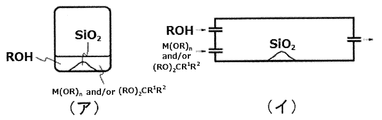
- the reactor include a batch reactor (see FIG. 1A) and a continuous tube reactor (see FIG. 1A) as described above.
- the batch reactor is preferably a pressure resistant reactor such as an autoclave.
- the operation procedure is as follows. Alcohol, silicon oxide, metal alkoxide, acetal, alkali metal compound, etc. are charged into the reactor, and the inside of the reaction vessel is purged with an atmosphere gas, and then the atmosphere gas is filled. And then heating to the reaction temperature. The filling pressure of the atmospheric gas at 25 ° C.
- tetraalkoxysilane is preferably 0.1 to 10 MPa. Within the above range, tetraalkoxysilane can be produced with higher yield.
- atmospheric gas inert gas, such as nitrogen gas and argon gas, a carbon dioxide, etc. are mentioned.
- silicon oxide, an alkali metal compound or the like is charged into the reactor, and after heating the reaction vessel to the reaction temperature, alcohol, metal alkoxide, acetal or the like as a gas or liquid, A method of continuously charging each is mentioned.
- a carrier gas may be used for charging the alcohol. Examples of the carrier gas include inert gases such as nitrogen gas and argon gas, and carbon dioxide.
- the carrier gas supply rate and the like can be appropriately selected according to the size of the reactor, reaction conditions, and the like.
- the reaction temperature is usually 50 ° C. or higher, preferably 80 ° C. or higher, more preferably 100 ° C. or higher, more preferably 200 ° C. or higher, particularly preferably 220 ° C. or higher, and usually 500 ° C. or lower, preferably 400 ° C. or lower, more Preferably it is 300 degrees C or less, More preferably, it is 280 degrees C or less.
- the reaction pressure is usually 0.1 MPa or more, preferably 1.0 MPa or more, more preferably 2.0 MPa or more, and usually 20 MPa or less, preferably 15 MPa or less, more preferably 10 MPa or less.
- the reaction time is usually 1 hour or longer, usually 168 hours or shorter, preferably 120 hours or shorter, more preferably 100 hours or shorter, still more preferably 50 hours or shorter, particularly preferably 24 hours or shorter.
- tetraalkoxysilane can be produced with higher yield.
- Example 1 In a 20 mL volume SUS autoclave (manufactured by Nitto Koatsu Co., Ltd.) containing a magnetic stir bar, 0.18 g of silicon dioxide (Fuji Silysia Chemical CARiACT Q-10), 3.0 g of methanol, acetone dimethyl acetal (2, 2-dimethoxypropane) 5.0 g was added. Then, it heated to 242 degreeC, stirring the inside of an autoclave at 1200 rpm, and was made to react for 24 hours. After cooling, the remaining gas was released, and the reaction mixture was analyzed by gas chromatography (Shimadzu Corporation GC-2014ATF / SPL). The yield of tetramethoxysilane based on silicon dioxide was 9%. The results are shown in Table 1.
- Example 2 In a 20 mL SUS autoclave (manufactured by Nitto Koatsu Co., Ltd.) containing a magnetic stir bar, 0.18 g of silicon dioxide (Fuji Silysia Chemical CARiACT Q-10), 3.0 g of methanol, acetone dimethyl acetal (2,2-dimethoxypropane) ) 5.0 g was added, and argon gas was charged from the cylinder at 25 ° C. at a pressure indicated by a pressure gauge (PGI-50M-MG10, Swagelok FST Co.) so that the inside of the autoclave was 2.0 MPa and stirred for 10 minutes. While holding and sealing.
- silicon dioxide Fluji Silysia Chemical CARiACT Q-10
- methanol acetone dimethyl acetal (2,2-dimethoxypropane)
- Example 3 Except that 2,2-dimethoxypropane was not added to the reaction conditions of Example 1, but 0.02 g of potassium hydroxide and 88% by mass of tetramethoxytitanium (based on 100% by mass of silicon dioxide) were added. In the same manner as in No. 1, tetramethoxysilane was produced. The yield of tetramethoxysilane based on silicon dioxide was 4%. The results are shown in Table 1.
- Example 4 To the reaction conditions of Example 1, 0.02 g of potassium hydroxide and 88% by mass of tetramethoxytitanium (based on 100% by mass of silicon dioxide) were added in the same manner as in Example 1 to obtain tetramethoxysilane. Manufactured. The yield of tetramethoxysilane based on silicon dioxide was 37%. The results are shown in Table 1.
- Tetramethoxysilane was produced in the same manner as in Example 1 except that 2,2-dimethoxypropane was not added and 0.02 g of potassium hydroxide was added to the reaction conditions of Example 1. The yield of tetramethoxysilane based on silicon dioxide was less than 1%. The results are shown in Table 1.
- Example 5 In a 20 mL SUS autoclave (manufactured by Nitto Koatsu Co., Ltd.) containing a magnetic stir bar, 0.09 g of silicon dioxide (Fuji Silysia Chemical CARiACT Q-10), 8.0 g of ethanol, 0.342 g of tetraethoxytitanium, potassium hydroxide 0.0084 g was added and sealed. Then, it heated to 260 degreeC, stirring the inside of an autoclave at 1200 rpm, and was made to react for 24 hours. After cooling, the remaining gas was released, and the reaction mixture was analyzed by gas chromatography (Shimadzu Corporation GC-2014ATF / SPL). The yield of tetraethoxysilane based on silicon dioxide was 15%. The results are shown in Table 2.
- Tetraethoxysilane was produced in the same manner as in Example 5, except that 0.09 g of Aerosil 300 (manufactured by Nippon Aerosil Co., Ltd.) was used for the reaction conditions of Example 5. The yield of tetraethoxysilane based on silicon dioxide was 19%. The results are shown in Table 2.
- Tetraethoxysilane was produced in the same manner as in Example 5 except that the amount of potassium hydroxide was 0.042 g with respect to the reaction conditions of Example 5. The yield of tetraethoxysilane based on silicon dioxide was 62%. The results are shown in Table 2.
- Tetraethoxysilane was produced in the same manner as in Example 5 except that the amount of potassium hydroxide was 0.042 g and the reaction temperature was 220 ° C. with respect to the reaction conditions of Example 5. The yield of tetraethoxysilane based on silicon dioxide was 58%. The results are shown in Table 2.
- Tetraethoxysilane was produced in the same manner as in Example 5 except that the amount of potassium hydroxide was 0.042 g and the reaction temperature was 240 ° C. with respect to the reaction conditions of Example 5. The yield of tetraethoxysilane based on silicon dioxide was 60%. The results are shown in Table 2.
- Tetraethoxysilane was produced in the same manner as in Example 5 except that the amount of potassium hydroxide was 0.042 g and the reaction temperature was 280 ° C. with respect to the reaction conditions of Example 5. The yield of tetraethoxysilane based on silicon dioxide was 56%. The results are shown in Table 2.
- Tetraethoxysilane was produced in the same manner as in Example 5 except that the amount of potassium hydroxide was 0.042 g and the reaction temperature was 300 ° C. with respect to the reaction conditions of Example 5. The yield of tetraethoxysilane based on silicon dioxide was 50%. The results are shown in Table 2.
- Example 12 For the reaction conditions of Example 5, the amount of tetraethoxytitanium was 0.692 g, the amount of potassium hydroxide was 0.083 g, and the reaction time was 3 hours. Silane was produced. The yield of tetraethoxysilane based on silicon dioxide was 88%. The results are shown in Table 2.
- Tetraethoxysilane was produced in the same manner as in Example 5 except that 4.8 g of 2,2-diethoxypropane was further added to the reaction conditions of Example 5. The yield of tetraethoxysilane based on silicon dioxide was 8%. The results are shown in Table 2.
- Tetraethoxysilane was produced in the same manner as in Example 5 except that tetraethoxytitanium was not added and 4.8 g of 2,2-diethoxypropane was added to the reaction conditions of Example 5. The yield of tetraethoxysilane based on silicon dioxide was 15%. The results are shown in Table 2.
- Example 15 Similar to Example 5, except that the amount of tetraethoxytitanium was 0.692 g, 0.063 g of lithium hydroxide was added instead of potassium hydroxide, and the reaction time was 3 hours with respect to the reaction conditions of Example 5. Tetraethoxysilane was produced by the above procedure. The yield of tetraethoxysilane based on silicon dioxide was 10%. The results are shown in Table 2.
- Example 16> Similar to Example 5, except that the amount of tetraethoxytitanium was 0.692 g, 0.060 g of sodium hydroxide was added instead of potassium hydroxide, and the reaction time was 3 hours, relative to the reaction conditions of Example 5. Tetraethoxysilane was produced by the above procedure. The yield of tetraethoxysilane based on silicon dioxide was 96%. The results are shown in Table 2.
- Example 17 Similar to Example 5, except that the amount of tetraethoxytitanium is 0.692 g, 0.249 g of cesium hydroxide is added instead of potassium hydroxide, and the reaction time is 3 hours with respect to the reaction conditions of Example 5. Tetraethoxysilane was produced by the above procedure. The yield of tetraethoxysilane based on silicon dioxide was 75%. The results are shown in Table 2.
- Example 18 For the reaction conditions of Example 5, the amount of tetraethoxy titanium was 0.692 g, 0.103 g of potassium carbonate was added instead of potassium hydroxide, and the reaction time was 3 hours. Tetraethoxysilane was produced by the operation. The yield of tetraethoxysilane based on silicon dioxide was 96%. The results are shown in Table 2.
- Example 19 The reaction conditions of Example 5 were the same as those of Example 5, except that the amount of tetraethoxytitanium was 0.692 g, 0.079 g of sodium carbonate was added instead of potassium hydroxide, and the reaction time was 3 hours. Tetraethoxysilane was produced by the operation. The yield of tetraethoxysilane based on silicon dioxide was 37%. The results are shown in Table 2.
- Example 20> The reaction conditions of Example 5 were the same as Example 5 except that the amount of tetraethoxytitanium was 0.692 g, 0.232 g of cesium carbonate was added instead of potassium hydroxide, and the reaction time was 3 hours. Tetraethoxysilane was produced by the operation. The yield of tetraethoxysilane based on silicon dioxide was 96%. The results are shown in Table 2.
- Example 21 Similar to Example 5, except that the amount of tetraethoxytitanium was 0.692 g, 0.089 g of potassium fluoride was added instead of potassium hydroxide, and the reaction time was 3 hours with respect to the reaction conditions of Example 5. Tetraethoxysilane was produced by the above procedure. The yield of tetraethoxysilane based on silicon dioxide was 95%. The results are shown in Table 2.
- Example 22 In a 20 mL SUS autoclave (manufactured by Nitto Koatsu Co., Ltd.) containing a magnetic stir bar, 0.09 g of silicon dioxide (Fuji Silysia Chemical CARiACT Q-10), 12 g of n-butanol, 1.07 g of tetra-n-butoxy titanium, water 0.08 g of potassium oxide was added and sealed. Then, it heated to 260 degreeC, stirring the inside of an autoclave at 1200 rpm, and was made to react for 24 hours. After cooling, the remaining gas was released, and the reaction mixture was analyzed by gas chromatography (Shimadzu Corporation GC-2014ATF / SPL). The yield of tetra n-butoxysilane based on silicon dioxide was 83%. The results are shown in Table 2.
- Example 23 For the reaction conditions of Example 5, except that tetraethoxyzirconium was used instead of tetraethoxytitanium, 0.814 g, argon atmosphere was used instead of nitrogen atmosphere, and the reaction time was 3 hours. Tetraethoxysilane was produced. The yield of tetraethoxysilane based on silicon dioxide was 2%. The results are shown in Table 2.
- Example 24 The reaction conditions of Example 5 were the same as those of Example 5, except that 0.955 g of pentaethoxyniobium was used instead of tetraethoxytitanium, an argon atmosphere was used instead of a nitrogen atmosphere, and the reaction time was 3 hours. Tetraethoxysilane was produced. The yield of tetraethoxysilane based on silicon dioxide was 5%. The results are shown in Table 2.
- tetraalkoxysilane used as a raw material for producing various silane compounds, organic silicone polymers, various silylating agents, colloidal silica, ceramics and the like can be produced with high efficiency.
Landscapes
- Chemical & Material Sciences (AREA)
- Organic Chemistry (AREA)
Abstract
テトラアルコキシシランを省エネルギーかつ高収率で製造することができる方法を提供することを目的とする。アルコールと酸化ケイ素を反応させる反応工程を含むテトラアルコキシシランの製造方法において、下記(a)及び(b)の少なくとも1種の条件を満たすことにより、省エネルギーかつ高収率でテトラアルコキシシランを製造することができる。 (a)金属アルコキシドの存在下で反応させる。 (b)下記一般式(1)で表されるアセタールの存在下で反応させる。(式中、R1及びR2はそれぞれ独立して水素原子又は炭素数1~15の炭化水素基を、Rは炭素数1~15の炭化水素基を表す。但し、R1及びR2の両方が水素原子である場合を除く。)
Description
本発明は、テトラアルコキシシランの高効率な製造方法に関し、より詳しくは金属アルコキシド及び/又は特定のアセタールを利用したテトラアルコキシシランの製造方法に関する。
テトラアルコキシシランは、各種シラン化合物、有機シリコーンポリマー、各種シリル化剤、コロイダルシリカおよびセラミックス等を製造する為の原料として用いられている。
従来から知られているアルコキシシラン類の工業的製造方法としては、天然の二酸化ケイ素を出発原料とし、炭素と混合して高温下で還元する事によって金属ケイ素を得て、これを塩素と反応させて四塩化ケイ素を製造した後、さらにアルコールと反応させる方法が知られている(特許文献1参照)。また金属ケイ素とアルコールを直接反応させる製造方法も知られている(特許文献2、3参照)。
しかし、これらの方法は、いずれも高温を要する金属ケイ素製造過程を経由する必要があり、エネルギー効率が悪い事が問題となっている。
他方、シリカから直接アルコキシシランを製造する方法として、アルカリ金属元素あるいはアルカリ土類金属元素を触媒としてシリカとアルキルカーボネートとを反応させて、アルコキシシランを製造する方法が知られている(特許文献4、5参照)。これらの方法は上記金属ケイ素を原料としないため、エネルギー効率的には有利である一方、比較的高価な化合物であるアルキルカーボネートを、化学量論としてシリカに対して少なくとも2倍のモル量を投入する必要があり、テトラアルコキシシランの工業的製法としては経済的な課題がある。
従来から知られているアルコキシシラン類の工業的製造方法としては、天然の二酸化ケイ素を出発原料とし、炭素と混合して高温下で還元する事によって金属ケイ素を得て、これを塩素と反応させて四塩化ケイ素を製造した後、さらにアルコールと反応させる方法が知られている(特許文献1参照)。また金属ケイ素とアルコールを直接反応させる製造方法も知られている(特許文献2、3参照)。
しかし、これらの方法は、いずれも高温を要する金属ケイ素製造過程を経由する必要があり、エネルギー効率が悪い事が問題となっている。
他方、シリカから直接アルコキシシランを製造する方法として、アルカリ金属元素あるいはアルカリ土類金属元素を触媒としてシリカとアルキルカーボネートとを反応させて、アルコキシシランを製造する方法が知られている(特許文献4、5参照)。これらの方法は上記金属ケイ素を原料としないため、エネルギー効率的には有利である一方、比較的高価な化合物であるアルキルカーボネートを、化学量論としてシリカに対して少なくとも2倍のモル量を投入する必要があり、テトラアルコキシシランの工業的製法としては経済的な課題がある。
本発明は、テトラアルコキシシランを省エネルギーかつ高収率で製造することができる方法を提供することを目的とする。
本発明者らは、上記の課題を解決すべく鋭意検討を重ねた結果、アルコールと酸化ケイ素を反応させるテトラアルコキシシランの製造方法において、金属アルコキシド及び/又は特定のアセタールを共存させることにより、省エネルギーかつ高収率でテトラアルコキシシランを製造できることを見出し、本発明を完成させた。
即ち、本発明は以下の通りである。
<1> アルコールと酸化ケイ素を反応させる反応工程を含むテトラアルコキシシランの製造方法であって、前記反応工程が下記(a)及び(b)の少なくとも1種の条件を満たすことを特徴とする、テトラアルコキシシランの製造方法。
(a)金属アルコキシドの存在下で反応させる。
(b)下記一般式(1)で表されるアセタールの存在下で反応させる。

(式中、R1及びR2はそれぞれ独立して水素原子又は炭素数1~15の炭化水素基を、Rは炭素数1~15の炭化水素基を表す。但し、R1及びR2の両方が水素原子である場合を除く。)
<2> 前記反応工程が、さらに下記(c)の条件を満たすものである、<1>に記載のテトラアルコキシシランの製造方法。
(c)アルカリ金属化合物及び/又はアルカリ土類金属化合物の存在下で反応させる。
<3> 前記アルカリ金属化合物が、アルカリ金属水酸化物、アルカリ金属ハロゲン化物、アルカリ金属炭酸塩、及びアルカリ金属炭酸水素塩からなる群より選択される少なくとも1種である、<2>に記載のテトラアルコキシシランの製造方法。
<4> 金属アルコキシドの使用量(存在量)が、前記酸化ケイ素1molに対して0~4molである、<1>~<3>の何れかに記載のテトラアルコキシシランの製造方法。
<1> アルコールと酸化ケイ素を反応させる反応工程を含むテトラアルコキシシランの製造方法であって、前記反応工程が下記(a)及び(b)の少なくとも1種の条件を満たすことを特徴とする、テトラアルコキシシランの製造方法。
(a)金属アルコキシドの存在下で反応させる。
(b)下記一般式(1)で表されるアセタールの存在下で反応させる。
(式中、R1及びR2はそれぞれ独立して水素原子又は炭素数1~15の炭化水素基を、Rは炭素数1~15の炭化水素基を表す。但し、R1及びR2の両方が水素原子である場合を除く。)
<2> 前記反応工程が、さらに下記(c)の条件を満たすものである、<1>に記載のテトラアルコキシシランの製造方法。
(c)アルカリ金属化合物及び/又はアルカリ土類金属化合物の存在下で反応させる。
<3> 前記アルカリ金属化合物が、アルカリ金属水酸化物、アルカリ金属ハロゲン化物、アルカリ金属炭酸塩、及びアルカリ金属炭酸水素塩からなる群より選択される少なくとも1種である、<2>に記載のテトラアルコキシシランの製造方法。
<4> 金属アルコキシドの使用量(存在量)が、前記酸化ケイ素1molに対して0~4molである、<1>~<3>の何れかに記載のテトラアルコキシシランの製造方法。
本発明によれば、金属ケイ素を経由することなく、酸化ケイ素を利用してテトラアルコキシシランを高収率に得ることができる。そのため、従来技術よりもエネルギー効率に優れ、低コストでテトラアルコキシシランを製造することができる。
本発明を説明するに当たり、具体例を挙げて説明するが、本発明の趣旨を逸脱しない限り以下の内容に限定されるものではなく、適宜変更して実施することができる。
<テトラアルコキシシランの製造方法>
本発明の一態様であるテトラアルコキシシランの製造方法(以下、「本発明の製造方法」と略す場合がある。)は、アルコールと酸化ケイ素を反応させる反応工程(以下、「反応工程」と略す場合がある。)を含む方法であり、反応工程が下記(a)及び(b)の少なくとも1種の条件を満たすことを特徴とする。
(a)金属アルコキシドの存在下で反応させる。
(b)下記一般式(1)で表されるアセタールの存在下で反応させる。

(式中、R1及びR2はそれぞれ独立して水素原子又は炭素数1~15の炭化水素基を、Rは炭素数1~15の炭化水素基を表す。但し、R1及びR2の両方が水素原子である場合を除く。)
本発明者らは、金属ケイ素を経由しないテトラアルコキシシランの製造方法としてアルコールと酸化ケイ素を用いる方法に着目し、その検討を進めた結果、アルコールと酸化ケイ素を反応させる上で、チタンアルコキシド等の金属アルコキシド及び/又は一般式(1)で表されるアセタールを共存させることにより、効率良くテトラアルコキシシランが生成することを見出した。
金属アルコキシドや一般式(1)で表されるアセタール(以下、「アセタール」と略す場合がある。)は、反応によって生じた水を適切に除去する脱水剤としての働きをし、生成したテトラアルコキシシランの分解を抑制するものと考えられる。また、金属アルコキシドやアセタールは、水と反応することによってアルコールを生成することになるため、アルコールの供給源としても活用することもできる。
即ち、(a)及び(b)の少なくとも1種の条件を満たす本発明の製造方法は、省エネルギーかつ高収率でテトラアルコキシシランを製造することができる方法なのである。
なお、反応工程は、図1の(ア)に示されるように、回分反応器にアルコールと金属アルコキシド(又はアセタール)と酸化ケイ素をそれぞれ投入して反応させた後、テトラアルコキシシランを回収する回分式の反応であっても、図1の(イ)に示されるように、連続管型反応器にアルコールと金属アルコキシド(又はアセタール)を逐次投入し、酸化ケイ素と反応させて、テトラアルコキシシランを逐次回収する連続式の反応であってもよいことを意味する。
また、「金属アルコキシドの存在下」及び「アセタールの存在下」の「存在下」とは、「金属アルコキシド」や「アセタール」を反応器に直接投入することによって、反応工程中に「金属アルコキシド」や「アセタール」が存在している態様のほか、例えば反応器内に投入されたアルコールと反応することによって「金属アルコキシド」や「アセタール」が生成し、反応工程中に「金属アルコキシド」や「アセタール」が存在している態様も含まれるものとする。従って、例えば四塩化チタンとエタノールを反応器に投入することによって、反応器内でテトラエトキシチタンが生成している場合も、「金属アルコキシド」が存在しているものと言える。
本発明の一態様であるテトラアルコキシシランの製造方法(以下、「本発明の製造方法」と略す場合がある。)は、アルコールと酸化ケイ素を反応させる反応工程(以下、「反応工程」と略す場合がある。)を含む方法であり、反応工程が下記(a)及び(b)の少なくとも1種の条件を満たすことを特徴とする。
(a)金属アルコキシドの存在下で反応させる。
(b)下記一般式(1)で表されるアセタールの存在下で反応させる。
(式中、R1及びR2はそれぞれ独立して水素原子又は炭素数1~15の炭化水素基を、Rは炭素数1~15の炭化水素基を表す。但し、R1及びR2の両方が水素原子である場合を除く。)
本発明者らは、金属ケイ素を経由しないテトラアルコキシシランの製造方法としてアルコールと酸化ケイ素を用いる方法に着目し、その検討を進めた結果、アルコールと酸化ケイ素を反応させる上で、チタンアルコキシド等の金属アルコキシド及び/又は一般式(1)で表されるアセタールを共存させることにより、効率良くテトラアルコキシシランが生成することを見出した。
金属アルコキシドや一般式(1)で表されるアセタール(以下、「アセタール」と略す場合がある。)は、反応によって生じた水を適切に除去する脱水剤としての働きをし、生成したテトラアルコキシシランの分解を抑制するものと考えられる。また、金属アルコキシドやアセタールは、水と反応することによってアルコールを生成することになるため、アルコールの供給源としても活用することもできる。
即ち、(a)及び(b)の少なくとも1種の条件を満たす本発明の製造方法は、省エネルギーかつ高収率でテトラアルコキシシランを製造することができる方法なのである。
なお、反応工程は、図1の(ア)に示されるように、回分反応器にアルコールと金属アルコキシド(又はアセタール)と酸化ケイ素をそれぞれ投入して反応させた後、テトラアルコキシシランを回収する回分式の反応であっても、図1の(イ)に示されるように、連続管型反応器にアルコールと金属アルコキシド(又はアセタール)を逐次投入し、酸化ケイ素と反応させて、テトラアルコキシシランを逐次回収する連続式の反応であってもよいことを意味する。
また、「金属アルコキシドの存在下」及び「アセタールの存在下」の「存在下」とは、「金属アルコキシド」や「アセタール」を反応器に直接投入することによって、反応工程中に「金属アルコキシド」や「アセタール」が存在している態様のほか、例えば反応器内に投入されたアルコールと反応することによって「金属アルコキシド」や「アセタール」が生成し、反応工程中に「金属アルコキシド」や「アセタール」が存在している態様も含まれるものとする。従って、例えば四塩化チタンとエタノールを反応器に投入することによって、反応器内でテトラエトキシチタンが生成している場合も、「金属アルコキシド」が存在しているものと言える。
反応工程は、アルコールと酸化ケイ素を反応させる工程であるが、アルコールの種類は、特に限定されず、製造目的であるテトラアルコキシシランに応じて適宜選択することができる。例えばアルコールとしてメタノールを用いるとテトラメトキシシランを、エタノールを用いるとテトラエトキシシランを製造することができる。
アルコールは、脂肪族アルコールと芳香族アルコールのどちらでもよく、またアルコール中の炭化水素基は、分岐構造、環状構造、炭素-炭素不飽和結合等のそれぞれを有していてもよい。
アルコールの炭素数は、通常1以上、好ましくは2以上であり、好ましくは15以下、より好ましくは10以下、さらに好ましくは8以下である。
具体的なアルコールとしては、メタノール、エタノール、1-プロパノール、2-プロパノール、1-ブタノール、2-ブタノール、2-メチル-1-プロパノール、2-メチル-2-プロパノール、ベンジルアルコール、フェノール等が挙げられる。中でも、メタノール、エタノールが好ましく、メタノールがより好ましい。なお、アルコールの炭素数が多いものほど、テトラアルコキシシランの収率は低下し易い傾向にあるが、本発明の製造方法を利用することによって、高収率でテトラアルコキシシランを製造することができる。
なお、アルコールの使用量は、酸化ケイ素の物質量(ケイ素基準)に対して、通常0倍より多く、好ましくは5倍以上、より好ましくは10倍以上であり、通常10000倍以下、好ましくは5000倍以下、より好ましくは3000倍以下である。
アルコールは、脂肪族アルコールと芳香族アルコールのどちらでもよく、またアルコール中の炭化水素基は、分岐構造、環状構造、炭素-炭素不飽和結合等のそれぞれを有していてもよい。
アルコールの炭素数は、通常1以上、好ましくは2以上であり、好ましくは15以下、より好ましくは10以下、さらに好ましくは8以下である。
具体的なアルコールとしては、メタノール、エタノール、1-プロパノール、2-プロパノール、1-ブタノール、2-ブタノール、2-メチル-1-プロパノール、2-メチル-2-プロパノール、ベンジルアルコール、フェノール等が挙げられる。中でも、メタノール、エタノールが好ましく、メタノールがより好ましい。なお、アルコールの炭素数が多いものほど、テトラアルコキシシランの収率は低下し易い傾向にあるが、本発明の製造方法を利用することによって、高収率でテトラアルコキシシランを製造することができる。
なお、アルコールの使用量は、酸化ケイ素の物質量(ケイ素基準)に対して、通常0倍より多く、好ましくは5倍以上、より好ましくは10倍以上であり、通常10000倍以下、好ましくは5000倍以下、より好ましくは3000倍以下である。
反応工程は、アルコールと酸化ケイ素を反応させる工程であるが、酸化ケイ素とは、ケイ素原子(Si)と酸素原子(O)を主要な構成元素として含む化合物を意味し、一酸化ケイ素(SiO)、二酸化ケイ素(SiO2)、或いはゼオライト等の他の金属との複合酸化物であってもよいことを意味する。
具体的な酸化ケイ素としては、ケイ石、ケイ砂、ケイ藻土、石英等の天然鉱物、ケイ素含有植物の焼成灰、火山灰、ケイ酸塩類、シリカゾル由来のシリカゲル、ヒュームドシリカ、シリカアルミナ、ゼオライト等が挙げられる。
具体的な酸化ケイ素としては、ケイ石、ケイ砂、ケイ藻土、石英等の天然鉱物、ケイ素含有植物の焼成灰、火山灰、ケイ酸塩類、シリカゾル由来のシリカゲル、ヒュームドシリカ、シリカアルミナ、ゼオライト等が挙げられる。
反応工程は、(a)金属アルコキシドの存在下で反応させることを特徴とするが、金属アルコキシドのアルコキシ基は、アルコールと同一の炭化水素基を有するものであることが好ましい。
金属アルコキシドの金属の種類としては、アルカリ金属、アルカリ土類金属、ランタノイド、アクチノイドを除く金属が好ましく、チタン(Ti)、ジルコニウム(Zr)、ニオブ(Nb)、ハフニウム(Hf)、スズ(Sn)等が挙げられる。
具体的な金属アルコキシドとしては、テトラメトキシチタン、テトラエトキシチタン、テトラプロポキシチタン、テトイソプロポキシチタン、テトラブトキシチタン、テトラ-t-ブトキシチタン、テトラメトキシジルコニウム、テトラエトキシジルコニウム、テトラプロポキシジルコニウム、テトライソプロポキシジルコニウム、テトラブトキシジルコニウム、テトラ-t-ブトキシジルコニウム、テトラメトキシスズ、テトラエトキシスズ、テトラプロポキシスズ、テトライソプロポキシスズ、テトラブトキシスズ、テトラ-t-ブトキシスズ、テトラペンチルオキシスズ、テトラヘキシルオキシスズ、テトラ-2-エチル-1-ヘキシルオキシスズ、ジメチルジメトキシスズ、ジメチルジエトキシスズ、ジメチルジプロポキシスズ、ジメチルジブトキシスズ、ジメチルジペンチルオキシスズ、ジメチルジヘキシルオキシスズ、ジメチルジシクロヘキシルオキシスズ、ジメチルジ(2-エチル-1-ヘキシルオキシ)スズ、ジメチルジプロペニルオキシスズ、メチルブチルジメトキシスズ、メチルブチルジエトキシスズ、メチルブチルジプロポキシスズ、メチルブチルジブトキシスズ、メチルブチルジ(2-エチル-1-ブトキシド)スズ、メチルブチルジペンチルオキシスズ、メチルブチルジヘキシルオキシスズ、メチルブチルジシクロヘキシルオキシスズ、メチルブチルジ(2-エチル-1-ヘキシルオキシ)スズ、メチルブチルジプロペニルオキシスズ、メチルブチルジベンジルオキシスズ、メチル(2-エチル-ヘキシル)ジメトキシスズ、メチル(2-エチル-ヘキシル)スズジエトキシスズ、メチル(2-エチル-ヘキシル)ジプロポキシスズ、メチル(2-エチル-ヘキシル)ジブトキシスズ、メチル(2-エチル-ヘキシル)ジ(2-エチル-1-ブトキシ)スズ、メチル(2-エチル-ヘキシル)ジペンチルオキシスズ、メチル(2-エチル-ヘキシル)ジヘキシルオキシスズ、メチル(2-エチル-ヘキシル)ジシクロヘキシルオキシスズ、メチル(2-エチル-ヘキシル)ジ(2-エチル-1-ヘキシルオキシ)スズ、メチル(2-エチル-ヘキシル)ジプロペニルオキシスズ、メチル(2-エチル-ヘキシル)ジベンジルオキシスズ、ブチル(2-エチル-ヘキシル)ジメトキシスズ、ブチル(2-エチル-ヘキシル)ジエトキシスズ、ブチル(2-エチル-ヘキシル)ジプロポキシスズ、ブチル(2-エチル-ヘキシル)ジブトキシスズ、ブチル(2-エチル-ヘキシル)ジ(2-エチル-1-ブトキシ)スズ、ブチル(2-エチル-ヘキシル)ジペンチルオキシスズ、ブチル(2-エチル-ヘキシル)ジヘキシルオキシスズ、ブチル(2-エチル-ヘキシル)ジシクロヘキシルオキシスズ、ブチル(2-エチル-ヘキシル)ジ(2-エチル-1-ヘキシルオキシ)スズ、ブチル(2-エチル-ヘキシル)ジプロペニルオキシスズ、ブチル(2-エチル-ヘキシル)ジベンジルオキシスズ、ジ-n-ブチルジメトキシスズ、ジ-n-ブチルジエトキシスズ、ジ-n-ブチルジプロポキシスズ、ジ-n-ブチルジブトキシスズ、ジ-n-ブチルジ(2-エチル-1-ヘキシルオキシ)スズ、ジ-n-ブチルジヘキシルオキシスズ、ジ-n-ブチルジ(2-エチル-1-ヘキシルオキシ)スズ、ジ-n-ブチルジベンジルオキシスズ、ジ-t-ブチルジメトキシスズ、ジ-t-ブチルジエトキシスズ、ジ-t-ブチルジプロポキシスズ、ジ-t-ブチルジブトキシスズ、ジ-t-ブチルジヘキシルオキシスズ、ジ-t-ブチルジシクロオキシスズ、ジ-t-ブチルジプロペニルオキシスズ、ジ-t-ブチルジベンジルオキシスズ、ジフェニルジメトキシスズ、ジフェニルジエトキシスズ、ジフェニルジプロポキシスズ、ジフェニルジブトキシスズ、ジフェニルジ(2-エチル-1-ヘキシルオキシ)スズ、ジフェニルジペンチルオキシスズ、ジフェニルジヘキシルオキシスズ、ジフェニルジ-(2-エチル-1-ヘキシルオキシ)スズ、ジフェニルジシクロヘキシルオキシスズ、ジフェニルジプロペニルオキシスズド、ジフェニルジベンジルオキシスズ、1,1,3,3-テトラブチル-1,3-ジメトキシジスタンオキサン、1,1,3,3-テトラブチル-1,3-ジエトキシジスタンオキサン、1,1,3,3-テトラブチル-1,3-ジプロポキシジスタンオキサン、1,1,3,3-テトラブチル-1,3-ジブトキシジスタンオキサン、1,1,3,3-テトラブチル-1,3-ジペンチルオキシジスタンオキサン、1,1,3,3-テトラブチル-1,3-ジヘキシルオキシジスタンオキサン、1,1,3,3-テトラブチル-1,3-ジシクロヘキシルオキシジスタンオキサン、1,1,3,3-テトラブチル-1、3-ジ(2-エチル-1-ヘキシルオキシ)ジスタンオキサン、1,1,3,3-テトラブチル-1,3-ジベンジルオキシジスタンオキサン、1,1,3,3-テトラフェニル-1,3-ジメトキシジスタンオキサン、1,1,3,3-テトラフェニル-1,3-ジエトキシジスタンオキサン、1,1,3,3-テトラフェニル-1,3-ジプロポキシジスタンオキサン、1,1,3,3-テトラフェニル-1,3-ジブトキシジスタンオキサン、1,1,3,3-テトラフェニル-1,3-ジペンチルオキシジスタンオキサン、1,1,3,3-テトラフェニル-1,3-ジヘキシルオキシジスタンオキサン、1,1,3,3-テトラフェニル-1,3-ジシクロヘキシルオキシジスタンオキサン1,1,3,3-テトラフェニル-1,3-ジ(2-エチル-1-ブトキシ)ジスタンオキサン、1,1,3,3-テトラフェニル-1,3-ジベンジルオキシジスタンオキサン、ペンタエトキシニオブ、ペンタプロポキシニオブ、ペンタイソプロポキシニオブ、ペンタブトキシニオブ等が挙げられる。なお、金属アルコキシドは、1種類のみならず、2種類以上を組み合わせて使用してもよい。
金属アルコキシドの使用量(存在量)は、酸化ケイ素(二酸化ケイ素の場合、ケイ素基準)1molに対して、通常0mol以上、好ましくは0.01mol以上、より好ましくは0.1mol以上、さらに好ましくは0.5mol、特に好ましくは1mol以上であり、通常200mol以下、好ましくは100mol以下、より好ましくは50mol以下である。上記範囲内であると、より高収率でテトラアルコキシシランを製造することができる。
金属アルコキシドの金属の種類としては、アルカリ金属、アルカリ土類金属、ランタノイド、アクチノイドを除く金属が好ましく、チタン(Ti)、ジルコニウム(Zr)、ニオブ(Nb)、ハフニウム(Hf)、スズ(Sn)等が挙げられる。
具体的な金属アルコキシドとしては、テトラメトキシチタン、テトラエトキシチタン、テトラプロポキシチタン、テトイソプロポキシチタン、テトラブトキシチタン、テトラ-t-ブトキシチタン、テトラメトキシジルコニウム、テトラエトキシジルコニウム、テトラプロポキシジルコニウム、テトライソプロポキシジルコニウム、テトラブトキシジルコニウム、テトラ-t-ブトキシジルコニウム、テトラメトキシスズ、テトラエトキシスズ、テトラプロポキシスズ、テトライソプロポキシスズ、テトラブトキシスズ、テトラ-t-ブトキシスズ、テトラペンチルオキシスズ、テトラヘキシルオキシスズ、テトラ-2-エチル-1-ヘキシルオキシスズ、ジメチルジメトキシスズ、ジメチルジエトキシスズ、ジメチルジプロポキシスズ、ジメチルジブトキシスズ、ジメチルジペンチルオキシスズ、ジメチルジヘキシルオキシスズ、ジメチルジシクロヘキシルオキシスズ、ジメチルジ(2-エチル-1-ヘキシルオキシ)スズ、ジメチルジプロペニルオキシスズ、メチルブチルジメトキシスズ、メチルブチルジエトキシスズ、メチルブチルジプロポキシスズ、メチルブチルジブトキシスズ、メチルブチルジ(2-エチル-1-ブトキシド)スズ、メチルブチルジペンチルオキシスズ、メチルブチルジヘキシルオキシスズ、メチルブチルジシクロヘキシルオキシスズ、メチルブチルジ(2-エチル-1-ヘキシルオキシ)スズ、メチルブチルジプロペニルオキシスズ、メチルブチルジベンジルオキシスズ、メチル(2-エチル-ヘキシル)ジメトキシスズ、メチル(2-エチル-ヘキシル)スズジエトキシスズ、メチル(2-エチル-ヘキシル)ジプロポキシスズ、メチル(2-エチル-ヘキシル)ジブトキシスズ、メチル(2-エチル-ヘキシル)ジ(2-エチル-1-ブトキシ)スズ、メチル(2-エチル-ヘキシル)ジペンチルオキシスズ、メチル(2-エチル-ヘキシル)ジヘキシルオキシスズ、メチル(2-エチル-ヘキシル)ジシクロヘキシルオキシスズ、メチル(2-エチル-ヘキシル)ジ(2-エチル-1-ヘキシルオキシ)スズ、メチル(2-エチル-ヘキシル)ジプロペニルオキシスズ、メチル(2-エチル-ヘキシル)ジベンジルオキシスズ、ブチル(2-エチル-ヘキシル)ジメトキシスズ、ブチル(2-エチル-ヘキシル)ジエトキシスズ、ブチル(2-エチル-ヘキシル)ジプロポキシスズ、ブチル(2-エチル-ヘキシル)ジブトキシスズ、ブチル(2-エチル-ヘキシル)ジ(2-エチル-1-ブトキシ)スズ、ブチル(2-エチル-ヘキシル)ジペンチルオキシスズ、ブチル(2-エチル-ヘキシル)ジヘキシルオキシスズ、ブチル(2-エチル-ヘキシル)ジシクロヘキシルオキシスズ、ブチル(2-エチル-ヘキシル)ジ(2-エチル-1-ヘキシルオキシ)スズ、ブチル(2-エチル-ヘキシル)ジプロペニルオキシスズ、ブチル(2-エチル-ヘキシル)ジベンジルオキシスズ、ジ-n-ブチルジメトキシスズ、ジ-n-ブチルジエトキシスズ、ジ-n-ブチルジプロポキシスズ、ジ-n-ブチルジブトキシスズ、ジ-n-ブチルジ(2-エチル-1-ヘキシルオキシ)スズ、ジ-n-ブチルジヘキシルオキシスズ、ジ-n-ブチルジ(2-エチル-1-ヘキシルオキシ)スズ、ジ-n-ブチルジベンジルオキシスズ、ジ-t-ブチルジメトキシスズ、ジ-t-ブチルジエトキシスズ、ジ-t-ブチルジプロポキシスズ、ジ-t-ブチルジブトキシスズ、ジ-t-ブチルジヘキシルオキシスズ、ジ-t-ブチルジシクロオキシスズ、ジ-t-ブチルジプロペニルオキシスズ、ジ-t-ブチルジベンジルオキシスズ、ジフェニルジメトキシスズ、ジフェニルジエトキシスズ、ジフェニルジプロポキシスズ、ジフェニルジブトキシスズ、ジフェニルジ(2-エチル-1-ヘキシルオキシ)スズ、ジフェニルジペンチルオキシスズ、ジフェニルジヘキシルオキシスズ、ジフェニルジ-(2-エチル-1-ヘキシルオキシ)スズ、ジフェニルジシクロヘキシルオキシスズ、ジフェニルジプロペニルオキシスズド、ジフェニルジベンジルオキシスズ、1,1,3,3-テトラブチル-1,3-ジメトキシジスタンオキサン、1,1,3,3-テトラブチル-1,3-ジエトキシジスタンオキサン、1,1,3,3-テトラブチル-1,3-ジプロポキシジスタンオキサン、1,1,3,3-テトラブチル-1,3-ジブトキシジスタンオキサン、1,1,3,3-テトラブチル-1,3-ジペンチルオキシジスタンオキサン、1,1,3,3-テトラブチル-1,3-ジヘキシルオキシジスタンオキサン、1,1,3,3-テトラブチル-1,3-ジシクロヘキシルオキシジスタンオキサン、1,1,3,3-テトラブチル-1、3-ジ(2-エチル-1-ヘキシルオキシ)ジスタンオキサン、1,1,3,3-テトラブチル-1,3-ジベンジルオキシジスタンオキサン、1,1,3,3-テトラフェニル-1,3-ジメトキシジスタンオキサン、1,1,3,3-テトラフェニル-1,3-ジエトキシジスタンオキサン、1,1,3,3-テトラフェニル-1,3-ジプロポキシジスタンオキサン、1,1,3,3-テトラフェニル-1,3-ジブトキシジスタンオキサン、1,1,3,3-テトラフェニル-1,3-ジペンチルオキシジスタンオキサン、1,1,3,3-テトラフェニル-1,3-ジヘキシルオキシジスタンオキサン、1,1,3,3-テトラフェニル-1,3-ジシクロヘキシルオキシジスタンオキサン1,1,3,3-テトラフェニル-1,3-ジ(2-エチル-1-ブトキシ)ジスタンオキサン、1,1,3,3-テトラフェニル-1,3-ジベンジルオキシジスタンオキサン、ペンタエトキシニオブ、ペンタプロポキシニオブ、ペンタイソプロポキシニオブ、ペンタブトキシニオブ等が挙げられる。なお、金属アルコキシドは、1種類のみならず、2種類以上を組み合わせて使用してもよい。
金属アルコキシドの使用量(存在量)は、酸化ケイ素(二酸化ケイ素の場合、ケイ素基準)1molに対して、通常0mol以上、好ましくは0.01mol以上、より好ましくは0.1mol以上、さらに好ましくは0.5mol、特に好ましくは1mol以上であり、通常200mol以下、好ましくは100mol以下、より好ましくは50mol以下である。上記範囲内であると、より高収率でテトラアルコキシシランを製造することができる。
反応工程は、(b)下記一般式(1)で表されるアセタールの存在下で反応させることを特徴とするが、アセタールのアルコキシ基は、アルコールと同一の炭化水素基を有するものであることが好ましい。

(式中、R1及びR2はそれぞれ独立して水素原子又は炭素数1~15の炭化水素基を、Rは炭素数1~15の炭化水素基を表す。但し、R1及びR2の両方が水素原子である場合を除く。)
アルコキシ基がアルコールと同一であると、下記反応式(2)で示されるように、水と反応してアルコールが生成することになり、このアルコールを反応に利用することができる。また、反応終了後、回収したアルデヒドやケトンは、容易にアセタールに再生し、再利用することができる。

具体的な一般式(1)で表されるアセタールとしては、ベンズアルデヒドジメチルアセタール、アセトアルデヒドジメチルアセタール、ホルムアルデヒドジメチルアセタール、アセトンジメチルアセタール(2,2-ジメトキシプロパン)、アセトンジエチルアセタール、アセトンジベンジルアセタール、ジエチルケトンジメチルアセタール、ベンゾフェノンジメチルアセタール、ベンジルフェニルケトンジメチルアセタール、シクロヘキサノンジメチルアセタール、アセトフェノンジメチルアセタール、2,2-ジメトキシ-2-フェニルアセトフェノン、4,4-ジメトキシ-2,5-シクロヘキサジエン-1-オンアセタール、ジメチルアセトアミドジエチルアセタール等が挙げられる。なお、一般式(1)で表されるアセタールは、1種類のみならず、2種類以上を組み合わせて使用してもよい。
一般式(1)で表されるアセタールの使用量(存在量)は、酸化ケイ素(二酸化ケイ素の場合、ケイ素基準)1molに対して、通常0mol以上、好ましくは0.01mol以上、より好ましくは0.1mol以上であり、通常200mol以下、好ましくは100mol以下、より好ましくは50mol以下である。上記範囲内であると、より高収率でテトラアルコキシシランを製造することができる。
(式中、R1及びR2はそれぞれ独立して水素原子又は炭素数1~15の炭化水素基を、Rは炭素数1~15の炭化水素基を表す。但し、R1及びR2の両方が水素原子である場合を除く。)
アルコキシ基がアルコールと同一であると、下記反応式(2)で示されるように、水と反応してアルコールが生成することになり、このアルコールを反応に利用することができる。また、反応終了後、回収したアルデヒドやケトンは、容易にアセタールに再生し、再利用することができる。
具体的な一般式(1)で表されるアセタールとしては、ベンズアルデヒドジメチルアセタール、アセトアルデヒドジメチルアセタール、ホルムアルデヒドジメチルアセタール、アセトンジメチルアセタール(2,2-ジメトキシプロパン)、アセトンジエチルアセタール、アセトンジベンジルアセタール、ジエチルケトンジメチルアセタール、ベンゾフェノンジメチルアセタール、ベンジルフェニルケトンジメチルアセタール、シクロヘキサノンジメチルアセタール、アセトフェノンジメチルアセタール、2,2-ジメトキシ-2-フェニルアセトフェノン、4,4-ジメトキシ-2,5-シクロヘキサジエン-1-オンアセタール、ジメチルアセトアミドジエチルアセタール等が挙げられる。なお、一般式(1)で表されるアセタールは、1種類のみならず、2種類以上を組み合わせて使用してもよい。
一般式(1)で表されるアセタールの使用量(存在量)は、酸化ケイ素(二酸化ケイ素の場合、ケイ素基準)1molに対して、通常0mol以上、好ましくは0.01mol以上、より好ましくは0.1mol以上であり、通常200mol以下、好ましくは100mol以下、より好ましくは50mol以下である。上記範囲内であると、より高収率でテトラアルコキシシランを製造することができる。
反応工程は、前述の(a)及び(b)の少なくとも1種の条件を満たすものであれば、その他は特に限定されないが、さらに下記(c)の条件を満たすことが好ましい。
(c)アルカリ金属化合物及び/又はアルカリ土類金属化合物の存在下で反応させる。
アルカリ金属化合物やアルカリ土類金属化合物の存在下であると、酸化ケイ素のケイ素-酸素結合の開裂が促進されて、より高収率でテトラアルコキシシランを製造することができる。
アルカリ金属化合物及びアルカリ土類金属化合物におけるアルカリ金属及びアルカリ土類金属としては、リチウム(Li)、ナトリウム(Na)、マグネシウム(Mg)、カリウム(K)、カルシウム(Ca)、セシウム(Cs)等が挙げられる。また、対イオンについては、水酸化物、ハロゲン化物、酸化物、炭酸塩、炭酸水素塩、アルコキシド、ケイ酸塩、アルミン酸塩、リン酸塩、有機酸塩、硫酸塩、硝酸塩等が挙げられる。中でも水酸化物、ハロゲン化物、炭酸塩、炭酸水素塩が好ましく、アルカリ金属水酸化物、アルカリ金属ハロゲン化物、アルカリ金属炭酸塩、アルカリ金属炭酸水素塩がより好ましい。
具体的なアルカリ金属化合物及びアルカリ土類金属化合物としては、水酸化リチウム、水酸化ナトリウム、水酸化カリウム、水酸化カルシウム、水酸化セシウム、炭酸リチウム、炭酸ナトリウム、炭酸カリウム、炭酸セシウム、フッ化ナトリウム、フッ化カリウム、フッ化セシウム等が挙げられる。なお、アルカリ金属化合物及びアルカリ土類金属化合物は、1種類のみならず、2種類以上を組み合わせて使用してもよい。
アルカリ金属化合物とアルカリ土類金属化合物の総使用量(総存在量)は、酸化ケイ素(二酸化ケイ素の場合)1molに対して、通常0mol以上、好ましくは1.0mol以上であり、通常50mol以下、好ましくは15mol以下である。
(c)アルカリ金属化合物及び/又はアルカリ土類金属化合物の存在下で反応させる。
アルカリ金属化合物やアルカリ土類金属化合物の存在下であると、酸化ケイ素のケイ素-酸素結合の開裂が促進されて、より高収率でテトラアルコキシシランを製造することができる。
アルカリ金属化合物及びアルカリ土類金属化合物におけるアルカリ金属及びアルカリ土類金属としては、リチウム(Li)、ナトリウム(Na)、マグネシウム(Mg)、カリウム(K)、カルシウム(Ca)、セシウム(Cs)等が挙げられる。また、対イオンについては、水酸化物、ハロゲン化物、酸化物、炭酸塩、炭酸水素塩、アルコキシド、ケイ酸塩、アルミン酸塩、リン酸塩、有機酸塩、硫酸塩、硝酸塩等が挙げられる。中でも水酸化物、ハロゲン化物、炭酸塩、炭酸水素塩が好ましく、アルカリ金属水酸化物、アルカリ金属ハロゲン化物、アルカリ金属炭酸塩、アルカリ金属炭酸水素塩がより好ましい。
具体的なアルカリ金属化合物及びアルカリ土類金属化合物としては、水酸化リチウム、水酸化ナトリウム、水酸化カリウム、水酸化カルシウム、水酸化セシウム、炭酸リチウム、炭酸ナトリウム、炭酸カリウム、炭酸セシウム、フッ化ナトリウム、フッ化カリウム、フッ化セシウム等が挙げられる。なお、アルカリ金属化合物及びアルカリ土類金属化合物は、1種類のみならず、2種類以上を組み合わせて使用してもよい。
アルカリ金属化合物とアルカリ土類金属化合物の総使用量(総存在量)は、酸化ケイ素(二酸化ケイ素の場合)1molに対して、通常0mol以上、好ましくは1.0mol以上であり、通常50mol以下、好ましくは15mol以下である。
反応工程において、アルコールと酸化ケイ素を反応させるための反応器、操作手順、反応条件等は特に限定されず、目的に応じて適宜選択することができる。
反応器としては、前述のように回分反応器(図1の(ア)参照)、連続管型反応器(図1の(イ)参照)等が挙げられる。なお、回分反応器は、オートクレーブ等の耐圧反応器であることが好ましい。
操作手順は、例えば回分反応器を用いる場合、反応器にアルコール、酸化ケイ素、金属アルコキシド、アセタール、アルカリ金属化合物等を投入し、雰囲気ガス等で反応容器内を掃気した後、雰囲気ガスを充填して密閉し、反応温度まで加熱を行う方法が挙げられる。なお、雰囲気ガスの25℃における充填圧力は、0.1~10MPaであることが好ましい。上記範囲内であると、より高収率でテトラアルコキシシランを製造することができる。また、雰囲気ガスとしては、窒素ガス、アルゴンガス等の不活性ガスや二酸化炭素等が挙げられる。
また、連続管型反応器を用いる場合、酸化ケイ素、アルカリ金属化合物等を反応器に投入しておき、反応容器を反応温度まで加熱した後、アルコール、金属アルコキシド、アセタール等を気体又は液体として、それぞれ連続的に投入する方法が挙げられる。なお、アルコールを投入するためにキャリアーガスを用いてもよい。キャリアーガスとしては、窒素ガス、アルゴンガス等の不活性ガスや二酸化炭素が挙げられる。なお、キャリアーガスの供給速度等は、反応器の大きさや反応条件等に応じて適宜選択することができる。
反応温度は、通常50℃以上、好ましくは80℃以上、より好ましくは100℃以上、さらに好ましくは200℃以上、特に好ましくは220℃以上であり、通常500℃以下、好ましくは400℃以下、より好ましくは300℃以下、さらに好ましくは280℃以下である。
反応圧力は、通常0.1MPa以上、好ましくは1.0MPa以上、より好ましくは2.0MPa以上であり、通常20MPa以下、好ましくは15MPa以下、より好ましくは10MPa以下である。
反応時間は、通常1時間以上であり、通常168時間以下、好ましくは120時間以下、より好ましくは100時間以下、さらに好ましくは50時間以下、特に好ましくは24時間以下である。
上記範囲内であると、より高収率でテトラアルコキシシランを製造することができる。
反応器としては、前述のように回分反応器(図1の(ア)参照)、連続管型反応器(図1の(イ)参照)等が挙げられる。なお、回分反応器は、オートクレーブ等の耐圧反応器であることが好ましい。
操作手順は、例えば回分反応器を用いる場合、反応器にアルコール、酸化ケイ素、金属アルコキシド、アセタール、アルカリ金属化合物等を投入し、雰囲気ガス等で反応容器内を掃気した後、雰囲気ガスを充填して密閉し、反応温度まで加熱を行う方法が挙げられる。なお、雰囲気ガスの25℃における充填圧力は、0.1~10MPaであることが好ましい。上記範囲内であると、より高収率でテトラアルコキシシランを製造することができる。また、雰囲気ガスとしては、窒素ガス、アルゴンガス等の不活性ガスや二酸化炭素等が挙げられる。
また、連続管型反応器を用いる場合、酸化ケイ素、アルカリ金属化合物等を反応器に投入しておき、反応容器を反応温度まで加熱した後、アルコール、金属アルコキシド、アセタール等を気体又は液体として、それぞれ連続的に投入する方法が挙げられる。なお、アルコールを投入するためにキャリアーガスを用いてもよい。キャリアーガスとしては、窒素ガス、アルゴンガス等の不活性ガスや二酸化炭素が挙げられる。なお、キャリアーガスの供給速度等は、反応器の大きさや反応条件等に応じて適宜選択することができる。
反応温度は、通常50℃以上、好ましくは80℃以上、より好ましくは100℃以上、さらに好ましくは200℃以上、特に好ましくは220℃以上であり、通常500℃以下、好ましくは400℃以下、より好ましくは300℃以下、さらに好ましくは280℃以下である。
反応圧力は、通常0.1MPa以上、好ましくは1.0MPa以上、より好ましくは2.0MPa以上であり、通常20MPa以下、好ましくは15MPa以下、より好ましくは10MPa以下である。
反応時間は、通常1時間以上であり、通常168時間以下、好ましくは120時間以下、より好ましくは100時間以下、さらに好ましくは50時間以下、特に好ましくは24時間以下である。
上記範囲内であると、より高収率でテトラアルコキシシランを製造することができる。
以下に実施例及び比較例を挙げて本発明をさらに具体的に説明するが、本発明の趣旨を逸脱しない限り適宜変更することができる。従って、本発明の範囲は以下に示す具体例により限定的に解釈されるべきものではない。
<実施例1>
磁気撹拌子を入れた20mL容積のSUS製オートクレーブ(日東高圧社製)に、窒素雰囲気下で二酸化ケイ素(富士シリシア化学 CARiACT Q-10)0.18g、メタノール3.0g、アセトンジメチルアセタール(2,2-ジメトキシプロパン)5.0gを加えた。その後、オートクレーブ内を1200rpmに攪拌しつつ242℃まで加熱し、24時間反応させた。冷却後、残存するガスを放出し、反応混合物をガスクロマトグラフィー(島津製作所 GC-2014ATF/SPL)により分析した。二酸化ケイ素基準のテトラメトキシシランの収率は9%であった。結果を表1に示す。
磁気撹拌子を入れた20mL容積のSUS製オートクレーブ(日東高圧社製)に、窒素雰囲気下で二酸化ケイ素(富士シリシア化学 CARiACT Q-10)0.18g、メタノール3.0g、アセトンジメチルアセタール(2,2-ジメトキシプロパン)5.0gを加えた。その後、オートクレーブ内を1200rpmに攪拌しつつ242℃まで加熱し、24時間反応させた。冷却後、残存するガスを放出し、反応混合物をガスクロマトグラフィー(島津製作所 GC-2014ATF/SPL)により分析した。二酸化ケイ素基準のテトラメトキシシランの収率は9%であった。結果を表1に示す。
<実施例2>
磁気撹拌子を入れた20mL容積のSUS製オートクレーブ(日東高圧社製)に、二酸化ケイ素(富士シリシア化学 CARiACT Q-10)0.18g、メタノール3.0g、アセトンジメチルアセタール(2,2-ジメトキシプロパン)5.0gを加え、25℃の温度下でボンベからアルゴンガスを、圧力計(スウェージロックFST社 PGI-50M-MG10)が示す圧力でオートクレーブ内が2.0MPaになるよう充填して10分間撹拌しながら保持し、密封した。その後、オートクレーブ内を1200rpmに攪拌しつつ242℃まで加熱し、24時間反応させた。冷却後、残存するガスを放出し、反応混合物をガスクロマトグラフィー(島津製作所 GC-2014ATF/SPL)により分析した。二酸化ケイ素基準のテトラメトキシシランの収率は18%であった。結果を表1に示す。
磁気撹拌子を入れた20mL容積のSUS製オートクレーブ(日東高圧社製)に、二酸化ケイ素(富士シリシア化学 CARiACT Q-10)0.18g、メタノール3.0g、アセトンジメチルアセタール(2,2-ジメトキシプロパン)5.0gを加え、25℃の温度下でボンベからアルゴンガスを、圧力計(スウェージロックFST社 PGI-50M-MG10)が示す圧力でオートクレーブ内が2.0MPaになるよう充填して10分間撹拌しながら保持し、密封した。その後、オートクレーブ内を1200rpmに攪拌しつつ242℃まで加熱し、24時間反応させた。冷却後、残存するガスを放出し、反応混合物をガスクロマトグラフィー(島津製作所 GC-2014ATF/SPL)により分析した。二酸化ケイ素基準のテトラメトキシシランの収率は18%であった。結果を表1に示す。
<実施例3>
実施例1の反応条件に対し、2,2-ジメトキシプロパンを加えず、水酸化カリウム0.02g及びテトラメトキシチタン88質量%(二酸化ケイ素100質量%に対して)を加えた以外は、実施例1と同様の操作によりテトラメトキシシランの製造を行った。二酸化ケイ素基準のテトラメトキシシランの収率は4%であった。結果を表1に示す。
実施例1の反応条件に対し、2,2-ジメトキシプロパンを加えず、水酸化カリウム0.02g及びテトラメトキシチタン88質量%(二酸化ケイ素100質量%に対して)を加えた以外は、実施例1と同様の操作によりテトラメトキシシランの製造を行った。二酸化ケイ素基準のテトラメトキシシランの収率は4%であった。結果を表1に示す。
<実施例4>
実施例1の反応条件に対し、水酸化カリウム0.02g及びテトラメトキシチタン88質量%(二酸化ケイ素100質量%に対して)を加えた以外は、実施例1と同様の操作によりテトラメトキシシランの製造を行った。二酸化ケイ素基準のテトラメトキシシランの収率は37%であった。結果を表1に示す。
実施例1の反応条件に対し、水酸化カリウム0.02g及びテトラメトキシチタン88質量%(二酸化ケイ素100質量%に対して)を加えた以外は、実施例1と同様の操作によりテトラメトキシシランの製造を行った。二酸化ケイ素基準のテトラメトキシシランの収率は37%であった。結果を表1に示す。
<比較例1>
実施例1の反応条件に対し、2,2-ジメトキシプロパンを加えず、水酸化カリウム0.02gを加えた以外は、実施例1と同様の操作によりテトラメトキシシランの製造を行った。二酸化ケイ素基準のテトラメトキシシランの収率は1%未満であった。結果を表1に示す。

実施例1の反応条件に対し、2,2-ジメトキシプロパンを加えず、水酸化カリウム0.02gを加えた以外は、実施例1と同様の操作によりテトラメトキシシランの製造を行った。二酸化ケイ素基準のテトラメトキシシランの収率は1%未満であった。結果を表1に示す。
<実施例5>
磁気撹拌子を入れた20mL容積のSUS製オートクレーブ(日東高圧社製)に、二酸化ケイ素(富士シリシア化学 CARiACT Q-10)0.09g、エタノール8.0g、テトラエトキシチタン0.342g、水酸化カリウム0.0084gを加え、密封した。その後、オートクレーブ内を1200rpmに攪拌しつつ260℃まで加熱し、24時間反応させた。冷却後、残存するガスを放出し、反応混合物をガスクロマトグラフィー(島津製作所 GC-2014ATF/SPL)により分析した。二酸化ケイ素基準のテトラエトキシシランの収率は15%であった。結果を表2に示す。
磁気撹拌子を入れた20mL容積のSUS製オートクレーブ(日東高圧社製)に、二酸化ケイ素(富士シリシア化学 CARiACT Q-10)0.09g、エタノール8.0g、テトラエトキシチタン0.342g、水酸化カリウム0.0084gを加え、密封した。その後、オートクレーブ内を1200rpmに攪拌しつつ260℃まで加熱し、24時間反応させた。冷却後、残存するガスを放出し、反応混合物をガスクロマトグラフィー(島津製作所 GC-2014ATF/SPL)により分析した。二酸化ケイ素基準のテトラエトキシシランの収率は15%であった。結果を表2に示す。
<実施例6>
実施例5の反応条件に対し、用いる二酸化ケイ素をアエロジル300(日本アエロジル社製)0.09gとした以外は、実施例5と同様の操作によりテトラエトキシシランの製造を行った。二酸化ケイ素基準のテトラエトキシシランの収率は19%であった。結果を表2に示す。
実施例5の反応条件に対し、用いる二酸化ケイ素をアエロジル300(日本アエロジル社製)0.09gとした以外は、実施例5と同様の操作によりテトラエトキシシランの製造を行った。二酸化ケイ素基準のテトラエトキシシランの収率は19%であった。結果を表2に示す。
<実施例7>
実施例5の反応条件に対し、水酸化カリウムの量を0.042gとした以外は、実施例5と同様の操作によりテトラエトキシシランの製造を行った。二酸化ケイ素基準のテトラエトキシシランの収率は62%であった。結果を表2に示す。
実施例5の反応条件に対し、水酸化カリウムの量を0.042gとした以外は、実施例5と同様の操作によりテトラエトキシシランの製造を行った。二酸化ケイ素基準のテトラエトキシシランの収率は62%であった。結果を表2に示す。
<実施例8>
実施例5の反応条件に対し、水酸化カリウムの量を0.042gとし、反応温度を220℃とした以外は、実施例5と同様の操作によりテトラエトキシシランの製造を行った。二酸化ケイ素基準のテトラエトキシシランの収率は58%であった。結果を表2に示す。
実施例5の反応条件に対し、水酸化カリウムの量を0.042gとし、反応温度を220℃とした以外は、実施例5と同様の操作によりテトラエトキシシランの製造を行った。二酸化ケイ素基準のテトラエトキシシランの収率は58%であった。結果を表2に示す。
<実施例9>
実施例5の反応条件に対し、水酸化カリウムの量を0.042gとし、反応温度を240℃とした以外は、実施例5と同様の操作によりテトラエトキシシランの製造を行った。二酸化ケイ素基準のテトラエトキシシランの収率は60%であった。結果を表2に示す。
実施例5の反応条件に対し、水酸化カリウムの量を0.042gとし、反応温度を240℃とした以外は、実施例5と同様の操作によりテトラエトキシシランの製造を行った。二酸化ケイ素基準のテトラエトキシシランの収率は60%であった。結果を表2に示す。
<実施例10>
実施例5の反応条件に対し、水酸化カリウムの量を0.042gとし、反応温度を280℃とした以外は、実施例5と同様の操作によりテトラエトキシシランの製造を行った。二酸化ケイ素基準のテトラエトキシシランの収率は56%であった。結果を表2に示す。
実施例5の反応条件に対し、水酸化カリウムの量を0.042gとし、反応温度を280℃とした以外は、実施例5と同様の操作によりテトラエトキシシランの製造を行った。二酸化ケイ素基準のテトラエトキシシランの収率は56%であった。結果を表2に示す。
<実施例11>
実施例5の反応条件に対し、水酸化カリウムの量を0.042gとし、反応温度を300℃とした以外は、実施例5と同様の操作によりテトラエトキシシランの製造を行った。二酸化ケイ素基準のテトラエトキシシランの収率は50%であった。結果を表2に示す。
実施例5の反応条件に対し、水酸化カリウムの量を0.042gとし、反応温度を300℃とした以外は、実施例5と同様の操作によりテトラエトキシシランの製造を行った。二酸化ケイ素基準のテトラエトキシシランの収率は50%であった。結果を表2に示す。
<実施例12>
実施例5の反応条件に対し、テトラエトキシチタンの量を0.692g、水酸化カリウムの量を0.083gとし、反応時間を3時間とした以外は、実施例5と同様の操作によりテトラエトキシシランの製造を行った。二酸化ケイ素基準のテトラエトキシシランの収率は88%であった。結果を表2に示す。
実施例5の反応条件に対し、テトラエトキシチタンの量を0.692g、水酸化カリウムの量を0.083gとし、反応時間を3時間とした以外は、実施例5と同様の操作によりテトラエトキシシランの製造を行った。二酸化ケイ素基準のテトラエトキシシランの収率は88%であった。結果を表2に示す。
<実施例13>
実施例5の反応条件に対し、さらに2,2-ジエトキシプロパンを4.8g加えた以外は、実施例5と同様の操作によりテトラエトキシシランの製造を行った。二酸化ケイ素基準のテトラエトキシシランの収率は8%であった。結果を表2に示す。
実施例5の反応条件に対し、さらに2,2-ジエトキシプロパンを4.8g加えた以外は、実施例5と同様の操作によりテトラエトキシシランの製造を行った。二酸化ケイ素基準のテトラエトキシシランの収率は8%であった。結果を表2に示す。
<実施例14>
実施例5の反応条件に対し、テトラエトキシチタンを加えず、2,2-ジエトキシプロパンを4.8g加えた以外は、実施例5と同様の操作によりテトラエトキシシランの製造を行った。二酸化ケイ素基準のテトラエトキシシランの収率は15%であった。結果を表2に示す。
実施例5の反応条件に対し、テトラエトキシチタンを加えず、2,2-ジエトキシプロパンを4.8g加えた以外は、実施例5と同様の操作によりテトラエトキシシランの製造を行った。二酸化ケイ素基準のテトラエトキシシランの収率は15%であった。結果を表2に示す。
<実施例15>
実施例5の反応条件に対し、テトラエトキシチタンの量を0.692gとし、水酸化カリウムの代わりに水酸化リチウムを0.063g加え、反応時間を3時間とした以外は、実施例5と同様の操作によりテトラエトキシシランの製造を行った。二酸化ケイ素基準のテトラエトキシシランの収率は10%であった。結果を表2に示す。
実施例5の反応条件に対し、テトラエトキシチタンの量を0.692gとし、水酸化カリウムの代わりに水酸化リチウムを0.063g加え、反応時間を3時間とした以外は、実施例5と同様の操作によりテトラエトキシシランの製造を行った。二酸化ケイ素基準のテトラエトキシシランの収率は10%であった。結果を表2に示す。
<実施例16>
実施例5の反応条件に対し、テトラエトキシチタンの量を0.692gとし、水酸化カリウムの代わりに水酸化ナトリウムを0.060g加え、反応時間を3時間とした以外は、実施例5と同様の操作によりテトラエトキシシランの製造を行った。二酸化ケイ素基準のテトラエトキシシランの収率は96%であった。結果を表2に示す。
実施例5の反応条件に対し、テトラエトキシチタンの量を0.692gとし、水酸化カリウムの代わりに水酸化ナトリウムを0.060g加え、反応時間を3時間とした以外は、実施例5と同様の操作によりテトラエトキシシランの製造を行った。二酸化ケイ素基準のテトラエトキシシランの収率は96%であった。結果を表2に示す。
<実施例17>
実施例5の反応条件に対し、テトラエトキシチタンの量を0.692gとし、水酸化カリウムの代わりに水酸化セシウムを0.249g加え、反応時間を3時間とした以外は、実施例5と同様の操作によりテトラエトキシシランの製造を行った。二酸化ケイ素基準のテトラエトキシシランの収率は75%であった。結果を表2に示す。
実施例5の反応条件に対し、テトラエトキシチタンの量を0.692gとし、水酸化カリウムの代わりに水酸化セシウムを0.249g加え、反応時間を3時間とした以外は、実施例5と同様の操作によりテトラエトキシシランの製造を行った。二酸化ケイ素基準のテトラエトキシシランの収率は75%であった。結果を表2に示す。
<実施例18>
実施例5の反応条件に対し、テトラエトキシチタンの量を0.692gとし、水酸化カリウムの代わりに炭酸カリウムを0.103g加え、反応時間を3時間とした以外は、実施例5と同様の操作によりテトラエトキシシランの製造を行った。二酸化ケイ素基準のテトラエトキシシランの収率は96%であった。結果を表2に示す。
実施例5の反応条件に対し、テトラエトキシチタンの量を0.692gとし、水酸化カリウムの代わりに炭酸カリウムを0.103g加え、反応時間を3時間とした以外は、実施例5と同様の操作によりテトラエトキシシランの製造を行った。二酸化ケイ素基準のテトラエトキシシランの収率は96%であった。結果を表2に示す。
<実施例19>
実施例5の反応条件に対し、テトラエトキシチタンの量を0.692gとし、水酸化カリウムの代わりに炭酸ナトリウムを0.079g加え、反応時間を3時間とした以外は、実施例5と同様の操作によりテトラエトキシシランの製造を行った。二酸化ケイ素基準のテトラエトキシシランの収率は37%であった。結果を表2に示す。
実施例5の反応条件に対し、テトラエトキシチタンの量を0.692gとし、水酸化カリウムの代わりに炭酸ナトリウムを0.079g加え、反応時間を3時間とした以外は、実施例5と同様の操作によりテトラエトキシシランの製造を行った。二酸化ケイ素基準のテトラエトキシシランの収率は37%であった。結果を表2に示す。
<実施例20>
実施例5の反応条件に対し、テトラエトキシチタンの量を0.692gとし、水酸化カリウムの代わりに炭酸セシウムを0.232g加え、反応時間を3時間とした以外は、実施例5と同様の操作によりテトラエトキシシランの製造を行った。二酸化ケイ素基準のテトラエトキシシランの収率は96%であった。結果を表2に示す。
実施例5の反応条件に対し、テトラエトキシチタンの量を0.692gとし、水酸化カリウムの代わりに炭酸セシウムを0.232g加え、反応時間を3時間とした以外は、実施例5と同様の操作によりテトラエトキシシランの製造を行った。二酸化ケイ素基準のテトラエトキシシランの収率は96%であった。結果を表2に示す。
<実施例21>
実施例5の反応条件に対し、テトラエトキシチタンの量を0.692gとし、水酸化カリウムの代わりにフッ化カリウムを0.089g加え、反応時間を3時間とした以外は、実施例5と同様の操作によりテトラエトキシシランの製造を行った。二酸化ケイ素基準のテトラエトキシシランの収率は95%であった。結果を表2に示す。
実施例5の反応条件に対し、テトラエトキシチタンの量を0.692gとし、水酸化カリウムの代わりにフッ化カリウムを0.089g加え、反応時間を3時間とした以外は、実施例5と同様の操作によりテトラエトキシシランの製造を行った。二酸化ケイ素基準のテトラエトキシシランの収率は95%であった。結果を表2に示す。
<実施例22>
磁気撹拌子を入れた20mL容積のSUS製オートクレーブ(日東高圧社製)に、二酸化ケイ素(富士シリシア化学 CARiACT Q-10)0.09g、n-ブタノール12g、テトラn-ブトキシチタン1.07g、水酸化カリウム0.08gを加え、密封した。その後、オートクレーブ内を1200rpmに攪拌しつつ260℃まで加熱し、24時間反応させた。冷却後、残存するガスを放出し、反応混合物をガスクロマトグラフィー(島津製作所 GC-2014ATF/SPL)により分析した。二酸化ケイ素基準のテトラn-ブトキシシランの収率は83%であった。結果を表2に示す。
磁気撹拌子を入れた20mL容積のSUS製オートクレーブ(日東高圧社製)に、二酸化ケイ素(富士シリシア化学 CARiACT Q-10)0.09g、n-ブタノール12g、テトラn-ブトキシチタン1.07g、水酸化カリウム0.08gを加え、密封した。その後、オートクレーブ内を1200rpmに攪拌しつつ260℃まで加熱し、24時間反応させた。冷却後、残存するガスを放出し、反応混合物をガスクロマトグラフィー(島津製作所 GC-2014ATF/SPL)により分析した。二酸化ケイ素基準のテトラn-ブトキシシランの収率は83%であった。結果を表2に示す。
<実施例23>
実施例5の反応条件に対し、テトラエトキシチタンの代わりにテトラエトキシジルコニウム0.814gとし、窒素雰囲気の代わりにアルゴン雰囲気とし、反応時間を3時間とした以外は、実施例5と同様の操作によりテトラエトキシシランの製造を行った。二酸化ケイ素基準のテトラエトキシシランの収率は2%であった。結果を表2に示す。
実施例5の反応条件に対し、テトラエトキシチタンの代わりにテトラエトキシジルコニウム0.814gとし、窒素雰囲気の代わりにアルゴン雰囲気とし、反応時間を3時間とした以外は、実施例5と同様の操作によりテトラエトキシシランの製造を行った。二酸化ケイ素基準のテトラエトキシシランの収率は2%であった。結果を表2に示す。
<実施例24>
実施例5の反応条件に対し、テトラエトキシチタンの代わりにペンタエトキシニオブ0.955gとし、窒素雰囲気の代わりにアルゴン雰囲気とし、反応時間を3時間とした以外は、実施例5と同様の操作によりテトラエトキシシランの製造を行った。二酸化ケイ素基準のテトラエトキシシランの収率は5%であった。結果を表2に示す。
実施例5の反応条件に対し、テトラエトキシチタンの代わりにペンタエトキシニオブ0.955gとし、窒素雰囲気の代わりにアルゴン雰囲気とし、反応時間を3時間とした以外は、実施例5と同様の操作によりテトラエトキシシランの製造を行った。二酸化ケイ素基準のテトラエトキシシランの収率は5%であった。結果を表2に示す。

本発明の製造方法によれば、各種シラン化合物、有機シリコーンポリマー、各種シリル化剤、コロイダルシリカ、セラミックス等を製造するための原料として用いられるテトラアルコキシシランを高効率に製造することができる。
Claims (4)
- アルコールと酸化ケイ素を反応させる反応工程を含むテトラアルコキシシランの製造方法であって、前記反応工程が下記(a)及び(b)の少なくとも1種の条件を満たすことを特徴とする、テトラアルコキシシランの製造方法。
(a)金属アルコキシドの存在下で反応させる。
(b)下記一般式(1)で表されるアセタールの存在下で反応させる。

(式中、R1及びR2はそれぞれ独立して水素原子又は炭素数1~15の炭化水素基を、Rは炭素数1~15の炭化水素基を表す。但し、R1及びR2の両方が水素原子である場合を除く。) - 前記反応工程が、さらに下記(c)の条件を満たすものである、請求項1に記載のテトラアルコキシシランの製造方法。
(c)アルカリ金属化合物及び/又はアルカリ土類金属化合物の存在下で反応させる。 - 前記アルカリ金属化合物が、アルカリ金属水酸化物、アルカリ金属ハロゲン化物、アルカリ金属炭酸塩、及びアルカリ金属炭酸水素塩からなる群より選択される少なくとも1種である、請求項2に記載のテトラアルコキシシランの製造方法。
- 金属アルコキシドの使用量(存在量)が、前記酸化ケイ素1molに対して0~4molである、請求項1~3の何れか1項に記載のテトラアルコキシシランの製造方法。
Priority Applications (1)
| Application Number | Priority Date | Filing Date | Title |
|---|---|---|---|
| JP2016517891A JP6238384B2 (ja) | 2014-05-09 | 2015-04-30 | テトラアルコキシシランの製造方法 |
Applications Claiming Priority (2)
| Application Number | Priority Date | Filing Date | Title |
|---|---|---|---|
| JP2014097628 | 2014-05-09 | ||
| JP2014-097628 | 2014-05-09 |
Publications (1)
| Publication Number | Publication Date |
|---|---|
| WO2015170665A1 true WO2015170665A1 (ja) | 2015-11-12 |
Family
ID=54392516
Family Applications (1)
| Application Number | Title | Priority Date | Filing Date |
|---|---|---|---|
| PCT/JP2015/063015 Ceased WO2015170665A1 (ja) | 2014-05-09 | 2015-04-30 | テトラアルコキシシランの製造方法 |
Country Status (2)
| Country | Link |
|---|---|
| JP (1) | JP6238384B2 (ja) |
| WO (1) | WO2015170665A1 (ja) |
Cited By (5)
| Publication number | Priority date | Publication date | Assignee | Title |
|---|---|---|---|---|
| WO2019131672A1 (ja) * | 2017-12-27 | 2019-07-04 | 国立研究開発法人産業技術総合研究所 | テトラアルコキシシランの製造方法 |
| WO2019131600A1 (ja) * | 2017-12-27 | 2019-07-04 | 国立研究開発法人産業技術総合研究所 | 酸化カルシウムを用いるテトラアルコキシシランの製造方法 |
| WO2019131518A1 (ja) * | 2017-12-26 | 2019-07-04 | 国立研究開発法人産業技術総合研究所 | 助溶媒によるテトラアルコキシシランの製造方法 |
| JP2019196335A (ja) * | 2018-05-10 | 2019-11-14 | 国立研究開発法人産業技術総合研究所 | 有機珪素化合物の製造方法 |
| RU2801799C1 (ru) * | 2022-12-05 | 2023-08-15 | Федеральное государственное бюджетное учреждение науки Институт элементоорганических соединений им. А.Н. Несмеянова Российской академии наук (ИНЭОС РАН) | Механохимический способ получения алкоксисиланов |
Citations (3)
| Publication number | Priority date | Publication date | Assignee | Title |
|---|---|---|---|---|
| JPS331776B1 (ja) * | 1956-05-11 | 1958-03-17 | ||
| JPS63270689A (ja) * | 1987-04-30 | 1988-11-08 | Agency Of Ind Science & Technol | シリカからのアルコキシドの直接製造方法 |
| JP2003252879A (ja) * | 2001-12-25 | 2003-09-10 | Nippon Shokubai Co Ltd | アルコキシシランの製造方法 |
-
2015
- 2015-04-30 WO PCT/JP2015/063015 patent/WO2015170665A1/ja not_active Ceased
- 2015-04-30 JP JP2016517891A patent/JP6238384B2/ja active Active
Patent Citations (3)
| Publication number | Priority date | Publication date | Assignee | Title |
|---|---|---|---|---|
| JPS331776B1 (ja) * | 1956-05-11 | 1958-03-17 | ||
| JPS63270689A (ja) * | 1987-04-30 | 1988-11-08 | Agency Of Ind Science & Technol | シリカからのアルコキシドの直接製造方法 |
| JP2003252879A (ja) * | 2001-12-25 | 2003-09-10 | Nippon Shokubai Co Ltd | アルコキシシランの製造方法 |
Cited By (12)
| Publication number | Priority date | Publication date | Assignee | Title |
|---|---|---|---|---|
| WO2019131518A1 (ja) * | 2017-12-26 | 2019-07-04 | 国立研究開発法人産業技術総合研究所 | 助溶媒によるテトラアルコキシシランの製造方法 |
| JPWO2019131518A1 (ja) * | 2017-12-26 | 2020-12-10 | 国立研究開発法人産業技術総合研究所 | 助溶媒によるテトラアルコキシシランの製造方法 |
| JP7012382B2 (ja) | 2017-12-26 | 2022-02-14 | 国立研究開発法人産業技術総合研究所 | 助溶媒によるテトラアルコキシシランの製造方法 |
| WO2019131672A1 (ja) * | 2017-12-27 | 2019-07-04 | 国立研究開発法人産業技術総合研究所 | テトラアルコキシシランの製造方法 |
| WO2019131600A1 (ja) * | 2017-12-27 | 2019-07-04 | 国立研究開発法人産業技術総合研究所 | 酸化カルシウムを用いるテトラアルコキシシランの製造方法 |
| JP2019119736A (ja) * | 2017-12-27 | 2019-07-22 | 国立研究開発法人産業技術総合研究所 | テトラアルコキシシランの製造方法 |
| JPWO2019131600A1 (ja) * | 2017-12-27 | 2020-12-24 | 国立研究開発法人産業技術総合研究所 | 酸化カルシウムを用いるテトラアルコキシシランの製造方法 |
| US11028106B2 (en) | 2017-12-27 | 2021-06-08 | National Institute Of Advanced Industrial Science And Technology | Method for producing tetraalkoxysilane |
| JP7197829B2 (ja) | 2017-12-27 | 2022-12-28 | 国立研究開発法人産業技術総合研究所 | テトラアルコキシシランの製造方法 |
| JP2019196335A (ja) * | 2018-05-10 | 2019-11-14 | 国立研究開発法人産業技術総合研究所 | 有機珪素化合物の製造方法 |
| JP7133801B2 (ja) | 2018-05-10 | 2022-09-09 | 国立研究開発法人産業技術総合研究所 | 有機珪素化合物の製造方法 |
| RU2801799C1 (ru) * | 2022-12-05 | 2023-08-15 | Федеральное государственное бюджетное учреждение науки Институт элементоорганических соединений им. А.Н. Несмеянова Российской академии наук (ИНЭОС РАН) | Механохимический способ получения алкоксисиланов |
Also Published As
| Publication number | Publication date |
|---|---|
| JP6238384B2 (ja) | 2017-11-29 |
| JPWO2015170665A1 (ja) | 2017-04-20 |
Similar Documents
| Publication | Publication Date | Title |
|---|---|---|
| JP6238385B2 (ja) | テトラアルコキシシランの製造方法 | |
| JP6238384B2 (ja) | テトラアルコキシシランの製造方法 | |
| JP7197829B2 (ja) | テトラアルコキシシランの製造方法 | |
| JP6934683B2 (ja) | 酸化カルシウムを用いるテトラアルコキシシランの製造方法 | |
| KR102044434B1 (ko) | 불포화 결합 함유 실란 화합물의 정제 방법 및 제조 방법 | |
| JP2012025697A (ja) | ジフルオロ酢酸エステルの製造方法 | |
| JP6624430B2 (ja) | テトラメトキシシランの製造方法 | |
| US20140364639A1 (en) | Method for preparing trialkoxysilane | |
| JP2003252879A (ja) | アルコキシシランの製造方法 | |
| TW201006795A (en) | Process for producing diphenyl carbonate | |
| JP5849383B2 (ja) | 過フッ化無機酸リチウムの水/有機溶媒混合溶液及びその製造方法 | |
| JP6361786B2 (ja) | 有機化合物の精製方法 | |
| JP7012382B2 (ja) | 助溶媒によるテトラアルコキシシランの製造方法 | |
| WO2013157383A1 (ja) | 2,2-ビス(4-ヒドロキシフェニル)ヘキサフルオロプロパン-4級ホスホニウム塩の製造方法 | |
| JP6341040B2 (ja) | 1,1,1,5,5,5−ヘキサフルオロアセチルアセトンの製造方法 | |
| JP6853639B2 (ja) | ジグリシジル化合物の精製方法 | |
| JP2017214336A (ja) | エステル化合物の製造方法 | |
| JPH10291948A (ja) | 二価フェノール類の製造方法 | |
| JP2017008006A (ja) | 3,3−ジフルオロ−1−クロロ−2−プロパノンの実用的な製造方法 | |
| JP2001019418A (ja) | モノシラン及びテトラアルコキシシランの製造方法 | |
| JP4978051B2 (ja) | アンモニウム氷晶石の製造方法 | |
| JP2008266216A (ja) | アリルグリシジルエーテルの製造方法 | |
| JP2019104702A (ja) | 3’−トリフルオロメチル基置換芳香族ケトンの製造方法 |
Legal Events
| Date | Code | Title | Description |
|---|---|---|---|
| 121 | Ep: the epo has been informed by wipo that ep was designated in this application |
Ref document number: 15789224 Country of ref document: EP Kind code of ref document: A1 |
|
| ENP | Entry into the national phase |
Ref document number: 2016517891 Country of ref document: JP Kind code of ref document: A |
|
| NENP | Non-entry into the national phase |
Ref country code: DE |
|
| 122 | Ep: pct application non-entry in european phase |
Ref document number: 15789224 Country of ref document: EP Kind code of ref document: A1 |