WO2014142002A1 - エチレンの製造装置およびその方法 - Google Patents
エチレンの製造装置およびその方法 Download PDFInfo
- Publication number
- WO2014142002A1 WO2014142002A1 PCT/JP2014/055806 JP2014055806W WO2014142002A1 WO 2014142002 A1 WO2014142002 A1 WO 2014142002A1 JP 2014055806 W JP2014055806 W JP 2014055806W WO 2014142002 A1 WO2014142002 A1 WO 2014142002A1
- Authority
- WO
- WIPO (PCT)
- Prior art keywords
- naphtha
- ethylene
- hydrocarbon compound
- saturated hydrocarbon
- concentration
- Prior art date
- Legal status (The legal status is an assumption and is not a legal conclusion. Google has not performed a legal analysis and makes no representation as to the accuracy of the status listed.)
- Ceased
Links
Images



Classifications
-
- C—CHEMISTRY; METALLURGY
- C10—PETROLEUM, GAS OR COKE INDUSTRIES; TECHNICAL GASES CONTAINING CARBON MONOXIDE; FUELS; LUBRICANTS; PEAT
- C10G—CRACKING HYDROCARBON OILS; PRODUCTION OF LIQUID HYDROCARBON MIXTURES, e.g. BY DESTRUCTIVE HYDROGENATION, OLIGOMERISATION, POLYMERISATION; RECOVERY OF HYDROCARBON OILS FROM OIL-SHALE, OIL-SAND, OR GASES; REFINING MIXTURES MAINLY CONSISTING OF HYDROCARBONS; REFORMING OF NAPHTHA; MINERAL WAXES
- C10G69/00—Treatment of hydrocarbon oils by at least one hydrotreatment process and at least one other conversion process
- C10G69/14—Treatment of hydrocarbon oils by at least one hydrotreatment process and at least one other conversion process plural parallel stages only
-
- C—CHEMISTRY; METALLURGY
- C07—ORGANIC CHEMISTRY
- C07C—ACYCLIC OR CARBOCYCLIC COMPOUNDS
- C07C5/00—Preparation of hydrocarbons from hydrocarbons containing the same number of carbon atoms
- C07C5/22—Preparation of hydrocarbons from hydrocarbons containing the same number of carbon atoms by isomerisation
- C07C5/27—Rearrangement of carbon atoms in the hydrocarbon skeleton
- C07C5/2767—Changing the number of side-chains
-
- C—CHEMISTRY; METALLURGY
- C10—PETROLEUM, GAS OR COKE INDUSTRIES; TECHNICAL GASES CONTAINING CARBON MONOXIDE; FUELS; LUBRICANTS; PEAT
- C10G—CRACKING HYDROCARBON OILS; PRODUCTION OF LIQUID HYDROCARBON MIXTURES, e.g. BY DESTRUCTIVE HYDROGENATION, OLIGOMERISATION, POLYMERISATION; RECOVERY OF HYDROCARBON OILS FROM OIL-SHALE, OIL-SAND, OR GASES; REFINING MIXTURES MAINLY CONSISTING OF HYDROCARBONS; REFORMING OF NAPHTHA; MINERAL WAXES
- C10G69/00—Treatment of hydrocarbon oils by at least one hydrotreatment process and at least one other conversion process
-
- C—CHEMISTRY; METALLURGY
- C10—PETROLEUM, GAS OR COKE INDUSTRIES; TECHNICAL GASES CONTAINING CARBON MONOXIDE; FUELS; LUBRICANTS; PEAT
- C10G—CRACKING HYDROCARBON OILS; PRODUCTION OF LIQUID HYDROCARBON MIXTURES, e.g. BY DESTRUCTIVE HYDROGENATION, OLIGOMERISATION, POLYMERISATION; RECOVERY OF HYDROCARBON OILS FROM OIL-SHALE, OIL-SAND, OR GASES; REFINING MIXTURES MAINLY CONSISTING OF HYDROCARBONS; REFORMING OF NAPHTHA; MINERAL WAXES
- C10G69/00—Treatment of hydrocarbon oils by at least one hydrotreatment process and at least one other conversion process
- C10G69/02—Treatment of hydrocarbon oils by at least one hydrotreatment process and at least one other conversion process plural serial stages only
- C10G69/06—Treatment of hydrocarbon oils by at least one hydrotreatment process and at least one other conversion process plural serial stages only including at least one step of thermal cracking in the absence of hydrogen
-
- C—CHEMISTRY; METALLURGY
- C10—PETROLEUM, GAS OR COKE INDUSTRIES; TECHNICAL GASES CONTAINING CARBON MONOXIDE; FUELS; LUBRICANTS; PEAT
- C10G—CRACKING HYDROCARBON OILS; PRODUCTION OF LIQUID HYDROCARBON MIXTURES, e.g. BY DESTRUCTIVE HYDROGENATION, OLIGOMERISATION, POLYMERISATION; RECOVERY OF HYDROCARBON OILS FROM OIL-SHALE, OIL-SAND, OR GASES; REFINING MIXTURES MAINLY CONSISTING OF HYDROCARBONS; REFORMING OF NAPHTHA; MINERAL WAXES
- C10G9/00—Thermal non-catalytic cracking, in the absence of hydrogen, of hydrocarbon oils
- C10G9/34—Thermal non-catalytic cracking, in the absence of hydrogen, of hydrocarbon oils by direct contact with inert preheated fluids, e.g. with molten metals or salts
- C10G9/36—Thermal non-catalytic cracking, in the absence of hydrogen, of hydrocarbon oils by direct contact with inert preheated fluids, e.g. with molten metals or salts with heated gases or vapours
-
- Y—GENERAL TAGGING OF NEW TECHNOLOGICAL DEVELOPMENTS; GENERAL TAGGING OF CROSS-SECTIONAL TECHNOLOGIES SPANNING OVER SEVERAL SECTIONS OF THE IPC; TECHNICAL SUBJECTS COVERED BY FORMER USPC CROSS-REFERENCE ART COLLECTIONS [XRACs] AND DIGESTS
- Y02—TECHNOLOGIES OR APPLICATIONS FOR MITIGATION OR ADAPTATION AGAINST CLIMATE CHANGE
- Y02P—CLIMATE CHANGE MITIGATION TECHNOLOGIES IN THE PRODUCTION OR PROCESSING OF GOODS
- Y02P30/00—Technologies relating to oil refining and petrochemical industry
- Y02P30/40—Ethylene production
Definitions
- the present invention relates to a manufacturing apparatus and a method for manufacturing ethylene.
- ethylene Most of the other types of products produced at petrochemical plants are made from ethylene.
- a method of producing ethylene from a naphtha fraction as a raw material is generally used.
- improving the yield of ethylene widely used as a raw material has been studied (see, for example, Patent Documents 1 and 2).
- the raw material naphtha fraction is separated into a compound having a high linear saturated carbon concentration and a compound having a low linear saturated carbon concentration by a linear saturated hydrocarbon adsorption separation device, and the linear saturated hydrocarbon is separated.
- the yield of ethylene is improved, and ethylene and other by-products such as propylene, butadiene, and benzene are important basics together with ethylene.
- the yield of ethylene is improved by producing ethylene from a raw naphtha fraction in a steam pyrolysis facility together with a linear saturated hydrocarbon-rich Fischer-Tropsch synthetic oil. It also produces important basic chemical raw materials.
- the demand amount varies, and the balance between the supply amount and the demand amount may be impaired.
- the demand amount decreases with respect to the supply amount, it is possible to adjust the decomposition conditions of the naphtha fraction such as temperature and adjust the production amount somewhat, but the supply amount and the demand amount
- the balance of the oil is increased to some extent, it is necessary to change the amount of oil passing through which the naphtha fraction is processed, that is, the operation rate of the ethylene production facility.
- the conventional method also changes the production volume of important basic chemical raw materials together with ethylene, such as propylene and butadiene, which are by-products of ethylene production, and monocyclic aromatic hydrocarbons such as benzene.
- ethylene such as propylene and butadiene
- monocyclic aromatic hydrocarbons such as benzene.
- the balance between the supply amount and the demand amount of these basic chemical raw materials is also impaired.
- lowering the operating rate to balance the demand and supply of ethylene reduces the production of basic chemical raw materials such as propylene, butadiene, and monocyclic aromatic hydrocarbons such as benzene. This causes inconvenience that the demand for chemical raw materials cannot be satisfied.
- An object of the present invention is to provide an ethylene production apparatus and method that can increase the ratio of the amount of by-products such as propylene to the amount of ethylene produced.
- the ethylene production apparatus of the present invention is an ethylene production apparatus for producing ethylene by thermally decomposing a naphtha fraction together with steam, and a naphtha treatment facility for reducing the concentration of a linear saturated hydrocarbon compound in the naphtha fraction, And a steam pyrolysis facility for thermally decomposing the naphtha fraction treated with the naphtha treatment facility together with steam.
- a steam pyrolysis facility for thermally decomposing the naphtha fraction treated with the naphtha treatment facility together with steam.
- ethylene by-products such as propylene, butadiene, and benzene are produced relative to the amount of ethylene produced.
- the ratio of the production amount of basic chemical raw materials such as monocyclic aromatic hydrocarbons increases. Thereby, even if the production amount of ethylene is reduced according to the demand amount, the production amount of the basic chemical raw material can be secured, and the balance between the supply amount of the basic chemical raw material and the demand amount can be secured.
- the naphtha treatment facility is configured to isomerize the naphtha fraction to reduce the concentration of the linear saturated hydrocarbon compound and increase the concentration of the branched saturated hydrocarbon compound.
- the concentration of the straight chain saturated hydrocarbon compound is reduced and the concentration of the branched saturated hydrocarbon compound is increased by isomerizing the naphtha fraction, so the amount of basic chemical raw material produced relative to the amount of ethylene produced
- the ratio of the production amount of ethylene and the basic chemical raw material can be adjusted in a wider range.
- the naphtha treatment facility is preferably configured to supply a branched saturated hydrocarbon compound obtained by distilling and separating the naphtha fraction to the steam pyrolysis facility.
- the branched saturated hydrocarbon compound obtained by distilling and separating the naphtha fraction is supplied to the steam pyrolysis equipment, the ratio of the production amount of the basic chemical raw material to the production amount of ethylene can be increased. And the balance of the production amount with the basic chemical raw material can be adjusted in a wider range.
- the naphtha treatment facility is preferably configured to reduce the concentration of the linear saturated hydrocarbon compound by adsorbing and separating the linear saturated hydrocarbon compound in the naphtha fraction.
- the concentration of the linear saturated hydrocarbon compound is reduced by adsorbing and separating the linear saturated hydrocarbon compound in the naphtha fraction, so that the concentration of the linear saturated hydrocarbon compound can be easily and efficiently reduced. .
- the naphtha treatment facility is preferably configured to adsorb and separate the linear saturated hydrocarbon compound using zeolite.
- the linear saturated hydrocarbon compound in the naphtha fraction is adsorbed and separated using zeolite, the linear saturated hydrocarbon compound is easily and efficiently adsorbed and separated, and the concentration of the linear saturated hydrocarbon compound is reduced. Can be reduced.
- the zeolite for example, those shown in US Pat. No. 6,407,301 can be suitably used.
- the naphtha treatment facility mixes at least one of a cyclic saturated hydrocarbon compound, an aromatic hydrocarbon compound, and an unsaturated hydrocarbon compound with the naphtha fraction, It is preferable to make it the structure which reduces the density
- the linear saturated carbonization in the naphtha fraction can be easily performed. The concentration of the hydrogen compound can be reduced.
- the cyclic saturated hydrocarbon compound preferably has a boiling point of 49 ° C. or higher and 160 ° C. or lower, and the aromatic hydrocarbon compound preferably has a boiling point of 80 ° C. or higher and 160 ° C. or lower.
- the boiling point of the cyclic saturated hydrocarbon compound is 49 ° C. or more and 160 ° C. or less, and the aromatic hydrocarbon compound is a boiling point of 80 ° C. or more and 160 ° C. or less. Therefore, the cracking equipment for cracking the conventional naphtha fraction can be used as it is.
- the said naphtha processing equipment sets it as the structure which mixes the middle distillate whose boiling point is 30 degreeC or more and 180 degrees C or less with the said naphtha distillate.
- the middle fraction having a boiling point of 30 ° C. or higher and 180 ° C. or lower is mixed with the naphtha fraction, at least any one of the cyclic saturated hydrocarbon compound, the aromatic hydrocarbon compound, and the unsaturated hydrocarbon compound can be easily obtained.
- One of them can be mixed with the naphtha fraction, and the boiling point is about the same as the boiling point of the naphtha fraction, and the cracking equipment for decomposing the conventional naphtha fraction can be used as it is.
- the said naphtha processing equipment sets it as the structure which reduces the density
- the ratio of the production amount of the basic chemical raw material to the production amount of ethylene can be increased, It becomes possible to adjust the balance of the production amounts of ethylene and basic chemical raw materials in a wider range.
- the linear saturated hydrocarbon compound remaining in the naphtha fraction treated in the naphtha treatment facility is recovered by the return means, and returned to the naphtha treatment facility and processed again, so that the steam pyrolysis equipment
- the concentration of the straight chain saturated hydrocarbon compound in the naphtha fraction supplied to can be further reduced, and the balance of the production amount of ethylene and the basic chemical raw material can be adjusted in a wider range.
- the present invention it is preferable to include a naphtha mixing unit that mixes the naphtha fraction processed by the naphtha processing facility with the naphtha fraction not processed by the naphtha processing facility.
- the reduced concentration of the linear saturated hydrocarbon compound can be increased by mixing the naphtha fraction treated with the naphtha treatment facility with the naphtha fraction not treated with the naphtha treatment facility. It is also possible to increase the production amount of ethylene without changing the production amount of the chemical raw material, and the balance of the production amount of ethylene and the basic chemical raw material can be adjusted in a wider range.
- butane refined from crude oil or natural gas is provided with a butane treatment facility that reduces the concentration of normal butane to increase the concentration of isobutane and supplies it to the steam pyrolysis facility.
- a butane treatment facility that reduces the concentration of normal butane to increase the concentration of isobutane and supplies it to the steam pyrolysis facility.
- the concentration of normal butane of butane refined from crude oil or natural gas is reduced to increase the concentration of isobutane and then supplied to the steam pyrolysis equipment, so that the linear saturated carbonization in the naphtha fraction can be easily performed.
- the concentration of the hydrogen compound can be reduced, and the production amount of ethylene can be reduced without changing the production amount of the basic chemical raw material.
- the butane treatment facility is configured to isomerize the butane to reduce the normal butane concentration and increase the isobutane concentration.
- the concentration of the branched saturated hydrocarbon compound can be easily increased by reducing the normal butane concentration and increasing the isobutane concentration by isomerizing butane, and treating with the steam pyrolysis equipment. It is possible to increase the concentration of branched saturated hydrocarbon compounds by reducing the concentration of linear saturated hydrocarbon compounds in the naphtha fraction, and to increase the amount of ethylene produced without changing the amount of basic chemical raw materials produced Thus, the balance of the production amounts of ethylene and basic chemical raw materials can be adjusted in a wider range.
- the butane treatment facility is preferably configured to supply isobutane obtained by distilling and separating the butane to the steam pyrolysis facility.
- isobutane separated by butane distillation is supplied to the steam pyrolysis equipment, so that the concentration of the linear saturated hydrocarbon compound in the naphtha fraction to be treated in the steam pyrolysis equipment is reduced and branched saturated hydrocarbons are used. It is easy to increase the concentration of the compound.
- the isobutane may be supplied to the steam pyrolysis facility after being mixed with naphtha treated by the naphtha treatment facility and then supplied to the steam pyrolysis facility, or isobutane may be directly supplied to the steam pyrolysis facility. .
- the ethylene production method of the present invention is an ethylene production method for producing ethylene by thermally decomposing a naphtha fraction together with steam, a naphtha treatment step for reducing the concentration of a linear saturated hydrocarbon compound in the naphtha fraction, and And a steam pyrolysis step of thermally decomposing the naphtha fraction treated in the naphtha treatment step together with steam.
- this invention after reducing the concentration of the linear saturated hydrocarbon compound, it thermally decomposes with water vapor, so that the amount of ethylene produced is a monocyclic aromatic such as propylene, butadiene, and benzene that are by-products of ethylene production.
- the rate of production of basic chemical raw materials such as hydrocarbons increases. Thereby, even if the production amount of ethylene is reduced according to the demand amount, the production amount of the basic chemical raw material can be secured, and the balance between the supply amount of the basic chemical raw material and the demand amount can be secured.
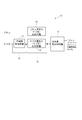
- an ethylene production apparatus 10 is an apparatus for producing ethylene by bringing a naphtha fraction into contact with water vapor and thermally decomposing it.
- the ethylene production apparatus 10 includes an impurity removal facility 11, a naphtha isomerization (isolation) reaction facility 12 as a naphtha treatment facility, a steam pyrolysis facility 13, and a butane isomerization (isolation) reaction as a butane treatment facility.
- Equipment 14, return means 15, and naphtha mixing means 16 are provided.
- the raw material naphtha fraction is obtained by refining crude oil or natural gas, and a chain saturated hydrocarbon compound having a concentration of 75% by mass to 90% by mass is generally used.
- the ratio of the linear saturated hydrocarbon compound to the branched saturated hydrocarbon compound is about 1: 1.
- the impurity removal equipment 11 removes impurities that are catalyst poisons used in the subsequent naphtha isomerization (isolation) reaction equipment 12, such as sulfur in the naphtha fraction.
- the naphtha isomerization (isolation) reaction facility 12 is connected to the impurity removal facility 11, processes the naphtha fraction treated by the impurity removal facility 11, and reduces the concentration of the linear saturated hydrocarbon compound in the naphtha fraction. . Specifically, the naphtha fraction is subjected to isomerization to reduce the concentration of the linear saturated hydrocarbon compound and increase the concentration of the branched saturated hydrocarbon compound. As for this operating condition, it is preferable to reduce the concentration of the linear saturated hydrocarbon compound to a condition satisfying the relationship of the following formula (1). Branched saturated hydrocarbon compound concentration / linear saturated hydrocarbon compound concentration ⁇ 1.8 (1)
- the steam pyrolysis equipment 13 is connected to the naphtha isomerization (isolation) reaction equipment 12 and thermally decomposes the naphtha fraction treated by the naphtha isomerization (isolation) reaction equipment 12 by bringing steam into contact therewith. And the steam pyrolysis equipment 13 refine
- the butane isomerization (isolation) reaction facility 14 is a facility that increases the concentration of isobutane by reducing the concentration of normal butane in butane refined from crude oil or natural gas.
- the butane isomerization (isolation) reaction facility 14 supplies the treated butane to the steam pyrolysis facility 13.
- isobutane may be supplied to the steam pyrolysis equipment 13 after being mixed with naphtha treated in the naphtha isomerization (isolation) reaction equipment 12 and then supplied to the steam pyrolysis equipment 13. You may supply directly to the decomposition
- the return means 15 is connected between the naphtha isomerization (isolation) reaction equipment 12 and the steam pyrolysis equipment 13, and directly returns to the naphtha fraction treated in the naphtha isomerization (isolation) reaction equipment 12.
- the chain saturated hydrocarbon compound is recovered and returned to the naphtha isomerization (isolation) reaction facility 12.
- the naphtha mixing means 16 mixes the naphtha fraction not treated in the naphtha isomerization (isolation) reaction facility 12 with the naphtha fraction treated in the naphtha isomerization (isolation) reaction facility 12.
- a naphtha fraction which is not processed with the naphtha isomerization (isolation) reaction equipment 12 what was processed with the impurity removal equipment 11, for example may be used.
- the naphtha isomerization (isolation) reaction equipment 12 branches the saturated saturated hydrocarbon to the concentration of the linear saturated hydrocarbon compound in the naphtha fraction.
- the ratio of the compound concentration is varied, preferably a ratio of 2 or more.
- butane purified from crude oil or natural gas is supplied to a butane isomerization (isolation) reaction facility 14.
- the butane treated in the butane isomerization (isolation) reaction facility 14 is supplied to the steam pyrolysis facility 13.
- the naphtha fraction mixed with butane is pyrolyzed with steam in the steam pyrolysis equipment 13 to produce ethylene and a basic chemical raw material.
- the naphtha fraction not treated in the naphtha isomerization (isolation) reaction facility 12 may be mixed by the naphtha mixing means 16. .
- concentration of a branched saturated hydrocarbon compound is increased while reducing the density
- the ratio of the concentration of the branched saturated hydrocarbon compound to the concentration of the linear saturated hydrocarbon compound is 2 or more. For this reason, the ratio of the production amount of the basic chemical raw material to the production amount of ethylene can be increased, and the balance of the production amount of ethylene and the basic chemical raw material can be adjusted in a wider range.
- the return means 15 collects the linear saturated hydrocarbon compound remaining in the naphtha fraction treated by the naphtha isomerization (isolation) reaction equipment 12 and again naphtha isomerization. (Isolation) Returned to the reaction facility 12 for processing. For this reason, the density
- the naphtha fraction treated by the naphtha isomerization (isolation) reaction facility 12 by the naphtha mixing means 16 is converted into a naphtha not treated by the naphtha isomerization (isolation) reaction facility 12.
- the fractions are mixed as appropriate, and the reduced concentration of the linear saturated hydrocarbon compound is increased as appropriate. For this reason, it becomes possible to increase the production amount of ethylene without changing the production amount of the basic chemical raw material, and the balance of the production amount of ethylene and the basic chemical raw material can be adjusted in a wider range.
- the butane isomerization (isolation) reaction equipment 14 reduces the normal butane concentration of butane refined from crude oil or natural gas to increase the concentration of isobutane, and the steam pyrolysis equipment. 13 is mixed. For this reason, the density
- butane isomerized in the butane isomerization (isolation) reaction facility 14, butane is isomerized to reduce the normal butane concentration and increase the isobutane concentration. For this reason, the concentration of the branched saturated hydrocarbon compound can be easily increased, and the concentration of the linear saturated hydrocarbon compound in the naphtha fraction to be treated in the steam pyrolysis equipment 13 can be reduced to reduce the concentration of the branched saturated hydrocarbon compound.
- the concentration can be increased, and the production amount of ethylene can be increased without changing the production amount of the basic chemical raw material, and the balance of the production amount of ethylene and the basic chemical raw material can be adjusted in a wider range.
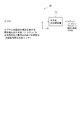
- FIG. 2 is a block diagram showing a schematic configuration of the ethylene production apparatus according to the second embodiment.
- symbol is attached
- the ethylene production apparatus 20 includes a naphtha distillation tower 21 as a naphtha treatment facility, a butane distillation tower 22 as a butane treatment facility, and a steam pyrolysis facility 13.
- the naphtha distillation column 21 distills the naphtha fraction, separates the branched saturated hydrocarbon compound, and supplies it to the steam pyrolysis equipment 13.
- the naphtha distillation column 21 distills, for example, a naphtha fraction.
- the ratio of the concentration of the branched saturated hydrocarbon compound to the concentration of the linear saturated hydrocarbon compound is 2 or more, as in the first embodiment.
- the butane distillation column 22 separates and recovers isobutane in butane refined from crude oil and mixes it with the branched saturated hydrocarbon compound obtained in the naphtha distillation column 21.
- the butane distillation column 22 distills butane, for example. Then, the butane distillation column 22 mixes the recovered isobutane with the steam pyrolysis equipment 13.
- the adjustment of the production amount of ethylene and basic chemical raw material in the ethylene production apparatus 20 is performed as follows. That is, the naphtha fraction is supplied to the naphtha distillation column 21 and distilled to collect the branched saturated hydrocarbon compound, which is then supplied to the subsequent steam pyrolysis equipment 13.
- butane purified from crude oil or natural gas is supplied to the butane distillation tower 22 and distilled to recover isobutane.
- isobutane recovered in the butane distillation column 22 is mixed with the branched saturated hydrocarbon compound recovered in the naphtha distillation column 21.
- steam is carried out with the water vapor
- the proportion of the isobutane collected in the butane distillation column 22 is mixed with the branched saturated hydrocarbon compound recovered in the naphtha distillation column 21. Increase.
- the proportion of the isobutane recovered in the butane distillation column 22 may be reduced with respect to the branched saturated hydrocarbon compound.
- the branched saturated hydrocarbon compound is recovered by the naphtha distillation column 21 and supplied to the steam pyrolysis equipment 13 so that the straight-chain saturated hydrocarbon is obtained as in the first embodiment.
- the naphtha fraction in a state in which the concentration of the compound is reduced is configured to be thermally decomposed by bringing steam into contact with the steam pyrolysis equipment 13.
- the ratio of the production amount of basic chemical raw materials such as monocyclic aromatic hydrocarbons such as propylene, butadiene and benzene, which are by-products of ethylene production, can be increased with respect to the production amount of ethylene. Therefore, even if the production amount of ethylene is reduced according to the demand amount, the production amount of the basic chemical raw material can be secured, and the balance between the supply amount of the basic chemical raw material and the demand amount can be secured.
- the branched saturated hydrocarbon compound obtained by distilling and separating the naphtha fraction is supplied to the steam pyrolysis equipment 13. For this reason, the ratio of the production amount of the basic chemical raw material to the production amount of ethylene can be increased, and the balance of the production amount of ethylene and the basic chemical raw material can be adjusted in a wider range.
- isobutane obtained by distillation of butane is mixed with the naphtha fraction treated in the naphtha distillation column 21. For this reason, it is possible to easily reduce the concentration of the linear saturated hydrocarbon compound in the naphtha fraction to be processed by the steam pyrolysis equipment 13 and increase the concentration of the branched saturated hydrocarbon compound.
- FIG. 3 is a block diagram showing a schematic configuration of the ethylene production apparatus according to the third embodiment.
- symbol is attached
- the ethylene production apparatus 30 includes middle distillate supply means 31 as a naphtha treatment facility and a steam pyrolysis facility 13.
- the middle distillate supply means 31 reduces the concentration of the linear saturated hydrocarbon compound in the naphtha fraction by, for example, mixing the middle distillate having a boiling point of 30 ° C. or higher and 180 ° C. or lower with the naphtha fraction.
- At least one of a cyclic saturated hydrocarbon compound, an aromatic hydrocarbon compound, and an unsaturated hydrocarbon compound has a predetermined concentration or more, and this intermediate fraction is converted into a naphtha fraction.
- concentration of the straight chain saturated hydrocarbon compound in the naphtha fraction is reduced.
- the middle distillate supply means 31 mixes the middle distillate with the naphtha distillate.
- the ratio of the concentration of the branched saturated hydrocarbon compound to the concentration of the linear saturated hydrocarbon compound in the naphtha fraction is preferably 2 or more, as in the first embodiment and the second embodiment. .
- the adjustment of the production amount of ethylene and basic chemical raw material in the ethylene production apparatus 30 is performed as follows. That is, the middle distillate supplying means 31 mixes the middle distillate having a boiling point of 30 ° C. or higher and 180 ° C. or lower into the naphtha distillate, and supplies it to the steam pyrolysis equipment 13 at the subsequent stage. And when increasing the production amount of the basic chemical raw material with respect to the production amount of ethylene, the mixing ratio of the middle distillate is increased. On the other hand, when the production amount of the basic chemical raw material with respect to the ethylene production amount is reduced, the mixing ratio of the middle distillate may be reduced.
- the middle fraction having a boiling point of 30 ° C. or higher and 180 ° C. or lower is mixed with the naphtha fraction and supplied to the steam pyrolysis equipment 13 at the subsequent stage, Similar to the second embodiment, the naphtha fraction in a state where the concentration of the linear saturated hydrocarbon compound is reduced is brought into contact with the steam in the steam pyrolysis equipment 13 and thermally decomposed. For this reason, the ratio of the production amount of basic chemical raw materials such as monocyclic aromatic hydrocarbons such as propylene, butadiene and benzene, which are by-products of ethylene production, can be increased with respect to the production amount of ethylene. Therefore, even if the production amount of ethylene is reduced according to the demand amount, the production amount of the basic chemical raw material can be secured, and the balance between the supply amount of the basic chemical raw material and the demand amount can be secured.
- basic chemical raw materials such as monocyclic aromatic hydrocarbons such as propylene, butadiene and benzene
- the middle fraction of 30 ° C. or higher and 180 ° C. or lower is mixed, at least one of the cyclic saturated hydrocarbon compound, aromatic hydrocarbon compound, and unsaturated hydrocarbon compound is mixed with the naphtha fraction. Any one of them can be mixed, and the concentration of the linear saturated hydrocarbon compound in the naphtha fraction can be easily reduced.
- FIG. 4 is a block diagram showing a schematic configuration of the ethylene production apparatus according to the fourth embodiment.
- symbol is attached
- the ethylene production apparatus 40 includes a linear saturated hydrocarbon adsorption / separation apparatus 41 as a naphtha treatment facility, and a steam pyrolysis facility 13.
- the linear saturated hydrocarbon adsorption separation device 41 reduces the concentration of the linear saturated hydrocarbon compound by adsorbing and separating the linear saturated hydrocarbon compound in the naphtha fraction.
- the linear saturated hydrocarbon adsorption / separation apparatus 41 adsorbs and separates a linear saturated hydrocarbon compound using, for example, zeolite.
- zeolite for example, those shown in US Pat. No. 6,407,301 can be suitably used.
- the ratio of the concentration of the branched saturated hydrocarbon compound to the concentration of the linear saturated hydrocarbon compound in the naphtha fraction is set to 2 or more, as in the above embodiments. Is preferred.
- the adjustment of the production amount of ethylene and the basic chemical raw material in the ethylene production apparatus 40 is performed as follows. That is, the ethylene fraction is supplied to the linear saturated hydrocarbon adsorption separation device 41 to adsorb and separate the linear saturated hydrocarbon compound. Then, the naphtha fraction after the linear saturated hydrocarbon compound is adsorbed and separated is supplied to the subsequent steam pyrolysis equipment 13.
- the flow rate when increasing the production amount of the basic chemical raw material with respect to the ethylene production amount, the flow rate is adjusted so as to increase the amount of the linear saturated hydrocarbon compound to be adsorbed and separated.
- the flow rate when reducing the production amount of the basic chemical raw material with respect to the ethylene production amount, the flow rate may be adjusted so as to reduce the amount of the linear saturated hydrocarbon compound to be adsorbed and separated.
- the linear saturated hydrocarbon adsorption / separation apparatus 41 adsorbs and separates the linear saturated hydrocarbon compound in the naphtha fraction.
- the naphtha fraction in a state where the concentration of the chain saturated hydrocarbon compound is reduced is brought into thermal decomposition by bringing the water vapor into contact with the steam pyrolysis equipment 13.
- the ratio of the production amount of basic chemical raw materials such as monocyclic aromatic hydrocarbons such as propylene, butadiene and benzene, which are by-products of ethylene production, can be increased with respect to the production amount of ethylene. Therefore, even if the production amount of ethylene is reduced according to the demand amount, the production amount of the basic chemical raw material can be secured, and the balance between the supply amount of the basic chemical raw material and the demand amount can be secured.
- the concentration of the linear saturated hydrocarbon compound is reduced by adsorption separation, the concentration of the linear saturated hydrocarbon compound can be easily and efficiently reduced. Further, in the fourth embodiment, the linear saturated hydrocarbon compound in the naphtha fraction is adsorbed and separated using zeolite. For this reason, the linear saturated hydrocarbon compound can be easily and efficiently adsorbed and separated to reduce the concentration of the linear saturated hydrocarbon compound.
- the butane isomerization (isolation) reaction facility 14 may not be provided. Then, instead of the naphtha isomerization (isolation) reaction equipment 12, a naphtha distillation tower 21 or a linear saturated hydrocarbon adsorption / separation apparatus 41 may be used. Similarly, in place of the butane isomerization (isolation) reaction equipment 14, a butane distillation column 22 or a structure in which normal butane is adsorbed and removed may be employed. Further, the return means 15 and the naphtha mixing means 16 need not be provided. On the other hand, the ethylene production apparatuses 20 and 40 may be provided with the return means 15 and the naphtha mixing means 16.
- Example 1 The steam pyrolysis equipment 13 shown in FIG. 5 was used which thermally decomposes by bringing steam into contact with the naphtha fraction.
- the inner diameter of the decomposition tube 13A of the steam pyrolysis equipment 13 is 38 mm, and the length dimension is 10.5 m.
- a straight-chain saturated hydrocarbon having 4 to 7 carbon atoms and a single component of each carbon number of cracked saturated hydrocarbon (n-butane, iso-butane, n-pentane, iso-pentane, n -Hexane, iso-hexane, n-heptane, iso-heptane) were used.
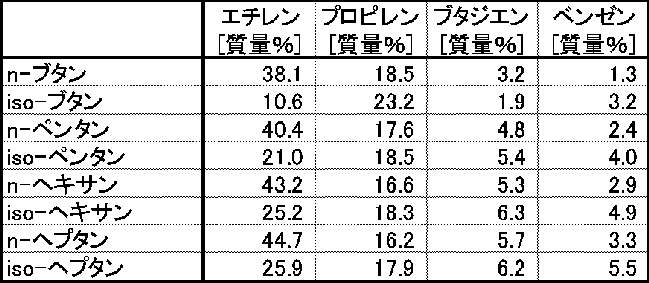
- the operating conditions in the steam pyrolysis equipment 13 are as follows: the temperature of the decomposition tube inlet 13B is 600 ° C., the temperature of the decomposition tube outlet 13C is 865 ° C., and the pressure of the decomposition tube inlet 13B is 1.5 kg / cm 2, the pressure in the decomposition tube outlet 13C and 1.0 kg / cm 2, the flow rate of the raw material 149.5kg / h, allowed to flow rate of dilution steam at 67.28kg / h, and the thermal decomposition treatment. And the cracked gas obtained by the pyrolysis process in the steam pyrolysis equipment 13 was distilled, and the yield of each component was measured. The results are shown in Table 2.
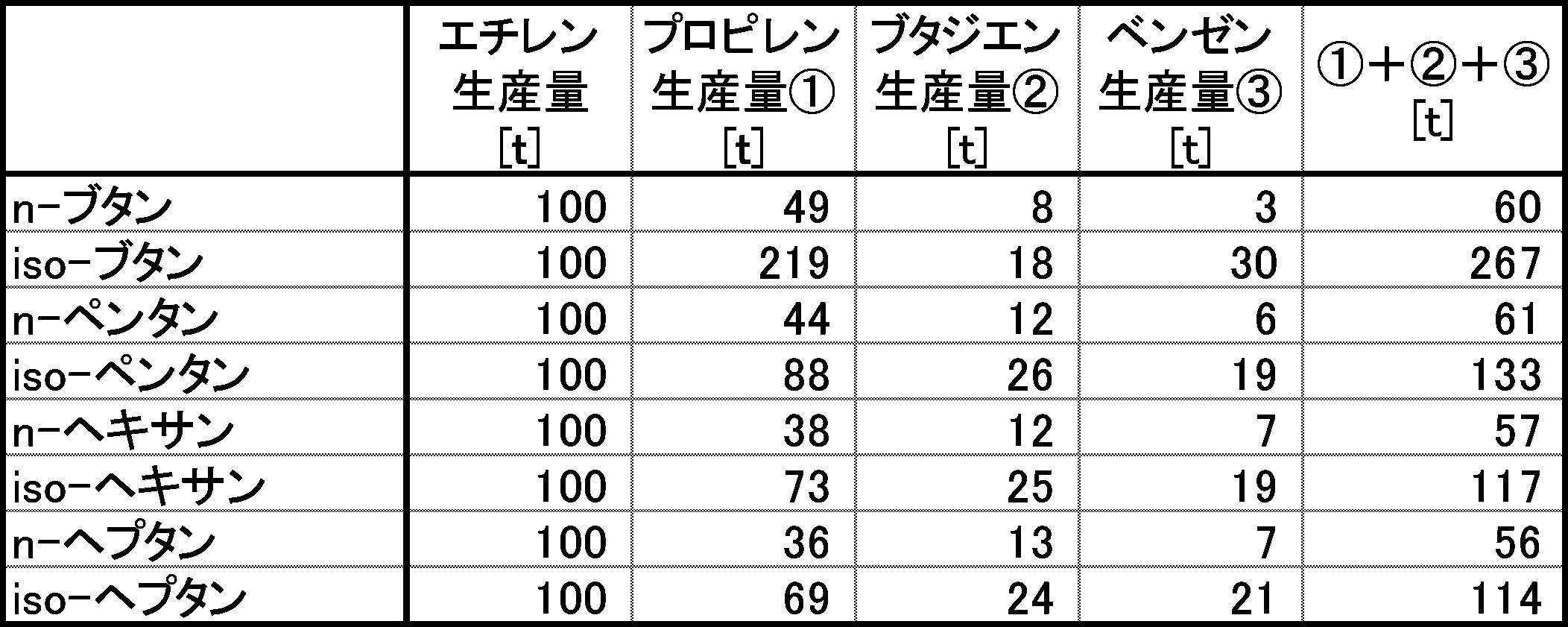
- Example 2 Then, using the steam pyrolysis equipment 13 shown in FIG. 5, components of each saturated carbon number of linear saturated hydrocarbons and branched saturated hydrocarbons are used as raw materials, and propylene, butadiene, and benzene when producing 100 t of ethylene. Production was measured. The results are shown in Table 3.
Landscapes
- Chemical & Material Sciences (AREA)
- Organic Chemistry (AREA)
- Oil, Petroleum & Natural Gas (AREA)
- Engineering & Computer Science (AREA)
- Chemical Kinetics & Catalysis (AREA)
- General Chemical & Material Sciences (AREA)
- Physics & Mathematics (AREA)
- Thermal Sciences (AREA)
- Organic Low-Molecular-Weight Compounds And Preparation Thereof (AREA)
- Production Of Liquid Hydrocarbon Mixture For Refining Petroleum (AREA)
- Analytical Chemistry (AREA)
- Water Supply & Treatment (AREA)
Abstract
Description
特許文献1に記載のエチレンの製造方法では、直鎖飽和炭化水素吸着分離装置により、原料のナフサ留分を直鎖飽和炭化濃度の高い化合物と低い化合物とに分離し、直鎖飽和炭化水素をエチレン原料として水蒸気熱分解設備でエチレンを製造させることで、エチレンの収率を向上させるとともに、エチレン製造の副産物であるプロピレン、ブタジエン、ベンゼンなどの単環芳香族炭化水素など、エチレンとともに重要な基礎化学原料を製造している。
特許文献2に記載のエチレンの製造方法では、原料のナフサ留分を直鎖飽和炭化水素リッチのフィッシャートロプシュ合成油とともに水蒸気熱分解設備でエチレンを製造させることで、エチレンの収率を向上させるとともに、重要な基礎化学原料も製造している。
この発明では、ナフサ処理設備で直鎖飽和炭化水素化合物の濃度を低減した後、水蒸気とともに熱分解するので、エチレンの生成量に対して、エチレンの製造の副産物であるプロピレン、ブタジエン、ベンゼンなどの単環芳香族炭化水素などの基礎化学原料の生成量の割合が増大する。このことにより、需要量に応じてエチレンの生成量を減らしても、基礎化学原料の生成量を確保でき、基礎化学原料の供給量と需要量とのバランスを確保できる。
この発明では、ナフサ留分を異性化処理することで、直鎖飽和炭化水素化合物の濃度を低減するとともに分岐飽和炭化水素化合物の濃度を増大させるので、エチレンの生成量に対する基礎化学原料の生成量の割合をより大きくすることができ、エチレンと基礎化学原料との生成量のバランスをより広い範囲で調整可能となる。
この発明では、ナフサ留分を蒸留して分離した分岐飽和炭化水素化合物を水蒸気熱分解設備へ供給するので、エチレンの生成量に対する基礎化学原料の生成量の割合をより大きくすることができ、エチレンと、基礎化学原料との生成量のバランスをより広い範囲で調整可能となる。
この発明では、ナフサ留分中の直鎖飽和炭化水素化合物を吸着分離することで、直鎖飽和炭化水素化合物の濃度を低減するので、容易に効率よく直鎖飽和炭化水素化合物の濃度を低減できる。
この発明では、ゼオライトを用いてナフサ留分中の直鎖飽和炭化水素化合物を吸着分離するので、容易に効率よく直鎖飽和炭化水素化合物を吸着分離して、直鎖飽和炭化水素化合物の濃度を低減できる。なお、ゼオライトとしては、例えば米国特許第6407301号明細書に示されているものが好適に利用できる。
この発明では、環状飽和炭化水素化合物、芳香族炭化水素化合物、および不飽和炭化水素化合物のうちの少なくともいずれか1つをナフサ留分に混合するので、容易にナフサ留分中の直鎖飽和炭化水素化合物の濃度を低減できる。
この発明では、環状飽和炭化水素化合物として沸点が49℃以上160℃以下であり、芳香族炭化水素化合物は、沸点が80℃以上160℃以下のものを用いるので、ナフサ留分の沸点と同程度であることから、従前のナフサ留分を分解する分解設備をそのまま利用できる。
この発明では、沸点が30℃以上180℃以下の中間留分をナフサ留分に混合するので、容易に環状飽和炭化水素化合物、芳香族炭化水素化合物、および不飽和炭化水素化合物のうちの少なくともいずれか1つをナフサ留分に混合できるとともに、沸点がナフサ留分の沸点と同程度あり、従前のナフサ留分を分解する分解設備をそのまま利用できる。
分岐飽和炭化水素化合物の濃度/直鎖飽和炭化水素化合物の濃度≧1.8 …(1)
この発明では、上記式(1)の関係を満たすように直鎖飽和炭化水素化合物の濃度を低減することで、エチレンの生成量に対する基礎化学原料の生成量の割合をより大きくすることができ、エチレンと、基礎化学原料との生成量のバランスをより広い範囲で調整可能となる。
この発明では、返送手段により、ナフサ処理設備で処理されたナフサ留分中に残留する直鎖飽和炭化水素化合物を回収して、再びナフサ処理設備に返送して処理することで、水蒸気熱分解設備に供給されるナフサ留分中の直鎖飽和炭化水素化合物の濃度をより低減でき、エチレンと基礎化学原料との生成量のバランスをより広い範囲で調整可能となる。
この発明では、ナフサ処理設備で処理されたナフサ留分にナフサ処理設備で処理されていないナフサ留分を混合することで、直鎖飽和炭化水素化合物の低減した濃度を増大させることができ、基礎化学原料の生成量を変動することなくエチレンの生成量を増大させることも可能となり、エチレンと基礎化学原料との生成量のバランスをより広い範囲で調整可能となる。
この発明では、原油または天然ガスから精製されたブタンのノルマルブタンの濃度を低減してイソブタンの濃度を増大させ、水蒸気熱分解設備に供給することで、容易にナフサ留分中の直鎖飽和炭化水素化合物の濃度を低減でき、基礎化学原料の生成量を変動することなくエチレンの生成量を低減できる。
この発明では、ブタンを異性化処理してノルマルブタンの濃度を低減するとともにイソブタンの濃度を増大させることで、分岐飽和炭化水素化合物の濃度を容易に増大させることができ、水蒸気熱分解設備で処理するナフサ留分中の直鎖飽和炭化水素化合物の濃度を低減して分岐飽和炭化水素化合物の濃度を増大でき、基礎化学原料の生成量を変動することなくエチレンの生成量を増大させることも可能となり、エチレンと基礎化学原料との生成量のバランスをより広い範囲で調整可能となる。
この発明では、ブタンを蒸留して分離したイソブタンを水蒸気熱分解設備に供給するので、水蒸気熱分解設備で処理するナフサ留分中の直鎖飽和炭化水素化合物の濃度を低減して分岐飽和炭化水素化合物の濃度を増大することが容易にできる。
なお、イソブタンの水蒸気熱分解設備への供給は、ナフサ処理設備で処理したナフサと混合した上で水蒸気熱分解設備へ供給してもよいし、イソブタンを水蒸気熱分解設備へ直接供給してもよい。
この発明では、直鎖飽和炭化水素化合物の濃度を低減した後、水蒸気とともに熱分解するので、エチレンの生成量に対して、エチレンの製造の副産物であるプロピレン、ブタジエン、ベンゼンなどの単環芳香族炭化水素などの基礎化学原料の生成量の割合が増大する。このことにより、需要量に応じてエチレンの生成量を減らしても、基礎化学原料の生成量を確保でき、基礎化学原料の供給量と需要量とのバランスを確保できる。
[第一実施形態]
(エチレン製造装置の構成)
図1に示すように、エチレン製造装置10は、ナフサ留分を水蒸気と接触させて熱分解しエチレンを製造する装置である。
このエチレン製造装置10は、不純物除去設備11と、ナフサ処理設備としてのナフサ異性化(イソ化)反応設備12と、水蒸気熱分解設備13と、ブタン処理設備としてのブタン異性化(イソ化)反応設備14と、返送手段15と、ナフサ混合手段16と、を備えている。
ここで、原料のナフサ留分は、原油または天然ガスの精製により得られるものが用いられ、鎖状飽和炭化水素化合物の濃度が75質量%以上90質量%以下のものが一般的に用いられる。そして、この原油の精製により得られるナフサ留分は、直鎖飽和炭化水素化合物と分岐飽和炭化水素化合物との割合は、おおむね1対1である。
この運転条件は、以下の式(1)の関係を満たす条件に直鎖飽和炭化水素化合物の濃度を低減することが好ましい。
分岐飽和炭化水素化合物の濃度/直鎖飽和炭化水素化合物の濃度≧1.8 …(1)
そして、水蒸気熱分解設備13は、熱分解で得られた熱分解ガスを精製し、所望のエチレン、プロピレン、ブタジエン、ベンゼンなどの単環芳香族などの基礎化学原料を得る。
そして、ブタン異性化(イソ化)反応設備14は、処理したブタンを、水蒸気熱分解設備13へ供給する。なお、イソブタンの水蒸気熱分解設備13への供給は、ナフサ異性化(イソ化)反応設備12で処理したナフサと混合した上で水蒸気熱分解設備13へ供給してもよいし、イソブタンを水蒸気熱分解設備13へ直接供給してもよい。
なお、ナフサ異性化(イソ化)反応設備12で処理されていないナフサ留分としては、例えば不純物除去設備11で処理されたものでもよい。
そして、上記エチレン製造装置10におけるエチレンと基礎化学原料との製造量の調整については、例えば以下のように実施される。
すなわち、ナフサ留分を不純物除去設備11に供給して不純物を除去した後、ナフサ異性化(イソ化)反応設備12で、ナフサ留分中の直鎖飽和炭化水素化合物の濃度に対する分岐飽和炭化水素化合物の濃度の割合を変動、好ましくは2以上の割合に変動させる。
そして、ブタン異性化(イソ化)反応設備14で処理したブタンを、水蒸気熱分解設備13へ供給する。
ブタンが混合されたナフサ留分を、水蒸気熱分解設備13で水蒸気とともに熱分解をし、エチレンと、基礎化学原料とを製造する。
一方、エチレンの生産量に対する基礎化学原料の生産量を減少する場合には、例えば、ナフサ混合手段16によりナフサ異性化(イソ化)反応設備12で処理されていないナフサ留分を混合すればよい。
上述したように、上記第一実施形態では、ナフサ異性化(イソ化)反応設備12でナフサ留分中の直鎖飽和炭化水素化合物の濃度を低減した後、水蒸気熱分解設備13で水蒸気を接触させて熱分解している。
このため、エチレンの生成量に対して、エチレンの製造の副産物であるプロピレン、ブタジエン、ベンゼンなどの単環芳香族炭化水素などの基礎化学原料の生成量の割合を増大できる。したがって、需要量に応じてエチレンの生成量を減らしても、基礎化学原料の生成量を確保でき、基礎化学原料の供給量と需要量とのバランスを確保できる。
このため、エチレンの生成量に対する基礎化学原料の生成量の割合をより大きくすることができ、エチレンと基礎化学原料との生成量のバランスをより広い範囲で調整可能となり、エチレンと基礎化学原料との需要と供給のバランスを良好に図ることができる。
このため、エチレンの生成量に対する基礎化学原料の生成量の割合をより大きくすることができ、エチレンと、基礎化学原料との生成量のバランスをより広い範囲で調整可能となる。
このため、水蒸気熱分解設備13に供給されるナフサ留分中の直鎖飽和炭化水素化合物の濃度をより低減でき、エチレンと基礎化学原料との生成量のバランスをより広い範囲で調整できる。
このため、基礎化学原料の生成量を変動することなくエチレンの生成量を増大させることも可能となり、エチレンと基礎化学原料との生成量のバランスをより広い範囲で調整できる。
このため、容易にナフサ留分中の直鎖飽和炭化水素化合物の濃度を低減でき、基礎化学原料の生成量を変動することなくエチレンの生成量を低減できる。
このため、分岐飽和炭化水素化合物の濃度を容易に増大させることができ、水蒸気熱分解設備13で処理するナフサ留分中の直鎖飽和炭化水素化合物の濃度を低減して分岐飽和炭化水素化合物の濃度を増大でき、基礎化学原料の生成量を変動することなくエチレンの生成量を増大させることも可能となり、エチレンと基礎化学原料との生成量のバランスをより広い範囲で調整できる。
次に、本発明のエチレンの製造装置に係る第二実施形態について図2を参照して説明する。図2は、第二実施形態のエチレン製造装置の概略構成を示すブロック図である。なお、上記第一実施形態と同様の構成については、同一の符号を付して説明を省略または簡略化する。
図2に示すように、エチレン製造装置20は、ナフサ処理設備としてのナフサ蒸留塔21と、ブタン処理設備としてのブタン蒸留塔22と、水蒸気熱分解設備13と、を備えている。
ナフサ蒸留塔21は、ナフサ留分を蒸留し、分岐飽和炭化水素化合物を分離して水蒸気熱分解設備13へ供給する。
ナフサ蒸留塔21は、例えばナフサ留分を蒸留する。この運転条件は、第一実施形態と同様に、直鎖飽和炭化水素化合物の濃度に対する分岐飽和炭化水素化合物の濃度の割合を2以上とすることが好ましい。
ブタン蒸留塔22は、例えばブタンを蒸留する。
そして、ブタン蒸留塔22は、回収したイソブタンを、水蒸気熱分解設備13に混合する。
そして、上記エチレン製造装置20におけるエチレンと基礎化学原料との製造量の調整については、例えば以下のように実施される。
すなわち、ナフサ留分をナフサ蒸留塔21に供給し、蒸留し、分岐飽和炭化水素化合物を回収し、後段の水蒸気熱分解設備13へ供給する。
一方、原油または天然ガスから精製されたブタンをブタン蒸留塔22に供給し、蒸留し、イソブタンを回収する。
そして、ナフサ蒸留塔21で回収した分岐飽和炭化水素化合物に対し、ブタン蒸留塔22で回収したイソブタンを混合する。
そして、水蒸気熱分解設備13で水蒸気による熱分解をし、エチレンと、基礎化学原料とを製造する。
一方、エチレンの生産量に対する基礎化学原料の生産量を減少する場合には、分岐飽和炭化水素化合物に対して、ブタン蒸留塔22で回収したイソブタンの混合する割合を減少すればよい。
上述したように、上記第二実施形態では、ナフサ蒸留塔21で分岐飽和炭化水素化合物を回収して水蒸気熱分解設備13へ供給することで、第一実施形態と同様に、直鎖飽和炭化水素化合物の濃度を低減した状態のナフサ留分を水蒸気熱分解設備13で水蒸気を接触させて熱分解させる構成としている。
このため、エチレンの生成量に対して、エチレンの製造の副産物であるプロピレン、ブタジエン、ベンゼンなどの単環芳香族炭化水素などの基礎化学原料の生成量の割合を増大できる。したがって、需要量に応じてエチレンの生成量を減らしても、基礎化学原料の生成量を確保でき、基礎化学原料の供給量と需要量とのバランスを確保できる。
このため、エチレンの生成量に対する基礎化学原料の生成量の割合をより大きくすることができ、エチレンと、基礎化学原料との生成量のバランスをより広い範囲で調整可能となる。
このため、水蒸気熱分解設備13で処理するナフサ留分中の直鎖飽和炭化水素化合物の濃度を低減して分岐飽和炭化水素化合物の濃度を増大することが容易にできる。
次に、本発明のエチレンの製造装置に係る第三実施形態について図3を参照して説明する。図3は、第三実施形態のエチレン製造装置の概略構成を示すブロック図である。なお、上記第一実施形態および第二実施形態と同様の構成については、同一の符号を付して説明を省略または簡略化する。
図3に示すように、エチレン製造装置30は、ナフサ処理設備としての中間留分供給手段31と、水蒸気熱分解設備13と、を備えている。
中間留分供給手段31は、例えば沸点が30℃以上180℃以下の中間留分をナフサ留分に混合することで、ナフサ留分中の直鎖飽和炭化水素化合物の濃度を低減させる。
具体的には、上記第一実施形態および第二実施形態と同様に、ナフサ留分中の直鎖飽和炭化水素化合物の濃度に対する分岐飽和炭化水素化合物の濃度の割合を2以上とすることが好ましい。
そして、上記エチレン製造装置30におけるエチレンと基礎化学原料との製造量の調整については、例えば以下のように実施される。
すなわち、中間留分供給手段31により、沸点が30℃以上180℃以下の中間留分をナフサ留分に混合し、後段の水蒸気熱分解設備13へ供給する。
そして、エチレンの生産量に対する基礎化学原料の生産量を増大する場合には、中間留分の混合する割合を増大する。
一方、エチレンの生産量に対する基礎化学原料の生産量を減少する場合には、中間留分の混合する割合を減少すればよい。
上述したように、上記第三実施形態では、沸点が30℃以上180℃以下の中間留分をナフサ留分に混合し、後段の水蒸気熱分解設備13へ供給することで、第一実施形態および第二実施形態と同様に、直鎖飽和炭化水素化合物の濃度を低減した状態のナフサ留分を水蒸気熱分解設備13で水蒸気を接触させて熱分解させる構成としている。
このため、エチレンの生成量に対して、エチレンの製造の副産物であるプロピレン、ブタジエン、ベンゼンなどの単環芳香族炭化水素などの基礎化学原料の生成量の割合を増大できる。したがって、需要量に応じてエチレンの生成量を減らしても、基礎化学原料の生成量を確保でき、基礎化学原料の供給量と需要量とのバランスを確保できる。
次に、本発明のエチレンの製造装置に係る第四実施形態について図4を参照して説明する。図4は、第四実施形態のエチレン製造装置の概略構成を示すブロック図である。なお、上記各実施形態と同様の構成については、同一の符号を付して説明を省略または簡略化する。
図4に示すように、エチレン製造装置40は、ナフサ処理設備としての直鎖飽和炭化水素吸着分離装置41と、水蒸気熱分解設備13と、を備えている。
直鎖飽和炭化水素吸着分離装置41は、ナフサ留分中の直鎖飽和炭化水素化合物を吸着分離することで、直鎖飽和炭化水素化合物の濃度を低減する。
この直鎖飽和炭化水素吸着分離装置41は、例えばゼオライトを用いて直鎖飽和炭化水素化合物を吸着分離する。
なお、ゼオライトとしては、例えば米国特許第6407301号明細書に示されているものが好適に利用できる。また、ゼオライトを用いる場合に限らず、直鎖飽和炭化水素化合物を吸着分離可能ないずれの吸着材を用いることができる。
そして、直鎖飽和炭化水素化合物の吸着分離は、上記各実施形態と同様に、ナフサ留分中の直鎖飽和炭化水素化合物の濃度に対する分岐飽和炭化水素化合物の濃度の割合を2以上とすることが好ましい。
そして、上記エチレン製造装置40におけるエチレンと基礎化学原料との製造量の調整については、例えば以下のように実施される。
すなわち、エチレン留分を直鎖飽和炭化水素吸着分離装置41に供給し、直鎖飽和炭化水素化合物を吸着分離する。そして、直鎖飽和炭化水素化合物を吸着分離した後のナフサ留分を、後段の水蒸気熱分解設備13へ供給する。
一方、エチレンの生産量に対する基礎化学原料の生産量を減少する場合には、吸着分離する直鎖飽和炭化水素化合物の量を減少するように流量を調整すればよい。
上述したように、上記第四実施形態では、直鎖飽和炭化水素吸着分離装置41により、ナフサ留分中の直鎖飽和炭化水素化合物を吸着分離することで、上記各実施形態と同様に、直鎖飽和炭化水素化合物の濃度を低減した状態のナフサ留分を水蒸気熱分解設備13で水蒸気を接触させて熱分解させる構成としている。
このため、エチレンの生成量に対して、エチレンの製造の副産物であるプロピレン、ブタジエン、ベンゼンなどの単環芳香族炭化水素などの基礎化学原料の生成量の割合を増大できる。したがって、需要量に応じてエチレンの生成量を減らしても、基礎化学原料の生成量を確保でき、基礎化学原料の供給量と需要量とのバランスを確保できる。
さらに、上記第四実施形態では、ゼオライトを用いてナフサ留分中の直鎖飽和炭化水素化合物を吸着分離している。
このため、容易に効率よく直鎖飽和炭化水素化合物を吸着分離して、直鎖飽和炭化水素化合物の濃度を低減できる。
なお、本発明を実施するための最良の構成などは、以上の記載で開示されているが、本発明は、これに限定されるものではない。すなわち、本発明は、主に特定の実施形態に関して説明されているが、本発明の技術的思想および目的の範囲から逸脱することなく、以上述べた実施形態に対し、材質、数量、その他の詳細な構成において、当業者が様々な変形を加えることができるものである。
したがって、上記に開示した材質、層構成などを限定した記載は、本発明の理解を容易にするために例示的に記載したものであり、本発明を限定するものではないから、それらの材質などの限定の一部若しくは全部の限定を外した名称での記載は、本発明に含まれるものである。
そして、ナフサ異性化(イソ化)反応設備12に代えて、ナフサ蒸留塔21としたり、直鎖飽和炭化水素吸着分離装置41としたりしてもよい。同様に、ブタン異性化(イソ化)反応設備14に代えて、ブタン蒸留塔22としたり、ノルマルブタンを吸着して除去する構成としたりしてもよい。
また、返送手段15、ナフサ混合手段16を設けなくてもよい。一方、エチレン製造装置20,40に返送手段15やナフサ混合手段16を設けてもよい。
なお、本発明は、以下の実施例および比較例により制限されるものではない。
ナフサ留分に水蒸気を接触させて熱分解する図5に示す水蒸気熱分解設備13を用いた。水蒸気熱分解設備13の分解管13Aの内径は38mm、長さ寸法は、10.5mである。
そして、原料として、炭素数が4から7までの直鎖飽和炭化水素と、分解飽和炭化水素の各炭素数の単一成分(n-ブタン、iso-ブタン、n-ペンタン、iso-ペンタン、n-ヘキサン、iso-ヘキサン、n-ヘプタン、iso-ヘプタン)とを混合したものを用いた。
水蒸気熱分解設備13における運転条件は、以下の表1に示すように、分解管入口13Bの温度を600℃、分解管出口13Cの温度を865℃、分解管入口13Bの圧力を1.5kg/cm2、分解管出口13Cの圧力を1.0kg/cm2とし、原料の流量を149.5kg/h、希釈水蒸気の流量を67.28kg/hで流通させ、熱分解処理した。
そして、水蒸気熱分解設備13での熱分解処理により得られた分解ガスを蒸留し、各成分の収率を測定した。その結果を表2に示す。

そして、図5に示す水蒸気熱分解設備13を用い、直鎖飽和炭化水素と分岐飽和炭化水素の各炭素数の成分とを原料として使用し、エチレンを100t生産するときのプロピレン、ブタジエン、ベンゼンの生産量を計測した。その結果を表3に示す。
12…ナフサ処理設備としてのナフサ異性化(イソ化)反応設備
13…水蒸気熱分解設備
14…ブタン処理設備としてのブタン異性化(イソ化)反応設備
15…返送手段
16…ナフサ混合手段
21…ナフサ処理設備としてのナフサ蒸留塔
22…ブタン処理設備としてのブタン蒸留塔
31…ナフサ処理設備としての中間留分供給手段
41…ナフサ処理設備としての直鎖飽和炭化水素吸着分離装置
Claims (15)
- ナフサ留分を水蒸気とともに熱分解しエチレンを製造するエチレンの製造装置であって、
前記ナフサ留分における直鎖飽和炭化水素化合物の濃度を低減するナフサ処理設備と、
前記ナフサ処理設備で処理された前記ナフサ留分を水蒸気とともに熱分解する水蒸気熱分解設備と、
を具備したことを特徴とするエチレンの製造装置。 - 請求項1に記載のエチレンの製造装置であって、
前記ナフサ処理設備は、前記ナフサ留分を異性化処理して前記直鎖飽和炭化水素化合物の濃度を低減するとともに分岐飽和炭化水素化合物の濃度を増大させる
ことを特徴とするエチレンの製造装置。 - 請求項1に記載のエチレンの製造装置であって、
前記ナフサ処理設備は、前記ナフサ留分を蒸留して分離した分岐飽和炭化水素化合物を前記水蒸気熱分解設備へ供給する
ことを特徴とするエチレンの製造装置。 - 請求項1に記載のエチレンの製造装置であって、
前記ナフサ処理設備は、前記ナフサ留分中の前記直鎖飽和炭化水素化合物を吸着分離して前記直鎖飽和炭化水素化合物の濃度を低減する
ことを特徴とするエチレンの製造装置。 - 請求項4に記載のエチレンの製造装置であって、
前記ナフサ処理設備は、ゼオライトを用いて前記直鎖飽和炭化水素化合物を吸着分離する
ことを特徴とするエチレンの製造装置。 - 請求項1に記載のエチレンの製造装置であって、
前記ナフサ処理設備は、環状飽和炭化水素化合物、芳香族炭化水素化合物、および不飽和炭化水素化合物のうちの少なくともいずれか1つを前記ナフサ留分に混合し、前記ナフサ留分中の直鎖飽和炭化水素化合物の濃度を低減する
ことを特徴とするエチレンの製造装置。 - 請求項6に記載のエチレンの製造装置であって、
前記環状飽和炭化水素化合物は、沸点が49℃以上160℃以下であり、
前記芳香族炭化水素化合物は、沸点が80℃以上160℃以下である
ことを特徴とするエチレンの製造装置。 - 請求項6または請求項7に記載のエチレンの製造装置であって、
前記ナフサ処理設備は、沸点が30℃以上180℃以下の中間留分を前記ナフサ留分に混合する
ことを特徴とするエチレンの製造装置。 - 請求項1から請求項8までのいずれか一項に記載のエチレンの製造装置であって、
前記ナフサ処理設備は、以下の式(1)の関係を満たす条件に前記直鎖飽和炭化水素化合物の濃度を低減する
分岐飽和炭化水素化合物の濃度/直鎖飽和炭化水素化合物の濃度≧1.8 …(1)
ことを特徴とするエチレンの製造装置。 - 請求項1から請求項9までのいずれか一項に記載のエチレンの製造装置であって、
前記ナフサ処理設備で処理されたナフサ留分中に残留する直鎖飽和炭化水素化合物を回収し、前記ナフサ処理設備に返送する返送手段を備えている
ことを特徴とするエチレンの製造装置。 - 請求項1から請求項10までのいずれか一項に記載のエチレンの製造装置であって、
前記ナフサ処理設備で処理されたナフサ留分に、前記ナフサ処理設備で処理されていないナフサ留分を混合するナフサ混合手段を備えている
ことを特徴とするエチレンの製造装置。 - 請求項1から請求項11までのいずれか一項に記載のエチレンの製造装置であって、
原油または天然ガスから精製されたブタンを、ノルマルブタンの濃度を低減してイソブタンの濃度を増大させ、前記水蒸気熱分解設備に供給するブタン処理設備を備えた
ことを特徴とするエチレンの製造装置。 - 請求項12に記載のエチレンの製造装置であって、
前記ブタン処理設備は、前記ブタンを異性化処理してノルマルブタンの濃度を低減するとともにイソブタンの濃度を増大させる
ことを特徴とするエチレンの製造装置。 - 請求項12に記載のエチレンの製造装置であって、
前記ブタン処理設備は、前記ブタンを蒸留して分離したイソブタンを前記水蒸気熱分解設備に供給する
ことを特徴とするエチレンの製造装置。 - ナフサ留分を水蒸気とともに熱分解しエチレンを製造するエチレンの製造方法であって、
前記ナフサ留分における直鎖飽和炭化水素化合物の濃度を低減するナフサ処理工程と、
前記ナフサ処理工程で処理されたナフサ留分を、水蒸気とともに熱分解する水蒸気熱分解工程と、を実施する
ことを特徴とするエチレンの製造方法。
Priority Applications (3)
| Application Number | Priority Date | Filing Date | Title |
|---|---|---|---|
| CN201480014164.8A CN105026342A (zh) | 2013-03-12 | 2014-03-06 | 乙烯的制造装置及其方法 |
| KR1020157024173A KR20150125660A (ko) | 2013-03-12 | 2014-03-06 | 에틸렌의 제조 장치 및 그 방법 |
| SG11201506178PA SG11201506178PA (en) | 2013-03-12 | 2014-03-06 | Apparatus and method for producing ethylene |
Applications Claiming Priority (2)
| Application Number | Priority Date | Filing Date | Title |
|---|---|---|---|
| JP2013048987A JP2014172887A (ja) | 2013-03-12 | 2013-03-12 | エチレンの製造装置およびその方法 |
| JP2013-048987 | 2013-03-12 |
Publications (1)
| Publication Number | Publication Date |
|---|---|
| WO2014142002A1 true WO2014142002A1 (ja) | 2014-09-18 |
Family
ID=51536665
Family Applications (1)
| Application Number | Title | Priority Date | Filing Date |
|---|---|---|---|
| PCT/JP2014/055806 Ceased WO2014142002A1 (ja) | 2013-03-12 | 2014-03-06 | エチレンの製造装置およびその方法 |
Country Status (6)
| Country | Link |
|---|---|
| JP (1) | JP2014172887A (ja) |
| KR (1) | KR20150125660A (ja) |
| CN (1) | CN105026342A (ja) |
| SG (1) | SG11201506178PA (ja) |
| TW (1) | TW201439037A (ja) |
| WO (1) | WO2014142002A1 (ja) |
Cited By (3)
| Publication number | Priority date | Publication date | Assignee | Title |
|---|---|---|---|---|
| JP2018522086A (ja) * | 2015-05-21 | 2018-08-09 | ネステ ユルキネン オサケ ユキテュア | バイオ炭化水素を製造するための方法 |
| WO2019197721A1 (en) * | 2018-04-10 | 2019-10-17 | Neste Oyj | A method for producing a mixture of hydrocarbons |
| JP2020502445A (ja) * | 2016-12-20 | 2020-01-23 | サンドビック インテレクチュアル プロパティー アクティエボラーグ | 管機構および炉 |
Families Citing this family (1)
| Publication number | Priority date | Publication date | Assignee | Title |
|---|---|---|---|---|
| JP7753823B2 (ja) * | 2021-11-17 | 2025-10-15 | 三菱ケミカル株式会社 | 原料ナフサの選択方法及び低級オレフィンの製造方法 |
Citations (2)
| Publication number | Priority date | Publication date | Assignee | Title |
|---|---|---|---|---|
| WO2003040262A2 (en) * | 2001-11-06 | 2003-05-15 | Bp Exploration Operating Company Limited | Olefins production process |
| JP2009531381A (ja) * | 2006-03-30 | 2009-09-03 | シエル・インターナシヨネイル・リサーチ・マーチヤツピイ・ベー・ウイ | フィッシャー・トロプシュ合成生成物からのプロピレン及びエチレンの製造方法 |
-
2013
- 2013-03-12 JP JP2013048987A patent/JP2014172887A/ja active Pending
-
2014
- 2014-03-06 KR KR1020157024173A patent/KR20150125660A/ko not_active Withdrawn
- 2014-03-06 WO PCT/JP2014/055806 patent/WO2014142002A1/ja not_active Ceased
- 2014-03-06 CN CN201480014164.8A patent/CN105026342A/zh active Pending
- 2014-03-06 SG SG11201506178PA patent/SG11201506178PA/en unknown
- 2014-03-11 TW TW103108420A patent/TW201439037A/zh unknown
Patent Citations (2)
| Publication number | Priority date | Publication date | Assignee | Title |
|---|---|---|---|---|
| WO2003040262A2 (en) * | 2001-11-06 | 2003-05-15 | Bp Exploration Operating Company Limited | Olefins production process |
| JP2009531381A (ja) * | 2006-03-30 | 2009-09-03 | シエル・インターナシヨネイル・リサーチ・マーチヤツピイ・ベー・ウイ | フィッシャー・トロプシュ合成生成物からのプロピレン及びエチレンの製造方法 |
Cited By (6)
| Publication number | Priority date | Publication date | Assignee | Title |
|---|---|---|---|---|
| JP2018522086A (ja) * | 2015-05-21 | 2018-08-09 | ネステ ユルキネン オサケ ユキテュア | バイオ炭化水素を製造するための方法 |
| JP2020502445A (ja) * | 2016-12-20 | 2020-01-23 | サンドビック インテレクチュアル プロパティー アクティエボラーグ | 管機構および炉 |
| JP6997190B2 (ja) | 2016-12-20 | 2022-01-17 | サンドビック インテレクチュアル プロパティー アクティエボラーグ | 管機構および炉 |
| WO2019197721A1 (en) * | 2018-04-10 | 2019-10-17 | Neste Oyj | A method for producing a mixture of hydrocarbons |
| US11384292B2 (en) | 2018-04-10 | 2022-07-12 | Neste Oyj | Method for producing a mixture of hydrocarbons |
| US11773334B2 (en) | 2018-04-10 | 2023-10-03 | Neste Oyj | Method for producing a mixture of hydrocarbons |
Also Published As
| Publication number | Publication date |
|---|---|
| KR20150125660A (ko) | 2015-11-09 |
| CN105026342A (zh) | 2015-11-04 |
| JP2014172887A (ja) | 2014-09-22 |
| SG11201506178PA (en) | 2015-09-29 |
| TW201439037A (zh) | 2014-10-16 |
Similar Documents
| Publication | Publication Date | Title |
|---|---|---|
| RU2615160C2 (ru) | Способ производства олефинов и ароматических углеводородов | |
| KR20130056357A (ko) | 파라자일렌의 제조 방법 | |
| JP2014129377A (ja) | 軽質オレフィン及び芳香族化合物の製造 | |
| CN107922293B (zh) | 用于芳族化合物复合设备中的甲苯甲基化的方法及装置 | |
| CN102408295A (zh) | 甲醇制烯烃反应系统与烃类热解系统的整合 | |
| JP5260281B2 (ja) | ジシクロペンタジエンの製造方法 | |
| JPH11315038A (ja) | シクロペンタン及び/又はシクロペンテンを単離する方法 | |
| CN102408296A (zh) | 由含氧物制烯烃反应系统生产1-丁烯 | |
| WO2014142002A1 (ja) | エチレンの製造装置およびその方法 | |
| JP6104360B2 (ja) | 緩徐な分解におけるオレフィンの分離法 | |
| CN103827061A (zh) | 在温和热裂解中分离烃的顺序 | |
| KR20170056580A (ko) | C8 방향족 혼합물을 위한 분리 방법 | |
| CN105555743B (zh) | 用于形成具有经选择量的c9芳族化合物的c8芳族化合物料流的装置和方法 | |
| RU2592286C2 (ru) | Способ производства олефинов и бензина с низким содержанием бензола | |
| WO2015157331A1 (en) | Process for recovering isoprene from pyrolysis gasoline | |
| JPH0361715B2 (ja) | ||
| CN110475843A (zh) | 将热裂解器的脱丁烷的天然汽油原料正戊烷化的方法 | |
| CN101198574A (zh) | 正链烷烃蒸汽裂化的乙烯生产 | |
| KR102614971B1 (ko) | 이중 공급 파라-자일렌 분리 | |
| JP2004323485A (ja) | 高純度シクロペンタンの製造方法 | |
| RU2691987C1 (ru) | Способы увеличения суммарного выхода ароматических углеводородов и ксилолов в комплексе производства ароматических углеводородов | |
| TW201522300A (zh) | 製備芳族化合物之方法及裝置 | |
| KR20160040641A (ko) | 가솔린 또는 방향족 화합물 제조를 위한 통합 방법 | |
| RU2695379C1 (ru) | Способы и аппаратура для удаления бензола в целях составления бензиновых смесей | |
| RU2568114C2 (ru) | Способ выделения бензола из смесей с неароматическими углеводородами |
Legal Events
| Date | Code | Title | Description |
|---|---|---|---|
| WWE | Wipo information: entry into national phase |
Ref document number: 201480014164.8 Country of ref document: CN |
|
| 121 | Ep: the epo has been informed by wipo that ep was designated in this application |
Ref document number: 14763472 Country of ref document: EP Kind code of ref document: A1 |
|
| WWE | Wipo information: entry into national phase |
Ref document number: IDP00201504971 Country of ref document: ID |
|
| ENP | Entry into the national phase |
Ref document number: 20157024173 Country of ref document: KR Kind code of ref document: A |
|
| NENP | Non-entry into the national phase |
Ref country code: DE |
|
| 122 | Ep: pct application non-entry in european phase |
Ref document number: 14763472 Country of ref document: EP Kind code of ref document: A1 |