WO2014050582A1 - 金属粒子分散物および熱線遮蔽材 - Google Patents
金属粒子分散物および熱線遮蔽材 Download PDFInfo
- Publication number
- WO2014050582A1 WO2014050582A1 PCT/JP2013/074630 JP2013074630W WO2014050582A1 WO 2014050582 A1 WO2014050582 A1 WO 2014050582A1 JP 2013074630 W JP2013074630 W JP 2013074630W WO 2014050582 A1 WO2014050582 A1 WO 2014050582A1
- Authority
- WO
- WIPO (PCT)
- Prior art keywords
- group
- metal
- metal particle
- heat ray
- ray shielding
- Prior art date
- Legal status (The legal status is an assumption and is not a legal conclusion. Google has not performed a legal analysis and makes no representation as to the accuracy of the status listed.)
- Ceased
Links
Images





Classifications
-
- B—PERFORMING OPERATIONS; TRANSPORTING
- B22—CASTING; POWDER METALLURGY
- B22F—WORKING METALLIC POWDER; MANUFACTURE OF ARTICLES FROM METALLIC POWDER; MAKING METALLIC POWDER; APPARATUS OR DEVICES SPECIALLY ADAPTED FOR METALLIC POWDER
- B22F9/00—Making metallic powder or suspensions thereof
- B22F9/16—Making metallic powder or suspensions thereof using chemical processes
- B22F9/18—Making metallic powder or suspensions thereof using chemical processes with reduction of metal compounds
- B22F9/24—Making metallic powder or suspensions thereof using chemical processes with reduction of metal compounds starting from liquid metal compounds, e.g. solutions
-
- B—PERFORMING OPERATIONS; TRANSPORTING
- B22—CASTING; POWDER METALLURGY
- B22F—WORKING METALLIC POWDER; MANUFACTURE OF ARTICLES FROM METALLIC POWDER; MAKING METALLIC POWDER; APPARATUS OR DEVICES SPECIALLY ADAPTED FOR METALLIC POWDER
- B22F1/00—Metallic powder; Treatment of metallic powder, e.g. to facilitate working or to improve properties
- B22F1/10—Metallic powder containing lubricating or binding agents; Metallic powder containing organic material
- B22F1/102—Metallic powder coated with organic material
-
- C—CHEMISTRY; METALLURGY
- C03—GLASS; MINERAL OR SLAG WOOL
- C03C—CHEMICAL COMPOSITION OF GLASSES, GLAZES OR VITREOUS ENAMELS; SURFACE TREATMENT OF GLASS; SURFACE TREATMENT OF FIBRES OR FILAMENTS MADE FROM GLASS, MINERALS OR SLAGS; JOINING GLASS TO GLASS OR OTHER MATERIALS
- C03C17/00—Surface treatment of glass, not in the form of fibres or filaments, by coating
- C03C17/006—Surface treatment of glass, not in the form of fibres or filaments, by coating with materials of composite character
- C03C17/008—Surface treatment of glass, not in the form of fibres or filaments, by coating with materials of composite character comprising a mixture of materials covered by two or more of the groups C03C17/02, C03C17/06, C03C17/22 and C03C17/28
- C03C17/009—Mixtures of organic and inorganic materials, e.g. ormosils and ormocers
-
- G—PHYSICS
- G02—OPTICS
- G02B—OPTICAL ELEMENTS, SYSTEMS OR APPARATUS
- G02B5/00—Optical elements other than lenses
- G02B5/20—Filters
- G02B5/206—Filters comprising particles embedded in a solid matrix
-
- G—PHYSICS
- G02—OPTICS
- G02B—OPTICAL ELEMENTS, SYSTEMS OR APPARATUS
- G02B5/00—Optical elements other than lenses
- G02B5/20—Filters
- G02B5/208—Filters for use with infrared or ultraviolet radiation, e.g. for separating visible light from infrared and/or ultraviolet radiation
Definitions
- the present invention relates to a metal particle dispersion and a heat ray shielding material. More specifically, the present invention relates to a metal particle dispersion excellent in filterability and a heat ray shielding material produced using the metal particle dispersion.
- heat ray shielding materials for automobiles and building windows have been developed as an energy-saving measure for reducing carbon dioxide. From the viewpoint of the heat ray shielding property (acquisition rate of solar heat), the heat ray reflection type without re-radiation is better than the heat ray absorption type with re-radiation of absorbed light into the room (about 1/3 of the absorbed solar energy).
- Various proposals have been made.
- Patent Document 1 has 60% by number or more of hexagonal or circular tabular metal particles, and the main plane of the hexagonal or circular tabular metal particles is one surface of the metal particle-containing layer.
- the heat ray shielding material having a plane orientation in the range of 0 ° to ⁇ 30 ° on the average makes it possible to produce a heat ray shielding material having high reflection wavelength selectivity and reflection band selectivity and excellent visible light transmission and radio wave transmission. It is stated that it can be provided.
- Patent Document 1 discloses an infrared heat shielding material in which a metal particle-containing layer is formed using a dispersion of tabular silver particles using gelatin as a protective colloid as a coating solution.
- Patent Documents 2 and 3 each disclose a compound having a specific structure as a preservative for gelatin in a light-sensitive material using silver halide, that is, a silver salt.
- Patent Documents 2 and 3 neither disclosed nor suggested that they are used in combination with metallic silver.
- the concentration of the gelatin solution in the light-sensitive material using silver halide is higher than the concentration of gelatin in the dispersion normally used in the technical field as described in Patent Document 1.
- JP 2011-118347 A JP-A-2-287535 Japanese Patent Laid-Open No. 3-149549
- the coating solution is filtered to prevent surface failure (foreign matter, repellency).
- surface failure foreign matter, repellency
- the present inventors filtered the coating liquid containing silver tabular grains described in Patent Document 1, it was found that there was a problem that the filtration pressure increased during filtration.
- the problem to be solved by the present invention is to provide a metal particle dispersion having excellent filterability.
- Patent Documents 2 and 3 that have been conventionally used as preservatives for gelatin are added to metal particle dispersions to shield against heat rays.
- the material is manufactured, it is possible to suppress an increase in the filtration pressure, and it is possible to manufacture for a long time without replacing the filtration filter, and the filterability, which is a fresh performance (pre-aging performance) unrelated to antiseptic performance, is improved. all right.
- the present invention is based on the above findings by the present inventors.
- the present invention which is a specific means for solving the above problems, is as follows. [1] At least one of the compounds represented by the following general formula (1) or the following general formula (2); A metal particle dispersion comprising metal particles.
- R 13 is a hydrogen atom, an alkyl group, an alkenyl group, an aralkyl group, an aryl group, a heterocyclic group, (R 16 ) (R 17 ) —N—C ( ⁇ O) — or (R 16 ) (R 17 ) —N—C ( ⁇ S) —, wherein R 14 and R 15 each independently represent a hydrogen atom, an alkyl group, an aryl group, a cyano group, a heterocyclic group, an alkylthio group, or an alkylsulfoxy group.
- R 14 and R 15 may be bonded to each other to form an aromatic ring, and R 16 and R 17 each independently represents a hydrogen atom, an alkyl group, an aryl group or an aralkyl group. .)
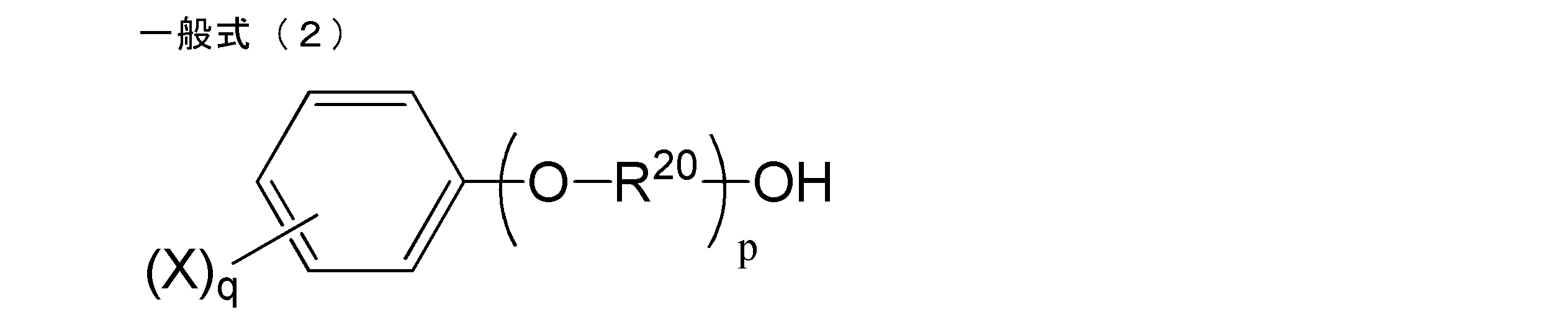
- R 20 represents a lower alkylene group.
- X represents a halogen atom, nitro group, hydroxy group, cyano group, lower alkyl group, lower alkoxy group, —COR 21 , —N (R 22 ) ( R 23 ) or —SO 2 M.
- R 21 represents a hydrogen atom, —O M, a lower alkyl group, an aryl group, an aralkyl group, a lower alkoxy group, an aryloxy group, an aralkyloxy group, or —N (R 24 ) ( R 25 )
- R 22 and R 23 each independently represents a hydrogen atom, a lower alkyl group, an aryl group, an aralkyl group, —COR 26 or —SO 2 R 26, and may be the same or different from each other.
- R 24 and R 25 each independently represent a hydrogen atom, a lower alkyl group, an aryl group, or an aralkyl group, and may be the same or different from each other.
- R 26 represents a lower alkyl group, an aryl group or an aralkyl group
- M represents a hydrogen atom, an alkali metal atom and an atomic group necessary for forming a monovalent cation
- p represents 0 or 1.
- Q represents an integer from 0 to 5.
- the metal particle dispersion described in [1] preferably further contains gelatin.
- the metal particle dispersion described in [2] preferably has a gelatin content of 0.1 to 10 g / L.
- the metal particles preferably include 60% by number or more of flat metal particles.
- the flat metal particles preferably have an average particle thickness of 5 to 12 nm.
- the metal particle dispersion described in [4] or [5] preferably has an average aspect ratio (average particle diameter / average particle thickness) of 5 to 100 of the flat metal particles.
- the metal particles preferably include at least silver.
- a heat ray shielding material comprising a metal particle-containing layer containing at least one of compounds represented by the following general formula (1) or the following general formula (2) and metal particles.
- R 13 is a hydrogen atom, an alkyl group, an alkenyl group, an aralkyl group, an aryl group, a heterocyclic group, (R 16 ) (R 17 ) —N—C ( ⁇ O) — or (R 16 ) (R 17 ) —N—C ( ⁇ S) —, wherein R 14 and R 15 each independently represent a hydrogen atom, an alkyl group, an aryl group, a cyano group, a heterocyclic group, an alkylthio group, or an alkylsulfoxy group.
- R 14 and R 15 may be bonded to each other to form an aromatic ring, and R 16 and R 17 each independently represents a hydrogen atom, an alkyl group, an aryl group or an aralkyl group. .)
- R 20 represents a lower alkylene group.
- X represents a halogen atom, nitro group, hydroxy group, cyano group, lower alkyl group, lower alkoxy group, —COR 21 , —N (R 22 ) ( R 23 ) or —SO 2 M.
- R 21 represents a hydrogen atom, —O M, a lower alkyl group, an aryl group, an aralkyl group, a lower alkoxy group, an aryloxy group, an aralkyloxy group, or —N (R 24 ) ( R 25 )
- R 22 and R 23 each independently represents a hydrogen atom, a lower alkyl group, an aryl group, an aralkyl group, —COR 26 or —SO 2 R 26, and may be the same or different from each other.
- R 24 and R 25 each independently represent a hydrogen atom, a lower alkyl group, an aryl group, or an aralkyl group, and may be the same or different from each other.
- R 26 represents a lower alkyl group, an aryl group or an aralkyl group
- M represents a hydrogen atom, an alkali metal atom and an atomic group necessary for forming a monovalent cation
- p represents 0 or 1.
- Q represents an integer from 0 to 5.
- the flat metal particles are preferably formed in an aqueous gelatin solution.
- the heat ray shielding material according to any one of [8] to [11] preferably contains an ultraviolet absorber.
- the heat ray shielding material according to [12] preferably includes an adhesive layer, and the ultraviolet absorber is included in the adhesive layer or a layer between the adhesive layer and the metal particle-containing layer. .
- a metal particle dispersion having excellent filterability can be provided.
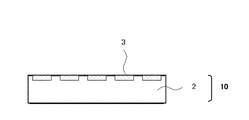
- FIG. 1 is a schematic view showing an example of the heat ray shielding material of the present invention.
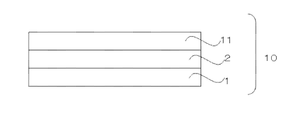
- FIG. 2 is a schematic view showing another example of the heat ray shielding material of the present invention.
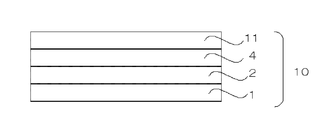
- FIG. 3A is a schematic view showing another example of the heat ray shielding material of the present invention.
- FIG. 3B is a schematic view showing another example of the heat ray shielding material of the present invention.
- FIG. 3C is a schematic view showing another example of the heat ray shielding material of the present invention.
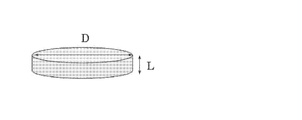
- FIG. 4A is a schematic perspective view showing an example of the shape of tabular grains contained in the heat ray shielding material of the present invention, and shows circular tabular metal particles.
- FIG. 4A is a schematic perspective view showing an example of the shape of tabular grains contained in the heat ray shielding material of the present invention, and shows circular tabular metal particles.
- FIG. 4B is a schematic perspective view showing an example of the shape of tabular grains contained in the heat ray shielding material of the present invention, and shows hexagonal tabular metal particles.
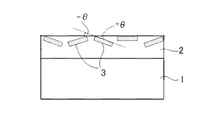
- FIG. 5A is a schematic cross-sectional view showing the existence state of a metal particle-containing layer containing metal tabular grains in the heat ray shielding material of the present invention, and a metal particle-containing layer containing metal tabular grains (parallel to the plane of the substrate). ) And the main plane of the metal tabular grain (the plane that determines the equivalent circle diameter D).
- FIG. 5A is a schematic cross-sectional view showing the existence state of a metal particle-containing layer containing metal tabular grains in the heat ray shielding material of the present invention, and a metal particle-containing layer containing metal tabular grains (parallel to the plane of the substrate). ) And the main plane of the metal tabular grain (the plane that determines the equivalent circle diameter D).
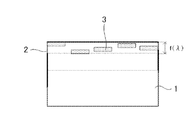
- FIG. 5B is a schematic cross-sectional view showing the existence state of a metal particle-containing layer containing metal tabular grains in the heat ray shielding material of the present invention, and the metal tabular grains in the depth direction of the heat ray shielding material of the metal particle-containing layer.
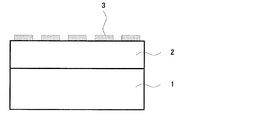
- FIG. FIG. 5C is a schematic cross-sectional view showing an example of the presence state of a metal particle-containing layer containing metal tabular grains in the heat ray shielding material of the present invention.
- FIG. 5D is a schematic cross-sectional view showing another example of the existence state of the metal particle-containing layer containing the metal tabular grains in the heat ray shielding material of the present invention.
- FIG. 5E is a schematic cross-sectional view showing another example of the existence state of the metal particle-containing layer containing the metal tabular grains in the heat ray shielding material of the present invention.
- a numerical range represented by using “to” means a range including numerical values described before and after “to” as a lower limit value and an upper limit value.
- the metal particle dispersion of the present invention is characterized by containing at least one of compounds represented by the following general formula (1) or the following general formula (2) and metal particles.
- R 13 is a hydrogen atom, an alkyl group, an alkenyl group, an aralkyl group, an aryl group, a heterocyclic group, (R 16 ) (R 17 ) —N—C ( ⁇ O) — or (R 16 ) (R 17 ) —N—C ( ⁇ S) —, wherein R 14 and R 15 each independently represent a hydrogen atom, an alkyl group, an aryl group, a cyano group, a heterocyclic group, an alkylthio group, or an alkylsulfoxy group.
- R 14 and R 15 may be bonded to each other to form an aromatic ring, and R 16 and R 17 each independently represents a hydrogen atom, an alkyl group, an aryl group or an aralkyl group. .)
- R 20 represents a lower alkylene group.
- X represents a halogen atom, nitro group, hydroxy group, cyano group, lower alkyl group, lower alkoxy group, —COR 21 , —N (R 22 ) ( R 23 ) or —SO 2 M.
- R 21 represents a hydrogen atom, —O M, a lower alkyl group, an aryl group, an aralkyl group, a lower alkoxy group, an aryloxy group, an aralkyloxy group, or —N (R 24 ) ( R 25 )
- R 22 and R 23 each independently represents a hydrogen atom, a lower alkyl group, an aryl group, an aralkyl group, —COR 26 or —SO 2 R 26, and may be the same or different from each other.
- R 24 and R 25 each independently represent a hydrogen atom, a lower alkyl group, an aryl group, or an aralkyl group, and may be the same or different from each other.
- R 26 represents a lower alkyl group, an aryl group or an aralkyl group
- M represents a hydrogen atom, an alkali metal atom and an atomic group necessary for forming a monovalent cation
- p represents 0 or 1.
- Q represents an integer from 0 to 5.
- the metal particle dispersion of the present invention contains metal particles.
- the material of the metal particles is not particularly limited and can be appropriately selected according to the purpose. From the viewpoint of high heat ray (near infrared) reflectance, silver, gold, aluminum, copper, rhodium, nickel, Platinum or the like is preferable, and silver is more preferable.
- the metal particle dispersion of the present invention preferably contains metal tabular grains.
- the metal tabular grain is not particularly limited as long as it is a grain composed of two main planes (see FIGS. 4A and 4B), and can be appropriately selected according to the purpose.
- hexagonal shape, circular shape, triangular shape Examples include shape.
- it is more preferably a hexagonal or more polygonal shape to a circular shape, particularly preferably a hexagonal shape or a circular shape, and more preferably a hexagonal shape. .
- the circular shape means 0 per side of a metal tabular grain having a length of 50% or more of the average equivalent circle diameter of a tabular metal grain (synonymous with tabular metal grain) described later. Say the shape that is.
- the circular tabular metal grains are not particularly limited as long as they have no corners and round shapes when observed from above the main plane with a transmission electron microscope (TEM), depending on the purpose. It can be selected appropriately.
- TEM transmission electron microscope
- the hexagonal shape means a shape in which the number of sides having a length of 20% or more of the average equivalent circle diameter of the metal tabular grains described later is 6 per one metal tabular grain. The same applies to other polygons.
- the hexagonal metal tabular grain is not particularly limited as long as it is a hexagonal shape when the metal tabular grain is observed from above the main plane with a transmission electron microscope (TEM), and is appropriately selected according to the purpose.
- the hexagonal corner may be acute or dull, but the corner is preferably dull in that the absorption in the visible light region can be reduced.
- TEM transmission electron microscope
- corner According to the objective, it can select suitably.
- the metal tabular grain preferably contains at least silver.
- the metal tabular grains are preferably 60% by number or more, more preferably 65% by number or more, based on the total number of metal particles. It is particularly preferably 70% by number or more. When the proportion of the metal tabular grains is 60% by number or more, the visible light transmittance tends to increase.
- the average particle diameter (average equivalent circle diameter) of the metal tabular grains is not particularly limited and may be appropriately selected depending on the intended purpose, but is preferably 70 nm to 500 nm, and more preferably 100 nm to 400 nm.
- the metal tabular grain average particle diameter (average equivalent circle diameter) is less than 70 nm, the contribution of absorption of the metal tabular grains becomes larger than the reflection, so that sufficient heat ray reflectivity may not be obtained, which exceeds 500 nm. And haze (scattering) will become large and the transparency of a base material may be impaired.
- the average particle diameter (average equivalent circle diameter) means an average value of main plane diameters (maximum lengths) of 200 tabular grains arbitrarily selected from images obtained by observing grains with a TEM. To do.
- the metal particle dispersion may contain two or more kinds of the metal tabular grains having different average particle diameters (average equivalent circle diameter).
- the average particle diameter (average equivalent circle diameter) of the metal tabular grains May have two or more peaks, that is, two average particle diameters (average circle equivalent diameter).
- the coefficient of variation in the particle size distribution of the average circle equivalent diameter of the metal tabular grains is preferably 35% or less, more preferably 30% or less, and particularly preferably 20% or less.
- the coefficient of variation is preferably 35% or less because the reflection wavelength region of heat rays in the heat ray shielding material becomes sharp.
- the coefficient of variation in the particle size distribution of the circle equivalent average diameter of the metal tabular grains is, for example, plotting the distribution range of the particle diameters of the 200 metal tabular grains used for calculating the average value obtained as described above.
- the standard deviation of the distribution is obtained, and is a value (%) divided by the average value (average particle diameter (average equivalent circle diameter)) of the main plane diameter (maximum length) obtained as described above.
- the thickness of the metal tabular grain is preferably 20 nm or less, more preferably 14 nm or less, and particularly preferably 5 to 12 nm.
- the aspect ratio of the metal tabular grains is not particularly limited and may be appropriately selected depending on the intended purpose. However, 5 to 100 is preferable because the reflectance in the infrared region with a wavelength of 800 nm to 2000 nm is high. 10 to 35 are preferable. When the aspect ratio is 10 or more, the reflection wavelength is larger than 800 nm, and when it is 35 or less, the reflection wavelength is shorter than 2000 nm, and sufficient heat ray reflectivity is obtained.
- the aspect ratio means a value obtained by dividing the average particle diameter (average circle equivalent diameter) of the tabular metal grains by the average grain thickness of the tabular metal grains.
- the average grain thickness corresponds to the distance between the main planes of the metal tabular grain, and is, for example, as shown in FIGS. 4A and 4B and can be measured by an atomic force microscope (AFM).
- the method for measuring the average particle thickness by the AFM is not particularly limited and can be appropriately selected depending on the purpose.For example, a particle dispersion containing metal tabular particles is dropped onto a glass substrate and dried. For example, a method of measuring the thickness of one particle may be used.
- the content of the metal particles is preferably 0.1 to 100 g / L, more preferably 0.5 to 50 g / L, and 1.0 to 10 g / L. It is particularly preferred that
- the metal particle dispersion of the present invention can improve the filterability of the metal particle dispersion by containing the compound represented by the general formula (1) or the general formula (2).
- the filterability here means that the increase in pressure when passing through the filtration filter is remarkably improved, and it becomes possible to feed a large amount continuously for a long time.
- a filtration filter is inserted in the middle of the liquid supply to remove aggregated particles and dust It is possible to provide a high-quality heat ray shielding material according to the present invention, which will be described later, with a small number of planar failures and a large area.
- the problem of productivity drop due to stoppage of liquid feeding due to an increase in filtration pressure, that is, stoppage of coating is also solved.
- the conventional metal particle dispersion has poor filterability, and when the liquid is passed through the filter, the pressure rises and the liquid cannot be fed. Therefore, it is difficult to capture and remove the agglomerated particles and dust with the filter. It was not easy to obtain a heat-shielding material with less state failure.
- permeability can also be improved, improving the heat ray maximum reflectance by containing the compound represented by the said General formula (1) or the said General formula (2). The reason why the visible light transmittance can be improved while increasing the maximum heat ray reflectance by including the compound represented by the general formula (1) or the general formula (2) is unknown.
- R 13 represents a hydrogen atom, a linear or branched substituted or unsubstituted alkyl group (for example, methyl, ethyl, tert-butyl, n-octadecyl, 2-hydroxyethyl, 2-carboxyethyl, 2-cyanoethyl, sulfobutyl, N N-dimethylaminoethyl), substituted or unsubstituted cyclic alkyl groups (eg cyclohexyl, 3-methylcyclohexyl, 2-oxocyclopentyl), substituted or unsubstituted alkenyl groups (eg allyl, methylallyl), substituted or unsubstituted Aralkyl groups (eg benzyl, p-methoxybenzyl, o-chlorobenzyl, p-iso-propylbenzyl), substituted or unsubstituted aryl groups (eg phen
- R 14 and R 15 are each independently a hydrogen atom, a substituted or unsubstituted alkyl group (eg, methyl, ethyl, chloromethyl, 2-hydroxyethyl, tert-butyl, n-octyl), substituted or unsubstituted cyclic alkyl Groups (eg cyclohexyl, 2-oxocyclopentyl), substituted or unsubstituted aryl groups (eg phenyl, 2-methylphenyl, 3,4-dichlorophenyl, naphthyl, 4-nitrophenyl, 4-aminophenyl, 3-acetamidophenyl) , Cyano group, heterocyclic group (for example, 2-imidazolyl, 2-thiazolyl, 2-pyridyl), substituted or unsubstituted alkylthio group (for example, methylthio, 2-cyanoethylthio, 2-ethoxycarbonylthio
- R 16 and R 17 are each independently a hydrogen atom, a substituted or unsubstituted alkyl group (eg, methyl, ethyl, iso-propyl, 2-cyanoethyl, 2-n-butoxycarbonylethyl, 2-cyanoethyl), substituted or unsubstituted Substituted aryl groups (eg phenyl, naphthyl, 2-methoxyphenyl, m-nitrophenyl, 3,5-dichlorophenyl, 3-acetamidophenyl), substituted or unsubstituted aralkyl groups (eg benzyl, phenethyl, p-iso-propyl) Benzyl, o-chlorobenzyl, m-methoxybenzyl).
- aryl groups eg phenyl, naphthyl, 2-methoxyphenyl, m-nitrophenyl, 3,5-dichloropheny
- R 13 represents a hydrogen atom or a lower alkyl group
- R 14 and R 15 are bonded to each other to form an aromatic ring
- R 13 is a hydrogen atom.
- R 14 and R 15 are more preferably bonded to each other to form a benzene ring.
- R 20 represents a lower alkylene group (for example, ethylene group, propylene group, methylethylene group, etc.), and an alkylene group having 1 to 6 carbon atoms is particularly preferable.
- X is a halogen atom (eg, chlorine atom, bromine atom, fluorine atom), nitro group, hydroxyl group, cyano group, lower alkyl group (eg, methyl, ethyl, iso-propyl, tert-butyl), lower alkoxy group —COR 21 , — N (R 22 ) (R 23 ) or —SO 2 M is represented.
- R 21 represents a hydrogen atom, -O M, a lower alkyl group (eg, methyl, n-butyl, tert-octyl), an aryl group (eg, phenyl, 4-chlorophenyl, 3-nitrophenyl), an aralkyl group (eg, benzyl, p-iso-propylbenzyl, o-methylbenzyl), lower alkoxy groups (eg methoxy, n-butoxy, 2-methoxyethoxy), aryloxy groups (eg phenoxy, naphthoxy, 4-nitrophenoxy), aralkyloxy groups (eg Represents benzyloxy, p-chlorobenzyloxy, or —N (R 24 ) (R 25 ).
- aralkyl group eg, methyl, n-butyl, tert-octyl
- an aryl group eg, phenyl, 4-chlorophen
- R 22 and R 23 are each independently a hydrogen atom, a lower alkyl group (eg, methyl, ethyl, 2-ethylhexyl), an aryl group (eg, phenyl, naphthyl, 2-methoxyphenyl, 3-acetamidophenyl), an aralkyl group ( For example, benzyl, o-chlorobenzyl), —COR 26 or —SO 2 R 26 may be the same or different.
- a lower alkyl group eg, methyl, ethyl, 2-ethylhexyl
- an aryl group eg, phenyl, naphthyl, 2-methoxyphenyl, 3-acetamidophenyl
- an aralkyl group For example, benzyl, o-chlorobenzyl
- —COR 26 or —SO 2 R 26 may be the same or different.
- R 24 and R 25 are each independently a hydrogen atom, a lower alkyl group (eg, methyl, iso-propyl, 2-cyanoethyl), an aryl group (eg, phenyl, 4-ethoxycarbonylphenyl, 3-nitrophenyl), an aralkyl group ( For example, benzyl, p-chlorobenzyl) may be the same or different.
- R 26 represents a lower alkyl group (eg, ethyl, 2-methoxyethyl, 2-hydroxyethyl) or an aryl group (eg, phenyl, naphthyl, 4-sulfophenyl, 4-carboxyphenyl).
- M represents a hydrogen atom, an alkali metal atom (for example, sodium or potassium) and an atomic group necessary for forming a monovalent cation (for example, an ammonium cation or a phosphonium cation).
- p represents 0 or 1;
- q represents an integer of 0 to 5.
- Preferable carbon number of each lower alkyl group and lower alkoxy group described by the general formula (2) is in the range of 1 to 8. More preferably, R 20 is an alkyl group represented by 1 to 3 carbon atoms, X is a lower alkyl group, p is 1, and q is a compound represented by 0 or 1.
- the addition amount of the compound represented by the general formula (1) is preferably 100 to 20000 ppm with respect to the dispersion, more preferably 500 to 20000 ppm from the viewpoint of improving filterability, and 500 to 10,000 ppm. It is particularly preferable from the viewpoint of improving optical performance and filterability.
- the addition amount of the compound represented by the general formula (2) is preferably 100 to 10,000 ppm, more preferably 300 to 10,000 ppm from the viewpoint of improving filterability, and 500 to 5000 ppm. It is particularly preferable from the viewpoint of improving optical performance and filterability.
- the compound represented by the general formula (1) or the general formula (2) is dissolved in water or an organic solvent such as methanol, isopropurate, acetone, or ethylene glycol, and added as a solution to the metal particle dispersion of the present invention.
- an organic solvent such as methanol, isopropurate, acetone, or ethylene glycol
- it may be dissolved in a high boiling point solvent, a low boiling point solvent or a mixed solvent thereof, and then emulsified and dispersed in the presence of a surfactant, and then added to the metal particle dispersion of the present invention.
- the metal particle dispersion of the present invention preferably contains a protective colloid (gel).
- the protective colloid (gel) is not particularly limited, but is preferably a hydrophilic colloid.
- hydrophilic colloid examples include gelatin, colloidal albumin, agar, gum arabic, alginic acid, hydrolyzed cellulose acetate, carboxymethylcellulose, hydroxyethylcellulose, methylcellulose and other cellulose derivatives, synthetic binders such as polyvinyl alcohol, and partial saponification.
- Polyvinyl acetate, polyacrylamide, poly N, N-dimethyl acrylamide, poly N-vinyl pyrrolidone U.S. Pat. Nos. 3,847,620, 3,655,389, 3,341,332, 3, 615,424, 3,860,428 and the like, water-soluble polymers as described in U.S. Pat. Nos.
- the protective colloid is preferably gelatin, and water-soluble gelatin is more preferable from the viewpoint that it can be added as an aqueous solution.
- the metal particle dispersion of the present invention is preferably formed by forming the plate-like metal particles in an aqueous gelatin solution.
- the molecular weight of the gelatin is not particularly limited, but gelatin having an average molecular weight of 5,000 to 300,000 is preferably used, and gelatin having 10,000 to 300,000 is more preferably used. Two or more types of gelatin may be used. When two or more types of gelatin are used, 5 to 50% by mass of gelatin having an average molecular weight of 10,000 to 50,000 and an average molecular weight of 100,000 to It is preferable to contain 50 to 95% by mass of 300,000 gelatin.
- the concentration of the protective colloid used in the protective colloid (gel) solution is preferably 0.01 to 1.0% by mass, and 0.05 to 0.00%. It is more preferable that it is 2 mass%.
- concentration of the metal particle dispersions B and M is made significantly lower than the protective colloid density
- the method for producing the metal particle dispersion of the present invention preferably includes a filtration step described later.
- liquid phase methods such as a chemical reduction method, a photochemical reduction method, an electrochemical reduction method, etc. are mentioned.
- a liquid phase method such as a chemical reduction method or a photochemical reduction method is particularly preferable in terms of shape and size controllability.
- the protective colloid concentration of the protective colloid (gel) solution used is preferably 0.1 to 10% by mass, and preferably 0.3 to 3.0% by mass. More preferred.
- hexagonal to triangular metal tabular grains for example, by performing etching treatment with a dissolved species that dissolves silver such as nitric acid and sodium sulfite, aging treatment by heating, etc.
- hexagonal to triangular metal The corners of the tabular grains may be blunted to obtain hexagonal or circular tabular metal grains.
- a metal salt may be further added to cause secondary growth.
- a seed crystal may be previously fixed on the surface of a transparent substrate such as a film or glass, and then metal grains (for example, Ag) may be grown in a tabular form.
- metal grains for example, Ag
- the kind of the reducing agent used in the synthesis of the metal particles is not particularly limited, and a known reducing agent can be used.
- phenidone, hydroquinones, catechol and hindered phenol are preferable.
- the reducing agent is described in US Pat. Nos. 3,770,448, 3,773,512, 3,593,863 and 4,460,681, and Research Disclosure 17029, 2,963.
- reducing agents include aminohydroxycycloalkenone compounds (eg, 2-hydroxy-piperidino-2-cyclohexenone), N-hydroxyurea derivatives (eg, Np-methylphenyl-N-hydroxyurea), aldehydes or Ketone hydrazones (eg, anthracene aldehyde phenylhydrazone), phosphoramidophenols, phosphoramidoanilines, polyhydroxybenzenes (eg, hydroquinone, t-butyl-hydroquinone, isopropylhydroquinone, 2,5-dihydroxy-phenyl) Methylsulfone), sulfohydroxamic acids (eg, benzenesulfohydroxamic acid), sulfonamidoanilines (eg, 4- (N-methanesulfonamido) aniline), 2-tetrazolylthiohydroquinones (eg, 2-methyl-5) (1
- polyhydroxybenzenes it is preferable to use polyhydroxybenzenes.
- a pH buffer such as an alkali metal carbonate, borate or phosphate, chloride salt, bromide salt, iodide salt.
- Additives such as benzimidazoles, benzothiazoles or mercapto compounds may also be used.
- etching treatment with a dissolved species that dissolves silver such as nitric acid and sodium sulfite, and etching treatment with nitric acid. Is more preferable.
- the metal particle dispersion of the present invention it is preferable to add a protective colloid (gel) and then add a metal salt to grow metal particles secondarily.
- the metal salt added at this time is preferably a salt of the same metal species as the produced metal particles.
- the other additives when the metal salt is added after the gel is added are the same as the additives during the synthesis of the metal particles.
- the metal tabular grains may be subjected to further treatment in order to impart desired characteristics.
- the further treatment is not particularly limited and may be appropriately selected depending on the purpose.
- the formation of a high refractive index shell layer the addition of various additives such as a dispersant and an antioxidant may be included. Can be mentioned.
- the metal tabular grain may be coated with a high refractive index material having high visible light region transparency.
- a high refractive index material is not particularly limited and may be appropriately selected depending on the purpose, for example, TiO x, BaTiO 3, ZnO, etc. SnO 2, ZrO 2, NbO x and the like.
- the metal oxide layer may be formed on the shell layer.
- TiO x is used as a material for the high refractive index metal oxide layer, since TiO x has photocatalytic activity, there is a concern of deteriorating the matrix in which the metal tabular grains are dispersed. After forming the TiO x layer on the tabular grains, an SiO 2 layer may be appropriately formed.
- the metal tabular grains may adsorb an antioxidant such as mercaptotetrazole or ascorbic acid in order to prevent oxidation of metals such as silver constituting the metal tabular grains.
- an oxidation sacrificial layer such as Ni may be formed on the surface of the metal tabular grain for the purpose of preventing oxidation. Further, it may be covered with a metal oxide film such as SiO 2 for the purpose of blocking oxygen.
- the metal tabular grain is, for example, a low molecular weight dispersant or a high molecular weight dispersant containing at least one of N elements such as quaternary ammonium salts and amines, S elements, and P elements. A dispersant may be added.
- the timing of adding the compound represented by the general formula (1) or the general formula (2) is not particularly limited, but the metal particles are synthesized and specified. It is preferable to add it after it is grown to the shape (after adjusting the pH immediately before filtration), and more preferably before post-treatment after preparing the metal particles.
- the metal particle dispersion of the present invention is preferably subjected to post-treatment such as filtration.
- post-treatment include washing of metal particles and filtration.
- the metal particle dispersion after preparation of the metal particles is a metal particle dispersion A
- the post-treatment metal particle dispersion is a metal particle dispersion B
- a metal particle dispersion to which a surfactant described later is added as a coating liquid. Also referred to as metal particle dispersion M.
- the heat ray shielding material of the present invention has a metal particle-containing layer formed using the metal particle dispersion of the present invention. Moreover, the heat ray shielding material of the present invention has a metal particle-containing layer containing at least one of compounds represented by the following general formula (1) or the following general formula (2) and metal particles. And In addition to the metal particle-containing layer, the heat ray shielding material of the present invention may preferably have other layers such as an adhesive layer, an ultraviolet absorption layer, a base material, and a metal oxide particle-containing layer as necessary.
- the layer structure of the heat ray shielding material 10 has a metal particle-containing layer 2 containing at least one kind of metal particles, and the metal tabular grains 3 are unevenly distributed on the surface thereof. Can be mentioned.
- the aspect which has the metal particle containing layer 2, the overcoat layer 4 on this metal particle containing layer, and the metal tabular grain 3 is unevenly distributed on the surface is mentioned.
- the aspect which has the base material 1, the metal particle content layer 2 on this base material, and the adhesion layer 11 on this metal particle content layer is mentioned suitably.
- the heat ray shielding material of the present invention preferably contains an ultraviolet absorber in the overcoat layer 4 or the adhesive layer 11 in FIGS. 3A to 3C.
- the metal particle-containing layer is a layer containing at least one of the compounds represented by the following general formula (1) or the following general formula (2) and metal particles, and the metal particle dispersion according to the present invention. It is a layer formed by using.
- the flat metal particles are preferably formed in a gelatin aqueous solution.
- the metal particles contained in the metal particle-containing layer preferably have 60% by number or more of flat metal particles, more preferably 65% by number or more, and 70 number. % Or more is particularly preferable.
- the metal particles contained in the metal particle-containing layer have 60% by number or more of flat metal particles, and at least one of the metal particle-containing layers has a thickness of 800 to 2000 nm. It is particularly preferred to have a transmission peak in the region.
- the content of the metal particles contained in the metal particle-containing layer is not particularly limited, but is preferably 10 to 500 mg / m 2 from the viewpoint of heat ray shielding, and 20 to 100 mg. / M 2 is more preferable, and 20 to 50 mg / m 2 is particularly preferable.
- the flat metal particles have an average of 0 relative to one surface of the metal particle-containing layer (the surface of the substrate when the heat ray shielding material has a substrate).
- Planar orientation is preferably in the range of ° to ⁇ 30 °, more preferably plane orientation in the range of 0 ° to ⁇ 20 ° on average, and plane orientation in the range of 0 ° to ⁇ 10 ° on average. It is particularly preferable.
- one surface of the said metal particle content layer is a flat plane.
- the metal particle-containing layer of the heat ray shielding material of the present invention has a base material as a temporary support, it is preferably substantially horizontal with the surface of the base material.
- the said heat ray shielding material may have the said temporary support body, and does not need to have it.
- the presence state of the metal tabular grains is not particularly limited and may be appropriately selected depending on the intended purpose. However, it is preferable that they are arranged as shown in FIGS. 5D and 5E described later.
- FIGS. 5A to 5E are schematic cross-sectional views showing the existence state of the metal particle-containing layer containing the metal tabular grains in the heat ray shielding material of the present invention.
- 5C, FIG. 5D, and FIG. 5E show the presence state of the metal tabular grain 3 in the metal particle-containing layer 2.
- FIG. 5A is a diagram for explaining an angle ( ⁇ ⁇ ) formed by the plane of the substrate 1 and the main plane of the metal tabular grain 3 (the plane that determines the equivalent circle diameter D).
- FIG. 5B shows the existence region in the depth direction of the heat ray shielding material of the metal particle-containing layer 2.
- ⁇ ⁇ an angle formed by the plane of the substrate 1 and the main plane of the metal tabular grain 3 (the plane that determines the equivalent circle diameter D).
- FIG. 5B shows the existence region in the depth direction of the heat ray shielding material of the metal particle-containing layer 2.
- the angle ( ⁇ ⁇ ) formed by the surface of the substrate 1 and the main plane of the metal tabular grain 3 or an extension line of the main plane corresponds to a predetermined range in the plane orientation. That is, the plane orientation means a state in which the inclination angle ( ⁇ ⁇ ) shown in FIG. 5A is small when the cross section of the heat ray shielding material is observed.
- FIG. 5D shows the main surface of the substrate 1 and the metal tabular grain 3. A state where the flat surface is in contact, that is, a state where ⁇ is 0 ° is shown.
- a predetermined wavelength of the heat ray shielding material for example, near the visible light region long wavelength side
- the reflectance in the infrared light region is reduced.
- the evaluation of whether or not the main plane of the metal tabular grain is plane-oriented with respect to one surface of the metal particle-containing layer (the surface of the substrate when the heat ray shielding material has a substrate).
- an appropriate cross section is prepared, and a metal particle-containing layer (a base material when the heat ray shielding material has a base material) and a flat metal particle are observed in this section. It may be a method of evaluating.
- a microtome or a focused ion beam is used to prepare a cross-section sample or a cross-section sample of the heat ray shielding material, and this is used for various microscopes (for example, a field emission scanning electron microscope (FE-SEM) etc.), and a method of evaluating from an image obtained by observation.
- FE-SEM field emission scanning electron microscope
- the plasmon resonance wavelength of the metal constituting the metal tabular grain 3 in the metal particle-containing layer 2 is ⁇
- the refractive index of the medium in the metal particle-containing layer 2 is n.
- the said metal-particle content layer 2 exists in the range of ((lambda) / n) / 4 in the depth direction from the horizontal surface of a heat ray shielding material.
- the plasmon resonance wavelength ⁇ of the metal constituting the metal tabular grain in the metal particle-containing layer is not particularly limited and can be appropriately selected according to the purpose. However, in terms of imparting heat ray reflection performance, 400 nm to 2, The thickness is preferably 500 nm, and more preferably 800 nm to 2000 nm from the viewpoint of imparting visible light transmittance.
- the metal-containing layer preferably contains a polymer, and more preferably contains a transparent polymer.
- the polymer include polyvinyl acetal resin, polyvinyl alcohol resin, polyvinyl butyral resin, polyacrylate resin, polymethyl methacrylate resin, polycarbonate resin, polyvinyl chloride resin, (saturated) polyester resin, polyurethane resin, gelatin, and cellulose. And polymers such as natural polymers.
- the main polymer of the polymer is preferably a polyvinyl alcohol resin, a polyvinyl butyral resin, a polyvinyl chloride resin, a (saturated) polyester resin, a polyurethane resin, and is preferably a polyester resin or a polyurethane resin.
- 80% by number or more of the metal tabular grains is more preferable from the viewpoint of easily existing in the range of d / 2 from the surface of the metal particle-containing layer, and the polyester resin is more improved in the rubbing resistance of the heat ray shielding material of the present invention. Particularly preferable from the viewpoint.
- a saturated polyester resin is more particularly preferable from the viewpoint of imparting excellent weather resistance since it does not contain a double bond.
- Commercially available polymers can be preferably used as the polymer, and examples thereof include Plus Coat Z-867, which is a water-soluble polyester resin manufactured by Kyoyo Chemical Industry Co., Ltd.
- the main polymer of the polymer contained in the metal-containing layer refers to a polymer component occupying 50% by mass or more of the polymer contained in the metal-containing layer.
- the content of the polyester resin with respect to the metal particles contained in the metal particle-containing layer is preferably 1 to 10000% by mass, more preferably 10 to 1000% by mass, and 20 to 500% by mass. Is particularly preferred.
- the refractive index n of the medium is preferably 1.4 to 1.7.
- the total area of the metal tabular grains relative to the area A of the base material when viewed from above (the total projected area A of the metal particle-containing layer when viewed from the direction perpendicular to the metal particle-containing layer)
- the area ratio [(B / A) ⁇ 100], which is the ratio of the value B, is preferably 15% or more, and more preferably 20% or more.
- the area ratio can be measured, for example, by performing image processing on an image obtained by SEM observation of the heat ray shielding base material from above or an image obtained by AFM (atomic force microscope) observation. .
- the average inter-particle distance between the metal tabular grains adjacent in the horizontal direction in the metal particle-containing layer is preferably 1/10 or more of the average particle diameter of the metal tabular grains in terms of visible light transmittance and maximum heat ray reflectance. .
- the horizontal average inter-grain distance of the metal tabular grains is less than 1/10 of the average grain diameter of the metal tabular grains, the maximum reflectance of the heat rays is lowered.
- the average interparticle distance in the horizontal direction is preferably non-uniform (random) in terms of visible light transmittance. If it is not random, that is, if it is uniform, absorption of visible light occurs, and the transmittance may decrease.
- the average inter-particle distance in the horizontal direction of the metal tabular grains means an average value of inter-particle distances between two adjacent grains.
- the average inter-particle distance is random as follows: “When taking a two-dimensional autocorrelation of luminance values when binarizing an SEM image including 100 or more metal tabular grains, other than the origin. It has no significant local maximum.
- the tabular metal grains are arranged in the form of a metal particle-containing layer containing tabular metal grains, as shown in FIGS. 5A to 5E.
- the metal particle-containing layer may be composed of a single layer as shown in FIGS. 5A to 5E, or may be composed of a plurality of metal particle-containing layers. When comprised with a several metal particle content layer, it becomes possible to provide the shielding performance according to the wavelength range
- the metal particle-containing layer preferably has a thickness of 10 to 80 nm.
- the thickness of the metal particle-containing layer is more preferably 20 to 80 nm, and particularly preferably 20 to 60 nm.
- the thickness of each layer of the metal particle-containing layer can be measured, for example, from an image obtained by SEM observation of a cross-sectional sample of the heat ray shielding material.
- the thickness of the metal particle-containing layer is d
- 80% by number or more of the plate-like metal particles are preferably present in a range of d / 2 from the surface of the metal particle-containing layer, It is more preferable that it exists in the range of d / 3 from the surface of a particle content layer.
- the heat ray shielding material of the present invention is not limited to the following production method, but a specific polymer (preferably latex) is used when producing the metal particle-containing layer. By adding it, the metal tabular grains can be segregated on one surface of the metal particle-containing layer.
- the metal particle-containing layer contains a polymer and the main polymer of the polymer is a polyester resin
- a crosslinking agent from the viewpoint of film strength.
- the crosslinking agent is not particularly limited, and examples thereof include epoxy-based, isocyanate-based, melamine-based, carbodiimide-based, and oxazoline-based crosslinking agents. Of these, carbodiimide and oxazoline crosslinking agents are preferred.
- Specific examples of the carbodiimide-based crosslinking agent include, for example, Carbodilite V-02-L2 (manufactured by Nisshinbo Industries, Inc.).
- a crosslinking agent-derived component with respect to the total binder in the metal particle-containing layer, and more preferably 2 to 20% by mass.
- the said metal particle content layer contains a polymer, it is preferable from a viewpoint from which generation
- surfactants that can be used as the surfactant include known anionic and nonionic surfactants such as Lapisol A-90 (manufactured by NOF Corporation), Narrow Acty HN-100 (manufactured by Sanyo Chemical Industries) is available.
- the surfactant is preferably contained in an amount of 0.05 to 10% by weight, more preferably 0.1 to 5% by weight, based on the total binder in the metal particle-containing layer.
- the heat ray shielding material of the present invention preferably has an adhesive layer.
- the adhesive layer may include an ultraviolet absorber.
- the material that can be used for forming the adhesive layer is not particularly limited and may be appropriately selected depending on the intended purpose.
- An adhesive layer made of these materials can be formed by coating.
- an antistatic agent, a lubricant, an antiblocking agent and the like may be added to the adhesive layer.
- the thickness of the adhesive layer is preferably 0.1 ⁇ m to 10 ⁇ m.
- the heat ray shielding material of the present invention preferably has a base material.
- the substrate is not particularly limited as long as it is an optically transparent substrate, and can be appropriately selected according to the purpose.
- the substrate has a visible light transmittance of 70% or more, preferably 80% or more. And those with high transmittance in the near infrared region.
- the shape include a flat plate shape, and the structure may be a single layer structure or a laminated structure, and the size may be the size of the heat ray shielding material. It can be appropriately selected according to the above.
- the material for the substrate is not particularly limited and may be appropriately selected depending on the intended purpose.
- examples thereof include polyolefin resins such as polyethylene, polypropylene, poly-4-methylpentene-1, polybutene-1, polyethylene terephthalate, Polyester resins such as polyethylene naphthalate; polycarbonate resins, polyvinyl chloride resins, polyphenylene sulfide resins, polyether sulfone resins, polyethylene sulfide resins, polyphenylene ether resins, styrene resins, acrylic resins, polyamides
- Examples thereof include a film made of a cellulose resin such as a cellulose resin, a polyimide resin, and cellulose acetate, or a laminated film thereof.
- a polyethylene terephthalate film is particularly preferable.
- the thickness of the base film is not particularly limited and can be appropriately selected depending on the purpose of use of the solar shading film. Usually, the thickness is about 10 ⁇ m to 500 ⁇ m, preferably 12 ⁇ m to 300 ⁇ m, more preferably 16 ⁇ m to 125 ⁇ m. preferable.
- the functional film includes a hard coat layer having hard coat properties.
- the hard coat layer can contain metal oxide particles.
- the kind and formation method can be selected suitably according to the objective, For example, acrylic resin, silicone resin, melamine resin, urethane resin, alkyd resin And thermosetting or photocurable resins such as fluorine-based resins.
- the thickness of the hard coat layer is not particularly limited and may be appropriately selected depending on the intended purpose, but is preferably 1 ⁇ m to 50 ⁇ m.
- the hard coat layer may contain the metal oxide particles.
- the heat ray shielding material of the present invention in order to prevent oxidation and sulfidation of the metal tabular grains due to mass transfer and to provide scratch resistance, the heat ray shielding material of the present invention comprises the hexagonal or circular tabular metal particles. You may have the overcoat layer closely_contact
- the heat ray shielding material of the present invention particularly when the metal tabular grains are unevenly distributed on the surface of the metal particle-containing layer, prevents contamination of the production process due to peeling of the metal tabular grains, prevents the disorder of the arrangement of the metal tabular grains at the time of coating another layer, etc. Therefore, it may have an overcoat layer.
- the overcoat layer may contain an ultraviolet absorber.
- the overcoat layer is not particularly limited and may be appropriately selected depending on the intended purpose.For example, the overcoat layer contains a binder, a matting agent, and a surfactant, and further contains other components as necessary. It becomes.
- the binder is not particularly limited and may be appropriately selected depending on the purpose.
- the thickness of the overcoat layer is preferably 0.01 ⁇ m to 1,000 ⁇ m, more preferably 0.02 ⁇ m to 500 ⁇ m, particularly preferably 0.1 to 10 ⁇ m, and particularly preferably 0.2 to 5 ⁇ m.
- the heat ray shielding material of the present invention preferably has a layer containing an ultraviolet absorber.
- the layer containing the ultraviolet absorber can be appropriately selected depending on the purpose, and may be an adhesive layer, or a layer (for example, an overcoat) between the adhesive layer and the metal particle-containing layer. Layer). In any case, it is preferable that the ultraviolet absorber is added to a layer disposed on the side irradiated with sunlight with respect to the metal particle-containing layer.
- the ultraviolet absorber is not particularly limited and may be appropriately selected depending on the purpose.
- a benzophenone ultraviolet absorber a benzotriazole ultraviolet absorber, a triazine ultraviolet absorber, a salicylate ultraviolet absorber, Examples include cyanoacrylate ultraviolet absorbers. These may be used individually by 1 type and may use 2 or more types together.
- the heat ray shielding material of the present invention is preferable from the viewpoint of balance between heat ray shielding and production cost even if it contains at least one kind of metal oxide particles in order to absorb long wave infrared rays.
- the hard coat layer 5 preferably contains metal oxide particles.
- the hard coat layer 5 may be laminated with the metal particle-containing layer 2 via the substrate 1.
- the hard coat layer 5 will absorb a part of the heat rays, and the amount of heat directly received inside the heat ray shielding material due to the heat rays that are not absorbed by the metal oxide particle-containing layer and pass through the heat ray shielding material, The amount of heat as the total amount of heat absorbed by the metal oxide particle-containing layer of the heat ray shielding material and indirectly transmitted to the inside of the heat ray shielding material can be reduced.
- ATO Abbreviated as “ATO”
- ITO infrared rays having a wavelength of 1,200 nm or more are preferably 90 in that they have excellent heat ray absorption ability and can produce a heat ray shielding material having a wide range of heat ray absorption ability when combined with metal tabular grains.
- ITO is preferable in that it has a visible light transmittance of 90% or more.
- the volume average particle size of the primary particles of the metal oxide particles is preferably 0.1 ⁇ m or less in order not to reduce the visible light transmittance.
- a shape of the said metal oxide particle According to the objective, it can select suitably, For example, spherical shape, needle shape, plate shape, etc. are mentioned.
- the method for producing the heat ray shielding material of the present invention is not particularly limited and can be appropriately selected according to the purpose. In addition, a method of forming other layers as necessary may be mentioned.
- the method for forming the metal particle-containing layer of the present invention is not particularly limited and may be appropriately selected depending on the purpose.
- a dispersion having the metal tabular particles on the surface of the lower layer such as the substrate. May be applied by a dip coater, a die coater, a slit coater, a bar coater, a gravure coater, or the like, or may be subjected to surface orientation by a method such as an LB film method, a self-organization method, or spray coating.
- the composition of the metal particle-containing layer used in the examples described later is used, and by adding latex or the like, the hexagonal or circular tabular metal particles 80
- the number% or more is made to exist in the range of d / 2 from the surface of the metal particle-containing layer. It is preferable that 80% by number or more of the metal tabular grains of the hexagonal or circular tabular metal particles exist in a range of d / 3 from the surface of the metal particle-containing layer.
- the amount of the latex added is not particularly limited, but for example, it is preferable to add 1 to 10000 mass% with respect to the metal tabular grains.
- a pressure roller such as a calender roller or a lami roller.
- the visible light transmittance of the heat ray shielding material of the present invention is preferably 60% or more, more preferably 70% or more, and particularly preferably 75% or more. When the visible light transmittance is less than 60%, for example, when used as automotive glass or building glass, the outside may be difficult to see.
- the heat ray maximum reflectance of the heat ray shielding material of the present invention is preferably 40% or more, more preferably 45% or more, and particularly preferably 50% or more.
- the heat-shielding material of the present invention can be bonded to either glass or plastic to produce a bonded structure.
- the heat ray shielding material of this invention manufactured as mentioned above is glass or plastics for vehicles, such as a motor vehicle. And a method of bonding to glass or plastic for building materials.
- the heat ray shielding material of the present invention is not particularly limited as long as it is an embodiment used for selectively reflecting or absorbing heat rays (near infrared rays), and may be appropriately selected according to the purpose.
- Examples include films and laminated structures, building material films and laminated structures, agricultural films, and the like. Among these, in terms of energy saving effect, a vehicle film and a laminated structure, a building material film and a laminated structure are preferable.
- heat rays mean near infrared rays (800 nm to 2000 nm) contained in sunlight by about 50%.
- Example 1 ⁇ Preparation of metal particle dispersion of the present invention> -Preparation of metal tabular grain dispersion A2- To 308 mL of pure water, 24.5 mL of 1% sodium citrate aqueous solution and 16.7 mL of 8 g / L sodium polystyrenesulfonate aqueous solution were added and heated to 35 ° C. To this solution, 1 mL of 2.3 mM aqueous sodium borohydride solution was added, and 363 mL of 0.5 mM aqueous silver nitrate solution (Ag-1) was added with stirring.
- Ag-1 0.5 mM aqueous silver nitrate solution
- a white precipitate mixed solution of silver sulfite obtained by previously mixing 67 mL of 13.5% aqueous sodium sulfite solution and 228 mL of 10% aqueous silver nitrate solution and 369 mL of pure water was added. Added. After stirring this solution for 300 minutes, 145 mL of 1N NaOH was added, and then 100 ppm of Daito Chemical Co., Ltd. Proxel (compound II-25 in this specification) was added as a solid content to obtain a tabular silver particle dispersion A2. It was.
- the obtained silver tabular grain dispersion A2 was dropped on a glass substrate and dried, and the thickness of each metal tabular grain corresponding to A was measured using an atomic force microscope (AFM) (Nanocute II, manufactured by Seiko Instruments Inc.). And measured.
- the measurement conditions using the AFM were a self-detecting sensor, DFM mode, a measurement range of 5 ⁇ m, a scanning speed of 180 seconds / frame, and a data point of 256 ⁇ 256.
- the average grain thickness of the tabular grains in the silver tabular grain dispersion A2 was 10 nm.
- metal tabular grain dispersion B2- 500 mL of the silver tabular grain dispersion A2 was centrifuged at 7,000 rpm for 30 minutes in a centrifuge (Hoku200, manufactured by Kokusan Co., Ltd., Amble Rotor BN) to precipitate silver tabular grains. The supernatant liquid 450 mL after centrifugation was discarded, 200 mL of 0.2 mM NaOH aqueous solution was added, the precipitated hexagonal silver tabular grain was redispersed, and silver tabular grain dispersion B2 was prepared.
- Hoku200 manufactured by Kokusan Co., Ltd., Amble Rotor BN
- composition of coating liquid M2 for metal particle-containing layer Polyurethane aqueous solution: Hydran HW-350 (DIC Co., Ltd., solid content concentration: 30% by mass) 0.27 parts by mass Surfactant A: F Ripar 8780P (Made by Lion Co., Ltd., solid content 1% by mass) 0.96 parts by mass Surfactant B: Aronactee CL-95 (Sanyo Chemical Industries, Ltd., solid content: 1% by mass) 1.19 parts by mass Silver tabular particle dispersion B2 32.74 parts by mass 1- (5-methylureidophenyl) -5-mercaptotetrazole (Wako Pure Chemical Industries, Ltd., solid content 2% by mass) 0.61 parts by mass Water 34.23 parts by mass Methanol 30 parts by mass
- coating solution U1 for layer U1 A coating solution U1 for the layer U1 having the composition shown below was prepared.
- Composition of coating liquid U1 for layer U1 Polyurethane aqueous solution: Hydran HW-350 (DIC Corporation, solid content concentration 30% by mass) 1.83 parts by mass Silica particle IPA dispersion: Through rear 4110 (Manufactured by JGC Catalysts & Chemicals Co., Ltd., solid content concentration: 20.5%) 4.06 parts by mass
- Surfactant B Alonacty CL-95 (Manufactured by Sanyo Chemical Industries, Ltd., solid content 1% by mass) 1.18 parts by mass water 64.63 parts by mass IPA 25.94 parts by mass
- coating solution U2 for layer U2 A coating solution U2 for the layer U2 having the composition shown below was prepared.
- Composition of coating liquid U2 for layer U2 Polyester aqueous solution: Pluscoat Z687 (Saiyo Chemical Co., Ltd., solid content concentration: 25% by mass) 3.51 parts by mass
- Surfactant B Alonacty CL-95 (Manufactured by Sanyo Chemical Industries, Ltd., solid content: 1% by mass) 1.20 parts by mass water 65.29 parts by mass methanol 30 parts by mass
- a coating solution OC1 for an overcoat layer having the composition shown below was prepared.
- Composition of OC1 for overcoat layer Fine particles: 4.62 parts by mass (colloidal silica, average particle size 40 nm, trade name Snowtex XL, manufactured by Nissan Chemical Industries, Ltd., solid content 10% by mass)
- Wax Cellosol 524 (Manufactured by Chukyo Yushi Co., Ltd., solid content: 3% by mass) 8.36 parts by mass
- Crosslinking agent Carbodilite V-02-L2 (Nisshinbo Co., Ltd., solid content concentration 20% by mass) 4.98 parts by mass
- Surfactant B Aronacte
- a coating solution U1 for layer U1 was applied using a wire bar so that the average thickness after drying was 100 nm. did. Then, it heated at 130 degreeC for 1 minute, dried and solidified, and formed U1 layer.
- the coating liquid U2 was applied using a wire bar so that the average thickness after drying was 45 nm. Then, it heated at 130 degreeC for 1 minute, dried and solidified, and formed U2 layer.
- the coating liquid M2 for metal particle containing layers was apply
- Examples 2 to 4 Preparation of coating solutions M3 to M5-
- the amount of Proxel manufactured by Daito Chemical Co., Ltd. compound II-25 in this specification
- the silver tabular grain dispersions of Examples 2 to 4 were produced in the same manner as in Example 1 except that they were changed to.
- coating liquids M3 to M5 were obtained in the same manner as in Example 1 except that the silver tabular grain dispersions of Examples 2 to 4 were used instead of the silver tabular grain dispersions of Example 1.
- Coating films 3 to 5 were prepared in the same manner as in Example 1 except that the coating liquid M2 for the metal particle-containing layer was changed to the coating liquids M3 to M5.
- the obtained coating films 3 to 5 were used as heat ray shielding materials of Examples 2 to 4, respectively.
- Examples 5 to 8 Preparation of coating solutions M6 to M9-
- 145 mL of 1N NaOH was added, and instead of adding 100 ppm of proxel manufactured by Daito Chemical Co., Ltd. (compound II-25 in the present specification), phenoxyethanol (compound IV in the present specification was used).
- the silver tabular grain dispersions of Examples 5 to 8 were produced in the same manner as in Example 1 except that ⁇ 18) was added as a solid content of 100 ppm, 1000 ppm, 5000 ppm and 10000 ppm, respectively.
- coating liquids M6 to M9 were obtained in the same manner as in Example 1 except that the silver tabular grain dispersions of Examples 5 to 8 were used instead of the silver tabular grain dispersions of Example 1.
- Coating films 6-9- Coating films 6 to 9 were prepared in the same manner as in Example 1 except that the coating liquid M2 for the metal particle-containing layer was changed to the coating liquids M6 to M9. The obtained coating films 6 to 9 were used as heat ray shielding materials for Examples 5 to 8, respectively.
- Example 9 and 10 Preparation of coating solutions M10 and M11-
- the metal tabular grain dispersion after adding 145 mL of 1 N NaOH, instead of adding 100 ppm of Daito Chemical Co., Ltd. Proxel (Compound II-25 in this specification), Daito Chemical Co., Ltd. Proxel and Phenoxyethanol (this The silver tabular grain dispersions of Examples 9 and 10 were produced in the same manner as in Example 1 except that Compound IV-18) in the specification was added as a solid content at 500 ppm or 5000 ppm, respectively. Thereafter, coating liquids M10 and M11 were obtained in the same manner as in Example 1 except that the silver tabular grain dispersions of Examples 9 and 10 were used instead of the silver tabular grain dispersion of Example 1.
- Coating films 10 and 11- Coating films 10 and 11 were produced in the same manner as in Example 1 except that the coating liquid M2 for the metal particle-containing layer was changed to the coating liquids M10 and M11.
- the obtained coating films 10 and 11 were used as the heat ray shielding materials of Examples 9 and 10, respectively.
- Example 1 Preparation of coating solution M1- Comparison was made in the same manner as in Example 1 except that in the preparation of the metal tabular grain dispersion, 145 mL of 1N NaOH was added, and then 100 ppm of Daito Chemical Co., Ltd. Proxel (compound II-25 in the present specification) was not added. The silver tabular grain dispersion of Example 1 was prepared. Thereafter, a coating liquid M1 was obtained in the same manner as in Example 1 except that the silver tabular grain dispersion of Comparative Example 1 was used instead of the silver tabular grain dispersion of Example 1.
- a coating film 1 was produced in the same manner as in Example 1 except that the coating solution M2 for the metal particle-containing layer was changed to the coating solution M1.
- the obtained coating film 1 was used as a heat ray shielding material of Comparative Example 1.
- Coating films 12 and 13- Coating films 12 and 13 were produced in the same manner as in Example 1 except that the coating liquid M2 for the metal particle-containing layer was changed to the coating liquid M12 or 13.
- the obtained coating films 12 and 13 were used as heat ray shielding materials of Comparative Examples 2 and 3, respectively.
- the maximum heat ray reflectance is measured and calculated by the method described in JIS-R3106: 1998 “Testing method of transmittance, reflectance, emissivity, and solar radiation acquisition rate of flat glass”, and direct solar radiation for each wavelength.
- the maximum value of the value from 300 nm to 2100 nm corrected by the spectral intensity was taken as the maximum heat ray reflectance. The obtained results are shown in Table 1 below.
- each coating liquid M1 to M13 is passed through a profile II filter (rated filtration accuracy: 3 ⁇ mabs .: manufactured by Nippon Pole Co., Ltd.) at a flow rate of 33 cc / min ⁇ cm2, until the pressure increases by 0.2 MPa.
- the amount of passage was measured, and the filterability was evaluated as follows based on the amount of passage. The results are shown in Table 1 below. Less than 2.0L ⁇ 2.0L or more, less than 3.0L ⁇ 3.0L or more ⁇
- the metal particle dispersion of the present invention into which the compound represented by the general formula (1) or (2) was introduced was excellent in filterability. At this time, improvement in optical performance (visible light transmittance and maximum heat ray reflectance) was observed. However, if the amount added is too large, the improvement in filterability is maintained, but the optical performance may be slightly reduced. It was.
- the compounds represented by the general formula (1) or (2) have antiseptic properties, but are described as preservatives in Japanese Patent Application Laid-Open Nos. 2-287535 and 3-149549. In Comparative Examples 2 and 3 using Compound C, no improvement in filterability was observed, so it was also found that the antiseptic property was not directly related to the effect of the present invention.
- the infrared shielding film of the present invention has a high heat ray reflectivity and excellent heat shielding performance, for example, as a film for automobiles, buses, etc., a laminated structure, a film for building materials, a laminated structure, etc. It can be suitably used as various members that are required to prevent this.
Landscapes
- Chemical & Material Sciences (AREA)
- Physics & Mathematics (AREA)
- Chemical Kinetics & Catalysis (AREA)
- General Chemical & Material Sciences (AREA)
- General Physics & Mathematics (AREA)
- Optics & Photonics (AREA)
- Life Sciences & Earth Sciences (AREA)
- Composite Materials (AREA)
- Health & Medical Sciences (AREA)
- Engineering & Computer Science (AREA)
- Inorganic Chemistry (AREA)
- Toxicology (AREA)
- Geochemistry & Mineralogy (AREA)
- Materials Engineering (AREA)
- Organic Chemistry (AREA)
- Optical Filters (AREA)
- Manufacture Of Metal Powder And Suspensions Thereof (AREA)
- Pigments, Carbon Blacks, Or Wood Stains (AREA)
- Powder Metallurgy (AREA)
Description
本発明は、金属粒子分散物および熱線遮蔽材に関する。より詳しくは、濾過性に優れる金属粒子分散物および該金属粒子分散物を用いて製造される熱線遮蔽材に関する。
近年、二酸化炭素削減のための省エネルギー施策の一つとして、自動車や建物の窓に対する熱線遮蔽性付与材料が開発されている。熱線遮蔽性(日射熱取得率)の観点からは、吸収した光の室内への再放射(吸収した日射エネルギーの約1/3量)がある熱線吸収型より、再放射がない熱線反射型が望ましく、様々な提案がなされている。
例えば、特許文献1には、六角形状乃至円形状の平板状金属粒子を60個数%以上有し、前記六角形状乃至円形状の平板状金属粒子の主平面が前記金属粒子含有層の一方の表面に対して平均0°~±30°の範囲で面配向している熱線遮蔽材により、反射波長選択性および反射帯域選択性が高く、可視光線透過性および電波透過性に優れた熱線遮蔽材が提供できると記載されている。特許文献1にはゼラチンを保護コロイドとした銀平板粒子の分散物を塗布液として用いて、金属粒子含有層を形成した赤外線遮熱材料が開示されている。
一方、特許文献2および3には、ハロゲン化銀、すなわち銀塩を用いた感光材料におけるゼラチンの防腐剤として、特定の構造の化合物をそれぞれ開示している。しかしながら、特許文献2および3はいずれも金属銀と併用することを開示も示唆もしていなかった。なお、ハロゲン化銀を用いた感光材料におけるゼラチン溶液の濃度は、特許文献1に記載のような技術分野で通常用いられる分散物中のゼラチンの濃度よりも高いものである。
通常塗布物を製造する際には、面状故障(異物、ハジキ)を防止するために、塗布液を濾過する。しかしながら、本発明者らが特許文献1に記載の銀平板粒子を含む塗布液を濾過したところ、濾過中に濾過圧が上昇する問題があることがわかった。
本発明が解決しようとする課題は、濾過性に優れた金属粒子分散物を提供することにある。
上記課題を解決するために本発明者らが鋭意検討した結果、従来ゼラチンの防腐剤として使用されていた特許文献2および3に開示されている防腐剤を金属粒子分散物に添加して熱線遮蔽材を製造すると、濾過圧上昇を抑制でき、濾過フィルターを交換することなく、長時間製造が可能となり、防腐性能とは関係ないフレッシュ性能(経時前性能)である濾過性が改良されることがわかった。そこで、さらに検討をすすめたところ、特許文献2および3に開示されている防腐剤のうち、同文献における一般式(II)で表される防腐剤は濾過性の改善効果には効果がなく、特許文献2および3に開示されている防腐剤の特定の構造の化合物のみが金属粒子分散物の濾過性を改善できることを見出すに至り、本発明に至った。
本発明は、本発明者らによる前記知見に基づくものである。上記課題を解決するための具体的な手段である本発明は、以下のとおりである。
[1] 下記一般式(1)または下記一般式(2)で表される化合物のうち少なくとも1種と、
金属粒子とを含有することを特徴とする金属粒子分散物。

(一般式(1)中、R13は水素原子、アルキル基、アルケニル基、アラルキル基、アリール基、複素環基、(R16)(R17)-N-C(=O)-または(R16)(R17)-N-C(=S)-を表す。R14およびR15はそれぞれ独立して水素原子、アルキル基、アリール基、シアノ基、複素環基、アルキルチオ基、アルキルスルホキシ基またはアルキルスルホニル基を表し、R14とR15は互いに結合して芳香環を形成してもよい。R16およびR17はそれぞれ独立して水素原子、アルキル基、アリール基またはアラルキル基を表す。)
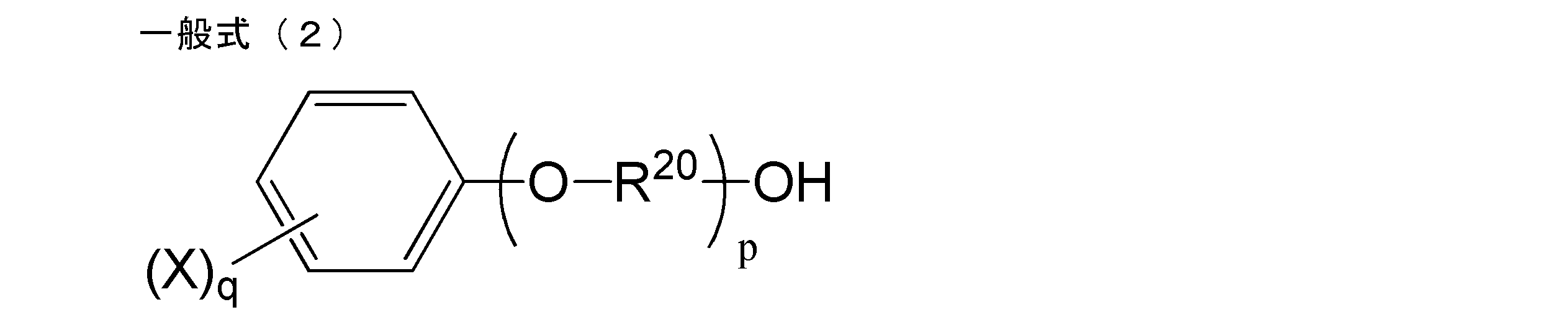
(一般式(2)中、R20は低級アルキレン基を表す。Xはハロゲン原子、ニトロ基、ヒドロキシ基、シアノ基、低級アルキル基、低級アルコキシ基、-COR21、-N(R22)(R23)または-SO2Mを表す。R21は水素原子、-〇M、低級アルキル基、アリール基、アラルキル基、低級アルコキシ基、アリールオキシ基、アラルキルオキシ基または-N(R24)(R25)を表す。R22およびR23はそれぞれ独立して水素原子、低級アルキル基、アリール基、アラルキル基、-COR26または-SO2R26を表し、互いに同じであっても異なっていてもよい。R24およびR25はそれぞれ独立して水素原子、低級アルキル基、アリール基、アラルキル基を表し、互いに同じであっても異なっていてもよい。R26は低級アルキル基、アリール基またはアラルキル基を表す。Mは水素原子、アルカリ金属原子及び1価のカチオンを形成するために必要な原子群を表す。pは0または1を表す。qは0から5までの整数を表す。)
[2] [1]に記載の金属粒子分散物は、さらにゼラチンを含むことが好ましい。
[3] [2]に記載の金属粒子分散物は、前記ゼラチンの含有量が0.1~10g/Lであることが好ましい。
[4] [1]~[3]のいずれか一項に記載の金属粒子分散物は、前記金属粒子が、平板状の金属粒子を60個数%以上有することが好ましい。
[5] [4]に記載の金属粒子分散物は、前記平板状の金属粒子の平均粒子厚みが5~12nmであることが好ましい。
[6] [4]または[5]に記載の金属粒子分散物は、前記平板状の金属粒子の平均アスペクト比(平均粒子径/平均粒子厚み)が5~100であることが好ましい。
[7] [1]~[6]のいずれか一項に記載の金属粒子分散物は、前記金属粒子が、少なくとも銀を含むことが好ましい。
[8] 下記一般式(1)または下記一般式(2)で表される化合物のうち少なくとも1種と、金属粒子とを含有する金属粒子含有層を有することを特徴とする熱線遮蔽材。

(一般式(1)中、R13は水素原子、アルキル基、アルケニル基、アラルキル基、アリール基、複素環基、(R16)(R17)-N-C(=O)-または(R16)(R17)-N-C(=S)-を表す。R14およびR15はそれぞれ独立して水素原子、アルキル基、アリール基、シアノ基、複素環基、アルキルチオ基、アルキルスルホキシ基またはアルキルスルホニル基を表し、R14とR15は互いに結合して芳香環を形成してもよい。R16およびR17はそれぞれ独立して水素原子、アルキル基、アリール基またはアラルキル基を表す。)
(一般式(2)中、R20は低級アルキレン基を表す。Xはハロゲン原子、ニトロ基、ヒドロキシ基、シアノ基、低級アルキル基、低級アルコキシ基、-COR21、-N(R22)(R23)または-SO2Mを表す。R21は水素原子、-〇M、低級アルキル基、アリール基、アラルキル基、低級アルコキシ基、アリールオキシ基、アラルキルオキシ基または-N(R24)(R25)を表す。R22およびR23はそれぞれ独立して水素原子、低級アルキル基、アリール基、アラルキル基、-COR26または-SO2R26を表し、互いに同じであっても異なっていてもよい。R24およびR25はそれぞれ独立して水素原子、低級アルキル基、アリール基、アラルキル基を表し、互いに同じであっても異なっていてもよい。R26は低級アルキル基、アリール基またはアラルキル基を表す。Mは水素原子、アルカリ金属原子及び1価のカチオンを形成するために必要な原子群を表す。pは0または1を表す。qは0から5までの整数を表す。)
[9] [1]~[7]のいずれか一項に記載の金属粒子分散物を用いて形成されてなる金属粒子含有層を有することを特徴とする熱線遮蔽材。
[10] [8]または[9]に記載の熱線遮蔽材は、前記金属粒子含有層に含まれる前記金属粒子が、平板状の金属粒子を60個数%以上有し、かつ少なくともひとつの前記金属粒子含有層が800~2000nmの領域に透過ピークを有することが好ましい。
[11] [8]~[10]のいずれか一項に記載の熱線遮蔽材は、前記平板状の金属粒子がゼラチン水溶液中で形成されてなることが好ましい。
[12] [8]~[11]のいずれか一項に記載の熱線遮蔽材は、紫外線吸収剤を含むことが好ましい。
[13] [12]に記載の熱線遮蔽材は、粘着剤層を有し、前記粘着剤層または前記粘着剤層と前記金属粒子含有層の間の層に前記紫外線吸収剤を含むことが好ましい。
[1] 下記一般式(1)または下記一般式(2)で表される化合物のうち少なくとも1種と、
金属粒子とを含有することを特徴とする金属粒子分散物。
[2] [1]に記載の金属粒子分散物は、さらにゼラチンを含むことが好ましい。
[3] [2]に記載の金属粒子分散物は、前記ゼラチンの含有量が0.1~10g/Lであることが好ましい。
[4] [1]~[3]のいずれか一項に記載の金属粒子分散物は、前記金属粒子が、平板状の金属粒子を60個数%以上有することが好ましい。
[5] [4]に記載の金属粒子分散物は、前記平板状の金属粒子の平均粒子厚みが5~12nmであることが好ましい。
[6] [4]または[5]に記載の金属粒子分散物は、前記平板状の金属粒子の平均アスペクト比(平均粒子径/平均粒子厚み)が5~100であることが好ましい。
[7] [1]~[6]のいずれか一項に記載の金属粒子分散物は、前記金属粒子が、少なくとも銀を含むことが好ましい。
[8] 下記一般式(1)または下記一般式(2)で表される化合物のうち少なくとも1種と、金属粒子とを含有する金属粒子含有層を有することを特徴とする熱線遮蔽材。
[9] [1]~[7]のいずれか一項に記載の金属粒子分散物を用いて形成されてなる金属粒子含有層を有することを特徴とする熱線遮蔽材。
[10] [8]または[9]に記載の熱線遮蔽材は、前記金属粒子含有層に含まれる前記金属粒子が、平板状の金属粒子を60個数%以上有し、かつ少なくともひとつの前記金属粒子含有層が800~2000nmの領域に透過ピークを有することが好ましい。
[11] [8]~[10]のいずれか一項に記載の熱線遮蔽材は、前記平板状の金属粒子がゼラチン水溶液中で形成されてなることが好ましい。
[12] [8]~[11]のいずれか一項に記載の熱線遮蔽材は、紫外線吸収剤を含むことが好ましい。
[13] [12]に記載の熱線遮蔽材は、粘着剤層を有し、前記粘着剤層または前記粘着剤層と前記金属粒子含有層の間の層に前記紫外線吸収剤を含むことが好ましい。
本発明によれば、濾過性に優れた金属粒子分散物を提供することができる。
以下、本発明の金属粒子分散物および熱線遮蔽材について詳細に説明する。
以下に記載する構成要件の説明は、本発明の代表的な実施態様に基づいてなされることがあるが、本発明はそのような実施態様に限定されるものではない。なお、本明細書において「~」を用いて表される数値範囲は、「~」の前後に記載される数値を下限値および上限値として含む範囲を意味する。
以下に記載する構成要件の説明は、本発明の代表的な実施態様に基づいてなされることがあるが、本発明はそのような実施態様に限定されるものではない。なお、本明細書において「~」を用いて表される数値範囲は、「~」の前後に記載される数値を下限値および上限値として含む範囲を意味する。
[金属粒子分散物]
本発明の金属粒子分散物は、下記一般式(1)または下記一般式(2)で表される化合物のうち少なくとも1種と、金属粒子とを含有することを特徴とする。
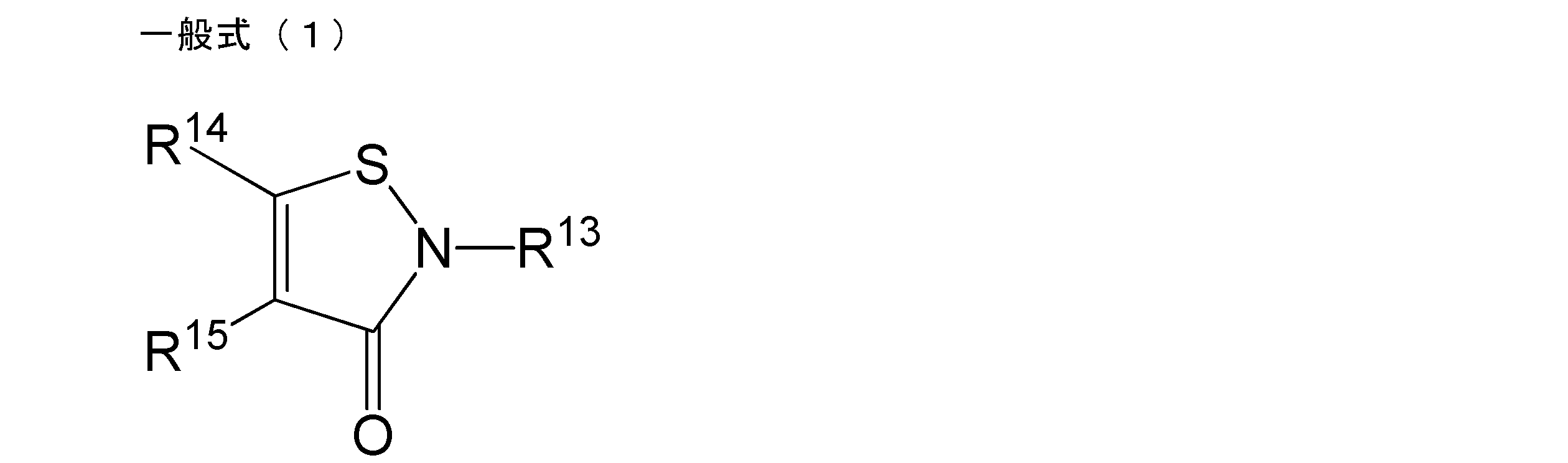
(一般式(1)中、R13は水素原子、アルキル基、アルケニル基、アラルキル基、アリール基、複素環基、(R16)(R17)-N-C(=O)-または(R16)(R17)-N-C(=S)-を表す。R14およびR15はそれぞれ独立して水素原子、アルキル基、アリール基、シアノ基、複素環基、アルキルチオ基、アルキルスルホキシ基またはアルキルスルホニル基を表し、R14とR15は互いに結合して芳香環を形成してもよい。R16およびR17はそれぞれ独立して水素原子、アルキル基、アリール基またはアラルキル基を表す。)

(一般式(2)中、R20は低級アルキレン基を表す。Xはハロゲン原子、ニトロ基、ヒドロキシ基、シアノ基、低級アルキル基、低級アルコキシ基、-COR21、-N(R22)(R23)または-SO2Mを表す。R21は水素原子、-〇M、低級アルキル基、アリール基、アラルキル基、低級アルコキシ基、アリールオキシ基、アラルキルオキシ基または-N(R24)(R25)を表す。R22およびR23はそれぞれ独立して水素原子、低級アルキル基、アリール基、アラルキル基、-COR26または-SO2R26を表し、互いに同じであっても異なっていてもよい。R24およびR25はそれぞれ独立して水素原子、低級アルキル基、アリール基、アラルキル基を表し、互いに同じであっても異なっていてもよい。R26は低級アルキル基、アリール基またはアラルキル基を表す。Mは水素原子、アルカリ金属原子及び1価のカチオンを形成するために必要な原子群を表す。pは0または1を表す。qは0から5までの整数を表す。)
このような構成の金属粒子分散物により、濾過性に優れた金属粒子分散物を提供することができる。
本発明の金属粒子分散物は、下記一般式(1)または下記一般式(2)で表される化合物のうち少なくとも1種と、金属粒子とを含有することを特徴とする。
このような構成の金属粒子分散物により、濾過性に優れた金属粒子分散物を提供することができる。
<金属粒子>
本発明の金属粒子分散物は、金属粒子を含有する。
本発明の金属粒子分散物は、金属粒子を含有する。
前記金属粒子の大きさとしては、特に制限はなく、目的に応じて適宜選択することができ、例えば、500nm以下の平均粒子径を有するものであってもよい。
前記金属粒子の材料としては、特に制限はなく、目的に応じて適宜選択することができるが、熱線(近赤外線)の反射率が高い点から、銀、金、アルミニウム、銅、ロジウム、ニッケル、白金などが好ましく、銀であることがより好ましい。
前記金属粒子の材料としては、特に制限はなく、目的に応じて適宜選択することができるが、熱線(近赤外線)の反射率が高い点から、銀、金、アルミニウム、銅、ロジウム、ニッケル、白金などが好ましく、銀であることがより好ましい。
(金属平板粒子)
本発明の金属粒子分散物は、金属平板粒子を含むことが好ましい。
前記金属平板粒子としては、2つの主平面からなる粒子(図4A及び図4B参照)であれば特に制限はなく、目的に応じて適宜選択することができ、例えば、六角形状、円形状、三角形状などが挙げられる。これらの中でも、可視光透過率が高い点で、六角形状以上の多角形状~円形状であることがより好ましく、六角形状または円形状であることが特に好ましく、六角形状であることがより特に好ましい。
本明細書中、円形状とは、後述する金属平板粒子(平板状金属粒子と同義)の平均円相当径の50%以上の長さを有する辺の個数が1個の金属平板粒子当たり0個である形状のことを言う。前記円形状の金属平板粒子としては、透過型電子顕微鏡(TEM)で金属平板粒子を主平面の上方から観察した際に、角が無く、丸い形状であれば特に制限はなく、目的に応じて適宜選択することができる。
本明細書中、六角形状とは、後述する金属平板粒子の平均円相当径の20%以上の長さを有する辺の個数が1個の金属平板粒子当たり6個である形状のことを言う。なお、その他の多角形についても同様である。前記六角形状の金属平板粒子としては、透過型電子顕微鏡(TEM)で金属平板粒子を主平面の上方から観察した際に、六角形状であれば特に制限はなく、目的に応じて適宜選択することができ、例えば、六角形状の角が鋭角のものでも、鈍っているものでもよいが、可視光域の吸収を軽減し得る点で、角が鈍っているものであることが好ましい。角の鈍りの程度としては、特に制限はなく、目的に応じて適宜選択することができる。
前記金属平板粒子の材料としては、特に制限はなく、前記金属粒子と同じものを目的に応じて適宜選択することができる。前記金属平板粒子は、少なくとも銀を含むことが好ましい。
本発明の金属粒子分散物は、金属平板粒子を含むことが好ましい。
前記金属平板粒子としては、2つの主平面からなる粒子(図4A及び図4B参照)であれば特に制限はなく、目的に応じて適宜選択することができ、例えば、六角形状、円形状、三角形状などが挙げられる。これらの中でも、可視光透過率が高い点で、六角形状以上の多角形状~円形状であることがより好ましく、六角形状または円形状であることが特に好ましく、六角形状であることがより特に好ましい。
本明細書中、円形状とは、後述する金属平板粒子(平板状金属粒子と同義)の平均円相当径の50%以上の長さを有する辺の個数が1個の金属平板粒子当たり0個である形状のことを言う。前記円形状の金属平板粒子としては、透過型電子顕微鏡(TEM)で金属平板粒子を主平面の上方から観察した際に、角が無く、丸い形状であれば特に制限はなく、目的に応じて適宜選択することができる。
本明細書中、六角形状とは、後述する金属平板粒子の平均円相当径の20%以上の長さを有する辺の個数が1個の金属平板粒子当たり6個である形状のことを言う。なお、その他の多角形についても同様である。前記六角形状の金属平板粒子としては、透過型電子顕微鏡(TEM)で金属平板粒子を主平面の上方から観察した際に、六角形状であれば特に制限はなく、目的に応じて適宜選択することができ、例えば、六角形状の角が鋭角のものでも、鈍っているものでもよいが、可視光域の吸収を軽減し得る点で、角が鈍っているものであることが好ましい。角の鈍りの程度としては、特に制限はなく、目的に応じて適宜選択することができる。
前記金属平板粒子の材料としては、特に制限はなく、前記金属粒子と同じものを目的に応じて適宜選択することができる。前記金属平板粒子は、少なくとも銀を含むことが好ましい。
前記金属粒子分散物中に存在する金属粒子のうち、前記金属平板粒子は、金属粒子の全個数に対して、60個数%以上であることが好ましく、65個数%以上であることがより好ましく、70個数%以上であることが特に好ましい。前記金属平板粒子の割合が、60個数%以上であると、可視光線透過率を高くなる傾向にある。
前記金属平板粒子の平均粒子径(平均円相当径)としては、特に制限はなく、目的に応じて適宜選択することができるが、70nm~500nmが好ましく、100nm~400nmがより好ましい。前記金属平板粒子平均粒子径(平均円相当径)が、70nm未満であると、金属平板粒子の吸収の寄与が反射より大きくなるため十分な熱線反射能が得られなくなることがあり、500nmを超えると、ヘイズ(散乱)が大きくなり、基材の透明性が損なわれてしまうことがある。
ここで、前記平均粒子径(平均円相当径)とは、TEMで粒子を観察して得た像から任意に選んだ200個の平板粒子の主平面直径(最大長さ)の平均値を意味する。
前記金属粒子分散物中に平均粒子径(平均円相当径)が異なる2種以上の前記金属平板粒子を含有することができ、この場合、前記金属平板粒子の平均粒子径(平均円相当径)のピークが2つ以上、即ち2つの平均粒子径(平均円相当径)を有していてもよい。
ここで、前記平均粒子径(平均円相当径)とは、TEMで粒子を観察して得た像から任意に選んだ200個の平板粒子の主平面直径(最大長さ)の平均値を意味する。
前記金属粒子分散物中に平均粒子径(平均円相当径)が異なる2種以上の前記金属平板粒子を含有することができ、この場合、前記金属平板粒子の平均粒子径(平均円相当径)のピークが2つ以上、即ち2つの平均粒子径(平均円相当径)を有していてもよい。
前記金属平板粒子の円相当平均直径の粒度分布における変動係数としては、35%以下が好ましく、30%以下がより好ましく、20%以下が特に好ましい。前記変動係数が、35%以下であることが熱線遮蔽材における熱線の反射波長域がシャープになることから好ましい。
ここで、前記金属平板粒子の円相当平均直径の粒度分布における変動係数は、例えば前記の通り得た平均値の算出に用いた200個の金属平板粒子の粒子径の分布範囲をプロットし、粒度分布の標準偏差を求め、前記の通り得た主平面直径(最大長さ)の平均値(平均粒子径(平均円相当径))で割った値(%)である。
ここで、前記金属平板粒子の円相当平均直径の粒度分布における変動係数は、例えば前記の通り得た平均値の算出に用いた200個の金属平板粒子の粒子径の分布範囲をプロットし、粒度分布の標準偏差を求め、前記の通り得た主平面直径(最大長さ)の平均値(平均粒子径(平均円相当径))で割った値(%)である。
前記金属平板粒子の厚みは20nm以下であることが好ましく、14nm以下であることがより好ましく、5~12nmであることが特に好ましい。
前記金属平板粒子のアスペクト比としては、特に制限はなく、目的に応じて適宜選択することができるが、波長800nm~2000nmの赤外光領域での反射率が高くなる点から、5~100が好ましく、10~35がより好ましい。前記アスペクト比が10以上であると反射波長が800nmより大きくなり、35以下であると、反射波長が2000nmより短くなり、十分な熱線反射能が得られる。
前記アスペクト比は、金属平板粒子の平均粒子径(平均円相当径)を金属平板粒子の平均粒子厚みで除算した値を意味する。平均粒子厚みは、金属平板粒子の主平面間距離に相当し、例えば、図4A及び図4Bに示す通りであり、原子間力顕微鏡(AFM)により測定することができる。
前記AFMによる平均粒子厚みの測定方法としては、特に制限はなく、目的に応じて適宜選択することができ、例えば、ガラス基板に金属平板粒子を含有する粒子分散液を滴下し、乾燥させて、粒子1個の厚みを測定する方法などが挙げられる。
前記金属平板粒子のアスペクト比としては、特に制限はなく、目的に応じて適宜選択することができるが、波長800nm~2000nmの赤外光領域での反射率が高くなる点から、5~100が好ましく、10~35がより好ましい。前記アスペクト比が10以上であると反射波長が800nmより大きくなり、35以下であると、反射波長が2000nmより短くなり、十分な熱線反射能が得られる。
前記アスペクト比は、金属平板粒子の平均粒子径(平均円相当径)を金属平板粒子の平均粒子厚みで除算した値を意味する。平均粒子厚みは、金属平板粒子の主平面間距離に相当し、例えば、図4A及び図4Bに示す通りであり、原子間力顕微鏡(AFM)により測定することができる。
前記AFMによる平均粒子厚みの測定方法としては、特に制限はなく、目的に応じて適宜選択することができ、例えば、ガラス基板に金属平板粒子を含有する粒子分散液を滴下し、乾燥させて、粒子1個の厚みを測定する方法などが挙げられる。
(金属平板粒子の含有量)
本発明の金属粒子分散液は、前記金属粒子の含有量が0.1~100g/Lであることが好ましく、0.5~50g/Lであることがより好ましく、1.0~10g/Lであることが特に好ましい。
本発明の金属粒子分散液は、前記金属粒子の含有量が0.1~100g/Lであることが好ましく、0.5~50g/Lであることがより好ましく、1.0~10g/Lであることが特に好ましい。
(一般式(1)または一般式(2)で表される化合物)
本発明の金属粒子分散物は、前記一般式(1)または前記一般式(2)で表される化合物を含有することで、金属粒子分散物の濾過性を向上させることができる。ここでいう濾過性とは、濾過フィルターに通液する際の圧力上昇が著しく改善されて、長時間連続で(多量の)送液をすることが可能になることをいう。金属粒子分散物の濾過性を向上させることにより金属粒子分散物を原料に用いて調製した液を塗布に供給する際に、その送液途中に濾過フィルターを入れて凝集粒子や塵埃を除去することができ、面状故障が少ない高品質な後述する本発明の熱線遮蔽材を大面積で提供することができる。また、濾過圧力上昇による送液停止すなわち塗布停止による生産性低下の問題も解決される。なお、従来の金属粒子分散物は濾過性が悪く、濾過フィルターに通液すると圧力上昇して送液ができなくなるため、凝集粒子や塵埃を濾過フィルターで捕捉除去することが困難であり、塗布面状故障の少ない熱線遮蔽材料を得ることは容易ではなかった。
なお、前記一般式(1)または前記一般式(2)で表される化合物を含有することで、熱線最大反射率を高めつつ、可視光透過率も改善することもできる。なお、前記一般式(1)または前記一般式(2)で表される化合物を含有させたことにより、熱線最大反射率を高めつつ、可視光透過率を改善できた理由は不明である。
本発明の金属粒子分散物は、前記一般式(1)または前記一般式(2)で表される化合物を含有することで、金属粒子分散物の濾過性を向上させることができる。ここでいう濾過性とは、濾過フィルターに通液する際の圧力上昇が著しく改善されて、長時間連続で(多量の)送液をすることが可能になることをいう。金属粒子分散物の濾過性を向上させることにより金属粒子分散物を原料に用いて調製した液を塗布に供給する際に、その送液途中に濾過フィルターを入れて凝集粒子や塵埃を除去することができ、面状故障が少ない高品質な後述する本発明の熱線遮蔽材を大面積で提供することができる。また、濾過圧力上昇による送液停止すなわち塗布停止による生産性低下の問題も解決される。なお、従来の金属粒子分散物は濾過性が悪く、濾過フィルターに通液すると圧力上昇して送液ができなくなるため、凝集粒子や塵埃を濾過フィルターで捕捉除去することが困難であり、塗布面状故障の少ない熱線遮蔽材料を得ることは容易ではなかった。
なお、前記一般式(1)または前記一般式(2)で表される化合物を含有することで、熱線最大反射率を高めつつ、可視光透過率も改善することもできる。なお、前記一般式(1)または前記一般式(2)で表される化合物を含有させたことにより、熱線最大反射率を高めつつ、可視光透過率を改善できた理由は不明である。
以下、下記一般式(1)または下記一般式(2)で表される化合物について説明する。なお、前記一般式(1)または前記一般式(2)で表される化合物の中では、前記一般式(1)で表される化合物であることがより好ましい。
前記一般式(1)で表される化合物について記述する。
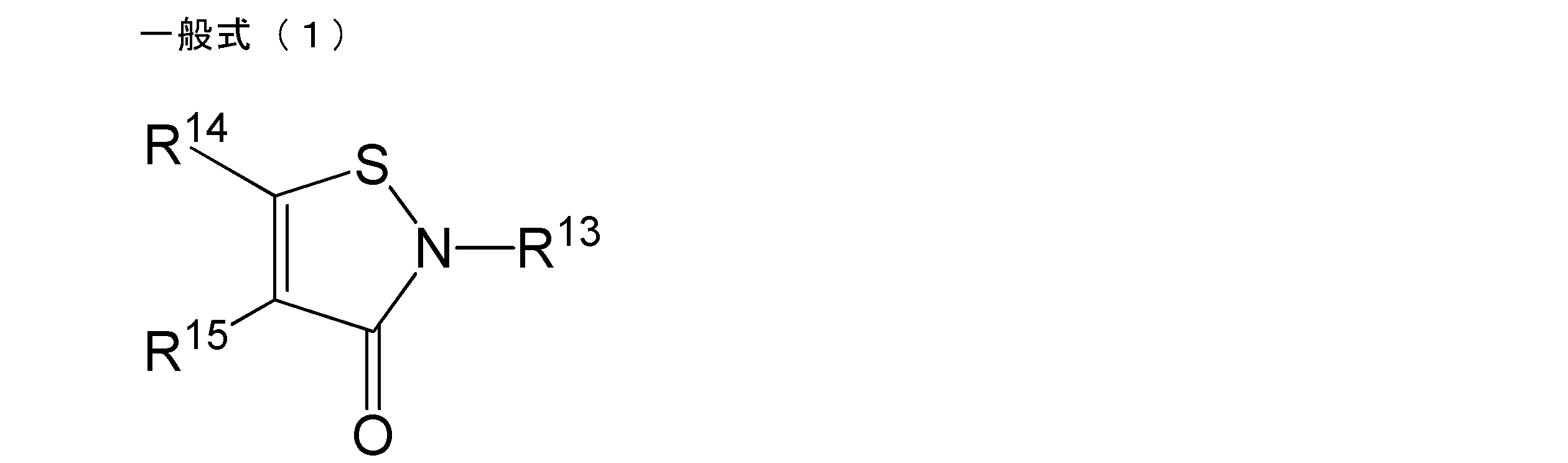
R13は水素原子、直鎖もしくは分岐鎖の置換または未置換のアルキル基(例えばメチル、エチル、tert-ブチル、n-オクタデシル、2-ヒドロキシエチル、2-カルボキシエチル、2-シアノエチル、スルホブチル、N、N-ジメチルアミノエチル)、置換または未置換の環状アルキル基(例えばシクロヘキシル、3-メチルシクロヘキシル、2-オキソシクロペンチル)、置換または未置換のアルケニル基(例えばアリル、メチルアリル)、置換または未置換のアラルキル基(例えばベンジル、p-メトキシベンジル、o-クロロベンジル、p-iso-プロピルベンジル)、置換または未置換のアリール基(例えばフェニル、ナフチル、o-メチルフェニル、m-ニトロフェニル、3.4-ジクロロフェニル)、複素環基(2-イミダゾリル、2-フリル、2-チアゾリル、2-ピリジル)、(R16)(R17)-N-C(=O)-または(R16)(R17)-N-C(=S)を表す。
R14およびR15はそれぞれ独立して水素原子、置換または未置換のアルキル基(例えばメチル、エチル、クロロメチル、2-ヒドロキシエチル、tert-ブチル、n-オクチル)、置換または未置換の環状アルキル基(例えばシクロヘキシル、2-オキソシクロペンチル)、置換または未置換のアリール基(例えばフェニル、2-メチルフェニル、3,4-ジクロロフェニル、ナフチル、4-ニトロフェニル、4-アミノフェニル、3-アセトアミドフェニル)、シアノ基、複素環基(例えば2-イミダゾリル、2-チアゾリル、2-ピリジル)、置換または未置換のアルキルチオ基(例えばメチルチオ、2-シアノエチルチオ、2-エトキシカルボニルチオ)、置換または未置換のアリールチオ基(例えばフェニルチオ、2-カルボキシフェニルチオ、p-メトキシフェニルチオ)、置換または未置換のアルキルスルホキシ基(例えばメチルスルホキシ-ヒドロキシエチルスルホキシ)、置換または未置換のアルキルスルホニル基(例えばメチルスルホニル、2-ブロモエチルスルホニル)を表し、R14とR15は互いに結合して芳香環を形成してもよい。
R16およびR17はそれぞれ独立して水素原子、置換または未置換のアルキル基(例えばメチル、エチル、iso-プロピル、2-シアノエチル、2-n-ブトキシカルボニルエチル、2-シアノエチル)、置換または未置換のアリール基(例えばフェニル、ナフチル、2-メトキシフェニル、m-ニトロフェニル、3,5-ジクロロフェニル、3-アセトアミドフェニル)、置換または未置換のアラルキル基(例えばベンジル、フェネチル、p-iso-プロピルベンジル、o-クロロベンジル、m-メトキシベンジル)を表わす。
さらに、上記一般式(1)で好ましいのは、R13は、水素原子、低級アルキル基を表わし、R14およびR15は互いに結合して芳香環を形成する場合であり、R13が水素原子を表し、R14およびR15は互いに結合してベンゼン環を形成する場合がより好ましい。
R16およびR17はそれぞれ独立して水素原子、置換または未置換のアルキル基(例えばメチル、エチル、iso-プロピル、2-シアノエチル、2-n-ブトキシカルボニルエチル、2-シアノエチル)、置換または未置換のアリール基(例えばフェニル、ナフチル、2-メトキシフェニル、m-ニトロフェニル、3,5-ジクロロフェニル、3-アセトアミドフェニル)、置換または未置換のアラルキル基(例えばベンジル、フェネチル、p-iso-プロピルベンジル、o-クロロベンジル、m-メトキシベンジル)を表わす。
さらに、上記一般式(1)で好ましいのは、R13は、水素原子、低級アルキル基を表わし、R14およびR15は互いに結合して芳香環を形成する場合であり、R13が水素原子を表し、R14およびR15は互いに結合してベンゼン環を形成する場合がより好ましい。
次に、前記一般式(1)で表される化合物の代表的具体例を以下に示すが、前記一般式(1)で表される化合物はこれらの具体例によって限定されるものではない。なお、以下の具体例は特開平3-119347号公報の一般式(II)で表される化合物の具体例と同様である。
なお、以下の化合物の中でも、本発明では化合物II-25および化合物II-43を用いることが好ましく、化合物II-25を用いることがより好ましい。

なお、以下の化合物の中でも、本発明では化合物II-25および化合物II-43を用いることが好ましく、化合物II-25を用いることがより好ましい。
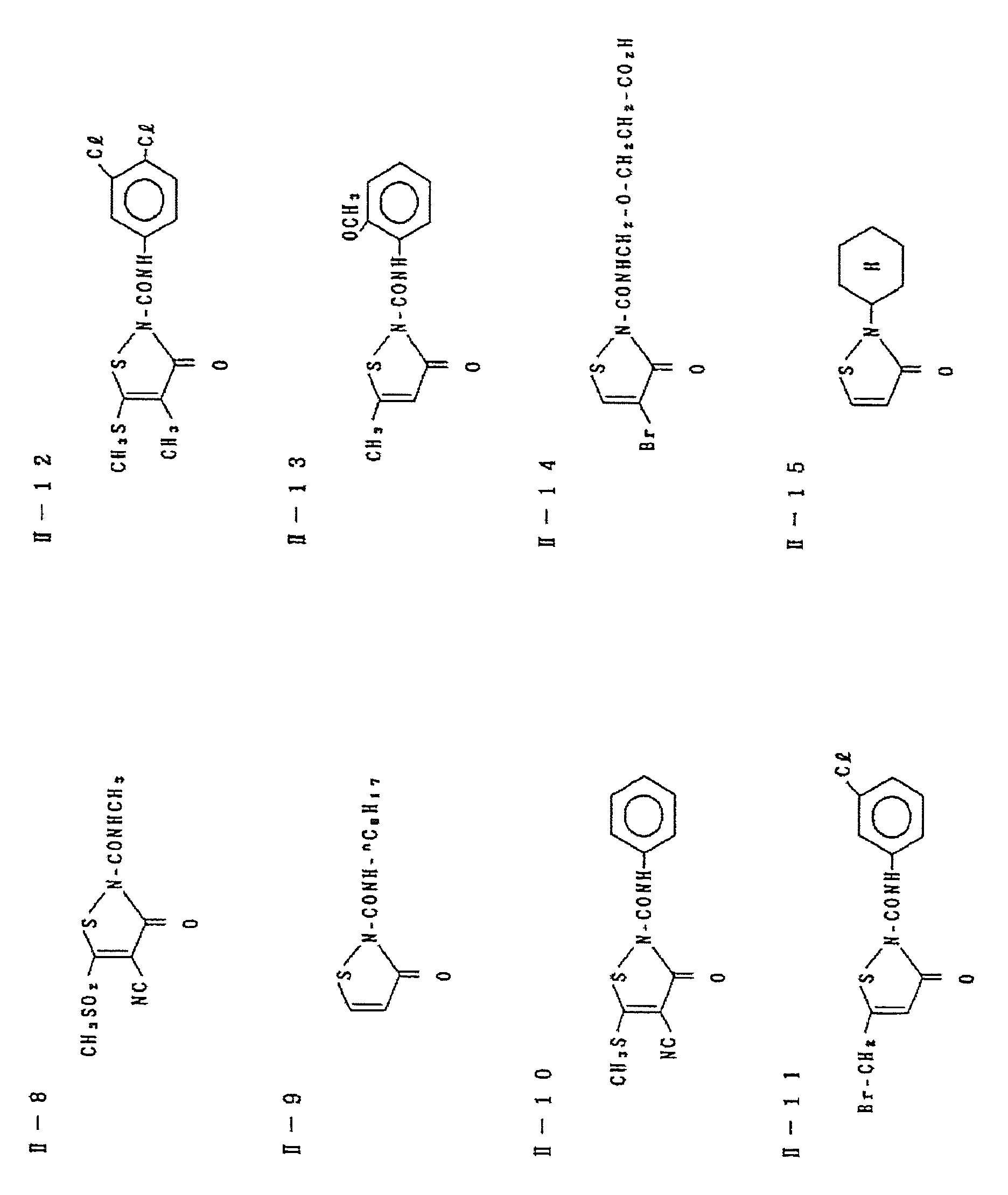

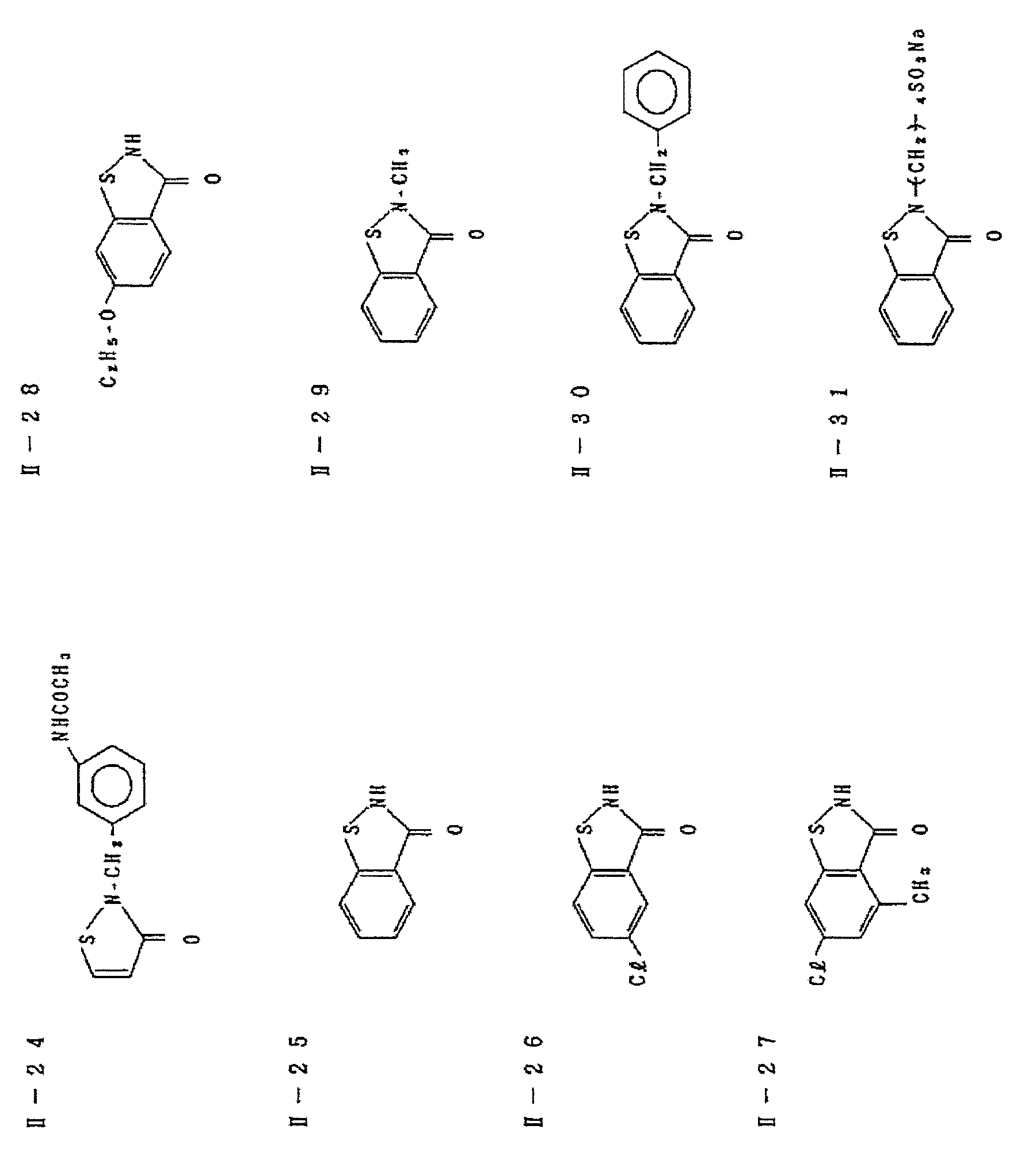
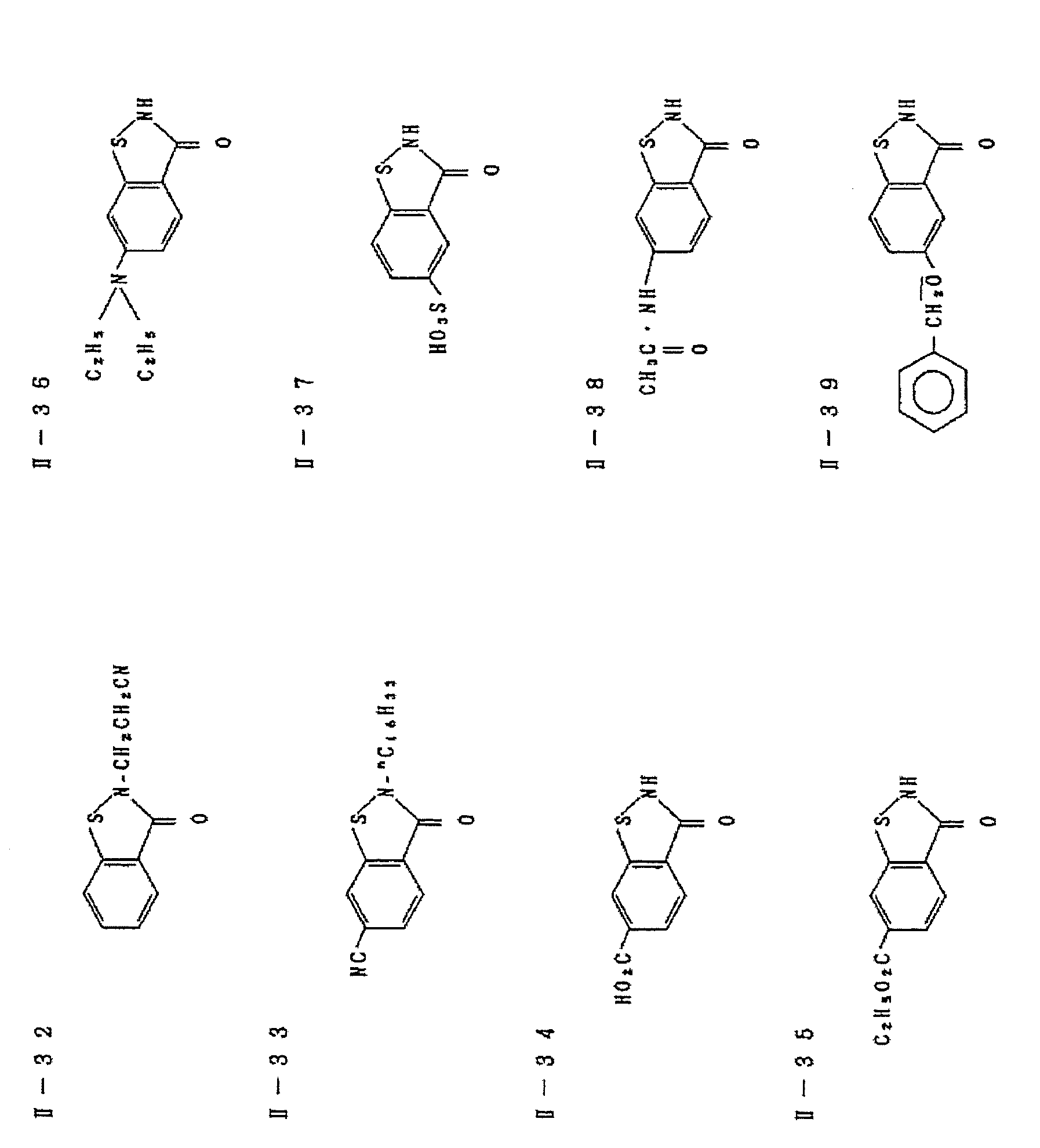

次に、一般式(2)で表される化合物について説明する。
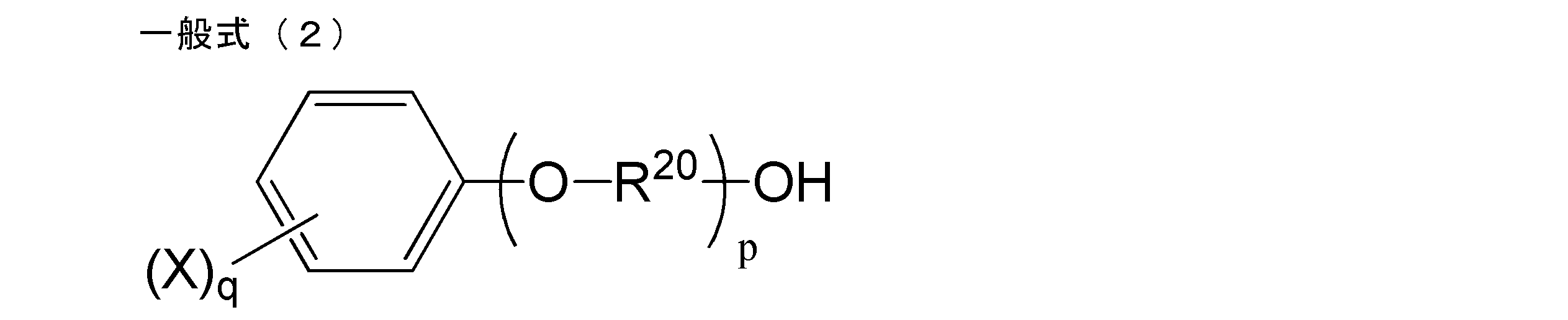
一般式(2)において、R20は低級アルキレン基(例えばエチレン基、プロピレン基、メチルエチレン基など)を表わし、特に炭素数1から6までのアルキレン基が好ましい。
Xはハロゲン原子(例えば塩素原子、臭素原子フッ素原子)、ニトロ基、ヒドロキシル基、シアノ基、低級アルキル基(例えばメチル、エチル、iso-プロピル、tert-ブチル)、低級アルコキシ基-COR21、-N(R22)(R23)または-SO2Mを表す。
R21は水素原子、-〇M、低級アルキル基(例えばメチル、n-ブチル、tert-オクチル)、アリ-ル基(例えばフェニル、4-クロロフェニル、3-ニトロフェニル)、アラルキル基(例えばベンジル、p-iso-プロピルベンジル、o-メチルベンジル)、低級アルコキシ基(例えばメトキシ、n-ブトキシ、2-メトキシエトキシ)、アリールオキシ基(例えばフェノキシ、ナフトキシ、4-ニトロフェノキシ)、アラルキルオキシ基(例えばベンジルオキシ、p-クロロベンジルオキシ、または-N(R24)(R25)を表す。
R22およびR23はそれぞれ独立して、水素原子、低級アルキル基(例えばメチル、エチル、2-エチルヘキシル)、アリール基(例えばフェニル、ナフチル、2-メトキシフェニル、3-アセトアミドフェニル)、アラルキル基(例えばベンジル、o-クロロベンジル)、-COR26または-SO2R26を表し、互いに同じであっても異なっていてもよい。
R24およびR25はそれぞれ独立して水素原子、低級アルキル基(例えばメチル、iso-プロピル、2-シアノエチル)、アリール基(例えばフェニル、4-エトキシカルボニルフェニル、3-ニトロフェニル)、アラルキル基(例えばベンジル、p-クロロベンジル)を表し、互いに同じであっても異なっていてもよい。
R26は低級アルキル基(例えばエチル、2-メトキシエチル、2-ヒドロキシエチル)、アリ-ル基(例えばフェニル、ナフチル、4-スルホフェニル、4-カルボキシフェニル)を表す。
Mは水素原子、アルカリ金属原子(例えばナトリウム、カリウム)及び1価のカチオンを形成するために必要な原子群(例えばアンモニウムカチオン、ホスホニウムカチオン)を表す。
pは0または1を表す。
qは0から5までの整数を表す。
Xはハロゲン原子(例えば塩素原子、臭素原子フッ素原子)、ニトロ基、ヒドロキシル基、シアノ基、低級アルキル基(例えばメチル、エチル、iso-プロピル、tert-ブチル)、低級アルコキシ基-COR21、-N(R22)(R23)または-SO2Mを表す。
R21は水素原子、-〇M、低級アルキル基(例えばメチル、n-ブチル、tert-オクチル)、アリ-ル基(例えばフェニル、4-クロロフェニル、3-ニトロフェニル)、アラルキル基(例えばベンジル、p-iso-プロピルベンジル、o-メチルベンジル)、低級アルコキシ基(例えばメトキシ、n-ブトキシ、2-メトキシエトキシ)、アリールオキシ基(例えばフェノキシ、ナフトキシ、4-ニトロフェノキシ)、アラルキルオキシ基(例えばベンジルオキシ、p-クロロベンジルオキシ、または-N(R24)(R25)を表す。
R22およびR23はそれぞれ独立して、水素原子、低級アルキル基(例えばメチル、エチル、2-エチルヘキシル)、アリール基(例えばフェニル、ナフチル、2-メトキシフェニル、3-アセトアミドフェニル)、アラルキル基(例えばベンジル、o-クロロベンジル)、-COR26または-SO2R26を表し、互いに同じであっても異なっていてもよい。
R24およびR25はそれぞれ独立して水素原子、低級アルキル基(例えばメチル、iso-プロピル、2-シアノエチル)、アリール基(例えばフェニル、4-エトキシカルボニルフェニル、3-ニトロフェニル)、アラルキル基(例えばベンジル、p-クロロベンジル)を表し、互いに同じであっても異なっていてもよい。
R26は低級アルキル基(例えばエチル、2-メトキシエチル、2-ヒドロキシエチル)、アリ-ル基(例えばフェニル、ナフチル、4-スルホフェニル、4-カルボキシフェニル)を表す。
Mは水素原子、アルカリ金属原子(例えばナトリウム、カリウム)及び1価のカチオンを形成するために必要な原子群(例えばアンモニウムカチオン、ホスホニウムカチオン)を表す。
pは0または1を表す。
qは0から5までの整数を表す。
上記一般式(2)で記述される各低級アルキル基、低級アルコキシ基の好ましい炭素数は1から8までの範囲のものである。さらに好ましくは、R20は、1から3までの炭素数で表わされるアルキル基、Xは、低級アルキル基、pは1、qは、0または1で表わされる化合物である。
前記一般式(2)で表される化合物の代表的具体例を示すが、前記一般式(2)で表される化合物はこれらに限定されるものではない。なお、以下の具体例は特開平3-119347号公報の一般式(IV)で表される化合物の具体例と同様である。
なお、以下の化合物の中でも、本発明では化合物IV-18を用いることが好ましい。
なお、以下の化合物の中でも、本発明では化合物IV-18を用いることが好ましい。
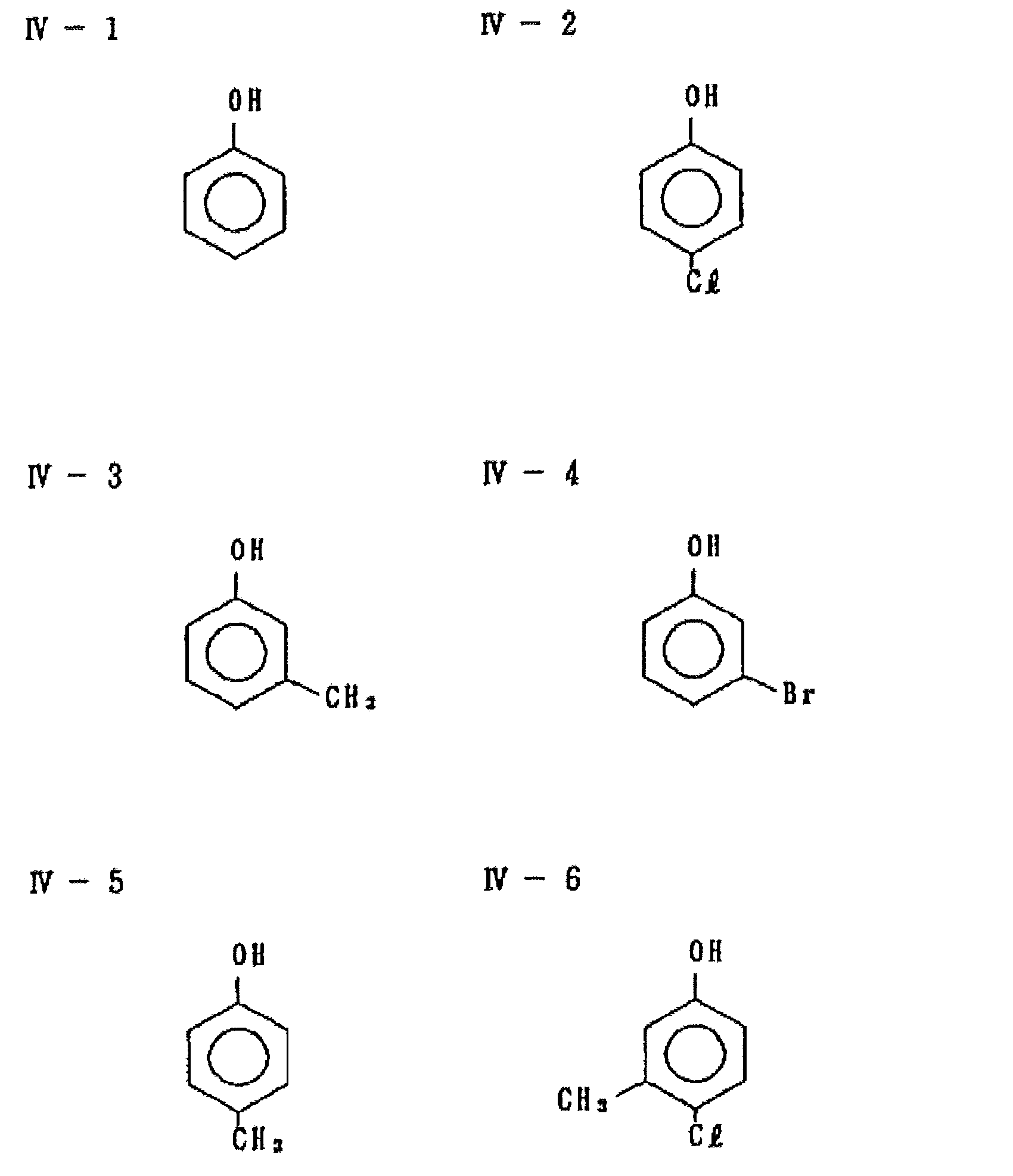


これらの例示化合物の大部分は試薬として市販されており、容易に入手することが可能であり、また既存の合成法で容易に合成することも可能である。例えばJ.Am.Chem.Soc.,第41巻、669頁(1919)に記載の方法でm=1の化合物の一部は容易に合成することが可能である。
前記一般式(1)で表される化合物の添加量は、分散液に対して100~20000ppmであることが好ましく、500~20000ppmであることが濾過性を高める観点からより好ましく、500~10000ppmであることが光学性能および濾過性を高める観点から特に好ましい。
前記一般式(2)で表される化合物の添加量は、分散液に対して100~10000ppmであることが好ましく、300~10000ppmであることが濾過性を高める観点からより好ましく、500~5000ppmであることが光学性能および濾過性を高める観点から特に好ましい。
前記一般式(2)で表される化合物の添加量は、分散液に対して100~10000ppmであることが好ましく、300~10000ppmであることが濾過性を高める観点からより好ましく、500~5000ppmであることが光学性能および濾過性を高める観点から特に好ましい。
前記一般式(1)または一般式(2)で表される化合物は水又はメタノール、イソプロパツール、アセトン、エチレングリコール等の有機溶媒に溶解し、溶液として本発明の金属粒子分散物中に添加してもよく、あるいは高沸点溶媒、低沸点溶媒もしくは両者の混合溶媒に溶解したのち、界面活性剤の存在下乳化分散したのち、本発明の金属粒子分散物に添加する等の方法によってもよい。
(保護コロイド(ゲル))
本発明の金属粒子分散物は、保護コロイド(ゲル)を含むことが好ましい。前記保護コロイド(ゲル)としては特に制限はないが、親水性コロイドであることが好ましい。
本発明の金属粒子分散物は、保護コロイド(ゲル)を含むことが好ましい。前記保護コロイド(ゲル)としては特に制限はないが、親水性コロイドであることが好ましい。
前記親水性コロイドとしては、ゼラチン、コロイド状アルブミン、寒天、アラビアゴム、アルギン酸、加水分解されたセルロースアセテ-ト、カルボキシメチルセルロース、ヒドロキシエチルセルロース、メチルセルロース等のセルロース誘導体、合成バインダー、例えばポリビニルアルコール、部分鹸化されたポリビニルアセテート、ポリアクリルアミド、ポリN、N-ジメチルアクリルアミド、ポリN-ビニルピロリドン、米国特許3,847,620号、同3,655,389号、同3,341,332号、同3,615,424号、同3,860,428号等に記載されているような水溶性ポリマー、米国特許2,614,928号、同2,525,753号に記載されているようなフェニルカルバミル化ゼラチン、アシル化ゼラチン、フタル化ゼラチン等のゼラチン誘導体、米国特許2,548,520号、同2,831,767号等に記載されているようなアクリル酸(エステル)、メタクリル酸(エステル)、アクリロニトリル等の重合可能なエチレン基を持つ単量体をゼラチンにグラフト共重合したもの等があげられる。これらのバインダーは必要に応じ、2つ以上の相溶性混合物として使用することができる。
これらの中でも、前記保護コロイドがゼラチンであることが好ましく、水溶液として添加できる観点から水溶性ゼラチンがより好ましい。
前記平板状の金属粒子がゼラチン水溶液中で形成されてなるときに特に金属粒子分散物の濾過圧の上昇の問題が生じやすいが、本発明の金属粒子分散物によればその場合も濾過性を改善することができる。したがって、本発明の金属粒子分散物は、前記平板状の金属粒子がゼラチン水溶液中で形成されてなることが好ましい。
前記平板状の金属粒子がゼラチン水溶液中で形成されてなるときに特に金属粒子分散物の濾過圧の上昇の問題が生じやすいが、本発明の金属粒子分散物によればその場合も濾過性を改善することができる。したがって、本発明の金属粒子分散物は、前記平板状の金属粒子がゼラチン水溶液中で形成されてなることが好ましい。
前記ゼラチンの分子量は特に制限はないが、平均分子量5000~30万のゼラチンを用いることが好ましく、1万~30万のゼラチンを用いることがより好ましい。
前記ゼラチンは2種以上用いてもよく、ゼラチンを2種以上用いる場合は、すべてのゼラチンの量に対して、平均分子量1万~5万のゼラチンを5~50質量%、平均分子量10万~30万のゼラチンを50~95質量%含むことが好ましい。
前記ゼラチンは2種以上用いてもよく、ゼラチンを2種以上用いる場合は、すべてのゼラチンの量に対して、平均分子量1万~5万のゼラチンを5~50質量%、平均分子量10万~30万のゼラチンを50~95質量%含むことが好ましい。
本発明の金属粒子分散物BおよびMを製造するときに、用いる保護コロイド(ゲル)溶液の保護コロイド濃度は、0.01~1.0質量%であることが好ましく、0.05~0.2質量%であることがより好ましい。なお、金属粒子分散物BおよびMの後述の保護コロイド濃度は、金属粒子合成時に用いる保護コロイド(ゲル)溶液の保護コロイド濃度よりも、大幅に低くすることが好ましい。
<金属粒子分散物の製造方法>
本発明の金属粒子分散物の製造方法としては、特に制限はなく、目的に応じて適宜選択することができる。本発明の金属粒子分散物は、濾過性に優れるため、本発明の金属粒子分散物の製造方法は後述する濾過工程を含むことが好ましい。
本発明の金属粒子分散物の製造方法としては、特に制限はなく、目的に応じて適宜選択することができる。本発明の金属粒子分散物は、濾過性に優れるため、本発明の金属粒子分散物の製造方法は後述する濾過工程を含むことが好ましい。
(金属粒子の調製)
金属粒子を合成する方法として特に制限はないが、例えば、化学還元法、光化学還元法、電気化学還元法等の液相法などが挙げられる。これらの中でも、形状とサイズ制御性の点で、化学還元法、光化学還元法などの液相法が特に好ましい。
金属粒子を合成する方法として特に制限はないが、例えば、化学還元法、光化学還元法、電気化学還元法等の液相法などが挙げられる。これらの中でも、形状とサイズ制御性の点で、化学還元法、光化学還元法などの液相法が特に好ましい。
前記金属粒子の形状を制御する方法としては特に制限はない。
例えば、金属粒子合成時に保護コロイド(ゲル)を添加する方法により、制御してもよい。本発明の金属粒子を製造するときに、用いる保護コロイド(ゲル)溶液の保護コロイド濃度は、0.1~10質量%であることが好ましく、0.3~3.0質量%であることがより好ましい。
また、六角形~三角形状の金属平板粒子を合成後、例えば、硝酸、亜硫酸ナトリウム等の銀を溶解する溶解種によるエッチング処理、加熱によるエージング処理などを行うことにより、六角形~三角形状の金属平板粒子の角を鈍らせて、六角形状乃至円形状の平板状金属粒子を得てもよい。
さらに、金属粒子の種晶を製造した後に、さらに金属塩を添加して第二次成長をさせてもよい。
例えば、金属粒子合成時に保護コロイド(ゲル)を添加する方法により、制御してもよい。本発明の金属粒子を製造するときに、用いる保護コロイド(ゲル)溶液の保護コロイド濃度は、0.1~10質量%であることが好ましく、0.3~3.0質量%であることがより好ましい。
また、六角形~三角形状の金属平板粒子を合成後、例えば、硝酸、亜硫酸ナトリウム等の銀を溶解する溶解種によるエッチング処理、加熱によるエージング処理などを行うことにより、六角形~三角形状の金属平板粒子の角を鈍らせて、六角形状乃至円形状の平板状金属粒子を得てもよい。
さらに、金属粒子の種晶を製造した後に、さらに金属塩を添加して第二次成長をさせてもよい。
前記金属平板粒子の合成方法としては、前記の他、予めフィルム、ガラスなどの透明基材の表面に種晶を固定後、平板状に金属粒子(例えばAg)を結晶成長させてもよい。
本発明の金属粒子分散物を製造するときに、前記金属粒子の合成時に用いる還元剤の種類としては特に制限はなく、公知の還元剤を用いることができる。
本発明において好ましく用いられる還元剤としては、フェニドン、ヒドロキノン類、カテコールおよびヒンダードフェノールが好ましい。還元剤については、米国特許3770448号、同3773512号、同3593863号、同4460681号の各明細書、およびリサーチ・ディスクロージャー(Research Disclosure)誌17029号、同29963号に記載がある。
還元剤の例には、アミノヒドロキシシクロアルケノン化合物(例、2-ヒドロキシ-ピペリジノ-2-シクロヘキセノン)、N-ヒドロキシ尿素誘導体(例、N-p-メチルフェニル-N-ヒドロキシ尿素)、アルデヒドまたはケトンのヒドラゾン類(例、アントラセンアルデヒドフェニルヒドラゾン)、ホスファーアミドフェノール類、ホスファーアミドアニリン類、ポリヒドロキシベンゼン類(例、ヒドロキノン、t-ブチル-ヒドロキノン、イソプロピルヒドロキノン、2,5-ジヒドロキシ-フェニルメチルスルホン)、スルホヒドロキサム酸類(例、ベンゼンスルホヒドロキサム酸)、スルホンアミドアニリン類(例、4-(N-メタンスルホンアミド)アニリン)、2-テトラゾリルチオヒドロキノン類(例、2-メチル-5-(1-フェニル-5-テトラゾリルチオ)ヒドロキノン)、テトラヒドロキノキサリン類(例、1,2,3,4-テトラヒドロキノキサリン)、アミドオキシン類、アジン類(例、脂肪族カルボン酸アリールヒドラザイド類)とアスコルビン酸との組み合わせ、ポリヒドロキシベンゼンとヒドロキシルアミンとの組み合わせ、リダクトン、ヒドラジン、ヒドロキサム酸類、アジン類とスルホンアミドフェノール類との組み合わせ、α-シアノフェニル酢酸誘導体、ビス-β-ナフトールと1,3-ジヒドロキシベンゼン誘導体との組み合わせ、5-ピラゾロン類、スルホンアミドフェノール類、2-フェニリンダン-1,3-ジオン、クロマン、1,4-ジヒドロピリジン類(例、2,6-ジメトキシ-3,5-ジカルボエトキシ-1,4-ジヒドロピリジン)、ビスフェノール類(例、ビス(2-ヒドロキシ-3-t-ブチル-5-メチルフェニル)メタン、ビス(6-ヒドロキシ-m-トリ)メシトール、2,2-ビス(4-ヒドロキシ-3-メチルフェニル)プロパン、1,1-ビス(2-ヒドロキシ-3,5-ジメチルフェニル)-3,5,5-トリメチルヘキサン、4,4-エチリデン-ビス(2-t-ブチル-6-メチル)フェノール)、紫外線感応性アスコルビン酸誘導体および3-ピラゾリドン類が含まれる。
これらの中でも、ポリヒドロキシベンゼン類を用いることが好ましい。
本発明の金属粒子分散物を製造するときに、前記金属粒子の合成時には、アルカリ金属の炭酸塩、ホウ酸塩もしくはリン酸塩のようなpH緩衝剤、塩化物塩、臭化物塩、沃化物塩、ベンズイミダゾール類、ベンゾチアゾール類もしくはメルカプト化合物のような添加剤などを用いてもよい。
本発明の金属粒子分散物を製造するときに、保護コロイド(ゲル)を添加後、硝酸、亜硫酸ナトリウム等の銀を溶解する溶解種によるエッチング処理をすることが好ましく、硝酸によるエッチング処理をすることがより好ましい。
本発明の金属粒子分散物を製造するときに、保護コロイド(ゲル)を添加後、さらに金属塩を添加して金属粒子を第二次成長させることが好ましい。このときに添加する金属塩は、製造した金属粒子と同じ金属種の塩を用いることが好ましい。
ゲルを添加後に金属塩を添加するときのその他の添加剤については、前記金属粒子の合成時の添加剤と同様である。
ゲルを添加後に金属塩を添加するときのその他の添加剤については、前記金属粒子の合成時の添加剤と同様である。
前記金属平板粒子は、所望の特性を付与するために、更なる処理を施してもよい。前記更なる処理としては、特に制限はなく、目的に応じて適宜選択することができ、例えば、高屈折率シェル層の形成、分散剤、酸化防止剤等の各種添加剤を添加することなどが挙げられる。
前記金属平板粒子は、可視光域透明性を更に高めるために、可視光域透明性が高い高屈折率材料で被覆されてもよい。
前記高屈折率材料としては、特に制限はなく、目的に応じて適宜選択することができ、例えば、TiOx、BaTiO3、ZnO、SnO2、ZrO2、NbOxなどが挙げられる。
前記高屈折率材料としては、特に制限はなく、目的に応じて適宜選択することができ、例えば、TiOx、BaTiO3、ZnO、SnO2、ZrO2、NbOxなどが挙げられる。
前記被覆する方法としては、特に制限はなく、目的に応じて適宜選択することができ、例えば、Langmuir、2000年、16巻、p.2731-2735に報告されているようにテトラブトキシチタンを加水分解することにより銀の金属平板粒子の表面にTiOx層を形成する方法であってもよい。
また、前記金属平板粒子に直接高屈折率金属酸化物層シェルを形成することが困難な場合は、前記の通り金属平板粒子を合成した後、適宜SiO2やポリマーのシェル層を形成し、更に、このシェル層上に前記金属酸化物層を形成してもよい。TiOxを高屈折率金属酸化物層の材料として用いる場合には、TiOxが光触媒活性を有することから、金属平板粒子を分散するマトリクスを劣化させてしまう懸念があるため、目的に応じて金属平板粒子にTiOx層を形成した後、適宜SiO2層を形成してもよい。
前記金属平板粒子は、該金属平板粒子を構成する銀などの金属の酸化を防止するために、メルカプトテトラゾール、アスコルビン酸等の酸化防止剤を吸着していてもよい。また、酸化防止を目的として、Ni等の酸化犠牲層が金属平板粒子の表面に形成されていてもよい。また、酸素を遮断することを目的として、SiO2などの金属酸化物膜で被覆されていてもよい。
前記金属平板粒子は、分散性付与を目的として、例えば、4級アンモニウム塩、アミン類等のN元素、S元素、及びP元素の少なくともいずれかを含む低分子量分散剤、高分子量分散剤などの分散剤を添加してもよい。
前記金属平板粒子は、分散性付与を目的として、例えば、4級アンモニウム塩、アミン類等のN元素、S元素、及びP元素の少なくともいずれかを含む低分子量分散剤、高分子量分散剤などの分散剤を添加してもよい。
本発明の金属粒子分散物を製造するときに、前記一般式(1)または前記一般式(2)で表される化合物を添加するタイミングとしては特に制限はないが、金属粒子を合成し、特定の形状に成長させたあと(濾過直前のpHの調整後)に添加することが好ましく、金属粒子調製後の後処理の前に添加することがより好ましい。
(金属粒子調製後の後処理)
本発明の金属粒子分散物の製造方法では、上記の方法で得られた濾過性が高いことから、本発明の金属粒子分散物は濾過などの後処理をされてなることが好ましい。
前記後処理としては、金属粒子の洗浄や、濾過を挙げることができ、本発明の金属粒子分散物の製造方法では遠心分離と濾過の組み合わせ、または、限外濾過を行うことが好ましい。
なお、金属粒子調製後の金属粒子分散物を金属粒子分散液A、後処理後の金属粒子分散物を金属粒子分散液B、塗布液として後述の界面活性剤などを添加した金属粒子分散物を金属粒子分散液Mともいう。
本発明の金属粒子分散物の製造方法では、上記の方法で得られた濾過性が高いことから、本発明の金属粒子分散物は濾過などの後処理をされてなることが好ましい。
前記後処理としては、金属粒子の洗浄や、濾過を挙げることができ、本発明の金属粒子分散物の製造方法では遠心分離と濾過の組み合わせ、または、限外濾過を行うことが好ましい。
なお、金属粒子調製後の金属粒子分散物を金属粒子分散液A、後処理後の金属粒子分散物を金属粒子分散液B、塗布液として後述の界面活性剤などを添加した金属粒子分散物を金属粒子分散液Mともいう。
[熱線遮蔽材]
本発明の熱線遮蔽材は、本発明の金属粒子分散物を用いて形成されてなる金属粒子含有層を有することを特徴とする。また、本発明の熱線遮蔽材は、下記一般式(1)または下記一般式(2)で表される化合物のうち少なくとも1種と、金属粒子とを含有する金属粒子含有層を有することを特徴とする。
本発明の熱線遮蔽材は、前記金属粒子含有層に加え、必要に応じて、粘着層、紫外線吸収層、基材、金属酸化物粒子含有層などのその他の層を有する態様も好ましい。
本発明の熱線遮蔽材は、本発明の金属粒子分散物を用いて形成されてなる金属粒子含有層を有することを特徴とする。また、本発明の熱線遮蔽材は、下記一般式(1)または下記一般式(2)で表される化合物のうち少なくとも1種と、金属粒子とを含有する金属粒子含有層を有することを特徴とする。
本発明の熱線遮蔽材は、前記金属粒子含有層に加え、必要に応じて、粘着層、紫外線吸収層、基材、金属酸化物粒子含有層などのその他の層を有する態様も好ましい。
前記熱線遮蔽材10の層構成としては、図1に示すように、少なくとも1種の金属粒子を含有する金属粒子含有層2を有し、その表面に金属平板粒子3が偏在している態様が挙げられる。また、図2に示すように、金属粒子含有層2と、該金属粒子含有層上にオーバーコート層4とを有し、その表面に金属平板粒子3が偏在している態様が挙げられる。
また、図3Aに示すように、基材1と、該基材上に金属粒子含有層2と、該金属粒子含有層上に粘着層11とを有する態様が好適に挙げられる。
また、図3Bに示すように、基材1と、該基材上に金属粒子含有層2と、該金属粒子含有層上にオーバーコート層4と、該オーバーコート層上に粘着層11とを有する態様が好適に挙げられる。
また、図3Cに示すように、基材1と、該基材上に金属粒子含有層2と、該金属粒子含有層上にオーバーコート層4と、該オーバーコート層上に粘着層11とを有し、基材1の裏面にハードコート層5を有する態様が好適に挙げられる。
本発明の熱線遮蔽材は、前記図3A~図3Cにおいて、前記オーバーコート層4または、前記粘着層11に紫外線吸収剤を含むことが好ましい。
また、図3Aに示すように、基材1と、該基材上に金属粒子含有層2と、該金属粒子含有層上に粘着層11とを有する態様が好適に挙げられる。
また、図3Bに示すように、基材1と、該基材上に金属粒子含有層2と、該金属粒子含有層上にオーバーコート層4と、該オーバーコート層上に粘着層11とを有する態様が好適に挙げられる。
また、図3Cに示すように、基材1と、該基材上に金属粒子含有層2と、該金属粒子含有層上にオーバーコート層4と、該オーバーコート層上に粘着層11とを有し、基材1の裏面にハードコート層5を有する態様が好適に挙げられる。
本発明の熱線遮蔽材は、前記図3A~図3Cにおいて、前記オーバーコート層4または、前記粘着層11に紫外線吸収剤を含むことが好ましい。
<1.金属粒子含有層>
前記金属粒子含有層は、下記一般式(1)または下記一般式(2)で表される化合物のうち少なくとも1種と、金属粒子とを含有する層であり、本発明の金属粒子分散物を用いて形成されてなる層である。
本発明の熱線遮蔽材では、前記平板状の金属粒子がゼラチン水溶液中で形成されてなることが好ましい。
前記金属粒子含有層は、下記一般式(1)または下記一般式(2)で表される化合物のうち少なくとも1種と、金属粒子とを含有する層であり、本発明の金属粒子分散物を用いて形成されてなる層である。
本発明の熱線遮蔽材では、前記平板状の金属粒子がゼラチン水溶液中で形成されてなることが好ましい。
本発明の熱線遮蔽材は、前記金属粒子含有層に含まれる前記金属粒子が、平板状の金属粒子を60個数%以上有すことが好ましく、65個数%以上であることがより好ましく、70個数%以上であることが特に好ましい。
また、本発明の熱線遮蔽材は、少なくともひとつの前記金属粒子含有層が800~2000nmの領域に透過ピークを有することが好ましい。
さらに、本発明の熱線遮蔽材は、前記金属粒子含有層に含まれる前記金属粒子が、平板状の金属粒子を60個数%以上有し、かつ少なくともひとつの前記金属粒子含有層が800~2000nmの領域に透過ピークを有することが特に好ましい。
また、本発明の熱線遮蔽材は、少なくともひとつの前記金属粒子含有層が800~2000nmの領域に透過ピークを有することが好ましい。
さらに、本発明の熱線遮蔽材は、前記金属粒子含有層に含まれる前記金属粒子が、平板状の金属粒子を60個数%以上有し、かつ少なくともひとつの前記金属粒子含有層が800~2000nmの領域に透過ピークを有することが特に好ましい。
本発明の熱線遮蔽材は、前記金属粒子含有層に含まれる前記金属粒子の含有量としては特に制限はないが、10~500mg/m2であることが熱線遮蔽の観点から好ましく、20~100mg/m2であることがより好ましく、20~50mg/m2であることが特に好ましい。
(面配向)
本発明の熱線遮蔽材において、前記平板状の金属粒子は、その主平面が金属粒子含有層の一方の表面(熱線遮蔽材が基材を有する場合は、基材表面)に対して、平均0°~±30°の範囲で面配向していることが好ましく、平均0°~±20°の範囲で面配向していることがより好ましく、平均0°~±10°の範囲で面配向していることが特に好ましい。
なお、前記金属粒子含有層の一方の表面は、フラットな平面であることが好ましい。本発明の熱線遮蔽材の前記金属粒子含有層が仮支持体としての基材を有する場合は、基材の表面とともに略水平面であることが好ましい。ここで、前記熱線遮蔽材は、前記仮支持体を有していてもよく、有していなくてもよい。
前記金属平板粒子の存在状態は、特に制限はなく、目的に応じて適宜選択することができるが、後述する図5D、図5Eのように並んでいることが好ましい。
本発明の熱線遮蔽材において、前記平板状の金属粒子は、その主平面が金属粒子含有層の一方の表面(熱線遮蔽材が基材を有する場合は、基材表面)に対して、平均0°~±30°の範囲で面配向していることが好ましく、平均0°~±20°の範囲で面配向していることがより好ましく、平均0°~±10°の範囲で面配向していることが特に好ましい。
なお、前記金属粒子含有層の一方の表面は、フラットな平面であることが好ましい。本発明の熱線遮蔽材の前記金属粒子含有層が仮支持体としての基材を有する場合は、基材の表面とともに略水平面であることが好ましい。ここで、前記熱線遮蔽材は、前記仮支持体を有していてもよく、有していなくてもよい。
前記金属平板粒子の存在状態は、特に制限はなく、目的に応じて適宜選択することができるが、後述する図5D、図5Eのように並んでいることが好ましい。
ここで、図5A~図5Eは、本発明の熱線遮蔽材において、金属平板粒子を含む金属粒子含有層の存在状態を示した概略断面図である。図5C、図5Dおよび図5Eは、金属粒子含有層2中における金属平板粒子3の存在状態を示す。図5Aは、基材1の平面と金属平板粒子3の主平面(円相当径Dを決める面)とのなす角度(±θ)を説明する図である。図5Bは、金属粒子含有層2の熱線遮蔽材の深さ方向における存在領域を示すものである。
図5Aにおいて、基材1の表面と、金属平板粒子3の主平面または主平面の延長線とのなす角度(±θ)は、前記の面配向における所定の範囲に対応する。即ち、面配向とは、熱線遮蔽材の断面を観察した際、図5Aに示す傾角(±θ)が小さい状態をいい、特に、図5Dは、基材1の表面と金属平板粒子3の主平面とが接している状態、即ち、θが0°である状態を示す。基材1の表面に対する金属平板粒子3の主平面の面配向の角度、即ち図5Aにおけるθが±30°を超えると、熱線遮蔽材の所定の波長(例えば、可視光域長波長側から近赤外光領域)の反射率が低下してしまう。
図5Aにおいて、基材1の表面と、金属平板粒子3の主平面または主平面の延長線とのなす角度(±θ)は、前記の面配向における所定の範囲に対応する。即ち、面配向とは、熱線遮蔽材の断面を観察した際、図5Aに示す傾角(±θ)が小さい状態をいい、特に、図5Dは、基材1の表面と金属平板粒子3の主平面とが接している状態、即ち、θが0°である状態を示す。基材1の表面に対する金属平板粒子3の主平面の面配向の角度、即ち図5Aにおけるθが±30°を超えると、熱線遮蔽材の所定の波長(例えば、可視光域長波長側から近赤外光領域)の反射率が低下してしまう。
前記金属粒子含有層の一方の表面(熱線遮蔽材が基材を有する場合は、基材表面)に対して金属平板粒子の主平面が面配向しているかどうかの評価としては、特に制限はなく、目的に応じて適宜選択することができ、例えば、適当な断面切片を作製し、この切片における金属粒子含有層(熱線遮蔽材が基材を有する場合は、基材)及び金属平板粒子を観察して評価する方法であってもよい。具体的には、熱線遮蔽材を、ミクロトーム、集束イオンビーム(FIB)を用いて熱線遮蔽材の断面サンプルまたは断面切片サンプルを作製し、これを、各種顕微鏡(例えば、電界放射型走査電子顕微鏡(FE-SEM)等)を用いて観察して得た画像から評価する方法などが挙げられる。
本発明の熱線遮蔽材において、図5Bに示すように、金属粒子含有層2における金属平板粒子3を構成する金属のプラズモン共鳴波長をλとし、金属粒子含有層2における媒質の屈折率をnとするとき、前記金属粒子含有層2が、熱線遮蔽材の水平面からの深さ方向において、(λ/n)/4の範囲で存在することが好ましい。この範囲内であると、熱線遮蔽材の上側と下側のそれぞれの金属粒子含有層の界面での反射波の位相により反射波の振幅が強めあう効果が十分大きく、可視光透過率及び熱線最大反射率が良好となる。
前記金属粒子含有層における金属平板粒子を構成する金属のプラズモン共鳴波長λは、特に制限はなく、目的に応じて適宜選択することができるが、熱線反射性能を付与する点で、400nm~2,500nmであることが好ましく、可視光透過率を付与する点から、800nm~2000nmであることがより好ましい。
前記金属粒子含有層における金属平板粒子を構成する金属のプラズモン共鳴波長λは、特に制限はなく、目的に応じて適宜選択することができるが、熱線反射性能を付与する点で、400nm~2,500nmであることが好ましく、可視光透過率を付与する点から、800nm~2000nmであることがより好ましい。
(金属粒子含有層の媒質)
前記金属粒子含有層における媒質としては、特に制限はなく、目的に応じて適宜選択することができる。本発明の熱線遮蔽材は、前記金属含有層がポリマーを含むことが好ましく、透明ポリマーを含むことがより好ましい。前記ポリマーとしては、例えば、ポリビニルアセタール樹脂、ポリビニルアルコール樹脂、ポリビニルブチラール樹脂、ポリアクリレート樹脂、ポリメチルメタクリレート樹脂、ポリカーボネート樹脂、ポリ塩化ビニル樹脂、(飽和)ポリエステル樹脂、ポリウレタン樹脂、ゼラチンやセルロース等の天然高分子等の高分子などが挙げられる。その中でも、本発明では、前記ポリマーの主ポリマーがポリビニルアルコール樹脂、ポリビニルブチラール樹脂、ポリ塩化ビニル樹脂、(飽和)ポリエステル樹脂、ポリウレタン樹脂であることが好ましく、ポリエステル樹脂またはポリウレタン樹脂であることが前記金属平板粒子の80個数%以上を前記金属粒子含有層の表面からd/2の範囲に存在させやすい観点からより好ましく、ポリエステル樹脂であることが本発明の熱線遮蔽材のこすり耐性をより改善する観点から特に好ましい。
前記ポリエステル樹脂の中でも、飽和ポリエステル樹脂であることが二重結合を含まないために優れた耐候性を付与できる観点からより特に好ましい。また、分子末端に水酸基またはカルボキシル基を持つことが、水溶性・水分散性の硬化剤等で硬化させることで高い硬度・耐久性・耐熱性を得られる観点から、より好ましい。
前記ポリマーとしては、商業的に入手できるものを好ましく用いることもでき、例えば、互応化学工業株式会社製の水溶性ポリエステル樹脂である、プラスコートZ-867などを挙げることができる。
また、本明細書中、前記金属含有層に含まれる前記ポリマーの主ポリマーとは、前記金属含有層に含まれるポリマーの50質量%以上を占めるポリマー成分のことを言う。
前記金属粒子含有層に含まれる前記金属粒子に対する前記ポリエステル樹脂の含有量が1~10000質量%であることが好ましく、10~1000質量%であることがより好ましく、20~500質量%であることが特に好ましい。前記金属粒子含有層に含まれるバインダーを上記範囲以上とすることで、こすり耐性性等の物理特性を改善することができる。
前記媒質の屈折率nは、1.4~1.7であることが好ましい。
前記金属粒子含有層における媒質としては、特に制限はなく、目的に応じて適宜選択することができる。本発明の熱線遮蔽材は、前記金属含有層がポリマーを含むことが好ましく、透明ポリマーを含むことがより好ましい。前記ポリマーとしては、例えば、ポリビニルアセタール樹脂、ポリビニルアルコール樹脂、ポリビニルブチラール樹脂、ポリアクリレート樹脂、ポリメチルメタクリレート樹脂、ポリカーボネート樹脂、ポリ塩化ビニル樹脂、(飽和)ポリエステル樹脂、ポリウレタン樹脂、ゼラチンやセルロース等の天然高分子等の高分子などが挙げられる。その中でも、本発明では、前記ポリマーの主ポリマーがポリビニルアルコール樹脂、ポリビニルブチラール樹脂、ポリ塩化ビニル樹脂、(飽和)ポリエステル樹脂、ポリウレタン樹脂であることが好ましく、ポリエステル樹脂またはポリウレタン樹脂であることが前記金属平板粒子の80個数%以上を前記金属粒子含有層の表面からd/2の範囲に存在させやすい観点からより好ましく、ポリエステル樹脂であることが本発明の熱線遮蔽材のこすり耐性をより改善する観点から特に好ましい。
前記ポリエステル樹脂の中でも、飽和ポリエステル樹脂であることが二重結合を含まないために優れた耐候性を付与できる観点からより特に好ましい。また、分子末端に水酸基またはカルボキシル基を持つことが、水溶性・水分散性の硬化剤等で硬化させることで高い硬度・耐久性・耐熱性を得られる観点から、より好ましい。
前記ポリマーとしては、商業的に入手できるものを好ましく用いることもでき、例えば、互応化学工業株式会社製の水溶性ポリエステル樹脂である、プラスコートZ-867などを挙げることができる。
また、本明細書中、前記金属含有層に含まれる前記ポリマーの主ポリマーとは、前記金属含有層に含まれるポリマーの50質量%以上を占めるポリマー成分のことを言う。
前記金属粒子含有層に含まれる前記金属粒子に対する前記ポリエステル樹脂の含有量が1~10000質量%であることが好ましく、10~1000質量%であることがより好ましく、20~500質量%であることが特に好ましい。前記金属粒子含有層に含まれるバインダーを上記範囲以上とすることで、こすり耐性性等の物理特性を改善することができる。
前記媒質の屈折率nは、1.4~1.7であることが好ましい。
(金属平板粒子の面積率)
前記熱線遮蔽材を上から見た時の基材の面積A(金属粒子含有層に対して垂直方向から見たときの前記金属粒子含有層の全投影面積A)に対する金属平板粒子の面積の合計値Bの割合である面積率〔(B/A)×100〕としては、15%以上が好ましく、20%以上がより好ましい。前記面積率が、15%未満であると、熱線の最大反射率が低下してしまい、遮熱効果が十分に得られないことがある。
ここで、前記面積率は、例えば熱線遮蔽材基材を上からSEM観察で得られた画像や、AFM(原子間力顕微鏡)観察で得られた画像を画像処理することにより測定することができる。
前記熱線遮蔽材を上から見た時の基材の面積A(金属粒子含有層に対して垂直方向から見たときの前記金属粒子含有層の全投影面積A)に対する金属平板粒子の面積の合計値Bの割合である面積率〔(B/A)×100〕としては、15%以上が好ましく、20%以上がより好ましい。前記面積率が、15%未満であると、熱線の最大反射率が低下してしまい、遮熱効果が十分に得られないことがある。
ここで、前記面積率は、例えば熱線遮蔽材基材を上からSEM観察で得られた画像や、AFM(原子間力顕微鏡)観察で得られた画像を画像処理することにより測定することができる。
(金属平板粒子の平均粒子間距離)
前記金属粒子含有層における水平方向に隣接する金属平板粒子の平均粒子間距離としては、可視光線透過率及び熱線の最大反射率の点から、金属平板粒子の平均粒子径の1/10以上が好ましい。
前記金属平板粒子の水平方向の平均粒子間距離が、前記金属平板粒子の平均粒子径の1/10未満となると、熱線の最大反射率が低下してしまう。また、水平方向の平均粒子間距離は、可視光線透過率の点で、不均一(ランダム)であることが好ましい。ランダムでない場合、即ち、均一であると、可視光線の吸収が起こり、透過率が低下してしまうことがある。
前記金属粒子含有層における水平方向に隣接する金属平板粒子の平均粒子間距離としては、可視光線透過率及び熱線の最大反射率の点から、金属平板粒子の平均粒子径の1/10以上が好ましい。
前記金属平板粒子の水平方向の平均粒子間距離が、前記金属平板粒子の平均粒子径の1/10未満となると、熱線の最大反射率が低下してしまう。また、水平方向の平均粒子間距離は、可視光線透過率の点で、不均一(ランダム)であることが好ましい。ランダムでない場合、即ち、均一であると、可視光線の吸収が起こり、透過率が低下してしまうことがある。
ここで、前記金属平板粒子の水平方向の平均粒子間距離とは、隣り合う2つの粒子の粒子間距離の平均値を意味する。また、前記平均粒子間距離がランダムであるとは、「100個以上の金属平板粒子が含まれるSEM画像を二値化した際の輝度値の2次元自己相関を取ったときに、原点以外に有意な極大点を持たない」ことを意味する。
(金属粒子含有層の層構成)
本発明の熱線遮蔽材において、金属平板粒子は、図5A~図5Eに示すように、金属平板粒子を含む金属粒子含有層の形態で配置される。
前記金属粒子含有層としては、図5A~図5Eに示すように単層で構成されてもよく、複数の金属粒子含有層で構成されてもよい。複数の金属粒子含有層で構成される場合、遮熱性能を付与したい波長帯域に応じた遮蔽性能を付与することが可能となる。
本発明の熱線遮蔽材において、金属平板粒子は、図5A~図5Eに示すように、金属平板粒子を含む金属粒子含有層の形態で配置される。
前記金属粒子含有層としては、図5A~図5Eに示すように単層で構成されてもよく、複数の金属粒子含有層で構成されてもよい。複数の金属粒子含有層で構成される場合、遮熱性能を付与したい波長帯域に応じた遮蔽性能を付与することが可能となる。
(金属粒子含有層の厚み)
本発明の熱線遮蔽材は、前記金属粒子含有層の厚みが10~80nmであることが好ましい。前記金属粒子含有層の厚みは、20~80nmであることがより好ましく、20~60nmであることが特に好ましい。
本発明の熱線遮蔽材は、前記金属粒子含有層の厚みが10~80nmであることが好ましい。前記金属粒子含有層の厚みは、20~80nmであることがより好ましく、20~60nmであることが特に好ましい。
ここで、前記金属粒子含有層の各層の厚みは、例えば、熱線遮蔽材の断面試料をSEM観察した画像より測定することができる。
前記金属粒子含有層の厚みをdとしたとき、前記平板状の金属粒子の80個数%以上が、前記金属粒子含有層の表面からd/2の範囲に存在していることが好ましく、前記金属粒子含有層の表面からd/3の範囲に存在することよりが好ましい。いかなる理論に拘泥するものでもなく、また、本発明の熱線遮蔽材は以下の製造方法に限定されるものではないが、前記金属粒子含有層を製造するときに特定のポリマー(好ましくはラテックス)を添加することなどにより、金属平板粒子を前記金属粒子含有層の一方の表面に偏析させることができる。
(各種添加物の添加)
本発明の熱線遮蔽材において、前記金属粒子含有層がポリマーを含み、前記ポリマーの主ポリマーがポリエステル樹脂である場合には、架橋剤を添加することが膜強度の観点から好ましい。前記架橋剤としては特に制限はなく、エポキシ系、イソシアネート系、メラミン系、カルボジイミド系、オキサゾリン系等の架橋剤を挙げることができる。これらの中でカルボジイミド系及びオキサゾリン系架橋剤が好ましい。カルボジイミド系架橋剤の具体例としては、例えばカルボジライトV-02-L2(日清紡績(株)製)などがある。前記金属粒子含有層中の全バインダーに対して1~20質量%の架橋剤由来の成分を含有することが好ましく、より好ましくは2~20質量%である。
また、本発明の熱線遮蔽材において、前記金属粒子含有層がポリマーを含む場合、界面活性剤添加することがハジキの発生を抑えて良好な面状な層が得られる観点から好ましい。界面活性剤を前記界面活性剤としては、アニオン系やノニオン系等の公知の界面活性剤を用いることができる界面活性剤の具体例としては、例えばラピゾールA-90(日油株式会社製)、ナロアクティーHN-100(三洋化成工業株式会社製)などがある。前記金属粒子含有層中の全バインダーに対して0.05~10質量%の界面活性剤を含有することが好ましく、より好ましくは0.1~5質量%である。
本発明の熱線遮蔽材において、前記金属粒子含有層がポリマーを含み、前記ポリマーの主ポリマーがポリエステル樹脂である場合には、架橋剤を添加することが膜強度の観点から好ましい。前記架橋剤としては特に制限はなく、エポキシ系、イソシアネート系、メラミン系、カルボジイミド系、オキサゾリン系等の架橋剤を挙げることができる。これらの中でカルボジイミド系及びオキサゾリン系架橋剤が好ましい。カルボジイミド系架橋剤の具体例としては、例えばカルボジライトV-02-L2(日清紡績(株)製)などがある。前記金属粒子含有層中の全バインダーに対して1~20質量%の架橋剤由来の成分を含有することが好ましく、より好ましくは2~20質量%である。
また、本発明の熱線遮蔽材において、前記金属粒子含有層がポリマーを含む場合、界面活性剤添加することがハジキの発生を抑えて良好な面状な層が得られる観点から好ましい。界面活性剤を前記界面活性剤としては、アニオン系やノニオン系等の公知の界面活性剤を用いることができる界面活性剤の具体例としては、例えばラピゾールA-90(日油株式会社製)、ナロアクティーHN-100(三洋化成工業株式会社製)などがある。前記金属粒子含有層中の全バインダーに対して0.05~10質量%の界面活性剤を含有することが好ましく、より好ましくは0.1~5質量%である。
<その他の層>
<<粘着層>>
本発明の熱線遮蔽材は、粘着層を有することが好ましい。前記粘着層は、紫外線吸収剤を含むことができる。
前記粘着層の形成に利用可能な材料としては、特に制限はなく、目的に応じて適宜選択することができ、例えば、ポリビニルブチラール(PVB)樹脂、アクリル樹脂、スチレン/アクリル樹脂、ウレタン樹脂、ポリエステル樹脂、シリコーン樹脂などが挙げられる。これらは、1種単独で使用してもよいし、2種以上を併用してもよい。これらの材料からなる粘着層は、塗布により形成することができる。
さらに、前記粘着層には帯電防止剤、滑剤、ブロッキング防止剤などを添加してもよい。
前記粘着層の厚みとしては、0.1μm~10μmが好ましい。
<<粘着層>>
本発明の熱線遮蔽材は、粘着層を有することが好ましい。前記粘着層は、紫外線吸収剤を含むことができる。
前記粘着層の形成に利用可能な材料としては、特に制限はなく、目的に応じて適宜選択することができ、例えば、ポリビニルブチラール(PVB)樹脂、アクリル樹脂、スチレン/アクリル樹脂、ウレタン樹脂、ポリエステル樹脂、シリコーン樹脂などが挙げられる。これらは、1種単独で使用してもよいし、2種以上を併用してもよい。これらの材料からなる粘着層は、塗布により形成することができる。
さらに、前記粘着層には帯電防止剤、滑剤、ブロッキング防止剤などを添加してもよい。
前記粘着層の厚みとしては、0.1μm~10μmが好ましい。
<<基材>>
本発明の熱線遮蔽材は、基材を有することが好ましい。
前記基材としては、光学的に透明な基材であれば特に制限はなく、目的に応じて適宜選択することができ、例えば、可視光線透過率が70%以上のもの、好ましくは80%以上のもの、近赤外線域の透過率が高いものなどが挙げられる。
前記基材としては、その形状、構造、大きさ、材料などについては、特に制限はなく、目的に応じて適宜選択することができる。前記形状としては、例えば、平板状などが挙げられ、前記構造としては、単層構造であってもよいし、積層構造であってもよく、前記大きさとしては、前記熱線遮蔽材の大きさなどに応じて適宜選択することができる。
前記基材の材料としては、特に制限はなく、目的に応じて適宜選択することができ、例えば、ポリエチレン、ポリプロピレン、ポリ4-メチルペンテン-1、ポリブテン-1等のポリオレフィン系樹脂;ポリエチレンテレフタレート、ポリエチレンナフタレート等のポリエステル系樹脂;ポリカーボネート系樹脂、ポリ塩化ビニル系樹脂、ポリフェニレンサルファイド系樹脂、ポリエーテルサルフォン系樹脂、ポリエチレンサルファイド系樹脂、ポリフェニレンエーテル系樹脂、スチレン系樹脂、アクリル系樹脂、ポリアミド系樹脂、ポリイミド系樹脂、セルロースアセテート等のセルロース系樹脂などからなるフィルム又はこれらの積層フィルムが挙げられる。これらの中で、特にポリエチレンテレフタレートフィルムが好適である。
この基材フィルムの厚みとしては、特に制限はなく、日射遮蔽フィルムの使用目的に応じて適宜選択することができ、通常は10μm~500μm程度であり、12μm~300μmが好ましく、16μm~125μmがより好ましい。
本発明の熱線遮蔽材は、基材を有することが好ましい。
前記基材としては、光学的に透明な基材であれば特に制限はなく、目的に応じて適宜選択することができ、例えば、可視光線透過率が70%以上のもの、好ましくは80%以上のもの、近赤外線域の透過率が高いものなどが挙げられる。
前記基材としては、その形状、構造、大きさ、材料などについては、特に制限はなく、目的に応じて適宜選択することができる。前記形状としては、例えば、平板状などが挙げられ、前記構造としては、単層構造であってもよいし、積層構造であってもよく、前記大きさとしては、前記熱線遮蔽材の大きさなどに応じて適宜選択することができる。
前記基材の材料としては、特に制限はなく、目的に応じて適宜選択することができ、例えば、ポリエチレン、ポリプロピレン、ポリ4-メチルペンテン-1、ポリブテン-1等のポリオレフィン系樹脂;ポリエチレンテレフタレート、ポリエチレンナフタレート等のポリエステル系樹脂;ポリカーボネート系樹脂、ポリ塩化ビニル系樹脂、ポリフェニレンサルファイド系樹脂、ポリエーテルサルフォン系樹脂、ポリエチレンサルファイド系樹脂、ポリフェニレンエーテル系樹脂、スチレン系樹脂、アクリル系樹脂、ポリアミド系樹脂、ポリイミド系樹脂、セルロースアセテート等のセルロース系樹脂などからなるフィルム又はこれらの積層フィルムが挙げられる。これらの中で、特にポリエチレンテレフタレートフィルムが好適である。
この基材フィルムの厚みとしては、特に制限はなく、日射遮蔽フィルムの使用目的に応じて適宜選択することができ、通常は10μm~500μm程度であり、12μm~300μmが好ましく、16μm~125μmがより好ましい。
<<ハードコート層>>
耐擦傷性を付加するために、機能性フィルムがハードコート性を有するハードコート層を含むことも好適である。ハードコート層には金属酸化物粒子を含むことができる。
前記ハードコート層としては、特に制限はなく、目的に応じて適宜その種類も形成方法も選択することができ、例えば、アクリル系樹脂、シリコーン系樹脂、メラミン系樹脂、ウレタン系樹脂、アルキド系樹脂、フッ素系樹脂等の熱硬化型又は光硬化型樹脂などが挙げられる。前記ハードコート層の厚みとしては、特に制限はなく、目的に応じて適宜選択することができるが、1μm~50μmが好ましい。前記ハードコート層上に更に反射防止層及び/又は防眩層を形成すると、耐擦傷性に加え、反射防止性及び/又は防眩性を有する機能性フィルムが得られ好適である。また、前記ハードコート層に前記金属酸化物粒子を含有してもよい。
耐擦傷性を付加するために、機能性フィルムがハードコート性を有するハードコート層を含むことも好適である。ハードコート層には金属酸化物粒子を含むことができる。
前記ハードコート層としては、特に制限はなく、目的に応じて適宜その種類も形成方法も選択することができ、例えば、アクリル系樹脂、シリコーン系樹脂、メラミン系樹脂、ウレタン系樹脂、アルキド系樹脂、フッ素系樹脂等の熱硬化型又は光硬化型樹脂などが挙げられる。前記ハードコート層の厚みとしては、特に制限はなく、目的に応じて適宜選択することができるが、1μm~50μmが好ましい。前記ハードコート層上に更に反射防止層及び/又は防眩層を形成すると、耐擦傷性に加え、反射防止性及び/又は防眩性を有する機能性フィルムが得られ好適である。また、前記ハードコート層に前記金属酸化物粒子を含有してもよい。
<<オーバーコート層>>
本発明の熱線遮蔽材において、物質移動による金属平板粒子の酸化・硫化を防止し、耐擦傷性を付与するため、本発明の熱線遮蔽材は、前記六角形状乃至円形状の平板状金属粒子が露出している方の前記金属粒子含有層の表面に密接するオーバーコート層を有していてもよい。また、前記金属粒子含有層と後述の紫外線吸収層との間にオーバーコート層を有していてもよい。本発明の熱線遮蔽材は特に金属平板粒子が金属粒子含有層の表面に偏在する場合は、金属平板粒子の剥落による製造工程のコンタミ防止、別層塗布時の金属平板粒子配列乱れの防止、などのため、オーバーコート層を有していてもよい。
前記オーバーコート層には紫外線吸収剤を含んでもよい。
前記オーバーコート層としては、特に制限はなく、目的に応じて適宜選択することができるが、例えば、バインダー、マット剤、及び界面活性剤を含有し、更に必要に応じてその他の成分を含有してなる。
前記バインダーとしては、特に制限はなく、目的に応じて適宜選択することができ、例えば、アクリル系樹脂、シリコーン系樹脂、メラミン系樹脂、ウレタン系樹脂、アルキド系樹脂、フッ素系樹脂等の熱硬化型又は光硬化型樹脂などが挙げられる。
前記オーバーコート層の厚みとしては、0.01μm~1,000μmが好ましく、0.02μm~500μmがより好ましく、0.1~10μmが特に好ましく、0.2~5μmがより特に好ましい。
本発明の熱線遮蔽材において、物質移動による金属平板粒子の酸化・硫化を防止し、耐擦傷性を付与するため、本発明の熱線遮蔽材は、前記六角形状乃至円形状の平板状金属粒子が露出している方の前記金属粒子含有層の表面に密接するオーバーコート層を有していてもよい。また、前記金属粒子含有層と後述の紫外線吸収層との間にオーバーコート層を有していてもよい。本発明の熱線遮蔽材は特に金属平板粒子が金属粒子含有層の表面に偏在する場合は、金属平板粒子の剥落による製造工程のコンタミ防止、別層塗布時の金属平板粒子配列乱れの防止、などのため、オーバーコート層を有していてもよい。
前記オーバーコート層には紫外線吸収剤を含んでもよい。
前記オーバーコート層としては、特に制限はなく、目的に応じて適宜選択することができるが、例えば、バインダー、マット剤、及び界面活性剤を含有し、更に必要に応じてその他の成分を含有してなる。
前記バインダーとしては、特に制限はなく、目的に応じて適宜選択することができ、例えば、アクリル系樹脂、シリコーン系樹脂、メラミン系樹脂、ウレタン系樹脂、アルキド系樹脂、フッ素系樹脂等の熱硬化型又は光硬化型樹脂などが挙げられる。
前記オーバーコート層の厚みとしては、0.01μm~1,000μmが好ましく、0.02μm~500μmがより好ましく、0.1~10μmが特に好ましく、0.2~5μmがより特に好ましい。
<<紫外線吸収剤>>
本発明の熱線遮蔽材は、紫外線吸収剤が含まれている層を有することが好ましい。
前記紫外線吸収剤を含有する層は、目的に応じて適宜選択することができ、粘着層であってもよく、また、前記粘着層と前記金属粒子含有層との間の層(例えば、オーバーコート層など)であってもよい。いずれの場合も、前記紫外線吸収剤は、前記金属粒子含有層に対して、太陽光が照射される側に配置される層に添加されることが好ましい。
本発明の熱線遮蔽材は、紫外線吸収剤が含まれている層を有することが好ましい。
前記紫外線吸収剤を含有する層は、目的に応じて適宜選択することができ、粘着層であってもよく、また、前記粘着層と前記金属粒子含有層との間の層(例えば、オーバーコート層など)であってもよい。いずれの場合も、前記紫外線吸収剤は、前記金属粒子含有層に対して、太陽光が照射される側に配置される層に添加されることが好ましい。
前記紫外線吸収剤としては、特に制限はなく、目的に応じて適宜選択することができ、例えば、ベンゾフェノン系紫外線吸収剤、ベンゾトリアゾール系紫外線吸収剤、トリアジン系紫外線吸収剤、サリチレート系紫外線吸収剤、シアノアクリレート系紫外線吸収剤などが挙げられる。これらは、1種単独で使用してもよいし、2種以上を併用してもよい。
<<金属酸化物粒子>>
本発明の熱線遮蔽材は、長波赤外線を吸収するために、少なくとも1種の金属酸化物粒子を含有していても熱線遮蔽と製造コストのバランスの観点からは好ましい。この場合、例えばハードコート層5に金属酸化物粒子を含むことが好ましい。ハードコート層5は、基材1を介して、前記金属粒子含有層2と積層されていてもよい。金属粒子含有層2が太陽光などの熱線の入射方向側となるように本発明の熱線遮蔽材を配置したときに、金属粒子含有層2で熱線の一部(または全部でもよい)を反射した後、ハードコート層5で熱線の一部を吸収することとなり、金属酸化物粒子含有層で吸収されずに熱線遮蔽材を透過した熱線に起因して熱線遮蔽材の内側で直接受ける熱量と、熱線遮蔽材の金属酸化物粒子含有層で吸収されて間接的に熱線遮蔽材の内側に伝わる熱量の合計としての熱量を低減することができる。
前記金属酸化物粒子の材料としては、特に制限はなく、目的に応じて適宜選択することができ、例えば、錫ドープ酸化インジウム(以下、「ITO」と略記する。)、錫ドープ酸化アンチモン(以下、「ATO」と略記する。)、酸化亜鉛、酸化チタン、酸化インジウム、酸化錫、酸化アンチモン、ガラスセラミックスなどが挙げられる。これらの中でも、熱線吸収能力に優れ、金属平板粒子と組み合わせることにより幅広い熱線吸収能を有する熱線遮蔽材が製造できる点で、ITO、ATO、酸化亜鉛がより好ましく、1,200nm以上の赤外線を90%以上遮蔽し、可視光透過率が90%以上である点で、ITOが特に好ましい。
前記金属酸化物粒子の一次粒子の体積平均粒径としては、可視光透過率を低下させないため、0.1μm以下が好ましい。
前記金属酸化物粒子の形状としては、特に制限はなく、目的に応じて適宜選択することができ、例えば、球状、針状、板状などが挙げられる。
本発明の熱線遮蔽材は、長波赤外線を吸収するために、少なくとも1種の金属酸化物粒子を含有していても熱線遮蔽と製造コストのバランスの観点からは好ましい。この場合、例えばハードコート層5に金属酸化物粒子を含むことが好ましい。ハードコート層5は、基材1を介して、前記金属粒子含有層2と積層されていてもよい。金属粒子含有層2が太陽光などの熱線の入射方向側となるように本発明の熱線遮蔽材を配置したときに、金属粒子含有層2で熱線の一部(または全部でもよい)を反射した後、ハードコート層5で熱線の一部を吸収することとなり、金属酸化物粒子含有層で吸収されずに熱線遮蔽材を透過した熱線に起因して熱線遮蔽材の内側で直接受ける熱量と、熱線遮蔽材の金属酸化物粒子含有層で吸収されて間接的に熱線遮蔽材の内側に伝わる熱量の合計としての熱量を低減することができる。
前記金属酸化物粒子の材料としては、特に制限はなく、目的に応じて適宜選択することができ、例えば、錫ドープ酸化インジウム(以下、「ITO」と略記する。)、錫ドープ酸化アンチモン(以下、「ATO」と略記する。)、酸化亜鉛、酸化チタン、酸化インジウム、酸化錫、酸化アンチモン、ガラスセラミックスなどが挙げられる。これらの中でも、熱線吸収能力に優れ、金属平板粒子と組み合わせることにより幅広い熱線吸収能を有する熱線遮蔽材が製造できる点で、ITO、ATO、酸化亜鉛がより好ましく、1,200nm以上の赤外線を90%以上遮蔽し、可視光透過率が90%以上である点で、ITOが特に好ましい。
前記金属酸化物粒子の一次粒子の体積平均粒径としては、可視光透過率を低下させないため、0.1μm以下が好ましい。
前記金属酸化物粒子の形状としては、特に制限はなく、目的に応じて適宜選択することができ、例えば、球状、針状、板状などが挙げられる。
<熱線遮蔽材の製造方法>
本発明の熱線遮蔽材の製造方法としては、特に制限はなく、目的に応じて適宜選択することができ、例えば、塗布方法により、前記基材の表面に前記金属粒子含有層、前記紫外線吸収層、更に必要に応じてその他の層を形成する方法が挙げられる。
本発明の熱線遮蔽材の製造方法としては、特に制限はなく、目的に応じて適宜選択することができ、例えば、塗布方法により、前記基材の表面に前記金属粒子含有層、前記紫外線吸収層、更に必要に応じてその他の層を形成する方法が挙げられる。
-金属粒子含有層の形成方法-
本発明の金属粒子含有層の形成方法としては、特に制限はなく、目的に応じて適宜選択することができ、例えば、前記基材などの下層の表面上に、前記金属平板粒子を有する分散液を、ディップコーター、ダイコーター、スリットコーター、バーコーター、グラビアコーター等により塗布する方法、LB膜法、自己組織化法、スプレー塗布などの方法で面配向させる方法が挙げられる。本発明の熱線遮蔽材を製造するとき、後述の実施例で用いた金属粒子含有層の組成とし、ラテックスを添加する等によって、前記六角形状乃至円形状の平板状金属粒子の金属平板粒子の80個数%以上が、前記金属粒子含有層の表面からd/2の範囲に存在するようにする。前記六角形状乃至円形状の平板状金属粒子の金属平板粒子の80個数%以上が、前記金属粒子含有層の表面からd/3の範囲に存在するようにすることが好ましい。前記ラテックスの添加量に特に制限は無いが、例えば金属平板粒子に対して、1~10000質量%添加することが好ましい。
本発明の金属粒子含有層の形成方法としては、特に制限はなく、目的に応じて適宜選択することができ、例えば、前記基材などの下層の表面上に、前記金属平板粒子を有する分散液を、ディップコーター、ダイコーター、スリットコーター、バーコーター、グラビアコーター等により塗布する方法、LB膜法、自己組織化法、スプレー塗布などの方法で面配向させる方法が挙げられる。本発明の熱線遮蔽材を製造するとき、後述の実施例で用いた金属粒子含有層の組成とし、ラテックスを添加する等によって、前記六角形状乃至円形状の平板状金属粒子の金属平板粒子の80個数%以上が、前記金属粒子含有層の表面からd/2の範囲に存在するようにする。前記六角形状乃至円形状の平板状金属粒子の金属平板粒子の80個数%以上が、前記金属粒子含有層の表面からd/3の範囲に存在するようにすることが好ましい。前記ラテックスの添加量に特に制限は無いが、例えば金属平板粒子に対して、1~10000質量%添加することが好ましい。
なお、面配向を促進するために、金属平板粒子を塗布後、カレンダーローラーやラミローラーなどの圧着ローラーを通すことにより促進させてもよい。
<熱線遮蔽材の特性>
(可視光透過率)
本発明の熱線遮蔽材の可視光透過率としては、60%以上が好ましく、70%以上がより好ましく、75%以上であることが特に好ましい。前記可視光透過率が、60%未満であると、例えば、自動車用ガラスや建物用ガラスとして用いた時に、外部が見にくくなることがある。
(可視光透過率)
本発明の熱線遮蔽材の可視光透過率としては、60%以上が好ましく、70%以上がより好ましく、75%以上であることが特に好ましい。前記可視光透過率が、60%未満であると、例えば、自動車用ガラスや建物用ガラスとして用いた時に、外部が見にくくなることがある。
(熱線最大反射率)
本発明の熱線遮蔽材の熱線最大反射率としては、40%以上が好ましく、45%以上がより好ましく、50%以上であることが特に好ましい。
本発明の熱線遮蔽材の熱線最大反射率としては、40%以上が好ましく、45%以上がより好ましく、50%以上であることが特に好ましい。
<熱線遮蔽材の使用態様>
本発明の熱線遮蔽材を使って、既設窓ガラスの類に機能性付与する場合は、粘着剤を積層してガラスの室内側に貼り付ける。その際、反射層をなるべく太陽光側に向けた方が発熱を防ぐことになるので、前記金属平板粒子含有層の上に粘着剤層を積層し、その面から窓ガラスへ貼合するのが適切である。
本発明の熱線遮蔽材を使って、既設窓ガラスの類に機能性付与する場合は、粘着剤を積層してガラスの室内側に貼り付ける。その際、反射層をなるべく太陽光側に向けた方が発熱を防ぐことになるので、前記金属平板粒子含有層の上に粘着剤層を積層し、その面から窓ガラスへ貼合するのが適切である。
本発明の熱線遮蔽材と、ガラス及びプラスチックのいずれかとを貼り合わせて、貼合せ構造体を製造することができる。
前記貼合せ構造体の製造方法としては、特に制限はなく、目的に応じて適宜選択することができ、上述のように製造した本発明の熱線遮蔽材を、自動車等の乗り物用ガラスまたはプラスチックや、建材用ガラスまたはプラスチックに貼合せる方法などが挙げられる。
前記貼合せ構造体の製造方法としては、特に制限はなく、目的に応じて適宜選択することができ、上述のように製造した本発明の熱線遮蔽材を、自動車等の乗り物用ガラスまたはプラスチックや、建材用ガラスまたはプラスチックに貼合せる方法などが挙げられる。
本発明の熱線遮蔽材は、熱線(近赤外線)を選択的に反射または吸収するために使用される態様であれば、特に制限はなく、目的に応じて適宜選択すればよく、例えば、乗り物用フィルムや貼合せ構造体、建材用フィルムや貼合せ構造体、農業用フィルムなどが挙げられる。これらの中でも、省エネルギー効果の点で、乗り物用フィルムや貼合せ構造体、建材用フィルムや貼合せ構造体であることが好ましい。
なお、本発明において、熱線(近赤外線)とは、太陽光に約50%含まれる近赤外線(800nm~2000nm)を意味する。
なお、本発明において、熱線(近赤外線)とは、太陽光に約50%含まれる近赤外線(800nm~2000nm)を意味する。
以下に実施例を挙げて本発明の特徴をさらに具体的に説明する。
以下の実施例に示す材料、使用量、割合、処理内容、処理手順等は、本発明の趣旨を逸脱しない限り適宜変更することができる。したがって、本発明の範囲は以下に示す具体例により限定的に解釈されるべきものではない。
以下の実施例に示す材料、使用量、割合、処理内容、処理手順等は、本発明の趣旨を逸脱しない限り適宜変更することができる。したがって、本発明の範囲は以下に示す具体例により限定的に解釈されるべきものではない。
[実施例1]
<本発明の金属粒子分散物の調製>
-金属平板粒子分散物A2の調製-
純水308mLに1%のクエン酸ナトリウム水溶液24.5mLおよび8g/Lのポリスチレンスルホン酸ナトリウム水溶液16.7mLを添加し、35℃まで加熱した。この溶液に2.3mMの水素化ほう素ナトリウム水溶液を1mL添加し、0.5mMの硝酸銀水溶液(Ag-1)363mLを攪拌しながら添加した。この溶液を30分間攪拌した後、1%のクエン酸ナトリウム水溶液24.5mLと10mMのアスコルビン酸水溶液33mLおよび純水211mLを添加した。さらに0.5mMの硝酸銀水溶液(Ag-2)199mLを攪拌しながら添加した。30分間攪拌した後、7.7%のヒドロキノンスルホン酸カリウム水溶液197mLおよび平均分子量10万の不活性ゼラチン33gと平均分子量2万の不活性ゼラチン22gを純水480mLに溶解したゼラチン水溶液を反応釜に添加した。次に、1Nの硝酸4.4mLを添加した後、予め、13.5%の亜硫酸ナトリウム水溶液67mL、10%硝酸銀水溶液228mLおよび純水369mLを混合してできた亜硫酸銀の白色沈殿物混合液を添加した。この溶液を300分間攪拌した後、1NのNaOH145mLを加えて、その後に大東化学社製プロキセル(本明細書中における化合物II-25)を固形分として100ppm加えて、銀平板粒子分散物A2を得た。
<本発明の金属粒子分散物の調製>
-金属平板粒子分散物A2の調製-
純水308mLに1%のクエン酸ナトリウム水溶液24.5mLおよび8g/Lのポリスチレンスルホン酸ナトリウム水溶液16.7mLを添加し、35℃まで加熱した。この溶液に2.3mMの水素化ほう素ナトリウム水溶液を1mL添加し、0.5mMの硝酸銀水溶液(Ag-1)363mLを攪拌しながら添加した。この溶液を30分間攪拌した後、1%のクエン酸ナトリウム水溶液24.5mLと10mMのアスコルビン酸水溶液33mLおよび純水211mLを添加した。さらに0.5mMの硝酸銀水溶液(Ag-2)199mLを攪拌しながら添加した。30分間攪拌した後、7.7%のヒドロキノンスルホン酸カリウム水溶液197mLおよび平均分子量10万の不活性ゼラチン33gと平均分子量2万の不活性ゼラチン22gを純水480mLに溶解したゼラチン水溶液を反応釜に添加した。次に、1Nの硝酸4.4mLを添加した後、予め、13.5%の亜硫酸ナトリウム水溶液67mL、10%硝酸銀水溶液228mLおよび純水369mLを混合してできた亜硫酸銀の白色沈殿物混合液を添加した。この溶液を300分間攪拌した後、1NのNaOH145mLを加えて、その後に大東化学社製プロキセル(本明細書中における化合物II-25)を固形分として100ppm加えて、銀平板粒子分散物A2を得た。
-金属粒子の評価-
(平板粒子の割合、平均粒子径(平均円相当径)、変動係数)
この銀平板粒子分散物A2中の粒子400個についてSEM画像を観察し、六角形状を主とする平板状粒子をA、それ以外の不定形粒子をBとして画像解析を行ったところ、Aに該当する粒子個数の割合(個数%)は96%であった。Aに該当する粒子の平均粒子径は(平均円相当径)135nmであった。粒径分布の標準偏差を平均円相当径で割った平板粒子Aの平均円相当直径(変動係数)は17%であった。
(平板粒子の割合、平均粒子径(平均円相当径)、変動係数)
この銀平板粒子分散物A2中の粒子400個についてSEM画像を観察し、六角形状を主とする平板状粒子をA、それ以外の不定形粒子をBとして画像解析を行ったところ、Aに該当する粒子個数の割合(個数%)は96%であった。Aに該当する粒子の平均粒子径は(平均円相当径)135nmであった。粒径分布の標準偏差を平均円相当径で割った平板粒子Aの平均円相当直径(変動係数)は17%であった。
(平均粒子厚み)
得られた銀平板粒子分散物A2を、ガラス基板上に滴下して乾燥し、Aに該当する金属平板粒子個々の厚みを、原子間力顕微鏡(AFM)(NanocuteII、セイコーインスツル社製)を用いて測定した。なお、AFMを用いた測定条件としては、自己検知型センサー、DFMモード、測定範囲は5μm、走査速度は180秒/1フレーム、データ点数は256×256とした。銀平板粒子分散物A2中の平板状粒子の平均粒子厚みは10nmであった。
得られた銀平板粒子分散物A2を、ガラス基板上に滴下して乾燥し、Aに該当する金属平板粒子個々の厚みを、原子間力顕微鏡(AFM)(NanocuteII、セイコーインスツル社製)を用いて測定した。なお、AFMを用いた測定条件としては、自己検知型センサー、DFMモード、測定範囲は5μm、走査速度は180秒/1フレーム、データ点数は256×256とした。銀平板粒子分散物A2中の平板状粒子の平均粒子厚みは10nmであった。
-金属平板粒子分散物B2の調製-
500mLの前記銀平板粒子分散物A2を、遠心分離器(コクサン社製H-200N、アンブルローターBN)で7,000rpm30分間遠心分離を行い、銀平板粒子を沈殿させた。遠心分離後の上澄み液450mLを捨て、0.2mMのNaOH水溶液を200mL添加し、沈殿した六角銀平板粒子を再分散させ、銀平板粒子分散物B2を調製した。
500mLの前記銀平板粒子分散物A2を、遠心分離器(コクサン社製H-200N、アンブルローターBN)で7,000rpm30分間遠心分離を行い、銀平板粒子を沈殿させた。遠心分離後の上澄み液450mLを捨て、0.2mMのNaOH水溶液を200mL添加し、沈殿した六角銀平板粒子を再分散させ、銀平板粒子分散物B2を調製した。
<本発明の熱線遮蔽材の製造>
-金属粒子含有層の作製-
(金属粒子含有層用の塗布液M2の調製)
下記に示す組成の金属粒子含有層用の塗布液M2を調製した。
金属粒子含有層用の塗布液M2の組成:
ポリウレタン水溶液:ハイドランHW-350
(DIC(株)製、固形分濃度30質量%) 0.27質量部
界面活性剤A:Fリパール8780P
(ライオン(株)製、固形分1質量%) 0.96質量部
界面活性剤B:アロナクティーCL-95
(三洋化成工業(株)製、固形分1質量%) 1.19質量部
銀平板粒子分散液B2 32.74質量部
1-(5-メチルウレイドフェニル)-5-メルカプトテトラゾール
(和光純薬(株)製、固形分2質量%) 0.61質量部
水 34.23質量部
メタノール 30質量部
-金属粒子含有層の作製-
(金属粒子含有層用の塗布液M2の調製)
下記に示す組成の金属粒子含有層用の塗布液M2を調製した。
金属粒子含有層用の塗布液M2の組成:
ポリウレタン水溶液:ハイドランHW-350
(DIC(株)製、固形分濃度30質量%) 0.27質量部
界面活性剤A:Fリパール8780P
(ライオン(株)製、固形分1質量%) 0.96質量部
界面活性剤B:アロナクティーCL-95
(三洋化成工業(株)製、固形分1質量%) 1.19質量部
銀平板粒子分散液B2 32.74質量部
1-(5-メチルウレイドフェニル)-5-メルカプトテトラゾール
(和光純薬(株)製、固形分2質量%) 0.61質量部
水 34.23質量部
メタノール 30質量部
(層U1用の塗布液U1の調製)
下記に示す組成の層U1用の塗布液U1を調製した。
層U1用の塗布液U1の組成:
ポリウレタン水溶液:ハイドランHW-350
(DIC(株)製、固形分濃度30質量%) 1.83質量部
シリカ粒子IPA分散液:スルーリア4110
(日揮触媒化成(株)製、固形分濃度20.5%) 4.06質量部
界面活性剤B:アロナクティーCL-95
(三洋化成工業(株)製、固形分1質量%) 1.18質量部
水 64.63質量部
IPA 25.94質量部
下記に示す組成の層U1用の塗布液U1を調製した。
層U1用の塗布液U1の組成:
ポリウレタン水溶液:ハイドランHW-350
(DIC(株)製、固形分濃度30質量%) 1.83質量部
シリカ粒子IPA分散液:スルーリア4110
(日揮触媒化成(株)製、固形分濃度20.5%) 4.06質量部
界面活性剤B:アロナクティーCL-95
(三洋化成工業(株)製、固形分1質量%) 1.18質量部
水 64.63質量部
IPA 25.94質量部
(層U2用の塗布液U2の調製)
下記に示す組成の層U2用の塗布液U2を調製した。
層U2用の塗布液U2の組成:
ポリエステル水溶液:プラスコートZ687
(互応化学(株)製、固形分濃度25質量%) 3.51質量部
界面活性剤B:アロナクティーCL-95
(三洋化成工業(株)製、固形分1質量%) 1.20質量部
水 65.29質量部
メタノール 30質量部
下記に示す組成の層U2用の塗布液U2を調製した。
層U2用の塗布液U2の組成:
ポリエステル水溶液:プラスコートZ687
(互応化学(株)製、固形分濃度25質量%) 3.51質量部
界面活性剤B:アロナクティーCL-95
(三洋化成工業(株)製、固形分1質量%) 1.20質量部
水 65.29質量部
メタノール 30質量部
(オーバーコート層用の塗布液OC1の調製)
下記に示す組成のオーバーコート層用の塗布液OC1を調製した。
オーバーコート層用のOC1の組成:
微粒子: 4.62質量部
(コロイド状シリカ、平均粒子径40nm、商品名 スノーテックスXL、日産化学工業(株)社製、固形分10質量%)
アクリルポリマー水分散物:AS563A
(ダイセルファインケム(株)製、固形分27.5質量%)
1.42質量部
ワックス:セロゾール524
(中京油脂(株)製、固形分3質量%) 8.36質量部
架橋剤:カルボジライトV-02-L2
(日清紡(株)製、固形分濃度20質量%) 4.98質量部
界面活性剤A:Fリパール8780P
(ライオン(株)製、固形分1質量%) 6.76質量部
界面活性剤B:アロナクティーCL-95
(三洋化成工業(株)製、固形分1質量%) 9.4質量部
ウレタンポリマー水溶液:オレスターUD350
(三井化学(株)製、固形分38質量%) 12.09質量部
水 52.37質量部
下記に示す組成のオーバーコート層用の塗布液OC1を調製した。
オーバーコート層用のOC1の組成:
微粒子: 4.62質量部
(コロイド状シリカ、平均粒子径40nm、商品名 スノーテックスXL、日産化学工業(株)社製、固形分10質量%)
アクリルポリマー水分散物:AS563A
(ダイセルファインケム(株)製、固形分27.5質量%)
1.42質量部
ワックス:セロゾール524
(中京油脂(株)製、固形分3質量%) 8.36質量部
架橋剤:カルボジライトV-02-L2
(日清紡(株)製、固形分濃度20質量%) 4.98質量部
界面活性剤A:Fリパール8780P
(ライオン(株)製、固形分1質量%) 6.76質量部
界面活性剤B:アロナクティーCL-95
(三洋化成工業(株)製、固形分1質量%) 9.4質量部
ウレタンポリマー水溶液:オレスターUD350
(三井化学(株)製、固形分38質量%) 12.09質量部
水 52.37質量部
-塗布膜1の作成-
PETフィルム(東洋紡(株)製 A4300、厚み:75μm)の表面上に、U1層として、層U1用の塗布液U1を、ワイヤーバーを用いて、乾燥後の平均厚みが100nmになるように塗布した。その後、130℃で1分間加熱し、乾燥、固化してU1層を形成した。
得られたU1層の上に、塗布液U2を、ワイヤーバーを用いて、乾燥後の平均厚みが45nmになるように塗布した。その後、130℃で1分間加熱し、乾燥、固化し、U2層を形成した。
次にU2層の上に、金属粒子含有層用の塗布液M2を、ワイヤーバーを用いて、乾燥後の平均厚みが20nmになるように塗布した。その後、130℃で1分間加熱し、乾燥、固化した。
さらにM2層の上に、塗布液OC1を、ワイヤーバーを用いて、乾燥後の平均厚みが340nmになるように塗布した。その後、130℃で1分間加熱し、乾燥、固化して塗布膜2を作製した。得られた塗布膜2を実施例1の熱線遮蔽材とした。
PETフィルム(東洋紡(株)製 A4300、厚み:75μm)の表面上に、U1層として、層U1用の塗布液U1を、ワイヤーバーを用いて、乾燥後の平均厚みが100nmになるように塗布した。その後、130℃で1分間加熱し、乾燥、固化してU1層を形成した。
得られたU1層の上に、塗布液U2を、ワイヤーバーを用いて、乾燥後の平均厚みが45nmになるように塗布した。その後、130℃で1分間加熱し、乾燥、固化し、U2層を形成した。
次にU2層の上に、金属粒子含有層用の塗布液M2を、ワイヤーバーを用いて、乾燥後の平均厚みが20nmになるように塗布した。その後、130℃で1分間加熱し、乾燥、固化した。
さらにM2層の上に、塗布液OC1を、ワイヤーバーを用いて、乾燥後の平均厚みが340nmになるように塗布した。その後、130℃で1分間加熱し、乾燥、固化して塗布膜2を作製した。得られた塗布膜2を実施例1の熱線遮蔽材とした。
[実施例2~4]
-塗布液M3~M5の調製-
金属平板粒子分散物の調製時において、1NのNaOH145mLを加えた後に加える大東化学社製プロキセル(本明細書中における化合物II-25)の量を固形分として100ppmから、それぞれ1000ppm、5000ppmおよび20000ppm添加に変更した以外は、実施例1と同様にして、実施例2~4の銀平板粒子分散物を製造した。
その後、実施例1の銀平板粒子分散物の代わりに、実施例2~4の銀平板粒子分散物を用いた以外は実施例1と同様にして、塗布液M3~M5を得た。
-塗布液M3~M5の調製-
金属平板粒子分散物の調製時において、1NのNaOH145mLを加えた後に加える大東化学社製プロキセル(本明細書中における化合物II-25)の量を固形分として100ppmから、それぞれ1000ppm、5000ppmおよび20000ppm添加に変更した以外は、実施例1と同様にして、実施例2~4の銀平板粒子分散物を製造した。
その後、実施例1の銀平板粒子分散物の代わりに、実施例2~4の銀平板粒子分散物を用いた以外は実施例1と同様にして、塗布液M3~M5を得た。
-塗布膜3~5の作成-
金属粒子含有層用の塗布液M2を、塗布液M3~M5に変更した以外は実施例1と同様にして塗布し、塗布膜3~5をそれぞれ作製した。得られた塗布膜3~5を、それぞれ実施例2~4の熱線遮蔽材とした。
金属粒子含有層用の塗布液M2を、塗布液M3~M5に変更した以外は実施例1と同様にして塗布し、塗布膜3~5をそれぞれ作製した。得られた塗布膜3~5を、それぞれ実施例2~4の熱線遮蔽材とした。
[実施例5~8]
-塗布液M6~M9の調製-
金属平板粒子分散物の調製時において、1NのNaOH145mLを加えた後に、大東化学社製プロキセル(本明細書中における化合物II-25)を100ppm添加する代わりに、フェノキシエタノール(本明細書中における化合物IV―18)を固形分としてそれぞれ、100ppm、1000ppm、5000ppmおよび10000ppm添加した以外は、実施例1と同様にして、実施例5~8の銀平板粒子分散物を製造した。
その後、実施例1の銀平板粒子分散物の代わりに、実施例5~8の銀平板粒子分散物を用いた以外は実施例1と同様にして、塗布液M6~M9を得た。
-塗布液M6~M9の調製-
金属平板粒子分散物の調製時において、1NのNaOH145mLを加えた後に、大東化学社製プロキセル(本明細書中における化合物II-25)を100ppm添加する代わりに、フェノキシエタノール(本明細書中における化合物IV―18)を固形分としてそれぞれ、100ppm、1000ppm、5000ppmおよび10000ppm添加した以外は、実施例1と同様にして、実施例5~8の銀平板粒子分散物を製造した。
その後、実施例1の銀平板粒子分散物の代わりに、実施例5~8の銀平板粒子分散物を用いた以外は実施例1と同様にして、塗布液M6~M9を得た。
-塗布膜6~9の作製-
金属粒子含有層用の塗布液M2を、塗布液M6~M9に変更した以外は実施例1と同様にして塗布し、塗布膜6~9をそれぞれ作製した。得られた塗布膜6~9を、それぞれ実施例5~8の熱線遮蔽材とした。
金属粒子含有層用の塗布液M2を、塗布液M6~M9に変更した以外は実施例1と同様にして塗布し、塗布膜6~9をそれぞれ作製した。得られた塗布膜6~9を、それぞれ実施例5~8の熱線遮蔽材とした。
[実施例9および10]
-塗布液M10およびM11の調製-
金属平板粒子分散物の調製時において、1NのNaOH145mLを加えた後に、大東化学社製プロキセル(本明細書中における化合物II-25)を100ppm添加する代わりに、大東化学社製プロキセルおよびフェノキシエタノール(本明細書中における化合物IV-18)を固形分としてそれぞれ、500ppmずつ、あるいは5000ppmずつ添加した以外は、それぞれ実施例1と同様にして、実施例9および10の銀平板粒子分散物を製造した。
その後、実施例1の銀平板粒子分散物の代わりに、実施例9および10の銀平板粒子分散物を用いた以外は実施例1と同様にして、塗布液M10およびM11を得た。
-塗布液M10およびM11の調製-
金属平板粒子分散物の調製時において、1NのNaOH145mLを加えた後に、大東化学社製プロキセル(本明細書中における化合物II-25)を100ppm添加する代わりに、大東化学社製プロキセルおよびフェノキシエタノール(本明細書中における化合物IV-18)を固形分としてそれぞれ、500ppmずつ、あるいは5000ppmずつ添加した以外は、それぞれ実施例1と同様にして、実施例9および10の銀平板粒子分散物を製造した。
その後、実施例1の銀平板粒子分散物の代わりに、実施例9および10の銀平板粒子分散物を用いた以外は実施例1と同様にして、塗布液M10およびM11を得た。
-塗布膜10および11の作製-
金属粒子含有層用の塗布液M2を、塗布液M10およびM11に変更した以外は実施例1と同様にして塗布膜10および11を作製した。得られた塗布膜10および11を、それぞれ実施例9および10の熱線遮蔽材とした。
金属粒子含有層用の塗布液M2を、塗布液M10およびM11に変更した以外は実施例1と同様にして塗布膜10および11を作製した。得られた塗布膜10および11を、それぞれ実施例9および10の熱線遮蔽材とした。
[比較例1]
-塗布液M1の調製-
金属平板粒子分散物の調製時において、1NのNaOH145mLを加えた後に、大東化学社製プロキセル(本明細書中における化合物II-25)を100ppm添加しない以外は、実施例1と同様にして、比較例1の銀平板粒子分散物を製造した。
その後、実施例1の銀平板粒子分散物の代わりに、比較例1の銀平板粒子分散物を用いた以外は実施例1と同様にして、塗布液M1を得た。
-塗布液M1の調製-
金属平板粒子分散物の調製時において、1NのNaOH145mLを加えた後に、大東化学社製プロキセル(本明細書中における化合物II-25)を100ppm添加しない以外は、実施例1と同様にして、比較例1の銀平板粒子分散物を製造した。
その後、実施例1の銀平板粒子分散物の代わりに、比較例1の銀平板粒子分散物を用いた以外は実施例1と同様にして、塗布液M1を得た。
-塗布膜1の作製-
金属粒子含有層用の塗布液M2を、塗布液M1に変更した以外は実施例1と同様にして塗布膜1を作製した。得られた塗布膜1を、比較例1の熱線遮蔽材とした。
金属粒子含有層用の塗布液M2を、塗布液M1に変更した以外は実施例1と同様にして塗布膜1を作製した。得られた塗布膜1を、比較例1の熱線遮蔽材とした。
[比較例2および3]
-塗布液M12および13の調製-
金属平板粒子分散物の調製時において、1NのNaOH145mLを加えた後に、大東化学社製プロキセル(本明細書中における化合物II-25)を100ppm添加する代わりに、化合物Cを固形分として、500ppmあるいは5000ppm添加した以外は、それぞれ実施例1と同様にして、比較例2および3の銀平板粒子分散物を製造した。
その後、実施例1の銀平板粒子分散物の代わりに、比較例2および3の銀平板粒子分散物を用いた以外は実施例1と同様にして、塗布液M12およびM13を得た。
-塗布液M12および13の調製-
金属平板粒子分散物の調製時において、1NのNaOH145mLを加えた後に、大東化学社製プロキセル(本明細書中における化合物II-25)を100ppm添加する代わりに、化合物Cを固形分として、500ppmあるいは5000ppm添加した以外は、それぞれ実施例1と同様にして、比較例2および3の銀平板粒子分散物を製造した。
その後、実施例1の銀平板粒子分散物の代わりに、比較例2および3の銀平板粒子分散物を用いた以外は実施例1と同様にして、塗布液M12およびM13を得た。
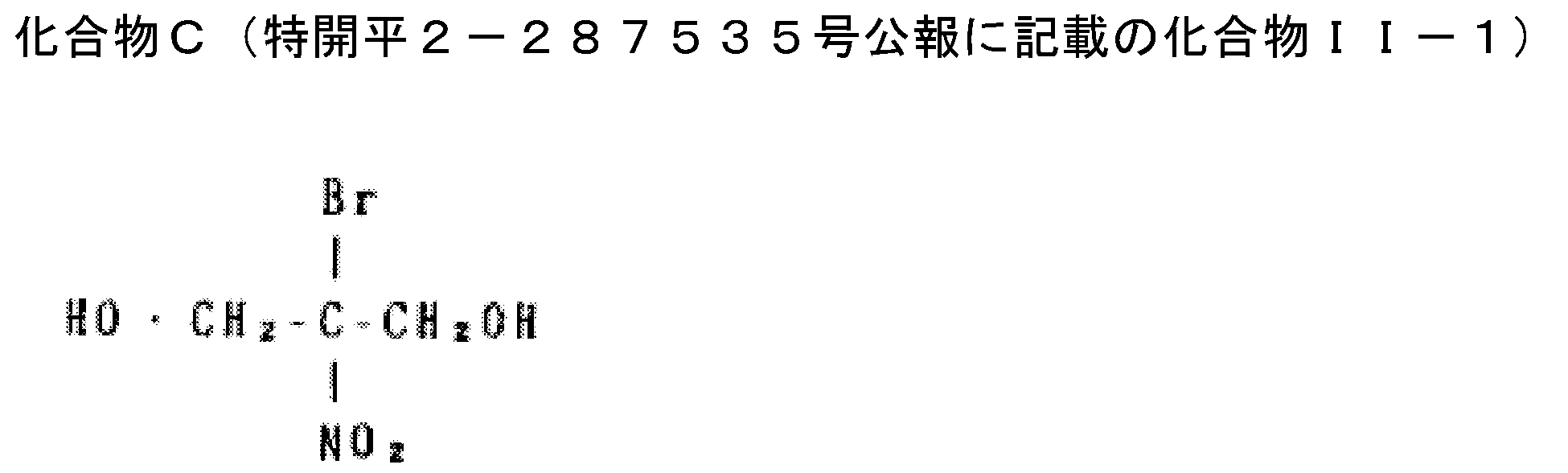
-塗布膜12および13の作製-
金属粒子含有層用の塗布液M2を、塗布液M12あるいは13に変更した以外はそれぞれ実施例1と同様にして塗布膜12および13を作製した。得られた塗布膜12および13を、それぞれ比較例2および3の熱線遮蔽材とした。
金属粒子含有層用の塗布液M2を、塗布液M12あるいは13に変更した以外はそれぞれ実施例1と同様にして塗布膜12および13を作製した。得られた塗布膜12および13を、それぞれ比較例2および3の熱線遮蔽材とした。
[評価]
(光学性能評価)
作製した各塗布膜を、粘着剤を用いて、厚さ3mmの青板ガラスに貼り付け、反射スペクトル及び透過スペクトルを、紫外可視近赤外分光機(日本分光株式会社製、V-670)および積分球ユニット(INS-723、日本分光株式会社製)を用いて測定した。可視光透過率は、380nmから780nmまで測定した各波長の透過率を、その波長の分光視感度により補正した値を可視光透過率とした。また、熱線最大反射率は、JIS-R3106:1998「板ガラス類の透過率・反射率・放射率・日射取得率の試験方法」に記載の方法で測定し、算定され、波長毎の直達日射光の分光強度により補正した300nmから2100nmまでの値の最大値を、最大熱線反射率とした。得られた結果を下記表1に記載した。
(光学性能評価)
作製した各塗布膜を、粘着剤を用いて、厚さ3mmの青板ガラスに貼り付け、反射スペクトル及び透過スペクトルを、紫外可視近赤外分光機(日本分光株式会社製、V-670)および積分球ユニット(INS-723、日本分光株式会社製)を用いて測定した。可視光透過率は、380nmから780nmまで測定した各波長の透過率を、その波長の分光視感度により補正した値を可視光透過率とした。また、熱線最大反射率は、JIS-R3106:1998「板ガラス類の透過率・反射率・放射率・日射取得率の試験方法」に記載の方法で測定し、算定され、波長毎の直達日射光の分光強度により補正した300nmから2100nmまでの値の最大値を、最大熱線反射率とした。得られた結果を下記表1に記載した。
(濾過性の評価)
濾過性の評価は以下のようにして行った。
各塗布液M1からM13について、それぞれの液を、33cc/分・cm2の流量でプロファイルIIフィルター(定格濾過精度3μmabs.:日本ポール社製)を通過させ、圧力が0.2MPa上昇するまでに、どれだけ通過するかを測定し、通過量で濾過性を以下のように評価した。結果を下記表1に記載した。
2.0L未満 ×
2.0L以上、3.0L未満 ○
3.0L以上 ◎
濾過性の評価は以下のようにして行った。
各塗布液M1からM13について、それぞれの液を、33cc/分・cm2の流量でプロファイルIIフィルター(定格濾過精度3μmabs.:日本ポール社製)を通過させ、圧力が0.2MPa上昇するまでに、どれだけ通過するかを測定し、通過量で濾過性を以下のように評価した。結果を下記表1に記載した。
2.0L未満 ×
2.0L以上、3.0L未満 ○
3.0L以上 ◎

上記表1に示すように、前記一般式(1)または(2)で表される化合物を導入した本発明の金属粒子分散物は、濾過性に優れることが分った。この際、光学性能(可視光透過率と熱線最大反射率)の改良が見られたが、添加量が多すぎると、濾過性の改良は維持されるものの、光学性能はやや低下することも分った。
また、前記一般式(1)または(2)で表される化合物は防腐性能を有するものであるが、特開平2-287535号公報や特開平3-149549号公報に防腐剤として記載されている化合物Cを用いた比較例2および3では、濾過性の改良は見られなかったことから、防腐性が本発明の効果とは直接結びついていないことも分った。
また、前記一般式(1)または(2)で表される化合物は防腐性能を有するものであるが、特開平2-287535号公報や特開平3-149549号公報に防腐剤として記載されている化合物Cを用いた比較例2および3では、濾過性の改良は見られなかったことから、防腐性が本発明の効果とは直接結びついていないことも分った。
<銀平板粒子分散物の評価>
-ゼラチン濃度-
得られた各実施例および比較例の銀平板粒子分散物中のゼラチンの濃度は、エスエスアイ・テクノロジィー社製のEXSTAR6000TG/DTAを用いて、熱重量分析法により測定した。
各実施例の銀平板粒子分散物中のゼラチンの濃度は分散物Bで3~6g/Lであった。
-ゼラチン濃度-
得られた各実施例および比較例の銀平板粒子分散物中のゼラチンの濃度は、エスエスアイ・テクノロジィー社製のEXSTAR6000TG/DTAを用いて、熱重量分析法により測定した。
各実施例の銀平板粒子分散物中のゼラチンの濃度は分散物Bで3~6g/Lであった。
本発明の赤外線遮蔽フィルムは、熱線反射率が高く、遮熱性能に優れるので、例えば自動車、バス等の乗り物用フィルムや貼合せ構造体、建材用フィルムや貼合せ構造体などとして、熱線の透過を防止することの求められる種々の部材として好適に利用可能である。
1 基材
2 金属粒子含有層
2a 金属粒子含有層の表面
3 金属平板粒子
4 オーバーコート層
5 ハードコート層
10 熱線遮蔽材
11 粘着層
D 直径
L 厚み
F(λ) 粒子存在域厚み
2 金属粒子含有層
2a 金属粒子含有層の表面
3 金属平板粒子
4 オーバーコート層
5 ハードコート層
10 熱線遮蔽材
11 粘着層
D 直径
L 厚み
F(λ) 粒子存在域厚み
Claims (13)
- 下記一般式(1)または下記一般式(2)で表される化合物のうち少なくとも1種と、
金属粒子とを含有することを特徴とする金属粒子分散物。

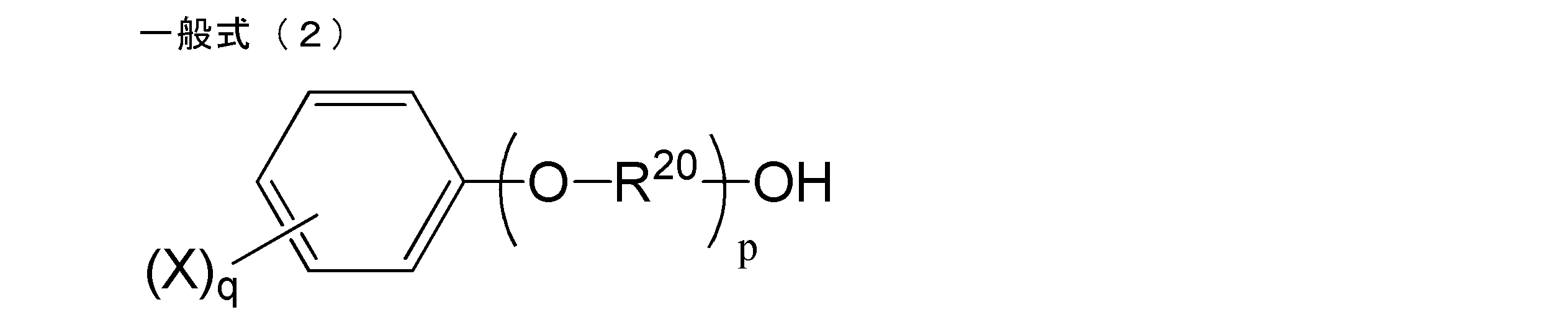
- さらにゼラチンを含むことを特徴とする請求項1に記載の金属粒子分散物。
- 前記ゼラチンの含有量が0.1~10g/Lであることを特徴とする請求項2に記載の金属粒子分散物。
- 前記金属粒子が、平板状の金属粒子を60個数%以上有することを特徴とする請求項1~3のいずれか一項に記載の金属粒子分散物。
- 前記平板状の金属粒子の平均粒子厚みが5~12nmであることを特徴とする請求項4に記載の金属粒子分散物。
- 前記平板状の金属粒子の平均アスペクト比(平均粒子径/平均粒子厚み)が5~100であることを特徴とする請求項4または5に記載の金属粒子分散物。
- 前記金属粒子が、少なくとも銀を含むことを特徴とする請求項1~6のいずれか一項に記載の金属粒子分散物。
- 下記一般式(1)または下記一般式(2)で表される化合物のうち少なくとも1種と、金属粒子とを含有する金属粒子含有層を有することを特徴とする熱線遮蔽材。
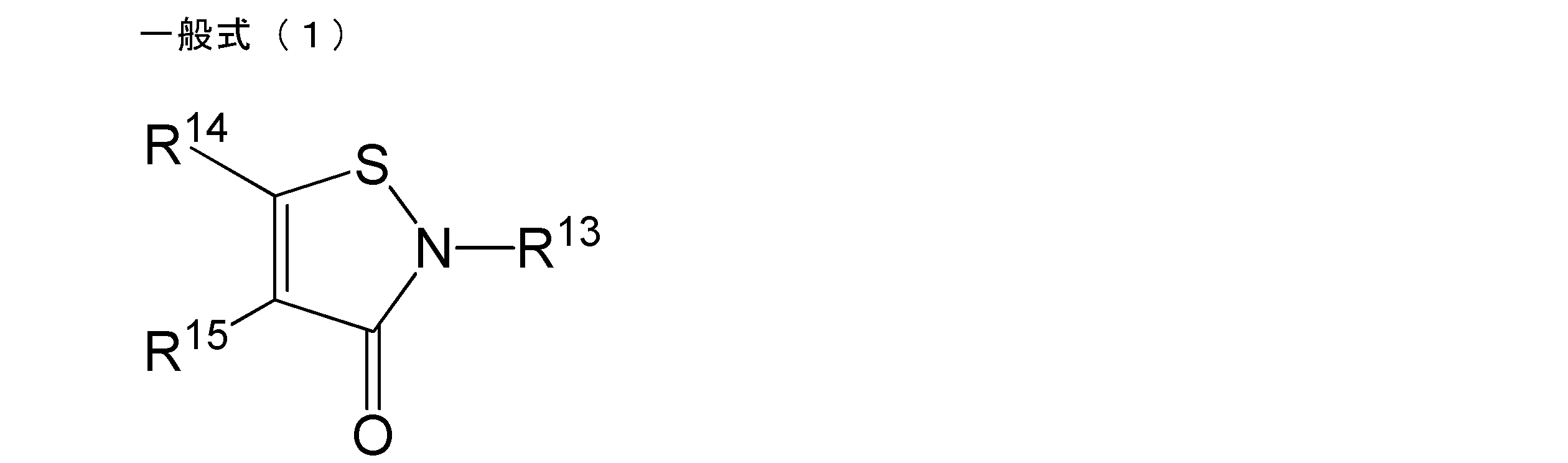
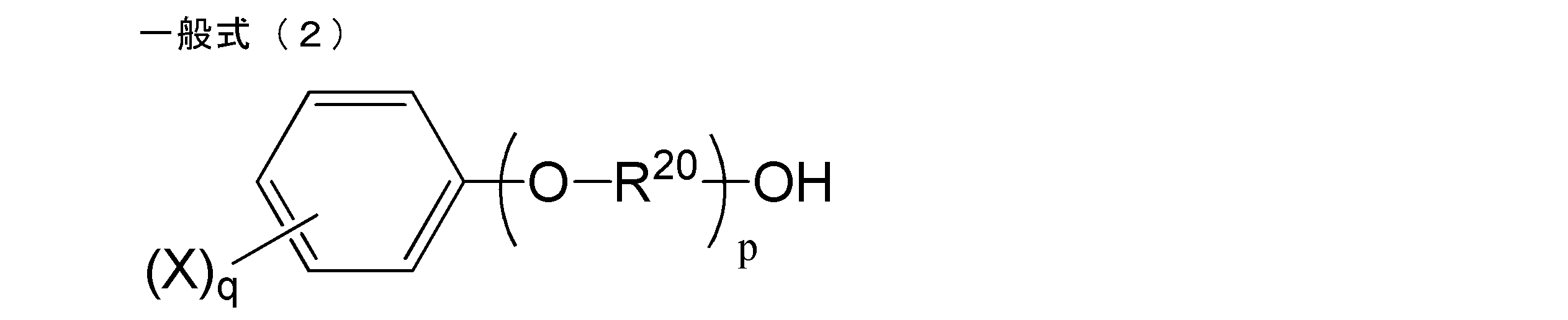
- 請求項1~7のいずれか一項に記載の金属粒子分散物を用いて形成されてなる金属粒子含有層を有することを特徴とする熱線遮蔽材。
- 前記金属粒子含有層に含まれる前記金属粒子が、平板状の金属粒子を60個数%以上有し、
かつ少なくともひとつの前記金属粒子含有層が800~2000nmの領域に透過ピークを有することを特徴とする請求項8または9に記載の熱線遮蔽材。 - 前記金属粒子がゼラチン水溶液中で形成されてなることを特徴とする請求項8~10のいずれか一項に記載の熱線遮蔽材。
- 紫外線吸収剤を含むことを特徴とする請求項8~11のいずれか一項に記載の熱線遮蔽材。
- 粘着剤層を有し、前記粘着剤層または前記粘着剤層と前記金属粒子含有層の間の層に前記紫外線吸収剤を含むことを特徴とする請求項12に記載の熱線遮蔽材。
Applications Claiming Priority (2)
| Application Number | Priority Date | Filing Date | Title |
|---|---|---|---|
| JP2012216767A JP5996992B2 (ja) | 2012-09-28 | 2012-09-28 | 金属粒子分散物および熱線遮蔽材 |
| JP2012-216767 | 2012-09-28 |
Publications (2)
| Publication Number | Publication Date |
|---|---|
| WO2014050582A1 true WO2014050582A1 (ja) | 2014-04-03 |
| WO2014050582A8 WO2014050582A8 (ja) | 2015-03-12 |
Family
ID=50387989
Family Applications (1)
| Application Number | Title | Priority Date | Filing Date |
|---|---|---|---|
| PCT/JP2013/074630 Ceased WO2014050582A1 (ja) | 2012-09-28 | 2013-09-12 | 金属粒子分散物および熱線遮蔽材 |
Country Status (2)
| Country | Link |
|---|---|
| JP (1) | JP5996992B2 (ja) |
| WO (1) | WO2014050582A1 (ja) |
Families Citing this family (1)
| Publication number | Priority date | Publication date | Assignee | Title |
|---|---|---|---|---|
| JP6012527B2 (ja) * | 2013-03-27 | 2016-10-25 | 富士フイルム株式会社 | 熱線遮蔽材、合わせガラス用中間膜および合わせガラス |
Citations (6)
| Publication number | Priority date | Publication date | Assignee | Title |
|---|---|---|---|---|
| JPH02287535A (ja) * | 1989-04-28 | 1990-11-27 | Fuji Photo Film Co Ltd | ハロゲン化銀写真感光材料 |
| JPH03149549A (ja) * | 1989-11-07 | 1991-06-26 | Fuji Photo Film Co Ltd | ハロゲン化銀カラー写真感光材料の処理方法 |
| JPH05134358A (ja) * | 1991-05-14 | 1993-05-28 | Eastman Kodak Co | 改良されたハレーシヨン防止層を担持する写真要素 |
| JPH11231126A (ja) * | 1997-11-18 | 1999-08-27 | Toyobo Co Ltd | 赤外線吸収フィルタ |
| JP2010008818A (ja) * | 2008-06-27 | 2010-01-14 | Sumitomo Metal Mining Co Ltd | プラズマディスプレイパネル用近赤外線吸収フィルター及びプラズマディスプレイパネル |
| JP2012108207A (ja) * | 2010-11-15 | 2012-06-07 | Fujifilm Corp | 熱線遮蔽材 |
-
2012
- 2012-09-28 JP JP2012216767A patent/JP5996992B2/ja not_active Expired - Fee Related
-
2013
- 2013-09-12 WO PCT/JP2013/074630 patent/WO2014050582A1/ja not_active Ceased
Patent Citations (6)
| Publication number | Priority date | Publication date | Assignee | Title |
|---|---|---|---|---|
| JPH02287535A (ja) * | 1989-04-28 | 1990-11-27 | Fuji Photo Film Co Ltd | ハロゲン化銀写真感光材料 |
| JPH03149549A (ja) * | 1989-11-07 | 1991-06-26 | Fuji Photo Film Co Ltd | ハロゲン化銀カラー写真感光材料の処理方法 |
| JPH05134358A (ja) * | 1991-05-14 | 1993-05-28 | Eastman Kodak Co | 改良されたハレーシヨン防止層を担持する写真要素 |
| JPH11231126A (ja) * | 1997-11-18 | 1999-08-27 | Toyobo Co Ltd | 赤外線吸収フィルタ |
| JP2010008818A (ja) * | 2008-06-27 | 2010-01-14 | Sumitomo Metal Mining Co Ltd | プラズマディスプレイパネル用近赤外線吸収フィルター及びプラズマディスプレイパネル |
| JP2012108207A (ja) * | 2010-11-15 | 2012-06-07 | Fujifilm Corp | 熱線遮蔽材 |
Also Published As
| Publication number | Publication date |
|---|---|
| JP2014071254A (ja) | 2014-04-21 |
| WO2014050582A8 (ja) | 2015-03-12 |
| JP5996992B2 (ja) | 2016-09-21 |
Similar Documents
| Publication | Publication Date | Title |
|---|---|---|
| JP6013252B2 (ja) | 熱線遮蔽材、合わせガラス用中間膜および合わせガラス | |
| US8288021B2 (en) | Flat metal particle-containing composition and heat ray-shielding material | |
| JP5833518B2 (ja) | 熱線遮蔽材 | |
| JP6211485B2 (ja) | 反射防止光学部材 | |
| JP5570279B2 (ja) | 熱線遮蔽材 | |
| WO2014156528A1 (ja) | 熱線遮蔽材ならびに熱線遮蔽材を用いた窓ガラス、合わせガラス用中間膜および合わせガラス | |
| JP5771584B2 (ja) | 熱線遮蔽材 | |
| WO2013137373A1 (ja) | 赤外線遮蔽フィルム | |
| JP5878059B2 (ja) | 赤外線遮蔽フィルム | |
| WO2012070477A1 (ja) | 熱線遮蔽材 | |
| WO2013035802A1 (ja) | 熱線遮蔽材 | |
| JP6076699B2 (ja) | 赤外線遮蔽フィルム | |
| WO2012157655A1 (ja) | 熱線遮蔽材、貼合せ構造体及び合わせガラス | |
| JP6012527B2 (ja) | 熱線遮蔽材、合わせガラス用中間膜および合わせガラス | |
| JP5922919B2 (ja) | 熱線遮蔽材および貼合せ構造体 | |
| JP5828824B2 (ja) | 金属平板粒子分散液、金属平板粒子分散液の製造方法および熱線遮蔽材 | |
| JP6063846B2 (ja) | 電磁波透過性積層体 | |
| JP5996992B2 (ja) | 金属粒子分散物および熱線遮蔽材 | |
| JP2013077007A (ja) | 熱線遮蔽材 | |
| JP2014070255A (ja) | 金属平板粒子分散液とその製造方法および熱線遮蔽材 | |
| JP5878050B2 (ja) | 熱線遮蔽材 | |
| JP2015158650A (ja) | 赤外線反射パターン形成体 | |
| JP2013210573A (ja) | 熱線遮蔽材 | |
| WO2016006586A1 (ja) | 赤外線反射パターン形成体 |
Legal Events
| Date | Code | Title | Description |
|---|---|---|---|
| 121 | Ep: the epo has been informed by wipo that ep was designated in this application |
Ref document number: 13842600 Country of ref document: EP Kind code of ref document: A1 |
|
| NENP | Non-entry into the national phase |
Ref country code: DE |
|
| 122 | Ep: pct application non-entry in european phase |
Ref document number: 13842600 Country of ref document: EP Kind code of ref document: A1 |