WO2012132591A1 - コンテンツ受信装置、および、コンテンツ蓄積方法 - Google Patents
コンテンツ受信装置、および、コンテンツ蓄積方法 Download PDFInfo
- Publication number
- WO2012132591A1 WO2012132591A1 PCT/JP2012/053452 JP2012053452W WO2012132591A1 WO 2012132591 A1 WO2012132591 A1 WO 2012132591A1 JP 2012053452 W JP2012053452 W JP 2012053452W WO 2012132591 A1 WO2012132591 A1 WO 2012132591A1
- Authority
- WO
- WIPO (PCT)
- Prior art keywords
- content
- time
- accumulation
- storage
- contents
- Prior art date
- Legal status (The legal status is an assumption and is not a legal conclusion. Google has not performed a legal analysis and makes no representation as to the accuracy of the status listed.)
- Ceased
Links
Images


Classifications
-
- H—ELECTRICITY
- H04—ELECTRIC COMMUNICATION TECHNIQUE
- H04N—PICTORIAL COMMUNICATION, e.g. TELEVISION
- H04N5/00—Details of television systems
- H04N5/76—Television signal recording
- H04N5/765—Interface circuits between an apparatus for recording and another apparatus
- H04N5/775—Interface circuits between an apparatus for recording and another apparatus between a recording apparatus and a television receiver
-
- H—ELECTRICITY
- H04—ELECTRIC COMMUNICATION TECHNIQUE
- H04N—PICTORIAL COMMUNICATION, e.g. TELEVISION
- H04N9/00—Details of colour television systems
- H04N9/79—Processing of colour television signals in connection with recording
-
- H—ELECTRICITY
- H04—ELECTRIC COMMUNICATION TECHNIQUE
- H04N—PICTORIAL COMMUNICATION, e.g. TELEVISION
- H04N21/00—Selective content distribution, e.g. interactive television or video on demand [VOD]
- H04N21/40—Client devices specifically adapted for the reception of or interaction with content, e.g. set-top-box [STB]; Operations thereof
- H04N21/43—Processing of content or additional data, e.g. demultiplexing additional data from a digital video stream; Elementary client operations, e.g. monitoring of home network or synchronising decoder's clock; Client middleware
- H04N21/433—Content storage operation, e.g. storage operation in response to a pause request, caching operations
- H04N21/4334—Recording operations
-
- H—ELECTRICITY
- H04—ELECTRIC COMMUNICATION TECHNIQUE
- H04N—PICTORIAL COMMUNICATION, e.g. TELEVISION
- H04N21/00—Selective content distribution, e.g. interactive television or video on demand [VOD]
- H04N21/40—Client devices specifically adapted for the reception of or interaction with content, e.g. set-top-box [STB]; Operations thereof
- H04N21/45—Management operations performed by the client for facilitating the reception of or the interaction with the content or administrating data related to the end-user or to the client device itself, e.g. learning user preferences for recommending movies, resolving scheduling conflicts
- H04N21/458—Scheduling content for creating a personalised stream, e.g. by combining a locally stored advertisement with an incoming stream; Updating operations, e.g. for OS modules ; time-related management operations
- H04N21/4583—Automatically resolving scheduling conflicts, e.g. when a recording by reservation has been programmed for two programmes in the same time slot
Definitions
- the present invention relates to a content receiving apparatus that receives a plurality of contents, and a content storage method that stores contents.
- the user operates the receiving device to reserve the storage of the content.
- Broadcast information of content necessary for reservation (for example, content identifier and broadcast time) is broadcast prior to content broadcast.
- the broadcast information of the content is “encoding, transmission and storage control method in server type broadcasting, ARIB STD-B38 2.0 version (2.0% revised April 26, 2010)” Broadcast in the format specified in “3.2.4.2 Program Location”.
- the receiving device that has received the content broadcast information displays the content broadcast schedule information on the screen based on the broadcast information. The user sees this broadcast schedule information and makes a content storage reservation.
- Patent Document 1 discloses a content reception recording apparatus that determines a storage priority when a plurality of content transmission timings overlap, and stores the content according to the priority.
- the priority is the remaining number of content transmission opportunities, the amount of unstored data in the content, the time required to store the unstored data of the content, the content storage completion time, and the user's viewing tendency is high It is determined according to the type and channel.
- the date and time of content release may be specified in advance.
- the content release date and time is the start point of the period during which the user can view the content.
- ARIB STD-B38 version 2.0 (revised by the Japan Radio Industry Association, April 26, 2010 2.0)”.
- 4.3 Service Information it is defined that the date and time when the content is published is set by the parameter “ValidFrom”.
- Patent Document 1 has a problem that even when the content publication date has passed, if the content is not yet stored in the receiving device, the user cannot immediately view the content. That is, even if the priority order is determined based on the remaining number of content transmission opportunities, the content is not necessarily accumulated in time for the publication date and time, and there is a possibility that the accumulation of the content with the earlier publication date will be delayed. is there. If content accumulation has not been completed by the release date, the user can view the content by supplementing the content data using a service on the Internet that provides the content data. However, there is a problem that a communication fee is required.
- the present invention is a content receiving device that enables accumulation of each content even when the accumulation times of a plurality of contents overlap, and can complete the accumulation of the contents in time for the publication date and time, And it aims at providing the content storage method.
- a first technical means of the present invention is a content receiving device that receives a plurality of contents, a storage unit that stores information on the disclosure times of the plurality of contents, and the plurality of the plurality of contents When the content time candidate is duplicated, based on the information on the publication time stored in the storage unit, the advance of the publication time between the plurality of contents is determined, and the result of the determination
- An accumulation time setting unit that sets the accumulation time of each content based on the content, and a content accumulation unit that accumulates each content based on the accumulation time set by the accumulation time setting unit, To do.
- the plurality of contents include a first content and a second content
- the accumulation time setting unit includes the first content.
- the time that is a candidate for the storage time overlaps with the time that is the candidate for the storage time of the second content
- the publication time before and after the first content and the second content
- the release time of the second content is later than the release time of the first content
- the storage time of the first content is set as a candidate for the storage time of the first content.
- the second content storage time is set to a time when the second content is broadcast later than a time that is a candidate for the first content storage time.
- the plurality of contents further include a third content
- the accumulation time setting unit includes a time when the second content is broadcasted, When the time that is the candidate for the storage time of the third content overlaps, a determination is made as to whether or not the release time between the second content and the third content is earlier, When the publication time is later than the publication time of the second content, the accumulation time of the third content is set to a time when the third content is broadcast later than the accumulation time of the second content. It is characterized by doing.
- the accumulation time setting unit is configured such that the accumulation time of the second content is later than the publication time of the second content.
- the accumulation time of the second content is set to a time that is a candidate for the accumulation time of the first content, and the accumulation time of the first content is set as a candidate for the accumulation time of the first content.
- the first content is set at a time when the first content is broadcast later than the time when the first content is broadcast.
- the accumulation time setting unit sets the accumulation time of the first content earlier than the publication time of the first content. Is set at the time of broadcasting.
- a content storage method for storing a plurality of contents, and when a plurality of content storage time candidates are duplicated, The storage time for reading information from the storage unit, determining the advance of the release time between the plurality of contents based on the read information of the release time, and setting the storage time of each content based on the result of the determination And a content accumulation step for accumulating the contents based on the accumulation time set in the accumulation time setting step.
- the contents can be accumulated, and the contents can be accumulated in time for the publication date. Users can watch immediately.
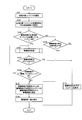
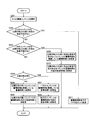
- FIG. 1 It is a block diagram which shows an example of a structure of the content receiver which concerns on this invention. It is a figure explaining an example of the content storage time setting process which concerns on this invention. It is a flowchart which shows an example of the process sequence of the content storage time setting process which concerns on this invention. It is a flowchart which shows an example of the process sequence of the duplication elimination process shown in FIG.
- FIG. 1 is a block diagram showing an example of the configuration of a content receiving apparatus 10 according to the present invention.
- the content receiving apparatus 10 includes an antenna 11, a tuner unit 12, a demultiplexer unit 13, a PSI / SI processing unit 14, a data carousel reception processing unit 15, a video / audio processing unit 16, and a playback control unit 17.
- the antenna 11 is an antenna that receives a broadcast signal of content and outputs the received broadcast signal to the tuner unit 12.
- the tuner unit 12 selects a channel designated by the user via the input unit 21, performs demodulation and error correction of a broadcast signal broadcast using the channel, and obtains a TS (TransportTransStream) obtained as a result. ) Is output to the demultiplexer 13.
- TS TransportTransStream
- the demultiplexer unit 13 is a processing unit that separates video, audio, and data broadcast data multiplexed in the TS.
- the demultiplexer unit 13 includes a PID filter unit 13a and a section filter unit 13b.
- the PID filter unit 13a refers to a PID (Packet ID) included in a TS packet constituting the TS, outputs the TS packet in the stream format to the video / audio decoding unit 16, and the section filter unit converts the TS packet in the section format It is a processing unit that outputs to 13b.
- the section filter unit 13b receives the TS packet in the section format from the PID filter unit 13a, and sends the TS packet including PSI / SI (Program Information Information / Service PS Information) to the PSI / SI processing unit 14 and includes the TS packet including the content data.
- PSI / SI is content broadcast information including information such as the identifier of the content to be broadcast, the broadcast time (broadcast date and broadcast time zone) of the content, and the date and time when the content is published.
- the PSI / SI processing unit 14 is a processing unit that acquires the PSI / SI included in the TS packet received from the section filter unit 13b and outputs the acquired PSI / SI to the publication time information acquisition unit 24a described later.
- the data carousel reception processing unit 15 is a processing unit that generates the content data to be accumulated from the content data included in the TS packet received from the section filter unit 13b, and stores the generated content data in the nonvolatile storage unit 23.
- This content data is data transmitted by the broadcast station by the data carousel method.
- the video / audio decoding unit 16 receives stream-format TS packets from the PID filter unit 13a, decodes the received TS packets to generate video signals and audio signals, and reproduces the generated video signals and audio signals.
- 17 is a processing unit that outputs the data.
- the reproduction control unit 17 receives the video signal and the audio signal from the video / audio decoding unit 16, performs a synchronization process for synchronizing the video signal and the audio signal, and outputs the video signal to the video output unit 18 and the audio signal to the audio output unit.
- 19 is a processing unit that outputs the data.
- the video output unit 18 is a display device such as a liquid crystal display.
- the audio output unit 19 is an audio output device such as a speaker.
- the timekeeping unit 20 is a processing unit that measures the date and time.
- the input unit 21 is an input device that accepts an input operation of information from a user, such as an input key, a touch panel, or a remote controller.
- the volatile storage unit 22 is a storage device that temporarily stores data, such as a volatile memory.
- the nonvolatile storage unit 23 is a storage device such as a hard disk device or a nonvolatile memory.
- the nonvolatile storage unit 23 stores content broadcast information 23a, content release time information 23b, storage reservation information 23c, storage content 23d, and the like.
- the content broadcast information 23a is information on the broadcast time (broadcast date and broadcast time zone) of the content stored in association with the content identifier.
- the content publication time information 23b is information on the content publication date stored in association with the content identifier.
- the content broadcast information 23a and the content publication time information 23b are information registered by the publication time information acquisition unit 24a described later.
- the accumulation reservation information 23c is information on the accumulation time stored in association with the content identifier.
- the accumulation time is the date and time zone when content is accumulated.
- the accumulation reservation information 23c is information set by the user by operating the input unit 21, or information set by an accumulation time setting unit 24b described later.
- the stored content 23d is data of stored content.
- the stored content 23d is registered by the data carousel reception processing unit 15.
- the control unit 24 is a processing unit that controls the content receiving apparatus 10 as a whole.
- the control unit 24 includes a disclosure time information acquisition unit 24a, an accumulation time setting unit 24b, a content accumulation unit 24c, and a content reproduction unit 24d.
- the publication time information acquisition unit 24a receives the PSI / SI from the PSI / SI processing unit 14, acquires the content identifier and the information on the publication date of the content from the received PSI / SI, and obtains the acquired information.
- the processing unit stores the content publication time information 23b in the nonvolatile storage unit 23. Further, the disclosure time information acquisition unit 24a acquires information on the broadcast time of content included in PSI / SI, and stores the acquired information as content broadcast information 23a in the nonvolatile storage unit 23.
- the storage time setting unit 24b sets the content storage time based on the content broadcast information 23a and the content publication time information 23b, and associates the set storage time information with the content identifier information, and is non-volatile.
- the processing unit stores the storage reservation information 23c in the storage unit 23.
- the storage time setting unit 24b When the storage time setting unit 24b accepts a content storage reservation setting operation (contents to be stored and date and time zone setting operations) via the input unit 21, the storage time setting unit 24b sets the content storage time. Set up. Alternatively, the accumulation time setting unit 24b accumulates content when the content accumulation process fails by the content accumulation unit 24c described later and it is determined that re-accumulation is necessary during the next broadcast of the content. Set the time.
- the accumulation time setting unit 24b has an automatic reservation function, and when the content (recommended content) and the date and time for storing the content are designated by the automatic reservation function, the accumulation time setting is set. I do.
- the accumulation time setting unit 24b reads information on the broadcast time of the content that meets a preset standard from the content broadcast information 23a.
- the preset reference is, for example, the number of past recordings of content. For example, if movie content has been accumulated by the user a predetermined number of times or more in the past, information on the broadcast time of the movie content is read.
- the accumulation time setting unit 24b makes an accumulation reservation so that the content is accumulated at the read broadcast time. Note that the information on the number of times the content has been recorded may be stored in the nonvolatile storage unit 23. In this way, when the time for storing content is specified by the automatic reservation function, the storage time setting unit 24b sets the content storage time.
- FIG. 2 is a diagram for explaining an example of content accumulation time setting processing according to the present invention.
- FIG. 2 shows an example in which the accumulation times of contents A to E are set.
- the storage time setting unit 24b preferentially sets the storage time of the content with the earlier publication date to the overlapping storage time. That is, when the accumulation times of a plurality of contents overlap, the accumulation time of the content with the earlier release date is not changed. Then, the storage time setting unit 24b sets the storage time of the content with the later release date to the time when the content with the later release date is broadcast after the storage time of the content with the earlier release date. To do.
- the accumulation time setting unit 24b determines the release time of a plurality of contents and the advance of the storage time, the determination is made based on the advance of the start time of each time.
- the content A is scheduled to be broadcast twice (between 2:00 on February 1, 2011 and 0:30 on February 1, 2011, and 5:00 on February 15, 2011).
- the content B is scheduled to be broadcast three times (between 2:00 on February 1, 2011 and 0:30 on February 1, 2011, 2011 2) May 15th 0:00 to February 15th 2011 0:30 and March 15th 2011 00:00 to March 15th 2011 0:30).
- the accumulation times of contents A and B overlap.
- the accumulation time setting unit 24b sets the accumulation time of the content A (released on March 1, 2011 at 0:00), which has an early release time, to the overlapping time (from February 1, 2011 from 0:00 to 2011).
- the time when the content B (released on April 1, 2011 at 0:00), which has a later release date, is set as the next broadcast time (February 2011). From 5:00 on the 15th to 0:30 on the 15th of February 2011).
- the accumulation time setting unit 24b accumulates the content B whose publication date is earlier than the content C (content B is published on March 1, 2011 at 0:00, and content C is published on July 1, 2011 at 0:00).
- the time is preferentially set to the overlapping accumulation time (between 5:00 on February 15, 2011 and 0:30 on February 15, 2011).
- the accumulation time setting unit 24b sets the accumulation time of the content C to the time when the content C is broadcast after the accumulation time of the content B whose publication date is earlier (from March 15, 2011 0:00 to March 2011). Between 15:30 on March 15).
- the accumulation time setting unit 24b determines the accumulation time of the content with the later publication date / time. Do not delay processing. Instead, the accumulation time setting unit 24b accumulates the content with the earlier publication date and time when the accumulation start date and time is not later than the publication date and time even if the accumulation time is delayed for the content with the earlier publication date and time. Process to delay the time.
- the content C, D, and E accumulation times (between March 15, 2011 0:00 and March 15, 2011 0:30) are duplicates.
- the content C whose release date is later than the contents D and E (the release date of the contents D and E is 5:00 on June 15, 2011, and the release date of the content C is 1:00 on July 1, 2011).
- the storage time of content C is delayed and set to the next broadcasting time of content C (between 5:00 on July 15, 2011 and 0:30 on July 15, 2011)
- the storage start date and time of content C (July 15, 2011 0:00) will be later than the date and time when the content C was released (July 1, 2011 0:00).
- the accumulation time setting unit 24b does not perform a process of delaying the accumulation time of the content C whose release date is late. Instead, the accumulation time setting unit 24b performs a process of delaying the accumulation time for the contents D and E whose accumulation start date and time is not later than the publication date even if the accumulation time is delayed. Specifically, the accumulation time setting unit 24b sets the accumulation time of the contents D and E to the broadcast time of the contents D and E whose broadcast start date and time is earlier than the disclosure date and time of the contents D and E (June 1, 2011 0 Between 0:00 and June 1, 2011 0:30, and between May 1, 2011 0:00 and May 1, 2011 0:30).
- the accumulation time setting unit 24b sets the accumulation time of each content without overlapping. At that time, since the accumulation time setting unit 24b sets the content accumulation time to be before the content publication time, the user can view the content at the same time as the content publication time comes. become able to.
- the accumulation time setting unit 24b outputs a message indicating that the setting of the accumulation time has failed to the reproduction control unit 17, and causes the video output unit 18 to display the message.
- the accumulation time setting unit 24b outputs the list information of the set accumulation time to the reproduction control unit 17, and causes the video output unit 18 to display the list information.
- the content storage unit 24c is a processing unit that stores content based on the information on the storage time set by the storage time setting unit 24b. Specifically, the content storage unit 24 c reads the storage reservation information 23 c from the nonvolatile storage unit 23. Then, when the date and time measured by the time measuring unit 20 coincides with the accumulation start date and time of the accumulation time registered in the accumulation reservation information 23c, the content accumulation unit 24c performs the tuner unit 12, the PID filter unit 13a, and the section filter unit 13b. Then, the data carousel reception processing unit 15 is controlled to store the content data corresponding to the storage time in the nonvolatile storage unit 23 as the stored content 23d.
- the content storage unit 24c determines that it is necessary to perform re-storage when the content has failed to be stored and is broadcasted the next time or later, the content storage unit 24c requests the storage time setting unit 24b to set the content storage time. Is output.
- the case where content accumulation fails is, for example, a case where a broadcast signal for broadcasting content cannot be received.
- the content playback unit 24d is a processing unit that controls the playback of content stored in the nonvolatile storage unit 23 as the stored content 23d.
- the content playback unit 24d reads the stored content 23d from the nonvolatile storage unit 23, and generates a video signal and an audio signal from the stored content 23d. Then, the content reproduction unit 24d outputs the generated video signal and audio signal to the reproduction control unit 17, and causes the reproduction control unit 17 to reproduce the video signal and audio signal.
- FIG. 3 is a flowchart showing an example of the processing procedure of the content accumulation time setting processing according to the present invention
- FIG. 4 is a flowchart showing an example of the processing procedure of the deduplication processing shown in FIG.
- the accumulation time setting unit 24b of the content receiving apparatus 10 selects content to be processed (for example, content A in FIG. 2) (step S101).
- the content when a setting operation for setting content storage reservation is received by the user via the input unit 21, the content is selected as a content to be processed.
- the content accumulation fails and a content accumulation time setting request is received from the content accumulation unit 24c, the content that has failed to be accumulated is selected as the content to be processed.
- the content storage reservation is made by the automatic reservation function of the storage time setting unit 24b, the content is selected as a content to be processed.
- the accumulation time setting unit 24b temporarily sets the accumulation time of the content to be processed as the time when the content is broadcast next (step S102). Then, the accumulation time setting unit 24b determines whether there is content whose accumulation time overlaps with the content to be processed (step S103).
- the accumulation time setting unit 24b determines whether the accumulation start date and time of the temporarily set accumulation time is earlier than the publication date and time. It is determined whether or not (step S109).
- the storage time setting unit 24b notifies the reproduction control unit 17 that the storage time cannot be set. Then, the message is displayed on the video output unit 18 (step S110). Then, the content accumulation time setting process ends.
- the storage time setting unit 24b finally sets the storage time after the storage time is temporarily set.
- the storage time of content that has not been set is set to a temporarily set storage time (step S107).
- the accumulation time setting unit 24b outputs the list information of the accumulation time of each content to the reproduction control unit 17, and displays the list information on the video output unit 18 (step S108). Then, the content accumulation time setting process ends.
- step S103 when there is content whose accumulation time overlaps with the content to be processed (in the case of YES in step S103), the accumulation time setting unit 24b executes duplication elimination processing (step S104).
- the accumulation time setting unit 24b selects two contents whose accumulation times overlap with the contents to be processed (step S201).
- the accumulation time setting unit 24 b selects content A and content B.
- the accumulation time setting unit 24b determines whether or not there is a next broadcast schedule in which the two contents start broadcasting before the release date (step S202). If there is no next broadcast scheduled to start broadcasting before the publication date for both two contents (YES in step S202), the accumulation time setting unit 24b sets the content accumulation start date before the publication date. Since it cannot be set, an accumulation time setting impossibility flag is set to ON (step S211). Then, the deduplication process is ended, and the processes after step S105 in FIG. 3 are executed.
- step S105 of FIG. 3 the accumulation time setting unit 24b determines whether or not the accumulation time setting impossibility flag is on (step S105). If the accumulation time setting impossibility flag is ON (YES in step S105), the accumulation time setting unit 24b outputs a message indicating that the accumulation time cannot be set to the reproduction control unit 17, and the video output unit The message is displayed on 18 (step S110). Then, the content accumulation time setting process ends.
- step S202 of FIG. 4 when the condition that there is no next broadcast scheduled to start broadcasting before the release date of both contents is not satisfied (NO in step S202), the accumulation time setting unit 24b Determines whether there is no next broadcast schedule in which only one content is broadcast before the release date (step S203).
- the content A is scheduled to be broadcast next time (February 15, 2011 from 0:00 to 2011) before the release date (March 1, 2011 0:00).
- the next broadcast schedule (February 2011) will start before the release date (May 15, 2011, 0:00) for content B. From 5:00 on the 15th to 0:30 on February 15, 2011).
- the accumulation time setting unit 24b determines that the condition that there is no next broadcast scheduled to start broadcasting before the release date of both contents is not satisfied (NO in step S202). In addition, since both contents A and B are scheduled to be broadcast next time before the release date and time, the accumulation time setting unit 24b starts broadcasting only one content before the release date and time. It is determined that the condition that there is no next broadcast schedule is not satisfied (NO in step S203).
- the accumulation time setting unit 24b releases the two contents. It is determined whether the date and time are the same (step S204).
- the accumulation time setting unit 24b temporarily sets the accumulation times of the contents with the earlier disclosure dates and times to the overlapping accumulation times (step S205).
- the date and time when the content A is published (March 1, 2011 0:00) and the content B are published (April 1, 2011 0:00) are different from each other.
- the storage time setting unit 24b provisionally sets the storage time of the content whose release date is late as the next broadcast time of the content (step S206).
- the accumulation time setting unit 24b sets the accumulation time of the content B whose release date and time is later than the content A to the next broadcasting time of the content B (from 5:00 on February 15, 2011 to February 2011). Temporarily set until 0:30 on the 15th). Then, this deduplication process ends.
- step S105 of FIG. 3 the accumulation time setting unit 24b determines whether or not the accumulation time setting impossibility flag is on (step S105). If the storage time setting impossibility flag is not on (NO in step S105), the storage time setting unit 24b determines whether there is content whose storage time overlaps with other content (step S106).
- step S106 If there is content whose storage time overlaps with other content (YES in step S106), the storage time setting unit 24b executes the duplicate elimination processing in step S104 again (step S104).
- the accumulation time setting unit 24b selects two contents with overlapping accumulation times (step S201).
- the storage time setting unit 24b stores the content B and content C for which the storage time is temporarily set (from February 15, 2011 0:00 to February 15, 2011 0:30). Therefore, the contents B and C are selected.
- the accumulation time setting part 24b performs the process of step S202 mentioned above.
- the next broadcast schedule (broadcast starting on March 15, 2011 from 0:00 to 2011) before broadcasting date (April 1, 2011 0:00) is started.
- the next broadcast schedule (March 2011) is scheduled to start before the release date (July 1, 2011 0:00) for Content C.
- the accumulation time setting unit 24b is scheduled to broadcast next time when both contents start broadcasting before the date of release. It is determined that the condition is not satisfied (NO in step S202).
- the accumulation time setting unit 24b When the condition that there is a next broadcast schedule that starts broadcasting before the release date of both contents is not satisfied (NO in step S202), the accumulation time setting unit 24b performs the process of step S203 described above. Execute. In the example of FIG. 2, as described above, since both the contents B and C are scheduled to be broadcast next time before the publication date and time, the accumulation time setting unit 24b does not disclose only one content. It is determined that the condition that there is no next broadcast schedule to start broadcasting before is not satisfied (NO in step S203).
- the accumulation time setting unit 24b executes the processes from step S204 to step S206 described above again.
- the publication date and time of the content B (April 1, 2011 0:00) and the publication date and time of the content C (July 1, 2011 0:00) are different.
- the accumulation time setting unit 24b sets the accumulation time of the content C whose release date and time is later than the content B to the next broadcast time of the content C (from March 15, 2011 5:00 to March 15, 2011 0: Temporarily set up to 30). Then, the deduplication process is completed, and the processes after step S105 in FIG. 3 described above are executed.
- step S106 since the accumulation time setting flag is not on in step S105 of FIG. 3 (NO in step S105), in step S106, the accumulation time setting unit 24b overlaps the accumulation time with other contents. It is determined whether or not there is a content that is present (step S106).
- step S106 the duplicate elimination process in step S104 is executed again (step S104).
- the accumulation time setting unit 24b selects two contents with overlapping accumulation times (step S201).
- the accumulation time setting unit 24b stores the contents D and E with the accumulation times temporarily set (from March 15, 2011 0:00 to March 15, 2011 0:30). Therefore, the contents D and E are selected.
- the accumulation time setting unit 24b may select the content C and the content D or the content C and the content E.
- the accumulation time setting part 24b performs the process of step S202 mentioned above.
- both the contents D and E are scheduled to be broadcast next (June 1, 2011 0:00) before the release date (June 15, 2011 0:00).
- the accumulation time setting unit 24b It is determined that neither of the two contents satisfies the condition that there is no next broadcast scheduled to start broadcasting before the release date (NO in step S202).
- step S202 the accumulation time setting unit 24b performs the process of step S203 described above. Execute. In the example of FIG. 2, as described above, both the contents D and E are scheduled to be broadcast next time before the release date and time, so only one content starts broadcasting before the release date and time. The condition that there is no next scheduled broadcast is not satisfied (NO in step S203).
- the accumulation time setting unit 24b executes the process of step S204 described above. If the disclosure date and time of the two contents are the same (in the case of YES in step S204), the accumulation time setting unit 24b temporarily sets the accumulation time of one of the two contents as an overlapping accumulation time. (Step S207). In FIG. 2, the content D and the content E have the same publication date and time (YES in step S204), so the accumulation time setting unit 24b sets the accumulation time of the content D, for example, as the overlapping accumulation time (2011 3 Temporary setting is made between 00:00 on March 15 and 0:30 on March 15, 2011 (step S207).
- the storage time setting unit 24b temporarily sets the storage time of the other content to the next broadcast time of the content (step S208).
- the accumulation time setting unit 24b sets the accumulation time of the content E to the next broadcast time of the content E (between 1:00 on May 1, 2011 and 0:30 on May 1, 2011). ) Is temporarily set (step S208). Then, the deduplication process is ended, and the processes after step S105 in FIG. 3 are executed.
- step S106 since the accumulation time setting flag is not on in step S105 of FIG. 3 (NO in step S105), the accumulation time setting unit 24b has content that has the same accumulation time as other content. It is determined whether or not there is (step S106).
- step S106 the duplicate elimination processing in step S104 is executed again (step S104).
- the accumulation time setting unit 24b selects two contents whose accumulation time overlaps with the content to be processed (step S201).
- the accumulation time setting unit 24b stores the contents C and D having the accumulation times temporarily set (from March 15, 2011 0:00 to March 15, 2011 0:30). Therefore, the contents C and D are selected.
- the accumulation time setting part 24b performs the process of step S202 mentioned above.
- the content D is scheduled to be broadcast next time (June 1, 2011 from 0:00 to 2011) before the release date (June 15, 2011 0:00).
- the next broadcast time of content C is from 5:00 on July 15, 2011 to 0:30 on July 15, 2011), and the storage time setting unit 24b broadcasts both contents before the release date. It is determined that the condition that there is no next broadcast scheduled to start is not satisfied (NO in step S202).
- step S202 If the condition that there is no next broadcast schedule in which the two contents start broadcasting before the release date is not satisfied (NO in step S202), the accumulation time setting unit 24b performs the process of step S203 described above. Execute. In the example of FIG. 2, as described above, there is no next broadcast schedule in which only the content C starts broadcasting before the release date (YES in step S203).
- the accumulation time setting unit 24b temporarily sets the accumulation time of the content that is not scheduled to be broadcast next time before the release date and time as the overlapping accumulation time (step S209).
- the accumulation time setting unit 24b sets the accumulation time of the content C that is not scheduled to be broadcast next time before the release date and time as the overlapping accumulation time (March 15, 2011). Temporarily set between 0:00 and March 15, 2011 at 0:30).
- the accumulation time setting unit 24b temporarily sets the accumulation time of the content scheduled to be broadcast next time before the release date and time as the next broadcast time of the content (step S210).
- the accumulation time setting unit 24b sets the accumulation time of the content D that is scheduled to be broadcast next time before the release date and time to the next broadcast time (June 1, 2011 0: From 00 to 1 June 2011 0:30).
- the deduplication process is ended, and the processes after step S105 in FIG. 3 are executed.
- the accumulation time setting unit 24b determines whether or not the accumulation time setting impossibility flag is on (step S105). If the storage time setting impossibility flag is not on (NO in step S105), the storage time setting unit 24b determines whether there is content whose storage time overlaps with other content (step S106).
- the accumulation time setting unit 24b determines that there is no content whose accumulation time overlaps with other content ( NO in step S106).
- step S106 when there is no content whose storage time overlaps with other content (NO in step S106), the storage time setting unit 24b finally sets the storage time after the storage time is temporarily set.
- the storage time of content that has not been set is set to a temporarily set storage time (step S107).
- the accumulation time setting unit 24b sets the accumulation time of the content A from 2:00 on February 1, 2011 to 0:30 on February 1, 2011, which is the temporarily set accumulation time.
- the storage time of the content B is temporarily set between 5:00 on February 15, 2011, which is the temporarily set storage time, and 0:30 on February 15, 2011.
- the storage period of the content D is set to the temporarily set storage period June 1st, 2011, from 3:00 on March 15, 2011 to 0:30 on March 15, 2011.
- the storage period of the content E is set to the provisional storage period from 0:00 on May 1, 2011 to May 1, 2011 between the day 0:00 and June 1, 2011 0:30. Set between 0:30.
- the accumulation time setting unit 24b outputs the list information of the accumulation time of each content to the reproduction control unit 17, and causes the video output unit 18 to display the list information (step S108).
- the accumulation time setting unit 24 b outputs the above-described list information of the accumulation times of the contents A to E to the reproduction control unit 17 and causes the video output unit 18 to display the list information. Then, the content accumulation time setting process ends.
- the embodiments of the content receiving apparatus and the content storage method have been described so far.
- the present invention is not limited to these embodiments, and a computer program for realizing the functions of the content receiving apparatus.
- the present invention may be implemented in the form of a computer-readable recording medium in which the computer program is recorded.
- a recording medium for example, a disk system (for example, magnetic disk, optical disk, etc.), a card system (for example, memory card, optical card, etc.), a semiconductor memory system (for example, ROM, nonvolatile memory, etc.), a tape system (for example, various forms such as a magnetic tape and a cassette tape can be employed.
- a disk system for example, magnetic disk, optical disk, etc.
- a card system for example, memory card, optical card, etc.
- a semiconductor memory system for example, ROM, nonvolatile memory, etc.
- a tape system for example, various forms such as a magnetic tape and a cassette tape can be employed.
- the cost can be reduced, and the portability and general purpose can be reduced. Can be improved.
- the above-mentioned recording medium is mounted on the computer, the computer program recorded on the recording medium is read out by the computer and stored in the memory, and the processor (CPU: Central Processing Unit, MPU: Micro Processing Unit) included in the computer Is read from the memory and executed, the function of the content receiving apparatus according to the present embodiment can be realized, and the content storage method can be executed.
- CPU Central Processing Unit
- MPU Micro Processing Unit
- the present invention is not limited to the above-described embodiment, and various variations and modifications can be made without departing from the gist of the present invention.
- the storage time setting unit 24b when the storage start date / time of the content is later than the publication date / time of the content, the storage time setting unit 24b outputs a message indicating that the storage control unit 17 cannot set the storage time, The message is displayed on the video output unit 18 and the accumulation time setting process is terminated.
- the accumulation time setting unit 24b may set the accumulation start date and time of the content to a date and time later than the publication date and time. Good.
Landscapes
- Engineering & Computer Science (AREA)
- Multimedia (AREA)
- Signal Processing (AREA)
- Software Systems (AREA)
- Databases & Information Systems (AREA)
- Television Signal Processing For Recording (AREA)
- Two-Way Televisions, Distribution Of Moving Picture Or The Like (AREA)
Abstract
Description
Claims (6)
- 複数のコンテンツを受信するコンテンツ受信装置であって、
前記複数のコンテンツの公開時期の情報を記憶する記憶部と、
前記複数のコンテンツの蓄積時期の候補とされる時期が重複した場合に、前記記憶部に記憶された前記公開時期の情報に基づいて、前記複数のコンテンツ間における公開時期の先後を判定し、該判定の結果に基づいて、各コンテンツの蓄積時期を設定する蓄積時期設定部と、
前記蓄積時期設定部により設定された蓄積時期に基づいて、前記各コンテンツを蓄積するコンテンツ蓄積部と、
を備えることを特徴とするコンテンツ受信装置。 - 前記複数のコンテンツは、第1のコンテンツ、および、第2のコンテンツを含み、前記蓄積時期設定部は、前記第1のコンテンツの蓄積時期の候補とされる時期と、前記第2のコンテンツの蓄積時期の候補とされる時期とが重複した場合に、前記第1のコンテンツと前記第2のコンテンツとの間における公開時期の先後を判定し、前記第2のコンテンツの公開時期が前記第1のコンテンツの公開時期よりも遅い場合に、前記第1のコンテンツの蓄積時期を、前記第1のコンテンツの蓄積時期の候補とされる時期に設定し、前記第2のコンテンツの蓄積時期を、前記第1のコンテンツの蓄積時期の候補とされる時期よりも遅い前記第2のコンテンツが放送される時期に設定することを特徴とする請求項1に記載のコンテンツ受信装置。
- 前記複数のコンテンツは、第3のコンテンツをさらに含み、前記蓄積時期設定部は、前記第2のコンテンツが放送される時期と、前記第3のコンテンツの蓄積時期の候補とされる時期とが重複した場合に、前記第2のコンテンツと前記第3のコンテンツとの間における公開時期の先後を判定し、前記第3のコンテンツの公開時期が前記第2のコンテンツの公開時期よりも遅い場合に、前記第3のコンテンツの蓄積時期を、前記第2のコンテンツの蓄積時期よりも遅い前記第3のコンテンツが放送される時期に設定することを特徴とする請求項2に記載のコンテンツ受信装置。
- 前記蓄積時期設定部は、前記第2のコンテンツの蓄積時期が該第2のコンテンツの公開時期よりも後である場合に、前記第2のコンテンツの蓄積時期を、前記第1のコンテンツの蓄積時期の候補とされる時期に設定し、前記第1のコンテンツの蓄積時期を、前記第1のコンテンツの蓄積時期の候補とされる時期よりも遅い前記第1のコンテンツが放送される時期に設定することを特徴とする請求項2または3に記載のコンテンツ受信装置。
- 前記蓄積時期設定部は、前記第1のコンテンツの蓄積時期を、前記第1のコンテンツの公開時期よりも早い前記第1のコンテンツが放送される時期に設定することを特徴とする請求項4に記載のコンテンツ受信装置。
- 複数のコンテンツを蓄積するコンテンツ蓄積方法であって、
前記複数のコンテンツの蓄積時期の候補とされる時期が重複した場合に、前記複数のコンテンツの公開時期の情報を記憶部から読み出し、読み出した前記公開時期の情報に基づいて、前記複数のコンテンツ間における公開時期の先後を判定し、該判定の結果に基づいて、各コンテンツの蓄積時期を設定する蓄積時期設定ステップと、
前記蓄積時期設定ステップにおいて設定された蓄積時期に基づいて、前記各コンテンツを蓄積するコンテンツ蓄積ステップと、
を含むことを特徴とするコンテンツ蓄積方法。
Priority Applications (3)
| Application Number | Priority Date | Filing Date | Title |
|---|---|---|---|
| JP2013507247A JP5503800B2 (ja) | 2011-03-25 | 2012-02-15 | コンテンツ受信装置、および、コンテンツ蓄積方法 |
| CN201280015079.4A CN103444197B (zh) | 2011-03-25 | 2012-02-15 | 内容接收装置以及内容保存方法 |
| US13/885,107 US8942545B2 (en) | 2011-03-25 | 2012-02-15 | Content reception device and content accumulation method |
Applications Claiming Priority (2)
| Application Number | Priority Date | Filing Date | Title |
|---|---|---|---|
| JP2011-067779 | 2011-03-25 | ||
| JP2011067779 | 2011-03-25 |
Publications (1)
| Publication Number | Publication Date |
|---|---|
| WO2012132591A1 true WO2012132591A1 (ja) | 2012-10-04 |
Family
ID=46930355
Family Applications (1)
| Application Number | Title | Priority Date | Filing Date |
|---|---|---|---|
| PCT/JP2012/053452 Ceased WO2012132591A1 (ja) | 2011-03-25 | 2012-02-15 | コンテンツ受信装置、および、コンテンツ蓄積方法 |
Country Status (4)
| Country | Link |
|---|---|
| US (1) | US8942545B2 (ja) |
| JP (1) | JP5503800B2 (ja) |
| CN (1) | CN103444197B (ja) |
| WO (1) | WO2012132591A1 (ja) |
Families Citing this family (1)
| Publication number | Priority date | Publication date | Assignee | Title |
|---|---|---|---|---|
| CN105280212A (zh) * | 2014-07-25 | 2016-01-27 | 中兴通讯股份有限公司 | 混音播放方法及装置 |
Citations (3)
| Publication number | Priority date | Publication date | Assignee | Title |
|---|---|---|---|---|
| JP2003223385A (ja) * | 2002-01-31 | 2003-08-08 | Matsushita Electric Ind Co Ltd | データ配信システム及びにデータ配信方法 |
| JP2006173759A (ja) * | 2004-12-13 | 2006-06-29 | Canon Inc | 蓄積制御装置、受信装置、蓄積制御方法 |
| JP2008134992A (ja) * | 2006-11-01 | 2008-06-12 | Hitachi Ltd | コンテンツダウンロード方法及び端末装置 |
Family Cites Families (3)
| Publication number | Priority date | Publication date | Assignee | Title |
|---|---|---|---|---|
| JP3980805B2 (ja) * | 2000-03-10 | 2007-09-26 | パイオニア株式会社 | 番組情報の記録装置及び記録方法 |
| CN100571358C (zh) * | 2004-10-13 | 2009-12-16 | 松下电器产业株式会社 | 内容接收记录装置、方法 |
| JP5247370B2 (ja) * | 2008-11-19 | 2013-07-24 | キヤノン株式会社 | 録画装置およびその制御方法 |
-
2012
- 2012-02-15 JP JP2013507247A patent/JP5503800B2/ja not_active Expired - Fee Related
- 2012-02-15 US US13/885,107 patent/US8942545B2/en not_active Expired - Fee Related
- 2012-02-15 WO PCT/JP2012/053452 patent/WO2012132591A1/ja not_active Ceased
- 2012-02-15 CN CN201280015079.4A patent/CN103444197B/zh not_active Expired - Fee Related
Patent Citations (3)
| Publication number | Priority date | Publication date | Assignee | Title |
|---|---|---|---|---|
| JP2003223385A (ja) * | 2002-01-31 | 2003-08-08 | Matsushita Electric Ind Co Ltd | データ配信システム及びにデータ配信方法 |
| JP2006173759A (ja) * | 2004-12-13 | 2006-06-29 | Canon Inc | 蓄積制御装置、受信装置、蓄積制御方法 |
| JP2008134992A (ja) * | 2006-11-01 | 2008-06-12 | Hitachi Ltd | コンテンツダウンロード方法及び端末装置 |
Also Published As
| Publication number | Publication date |
|---|---|
| JPWO2012132591A1 (ja) | 2014-07-24 |
| US8942545B2 (en) | 2015-01-27 |
| JP5503800B2 (ja) | 2014-05-28 |
| CN103444197B (zh) | 2016-10-26 |
| US20130230301A1 (en) | 2013-09-05 |
| CN103444197A (zh) | 2013-12-11 |
Similar Documents
| Publication | Publication Date | Title |
|---|---|---|
| JP2013183210A (ja) | 放送受信装置および放送受信方法 | |
| JP2009027392A (ja) | 受信装置および受信方法 | |
| JP2006173759A (ja) | 蓄積制御装置、受信装置、蓄積制御方法 | |
| JP2006173759A5 (ja) | ||
| JP5503800B2 (ja) | コンテンツ受信装置、および、コンテンツ蓄積方法 | |
| JP2012130048A (ja) | テレビ放送視聴装置及びプログラム | |
| JP2013115500A (ja) | 信号処理装置及び信号処理方法 | |
| JP2011119790A (ja) | 放送記録装置 | |
| JP4929375B2 (ja) | 放送録画装置及び放送録画方法 | |
| US20060268665A1 (en) | Method and apparatus for setting RTC time of digital broadcast receiver using time information contained in transport stream | |
| JP2013115775A (ja) | 電子機器及び再生方法 | |
| JP2017220940A (ja) | 映像再生装置および映像再生方法 | |
| JP2011151688A (ja) | 録画装置及び録画方法 | |
| KR101525484B1 (ko) | 방송 수신기와 방송 프로그램 예약 시청 방법 | |
| JP2005184093A (ja) | 番組録画再生システム、番組録画再生サーバ、番組受信端末及び番組表生成方法 | |
| JP5870718B2 (ja) | 受信装置、受信方法およびプログラム | |
| JP6192547B2 (ja) | 映像記録再生装置および映像記録再生方法 | |
| KR101539776B1 (ko) | 부가 타임스탬프를 이용한 방송 신호 녹화 및 재생 장치 및 방법 | |
| JP6641514B2 (ja) | 映像再生装置および映像再生方法 | |
| JP5623108B2 (ja) | 情報処理装置、情報処理装置の制御方法、および、プログラム | |
| JP5762864B2 (ja) | 放送受信装置および放送受信方法 | |
| JP4552200B2 (ja) | デジタル放送受信装置 | |
| JP5143297B2 (ja) | 放送録画装置及び放送録画方法 | |
| JP2015076828A (ja) | 録画装置及びプログラム | |
| JP2001028725A (ja) | 記録方法、再生方法、記録装置、再生装置及びプログラム記録媒体 |
Legal Events
| Date | Code | Title | Description |
|---|---|---|---|
| 121 | Ep: the epo has been informed by wipo that ep was designated in this application |
Ref document number: 12764270 Country of ref document: EP Kind code of ref document: A1 |
|
| ENP | Entry into the national phase |
Ref document number: 2013507247 Country of ref document: JP Kind code of ref document: A |
|
| WWE | Wipo information: entry into national phase |
Ref document number: 13885107 Country of ref document: US |
|
| NENP | Non-entry into the national phase |
Ref country code: DE |
|
| 122 | Ep: pct application non-entry in european phase |
Ref document number: 12764270 Country of ref document: EP Kind code of ref document: A1 |