WO2011007755A1 - 血管新生制御組成物および血管新生制御方法 - Google Patents
血管新生制御組成物および血管新生制御方法 Download PDFInfo
- Publication number
- WO2011007755A1 WO2011007755A1 PCT/JP2010/061768 JP2010061768W WO2011007755A1 WO 2011007755 A1 WO2011007755 A1 WO 2011007755A1 JP 2010061768 W JP2010061768 W JP 2010061768W WO 2011007755 A1 WO2011007755 A1 WO 2011007755A1
- Authority
- WO
- WIPO (PCT)
- Prior art keywords
- angiogenesis
- nitrate
- nitrite
- μmol
- subject
- Prior art date
- Legal status (The legal status is an assumption and is not a legal conclusion. Google has not performed a legal analysis and makes no representation as to the accuracy of the status listed.)
- Ceased
Links
Images




Classifications
-
- A—HUMAN NECESSITIES
- A61—MEDICAL OR VETERINARY SCIENCE; HYGIENE
- A61K—PREPARATIONS FOR MEDICAL, DENTAL OR TOILETRY PURPOSES
- A61K33/00—Medicinal preparations containing inorganic active ingredients
-
- A—HUMAN NECESSITIES
- A61—MEDICAL OR VETERINARY SCIENCE; HYGIENE
- A61K—PREPARATIONS FOR MEDICAL, DENTAL OR TOILETRY PURPOSES
- A61K31/00—Medicinal preparations containing organic active ingredients
- A61K31/21—Esters, e.g. nitroglycerine, selenocyanates
-
- A—HUMAN NECESSITIES
- A61—MEDICAL OR VETERINARY SCIENCE; HYGIENE
- A61K—PREPARATIONS FOR MEDICAL, DENTAL OR TOILETRY PURPOSES
- A61K33/00—Medicinal preparations containing inorganic active ingredients
- A61K33/24—Heavy metals; Compounds thereof
- A61K33/26—Iron; Compounds thereof
-
- A—HUMAN NECESSITIES
- A61—MEDICAL OR VETERINARY SCIENCE; HYGIENE
- A61P—SPECIFIC THERAPEUTIC ACTIVITY OF CHEMICAL COMPOUNDS OR MEDICINAL PREPARATIONS
- A61P27/00—Drugs for disorders of the senses
- A61P27/02—Ophthalmic agents
-
- A—HUMAN NECESSITIES
- A61—MEDICAL OR VETERINARY SCIENCE; HYGIENE
- A61P—SPECIFIC THERAPEUTIC ACTIVITY OF CHEMICAL COMPOUNDS OR MEDICINAL PREPARATIONS
- A61P27/00—Drugs for disorders of the senses
- A61P27/02—Ophthalmic agents
- A61P27/06—Antiglaucoma agents or miotics
-
- A—HUMAN NECESSITIES
- A61—MEDICAL OR VETERINARY SCIENCE; HYGIENE
- A61P—SPECIFIC THERAPEUTIC ACTIVITY OF CHEMICAL COMPOUNDS OR MEDICINAL PREPARATIONS
- A61P9/00—Drugs for disorders of the cardiovascular system
Definitions
- the present invention relates to a composition for controlling angiogenesis and a method for controlling angiogenesis, which are used for treating and preventing diseases associated with angiogenesis.
- Angiogenesis refers to the formation of new daughter vessel branches based on endothelial cell proliferation and migration / remodeling from mature blood vessels in tissues.
- HIF hypooxia-inducible factor
- VEGF vascular endothelial growth factor
- VEGF receptor VEGF receptor
- Non-Patent Document 2 Ziche M et al.
- Nitric Oxide Promotes Proliferation and Plasminogen Activator Production by Coronary Venular Endorthic Endother.
- bFGF Circulation Research, Vol. 80, p.845-852 (1997)
- Non-Patent Document 3 Dimmeler S et al.
- Upregulation of Superoxide Dismutase and Nitric Oxide Synthase Mediates the Apoptosis-Suppressive Effects of Stress.
- Endothelial Cells ", Arterioscler. Thromb. Vasc. Biol., Vol. 19. p.656-664 (1999)
- Sexual nitric oxide is thought to promote the angiogenesis by promoting the proliferation and migration of vascular endothelial cells and suppressing apoptosis.
- angiogenesis In clinical medicine, angiogenesis is known to have a significant effect on wound healing and the progression of many diseases.
- diseases involving angiogenesis include retinopathy of prematurity, diabetic retinopathy, age-related macular degeneration, ophthalmic diseases such as neovascular glaucoma, inflammatory diseases such as rheumatoid arthritis, and malignant neoplasms such as solid tumors.
- ophthalmic diseases such as neovascular glaucoma
- inflammatory diseases such as rheumatoid arthritis
- malignant neoplasms such as solid tumors.
- pathological angiogenesis that lacks a regulatory mechanism.
- the treatment strategy for pathological angiogenesis in ophthalmological diseases is consistently suppression / inhibition of angiogenesis. As disclosed, it is broadly divided into surgical treatment and drug treatment.
- Laser photocoagulation is widely used as a representative surgical treatment method, but this compellingly destroys the tissue for advanced pathology, resulting in decreased peripheral vision, reduced night vision, and changes in color vision. May bring.
- VEGF inhibitors that block various stages of the intracellular signal transduction system involved in angiogenesis are being researched and developed from molecular biology of the mechanism of angiogenesis.
- a VEGF inhibitor a VEGF antibody (Bevacizumab) and a VEGF-specific binding nucleic acid (Pegaptanib sodium) have been invented and developed as described in JP 2008-280356 A (Patent Document 3). These are effective for the inhibition of pathological angiogenesis and diabetic macular edema in retinopathy, but the inhibition of normal blood vessels by VEGF antibody, systemic wound healing delay, cerebral hemorrhage, cerebrovascular attack, myocardial infarction and angina Serious side effects have been reported.
- Non-Patent Document 5 attempts have been made to inhibit pathological angiogenesis by suppressing production of endogenous nitric oxide using a nitric oxide synthase inhibitor. Inhibition of molecules that play important roles also predicts the development of various systemic side effects such as worsening of diabetes, the primary disease of retinopathy, increased blood pressure, myocardial infarction and angina .
- ocular vascular therapeutic agents such as VEGF inhibitors are administered by intravitreal injection in order to reduce systemic side effects. Therefore, the burden on the patient is great, and not only eye tissue damage at the time of injection but also the lens and retina Tissues are always at risk of bacterial infection.
- the present invention has been made to solve the above-mentioned problems, and the object of the present invention is to control angiogenesis in diseases associated with angiogenesis, particularly ophthalmic diseases, in order to achieve normal angiogenesis.
- An object of the present invention is to provide a composition that can be treated without inhibition, has low side effects, is highly safe, and is effective in the treatment and prevention of angiogenic diseases, and an angiogenesis control method using the same.
- nitrate and nitrite have an action of controlling the angiogenesis process at a pharmaceutically acceptable safe dose.
- it has been shown that it regulates angiogenesis in ophthalmological diseases and suppresses pathological angiogenesis without inhibiting normal angiogenesis, and these compounds can be used for retinopathy of prematurity, diabetic retinopathy (especially proliferative diabetes) Retinopathy), age-related macular degeneration, neovascular glaucoma and other ophthalmic diseases were found to be useful as therapeutic and preventive agents, and the present invention was completed. That is, the present invention is as follows.
- the present invention relates to a composition for controlling angiogenesis, which is used for treating or preventing a disease associated with angiogenesis in a subject, and is converted into nitrate or nitrite by being absorbed by the subject, nitrate, nitrite, and the subject. It is characterized by containing an effective amount of at least one of the possible compounds.
- composition of the present invention preferably controls angiogenesis by maintaining the nitrate ion concentration in the subject within an effective concentration range.
- composition of the present invention contains nitrate, nitrite, and at least one of the above compounds in an amount that provides a plasma nitrate ion concentration within the range of 8 ⁇ mol / L to 1000 ⁇ mol / L when administered to a subject. It is preferable to do.
- the disease associated with angiogenesis is preferably at least one ophthalmic disease selected from retinopathy of prematurity, diabetic retinopathy, age-related macular degeneration, and neovascular glaucoma.
- composition of the present invention is preferably a pharmaceutical composition or at least one selected from health foods, functional foods, foods for specified health use, and nutritional supplements.
- the present invention also provides an angiogenesis control method comprising administering to a subject a composition containing at least one of nitrate, nitrite and a compound that can be absorbed into the subject and converted into nitrate or nitrite as an active ingredient. Provide about.
- control angiogenesis by maintaining the nitrate ion concentration in the subject within the effective concentration range.
- the plasma nitrate ion concentration in the subject is preferably within the range of 8 ⁇ mol / L to 1000 ⁇ mol / L.
- the angiogenesis in diseases with angiogenesis can be controlled medically and can be treated without inhibiting normal angiogenesis.
- a composition effective for treatment and prevention, and a method for controlling angiogenesis using the same are provided.
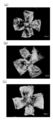
- FIG. 1A is a fluorescence contrast photograph of a retinal blood vessel obtained as a result of Experimental Example 1.
- FIG. 1A shows a case where 15 ⁇ mol / kg sodium nitrite is administered
- FIG. 1B shows a case where 75 ⁇ mol / kg sodium nitrite is administered.
- FIG. 1 (c) shows a case where 75 ⁇ mol / kg sodium nitrate is administered
- FIG. 1 (d) shows a case where physiological saline is administered.
- FIG. 6 is a graph showing a comparison of the number of abnormal blood vessels that have entered the vitreous body when physiological saline, 15 ⁇ mol / kg sodium nitrate, 15 ⁇ mol / kg sodium nitrite, and 75 ⁇ mol / kg sodium nitrite are administered, and the vertical axis represents abnormal blood vessels. Number. It is a photograph which shows the retinal cross section at the time of administering physiological saline as control.
- FIG. 4A is a fluorescence contrast photograph of a retinal blood vessel obtained as a result of Experimental Example 3.
- FIG. 4A shows a case where 15 ⁇ mol / kg sodium nitrate is administered
- FIG. 4B shows a case where 15 ⁇ mol / kg sodium nitrite is administered.
- FIG. 4 (c) shows a case where physiological saline is administered.
- FIG. 5A is a fluorescence contrast photograph of a retinal blood vessel obtained as a result of Experimental Example 4.
- FIG. 5A shows a case where sodium nitroprusside (SNP) is administered
- FIG. 5B shows a case where nitroglycerin (NTG) is administered.
- NTG nitroglycerin
- 5 (c) shows the case where 15 ⁇ mol / kg sodium nitrite was administered.
- FIG. 6A is a fluorescence contrast photograph of a retinal blood vessel obtained as a result of Experimental Example 5.
- FIG. 6A shows a case where a VEGF antibody is administered
- FIG. 6B shows a case where 15 ⁇ mol / kg sodium nitrite is administered.
- nitrate is widely distributed in nature including soil, and is taken into the human body mainly by ingestion of leafy vegetables. Nitrate is well absorbed from the gastrointestinal tract and about 25% of the nitrate that enters the systemic circulation is secreted into the saliva. A part (about 30%) of nitrate in saliva is reduced to nitrite by oral bacteria and is reduced to nitric oxide as it is or by gastric acid and is reabsorbed from the digestive tract.
- the plasma nitrate ion concentration in healthy adults is reported to be 10 ⁇ mol / L to 71 ⁇ mol / L, and the plasma nitrite ion concentration is reported to be 0.15 ⁇ mol / L to 1 ⁇ mol / L.
- the present inventors have found that plasma nitrate ion concentration and nitrite ion concentration are decreased in common among premature infants, subjects who have received high-concentration oxygen treatment, diabetic patients and hypertensive patients, It has been found that angiogenesis can be controlled by restoring the plasma ion concentration to a normal value or by increasing the plasma ion concentration to a therapeutically effective concentration. That is, the composition of the present invention supplements nitrate ions and nitrite ions that should be in the body in order to maintain homeostasis of angiogenesis, and therefore can be applied extremely safely to newborns. .
- the composition of the present invention is a composition for controlling angiogenesis that is used for treating or preventing a disease associated with angiogenesis in a subject, and is nitrate, nitrite, and nitrate or nitrite absorbed by a subject. It is characterized by containing at least one of compounds that can be converted into nitrate (hereinafter collectively referred to as “active ingredients”) in an amount effective for the treatment / prevention of diseases associated with angiogenesis.
- nitrates and nitrites in the present invention may be pharmaceutically acceptable salts formed from inorganic anions (nitrate ions: NO 3 ⁇ , nitrite ions: NO 2 ⁇ ) and cations.
- Metals, alkaline earth metals, or organic bases can be used.
- sodium and potassium are preferable as the alkali metal
- calcium and magnesium are preferable as the alkaline earth metal
- arginine and lysine are preferable as the organic base.
- the compound that can be absorbed into a subject and converted into nitrate or nitrite in the present invention is absorbed by oral or parenteral administration, rapidly metabolized, and circulates throughout the body in the form of nitrate or nitrite.
- Such compounds are also described in Katsumi Y et al., “Metabolic Fate of Nitric Oxide”, Int ArchOccup Environ Health, Vol. 46, p.71-77 (1980) (Non-Patent Document 6).
- nitrogen oxides such as nitric oxide, are mentioned.
- the dose of nitrite that exerts the effect of the present invention is about 1/8 or less of the maximum ineffective dose (84 mg / kg / day for sodium nitrite) related to methemoglobinemia reported in rodents. It provides safe treatment for newborns.
- the mechanism of angiogenesis control by nitrate and nitrite in the present invention is that endogenous nitric oxide has an effect of promoting proliferation and migration of vascular endothelial cells and plays an important role in angiogenesis.
- endogenous nitric oxide has an effect of promoting proliferation and migration of vascular endothelial cells and plays an important role in angiogenesis.
- nitric oxide donor drugs such as sodium nitroprusside (SNP) and nitroglycerin (NTG) do not have a retinopathy deterioration or angiogenesis control effect.
- SNP sodium nitroprusside
- NTG nitroglycerin
- the effect of the present invention is a very specific pharmacological action limited to nitrates and nitrites. That is, the angiogenesis control effect by nitrate and nitrite of the present invention is not simply due to an increase in the supply amount of nitric oxide, but the in vivo nitric oxide production control and vascular endothelium by nitrate found by the present inventor. It is presumed that a growth factor (VEGF) expression control mechanism is involved.
- VEGF growth factor
- the composition of the present invention preferably controls angiogenesis by maintaining the nitrate ion concentration in the subject within the effective concentration range.
- This makes it possible to control angiogenesis in ophthalmic diseases, inflammatory diseases and malignant neoplasms, and in particular, at least one ophthalmology selected from retinopathy of prematurity, diabetic retinopathy, age-related macular degeneration, and neovascular glaucoma It is effective in controlling angiogenesis in diseases.
- a composition of the present invention it is possible to suppress pathological angiogenesis without inhibiting normal angiogenesis, and to reduce avascular angiogenesis in the retina and pathological angiogenesis into the vitreous. Is possible.
- nitrite is rapidly oxidized by hemoglobin and is present in the blood mostly in the form of nitrate (nitrite ion is less than 5% of nitrate ion), and both salts are intestinal-salivary gland circulation as described above
- the therapeutically effective concentration of the composition of the present invention can be defined by the plasma nitrate ion concentration.
- the composition of the present invention when administered to a subject, is in the range of 8 ⁇ mol / L to 1000 ⁇ mol / L (preferably in the range of 16 ⁇ mol / L to 400 ⁇ mol / L, more preferably in the range of 32 ⁇ mol / L to It is preferable that the active ingredient is contained in an amount giving a plasma nitrate ion concentration of 200 ⁇ mol / L.
- the plasma nitrate ion concentration is less than 8 ⁇ mol / L when administered to a subject, the effect of controlling angiogenesis may not be sufficiently exerted, and the treatment or prevention of the disease may be insufficient.
- the plasma nitrate ion concentration exceeds 1000 ⁇ mol / L when administered to a subject, the bleeding tendency may rarely increase in retinopathy or the like.
- the plasma nitrate ion concentration can be determined by separating it from plasma contaminant components using high-performance liquid chromatography and by direct spectrophotometry or by applying the grease method or the like.
- composition of the present invention may be formulated as a pharmaceutical composition as a pharmaceutical composition, and is applied as a so-called supplement as at least one selected from health foods, functional foods, foods for specified health use, and dietary supplements. May be.
- composition of the present invention can be used in various dosage forms, both parenterally and orally, because nitrates and nitrites are easily soluble in water and absorbability from the digestive tract is good.
- a parenteral administration route for example, it can be administered by various routes including intravenous, intraperitoneal, intramuscular, subcutaneous, intrapulmonary, intranasal, topical use, and dosage forms include injections, inhalants, etc. Is mentioned.
- examples of the oral dosage form include tablets, capsules, granules, powders, liquids for internal use, and the like.
- Nitrate and nitrite can be released at the desired site in the tube.
- These preparations can be formulated using pharmacologically acceptable pharmaceutical additives while paying attention to the change in formulation using a widely used pharmaceutical technique. Since nitrate and nitrite have a short biological half-life of 3 hours to 5 hours, a preparation with controlled release is a dosage form suitable for bringing out the effects of the present invention.
- the dose of the composition of the present invention varies depending on age, body weight, degree of disease progression, administration form or administration route, but is particularly limited as long as the above pharmacological action can be exerted and the resulting side effects are within an acceptable range.
- the maximum plasma nitrate ion concentration reaches around 100 ⁇ mol / L, and the normal retina Pathological angiogenesis can be suppressed without inhibiting angiogenesis.
- the administration period of the composition of the present invention is not particularly limited, but as demonstrated in Experimental Example 3 described later, the composition of the present invention controls the angiogenesis process to inhibit normal angiogenesis. It is preferable that it is administered as soon as possible after pathological angiogenesis has occurred, since it can suppress pathological angiogenesis.
- the disease associated with angiogenesis to which the composition of the present invention is applied for treatment / prevention is at least one ophthalmic disease selected from retinopathy of prematurity, diabetic retinopathy, age-related macular degeneration, and neovascular glaucoma
- ophthalmic disease selected from retinopathy of prematurity, diabetic retinopathy, age-related macular degeneration, and neovascular glaucoma
- composition of the present invention in a prophylactic manner.
- retinopathy of prematurity hemorrhage and edema of retinal blood vessels are observed during oxygen treatment, and in the case of diabetic retinopathy.
- the administration of this drug from the given time point can prevent deterioration of symptoms.
- the present invention also controls angiogenesis by administering to a subject a composition containing at least one of nitrate, nitrite, and a compound that can be absorbed into the subject and converted into nitrate or nitrite as an active ingredient It also provides a way to do this. Details in the method of the present invention are the same as described above for the composition of the present invention.
- the composition of the present invention it is preferable to control angiogenesis by maintaining the nitrate ion concentration in the subject within the effective concentration range.
- the concentration is preferably in the range of 8 ⁇ mol / L to 1000 ⁇ mol / L.
- the method of the present invention can be expected to be effective in the treatment of diseases associated with angiogenesis and the treatment of wounds.
- diseases associated with angiogenesis include retinopathy of prematurity, diabetic retinopathy, age-related macular degeneration, angiogenesis.
- the ophthalmic disease is at least one selected from glaucoma.
- the administration of the composition of the present invention to the subject starts from the time when the fundus examination shows signs of pathological angiogenesis, It is preferable to administer until normal blood vessel development is sufficiently advanced and tissue ischemia is alleviated.
- ⁇ Experimental example 1 Evaluation of retinal avascular improvement effect of nitrate and nitrite> The effects of sodium nitrate or sodium nitrite on improving the retinal avascular area were evaluated using a mouse hyperoxia-loaded retinal neovascularization model that is widely used as a pathological model of retinal neovascularization in vivo.
- test compound injection Sodium nitrate or sodium nitrite was dissolved as a test compound in physiological saline for injection to prepare a test compound injection solution of 3 ⁇ mol / L to 15 ⁇ mol / L.
- mice C57BL / 6J mice (SLC) were used as experimental animals.
- the mouse hyperoxia retinal neovascularization model is the method of Smith et al. (Eg, Lois EH Smith et al., “Oxygen-Induced Retinopathy in the Mouse”, Invest Ophthalmol Vis Sci. Vol. 35, p. 101-111 (1994)). (See Non-Patent Document 8). From the 7th day (P7) to the 12th day (P12) of the newborn mouse, the parent mouse and the oxygen control device (PRO-OX110, manufactured by Reming Bioinstruments Co) were put into a high oxygen (75 ⁇ 1% O 2 ) state. Reared in a controlled cage.
- PRO-OX110 manufactured by Reming Bioinstruments Co
- mice On the 12th day after birth (P12), the neonatal mice were returned to atmospheric pressure conditions (21% O 2 ) and reared until the 17th day after birth (P17) to induce retinal neovascularization.
- Sodium nitrate or sodium nitrite was administered at 15 ⁇ mol / kg or 75 ⁇ mol / kg once a day by subcutaneous injection for 10 days from the 7th day (P7) to the 16th day (P16) after birth.
- physiological saline for injection was similarly injected subcutaneously instead of the test compound.
- mice On the 17th day after birth (P17), the mice were deeply anesthetized by administration of pentobarbital, and fluorescein-conjugated dextran (FITC-dextran: Sigma) having a molecular weight of 2 ⁇ 10 6 was perfused at 50 mg / animal from the left ventricle. After perfusion, the eyeball was removed and fixed in 4% paraformaldehyde phosphate buffer for 4-12 hours. After fixation, the cornea and lens were excised from the eyeball, and the remaining vitreous artery was removed with microtweezers. The retina was peeled off under a microscope, flattened and embedded with VECTASHIELD (manufactured by Vector Laboratories Inc) to prepare a retinal extension specimen.
- VECTASHIELD manufactured by Vector Laboratories Inc
- FIG. 1 is a fluorescence contrast photograph of a retinal blood vessel obtained as a result of Experimental Example 1.
- FIG. 1 (a) shows a case where 15 ⁇ mol / kg sodium nitrite is administered, and FIG. When sodium nitrate is administered,
- FIG. 1 (c) shows a case where 75 ⁇ mol / kg sodium nitrate is administered, and
- FIG. 1 (d) shows a case where physiological saline is administered.
- Table 1 shows the average values of the retinal avascular field area, the total retinal area, and the calculated retinal avascular field area ratio in each case.
- Example 2 Evaluation of pathological angiogenesis inhibitory effect> The antihypertensive effect of sodium nitrate and sodium nitrite was evaluated using a mouse hyperoxia retinal neovascularization model.
- test compound injection Sodium nitrate or sodium nitrite was dissolved as a test compound in physiological saline for injection to prepare a test compound injection solution of 3 ⁇ mol / L to 15 ⁇ mol / L.
- mice C57BL / 6J mice (SLC) were used as experimental animals.
- a mouse high oxygen load retinal neovascularization model was prepared according to Experimental Example 1.
- Sodium nitrate or sodium nitrite was administered at a dose of 15 ⁇ mol / kg or 75 ⁇ mol / kg once daily for 10 days from the 7th day (P7) to 16th day (P16) after birth.
- physiological saline for injection was similarly injected subcutaneously instead of the test compound.
- the mouse On the 17th day after birth (P17), the mouse was euthanized by administration of pentobarbital, and the eyeball was removed together with the optic nerve. The eyeballs were washed in saline and the excess tissue was excised and fixed in 4% paraformaldehyde phosphate buffer for 12 hours. After fixation, the eyeball was sequentially immersed in a 70% to 100% ascending ethanol series for dehydration and embedded in paraffin.
- the obtained paraffin block is sliced in parallel to the optic nerve to a thickness of 4 ⁇ m at intervals of 50 ⁇ m, stained with hematoxylin and eosin (HE staining), and then the retinal sliced specimen is observed with an inverted microscope (Olympus IX71), and the inner limiting membrane is observed. The number of pathological blood vessels that broke into the vitreous was counted.
- FIG. 2 is a graph showing a comparison of the number of abnormal blood vessels that have entered the vitreous when physiological saline, 15 ⁇ mol / kg sodium nitrate, 15 ⁇ mol / kg sodium nitrite, and 75 ⁇ mol / kg sodium nitrite are administered.
- the axis is the number of abnormal blood vessels (number).
- FIG. 3 is a photograph showing a cross-section of the retina when physiological saline is administered as a control. In FIG. 3, it can be seen that abnormal blood vessels that break the intraretinal boundary membrane and enter the vitreous body are generated at the portions indicated by arrows. From the graph shown in FIG.
- test compound injection Sodium nitrate or sodium nitrite as a test compound was dissolved in physiological saline for injection to prepare a test compound injection solution of 3 ⁇ mol / ml.
- FIG. 4 is a fluorescence contrast photograph of the retinal blood vessel obtained as a result of Experimental Example 3.
- FIG. 4 (a) shows a case in which 15 ⁇ mol / kg sodium nitrate is administered, and FIG. When sodium is administered,
- FIG. 4 (c) shows a case where physiological saline is administered.
- Table 2 shows the average values of the retinal avascular field area, the total retinal area, and the calculated retinal avascular field area ratio in each case.
- nitrate and nitrite have an effect of controlling the angiogenic process, suppressing pathological angiogenesis without inhibiting normal angiogenesis, and reducing retinal avascular areas. It was.
- test compound injection and comparative injection Sodium nitrite was dissolved as a test compound in physiological saline for injection to prepare a 3 ⁇ mol / ml test compound injection solution.
- test compound injection solution 3 ⁇ mol / ml test compound injection solution.
- non-enzymatic nitric oxide donor drug sodium nitroprusside (SNP) and enzymatic nitric oxide donor drug nitroglycerin (NTG) were selected.
- SNP dihydrate was dissolved in physiological saline for injection to prepare a comparative injection solution of 0.4 ⁇ mol / ml.
- NTG nitroglycerin injection 50mg "HK” (Hikari Pharmaceutical Co., Ltd.) was used as an injection solution for comparative example as it was.
- FIG. 5 is a fluorescence contrast photograph of a retinal blood vessel obtained as a result of Experimental Example 4.
- FIG. 5 (a) shows administration of sodium nitroprusside (SNP), and
- FIG. 5 (b) shows administration of nitroglycerin (NTG).
- FIG. 5 (c) shows the case where 15 ⁇ mol / kg sodium nitrite was administered.
- Table 3 shows the average values of the retinal avascular field area, the total retinal area, and the calculated retinal avascular field area ratio in each case.
- Example 5 Comparison of Nitrite and VEGF Inhibitor as Retinopathy Treatment> Using a mouse hyperoxia retinal neovascularization model, the effect of nitrite and VEGF antibody used for the treatment of advanced colorectal cancer and age-related macular degeneration was compared.
- test compound injection and comparative injection Sodium nitrite was dissolved as a test compound in physiological saline for injection to prepare a 3 ⁇ mol / ml test compound injection solution.
- a mouse monoclonal VEGF antibody SANTACRUZ BIOTECHNOLOGY, INC. was concentrated to prepare a comparative injection solution of 500 ⁇ g IgG / ml.
- FIG. 6 (a) shows a case where VEGF antibody is administered
- FIG. 6 (b) shows a case where 15 ⁇ mol / kg sodium nitrite is administered. Each case is shown.
- Table 4 shows the average values of the retinal avascular field area, the total retinal area, and the calculated retinal avascular field area ratio in each case.
- the ratio of retinal avascular field in the VEGF antibody administration group is 18.7%, whereas that in the nitrite administration group is 9.
- a marked decrease in retinal avascular area was observed at 3%.
- the angiogenesis inhibitory action of the VEGF antibody is not selective, and inhibits not only pathological angiogenesis but also normal blood vessel.
- nitrite suppresses pathological angiogenesis without inhibiting normal angiogenesis, and therefore has the effect of reducing the retinal avascular field.
- the present invention has fewer systemic side effects compared to the VEGF antibody, but it has been clarified that the present invention is superior in that treatment can be performed without leaving an avascular field in the retina.
- Example 6 Estimation of Optimal Plasma Nitrate Concentration that Produces Angiogenesis Control Effect>
- a mouse high oxygen load retinal neovascularization model was used to estimate the optimal plasma nitrate ion concentration when a significant therapeutic / prophylactic effect was observed for ophthalmic diseases associated with neovascularization by administration of the composition of the present invention.
- test compound injection Sodium nitrate or sodium nitrite was dissolved as a test compound in physiological saline for injection to prepare a test compound injection solution of 3 ⁇ mol / L to 15 ⁇ mol / L.
- mice C57BL / 6J mice (SLC) were used as experimental animals.
- a mouse high oxygen load retinal neovascularization model was prepared according to Experimental Example 1.
- Sodium nitrate or sodium nitrite is administered at a dose of 15 ⁇ mol / kg, 75 ⁇ mol, which is a remarkable therapeutic / preventive effect in the present invention by subcutaneous injection at the 12th day after birth (P12) at the end of 75% oxygen administration.
- / Kg and 150 ⁇ mol / kg were administered once.
- 150 ⁇ l of blood was collected from the abdominal aorta of mice under isoflurane anesthesia over time.
- Plasma nitrate ion concentration was measured by ion exchange chromatography using a normal phase column under the following conditions.
- FIG. 7 shows the time course of plasma nitrate ion concentration when 15 ⁇ mol / kg sodium nitrite obtained as a result of Experimental Example 6 was subcutaneously administered to the neck of a mouse.
- Table 5 shows the average values of the maximum plasma nitrate ion concentrations when sodium nitrate 15 ⁇ mol / kg, 75 ⁇ mol / kg and 150 ⁇ mol / kg were subcutaneously administered to the neck.
- nitrite enters the blood within 1 hour after administration, and most of it is rapidly oxidized to nitrate by hemoglobin and circulates throughout the body. That is, in the present invention, even when a composition containing nitrite is administered to a subject, in order to obtain the therapeutic / preventive effect of the present invention, instead of measuring a trace amount of plasma nitrite ion concentration, it is clear that measurement and control of the concentration of medium nitrate ions can be substituted.
Landscapes
- Health & Medical Sciences (AREA)
- Pharmacology & Pharmacy (AREA)
- Veterinary Medicine (AREA)
- Public Health (AREA)
- General Health & Medical Sciences (AREA)
- Chemical & Material Sciences (AREA)
- Animal Behavior & Ethology (AREA)
- Life Sciences & Earth Sciences (AREA)
- Medicinal Chemistry (AREA)
- Epidemiology (AREA)
- Inorganic Chemistry (AREA)
- Bioinformatics & Cheminformatics (AREA)
- General Chemical & Material Sciences (AREA)
- Chemical Kinetics & Catalysis (AREA)
- Organic Chemistry (AREA)
- Nuclear Medicine, Radiotherapy & Molecular Imaging (AREA)
- Engineering & Computer Science (AREA)
- Ophthalmology & Optometry (AREA)
- Emergency Medicine (AREA)
- Heart & Thoracic Surgery (AREA)
- Cardiology (AREA)
- Pharmaceuticals Containing Other Organic And Inorganic Compounds (AREA)
- Medicines That Contain Protein Lipid Enzymes And Other Medicines (AREA)
- Coloring Foods And Improving Nutritive Qualities (AREA)
Priority Applications (5)
| Application Number | Priority Date | Filing Date | Title |
|---|---|---|---|
| CN201080032449.6A CN102470146B (zh) | 2009-07-17 | 2010-07-12 | 血管新生控制组合物以及控制血管新生的方法 |
| EP20100799813 EP2455091A4 (en) | 2009-07-17 | 2010-07-12 | ANGIOGENESIS REGULATION COMPOSITION AND ANGIOGENESIS REGULATION METHOD |
| IN1285DEN2012 IN2012DN01285A (https=) | 2009-07-17 | 2010-07-12 | |
| US13/383,805 US20120114768A1 (en) | 2009-07-17 | 2010-07-12 | Angiogenesis regulating composition and method for regulating angiogenesis |
| US13/897,603 US8974836B2 (en) | 2009-07-17 | 2013-05-20 | Angiogenesis regulating composition and method for regulating angiogenesis |
Applications Claiming Priority (4)
| Application Number | Priority Date | Filing Date | Title |
|---|---|---|---|
| JP2009168928 | 2009-07-17 | ||
| JP2009-168928 | 2009-07-17 | ||
| JP2010128057A JP5791064B2 (ja) | 2009-07-17 | 2010-06-03 | 医薬用組成物 |
| JP2010-128057 | 2010-06-03 |
Related Child Applications (2)
| Application Number | Title | Priority Date | Filing Date |
|---|---|---|---|
| US13/383,805 A-371-Of-International US20120114768A1 (en) | 2009-07-17 | 2010-07-12 | Angiogenesis regulating composition and method for regulating angiogenesis |
| US13/897,603 Division US8974836B2 (en) | 2009-07-17 | 2013-05-20 | Angiogenesis regulating composition and method for regulating angiogenesis |
Publications (1)
| Publication Number | Publication Date |
|---|---|
| WO2011007755A1 true WO2011007755A1 (ja) | 2011-01-20 |
Family
ID=43449363
Family Applications (1)
| Application Number | Title | Priority Date | Filing Date |
|---|---|---|---|
| PCT/JP2010/061768 Ceased WO2011007755A1 (ja) | 2009-07-17 | 2010-07-12 | 血管新生制御組成物および血管新生制御方法 |
Country Status (6)
| Country | Link |
|---|---|
| US (2) | US20120114768A1 (https=) |
| EP (1) | EP2455091A4 (https=) |
| JP (1) | JP5791064B2 (https=) |
| CN (1) | CN102470146B (https=) |
| IN (1) | IN2012DN01285A (https=) |
| WO (1) | WO2011007755A1 (https=) |
Families Citing this family (3)
| Publication number | Priority date | Publication date | Assignee | Title |
|---|---|---|---|---|
| JP6284341B2 (ja) | 2012-10-24 | 2018-02-28 | 国立大学法人東京農工大学 | 未熟児網膜症の治療又は予防剤、未熟児網膜症の検査方法及び未熟児網膜症の治療又は予防物質のスクリーニング方法 |
| JP6042197B2 (ja) * | 2012-12-11 | 2016-12-14 | エア・ウォーター株式会社 | 肺障害治療剤 |
| JP6153838B2 (ja) * | 2013-10-04 | 2017-06-28 | エア・ウォーター株式会社 | 血管透過性抑制剤 |
Citations (9)
| Publication number | Priority date | Publication date | Assignee | Title |
|---|---|---|---|---|
| JPH09508892A (ja) * | 1993-11-17 | 1997-09-09 | マサチューセッツ インスティテュート オブ テクノロジー | ヘパリナーゼを用いる血管形成の阻害方法 |
| WO1998043621A1 (en) * | 1997-03-31 | 1998-10-08 | The Children's Medical Center Corporation | Nitrosylation to inactivate apoptotic enzymes |
| JPH10273450A (ja) * | 1997-03-27 | 1998-10-13 | Toagosei Co Ltd | 眼内血管新生性疾患治療薬 |
| JP2002284685A (ja) | 2001-01-19 | 2002-10-03 | Santen Pharmaceut Co Ltd | ウレア誘導体を有効成分とする血管新生阻害剤 |
| JP2002537810A (ja) * | 1999-03-01 | 2002-11-12 | ヒューマン ジノーム サイエンシーズ, インコーポレイテッド | ヒトセルピンタンパク質 |
| JP2003506394A (ja) * | 1999-08-10 | 2003-02-18 | ボード オブ リージェンツ, ザ ユニバーシティ オブ テキサス システム | 視力の保持を容易にするために視神経、脈絡膜、および網膜の血流を増大させるための方法 |
| JP2008110950A (ja) | 2006-10-31 | 2008-05-15 | Japan Health Science Foundation | 糖尿病網膜症の治療方法 |
| WO2008105731A1 (en) * | 2007-02-26 | 2008-09-04 | Jon Lundberg | New use of nitrites and nitrates and compositions containing these |
| JP2008280356A (ja) | 1995-01-26 | 2008-11-20 | Idera Pharmaceuticals Inc | Vegf特異的オリゴヌクレオチドを用いた血管新生の抑制 |
Family Cites Families (5)
| Publication number | Priority date | Publication date | Assignee | Title |
|---|---|---|---|---|
| AU3109199A (en) * | 1998-03-25 | 1999-10-18 | Large Scale Biology Corporation | Benzoates derivatives for inhibiting angiogenesis |
| US20070135380A1 (en) * | 2005-08-12 | 2007-06-14 | Radiorx, Inc. | O-nitro compounds, pharmaceutical compositions thereof and uses thereof |
| US20080069904A1 (en) * | 2006-07-18 | 2008-03-20 | Oronsky Bryan T | Inhibition of angiogenesis through nitric oxide tachyphylaxis |
| ES2442720T3 (es) * | 2008-07-31 | 2014-02-13 | Nicox S.A. | Glucocorticoides unidos a ésteres de nitrato por medio de un enlazador aromático en posición 21 y su uso en oftalmología |
| US20100197702A1 (en) * | 2009-02-04 | 2010-08-05 | Hellberg Mark R | Ophthalmic composition with nitric oxide donor compound and method of forming and using same |
-
2010
- 2010-06-03 JP JP2010128057A patent/JP5791064B2/ja not_active Expired - Fee Related
- 2010-07-12 WO PCT/JP2010/061768 patent/WO2011007755A1/ja not_active Ceased
- 2010-07-12 IN IN1285DEN2012 patent/IN2012DN01285A/en unknown
- 2010-07-12 US US13/383,805 patent/US20120114768A1/en not_active Abandoned
- 2010-07-12 CN CN201080032449.6A patent/CN102470146B/zh not_active Expired - Fee Related
- 2010-07-12 EP EP20100799813 patent/EP2455091A4/en not_active Ceased
-
2013
- 2013-05-20 US US13/897,603 patent/US8974836B2/en active Active
Patent Citations (9)
| Publication number | Priority date | Publication date | Assignee | Title |
|---|---|---|---|---|
| JPH09508892A (ja) * | 1993-11-17 | 1997-09-09 | マサチューセッツ インスティテュート オブ テクノロジー | ヘパリナーゼを用いる血管形成の阻害方法 |
| JP2008280356A (ja) | 1995-01-26 | 2008-11-20 | Idera Pharmaceuticals Inc | Vegf特異的オリゴヌクレオチドを用いた血管新生の抑制 |
| JPH10273450A (ja) * | 1997-03-27 | 1998-10-13 | Toagosei Co Ltd | 眼内血管新生性疾患治療薬 |
| WO1998043621A1 (en) * | 1997-03-31 | 1998-10-08 | The Children's Medical Center Corporation | Nitrosylation to inactivate apoptotic enzymes |
| JP2002537810A (ja) * | 1999-03-01 | 2002-11-12 | ヒューマン ジノーム サイエンシーズ, インコーポレイテッド | ヒトセルピンタンパク質 |
| JP2003506394A (ja) * | 1999-08-10 | 2003-02-18 | ボード オブ リージェンツ, ザ ユニバーシティ オブ テキサス システム | 視力の保持を容易にするために視神経、脈絡膜、および網膜の血流を増大させるための方法 |
| JP2002284685A (ja) | 2001-01-19 | 2002-10-03 | Santen Pharmaceut Co Ltd | ウレア誘導体を有効成分とする血管新生阻害剤 |
| JP2008110950A (ja) | 2006-10-31 | 2008-05-15 | Japan Health Science Foundation | 糖尿病網膜症の治療方法 |
| WO2008105731A1 (en) * | 2007-02-26 | 2008-09-04 | Jon Lundberg | New use of nitrites and nitrates and compositions containing these |
Non-Patent Citations (14)
| Title |
|---|
| DIMMELER S. ET AL.: "Upregulation of Superoxide Dismutase and Nitric Oxide Synthase Mediates the Apoptosis-Suppressive Effects of Shear Stress on Endothelial Cells", ARTERIOSCLER. THROMB. VASC. BIOL., vol. 19, 1999, pages 656 - 664 |
| DIMMELER S. ET AL.: "Upregulation of Superoxide Dismutase and Nitric Oxide Synthase Mediates the Apoptosis-Suppressive Effects of Shear Stress on Endothelial Cells", ARTERIOSCLER. THROMB. VASE. BIOL., vol. 19, 1999, pages 656 - 664 |
| EYAL B. ET AL.: "T2-TrpRS Inhibits Preretinal Neovascularization and Enhances Physiological Vascular Regrowth in OIR as Assessed by a New Method of Quantification", INVESTIGATIVE OPHTHALMOLOGY & VISUAL SCIENCE, vol. 47, 2006, pages 2125 - 2134 |
| KATSUMI Y. ET AL.: "Metabolic Fate of Nitric Oxide", INT ARCHOCCUP ENVIRON HEALTH, vol. 46, 1980, pages 71 - 77, XP002685084, DOI: doi:10.1007/BF00377461 |
| KUMAR D. ET AL: "Chronic sodium nitrite therapy augments ischemia-induced angiogenesis and arteriogenesis", PROCEEDINGS OF THE NATIONAL ACADEMY OF SCIENCES OF THE UNITED STATES OF AMERICA, vol. 105, no. 21, 2008, pages 7540 - 7545, XP008151294 * |
| LOIS E. H. SMITH ET AL.: "Oxygen-Induced Retinopathy in the Mouse", INVEST OPHTHALMOL VIS SCI., vol. 35, 1994, pages 101 - 111 |
| LOIS E. H. SMITH ET AL.: "Oxygen-Induced Retinopathy in the Mouse", INVESTIGATIVE OPHTHALMOLOGY VISUAL SCIENCE, vol. 35, 1994, pages 101 - 111 |
| MAZZONE M. ET AL: "Drug discovery: a lifeline for suffocating tissues", NATURE, vol. 453, no. 7199, 2008, pages 1194 - 1195, XP008151296 * |
| MUROHARA T. ET AL.: "Nitric Oxide and Angiogenesis in Cardiovascular Disease", ANTIOXIDANTS & REDOX SIGNALING, vol. 4, 2002, pages 825 - 831 |
| NOIRI E. ET AL.: "Podokinesis in endothelial cell migration: role of nitric oxide", THE AMERICAN PHYSIOLOGICAL SOCIETY, vol. 274, 1998, pages 236 - 244 |
| NOIRI E. ET AL.: "Podokinesis in endothelial cell migration: role of nitric oxide", vol. 274, 1998, THE AMERICAN PHYSIOLOGICAL SOCIETY, pages: 236 - 244 |
| See also references of EP2455091A4 * |
| ZHI H. ET AL.: "Enzymatic function of hemoglobin as a nitrite reductase that produces NO under allosteric control", THE JOURNAL OF CLINICAL INVESTIGATION, vol. 115, 2005, pages 2099 - 2107 |
| ZICHE M. ET AL.: "Nitric Oxide Promotes Proliferation and Plasminogen Activator Production by Coronary Venular Endothelium Through Endogenous bFGF", CIRCULATION RESEARCH, vol. 80, 1997, pages 845 - 852 |
Also Published As
| Publication number | Publication date |
|---|---|
| US20120114768A1 (en) | 2012-05-10 |
| JP5791064B2 (ja) | 2015-10-07 |
| CN102470146B (zh) | 2014-09-10 |
| CN102470146A (zh) | 2012-05-23 |
| US20130251823A1 (en) | 2013-09-26 |
| EP2455091A4 (en) | 2012-12-19 |
| IN2012DN01285A (https=) | 2015-05-15 |
| JP2011037830A (ja) | 2011-02-24 |
| EP2455091A1 (en) | 2012-05-23 |
| US8974836B2 (en) | 2015-03-10 |
Similar Documents
| Publication | Publication Date | Title |
|---|---|---|
| JP6937812B2 (ja) | 貧血治療のための組成物及び方法 | |
| JP6931004B2 (ja) | 2−ブロモ−1−(3,3−ジニトロアゼチジン−1−イル)エタノンの静脈内投与のための組成物および方法 | |
| Yang et al. | Neuroprotective effects of angiotensin II type 1 receptor blocker in a rat model of chronic glaucoma | |
| JP7680557B2 (ja) | 安定したドセタキセルアルブミンナノ粒子組成物 | |
| Shao et al. | C176-loaded and phosphatidylserine-modified nanoparticles treat retinal neovascularization by promoting M2 macrophage polarization | |
| Hu et al. | Pyruvate-enriched oral rehydration solution improved intestinal absorption of water and sodium during enteral resuscitation in burns | |
| WO2012096411A1 (ja) | 難治性炎症性腸疾患の予防又は治療方法 | |
| Reid et al. | Erythropoietin in diabetic retinopathy | |
| KR101434329B1 (ko) | 체온 저하 억제제 | |
| JP5791064B2 (ja) | 医薬用組成物 | |
| WO2012105610A1 (ja) | 眼内血管新生及び/又は眼内血管透過性亢進を伴う疾患の予防又は治療のための医薬 | |
| JP2022504184A (ja) | ブドウ膜黒色腫の治療のための併用療法 | |
| ES2324200T3 (es) | Medicamentos oftalmologicos retino-protectores, que comprenden ramipril o ramiprilato. | |
| JP7312340B2 (ja) | 水素を含む加齢黄斑変性治療用組成物 | |
| CN118766923A (zh) | Bmx抑制剂在制备治疗眼底新生血管疾病的药物中的应用 | |
| KR20250005055A (ko) | 아스피린 및 기타 nsaid의 고 침투성 전구약물을 이용한 심혈관 질환의 예방 또는 치료 | |
| JP6153838B2 (ja) | 血管透過性抑制剤 | |
| WO2022240800A1 (en) | Use of pelabresib for treating anemias | |
| CN110882240B (zh) | 作为急性缺血性中风的治疗剂的多酚衍生物化合物6-cepn | |
| MX2013010237A (es) | Uso de compuestos de vanadio para mantener normaglucemia en un mamifero. | |
| KR102788567B1 (ko) | 16-하이드록시헥사데카노익산을 유효성분으로 포함하는 대사성 질환 치료용 약학적 조성물 | |
| CN116966322A (zh) | 一种装载格列本脲及超氧化物歧化酶的纳米材料及其应用 | |
| EP3331517B1 (fr) | Utilisation d'hydroxycarbamide pour prevenir la non-perfusion retinienne | |
| WO2026052068A1 (zh) | 药物组合物的用途 | |
| RU2381028C2 (ru) | Способ лечения ожогов конъюнктивы |
Legal Events
| Date | Code | Title | Description |
|---|---|---|---|
| WWE | Wipo information: entry into national phase |
Ref document number: 201080032449.6 Country of ref document: CN |
|
| 121 | Ep: the epo has been informed by wipo that ep was designated in this application |
Ref document number: 10799813 Country of ref document: EP Kind code of ref document: A1 |
|
| WWE | Wipo information: entry into national phase |
Ref document number: 13383805 Country of ref document: US |
|
| NENP | Non-entry into the national phase |
Ref country code: DE |
|
| REEP | Request for entry into the european phase |
Ref document number: 2010799813 Country of ref document: EP |
|
| WWE | Wipo information: entry into national phase |
Ref document number: 2010799813 Country of ref document: EP |
|
| WWE | Wipo information: entry into national phase |
Ref document number: 1285/DELNP/2012 Country of ref document: IN |