US9856360B2 - Composition and method to form a self decontaminating surface - Google Patents
Composition and method to form a self decontaminating surface Download PDFInfo
- Publication number
- US9856360B2 US9856360B2 US14/932,840 US201514932840A US9856360B2 US 9856360 B2 US9856360 B2 US 9856360B2 US 201514932840 A US201514932840 A US 201514932840A US 9856360 B2 US9856360 B2 US 9856360B2
- Authority
- US
- United States
- Prior art keywords
- alkyl
- applicants
- group
- organosilane
- spray
- Prior art date
- Legal status (The legal status is an assumption and is not a legal conclusion. Google has not performed a legal analysis and makes no representation as to the accuracy of the status listed.)
- Active
Links
- 0 [4*]N(CCO[H])CCO[H] Chemical compound [4*]N(CCO[H])CCO[H] 0.000 description 21
- SMSSENAOQTUPNC-UHFFFAOYSA-N *.*.*.*.CCO[Si](OCC)(OCC)OCC.[H]N(CCOC)CCO[Si](OCCN([H])CCOC)(OCCN([H])CCOC)OCCN([H])CCOC.[H]OCCN([H])CCO[H] Chemical compound *.*.*.*.CCO[Si](OCC)(OCC)OCC.[H]N(CCOC)CCO[Si](OCCN([H])CCOC)(OCCN([H])CCOC)OCCN([H])CCOC.[H]OCCN([H])CCO[H] SMSSENAOQTUPNC-UHFFFAOYSA-N 0.000 description 1
- CQMNBUZSCZPSBU-UHFFFAOYSA-N *.*.*.*.CCO[Si](OCC)(OCC)OCC.[H]OCCN(CCOC)CCO[Si](OCCN(CCO[H])CCOC)(OCCN(CCO[H])CCOC)OCCN(CCO[H])CCOC.[H]OCCN(CCO[H])CCO[H] Chemical compound *.*.*.*.CCO[Si](OCC)(OCC)OCC.[H]OCCN(CCOC)CCO[Si](OCCN(CCO[H])CCOC)(OCCN(CCO[H])CCOC)OCCN(CCO[H])CCOC.[H]OCCN(CCO[H])CCO[H] CQMNBUZSCZPSBU-UHFFFAOYSA-N 0.000 description 1
- ROHWNEPDAPPVST-UHFFFAOYSA-M [Cl-].[H]O[Si](CCCN(C)(C)C#CC#CC#CC#CC#CC#CC#CC#CC#C)(O[H])O[H] Chemical compound [Cl-].[H]O[Si](CCCN(C)(C)C#CC#CC#CC#CC#CC#CC#CC#CC#C)(O[H])O[H] ROHWNEPDAPPVST-UHFFFAOYSA-M 0.000 description 1
- VQSHFPMIQMVOGE-UHFFFAOYSA-N [H]O[Si](CCCCl)(O[H])O[H] Chemical compound [H]O[Si](CCCCl)(O[H])O[H] VQSHFPMIQMVOGE-UHFFFAOYSA-N 0.000 description 1
- JTXUAHIMULPXKY-UHFFFAOYSA-N [H]O[Si](CCCN)(O[H])O[H] Chemical compound [H]O[Si](CCCN)(O[H])O[H] JTXUAHIMULPXKY-UHFFFAOYSA-N 0.000 description 1
Images




Classifications
-
- C—CHEMISTRY; METALLURGY
- C09—DYES; PAINTS; POLISHES; NATURAL RESINS; ADHESIVES; COMPOSITIONS NOT OTHERWISE PROVIDED FOR; APPLICATIONS OF MATERIALS NOT OTHERWISE PROVIDED FOR
- C09D—COATING COMPOSITIONS, e.g. PAINTS, VARNISHES OR LACQUERS; FILLING PASTES; CHEMICAL PAINT OR INK REMOVERS; INKS; CORRECTING FLUIDS; WOODSTAINS; PASTES OR SOLIDS FOR COLOURING OR PRINTING; USE OF MATERIALS THEREFOR
- C09D5/00—Coating compositions, e.g. paints, varnishes or lacquers, characterised by their physical nature or the effects produced; Filling pastes
- C09D5/14—Paints containing biocides, e.g. fungicides, insecticides or pesticides
-
- B—PERFORMING OPERATIONS; TRANSPORTING
- B05—SPRAYING OR ATOMISING IN GENERAL; APPLYING FLUENT MATERIALS TO SURFACES, IN GENERAL
- B05D—PROCESSES FOR APPLYING FLUENT MATERIALS TO SURFACES, IN GENERAL
- B05D1/00—Processes for applying liquids or other fluent materials
- B05D1/02—Processes for applying liquids or other fluent materials performed by spraying
-
- C—CHEMISTRY; METALLURGY
- C08—ORGANIC MACROMOLECULAR COMPOUNDS; THEIR PREPARATION OR CHEMICAL WORKING-UP; COMPOSITIONS BASED THEREON
- C08G—MACROMOLECULAR COMPOUNDS OBTAINED OTHERWISE THAN BY REACTIONS ONLY INVOLVING UNSATURATED CARBON-TO-CARBON BONDS
- C08G73/00—Macromolecular compounds obtained by reactions forming a linkage containing nitrogen with or without oxygen or carbon in the main chain of the macromolecule, not provided for in groups C08G12/00 - C08G71/00
- C08G73/02—Polyamines
- C08G73/0246—Polyamines containing other atoms than carbon, hydrogen, nitrogen or oxygen in the main chain
-
- C—CHEMISTRY; METALLURGY
- C08—ORGANIC MACROMOLECULAR COMPOUNDS; THEIR PREPARATION OR CHEMICAL WORKING-UP; COMPOSITIONS BASED THEREON
- C08G—MACROMOLECULAR COMPOUNDS OBTAINED OTHERWISE THAN BY REACTIONS ONLY INVOLVING UNSATURATED CARBON-TO-CARBON BONDS
- C08G77/00—Macromolecular compounds obtained by reactions forming a linkage containing silicon with or without sulfur, nitrogen, oxygen or carbon in the main chain of the macromolecule
- C08G77/04—Polysiloxanes
- C08G77/06—Preparatory processes
-
- C—CHEMISTRY; METALLURGY
- C08—ORGANIC MACROMOLECULAR COMPOUNDS; THEIR PREPARATION OR CHEMICAL WORKING-UP; COMPOSITIONS BASED THEREON
- C08G—MACROMOLECULAR COMPOUNDS OBTAINED OTHERWISE THAN BY REACTIONS ONLY INVOLVING UNSATURATED CARBON-TO-CARBON BONDS
- C08G77/00—Macromolecular compounds obtained by reactions forming a linkage containing silicon with or without sulfur, nitrogen, oxygen or carbon in the main chain of the macromolecule
- C08G77/04—Polysiloxanes
- C08G77/06—Preparatory processes
- C08G77/08—Preparatory processes characterised by the catalysts used
-
- C—CHEMISTRY; METALLURGY
- C08—ORGANIC MACROMOLECULAR COMPOUNDS; THEIR PREPARATION OR CHEMICAL WORKING-UP; COMPOSITIONS BASED THEREON
- C08G—MACROMOLECULAR COMPOUNDS OBTAINED OTHERWISE THAN BY REACTIONS ONLY INVOLVING UNSATURATED CARBON-TO-CARBON BONDS
- C08G77/00—Macromolecular compounds obtained by reactions forming a linkage containing silicon with or without sulfur, nitrogen, oxygen or carbon in the main chain of the macromolecule
- C08G77/04—Polysiloxanes
- C08G77/14—Polysiloxanes containing silicon bound to oxygen-containing groups
- C08G77/18—Polysiloxanes containing silicon bound to oxygen-containing groups to alkoxy or aryloxy groups
-
- C—CHEMISTRY; METALLURGY
- C08—ORGANIC MACROMOLECULAR COMPOUNDS; THEIR PREPARATION OR CHEMICAL WORKING-UP; COMPOSITIONS BASED THEREON
- C08G—MACROMOLECULAR COMPOUNDS OBTAINED OTHERWISE THAN BY REACTIONS ONLY INVOLVING UNSATURATED CARBON-TO-CARBON BONDS
- C08G77/00—Macromolecular compounds obtained by reactions forming a linkage containing silicon with or without sulfur, nitrogen, oxygen or carbon in the main chain of the macromolecule
- C08G77/04—Polysiloxanes
- C08G77/22—Polysiloxanes containing silicon bound to organic groups containing atoms other than carbon, hydrogen and oxygen
- C08G77/26—Polysiloxanes containing silicon bound to organic groups containing atoms other than carbon, hydrogen and oxygen nitrogen-containing groups
-
- C—CHEMISTRY; METALLURGY
- C08—ORGANIC MACROMOLECULAR COMPOUNDS; THEIR PREPARATION OR CHEMICAL WORKING-UP; COMPOSITIONS BASED THEREON
- C08G—MACROMOLECULAR COMPOUNDS OBTAINED OTHERWISE THAN BY REACTIONS ONLY INVOLVING UNSATURATED CARBON-TO-CARBON BONDS
- C08G77/00—Macromolecular compounds obtained by reactions forming a linkage containing silicon with or without sulfur, nitrogen, oxygen or carbon in the main chain of the macromolecule
- C08G77/60—Macromolecular compounds obtained by reactions forming a linkage containing silicon with or without sulfur, nitrogen, oxygen or carbon in the main chain of the macromolecule in which all the silicon atoms are connected by linkages other than oxygen atoms
- C08G77/62—Nitrogen atoms
-
- C—CHEMISTRY; METALLURGY
- C08—ORGANIC MACROMOLECULAR COMPOUNDS; THEIR PREPARATION OR CHEMICAL WORKING-UP; COMPOSITIONS BASED THEREON
- C08K—Use of inorganic or non-macromolecular organic substances as compounding ingredients
- C08K3/00—Use of inorganic substances as compounding ingredients
- C08K3/18—Oxygen-containing compounds, e.g. metal carbonyls
- C08K3/20—Oxides; Hydroxides
- C08K3/22—Oxides; Hydroxides of metals
-
- C—CHEMISTRY; METALLURGY
- C08—ORGANIC MACROMOLECULAR COMPOUNDS; THEIR PREPARATION OR CHEMICAL WORKING-UP; COMPOSITIONS BASED THEREON
- C08L—COMPOSITIONS OF MACROMOLECULAR COMPOUNDS
- C08L83/00—Compositions of macromolecular compounds obtained by reactions forming in the main chain of the macromolecule a linkage containing silicon with or without sulfur, nitrogen, oxygen or carbon only; Compositions of derivatives of such polymers
- C08L83/04—Polysiloxanes
- C08L83/08—Polysiloxanes containing silicon bound to organic groups containing atoms other than carbon, hydrogen and oxygen
-
- C—CHEMISTRY; METALLURGY
- C08—ORGANIC MACROMOLECULAR COMPOUNDS; THEIR PREPARATION OR CHEMICAL WORKING-UP; COMPOSITIONS BASED THEREON
- C08L—COMPOSITIONS OF MACROMOLECULAR COMPOUNDS
- C08L83/00—Compositions of macromolecular compounds obtained by reactions forming in the main chain of the macromolecule a linkage containing silicon with or without sulfur, nitrogen, oxygen or carbon only; Compositions of derivatives of such polymers
- C08L83/14—Compositions of macromolecular compounds obtained by reactions forming in the main chain of the macromolecule a linkage containing silicon with or without sulfur, nitrogen, oxygen or carbon only; Compositions of derivatives of such polymers in which at least two but not all the silicon atoms are connected by linkages other than oxygen atoms
-
- C—CHEMISTRY; METALLURGY
- C09—DYES; PAINTS; POLISHES; NATURAL RESINS; ADHESIVES; COMPOSITIONS NOT OTHERWISE PROVIDED FOR; APPLICATIONS OF MATERIALS NOT OTHERWISE PROVIDED FOR
- C09D—COATING COMPOSITIONS, e.g. PAINTS, VARNISHES OR LACQUERS; FILLING PASTES; CHEMICAL PAINT OR INK REMOVERS; INKS; CORRECTING FLUIDS; WOODSTAINS; PASTES OR SOLIDS FOR COLOURING OR PRINTING; USE OF MATERIALS THEREFOR
- C09D183/00—Coating compositions based on macromolecular compounds obtained by reactions forming in the main chain of the macromolecule a linkage containing silicon, with or without sulfur, nitrogen, oxygen, or carbon only; Coating compositions based on derivatives of such polymers
- C09D183/04—Polysiloxanes
- C09D183/08—Polysiloxanes containing silicon bound to organic groups containing atoms other than carbon, hydrogen, and oxygen
-
- C—CHEMISTRY; METALLURGY
- C09—DYES; PAINTS; POLISHES; NATURAL RESINS; ADHESIVES; COMPOSITIONS NOT OTHERWISE PROVIDED FOR; APPLICATIONS OF MATERIALS NOT OTHERWISE PROVIDED FOR
- C09D—COATING COMPOSITIONS, e.g. PAINTS, VARNISHES OR LACQUERS; FILLING PASTES; CHEMICAL PAINT OR INK REMOVERS; INKS; CORRECTING FLUIDS; WOODSTAINS; PASTES OR SOLIDS FOR COLOURING OR PRINTING; USE OF MATERIALS THEREFOR
- C09D183/00—Coating compositions based on macromolecular compounds obtained by reactions forming in the main chain of the macromolecule a linkage containing silicon, with or without sulfur, nitrogen, oxygen, or carbon only; Coating compositions based on derivatives of such polymers
- C09D183/14—Coating compositions based on macromolecular compounds obtained by reactions forming in the main chain of the macromolecule a linkage containing silicon, with or without sulfur, nitrogen, oxygen, or carbon only; Coating compositions based on derivatives of such polymers in which at least two but not all the silicon atoms are connected by linkages other than oxygen atoms
-
- C—CHEMISTRY; METALLURGY
- C09—DYES; PAINTS; POLISHES; NATURAL RESINS; ADHESIVES; COMPOSITIONS NOT OTHERWISE PROVIDED FOR; APPLICATIONS OF MATERIALS NOT OTHERWISE PROVIDED FOR
- C09D—COATING COMPOSITIONS, e.g. PAINTS, VARNISHES OR LACQUERS; FILLING PASTES; CHEMICAL PAINT OR INK REMOVERS; INKS; CORRECTING FLUIDS; WOODSTAINS; PASTES OR SOLIDS FOR COLOURING OR PRINTING; USE OF MATERIALS THEREFOR
- C09D183/00—Coating compositions based on macromolecular compounds obtained by reactions forming in the main chain of the macromolecule a linkage containing silicon, with or without sulfur, nitrogen, oxygen, or carbon only; Coating compositions based on derivatives of such polymers
- C09D183/16—Coating compositions based on macromolecular compounds obtained by reactions forming in the main chain of the macromolecule a linkage containing silicon, with or without sulfur, nitrogen, oxygen, or carbon only; Coating compositions based on derivatives of such polymers in which all the silicon atoms are connected by linkages other than oxygen atoms
-
- C—CHEMISTRY; METALLURGY
- C08—ORGANIC MACROMOLECULAR COMPOUNDS; THEIR PREPARATION OR CHEMICAL WORKING-UP; COMPOSITIONS BASED THEREON
- C08G—MACROMOLECULAR COMPOUNDS OBTAINED OTHERWISE THAN BY REACTIONS ONLY INVOLVING UNSATURATED CARBON-TO-CARBON BONDS
- C08G77/00—Macromolecular compounds obtained by reactions forming a linkage containing silicon with or without sulfur, nitrogen, oxygen or carbon in the main chain of the macromolecule
- C08G77/48—Macromolecular compounds obtained by reactions forming a linkage containing silicon with or without sulfur, nitrogen, oxygen or carbon in the main chain of the macromolecule in which at least two but not all the silicon atoms are connected by linkages other than oxygen atoms
- C08G77/54—Nitrogen-containing linkages
-
- C—CHEMISTRY; METALLURGY
- C08—ORGANIC MACROMOLECULAR COMPOUNDS; THEIR PREPARATION OR CHEMICAL WORKING-UP; COMPOSITIONS BASED THEREON
- C08K—Use of inorganic or non-macromolecular organic substances as compounding ingredients
- C08K3/00—Use of inorganic substances as compounding ingredients
- C08K3/18—Oxygen-containing compounds, e.g. metal carbonyls
- C08K3/20—Oxides; Hydroxides
- C08K3/22—Oxides; Hydroxides of metals
- C08K2003/2237—Oxides; Hydroxides of metals of titanium
- C08K2003/2241—Titanium dioxide
Definitions
- Embodiments generally relate a chemical composition and a method using that composition to form a self decontaminating surface.
- the chemical composition comprises a photocatalyst.
- the photocatalyst comprises a titanium oxide moiety.
- the chemical composition comprises an organosilane.
- FIG. 1 graphically shows the number of hospital acquired C - difficile infections in the Glendale Memorial Hospital ICU from January 2012 through February 2014;
- FIG. 2 graphically shows the number of hospital acquired C - difficile infections at the Glendale Memorial Hospital (excluding ICU) from January 2012 through February 2014;
- FIG. 3 illustrates Applicants' sterilizing station 300
- FIG. 4 shows a flowchart of a synthetic procedure for both Peroxotitanium acid solution and Peroxo-modified anatase sol
- FIG. 5 shows efficacy data for the treated coupons after inoculation with E. coli
- FIG. 6 shows efficacy data for the treated coupons after inoculation with MS-2
- FIG. 7 shows efficacy data for the treated coupons after inoculation with MRSA
- FIG. 8 shows efficacy data for the treated coupons after inoculation with E. coli
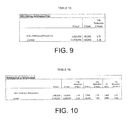
- FIG. 9 shows efficacy data for the treated coupons after inoculation with MS-2
- FIG. 10 shows efficacy data for the treated coupons after inoculation with MRSA
- FIG. 11 shows CFU/mL data for each of the three coating formulations, wherein each formulation did not include one or more titanium-oxide moieties;
- FIG. 12 shows Log Reduction data for the three formulations evaluated, wherein each formulation did not include one or more titanium-oxide moieties.
- FIG. 13 shows Percent Reduction data for the three formulations utilized, wherein each formulation did not include one or more titanium-oxide moieties.
- a coating is formed on a surface of an object, where that coating comprises a plurality of titanium-oxygen bonds, where that coating is formed by disposing on the surface a mixture of Peroxotitanium acid solution and Peroxo-modified anatase sol (collectively “Titanium-Oxygen Moieties”).
- Titanium-Oxygen Moieties comprises up to about a total of one weight percent loading of the mixture of Peroxotitanium acid solution and Peroxo-modified anatase sol. In certain embodiments, Applicants' Titanium-Oxygen Moieties comprises about 0.5 weight percent Peroxotitanium acid solution in combination with about 0.5 weight percent Peroxo-modified anatase sol.
- Applicants' coating formulation comprises a mixture of Peroxotitanium acid solution and Peroxo-modified anatase sol.
- a coating is formed on a surface of an object, where that coating comprises a plurality of titanium-oxygen bonds in combination with a plurality of silicon-oxygen bonds, and where that coating is formed by disposing a mixture of Peroxotitanium acid solution and Peroxo-modified anatase sol, in combination with an organosilane onto the surface.
- a coating comprising a plurality of titanium-oxygen bonds in combination with a plurality of silicon-oxygen bonds is formed by first disposing on the surface an organosilane followed by disposing a mixture of Peroxotitanium acid solution and Peroxo-modified anatase sol onto the organosilane.
- a coating comprising a plurality of titanium-oxygen bonds in combination with a plurality of silicon-oxygen bonds is formed by first disposing a mixture of Peroxotitanium acid solution and Peroxo-modified anatase sol on the surface followed by disposing an organosilane onto the mixture of Peroxotitanium acid solution and Peroxo-modified anatase sol.
- a coating comprising a plurality of titanium-oxygen bonds in combination with a plurality of silicon-oxygen bonds is formed by simultaneously disposing a mixture of Peroxotitanium acid solution and Peroxo-modified anatase sol and an organosilane onto the surface.
- organosilane comprises organosilane 1.
- both R1 and R2 are alkyl. In other embodiments R1 is alkyl and R2 is alkyl with an amino moiety. In still other embodiments, R1 is alkyl and R2 comprises a quaternary ammonium group. In still other embodiments, R1 is alkyl and R2 comprises a chlorine moiety. In still other embodiments, R1 is alkyl and R2 is selected from the group consisting of —O—CH 3 and —O—CH 2 —CH 3 .
- Applicants' organosilane comprises a trihydroxy silane 2.
- R2 is alkyl.
- R2 is alkyl with an amino moiety.
- R2 comprises a quaternary ammonium group.
- R2 is —OH.
- Applicants' organosilane comprises a silanetriol 2, wherein R2 is alkyl. In other embodiments, Applicants' organosilane comprises a silanetriol 2, wherein R2 is alkyl with an amino moiety. In still other embodiments, Applicants' organosilane comprises a silanetriol 2, wherein R2 is alkyl with a quaternary ammonium group.
- silyl esters such as silyl ester 1
- silanetriol such as silanetriol 2.
- Even exposure to atmospheric moisture is sufficient to hydrolyze silyl ester 1 into silanetriol 2.
- a silsesquioxane is an organosilicon compound 3.
- R2 is alkyl.
- R2 is alkyl with an amino moiety.
- R2 is alkyl with an chlorine moiety.
- R2 is alkyl with a quaternary ammonium group.
- a resulting coating disposed on the hard surface/soft surface comprises a plurality of silsesquioxane 3 structures.
- a resulting coating disposed on the hard surface/soft surface comprises a plurality of silsesquioxane structures 3 in combination with Applicants' Titanium-Oxygen Moieties.
- the Glendale Memorial Hospital Study was designed to assess the anti-microbial properties of Applicants' coating composition and method, wherein the method employed utilized an initial coating of Applicants' organosilane followed by an overspray of titanium dioxide.
- the entire ICU was subjected to the two step spray regime to treat all objects in each room including hard surfaces (beds, tray tables, bed rail, walls, etc.) and soft surfaces (drapes, cloth and vinyl covered chairs, woven fabrics, non-woven fabrics, leather goods, and the like).
- the goal of the Glendale Memorial Hospital Study was to assess the anti-microbial efficacy of Applicants' coating composition in a practical application in a health care environment.
- Each surface was first electrostatically spray coated at room temperature using an aqueous composition formed by mixing Octadecylaminodimethyltrihydrox-ysilylpropyl Ammonium Chloride 6 at 3.6 weight percent in water.
- the treated surfaces were maintained at room temperature during the spray deposition of the aqueous Octadecylaminodimethyltrihydroxysilylpropyl Ammonium Chloride 6, and during the spray deposition of Applicants' Titanium-Oxide Moieties. None of the treated objects were subjected to any elevated heat treatment wherein the treated surface was heated to a temperature greater than about room temperature during or after completion of Applicants' spray coating regime.
- Each of the sites was cultured prior to application of Applicants' method and at 1 week (6-8 days), 2 weeks (13-17 days), 4 weeks (29-32 days), 8 weeks (59-62 days), 15 weeks (104-107 days) after application. Some objects were removed and were not available for culture at some of the subsequent time points.
- Antibiotic resistant bacteria were isolated from all study areas during the baseline sampling, except C. difficile . VRE was the most commonly isolated organism.
- antibiotic resistant bacteria Prior to treatment antibiotic resistant bacteria were isolated from 25% of the sites sampled. After treatment, no antibiotic bacteria were isolated until week 8, when VRE in 1 sample (from a chair armrest) of 64 samples (1.5%) was found.
- antimicrobial efficacy demonstrates that Applicants' composition forms a coating on a treated surface, where that coating is both antifouling and antimicrobial.
- Applicants' composition and the resulting coating formed therefrom can generate self-decontaminating surfaces that comprise both antifouling and antimicrobial properties, thereby, providing a cost-effective route to minimize transmission of disease via high touch surfaces in healthcare and industrial applications.
- FIG. 1 graphically shows the number of hospital acquired C - difficile infections in the Glendale Memorial Hospital ICU from January 2012 through February 2014.
- FIG. 1 indicates that with the exception of September 2013, there were no hospital acquired C - difficile infections originating in the ICU during the period May 2013 through November 2013.
- FIG. 1 shows that there was a single hospital acquired C - difficile infection originating in the ICU during the six month period May 2013 through November 2013.
- FIG. 1 further shows that, other than the six month period May 2013 through November 2013, there was no other 6 month period during the 25 months from January 2012 through February 2014 wherein only a single hospital acquired C - difficile infection originated in the ICU. All surfaces in the ICU were treated as described hereinabove during the first week of May 2013 as part of the Glendale Memorial Hospital Study.
- FIG. 2 graphically shows the number of hospital acquired C - difficile infections at the Glendale Memorial Hospital (excluding ICU) from January 2012 through February 2014.
- FIG. 2 indicates that, with the exception of April 2013, there were between 1 and 8 hospital acquired C - difficile infections every month during the 25 month period in hospital areas outside of the ICU.
- FIG. 2 shows that there were a total of 20 hospital acquired C - difficile infections originating outside of the ICU at the Glendale Memorial Hospital.
- FIGS. 1 and 2 show that during the period May 2013 through November 2013, a single hospital acquired C - difficile infection originated in the ICU at the Glendale Memorial Hospital, and a total of 20 hospital acquired C - difficile infections originated outside of the ICU at the Glendale Memorial Hospital.
- a dressing is a sterile pad or compress applied to a wound to promote healing and/or prevent further harm.
- a dressing is designed to be in direct contact with the wound, as distinguished from a bandage, which is most often used to hold a dressing in place.
- Applicants' wound dressings including the following: alginates and other fiber gelling dressings including ropes and sheets, composite dressings, foam dressings with and without adhesive border, gauze with and without adhesive border, hydrocolloids, specialty absorptive dressings with and without adhesive borders, transparent films, collagen dressings sheets and ropes, hydrogel sheets with and without adhesive border, cotton packing strips, roll gauze, paper tape, silk tape, compression bandages (elastic, knitted/woven), self-adherent bandage (elastic, non-knitted/non-woven).
- This Example II disposes the components of Applicants' composition onto a target surface in a reverse order. More specifically in this Example II, Applicants' first dispose Applicants' Titanium-Oxide Moieties onto the target surface, the aqueous portion of the first spray deposition is evaporated, and then dispose Octadecylaminodimethyltrihydroxysilylpropyl Ammonium Chloride 6 over the earlier-disposed Titanium-Oxide Moieties.
- test coupons of this Example II were prepared and using the Procedure recited immediately hereinbelow.
- the treated coupons were stored for at least four (4) weeks prior to inoculation with various organisms.
- FIG. 5 recites efficacy data for the treated coupons after inoculation with E. coli .
- FIG. 6 recites efficacy data for the treated coupons after inoculation with MS-2.
- FIG. 7 recites efficacy data for the treated coupons after inoculation with MRSA.
- the tabular data set forth in FIGS. 5, 6 and 7 demonstrate that first disposing Applicants' Titanium-Oxide Moieties onto a target surface followed by disposing Octadecylaminodimethyltrihydroxysilylpropyl Ammonium Chloride 6 over the earlier-formed Titanium-Oxide Moieties coating, generates a self-decontaminating surface.
- test coupons by wiping them first with ISP Alcohol and allowing to dry.
- Hold sprayer about eight (8) inches from surface to be cleaned.
- Wipe surface with a clean, damp sponge or cloth Wipe surface with a clean, damp sponge or cloth.
- Optimal spraying distance is at least 36 to 48 inches away from the target surface.
- Target surface should just barely glisten with the spray. Do not over-saturate the surface.
- Optimal spraying distance is at least 36 to 48 inches away from the target surface.
- Target surface should just barely glisten with the spray. Do not over-saturate the surface.
- This Example III simultaneously disposes a mixture of Applicants' organosilane and Applicants' Titanium-Oxide Moieties onto the surface of a plurality of test coupons. More specifically in this Example III, Applicants' simultaneously dispose Applicants' Titanium-Oxide Moieties and Octadecylaminodimethyltrihydroxysilylpropyl Ammonium Chloride 6 onto a surface of each test coupon.
- test coupons of this Example III were prepared and using the Procedure recited immediately hereinbelow.
- the treated coupons were stored for at least four (4) weeks prior to inoculation with various organisms.
- FIG. 8 recites efficacy data for the treated coupons after inoculation with E. coli .
- FIG. 9 recites efficacy data for the treated coupons after inoculation with MS-2.
- FIG. 10 recites efficacy data for the treated coupons after inoculation with MRSA.
- test coupons by wiping them first with ISP Alcohol and allowing to dry.
- Hold sprayer about eight (8) inches from surface to be cleaned.
- Wipe surface with a clean, damp sponge or cloth Wipe surface with a clean, damp sponge or cloth.
- Optimal spraying distance is at least 36 to 48 inches away from the target surface.
- Target surface should just barely glisten with the spray. Do not over-saturate the surface.
- This Example IV utilizes (3-Aminopropyl)trimethoxysilane in water as the only organosilane.
- this Example VI utilizes NO organosilane(s) comprising a quaternary ammonium moiety.
- (3-Aminopropyl)trimethoxysilane is rapidly hydrolyzed to (3-Aminopropyl)trihydroxysilane) 7 when mixed with water.
- test coupons of this Example IV were prepared and using the Procedure recited immediately hereinbelow.
- the treated coupons were stored for at least four (4) weeks prior to inoculation with various organisms.
- a dressing is a sterile pad or compress applied to a wound to promote healing and/or prevent further harm.
- a dressing is designed to be in direct contact with the wound, as distinguished from a bandage, which is most often used to hold a dressing in place.
- Applicants' wound dressings including the following: alginates and other fiber gelling dressings including ropes and sheets, composite dressings, foam dressings with and without adhesive border, gauze with and without adhesive border, hydrocolloids, specialty absorptive dressings with and without adhesive borders, transparent films, collagen dressings sheets and ropes, hydrogel sheets with and without adhesive border, cotton packing strips, roll gauze, paper tape, silk tape, compression bandages (elastic, knitted/woven), self-adherent bandage (elastic, non-knitted/non-woven).
- TABLES 15, 16, and 17 recite efficacy data for the treated coupons after inoculation with E. coli .
- TABLES 15, 16, and 17 demonstrate that disposing a 3-Aminopropyl)trihydroxysilane coating onto a target surface, and then disposing TiO 2 over that 3-Aminopropyl)trihydroxysilane coating generates a self-decontaminating surface.
- test coupons by wiping them first with ISP Alcohol and allowing to dry.
- Hold sprayer about eight (8) inches from surface to be cleaned.
- Wipe surface with a clean, damp sponge or cloth Wipe surface with a clean, damp sponge or cloth.
- Optimal spraying distance is at least 36 to 48 inches away from the target surface.
- Target surface should just barely glisten with the spray. Do not over-saturate the surface.
- Optimal spraying distance is at least 36 to 48 inches away from the target surface.
- Target surface should just barely glisten with the spray. Do not over-saturate the surface.
- This Example V mixes (3-Chloropropyl)trimethoxysilane in water. (3-Chloropropyl)trimethoxysilane is immediately hydrolyzed to (3-Chloropropyl)trihydroxysilane 8 when mixed with water.
- this Example V utilizes NO organosilane(s) comprising a quaternary ammonium moiety. Furthermore, this Example VII utilizes NO organosilane(s) comprising an amino moiety.
- test coupons of this Example V were prepared using the Procedure recited immediately hereinbelow. In certain embodiments, the treated coupons were stored for at least four (4) weeks prior to inoculation with various organisms.
- a dressing is a sterile pad or compress applied to a wound to promote healing and/or prevent further harm.
- a dressing is designed to be in direct contact with the wound, as distinguished from a bandage, which is most often used to hold a dressing in place.
- Applicants' wound dressings including the following: alginates and other fiber gelling dressings including ropes and sheets, composite dressings, foam dressings with and without adhesive border, gauze with and without adhesive border, hydrocolloids, specialty absorptive dressings with and without adhesive borders, transparent films, collagen dressings sheets and ropes, hydrogel sheets with and without adhesive border, cotton packing strips, roll gauze, paper tape, silk tape, compression bandages (elastic, knitted/woven), self-adherent bandage (elastic, non-knitted/non-woven).
- TABLES 18, 19, and 20 recite efficacy data for the treated coupons after inoculation with E. coli .
- TABLES 18, 19, and 20 demonstrates that disposing a (3-Chloropropyl)trihydroxysilane coating on a target surface followed by disposing Applicants' Titanium Oxide Moieties onto the (3-Chloropropyl)trihydroxysilane coating generates a self-decontaminating surface.
- test coupons by wiping them first with ISP Alcohol and allowing to dry.
- Hold sprayer about eight (8) inches from surface to be cleaned.
- Wipe surface with a clean, damp sponge or cloth Wipe surface with a clean, damp sponge or cloth.
- Optimal spraying distance is at least 36 to 48 inches away from the target surface.
- Target surface should just barely glisten with the spray. Do not over-saturate the surface.
- Optimal spraying distance is at least 36 to 48 inches away from the target surface.
- Target surface should just barely glisten with the spray. Do not over-saturate the surface.
- This Example VI utilizes three (3) coating formulations without any Titanium-Oxide containing compounds.
- a first of the three coating formulations identified in this Example VI as ABS 2015E utilizes Octadecylaminodimethyltrihydroxysilylpropyl Ammonium Chloride 6 as the organosilane.
- a second of the three coating formulations identified in this Example VI as ABS 2020E utilizes (3-Aminopropyl)trihydroxysilane) 7 as the organosilane.
- a third of the three coating formulations identified in this Example VI as ABS 2030E utilizes (3-Chloropropyl)trihydroxysilane) 8 as the organosilane.
- Example IV The method of Example IV as discussed above relating to spray deposition of a silane onto test coupons was utilized in this Example VI.
- the method in Example IV relating to spray deposition of the Titanium-Oxygen Moieties was not utilized in this Example VI.
- FIG. 11 recites CFU/mL data for each of the three coating formulations, wherein each formulation did not include one or more titanium-oxide moieties.
- FIG. 12 recites Log Reduction data for the three formulations evaluated, wherein each formulation did not include one or more titanium-oxide moieties.
- FIG. 13 recites Percent Reduction data for the three formulations utilized, wherein each formulation did not include one or more titanium-oxide moieties.
- one or polymeric species are formed on a treated surface.
- triethanolamine 9 and organosilane 1 react to form a linear polymer 10.
- triethanolamine 9 and organosilane 1 react to form a branched polymer 11.
- triethanolamine 9 and organosilane 1 react to form a cross-linked polymer 12.
- Applicants' organosilane comprises tetraethylorthosilicate 13.
- Applicants cross-linked polymeric material 14 is formed by reaction of tetraethylorthosilicate 13 and triethanolamine 9.
- Reaction Scheme 5 illustrates a single Si atom having four (4) different polymer chains originating therefrom.
- Applicants' cross-linked polymer material 14 comprises a very high cross-link density.
- cross-linked polymeric material 16 is formed by reaction of tetraethylorthosilicate 13 and diethanolamine 13.
- Reaction Scheme 6 illustrates a single Si atom having four (4) different polymer chains originating therefrom.
- Applicants' cross-linked polymer material 16 comprises a very high cross-link density.
- Stainless steel carriers were coated with the solutions containing 7.5% of one of three different choline 16 compounds in H 2 O, wherein R3 is selected from the group consisting of —H and —CO—CH 3 .
- Cholines used included Choline Chloride, Choline Bitartrate, and Acetylcholine Chloride. Carriers were coated by dipping into solution using forceps and allowing to drip-dry overnight. Carriers were still not completely dry even after 24 hours drying time. Twenty (20) microliters of 0/N cultures of E. coli 25592 (grown at 37 C for 18 hours) were added to each carrier. Following inoculation of the carriers, the carriers were swabbed with D/E neutralizing broth and processed for the zero hour time point. This was repeated for the land 4 hour time points.
- choline bitartrate When calculated relative to the timed control, choline bitartrate showed the greatest surface-kill, with a 2.39 log reduction in bacteria. Acetylcholine chloride and choline chloride showed a 1.85 and 1.40 log reduction, respectively.
- APTES Aminopropyl triethoxysilane
- APTES+Choline Chloride and APTES+Choline Bitartrate showed a 3.36 and 3.38 log reduction, respectively, at the 1 hour time point.
- TABLE 24 recites antimicrobial efficacy data for the above-described choline formulations at time T 0 , i.e. immediately after inoculation.
- TABLE 25 recites antimicrobial data at one (1) hour after inoculation.
- Stainless steel carriers were coated with solutions containing 7.5% of each choline compound and 5% Aminopropyltriethoxysilane in H 2 O (ABS-2040 contains choline chloride, while ABS-2041 contains choline bitartrate). Carriers were coated using an electrostatic sprayer and then allowed to dry. Carriers were still not completely dry even after 2 days of drying time. Twenty (20) microliters cultures of E. coli grown at 37° C. for 18 hours) were added to each carrier. Following inoculation of the carriers, the carriers were swabbed with neutralizing broth and processed for the zero hour time point. This was repeated for the 1 hour time point.
- Table 26 recites antimicrobial efficacy data at time T 0 , i.e. immediately after inoculation.
- TABLE 27 recites antimicrobial data at one (1) hour after inoculation.
- TABLE 28 recites antimicrobial data at four (4) hours after inoculation.
- Stainless steel carriers were coated with solutions containing 15% of each choline compound and 5% Aminopropyltriethoxysilane in H2O (ABS-2040 contains choline chloride, while ABS-2041 contains choline bitartrate). Carriers were coated using an electrostatic sprayer and then allowed to dry. Carriers were still not completely dry even after 2 days of drying time. 20 microliters of cultures of E. coli 25592 grown at 37° C. for 18 hours were added to each carrier. Following inoculation of the carriers, the carriers were swabbed with D/E neutralizing broth and processed for the zero hour time point. This was repeated for the 1 and 4 hour time points.
- Table 29 recites antimicrobial efficacy data at time T 0 , i.e. immediately after inoculation.
- TABLE 30 recites antimicrobial data at one (1) hour after inoculation.
- TABLE 31 recites antimicrobial data at four (4) hours after inoculation.
- Applicants' sterilizing station 300 comprises a “walk through” assembly having two opposing sides 310 and 320 which are joined by top 330 .
- side 310 comprises a plurality of UV light emitters 311 , 312 , 313 , 314 , 315 , 316 , and 317 , where that plurality of UV emitters face the interior, i.e. walking space portion, of sterilizing station 300 .
- Applicants' sterilizing station 300 comprises fewer than seven (7) UV emitters per side.
- Applicants' sterilizing station comprises more than seven (7) UV emitters per side.
- Side 320 is similarly formed to include a plurality of UV emitters, where each of those UV emitters face the interior, i.e. walking space portion, of sterilizing station 300 .
- the plurality of UV emitters disposed on the interior portion of side 310 have a facing relationship with the plurality of UV emitters disposed on the interior portion of side 320 .
- top portion 330 comprises a plurality of UV emitters, i.e. UV emitters 332 and 334 , where those UV emitters face downwardly. In other embodiments, top portion 330 comprises more than two (2) UV emitters.
- FIG. 3 shows a medical practitioner walking through sterilizing station 300 .
- the medical practitioner is wearing a scrub suit, the various pieces of which have been coated on the exterior surface with Applicants' coating composition.
- the plurality of UV emitters disposed on sides 310 and 320 , and the plurality of UV emitters disposed on top 330 are energized thereby maximizing the photocatalytic effect of Applicants' coating. Enhancing the photocatalytic activity of the coating maximizes the production of high energy, atomic oxygen species at the surface of scrub suit pieces, thereby, effectively sterilizing the exterior surfaces of all scrub suit articles.
Landscapes
- Chemical & Material Sciences (AREA)
- Organic Chemistry (AREA)
- Chemical Kinetics & Catalysis (AREA)
- Medicinal Chemistry (AREA)
- Polymers & Plastics (AREA)
- Health & Medical Sciences (AREA)
- Life Sciences & Earth Sciences (AREA)
- Wood Science & Technology (AREA)
- Engineering & Computer Science (AREA)
- Materials Engineering (AREA)
- Plant Pathology (AREA)
- Agricultural Chemicals And Associated Chemicals (AREA)
- Silicon Polymers (AREA)
- Paints Or Removers (AREA)
- Application Of Or Painting With Fluid Materials (AREA)
- Compositions Of Macromolecular Compounds (AREA)
- Macromolecular Compounds Obtained By Forming Nitrogen-Containing Linkages In General (AREA)
- Catalysts (AREA)
- Apparatus For Disinfection Or Sterilisation (AREA)
Priority Applications (27)
| Application Number | Priority Date | Filing Date | Title |
|---|---|---|---|
| US14/932,840 US9856360B2 (en) | 2014-11-04 | 2015-11-04 | Composition and method to form a self decontaminating surface |
| US15/041,974 US9918475B2 (en) | 2015-02-11 | 2016-02-11 | Anti-microbial coating and method to form same |
| PCT/US2016/017599 WO2016130837A1 (en) | 2015-02-11 | 2016-02-11 | Anti-microbial coating and method to form same |
| CN202010371101.5A CN111466405B (zh) | 2015-02-11 | 2016-02-11 | 抗微生物涂料配制剂 |
| CA2972923A CA2972923C (en) | 2015-02-11 | 2016-02-11 | Anti-microbial coating and method to form same |
| JP2017536331A JP6409135B2 (ja) | 2015-02-11 | 2016-02-11 | 抗微生物コーティングおよびそれを形成させるための方法 |
| MX2017008855A MX376323B (es) | 2015-02-11 | 2016-02-11 | Recubrimiento anti-microbiano y metodo para formar el mismo. |
| AU2016219202A AU2016219202B2 (en) | 2015-02-11 | 2016-02-11 | Anti-microbial coating and method to form same |
| KR1020177018895A KR102014006B1 (ko) | 2015-02-11 | 2016-02-11 | 항-미생물 코팅 및 그의 형성 방법 |
| EP16714595.2A EP3256531A1 (en) | 2015-02-11 | 2016-02-11 | Anti-microbial coating and method to form same |
| CN201680005653.6A CN107257626B (zh) | 2015-02-11 | 2016-02-11 | 抗微生物涂层及其形成方法 |
| RU2017124203A RU2673524C1 (ru) | 2015-02-11 | 2016-02-11 | Противомикробное покрытие и способ его формирования |
| EP20180203.0A EP3741816A1 (en) | 2015-02-11 | 2016-02-11 | Anti-microbial coating and method to form same |
| US15/432,567 US9963596B2 (en) | 2014-11-04 | 2017-02-14 | Synergistic combinations of choline and reactive silanes in antimicrobial coatings |
| US15/432,428 US10238114B2 (en) | 2014-11-04 | 2017-02-14 | Methods of preparing reactive mixtures of silanes and triethanolamine and polymers therefrom |
| US15/432,413 US10194664B2 (en) | 2014-11-04 | 2017-02-14 | Methods of preparing self-decontaminating surfaces using reactive silanes, triethanolamine and titanium anatase sol |
| US15/432,443 US10182570B2 (en) | 2014-11-04 | 2017-02-14 | Antimicrobial coatings formed from mixtures of silanes and amines |
| MX2020005641A MX2020005641A (es) | 2015-02-11 | 2017-07-03 | Recubrimiento anti-microbiano y metodo para formar el mismo. |
| US15/718,997 US10463046B2 (en) | 2014-11-04 | 2017-09-28 | Antimicrobial coatings capable of reducing the number of murine norovirus inoculated thereon |
| US15/720,835 US10420342B2 (en) | 2014-11-04 | 2017-09-29 | Methods of coating a surface with an antimicrobial coating capable of reducing the number of murine norovirus inoculated thereon |
| US15/969,576 US10258046B2 (en) | 2014-11-04 | 2018-05-02 | Antimicrobial coatings comprising quaternary silanes |
| JP2018177318A JP6632677B2 (ja) | 2015-02-11 | 2018-09-21 | 抗微生物コーティングおよびそれを形成させるための方法 |
| US16/591,785 US10993441B2 (en) | 2014-11-04 | 2019-10-03 | Antimicrobial coatings comprising organosilane homopolymers |
| US16/940,159 US10980236B2 (en) | 2014-11-04 | 2020-07-27 | Broad spectrum antimicrobial coatings comprising combinations of organosilanes |
| US17/177,850 US11369114B2 (en) | 2014-11-04 | 2021-02-17 | Antimicrobial coatings comprising organosilane homopolymers |
| US17/200,245 US11033031B1 (en) | 2014-11-04 | 2021-03-12 | Broad spectrum antimicrobial coatings comprising combinations of organosilanes |
| US17/315,559 US20210267208A1 (en) | 2014-11-04 | 2021-05-10 | Broad spectrum antimicrobial coatings comprising combinations of organosilanes |
Applications Claiming Priority (2)
| Application Number | Priority Date | Filing Date | Title |
|---|---|---|---|
| US201462075020P | 2014-11-04 | 2014-11-04 | |
| US14/932,840 US9856360B2 (en) | 2014-11-04 | 2015-11-04 | Composition and method to form a self decontaminating surface |
Related Child Applications (3)
| Application Number | Title | Priority Date | Filing Date |
|---|---|---|---|
| US15/041,974 Continuation-In-Part US9918475B2 (en) | 2014-11-04 | 2016-02-11 | Anti-microbial coating and method to form same |
| US15/041,974 Continuation US9918475B2 (en) | 2014-11-04 | 2016-02-11 | Anti-microbial coating and method to form same |
| US15/432,567 Continuation US9963596B2 (en) | 2014-11-04 | 2017-02-14 | Synergistic combinations of choline and reactive silanes in antimicrobial coatings |
Publications (2)
| Publication Number | Publication Date |
|---|---|
| US20160122587A1 US20160122587A1 (en) | 2016-05-05 |
| US9856360B2 true US9856360B2 (en) | 2018-01-02 |
Family
ID=55851948
Family Applications (2)
| Application Number | Title | Priority Date | Filing Date |
|---|---|---|---|
| US14/932,840 Active US9856360B2 (en) | 2014-11-04 | 2015-11-04 | Composition and method to form a self decontaminating surface |
| US15/432,567 Active 2035-11-18 US9963596B2 (en) | 2014-11-04 | 2017-02-14 | Synergistic combinations of choline and reactive silanes in antimicrobial coatings |
Family Applications After (1)
| Application Number | Title | Priority Date | Filing Date |
|---|---|---|---|
| US15/432,567 Active 2035-11-18 US9963596B2 (en) | 2014-11-04 | 2017-02-14 | Synergistic combinations of choline and reactive silanes in antimicrobial coatings |
Country Status (11)
| Country | Link |
|---|---|
| US (2) | US9856360B2 (enExample) |
| EP (2) | EP3215553B1 (enExample) |
| JP (2) | JP6482673B2 (enExample) |
| KR (2) | KR102009127B1 (enExample) |
| CN (1) | CN107207734B (enExample) |
| AU (2) | AU2015343153B2 (enExample) |
| CA (1) | CA2965978C (enExample) |
| ES (1) | ES2886013T3 (enExample) |
| MX (2) | MX380605B (enExample) |
| RU (2) | RU2676089C1 (enExample) |
| WO (1) | WO2016073634A1 (enExample) |
Cited By (3)
| Publication number | Priority date | Publication date | Assignee | Title |
|---|---|---|---|---|
| US10456493B2 (en) | 2017-06-23 | 2019-10-29 | Allied Bioscience, Inc. | Infection control apparatus |
| US11020278B2 (en) | 2017-03-28 | 2021-06-01 | Allied Bioscience, Inc. | Antimicrobial coatings for medical dressings and dry antimicrobial medical dressings therefrom |
| US11077234B2 (en) | 2017-03-28 | 2021-08-03 | Allied Bioscience, Inc. | Antimicrobial coatings for medical implements and medical devices |
Families Citing this family (15)
| Publication number | Priority date | Publication date | Assignee | Title |
|---|---|---|---|---|
| US20150306271A1 (en) * | 2009-06-03 | 2015-10-29 | Triatomic Environmental, Inc. | Adsorptive photo-catalytic oxidation air purification device |
| US10258046B2 (en) | 2014-11-04 | 2019-04-16 | Allied Bioscience, Inc. | Antimicrobial coatings comprising quaternary silanes |
| US10993441B2 (en) | 2014-11-04 | 2021-05-04 | Allied Bioscience, Inc. | Antimicrobial coatings comprising organosilane homopolymers |
| WO2016073634A1 (en) | 2014-11-04 | 2016-05-12 | Daniel Moros | Composition and method to form a self decontaminating surface |
| US10980236B2 (en) | 2014-11-04 | 2021-04-20 | Allied Bioscience, Inc. | Broad spectrum antimicrobial coatings comprising combinations of organosilanes |
| CA2972923C (en) | 2015-02-11 | 2019-04-30 | Allied Bioscience, Inc. | Anti-microbial coating and method to form same |
| WO2017145142A1 (en) | 2016-02-25 | 2017-08-31 | Nobio Ltd. | Micro and nanoparticulate compositions comprising anti-microbially active groups |
| WO2018237077A1 (en) * | 2017-06-23 | 2018-12-27 | Allied Bioscience, Inc. | Antimicrobial sponges |
| PL3675801T3 (pl) * | 2017-08-30 | 2024-12-02 | Nobio Ltd. | Cząstki przeciwdrobnoustrojowe i sposoby ich stosowania |
| WO2019239808A1 (ja) * | 2018-06-11 | 2019-12-19 | 富士フイルム株式会社 | 光触媒複合材、サイネージ用ディスプレイ保護部材、タッチパネル用保護部材、太陽電池用保護部材、センサカバー用保護部材、サイネージ用ディスプレイ、タッチパネル、太陽電池、及び、センサカバー |
| WO2019239810A1 (ja) * | 2018-06-11 | 2019-12-19 | 富士フイルム株式会社 | 光触媒複合材、サイネージ用ディスプレイ保護部材、タッチパネル用保護部材、太陽電池用保護部材、センサカバー用保護部材、サイネージ用ディスプレイ、タッチパネル、太陽電池、及び、センサカバー |
| WO2019239809A1 (ja) * | 2018-06-11 | 2019-12-19 | 富士フイルム株式会社 | 光触媒複合材、サイネージ用ディスプレイ保護部材、タッチパネル用保護部材、太陽電池用保護部材、センサカバー用保護部材、サイネージ用ディスプレイ、タッチパネル、太陽電池、及び、センサカバー |
| WO2020082026A1 (en) | 2018-10-18 | 2020-04-23 | Topikos Pharmaceuticals, Inc. | Organosilanes for the treatment of infections |
| EP4045057A4 (en) | 2019-10-18 | 2023-12-06 | Topikos Scientific, Inc. | ANTIMICROBIAL ORGANOSILANES |
| EP4023067A1 (en) | 2020-12-31 | 2022-07-06 | Ditecpesa, S.A. | Compound for long-lasting disinfection of surfaces |
Citations (28)
| Publication number | Priority date | Publication date | Assignee | Title |
|---|---|---|---|---|
| US3068199A (en) | 1959-02-02 | 1962-12-11 | Union Carbide Corp | Catalytic process for producing organopolysiloxane resins |
| US3133108A (en) * | 1958-07-29 | 1964-05-12 | Westinghouse Electric Corp | Nitrogen coordinated silicon compounds |
| US4005025A (en) | 1975-05-05 | 1977-01-25 | The Procter & Gamble Company | Organosilane-containing anionic detergent composition |
| US4048206A (en) | 1975-04-22 | 1977-09-13 | Mikhail Grigorievich Voronkov | Process for the production of 1-organylsilatranes and carbofunctional derivatives thereof |
| SU1130570A1 (ru) * | 1983-03-09 | 1984-12-23 | Предприятие П/Я А-1785 | Производные диэфиров бис/диоксиалкиламиноэтокси/диалкоксисиланов в качестве пластификаторов к цемент0бетонным смес м |
| SU1567314A1 (ru) * | 1988-05-23 | 1990-05-30 | Чувашский государственный университет им.И.Н.Ульянова | Смесь дл изготовлени литейных форм и стержней |
| JPH06287068A (ja) * | 1993-03-31 | 1994-10-11 | Nippon Steel Corp | α’―サイアロン焼結体の製造方法 |
| US5359104A (en) | 1989-11-03 | 1994-10-25 | Dow Corning Corporation | Solid antimicrobial |
| US5879436A (en) * | 1995-06-29 | 1999-03-09 | Ciba Specialty Chemicals Corporation | Aminosilane salts and silanamides of carboxylic acids as corrosion inhibitors |
| US5954869A (en) | 1997-05-07 | 1999-09-21 | Bioshield Technologies, Inc. | Water-stabilized organosilane compounds and methods for using the same |
| US20030101898A1 (en) * | 2001-11-05 | 2003-06-05 | Degussa Ag | Corrosion inhibitor for steel-reinforced concrete |
| US20060142459A1 (en) * | 2002-06-12 | 2006-06-29 | Armin Goebel | Aqueous binders containing layered silicate, process for the production thereof and use thereof in aqueous coating compositions |
| US20080131594A1 (en) * | 2006-11-30 | 2008-06-05 | Korea Electric Power Corporation | Method for repairing aged reinforced concrete structure using surface-penetration reinforcing agent |
| US20090030220A1 (en) * | 2004-08-02 | 2009-01-29 | Teruo Uchibori | Transparent desiccating agent |
| US20100029530A1 (en) | 2008-07-30 | 2010-02-04 | Reginald Keith Whiteley | Biostatic Medical Cleaning Products |
| US7704561B2 (en) | 2006-07-07 | 2010-04-27 | Zydex Industries | Methods of treating surfaces with ionic organosilicon compositions |
| US20120015200A1 (en) | 2010-05-25 | 2012-01-19 | 3M Innovative Properties Company | Antimicrobial coatings |
| RU2450516C1 (ru) * | 2010-12-13 | 2012-05-20 | Общество с Ограниченной Ответственностью "Флора-ЛиК" | Способ получения пастообразного продукта для стимуляции роста и развития растений и пастообразный продукт для стимуляции роста и развития растений |
| WO2012142621A1 (en) | 2011-04-15 | 2012-10-18 | Geoffrion Charles | Composition and method to form a self decontaminating surface |
| US20130040078A1 (en) | 2010-07-09 | 2013-02-14 | Evonik Degussa Gmbh | Methods for producing a dispersion containing silicon dioxide particles and cationization agent |
| WO2013082096A1 (en) | 2011-11-29 | 2013-06-06 | Dow Corning Corporation | Aminofunctional silicone emulsions for fiber treatments |
| US20130167754A1 (en) | 2010-07-09 | 2013-07-04 | Evonik Degussa Gmbh | Quaternary amino alcohol functional organosilicon compounds, composition containing the latter and their production and use |
| CN103305029A (zh) | 2013-06-21 | 2013-09-18 | 华南理工大学 | 一种石灰石助磨与表面改性复合添加剂 |
| CN103351916A (zh) * | 2013-06-19 | 2013-10-16 | 安徽富华电子集团有限公司 | 一种铝拉丝润滑剂及其制备方法 |
| US20140158018A1 (en) | 2011-04-15 | 2014-06-12 | Charles Geoffrion | Composition and Method to Form a Self Decontaminating Surface |
| WO2014089560A1 (en) | 2012-12-07 | 2014-06-12 | Allied Bioscience Services, Inc. | Wiping article |
| US20150020712A1 (en) * | 2012-04-19 | 2015-01-22 | Basf Se | Process for preparing an effect pigment |
| WO2016073634A1 (en) | 2014-11-04 | 2016-05-12 | Daniel Moros | Composition and method to form a self decontaminating surface |
Family Cites Families (28)
| Publication number | Priority date | Publication date | Assignee | Title |
|---|---|---|---|---|
| CA1010176A (en) * | 1970-09-24 | 1977-05-10 | Mobil Oil Corporation | Organic silicate coating and casting compositions and methods of making same |
| FR2751882B1 (fr) * | 1996-07-31 | 1998-10-02 | Inst Curie | Surfaces hyperbactericides |
| JP2000351940A (ja) * | 1999-06-09 | 2000-12-19 | Jsr Corp | スプレー用コーティング組成物、エアゾール缶および塗膜の形成方法 |
| JP4017389B2 (ja) * | 2001-12-21 | 2007-12-05 | Jfe建材株式会社 | 光触媒体の製造方法 |
| JP2004091697A (ja) * | 2002-09-02 | 2004-03-25 | Hitachi Chem Co Ltd | 酸化チタン膜形成用液体、酸化チタン膜の形成法、酸化チタン膜及び光触媒性部材 |
| JP4215524B2 (ja) * | 2003-01-21 | 2009-01-28 | 大日本塗料株式会社 | 水性塗料組成物 |
| JP2004231887A (ja) * | 2003-01-31 | 2004-08-19 | Techno Polymer Co Ltd | 表面処理剤及び塗装された成形品 |
| JP4287695B2 (ja) * | 2003-05-15 | 2009-07-01 | 株式会社ティオテクノ | 光触媒体 |
| CN1286929C (zh) * | 2003-09-18 | 2006-11-29 | 中国科学院理化技术研究所 | 防雾抗菌多功能涂料及其制备方法和用途 |
| US6994890B2 (en) * | 2003-10-31 | 2006-02-07 | Resource Development L.L.C. | Cleaning and multifunctional coating composition containing an organosilane quaternary compound and hydrogen peroxide |
| JP2005138059A (ja) * | 2003-11-07 | 2005-06-02 | Teio Techno:Kk | 速硬化性光触媒体 |
| TWI325134B (en) | 2004-04-21 | 2010-05-21 | Kobe Steel Ltd | Semi-reflective film and reflective film for optical information recording medium, optical information recording medium, and sputtering target |
| JP2006136758A (ja) * | 2004-11-10 | 2006-06-01 | Asahi Kasei Chemicals Corp | 光触媒組成物、および光触媒部材 |
| JP2006136782A (ja) * | 2004-11-11 | 2006-06-01 | Asahi Kasei Chemicals Corp | 光触媒アルミニウム部材 |
| JP2006337740A (ja) * | 2005-06-02 | 2006-12-14 | Canon Inc | 誘導加熱定着装置及びそれを用いた画像形成装置 |
| US8344238B2 (en) * | 2005-07-19 | 2013-01-01 | Solyndra Llc | Self-cleaning protective coatings for use with photovoltaic cells |
| US8137735B2 (en) * | 2005-11-10 | 2012-03-20 | Allegiance Corporation | Elastomeric article with antimicrobial coating |
| JPWO2007097284A1 (ja) * | 2006-02-20 | 2009-07-16 | 多摩化学工業株式会社 | 均一分散性光触媒コーティング液及びその製造方法並びにこれを用いて得られる光触媒活性複合材 |
| DE102007017518A1 (de) * | 2007-04-13 | 2008-10-16 | Siemens Ag | Biozide/hydrophobe Innenbeschichtung von Kondensatorrohren (von Industrieturbinen und Nebenkühlkreisen) |
| US7846866B2 (en) * | 2008-09-09 | 2010-12-07 | Guardian Industries Corp. | Porous titanium dioxide coatings and methods of forming porous titanium dioxide coatings having improved photocatalytic activity |
| JP2010111793A (ja) * | 2008-11-07 | 2010-05-20 | Asia Kogyo Kk | 水性低汚染塗料 |
| US20110271873A1 (en) * | 2010-05-07 | 2011-11-10 | Resource Development, LLC | Solvent-Free Organosilane Quaternary Ammonium Compositions, Method of Making and Use |
| BR112012030011A2 (pt) * | 2010-05-25 | 2016-08-02 | 3M Innovative Properties Co | revestimentos antimicrobianos |
| WO2012037615A1 (en) | 2010-09-22 | 2012-03-29 | Global Future Solutions Pty Ltd | An improved antimicrobial agent and method of maintaining microbial control |
| JP5874266B2 (ja) * | 2010-10-20 | 2016-03-02 | 信越化学工業株式会社 | 光触媒塗工液及びそれから得られる光触媒薄膜 |
| CN102923966B (zh) * | 2012-11-20 | 2016-03-30 | 王德宪 | 抗菌减反射玻璃镀液组合物、其制法及用途 |
| CN103880297B (zh) * | 2012-12-20 | 2016-02-24 | 江南大学 | 一种锌掺杂多孔SiO2/TiO2自清洁复合薄膜的制备方法 |
| CN103351920A (zh) * | 2013-06-19 | 2013-10-16 | 安徽富华电子集团有限公司 | 一种铜线高速细拉丝润滑液及其制备方法 |
-
2015
- 2015-11-04 WO PCT/US2015/059080 patent/WO2016073634A1/en not_active Ceased
- 2015-11-04 ES ES15857660T patent/ES2886013T3/es active Active
- 2015-11-04 MX MX2017005740A patent/MX380605B/es unknown
- 2015-11-04 JP JP2017543303A patent/JP6482673B2/ja not_active Expired - Fee Related
- 2015-11-04 MX MX2021002849A patent/MX394197B/es unknown
- 2015-11-04 KR KR1020187037194A patent/KR102009127B1/ko not_active Expired - Fee Related
- 2015-11-04 RU RU2018125035A patent/RU2676089C1/ru active
- 2015-11-04 AU AU2015343153A patent/AU2015343153B2/en not_active Ceased
- 2015-11-04 CN CN201580067821.XA patent/CN107207734B/zh not_active Expired - Fee Related
- 2015-11-04 CA CA2965978A patent/CA2965978C/en active Active
- 2015-11-04 KR KR1020177014833A patent/KR101934224B1/ko not_active Expired - Fee Related
- 2015-11-04 EP EP15857660.3A patent/EP3215553B1/en active Active
- 2015-11-04 RU RU2017117044A patent/RU2661880C1/ru active
- 2015-11-04 US US14/932,840 patent/US9856360B2/en active Active
- 2015-11-04 EP EP21151547.3A patent/EP3875515B1/en active Active
-
2017
- 2017-02-14 US US15/432,567 patent/US9963596B2/en active Active
-
2018
- 2018-07-04 AU AU2018204875A patent/AU2018204875B2/en not_active Ceased
- 2018-07-24 JP JP2018138257A patent/JP6698124B2/ja not_active Expired - Fee Related
Patent Citations (28)
| Publication number | Priority date | Publication date | Assignee | Title |
|---|---|---|---|---|
| US3133108A (en) * | 1958-07-29 | 1964-05-12 | Westinghouse Electric Corp | Nitrogen coordinated silicon compounds |
| US3068199A (en) | 1959-02-02 | 1962-12-11 | Union Carbide Corp | Catalytic process for producing organopolysiloxane resins |
| US4048206A (en) | 1975-04-22 | 1977-09-13 | Mikhail Grigorievich Voronkov | Process for the production of 1-organylsilatranes and carbofunctional derivatives thereof |
| US4005025A (en) | 1975-05-05 | 1977-01-25 | The Procter & Gamble Company | Organosilane-containing anionic detergent composition |
| SU1130570A1 (ru) * | 1983-03-09 | 1984-12-23 | Предприятие П/Я А-1785 | Производные диэфиров бис/диоксиалкиламиноэтокси/диалкоксисиланов в качестве пластификаторов к цемент0бетонным смес м |
| SU1567314A1 (ru) * | 1988-05-23 | 1990-05-30 | Чувашский государственный университет им.И.Н.Ульянова | Смесь дл изготовлени литейных форм и стержней |
| US5359104A (en) | 1989-11-03 | 1994-10-25 | Dow Corning Corporation | Solid antimicrobial |
| JPH06287068A (ja) * | 1993-03-31 | 1994-10-11 | Nippon Steel Corp | α’―サイアロン焼結体の製造方法 |
| US5879436A (en) * | 1995-06-29 | 1999-03-09 | Ciba Specialty Chemicals Corporation | Aminosilane salts and silanamides of carboxylic acids as corrosion inhibitors |
| US5954869A (en) | 1997-05-07 | 1999-09-21 | Bioshield Technologies, Inc. | Water-stabilized organosilane compounds and methods for using the same |
| US20030101898A1 (en) * | 2001-11-05 | 2003-06-05 | Degussa Ag | Corrosion inhibitor for steel-reinforced concrete |
| US20060142459A1 (en) * | 2002-06-12 | 2006-06-29 | Armin Goebel | Aqueous binders containing layered silicate, process for the production thereof and use thereof in aqueous coating compositions |
| US20090030220A1 (en) * | 2004-08-02 | 2009-01-29 | Teruo Uchibori | Transparent desiccating agent |
| US7704561B2 (en) | 2006-07-07 | 2010-04-27 | Zydex Industries | Methods of treating surfaces with ionic organosilicon compositions |
| US20080131594A1 (en) * | 2006-11-30 | 2008-06-05 | Korea Electric Power Corporation | Method for repairing aged reinforced concrete structure using surface-penetration reinforcing agent |
| US20100029530A1 (en) | 2008-07-30 | 2010-02-04 | Reginald Keith Whiteley | Biostatic Medical Cleaning Products |
| US20120015200A1 (en) | 2010-05-25 | 2012-01-19 | 3M Innovative Properties Company | Antimicrobial coatings |
| US20130040078A1 (en) | 2010-07-09 | 2013-02-14 | Evonik Degussa Gmbh | Methods for producing a dispersion containing silicon dioxide particles and cationization agent |
| US20130167754A1 (en) | 2010-07-09 | 2013-07-04 | Evonik Degussa Gmbh | Quaternary amino alcohol functional organosilicon compounds, composition containing the latter and their production and use |
| RU2450516C1 (ru) * | 2010-12-13 | 2012-05-20 | Общество с Ограниченной Ответственностью "Флора-ЛиК" | Способ получения пастообразного продукта для стимуляции роста и развития растений и пастообразный продукт для стимуляции роста и развития растений |
| WO2012142621A1 (en) | 2011-04-15 | 2012-10-18 | Geoffrion Charles | Composition and method to form a self decontaminating surface |
| US20140158018A1 (en) | 2011-04-15 | 2014-06-12 | Charles Geoffrion | Composition and Method to Form a Self Decontaminating Surface |
| WO2013082096A1 (en) | 2011-11-29 | 2013-06-06 | Dow Corning Corporation | Aminofunctional silicone emulsions for fiber treatments |
| US20150020712A1 (en) * | 2012-04-19 | 2015-01-22 | Basf Se | Process for preparing an effect pigment |
| WO2014089560A1 (en) | 2012-12-07 | 2014-06-12 | Allied Bioscience Services, Inc. | Wiping article |
| CN103351916A (zh) * | 2013-06-19 | 2013-10-16 | 安徽富华电子集团有限公司 | 一种铝拉丝润滑剂及其制备方法 |
| CN103305029A (zh) | 2013-06-21 | 2013-09-18 | 华南理工大学 | 一种石灰石助磨与表面改性复合添加剂 |
| WO2016073634A1 (en) | 2014-11-04 | 2016-05-12 | Daniel Moros | Composition and method to form a self decontaminating surface |
Non-Patent Citations (13)
| Title |
|---|
| Derwent Abstract 1994-363481, corresponding to JP 06287068, Oct. 1994. * |
| Derwent Abstract 2012-F82416, corresponding to RU 2450516, May 2012. * |
| Derwent Abstract 2014-A01672, corresponding to CN 103351916, Oct. 2013. * |
| English language abstract, SU 1130570, Dec. 1984. * |
| English language abstract, SU 1567314, May 1990. * |
| International Search Report and Written Opinion dated Feb. 23, 2016 for PCT/US2015/059080. |
| Moros, et al., U.S. Appl. No. 15/432,413, filed Feb. 14, 2017 and entitled "Methods of Preparing Self-Decontaminating Surfaces Using Reactive Silanes, Triethanolamine and Titanium Anatase Sol". |
| Moros, et al., U.S. Appl. No. 15/432,428, filed Feb. 14, 2017 and entitled "Methods of Preparing Reactive Mixtures of Silanes and Triethanolamine and Polymers Therefrom". |
| Moros, et al., U.S. Appl. No. 15/432,443, filed Feb. 14, 2017 and entitled "Antimicrobial Coatings Formed by Reaction of Silanes With Triethanolamine to Form Polymeric Siloxanes". |
| Moros, et al., U.S. Appl. No. 15/432,567, filed Feb. 14, 2017 and entitled "Synergistic Combinations of Choline and Reactive Silanes in Antimicrobial Coatings". |
| Office Action dated Apr. 3, 2017 in U.S. Appl. No. 15/432,567. |
| Restriction Requirement dated May 25, 2017 in U.S. Appl. No. 15/041,974. |
| WIPO: International Search Report and Written Opinion dated May 27, 2016 in Application No. PCT/US2016/017599. |
Cited By (5)
| Publication number | Priority date | Publication date | Assignee | Title |
|---|---|---|---|---|
| US11020278B2 (en) | 2017-03-28 | 2021-06-01 | Allied Bioscience, Inc. | Antimicrobial coatings for medical dressings and dry antimicrobial medical dressings therefrom |
| US11077234B2 (en) | 2017-03-28 | 2021-08-03 | Allied Bioscience, Inc. | Antimicrobial coatings for medical implements and medical devices |
| US11826493B2 (en) | 2017-03-28 | 2023-11-28 | Srfc Bio, Inc. | Antimicrobial coatings for medical implements and medical devices |
| US10456493B2 (en) | 2017-06-23 | 2019-10-29 | Allied Bioscience, Inc. | Infection control apparatus |
| US11160893B2 (en) | 2017-06-23 | 2021-11-02 | Allied Bioscience, Inc. | Infection control method and system |
Also Published As
| Publication number | Publication date |
|---|---|
| CN107207734A (zh) | 2017-09-26 |
| KR102009127B1 (ko) | 2019-08-08 |
| MX380605B (es) | 2025-03-12 |
| MX394197B (es) | 2025-03-24 |
| KR20190000903A (ko) | 2019-01-03 |
| RU2661880C1 (ru) | 2018-07-20 |
| EP3215553A4 (en) | 2018-10-03 |
| CN107207734B (zh) | 2020-12-15 |
| WO2016073634A1 (en) | 2016-05-12 |
| EP3875515A1 (en) | 2021-09-08 |
| CA2965978C (en) | 2020-09-15 |
| ES2886013T3 (es) | 2021-12-16 |
| JP6698124B2 (ja) | 2020-05-27 |
| RU2676089C1 (ru) | 2018-12-26 |
| EP3215553A1 (en) | 2017-09-13 |
| EP3875515B1 (en) | 2023-01-04 |
| CA2965978A1 (en) | 2016-05-12 |
| AU2015343153B2 (en) | 2018-05-24 |
| US9963596B2 (en) | 2018-05-08 |
| US20170166755A1 (en) | 2017-06-15 |
| AU2018204875A1 (en) | 2018-07-26 |
| AU2018204875B2 (en) | 2019-11-28 |
| MX2021002849A (es) | 2022-07-25 |
| JP2019007011A (ja) | 2019-01-17 |
| MX2017005740A (es) | 2017-07-28 |
| EP3215553B1 (en) | 2021-06-02 |
| JP2018502975A (ja) | 2018-02-01 |
| KR101934224B1 (ko) | 2018-12-31 |
| AU2015343153A1 (en) | 2017-05-18 |
| KR20170092557A (ko) | 2017-08-11 |
| JP6482673B2 (ja) | 2019-03-13 |
| US20160122587A1 (en) | 2016-05-05 |
Similar Documents
| Publication | Publication Date | Title |
|---|---|---|
| US9856360B2 (en) | Composition and method to form a self decontaminating surface | |
| US10258046B2 (en) | Antimicrobial coatings comprising quaternary silanes | |
| US11369114B2 (en) | Antimicrobial coatings comprising organosilane homopolymers | |
| US10463046B2 (en) | Antimicrobial coatings capable of reducing the number of murine norovirus inoculated thereon | |
| HK1244022A1 (en) | Method to form a self decontaminating surface | |
| HK1244022B (en) | Method to form a self decontaminating surface | |
| WO2019212718A1 (en) | Antimicrobial coatings comprising quaternary silanes | |
| HK40048819B (en) | Anti-microbial coating formulation | |
| HK40048819A (en) | Anti-microbial coating formulation | |
| HK1241911A1 (en) | Composition and method to form a self decontaminating surface | |
| HK1241911B (zh) | 形成自去污表面的组合物和方法 |
Legal Events
| Date | Code | Title | Description |
|---|---|---|---|
| AS | Assignment |
Owner name: ALLIED BIOSCIENCE, INC., TEXAS Free format text: ASSIGNMENT OF ASSIGNORS INTEREST;ASSIGNORS:MOROS, DANIEL;GROSSMAN, CRAIG;GROSSMAN, GAVRI;SIGNING DATES FROM 20170110 TO 20170125;REEL/FRAME:041156/0834 |
|
| STCF | Information on status: patent grant |
Free format text: PATENTED CASE |
|
| MAFP | Maintenance fee payment |
Free format text: PAYMENT OF MAINTENANCE FEE, 4TH YR, SMALL ENTITY (ORIGINAL EVENT CODE: M2551); ENTITY STATUS OF PATENT OWNER: SMALL ENTITY Year of fee payment: 4 |
|
| AS | Assignment |
Owner name: SRFC BIO, INC., TEXAS Free format text: CHANGE OF NAME;ASSIGNOR:ALLIED BIOSCIENCE, INC.;REEL/FRAME:060205/0169 Effective date: 20220223 |
|
| MAFP | Maintenance fee payment |
Free format text: PAYMENT OF MAINTENANCE FEE, 8TH YR, SMALL ENTITY (ORIGINAL EVENT CODE: M2552); ENTITY STATUS OF PATENT OWNER: SMALL ENTITY Year of fee payment: 8 |