US8324355B2 - Antibodies and pharmaceutical compositions containing same useful for inhibiting activity of metalloproteins - Google Patents
Antibodies and pharmaceutical compositions containing same useful for inhibiting activity of metalloproteins Download PDFInfo
- Publication number
- US8324355B2 US8324355B2 US12/449,728 US44972808A US8324355B2 US 8324355 B2 US8324355 B2 US 8324355B2 US 44972808 A US44972808 A US 44972808A US 8324355 B2 US8324355 B2 US 8324355B2
- Authority
- US
- United States
- Prior art keywords
- mmp
- antibodies
- antibody
- zinc
- catalytic
- Prior art date
- Legal status (The legal status is an assumption and is not a legal conclusion. Google has not performed a legal analysis and makes no representation as to the accuracy of the status listed.)
- Active, expires
Links
- 0 *CC12CCCC(=C)CCN3C=CN(=C3)[Zn](N3=CN(C=C3)C*C(=[Y])CCC1)N1=CN(C=C1)C*/C(=[Y]/[Y])CCC2 Chemical compound *CC12CCCC(=C)CCN3C=CN(=C3)[Zn](N3=CN(C=C3)C*C(=[Y])CCC1)N1=CN(C=C1)C*/C(=[Y]/[Y])CCC2 0.000 description 9
Images


Classifications
-
- C—CHEMISTRY; METALLURGY
- C07—ORGANIC CHEMISTRY
- C07K—PEPTIDES
- C07K16/00—Immunoglobulins [IG], e.g. monoclonal or polyclonal antibodies
- C07K16/44—Immunoglobulins [IG], e.g. monoclonal or polyclonal antibodies against material not provided for elsewhere, e.g. haptens, metals, DNA, RNA, amino acids
-
- C—CHEMISTRY; METALLURGY
- C07—ORGANIC CHEMISTRY
- C07D—HETEROCYCLIC COMPOUNDS
- C07D403/00—Heterocyclic compounds containing two or more hetero rings, having nitrogen atoms as the only ring hetero atoms, not provided for by group C07D401/00
- C07D403/14—Heterocyclic compounds containing two or more hetero rings, having nitrogen atoms as the only ring hetero atoms, not provided for by group C07D401/00 containing three or more hetero rings
-
- A—HUMAN NECESSITIES
- A61—MEDICAL OR VETERINARY SCIENCE; HYGIENE
- A61K—PREPARATIONS FOR MEDICAL, DENTAL OR TOILETRY PURPOSES
- A61K31/00—Medicinal preparations containing organic active ingredients
- A61K31/66—Phosphorus compounds
- A61K31/675—Phosphorus compounds having nitrogen as a ring hetero atom, e.g. pyridoxal phosphate
-
- A—HUMAN NECESSITIES
- A61—MEDICAL OR VETERINARY SCIENCE; HYGIENE
- A61P—SPECIFIC THERAPEUTIC ACTIVITY OF CHEMICAL COMPOUNDS OR MEDICINAL PREPARATIONS
- A61P1/00—Drugs for disorders of the alimentary tract or the digestive system
-
- A—HUMAN NECESSITIES
- A61—MEDICAL OR VETERINARY SCIENCE; HYGIENE
- A61P—SPECIFIC THERAPEUTIC ACTIVITY OF CHEMICAL COMPOUNDS OR MEDICINAL PREPARATIONS
- A61P1/00—Drugs for disorders of the alimentary tract or the digestive system
- A61P1/04—Drugs for disorders of the alimentary tract or the digestive system for ulcers, gastritis or reflux esophagitis, e.g. antacids, inhibitors of acid secretion, mucosal protectants
-
- A—HUMAN NECESSITIES
- A61—MEDICAL OR VETERINARY SCIENCE; HYGIENE
- A61P—SPECIFIC THERAPEUTIC ACTIVITY OF CHEMICAL COMPOUNDS OR MEDICINAL PREPARATIONS
- A61P19/00—Drugs for skeletal disorders
- A61P19/02—Drugs for skeletal disorders for joint disorders, e.g. arthritis, arthrosis
-
- A—HUMAN NECESSITIES
- A61—MEDICAL OR VETERINARY SCIENCE; HYGIENE
- A61P—SPECIFIC THERAPEUTIC ACTIVITY OF CHEMICAL COMPOUNDS OR MEDICINAL PREPARATIONS
- A61P19/00—Drugs for skeletal disorders
- A61P19/08—Drugs for skeletal disorders for bone diseases, e.g. rachitism, Paget's disease
-
- A—HUMAN NECESSITIES
- A61—MEDICAL OR VETERINARY SCIENCE; HYGIENE
- A61P—SPECIFIC THERAPEUTIC ACTIVITY OF CHEMICAL COMPOUNDS OR MEDICINAL PREPARATIONS
- A61P19/00—Drugs for skeletal disorders
- A61P19/08—Drugs for skeletal disorders for bone diseases, e.g. rachitism, Paget's disease
- A61P19/10—Drugs for skeletal disorders for bone diseases, e.g. rachitism, Paget's disease for osteoporosis
-
- A—HUMAN NECESSITIES
- A61—MEDICAL OR VETERINARY SCIENCE; HYGIENE
- A61P—SPECIFIC THERAPEUTIC ACTIVITY OF CHEMICAL COMPOUNDS OR MEDICINAL PREPARATIONS
- A61P29/00—Non-central analgesic, antipyretic or antiinflammatory agents, e.g. antirheumatic agents; Non-steroidal antiinflammatory drugs [NSAID]
-
- A—HUMAN NECESSITIES
- A61—MEDICAL OR VETERINARY SCIENCE; HYGIENE
- A61P—SPECIFIC THERAPEUTIC ACTIVITY OF CHEMICAL COMPOUNDS OR MEDICINAL PREPARATIONS
- A61P35/00—Antineoplastic agents
-
- A—HUMAN NECESSITIES
- A61—MEDICAL OR VETERINARY SCIENCE; HYGIENE
- A61P—SPECIFIC THERAPEUTIC ACTIVITY OF CHEMICAL COMPOUNDS OR MEDICINAL PREPARATIONS
- A61P35/00—Antineoplastic agents
- A61P35/04—Antineoplastic agents specific for metastasis
-
- A—HUMAN NECESSITIES
- A61—MEDICAL OR VETERINARY SCIENCE; HYGIENE
- A61P—SPECIFIC THERAPEUTIC ACTIVITY OF CHEMICAL COMPOUNDS OR MEDICINAL PREPARATIONS
- A61P43/00—Drugs for specific purposes, not provided for in groups A61P1/00-A61P41/00
-
- A—HUMAN NECESSITIES
- A61—MEDICAL OR VETERINARY SCIENCE; HYGIENE
- A61P—SPECIFIC THERAPEUTIC ACTIVITY OF CHEMICAL COMPOUNDS OR MEDICINAL PREPARATIONS
- A61P9/00—Drugs for disorders of the cardiovascular system
- A61P9/04—Inotropic agents, i.e. stimulants of cardiac contraction; Drugs for heart failure
-
- C—CHEMISTRY; METALLURGY
- C07—ORGANIC CHEMISTRY
- C07D—HETEROCYCLIC COMPOUNDS
- C07D233/00—Heterocyclic compounds containing 1,3-diazole or hydrogenated 1,3-diazole rings, not condensed with other rings
- C07D233/54—Heterocyclic compounds containing 1,3-diazole or hydrogenated 1,3-diazole rings, not condensed with other rings having two double bonds between ring members or between ring members and non-ring members
- C07D233/56—Heterocyclic compounds containing 1,3-diazole or hydrogenated 1,3-diazole rings, not condensed with other rings having two double bonds between ring members or between ring members and non-ring members with only hydrogen atoms or radicals containing only hydrogen and carbon atoms, attached to ring carbon atoms
- C07D233/61—Heterocyclic compounds containing 1,3-diazole or hydrogenated 1,3-diazole rings, not condensed with other rings having two double bonds between ring members or between ring members and non-ring members with only hydrogen atoms or radicals containing only hydrogen and carbon atoms, attached to ring carbon atoms with hydrocarbon radicals, substituted by nitrogen atoms not forming part of a nitro radical, attached to ring nitrogen atoms
-
- C—CHEMISTRY; METALLURGY
- C07—ORGANIC CHEMISTRY
- C07F—ACYCLIC, CARBOCYCLIC OR HETEROCYCLIC COMPOUNDS CONTAINING ELEMENTS OTHER THAN CARBON, HYDROGEN, HALOGEN, OXYGEN, NITROGEN, SULFUR, SELENIUM OR TELLURIUM
- C07F3/00—Compounds containing elements of Groups 2 or 12 of the Periodic Table
- C07F3/06—Zinc compounds
-
- C—CHEMISTRY; METALLURGY
- C07—ORGANIC CHEMISTRY
- C07K—PEPTIDES
- C07K16/00—Immunoglobulins [IG], e.g. monoclonal or polyclonal antibodies
- C07K16/40—Immunoglobulins [IG], e.g. monoclonal or polyclonal antibodies against enzymes
-
- C—CHEMISTRY; METALLURGY
- C07—ORGANIC CHEMISTRY
- C07K—PEPTIDES
- C07K2317/00—Immunoglobulins specific features
- C07K2317/50—Immunoglobulins specific features characterized by immunoglobulin fragments
- C07K2317/56—Immunoglobulins specific features characterized by immunoglobulin fragments variable (Fv) region, i.e. VH and/or VL
- C07K2317/565—Complementarity determining region [CDR]
-
- C—CHEMISTRY; METALLURGY
- C07—ORGANIC CHEMISTRY
- C07K—PEPTIDES
- C07K2317/00—Immunoglobulins specific features
- C07K2317/70—Immunoglobulins specific features characterized by effect upon binding to a cell or to an antigen
- C07K2317/76—Antagonist effect on antigen, e.g. neutralization or inhibition of binding
Definitions
- the present invention relates to hapten molecules and antibodies directed thereagainst, which can be used to inhibit activity of metalloproteins, such as metalloproteases, and to methods which utilize the antibodies for treating diseases such as metastatic cancer which are associated with abnormal activity of a metalloprotein.
- MMPs matrix metalloproteins
- ECM extracellular matrix
- the human MMP gene family consists of at least 28 structurally related proteins (see FIG. 1 ), which share a similar overall spherical topology ( FIG. 2 and Borkakoti, 1998). Each MMP is secreted as an inactive, latent pro-enzyme.
- the catalytic zinc domain is composed of about 180 amino acids wherein the highly conserved sequence HE-GH-LGL-H provides the three histidine (i.e., H) residues which bind to the metal Zn(2+) ion.
- the forth-binding site of the catalytic zinc ion in the pro-enzyme is bound to a cystein residue (Morgunova et al., 1999), which upon enzyme activation dissociates from the active site (Van Wart and Birkedal-Hansen, 1990).
- the forth-binding site in the activated MMPs is taken up by a water molecule, which is also hydrogen-bonded to a conserved glutamic residue. This process facilitates the hydrolysis of a peptide bond of the target substrate with the activated water molecule.
- TIMPs inhibit MMPs by forming stoichiometric complexes with the active zinc binding site of MMPs (Gomez et al., 1997; Henriet at al., 1999;
- MMPs are known to play a role in the maturation of cytokines and chemokines such as galectin-3 (Ochieng J., Biochemistry, 1994 33(47):14109-14), plasminogen (Patterson, BC., JBC, 1997 272(46):28823-5, interleukin-8, connective tissue activating peptide III, platelet factor-4 (Van den Steen, 2000 Blood. 2000 Oct. 15;96(8):2673-81.), pro-interleukin-1(3 (Schonbeck, 1998), interleukin-2 receptor ⁇ chain [Sheu, B. C, Hsu, S. M., Ho, H., Lien, H. C., Huang, S. C., Lin, R. H.
- TGF- ⁇ pro-transforming growth factor- ⁇
- MMPs pathological conditions, which are also related to unregulated activity of MMPs, include the rapid remodeling of the ECM by metastatic tumor cells. In such conditions the activated MMPs are either expressed by the cancer cells or by the surrounding tissues. There is considerable evidence that MMPs are involved in the growth and spread of tumors (e.g., see Davidson et al., Chemistry & Industry, 258-261, 1997, and references therein). In the process of tumor metastasis, MMPs are used to break down the ECM, allowing primary tumor cancer cells to invade neighboring blood vessels where they are transported to different organs and establish secondary tumors. The invasive growth at these secondary sites is mediated by MMPs, which break down the tissue.
- MMP activity contributes to the invasive in-growth of new blood vessels, also termed angiogenesis, which is required for tumors to grow above a certain size.
- MMP-9 also known as gelatinase B
- ECM extracellular matrix
- MS multiple sclerosis
- MMP-9 has a critical role in promoting autoimmune diseases by cleaving pre-processed type II collagen (Van den Steen, 2004).
- the products are collagen type II fragments that are remnant epitopes thought to generate autoimmune diseases.
- inhibitor classes that contain a functional group which coordinates the zinc ion to thereby inactivate the target MMP.
- One such inhibitor class is the hydroxamate inhibitors, small peptide analogs of fibrillar collagens, which specifically interact in a bidentate manner via the hydroxyl and carbonyl oxygens of the hydroxamic group with the zinc ion in the catalytic site [Grams et al., (1995), Biochem. 34: 14012-14020; Bode et al., (1994), EMBO J., 13: 1263-1269].
- Hydroxamate-based MMP inhibitors are usually composed of either a carbon back-bone (WO 95/29892, WO 97/24117, WO 97/49679 and EP 0780386), a peptidyl back-bone (WO 90/05719, WO 93/20047, WO 95/09841 and WO 96/06074) or a peptidomimetic back-bone [Schwartz et al., Progr. Med. Chem., 29: 271-334(1992); Rasmussen et al., Pharmacol. Ther., 75: 69-75 (1997); Denis et al., Invest. New Drugs, 15: 175-185 (1997)].
- a carbon back-bone WO 95/29892, WO 97/24117, WO 97/49679 and EP 0780386
- a peptidyl back-bone WO 90/05719, WO 93/20047, WO 95/09841 and
- they contain a sulfonamido sulfonyl group which is bonded on one side to a phenyl ring and a sulfonamido nitrogen which is bonded to an hydroxamate group via a chain of one to four carbon atoms (EP 0757984 A1).
- peptide-based MMP inhibitors are thiol amides which exhibit collagenase inhibition activity (U.S. Pat. No. 4,595,700), N-carboxyalkyl derivatives containing a biphenylethylglycine which inhibit MMP-3, MMP-2 and collagenase (Durette, et al., WO-9529689), lactam derivatives which inhibit MMPs, TNF-alpha and aggrecanase (see U.S. Pat. No. 6,495,699) and Tricyclic sulfonamide compounds (see U.S. Pat. No. 6,492,422).
- peptide-based MMP inhibitors have a clear therapeutic potential their use in clinical therapy is limited. Peptide-based hydroxamate are costly to produce and have low metabolic stability and oral bioavailability [e.g., batimastat (BB-94)]. These compounds are rapidly glucuronidated, oxidized to carboxylic acid and excreted in the bile [Singh et al., Bioorg. Med. Chem. Lett. 5: 337-342, 1995; Hodgson, “Remodelling MMPIs”, Biotechnology 13: 554-557, 1995)]. In addition, peptide-based MMP inhibitors often exhibit the same or similar inhibitory effects against each of the MMP enzymes.
- batimastat is reported to exhibit IC 50 values of about 1 to about 20 nM against each of MMP-1, MMP-2, MMP-3, MMP-7, and MMP-9 [Rasmussen et al., Pharmacol. Ther., 75(1): 69-75 (1997)].
- IC 50 values of about 1 to about 20 nM against each of MMP-1, MMP-2, MMP-3, MMP-7, and MMP-9
- hydroxamate inhibitors was associated with severe side effects such as muscoloskeletal problems with marimastat (BB-2516), widespread maculopapular rash with CGS27023A (Novartis) [Levitt et al., 2001, Clin. Cancer Res.
- MMP inhibitors are the chemically modified nonmicrobial tetracyclines (CMTs) that were shown to block expression of several MMPs in vitro.
- CMTs chemically modified nonmicrobial tetracyclines
- in vivo efficacy of these compounds was found to be limited, e.g., the CMT inhibitor, doxycycline, reduced tissue levels of MMP-1 but not MMP-2, 3, or -9 in atherosclerotic carotid plaques in human patients (Axisa et al., 2002, Stroke 33: 2858-2864).
- SB-3CT a mechanism-based MMP inhibitor, SB-3CT, was designed according to the X-ray crystallographic information of the MMP active site (Brown et al., 2000). X-ray absorption studies revealed that binding of this molecule to the catalytic zinc reconstructs the conformational environment around the active site metal ion back to that of the pro-enzyme [Kleifeld et al., 2001, J Biol. Chem. 276: 17125-31]. However, the therapeutic efficacy obtained with this agent is yet to be determined.
- Another class of natural inhibitors is monoclonal antibodies.
- Several antibodies have been raised against specific peptide sequences within the catalytic domain MMP-1 (Galvez et al., 2001, J. Biol. Chem., 276: 37491-37500). However, although these antibodies could inhibit the in-vitro activity of MMP, results demonstrating the in-vivo effectiveness of such antibodies have not been demonstrated.
- the catalytic site of MMPs includes a coordinated metal ion which becomes available for substrate binding following enzyme activation (see FIGS. 2 a - c ). It is thus conceivable that conventional antibodies directed at the primary amino acid sequence of the enzyme would not distinguish the active form from the inactive form of the enzyme and hence would not serve as potent inhibitors of such enzymes.
- the compound has the Formula (II):
- an antibody comprising an antigen recognition region capable of specifically binding the above compound.
- the antigen recognition region comprises a CDR amino acid sequence selected from the group consisting of SEQ ID NO: 7, 8, 9, 10, 11 and 12.
- the CDR amino acid sequence is encoded by a nucleic acid sequence selected from the group consisting of SEQ ID NO: 13, 14, 15, 16, 17 and 18.
- the antibody is capable of inhibiting an activity of a metalloproein.
- the metalloprotein is a matrix metalloprotease.
- the matrix metalloprotease is a gelatinase.
- the gelatinase is selected from the group of MMP-2 and MMP-9.
- a method of producing a metalloprotein inhibitor comprising generating antibodies directed at the above compound, thereby producing the metalloprotein inhibitor.
- the antibodies are polyclonal antibodies.
- the antibodies are monoclonal antibodies.
- a pharmaceutical composition comprising the antibody and a pharmaceutically acceptable carrier.
- a method of treating a disease associated with imbalanced or abnormal activity of metalloproteins in a subject in need thereof comprising administering to the subject a therapeutically effective amount of the lantibody claimed herein thereby treating a disease associate with imbalanced or abnormal activity of metalloproteins in the subject.
- the disease is an inflammatory bowel disease.
- a method of inhibiting matrix metalloprotease activity in a cell comprising contacting the cell with the antibody claimed herein, thereby inhibiting the matrix metalloprotease activity in the cell.
- the present invention successfully addresses the shortcomings of the presently known configurations by providing a novel hapten composition which can be used to generate antibodies which recognize both electronic and structural determinants of the catalytic site of metalloproteins.
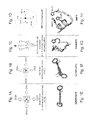
- FIGS. 1A-D are schematic representations of the molecular structure of Co/ZnTCPP—[meso-Tetrakis (4-carboxyphenyl)-porphyrinato] cobalt/zinc (II)
- FIGS. 1A-B Imisdp—[2-(2-minoethylcarbomoyl)-ethoxymethyl]-tris-[2-(N-(3-imidazol-1-yl-propyl))-ethoxymethyl]methane, and the conserved zinc-protein ligation at the catalytic zinc site in MMPs.
- FIGS. 1E-H are three dimensional schemes of the structures displayed in FIGS. 1A-d .
- the ZnTCPP retains planar conformation while the CoTCPP exhibit a distorted microcycle conformation.
- the misdp structure is highly analogous to the nearest environment of the catalytic zinc ion in MMP-9 as demonstrated in FIG. 1G .
- FIG. 2A is a structural overlay between the three dimensional calculated structures of Imisdp (green carbon atoms) and the three conserved histidines at the active site of MMP-9 (PDB code 1GKC, grey carbon atoms).
- the catalytic zinc ion is depicted as an orange ball, water molecule is depicted as a blue ball, nitrogens are colored blue, oxygens red.
- FIG. 2B is a structural overlay between ZnTCPP porphyrinic ring (CSD code AKICOM) (green carbon atoms) and the three conserved histidines at the active site of MMP-9 (grey carbon atoms PDB code 1GKC), the catalytic zinc ion is depicted as an orange ball, nitrogens are colored blue
- FIGS. 3A-C are western blot images showing the ability of mouse IgG—Agarose immobilized mAbs to pull down recombinant MMP-2 catalytic domain (MMP-2cat) or Pro-MMP-2 and Pro-MMP-9 from solution.
- Antibodies used for each experiment are 6C6, 13E11, and 13E15.
- FIG. 3 A MMP-2cat (2 ⁇ g) was incubated with anti-mouse IgG—Agarose (cnt1, lane1) or anti CoTCPP, ZnTCPP and Imisdp mAb (10 ⁇ g)-anti-mouse IgG—Agarose for 2 hr at 20° C., immunoprecipitates (lane 2,3,5) were centrifuged and washed three times, separated on SDS/PAGE gel and visualized by Coomassie-staining.
- FIG. 3 B Pro-MMP-2, Pro-MMP-9 were incubated with mAbs-anti-mouse IgG—Agarose in the same manner as in A.
- FIG. 3 C conditioned medium of HT1080 cells that either underwent activation with APMA (left) or did not (right), was immunoprecipitated with anti CoTCPP mAb and analyzed by western blot with specific antibodies against MMP-2.
- FIGS. 4A-B are Lineweaver-Burk plots of anti CoTCPP mAb inhibition of MMP-2 (A) and MMP-9 (B). Velocity units are in uniol/sec ⁇ 1 , and substrate units are in FIG. 4 A—MAb concentrations were 6 (closed triangles), 18 (closed squares), 24 (open circles), and 0 ⁇ M (open squares). MMP-2cat concentration was 200 nM.
- FIG. 4 B Inhibition of full length APMA activated MMP-9, mAb concentrations were 6 (open squares), 12 (closed triangles), 24 (open squares), and 0 ⁇ M (closed squares). MMP-9 concentration was 20 nM. The inhibition pattern indicates that anti CoTCPP mAb behaves as a competitive inhibitor of MMP-2 and MMP-9.
- FIG. 5 is a plot showing MMP-2 and MMP-9 inhibition by anti Imisdp mAb.
- MMP-2 (closed triangles, 5 nM) was added to mixtures of the fluorogenic substrate OCAcPLGLA2pr(Dnp)-AR-NH2 (10 ⁇ M) in buffer R containing increasing concentrations of mAb.
- FIG. 6A shows zinc k-edge spectra of active and anti CoTCPP mAb inhibited forms of MMP-2cat. Normalized raw XAS data of zinc K-edge region of active (dotted) and MMP-2cat -mAb (solid) complex are shown.
- FIG. 6B shows the edge position the MMP-2cat-mAb complex (solid) shifts to a higher energy relative to active MMP-2cat (dotted).
- FIG. 6C shows EXAFS results for active (black) and inhibited (green) forms of MMP-2cat are shown. The results are presented in R-space and back-transformed to the k-space.
- FIGS. 7A-B are photographs showing the ability of anti CoTCPP mAb to inhibit cell surface gelatinase activity.
- Cell surface gelatinolytic activity was assayed as a measure of fluorescence emitted by degraded gelatin.
- Untreated cells exhibited significant cell surface gelatinase activity, which was significantly inhibited in the presence of 1 uM of anti CoTCPP mAb.
- DAPI 4-′-6-Diamidino-2-phenylindole
- FIG. 8 is a scheme showing the configuration of the various MMP active sites (S1 pocket).
- FIG. 9 is the Imisdp synthesis scheme.
- FIG. 10 shows the amino acid sequences of the antibodies of the present invention with CDR regions highlighted.
- FIGS. 11A-D are photographs and models illustrating that 6C6 binds only the active conformation of MMP9 and MMP2.
- FIG. 11A Detection of active MMP9 that co-purified with 6C6 from mice ascites fluid.
- MAb (10 ⁇ g) purified from mice ascites fluid containing MMP9 was subjected to western blot (WB) analysis using commercial anti MMP9 antibody.
- WB western blot
- Human ProMMP9 purified from Hilla transfected cells served as molecular weight marker to discern the active species.
- FIGS. 11 B,C 6C6 mAb immobilized to protein A beads was analyzed for its ability to pull down ProMMP2, ProMMP9, or MMP2 catalytic fragment (lacking the hemopexin and pro domains) from solution.
- MAbs 6C6 (10 ⁇ g) immobilized to protein A Sepharose beads was incubated with MMP2 catalytic fragment (1 ⁇ g)— FIG. 11B , ProMMP9— FIG. 11C top, or ProMMP2 (2 ⁇ g) ( FIG. 11C bottom, for 2 hours at 20° C.
- FIG. 11D The three-dimensional structure of MMP2 lacking the hemopexin domain with (bottom) and without (top) the pro-domain is shown in surface representation (PDB ID: 1CK7).
- the catalytic and the fibronectin domains are shown in cyan and pro-peptide in red.
- the catalytic zinc ion is depicted as an orange sphere and bound to three conserved histidines shown as yellow sticks.
- the pro-peptide domain sterically blocks the active site.
- FIGS. 12A-B are graphs and data relating to the inhibition mechanism of MMP-9 by 6C6 mAb.
- Fluorogenic peptide substrate (Mca-Pro-Leu-Gly-Leu-Dpa-Ala-Arg-NH2) was then added to achieve the final concentrations indicated (S) in the range of 0-30 ⁇ M, and the initial velocity of substrate hydrolysis was determined by measurement of increased fluorescence.
- the values of apparent Km and Vmax were derived by fitting the experimental data to Michaelis-Menten equation. The derived values were used to reconstruct double reciprocal Linweaver-Burk plot the intersection points indicate competitive inhibition of MMP-9 by 6C6.
- FIG. 12B The different MMPs were preincubated with varying amounts of mAb. The residual enzymatic activity was measured after addition of fluorogenic peptide substrate (10 ⁇ M).
- FIG. 13 is a structural overlay of different MMPs showing the conserved overall topology of the active site with variations mostly within the peripheral loops.
- MMP9 (PDB 1GKC)-cyan, MMP2 (PDB 1QIB)-magenta, MT1-MMP (PDB 1BUV)-orange, MMPI (PDB 1MMQ)-red, TACE (PDB 2147)-yellow.
- conserved histidines are shown as sticks, catalytic zinc ion is depicted as orange ball.
- the overall topography of the peripheral loops of MMP-2 and MMP-9 is similar. This may explain the selectivity of 6C6 to MMP-2 and MMP-9 in the tested group of enzymes.
- FIGS. 14A-C are fluorescent micrographs illustrating that 6C6 inhibits cell surface gelatinase activity.
- Representative fluorescent micrographs (generated by in situ zymography assay) of HT1080 cells plated on cover-slips coated with DQ-gelatin in the absence ( FIG. 14A ) or presence ( FIG. 14B ) of 5 ⁇ M mAb or 15 ⁇ M SB-3CT mechanism based nanomolar inhibitor of gelatinases ( FIG. 14C ).
- Cell surface gelatinolytic activity was assayed as a measure of fluorescence emitted by degrading gelatin. Untreated cells exhibited significant cell surface gelatinase activity (green), which was significantly inhibited in the presence of mAb.
- FIGS. 15A-C are graphs illustrating the effect of 6C6 treatment on the various manifestations of acute DSS colitis in C57BL/6 mice. Disease was induced by 2% DSS for 5 days. 6C6 treatment, 5 or 1.5 mg/kg mouse, was administered by daily i.p. injection starting from day 0.
- FIG. 15A Clinical score was evaluated by daily monitoring of DAI (which is the combined score of body weight, rectal bleeding and stool consistency, on a scale of 0-4). Data are expressed as the dot distribution of a mean for each animal of days 6 to 10.
- FIG. 15B Colon length.
- FIG. 15C Mortality. The data presented are the combined results of two experiments, with a total of 15 mice per group.*, significant effect over colitis-untreated mice (p ⁇ 0.05).
- FIG. 16 is a graph of results from X-ray absorption spectroscopy at the zinc K edge of active MMP9 (black) and inhibited MMP9-6C6 complex (red). The results are presented in the form of radial distribution from the zinc ion. The edge position the MMP-9 catalytic domain-mAb complex (red) shifts to a higher energy relative to active MMP-9 (inset) indicating binding to the catalytic zinc ion. Structural analysis of the X-ray spectroscopy data indicates that 6C6 directly binds the zinc ion and forms pentacoordinate zinc-protein complex. Remarkably, this mode of binding is analogous to the binding of TIMPs at the active site of MMPs.
- the present invention is of antibodies and fragments thereof, which can be used to inhibit metalloprotein activity.
- the antibodies of the present invention can be used to treat diseases associated with imbalanced matrix metalloprotease activity such as multiple sclerosis, autoimmune diseases and metastatic cancers.
- Matrix metalloproteases participate in many biological processes, ranging from cell proliferation, differentiation and remodeling of the extracellular matrix
- ECM matrix metalloproteases
- TMPs natural tissue inhibitors thereof
- MMP inhibitors are known in the art including small peptide inhibitors such as hydroxomate, non-microbial tetracyclins and monoclonal antibodies. While the former are limited by the high cost of production, high degradability, low oral bioavailability and lack of specificity, none of the latter have demonstrated in-vivo therapeutic efficacy.
- the present inventors have previously uncovered that antibodies which recognize both electronic and structural determinants of the catalytic site of metalloenzymes can be used as potent inhibitors thereof Using haptens mimic the metal-bound catalytic site of metalloenzymes as immunogens enabled the generation of highly efficient therapeutic antibodies which can be used to treat clinical conditions characterized by elevated metalloprotein activity (see WO2004/087042 to the present inventors).
- the present inventors designed a novel hapten compound which closely mimic the local structure and conformation of the reactive zinc site inMMPs.
- the compound [2-(2-minoethylcarbomoyl)-ethoxymethyl]-tris-[2-(N-(3-imidazol-1-yl-propyl)) ethoxymethyl]methane, termed, Imisdp (see FIG. 1 ) can mimic a 4-coordination geometry and similar force field induced by the zinc ion on coordinated three histidine array and water. A nearly tetrahedral conformation is formed by three imidazole bases and water molecule as the fourth ligand.
- FIG. 1 The compound [2-(2-minoethylcarbomoyl)-ethoxymethyl]-tris-[2-(N-(3-imidazol-1-yl-propyl)) ethoxymethyl]methane, termed, Imisdp (see FIG. 1 ), can mimic
- 2A shows an overlay of the constructed 3D model of the Imisdp compound with the catalytic site of MMP-9 (PDB 1GKC) that has been modified to represent the tetrahedral geometry of the zinc ligands.
- the modifications include replacing the ligand present in the X-ray structure (an hydroxamate inhibitor) with a water molecule and optimization of the full enzyme to a local minimum by a multilayer QM/MM approach (see materials and methods).
- High similarity exists between the calculated histidine zinc motif in MMP-9 and Imisdp in terms of distances of the Histidines' ⁇ -nitrogen from the zinc ion (2.04 ⁇ 0.06 and 2.02 respectively) and the relative orientation of the three histidines toward the metal.
- mice with Imisdp As is illustrated hereinbelow and in the Examples section which follows, the present inventors have immunized mice with Imisdp and screened for an MMP antibody cross-reactive with MMP-2 amd MMP-9. That antibody was termed 6C6 (See FIG. 10 and Examples 1-2 of the Examples section which follows). 6C6 was found to bind MMP-2/9 and competitively inhibit the activity of MMP-9, MMP-2 (Ki range 1 ⁇ M-5 ⁇ M) and MT1-MMP (Ki of 15 ⁇ M, see Table 4 below). The binding and inhibition of MMP-9 and MMP-2 was demonstrated in-vitro and in-situ by variety of biochemical and biophysical tools (see Examples 4-7 and 9).
- 6C6 binds only the activated form of MMP-9 and MMP-2 (see Example 3 and Example 8). This enzyme form is lacking the pro-domain which shields the catalytic zinc complex residing within the enzyme moiety.
- the present inventors showed that antibodies generated according to the present method are capable of binding in vivo to MMP-9 ( FIG. 11A ). Furthermore, the present inventors showed that the antibodies of the present invention comprised therapeutic potential for the treatment of inflammatory bowel disease (Example 10).
- the present findings support the use of Imisdp as an important reagent (platform) for the production of metalloprotein inhibitors, and 6C6 and derived peptides and peptidomimetics as a valuable therapeutic tool.
- the compound is [2-(2-minoethylcarbomoyl)-ethoxymethyl]-tris[2-(N-(3-imidazol-1-yl-propyl))-ethoxymethyl]methane, termed, Imisdp, having the general Formula (II):
- Imisdp mimics the local structure and transient conformation of the reactive zinc site in MMP-9 and MMP-2 it can be used for the production of metalloprotein inhibitors.
- the method is effected by generating antibodies or antibody fragments directed at the above-described compound (i.e., Imisdp). See Examples 1-2 as well as the “Materials and Methods” section of the Examples section which follows.
- the “metalloprotein” of the present invention refers to a metal-bound protein, in which the metal binding site forms a part of an ezyme's catalytic domain, which both electronically and structurally resembles that of Imisdp.
- the metalloprotein of this aspect of the present invention is preferably a metalloprotease—MMP (e.g., gelatinase such as MMP-2 and MMP-9).
- MMP metalloprotease—e.g., gelatinase such as MMP-2 and MMP-9).
- Antibodies and antibody fragments generated according to the teachings of the present invention serve as potent inhibitors of MMPs, due to their ability to bind both the metal ion and the coordinating amino acids within the catalytic zinc site, thereby specifically inhibiting the active conformation of these enzymes which are directly involved in pathological processes as described above.
- antibody refers to an intact antibody molecule and the phrase “antibody fragment” refers to a functional fragment thereof, such as Fab, F(ab′) 2 , and Fv that are capable of binding to macrophages.
- Fab the fragment which contains a monovalent antigen-binding fragment of an antibody molecule, can be produced by digestion of whole antibody with the enzyme papain to yield an intact light chain and a portion of one heavy chain
- Fab′ the fragment of an antibody molecule that can be obtained by treating whole antibody with pepsin, followed by reduction, to yield an intact light chain and a portion of the heavy chain
- two Fab′ fragments are obtained per antibody molecule
- (iii) (Fab′) 2 the fragment of the antibody that can be obtained by treating whole antibody with the enzyme pepsin without subsequent reduction
- F(ab′) 2 is a dimer of two Fab′ fragments held together by two disulfide bonds
- i fragment of an antibody molecule that can be obtained by treating whole antibody with the enzyme pepsin without
- Antibodies may be generated via any one of several methods known in the art, which methods can employ induction of in vivo production of antibody molecules, screening immunoglobulin libraries or panels of highly specific binding reagents as disclosed [Orlandi D. R. et al. (1989) Proc. Natl. Acad. Sci. 86:3833-3837, Winter G. et al. (1991) Nature 349:293-299] or generation of monoclonal antibody molecules by continuous cell lines in culture.
- antigens can be coupled to antigenically neutral carriers such as keyhole limpet hemocyanin (KLH) or serum albumin [e.g., bovine serum albumine (BSA)] carriers (see U.S. Pat. Nos. 5,189,178 and 5,239,078 and Examples 2 of the Examples section).
- KLH keyhole limpet hemocyanin
- BSA bovine serum albumine
- Coupling to carrier can be effected using methods well known in the art; For example, direct coupling to amino groups can be effected and optionally followed by reduction of imino linkage formed.
- the carrier can be coupled using condensing agents such as dicyclohexyl carbodiimide or other carbodiimide dehydrating agents.
- Linker compounds can also be used to effect the coupling; both homobifunctional and heterobifunctional linkers are available from Pierce Chemical Company, Rockford, Ill.
- the resulting immunogenic complex can then be injected into suitable mammalian subjects such as mice, rabbits, and the like. Suitable protocols involve repeated injection of the immunogen in the presence of adjuvants according to a schedule which boosts production of antibodies in the serum.
- the titers of the immune serum can readily be measured using immunoassay procedures which are well known in the art.
- the antisera obtained can be used directly or monoclonal antibodies may be obtained as described hereinabove.
- Antibody fragments can be obtained using methods well known in the art. (See for example, Harlow and Lane, Antibodies: A Laboratory Manual, Cold Spring Harbor Laboratory, New York, 1988, incorporated herein by reference).
- antibody fragments according to the present invention can be prepared by proteolytic hydrolysis of the antibody or by expression in E. coli or mammalian cells (e.g. Chinese hamster ovary cell culture or other protein expression systems) of DNA encoding the fragment.
- antibody fragments can be obtained by pepsin or papain digestion of whole antibodies by conventional methods.
- antibody fragments can be produced by enzymatic cleavage of antibodies with pepsin to provide a 5S fragment denoted F(ab′) 2 .
- This fragment can be further cleaved using a thiol reducing agent, and optionally a blocking group for the sulfhydryl groups resulting from cleavage of disulfide linkages, to produce 3.5S Fab′ monovalent fragments.
- an enzymatic cleavage using pepsin produces two monovalent Fab′ fragments and an Fc fragment directly.
- Fv fragments comprise an association of V H and V L chains. This association may be noncovalent, as described in Inbar et al., Proc. Nat'l Acad. Sci. USA 69:2659-62, 1972.
- the variable chains can be linked by an intermolecular disulfide bond or cross-linked by chemicals such as glutaraldehyde.
- the Fv fragments comprise V H and V L chains connected by a peptide linker.
- sFv single-chain antigen binding proteins
- the structural gene is inserted into an expression vector, which is subsequently introduced into a host cell such as E. coli .
- the recombinant host cells synthesize a single polypeptide chain with a linker peptide bridging the two V domains. Methods for producing sFvs are described, for example, by Whitlow and
- CDR peptides (“minimal recognition units”) can be obtained by constructing genes encoding the CDR of an antibody of interest. Such genes are prepared, for example, by using the polymerase chain reaction to synthesize the variable region from RNA of antibody-producing cells. See, for example, Larrick and Fry, Methods, 2: 106-10, 1991.
- humanized antibodies are preferably used.
- Humanized forms of non-human (e.g., murine) antibodies are chimeric molecules of immunoglobulins, immunoglobulin chains or fragments thereof (such as Fv, Fab, Fab′, F(ab′) 2 or other antigen-binding subsequences of antibodies) which contain minimal sequence derived from non-human immunoglobulin.
- Humanized antibodies include human immunoglobulins (recipient antibody) in which residues form a complementary determining region (CDR) of the recipient are replaced by residues from a CDR of a non-human species (donor antibody) such as mouse, rat or rabbit having the desired specificity, affinity and capacity.
- CDR complementary determining region
- Fv framework residues of the human immunoglobulin are replaced by corresponding non-human residues.
- Humanized antibodies may also comprise residues which are found neither in the recipient antibody nor in the imported CDR or framework sequences.
- the humanized antibody will comprise substantially all of at least one, and typically two, variable domains, in which all or substantially all of the CDR regions correspond to those of a non-human immunoglobulin and all or substantially all of the FR regions are those of a human immunoglobulin consensus sequence.
- the humanized antibody optimally also will include at least a portion of an immunoglobulin constant region (Fc), typically that of a human immunoglobulin [Jones et al., Nature, 321:522-525 (1986); Riechmann et al., Nature, 332:323-329 (1988); and Presta, Curr. Op. Struct. Biol., 2:593-596 (1992)].
- Fc immunoglobulin constant region
- a humanized antibody has one or more amino acid residues introduced into it from a source which is non-human. These non-human amino acid residues are often referred to as import residues, which are typically taken from an import variable domain. Humanization can be essentially performed following the method of Winter and co-workers [Jones et al., Nature, 321:522-525 (1986); Riechmann et al., Nature 332:323-327 (1988); Verhoeyen et al., Science, 239:1534-1536 (1988)], by substituting rodent CDRs or CDR sequences for the corresponding sequences of a human antibody.
- humanized antibodies are chimeric antibodies (U.S. Pat. No. 4,816,567), wherein substantially less than an intact human variable domain has been substituted by the corresponding sequence from a non-human species.
- humanized antibodies are typically human antibodies in which some CDR residues and possibly some FR residues are substituted by residues from analogous sites in rodent antibodies.
- Human antibodies can also be produced using various techniques known in the art, including phage display libraries [Hoogenboom and Winter, J. Mol. Biol., 227:381 (1991); Marks et al., J. Mol. Biol., 222:581 (1991)].
- the techniques of Cole et al. and Boemer et al. are also available for the preparation of human monoclonal antibodies (Cole et al., Monoclonal Antibodies and Cancer Therapy, Alan R. Liss, p. 77 (1985) and Boerner et al., J. Immunol., 147(1):86-95 (1991)].
- human can be made by introducing of human immunoglobulin loci into transgenic animals, e.g., mice in which the endogenous immunoglobulin genes have been partially or completely inactivated. Upon challenge, human antibody production is observed, which closely resembles that seen in humans in all respects, including gene rearrangement, assembly, and antibody repertoire. This approach is described, for example, in U.S. Pat. Nos.
- MMP matrix metalloprotease
- the present invention provides for any (poly)peptide sequence which comprises at least one of the above-mentioned CDR sequences as well as homologs and fragments thereof as long as its metalloprotein inhibitory activity is retained (specific inhibition of the catalytic activity of the metalloprotein).
- An example of such a polypeptide is an antibody (see above).
- polypeptide encompasses native peptides (either degradation products, synthetically synthesized peptides or recombinant peptides) and peptidomimetics (typically, synthetically synthesized peptides), as well as peptoids and semipeptoids which are peptide analogs, which may have, for example, modifications rendering the peptides more stable while in a body or more capable of penetrating into cells.
- Such modifications include, but are not limited to N terminus modification, C terminus modification, peptide bond modification, including, but not limited to, CH2—NH, CH2—S, CH2—S ⁇ O, O ⁇ C—NH, CH2—O, CH2—CH2, S ⁇ C—NH, CH ⁇ CH or CF ⁇ CH, backbone modifications, and residue modification.
- Methods for preparing peptidomimetic compounds are well known in the art and are specified, for example, in Quantitative Drug Design, C.A. Ramsden Gd., Chapter 17.2, F. Choplin Pergamon Press (1992), which is incorporated by reference as if fully set forth herein. Further details in this respect are provided hereinunder.
- Peptide bonds (—CO—NH—) within the peptide may be substituted, for example, by N-methylated bonds (—N(CH3)—CO—), ester bonds (—C(R)H—C—O—O—C(R)—N—), ketomethylen bonds (—CO—CH2—), ⁇ -aza bonds (—NH—N(R)—CO—), wherein R is any alkyl, e.g., methyl, carba bonds (—CH2—NH—), hydroxyethylene bonds (—CH(OH)—CH2—), thioamide bonds (—CS—NH—), olefinic double bonds (—CH ⁇ CH—), retro amide bonds (—NH—CO—), peptide derivatives (—N(R)—CH2—CO—), wherein R is the “normal” side chain, naturally presented on the carbon atom.
- Natural aromatic amino acids, Trp, Tyr and Phe may be substituted for synthetic non-natural acid such as Phenylglycine, Tic, naphtylalanine (Nal), phenylisoserine, threoninol, ring-methylated derivatives of Phe, halogenated derivatives of Phe or o-methyl-Tyr.
- synthetic non-natural acid such as Phenylglycine, Tic, naphtylalanine (Nal), phenylisoserine, threoninol, ring-methylated derivatives of Phe, halogenated derivatives of Phe or o-methyl-Tyr.
- the peptides of the present invention may also include one or more modified amino acids or one or more non-amino acid monomers (e.g. fatty acids, complex carbohydrates etc).
- amino acid or “amino acids” is understood to include the 20 naturally occurring amino acids; those amino acids often modified post-translationally in vivo, including, for example, hydroxyproline, phosphoserine and phosphothreonine; and other unusual amino acids including, but not limited to, 2-aminoadipic acid, hydroxylysine, isodesmosine, nor-valine, nor-leucine and ornithine.
- amino acid includes both D- and L-amino acids.
- Tables 1 and 2 below list naturally occurring amino acids (Table 1) and non-conventional or modified amino acids (e.g., synthetic, Table 2) which can be used with the present invention.
- Non-conventional amino acid Code Non-conventional amino acid Code ⁇ -aminobutyric acid Abu L-N-methylalanine Nmala ⁇ -amino- ⁇ -methylbutyrate Mgabu L-N-methylarginine Nmarg aminocyclopropane- Cpro L-N-methylasparagine Nmasn carboxylate L-N-methylaspartic acid Nmasp aminoisobutyric acid Aib L-N-methylcysteine Nmcys aminonorbornyl- Norb L-N-methylglutamine Nmgin carboxylate L-N-methylglutamic acid Nmglu cyclohexylalanine Chexa L-N-methylhistidine Nmhis cyclopentylalanine Cpen L-N-methylisolleucine Nmile D-alanine Dal L-N-methylleucine Nmleu D-arginine Darg L-N-methyllysine Nmlys D-aspartic acid
- Peptides with improved affinity to a metalloprotease of interest or enhanced biological activity may be generated by methods well known in the art including phage display and computational biology.
- the peptides of the present invention may be synthesized by any techniques that are known to those skilled in the art of peptide synthesis.
- solid phase peptide synthesis a summary of the many techniques may be found in: Stewart, J. M. and Young, J. D. (1963), “Solid Phase Peptide Synthesis,” W. H. Freeman Co. (San Francisco); and Meienhofer, J (1973). “Hormonal Proteins and Peptides,” vol. 2, p. 46, Academic Press (New York).
- recombinant techniques see references further below.
- nucleic acid sequences which encode the above-described polypeptide sequences (see SEQ ID Nos. 13, 14, 15, 16, 17 and 18).
- one specific use for the antibodies of the present invention is prevention or treatment of diseases associated with imbalanced or abnormal activity of metalloproteins such as metalloproteases.
- arthritic diseases such as osteoarthritis (OA), rheumatoid arthritis (RA), septic arthritis, soft tissue rheumatism, polychondritis and tendonitis; metastatic tumors, periodontal diseases; corneal ulceration, such as induced by alkali or other burns, by radiation, by vitamin E or retinoid deficiency; glomerular diseases, such as proteinuria, dytrophobic epidermolysis bullosa; bone resorption diseases, such as osteoporosis, Paget's disease, hyperparathyroidism and cholesteatoma; birth control through preventing ovulation or implantation; angiogenesis relating to tumor growth or to the neovascularization associated with diabetic retinopathy and macular degeneration; coronary thrombosis associated with atherosclerotic plaque rupture; pulmonary emphysema, wound healing and HIV infection.
- OA osteoarthritis
- RA rheumatoid arthritis
- the present inventors have shown that the antibodies of the present invention may be used to treat an irritable bowel disease.
- IBD Inflammatory bowel diseases
- UC ulcerative colitis
- Crohn's disease chronic, relapsing conditions that are clinically characterized by abdominal pain, diarrhea, rectal bleeding, and fever.
- Preferred individual subjects according to the present invention are animals such as mammals (e.g., canines, felines, ovines, porcines, equines, bovines, primates) preferably, humans.
- mammals e.g., canines, felines, ovines, porcines, equines, bovines, primates
- the method comprises providing to the subject a therapeutically effective amount of the MMP inhibitor of the present invention (i.e., the antibody or antibody fragments, described hereinabove).
- a therapeutically effective amount of the MMP inhibitor of the present invention i.e., the antibody or antibody fragments, described hereinabove.
- the MMP inhibitor can be provided via direct administration (e.g., oral administration or injection) or it can be expressed from a polynucleotide construct administered to target cells of the individual.
- the MMP inhibitors of the present invention can be provided to an individual per se, or as part of a pharmaceutical composition where it is mixed with a pharmaceutically acceptable carrier.
- a “pharmaceutical composition” refers to a preparation of one or more of the active ingredients described herein with other chemical components such as physiologically suitable carriers and excipients.
- the purpose of a pharmaceutical composition is to facilitate administration of a compound to an organism.
- active ingredient refers to the antibody preparation, which is accountable for the biological effect.
- physiologically acceptable carrier and “pharmaceutically acceptable carrier” which may be interchangeably used refer to a carrier or a diluent that does not cause significant irritation to an organism and does not abrogate the biological activity and properties of the administered compound.
- An adjuvant is included under these phrases.
- One of the ingredients included in the pharmaceutically acceptable carrier can be for example polyethylene glycol (PEG), a biocompatible polymer with a wide range of solubility in both organic and aqueous media (Mutter et al. (1979).
- excipient refers to an inert substance added to a pharmaceutical composition to further facilitate administration of an active ingredient.
- excipients include calcium carbonate, calcium phosphate, various sugars and types of starch, cellulose derivatives, gelatin, vegetable oils and polyethylene glycols.
- Suitable routes of administration may, for example, include oral, rectal, transmucosal, especially transnasal, intestinal or parenteral delivery, including intramuscular, subcutaneous and intramedullary injections as well as intrathecal, direct intraventricular, intravenous, inrtaperitoneal, intranasal, or intraocular injections.
- compositions of the present invention may be manufactured by processes well known in the art, e.g., by means of conventional mixing, dissolving, granulating, dragee-making, levigating, emulsifying, encapsulating, entrapping or lyophilizing processes.
- compositions for use in accordance with the present invention may be formulated in conventional manner using one or more physiologically acceptable carriers comprising excipients and auxiliaries, which facilitate processing of the active ingredients into preparations which, can be used pharmaceutically. Proper formulation is dependent upon the route of administration chosen.
- the active ingredients of the invention may be formulated in aqueous solutions, preferably in physiologically compatible buffers such as Hank's solution, Ringer's solution, or physiological salt buffer.
- physiologically compatible buffers such as Hank's solution, Ringer's solution, or physiological salt buffer.
- penetrants appropriate to the barrier to be permeated are used in the formulation. Such penetrants are generally known in the art.
- the compounds can be formulated readily by combining the active compounds with pharmaceutically acceptable carriers well known in the art.
- Such carriers enable the compounds of the invention to be formulated as tablets, pills, dragees, capsules, liquids, gels, syrups, slurries, suspensions, and the like, for oral ingestion by a patient.
- Pharmacological preparations for oral use can be made using a solid excipient, optionally grinding the resulting mixture, and processing the mixture of granules, after adding suitable auxiliaries if desired, to obtain tablets or dragee cores.
- Suitable excipients are, in particular, fillers such as sugars, including lactose, sucrose, mannitol, or sorbitol; cellulose preparations such as, for example, maize starch, wheat starch, rice starch, potato starch, gelatin, gum tragacanth, methyl cellulose, hydroxypropylmethyl-cellulose, sodium carbomethylcellulose; and/or physiologically acceptable polymers such as polyvinylpyrrolidone (PVP).
- disintegrating agents may be added, such as cross-linked polyvinyl pyrrolidone, agar, or alginic acid or a salt thereof such as sodium alginate.
- Dragee cores are provided with suitable coatings.
- suitable coatings For this purpose, concentrated sugar solutions may be used which may optionally contain gum arabic, talc, polyvinyl pyrrolidone, carbopol gel, polyethylene glycol, titanium dioxide, lacquer solutions and suitable organic solvents or solvent mixtures.
- Dyestuffs or pigments may be added to the tablets or dragee coatings for identification or to characterize different combinations of active compound doses.
- compositions which can be used orally, include push-fit capsules made of gelatin as well as soft, sealed capsules made of gelatin and a plasticizer, such as glycerol or sorbitol.
- the push-fit capsules may contain the active ingredients in admixture with filler such as lactose, binders such as starches, lubricants such as talc or magnesium stearate and, optionally, stabilizers.
- the active ingredients may be dissolved or suspended in suitable liquids, such as fatty oils, liquid paraffin, or liquid polyethylene glycols.
- stabilizers may be added. All formulations for oral administration should be in dosages suitable for the chosen route of administration.
- compositions may take the form of tablets or lozenges formulated in conventional manner.
- the active ingredients for use according to the present invention are conveniently delivered in the form of an aerosol spray presentation from a pressurized pack or a nebulizer with the use of a suitable propellant, e.g., dichlorodifluoromethane, trichlorofluoromethane, dichloro-tetrafluoroethane or carbon dioxide.
- a suitable propellant e.g., dichlorodifluoromethane, trichlorofluoromethane, dichloro-tetrafluoroethane or carbon dioxide.
- the dosage unit may be determined by providing a valve to deliver a metered amount.
- Capsules and cartridges of, e.g., gelatin for use in a dispenser may be formulated containing a powder mix of the compound and a suitable powder base such as lactose or starch.
- compositions described herein may be formulated for parenteral administration, e.g., by bolus injection or continuous infusion.
- Formulations for injection may be presented in unit dosage form, e.g., in ampoules or in multidose containers with optionally, an added preservative.
- the compositions may be suspensions, solutions or emulsions in oily or aqueous vehicles, and may contain formulatory agents such as suspending, stabilizing and/or dispersing agents.
- compositions for parenteral administration include aqueous solutions of the active preparation in water-soluble form. Additionally, suspensions of the active ingredients may be prepared as appropriate oily or water based injection suspensions. Suitable lipophilic solvents or vehicles include fatty oils such as sesame oil, or synthetic fatty acids esters such as ethyl oleate, triglycerides or liposomes. Aqueous injection suspensions may contain substances, which increase the viscosity of the suspension, such as sodium carboxymethyl cellulose, sorbitol or dextran. Optionally, the suspension may also contain suitable stabilizers or agents which increase the solubility of the active ingredients to allow for the preparation of highly concentrated solutions.
- the active ingredient may be in powder form for constitution with a suitable vehicle, e.g., sterile, pyrogen-free water based solution, before use.
- a suitable vehicle e.g., sterile, pyrogen-free water based solution
- the preparation of the present invention may also be formulated in rectal compositions such as suppositories or retention enemas, using, e.g., conventional suppository bases such as cocoa butter or other glycerides.
- compositions suitable for use in context of the present invention include compositions wherein the active ingredients are contained in an amount effective to achieve the intended purpose. More specifically, a therapeutically effective amount means an amount of active ingredients effective to prevent, alleviate or ameliorate symptoms of disease or prolong the survival of the subject being treated.
- the therapeutically effective amount or dose can be estimated initially from in vitro assays.
- a dose can be formulated in animal models and such information can be used to more accurately determine useful doses in humans.
- Toxicity and therapeutic efficacy of the active ingredients described herein can be determined by standard pharmaceutical procedures in vitro, in cell cultures or experimental animals.
- the data obtained from these in vitro and cell culture assays and animal studies can be used in formulating a range of dosage for use in human.
- the dosage may vary depending upon the dosage form employed and the route of administration utilized.
- the exact formulation, route of administration and dosage can be chosen by the individual physician in view of the patient's condition. [See e.g., Fingl, et al., (1975) “The Pharmacological Basis of Therapeutics”, Ch. 1 p.1].
- dosing can be of a single or a plurality of administrations, with course of treatment lasting from several days to several weeks or until cure is effected or diminution of the disease state is achieved.
- compositions to be administered will, of course, be dependent on the subject being treated, the severity of the affliction, the manner of administration, the judgment of the prescribing physician, etc.
- compositions including the preparation of the present invention formulated in a compatible pharmaceutical carrier may also be prepared, placed in an appropriate container, and labeled for treatment of an indicated condition.
- compositions of the present invention may, if desired, be presented in a pack or dispenser device, such as an FDA approved kit, which may contain one or more unit dosage forms containing the active ingredient.
- the pack may, for example, comprise metal or plastic foil, such as a blister pack.
- the pack or dispenser device may be accompanied by instructions for administration.
- the pack or dispenser may also be accommodated by a notice associated with the container in a form prescribed by a governmental agency regulating the manufacture, use or sale of pharmaceuticals, which notice is reflective of approval by the agency of the form of the compositions or human or veterinary administration.
- Such notice for example, may be of labeling approved by the U.S. Food and Drug Administration for prescription drugs or of an approved product insert.
- the antibody inhibitors of the present invention can be expressed from a nucleic acid construct.
- polynucleotides encoding the antibodies of the present invention preferably further encode a signal peptide which allows secretion or trafficking of the antibodies into a subcellular or extracellular localization of interest.
- a secretory signal peptide is preferably conjugated inframe to the polynucleotide encoding antibody segment.
- ScFv single-chain Fv
- V L and V H antibody polypeptide chains synthesized as a single chain with the carboxyl terminus of V L linked by a peptide bridge to the amino terminus of V H
- Methods for recombinantly producing these peptides are well known in the art [see Bird et al., Science 242:423-426 (1988); Huston et al., Proc. Nat'l Acad. Sci. USA 85:5879-5883 (1988); and de Kruif et al., J. Mol.
- splenic, mRNA is harvested from the immunized animal and used to produce a cDNA library in a bacteriophage which displays the ScFv fragments. Phage particles are then screened to determine those that interact specifically and Preferably with the activated form of the metallop[rotein of interest. ScFv segments are recovered from these phage particles, and cloned into an expression construct (see U.S. Pat. No. 5,800,814).
- nucleic acid constructs of this aspect of the present invention can be administered to target cells of the individual subject (i.e., in-vivo gene therapy).
- the nucleic acid construct is introduced into a suitable cell via an appropriate gene delivery vehicle/method (transfection, transduction, homologous recombination, etc.) and an expression system as needed and then the modified cells are expanded in culture and returned to the individual (i.e., ex-vivo gene therapy).
- an appropriate gene delivery vehicle/method transfection, transduction, homologous recombination, etc.
- an expression system as needed and then the modified cells are expanded in culture and returned to the individual (i.e., ex-vivo gene therapy).
- the nucleic acid construct of the present invention further includes at least one cis acting regulatory element.
- cis acting regulatory element refers to a polynucleotide sequence, preferably a promoter, which binds a trans acting regulator and regulates the transcription of a coding sequence located downstream thereto.
- the promoter utilized by the nucleic acid construct of the present invention is active in the specific cell population transformed.
- cell type-specific and/or tissue-specific promoters include promoters such as albumin that is liver specific [Pinkert et al., (1987) Genes Dev. 1:268-277], lymphoid specific promoters [Calame et al., (1988) Adv. Immunol. 43:235-275]; in particular promoters of T-cell receptors [Winoto et al., (1989) EMBO J. 8:729-733] and immunoglobulins; [Banerji et al.
- the nucleic acid construct of the present invention can further include an enhancer, which can be adjacent or distant to the promoter sequence and can function in up regulating the transcription therefrom.
- the constructs of the present methodology preferably further include an appropriate selectable marker and/or an origin of replication.
- the construct utilized is a shuttle vector, which can propagate both in E. coli (wherein the construct comprises an appropriate selectable marker and origin of replication) and be compatible for propagation in cells, or integration in a gene and a tissue of choice.
- the construct according to the present invention can be, for example, a plasmid, a bacmid, a phagemid, a cosmid, a phage, a virus or an artificial chromosome.
- nucleic acid transfer techniques include transfection with viral or non-viral constructs, such as adenovirus, lentivirus, Herpes simplex I virus, or adeno-associated virus (AAV) and lipid-based systems.
- viral or non-viral constructs such as adenovirus, lentivirus, Herpes simplex I virus, or adeno-associated virus (AAV) and lipid-based systems.
- Useful lipids for lipid-mediated transfer of the gene are, for example, DOTMA, DOPE, and DC-Chol [Tonkinson et al., Cancer Investigation, 14(1): 54-65 (1996)].
- the most preferred constructs for use in gene therapy are viruses, most preferably adenoviruses, AAV, lentiviruses, or retroviruses.
- a viral construct such as a retroviral construct includes at least one transcriptional promoter/enhancer or locus-defining element(s), or other elements that control gene expression by other means such as alternate splicing, nuclear RNA export, or post-translational modification of messenger.
- Such vector constructs also include a packaging signal, long terminal repeats (LTRs) or portions thereof, and positive and negative strand primer binding sites appropriate to the virus used, unless it is already present in the viral construct.
- LTRs long terminal repeats
- such a construct typically includes a signal sequence for secretion of the peptide or antibody from a host cell in which it is placed.
- the signal sequence for this purpose is a mammalian signal sequence.
- the antibodies of the present invention can be used as potent diagnostic and prognostic tools, such as by monitoring MMP activity in a biological sample [i.e., any body sample such as blood (serum or plasma), sputum, ascites fluids, pleural effusions, urine, biopsy specimens, isolated cells and/or cell membrane preparation]. This is of special significance when evaluating the metastatic features of cancer cells, wherein imbalanced activation of MMPs facilitate tumor invasion. Likewise, the antibodies of the present invention can be used in monitoring therapeutic dosage of MMP inhibitors.
- the antibodies of the present invention are preferably labeled with each of any radioactive, fluorescent, biological or enzymatic tags or labels of standard use in the art.
- U.S. Patents concerning the use of such labels include U.S. Pat. Nos. 3,817,837; 3,850,752; 3,939,350; 3,996,345; 4,277,437; 4,275,149 and 4,366,241.
- multiple biological samples can be contacted with the antibodies of the present invention, where activated MMPs can bind thereto.
- Measures are taken to use biological samples, which include activated MMPs such as those derived from tumor cell-lines.
- a radioactive label is used to reduce the assay volume.
- the antibodies of the present invention can be used to purify active metalloenzymes from biological samples.
- the antibodies or antibody fragments of the present invention can be used in affinity chromatography for isolating the metalloenzymes.
- Columns can be prepared where the antibodies are linked to a solid substrate, e.g., particles, such as agarose, Sephadex, and the like, and the biological sample, such as a cell lysate may be passed through the column, the column washed, followed by increasing concentrations of a mild denaturant, whereby the purified metalloenzyme will be released.
- the antibodies or fragments thereof can be each mixed in a single container or placed in individual containers.
- the containers include a label.
- Suitable containers include, for example, bottles, vials, syringes, and test tubes.
- the containers may be formed from a variety of materials such as glass or plastic.
- kits can also be attached to a solid support, such as beads, array substrate (e.g., chips) and the like and used for diagnostic purposes.
- the kit can also include instructions for determining if the tested subject is suffering from, or is at risk of developing, a condition, disorder, or disease associated with expression of an MMP of interest.
- Recombinant enzymes The catalytic domain of MMP-2 (amino acids 110-467 of GenBank Accession NO. NP — 032636.1) was expressed under the T7 promoter in BL-21 cells. The cells were induced with 1 mM isopropyl- ⁇ -D-thiogalactopyranoside for 5 h. The cell pellet was resuspended in 50 mM Tris, pH 8.0, 0.5 mM EDTA, 50 mM NaCl, 5% glycerol and 1% Triton X-100 at a 1:25 ratio of the buffer to the original culture volume.
- the suspension was centrifuged for 10 min at 15,000 rpm, and the pellet was dissolved in 50 mM Tris, pH 8.0, 0.5 mM EDTA, 50 mM NaCl, 5% glycerol, and 0.2% Sarkosyl followed by a 30-min incubation on ice.
- the supernatant fraction was loaded onto a 5-ml gelatin-Sepharose column (prepacked, Amersham Biosciences), preequilibrated, and washed with dialysis buffer (50 mM Tris, pH 8.0, 50 mM NaCl, 5 mM CaCl 2 , 10 ⁇ M ZnCl 2 , 0.02% Brij).
- the protein was eluted with 50 mM Tris, pH 8.0, 1 M NaCl, 5 mM CaCl 2 , 10 ⁇ M ZnCl 2 , 0.02% Brij, and 15% Me2SO [Rosen, O., Inhibition of MMPs by Monoclonal Antibodies. 2001] and assayed using SDS-PAGE, and its catalytic activity was measured by fluorogenic peptide degradation [Knight, C.G., F. Willenbrock, and G. Murphy, A novel coumarin - labelled peptide for sensitive continuous assays of the matrix metalloproteinases . FEBS Lett, 1992. 296(3): p. 263-6].
- Pro-MMP-9 [lacking the hinge region and the hemopexin domain, Ala]—Gly424
- Pro-MMP-9 was activated with 1 mM p-aminophenylmercuric acetate (APMA, ICN Biomedicals Inc., Ohio, USA), dissolved in 200 mM Tris, for 30 min at 37° C.
- APMA m
- Tetra-carboxy phenyl porphyrin Co(II)/Zn(II) (CoTCPP/ZnTCPP)—The ZnTCPP was synthesized by the reaction of ZnCl 2 , and TCPP in N,N-dimethylformamide (DMF) as described [Harada, A., et al., Control of photoinduced electron transfer from zinc - porphyrin to methyl viologen by supramolecular formation between monoclonal antibody and zinc - porphyrin . Photochem Photobiol, 1999. 70(3): p. 298-302].
- DMF N,N-dimethylformamide
- CoTCPP was synthesized by the reaction of Co(OAc) 2 ⁇ 4H 2 0 and TCPP in DMF as described [Harada, A., et al., Control of photoinduced electron transfer from zinc - porphyrin to methyl viologen by supramolecular formation between monoclonal antibody and zinc - porphyrin . Photochem Photobiol, 1999. 70(3): p. 298-302] and purified.
- Hapten conjugation to protein The haptens (4 mg) were activated for conjugation by adding 1,1′-Carbonyldiimidazole in DMF (at a molar ratio of 1:1) and incubating for 1 h. One to 50 moles of activated hapten were added to 20 mg/mL BSA or keyhole limpet hemocyanin (KLH) in 0.1 M carbonate buffer pH 8. The solution was stirred at room temperature for 3 h and then extensively dialyzed against PBS.
- DMF 1,1′-Carbonyldiimidazole
- KLH keyhole limpet hemocyanin
- ELISA Supernatants of the growing hybridomas were screened for antibodies reactive with ZnTCPP, CoTCPP or Imisdp using direct ELISA in which respective hapten-BSA (3 ⁇ g/ml in PBS) was coated to Nunc maxisorp plates. The coating was performed at 4° C. overnight and incubation with antibodies at 20° C. for 1 h. HRP-conjugated anti-mouse mAb (Sigma) was used as the secondary antibody and 2,2′-azino-bis (3-ethylbenzthiazoline-6-sulphonic acid, ABTS, Sigma) was used as substrate. PBS containing 0.005% v/v Tween 20 (PBST) was used as washing reagent.
- PBST 2,2′-azino-bis (3-ethylbenzthiazoline-6-sulphonic acid
- the dilution buffer was PBS.
- a 602 was recorded by microplate reader in SPECTRAFluor Plus spectrometer (Tecan, Austria). As control supernatants were incubated with BSA coated plates in the same manner. Absorbance values above 0.5 millioptical density were considered as positive.
- Immunoblot analysis of purified antibodies Purified antibodies were separated in 8% SDS-polyacrylamide gel, transferred to NC membranes (Bio-Rad), and subsequently subjected to immunoblot analysis using anti MMP-9 antibody (Sigma). The goat anti-mouse IgG conjugated with horseradish peroxidase (Sigma) was used as the secondary antibody. Signals were detected using ECL (Pierce).
- Binding assay using purified proteins MAbs (10 ⁇ g) were incubated with anti mouse IgG Agarose beads (Sigma) overnight at 4° C. in PBS. After washing unbound antibody, purified Pro-MMP-2, Pro-MMP-9 MMP-2 catalytic domain, MT1 catalytic domain or TACE (2 ⁇ g), were added following 2 h incubation at RT. The beads were collected by centrifugation and washed three times with PBS. The proteins that remained bound to the beads were eluted with SDS sample buffer, fractionated by SDS-PAGE, and detected by staining with Coomassie blue.
- HT1080 cells were seeded in petri dishes. After reaching 80% confluence, the medium (DMEM supplemented with 10% FCS, nonessential amino acids, penicillin, streptomycin, sodium pyruvate, and L-glutamine) was changed to serum free medium (without FCS). Following another 24 h of incubation, conditioned medium (CM) was harvested from the adherent cells and concentrated using Millipore Centricon-10 (Bedford, Mass.). Concentrated supernatants were used for immunoprecipitations. CM was incubated with anti-1 (CoTCPP) mAb (15 ⁇ g/ml) overnight at 4° C.
- Protein A Sepharose (CL-4B Amersham Biosciences) was added to the samples and mixed for 2 h at RT. Beads were washed 3 times with PBS, suspended in SDS sample buffer, and heated to 95° C. for 3 min. Immunoprecipitates were recovered by centrifugation and subjected to SDS/PAGE. After separation, proteins were transferred to nitrocellulose (NC) membranes and probed with anti-MMP-2 antibody.
- NC nitrocellulose
- anti MMP-9 antibody (Sigma) served as positive control and unrelated mouse IgG affinity purified from ascites served as negative control.
- the standard assay mixture contained 50 mM Tris buffer, pH 7.5, 200 mM NaCl, 5 mM CaCl 2 , 20 ⁇ M ZnCl 2 and 0.05% Brij.
- the enzymatic activity of TACE was measured by monitoring the degradation of fluorogenic peptide QF-45 (Mca-Ser-Pro-Leu-Ala-Gln-Ala-Val-Arg-Ser-Ser-Ser-Arg-Lys(dinitrophenyl)-NH2) purchased from Calbiochem-Novabiochem AG.
- MT1-MMP MT1-MMP
- MT1-MMP MT1-MMP
- zymography reaction buffer 0.05 M Tris-HCl, 0.15 M NaCl, 5 mM CaCl2, and 0.2 mM NaN3, pH 7.6, the high concentration of azide prevented the gelatin from being phagocytosed and thus allowing cell surface gelatinolytic activity to occur
- the zymography buffer contained 1 uM of the CoTCPP mAb for the treated cells.
- gelatinolytic activity of the MMPs was localized and photographed by fluorescence microscopy and images were acquired by Spot digital camera.
- the zinc ion in the active site of MMPs is uniformly coordinated by three conserved histidine residues.
- zinc coordination varies from 4-coordination, tetrahedral geometry, in the non catalytic stages to 5-coordination, trigonal bipyramidal [Auld, D. S., Zinc coordination sphere in biochemical zinc sites. Biometals, 2001. 14(3-4): p. 271-313] in the catalytic stages.
- the conserved histidines can therefore assume different geometries with respect to the zinc ion.
- two compounds were selected as models for zinc environment mimicry Imisdp and Co/ZnTCPP ( FIG. 1 ).
- Imisdp (synthesis is provided in Example 7 below) compound can mimic the 4-coordination geometry. In this case, a nearly tetrahedral conformation is formed by three imidazole bases and water molecule as the fourth ligand.
- FIG. 2A shows an overlay of the constructed 3D model of the Imisdp molecule with the catalytic site of MMP-9 (PDB 1GKC) [Rowsell, S., et al., Crystal structure of human MMP 9 in complex with a reverse hydroxamate inhibitor . J Mol Biol, 2002. 319(1): p. 173-81] that has been modified to represent the tetrahedral geometry of the zinc ligands.
- the modifications include replacing the ligand present in the X-ray structure (an hydroxamate inhibitor) with a water molecule and optimization of the full enzyme to a local minimum by a multilayer QM/MM approach (see materials and methods).
- the second molecule—Zn/CoTCPP has four imidazole bases in coordination with zinc, or its analogous metal cobalt, in a co-planar conformation with respect to the metal ion [Stevens, E. D., Electronic Structure of Metalloporphyrins. 1. Experimental Electron Density Distribution of ( meso - Tetraphenylporphinato ) cobalt ( II ). J. Am. Chem. SOC, 1981.
- FIG. 2B shows the crystal structure of MMP-9 (PDB 1GKC) where the zinc is coordinated by 5 ligands (two additional ligands are contributed by the hydroxamate inhibitor) the orientation of the two histidines at the base of the pyramid and their distances from the zinc ion (2.2 ⁇ 0.02, 2.03 ⁇ 0.04 and 1.95 for MMP-9, ZnTCPP and CoTCPP respectively) are comparable to Co/ZnTCPP molecule.
- Monoclonal antibodies against CoTCPP, ZnTCPP and Imisdp ( FIG. 1 ) were produced by immunization of mice and selection of specific antibodies by an ELISA screen with the respective compound as the coated antigen. Three antibodies were selected for extensive study. Notably, these clones were chosen because the y displayed the best affinity toward their immunizing hapten respectively, based on competitive ELISA screen. Their binding constants, ranging from 0.01-0.09 ⁇ M, (Table 3, below), are characteristic of high affinity mAbs. MAbs were propagated as ascites in mice and purified with protein G beads.
- Monoclonal antibodies were next screened for binding MMP-2 using Immuno Affinity based assay. Antibodies were incubated with MMP-2 catalytic domain (MMP-2cat) in vitro, followed by pull down with anti mouse IgG Agarose beads. As FIG. 3A shows, all mAbs bound MMP-2 cat.
- Anti Imisdp mAb showed concentration-dependent inhibitory effect toward MMP-2 and MMP-9, assuming competitive inhibition, calculated Ki's are 5.8 ⁇ M and 3 ⁇ M toward MMP-9 and MMP-2 respectively ( FIG. 5 ). Since mAbs recognize the binding site of MMP-2 and MMP-9, further optimization of the interface complementarities between the mAbs and MMPs, both structurally and electrostatically is achievable by affinity maturation methods (Paul J. Carter Nature Reviews Immun. Vol. 6 2006 343-357). Using this approach may lead to highly specific inhibitors, that will take advantage of specificity features that are either inside or outside the active site.
- FIG. 7A Untreated human fibrosarcoma HT1080 cells ( FIG. 7A ) exhibited significant cell surface gelatinolytic activity. In the presence of 1 ⁇ M mAb ( FIG. 7B ), gelatinase activity was reduced as compared to that observed in control cells. These results demonstrate that anti CoTCPP mAb inhibited MMP-2 and MMP-9 at the cellular level.
- the antibody selectivity was tested by examining the binding and inhibitory effect of anti CoTCPP and anti Imisdp mAbs toward MMP-14 (MT1-MMP) and TNF- ⁇ -converting enzyme (TACE) a zinc-dependent metalloproteinase belonging to the related ADAM (a disintegrin and metalloproteinase) family (ADAM-17).
- Inhibitory effect toward MT1-MMP and TACE was tested by in-vitro fluorescence enzymatic activity assay with the appropriate peptide substrates.
- Anti CoTCPP mAb showed no inhibitory effect toward MT1-MMP or TACE.
- MT1-MMP and to a larger extent TACE are distinguished by a deep Si pocket correlated with relatively buried catalytic zinc ion as exhibited by their crystal structures. This difference in the depth of the active site may account for antibodies' lack of inhibitory effect toward TACE. These results suggest that selectivity may be achieved based on the degree of exposure of the catalytic zinc ion.
- Another important factor that should be considered when comparing MMPs and TACE, are differences in the active site pocket in terms of chemistry such as hydrophobicity and polarity (see FIG. 8 ).
- the active site of TACE for example, is significantly more polar than the active sites of most MMPs.
- CA Carbonic Anhydrase
- TbADH brockii alcohol dehydrogenase
- CA contains a zinc ion that is tetrahedraly coordinated to three histidine residues and a water molecule
- TbADH contains a catalytic zinc ion that is tetraheadrally coordinated to four different amino acid residues, histidine, cysteine, aspartate and glutamate.
- Appropriate in vitro functional inhibition experiments, as well as similar immuno affinity based experiments were performed to examine cross reactivity with these enzymes, however no binding or inhibition was observed.
- Anti CoTCPP mAb was also tested for its cross reactivity with related physiological porphyrins such as the Heme group within Myoglobin and Hemoglobin and vitamin. No cross was detected in competitive ELISA as well as immuno affinity assay.
- Vitamin B12 contains metal at the center of planer imidazol structure yet the axial ligands may interfere with the binding of the mAb.
- Tetra active ester (1) (1 g, 0.69 mmol) and BocNHCH 2 CH 2 NH 2 (100 mg, 0.62 mmol) were dissolved in 20 ml of dry dichloromethane. The solution was stirred overnight while maintain pH ⁇ 8 with triethyl amine. The solution was concentrated and purified by flash chromatography with CHCl 3 :ethylacetate (90:10) to give (152 mg, 15% yield).
- R O—CH 2 —CH 2 —CONH—CH 2 —CH 2 —NH 2 [2-(2-minoethylcarbomoyl)-ethoxymethyl]-tris-[2-(N-(3-imidazol-1-yl-propyl))-ethoxymethyl] methane.
- MMP9-antibody complex was purified from mouse ascites fluid using Protein G affinity chromatography (Protein G binds to the antibody's constant domain, leaving the variable domain free to interact with the antigen). As shown in FIG. 11A , co-purified MMP9 was detected by western blotting purified 6C6-MMP9 complex using commercially available anti-MMP9 antibody.
- FIG. 11D Immunoprecipitation experiments with pro-MMP2 and 9 were performed in a similar manner. Importantly, the antibody did not bind to the latent enzyme ( FIG. 11C ). Significantly, 6C6 bound only to the active enzyme conformation in which the active site zinc protein complex is exposed to solution.
- Ki 1 ⁇ 0.1 ⁇ M and 1.4 ⁇ 0.16 ⁇ M for MMP9 and 2 respectively was obtained. It was also determined that 6C6 was not cleaved by MMP-9 after overnight incubations with high concentrations (30 ⁇ M) of MMP9, demonstrating that the observed inhibition of MMP9 by 6C6 was not due to cleavage of competitor substrate.
- the kinetic analysis of MMP9 was taken as representative of inhibition mechanism by 6C6 as it was designed to recognize the same epitope in the different MMPs. Inhibitory effect was consistent for catalytic fragment species of MMP2 and 9 as well as full length enzyme forms of gelatinases.
- MMP9 and MMP2 catalytic fragments containing the catalytic domain as well as fibronectin domain but not the hemopexin domain; as well as MMP9 recombinant minimal catalytic unit containing only the catalytic domain and lacking both fibronectin and hemopexin domain were all inhibited similarly to full length (p-aminophenylmercuric acetate (APMA) activated) gelatinases purified from the media of HeLa S3 cells infected with a recombinant vaccinia virus encoding the full-length cDNA of human pro-MMP2 and 9 as described previously [Olson, M.W., et al., J Biol Chem, 2000.
- APMA p-aminophenylmercuric acetate
- MMP7 matrilysin
- MT1-MMP membrane type MMP
- ADAMs disintegrin
- TACE tumor necrosis factor- ⁇ -converting enzyme
- MMP inhibitors (of the sulfonylated amino acid hydroxamate type) also act as efficient CA inhibitors and vice versa.
- Some N-hydroxysulfonamides investigated previously as CA inhibitors also show inhibitory properties against MMPs [Scozzafava, A. and C. T. Supuran, J Med Chem, 2000. 43(20): p. 3677-87].
- the active site of Alcohol Dehydrogenase from thermophilic bacterium (TbADH) includes a different zinc-protein moiety in which zinc is bound to histidine, cysteine, aspartate and glutamate located inside a crevice.
- SB-3CT has analogous inhibitory profile, as it inhibits both gelatinases and MT1-MMP (Ki values are 28, 400, and 110 nM for MMP2, MMP9 and MT1-MMP respectively).
- 6C6 inhibited both synthetic peptide cleavage in vitro and natural macromolecular substrate in situ.
- 6C6 displayed competitive mode of inhibition toward MMP9, analogous to TIMP's mechanism of inhibition.
- Competitive inhibitory profile is a further indication of direct interaction with the catalytic zinc moiety.
- 6C6 showed selective inhibitory profile toward gelatinases. The origin of this selectivity cannot be explained by the antibody targeting of the conserved zinc-histidine motif.
- MMPs are implicated in tissue remodeling and destruction associated with several inflammatory conditions, including inflammatory bowel disease (IBD) [Baugh, M. D., et al., Gastroenterology, 1999. 117(4): p. 814-22; Heuschkel, R. B., et al., Gut, 2000. 47(1): p. 57-62; von Lampe, B., et al., Gut, 2000. 47(1): p. 63-73; Kirkegaard, T., et al., Gut, 2004. 53(5): p. 701-9].
- IBD inflammatory bowel disease
- the present inventors examined the anti gelatinase inhibitory effect of 6C6 in vivo in mice experimental model of inflammatory bowel disease.
- 2% DSS was provided to the highly susceptible mouse strain C57BL/6 for five days. 6C6 treatment was given daily by intraperitoneal injections of 1.5 or 5 mg/mouse, starting at the day of induction. Mice exposed to 2% DSS developed symptoms of acute colitis, with diarrhea, rectal bleeding and severe weight loss.
- FIG. 15A The effect of mAb treatment on the daily monitored disease activity index (DAI), (combined score of body weight, bleeding and stool consistency) is shown in FIG. 15A .
- MAb treated mice had decreased disease activity compared to control (significant from day 6).
- An additional macroscopic manifestation of DSS-induced colitis is the reduction in colon length ( FIG. 15B ).
- 30% decrease in colonic length was found in untreated mice in comparison with naive mice, 11 days after DSS induction.
- 6C6-treated mice dosed with 1.5 and 5 mg/kg mouse respectively.
- the protective effects of 6C6 were also confirmed by the mortality rate from the disease.
- FIG. 16 shows the fluorescence XAS data collected.
- the data is presented in the form of Fourier transform (FT) spectra to provide the radial distribution of the various atoms within the first and second coordination shells of the catalytic zinc ion in MMP9.
- FT Fourier transform
Landscapes
- Health & Medical Sciences (AREA)
- Chemical & Material Sciences (AREA)
- Organic Chemistry (AREA)
- General Health & Medical Sciences (AREA)
- Life Sciences & Earth Sciences (AREA)
- Medicinal Chemistry (AREA)
- Veterinary Medicine (AREA)
- Public Health (AREA)
- Animal Behavior & Ethology (AREA)
- Pharmacology & Pharmacy (AREA)
- General Chemical & Material Sciences (AREA)
- Chemical Kinetics & Catalysis (AREA)
- Nuclear Medicine, Radiotherapy & Molecular Imaging (AREA)
- Bioinformatics & Cheminformatics (AREA)
- Engineering & Computer Science (AREA)
- Physical Education & Sports Medicine (AREA)
- Immunology (AREA)
- Rheumatology (AREA)
- Biochemistry (AREA)
- Proteomics, Peptides & Aminoacids (AREA)
- Molecular Biology (AREA)
- Genetics & Genomics (AREA)
- Biophysics (AREA)
- Orthopedic Medicine & Surgery (AREA)
- Cardiology (AREA)
- Heart & Thoracic Surgery (AREA)
- Hospice & Palliative Care (AREA)
- Pain & Pain Management (AREA)
- Oncology (AREA)
- Epidemiology (AREA)
- Medicines Containing Antibodies Or Antigens For Use As Internal Diagnostic Agents (AREA)
- Peptides Or Proteins (AREA)
- Preparation Of Compounds By Using Micro-Organisms (AREA)
- Pharmaceuticals Containing Other Organic And Inorganic Compounds (AREA)
- Medicines That Contain Protein Lipid Enzymes And Other Medicines (AREA)
Priority Applications (1)
| Application Number | Priority Date | Filing Date | Title |
|---|---|---|---|
| US12/449,728 US8324355B2 (en) | 2007-02-23 | 2008-02-21 | Antibodies and pharmaceutical compositions containing same useful for inhibiting activity of metalloproteins |
Applications Claiming Priority (3)
| Application Number | Priority Date | Filing Date | Title |
|---|---|---|---|
| US90285407P | 2007-02-23 | 2007-02-23 | |
| PCT/IL2008/000230 WO2008102359A1 (en) | 2007-02-23 | 2008-02-21 | Antibodies and pharmaceutical compositions containing same useful for inhibiting activity of metalloproteins |
| US12/449,728 US8324355B2 (en) | 2007-02-23 | 2008-02-21 | Antibodies and pharmaceutical compositions containing same useful for inhibiting activity of metalloproteins |
Related Parent Applications (1)
| Application Number | Title | Priority Date | Filing Date |
|---|---|---|---|
| PCT/IL2008/000230 A-371-Of-International WO2008102359A1 (en) | 2007-02-23 | 2008-02-21 | Antibodies and pharmaceutical compositions containing same useful for inhibiting activity of metalloproteins |
Related Child Applications (1)
| Application Number | Title | Priority Date | Filing Date |
|---|---|---|---|
| US13/596,090 Division US8486653B2 (en) | 2007-02-23 | 2012-08-28 | Antibodies and pharmaceutical compositions containing same useful for inhibiting activity of metalloproteins |
Publications (2)
| Publication Number | Publication Date |
|---|---|
| US20100233188A1 US20100233188A1 (en) | 2010-09-16 |
| US8324355B2 true US8324355B2 (en) | 2012-12-04 |
Family
ID=39534848
Family Applications (5)
| Application Number | Title | Priority Date | Filing Date |
|---|---|---|---|
| US12/449,728 Active 2029-04-13 US8324355B2 (en) | 2007-02-23 | 2008-02-21 | Antibodies and pharmaceutical compositions containing same useful for inhibiting activity of metalloproteins |
| US13/596,090 Active US8486653B2 (en) | 2007-02-23 | 2012-08-28 | Antibodies and pharmaceutical compositions containing same useful for inhibiting activity of metalloproteins |
| US13/872,265 Expired - Fee Related US9416195B2 (en) | 2007-02-23 | 2013-04-29 | Antibodies and pharmaceutical compositions containing same useful for inhibiting activity of metalloproteins |
| US15/161,375 Active US9902783B2 (en) | 2007-02-23 | 2016-05-23 | Antibodies and pharmaceutical compositions containing same useful for inhibiting activity of metalloproteins |
| US15/865,479 Abandoned US20180134808A1 (en) | 2007-02-23 | 2018-01-09 | Antibodies and pharmaceutical compositions containing same useful for inhibiting activity of metalloproteins |
Family Applications After (4)
| Application Number | Title | Priority Date | Filing Date |
|---|---|---|---|
| US13/596,090 Active US8486653B2 (en) | 2007-02-23 | 2012-08-28 | Antibodies and pharmaceutical compositions containing same useful for inhibiting activity of metalloproteins |
| US13/872,265 Expired - Fee Related US9416195B2 (en) | 2007-02-23 | 2013-04-29 | Antibodies and pharmaceutical compositions containing same useful for inhibiting activity of metalloproteins |
| US15/161,375 Active US9902783B2 (en) | 2007-02-23 | 2016-05-23 | Antibodies and pharmaceutical compositions containing same useful for inhibiting activity of metalloproteins |
| US15/865,479 Abandoned US20180134808A1 (en) | 2007-02-23 | 2018-01-09 | Antibodies and pharmaceutical compositions containing same useful for inhibiting activity of metalloproteins |
Country Status (11)
| Country | Link |
|---|---|
| US (5) | US8324355B2 (enExample) |
| EP (1) | EP2155691B1 (enExample) |
| JP (2) | JP5513130B2 (enExample) |
| KR (1) | KR20090113908A (enExample) |
| CN (1) | CN101702906B (enExample) |
| BR (1) | BRPI0807256A2 (enExample) |
| CA (1) | CA2678304A1 (enExample) |
| IL (2) | IL224120A (enExample) |
| MX (1) | MX2009008914A (enExample) |
| RU (1) | RU2503682C2 (enExample) |
| WO (1) | WO2008102359A1 (enExample) |
Cited By (1)
| Publication number | Priority date | Publication date | Assignee | Title |
|---|---|---|---|---|
| US20160257765A1 (en) * | 2007-02-23 | 2016-09-08 | Yeda Research And Development Co. Ltd. | Antibodies and pharmaceutical compositions containing same useful for inhibiting activity of metalloproteins |
Families Citing this family (25)
| Publication number | Priority date | Publication date | Assignee | Title |
|---|---|---|---|---|
| CA2707637A1 (en) | 2007-12-17 | 2009-06-25 | Dyax Corp. | Compositions and methods for treating osteolytic disorders comprising mmp-14 binding proteins |
| US8013125B2 (en) * | 2008-03-03 | 2011-09-06 | Dyax Corp. | Metalloproteinase 9 and metalloproteinase 2 binding proteins |
| EP4032538A3 (en) * | 2009-03-02 | 2022-10-26 | Massachusetts Institute of Technology | Methods and products for in vivo enzyme profiling |
| CN102822202B (zh) | 2010-01-27 | 2015-07-22 | 耶达研究及发展有限公司 | 抑制金属蛋白的抗体 |
| WO2012027721A2 (en) | 2010-08-27 | 2012-03-01 | Gilead Biologics, Inc | Antibodies to matrix metalloproteinase 9 |
| CN103370337B (zh) * | 2010-10-28 | 2015-12-09 | 耶达研究及发展有限公司 | 用于产生针对金属酶的抗体的方法 |
| US10314909B2 (en) | 2011-10-21 | 2019-06-11 | Dyax Corp. | Combination therapy comprising an MMP-14 binding protein |
| MD20140108A2 (ro) | 2012-02-29 | 2015-03-31 | Gilead Biologics, Inc. | Anticorpi împotriva metaloproteinazei 9 matriciale |
| JP6847660B2 (ja) | 2013-06-07 | 2021-03-24 | マサチューセッツ インスティテュート オブ テクノロジー | リガンドをコードする合成バイオマーカーのアフィニティベースの検出 |
| TWI750108B (zh) | 2014-04-03 | 2021-12-21 | 瑞士商Csl貝林股份有限公司 | 免疫球蛋白之霧化 |
| US11019620B2 (en) | 2014-05-19 | 2021-05-25 | Qualcomm Incorporated | Apparatus and method for inter-band pairing of carriers for time division duplex transmit- and receive-switching and its application to multiplexing of different transmission time intervals |
| US11432305B2 (en) * | 2014-05-19 | 2022-08-30 | Qualcomm Incorporated | Apparatus and method for synchronous multiplexing and multiple access for different latency targets utilizing thin control |
| EP2985296A1 (en) * | 2014-08-13 | 2016-02-17 | Calypso Biotech SA | Antibodies specific for MMP9 |
| EP3424168B1 (en) * | 2016-04-04 | 2022-06-01 | Samsung Electronics Co., Ltd. | Method and apparatus for transmitting and receiving feedback in wireless communication system |
| WO2018148595A1 (en) * | 2017-02-10 | 2018-08-16 | Washington University | Antibodies to tip1 and methods of use thereof |
| AU2018248327B2 (en) | 2017-04-07 | 2024-10-10 | Massachusetts Institute Of Technology | Methods to spatially profile protease activity in tissue and sections |
| KR102657653B1 (ko) | 2017-07-18 | 2024-04-16 | 다이이찌 산쿄 가부시키가이샤 | 활성형 mmp-9 결합 펩티드 |
| EP3856921B1 (en) | 2018-09-25 | 2026-04-29 | Massachusetts Institute Of Technology | Lung protease nanosensors and uses thereof |
| EP3911753A1 (en) | 2019-01-17 | 2021-11-24 | Massachusetts Institute of Technology | Sensors for detecting and imaging of cancer metastasis |
| IL264768A (en) * | 2019-02-10 | 2020-08-31 | Sagi Irit | Anti-matrix metalloproteinase 7 (mmp-7) inhibitory antibody and uses thereof |
| US11332546B2 (en) | 2019-05-21 | 2022-05-17 | The Regents Of The University Of California | Protease inhibitory antibodies and methods of use thereof |
| JP2024514533A (ja) * | 2021-04-05 | 2024-04-02 | ザ ボード オブ トラスティーズ オブ ザ レランド スタンフォード ジュニア ユニバーシティー | 神経伝達に対する鏡像異性体選択的作用 |
| WO2025075789A1 (en) * | 2023-10-03 | 2025-04-10 | Merck Sharp & Dohme Llc | Immunoassay for detecting tau phosphorylated at serine 413 |
| EP4788430A1 (en) | 2023-10-05 | 2026-08-12 | Ashibio, Inc. | Methods and compositions for treating mmp-9 mediated disorders |
| WO2026076260A1 (en) | 2024-10-03 | 2026-04-09 | Ashibio, Inc. | Methods and compositions for mmp-9 inhibition for use with non-genetic heterotopic ossification disorders |
Citations (15)
| Publication number | Priority date | Publication date | Assignee | Title |
|---|---|---|---|---|
| US4595700A (en) | 1984-12-21 | 1986-06-17 | G. D. Searle & Co. | Thiol based collagenase inhibitors |
| WO1990005719A1 (en) | 1988-11-23 | 1990-05-31 | British Bio-Technology Limited | Hydroxamic acid based collagenase inhibitors |
| WO1993020047A1 (en) | 1992-04-07 | 1993-10-14 | British Bio-Technology Limited | Hydroxamic acid based collagenase and cytokine inhibitors |
| WO1995009841A1 (en) | 1993-10-07 | 1995-04-13 | British Biotech Pharmaceuticals Limited | Hydroxamic acid derivatives as inhibitors of cytokine production |
| WO1995029892A1 (en) | 1994-04-28 | 1995-11-09 | The Du Pont Merck Pharmaceutical Company | Hydroxamic acid and amino acid derivatives and their use as anti-arthritic agents |
| WO1995029689A1 (en) | 1994-04-28 | 1995-11-09 | Merck & Co., Inc. | N-carboxyalkyl derivatives as antidegenerative active agents |
| WO1996006074A1 (en) | 1994-08-20 | 1996-02-29 | British Biotech Pharmaceuticals Limited | Metalloproteinase inhibitors |
| EP0757984A1 (en) | 1995-08-08 | 1997-02-12 | Ono Pharmaceutical Co., Ltd. | Hydroxamic acid derivatives useful for inhibiting gelatinase |
| EP0780386A1 (en) | 1995-12-20 | 1997-06-25 | F. Hoffmann-La Roche Ag | Matrix metalloprotease inhibitors |
| WO1997024117A1 (en) | 1996-01-02 | 1997-07-10 | Rhone-Poulenc Rorer Pharmaceuticals Inc. | Substituted (aryl, heteroaryl, arylmethyl or heteroarylmethyl) hydroxamic acid compounds |
| WO1997049679A1 (en) | 1996-06-27 | 1997-12-31 | Ono Pharmaceutical Co., Ltd. | Aryl (sulfide, sulfoxide and sulfone) derivatives and drugs containing the same as the active ingredient |
| US6492422B2 (en) | 1998-07-30 | 2002-12-10 | Warner-Lambert Company | Tricyclic sulfonamides and their derivatives as inhibitors of matrix metalloproteinases |
| US6495699B2 (en) | 1996-10-24 | 2002-12-17 | Agouron Pharmaceuticals Inc. | Metalloproteinase inhibitors, pharmaceutical compositions containing them, and their use |
| WO2004087042A2 (en) | 2003-04-04 | 2004-10-14 | Yeda Research And Development Co. Ltd. | Antibodies and pharmaceutical compositions containing same useful for inhibiting activity of metalloproteins |
| WO2008102359A1 (en) | 2007-02-23 | 2008-08-28 | Yeda Research And Development Co. Ltd. | Antibodies and pharmaceutical compositions containing same useful for inhibiting activity of metalloproteins |
Family Cites Families (3)
| Publication number | Priority date | Publication date | Assignee | Title |
|---|---|---|---|---|
| IL116126A0 (en) * | 1995-11-24 | 1996-01-31 | Yeda Res & Dev | Process for the preparation of bacteriochlorophyllis some novel compounds of this type and pharmaceutical compositions comprising them |
| IL178921A0 (en) * | 1998-12-24 | 2007-03-08 | Yeda Res & Dev | Caspase-8 interacting proteins |
| CN102822202B (zh) | 2010-01-27 | 2015-07-22 | 耶达研究及发展有限公司 | 抑制金属蛋白的抗体 |
-
2008
- 2008-02-21 EP EP08710230.7A patent/EP2155691B1/en not_active Not-in-force
- 2008-02-21 JP JP2009550773A patent/JP5513130B2/ja not_active Expired - Fee Related
- 2008-02-21 CN CN200880012673.1A patent/CN101702906B/zh not_active Expired - Fee Related
- 2008-02-21 WO PCT/IL2008/000230 patent/WO2008102359A1/en not_active Ceased
- 2008-02-21 RU RU2009132006/04A patent/RU2503682C2/ru not_active IP Right Cessation
- 2008-02-21 CA CA002678304A patent/CA2678304A1/en not_active Abandoned
- 2008-02-21 BR BRPI0807256-6A2A patent/BRPI0807256A2/pt not_active IP Right Cessation
- 2008-02-21 MX MX2009008914A patent/MX2009008914A/es not_active Application Discontinuation
- 2008-02-21 KR KR1020097019866A patent/KR20090113908A/ko not_active Ceased
- 2008-02-21 US US12/449,728 patent/US8324355B2/en active Active
-
2012
- 2012-08-28 US US13/596,090 patent/US8486653B2/en active Active
-
2013
- 2013-01-06 IL IL224120A patent/IL224120A/en active IP Right Grant
- 2013-01-06 IL IL224121A patent/IL224121A/en active IP Right Grant
- 2013-04-29 US US13/872,265 patent/US9416195B2/en not_active Expired - Fee Related
- 2013-07-19 JP JP2013150040A patent/JP5792231B2/ja not_active Expired - Fee Related
-
2016
- 2016-05-23 US US15/161,375 patent/US9902783B2/en active Active
-
2018
- 2018-01-09 US US15/865,479 patent/US20180134808A1/en not_active Abandoned
Patent Citations (16)
| Publication number | Priority date | Publication date | Assignee | Title |
|---|---|---|---|---|
| US4595700A (en) | 1984-12-21 | 1986-06-17 | G. D. Searle & Co. | Thiol based collagenase inhibitors |
| WO1990005719A1 (en) | 1988-11-23 | 1990-05-31 | British Bio-Technology Limited | Hydroxamic acid based collagenase inhibitors |
| WO1993020047A1 (en) | 1992-04-07 | 1993-10-14 | British Bio-Technology Limited | Hydroxamic acid based collagenase and cytokine inhibitors |
| WO1995009841A1 (en) | 1993-10-07 | 1995-04-13 | British Biotech Pharmaceuticals Limited | Hydroxamic acid derivatives as inhibitors of cytokine production |
| WO1995029892A1 (en) | 1994-04-28 | 1995-11-09 | The Du Pont Merck Pharmaceutical Company | Hydroxamic acid and amino acid derivatives and their use as anti-arthritic agents |
| WO1995029689A1 (en) | 1994-04-28 | 1995-11-09 | Merck & Co., Inc. | N-carboxyalkyl derivatives as antidegenerative active agents |
| WO1996006074A1 (en) | 1994-08-20 | 1996-02-29 | British Biotech Pharmaceuticals Limited | Metalloproteinase inhibitors |
| EP0757984A1 (en) | 1995-08-08 | 1997-02-12 | Ono Pharmaceutical Co., Ltd. | Hydroxamic acid derivatives useful for inhibiting gelatinase |
| EP0780386A1 (en) | 1995-12-20 | 1997-06-25 | F. Hoffmann-La Roche Ag | Matrix metalloprotease inhibitors |
| WO1997024117A1 (en) | 1996-01-02 | 1997-07-10 | Rhone-Poulenc Rorer Pharmaceuticals Inc. | Substituted (aryl, heteroaryl, arylmethyl or heteroarylmethyl) hydroxamic acid compounds |
| WO1997049679A1 (en) | 1996-06-27 | 1997-12-31 | Ono Pharmaceutical Co., Ltd. | Aryl (sulfide, sulfoxide and sulfone) derivatives and drugs containing the same as the active ingredient |
| US6495699B2 (en) | 1996-10-24 | 2002-12-17 | Agouron Pharmaceuticals Inc. | Metalloproteinase inhibitors, pharmaceutical compositions containing them, and their use |
| US6492422B2 (en) | 1998-07-30 | 2002-12-10 | Warner-Lambert Company | Tricyclic sulfonamides and their derivatives as inhibitors of matrix metalloproteinases |
| WO2004087042A2 (en) | 2003-04-04 | 2004-10-14 | Yeda Research And Development Co. Ltd. | Antibodies and pharmaceutical compositions containing same useful for inhibiting activity of metalloproteins |
| US7524938B2 (en) * | 2003-04-04 | 2009-04-28 | Yeda Research And Development Co., Ltd. | Antibodies and pharmaceutical compositions containing same useful for inhibiting activity of metalloproteins |
| WO2008102359A1 (en) | 2007-02-23 | 2008-08-28 | Yeda Research And Development Co. Ltd. | Antibodies and pharmaceutical compositions containing same useful for inhibiting activity of metalloproteins |
Non-Patent Citations (26)
Cited By (2)
| Publication number | Priority date | Publication date | Assignee | Title |
|---|---|---|---|---|
| US20160257765A1 (en) * | 2007-02-23 | 2016-09-08 | Yeda Research And Development Co. Ltd. | Antibodies and pharmaceutical compositions containing same useful for inhibiting activity of metalloproteins |
| US9902783B2 (en) * | 2007-02-23 | 2018-02-27 | Yeda Research And Development Co. Ltd. | Antibodies and pharmaceutical compositions containing same useful for inhibiting activity of metalloproteins |
Also Published As
| Publication number | Publication date |
|---|---|
| US20180134808A1 (en) | 2018-05-17 |
| EP2155691A1 (en) | 2010-02-24 |
| US20100233188A1 (en) | 2010-09-16 |
| IL224120A (en) | 2016-05-31 |
| MX2009008914A (es) | 2009-08-28 |
| KR20090113908A (ko) | 2009-11-02 |
| IL224121A (en) | 2016-05-31 |
| JP2013241435A (ja) | 2013-12-05 |
| JP5792231B2 (ja) | 2015-10-07 |
| JP5513130B2 (ja) | 2014-06-04 |
| BRPI0807256A2 (pt) | 2014-07-22 |
| US20130030158A1 (en) | 2013-01-31 |
| CN101702906A (zh) | 2010-05-05 |
| AU2008218525A1 (en) | 2008-08-28 |
| US8486653B2 (en) | 2013-07-16 |
| US9416195B2 (en) | 2016-08-16 |
| US20130224225A1 (en) | 2013-08-29 |
| RU2503682C2 (ru) | 2014-01-10 |
| WO2008102359A9 (en) | 2009-05-22 |
| US9902783B2 (en) | 2018-02-27 |
| RU2009132006A (ru) | 2011-02-27 |
| US20160257765A1 (en) | 2016-09-08 |
| WO2008102359A1 (en) | 2008-08-28 |
| EP2155691B1 (en) | 2016-01-13 |
| CA2678304A1 (en) | 2008-08-28 |
| CN101702906B (zh) | 2014-02-12 |
| JP2010519289A (ja) | 2010-06-03 |
Similar Documents
| Publication | Publication Date | Title |
|---|---|---|
| US9902783B2 (en) | Antibodies and pharmaceutical compositions containing same useful for inhibiting activity of metalloproteins | |
| US9217041B2 (en) | Antibodies that inhibit metalloproteins | |
| US8841108B2 (en) | Antibodies and pharmaceutical compositions containing same useful for inhibiting activity of metalloproteins | |
| TWI343923B (en) | Recombinant antibodies and fragments which recognize n glycolil gm3 ganglioside and its use in diagnosis and treatment of tumors | |
| US10066024B2 (en) | Methods of generating antibodies to metalloenzymes | |
| AU2008218525B2 (en) | Antibodies and pharmaceutical compositions containing same useful for inhibiting activity of metalloproteins | |
| HK1142331A (en) | Antibodies and pharmaceutical compositions containing same useful for inhibiting activity of metalloproteins |
Legal Events
| Date | Code | Title | Description |
|---|---|---|---|
| AS | Assignment |
Owner name: YEDA RESEARCH AND DEVELOPMENT CO. LTD., ISRAEL Free format text: ASSIGNMENT OF ASSIGNORS INTEREST;ASSIGNORS:SAGI, IRIT;DANON, TAMAR;SELA, NETTA;AND OTHERS;SIGNING DATES FROM 20090610 TO 20090709;REEL/FRAME:023328/0669 |
|
| STCF | Information on status: patent grant |
Free format text: PATENTED CASE |
|
| FPAY | Fee payment |
Year of fee payment: 4 |
|
| MAFP | Maintenance fee payment |
Free format text: PAYMENT OF MAINTENANCE FEE, 8TH YR, SMALL ENTITY (ORIGINAL EVENT CODE: M2552); ENTITY STATUS OF PATENT OWNER: SMALL ENTITY Year of fee payment: 8 |
|
| MAFP | Maintenance fee payment |
Free format text: PAYMENT OF MAINTENANCE FEE, 12TH YR, SMALL ENTITY (ORIGINAL EVENT CODE: M2553); ENTITY STATUS OF PATENT OWNER: SMALL ENTITY Year of fee payment: 12 |