US10865198B2 - Solid forms of cerdulatinib - Google Patents
Solid forms of cerdulatinib Download PDFInfo
- Publication number
- US10865198B2 US10865198B2 US16/402,684 US201916402684A US10865198B2 US 10865198 B2 US10865198 B2 US 10865198B2 US 201916402684 A US201916402684 A US 201916402684A US 10865198 B2 US10865198 B2 US 10865198B2
- Authority
- US
- United States
- Prior art keywords
- compound
- type
- ray powder
- disease
- condition
- Prior art date
- Legal status (The legal status is an assumption and is not a legal conclusion. Google has not performed a legal analysis and makes no representation as to the accuracy of the status listed.)
- Active
Links
- XGQCNJXORDDRHL-UHFFFAOYSA-N CCS(=O)(=O)N1CCN(C2=CC=C(NC3=NC=C(C(C)=O)C(NC4CC4)=N3)C=C2)CC1 Chemical compound CCS(=O)(=O)N1CCN(C2=CC=C(NC3=NC=C(C(C)=O)C(NC4CC4)=N3)C=C2)CC1 XGQCNJXORDDRHL-UHFFFAOYSA-N 0.000 description 4
- BGLPECHZZQDNCD-UHFFFAOYSA-N CCS(=O)(=O)N1CCN(C2=CC=C(NC3=NC=C(C(N)=O)C(NC4CC4)=N3)C=C2)CC1 Chemical compound CCS(=O)(=O)N1CCN(C2=CC=C(NC3=NC=C(C(N)=O)C(NC4CC4)=N3)C=C2)CC1 BGLPECHZZQDNCD-UHFFFAOYSA-N 0.000 description 2
- NYCQKHKWXPCTBI-KBXBZICCSA-N B.C.CCOC(=O)C1=C(NC2CC2)N=C(SC)N=C1.CCS(=O)(=O)N1CCN(C2=CC=C(N)C=C2)CC1.CCS(=O)(=O)N1CCN(C2=CC=C(NC3=NC(NC4CC4)=C(C(N)=O)C=N3)C=C2)CC1.CCS(=O)(=O)N1CCN(C2=CC=C(NC3=NC(NC4CC4)=C(C(N)=O)C=N3)C=C2)CC1.CS(=O)(=O)C1=NC(NC2CC2)=C(C(N)=O)C=N1.CSC1=NC(NC2CC2)=C(C(N)=O)C=N1.C[S+]([O-])C1=NC(NC2CC2)=C(C(N)=O)C=N1.Cl.[2H-].[CH-3].[CH2-2] Chemical compound B.C.CCOC(=O)C1=C(NC2CC2)N=C(SC)N=C1.CCS(=O)(=O)N1CCN(C2=CC=C(N)C=C2)CC1.CCS(=O)(=O)N1CCN(C2=CC=C(NC3=NC(NC4CC4)=C(C(N)=O)C=N3)C=C2)CC1.CCS(=O)(=O)N1CCN(C2=CC=C(NC3=NC(NC4CC4)=C(C(N)=O)C=N3)C=C2)CC1.CS(=O)(=O)C1=NC(NC2CC2)=C(C(N)=O)C=N1.CSC1=NC(NC2CC2)=C(C(N)=O)C=N1.C[S+]([O-])C1=NC(NC2CC2)=C(C(N)=O)C=N1.Cl.[2H-].[CH-3].[CH2-2] NYCQKHKWXPCTBI-KBXBZICCSA-N 0.000 description 1
- DILFDSWISCJTOD-UHFFFAOYSA-N C.CCS(=O)(=O)N1CCN(C2=CC=C(NC3=NC=C(C(C)=O)C(NC4CC4)=N3)C=C2)CC1 Chemical compound C.CCS(=O)(=O)N1CCN(C2=CC=C(NC3=NC=C(C(C)=O)C(NC4CC4)=N3)C=C2)CC1 DILFDSWISCJTOD-UHFFFAOYSA-N 0.000 description 1
- GSWYFHSICKKSQM-UHFFFAOYSA-N CCCN1CCN(C2=CC=C(NC3=NC(NC4CC4)=C(C(N)=O)C=N3)C=C2)CC1.CCCN1CCN(C2=CC=C(NC3=NC(NC4CC4)=C(C(N)=O)C=N3)C=C2)CC1.CCS(=O)(=O)N1CCN(C2=CC=C(NC3=NC(NC4CC4)=C(C(N)=O)C=N3)C=C2)CC1 Chemical compound CCCN1CCN(C2=CC=C(NC3=NC(NC4CC4)=C(C(N)=O)C=N3)C=C2)CC1.CCCN1CCN(C2=CC=C(NC3=NC(NC4CC4)=C(C(N)=O)C=N3)C=C2)CC1.CCS(=O)(=O)N1CCN(C2=CC=C(NC3=NC(NC4CC4)=C(C(N)=O)C=N3)C=C2)CC1 GSWYFHSICKKSQM-UHFFFAOYSA-N 0.000 description 1
- BGLPECHZZQDNCD-UHFFFAOYSA-O CCS(N(CC1)CCN1c(cc1)ccc1Nc(nc1)nc(NC2CC2)c1C([NH3+])=O)(=O)=O Chemical compound CCS(N(CC1)CCN1c(cc1)ccc1Nc(nc1)nc(NC2CC2)c1C([NH3+])=O)(=O)=O BGLPECHZZQDNCD-UHFFFAOYSA-O 0.000 description 1
Images




Classifications
-
- C—CHEMISTRY; METALLURGY
- C07—ORGANIC CHEMISTRY
- C07D—HETEROCYCLIC COMPOUNDS
- C07D239/00—Heterocyclic compounds containing 1,3-diazine or hydrogenated 1,3-diazine rings
- C07D239/02—Heterocyclic compounds containing 1,3-diazine or hydrogenated 1,3-diazine rings not condensed with other rings
- C07D239/24—Heterocyclic compounds containing 1,3-diazine or hydrogenated 1,3-diazine rings not condensed with other rings having three or more double bonds between ring members or between ring members and non-ring members
- C07D239/28—Heterocyclic compounds containing 1,3-diazine or hydrogenated 1,3-diazine rings not condensed with other rings having three or more double bonds between ring members or between ring members and non-ring members with hetero atoms or with carbon atoms having three bonds to hetero atoms with at the most one bond to halogen, directly attached to ring carbon atoms
- C07D239/46—Two or more oxygen, sulphur or nitrogen atoms
- C07D239/48—Two nitrogen atoms
-
- C—CHEMISTRY; METALLURGY
- C07—ORGANIC CHEMISTRY
- C07D—HETEROCYCLIC COMPOUNDS
- C07D403/00—Heterocyclic compounds containing two or more hetero rings, having nitrogen atoms as the only ring hetero atoms, not provided for by group C07D401/00
- C07D403/02—Heterocyclic compounds containing two or more hetero rings, having nitrogen atoms as the only ring hetero atoms, not provided for by group C07D401/00 containing two hetero rings
- C07D403/12—Heterocyclic compounds containing two or more hetero rings, having nitrogen atoms as the only ring hetero atoms, not provided for by group C07D401/00 containing two hetero rings linked by a chain containing hetero atoms as chain links
-
- A—HUMAN NECESSITIES
- A61—MEDICAL OR VETERINARY SCIENCE; HYGIENE
- A61P—SPECIFIC THERAPEUTIC ACTIVITY OF CHEMICAL COMPOUNDS OR MEDICINAL PREPARATIONS
- A61P35/00—Antineoplastic agents
-
- C—CHEMISTRY; METALLURGY
- C07—ORGANIC CHEMISTRY
- C07B—GENERAL METHODS OF ORGANIC CHEMISTRY; APPARATUS THEREFOR
- C07B2200/00—Indexing scheme relating to specific properties of organic compounds
- C07B2200/13—Crystalline forms, e.g. polymorphs
Definitions
- the present disclosure relates generally to solid forms of cerdulatinib and salts or co-crystals thereof, pharmaceutical compositions comprising the forms, therapeutic uses of the forms, and processes for making the forms.
- Cerdulatinib is known to inhibit or modulate SYK and JAK activity and is described, for example, in U.S. Pat. Nos. 8,138,339 and 8,501,944, which are hereby incorporated by reference in their entirety. Cerdulatinib, designated herein as Compound I or Compound I (free base), has the formula:
- the present disclosure provides solid forms of Compound I and salts or co-crystals thereof. Also described herein are processes for making the forms of Compound I, pharmaceutical compositions comprising the solid forms of Compound I and salts or co-crystals thereof, and methods for using such forms and pharmaceutical compositions in the treatment of diseases mediated, at least in part, by SYK and/or JAK kinase activity.
- a crystalline salt comprising Compound I:
- the acid is selected from hydrochloric acid, naphthalene-1,5-disulfonic acid, sulfuric acid, ethane-1,2-disulfonic acid, ethane sulfonic acid, p-tolyl sulfonic acid, methane sulfonic acid, glycolic acid, adipic acid, oxalic acid, phosphoric acid, maleic acid, tartaric acid, fumaric acid, citric acid, malic acid, gluconic acid, succinic acid, malonic acid, gentisic acid, benzenesulfonic acid, 2-hydroxyethanesulfonic acid, naphthalene-2-sulfonic acid, 4-chlorobenzenesulfonic acid, and camphorsulfonic acid.
- the molar ratio of Compound I to the acid present may vary.
- the molar ratio of Compound I to the acid may be 1, 2, or 3.
- the molar ratio may be a non-integer value, for example, 1:2, 2:1, 2:3, or 3:2.
- a crystalline mono-hydrochloride salt of Compound I is provided.
- the crystalline mono-hydrochloride salt of Compound I is characterized by an X-ray powder diffractogram comprising peaks at 8.7, 15.9, and 20.0°2 ⁇ , each ⁇ 0.2°2 ⁇ , as determined on a diffractometer using Cu—K ⁇ radiation (Compound I HCl Form I).
- the X-ray powder diffractogram further comprises one or more peaks at 11.5, 22.5, and 25.5°2 ⁇ , each ⁇ 0.2°2 ⁇ .
- the crystalline mono-hydrochloride salt of Compound I is further characterized by a differential scanning calorimetry curve comprising an endotherm with onset at about 288° C.
- a pharmaceutical composition comprising a solid form, such as a crystalline salt, described herein and one or more pharmaceutically acceptable carriers.
- the crystalline salt comprises at least about 50% w/w of Compound I HCl Form I.
- a pharmaceutical composition comprising a solid form, such as a crystalline salt, described herein and another therapeutic agent.
- a method for treating a disease or condition mediated, at least in part, by a protein kinase in a patient in need thereof comprising administering to the patient a therapeutically effective amount of a solid form, such as a crystalline salt, or a composition described herein.
- a solid form such as a crystalline salt, or a composition described herein.
- the protein kinase is JAK or any mutation thereof.
- the protein kinase is SYK or any mutation thereof.
- the disease or condition is chronic lymphocytic leukemia (CLL), small lymphocytic lymphoma (SLL), follicular lymphoma (FL), transformed follicular lymphoma (tFL), diffuse large B-cell lymphoma (DLBCL), mantle cell lymphoma (MCL), B-cell non-Hodgkin's lymphoma (NHL), peripheral T-cell lymphoma (PTCL), cutaneous T-cell lymphoma (CTCL), marginal zone lymphoma, mucosa-associated lymphoid tissue (MALT), or Waldenstrom macroglobluinemia (WM).
- CLL chronic lymphocytic leukemia
- SLL small lymphocytic lymphoma
- FL follicular lymphoma
- tFL transformed follicular lymphoma
- DLBCL diffuse large B-cell lymphoma
- MCL mantle cell lymphoma
- NHL mantle cell lymphoma
- NHL B-
- FIG. 1 is an X-ray powder diffractogram (XRPD) of Compound I Form I.
- FIG. 2 is an X-ray powder diffractogram of Compound I Form II.
- FIG. 3 is an X-ray powder diffractogram of Compound I HCl Form I.
- FIG. 4 is an X-ray powder diffractogram of Compound I HCl Form II.
- FIG. 5 is an X-ray powder diffractogram of Compound I bis-HCl Form I.
- FIG. 6 is an X-ray powder diffractogram of Compound I HCl Form I amorphous.
- FIG. 7 is an X-ray powder diffractogram of Compound I esylate Form I.
- FIG. 8 is an X-ray powder diffractogram of Compound I edisylate Form I.
- FIG. 9 is an X-ray powder diffractogram of Compound I edisylate Form II.
- FIG. 10 is an X-ray powder diffractogram of Compound I edisylate Form III.
- FIG. 11 is an X-ray powder diffractogram of Compound I edisylate Form IV.
- FIG. 12 is an X-ray powder diffractogram of Compound I mesylate Form I.
- FIG. 13 is an X-ray powder diffractogram of Compound I mesylate Form II.
- FIG. 14 is an X-ray powder diffractogram of Compound I mesylate Form III.
- FIG. 15 is an X-ray powder diffractogram of Compound I bis-mesylate Form II.
- FIG. 16 is an X-ray powder diffractogram of Compound I naphthalene disulfonate Form I.
- FIG. 17 is an X-ray powder diffractogram of Compound I naphthalene disulfonate Form II.
- FIG. 18 is an X-ray powder diffractogram of Compound I naphthalene disulfonate Form III.
- FIG. 19 is an X-ray powder diffractogram of Compound I naphthalene disulfonate Form IV.
- FIG. 20 is an X-ray powder diffractogram of Compound I sulfate Form I.
- FIG. 21 is an X-ray powder diffractogram of Compound I sulfate Form II.
- FIG. 22 is an X-ray powder diffractogram of Compound I sulfate Form III.
- FIG. 23 is an X-ray powder diffractogram of Compound I tosylate Form I.
- FIG. 24 is an X-ray powder diffractogram of Compound I tosylate Form II.
- FIG. 25 is an X-ray powder diffractogram of Compound I tosylate Form III.
- FIG. 26 is an X-ray powder diffractogram of Compound I tosylate Form IV.
- FIG. 27 is an X-ray powder diffractogram of Compound I tosylate Form V.
- FIG. 28 is an X-ray powder diffractogram of Compound I tosylate Form VI.
- FIG. 29 is an X-ray powder diffractogram of Compound I tosylate Form VII.
- FIG. 30A , FIG. 30B , FIG. 30C , and FIG. 30D are X-ray powder diffractograms of esylate salts/co-crystals of Compound I prepared from different solvents and/or during different scale up processes.
- FIG. 30A and FIG. 30B respectively provide X-ray powder diffractograms of Compound I Material A prepared from toluene ( FIG. 30A ), and Compound I Material B prepared from IPA ( FIG. 30B ) during a scale up process (referred to herein, and particularly in the Examples, as the “second scale up process”).
- FIG. 30D respectively provide X-ray powder diffractograms of Compound I esylate Form I prepared from IPA ( FIG. 30C ) and toluene ( FIG. 30D ) during a different scale up process (referred to herein, and particularly in the Examples, as the “first scale up process”).
- FIG. 31 shows differential scanning calorimetry (DSC) curves and thermogravimetric analysis (TGA) thermograms for Compound I esylate Material A and Compound I esylate Material B.
- FIG. 32A , FIG. 32B , FIG. 32C , and FIG. 32D are X-ray powder diffractograms of sulfate salts/co-crystals of Compound I prepared from different solvents and/or during different scale up processes.
- FIG. 32A and FIG. 32B respectively provide X-ray powder diffractograms of Compound I sulfate having a form similar to Form II thereof and which was prepared from water during the second scale up process ( FIG. 32A ), and Compound I sulfate having a form similar to Form I and which was prepared from IPA during the second scale up process ( FIG. 32B ).
- FIG. 32C and FIG. 32D respectively provide X-ray powder diffractograms of Compound I sulfate Form II prepared from water ( FIG. 32C ), and Compound I sulfate Form I prepared form IPA during the first scale up process ( FIG. 32D ).
- FIG. 33 shows a differential scanning calorimetry (DSC) curve and thermogravimetric analysis (TGA) thermogram for Compound I sulfate having a form similar to Form II thereof.
- FIG. 34 shows a differential scanning calorimetry (DSC) curve and thermogravimetric analysis (TGA) thermogram for Compound I sulfate having a form similar to Form I thereof.
- FIG. 35A , FIG. 35B , FIG. 35C , and FIG. 35D are X-ray powder diffractograms of hydrochloride salts/co-crystals of Compound I prepared from different solvents and/or during different scale up processes.
- FIG. 35A and FIG. 35B respectively provide X-ray powder diffractograms of Compound I HCl Form I prepared from aqueous HCl (about 2 equivalents) and ethanol during the second scale up process ( FIG. 35A ), and Compound I Form II prepared from dry HCl (about 1 equivalent) and acetonitrile during the second scale up process ( FIG. 35B ).
- 35D respectively provide X-ray powder diffractograms of Compound I HCl Form I prepared from dry HCl (about 1 equivalent) and water ( FIG. 35C ), and from dry HCl (about 1 equivalent) and acetonitrile during the first scale up process ( FIG. 35D ).
- FIG. 36 shows a differential scanning calorimetry (DSC) curve and thermogravimetric analysis (TGA) thermogram for Compound I HCl Form I.
- FIG. 37 shows a differential scanning calorimetry (DSC) curve and thermogravimetric analysis (TGA) thermogram for Compound I HCl Form II.
- FIG. 38A , FIG. 38B , FIG. 38C , and FIG. 38D are X-ray powder diffractograms of mesylate salts/co-crystals of Compound I prepared from different solvents and/or during different scale up processes.
- FIG. 38A and FIG. 38B respectively provide X-ray powder diffractograms of Compound I mesylate Material A prepared from ethanol during the second scale up process ( FIG. 38A ), and Compound I mesylate having a form similar to Form III thereof and which was prepared from EtOAc during the second scale up process ( FIG. 38B ).
- FIG. 38C and FIG. 38D respectively provide X-ray powder diffractograms of Compound I mesylate Form II prepared from water ( FIG. 38C ), and Compound I mesylate Form III prepared from ethanol during the first scale up process ( FIG. 38D ).
- FIG. 39 shows a differential scanning calorimetry (DSC) curve and thermogravimetric analysis (TGA) thermogram for Compound I mesylate Material A.
- FIG. 40 shows a differential scanning calorimetry (DSC) curve and thermogravimetric analysis (TGA) thermogram for Compound I mesylate having a form similar to Form III thereof.
- FIG. 41A and FIG. 41B are X-ray powder diffractograms of a Compound I HCl Form I as measured after ( FIG. 41A ) and prior to ( FIG. 41B ) a solubility analysis thereof, respectively.
- FIG. 41C and FIG. 41D are X-ray powder diffractograms of Compound I HCl Form II as measured after ( FIG. 41C ) and prior to ( FIG. 41D ) a solubility analysis thereof, respectively.
- FIG. 42A and FIG. 42C are X-ray powder diffractograms of Compound I mesylate Material A as measured after ( FIG. 42A ) and prior to ( FIG. 42C ) a solubility analysis thereof, respectively.
- FIG. 42B and FIG. 42D are X-ray powder diffractograms of the Compound I mesylate having a form similar to Form III thereof as measured after ( FIG. 42B ) and prior to ( FIG. 42D ) a solubility analysis thereof, respectively.
- FIG. 43A and FIG. 43B are X-ray powder diffractograms of Compound I sulfate Form II as measured after ( FIG. 43A ) and prior to ( FIG. 43B ) a solubility analysis thereof, respectively.
- FIG. 43C and FIG. 43D are X-ray powder diffractograms of Compound I sulfate Form I as measured prior to ( FIG. 43C ) and after ( FIG. 43D ) a solubility analysis thereof, respectively.
- FIG. 44A and FIG. 44B are X-ray powder diffractograms of Compound I esylate Material A ( FIG. 44A ) and Compound I esylate Material B ( FIG. 44B ), respectively, as measured after a solubility analysis, respectively.
- FIG. 45 is a gravimetric vapor sorption (GVS) isotherm of Compound I esylate Form I.
- FIG. 46A and FIG. 46B are X-ray powder diffractograms of Compound I esylate Form I as measured after ( FIG. 46A ) and prior to ( FIG. 46B ) gravimetric vapor sorption (GVS) analysis thereof, respectively.
- FIG. 47 is a gravimetric vapor sorption (GVS) isotherm of Compound I mesylate Form II.
- FIG. 48A and FIG. 48B are X-ray powder diffractograms of Compound I mesylate Form II as measured prior to ( FIG. 48A ) and after ( FIG. 48B ) gravimetric vapor sorption (GVS) analysis thereof, respectively.
- FIG. 49 is a gravimetric vapor sorption (GVS) isotherm of Compound I HCl Form I.
- FIG. 50A and FIG. 50B are X-ray powder diffractograms of Compound I HCl Form I as measured after ( FIG. 50A ) and prior to ( FIG. 50B ) gravimetric vapor sorption (GVS) analysis thereof, respectively.
- FIG. 51 is a gravimetric vapor sorption (GVS) isotherm of Compound I sulfate Form II.
- FIG. 52A and FIG. 52B are X-ray powder diffractograms of Compound I sulfate Form II as measured after ( FIG. 52A ) and prior to ( FIG. 52B ) gravimetric vapor sorption (GVS) analysis thereof, respectively.
- FIG. 53A is an X-ray powder diffractogram of Compound I HCl Form I starting material used in various slurry maturations.
- FIG. 53B , FIG. 53C , FIG. 53D , and FIG. 53E are the X-ray powder diffractograms of the resulting crystalline materials isolated from the slurries comprising acetonitrile ( FIG. 53B ), EtOAc ( FIG. 53C ), ethanol ( FIG. 53D ), and IPA ( FIG. 53E ).
- FIG. 54A is an X-ray powder diffractogram of Compound I HCl Form II starting material used in various slurry maturations.
- FIG. 54B , FIG. 54C , FIG. 54D , and FIG. 54E are X-ray powder diffractograms of the resulting crystalline materials isolated from the slurries comprising acetonitrile ( FIG. 54B ), EtOAc ( FIG. 54C ), ethanol ( FIG. 54D ), and IPA ( FIG. 54E ).
- FIG. 55A is an X-ray powder diffractogram of Compound I mesylate Material A starting material used in various slurry maturations.
- FIG. 55B , FIG. 55C , FIG. 55D , and FIG. 55E are X-ray powder diffractograms of the resulting crystalline materials isolated from the slurries comprising acetonitrile ( FIG. 55B ), EtOAc ( FIG. 55C ), ethanol ( FIG. 55D ), and IPA ( FIG. 55E ).
- FIG. 56A is an X-ray powder diffractogram of Compound I mesylate Form III starting material used in various slurry maturations.
- FIG. 56B , FIG. 56C , FIG. 56D , and FIG. 56E are X-ray powder diffractograms of the resulting crystalline materials isolated from the slurries comprising acetonitrile ( FIG. 56B ), EtOAc ( FIG. 56C ), ethanol ( FIG. 56D ), and IPA ( FIG. 56E ).
- FIG. 57A , FIG. 57B , FIG. 57C , FIG. 57D , FIG. 57E , FIG. 57F , and FIG. 57G are X-ray powder diffractograms of the Compound I HCl amorphous starting material ( FIG. 57A ), and the resulting Compound I HCl amorphous samples formed from slurries with cumene ( FIG. 57B ), n-BuOAc ( FIG. 57C ), dioxane ( FIG. 57D ), water ( FIG. 57E ), IPA ( FIG. 57F ), and acetonitrile ( FIG. 57G ).
- FIG. 58A , FIG. 58B , FIG. 58C , FIG. 58D , FIG. 58E , and FIG. 58F are X-ray powder diffractograms of the Compound I HCl amorphous starting material ( FIG. 58A ), and the resulting Compound I HCl amorphous samples formed from slurries with MEK ( FIG. 58B ), EtOH ( FIG. 58C ), EtOAc ( FIG. 58D ), TBME ( FIG. 58E ), and DCM ( FIG. 58F ).
- FIG. 59 is a gravimetric vapor sorption isotherm for Compound I HCl amorphous.
- FIG. 60 is a dynamic vapor sorption (DVS) curve of Compound I HCl Form I.
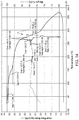
- FIG. 61 is a thermodynamic pH-solubility profile of Compound I HCl Form I in various buffer or non-buffer solutions.
- FIG. 62 is a plot showing the solution stability of Compound I HCl Form I in various buffer solutions over a pH range of about 1.2 to about 10.0.
- FIG. 63A and FIG. 63B provide analysis of Compound I HCl Type B prepared according to Example 12;
- FIG. 63A is an X-ray powder diffractogram of Compound I HCl Type B;
- FIG. 63B is a differential scanning calorimetry (DSC) curve (bottom) and thermogravimetric analysis (TGA) thermogram (top) for Compound I HCl Type B.
- DSC differential scanning calorimetry
- TGA thermogravimetric analysis
- FIG. 64A and FIG. 64B provide analysis of Compound I free base Form I according to Example 13;
- FIG. 64A is X-ray powder diffractograms of solid forms observed during temperature cycling of Compound I free base Form I;
- FIG. 64B is a differential scanning calorimetry (DSC) curve for three temperature cycles for Compound I free base Form I.
- DSC differential scanning calorimetry
- FIG. 65A and FIG. 65B provide analysis of Compound I free base Form II according to Example 13;
- FIG. 65A is X-ray powder diffractograms of solid forms observed during temperature cycling of Compound I free base Form II;
- FIG. 65B is a differential scanning calorimetry (DSC) curve (bottom) and thermogravimetric analysis (TGA) thermogram (top) for Compound I free base Form II.
- DSC differential scanning calorimetry
- TGA thermogravimetric analysis
- FIG. 66 is a differential scanning calorimetry (DSC) curve (bottom) and thermogravimetric analysis (TGA) thermogram (top) for Compound I free base Type E.
- FIG. 67 is an overlay of XRPD diffractograms of solid forms observed during stability testing, under vacuum at 40° C. and at 60° C., of Compound I HCl salt Form I according to Example 14.
- FIG. 68 is an overlay of XRPD diffractograms of solid forms observed during stability testing, at 25° C./60% RH and at 40° C./75% RH, of Compound I HCl salt Form I according to Example 14.
- FIG. 69A is an overlay of XRPD diffractograms of solid forms observed during low humidity testing of Compound I HCl salt Form I according to Example 14;
- FIG. 69B is a differential scanning calorimetry (DSC) curve (bottom) and thermogravimetric analysis (TGA) thermogram (top) for Compound I HCl salt Form I measured following the low humidity testing.
- DSC differential scanning calorimetry
- TGA thermogravimetric analysis
- FIG. 70A , FIG. 70B , FIG. 70C and FIG. 70D are X-ray powder diffractograms of solid materials isolated during Compound I esylate Type A kinetic solubility experiments in water ( FIG. 70A ), simulated gastric fluid (“SGF”) ( FIG. 70B ), fasted state simulated gastric fluid (“FaSSIF”) ( FIG. 70C ), and fed state simulated gastric fluid (“FeSSIF”) ( FIG. 70D ).
- SGF simulated gastric fluid
- FaSSIF fasted state simulated gastric fluid
- FeSSIF fed state simulated gastric fluid
- FIG. 71A , FIG. 71B , FIG. 71C and FIG. 71D are X-ray powder diffractograms of solid materials isolated during Compound I isethionate Type A kinetic solubility experiments in water ( FIG. 71A ), simulated gastric fluid (“SGF”) ( FIG. 71B ), fasted state simulated gastric fluid (“FaSSIF”) ( FIG. 71C ), and fed state simulated gastric fluid (“FeSSIF”) ( FIG. 71D ).
- SGF simulated gastric fluid
- FaSSIF fasted state simulated gastric fluid
- FeSSIF fed state simulated gastric fluid
- FIG. 72A , FIG. 72B , FIG. 72C and FIG. 72D are X-ray powder diffractograms of solid materials isolated during Compound I naphthalene disulfonate Type A kinetic solubility experiments in water ( FIG. 72A ), simulated gastric fluid (“SGF”) ( FIG. 72B ), fasted state simulated gastric fluid (“FaSSIF”) ( FIG. 72C ), and fed state simulated gastric fluid (“FeSSIF”) ( FIG. 72D ).
- SGF simulated gastric fluid
- FaSSIF fasted state simulated gastric fluid
- FeSSIF fed state simulated gastric fluid
- FIG. 73A , FIG. 73B , FIG. 73C and FIG. 73D are X-ray powder diffractograms of solid materials isolated during Compound I mesylate Type A kinetic solubility experiments in water ( FIG. 73A ), simulated gastric fluid (“SGF”) ( FIG. 73B ), fasted state simulated gastric fluid (“FaSSIF”) ( FIG. 73C ), and fed state simulated gastric fluid (“FeSSIF”) ( FIG. 73D ).
- SGF simulated gastric fluid
- FaSSIF fasted state simulated gastric fluid
- FeSSIF fed state simulated gastric fluid
- FIG. 74A , FIG. 74B , FIG. 74C and FIG. 74D are X-ray powder diffractograms of solid materials isolated during Compound I HCl Form I kinetic solubility experiments in water ( FIG. 74A ), simulated gastric fluid (“SGF”) ( FIG. 74B ), fasted state simulated gastric fluid (“FaSSIF”) ( FIG. 74C ), and fed state simulated gastric fluid (“FeSSIF”) ( FIG. 74D ).
- FIG. 75A , FIG. 75B , FIG. 75C and FIG. 75D are charts of kinetic solubility for Compound I esylate Type A (triangle symbols), Compound I 2-hydroxyethanesulfonate (“isethionate”) hydroxyethanesulfonate (square symbols), Compound I naphthalene disulfonate Type A (circle symbols), Compound I mesylate Type A (plus symbols), and Compound I HCl Form I (diamond symbols) in water ( FIG. 75A ), simulated gastric fluid (“SGF”) ( FIG. 75B ), fasted state simulated gastric fluid (“FaSSIF”) ( FIG. 75C ), and fed state simulated gastric fluid (“FeSSIF”) ( FIG. 75D ).
- SGF simulated gastric fluid
- FaSSIF fasted state simulated gastric fluid
- FeSSIF fed state simulated gastric fluid
- FIG. 76A , FIG. 76B , FIG. 76C and FIG. 76D are charts of kinetic solubility for Compound I esylate Type A (diamond symbols), Compound I oxalate Type A (plus symbols), Compound I HCl Form I (“X” symbols), Compound I glycollate Type A (square symbols), Compound I adipate Type C (circle symbols), Compound I sulfate Type C (triangle symbols), and Compound I Form I (asterisk symbols) in water ( FIG. 76A ), simulated gastric fluid (“SGF”) ( FIG. 76B ), fasted state simulated gastric fluid (“FaSSIF”) ( FIG. 76C ), and fed state simulated gastric fluid (“FeSSIF”) ( FIG. 76D ).
- SGF simulated gastric fluid
- FaSSIF fasted state simulated gastric fluid
- FeSSIF fed state simulated gastric fluid
- Cerdulatinib (4-(cyclopropylamino)-2-((4-(4-(ethylsulfonyl)piperazin-1-yl)phenyl)amino)pyrimidine-5-carboxamide or 4-(cyclopropylamino)-2-( ⁇ 4-[4-(ethanesulfonyl)piperazin-1-yl]phenyl ⁇ amino)pyrimidine-5-carboxamide), designated herein as Compound I or Compound I (free base), has the following formula:
- Compound I is a small molecule, ATP-competitive, reversible inhibitor of both SYK and JAK family members. The synthesis and method of use thereof is described in U.S. Pat. No. 8,138,339, which is herein incorporated by reference in its entirety.
- forms of Compound I described herein include “Compound I Form I,” “Compound I Form II,” “Compound I free base Type C,” “Compound I free base Type D,” and “Compound I free base Type E.”
- salts or co-crystals of Compound I may have the following formula:
- X may be hydrochloride (mono or bis), esylate, edisylate, mesylate (mono or bis), naphthalene disulfonate, sulfate, or tosylate.
- X may be hydrochloride (mono or bis), esylate, edisylate, mesylate (mono or bis), naphthalene disulfonate, sulfate, tosylate, glycollate, adipate, oxalate, phosphate, maleate, tartrate, fumarate, citrate, malate, gluconate, succinate, malonate, gentisate, benzenesulfonate, 2-hydroxyethanesulfonate, naphthalene-2-sulfonate, 4-chlorobenzenesulfonate, and camphorsulfonate.
- references to “about” a value or parameter herein includes (and describes) embodiments that are directed to that value or parameter per se.
- the term “about” includes the indicated amount ⁇ 10%.
- the term “about” includes the indicated amount ⁇ 5%.
- the term “about” includes the indicated amount ⁇ 1%.
- to the term “about X” includes description of “X”.
- references to a form of Compound I means that at least 50% to 99% (e.g., at least 50%, at least 55%, at least 60%, at least 65%, at least 70%, at least 75%, at least 80%, at least 85%, at least 90%, at least 95%, or at least 99%) of Compound I or a salt or co-crystal thereof present in a composition is in the designated form.
- reference to Compound I HCl Form I means that at least 50%, at least 55%, at least 60%, at least 65%, at least 70%, at least 75%, at least 80%, at least 85%, at least 90%, at least 95%, or at least 99% of the hydrochloride salt of Compound I present in a composition is in Form I.
- solid form refers to a type of solid-state material that includes amorphous as well as crystalline forms.
- crystalline form refers to a solid phase in which the material has a regular ordered internal structure at the molecular level and gives a distinctive X-ray diffraction pattern with defined peaks. Such materials when heated sufficiently will also exhibit the properties of a liquid, but the change from solid to liquid is characterized by a phase change, typically first order (melting point).
- crystalline form encompasses co-crystals as defined herein.
- a distinctive crystalline form may be designated by the term “Form,” Material,” or “Type,” which terms are used interchangeably.
- substantially crystalline as used herein is intended to mean that greater than 50%; or greater than 55%; or greater than 60%; or greater than 65%; or greater than 70%; or greater than 75%; or greater than 80%; or greater than 85%; or greater than 90%; or greater than 95%, or greater than 99% of the compound present in a composition is in crystalline form. “Substantially crystalline” can also refer to material which has no more than about 20%, or no more than about 10%, or no more than about 5%, or no more than about 2% in the amorphous form.
- the term “substantially” when qualifying any form of a compound described herein is intended to mean that greater than 50%; or greater than 55%; or greater than 60%; or greater than 65%; or greater than 70%; or greater than 75%; or greater than 80%; or greater than 85%; or greater than 90%; or greater than 95%, or greater than 99% of the compound is present in the designated form.
- amorphous form refers to a state in which the material lacks long range order at the molecular level and, depending upon temperature, may exhibit the physical properties of a solid or a liquid. Typically such materials do not give distinctive X-ray diffraction patterns.
- co-crystal refers to a molecular complex of a compound and one or more co-crystal formers connected through non-covalent interactions.
- the co-crystals disclosed herein may include a non-ionized form of Compound I (e.g., Compound I free base) and one or more non-ionized co-crystal formers, where non-ionized Compound I and the co-crystal former(s) are connected through non-covalent interactions.
- co-crystals disclosed herein may include an ionized form of Compound I (e.g., a salt of Compound I) and one or more non-ionized co-crystal formers, where ionized Compound I and the co-crystal former(s) are connected through non-covalent interactions.
- Co-crystals may additionally be present in anhydrous, solvated or hydrated forms. In some embodiments, there is no hydrogen transfer between the compound and the co-crystal former.
- co-crystal former or “co-former” refers to one or more pharmaceutically acceptable compounds that can be in association with a compound, such as Compound I, to form a co-crystal.
- solvate refers to a complex formed by combining Compound I, or a salt or co-crystal thereof, and a solvent.
- solvate includes a hydrate (i.e., a solvate when the solvent is water).
- desolvated refers to a Compound I form that is a solvate as described herein, and from which solvent molecules have been partially or completely removed.
- Desolvation techniques to produce desolvated forms include, without limitation, exposure of a Compound I form (solvate) to a vacuum, subjecting the solvate to elevated temperature, exposing the solvate to a stream of gas, such as air or nitrogen, or any combination thereof.
- a desolvated Compound I form can be anhydrous, i.e., completely without solvent molecules, or partially desolvated wherein solvent molecules are present in stoichiometric or non-stoichiometric amounts.
- composition refers to a pharmaceutical preparation suitable for administration to an intended subject for therapeutic purposes that comprises one or more of the solid forms of Compound I or a salt/co-crystal thereof as described herein.
- the composition may include at least one pharmaceutically acceptable component to provide an improved formulation of the compound, such as a suitable carrier or excipient.
- any formula or structure given herein, including Compound I, is also intended to represent unlabeled forms as well as isotopically labeled forms of the compounds.
- Isotopically labeled compounds have structures depicted by the formulae given herein except that one or more atoms are replaced by an atom having a selected atomic mass or mass number.
- isotopes that can be incorporated into compounds of the disclosure include isotopes of hydrogen, carbon, nitrogen, oxygen, phosphorous, fluorine and chlorine, such as, but not limited to 2 H (deuterium, D), 3 H (tritium), 11 C, 13 C, 14 C, 15 N, 18 F, 31P, 32P, 35 S, 36 Cl and 125 I.
- isotopically labeled compounds of the present disclosure for example those into which isotopes such as 3 H, 13 C and 14 C are incorporated, may be prepared.
- Such isotopically labeled compounds may be useful in metabolic studies, reaction kinetic studies, detection or imaging techniques, such as positron emission tomography (PET) or single-photon emission computed tomography (SPECT) including drug or substrate tissue distribution assays or in radioactive treatment of patients.
- PET positron emission tomography
- SPECT single-photon emission computed tomography
- the disclosure also includes “deuterated analogs” of compounds of Formula I in which from 1 to n hydrogens attached to a carbon atom is/are replaced by deuterium, in which n is the number of hydrogens in the molecule.
- deuterated analogs of compounds of Formula I in which from 1 to n hydrogens attached to a carbon atom is/are replaced by deuterium, in which n is the number of hydrogens in the molecule.
- Such compounds exhibit increased resistance to metabolism and are thus useful for increasing the half-life of any compound of Formula I when administered to a mammal, particularly a human. See, for example, Foster, “Deuterium Isotope Effects in Studies of Drug Metabolism,” Trends Pharmacol. Sci. 5(12):524-527 (1984).
- Such compounds are synthesized by means well known in the art, for example by employing starting materials in which one or more hydrogens have been replaced by deuterium.
- Deuterium labelled or substituted therapeutic compounds of the disclosure may have improved DMPK (drug metabolism and pharmacokinetics) properties, relating to distribution, metabolism and excretion (ADME). Substitution with heavier isotopes such as deuterium may afford certain therapeutic advantages resulting from greater metabolic stability, for example increased in vivo half-life, reduced dosage requirements and/or an improvement in therapeutic index.
- An 18 F labeled compound may be useful for PET or SPECT studies.
- Isotopically labeled compounds of this disclosure and prodrugs thereof can generally be prepared by carrying out the procedures disclosed in the schemes or in the examples and preparations described below by substituting a readily available isotopically labeled reagent for a non-isotopically labeled reagent. It is understood that deuterium in this context is regarded as a substituent in the compound of Formula I.
- the concentration of such a heavier isotope, specifically deuterium may be defined by an isotopic enrichment factor.
- any atom not specifically designated as a particular isotope is meant to represent any stable isotope of that atom.
- a position is designated specifically as “H” or “hydrogen” the position is understood to have hydrogen at its natural abundance isotopic composition.
- any atom specifically designated as a deuterium (D) is meant to represent deuterium.
- treatment refers to an approach for obtaining beneficial or desired results including clinical results.
- beneficial or desired clinical results may include one or more of the following: a) inhibiting the disease or condition (e.g., decreasing one or more symptoms resulting from the disease or condition, and/or diminishing the extent of the disease or condition); b) slowing or arresting the development of one or more clinical symptoms associated with the disease or condition (e.g., stabilizing the disease or condition, preventing or delaying the worsening or progression of the disease or condition, and/or preventing or delaying the spread (e.g., metastasis) of the disease or condition); and/or c) relieving the disease, that is, causing the regression of clinical symptoms (e.g., ameliorating the disease state, providing partial or total remission of the disease or condition, enhancing effect of another medication, delaying the progression of the disease, increasing the quality of life, and/or prolonging survival.
- a) inhibiting the disease or condition e.g., decreasing one or more symptoms resulting from the disease
- prevention refers to any treatment of a disease or condition that causes the clinical symptoms of the disease or condition not to develop.
- Compounds as described herein may, in some embodiments, be administered to a subject (including a human) who is at risk or has a family history of the disease or condition.
- administering refers to oral administration, administration as a suppository, topical contact, intravenous, intraperitoneal, intramuscular, intralesional, intranasal or subcutaneous administration, or the implantation of a slow-release device e.g., a mini-osmotic pump, to a subject.
- Administration is by any route, including parenteral and transmucosal (e.g., buccal, sublingual, palatal, gingival, nasal, vaginal, rectal, or transdermal).
- Parenteral administration includes, e.g., intravenous, intramuscular, intra-arteriole, intradermal, subcutaneous, intraperitoneal, intraventricular, and intracranial.
- Other modes of delivery include, but are not limited to, the use of liposomal formulations, intravenous infusion, transdermal patches, etc.
- modulating refers to an effect of altering a biological activity, especially a biological activity associated with a particular biomolecule such as a protein kinase.
- a biomolecule such as a protein kinase.
- an agonist or antagonist of a particular biomolecule modulates the activity of that biomolecule, e.g., an enzyme, by either increasing (e.g., agonist, activator), or decreasing (e.g., antagonist, inhibitor) the activity of the biomolecule, such as an enzyme.
- Such activity is typically indicated in terms of an inhibitory concentration (IC 50 ) or excitation concentration (EC 50 ) of the compound for an inhibitor or activator, respectively, with respect to, for example, an enzyme.
- IC 50 inhibitory concentration
- EC 50 excitation concentration
- protein kinase mediated disease or condition refers to a disease or condition in which the biological function of a protein kinase, including any mutations thereof, affects the development, course, and/or symptoms of the disease or condition, and/or in which modulation of the protein kinase alters the development, course, and/or symptoms of the disease or condition.
- the protein kinase mediated disease or condition includes a disease or condition for which inhibition provides a therapeutic benefit, e.g. wherein treatment with protein kinase inhibitor(s), including one or more solid, crystalline or polymorphs of Compound I or as described herein, provides a therapeutic benefit to the subject suffering from or at risk of the disease or condition.
- subject refers to a living organism that is treated with compounds as described herein, including, but not limited to, any mammal, such as a human, other primates, sports animals, animals of commercial interest such as cattle, farm animals such as horses, or pets such as dogs and cats.
- pharmaceutically acceptable indicates that the indicated material does not have properties that would cause a reasonably prudent medical practitioner to avoid administration of the material to a patient, taking into consideration the disease or conditions to be treated and the respective route of administration. For example, it is commonly required that such a material be essentially sterile, e.g., for injectibles.
- therapeutically effective amount or “effective amount” of a compound described herein means an amount sufficient to effect treatment when administered to a subject, to provide a therapeutic benefit such as amelioration of symptoms or slowing of disease progression.
- the therapeutically effective amount may vary depending on the subject, and disease or condition being treated, the weight and age of the subject, the severity of the disease or condition, and the manner of administering, which can readily be determined by one or ordinary skill in the art.
- the term “contacting” means that the compound(s) are caused to be in sufficient proximity to a particular molecule, complex, cell, tissue, organism, or other specified material that potential binding interactions and/or chemical reaction between the compound and other specified material can occur.
- the present disclosure provides crystalline forms of Compound I and salts/co-crystals thereof. Additional forms (including amorphous forms) are also discussed further herein. Crystalline forms of Compound I (free base), the crystalline forms of salts/co-crystals of Compound I, and other forms (e.g., amorphous or disordered forms) of Compound I (free base) and salts/co-crystals thereof, are collectively referred to herein as “forms of Compound I.”
- hydrochloride salts/co-crystals of Compound I were unexpectedly and surprisingly found to exhibit superior stability, hygroscopicity, solubility, and thermal properties compared to Compound I, and other solid forms of Compound I, and particularly the esylate, edisylate, mesylate, naphthalene disulfonate, sulfate, and tosylate salts/co-crystals of Compound I.
- the mesylate and esylate salts/co-crystals of Compound I while highly soluble, exhibited multiple form variations/solvations during handling without the isolation of a single, stable crystalline entity.
- the sulfate salts/co-crystals of Compound I were found to be highly insoluble and exhibited the form variation noted for the mesylate and esylate salts/co-crystals of Compound I.
- Other salts/co-crystals e.g., the edisylate, naphthalene disulfonate, and tosylate salts/co-crystals
- Compound I also exhibited form variation.
- the mono-hydrochloride e.g., Compound I HCl Form I
- mono-mesylate salts/co-crystals of Compound I were found to be more stable than the corresponding bis-salts/co-crystals thereof, as the bis-salts/co-crystals dissociated back to the mono version when handled in solution.
- the solid forms of the mono-hydrochloride salt/co-crystal of Compound I e.g., Compound I HCl Form I
- Compound I HCl Form I was surprisingly and unexpectedly found to be the most physico-chemically stable solid form of Compound I. As discussed in greater detail below, Compound I HCl Form I is stable at room temperature under ambient conditions and remains crystalline while hydrated. The hydration behavior of Compound I HCl Form I is reversible, such that rehydration of Compound I HCl Form I returns the single, crystalline form, allowing Compound I HCl Form I be stored at ambient conditions without desiccant.
- the mono-hydrochloride (Compound I HCl Form I) salt exhibits improved, compared to other salts, gross from variation, DVS stability, solubility and crystallization process control.
- the sulfonate salts e.g., crystalline forms of the esylate, mesylate, isethionate, naphthalenesulfonate, chlorobenzenesulfate, tosylate, besylate, edisylate, and/or camphorsulfonate
- sulfonate salts e.g., crystalline forms of the esylate, mesylate, isethionate, naphthalenesulfonate, chlorobenzenesulfate, tosylate, besylate, edisylate, and/or camphorsulfonate
- Compound I Form I also referred to as “Compound I Type A” or “Compound I Free Base Type A”
- the present disclosure provides, in one embodiment, a crystalline form of 4-(cyclopropylamino)-2-(4-(4-(ethylsulfonyl)piperazin-1-yl)phenylamino)pyrimidine-5-carboxamide (Compound I Form I) characterized by an X-ray powder diffractogram comprising the following peaks: 16.6, 18.0, and 23.7°2 ⁇ , each ⁇ 0.2°2 ⁇ , as determined on a diffractometer using Cu—K ⁇ radiation (1.54 ⁇ ).
- the diffractogram of Compound I Form I further comprises one or more peaks at: 10.0, 17.1, and 19.4°2 ⁇ , each ⁇ 0.2°2 ⁇ .
- Compound I Form I is characterized by an X-ray powder diffractogram comprising at least two of the following peaks: 5.0, 8.3, 10.0, 14.4, 15.6, 16.6, 17.1, 18.0, 18.4, 19.4, 21.7, 23.3, 23.7, 25.1, and 31.2°2 ⁇ , each ⁇ 0.2°2 ⁇ .
- Compound I Form I is characterized by an X-ray powder diffractogram comprising at least four of the following peaks: 5.0, 8.3, 10.0, 14.4, 15.6, 16.6, 17.1, 18.0, 18.4, 19.4, 21.7, 23.3, 23.7, 25.1, and 31.2°2 ⁇ , each ⁇ 0.2°2 ⁇ .
- Compound I Form I is characterized by an X-ray powder diffractogram comprising at least six of the following peaks: 5.0, 8.3, 10.0, 14.4, 15.6, 16.6, 17.1, 18.0, 18.4, 19.4, 21.7, 23.3, 23.7, 25.1, and 31.2°2 ⁇ , each ⁇ 0.2°2 ⁇ .
- Compound I Form I is characterized by an X-ray powder diffractogram comprising at least eight of the following peaks: 5.0, 8.3, 10.0, 14.4, 15.6, 16.6, 17.1, 18.0, 18.4, 19.4, 21.7, 23.3, 23.7, 25.1, and 31.2°2 ⁇ , each ⁇ 0.2°2 ⁇ .
- Compound I Form I is characterized by an X-ray powder diffractogram comprising each of the following peaks: 5.0, 8.3, 10.0, 14.4, 15.6, 16.6, 17.1, 18.0, 18.4, 19.4, 21.7, 23.3, 23.7, 25.1, and 31.2°2 ⁇ , each ⁇ 0.2°2 ⁇ .
- Compound I Form I is characterized by the full X-ray powder diffractogram as substantially shown in FIG. 1 .
- the process for making Compound I Form I is as described in the Examples provided herein.
- the present disclosure provides, in one embodiment, a crystalline form of 4-(cyclopropylamino)-2-(4-(4-(ethyl sulfonyl)piperazin-1-yl)phenylamino)pyrimidine-5-carboxamide (Compound I Form II) characterized by an X-ray powder diffractogram comprising the following peaks: 13.2, 18.7, and 22.0°2 ⁇ , each ⁇ 0.2°2 ⁇ , as determined on a diffractometer using Cu—K ⁇ radiation.
- the diffractogram of Compound I Form II further comprises one or more peaks at: 8.6, 10.0, and 16.5°2 ⁇ 0.2°2 ⁇ , each ⁇ 0.2°2 ⁇ .
- Compound I Form II is characterized by an X-ray powder diffractogram comprising at least two of the following peaks: 8.6, 10.0, 11.7, 13.2, 14.0, 14.8, 15.9, 16.0, 16.5, 17.1, 18.7, 18.8, 22.0, 23.0, and 27.2°2 ⁇ , each ⁇ 0.2°2 ⁇ .
- Compound I Form II is characterized by an X-ray powder diffractogram comprising at least four of the following peaks: 8.6, 10.0, 11.7, 13.2, 14.0, 14.8, 15.9, 16.0, 16.5, 17.1, 18.7, 18.8, 22.0, 23.0, and 27.2°2 ⁇ , each ⁇ 0.2°2 ⁇ .
- Compound I Form II is characterized by an X-ray powder diffractogram comprising at least six of the following peaks: 8.6, 10.0, 11.7, 13.2, 14.0, 14.8, 15.9, 16.0, 16.5, 17.1, 18.7, 18.8, 22.0, 23.0, and 27.2°2 ⁇ , each ⁇ 0.2°2 ⁇ .
- Compound I Form II is characterized by an X-ray powder diffractogram comprising at least eight of the following peaks: 8.6, 10.0, 11.7, 13.2, 14.0, 14.8, 15.9, 16.0, 16.5, 17.1, 18.7, 18.8, 22.0, 23.0, and 27.2°2 ⁇ , each ⁇ 0.2°2 ⁇ .
- Compound I Form II is characterized by an X-ray powder diffractogram comprising each of the following peaks: 8.6, 10.0, 11.7, 13.2, 14.0, 14.8, 15.9, 16.0, 16.5, 17.1, 18.7, 18.8, 22.0, 23.0, and 27.2°2 ⁇ , each ⁇ 0.2°2 ⁇ .
- Compound I Form I is characterized by the full X-ray powder diffractogram as substantially shown in FIG. 2 .
- the process for making Compound I Form II is as described in the Examples provided herein.
- the present disclosure provides, in one embodiment, a crystalline form of 4-(cyclopropylamino)-2-(4-(4-(ethyl sulfonyl)piperazin-1-yl)phenylamino)pyrimidine-5-carboxamide (Compound I Type C) characterized by an X-ray powder diffractogram as substantially shown in FIG. 64A .
- the process for making Compound I Type C is as described in the Examples provided herein.
- the present disclosure provides, in one embodiment, a crystalline form of 4-(cyclopropylamino)-2-(4-(4-(ethyl sulfonyl)piperazin-1-yl)phenylamino)pyrimidine-5-carboxamide (Compound I Type D) characterized by an X-ray powder diffractogram as substantially shown in FIG. 65A .
- a process for making Compound I Type D is as described in the Examples provided herein.
- the present disclosure provides, in one embodiment, a crystalline form of 4-(cyclopropylamino)-2-(4-(4-(ethylsulfonyl)piperazin-1-yl)phenylamino)pyrimidine-5-carboxamide (Compound I Type E) characterized by an X-ray powder diffractogram as substantially shown in FIG. 65A .
- the process for making Compound I Type E is as described in the Examples provided herein.
- the present disclosure provides, in one embodiment, a crystalline form of a hydrochloride salt of 4-(cyclopropylamino)-2-(4-(4-(ethylsulfonyl)piperazin-1-yl)phenylamino)pyrimidine-5-carboxamide (Compound I HCl Form I, also referred to herein as Compound I mono-HCl Form I) characterized by an X-ray powder diffractogram comprising the following peaks: 8.7, 15.9, and 20.0°2 ⁇ , each ⁇ 0.2°2 ⁇ , as determined on a diffractometer using Cu—K ⁇ radiation.
- the diffractogram of Compound I HCl Form I further comprises one or more peaks at: 11.5, 22.5, and 25.5°2 ⁇ , each ⁇ 0.2°2 ⁇ .
- Compound I HCl Form I is characterized by an X-ray powder diffractogram comprising at least two of the following peaks: 4.3, 8.0, 8.6, 8.7, 11.5, 15.3, 15.9, 17.3, 18.1, 20.0, 21.7, 22.5, 25.0, 25.5, and 28.9°2 ⁇ , each ⁇ 0.2°2 ⁇ .
- Compound I HCl Form I is characterized by an X-ray powder diffractogram comprising at least four of the following peaks: 4.3, 8.0, 8.6, 8.7, 11.5, 15.3, 15.9, 17.3, 18.1, 20.0, 21.7, 22.5, 25.0, 25.5, and 28.9°2 ⁇ , each ⁇ 0.2°2 ⁇ .
- Compound I HCl Form I is characterized by an X-ray powder diffractogram comprising at least six of the following peaks: 4.3, 8.0, 8.6, 8.7, 11.5, 15.3, 15.9, 17.3, 18.1, 20.0, 21.7, 22.5, 25.0, 25.5, and 28.9°2 ⁇ , each ⁇ 0.2°2 ⁇ .
- Compound I HCl Form I is characterized by an X-ray powder diffractogram comprising at least eight of the following peaks: 4.3, 8.0, 8.6, 8.7, 11.5, 15.3, 15.9, 17.3, 18.1, 20.0, 21.7, 22.5, 25.0, 25.5, and 28.9°2 ⁇ , each ⁇ 0.2°2 ⁇ .
- Compound I HCl Form I is characterized by an X-ray powder diffractogram comprising each of the following peaks: 4.3, 8.0, 8.6, 8.7, 11.5, 15.3, 15.9, 17.3, 18.1, 20.0, 21.7, 22.5, 25.0, 25.5, and 28.9°2 ⁇ , each ⁇ 0.2°2 ⁇ .
- Compound I Form I is characterized by the full X-ray powder diffractogram as substantially shown in FIG. 3 .
- Compound I HCl Form I is characterized as a hydrated form. In one embodiment, Compound I HCl Form I is characterized as a mono hydrate.
- a process for making Compound I HCl Form I comprises contacting Compound I free base and hydrochloric acid in a solvent.
- the solvent comprises one or more of DMSO, DMF, 3-Me-1-BuOH, n-BuOAc, toluene, water, IPA, EtOH and THF.
- the process comprises contacting a solution of Compound I Form I in a solvent, such as DMSO, with hydrochloric acid and a solvent, such as DMF, 3-Me-1-BuOH, n-BuOAc, toluene, water, IPA, EtOH or THF, whereby Compound I HCl Form I is formed.
- the process for making Compound I HCl Form I is as described in the Examples provided herein.
- Compound I HCl Form I has one or more improved properties as compared to Compound I free base or other salts or solid forms thereof described herein. These improved properties may include: increased solubility, increased dissolution, increased bioavailability, increased dose response, decreased hygroscopicity, more desired morphology, and the like.
- the present disclosure provides, in one embodiment, a crystalline form of a hydrochloride salt of 4-(cyclopropylamino)-2-(4-(4-(ethylsulfonyl)piperazin-1-yl)phenylamino)pyrimidine-5-carboxamide (Compound I HCl Form II, also referred to herein as Compound I mono-HCl Form II) characterized by an X-ray powder diffractogram comprising the following peaks: 9.6, 16.8, and 23.3°2 ⁇ , each ⁇ 0.2°2 ⁇ , as determined on a diffractometer using Cu—K ⁇ radiation.
- the diffractogram of Compound I HCl Form II further comprises one or more peaks at: 18.1, 20.9, and 21.7°2 ⁇ , each ⁇ 0.2°2 ⁇ .
- Compound I HCl Form II is characterized by an X-ray powder diffractogram comprising at least two of the following peaks: 8.8, 9.6, 10.2, 11.5, 13.1, 14.0, 16.8, 17.6, 18.1, 18.9, 20.1, 20.9, 21.7, 23.3, and 31.2°2 ⁇ , each ⁇ 0.2°2 ⁇ .
- Compound I HCl Form II is characterized by an X-ray powder diffractogram comprising at least four of the following peaks: 8.8, 9.6, 10.2, 11.5, 13.1, 14.0, 16.8, 17.6, 18.1, 18.9, 20.1, 20.9, 21.7, 23.3, and 31.2°2 ⁇ , each ⁇ 0.2°2 ⁇ .
- Compound I HCl Form II is characterized by an X-ray powder diffractogram comprising at least six of the following peaks: 8.8, 9.6, 10.2, 11.5, 13.1, 14.0, 16.8, 17.6, 18.1, 18.9, 20.1, 20.9, 21.7, 23.3, and 31.2°2 ⁇ , each ⁇ 0.2°2 ⁇ .
- Compound I HCl Form II is characterized by an X-ray powder diffractogram comprising at least eight of the following peaks: 8.8, 9.6, 10.2, 11.5, 13.1, 14.0, 16.8, 17.6, 18.1, 18.9, 20.1, 20.9, 21.7, 23.3, and 31.2°2 ⁇ , each ⁇ 0.2°2 ⁇ .
- Compound I HCl Form II is characterized by an X-ray powder diffractogram comprising each of the following peaks: 8.8, 9.6, 10.2, 11.5, 13.1, 14.0, 16.8, 17.6, 18.1, 18.9, 20.1, 20.9, 21.7, 23.3, and 31.2°2 ⁇ , each ⁇ 0.2°2 ⁇ .
- Compound I HCl Form II is characterized by the full X-ray powder diffractogram as substantially shown in FIG. 4 .
- Compound I HCl Form II is characterized as anhydrous.
- a process for making Compound I HCl Form II comprises contacting a solution of Compound I Form I in DMSO with hydrochloric acid and acetonitrile, whereby Compound I HCl Form II is formed.
- the process for making Compound I HCl Form II is as described in the Examples provided herein.
- the present disclosure provides, in one embodiment, a crystalline form of a hydrochloride salt of 4-(cyclopropylamino)-2-(4-(4-(ethylsulfonyl)piperazin-1-yl)phenylamino)pyrimidine-5-carboxamide (Compound I HCl Type B) characterized by an X-ray powder diffractogram comprising the following peaks: 7.9, 19.6, and 13.3°2 ⁇ , each ⁇ 0.2°2 ⁇ , as determined on a diffractometer using Cu—K ⁇ radiation.
- the diffractogram of Compound I HCl Type B further comprises one or more peaks at: 22.5, 17.2, and 9.7°2 ⁇ , each ⁇ 0.2°2 ⁇ .
- Compound I HCl Type B is characterized by the full X-ray powder diffractogram as substantially shown in FIG. 63A .
- the process for making Compound I HCl Type B is as described in the Examples provided herein.
- the present disclosure provides, in one embodiment, a crystalline form of a bis-hydrochloride salt of 4-(cyclopropylamino)-2-(4-(4-(ethylsulfonyl)piperazin-1-yl)phenylamino)pyrimidine-5-carboxamide (Compound I bis-HCl Form I) characterized by an X-ray powder diffractogram comprising the following peaks: 10.1, 19.4, and 20.9°2 ⁇ , each ⁇ 0.2°2 ⁇ , as determined on a diffractometer using Cu—K ⁇ radiation.
- the diffractogram of Compound I bis-HCl Form I further comprises one or more peaks at: 13.1, 19.6, and 23.6°2 ⁇ , each ⁇ 0.2°2 ⁇ .
- Compound I bis-HCl Form I is characterized by an X-ray powder diffractogram comprising at least two of the following peaks: 9.7, 10.1, 11.8, 13.1, 15.3, 17.7, 18.2, 19.1, 19.4, 19.6, 20.9, 23.6, 24.7, 26.0, and 27.9°2 ⁇ , each ⁇ 0.2°2 ⁇ .
- Compound I bis-HCl Form I is characterized by an X-ray powder diffractogram comprising at least four of the following peaks: 9.7, 10.1, 11.8, 13.1, 15.3, 17.7, 18.2, 19.1, 19.4, 19.6, 20.9, 23.6, 24.7, 26.0, and 27.9°2 ⁇ , each ⁇ 0.2°2 ⁇ .
- Compound I bis-HCl Form I is characterized by an X-ray powder diffractogram comprising at least six of the following peaks: 9.7, 10.1, 11.8, 13.1, 15.3, 17.7, 18.2, 19.1, 19.4, 19.6, 20.9, 23.6, 24.7, 26.0, and 27.9°2 ⁇ , each ⁇ 0.2°2 ⁇ .
- Compound I bis-HCl Form I is characterized by an X-ray powder diffractogram comprising at least eight of the following peaks: 9.7, 10.1, 11.8, 13.1, 15.3, 17.7, 18.2, 19.1, 19.4, 19.6, 20.9, 23.6, 24.7, 26.0, and 27.9°2 ⁇ , each ⁇ 0.2°2 ⁇ .
- Compound I bis-HCl Form I is characterized by an X-ray powder diffractogram comprising each of the following peaks: 9.7, 10.1, 11.8, 13.1, 15.3, 17.7, 18.2, 19.1, 19.4, 19.6, 20.9, 23.6, 24.7, 26.0, and 27.9°2 ⁇ , each ⁇ 0.2°2 ⁇ .
- Compound I bis-HCl Form I is characterized by the full X-ray powder diffractogram as substantially shown in FIG. 5 .
- a process for making Compound I bis-HCl Form I comprises contacting a solution of Compound I Form I in DMSO with acetonitrile at room temperature, followed by addition of dry hydrochloric acid in THF, whereby Compound I bis-HCl form I is formed.
- this process comprises contacting a solution of Compound I Form I in DMSO with acetonitrile at room temperature, followed by addition of aqueous hydrochloric acid in THF, whereby Compound I bis-HCl form I is formed.
- the present disclosure provides, in one embodiment, an amorphous form of a hydrochloride salt of 4-(cyclopropylamino)-2-(4-(4-(ethylsulfonyl)piperazin-1-yl)phenylamino)pyrimidine-5-carboxamide (Compound I HCl Amorphous) characterized by an X-ray powder as substantially shown in FIG. 6 .
- the X-ray powder diffractogram of Compound I HCl amorphous also indicates the presence of a minimal amount of Compound I HCl Form I.
- Compound I HCl amorphous is formed via lyophilization of a solution comprising Compound I HCl Form I, water and THF.
- the present disclosure provides, in one embodiment, a crystalline form of an esylate salt of 4-(cyclopropylamino)-2-(4-(4-(ethylsulfonyl)piperazin-1-yl)phenylamino)pyrimidine-5-carboxamide (Compound I esylate Form I) characterized by an X-ray powder diffractogram comprising the following peaks: 5.6, 20.2, and 23.5°2 ⁇ , each ⁇ 0.2°2 ⁇ , as determined on a diffractometer using Cu—K ⁇ radiation.
- the diffractogram of Compound I esylate Form I further comprises one or more peaks at: 7.2, 16.8, and 17.5°2 ⁇ , each ⁇ 0.2°2 ⁇ .
- Compound I esylate Form I is characterized by an X-ray powder diffractogram comprising at least two of the following peaks: 5.6, 7.2, 9.9, 13.6, 15.8, 16.8, 17.5, 18.2, 18.7, 20.2, 21.8, 22.3, 23.5, 24.2, and 29.4°2 ⁇ , each ⁇ 0.2°2 ⁇ .
- Compound I esylate Form I is characterized by an X-ray powder diffractogram comprising at least four of the following peaks: 5.6, 7.2, 9.9, 13.6, 15.8, 16.8, 17.5, 18.2, 18.7, 20.2, 21.8, 22.3, 23.5, 24.2, and 29.4°2 ⁇ , each ⁇ 0.2°2 ⁇ .
- Compound I esylate Form I is characterized by an X-ray powder diffractogram comprising at least six of the following peaks: 5.6, 7.2, 9.9, 13.6, 15.8, 16.8, 17.5, 18.2, 18.7, 20.2, 21.8, 22.3, 23.5, 24.2, and 29.4°2 ⁇ , each ⁇ 0.2°2 ⁇ .
- Compound I esylate Form I is characterized by an X-ray powder diffractogram comprising at least eight of the following peaks: 5.6, 7.2, 9.9, 13.6, 15.8, 16.8, 17.5, 18.2, 18.7, 20.2, 21.8, 22.3, 23.5, 24.2, and 29.4°2 ⁇ , each ⁇ 0.2°2 ⁇ .
- Compound I esylate Form I is characterized by an X-ray powder diffractogram comprising each of the following peaks: 5.6, 7.2, 9.9, 13.6, 15.8, 16.8, 17.5, 18.2, 18.7, 20.2, 21.8, 22.3, 23.5, 24.2, and 29.4°2 ⁇ , each ⁇ 0.2°2 ⁇ .
- Compound I esylate Form I is characterized by the full X-ray powder diffractogram as substantially shown in FIG. 7 .
- a process for making Compound I esylate Form I comprises contacting a solution of Compound I Form I in DMSO with ethane sulfonic acid and a solvent such as 3-Me-1-BuOH, n-BuOAc, toluene, water, IPA, acetonitrile, MEK, EtOH, or THF, whereby Compound I esylate Form I is formed.
- the process for making Compound I esylate Form I is as described in the Examples provided herein.
- the present disclosure provides, in one embodiment, a crystalline form of an esylate salt of 4-(cyclopropylamino)-2-(4-(4-(ethylsulfonyl)piperazin-1-yl)phenylamino)pyrimidine-5-carboxamide (Compound I esylate Type A) characterized by an X-ray powder diffractogram comprising the following peaks: 7.5, 18.1, and 14.9°2 ⁇ , each ⁇ 0.2°2 ⁇ , as determined on a diffractometer using Cu—K ⁇ radiation.
- the diffractogram of Compound I esylate Type A further comprises one or more peaks at: 15.9, 16.2, and 24.6°2 ⁇ 0.2°2 ⁇ , each ⁇ 0.2°2 ⁇ .
- the process for making Compound I esylate Type A is as described in the Examples provided herein.
- the present disclosure provides, in one embodiment, a crystalline form of an edisylate salt of 4-(cyclopropylamino)-2-(4-(4-(ethylsulfonyl)piperazin-1-yl)phenylamino)pyrimidine-5-carboxamide (Compound I edisylate Form I) characterized by the full X-ray powder diffractogram comprising the following peaks: 17.0, 17.7, and 19.3°2 ⁇ , each ⁇ 0.2°2 ⁇ , as determined on a diffractometer using Cu—K ⁇ radiation.
- the diffractogram of Compound I edisylate Form I further comprises one or more peaks at: 10.4, 18.3, and 22.1°2 ⁇ , each ⁇ 0.2°2 ⁇ .
- Compound I edisylate Form I is characterized by an X-ray powder diffractogram comprising at least two of the following peaks: 5.2, 6.8, 7.2, 9.6. 10.4, 10.6, 15.7, 15.9, 16.5, 17.0 17.7, 18.3, 18.6, 19.3, 21.4, and 22.1°2 ⁇ , each ⁇ 0.2°2 ⁇ .
- Compound I edisylate Form I is characterized by an X-ray powder diffractogram comprising at least four of the following peaks: 5.2, 6.8, 7.2, 9.6. 10.4, 10.6, 15.7, 15.9, 16.5, 17.0 17.7, 18.3, 18.6, 19.3, 21.4, and 22.1°2 ⁇ , each ⁇ 0.2°2 ⁇ .
- Compound I edisylate Form I is characterized by an X-ray powder diffractogram comprising at least six of the following peaks: 5.2, 6.8, 7.2, 9.6. 10.4, 10.6, 15.7, 15.9, 16.5, 17.0 17.7, 18.3, 18.6, 19.3, 21.4, and 22.1°2 ⁇ , each ⁇ 0.2°2 ⁇ .
- Compound I edisylate Form I is characterized by an X-ray powder diffractogram comprising at least eight of the following peaks: 5.2, 6.8, 7.2, 9.6. 10.4, 10.6, 15.7, 15.9, 16.5, 17.0 17.7, 18.3, 18.6, 19.3, 21.4, and 22.1°2 ⁇ , each ⁇ 0.2°2 ⁇ .
- Compound I edisylate Form I is characterized by an X-ray powder diffractogram comprising each of the following peaks: 5.2, 6.8, 7.2, 9.6. 10.4, 10.6, 15.7, 15.9, 16.5, 17.0 17.7, 18.3, 18.6, 19.3, 21.4, and 22.1°2 ⁇ , each ⁇ 0.2°2 ⁇ .
- Compound I edisylate Form I is characterized by the full X-ray powder diffractogram as substantially shown in FIG. 8 .
- a process for making Compound I edisylate Form I comprises contacting a solution of Compound I Form I in DMSO with ethane 1,2-disulfonic acid and a solvent such as 3-Me-1-BuOH or IPA, whereby Compound I edisylate Form I is formed.
- the process for making Compound I edisylate Form I is as described in the Examples provided herein.
- the present disclosure provides, in one embodiment, a crystalline form of an edisylate salt of 4-(cyclopropylamino)-2-(4-(4-(ethylsulfonyl)piperazin-1-yl)phenylamino)pyrimidine-5-carboxamide (Compound I edisylate Form II) characterized by the full X-ray powder diffractogram comprising the following peaks: 9.1, 17.8, and 18.6°2 ⁇ , each ⁇ 0.2°2 ⁇ , as determined on a diffractometer using Cu—K ⁇ radiation.
- the diffractogram of Compound I edisylate Form II further comprises one or more peaks at: 13.7, 19.5, and 20.1°2 ⁇ , each ⁇ 0.2°2 ⁇ .
- Compound I edisylate Form II is characterized by an X-ray powder diffractogram comprising at least two of the following peaks: 7.9, 8.2, 9.1, 10.1, 13.7, 16.5, 16.9, 17.8, 18.4, 18.6, 19.5, 20.1, 22.1, and 23.6°2 ⁇ , each ⁇ 0.2°2 ⁇ .
- Compound I edisylate Form II is characterized by an X-ray powder diffractogram comprising at least four of the following peaks: 7.9, 8.2, 9.1, 10.1, 13.7, 16.5, 16.9, 17.8, 18.4, 18.6, 19.5, 20.1, 22.1, and 23.6°2 ⁇ , each ⁇ 0.2°2 ⁇ .
- Compound I edisylate Form II is characterized by an X-ray powder diffractogram comprising at least six of the following peaks: 7.9, 8.2, 9.1, 10.1, 13.7, 16.5, 16.9, 17.8, 18.4, 18.6, 19.5, 20.1, 22.1, and 23.6°2 ⁇ , each ⁇ 0.2°2 ⁇ .
- Compound I edisylate Form II is characterized by an X-ray powder diffractogram comprising at least eight of the following peaks: 7.9, 8.2, 9.1, 10.1, 13.7, 16.5, 16.9, 17.8, 18.4, 18.6, 19.5, 20.1, 22.1, and 23.6°2 ⁇ , each ⁇ 0.2°2 ⁇ .
- Compound I edisylate Form II is characterized by an X-ray powder diffractogram comprising each of the following peaks: 7.9, 8.2, 9.1, 10.1, 13.7, 16.5, 16.9, 17.8, 18.4, 18.6, 19.5, 20.1, 22.1, and 23.6°2 ⁇ , each ⁇ 0.2°2 ⁇ .
- Compound I edisylate Form II is characterized by the full X-ray powder diffractogram as substantially shown in FIG. 9 .
- a process for making Compound I edisylate Form II comprises contacting a solution of Compound I Form I in DMSO with ethane 1,2-disulfonic acid and a solvent such as n-BuOAc, toluene, MEK, EtOH, or THF, whereby Compound I edisylate Form II is formed.
- the process for making Compound I edisylate Form II is as described in the Examples provided herein.
- the present disclosure provides, in one embodiment, a crystalline form of an edisylate salt of 4-(cyclopropylamino)-2-(4-(4-(ethylsulfonyl)piperazin-1-yl)phenylamino)pyrimidine-5-carboxamide (Compound I edisylate Form III) characterized by the full X-ray powder diffractogram comprising the following peaks: 4.1, 16.3, and 21.8°2 ⁇ , each ⁇ 0.2°2 ⁇ , as determined on a diffractometer using Cu—K ⁇ radiation.
- the diffractogram of Compound I edisylate Form III further comprises one or more peaks at: 8.2, 13.1, and 17.0°2 ⁇ , each ⁇ 0.2°2 ⁇ .
- Compound I edisylate Form III is characterized by an X-ray powder diffractogram comprising at least two of the following peaks: 4.1, 8.2, 8.4, 10.3, 12.3, 13.1, 16.3, 17.0, 17.3, 18.4, 18.6, 21.7, 22.9, and 23.2°2 ⁇ , each ⁇ 0.2°2 ⁇ .
- Compound I edisylate Form III is characterized by an X-ray powder diffractogram comprising at least four of the following peaks: 4.1, 8.2, 8.4, 10.3, 12.3, 13.1, 16.3, 17.0, 17.3, 18.4, 18.6, 21.7, 22.9, and 23.2°2 ⁇ , each ⁇ 0.2°2 ⁇ .
- Compound I edisylate Form III is characterized by an X-ray powder diffractogram comprising at least six of the following peaks: 4.1, 8.2, 8.4, 10.3, 12.3, 13.1, 16.3, 17.0, 17.3, 18.4, 18.6, 21.7, 22.9, and 23.2°2 ⁇ , each ⁇ 0.2°2 ⁇ .
- Compound I edisylate Form III is characterized by an X-ray powder diffractogram comprising at least eight of the following peaks: 4.1, 8.2, 8.4, 10.3, 12.3, 13.1, 16.3, 17.0, 17.3, 18.4, 18.6, 21.7, 22.9, and 23.2°2 ⁇ , each ⁇ 0.2°2 ⁇ .
- Compound I edisylate Form III is characterized by an X-ray powder diffractogram comprising each of the following peaks: 4.1, 8.2, 8.4, 10.3, 12.3, 13.1, 16.3, 17.0, 17.3, 18.4, 18.6, 21.7, 22.9, and 23.2°2 ⁇ , each ⁇ 0.2°2 ⁇ .
- Compound I edisylate Form III is characterized by the full X-ray powder diffractogram as substantially shown in FIG. 10 .
- a process for making Compound I edisylate Form III comprises contacting a solution of Compound I Form I in DMSO with ethane 1,2-disulfonic acid and water, whereby Compound I edisylate Form III is formed.
- the process for making Compound I edisylate Form III is as described in the Examples provided herein.
- the present disclosure provides, in one embodiment, a crystalline form of an edisylate salt of 4-(cyclopropylamino)-2-(4-(4-(ethylsulfonyl)piperazin-1-yl)phenylamino)pyrimidine-5-carboxamide (Compound I edisylate Form IV) characterized by the full X-ray powder diffractogram comprising the following peaks: 3.4, 10.1, and 20.1°2 ⁇ , each ⁇ 0.2°2 ⁇ , as determined on a diffractometer using Cu—K ⁇ radiation.
- the diffractogram of Compound I edisylate Form IV further comprises one or more peaks at: 16.8, 19.5, and 22.8°2 ⁇ , each ⁇ 0.2°2 ⁇ .
- Compound I edisylate Form IV is characterized by an X-ray powder diffractogram comprising at least two of the following peaks: 3.4, 5.5, 8.2, 10.1, 11.4, 13.5, 16.8, 18.6, 19.5, 20.1, 22.8, 23.3, and 26.0°2 ⁇ , each ⁇ 0.2°2 ⁇ .
- Compound I edisylate Form IV is characterized by an X-ray powder diffractogram comprising at least four of the following peaks: 3.4, 5.5, 8.2, 10.1, 11.4, 13.5, 16.8, 18.6, 19.5, 20.1, 22.8, 23.3, and 26.0°2 ⁇ , each ⁇ 0.2°2 ⁇ .
- Compound I edisylate Form IV is characterized by an X-ray powder diffractogram comprising at least six of the following peaks: 3.4, 5.5, 8.2, 10.1, 11.4, 13.5, 16.8, 18.6, 19.5, 20.1, 22.8, 23.3, and 26.0°2 ⁇ , each ⁇ 0.2°2 ⁇ .
- Compound I edisylate Form IV is characterized by an X-ray powder diffractogram comprising at least eight of the following peaks: 3.4, 5.5, 8.2, 10.1, 11.4, 13.5, 16.8, 18.6, 19.5, 20.1, 22.8, 23.3, and 26.0°2 ⁇ , each ⁇ 0.2°2 ⁇ .
- Compound I edisylate Form IV is characterized by an X-ray powder diffractogram comprising each of the following peaks: 3.4, 5.5, 8.2, 10.1, 11.4, 13.5, 16.8, 18.6, 19.5, 20.1, 22.8, 23.3, and 26.0°2 ⁇ , each ⁇ 0.2°2 ⁇ .
- Compound I edisylate Form IV is characterized by the full X-ray powder diffractogram as substantially shown in FIG. 11 .
- a process for making Compound I edisylate Form IV comprises contacting a solution of Compound I Form I in DMSO with ethane 1,2-disulfonic acid and acetonitrile, whereby Compound I edisylate Form IV is formed.
- the process for making Compound I edisylate Form IV is as described in the Examples provided herein.
- the present disclosure provides, in one embodiment, a crystalline form of an edisylate salt of 4-(cyclopropylamino)-2-(4-(4-(ethylsulfonyl)piperazin-1-yl)phenylamino)pyrimidine-5-carboxamide (Compound I edisylate Type A).
- the process for making Compound I edisylate Type A is as described in the Examples provided herein.
- the present disclosure provides, in one embodiment, a crystalline form of an edisylate salt of 4-(cyclopropylamino)-2-(4-(4-(ethylsulfonyl)piperazin-1-yl)phenylamino)pyrimidine-5-carboxamide (Compound I edisylate Type B).
- the process for making Compound I edisylate Type B is as described in the Examples provided herein.
- the present disclosure provides, in one embodiment, a crystalline form of an edisylate salt of 4-(cyclopropylamino)-2-(4-(4-(ethylsulfonyl)piperazin-1-yl)phenylamino)pyrimidine-5-carboxamide (Compound I edisylate Type C).
- the process for making Compound I edisylate Type C is as described in the Examples provided herein.
- the present disclosure provides, in one embodiment, a crystalline form of an edisylate salt of 4-(cyclopropylamino)-2-(4-(4-(ethylsulfonyl)piperazin-1-yl)phenylamino)pyrimidine-5-carboxamide (Compound I edisylate Type D) characterized by the full X-ray powder diffractogram comprising the following peaks: 14.7, 24.5, and 19.1°2 ⁇ , each ⁇ 0.2°2 ⁇ , as determined on a diffractometer using Cu—K ⁇ radiation.
- the diffractogram of Compound I edisylate Type D further comprises one or more peaks at: 10.7, 22.8, and 20.7°2 ⁇ , each ⁇ 0.2°2 ⁇ .
- the process for making Compound I edisylate Type D is as described in the Examples provided herein.
- the present disclosure provides, in one embodiment, a crystalline form of a mesylate salt of 4-(cyclopropylamino)-2-(4-(4-(ethylsulfonyl)piperazin-1-yl)phenylamino)pyrimidine-5-carboxamide (Compound I mesylate Form I) characterized by the full X-ray powder diffractogram comprising the following peaks: 4.0, 8.0, and 18.7°2 ⁇ , each ⁇ 0.2°2 ⁇ , as determined on a diffractometer using Cu—K ⁇ radiation.
- the diffractogram of Compound I mesylate Form I further comprises one or more peaks at: 5.5, 17.3, and 20.0°2 ⁇ , each ⁇ 0.2°2 ⁇ .
- Compound I mesylate Form I is characterized by an X-ray powder diffractogram comprising at least two of the following peaks: 4.0, 5.5, 8.0, 16.0, 17.3, 18.7, 20.0, 21.9, 23.0, 23.8, and 24.5°2 ⁇ , each ⁇ 0.2°2 ⁇ .
- Compound I mesylate Form I is characterized by an X-ray powder diffractogram comprising at least four of the following peaks: 4.0, 5.5, 8.0, 16.0, 17.3, 18.7, 20.0, 21.9, 23.0, 23.8, and 24.5°2 ⁇ , each ⁇ 0.2°2 ⁇ .
- Compound I mesylate Form I is characterized by an X-ray powder diffractogram comprising at least six of the following peaks: 4.0, 5.5, 8.0, 16.0, 17.3, 18.7, 20.0, 21.9, 23.0, 23.8, and 24.5°2 ⁇ , each ⁇ 0.2°2 ⁇ .
- Compound I mesylate Form I is characterized by an X-ray powder diffractogram comprising at least eight of the following peaks: 4.0, 5.5, 8.0, 16.0, 17.3, 18.7, 20.0, 21.9, 23.0, 23.8, and 24.5°2 ⁇ , each ⁇ 0.2°2 ⁇ .
- Compound I mesylate Form I is characterized by an X-ray powder diffractogram comprising each of the following peaks: 4.0, 5.5, 8.0, 16.0, 17.3, 18.7, 20.0, 21.9, 23.0, 23.8, and 24.5°2 ⁇ , each ⁇ 0.2°2 ⁇ .
- Compound I mesylate Form I is characterized by the full X-ray powder diffractogram as substantially shown in FIG. 12 .
- a process for making Compound I mesylate Form I comprises contacting a solution of Compound I Form I in DMSO with methane sulfonic acid and IPA, whereby Compound I mesylate Form I is formed.
- the process for making Compound I mesylate Form I is as described in the Examples provided herein.
- the present disclosure provides, in one embodiment, a crystalline form of a mesylate salt of 4-(cyclopropylamino)-2-(4-(4-(ethylsulfonyl)piperazin-1-yl)phenylamino)pyrimidine-5-carboxamide (Compound I mesylate Form II) characterized by the full X-ray powder diffractogram comprising the following peaks: 4.0, 8.0, and 18.7°2 ⁇ , each ⁇ 0.2°2 ⁇ , as determined on a diffractometer using Cu—K ⁇ radiation.
- the diffractogram of Compound I mesylate Form II further comprises one or more peaks at: 12.0, 20.0, and 23.8°2 ⁇ , each ⁇ 0.2°2 ⁇ .
- Compound I mesylate Form II is characterized by an X-ray powder diffractogram comprising at least two of the following peaks: 4.0, 5.5, 8.0, 12.0, 16.0, 17.3, 18.5, 18.7, 20.0, 22.0, 23.0, 23.8, 24.5, 26.1, 26.4, and 27.5°2 ⁇ , each ⁇ 0.2°2 ⁇ .
- Compound I mesylate Form II is characterized by an X-ray powder diffractogram comprising at least four of the following peaks: 4.0, 5.5, 8.0, 12.0, 16.0, 17.3, 18.5, 18.7, 20.0, 22.0, 23.0, 23.8, 24.5, 26.1, 26.4, and 27.5°2 ⁇ , each ⁇ 0.2°2 ⁇ .
- Compound I mesylate Form II is characterized by an X-ray powder diffractogram comprising at least six of the following peaks: 4.0, 5.5, 8.0, 12.0, 16.0, 17.3, 18.5, 18.7, 20.0, 22.0, 23.0, 23.8, 24.5, 26.1, 26.4, and 27.5°2 ⁇ , each ⁇ 0.2°2 ⁇ .
- Compound I mesylate Form II is characterized by an X-ray powder diffractogram comprising at least eight of the following peaks: 4.0, 5.5, 8.0, 12.0, 16.0, 17.3, 18.5, 18.7, 20.0, 22.0, 23.0, 23.8, 24.5, 26.1, 26.4, and 27.5°2 ⁇ , each ⁇ 0.2°2 ⁇ .
- Compound I mesylate Form II is characterized by an X-ray powder diffractogram comprising each of the following peaks: 4.0, 5.5, 8.0, 12.0, 16.0, 17.3, 18.5, 18.7, 20.0, 22.0, 23.0, 23.8, 24.5, 26.1, 26.4, and 27.5°2 ⁇ , each ⁇ 0.2°2 ⁇ .
- Compound I mesylate Form II is characterized by the full X-ray powder diffractogram as substantially shown in FIG. 13 .
- a process for making Compound I mesylate Form II comprises contacting a solution of Compound I Form I in DMSO with methane sulfonic acid and a solvent such as DMF, 3-Me-1-BuOH, n-BuOH, toluene, water, acetonitrile, MEK, EtOH, or THF, whereby Compound I mesylate Form I is formed.
- the process for making Compound I mesylate Form II is as described in the Examples provided herein.
- the present disclosure provides, in one embodiment, a crystalline form of a mesylate salt of 4-(cyclopropylamino)-2-(4-(4-(ethylsulfonyl)piperazin-1-yl)phenylamino)pyrimidine-5-carboxamide (Compound I mesylate Form III) characterized by an X-ray powder diffractogram comprising the following peaks: 4.0, 8.0, and 18.5°2 ⁇ , each ⁇ 0.2°2 ⁇ , as determined on a diffractometer using Cu—K ⁇ radiation.
- the diffractogram of Compound I mesylate Form III further comprises one or more peaks at: 18.7, 20.1, and 23.9°2 ⁇ , each ⁇ 0.2°2 ⁇ .
- Compound I mesylate Form III is characterized by an X-ray powder diffractogram comprising at least two of the following peaks: 4.0, 8.0, 9.0, 12.0, 14.1, 16.0, 16.5, 17.3, 18.5, 18.7, 20.1, 22.0, 23.0, 23.9, 24.6°2 ⁇ , each ⁇ 0.2°2 ⁇ .
- Compound I mesylate Form III is characterized by an X-ray powder diffractogram comprising at least four of the following peaks: 4.0, 8.0, 9.0, 12.0, 14.1, 16.0, 16.5, 17.3, 18.5, 18.7, 20.1, 22.0, 23.0, 23.9, and 24.6°2 ⁇ , each ⁇ 0.2°2 ⁇ .
- Compound I mesylate Form III is characterized by an X-ray powder diffractogram comprising at least six of the following peaks: 4.0, 8.0, 9.0, 12.0, 14.1, 16.0, 16.5, 17.3, 18.5, 18.7, 20.1, 22.0, 23.0, 23.9, and 24.6°2 ⁇ , each ⁇ 0.2°2 ⁇ .
- Compound I mesylate Form III is characterized by an X-ray powder diffractogram comprising at least eight of the following peaks: 4.0, 8.0, 9.0, 12.0, 14.1, 16.0, 16.5, 17.3, 18.5, 18.7, 20.1, 22.0, 23.0, 23.9, and 24.6°2 ⁇ , each ⁇ 0.2°2 ⁇ .
- Compound I mesylate Form III is characterized by an X-ray powder diffractogram comprising each of the following peaks: 4.0, 8.0, 9.0, 12.0, 14.1, 16.0, 16.5, 17.3, 18.5, 18.7, 20.1, 22.0, 23.0, 23.9, and 24.6°2 ⁇ , each ⁇ 0.2°2 ⁇ .
- Compound I mesylate Form III is characterized by the full X-ray powder diffractogram as substantially shown in FIG. 14 .
- a process for making Compound I mesylate Form III comprises contacting a solution of Compound I Form III in DMSO with methane sulfonic acid and a solvent such as ethanol or EtOAc, whereby Compound I mesylate Form III is formed.
- the process for making Compound I mesylate Form III is as described in the Examples provided herein.
- the present disclosure provides, in one embodiment, a crystalline form of a bis-mesylate salt of 4-(cyclopropylamino)-2-(4-(4-(ethylsulfonyl)piperazin-1-yl)phenylamino)pyrimidine-5-carboxamide (Compound I bis-mesylate Form I) characterized by an X-ray powder diffractogram comprising the following peaks: 10.1, 18.0, and 20.0°2 ⁇ , each ⁇ 0.2°2 ⁇ , as determined on a diffractometer using Cu—K ⁇ radiation.
- the diffractogram of Compound I bis-mesylate Form I further comprises one or more peaks at: 7.9, 9.7, and 17.1°2 ⁇ , each ⁇ 0.2°2 ⁇ .
- Compound I bis-mesylate Form I is characterized by an X-ray powder diffractogram comprising at least two of the following peaks: 5.0, 6.4, 6.9, 7.9, 9.0, 9.7, 10.1, 17.1, 18.0, 18.5, 19.5, 20.0, 20.2, 21.1, and 23.2°2 ⁇ , each ⁇ 0.2°2 ⁇ .
- Compound I bis-mesylate Form I is characterized by an X-ray powder diffractogram comprising at least four of the following peaks: 5.0, 6.4, 6.9, 7.9, 9.0, 9.7, 10.1, 17.1, 18.0, 18.5, 19.5, 20.0, 20.2, 21.1, and 23.2°2 ⁇ , each ⁇ 0.2°2 ⁇ .
- Compound I bis-mesylate Form I is characterized by an X-ray powder diffractogram comprising at least six of the following peaks: 5.0, 6.4, 6.9, 7.9, 9.0, 9.7, 10.1, 17.1, 18.0, 18.5, 19.5, 20.0, 20.2, 21.1, and 23.2°2 ⁇ , each ⁇ 0.2°2 ⁇ .
- Compound I bis-mesylate Form I is characterized by an X-ray powder diffractogram comprising at least eight of the following peaks: 5.0, 6.4, 6.9, 7.9, 9.0, 9.7, 10.1, 17.1, 18.0, 18.5, 19.5, 20.0, 20.2, 21.1, and 23.2°2 ⁇ , each ⁇ 0.2°2 ⁇ .
- Compound I bis-mesylate Form I is characterized by an X-ray powder diffractogram comprising each of the following peaks: 5.0, 6.4, 6.9, 7.9, 9.0, 9.7, 10.1, 17.1, 18.0, 18.5, 19.5, 20.0, 20.2, 21.1, and 23.2°2 ⁇ , each ⁇ 0.2°2 ⁇ .
- Compound I bis-mesylate Form I is characterized by the full X-ray powder diffractogram as substantially shown in FIG. 15 .
- a process for making Compound I bis-mesylate Form I comprises contacting a solution of Compound I Form I in DMSO with methane sulfonic acid and a solvent such as EtOH, EtOAc, and ethanol, whereby Compound I bis-mesylate Form I is formed.
- the process for making Compound I bis-mesylate Form I is as described in the Examples provided herein.
- the present disclosure provides, in one embodiment, a crystalline form of a mesylate salt of 4-(cyclopropylamino)-2-(4-(4-(ethylsulfonyl)piperazin-1-yl)phenylamino)pyrimidine-5-carboxamide (Compound I mesylate Type A) characterized by an X-ray powder diffractogram comprising the following peaks: 16.0, 16.4, and 16.7°2 ⁇ , each ⁇ 0.2°2 ⁇ , as determined on a diffractometer using Cu—K ⁇ radiation.
- the diffractogram of Compound I mesylate Type A further comprises one or more peaks at: 24.2, 8.1, and 18.3°2 ⁇ , each ⁇ 0.2°2 ⁇ .
- the process for making Compound I mesylate Type A is as described in the Examples provided herein.
- the present disclosure provides, in one embodiment, a crystalline form of a mesylate salt of 4-(cyclopropylamino)-2-(4-(4-(ethylsulfonyl)piperazin-1-yl)phenylamino)pyrimidine-5-carboxamide (Compound I mesylate Type B).
- the process for making Compound I mesylate Type B is as described in the Examples provided herein.
- the present disclosure provides, in one embodiment, a crystalline form of a naphthalene disulfonate salt of 4-(cyclopropylamino)-2-(4-(4-(ethylsulfonyl)piperazin-1-yl)phenylamino)pyrimidine-5-carboxamide (Compound I naphthalene disulfonate Form I) characterized by the full X-ray powder diffractogram comprising the following peaks: 11.7, 19.3, and 22.3°2 ⁇ , each ⁇ 0.2°2 ⁇ , as determined on a diffractometer using Cu—K ⁇ radiation.
- the diffractogram of Compound I naphthalene disulfonate Form I further comprises one or more peaks at: 5.4, 15.6, and 23.0°2 ⁇ , each ⁇ 0.2°2 ⁇ .
- Compound I naphthalene disulfonate Form I is characterized by an X-ray powder diffractogram comprising at least two of the following peaks: 5.4, 6.0, 11.4, 11.7, 12.0, 15.6, 16.5, 16.9, 17.6, 18.7, 19.1, 19.3, 22.3, 23.1, and 24.5°2 ⁇ , each ⁇ 0.2°2 ⁇ .
- Compound I naphthalene disulfonate Form I is characterized by an X-ray powder diffractogram comprising at least four of the following peaks: 5.4, 6.0, 11.4, 11.7, 12.0, 15.6, 16.5, 16.9, 17.6, 18.7, 19.1, 19.3, 22.3, 23.1, and 24.5°2 ⁇ , each ⁇ 0.2°2 ⁇ .
- Compound I naphthalene disulfonate Form I is characterized by an X-ray powder diffractogram comprising at least six of the following peaks: 5.4, 6.0, 11.4, 11.7, 12.0, 15.6, 16.5, 16.9, 17.6, 18.7, 19.1, 19.3, 22.3, 23.1, and 24.5°2 ⁇ , each ⁇ 0.2°2 ⁇ .
- Compound I naphthalene disulfonate Form I is characterized by an X-ray powder diffractogram comprising at least eight of the following peaks: 5.4, 6.0, 11.4, 11.7, 12.0, 15.6, 16.5, 16.9, 17.6, 18.7, 19.1, 19.3, 22.3, 23.1, and 24.5°2 ⁇ , each ⁇ 0.2°2 ⁇ .
- Compound I naphthalene disulfonate Form I is characterized by an X-ray powder diffractogram comprising each of the following peaks: 5.4, 6.0, 11.4, 11.7, 12.0, 15.6, 16.5, 16.9, 17.6, 18.7, 19.1, 19.3, 22.3, 23.1, and 24.5°2 ⁇ , each ⁇ 0.2°2 ⁇ .
- Compound I naphthalene disulfonate Form I is characterized by the full X-ray powder diffractogram as substantially shown in FIG. 16 .
- a process for making Compound I naphthalene disulfonate Form I comprises contacting a solution of Compound I Form I in DMSO with naphthalene disulfonate and a solvent such as DMF, n-BuOH, or EtOH, whereby Compound I naphthalene disulfonate Form I is formed.
- the process for making Compound I naphthalene disulfonate Form I is as described in the Examples provided herein.
- the present disclosure provides, in one embodiment, a crystalline form of a naphthalene disulfonate salt of 4-(cyclopropylamino)-2-(4-(4-(ethylsulfonyl)piperazin-1-yl)phenylamino)pyrimidine-5-carboxamide (Compound I naphthalene disulfonate Form II) characterized by the full X-ray powder diffractogram comprising the following peaks: 7.2, 9.4, and 11.3°2 ⁇ , each ⁇ 0.2°2 ⁇ , as determined on a diffractometer using Cu—K ⁇ radiation.
- the diffractogram of Compound I naphthalene disulfonate Form II further comprises one or more peaks at: 15.9, 17.9, 20.6, and 20.8°2 ⁇ , each ⁇ 0.2°2 ⁇ .
- Compound I naphthalene disulfonate Form II is characterized by an X-ray powder diffractogram comprising at least two of the following peaks: 7.2, 9.4, 11.3, 15.9, 17.9, 19.2, 20.1, 20.6, 20.8, 22.7, and 27.4°2 ⁇ , each ⁇ 0.2°2 ⁇ .
- Compound I naphthalene disulfonate Form II is characterized by an X-ray powder diffractogram comprising at least four of the following peaks: 7.2, 9.4, 11.3, 15.9, 17.9, 19.2, 20.1, 20.6, 20.8, 22.7, and 27.4°2 ⁇ , each ⁇ 0.2°2 ⁇ .
- Compound I naphthalene disulfonate Form II is characterized by an X-ray powder diffractogram comprising at least six of the following peaks: 7.2, 9.4, 11.3, 15.9, 17.9, 19.2, 20.1, 20.6, 20.8, 22.7, and 27.4°2 ⁇ , each ⁇ 0.2°2 ⁇ .
- Compound I naphthalene disulfonate Form II is characterized by an X-ray powder diffractogram comprising at least eight of the following peaks: 7.2, 9.4, 11.3, 15.9, 17.9, 19.2, 20.1, 20.6, 20.8, 22.7, and 27.4°2 ⁇ , each ⁇ 0.2°2 ⁇ .
- Compound I naphthalene disulfonate Form II is characterized by an X-ray powder diffractogram comprising each of the following peaks: 7.2, 9.4, 11.3, 15.9, 17.9, 19.2, 20.1, 20.6, 20.8, 22.7, and 27.4°2 ⁇ , each ⁇ 0.2°2 ⁇ .
- Compound I naphthalene disulfonate Form II is characterized by the full X-ray powder diffractogram as substantially shown in FIG. 17 .
- a process for making Compound I naphthalene disulfonate Form II comprises contacting a solution of Compound I Form I in DMSO with naphthalene disulfonate acid and a solvent such as acetonitrile, MEK, or THF, whereby Compound I naphthalene disulfonate Form II is formed.
- the process for making Compound I naphthalene disulfonate Form II is as described in the Examples provided herein.
- the present disclosure provides, in one embodiment, a crystalline form of a naphthalene disulfonate salt of 4-(cyclopropylamino)-2-(4-(4-(ethylsulfonyl)piperazin-1-yl)phenylamino)pyrimidine-5-carboxamide (Compound I naphthalene disulfonate Form III) characterized by the full X-ray powder diffractogram comprising the following peaks: 13.4, 16.9, and 19.2°2 ⁇ , each ⁇ 0.2°2 ⁇ , as determined on a diffractometer using Cu—K ⁇ radiation.
- the diffractogram of Compound I naphthalene disulfonate Form III further comprises one or more peaks at: 8.9, 16.0, and 21.4°2 ⁇ , each ⁇ 0.2°2 ⁇ .
- Compound I naphthalene disulfonate Form III is characterized by an X-ray powder diffractogram comprising at least two of the following peaks: 8.9, 9.9, 11.6, 13.4, 14.7, 16.0, 16.9, 17.5, 17.8, 19.0, 19.2, 19.6, 20.2, 21.1, 21.4, 22.0, and 22.8°2 ⁇ , each ⁇ 0.2°2 ⁇ .
- Compound I naphthalene disulfonate Form III is characterized by an X-ray powder diffractogram comprising at least four of the following peaks: 8.9, 9.9, 11.6, 13.4, 14.7, 16.0, 16.9, 17.5, 17.8, 19.0, 19.2, 19.6, 20.2, 21.1, 21.4, 22.0, and 22.8°2 ⁇ , each ⁇ 0.2°2 ⁇ .
- Compound I naphthalene disulfonate Form III is characterized by an X-ray powder diffractogram comprising at least six of the following peaks: 8.9, 9.9, 11.6, 13.4, 14.7, 16.0, 16.9, 17.5, 17.8, 19.0, 19.2, 19.6, 20.2, 21.1, 21.4, 22.0, and 22.8°2 ⁇ , each ⁇ 0.2°2 ⁇ .
- Compound I naphthalene disulfonate Form III is characterized by an X-ray powder diffractogram comprising at least eight of the following peaks: 8.9, 9.9, 11.6, 13.4, 14.7, 16.0, 16.9, 17.5, 17.8, 19.0, 19.2, 19.6, 20.2, 21.1, 21.4, 22.0, and 22.8°2 ⁇ , each ⁇ 0.2°2 ⁇ .
- Compound I naphthalene disulfonate Form III is characterized by an X-ray powder diffractogram comprising each of the following peaks: 8.9, 9.9, 11.6, 13.4, 14.7, 16.0, 16.9, 17.5, 17.8, 19.0, 19.2, 19.6, 20.2, 21.1, 21.4, 22.0, and 22.8°2 ⁇ , each ⁇ 0.2°2 ⁇ .
- Compound I naphthalene disulfonate Form III is characterized by the full X-ray powder diffractogram as substantially shown in FIG. 18 .
- a process for making Compound I naphthalene disulfonate Form III comprises contacting a solution of Compound I Form I in DMSO with naphthalene disulfonate acid and a solvent such as toluene 3, Me-1BuOH, or IPA, whereby Compound I naphthalene disulfonate Form III is formed.
- the process for making Compound I naphthalene disulfonate Form III is as described in the Examples provided herein.
- the present disclosure provides, in one embodiment, a crystalline form of a naphthalene disulfonate salt of 4-(cyclopropylamino)-2-(4-(4-(ethylsulfonyl)piperazin-1-yl)phenylamino)pyrimidine-5-carboxamide (Compound I naphthalene disulfonate Form IV) characterized by the full X-ray powder diffractogram comprising the following peaks: 6.1, 12.1 and 15.0°2 ⁇ , each ⁇ 0.2°2 ⁇ , as determined on a diffractometer using Cu—K ⁇ radiation.
- the diffractogram of Compound I naphthalene disulfonate Form IV further comprises one or more peaks at: 13.8, 14.0, and 17.7°2 ⁇ , each ⁇ 0.2°2 ⁇ .
- Compound I naphthalene disulfonate Form IV is characterized by an X-ray powder diffractogram comprising at least two of the following peaks: 6.1, 12.1, 13.8, 14.0, 15.0, 16.3, 17.0, 17.7, 18.6, 20.2, 20.8, 21.1, 23.4, and 24.2°2 ⁇ , each ⁇ 0.2°2 ⁇ .
- Compound I naphthalene disulfonate Form IV is characterized by an X-ray powder diffractogram comprising at least four of the following peaks: 6.1, 12.1, 13.8, 14.0, 15.0, 16.3, 17.0, 17.7, 18.6, 20.2, 20.8, 21.1, 23.4, and 24.2°2 ⁇ , each ⁇ 0.2°2 ⁇ .
- Compound I naphthalene disulfonate Form IV is characterized by an X-ray powder diffractogram comprising at least six of the following peaks: 6.1, 12.1, 13.8, 14.0, 15.0, 16.3, 17.0, 17.7, 18.6, 20.2, 20.8, 21.1, 23.4, and 24.2°2 ⁇ , each ⁇ 0.2°2 ⁇ .
- Compound I naphthalene disulfonate Form IV is characterized by an X-ray powder diffractogram comprising at least eight of the following peaks: 6.1, 12.1, 13.8, 14.0, 15.0, 16.3, 17.0, 17.7, 18.6, 20.2, 20.8, 21.1, 23.4, and 24.2°2 ⁇ , each ⁇ 0.2°2 ⁇ .
- Compound I naphthalene disulfonate Form IV is characterized by an X-ray powder diffractogram comprising each of the following peaks: 6.1, 12.1, 13.8, 14.0, 15.0, 16.3, 17.0, 17.7, 18.6, 20.2, 20.8, 21.1, 23.4, and 24.2°2 ⁇ , each ⁇ 0.2°2 ⁇ .
- Compound I naphthalene disulfonate Form IV is characterized by the full X-ray powder diffractogram as substantially shown in FIG. 19 .
- a process for making Compound I naphthalene disulfonate Form IV comprises contacting a solution of Compound I Form I in DMSO with naphthalene disulfonate acid and water, whereby Compound I naphthalene disulfonate Form IV is formed.
- the process for making Compound I naphthalene disulfonate Form IV is as described in the Examples provided herein.
- the present disclosure provides, in one embodiment, a crystalline form of a naphthalene disulfonate salt of 4-(cyclopropylamino)-2-(4-(4-(ethylsulfonyl)piperazin-1-yl)phenylamino)pyrimidine-5-carboxamide (Compound I naphthalene disulfonate Type A) characterized by the full X-ray powder diffractogram comprising the following peaks: 21.9, 17.3, and 13.7°2 ⁇ , each ⁇ 0.2°2 ⁇ , as determined on a diffractometer using Cu—K ⁇ radiation.
- the diffractogram of Compound I naphthalene disulfonate Type A further comprises one or more peaks at: 20.1, 16.4, and 9.1°2 ⁇ , each ⁇ 0.2°2 ⁇ .
- a process for making Compound I naphthalene disulfonate Type A is as described in the Examples provided herein.
- the present disclosure provides, in one embodiment, a crystalline form of a sulfate salt of 4-(cyclopropylamino)-2-(4-(4-(ethylsulfonyl)piperazin-1-yl)phenylamino)pyrimidine-5-carboxamide (Compound I sulfate Form I) characterized by the full X-ray powder diffractogram comprising the following peaks: 4.0, 8.0, and 20.6°2 ⁇ , each ⁇ 0.2°2 ⁇ , as determined on a diffractometer using Cu—K ⁇ radiation.
- the diffractogram of Compound I sulfate Form I further comprises one or more peaks at: 10.1, 16.1, and 22.6°2 ⁇ , each ⁇ 0.2°2 ⁇ .
- Compound I sulfate Form I is characterized by an X-ray powder diffractogram comprising at least two of the following peaks: 3.1, 4.0, 8.0, 9.4, 10.1, 13.5, 16.1, 17.1, 19.0, 20.6, 22.6, and 27.1°2 ⁇ , each ⁇ 0.2°2 ⁇ . In one embodiment, Compound I sulfate Form I is characterized by an X-ray powder diffractogram comprising at least four of the following peaks: 3.1, 4.0, 8.0, 9.4, 10.1, 13.5, 16.1, 17.1, 19.0, 20.6, 22.6, and 27.1°2 ⁇ , each ⁇ 0.2°2 ⁇ .
- Compound I sulfate Form I is characterized by an X-ray powder diffractogram comprising at least six of the following peaks: 3.1, 4.0, 8.0, 9.4, 10.1, 13.5, 16.1, 17.1, 19.0, 20.6, 22.6, and 27.1°2 ⁇ , each ⁇ 0.2°2 ⁇ . In one embodiment, Compound I sulfate Form I is characterized by an X-ray powder diffractogram comprising at least eight of the following peaks: 3.1, 4.0, 8.0, 9.4, 10.1, 13.5, 16.1, 17.1, 19.0, 20.6, 22.6, and 27.1°2 ⁇ , each ⁇ 0.2°2 ⁇ .
- Compound I sulfate Form I is characterized by an X-ray powder diffractogram comprising each of the following peaks: 3.1, 4.0, 8.0, 9.4, 10.1, 13.5, 16.1, 17.1, 19.0, 20.6, 22.6, and 27.1°2 ⁇ , each ⁇ 0.2°2 ⁇ .
- Compound I sulfate Form I is characterized by the full X-ray powder diffractogram as substantially shown in FIG. 20 .
- Compound I Sulfate Form I is characterized as a hydrated form.
- a process for making Compound I sulfate Form I comprises contacting a solution of Compound I Form I in DMSO with sulfuric acid and a solvent such as DMF, toluene, IPA, acetonitrile, MEK or THF, whereby Compound I sulfate Form I is formed.
- the process for making Compound I sulfate Form I is as described in the Examples provided herein.
- the present disclosure provides, in one embodiment, a crystalline form of a sulfate salt of 4-(cyclopropylamino)-2-(4-(4-(ethylsulfonyl)piperazin-1-yl)phenylamino)pyrimidine-5-carboxamide (Compound I sulfate Form II) characterized by an X-ray powder diffractogram comprising the following peaks: 8.7, 16.7, and 22.9°2 ⁇ , each ⁇ 0.2°2 ⁇ , as determined on a diffractometer using Cu—K ⁇ radiation.
- the diffractogram of Compound I sulfate Form II further comprises one or more peaks at: 16.9, 18.0, and 20.5°2 ⁇ , each ⁇ 0.2°2 ⁇ .
- Compound I sulfate Form II is characterized by an X-ray powder diffractogram comprising at least two of the following peaks: 4.3, 7.8, 8.7, 9.0, 9.9, 11.4, 12.8, 13.3, 16.7, 16.9, 17.4, 18.0, 18.2, 18.7, 18.9, 20.5, 22.9, and 25.8°2 ⁇ , each ⁇ 0.2°2 ⁇ .
- Compound I sulfate Form II is characterized by an X-ray powder diffractogram comprising at least four of the following peaks: 4.3, 7.8, 8.7, 9.0, 9.9, 11.4, 12.8, 13.3, 16.7, 16.9, 17.4, 18.0, 18.2, 18.7, 18.9, 20.5, 22.9, and 25.8°2 ⁇ , each ⁇ 0.2°2 ⁇ .
- Compound I sulfate Form II is characterized by an X-ray powder diffractogram comprising at least six of the following peaks: 4.3, 7.8, 8.7, 9.0, 9.9, 11.4, 12.8, 13.3, 16.7, 16.9, 17.4, 18.0, 18.2, 18.7, 18.9, 20.5, 22.9, and 25.8°2 ⁇ , each ⁇ 0.2°2 ⁇ .
- Compound I sulfate Form II is characterized by an X-ray powder diffractogram comprising at least eight of the following peaks: 4.3, 7.8, 8.7, 9.0, 9.9, 11.4, 12.8, 13.3, 16.7, 16.9, 17.4, 18.0, 18.2, 18.7, 18.9, 20.5, 22.9, and 25.8°2 ⁇ , each ⁇ 0.2°2 ⁇ .
- Compound I sulfate Form II is characterized by an X-ray powder diffractogram comprising each of the following peaks: 4.3, 7.8, 8.7, 9.0, 9.9, 11.4, 12.8, 13.3, 16.7, 16.9, 17.4, 18.0, 18.2, 18.7, 18.9, 20.5, 22.9, and 25.8°2 ⁇ , each ⁇ 0.2°2 ⁇ .
- Compound I sulfate Form II is characterized by the full X-ray powder diffractogram as substantially shown in FIG. 21 .
- Compound I Sulfate Form II is characterized as a hydrated form.
- a process for making Compound I sulfate Form II comprises contacting a solution of Compound I Form I in DMSO with sulfuric acid and water, whereby Compound I sulfate Form II is formed.
- the process for making Compound I sulfate Form II is as described in the Examples provided herein.
- the present disclosure provides, in one embodiment, a crystalline form of a sulfate salt of 4-(cyclopropylamino)-2-(4-(4-(ethylsulfonyl)piperazin-1-yl)phenylamino)pyrimidine-5-carboxamide (Compound I sulfate Form III) characterized by the full X-ray powder diffractogram comprising the following peaks: 13.4, 16.7, and 18.3°2 ⁇ , each ⁇ 0.2°2 ⁇ , as determined on a diffractometer using Cu—K ⁇ radiation.
- the diffractogram of Compound I sulfate Form III further comprises one or more peaks at: 11.6, 19.7, and 24.6°2 ⁇ , each ⁇ 0.2°2 ⁇ .
- Compound I sulfate Form III is characterized by an X-ray powder diffractogram comprising at least two of the following peaks: 5.5, 9.2, 11.6, 11.9, 13.4, 14.1, 16.4, 16.7, 17.1, 18.3, 18.7, 19.7, 22.0, and 24.6°2 ⁇ , each ⁇ 0.2°2 ⁇ .
- Compound I sulfate Form III is characterized by an X-ray powder diffractogram comprising at least four of the following peaks: 5.5, 9.2, 11.6, 11.9, 13.4, 14.1, 16.4, 16.7, 17.1, 18.3, 18.7, 19.7, 22.0, and 24.6°2 ⁇ , each ⁇ 0.2°2 ⁇ .
- Compound I sulfate Form III is characterized by an X-ray powder diffractogram comprising at least six of the following peaks: 5.5, 9.2, 11.6, 11.9, 13.4, 14.1, 16.4, 16.7, 17.1, 18.3, 18.7, 19.7, 22.0, and 24.6°2 ⁇ , each ⁇ 0.2°2 ⁇ .
- Compound I sulfate Form III is characterized by an X-ray powder diffractogram comprising at least eight of the following peaks: 5.5, 9.2, 11.6, 11.9, 13.4, 14.1, 16.4, 16.7, 17.1, 18.3, 18.7, 19.7, 22.0, and 24.6°2 ⁇ , each ⁇ 0.2°2 ⁇ .
- Compound I sulfate Form III is characterized by an X-ray powder diffractogram comprising each of the following peaks: 5.5, 9.2, 11.6, 11.9, 13.4, 14.1, 16.4, 16.7, 17.1, 18.3, 18.7, 19.7, 22.0, and 24.6°2 ⁇ , each ⁇ 0.2°2 ⁇ .
- Compound I sulfate Form III is characterized by the full X-ray powder diffractogram as substantially shown in FIG. 22 .
- a process for making Compound I sulfate Form III comprises contacting a solution of Compound I Form I in DMSO with sulfuric acid and a solvent such as n-BuOAc or EtOH, whereby Compound I sulfate Form III is formed.
- the process for making Compound I sulfate Form III is as described in the Examples provided herein.
- the present disclosure provides, in one embodiment, a crystalline form of a sulfate salt of 4-(cyclopropylamino)-2-(4-(4-(ethylsulfonyl)piperazin-1-yl)phenylamino)pyrimidine-5-carboxamide (Compound I sulfate Type A).
- the process for making Compound I sulfate Type A is as described in the Examples provided herein.
- the present disclosure provides, in one embodiment, a crystalline form of a sulfate salt of 4-(cyclopropylamino)-2-(4-(4-(ethylsulfonyl)piperazin-1-yl)phenylamino)pyrimidine-5-carboxamide (Compound I sulfate Type B).
- the process for making Compound I sulfate Type B is as described in the Examples provided herein.
- the present disclosure provides, in one embodiment, a crystalline form of a sulfate salt of 4-(cyclopropylamino)-2-(4-(4-(ethylsulfonyl)piperazin-1-yl)phenylamino)pyrimidine-5-carboxamide (Compound I sulfate Type C).
- the process for making Compound I sulfate Type C is as described in the Examples provided herein.
- the present disclosure provides, in one embodiment, a crystalline form of a tosylate salt of 4-(cyclopropylamino)-2-(4-(4-(ethylsulfonyl)piperazin-1-yl)phenylamino)pyrimidine-5-carboxamide (Compound I tosylate Form I) characterized by the full X-ray powder diffractogram comprising the following peaks: 17.5, 19.1, and 20.7°2 ⁇ , each ⁇ 0.2°2 ⁇ , as determined on a diffractometer using Cu—K ⁇ radiation.
- the diffractogram of Compound I tosylate Form I further comprises one or more peaks at: 18.1, 24.0, and 24.7°2 ⁇ , each ⁇ 0.2°2 ⁇ .
- Compound I tosylate Form I is characterized by an X-ray powder diffractogram comprising at least two of the following peaks: 9.3, 13.5, 15.9, 16.4, 17.5, 18.1, 19.1, 20.7, 24.0, 24.2, and 24.7°2 ⁇ , each ⁇ 0.2°2 ⁇ . In one embodiment, Compound I tosylate Form I is characterized by an X-ray powder diffractogram comprising at least four of the following peaks: 9.3, 13.5, 15.9, 16.4, 17.5, 18.1, 19.1, 20.7, 24.0, 24.2, and 24.7°2 ⁇ , each ⁇ 0.2°2 ⁇ .
- Compound I tosylate Form I is characterized by an X-ray powder diffractogram comprising at least six of the following peaks: 9.3, 13.5, 15.9, 16.4, 17.5, 18.1, 19.1, 20.7, 24.0, 24.2, and 24.7°2 ⁇ , each ⁇ 0.2°2 ⁇ .
- Compound I tosylate Form I is characterized by an X-ray powder diffractogram comprising at least eight of the following peaks: 9.3, 13.5, 15.9, 16.4, 17.5, 18.1, 19.1, 20.7, 24.0, 24.2, and 24.7°2 ⁇ , each ⁇ 0.2°2 ⁇ .
- Compound I tosylate Form I is characterized by an X-ray powder diffractogram comprising each of the following peaks: 9.3, 13.5, 15.9, 16.4, 17.5, 18.1, 19.1, 20.7, 24.0, 24.2, and 24.7°2 ⁇ , each ⁇ 0.2°2 ⁇ .
- Compound I tosylate Form I is characterized by the full X-ray powder diffractogram as substantially shown in FIG. 23 .
- a process for making Compound I tosylate Form I comprises contacting a solution of Compound I Form I in DMSO with p-tolyl sulfonic acid and a solvent such as n-BuOAc or MEK, whereby Compound I tosylate Form I is formed.
- the process for making Compound I tosylate Form I is as described in the Examples provided herein.
- the present disclosure provides, in one embodiment, a crystalline form of a tosylate salt of 4-(cyclopropylamino)-2-(4-(4-(ethylsulfonyl)piperazin-1-yl)phenylamino)pyrimidine-5-carboxamide (Compound I tosylate Form II) characterized by the full X-ray powder diffractogram comprising the following peaks: 5.7, 17.6, and 19.9°2 ⁇ , each ⁇ 0.2°2 ⁇ , as determined on a diffractometer using Cu—K ⁇ radiation.
- the diffractogram of Compound I tosylate Form II further comprises one or more peaks at: 14.4, 18.2, and 20.6°2 ⁇ , each ⁇ 0.2°2 ⁇ .
- Compound I tosylate Form II is characterized by an X-ray powder diffractogram comprising at least two of the following peaks: 5.7, 9.3, 14.4, 15.9, 17.3, 17.6, 18.2, 18.8, 19.9, 20.6, 22.7, and 24.9°2 ⁇ , each ⁇ 0.2°2 ⁇ .
- Compound I tosylate Form II is characterized by an X-ray powder diffractogram comprising at least four of the following peaks: 5.7, 9.3, 14.4, 15.9, 17.3, 17.6, 18.2, 18.8, 19.9, 20.6, 22.7, and 24.9°2 ⁇ , each ⁇ 0.2°2 ⁇ .
- Compound I tosylate Form II is characterized by an X-ray powder diffractogram comprising at least six of the following peaks: 5.7, 9.3, 14.4, 15.9, 17.3, 17.6, 18.2, 18.8, 19.9, 20.6, 22.7, and 24.9°2 ⁇ , each ⁇ 0.2°2 ⁇ .
- Compound I tosylate Form II is characterized by an X-ray powder diffractogram comprising at least eight of the following peaks: 5.7, 9.3, 14.4, 15.9, 17.3, 17.6, 18.2, 18.8, 19.9, 20.6, 22.7, and 24.9°2 ⁇ , each ⁇ 0.2°2 ⁇ .
- Compound I tosylate Form II is characterized by an X-ray powder diffractogram comprising each of the following peaks: 5.7, 9.3, 14.4, 15.9, 17.3, 17.6, 18.2, 18.8, 19.9, 20.6, 22.7, and 24.9°2 ⁇ , each ⁇ 0.2°2 ⁇ .
- Compound I tosylate Form II is characterized by the full X-ray powder diffractogram as substantially shown in FIG. 24 .
- a process for making Compound I tosylate Form II comprises contacting a solution of Compound I Form I in DMSO with p-tolyl sulfonic acid and a solvent such as IPA or acetonitrile, whereby Compound I tosylate Form II is formed.
- the process for making Compound I tosylate Form II is as described in the Examples provided herein.
- the present disclosure provides, in one embodiment, a crystalline form of a tosylate salt of 4-(cyclopropylamino)-2-(4-(4-(ethylsulfonyl)piperazin-1-yl)phenylamino)pyrimidine-5-carboxamide (Compound I tosylate Form III) characterized by the full X-ray powder diffractogram comprising the following peaks: 9.9, 16.2, and 19.5°2 ⁇ , each ⁇ 0.2°2 ⁇ , as determined on a diffractometer using Cu—K ⁇ radiation.
- the diffractogram of Compound I tosylate Form III further comprises one or more peaks at: 7.8, 22.2, and 24.3°2 ⁇ , each ⁇ 0.2°2 ⁇ .
- Compound I tosylate Form III is characterized by an X-ray powder diffractogram comprising at least two of the following peaks: 7.8, 9.9, 16.2, 17.7, 19.5, 21.2, 22.2, 24.4, and 25.8°2 ⁇ , each ⁇ 0.2°2 ⁇ . In one embodiment, Compound I tosylate Form III is characterized by an X-ray powder diffractogram comprising at least four of the following peaks: 7.8, 9.9, 16.2, 17.7, 19.5, 21.2, 22.2, 24.4, and 25.8°2 ⁇ , each ⁇ 0.2°2 ⁇ .
- Compound I tosylate Form III is characterized by an X-ray powder diffractogram comprising at least six of the following peaks: 7.8, 9.9, 16.2, 17.7, 19.5, 21.2, 22.2, 24.4, and 25.8°2 ⁇ , each ⁇ 0.2°2 ⁇ . In one embodiment, Compound I tosylate Form III is characterized by an X-ray powder diffractogram comprising at least eight of the following peaks: 7.8, 9.9, 16.2, 17.7, 19.5, 21.2, 22.2, 24.4, and 25.8°2 ⁇ , each ⁇ 0.2°2 ⁇ .
- Compound I tosylate Form III is characterized by an X-ray powder diffractogram comprising each of the following peaks: 7.8, 9.9, 16.2, 17.7, 19.5, 21.2, 22.2, 24.4, and 25.8°2 ⁇ , each ⁇ 0.2°2 ⁇ .
- Compound I tosylate Form III is characterized by the full X-ray powder diffractogram as substantially shown in FIG. 25 .
- a process for making Compound I tosylate Form III comprises contacting a solution of Compound I Form I in DMSO with p-tolyl sulfonic acid and a solvent such as toluene or THF, whereby Compound I tosylate Form III is formed.
- the process for making Compound I tosylate Form III is as described in the Examples provided herein.
- the present disclosure provides, in one embodiment, a crystalline form of a tosylate salt of 4-(cyclopropylamino)-2-(4-(4-(ethylsulfonyl)piperazin-1-yl)phenylamino)pyrimidine-5-carboxamide (Compound I tosylate Form IV) characterized by the full X-ray powder diffractogram comprising the following peaks: 5.5, 17.3, and 20.0°2 ⁇ , each ⁇ 0.2°2 ⁇ , as determined on a diffractometer using Cu—K ⁇ radiation.
- the diffractogram of Compound I tosylate Form IV further comprises one or more peaks at: 4.7, 16.5, and 19.0°2 ⁇ , each ⁇ 0.2°2 ⁇ .
- Compound I tosylate Form IV is characterized by an X-ray powder diffractogram comprising at least two of the following peaks: 4.7, 5.5, 8.5, 9.4, 13.6, 16.5, 17.3, 19.0, 20.0, and 23.2°2 ⁇ , each ⁇ 0.2°2 ⁇ . In one embodiment, Compound I tosylate Form IV is characterized by an X-ray powder diffractogram comprising at least four of the following peaks: 4.7, 5.5, 8.5, 9.4, 13.6, 16.5, 17.3, 19.0, 20.0, and 23.2°2 ⁇ , each ⁇ 0.2°2 ⁇ .
- Compound I tosylate Form IV is characterized by an X-ray powder diffractogram comprising at least six of the following peaks: 4.7, 5.5, 8.5, 9.4, 13.6, 16.5, 17.3, 19.0, 20.0, and 23.2°2 ⁇ , each ⁇ 0.2°2 ⁇ . In one embodiment, Compound I tosylate Form IV is characterized by an X-ray powder diffractogram comprising at least eight of the following peaks: 4.7, 5.5, 8.5, 9.4, 13.6, 16.5, 17.3, 19.0, 20.0, and 23.2°2 ⁇ , each ⁇ 0.2°2 ⁇ .
- Compound I tosylate Form IV is characterized by an X-ray powder diffractogram comprising each of the following peaks: 4.7, 5.5, 8.5, 9.4, 13.6, 16.5, 17.3, 19.0, 20.0, and 23.2°2 ⁇ , each ⁇ 0.2°2 ⁇ .
- Compound I tosylate Form IV is characterized by the full X-ray powder diffractogram as substantially shown in FIG. 26 .
- a process for making Compound I tosylate Form IV comprises contacting a solution of Compound I Form I in DMSO with p-tolyl sulfonic acid and 3-Me-1-BuOH, whereby Compound I tosylate Form IV is formed.
- the process for making Compound I tosylate Form IV is as described in the Examples provided herein.
- the present disclosure provides, in one embodiment, a crystalline form of a tosylate salt of 4-(cyclopropylamino)-2-(4-(4-(ethylsulfonyl)piperazin-1-yl)phenylamino)pyrimidine-5-carboxamide (Compound I tosylate Form V) characterized by the full X-ray powder diffractogram comprising the following peaks: 4.7, 17.9, and 18.6°2 ⁇ , each ⁇ 0.2°2 ⁇ , as determined on a diffractometer using Cu—K ⁇ radiation.
- the diffractogram of Compound I tosylate Form V further comprises one or more peaks at: 6.7, 19.4, and 24.8°2 ⁇ , each ⁇ 0.2°2 ⁇ .
- Compound I tosylate Form V is characterized by an X-ray powder diffractogram comprising at least two of the following peaks: 4.7, 6.7, 12.6, 13.5, 14.3, 15.5, 17.9, 18.6, 19.4, 22.0, 23.4, and 24.8°2 ⁇ , each ⁇ 0.2°2 ⁇ .
- Compound I tosylate Form V is characterized by an X-ray powder diffractogram comprising at least four of the following peaks: 4.7, 6.7, 12.6, 13.5, 14.3, 15.5, 17.9, 18.6, 19.4, 22.0, 23.4, and 24.8°2 ⁇ , each ⁇ 0.2°2 ⁇ .
- Compound I tosylate Form V is characterized by an X-ray powder diffractogram comprising at least six of the following peaks: 4.7, 6.7, 12.6, 13.5, 14.3, 15.5, 17.9, 18.6, 19.4, 22.0, 23.4, and 24.8°2 ⁇ , each ⁇ 0.2°2 ⁇ .
- Compound I tosylate Form V is characterized by an X-ray powder diffractogram comprising at least eight of the following peaks: 4.7, 6.7, 12.6, 13.5, 14.3, 15.5, 17.9, 18.6, 19.4, 22.0, 23.4, and 24.8°2 ⁇ , each ⁇ 0.2°2 ⁇ .
- Compound I tosylate Form V is characterized by an X-ray powder diffractogram comprising each of the following peaks: 4.7, 6.7, 12.6, 13.5, 14.3, 15.5, 17.9, 18.6, 19.4, 22.0, 23.4, and 24.8°2 ⁇ , each ⁇ 0.2°2 ⁇ .
- Compound I tosylate Form V is characterized by the full X-ray powder diffractogram as substantially shown in FIG. 27 .
- a process for making Compound I tosylate Form V comprises contacting a solution of Compound I Form I in DMSO with p-tolyl sulfonic acid and water, whereby Compound I tosylate Form V is formed.
- the process for making Compound I tosylate Form V is as described in the Examples provided herein.
- the present disclosure provides, in one embodiment, a crystalline form of a tosylate salt of 4-(cyclopropylamino)-2-(4-(4-(ethylsulfonyl)piperazin-1-yl)phenylamino)pyrimidine-5-carboxamide (Compound I tosylate Form VI) characterized by the full X-ray powder diffractogram comprising the following peaks: 6.2, 16.2, and 20.3°2 ⁇ , each ⁇ 0.2°2 ⁇ , as determined on a diffractometer using Cu—K ⁇ radiation.
- the diffractogram of Compound I tosylate Form VI further comprises one or more peaks at: 4.2, 17.4, and 21.2°2 ⁇ , each ⁇ 0.2°2 ⁇ .
- Compound I tosylate Form VI is characterized by an X-ray powder diffractogram comprising at least two of the following peaks: 4.2, 6.0, 6.2, 11.4, 15.7, 16.2, 16.9, 17.4, 18.0, 20.3, and 21.2°2 ⁇ , each ⁇ 0.2°2 ⁇ .
- Compound I tosylate Form VI is characterized by an X-ray powder diffractogram comprising at least four of the following peaks: 4.2, 6.0, 6.2, 11.4, 15.7, 16.2, 16.9, 17.4, 18.0, 20.3, and 21.2°2 ⁇ , each ⁇ 0.2°2 ⁇ .
- Compound I tosylate Form VI is characterized by an X-ray powder diffractogram comprising at least six of the following peaks: 4.2, 6.0, 6.2, 11.4, 15.7, 16.2, 16.9, 17.4, 18.0, 20.3, and 21.2°2 ⁇ , each ⁇ 0.2°2 ⁇ .
- Compound I tosylate Form VI is characterized by an X-ray powder diffractogram comprising at least eight of the following peaks: 4.2, 6.0, 6.2, 11.4, 15.7, 16.2, 16.9, 17.4, 18.0, 20.3, and 21.2°2 ⁇ , each ⁇ 0.2°2 ⁇ .
- Compound I tosylate Form VI is characterized by an X-ray powder diffractogram comprising each of the following peaks: 4.2, 6.0, 6.2, 11.4, 15.7, 16.2, 16.9, 17.4, 18.0, 20.3, and 21.2°2 ⁇ , each ⁇ 0.2°2 ⁇ .
- Compound I tosylate Form VI is characterized by the full X-ray powder diffractogram as substantially shown in FIG. 28 .
- a process for making Compound I tosylate Form VI comprises contacting a solution of Compound I Form I in DMSO with p-tolyl sulfonic acid and THF, whereby Compound I tosylate Form VI is formed.
- the process for making Compound I tosylate Form VI is as described in the Examples provided herein.
- the present disclosure provides, in one embodiment, a crystalline form of a tosylate salt of 4-(cyclopropylamino)-2-(4-(4-(ethylsulfonyl)piperazin-1-yl)phenylamino)pyrimidine-5-carboxamide (Compound I tosylate Form VII) characterized by the full X-ray powder diffractogram comprising the following peaks: 14.5, 18.5, and 20.2°2 ⁇ , each ⁇ 0.2°2 ⁇ , as determined on a diffractometer using Cu—K ⁇ radiation.
- the diffractogram of Compound I tosylate Form VII further comprises one or more peaks at: 9.5, and 19.9°2 ⁇ , each ⁇ 0.2°2 ⁇ .
- Compound I tosylate Form VII is characterized by an X-ray powder diffractogram comprising at least one of the following peaks: 9.5, 14.5, 18.5, 19.9, and 20.2°2 ⁇ , each ⁇ 0.2°2 ⁇ . In one embodiment, Compound I tosylate Form VII is characterized by an X-ray powder diffractogram comprising at least two of the following peaks: 9.5, 14.5, 18.5, 19.9, and 20.2°2 ⁇ , each ⁇ 0.2°2 ⁇ . In one embodiment, Compound I tosylate Form VII is characterized by an X-ray powder diffractogram comprising at least three of the following peaks: 9.5, 14.5, 18.5, 19.9, and 20.2°2 ⁇ , each ⁇ 0.2°2 ⁇ .
- Compound I tosylate Form VII is characterized by an X-ray powder diffractogram comprising at least four of the following peaks: 9.5, 14.5, 18.5, 19.9, and 20.2°2 ⁇ , each ⁇ 0.2°2 ⁇ . In one embodiment, Compound I tosylate Form VII is characterized by an X-ray powder diffractogram comprising each of the following peaks: 9.5, 14.5, 18.5, 19.9, and 20.2°2 ⁇ , each ⁇ 0.2°2 ⁇ . In one embodiment, Compound I tosylate Form VII is characterized by the full X-ray powder diffractogram as substantially shown in FIG. 29 .
- a process for making Compound I tosylate Form VII comprises contacting a solution of Compound I Form I in DMSO with p-tolyl sulfonic acid and EtOH, whereby Compound I tosylate Form VII is formed.
- the process for making Compound I tosylate Form VII is as described in the Examples provided herein.
- the present disclosure provides, in one embodiment, a crystalline form of a tosylate salt of 4-(cyclopropylamino)-2-(4-(4-(ethylsulfonyl)piperazin-1-yl)phenylamino)pyrimidine-5-carboxamide (Compound I tosylate Type A).
- the process for making Compound I tosylate Type A is as described in the Examples provided herein.
- the present disclosure provides, in one embodiment, a crystalline form of a tosylate salt of 4-(cyclopropylamino)-2-(4-(4-(ethylsulfonyl)piperazin-1-yl)phenylamino)pyrimidine-5-carboxamide (Compound I tosylate Type B).
- the process for making Compound I tosylate Type B is as described in the Examples provided herein.
- the present disclosure provides, in one embodiment, a crystalline form of a tosylate salt of 4-(cyclopropylamino)-2-(4-(4-(ethylsulfonyl)piperazin-1-yl)phenylamino)pyrimidine-5-carboxamide (Compound I tosylate Type C) characterized by the full X-ray powder diffractogram comprising the following peaks: 7.5, 15.0, and 8.9°2 ⁇ , each ⁇ 0.2°2 ⁇ , as determined on a diffractometer using Cu—K ⁇ radiation.
- the diffractogram of Compound I tosylate Type C further comprises one or more peaks at: 9.5, 17.2, and 11.4°2 ⁇ , each ⁇ 0.2°2 ⁇ .
- the process for making Compound I tosylate Type C is as described in the Examples provided herein.
- the present disclosure provides, in one embodiment, a crystalline form of a tosylate salt of 4-(cyclopropylamino)-2-(4-(4-(ethylsulfonyl)piperazin-1-yl)phenylamino)pyrimidine-5-carboxamide (Compound I tosylate Type D) characterized by the full X-ray powder diffractogram comprising the following peaks: 9.2, 19.2, and 6.3°2 ⁇ , each ⁇ 0.2°2 ⁇ , as determined on a diffractometer using Cu—K ⁇ radiation.
- the diffractogram of Compound I tosylate Type D further comprises one or more peaks at: 17.2, 13.5, and 12.6°2 ⁇ , each ⁇ 0.2°2 ⁇ .
- the process for making Compound I tosylate Type D is as described in the Examples provided herein.
- the present disclosure provides, in one embodiment, a crystalline form of a glycollate salt of 4-(cyclopropylamino)-2-(4-(4-(ethylsulfonyl)piperazin-1-yl)phenylamino)pyrimidine-5-carboxamide (Compound I glycollate Type A).
- the process for making Compound I glycollate Type A is as described in the Examples provided herein.
- the present disclosure provides, in one embodiment, a crystalline form of a adipate salt of 4-(cyclopropylamino)-2-(4-(4-(ethylsulfonyl)piperazin-1-yl)phenylamino)pyrimidine-5-carboxamide (Compound I adipate Type A).
- the process for making Compound I adipate Type A is as described in the Examples provided herein.
- the present disclosure provides, in one embodiment, a crystalline form of a adipate salt of 4-(cyclopropylamino)-2-(4-(4-(ethylsulfonyl)piperazin-1-yl)phenylamino)pyrimidine-5-carboxamide (Compound I adipate Type B).
- the process for making Compound I adipate Type B is as described in the Examples provided herein.
- the present disclosure provides, in one embodiment, a crystalline form of a oxalate salt of 4-(cyclopropylamino)-2-(4-(4-(ethylsulfonyl)piperazin-1-yl)phenylamino)pyrimidine-5-carboxamide (Compound I oxalate Type A).
- the process for making Compound I oxalate Type A is as described in the Examples provided herein.
- the present disclosure provides, in one embodiment, a crystalline form of a phosphate salt of 4-(cyclopropylamino)-2-(4-(4-(ethylsulfonyl)piperazin-1-yl)phenylamino)pyrimidine-5-carboxamide (Compound I phosphate Type A).
- the process for making Compound I phosphate Type A is as described in the Examples provided herein.
- the present disclosure provides, in one embodiment, a crystalline form of a maleate salt of 4-(cyclopropylamino)-2-(4-(4-(ethylsulfonyl)piperazin-1-yl)phenylamino)pyrimidine-5-carboxamide (Compound I maleate Type A).
- the process for making Compound I maleate Type A is as described in the Examples provided herein.
- the present disclosure provides, in one embodiment, a crystalline form of a maleate salt of 4-(cyclopropylamino)-2-(4-(4-(ethylsulfonyl)piperazin-1-yl)phenylamino)pyrimidine-5-carboxamide (Compound I maleate Type B).
- the process for making Compound I maleate Type B is as described in the Examples provided herein.
- the present disclosure provides, in one embodiment, a crystalline form of a L-tartrate salt of 4-(cyclopropylamino)-2-(4-(4-(ethylsulfonyl)piperazin-1-yl)phenylamino)pyrimidine-5-carboxamide (Compound I L-tartrate Type A).
- the process for making Compound I L-tartrate Type A is as described in the Examples provided herein.
- the present disclosure provides, in one embodiment, a crystalline form of a fumarate salt of 4-(cyclopropylamino)-2-(4-(4-(ethylsulfonyl)piperazin-1-yl)phenylamino)pyrimidine-5-carboxamide (Compound I fumarate Type A).
- the process for making Compound I fumarate Type A is as described in the Examples provided herein.
- the present disclosure provides, in one embodiment, a crystalline form of a citrate salt of 4-(cyclopropylamino)-2-(4-(4-(ethylsulfonyl)piperazin-1-yl)phenylamino)pyrimidine-5-carboxamide (Compound I citrate Type A).
- the process for making Compound I citrate Type A is as described in the Examples provided herein.
- the present disclosure provides, in one embodiment, a crystalline form of a citrate salt of 4-(cyclopropylamino)-2-(4-(4-(ethylsulfonyl)piperazin-1-yl)phenylamino)pyrimidine-5-carboxamide (Compound I citrate Type B).
- the process for making Compound I citrate Type B is as described in the Examples provided herein.
- the present disclosure provides, in one embodiment, a crystalline form of a citrate salt of 4-(cyclopropylamino)-2-(4-(4-(ethylsulfonyl)piperazin-1-yl)phenylamino)pyrimidine-5-carboxamide (Compound I citrate Type C).
- the process for making Compound I citrate Type C is as described in the Examples provided herein.
- the present disclosure provides, in one embodiment, a crystalline form of a malate salt of 4-(cyclopropylamino)-2-(4-(4-(ethylsulfonyl)piperazin-1-yl)phenylamino)pyrimidine-5-carboxamide (Compound I malate Type A).
- the process for making Compound I malate Type A is as described in the Examples provided herein.
- the present disclosure provides, in one embodiment, a crystalline form of a malate salt of 4-(cyclopropylamino)-2-(4-(4-(ethylsulfonyl)piperazin-1-yl)phenylamino)pyrimidine-5-carboxamide (Compound I malate Type B).
- the process for making Compound I malate Type B is as described in the Examples provided herein.
- the present disclosure provides, in one embodiment, a crystalline form of a gluconate salt of 4-(cyclopropylamino)-2-(4-(4-(ethylsulfonyl)piperazin-1-yl)phenylamino)pyrimidine-5-carboxamide (Compound I gluconate Type A).
- the process for making Compound I gluconate Type A is as described in the Examples provided herein.
- the present disclosure provides, in one embodiment, a crystalline form of a succinate salt of 4-(cyclopropylamino)-2-(4-(4-(ethylsulfonyl)piperazin-1-yl)phenylamino)pyrimidine-5-carboxamide (Compound I succinate Type A).
- the process for making Compound I succinate Type A is as described in the Examples provided herein.
- the present disclosure provides, in one embodiment, a crystalline form of a malonate salt of 4-(cyclopropylamino)-2-(4-(4-(ethylsulfonyl)piperazin-1-yl)phenylamino)pyrimidine-5-carboxamide (Compound I malonate Type A).
- the process for making Compound I malonate Type A is as described in the Examples provided herein.
- the present disclosure provides, in one embodiment, a crystalline form of a gentisate salt of 4-(cyclopropylamino)-2-(4-(4-(ethylsulfonyl)piperazin-1-yl)phenylamino)pyrimidine-5-carboxamide (Compound I gentisate Type A).
- the process for making Compound I gentisate Type A is as described in the Examples provided herein.
- the present disclosure provides, in one embodiment, a crystalline form of a besylate salt of 4-(cyclopropylamino)-2-(4-(4-(ethylsulfonyl)piperazin-1-yl)phenylamino)pyrimidine-5-carboxamide (Compound I besylate Type A) characterized by the full X-ray powder diffractogram comprising the following peaks: 7.4, 14.9, and 15.3°2 ⁇ , each ⁇ 0.2°2 ⁇ , as determined on a diffractometer using Cu—K ⁇ radiation.
- the diffractogram of Compound I besylate Type A further comprises one or more peaks at: 22.3, 23.7, and 17.6°2 ⁇ , each ⁇ 0.2°2 ⁇ .
- the process for making Compound I besylate Type A is as described in the Examples provided herein.
- the present disclosure provides, in one embodiment, a crystalline form of a besylate salt of 4-(cyclopropylamino)-2-(4-(4-(ethylsulfonyl)piperazin-1-yl)phenylamino)pyrimidine-5-carboxamide (Compound I besylate Type B) characterized by the full X-ray powder diffractogram comprising the following peaks: 6.0, 11.9, and 6.9°2 ⁇ , each ⁇ 0.2°2 ⁇ , as determined on a diffractometer using Cu—K ⁇ radiation.
- the diffractogram of Compound I besylate Type B further comprises one or more peaks at: 20.6, 25.3, and 14.9°2 ⁇ , each ⁇ 0.2°2 ⁇ .
- the process for making Compound I besylate Type B is as described in the Examples provided herein.
- the present disclosure provides, in one embodiment, a crystalline form of a isethionate salt of 4-(cyclopropylamino)-2-(4-(4-(ethylsulfonyl)piperazin-1-yl)phenylamino)pyrimidine-5-carboxamide (Compound I isethionate Type A) characterized by the full X-ray powder diffractogram comprising the following peaks: 15.8, 17.9, and 20.1°2 ⁇ , each ⁇ 0.2°2 ⁇ , as determined on a diffractometer using Cu—K ⁇ radiation.
- the diffractogram of Compound I isethionate Type A further comprises one or more peaks at: 12.9, 24.5, and 9.9°2 ⁇ , each ⁇ 0.2°2 ⁇ .
- the process for making Compound I isethionate Type A is as described in the Examples provided herein.
- the present disclosure provides, in one embodiment, a crystalline form of a naphthlenesulfonate salt of 4-(cyclopropylamino)-2-(4-(4-(ethylsulfonyl)piperazin-1-yl)phenylamino)pyrimidine-5-carboxamide
- Compound I naphthlenesulfonate Type A characterized by the full X-ray powder diffractogram comprising the following peaks: 14.4, 20.2, and 7.5°2 ⁇ , each ⁇ 0.2°2 ⁇ , as determined on a diffractometer using Cu—K ⁇ radiation.
- the diffractogram of Compound I naphthlenesulfonate Type A further comprises one or more peaks at: 13.4, 8.1, and 11.1°2 ⁇ , each ⁇ 0.2°2 ⁇ .
- the process for making Compound I naphthlenesulfonate Type A is as described in the Examples provided herein.
- the present disclosure provides, in one embodiment, a crystalline form of a naphthlenesulfonate salt of 4-(cyclopropylamino)-2-(4-(4-(ethylsulfonyl)piperazin-1-yl)phenylamino)pyrimidine-5-carboxamide
- Compound I naphthlenesulfonate Type B characterized by the full X-ray powder diffractogram comprising the following peaks: 9.0, 15.6, and 19.7°2 ⁇ , each ⁇ 0.2°2 ⁇ , as determined on a diffractometer using Cu—K ⁇ radiation.
- the diffractogram of Compound I naphthlenesulfonate Type B further comprises one or more peaks at: 5.7, 13.4, and 25.1°2 ⁇ , each ⁇ 0.2°2 ⁇ .
- the process for making Compound I naphthlenesulfonate Type B is as described in the Examples provided herein.
- the present disclosure provides, in one embodiment, a crystalline form of a naphthlenesulfonate salt of 4-(cyclopropylamino)-2-(4-(4-(ethylsulfonyl)piperazin-1-yl)phenylamino)pyrimidine-5-carboxamide
- Compound I naphthlenesulfonate Type C characterized by the full X-ray powder diffractogram comprising the following peaks: 6.9, 13.6, and 13.3°2 ⁇ , each ⁇ 0.2°2 ⁇ , as determined on a diffractometer using Cu—K ⁇ radiation.
- the diffractogram of Compound I naphthlenesulfonate Type C further comprises one or more peaks at: 20.3, 18.0, and 16.7°2 ⁇ , each ⁇ 0.2°2 ⁇ .
- the process for making Compound I naphthlenesulfonate Type C is as described in the Examples provided herein.
- the present disclosure provides, in one embodiment, a crystalline form of a chlorobenzenesulfate salt of 4-(cyclopropylamino)-2-(4-(4-(ethylsulfonyl)piperazin-1-yl)phenylamino)pyrimidine-5-carboxamide (Compound I chlorobenzenesulfate Type A).
- the process for making Compound I chlorobenzenesulfate Type A is as described in the Examples provided herein.
- the present disclosure provides, in one embodiment, a crystalline form of a chlorobenzenesulfate salt of 4-(cyclopropylamino)-2-(4-(4-(ethylsulfonyl)piperazin-1-yl)phenylamino)pyrimidine-5-carboxamide
- Compound I chlorobenzenesulfate Type B characterized by the full X-ray powder diffractogram comprising the following peaks: 8.8, 18.5, and 9.5°2 ⁇ , each ⁇ 0.2°2 ⁇ , as determined on a diffractometer using Cu—K ⁇ radiation.
- the diffractogram of Compound I chlorobenzenesulfate Type B further comprises one or more peaks at: 17.7, 4.7, and 12.7°2 ⁇ , each ⁇ 0.2°2 ⁇ .
- the process for making Compound I chlorobenzenesulfate Type B is as described in the Examples provided herein.
- the present disclosure provides, in one embodiment, a crystalline form of a camphorsulfonate salt of 4-(cyclopropylamino)-2-(4-(4-(ethylsulfonyl)piperazin-1-yl)phenylamino)pyrimidine-5-carboxamide
- Compound I camphorsulfonate Type A characterized by the full X-ray powder diffractogram comprising the following peaks: 5.9, 14.3, and 17.8°2 ⁇ , each ⁇ 0.2°2 ⁇ , as determined on a diffractometer using Cu—K ⁇ radiation.
- the diffractogram of Compound I camphorsulfonate Type A further comprises one or more peaks at: 11.4, 23.0, and 14.0°2 ⁇ , each ⁇ 0.2°2 ⁇ .
- the process for making Compound I camphorsulfonate Type A is as described in the Examples provided herein.
- the present disclosure provides, in one embodiment, a crystalline form of a camphorsulfonate salt of 4-(cyclopropylamino)-2-(4-(4-(ethylsulfonyl)piperazin-1-yl)phenylamino)pyrimidine-5-carboxamide
- Compound I camphorsulfonate Type B characterized by the full X-ray powder diffractogram comprising the following peaks: 4.7, 14.0, and 17.2°2 ⁇ , each ⁇ 0.2°2 ⁇ , as determined on a diffractometer using Cu—K ⁇ radiation.
- the diffractogram of Compound I camphorsulfonate Type B further comprises one or more peaks at: 18.3, 19.5, and 15.9°2 ⁇ , each ⁇ 0.2°2 ⁇ .
- the process for making Compound I camphorsulfonate Type B is as described in the Examples provided herein.
- the present disclosure provides, in one embodiment, a crystalline form of a camphorsulfonate salt of 4-(cyclopropylamino)-2-(4-(4-(ethylsulfonyl)piperazin-1-yl)phenylamino)pyrimidine-5-carboxamide
- Compound I camphorsulfonate Type C characterized by the full X-ray powder diffractogram comprising the following peaks: 13.5, 16.8, and 9.5°2 ⁇ , each ⁇ 0.2°2 ⁇ , as determined on a diffractometer using Cu—K ⁇ radiation.
- the diffractogram of Compound I camphorsulfonate Type C further comprises one or more peaks at: 19.3, 8.0, and 22.7°2 ⁇ , each ⁇ 0.2°2 ⁇ .
- the process for making Compound I camphorsulfonate Type C is as described in the Examples provided herein.
- compositions comprising one or more of the forms of Compound I or of a salt/co-crystal thereof as described herein and one or more pharmaceutically acceptable vehicles such as carriers, adjuvants and excipients.
- Suitable pharmaceutically acceptable vehicles may include, for example, inert solid diluents and fillers, diluents, including sterile aqueous solution and various organic solvents, permeation enhancers, solubilizers and adjuvants.
- Such compositions are prepared in a manner well known in the pharmaceutical art. See, e.g., Remington's Pharmaceutical Sciences, Mace Publishing Co., Philadelphia, Pa. 17th Ed. (1985); and Modern Pharmaceutics, Marcel Dekker, Inc. 3rd Ed. (G. S. Banker & C. T. Rhodes, Eds.).
- the pharmaceutical compositions may be administered alone or in combination with other therapeutic agents.
- compositions comprising a form of Compound I as described herein.
- a pharmaceutical composition comprises Compound I, wherein at least 75% of Compound I is in a form as described herein.
- a pharmaceutical composition comprises Compound I, wherein at least 75% of Compound I is in Form I.
- a pharmaceutical composition comprises Compound I, wherein at least 75% of Compound I is in Form II.
- a pharmaceutical composition comprises Compound I, wherein at least 80% of Compound I is in a form as described herein. In one embodiment, a pharmaceutical composition comprises Compound I, wherein at least 80% of Compound I is in Form I. In one embodiment, a pharmaceutical composition comprises Compound I, wherein at least 80% of Compound I is in Form II.
- a pharmaceutical composition comprises Compound I, wherein at least 85% of Compound I is in a form as described herein. In one embodiment, a pharmaceutical composition comprises Compound I, wherein at least 85% of Compound I is in Form I. In one embodiment, a pharmaceutical composition comprises Compound I, wherein at least 85% of Compound I is in Form II.
- a pharmaceutical composition comprises Compound I, wherein at least 90% of Compound I is in a form as described herein. In one embodiment, a pharmaceutical composition comprises Compound I, wherein at least 90% of Compound I is in Form I. In one embodiment, a pharmaceutical composition comprises Compound I, wherein at least 90% of Compound I is in Form II.
- a pharmaceutical composition comprises Compound I, wherein at least 95% of Compound I is in a form as described herein. In one embodiment, a pharmaceutical composition comprises Compound I, wherein at least 95% of Compound I is in Form I. In one embodiment, a pharmaceutical composition comprises Compound I, wherein at least 95% of Compound I is in Form II.
- a pharmaceutical composition comprises Compound I, wherein at least 97% of Compound I is in a form as described herein. In one embodiment, a pharmaceutical composition comprises Compound I, wherein at least 97% of Compound I is in Form I. In one embodiment, a pharmaceutical composition comprises Compound I, wherein at least 97% of Compound I is in Form II.
- a pharmaceutical composition comprises Compound I, wherein at least 99% of Compound I is in a form as described herein. In one embodiment, a pharmaceutical composition comprises Compound I, wherein at least 97% of Compound I is in Form I. In one embodiment, a pharmaceutical composition comprises Compound I, wherein at least 97% of Compound I is in Form II.
- Some embodiments are directed to a pharmaceutical composition comprising a hydrochloride salt of Compound I in a form as described herein.
- a pharmaceutical composition comprised Compound I HCl, wherein at least 75% of Compound I HCl is in Form I as described herein.
- a pharmaceutical composition comprised Compound I HCl, wherein at least 80% of Compound I HCl is in Form I as described herein.
- a pharmaceutical composition comprised Compound I HCl, wherein at least 85% of Compound I HCl is in Form I as described herein.
- a pharmaceutical composition comprised Compound I HCl, wherein at least 90% of Compound I HCl is in Form I as described herein.
- a pharmaceutical composition comprised Compound I HCl, wherein at least 95% of Compound I HCl is in Form I as described herein. In one embodiment, a pharmaceutical composition comprised Compound I HCl, wherein at least 97% of Compound I HCl is in Form I as described herein. In one embodiment, a pharmaceutical composition comprised Compound I HCl, wherein at least 99% of Compound I HCl is in Form I as described herein.
- Some embodiments are directed to a pharmaceutical composition comprising a hydrochloride salt of Compound I in an amorphous form as described herein.
- a pharmaceutical composition comprised Compound I HCl, wherein at least 95% of Compound I HCl is in an amorphous form as described herein.
- a pharmaceutical composition comprised Compound I HCl, wherein at least 97% of Compound I HCl is in an amorphous form as described herein.
- a pharmaceutical composition comprised Compound I HCl, wherein at least 99% of Compound I HCl is in an amorphous form as described herein.
- Some embodiments are directed to pharmaceutical compositions comprising one or more pharmaceutically acceptable carriers and a therapeutically effective amount of a compound selected from: Compound I Form I, Compound I Form II, Compound I HCl Form I, Compound I HCl Form II, Compound I bis-HCl Form I, Compound I HCl amorphous, Compound I esylate Form I, Compound I edisylate Form I, Compound I edisylate Form II, Compound I edisylate Form III, Compound I edisylate Form IV, Compound I mesylate Form I, Compound I mesylate Form II, Compound I mesylate Form III, Compound I bis-mesylate Form I, Compound I naphthalene disulfonate Form I, Compound I naphthalene disulfonate Form II, Compound I naphthalene disulfonate Form III, Compound I naphthalene disulfonate Form IV, Compound I
- Some embodiments are directed to pharmaceutical compositions comprising one or more pharmaceutically acceptable carriers and a therapeutically effective amount of Compound I HCl Form I.
- compositions described herein may be presented in single or multiple doses. Suitable dosage forms, in part, depend upon the use or the route of administration, for example, oral, transdermal, transmucosal, inhalant, or by injection (parenteral). Such dosage forms should allow the compound to reach target cells. Other factors are well known in the art, and include considerations such as toxicity and dosage forms that retard the compound or composition from exerting its effects. Techniques and formulations generally may be found in The Science and Practice of Pharmacy, 21 st edition, Lippincott, Williams and Wilkins, Philadelphia, Pa., 2005 (hereby incorporated by reference herein).
- the compounds as described herein can be administered by different routes including intravenous, intraperitoneal, subcutaneous, intramuscular, oral, transmucosal, rectal, transdermal, or inhalant.
- the compounds as described herein can be administered by oral administration.
- the compounds can be formulated into conventional oral dosage forms such as capsules, tablets, and liquid preparations such as syrups, elixirs, and concentrated drops.
- powders and solutions may be formulated with suitable additives known in the art.
- powders may include a suitable powder base such as lactose or starch, and solutions may comprise propylene glycol, sterile water, ethanol, sodium chloride and other additives, such as acid, alkali and buffer salts.
- suitable powders may include a suitable powder base such as lactose or starch, and solutions may comprise propylene glycol, sterile water, ethanol, sodium chloride and other additives, such as acid, alkali and buffer salts.
- Such solutions or suspensions may be administered by inhaling via spray, pump, atomizer, or nebulizer, and the like.
- the compounds of the disclosure may also be used in combination with other inhaled therapies, for example corticosteroids such as fluticasone propionate, beclomethasone dipropionate, triamcinolone acetonide, budesonide, and mometasone furoate; beta agonists such as albuterol, salmeterol, and formoterol; anticholinergic agents such as ipratropium bromide or tiotropium; vasodilators such as treprostinal and iloprost; enzymes such as DNAase; therapeutic proteins; immunoglobulin antibodies; an oligonucleotide, such as single or double stranded DNA or RNA, siRNA; antibiotics such as tobramycin; muscarinic receptor antagonists; leukotriene antagonists; cytokine antagonists; protease inhibitors; cromolyn sodium; nedocril sodium; and sodium cromoglycate.
- corticosteroids such as
- compositions for oral use can be obtained, for example, by combining the compounds described herein with solid excipients, optionally grinding a resulting mixture, and processing the mixture of granules, after adding suitable auxiliaries, if desired, to obtain tablets or dragee cores.
- suitable excipients are, in particular, fillers such as sugars, including lactose, sucrose, mannitol, or sorbitol; cellulose preparations, for example, maize starch, wheat starch, rice starch, potato starch, gelatin, gum tragacanth, methyl cellulose, hydroxypropylmethyl-cellulose, sodium carboxymethylcellulose (CMC), and/or polyvinylpyrrolidone (PVP: povidone).
- disintegrating agents may be added, such as the cross-linked polyvinylpyrrolidone, agar, or alginic acid, or a salt thereof such as sodium alginate.
- Dragee cores are provided with suitable coatings.
- suitable coatings may be used, which may optionally contain, for example, gum arabic, talc, poly-vinylpyrrolidone, carbopol gel, polyethylene glycol (PEG), and/or titanium dioxide, lacquer solutions, and suitable organic solvents or solvent mixtures.
- Dye-stuffs or pigments may be added to the tablets or dragee coatings for identification or to characterize different combinations of active compound doses.
- compositions that can be used orally include push-fit capsules made of gelatin (“gelcaps”), as well as soft, sealed capsules made of gelatin, and a plasticizer, such as glycerol or sorbitol.
- the push-fit capsules can contain the active ingredients in admixture with filler such as lactose, binders such as starches, and/or lubricants such as talc or magnesium stearate and, optionally, stabilizers.
- the active compounds may be dissolved or suspended in suitable liquids, such as fatty oils, liquid paraffin, or liquid polyethylene glycols (PEGs).
- PEGs liquid polyethylene glycols
- stabilizers may be added.
- injection parenteral administration
- the compounds described herein may be formulated in sterile liquid solutions, such as in physiologically compatible buffers or solutions, such as saline solution, Hank's solution, or Ringer's solution.
- the compounds described herein may be formulated in solid form and redissolved or suspended immediately prior to use. Lyophilized forms can also be produced.
- Administration of the compound described herein can also be by transmucosal, topical, transdermal, or inhalant means.
- penetrants appropriate to the barrier to be permeated are used in the formulation.
- penetrants are generally known in the art, and include, for example, for transmucosal administration, bile salts and fusidic acid derivatives.
- detergents may be used to facilitate permeation.
- Transmucosal administration for example, may be through nasal sprays or suppositories (rectal or vaginal).
- the topical compositions of this disclosure are formulated as oils, creams, lotions, ointments, and the like by choice of appropriate carriers known in the art.
- suitable carriers include vegetable or mineral oils, white petrolatum (white soft paraffin), branched chain fats or oils, animal fats and high molecular weight alcohol (greater than C 12 ).
- the carriers are those in which the active ingredient is soluble.
- Emulsifiers, stabilizers, humectants and antioxidants may also be included as well as agents imparting color or fragrance, if desired.
- Creams for topical application are formulated from a mixture of mineral oil, self-emulsifying beeswax and water in which mixture the active ingredient, dissolved in a small amount solvent (e.g.
- transdermal means may comprise a transdermal patch or dressing such as a bandage impregnated with an active ingredient and optionally one or more carriers or diluents known in the art.
- a transdermal patch or dressing such as a bandage impregnated with an active ingredient and optionally one or more carriers or diluents known in the art.
- the dosage administration will, of course, be continuous rather than intermittent throughout the dosage regimen.
- the compounds described herein may also be used in combination with other therapies, drugs, medical procedures, etc. for treating the same disease.
- such combination use includes administration of one or more other therapies, drugs, or medical procedures at different times (e.g. within a short time, such as within hours (e.g. 1, 2, 3, 4-24 hours), or within a longer time (e.g. 1-2 days, 2-4 days, 4-7 days, 1-4 weeks)) than a compound described herein, or at the same time as a compound described herein.
- use in combination includes use with at least one other therapy, drug or medical procedure that is administered once or infrequently, such as surgery, along with a compound described herein administered within a short time or longer time before or after the other therapy, drug or procedure.
- use in combination includes delivery of a compound described herein and one or more other drug therapeutics by the same route or different routes of administration.
- a compound described herein and one or more other drug therapeutics may be delivered together in any formulation by the same route of administration, including formulations where the compounds and other drug therapeutic(s) are chemically linked in such a way that they maintain their therapeutic activity when administered.
- the other drug therapeutic(s) may be co-administered with a compound described herein.
- co-administration includes administration of co-formulations or formulations of chemically joined compounds, or administration of two or more compounds in separate formulations within a short time of each other (e.g.
- Co-administration of separate formulations includes co-administration by delivery via one device, for example the same inhalant device, the same syringe, etc., or administration from separate devices within a short time of each other.
- Co-formulations of a compound described herein and one or more additional drug therapeutics delivered by the same route includes preparation of the materials together such that they can be administered by one device, including the separate compounds combined in one formulation, or compounds that are modified such that they are chemically joined, yet still maintain their biological activity.
- Such chemically joined compounds may have a linkage that is substantially maintained in vivo, or the linkage may break down in vivo, separating the two active components.
- the compounds as disclosed herein may be used in adjuvant or neoadjuvant therapy in combination with other therapies or therapeutic agents as described herein.
- dosage may be modified for one or more of the compounds of the present disclosure or other therapeutics used in combination, e.g., reduction in the amount dosed relative to a compound or therapy used alone, by methods well known to those of ordinary skill in the art. Exemplary combination therapies are discussed below.
- the present disclosure provides, in some embodiments, a method for treating a subject suffering from or at risk of a protein kinase mediated disease or condition.
- the method includes administering to the subject a therapeutically effective amount of a form described herein (e.g., any one or more solid forms of Compound I or salts/co-crystals thereof such as Compound I Form I, Compound I Form II, Compound I HCl Form I, Compound I HCl Form II, Compound I bis-HCl Form I, Compound I HCl amorphous, Compound I esylate Form I, Compound I edisylate Form I, Compound I edisylate Form II, Compound I edisylate Form III, Compound I edisylate Form IV, Compound I mesylate Form I, Compound I mesylate Form II, Compound I mesylate Form III, Compound I bis-mesylate Form I, Compound I naphthalene disulfon
- the present disclosure provides a method for treating a subject suffering from or at risk of a protein kinase mediated disease or condition, where the method involves administering to the subject a therapeutically effective amount of Compound I HCl Form I or a pharmaceutical composition comprising Compound I HCl Form I.
- the diseases or conditions treatable with the compounds as described herein include diseases or conditions mediated, at least in part, by JAK and/or SYK activity.
- Exemplary JAK and/or SYK mediated diseases or conditions include, but are not limited to, cardiovascular disease; allergies; asthma; autoimmune diseases such as transplant rejection (e.g., kidney, heart, lung, liver, pancreas, skin, small intestine, large intestine, host versus graft reaction (HVGR), and graft versus host reaction (GVHR)), rheumatoid arthritis, and amyotrophic lateral sclerosis; T-cell mediated autoimmune diseases such as multiple sclerosis, psoriasis, and Sjogren's syndrome; Type II inflammatory diseases such as vascular inflammation (including vasculitis, arteritis, atherosclerosis, and coronary artery disease) or other inflammatory diseases such as osteoarthritis, inflammatory bowel disease, ulcerative colitis, Crohn's disease, idiopathic
- the present disclosure provides a method for treating or preventing a condition in a subject characterized by undesired thrombosis comprising administering to the subject in need thereof a therapeutically effective amount of a compound disclosed herein (e.g., any one or more solid forms of Compound I or salts/co-crystals thereof).
- a compound disclosed herein e.g., any one or more solid forms of Compound I or salts/co-crystals thereof.
- Such conditions include, but are not limited to, restenosis, acute coronary syndrome, myocardial infarction, unstable angina, refractory angina, occlusive coronary thrombosis occurring post-thrombolytic therapy or post-coronary angioplasty, a thrombotically mediated cerebrovascular syndrome, embolic stroke, thrombotic stroke, transient ischemic attacks, venous thrombosis, deep venous thrombosis, pulmonary embolism, coagulopathy, disseminated intravascular coagulation, thrombotic thrombocytopenic purpura, thromboangiitis obliterans, thrombotic disease associated with heparin-induced thrombocytopenia, thrombotic complications associated with extracorporeal circulation, thrombotic complications associated with instrumentation such as cardiac or other intravascular catheterization, intra-aortic balloon pump, coronary stent or cardiac valve, conditions requiring the
- the present disclosure provides a method for treating an autoimmune or inflammatory disease or condition in a subject in need thereof by administering to the subject a therapeutically effective amount of a compound disclosed herein (e.g., any one or more solid forms of Compound I or salts/co-crystals thereof).
- a compound disclosed herein e.g., any one or more solid forms of Compound I or salts/co-crystals thereof.
- Exemplary autoimmune or inflammatory diseases or conditions include, but are not limited to, multiple sclerosis (MS), psoriasis, Sjogren's syndrome, Hashimoto's thyroiditis, autoimmune hemolytic anemia, autoimmune atrophic gastritis of pernicious anemia, autoimmune encephalomyelitis, autoimmune orchitis, Goodpasture's disease, autoimmune thrombocytopenia, sympathetic ophthalmia, myasthenia gravis, Graves' disease, primary biliary cirrhosis, chronic aggressive hepatitis, ulcerative colitis and membranous glomerulopathy, systemic lupus erythematosis, rheumatoid arthritis, Reiter's syndrome, polymyositis-dermatomyositis, systemic sclerosis, polyarteritis nodosa, bullous pemphigoid, beta-cell (humoral) based or T-cell based autoimmune diseases such as Co
- the present disclosure provides a method for treating a hematological cancer in a subject in need thereof by administering to the subject a therapeutically effective amount of a compound disclosed herein (e.g., any one or more solid forms of Compound I or salts/co-crystals thereof).
- a compound disclosed herein e.g., any one or more solid forms of Compound I or salts/co-crystals thereof.
- Exemplary hematological cancers include, but are not limited to, chronic lymphocytic leukemia (CLL), small lymphocytic lymphoma (SLL), follicular lymphoma (FL), transformed follicular lymphoma (tFL), diffuse large B-cell lymphoma (DLBCL), mantle cell lymphoma (MCL), B-cell non-Hodgkin's lymphoma (NHL), aggressive NHL, T-cell lymphoma such as peripheral T-cell lymphoma (PTCL), peripheral T-cell lymphoma not otherwise specified (PTCL-NOS), angioimmunoblastic T-cell lymphoma (AITL), follicular T-cell lymphoma (FTCL), anaplastic large cell lymphoma (ALCL), enteropathy-associated T-cell lymphoma (EATL), adult T-cell leukemia/lymphoma (ATLL), nasal NK/T-cell lymphoma, hepatosplenic T-cell
- the present disclosure provides a method for treating a relapsed or refractory hematologic cancer in a patient in need thereof, comprising administering to the patient an effective amount of a compound disclosed herein (e.g., any one or more solid forms of Compound I or salts/co-crystals thereof).
- a compound disclosed herein e.g., any one or more solid forms of Compound I or salts/co-crystals thereof.
- the disease or condition treatable by the compounds described herein is selected from: thrombosis, hemolytic anemia, immune thrombocytic purura, heparin induced thrombocytopenia, dilated cardiomyopathy, sickle cell disease, atherosclerosis, myocardial infarction, vascular inflammation, unstable angina and acute coronary syndromes.
- the disease or condition is thrombosis.
- the disease or condition is anemia.
- the disease or condition is immune thrombocytic purura.
- the disease or condition is thrombosis.
- the disease or condition is heparin induced thrombocytopenia. In one embodiment, the disease or condition is dilated cardiomyopathy. In one embodiment, the disease or condition is sickle cell disease. In one embodiment, the disease or condition is atherosclerosis. In one embodiment, the disease or condition is myocardial infarction. In one embodiment, the disease or condition is vascular inflammation. In one embodiment, the disease or condition is unstable angina or an acute coronary syndrome.
- the disease or condition treatable by the compounds described herein is selected from: allergy, asthma, rheumatoid arthritis, anti-phospholipids syndrome, lupus, psoriasis, multiple sclerosis, and end stage renal disease.
- the disease or condition is an allergy.
- the disease or condition is asthma.
- the disease or condition is rheumatoid arthritis.
- the disease or condition is anti-phospholipids syndrome.
- the disease or condition is lupus.
- the disease or condition is psoriasis.
- the disease or condition is multiple sclerosis.
- the disease or condition is end stage renal disease.
- the disease or condition treatable by the compounds described herein is selected from: B-cell non-Hodgkin's lymphoma (NHL), aggressive NHL, transformed NHL, chronic lymphocytic leukemia (CLL), small lymphocytic lymphoma (SLL), peripheral T-cell lymphoma (PTCL), cutaneous T-cell lymphoma (CTCL), follicular lymphoma (FL) (e.g., of grade 1, grade 2, grade 3A, or grade 3B (FL3b), transformed follicular lymphoma (tFL), diffuse large B-cell lymphoma (DLBCL), marginal zone lymphoma, mucosa-associated lymphoid tissue (MALT), and Waldenstrom macroglobluinemia (WM).
- NHL B-cell non-Hodgkin's lymphoma
- aggressive NHL e.g., aggressive NHL
- transformed NHL e.g., transformed NHL, chronic lymphocytic leukemia (CLL), small lymphocytic lymphom
- the disease or condition is B-cell non-Hodgkin's lymphoma (NHL).
- the disease or condition is aggressive NHL.
- the disease or condition is transformed NHL.
- the disease or condition is chronic lymphocytic leukemia (CLL).
- the disease or condition is small lymphocytic lymphoma (SLL).
- the disease or condition is peripheral T-cell lymphoma (PTCL).
- the disease or condition is cutaneous T-cell lymphoma (CTCL).
- the disease or condition is follicular lymphoma (FL).
- the disease or condition is FL grade 1.
- the disease or condition is FL grade 2.
- the disease or condition is FL grade 3A. In one embodiment, the disease or condition is FL3b. In one embodiment, the disease or condition is a transformed follicular lymphoma (FL). In one embodiment, the disease or condition is diffuse large B-cell lymphoma (DLBCL). In one embodiment, the disease or condition is marginal zone lymphoma. In one embodiment, the disease or condition is mucosa-associated lymphoid tissue (MALT). In one embodiment, the disease or condition is Waldenstrom macroglobluinemia (WM).
- the compounds disclosed herein may be useful for heavily pre-treated subjects (patients) and/or relapse/refractory hematological cancers, including but not limited to CLL, FL, NHL, and DLBCL.
- a compound as described herein may induce apoptosis in primary Diffuse Large B Cell Lymphoma (DLBCL) cells in vitro.
- DLBCL Large B Cell Lymphoma
- a compound as described herein may induce apoptosis in primary CLL, with preferential activity in cases of poor prognosis such as unmutated IGHV, high CD49d, ZAP-70, or surface IgM expression.
- the subject (patient) in need thereof is a patient having a B cell malignancy.
- the subject has a myeloid malignancy, such as multiple myeloma and acute myeloid leukemia.
- the subject (patient) in need thereof is a patient exhibiting drug resistance to, and/or a relapse for, a hematological cancer for a number of reasons.
- the patient may have a mutation linked to relapse and/or a resistance to a drug for treating a hematological cancer.
- some embodiments provide for a method for treating a hematological cancer in a patient in need thereof comprising administering to the patient an effective amount of a compound disclosed herein (e.g., any one or more solid forms of Compound I or salts/co-crystals thereof), wherein the patient has a mutation linked to relapse and/or a resistance to another drug for treating a hematological cancer.
- the patient may have a del17p mutation, del11q mutation, a TP53 mutation, an ATM mutation, a STAT mutation, a STAT 6 mutation, a C481S STAT6 mutation, a mutation associated with the NOTCH pathway, a mutation associated with the Caderin pathway, or a combination thereof.
- the patient may have a S86A mutation in STAT.
- the patient does not have a mutation in each of P53, BTK, and EP300.
- the patient may comprise a del17p mutation, del11q mutation, a P 53 mutation, an ATM mutation, a STAT mutation, a STAT 6 mutation, a C481S STAT6 mutation, a mutation associated with the NOTCH pathway, a mutation associated with the Cadherin pathway, or a combination thereof.
- the patient may comprise a del17p mutation, del11q mutation, a TP 53 mutation, an ATM mutation, a STAT mutation, a STAT 6 mutation, a C481S BTK mutation, a mutation associated with the NOTCH pathway, a mutation associated with the Cadherin pathway, or a combination thereof.
- the patient has a MYD88 mutation, a CARD11 mutation, or a A20 mutation.
- the patient has high-risk genetic abnormalities including del11q, trisomy 12, and del17p.
- the patient has a del17p mutation.
- the patient has a del11q mutation.
- the patient has a CD79B mutation, a MYD88 mutation, a CARD11 mutation, or a A20 mutation. In some embodiments, the patient has a CD79B mutation. In some embodiments, the patient does not have a IKB deletion.
- the patient has a PLC ⁇ 2 mutation.
- the patient has a BTK mutation. In some embodiments, the patient does not have a IKB deletion. In some embodiments, the patient does not have a deletion of IkB-alpha, IkB-beta, IkB-episilon, or IkB-gamma.
- the patient may have a poor prognosis such as unmutated IGHV, high CD49d, ZAP-70, or surface IgM expression.
- the patient has resistance to a drug, which is not cerdulatinib.
- a drug which is not cerdulatinib.
- these drugs are an anti-CD20 antibody, a BCL-2 inhibitor, a BTK inhibitor, a P13K ⁇ inhibitor, rituximab, a platinum-based drug, an antimetabolite, ibrutinib, idelalisib, fludararbine (fludarabine phosphate, FLUDARA®), anthracyclines, a BCR pathway inhibitor, ABT-199 (venetoclax), or another chemotherapeutic agent used for treating a hematologic cancer.
- chemotherapeutic agents include alkylating agents, cytoskeletal disruptors, epothiolones, histone deacetylase inhibitors, inhibitors of topoisomerase I, inhibitors of topoisomerase II, nucleotide analogs and precursor analogs, antibiotics, platinum-based agents, retinoids, vinca alkaloids, or a combination thereof.
- the patient has a resistance to a chemotherapeutic agent.
- the patient has resistance to an anti-CD20 antibody, a BCL-2 inhibitor, a BTK inhibitor, a P13K ⁇ inhibitor, a platinum-based drug, an antimetabolite, an anthracycline, a BCR pathway inhibitor, or another chemotherapeutic agent used for treating a hematologic cancer.
- the patient has resistance to a drug selected from the group consisting of ABT-199 (venetoclax), rituximab, ibrutinib, idelalisib, and fludararbine (fludarabine phosphate, FLUDARA®).
- the patient has resistance to ibrutinib.
- the patient was previously administered a drug for treating a hematological cancer.
- the drug include an alkylating agent, an anti-CD20 antibody, a BCL-2 inhibitor, a BTK inhibitor, a P13K ⁇ inhibitor, rituximab, a platinum-based drug, an antimetabolite, ibrutinib, idelalisib, fludararbine (fludarabine phosphate, FLUDARA®), anthracyclines, a BCR pathway inhibitor, ABT-199 (venetoclax), and other agents used for treating a hematologic cancer.
- chemotherapeutic agents include cytoskeletal disruptors, epothiolones, histone deacetylase inhibitors, inhibitors of topoisomerase I, inhibitors of topoisomerase II, nucleotide analogs and precursor analogs, antibiotics, platinum-based agents, retinoids, vinca alkaloids, or a combination thereof.
- the patient was previously administered a drug selected from the group consisting of an alkylating agent, an anti-CD20 antibody, a BCL-2 inhibitor, a BTK inhibitor, a P13K ⁇ inhibitor, a platinum-based drug, an antimetabolite, an anthracycline, a BCR pathway inhibitor, and another chemotherapeutic agent used for treating a hematologic cancer.
- the patient was previously administered a drug selected from the group consisting of venetoclax, rituximab, ibrutinib, idelalisib, and fludararbine.
- the drug is R-CHOP (Rituximab; Cyclophosphamide; Doxorubicin hydrochloride; Oncovin (vincristine); Prednisone).
- the drug is R-CVP (Rituximab; Cyclophosphamide; Vincristine; Prednisone).
- the drug is bevacizumab.
- the drug is a combination of fludarabine and rituximab, a combination of bendamustine and rituximab, or a combination of bevacizumab and rituximab.
- the patient was previously administered a drug selected from venetoclax, rituximab, ibrutinib, idelalisib, and fludararbine.
- the patient is 60 years or older and relapsed after a first line cancer therapy. In some embodiments, the patient is 18 years or older and is relapsed or refractory after a second line cancer therapy. In some embodiments, the patient is 60 years or older and is primary refractory to a first line cancer therapy. In some embodiments, the patient is 70 years or older and is previously untreated. In some embodiments, the patient is 70 years or older and is ineligible and/or unlikely to benefit from cancer therapy.
- the solid forms described herein e.g., solid forms of Compound I or salts/co-crystals thereof such as Compound I Form I, Compound I Form II, Compound I HCl Form I, Compound I HCl Form II, Compound I bis-HCl Form I, Compound I HCl amorphous, Compound I esylate Form I, Compound I edisylate Form I, Compound I edisylate Form II, Compound I edisylate Form III, Compound I edisylate Form IV, Compound I mesylate Form I, Compound I mesylate Form II, Compound I mesylate Form III, Compound I bis-mesylate Form I, Compound I naphthalene disulfonate Form I, Compound I naphthalene disulfonate Form II, Compound I naphthalene disulfonate Form III, Compound I naphthalene disulfonate Form IV,
- a composition includes any one or more compound(s) as described (e.g., any one or more solid forms of Compound I or salts/co-crystals thereof) along with one or more compounds that are therapeutically effective for the same disease indication, wherein the compounds have a synergistic effect on the disease indication.
- the composition includes any one or more compound(s) as described herein effective in treating a cancer and one or more other compounds that are effective in treating the same cancer, further wherein the compounds are synergistically effective in treating the cancer.
- the present disclosure provides methods for treating a disease or condition mediated, in part by, SYK or JAK activity in a subject in need thereof by administering to the subject an effective amount of any one or more compound(s) as described herein (e.g., any one or more solid forms of Compound I or salts/co-crystals thereof), or a composition comprising a compound as described herein, in combination with one or more other therapeutic agents as described herein.
- any one or more compound(s) as described herein e.g., any one or more solid forms of Compound I or salts/co-crystals thereof
- a composition comprising a compound as described herein, in combination with one or more other therapeutic agents as described herein.
- the one or more therapeutic agents include, but are not limited to common immunosuppressive therapies such as mercaptopurine; corticosteroids such as prednisone; methylprednisolone and prednisolone; alkylating agents such as cyclophosphamide; calcineurin inhibitors such as cyclosporine, sirolimus, and tacrolimus; inhibitors of inosine monophosphate dehydrogenase (IMPDH) such as mycophenolate, mycophenolate mofetil, and azathioprine; agents designed to suppress cellular immunity while leaving the recipient's humoral immunologic response intact, including various antibodies (for example, antilymphocyte globulin (ALG), antithymocyte globulin (ATG), monoclonal anti-T-cell antibodies (OKT3)); irradiation; and combinations thereof.
- common immunosuppressive therapies such as mercaptopurine
- corticosteroids such as prednisone; methylpred
- the present disclosure provides methods for treating a hematological cancer in a subject in need thereof by administering to the subject an effective amount of any one or more compound(s) as described herein (e.g., any one or more solid forms of Compound I or salts/co-crystals thereof), or a composition comprising a compound as described herein, in combination with one or more other therapeutic agents that are effective in treating hematological cancer.
- any one or more compound(s) as described herein e.g., any one or more solid forms of Compound I or salts/co-crystals thereof
- a composition comprising a compound as described herein, in combination with one or more other therapeutic agents that are effective in treating hematological cancer.
- Exemplary therapeutic agents effective in treating a hematological cancer include but are not limited to an anti-CD20 antibody, a BCL-2 inhibitor, a BTK inhibitor, a P13K ⁇ inhibitor, rituximab, a platinum-based drug, an antimetabolite, ibrutinib, idelalisib, fludararbine (fludarabine phosphate, FLUDARA®), R-CHOP (Rituximab; Cyclophosphamide; Doxorubicin hydrochloride; (vincristine); Prednisone), R-CVP (Rituximab; Cyclophosphamide; Vincristine; Prednisone), bevacizumab, bendamustine, anthracyclines, a BCR pathway inhibitor, ABT-199 (venetoclax), cytoskeletal disruptors, epothiolones, histone deacetylase inhibitors, inhibitors of topoisomerase I, inhibitors of topoi
- the present disclosure provides methods of for treating hemotalogic cancer in a patient in need thereof, where said method comprises administering to a patient an effective amount a compound as described herein (e.g., a solid form of Compound I or salts/co-crystals thereof) and an effective amount of venetoclax to treat a hematologic cancer.
- a compound as described herein and venetoclax are administered concurrently or sequentially.
- the present disclosure provides methods for treating a hematologic cancer in a patient in need thereof, where said method comprises administering a therapeutically effective amount of a combination of a compound as described herein (e.g., a solid form of Compound I or salts/co-crystals thereof) and a chemotherapeutic agent used for treating the same hematologic cancer (such as venetoclax), the combination including a sub-therapeutically effective amount of the compound as disclosed herein and a sub-therapeutically effective amount of the chemotherapeutic agent.
- a compound as described herein e.g., a solid form of Compound I or salts/co-crystals thereof
- a chemotherapeutic agent used for treating the same hematologic cancer such as venetoclax
- Some embodiments provide for a method for treating B-cell lymphoma in a patient having a cancerous cell having down-regulation of the I ⁇ B ⁇ gene, comprising administering to the patient an effective amount of a compound as described herein (e.g., any one or more solid forms of Compound I or salts/co-crystals thereof) and an NF- ⁇ B inhibitor.
- the cell has deregulated CD40 receptor signaling or deregulated toll like receptor signaling.
- the deregulation of the CD40 receptor signaling pathway comprises activation of CD40.
- the present disclosure provides a method of treating a cancer in a subject in need thereof by administering to the subject an effective amount of any one or more compound(s) as described herein (e.g., any one or more solid forms of Compound I or salts/co-crystals thereof), or a composition comprising a compound as described herein, in combination with one or more other therapies or medical procedures effective in treating the cancer.
- Other therapies or medical procedures include suitable anticancer therapy (e.g. drug therapy, vaccine therapy, gene therapy, photodynamic therapy) or medical procedure (e.g. surgery, radiation treatment, hyperthermia heating, bone marrow or stem cell transplant).
- the one or more suitable anticancer therapies or medical procedures is selected from treatment with a chemotherapeutic agent (e.g. chemotherapeutic drug), radiation treatment (e.g. x-ray, -ray, or electron, proton, neutron, or particle beam), hyperthermia heating (e.g. microwave, ultrasound, radiofrequency ablation), vaccine therapy (e.g. AFP gene hepatocellular carcinoma vaccine, AFP adenoviral vector vaccine, AG-858, allogeneic GM-C SF-secretion breast cancer vaccine, dendritic cell peptide vaccines), gene therapy (e.g.
- a chemotherapeutic agent e.g. chemotherapeutic drug
- radiation treatment e.g. x-ray, -ray, or electron, proton, neutron, or particle beam
- hyperthermia heating e.g. microwave, ultrasound, radiofrequency ablation
- vaccine therapy e.g. AFP gene hepatocellular carcinoma vaccine, AFP adenoviral vector vaccine,
- Ad5CMV-p53 vector adenovector encoding MDA7, adenovirus 5-tumor necrosis factor alpha), photodynamic therapy (e.g. aminolevulinic acid, motexatin lutetium), surgery, or bone marrow and stem cell transplantation.
- a composition comprising a compound as described herein (e.g., any one or more solid forms of Compound I or salts/co-crystals thereof), and a chemotherapeutic agent selected from a BCL-2 inhibitor, a BTK inhibitor, a P13K ⁇ inhibitor, a platinum-based drug, an antimetabolite, and a combination thereof.
- compositions comprising a compound as described herein (e.g., any one or more solid forms of Compound I or salts/co-crystals thereof), and a chemotherapeutic agent selected from a BCL-2 inhibitor, a BTK inhibitor, a P13K ⁇ inhibitor, an anti-CD20 antibody, ABT-199 (venetoclax), rituximab (Rituxan®, Mabthera®, Zytux®), a platinum-based drug, an antimetabolite, ibrutinib (Imbruvica®), idelalisib (Zydelig®), and a combination thereof.
- the chemotherapeutic agent is selected from venetoclax, rituximab, ibrutinib, idelalisib, gemcitabine, oxaliplatin, and a combination thereof.
- compositions comprising a compound as described herein (e.g., any one or more solid forms of Compound I or salts/co-crystals thereof), and a chemotherapeutic agent selected from duvelisib (PI3K- ⁇ and PI3K- ⁇ inhibitor), ublituximab (an anti-CD20 antibody), obinutuzumab (an anti-CD20 antibody), ACP-196 (a BTK inhibitor), TGR-1202 (PI3K- ⁇ inhibitor), nivolumab (an anti-PD-1 antibody), pembrolizumab (an anti-PD-1 antibody), pidilizumab (an anti-PD-1 antibody), CTL019 (a CAR-T inhibitor), KTE-C19 CAR (a CAR-T inhibitor), or EPZ-6438 (an EZH2 inhibitor), alisertib (aurora kinase inhibitor), and mogamulizumab (anti-CCR4 antibody).
- a chemotherapeutic agent selected from duvelis
- a compound as described herein e.g., any one or more solid forms of Compound I or salts/co-crystals thereof
- the chemotherapeutic agent can provide a synergistic effect in apoptosis.
- a compound as described herein and the chemotherapeutic agent can provide a synergistic effect in cell lines expressing a Bcl-2 protein.
- a compound as described herein and the chemotherapeutic agent can provide a synergistic effect in cell lines expressing a Bim protein.
- a compound as described herein e.g., any one or more solid forms of Compound I or salts/co-crystals thereof
- the amount of the other chemotherapeutic agent may be in an amount that is reduced by about 10% to about 65% of the agent's therapeutic dose, which dose is described herein.
- compositions comprising a compound as described herein (e.g., any one or more solid forms of Compound I or salts/co-crystals thereof), and a chemotherapeutic agent in a mole ratio of about 300:1 to about 3:1.
- compositions comprising a compound as described herein (e.g., any one or more solid forms of Compound I or salts/co-crystals thereof), and ABT-199 (venetoclax), and at least one pharmaceutically acceptable carrier or excipient.
- Venetoclax is a BCL2 inhibitor and is described, for example, in U.S. Pat. Nos. 8,722,657 and 8,580,794.
- Venetoclax has a chemical name of 4-(4- ⁇ [2-(4-chlorophenyl)-4,4-dimethylcyclohex-1-en-1-yl]methyl ⁇ piperazin-1-yl)-N-( ⁇ 3-nitro-4-[(tetrahydro-2H-pyran-4-ylmethyl)amino]phenyl ⁇ -sulfonyl)-2-(1H-pyrrolo[2,3-b]pyridin-5-yloxy)benzamide.
- venetoclax may also refer to a pharmaceutically acceptable salt thereof (as defined above).
- a compound as described herein e.g., any one or more solid forms of Compound I or salts/co-crystals thereof
- venetoclax provide a synergistic effect in apoptosis.
- a composition comprising a compound as described herein (e.g., any one or more solid forms of Compound I or salts/co-crystals thereof), and venetoclax in a mole ratio of about 300:1 to about 3:1.
- the composition comprises a compound as described herein and/or venetoclax in sub-therapeutic amounts.
- a compound as described herein is administered in a therapeutic dose and the amount of venetoclax may be in an amount that is reduced by about 10% to about 65% of the agent's therapeutic dose, which dose is described herein.
- a compound as described herein is administered in a therapeutically effective amount as defined herein and the amount of venetoclax may be in an amount that is reduced by about 10% to about 50% of venetoclax's therapeutic dose.
- compositions comprising a compound as described herein (e.g., any one or more solid forms of Compound I or salts/co-crystals thereof), and venetoclax of about 9:1 to about 1:9.
- the composition includes a compound as described herein and venetoclax in a mole ratio of about 2:1 to about 1:2.
- the composition includes a compound as described herein and venetoclax in a mole ratio of about 2:1 to about 1:5.
- the composition includes a compound as described herein and venetoclax in a mole ratio of about 1:1.
- the composition includes a compound as described herein and venetoclax in a mole ratio about 1:1, about 1:2, about 1:9, about 2:1, or about 9:1.
- venetoclax is administered at from about 0.01 and 50 mg/kg, or 0.1 and 20 mg/kg of the subject being treated. In some embodiments, venetoclax, whether alone or in combination with a compound as described herein, is administered at from about 10 mg, 20 mg, 50 mg, 100 mg, 150 mg, 200 mg, 250 mg, 300 mg, 350 mg, 400 mg, or about 450 mg once daily.
- venetoclax is administered at less than about 600 mg, about 550 mg, about 500 mg, about 450 mg, about 400 mg, about 350 mg, about 300 mg, about 250 mg, about 200 mg, about 150 mg, about 100 mg, or about 50 mg daily.
- venetoclax is administered at about 400 mg daily. In some embodiments, venetoclax, whether alone or in combination with a compound disclosed herein, is administered at 20 mg daily for the first 7 days the subject is taking venetoclax.
- compositions comprising a compound as described herein (e.g., any one or more solid forms of Compound I or salts/co-crystals thereof), and ibrutinib.
- Ibrutinib (Imbruvica®) is a BTK inhibitor and is described, for example, in U.S. Pat. No. 7,514,444.
- Ibrutinib has a chemical name of 1-[(3R)-3-[4-Amino-3-(4-phenoxyphenyl)-1H-pyrazolo[3,4-d]pyrimidin-1-yl]piperidin-1-yl]prop-2-en-1-one.
- a compound as described herein and ibrutinib are administered in a mole ratio of about 300:1 to about 3:1.
- a compound as described herein e.g., any one or more solid forms of Compound I or salts/co-crystals thereof
- ibrutinib are administered in a mole ratio of about 1:5.
- a compound as described herein and ibrutinib are administered in sub-therapeutic amounts.
- a compound as described herein e.g., any one or more solid forms of Compound I or salts/co-crystals thereof
- ibrutinib are administered in a mole ratio of about 9:1 to about 1:9.
- a compound as described herein and ibrutinib are administered in a mole ratio about 2:1 to about 1:2.
- a compound as described herein and ibrutinib are administered in a mole ratio of about 1:1.
- a compound as described herein and ibrutinib are administered in a mole ratio of about 1:1, about 1:2, about 1:9, about 2:1, or about 9:1.
- ibrutinib is administered at about 420 mg to about 560 mg per day. In some embodiments, ibrutinib is administered at about 140 mg and is administered three or four times per day. In some embodiments, ibrutinib, when administered in combination with a compound as described herein (e.g., any one or more solid forms of Compound I or salts/co-crystals thereof), is administered at about 210 mg to about 280 mg per day. In some embodiments, ibrutinib, when administered in combination with a compound as described herein, is administered at about 140 mg and is administered once, once and a half, or twice daily. In some embodiments, ibrutinib is administered at 560 mg per day. In some embodiments, ibrutinib is administered at 420 mg per day. In some embodiments, ibrutinib is administered at 280 mg per day. In some embodiments, ibrutinib is administered at 140 mg per day.
- a compound as described herein e.g., any one or more solid forms of Compound I or salts/co-crystals thereof
- any one of the compounds described herein e.g., any one of the solid forms of Compound I or salts/co-crystals thereof
- IC 50 the amount of the compound described herein (e.g., any one of the solid forms of Compound I or salts/co-crystals thereof) to be administered
- a dose will be between about 0.01 and 50 mg/kg, or 0.1 and 20 mg/kg of the subject being treated. Multiple doses may be used.
- the therapeutically effective amount of a compound as described herein is an amount that exhibits less than a 15% reduction in apoptosis in vitro in the presence of IL-4 and/or CD40L, wherein IL-4 and/or CD40L are present in any amounts that are expected to be present in lymph node tissue sites.
- the chemotherapeutic agent is administered at an amount to result in a reduction in apoptosis in vitro by at least 15% in the presence of IL-4 and/or CD40L, wherein IL-4 and/or CD40L are present in any amount that is expected to be present in lymph node tissue sites.
- the therapeutically effective amount of a compound as described herein (e.g., a solid form Compound I or salts/co-crystals thereof) used in the methods, either alone or in one of the prescribed combinations, is at least about 10 mg per day. In one embodiment, the therapeutically effective amount of a compound as described herein is at least about 10, 20, 30, 40, or 50 mg per dosage. In one embodiment, the therapeutically effective amount of cerdulatinib is at least about 10, 20, 30, 40, 50, 60, 70, 80, 90 or 100 mg per day.
- the therapeutically effective amount of a compound as described herein is at least 30 mg, 35 mg, 40 mg, 45 mg, 50 mg, 55 mg, 60 mg, or 65 mg per day. In one embodiment, the therapeutically effective amount of a compound as described herein is at least about 15 mg, 20 mg, 25 mg, 30 mg, or 35 mg and is administered twice daily.
- the therapeutically effective amount of a compound as described herein is no more than about 500, 400, 300, 200, 150, 120, or 100 mg per day. In one embodiment, the therapeutically effective amount of a compound as described herein is no more than about 300, 200, 150, 120, 100, 90, 80, 70, 60, 55 or 50 mg per dosage.
- the therapeutically effective amount of a compound as described herein is no more than about 100 mg, 95 mg, 90 mg, 85 mg, 80 mg, or 75 mg per day. In certain embodiments, the therapeutically effective amount of a compound as described herein is no more than 45 mg, 40 mg, 35 mg, or 30 mg and is administered twice daily.
- a compound as described herein e.g., a solid form Compound I or salts/co-crystals thereof, whether alone or in combination with another agent, is administered at from about 10 mg to 200 mg, from about 25 mg to 150 mg, from about 50 to 120 mg, or from about 80 to 100 mg a day.
- the therapeutically effective amount of a compound as described herein e.g., a solid form Compound I or salts/co-crystals thereof, whether alone or in combination with another agent, is 25 mg to 120 mg daily. In some embodiments, the effective amount of a compound as described herein is 25 mg to 50 mg twice daily.
- a compound as described herein e.g., a solid form Compound I or salts/co-crystals thereof, whether alone or in combination with another agent, is administered at from about 10 mg to 150 mg, from about 25 mg to 120 mg, from about 30 to 80 mg, from about 40 to 50 mg a dosage, once or twice a day.
- a compound as described herein, whether alone or in combination with another agent is administered once, twice, three times or four times a day.
- a compound as described herein e.g., a solid form Compound I or salts/co-crystals thereof, whether alone or in combination with another agent, is administered from about 30 mg to about 80 mg once a day. In one embodiment, a compound as described herein, whether alone or in combination with another agent, is administered from about 15 mg to about 40 mg twice a day.
- 45 mg of a compound as described herein e.g., a solid form Compound I or salts/co-crystals thereof, whether alone or in combination with another agent, is administered twice daily. In one embodiment, 35 mg of a compound as described herein, whether alone or in combination with another agent, is administered twice daily.
- the effective amount of a compound as described herein e.g., a solid form Compound I or salts/co-crystals thereof), or a pharmaceutically acceptable salt thereof, is about 40 mg to about 50 mg administered twice daily.
- the effective amount of a compound as described herein e.g., a solid form Compound I or salts/co-crystals thereof), or a pharmaceutically acceptable salt thereof, is about 30 mg to about 40 mg administered twice daily.
- the effective amount of a compound as described herein e.g., a solid form Compound I or salts/co-crystals thereof), or a pharmaceutically acceptable salt thereof, whether alone or in combination with another agent, is administered from about 30 mg to about 45 mg a day.
- 30 mg of a compound as described herein e.g., a solid form Compound I or salts/co-crystals thereof), or a pharmaceutically acceptable salt thereof, whether alone or in combination with another agent, is administered twice daily.
- kits that include any one of the compounds or combinations as described herein, or a pharmaceutical composition thereof.
- the compound(s) or composition is packaged, e.g., in a vial, bottle, flask, which may be further packaged, e.g., within a box, envelope, or bag; the compound(s) or composition is approved by the U.S.
- kits described herein may include written instructions for use and/or other indication that the compound(s) or composition is suitable or approved for administration to a mammal, e.g., a human, for a protein kinase-mediated disease or condition; and the compound(s) or composition may be packaged in unit dose or single dose form, e.g., single dose pills, capsules, or the like.
- X-Ray Powder Diffraction patterns were collected on a PANalytical X'Pert PRO diffractometer using Cu K radiation (45 kV, 40 mA, 1.54 ⁇ ), ⁇ - ⁇ goniometer, focusing mirror, divergence slit (1 ⁇ 2′′), soller slits at both incident and divergent beam (4 mm) and a PIXcel detector.
- the software used for data collection was X'Pert Data Collector, version 2.2f and the data was presented using X'Pert Data Viewer, version 1.2d.
- Samples were run under ambient conditions and were analyzed by transmission foil XRPD, using the powder as received. Approximately 2-5 mg of the sample was mounted on a 96 position sample plate supported on a polyimide (Kapton, 12.7 ⁇ m thickness) film. Data was collected in the range 3-40° 2 with a continuous scan (speed of 0.146°2/s).
- DSC data was collected on a PerkinElmer Pyris 6 DSC.
- the instrument was verified for energy and temperature calibration using certified indium. A predefined amount in milligrams mg of the sample was placed in a pin holed aluminum pan and heated at 20° C. ⁇ min ⁇ 1 from 30° C. to 350° C.
- the instrument control and data analysis was Pyris Software v9.0.1.0174.
- TGA data were collected on a Pyris 1 TGA equipped with a 20 position autosampler.
- the instrument was calibrated using certified alumel and perkalloy. A predefined amount in milligrams of the sample was loaded onto a pre-weighed aluminum crucible and was heated at 40° C. min ⁇ 1 from ambient temperature to 500° C. A nitrogen purge at 20 mL ⁇ min ⁇ 1 was maintained over the sample.
- the instrument control and data analysis was Pyris Software v9.0.1.0174.
- Sorption isotherms were obtained using a Hiden Isochema moisture sorption analyser (model IGAsorp), controlled by IGAsorp Systems Software v6.50.48.
- the sample was maintained at a constant temperature (25° C.) by the instrument controls.
- the humidity was controlled by mixing streams of dry and wet nitrogen, with a total flow of 250 mL ⁇ min ⁇ 1 .
- the instrument was verified for relative humidity content by measuring three calibrated Rotronic salt solutions (10-50-88%).
- the weight change of the sample was monitored as a function of humidity by a microbalance (accuracy +/ ⁇ 0.005 mg). A defined amount of sample was placed in a tared mesh stainless steel basket under ambient conditions.
- a full experimental cycle consisted of two scans (sorption and desorption) at a constant temperature (25° C.) and 10% RH intervals over a 10-90% range (90 minutes for each humidity level). This type of experiment should demonstrate the ability of samples studied to absorb moisture (or not) over a set of well determined humidity ranges.
- NMR spectra were collected on a Bruker 270 MHz instrument equipped with an auto-sampler and controlled by a DRX400 console. Automated experiments were acquired using Delta NMR Processing & Control Software version 4.3. Samples were prepared in d6-DMSO, unless otherwise stated. Analysis was carried out using (ACD/Specmanager 7.11).
- Hot Stage Microscopy was carried out using a Leica DME polarized light microscope combined with a Mettler-Toledo MTFP82HT hot-stage and a digital video camera for image capture. A small amount of each sample was placed onto a glass slide with individual particles separated as well as possible. The sample was viewed with appropriate magnification and partially polarized light, whilst being heated from ambient temperature typically at 20° C. ⁇ min ⁇ 1.
- Aqueous solubility was determined by suspending sufficient compound in HPLC grade water to give a maximum final concentration of ⁇ 10 mg ⁇ mL ⁇ 1 of the parent free-form of the compound. The suspension was equilibrated at 25° C. for 24 hours. The suspension was then passed through a filter into an HPLC vial. The filtrate was then diluted by an appropriate factor. Quantification was executed by HPLC with reference to a standard solution of approximately 1 mg ⁇ mL ⁇ 1 in acetonitrile:water (1:1). Different volumes of the standard, diluted and undiluted sample solutions were injected. The solubility was calculated using the peak areas determined by integration of the peak found at the same retention time as the principal peak in the standard injection. HPLC method parameters are described in Table 1 and Table 2.
- Estimated Solubility 20 mg/mL - 1 in 50 dilution Accurately pipette 200 ⁇ l of filtered solution into a 10 mL volumetric flask containing approximately 2 mL of diluent, dilute to volume with diluent, mix well and use this solution for injection.
- Estimated Solubility 50 mg/mL - 1 in 100 dilution Accurately pipette 100 ⁇ l of filtered solution into a 10 mL volumetric flask containing approximately 2 mL of diluent, dilute to volume with diluent, mix well and use this solution for injection.
- the filter cake (52.95 kg) containing Compound C was forwarded to a dryer. Drying of Compound C crude wet product (60° C. for 21 hours and 40 minutes) gave 37.30 kg (92.6% yield) of Compound C crude dry product. Purity 97.54%.
- Solid was isolated by filtration (filter-dryer equipped with 20 ⁇ m mesh cloth) keeping squeezing the cake with both N 2 /vacuum for 60 hours.
- Compound I Form I is crystalline as determined via XRPD analysis ( FIG. 1 ).
- Compound I Form I can be characterized by an X-ray powder diffractogram comprising the following peaks: 16.6, 18.0, and 23.7°2 ⁇ 0 . 2 ° 2 ⁇ .
- Compound I Form I is formed from a hydrochloride salt of Compound I, where said hydrochloride salt is prepared according to:
- the Compound I hydrochloride (about 3.5 g, about 7 mmol) was suspended in EtOAc (about 35 mL) and stirred during the addition of saturated K 2 CO 3 (about 35 mL). The suspension was mixed and heated at about 50° C. for about 4 hours, then cooled, filtered, and washed with EtOAc and water. The resulting solid was dried in vacuo at about 45° C. to produce Compound I Form I.
- Compound I Form I is also formed from the hydrochloride salt starting material using THF and 1N NaOH.
- Compound I Form II is crystalline as determined via XRPD analysis ( FIG. 2 ).
- Compound I Form II can be characterized by an X-ray powder diffractogram comprising the following peaks: 13.2, 18.7, and 22.0°2 ⁇ 0 . 2 ° 2 ⁇ .
- Compound I Form II is formed from the aforementioned hydrochloride starting material using EtOAc/THF (9:1) and 1N NaOH at 50° C. Compound I Form II was isolated from a slurry in THF and EtOAc.
- a salt/co-crystal screen was performed using Compound I Form I as the starting material.
- Co-formers used in the salt/co-crystal screen included hydrochloric acid, naphthalene-1,5-disulfonic acid, sulfuric acid, ethane-1,2-disulfonic acid, ethane sulfonic acid, p-tolyl sulfonic acid, and methane sulfonic acid.
- Salts/co-crystals of Compound I were obtained by combining about 20 mg of Compound I Form I in DMSO (about 5 M) and about 1 equivalent of a selected co-former (1M stock THF) in various solvents such as NMP, DMSO, DMF, 3-Me-1-BuOH, n-BuOAc, toluene, water, IPA, CH 3 CN, MEK, EtOH and THF. Samples that resulted in solid material were dried at 40° C. in vacuo and analyzed by XRPD. Exemplary salts/co-crystals of Compound I and their respective solid forms are summarized in Table 4 below.
- first scale up An initial scale up formation (“first scale up”) of various crystalline salts/co-crystals of Compound I was performed.
- the solvents selected for the first scale up were those that yielded a good diffraction pattern in the salt screening experiments described in Table 4 above.
- the results for the first scale up are summarized below in Table 5.
- Acetonitrile Form I Melt at about Continuous — 210° C.; weight loss decomposition (about 3.6%) above about up to about 260° C. 200° C.; Another weight loss of 3.2% between 200 Gradual weight loss of 3.65% up to 200° C. and 270° C.
- Water Form II Melt at about Weight loss of About 12 mg Mesylate 235° C. about 1.74% of water between about absorbed 150° C. and about 300° C. (onset at about 296° C.) ethanol Form III Small portion About 0.1% — recrystallizes weight loss at about 210° C.; over melt temperature above about range (RT to 250° C. about 500° C.) Comp.
- FIG. 30A and FIG. 30B X-ray powder diffractograms for Compound I esylate prepared from toluene and IPA in the second scale up process are shown in FIG. 30A and FIG. 30B , respectively.
- X-ray powder diffractograms for Compound I esylate Form I prepared from IPA and toluene during the first scale up process are provided in FIG. 30C and FIG. 30D , respectively.
- FIG. 30A and FIG. 30D indicate that the first and second scale up formation of Compound I esylate via toluene resulted in different crystalline forms.
- the second scale up formation of Compound I esylate via toluene resulted in a crystalline material (Compound I esylate Material A), which is likely a mixture of crystalline forms.
- FIG. 30B and FIG. 30C indicate that the first and second scale up formation of Compound I esylate via IPA also resulted in different crystalline forms.
- the second scale up formation of Compound I esylate via IPA resulted in a crystalline material (Compound I esylate Material B), which is likely a mixture of crystalline forms.
- FIG. 31 shows an overlay of the differential scanning calorimetry (DSC) curves and thermogravimetric analysis (TGA) thermograms for Compound I esylate Material A and Material B.
- DSC differential scanning calorimetry
- TGA thermogravimetric analysis
- FIG. 32A and FIG. 32B X-ray powder diffractograms for Compound I sulfate prepared from water and IPA in the second scale up process are shown in FIG. 32A and FIG. 32B , respectively.
- X-ray powder diffractograms for Compound I sulfate Form II prepared from water and Compound I sulfate Form I prepared from IPA during the first scale up process are provided in FIG. 32C and FIG. 32D , respectively.
- FIG. 32A and FIG. 32C indicate that the first and second scale up formation of Compound I sulfate via water resulted in substantially the same crystalline form (Compound I sulfate Form II).
- FIG. 32B and FIG. 32D indicate that the first and second scale up formation of Compound I sulfate via IPA resulted in substantially similar crystalline forms.
- the second scale up formation of Compound I sulfate via IPA resulted in crystalline form substantially similar to Compound I sulfate Form I, with the likely presence of at least one additional form.
- FIG. 33 shows an overlay of the DSC curve and TGA thermogram for the crystalline form of Compound I sulfate prepared from water during the second scale up process.
- FIG. 34 shows an overlay of the DSC curve and TGA thermogram for the crystalline form of Compound I sulfate prepared from IPA during the second scale up process.
- the thermal analysis indicates that the Compound I sulfate sample prepared from water dries in the TGA (surface water likely under N 2 stream below about 100° C.), followed by loss of water above about 100° C., which may equate to a hemi-hydrate monosulfate or mono-hydrate hemisulfate.
- the X-ray powder diffractogram for Compound I HCl prepared from aqueous HCl (about 2 equiv.) and ethanol in the second scale up process is shown in FIG. 35A .
- the X-ray powder diffractogram for Compound I HCl prepared from dry HCl (about 1 equiv.) and acetonitrile in the second scale up process is shown in FIG. 35B .
- X-ray powder diffractograms for Compound I HCl Form I formed from dry HCl (about 1 equivalent) and water, and from dry HCl (about 1 equivalent) and acetonitrile during the first scale up process are provided in FIG. 35C and FIG. 35D , respectively.
- FIG. 35A , FIG. 35C , and FIG. 35D indicates that the second scale up formation of Compound I HCl using about 2 equivalents of HCl (aq.) and ethanol resulted in substantially the same crystalline form (Compound I HCl Form I) as the first scale up formation of Compound I HCl using about 2 equivalents of HCl (aq.) and ethanol or about 1 equivalent of HCl (dry) and acetonitrile.
- FIG. 36 shows an overlay of the DSC curve and TGA thermogram for the Compound I HCl Form I prepared using HCl (aq.) and ethanol during the second scale up process.
- the TGA thermogram of said sample ethanol shows a mass loss of approximately 3%; accordingly, said sample may be a hydrate.
- the DSC curve of said sample comprises an endotherm with an onset at about 288° C. and a peak at about 292° C.
- FIG. 37 shows an overlay of the DSC curve and TGA thermogram for Compound I HCl form II formed using about 1 equivalent of HCl (dry) and acetonitrile during the second scale up process.
- the TGA thermogram of said sample shows a small mass loss below about 50° C., a more significant weight loss of about 4.3% at about 150° C.
- the DSC curve of said sample comprises an endotherm with an onset at about 225° C. and a peak at about 246° C., and an additional endotherm at with onset at about 277° C. and a peak at 284° C.
- X-ray powder diffractograms for Compound I mesylate prepared from ethanol and EtOAc in the second scale up process are shown in FIG. 38A and FIG. 38B , respectively.
- X-ray powder diffractograms for Compound I mesylate Form II prepared from water, and Compound I mesylate Form III prepared from ethanol during the first scale up process are provided in FIG. 38C and FIG. 38D , respectively.
- Comparison of FIG. 38A and FIG. 38D indicates that the first and second scale up formation of Compound I mesylate via ethanol resulted in different crystalline forms.
- the second scale up formation of Compound I mesylate via ethanol resulted in a new crystalline material (Compound I mesylate Material A), which is likely a mixture of crystalline forms.
- FIG. 38B and FIG. 38D indicate that the second scale up formation of Compound I mesylate via EtOAc and the first scale up formation of Compound I mesylate via ethanol resulted in substantially the same form (Form III), with a few minor differences.
- FIG. 39 shows an overlay of the DSC curve and TGA thermogram for Compound I mesylate Material A prepared from ethanol during the second scale up process.
- the TGA thermogram for Compound I Material A indicates that said material comprises a mixture of forms, with a significant number of small mass losses.
- the DSC curve for Compound I Material A comprises an endotherm with onset at about 261° C., followed by decomposition.
- FIG. 40 shows an overlay of the DSC curve and TGA thermogram for Compound I mesylate Form III prepared from EtOAc during the second scale up process.
- the thermal analysis for said sample shows a broad endotherm with an onset at about 156° C. corresponding with a mass loss of about 3.1% (indicative of a monohydrate), followed by a subsequent loss of about 2.3%, decomposition, and an endotherm with an onset at about 266° C.
- ethanol Crystalline Broad endotherms About 1.7% weight 2.01 material (Material with onsets at loss between RT A) comprising about 148° C. and and about 160° C., mixture of forms 204° C., with a followed by about main endotherm 0.93% weight loss composed of two between about 160° C. specific entities and about 230° C., with onset at about and a final 261° C. (with weight loss presence of a between about 230° C. shoulder on left- and about 260° C., hand side of main onset of endotherm) decomposition at about 275° C.
- Compound I HCl Form I prepared from about 2 equivalents of aqueous HCl and ethanol was not affected by the solubility analysis (i.e., there was no form change), as shown in the X-ray powder diffractograms of FIG. 41A and FIG. 41B for said sample post and pre solubility analysis, respectively.
- solubility analysis of Compound I HCl Form II formed under anhydrous conditions resulted in phase changes and form change to Compound I HCl Form I, as shown in the X-ray powder diffractograms of FIG. 41C and FIG. 41D for said sample post and pre solubility analysis, respectively.
- the Compound I mesylate input materials for the solubility analysis were of different crystalline forms (i.e., Compound I mesylate Material A prepared from ethanol ( FIG. 42B ), and the form of Compound I mesylate prepared from EtOAc (i.e., a form substantially similar to Form III, FIG. 42D ).
- the recovered materials (post solubility analysis) from Compound I mesylate Material A ( FIG. 42A ) and Compound I mesylate Form III ( FIG. 42C ) are each characterized by the same form, which is different than the forms of either input material.
- the Compound I esylate input materials for the solubility analysis were of different crystalline forms (i.e., Compound I esylate Material A prepared from toluene, and Compound I esylate Material B prepared from IPA).
- the recovered materials (post solubility analysis) from Compound I mesylate Material A ( FIG. 44A ) and Compound I esylate Material B ( FIG. 44B ) are each characterized by the same form, which is different than the forms of either input material.
- Compound I esylate Form I prepared from IPA in the first scale up process was assessed for hygroscopicity.
- the results of a GVS analysis are shown in FIG. 45 and indicate a strong influence of humidity on the sample, mainly above about 60% RH.
- the sample was not subject to moisture uptake in the sorption cycle between 0 and about 60% RH.
- the weight variation is effectively nonexistent despite the minimal weight loss observed between 0 and about 10% RH, mainly due to drying.
- the sudden increase in weight e.g., about a 35% weight change
- FIG. 46A and FIG. 46B show the X-ray powder diffractograms for Compound I esylate Form I sample post and pre GVS analysis, respectively. Exposure to humidity has a strong impact on the crystalline form of the sample. Post GVS analysis, the sample shows loss of crystallinity, and the disappearance of some peaks in the X-ray powder diffractogram ( FIG. 46A ). Such results illustrate the structural change due to the drying effect (potentially due to the water loss) and changes that may have occurred as a result of the reversible water uptake between about 60 and about 90% RH.
- Compound I mesylate Form II prepared from water in the first scale up process was assessed for hygroscopicity.
- the results of a GVS analysis are shown in FIG. 47 and indicate the relative influence of humidity on the sample. In particular, as the relative humidity increases, the weight uptake varies accordingly. The total weight uptake from the starting point does not exceed about 1.4%. The desorption indicates that only a total of about 2% mass is lost. If this sample was fully hydrated (a mono-hydrate), the total weight loss upon drying should equate to about 3.2%.
- FIG. 48A and FIG. 48B show the X-ray powder diffractograms for the Compound I mesylate Form II sample pre and post GVS analysis, respectively. Exposure to humidity does not result in a form change for this sample.
- Compound I HCl Form I prepared from water in the first scale up process was assessed for hygroscopicity.
- the results of a GVS analysis are shown in FIG. 49 and indicate the relative influence of humidity on the sample.
- the weight of the sample does not vary significantly up to about 70% RH, after which a total weight uptake of about 5.9% is observed.
- the desorption cycle for the sample indicates that the weight thereof reverts, at about 50% RH, to its same weight value as at the beginning of GVS analysis. Additionally, about 0.5% of mass is lost when the sample is kept under about 100% dry atmosphere.
- FIG. 50A and FIG. 50B show the X-ray powder diffractograms for the Compound I HCl Form I sample post and pre GVS analysis, respectively. Exposure to humidity does not result in a form change for this sample.
- the form of Compound I sulfate prepared from water in the first scale up process (i.e., a form substantially similar to Form II) was assessed for hygroscopicity.
- the results of a GVS analysis are shown in FIG. 51 and indicate the relative influence of humidity on the sample.
- the GVS isotherm indicates a gradual weight gain of about 4.2% up to about 80% RH before a steep increase in weight when exposed to about 90% RH. This weight gain is lost in the same fashion in the desorption isotherm.
- the total weight loss when dried to 0% RH is about 5.9%.
- FIG. 52A and FIG. 51B show the X-ray powder diffractograms for the crystalline Compound I sulfate sample post and pre GVS analysis, respectively. Exposure to humidity slightly increased the crystallinity of the sample without affecting the peak distribution.
- a series of slurry maturations in various solvents was performed to further analyze the form reproducibility/stability of the esylate, mesylate, HCl, and sulfate salts/co-crystals of Compound I.
- the solvents chosen were acetonitrile, EtOAc, ethanol, and IPA.
- the input materials were the salts/co-crystals of Compound I formed via the second scale up process. About 20 mg of each sample was charged to reflux tubes and heated with temperature cycling between about 25 and about 50° C. for about 4 days. The resulting materials were isolated by filtration and dried in vacuo at about 40° C.
- FIG. 53A shows the X-ray powder diffractograms for the Compound I HCl Form I starting material
- FIG. 53B , FIG. 53C , FIG. 53D , and FIG. 53E show the X-ray powder diffractograms for the crystalline materials isolated from the slurries comprising acetonitrile ( 53 B), EtOAc ( 53 C), ethanol ( 53 D), and IPA ( 53 E).
- FIG. 53A , FIG. 53B , FIG. 53C , FIG. 53D , and FIG. 53E Compound I HCl Form I does not experience any form change upon slurrying, and experienced a minor improvement in crystallinity in all cases except EtOAc.
- FIG. 54A shows the X-ray powder diffractograms for the Compound I HCl Form II starting material
- FIG. 54B , FIG. 54C , FIG. 54D , and FIG. 54E show the X-ray powder diffractograms for the crystalline materials isolated from the slurries comprising acetonitrile ( 54 B), EtOAc ( 54 C), ethanol ( 54 D), and IPA ( 54 E).
- the XRPD profiles for these materials are markedly different.
- Samples isolated from acetonitrile and EtOAc show a material comprised of a mixture of Compound I Form I, Compound I Form II, and possibly other forms.
- the sample isolated from IMA shows conversion to Compound I Form I.
- the sample isolated from IPA also shows conversion to Compound I Form I, yet retains some mixed features.
- FIG. 55A shows the X-ray powder diffractograms for the Compound I mesylate Material A starting material
- FIG. 55B , FIG. 55C , FIG. 55D , and FIG. 55E show the X-ray powder diffractograms for the crystalline materials isolated from the slurries comprising acetonitrile ( 55 B), EtOAc ( 55 C), ethanol ( 55 D), and IPA ( 55 E). Samples isolated from each of the solvents, while different from the input material, are nearly identical to one another in terms of their crystalline structure, which results from a mixture of forms.
- FIG. 56A shows the X-ray powder diffractograms for the Compound I mesylate Form III starting material
- FIG. 56B , FIG. 56C , FIG. 56D , and FIG. 56E show the X-ray powder diffractograms for the crystalline materials isolated from the slurries comprising acetonitrile ( 56 B), EtOAc ( 56 C), ethanol ( 56 D), and IPA ( 56 E).
- Each sample isolated post slurry shows a complicated pattern likely indicative of a mixture of forms comprising Compound I mesylate Form III and other forms.
- Compound I HCl amorphous was obtained via lyophilization of a THF/water solution comprising Compound I HCl Form I over about 4-5 days at high vacuum. The material was then subject to slurry maturations in 12 solvents, using heat/cool cycles between room temperature and about 45° C. (for about 4 days). The resulting solids were filtered and dried in vacuo at about 40° C. overnight prior to analysis by XRPD.
- FIG. 57G show the X-ray powder diffractograms of the Compound I HCl amorphous starting material ( 57 A), and the resulting Compound I HCl amorphous samples formed from slurries with cumene ( 57 B), n-BuOAc ( 57 C), dioxane ( 57 D), water ( 57 E), IPA ( 57 F), and acetonitrile ( 57 G).
- Compound I HCl amorphous shows the X-ray powder diffractograms of the Compound I HCl amorphous starting material ( 58 A), and the resulting Compound I HCl amorphous samples formed from slurries with MEK ( 58 B), EtOH ( 58 C), EtOAc ( 58 D), TBME ( 58 E), and DCM ( 58 F).
- Compound I HCl amorphous comprises an amount of Compound I HCl Form I.
- FIG. 59 shows a GVS isotherm for Compound I HCl amorphous. As shown in the GVS isotherm, a large increase in mass above about 40% RH, most markedly above about 80% RH, is observed, which can be removed by exposure to drying.
- Compound I HCl Form I is obtained from combining Compound I Form I and about 1 equivalent of hydrochloric acid in various solvents including DMF, 3-Me-1-BuOH, n-BuOAc, toluene, water, IPA, MEK, EtOH, DMSO or THF. Processes utilizing about 2, about 3, or about 4 equivalents of hydrochloric acid were also found to yield Compound I HCl Form I.
- Compound I HCl Form I is crystalline as determined via XRPD analysis ( FIG. 3 ).
- Compound I HCl Form I can be characterized by an X-ray powder diffractogram comprising the following peaks: 8.7, 15.9, and 20.0°2 ⁇ 0 . 2 ° 2 ⁇ .
- Compound I HCl Form I can be characterized by a differential scanning calorimetry (DSC) curve comprising an endotherm with onset at about 288° C. and a peak maximum at about 293° C. ( FIG. 36 ).
- DSC differential scanning calorimetry
- Compound I HCl Form I is characterized by a thermogravimetric analysis (TGA) thermogram showing a weight loss of about 3.5% below about 100° C., and a weight loss of about 4.5% at about 270° C. ( FIG. 36 ).
- TGA thermogravimetric analysis
- Compound I HCl Form I is characterized by dynamic vapor sorption (DVS) analysis showing minimal moisture uptake with no hysteresis between about 40% and about 90% RH. While the DVS analysis additionally shows a weight of up to about 3.5% below about 10% RH, complete moisture re-uptake is observed about 20% RH. Accordingly, de-hydration and re-hydration of Compound I HCl Form I was found to be reversible and does not disturb the crystalline structure thereof. An exemplary DVS curve of Compound I HCl Form I is provided in FIG. 60 . In view of the DVS analysis, compound I HCl Form I may be characterized as a monohydrate.
- Compound I HCl Form I exhibits solubility in a variety of solvents and solvent systems.
- a summary of the approximate kinetic solubility of Compound I HCl Form I in organic solvents, simulated biological fluids, and common pharmaceutical co-solvents is provided in Tables 8-10, respectively.
- FIG. 61 A thermodynamic pH-solubility profile of Compound I HCl Form I in various buffer or non-buffer solutions is further provided in FIG. 61 .
- FIG. 61 additionally includes the thermodynamic pH-solubility profile of Compound I free base. It is of note that no data is shown in the profile of Compound I free base below a pH of about 2.0, as Compound I free base converted to Compound I HCl Form I below a pH of about 2.0. Similarly, no data is shown in the profile of Compound I HCl Form I above a pH of about 3.0, as Compound I HCl Form I converted to Compound I free base above a pH of about 3.0.
- the thermodynamic solubility of the Compound I free base and Compound I HCl Form I systems was determined after 7 days of shaking the respective system at about 37° C. water bath.
- Compound I HCl Form I additionally exhibits desirable stability. For instance, Compound I HCl Form I in powder form did not exhibit any form change after about 6 months at about 40° C./75% RH under open dish conditions as determined by XRPD, TGA and DSC.
- Compound I HCl Form I also exhibited polymorphic stability at elevated temperatures. Dry-heating Compound I HCl Form I at about 50° C. for about 72 hours did not change the crystalline form of Compound I HCl Form I as determined by XRPD, DSC and proton NMR. Heating Compound I HCl Form I up to about 120° C. inside TGA until approximately 3% weight loss showed a slight loss of crystallinity, but without a new form appearing. After re-hydrating this post-TGA material (3 days at about 60% RH), DSC showed no gross effect upon the polymorphism, but amorphous content did appear (Tg at about 250° C.).
- Edisylate Compound I free base Form II was slurried with ethane-1,2-disulfonic acid with molar ratio of 1:1 in THF at RT.
- Besylate Type A Compound I free base Form II was slurried with benzenesulfonic acid with molar ratio of 1:1 in EtOH/water (19:1, v/v) at RT.
- Besylate Type B Compound I free base Form II was slurried with benzenesulfonic acid with molar ratio of 1:1 in THF at RT.
- Tosylate Type C Compound I free base Form II was slurried with p-toluenesulfonic acid with molar ratio of 1:1 in EtOH/water (19:1, v/v) at RT.
- Tosylate Type D Compound I free base Form II was slurried with p-toluenesulfonic acid with molar ratio of 1:1 in ACN at RT.
- Isethionate Type A Compound I free base Form II was slurried with 2-hydroxyethanesulphonic acid with molar ratio of 1:1 in EtOH/water (19:1, v/v) at RT.
- Naphthalene disulfonate Type A Compound I free base Form II was slurried with naphthalene-1,5-disulfonic acid with molar ratio of 1:1 in EtOH/water (19:1, v/v) at RT.
- Naphthalenesulfonate Type A Compound I free base Form II was slurried with naphthalene-2-sulfonic acid with molar ratio of 1:1 in EtOH/water (19:1, v/v) at RT.
- Naphthalenesulfonate Type B Compound I free base Form II was slurried with naphthalene-2-sulfonic acid with molar ratio of 1:1 in IPAc at RT.
- Naphthalenesulfonate Type C Compound I free base Form II was slurried with naphthalene-2-sulfonic acid with molar ratio of 1:1 in ACN at RT.
- Chlorobenzenesulfate Type A Compound I free base Form II was slurried with 4-chlorobenzenesulfonic acid with molar ratio of 1:1 in IPAc at RT.
- Chlorobenzenesulfate Type B Compound I free base Form II was slurried with 4-chlorobenzenesulfonic acid with molar ratio of 1:1 in THF at RT.
- Camphorsulfonate Type A Compound I free base Form II was slurried with camphorsulfonic acid with molar ratio of 1:1 in EtOH/water (19:1, v/v) at RT.
- Camphorsulfonate Type B Compound I free base Form II was slurried with camphorsulfonic acid with molar ratio of 1:1 in IPAc at RT.
- Camphorsulfonate Type C Compound I free base Form II was slurried with camphorsulfonic acid with molar ratio of 1:1 in ACN at RT.
- HCl Type B 2559.0 mg of Compound I HCl salt Form I was suspended in 50 mL MeOH and slurried at 50° C. for 2 days. The solid was isolated via filtration and washed with MeOH (2 ⁇ 10 mL). The solid was dried at RT under vacuum overnight to provide 2253.3 mg of material.
- VT-XRPD was conducted to further characterize Compound I free base Form I. Form change was observed after heating free base Form I to 150° C. The new form was assigned as free base Type C and converted to free base Form I after cooling to 30° C., which was consistent with the reversible endothermic signal at 135° C. observed in DSC cycle result.
- VT-XRPD was conducted to further characterize Compound I free base Form II.
- a new form assigned as free base Type D was observed after heating free base Form II to 250° C., and it converted to another new form (assigned as Type E) during cooling to 30° C. with color change from white to yellow.
- Compound I free base Type E was prepared at 100-mg scale by heating Compound I free base Form II to 250° C. for 15 min.
- Compound I free base Type E TGA showed a weight loss of 0.8% up to 150° C.; while the DSC analysis showed two endothermic peaks at 126.4 and 257.3° C. (onset temperatures).
- HCl salt Form I was placed under N 2 and checked by in situ XRPD at 20 min and 60 minutes. A new form was observed under N 2 bleeding for 20 min (relative humidity was measured as 10.2% RH). The new form converted back to HCl salt Form I quickly after being exposed to ambient conditions.
- HCl salt Form I was placed under N 2 bleeding for ⁇ 60 min and TGA and DSC were measured. The TGA result showed a weight loss of 1.6% up to 150° C.; the DSC result showed two endothermic peaks at 244.4 (onset temperature) and 265.5° C. (peak temperature).
- Compound I esylate Type A was prepared from ethanol/water (19:1 v/v) at 300 mg scale by the following procedure: 299.5 mg of Compound I free base Form II and 84.3 mg of ethanesulfonic acid were weighed into 20-mL glass vial. 7 mL of EtOH/water (19:1, v/v) was added to form a suspension. The mixture was stirred at RT for 3 days, the solid was isolated via centrifugation and dried at RT under vacuum overnight. The XRPD pattern of dried solid showed that a small amount of free base remained. The solid was suspended in 5 mL EtOH and about 10 mg acid was added. The mixture was stirred at RT for 1.5 hrs. No peaks from free base were observed in the XRPD pattern of wet material. The solid was isolated via centrifugation and dried at RT under vacuum for 3 hrs. 323.7 mg of white powder was collected.
- Compound I isethionate Type A was prepared from ethanol/water (19:1 v/v) at 300 mg scale by the following procedure: 301.5 mg of Compound I free base Form II and 84.9 mg of 2-hydroxyethanesulfonic acid (80%) were weighed into 20-mL glass vial. 5 mL of EtOH/water (19:1, v/v) was added to form a suspension. The mixture was stirred at RT for 3 days, the solid was isolated via centrifugation and dried at RT under vacuum overnight. The XRPD pattern of dried solid showed that a small amount of free base remained. The solid was suspended in 5 mL EtOH and about 10 mg acid was added. The mixture was stirred at RT for 1.5 hrs. No peaks from free base were observed in the XRPD pattern of wet material. The solid was isolated via centrifugation and dried at RT under vacuum for 3 hrs. 337.1 mg of white powder was collected.
- Compound I naphthalene disulfonate Type A was prepared from ethanol/water (19:1 v/v) at 300 mg scale by the following procedure: 299.7 mg of Compound I free base Form II and 226.8 mg of naphthalene-1,5-disulfonic acid were weighed into 20-mL glass vial. 5 mL of EtOH/water (19:1, v/v) was added to form a suspension. The mixture was stirred at RT for 3 days, the solid was isolated via centrifugation and dried at RT under vacuum overnight. The XRPD pattern of dried solid showed that a small amount of free base remained. About 20 mg acid was added, and the mixture was stirred at RT for 1 hr. No peaks from free base were observed in the XRPD pattern of wet material. The solid was isolated via centrifugation and dried at RT under vacuum for 3 hrs. 475.9 mg of pink powder was collected.
- Compound I mesylate Type A was prepared from acetone at 500 mg scale by the following procedure: 500.4 mg of Compound I free base Form II and 114.3 mg of methanesulfonic acid were weighed into 20-mL glass vial. 9 mL of acetone was added to form a suspension. The mixture was stirred at RT for 3 days, and the XRPD pattern of wet material confirmed conversion. The solid was isolated via centrifugation and dried at RT under vacuum overnight. 563.9 mg of white powder was collected.
- Kinetic solubility testing was conducted as follows: About 40 ⁇ 55 mg material was weighed into a 5-mL EP pipe. 4 mL of water/bio-relevant media (SGF, FaSSIF, or FeSSIF) was added into the corresponding sample pipe (drug loading: ⁇ 10 mg/mL calculated as freebase). The pipes were capped tightly and the material was verified to be in contact with the media. The sample vials were placed on a roller and start rolling at 37° C. (rate: 25 r/min). Samples were taken at 1, 2, 4, 24 h. For each time point, 1.0 mL of suspension was transferred into a 2-mL centrifuge tube and the samples were centrifuged. The supernatant was filtered via 0.45 ⁇ m PTFE membrane and solubility and pH were measured. An XRPD test on residual solids was conducted.
- SGF water/bio-relevant media
- FaSSIF FaSSIF
- FeSSIF water/bio-relevant media
Landscapes
- Chemical & Material Sciences (AREA)
- Organic Chemistry (AREA)
- Health & Medical Sciences (AREA)
- General Chemical & Material Sciences (AREA)
- Medicinal Chemistry (AREA)
- Nuclear Medicine, Radiotherapy & Molecular Imaging (AREA)
- Chemical Kinetics & Catalysis (AREA)
- Pharmacology & Pharmacy (AREA)
- Life Sciences & Earth Sciences (AREA)
- Animal Behavior & Ethology (AREA)
- General Health & Medical Sciences (AREA)
- Public Health (AREA)
- Veterinary Medicine (AREA)
- Pharmaceuticals Containing Other Organic And Inorganic Compounds (AREA)
- Plural Heterocyclic Compounds (AREA)
Priority Applications (2)
| Application Number | Priority Date | Filing Date | Title |
|---|---|---|---|
| US16/402,684 US10865198B2 (en) | 2018-05-04 | 2019-05-03 | Solid forms of cerdulatinib |
| US17/098,852 US11713309B2 (en) | 2018-05-04 | 2020-11-16 | Solid forms of Cerdulatinib |
Applications Claiming Priority (2)
| Application Number | Priority Date | Filing Date | Title |
|---|---|---|---|
| US201862667226P | 2018-05-04 | 2018-05-04 | |
| US16/402,684 US10865198B2 (en) | 2018-05-04 | 2019-05-03 | Solid forms of cerdulatinib |
Related Child Applications (1)
| Application Number | Title | Priority Date | Filing Date |
|---|---|---|---|
| US17/098,852 Continuation US11713309B2 (en) | 2018-05-04 | 2020-11-16 | Solid forms of Cerdulatinib |
Publications (2)
| Publication Number | Publication Date |
|---|---|
| US20200031804A1 US20200031804A1 (en) | 2020-01-30 |
| US10865198B2 true US10865198B2 (en) | 2020-12-15 |
Family
ID=66641481
Family Applications (2)
| Application Number | Title | Priority Date | Filing Date |
|---|---|---|---|
| US16/402,684 Active US10865198B2 (en) | 2018-05-04 | 2019-05-03 | Solid forms of cerdulatinib |
| US17/098,852 Active US11713309B2 (en) | 2018-05-04 | 2020-11-16 | Solid forms of Cerdulatinib |
Family Applications After (1)
| Application Number | Title | Priority Date | Filing Date |
|---|---|---|---|
| US17/098,852 Active US11713309B2 (en) | 2018-05-04 | 2020-11-16 | Solid forms of Cerdulatinib |
Country Status (5)
| Country | Link |
|---|---|
| US (2) | US10865198B2 (de) |
| EP (1) | EP3788035B1 (de) |
| JP (1) | JP7324778B2 (de) |
| TW (1) | TW202014412A (de) |
| WO (1) | WO2019213606A2 (de) |
Cited By (2)
| Publication number | Priority date | Publication date | Assignee | Title |
|---|---|---|---|---|
| US20210130330A1 (en) * | 2018-05-04 | 2021-05-06 | Alexion Pharmaceuticals, Inc. | Solid forms of cerdulatinib |
| US11339145B2 (en) * | 2018-05-04 | 2022-05-24 | Alexion Pharmaceuticals, Inc. | Synthesis of cerdulatinib |
Families Citing this family (1)
| Publication number | Priority date | Publication date | Assignee | Title |
|---|---|---|---|---|
| AU2016363005A1 (en) | 2015-12-04 | 2018-07-05 | Portola Pharmaceuticals, Inc. | Cerdulatinib for treating hematological cancers |
Citations (23)
| Publication number | Priority date | Publication date | Assignee | Title |
|---|---|---|---|---|
| US4673747A (en) | 1984-06-01 | 1987-06-16 | Ikeda Mohando Co., Ltd. | Aminoalkylphenoxy derivatives |
| US5760032A (en) | 1994-06-01 | 1998-06-02 | Yoshitomi Pharmaceutical Industries, Ltd. | Thienylazole compound and thienotriazolodiazepine compound |
| US6627626B2 (en) | 2001-11-02 | 2003-09-30 | Pfizer Inc. | 5-heterocyclo-pyrazoles |
| US20040029902A1 (en) | 2002-02-01 | 2004-02-12 | Rajinder Singh | 2,4-Pyrimidinediamine compounds and their uses |
| EP1518855A1 (de) | 2002-06-28 | 2005-03-30 | Yamanouchi Pharmaceutical Co. Ltd. | Diaminopyrimidincarbonsäureamidderivat |
| WO2008009458A1 (en) | 2006-07-21 | 2008-01-24 | Novartis Ag | 2, 4 -di (arylaminio) -pyrimidine-5-carboxamide compounds as jak kinases inhibitors |
| WO2009145856A1 (en) | 2008-04-16 | 2009-12-03 | Portola Pharmaceuticals, Inc. | 2, 6-diamino-pyrimidin- 5-yl-carboxamides as syk or jak kinases inhibitors |
| US20090318407A1 (en) | 2008-04-16 | 2009-12-24 | Portola Pharmaceuticals, Inc. | Inhibitors of protein kinases |
| WO2010129802A1 (en) | 2009-05-06 | 2010-11-11 | Portola Pharmaceuticals, Inc. | Inhibitors of jak |
| WO2011068898A1 (en) | 2009-12-01 | 2011-06-09 | Rigel Pharmaceuticals, Inc. | Protein kinase c inhibitors and uses thereof |
| WO2012045020A1 (en) | 2010-09-30 | 2012-04-05 | Portola Pharmaceuticals, Inc. | Combinations of 4-(cyclopropylamino)-2-(4-(4-(ethylsulfonyl)piperazin-1-yl)phenylamino)pyrimidine-5-carboxamide and fludarabine |
| US20120157500A1 (en) | 2009-08-24 | 2012-06-21 | Weikang Tao | Jak inhibition blocks rna interference associated toxicities |
| US20130040973A1 (en) | 2011-08-10 | 2013-02-14 | Incyte Corporation | JAK PI3K/mTOR COMBINATION THERAPY |
| WO2014018567A1 (en) | 2012-07-24 | 2014-01-30 | Pharmacyclics, Inc. | Mutations associated with resistance to inhibitors of bruton's tyrosine kinase (btk) |
| WO2014058921A2 (en) | 2012-10-08 | 2014-04-17 | Portola Pharmaceuticals, Inc. | Substituted pyrimidinyl kinase inhibitors |
| US20140371241A1 (en) | 2012-11-02 | 2014-12-18 | Pharmacyclics, Inc. | Tec family kinase inhibitor adjuvant therapy |
| WO2016040858A1 (en) | 2014-09-12 | 2016-03-17 | G1 Therapeutics, Inc. | Combinations and dosing regimes to treat rb-positive tumors |
| US9357229B2 (en) | 2010-07-28 | 2016-05-31 | Qualcomm Incorporated | Coding motion vectors in video coding |
| WO2016196385A1 (en) | 2015-05-29 | 2016-12-08 | Portola Pharmaceuticals, Inc. | Cerdulatinib for the treatment of b-cell malignancies |
| WO2017027829A1 (en) | 2015-08-12 | 2017-02-16 | Portola Pharmaceuticals, Inc. | Cerdulatinib for treating myeloma |
| WO2017096303A2 (en) | 2015-12-04 | 2017-06-08 | Portola Pharmaceuticals, Inc. | Cerdulatinib for treating hematological cancers |
| US20190337930A1 (en) | 2018-05-04 | 2019-11-07 | Portola Pharmaceuticals, Inc. | Synthesis of cerdulatinib |
| US20200061060A1 (en) | 2018-05-04 | 2020-02-27 | Portola Pharmaceuticals, Inc. | Methods for treating lymphoma |
Family Cites Families (5)
| Publication number | Priority date | Publication date | Assignee | Title |
|---|---|---|---|---|
| BRPI0622054B8 (pt) | 2006-09-22 | 2021-05-25 | Oxford Amherst Llc | composto e composição farmacêutica |
| NZ595708A (en) | 2009-05-26 | 2014-03-28 | Abbvie Bahamas Ltd | Apoptosis-inducing agents for the treatment of cancer and immune and autoimmune diseases |
| PT2643322T (pt) | 2010-11-23 | 2017-11-13 | Abbvie Inc | Sais e formas cristalinas de um agente indutor de apoptose |
| CN103476770B (zh) | 2010-11-25 | 2017-02-15 | 拉蒂欧制药有限责任公司 | 阿法替尼盐和多晶型物 |
| EP3788035B1 (de) * | 2018-05-04 | 2024-08-07 | Alexion Pharmaceuticals, Inc. | Feste formen von cerdulatinib |
-
2019
- 2019-05-03 EP EP19726240.5A patent/EP3788035B1/de active Active
- 2019-05-03 JP JP2020561740A patent/JP7324778B2/ja active Active
- 2019-05-03 US US16/402,684 patent/US10865198B2/en active Active
- 2019-05-03 WO PCT/US2019/030717 patent/WO2019213606A2/en not_active Ceased
- 2019-05-03 TW TW108115465A patent/TW202014412A/zh unknown
-
2020
- 2020-11-16 US US17/098,852 patent/US11713309B2/en active Active
Patent Citations (44)
| Publication number | Priority date | Publication date | Assignee | Title |
|---|---|---|---|---|
| US4673747A (en) | 1984-06-01 | 1987-06-16 | Ikeda Mohando Co., Ltd. | Aminoalkylphenoxy derivatives |
| US5760032A (en) | 1994-06-01 | 1998-06-02 | Yoshitomi Pharmaceutical Industries, Ltd. | Thienylazole compound and thienotriazolodiazepine compound |
| US6627626B2 (en) | 2001-11-02 | 2003-09-30 | Pfizer Inc. | 5-heterocyclo-pyrazoles |
| US20040029902A1 (en) | 2002-02-01 | 2004-02-12 | Rajinder Singh | 2,4-Pyrimidinediamine compounds and their uses |
| US7557210B2 (en) | 2002-02-01 | 2009-07-07 | Rigel Pharmaceuticals, Inc. | 2,4-pyrimidinediamine compounds and their uses |
| US8012959B2 (en) | 2002-06-28 | 2011-09-06 | Astellas Pharma Inc. | Diaminopyrimidinecarboxamide derivative |
| EP1518855A1 (de) | 2002-06-28 | 2005-03-30 | Yamanouchi Pharmaceutical Co. Ltd. | Diaminopyrimidincarbonsäureamidderivat |
| US20050272753A1 (en) | 2002-06-28 | 2005-12-08 | Shinya Nagashima | Diaminopyrimidinecarboxa mide derivative |
| US7449456B2 (en) | 2002-06-28 | 2008-11-11 | Astellas Pharma, Inc. | Diaminopyrimidinecarboxamide derivative |
| US20090281072A1 (en) | 2002-06-28 | 2009-11-12 | Astellas Pharm Inc. | Diaminopyrimidinecarboxamide Derivative |
| US20110294749A1 (en) | 2002-06-28 | 2011-12-01 | Astellas Pharma Inc. | Diaminopyrimidinecarboxamide derivative |
| WO2008009458A1 (en) | 2006-07-21 | 2008-01-24 | Novartis Ag | 2, 4 -di (arylaminio) -pyrimidine-5-carboxamide compounds as jak kinases inhibitors |
| US20120129867A1 (en) | 2008-04-16 | 2012-05-24 | Portola Pharmaceuticals, Inc. | Inhibitors of protein kinases |
| WO2009145856A1 (en) | 2008-04-16 | 2009-12-03 | Portola Pharmaceuticals, Inc. | 2, 6-diamino-pyrimidin- 5-yl-carboxamides as syk or jak kinases inhibitors |
| US20150094298A1 (en) | 2008-04-16 | 2015-04-02 | Portola Pharmaceuticals, Inc. | Inhibitors of protein kinases |
| US20090318407A1 (en) | 2008-04-16 | 2009-12-24 | Portola Pharmaceuticals, Inc. | Inhibitors of protein kinases |
| US8138339B2 (en) | 2008-04-16 | 2012-03-20 | Portola Pharmaceuticals, Inc. | Inhibitors of protein kinases |
| US10533001B2 (en) | 2008-04-16 | 2020-01-14 | Portola Pharmaceuticals, Inc. | Inhibitors of protein kinases |
| US8937070B2 (en) | 2008-04-16 | 2015-01-20 | Portola Pharmaceuticals, Inc. | Inhibitors of protein kinases |
| US20140031361A1 (en) | 2008-04-16 | 2014-01-30 | Portola Pharmaceuticals, Inc. | Inhibitors of protein kinases |
| US9868729B2 (en) | 2008-04-16 | 2018-01-16 | Portola Pharmaceuticals, Inc. | Inhibitors of protein kinases |
| US8501944B2 (en) | 2008-04-16 | 2013-08-06 | Portola Pharmaceuticals, Inc. | Inhibitors of protein kinases |
| WO2010129802A1 (en) | 2009-05-06 | 2010-11-11 | Portola Pharmaceuticals, Inc. | Inhibitors of jak |
| US20120157500A1 (en) | 2009-08-24 | 2012-06-21 | Weikang Tao | Jak inhibition blocks rna interference associated toxicities |
| WO2011068898A1 (en) | 2009-12-01 | 2011-06-09 | Rigel Pharmaceuticals, Inc. | Protein kinase c inhibitors and uses thereof |
| US9357229B2 (en) | 2010-07-28 | 2016-05-31 | Qualcomm Incorporated | Coding motion vectors in video coding |
| US20130237493A1 (en) | 2010-09-30 | 2013-09-12 | Portola Pharmaceuticals, Inc. | Combination therapy of 4-(cyclopropylamino)-2-(4-(4-(ethylsulfonyl)piperazin-1-yl)phenylamino)pyrimidine-5-carboxamide and fludarabine |
| WO2012045020A1 (en) | 2010-09-30 | 2012-04-05 | Portola Pharmaceuticals, Inc. | Combinations of 4-(cyclopropylamino)-2-(4-(4-(ethylsulfonyl)piperazin-1-yl)phenylamino)pyrimidine-5-carboxamide and fludarabine |
| US20130040973A1 (en) | 2011-08-10 | 2013-02-14 | Incyte Corporation | JAK PI3K/mTOR COMBINATION THERAPY |
| WO2014018567A1 (en) | 2012-07-24 | 2014-01-30 | Pharmacyclics, Inc. | Mutations associated with resistance to inhibitors of bruton's tyrosine kinase (btk) |
| WO2014058921A2 (en) | 2012-10-08 | 2014-04-17 | Portola Pharmaceuticals, Inc. | Substituted pyrimidinyl kinase inhibitors |
| US20150259328A1 (en) | 2012-10-08 | 2015-09-17 | Portola Pharmaceuticals, Inc. | Substituted pyrimidinyl kinase inhibitors |
| US9676756B2 (en) | 2012-10-08 | 2017-06-13 | Portola Pharmaceuticals, Inc. | Substituted pyrimidinyl kinase inhibitors |
| US20140371241A1 (en) | 2012-11-02 | 2014-12-18 | Pharmacyclics, Inc. | Tec family kinase inhibitor adjuvant therapy |
| WO2016040858A1 (en) | 2014-09-12 | 2016-03-17 | G1 Therapeutics, Inc. | Combinations and dosing regimes to treat rb-positive tumors |
| WO2016196385A1 (en) | 2015-05-29 | 2016-12-08 | Portola Pharmaceuticals, Inc. | Cerdulatinib for the treatment of b-cell malignancies |
| US20180147203A1 (en) | 2015-05-29 | 2018-05-31 | Portola Pharmaceuticals, Inc. | Cerdulatinib for the treatment of b-cell malignancies |
| US20170042896A1 (en) | 2015-08-12 | 2017-02-16 | Portola Pharmaceuticals, Inc. | Cerdulatinib for treating myeloma |
| WO2017027829A1 (en) | 2015-08-12 | 2017-02-16 | Portola Pharmaceuticals, Inc. | Cerdulatinib for treating myeloma |
| US20200222403A1 (en) | 2015-08-12 | 2020-07-16 | Portola Pharmaceuticals, Inc. | Cerdulatinib for treating myeloma |
| WO2017096303A2 (en) | 2015-12-04 | 2017-06-08 | Portola Pharmaceuticals, Inc. | Cerdulatinib for treating hematological cancers |
| US20180353506A1 (en) | 2015-12-04 | 2018-12-13 | Portola Pharmaceuticals, Inc. | Cerdulatinib for treating hematological cancers |
| US20190337930A1 (en) | 2018-05-04 | 2019-11-07 | Portola Pharmaceuticals, Inc. | Synthesis of cerdulatinib |
| US20200061060A1 (en) | 2018-05-04 | 2020-02-27 | Portola Pharmaceuticals, Inc. | Methods for treating lymphoma |
Non-Patent Citations (42)
| Title |
|---|
| Akinleye et al. Ibrutinib and indolent B-cell lymphomas. Clinical Lymphoma, Myeloma and Leukemia (2014), vol. 14, pp. 253-260. |
| American Cancer Society. How is Multiple Myeloma Staged? printed Aug. 17, 2017. https://www.cancer.org/cancer/multiple-myeloma/detection-diagnosis¬staging/staging.html. |
| Anonymous, "Cerdulatinib HCl—Invivochem", InvivoChem Online Catalogue, Jan. 1, 2018, retrieved from the internet: https://www.invivochem.com/cerdulatinib-hcl/, XP055597053, retrieved Jun. 17, 2019,the whole document. |
| Bartlett et al. Ibrutinib Monotherapy in Relapsed/Refractory Follicular Lymphoma (FL): Preliminary Results of a Phase 2 Consortium (P2C) Trial. Blood (2014) vol. 124, 800, p. 1-2. |
| Blunt et al., "The Syk\Jak Inhibitor Cerdulatinib (PRT062070) Shows Promising Preclinical Activity in Chronic Lymphocytic Leukemia by Antagonising B Cell Receptor and Microenvironmental Signalling", Blood, American Society of Hematology, US, vol. 126, No. 23, Dec. 3, 2015 (Dec. 3, 2015), XP009193491, ISSN: 0006-4971. |
| Blunt et al., "The dual Syk/JAK inhibitor cerdulatinib antagonises B-cell receptor and microenvironmental signaling in chronic lymphocytic leukemia.", Clin Cancer Res. May 1, 2017;23(9):2313-2324. |
| BLUNT MATTHEW D; PARNELL JACK; LARRAYOZ MARTA; SMITH LINDSAY; DOBSON RACHEL; STREFFORD JONATHAN C; STEVENSON FREDA K; FORCONI FRAN: "The Syk\Jak Inhibitor Cerdulatinib (PRT062070) Shows Promising Preclinical Activity in Chronic Lymphocytic Leukemia By Antagonising B Cell Receptor and Microenvironmental Signalling", BLOOD, THE AMERICAN SOCIETY OF HEMATOLOGY, US, vol. 126, no. 23, 1 December 2015 (2015-12-01), US, XP009193491, ISSN: 0006-4971, DOI: 10.1182/blood-2014-11-610329 |
| Burger, et al. Janus kinase inhibitor INCB20 has antiproliferative and apoptotic effects on human myeloma cells in vitro and in vivo. Molecular Cancer Therapeutics. 2009; 8:26-35. |
| Cang, et al. ABT-199 (venetoclax) and BCL-2 inhibitors in clinical development. Journal of Hematology and Oncology. 2015; 8:129. |
| Cerdulatinib HCl—InvivoChem. Jan. 1, 2018. Retrieved from: https:www.invivochem.com/cerdulatinib-hcl/. |
| Cheng et al., "Functional characterization of BTKC481S mutation that confers irbrutinib resistance: exploration of alternative kinase inhibitors", Leukemia (201) 29, 895-900. |
| Coffey et al. J'nal of Pharm. and Exp. Ther., vol. 351, No. 3 (2014). * |
| Coffey et al., "The Novel Kinase Inhibitor PRT062070 (Cerdulatinib) Demonstrates Efficacy in Models of Autoimmunity and B-Cell Cancer", Journal of Pharmacology and Experimental Therapeutics, Oct. 23, 2014, vol. 351, No. 3, pp. 538-548, XP055334164. |
| Coffey, et al. The Novel Kinase Inhibitor PRT062070 (Cerdulatinib) Demonstrates Efficacy in Models of Autoimmunity and B-Cell Cancer. The Journal of Pharmacology and Experimental Therapeutics. 2014; 351(3):538-548. |
| Extended European Search Report for EP Application No. 16804177.0 dated Jan. 30, 2019, 8 pages. |
| Extended European Search Report for EP Application No. 16835995.8 dated Feb. 11, 2019, 7 pages. |
| G. COFFEY, A. BETZ, F. DEGUZMAN, Y. PAK, M. INAGAKI, D. C. BAKER, S. J. HOLLENBACH, A. PANDEY, U. SINHA: "The Novel Kinase Inhibitor PRT062070 (Cerdulatinib) Demonstrates Efficacy in Models of Autoimmunity and B-Cell Cancer", JOURNAL OF PHARMACOLOGY AND EXPERIMENTAL THERAPEUTICS, vol. 351, no. 3, 23 October 2014 (2014-10-23), pages 538 - 548, XP055334164, DOI: 10.1124/jpet.114.218164 |
| Hamlin et al., "Clinical and Correlative Results of a Phase 1 Study of Cerdulatinib (PRT062070) a Dual SYK/JAK Inhibitor in Patients with Relapsed/Refractory B Cell Malignancies", Blood, vol. 126, No. 23, Dec. 3, 2015 (Dec. 3, 2015), XP009193500, & 57th Annual Meeting of the American-Society-of¬ Hematology; Orlando, FL, USA; Dec. 5-8, 2015. |
| HAMLIN PAUL A JR; FLINN IAN; WAGNER-JOHNSTON NINA; BURGER JAN A; MICHELSON GLENN; PANDEY ANJALI; BIRRELL MATT; COFFEY GREG P; LEED: "Clinical and Correlative Results of a Phase 1 Study of Cerdulatinib (PRT062070) a Dual SYK/JAK Inhibitor in Patients with Relapsed/Refractory B Cell Malignancies", BLOOD, THE AMERICAN SOCIETY OF HEMATOLOGY, US, vol. 126, no. 23, 1 December 2015 (2015-12-01), US, pages 3929, XP009193500, ISSN: 0006-4971 |
| International Search Report and Written Opinion for International Application No. PCT/US2019/030717 dated Oct. 30, 2019 (20 pages). |
| International Search Report and Written Opinion for PCT/US2016/034861 dated Sep. 7, 2016, 8 pages. |
| International Search Report and Written Opinion for PCT/US2016/046862 dated Oct. 31, 2016, 8 pages. |
| International Search Report and Written Opinion for PCT/US2016/064824 dated Jul. 5, 2017, 15 pages. |
| International Search Report and Written Opinion for PCT/US2019/030635 dated Aug. 20, 2019, 18 pages. |
| International Search Report and Written Opinion for PCT/US2019/030690 dated Jul. 15, 2019, 13 pages. |
| International Search Report and Written Opinion for PCT/US2019/030717 dated Oct. 30, 2019, 17 pages. |
| InvivoCHem Catalog (2018). * |
| Ishikawa, et al. Anti-adult T-cell leukemia/lymphoma activity of cerdulatinib, a dual SYK/JAK kinase inhibitor. Int J Oncol. Oct. 2018;53(4):1681-1690. |
| Li, et al. INCB16562, a JAK1/2 Selective Inhibitor, is Efficacious against Multiple Myeloma Cells and Reverses the Protective Effects of Cytokine and Stromal Cell Support. Neplasia. 2010; 12:28-38. |
| Ma et al., "Cerdulatinib, a novel dual SYK/JAK kinase inhibitor, has broad anti-tumor activity in both ABC and GCB types of diffuse large B cell lymphoma.", Oncotarget, vol. 6, No. 41, Nov. 5, 2015 (Nov. 5, 2015), pp. 43881-43896, XP002767267, ISSN: 1949-2553. |
| MA J, XING W, COFFEY G, DRESSER K, LU K, GUO A, RACA G, PANDEY A, CONLEY P, YU H, WANG YL: "Cerdulatinib, a novel dual SYK/JAK kinase inhibitor, has broad anti-tumor activity in both ABC and GCB types of diffuse large B cell lymphoma.", ONCOTARGET, IMPACT JOURNALS LLC, UNITED STATES, vol. 6, no. 41, 22 December 2015 (2015-12-22), United States, pages 43881 - 43896, XP002767267, ISSN: 1949-2553, DOI: 10.18632/oncotarget.6316 |
| Patel et al., "A Phase I Open-Label, Multi-Dose Escalation Study of the Dual Syk/Jak Inhibitor PRT062070 (Cerdulatinib) in Patients with Relapsed/Refractory B Cell Malignancies", Blood, vol. 124, No. 21, Dec. 2014 (Dec. 2014), XP009193499, & 56th Annual Meeting of the American-Society-of-Hematology; San Francisco, CA, USA; Dec. 6-9, 2014. |
| PATEL MANISH; HAMLIN PAUL; STRICKLAND DONALD K; PANDEY ANJALI; COFFEY GREG; LEEDS JANET M; LEVY GALLIA G; CURNUTTE JOHN T; WAGNER-: "A Phase I Open-Label, Multi-Dose Escalation Study of the Dual Syk/Jak Inhibitor PRT062070 (Cerdulatinib) in Patients with Relapsed/Refractory B Cell Malignancies", BLOOD, THE AMERICAN SOCIETY OF HEMATOLOGY, US, vol. 124, no. 21, 1 December 2014 (2014-12-01), US, pages 3103, XP009193499, ISSN: 0006-4971 |
| Reagan-Shaw et al., "Dose translation from animal to human studies revisited", FASEB Journal, 2007, vol. 22, pp. 659-661. |
| Ross et al. Comprehensive analysis of copy number and allele status identifies multiple chromosome defects underlying follicular lymphoma pathogenesis. Clin Cancer Res (2007) vol. 13, pp. 4777-4785. |
| Scuto et al., "The novel JAK inhibitor AZD1480 blocks STAT3 and FGFR3 signaling, resulting in suppression of human myeloma cell growth and survival", Leukemia, 2011, 25(3), pp. 538-550. |
| Shimura et al., "RSK2ser227 at N-Terminal Kinase Domain is a Potential Therapeutic Target for Multiple Myeloma", Molecular Cancer Therapeutics, 2012, 11(12), pp. 2600-2609. |
| Stedman's Medical Dictionary 27th Edition, 2000, pp. 865-866. |
| Steele, et al. Abstract 305: Cerdulatinib induces Bim expression and synergistic cell kill in combination with venetoclax in follicular lymphoma cell lines. Molecular and Cellular Biology/Genetics. 2018; 78(13):305. |
| Wang et al., "SYK and STAT3 are active in diffuse large B-cell Lymphoma: Activity of cerdulatinib, a dual SYK/JAK inhibitor", Blood, 2014, 124:926, 6 pages. |
| Zahreddine et al. Mechanisms and insights into drug resistance in cancer. Frontiers in Pharmacology (2013), vol. 4 pp. 1-8. |
| Zhang et al., "Mechanisms of ibrutinib resistance in chronic lymphocytic leukaemia and non-Hodgkin lymphoma", British Journal of Haematology, 2015, 170, 445-456, 12 pages. |
Cited By (3)
| Publication number | Priority date | Publication date | Assignee | Title |
|---|---|---|---|---|
| US20210130330A1 (en) * | 2018-05-04 | 2021-05-06 | Alexion Pharmaceuticals, Inc. | Solid forms of cerdulatinib |
| US11339145B2 (en) * | 2018-05-04 | 2022-05-24 | Alexion Pharmaceuticals, Inc. | Synthesis of cerdulatinib |
| US11713309B2 (en) * | 2018-05-04 | 2023-08-01 | Alexion Pharmaceuticals, Inc. | Solid forms of Cerdulatinib |
Also Published As
| Publication number | Publication date |
|---|---|
| US20200031804A1 (en) | 2020-01-30 |
| JP2021523120A (ja) | 2021-09-02 |
| US20210130330A1 (en) | 2021-05-06 |
| JP7324778B2 (ja) | 2023-08-10 |
| US11713309B2 (en) | 2023-08-01 |
| EP3788035B1 (de) | 2024-08-07 |
| EP3788035A2 (de) | 2021-03-10 |
| WO2019213606A2 (en) | 2019-11-07 |
| TW202014412A (zh) | 2020-04-16 |
| WO2019213606A3 (en) | 2019-12-05 |
Similar Documents
| Publication | Publication Date | Title |
|---|---|---|
| CN110636884B (zh) | 新结晶形式 | |
| JP6530792B2 (ja) | Syk阻害剤 | |
| KR102090453B1 (ko) | 상피 성장 인자 수용체 키나제 억제제의 염 | |
| JP6756617B2 (ja) | N−{4−[(6,7−ジメトキシキノリン−4−イル)オキシ]フェニル}−n’−(4−フルオロフェニル)シクロプロパン−1,1−ジカルボキサミドの結晶性固体形態、製造プロセス、及び使用方法 | |
| JP2020511467A (ja) | ブロモドメインを阻害する4−(1−(1,1−ジ(ピリジン−2−イル)エチル)−6−(3,5−ジメチルイソオキサゾール−4−イル)−1H−ピロロ[3,2−b]ピリジン−3−イル)安息香酸の結晶形 | |
| US12084431B2 (en) | Pharmaceutical salts of pyrimidine derivatives and method of treating disorders | |
| US11713309B2 (en) | Solid forms of Cerdulatinib | |
| CN116615426A (zh) | Fgfr抑制剂和其制造和使用方法 | |
| JP2025500466A (ja) | Fgfr阻害剤の塩及び固体の形態ならびにその調製方法 | |
| AU2014357545B2 (en) | Crystalline forms of N-(4-((3-(2-amino-4-pyrimidinyl) - 2-pyridinyl)oxy)phenyl)-4-(4-methyl-2-thienyl)-1 -phthalazinamine pharmaceutically acceptable salts and uses thereof | |
| JP7430656B2 (ja) | Cdk4/6活性阻害化合物の結晶形およびその使用 | |
| US20250270221A1 (en) | Solid forms of jak inhibitor and process of preparing the same | |
| TWI863667B (zh) | 用於治療疾病之磷酸肌醇3-激酶(pi3k)異位色烯酮抑制劑 | |
| US20250353847A1 (en) | Crystalline forms of an akric3 dependent kars inhibitor | |
| CN120383595A (zh) | 抑制cdk4/6活性化合物的半l-酒石酸盐一水合物 | |
| HK40085219A (en) | Novel crystalline forms | |
| HK40016048A (en) | Novel crystalline forms | |
| HK40057216A (en) | Crystalline forms of a phosphoinositide 3-kinase (pi3k) inhibitor | |
| HK40057216B (en) | Crystalline forms of a phosphoinositide 3-kinase (pi3k) inhibitor | |
| HK40016048B (en) | Novel crystalline forms |
Legal Events
| Date | Code | Title | Description |
|---|---|---|---|
| FEPP | Fee payment procedure |
Free format text: ENTITY STATUS SET TO UNDISCOUNTED (ORIGINAL EVENT CODE: BIG.); ENTITY STATUS OF PATENT OWNER: LARGE ENTITY |
|
| STPP | Information on status: patent application and granting procedure in general |
Free format text: APPLICATION DISPATCHED FROM PREEXAM, NOT YET DOCKETED |
|
| AS | Assignment |
Owner name: PORTOLA PHARMACEUTICALS, INC., CALIFORNIA Free format text: ASSIGNMENT OF ASSIGNORS INTEREST;ASSIGNORS:PANDEY, ANJALI;NORTHEN, JULIAN SCOTT;FERNANDES, PHILIPPE;AND OTHERS;SIGNING DATES FROM 20190905 TO 20200114;REEL/FRAME:051537/0511 |
|
| STPP | Information on status: patent application and granting procedure in general |
Free format text: NON FINAL ACTION MAILED |
|
| STPP | Information on status: patent application and granting procedure in general |
Free format text: PUBLICATIONS -- ISSUE FEE PAYMENT VERIFIED |
|
| STCF | Information on status: patent grant |
Free format text: PATENTED CASE |
|
| AS | Assignment |
Owner name: PORTOLA PHARMACEUTICALS, LLC, CALIFORNIA Free format text: MERGER;ASSIGNOR:PORTOLA EU HOLDINGS, LIMITED;REEL/FRAME:054642/0949 Effective date: 20201028 Owner name: PORTOLA PHARMACEUTICALS, LLC, CALIFORNIA Free format text: CHANGE OF NAME;ASSIGNOR:PORTOLA PHARMACEUTICALS, INC.;REEL/FRAME:054752/0674 Effective date: 20201015 Owner name: ALEXION PHARMACEUTICALS, INC., MASSACHUSETTS Free format text: ASSIGNMENT OF ASSIGNORS INTEREST;ASSIGNOR:PORTOLA PHARMACEUTICALS, LLC;REEL/FRAME:054752/0791 Effective date: 20201105 |
|
| FEPP | Fee payment procedure |
Free format text: SURCHARGE FOR LATE PAYMENT, LARGE ENTITY (ORIGINAL EVENT CODE: M1554); ENTITY STATUS OF PATENT OWNER: LARGE ENTITY |
|
| MAFP | Maintenance fee payment |
Free format text: PAYMENT OF MAINTENANCE FEE, 4TH YEAR, LARGE ENTITY (ORIGINAL EVENT CODE: M1551); ENTITY STATUS OF PATENT OWNER: LARGE ENTITY Year of fee payment: 4 |