EP4582090A2 - Zusammensetzung mit pegylierter arginin-deiminase - Google Patents
Zusammensetzung mit pegylierter arginin-deiminase Download PDFInfo
- Publication number
- EP4582090A2 EP4582090A2 EP25164165.0A EP25164165A EP4582090A2 EP 4582090 A2 EP4582090 A2 EP 4582090A2 EP 25164165 A EP25164165 A EP 25164165A EP 4582090 A2 EP4582090 A2 EP 4582090A2
- Authority
- EP
- European Patent Office
- Prior art keywords
- adi
- peg
- cancer
- composition
- arginine deiminase
- Prior art date
- Legal status (The legal status is an assumption and is not a legal conclusion. Google has not performed a legal analysis and makes no representation as to the accuracy of the status listed.)
- Pending
Links
Images








Classifications
-
- C—CHEMISTRY; METALLURGY
- C12—BIOCHEMISTRY; BEER; SPIRITS; WINE; VINEGAR; MICROBIOLOGY; ENZYMOLOGY; MUTATION OR GENETIC ENGINEERING
- C12N—MICROORGANISMS OR ENZYMES; COMPOSITIONS THEREOF; PROPAGATING, PRESERVING, OR MAINTAINING MICROORGANISMS; MUTATION OR GENETIC ENGINEERING; CULTURE MEDIA
- C12N9/00—Enzymes; Proenzymes; Compositions thereof; Processes for preparing, activating, inhibiting, separating or purifying enzymes
- C12N9/96—Stabilising an enzyme by forming an adduct or a composition; Forming enzyme conjugates
-
- A—HUMAN NECESSITIES
- A61—MEDICAL OR VETERINARY SCIENCE; HYGIENE
- A61K—PREPARATIONS FOR MEDICAL, DENTAL OR TOILETRY PURPOSES
- A61K31/00—Medicinal preparations containing organic active ingredients
- A61K31/33—Heterocyclic compounds
- A61K31/335—Heterocyclic compounds having oxygen as the only ring hetero atom, e.g. fungichromin
- A61K31/337—Heterocyclic compounds having oxygen as the only ring hetero atom, e.g. fungichromin having four-membered rings, e.g. taxol
-
- A—HUMAN NECESSITIES
- A61—MEDICAL OR VETERINARY SCIENCE; HYGIENE
- A61K—PREPARATIONS FOR MEDICAL, DENTAL OR TOILETRY PURPOSES
- A61K31/00—Medicinal preparations containing organic active ingredients
- A61K31/33—Heterocyclic compounds
- A61K31/395—Heterocyclic compounds having nitrogen as a ring hetero atom, e.g. guanethidine or rifamycins
- A61K31/435—Heterocyclic compounds having nitrogen as a ring hetero atom, e.g. guanethidine or rifamycins having six-membered rings with one nitrogen as the only ring hetero atom
- A61K31/4353—Heterocyclic compounds having nitrogen as a ring hetero atom, e.g. guanethidine or rifamycins having six-membered rings with one nitrogen as the only ring hetero atom ortho- or peri-condensed with heterocyclic ring systems
- A61K31/436—Heterocyclic compounds having nitrogen as a ring hetero atom, e.g. guanethidine or rifamycins having six-membered rings with one nitrogen as the only ring hetero atom ortho- or peri-condensed with heterocyclic ring systems the heterocyclic ring system containing a six-membered ring having oxygen as a ring hetero atom, e.g. rapamycin
-
- A—HUMAN NECESSITIES
- A61—MEDICAL OR VETERINARY SCIENCE; HYGIENE
- A61K—PREPARATIONS FOR MEDICAL, DENTAL OR TOILETRY PURPOSES
- A61K33/00—Medicinal preparations containing inorganic active ingredients
- A61K33/24—Heavy metals; Compounds thereof
- A61K33/243—Platinum; Compounds thereof
-
- A—HUMAN NECESSITIES
- A61—MEDICAL OR VETERINARY SCIENCE; HYGIENE
- A61K—PREPARATIONS FOR MEDICAL, DENTAL OR TOILETRY PURPOSES
- A61K38/00—Medicinal preparations containing peptides
- A61K38/16—Peptides having more than 20 amino acids; Gastrins; Somatostatins; Melanotropins; Derivatives thereof
- A61K38/43—Enzymes; Proenzymes; Derivatives thereof
- A61K38/46—Hydrolases (3)
- A61K38/50—Hydrolases (3) acting on carbon-nitrogen bonds, other than peptide bonds (3.5), e.g. asparaginase
-
- A—HUMAN NECESSITIES
- A61—MEDICAL OR VETERINARY SCIENCE; HYGIENE
- A61K—PREPARATIONS FOR MEDICAL, DENTAL OR TOILETRY PURPOSES
- A61K38/00—Medicinal preparations containing peptides
- A61K38/16—Peptides having more than 20 amino acids; Gastrins; Somatostatins; Melanotropins; Derivatives thereof
- A61K38/43—Enzymes; Proenzymes; Derivatives thereof
- A61K38/51—Lyases (4)
-
- A—HUMAN NECESSITIES
- A61—MEDICAL OR VETERINARY SCIENCE; HYGIENE
- A61K—PREPARATIONS FOR MEDICAL, DENTAL OR TOILETRY PURPOSES
- A61K45/00—Medicinal preparations containing active ingredients not provided for in groups A61K31/00 - A61K41/00
- A61K45/06—Mixtures of active ingredients without chemical characterisation, e.g. antiphlogistics and cardiaca
-
- A—HUMAN NECESSITIES
- A61—MEDICAL OR VETERINARY SCIENCE; HYGIENE
- A61K—PREPARATIONS FOR MEDICAL, DENTAL OR TOILETRY PURPOSES
- A61K47/00—Medicinal preparations characterised by the non-active ingredients used, e.g. carriers or inert additives; Targeting or modifying agents chemically bound to the active ingredient
- A61K47/50—Medicinal preparations characterised by the non-active ingredients used, e.g. carriers or inert additives; Targeting or modifying agents chemically bound to the active ingredient the non-active ingredient being chemically bound to the active ingredient, e.g. polymer-drug conjugates
- A61K47/51—Medicinal preparations characterised by the non-active ingredients used, e.g. carriers or inert additives; Targeting or modifying agents chemically bound to the active ingredient the non-active ingredient being chemically bound to the active ingredient, e.g. polymer-drug conjugates the non-active ingredient being a modifying agent
- A61K47/56—Medicinal preparations characterised by the non-active ingredients used, e.g. carriers or inert additives; Targeting or modifying agents chemically bound to the active ingredient the non-active ingredient being chemically bound to the active ingredient, e.g. polymer-drug conjugates the non-active ingredient being a modifying agent the modifying agent being an organic macromolecular compound, e.g. an oligomeric, polymeric or dendrimeric molecule
- A61K47/59—Medicinal preparations characterised by the non-active ingredients used, e.g. carriers or inert additives; Targeting or modifying agents chemically bound to the active ingredient the non-active ingredient being chemically bound to the active ingredient, e.g. polymer-drug conjugates the non-active ingredient being a modifying agent the modifying agent being an organic macromolecular compound, e.g. an oligomeric, polymeric or dendrimeric molecule obtained otherwise than by reactions only involving carbon-to-carbon unsaturated bonds, e.g. polyureas or polyurethanes
- A61K47/60—Medicinal preparations characterised by the non-active ingredients used, e.g. carriers or inert additives; Targeting or modifying agents chemically bound to the active ingredient the non-active ingredient being chemically bound to the active ingredient, e.g. polymer-drug conjugates the non-active ingredient being a modifying agent the modifying agent being an organic macromolecular compound, e.g. an oligomeric, polymeric or dendrimeric molecule obtained otherwise than by reactions only involving carbon-to-carbon unsaturated bonds, e.g. polyureas or polyurethanes the organic macromolecular compound being a polyoxyalkylene oligomer, polymer or dendrimer, e.g. PEG, PPG, PEO or polyglycerol
-
- A—HUMAN NECESSITIES
- A61—MEDICAL OR VETERINARY SCIENCE; HYGIENE
- A61K—PREPARATIONS FOR MEDICAL, DENTAL OR TOILETRY PURPOSES
- A61K47/00—Medicinal preparations characterised by the non-active ingredients used, e.g. carriers or inert additives; Targeting or modifying agents chemically bound to the active ingredient
- A61K47/50—Medicinal preparations characterised by the non-active ingredients used, e.g. carriers or inert additives; Targeting or modifying agents chemically bound to the active ingredient the non-active ingredient being chemically bound to the active ingredient, e.g. polymer-drug conjugates
- A61K47/51—Medicinal preparations characterised by the non-active ingredients used, e.g. carriers or inert additives; Targeting or modifying agents chemically bound to the active ingredient the non-active ingredient being chemically bound to the active ingredient, e.g. polymer-drug conjugates the non-active ingredient being a modifying agent
- A61K47/62—Medicinal preparations characterised by the non-active ingredients used, e.g. carriers or inert additives; Targeting or modifying agents chemically bound to the active ingredient the non-active ingredient being chemically bound to the active ingredient, e.g. polymer-drug conjugates the non-active ingredient being a modifying agent the modifying agent being a protein, peptide or polyamino acid
- A61K47/66—Medicinal preparations characterised by the non-active ingredients used, e.g. carriers or inert additives; Targeting or modifying agents chemically bound to the active ingredient the non-active ingredient being chemically bound to the active ingredient, e.g. polymer-drug conjugates the non-active ingredient being a modifying agent the modifying agent being a protein, peptide or polyamino acid the modifying agent being a pre-targeting system involving a peptide or protein for targeting specific cells
- A61K47/67—Enzyme prodrug therapy, e.g. gene directed enzyme drug therapy [GDEPT] or VDEPT
-
- A—HUMAN NECESSITIES
- A61—MEDICAL OR VETERINARY SCIENCE; HYGIENE
- A61P—SPECIFIC THERAPEUTIC ACTIVITY OF CHEMICAL COMPOUNDS OR MEDICINAL PREPARATIONS
- A61P35/00—Antineoplastic agents
-
- A—HUMAN NECESSITIES
- A61—MEDICAL OR VETERINARY SCIENCE; HYGIENE
- A61P—SPECIFIC THERAPEUTIC ACTIVITY OF CHEMICAL COMPOUNDS OR MEDICINAL PREPARATIONS
- A61P35/00—Antineoplastic agents
- A61P35/02—Antineoplastic agents specific for leukemia
-
- A—HUMAN NECESSITIES
- A61—MEDICAL OR VETERINARY SCIENCE; HYGIENE
- A61P—SPECIFIC THERAPEUTIC ACTIVITY OF CHEMICAL COMPOUNDS OR MEDICINAL PREPARATIONS
- A61P37/00—Drugs for immunological or allergic disorders
- A61P37/02—Immunomodulators
- A61P37/06—Immunosuppressants, e.g. drugs for graft rejection
-
- A—HUMAN NECESSITIES
- A61—MEDICAL OR VETERINARY SCIENCE; HYGIENE
- A61P—SPECIFIC THERAPEUTIC ACTIVITY OF CHEMICAL COMPOUNDS OR MEDICINAL PREPARATIONS
- A61P43/00—Drugs for specific purposes, not provided for in groups A61P1/00-A61P41/00
-
- C—CHEMISTRY; METALLURGY
- C07—ORGANIC CHEMISTRY
- C07K—PEPTIDES
- C07K14/00—Peptides having more than 20 amino acids; Gastrins; Somatostatins; Melanotropins; Derivatives thereof
-
- C—CHEMISTRY; METALLURGY
- C12—BIOCHEMISTRY; BEER; SPIRITS; WINE; VINEGAR; MICROBIOLOGY; ENZYMOLOGY; MUTATION OR GENETIC ENGINEERING
- C12N—MICROORGANISMS OR ENZYMES; COMPOSITIONS THEREOF; PROPAGATING, PRESERVING, OR MAINTAINING MICROORGANISMS; MUTATION OR GENETIC ENGINEERING; CULTURE MEDIA
- C12N9/00—Enzymes; Proenzymes; Compositions thereof; Processes for preparing, activating, inhibiting, separating or purifying enzymes
- C12N9/14—Hydrolases (3)
- C12N9/78—Hydrolases (3) acting on carbon to nitrogen bonds other than peptide bonds (3.5)
-
- C—CHEMISTRY; METALLURGY
- C12—BIOCHEMISTRY; BEER; SPIRITS; WINE; VINEGAR; MICROBIOLOGY; ENZYMOLOGY; MUTATION OR GENETIC ENGINEERING
- C12Y—ENZYMES
- C12Y305/00—Hydrolases acting on carbon-nitrogen bonds, other than peptide bonds (3.5)
- C12Y305/03—Hydrolases acting on carbon-nitrogen bonds, other than peptide bonds (3.5) in linear amidines (3.5.3)
- C12Y305/03006—Arginine deiminase (3.5.3.6)
-
- Y—GENERAL TAGGING OF NEW TECHNOLOGICAL DEVELOPMENTS; GENERAL TAGGING OF CROSS-SECTIONAL TECHNOLOGIES SPANNING OVER SEVERAL SECTIONS OF THE IPC; TECHNICAL SUBJECTS COVERED BY FORMER USPC CROSS-REFERENCE ART COLLECTIONS [XRACs] AND DIGESTS
- Y02—TECHNOLOGIES OR APPLICATIONS FOR MITIGATION OR ADAPTATION AGAINST CLIMATE CHANGE
- Y02A—TECHNOLOGIES FOR ADAPTATION TO CLIMATE CHANGE
- Y02A50/00—TECHNOLOGIES FOR ADAPTATION TO CLIMATE CHANGE in human health protection, e.g. against extreme weather
- Y02A50/30—Against vector-borne diseases, e.g. mosquito-borne, fly-borne, tick-borne or waterborne diseases whose impact is exacerbated by climate change
Definitions
- Amino acid deprivation therapy can be an effective treatment of some forms of cancer.
- This treatment is particularly effective for acute lymphoblastic leukemia (Avramis 2005, Viera Pinheiro 2004).
- Acute lymphoblastic leukemia cells require the amino acid asparagine for growth and proliferation.
- most normal human cells are capable of synthesizing asparagine and are unaffected by asparagine depletion. Therefore, decreasing serum asparagine with asparaginase can selectively kill the cancer cells without harming the normal cells, tissues, and host.
- ASS catalyzes the conversion of citrulline and aspartic acid to argininosuccinate, which is then converted to arginine and fumaric acid by ASL ( Figure 1 ).
- An arginine deficient diet in humans does not evoke hyperammonemia, orotic aciduria, nor alter the rate of whole body nitric oxide (NO) synthesis in adult humans (Tapiero 2002, Castillo 1995, Rogers 1994, Carey 1987, Barbul 1986, Snyderman 1959, Rose 1949). Although preterm infants appear to require arginine (Wu 2004), arginine levels do not correlate with age among infants, children and young adults (Lücke 2007).
- HCC hepatocellular carcinoma
- the arginine deiminase is covalently bonded to 5 ⁇ 1.5 straight chain PEG molecules and the compound is formulated in a composition comprising less than about 0.5% native ADI, less than about 5% free PEG, or both; wherein the arginine deiminase is administered weekly at a dose of about 160 IU/m2 to about 640 IU/m2; and wherein the cancer exhibits reduced expression of ASS.
- the ADI is covalently bonded to more than one polyethylene glycol molecule, or to about 9 to about 12 polyethylene glycol molecules.
- the polyethylene glycol has a total weight average molecular weight of from about 1,000 to about 40,000, has a total weight average molecular weight of from about 10,000 to about 30,000, and in certain embodiments, the polyethylene glycol has a molecular weight of 20,000.
- the linking group is a succinimide group.
- the succinimide group may be succinimidyl succinate, succinimidyl propionate, succinimidyl carboxymethylate, succinimidyl succinamide, N-hydroxy succinimide or combinations thereof.
- the succinimide group is succinimidyl succinate, succinimidyl propionate or combinations thereof.
- the ADI is not isolated from Mycoplasma arginini. In other embodiments, the ADI is isolated from Mycoplasma hominis. In one particular embodiment, the ADI has been modified to be free of at least one lysine at position 112, 374, 405 or 408 of SEQ ID NO:1, and in another embodiment, the ADI comprises the amino acid sequence set forth in SEQ ID NO: 2. In one embodiment, the arginine deiminase is covalently bonded to 5 ⁇ 1.5 PEG molecules, and in certain embodiments the PEG is straight chain PEG.
- the ADI is administered from about twice a week to about once every 2 weeks, and in a particular embodiment the ADI is administered weekly.
- the ADI is administered at a dose of between about 80 IU/m 2 and about 640 IU/m 2 , and in one particular embodiment is administered at a dose of about 160 IU/m 2 . In another embodiment, the ADI is administered weekly at a dose of about 160 IU/m 2 .
- the compound used in the methods described herein comprising arginine deiminase covalently bonded via a linking group to polyethylene glycol is formulated in a composition comprising less than about 0.5% native ADI, less than about 5% free PEG, or both.
- Another aspect of the present invention provides a method of treating GVHD in a patient comprising administering to the patient a compound comprising ADI covalently bonded via a linking group to polyethylene glycol.
- a further aspect of the present invention provides a method of treating a cancer in a patient comprising administering to the patient a compound comprising ADI covalently bonded via a linking group to polyethylene glycol, wherein the cancer exhibits of ASS.
- the cancer is selected from the group consisting of leukemia, acute myeloid leukemia, relapsed acute myeloid leukemia, breast cancer, ovarian cancer, colorectal cancer, gastric cancer, glioma, glioblastoma multiforme, non-small cell lung cancer (NSCLC), kidney cancer, bladder cancer, uterine cancer, esophageal cancer, brain cancer, head and neck cancers, cervical cancer, testicular cancer, and stomach cancer.
- NSCLC non-small cell lung cancer
- the reduced expression of ASS results from methylation of the argininosuccinate synthetase promoter.
- the reduced expression of ASS results from a DNA mutation or deletion.
- reduced expression of ASS results from deletion or transposition of the 9q34 locus as part of the "Philadelphia chromosome”.
- the cancer exhibits reduced expression of ASS.
- Yet a further aspect of the present invention provides a method of treating a cancer in a patient comprising administering to the patient a compound comprising ADI covalently bonded via a linking group to polyethylene glycol, wherein the cancer exhibits reduced expression of argininosuccinate lyase.
- the cancer is selected from the group consisting of leukemia, acute myeloid leukemia, relapsed acute myeloid leukemia, breast cancer, ovarian cancer, colorectal cancer, gastric cancer, glioma, glioblastoma multiforme, non-small cell lung cancer (NSCLC), kidney cancer, bladder cancer, uterine cancer, esophageal cancer, brain cancer, head and neck cancers, cervical cancer, testicular cancer, and stomach cancer.
- NSCLC non-small cell lung cancer
- reduced expression of ASL results from methylation of the argininosuccinate lyase promoter.
- the reduced expression of ASL results from a DNA mutation or deletion.
- the cancer is ASL negative.
- the treatment with ADI-PEG inhibits NO synthesis, inhibits angiogenesis, induces apoptosis in tumor cells, or a combination thereof, in vivo.
- the treatment results in stable disease.
- the treatment increases progression free survival time in the patient.
- plasma arginine is depleted for at least one month, or for more than 2 months.
- the methods described herein further comprise administration of a therapeutic agent, such as a chemotherapeutic agent including but not limited to cyclophosphamide, gemcitabine, cisplatin, sorafenib, sunitinib and everolimus.
- a therapeutic agent such as a chemotherapeutic agent including but not limited to cyclophosphamide, gemcitabine, cisplatin, sorafenib, sunitinib and everolimus.
- the ADI and the chemotherapeutic agent act additively or synergistically.
- the present invention relates generally to methods of treating cancer with ADI, and in particular ADI-PEG.
- Normal cells do not require arginine for growth, since they can synthesize arginine from citrulline in a two step process catalyzed by ASS and ASL (see Figure 1 ).
- certain cancers do not express ASS.
- Certain cancers do not express ASL, and other cancers may have diminished expression of, or may not express ASS and/or ASL. Therefore, these cancers are auxotrophic for arginine. This metabolic difference may be capitalized upon to develop a safe and effective therapy to treat these forms of cancer.
- ADI catalyzes the conversion of arginine to citrulline via the arginine dihydrolase pathway, and may thus be used to eliminate arginine.
- Standard techniques may be used for recombinant DNA, oligonucleotide synthesis, and tissue culture and transformation (e.g., electroporation, lipofection). Enzymatic reactions and purification techniques may be performed according to manufacturer's specifications or as commonly accomplished in the art or as described herein. These and related techniques and procedures may be generally performed according to conventional methods well known in the art and as described in various general and more specific references that are cited and discussed throughout the present specification. Unless specific definitions are provided, the nomenclature utilized in connection with, and the laboratory procedures and techniques of, molecular biology, analytical chemistry, synthetic organic chemistry, and medicinal and pharmaceutical chemistry described herein are those well known and commonly used in the art. Standard techniques may be used for recombinant technology, molecular biological, microbiological, chemical syntheses, chemical analyses, pharmaceutical preparation, formulation, and delivery, and treatment of patients.
- Biocompatible refers to materials or compounds which are generally not injurious to biological functions and which will not result in any degree of unacceptable toxicity, including allergenic and disease states.
- the ADI gene may be derived, cloned or produced from any source, including, for example, microorganisms, recombinant biotechnology or any combination thereof.
- arginine deiminase may be cloned from microorganisms of the genera Mycoplasma, Clostridium, Bacillus, Borrelia, Enterococcus, Streptococcus, Lactobacillus, Giardia.
- arginine deiminase is cloned from Mycoplasma pneumoniae, Mycoplasma hominis, Mycoplasma arginini, Steptococcus pyogenes, Steptococcus pneumoniae, Borrelia burgdorferi, Borrelia afzelii, Giardia intestinalis, Clostridium perfringens, Bacillus licheniformis, Enterococcus faecalis, Lactobacillus sake, or any combination thereof.
- the ADI used in the present invention may comprise the amino acid sequence of SEQ ID NO: 1 or 2, or a variant thereof having ADI activity (e.g., able to metabolize arginine into citrulline and ammonia) or a fragment thereof having ADI activity.
- the ADI is cloned from microorganisms of the genus Mycoplasma.
- the ADI is cloned from Mycoplasma hominis, Mycoplasma arthritides, or any combination thereof and is not derived from Mycoplasma arginini.
- the ADI used in the present invention may have the amino acid sequence set forth in SEQ ID NO: 1 or 2, or a variant thereof having ADI activity (e.g., able to metabolize arginine into citrulline and ammonia) or a fragment thereof having ADI activity.
- Native ADI may be found in microorganisms and is antigenic and rapidly cleared from circulation in a patient. These problems may be overcome by modifying ADI.
- the present disclosure provides ADI modified by a modifying agent, including, but not limited to macromolecule polymers, proteins, peptides, polysaccharides, or other compounds. Arginine deiminase and the modifying agent may be linked by either covalent bonds or non-covalent interaction to form a stable conjugate or a stable composition to achieve a desired effect.
- the modified ADI retains the biological activity of ADI and has a longer half life in vivo and lower antigenicity than the unmodified ADI.
- the modified ADI retains at least 70%, 75%, 80%, 85%, 90%, 95%, 96%, 97%, 98%, 99% or more of the biological activity of unmodified ADI.
- a modifying agent can be a polymer or a protein or a fragment thereof that is biocompatible and can increase the half life of ADI in blood.
- the modifying agent can be either chemically coupled to ADI or where applicable, linked to the ADI via fusion protein expression.
- Macromolecule polymers may include a non-peptide macromolecule polymer, which in certain embodiments, may have its own bioactivity.
- Suitable polymers include, but are not limited to, polyenol compounds, polyether compounds, polyvinylpyrrolidone, poly amino acids, copolymer of divinyl ether and maleic anhydride, N-(2-hydroxypropyl)-methacrylamide, polysaccharide, polyoxyethylated polyol, heparin or its fragment, poly-alkyl-ethylene glycol and its derivatives, copolymers of poly-alkyl-ethylene glycol and its derivatives, poly(vinyl ethyl ether), a,P-Poly[(2-hydroxyethyl)-DL-aspartamide], polycarboxylates, poly oxyethylene-oxymethylenes, polyacryloyl morpholines, copolymer of amino compounds and oxyolefin, poly hyaluronic acid, polyoxiranes, cop
- polyenol compounds as used herein include, but are not limited to, polyethylene glycol (including monomethoxy polyethylene glycol, monohydroxyl polyethylene glycol), polyvinyl alcohol, polyallyl alcohol, polybutenol and the like, and their derivatives, such as lipids.
- the polyether compounds include, but are not limited to poly alkylene glycol (HO((CH2) x O) n H), polypropylene glycol, polyoxyrehylene (HO((CH 2 ) 2 O) n H), polyvinyl alcohol ((CH 2 CHOH) n ).
- Poly amino acids include, but are not limited to, polymers of one type of amino acid or copolymers of two or more types of amino acids, for example, polyalanine or polylysine, or block co-polymers thereof.
- ADI is modified by coupling with proteins or peptides, wherein one or more proteins or peptides are directly or indirectly linked to ADI.
- the proteins can either be naturally existing proteins or their fragments, including but not limited to naturally existing human serum proteins or their fragments, such as thyroxine-binding protein, transthyretin, a1-acid glycoprotein, transferrin, fibrinogen, immunoglobulin, Ig Fc reguis, albumin, and fragments thereof.
- fragment is meant any portion of a protein that is smaller than the whole protein but which retains the desired function of the protein.
- ADI may be directly or indirectly linked to a protein via a covalent bond.
- ADI-PEG is the illustrative modified ADI described herein, as would be recognized by the skilled person ADI may be modified with other polymers or appropriate molecules for the desired effect, in particular reducing immunogenicity and increasing serum half-life.
- the biocompatible linking group is an ester group and/or a succinimide group.
- the linking group is SS, SPA, SCM, SSA or NHS; in certain embodiments, SS, SPA or NHS are more preferred, and in other embodiments, SS or SPA being most preferred.
- ADI may be coupled directly to a modifying agent, such as PEG (i.e., without a linking group) through an amino group, a sulfhydral group, a hydroxyl group or a carboxyl group.
- a modifying agent such as PEG (i.e., without a linking group) through an amino group, a sulfhydral group, a hydroxyl group or a carboxyl group.
- ADI may be covalently bonded to PEG, via a biocompatible linking group, using methods known in the art, as described, for example, by Park et al, Anticancer Res., 1:373-376 (1981 ); and Zaplipsky and Lee, Polyethylene Glycol Chemistry: Biotechnical and Biomedical Applications, J. M. Harris, ed., Plenum Press, NY, Chapter 21 (1992 ), the disclosures of which are hereby incorporated by reference herein in their entirety.
- ADI is modified with one PEG molecule. In other embodiments, ADI is modified with more than one PEG molecule. In one embodiment, ADI is modified with about 7 to about 15 PEG molecules, in one embodiment from about 9 to about 12 PEG molecules. In another embodiment, the ADI is modified with 2, 3, 4, 5, 6, 7, 8, 9, 10, 11, or 12 PEG molecules. In one specific embodiment, ADI is modified with 4.5 - 5.5 PEG molecules per ADI. In another embodiment, ADI is modified with 5 ⁇ 1.5 PEG molecules.
- about 30% to about 70% of the primary amino groups in ADI are modified with PEG, in one embodiment about 40% to about 60%, or in certain embodiments about 45% to about 55%, and in other embodiments about 50% of the primary amino groups in arginine deiminase are modified with PEG.
- PEG covalently bonded to the end terminus of ADI
- Increasing the number of PEG units on ADI increases the circulating half life of the enzyme.
- increasing the number of PEG units on ADI decreases the specific activity of the enzyme. Thus, a balance needs to be achieved between the two, as would be apparent to one skilled in the art in view of the present disclosure.
- the ADI of the present disclosure may be modified as described in US Patent No. 6,635,462 .
- modifications of one or more of the naturally occurring amino acid residues of ADI in particular from Mycoplasma hominis, can provide for an enzyme that is more easily renatured and formulated thereby improving existing techniques for the manufacture of ADI and therapeutic compositions comprising the same.
- the ADI of the present disclosure is modified to remove one or more lysine residues (e.g., the lysine can be substituted with another amino acid).
- the ADI is modified to be free of the lysine at position 112, 374, 405 or 408 of SEQ ID NO:1.
- ADI from Mycoplasma hominis has a cysteine at the 397 position which can be considered to be at or adjacent the catalytic region of the enzyme.
- the amino acid substitutions for cysteine at the 397 position can inactivate the enzyme.
- substituting alanine, histidine, arginine, serine, lysine or tyrosine for cysteine at the 397 position can result in a loss of all detectable enzyme activity.
- ADI from Mycoplasma hominis also has three lysines located near this conserved cysteine, in particular Lys374, Lys405 and Lys408. The attachment of PEG to Lys374, Lys405, Lys408 or combinations thereof can inactivate the enzyme.
- the present invention provides for certain amino acid substitutions in the polypeptide chain of ADI.
- These amino acid substitutions provide for modified ADI that loses less activity upon modified by a modifying agent, e.g., upon pegylation.
- a modifying agent e.g., upon pegylation.
- the proline at position 210 is substituted with serine. It is to be understood that in accordance with this aspect of the invention, other substitutions at position 210 may be made. Examples of other substitutions include Pro210 to Thr210, Pro210 to Arg210, Pro210 to Asn210, Pro210 to Gln210 or Pro210 to Met210. By eliminating those structural characteristics associated with the amino acid of position 210 of the wild-type arginine deiminase, proper refolding of the enzyme can be achieved.
- the methods of the present invention can involve either in vitro or in vivo applications.
- in vitro applications including cell culture applications
- the compounds described herein can be added to the cells in cultures and then incubated.
- the compounds of the present invention may also be used to facilitate the production of monoclonal and/or polyclonal antibodies, using antibody production techniques well known in the art.
- the monoclonal and/or polyclonal antibodies can then be used in a wide variety of diagnostic applications, as would be apparent to one skilled in the art.
- the in vivo means of administration of the compounds of the present invention will vary depending upon the intended application.
- Administration of the ADI compositions described herein, in pure form or in an appropriate pharmaceutical composition can be carried out via any of the accepted modes of administration of agents for serving similar utilities.
- the pharmaceutical compositions can be prepared by combining ADI, e.g. ADI-PEG, ADI-PEG 20, with an appropriate physiologically acceptable carrier, diluent or excipient, and may be formulated into preparations in solid, semi-solid, liquid or gaseous forms, such as tablets, capsules, powders, granules, ointments, solutions, suppositories, injections, inhalants, gels, microspheres, and aerosols.
- compositions may, but need not, be present within the composition.
- Administration may be achieved by a variety of different routes, including oral, parenteral, nasal, intravenous, intradermal, subcutaneous or topical. Modes of administration depend upon the nature of the condition to be treated or prevented.
- ADI-PEG e.g., ADI-PEG 20
- An amount that, following administration, reduces, inhibits, prevents or delays the progression and/or metastasis of a cancer is considered effective.
- the ADI compositions herein increase median survival time of patients by a statistically significant amount.
- the ADI treatments described herein increase median survival time of a patient by 4 weeks, 5 weeks, 6 weeks, 7 weeks, 8 weeks, 9 weeks, 10 weeks, 15 weeks, 20 weeks, 25 weeks, 30 weeks, 40 weeks, or longer. In certain embodiments, ADI treatments increase median survival time of a patient by 1 year, 2 years, 3 years, or longer. In one embodiment, the ADI treatments described herein increase progression-free survival by 2 weeks, 3 weeks, 4 weeks, 5 weeks, 6 weeks, 7 weeks, 8 weeks, 9 weeks, 10 weeks or longer. In certain embodiments, the ADI treatments described herein increase progression-free survival by 1 year, 2 years, 3 years, or longer.
- the amount administered inhibits NO synthesis and inhibits the growth of melanoma and synergizes with other chemotherapies as described herein, such as cisplatin. Accordingly, one embodiment of the present disclosure provides a method of treating melanoma by administering ADI-PEG 20 in combination with cisplatin, wherein the treatment depletes endogenous nitric oxide (NO).
- ADI-PEG 20 in combination with cisplatin
- the precise dosage and duration of treatment is a function of the disease being treated and may be determined empirically using known testing protocols or by testing the compositions in model systems known in the art and extrapolating therefrom. Controlled clinical trials may also be performed. Dosages may also vary with the severity of the condition to be alleviated.
- a pharmaceutical composition is generally formulated and administered to exert a therapeutically useful effect while minimizing undesirable side effects.
- the composition may be administered one time, or may be divided into a number of smaller doses to be administered at intervals of time. For any particular subject, specific dosage regimens may be adjusted over time according to the individual need.
- the ADI compositions may be administered alone or in combination with other known cancer treatments, such as radiation therapy, chemotherapy, transplantation, immunotherapy, hormone therapy, photodynamic therapy, etc.
- the compositions may also be administered in combination with antibiotics.
- compositions according to certain embodiments of the present invention are formulated so as to allow the active ingredients contained therein to be bioavailable upon administration of the composition to a patient.
- Compositions that will be administered to a subject or patient may take the form of one or more dosage units, where for example, a tablet may be a single dosage unit, and a container of a herein described ADI composition in aerosol form may hold a plurality of dosage units.
- a pharmaceutical composition may be in the form of a solid or liquid.
- the carrier(s) are particulate, so that the compositions are, for example, in tablet or powder form.
- the carrier(s) may be liquid, with the compositions being, for example, anoral oil, injectable liquid or an aerosol, which is useful in, for example, inhalatory administration.
- the pharmaceutical composition is generally either solid or liquid form, where semi-solid, semi-liquid, suspension and gel forms are included within the forms considered herein as either solid or liquid.
- the pharmaceutical composition may be formulated into a powder, granule, compressed tablet, pill, capsule, chewing gum, wafer or the like.
- a solid composition will typically contain one or more inert diluents or edible carriers.
- binders such as carboxymethylcellulose, ethyl cellulose, microcrystalline cellulose, gum tragacanth or gelatin; excipients such as starch, lactose or dextrins, disintegrating agents such as alginic acid, sodium alginate, Primogel, corn starch and the like; lubricants such as magnesium stearate or Sterotex; glidants such as colloidal silicon dioxide; sweetening agents such as sucrose or saccharin; a flavoring agent such as peppermint, methyl salicylate or orange flavoring; and a coloring agent.
- a liquid carrier such as polyethylene glycol or oil.
- a liquid pharmaceutical composition intended for either parenteral or oral administration should contain an amount of ADI as herein disclosed, such as ADI-PEG 20, such that a suitable dosage will be obtained. Typically, this amount is at least 0.01% of ADI in the composition. When intended for oral administration, this amount may be varied to be between 0.1 and about 70% of the weight of the composition. Certain oral pharmaceutical compositions contain between about 4% and about 75% of ADI-PEG. In certain embodiments, pharmaceutical compositions and preparations according to the present invention are prepared so that a parenteral dosage unit contains between 0.01 to 10% by weight of ADI-PEG prior to dilution.
- the pharmaceutical composition may include various materials, which modify the physical form of a solid or liquid dosage unit.
- the composition may include materials that form a coating shell around the active ingredients.
- the materials that form the coating shell are typically inert, and may be selected from, for example, sugar, shellac, and other enteric coating agents.
- the active ingredients may be encased in a gelatin capsule.
- the pharmaceutical composition in solid or liquid form may include an agent that binds to ADI-PEG and thereby assists in the delivery of the compound. Suitable agents that may act in this capacity include monoclonal or polyclonal antibodies, one or more proteins or a liposome.
- the pharmaceutical composition may consist essentially of dosage units that can be administered as an aerosol.
- the ADI or ADI-PEG in a composition has an osmolality of about 50 mOsm/kg to about 500 mOsm/kg, about 100 mOsm/kg to about 400 mOsm/kg, about 150 mOsm/kg to about 350 mOsm/kg, about 200 mOsm/kg to about 350 mOsm/kg or about 250 mOsm/kg to about 350 mOsm/kg. In certain embodiments, the ADI or ADI-PEG in a composition has an osmolality of about 300 ⁇ 30 mOsm/kg.
- ADI compositions of this disclosure in combination with one or more other therapeutic agents.
- therapeutic agents may be accepted in the art as a standard treatment for a particular disease state as described herein, such as a particular cancer or GVHD.
- exemplary therapeutic agents contemplated include cytokines, growth factors, steroids, NSAIDs, DMARDs, anti-inflammatories, chemotherapeutics, radiotherapeutics, autophagy inhibitors, or other active and ancillary agents.
- the ADI compositions disclosed herein may be administered in conjunction with any number of chemotherapeutic agents.
- chemotherapeutic agents include alkylating agents such as thiotepa and cyclophosphamide (CYTOXAN TM ); alkyl sulfonates such as busulfan, improsulfan and piposulfan; aziridines such as benzodopa, carboquone, meturedopa, and uredopa; ethylenimines and methylamelamines including altretamine, triethylenemelamine, trietylenephosphoramide, triethylenethiophosphaoramide and trimethylolomelamine; nitrogen mustards such as chlorambucil, chlornaphazine, cholophosphamide, estramustine, ifosfamide, mechlorethamine, mechlorethamine oxide hydrochloride, melphalan, novembichin, phenesterine, pred
- paclitaxel (TAXOL ® , Bristol-Myers Squibb Oncology, Princeton, N.J.) and docetaxel (TAXOTERE ® ., Rhne-Poulenc Rorer, Antony, France); chlorambucil; gemcitabine; 6-thioguanine; mercaptopurine; methotrexate; platinum analogs such as cisplatin and carboplatin; vinblastine; platinum; etoposide (VP-16); ifosfamide; mitomycin C; mitoxantrone; vincristine; vinorelbine; navelbine; novantrone; teniposide; daunomycin; aminopterin; xeloda; ibandronate; CPT-11; topoisomerase inhibitor RFS 2000; difluoromethylomithine (DMFO); retinoic acid derivatives such as Targretin TM (bexarotene), Panretin TM (alitretin
- anti-hormonal agents that act to regulate or inhibit hormone action on tumors
- anti-estrogens including for example tamoxifen, raloxifene, aromatase inhibiting 4(5)-imidazoles, 4-hydroxytamoxifen, trioxifene, keoxifene, LY117018, onapristone, and toremifene (Fareston); and anti-androgens such as flutamide, nilutamide, bicalutamide, leuprolide, and goserelin;
- Further chemotherapeutic agents include sorafenib and other protein kinase inhibitors such as afatinib, axitinib, bevacizumab, cetuximab, crizotinib, dasatinib, erlotinib, fostamatinib, gefitinib, imatinib, lapatinib, lenvatinib, mubritin
- the combination of ADI-PEG with one or more therapeutic agents acts additively or synergistically.
- synergizing agents include a therapeutic agent (e.g., chemotherapeutic agent, autophagy inhibitor, mTOR inhibitor, or any other therapeutic agent used for the treatment of cancer, GVHD, or inflammatory bowel disease as described herein) that is capable of acting synergistically with ADI-PEG as provided herein, where such synergy manifests as a detectable effect that is greater (i.e., in a statistically significant manner relative to an appropriate control condition) in magnitude than the effect that can be detected when the chemotherapeutic agent is present but the ADI-PEG composition is absent, and/or when the ADI-PEG is present but the chemotherapeutic agent is absent.
- Methods for measuring synergy are known in the art (see e.g., Cancer Res January 15, 2010 70; 440 ).
- compositions comprising ADI, and optionally other therapeutic agents, as described herein may be used in therapeutic methods for treating of cancer and methods for preventing metastasis of a cancer.
- the present invention provides for methods for treating, ameliorating the symptoms of, or inhibiting the progression of or prevention of a variety of different cancers.
- the present disclosure provides methods for treating, ameliorating the symptoms of, or inhibiting the progression of GVHD.
- the present disclosure provides methods for treating, ameliorating the symptoms of, or inhibiting the progression of a cancer or GVHD in a patient comprising administering to the patient a therapeutically effective amount of an ADI composition as described herein, thereby treating, ameliorating the symptoms of, or inhibiting the progression of the cancer or GVHD.
- the ADI compositions described herein may be administered to an individual afflicted with inflammatory bowel disease (e.g., Crohn's disease; ulcerative colitis), GVHD or a cancer, including, but not limited to leukemia (e.g.
- sarcomas including, but not limited to, metastatic sarcomas, uterine leiomyosarcoma
- pancreatic cancer prostate cancer (such as, but not limited to, hormone refractory prostate cancer), mesothelioma, lymphatic leukemia, chronic myelogenous leukemia, lymphoma, small cell lung cancer, breast cancer, ovarian cancer, colorectal cancer, gastric cancer (including, but not limited to, gastric adenocarcinoma), glioma, glioblastoma multi-form, retinoblastoma, neuroblastoma, non-small cell lung cancer (NSCLC), kidney cancer (including but not limited to renal cell carcinoma), bladder cancer, uterine cancer, esophageal cancer, brain cancer, head and neck cancers (including, but not limited to, squamous cell carcinoma of the head and neck
- the present disclosure provides a method of treating, ameliorating the symptoms of, or inhibiting the progression of myeloid leukemia, such as, but not limited to, acute myeloid leukemia (AML), by administering a therapeutically effective amount of an ADI-PEG 20.
- the myeloid leukemia such as AML
- the myeloid leukemia is deficient in ASS, ASL, or both.
- the myeloid leukemia, (e.g., AML) does not comprise the translocation t(15; 17).
- the present disclosure provides a method of treating AML comprising administering ADI-PEG 20 about once every 3 days, about once a week, about twice a week, or about once every 2 weeks.
- the present disclosure provides a method of treating AML, wherein the dose of ADI is doubled and may be increased to 640 IU/m2 per week or more.
- the ADI for the treatment of AML is modified with 3.5-6.5, or in one embodiment, 4.5 - 5.5 PEG molecules per ADI.
- the present disclosure provides a method of treating AML by administering a composition comprising ADI-PEG 20 wherein the composition comprises an ADI modified with 5 ⁇ 1.5 PEG molecules, and in one embodiment, 5 ⁇ 1.5 straight chain PEG molecules, and, in certain embodiments, the composition comprises less than about 0.5% native ADI (i.e., unmodified with PEG) and/or less than about 5% free PEG.
- the composition comprises a histidine - HCL buffer.
- the present disclosure provides a method of treating a sarcoma, including a metastatic sarcoma, by administering a composition comprising ADI-PEG 20 wherein the composition comprises an ADI modified with 5 ⁇ 1.5 PEG molecules, and in one embodiment, 5 ⁇ 1.5 straight chain PEG molecules, and, in certain embodiments, the composition comprises less than about 0.5% native ADI (i.e., unmodified with PEG) and/or less than about 5% free PEG.
- the composition comprises a histidine - HCL buffer.
- the present disclosure provides a method of treating, ameliorating the symptoms of, or inhibiting the progression of pancreatic cancer by administering a therapeutically effective amount of ADI-PEG 20 in combination with an autophagy inhibitor, such as but not limited to chloroquine, 3-methyladenine, hydroxychloroquine, bafilomycin A1, 5-amino-4-imidazole carboxamide riboside (AICAR), okadaic acid, N6-mercaptopurine riboside, wortmannin, and vinblastine.
- an autophagy inhibitor such as but not limited to chloroquine, 3-methyladenine, hydroxychloroquine, bafilomycin A1, 5-amino-4-imidazole carboxamide riboside (AICAR), okadaic acid, N6-mercaptopurine riboside, wortmannin, and vinblastine.
- the pancreatic cancer is deficient in ASS, ASL, or both.
- the present disclosure provides a method of treating pancreatic cancer comprising administering ADI-PEG 20 about once every 3 days, about once a week, about twice a week, or about once every 2 weeks; in combination with a therapeutically effective amount of an autophagy inhibitor, such as chloroquine.
- a therapeutically effective dose of chloroquine may be an initial dose of about 600 mg base followed by an additional 300 mg base and a single dose of 300 mg base on each of two consecutive days. This represents a total dose of 2.5 g chloroquine phosphate or 1.5 g base in three days.
- the dose may be about 300 mg base.
- the present disclosure provides a method of treating, ameliorating the symptoms of, or inhibiting the progression of small cell lung cancer cancer by administering a therapeutically effective amount of ADI-PEG 20 in combination with an autophagy inhibitor.
- the small cell lung cancer is deficient in ASS, ASL, or both.
- the present disclosure provides a method of treating small cell lung cancer comprising administering ADI-PEG 20 about once every 3 days, about once a week, about twice a week, or about once every 2 weeks; in combination with a therapeutically effective amount of an autophagy inhibitor, such as chloroquine.
- a therapeutically effective dose of chloroquine may be an initial dose of about 600 mg base followed by an additional 300 mg base and a single dose of 300 mg base on each of two consecutive days. This represents a total dose of 2.5 g chloroquine phosphate or 1.5 g base in three days. In further embodiments, the dose may be about 300 mg base.
- the dose of chloroquine may be modified as needed by a skilled clinician using dosages known in the art.
- the autophagy inhibitor may be administered before, at the same time as or after a composition comprising ADI-PEG 20.
- the dose of ADI-PEG 20 administered for the treatment of small cell lung cancer is between about 160IU/m2 and about 360 IU/m2, and in other embodiments is about 160 IU/m2, about 170 IU/m 2 , 180 IU/m 2 , 190 IU/m 2 , 200 IU/m 2 , 210 IU/m 2 , 220 IU/m 2 , 230 IU/m 2 , 240 IU/m 2 , 250 IU/m 2 , 260 IU/m 2 , 270 IU/m 2 , 280 IU/m 2 , 290 IU/m 2 , 300 IU/m 2 , 310 IU/m 2 , about 320 IU/m 2 , about 330 IU/m 2 , 340 IU/m 2 about 350 IU/m 2 , about 360 IU/m 2 , about 370 IU/m 2 , 380 IU/m 2 , 390 IU/m 2
- the present disclosure provides a method of treating small cell lung cancer by administering chloroquine in combination with a composition comprising ADI-PEG 20 wherein the composition comprises an ADI modified with 5 ⁇ 1.5 PEG molecules, and in one embodiment, 5 ⁇ 1.5 straight chain PEG molecules, and, in certain embodiments, the composition comprises less than about 0.5% native ADI (i.e., not modified with PEG) and/or less than about 5% free PEG.
- the composition comprises a histidine - HCL buffer.
- the dose of ADI-PEG 20 administered for the treatment of sarcoma is between about 160IU/m 2 and about 360 IU/m 2 , and in other embodiments is about 160 IU/m2, about 170 IU/m 2 , 180 IU/m 2 , 190 IU/m 2 , 200 IU/m 2 , 210 IU/m 2 , 220 IU/m 2 , 230 IU/m 2 , 240 IU/m 2 , 250 IU/m 2 , 260 IU/m 2 , 270 IU/m 2 , 280 IU/m 2 , 290 IU/m 2 , 300 IU/m 2 , 310 IU/m 2 , about 320 IU/m 2 , about 330 IU/m 2 , 340 IU/m 2 about 350 IU/m 2 , about 360 IU/m 2 , about 370 IU/m 2 , 380 IU/m 2 , 390 IU/m 2
- the present disclosure provides a method of treating, ameliorating the symptoms of, or inhibiting the progression of melanoma by administering a therapeutically effective amount of ADI-PEG 20 in combination with docetaxel.
- the melanoma is deficient in ASS, ASL, or both.
- the present disclosure provides a method of treating melanoma comprising administering ADI-PEG 20 about once every 3 days, about once a week, about twice a week, or about once every 2 weeks; in combination with a therapeutically effective amount of docetaxel.
- a therapeutically effective dose of docetaxel may comprise 75mg/m 2 or 100 mg/m 2 administered intravenously over between 30 minutes and 1 hour about every 3 weeks.
- the dose of docetaxel may be modified depending on disease indication and/or prior treatments, and docetaxel may be administered before, at the same time as or after a composition comprising ADI-PEG 20.
- the present disclosure provides a method of treating melanoma, wherein the dose of ADI is doubled and may be increased to 640 IU/m2 per week or more.
- the ADI for the treatment of melanoma is modified with 3.5-6.5, or in one embodiment, 4.5 - 5.5, PEG molecules per ADI.
- the dose of ADI-PEG 20 administered for the treatment of renal cell carcinoma is between about 160IU/m 2 and about 360 IU/m 2 , and in other embodiments is about 160 IU/m 2 , about 170 IU/m 2 , 180 IU/m 2 , 190 IU/m 2 , 200 IU/m 2 , 210 IU/m 2 , 220 IU/m 2 , 230 IU/m 2 , 240 IU/m 2 , 250 IU/m 2 , 260 IU/m 2 , 270 IU/m 2 , 280 IU/m 2 , 290 IU/m 2 , 300 IU/m 2 , 310 IU/m 2 , about 320 IU/m 2 , about 330 IU/m 2 , 340 IU/m 2 about 350 IU/m 2 , about 360 IU/m 2 , about 370 IU/m 2 , 380 IU/m 2 , 390 IU/m 2
- the present disclosure provides a method of treating renal cell carcinoma, wherein the dose of ADI is doubled and may be increased to 640 IU/m 2 per week or more.
- the ADI for the treatment of renal cell carcinoma is modified with 3.5-6.5, or in one embodiment, 4.5 - 5.5 PEG molecules per ADI.
- the present disclosure also provides methods of treating, ameliorating the symptoms of, or inhibiting the progression of an inflammatory disorder in a patient comprising administering to the patient a composition comprising ADI (e.g., ADI-PEG, in particular ADI-PEG 20), as described herein, alone or in combination with one or more other therapeutic agents.
- ADI e.g., ADI-PEG, in particular ADI-PEG 20
- the present disclosure also provides methods of treating, ameliorating the symptoms of, or inhibiting the progression of an inflammatory bowel disease in a patient comprising administering to the patient a composition comprising ADI (e.g., ADI-PEG, in particular ADI-PEG 20), as described herein, alone or in combination with one or more other therapeutic agents.
- the present disclosure provides methods of treating, ameliorating the symptoms of, or inhibiting the progression of Crohn's disease or ulcerative colitis in a patient comprising administering to the patient a composition comprising ADI (e.g., ADI-PEG, in particular ADI-PEG 20), as described herein, alone or in combination with one or more other therapeutic agents.
- ADI e.g., ADI-PEG, in particular ADI-PEG 20
- the present disclosure provides a method of treating, ameliorating the symptoms of, or inhibiting the progression of a cancer in a patient comprising administering to the patient a composition comprising ADI, and optionally one or more other therapeutic agents, as described herein, wherein the cancer is deficient in ASS, ASL, or both.
- ASS or ASL deficiency may be a reduction in expression as measured by mRNA expression or protein expression, or may be a reduction in protein activity, and generally comprises a statistically significant reduction in expression or activity as determined by the skilled person.
- Reduced ASS or ASL expression or activity may be a reduction in expression or activity of about 5%, 10%, 15%, 20%, 25%, 30%, 35%, 40%, 45%, 50%, 55%, 60%, 65%, 70%, or more, as compared to expression or activity in an appropriate control sample known to be cancer free.
- ASS or ASL expression or activity is reduced by at least twofold as compared to expression or activity in a non-cancer control sample.
- the reduced expression or activity of ASS or ASL results from methylation of the ASS or ASL promoter.
- the reduction in expression or activity of ASS or ASL results from a DNA mutation (e.g., one or more point mutations, small deletions, insertions, and the like) or a chromosomal abnormality resulting in deletion of the gene.
- the cancer is ASS or ASL negative, meaning no expression or activity is observed.
- the present invention provides methods for treating, ameliorating the symptoms of, or inhibiting the progression of a cancer in a patient comprising administering to the patient a composition comprising ADI as described herein, wherein the cancer exhibits reduced expression or activity of ASS or ASL, or both, wherein the cancer includes, but is not limited to leukemia (e.g.
- ASS-Deficient Tumors Tumor Type ASS Deficiency (%) Prostate 88/88 (100%) Renal 98/98 (100%) 41/45 (91%) 31/31 (100%) Lymphoma 511/532 (96%) Sarcoma 619/701 (88%) Pancreatic 41/47 (87%) Acute Myelogenous Leukemia 46/53 (87%) Small Cell Lung 7/16 (44%) HCC 33/44 (75%) 20/20 (100%) Melanoma 119/119 (100%) 24/29 (83%) 17/27 (63%) 20/20 (100%) Bladder 31/48 (65%) 133/242 (55%) Mesothelioma 52/82 (63%) Gastric 68/121 (56%) Breast 46/111 (41%) Non-Small Cell Lung 28/90 (31%) Glioblastoma 39/55 (71%) Colorectal 31 (3%) Ovarian 23/54 (
- the present invention provides methods of treatment where administration of the compositions comprising ADI described herein depletes arginine in the plasma for at least one month, 2 months, 3 months, 4 months, 5 months, 6 months or longer.
- AML Acute myeloid leukemia
- AML Acute myeloid leukemia
- ASS argininosuccinate synthetase
- ASS negativity would predict for the efficacy of pegylated arginine deiminase (ADI-PEG 20) using AML cell lines and primary AML samples.
- a lack of ASS protein was identified in three of seven leukemic cell lines (K562, Kasumi and KG-1) and in all nine samples from patients with cytogenetically normal and abnormal karotype AML. Methylation of the ASS promoter correlated with reduced levels of ASS mRNA and absence of ASS expression.
- Bone marrow trephines from patients with AML revealed absence of ASS protein in 87% (46/53) of samples by immunohistochemistry, indicating that ASS expression may be used as a biomarker of response to ADI-PEG 20 in vivo.
- Increased levels of ASS mRNA and detectable ASS protein expression were noted in acute promyelocytic leukemia with the translocation t(15;17).
- ADI-PEG 20 reduced the viability of ASS-negative AML lines whereas the ASS-positive control lines, Fujioka and U937, were resistant to drug-induced arginine deprivation.
- Primary ASS-negative AML samples with good engraftment in NOD/SCID mice have been identified and studies of the efficacy of ADI-PEG 20 using this primary AML xenograft model have begun. Based on the results described herein and the potential efficacy with low toxicity of arginine deprivation in humans, a phase II trial of ADI-PEG 20 has been planned in patients with relapsed AML.
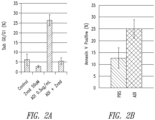
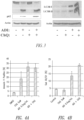
- the human pancreatic cancer cell line MIA-PaCa2 was treated in vitro and in vivo with pegylated arginine deiminase (ADI-PEG) alone or in the presence of ChQ.
- Cell death was measured by propidium iodide (PI)-FACS to determine sub-G 1 DNA content, and apoptosis was evaluated by Annexin V-PI flow cytometry.
- Cleavage of caspase 3 was evaluated by western blots and ELISA.
- Autophagy was measured by evaluating the expression levels of LC3 and nucleoporin p62 (p62) by western blots and ELISA.
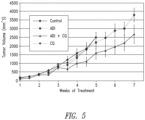
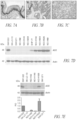
- mice were then treated with PBS, ADI-PEG, ChQ, or ADI-PEG + ChQ for up to seven weeks. Tumor volumes were measured twice weekly. As shown in Figure 5 , mice treated with ADI-PEG + ChQ had a significantly smaller tumor volume in comparison to mice treated with ADI-PEG alone. Upon euthanization, tumors were preserved in 10% formalin and stained for markers of apoptosis including active caspase 3, increased p62, and DNA cleavage ( Figure 6 ). These results demonstrate that a combination of ADI-PEG and ChQ exhibited a synergistic suppression on tumor growth.
- arginine deprivation induced autophagy and cell death in cell lines deficient in ASS. It was shown that autophagy played a protective role in arginine deprivation for pancreatic adenocarcinoma cells, and inactivation of autophagy by hydroxychloroquine resulted in enhanced tumor suppression in vivo.
- SCLC Small cell lung cancer
- This example describes the extent of arginine auxotrophy in SCLC and the effectiveness of ADI-PEG 20 arginine therapy in this disease.
- a panel of 10 SCLC was obtained from the cell bank of the Ludwig Institute for Cancer Research, New York Branch at Memorial Sloan-Kettering Cancer Center (MSKCC). Cells were either established at MSKCC or purchased from the American Type Culture Collection (ATCC; Manassas, VA, USA). Cells were grown in RPMI-1640 media supplemented with 10% v/v fetal calf serum, 5% w/v penicillin/streptomycin (penicillin G 5000 units per streptomycin sulphate 5000 mg ml -1 ) and 1% L-glutamine.
- argininosuccinate synthetase by western blot was assessed using an anti-ASS antibody (Clone 25, BD Biosciences, San Jose, CA, USA).
- LC3B Cell Signaling, Danvers, MA, USA
- active caspase-3 Cell Signaling
- total caspase-3 Invitrogen Life Technologies, Carlsbad, CA, USA
- actin GeneTex, Irvine, CA, USA
- Topotecan hydrochloride was obtained from Axxora (San Diego, CA, USA) and chloroquine was obtained from Sigma-Aldrich (St Louis, MO, USA).
- RNA extraction For RNA extraction, cell pellets were dissolved in 600 ⁇ l TRI Reagent solution (Ambion, Austin, TX, USA), and 60 ⁇ l bromochloropane was then added. Approximately two drops of optimum cutting temperature compound (Miles Inc., Elkhart, IN, USA) was then added to the tube and the mixture was vortexed and left to stand at RT for 2 min. After centrifugation at 14,000 r.p.m. for 10 min, the supernatant was removed to a new tube where an equal volume of 100% isopropanol was added to precipitate the RNA.
- TRI Reagent solution Ambion, Austin, TX, USA
- RNA concentration was determined using a nanophotometer (Implen Inc., Westlake Village, CA, USA).
- RNA was added to a cDNA reaction mixture comprising 10X reaction buffer (Qiagen, Valencia, CA, USA), 5mM dNTPase (Qiagen), Oligo DT (Qiagen), reverse transcriptase (Invitrogen Life Technologies) and RNAse Out (Invitrogen) in a total volume of 20 ⁇ l.
- 10X reaction buffer Qiagen, Valencia, CA, USA
- 5mM dNTPase Qiagen
- Oligo DT Qiagen
- reverse transcriptase Invitrogen Life Technologies
- RNAse Out RNAse Out
- primers were F: 5'-TTTAAGCAGACTAAGGGG-3' (SEQ ID NO:3) and R: 5'-CCAT CCCAGGTTATAAGCACA-3' (SEQ ID NO:4).
- the qRT-PCR analysis was performed using a 7500 Fast Real-Time PCR system (Applied Biosystems, Carlsbad, CA, USA), with GAPDH used for normalization of expression. Relative quantification of gene expression (relative amount of target RNA) was determined using the equation 2 (- ⁇ CT) .
- ADI-PEG 20 To assess the anti-proliferative effect of ADI-PEG 20 on adherent cells, cells were plated a density of 2 x 10 3 cells per well in a tissue culture 96-microwell plate and allowed to adhere overnight. The following day, cells were treated with ADI-PEG 20 (DesigneRx Pharmaceuticals, Vacaville, CA, USA, a subsidiary of Polaris Group, San Diego, CA, USA) ranging from 0 to 10 mIU ml -1 .
- ASS-specific siRNA Small interfering RNA constructs were obtained from Integrated DNA technologies (IDT, Coralville, IA, USA) against the ASS-coding region. Only siRNA constructs without any other transcript matches were selected for further experiments.
- mice sera were analyzed using high-performance liquid chromatography (HPLC).
- L-arginine and L-citrulline were resolved with a Pickering Laboratories PCX 5200 post-column derivatization instrument (Pickering Laboratories, Mountain View, CA, USA) at 39°C reaction temperature and a fluorescence detector. All reagents, including the buffer and column, were used as suggested by Pickering Laboratories.
- Total ADI-PEG 20 levels were measured by ELISA, as described previously ( Holtsberg et al, J Control Release 80(1-3):259-271, 2002 ).
- Efficacy of ADI-PEG 20 treatment in vivo was assessed by comparing means of control and treatment groups using unpaired two-tailed t-tests at the termination of control groups using GraphPad Prism (Version 5.0, GraphPad Software Inc., La Jolla, CA, USA). A 95% confidence level was used, with mean tumor volume declared significantly different if P ⁇ 0.05.
- Arginine deiminase-PEG20 inhibits the proliferation of ASS-negative SCLC cell lines in vitro
- Arginine deiminase-PEG20 induces autophagy and caspase-independent apoptosis
- Arginine deiminase-PEG20 inhibits the growth of SCLC xenografts
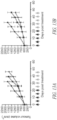
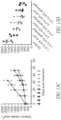
- mice bearing human SCLC xenografts The anti-tumor efficacy of systemic treatment with ADI-PEG 20 in vivo was assessed in BALB/c-nude mice bearing human SCLC xenografts. Separate studies were performed in mice with established tumors around 125 mm 3 , and in mice bearing larger ( ⁇ 500 mm 3 ) tumors at the start of treatment. In mice bearing moderately sized SK-LC-13 xenografts (124.6 ⁇ 37.1 mm 3 ), ADI-PEG 20 caused a significant and dose-dependent reduction in tumor growth relative to control mice ( Figures 11A-C ).
- Control mice were euthanized at day 33 due to excessive tumor volume, at that time the mean tumor volume of control mice was significantly larger than those in the ADI-PEG 20-treated mice groups, regardless of the dose or treatment schedule ( P > 0.0001 for all treatment groups; Figure 11D ).
- this effect was not observed at the 1 and 2 IU dose levels, as tumor growth proceeded at a comparable rate in groups receiving short and continued dosing.
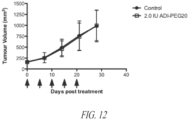
- Treatment of ASS-positive NCI-H69 SCLC xenografts with ADI-PEG 20 did not produce any effect on tumor growth ( Figure 12 ).
- this example demonstrates that a large proportion of SCLCs lack the expression of ASS, and that ASS-negative SCLC are sensitive to arginine deprivation therapy.
- the frequency of ASS deficiency does not equal the almost total absence of expression as reported in melanoma, it remains that 50% of the nearly 30,000 new cases of SCLC reported in the United States each year may be susceptible to arginine deprivation therapy.
- the overall cellular response to arginine deprivation induced by ADI-PEG 20 in SCLC cells appears to operate through a complex mechanism involving an initial metabolic response seen in the induction of autophagy, followed by caspase-independent cell death.
- ADI-PEG 20 In vivo studies in mice revealed that growth of SK-LC-13 xenografts was abrogated by ADI-PEG 20 in a dose-dependent manner. Significant anti-tumor activity was observed at the 1, 2 and 5 IU dose per animal doses. Importantly, although more robust inhibition of tumor growth was observed in mice bearing smaller ( ⁇ 120 mm 3 ) established tumors, ADI-PEG 20 also demonstrated significant anti-tumor efficacy in mice bearing large ( ⁇ 500 mm 3 ) xenografts.
- ADI-PEG 20 in SCLC xenografts Although direct comparison with other tumor types is difficult, the anti-tumor efficacy observed with ADI-PEG 20 in SCLC xenografts is similar and possibly superior to that observed using equivalent doses of ADI-PEG 20 in different tumor types including renal and prostate cancer xenografts.
- Xenograft of the ASS low expressing osteosarcoma cell line MNNG into nude mice followed by treatment with ADI-PEG 20 demonstrated a significantly slower tumor growth rate as compared to PBS treated controls.
- Table 3 Treatment Schema Day 1 Day 8 Day 15 Day 22 Cycle 1' Cycle 1 1 Cycle 1 Cycle 2+ Docetaxel 2 X X ADI-PEG 20 3 X X X X 1: 1 cycle equals 21 days 2: docetaxel IV administration on day one of each cycle (infused over 30 min.) 3: ADI-PEG 20 is given intramuscularly once a week
- ADI-PEG20 When tumors reached an approximate volume of 125mm 3 , ADI-PEG20 was administered at doses level of 160, 320 and 640 IU /m 2 once every week for four weeks by intramuscular injection. Each study group had 9 mice. Mice were euthanized when tumors reached an approximate volume of 1100mm 3 . The results indicated that ADI-PEG 20 inhibited tumor growth in a dose dependent manner. More than 80 % tumor inhibition was achieved when 6401U/m 2 was used.
- mice bearing Caki-1 xenograft Renal cell carcinoma xenografts were established in female BALB/c-nude mice, 3-4 weeks of age weighing about 20 g (SLAC, Shanghai, China).
- group 5 received a combination of ADI-PEG20 (320IU/m 2 ) once every week for four weeks and rapamycin (0.5mg/kg) once every day for 21 days
- group 6 received ADI-PEG20 (320IU/m 2 ) once every week for four weeks and rapamycin (0.2mg/kg) once every day for 21 days.
- Mice were euthanized when tumors reached an approximate volume of 2500mm 3 .
Landscapes
- Health & Medical Sciences (AREA)
- Life Sciences & Earth Sciences (AREA)
- Chemical & Material Sciences (AREA)
- General Health & Medical Sciences (AREA)
- Medicinal Chemistry (AREA)
- Veterinary Medicine (AREA)
- Public Health (AREA)
- Animal Behavior & Ethology (AREA)
- Pharmacology & Pharmacy (AREA)
- Bioinformatics & Cheminformatics (AREA)
- Engineering & Computer Science (AREA)
- Epidemiology (AREA)
- Organic Chemistry (AREA)
- Genetics & Genomics (AREA)
- Immunology (AREA)
- Proteomics, Peptides & Aminoacids (AREA)
- Zoology (AREA)
- Wood Science & Technology (AREA)
- Gastroenterology & Hepatology (AREA)
- Biochemistry (AREA)
- Molecular Biology (AREA)
- General Engineering & Computer Science (AREA)
- Inorganic Chemistry (AREA)
- Nuclear Medicine, Radiotherapy & Molecular Imaging (AREA)
- Chemical Kinetics & Catalysis (AREA)
- General Chemical & Material Sciences (AREA)
- Microbiology (AREA)
- Biotechnology (AREA)
- Biomedical Technology (AREA)
- Cell Biology (AREA)
- Transplantation (AREA)
- Hematology (AREA)
- Oncology (AREA)
- Biophysics (AREA)
- Medicinal Preparation (AREA)
- Pharmaceuticals Containing Other Organic And Inorganic Compounds (AREA)
- Enzymes And Modification Thereof (AREA)
- Medicines That Contain Protein Lipid Enzymes And Other Medicines (AREA)
Applications Claiming Priority (4)
| Application Number | Priority Date | Filing Date | Title |
|---|---|---|---|
| US201261620368P | 2012-04-04 | 2012-04-04 | |
| EP20187562.2A EP3782653B1 (de) | 2012-04-04 | 2012-05-30 | Zusammensetzung mit pegylierter arginindeiminase |
| PCT/US2012/039979 WO2013151568A1 (en) | 2012-04-04 | 2012-05-30 | Methods of treatment with arginine deiminase |
| EP12873622.0A EP2834262B1 (de) | 2012-04-04 | 2012-05-30 | Zusammensetzung pegylierte arginindeiminase enthaltend |
Related Parent Applications (2)
| Application Number | Title | Priority Date | Filing Date |
|---|---|---|---|
| EP20187562.2A Division EP3782653B1 (de) | 2012-04-04 | 2012-05-30 | Zusammensetzung mit pegylierter arginindeiminase |
| EP12873622.0A Division EP2834262B1 (de) | 2012-04-04 | 2012-05-30 | Zusammensetzung pegylierte arginindeiminase enthaltend |
Publications (2)
| Publication Number | Publication Date |
|---|---|
| EP4582090A2 true EP4582090A2 (de) | 2025-07-09 |
| EP4582090A3 EP4582090A3 (de) | 2025-09-17 |
Family
ID=49300886
Family Applications (3)
| Application Number | Title | Priority Date | Filing Date |
|---|---|---|---|
| EP20187562.2A Active EP3782653B1 (de) | 2012-04-04 | 2012-05-30 | Zusammensetzung mit pegylierter arginindeiminase |
| EP12873622.0A Active EP2834262B1 (de) | 2012-04-04 | 2012-05-30 | Zusammensetzung pegylierte arginindeiminase enthaltend |
| EP25164165.0A Pending EP4582090A3 (de) | 2012-04-04 | 2012-05-30 | Zusammensetzung mit pegylierter arginin-deiminase |
Family Applications Before (2)
| Application Number | Title | Priority Date | Filing Date |
|---|---|---|---|
| EP20187562.2A Active EP3782653B1 (de) | 2012-04-04 | 2012-05-30 | Zusammensetzung mit pegylierter arginindeiminase |
| EP12873622.0A Active EP2834262B1 (de) | 2012-04-04 | 2012-05-30 | Zusammensetzung pegylierte arginindeiminase enthaltend |
Country Status (12)
| Country | Link |
|---|---|
| US (3) | US9731028B2 (de) |
| EP (3) | EP3782653B1 (de) |
| JP (4) | JP2014521602A (de) |
| KR (1) | KR101638226B1 (de) |
| CN (1) | CN103797025B (de) |
| AU (1) | AU2012330497B2 (de) |
| BR (1) | BR112013028365B1 (de) |
| CA (1) | CA2834083C (de) |
| ES (1) | ES2828656T3 (de) |
| SG (1) | SG194641A1 (de) |
| TW (3) | TWI577386B (de) |
| WO (1) | WO2013151568A1 (de) |
Families Citing this family (19)
| Publication number | Priority date | Publication date | Assignee | Title |
|---|---|---|---|---|
| US10166142B2 (en) | 2010-01-29 | 2019-01-01 | Forsight Vision4, Inc. | Small molecule delivery with implantable therapeutic device |
| WO2012068549A2 (en) | 2010-11-19 | 2012-05-24 | Forsight Vision4, Inc. | Therapeutic agent formulations for implanted devices |
| EP3782653B1 (de) | 2012-04-04 | 2025-03-19 | Polaris Group | Zusammensetzung mit pegylierter arginindeiminase |
| CA2905496A1 (en) | 2013-03-14 | 2014-09-25 | Forsight Vision4, Inc. | Systems for sustained intraocular delivery of low solubility compounds from a port delivery system implant |
| EP3744341A1 (de) | 2013-03-15 | 2020-12-02 | TDW Group | Arginin-deiminase mit verminderter kreuzreaktivität gegenüber adi-peg-20-antikörpern zur krebsbehandlung |
| EP3052116B1 (de) | 2013-10-04 | 2021-05-05 | Ann, David K. | Arginase i, arginase ii oder adi in kombination mit doxorubicin zur verwendung bei der behandlung von brustkrebs |
| KR102523031B1 (ko) | 2014-03-18 | 2023-04-19 | 티디더블유 그룹 | 조작된 키메라성 페길화된 adi 및 사용 방법 |
| US9938355B2 (en) | 2014-07-08 | 2018-04-10 | Tdw Group | Antibodies to argininosuccinate synthase and related methods |
| BR112017002466A2 (pt) | 2014-08-08 | 2017-12-05 | Forsight Vision4 Inc | formulações estáveis e solúveis de inibidores da tirosina cinase do receptor, e métodos para a sua preparação |
| JP6782230B2 (ja) | 2014-09-16 | 2020-11-11 | ティーディーダブリュー グループ | 癌治療のためのadi−peg20抗体に対する交差反応性が低減したアルギニンデイミナーゼ |
| CA3010412C (en) * | 2015-12-03 | 2020-04-14 | Lanzatech New Zealand Limited | Arginine supplementation to improve efficiency in gas fermenting acetogens |
| TWI847958B (zh) * | 2016-07-05 | 2024-07-11 | 英屬開曼群島商北極星藥業集團股份有限公司 | 用精胺酸耗盡劑進行之組合癌症免疫療法 |
| TWI784982B (zh) | 2016-11-02 | 2022-12-01 | 開曼群島商北極星藥業集團股份有限公司 | 聚乙二醇化精胺酸脫亞胺酶之調配物 |
| EP3449935A1 (de) * | 2017-08-31 | 2019-03-06 | Erytech Pharma | In erythrozyten eingekapselte arginin-deiminase und deren verwendung zur behandlung von krebs und arginase-1-mangel |
| CN108324951B (zh) * | 2018-04-16 | 2021-05-25 | 薛剑峰 | 一种精氨酸脱亚胺酶注射剂及其制备方法 |
| WO2020009740A2 (en) | 2018-04-25 | 2020-01-09 | Washington University | Compositions and methods of use thereof for treatment of metabolic diseases and related disorders |
| CN110694076B (zh) * | 2019-09-09 | 2021-02-09 | 浙江大学 | 一种羟基氯喹两亲性聚合物药物前体、制备方法及其应用 |
| CN115038460A (zh) * | 2019-12-02 | 2022-09-09 | 香港理工大学 | 诱导间歇性禁食和调节自噬的方法 |
| EP4153167A4 (de) * | 2020-06-29 | 2024-02-28 | Vision Global Holdings Limited | Verfahren zur behandlung von aml-subtypen mit arginin-depletionsmitteln |
Citations (1)
| Publication number | Priority date | Publication date | Assignee | Title |
|---|---|---|---|---|
| US6635462B1 (en) | 1997-05-12 | 2003-10-21 | Phoenix Pharmacologies, Inc. | Mutated form of arginine deiminase |
Family Cites Families (19)
| Publication number | Priority date | Publication date | Assignee | Title |
|---|---|---|---|---|
| US6183738B1 (en) * | 1997-05-12 | 2001-02-06 | Phoenix Pharamacologics, Inc. | Modified arginine deiminase |
| IT1298918B1 (it) | 1998-02-20 | 2000-02-07 | Mendes Srl | Uso di batteri dotati di arginina deiminasi per indurre apoptosi e/o ridurre una reazione infiammatoria e composizioni farmaceutiche |
| WO2002009741A1 (en) | 2000-07-27 | 2002-02-07 | Angiolab, Inc. | The pharmaceutical composition comprising arginine deiminase for inhibiting angiogenesis |
| WO2002044360A2 (en) | 2000-11-28 | 2002-06-06 | Phoenix Pharmacologics, Inc. | Modified arginine deiminase |
| AU2003282883B2 (en) | 2002-11-18 | 2008-12-04 | Polaris Group | Methods for inhibiting viral replication in vivo |
| WO2004097051A2 (en) * | 2003-04-29 | 2004-11-11 | Wyeth | Methods for diagnosing aml and mds differential gene expression |
| PT1778723E (pt) * | 2004-08-17 | 2013-01-25 | Regeneron Pharma | Formulações de antagonista de il-1 |
| CN101002945B (zh) | 2006-01-20 | 2012-09-05 | 清华大学 | 一种用于肿瘤治疗的新型复合物 |
| JP5553506B2 (ja) * | 2006-03-22 | 2014-07-16 | 中外製薬株式会社 | エリスロポエチン溶液製剤 |
| CA2682292A1 (en) * | 2007-03-30 | 2008-10-09 | Medimmune, Llc | Aqueous formulation comprising an anti-human interferon alpha antibody |
| WO2009006590A2 (en) | 2007-07-04 | 2009-01-08 | Dr. Reddy's Laboratories Ltd. | Docetaxel process and polymorphs |
| US20090238813A1 (en) * | 2007-12-28 | 2009-09-24 | Board Of Regents, The University Of Texas System | Compositions And Methods For Engineered Human Arginine Deiminases |
| WO2010083312A2 (en) * | 2009-01-14 | 2010-07-22 | The Trustees Of The University Of Pennsylvania | Micro-rna biomarker in cancer |
| WO2011053871A2 (en) | 2009-10-30 | 2011-05-05 | Life Technologies Corporation | Multi-primer assay for mycoplasma detection |
| AR080428A1 (es) | 2010-01-20 | 2012-04-11 | Chugai Pharmaceutical Co Ltd | Formulaciones liquidas estabilizadas contentivas de anticuerpos |
| WO2011151704A2 (en) | 2010-06-02 | 2011-12-08 | Fresenius Kabi Oncology Ltd. | Stable pharmaceutical compositions of rapamycin esters |
| US8663967B2 (en) | 2011-08-22 | 2014-03-04 | Jiangsu T-Mab Biopharma Co., Ltd. | Arginine deiminase mutant and preparation and application thereof |
| EP3782653B1 (de) | 2012-04-04 | 2025-03-19 | Polaris Group | Zusammensetzung mit pegylierter arginindeiminase |
| EP3744341A1 (de) | 2013-03-15 | 2020-12-02 | TDW Group | Arginin-deiminase mit verminderter kreuzreaktivität gegenüber adi-peg-20-antikörpern zur krebsbehandlung |
-
2012
- 2012-05-30 EP EP20187562.2A patent/EP3782653B1/de active Active
- 2012-05-30 TW TW101119399A patent/TWI577386B/zh active
- 2012-05-30 AU AU2012330497A patent/AU2012330497B2/en active Active
- 2012-05-30 BR BR112013028365-3A patent/BR112013028365B1/pt active IP Right Grant
- 2012-05-30 ES ES12873622T patent/ES2828656T3/es active Active
- 2012-05-30 KR KR1020137030003A patent/KR101638226B1/ko active Active
- 2012-05-30 US US13/878,745 patent/US9731028B2/en active Active
- 2012-05-30 WO PCT/US2012/039979 patent/WO2013151568A1/en not_active Ceased
- 2012-05-30 TW TW106102979A patent/TW201735943A/zh unknown
- 2012-05-30 TW TW104143890A patent/TW201611843A/zh unknown
- 2012-05-30 EP EP12873622.0A patent/EP2834262B1/de active Active
- 2012-05-30 CA CA2834083A patent/CA2834083C/en active Active
- 2012-05-30 SG SG2013079538A patent/SG194641A1/en unknown
- 2012-05-30 JP JP2014520183A patent/JP2014521602A/ja active Pending
- 2012-05-30 CN CN201280027431.6A patent/CN103797025B/zh active Active
- 2012-05-30 EP EP25164165.0A patent/EP4582090A3/de active Pending
-
2015
- 2015-05-01 US US14/701,825 patent/US9333268B2/en active Active
- 2015-07-03 JP JP2015134349A patent/JP6534205B2/ja active Active
-
2016
- 2016-10-18 JP JP2016204059A patent/JP2017008115A/ja active Pending
-
2017
- 2017-07-12 US US15/648,052 patent/US10525142B2/en active Active
-
2018
- 2018-04-02 JP JP2018070962A patent/JP2018104470A/ja active Pending
Patent Citations (1)
| Publication number | Priority date | Publication date | Assignee | Title |
|---|---|---|---|---|
| US6635462B1 (en) | 1997-05-12 | 2003-10-21 | Phoenix Pharmacologies, Inc. | Mutated form of arginine deiminase |
Non-Patent Citations (33)
| Title |
|---|
| "Animal Cell Culture", 1986 |
| "Nucleic Acid Hybridization", 1985 |
| "Perbal, A Practical Guide to Molecular Cloning", 1984 |
| "Remington: The Science and Practice of Pharmacy", 2000 |
| AUSUBEL ET AL.: ", Short Protocols in Molecular Biology", 1995, WILEY & SONS |
| AVRAMIS VIPANOSYAN EH., CLIN PHARMACOKINET, vol. 44, 2005, pages 367 - 393 |
| BARBUL A., J PARENTERAL ENTERAL NUTR, vol. 10, 1986, pages 227 - 238 |
| CANCER RES, vol. 70, 15 January 2010 (2010-01-15), pages 440 |
| CAREY GP ET AL., J NUTR, vol. 117, 1987, pages 1734 - 1739 |
| CASTILLO L ET AL., AM J PHYSIOL, vol. 268, 1995, pages E360 - 367 |
| DEMEDTS ET AL., , EUR RESPIR J, vol. 35, no. 1, 2010, pages 202 - 215 |
| DOWELL, AM J MED SCI, vol. 339, no. 1, 2010, pages 68 - 76 |
| ENSOR ET AL., CANCER RES, vol. 62, no. 19, 2002, pages 5443 - 5450 |
| FU CHSAKAMOTO KM, EXPERT OPIN PHARMACOTHER, vol. 8, 2007, pages 1977 - 1984 |
| HAINES RJ ET AL., INT J BIOCHEM MOL BIOL, vol. 2, 2011, pages 8 - 23 |
| HOLTSBERG ET AL., J CONTROL RELEASE, vol. 80, no. 1-3, 2002, pages 259 - 271 |
| HUSSON A ET AL., EUR J BIOCHEM, vol. 270, 2003, pages 1887 - 1899 |
| JUNGBLUTH ET AL., MOD PATHOL, vol. 23, 2010, pages 387A |
| KIM ET AL., CANCER RES, vol. 69, no. 2, 2009, pages 700 - 708 |
| LÜCKE T ET AL., CLIN CHEM LAB MED, vol. 45, 2007, pages 1525 - 1530 |
| MANIATIS ET AL.: "Molecular Cloning: A Laboratory Manual", 1982 |
| MORRIS SM JR., AM J CLIN NUTR, vol. 83, 2006, pages 598S - 512S |
| PARK ET AL., ANTICANCER RES., vol. 1, 1981, pages 373 - 376 |
| RICCARDINICOLETTI, NAT PROTOC, vol. 1, no. 3, 2006, pages 1458 - 1461 |
| RODRIGUEZLILENBAUM, CURR ONCOL REP, vol. 12, no. 5, 2010, pages 327 - 334 |
| ROGERS QR.: "In Proceedings from a Symposium Honoring Willard J. Visek - from Ammonia to Cancer and Gene Expression.", 1994, UNIVERSITY OF ILLINOIS, pages: 9 - 21 |
| SAVARAJ ET AL., , CURR MOL MED, vol. 10, no. 4, 2010, pages 405 - 412 |
| TAPIERO H ET AL., BIOMED PHARMACOTHER, vol. 56, 2002, pages 439 - 445 |
| VIERA PINHEIRO JPBOOS J., BR J HAEMATOL, vol. 125, 2004, pages 117 - 127 |
| WU G ET AL., AMINO ACIDS, vol. 37, 2009, pages 153 - 168 |
| WU G ET AL., J NUTR BIOCHEM, vol. 15, 2004, pages 442 - 451 |
| ZAPLIPSKYLEE: "Polyethylene Glycol Chemistry: Biotechnical and Biomedical Applications", 1992, PLENUM PRESS |
| ZEIDAN A ET AL., EXPERT OPIN BIOL THER, vol. 9, 2008, pages 111 - 119 |
Also Published As
Similar Documents
| Publication | Publication Date | Title |
|---|---|---|
| US10525142B2 (en) | Methods of treatment with arginine deiminase | |
| US11235037B2 (en) | Arginine deiminase with reduced cross-reactivity toward ADI - PEG 20 antibodies for cancer treatment | |
| HK40128276A (en) | Composition comprising pegylated arginine deiminase | |
| HK40046909A (en) | Composition comprising pegylated arginine deiminase | |
| HK1205150B (en) | Composition comprising pegylated arginine deiminase | |
| HK40041474A (en) | Arginine deiminase with reduced cross-reactivity toward adi-peg 20 antibodies for cancer treatment | |
| HK1197251B (zh) | 用精氨酸脱亚氨酶治疗的方法 | |
| HK1214139B (en) | Arginine deiminase with reduced cross-reactivity toward adi – peg 20 antibodies for cancer treatment |
Legal Events
| Date | Code | Title | Description |
|---|---|---|---|
| PUAI | Public reference made under article 153(3) epc to a published international application that has entered the european phase |
Free format text: ORIGINAL CODE: 0009012 |
|
| STAA | Information on the status of an ep patent application or granted ep patent |
Free format text: STATUS: THE APPLICATION HAS BEEN PUBLISHED |
|
| AC | Divisional application: reference to earlier application |
Ref document number: 2834262 Country of ref document: EP Kind code of ref document: P Ref document number: 3782653 Country of ref document: EP Kind code of ref document: P |
|
| AK | Designated contracting states |
Kind code of ref document: A2 Designated state(s): AL AT BE BG CH CY CZ DE DK EE ES FI FR GB GR HR HU IE IS IT LI LT LU LV MC MK MT NL NO PL PT RO RS SE SI SK SM TR |
|
| REG | Reference to a national code |
Ref country code: DE Ref legal event code: R079 Free format text: PREVIOUS MAIN CLASS: A61K0033243000 Ipc: A61K0047600000 |
|
| PUAL | Search report despatched |
Free format text: ORIGINAL CODE: 0009013 |
|
| AK | Designated contracting states |
Kind code of ref document: A3 Designated state(s): AL AT BE BG CH CY CZ DE DK EE ES FI FR GB GR HR HU IE IS IT LI LT LU LV MC MK MT NL NO PL PT RO RS SE SI SK SM TR |
|
| RIC1 | Information provided on ipc code assigned before grant |
Ipc: A61P 35/00 20060101ALI20250813BHEP Ipc: A61K 47/60 20170101AFI20250813BHEP Ipc: C07K 14/00 20060101ALI20250813BHEP Ipc: A61K 38/50 20060101ALI20250813BHEP Ipc: A61K 31/436 20060101ALI20250813BHEP Ipc: A61K 33/24 20190101ALI20250813BHEP Ipc: A61K 31/337 20060101ALI20250813BHEP Ipc: A61K 45/06 20060101ALI20250813BHEP Ipc: A61P 35/02 20060101ALI20250813BHEP Ipc: A61P 37/06 20060101ALI20250813BHEP Ipc: A61P 43/00 20060101ALI20250813BHEP |
|
| REG | Reference to a national code |
Ref country code: HK Ref legal event code: DE Ref document number: 40128276 Country of ref document: HK |
|
| STAA | Information on the status of an ep patent application or granted ep patent |
Free format text: STATUS: REQUEST FOR EXAMINATION WAS MADE |
|
| 17P | Request for examination filed |
Effective date: 20260313 |