EP4454483A1 - Mittel zur verbesserung der gehirnfunktion - Google Patents
Mittel zur verbesserung der gehirnfunktion Download PDFInfo
- Publication number
- EP4454483A1 EP4454483A1 EP22911128.1A EP22911128A EP4454483A1 EP 4454483 A1 EP4454483 A1 EP 4454483A1 EP 22911128 A EP22911128 A EP 22911128A EP 4454483 A1 EP4454483 A1 EP 4454483A1
- Authority
- EP
- European Patent Office
- Prior art keywords
- compound
- brain
- brain function
- valerolactone
- test
- Prior art date
- Legal status (The legal status is an assumption and is not a legal conclusion. Google has not performed a legal analysis and makes no representation as to the accuracy of the status listed.)
- Pending
Links
Images
Classifications
-
- C—CHEMISTRY; METALLURGY
- C07—ORGANIC CHEMISTRY
- C07D—HETEROCYCLIC COMPOUNDS
- C07D307/00—Heterocyclic compounds containing five-membered rings having one oxygen atom as the only ring hetero atom
- C07D307/02—Heterocyclic compounds containing five-membered rings having one oxygen atom as the only ring hetero atom not condensed with other rings
- C07D307/26—Heterocyclic compounds containing five-membered rings having one oxygen atom as the only ring hetero atom not condensed with other rings having one double bond between ring members or between a ring member and a non-ring member
- C07D307/30—Heterocyclic compounds containing five-membered rings having one oxygen atom as the only ring hetero atom not condensed with other rings having one double bond between ring members or between a ring member and a non-ring member with hetero atoms or with carbon atoms having three bonds to hetero atoms with at the most one bond to halogen, e.g. ester or nitrile radicals, directly attached to ring carbon atoms
- C07D307/32—Oxygen atoms
- C07D307/33—Oxygen atoms in position 2, the oxygen atom being in its keto or unsubstituted enol form
-
- A—HUMAN NECESSITIES
- A61—MEDICAL OR VETERINARY SCIENCE; HYGIENE
- A61K—PREPARATIONS FOR MEDICAL, DENTAL OR TOILETRY PURPOSES
- A61K31/00—Medicinal preparations containing organic active ingredients
- A61K31/33—Heterocyclic compounds
- A61K31/335—Heterocyclic compounds having oxygen as the only ring hetero atom, e.g. fungichromin
- A61K31/365—Lactones
-
- A—HUMAN NECESSITIES
- A23—FOODS OR FOODSTUFFS; TREATMENT THEREOF, NOT COVERED BY OTHER CLASSES
- A23L—FOODS, FOODSTUFFS OR NON-ALCOHOLIC BEVERAGES, NOT OTHERWISE PROVIDED FOR; PREPARATION OR TREATMENT THEREOF
- A23L33/00—Modifying nutritive qualities of foods; Dietetic products; Preparation or treatment thereof
- A23L33/10—Modifying nutritive qualities of foods; Dietetic products; Preparation or treatment thereof using additives
-
- A—HUMAN NECESSITIES
- A61—MEDICAL OR VETERINARY SCIENCE; HYGIENE
- A61P—SPECIFIC THERAPEUTIC ACTIVITY OF CHEMICAL COMPOUNDS OR MEDICINAL PREPARATIONS
- A61P25/00—Drugs for disorders of the nervous system
-
- A—HUMAN NECESSITIES
- A61—MEDICAL OR VETERINARY SCIENCE; HYGIENE
- A61P—SPECIFIC THERAPEUTIC ACTIVITY OF CHEMICAL COMPOUNDS OR MEDICINAL PREPARATIONS
- A61P25/00—Drugs for disorders of the nervous system
- A61P25/18—Antipsychotics, i.e. neuroleptics; Drugs for mania or schizophrenia
-
- A—HUMAN NECESSITIES
- A61—MEDICAL OR VETERINARY SCIENCE; HYGIENE
- A61P—SPECIFIC THERAPEUTIC ACTIVITY OF CHEMICAL COMPOUNDS OR MEDICINAL PREPARATIONS
- A61P25/00—Drugs for disorders of the nervous system
- A61P25/28—Drugs for disorders of the nervous system for treating neurodegenerative disorders of the central nervous system, e.g. nootropic agents, cognition enhancers, drugs for treating Alzheimer's disease or other forms of dementia
Definitions
- the present invention relates to a brain function improving agent for preventing the onset of, treating, and/or ameliorating the symptoms of short-term memory impairment due to brain functional decline, and the cognitive impairment and depression due to the central nervous system diseases such as neurodegenerative disease and psychiatric disorder.
- AD Alzheimer's disease
- PD Parkinson's disease
- HD Huntington's disease
- ALS amyotrophic lateral sclerosis
- Alzheimer type dementia is characterized by that forgetfulness is recognized from an early stage of the disease.
- the symptoms such as memory disorder which is referred to the inability to memorize new things and inability to remember, the lowering of the learning ability, the lowering of the judgement, and disorientation appear.
- cognitive dysfunction caused by neurodegenerative disease including dementia described above are desired by many people, because the progressed symptoms pose a threat to live with human dignity when the symptoms progress.
- the psychiatric disorder such as depression develops, the physical symptoms such as sleeplessness, anorexia, and easy fatiguability appear with the psychiatric symptoms such as being depressed all day and finding no pleasure in doing anything, and the serious troubles occur in daily life.
- the number of the patients with schizophrenia which is one of the psychiatric disorders just like depression is about 800 thousand in Japan.
- the lifetime prevalence of schizophrenia is estimated to be 0.7 % of the total population in the world.
- disordering of cognitive functions such as memorizing, thinking, understanding, calculating, learning, verbalizing and judging, are known to be main symptoms of schizophrenia. These symptoms cause troubles in the life and in the social activities in general.
- many companies are working on mental healthcare for preventing the onset of psychiatric disorder described above.
- Both the neurodegenerative disease represented by dementia and the psychiatric disorders including depression and schizophrenia are thought to be central nervous system disease developed by the occurrence of the abnormality in the brain function.
- the underlying cause of those abnormal cerebral function is not identified clearly, and many of the diseases are intractable.
- Non-Patent Document 1 Non-Patent Document 1
- Non-Patent Document 2 The triggers of the onset of psychiatric disorder such as depression and schizophrenia are an environmental factor, particularly, social and mental stress, as well as the genetic factor. Because inflammatory cytokine increases in the blood of the patients with depression and microglia being implicated in inflammation is activated in the brain of the patients with depression, the relevance of inflammation in the brain to depression is suggested. Recently, it has been shown that the stress loading induces an excessive inflammatory response in the glia cells, leading to sluggish response and atrophy in the brain nerve cells (Non-Patent Document 2).
- the antidepressant medicines referred to as tricyclic antidepressants and tetracyclic antidepressants have been used since before, recently SSRI, SNRI, and NaSSA referred to as new antidepressant are used as a representative antidepressant.
- the purpose of these medicines is to provide the antidepressant effect to enhance the information transmission in the brain by stimulating release of the extracellular neurotransmitter in the brain.
- the rate of the patients whose symptom is ameliorated by the treatment using the conventional antidepressant is 50 % and low. It is said that 30 % of the patients are the patients who suffer from treatment-resistant depression, that impair their QOL (Quality of Life) and rehabilitation into society.
- central nervous system diseases cognitive dysfunction of the aged is particularly hard to treat and has a high tendency to become worse gradually once onset occurs. It is thought that developing dementia at an advanced age is a main reason for needing the care and serious troubles occur in daily life. Thus, the great majority of the healthy persons hopes that the onset of dementia can be prevented, which is shown in the wide area questionnaire. With the social background described above, many people recognize that the lifestyle habit to prevent the onset of dementia and reexamining dietary habit are important.
- EGCg epigallocatechingallate
- Non-Patent Document 7 While EGCg has been reported to be effective in improving cognitive function, but the amount absorbed into the body after ingestion (bioavailability) is extremely low (Non-Patent Document 7). Thus, recently there are some research focusing on the functionality of the EGCg metabolites produced by enteric bacterium, which are more highly absorbed in tha body than EGCg itself (Patent Documents 1 to 4).
- Non-Patent Document 8 The compounds which have phenyl- ⁇ -valerolactone as a basic skeleton are reported to be the metabolites produced by enteric bacterium from the compounds having a flavan-3-ol skeleton such as catechin and procyanidin.
- Non-Patent Document 9 As an example of the study reports about an action of phenyl- ⁇ -valerolactone on the cognitive function, it is reported that 5-(4-monohydroxyphenyl)- ⁇ -valerolactone reduces the cytotoxicity induced by ⁇ -oligomer.
- central nervous system diseases such as dementia, depression, and schizophrenia
- the onset and the mechanism conditions are hardly clarified and the effective treatment is not well-established. It is reported that many patients with central nervous system diseases have low satisfaction with their medicine, with only about 50% patients of those treated with antidepressants are realizing improvement of their symptoms, thus there are limitations to medication.
- dementia the existing therapeutic agent, the acetylcholine-degrading enzyme inhibitor has side effects such as nausea, vomiting and bradycardia, thus it is difficult to effect a radical cure by medication.
- Central nervous system diseases such as dementia, depression and schizophrenia are difficult to cure once they have developed, and thus interfere with social life and reduce QOL (Quality of Life). Therefore, the importance of prevention through self-medication and maintaining an unaffected state is recognized.
- Omega-3 fatty acid is known as a representative material.
- the market for the supplement of omega-3 fatty acid including DHA and EPA is large and awareness in general of the supplement is high.
- a study of clinical trial to test the efficacy of omega-3 fatty acid supplements for the depression mood that it was unclear whether omega-3 fatty acid supplements were useful for the general older population. It is reported in the review investigated clinical trials that it was no evidence for the benefit from the omega-3 fatty acid supplement in Alzheimer's dementia.
- the supplement containing ginkgo leaf extract as an active ingredient is generally well-known but it is contraindicated in patients taking anticoagulant. Thus, there is a problem that it is not fit for the middle-aged and the aged.
- several supplements for maintaining and ameliorating cognitive function are already on the market. But there are products having a restriction in their use and there are few products by which excellent effect is obtained.
- the supplement of St. Jones Wert (herb) is on the market. But because there are risks of overdose and a plurality of risk information of the interaction with medicines, there are some problems with daily intake.
- the supplements for cognitive function and depressive symptoms have problems due to their active ingredients, and furthermore, there are few reports of supplement efficacy on humans.
- the purpose of the present invention is to provide a brain function improving agent containing the active ingredient derived from food.
- the targets of this agent are short-term memory impairment due to the brain functional decline of the central nervous system, and the symptoms of cognitive dysfunction and depression in the dementia, depression and schizophrenia which are diseases of the central nervous system. And this agent can be used for improving these symptoms, preventing the onset of these diseases or treating.
- the present inventors found that the amount of extracellularly acetylcholine that is a neurotransmitter is significantly increased in the mouse cerebral cortex by orally administering 5-(3,5-dihydroxyphenyl)- ⁇ -valerolactone which is one of the metabolite from catechin.
- 5-(3,5-dihydroxyphenyl)- ⁇ -valerolactone which is one of the metabolite from catechin.
- the present invention provides a new agent for improving, preventing the onset of, or treating the symptoms of short-term memory impairment caused by brain functional decline in the central nervous system, and cognitive dysfunction and depressive symptoms in the central nervous system diseases such as dementia, depression, and schizophrenia, and whose active ingredients are 5-(3,5-dihydroxyphenyl)- ⁇ -valerolactone, its salt, and its conjugate. Because the active ingredient of the present invention is derived from food, the present invention can be widely applied to the supplement, the food and drink, the medicine, and the like, is safe and has high versatility. The present invention can lead to the prevention and/or the amelioration of cognitive dysfunction and depressive symptoms.
- 5-(3,5-dihydroxyphenyl)- ⁇ -valerolactone is reported as the metabolite produced by enteric bacterium from flavan-3-ols represented by green tea catechin.
- the green tea has the history of drinking everyday over the years and the safety of the metabolite of the green tea catechin produced in the intestine can be said to be confirmed empirically.
- the present invention relates to:
- One of the present inventions relates to the brain function improving agent for preventing the onset of, treating, and/or ameliorating the symptoms of short-term memory impairment due to brain functional decline, and the cognitive impairment and depression due to the central nervous system diseases such as neurodegenerative disease and psychiatric disorder, and characterized by containing, as an active ingredient, at least one among 5-(3,5-dihydroxyphenyl)- ⁇ -valerolactone, a salt of said compound, and a conjugate of said compound.
- the brain function improving agent of the present invention has high safety and immediate effects.
- the present invention is safe, has high versatility and can be widely applied to the supplement, the food and drink, the medicine, and the like. By using the present invention, the functional food, the supplement, and the medicine having high safety, a safe and excellent preventing action of the onset of, and an safe and excellent ameliorating action of cognitive dysfunction and depressive symptoms can be provided.
- the present invention relates to a brain function improving agent for preventing the onset of, treating, and/or ameliorating the symptoms of short-term memory impairment due to brain functional decline, and the cognitive impairment and depression due to the central nervous system diseases such as neurodegenerative disease and psychiatric disorder, and characterized by containing, as an active ingredient, at least one among 5-(3,5-dihydroxyphenyl)- ⁇ -valerolactone, a salt of said compound, and a conjugate of said compound.
- central nervous diseases in the present invention include the symptoms such as Alzheimer type dementia, Parkinson's disease, Huntington's disease, senile dementia, dementia with Lewy bodies and the like caused by neurodegenerative disease and psychiatric diseases such as depression, manic-depressive psychosis, schizophrenia, autism spectrum disorder, anxiety disorder, and the like caused by brain dysfunction.
- the effects of preventing the onset of, treating, and/or ameliorating in central nervous diseases in the present invention are based on the mechanism of action that the muscarinic receptor is activated by enhancing the release of acetylcholine and increasing the amount of extracellular acetylcholine in the cerebral cortex by the action of 5-(3,5-dihydroxyphenyl)- ⁇ -valerolactone, a salt of the compound, and a conjugate of the compound.
- the choline hypothesis in which the onset of Alzheimer type dementia is mainly caused by the decline in the function of cholinergic nerve in the brain was proposed by Whitehouse et al in 1982.
- Muscarinic receptor which is one of the acetylcholine receptor binding acetylcholine is divided into five subtypes which are all membrane protein referred to as G protein-coupled receptor (GPCR) and is known to be the drug discovery target. It is reported that the recall of the memory was impaired in the amnesia model rat administered with scopolamine which is the muscarinic acetylcholine receptor antagonist (Front. Aging Neurosci., 08 April 2014, doi. org/10.3389/fnagi. 2014. 00063) and the model rat is used as representative evaluation system for the cognitive function.
- GPCR G protein-coupled receptor
- Neurodegenerative diseases and psychiatric disorders in central nervous system diseases are caused by long-term psychiatric stress or brain inflammation, and by taking the compound represented by formula (I) of the present invention, psychiatric disorders due to long-term stress or brain inflammation are ameliorated.
- the brain function improving agent of the present invention ameliorates the symptoms of central nervous system diseases causing memory disorder.
- Memory is said to have mainly three functions of memorization (memorizing), keeping (keeping the things memorized), and recall (recalling the information memorized).
- Sensory memory mimentary memory
- short-term memory the memory kept in mind for a comparatively short time
- long-term memory the memory kept for a comparatively long time
- the brain function improving agent of the present invention can ameliorate disorder of these memories.
- There are several behavior test systems of animal for evaluating these memories. Y-maze test, water-finding test, novel object recognition test, passive avoidance test, and the like are known as a representative evaluation system for memory and learning ability using mouse.
- Y-maze test is known as the test system for evaluating spatial working memory and short-term working memory kept through the activity coordination between prefrontal area and hippocampus.
- Novel object recognition test is a test using the Rodentia's characteristics of having a preference for the novelty and known as the memory learning test targeting "the shape or the position of the object" and the test system for evaluating the visual perception memory.
- scopolamine which is the muscarinic acetylcholine receptor antagonist.
- the efficacy of ameliorating spatial working memory and short-term working memory can be judged by Y-maze test using the amnesia model mouse by the administration of scopolamine hydrochloride.
- the brain function improving agent of the present invention ameliorates the symptoms of psychiatric disorder in central nervous system diseases.
- psychiatric disorder include depression, manic-depressive psychosis, schizophrenia, autism spectrum disorder, and anxiety disorder and the psychiatric disorder means the state in which there is a bias in the emotion and the behavior due to the disorder and the injury of the brain and the other cause.
- These psychosis disorder can be induced by isolating and rearing the experimental animals for a long time.
- the effect of alleviating the symptoms of, the therapeutic effect of and the effect of inhibiting the onset of cognitive dysfunction which are the symptoms of psychiatric disorder can be evaluated.
- LPS Lipopolysaccharide
- LPS causes the decrease in brain-derived neurotrophic factor and the variation of the density of dendrite of neuron and that accordingly depression-like behavior is caused. Because the brain function improving agent of the present invention have ameliorating action of depressive symptoms on the model mouse with depressive symptoms induced by LPS, it can inhibit the onset of depressive symptoms caused by inflammation in the brain.
- the amount of free acetylcholine is increased in the brain (cerebral cortex).
- 5-(3,5-dihydroxyphenyl)- ⁇ -valerolactone represented by the formula (I) which is the active ingredient can be acetylcholine release-enhancing agent or increasing extracellular acetylcholine.
- the increasing action of the amount of free acetylcholine has immediacy and the amount of free acetylcholine in the brain is increased rapidly after the administration.
- the amount of free acetylcholine in the brain become maximum in 20 to 60 minutes after the administration and the state in which the amount is increased is maintained until 100 minutes after the administration.
- the effect of the present invention of preventing the onset of, the treating, and/or the ameliorating in central nervous diseases is based on the action mechanism that muscarinic receptor is activated by enhancing the release of the extracellular acetylcholine in cerebral cortex, which can be confirmed by evaluating the effect by combining the measurement of the amount of free acetylcholine in the brain and the behavior tests regarding short-term working memory and the like such as Y-maze test.
- Donepezil hydrochloride (commercial name Aricept), galantamine (commercial name REMINYL), rivastigmine (commercial name EXELON or RIVASTACH patch) which are generally prescribed as a drug for treatment of Alzheimer type dementia and the like inhibit acetylcholine esterase which is hydrolase of acetylcholine reversibly to suppress the degradation of acetylcholine and that as a result, the concentration of acetylcholine is increased at the site of action (in the brain) to enhance neural transmission of cholinergic nerve. Because it is confirmed that the compound represented by the formula (I) of the present invention do not provide inhibiting action of acetylcholine esterase (the date is not described), its action mechanism is different from that of acetylcholine enhancing agent described above.
- the compound which is the active ingredient of the brain function improving agent of the present invention is 5-(3,5-dihydroxyphenyl)- ⁇ -valerolactone represented by the formula (I).
- the wave line represents that the configuration is either of R configuration or S configuration.
- the compound represented by the formula (I) includes both of R form and S form. Note that R form is preferable.
- the compound represented by the formula (I) is known to be the metabolite produced from tea catechins in the intestine when taking epigallocatechin or epigallocatechin gallate orally.
- the manufacturing method of the compound is well-known.
- Patent Document JP2011-87486 A discloses the production method in which the compound is produced by microorganism from epigallocatechin or the production method in which the compound is produced in the presence of the cultured microorganism preparation.
- the compound can be obtained by the well-known method for organic chemical synthesis ( synthesis, 9, 1512-1520, 2010 ) and the like.
- 5-(3,5-dihydroxyphenyl)- ⁇ -valerolactone is the metabolite produced by entric bacterium from epigallocatechin, epigallo catechin gallate, gallocatechin, or gallocatechin gallate.
- the sulfate conjugate and the glucuronic acid conjugate of the compound of 5-(3,5-dihydroxyphenyl)- ⁇ -valerolactone are detected in the serum of the mouse when orally administering 5-(3,5-dihydroxyphenyl)- ⁇ -valerolactone to the mouse ( Biol. Pharm. Bull, 42, 212-221, 2019 ).
- the conjugates are presence in the body of the mouse after orally administering 5-(3,5-dihydroxyphenyl)- ⁇ -valerolactone, which suggests the possibility that the conjugates contribute the biofunctional property after orally administering 5-(3,5-dihydroxyphenyl)- ⁇ -valerolactone.
- the ameliorating action of cognitive function in the living body described in this specification can be regarded to include the effect of the conjugates of 5-(3,5-dihydroxyphenyl)- ⁇ -valerolactone such as the sulfate conjugate and/or the glucuronic acid conjugate.
- the conjugate of the compound represented by the formula (I) is described in detail further.
- Examples of the conjugate include the sulfate conjugate and/or the glucuronic acid conjugate.
- the sulfate conjugate of 5-(3,5-dihydroxyphenyl)- ⁇ -valerolactone is the compound obtained by replacing at least one hydroxy group in the compound represented by the formula (I) with a sulfate group or a salt thereof.
- the sulfate group or the salt thereof is either of the substituents described below.
- Example of the compound containing at least one sulfate group or the salt thereof as a substituent can be obtained by sulfonating at least one hydroxy group.
- the sulfonation can be carried out by using sulfur trioxide pyridine complex and the like.
- the glucuronic acid conjugate of 5-(3,5-dihydroxyphenyl)- ⁇ -valerolactone is a compound which is obtained by replacing at least one hydroxy group in the compound represented by the formula (I) with the substituent containing glucuronic acid or the salt of glucuronic acid.
- the substituent containing glucuronic acid or the salt of glucuronic acid is either of the substituents described below.
- Examples of the compound obtained by replacing a hydroxy group in the compound represented by the formula (I) with glucuronic acid or the salt of glucuronic acid include the metabolite of the tea catechins which is detected in urine, when orally taking epigallocatechin and the like.
- Examples of the methods for manufacturing the conjugate include the method in which the conjugate in the urine collected from the rat administered with epigallocatechin is separated and collected by using HPLC and the like.
- the compounds contained in the present invention can be obtained from epigallocatechin or is the metabolite of epigallocatechin, epigallocatechin gallate, or gallocatechin, gallocatechin gallate or the derivative of the metabolite.
- Catechins [epigallocatechin ((-)-epigallocatechin), epigallocatechin gallate ((-)-epigallocatechin gallate), gallocatechin ((-)-gallocatechin), gallocatechin ((-)-gallategallocatechin gallate)] are mainly contained in the green tea and obtained by extracting the leaves, the stem, the xylem, the bark, the root, the fruit, the seed of the tea and the mixture of them or the pulverized product of them with water, hot water, organic solvent, water-containing organic solvent or the mixture of them.
- catechins is obtained by extracting the raw tea leaves or the dried tea leaves with, water, hot water, organic solvent, water-containing organic solvent or the mixture of them. Besides the extract itself there is the purer form of the extract and the like.
- the form of catechins may be either of liquid or solid (including power).
- the brain function improving agent of the present invention can contain the salt of the compound represented by the formula (I) which have similar brain function improving effect as the active ingredient.
- the salt of the compound represented by the formula (I) is preferably the pharmacologically permissible salt.
- these salt include alkali metal salt such as sodium salt and potassium salt, alkaline earth metal salt such as calcium salt and magnesium salt, ammonium salt, and organic base such as methylamine, ethylamine, butylamine, dimethylamine, diethylamine, triethylamine, tributylamine, ethanolamine, pylidine, lidine, and arginine.
- salts can be obtained by the conventional method, for example, sodium salt can be obtained by bringing the compound represented by the formula (I) into contact with sodium hydroxide.
- composition of the present invention for preventing the onset of, treating, and/or ameliorating central nervous diseases contain the compound represented by the above formula (I).
- the administering amount of the compound represented by the formula (I) to human may be determined depending on weight, sex, age, or other factors appropriately.
- the administering amount is preferably 10 to 500 mg per day per adult human who weighs 60 kg, more preferably 30 to 300 mg, further preferably 50 to 150 mg.
- the compound in an amount described above is preferably divided in 1 to 3 times per day to administer.
- the embodiment of the present invention examples include the composition, the medicine and quasi-drug, the food and drink, the supplement containing the compound represented by the formula (I).
- the dosage form can be tablet, capsule, injection, infusion liquid, powder, suppository, granule, ointment, suspension, emulsion, syrup, cream and the like depending on the purpose and the route of the administration.
- the medicine can contain the additives which are generally used for formulation such as the binder, the excipient, the lubricant, the disintegrator, the stabilizer, the emulsifier, the buffer.
- the preferable examples of the binder include guar gum and gum arabic powder.
- the preferable examples of the excipient include starch, trehalose, and dextrin.
- the preferable examples of the lubricant include stearic acid, talc, sucrose fatty acid ester, polyethylene glycol.
- the preferable examples of the disintegrator include starch, carboxymethylcellulose and cornstarch.
- the preferable examples of the stabilizer include oils and fats, propylene glycol, cyclodextrin.
- the preferable examples of the emulsifier include anionic surfactant, nonionic surfactant, polyvinylalcohol.
- the preferable examples of the buffer include the buffer solution of phosphate, carbonate, citrate, and the like.
- the compound represented by the formula (I) can be contained in the food and drink.
- the food and drink contain the compound so as not to adversely affect the human body when eaten or drunken.
- the food and drink can become the functional food aimed at the effect of maintaining, enhancing, and improving cognitive function.
- the improving agent of the present invention is used as the food and drink or the functional food, examples include the composition containing 0.01 to 10 % by mass of the compound represented by the formula (I).
- the kinds of the food and drink in which the compound contained include the drinks such as the juice, the soft drink, the tea, the processed foods such as the bread and the rice cake, the snacks and confectionery such as the candies, the instant foods such as the instant noodles, the oils and fats such as the butter and the salad oil, the condiments such as the dressing, the mayonnaise, the worcestershire sauce, the soy sauce, or the mirin (sweet sake), the furikake (rice seasoning)and the miso (soybean paste) and the compound can be contained in the wide-ranging food and drink.
- the supplement prepared by using the excipient appropriately can also be provided.
- Eggerthella lenta strain JCM9979 was inoculated into 30 ml of GAM broth media and was incubated under the anaerobic conditions at 37 °C for 48 hours to obtain the preculture solution.
- Escherichia coli strain K12 and Eubacterium plautii (Flavoifractor plautii) strain ATCC29863 were incubated in 10 ml of GAM broth media under the anaerobic conditions for 24 hours to obtain the preculture solutions.
- the culture solution in which the production of (R)-5-(3,5-dihydroxyphenyl)- ⁇ -valerolactone was centrifuged at high-speed (10000 ⁇ g, 20 min., 10 °C) to remove the bacteria cell. Hydrochloric acid was added to the supernatant to adjust the pH to be 3.5, then the solution was extracted with 200 ml of ethyl acetate 3 times. The ethyl acetate layer was concentrated and dried by evaporator and then subjected to the preparative HPLC. The conditions of the preparative HPLC are described below.
- Acetonitrile was removed by concentrating the fraction under reduced pressure by evaporator to obtain the roughly purified (R)-5-(3-sulfoxy-5-hydroxyphenyl)- ⁇ -valerolactone.
- Each roughly purified product obtained was introduced into the column obtained by additionally filling SUPELCO DISCOVERY DSC-18 column with ODS (Chromatorex 15-30 ⁇ m, 10 cm 3 ). After washing with 160 ml of water, the roughly purified product was eluted with 175 ml of acetonitrile.
- Wistar series rats Male, purchased from Charles River Laboratories Japan, Inc.
- the sample for administering was the solution obtained by dissolving (-)-epigallocatechin in the physiological saline solution. 20 mg/1.7 ml of the sample were forcibly administered to each rat into the stomach. The administration was repeated for 4 days. The urine was collected for 6 to 24 hours after the administration respectively.
- the compound for the test The present tests were conducted using a plurality of the compounds to confirm the effect of the compounds. The compound subjected to the tests were shown in following Table 1.
- Table 1 Compound A:Example1 (R)-5-(3,5-dihydroxyphenyl)- ⁇ -valerolactone
- Compound C Comparative example2 (R)-5-(3,4,5-trihydroxyphenyl)- ⁇ -valerolactone
- the compound A, B, and C were administered orally to the mouse and the effect on the amount of extracellular acetylcholine in the brain was examined.
- the brain microdyalysis method using the mouse is proposed as a test for evaluating cognitive dysfunction including Alzheimer type dementia.
- the brain microdyalysis method is a system that can monitor the variation of extracellular neurotransmitter release in real time at the local parts in the brain while the test animals are moving freely without anesthesia.
- 7-weeks-old male ddY mice were purchased from Japan SLC, Inc. and subjected to the experiment after one week habituation period.
- the animals were reared in the rearing chamber provided with air conditioner (under the condition that the temperature was 22 °C ⁇ 1 °C, the relative humidity was 50 ⁇ 10 %, and the irradiation time was 12 hours (8:00 to 20:00)).
- the feeding method was that the commercially available MF powdery feed (manufactured by Oriental Yeast Co., ltd.) and tap water were taken freely.
- the fixing operation of the guide cannula for inserting the dialysis probe in the mouse was conducted in advance.
- the guide cannula depth 4 mm
- cerebral cortex prefrontal area which was 1.9 mm forward and 0.5 mm right side from the bregma and to which the depth from cranial surface was 0.8 mm.
- Buprenorphine (0.01 mg/ kg manufactured by Sigma-Aldrich Japan) was administered to the mouse as analgesic after the operation. Each mouse was reared in the separate cage after the operation.
- the dialysis probe (membrane length 3 mm) (manufactured by Eicom Corp.,) was inserted in the guide cannula and the Ringer's solution in the Japanese Pharmacopeia (containing NaCl (147.2 mM), KCl (4.0 mM), and CaCl 2 (2.2 mM); manufactured by FUSO CHEMICAL CO., LTD.) was perfused at the flow velocity of 1 ⁇ L/min.
- the sample obtained by the perfusion was collected every 20 minutes and was immediately continuously automatically injected in the high-speed liquid chromatography/ electrochemical detector (HPLC/ECD) system (manufactured by Eicom Corp., HTEC-500) together with the internal standard material (isopropylhomocholine, 250 fmol) and acetylcholine was measured under the condition described below.
- HPLC/ECD high-speed liquid chromatography/ electrochemical detector
- the compound A prepared according to the procedure described in Manufacturing Example 1 was dissolved in 2.5 % DMSO solution in advance to prepare for the test. Two groups of 5 mice, the administration group of 30 mg/kg of the compound A and the control group were set and the test was conducted. The dialysis probe was inserted in the cerebral cortex of the mouse. After 3 hours or more had passed, it was confirmed that the amount of extracellular acetylcholine released was stabilized. The value confirmed to be stabilized was defined as basic released amount (base line). Then the compound A was orally administered at a dose of 30 mg/kg. The amount of the extracellular acetylcholine released was measured by the procedure described above in (a) Used animal and Rearing Procedure in real time for 120 minutes after the administration.
- the mouse in Vehicle group took only 2.5 % DMSO solution orally in the same way and the amount of the extracellular acetylcholine was measured.
- the tests of the compound B and the compound C were conducted in the same way.
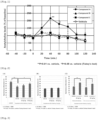
- the comparison of test groups was conducted by ratios of the amount of extracellular acetylcholine in the brain to the base line. From the results obtained, the mean (Mean) and the standard error (SEM) were calculated. The significant difference between the compound A administration group and the Vehicle group and comparison group was assessed by Turkey-Kramer's test. The level of significance was set to * P ⁇ 0.05 and **p ⁇ 0.01. The results were shown in Fig.1 .
- the vertical axis of the graph in Fig.1 represents the ratio of the amount of acetylcholine released in the brain to basic released amount.
- the concentration of acetylcholine in the brain of the mouse was increased rapidly after the oral administration of the compound A and the amount of extracellular acetylcholine in the cerebral cortex was increased for 2 hours after the administration in comparison with the amount before the administration. Particularly the significant increase was confirmed in the compound administration group in comparison with the Vehicle group 40 and 60 minutes after the administration. On the other hand, there were not significant change of the amount of extracellular acetylcholine in the cerebral cortex in the administration groups of the compounds B and C for comparison. According to the above results it was confirmed that the compound A had the action of increasing the amount of acetylcholine which is neurotransmitter in the brain and newly that additionally the action had immediate effect.
- the effect of inhibiting lowering of short-term memory was examined by orally or subcutaneously (intraperitoneally) administering the compound A to the mouse.
- 7-weeks-old male ddY mice were purchased from Japan SLC, Inc. and subjected to the experiment after one week habituation period.
- the animals were reared in the rearing chamber provided with air conditioner (under the condition that the temperature was 22 °C ⁇ 1 °C, the relative humidity was 50 ⁇ 10 %, and the irradiation time was 12 hours (8:00 to 20:00)).
- the feeding method was that the commercially available MF powdery feed (manufactured by Oriental Yeast Co., ltd.) and tap water were taken freely.
- the compound A prepared according to the procedure described in Manufacturing Example 1 was dissolved in 2.5 % DMSO solution in advance. There were 15 mice in each group, and the 30 mg/kg compound administration group and the 10 mg/kg compound administration group were established and orally administered. The mice of the control group and Vehicle group were orally administered with only 2.5% DMSO solution. In the same manner the compound B and the compound C were orally administered to 10 mice at a dose of 30 mg/kg respectively.
- Each mouse of the administration groups of the compound A to C and the vehicle group was intraperitoneally administered with scopolamine hydrobromide (manufactured by Sigma-Aldrich Japan S1875) (a dose of 1 mg/kg) which is muscarinic acetylcholine receptor antagonist 30 minutes after the administration.
- mice of the control group which were not administered with scopolamine hydrobromide were intraperitoneally administered with (Japanese Pharmacopoeia) physiological saline solution (OTSUKA NORMAL SALINE 3311401A2026). At 30 minutes after the final administration, Y-maze test was conducted, and the working memory was evaluated. The test using the mice orally administered was separately conducted under the same condition as that described above for comparative evaluation of the intraperitoneal administration.
- the Y-maze manufactured by Brain Science ⁇ idea Co., Ltd. was used for the test.
- the maze was the maze 3 courses of which were made into Y-letter shape having one selection point and arranged at interval of an angle of 120 degree. All of the courses had a triangular column-shape having an upper width of 12 cm, a lower width of 3 cm, a length of 40 cm, and height of 15 cm.
- the mouse put on the gray course (made of polyvinyl chloride) was kept in the conditions and the mouse can see nothing but the upper part. Any one of the 3 courses of the maze was set as a starting point.
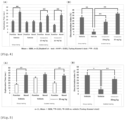
- Fig.2 (A) the decrease of spontaneous alternation due to the intraperitoneal administration of scopolamine hydrobromide which is the muscarinic acetylcholine receptor antagonist can be seen, and the disorder of the short-term memory in Vehicle group was clearly recognized.
- lowering of the short-term memory due to the administration of scopolamine was inhibited in the group in which the mice were orally administered with scopolamine after orally administered with the compound A.
- the 30 mg/kg administration group the significant effect of inhibiting the lowering of short-term working memory was confirmed, and the effect of ameliorating the impairment of the short-term working memory by administering the compound A in the living body was confirmed.
- the action of ameliorating the lowering of the object cognitive function was examined by orally administering the compound A to the mouse reared in long-term isolation. It was proposed that the mouse reared in long-term isolation is used as a psychiatric disorder model animal exhibiting emotional disorder such as depression and anxiety, cognitive dysfunction which is the symptom of schizophrenia and the like ( Neurosci Biobehav Rev. 2008; 32: 1087-1102 ). In this test, the mouse reared in long-term isolation under the following condition was used as the psychiatric disorder model mouse.
- 3-weeks-old male ddY mice were purchased from Japan SLC, Inc.
- the mice were reared in the rearing chamber provided with air conditioner (Conditions: the temperature was 22 °C ⁇ 1 °C, the relative humidity was 50 ⁇ 10 %, and the irradiation time was 12 hours (8:00 to 20:00)).
- the feeding method was that the commercially available MF powdery feed (manufactured by Oriental Yeast Co., ltd.) and tap water were taken freely.
- the mice were used as a psychiatric disorder model mouse exhibiting the lowering of cognitive function.
- the mice (n 20) collectively reared in a group of 5 mice in the transparent cage (24 ⁇ 17 ⁇ 12 cm) were used as a control group.
- mice Four days prior to the start of the experiment, long-term isolation and group-reared mice were individually acclimated to the test observation box for 10 minutes for three consecutive days. The day before the test the mouse was allowed to freely explore two objects of different shape and color (acquisition trial) and was trained to recognize the object for 10 minutes.
- the compound A was dissolved in in 2.5 % DMSO solution in advance.
- the mice reared in long-term isolation were divided into 3 groups of 21 mice and the administration groups of the compound (10 mg/kg or 30 mg/kg) and Vehicle group were set.
- the mice reared in a group for comparison and administered with2.5 % DMSO solution were used for the test as a control group.
- Discrimination index (%) (the exploratory time of the novel object-the exploratory time of the familiar object)/(the exploratory time of the novel object + the exploratory time of the familiar object) ⁇ 100
- Fig.3 (A) the exploratory time of the novel object of the mice reared in long-term isolation and orally administered with the compound A in the administration groups of both 10 mg/kg and 30 mg/kg significantly increased compared with the Vehicle group.
- Fig.3(B) in Discrimination index evaluation, the score equal to the score obtained in the group of the mice reared in a group which is the control group was obtained in the administration group of 30 mg/kg of the compound A. This confirmed that cognitive dysfunction due to psychiatric stress caused by the long-term isolated rearing was significantly ameliorated by the oral administration of the compound A and that there was the remarkable therapeutic effect.
- the compound A was orally administered for a long time and the effect of preventing the onset of cognitive dysfunction caused by the long-term isolated rearing was examined.
- 3-weeks-old male ddY mice were purchased from Japan SLC, Inc.
- the mice were reared in the rearing chamber provided with air conditioner (under the condition that the temperature was 22 °C ⁇ 1 °C, the relative humidity was 50 ⁇ 10 %, and the irradiation time was 12 hours (8:00 to 20:00)).
- the feeding method was that the commercially available MF powdery feed (manufactured by Oriental Yeast Co., ltd.) and tap water were taken freely.
- the compound A and the excipient were mixed homogeneously in advance to prepare the powder containing 10 % the compound A.
- mice 70 mg of the excipient containing 10 % the compound A and 100g of the MF powdery feed were mixed homogeneously to prepare the feed mixed with the compound A.
- the MF powdery feed only containing 70 mg of the excipient without the compound A was used.
- the object cognitive function was evaluated by the same method as that described in Test Example 3 and the effect of preventing the onset of cognitive dysfunction by administering the compound A during the long-term rearing was examined.
- Fig.4(A) and (B) the onset of cognitive dysfunction caused by the long-term isolated rearing stress was significantly inhibited in the group in which the mice took the compound A for a long time. It has been proposed that the model mouse reared in long-term social isolation has been used as a model animal for psychiatric disorder exhibiting emotional disorder such as depression and anxiety, cognitive dysfunction exhibiting the symptom of schizophrenia, and the like. Above results indicated the possibility that taking the compound A for a long time prevented the onset of psychiatric disorder such as depression and schizophrenia caused when stress load.
- LPS Lipopolysaccharide
- the inflammation in the brain is thought to be one of the main onset factors of depression. It is known that LPS causes the inflammation in the brain by inducing the decrease in brain-derived neurotrophic factor and the variation of the density of dendrite of neuron, activating microglia and the like and induce depressive symptoms.
- the antidepressant action by the oral administration of compound A was examined using the model mouse with the inflammation in brain induced by administering LPS intraperitoneally.
- mice 7-weeks-old male C57/BL6J mice (purchased from Japan SLC, Inc.) were used.
- the mice were reared in the rearing chamber provided with air conditioner (Conditions: the temperature was 22 °C ⁇ 1 °C, the relative humidity was 50 ⁇ 10 % , and the irradiation time was 12 hours (8:00 to 20:00)).
- the feeding method was that the commercially available MF powdery feed (manufactured by Oriental Yeast Co., ltd.) and tap water were taken freely. After 1 week acclimation, 8-weeks-old mice were used for the test.
- the compound A was dissolved in in 2.5 % DMSO solution in advance.
- the compound A was orally administered to the mice at a dose of 30 mg/kg and 10 mg/kg.
- the mice in the control group and Vehicle group were orally administered with only 2.5 % DMSO solution. Each group was set to have 15 mice.
- LPS lipoprotein saline
- mice were intraperitoneally administered to the mice in the administration groups of the compound A and Vehicle group at a dose of 0.5 mg/kg.
- the control mice which did not develop inflammation in the brain, received intraperitoneal saline in the same manner.
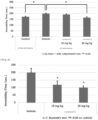
- the results obtained were shown in Fig.5 .
- the vertical axis of the graph in Fig.5 represents the immobility time during the test.
- the immobility time was significantly increased in the Vehicle group having the mice administered with LPS compared to the control group.
- the increase of the immobility time was reduced in the administration groups of the compound A and it was observed that the immobility time in the administration group of 30 mg/kg was on the same level as that in the control group.
- the model mouse with the inflammation in brain induced by administering LPS intraperitoneally is used as a depression model animal.
- the psychiatric disorder model mouse which was reared in isolation for 5 weeks was orally administered with the compound A and 30 minutes after the administration subjected to the Forced swimming test. The effect of improving depressive symptoms was examined.
- the compound A was dissolved in in 2.5 % DMSO solution in advance. After long-term isolated rearing the mice were divided into 3 groups of 7 mice and the administration groups of the compound A (the administration group of 30 mg/kg, the administration group of 10 mg/kg) and Vehicle group (the administration group of 2.5 % DMSO solution) were set and the oral administration was carried out.
- the immobility time was significantly reduced in both the 10mg/kg and 30mg/kg groups in the long-term isolated mice treated orally with compound A compared with the vehicle group, and the antidepressant effect on depressive symptoms was confirmed.
- the model mouse reared in long-term social isolation has been used as a model animal for psychiatric disorder exhibiting emotional disorder such as depression and anxiety, cognitive dysfunction exhibiting the symptom of schizophrenia, and the like.
- the results of the present invention confirmed that the depressive symptoms were significantly ameliorated by orally administering with the compound A and that there was the remarkable therapeutic effect on depression in the model mouse with psychiatric disorder induced.
- the present invention can provide the brain function improving agent for preventing the onset of, ameliorating or treating neurodegenerative diseases such as dementia, central nervous system diseases caused by psychiatric disorders such as depression and schizophrenia, and cognitive dysfunction and depressive symptoms caused by central nervous system diseases, and containing the specific compound reported as the catechin metabolites and the derivatives thereof.
- the present invention provides the supplement, the food and beverage, and medicine having the food-derived ingredient as the active ingredient, which are safe and can be taken daily for self-medication.
Landscapes
- Health & Medical Sciences (AREA)
- Chemical & Material Sciences (AREA)
- Life Sciences & Earth Sciences (AREA)
- Organic Chemistry (AREA)
- Engineering & Computer Science (AREA)
- Veterinary Medicine (AREA)
- Public Health (AREA)
- Animal Behavior & Ethology (AREA)
- General Health & Medical Sciences (AREA)
- Pharmacology & Pharmacy (AREA)
- Medicinal Chemistry (AREA)
- Bioinformatics & Cheminformatics (AREA)
- Neurosurgery (AREA)
- Neurology (AREA)
- Biomedical Technology (AREA)
- Nuclear Medicine, Radiotherapy & Molecular Imaging (AREA)
- General Chemical & Material Sciences (AREA)
- Chemical Kinetics & Catalysis (AREA)
- Epidemiology (AREA)
- Psychiatry (AREA)
- Polymers & Plastics (AREA)
- Mycology (AREA)
- Nutrition Science (AREA)
- Food Science & Technology (AREA)
- Hospice & Palliative Care (AREA)
- Pharmaceuticals Containing Other Organic And Inorganic Compounds (AREA)
- Coloring Foods And Improving Nutritive Qualities (AREA)
- Furan Compounds (AREA)
Applications Claiming Priority (2)
| Application Number | Priority Date | Filing Date | Title |
|---|---|---|---|
| JP2021207910A JP7490204B2 (ja) | 2021-12-22 | 2021-12-22 | 脳機能改善剤 |
| PCT/JP2022/046424 WO2023120425A1 (ja) | 2021-12-22 | 2022-12-16 | 脳機能改善剤 |
Publications (2)
| Publication Number | Publication Date |
|---|---|
| EP4454483A1 true EP4454483A1 (de) | 2024-10-30 |
| EP4454483A4 EP4454483A4 (de) | 2025-12-24 |
Family
ID=86902673
Family Applications (1)
| Application Number | Title | Priority Date | Filing Date |
|---|---|---|---|
| EP22911128.1A Pending EP4454483A4 (de) | 2021-12-22 | 2022-12-16 | Mittel zur verbesserung der gehirnfunktion |
Country Status (5)
| Country | Link |
|---|---|
| US (1) | US20250120942A1 (de) |
| EP (1) | EP4454483A4 (de) |
| JP (1) | JP7490204B2 (de) |
| CN (1) | CN118401123A (de) |
| WO (1) | WO2023120425A1 (de) |
Family Cites Families (8)
| Publication number | Priority date | Publication date | Assignee | Title |
|---|---|---|---|---|
| JP5568276B2 (ja) | 2009-10-21 | 2014-08-06 | 三井農林株式会社 | カテキン代謝物の製造方法 |
| JP6021166B2 (ja) | 2010-12-24 | 2016-11-09 | 三井農林株式会社 | 血圧降下剤 |
| JP6037969B2 (ja) | 2013-08-07 | 2016-12-07 | 三井農林株式会社 | 子宮頸癌細胞増殖抑制剤 |
| JP6369830B2 (ja) | 2014-06-16 | 2018-08-08 | 三井農林株式会社 | 免疫細胞増殖促進剤 |
| JP6443804B2 (ja) | 2015-03-04 | 2018-12-26 | 三井農林株式会社 | ナチュラルキラー細胞活性促進剤 |
| JP6496643B2 (ja) | 2015-09-25 | 2019-04-03 | 静岡県公立大学法人 | 脳神経細胞増殖促進剤 |
| JP6700029B2 (ja) | 2015-12-04 | 2020-05-27 | 国立大学法人神戸大学 | 糖取り込み促進剤 |
| KR102067275B1 (ko) * | 2018-01-02 | 2020-01-16 | 서울대학교산학협력단 | 5-(3',4'-디하이드록시페닐)-감마-발레로락톤을 함유하는 뇌 신경세포 보호 및 기억력 개선용 조성물 |
-
2021
- 2021-12-22 JP JP2021207910A patent/JP7490204B2/ja active Active
-
2022
- 2022-12-16 CN CN202280083826.1A patent/CN118401123A/zh active Pending
- 2022-12-16 US US18/723,053 patent/US20250120942A1/en active Pending
- 2022-12-16 WO PCT/JP2022/046424 patent/WO2023120425A1/ja not_active Ceased
- 2022-12-16 EP EP22911128.1A patent/EP4454483A4/de active Pending
Also Published As
| Publication number | Publication date |
|---|---|
| CN118401123A (zh) | 2024-07-26 |
| JP2023092723A (ja) | 2023-07-04 |
| EP4454483A4 (de) | 2025-12-24 |
| WO2023120425A1 (ja) | 2023-06-29 |
| US20250120942A1 (en) | 2025-04-17 |
| JP7490204B2 (ja) | 2024-05-27 |
Similar Documents
| Publication | Publication Date | Title |
|---|---|---|
| TWI519299B (zh) | 大麻素與抗精神病藥物組合使用之技術 | |
| KR101809172B1 (ko) | 뮤신이 없는 배지에서 배양한 아커만시아 뮤시니필라 균주 또는 이의 배양액을 유효성분으로 함유하는 대사성 질환의 예방, 개선 또는 치료용 조성물 | |
| EP2214681B1 (de) | Neue funktionelle lebensmittel enthaltend steviol und deren verwendungen | |
| EP3483256A1 (de) | Akkermansia-muciniphila-stamm mit wirkung zur vorbeugung oder behandlung von degenerativen hirnerkrankungen oder metabolischen erkrankungen sowie verwendung davon | |
| EP2289528A1 (de) | Neuartige nutrazeutische Zusammensetzungen mit schwarzem Pfeffer oder Bestandteilen zur Verbesserung der mentalen Leistung | |
| KR101627001B1 (ko) | 인지 장해 개선제 | |
| JP5514827B2 (ja) | 4−o−メチルホノキオールを含有するアミロイド関連疾患の治療又は予防用組成物 | |
| KR101071684B1 (ko) | 팔각회향 추출물을 유효성분으로 포함하는 기억력 및 학습 능력 증진용 조성물 | |
| KR102011033B1 (ko) | 성분 함량이 변화된 녹차 추출물을 포함하는 인지기능 개선용 조성물 | |
| EP4454483A1 (de) | Mittel zur verbesserung der gehirnfunktion | |
| EP1575593A2 (de) | VERWENDUNG VON TETRAHYDROBIOPTERINDERIVATEN ZUR BEHANDLUNG UND ERN HRUNG VON PATIENTEN MIT AMINOS URESTOFFWECHSELST&Ouml ;RUNGEN | |
| WO2020004357A1 (ja) | アルツハイマー病の治療、予防又は改善用組成物、脳神経細胞死の抑制用組成物、アミロイドβペプチドで誘導されるミクログリアの活性化の抑制用組成物、及び、アミロイドβペプチドで誘導されるPGE2、TNF-α又はIL-1β産生の抑制用組成物 | |
| JPWO2018221650A1 (ja) | ルテイン類またはその塩およびヒシ属植物の加工物を含有する脳機能障害の予防および/または改善用組成物 | |
| JP2020040904A (ja) | エフソール含有組成物 | |
| US10799551B2 (en) | Composition for enhancing cognitive function comprising green tea extract which has modified amounts of ingredients | |
| KR101401612B1 (ko) | 석류 추출물을 유효성분으로 포함하는 스트레스성 질환의 치료 및 예방용 조성물 | |
| JP2010248107A (ja) | 抗アレルギー剤および抗炎症剤 | |
| KR101060909B1 (ko) | 뇌 신경 세포 보호물질을 포함하는 질경이 추출물을포함하는 조성물 | |
| KR20200000048A (ko) | 체불라닌을 포함하는 인지장애 관련 질환의 예방 또는 치료용 조성물 | |
| CN100467040C (zh) | 改善衰老机体认知功能的组合物 | |
| KR102854101B1 (ko) | 등검은말벌 유래 말벌독을 유효성분으로 포함하는 인지기능 개선용, 퇴행성 뇌질환 예방 또는 치료용 조성물 | |
| JP2023503279A (ja) | ジベンゾピランampk活性化剤化合物、組成物、方法、及びその使用 | |
| DE102022135008B4 (de) | Mittel zur Behandlung des peripheren Nervensystems | |
| US12234257B2 (en) | Triterpene saponin derivative and use thereof | |
| JP7392939B2 (ja) | 脳組織の修復用組成物 |
Legal Events
| Date | Code | Title | Description |
|---|---|---|---|
| STAA | Information on the status of an ep patent application or granted ep patent |
Free format text: STATUS: THE INTERNATIONAL PUBLICATION HAS BEEN MADE |
|
| PUAI | Public reference made under article 153(3) epc to a published international application that has entered the european phase |
Free format text: ORIGINAL CODE: 0009012 |
|
| STAA | Information on the status of an ep patent application or granted ep patent |
Free format text: STATUS: REQUEST FOR EXAMINATION WAS MADE |
|
| 17P | Request for examination filed |
Effective date: 20240718 |
|
| AK | Designated contracting states |
Kind code of ref document: A1 Designated state(s): AL AT BE BG CH CY CZ DE DK EE ES FI FR GB GR HR HU IE IS IT LI LT LU LV MC ME MK MT NL NO PL PT RO RS SE SI SK SM TR |
|
| DAV | Request for validation of the european patent (deleted) | ||
| DAX | Request for extension of the european patent (deleted) | ||
| REG | Reference to a national code |
Ref country code: DE Ref legal event code: R079 Free format text: PREVIOUS MAIN CLASS: A23L0033100000 Ipc: A61K0031365000 |