EP4265729A1 - Mikroorganismus mit hoher tripeptidproduktivität und verwendung davon - Google Patents
Mikroorganismus mit hoher tripeptidproduktivität und verwendung davon Download PDFInfo
- Publication number
- EP4265729A1 EP4265729A1 EP21906928.3A EP21906928A EP4265729A1 EP 4265729 A1 EP4265729 A1 EP 4265729A1 EP 21906928 A EP21906928 A EP 21906928A EP 4265729 A1 EP4265729 A1 EP 4265729A1
- Authority
- EP
- European Patent Office
- Prior art keywords
- strain
- cell
- culture
- glutathione
- disease
- Prior art date
- Legal status (The legal status is an assumption and is not a legal conclusion. Google has not performed a legal analysis and makes no representation as to the accuracy of the status listed.)
- Pending
Links
Images


Classifications
-
- C—CHEMISTRY; METALLURGY
- C12—BIOCHEMISTRY; BEER; SPIRITS; WINE; VINEGAR; MICROBIOLOGY; ENZYMOLOGY; MUTATION OR GENETIC ENGINEERING
- C12N—MICROORGANISMS OR ENZYMES; COMPOSITIONS THEREOF; PROPAGATING, PRESERVING, OR MAINTAINING MICROORGANISMS; MUTATION OR GENETIC ENGINEERING; CULTURE MEDIA
- C12N15/00—Mutation or genetic engineering; DNA or RNA concerning genetic engineering, vectors, e.g. plasmids, or their isolation, preparation or purification; Use of hosts therefor
- C12N15/09—Recombinant DNA-technology
- C12N15/63—Introduction of foreign genetic material using vectors; Vectors; Use of hosts therefor; Regulation of expression
- C12N15/79—Vectors or expression systems specially adapted for eukaryotic hosts
- C12N15/80—Vectors or expression systems specially adapted for eukaryotic hosts for fungi
- C12N15/81—Vectors or expression systems specially adapted for eukaryotic hosts for fungi for yeasts
-
- C—CHEMISTRY; METALLURGY
- C12—BIOCHEMISTRY; BEER; SPIRITS; WINE; VINEGAR; MICROBIOLOGY; ENZYMOLOGY; MUTATION OR GENETIC ENGINEERING
- C12N—MICROORGANISMS OR ENZYMES; COMPOSITIONS THEREOF; PROPAGATING, PRESERVING, OR MAINTAINING MICROORGANISMS; MUTATION OR GENETIC ENGINEERING; CULTURE MEDIA
- C12N15/00—Mutation or genetic engineering; DNA or RNA concerning genetic engineering, vectors, e.g. plasmids, or their isolation, preparation or purification; Use of hosts therefor
- C12N15/09—Recombinant DNA-technology
- C12N15/63—Introduction of foreign genetic material using vectors; Vectors; Use of hosts therefor; Regulation of expression
- C12N15/79—Vectors or expression systems specially adapted for eukaryotic hosts
- C12N15/80—Vectors or expression systems specially adapted for eukaryotic hosts for fungi
- C12N15/81—Vectors or expression systems specially adapted for eukaryotic hosts for fungi for yeasts
- C12N15/815—Vectors or expression systems specially adapted for eukaryotic hosts for fungi for yeasts for yeasts other than Saccharomyces
-
- A—HUMAN NECESSITIES
- A61—MEDICAL OR VETERINARY SCIENCE; HYGIENE
- A61K—PREPARATIONS FOR MEDICAL, DENTAL OR TOILETRY PURPOSES
- A61K36/00—Medicinal preparations of undetermined constitution containing material from algae, lichens, fungi or plants, or derivatives thereof, e.g. traditional herbal medicines
- A61K36/06—Fungi, e.g. yeasts
- A61K36/062—Ascomycota
-
- A—HUMAN NECESSITIES
- A61—MEDICAL OR VETERINARY SCIENCE; HYGIENE
- A61K—PREPARATIONS FOR MEDICAL, DENTAL OR TOILETRY PURPOSES
- A61K36/00—Medicinal preparations of undetermined constitution containing material from algae, lichens, fungi or plants, or derivatives thereof, e.g. traditional herbal medicines
- A61K36/06—Fungi, e.g. yeasts
-
- A—HUMAN NECESSITIES
- A61—MEDICAL OR VETERINARY SCIENCE; HYGIENE
- A61P—SPECIFIC THERAPEUTIC ACTIVITY OF CHEMICAL COMPOUNDS OR MEDICINAL PREPARATIONS
- A61P1/00—Drugs for disorders of the alimentary tract or the digestive system
- A61P1/16—Drugs for disorders of the alimentary tract or the digestive system for liver or gallbladder disorders, e.g. hepatoprotective agents, cholagogues, litholytics
-
- A—HUMAN NECESSITIES
- A61—MEDICAL OR VETERINARY SCIENCE; HYGIENE
- A61P—SPECIFIC THERAPEUTIC ACTIVITY OF CHEMICAL COMPOUNDS OR MEDICINAL PREPARATIONS
- A61P3/00—Drugs for disorders of the metabolism
- A61P3/08—Drugs for disorders of the metabolism for glucose homeostasis
- A61P3/10—Drugs for disorders of the metabolism for glucose homeostasis for hyperglycaemia, e.g. antidiabetics
-
- A—HUMAN NECESSITIES
- A61—MEDICAL OR VETERINARY SCIENCE; HYGIENE
- A61P—SPECIFIC THERAPEUTIC ACTIVITY OF CHEMICAL COMPOUNDS OR MEDICINAL PREPARATIONS
- A61P31/00—Antiinfectives, i.e. antibiotics, antiseptics, chemotherapeutics
- A61P31/12—Antivirals
-
- A—HUMAN NECESSITIES
- A61—MEDICAL OR VETERINARY SCIENCE; HYGIENE
- A61P—SPECIFIC THERAPEUTIC ACTIVITY OF CHEMICAL COMPOUNDS OR MEDICINAL PREPARATIONS
- A61P9/00—Drugs for disorders of the cardiovascular system
-
- C—CHEMISTRY; METALLURGY
- C07—ORGANIC CHEMISTRY
- C07K—PEPTIDES
- C07K5/00—Peptides containing up to four amino acids in a fully defined sequence; Derivatives thereof
- C07K5/02—Peptides containing up to four amino acids in a fully defined sequence; Derivatives thereof containing at least one abnormal peptide link
- C07K5/0215—Peptides containing up to four amino acids in a fully defined sequence; Derivatives thereof containing at least one abnormal peptide link containing natural amino acids, forming a peptide bond via their side chain functional group, e.g. epsilon-Lys, gamma-Glu
-
- C—CHEMISTRY; METALLURGY
- C12—BIOCHEMISTRY; BEER; SPIRITS; WINE; VINEGAR; MICROBIOLOGY; ENZYMOLOGY; MUTATION OR GENETIC ENGINEERING
- C12N—MICROORGANISMS OR ENZYMES; COMPOSITIONS THEREOF; PROPAGATING, PRESERVING, OR MAINTAINING MICROORGANISMS; MUTATION OR GENETIC ENGINEERING; CULTURE MEDIA
- C12N1/00—Microorganisms; Compositions thereof; Processes of propagating, maintaining or preserving microorganisms or compositions thereof; Processes of preparing or isolating a composition containing a microorganism; Culture media therefor
- C12N1/14—Fungi; Culture media therefor
- C12N1/16—Yeasts; Culture media therefor
- C12N1/165—Yeast isolates
-
- C—CHEMISTRY; METALLURGY
- C12—BIOCHEMISTRY; BEER; SPIRITS; WINE; VINEGAR; MICROBIOLOGY; ENZYMOLOGY; MUTATION OR GENETIC ENGINEERING
- C12N—MICROORGANISMS OR ENZYMES; COMPOSITIONS THEREOF; PROPAGATING, PRESERVING, OR MAINTAINING MICROORGANISMS; MUTATION OR GENETIC ENGINEERING; CULTURE MEDIA
- C12N9/00—Enzymes; Proenzymes; Compositions thereof; Processes for preparing, activating, inhibiting, separating or purifying enzymes
- C12N9/0004—Oxidoreductases (1.)
- C12N9/0006—Oxidoreductases (1.) acting on CH-OH groups as donors (1.1)
-
- C—CHEMISTRY; METALLURGY
- C12—BIOCHEMISTRY; BEER; SPIRITS; WINE; VINEGAR; MICROBIOLOGY; ENZYMOLOGY; MUTATION OR GENETIC ENGINEERING
- C12P—FERMENTATION OR ENZYME-USING PROCESSES TO SYNTHESISE A DESIRED CHEMICAL COMPOUND OR COMPOSITION OR TO SEPARATE OPTICAL ISOMERS FROM A RACEMIC MIXTURE
- C12P21/00—Preparation of peptides or proteins
- C12P21/02—Preparation of peptides or proteins having a known sequence of two or more amino acids, e.g. glutathione
-
- C—CHEMISTRY; METALLURGY
- C12—BIOCHEMISTRY; BEER; SPIRITS; WINE; VINEGAR; MICROBIOLOGY; ENZYMOLOGY; MUTATION OR GENETIC ENGINEERING
- C12R—INDEXING SCHEME ASSOCIATED WITH SUBCLASSES C12C - C12Q, RELATING TO MICROORGANISMS
- C12R2001/00—Microorganisms ; Processes using microorganisms
- C12R2001/645—Fungi ; Processes using fungi
- C12R2001/72—Candida
-
- C—CHEMISTRY; METALLURGY
- C12—BIOCHEMISTRY; BEER; SPIRITS; WINE; VINEGAR; MICROBIOLOGY; ENZYMOLOGY; MUTATION OR GENETIC ENGINEERING
- C12Y—ENZYMES
- C12Y101/00—Oxidoreductases acting on the CH-OH group of donors (1.1)
- C12Y101/01—Oxidoreductases acting on the CH-OH group of donors (1.1) with NAD+ or NADP+ as acceptor (1.1.1)
- C12Y101/01001—Alcohol dehydrogenase (1.1.1.1)
Definitions
- the present invention relates to a Candida utilis strain having high tripeptide-producing ability and/or alcohol lyase activity and its use.
- Alcohol unlike other foods, is a kind of Xenobiotics that cannot be accumulated in the body, and its breakdown products, such as acetaldehyde are known to be a major cause of oxidative stress-induced cellular damage and hangover symptoms. Alcohol affects the liver metabolism depending on the intake amount, but the nicotinamide dinucleotide phosphate (NADP) and acetaldehydes produced in the oxidation process rather than the alcohol itself act as the main mediators of liver damage through the condensation reaction with the active amines in a body, and the acetaldehydes, which was delivered to the brain, is known to be changed into many harmful compounds, causing hangover symptoms such as hot flashes, pulse increase, nausea, and vomiting.
- NADP nicotinamide dinucleotide phosphate
- acetaldehydes which was delivered to the brain, is known to be changed into many harmful compounds, causing hangover symptoms such as hot flashes, pulse increase, nausea, and vomiting.
- ADH alcohol dehydrogenase
- ADH alcohol dehydrogenase
- ADH aldehyde dehydrogenase
- Glutathione L-y-glutamyl-L-cysteinylglycine, GSH
- GSH reduced glutathione
- GSSG oxidized glutathione
- Glutathione is found in the cells of animals, plants, and microorganisms at concentrations of 0.1 to 10 mM, and accounts for 90% or more of the total non-proteinaceous activity of cells.
- the diverse functions of glutathione are important not only in agriculture but also in many fields of medicine, including enzymology, transport, pharmacology, therapy, toxicology, endocrinology and microbiology.
- Glutathione can be produced mainly by fermentation using microorganisms or enzymatic synthesis process. Due to the current high production cost, the enzymatic synthesis process has not yet been commercially available, whereas the method of culturing microorganisms and extracting them from microbial cells is widely used in industrial field.
- yeast which contains high intracellular glutathione and is recognized as a safe microorganism for food production, has been widely used.
- strains of the genus Saccharomyces and strains of the genus Candida are representative. In case of the wild-type strains of these yeast species, the already fairly high glutathione concentration, 0.1-1 % of dry weight, and the advantages of high-density cell culture and rapid growth in low-cost media make fermentative production using yeast more competitive.
- An embodiment of the present invention is to provide a Candida utilis strain having high ADH activity.
- An embodiment of the present invention is to provide a Candida utilis strain having tripeptide-producing ability and high ADH activity.
- Another embodiment of the present invention is to provide a composition for decomposing alcohol, comprising at least one selected from the group consisting of a cell of the Candida utilis strain, a culture of the strain, a lysate of the cell, a disruption of the cell, and an extract thereof.
- Another embodiment of the present invention is to provide a composition for preventing, improving, or relieving hangover, comprising at least one selected from the group consisting of a cell of the Candida utilis strain, a culture of the strain, a lysate of the cell, a disruption of the cell, and an extract thereof.
- Another embodiment of the present invention is to provide a composition for reducing oxidative stress or an antioxidant composition, comprising at least one selected from the group consisting of a cell of the Candida utilis strain, a culture of the strain, a lysate of the cell, a disruption of the cell, and an extract thereof.
- compositions for preventing, improving or treating oxidative stress-related diseases comprising at least one selected from the group consisting of a cell of the Candida utilis strain, a culture of the strain, a lysate of the cell, a disruption of the cell, and an extract thereof.
- Further embodiment of the present invention is to provide a food composition comprising at least one selected from the group consisting of a cell of the Candida utilis strain, a culture of the strain, a lysate of the cell, a disruption of the cell, and an extract thereof.
- the Candida utilis strain according to the present invention has glutathione-producing activity and/or alcohol dehydrogenase (ADH) activity, and more specifically, it has alcohol dehydrogenase activity as well as a high glutathione-producing activity, so as to having the advantage of working more efficiently to detoxify and excrete alcohol in the body.
- the yeast strain according to the present invention has an advantage of high usability as a non-GMO strain isolated from nature rather than a recombinant strain.
- the Candida utilis strain of the present invention may have a glutathione production of 0.8% by weight or more and/or an ADH activity of 0.18 mU/ml or more per cell dry weight (g), preferably at least about 1.5 wt% of glutathione and/or an ADH activity of at least 0.2 mU/ml per cell dry weight (g).
- the Candida utilis strain of the present invention has an alcohol dehydrogenase (ADH) activity and an alcohol tolerance, specifically the alcohol tolerance that can grow under the condition of ethanol concentration of 2 to 15% (v/v). More specifically, when cultured under the condition of an alcohol concentration of 6 to 15% (v/v), the Candida utilis strain of the present invention may have an optical density (OD) value of 120 to 200%, based on an optical density (OD) value of 100% for Candida utilis deposited under KCCM 11355.
- ADH alcohol dehydrogenase
- OD optical density
- the present invention relates to health functional foods and food additives with alcohol decomposition activity, which can be widely used in the manufacture of foods for preventing alcoholic liver diseases, because the Candida utilis strain of present invention has hangover relief effect and helps liver detoxification before or after drinking, by having an alcohol tolerance and an alcohol decomposition ability.
- the strain of present invention has excellent alcohol (ethanol) decomposing enzyme activity, it is possible to effectively suppress the absorption of ingested alcohol (ethanol), thereby preventing hepatic dysfunction, alcoholic liver disease, and alcoholic intestinal disease caused by the excessive alcohol metabolism.
- alcohol cannot be stored in the body and must be metabolized, and this metabolic process is mostly performed in the liver by alcohol dehydrogenases present in the liver. Alcohol is decomposed through acetaldehyde by these enzymes. The generated acetaldehyde is toxic to damage hepatocytes. A large amount of fatty acids produced from the alcohol metabolism results in accumulation of fat in the liver, causing alcoholic liver disease. These alcoholic liver diseases are largely classified into alcoholic fatty liver, alcoholic hepatitis, alcoholic liver fibrosis, and alcoholic cirrhosis. The mechanism causing liver damage is alcohol itself, metabolites such as acetaldehyde, immune reactions and the like.
- acetaldehyde acts as the main cause of liver toxicity, such as fat peroxidation, binding to cytoplasm, disruption of the electron transport chain of mitochondria, interfering with the function of microtubules, generation of substances binding to proteins, increasing collagen synthesis and the like.
- the strain of present invention since the strain of present invention has excellent glutathione-producing activity, it promotes the excretion of toxic substances generated by metabolism of ingested alcohol (ethanol) and protects hepatocytes from damage caused by harmful active oxygen, thereby preventing the occurrence of liver dysfunction, alcoholic liver and intestinal diseases.
- ethanol ingested alcohol
- glutathione is an antioxidant promoting excretion of toxic substances through urine or bile, and in particular, has a function of promoting excretion of toxic substances by acting on detoxifying process of alcohol metabolites in the liver.
- glutathione protects hepatocytes from damage caused by harmful active oxygen. Therefore, the strain of present invention has a resistance to alcohol and an ability to decompose alcohol, so it not only prevents alcohol absorption and alcohol decomposition, but also promotes the excretion of toxic substances produced by the alcohol decomposition due to the high glutathione content in the strain, resulting in prevention of liver damage and liver disease.
- the present invention relates to a food, food additive, beverage or health supplement containing an ingredient effective for reducing blood alcohol level and enhancing antioxidant activity in the body.
- the strain of present invention can be cultured aerobically in a medium containing a carbon source, a nitrogen source, and an inorganic salt.
- the carbon source may be at least one or two selected from the group consisting of dextrin, glucose, sucrose, acetic acid, ethanol, molasses, and sulfite pulping waste solution, etc., or preferably sucrose in consideration of glutathione production.
- the Candida utilis strain of present invention has may has at least one characteristic selected from the group consisting of (ii) 105 to 120% of cell concentration (OD value at 600 nm) in the sucrose-containing medium with shaking, based on 100% of cell concentration (OD) when cultured in a glucose-containing medium with shaking, or 105 to 150% or 110 to 140% of glutathione content (mg / L) in sucrose-containing medium with shaking, based on 100% of the glutathione content (mg / L) when cultured in a glucose-containing medium with shaking, (iii) increased glutathione production when cultured with cysteine addition, and (iv) maintained amount of glutathione production under fed-batch culture condition supplied at a feeding rate of 6g/L.h-1.
- the nitrogen source may be at least one or two selected from the group consisting of urea, ammonia, ammonium sulfate, inorganic salt such as ammonium chloride or ammonium phosphate, and nitrogen-containing organic materials such as corn steep liquor (CSL), casein, yeast extract, or peptone.
- a phosphate component, a potassium component, or a magnesium component may be added to the medium, and their examples may be ordinary industrial materials such as lime superphosphate, ammonium phosphate, potassium chloride, potassium hydroxide, magnesium sulfate, and magnesium hydrochloride.
- inorganic salts such as zinc, copper, manganese, iron ions and the like may be used. Other than them, vitamins, nucleic acid-related substances, and the like may be added.
- the culture temperature applicable to the present invention may be culture conditions for yeast, for example 20 to 40 °C, preferably 25 to 35 ° C, and pH 3.5 to 8.0, particularly 4.0 to 6.0.
- any of batch culture, fed-batch culture or continuous culture may be used, but fed-batch culture or continuous culture is employed industrially.
- the present invention provides a method for increasing amount of glutathione production by culturing the Candida utilis strain.
- the culture of the strain can be performed as sugar or glucose as a carbon source.
- Culturing the strain may be performed by measuring an ethanol content in fermentation broth and adjusting a supply rate of carbon source. For example, when the ethanol content in fermentation broth is 5 g/L or less, the carbon source may be continuously supplied at carbon source supply rate of 5 to 10 g/L. h-1 , 5.5 to 8 g/L. h-1 , 5.5 to 7 g/L. h-1 , or 5.5 to 6.5 g/L. h-1 .
- the Candida utilis strain of present invention is preferably cultured by fed-batch culture in consideration of glutathione production. More preferably, the amount of produced glutathione can be maintained under the condition of fed-batch culture supplied at a feeding rate of 6 g/L.h -1 .
- the method for increasing amount of produced glutathione can be performed according to at least one method selected from the group consisting of controlling carbon source type, carbon source supply rate, cysteine addition, and other culture conditions.
- the method may be at least one method selected from the group consisting of (i) cysteine addition culture, (ii) use of sucrose or glucose as a carbon source, (iii) control of the carbon source supply rate, (iv) culture temperature, and (v) stirring condition, etc.
- at least one method selected from the group consisting of shaking culture at 30 °C, use of sucrose as a carbon source under shaking culture condition, cysteine addition culture, and fed-batch culture may be used.
- the fed-batch culture may be performed by measuring the ethanol content in fermentation broth and adjusting the carbon source supply rate, and for example, the fed-batch culture can be performed with supplied at a carbon source feeding rate of 6g/L.h-1.
- the culture containing yeast cells including a high concentration of glutathione may be processed for obtaining a glutathione-containing fraction.
- a method for fractionating a glutathione-containing fraction from the culture solution any method may be used as long as it is a commonly used method, and the examples include hot water extraction, extraction by cell disruption, and the like.
- a yeast extract can also be produced from the culture obtained by the above culturing method.
- any method may be used as long as it is a usual method, and an auto-digestion method, an enzymatic decomposition method, or an alkali extraction method is industrially applied.
- dried cells can be obtained from culture solution cultured by the above method.
- any method may be used as long as it is a method being usually performed, but a freeze-drying method, a spray drying method, a drum drying method, etc. are employed industrially.
- An embodiment of the present invention is to provide a composition reducing an oxidative stress, an antioxidant composition, or a composition for preventing, improving, alleviating or treating oxidative stress-related diseases, comprising at least one selected from the group consisting of a cell of the Candida utilis strain, a culture of the strain, a lysate of the cell, a disruption of the cell, and an extract thereof.
- the composition may be a pharmaceutical composition, a food composition or a cosmetic composition.
- the present invention is directed to a use of Candida utilis as an antioxidant being applicable newly for the treatment of disorders, conditions, pathologies and diseases resulting from or related to the adverse effects of oxidative stress and/or the production of free radicals in cells, tissues and organs of the body.
- Oxidative stress causes damage to proteins, DNA and lipids and plays a critical role in the progression of neurodegenerative and age-related diseases.
- Hydrophobic antioxidant compounds with a low molecular weight for example acute respiratory distress syndrome, amyotrophic lateral sclerosis, atherosclerotic cardiovascular disease, multiple organ dysfunctions, and peripheral systemic symptoms of central nervous system neurodegenerative diseases, such as Parkinson's disease, Alzheimer's disease, and Creutzfeldt-Jakob's disease.
- Oxidative stress is known to be causally implicated in the pathogenesis of Parkinson's disease, Alzheimer's disease and Creutzfeldt-Jakob disease, as well as other types of diseases.
- antioxidants in cells generates excessive free radicals, so as to cause giant cell destruction, lipid peroxidation, and toxin accumulation, which can eventually lead to cell death.
- tissues are continuously provided with natural antioxidants, such as glutathione (GSH) ([ ⁇ ]-glutamyl cysteinyl glycine).
- GSH glutathione
- GSH is synthesized in almost all cells and is one of the basic cellular antioxidants responsible for maintaining the proper oxidation state in the body. When oxidized, GSH forms a dimer called GSSG, which is recycled in the organ that produces glutathione reductase.
- reduced GSH is basically produced from GSSG in the liver, and is synthesized in relatively small amounts in skeletal muscle and red blood cells and white blood cells, and is also transported to other tissues in the body through the bloodstream.
- the present invention is used for the prevention, amelioration or treatment of symptoms, diseases, disorders or pathological conditions associated with overproduction of antioxidants, wherein said symptoms, diseases, disorders or pathological conditions are AIDS, diabetes mellitus, macular degeneration, congestive heart failure, cardiovascular disease, coronary artery restenosis, lung disease, inflammatory disease, asthma, RNA virus infection, DNA virus infection, sepsis, osteoporosis, bone disease, microbial infection, toxin exposure, radiation exposure, burn trauma, prion disease, neurological disease, blood disease, blood corpuscle disease, arterial disease and muscle disease.
- symptoms, diseases, disorders or pathological conditions are AIDS, diabetes mellitus, macular degeneration, congestive heart failure, cardiovascular disease, coronary artery restenosis, lung disease, inflammatory disease, asthma, RNA virus infection, DNA virus infection, sepsis, osteoporosis, bone disease, microbial infection, toxin exposure, radiation exposure, burn trauma, prion disease, neurological disease, blood disease, blood corpuscle disease,
- the glutathione-containing yeast extract refers to an cell extract, and is rich in glutathione, a tripeptide composed of three amino acids, glutamic acid, cysteine, and glycine.
- glutathione-containing yeast extract containing 5% or more of glutathione.
- the food composition according to the present invention may be any food or beverage to which dry yeast or yeast extract can be added, but examples thereof include alcoholic beverages, soft drinks, fermented food seasonings, soups, general foods, confectionery, and the like. Therefore, the present invention can produce efficiently the food and beverage containing glutathione in high concentration.
- An embodiment of the present invention is to provide a composition for decomposing alcohol; a composition for preventing, improving, alleviating or relieving hangover; or a composition for preventing, improving, relieving or treating alcoholic liver disease, comprising at least one selected from the group consisting of a cell of the Candida utilis strain, a culture of the strain, a lysate of the cell, a disruption of the cell, and an extract thereof.
- the alcoholic liver disease includes, but is not limited to, alcoholic fatty liver, alcoholic hepatitis, alcoholic liver fibrosis, and alcoholic cirrhosis.
- the composition may be a pharmaceutical composition or a food composition.
- the Candida utilis strain of present invention has an alcohol tolerance and an alcohol decomposition activity, and thus, helps the hangover relief effect and detoxification of the liver due to alcohol decomposition before or after drinking.
- the present invention can provide a pharmaceutical composition, a food composition, a health functional food and a food additive capable of preventing, reducing, improving, alleviating or treating alcoholic liver disease using the microbial cells of the strain and the like.
- the hangover-related composition of the present invention may further include vitamins such as vitamin B group, vitamin C, vitamin E, or beta-carotene, mineral components such as Ca, Mg, or Zn, phospholipids such as lecithin, amino acids such as alanine or taurine, fructose, oligosaccharide, Ganoderma lucidum, or mixtures thereof, as auxiliary components.
- vitamins such as vitamin B group, vitamin C, vitamin E, or beta-carotene, mineral components such as Ca, Mg, or Zn, phospholipids such as lecithin, amino acids such as alanine or taurine, fructose, oligosaccharide, Ganoderma lucidum, or mixtures thereof, as auxiliary components.
- the ingredients such as amino acids contained in the yeast extract have a function of promoting alcohol metabolism, thereby relieving, improving, or preventing a hangover.
- the Candida utilis strain of present invention has resistance to alcohol and alcohol decomposition ability, so it can prevent alcoholic liver disease beforehand by helping the hangover relief effect and detoxification of the liver before or after drinking. Since the strain of present invention has excellent activity of alcohol (ethanol) degrading enzyme, it effectively suppresses an absorption of ingested alcohol (ethanol), thereby preventing liver dysfunction caused by excessive alcohol metabolism, alcoholic liver disease, and alcoholic intestinal disease. Furthermore, since the strain of present invention produces glutathione, it can prevent, improve, or reduce liver toxicity caused by toxic substances generated in the alcohol metabolism process, as well as promote excretion of alcohol metabolites.
- the pharmaceutical composition according to the present invention can be prepared in a conventional formulation form by selecting and adding pharmaceutically acceptable carriers and additives in addition to the active ingredients.
- the pharmaceutical composition may be formulated into a formulation of a solution, suspension, powder, granule, tablet, capsule, pill, or extract so as to be taken orally, but is not limited thereto.
- the pharmaceutically acceptable carrier may be selected from one or more of diluents, lubricants, binders, disintegrants, sweeteners, stabilizers, and preservatives, and pharmaceutically acceptable additives include at least one selected from the group of consisting of flavoring agents, coloring agents, antifriction, and acidulants.
- natural flavors such as plum flavor, lemon flavor, pineapple flavor, and herb flavor
- natural pigments such as natural fruit juice, chlorophyllin, and flavonoids
- sweet ingredients such as fructose, honey, sugar alcohol, and sugar
- acidulants such as citric acid and sodium citrate.
- the pharmaceutical composition may be administered orally several times so that the total amount per day is 0.3 to 10 g, preferably 0.7 to 4.2 g based on an active ingredient for an adult with 60 kg body weight, but is limited thereto. It can be used in an appropriate amount for the desired effect, but not limited thereto.
- composition of the present invention may be used as a health supplement.
- These health supplements can be made into teas using extracts as active ingredients, jellies, liquid extracts, beverages, etc.
- the present invention relates to Candida utilis strain having a tripeptide-producing ability and/or a high ADH activity, a composition for decomposing alcohol, a composition for relieving, improving or preventing hangover, or a composition for relieving oxidative stress, or an antioxidant composition.
- Example 1 Isolation of microorganism producing glutathione
- 150 colonies were isolated by selecting those with different shapes and sizes, and then cultured at 30°C for 2 days in a test tube containing YPD broth (yeast extract 10 g/L, Peptone 20g/L, Dextrose 20g/L) with agitation, to obtain the cell culture.
- YPD broth yeast extract 10 g/L, Peptone 20g/L, Dextrose 20g/L
- the cell concentration was determined by measuring the absorbance at 600 nm for the cell culture, and the result was represented as the cell optical density(OD) value.
- the cell culture solution was centrifuged to remove the supernatant, and the microbial cells were collected by washing with distilled water once. The collected cells were added with 40-70% ethanol, and the intracellular glutathione was extracted using a fine mixer for 10-30 minutes. After centrifugation of the extraction solution, the supernatant was taken and reacted with 10 mM DTNB (5,5'-Dithiobis-(2-Nitrobenzoic Acid) dissolved in 0.5 M potassium phosphate at pH8.0 buffer for 20 min at 40°C, and the glutathione content (GSH mg/L) was determined by measuring the absorbance at 412 nm.
- 10 mM DTNB 5,5'-Dithiobis-(2-Nitrobenzoic Acid
- DTNB commonly used for glutathione content analysis, is known as Ellman's reagent designed to detect thiol compounds.
- the reaction of GSH with DTNB produces y2-nitro-5-benzoic acid and GSSG, and the concentration of GSH can be calculated by measuring the OD value at 412 nm.
- GSH is prepared from GSSG by glutathione reductase, and reacts with DTNB again, to form a recycling system.
- the cell culture solution was centrifuged to remove the supernatant, and the microbial cells were collected by washing with distilled water once.
- the absorbance was measured for the collected cells, and the dried cell weight was calculated according to the absorbance. Specifically, in order to measure the cell dry weight(g), the cell culture solution was centrifuged to remove the supernatant, and the microbial cells were collected only. The collected cells were washed with 0.9% NaCl and diluted with distilled water to prepare samples with 0.1 to 1 of absorbance.
- the absorbance was measured at 600 nm for the diluted cell samples, and the dry cell weight was calculated according to the absorbance.
- the cells were filtered under reduced pressure with a 0.2 ⁇ m filter paper.
- the filter paper with cells remaining was dried at 60 ° C for more than 12 hours, left in a desiccator containing silica gel for more than 6 hours, and then the cell weight was measured.
- the amount of dried cells was determined by calculating the weight difference between the empty filter paper and the filter paper with the cells filtered out. Therefore, it was possible to determine the dry cell concentration (g/L) according to the absorbance value.
- glutathione was extracted from the cells in substantially the same manner as in Examples 1-3, and the extraction solution was centrifuged to take the supernatant, and then the produced amount of glutathione (g/L) was measured. The measured amount of glutathione was divided by the calculated dry cell weight (g/L) and then multiplied by 100 to calculate GSH% per dry cell weight (g). The glutathione content per dry cell weight (g) was measured, and shown in Table 1 as GSH (%) / g-cell.
- the glutathione production per cell dry weight (g) (GSH (%) / g-cell) ranges about 0.3 to 2 % by weight.
- the top seven(70 candidate strains were isolated based on the glutathione content per sugar.
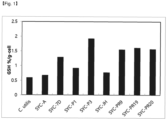
- the cell OD of Example 1-2, the glutathione content of Example 1-3, and the glutathione content per cell dry weight (g) are shown in Table 1, and the cell dry weight ( g) Glutathione content per sugar is shown in FIG. 1 .
- the glutathione contents of the seven selected strains were higher than that of the standard strain C. utilis KCCM 11355, specifically about 0.7 to 2% by weight.
- the six strains except for SYC-7D strain had the same or higher degree of cell growth than that of the standard strain, and thus had more desirable characteristics.
- SYC-7D, SYC-JH, SYC-P1, SYC-P3, SYC-PR9, SYC-PR19, and SYC-PR20 having 0.8% by weight or more of the glutathione production per cell dry weight (g) (GSH (%) / g-cell), or more preferably, SYC-PR9, SYC-PR19, and SYC-PR20 having 1.5% by weight or more of the glutathione production per cell dry weight (g) (GSH (%) / g-cell) could be selected.
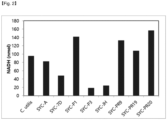
- the ADH activity was measured by culturing the seven(7) strains with high glutathione content selected in Example 1.
- the ADH activity was analyzed using an ADH Activity Assay Kit (Abcam). After culturing for 24 to 48 hours at 30 °C in YPD medium, the cells were collected to 1 ⁇ 10 6 CFU / ml. The collected cells were washed with distilled water, and then were added with ADH assay buffer, to disrupt the cell walls using a bead beater. As the composition of the reaction solution, 50 ⁇ l of sample or NADH standard material was mixed with 82 ⁇ l of ADH assay buffer, 8 ⁇ l of Developer, and 10 ⁇ l of Isopropanol for each concentration. After reacting at 37 °C.
- the ADH activity of the 7 selected strains ranged from 0.03 to 0.26 mu/ml, and the strains having higher ADH activity that that of the standard strain C. utilis KCCM 11355 (control) were SYC-P1, SYC-PR9, SYC-PR19 and SYC-PR20, and the strain showing the highest activity was identified as SYC-PR20. Accordingly, in terms of ADH activity, SYC-P1, SYC-PR9, SYC-PR19, and SYC-PR20 could be selected secondarily. Preferably, SYC-P1, SYC-PR9, and SYC-PR20 having an ADH activity of 0.20 (mU/ml) or more could be selected.
- SYC-PR9, SYC-PR19, and SYC-PR20 can be selected as secondary candidate strains.
- YPD yeast extract 10 g/L, Peptone 20 g/L, Dextrose 20 g/L
- 3 ml of medium was dispensed into a test tube, and the culture was performed for a culture time of 24 to 60 hours at 30 °C with agitation.
- the culture solution was taken at 24 hours, 36 hours, 48 hours, and 60 hours, respectively, and cell OD value, glutathione content, and Glutathione content per cell dry weight (g) were measured, and the results are shown in Table 3 below.
- the cell O.D increased from 12 at 24 hours, 15 at 36 hours, 18 at 48 hours, and 19 at 60 hours. It was confirmed that the production of GSH was 69 at 24 hours, 82 at 36 hours, 111 at 48 hours, and 120 mg/L at 60 hours. Therefore, it was confirmed that the GSH % per g of cell dry weight increased from 1.4% at 24 hours to 1.6% at 60 hours.
- Example 4 Evaluation of microorganism's tolerance to ethanol
- Example 1 For SYC-PR20 selected in Example 1, cell growth was evaluated in an ethanol-containing medium.
- a 5X YPD (yeast extract 50 g/L, Peptone 100 g/L, Dextrose 100 g/L) medium was prepared and mixed with 100% ethanol to make the final ethanol concentration in the medium to be 0, 2, 4, 6, 8 , 10, or 15 v/v%.
- 3 ml of the medium containing ethanol for each concentration was dispensed into a test tube and cultured with shaking at 30 °C for 60 hours to obtain culture solution.
- the cell concentration was analyzed by measuring the absorbance at 600 nm in substantially the same manner as in Example 1-2, and the results are shown in Table 4 below.
- Saccharomyces cerevisiase known as a strain with high alcohol tolerance, can grow at ethanol concentrations of 7-11% (v/v).
- the SYC-PR20 strain which was secondly selected according to Examples 2 and 3, had high alcohol tolerance and, in particular, exhibited high cell growth in an alcohol-containing medium compared to the standard strain of C. utilis KCCM 11355 (control group), particularly high cell growth of 110% or more at an ethanol concentration of 0.5 to 15 v/v%.
- the SYC-PR20 strain having a relatively high ADH activity had a higher cell concentration at the same ethanol concentration than the control group. Accordingly, it was confirmed that the SYC-PR20 strain had excellent glutathione production ability, ADH activity and alcohol tolerance.
- Example 4 the SYC-PR20 strain showed the most preferable characteristics among the 7 selected strains with a glutathione yield of 1.6% and an ADH activity of 0.26 mU/ml.
- the SYC-PR20 strain was subjected to 18S rRNA sequence analysis by using universal primers ITS1 (SEQ ID NO: 2: 5'-TCCGTAGGTGAACCTGCGG-3') and ITS4 (SEQ ID NO: 3: 5'-TCCGTAGGTGAACCTGCGG-3').
- the 18S rDNA sequence of the SYC-PR20 strain is shown in SEQ ID NO: 1.
- As a result of strain identification based on the 18S rDNA sequence it was identified as Candida utilis ( Pichia jadinii ).
- the Candida utilis SYC-PR20 strain was deposited at the Korean Culture Center of Microorganism, located at 45, Hongjenae 2ga-gil, Seodaemun-gu, Seoul, on August 7, 2020, and received accession number of KCCM 12777P.
- the colony formed on YPD agar plate inoculated with the Candida utilis SYC-PR20 strain according to Example 5 was inoculated into 3mL of YPD (Yeast extract 10 g/L, Peptone 20 g/L, Dextrose 20 g/L) broth, cultured for 24 hours at a temperature of 30 °C and 240 rpm to obtain the seed culture, and 3 mL of the previously cultured seed culture was inoculated into 100 mL of the same YPD broth and cultured under the same conditions to prepare a seed culture for a 5L fermenter.
- YPD Yeast extract 10 g/L, Peptone 20 g/L, Dextrose 20 g/L
- 5L fermenter culturing was performed. Specifically, a glucose-based culture medium and a sucrose-based culture medium were prepared in a final 2L culture volume in a 5L fermenter with the medium composition shown in Table 5, respectively. The prepared seed culture for 5L fermenter culturing was inoculated into a 5L fermenter and cultured while stirring under the conditions shown in Table 6.
- the time when the initial input saccharides was almost consumed was the end of the culture at 29 hours for both glucose and sucrose-based cultures, and OD value at 600 nm as the cell concentration at that time was 28.4 for glucose-based culture and 31.9 for sucrose-based culture, to show increased cell yield for sucrose-based culture by 112%.
- the glutathione content was 223.3 mg/L in the sucrose-based culture, which was about 122% higher than that of the glucose-based culture in the same time culture.
- the colony formed on the YPD agar plate inoculated with the Candida utilis SYC-PR20 strain according to Example 5 was inoculated into 3mL of YPD (Yeast extract 10 g/L, Peptone 20 g/L, Dextrose 20 g/L) broth, cultured for 24 hours at a temperature of 30 °C and 240 rpm to obtain the seed culture, and 3 mL of the previously cultured seed culture was inoculated into 100 mL of the same YPD broth and cultured under the same conditions to prepare a seed culture for a 5L fermenter.
- YPD Yeast extract 10 g/L, Peptone 20 g/L, Dextrose 20 g/L
- the seed culture and 5L fermenter culture were prepared as in Example 5.
- Fed-batch culture is performed by continuously supplying saccharide solution containing sucrose of 600g/L to maintain high-concentration cell culture and glutathione productivity.
- the sucrose feeding rate As a result, according to the sucrose feeding rate, the amount of change in glutathione content in the culture solution was measured over time and shown in FIG. 3 , and the ethanol content in the culture solution was measured over time and shown in FIG.4 . In addition, the change in cell concentration according to the sucrose feeding rate was measure over time and shown in FIG.5 .
- the white sphere means a sucrose feeding rate of 4.5 g/L.h-1
- the black sphere means a sucrose feeding rate of 6 g/L.h-1.
- Candida utilis SYC-PR20 strain according to the present invention when Candida utilis SYC-PR20 strain according to the present invention is supplied at a saccharide feeding rate of 6 g/L.h-1, ethanol is accumulated in the culture medium as a metabolite of the cells due to sufficient saccharide supply, and glutathione is increased to the level of batch culture in the high concentration culture section. content can be maintained, which is more preferable.
Landscapes
- Health & Medical Sciences (AREA)
- Life Sciences & Earth Sciences (AREA)
- Chemical & Material Sciences (AREA)
- Engineering & Computer Science (AREA)
- Organic Chemistry (AREA)
- Genetics & Genomics (AREA)
- General Health & Medical Sciences (AREA)
- Bioinformatics & Cheminformatics (AREA)
- Biotechnology (AREA)
- Wood Science & Technology (AREA)
- Zoology (AREA)
- Mycology (AREA)
- Medicinal Chemistry (AREA)
- Microbiology (AREA)
- General Engineering & Computer Science (AREA)
- Public Health (AREA)
- Pharmacology & Pharmacy (AREA)
- Veterinary Medicine (AREA)
- Animal Behavior & Ethology (AREA)
- Biochemistry (AREA)
- General Chemical & Material Sciences (AREA)
- Chemical Kinetics & Catalysis (AREA)
- Biomedical Technology (AREA)
- Natural Medicines & Medicinal Plants (AREA)
- Molecular Biology (AREA)
- Nuclear Medicine, Radiotherapy & Molecular Imaging (AREA)
- Botany (AREA)
- Diabetes (AREA)
- Alternative & Traditional Medicine (AREA)
- Proteomics, Peptides & Aminoacids (AREA)
- Medical Informatics (AREA)
- Virology (AREA)
- Epidemiology (AREA)
- Biophysics (AREA)
- Physics & Mathematics (AREA)
- Tropical Medicine & Parasitology (AREA)
- Plant Pathology (AREA)
- Gastroenterology & Hepatology (AREA)
- Oncology (AREA)
- Endocrinology (AREA)
Applications Claiming Priority (2)
| Application Number | Priority Date | Filing Date | Title |
|---|---|---|---|
| KR1020200177834A KR102754662B1 (ko) | 2020-12-17 | 2020-12-17 | 높은 트리펩타이드 생산능을 갖는 미생물 및 이의 용도 |
| PCT/KR2021/017985 WO2022131623A1 (ko) | 2020-12-17 | 2021-12-01 | 높은 트리펩타이드 생산능을 갖는 미생물 및 이의 용도 |
Publications (2)
| Publication Number | Publication Date |
|---|---|
| EP4265729A1 true EP4265729A1 (de) | 2023-10-25 |
| EP4265729A4 EP4265729A4 (de) | 2025-06-18 |
Family
ID=82059226
Family Applications (1)
| Application Number | Title | Priority Date | Filing Date |
|---|---|---|---|
| EP21906928.3A Pending EP4265729A4 (de) | 2020-12-17 | 2021-12-01 | Mikroorganismus mit hoher tripeptidproduktivität und verwendung davon |
Country Status (6)
| Country | Link |
|---|---|
| US (1) | US12678469B2 (de) |
| EP (1) | EP4265729A4 (de) |
| JP (1) | JP7637778B2 (de) |
| KR (1) | KR102754662B1 (de) |
| CN (1) | CN116669748B (de) |
| WO (1) | WO2022131623A1 (de) |
Families Citing this family (1)
| Publication number | Priority date | Publication date | Assignee | Title |
|---|---|---|---|---|
| CN115851466A (zh) * | 2023-01-05 | 2023-03-28 | 陈盈如 | 一株杰丁毕赤酵母及其应用 |
Family Cites Families (8)
| Publication number | Priority date | Publication date | Assignee | Title |
|---|---|---|---|---|
| CN1203185C (zh) * | 2003-05-09 | 2005-05-25 | 江南大学 | 一种提高产朊假丝酵母发酵生产谷胱甘肽产量的方法 |
| JP2005073638A (ja) * | 2003-09-02 | 2005-03-24 | Ajinomoto Co Inc | キャンディダ・ユティリスのグルタチオン合成酵素をコードする遺伝子 |
| CN101880702B (zh) * | 2009-05-07 | 2012-12-12 | 成都自豪药业有限公司 | 一种采用产朊假丝酵母发酵生产谷胱甘肽的方法 |
| KR101150148B1 (ko) * | 2010-04-23 | 2012-06-08 | 샘표식품 주식회사 | 글루타치온 함량이 증대된 신규 효모 변이주, 그 제조 방법 및 용도 |
| WO2012097091A2 (en) * | 2011-01-12 | 2012-07-19 | Verdezyne, Inc. | Engineered microorganisms with enhanced fermentation activity |
| KR101893604B1 (ko) * | 2015-08-27 | 2018-08-30 | 경희대학교 산학협력단 | 칸디다 유틸리스 추출물을 포함하는 난청의 예방 또는 치료용 조성물 |
| CN105255748B (zh) * | 2015-09-29 | 2018-11-09 | 江南大学 | 一株高产谷胱甘肽的果酒酵母及其应用 |
| WO2019139031A1 (ja) | 2018-01-15 | 2019-07-18 | 京都府公立大学法人 | 栽培植物の養液栽培方法及び養液栽培用培養液 |
-
2020
- 2020-12-17 KR KR1020200177834A patent/KR102754662B1/ko active Active
-
2021
- 2021-12-01 JP JP2023536882A patent/JP7637778B2/ja active Active
- 2021-12-01 CN CN202180085941.8A patent/CN116669748B/zh active Active
- 2021-12-01 US US18/265,426 patent/US12678469B2/en active Active
- 2021-12-01 WO PCT/KR2021/017985 patent/WO2022131623A1/ko not_active Ceased
- 2021-12-01 EP EP21906928.3A patent/EP4265729A4/de active Pending
Also Published As
| Publication number | Publication date |
|---|---|
| JP7637778B2 (ja) | 2025-02-28 |
| EP4265729A4 (de) | 2025-06-18 |
| CN116669748B (zh) | 2025-11-11 |
| US20250262258A1 (en) | 2025-08-21 |
| US12678469B2 (en) | 2026-07-14 |
| WO2022131623A1 (ko) | 2022-06-23 |
| CN116669748A (zh) | 2023-08-29 |
| KR20220087288A (ko) | 2022-06-24 |
| KR102754662B1 (ko) | 2025-01-20 |
| JP2024500742A (ja) | 2024-01-10 |
Similar Documents
| Publication | Publication Date | Title |
|---|---|---|
| Hugenholtz et al. | Nutraceutical production by propionibacteria | |
| US9084435B2 (en) | Yeast mutant and yeast extract | |
| JP5883780B2 (ja) | 酵母の培養方法 | |
| EP3385369B1 (de) | Verfahren zur herstellung von hefe mit hohem glutaminsäuregehalt | |
| JP6649539B1 (ja) | 脂肪蓄積抑制用組成物 | |
| US20250262258A1 (en) | Microorganism with high tripeptide productivity and use thereof | |
| JP2012017337A (ja) | アルコール代謝促進剤組成物 | |
| JP2008178405A (ja) | 味覚・風味に優れた発酵アルコール飲料の製造方法 | |
| JP2003116342A (ja) | 冬虫夏草の新規製造方法及び得られた冬虫夏草とその使用 | |
| KR102278292B1 (ko) | 아세트알데하이드를 분해능 및 글루타치온 생성능을 가지는 적응진화된 효모및 이의 용도 | |
| KR101157461B1 (ko) | 글루타치온 고발현 사카로마이세스 세레비지애 54-8 야생형및 이의 용도 | |
| JP4620404B2 (ja) | 酵母変異株、グルタチオン高含有酵母の製造方法、その培養物、その分画物、酵母エキスおよびグルタチオン含有飲食品 | |
| JP4620405B2 (ja) | 酵母変異株、グルタチオン高含有酵母の製造方法、その培養物、その分画物、酵母エキスおよびグルタチオン含有飲食品 | |
| WO2006013736A1 (ja) | 酵母変異株、グルタチオン高含有酵母の製造方法、その培養物、その分画物、酵母エキスおよびグルタチオン含有飲食品 | |
| WO2022186355A1 (ja) | 6,3'-ジヒドロキシエクオールの産生のための組成物 | |
| KR20220133520A (ko) | GABA 생산 활성을 갖는 신규한 락토바실러스 플란타럼 KS2020 균주, 및 이를 이용한 고농도 γ-PGA 및 GABA 함유 홍삼발효물 또는 옻나무발효물의 제조방법 | |
| JPWO2002000238A1 (ja) | アルコール代謝促進剤組成物 | |
| Pavcek et al. | Factors affecting the vitamin B1 content of yeast | |
| JP4578914B2 (ja) | ビオチンの製造方法 | |
| US20250084364A1 (en) | Preparation method for yeast extract | |
| JP2001213773A (ja) | 高血圧および糖尿病改善剤とγ−アミノ酪酸の製造方法 | |
| KR20240122612A (ko) | 칼슘 생산능 및 알코올 분해 활성을 가지는 효모 균주 및 이의 용도 | |
| KR20250142951A (ko) | 체내 산화질소 생성 관여 스타터 컬쳐를 접종한 근감소증 지연능 발효 홍어의 제조 방법 | |
| JP2011234645A (ja) | グルタチオンを高含有する酵母菌体の製造法 | |
| KR19990048211A (ko) | 유기게르마늄을 균체내에 고농도로 함유하는 효모균주 및 그 제조방법 |
Legal Events
| Date | Code | Title | Description |
|---|---|---|---|
| STAA | Information on the status of an ep patent application or granted ep patent |
Free format text: STATUS: THE INTERNATIONAL PUBLICATION HAS BEEN MADE |
|
| PUAI | Public reference made under article 153(3) epc to a published international application that has entered the european phase |
Free format text: ORIGINAL CODE: 0009012 |
|
| STAA | Information on the status of an ep patent application or granted ep patent |
Free format text: STATUS: REQUEST FOR EXAMINATION WAS MADE |
|
| 17P | Request for examination filed |
Effective date: 20230717 |
|
| AK | Designated contracting states |
Kind code of ref document: A1 Designated state(s): AL AT BE BG CH CY CZ DE DK EE ES FI FR GB GR HR HU IE IS IT LI LT LU LV MC MK MT NL NO PL PT RO RS SE SI SK SM TR |
|
| DAV | Request for validation of the european patent (deleted) | ||
| DAX | Request for extension of the european patent (deleted) | ||
| A4 | Supplementary search report drawn up and despatched |
Effective date: 20250521 |
|
| RIC1 | Information provided on ipc code assigned before grant |
Ipc: C12R 1/72 20060101ALI20250515BHEP Ipc: C12P 21/02 20060101ALI20250515BHEP Ipc: A61P 1/16 20060101ALI20250515BHEP Ipc: A61P 9/00 20060101ALI20250515BHEP Ipc: A61P 3/10 20060101ALI20250515BHEP Ipc: A61P 31/12 20060101ALI20250515BHEP Ipc: A61K 36/06 20060101ALI20250515BHEP Ipc: C12N 15/81 20060101AFI20250515BHEP |