EP4249398B1 - Verpackung zur konservierung von atmenden waren und verfahren - Google Patents
Verpackung zur konservierung von atmenden waren und verfahren Download PDFInfo
- Publication number
- EP4249398B1 EP4249398B1 EP23184542.1A EP23184542A EP4249398B1 EP 4249398 B1 EP4249398 B1 EP 4249398B1 EP 23184542 A EP23184542 A EP 23184542A EP 4249398 B1 EP4249398 B1 EP 4249398B1
- Authority
- EP
- European Patent Office
- Prior art keywords
- package
- range
- hrs
- packaging material
- produce
- Prior art date
- Legal status (The legal status is an assumption and is not a legal conclusion. Google has not performed a legal analysis and makes no representation as to the accuracy of the status listed.)
- Active
Links
Images

Classifications
-
- A—HUMAN NECESSITIES
- A23—FOODS OR FOODSTUFFS; TREATMENT THEREOF, NOT COVERED BY OTHER CLASSES
- A23B—PRESERVATION OF FOODS, FOODSTUFFS OR NON-ALCOHOLIC BEVERAGES; CHEMICAL RIPENING OF FRUIT OR VEGETABLES
- A23B7/00—Preservation of fruit or vegetables; Chemical ripening of fruit or vegetables
- A23B7/14—Preserving or ripening with chemicals not covered by group A23B7/08 or A23B7/10
- A23B7/144—Preserving or ripening with chemicals not covered by group A23B7/08 or A23B7/10 in the form of gases, e.g. fumigation; Compositions or apparatus therefor
- A23B7/148—Preserving or ripening with chemicals not covered by group A23B7/08 or A23B7/10 in the form of gases, e.g. fumigation; Compositions or apparatus therefor in a controlled atmosphere, e.g. partial vacuum, comprising only CO2, N2, O2 or H2O
-
- A—HUMAN NECESSITIES
- A23—FOODS OR FOODSTUFFS; TREATMENT THEREOF, NOT COVERED BY OTHER CLASSES
- A23B—PRESERVATION OF FOODS, FOODSTUFFS OR NON-ALCOHOLIC BEVERAGES; CHEMICAL RIPENING OF FRUIT OR VEGETABLES
- A23B7/00—Preservation of fruit or vegetables; Chemical ripening of fruit or vegetables
- A23B7/14—Preserving or ripening with chemicals not covered by group A23B7/08 or A23B7/10
- A23B7/144—Preserving or ripening with chemicals not covered by group A23B7/08 or A23B7/10 in the form of gases, e.g. fumigation; Compositions or apparatus therefor
- A23B7/152—Preserving or ripening with chemicals not covered by group A23B7/08 or A23B7/10 in the form of gases, e.g. fumigation; Compositions or apparatus therefor in a controlled atmosphere comprising other gases in addition to CO2, N2, O2 or H2O ; Elimination of such other gases
-
- B—PERFORMING OPERATIONS; TRANSPORTING
- B65—CONVEYING; PACKING; STORING; HANDLING THIN OR FILAMENTARY MATERIAL
- B65B—MACHINES, APPARATUS OR DEVICES FOR, OR METHODS OF, PACKAGING ARTICLES OR MATERIALS; UNPACKING
- B65B25/00—Packaging other articles presenting special problems
- B65B25/02—Packaging agricultural or horticultural products
- B65B25/04—Packaging fruit or vegetables
- B65B25/041—Packaging fruit or vegetables combined with their conservation
-
- B—PERFORMING OPERATIONS; TRANSPORTING
- B65—CONVEYING; PACKING; STORING; HANDLING THIN OR FILAMENTARY MATERIAL
- B65B—MACHINES, APPARATUS OR DEVICES FOR, OR METHODS OF, PACKAGING ARTICLES OR MATERIALS; UNPACKING
- B65B55/00—Preserving, protecting or purifying packages or package contents in association with packaging
- B65B55/02—Sterilising, e.g. of complete packages
- B65B55/04—Sterilising wrappers or receptacles prior to, or during, packaging
- B65B55/10—Sterilising wrappers or receptacles prior to, or during, packaging by liquids or gases
-
- B—PERFORMING OPERATIONS; TRANSPORTING
- B65—CONVEYING; PACKING; STORING; HANDLING THIN OR FILAMENTARY MATERIAL
- B65B—MACHINES, APPARATUS OR DEVICES FOR, OR METHODS OF, PACKAGING ARTICLES OR MATERIALS; UNPACKING
- B65B57/00—Automatic control, checking, warning, or safety devices
- B65B57/10—Automatic control, checking, warning, or safety devices responsive to absence, presence, abnormal feed, or misplacement of articles or materials to be packaged
-
- B—PERFORMING OPERATIONS; TRANSPORTING
- B65—CONVEYING; PACKING; STORING; HANDLING THIN OR FILAMENTARY MATERIAL
- B65B—MACHINES, APPARATUS OR DEVICES FOR, OR METHODS OF, PACKAGING ARTICLES OR MATERIALS; UNPACKING
- B65B61/00—Auxiliary devices, not otherwise provided for, for operating on sheets, blanks, webs, binding material, containers or packages
- B65B61/02—Auxiliary devices, not otherwise provided for, for operating on sheets, blanks, webs, binding material, containers or packages for perforating, scoring, slitting, or applying code or date marks on material prior to packaging
-
- B—PERFORMING OPERATIONS; TRANSPORTING
- B65—CONVEYING; PACKING; STORING; HANDLING THIN OR FILAMENTARY MATERIAL
- B65D—CONTAINERS FOR STORAGE OR TRANSPORT OF ARTICLES OR MATERIALS, e.g. BAGS, BARRELS, BOTTLES, BOXES, CANS, CARTONS, CRATES, DRUMS, JARS, TANKS, HOPPERS, FORWARDING CONTAINERS; ACCESSORIES, CLOSURES, OR FITTINGS THEREFOR; PACKAGING ELEMENTS; PACKAGES
- B65D33/00—Details of, or accessories for, sacks or bags
- B65D33/01—Ventilation or drainage of bags
-
- B—PERFORMING OPERATIONS; TRANSPORTING
- B65—CONVEYING; PACKING; STORING; HANDLING THIN OR FILAMENTARY MATERIAL
- B65D—CONTAINERS FOR STORAGE OR TRANSPORT OF ARTICLES OR MATERIALS, e.g. BAGS, BARRELS, BOTTLES, BOXES, CANS, CARTONS, CRATES, DRUMS, JARS, TANKS, HOPPERS, FORWARDING CONTAINERS; ACCESSORIES, CLOSURES, OR FITTINGS THEREFOR; PACKAGING ELEMENTS; PACKAGES
- B65D65/00—Wrappers or flexible covers; Packaging materials of special type or form
- B65D65/38—Packaging materials of special type or form
- B65D65/46—Applications of disintegrable, dissolvable or edible materials
- B65D65/466—Bio- or photodegradable packaging materials
-
- B—PERFORMING OPERATIONS; TRANSPORTING
- B65—CONVEYING; PACKING; STORING; HANDLING THIN OR FILAMENTARY MATERIAL
- B65D—CONTAINERS FOR STORAGE OR TRANSPORT OF ARTICLES OR MATERIALS, e.g. BAGS, BARRELS, BOTTLES, BOXES, CANS, CARTONS, CRATES, DRUMS, JARS, TANKS, HOPPERS, FORWARDING CONTAINERS; ACCESSORIES, CLOSURES, OR FITTINGS THEREFOR; PACKAGING ELEMENTS; PACKAGES
- B65D81/00—Containers, packaging elements, or packages, for contents presenting particular transport or storage problems, or adapted to be used for non-packaging purposes after removal of contents
- B65D81/18—Containers, packaging elements, or packages, for contents presenting particular transport or storage problems, or adapted to be used for non-packaging purposes after removal of contents providing specific environment for contents, e.g. temperature above or below ambient
- B65D81/20—Containers, packaging elements, or packages, for contents presenting particular transport or storage problems, or adapted to be used for non-packaging purposes after removal of contents providing specific environment for contents, e.g. temperature above or below ambient under vacuum or superatmospheric pressure, or in a special atmosphere, e.g. of inert gas
- B65D81/2069—Containers, packaging elements, or packages, for contents presenting particular transport or storage problems, or adapted to be used for non-packaging purposes after removal of contents providing specific environment for contents, e.g. temperature above or below ambient under vacuum or superatmospheric pressure, or in a special atmosphere, e.g. of inert gas in a special atmosphere
- B65D81/2084—Containers, packaging elements, or packages, for contents presenting particular transport or storage problems, or adapted to be used for non-packaging purposes after removal of contents providing specific environment for contents, e.g. temperature above or below ambient under vacuum or superatmospheric pressure, or in a special atmosphere, e.g. of inert gas in a special atmosphere in a flexible container
-
- B—PERFORMING OPERATIONS; TRANSPORTING
- B65—CONVEYING; PACKING; STORING; HANDLING THIN OR FILAMENTARY MATERIAL
- B65D—CONTAINERS FOR STORAGE OR TRANSPORT OF ARTICLES OR MATERIALS, e.g. BAGS, BARRELS, BOTTLES, BOXES, CANS, CARTONS, CRATES, DRUMS, JARS, TANKS, HOPPERS, FORWARDING CONTAINERS; ACCESSORIES, CLOSURES, OR FITTINGS THEREFOR; PACKAGING ELEMENTS; PACKAGES
- B65D81/00—Containers, packaging elements, or packages, for contents presenting particular transport or storage problems, or adapted to be used for non-packaging purposes after removal of contents
- B65D81/24—Adaptations for preventing deterioration or decay of contents; Applications to the container or packaging material of food preservatives, fungicides, pesticides or animal repellants
-
- B—PERFORMING OPERATIONS; TRANSPORTING
- B65—CONVEYING; PACKING; STORING; HANDLING THIN OR FILAMENTARY MATERIAL
- B65D—CONTAINERS FOR STORAGE OR TRANSPORT OF ARTICLES OR MATERIALS, e.g. BAGS, BARRELS, BOTTLES, BOXES, CANS, CARTONS, CRATES, DRUMS, JARS, TANKS, HOPPERS, FORWARDING CONTAINERS; ACCESSORIES, CLOSURES, OR FITTINGS THEREFOR; PACKAGING ELEMENTS; PACKAGES
- B65D81/00—Containers, packaging elements, or packages, for contents presenting particular transport or storage problems, or adapted to be used for non-packaging purposes after removal of contents
- B65D81/24—Adaptations for preventing deterioration or decay of contents; Applications to the container or packaging material of food preservatives, fungicides, pesticides or animal repellants
- B65D81/26—Adaptations for preventing deterioration or decay of contents; Applications to the container or packaging material of food preservatives, fungicides, pesticides or animal repellants with provision for draining away, or absorbing, or removing by ventilation, fluids, e.g. exuded by contents; Applications of corrosion inhibitors or desiccators
- B65D81/263—Adaptations for preventing deterioration or decay of contents; Applications to the container or packaging material of food preservatives, fungicides, pesticides or animal repellants with provision for draining away, or absorbing, or removing by ventilation, fluids, e.g. exuded by contents; Applications of corrosion inhibitors or desiccators for ventilating the contents
-
- B—PERFORMING OPERATIONS; TRANSPORTING
- B65—CONVEYING; PACKING; STORING; HANDLING THIN OR FILAMENTARY MATERIAL
- B65D—CONTAINERS FOR STORAGE OR TRANSPORT OF ARTICLES OR MATERIALS, e.g. BAGS, BARRELS, BOTTLES, BOXES, CANS, CARTONS, CRATES, DRUMS, JARS, TANKS, HOPPERS, FORWARDING CONTAINERS; ACCESSORIES, CLOSURES, OR FITTINGS THEREFOR; PACKAGING ELEMENTS; PACKAGES
- B65D85/00—Containers, packaging elements or packages, specially adapted for particular articles or materials
- B65D85/30—Containers, packaging elements or packages, specially adapted for particular articles or materials for articles particularly sensitive to damage by shock or pressure
- B65D85/34—Containers, packaging elements or packages, specially adapted for particular articles or materials for articles particularly sensitive to damage by shock or pressure for fruit, e.g. apples, oranges or tomatoes
-
- B—PERFORMING OPERATIONS; TRANSPORTING
- B65—CONVEYING; PACKING; STORING; HANDLING THIN OR FILAMENTARY MATERIAL
- B65D—CONTAINERS FOR STORAGE OR TRANSPORT OF ARTICLES OR MATERIALS, e.g. BAGS, BARRELS, BOTTLES, BOXES, CANS, CARTONS, CRATES, DRUMS, JARS, TANKS, HOPPERS, FORWARDING CONTAINERS; ACCESSORIES, CLOSURES, OR FITTINGS THEREFOR; PACKAGING ELEMENTS; PACKAGES
- B65D85/00—Containers, packaging elements or packages, specially adapted for particular articles or materials
- B65D85/50—Containers, packaging elements or packages, specially adapted for particular articles or materials for living organisms, articles or materials sensitive to changes of environment or atmospheric conditions, e.g. land animals, birds, fish, water plants, non-aquatic plants, flower bulbs, cut flowers or foliage
- B65D85/505—Containers, packaging elements or packages, specially adapted for particular articles or materials for living organisms, articles or materials sensitive to changes of environment or atmospheric conditions, e.g. land animals, birds, fish, water plants, non-aquatic plants, flower bulbs, cut flowers or foliage for cut flowers
-
- A—HUMAN NECESSITIES
- A23—FOODS OR FOODSTUFFS; TREATMENT THEREOF, NOT COVERED BY OTHER CLASSES
- A23V—INDEXING SCHEME RELATING TO FOODS, FOODSTUFFS OR NON-ALCOHOLIC BEVERAGES AND LACTIC OR PROPIONIC ACID BACTERIA USED IN FOODSTUFFS OR FOOD PREPARATION
- A23V2002/00—Food compositions, function of food ingredients or processes for food or foodstuffs
-
- Y—GENERAL TAGGING OF NEW TECHNOLOGICAL DEVELOPMENTS; GENERAL TAGGING OF CROSS-SECTIONAL TECHNOLOGIES SPANNING OVER SEVERAL SECTIONS OF THE IPC; TECHNICAL SUBJECTS COVERED BY FORMER USPC CROSS-REFERENCE ART COLLECTIONS [XRACs] AND DIGESTS
- Y02—TECHNOLOGIES OR APPLICATIONS FOR MITIGATION OR ADAPTATION AGAINST CLIMATE CHANGE
- Y02W—CLIMATE CHANGE MITIGATION TECHNOLOGIES RELATED TO WASTEWATER TREATMENT OR WASTE MANAGEMENT
- Y02W90/00—Enabling technologies or technologies with a potential or indirect contribution to greenhouse gas [GHG] emissions mitigation
- Y02W90/10—Bio-packaging, e.g. packing containers made from renewable resources or bio-plastics
Definitions
- the present disclosure relates to a tray seal package for preserving respiring produce contained in the package, in particular vegetables, fruit, flowers and herbs, comprising a packaging material, in particular a polymer film, provided with at least one perforation enabling gas exchange, in particular the exchange of oxygen and carbon dioxide, with the outside atmosphere surrounding the package.
- the invention further relates to a method for manufacturing such a package.
- shelf life of natural products is of interest to producers, sellers, re-sellers and consumers alike.
- food stuffs like vegetables, fruit, herbs and/or spices
- taste, flavour, ripeness and/or structural properties are particularly relevant, as well as inhibiting decay processes and/or growth of pathogens.
- structural properties e.g. firmness
- vase life the time cut flowers and/or flowers in a bouquet retain acceptably pleasing appearance and/or fragrance on display.
- the vase life is a few days up to about two weeks at most. Shelf life and vase life are affected by initial produce quality and by conditions of storage and/or transport.
- Natural produce such as flowers, vegetables, fruits and/or herbs tend to respire after being harvested, involving inter alia to a consumption of oxygen and a generation of carbon dioxide. The respiration continues for prolonged periods, in particular if the produce has undergone little to no processing, e.g. having been washed and possibly peeled and/or chopped up, but otherwise fresh and uncooked.
- the atmosphere within the package is affected by the respiring produce.
- an atmosphere surrounding natural produce affects the respiration, maturation, aging and/or deterioration of the packed produce. It has therefore become customary to package fresh produce in packages with a modified atmosphere (Modified Atmosphere Package or MAP) or with a controlled atmosphere (Controlled Atmosphere Package or CAP).
- MAP Modified Atmosphere Package
- CAP Controlled Atmosphere Package
- MAP the produce is packaged, and an artificial gas mixture is used to establish a distinct interior atmosphere in the package, which may however change later on due to the respiration of the packed produce.
- CAP the produce is packaged, and the composition of the package atmosphere is controlled by including an active absorber for an atmosphere component, e.g. an oxygen scavenger and/or by adapting transmission of the packaging material to allow exchange with an exterior atmosphere outside the package, e.g. by perforating the material.
- Modified- and controlled atmosphere packaging preserve produce quality by reducing the aerobic respiration rate while avoiding anaerobic processes that may lead to adverse changes, e.g. in one or more of colour, texture, flavour and aroma.
- Another aspect of fresh and/or respiring produce is, on the one hand, the production of water vapour by the produce and, on the other hand, sensitivity to humidity by the produce and/or live contaminants (e.g. microbes, insects, parasites, fungi, ). Therefore, humidity of the atmosphere inside a package should also preferably be controlled.
- a package for preserving respiring produce contained in the package in particular vegetables, fruit, herbs, spices and/or flowers, is provided.
- the package comprises a tray and a sealing film and defines a package volume for containing a portion of the produce and a package atmosphere, and comprises a packaging material providing the sealing film, in particular a polymer film, provided with at least one perforation enabling gas exchange with the atmosphere surrounding the package to form the package into a Controlled Atmosphere Package (CAP).
- CAP Controlled Atmosphere Package
- WVTR Water Vapour Transmission Rate
- CO 2 TR oxygen transmission rate
- the packaging material provides, compared to presently available packages, in particular a high transmission rate for water vapour and a high ratio ⁇ between the transmission rates for oxygen and carbon dioxide.
- a high WVTR reduces humidity build-up in the package atmosphere, and in particular it reduces formation of water films and/or droplets in the package atmosphere, e.g. on surfaces within the package, such as on an inside surface of the packaging material. This reduces fungal growth and/or other decay processes.
- a too high WVTR causes decay by losing turgor, drying out and/or withering of the produce, which also is unacceptable.
- the presently provided values have proven to be suitable for CAP of all commercially relevant produce.
- a high CO 2 TR facilitates escape of carbon dioxide and thus reduces elevating CO 2 concentration in the package atmosphere, thus reducing or preventing risks of anaerobic decay processes. Further, CO 2 may dissolve in water, from which it may re-enter the package atmosphere later on, and with which it may react to form carbonic acid which in turn may affect taste and/or composition of food produce stored in the package.
- Closing the bag may also be done by hand with a closing device (e.g. tie, clip, tape, elastic band, etc.) and/or by folding and/or knotting.
- a closing device e.g. tie, clip, tape, elastic band, etc.
- the package may be (further) closed by other techniques, e.g. by use of adhesives and/or by welding which may comprise using a hand-held device and/or an automated device which may be comprised in the apparatus.
- the package may be closed immediately after filling or produce may be filled in the package and the package being closed after a further treatment step and/or conditioning step, e.g. cooling.
- a too-low O 2 -concentration may accelerate anaerobic decay processes; however, a too high concentration enables prolonged development and aging of the produce. Both should be prevented.
- the oxygen transmission rate O 2 TR of the packaging material enables an inflow of oxygen into the package atmosphere, preventing total consumption of the oxygen.
- a too high O 2 TR precludes control over the oxygen transmission rate of the package as whole by perforation.
- An oxygen concentration in a range of typically 1-10%, preferably 2-8% e.g. 3-7% more preferably 4-6% may be preferred to decelerate aging processes (also known as "putting the produce to sleep") and maximise shelf life.
- concentrations may be achieved by the at least one perforation forming the package as a CAP. By the at least one perforation the oxygen transmission rate of the package as a whole can be increased.
- Each perforation affects the transmission rate of the package as a whole for oxygen, carbon dioxide and ethylene.
- the open area of microperforations for CAP affects the water vapour transmission rate of the package as a whole only insignificantly.
- the high ratio ⁇ facilitates control over the oxygen concentration and the carbon dioxide concentration in the package atmosphere by perforating the material.
- the oxygen concentration in the package atmosphere may be lowered to a reduced oxygen concentration in order to slow down aging processes, while at the same time ensuring a minimum equilibrium oxygen concentration.
- the carbon dioxide concentration in the package atmosphere may be controlled to a desired maximum value.
- aging, maturation and/or decay are slowed down and in particular anaerobic processes such as bacterial growth are prevented.
- it is preferred that the equilibrium oxygen concentration and/or carbon dioxide concentration are reached as soon as possible.
- a combination of CAP and MAP may be used.
- the initial package atmosphere may be established at or near the time of closing the package by creating in and/or introducing into the package volume an atmosphere modification gas or -gas mixture differing from the ambient atmosphere.
- the total open area of the perforations for CAP should be determined based on the produce (to be) packed and the transmission properties of the packaging material itself; the transmission rate of the package for each substance is formed by the combination of the transmission rate of the packaging material and the transmission rate through the perforations for the respective substance.
- the perforation(s) in the package should provide an open area configured to control inflow of oxygen into the package volume, in particular establishing a minimum inflow to prevent anaerobicity and a maximum inflow to ensure the low oxygen concentration slowing down the metabolic processes of the produce (a.k.a. "putting the produce to sleep").
- a high CO 2 TR of the packaging material is therefore beneficial in establishing an improved concentration balance between O 2 and CO 2 in the package atmosphere, since this raises the transmission rate for CO 2 for the CAP package as a whole.
- the high CO 2 TR of the packaging material facilitates escaping the aforementioned rule of thumb and achieving a comparably lower concentration of CO 2 in the combined concentration; also the open area of the one or more perforations may be reduced, reducing the inflow of O 2 and therefore the equilibrium concentration of O 2 in the package atmosphere without significantly reducing the outflow of CO 2 , i.e. without significantly increasing the equilibrium concentration of CO 2 in the package atmosphere.
- the high WVTR ensures a low water vapour concentration in the package atmosphere, reducing absorption of CO 2 in water and/or adverse reactions of CO 2 with water, in particular acid-forming.
- films comprising biodegradable polymers, polyhydroxyalkanoates (PHAs), poly-3-hydroxybutyrate (PHB), polyhydroxyvalerate (PHV), polyhydroxyhexanoate (PHH), cellulose acetate, nitrocellulose, polylactic acid (PLA), polybutylene succinate (PBS), polycaprolactone (PCL), polyanhydrides, copolyesters, etc.
- PHA polyhydroxyalkanoates
- PBS polybutylene succinate
- PCL polycaprolactone
- PES polyanhydrides
- copolyesters etc.
- Other suitable materials comprise ethylene-vinyl alcohol polymers and/or cellulose nanocrystals.
- Films of polyurethane, due to its high elasticity, and of polystyrene, due to its brittleness, are found unsuitable for reliable perforation and lack robustness for use as packaging material, for produce in general.
- the film may for example be a partly or fully laminated structure, or a single layer substrate, for instance multi-layer paper laminate, polymeric laminate, single layer polymeric films etc.
- a layer of metallization may also be provided.
- a laminate may be preferred for sealing and/or welding, e.g. for closing a package. This may in particular be advantageous for tray sealing packages wherein a tray may have one composition and a closing film (usually a top film) may have another composition, in particular the tray is a relatively thick part and the closing film is a packaging material as specified herein.
- a laminate may be laminated fully or partly providing regions of more and less layers.
- the film can for example be made by extrusion processes such as blowing, casting or calendaring processes. Extrusion and/or blowing are preferred for manufacturing the film as a tubular material.
- the produce may be pure, e.g. a single species of fruit or vegetable, or it may be a mixture, e.g. a mixed flower bouquet, a vegetable mixture and/or a herb mixture, etc.
- WVTR Low Density Lip-VTR
- too high WVTR may cause drying out of the produce which may be undesired.
- a well selected WVTR may optimise shelf life of the produce. It has been found that for several species of produce, an optimum WVTR may be desired in view of the open area of the at least one perforation to form the CAP.
- the packaging material may therefore have, in particular for produce having a relatively low transpiration rate such as blueberries, chicory, grapes, pomegranate, etc., a Water Vapour Transmission Rate (WVTR) in a range of 100 - 1000 ml/(m 2 .24 hrs), preferably in a range of 150 - 800 ml/(m 2 .24 hrs), more preferably in a range of 250- 700 ml/(m 2 .24 hrs), most preferably in a range of 400 - 600 ml/(m 2 .24 hrs) .
- WVTR Water Vapour Transmission Rate
- the packaging material may have, in particular for produce having a relatively high transpiration rate such as asparagus, avocado, peas, snap beans, mango, a Water Vapour Transmission Rate (WVTR) in a range of 100 - 1000 ml/(m 2 .24 hrs), preferably in a range of 700-1100 ml/(m 2 .24 hrs), more preferably in a range of 800 - 1100 ml/(m 2 .24 hrs), most preferably in a range of 900 - 1000 ml/(m 2 .24 hrs) .
- WVTR Water Vapour Transmission Rate
- the packaging material may have a carbon dioxide transmission rate (CO 2 TR) in a range of 1000 - 12000 ml/ (m2.24 hrs) while larger than 1000 ml/(m2.24 hrs), preferably in a range of 2000 - 10000 ml/(m 2 .24 hrs), more preferably in a range of 4000 - 9000 ml/(m 2 .24 hrs), most preferably in a range of 5000 - 8500 ml/(m 2 .24 hrs).
- CO 2 TR carbon dioxide transmission rate
- preferred ranges may be 5000 - 12000 ml/(m 2 .24 hrs), preferably in a range of 6000 - 10000 ml/(m 2 .24 hrs), more preferably in a range of 7000 - 9000 ml/(m 2 .24 hrs), most preferably in a range of 7500 - 8500 ml/(m 2 .24 hrs), e.g. 7000 - 9000 ml/(m 2 .24 hrs).
- the packaging material may have an oxygen transmission rate (O 2 TR) in a range of 500 - 4000 ml/(m 2 .24 hrs), preferably in a range of 750 - 4000 ml/(m 2 .24 hrs), more preferably in a range of 900 - 3000 ml/(m 2 .24 hrs), most preferably in a range of 1000 - 2500 ml/(m 2 .24 hrs).
- O 2 TR oxygen transmission rate
- a high O 2 TR facilitates fine control of oxygen influx, e.g. by precisely establishing a ratio of the packaging material area and the open area of the one or more perforations.
- respiration of produce (and therefore the optimum concentrations of one or more of oxygen, carbon dioxide and ethylene in CAP) is not, as customarily thought, only dependent on particular produce species, but is specific for each batch of produce. Rather, variations in respiration between crops of a single species due to seasonal effects, handling and/or transport, or even due to different locations on a field, may outweigh differences between different species. Therefore the proper transmission rate for the package should preferably be established anew for each batch of produce to be packed, in particular for subsequent batches of the same species of produce or the same combination of species, e.g.
- a critical respiration ratio H between consumption and/or creation of predetermined atmosphere gases e.g. O 2 , CO 2 , ethylene, water, ...) may be established and used to determine for the control of which component (e.g. O 2 or CO 2 ) the open area of the perforation(s) has to be made in order to provide optimum packaging conditions / shelf life.
- the high CO 2 TR enables both a relatively small O 2 introduction and a relatively high CO 2 -exhaust from the package.
- the high ratio ⁇ may further cause that the aforementioned critical respiration ratio H is shifted so that providing the one or more perforations in view of controlling oxygen may be suitable over a larger variation of respirations. This may obviate adjustment of a perforation system and/or possibly associated (re-) calibration. Thus, manufacturing speed of packaging material and/or packages may increase.
- a CO 2 TR e.g. in a range 10000 - 40000, in particular in a range 10000 - 35000 preferably in a range 15000 - 30000 or 20000 - 30000 may be desired for some types of produces and/or applications.
- An O 2 TR in a range 1000-4000 ml/(m 2 .24 hrs) and/or a ratio ⁇ in a range 8 - 25, like 10 - 25 or even 12 - 20, may be desired for some types of produces and/or applications.
- Such high-transmission materials may be particularly suitable and/or desired for packaging of produce for transport and/or storage with interrupted or non-constant cooling. This may include one or more of shallow cooling (little difference to ambient temperatures), temperature variations and/or cooling to different temperatures, interrupted cooling and repeated cooling instances. The same holds, also or alternatively, for produce packages that are repeatedly opened.
- Typical examples comprise short-time packaging, overnight storage and/or transport, interrupted supply chains, supply chains without comprehensive and/or reliable temperature control, sorting and/or re-packing, produce (spot) checks and/or quality control, market place sales (market stalls and/or -halls), moving market sales on different locations with overnight packaging and transport to another location, live auctions and/or expositions showing produce and/or providing the produce accessible for testing, etc.
- such high transmission packaging in particular for wholesale portions and/or bulk portions, like pallet bags, liner bags and/or pallet covers or -wraps, bale covers or -wraps, etc., may be particularly effective in slowing down metabolic processes of the produce and preventing undesired processes like drying, anaerobe processes and/or formation of water droplets inside the package.
- cooling may be shallower than presently used and/or be obviated altogether. This enables significant reduction of energy consumption and it may facilitate transport and/or storage.
- the packaging material may be a polymer film having a thickness in a range of 10-200 micrometres, preferably in a range of 15-150 micrometres, more preferably in a range of 20-100 micrometres, most preferably in a range of 20-75 micrometres, e.g. in a range of 25-50 micrometres such as 25-40 micrometres.
- the thickness of the film determines inter alia its mechanical strength (lower strength for thinner material) and/or its transmission rates MVTR, CO 2 TR and O 2 TR.
- the film thickness may also, in combination with the size and shape of the perforation, determine the transmission rate of one or more gas components through a perforation.
- With decreasing thickness of the film its mechanical robustness decreases whereas the transmission rates increase.
- With increasing thickness of the film its mechanical robustness increases and the transmission rates decrease.
- the relationship between (decrease or increase of) material thickness and (decrease or increase of) transmission rates for atmospheric components may vary between different atmospheric components, in such cases the ratio ⁇ of the packaging material may depend on the thickness of the material.
- some materials may absorb atmospheric components, in particular water vapour; the total absorption may relate to the amount of packaging material, and thus to the thickness, and the absorption and/or an absorbed amount may affect the transmission rate of the material.
- manufacturing costs and material costs may depend on the thickness of the film; material cost may scale with film thickness whereas manufacturing costs may increase for very thin and very thick films. The thickness of the packaging material may therefore be optimized to several parameters and still provide the desired transmission rates.
- a thickness in a range of 20-50 micrometre, e.g. about 25 or about 40 micrometres may be particularly suitable for wholesale and retail consumer packages; both for bags and/or for tray sealing films. Larger thicknesses, e.g. 50-100 micrometres may be particularly suitable for wholesale packages as a lining, even larger 60-120 micrometres may be particularly suitable for packaging wholesale containers and/or entire stacks of (wholesale) containers and/or pallets on an exterior side of the thus-formed package.
- the one or more perforations may comprise microperforations having an open area of below 1 square millimetre, preferably below 0.5 square millimetre, e.g. about 0.25 square millimetre.
- Such microperforations facilitate exchange of gases through the packaging material, but hinder contamination of the packed material from outside sources.
- Such microperforations may be made by (hot) needles.
- Laser perforation is an effective manner to provide such microperforations fast, reliable, food-safe, and in desired locations. Microperforations also tend not to significantly compromise integrity of the packaging material, in particular if the perforated packaging material comprises a polymeric film. Suitable films may range from a supple film to a rigid film for making a tray.
- Laser drilled microperforations may be approximately round or oblong, having a (largest) diameter in a range of 50 - 500 micrometres, in particular in a range of 60 - 400 micrometres, preferably in a range of 90 - 300 micrometres, more preferably in a range of 100 - 250 micrometres such as in a range of 120 - 200 micrometres.
- the packaging material preferably is biodegradable, preferably also compostable. This reduces waste.
- the material may even be not only environmentally friendly but also beneficiary if it provides nutrients to the soil.
- Biodegradability of the material may e.g. be determined according to EN 13432 and/or ASTM D6400.
- the packaging material is a polymer film
- the polymer may be manufactured from natural produce, e.g. from maize and/or potato starch, sugars, cellulose, tapioca, etc., and/or manufactured by substantially biological processes, e.g. fermentation processes using microorganisms.
- natural produce should be understood to mean that the produce (plants, algae, etc.) lived and was harvested and processed in the present time to provide a polymer material from which the film is made, and not earth oils etc. derived from natural produce growing millennia ago.
- the polymer film may be laminate or, preferably, a single-layer and/or a single-component material, which may facilitate manufacture, may produce less waste and/or be better bio-degradable and which may reduce costs.
- the package may contain at least one portion of respiring produce, in particular one or more vegetables, fruit, herbs, spices and/or flowers.
- the package may be stored with the produce kept fresh for prolonged periods.
- the package may be a wholesale package comprising plural retail portions of respiring produce.
- a method of manufacturing a package for preserving respiring produce comprises providing a portion of a packaging material, in particular a polymeric packaging material such as a polymer film;
- the method further comprises providing one or more perforations in the packaging material to determine a predetermined transmission rate of the package for at least one atmosphere component and forming the package into a Controlled Atmosphere Package (CAP).
- CAP Controlled Atmosphere Package
- WVTR Water Vapour Transmission Rate
- CO 2 TR carbon dioxide transmission rate
- O 2 TR oxygen transmission rate
- the material is provided to manufacture the package; the perforations are made to determine a predetermined transmission rate of the package for at least one atmosphere component for thus forming the package into a Controlled Atmosphere Package (CAP).
- the one or more perforations are determined to provide an open area to regulate inflow and/or outflow of one or more atmosphere gases, in particular introduction of oxygen into the package and/or carbon dioxide from the package.
- CAP Controlled Atmosphere Package
- the one or more perforations are determined to provide an open area to regulate inflow and/or outflow of one or more atmosphere gases, in particular introduction of oxygen into the package and/or carbon dioxide from the package.
- a significant amount of CO 2 and water may escape from the package, compared to prior art, therefore improving the package atmosphere.
- contribution of CO 2 escape through the perforations may be neglected, further facilitating manufacturing CAP packages.
- Fig 1 shows schematically an apparatus 1 for manufacturing modified atmosphere packages 3.
- the apparatus 1 comprises a package forming device 5 for forming, from portions of packaging material 7 and portions of produce 9, modified atmosphere packages 3 each defining a package volume V and containing in the package volume V a portion of produce 9 and a modified atmosphere.
- the packaging material is supplied as a web of a packaging film 11 on a roll 13 for forming packaging portions, e.g. bags or tray lids, but other forms and types of packaging material are also possible; e.g. two or more types of packaging material may be provided, such as trays and sealing film (not shown).
- the produce is provided as separate portions 9 by a produce transporter 14, but other ways of providing the produce as, or into, portions 9 may be used.
- the apparatus 1 is configured to form and fill the packages 3 and also to close and separate them.
- the apparatus 1 comprises an optional supply of different atmosphere modification gases to provide the package as a MAP.
- E.g. CO 2 and N 2 here in the form of gas bottles 21, 23.
- the apparatus 1 here comprises an optional supply of pressurised air in the form of a compressor 22.
- the oxygen for ozone formation may be provided from a separate tank 24 as shown.
- the atmosphere modification gas(es) may be supplied pressurised so that they may be transported by flowing under their own pressure so that one or more propellers are not needed; however, these may be provided.
- the device 25 comprises a manifold 27 connected by a gas supply conduit 31 to the package forming device 5.
- the manifold 27 and an optional feedback sensor signal line 33 are connected to a controller 29.
- the apparatus 1 further comprises a perforator, here a (possibly pulsed) laser 35 providing a (pulsed) laser beam 36, configured to provide the film 11 with microperforations.
- the apparatus 1 further comprises a camera 37 for imaging the microperforations and/or other control processes.
- the laser 35 and the camera 37 are operably connected with a perforation controller 39 for operational control, quality control and/or feedback control of the laser 35.
- the controller 39 may be programmable for determining one or more of the number, size and positions of the microperforations.
- the apparatus 1 may comprise a detector 41 and a calculator 43 configured to determine, e.g. by measuring and calculating on the basis of measurement results, one or more respiration properties, e.g. an O 2 consumption and/or CO 2 -production of the produce to be packaged and, based on that/those, determining one or more of a composition of the target modified atmosphere, a composition of the modifying atmosphere, a number and/or size of one or more microperforations (to be) made in the packaging material of the package(s).
- respiration properties e.g. an O 2 consumption and/or CO 2 -production of the produce to be packaged
- a film of 80 micrometers thickness of the material still has a WVTR of about 120 g/(m 2 .24 hrs) and an O 2 TR of about 750 ml/(m 2 .24 hrs) and a CO 2 TR of about 3750 ml/(m 2 .24 hrs) at a ratio ⁇ of 5.
- a series of test packages were made. In these tests, various types of respiring produce were provided and packaged, using the apparatus and method described above, in different polymer foils as packaging material.
- Each package was formed as a CAP package by providing the respective packaging material with one or more microperforations of controlled size, together providing an open area of the microperforations determined to provide an optimized transmission rate of the package as whole for oxygen.
- the respective open area of each package was determined by measuring a respiration rate of the produce to be packed and taking into account the packaged amount of produce, the amount of packaging material, the volume of the produce in the package, the package volume (the two volumina enabling to determine the head space of the package).
- the CAP packages for each type produce were, after manufacturing, stored under refrigerated and controlled conditions. Shelf life, on the basis of produce quality, was determined by a test panel composed of appropriately trained and experienced persons.
- the material of comparative example Comp 1 was LDPE, this is a standard fresh produce packaging material.
- CAP packages of LDPE wherein the total open area of the microperforations is optimized with respect to the oxygen transmission rate of the package as a whole, provide a high relative humidity in the package atmosphere.
- the ratio of the transmission rates of the package as a whole of CO 2 and O 2 , and therewith the flow ratio of CO 2 :O 2 through the package is about 1 and the equilibrium concentration of carbon dioxide in the package atmosphere tends to be high. Due to the large open area of the microperforations, in spite of the low WVTR of the packaging material, the transmission rate for water vapour of the package as a whole is increased to provide a low relative humidity in the package atmosphere. The combined effect is an extended shelf life over LDPE-based CAP packages.
- the material of comparative example Comp 3 was a state of the art packaging material sold by the company Uflex Limited under the brand name Flexfresh TM film.
- the material provides a significant improvement over LDPE and polyamide. It exhibits a comparably significantly higher WVTR, a moderate O 2 TR but above average values of CO 2 TR and of the ratio ⁇ .
- CAP packages of this material require comparably less open area of the microperforations to optimize the total open area with respect to the oxygen transmission rate of the package as a whole, while providing a larger transmission for water vapour and CO 2 .
- the resultant packages provide a longer shelf life than those with LDPE and polyamide.
- the packaging material was that of Example 1
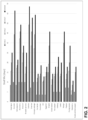
- the open area of the microperforations can be optimized for oxygen while the transmission rate for water and CO 2 of the package as a whole is very high. From the test results it will be evident that the shelf life of such CAP packages is significantly extended for all tested species of produce compared to the other packages.
Landscapes
- Engineering & Computer Science (AREA)
- Mechanical Engineering (AREA)
- Life Sciences & Earth Sciences (AREA)
- Food Science & Technology (AREA)
- Chemical & Material Sciences (AREA)
- Zoology (AREA)
- Polymers & Plastics (AREA)
- General Chemical & Material Sciences (AREA)
- Wood Science & Technology (AREA)
- Chemical Kinetics & Catalysis (AREA)
- Agronomy & Crop Science (AREA)
- Biodiversity & Conservation Biology (AREA)
- Evolutionary Biology (AREA)
- Health & Medical Sciences (AREA)
- General Health & Medical Sciences (AREA)
- Marine Sciences & Fisheries (AREA)
- Toxicology (AREA)
- Botany (AREA)
- Packging For Living Organisms, Food Or Medicinal Products That Are Sensitive To Environmental Conditiond (AREA)
- Packages (AREA)
- Storage Of Fruits Or Vegetables (AREA)
Claims (15)
- Schale-Versiegelung-Packung zum Konservieren von in der Packung enthaltenen atmenden Produkten, insbesondere Gemüse, Obst, Kräutern, Gewürzen und/oder Blumen,wobei die Packung eine Schale und eine Versiegelungsfolie aufweist,definierend ein Packungsvolumen zum Enthalten einer Portion des Produkts und eine Packungsatmosphäre, undaufweisend ein Verpackungsmaterial, welches die Versiegelungsfolie bereitstellt, insbesondere eine Polymerfolie (1A), welche mit mindestens einer Perforation (3) bereitgestellt ist, welche Gasaustausch mit der die Packung (1) umgebenden Atmosphäre erlaubt, um die Packung zu einer Packung mit kontrollierter Atmosphäre (CAP) auszubilden,wobei das Verpackungsmaterial eine Wasserdampftransmissionsrate (WVTR), eine Kohlenstoffdioxidtransmissionsrate (CO2TR) und eine Sauerstofftransmissionsrate (OzTR) hat,wobeidie CO2TR des Verpackungsmaterials größer als 1000 ml/(m2.24 Std.), insbesondere in einem Bereich von 1000 - 15000 ml/(m2.24 Std.) und gleichzeitig größer als 1000 ml/(m2.24 Std.), ist, undein Verhältnis β = CO2TR / O2TR des Verpackungsmaterials größer als 4, insbesondere in einem Bereich von 4 - 25, gleichzeitig größer als 4, ist, dadurch gekennzeichnet, dass die WVTR des Verpackungsmaterials in einem Bereich von 100 - 1200 ml/(m2.24 Std.) ist.
- Packung nach Anspruch 1, wobei die Wasserdampftransmissionsrate (WVTR) des Verpackungsmaterials in einem Bereich von 100 - 1000 ml/(m2.24 Std.), bevorzugt in einem Bereich von 150 - 800 ml/(m2.24 Std.), noch bevorzugter in einem Bereich von 250 - 700 ml/(m2.24 Std.), am meisten bevorzugt in einem Bereich von 400 - 600 ml/(m2.24 Std.), ist.
- Packung nach Anspruch 1, wobei die Wasserdampftransmissionsrate (WVTR) des Verpackungsmaterials in einem Bereich von 100 - 1000 ml/(m2.24 Std.), bevorzugt in einem Bereich von 700 - 1100 ml/(m2.24 Std.), besonders bevorzugt in einem Bereich von 800 - 1100 ml/(m2.24 Std.), am meisten bevorzugt in einem Bereich von 900 - 1000 ml/(m2.24 Std.), ist.
- Packung nach irgendeinem der vorhergehenden Ansprüche, wobei die Kohlenstoffdioxidtransmissionsrate (CO2TR) des Verpackungsmaterials in einem Bereich von 1000 - 12000 ml/(m2.24 Std.), bevorzugt in einem Bereich von 2000 - 10000 ml/(m2.24 Std.), besonders bevorzugt in einem Bereich von 4000 - 9000 ml/(m2.24 Std.), am meisten bevorzugt in einem Bereich von 5000 - 8500 ml/(m2.24 Std.), gleichzeitig größer als 1000 ml/(m2.24 Std.), ist.
- Packung nach irgendeinem der vorhergehenden Ansprüche, wobei die Sauerstofftransmissionsrate (OzTR) des Verpackungsmaterials in einem Bereich von 500 - 4000 ml/(m2.24 Std.), bevorzugt in einem Bereich von 750 - 4000 ml/(m2.24 Std.), besonders bevorzugt in einem Bereich von 900 - 3000 ml/(m2.24 Std.), am meisten bevorzugt in einem Bereich von 1000 - 2500 ml/(m2.24 Std.), ist.
- Packung nach irgendeinem der vorhergehenden Ansprüche, wobei das Verhältnis β = CO2TR / O2TR des Verpackungsmaterials in einem Bereich von 4 - 20, insbesondere in einem Bereich von 4 - 10, am meisten bevorzugt in einem Bereich von 4 - 8, z.B. in einem Bereich von 5 - 7, gleichzeitig größer als 4, ist.
- Packung nach irgendeinem der vorhergehenden Ansprüche, wobei das Verpackungsmaterial eine Polymerfolie ist, welche eine Dicke in einem Bereich von 10 - 200 Mikrometern, bevorzugt in einem Bereich von 15 - 150 Mikrometern, besonders bevorzugt im Bereich von 20 - 100 Mikrometern, am meisten bevorzugt in einem Bereich von 20 - 75 Mikrometern, z.B. in einem Bereich von 25 - 50 Mikrometern, wie z.B. 25 - 40 Mikrometern, hat.
- Packung nach irgendeinem der vorhergehenden Ansprüche, wobei die Packung eine Packung mit kontrollierter Atmosphäre (CAP) ist, wobei die mindestens eine Perforation eine Mikroperforation ist, oder aus einer Anzahl von Mikroperforationen zusammengesetzt ist, welche eine offene Fläche von weniger als 1 Quadratmillimeter, bevorzugt weniger als 0,5 Quadratmillimeter, z.B. etwa 0,25 Quadratmillimeter, hat, und/oder wobei die mindestens eine Perforation eine Laserperforation ist.
- Packung nach irgendeinem der vorhergehenden Ansprüche, wobei das Verpackungsmaterial biologisch abbaubar, bevorzugt auch kompostierbar, ist.
- Packung nach irgendeinem der vorhergehenden Ansprüche, wobei das Verpackungsmaterial eine Polymerfolie ist, wobei das Polymer aus natürlichen Produkten hergestellt ist und/oder mittels im Wesentlichen biologischer Prozesse hergestellt ist.
- Packung nach irgendeinem der vorhergehenden Ansprüche, wobei das Verpackungsmaterial eine Polymerfolie ist, welche mittels Extrusionsverfahren wie zum Beispiel Blas-, Guss- oder Kalandrierverfahren hergestellt ist.
- Packung nach irgendeinem der vorhergehenden Ansprüche, welche mindestens eine Portion eines atmenden Produkts enthält, insbesondere eines oder mehrere von Gemüse, Obst, Kräutern, Gewürzen und/oder Blumen.
- Packung nach irgendeinem der vorhergehenden Ansprüche, wobei die Packungsatmosphäre eine Sauerstoffkonzentration in einem Bereich von 1-10%, bevorzugt 2-8%, z.B. 3-7%, besonders bevorzugt 4-6%, hat.
- Verfahren zum Herstellen einer Schale-Versiegelung-Packung zum Konservieren von atmenden Produkten, welches aufweist:Bereitstellen einer Portion eines Verpackungsmaterials, insbesondere eines polymeren Verpackungsmaterials wie zum Beispiel einer Polymerfolie,Bereitstellen einer Portion des Produkts,Bilden, aus der Portion Verpackungsmaterial und der Portion des Produkts, einer geschlossenen Schale-Versiegelung-Packung, welche ein Packungsvolumen definiert und in dem Packungsvolumen die Portion Produkt und eine Packungsatmosphäre enthält,wobei das Verfahren aufweist:Bereitstellen einer oder mehrerer Perforationen in dem Verpackungsmaterial, um eine vorbestimmte Transmissionsrate der Packung für mindestens eine Atmosphärenkomponente zu bestimmen, und Ausbilden der Packung zu einer Packung mit kontrollierter Atmosphäre (CAP), undwobei das Verpackungsmaterial eine Wasserdampftransmissionsrate (WVTR), eine Kohlenstoffdioxidtransmissionsrate (CO2TR) und eine Sauerstofftransmissionsrate (OzTR) hat,wobei die WVTR des Verpackungsmaterials in einem Bereich von 100 - 1200 ml/(m2.24 Std.) ist,die CO2TR des Verpackungsmaterials größer als 1000 ml/(m2.24 Std.), insbesondere in einem Bereich von 1000 - 15000 ml/(m2.24 Std.), gleichzeitig größer als 1000 m/m2.24 Std., ist, undein Verhältnis β = CO2TR / O2TR des Verpackungsmaterials größer als 4, insbesondere in einem Bereich von 4 - 25, gleichzeitig größer als 4, ist.
- Verfahren nach Anspruch 14, welches aufweist:
Bereitstellen der einen oder mehreren Perforationen in dem Verpackungsmaterial mittels Laserperforation.
Applications Claiming Priority (4)
| Application Number | Priority Date | Filing Date | Title |
|---|---|---|---|
| NL2023294 | 2019-06-12 | ||
| NL2024761A NL2024761B1 (en) | 2019-06-12 | 2020-01-27 | Package for preserving respiring produce and method |
| EP20744151.0A EP3983308B1 (de) | 2019-06-12 | 2020-06-12 | Verpackung zur konservierung von atmenden waren und verfahren |
| PCT/NL2020/050376 WO2020251358A1 (en) | 2019-06-12 | 2020-06-12 | Package for preserving respiring produce and method |
Related Parent Applications (1)
| Application Number | Title | Priority Date | Filing Date |
|---|---|---|---|
| EP20744151.0A Division EP3983308B1 (de) | 2019-06-12 | 2020-06-12 | Verpackung zur konservierung von atmenden waren und verfahren |
Publications (4)
| Publication Number | Publication Date |
|---|---|
| EP4249398A2 EP4249398A2 (de) | 2023-09-27 |
| EP4249398A3 EP4249398A3 (de) | 2023-10-25 |
| EP4249398B1 true EP4249398B1 (de) | 2024-10-16 |
| EP4249398C0 EP4249398C0 (de) | 2024-10-16 |
Family
ID=71741851
Family Applications (2)
| Application Number | Title | Priority Date | Filing Date |
|---|---|---|---|
| EP23184542.1A Active EP4249398B1 (de) | 2019-06-12 | 2020-06-12 | Verpackung zur konservierung von atmenden waren und verfahren |
| EP20744151.0A Active EP3983308B1 (de) | 2019-06-12 | 2020-06-12 | Verpackung zur konservierung von atmenden waren und verfahren |
Family Applications After (1)
| Application Number | Title | Priority Date | Filing Date |
|---|---|---|---|
| EP20744151.0A Active EP3983308B1 (de) | 2019-06-12 | 2020-06-12 | Verpackung zur konservierung von atmenden waren und verfahren |
Country Status (20)
| Country | Link |
|---|---|
| US (1) | US20220306369A1 (de) |
| EP (2) | EP4249398B1 (de) |
| JP (1) | JP7580405B2 (de) |
| CN (1) | CN114007941B (de) |
| AU (1) | AU2020292104A1 (de) |
| BR (1) | BR112021024180A2 (de) |
| CA (1) | CA3139472C (de) |
| CL (1) | CL2021003206A1 (de) |
| CO (1) | CO2021018022A2 (de) |
| DK (1) | DK3983308T3 (de) |
| EC (1) | ECSP22000757A (de) |
| ES (2) | ES2961729T3 (de) |
| FI (1) | FI3983308T3 (de) |
| HU (2) | HUE063709T2 (de) |
| IL (1) | IL288817B2 (de) |
| MX (1) | MX2021014951A (de) |
| PE (1) | PE20220212A1 (de) |
| PL (2) | PL3983308T3 (de) |
| PT (1) | PT3983308T (de) |
| WO (1) | WO2020251358A1 (de) |
Families Citing this family (3)
| Publication number | Priority date | Publication date | Assignee | Title |
|---|---|---|---|---|
| US20220315304A1 (en) * | 2021-03-23 | 2022-10-06 | Boskovich Fresh Food Group, Inc. | Biodegradable and compostable packaging material and package using same |
| NL2029437B1 (en) * | 2021-10-15 | 2023-05-16 | Perfo Tec B V | Package for preserving respiring produce and method |
| IT202200015441A1 (it) | 2022-07-22 | 2024-01-22 | F Lli Garuti S R L | Sistema e metodo per la produzione di astucci contenitori alimentari ecosostenibili per prodotti in polvere e prodotto così ottenuto |
Family Cites Families (23)
| Publication number | Priority date | Publication date | Assignee | Title |
|---|---|---|---|---|
| JPH09221175A (ja) * | 1996-02-19 | 1997-08-26 | Oji Paper Co Ltd | 青果物包装用紙及び包装容器 |
| FR2783738B1 (fr) | 1998-09-28 | 2000-11-24 | Saint Andre Plastique | Procede de fabrication d'un element d'emballage pour produits, dispositifs de fabrication, element d'emballage et emballage correspondants |
| US6441340B1 (en) | 1999-05-04 | 2002-08-27 | Elizabeth Varriano-Marston | Registered microperforated films for modified/controlled atmosphere packaging |
| EP1245617A4 (de) * | 1999-11-12 | 2003-04-02 | Kureha Chemical Ind Co Ltd | Film, selektiv für kohlendioxid durchlässig sowie lebensmittelverpackungen diesen enthaltend |
| JP3824915B2 (ja) * | 2001-12-03 | 2006-09-20 | 株式会社クレハ | 鮮度保持包装材、青果物の包装体及び鮮度保持包装方法 |
| JP2005230004A (ja) * | 2004-01-20 | 2005-09-02 | Sumitomo Bakelite Co Ltd | 青果物の包装体 |
| JP4977955B2 (ja) * | 2005-02-18 | 2012-07-18 | 住友ベークライト株式会社 | ニンニク用の包装袋、ニンニクの包装体及びニンニクの保存方法 |
| EP1996485A4 (de) | 2006-03-21 | 2011-11-02 | Loong Keng Lim | Wieder verwendbarer kunststoffaufbewahrungsbehälter und deckel mit gasdurchlässigen membranen zur aufbewahrung von lebensmitteln und verderblichen waren in modifizierter atmosphäre |
| US20100247725A1 (en) | 2007-07-02 | 2010-09-30 | Josien Krijgsman | Container for respiring produce |
| US20100151166A1 (en) | 2008-12-12 | 2010-06-17 | Eva Almenar | Micro-perforated poly(lactic) acid packaging systems and method of preparation thereof |
| EP2294923B1 (de) * | 2009-09-11 | 2012-11-14 | Partners in Fresh B.V. | Verpacktes Chicoreeprodukt |
| EP2877032A1 (de) * | 2012-07-25 | 2015-06-03 | Agrofresh, Inc. | Verfahren zur handhabung von avocados und system dafür |
| IN2015DN04193A (de) * | 2012-12-28 | 2015-10-16 | Shubham Chandra | |
| NL2010362C2 (en) | 2013-02-25 | 2014-08-26 | Perfo Knowledgy B V | Method and system for packaging respiring produce. |
| CN104026217B (zh) * | 2013-03-06 | 2016-01-20 | 北京印刷学院 | 一种可控释放的果蔬保鲜剂药包及包装膜的制作方法 |
| CR20170009A (es) * | 2014-06-19 | 2017-04-04 | Agrofresh Inc | Composiciones y Métodos para Empacar Productos |
| BR112016029789A2 (pt) | 2014-06-30 | 2017-08-22 | Dow Global Technologies Llc | película de multicamadas com tiras |
| ES2712998T3 (es) | 2014-11-03 | 2019-05-17 | Ashok Chaturvedi | Una envoltura flexible para empaquetar productos frescos hecha de una película flexible biodegradable |
| NL2017035B1 (en) * | 2016-06-23 | 2018-01-19 | T Groene Loo B V | Packaging of respiring produce |
| NL2018335B1 (en) | 2017-02-08 | 2018-09-03 | Perfo Tec B V | Method and apparatus for packaging respiring produce |
| WO2018152462A1 (en) * | 2017-02-18 | 2018-08-23 | Cryovac, Inc. | Minimally processed fresh cut produce with enhanced shelf life and process of preparation thereof |
| JP6993120B2 (ja) * | 2017-06-21 | 2022-01-13 | 旭化成株式会社 | 青果物の保存装置及び保存方法 |
| WO2019239953A1 (ja) * | 2018-06-12 | 2019-12-19 | 東洋紡株式会社 | 鮮度保持用ポリエステル系フィルムおよび包装体 |
-
2020
- 2020-06-12 EP EP23184542.1A patent/EP4249398B1/de active Active
- 2020-06-12 EP EP20744151.0A patent/EP3983308B1/de active Active
- 2020-06-12 PE PE2021002008A patent/PE20220212A1/es unknown
- 2020-06-12 ES ES20744151T patent/ES2961729T3/es active Active
- 2020-06-12 WO PCT/NL2020/050376 patent/WO2020251358A1/en not_active Ceased
- 2020-06-12 CA CA3139472A patent/CA3139472C/en active Active
- 2020-06-12 HU HUE20744151A patent/HUE063709T2/hu unknown
- 2020-06-12 US US17/618,072 patent/US20220306369A1/en active Pending
- 2020-06-12 PL PL20744151.0T patent/PL3983308T3/pl unknown
- 2020-06-12 BR BR112021024180A patent/BR112021024180A2/pt active Search and Examination
- 2020-06-12 ES ES23184542T patent/ES2992691T3/es active Active
- 2020-06-12 AU AU2020292104A patent/AU2020292104A1/en active Pending
- 2020-06-12 DK DK20744151.0T patent/DK3983308T3/da active
- 2020-06-12 PL PL23184542.1T patent/PL4249398T3/pl unknown
- 2020-06-12 MX MX2021014951A patent/MX2021014951A/es unknown
- 2020-06-12 FI FIEP20744151.0T patent/FI3983308T3/fi active
- 2020-06-12 CN CN202080042439.4A patent/CN114007941B/zh active Active
- 2020-06-12 JP JP2021572853A patent/JP7580405B2/ja active Active
- 2020-06-12 IL IL288817A patent/IL288817B2/en unknown
- 2020-06-12 HU HUE23184542A patent/HUE069427T2/hu unknown
- 2020-06-12 PT PT207441510T patent/PT3983308T/pt unknown
-
2021
- 2021-12-02 CL CL2021003206A patent/CL2021003206A1/es unknown
- 2021-12-28 CO CONC2021/0018022A patent/CO2021018022A2/es unknown
-
2022
- 2022-01-06 EC ECSENADI2022757A patent/ECSP22000757A/es unknown
Also Published As
| Publication number | Publication date |
|---|---|
| US20220306369A1 (en) | 2022-09-29 |
| IL288817A (en) | 2022-02-01 |
| PL4249398T3 (pl) | 2025-03-24 |
| BR112021024180A2 (pt) | 2022-01-11 |
| EP3983308B1 (de) | 2023-08-02 |
| EP4249398A3 (de) | 2023-10-25 |
| CA3139472A1 (en) | 2020-12-17 |
| JP7580405B2 (ja) | 2024-11-11 |
| DK3983308T3 (da) | 2023-10-23 |
| CO2021018022A2 (es) | 2022-01-17 |
| FI3983308T3 (fi) | 2023-10-18 |
| PT3983308T (pt) | 2023-10-13 |
| PE20220212A1 (es) | 2022-02-01 |
| MX2021014951A (es) | 2022-01-24 |
| ECSP22000757A (es) | 2022-04-29 |
| EP4249398A2 (de) | 2023-09-27 |
| WO2020251358A1 (en) | 2020-12-17 |
| CL2021003206A1 (es) | 2022-07-22 |
| HUE069427T2 (hu) | 2025-03-28 |
| HUE063709T2 (hu) | 2024-01-28 |
| CN114007941A (zh) | 2022-02-01 |
| CA3139472C (en) | 2023-01-31 |
| IL288817B1 (en) | 2025-05-01 |
| CN114007941B (zh) | 2024-06-11 |
| JP2022536636A (ja) | 2022-08-18 |
| EP4249398C0 (de) | 2024-10-16 |
| PL3983308T3 (pl) | 2024-01-22 |
| AU2020292104A1 (en) | 2022-01-27 |
| ES2961729T3 (es) | 2024-03-13 |
| ES2992691T3 (en) | 2024-12-17 |
| IL288817B2 (en) | 2025-09-01 |
| EP3983308A1 (de) | 2022-04-20 |
Similar Documents
| Publication | Publication Date | Title |
|---|---|---|
| Mangaraj et al. | Applications of plastic films for modified atmosphere packaging of fruits and vegetables: a review | |
| EP4249398B1 (de) | Verpackung zur konservierung von atmenden waren und verfahren | |
| US20100221393A1 (en) | Resealable, Reusable Plastic Storage Container and Lid With Gas-Permeable Membranes for Modified Storage of Food and Perishables | |
| US20110293802A1 (en) | Banana Storage and Shipping Bags | |
| EP2197750B1 (de) | Verfahren zur kontrolle von essbananen- und kochbananenqualität anhand der verpackung | |
| US20100127059A1 (en) | Packaging systems for the control of relative humidity of fresh fruits, vegetables and flowers with simultaneous regulation of carbon dioxide and oxygen | |
| Mehyar et al. | Active packaging for fresh‐cut fruits and vegetables | |
| NL2024761B1 (en) | Package for preserving respiring produce and method | |
| EP4416076B1 (de) | Verpackung zur konservierung atmender produkte und verfahren | |
| NL2027105B1 (en) | Package for preserving respiring produce and method | |
| NL2027106B1 (en) | Package comprising a tray for preserving respiring produce and method | |
| Matera et al. | An innovative smart device to control modified atmosphere packaging (MAP) of fruit and vegetables | |
| JP5006707B2 (ja) | とうもろこしの劣化防止用容器及び劣化防止方法 | |
| WO2015023727A1 (en) | Banana storage and shipping bags | |
| KR101889393B1 (ko) | Ma 포장 시스템 | |
| TWM637656U (zh) | 氣調保鮮包裝品 | |
| KR20090040193A (ko) | 변화된 환경에서도 식품 및 부패성 물질을 저장하기 위해서가스 투과성 막을 갖춘 재밀봉 및 재사용이 가능한플라스틱 저장용기 및 뚜껑 | |
| YUSUF et al. | MODIFIED ATMOSPHERE PACKAGING (MAP) AS AN INNOVATIVE TECHNIQUE |
Legal Events
| Date | Code | Title | Description |
|---|---|---|---|
| PUAI | Public reference made under article 153(3) epc to a published international application that has entered the european phase |
Free format text: ORIGINAL CODE: 0009012 |
|
| STAA | Information on the status of an ep patent application or granted ep patent |
Free format text: STATUS: THE APPLICATION HAS BEEN PUBLISHED |
|
| REG | Reference to a national code |
Ref country code: DE Ref legal event code: R079 Free format text: PREVIOUS MAIN CLASS: B65D0085500000 Ipc: B65D0081200000 Ref document number: 602020039758 Country of ref document: DE |
|
| PUAL | Search report despatched |
Free format text: ORIGINAL CODE: 0009013 |
|
| AC | Divisional application: reference to earlier application |
Ref document number: 3983308 Country of ref document: EP Kind code of ref document: P |
|
| AK | Designated contracting states |
Kind code of ref document: A2 Designated state(s): AL AT BE BG CH CY CZ DE DK EE ES FI FR GB GR HR HU IE IS IT LI LT LU LV MC MK MT NL NO PL PT RO RS SE SI SK SM TR |
|
| AK | Designated contracting states |
Kind code of ref document: A3 Designated state(s): AL AT BE BG CH CY CZ DE DK EE ES FI FR GB GR HR HU IE IS IT LI LT LU LV MC MK MT NL NO PL PT RO RS SE SI SK SM TR |
|
| RIC1 | Information provided on ipc code assigned before grant |
Ipc: B65D 85/50 20060101ALI20230920BHEP Ipc: B65D 85/34 20060101ALI20230920BHEP Ipc: B65D 81/20 20060101AFI20230920BHEP |
|
| STAA | Information on the status of an ep patent application or granted ep patent |
Free format text: STATUS: REQUEST FOR EXAMINATION WAS MADE |
|
| 17P | Request for examination filed |
Effective date: 20240423 |
|
| RBV | Designated contracting states (corrected) |
Designated state(s): AL AT BE BG CH CY CZ DE DK EE ES FI FR GB GR HR HU IE IS IT LI LT LU LV MC MK MT NL NO PL PT RO RS SE SI SK SM TR |
|
| GRAP | Despatch of communication of intention to grant a patent |
Free format text: ORIGINAL CODE: EPIDOSNIGR1 |
|
| STAA | Information on the status of an ep patent application or granted ep patent |
Free format text: STATUS: GRANT OF PATENT IS INTENDED |
|
| INTG | Intention to grant announced |
Effective date: 20240620 |
|
| GRAS | Grant fee paid |
Free format text: ORIGINAL CODE: EPIDOSNIGR3 |
|
| GRAA | (expected) grant |
Free format text: ORIGINAL CODE: 0009210 |
|
| STAA | Information on the status of an ep patent application or granted ep patent |
Free format text: STATUS: THE PATENT HAS BEEN GRANTED |
|
| AC | Divisional application: reference to earlier application |
Ref document number: 3983308 Country of ref document: EP Kind code of ref document: P |
|
| AK | Designated contracting states |
Kind code of ref document: B1 Designated state(s): AL AT BE BG CH CY CZ DE DK EE ES FI FR GB GR HR HU IE IS IT LI LT LU LV MC MK MT NL NO PL PT RO RS SE SI SK SM TR |
|
| REG | Reference to a national code |
Ref country code: GB Ref legal event code: FG4D |
|
| REG | Reference to a national code |
Ref country code: CH Ref legal event code: EP |
|
| REG | Reference to a national code |
Ref country code: IE Ref legal event code: FG4D |
|
| REG | Reference to a national code |
Ref country code: DE Ref legal event code: R096 Ref document number: 602020039758 Country of ref document: DE |
|
| REG | Reference to a national code |
Ref country code: ES Ref legal event code: FG2A Ref document number: 2992691 Country of ref document: ES Kind code of ref document: T3 Effective date: 20241217 |
|
| U01 | Request for unitary effect filed |
Effective date: 20241114 |
|
| U07 | Unitary effect registered |
Designated state(s): AT BE BG DE DK EE FI FR IT LT LU LV MT NL PT RO SE SI Effective date: 20241121 |
|
| REG | Reference to a national code |
Ref country code: SK Ref legal event code: T3 Ref document number: E 45570 Country of ref document: SK |
|
| REG | Reference to a national code |
Ref country code: GR Ref legal event code: EP Ref document number: 20240403007 Country of ref document: GR Effective date: 20250211 |
|
| REG | Reference to a national code |
Ref country code: HU Ref legal event code: AG4A Ref document number: E069427 Country of ref document: HU |
|
| PG25 | Lapsed in a contracting state [announced via postgrant information from national office to epo] |
Ref country code: IS Free format text: LAPSE BECAUSE OF FAILURE TO SUBMIT A TRANSLATION OF THE DESCRIPTION OR TO PAY THE FEE WITHIN THE PRESCRIBED TIME-LIMIT Effective date: 20250216 Ref country code: HR Free format text: LAPSE BECAUSE OF FAILURE TO SUBMIT A TRANSLATION OF THE DESCRIPTION OR TO PAY THE FEE WITHIN THE PRESCRIBED TIME-LIMIT Effective date: 20241016 |
|
| PG25 | Lapsed in a contracting state [announced via postgrant information from national office to epo] |
Ref country code: RS Free format text: LAPSE BECAUSE OF FAILURE TO SUBMIT A TRANSLATION OF THE DESCRIPTION OR TO PAY THE FEE WITHIN THE PRESCRIBED TIME-LIMIT Effective date: 20250116 |
|
| PG25 | Lapsed in a contracting state [announced via postgrant information from national office to epo] |
Ref country code: SM Free format text: LAPSE BECAUSE OF FAILURE TO SUBMIT A TRANSLATION OF THE DESCRIPTION OR TO PAY THE FEE WITHIN THE PRESCRIBED TIME-LIMIT Effective date: 20241016 |
|
| PGFP | Annual fee paid to national office [announced via postgrant information from national office to epo] |
Ref country code: PL Payment date: 20250521 Year of fee payment: 6 |
|
| PGFP | Annual fee paid to national office [announced via postgrant information from national office to epo] |
Ref country code: GB Payment date: 20250627 Year of fee payment: 6 |
|
| PGFP | Annual fee paid to national office [announced via postgrant information from national office to epo] |
Ref country code: NO Payment date: 20250627 Year of fee payment: 6 |
|
| PGFP | Annual fee paid to national office [announced via postgrant information from national office to epo] |
Ref country code: HU Payment date: 20250530 Year of fee payment: 6 |
|
| PGFP | Annual fee paid to national office [announced via postgrant information from national office to epo] |
Ref country code: GR Payment date: 20250626 Year of fee payment: 6 |
|
| PGFP | Annual fee paid to national office [announced via postgrant information from national office to epo] |
Ref country code: TR Payment date: 20250526 Year of fee payment: 6 Ref country code: SK Payment date: 20250521 Year of fee payment: 6 |
|
| PGFP | Annual fee paid to national office [announced via postgrant information from national office to epo] |
Ref country code: CZ Payment date: 20250523 Year of fee payment: 6 |
|
| PGFP | Annual fee paid to national office [announced via postgrant information from national office to epo] |
Ref country code: IE Payment date: 20250627 Year of fee payment: 6 |
|
| U20 | Renewal fee for the european patent with unitary effect paid |
Year of fee payment: 6 Effective date: 20250628 |
|
| PLBE | No opposition filed within time limit |
Free format text: ORIGINAL CODE: 0009261 |
|
| STAA | Information on the status of an ep patent application or granted ep patent |
Free format text: STATUS: NO OPPOSITION FILED WITHIN TIME LIMIT |
|
| 26N | No opposition filed |
Effective date: 20250717 |
|
| PGFP | Annual fee paid to national office [announced via postgrant information from national office to epo] |
Ref country code: ES Payment date: 20250701 Year of fee payment: 6 |
|
| PGFP | Annual fee paid to national office [announced via postgrant information from national office to epo] |
Ref country code: CH Payment date: 20250701 Year of fee payment: 6 |