EP3909609A1 - Methods for treatment of refractory generalized myasthenia gravis - Google Patents
Methods for treatment of refractory generalized myasthenia gravis Download PDFInfo
- Publication number
- EP3909609A1 EP3909609A1 EP21159097.1A EP21159097A EP3909609A1 EP 3909609 A1 EP3909609 A1 EP 3909609A1 EP 21159097 A EP21159097 A EP 21159097A EP 3909609 A1 EP3909609 A1 EP 3909609A1
- Authority
- EP
- European Patent Office
- Prior art keywords
- eculizumab
- patient
- treatment
- myasthenia gravis
- weeks
- Prior art date
- Legal status (The legal status is an assumption and is not a legal conclusion. Google has not performed a legal analysis and makes no representation as to the accuracy of the status listed.)
- Pending
Links
Images










Classifications
-
- C—CHEMISTRY; METALLURGY
- C07—ORGANIC CHEMISTRY
- C07K—PEPTIDES
- C07K16/00—Immunoglobulins [IGs], e.g. monoclonal or polyclonal antibodies
- C07K16/18—Immunoglobulins [IGs], e.g. monoclonal or polyclonal antibodies against material from animals or humans
-
- A—HUMAN NECESSITIES
- A61—MEDICAL OR VETERINARY SCIENCE; HYGIENE
- A61M—DEVICES FOR INTRODUCING MEDIA INTO, OR ONTO, THE BODY; DEVICES FOR TRANSDUCING BODY MEDIA OR FOR TAKING MEDIA FROM THE BODY; DEVICES FOR PRODUCING OR ENDING SLEEP OR STUPOR
- A61M1/00—Suction or pumping devices for medical purposes; Devices for carrying-off, for treatment of, or for carrying-over, body-liquids; Drainage systems
- A61M1/34—Filtering material out of the blood by passing it through a membrane, i.e. hemofiltration or diafiltration
- A61M1/3496—Plasmapheresis; Leucopheresis; Lymphopheresis
-
- A—HUMAN NECESSITIES
- A61—MEDICAL OR VETERINARY SCIENCE; HYGIENE
- A61P—SPECIFIC THERAPEUTIC ACTIVITY OF CHEMICAL COMPOUNDS OR MEDICINAL PREPARATIONS
- A61P21/00—Drugs for disorders of the muscular or neuromuscular system
- A61P21/04—Drugs for disorders of the muscular or neuromuscular system for myasthenia gravis
-
- A—HUMAN NECESSITIES
- A61—MEDICAL OR VETERINARY SCIENCE; HYGIENE
- A61P—SPECIFIC THERAPEUTIC ACTIVITY OF CHEMICAL COMPOUNDS OR MEDICINAL PREPARATIONS
- A61P43/00—Drugs for specific purposes, not provided for in groups A61P1/00-A61P41/00
-
- A—HUMAN NECESSITIES
- A61—MEDICAL OR VETERINARY SCIENCE; HYGIENE
- A61K—PREPARATIONS FOR MEDICAL, DENTAL OR TOILETRY PURPOSES
- A61K39/00—Medicinal preparations containing antigens or antibodies
- A61K2039/505—Medicinal preparations containing antigens or antibodies comprising antibodies
-
- A—HUMAN NECESSITIES
- A61—MEDICAL OR VETERINARY SCIENCE; HYGIENE
- A61K—PREPARATIONS FOR MEDICAL, DENTAL OR TOILETRY PURPOSES
- A61K39/00—Medicinal preparations containing antigens or antibodies
- A61K2039/54—Medicinal preparations containing antigens or antibodies characterised by the route of administration
-
- A—HUMAN NECESSITIES
- A61—MEDICAL OR VETERINARY SCIENCE; HYGIENE
- A61K—PREPARATIONS FOR MEDICAL, DENTAL OR TOILETRY PURPOSES
- A61K39/00—Medicinal preparations containing antigens or antibodies
- A61K2039/545—Medicinal preparations containing antigens or antibodies characterised by the dose, timing or administration schedule
-
- A—HUMAN NECESSITIES
- A61—MEDICAL OR VETERINARY SCIENCE; HYGIENE
- A61K—PREPARATIONS FOR MEDICAL, DENTAL OR TOILETRY PURPOSES
- A61K39/00—Medicinal preparations containing antigens or antibodies
- A61K2039/55—Medicinal preparations containing antigens or antibodies characterised by the host/recipient, e.g. newborn with maternal antibodies
-
- C—CHEMISTRY; METALLURGY
- C07—ORGANIC CHEMISTRY
- C07K—PEPTIDES
- C07K2317/00—Immunoglobulins specific features
- C07K2317/20—Immunoglobulins specific features characterized by taxonomic origin
- C07K2317/24—Immunoglobulins specific features characterized by taxonomic origin containing regions, domains or residues from different species, e.g. chimeric, humanized or veneered
Definitions
- MG Myasthenia Gravis
- NMJ neuromuscular junction
- Abs auto-antibodies
- proteins include the nicotine acetylcholine receptors (AChRs) or, less frequently, a muscle-specific tyrosine kinase (MuSK) involved in AChR clustering.
- This disclosure provides methods of treating refractory generalized myasthenia gravis in a patient in need thereof comprising administering a therapeutically effective amount of an anti-complement component 5 (C5) antibody or an antigen binding fragment thereof to the patient, wherein the patient is administered the anti-C5 antibody or antigen binding fragment thereof for at least 26 weeks.
- C5 anti-complement component 5
- this disclosure provides a method of treating refractory generalized myasthenia gravis in a patient in need thereof comprising administering eculizumab to the patient, wherein the patient is positive for auto-antibodies binding to nicotinic acetylcholine receptor (anti-AChR) and shows marked generalized weakness or bulbar signs and symptoms of myasthenia gravis while receiving therapy for myasthenia gravis including anticholinesterase inhibitor therapy and immunosuppressant therapy (IST) or requires chronic plasma exchange or chronic IVIg to maintain clinical stability; wherein eculizumab is administered using a phased dosing schedule with an induction phase comprising administering a 900 mg induction dose of eculizumab on day 1, administering 900 mg doses of eculizumab on days 7, 14, and 21, and administering 1200 mg of eculizumab as a fifth induction dose on day 28, and wherein the patient is administered eculizumab
- this disclosure provides a method wherein the dosing regimen further comprises a third phase and wherein the third phase comprises performing plasmapheresis on the patient and administering eculizumab at a dose of between 300 and 1200 mg to the patient within 4 hours of completion of plasmapheresis.
- the third phase comprises performing plasmapheresis on the patient and administering eculizumab at a dose of between 600 and 900 mg to the patient within 90 minutes of completion of plasmapheresis.
- the third phase comprises performing plasmapheresis on the patient and administering eculizumab at a dose of 600 mg to the patient within 1 hour of completion of plasmapheresis.
- the patient being treated by the methods provided herein experiences a clinically meaningful improvement (reduction) in quality of life as measured by the Myasthenia Gravis Quality of Life (MG-QOL-15) score after 26 weeks of treatment.
- the clinically meaningful improvement the patient experiences is at least a 6 point reduction in the patient's MG-QOL-15 score after 26 weeks of treatment.
- the clinically meaningful improvement the patient experiences is at least an 11 point reduction in the patient's MG-QOL-15 score after 26 weeks of treatment.
- this disclosure provides a method of treating refractory generalized myasthenia gravis in a patient in need thereof comprising administering eculizumab to the patient, wherein the patient is positive for auto-antibodies binding to nicotinic acetylcholine receptor (anti-AChR) and shows marked generalized weakness or bulbar signs and symptoms of myasthenia gravis while receiving therapy for myasthenia gravis including anticholinesterase inhibitor therapy and immunosuppressant therapy (IST) or requires chronic plasma exchange or chronic IVIg to maintain clinical stability; wherein eculizumab is administered using a phased dosing schedule comprising administering a 900 mg induction dose on day 1, administering 900 mg doses of eculizumab on days 7, 14, and 21, and administering 1200 mg as a fifth dose on day 28, wherein the patient is administered eculizumab for at least 26 weeks; wherein the 28 day induction phase of eculizumab treatment is followed by
- this disclosure provides a method of treating refractory generalized myasthenia gravis in a patient in need thereof comprising administering eculizumab to the patient, wherein the patient is positive for auto-antibodies binding to nicotinic acetylcholine receptor (anti-AChR) and shows marked generalized weakness or bulbar signs and symptoms of myasthenia gravis while therapy for myasthenia gravis including anticholinesterase inhibitor therapy and immunosuppressant therapy (IST) or requires chronic plasma exchange or chronic IVIg to maintain clinical stability; wherein eculizumab is administered using a phased dosing schedule comprising administering a 900 mg induction dose on day 1, administering 900 mg doses of eculizumab on days 7, 14, and 21, and administering 1200 mg as a fifth dose on day 28, wherein the patient is administered eculizumab for at least 26 weeks; wherein the 28 day induction phase of eculizumab treatment is followed by
- the patient has a clinically meaningful improvement (reduction) in five measurements of generalized myasthenia gravis severity, wherein the five measurements of generalized myasthenia gravis severity are a reduction in MG-ADL of at least 4 points, a reduction in QMG of at least 5 points, a reduction in MGC of at least 10 points, a reduction in MG-QOL of at least 11 points, and a reduction in Neuro-QOL of at least 16 points.
- the five measurements of generalized myasthenia gravis severity are a reduction in MG-ADL of at least 4 points, a reduction in QMG of at least 5 points, a reduction in MGC of at least 10 points, a reduction in MG-QOL of at least 11 points, and a reduction in Neuro-QOL of at least 16 points.
- this disclosure provides a method of treating refractory generalized myasthenia gravis in a patient in need thereof comprising administering eculizumab by intravenous infusion.
- eculizumab is administered subcutaneously.
- the eculizumab comprises a heavy chain amino acid sequence according to SEQ ID NO: 10 and a light chain amino acid sequence according to SEQ ID NO: 11.
- the eculizumab is an eculizumab variant comprising a heavy chain amino acid sequence according to SEQ ID NO: 14 and a light chain amino acid sequence according to SEQ ID NO: 11.
- the eculizumab is an eculizumab variant comprising a heavy chain variable region amino acid sequence according to SEQ ID NO: 12 and a light chain amino acid sequence according to SEQ ID NO: 11.
- this disclosure provides a method of treating refractory generalized myasthenia gravis in a patient in need thereof comprising administering an anti-C5 antibody, or antigen binding fragment thereof, wherein the antibody is an anti-C5 antibody or an antigen binding fragment thereof comprising a heavy chain variable region amino acid sequence according to SEQ ID NO: 27 and a light chain variable region amino acid sequence according to SEQ ID NO: 28.
- the antibody is an anti-C5 antibody or an antigen binding fragment thereof comprising a heavy chain variable region amino acid sequence according to SEQ ID NO: 35 and a light chain variable region amino acid sequence according to SEQ ID NO: 36.
- the antibody is an anti-C5 antibody or antigen binding fragment thereof comprising a heavy chain variable region amino acid sequence according to SEQ ID NO: 37 and a light chain variable region amino acid sequence according to SEQ ID NO: 38.
- this disclosure provides a method of treating refractory generalized myasthenia gravis in a patient in need thereof comprising administering an anti-C5 antibody or antigen binding fragment thereof, wherein the patient has failed treatment over one year or more with two or more ISTs in sequence or in combination.
- this disclosure provides a method of treating refractory generalized myasthenia gravis in a patient in need thereof comprising administering a therapeutically effective amount of eculizumab is maintained at a concentration of between 50-100 ⁇ g/mL in the patient's serum.
- this disclosure provides a method of treating refractory generalized myasthenia gravis in a patient in need thereof comprising administering a therapeutically effective amount of eculizumab, wherein the patient experiences a discontinuation in the administration of one or more IST following at least 26 weeks of treatment.
- the antibody that specifically binds C5 is eculizumab.
- eculizumab is an antibody or a fragment thereof.
- Eculizumab (h5G1.1-mAb) is a humanized monoclonal antibody (mAb) that was derived from the murine anti-human C5 antibody m5G1.1.
- Eculizumab specifically binds the terminal complement protein C5, thereby inhibiting its cleavage to C5a and C5b during complement activation. This strategic blockade of the complement cascade at C5 prevents the release of proinflammatory mediators and the formation of the Membrane Attack Complex or cytolytic pore, while preserving the early components of complement activation that are essential for the opsonization of microorganisms and clearance of immune complexes.
- anti-C5 antibodies bind to C5 or fragments thereof, e.g., C5a or C5b.
- the anti-C5 antibodies recognize and bind epitopes on either the alpha chain or the beta chain of purified human complement component C5 and are capable of blocking the conversion of C5 into C5a and C5b by C5 convertase. See Wurzner et al., Complement. Inflamm. 8(5-6): 328-40 (1991 ).
- the antibodies specifically bind to an amino-terminal region within the alpha chain, however, they do not specifically bind to free C5a.
- the C5 antibody is able to substantially inhibit complement hemolytic activity and to substantially inhibit the conversion of C5 to produce C5a.
- the C5 antibodies provide these functions when used at a molar ratio of antibody to antigen (C5) of 3:1 or less.
- anti-C5 antibodies described herein bind to complement component C5 (e.g., human C5) and inhibit the cleavage of C5 into fragments C5a and C5b.
- complement component C5 e.g., human C5
- Anti-C5 antibodies (or VH/VL domains derived therefrom) suitable for use in the invention can be generated using methods known in the art.
- Empirical data indicate that serum eculizumab concentrations greater than 50 ⁇ g/mL and closer to at least 100 ⁇ g/mL are required to significantly reduce free C5 concentrations. Specifically, free C5 concentration was reduced significantly with increasing concentrations of eculizumab beginning at >50 ⁇ g/mL and was at near zero levels with eculizumab concentrations above 100 ⁇ g/ml.
- the method comprises administering a therapeutically effective amount of eculizumab to the subject, wherein the therapeutically effective amount of eculizumab is maintained at a concentration of at least 50 ⁇ g/mL of eculizumab in serum of the subject.
- the method comprises administering a therapeutically effective amount of eculizumab to the subject, wherein the therapeutically effective amount of eculizumab is maintained at a concentration of at least 60 ⁇ g/mL of eculizumab in serum of the subject. In one embodiment, the method comprises administering a therapeutically effective amount of eculizumab to the subject, wherein the therapeutically effective amount of eculizumab is maintained at a concentration of at least 70 ⁇ g/mL of eculizumab in serum of the subject.
- the method comprises administering a therapeutically effective amount of eculizumab to the subject, wherein the therapeutically effective amount of eculizumab is maintained at a concentration of at least 80 ⁇ g/mL of eculizumab in serum of the subject. In another embodiment, the method comprises administering a therapeutically effective amount of eculizumab to the subject, wherein the therapeutically effective amount of eculizumab is maintained at a concentration of at least 90 ⁇ g/mL of eculizumab in serum of the subject.
- Another exemplary anti-C5 antibody is an eculizumab variant, known as antibody BNJ441, and engineered to have a longer half-life (T1/2) in humans comprising heavy and light chains having the sequences shown in SEQ ID NOs: 14 and 11, respectively, or antigen binding fragments and variants thereof.
- BNJ441 also known as ALXN1210
- ALXN1210 is described in International Publication No. WO 2015/134894 A1 and U.S. Patent No. 9,079,949 , the teachings or which are hereby incorporated by reference.
- BNJ441 is a humanized monoclonal antibody that is structurally related to eculizumab (SOLIRIS®).
- BNJ441 selectively binds to human complement protein C5, inhibiting its cleavage to C5a and C5b during complement activation. This inhibition prevents the release of the proinflammatory mediator C5a and the formation of the cytolytic pore-forming membrane attack complex C5b-9 while preserving the proximal or early components of complement activation (e.g., C3 and C3b) essential for the opsonization of microorganisms and clearance of immune complexes.
- complement activation e.g., C3 and C3b
- the antibody comprises VH and VL regions having the amino acid sequences set forth in SEQ ID NO: 12 and SEQ ID NO: 8, respectively.
- the antibody may comprise the heavy chain constant region of BNJ441 having the amino acid sequence set forth in SEQ ID NO: 13.
- eculizumab is administered in a multiphase dosing regimen.
- the multiphase dosing regimen comprises a first phase and a second phase in various embodiments.
- the first phase is an induction phase and comprises administration of eculizumab at between 900 mg once a week to the subject for between 1-10 weeks.
- the induction phase is concluded by administering the first maintenance phase dose of 1200 mg one week after the last 900 mg dose.
- Another exemplary anti-C5 antibody is antibody BNJ421 comprising heavy and light chains having the sequences shown in SEQ ID NOs: 20 and 11, respectively, or antigen binding fragments and variants thereof.
- BNJ421 also known as ALXN1211
- ALXN1211 is described in International Publication No. WO 2015/134894 A1 and U.S. Patent No. 9,079,949 , the teachings or which are hereby incorporated by reference.
- the antibody comprises the heavy and light chain CDRs or variable regions of BNJ421. Accordingly, in one embodiment, the antibody comprises the CDR1, CDR2, and CDR3 domains of the VH region of BNJ421 having the sequence set forth in SEQ ID NO: 12, and the CDR1, CDR2, and CDR3 domains of the VL region of BNJ421 having the sequence set forth in SEQ ID NO: 8. In another embodiment, the antibody comprises heavy chain CDR1, CDR2, and CDR3 domains having the sequences set forth in SEQ ID NOs: 19, 18, and 3, respectively, and light chain CDR1, CDR2, and CDR3 domains having the sequences set forth in SEQ ID NOs: 4, 5, and 6, respectively.
- the antibody comprises VH and VL regions having the amino acid sequences set forth in SEQ ID NO: 12 and SEQ ID NO: 8, respectively.
- the antibody may comprise the heavy chain constant region of BNJ421 having the amino acid sequence set forth in SEQ ID NO: 9.
- Another exemplary anti-C5 antibody comprises a heavy chain variable region amino acid sequence according to SEQ ID NO: 37 and a light chain variable region amino acid sequence according to SEQ ID NO: 38.
- eculizumab, eculizumab variant such as BNJ441, or other anti-C5 antibody is administered once a week, once every two weeks, once every three weeks, once every four weeks, once every five weeks, once every six weeks, or once every eight weeks depending on the needs of the patient.
- eculizumab, eculizumab variant such as BNJ441, or other anti-C5 antibody in administered intravenously (IV) or subcutaneously (SubQ).
- compositions comprising an anti-C5 antibody or antigen binding fragment thereof with a pharmaceutically acceptable excipient for treating MG.
- the composition comprises an antibody comprising the CDR1, CDR2, and CDR3 domains of the VH region of eculizumab having the sequence set forth in SEQ ID NO: 7, and the CDR1, CDR2, and CDR3 domains of the VL region of eculizumab having the sequence set forth in SEQ ID NO: 8.
- the antibody comprises heavy chain CDR1, CDR2, and CDR3 domains having the sequences set forth in SEQ ID NOs: 1, 2, and 3, respectively, and light chain CDR1, CDR2, and CDR3 domains having the sequences set forth in SEQ ID NOs: 4, 5, and 6, respectively.
- the antibody comprises VH and VL regions having the amino acid sequences set forth in SEQ ID NO: 7 and SEQ ID NO: 8, respectively.
- the antibody comprises the heavy and light chain CDRs or variable regions of BNJ441.
- the antibody comprises the CDR1, CDR2, and CDR3 domains of the VH region of BNJ441 having the sequence set forth in SEQ ID NO: 12, and the CDR1, CDR2, and CDR3 domains of the VL region of BNJ441 having the sequence set forth in SEQ ID NO: 8.
- the antibody comprises heavy chain CDR1, CDR2, and CDR3 domains having the sequences set forth in SEQ ID NOs: 19, 18, and 3, respectively, and light chain CDR1, CDR2, and CDR3 domains having the sequences set forth in SEQ ID NOs: 4, 5, and 6, respectively.
- the antibody comprises VH and VL regions having the amino acid sequences set forth in SEQ ID NO: 12 and SEQ ID NO: 8, respectively.
- the antibody comprises the heavy and light chain CDRs or variable regions of BNJ421.
- the antibody comprises the CDR1, CDR2, and CDR3 domains of the VH region of BNJ421 having the sequence set forth in SEQ ID NO: 12, and the CDR1, CDR2, and CDR3 domains of the VL region of BNJ421 having the sequence set forth in SEQ ID NO: 8.
- the antibody comprises heavy chain CDR1, CDR2, and CDR3 domains having the sequences set forth in SEQ ID NOs: 19, 18, and 3, respectively, and light chain CDR1, CDR2, and CDR3 domains having the sequences set forth in SEQ ID NOs: 4, 5, and 6, respectively.
- the antibody comprises VH and VL regions having the amino acid sequences set forth in SEQ ID NO: 12 and SEQ ID NO: 8, respectively.
- subjects and/or patients are interchangeable.
- subjects and/or patients are mammals.
- primates include humans.
- the subjects or patients suffering from MG described herein are humans.
- refractory generalized myasthenia gravis is characterized as including subjects or patients who continue to show marked generalized weakness or bulbar signs and symptoms of myasthenia gravis while receiving current standard of care for myasthenia gravis such as cholinesterase inhibitor therapy and immunosuppressant therapy (IST) or who require chronic plasma exchange or chronic IVIg to maintain clinical stability.
- current standard of care for myasthenia gravis such as cholinesterase inhibitor therapy and immunosuppressant therapy (IST) or who require chronic plasma exchange or chronic IVIg to maintain clinical stability.
- MG includes refractory generalized myasthenia gravis.
- refractory generalized myasthenia gravis is characterized as including subjects or patients positive for auto-antibodies binding to nicotinic acetylcholine receptor (anti-AChR) who continue to show marked generalized weakness or bulbar signs and symptoms of myasthenia gravis while receiving cholinesterase inhibitor therapy and immunosuppressant therapy (IST) and who require chronic plasma exchange or chronic IVIg to maintain clinical stability.
- anti-AChR nicotinic acetylcholine receptor
- refractory generalized myasthenia gravis is characterized as including subjects or patients who continue to show marked generalized weakness or bulbar signs and symptoms of myasthenia gravis while receiving cholinesterase inhibitor therapy and immunosuppressant therapy (IST) and who require chronic plasma exchange or chronic IVIg to maintain clinical stability.
- IST immunosuppressant therapy
- the phrase "requires chronic plasma exchange" to maintain clinical stability refers to the use of plasma exchange therapy on a patient on a regular basis for the management of muscle weakness at least every 3 months over the last 12 months.
- treatment of MG includes the amelioration or improvement of one or more symptoms associated with MG.
- Symptoms associated with MG include muscle weakness and fatigability. Muscles primarily affected by MG include muscles that control eye and eyelid movement, facial expressions, chewing, talking, swallowing, breathing, neck movements, and limb movements.
- the MG-ADL is an 8-point questionnaire that focuses on relevant symptoms and functional performance of activities of daily living (ADL) in MG subjects ( see Table 1).
- the 8 items of the MG-ADL were derived from symptom-based components of the original 13-item QMG to assess disability secondary to ocular (2 items), bulbar (3 items), respiratory (1 item), and gross motor or limb (2 items) impairment related to effects from MG.
- each response is graded 0 (normal) to 3 (most severe).
- the range of total MG-ADL score is 0 - 24.
- a clinically meaningful improvement in a patient's MG-ADL would be a 3 point or greater reduction in score after 26 weeks of treatment.
- MG ACTIVITY OF DAILY LIVING PROFILE Items Grade 0 Grade 1 Grade 2 Grade 3 Score (0,1,2,3) 1. Talking Normal Intermittent slurring or nasal speech Constant slurring or nasal, but can be understood Difficult to understand speech 2. Chewing Normal Fatigue with solid food Fatigue with soft food Gastric Tube 3. Swallowing Normal Rare episode of choking Frequent choking necessitating changes in diet Gastric Tube 4. Breathing Normal Shortness of breath with exertion Shortness of breath at rest Ventilator dependence 5. Impairment of ability to brush teeth or comb hair None Extra effort, but no rest periods needed Rest periods needed Cannot do one of these functions 6.
- the MGC is a validated assessment tool for measuring clinical status of subjects with MG (16).
- the MGC assesses 10 important functional areas most frequently affected by MG and the scales are weighted for clinical significance that incorporates subject-reported outcomes. See Table 3.
- MGC will be administered at Screening, Day 1, Weeks 1-4, 8, 12, 16, 20, and 26 or ET (Visits 1-6, 8, 10, 12, 14, and 17 or ET).
- a clinically meaningful improvement in a patient's MGC would be a 3 point or greater reduction in score after 26 weeks of treatment.
- the 15-item Myasthenia Gravis Qualify of Life 15 scale (MG-QOL 15) is a health-related quality of life evaluative instrument specific to subjects with MG. See Table 4. MG-QOL 15 was designed to provide information about subjects' perception of impairment and disability and the degree to which disease manifestations are tolerated and to be easy to administer and interpret. The range of total scores is from 0 to 60. Higher scores translate into a greater extent of a patient's dissatisfaction with MG related dysfunction. The MG-QOL 15 is completed by the subject. Higher scores indicate greater extent of and dissatisfaction with MG-related dysfunction. A clinically meaningful improvement in a patient's MG-QOL 15 would be a decrease in score after 26 weeks of treatment.
- the MG clinical state is assessed using the MGFA Post-Intervention Status. Change in status categories of Improved, Unchanged, Worse, Exacerbation and Died of MG as well as the Minimal Manifestation (MM) can be assessed.
- MM Minimal Manifestation
- patients administered eculizumab show a reduced MG-ADL.
- the subjects have an initial MG-ADL score of greater than 6 points.
- the subjects have an initial MG-ADL score greater than 0, 1, 2, 3, 4, 5, 6, 7, 8, 9, 10, 11, 12, 13, 14, 15, 16, 17, 18, 19, 20, 21, 22, or 23 points.
- the MG-ADL score of the subject has been reduced to less than 6 points.
- the MG-ADL score has been reduced at least 1 point, at least 2 points, at least 3 points, at least 4 points, at least 5 points, at least 6 points, at least 7 points, at least 8 points, at least 9 points, at least 10 points, at least 11 points, at least 12 points, at least 13 points, at least 14 points, at least 15 points, at least 16 points, at least 17 points, at least 18 points, at least 19 points, at least 20 points, at least 21 points, at least 22 points, at least 23 points, or at least 24 points after treatment with eculizumab.
- the MG-ADL score of the patient is reduced by at least 1 point after a course of treatment with eculizumab.
- the MG-ADL of the patient is reduced by 1, 2, 3, 4, 5, 6, 7, 8, 9, 10, 11, 12, 13, 14, 15, 16, 17, 18, 19, 20, 21, 22, 23, or 24 points after a course of treatment with eculizumab.
- the course of treatment with eculizumab lasts for 26 weeks.
- the course of treatment lasts for 26-52, 26-78, 26-104, 26-130, 26-156, 26-182, 26-208 weeks, or more.
- the course of treatment lasts for greater than 26, 27, 28, 29, 30, 31, 32, 33, 34, 35, 36, 37, 38, 39, 40, 41, 42, 43, 44, 45, 46, 47, 48, 49, 50, 51, 52, 78, 104, 130, 156, or 182 weeks.
- the course of treatment lasts for greater than 1, 2, 3, 4, 5, 10, 15, 20, 25, 30, 35, 40, 45, 50, 55, 60, 65, 70, 75, 80, or more years. In certain embodiments, the course of treatment lasts for the remainder of the subject's life.
- one or more symptoms or scores associated with MG improves during the course of treatment and is maintained at the improved level throughout treatment.
- MG-ADL can improve after 26 weeks of treatment with a therapeutic antibody that specifically binds C5 and then remain at the improved level for the duration of the treatment, which is 52 weeks of treatment with a therapeutic antibody that specifically binds C5.
- a therapeutic antibody that binds C5 is eculizumab.
- the first sign of improvement is maintained for a number of weeks during treatment with a binding protein that specifically binds C5, such as eculizumab or an eculizumab variant such as BNJ441.
- this number of weeks is at least 26.
- this number of weeks is 1-26, 26-52, 52-78, 78-104, 104-130, 130-156, 156-182, or 182-208.
- eculizumab or other anti-C5 antibodies such as BNJ441, BNJ421, 7086, and 8110 can be administered to a subject suffering from MG at between 600 and 6000 mg.
- the induction dose of eculizumab or other anti-C5 antibodies such as BNJ441, BNJ421, 7086, and 8110 is between 900 and 1500 mg, 900 and 1200 mg, 900 mg, or 1200 mg.
- the maintenance dose of eculizumab or other anti-C5 antibodies such as BNJ441, BNJ 421, 7086, and 8110 is about 600, 700, 800, 900, 1000, 1100, 1200, 1300, 1400, 1500, 1600, 1700, 1800, 1900, 2000, 2500, 3000, 4000, 5000, or 6000 mg.
- doses can be administered once a month, once every two weeks, once a week, twice a week, or daily. According to certain embodiments, the dose is administered once every two weeks or once a week. According to other embodiments, eculizumab is administered to a subject suffering from MG in a multiphase dosing regimen. According to certain embodiments, the multiphase dosing regimen has 2, 3, 4, 6, 7, 8, 9, 10, or more phases. In certain embodiments, each phase provides a higher dose than the phase before it.
- the eculizumab multiphase dosing regimen has two phases.
- the first phase is an induction phase.
- This phase provides a dose of 600, 900, 1200, 1500, or 1800 mg per week. In certain embodiments, this phase lasts for 2, 3, 4, 5, 6, 7, 8, 9, or 10 weeks. In other embodiments, this phase lasts between 2 and 6 weeks. In other embodiments, the phase lasts for 5 weeks.
- the dose given any week is higher than the previous week. In other embodiments, the dose remains the same for a number of weeks and is then increased. In some embodiments, the dose remains the same for the first 1, 2, 3, 4, 5, 6, 7, 8, or 9 weeks and is then increased. In other embodiments, the dose remains the same for the first 4 weeks.
- the eculizumab dose is administered at between 600 and 1200 mg, 800 and 1500 mg, 900 and 1200 mg, 900 and 1100 mg, 900 and 1000 mg, 800 and 1000 mg, 800 and 1100 mg, or 800 and 1200 mg for a number of weeks and is then increased.
- the eculizumab dose is administered at about 900 mg on day 1 and is followed by doses of 900 mg on day 7, 900 mg on day 14, 900 mg on day 21, and then is increased to 1200 mg for the fifth dose on day 28, and then 1200 mg is administered every 14 ⁇ 2 days thereafter.
- the second phase of eculizumab dosing is the maintenance phase.
- the maintenance phase of eculizumab dosing can last for between 6 weeks and the life of the subject. According to other embodiments, the maintenance phase lasts for 26-52, 26-78, 26-104, 26-130, 26-156, 26-182, 26-208 weeks, or more. In other embodiments, the maintenance phase lasts for greater than 26, 27, 28, 29, 30, 31, 32, 33, 34, 35, 36, 37, 38, 39, 40, 41, 42, 43, 44, 45, 46, 47, 48, 49, 50, 51, 52, 78, 104, 130, 156, or 182 weeks.
- the maintenance phase lasts for greater than 1, 2, 3, 4, 5, 10, 15, 20, 25, 30, 35, 40, 45, 50, 55, 60, 65, 70, 75, 80 years, or more years. In certain embodiments, the maintenance phase lasts for the remainder of the subject's life.
- the eculizumab multiphase dosing regimen includes a third phase.
- This third phase is used when an MG patient must undergo a rescue procedure to maintain clinical stability and includes administering plasma exchange and/or dosing with IVIg.
- a dose of eculizumab is administered to replace the drug lost in plasma exchange.
- this post-rescue eculizumab dose is between 300 and 1200 mg, 400 and 1500 mg, 500 and 1000 mg, 400 and 800 mg, or 500 and 700 mg.
- this post-rescue eculizumab dose is about 600 mg.
- compositions comprising eculizumab, either alone or in combination with prophylactic agents, therapeutic agents, and/or pharmaceutically acceptable carriers are provided.
- the pharmaceutical compositions comprising eculizumab provided herein are for use in, but not limited to, diagnosing, detecting, or monitoring a disorder, in preventing, treating, managing, or ameliorating a disorder or one or more symptoms thereof, and/or in research.
- the formulation of pharmaceutical compositions, either alone or in combination with prophylactic agents, therapeutic agents, and/or pharmaceutically acceptable carriers, is known to one skilled in the art.
- An exemplary, non-limiting range for a therapeutically or prophylactically effective amount of eculizumab or other anti-C5 antibodies such as BNJ441, BNJ 421, 7086, and 8110 provided herein is 600-5000 mg, for example, 900-2000 mg. It is to be noted that dosage values may vary with the type and severity of the condition to be alleviated. It is to be further understood that for any particular subject, specific dosage regimens may be adjusted over time according to the individual need and the professional judgment of the person administering or supervising the administration of the compositions, and that dosage ranges set forth herein are exemplary only and are not intended to limit the scope or practice of the claimed methods.
- An anti-C5 antibody provided herein also can also be administered with one or more additional medicaments or therapeutic agents useful in the treatment of MG.
- the additional agent can be a therapeutic agent art-recognized as being useful to treat myasthenia gravis or condition being treated by the antibody provided herein.
- the combination can also include more than one additional agent, e.g., two or three additional agents.
- the binding agent in various embodiments is administered with an agent that is a protein, a peptide, a carbohydrate, a drug, a small molecule, or a genetic material (e.g., DNA or RNA).
- the agent is one or more cholinesterase inhibitors, one or more corticosteroids, and/or one or more immunosuppressive drugs (most commonly azathioprine [AZA], cyclosporin, and/or mycophenolate mofetil [MMF]).
- the primary objective of this trial is to assess the efficacy of eculizumab as compared with placebo in the treatment of refractory gMG based on the improvement in the MG-specific Activities of Daily Living profile (MG-ADL).
- MG-ADL MG-specific Activities of Daily Living profile
- the secondary objectives of this trial include the following:
- Described herein is a randomized, double-blind, parallel-group, placebo-controlled, multicenter ( ⁇ 100 sites in North America, South America, Europe, Asian Pacific) approximately two year trial to evaluate the safety and efficacy of eculizumab for the treatment in subjects with refractory gMG.
- Approximately 92 eligible subjects are randomized on Day 1 on a 1:1 ratio to one of two treatment arms (1) eculizumab infusion or (2) placebo infusion.
- Subjects may continue to receive stable dose/type of immunosuppressive therapy (IST), but no new ISTs and no increase in IST dosage are permitted during the trial.
- IST immunosuppressive therapy
- the medical history review includes confirmation of MG diagnosis as defined in the inclusion criteria of this protocol, history of previous treatment / therapies for MG, e.g., thymectomy, IST including corticosteroids, IVIg and plasma exchange, history of MG exacerbation or crisis including the duration of each exacerbation/crisis, the medication taken at the time of each exacerbation/crisis and the treatment for each exacerbation/ crisis.
- AChR Ab Acetylcholine receptor antibody
- B Baseline sample
- C5 Complement protein 5
- C-SSRS Columbia-Suicide Severity Rating Scale
- ECG Electrocardiogram
- ICU Intensive Care Unit
- HAHA human anti-human antibody
- IP investigational product
- MG Myasthenia Gravis
- MGC MG Composite Score
- MG-ADL MG Activity of Daily Living (MG-ADL) Profile
- MGFA Myasthenia Gravis Foundation of America
- MGFA PIS MGFA Post-Intervention Status
- NIF negative inspiratory force
- P peak sample
- PK/PD Pharmacokinetics/Pharmacodynamics
- QMG Quantitative MG (QMG) Score for Disease Severity
- QOL Quality of Life
- T trough sample
- Subjects receive IP, either eculizumab or placebo, according to the randomization and the regimen described in the Investigational Product and Administration, described below.
- the treatment duration for each subject is 26-weeks.
- Subjects must be informed of potential signs and symptoms of MG crisis and instructed to contact the Investigator as soon as possible at onset of symptom. Every effort is made for the subject reporting Clinical Deterioration to be evaluated as soon as possible and within 48 hours of notification of the Investigator of the symptom onset.
- the Investigator or his/her designee performs the assessments as specified by this protocol. The Investigator determines whether or not the subject meets the definition of Clinical Deterioration as defined by this protocol and treats the subject accordingly.
- TABLE 7 MGFA CLINICAL CLASSIFICATION Class Clinical signs I Any ocular muscle weakness.
- subjects may be provided an opportunity to enter an extension trial (separate protocol) to receive open-label eculizumab.
- the visit interval between this trial and the extension trial is 2 weeks from the last of IP administration (Visit 17) so there is no interruption in IP dosing.
- Subjects entering the extension trial undergo a blinded eculizumab induction phase similar to the induction in this trial in order to maintain the blinded treatment assignment of this trial. If a subject withdraws from this trial at any time after receiving any amount of IP or does not wish to enter the extension trial after completion of this trial, the subject is required to complete the Follow-up Visit for safety measures.
- a subject withdraws or is discontinued from this trial at any time after receiving any amount of IP or does not wish to enter the extension trial after completion of this trial the subject will be required to complete the Follow-up Visit for safety measures 8 weeks after the last IP dose administration. If a subject is discontinued due to an AE, the event will be followed until it is resolved or in the opinion of the PI is medically stable.
- Clinical Deterioration is defined as follows:
- MG assessments should be performed at approximately the same time of day by a properly trained evaluator, preferably the same evaluator.
- MG ASSESSMENTS REPONSIBILITIES
- Visit intervals during Induction Phase are weekly (every 7 ⁇ 2 days after the last visit).
- Visit intervals during the Maintenance Phase are every 2 weeks (every 14 days ⁇ 2 days since the last visit).
- Subjects who fail to return for a scheduled visit must be contacted by the site study staffs to determine the reason for missing the appointment.
- Subjects are strongly encouraged to return to the investigational site for evaluation if Clinical Deterioration or an AE is suspected to have occurred. In the exceptional circumstance where a subject cannot or does not come to the study site for examination, then the subject will be instructed to see his or her local neurologist or physician.
- MGFA MG THERAPY STATUS NT No therapy SPT Status postthymectomy (record type of resection) CH Cholinesterase inhibitors PR Prednisone IM Immunosuppression therapy other than prednisone (define) PE(a) Plasma exchange therapy, acute (for exacerbations or preoperatively) PE(c) Plasma exchange therapy, chronic (used on a regular basis) IG(a) IVIg therapy, acute (for exacerbations or preoperatively) IG(c) IVIg therapy, chronic (used on a regular basis) OT Other forms of therapy (define)
- Unscheduled visits outside the specified visits are permitted at the discretion of the Investigator. Procedures, tests, and assessments are performed at the discretion of the Investigator. If an Unscheduled Visit is performed, any tests, procedures, or assessments performed at the Unscheduled Visits must be recorded on the eCRFs.
- Subjects are allowed to withdraw consent at any time. Every effort should be made to ensure subjects are willing to comply with trial participation prior to conducting the screening procedures and the subjects should be fully informed of the restrictions related to the change of concomitant medications during the trial. Investigators may choose to discontinue a subject's treatment because of AEs, as well as conditions or illnesses that preclude compliance with the protocol from the standpoint of the subject's safety or well-being. The study staff should notify the Sponsor and their site monitor of all trial withdrawals as soon as possible.
- eculizumab should not be administered to pregnant women.
- all subjects of childbearing potential must continue to use adequate contraception for up to 5 months following discontinuation of eculizumab treatment. If a subject becomes pregnant, the IP must be immediately discontinued and the Sponsor must be notified. Each pregnancy will be followed to term and the Sponsor notified regarding the outcome.
- Alexion Pharmaceuticals, Inc. or a regulatory authority may discontinue the trial at any time for any reason including, for example, clinical or administrative reasons.
- the end of trial is defined as the last visit completed by the last patient.
- Eculizumab or placebo 3 vials of IP (equivalent to 900 mg of eculizumab) weekly for 4 weeks (every 7 days ⁇ 2 days) followed by 4 vials of IP (equivalent to 1200 mg of eculizumab) one week later for the fifth dose (Visit 6/Week 4).
- PE is administered due to a Clinical Deterioration (as defined by this protocol)
- supplemental IP 2 vials, equivalent to 600 mg of eculizumab or matching placebo
- subjects will receive the regularly scheduled number of vials (3 vials on Visits 2 - 4; 4 vials on all other visits) within 60 minutes after each PE session.
- immunosuppressive agents are allowed during the trial: corticosteroid, AZA, MMF, MTX, tacrolimus, cyclosporine, or cyclophosphamide.
- the immunosuppressive agent(s) and its appropriate dose level to be used for an individual subject is at the discretion of the treating physician.
- PE or IVIg will be allowed for subjects who experience a Clinical Deterioration as defined by this protocol.
- the rescue therapy used for a particular subject is at the discretion of the treating physician. Every effort should be made to notify the Sponsor within 24 hours should a subject require a rescue therapy.
- PE is administered as a rescue therapy
- supplemental IP (2 vials) are administered within 60 minutes after the end of each PE session.
- Routine (per protocol schedule) IP administration is continued per the specified dose-administration schedule for the subject. If the subject is scheduled to receive the protocol-scheduled dose on the day of a PE session, then the scheduled dose is administered within 60 minutes after the end of the PE session.
- IP into subjects is under the supervision of the PI/Sub-Investigator or their designee, to ensure that the subject receives the appropriate dose at the appropriate time-points during the trial.
- Subjects are randomized on Day 1 after the Investigator has verified that they are eligible. Subjects are randomized in a 1 : 1 ratio of eculizumab infusion to placebo infusion. The randomization will be across centers using an IXRS. The randomization stratification will be based on MGFA clinical classification assessed at the Screening Visit according to the following 4 groupings:
- All trial subjects, investigational site personnel, sponsor staff, sponsor designees, and all staff directly associated with the conduct of the trial are blinded to the subject treatment assignments.
- the double blind is maintained by using identical IP kits and labels for eculizumab and placebo.
- the placebo has an identical appearance to that of eculizumab.
- the random code is maintained by Almac Clinical Services. There is no antidote to reverse the effects of eculizumab.
- unblinding would not be helpful in the planning of patient treatment for a given event. Unblinding should only be considered for the safety of the subject. If unblinding is deemed necessary by the Investigator, the Investigator can unblind the patient's treatment allocation using IXRS. The Investigator must note the date, time and reason for unblinding.
- the Investigator should inform the Medical Monitor that the patient was unblinded, however they are not required to reveal to the Medical Monitor the patients' treatment allocation.
- the blind When an AE is an unexpected related serious AE, the blind will be broken by the Sponsor only for that specific subject. The blind will be maintained for persons responsible for the ongoing conduct of the study (such as the management, monitors, investigators, etc.) and those responsible for data analysis and interpretation of results at the conclusion of the study, such as biometrics personnel. Unblinded information will only be accessible to those who need to be involved in the safety reporting to Health authorities, Ethics Committees and/or IRBs.
- Each vial of IP contains eculizumab 300 mg or matching placebo for IV administration.
- the active IP, eculizumab is manufactured and supplied by Alexion in single 30 mL vials as a solution concentration of 10 mg/ml.
- the comparator product is manufactured by Alexion Pharmaceuticals, Inc., as a matching sterile, clear, colorless solution with the same buffer components but without active ingredient, in an identical 30 ml vial. See Table 12.
- IP vials will be individually packaged into a kit. Both vials and kits will be labeled according to the protocol and local regulatory requirements. Each kit will have a label describing the contents and a place for the pharmacist to record the subject number and initials.
- IP is released to the site upon receipt of all required essential documents based upon federal, state, and local regulations. See Table 12.
- Diluted solutions of IP may be stored at 2 to 8°C (36-46°F) for up to 24 hours prior to administration. If the IP is prepared more than 4 hours in advance of a subject's visit, the diluted material should be stored at 2 to 8°C. The solution should be allowed to warm to room temperature prior to administration. The material must not be heated ( e.g., by using a microwave or other heat source) other than by ambient air temperature.
- IP Infusions of IP are prepared using aseptic technique. Each vial of IP contains 300 mg of active ingredient in 30 mL of product solution or matching placebo.
- IP IP from the vials.
- Transfer the recommended dose to an infusion bag Dilute the IP to a final concentration of 5 mg/mL by addition to the infusion bag of the appropriate amount (equal volume) of 0.9% Sodium Chloride Injection, USP; 0.45% Sodium Chloride Injection, USP; 5% Dextrose in Water Injection, USP; or Ringer's Injection, USP.
- the final volume of a 5 mg/mL diluted IP solution is 120 mL for 600 mg doses (2 vials), 180 mL for 900 mg doses (3 vials) and 240 mL for 1200 mg doses (4 vials) as shown in Table 13.
- IP is only administered via IV infusion and must be diluted to a final concentration of 5 mg/mL prior to administration. Prior to administration, if the diluted solution is refrigerated, it is allowed to warm to room temperature by exposure to ambient air. The diluted solution must not be heated in a microwave or with any heat source other than ambient air temperature. Parenteral drug products are inspected visually for particulate matter and discoloration prior to administration.
- the infusion may be slowed or stopped at the discretion of the Investigator, depending upon the nature and severity of the event.
- the overall time of infusion should not exceed 2 hours.
- the AE must be captured in the subject's source document and CRF.
- the 26-week Study Period defines the time period for assessment of the study endpoints (specified in Table 6, the schedule of assessments). Efficacy will be assessed comparing eculizumab outcomes to placebo outcomes. Statistical analyses of the efficacy endpoints are summarized below and described in more detail in the statistical analysis plan. For all scales noted below except the EQ Visual Analog Scale (VAS) and Myasthenia Gravis Foundation of America (MGFA) Post-Intervention Status (PIS) the higher the score the greater the impairment.
- VAS EQ Visual Analog Scale
- MGFA Myasthenia Gravis Foundation of America
- MG-ADL MG Activities of Daily Living Profile
- the MG-ADL is an 8-point questionnaire that focuses on relevant symptoms and functional performance of activities of daily living (ADL) in MG subjects ( see Table 1).
- the 8 items of the MG-ADL were derived from symptom-based components of the original 13-item QMG to assess disability secondary to ocular (2 items), bulbar (3 items), respiratory (1 item), and gross motor or limb (2 items) impairment related to effects from MG.
- each response is graded 0 (normal) to 3 (most severe).
- the range of total MG-ADL score is 0 - 24.
- a clinically meaningful improvement in a patient's MG-ADL would be a 3 point or greater reduction in score after 26 weeks of treatment.
- the recall period for MG-ADL is the preceding 7 days.
- MG-ADL will be performed at Screening, Day 1, Weeks 1-4, 8, 10, 12, 16, 20, and 26 or ET (Visits 2-6, 8, 10, 12, 14, and 17, or ET) by a properly trained evaluator, preferably the same evaluator throughout the study.
- the current QMG scoring system consists of 13 items: ocular (2 items), facial (1 item), bulbar (2 items), gross motor (6 items), axial (1 item) and respiratory (1 item); each graded 0 to 3, with 3 being the most severe ( see Table 2).
- the range of total QMG score is 0 - 39.
- the QMG scoring system is considered to be an objective evaluation of therapy for MG and is based on quantitative testing of sentinel muscle groups.
- the MGFA task force has recommended that the QMG score be used in prospective studies of therapy for MG(15).
- a clinically meaningful improvement in a patient's QMG would be a 4 point or greater reduction in score after 26 weeks of treatment.
- the QMG will be administered at Screening, Day 1, Weeks 1-4, 8, 12, 16, 20, and 26 or ET (Visits 1-6, 8, 10, 12, 14, and 17 or ET).
- the MGC is a validated assessment tool for measuring clinical status of subjects with MG (16).
- the MGC assesses 10 important functional areas most frequently affected by MG and the scales are weighted for clinical significance that incorporate subject-reported outcomes ( see Table 3).
- a clinically meaningful improvement in a patient's MGC would be a 3 point or greater reduction in score after 26 weeks of treatment.
- MGC will be administered at Screening, Day 1, Weeks 1-4, 8, 12, 16, 20, and 26 or ET (Visits 1-6, 8, 10, 12, 14, and 17 or ET).
- the Neuro-QOL Fatigue is a reliable and validated brief 19-item survey of fatigue, completed by the subject (18). Higher scores indicate greater fatigue and greater impact of MG on activities ( see Table 5). A clinically meaningful improvement in a patient's Neuro-QQL Fatigue score would be reflected in a decrease in score after 26 weeks of treatment.
- the Neuro-QOL Fatigue is administered at Day 1, Weeks 4, 8, 12, 16, 20, and 26 or ET (Visits 2, 6, 8, 10, 12, 14, and 17 or ET).
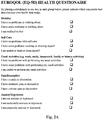
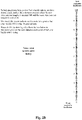
- the EUROQOL (EQ-5D) is a reliable and validated survey of health status in 5 areas: mobility, self-care, usual activities, pain/discomfort, and anxiety/depression, completed by the subject (19). Each area has 3 levels: level 1 (no problems), level 2 (some problems), and level 3 (extreme problems) ( see Figures 2A and 2B ).
- the EQ VAS records the subject's self-rated health on a vertical, 20 cm visual analogue scale where the endpoints are labeled "Best imaginable health state, marked as 100" and "Worst imaginable health state, marked as 0."
- a clinically meaningful improvement in a patient's EQ-5D would be reflected as an increase in score after 26 weeks of treatment.
- the EQ-5D is administered at Day 1, Weeks 4, 8, 12, 16, 20, and 26 or ET (Visits 2, 6, 8, 10, 12, 14, and 17 or ET).
- FVC Forced Vital Capacity
- NIF Negative Inspiratory Force
- the MG clinical state is assessed using the MGFA Post-Intervention Status. See Table 10. Change in status categories of Improved, Unchanged, Worse, Exacerbation and Died of MG as well as the Minimal manifestation (MM) is assessed and recorded at Weeks 4, 12 and 26 or ET (Visits 6, 10 and 17 or ET) by the PI or the same neurologist skilled in the evaluation of MG subjects throughout the trial.
- the sub-scores of MM i.e., MM-0, MM-1, and MM-3, will not be used in this protocol.
- the study design is a randomized, double blind, placebo-controlled design. Subjects will be randomly assigned 1 : 1 to eculizumab or placebo.
- the randomization stratification variable will be based on MG clinical classification by the Myasthenia Gravis Foundation of America (MGFA) according to the following 4 groupings (Class IIa and IIIa, Class IVa, Class IIb and IIIb and Class IVb).
- Analyses are produced for the double-blind Study Period in order to compare the eculizumab group with placebo group.
- the analyses include efficacy, safety, and PK/PD analyses.
- the full analysis set is the population on which primary, secondary, and tertiary efficacy analyses is performed and consists of all subjects who are randomized to IP and who have received at least 1 dose of IP (eculizumab or placebo treatment) and have at least one efficacy assessment post IP infusion. Subjects are compared for efficacy according to the treatment they were randomized to receive, irrespective of the treatment they actually received.
- the Per-Protocol (PP) Set is a subset of the Full Analysis Set (FAS) population, excluding subjects with major protocol deviations.
- FAS Full Analysis Set
- the possible categories of major protocol deviations are defined in the statistical analysis plan.
- the per-protocol population will include all subjects who:
- Baseline is defined as the last available assessment prior to treatment for all subjects, regardless of treatment group.
- the primary efficacy endpoint is change from baseline in the MG-ADL total score at Week 26 of the Study Period.
- the primary efficacy analysis is conducted on the available 26 week data from the Study Period for all subjects. The trial is considered to have met its primary efficacy objective if a statistically significant difference (p ⁇ 0.05) between the eculizumab treatment group and placebo group is observed for change from baseline in the MG-ADL total score at Week 26. Confidence intervals and p-values will be presented.
- treatment groups are compared using a worst-rank score analysis (i.e., analysis of covariance [ANCOVA] analysis with ranks) with effects for treatment.
- the baseline MG-ADL total score and the randomization stratification variables are also to be covariates in the model.
- the actual changes from baseline are ranked from highest (best improvement in MG-ADL score) to lowest (least improvement / most worsening in MG-ADL score) across all subjects who did not need rescue therapy. Then, any subject who needed rescue therapy would be given lower ranks. These lower ranks are based on the time to rescue therapy from the start of investigational product (Day 1).
- the subject with the shortest time to rescue therapy would get the absolute lowest rank in the analysis and the subject with the longest time to rescue therapy would get a rank that is one lower than the lowest ranked subject without rescue therapy.
- Last observation carried-forward is used for missing changes from baseline at Week 26 for patients with missing Week 26 who did not require rescue therapy.
- a sensitivity analysis for the actual change from baseline in the MG-ADL total score at Week 26 is also performed.
- Treatment groups are compared using ANCOVA analysis using the actual change from baseline in the MG-ADL total score at Week 26 with effects for treatment.
- the baseline MG-ADL total score and the randomization stratification variable are also covariates in the model.
- Last observation carried-forward is used for missing changes from baseline at Week 26.
- a sensitivity analysis for the actual change from baseline in the MG-ADL total score at Week 26 is also performed.
- treatment groups are compared using repeated measures model with effects for treatment and visits.
- the baseline MG-ADL total score, the randomization stratification variable, and an indicator for the IST treatment status of the subject are also covariates in the model.
- Subjects have an IST treatment status variable defined based on the IST treatments the subject receives.
- summaries of changes from baseline in the MG-ADL total score at Week 26 are produced by treatment group for subjects who have failed ISTs.
- the secondary efficacy analyses use the available 26-week data from the Study Period. Hypothesis testing comparing eculizumab treatment with placebo treatment for the secondary efficacy analyses are performed using a closed testing procedure with the following rank order:
- the secondary endpoints that involve changes from baseline are analyzed using a worst-case ranked analysis of covariance (ANCOVA) like that described for the primary efficacy endpoints as the primary analysis for the particular secondary endpoint.
- ANCOVA worst-case ranked analysis of covariance
- the ranked ANCOVA will have effects for treatment, the baseline for the particular endpoint, and the randomization stratification variable.
- a sensitivity analysis for the change from baseline in QMG at Week 26 is analyzed using repeated measures model with effects for treatment, visits, and baseline QMG score in order to compare treatment groups.
- the randomization stratification variable is also a covariate in the model.
- a sensitivity analysis for the actual change from baseline in QMG score at Week 26 will also be performed.
- Treatment groups are compared using ANCOVA analysis using the actual change from baseline in the QMG score at Week 26 with effects for treatment.
- the baseline QMG score and the randomization stratification variable are also covariates in the model. Last observation carried-forward will be used for missing changes from baseline at Week 26.
- a sensitivity analysis for the change from baseline in MGC at Week 26 is analyzed using repeated measures model with effects for treatment, visits, and baseline MGC score in order to compare treatment groups.
- the randomization stratification variable is also a covariate in the model.
- a sensitivity analysis for the change from baseline in MG-QOL-15 at Week 26 is analyzed using repeated measures model with effects for treatment, visits, and baseline MG-QOL-15 score in order to compare treatment groups.
- the randomization stratification variable is also a covariate in the model.
- the proportion of subjects with at least a 3 point reduction in the MG-ADL total score from baseline to Week 26 with no rescue therapy are analyzed by the Cochran-Mantel-Haenszel test stratified by randomization stratification variable in order to compare eculizumab versus placebo.
- the proportion of subjects with at least a 5 point reduction in the QMG total score from baseline to Week 26 with no rescue therapy are analyzed by the Cochran-Mantel-Haenszel test stratified by randomization stratification variable in order to compare eculizumab versus placebo.
- Additional sensitivity analyses are performed in order that assess the impact of IST treatment status on the various secondary endpoints.
- a sensitivity analysis for the change from baseline in the secondary endpoints (i.e., QMG, MGC, and MG-QOL-15) at Week 26 are analyzed using repeated measures model with effects for treatment, visits, and baseline score in order to compare treatment groups.
- the randomization stratification variable and an indicator for the IST treatment status of the subject are also covariates in the model. Subjects will have an IST treatment status variable defined based on the IST treatments the subject receives.
- treatment groups are compared using Cox PH regression with robust variance estimation.
- the randomization stratification variable is also a covariate in the model. Inference is based on the Wald test of the log hazard ratio.
- the tertiary endpoints that involve changes from baseline are analyzed using a worst-case ranked ANCOVA like that described for the primary efficacy endpoints as the primary analysis for the particular tertiary endpoint.
- the ranked ANCOVA has effects for treatment, the baseline for the particular endpoint, and the randomization stratification variable.
- a sensitivity analysis for the change from baseline in NIF at Week 26 for subjects with abnormal NIF at baseline is analyzed using repeated measures model with effects for treatment, visits, and baseline NIF in order to compare treatment groups.
- the randomization stratification variables are also covariates in the model.
- a sensitivity analysis for the change from baseline in the MG-ADL individual items and sub-categories at Week 26 in subjects that are abnormal at baseline are analyzed using repeated measures model with effects for treatment, visits, and baseline MG-ADL individual item and sub-categories, as applicable for the analysis, in order to compare treatment groups.
- the randomization stratification variable is also a covariate in the model.
- a sensitivity analysis for the change from baseline in the MG-ADL individual items and subcategories at Week 26 are performed using repeated measures model with effects for treatment, visits, and baseline MG-ADL individual item or sub-categories score, as applicable for the analysis, in order to compare treatment groups.
- the randomization stratification variable is also a covariate in the model. Finally, similar sensitivity analyses and/or summaries are produced (depending on the number of subjects) in the subset of subjects who were normal at baseline and became abnormal after baseline in the MG-ADL individual items and sub-categories.
- Efficacy was measured by MG-ADL, QMG, MGC, NIF, FVC, QOL, G-QOL15, Neuro-QOL Fatigue, EQ-5D and MGFA Post-Intervention Status.
- Example 3 Results from REGAIN Study Comprising ECU-MG-301 26 Week (301) Trial and ECU-MG-302 Extension (302) Trial
- the REGAIN study is a randomized, double-blind, placebo-controlled, multicenter trial evaluating the safety and efficacy of eculizumab in patients with refractory gMG.
- the study enrolled and treated 125 adult patients across North America, South America, Europe, and Asia. Patients had a confirmed MG diagnosis with positive serologic test for anti-AChR antibodies. All patients had previously failed treatment with at least two immunosuppressive agents or failed treatment with at least one immunosuppressive agent and required chronic plasma exchange or IVIg, and had an MG-ADL total score ⁇ 6 at study entry.
- the breakdown of the MGFA classification at screening was as follows: Class IIa 25 total patients; Class IIb 22 total patients; Class IIIa 36 total patients; Class IIIb 30 total patients; Class IVa 6 total patients; and Class IVb 6 total patients.
- the patients were assigned to the placebo group as follows: Class IIa 15 (23.8%) total patients; Class IIb 14 (22.2%) total patients; Class IIIa 16 (25.4%) total patients; Class IIIb 13 (20.6%) total patients; Class IVa 2 (3.2%) total patients; and Class IVb 3 (4.8%) total patients.
- the protocol defines clinical deterioration as a subject who has one of the following:
- Rescue therapy is defined in the protocol as follows: Use of PE or IVIg will be allowed for subjects who experience a Clinical Deterioration as defined by this protocol. The rescue therapy used for a particular subject is at the discretion of the treating physician
- PE is administered as a rescue therapy
- supplemental IP (2 vials) are administered within 60 minutes after the end of each PE session.
- Routine (per protocol schedule) IP administration is continued per the specified dose-administration schedule for the subject. If the subject is scheduled to receive the protocol-scheduled dose on the day of a PE session, then the scheduled dose is administered within 60 minutes after the end of the PE session.
- One primary endpoint in the MG-ADL score at week 26 The score ranges from 0-24 and contains 3 bulbar items, 1 respiratory item, 2 gross motor or limb items, and 2 ocular items.
- a clinically meaningful improvement in MG-ADL is defined as a 3 points or greater reduction. See Table 1.
- Refractory gMG is an ultra-rare segment of MG-a debilitating, complement-mediated neuromuscular disease-in which patients have largely exhausted conventional therapy and continue to suffer profound muscle weakness throughout the body, resulting in slurred speech, impaired swallowing and choking, double vision, upper and lower extremity weakness, disabling fatigue, shortness of breath due to respiratory muscle weakness, and episodes of respiratory failure.
- MG-ADL Myasthenia Gravis-Activities of Daily Living Profile
- the current QMG scoring system consists of 13 items: ocular (2 items), facial (1 item), bulbar (2 items), gross motor (6 items), axial (1 item) and respiratory (1 item); each graded 0 to 3, with 3 being the most severe ( see Table 2).
- the range of total QMG score is 0 - 39.
- the QMG scoring system is considered to be an objective evaluation of therapy for MG and is based on quantitative testing of sentinel muscle groups.
- the MGFA task force has recommended that the QMG score be used in prospective studies of therapy for MG.
- a clinically meaningful improvement in a patient's QMG would be a 5 point or greater reduction in score after 26 weeks of treatment.
- the MGC score was evaluated for all study participants over time.
- the MGC is a validated assessment tool for measuring clinical status of subjects with MG (16).
- the MGC assesses 10 important functional areas most frequently affected by MG and the scales are weighted for clinical significance that incorporate subject-reported outcomes ( see Table 3).
- MGC will be administered at Screening, Day 1, Weeks 1-4, 8, 12, 16, 20, and 26 or ET (Visits 1-6, 8, 10, 12, 14, and 17 or ET). Total scores range from 0-50.
- a clinically meaningful improvement in a patient's MGC would be a 3 point or greater reduction in score after 26 weeks of treatment.
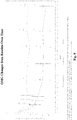
- the MGC score for the full data set was (-10) in the eculizumab treated group and therefore resulted in a clinically significant improvement for all patients not needing rescue or dropping out of the study. See Table 23 above for the results.
- the 15-item Myasthenia Gravis Qualify of Life scale (MG-QOL 15) is a health-related quality of life evaluative instrument specific to subjects with MG. See Table 4. MG-QOL15 was designed to provide information about subjects' perception of impairment and disability and the degree to which disease manifestations are tolerated and to be easy to administer and interpret. The MG-QOL 15 is completed by the subject. Total scores range from 0 to 60 and higher scores indicate greater extent of and dissatisfaction with MG-related dysfunction. A clinically meaningful improvement in a patient's MGQOL would be a decrease in score after 26 weeks of treatment.
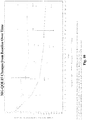
- the MG-QOL 15 median score for the full data set was (-11.5) in the eculizumab treated group and therefore resulted in a clinically significant improvement for all patients not needing rescue or dropping out of the study. See Table 24 below for the results.
- the Neuro-QOL Fatigue is a reliable and validated brief 19-item survey of fatigue completed by the subject. Higher scores indicate greater fatigue and greater impact of MG on activities ( see Table 5). A clinically meaningful improvement in a patient's Neuro-QQL Fatigue score would be reflected in a decrease in score after 26 weeks of treatment.
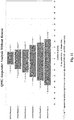
- the eculizumab treated group realized a clinically meaningful improvement (reduction) in their Neuro-QQL Fatigue score after 26 weeks of treatment.
- Pre-specified sensitivity analyses were prospectively defined to validate results for the primary and first secondary endpoints.
- Three of the four prospectively defined MG-ADL sensitivity analyses achieved p-values ⁇ 0.05, including the sensitivity analysis around the primary endpoint for change from baseline in MG-ADL using repeated measures, which showed a mean change with eculizumab treatment at week 26 of -4.2 versus a mean change with placebo at week 26 of -2.3 and achieved a p-value of 0.0058.
- Table 27 below contains sequences of anti-complement protein C5 specific humanized antibodies that can be used in treating refractory MG.
- the antibody was an anti-C5 antibody such as eculizumab having three heavy chain complementarity determining regions (CDRs) as set forth in Table 27 using the Kabat definitions of CDRs as heavy chain CDR1 in SEQ ID NO: 1, heavy chain CDR2 in SEQ ID NO: 2, and heavy chain CDR3 in SEQ ID NO: 3.
- the eculizumab light chain CDRs are set forth below as as light chain CDR1 in SEQ ID NO: 4, light chain CDR2 in SEQ ID NO: 5 and light chain CDR3 in SEQ ID NO: 6.
- the heavy chain variable region of eculizumab is set forth in SEQ ID NO: 7 and the light chain variable region of eculizumab is set forth in SEQ ID NO: 8.
- the complete heavy chain of eculizumab is set forth below as SEQ ID NO: 10 and the light chain is set forth below as SEQ ID NO: 11
- the antibody may be an eculizumab variant known as BNJ441 and having selected mutations in the CDR regions combined with mutations in the Fc region to increase the T1/2 of the antibody in the patient.
- the BNJ441 antibody has heavy chain variable region as set forth in SEQ ID NO: 12 and the light chain variable region of BNJ441 is set forth in SEQ ID NO: 8.
- the complete heavy chain of BNJ441 is set forth below as SEQ ID NO: 14 and the light chain is set forth below as SEQ ID NO: 11
- the antibody may be an anti-C5 antibody unrelated to eculizumab such as the 7086 antibody and having three heavy chain complementarity determining regions (CDRs) as set forth in Table Table 27 using the Kabat definitions of CDRs as heavy chain CDR1 in SEQ ID NO: 21, heavy chain CDR2 in SEQ ID NO: 22, and heavy chain CDR3 in SEQ ID NO: 23.
- the 7086 antibody light chain CDRs are set forth below as light chain CDR1 in SEQ ID NO: 24, light chain CDR2 in SEQ ID NO: 25 and light chain CDR3 in SEQ ID NO: 26.
- the heavy chain variable region of 7086 is set forth in SEQ ID NO: 27 and the light chain variable region of 7086 is set forth in SEQ ID NO: 28.
- the antibody may be an anti-C5 antibody unrelated to eculizumab such as the 8110 antibody and having three heavy chain complementarity determining regions (CDRs) as set forth in Table 27 using the Kabat definitions of CDRs as heavy chain CDR1 in SEQ ID NO: 29, heavy chain CDR2 in SEQ ID NO: 30, and heavy chain CDR3 in SEQ ID NO: 31.
- the 7086 antibody light chain CDRs are set forth below as light chain CDR1 in SEQ ID NO: 32, light chain CDR2 in SEQ ID NO: 33 and light chain CDR3 in SEQ ID NO: 34.
- the heavy chain variable region of 8110 is set forth in SEQ ID NO: 35 and the light chain variable region of 8110 is set forth in SEQ ID NO: 36.
- Example 5 Dual Responder Analyses of Both Muscle Strength and Activities of Daily Living, Eculizumab Versus Placebo, in Refractory Generalized Myasthenia Gravis (gMG) Patients: Results from the REGAIN Study
- the objective of the example was to assess the time course of response in patients who demonstrated a clinically meaningful response to eculizumab and the proportion of patients who had clinically meaningful relevant responses on both the MG-ADL and the QMG.
- the Myasthenia Gravis Activities of Daily Living is a physician-directed, patient-reported measure of symptom severity related to MG-specific ADLs ( Muppidi, Ann. N.Y. Acad. Sci. 1274: 114-19 (2012 )), and the Quantitative Myasthenia Gravis (QMG) tool is a clinician-reported measure of muscle strength ( Barohn et al., Ann. N.Y. Acad. Sci. 841: 769-72 (1998 )).
- Pre-specified responder analyses included the proportion of patients who responded with ⁇ 3-point improvement in MG-ADL total score with no rescue; and the proportion of patients with ⁇ 5-point improvement in QMG total score with no rescue.
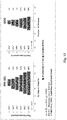
- the response rate was substantially higher in eculizumab-treated patients (40.3%) than in placebo-treated patients (12.7%), showing a clinically significant response by both patient- and physician-assessed outcome measures in patients treated with eculizumab.
- the superiority of response to eculizumab over placebo becomes more pronounced, with odds ratios exceeding 10.
- Example 6 Efficacy of Eculizumab is Maintained Beyond 26 Weeks in Patients with AChR+ Refractory Generalized Myasthenia Gravis (gMG)
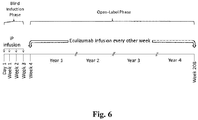
- ECU-MG-302. Patients who completed REGAIN were allowed to continue into an open-label extension study known as ECU-MG-302. Each patient enrolled in the extension trial underwent an initial 4-week blinded induction before receiving open-label eculizumab maintenance treatment (1200 mg every 2 weeks). MG-ADL, QMG, MGC, and MG-QOL15 scores and safety were assessed.
- IST background immunosuppressant therapy
- AChI acetylcholinesterase inhibitors
- the MG-ADL total score in eculizumab/eculizumab patients was unchanged from open-label baseline through week 52.
- the placebo/eculizumab patients did not affect rapid improvement in MG-ADL total score from open-label baseline with a change from ECU-MG-302 baseline in MG-ADL total score observed as early as week 1 (-1.6 [-2.28, -0.89]; p ⁇ 0.0001).
- the majority of the overall treatment effect was achieved by week 4 (-2.4 [-3.19, -1.71]; p ⁇ 0.0001) during the blind induction phase, and was sustained through week 52 (-2.7 [-3.73, -1.63]; p ⁇ 0.0001).
- the invention also pertains to the following
Landscapes
- Health & Medical Sciences (AREA)
- Chemical & Material Sciences (AREA)
- Organic Chemistry (AREA)
- Life Sciences & Earth Sciences (AREA)
- General Health & Medical Sciences (AREA)
- Medicinal Chemistry (AREA)
- Animal Behavior & Ethology (AREA)
- Engineering & Computer Science (AREA)
- Veterinary Medicine (AREA)
- Public Health (AREA)
- Heart & Thoracic Surgery (AREA)
- Molecular Biology (AREA)
- Proteomics, Peptides & Aminoacids (AREA)
- Genetics & Genomics (AREA)
- Biophysics (AREA)
- Biochemistry (AREA)
- Immunology (AREA)
- Bioinformatics & Cheminformatics (AREA)
- Pharmacology & Pharmacy (AREA)
- Chemical Kinetics & Catalysis (AREA)
- General Chemical & Material Sciences (AREA)
- Nuclear Medicine, Radiotherapy & Molecular Imaging (AREA)
- Vascular Medicine (AREA)
- Hematology (AREA)
- Anesthesiology (AREA)
- Biomedical Technology (AREA)
- Physical Education & Sports Medicine (AREA)
- Orthopedic Medicine & Surgery (AREA)
- Neurology (AREA)
- Medicines Containing Antibodies Or Antigens For Use As Internal Diagnostic Agents (AREA)
- Medicines That Contain Protein Lipid Enzymes And Other Medicines (AREA)
- Peptides Or Proteins (AREA)
Applications Claiming Priority (6)
| Application Number | Priority Date | Filing Date | Title |
|---|---|---|---|
| US201662342321P | 2016-05-27 | 2016-05-27 | |
| US201662346168P | 2016-06-06 | 2016-06-06 | |
| US201762489240P | 2017-04-24 | 2017-04-24 | |
| US201762500643P | 2017-05-03 | 2017-05-03 | |
| EP17803293.4A EP3463461A4 (en) | 2016-05-27 | 2017-05-15 | Methods for treatment of refractory generalized myasthenia gravis |
| PCT/US2017/032767 WO2017205101A1 (en) | 2016-05-27 | 2017-05-15 | Methods for treatment of refractory generalized myasthenia gravis |
Related Parent Applications (1)
| Application Number | Title | Priority Date | Filing Date |
|---|---|---|---|
| EP17803293.4A Division EP3463461A4 (en) | 2016-05-27 | 2017-05-15 | Methods for treatment of refractory generalized myasthenia gravis |
Publications (1)
| Publication Number | Publication Date |
|---|---|
| EP3909609A1 true EP3909609A1 (en) | 2021-11-17 |
Family
ID=60412593
Family Applications (2)
| Application Number | Title | Priority Date | Filing Date |
|---|---|---|---|
| EP21159097.1A Pending EP3909609A1 (en) | 2016-05-27 | 2017-05-15 | Methods for treatment of refractory generalized myasthenia gravis |
| EP17803293.4A Withdrawn EP3463461A4 (en) | 2016-05-27 | 2017-05-15 | Methods for treatment of refractory generalized myasthenia gravis |
Family Applications After (1)
| Application Number | Title | Priority Date | Filing Date |
|---|---|---|---|
| EP17803293.4A Withdrawn EP3463461A4 (en) | 2016-05-27 | 2017-05-15 | Methods for treatment of refractory generalized myasthenia gravis |
Country Status (11)
| Country | Link |
|---|---|
| US (3) | US20170342139A1 (enExample) |
| EP (2) | EP3909609A1 (enExample) |
| JP (3) | JP2019517473A (enExample) |
| KR (1) | KR20190012199A (enExample) |
| CN (1) | CN109475630A (enExample) |
| AU (1) | AU2017269839A1 (enExample) |
| BR (1) | BR112018073945A2 (enExample) |
| CA (1) | CA3024618A1 (enExample) |
| MX (1) | MX2018014560A (enExample) |
| RU (1) | RU2018141451A (enExample) |
| WO (1) | WO2017205101A1 (enExample) |
Families Citing this family (8)
| Publication number | Priority date | Publication date | Assignee | Title |
|---|---|---|---|---|
| MX2017005774A (es) | 2014-12-19 | 2017-07-28 | Chugai Pharmaceutical Co Ltd | Anticuerpos antimiostatina, polipeptidos que contienen regiones fc variantes, y metodos de uso. |
| JP2019517473A (ja) * | 2016-05-27 | 2019-06-24 | アレクシオン ファーマシューティカルズ インコーポレイテッドAlexion Pharmaceuticals, Inc. | 難治性全身型重症筋無力症の処置のための方法 |
| MY191668A (en) | 2016-06-14 | 2022-07-06 | Regeneron Pharma | Anti-c5 antibodies and uses thereof |
| JP2021506241A (ja) | 2017-12-13 | 2021-02-22 | リジェネロン・ファーマシューティカルズ・インコーポレイテッドRegeneron Pharmaceuticals, Inc. | 抗c5抗体組み合わせ物およびその使用 |
| JP2022500427A (ja) * | 2018-09-17 | 2022-01-04 | 国立大学法人京都大学 | 肝傷害又は肝不全の処置のための抗c5剤の投与 |
| WO2020106724A1 (en) * | 2018-11-20 | 2020-05-28 | Alexion Pharmaceuticals, Inc. | Methods for treatment of refractory generalized myasthenia gravis in pediatric patients |
| WO2020168079A1 (en) * | 2019-02-14 | 2020-08-20 | Alexion Pharmaceuticals, Inc. | Dosage and administration of anti-c5 antibodies for treatment of generalized myasthenia gravis |
| US20220259305A1 (en) * | 2019-08-05 | 2022-08-18 | Alexion Pharmaceuticals, Inc. | Methods for treatment of refractory generalized myasthenia gravis with eculizumab |
Citations (6)
| Publication number | Priority date | Publication date | Assignee | Title |
|---|---|---|---|---|
| US6355245B1 (en) | 1994-05-02 | 2002-03-12 | Alexion Pharmaceuticals, Inc. | C5-specific antibodies for the treatment of inflammatory diseases |
| US7161181B2 (en) | 2001-12-28 | 2007-01-09 | Sharp Kabushiki Kaisha | Thin film transistor device and method of manufacturing the same |
| US8241628B2 (en) | 2008-08-05 | 2012-08-14 | Novartis Ag | Compositions and methods for antibodies targeting complement protein C5 |
| US9079949B1 (en) | 2014-03-07 | 2015-07-14 | Alexion Pharmaceuticals, Inc. | Anti-C5 antibodies having improved pharmacokinetics |
| US9181349B2 (en) | 2011-03-28 | 2015-11-10 | Sanofi | Dual variable region antibody-like binding proteins having cross-over binding region orientation |
| WO2018044858A2 (en) * | 2016-08-29 | 2018-03-08 | The Cleveland Clinic Foundation | C5 immunization for autologous anti-c5 antibody production |
Family Cites Families (137)
| Publication number | Priority date | Publication date | Assignee | Title |
|---|---|---|---|---|
| US3710795A (en) | 1970-09-29 | 1973-01-16 | Alza Corp | Drug-delivery device with stretched, rate-controlling membrane |
| US4485045A (en) | 1981-07-06 | 1984-11-27 | Research Corporation | Synthetic phosphatidyl cholines useful in forming liposomes |
| US4816567A (en) | 1983-04-08 | 1989-03-28 | Genentech, Inc. | Recombinant immunoglobin preparations |
| US4544545A (en) | 1983-06-20 | 1985-10-01 | Trustees University Of Massachusetts | Liposomes containing modified cholesterol for organ targeting |
| WO1987000201A1 (en) | 1985-07-05 | 1987-01-15 | Whitehead Institute For Biomedical Research | Epithelial cells expressing foreign genetic material |
| US4980286A (en) | 1985-07-05 | 1990-12-25 | Whitehead Institute For Biomedical Research | In vivo introduction and expression of foreign genetic material in epithelial cells |
| US4863457A (en) | 1986-11-24 | 1989-09-05 | Lee David A | Drug delivery device |
| AU600575B2 (en) | 1987-03-18 | 1990-08-16 | Sb2, Inc. | Altered antibodies |
| EP0633318A1 (en) | 1987-09-11 | 1995-01-11 | Whitehead Institute For Biomedical Research | Transduced fibroblasts and uses therefor |
| DE3851153T2 (de) | 1987-12-11 | 1995-01-05 | Hughes Howard Med Inst | Genetische modifizierung von endothelialen zellen. |
| EP0400047B1 (en) | 1988-02-05 | 1997-04-23 | Whitehead Institute For Biomedical Research | Modified hepatocytes and uses therefor |
| US5013556A (en) | 1989-10-20 | 1991-05-07 | Liposome Technology, Inc. | Liposomes with enhanced circulation time |
| US5164188A (en) | 1989-11-22 | 1992-11-17 | Visionex, Inc. | Biodegradable ocular implants |
| JP3418982B2 (ja) | 1990-10-31 | 2003-06-23 | ソマティクス セラピー コーポレイション | 内皮細胞の遺伝的変性 |
| KR0185215B1 (ko) | 1990-11-30 | 1999-05-01 | 요시다 쇼오지 | 서방성 안구삽입용 약제 |
| US5714350A (en) | 1992-03-09 | 1998-02-03 | Protein Design Labs, Inc. | Increasing antibody affinity by altering glycosylation in the immunoglobulin variable region |
| BR9306765A (pt) | 1992-07-23 | 1998-12-08 | Minnesota Mining & Mfg | Processo para a preparação de uma partícula abrasiva e artigo abrasivo |
| US6005079A (en) | 1992-08-21 | 1999-12-21 | Vrije Universiteit Brussels | Immunoglobulins devoid of light chains |
| EP0656946B2 (en) | 1992-08-21 | 2010-03-31 | Vrije Universiteit Brussel | Immunoglobulins devoid of light chains |
| US5885573A (en) | 1993-06-01 | 1999-03-23 | Arch Development Corporation | Methods and materials for modulation of the immunosuppressive activity and toxicity of monoclonal antibodies |
| IT1265573B1 (it) | 1993-09-17 | 1996-11-22 | Zanussi Grandi Impianti Spa | Forno di cottura di alimenti con porta perfezionata |
| US5308341A (en) | 1993-09-28 | 1994-05-03 | Becton, Dickinson And Company | Method of testing the dose accuracy of a medication delivery device |
| US5443505A (en) | 1993-11-15 | 1995-08-22 | Oculex Pharmaceuticals, Inc. | Biocompatible ocular implants |
| ATE264096T1 (de) | 1994-03-07 | 2004-04-15 | Nektar Therapeutics | Verfahren und mittel zur verabreichung von insulin über die lunge |
| US6019968A (en) | 1995-04-14 | 2000-02-01 | Inhale Therapeutic Systems, Inc. | Dispersible antibody compositions and methods for their preparation and use |
| CA2229043C (en) | 1995-08-18 | 2016-06-07 | Morphosys Gesellschaft Fur Proteinoptimierung Mbh | Protein/(poly)peptide libraries |
| US5773019A (en) | 1995-09-27 | 1998-06-30 | The University Of Kentucky Research Foundation | Implantable controlled release device to deliver drugs directly to an internal portion of the body |
| WO1997034631A1 (en) | 1996-03-18 | 1997-09-25 | Board Of Regents, The University Of Texas System | Immunoglobin-like domains with increased half lives |
| AU3117697A (en) | 1996-05-06 | 1997-11-26 | Uab Research Foundation, The | Radiolabeled fusion toxins for cancer therapy |
| US6146361A (en) | 1996-09-26 | 2000-11-14 | Becton Dickinson And Company | Medication delivery pen having a 31 gauge needle |
| WO1998023289A1 (en) | 1996-11-27 | 1998-06-04 | The General Hospital Corporation | MODULATION OF IgG BINDING TO FcRn |
| GB9626960D0 (en) | 1996-12-27 | 1997-02-12 | Glaxo Group Ltd | Valve for aerosol container |
| US6277375B1 (en) | 1997-03-03 | 2001-08-21 | Board Of Regents, The University Of Texas System | Immunoglobulin-like domains with increased half-lives |
| WO1998047531A2 (en) | 1997-04-21 | 1998-10-29 | Arch Development Corporation | Fc receptor non-binding anti-cd3 monoclonal antibodies deliver a partial tcr signal and induce clonal anergy |
| US6096872A (en) | 1997-10-14 | 2000-08-01 | Ortho Diagnostic Systems, Inc. | Viral clearance process |
| NZ504021A (en) | 1997-10-17 | 2003-04-29 | Systemic Pulmonary Delivery Lt | Method and apparatus for delivering aerosolized medication having air discharged through air tube directly into plume of aerosolized medication |
| US6194551B1 (en) | 1998-04-02 | 2001-02-27 | Genentech, Inc. | Polypeptide variants |
| US6302855B1 (en) | 1998-05-20 | 2001-10-16 | Novo Nordisk A/S | Medical apparatus for use by a patient for medical self treatment of diabetes |
| US6737056B1 (en) | 1999-01-15 | 2004-05-18 | Genentech, Inc. | Polypeptide variants with altered effector function |
| BR0008758A (pt) | 1999-01-15 | 2001-12-04 | Genentech Inc | Variantes de polipeptìdeos parentais com funçãoefetora alterada, polipeptìdeos, composição ácidonucleico isolado, vetor, célula hospedeira,método para produzir uma variante depolipeptìdeo, método para o tratamento de umadesordem em mamìferos e método para produziruma região fc variante |
| HK1042234A1 (zh) | 1999-04-13 | 2002-08-09 | Nektar Therapeutics | 向肺部施加乾粉配方以治疗不育症 |
| WO2000061178A1 (en) | 1999-04-13 | 2000-10-19 | Inhale Therapeutics Systems, Inc. | Pulmonary administration of dry powder formulations for treating infertility |
| US6192891B1 (en) | 1999-04-26 | 2001-02-27 | Becton Dickinson And Company | Integrated system including medication delivery pen, blood monitoring device, and lancer |
| GB9910975D0 (en) | 1999-05-13 | 1999-07-14 | Univ Strathclyde | Rapid dehydration of proteins |
| US6277099B1 (en) | 1999-08-06 | 2001-08-21 | Becton, Dickinson And Company | Medication delivery pen |
| PE20011227A1 (es) | 2000-04-17 | 2002-01-07 | Chiesi Farma Spa | Formulaciones farmaceuticas para inhaladores de polvo seco en la forma de aglomerados duros |
| AU2001278716A1 (en) | 2000-08-10 | 2002-02-25 | Chugai Seiyaku Kabushiki Kaisha | Method of inhibiting antibody-containing solution from coagulating or becoming turbid |
| AU2001271417B2 (en) | 2000-08-30 | 2006-10-05 | Johns Hopkins University | Devices for intraocular drug delivery |
| PT1355919E (pt) | 2000-12-12 | 2011-03-02 | Medimmune Llc | Moléculas com semivida longa, composições que as contêm e suas utilizações |
| JP4383168B2 (ja) | 2001-09-12 | 2009-12-16 | ベクトン・ディキンソン・アンド・カンパニー | マイクロ針投与デバイスおよび薬物投与デバイス |
| WO2003074679A2 (en) | 2002-03-01 | 2003-09-12 | Xencor | Antibody optimization |
| WO2003105757A2 (en) | 2002-06-12 | 2003-12-24 | Genencor International, Inc. | Methods and compositions for milieu-dependent binding of a targeted agent to a target |
| EP1545611B1 (en) | 2002-09-06 | 2016-11-09 | Alexion Pharmaceuticals, Inc. | Method of treatment of asthma using antibodies to complement component c5 |
| US9415102B2 (en) * | 2002-09-06 | 2016-08-16 | Alexion Pharmaceuticals, Inc. | High concentration formulations of anti-C5 antibodies |
| US20050271660A1 (en) | 2002-09-06 | 2005-12-08 | Alexion Pharmaceuticals, Inc. | Nebulization of monoclonal antibodies for treating pulmonary diseases |
| US20040102469A1 (en) | 2002-09-13 | 2004-05-27 | Boehringer Ingelheim Pharma Gmbh & Co. Kg | Method for reducing the mortality rate |
| GB0222023D0 (en) | 2002-09-21 | 2002-10-30 | Aventis Pharma Ltd | Inhaler |
| CA2499816C (en) | 2002-09-27 | 2013-07-30 | Xencor, Inc. | Optimized fc variants and methods for their generation |
| FR2849436B1 (fr) | 2002-12-27 | 2007-01-05 | Patrick Frayssinet | Particules et ceramiques de phosphates de calcium pour transfection in vivo et in vitro |
| WO2004073551A2 (en) | 2003-02-18 | 2004-09-02 | Massachusetts Eye And Ear Infirmary | Transscleral drug delivery device and related methods |
| DK1610820T4 (da) | 2003-04-04 | 2013-11-04 | Genentech Inc | Høj-koncentration antistof- og proteinformuleringer |
| US20050054048A1 (en) | 2003-07-29 | 2005-03-10 | Luigi Grasso | Antibodies and methods for generating genetically altered antibodies with enhanced effector function |
| US20070148170A1 (en) | 2005-10-03 | 2007-06-28 | Desjarlais John R | Fc Variants With Optimized Fc Receptor Binding Properties |
| GB0324368D0 (en) | 2003-10-17 | 2003-11-19 | Univ Cambridge Tech | Polypeptides including modified constant regions |
| WO2005077981A2 (en) | 2003-12-22 | 2005-08-25 | Xencor, Inc. | Fc POLYPEPTIDES WITH NOVEL Fc LIGAND BINDING SITES |
| EP2053062A1 (en) | 2004-03-24 | 2009-04-29 | Xencor, Inc. | Immunoglobin variants outside the Fc region |
| US8685435B2 (en) | 2004-04-30 | 2014-04-01 | Allergan, Inc. | Extended release biodegradable ocular implants |
| US7919094B2 (en) | 2004-06-10 | 2011-04-05 | Omeros Corporation | Methods for treating conditions associated with MASP-2 dependent complement activation |
| GB0416328D0 (en) | 2004-07-21 | 2004-08-25 | Univ Cardiff | Use of dry powder compositions for pulmonary delivery |
| US20060074225A1 (en) | 2004-09-14 | 2006-04-06 | Xencor, Inc. | Monomeric immunoglobulin Fc domains |
| US8367805B2 (en) | 2004-11-12 | 2013-02-05 | Xencor, Inc. | Fc variants with altered binding to FcRn |
| BRPI0517837A (pt) | 2004-11-12 | 2008-10-21 | Xencor Inc | variantes fc com ligação alterada a fcrn |
| US8802820B2 (en) | 2004-11-12 | 2014-08-12 | Xencor, Inc. | Fc variants with altered binding to FcRn |
| WO2006094234A1 (en) | 2005-03-03 | 2006-09-08 | Xencor, Inc. | Methods for the design of libraries of protein variants |
| WO2006105338A2 (en) | 2005-03-31 | 2006-10-05 | Xencor, Inc. | Fc VARIANTS WITH OPTIMIZED PROPERTIES |
| US7612181B2 (en) | 2005-08-19 | 2009-11-03 | Abbott Laboratories | Dual variable domain immunoglobulin and uses thereof |
| WO2007076062A2 (en) | 2005-12-21 | 2007-07-05 | Wyeth | Protein formulations with reduced viscosity and uses thereof |
| US7807378B2 (en) * | 2005-12-29 | 2010-10-05 | Industrial Technology Research Institute (Itri) | Method of diagnosing myasthenia gravis and kits therefor |
| EP1988882B1 (en) | 2006-03-02 | 2014-12-17 | Alexion Pharmaceuticals, Inc. | Prolongation of survival of an allograft by inhibiting complement activity |
| DK2359834T5 (en) | 2006-03-15 | 2017-02-06 | Alexion Pharma Inc | Treatment of paroxysmal nocturnal hemoglobinuria patients with a complement inhibitor |
| DK2006381T3 (en) | 2006-03-31 | 2016-02-22 | Chugai Pharmaceutical Co Ltd | PROCEDURE FOR REGULATING ANTIBODIES BLOOD PHARMACOKINETICS |
| US8037880B2 (en) | 2006-04-07 | 2011-10-18 | The University Of Western Ontario | Dry powder inhaler |
| US20100034194A1 (en) | 2006-10-11 | 2010-02-11 | Siemens Communications Inc. | Eliminating unreachable subscribers in voice-over-ip networks |
| WO2008048545A2 (en) | 2006-10-16 | 2008-04-24 | Medimmune, Llc. | Molecules with reduced half-lives, compositions and uses thereof |
| WO2008092117A2 (en) | 2007-01-25 | 2008-07-31 | Xencor, Inc. | Immunoglobulins with modifications in the fcr binding region |
| AU2008266051B2 (en) | 2007-06-14 | 2014-07-31 | Biogen Ma Inc. | Antibody formulations |
| CN101848733A (zh) | 2007-07-13 | 2010-09-29 | 艾博特生物技术有限公司 | 用于肺部给予TNFα抑制剂的方法和组合物 |
| DK2202245T3 (en) | 2007-09-26 | 2016-11-21 | Chugai Pharmaceutical Co Ltd | A method of modifying an antibody isoelectric point VIA amino acid substitution in CDR |
| ES2742268T3 (es) | 2007-12-26 | 2020-02-13 | Xencor Inc | Variantes de Fc con unión alterada a FcRn |
| PT2708559T (pt) | 2008-04-11 | 2018-05-16 | Chugai Pharmaceutical Co Ltd | Molécula de ligação ao antigénio capaz de se ligar repetidamente a duas ou mais moléculas de antigénio |
| CA2739429C (en) | 2008-10-14 | 2020-12-22 | Lisa A. Damico | Immunoglobulin variants and uses thereof |
| RS64039B1 (sr) * | 2008-11-10 | 2023-04-28 | Alexion Pharma Inc | Metode i kompozicije za lečenje poremećaja povezanih sa komplementom |
| AU2015227544B2 (en) | 2008-11-10 | 2017-05-25 | Alexion Pharmaceuticals, Inc. | Methods and compositions for treating complement-associated disorders |
| US20120282654A1 (en) | 2009-04-29 | 2012-11-08 | Schering Corporation | Antibody purification |
| NZ597259A (en) | 2009-06-23 | 2014-04-30 | Alexion Pharma Inc | Bispecific antibodies that bind to complement proteins |
| WO2011104381A2 (en) | 2010-02-26 | 2011-09-01 | Novo Nordisk A/S | Stable antibody containing compositions |
| CN105218674A (zh) | 2010-03-11 | 2016-01-06 | 瑞纳神经科学公司 | 呈pH依赖性抗原结合的抗体 |
| TWI667346B (zh) | 2010-03-30 | 2019-08-01 | 中外製藥股份有限公司 | 促進抗原消失之具有經修飾的FcRn親和力之抗體 |
| CA2798120A1 (en) | 2010-04-30 | 2011-11-03 | Paul P. Tamburini | Antibodies having reduced immunogenicity in a human |
| KR101800913B1 (ko) | 2010-04-30 | 2017-12-20 | 알렉시온 파마슈티칼스, 인코포레이티드 | 항-c5a 항체들과 이 항체들을 이용하는 방법 |
| MX365235B (es) | 2010-11-30 | 2019-05-28 | Chugai Pharmaceutical Co Ltd | Molécula de unión a antígeno capaz de unir repetidamente a la pluralidad de moléculas de antígeno. |
| DK2698431T3 (da) | 2011-03-30 | 2020-11-30 | Chugai Pharmaceutical Co Ltd | Opretholdelse af antigen-bindende molekyler i blodplasma og fremgangsmåde til modifikation af immunogenicitet |
| JP2014520148A (ja) | 2011-06-20 | 2014-08-21 | セントルイス ユニバーシティ | 治療のための神経筋接合部への標的化 |
| TW201326209A (zh) | 2011-09-30 | 2013-07-01 | Chugai Pharmaceutical Co Ltd | 具有促進抗原清除之FcRn結合域的治療性抗原結合分子 |
| EP2762493B1 (en) | 2011-09-30 | 2021-06-09 | Chugai Seiyaku Kabushiki Kaisha | Antigen-binding molecule promoting disappearance of antigens having plurality of biological activities |
| ES2746103T3 (es) | 2012-04-30 | 2020-03-04 | Medimmune Llc | Moléculas con función efectora reducida y semividas prolongadas, composiciones y usos de las mismas |
| EP2727602A1 (en) | 2012-10-31 | 2014-05-07 | Takeda GmbH | Method for preparation of a high concentration liquid formulation of an antibody |
| PL2970974T3 (pl) | 2013-03-14 | 2018-01-31 | Alnylam Pharmaceuticals Inc | Kompozycje komponentu C5 dopełniacza iRNA i sposoby ich zastosowania |
| AU2014306002B2 (en) | 2013-08-07 | 2017-05-25 | Alexion Pharmaceuticals, Inc. | Atypical hemolytic uremic syndrome (aHUS) biomarker proteins |
| WO2016100190A1 (en) | 2014-12-16 | 2016-06-23 | Novartis Ag | Low-water content acrylate-acrylamide copolymers for ophthalmic devices |
| HUE056489T2 (hu) | 2014-12-19 | 2022-02-28 | Chugai Pharmaceutical Co Ltd | Anti-C5 antitestek és alkalmazási eljárások |
| EP3236772A4 (en) | 2014-12-22 | 2018-10-17 | Alexion Pharmaceuticals, Inc. | Methods of purifying recombinant proteins |
| US20190135903A1 (en) | 2015-03-31 | 2019-05-09 | Alexion Pharmaceuticals, Inc. | Identifying and treating subpopulations of paroxysmal nocturnal hemoglobinuria (pnh) patients |
| US20180311299A1 (en) | 2015-05-01 | 2018-11-01 | Alexion Pharmaceuticals, Inc. | Efficacy of an anti-c5 antibody in the prevention of antibody mediated rejection in sensitized recipients of a kidney transplant |
| US20180142010A1 (en) | 2015-06-26 | 2018-05-24 | Alexion Pharmaceuticals, Inc. | Method for treating a patient in compliance with vaccination with eculizumab or an eculizumab variant |
| JP2018528218A (ja) | 2015-09-11 | 2018-09-27 | アンドリアン、ブルース | 組換えグリコシル化エクリズマブおよびエクリズマブ変異体 |
| AU2016329034B2 (en) | 2015-09-22 | 2019-05-23 | Pfizer Inc. | Method of preparing a therapeutic protein formulation and antibody formulation produced by such a method |
| ES2986888T3 (es) | 2015-10-30 | 2024-11-13 | Alexion Pharma Inc | Un método para inhibir las exacerbaciones de la vasculopatía del aloinjerto mediada por células T |
| US20190023775A1 (en) | 2016-01-11 | 2019-01-24 | Alexion Pharmaceuticals, Inc. | Dosage and administration of anti-c5 antibodies for treatment |
| JP2019517473A (ja) | 2016-05-27 | 2019-06-24 | アレクシオン ファーマシューティカルズ インコーポレイテッドAlexion Pharmaceuticals, Inc. | 難治性全身型重症筋無力症の処置のための方法 |
| MY191668A (en) | 2016-06-14 | 2022-07-06 | Regeneron Pharma | Anti-c5 antibodies and uses thereof |
| US20190276524A1 (en) | 2016-10-12 | 2019-09-12 | Alexion Pharmaceuticals, Inc. | Efficacy of an anti-c5 antibody in the prevention of antibody mediated rejection in sensitized recipients of a kidney transplant |
| EP3554543A4 (en) | 2016-12-16 | 2020-09-02 | Samsung Bioepis Co., Ltd. | STABLE Aqueous ANTI-C5 ANTIBODY COMPOSITION |
| CN110167961A (zh) | 2017-01-31 | 2019-08-23 | 中外制药株式会社 | 用于治疗或预防c5相关疾病的药物组合物和治疗或预防c5相关疾病的方法 |
| ES2965486T3 (es) | 2017-07-27 | 2024-04-15 | Alexion Pharma Inc | Formulaciones de anticuerpos anti-C5 de alta concentración |
| KR20200070355A (ko) | 2017-10-26 | 2020-06-17 | 알렉시온 파마슈티칼스, 인코포레이티드 | 발작성 야간 혈색소뇨 (pnh) 및 비정형 용혈성 요독 증후군 (ahus)의 치료를 위한 항-c5 항체의 투여량 및 투여 |
| TW201938184A (zh) | 2017-12-04 | 2019-10-01 | 美商Ra製藥公司 | 補體活性之調節劑 |
| ES2996257T3 (en) | 2018-05-31 | 2025-02-12 | Alexion Pharma Inc | Dosage and administration of anti-c5 antibodies for treatment of paroxysmal nocturnal hemoglobinuria (pnh) in pediatric patients |
| EP3802603A1 (en) | 2018-06-04 | 2021-04-14 | Alexion Pharmaceuticals, Inc. | Dosage and administration of anti-c5 antibodies for treatment of atypical hemolytic uremic syndrome (ahus) in pediatric patients |
| WO2020006266A1 (en) | 2018-06-28 | 2020-01-02 | Alexion Pharmaceuticals, Inc. | Methods of producing anti-c5 antibodies |
| US12240893B2 (en) | 2018-10-30 | 2025-03-04 | Alexion Pharmaceuticals, Inc. | Subcutaneous dosage and administration of anti-C5 antibodies for treatment of paroxysmal nocturnal hemoglobinuria (PNH) |
| EP3914617B1 (en) | 2019-01-25 | 2024-03-13 | Alexion Pharmaceuticals, Inc. | Dosage and administration of anti-c5 antibodies for treatment of atypical hemolytic uremic syndrome (ahus) |
| WO2020168079A1 (en) | 2019-02-14 | 2020-08-20 | Alexion Pharmaceuticals, Inc. | Dosage and administration of anti-c5 antibodies for treatment of generalized myasthenia gravis |
| WO2021091937A1 (en) | 2019-11-08 | 2021-05-14 | Alexion Pharmaceuticals, Inc. | High concentration anti-c5 antibody formulations |
| EP4295905A1 (en) | 2020-07-09 | 2023-12-27 | Alexion Pharmaceuticals, Inc. | Dosage and administration of anti-c5 antibodies for treating paroxysmal nocturnal hemoglobinuria (pnh) in pediatric patients |
| CA3196434A1 (en) | 2020-10-23 | 2022-04-28 | Krista K. JOHNSON | Methods of treating patients having complement disorders using anti-c5 antibodies |
| WO2023287991A1 (en) | 2021-07-14 | 2023-01-19 | Alexion Pharmaceuticals, Inc. | Dosage and administration of anti-c5 antibodies for treatment of myasthenia gravis |
-
2017
- 2017-05-15 JP JP2018562058A patent/JP2019517473A/ja active Pending
- 2017-05-15 AU AU2017269839A patent/AU2017269839A1/en not_active Abandoned
- 2017-05-15 CA CA3024618A patent/CA3024618A1/en not_active Abandoned
- 2017-05-15 US US15/595,890 patent/US20170342139A1/en not_active Abandoned
- 2017-05-15 CN CN201780045437.9A patent/CN109475630A/zh active Pending
- 2017-05-15 BR BR112018073945-6A patent/BR112018073945A2/pt not_active IP Right Cessation
- 2017-05-15 MX MX2018014560A patent/MX2018014560A/es unknown
- 2017-05-15 KR KR1020187037479A patent/KR20190012199A/ko not_active Abandoned
- 2017-05-15 EP EP21159097.1A patent/EP3909609A1/en active Pending
- 2017-05-15 EP EP17803293.4A patent/EP3463461A4/en not_active Withdrawn
- 2017-05-15 WO PCT/US2017/032767 patent/WO2017205101A1/en not_active Ceased
- 2017-05-15 RU RU2018141451A patent/RU2018141451A/ru not_active Application Discontinuation
-
2021
- 2021-01-15 US US17/150,005 patent/US12459992B2/en active Active
-
2022
- 2022-06-22 JP JP2022100008A patent/JP2022126773A/ja active Pending
-
2024
- 2024-08-13 JP JP2024134758A patent/JP2024156984A/ja active Pending
-
2025
- 2025-01-16 US US19/024,645 patent/US20250154234A1/en active Pending
Patent Citations (8)
| Publication number | Priority date | Publication date | Assignee | Title |
|---|---|---|---|---|
| US6355245B1 (en) | 1994-05-02 | 2002-03-12 | Alexion Pharmaceuticals, Inc. | C5-specific antibodies for the treatment of inflammatory diseases |
| US7161181B2 (en) | 2001-12-28 | 2007-01-09 | Sharp Kabushiki Kaisha | Thin film transistor device and method of manufacturing the same |
| US8241628B2 (en) | 2008-08-05 | 2012-08-14 | Novartis Ag | Compositions and methods for antibodies targeting complement protein C5 |
| US8883158B2 (en) | 2008-08-05 | 2014-11-11 | Novartis Ag | Compositions and methods for antibodies targeting complement protein C5 |
| US9181349B2 (en) | 2011-03-28 | 2015-11-10 | Sanofi | Dual variable region antibody-like binding proteins having cross-over binding region orientation |
| US9079949B1 (en) | 2014-03-07 | 2015-07-14 | Alexion Pharmaceuticals, Inc. | Anti-C5 antibodies having improved pharmacokinetics |
| WO2015134894A1 (en) | 2014-03-07 | 2015-09-11 | Alexion Pharmaceuticals, Inc. | Anti-c5 antibodies having improved pharmacokinetics |
| WO2018044858A2 (en) * | 2016-08-29 | 2018-03-08 | The Cleveland Clinic Foundation | C5 immunization for autologous anti-c5 antibody production |
Non-Patent Citations (30)
| Title |
|---|
| "Eculizumab (Soliris) for Refractory Myasthenia Gravis", 29 February 2016 (2016-02-29), pages 1 - 7, XP009516969, Retrieved from the Internet <URL:http://www.io.nihr.ac.uk/wp-content/uploads/migrated/Eculizumab-March-2016.pdf> * |
| ANONYMOUS: "HIGHLIGHTS OF PRESCRIBING INFORMATION Soliris. Soliris (eculizumab)", 1 September 2011 (2011-09-01), pages 1 - 24, XP055684451, Retrieved from the Internet <URL:https://www.accessdata.fda.gov/drugsatfda_docs/label/2011/125166s172lbl.pdf> [retrieved on 20200408] * |
| BAROHN ET AL., ANN. N.Y. ACAD. SCI., vol. 841, 1998, pages 769 - 72 |
| BENATAR ET AL.: "Recommendations for myasthenia gravis clinical trials", MUSCLE NERVE, vol. 45, no. 6, 2012, pages 909 - 17 |
| BURNS ET AL.: "The MG Composite: A valid and reliable outcome measure for myasthenia gravis", NEUROLOGY, vol. 74, no. 18, 2010, pages 1434 - 40 |
| BURNS ET AL.: "The MG-QOL15 for following the health-related quality of life of patients with myasthenia gravis", MUSCLE NERVE, vol. 43, no. 1, 2011, pages 14 - 8 |
| CELLA D.: "Measuring Quality of Life in Neurological Disorders", FINAL REPORT OF THE NEURO-QOL STUDY SEPTEMBER 2010, 2010 |
| CONTI-FINE ET AL.: "Myasthenia gravis: past, present, and future", J. CLIN. INVEST., vol. 116, no. 11, 2006, pages 2843 - 54 |
| DALAKAS: "Intravenous immunoglobulin in autoimmune neuromuscular diseases", JAMA, vol. 291, no. 19, 2004, pages 2367 - 75, XP008080511, DOI: 10.1001/jama.291.19.2367 |
| ENGEL ET AL.: "Immune complexes (IgG and C3) at the motor end-plate in myasthenia gravis: ultrastructural and light microscopic localization and electrophysiologic correlations", MAYO CLIN. PROC., vol. 52, no. 5, 1977, pages 267 - 80 |
| GUPTILL JEFFREY T ET AL: "Current Treatment, Emerging Translational Therapies, and New Therapeutic Targets for Autoimmune Myasthenia Gravis", NEUROTHERAPEUTICS, ELSEVIER INC, US, vol. 13, no. 1, 28 October 2015 (2015-10-28), pages 118 - 131, XP036010988, ISSN: 1933-7213, [retrieved on 20151028], DOI: 10.1007/S13311-015-0398-Y * |
| HOWARD ET AL.: "A nandomized, double-blind, placebo-controlled phase II study of eculizumab in patients with refractory generalized myasthenia gravis", MUSCLE NERVE, vol. 48, no. 1, 2013, pages 76 - 84, XP055444788, DOI: 10.1002/mus.23839 |
| HOWARD J.F.: "Clinical Overview of MG", 2006, MYASTHENIA GRAVIS FOUNDATION OF AMERICA, INC. |
| HOWARD JAMES F ET AL: "Safety and efficacy of eculizumab in anti-acetylcholine receptor antibody-positive refractory generalised myasthenia gravis (REGAIN): a phase 3, randomised, double-blind, placebo-controlled, multicentre study", LANCET NEUROLOGY, vol. 16, no. 12, 14 November 2017 (2017-11-14), pages 976 - 986, XP085267220, ISSN: 1474-4422, DOI: 10.1016/S1474-4422(17)30369-1 * |
| JAMES F. HOWARD ET AL: "A randomized, double-blind, placebo-controlled phase II study of eculizumab in patients with refractory generalized myasthenia gravis : Eculizumab in Refractory MG", MUSCLE AND NERVEMUSCLE, vol. 48, no. 1, 30 April 2013 (2013-04-30), pages 76 - 84, XP055444788, ISSN: 0148-639X, DOI: 10.1002/mus.23839 * |
| JAMES F. HOWARD ET AL: "QMG and MG-ADL correlations: Study of eculizumab treatment of myasthenia gravis : Short Reports", MUSCLE AND NERVEMUSCLE, vol. 56, no. 2, 23 December 2016 (2016-12-23), pages 328 - 330, XP055683461, ISSN: 0148-639X, DOI: 10.1002/mus.25529 * |
| KIM ET AL.: "Treatment of myasthenia gravis based on its immunopathogenesis", J. CLIN. NEUROL., vol. 7, no. 4, 2011, pages 173 - 83 |
| MUPPIDI ET AL.: "MG-ADL: still a relevant outcome measure", MUSCLE NERVE, vol. 44, no. 5, 2011, pages 727 - 31 |
| MUPPIDI, ANN. N.Y. ACAD. SCI., vol. 1274, 2012, pages 114 - 19 |
| NASTUK ET AL.: "Changes in serum complement activity in patients with myasthenia gravis", PROC. SOC. EXP. BIOL. MED., vol. 105, 1960, pages 177 - 84 |
| NILSSON ET AL., COLUMBIA-SUICIDE SEVERITY RATING SCALE SCORING AND DATA ANALYSIS GUIDE, 2013, Retrieved from the Internet <URL:<http://cssrs.columbia.edu/wp-content/uploads/ScoringandDataAnalysisGuide-for-Clinical-Trials.pdf>.> |
| PENG ET AL.: "Role of C5 in the development of airway inflammation, airway hyperresponsiveness, and ongoing airway response", J. CLIN. INVEST., vol. 115, no. 6, 2005, pages 1590 - 600, XP002363577, DOI: 10.1172/JCI22906 |
| PHILLIPS: "The epidemiology of myasthenia gravis", SEMIN. NEUROL., vol. 24, no. 1, 2004, pages 17 - 20 |
| POSNER ET AL.: "The Columbia-Suicide Severity Rating Scale: initial validity and internal consistency findings from three multisite studies with adolescents and adults", AM. J. PSYCHIATRY, vol. 168, no. 12, 2011, pages 1266 - 77 |
| SAHASHI ET AL.: "Ultrastructural localization of immune complexes (IgG and C3) at the end-plate in experimental autoimmune myasthenia gravis", J. NEUROPATHOL. EXP. NEUROL., vol. 37, no. 2, 1978, pages 212 - 23 |
| SZENDE A.WILLIAMS A.: "Measuring Self-Reported Population Health", AN INTERNATIONAL PERSPECTIVE BASED ON EQ-5D, 2004, Retrieved from the Internet <URL:<http://www.euroqol.org/fileadmin/userupload/Documenten/PDF/Books/Measuring_Self-Reported_Population_Health_-_An_International_Perspective_based_on_EQ-5D.pdf>.> |
| VAKEVA ET AL.: "Myocardial infarction and apoptosis after myocardial ischemia and reperfusion: role of the terminal complement components and inhibition by anti-C5 therapy", CIRCULATION, vol. 97, no. 22, 1998, pages 2259 - 67 |
| VINCENT ET AL.: "Myasthenia gravis", ADV. NEUROL., vol. 88, 2002, pages 159 - 88 |
| WANG ET AL.: "Complement inhibition with an anti-C5 monoclonal antibody prevents hyperacute rejection in a xenograft heart transplantation model", TRANSPLANTATION, vol. 68, no. 11, 1999, pages 1643 - 51, XP001095658, DOI: 10.1097/00007890-199912150-00007 |
| WURZNER ET AL., COMPLEMENT. INFLAMM., vol. 8, no. 5-6, 1991, pages 328 - 40 |
Also Published As
| Publication number | Publication date |
|---|---|
| CA3024618A1 (en) | 2017-11-30 |
| JP2024156984A (ja) | 2024-11-06 |
| EP3463461A1 (en) | 2019-04-10 |
| KR20190012199A (ko) | 2019-02-08 |
| US20250154234A1 (en) | 2025-05-15 |
| WO2017205101A1 (en) | 2017-11-30 |
| US20210246196A1 (en) | 2021-08-12 |
| BR112018073945A2 (pt) | 2019-02-26 |
| US12459992B2 (en) | 2025-11-04 |
| EP3463461A4 (en) | 2020-05-20 |
| JP2019517473A (ja) | 2019-06-24 |
| AU2017269839A1 (en) | 2018-11-22 |
| JP2022126773A (ja) | 2022-08-30 |
| RU2018141451A3 (enExample) | 2020-09-21 |
| CN109475630A (zh) | 2019-03-15 |
| RU2018141451A (ru) | 2020-06-29 |
| US20170342139A1 (en) | 2017-11-30 |
| MX2018014560A (es) | 2019-08-12 |
Similar Documents
| Publication | Publication Date | Title |
|---|---|---|
| US12459992B2 (en) | Methods for treatment of refractory generalized myasthenia gravis | |
| EP2275086B1 (en) | Reduced volume formulation of glatiramer acetate and methods of administration | |
| US20120232017A1 (en) | Reduced volume formulation of glatiramer acetate and methods of administration | |
| EP4279132A2 (en) | Chronic nightly dosing of lasmiditan for migraine prevention | |
| AU2023211042A1 (en) | Methods for treatment of subjects with plaque psoriasis of the scalp | |
| EP4445916A2 (en) | Liquid botulinum toxin composition for treating moderate to very severe glabellar lines and lateral canthal lines | |
| JP2024069373A (ja) | 視神経脊髄炎の処置のためのエクリズマブ | |
| US20200331993A1 (en) | Dosage and administration of anti-c5 antibodies for treatment of generalized myasthenia gravis | |
| CN111741768B (zh) | 治疗IgE介导的过敏性疾病 | |
| US20220259305A1 (en) | Methods for treatment of refractory generalized myasthenia gravis with eculizumab | |
| US20250326827A1 (en) | Use of myostatin inhibitor for treating spinal muscular atrophy | |
| US20250154232A1 (en) | Dosage and administration of anti-c5 antibodies for treatment of myasthenia gravis | |
| Ryan et al. | Providing pharmaceutical care to the multiple sclerosis patient | |
| US20080038252A1 (en) | Histamine-Containing Composition for the Treatment of Allergic Diseases | |
| US20220002393A1 (en) | Methods for treatment of refractory generalized myasthenia gravis in pediatric patients | |
| WO2025054498A1 (en) | Methods of treating hidradenitis suppurativa | |
| HK40117702A (en) | Liquid botulinum toxin composition for treating moderate to very severe glabellar lines and lateral canthal lines | |
| HK40065838A (zh) | 用於治疗中度至极重度的眉间纹和外眦纹的液体肉毒杆菌毒素组合物 | |
| HK1152249B (en) | Reduced volume formulation of glatiramer acetate and methods of administration |
Legal Events
| Date | Code | Title | Description |
|---|---|---|---|
| PUAI | Public reference made under article 153(3) epc to a published international application that has entered the european phase |
Free format text: ORIGINAL CODE: 0009012 |
|
| STAA | Information on the status of an ep patent application or granted ep patent |
Free format text: STATUS: THE APPLICATION HAS BEEN PUBLISHED |
|
| AC | Divisional application: reference to earlier application |
Ref document number: 3463461 Country of ref document: EP Kind code of ref document: P |
|
| AK | Designated contracting states |
Kind code of ref document: A1 Designated state(s): AL AT BE BG CH CY CZ DE DK EE ES FI FR GB GR HR HU IE IS IT LI LT LU LV MC MK MT NL NO PL PT RO RS SE SI SK SM TR |
|
| B565 | Issuance of search results under rule 164(2) epc |
Effective date: 20211014 |
|
| STAA | Information on the status of an ep patent application or granted ep patent |
Free format text: STATUS: REQUEST FOR EXAMINATION WAS MADE |
|
| 17P | Request for examination filed |
Effective date: 20220513 |
|
| RBV | Designated contracting states (corrected) |
Designated state(s): AL AT BE BG CH CY CZ DE DK EE ES FI FR GB GR HR HU IE IS IT LI LT LU LV MC MK MT NL NO PL PT RO RS SE SI SK SM TR |
|
| STAA | Information on the status of an ep patent application or granted ep patent |
Free format text: STATUS: EXAMINATION IS IN PROGRESS |
|
| 17Q | First examination report despatched |
Effective date: 20240613 |
|
| 17Q | First examination report despatched |
Effective date: 20240625 |