EP3849976B1 - A gaba a receptor ligand - Google Patents
A gaba a receptor ligand Download PDFInfo
- Publication number
- EP3849976B1 EP3849976B1 EP19765747.1A EP19765747A EP3849976B1 EP 3849976 B1 EP3849976 B1 EP 3849976B1 EP 19765747 A EP19765747 A EP 19765747A EP 3849976 B1 EP3849976 B1 EP 3849976B1
- Authority
- EP
- European Patent Office
- Prior art keywords
- compound
- gaba
- rats
- treatment
- itch
- Prior art date
- Legal status (The legal status is an assumption and is not a legal conclusion. Google has not performed a legal analysis and makes no representation as to the accuracy of the status listed.)
- Active
Links
Images

Classifications
-
- C—CHEMISTRY; METALLURGY
- C07—ORGANIC CHEMISTRY
- C07D—HETEROCYCLIC COMPOUNDS
- C07D471/00—Heterocyclic compounds containing nitrogen atoms as the only ring hetero atoms in the condensed system, at least one ring being a six-membered ring with one nitrogen atom, not provided for by groups C07D451/00 - C07D463/00
- C07D471/02—Heterocyclic compounds containing nitrogen atoms as the only ring hetero atoms in the condensed system, at least one ring being a six-membered ring with one nitrogen atom, not provided for by groups C07D451/00 - C07D463/00 in which the condensed system contains two hetero rings
- C07D471/04—Ortho-condensed systems
-
- A—HUMAN NECESSITIES
- A61—MEDICAL OR VETERINARY SCIENCE; HYGIENE
- A61K—PREPARATIONS FOR MEDICAL, DENTAL OR TOILETRY PURPOSES
- A61K31/00—Medicinal preparations containing organic active ingredients
- A61K31/33—Heterocyclic compounds
- A61K31/395—Heterocyclic compounds having nitrogen as a ring hetero atom, e.g. guanethidine or rifamycins
- A61K31/495—Heterocyclic compounds having nitrogen as a ring hetero atom, e.g. guanethidine or rifamycins having six-membered rings with two or more nitrogen atoms as the only ring heteroatoms, e.g. piperazine or tetrazines
- A61K31/505—Pyrimidines; Hydrogenated pyrimidines, e.g. trimethoprim
- A61K31/506—Pyrimidines; Hydrogenated pyrimidines, e.g. trimethoprim not condensed and containing further heterocyclic rings
-
- A—HUMAN NECESSITIES
- A61—MEDICAL OR VETERINARY SCIENCE; HYGIENE
- A61P—SPECIFIC THERAPEUTIC ACTIVITY OF CHEMICAL COMPOUNDS OR MEDICINAL PREPARATIONS
- A61P17/00—Drugs for dermatological disorders
- A61P17/04—Antipruritics
-
- A—HUMAN NECESSITIES
- A61—MEDICAL OR VETERINARY SCIENCE; HYGIENE
- A61P—SPECIFIC THERAPEUTIC ACTIVITY OF CHEMICAL COMPOUNDS OR MEDICINAL PREPARATIONS
- A61P17/00—Drugs for dermatological disorders
- A61P17/06—Antipsoriatics
-
- A—HUMAN NECESSITIES
- A61—MEDICAL OR VETERINARY SCIENCE; HYGIENE
- A61P—SPECIFIC THERAPEUTIC ACTIVITY OF CHEMICAL COMPOUNDS OR MEDICINAL PREPARATIONS
- A61P25/00—Drugs for disorders of the nervous system
- A61P25/02—Drugs for disorders of the nervous system for peripheral neuropathies
-
- A—HUMAN NECESSITIES
- A61—MEDICAL OR VETERINARY SCIENCE; HYGIENE
- A61P—SPECIFIC THERAPEUTIC ACTIVITY OF CHEMICAL COMPOUNDS OR MEDICINAL PREPARATIONS
- A61P25/00—Drugs for disorders of the nervous system
- A61P25/04—Centrally acting analgesics, e.g. opioids
-
- A—HUMAN NECESSITIES
- A61—MEDICAL OR VETERINARY SCIENCE; HYGIENE
- A61P—SPECIFIC THERAPEUTIC ACTIVITY OF CHEMICAL COMPOUNDS OR MEDICINAL PREPARATIONS
- A61P29/00—Non-central analgesic, antipyretic or antiinflammatory agents, e.g. antirheumatic agents; Non-steroidal antiinflammatory drugs [NSAID]
Definitions
- the present invention relates to 2-(3-(3-(2,4-dimethoxypyrimidin-5-yl)phenyl)-3 H- imidazo[4,5- b ]pyridin-6-yl)propan-2-ol, which is useful as a GABA receptor modulator.
- said compound is useful in the treatment of pain, neuropathic pain and/or itch.
- GABA is the main inhibitory neurotransmitter in the CNS including lamina-II of the spinal cord dorsal horn, where nociceptive fibres terminate.
- the inhibitory neurotransmission in the spinal cord is of great importance in pain transmission and enhancement of inhibition leads to analgesia ( Zeilhofer HU. et. al. (2009), Trends in pharmacological science ).
- GABA A receptors Modulators of GABA A receptors have been found to mediate profound analgesia in animal models of neuropathic pain ( Munro, G. et al. (2013) European Journal of Pharmacology, 716, 1-3, 17-23 ).
- Current therapies for the management of neuropathic pain are of limited benefit to many patients, and involve undesirable side effects or dose-limiting toxicities.
- current therapies are symptomatic, not disease modifying. Needs remain for improved therapies for the management and treatment of neuropathic pain, especially those that have the capacity to modify the disease.
- GABA A receptor ligands may be useful in the treatment of itch (see e.g. WO 2017/129801 ).
- the GABA A receptors are ligand gated channels which exists in multiple isoforms. Each receptor is a pentameric complex comprising subunits drawn from ⁇ 1-6 , ⁇ 1-3 , ⁇ 1-3 , ⁇ , ⁇ and ⁇ subunit isoforms.
- the majority of GABA A receptors present in the CNS contain two ⁇ , two ⁇ , and one ⁇ subunit ( Mckernan RM. et. al. (1996). Trends in Neuroscience 19, 139-43 ).
- the pharmacological effects of activating a GABA A receptor depend mainly on which type of subunits the receptor contains.
- the classical anxiolytic benzodiazepines show no subtype selectivity.
- WO 98/34923 EP 0616807 , WO 2004/087690 , WO 2007/110374 and WO 2010/055132 describe benzimidazole derivatives useful in the treatment of central nervous system diseases and disorders, which are responsive to modulation of GABA A receptor complex.
- WO 03/086406 disclose imidazopyridine derivatives useful as ligands for GABA receptors.
- WO 2000/044752 and WO 99/67245 disclose triazolo-pyridazine derivatives useful as ligands for GABA receptors.
- GABA receptor modulators indicate that minor structural differences may have a large impact on the biological activity.
- the present invention concerns 2-(3-(3-(2,4-dimethoxypyrimidin-5-yl)phenyl)-3 H -imidazo[4,5- b ]pyridin-6-yl)propan-2-ol, depicted in formula 1 (compound 1 ).
- compound 1 is a novel GABA A ⁇ 3 receptor preferring positive allosteric modulator.
- compound 1 is used in the treatment, prevention, and/or alleviation of neuropathic pain.
- compound 1 is used in the treatment, prevention, and/or alleviation of itch.
- the present invention concerns 2-(3-(3-(2,4-dimethoxypyrimidin-5-yl)phenyl)-3 H -imidazo[4,5- b ]pyridin-6-yl)propan-2-ol, depicted in formula 1.
- compound 1 is a pharmaceutically acceptable salt.
- the compound of the invention may exist in a tautomeric form.
- the chemical compound of the invention may be provided in any form suitable for the intended administration, including pharmaceutically (i.e. physiologically) acceptable salts.
- pharmaceutically acceptable addition salts include, without limitation, non-toxic inorganic and organic acid addition salts such as hydrochloride, hydrobromide, nitrate, perchlorate, phosphate, sulphate, formate, acetate, aconate, ascorbate, benzenesulphonate, benzoate, cinnamate, citrate, embonate, enantate, fumarate, glutamate, glycolate, lactate, maleate, malonate, mandelate, methanesulphonate, naphthalene-2-sulphonate, phthalate, salicylate, sorbate, stearate, succinate, tartrate, toluene-p-sulphonate, and the like.
- Such salts may be formed by procedures well known and described in the art.
- Other acids such as oxalic acid, which may not be considered pharmaceutically acceptable, may be useful in the preparation of salts useful as intermediates in obtaining a chemical compound of the invention and its pharmaceutically acceptable acid addition salt.
- Examples of pharmaceutically acceptable cationic salts of compound 1 of the invention include, without limitation, the sodium, the potassium, the calcium, the magnesium, the zinc, the aluminium, the lithium, the choline, the lysinium, and the ammonium salt, and the like, of compound 1 of the invention containing an anionic group. Such cationic salts may be formed by procedures well known and described in the art.
- the "onium salts" of N -containing compounds are also contemplated as pharmaceutically acceptable salts.
- Preferred “onium salts” include the alkyl-onium salts, the cycloalkyl-onium salts, and the cycloalkylalkyl-onium salts.
- the chemical compound of the present invention may be used in its labelled or unlabelled form.
- the labelled compound has one or more atoms replaced by an atom having an atomic mass or mass number different from the atomic mass or mass number usually found in nature.
- the labelling will allow easy quantitative detection of said compound.
- the labelled compounds of the invention may be useful as diagnostic tools, radio tracers, or monitoring agents in various diagnostic methods, and for in vivo receptor imaging.
- the labelled isomer of the invention preferably contains at least one radionuclide as a label. Positron emitting radionuclides are all candidates for usage. In the context of this invention the radionuclide is preferably selected from 2 H (deuterium), 3 H (tritium), 13 C, 14 C, 131 I, 125 I, 123 I, and 18 F.
- the physical method for detecting the labelled isomer of the present invention may be selected from Position Emission Tomography (PET), Single Photon Imaging Computed Tomography (SPECT), Magnetic Resonance Spectroscopy (MRS), Magnetic Resonance Imaging (MRI), and Computed Axial X-ray Tomography (CAT), or combinations thereof.
- PET Position Emission Tomography
- SPECT Single Photon Imaging Computed Tomography
- MRS Magnetic Resonance Spectroscopy
- MRI Magnetic Resonance Imaging
- CAT Computed Axial X-ray Tomography
- the chemical compounds of the invention may be prepared by conventional methods for chemical synthesis, e.g. those described in the working examples.
- the starting materials for the processes described in the present application are known or may readily be prepared by conventional methods from commercially available chemicals.
- the end products of the reactions described herein may be isolated by conventional techniques, e.g. by extraction, crystallization, distillation, chromatography, etc.
- the compounds of this invention may exist in unsolvated as well as in solvated forms with pharmaceutically acceptable solvents such as water, ethanol and the like.
- pharmaceutically acceptable solvents such as water, ethanol and the like.
- the solvated forms are considered equivalent to the unsolvated forms for the purposes of this invention.
- the invention also provides pharmaceutical compositions comprising therapeutically effective amount of compound 1, or a pharmaceutically acceptable salt thereof, together with at least one pharmaceutically acceptable carrier, excipient or diluent.
- compound 1 of the present invention for use in therapy may be administered in the form of the raw chemical compound, it is preferred to introduce the active ingredient, optionally in the form of a physiologically acceptable salt, in a pharmaceutical composition together with one or more adjuvants, excipients, carriers, buffers, diluents, and/or other customary pharmaceutical auxiliaries.
- the invention provides pharmaceutical compositions comprising the chemical compound of the invention, or a pharmaceutically acceptable salt thereof, together with one or more pharmaceutically acceptable carriers, and, optionally, other therapeutic and/or prophylactic ingredients, known and used in the art.
- the carrier(s) must be "acceptable” in the sense of being compatible with the other ingredients of the formulation and not harmful to the recipient thereof.
- compositions of the invention may be those suitable for oral, rectal, bronchial, nasal, pulmonal, topical (including buccal and sub-lingual), transdermal, vaginal or parenteral (including cutaneous, subcutaneous, intramuscular, intraperitoneal, intravenous, intraarterial, intracerebral, intraocular injection or infusion) administration, or those in a form suitable for administration by inhalation or insufflation, including powders and liquid aerosol administration, or by sustained release systems.
- sustained release systems include semipermeable matrices of solid hydrophobic polymers containing the compound of the invention, which matrices may be in form of shaped articles, e.g. films or microcapsules.
- Compound 1 of the invention together with a conventional adjuvant, carrier, or diluent, may thus be placed into the form of pharmaceutical compositions and unit dosages thereof.
- Such forms include solids, and in particular tablets, filled capsules, powder and pellet forms, and liquids, in particular aqueous or non-aqueous solutions, suspensions, emulsions, elixirs, and capsules filled with the same, all for oral use, suppositories for rectal administration, and sterile injectable solutions for parenteral use.
- Such pharmaceutical compositions and unit dosage forms thereof may comprise conventional ingredients in conventional proportions, with or without additional active compounds or principles, and such unit dosage forms may contain any suitable effective amount of the active ingredient commensurate with the intended daily dosage range to be employed.
- Compound 1 of the present invention can be administered in a wide variety of oral and parenteral dosage forms. It will be obvious to those skilled in the art that the following dosage forms may comprise, as the active component, either a chemical compound of the invention or a pharmaceutically acceptable salt of a chemical compound of the invention.
- pharmaceutically acceptable carriers can be either solid or liquid.
- Solid form preparations include powders, tablets, pills, capsules, cachets, suppositories, and dispersible granules.
- a solid carrier can be one or more substances which may also act as diluents, flavouring agents, solubilizers, lubricants, suspending agents, binders, preservatives, tablet disintegrating agents, or an encapsulating material.
- the pharmaceutical preparations are preferably in unit dosage forms.
- the preparation is subdivided into unit doses containing appropriate quantities of the active component.
- the unit dosage form can be a packaged preparation, the package containing discrete quantities of preparation, such as packaged tablets, capsules, and powders in vials or ampoules.
- the unit dosage form can be a capsule, tablet, cachet, or lozenge itself, or it can be the appropriate number of any of these in packaged form.
- a therapeutically effective dose refers to that amount of active ingredient, which ameliorates the symptoms or condition.
- Therapeutic efficacy and toxicity e.g. ED 50
- the dose ratio between therapeutic and toxic effects is the therapeutic index and may be expressed by ratio between plasma levels resulting in therapeutic effects and plasma ratios resulting in toxic effects.
- Pharmaceutical compositions exhibiting large therapeutic indexes are preferred.
- the dose administered must of course be carefully adjusted to the age, weight and condition of the individual being treated, as well as the route of administration, dosage form and regimen, and the result desired, and the exact dosage should of course be determined by the practitioner.
- compositions containing of from about 0.1 to about 10.000 mg of active ingredient per individual dose, preferably of from about 1 to about 1000 mg, most preferred of from about 10 to about 500 mg, are suitable for therapeutic treatments.
- the active ingredient may be administered in one or several doses per day.
- a satisfactory result can, in certain instances, be obtained at a dosage as low as 0.1 ⁇ g/kg i.v. and 1 ⁇ g/kg p.o.
- the upper limit of the dosage range is presently considered to be about 10 mg/kg i.v. and 100 mg/kg p.o.
- Preferred ranges are from about 0.1 ⁇ g/kg to about 10 mg/kg/day i.v., and from about 1 ⁇ g/kg to about 100 mg/kg/day p.o.
- Compound 1 of the present invention is capable of modulation the GABA A receptor complex, and is demonstrated to be a positive allosteric modulator (PAM) of GABA A receptors containing the a 3 subunit and to a minor extend, a 2 and a 5 subunits.
- PAM positive allosteric modulator
- Compound 1 reverses mechanical allodynia in a rat model for neuropathic pain after actue- and chronic treatment and it ameliorates scratching in mice treated with an itch-inducing compound suggesting analgesic as well as antipruritic effects.
- Compound 1 does not show liability for sedative and motor impairing effects as measured in rat exploratory locomotor activity and rotarod performance.
- compound 1 Being a ligand for GABA A receptors, compound 1 is of use in the treatment, prevention, and/or alleviation of disorders of a living body, including human. Preferably, compound 1 is used in the treatment, prevention, and/or alleviation of pain, such as neuropathic pain, and/or itch.
- pain such as neuropathic pain, and/or itch.
- references to methods of treatment in this specification are to be interpreted as references to the compound and pharmaceutical compositions of the present invention for use in a method for treatment of the human (or animal) body by therapy.
- the present invention concerns the use of 2-(3-(3-(2,4-dimethoxypyrimidin-5-yl)phenyl)-3 H -imidazo[4,5- b ]pyridin-6-yl)propan-2-ol, depicted in formula 1 in the treatment, prevention, and/or alleviation of neuropathic pain.
- Neuropathic pain is a category of pain that includes several forms of chronic pain and which results from dysfunction of nervous rather than somatic tissue.
- Neuropathic pain that is pain deriving from dysfunction of the central or peripheral nervous system, may also be a consequence of damage to peripheral nerves or to regions of the central nervous system, may result from disease, or may be idiopathic.
- Symptoms of neuropathic pain include sensations of burning, tingling, electricity, pins and needles, paresthesia, dysesthesia, stiffness, numbness in the extremities, feelings of bodily distortion, allodynia (pain evoked by stimulation that is normally innocuous), hyperalgesia (abnormal sensitivity to pain), hyperpathia (an exaggerated pain response persisting long after the pain stimuli cease), phantom pain, and spontaneous pain.
- the present invention concerns the use of 2-(3-(3-(2,4-dimethoxypyrimidin-5-yl)phenyl)-3H-imidazo[4,5-b]pyridin-6-yl)propan-2-ol, depicted in formula 1, in the treatment, prevention, and/or alleviation of itch.
- Itch also known as Pruritus
- Itch is a sensation that causes the desire or reflex to scratch. It has been shown that itch has many similarities to pain. Most cases of itching are histamine related, and is treated with treated with antihistamines. However, some cases of itching are not treatable with antihistamines. Possible causes of itch include dry skin, skin conditions and rashes, internal diseases, nerve disorders, irritation and allergic reactions, drugs and pregnancy.
- Said skin conditions include psoriasis, eczema (dermatitis), sunburn, athlete's foot, and hidradenitis suppurativa.
- Itchy skin can be a symptom of an underlying illness. These include liver disease, kidney failure, diabetes mellitus, hyperparathyroidism, iron deficiency anemia, jaundice, cholestasis, uraemia, polycythemia, thyroid problems and cancers, including leukemia and lymphoma. Conditions that affect the nervous system - such as multiple sclerosis, diabetes mellitus, pinched nerves and shingles (herpes zoster) - can cause itching.
- Itching can be provoked or enhanced by a number of materials and chemical substances such as wool, cosmetics, soaps, histamine, opioids, prostaglandins, proteases, cytokines, neuropeptides, in particular substance P, serotonin, chloroquine Compound48/80 ( CAS NO. 94724-12-6 ) and bile salts.
- Food allergies may also cause skin to itch.
- Factors that are believed to enhance the sensation of itching include dryness of the epidermis and dermis, anoxia of tissues, dilation of the capillaries, irritating stimuli, primary skin diseases and psychiatric disorders.
- the itch is Pruritus. In one embodiment, the Pruritus is Pruritus ani. In one embodiment, the Pruritus is Pruritus scroti. In one embodiment, the Pruritus is Pruritus vulvae. In one embodiment, the Pruritus is Anogenital pruritus.
- the obtained crude was diluted with water (1000 mL), and aqueous part was basified with sodium bicarbonate till pH ⁇ 9-10 while stirring at RT. The stirring was continued for further 1h. The solid appeared was filtered under suction and dried completely under vacuum to furnish crude mass (380 g, 105.3% mass balance) as and off white solid.
- the crude was dissolved in chloroform (5000 mL), washed with brine, dried over Na 2 SO 4 , filtered and concentrated under reduced pressure to furnish methyl 3-(3-bromophenyl)-3H-imidazo[4,5-b]pyridine-6-carboxylate 6 (335 g, 92.83%) as off white solid.
- reaction mass was quenched with saturated ammonium chloride solution (1500 mL), the aqueous layer was extracted with ethyl acetate ( 3*1000 mL), combined organic layer was washed with saturated brine solution (500 mL), dried over anhydrous sodium sulphate, filtered and concentrated to furnish crude mass (51 g, 102% mass balance) as brown gum.
- HEK-293 cell lines with stable expression of recombinant GABA ⁇ 3 ⁇ 3 ⁇ 2 receptors were cultured (37 °C, 5 % CO 2 ) in Dulbecco's Modified Eagle Medium (DMEM) with Ultraglutamine 1, 4500 mg/l D-glucose, 10 % fetal bovine serum and containing the following antibiotics: zeocin (0.1 mg/ml), hygromycin B (0.15 mg/ml) and G418 (0.5 mg/ml).
- DMEM Dulbecco's Modified Eagle Medium
- DPBS Dulbecco's Phosphate Buffered Saline
- KCI 0.2 g/l
- KH 2 PO 4 0.2 g/l
- NaCl 8 g/l
- Na 2 HPO 4 1.15 g/l
- the cells were harvested after addition of 2 ml DPBS to the culture for approximately 5 min followed by gently scraping the cells of the bottom of the culture flask. After addition of another 15 ml DPBS, the cell suspension was transferred to Falcon tubes and centrifuged at 3,000 rpm for 10 min.
- the pellet was washed once in 15 ml Tris-HCI or Tris-citrate buffer (50 mM, pH 7.1) using an Ultra-Turrax homogenizer and centrifuged at 2 °C for 10 min at 27,000 x g.
- the washed pellet was resuspended in 15 ml Tris-HCI or Tris-citrate buffer (50 mM, pH 7.1) and frozen at -80 °C until the day of the binding experiment.
- the membrane preparation was thawed at room temperature and centrifuged at 2°C for 10 min at 27,000 x g.
- the pellet was resuspended using an Ultra-Turrax homogenizer in Tris-citrate buffer (50 mM, pH 7.1) to 30 - 150 ⁇ g protein per assay and then used for binding assays.
- Aliquots of 0.5 ml cell suspension were added to 25 ⁇ l of test solution and 25 ⁇ l of 3 H-flumazenil (1 nM, final concentration), mixed and incubated in duplicate for 40 min at 2 °C.
- Non-specific binding was determined using clonazepam (1 ⁇ M, final concentration).
- test compounds All dilutions of test compounds and incubation of assay were performed in glass vials/plates. Solutions of test compounds and 3 H-flunitrazepam were prepared 22x the desired final concentration. Compounds were dissolved in 100% DMSO (10 mM stock), diluted in 48% ethanol-water, and tested in triplicate in serial dilutions.
- Binding was terminated by rapid filtration onto Whatman GF/C glass fibre filters using a Brandel Cell Harvester, followed by 10 washes with 1 ml ice-cold Tris-citrate buffer. The amount of radioactivity on the filters was determined by conventional liquid scintillation counting using a using a Tri-Carb TM counter (PerkinElmer Life and Analytical Sciences). Specific binding is total binding minus non-specific binding.
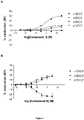
- the assay reported here is performed to determine the in vitro functional potency as well as efficacy of PAMs at the major brain GABA A receptors subtypes. To establish this, a full concentration response profile was determined at a GABA concentration giving rise to 5-20% of the maximal GABA-evoked response from ⁇ 1 ⁇ 2 ⁇ 2, ⁇ 2 ⁇ 2 ⁇ 2, ⁇ 3 ⁇ 2 ⁇ 2 and ⁇ 5 ⁇ 2 ⁇ 2 receptors expressed in Xenopus laevis oocytes.
- Collagenase defolliculated X . laevis oocytes were obtained from Ecocyte Bioscience. For injection, the oocytes were placed in a custom designed chamber in Mod. Barth's solution (90 mM NaCl, 1 mM KCI, 0.66 mM NaNO 3 , 2.4 mM NaHCO 3 , 0.74 mM CaCl 2 , 0.82 mM MgCl 2 , 100 ⁇ g/ml Gentamicin and 10 mM HEPES adjusted to pH 7.55) and injected with 25-50 nl of cRNA mixture using a Pico Pump (WPI).
- WPI Pico Pump
- the cRNA mixture contain GABA A R subunits ⁇ x , ⁇ 2 , and ⁇ 2s in the ratio of 3:1:3 and in a total concentration of 0.5 ⁇ g/ ⁇ l.
- oocytes were maintained at 18°C in Mod. Barth's for 1-5 days.
- Electrophysiological responses from X . laevis oocytes were measured using the two-electrode voltage clamp technique. Single oocytes were placed in custom designed recording chambers that were continuously perfused with >2 ml/min OR2 (90 mM NaCl, 2.5 mM KCI, 2.5 mM CaCl 2 , 1 mM MgCl 2 and 5 mM HEPES pH 7.4).
- the experimental assay solution was a standard OR2 buffer solution which had a measured osmolarity of approximately 180mOsm.
- Electrodes were fabricated from borosilicate glass tubings with filament (Sutter BF150-110-10) using a DMZ-Universal puller (Zeitz Instrument), backfilled with 2 M KCI and when submerged into OR2 solution the electrode resistances were in the range of 0.5-1 M ⁇ .
- the oocyte was impaled using manual micro manipulators and allowed to equilibrate at a holding potential of -50 mV to -80 mV for at least 1 min to ensure a maximal leak current of 100 nA before the experiment was initiated.
- the holding potential was normally set at -60 mV, which is significantly lower than a typical resting potential of -25 mV.
- GABA was dissolved in OR2 in a concentration known to give rise to EC 5 -EC 20 elicited currents for a given GABA A receptor subtype combination (0.5-5 ⁇ M) and this solution was then used for controls as well as a stock solution for dissolving the compounds to test in the experiment.
- a complete experimental set contained four control traces of GABA, a reference 0.5 ⁇ M diazepam trace, 10 GABA control traces, and finally traces of a test compound in increasing concentrations. The individual oocytes were discarded after one experimental set.
- Modulatory effects of diazepam were calculated by comparing the diazepam trace to the control trace immediately before. Likewise, modulatory effects of the compound in the test traces were obtained by comparing to the control immediately before the test traces. To enable comparison of effects of a compound between individual oocytes, all compound potentiations were normalized to the control diazepam potentiation on the same oocyte.
- the modulation by compounds 1 and 9 varies, especially regarding the modulation of ⁇ 1 ⁇ 2 ⁇ 2 receptor.
- the modulation of the ⁇ 1 ⁇ 2 ⁇ 2 receptor is close to zero for compound 1, whereas it is clearly negative for compound 9.
- This Example also demonstrates that a relatively small structural difference between two molecules have large impact on the biological activity.
- the filament that induced a paw withdrawal in 3 out of 5 applications was considered to represent the paw threshold threshold (PWT) for a mechanical allodynic response to occur. Only those animals showing distinct neuropathic pain behaviours (allodynia) were included in drug testing experiments. Animals showing PWT less than/or equal to 4g on the ipsilateral paw and PWT more than/or equal to 8 g on the contralateral paw were considered to be allodynic. On drug testing days the experimenter was blinded to the treatment. Drug treatment took place day 15 post surgery.
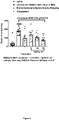
- Acute dosing of Compound 1 resulted in significant amelioration of neuropathic pain behaviours as assessed by monitoring mechanical allodynia using von Frey hairs.
- Lowest tested dose of 1 mg/kg, and 3 mg/kg significantly enhanced paw withdrawal threshold as compared to vehicle treatment, monitored 2hrs and 3 hrs post treatment, see Figure 2 (2 hrs: p ⁇ 0.01, 3 hrs: p ⁇ 0.05, One way ANOVA followeded by Fishers LSD post hoc testing). 10 mg/kg just failed to reach statistical significance.
- Morphine hydrochloride 6 mg/kg also significantly enhanced paw withdrawal threshold as compared to vehicle treatment 2hrs and 3 hrs post treatment (p ⁇ 0.05 and p ⁇ 0.001 vs. vehicle respectively).
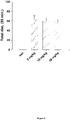
- Compound 1 was dosed by oral gavage at a concentration of 3, 10 and 30 mg/kg in vehicle (5% DMSO + 30% HPBCD in water) 30 minutes prior to testing.
- Compound 1 significantly relieved itching, as assessed as bouts of scratching, with a minimal effective dose of 10 mg/kg as compared to vehicle treatment (p ⁇ 0.01/0.001 vs. vehicle treatment for 10- and 30 mg/kg respectively, One way ANOVA followed by Fishers LSD test for post hoc comparisons), see Figure 3 .
- the rats were placed individually into novel standard home cages with reduced sawdust bedding.
- the cages were placed in frames equipped with photocells and beams allowing for automatic recording of locomotor behaviour (TSE MoTil, Germany).
- the exploratory locomotor activity was recorded for 30 minutes.
- Compound 1 did not exert any effect on exploratory locomotor activity in male SD rats in the highest dose tested (30 mg/kg) (One way ANOVA followed by Fishers LSD test for post hoc comparisons), see Figure 4 .
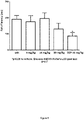
- the rats were trained on an accelerating rotarod (4-40 rpm, PanLab), one trial of 5 minutes per day, for two days prior to drug testing. Only rats that were able to stay on the rotating rod for more than 90 seconds after two days of training were included in the study. At the day of testing, the rats were placed on the rotating rod, accelerating with a speed of 4-40 rpm/5 minutes with the minimum time possible to spend on the rod designated as 0 s, and the maximum time spent on the rod set at 300 s. Compound 1 was dosed 2 hrs prior to testing, while the positive control, Diazepam, was dosed 60 minutes prior to testing.
- Compound 1 did not affect the rat's ability to balance on the accelerating rod, measured as latency to fall, in the highest dose tested (30 mg/kg) compared to vehicle treated rats. In contrast, Diazepam significantly shortened the time to fall off the rod (p ⁇ 0.05 vs. vehicle treatment) (One way ANOVA followed by Fishers LSD test for post hoc comparisons), see Figure 5 .
- This assay is to determine the degree of binding of a test compound to plasma proteins.
- Disposable inserts comprised of two side-by-side chambers (plasma and buffer) separated by a vertical cylinder of dialysis membrane (MWCO ca. 8000) were used.
- the RED devices were placed in a Teflon Base Plate and incubated for 4 hours at 37 °C on a Heidolph incubator set to 100 rpm.
- the assay was performed in liquid handling system according to the following assay description:
- the plasma free fraction of compound 1 was 16% in mouse and 19% in rat.
- Compound 1 is abundantly free in the plasma to exert pharmacological effects.
- the purpose of this example is to evaluate protein binding of compound 1 to rat brain homogenate using Rapid Equilibrium Dialysis (RED) method.
- Rat brain protein fraction was prepared from fresh brain tissues isolated from adult Wistar rats. Male Wistar rats (Harlan, Netherland) are euthanized (according to approved method) and brain tissue was collected immediately. The white matter was dissected out, and a tissue homogenate (10% w/v) is prepared in phosphate buffered saline, pH 7.4. This fraction called the brain homogenate and was used in the experiment.
- Teflon ® Base Plate wells were rinsed with 20% ethanol for 10 minutes. The ethanol was removed and the wells were rinsed twice with distilled water, thereafter the plate was allowed to dry before use.
- each post-dialysis sample was pipetted from the buffer and the extract chambers into separate micro centrifuge tubes.
- 50 ⁇ l of extract was added to the buffer samples, as well as an equal volume of PBS to the collected extract samples.
- 300 ⁇ l of precipitation buffer (90/10 acetonitrile: water containing 0.1% formic acid + internal standard viz. Tolbutamide or Ibuprofen, 5 ⁇ g/ml)) was added to precipitate protein and release compound, which were vortexed and incubated 30 minutes on ice before 10 minutes centrifuge at 13,000-15,000 g. The supernatant was then transferred to a vials or 96-well plate, and quantitative measurements by LC/MS/MS were performed. The concentration of compound 1 in the buffer and extract chambers were determined from peak areas relative to the internal standard.
- Reference compounds Haloperidol (high binding) and Caffeine (low binding).
- the free fraction of compound 1 in the brain tissue was 7% in rats.
- Compound 1 is abundantly free in the brain to exert pharmacological effects.
- Two individual sets of standards were typical prepared in the following concentration levels: 1, 3, 10, 100, 300, 1,000, 3,000, 5,000 and 10,000 ng/ml.
- the first set of standards was analysed in the beginning of the run and was used for calibration.
- the second set of standards was analysed in the end of the run, and was used as QC's.
- Each point on the calibration curves is allowed to vary 15% from the nominal value (LLOQ can vary 20%). A point can be excluded if it varies more.
- the standard curve should as minimum contain of 5 points and two consecutive points may not be excluded.
- the QC's has the same acceptance criteria as the standards in the calibration curve.
- Pharmacokinetic parameters were calculated in WinNonlin. Table 2. Pharmacokinetic parameters. Compound 1 was dosed in a clear solution of 30% HP-Beta-CD and 5% DMSO. Route Dose (mg/kg) AUC (0-8h) (h*ng/ml) C 0 (ng/ml) t 1 ⁇ 2 (h) Cl (l/h/kg) V z (l/kg) B/P IV 0.5 985 863 4.3 0.38 2.4 0.5 Table 3. Pharmacokinetic parameters. Compound 1 was dosed in a clear solution of 30% HP-Beta-CD and 5% DMSO.
- Compound 1 shows long half-life and low clearance in rat. Compound 1 also shows dose linearity (C max ), high plasma exposure and high exposure.
- Example 11 Intrinsic clearance study using human and rat hepatocytes
- Compound 1 has low clearance in human and rat hepatocytes.
Landscapes
- Health & Medical Sciences (AREA)
- Chemical & Material Sciences (AREA)
- Organic Chemistry (AREA)
- Pharmacology & Pharmacy (AREA)
- Animal Behavior & Ethology (AREA)
- Veterinary Medicine (AREA)
- Public Health (AREA)
- General Health & Medical Sciences (AREA)
- Life Sciences & Earth Sciences (AREA)
- Medicinal Chemistry (AREA)
- Nuclear Medicine, Radiotherapy & Molecular Imaging (AREA)
- General Chemical & Material Sciences (AREA)
- Chemical Kinetics & Catalysis (AREA)
- Bioinformatics & Cheminformatics (AREA)
- Engineering & Computer Science (AREA)
- Dermatology (AREA)
- Biomedical Technology (AREA)
- Neurosurgery (AREA)
- Neurology (AREA)
- Pain & Pain Management (AREA)
- Rheumatology (AREA)
- Epidemiology (AREA)
- Pharmaceuticals Containing Other Organic And Inorganic Compounds (AREA)
- Nitrogen Condensed Heterocyclic Rings (AREA)
- Acyclic And Carbocyclic Compounds In Medicinal Compositions (AREA)
Priority Applications (2)
| Application Number | Priority Date | Filing Date | Title |
|---|---|---|---|
| SI201930443T SI3849976T1 (sl) | 2018-09-13 | 2019-09-13 | Ligand receptorja GABA A |
| HRP20230067TT HRP20230067T1 (hr) | 2018-09-13 | 2019-09-13 | Ligand gaba receptora |
Applications Claiming Priority (2)
| Application Number | Priority Date | Filing Date | Title |
|---|---|---|---|
| EP18194297 | 2018-09-13 | ||
| PCT/EP2019/074465 WO2020053377A1 (en) | 2018-09-13 | 2019-09-13 | A gabaa receptor ligand |
Publications (2)
| Publication Number | Publication Date |
|---|---|
| EP3849976A1 EP3849976A1 (en) | 2021-07-21 |
| EP3849976B1 true EP3849976B1 (en) | 2022-10-26 |
Family
ID=63579205
Family Applications (1)
| Application Number | Title | Priority Date | Filing Date |
|---|---|---|---|
| EP19765747.1A Active EP3849976B1 (en) | 2018-09-13 | 2019-09-13 | A gaba a receptor ligand |
Country Status (24)
| Country | Link |
|---|---|
| US (1) | US11396510B2 (enExample) |
| EP (1) | EP3849976B1 (enExample) |
| JP (1) | JP7353663B2 (enExample) |
| KR (1) | KR102712565B1 (enExample) |
| CN (1) | CN112714765B (enExample) |
| AU (1) | AU2019338236B2 (enExample) |
| BR (1) | BR112021004661A2 (enExample) |
| CA (1) | CA3110283A1 (enExample) |
| DK (1) | DK3849976T3 (enExample) |
| EA (1) | EA202190717A1 (enExample) |
| ES (1) | ES2935705T3 (enExample) |
| FI (1) | FI3849976T3 (enExample) |
| HR (1) | HRP20230067T1 (enExample) |
| HU (1) | HUE060943T2 (enExample) |
| IL (1) | IL281335B2 (enExample) |
| LT (1) | LT3849976T (enExample) |
| MX (1) | MX2021003010A (enExample) |
| PH (1) | PH12021550299A1 (enExample) |
| PL (1) | PL3849976T3 (enExample) |
| PT (1) | PT3849976T (enExample) |
| SG (1) | SG11202101360VA (enExample) |
| SI (1) | SI3849976T1 (enExample) |
| WO (1) | WO2020053377A1 (enExample) |
| ZA (1) | ZA202100976B (enExample) |
Families Citing this family (3)
| Publication number | Priority date | Publication date | Assignee | Title |
|---|---|---|---|---|
| WO2022219046A1 (en) | 2021-04-16 | 2022-10-20 | Saniona A/S | A gaba receptor modulator for use in the treatment of pain |
| WO2025056753A1 (en) * | 2023-09-15 | 2025-03-20 | Saniona A/S | A gaba receptor modulator for treating disorders associated with sleep spindle deficits |
| WO2025056751A1 (en) * | 2023-09-15 | 2025-03-20 | Saniona A/S | A gaba receptor modulator for use in the treatment of absence seizures |
Family Cites Families (12)
| Publication number | Priority date | Publication date | Assignee | Title |
|---|---|---|---|---|
| AU675484B2 (en) | 1993-03-24 | 1997-02-06 | Neurosearch A/S | Benzimidazole compounds, their use and preparation |
| GB9702524D0 (en) | 1997-02-07 | 1997-03-26 | Merck Sharp & Dohme | Therapeutic agents |
| GB9813576D0 (en) | 1998-06-24 | 1998-08-19 | Merck Sharp & Dohme | Therapeutic agents |
| ATE284403T1 (de) | 1999-01-27 | 2004-12-15 | Merck Sharp & Dohme | Triazolopyridazinderivate als liganden für gaba- rezeptoren |
| GB9921150D0 (en) * | 1999-09-07 | 1999-11-10 | Merck Sharp & Dohme | Therapeutic agents |
| GB0208394D0 (en) | 2002-04-11 | 2002-05-22 | Merck Sharp & Dohme | Therapeutic agents |
| GB0208392D0 (en) | 2002-04-11 | 2002-05-22 | Merck Sharp & Dohme | Therapeutic compounds |
| GB0212048D0 (en) * | 2002-05-24 | 2002-07-03 | Merck Sharp & Dohme | Therapeutic agents |
| WO2004087690A2 (en) | 2003-04-03 | 2004-10-14 | Neurosearch A/S | Benzimidazole derivatives and their use for modulating the gaba-a receptor complex |
| TWI391381B (zh) | 2006-03-24 | 2013-04-01 | Neurosearch As | 新穎的苯并咪唑衍生物、含有其之醫藥組成物、及其於製造藥物之用途 |
| TW201029986A (en) | 2008-11-14 | 2010-08-16 | Neurosearch As | Novel compounds |
| MX388862B (es) | 2016-01-27 | 2025-03-20 | Univ Zuerich | Uso de moduladores de receptores de gabaa para el tratamiento de picor. |
-
2019
- 2019-09-13 LT LTEPPCT/EP2019/074465T patent/LT3849976T/lt unknown
- 2019-09-13 ES ES19765747T patent/ES2935705T3/es active Active
- 2019-09-13 HR HRP20230067TT patent/HRP20230067T1/hr unknown
- 2019-09-13 PT PT197657471T patent/PT3849976T/pt unknown
- 2019-09-13 SI SI201930443T patent/SI3849976T1/sl unknown
- 2019-09-13 MX MX2021003010A patent/MX2021003010A/es unknown
- 2019-09-13 AU AU2019338236A patent/AU2019338236B2/en active Active
- 2019-09-13 US US17/272,971 patent/US11396510B2/en active Active
- 2019-09-13 WO PCT/EP2019/074465 patent/WO2020053377A1/en not_active Ceased
- 2019-09-13 EA EA202190717A patent/EA202190717A1/ru unknown
- 2019-09-13 SG SG11202101360VA patent/SG11202101360VA/en unknown
- 2019-09-13 IL IL281335A patent/IL281335B2/en unknown
- 2019-09-13 HU HUE19765747A patent/HUE060943T2/hu unknown
- 2019-09-13 BR BR112021004661-5A patent/BR112021004661A2/pt unknown
- 2019-09-13 KR KR1020217006185A patent/KR102712565B1/ko active Active
- 2019-09-13 DK DK19765747.1T patent/DK3849976T3/da active
- 2019-09-13 JP JP2021514324A patent/JP7353663B2/ja active Active
- 2019-09-13 CA CA3110283A patent/CA3110283A1/en active Pending
- 2019-09-13 FI FIEP19765747.1T patent/FI3849976T3/fi active
- 2019-09-13 PL PL19765747.1T patent/PL3849976T3/pl unknown
- 2019-09-13 EP EP19765747.1A patent/EP3849976B1/en active Active
- 2019-09-13 CN CN201980059446.2A patent/CN112714765B/zh active Active
-
2021
- 2021-02-10 PH PH12021550299A patent/PH12021550299A1/en unknown
- 2021-02-12 ZA ZA2021/00976A patent/ZA202100976B/en unknown
Also Published As
| Publication number | Publication date |
|---|---|
| KR102712565B1 (ko) | 2024-10-02 |
| JP7353663B2 (ja) | 2023-10-02 |
| JP2022500445A (ja) | 2022-01-04 |
| BR112021004661A2 (pt) | 2021-06-01 |
| EP3849976A1 (en) | 2021-07-21 |
| EA202190717A1 (ru) | 2021-09-22 |
| LT3849976T (lt) | 2023-02-10 |
| ZA202100976B (en) | 2022-08-31 |
| US20210332042A1 (en) | 2021-10-28 |
| DK3849976T3 (da) | 2023-01-23 |
| SG11202101360VA (en) | 2021-03-30 |
| FI3849976T3 (fi) | 2023-02-19 |
| SI3849976T1 (sl) | 2023-03-31 |
| IL281335B1 (en) | 2024-03-01 |
| HUE060943T2 (hu) | 2023-04-28 |
| AU2019338236A1 (en) | 2021-05-20 |
| IL281335A (en) | 2021-04-29 |
| HRP20230067T1 (hr) | 2023-03-17 |
| US11396510B2 (en) | 2022-07-26 |
| KR20210061338A (ko) | 2021-05-27 |
| PL3849976T3 (pl) | 2023-02-27 |
| ES2935705T3 (es) | 2023-03-09 |
| AU2019338236B2 (en) | 2025-01-09 |
| CN112714765A (zh) | 2021-04-27 |
| PT3849976T (pt) | 2023-01-13 |
| PH12021550299A1 (en) | 2021-10-25 |
| MX2021003010A (es) | 2021-05-27 |
| WO2020053377A1 (en) | 2020-03-19 |
| IL281335B2 (en) | 2024-07-01 |
| CA3110283A1 (en) | 2020-03-19 |
| CN112714765B (zh) | 2023-06-30 |
Similar Documents
| Publication | Publication Date | Title |
|---|---|---|
| EA021303B1 (ru) | Способы лечения или профилактики рвоты с помощью агентов, усиливающих секрецию гормона роста | |
| EP1379269B1 (en) | Adenosine a2a receptor antagonists combined with neurotrophic activity compounds in the treatment of parkinson's disease | |
| CN111655669A (zh) | 治疗包括运动神经元疾病的神经紊乱的组合物和方法 | |
| EP3849976B1 (en) | A gaba a receptor ligand | |
| US20150148256A1 (en) | Bioluminescence imaging-based screening assay and inhibitors of abcg2 | |
| US20020045566A1 (en) | Selective maxi-K potassium channel openers functional under conditions of high intracellular calcium concentration, methods and uses thereof | |
| CN104703603A (zh) | 新用途 | |
| DE69621633T2 (de) | Verwendung von levo-enantiomeren des medetomidins | |
| EP1183025B1 (en) | Inhibitors of proton-gated cation channels and their use in the treatment of ischaemic disorders | |
| AU2018404329B2 (en) | Antitumor agent for biliary tract cancer and method for treating biliary tract cancer | |
| HK40057209A (en) | A gabaa receptor ligand | |
| HK40057209B (en) | A gabaa receptor ligand | |
| KR20240012533A (ko) | 자가면역, 동종면역, 염증성 및 미토콘드리아 질환 치료용 조성물 및 이의 용도 | |
| EP3233825B1 (en) | Diarylmethylidene piperidine derivatives and their use as delta opioid receptor agonists | |
| EA042675B1 (ru) | Лиганд рецептора гамк-а | |
| EP0120019A1 (de) | Pharmazeutische zubereitungen mit zytostatischer wirkung. | |
| DE102013107024A1 (de) | Methoden und Zusammensetzungen zum Behandeln, Modifizieren und Handhaben von Knochenkrebsschmerz | |
| US20240165129A1 (en) | Methods of treating pain and depression | |
| WO2025042610A1 (en) | Pifithrin analogues and methods of treating rett syndrome |
Legal Events
| Date | Code | Title | Description |
|---|---|---|---|
| REG | Reference to a national code |
Ref country code: HR Ref legal event code: TUEP Ref document number: P20230067T Country of ref document: HR |
|
| STAA | Information on the status of an ep patent application or granted ep patent |
Free format text: STATUS: UNKNOWN |
|
| STAA | Information on the status of an ep patent application or granted ep patent |
Free format text: STATUS: THE INTERNATIONAL PUBLICATION HAS BEEN MADE |
|
| PUAI | Public reference made under article 153(3) epc to a published international application that has entered the european phase |
Free format text: ORIGINAL CODE: 0009012 |
|
| STAA | Information on the status of an ep patent application or granted ep patent |
Free format text: STATUS: REQUEST FOR EXAMINATION WAS MADE |
|
| 17P | Request for examination filed |
Effective date: 20210412 |
|
| AK | Designated contracting states |
Kind code of ref document: A1 Designated state(s): AL AT BE BG CH CY CZ DE DK EE ES FI FR GB GR HR HU IE IS IT LI LT LU LV MC MK MT NL NO PL PT RO RS SE SI SK SM TR |
|
| DAV | Request for validation of the european patent (deleted) | ||
| DAX | Request for extension of the european patent (deleted) | ||
| GRAP | Despatch of communication of intention to grant a patent |
Free format text: ORIGINAL CODE: EPIDOSNIGR1 |
|
| STAA | Information on the status of an ep patent application or granted ep patent |
Free format text: STATUS: GRANT OF PATENT IS INTENDED |
|
| INTG | Intention to grant announced |
Effective date: 20220202 |
|
| REG | Reference to a national code |
Ref country code: HK Ref legal event code: DE Ref document number: 40057209 Country of ref document: HK |
|
| GRAS | Grant fee paid |
Free format text: ORIGINAL CODE: EPIDOSNIGR3 |
|
| GRAA | (expected) grant |
Free format text: ORIGINAL CODE: 0009210 |
|
| STAA | Information on the status of an ep patent application or granted ep patent |
Free format text: STATUS: THE PATENT HAS BEEN GRANTED |
|
| AK | Designated contracting states |
Kind code of ref document: B1 Designated state(s): AL AT BE BG CH CY CZ DE DK EE ES FI FR GB GR HR HU IE IS IT LI LT LU LV MC MK MT NL NO PL PT RO RS SE SI SK SM TR |
|
| REG | Reference to a national code |
Ref country code: GB Ref legal event code: FG4D |
|
| REG | Reference to a national code |
Ref country code: CH Ref legal event code: EP |
|
| REG | Reference to a national code |
Ref country code: AT Ref legal event code: REF Ref document number: 1526978 Country of ref document: AT Kind code of ref document: T Effective date: 20221115 |
|
| REG | Reference to a national code |
Ref country code: DE Ref legal event code: R096 Ref document number: 602019021160 Country of ref document: DE |
|
| REG | Reference to a national code |
Ref country code: IE Ref legal event code: FG4D |
|
| REG | Reference to a national code |
Ref country code: NL Ref legal event code: FP |
|
| REG | Reference to a national code |
Ref country code: PT Ref legal event code: SC4A Ref document number: 3849976 Country of ref document: PT Date of ref document: 20230113 Kind code of ref document: T Free format text: AVAILABILITY OF NATIONAL TRANSLATION Effective date: 20230109 |
|
| REG | Reference to a national code |
Ref country code: DK Ref legal event code: T3 Effective date: 20230118 |
|
| REG | Reference to a national code |
Ref country code: RO Ref legal event code: EPE |
|
| REG | Reference to a national code |
Ref country code: NO Ref legal event code: T2 Effective date: 20221026 |
|
| REG | Reference to a national code |
Ref country code: SE Ref legal event code: TRGR |
|
| REG | Reference to a national code |
Ref country code: SK Ref legal event code: T3 Ref document number: E 41046 Country of ref document: SK |
|
| REG | Reference to a national code |
Ref country code: ES Ref legal event code: FG2A Ref document number: 2935705 Country of ref document: ES Kind code of ref document: T3 Effective date: 20230309 |
|
| REG | Reference to a national code |
Ref country code: EE Ref legal event code: FG4A Ref document number: E023029 Country of ref document: EE Effective date: 20230109 |
|
| REG | Reference to a national code |
Ref country code: GR Ref legal event code: EP Ref document number: 20230400112 Country of ref document: GR Effective date: 20230307 |
|
| REG | Reference to a national code |
Ref country code: HR Ref legal event code: T1PR Ref document number: P20230067 Country of ref document: HR |
|
| REG | Reference to a national code |
Ref country code: HU Ref legal event code: AG4A Ref document number: E060943 Country of ref document: HU |
|
| PG25 | Lapsed in a contracting state [announced via postgrant information from national office to epo] |
Ref country code: RS Free format text: LAPSE BECAUSE OF FAILURE TO SUBMIT A TRANSLATION OF THE DESCRIPTION OR TO PAY THE FEE WITHIN THE PRESCRIBED TIME-LIMIT Effective date: 20221026 |
|
| P01 | Opt-out of the competence of the unified patent court (upc) registered |
Effective date: 20230502 |
|
| REG | Reference to a national code |
Ref country code: DE Ref legal event code: R097 Ref document number: 602019021160 Country of ref document: DE |
|
| PG25 | Lapsed in a contracting state [announced via postgrant information from national office to epo] |
Ref country code: SM Free format text: LAPSE BECAUSE OF FAILURE TO SUBMIT A TRANSLATION OF THE DESCRIPTION OR TO PAY THE FEE WITHIN THE PRESCRIBED TIME-LIMIT Effective date: 20221026 |
|
| PG25 | Lapsed in a contracting state [announced via postgrant information from national office to epo] |
Ref country code: AL Free format text: LAPSE BECAUSE OF FAILURE TO SUBMIT A TRANSLATION OF THE DESCRIPTION OR TO PAY THE FEE WITHIN THE PRESCRIBED TIME-LIMIT Effective date: 20221026 |
|
| PLBE | No opposition filed within time limit |
Free format text: ORIGINAL CODE: 0009261 |
|
| STAA | Information on the status of an ep patent application or granted ep patent |
Free format text: STATUS: NO OPPOSITION FILED WITHIN TIME LIMIT |
|
| REG | Reference to a national code |
Ref country code: HR Ref legal event code: ODRP Ref document number: P20230067 Country of ref document: HR Payment date: 20230831 Year of fee payment: 5 |
|
| PGFP | Annual fee paid to national office [announced via postgrant information from national office to epo] |
Ref country code: LU Payment date: 20230829 Year of fee payment: 5 |
|
| 26N | No opposition filed |
Effective date: 20230727 |
|
| PGFP | Annual fee paid to national office [announced via postgrant information from national office to epo] |
Ref country code: AL Payment date: 20230907 Year of fee payment: 5 |
|
| PG25 | Lapsed in a contracting state [announced via postgrant information from national office to epo] |
Ref country code: MC Free format text: LAPSE BECAUSE OF FAILURE TO SUBMIT A TRANSLATION OF THE DESCRIPTION OR TO PAY THE FEE WITHIN THE PRESCRIBED TIME-LIMIT Effective date: 20221026 |
|
| PG25 | Lapsed in a contracting state [announced via postgrant information from national office to epo] |
Ref country code: AL Free format text: LAPSE BECAUSE OF FAILURE TO SUBMIT A TRANSLATION OF THE DESCRIPTION OR TO PAY THE FEE WITHIN THE PRESCRIBED TIME-LIMIT Effective date: 20221026 |
|
| PGRI | Patent reinstated in contracting state [announced from national office to epo] |
Ref country code: AL Effective date: 20230124 |
|
| REG | Reference to a national code |
Ref country code: AT Ref legal event code: UEP Ref document number: 1526978 Country of ref document: AT Kind code of ref document: T Effective date: 20221026 |
|
| REG | Reference to a national code |
Ref country code: HR Ref legal event code: ODRP Ref document number: P20230067 Country of ref document: HR Payment date: 20240822 Year of fee payment: 6 |
|
| PG25 | Lapsed in a contracting state [announced via postgrant information from national office to epo] |
Ref country code: BG Free format text: LAPSE BECAUSE OF FAILURE TO SUBMIT A TRANSLATION OF THE DESCRIPTION OR TO PAY THE FEE WITHIN THE PRESCRIBED TIME-LIMIT Effective date: 20221026 |
|
| PG25 | Lapsed in a contracting state [announced via postgrant information from national office to epo] |
Ref country code: BG Free format text: LAPSE BECAUSE OF FAILURE TO SUBMIT A TRANSLATION OF THE DESCRIPTION OR TO PAY THE FEE WITHIN THE PRESCRIBED TIME-LIMIT Effective date: 20221026 |
|
| PGFP | Annual fee paid to national office [announced via postgrant information from national office to epo] |
Ref country code: ES Payment date: 20241007 Year of fee payment: 6 |
|
| PGFP | Annual fee paid to national office [announced via postgrant information from national office to epo] |
Ref country code: CH Payment date: 20241001 Year of fee payment: 6 |
|
| PG25 | Lapsed in a contracting state [announced via postgrant information from national office to epo] |
Ref country code: LU Free format text: LAPSE BECAUSE OF NON-PAYMENT OF DUE FEES Effective date: 20240913 |
|
| PG25 | Lapsed in a contracting state [announced via postgrant information from national office to epo] |
Ref country code: CY Free format text: LAPSE BECAUSE OF FAILURE TO SUBMIT A TRANSLATION OF THE DESCRIPTION OR TO PAY THE FEE WITHIN THE PRESCRIBED TIME-LIMIT; INVALID AB INITIO Effective date: 20190913 |
|
| REG | Reference to a national code |
Ref country code: HR Ref legal event code: ODRP Ref document number: P20230067 Country of ref document: HR Payment date: 20250903 Year of fee payment: 7 |
|
| REG | Reference to a national code |
Ref country code: CH Ref legal event code: U11 Free format text: ST27 STATUS EVENT CODE: U-0-0-U10-U11 (AS PROVIDED BY THE NATIONAL OFFICE) Effective date: 20251001 |
|
| PGFP | Annual fee paid to national office [announced via postgrant information from national office to epo] |
Ref country code: FI Payment date: 20250925 Year of fee payment: 7 Ref country code: PT Payment date: 20250828 Year of fee payment: 7 |
|
| PGFP | Annual fee paid to national office [announced via postgrant information from national office to epo] |
Ref country code: LT Payment date: 20250819 Year of fee payment: 7 Ref country code: DE Payment date: 20250929 Year of fee payment: 7 Ref country code: DK Payment date: 20250925 Year of fee payment: 7 |
|
| PGFP | Annual fee paid to national office [announced via postgrant information from national office to epo] |
Ref country code: NO Payment date: 20250929 Year of fee payment: 7 Ref country code: GR Payment date: 20250926 Year of fee payment: 7 |
|
| PGFP | Annual fee paid to national office [announced via postgrant information from national office to epo] |
Ref country code: TR Payment date: 20250822 Year of fee payment: 7 Ref country code: PL Payment date: 20250819 Year of fee payment: 7 Ref country code: NL Payment date: 20250926 Year of fee payment: 7 Ref country code: IT Payment date: 20250919 Year of fee payment: 7 |
|
| PGFP | Annual fee paid to national office [announced via postgrant information from national office to epo] |
Ref country code: HU Payment date: 20250822 Year of fee payment: 7 Ref country code: BE Payment date: 20250929 Year of fee payment: 7 Ref country code: GB Payment date: 20250929 Year of fee payment: 7 |
|
| PGFP | Annual fee paid to national office [announced via postgrant information from national office to epo] |
Ref country code: HR Payment date: 20250903 Year of fee payment: 7 |
|
| PGFP | Annual fee paid to national office [announced via postgrant information from national office to epo] |
Ref country code: FR Payment date: 20250925 Year of fee payment: 7 Ref country code: AT Payment date: 20250929 Year of fee payment: 7 |
|
| PGFP | Annual fee paid to national office [announced via postgrant information from national office to epo] |
Ref country code: SE Payment date: 20250927 Year of fee payment: 7 |
|
| PGFP | Annual fee paid to national office [announced via postgrant information from national office to epo] |
Ref country code: IE Payment date: 20250929 Year of fee payment: 7 Ref country code: EE Payment date: 20250911 Year of fee payment: 7 Ref country code: CZ Payment date: 20250826 Year of fee payment: 7 |
|
| PGFP | Annual fee paid to national office [announced via postgrant information from national office to epo] |
Ref country code: RO Payment date: 20250827 Year of fee payment: 7 |
|
| PGFP | Annual fee paid to national office [announced via postgrant information from national office to epo] |
Ref country code: SK Payment date: 20250819 Year of fee payment: 7 |
|
| PGFP | Annual fee paid to national office [announced via postgrant information from national office to epo] |
Ref country code: IS Payment date: 20250910 Year of fee payment: 7 |
|
| PGFP | Annual fee paid to national office [announced via postgrant information from national office to epo] |
Ref country code: LV Payment date: 20250819 Year of fee payment: 7 |
|
| PGFP | Annual fee paid to national office [announced via postgrant information from national office to epo] |
Ref country code: SI Payment date: 20250818 Year of fee payment: 7 |