EP3834615A1 - Antimicrobial peptide stimulating sanitizing composition - Google Patents
Antimicrobial peptide stimulating sanitizing composition Download PDFInfo
- Publication number
- EP3834615A1 EP3834615A1 EP21152832.8A EP21152832A EP3834615A1 EP 3834615 A1 EP3834615 A1 EP 3834615A1 EP 21152832 A EP21152832 A EP 21152832A EP 3834615 A1 EP3834615 A1 EP 3834615A1
- Authority
- EP
- European Patent Office
- Prior art keywords
- composition
- topical
- active ingredient
- hbd
- extract
- Prior art date
- Legal status (The legal status is an assumption and is not a legal conclusion. Google has not performed a legal analysis and makes no representation as to the accuracy of the status listed.)
- Withdrawn
Links
Images







Classifications
-
- A—HUMAN NECESSITIES
- A61—MEDICAL OR VETERINARY SCIENCE; HYGIENE
- A61K—PREPARATIONS FOR MEDICAL, DENTAL OR TOILETRY PURPOSES
- A61K38/00—Medicinal preparations containing peptides
- A61K38/04—Peptides having up to 20 amino acids in a fully defined sequence; Derivatives thereof
- A61K38/08—Peptides having 5 to 11 amino acids
-
- A—HUMAN NECESSITIES
- A01—AGRICULTURE; FORESTRY; ANIMAL HUSBANDRY; HUNTING; TRAPPING; FISHING
- A01N—PRESERVATION OF BODIES OF HUMANS OR ANIMALS OR PLANTS OR PARTS THEREOF; BIOCIDES, e.g. AS DISINFECTANTS, AS PESTICIDES OR AS HERBICIDES; PEST REPELLANTS OR ATTRACTANTS; PLANT GROWTH REGULATORS
- A01N31/00—Biocides, pest repellants or attractants, or plant growth regulators containing organic oxygen or sulfur compounds
- A01N31/02—Acyclic compounds
-
- A—HUMAN NECESSITIES
- A61—MEDICAL OR VETERINARY SCIENCE; HYGIENE
- A61K—PREPARATIONS FOR MEDICAL, DENTAL OR TOILETRY PURPOSES
- A61K36/00—Medicinal preparations of undetermined constitution containing material from algae, lichens, fungi or plants, or derivatives thereof, e.g. traditional herbal medicines
- A61K36/18—Magnoliophyta (angiosperms)
- A61K36/185—Magnoliopsida (dicotyledons)
- A61K36/55—Linaceae (Flax family), e.g. Linum
-
- A—HUMAN NECESSITIES
- A61—MEDICAL OR VETERINARY SCIENCE; HYGIENE
- A61K—PREPARATIONS FOR MEDICAL, DENTAL OR TOILETRY PURPOSES
- A61K38/00—Medicinal preparations containing peptides
- A61K38/04—Peptides having up to 20 amino acids in a fully defined sequence; Derivatives thereof
- A61K38/07—Tetrapeptides
-
- A—HUMAN NECESSITIES
- A61—MEDICAL OR VETERINARY SCIENCE; HYGIENE
- A61K—PREPARATIONS FOR MEDICAL, DENTAL OR TOILETRY PURPOSES
- A61K8/00—Cosmetics or similar toiletry preparations
- A61K8/18—Cosmetics or similar toiletry preparations characterised by the composition
- A61K8/30—Cosmetics or similar toiletry preparations characterised by the composition containing organic compounds
- A61K8/33—Cosmetics or similar toiletry preparations characterised by the composition containing organic compounds containing oxygen
- A61K8/34—Alcohols
-
- A—HUMAN NECESSITIES
- A61—MEDICAL OR VETERINARY SCIENCE; HYGIENE
- A61K—PREPARATIONS FOR MEDICAL, DENTAL OR TOILETRY PURPOSES
- A61K8/00—Cosmetics or similar toiletry preparations
- A61K8/18—Cosmetics or similar toiletry preparations characterised by the composition
- A61K8/96—Cosmetics or similar toiletry preparations characterised by the composition containing materials, or derivatives thereof of undetermined constitution
- A61K8/97—Cosmetics or similar toiletry preparations characterised by the composition containing materials, or derivatives thereof of undetermined constitution from algae, fungi, lichens or plants; from derivatives thereof
-
- A—HUMAN NECESSITIES
- A61—MEDICAL OR VETERINARY SCIENCE; HYGIENE
- A61P—SPECIFIC THERAPEUTIC ACTIVITY OF CHEMICAL COMPOUNDS OR MEDICINAL PREPARATIONS
- A61P31/00—Antiinfectives, i.e. antibiotics, antiseptics, chemotherapeutics
- A61P31/04—Antibacterial agents
-
- A—HUMAN NECESSITIES
- A61—MEDICAL OR VETERINARY SCIENCE; HYGIENE
- A61P—SPECIFIC THERAPEUTIC ACTIVITY OF CHEMICAL COMPOUNDS OR MEDICINAL PREPARATIONS
- A61P37/00—Drugs for immunological or allergic disorders
- A61P37/02—Immunomodulators
- A61P37/04—Immunostimulants
-
- A—HUMAN NECESSITIES
- A61—MEDICAL OR VETERINARY SCIENCE; HYGIENE
- A61P—SPECIFIC THERAPEUTIC ACTIVITY OF CHEMICAL COMPOUNDS OR MEDICINAL PREPARATIONS
- A61P43/00—Drugs for specific purposes, not provided for in groups A61P1/00-A61P41/00
-
- A—HUMAN NECESSITIES
- A61—MEDICAL OR VETERINARY SCIENCE; HYGIENE
- A61Q—SPECIFIC USE OF COSMETICS OR SIMILAR TOILETRY PREPARATIONS
- A61Q17/00—Barrier preparations; Preparations brought into direct contact with the skin for affording protection against external influences, e.g. sunlight, X-rays or other harmful rays, corrosive materials, bacteria or insect stings
- A61Q17/005—Antimicrobial preparations
-
- A—HUMAN NECESSITIES
- A61—MEDICAL OR VETERINARY SCIENCE; HYGIENE
- A61K—PREPARATIONS FOR MEDICAL, DENTAL OR TOILETRY PURPOSES
- A61K47/00—Medicinal preparations characterised by the non-active ingredients used, e.g. carriers or inert additives; Targeting or modifying agents chemically bound to the active ingredient
- A61K47/06—Organic compounds, e.g. natural or synthetic hydrocarbons, polyolefins, mineral oil, petrolatum or ozokerite
- A61K47/08—Organic compounds, e.g. natural or synthetic hydrocarbons, polyolefins, mineral oil, petrolatum or ozokerite containing oxygen, e.g. ethers, acetals, ketones, quinones, aldehydes, peroxides
- A61K47/10—Alcohols; Phenols; Salts thereof, e.g. glycerol; Polyethylene glycols [PEG]; Poloxamers; PEG/POE alkyl ethers
-
- A—HUMAN NECESSITIES
- A61—MEDICAL OR VETERINARY SCIENCE; HYGIENE
- A61K—PREPARATIONS FOR MEDICAL, DENTAL OR TOILETRY PURPOSES
- A61K9/00—Medicinal preparations characterised by special physical form
- A61K9/0012—Galenical forms characterised by the site of application
- A61K9/0014—Skin, i.e. galenical aspects of topical compositions
-
- Y—GENERAL TAGGING OF NEW TECHNOLOGICAL DEVELOPMENTS; GENERAL TAGGING OF CROSS-SECTIONAL TECHNOLOGIES SPANNING OVER SEVERAL SECTIONS OF THE IPC; TECHNICAL SUBJECTS COVERED BY FORMER USPC CROSS-REFERENCE ART COLLECTIONS [XRACs] AND DIGESTS
- Y02—TECHNOLOGIES OR APPLICATIONS FOR MITIGATION OR ADAPTATION AGAINST CLIMATE CHANGE
- Y02A—TECHNOLOGIES FOR ADAPTATION TO CLIMATE CHANGE
- Y02A50/00—TECHNOLOGIES FOR ADAPTATION TO CLIMATE CHANGE in human health protection, e.g. against extreme weather
- Y02A50/30—Against vector-borne diseases, e.g. mosquito-borne, fly-borne, tick-borne or waterborne diseases whose impact is exacerbated by climate change
Definitions
- Skin disinfecting or sanitizing compositions have become increasingly popular in the health care industry as well as with the general public for providing antimicrobial effectiveness to the skin without irritation.
- these skin disinfecting or sanitizing compositions which should be distinguished from skin cleansing compositions such as soaps, shampoos, and detergents which typically include surfactants, abrasives, or other active ingredients used to physically as well as microscopically cleanse the skin, include alcohol which kills a wide array of microorganisms which may be present on the skin, particularly the hands.
- Recent microbiome studies have analyzed the chemical make-up of the skin and the potential for sanitizing compositions to improve both skin defense against germs and skin's innate immunity. This includes germ control through both internal and external methods. External methods include hygiene products that directly kill or slow germ growth. Internal methods include improving an organism's immune system to fight germs itself.
- Antimicrobial peptides also known as host defense peptides, comprise a wide range of natural and synthetic peptides that are made of oligopeptides containing a varying number of amino acids. AMPs are essential components of host defense against infections present in all domains of life. AMPs are produced by all complex organisms and have diverse and intricate antimicrobial activities. As a whole, these peptides demonstrate a broad range of antiviral and antibacterial activities through an array of modes of action. AMPs have been found to kill Gram-negative and Gram-positive bacteria, certain viruses, parasites and fungi. Some research suggests that they can also enhance the internal immunity of complex organisms against a broad range of bacteria and viruses.
- a composition for increasing the concentration of AMPs includes about 0.02 wt. % to about 10.0 wt. % of an active ingredient that is one or more of a natural extract and a polypeptide.
- the topical composition also includes at least 40 wt. % of one or more C 1-6 alcohols, with the balance of the composition comprising water.
- the application of the topical composition increases the concentration of AMPs on the surface of the skin by an amount that is statistically significant compared to an otherwise identical composition without the active ingredient.
- the active ingredient is a natural extract that is one or more of a plant extract, a seed extract and a fruit extract.
- the seed extract is at least one of linseed extract, flaxseed extract, hemp seed extract, grape seed extract, and grapefruit seed extract.
- the active ingredient is a polypeptide that is one or more of an oligopeptide and a hexapeptide.
- the topical composition also contains up to about 20.0 wt. % of a a humectant selected from the group consisting of propylene glycol, hexylene glycol, 1,4-dihydroxyhexane, 1,2,6-hexanetriol, sorbitol, butylene glycol, caprylyl glycol, propanediols, such as methyl propane diol, dipropylene glycol, methylene glycol, glycerin (glycerol), polyethylene glycols, ethoxydiglycol, polyethylene sorbitol, and combinations thereof.
- a a humectant selected from the group consisting of propylene glycol, hexylene glycol, 1,4-dihydroxyhexane, 1,2,6-hexanetriol, sorbitol, butylene glycol, caprylyl glycol, propanediols, such as methyl propane diol, dipropylene glycol, methylene glycol
- the topical composition also contains up to 10.0 wt. % of a moisturizing ester, selected from the group consisting of selected from the group consisting of cetyl myristate, cetyl myristoleate, and other cetyl esters, diisopropyl sebacate, isopropyl myristate, and combinations thereof.
- a moisturizing ester selected from the group consisting of selected from the group consisting of cetyl myristate, cetyl myristoleate, and other cetyl esters, diisopropyl sebacate, isopropyl myristate, and combinations thereof.
- a skin treatment method for increasing the production of antimicrobial peptides includes applying a topical composition to a skin surface, wherein the topical composition includes about 0.02 wt. % to about 10.0 wt. % of an active ingredient.
- the active ingredient may be one or more of a natural extract and a polypeptide.
- the topical composition also includes at least 40 wt.% of one or more C 1-6 alcohols, with the balance of the composition comprising water.
- the application of the topical composition increases the concentration of AMPs on the surface of the skin by an amount that is statistically significant compared to an otherwise identical composition without the active ingredient.
- a skin treatment composition comprises about 0.02 wt. % to about 10.0 wt. % of an active ingredient comprising one or more of a natural extract and a polypeptide, about 40.0 wt. % to about 95.0 wt. % of one or more C 1-6 alcohols, about 0.01 wt. % to about 10.0 wt.% of a humectant, about 0.01 wt. % to about 5.0 wt. % of a moisturizing ester, with the balance up to 100 wt.% being water.
- a topical composition for increasing the innate immunity of the skin comprises about 0.02 wt. % to 10.0 wt. % of an active ingredient comprising one or more of a natural extract and a polypeptide, about 40.0 wt. % to about 95.0 wt. % of one or more C 1-6 alcohols, about 0.01 wt. % to about 5.0 wt. % of an emollient, and about 0.01 wt. % to about 5.0 wt. % of a viscosity modifier, with the balance up to 100 wt. % being water.
- a topical composition for increasing the innate immunity of the skin comprises about 0.02 wt. % to 10.0 wt. % of an active ingredient comprising one or more of a natural extract and a polypeptide, about 40.0 wt. % to about 95.0 wt. % of one or more C 1-6 alcohols, about 0.01 wt. % to about 5.0 wt. % of a foaming agent, and about 0.01 wt. % to about 10.0 wt. % of a humectant, with the balance up to 100 wt. % being water.
- test composition vs. a control that does not contain the active ingredient
- T-test a statistical examination of two population means
- ANOVA analysis of variance
- topical composition means a composition suitable for application directly to a surface, such as the surface of a human or animal body, including skin, and/or other surfaces, such as hair and nails.
- polypeptide and “polypeptides” as used herein refer to a chain of amino acids with two or more peptide bonds. In this way, these terms are meant to encompass both oligopeptides (which are generally considered to be peptide chains with between two and ten amino acids) as well as polypeptides (which are generally considered to be peptide chains with more than 10 amino acids).
- the general inventive concepts relate to a topical composition that contains an AMP-stimulating active ingredient, including a natural extract and/or one or more polypeptides.
- an AMP-stimulating active ingredient including a natural extract and/or one or more polypeptides.
- the active ingredient is derived from a natural extract, such as a plant extract, a fruit extract, and/or a seed extract, produced from the hydrolysis of natural proteins.
- the natural extracts may themselves comprise one or more peptides and/or polypeptides or the active ingredient may comprise polypeptide(s) independently.
- Non-limiting examples of natural extracts may include seed extracts, fruit extracts, linseed extract, flaxseed extract, hemp seed extract, grape seed extract, grapefruit seed extract, watermelon fruit extract, apple fruit extract, lentil fruit extract, hibiscus flower extract, pear fruit extract, root extract, leaf extract, Schinus terebinthifolius Seed Extract, Ascophyllum nodosum extract, soybean extract, Crothmum martimum extract, Lavandula stoechas extract, stem extracts, Sapindus Mukurossi fruit extract, sandalwood extract, bark extract, barley extract, Polygonum fagopyrum seed extract, avocado extract, cranberry fruit extract, blueberry fruit extract, Silena uniforla extract, Rosa multiflora extract, Evodia rutaecarpa fruit extract, algae extract, licorice leaf extract, jobi seed extract, seed oils, rosemary extract, green tea extract, plankton extract, himanthalia elongata extract, unidaria pin
- the natural extract is selected from one or more of the following compositions: (1) glycerin, plantago lanceolata leaf extract and xanthan gum (sold under the trade name SenestemTM by Sederma); (2) Benoitine (plankton extract in water); (3) water, glycerin, and hydrolyzed pearl (sold under the trade name Crodarom® by Croda Inc.) (4) Red Bush (rooibos) plant extract, (5) Phyko-Al-PF (water and hydrolyzed algin), and water, glycerin, and linseed ( linum usitatissimum ) seed extract (sold under the trade name LipigenineTM by Ashland Chemical Company).
- the active ingredient comprises one or more amino acids.
- Amino acids are organic compounds containing amine and carboxylic acid functional groups.
- the amino acid can be an alpha, beta, gamma, or delta amino acid and can be in either enantiomer (L or D isomer).
- amino acids of the present invention are not particularly limited and can include, but are not limited to, histidine, isoleucine, leucine, lysine, methionine, phenylalanine, threonine, tryptophan, valine, alanine, arginine, asparagine, aspartic acid, cysteine, glutamic acid, glutamine, glycine, proline, selenocystenine, serine, and tyrosine.
- the active ingredient comprises one or more peptides.
- Peptides are biologically-occurring short chains of amino acid monomers joined together by amide (peptide) bonds, which are formed through condensation reactions.
- the active ingredient comprises one or more oligopeptides.
- Oligopeptides are generally defined as peptide chains with 10 or fewer amino acids.
- the oligopeptide may be include, but is not limited to, an oligopeptide, such as a dipeptide, a tripeptide, a tetrapeptide, a pentapeptide, a hexapeptide, a heptapeptide, an octapeptide, a nonapeptide, and a decapeptide.
- the active ingredient comprises one or more polypeptides.
- a polypeptide is a long, continuous, unbrached peptide chain.
- Polypeptides are generally defined as peptide chains with more than 10 amino acids.
- the polypeptides of the present invention are not particularly limited and can be made of any number of peptide bonds.
- the active ingredient comprises a protein, which includes at least one long polypeptide that is arranged in a biologically functional way.
- the proteins of the present invention are not particularly limited and can include any number of polypeptides arranged in any biologically active manner.
- the peptides, oligopeptides, polypeptides, and proteins comprising the subject topical composition can be natural or synthetic peptides or polypeptides.
- Exemplary polypeptides include JuvefoxoTM; tetrapeptides, such as UplevityTM, Relistase®, and Decorinyl®; pentapeptides, such as palmitoyl pentapeptide-4, palmitoyl pentapeptide-3, and acetyl pentapeptide-1; hexapeptides, such as Adifyline® and acetyl hexapeptides; and mixtures of polypeptides and natural extracts, such as Triple A Complex, Trylagen® PCB.
- Exemplary acetyl hexapeptides include acetyl hexapeptide-1, acetyl hexapeptide-3, acetyl hexapeptide-7, acetyl hexapeptide-8, acetyl hexapeptide-19, acetyl hexapeptide-20, acetyl hexapeptide-22, acetyl hexapeptide-24, acetyl hexapeptide-30, acetyl hexapeptide-31, acetyl hexapeptide-37, acetyl hexapeptide-38, acetyl hexapeptide-39, acetyl hexapeptide-46, and acetyl hexapeptide-49.
- the polypeptides include two or more acetyl hexapeptides.
- the topical composition disclosed herein includes an effective amount of active ingredient to increase the concentration of one or more AMPs, including, for example, HBD-1, HBD-2, and HBD-3, as well as LL-37 (cathelicidin) on the surface of the skin.
- AMPs including, for example, HBD-1, HBD-2, and HBD-3
- LL-37 cathelicidin
- concentration increase helps the skin ability to defend against germs and helps improve the skin's innate immunity.
- compositions used to stimulate the production of AMPs also cause skin inflammation and/or skin irritation.
- a topical composition comprising the subject active ingredient is capable of increasing the concentration of AMPs on the skin without causing irritation/inflammation of the skin.
- the effective amount of active ingredient in the topical composition may include up to about 10.0 percent by weight (wt. %) of the active ingredient, based upon the total weight of the composition.
- the effective amount of active ingredient comprises about 0.02 to about 5.0 wt. %, or from about 0.5 to about 2.0 wt. %, based upon the total weight of the topical composition.
- the effective amount of active ingredient comprises about 0.1 to about 1.0 wt. %, based upon the total weight of topical composition.
- the topical composition is a sanitizing composition used for application to surfaces, such as the human skin.
- the sanitizing composition may be in the form of a gel, a foam, a salve, a wipe, a cream, etc.
- a wide variety of vehicles may be used to deliver the topical composition, such a, for example pads, bandages, patches, sticks, aerosol dispersers, pump sprays, trigger sprays, canisters, foam pumps, wipes, and the like.
- the topical composition may be applied to the skin before, during, or after skin cleaning. In some exemplary embodiments, the topical composition is applied after skin cleaning.
- the topical composition is an alcohol based sanitizer, comprising one or more alcohols.
- Alcohol has antimicrobial properties and has the ability to kill many forms of bacteria, fungi, and viruses.
- the alcohol is a C 1-6 alcohol, i.e. an alcohol containing 1 to 6 carbon atoms.
- Such alcohols may be referred to as lower alkanols. Examples of lower alkanols include, but are not limited to, methanol, ethanol, propanol, butanol, pentanol, hexanol, and isomers and mixtures thereof.
- the alcohol may be either pure alcohol or denatured alcohol.
- the alcohol comprises ethanol, propanol, or butanol, or isomers or mixtures thereof. In one or more exemplary embodiments, the alcohol comprises isopropanol. In other exemplary embodiments, the alcohol comprises ethanol. In one or more exemplary embodiments, the topical composition comprises a mixture of alcohols. In one or more exemplary embodiments, the topical composition comprises a mixture of ethanol and isopropanol. In one or more exemplary embodiments, the topical composition comprises a mixture of isopropanol and n-propanol. In one exemplary embodiment, the topical composition comprises ethanol.
- the topical composition may comprise at least about 1.0 wt. % C 1-6 alcohol, based upon the total weight of the composition.
- the topical composition comprises at least about 2.0 wt. % C 1-6 alcohol, in another embodiment, the topical composition comprises at least about 10.0 wt. % C 1-6 alcohol, in another embodiment, the topical composition comprises at least about 20.0 wt. % C 1-6 alcohol, in another embodiment, the topical composition comprises at least about 40.0 wt. % C 1-6 alcohol, in another embodiment, the topical composition comprises at least about 50.0 wt. % C 1-6 alcohol, in another embodiment, the topical composition comprises at least about 60.0 wt.
- the topical composition comprises at least about 65.0 wt. % C 1-6 alcohol, in yet another embodiment, the topical composition comprises at least about 70.0 wt. % C 1-6 alcohol, and in still yet another embodiment, the topical composition comprises at least about 80.0 wt. % C 1-6 alcohol, based upon the total weight of composition. In other embodiments, the topical composition comprises from about 60.0 to about 95.0 wt. % C 1-6 alcohol. In other exemplary embodiments, the topical composition comprises from about 73.0 to about 78.0 wt. % C 1-6 alcohol. More or less alcohol may be required in certain instances, depending particularly on other ingredients and/or the amounts thereof employed in the topical composition.
- the active ingredient's ability to stimulate the production of AMPs in an alcohol-based solution was particularly surprising.
- a protein polypeptide
- the protein is denatured and loses its secondary and tertiary structures. Specifically, the normal alpha-helix and beta sheets in the protein are uncoiled and the protein is sent into a random shape. In this way the protein is no longer able to function as intended.
- the alcohol causes this undesirable reaction because it disrupts the hydrogen bonding in the protein. Hydrogen bonds are electostatic attractions between polar groups occurring when a hydrogen atom is bonded to a highly electronegative atom (typically oxygen or nitrogen).
- the topical composition includes water in an amount quantum sufficit (q.s.). In some exemplary embodiments, the topical composition comprises at least about 1.0 wt. % water, in another embodiment the topical composition comprises at least about 10.0 wt. % water, in another embodiment, the topical composition comprises at least about 20.0 wt. % water, in another embodiment, the topical composition comprises at least about 30.0 wt. % water, in another embodiment, the topical composition comprises at least about 40.0 wt. % water, in another embodiment, the topical composition comprises at least about 50.0 wt. % water, and in yet another embodiment, the topical composition comprises at least about 60.0 wt.
- the topical composition comprises at least about 70.0 wt. % water. In other embodiments, the topical composition comprises from about 20.0 wt. % to about 30.0 wt. % water. In a preferred embodiment, the topical composition comprises from about 20.0 to about 24.0 wt. % water. More or less water may be required in certain instances, depending particularly on other ingredients and/or the amounts thereof employed in the topical composition.
- the topical composition includes one or more humectants.
- humectants include propylene glycol, hexylene glycol, 1,4-dihydroxyhexane, 1,2,6-hexanetriol, sorbitol, butylene glycol, caprylyl glycol, propanediols, such as methyl propane diol, dipropylene glycol, triethylene glycol, glycerin (glycerol), polyethylene glycols, ethoxydiglycol, polyethylene sorbitol, and combinations thereof.
- humectants include glycolic acid, glycolate salts, lactate salts, urea, hydroxyethyl urea, alpha-hydroxy acids, such as lactic acid, sodium pyrrolidone carboxylic acid, hyaluronic acid, chitin, and the like.
- the humecant is a mixture of caprylyl glycol and glycerin.
- polyethylene glycol humectants examples include PEG-4, PEG-6, PEG-7, PEG-8, PEG-9, PEG-10, PEG-12, PEG-14, PEG-16, PEG-18, PEG-20, PEG-32, PEG-33, PEG-40, PEG-45, PEG-55, PEG-60, PEG-75, PEG-80, PEG-90, PEG-100, PEG-135, PEG-150, PEG-180, PEG-200, PEG-220, PEG-240, and PEG-800.
- the humectant may be included in the topical composition in an amount up to about 20.0 wt. %, or up to about 15.0 wt. %, or up to about 12.0 wt. %, or up to about 10.0 wt. %, or up to about 8.0 wt. % or up to about 8.0 wt. %, or up to about 3.0 wt. %.
- the humectant is included in an amount from about 0.001 wt. %, or from about 0.01 wt. %, or from about 0.05 wt. %, or from about 0.1 wt. %, or from about 0.5 wt.
- the humectant is included in an amount from about 0.4 to about 3.0 wt. %, based upon the total weight of the composition.
- the topical composition may further comprise one or more conditioning or moisturizing esters.
- conditioning or moisturizing esters include cetyl myristate, cetyl myristoleate, and other cetyl esters, diisopropyl sebacate, and isopropyl myristate.
- the ester may be present in an amount of up to about 10.0 wt. %, or up to about 8.0 wt. %, or up to about 5.0 wt. %, or up to about 3.0 wt. %, or up to about 2.0 wt. %, or up to about 1.0 wt. %, based on the total weight of the composition.
- the moisturizing ester is present in an amount from about 0.001 wt. %, or from about 0.005 wt. %, or from about 0.01 wt. %, or from about 0.05 wt. %, or from about 0.1 wt. %, or from about 0.5 wt. %, or from about 1.0 wt. %, based on the total weight of the topical composition.
- the moisturizing ester is present in an amount between 0.01 to 0.30 wt. %, based upon the total weight of the composition.
- the moisturizing ester is present in an amount between 0.05 wt. % and 0.25 wt. %, based on the total weight of the composition.
- the topical composition includes one or more emulsifying agents.
- emulsifying agents include stearyl alcohol, sorbitan oleate trideceth-2, poloxamers, and PEG/PPG-20/6 dimethicone.
- the emulsifying agent is present in an amount of up to about 10.0 wt. %, based upon the total weight of the topical composition. In other exemplary embodiments, the emulsifying agent is present in an amount of from about 0.1 to about 5.0 % wt. %, or from about 0.5 to about 2.0 wt. %, based upon the total weight of the topical composition.
- the topical composition includes one or more skin-conditioners or emollients.
- suitable skin conditioners and emollients include aloe, vitamin E, vitamin E acetate (tocopheryl acetate), Vitamin B 3 (niacinamide) and C 6-10 alkane diols.
- the skin-conditioner can be included in the topical composition in an amount from about 0.0001 to about 1.0 wt. %, in other embodiments, from about 0.0005 to about 0.01 wt. %, based upon the total weight of the composition.
- the miscellaneous skin conditioner is present in an amount from about 0.1 to about 0.5 wt. %, based upon the total weight of the composition.
- the topical composition further includes a carrier component, such as a base cleaner.
- the topical composition may further comprise one or more deposition enhancers.
- a suitable deposition enhancer works unidirectionally and will allow ingredients within the composition to penetrate deeper into the stratum corneum whilst preventing the loss of materials from the skin.
- the deposition enhancer provides a cosmetically acceptable skin feel to the formulation.
- the deposition enhancers include one or more of surfactants, bile salts and derivatives thereof, chelating agents, and sulphoxides.
- deposition enhancers include hydroxypropyl methylcellulose, dimethyl sulphoxides (DMSO), DMA, DMF, 1-dodecylazacycloheptan-2-one (azone), pyrrolidones such as 2- Pyrrolidone (2P) and N- Methyl -2- Pyrrolidone (NMP), long-chain fatty acids such as oleic acid and fatty acids with a saturated alkyl chain length of about C 10 -C 12 , essential oils, terpenes, terpenoids, oxazolidinones such as 4-decyloxazolidin-2-one, sodium lauryl sulfate (SLS), sodium laureate, polysorbates, sodium glyacolate, sodium deoxycholate, caprylic acid, EDTA, phospholipids, C 12-15 Alkyl Benzoate, pentylene glycol, ethoxydiglycol, polysorbate-polyethylenesorbitan-
- the deposition enhancer is a quaternary ammonium compound such as polyquaternium-6, -7, -10, -22, -37, -39, -74 or -101.
- the deposition enhancer may be included in the topical composition in an amount from about 0.005 wt. % to about 100 wt. %, in other embodiments, from about 0.01 wt. % to about 5.0 wt. %, and in other embodiments, from about 0.05 wt. % to about 3.0 wt. %, based upon the total weight of the composition.
- the deposition enhancer comprises a hydroxy-terminated polyurethane compound chosen from polyolprepolymer-2, polyolprepolymer-14, and polyolprepolymer-15.
- Polyolprepolymer-2 is sometimes referred to as PPG-12/SMDI copolymer.
- the polyurethane compound may be present in the topical composition in an amount from about 0.005 wt. % to about 5.0 wt. %, in other embodiments, from about 0.01 wt. % to about 3.0 wt. %, and in other embodiments, from about 0.05 wt. % to about 1.0 wt. %, based upon the total weight of the composition.
- the topical composition may further comprise one or more anti-irritants.
- Anti-irritants help reduce signs of inflammation on the skin such as swelling, tenderness, pain, itching, or redness.
- anti-irritants include Aloe Vera, allantoin, anion-cation complexes, aryloxypropionates, azulene, carboxymethyl cellulose, cetyl alcohol, diethyl phthalate, Emcol E607, ethanolamine, glycogen, lanolin, N -(2-Hydroxylthyl) Palmitamide, N -Lauroyl Sarcosinates, Maypon 4C, mineral oils, miranols, Myristyl lactate, polypropylene glycol, polyvinyl pyrrolidone (PVP), tertiary amine oxides, thiodioglycolic acid, and zirconia.
- the anti-irritant is avenanthrmides (avena sativa (oat), kernel oil, and glycerin) and niacinamide.
- the anti-irritant may be included in the topical composition in an amount up to about 10.0 wt. %, in other embodiments, from about 0.005 wt. % to about 3.0 wt. %, and in other embodiments, from about 0.01 wt. % to about 1.0 wt. %, based upon the total weight of the composition.
- the topical composition may further comprise a wide range of optional ingredients that do not deleteriously affect the composition's ability to stimulate AMP concentration on the surface of the skin.
- Examples of these functional classes include: abrasives, anti-acne agents, anticaking agents, antioxidants, binders, biological additives, bulking agents, chelating agents, chemical additives; colorants, cosmetic astringents, cosmetic biocides, denaturants, drug astringents, emulsifiers, external analgesics, film formers, fragrance components, opacifying agents, plasticizers, preservatives (sometimes referred to as antimicrobials), propellants, reducing agents, skin bleaching agents, skin-conditioning agents (emollient, miscellaneous, and occlusive), skin protectants, solvents, surfactants, foam boosters, hydrotropes, solubilizing agents, suspending agents (nonsurfactant), sunscreen agents, ultraviolet light absorbers, detackifiers, and viscosity increasing agents (aqueous and nonaqueous).
- Examples of other functional classes of materials useful herein that are well known to one of ordinary skill in the art include solubilizing agents
- the topical compositions exhibit a pH in the range of from about 3 to about 12.0, or a pH in the range of from about 4 to about 8, or in the range of from about 4.5 and about 7.
- a pH adjusting agent or constituent may be used to provide and/or maintain the pH of a composition.
- Exemplary pH adjusting agents include, but are not limited to, organic acids, such as citric acid, lactic acid, formic acid, acetic acid, proponic acid, butyric acid, caproic acid, oxalic acid, maleic acid, benzoic acid, carbonic acid, and the like.
- the topical composition may further comprise a fragrance. Any scent may be used in the topical composition including, but not limited to cinnamon, clove, lavender, peppermint, rosemary, thyme, thieves, lemon, citrus, coconut, apricot, plum, watermelon, ginger and combinations thereof.
- the fragrance can be included in the topical composition in an amount from about 0.005 wt. % to about 5.0 wt. %, in other embodiments, from about 0.01 wt. % to about 3.0 wt. %, and in other embodiments, from about 0.05 wt. % to about 1.0 wt. %, based upon the total weight of the composition.
- the fragrance can be any made of any perfume, essential oil, aroma compounds, fixatives, terpenes, solvents, and the like.
- topical compositions of the present invention may be formulated as a foamable composition, a thickened gel composition, a sprayable liquid, a rinse, or may be applied to a wipe.
- the topical composition of the present invention may be in the form of a thickened gel, with the inclusion of one or more thickeners and optionally one or more stabilizers.
- thickeners and stabilizers include hydroxyethyl cellulose hydroxypropyl cellulose, methyl cellulose, carboxymethyl cellulose, and ammonium acryloyldimethyltaurate/VP copolymer.
- the thickener or stabilizer may be present in an amount of up to about 10.0 wt. %, or in an amount of from about 0.1 to about 5.0 wt. %, or from about 0.2 to about 1.0 wt. %, based upon the total weight of the composition.
- the thickener or stabilizer is a synthetic polymer
- the thickener or stabilizer may be present in an amount of up to about 15.0 wt. %, or from about 0.05 to about 5.0 wt. %, or from about 0.1 to about 1.0 wt. %, based upon the total weight of the composition.
- the topical composition may be thickened with polyacrylate thickeners such as those conventionally available and/or known in the art.
- polyacrylate thickeners include carbomers, acrylates/C 10-30 alkyl acrylate crosspolymers (for example that sold under the trade name Carbopol® Ultrez 21 by The Lubrizol Corporation), copolymers of acrylic acid and alkyl (C5 -C 10) acrylate, copolymers of acrylic acid and maleic anhydride, and mixtures thereof.
- the gel composition includes an effective amount of a polymeric thickener to adjust the viscosity of the gel to a viscosity range of from about 1000 to about 65,000 centipoise.
- the viscosity of the gel is from about 5000 to about 35,000, and in another embodiment, the viscosity is from about 10,000 to about 25,000.
- the viscosity is measured by a Brookfield RV Viscometer using RV and/or LV Spindles at 22 °C +/- 3 °C.
- the effective amount of thickener will vary depending upon a number of factors, including the amount of alcohol and other ingredients in the gel composition.
- an effective amount of thickener is at least about 0.01 wt. %, based upon the total weight of the gel composition.
- the effective amount is at least about 0.02 wt. %, or at least about 0.05 wt. %, or at least about 0.1 wt. %.
- the effective amount of thickener is at least about 0.5 wt. %, or at least about 0.75 wt. %, based upon the total weight of the gel.
- the compositions according to the present invention comprise up to about 10.0 wt. % based on the total composition of a polymeric thickener.
- the amount of thickener is from about 0.01 to about 1.0 wt. %, or from about 0.02 to about 0.4 wt. %, or from about 0.05 to about 0.3 wt. %, based upon the total weight of the antimicrobial gel.
- the amount of thickener may be from about 0.1 to about 10.0 wt. %, or from about 0.5% to about 5.0 wt. %, or from about 0.75 to about 2.0 wt. %, based upon the total weight of the antimicrobial gel.
- the gel composition may further comprise a neutralizing agent.
- neutralizing agents include amines, alkanolamines, alkanolamides, inorganic bases, amino acids, including salts, esters and acyl derivatives thereof.
- Exemplary neutralizing agents include triethanolamine, sodium hydroxide, monoethanolamine and dimethyl stearylamine.
- neutralizing agents are also known, such as HO(C m H 2m ) 2 NH, where m has the value of from 2 to 3, and aminomethyl propanol, aminomethyl propanediol, and ethoxylated amines, such as PEG-25 cocamine, polyoxyethylene (5) cocamine (PEG-5 cocamine), polyoxyethylene (25) cocamine (PEG-25 cocamine), polyoxyethylene (5) octadecylamine (PEG-5 stearamine), polyoxyethylene (25) octadecylamine (PEG-25 stearamine), polyoxyethylene (5) tallowamine (PEG-5 tallowamine), polyoxyethylene (15) oleylamine (PEG-15 oleylamine), polyethylene (5) soyamine (PEG-5 soyamine), and polyoxyethylene (25) soyamine (PEG-15 soyamine).
- Ethomeen® from Akzo Chemie America, Armak Chemicals of Chicago, I
- the neutralizing agent includes at least one of sodium hydroxide or sodium hydroxide precursors. Solutions of sodium hydroxide in water are non-limiting examples of neutralizers containing sodium hydroxide.
- the neutralizing agent is employed in an effective amount to neutralize a portion of the carboxyl groups of the thickening agent, and produce the desired pH range.
- the pH of unneutralized thickening agent dispersed in water is generally acidic.
- the pH of Carbopol® polymer dispersions is approximately in the range of 2.5 to 3.5, depending upon the polymer concentration.
- An effective amount of neutralizing agent when added to the thickener dispersion, adjusts the pH to a desired range of about 4.1 to 4.8, or of about 4.2 to 4.6.
- the amount of neutralizing agent necessary to effect this pH range will vary depending upon factors such as the type of thickening agent, the amount of thickening agent, etc. However, in general, amounts less than 1.0 % by weight and ranging from about 0.001 to about 0.3 wt. % of the neutralizing agent are considered sufficient and effective.
- the topical composition is formulated as a foamable composition.
- One or more foam agents may optionally be included in the foamable composition.
- the foam agent comprises a non-ionic foam agent such as decyl glucoside or an amphoteric foam agent such as cocamidopropylbetaine.
- the amount of nonionic or amphoteric foam agent is from about 0.5 to about 3.5 wt. %, in other embodiments from about 1.0 to about 3.0 wt. %, based upon the total weight of the topical composition.
- the amount of decyl glucoside or cocamidopropylbetaine is from about 0.5 to about 3.5 wt. %, in other embodiments from about 1 to about 3.0 wt. %, based upon the total weight of the topical composition.
- the foaming agents include one or more of silicone glycol and fluorosurfactants.
- Silicone glycols may be generally characterized by containing one or more Si-O-Si linkages in the polymer backbone.
- Silicone glycols include organopolysiloxane dimethicone polyols, silicone carbinol fluids, silicone polyethers, alkylmethyl siloxanes, amodimethicones, trisiloxane ethoxylates, dimethiconols, quaternized silicone glycols, polysilicones, silicone crosspolymers, and silicone waxes.
- silicone glycols include dimethicone PEG-7 undecylenate, PEG-10 dimethicone, PEG-8 dimethicone, PEG-12 dimethicone, perfluorononylethyl carboxydecal PEG 10, PEG-20/PPG-23 dimethicone, PEG-11 methyl ether dimethicone, bis-PEG/PPG-20/20 dimethicone, silicone quats, PEG-9 dimethicone, PPG-12 dimethicone, fluoro PEG-8 dimethicone, PEG-23/PPG-6 dimethicone, PEG-20/PPG-23 dimethicone, PEG 17 dimethicone, PEG-5/PPG-3 methicone, bis-PEG-18 methyl ether dimethyl silane, bis-PEG-20 dimethicone, PEG/PPG-20/15 dimethicone copolyol and sulfosuccinate blends, PEG-8 dimethicone ⁇
- the amount of silicone glycol foam agent is not particularly limited, so long as an effective amount to produce foaming is present. In certain embodiments, the effective amount to produce foaming may vary, depending upon the amount of alcohol and other ingredients that are present. In one or more embodiments, the composition includes at least about 0.002 wt. % of silicone glycol foam agent, based upon the total weight of the composition. In another embodiment, the composition includes at least about 0.01 wt. % of silicone glycol foam agent, based upon the total weight of the composition. In yet another embodiment, the composition includes at least about 0.05 wt. % of silicone glycol foam agent, based upon the total weight of the composition. In a preferred embodiment the foam agent is Peg-12 dimethicone.
- the foam agent is present in an amount of from about 0.002 to about 4.0 wt. %, or in an amount of from about 0.01 to about 2.0 wt. %, based upon the total weight of the composition. In a preferred embodiment the foam agent is present in an amount of about 1.0 to 1.8 wt. %. It is envisioned that higher amounts may also be effective to produce foam. All such weights as they pertain to listed ingredients are based on the active level, and therefore, do not include carriers or by-products that may be included in commercially available materials, unless otherwise specified.
- foam agent it may be desirable to use higher amounts of foam agent.
- the foaming composition of the present invention includes a cleansing or sanitizing product that is applied to a surface and then rinsed off
- higher amounts of foam agent may be employed.
- the amount of foam agent is present in amounts up to about 35.0 wt. %, based upon the total weight of the composition.
- the topical composition of the present invention may be formulated as an aerosol or non-aerosol foamable composition.
- the topical composition is dispensed from an unpressurized or low-pressure dispenser which mixes the composition with air.
- the viscosity of the non-aerosol foamable composition is less than about 100 mPas, in one embodiment less than about 50 mPas, and in another embodiment less than about 25 mPas.
- composition of the present invention may be employed in any type of dispenser typically used for gel products, for example pump dispensers.
- Pump dispensers may be affixed to bottles or other free-standing containers. Pump dispensers may be incorporated into wall-mounted dispensers. Pump dispensers may be activated manually by hand or foot pump, or may be automatically activated.
- Useful dispensers include those available from GOJO Industries under the designations NXT® and TFXTM as well as traditional bag-in-box dispensers. Examples of dispensers are described in U.S. Pat. Nos.
- the dispenser includes an outlet such as a nozzle, through which the composition is dispensed.
- the topical composition is used in dispensers that employ foaming pumps, which combine ambient air or an inert gas and the composition in a mixing chamber and pass the mixture through a mesh screen.
- the topical composition is integrated into wipe composition.
- Wipe compositions in accordance with this invention include at least one alcohol, a C 1-10 alkanediol enhancer, and are applied to a wipe substrate.
- the wipe may comprise a laminate formed by spunbonding/meltblowing/spunbonding (SMS).
- SMS spunbonding/meltblowing/spunbonding
- an SMS material contains a meltblown web sandwiched between two exteriors spunbond webs. SMS materials are further described in U.S. Pat. Nos. 4,041,203 , 5,169,706 , 5,464,688 , and 4,766,029 , and are commercially available, for example from Kimberly-Clark Corporation under marks such as Spunguard 7 and Evolution 7.
- the SMS laminate may be treated or untreated.
- the topical composition increases the presence of AMPs on the skin, including at least human beta defensin (HBD) 1, HBD-2, and HBD-3 as well as LL37.
- HBD human beta defensin
- a topical composition comprising up to about 10.0 wt. % of a polypeptide active ingredient increases the concentration of HBD-1 by a statistically significant amount, as compared to an otherwise identical composition that does not include the active ingredient.
- a topical composition comprising up to about 10.0 wt. % of a polypeptide active ingredient increases the concentration of HBD-1 by at least 25%, or at least 100%, or at least 500%, or at least 800%, or at least 1000%, as compared to an otherwise identical composition that does not include the active ingredient.
- a topical composition comprising up to about 10.0 wt. % of a polypeptide active ingredient increases the concentration of HBD-1 by at least 1,400%, or by at least 1,700%, as compared to an otherwise identical composition that does not include the active ingredient.
- a topical composition comprising up to about 10.0 wt.% of a polypeptide active ingredient increases the concentration of HBD-2 by a statistically significant amount, as compared to an otherwise identical composition that does not include the active ingredient.
- a topical composition comprising up to about 10.0 wt. % of a polypeptide active ingredient increases the concentration of HBD-2 by at least 25%, or at least 100%, or at least 500%, or at least 800%, or at least 1000%, as compared to an otherwise identical composition that does not include the active ingredient.
- a topical composition comprising up to about 10.0 wt.% of a polypeptide active ingredient increases the concentration of HBD-2 by at least 1,100%, or by at least 1,200%, or by at least 2,000%, as compared to an otherwise identical composition that does not include the active ingredient.
- a topical composition comprising up to about 10.0 wt. % of a polypeptide active ingredient increases the concentration of HBD-3 by a statistically significant amount, as compared to an otherwise identical composition that does not include the active ingredient.
- a topical composition comprising up to about 10.0 wt. % of a polypeptide active ingredient increases the concentration of HBD-3 by at least 25%, or at least 50%, or at least 100%, or at least 500%, or at least 800%, or at least 1000%, as compared to an otherwise identical composition that does not include the active ingredient.
- a topical composition comprising up to about 10.0 wt. % of a polypeptide active ingredient increases the concentration of HBD-3 by at least 2,000%, or by at least 2,500%, or by at least 4,000%, as compared to an otherwise identical composition that does not include the active ingredient.
- a topical composition comprising up to about 10.0 wt. % of a natural extract active ingredient increases the concentration of HBD-1 by a statistically significant amount, as compared to an otherwise identical composition that does not include the active ingredient.
- a topical composition comprising up to about 10.0 wt. % linseed extract increases the concentration of HBD-1 by at least 10%, or at least 20%, or at least 50%, or at least 75%, or at least 95%, as compared to an otherwise identical composition that does not include the active ingredient.
- a topical composition comprising up to about 10.0 wt. % of a natural extract active ingredient increases the concentration of HBD-2 by a statistically significant amount, as compared to an otherwise identical composition that does not include the active ingredient.
- a topical composition comprising up to about 10.0 wt. % linseed extract increases the concentration of HBD-2 by at least 5%, or at least 10%, or at least 20%, or at least 23%, as compared to an otherwise identical composition that does not include the active ingredient
- a topical composition comprising up to about 10.0 wt.% of a natural extract active ingredient increases the concentration of HBD-3 by a statistically significant amount, as compared to an otherwise identical composition that does not include the active ingredient.
- a topical composition comprising up to about 10.0 wt. % linseed extract increases the concentration of HBD-3 by at least 5%, or at least 10%, or at least 20%, or at least 29%, as compared to an otherwise identical composition that does not include the active ingredient.
- a topical composition comprising up to about 10.0 wt. % of a natural extract active ingredient increases the concentration of LL-37 by a statistically significant amount, as compared to an otherwise identical composition that does not include the active ingredient
- a topical composition comprising up to about 10.0 wt. % linseed extract increases the concentration of LL-37 by at least 5%, or at least 10%, or at least 20%, or at least 30%, or at least 38%, as compared to an otherwise identical composition that does not include the active ingredient.
- a topical composition comprising up to about 10.0 wt. % of a natural extract active ingredient decreases the concentration of IL-8 by a statistically significant amount, as compared to an otherwise identical composition that does not include the active ingredient.
- a topical composition comprising up to about 10.0 wt. % linseed extract decreases the concentration of IL-8 by at least 5%, or at least 10%, or at least 20%, or at least 30%, or at least 33%, as compared to an otherwise identical composition that does not include the active ingredient.
- a topical composition comprising up to about 10.0 wt. % of a natural extract active ingredient in a leave-on formulation increases the concentration of HBD-1 by a statistically significant amount, as compared to an otherwise identical composition that does not include the active ingredient.
- a topical composition comprising up to about 10.0 wt. % linseed extract in a leave-on formulation increases the concentration of HBD-1 by at least 1 pg/mL, or at least 6 pg/mL, or at least 8 ng/mL, or at least 10 pg/mL, or at least 16 pg/mL, as compared to an otherwise identical composition that does not include the active ingredient.
- a topical composition comprising up to about 10.0 wt. % of a natural extract active ingredient in a leave-on formulation increases the concentration of HBD-2 by a statistically significant amount, as compared to an otherwise identical composition that does not include the active ingredient.
- a topical composition comprising up to about 10.0 wt. % linseed extract in a leave-on formulation increases the concentration of HBD-2 by at least 1 pg/mL, or at least 4 pg/mL, or at least 10 pg/mL, or at least 15 pg/mL, or at least 20 pg/mL, as compared to an otherwise identical composition that does not include the active ingredient.
- a topical composition comprising up to about 10.0 wt. % of a natural extract active ingredient in a leave-on formulation increases the concentration of HBD-3 by a statistically significant amount, as compared to an otherwise identical composition that does not include the active ingredient.
- a topical composition comprising up to about 10.0 wt. % linseed extract in a leave-on formulation increases the concentration of HBD-3 by at least at least 1 pg/mL, as compared to an otherwise identical composition that does not include the active ingredient.
- Neonatal Human Epidermal Keratinocytes (NHEK; Life Technology, Grand Island, NY, USA) were cultured with keratinocyte growth medium (KGM, Medium 154: M-154-500 Life Technology with supplements S-001, Life Technologies). NHEK were seeded into 96-well plates at a density of 10000 cells in 200 ⁇ l medium per well.
- each ingredient solution was incubated with varying concentrations of each ingredient solution in a culture medium (KGM) overnight (16 hours) at 37 °C, 5% CO 2 and 95% humidity at four replicates for each concentration.
- KGM culture medium
- Each of these active ingredients was tested at the following weight percents based on the weight of the total culture: 0.02 wt. %, 0.05 wt. %, 0.1 wt. %, 0.2 wt. %, 0.5 wt. %, 1.0 wt. %, 2.0 wt. %.
- Each of these compositions was compared to a control culture medium.
- HBD-1 was detected using HBD-1 ELISA (enzyme-linked immunosorbent assay) developing kits (commercially available from Peprotech). ELISA were performed according to the manufactory instructions of each kit by adding 100 ⁇ l/well of culture medium after overnight treatment. The substrate of ELISA reaction was using the substrate reagent from R&D Systems (DY999), and the reactions were stopped by adding 50 ⁇ l of 1N H 2 SO 4 in each well. The results were measured using a colorimeter, absorbance was measured at 450 nanometers (nm) within 30 minutes. Wavelength correction was set to 570 nm. The concentration of each sample was calculated using ELISA standard curve.
- Neonatal Human Epidermal Keratinocytes (NHEK; Life Technology, Grand Island, NY, USA) were cultured with keratinocyte growth medium (KGM, Medium 154: M-154-500 Life Technology with supplements S-001, Life Technologies). NHEK were seeded into 96-well plates at a density of 10000 cells in 200 ⁇ l medium per well.
- each ingredient solution was incubated with varying concentrations of each ingredient solution in a culture medium (KGM) overnight (16 hours) at 37 °C, 5% CO 2 and 95% humidity at four replicates for each concentration.
- KGM culture medium
- Each of these active ingredients were tested at the following weight percents based on the weight of the total culture: 0.02 wt. %, 0.05 wt. %, 0.1 wt. %, 0.2 wt. %, 0.5 wt. %, 1.0 wt. %, 2.0 wt. %.
- Each of these compositions was compared to a control culture medium.
- HBD-2 was detected using HBD-2 ELISA developing kits (commercially available from Peprotech). ELISA were performed according to the manufactory instructions of each kit by adding 100 ⁇ l/well of culture medium after overnight treatment. The substrate of ELISA reaction was using the substrate reagent from R&D Systems (DY999), and the reactions were stopped by adding 50 ⁇ l of IN H 2 SO 4 in each well. The results were measured using a colorimeter, absorbance was measured at 450 nanometers (nm) within 30 minutes. Wavelength correction was set to 570 nm. The concentration of each sample was calculated using ELISA standard curve.
- Neonatal Human Epidermal Keratinocytes (NHEK; Life Technology, Grand Island, NY, USA) were cultured with keratinocyte growth medium (KGM, Medium 154: M-154-500 Life Technology with supplements S-001, Life Technologies). NHEK were seeded into 96-well plates at a density of 10000 cells in 200 ⁇ l medium per well.
- each ingredient solution was incubated with varying concentrations of each ingredient solution in a culture medium (KGM) overnight (16 hours) at 37 °C, 5% CO 2 and 95% humidity at four replicates for each concentration.
- KGM culture medium
- Each of these active ingredients was tested at the following weight percents based on the weight of the total culture: 0.02 wt. %, 0.05 wt. %, 0.1 wt %, 0.2 wt. %, 0.5 wt. %, 1.0 wt. %, 2.0 wt. %.
- Each of these compositions was compared to a control culture medium.
- HBD-3 was detected using HBD-3 ELISA developing kits (commercially available from Peprotech). ELISA were performed according to the manufactory instructions of each kit by adding 100 ⁇ l/well of culture medium after overnight treatment. The substrate of ELISA reaction was using the substrate reagent from R&D Systems (DY999), and the reactions were stopped by adding 50 ⁇ l of IN H 2 SO 4 in each well. The results were measured using a colorimeter, absorbance was measured at 450 nanometers (nm) within 30 minutes. Wavelength correction was set to 570 nm. The concentration of each sample was calculated using ELISA standard curve.
- LipigenineTM was tested for its ability to stimulate an increase in HBD-1 concentration.
- the HBD-1 standard ABTS (2,2'-Azinobis [3-ethylbenzothiazoline-6-sulfonic acid]-diammonium salt) ELISA development kits were obtained from PeproTech (Cat# 900-K202). ELISA were performed according to the manufactory instructions of each kit by adding 100 ⁇ l/well of culture medium after overnight treatment. The substrate of ELISA reaction was using the substrate reagent from R&D Systems (DY999), and the reactions were stopped by adding 50 ⁇ l of IN H 2 SO 4 in each well. The LipigenineTM culture was compared to the control medium which contained no other ingredients. The results were measured using a colorimeter, absorbance was measured at 450 nanometers (nm) within 30 minutes. Wavelength correction was set to 570 nm. The concentration of each sample was calculated using ELISA standard curve.
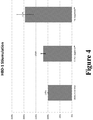
- LipigenineTM showed high HBD-1 concentration at both 0.1% and 1% LipigenineTM in solution as compared to the control. An increase in HBD-1 concentration of 20% was observed for 0.1% LipigenineTM while an increase in HBD-1 concentration of 95% was observed for 1% LipigenineTM.
- LipigenineTM was tested for its ability to stimulate an increase in HBD-2 concentration.
- the HBD-2 standard ABTS ELISA development kits were obtained from PeproTech (Cat# 900-K172). ELISA was performed according to the manufactory instructions of each kit by adding 100 ⁇ l/well of culture medium after overnight treatment. The substrate of ELISA reaction was using the substrate reagent from R&D Systems (DY999), and the reactions were stopped by adding 50 ⁇ l of IN H 2 SO 4 in each well.
- the LipigenineTM culture was compared to the control medium which contained no other ingredients. The results were measured using a colorimeter, absorbance was measured at 450 nanometers (nm) within 30 minutes. Wavelength correction was set to 570 nm. The concentration of each sample was calculated using ELISA standard curve.
- LipigenineTM showed increased HBD-2 concentrations at both 0.1% and 1% LipigenineTM in solution as compared to the control. An increase in HBD-2 concentration of 7% was observed for a 0.1% LipigenineTM formulation while an increase in HBD-2 expression of 23% was observed for a 1% LipigenineTM formulation.
- LipigenineTM was tested for its ability to stimulate an increase in HBD-3 concentration.
- the HBD-3 standard ABTS ELISA development kit was obtained from PeproTech (Cat# 900-K210). ELISA were performed according to the manufactory instructions of each kit by adding 100 ⁇ l/well of culture medium after overnight treatment. The substrate of ELISA reaction was using the substrate reagent from R&D Systems (DY999), and the reactions were stopped by adding 50 ⁇ l of IN H 2 SO 4 in each well.
- the LipigenineTM culture was compared to the control medium which contained no other ingredients. The results were measured using a colorimeter, absorbance was measured at 450 nanometers (nm) within 30 minutes. Wavelength correction was set to 570 nm. The concentration of each sample was calculated using ELISA standard curve.
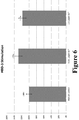
- LipigenineTM showed increased HBD-3 concentration at both 0.1% and 1% LipigenineTM in solution as compared to the control. An increase in HBD-3 concentration of 29% was observed for a 0.1% LipigenineTM formulation while an increase in HBD-3 concentration of 18% was observed for a 1% LipigenineTM formulation.
- a topical composition with LipigenineTM was tested for its ability to increase concentration of Cathelicidin (LL37), an amphipathic alpha-helical peptide that plays an important role in defense against local infection and invasion of pathogens at sites of inflammation and wounds.
- the human LL-37 ELISA kit was obtained from Hycult Biotech (Cat#HK321). ELISA were performed according to the manufactory instructions of each kit by adding 100 ⁇ l/well of culture medium after overnight treatment. The results were measured using a colorimeter, absorbance was measured at 450 nanometers (nm) within 30 minutes. Wavelength correction was set to 570 nm.
- LipigenineTM showed increased LL-37 concentration at both 0.1% and 1% LipigenineTM in solution as compared to the control.
- IL-8 Interleukin 8
- CXCL8 Interleukin 8
- IL-8 is a chemokine and proinflammatory cytokine produced by macrophages and other cell types such as epithelial cells. It is secreted from keratinocytes in skin in response to inflammatory stimuli. IL-8 is secreted and is an important mediator of the immune reaction in the innate immune system response. IL-8 over-expressed is a biomarker of skin irritation. IL-8 is associated with inflammation and plays a role in colorectal cancer.
- IL-8 or CXCL8 Interleukin 8
- Control A human dermal keratinocytes were left untreated. No irritation is expected, and therefore Control A provides a baseline (set as 0).
- Control B IL-8 is induced in human dermal keratinocytes by applying a surfactant mixture that is a combination of sodium laureth sulfate and polyquaternium-10 (set as 100%).
- the human dermal keratinocytes are co-treated with the surfactant mixture and a composition containing indicated concentration of LipigenineTM. Decreased IL-8 expression reflects an ingredient's anti-irritation activity.
- an assay kit was employed that was obtained from R&D Systems: Human CXCL8/IL-8 Duoset ELISA Kit (DY208).
- ELISA was performed after overnight treatment using by applying 100 ⁇ l/well of culture medium according to the manufactory instruction of the ELISA kit. The results were measured using a colorimeter, absorbance was measured at 450 nanometers (nm) within 30 minutes. Wavelength correction was set to 570 nm.
- LipigenineTM showed reduced IL-8 concentration at both 0.1% and 1% LipigenineTM in solution as compared to a surfactant. A decrease in IL-8 concentration of 30% was observed for a 0.1% LipigenineTM formulation while a decrease in IL-8 concentration of 33% was observed for a 1% LipigenineTM formulation.
- HBD-1 concentration after 5 days of approximately 4 pg/mL in the Upper Layers was observed for the hand sanitizer with LipigenineTM as compared to the hand sanitizer without LipigenineTM. Additionally, a statistically significant (95% confidence) increase in HBD-1 concentration after 10 days of about 35 pg/nL in the Lower Layers was observed for the hand sanitizer with LipigenineTM as compared to untreated skin.
- An increase in HBD-2 concentration after 10 days of about 21 pg/mL in the Lower Layers was observed for the hand sanitizer with 1% LipigenineTM as compared to a hand sanitizer without LipigenineTM.
- the 3D skin model EpiDermTM was used to evaluate LipigenineTM AMP stimulation efficacy in sanitizer.
- the sanitizing compositions were applied to the top surface of 3D skin tissue 2x a day and 10x a day for a period of five days. After 24 hours treatment, the culture mediums wee collected into storage plates, labeled, and stored at -70 °C. The tissues were fed with fresh medium and the treatments were repeated. The medium samples were stored and the tissues were fed daily (every 24 hours). After 5 days of this treatment protocol, MTT assays were performed to evaluate the tissue status and measure the test articles' cytotoxicity. The ELISA test was used for determining expression of HBDs and IL-1 ⁇ .
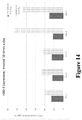
- the addition of LipigenineTM to the sanitizer can bring the HBD-3 expression back to normal levels by treatment 10x a day after 4 days.
- the addition of LipigenineTM to the PURELL Advanced gel sanitizer showed increased HBD-3 expression as compared to the Control after applying 10x a day.
- the Sample showed an increase in HBD-3 expression over the Control starting at day 1, and each day thereafter.
Landscapes
- Health & Medical Sciences (AREA)
- Life Sciences & Earth Sciences (AREA)
- General Health & Medical Sciences (AREA)
- Veterinary Medicine (AREA)
- Public Health (AREA)
- Animal Behavior & Ethology (AREA)
- Engineering & Computer Science (AREA)
- Epidemiology (AREA)
- Chemical & Material Sciences (AREA)
- Medicinal Chemistry (AREA)
- Pharmacology & Pharmacy (AREA)
- Natural Medicines & Medicinal Plants (AREA)
- Immunology (AREA)
- Bioinformatics & Cheminformatics (AREA)
- Biotechnology (AREA)
- Microbiology (AREA)
- Mycology (AREA)
- Proteomics, Peptides & Aminoacids (AREA)
- Botany (AREA)
- Gastroenterology & Hepatology (AREA)
- Birds (AREA)
- Chemical Kinetics & Catalysis (AREA)
- General Chemical & Material Sciences (AREA)
- Organic Chemistry (AREA)
- Nuclear Medicine, Radiotherapy & Molecular Imaging (AREA)
- Plant Pathology (AREA)
- Zoology (AREA)
- Wood Science & Technology (AREA)
- Dentistry (AREA)
- Environmental Sciences (AREA)
- Agronomy & Crop Science (AREA)
- Alternative & Traditional Medicine (AREA)
- Dermatology (AREA)
- Pest Control & Pesticides (AREA)
- Medical Informatics (AREA)
- Emergency Medicine (AREA)
- Oncology (AREA)
- Communicable Diseases (AREA)
- Medicinal Preparation (AREA)
- Medicines That Contain Protein Lipid Enzymes And Other Medicines (AREA)
Abstract
Description
- This application claims priority to and the benefit of
U.S. Provisional Patent Application Serial No. 62/316,149 - Skin disinfecting or sanitizing compositions have become increasingly popular in the health care industry as well as with the general public for providing antimicrobial effectiveness to the skin without irritation. Generally, these skin disinfecting or sanitizing compositions, which should be distinguished from skin cleansing compositions such as soaps, shampoos, and detergents which typically include surfactants, abrasives, or other active ingredients used to physically as well as microscopically cleanse the skin, include alcohol which kills a wide array of microorganisms which may be present on the skin, particularly the hands.
- Recent microbiome studies have analyzed the chemical make-up of the skin and the potential for sanitizing compositions to improve both skin defense against germs and skin's innate immunity. This includes germ control through both internal and external methods. External methods include hygiene products that directly kill or slow germ growth. Internal methods include improving an organism's immune system to fight germs itself.
- Antimicrobial peptides ("AMPs"), also known as host defense peptides, comprise a wide range of natural and synthetic peptides that are made of oligopeptides containing a varying number of amino acids. AMPs are essential components of host defense against infections present in all domains of life. AMPs are produced by all complex organisms and have diverse and intricate antimicrobial activities. As a whole, these peptides demonstrate a broad range of antiviral and antibacterial activities through an array of modes of action. AMPs have been found to kill Gram-negative and Gram-positive bacteria, certain viruses, parasites and fungi. Some research suggests that they can also enhance the internal immunity of complex organisms against a broad range of bacteria and viruses. In addition to the innate immune system present in all animals, vertebrates evolved an adaptive immune system based on specific recognition of antigens. Increasing evidence suggests that AMPs released in response to an invasion of microbial can activate adaptive immunity by attracting antigen-presenting dendritic cells to the invasion site.
- According to some exemplary embodiments, a composition for increasing the concentration of AMPs is provided. The topical composition includes about 0.02 wt. % to about 10.0 wt. % of an active ingredient that is one or more of a natural extract and a polypeptide. The topical composition also includes at least 40 wt. % of one or more C1-6 alcohols, with the balance of the composition comprising water. The application of the topical composition increases the concentration of AMPs on the surface of the skin by an amount that is statistically significant compared to an otherwise identical composition without the active ingredient.
- In some exemplary embodiments, the active ingredient is a natural extract that is one or more of a plant extract, a seed extract and a fruit extract. In other embodiments, the seed extract is at least one of linseed extract, flaxseed extract, hemp seed extract, grape seed extract, and grapefruit seed extract.
- In some exemplary embodiments, the active ingredient is a polypeptide that is one or more of an oligopeptide and a hexapeptide.
- In some exemplary embodiments, the topical composition also contains up to about 20.0 wt. % of a a humectant selected from the group consisting of propylene glycol, hexylene glycol, 1,4-dihydroxyhexane, 1,2,6-hexanetriol, sorbitol, butylene glycol, caprylyl glycol, propanediols, such as methyl propane diol, dipropylene glycol, methylene glycol, glycerin (glycerol), polyethylene glycols, ethoxydiglycol, polyethylene sorbitol, and combinations thereof.
- In some exemplary embodiments, the topical composition also contains up to 10.0 wt. % of a moisturizing ester, selected from the group consisting of selected from the group consisting of cetyl myristate, cetyl myristoleate, and other cetyl esters, diisopropyl sebacate, isopropyl myristate, and combinations thereof.
- In another exemplary embodiment, a skin treatment method for increasing the production of antimicrobial peptides is provided. The method includes applying a topical composition to a skin surface, wherein the topical composition includes about 0.02 wt. % to about 10.0 wt. % of an active ingredient. The active ingredient may be one or more of a natural extract and a polypeptide. The topical composition also includes at least 40 wt.% of one or more C1-6 alcohols, with the balance of the composition comprising water. The application of the topical composition increases the concentration of AMPs on the surface of the skin by an amount that is statistically significant compared to an otherwise identical composition without the active ingredient.
- In another exemplary embodiment, a skin treatment composition is provided. The skin treatment composition comprises about 0.02 wt. % to about 10.0 wt. % of an active ingredient comprising one or more of a natural extract and a polypeptide, about 40.0 wt. % to about 95.0 wt. % of one or more C1-6 alcohols, about 0.01 wt. % to about 10.0 wt.% of a humectant, about 0.01 wt. % to about 5.0 wt. % of a moisturizing ester, with the balance up to 100 wt.% being water.
- In another exemplary embodiment, a topical composition for increasing the innate immunity of the skin is provided. The topical composition comprises about 0.02 wt. % to 10.0 wt. % of an active ingredient comprising one or more of a natural extract and a polypeptide, about 40.0 wt. % to about 95.0 wt. % of one or more C1-6 alcohols, about 0.01 wt. % to about 5.0 wt. % of an emollient, and about 0.01 wt. % to about 5.0 wt. % of a viscosity modifier, with the balance up to 100 wt. % being water.
- In another exemplary embodiment, a topical composition for increasing the innate immunity of the skin is provided. The topical composition comprises about 0.02 wt. % to 10.0 wt. % of an active ingredient comprising one or more of a natural extract and a polypeptide, about 40.0 wt. % to about 95.0 wt. % of one or more C1-6 alcohols, about 0.01 wt. % to about 5.0 wt. % of a foaming agent, and about 0.01 wt. % to about 10.0 wt. % of a humectant, with the balance up to 100 wt. % being water.
-
-
Figure 1 graphically illustrates HBD-1 concentrations after treatment with various concentrations of Decorinyl and Pamitoyl Pentapeptide-3. -
Figure 2 graphically illustrates HBD-2 concentrations after treatment with various concentrations of Decorinyl and Pamitoyl Pentapeptide-3. -
Figure 3 graphically illustrates HBD-3 concentrations after treatment with various concentrations of Decorinyl and Pamitoyl Pentapeptide-3. -
Figure 4 graphically illustrates HBD-1 concentrations after treatment with 0.1% and 1.0% Lipigenine™. -
Figure 5 graphically illustrates HBD-2 concentrations after treatment with 0.1% and 1.0% Lipigenine™. -
Figure 6 graphically illustrates HBD-3 concentrations after treatment with 0.1% and 1.0% Lipigenine™. -
Figure 7 graphically illustrates LL-37 concentrations after treatment with 0.1% and 1.0% Lipigenine™. -
Figure 8 graphically illustrates IL-8 concentrations after treatment with 0.1% and 1.0% Lipigenine™. -
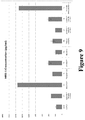
Figure 9 graphically illustrates HBD-1 concentrations after treatment with various ingredients. -
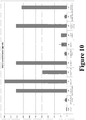
Figure 10 graphically illustrates HBD-2 concentrations after treatment with various ingredients. -
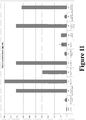
Figure 11 graphically illustrates HBD-3 concentrations after treatment with various ingredients. -
Figure 12(a) graphically illustrates the HBD-1 concentration after the addition of Lipigenine™ to the PURELL Advanced gel sanitizer. -
Figure 12(b) graphically illustrates the HBD-1 concentration after the addition of Lipigenine™ to the PURELL Advanced gel sanitizer. -
Figure 13(a) graphically illustrates the HBD-2 concentration after the addition of Lipigenine™ to the PURELL Advanced gel sanitizer. -
Figure 14 graphically illustrates the HBD-3 concentration after the addition of Lipigenine™ to the PURELL Advanced gel sanitizer. - Unless otherwise defined, all technical and scientific terms used herein have the same meaning as commonly understood by one of ordinary skill in the art to which this application pertains. Although other methods and materials similar or equivalent to those described herein may be used in the practice or testing of the exemplary embodiments, exemplary suitable methods and materials are described below. In case of conflict, the present specification including definitions will cofntrol. In addition, the materials, methods, and examples are illustrative only and not intended to be limiting of the general inventive concepts.
- The terminology as set forth herein is for description of the exemplary embodiments only and should not be construed as limiting the application as a whole. Unless otherwise specified, "a," "an," "the," and "at least one" are used interchangeably. Furthermore, as used in the description of the application and the appended claims, the singular forms "a," "an," and "the" are inclusive of their plural forms, unless contradicted by the context surrounding such.
- The phrase "statistically significant" means p < 0.05 for a test composition vs. a control that does not contain the active ingredient The analysis is completed using 1) a T-test (a statistical examination of two population means) when only comparing one test article vs. one control); or 2) an analysis of variance (ANOVA) test when comparing two or more test articles vs. controls.
- The phrase "topical composition" means a composition suitable for application directly to a surface, such as the surface of a human or animal body, including skin, and/or other surfaces, such as hair and nails.
- The terms "polypeptide" and "polypeptides" as used herein refer to a chain of amino acids with two or more peptide bonds. In this way, these terms are meant to encompass both oligopeptides (which are generally considered to be peptide chains with between two and ten amino acids) as well as polypeptides (which are generally considered to be peptide chains with more than 10 amino acids).
- The general inventive concepts relate to a topical composition that contains an AMP-stimulating active ingredient, including a natural extract and/or one or more polypeptides. The introduction of the active ingredient. In some exemplary embodiments, the active ingredient is derived from a natural extract, such as a plant extract, a fruit extract, and/or a seed extract, produced from the hydrolysis of natural proteins. Thus, the natural extracts may themselves comprise one or more peptides and/or polypeptides or the active ingredient may comprise polypeptide(s) independently. Non-limiting examples of natural extracts may include seed extracts, fruit extracts, linseed extract, flaxseed extract, hemp seed extract, grape seed extract, grapefruit seed extract, watermelon fruit extract, apple fruit extract, lentil fruit extract, hibiscus flower extract, pear fruit extract, root extract, leaf extract, Schinus terebinthifolius Seed Extract, Ascophyllum nodosum extract, soybean extract, Crothmum martimum extract, Lavandula stoechas extract, stem extracts, Sapindus Mukurossi fruit extract, sandalwood extract, bark extract, barley extract, Polygonum fagopyrum seed extract, avocado extract, cranberry fruit extract, blueberry fruit extract, Silena uniforla extract, Rosa multiflora extract, Evodia rutaecarpa fruit extract, algae extract, licorice leaf extract, jobi seed extract, seed oils, rosemary extract, green tea extract, plankton extract, himanthalia elongata extract, unidaria pinnatifida extract, Chlorella vulgaris extract, mugwort extract, and the like.
- In some exemplary embodiments, the natural extract is selected from one or more of the following compositions: (1) glycerin, plantago lanceolata leaf extract and xanthan gum (sold under the trade name Senestem™ by Sederma); (2) Benoitine (plankton extract in water); (3) water, glycerin, and hydrolyzed pearl (sold under the trade name Crodarom® by Croda Inc.) (4) Red Bush (rooibos) plant extract, (5) Phyko-Al-PF (water and hydrolyzed algin), and water, glycerin, and linseed (linum usitatissimum) seed extract (sold under the trade name Lipigenine™ by Ashland Chemical Company).
- In some exemplary embodiments, the active ingredient comprises one or more amino acids. Amino acids are organic compounds containing amine and carboxylic acid functional groups. The amino acid can be an alpha, beta, gamma, or delta amino acid and can be in either enantiomer (L or D isomer). The amino acids of the present invention are not particularly limited and can include, but are not limited to, histidine, isoleucine, leucine, lysine, methionine, phenylalanine, threonine, tryptophan, valine, alanine, arginine, asparagine, aspartic acid, cysteine, glutamic acid, glutamine, glycine, proline, selenocystenine, serine, and tyrosine.
- In some exemplary embodiments, the active ingredient comprises one or more peptides. Peptides are biologically-occurring short chains of amino acid monomers joined together by amide (peptide) bonds, which are formed through condensation reactions.
- In other exemplary embodiments, the active ingredient comprises one or more oligopeptides. Oligopeptides are generally defined as peptide chains with 10 or fewer amino acids. In this way, the oligopeptide may be include, but is not limited to, an oligopeptide, such as a dipeptide, a tripeptide, a tetrapeptide, a pentapeptide, a hexapeptide, a heptapeptide, an octapeptide, a nonapeptide, and a decapeptide.
- In other exemplary embodiments, the active ingredient comprises one or more polypeptides. A polypeptide is a long, continuous, unbrached peptide chain. Polypeptides are generally defined as peptide chains with more than 10 amino acids. The polypeptides of the present invention are not particularly limited and can be made of any number of peptide bonds.
- In other exemplary embodiments, the active ingredient comprises a protein, which includes at least one long polypeptide that is arranged in a biologically functional way. The proteins of the present invention are not particularly limited and can include any number of polypeptides arranged in any biologically active manner. The peptides, oligopeptides, polypeptides, and proteins comprising the subject topical composition can be natural or synthetic peptides or polypeptides.
- Exemplary polypeptides include Juvefoxo™; tetrapeptides, such as Uplevity™, Relistase®, and Decorinyl®; pentapeptides, such as palmitoyl pentapeptide-4, palmitoyl pentapeptide-3, and acetyl pentapeptide-1; hexapeptides, such as Adifyline® and acetyl hexapeptides; and mixtures of polypeptides and natural extracts, such as Triple A Complex, Trylagen® PCB. Exemplary acetyl hexapeptides include acetyl hexapeptide-1, acetyl hexapeptide-3, acetyl hexapeptide-7, acetyl hexapeptide-8, acetyl hexapeptide-19, acetyl hexapeptide-20, acetyl hexapeptide-22, acetyl hexapeptide-24, acetyl hexapeptide-30, acetyl hexapeptide-31, acetyl hexapeptide-37, acetyl hexapeptide-38, acetyl hexapeptide-39, acetyl hexapeptide-46, and acetyl hexapeptide-49. In some exemplary embodiments, the polypeptides include two or more acetyl hexapeptides.
- In some exemplary embodiments, the topical composition disclosed herein includes an effective amount of active ingredient to increase the concentration of one or more AMPs, including, for example, HBD-1, HBD-2, and HBD-3, as well as LL-37 (cathelicidin) on the surface of the skin. Such concentration increase helps the skin ability to defend against germs and helps improve the skin's innate immunity. Traditionally, it has been found that compositions used to stimulate the production of AMPs also cause skin inflammation and/or skin irritation. However, it has been discovered that a topical composition comprising the subject active ingredient is capable of increasing the concentration of AMPs on the skin without causing irritation/inflammation of the skin.
- The effective amount of active ingredient in the topical composition may include up to about 10.0 percent by weight (wt. %) of the active ingredient, based upon the total weight of the composition. In some exemplary embodiments, the effective amount of active ingredient comprises about 0.02 to about 5.0 wt. %, or from about 0.5 to about 2.0 wt. %, based upon the total weight of the topical composition. In other exemplary embodiments, the effective amount of active ingredient comprises about 0.1 to about 1.0 wt. %, based upon the total weight of topical composition.
- In some exemplary embodiments, the topical composition is a sanitizing composition used for application to surfaces, such as the human skin. The sanitizing composition may be in the form of a gel, a foam, a salve, a wipe, a cream, etc. A wide variety of vehicles may be used to deliver the topical composition, such a, for example pads, bandages, patches, sticks, aerosol dispersers, pump sprays, trigger sprays, canisters, foam pumps, wipes, and the like. The topical composition may be applied to the skin before, during, or after skin cleaning. In some exemplary embodiments, the topical composition is applied after skin cleaning.
- In some exemplary embodiments, the topical composition is an alcohol based sanitizer, comprising one or more alcohols. Alcohol has antimicrobial properties and has the ability to kill many forms of bacteria, fungi, and viruses. In some embodiments, the alcohol is a C1-6 alcohol, i.e. an alcohol containing 1 to 6 carbon atoms. Such alcohols may be referred to as lower alkanols. Examples of lower alkanols include, but are not limited to, methanol, ethanol, propanol, butanol, pentanol, hexanol, and isomers and mixtures thereof. The alcohol may be either pure alcohol or denatured alcohol. In one or more exemplary embodiments, the alcohol comprises ethanol, propanol, or butanol, or isomers or mixtures thereof. In one or more exemplary embodiments, the alcohol comprises isopropanol. In other exemplary embodiments, the alcohol comprises ethanol. In one or more exemplary embodiments, the topical composition comprises a mixture of alcohols. In one or more exemplary embodiments, the topical composition comprises a mixture of ethanol and isopropanol. In one or more exemplary embodiments, the topical composition comprises a mixture of isopropanol and n-propanol. In one exemplary embodiment, the topical composition comprises ethanol.
- Generally, the topical composition may comprise at least about 1.0 wt. % C1-6 alcohol, based upon the total weight of the composition. In one embodiment, the topical composition comprises at least about 2.0 wt. % C1-6 alcohol, in another embodiment, the topical composition comprises at least about 10.0 wt. % C1-6 alcohol, in another embodiment, the topical composition comprises at least about 20.0 wt. % C1-6 alcohol, in another embodiment, the topical composition comprises at least about 40.0 wt. % C1-6 alcohol, in another embodiment, the topical composition comprises at least about 50.0 wt. % C1-6 alcohol, in another embodiment, the topical composition comprises at least about 60.0 wt. % C1-6 alcohol, in another embodiment, the topical composition comprises at least about 65.0 wt. % C1-6 alcohol, in yet another embodiment, the topical composition comprises at least about 70.0 wt. % C1-6 alcohol, and in still yet another embodiment, the topical composition comprises at least about 80.0 wt. % C1-6 alcohol, based upon the total weight of composition. In other embodiments, the topical composition comprises from about 60.0 to about 95.0 wt. % C1-6 alcohol. In other exemplary embodiments, the topical composition comprises from about 73.0 to about 78.0 wt. % C1-6 alcohol. More or less alcohol may be required in certain instances, depending particularly on other ingredients and/or the amounts thereof employed in the topical composition.
- The active ingredient's ability to stimulate the production of AMPs in an alcohol-based solution was particularly surprising. Typically, when alcohol is added in the presence of a protein (polypeptide), the protein is denatured and loses its secondary and tertiary structures. Specifically, the normal alpha-helix and beta sheets in the protein are uncoiled and the protein is sent into a random shape. In this way the protein is no longer able to function as intended. The alcohol causes this undesirable reaction because it disrupts the hydrogen bonding in the protein. Hydrogen bonds are electostatic attractions between polar groups occurring when a hydrogen atom is bonded to a highly electronegative atom (typically oxygen or nitrogen). It the case of proteins, hydrogen bonding occurs between amide groups (which include a nitrogen atom) in the secondary protein structure as well as the tertiary protein structure in certain amino acids. Because of the OH group in the alcohol (which can also hydrogen bond with the protein), the internal hydrogen bonding within the protein is disrupted. Due to the particular structures of the active ingredients described herein, the molecules avoid the disruptive reactions detailed above.
- In some exemplary embodiments, the topical composition includes water in an amount quantum sufficit (q.s.). In some exemplary embodiments, the topical composition comprises at least about 1.0 wt. % water, in another embodiment the topical composition comprises at least about 10.0 wt. % water, in another embodiment, the topical composition comprises at least about 20.0 wt. % water, in another embodiment, the topical composition comprises at least about 30.0 wt. % water, in another embodiment, the topical composition comprises at least about 40.0 wt. % water, in another embodiment, the topical composition comprises at least about 50.0 wt. % water, and in yet another embodiment, the topical composition comprises at least about 60.0 wt. % water, and in still yet another embodiment, the topical composition comprises at least about 70.0 wt. % water. In other embodiments, the topical composition comprises from about 20.0 wt. % to about 30.0 wt. % water. In a preferred embodiment, the topical composition comprises from about 20.0 to about 24.0 wt. % water. More or less water may be required in certain instances, depending particularly on other ingredients and/or the amounts thereof employed in the topical composition.
- In some exemplary embodiments, the topical composition includes one or more humectants. Examples of humectants include propylene glycol, hexylene glycol, 1,4-dihydroxyhexane, 1,2,6-hexanetriol, sorbitol, butylene glycol, caprylyl glycol, propanediols, such as methyl propane diol, dipropylene glycol, triethylene glycol, glycerin (glycerol), polyethylene glycols, ethoxydiglycol, polyethylene sorbitol, and combinations thereof. Other humectants include glycolic acid, glycolate salts, lactate salts, urea, hydroxyethyl urea, alpha-hydroxy acids, such as lactic acid, sodium pyrrolidone carboxylic acid, hyaluronic acid, chitin, and the like. In one exemplary embodiment, the humecant is a mixture of caprylyl glycol and glycerin.
- Examples of polyethylene glycol humectants include PEG-4, PEG-6, PEG-7, PEG-8, PEG-9, PEG-10, PEG-12, PEG-14, PEG-16, PEG-18, PEG-20, PEG-32, PEG-33, PEG-40, PEG-45, PEG-55, PEG-60, PEG-75, PEG-80, PEG-90, PEG-100, PEG-135, PEG-150, PEG-180, PEG-200, PEG-220, PEG-240, and PEG-800.
- The humectant may be included in the topical composition in an amount up to about 20.0 wt. %, or up to about 15.0 wt. %, or up to about 12.0 wt. %, or up to about 10.0 wt. %, or up to about 8.0 wt. % or up to about 8.0 wt. %, or up to about 3.0 wt. %. In some exemplary embodiments, the humectant is included in an amount from about 0.001 wt. %, or from about 0.01 wt. %, or from about 0.05 wt. %, or from about 0.1 wt. %, or from about 0.5 wt. %, or from about 0.7 wt. %, or from about 1.0 wt. %, or from about 1.5 wt. %, or from about 2.0 wt. %, based upon the total weight of the composition. In one exemplary embodiment, the humectant is included in an amount from about 0.4 to about 3.0 wt. %, based upon the total weight of the composition.
- The topical composition may further comprise one or more conditioning or moisturizing esters. Examples of such conditioning or moisturizing esters include cetyl myristate, cetyl myristoleate, and other cetyl esters, diisopropyl sebacate, and isopropyl myristate. The ester may be present in an amount of up to about 10.0 wt. %, or up to about 8.0 wt. %, or up to about 5.0 wt. %, or up to about 3.0 wt. %, or up to about 2.0 wt. %, or up to about 1.0 wt. %, based on the total weight of the composition. In some exemplary embodiments, the moisturizing ester is present in an amount from about 0.001 wt. %, or from about 0.005 wt. %, or from about 0.01 wt. %, or from about 0.05 wt. %, or from about 0.1 wt. %, or from about 0.5 wt. %, or from about 1.0 wt. %, based on the total weight of the topical composition. In one exemplary embodiment, the moisturizing ester is present in an amount between 0.01 to 0.30 wt. %, based upon the total weight of the composition. In another exemplary embodiment, the moisturizing ester is present in an amount between 0.05 wt. % and 0.25 wt. %, based on the total weight of the composition.
- In one or more embodiments, the topical composition includes one or more emulsifying agents. Examples of emulsifying agents include stearyl alcohol, sorbitan oleate trideceth-2, poloxamers, and PEG/PPG-20/6 dimethicone. In some exemplary embodiments, the emulsifying agent is present in an amount of up to about 10.0 wt. %, based upon the total weight of the topical composition. In other exemplary embodiments, the emulsifying agent is present in an amount of from about 0.1 to about 5.0 % wt. %, or from about 0.5 to about 2.0 wt. %, based upon the total weight of the topical composition.
- In one or more embodiments, the topical composition includes one or more skin-conditioners or emollients. Non-limiting examples of suitable skin conditioners and emollients include aloe, vitamin E, vitamin E acetate (tocopheryl acetate), Vitamin B3 (niacinamide) and C6-10 alkane diols.
- The skin-conditioner can be included in the topical composition in an amount from about 0.0001 to about 1.0 wt. %, in other embodiments, from about 0.0005 to about 0.01 wt. %, based upon the total weight of the composition. In one exemplary embodiment, the miscellaneous skin conditioner is present in an amount from about 0.1 to about 0.5 wt. %, based upon the total weight of the composition.
- In some exemplary embodiments, the topical composition further includes a carrier component, such as a base cleaner.
- The topical composition may further comprise one or more deposition enhancers. A suitable deposition enhancer works unidirectionally and will allow ingredients within the composition to penetrate deeper into the stratum corneum whilst preventing the loss of materials from the skin. Advantageously, the deposition enhancer provides a cosmetically acceptable skin feel to the formulation.
- In one or more embodiments, the deposition enhancers include one or more of surfactants, bile salts and derivatives thereof, chelating agents, and sulphoxides.
- Some examples of acceptable deposition enhancers include hydroxypropyl methylcellulose, dimethyl sulphoxides (DMSO), DMA, DMF, 1-dodecylazacycloheptan-2-one (azone), pyrrolidones such as 2- Pyrrolidone (2P) and N- Methyl -2- Pyrrolidone (NMP), long-chain fatty acids such as oleic acid and fatty acids with a saturated alkyl chain length of about C10-C12, essential oils, terpenes, terpenoids, oxazolidinones such as 4-decyloxazolidin-2-one, sodium lauryl sulfate (SLS), sodium laureate, polysorbates, sodium glyacolate, sodium deoxycholate, caprylic acid, EDTA, phospholipids, C12-15 Alkyl Benzoate, pentylene glycol, ethoxydiglycol, polysorbate-polyethylenesorbitan-monolaurate, and lecithin.
- In one or more exemplary embodiments, the deposition enhancer is a quaternary ammonium compound such as polyquaternium-6, -7, -10, -22, -37, -39, -74 or -101.
- The deposition enhancer may be included in the topical composition in an amount from about 0.005 wt. % to about 100 wt. %, in other embodiments, from about 0.01 wt. % to about 5.0 wt. %, and in other embodiments, from about 0.05 wt. % to about 3.0 wt. %, based upon the total weight of the composition.
- In one or more exemplary embodiments, the deposition enhancer comprises a hydroxy-terminated polyurethane compound chosen from polyolprepolymer-2, polyolprepolymer-14, and polyolprepolymer-15. Polyolprepolymer-2 is sometimes referred to as PPG-12/SMDI copolymer. The polyurethane compound may be present in the topical composition in an amount from about 0.005 wt. % to about 5.0 wt. %, in other embodiments, from about 0.01 wt. % to about 3.0 wt. %, and in other embodiments, from about 0.05 wt. % to about 1.0 wt. %, based upon the total weight of the composition.
- The topical composition may further comprise one or more anti-irritants. Anti-irritants help reduce signs of inflammation on the skin such as swelling, tenderness, pain, itching, or redness. There are three main types of anti-irritants, all of which are envisioned as being applicable in the subject invention: (1) compounds that operate by complexing the irritant itself, (2) compounds that react with the skin to block reactive sites preventing the irritant from reacting directly with the skin, and (3) compounds that prevent physical contact between the skin and irritant.
- Some non-limiting examples of suitable anti-irritants include Aloe Vera, allantoin, anion-cation complexes, aryloxypropionates, azulene, carboxymethyl cellulose, cetyl alcohol, diethyl phthalate, Emcol E607, ethanolamine, glycogen, lanolin, N-(2-Hydroxylthyl) Palmitamide, N-Lauroyl Sarcosinates, Maypon 4C, mineral oils, miranols, Myristyl lactate, polypropylene glycol, polyvinyl pyrrolidone (PVP), tertiary amine oxides, thiodioglycolic acid, and zirconia. In one exemplary embodiment, the anti-irritant is avenanthrmides (avena sativa (oat), kernel oil, and glycerin) and niacinamide.
- The anti-irritant may be included in the topical composition in an amount up to about 10.0 wt. %, in other embodiments, from about 0.005 wt. % to about 3.0 wt. %, and in other embodiments, from about 0.01 wt. % to about 1.0 wt. %, based upon the total weight of the composition.
- The topical composition may further comprise a wide range of optional ingredients that do not deleteriously affect the composition's ability to stimulate AMP concentration on the surface of the skin. The CTFA International Cosmetic Ingredient Dictionary and Handbook, Eleventh Edition 2005, and the 2004 CTFA International Buyer's Guide, both of which are incorporated by reference herein in their entirety, describe a wide variety of non- limiting cosmetic and pharmaceutical ingredients commonly used in the skin care industry, that are suitable for use in the compositions of the present invention. Examples of these functional classes include: abrasives, anti-acne agents, anticaking agents, antioxidants, binders, biological additives, bulking agents, chelating agents, chemical additives; colorants, cosmetic astringents, cosmetic biocides, denaturants, drug astringents, emulsifiers, external analgesics, film formers, fragrance components, opacifying agents, plasticizers, preservatives (sometimes referred to as antimicrobials), propellants, reducing agents, skin bleaching agents, skin-conditioning agents (emollient, miscellaneous, and occlusive), skin protectants, solvents, surfactants, foam boosters, hydrotropes, solubilizing agents, suspending agents (nonsurfactant), sunscreen agents, ultraviolet light absorbers, detackifiers, and viscosity increasing agents (aqueous and nonaqueous). Examples of other functional classes of materials useful herein that are well known to one of ordinary skill in the art include solubilizing agents, sequestrants, keratolytics, topical active ingredients, and the like.
- The topical compositions exhibit a pH in the range of from about 3 to about 12.0, or a pH in the range of from about 4 to about 8, or in the range of from about 4.5 and about 7. When necessary, a pH adjusting agent or constituent may be used to provide and/or maintain the pH of a composition. Exemplary pH adjusting agents include, but are not limited to, organic acids, such as citric acid, lactic acid, formic acid, acetic acid, proponic acid, butyric acid, caproic acid, oxalic acid, maleic acid, benzoic acid, carbonic acid, and the like.
- The topical composition may further comprise a fragrance. Any scent may be used in the topical composition including, but not limited to cinnamon, clove, lavender, peppermint, rosemary, thyme, thieves, lemon, citrus, coconut, apricot, plum, watermelon, ginger and combinations thereof.
- The fragrance can be included in the topical composition in an amount from about 0.005 wt. % to about 5.0 wt. %, in other embodiments, from about 0.01 wt. % to about 3.0 wt. %, and in other embodiments, from about 0.05 wt. % to about 1.0 wt. %, based upon the total weight of the composition. The fragrance can be any made of any perfume, essential oil, aroma compounds, fixatives, terpenes, solvents, and the like.
- The form of the composition of the present invention is not particularly limited. In one or more embodiments, topical compositions of the present invention may be formulated as a foamable composition, a thickened gel composition, a sprayable liquid, a rinse, or may be applied to a wipe.
- In one or more embodiments, the topical composition of the present invention may be in the form of a thickened gel, with the inclusion of one or more thickeners and optionally one or more stabilizers. Examples of thickeners and stabilizers include hydroxyethyl cellulose hydroxypropyl cellulose, methyl cellulose, carboxymethyl cellulose, and ammonium acryloyldimethyltaurate/VP copolymer. Where the thickener or stabilizer is starch-based, the thickener or stabilizer may be present in an amount of up to about 10.0 wt. %, or in an amount of from about 0.1 to about 5.0 wt. %, or from about 0.2 to about 1.0 wt. %, based upon the total weight of the composition. Where the thickener or stabilizer is a synthetic polymer, the thickener or stabilizer may be present in an amount of up to about 15.0 wt. %, or from about 0.05 to about 5.0 wt. %, or from about 0.1 to about 1.0 wt. %, based upon the total weight of the composition.
- In one or more exemplary embodiments, the topical composition may be thickened with polyacrylate thickeners such as those conventionally available and/or known in the art. Examples of polyacrylate thickeners include carbomers, acrylates/C 10-30 alkyl acrylate crosspolymers (for example that sold under the trade name Carbopol® Ultrez 21 by The Lubrizol Corporation), copolymers of acrylic acid and alkyl (C5 -C 10) acrylate, copolymers of acrylic acid and maleic anhydride, and mixtures thereof. In one or more embodiments, the gel composition includes an effective amount of a polymeric thickener to adjust the viscosity of the gel to a viscosity range of from about 1000 to about 65,000 centipoise. In one embodiment, the viscosity of the gel is from about 5000 to about 35,000, and in another embodiment, the viscosity is from about 10,000 to about 25,000. The viscosity is measured by a Brookfield RV Viscometer using RV and/or LV Spindles at 22 °C +/- 3 °C.
- As will be appreciated by one of skill in the art, the effective amount of thickener will vary depending upon a number of factors, including the amount of alcohol and other ingredients in the gel composition. In one or more embodiments, an effective amount of thickener is at least about 0.01 wt. %, based upon the total weight of the gel composition. In other embodiments, the effective amount is at least about 0.02 wt. %, or at least about 0.05 wt. %, or at least about 0.1 wt. %. In some exemplary embodiment, the effective amount of thickener is at least about 0.5 wt. %, or at least about 0.75 wt. %, based upon the total weight of the gel. In one or more embodiments, the compositions according to the present invention comprise up to about 10.0 wt. % based on the total composition of a polymeric thickener. In certain embodiments, the amount of thickener is from about 0.01 to about 1.0 wt. %, or from about 0.02 to about 0.4 wt. %, or from about 0.05 to about 0.3 wt. %, based upon the total weight of the antimicrobial gel. The amount of thickener may be from about 0.1 to about 10.0 wt. %, or from about 0.5% to about 5.0 wt. %, or from about 0.75 to about 2.0 wt. %, based upon the total weight of the antimicrobial gel.
- In one or more embodiments, the gel composition may further comprise a neutralizing agent. Examples of neutralizing agents include amines, alkanolamines, alkanolamides, inorganic bases, amino acids, including salts, esters and acyl derivatives thereof. Exemplary neutralizing agents include triethanolamine, sodium hydroxide, monoethanolamine and dimethyl stearylamine. Other neutralizing agents are also known, such as HO(CmH2m)2NH, where m has the value of from 2 to 3, and aminomethyl propanol, aminomethyl propanediol, and ethoxylated amines, such as PEG-25 cocamine, polyoxyethylene (5) cocamine (PEG-5 cocamine), polyoxyethylene (25) cocamine (PEG-25 cocamine), polyoxyethylene (5) octadecylamine (PEG-5 stearamine), polyoxyethylene (25) octadecylamine (PEG-25 stearamine), polyoxyethylene (5) tallowamine (PEG-5 tallowamine), polyoxyethylene (15) oleylamine (PEG-15 oleylamine), polyethylene (5) soyamine (PEG-5 soyamine), and polyoxyethylene (25) soyamine (PEG-15 soyamine). A number of these are commercially available under the trade name of Ethomeen® from Akzo Chemie America, Armak Chemicals of Chicago, Ill.
- In some exemplary embodiments the neutralizing agent includes at least one of sodium hydroxide or sodium hydroxide precursors. Solutions of sodium hydroxide in water are non-limiting examples of neutralizers containing sodium hydroxide.
- The neutralizing agent is employed in an effective amount to neutralize a portion of the carboxyl groups of the thickening agent, and produce the desired pH range. The pH of unneutralized thickening agent dispersed in water is generally acidic. For example, the pH of Carbopol® polymer dispersions is approximately in the range of 2.5 to 3.5, depending upon the polymer concentration. An effective amount of neutralizing agent, when added to the thickener dispersion, adjusts the pH to a desired range of about 4.1 to 4.8, or of about 4.2 to 4.6. The amount of neutralizing agent necessary to effect this pH range will vary depending upon factors such as the type of thickening agent, the amount of thickening agent, etc. However, in general, amounts less than 1.0 % by weight and ranging from about 0.001 to about 0.3 wt. % of the neutralizing agent are considered sufficient and effective.
- In one or more embodiments, the topical composition is formulated as a foamable composition. One or more foam agents may optionally be included in the foamable composition.
- Any foaming agent conventionally known and used may be employed in the topical composition. In one or more embodiments, the foam agent comprises a non-ionic foam agent such as decyl glucoside or an amphoteric foam agent such as cocamidopropylbetaine. In one or more embodiments, the amount of nonionic or amphoteric foam agent is from about 0.5 to about 3.5 wt. %, in other embodiments from about 1.0 to about 3.0 wt. %, based upon the total weight of the topical composition. In one or more embodiments, the amount of decyl glucoside or cocamidopropylbetaine is from about 0.5 to about 3.5 wt. %, in other embodiments from about 1 to about 3.0 wt. %, based upon the total weight of the topical composition.
- In some exemplary embodiments, the foaming agents include one or more of silicone glycol and fluorosurfactants. Silicone glycols may be generally characterized by containing one or more Si-O-Si linkages in the polymer backbone. Silicone glycols include organopolysiloxane dimethicone polyols, silicone carbinol fluids, silicone polyethers, alkylmethyl siloxanes, amodimethicones, trisiloxane ethoxylates, dimethiconols, quaternized silicone glycols, polysilicones, silicone crosspolymers, and silicone waxes.
- Examples of silicone glycols include dimethicone PEG-7 undecylenate, PEG-10 dimethicone, PEG-8 dimethicone, PEG-12 dimethicone,
perfluorononylethyl carboxydecal PEG 10, PEG-20/PPG-23 dimethicone, PEG-11 methyl ether dimethicone, bis-PEG/PPG-20/20 dimethicone, silicone quats, PEG-9 dimethicone, PPG-12 dimethicone, fluoro PEG-8 dimethicone, PEG-23/PPG-6 dimethicone, PEG-20/PPG-23 dimethicone, PEG 17 dimethicone, PEG-5/PPG-3 methicone, bis-PEG-18 methyl ether dimethyl silane, bis-PEG-20 dimethicone, PEG/PPG-20/15 dimethicone copolyol and sulfosuccinate blends, PEG-8 dimethicone\dimmer acid blends, PEG-8 dimethicone\fatty acid blends, PEG-8 dimethicone\cold pressed vegetable oil\polyquaternium blends, random block polymers and mixtures thereof. - The amount of silicone glycol foam agent is not particularly limited, so long as an effective amount to produce foaming is present. In certain embodiments, the effective amount to produce foaming may vary, depending upon the amount of alcohol and other ingredients that are present. In one or more embodiments, the composition includes at least about 0.002 wt. % of silicone glycol foam agent, based upon the total weight of the composition. In another embodiment, the composition includes at least about 0.01 wt. % of silicone glycol foam agent, based upon the total weight of the composition. In yet another embodiment, the composition includes at least about 0.05 wt. % of silicone glycol foam agent, based upon the total weight of the composition. In a preferred embodiment the foam agent is Peg-12 dimethicone.
- In some exemplary embodiments, the foam agent is present in an amount of from about 0.002 to about 4.0 wt. %, or in an amount of from about 0.01 to about 2.0 wt. %, based upon the total weight of the composition. In a preferred embodiment the foam agent is present in an amount of about 1.0 to 1.8 wt. %. It is envisioned that higher amounts may also be effective to produce foam. All such weights as they pertain to listed ingredients are based on the active level, and therefore, do not include carriers or by-products that may be included in commercially available materials, unless otherwise specified.
- In other embodiments, it may be desirable to use higher amounts of foam agent. For example, in certain embodiments where the foaming composition of the present invention includes a cleansing or sanitizing product that is applied to a surface and then rinsed off, higher amounts of foam agent may be employed. In these embodiments, the amount of foam agent is present in amounts up to about 35.0 wt. %, based upon the total weight of the composition.
- The topical composition of the present invention may be formulated as an aerosol or non-aerosol foamable composition. In some exemplary embodiments the topical composition is dispensed from an unpressurized or low-pressure dispenser which mixes the composition with air.
- In one or more embodiments, the viscosity of the non-aerosol foamable composition is less than about 100 mPas, in one embodiment less than about 50 mPas, and in another embodiment less than about 25 mPas.
- The composition of the present invention may be employed in any type of dispenser typically used for gel products, for example pump dispensers. A wide variety of pump dispensers are suitable. Pump dispensers may be affixed to bottles or other free-standing containers. Pump dispensers may be incorporated into wall-mounted dispensers. Pump dispensers may be activated manually by hand or foot pump, or may be automatically activated. Useful dispensers include those available from GOJO Industries under the designations NXT® and TFX™ as well as traditional bag-in-box dispensers. Examples of dispensers are described in
U.S. Pat. Nos. 5,265,772 ,5,944,227 ,6,877,642 ,7,028,861 ,7,611,030 , and7,621,426 , all of which are incorporated herein by reference. In one or more embodiments, the dispenser includes an outlet such as a nozzle, through which the composition is dispensed. In some exemplary embodiments, the topical composition is used in dispensers that employ foaming pumps, which combine ambient air or an inert gas and the composition in a mixing chamber and pass the mixture through a mesh screen. - In one or more embodiments, the topical composition is integrated into wipe composition. Wipe compositions in accordance with this invention include at least one alcohol, a C1-10 alkanediol enhancer, and are applied to a wipe substrate.
- Wipe substrates used in antimicrobial wipes are further described in
U.S. Pat. Nos. 5,686,088 ,6,410,499 ,6,436,892 ,6,495,508 ,6,844,308 . In one or more embodiments, the wipe may comprise a laminate formed by spunbonding/meltblowing/spunbonding (SMS). Generally, an SMS material contains a meltblown web sandwiched between two exteriors spunbond webs. SMS materials are further described inU.S. Pat. Nos. 4,041,203 ,5,169,706 ,5,464,688 , and4,766,029 , and are commercially available, for example from Kimberly-Clark Corporation under marks such as Spunguard 7 and Evolution 7. The SMS laminate may be treated or untreated. - In some exemplary embodiments, the topical composition increases the presence of AMPs on the skin, including at least human beta defensin (HBD) 1, HBD-2, and HBD-3 as well as LL37.
- In some exemplary embodiments, a topical composition comprising up to about 10.0 wt. % of a polypeptide active ingredient increases the concentration of HBD-1 by a statistically significant amount, as compared to an otherwise identical composition that does not include the active ingredient. In some exemplary embodiments, a topical composition comprising up to about 10.0 wt. % of a polypeptide active ingredient increases the concentration of HBD-1 by at least 25%, or at least 100%, or at least 500%, or at least 800%, or at least 1000%, as compared to an otherwise identical composition that does not include the active ingredient. In some exemplary embodiments, a topical composition comprising up to about 10.0 wt. % of a polypeptide active ingredient increases the concentration of HBD-1 by at least 1,400%, or by at least 1,700%, as compared to an otherwise identical composition that does not include the active ingredient.
- In some exemplary embodiments, a topical composition comprising up to about 10.0 wt.% of a polypeptide active ingredient increases the concentration of HBD-2 by a statistically significant amount, as compared to an otherwise identical composition that does not include the active ingredient. In some exemplary embodiments, a topical composition comprising up to about 10.0 wt. % of a polypeptide active ingredient increases the concentration of HBD-2 by at least 25%, or at least 100%, or at least 500%, or at least 800%, or at least 1000%, as compared to an otherwise identical composition that does not include the active ingredient. In some exemplary embodiments, a topical composition comprising up to about 10.0 wt.% of a polypeptide active ingredient increases the concentration of HBD-2 by at least 1,100%, or by at least 1,200%, or by at least 2,000%, as compared to an otherwise identical composition that does not include the active ingredient.
- In some exemplary embodiments, a topical composition comprising up to about 10.0 wt. % of a polypeptide active ingredient increases the concentration of HBD-3 by a statistically significant amount, as compared to an otherwise identical composition that does not include the active ingredient. In some exemplary embodiments, a topical composition comprising up to about 10.0 wt. % of a polypeptide active ingredient increases the concentration of HBD-3 by at least 25%, or at least 50%, or at least 100%, or at least 500%, or at least 800%, or at least 1000%, as compared to an otherwise identical composition that does not include the active ingredient. In some exemplary embodiments, a topical composition comprising up to about 10.0 wt. % of a polypeptide active ingredient increases the concentration of HBD-3 by at least 2,000%, or by at least 2,500%, or by at least 4,000%, as compared to an otherwise identical composition that does not include the active ingredient.
- In some exemplary embodiments, a topical composition comprising up to about 10.0 wt. % of a natural extract active ingredient increases the concentration of HBD-1 by a statistically significant amount, as compared to an otherwise identical composition that does not include the active ingredient. Particularly, a topical composition comprising up to about 10.0 wt. % linseed extract increases the concentration of HBD-1 by at least 10%, or at least 20%, or at least 50%, or at least 75%, or at least 95%, as compared to an otherwise identical composition that does not include the active ingredient.
- In some exemplary embodiments, a topical composition comprising up to about 10.0 wt. % of a natural extract active ingredient increases the concentration of HBD-2 by a statistically significant amount, as compared to an otherwise identical composition that does not include the active ingredient. Particularly, a topical composition comprising up to about 10.0 wt. % linseed extract increases the concentration of HBD-2 by at least 5%, or at least 10%, or at least 20%, or at least 23%, as compared to an otherwise identical composition that does not include the active ingredient
- In some exemplary embodiments, a topical composition comprising up to about 10.0 wt.% of a natural extract active ingredient increases the concentration of HBD-3 by a statistically significant amount, as compared to an otherwise identical composition that does not include the active ingredient. Particularly, a topical composition comprising up to about 10.0 wt. % linseed extract increases the concentration of HBD-3 by at least 5%, or at least 10%, or at least 20%, or at least 29%, as compared to an otherwise identical composition that does not include the active ingredient.
- In some exemplary embodiments, a topical composition comprising up to about 10.0 wt. % of a natural extract active ingredient increases the concentration of LL-37 by a statistically significant amount, as compared to an otherwise identical composition that does not include the active ingredient Particularly, a topical composition comprising up to about 10.0 wt. % linseed extract increases the concentration of LL-37 by at least 5%, or at least 10%, or at least 20%, or at least 30%, or at least 38%, as compared to an otherwise identical composition that does not include the active ingredient.
- In some exemplary embodiments, a topical composition comprising up to about 10.0 wt. % of a natural extract active ingredient decreases the concentration of IL-8 by a statistically significant amount, as compared to an otherwise identical composition that does not include the active ingredient. Particularly, a topical composition comprising up to about 10.0 wt. % linseed extract decreases the concentration of IL-8 by at least 5%, or at least 10%, or at least 20%, or at least 30%, or at least 33%, as compared to an otherwise identical composition that does not include the active ingredient.
- In some exemplary embodiments, a topical composition comprising up to about 10.0 wt. % of a natural extract active ingredient in a leave-on formulation increases the concentration of HBD-1 by a statistically significant amount, as compared to an otherwise identical composition that does not include the active ingredient. Particularly, a topical composition comprising up to about 10.0 wt. % linseed extract in a leave-on formulation increases the concentration of HBD-1 by at least 1 pg/mL, or at least 6 pg/mL, or at least 8 ng/mL, or at least 10 pg/mL, or at least 16 pg/mL, as compared to an otherwise identical composition that does not include the active ingredient.
- In some exemplary embodiments, a topical composition comprising up to about 10.0 wt. % of a natural extract active ingredient in a leave-on formulation increases the concentration of HBD-2 by a statistically significant amount, as compared to an otherwise identical composition that does not include the active ingredient. Particularly, a topical composition comprising up to about 10.0 wt. % linseed extract in a leave-on formulation increases the concentration of HBD-2 by at least 1 pg/mL, or at least 4 pg/mL, or at least 10 pg/mL, or at least 15 pg/mL, or at least 20 pg/mL, as compared to an otherwise identical composition that does not include the active ingredient.
- In some exemplary embodiments, a topical composition comprising up to about 10.0 wt. % of a natural extract active ingredient in a leave-on formulation increases the concentration of HBD-3 by a statistically significant amount, as compared to an otherwise identical composition that does not include the active ingredient. Particularly, a topical composition comprising up to about 10.0 wt. % linseed extract in a leave-on formulation increases the concentration of HBD-3 by at least at least 1 pg/mL, as compared to an otherwise identical composition that does not include the active ingredient.
- The following examples are included for purposes of illustration and are not intended to limit the scope of the methods described herein.
- To determine the optimal dose of active ingredient, test dose response studies were run using both Decorinyl® and Pamitoyl Pentapeptided-3. These test dose response studies were commissioned to determine the concentration of HBD-1 at various levels of the active ingredients. Neonatal Human Epidermal Keratinocytes (NHEK; Life Technology, Grand Island, NY, USA) were cultured with keratinocyte growth medium (KGM, Medium 154: M-154-500 Life Technology with supplements S-001, Life Technologies). NHEK were seeded into 96-well plates at a density of 10000 cells in 200 µl medium per well. After 48 hours, the cells were incubated with varying concentrations of each ingredient solution in a culture medium (KGM) overnight (16 hours) at 37 °C, 5% CO2 and 95% humidity at four replicates for each concentration. Each of these active ingredients was tested at the following weight percents based on the weight of the total culture: 0.02 wt. %, 0.05 wt. %, 0.1 wt. %, 0.2 wt. %, 0.5 wt. %, 1.0 wt. %, 2.0 wt. %. Each of these compositions was compared to a control culture medium.
- HBD-1 was detected using HBD-1 ELISA (enzyme-linked immunosorbent assay) developing kits (commercially available from Peprotech). ELISA were performed according to the manufactory instructions of each kit by adding 100 µl/well of culture medium after overnight treatment. The substrate of ELISA reaction was using the substrate reagent from R&D Systems (DY999), and the reactions were stopped by adding 50 µl of 1N H2SO4 in each well. The results were measured using a colorimeter, absorbance was measured at 450 nanometers (nm) within 30 minutes. Wavelength correction was set to 570 nm. The concentration of each sample was calculated using ELISA standard curve.
- The results are listed below in Table 1 and depicted graphically in
Figure 1 . As illustrated below, a 1.0 and 2.0 wt. % concentration of Decorinyl® demonstrated an increase in HBD-1 concentration of 1763% and 1465% were observed for 1.0 wt. % and 2.0 wt. % Decorinyl®, respectively. Increases in HBD-1 concentration of 311% and 1561% were observed for 1.0 wt.% and 2.0 wt.% Pamitoyl Pentapeptided-3, respectively.TABLE 1 Active Ingredient wt. % HBD-1 (pg/mL) Control Medium 63 Decorinyl® 2% 986 1% 1174 0.5% 130 0.2% 107 0.1% 138 0.05% 84 0.02% 67 Pamitoyl Pentapeptided-3 2% 1047 1% 259 0.50% 162 0.20% 85 0.10% 64 0.05% 57 0.02% 59 - To determine the optimal dose of active ingredient, test dose response studies were run using both Decorinyl® and Pamitoyl Pentapeptided-3. These test dose response studies were commissioned to determine the concentration of HBD-2 at various levels of the active ingredients. Neonatal Human Epidermal Keratinocytes (NHEK; Life Technology, Grand Island, NY, USA) were cultured with keratinocyte growth medium (KGM, Medium 154: M-154-500 Life Technology with supplements S-001, Life Technologies). NHEK were seeded into 96-well plates at a density of 10000 cells in 200 µl medium per well. After 48 hours, the cells were incubated with varying concentrations of each ingredient solution in a culture medium (KGM) overnight (16 hours) at 37 °C, 5% CO2 and 95% humidity at four replicates for each concentration. Each of these active ingredients were tested at the following weight percents based on the weight of the total culture: 0.02 wt. %, 0.05 wt. %, 0.1 wt. %, 0.2 wt. %, 0.5 wt. %, 1.0 wt. %, 2.0 wt. %. Each of these compositions was compared to a control culture medium.
- HBD-2 was detected using HBD-2 ELISA developing kits (commercially available from Peprotech). ELISA were performed according to the manufactory instructions of each kit by adding 100 µl/well of culture medium after overnight treatment. The substrate of ELISA reaction was using the substrate reagent from R&D Systems (DY999), and the reactions were stopped by adding 50 µl of IN H2SO4 in each well. The results were measured using a colorimeter, absorbance was measured at 450 nanometers (nm) within 30 minutes. Wavelength correction was set to 570 nm. The concentration of each sample was calculated using ELISA standard curve.
- The results are listed below in Table 2 and depicted graphically in
Figure 2 . Increases in HBD-2 concentration of 11,371% and 12,329% were observed for 1.0 wt. % and 2.0 wt. % Decorinyl® respectively. An increase in HBD-2 concentration of 2800% was observed for 2.0 wt. % Pamitoyl Pentapeptided-3.TABLE 2 Active Ingredient wt. % HBD-2 (µg/mL) Control Medium 7 Decorinyl® 2% 870 1% 803 0.5% 44 0.2% 15 0.1% 15 0.05% 12 0.02% 9 Pamitoyl Pentapeptided-3 2% 203 1% 72 0.50% 21 0.20% 14 0.10% 9 0.05% 8 0.02% 9 - To determine the optimal dose of active ingredient, test dose response studies were run using both Decorinyl® and Pamitoyl Pentapeptided-3. These test dose response studies were commissioned to determine the concentration of HBD-3 at various levels of the active ingredients. Neonatal Human Epidermal Keratinocytes (NHEK; Life Technology, Grand Island, NY, USA) were cultured with keratinocyte growth medium (KGM, Medium 154: M-154-500 Life Technology with supplements S-001, Life Technologies). NHEK were seeded into 96-well plates at a density of 10000 cells in 200 µl medium per well. After 48 hours, the cells were incubated with varying concentrations of each ingredient solution in a culture medium (KGM) overnight (16 hours) at 37 °C, 5% CO2 and 95% humidity at four replicates for each concentration. Each of these active ingredients was tested at the following weight percents based on the weight of the total culture: 0.02 wt. %, 0.05 wt. %, 0.1 wt %, 0.2 wt. %, 0.5 wt. %, 1.0 wt. %, 2.0 wt. %. Each of these compositions was compared to a control culture medium.
- HBD-3 was detected using HBD-3 ELISA developing kits (commercially available from Peprotech). ELISA were performed according to the manufactory instructions of each kit by adding 100 µl/well of culture medium after overnight treatment. The substrate of ELISA reaction was using the substrate reagent from R&D Systems (DY999), and the reactions were stopped by adding 50 µl of IN H2SO4 in each well. The results were measured using a colorimeter, absorbance was measured at 450 nanometers (nm) within 30 minutes. Wavelength correction was set to 570 nm. The concentration of each sample was calculated using ELISA standard curve.
- The results are shown below in Table 3 and depicted graphically in
Figure 3 . Increases in HBD-3 concentration of 4438% and 2616% were observed for 1.0 wt. % and 2.0 wt. % Decorinyl® respectively. Increases in HBD-3 concentration of 1005% and 1890% were observed for 1.0 wt. % and 2.0 wt. % Pamitoyl Pentapeptided-3, respectively.TABLE 3 Active Ingredien wt. % HBD-3 (pg/mL) Control Medium 433 Decorinyl® 2% 11759 1% 19652 0.5% 3058 0.2% 703 0.1% 682 0.05% 456 0.02% 226 Pamitoyl Pentapeptided-3 2% 8617 1% 4783 0.50% 2278 0.20% 775 0.10% 387 0.05% 242 0.02% 288 - Lipigenine™ was tested for its ability to stimulate an increase in HBD-1 concentration. The HBD-1 standard ABTS (2,2'-Azinobis [3-ethylbenzothiazoline-6-sulfonic acid]-diammonium salt) ELISA development kits were obtained from PeproTech (Cat# 900-K202). ELISA were performed according to the manufactory instructions of each kit by adding 100 µl/well of culture medium after overnight treatment. The substrate of ELISA reaction was using the substrate reagent from R&D Systems (DY999), and the reactions were stopped by adding 50 µl of IN H2SO4 in each well. The Lipigenine™ culture was compared to the control medium which contained no other ingredients. The results were measured using a colorimeter, absorbance was measured at 450 nanometers (nm) within 30 minutes. Wavelength correction was set to 570 nm. The concentration of each sample was calculated using ELISA standard curve.
- The addition of Lipigenine™ showed high HBD-1 concentration at both 0.1% and 1% Lipigenine™ in solution as compared to the control. An increase in HBD-1 concentration of 20% was observed for 0.1% Lipigenine™ while an increase in HBD-1 concentration of 95% was observed for 1% Lipigenine™. These results are shown in
Figure 4 . - Lipigenine™ was tested for its ability to stimulate an increase in HBD-2 concentration. The HBD-2 standard ABTS ELISA development kits were obtained from PeproTech (Cat# 900-K172). ELISA was performed according to the manufactory instructions of each kit by adding 100 µl/well of culture medium after overnight treatment. The substrate of ELISA reaction was using the substrate reagent from R&D Systems (DY999), and the reactions were stopped by adding 50 µl of IN H2SO4 in each well. The Lipigenine™ culture was compared to the control medium which contained no other ingredients. The results were measured using a colorimeter, absorbance was measured at 450 nanometers (nm) within 30 minutes. Wavelength correction was set to 570 nm. The concentration of each sample was calculated using ELISA standard curve.
- The addition of Lipigenine™ showed increased HBD-2 concentrations at both 0.1% and 1% Lipigenine™ in solution as compared to the control. An increase in HBD-2 concentration of 7% was observed for a 0.1% Lipigenine™ formulation while an increase in HBD-2 expression of 23% was observed for a 1% Lipigenine™ formulation. These results are shown in
Figure 5 . - Lipigenine™ was tested for its ability to stimulate an increase in HBD-3 concentration. The HBD-3 standard ABTS ELISA development kit was obtained from PeproTech (Cat# 900-K210). ELISA were performed according to the manufactory instructions of each kit by adding 100 µl/well of culture medium after overnight treatment. The substrate of ELISA reaction was using the substrate reagent from R&D Systems (DY999), and the reactions were stopped by adding 50 µl of IN H2SO4 in each well. The Lipigenine™ culture was compared to the control medium which contained no other ingredients. The results were measured using a colorimeter, absorbance was measured at 450 nanometers (nm) within 30 minutes. Wavelength correction was set to 570 nm. The concentration of each sample was calculated using ELISA standard curve.
- The addition of Lipigenine™ showed increased HBD-3 concentration at both 0.1% and 1% Lipigenine™ in solution as compared to the control. An increase in HBD-3 concentration of 29% was observed for a 0.1% Lipigenine™ formulation while an increase in HBD-3 concentration of 18% was observed for a 1% Lipigenine™ formulation. These results are shown in
Figure 6 . - A topical composition with Lipigenine™ was tested for its ability to increase concentration of Cathelicidin (LL37), an amphipathic alpha-helical peptide that plays an important role in defense against local infection and invasion of pathogens at sites of inflammation and wounds. The human LL-37 ELISA kit was obtained from Hycult Biotech (Cat#HK321). ELISA were performed according to the manufactory instructions of each kit by adding 100 µl/well of culture medium after overnight treatment. The results were measured using a colorimeter, absorbance was measured at 450 nanometers (nm) within 30 minutes. Wavelength correction was set to 570 nm.
- The addition of Lipigenine™ showed increased LL-37 concentration at both 0.1% and 1% Lipigenine™ in solution as compared to the control. An increase in LL-37 concentration of 32% for a 0.1% Lipigenine™ formulation while an increase in LL-37 concentration of 38% was observed for a 1% Lipigenine™ formulation. These results are shown in
Figure 7 . - A topical composition with Lipigenine™ was tested for its ability to decrease concentration of Interleukin 8 (IL-8 or CXCL8) which is a chemokine and proinflammatory cytokine produced by macrophages and other cell types such as epithelial cells. It is secreted from keratinocytes in skin in response to inflammatory stimuli. IL-8 is secreted and is an important mediator of the immune reaction in the innate immune system response. IL-8 over-expressed is a biomarker of skin irritation. IL-8 is associated with inflammation and plays a role in colorectal cancer.
- For Control A, human dermal keratinocytes were left untreated. No irritation is expected, and therefore Control A provides a baseline (set as 0). For Control B, IL-8 is induced in human dermal keratinocytes by applying a surfactant mixture that is a combination of sodium laureth sulfate and polyquaternium-10 (set as 100%). For all other samples, the human dermal keratinocytes are co-treated with the surfactant mixture and a composition containing indicated concentration of Lipigenine™. Decreased IL-8 expression reflects an ingredient's anti-irritation activity. In order to carry out the test method, an assay kit was employed that was obtained from R&D Systems: Human CXCL8/IL-8 Duoset ELISA Kit (DY208). ELISA was performed after overnight treatment using by applying 100 µl/well of culture medium according to the manufactory instruction of the ELISA kit. The results were measured using a colorimeter, absorbance was measured at 450 nanometers (nm) within 30 minutes. Wavelength correction was set to 570 nm.
- The addition of Lipigenine™ showed reduced IL-8 concentration at both 0.1% and 1% Lipigenine™ in solution as compared to a surfactant. A decrease in IL-8 concentration of 30% was observed for a 0.1% Lipigenine™ formulation while a decrease in IL-8 concentration of 33% was observed for a 1% Lipigenine™ formulation. These results are shown in
Figure 8 . - Tape stripping tests were also performed with 1% Lipigenine™ in a hand sanitizer gel formulation (leave-on) to determine the concentration of AMPs including HBD-1, HBD-2, and HBD-3 on the skin as compared to a hand sanitizer formulation gel without Lipigenine™ (leave-on). 7 layers of tape strips were applied to the skin at two adjacent sites for both the hand sanitizer with Lipigenine™ and the hand sanitizer without Lipigenine™. The strips were applied after the two formulations had been used to clean each skin site. After application, the first layer of tape was discarded.. Thereafter, layers 2 - 4 were combined (the "Upper Layers") and layers 5-7 were combined (the "Lower Layers"). These tape striping experiments were run at 0 days (before application), 5 days after application, and 10 days after application to observe increases in AMP concentration over time. Each of the Upper Layers and the Lower Layers were placed in a glass vial and frozen until analysis.
- An increase in HBD-1 concentration after 5 days of approximately 4 pg/mL in the Upper Layers was observed for the hand sanitizer with Lipigenine™ as compared to the hand sanitizer without Lipigenine™. Additionally, a statistically significant (95% confidence) increase in HBD-1 concentration after 10 days of about 35 pg/nL in the Lower Layers was observed for the hand sanitizer with Lipigenine™ as compared to untreated skin. An increase in HBD-2 concentration after 10 days of about 21 pg/mL in the Lower Layers was observed for the hand sanitizer with 1% Lipigenine™ as compared to a hand sanitizer without Lipigenine™. Additionally, a statistically significant (90% confidence) increase in HBD-2 concentration after 10 days of about 48 pg/mL was observed in the Lower Layers. Finally, a statistically significant (90% confidence) increase in HBD-3 concentration after 10 days of about 48 pg/mL was observed in the Upper Layers. These results are shown below in Table 4.
TABLE 4 (Reference) PURELL Advanced FF w/1% Lipigenice™ used as a leave-on (Code-S) (Sanitizer Control) PURELL Advanced Gel FF used as a leave-on (Code-E) (Standard Control Untrated Skin Control (Code-U) HBD-1 Concentration (pg/mL) HBD-1 Concentration (pg/mL) 2-4 Upper Layers 0 days 0 0 0 5 days 4.946 0.829 0.000 10 days 11.862 15.423 u 0. 000 5-7 Lower L ayers 0 days 0 0 0 5 days 3.385 6.834 0.000 10 days 34.98U 18.924 0.000 HBD-2 Concentration (pg/mL) 2-4 Upper Layers 0 days 0 0 0 5 days 16.937 12.121 0.000 10 days 39.856 74.995U 0.000 5-7 Lower L ayers 0 days 0 0 0 5 days 8.109 6.978 0.000 10 days 48.056u 27.586 0.000 HBD-3 Concentration (pg/mL) 2-4 Upper L ayers 0 days 0 0 0 5 days 63.735 64.371 0.000 10 days 172.088u 268.432U 0.000 5-7 Lower L ayers 0 days 0 0 0 5 days -4.215 63.710 0.000 10 days 141.267 140.694 0.000 - The 3D skin model EpiDerm™ was used to evaluate Lipigenine™ AMP stimulation efficacy in sanitizer.
- Two sanitizing compositions were prepared: 1) PURELL Advanced gel (Control) and 2) PURELL Advanced gel including 0.1% Lipigenine™
- The sanitizing compositions were applied to the top surface of 3D skin tissue 2x a day and 10x a day for a period of five days. After 24 hours treatment, the culture mediums wee collected into storage plates, labeled, and stored at -70 °C. The tissues were fed with fresh medium and the treatments were repeated. The medium samples were stored and the tissues were fed daily (every 24 hours). After 5 days of this treatment protocol, MTT assays were performed to evaluate the tissue status and measure the test articles' cytotoxicity. The ELISA test was used for determining expression of HBDs and IL-1α.
- As illustrated in
Figures 12(a) and 12(b) , the addition of Lipigenine™ to the PURELL Advanced gel sanitizer (Sample) showed increased HBD-1 expression as compared to the Control after applying both 2x and 10x a day. In each case, the Sample showed an increase in HBD-1 expression over the Control starting atday 2, and each day thereafter (although with treatment 10x day the Sample showed an increase in HBD-1expression day 1. - The results indicated that the alcohol in sanitizers may inhibit the expression of HBD-2 in tissue However, the addition of Lipigenine™ to the sanitizer can bring the HBD-2 expression back to normal levels by treatment both 2x and 10x a day. As illustrated in
Figures 13(a) and 13(b) , the addition of Lipigenine™ to the PURELL Advanced gel sanitizer (Sample) showed increased HBD-2 expression as compared to the Control after applying both 2x and 10x a day. In each case, the Sample showed an increase in HBD-2 expression over the Control starting atday 1, and each day thereafter. - The results indicated that the alcohol in sanitizers may inhibit the expression of HBD-3 in tissue. However, the addition of Lipigenine™ to the sanitizer can bring the HBD-3 expression back to normal levels by treatment 10x a day after 4 days. As illustrated in
Figure 14 , the addition of Lipigenine™ to the PURELL Advanced gel sanitizer (Sample) showed increased HBD-3 expression as compared to the Control after applying 10x a day. The Sample showed an increase in HBD-3 expression over the Control starting atday 1, and each day thereafter. - Although embodiments of the invention have been described herein, it should be appreciated that many modifications can be made without departing from the spirit and scope of the general inventive concepts. All such modifications are intended to be included within the scope of the invention, which is to be limited only by the following claims.
- Various preferred features and embodiments of the present invention will now be described with reference to the following numbered paragraphs (paras).
- 1. A topical sanitizing composition for stimulating the production of antimicrobial peptides, said composition comprising;
- about 0.02 wt.% to about 10.0 wt.% of an active ingredient;
- at least about 40 wt. % of one or more C1-6 alcohols; and
- 2. The topical sanitizing composition of
para 1, wherein said natural extract is one or more of a plant extract, a seed extract and a fruit extract. - 3. The topical sanitizing composition of
para 1, wherein said natural extract is a seed extract. - 4. The topical sanitizing composition of
para 3, wherein said seed extract is at least one of linseed extract, flaxseed extract, hemp seed extract, grape seed extract, and grapefruit seed extract. - 5. The topical sanitizing composition of
para 4, wherein said seed extract is a linseed extract. - 6. The topical sanitizing composition of
para 1, wherein said active ingredient is a polypeptide. - 7. The topical sanitizing composition of para 6, wherein said polypeptide is at least one of an oligopeptide and a hexapeptide.
- 8. The topical sanitizing composition of
para 1, wherein said topical sanitizing composition comprises about 0.05 to about 5.0 wt. % active ingredient, based on the weight of the total composition. - 9. The topical sanitizing composition of
para 1, wherein said topical sanitizing composition comprises about 0.1 to about 1.0 wt. % active ingredient, based on the weight of the total composition. - 10. The topical sanitizing composition of
para 1, wherein said C1-6 alcohol is one or more of methanol, ethanol, propanol, butanol, pentanol, hexanol, and isomers and mixtures thereof - 11. The topical sanitizing composition of
para 1, where said C1-6 alcohol is present in an amount above about 70 wt. %, based on the weight of the total composition. - 12. The topical sanitizing composition of
para 1, wherein said topical composition comprises one or more humectants, selected from the group consisting of propylene glycol, hexylene glycol, 1,4-dihydroxyhexane, 1,2,6-hexanetriol, sorbitol, butylene glycol, caprylyl glycol, propanediols, such as methyl propane diol, dipropylene glycol, triethylene glycol, glycerin (glycerol), polyethylene glycols, ethoxydiglycol, polyethylene sorbitol, and combinations thereof - 13. The topical sanitizing composition of para 12, wherein said humectant comprises one or more of caprylyl glycol and glycerin.
- 14. The topical sanitizing composition of para 12, wherein said humectant is present in an amount up to about 20.0 wt. %, based on the weight of the total composition.
- 15. The topical sanitizing composition of
para 1, wherein said topical composition comprises one or more moisturizing esters, selected from the group consisting of cetyl myristate, cetyl myristoleate, and other cetyl esters, diisopropyl sebacate, isopropyl myristate, and combinations thereof. - 16. The topical sanitizing composition of
para 15, wherein said moisturizing ester is present in an amount up to about 10.0 wt. %, based on the weight of the total composition. - 17. The topical sanitizing composition of
para 1, wherein said topical composition increases antimicrobial peptide concentration by a statistically significant amount, as compared to an otherwise identical composition without the active ingredient. - 18. The topical sanitizing composition of
para 1, wherein said topical composition increases the concentration of HBD-1 by at least about 20%, relative to an otherwise identical topical composition without said active ingredient. - 19. The topical sanitizing composition of
para 1, wherein said topical composition increases the concentration of HBD-2 by at least about 7%, relative to an otherwise identical topical composition without said active ingredient. - 20. The topical sanitizing composition of
para 1, wherein said topical composition increases the concentration of HBD-3 by at least about 18%, relative to an otherwise identical topical composition without said active ingredient. - 21. The topical sanitizing composition of
para 1, wherein said topical composition increases the concentration of LL-37 by at least about 32%, relative to an otherwise identical topical composition without said active ingredient. - 22. The topical sanitizing composition of
para 1, wherein said topical composition decreases the concentration of IL-8 by at least about 30%, relative to an otherwise identical topical composition without said active ingredient. - 23. The topical sanitizing composition of
para 1, wherein said topical composition increases the concentration of HBD-1 by at least about 4 pg/mL, relative to an otherwise identical topical composition without said active ingredient. - 24. The topical sanitizing composition of
para 1, wherein said topical composition increases the concentration of HBD-2 by at least about 4 pg/mL, relative to an otherwise identical topical composition without said active ingredient. - 25. The topical sanitizing composition of
para 1, wherein said topical composition increases the concentration of HBD-3 by at least about 1 pg/mL, relative to an otherwise identical topical composition without said active ingredient. - 26. A method of skin treatment to increase the production of antimicrobial peptides on the skin, said method comprising:
applying a topical sanitizing composition to a skin surface, wherein said topical composition comprises:- about 0.02 wt.% to about 10.0 wt.% of an active ingredient;
- at least about 40 wt.% of one or more C1-6 alcohols; and
- the balance up to 100 wt. % being water, wherein said active ingredient comprises one or more of a natural extract and a polypeptide, where said topical composition increases the concentration of antimicrobial peptides on skin, as compared to an otherwise identical topical sanitizing composition without the active ingredient.
- 27. A skin treatment composition comprising;
about 0.02 wt.% to about 10.0 wt.% of an active ingredient comprising one or more of a natural extract and a polypeptide;
about 40.0 wt.% to about 95.0 wt.% of one or more C1-6 alcohols;
about 0.01 wt.% to about 10.0 wt.% of a humectant;
about 0.01 wt.% to about 5.0 wt.% of a moisturizing ester; and
the balance up to 100 wt. % being water. - 28. A topical composition for increasing the innate immunity of the skin comprising;
about 0.02 wt. %to about 10.0 wt. %of an active ingredient comprising one or more of a natural extract and a polypeptide;
about 40.0 wt.% to about 95.0 wt.% of one or more C1-6 alcohols;
about 0.01 wt.% to about 5.0 wt.% of an emollient;
about 0.01 wt.% to about 5.0 wt.% of a viscosity modifier; and
water. - 29. A topical composition for increasing the innate immunity of the skin comprising;
about 0.02 wt. %to about 10.0 wt. %of an active ingredient comprising one or more of a natural extract and a polypeptide;
about 40.0 wt.% to about 95.0 wt.% of one or more C1-6 alcohols;
about 0.01 wt.% to about 5.0 wt.% of a foaming agent; about 0.01 wt. % to about 10.0
wt. % of a humectant; and
water.
Claims (11)
- A topical sanitizing composition for stimulating the production of antimicrobial peptides, wherein the topical sanitizing composition is a thickened gel composition, the composition comprising;from 0.02 to 5.0 wt. % of an active ingredient, the active ingredient comprising at least one of linseed extract, flaxseed extract, hemp seed extract, grape seed extract, and grapefruit seed extract;from 60.0 to 95.0 wt. % of one or more C1-6 alcohols;from 0.01 to 1.0 wt. % of one or more thickeners;one or more humectants; andwater,wherein said topical composition increases the concentration of antimicrobial peptides, as compared to an otherwise identical topical composition without the active ingredient.
- The topical sanitizing composition of claim 1, wherein the active ingredient is a linseed extract.
- The topical sanitizing composition of claim 1, wherein the topical sanitizing composition comprises from 0.05 to 5.0 wt. % of the active ingredient, preferably from 0.1 to 1 wt. % of the active ingredient, based upon the weight of the total composition.
- The topical sanitizing composition of claim 1, wherein said C1-6 alcohol is one or more of methanol, ethanol, propanol, butanol, pentanol, hexanol, and isomers and mixtures thereof.
- The topical sanitizing composition of claim 1, where said C1-6 alcohol is present in an amount above 70 wt. %, based upon the weight of the total composition.
- The topical sanitizing composition of claim 1, wherein the one or more humectants is selected from the group consisting of propylene glycol, hexylene glycol, 1,4-dihydroxyhexane, 1,2,6-hexanetriol, sorbitol, butylene glycol, caprylyl glycol, propanediols, such as methyl propane diol, dipropylene glycol, triethylene glycol, glycerin (glycerol), polyethylene glycols, ethoxydiglycol, polyethylene sorbitol, and combinations thereof.
- The topical sanitizing composition of claim 6, wherein the humectant comprises one or more of caprylyl glycol and glycerin.
- The topical sanitizing composition of claim 1, wherein the topical composition comprises one or more moisturizing esters, selected from the group consisting of cetyl myristate, cetyl myristoleate, and other cetyl esters, diisopropyl sebacate, isopropyl myristate, and combinations thereof.
- The topical sanitizing composition of claim 8, wherein the moisturizing ester is present in an amount up to 10.0 wt. %, based upon the weight of the total composition.
- The topical sanitizing composition of claim 1, wherein the topical sanitizing composition is a hand sanitizer gel.
- A topical sanitizing composition according to any preceding claim for use in skin treatment to increase the production of antimicrobial peptides on the skin.
Applications Claiming Priority (3)
| Application Number | Priority Date | Filing Date | Title |
|---|---|---|---|
| US201662316149P | 2016-03-31 | 2016-03-31 | |
| PCT/US2017/025319 WO2017173236A1 (en) | 2016-03-31 | 2017-03-31 | Antimicrobial peptide stimulating sanitizing composition |
| EP17718202.9A EP3435765A1 (en) | 2016-03-31 | 2017-03-31 | Antimicrobial peptide stimulating sanitizing composition |
Related Parent Applications (1)
| Application Number | Title | Priority Date | Filing Date |
|---|---|---|---|
| EP17718202.9A Division EP3435765A1 (en) | 2016-03-31 | 2017-03-31 | Antimicrobial peptide stimulating sanitizing composition |
Publications (1)
| Publication Number | Publication Date |
|---|---|
| EP3834615A1 true EP3834615A1 (en) | 2021-06-16 |
Family
ID=58549228
Family Applications (2)
| Application Number | Title | Priority Date | Filing Date |
|---|---|---|---|
| EP17718202.9A Ceased EP3435765A1 (en) | 2016-03-31 | 2017-03-31 | Antimicrobial peptide stimulating sanitizing composition |
| EP21152832.8A Withdrawn EP3834615A1 (en) | 2016-03-31 | 2017-03-31 | Antimicrobial peptide stimulating sanitizing composition |
Family Applications Before (1)
| Application Number | Title | Priority Date | Filing Date |
|---|---|---|---|
| EP17718202.9A Ceased EP3435765A1 (en) | 2016-03-31 | 2017-03-31 | Antimicrobial peptide stimulating sanitizing composition |
Country Status (6)
| Country | Link |
|---|---|
| US (2) | US20170281718A1 (en) |
| EP (2) | EP3435765A1 (en) |
| JP (2) | JP2019511505A (en) |
| AU (1) | AU2017240064B8 (en) |
| CA (1) | CA3018768C (en) |
| WO (1) | WO2017173236A1 (en) |
Families Citing this family (10)
| Publication number | Priority date | Publication date | Assignee | Title |
|---|---|---|---|---|
| JP2019510036A (en) | 2016-03-31 | 2019-04-11 | ゴジョ・インダストリーズ・インコーポレイテッド | A detergent composition comprising probiotic / prebiotic active ingredients |
| EP3435765A1 (en) | 2016-03-31 | 2019-02-06 | Gojo Industries, Inc. | Antimicrobial peptide stimulating sanitizing composition |
| US10806769B2 (en) | 2016-03-31 | 2020-10-20 | Gojo Industries, Inc. | Antimicrobial peptide stimulating cleansing composition |
| JP2019535767A (en) * | 2016-11-23 | 2019-12-12 | ゴジョ・インダストリーズ・インコーポレイテッド | Disinfectant composition for stimulating antibacterial peptides |
| US11564879B2 (en) | 2016-11-23 | 2023-01-31 | Gojo Industries, Inc. | Sanitizer composition with probiotic/prebiotic active ingredient |
| US11628129B2 (en) | 2017-04-04 | 2023-04-18 | Gojo Industries, Inc. | Methods and compounds for increasing virucidal efficacy in hydroalcoholic systems |
| CN114845698A (en) * | 2019-12-16 | 2022-08-02 | 高露洁-棕榄公司 | Multi-effect personal care compositions and methods thereof |
| EP4017470A1 (en) | 2019-12-16 | 2022-06-29 | Colgate-Palmolive Company | Personal care compositions and methods for the same |
| EP4021398A1 (en) | 2019-12-16 | 2022-07-06 | Colgate-Palmolive Company | Personal care compositions and methods for the same |
| KR102368898B1 (en) * | 2020-05-18 | 2022-03-02 | 주식회사 태경코엠 | Cleaner composition comprising alkanediol or ethylhexylglycerine |
Citations (18)
| Publication number | Priority date | Publication date | Assignee | Title |
|---|---|---|---|---|
| US4041203A (en) | 1972-09-06 | 1977-08-09 | Kimberly-Clark Corporation | Nonwoven thermoplastic fabric |
| US4766029A (en) | 1987-01-23 | 1988-08-23 | Kimberly-Clark Corporation | Semi-permeable nonwoven laminate |
| US5169706A (en) | 1990-01-10 | 1992-12-08 | Kimberly-Clark Corporation | Low stress relaxation composite elastic material |
| US5265772A (en) | 1992-10-19 | 1993-11-30 | Gojo Industries, Inc. | Dispensing apparatus with tube locator |
| US5464688A (en) | 1990-06-18 | 1995-11-07 | Kimberly-Clark Corporation | Nonwoven web laminates with improved barrier properties |
| US5686088A (en) | 1993-12-23 | 1997-11-11 | The Procter & Gamble Company | Antimicrobial wipe compositions |
| US5944227A (en) | 1998-07-06 | 1999-08-31 | Gojo Industries, Inc. | Dispenser for multiple cartridges |
| US6410499B1 (en) | 2001-07-12 | 2002-06-25 | Colgate-Palmolive Co. | Antibacterial cleaning wipe comprising ammonium salt disenfectant |
| US6436892B1 (en) | 2001-07-12 | 2002-08-20 | Colgate-Palmolive Company | Cleaning wipe comprising 2 bromo-2 nitropropane-1,3 diol |
| US6495508B1 (en) | 2001-07-12 | 2002-12-17 | Colgate-Palmolive Company | Cleaning wipe |
| US6844308B1 (en) | 2004-04-16 | 2005-01-18 | Colgate-Palmolive Company | Antibacterial cleaning wipe |
| US6877642B1 (en) | 2000-01-04 | 2005-04-12 | Joseph S. Kanfer | Wall-mounted dispenser for liquids |
| US7028861B2 (en) | 2003-12-16 | 2006-04-18 | Joseph S. Kanfer | Electronically keyed dispensing systems and related methods of installation and use |
| EP1671629A1 (en) * | 2003-09-19 | 2006-06-21 | Otsuka Pharmaceutical Company, Limited | Human beta-defensin secretion promoter |
| US7611030B2 (en) | 2003-03-21 | 2009-11-03 | Joseph S. Kanfer | Apparatus for hands-free dispensing of a measured quantity of material |
| US7621426B2 (en) | 2004-12-15 | 2009-11-24 | Joseph Kanfer | Electronically keyed dispensing systems and related methods utilizing near field frequency response |
| WO2011064524A1 (en) * | 2009-11-27 | 2011-06-03 | Croda International Plc | Dermatological compositions comprising a fat or oil of an essential fatty acid triglyceride |
| WO2014064397A1 (en) * | 2012-10-26 | 2014-05-01 | Isp Investments Inc. | Use of a flax extract, originating from the hydrolysis of flax proteins, as an active antimicrobial agent |
Family Cites Families (510)
| Publication number | Priority date | Publication date | Assignee | Title |
|---|---|---|---|---|
| AU629670B2 (en) | 1989-07-28 | 1992-10-08 | Hisamitsu Pharmaceutical Co., Inc. | Foamed aerosol preparation |
| JP3045613B2 (en) * | 1992-06-24 | 2000-05-29 | 鐘紡株式会社 | Hair restoration cosmetics |
| US5269959A (en) | 1992-09-16 | 1993-12-14 | Gary Schreibman | Liquid deep cleaning detergent composition |
| JPH06287106A (en) * | 1993-04-01 | 1994-10-11 | Kanebo Ltd | Skin cosmetics |
| CA2166419C (en) | 1993-07-01 | 2004-11-23 | Stephen Nicholls | Liquid ink jet ink |
| EP0719321B2 (en) | 1993-09-14 | 2009-03-25 | The Procter & Gamble Company | Light duty liquid or gel dishwashing detergent compositions containing protease |
| CA2196771A1 (en) | 1994-08-25 | 1996-02-29 | Laszlo Moldovanyi | Surface-active formulations |
| ZA962455B (en) * | 1995-03-31 | 1996-10-02 | B Eugene Guthery | Fast acting and persistent topical antiseptic |
| US5942479A (en) | 1995-05-27 | 1999-08-24 | The Proctor & Gamble Company | Aqueous personal cleansing composition with a dispersed oil phase comprising two specifically defined oil components |
| DE19530816A1 (en) | 1995-08-23 | 1997-02-27 | Cognis Bio Umwelt | Use of mutant subtilisin protease in cosmetic products |
| BR9602897A (en) | 1996-06-26 | 1998-04-28 | Unilever Nv | Composition of soap bar |
| EP0927023B1 (en) | 1996-09-13 | 2004-11-03 | Clemson University | Composition for treating acne |
| US6221847B1 (en) | 1996-09-13 | 2001-04-24 | Clemson University | Composition and method for treating bacterial infection |
| DE69726874T2 (en) | 1996-09-25 | 2004-10-14 | Gracelinc Ltd. | BETA-GLUKAN PRODUCTS AND THEIR EXTRACTION PROCESS FROM CEREALS |
| FR2754451B1 (en) | 1996-10-14 | 1998-11-06 | Oreal | SELF-FOAMING CREAM |
| US7507402B1 (en) | 1997-04-18 | 2009-03-24 | Ganeden Biotech, Inc. | Topical use of probiotic Bacillus spores to prevent or control microbial infections |
| US6716435B1 (en) | 1997-04-18 | 2004-04-06 | Ganeden Biotech, Inc. | Absorbent product containing absorbent structure and Bacillus coagulans |
| AU749001B2 (en) | 1997-04-18 | 2002-06-13 | Ganeden Biotech, Inc. | Topical use of probiotic bacillus spores to prevent or control microbial infections |
| US6645506B1 (en) | 1997-04-18 | 2003-11-11 | Ganeden Biotech, Inc. | Topical compositions containing extracellular products of Pseudomonas lindbergii and Emu oil |
| FR2766478B1 (en) | 1997-07-23 | 1999-09-03 | Inst Francais Du Petrole | METHOD OF BACTERIAL TREATMENT OF EFFLUENTS CONTAINING ETHYL-TERT-BUTYL ETHER |
| DE19748921C2 (en) | 1997-10-30 | 2001-02-22 | Stockhausen Chem Fab Gmbh | Skin-friendly hand cleaners, especially rough hand cleaners |
| US6036946A (en) | 1997-12-24 | 2000-03-14 | Shaklee Corporation | Methods for protecting skin from damaging effects of ultraviolet light |
| JP3763075B2 (en) | 1998-04-24 | 2006-04-05 | サンスター株式会社 | Food composition, oral composition and pharmaceutical composition for prevention or treatment of periodontal disease |
| US6071541A (en) | 1998-07-31 | 2000-06-06 | Murad; Howard | Pharmaceutical compositions and methods for managing skin conditions |
| FR2781669B1 (en) | 1998-07-31 | 2000-09-15 | Lanatech | COSMETIC COMPOSITION INCLUDING AT LEAST ONE POLYSACCHARIDE FROM HYDROTHERMAL BACTERIA |
| US7767203B2 (en) | 1998-08-07 | 2010-08-03 | Ganeden Biotech, Inc. | Methods for the dietary management of irritable bowel syndrome and carbohydrate malabsorption |
| US6358516B1 (en) | 1998-08-21 | 2002-03-19 | Norris R. Harod | One-step system for cleansing, conditioning, and treating the skin |
| US6461607B1 (en) | 1998-08-24 | 2002-10-08 | Ganeden Biotech, Inc. | Probiotic, lactic acid-producing bacteria and uses thereof |
| CN1333675A (en) | 1998-10-13 | 2002-01-30 | 强生消费者公司 | Cream cleanser with high levels of emollients and glycerin |
| JP2000143513A (en) * | 1998-11-16 | 2000-05-23 | Taisho Pharmaceut Co Ltd | External composition |
| JP2002536397A (en) * | 1999-02-12 | 2002-10-29 | ザ、プロクター、エンド、ギャンブル、カンパニー | Skin antiseptic composition |
| US6423329B1 (en) | 1999-02-12 | 2002-07-23 | The Procter & Gamble Company | Skin sanitizing compositions |
| US7452545B2 (en) | 2001-11-13 | 2008-11-18 | Yu Ruey J | Oligosaccharide aldonic acids and their topical use |
| DE60012026T2 (en) | 1999-08-26 | 2004-12-30 | Ganeden Biotech, Inc., San Diego | USE OF EMU OIL AS A CARRIER FOR FUNGICIDES, ANTIBACTERIAL AND ANTIVIRAL MEDICINES |
| US6849256B1 (en) | 1999-11-08 | 2005-02-01 | Ganeden Biotech Incorporated | Inhibition of pathogens by probiotic bacteria |
| EP1110555A1 (en) | 1999-12-22 | 2001-06-27 | Societe Des Produits Nestle S.A. | Antiadhesive agent for the pathogen flora of the skin |
| JP2004521067A (en) | 2000-06-28 | 2004-07-15 | サンダース,イラ | Use of tetanus toxin for useful use in animals (mammals) |
| EP1170015A1 (en) | 2000-07-06 | 2002-01-09 | Laboratoires Serobiologiques(Societe Anonyme) | Use of extracts of the fungus Grifola frondosa |
| FR2811228B1 (en) | 2000-07-07 | 2002-10-25 | Lvmh Rech | USE OF OLIGOSACCHARIDES OR PLANT EXTRACTS CONTAINING AS A COSMETIC OR DERMATOLOGICAL AGENT IN PARTICULAR FOR STIMULATING THE PRODUCTION OF BETA-ENDORPHIN IN THE SKIN |
| US6461857B1 (en) | 2000-07-19 | 2002-10-08 | Arch Personal Care Products, L.P. | Producing water-soluble yeast extract by adding peroxide to growing yeast cells |
| US7820420B2 (en) | 2000-08-11 | 2010-10-26 | Whitlock David R | Compositions including ammonia oxidizing bacteria to increase production of nitric oxide and nitric oxide precursors and methods of using same |
| US20040028631A1 (en) | 2000-08-18 | 2004-02-12 | Thomas Schwarz | Cosmetic formulations |
| WO2002028402A1 (en) | 2000-10-06 | 2002-04-11 | Société des Produits Nestlé S.A. | Use of probiotic lactic acid bacteria for balancing the skin's immune system |
| US6413552B1 (en) * | 2000-11-27 | 2002-07-02 | David M. Stoll | Topically applied creatine containing composition |
| WO2002045727A1 (en) | 2000-12-08 | 2002-06-13 | Plbio Co., Ltd. | Lactic acid bacteria inhibiting adhesion of helicobacter pylori to gastric mucosa |
| US7090875B2 (en) | 2000-12-19 | 2006-08-15 | Kabushiki Kaisha Yakult Honsha | External skin preparations and process for producing the same |
| FR2819404B1 (en) | 2001-01-12 | 2004-11-05 | Oreal | COSMETIC COMPOSITIONS CONTAINING A FRUCTANE AND A CATIONIC POLYMER AND USES THEREOF |
| FR2819403B1 (en) | 2001-01-12 | 2004-10-15 | Oreal | COSMETIC COMPOSITIONS CONTAINING A FRUCTANE, A POLYSACCHARIDE AND A BENEFICIAL AGENT AND USES THEREOF |
| CA2338124C (en) | 2001-02-26 | 2010-08-03 | Valerie Dumont Dicianna | Self-tanning composition in sheeted substrate |
| FR2822163B3 (en) | 2001-03-16 | 2003-06-13 | Centre Nat Rech Scient | NUCLEIC ACID MOLECULES ENCODING DEXTRANE SACCHARASE CATALYZING DEXTRANE SYNTHESIS CARRYING ALPHA-1,2 OSIDIC BRANCHES |
| US6509007B2 (en) | 2001-03-19 | 2003-01-21 | The Procter & Gamble Company | Oral care kits and compositions |
| EP1389228B1 (en) | 2001-05-14 | 2009-03-11 | Novozymes A/S | Detergent compositions comprising bacillus subtilis pectate lyases |
| EP1260227A1 (en) | 2001-05-23 | 2002-11-27 | Societe Des Produits Nestle S.A. | Lipoteichoic acid from lactic acid bacteria and its use to modulate immune responses mediated by gram-negative bacteria, potential pathogenic gram-positive bacteria |
| SE0102864D0 (en) | 2001-08-29 | 2001-08-29 | Svenska Miljoebolaget Svv Ab | Antimicrorobial agent |
| WO2003026609A1 (en) | 2001-09-20 | 2003-04-03 | Stockhausen Gmbh & Co.Kg | Skin and hand care agents |
| DE10147100A1 (en) | 2001-09-25 | 2003-04-17 | Numico Res B V | Anti-infective carbohydrates |
| ATE396744T1 (en) | 2001-10-23 | 2008-06-15 | Innogel Ag | POLYSACCHARIDE-BASED NETWORK AND METHOD FOR THE PRODUCTION THEREOF |
| CA2467378C (en) | 2001-12-11 | 2009-09-01 | Ceapro Inc. | Cereal beta glucan compositions, methods of preparation and uses thereof |
| US20030143262A1 (en) | 2001-12-13 | 2003-07-31 | Brusk Ulla Forsgren | Hygiene tissue |
| SI1455802T1 (en) | 2001-12-14 | 2009-06-30 | Dnp Canada Inc | Uses of chitosan oligosaccharides |
| US6673755B2 (en) | 2002-01-16 | 2004-01-06 | The Procter & Gamble Company | Personal cleansing compositions containing cleansing and skin active phases separated by one or more packaging barriers |
| US6797683B2 (en) | 2002-03-04 | 2004-09-28 | Unilever Home & Personal Care Usa, Division Of Conopco, Inc. | Ordered liquid crystalline cleansing composition with benefit agent particles |
| AU2003209674A1 (en) | 2002-03-12 | 2003-09-22 | Council Of Scientific And Industrial Research | Bioavailability/bioefficacy enhancing activity of cuminum cyminum and extracts and fractions thereof |
| WO2003086274A2 (en) | 2002-04-18 | 2003-10-23 | Right After - Advanced Hygiene Solutions Ltd. | A compound for cleansing the skin and a product impregnated therewith |
| FR2839516B1 (en) | 2002-05-13 | 2006-08-04 | Pierre Bruno Grascha | WORKSHOP DETERGENT FORMULATION |
| US7217417B2 (en) | 2002-05-20 | 2007-05-15 | Dermacia, Inc. | Gel-based cosmetic and wound-healing formulation and method |
| US8361450B2 (en) | 2002-06-04 | 2013-01-29 | The Procter & Gamble Company | Shampoo containing a gel network and a non-guar galactomannan polymer derivative |
| CN101172091B (en) | 2007-09-25 | 2011-04-27 | 北京美福源生物医药科技有限公司 | Preparation process and application of fusion protein skin care product containing human serum albumin and skin cell growth factor |
| DE10231468A1 (en) | 2002-07-08 | 2004-02-26 | Coty B.V. | Anti-Hautalterungskosmetikum |
| US7025955B2 (en) | 2002-07-31 | 2006-04-11 | Shaklee Corporation | Method for maximizing scalp health and inducing enhanced visual and tactile hair quality |
| FR2843125B1 (en) * | 2002-08-02 | 2012-11-16 | Coletica | ACTIVE PRINCIPLES STIMULATING HUMAN BETA-DEFENSIVE TYPE 2 AND / OR TYPE 3, AND COSMETIC OR PHARMACEUTICAL COMPOSITIONS COMPRISING SUCH ACTIVE INGREDIENTS |
| US6787511B2 (en) | 2002-08-14 | 2004-09-07 | Unilever Home & Personal Care Usa Division Of Conopco, Inc. | Biphasic composition induced by polydextrose |
| US10117812B2 (en) | 2002-10-25 | 2018-11-06 | Foamix Pharmaceuticals Ltd. | Foamable composition combining a polar solvent and a hydrophobic carrier |
| US20120156144A1 (en) | 2002-10-25 | 2012-06-21 | Foamix | Foamable Compositions, Kits and Methods for Hyperhidrosis |
| CN100360108C (en) | 2002-11-04 | 2008-01-09 | 宝洁公司 | Streaky liquid personal cleansing composition with improved stability comprising a cleansing phase and a separate benefit phase |
| US6924256B2 (en) | 2002-11-08 | 2005-08-02 | Unilever Home & Personal Care Usa Division Of Conopco, Inc. | Liquid cleansing composition having simultaneous exfoliating and moisturizing properties |
| AU2003297317A1 (en) * | 2002-12-13 | 2004-07-09 | Case Western Reserve University | Defensin-inducing peptides from fusobacterium |
| SE525647C2 (en) | 2003-01-03 | 2005-03-29 | Sca Hygiene Prod Ab | Hygiene tissue for cleaning and transferring of lactic acid producing bacteria to the skin and urogenital area |
| KR100649855B1 (en) | 2003-03-07 | 2006-11-28 | 가부시키가이샤 아우레오 | Composition containing ?-glucan and constipation-relieving drug, immunopotentiator and skin moistening agent using the composition |
| US20040243076A1 (en) | 2003-05-13 | 2004-12-02 | Sca Hygiene Products Ab | Hygiene product with a probiotic composition |
| FR2854824B1 (en) | 2003-05-16 | 2005-07-08 | Clean 3 Bio System | PROCESS AND INSTALLATION FOR CLEANING PARTS SOILED BY ORGANIC MATTER BY BIO-DEPOLLUTION |
| US7776346B2 (en) | 2003-05-22 | 2010-08-17 | Unilever Home & Personal Care Usa, Division Of Conopco, Inc. | Personal product compositions comprising structured benefit agent premix or delivery vehicle |
| US7560125B2 (en) | 2003-05-22 | 2009-07-14 | Unilever Home & Personal Care Usa, Division Of Conopco, Inc. | Personal product compositions comprising structured benefit agent premix or delivery vehicle and providing enhanced deposition of hydrophilic benefit agent |
| FR2855968B1 (en) | 2003-06-13 | 2012-11-30 | Coletica | STIMULATION OF THE SYNTHESIS AND ACTIVITY OF A LYSYL OXIDASE-LIKE LOXL ISOFORM TO STIMULATE THE FORMATION OF ELASTIC FIBERS |
| EP1639018A1 (en) | 2003-06-20 | 2006-03-29 | Noveon IP Holdings Corp. | Galactomannan hydrocolloids |
| DE102004011968A1 (en) | 2004-03-10 | 2005-09-29 | Henkel Kgaa | Cosmetic or pharmaceutical composition e.g. useful for promoting the growth of desirable skin microorganisms comprises a plant extract with prebiotic activity on the skin |
| US20050063932A1 (en) | 2003-08-14 | 2005-03-24 | Natalie Dilallo | Skin care compositions including hexapeptide complexes and methods of their manufacture |
| DE10339163A1 (en) | 2003-08-26 | 2005-03-24 | Henkel Kgaa | Mild bleach with increased lightening power |
| DE10340543A1 (en) | 2003-09-01 | 2005-03-24 | Henkel Kgaa | Oral and dental care products |
| US7569052B2 (en) | 2003-09-12 | 2009-08-04 | Boston Scientific Scimed, Inc. | Ablation catheter with tissue protecting assembly |
| US7758878B2 (en) | 2003-10-10 | 2010-07-20 | Access Business Group International Llc | Cosmetic treatment system and methods |
| IE20030773A1 (en) | 2003-10-17 | 2005-04-20 | Teagasc Agric Food Dev Authori | Use of probiotic bacteria in the treatment of infection |
| KR100552245B1 (en) | 2003-10-24 | 2006-02-14 | 주식회사 코리아나화장품 | Wrinkle improvement cosmetic composition containing Yeok wood extract |
| SE528537C2 (en) | 2003-11-24 | 2006-12-12 | Biovelop Internat Bv | Soluble dietary fiber from oat and barley grain |
| EP1541117A1 (en) | 2003-12-12 | 2005-06-15 | Tiense Suikerraffinaderij N.V. | Cosmetic rinse-off compositions comprising inulin-type fructan |
| US20050137102A1 (en) | 2003-12-17 | 2005-06-23 | Kimberly-Ckark Worldwide, Inc. | Foamable industrial strength hand cleanser |
| US8337915B2 (en) | 2004-01-10 | 2012-12-25 | S George Aburdeineh | Fenugreek seed extract to lower blood cholesterol |
| US20070172441A1 (en) | 2004-01-30 | 2007-07-26 | Hiromitsu Takeda | Cation-modified purified galactomannan polysaccharide and cosmetic composition containing the substance |
| CA2557834C (en) | 2004-03-04 | 2012-05-22 | E-L Management Corporation | Skin treatment method with lactobacillus extract |
| US7666824B2 (en) | 2004-04-22 | 2010-02-23 | Kimberly-Clark Worldwide, Inc. | Liquid cleanser compositions |
| GB0410785D0 (en) | 2004-05-14 | 2004-06-16 | Glycologic Ltd | Improved prebiotic |
| EP1600062A1 (en) | 2004-05-25 | 2005-11-30 | Cognis IP Management GmbH | Oral and/or topical compositions comprising prebiotics and sterols |
| DE602004027120D1 (en) | 2004-05-25 | 2010-06-24 | Cognis Ip Man Gmbh | Oral and / or topical preparations |
| EP1600060A1 (en) | 2004-05-25 | 2005-11-30 | Cognis IP Management GmbH | Oral and/or topical compositions comprising prebiotics and fatty acid |
| GB2414666B (en) | 2004-06-03 | 2009-01-07 | James Steven Brown | Sanitizing composition and method of preparation |
| MXPA06015184A (en) | 2004-06-23 | 2007-11-22 | Nestec Sa | Method and compositions useful for preventing and/or treating sensitive and/or dry skin. |
| JP2008508301A (en) | 2004-07-28 | 2008-03-21 | エム. プレヴァ,レイモンド | Emu oil and fruit composition |
| ITMI20041550A1 (en) | 2004-07-29 | 2004-10-29 | Proge Farm Srl | USE OF PROBIOTIC BACTERIA FOR THE PREPARATION OF TOPICAL COMPOSITIONS FOR THE PROTECTION OF THE EPIDERMIS |
| DE102004037505A1 (en) | 2004-08-03 | 2006-02-23 | Henkel Kgaa | Prebiotic Intimate Care |
| JP4268105B2 (en) | 2004-09-09 | 2009-05-27 | 株式会社アウレオ | β-glucan-containing composition, method for producing the same, food and drink containing the composition, or skin moisturizer |
| AU2005291098B2 (en) | 2004-10-04 | 2011-11-24 | L'oreal | Cosmetic and/or dermatological composition for sensitive skins |
| US9198847B2 (en) | 2004-11-05 | 2015-12-01 | The Procter & Gamble Company | Personal care composition containing a non-guar galactomannan polymer derivative and an anionic surfactant system |
| JP4457303B2 (en) | 2004-12-14 | 2010-04-28 | 清水化学株式会社 | Method for producing glucomannan gel particles |
| US7803746B2 (en) | 2004-12-16 | 2010-09-28 | Georgia-Pacific Consumer Products Lp | Antimicrobial foam hand soap comprising inulin or an inulin surfactant |
| JP5722282B2 (en) | 2004-12-24 | 2015-05-20 | 株式会社明治 | Skin improving agent and skin improving method |
| US20060140899A1 (en) | 2004-12-28 | 2006-06-29 | Kimberly-Clark Worldwide, Inc. | Skin cleansing system comprising an anti-adherent formulation and a cationic compound |
| US20100216892A1 (en) | 2004-12-29 | 2010-08-26 | Symrise Gmbh & Co. Kg | Use of synergistically active 1,2-alkanediol mixtures as skin moisture-regulating compositions |
| FR2880802B1 (en) | 2005-01-14 | 2008-12-19 | Sederma Soc Par Actions Simpli | COSMETIC OR DERMOPHARMACEUTICAL COMPOSITION CONTAINING EUGLENE EXTRACT |
| GB0501365D0 (en) | 2005-01-21 | 2005-03-02 | Promar As | Compositions |
| CA2533950C (en) | 2005-01-28 | 2013-10-22 | B. Braun Medical Ag | Virucidal disinfectant |
| KR100479719B1 (en) | 2005-01-29 | 2005-03-31 | 주식회사 프로바이오닉 | -65Novel acid tolerant Lactobacillus sakei Probio-65 with the ability of growth suppression of pathogenic microorganisms and the anti-allergic effect |
| US20060204466A1 (en) | 2005-03-08 | 2006-09-14 | Ecolab Inc. | Hydroalcoholic antimicrobial composition with skin health benefits |
| US8778863B2 (en) | 2005-03-17 | 2014-07-15 | Caper Naum Vista Olive Oil Market Ltd. | Soaps from organic residues and method of producing the same |
| NZ539076A (en) | 2005-03-29 | 2008-05-30 | Blis Technologies Ltd | Skin treatment compositions |
| FR2883884B1 (en) | 2005-03-30 | 2012-11-09 | Lallemand Sas | PREPARATION OF YEAS WITH IMPROVED ANTI-OXIDANT PROPERTIES AND THEIR APPLICATIONS |
| AU2006235307B2 (en) | 2005-04-08 | 2011-07-14 | Alimentary Health Ltd | Methods of use of orally administered probiotic Bifidobacteria for human beauty benefits |
| BRPI0608781B1 (en) | 2005-04-15 | 2018-07-31 | Bayer Intellectual Property Gmbh | ARCACHOFRA INULIN, ITS USES, FOOD, DIET SUPPLEMENT, AND COSMETIC PREPARATION |
| EP1877031A2 (en) | 2005-05-04 | 2008-01-16 | The Procter and Gamble Company | Hair colouring kits and methods of use thereof |
| DE602006006995D1 (en) | 2005-05-04 | 2009-07-09 | Coty Prestige Lancaster Group | USE OF FREE RADICAL SCRAPERS FOR THE PROTECTION AND TREATMENT OF SKIN AND HAIR DAMAGE CAUSED BY CHEMOTHERAPY |
| CN101184780B (en) | 2005-05-05 | 2012-10-03 | 森馨香料公司 | Preparation of β-glucan and mannan |
| US20060251634A1 (en) | 2005-05-06 | 2006-11-09 | Ho-Jin Kang | Method of improving immune function in mammals using lactobacillus strains with certain lipids |
| US8173143B2 (en) | 2005-06-02 | 2012-05-08 | Tecco Michelle A | Personal skin care compositions containing anti-flammatory and anti-microbial agents |
| HUP0500582A1 (en) | 2005-06-13 | 2007-08-28 | Csaba Jozsef Dr Jaszberenyi | Foods food-additives and nutriment supplements or feed-additives with synergetic physiological effect |
| WO2007001904A2 (en) | 2005-06-21 | 2007-01-04 | The Procter & Gamble Company | Personal care compositions comprising alpha-glucans and/or beta-glucans |
| EP1736537A1 (en) | 2005-06-22 | 2006-12-27 | OrganoBalance GmbH | Methods and means for protecting the skin against pathogenic microorganisms |
| KR101221239B1 (en) | 2005-07-07 | 2013-01-11 | (주)바이오벤 | Lactic acid bacteria culture of Mung bean and the preparation method of the same, and the cosmetic composition comprising the same |
| DE102005033954A1 (en) | 2005-07-20 | 2007-01-25 | Switzerland c/o Laris Fiduciara Sca, Ethios | A composition comprising a liposomal dispersion of SiO 2 nanoparticles and a β-1,3 linked glucan ether derivative |
| US8999406B2 (en) | 2005-07-26 | 2015-04-07 | Global Life Technologies Corp. | Antimicrobial and antiviral composition |
| EP1940437B1 (en) | 2005-07-28 | 2013-09-04 | Biosynexus Incorporated | Compositions and methods for treating bacteria |
| WO2007013613A1 (en) | 2005-07-29 | 2007-02-01 | Suntory Limited | Composition containing fucoidan or fucoidan hydrolysate and immunopotentiating material |
| US20070027119A1 (en) | 2005-07-29 | 2007-02-01 | Ahmed Fahim U | Antibacterial composition and method of use |
| FR2889057B1 (en) | 2005-08-01 | 2008-07-18 | Oreal | COSMETIC AND / OR DERMATOLOGICAL COMPOSITION FOR THE PREVENTION AND / OR TREATMENT OF SENSITIVE OR DRY SKINS |
| DK1934327T3 (en) | 2005-09-13 | 2013-04-15 | Organobalance Gmbh | Microorganisms that inhibit the formation of armpit odor |
| US20080247960A1 (en) | 2005-09-16 | 2008-10-09 | Reckitt Benckiser Inc. | Foaming Tropical Compositions |
| JP5020245B2 (en) | 2005-09-19 | 2012-09-05 | ビーエーエスエフ ソシエタス・ヨーロピア | Microorganisms that inhibit foot odor formation |
| JP4876500B2 (en) | 2005-09-22 | 2012-02-15 | 日油株式会社 | Gel hand sanitizer |
| US8349365B2 (en) | 2005-09-27 | 2013-01-08 | Asahi Kasei Chemicals Corporation | Cellooligosaccharide-containing composition |
| US8246946B2 (en) | 2005-09-27 | 2012-08-21 | Cobb & Associates | Treatment of bipolar disorder utilizing anti-fungal compositions |
| US7632527B2 (en) | 2005-11-01 | 2009-12-15 | Juice Beauty | Compositions for juice-based peels and masks |
| US8318659B2 (en) | 2005-11-15 | 2012-11-27 | E I Du Pont De Nemours And Company | Peptide-based organic sunscreens |
| JP4800015B2 (en) | 2005-11-22 | 2011-10-26 | 株式会社カロッツェリアジャパン | Microbial cultures for suppressing the onset of dermatitis and products using them |
| EP1957168A2 (en) | 2005-11-30 | 2008-08-20 | Ciba Holding Inc. | Glucan compositions |
| GB0524873D0 (en) | 2005-12-06 | 2006-01-11 | New Royal Holloway & Bedford | Bacterial production of carotenoids |
| JP2007186505A (en) | 2005-12-15 | 2007-07-26 | Bio Venture Bank Kk | New glycerol-containing alcoholic bactericide |
| US20070148101A1 (en) | 2005-12-28 | 2007-06-28 | Marcia Snyder | Foamable alcoholic composition |
| US8057830B2 (en) | 2006-03-21 | 2011-11-15 | Access Business Group International Llc | Cleansing compositions and methods of reducing skin irritation |
| CA2649655C (en) | 2006-04-28 | 2014-08-19 | Bayer Cropscience Ag | Inulin of very high chain length |
| MX2008013706A (en) | 2006-04-28 | 2008-11-06 | Bayer Cropscience Ag | Inulin of very high chain length. |
| DE102006021401A1 (en) | 2006-05-08 | 2007-12-13 | Henkel Kgaa | Amadoriases in detergents and cleaners |
| US8703443B2 (en) | 2006-05-23 | 2014-04-22 | Toyo Boseki Kabushiki Kaisha | γ-L-PGA producing microorganism, method of producing γ-L-PGA using the microorganism, crosslinked substance produced using the microorganism, and external dermal agent produced using the microorganism |
| NZ571619A (en) | 2006-05-28 | 2011-10-28 | Cipla Medpro Res And Dev Pty Ltd | Probiotic strain of Enterococcus mundtii and the broad-spectrum bacteriocin ST4SA |
| US7429292B2 (en) | 2006-06-15 | 2008-09-30 | Sun Chemical Corporation | Water washable lithographic printing ink |
| WO2008015343A2 (en) | 2006-08-03 | 2008-02-07 | Societe D'extraction Des Principes Actifs Sa (Vincience) | Use of a yeast extract as active agent for increasing melanin synthesis in melanocytes |
| EP2050434B1 (en) | 2006-08-10 | 2016-04-13 | House Wellness Foods Corporation | Moisturizing agent |
| US20080045491A1 (en) * | 2006-08-15 | 2008-02-21 | Fitchmun Mark I | Surface sanitizer |
| EP1891967B1 (en) | 2006-08-24 | 2019-11-20 | Société des Produits Nestlé S.A. | Long-lasting absorption of flavonoids |
| US8088369B2 (en) | 2006-08-30 | 2012-01-03 | Kabushiki Kaisha Yakult Honsha | Anti-wrinkle agent |
| WO2008040516A2 (en) | 2006-10-02 | 2008-04-10 | Georg Fritzmeier Gmbh & Co. Kg | Microbiological composition and use thereof |
| KR20080033705A (en) | 2006-10-13 | 2008-04-17 | (주)아모레퍼시픽 | Method for preparing camphorol-3-O-lutinoside |
| JP5362179B2 (en) | 2006-10-20 | 2013-12-11 | 日清オイリオグループ株式会社 | Polyoxyethylene sorbitol fatty acid ester and aqueous wax dispersion containing the same |
| JP2008099632A (en) | 2006-10-20 | 2008-05-01 | Kyushu Univ | Lactic acid bacteria with immunostimulatory and antiallergic effects |
| US20080107699A1 (en) | 2006-10-25 | 2008-05-08 | Mark Spigelman | Method of using topical probiotics for the inhibition of surface contamination by a pathogenic microorganism and composition therefor |
| JP2008105983A (en) | 2006-10-25 | 2008-05-08 | Nicca Chemical Co Ltd | Fibroblast proliferation promoter, skin care preparation for external use, bathing agent, and food and drink |
| WO2008057425A1 (en) | 2006-11-03 | 2008-05-15 | Hercules Incorporated | Dispersible glyoxal treated cationi c polygalactomannan polymers |
| FR2908306B1 (en) | 2006-11-09 | 2010-08-20 | Caster | COSMETIC COMPOSITION BASED ON SOLAR FILTERS AND A PARTICULAR POLYSACCHARIDE |
| JP4102416B2 (en) | 2006-11-15 | 2008-06-18 | 丸石製薬株式会社 | Gel-like disinfectant composition |
| JP4829349B2 (en) | 2006-11-17 | 2011-12-07 | エスセーアー・ハイジーン・プロダクツ・アーベー | Sanitary tissue containing microbial inhibitory composition |
| CN101657221A (en) | 2006-11-17 | 2010-02-24 | Sca卫生用品公司 | Hygienic articles comprising microbiologically inhibiting compositions |
| DK2087094T3 (en) | 2006-11-17 | 2014-05-12 | Sca Hygiene Prod Ab | LACTOBACILLUS FERMENTUM ESS-1, DSM17851 AND ITS APPLICATION FOR THE TREATMENT AND / OR PREVENTION OF CANDIDIASIS AND URINAL INFECTIONS |
| FR2908771B1 (en) | 2006-11-20 | 2011-07-29 | Kitozyme Sa | CHITINE-GLUCAN OF FINE EXTRACT FINE GRANULOMETRY |
| US20080124286A1 (en) | 2006-11-28 | 2008-05-29 | Lisson Jerold B | Algae supplement and treatment method |
| KR20090085084A (en) | 2006-12-01 | 2009-08-06 | 오르가노발란스 게엠베하 | Compositions, kits and uses for protecting skin against pathogenic microorganisms |
| JP5053667B2 (en) | 2006-12-28 | 2012-10-17 | 日清ファルマ株式会社 | Novel lactic acid bacteria and lactic acid bacteria fermentation products for promoting adipocyte differentiation |
| JP2008179601A (en) | 2006-12-28 | 2008-08-07 | Suntory Ltd | Cosmetic composition containing bacterium of genus lactobacillus |
| JP5270122B2 (en) | 2007-01-16 | 2013-08-21 | 株式会社ピカソ美化学研究所 | Acidic mucopolysaccharide-producing microorganism, method for producing acidic mucopolysaccharide, and whitening agent containing acidic mucopolysaccharide as an active ingredient |
| FR2912055B1 (en) | 2007-02-06 | 2009-05-15 | Idenov Lab | COSMETIC COMPOSITION COMPRISING ANTI-INFLAMMATORY, REPAIRING, SOOTHING AND MOISTURIZING ACTIVE INGREDIENTS FOR CALMING SKIN IRRITATION |
| FR2912916B1 (en) | 2007-02-26 | 2009-05-22 | Oreal | COSMETIC OR DERMATOLOGICAL COMPOSITION COMPRISING A CELL CULTURE MEDIUM |
| JP2008212111A (en) | 2007-03-07 | 2008-09-18 | Somar Corp | Grain grain and flour, whole grain, food, animal feed, syrup and production method thereof, and food, additive, skin external preparation, pharmaceutical composition and production thereof containing isolated β-glucan Method |
| WO2008110672A1 (en) | 2007-03-12 | 2008-09-18 | L'oreal | Use of a c-glycoside derivative as an anti-oxidant agent |
| CN101641108A (en) | 2007-03-19 | 2010-02-03 | 味滋康集团有限公司 | Melanin Production Inhibiting Composition |
| US20080233075A1 (en) | 2007-03-22 | 2008-09-25 | Marina Sokolinsky | Cosmetic composition for skin tightening |
| FR2914189A1 (en) | 2007-03-26 | 2008-10-03 | Oreal | USE OF A LIPOPOLYSACCHARIDE FRACTION OF VITREOSCILLA FILIFORMIS AS AGENT STIMULATING THE SYNTHESIS OF ANTIMICROBIAL PEPTIDES OF THE SKIN. |
| RU2009133376A (en) | 2007-03-27 | 2011-05-10 | Дзе Проктер Энд Гэмбл Компани (US) | METHODS AND KITS FOR INTRODUCING PROBIOTICS |
| EP2142199B1 (en) | 2007-04-03 | 2015-08-05 | Medizinische Universität Wien | A process to activate extracts derived from living organisms using long wave uv irradiation and compositions comprising said activated extract |
| PL2155222T3 (en) | 2007-04-13 | 2018-06-29 | V-Biotek Holding Aps | Extract of trigonella foenum-graecum |
| CN103865967B (en) | 2007-04-26 | 2018-08-31 | 株式会社林原 | Branch alpha-glucans and the manufacturing method and purposes for generating its alpha-glucosyl transferase and they |
| FR2915388B1 (en) | 2007-04-27 | 2010-12-24 | Oreal | COSMETIC WATER SOLUBLE FILM |
| US8333954B2 (en) | 2007-04-30 | 2012-12-18 | Kimberly-Clark Worldwide, Inc. | Foamable sanitizing compositions |
| ES2683334T3 (en) | 2007-05-03 | 2018-09-26 | Tobias Olofsson | New bacteria isolated from the honey-producing tract of honey bees |
| FR2915898B1 (en) | 2007-05-10 | 2009-06-12 | Oreal | PROCESS FOR THE PREPARATION OF ACTIVE INGREDIENTS ON THERMAL WATER AND COMPOSITIONS CONTAINING SAME |
| ATE529093T1 (en) | 2007-05-10 | 2011-11-15 | Oreal | COSMETIC COMPOSITION CONTAINING AN INULINE DERIVATIVE IN THE FORM OF A VOLUME-EXPANDED EMULSION |
| CH696838A5 (en) | 2007-05-29 | 2007-12-31 | Labo Cosprophar Ag | Cosmetic composition with a lifting effect to support relaxed skin tissues. |
| FR2916634B1 (en) | 2007-06-01 | 2009-10-02 | Jean Noel Thorel | SYNERGISTIC ASSOCIATION WITH THE MICROBIAL FLORA OF HUMAN EPIDERMA AND COSMETIC AND PHARMACEUTICAL APPLICATIONS |
| JP5207664B2 (en) | 2007-06-04 | 2013-06-12 | 株式会社シャネル化粧品技術開発研究所 | Cosmetics |
| FR2916977A1 (en) | 2007-06-06 | 2008-12-12 | Engelhard Lyon Sa | STIMULATION OF SYNTHESIS OF MCR1, MCR2 AND μ OPIOID RECEPTORS. |
| JP2008308478A (en) | 2007-06-15 | 2008-12-25 | Hiroaki Rikihisa | Production method of coloring external composition for skin or sunscreening external composition for skin, and coloring external composition for skin or sunscreening external composition for skin |
| US20080160043A1 (en) | 2007-07-16 | 2008-07-03 | Kim Moo-Sung | Preparation method of beta-glucan from schizophyllum commune and composition for external application comprising the same |
| FR2918883B1 (en) | 2007-07-17 | 2010-01-15 | Oreal | USE OF A CULTIVE BACTERIAL EXTRACT ON THERMAL WATER FOR THE TREATMENT OF DRY SKINS |
| FR2918886B1 (en) | 2007-07-17 | 2010-01-08 | Oreal | USE OF AT LEAST ONE CULTIVE BACTERIAL EXTRACT ON THERMAL WATER FOR THE TREATMENT OF SENSITIVE SKIN, MUCOUS AND SKIN LEATHER |
| FR2918884B1 (en) | 2007-07-17 | 2010-01-15 | Oreal | USE OF CULTIVE BACTERIAL EXTRACTS ON THERMAL WATER AS ANTI-REDNESS AGENT |
| ITRM20070398A1 (en) | 2007-07-17 | 2009-01-18 | Giuliani Spa | PROCEDURE FOR THE PREPARATION OF BUTIRRIC GAMMA-AMINO ACID (GABA) THROUGH LACTIC BACTERIA (LAB) ON AGRO-FOOD SURPLUS. |
| FR2918893B1 (en) | 2007-07-20 | 2012-10-19 | Vincience | USE OF AN ACTIVE INGREDIENT FROM LINING TO PREPARE A COMPOSITION FOR ACTIVATING CYTOCHROME C |
| US8257753B2 (en) | 2007-07-20 | 2012-09-04 | Isp Investments Inc. | Use of an active principle originating from flax in a composition intended to reinforce the barrier function of the skin and to protect the skin and the appendages against external aggressions |
| SG174111A1 (en) | 2007-07-31 | 2011-10-28 | Phyto Pharma Pte Ltd | NOVEL ß-GLUCANS ISOLATED FROM HIGHER BASIDIOMYCETES MUSHROOM GANODERMA TSUGAE VAR. JANNIEAE |
| SI2211626T1 (en) | 2007-08-29 | 2019-12-31 | Ganeden Biotech, Inc. | Baked goods |
| EP2197409A1 (en) | 2007-08-31 | 2010-06-23 | DSM IP Assets B.V. | 4-amidino benzylamines for cosmetic and/or dermatological use |
| FR2920305B1 (en) | 2007-09-04 | 2010-07-30 | Oreal | USE OF A SPECIFIC BIFIDOBACTERIUM LYSATE FOR THE TREATMENT OF SENSITIVE SKINS. |
| FR2920304B1 (en) | 2007-09-04 | 2010-06-25 | Oreal | COSMETIC USE OF LYSAT BIFIDOBACTERIUM SPECIES FOR THE TREATMENT OF DROUGHT. |
| WO2009031106A2 (en) | 2007-09-04 | 2009-03-12 | L'oreal | Use of a combination of hesperidin and of a microorganism for influencing the barrier function of the skin |
| FR2920306B1 (en) | 2007-09-04 | 2010-07-30 | Oreal | COSMETIC USE OF A SPECIFIC BIFIDOBACTERIEUM LYSAT. |
| FR2920307B1 (en) | 2007-09-04 | 2010-06-04 | Oreal | COSMETIC USE OF MICROORGANISMS. |
| US20090068219A1 (en) | 2007-09-10 | 2009-03-12 | 3Lab, Inc. | Anti-wrinkle hormone-type cosmetic composition |
| CN100566701C (en) | 2007-09-18 | 2009-12-09 | 陈苏莉 | A kind of cream that contains HUANGJIANG and extractive of flax seed and preparation method thereof |
| WO2009038778A1 (en) | 2007-09-19 | 2009-03-26 | Technology Holding, Llc | Topical product containing sacrificial material for neutralizing free radicals |
| US7862822B2 (en) | 2007-09-25 | 2011-01-04 | Elc Management Llc | Extracts from black yeast for whitening skin |
| FR2921260B1 (en) | 2007-09-25 | 2012-08-24 | Lesaffre & Cie | USE OF A NEW NATURAL AGENT IN COSMETIC COMPOSITIONS |
| JP4596373B2 (en) | 2007-10-01 | 2010-12-08 | 株式会社 スイスロワール | Method for producing low viscosity glucomannan-containing composition having moisturizing effect |
| FR2921795B1 (en) | 2007-10-03 | 2011-04-29 | Gervais Danone Sa | USE OF A BIFIDOBACTERIUM STRAIN FOR THE PREPARATION OF A COMPOSITION FOR THE PREVENTION AND / OR TREATMENT OF ALLERGIC-LIKE MANIFESTATIONS |
| CZ303471B6 (en) | 2007-10-03 | 2012-10-03 | Contipro Biotech S.R.O. | Composition containing chitosan-glucan intended for healing wounds and preventing adhesion of bandage to wound |
| JP2011501740A (en) | 2007-10-04 | 2011-01-13 | ノボリティクス・リミテッド | Antibacterial composition |
| FR2922450B1 (en) | 2007-10-19 | 2014-06-13 | Lallemand Sas | USE OF LACTIC ACID BACTERIA FOR THE PREVENTION AND / OR TREATMENT OF SKIN CONDITIONS |
| US8119367B2 (en) | 2007-10-22 | 2012-02-21 | University Of Florida Research Foundation, Inc. | Nucleic acids, compositions and uses thereof |
| AU2008316312B2 (en) | 2007-10-23 | 2015-03-26 | Wild Child Wa Pty Ltd | Anti-microbial composition |
| US7618801B2 (en) | 2007-10-30 | 2009-11-17 | Danison US Inc. | Streptomyces protease |
| WO2009066537A1 (en) | 2007-11-19 | 2009-05-28 | Meiji Dairies Corporation | Immunoregulatory function inducer and food composition |
| US20090143714A1 (en) | 2007-11-29 | 2009-06-04 | Cheri Lynn Millikin | Regulation of Mammalian Keratinous Tissue Using Skin and/or Hair Care Actives |
| KR101480700B1 (en) | 2007-11-30 | 2015-01-12 | (주)아모레퍼시픽 | A composition for external application for skin containing a herbal medicine extract as an active ingredient |
| JP2009143860A (en) * | 2007-12-14 | 2009-07-02 | Showa Denko Kk | Hair-growing cosmetic |
| GB0724550D0 (en) | 2007-12-18 | 2008-01-30 | Univ Hull | Formulations |
| AU2008343599B2 (en) | 2007-12-19 | 2013-04-11 | Elc Management Llc | Compositions and methods for treating skin with extract from trametes |
| JP2011506557A (en) | 2007-12-20 | 2011-03-03 | ロレアル | O / W emulsion comprising hydrophobically modified inulin and at least one plant-derived thickening polysaccharide |
| GB0800149D0 (en) | 2008-01-04 | 2008-02-13 | Novolytics Ltd | Improved host range phage |
| WO2009086614A1 (en) | 2008-01-08 | 2009-07-16 | Albert Knab | Method and application of synbiotic food/feed composition for humans and animals |
| WO2009099562A2 (en) | 2008-01-30 | 2009-08-13 | Ganeden Biotech, Inc. | Compositions and methods for cleaning surfaces |
| ES2324192B1 (en) | 2008-01-30 | 2010-06-17 | PUIG BEAUTY & FASHION GROUP, S.L. | PEPTIDIC DERIVATIVES USEFUL IN THE TREATMENT, CARE OR CLEANING OF THE SKIN, MUCOSA, LEATHER HAIR OR NAILS. |
| FR2927254B1 (en) | 2008-02-12 | 2010-03-26 | Lesaffre & Cie | USE OF NATURAL ACTIVE SUBSTANCES IN COSMETIC OR THERAPEUTIC COMPOSITIONS |
| WO2009103115A1 (en) | 2008-02-19 | 2009-08-27 | Novogen Research Pty Ltd | Evaluating the therapeutic potential of a glucan |
| JP2009242309A (en) | 2008-03-31 | 2009-10-22 | Ezaki Glico Co Ltd | Skin care preparation, oral composition, and food and drink |
| FR2929509B1 (en) | 2008-04-02 | 2011-01-21 | Lvmh Rech | USE OF ALKYL GLYCOSIDES OR ALKYL GLYCOSIDE MIXTURES AS AGENTS FOR INHIBITING MICROBIAL GROWTH AND COMPOSITIONS CONTAINING SAID ALKYL GLYCOSIDES |
| MX338039B (en) | 2008-04-09 | 2016-03-30 | Solazyme Inc | Direct chemical modification of microbial biomass and microbial oils. |
| CN102083408A (en) | 2008-04-15 | 2011-06-01 | 创新公司 | Cosmetic compositions comprising exopolysaccharides derived from microbial mats, and use thereof |
| FR2930154B1 (en) | 2008-04-21 | 2012-04-20 | Oreal | USE OF A BAY EXTRACT, AND ESPECIALLY OF WOLFBERRY, TO MAINTAIN AND / OR RESTORE THE TONICITY AND / OR FERTILIZATION OF THE SKIN |
| FR2930153B1 (en) | 2008-04-21 | 2012-05-04 | Oreal | USE OF A BAY EXTRACT, AND ESPECIALLY WOLFBERRY, FOR THE TREATMENT OF DROUGHT KERATINIC MATTER |
| FR2930155B1 (en) | 2008-04-21 | 2012-08-24 | Oreal | USE OF A BAY EXTRACT, AND ESPECIALLY WOLFBERRY, AS ANTI-POLLUTION AGENT |
| FR2930443B1 (en) | 2008-04-29 | 2010-06-25 | Oreal | EXTEMPORANE CARE PRODUCT BASED ON MICROORGANISM LYOPHILISATE AND SURFACTANT (S) HLB UP TO 12 |
| DE102009022593A1 (en) | 2008-06-13 | 2009-12-17 | KLüBER LUBRICATION MüNCHEN KG | Lubricant composition based on natural and renewable raw materials |
| EA020627B1 (en) | 2008-06-26 | 2014-12-30 | Синва Фармасьютикал Ко., Лтд. | Process for producing cells of nano-level lactic acid bacterium and compositions based thereon |
| JP5254682B2 (en) | 2008-06-27 | 2013-08-07 | 株式会社ヤクルト本社 | Skin property improving agent for oral intake |
| CN102159072A (en) | 2008-07-22 | 2011-08-17 | 唐娜·K·吉尔丁 | Sanitizing compositions and methods |
| US9376659B2 (en) | 2008-07-24 | 2016-06-28 | Arch Personal Care Products, L.P. | Personal care composition containing yeast/polyphenol ferment extract |
| US7842725B2 (en) | 2008-07-24 | 2010-11-30 | Ecolab USA, Inc. | Foaming alcohol compositions with selected dimethicone surfactants |
| FR2938437B1 (en) | 2008-11-19 | 2020-03-27 | Société des Produits Nestlé S.A. | COSMETIC USE OF MICROORGANISM FOR THE TREATMENT OF OILY SKIN |
| BRPI0916690B1 (en) | 2008-07-29 | 2022-04-12 | L'oreal | Use of an effective amount of at least one probiotic microorganism, cosmetic and/or dermatological composition, cosmetic method for treating and/or preventing cosmetic disorders of the scalp in a subject, cosmetic process for preventing and/or treating a dandruff condition of the scalp scalp, cosmetic kit, and, cosmetic use of at least an effective amount of at least a first and a second active cosmetic agent |
| DE102008038479A1 (en) | 2008-08-20 | 2010-02-25 | Henkel Ag & Co. Kgaa | Detergents or cleaners with increased detergency |
| WO2010020321A1 (en) | 2008-08-20 | 2010-02-25 | Cargill, Incorporated | New polydextrose material |
| WO2010037402A1 (en) | 2008-10-02 | 2010-04-08 | Dako Denmark A/S | Molecular vaccines for infectious disease |
| US20110301118A1 (en) | 2008-10-15 | 2011-12-08 | Novogen Research Pty Ltd | Methods of treatment utilising glucan formulations |
| FR2937536B1 (en) | 2008-10-28 | 2016-07-01 | Oreal | COSMETIC USE OF A SPECIFIC BIFIDOBACTERIUM LYSATE FOR THE TREATMENT OF FAT SKIN LEATHER |
| FR2937548B1 (en) | 2008-10-28 | 2010-12-31 | Oreal | USE OF A SPECIFIC BIFIDOBACTERIUM LYSAT FOR PREPARING THE SKIN OF A SURFACE CUTANEOUS TREATMENT SUBJECT |
| FR2937547B1 (en) | 2008-10-28 | 2012-11-09 | Oreal | USE OF A MICROORGANISM LYSATE FOR THE TREATMENT OF FAT SKINS |
| CN102271656B (en) | 2008-11-07 | 2015-09-09 | 高露洁-棕榄公司 | cleaning composition |
| US11147722B2 (en) | 2008-11-10 | 2021-10-19 | Kimberly-Clark Worldwide, Inc. | Absorbent article with a multifunctional acrylate skin-adhesive composition |
| BRPI0823277A2 (en) | 2008-11-11 | 2015-06-23 | Colgate Palmolive Co | Composition and method |
| WO2010056233A1 (en) | 2008-11-11 | 2010-05-20 | Colgate-Palmolive Company | Composition with a color to indicate coverage |
| EP2362896A2 (en) | 2008-11-11 | 2011-09-07 | Danisco US Inc. | Bacillus subtilisin comprising one or more combinable mutations |
| JP2010150240A (en) | 2008-11-20 | 2010-07-08 | Oppen Keshohin Kk | External preparation for skin, anti-inflammatory agent, whitening agent and cosmetic making nigerooligosaccharide as active ingredient |
| FR2938768B1 (en) | 2008-11-21 | 2011-02-11 | Limousine D Applic Biolog Ditesilab Soc Ind | COSMETIC USE OF A PICHIA EXTRACT FOR SKIN RESTRUCTURING, ACTIVE INGREDIENT, METHOD OF OBTAINING AND COMPOSITIONS |
| US7902134B1 (en) | 2008-11-24 | 2011-03-08 | The Clorox Company | Natural personal cleanser compositions |
| WO2010061383A1 (en) | 2008-11-26 | 2010-06-03 | Biodalia Microbiological Technologies Ltd. | A method of in-situ enrichment of foods with fructan |
| JP2010126484A (en) | 2008-11-27 | 2010-06-10 | Bioskintech Inc | Antimicrobial composition |
| JP2010132629A (en) | 2008-12-03 | 2010-06-17 | Triple Act:Kk | External composition for skin |
| GB2466195A (en) | 2008-12-10 | 2010-06-16 | Sharad Mohan | Microbiotic Soap containing yoghurt bacteria |
| US8623336B2 (en) | 2008-12-15 | 2014-01-07 | Council Of Scientific & Industrial Research | Transparent xyloglucan/chitosan gel and a process for the preparation thereof |
| WO2010080438A2 (en) | 2008-12-18 | 2010-07-15 | Minntech Corporation | Sporicidal hand sanitizing lotion |
| DE102008064481A1 (en) | 2008-12-18 | 2010-08-12 | Bode Chemie Gmbh | Combined disinfectants and decontaminants with increased effectiveness |
| FR2940098B1 (en) | 2008-12-19 | 2011-02-18 | Oreal | COSMETIC FLUID COMPOSITION IN THE FORM OF EMULSION WATER-IN-OIL |
| JP5791009B2 (en) | 2008-12-22 | 2015-10-07 | アサヒグループホールディングス株式会社 | Lactic acid bacteria and food or drink using them |
| JP2012100535A (en) | 2009-01-28 | 2012-05-31 | Kaneka Corp | Method for producing extract of astaxanthin-containing yeast belonging to genus phaffia |
| PL2213713T3 (en) | 2009-02-02 | 2014-07-31 | Procter & Gamble | Liquid hand dishwashing detergent composition |
| CA2751171A1 (en) | 2009-02-02 | 2010-08-05 | The Procter & Gamble Company | Liquid hand dishwashing detergent composition |
| EP2216392B1 (en) | 2009-02-02 | 2013-11-13 | The Procter and Gamble Company | Liquid hand dishwashing detergent composition |
| US10022468B2 (en) | 2009-02-02 | 2018-07-17 | Kimberly-Clark Worldwide, Inc. | Absorbent articles containing a multifunctional gel |
| EP2216391A1 (en) | 2009-02-02 | 2010-08-11 | The Procter & Gamble Company | Liquid hand dishwashing detergent composition |
| EP3023483A1 (en) | 2009-02-02 | 2016-05-25 | The Procter and Gamble Company | Liquid hand diswashing detergent composition |
| WO2010093848A1 (en) | 2009-02-13 | 2010-08-19 | Invitrx, Inc. | Skin cream |
| FR2942720B1 (en) | 2009-03-03 | 2024-01-19 | Oreal | COSMETIC USE OF HESPERIDIN. |
| FR2942719B1 (en) | 2009-03-04 | 2011-08-19 | Oreal | USE OF PROBIOTIC MICROORGANISMS TO LIMIT SKIN IRRITATION |
| JP2012519659A (en) | 2009-03-06 | 2012-08-30 | フェデラシオン デ プロダクテュール アセリコール デュ ケベック | Compositions and methods for producing symbiotic maple |
| US20100233128A1 (en) | 2009-03-13 | 2010-09-16 | Mci Media Capital Inc. | Natural Skin Products Containing Dairy and Processes |
| US8178106B2 (en) | 2009-03-30 | 2012-05-15 | Mary Kay Inc. | Topical skin care formulations |
| US8084409B2 (en) | 2009-04-21 | 2011-12-27 | Bella Bella, Inc. | Microdermabrasion soap bar compositions and methods of preparing same |
| WO2010124280A2 (en) | 2009-04-24 | 2010-10-28 | New Century Pharmaceuticals, Inc. | Human serum albumin-based topical ointment for treatment of acne, psoriasis, egfr-induced toxicity, premature skin aging and other skin conditions |
| WO2010126414A1 (en) | 2009-04-29 | 2010-11-04 | Sca Hygiene Products Ab | A method for retaining the activity of probiotic bacteria in personal care articles and a personal care article comprising the probiotic bacteria |
| WO2010128906A1 (en) | 2009-05-06 | 2010-11-11 | Sca Hygiene Products Ab | Sanitary article with probiotic effect |
| EP2248907A1 (en) | 2009-05-08 | 2010-11-10 | Rijksuniversiteit Groningen | Gluco-oligosaccharides comprising (alpha 1-->4) and (alpha 1-->6) glycosidic bonds, use thereof, and methods for providing them |
| EP2251022A1 (en) | 2009-05-11 | 2010-11-17 | Nestec S.A. | Non-replicating micro-organisms and their immune boosting effect |
| DE102009003027A1 (en) | 2009-05-12 | 2010-12-02 | Henkel Ag & Co. Kgaa | Probiotic cleaner for hard surfaces |
| DE102009003026A1 (en) | 2009-05-12 | 2010-11-18 | Henkel Ag & Co. Kgaa | Probiotic hand dishwashing detergent |
| KR101022550B1 (en) | 2009-06-02 | 2011-03-16 | 고인순 | Cleansing composition having a Demodex removal effect |
| AU2010202421B2 (en) | 2009-06-15 | 2014-05-08 | Gojo Industries, Inc. | Method and compositions for use with gel dispensers |
| FR2946880B1 (en) | 2009-06-22 | 2011-07-15 | Oreal | COMPOSITION CONTAINING FILAMENTARY BACTERIUM EXTRACT AND PROCESS FOR COSMETIC TREATMENT OF AGING SIGNS |
| WO2011003062A2 (en) | 2009-07-03 | 2011-01-06 | James Madison University | Probiotic compositions and processes thereof |
| WO2011019668A1 (en) | 2009-08-09 | 2011-02-17 | Meltology, Llc | Topical cosmeceutical formulation and methods of making and using same |
| AU2010212270B2 (en) | 2009-08-12 | 2015-02-19 | Buddhist Tzu Chi Medical Foundation | Disinfectant composition comprising phage |
| GB2472790A (en) | 2009-08-18 | 2011-02-23 | Laurence Christian Hayes | Dermatological preparations comprising microbes. |
| FR2949684B1 (en) | 2009-09-04 | 2011-12-16 | Silab Sa | ACTIVE PRINCIPLE FROM CANDIDA SAITOANA AND COSMETIC USE FOR DETOXIFICATION OF SKIN CELLS |
| KR20110026237A (en) | 2009-09-07 | 2011-03-15 | 주식회사 엘지생활건강 | Skin Cleanser Composition Containing Sunflower Seed Extract |
| IT1398730B1 (en) | 2009-09-08 | 2013-03-18 | Giuliani Spa | PROBIOTIC BACTERIAL STRAIN AND ITS USES BY ORAL AND TOPIC ROUTE |
| FR2949970B1 (en) | 2009-09-15 | 2011-09-02 | Oreal | USE OF A SICCATIVE OIL FOR PROTECTING THE COLOR FROM THE WASHING OF KERATINIC FIBERS ARTIFICIALLY DYED; COLORING PROCESSES |
| WO2011035158A2 (en) | 2009-09-17 | 2011-03-24 | Guthery B Eugene | Nasal, wound and skin formulations and methods for control of antibiotic-resistant staphylococci and other gram-positive bacteria |
| GB2474041A (en) | 2009-10-02 | 2011-04-06 | Omorovicza Cosmetics Ltd | Cosmetic composition comprising thermal mineral water |
| EP2316465A1 (en) | 2009-10-15 | 2011-05-04 | Centre National De La Recherche Scientifique | Use of extract of leeches' saliva as anti-bacterial agent for the manufacture of different compositons |
| FR2951377B1 (en) | 2009-10-21 | 2012-06-22 | Oreal | ASSOCIATION OF A PROBIOTIC LYSATE AND A C-GLYCOSIDE DERIVATIVE |
| WO2011053854A1 (en) | 2009-10-30 | 2011-05-05 | Biogenic Innovations, Llc | Use of methylsulfonylmethane (msm) to modulate microbial activity |
| CZ2009724A3 (en) | 2009-11-04 | 2011-02-09 | Bio Agens Research And Development - Bard, S.R.O. | Mildew-proof mixture containing Pythium oligandrum fungal organism |
| WO2011061144A2 (en) | 2009-11-20 | 2011-05-26 | Basf Se | The present invention relates to the use of beta-(1, 3)- beta-(1, 4) glucan with an average molecular weight of from 5.000 to 150.000 da for the increase of synthesis of collagen |
| KR101640857B1 (en) | 2009-11-30 | 2016-08-01 | (주)아모레퍼시픽 | Water in Oil type make-up cosmetic composition for improving skin |
| FR2953407B1 (en) | 2009-12-08 | 2013-06-14 | Oreal | PROBIOTIC MICROORGANISMS AS ACTIVE AGAINST THE ALTERATIONS OF MICRORELIEF |
| FR2953408B1 (en) | 2009-12-08 | 2013-02-08 | Oreal | ACTIVE PROBIOTIC MICROORGANISMS FOR SKIN DYE SKIN |
| MX2012006616A (en) | 2009-12-09 | 2012-06-21 | Procter & Gamble | Fabric and home care products. |
| ES2364012B1 (en) | 2009-12-11 | 2012-07-12 | José Antonio Novejarque Conde | BASE FORMULATION FOR COSMETIC PRODUCTS. |
| FR2954140A1 (en) | 2009-12-17 | 2011-06-24 | Oreal | COSMETIC OR DERMATOLOGICAL COMPOSITIONS BASED ON BACTERIOCINS AND PREBIOTICS |
| CN102651973A (en) | 2009-12-18 | 2012-08-29 | 希尔氏宠物营养品公司 | Pet food compositions containing probiotics and methods of making and using same |
| KR20110088800A (en) | 2010-01-29 | 2011-08-04 | 한중대학교 산학협력단 | Hand sanitizer containing hemp extract and preparation method thereof |
| FR2956322A1 (en) | 2010-02-17 | 2011-08-19 | Urgo Lab | USE OF SYNTHETIC POLYSULFATE OLIGOSACCHARIDES AS DETERSION AGENTS OF A WOUND. |
| JP2011168520A (en) | 2010-02-17 | 2011-09-01 | Kikumasamune Shuzo Kk | Lactic acid bacterium having melanogenesis inhibitory action and use thereof |
| PL219328B1 (en) | 2010-02-25 | 2015-04-30 | Global Cosmed Spółka Akcyjna | Cosmetic preparation for cleaning and personal care |
| FR2956818B1 (en) | 2010-02-26 | 2012-07-20 | Isp Investments Inc | USE OF PEPTIDE LINK HYDROLYSAT IN A COMPOSITION FOR SOOTHING SKIN |
| FR2957081B1 (en) | 2010-03-02 | 2012-06-08 | Oreal | DIBENZYLIDENE SORBITOL ESTER-TYPE COMPOUNDS, PREPARATION PROCESS, USE, COMPOSITIONS CONTAINING THEM AND COSMETIC TREATMENT PROCESS |
| DK2364712T3 (en) | 2010-03-11 | 2013-05-21 | Kloarys Invest Ltd | Topical, cosmetic or pharmaceutical composition comprising probiotic Lactobacillus strains and use thereof |
| US8735109B2 (en) | 2010-03-11 | 2014-05-27 | Dsm Ip Assets B.V. | Yeast strains and their uses in the production of lipids |
| US8465731B2 (en) | 2010-03-12 | 2013-06-18 | Elc Management, Llc | Probiotic color cosmetic compositions and methods |
| JP2011195601A (en) | 2010-03-17 | 2011-10-06 | Dsp Gokyo Food & Chemical Co Ltd | Low molecule galactoxyloglucan and emulsion composition containing the same |
| JP2011195537A (en) | 2010-03-23 | 2011-10-06 | Noevir Co Ltd | Antioxidant, whitening agent, anti-aging agent, hair tonic, humectant, skin care preparation and functional oral composition |
| US20160074460A1 (en) | 2010-03-23 | 2016-03-17 | Namita Deo | Plant extractions, compositions containing same, and uses thereof |
| AU2011232723B2 (en) | 2010-03-23 | 2014-12-18 | Gojo Industries, Inc. | Antimicrobial compositions |
| ES2384060B1 (en) | 2010-03-24 | 2013-09-23 | Lipotec S.A. | LIPID NANOPARTICLES CAPSULES. |
| FR2957923B1 (en) | 2010-03-25 | 2013-06-28 | Greentech | NOVEL HALYMENIA DURVILLEI EXTRACT, PROCESS FOR PREPARING SUCH EXTRACT AND COSMETIC USE THEREOF |
| US9301982B2 (en) | 2010-04-14 | 2016-04-05 | Ganeden Biotech, Inc. | Probiotic confection and lipid compositions |
| WO2011130788A1 (en) | 2010-04-20 | 2011-10-27 | Fit-Bioceuticals Pty Ltd | Combined method for improving the health of skin |
| FR2959126B1 (en) | 2010-04-22 | 2012-07-06 | Silab Sa | COSMETIC USE OF OLIGOGLUCOMANNANES OF AMORPHOPHALLUS KONJAC |
| FR2959128B1 (en) | 2010-04-23 | 2012-07-13 | Oreal | COSMETIC USE OF A SPECIFIC BIFIDOBACTERIUM LYSATE FOR THE TREATMENT OF BODY ODORS |
| EP2563356A4 (en) | 2010-04-27 | 2013-10-16 | St John S Medical Res Inst | COMPOSITION FOR CLEANING AND PROTECTING THE SKIN AND ITS METHOD OF USE |
| KR100999429B1 (en) | 2010-04-28 | 2010-12-09 | (주)네오크레마 | Yeast hydrolyzate with anti-obesity and antioxidant activity |
| US20110280850A1 (en) | 2010-05-12 | 2011-11-17 | Starr Elizabeth I | Compositions Containing DNA Repair Enzyme And Anogeissus Extract |
| WO2011147767A1 (en) | 2010-05-24 | 2011-12-01 | Indena S.P.A. | Tamarind seed polysaccharide for use in the treatment of microbial infections |
| FR2961402B1 (en) | 2010-06-17 | 2014-01-31 | Soliance | COMPOSITIONS CONTAINING ARABINOXYLO-OLIGOSACCHARIDES AND USES THEREOF |
| GB201010256D0 (en) | 2010-06-18 | 2010-07-21 | Reckitt Benckiser Inc | Germicidal topical compositions |
| EP2397145A1 (en) | 2010-06-18 | 2011-12-21 | Nestec S.A. | L. johnsonii La1, B. longum NCC2705 and immune disorders |
| CA2803465C (en) | 2010-06-30 | 2018-12-11 | Nestec S.A. | Use of caftaric acid and lactic bacterium in food supplement for regulating skin pigmentation |
| JP2013530995A (en) | 2010-06-30 | 2013-08-01 | ネステク ソシエテ アノニム | Use of chicory acid and derivatives in dietary supplements to regulate skin pigmentation |
| ES2739049T3 (en) | 2010-06-30 | 2020-01-28 | Nestle Sa | Use of kafric acid and derivatives in food supplements to lighten and / or whiten skin tone |
| EP2412792A1 (en) | 2010-07-29 | 2012-02-01 | The Procter & Gamble Company | Liquid detergent composition |
| WO2012013764A2 (en) | 2010-07-30 | 2012-02-02 | Nestec S.A. | Use of roasted coffee beans for regulating skin pigmentation |
| CN103079525B (en) | 2010-07-30 | 2018-03-09 | 雀巢产品技术援助有限公司 | Fresh coffee beans are used for the purposes for adjusting skin pigmentation disorders |
| FR2963560A3 (en) | 2010-08-03 | 2012-02-10 | Sephar Soc D Etudes Pharma | Chemical composition, useful to treat e.g. dehydrated epidermal disorder, comprises mixture of escin, lysate of Saccharomyces, vitamin E, xylitol, an extract from Aspalathus and beta-glucans |
| EP2420580A1 (en) | 2010-08-18 | 2012-02-22 | AB-Biotics, S.A. | Probiotic composition for oral health |
| EP2605746A2 (en) | 2010-08-19 | 2013-06-26 | Merz Pharma GmbH & Co. KGaA | Filler composition comprising beta-glucans |
| JP5274525B2 (en) | 2010-09-03 | 2013-08-28 | 株式会社東洋発酵 | Whitening composition and cosmetics containing these |
| US20120128755A1 (en) | 2010-09-30 | 2012-05-24 | James Vincent Gruber | Personal Care Composition Containing Yeast Extract And Hexapeptide |
| US20120237494A1 (en) | 2010-09-30 | 2012-09-20 | Daly Susan M | Compositions Containing Zinc PCA And Anogeissus Extract |
| GB2484134B (en) | 2010-10-01 | 2013-01-30 | Cleveland Biotech Ltd | Cleaning compositions |
| US20120082657A1 (en) | 2010-10-04 | 2012-04-05 | Yim Ji Soo | Skin preparation containing fermented soybean paste |
| IT1405781B1 (en) | 2010-10-12 | 2014-01-24 | Antropoli | USE OF A PREPARATION BASED ON CAFFEINE MICRO-PATCH AND BETAGLUCANE POLYSACCHARIDES IN ANTI-WRINKLE TREATMENTS. |
| PL2441433T3 (en) | 2010-10-13 | 2016-10-31 | Olleya marilimosa and its use in a method for the preparation of a composition comprising zeaxanthin | |
| KR20130113476A (en) | 2010-10-27 | 2013-10-15 | ?티백트 에이/에스 | Capture of target dna and rna by probes comprising intercalator molecules |
| US20120108488A1 (en) | 2010-10-29 | 2012-05-03 | Neil Joseph Lant | Cleaning And/Or Treatment Compositions |
| US20120114776A1 (en) | 2010-11-04 | 2012-05-10 | Janos Feher | Methods for preparing probiotic nanoparticles |
| EP2452576A1 (en) | 2010-11-11 | 2012-05-16 | Nestec S.A. | Extruded non-replicating probiotic micro-organisms and their health benefits |
| KR20180130006A (en) | 2010-11-12 | 2018-12-05 | 알러간, 인코포레이티드 | Metabolized conditioned growth medium and methods of use |
| CN102000009B (en) | 2010-11-12 | 2012-06-06 | 中国农业科学院油料作物研究所 | Flaxseed oil-containing cleansing cream and preparation method thereof |
| KR101346661B1 (en) | 2010-11-15 | 2014-02-06 | 부경대학교 산학협력단 | Cosmetic composition for preventing skin aging comprising chitooligosaccharides |
| EP2465507A1 (en) | 2010-11-23 | 2012-06-20 | Nestec S.A. | Oligosaccharide composition for treating skin diseases |
| US20130302298A1 (en) | 2010-11-30 | 2013-11-14 | Bio-K Plus International Inc. | Treatment and prevention of eczema |
| FR2968211B1 (en) | 2010-12-02 | 2013-07-12 | Oreal | USE OF SACCHAROMYCES GENE YEAST EXTRACT FOR IMPROVING SKIN EFFECT AND COMPOSITION COMPRISING AT LEAST ONE EXTRACT AND A DEPIGMENTING AGENT |
| DK2648809T3 (en) | 2010-12-09 | 2019-07-15 | Y&B Mothers Choice Ltd | NATURAL FORMULATIONS |
| AU2011341738B2 (en) | 2010-12-15 | 2015-08-20 | Speximo Ab | New particle stabilized emulsions and foams |
| FR2968990B1 (en) | 2010-12-17 | 2013-02-22 | Oreal | "USE OF STABLE MICROBIAL POPULATION AS AN AGENT FOR STIMULATING THE EPIDERMIC REGENERATION OF SKIN FOLLOWING COSMETIC TREATMENT OF A CHEMICAL AND / OR MECHANICAL AND / OR PHYSICAL NATURE" |
| FR2968951B1 (en) | 2010-12-20 | 2012-12-28 | Oreal | COSMETIC COMPOSITION COMPRISING A CUCURBIC ACID COMPOUND |
| BRPI1010487A2 (en) * | 2010-12-24 | 2013-10-29 | Correia Dantas Eduardo Stoppa | COMPOSITION TO LINES BASIS AND OBTAINING PROCESS |
| CN107648341A (en) | 2010-12-28 | 2018-02-02 | 卡梅迪斯有限公司 | For treating and preventing the plant extracts of infection |
| SG10201600517YA (en) | 2011-01-25 | 2016-02-26 | Austrianova Singapore Pte Ltd | Protection of microbial cells from acidic degradation |
| DE102011009798B4 (en) | 2011-01-31 | 2015-03-05 | Merz Pharma Gmbh & Co. Kgaa | Balneological lipid-containing probiotic preparations for cosmetic / dermatological / medical applications |
| WO2012107550A2 (en) | 2011-02-11 | 2012-08-16 | Laboratorios Cinfa, S.A. | Biotechnologically derived active in cosmetic compositions useful for protecting the skin from damages induced or produced by infrared-radiations |
| JP2014506923A (en) | 2011-03-01 | 2014-03-20 | クオラム イノベーションズ リミテッド ライアビリティ カンパニー | Substances and methods for treating conditions associated with pathogenic biofilms |
| KR101811912B1 (en) | 2011-03-04 | 2017-12-22 | 아메드 에이치. 알-칸타니 | Skin cream |
| EP2694030A2 (en) | 2011-03-04 | 2014-02-12 | Sana Pharma AS | Cosmetic formulations |
| WO2012127001A1 (en) | 2011-03-23 | 2012-09-27 | Novozymes A/S | Methods for producing secreted polypeptides |
| WO2012129683A1 (en) | 2011-03-25 | 2012-10-04 | Biopharmacopae Design International Inc. | Extracts from plants of the tsuga genus and uses thereof in the treatment of skin disorders |
| FR2973381B1 (en) | 2011-03-28 | 2014-06-13 | Greentech | NOVEL OLIGOSACCHARIDE COMPOUNDS AND THEIR COSMETIC USE |
| US11235008B2 (en) | 2011-03-31 | 2022-02-01 | Ganeden Biotech, Inc. | Probiotic sports nutrition compositions |
| US8753654B2 (en) | 2011-04-08 | 2014-06-17 | Dipak Narula | Substantially anhydrous compositions for personal care |
| US9333159B2 (en) | 2011-04-29 | 2016-05-10 | Photomedex, Inc. | Topical DNA repair composition |
| PL2704704T3 (en) | 2011-05-03 | 2019-04-30 | Dupont Nutrition Biosci Aps | Probiotic bacteria for the topical treatment of skin disorders |
| ES2674328T3 (en) | 2011-05-06 | 2018-06-28 | Belano Medical Ag | New lactic acid bacteria and compositions containing them |
| ES2393480B1 (en) | 2011-05-09 | 2013-11-04 | Jorge CUNÍ BRAVO | BINDING COMPOSITION FOR PAINTS. |
| CN107961211A (en) | 2011-05-10 | 2018-04-27 | 玫琳凯有限公司 | Cosmetic composition |
| WO2012156491A1 (en) | 2011-05-16 | 2012-11-22 | Organobalance Medical Ag | Novel lactic acid bacteria and compositions containing them against bacterial colds |
| FR2975295B1 (en) | 2011-05-20 | 2014-12-26 | Oreal | COSMETIC COMPOSITION COMPRISING A SUPERABSORBENT POLYMER AND A SELECTED CARBOHYDRATE AMONG SOES, OLIGOSIDES AND HOMOPOLYHOLOSIDES |
| KR20130000007A (en) | 2011-06-14 | 2013-01-02 | 부경대학교 산학협력단 | Anti-wrinkle cosmetic composition for comprising 3-5 kda chitooligosaccharides |
| EP2540170A1 (en) | 2011-06-29 | 2013-01-02 | Evonik Degussa GmbH | Dermatological yeast extract |
| DE102011080715A1 (en) | 2011-08-10 | 2013-02-14 | Henkel Ag & Co. Kgaa | Skin barrier strengthening detergent |
| WO2013025986A2 (en) | 2011-08-17 | 2013-02-21 | Basf Corporation | Marine based cosmetic active ingredients and use thereof |
| WO2013033087A2 (en) | 2011-09-02 | 2013-03-07 | Burt's Farm, LLC | Personal care compositions comprising squash or pumpkin extract |
| BR112014006482B1 (en) | 2011-09-19 | 2019-03-19 | Basf Se | USE OF ISOSORBIDE DERIVATIVES FOR PRODUCTION OF COSMETIC PREPARATIONS |
| FR2980707B1 (en) | 2011-10-03 | 2013-11-01 | Silab Sa | USE OF GLUCANS OBTAINED FROM PRUNUS PERSICA AS A COSMETIC ANTI-AGING AGENT |
| WO2013067185A1 (en) | 2011-11-02 | 2013-05-10 | Bios Llc | Probiotic stick formulation for skin maintenance and methods of use |
| US9968101B2 (en) | 2011-11-03 | 2018-05-15 | The Trustees Of Columbia University In The City Of New York | Botanical antimicrobial compositions |
| US20130230609A1 (en) | 2012-03-05 | 2013-09-05 | Shanta Modak | Antimicrobial/preservative compositions comprising botanicals |
| US20130115317A1 (en) | 2011-11-08 | 2013-05-09 | The Procter & Gamble Company | Method for Identifying Pre-Biotics and Compositions Containing the Same |
| EP2776836B1 (en) | 2011-11-08 | 2018-01-24 | The Procter and Gamble Company | Method of identifying prebiotics and compositions containing the same |
| FR2982151B1 (en) | 2011-11-09 | 2014-01-24 | Oreal | MONO-UNSATURATED FATTY ACID FOR NAIL CARE |
| FR2982487B1 (en) | 2011-11-14 | 2015-06-26 | Oreal | USE OF AN ASSOCIATION OF THREE ACTIVE PRINCIPLES FOR THE RECONSTRUCTION OF ADIPOSE TISSUE AND THE FIGHT AGAINST THE SIGNS OF SKIN AGING |
| KR101406808B1 (en) | 2011-11-18 | 2014-06-12 | 가부시키가이샤 바이오제노믹스 | Skin care method, skin care composition, and dried microbial cell |
| DE102011119033A1 (en) | 2011-11-22 | 2012-09-06 | Clariant International Ltd. | Use of a composition comprising isosorbide caprylate/caprate in antiperspirant and deodorant to improve their effect for reducing the body odor |
| US8772222B2 (en) | 2011-12-05 | 2014-07-08 | Shanna Baker | Cleaning agent compositions for reducing MRSA transmission |
| WO2013087665A2 (en) | 2011-12-12 | 2013-06-20 | Dequest Ag | Cosmetic composition for skin or hair care |
| KR20140104430A (en) | 2011-12-15 | 2014-08-28 | 콜게이트-파아므올리브캄파니 | Cleansing compositions with polyurethane-34 |
| TWI574954B (en) * | 2011-12-28 | 2017-03-21 | 三得利控股股份有限公司 | Method for preparing oligomeric proanthocyanidine, method for adjusting polymerization degree, hyaluronidase inhibitor and collagenase inhibitor |
| US8877259B2 (en) | 2012-02-09 | 2014-11-04 | Mary Kay Inc. | Cosmetic formulation |
| DE102012002592A1 (en) | 2012-02-13 | 2013-08-14 | Dr. Kurt Wolff Gmbh & Co. Kg | Use of an agent for stimulating the gene expression of antimicrobial peptides (AMP) |
| CN104105471B (en) | 2012-02-14 | 2018-03-13 | 宝洁公司 | Skin symbiosis prebiotics agent and the local use comprising its composition |
| US20150044317A1 (en) | 2012-02-28 | 2015-02-12 | Ganeden Biotech, Inc. | Topical Compositions for Reducing Visible Signs of Aging and Methods of Use Thereof |
| US20130251695A1 (en) | 2012-02-28 | 2013-09-26 | Ganeden Biotech, Inc. | Cosmetic Compositions |
| US9133417B2 (en) | 2012-03-23 | 2015-09-15 | The Procter & Gamble Company | Liquid cleaning and disinfecting compositions comprising an assymetrically branched amine oxide |
| CA2867879A1 (en) | 2012-03-30 | 2013-10-03 | Gojo Industries, Inc. | Cationic antimicrobial handwash |
| WO2013149323A1 (en) | 2012-04-02 | 2013-10-10 | Ntegrity | Natural products for skin care |
| GB201206599D0 (en) | 2012-04-13 | 2012-05-30 | Univ Manchester | Probiotic bacteria |
| GB201208842D0 (en) | 2012-05-18 | 2012-07-04 | Edmire Bvba | Disposable wipe product for cleansing surfaces |
| ITFI20120104A1 (en) | 2012-06-04 | 2013-12-05 | Damor Farmaceutici | SACCHARID FRACTION FROM WHEAT, PROCESS FOR ISOLATION AND USE. |
| US20140004214A1 (en) | 2012-06-15 | 2014-01-02 | Wisconsin Alumni Research Foundation | Methods to isolate anti-microbials from fruit or seed extracts |
| WO2013188626A2 (en) | 2012-06-15 | 2013-12-19 | Dow Global Technologies Llc | Probiotic-containing particles having improved probiotic stability when in aqueous formulations |
| WO2013190542A2 (en) | 2012-06-17 | 2013-12-27 | Kamedis Ltd | Topical compositions for the treatment of chronic inflammatory skin disease |
| MX2015000312A (en) | 2012-07-12 | 2015-04-10 | Novozymes As | Polypeptides having lipase activity and polynucleotides encoding same. |
| US20140065210A1 (en) | 2012-08-29 | 2014-03-06 | David W. Koenig | Protein stabilized probiotics and personal care products |
| CA2883389C (en) | 2012-09-14 | 2020-04-21 | Miracle Fruit Oil, L.L.C. | Topical compositions comprising seed of miracle fruit berry and uses thereof |
| FR2995784B1 (en) * | 2012-09-21 | 2016-09-09 | Oreal | COSMETIC COMPOSITION IN THE FORM OF EMULSION AND COSMETIC TREATMENT METHOD |
| CN104661644B (en) | 2012-09-24 | 2018-11-13 | 味之素株式会社 | Liquid detergent containing sterol ester |
| KR20150097560A (en) | 2012-12-13 | 2015-08-26 | 더 트러스티스 오브 콜롬비아 유니버시티 인 더 시티 오브 뉴욕 | Botanical antimicrobial compositions |
| FR2999429B1 (en) | 2012-12-18 | 2015-01-02 | Expanscience Lab | EXTRACT OF PASSIFLORE SEEDS AND COSMETIC, PHARMACEUTICAL, DERMATOLOGICAL OR NUTRACEUTICAL COMPOSITIONS COMPRISING SAME |
| WO2014107572A1 (en) | 2013-01-04 | 2014-07-10 | ARMS Pharmaceutical LLC | Body surface treatment composition and method |
| US9089506B2 (en) | 2013-02-27 | 2015-07-28 | Precision Dermatology, Inc. | Stable, non-irritating topical formulations of hydroquinone |
| US20150320038A1 (en) | 2013-03-01 | 2015-11-12 | Garden Art Innovations, Llc | Hand Sanitizer with Soft Focus Effect on the Skin |
| WO2014131191A1 (en) | 2013-03-01 | 2014-09-04 | Johnson & Johnson Consumer Companies, Inc. | A composition containing honokiol and/or magnolol and uses thereof |
| BR112015023340B1 (en) | 2013-03-15 | 2020-05-05 | Leading Edge Innovations, LLC | substantially surfactant-free composition, method for applying aesthetic modifying agents and method for imparting a tactile, olfactory or visual property to the skin, hair or mucosal surface |
| GB2512343A (en) | 2013-03-27 | 2014-10-01 | Reckitt Benckiser Brands Ltd | Skincare compositions |
| WO2014162125A1 (en) | 2013-04-01 | 2014-10-09 | Gencoa Ltd | Bio control activity surface |
| US20140308258A1 (en) | 2013-04-12 | 2014-10-16 | Charles Joseph Matthews | Enhanced microbial strains for the prevention and treatment of methicillin-resistant staphylococcus aureus and methicillin-resistant staphylococcus epidermis infection |
| US9579278B2 (en) | 2013-05-10 | 2017-02-28 | Johnson & Johnson Consumer Inc. | Compositions comprising extracts of Bursera simaruba |
| US10988728B2 (en) | 2013-05-20 | 2021-04-27 | BiOWiSH Technologies, Inc. | Microbial-based waste water treatment compositions and methods of use thereof |
| US20140356295A1 (en) | 2013-06-03 | 2014-12-04 | R.J. Reynolds Tobacco Company | Cosmetic compositions comprising tobacco seed-derived component |
| US9439841B2 (en) | 2013-06-06 | 2016-09-13 | Ecolab Usa Inc. | Alcohol based sanitizer with improved dermal compatibility and feel |
| BR112015032918B1 (en) | 2013-07-02 | 2021-09-28 | Austrianova Singapore Pte Ltd | METHODS FOR PREPARATION OF ENCAPSULATED CELLS FOR LYOPHILLIZATION, COMPOSITION AND THEIR USES |
| US20150024074A1 (en) | 2013-07-22 | 2015-01-22 | Johnson & Johnson Consumer Companies Inc. | Methods for treating skin barrier and reducing acne |
| US20150024072A1 (en) | 2013-07-22 | 2015-01-22 | Johnson & Johnson Consumer Companies, Inc. | Methods of treating a skin condition with malva neglecta |
| US20150024073A1 (en) | 2013-07-22 | 2015-01-22 | Johnson & Johnson Consumer Companies, Inc. | Compositions containing extracts of malva neglecta |
| US20150024077A1 (en) | 2013-07-22 | 2015-01-22 | Johnson & Johnson Consumer Companies Inc. | Composition for treating skin barrier and reducing acne |
| EP3052076B1 (en) | 2013-09-30 | 2021-03-03 | ELC Management LLC | Watery lotion skin care compositions and methods |
| GB201320409D0 (en) | 2013-11-19 | 2014-01-01 | Univ Aberystwyth | Prebiotic composition |
| CN103599051A (en) | 2013-11-27 | 2014-02-26 | 潘永 | Facial cleanser and making method thereof |
| DK3080262T3 (en) | 2013-12-13 | 2019-05-06 | Danisco Us Inc | SERIN PROTEAS OF BACILLUS SPECIES |
| DE102013225844A1 (en) | 2013-12-13 | 2015-06-18 | Henkel Ag & Co. Kgaa | Cosmetic composition containing a combination of oligopeptides and ceramides |
| WO2015106175A1 (en) | 2014-01-10 | 2015-07-16 | The Regents Of The University Of California | Skin probiotic |
| EP3097182A1 (en) | 2014-01-24 | 2016-11-30 | The Procter & Gamble Company | Filaments comprising a microorganism and method for making same |
| US20160338361A1 (en) | 2014-02-04 | 2016-11-24 | Micro-Nature Llc | Systems, methods, and compositions for promoting pathogen control and food preservation |
| CN103751072B (en) | 2014-02-19 | 2015-04-22 | 珀莱雅化妆品股份有限公司 | Non-ionic surface active agent vesicle capable of restoring skin micro-ecology and preparation method thereof |
| GB2523340A (en) | 2014-02-20 | 2015-08-26 | Sheikha Fatima Al Thani | Composition |
| MA39727A (en) | 2014-03-10 | 2017-01-18 | Univ Columbia | ANTIMICROBIAL COMPOSITIONS FOR PLANTS |
| US11135456B2 (en) | 2014-03-14 | 2021-10-05 | Gojo Industries, Inc. | Hand sanitizers with improved aesthetics and skin-conditioning to encourage compliance with hand hygiene guidelines |
| JP6585698B2 (en) | 2014-03-21 | 2019-10-02 | ダニスコ・ユーエス・インク | Serine protease of Bacillus species |
| BR112016022455B1 (en) | 2014-03-31 | 2021-03-16 | Lubrizol Advanced Materials, Inc | use of a supernatant from cultures of a strain of bacillus pumilus species, unnatural cosmetic or dermopharmaceutical composition; skin, stimulate collagen synthesis and / or hyaluronic acid synthesis, treatment of skin tightening and / or prevention of loss of skin firmness |
| EP2929873A1 (en) | 2014-04-07 | 2015-10-14 | Intermed S.A. | Skin cleansing compositions |
| US20150305343A1 (en) | 2014-04-28 | 2015-10-29 | American Sterilizer Company | Process and composition for killing spores |
| US20170065647A1 (en) | 2014-05-07 | 2017-03-09 | The Regents Of The University Of California | Compositions and methods for treating skin and mucous membrane diseases |
| WO2015175536A1 (en) | 2014-05-12 | 2015-11-19 | BiOWiSH Technologies, Inc. | Compositions and methods for improving human health and nutrition |
| DE102014211204A1 (en) | 2014-06-12 | 2015-12-17 | Henkel Ag & Co. Kgaa | Use of cosmetic cleaning compositions as prebiotic |
| US20160000858A1 (en) * | 2014-07-07 | 2016-01-07 | Gojo Industries, Inc. | Compositions and methods for mitigating skin irritation and enhancing skin barrier function |
| US9096821B1 (en) | 2014-07-31 | 2015-08-04 | The Clorox Company | Preloaded dual purpose cleaning and sanitizing wipe |
| SI3177149T1 (en) | 2014-08-06 | 2023-07-31 | Envera Lic, Llc | BACTERIAL SPORE COMPOSITIONS FOR INDUSTRIAL USE |
| CN104274357B (en) * | 2014-09-05 | 2017-07-18 | 拉芳家化股份有限公司 | A kind of scalp care compositions containing plant tincture and preparation method thereof |
| EP3226832B1 (en) | 2014-12-03 | 2022-05-25 | Mary Kay, Inc. | Exfoliating cosmetic compositions |
| CN104666285B (en) | 2015-01-30 | 2017-08-22 | 天津顶硕药业股份有限公司 | The disposable quick-drying detergent for cleaning hand of sodium azulenesulfonate antiallergy |
| US9855222B2 (en) | 2015-03-27 | 2018-01-02 | The Idea Folder Llc | Topical sanitizer that includes avenanthramides |
| EP3277255A1 (en) | 2015-03-31 | 2018-02-07 | GOJO Industries, Inc. | Synergistic compositions and methods for mitigating skin irritation and enhancing skin barrier function |
| CN104862098A (en) | 2015-04-15 | 2015-08-26 | 青岛康泰鑫环保科技有限公司 | Disinfecting detergent |
| US11406671B2 (en) | 2015-04-24 | 2022-08-09 | The Translational Genomics Research Institute | Compositions and methods for augmenting the nasal microbiome |
| CN104997674A (en) * | 2015-07-09 | 2015-10-28 | 广东长荣林业发展股份有限公司 | Skin moistening cream and preparation method thereof |
| CN105106062A (en) * | 2015-08-26 | 2015-12-02 | 拉芳家化股份有限公司 | Hair-loss-preventing plant essential oil combination and preparation method and application thereof |
| FR3040624B1 (en) | 2015-09-09 | 2019-07-26 | Gallinee Ltd | COMPOSITIONS COMPRISING IN ASSOCIATION PREBIOTICS, PROBIOTIC FRACTIONS AND LACTIC ACID |
| CN105482915A (en) | 2016-02-01 | 2016-04-13 | 东莞品派实业投资有限公司 | Skin-protecting bactericidal cleanser essence |
| CN105796377A (en) | 2016-03-18 | 2016-07-27 | 西安膳方医药科技有限公司 | Method for improving biological body surface health through micro-ecology adjustment |
| US10806769B2 (en) | 2016-03-31 | 2020-10-20 | Gojo Industries, Inc. | Antimicrobial peptide stimulating cleansing composition |
| JP2019510036A (en) | 2016-03-31 | 2019-04-11 | ゴジョ・インダストリーズ・インコーポレイテッド | A detergent composition comprising probiotic / prebiotic active ingredients |
| AU2017240656A1 (en) | 2016-03-31 | 2018-11-15 | Gojo Industries, Inc. | Topical composition for reducing pathogen binding |
| EP3435765A1 (en) | 2016-03-31 | 2019-02-06 | Gojo Industries, Inc. | Antimicrobial peptide stimulating sanitizing composition |
| EP3436042A1 (en) | 2016-03-31 | 2019-02-06 | Gojo Industries, Inc. | Topical cleansing composition with prebiotic/probiotic additive |
| CA3044670A1 (en) | 2016-11-23 | 2018-05-31 | Gojo Industries, Inc. | Topical cleansing composition with prebiotic/probiotic additive |
| EP3544578A1 (en) | 2016-11-23 | 2019-10-02 | GOJO Industries, Inc. | Antimicrobial peptide stimulating cleansing composition |
| JP2019535767A (en) | 2016-11-23 | 2019-12-12 | ゴジョ・インダストリーズ・インコーポレイテッド | Disinfectant composition for stimulating antibacterial peptides |
| US11564879B2 (en) | 2016-11-23 | 2023-01-31 | Gojo Industries, Inc. | Sanitizer composition with probiotic/prebiotic active ingredient |
-
2017
- 2017-03-31 EP EP17718202.9A patent/EP3435765A1/en not_active Ceased
- 2017-03-31 US US15/476,099 patent/US20170281718A1/en not_active Abandoned
- 2017-03-31 JP JP2018550529A patent/JP2019511505A/en active Pending
- 2017-03-31 EP EP21152832.8A patent/EP3834615A1/en not_active Withdrawn
- 2017-03-31 AU AU2017240064A patent/AU2017240064B8/en active Active
- 2017-03-31 WO PCT/US2017/025319 patent/WO2017173236A1/en not_active Ceased
- 2017-03-31 CA CA3018768A patent/CA3018768C/en active Active
-
2022
- 2022-06-16 JP JP2022097548A patent/JP7402925B2/en active Active
-
2024
- 2024-02-29 US US18/591,146 patent/US12539324B2/en active Active
Patent Citations (18)
| Publication number | Priority date | Publication date | Assignee | Title |
|---|---|---|---|---|
| US4041203A (en) | 1972-09-06 | 1977-08-09 | Kimberly-Clark Corporation | Nonwoven thermoplastic fabric |
| US4766029A (en) | 1987-01-23 | 1988-08-23 | Kimberly-Clark Corporation | Semi-permeable nonwoven laminate |
| US5169706A (en) | 1990-01-10 | 1992-12-08 | Kimberly-Clark Corporation | Low stress relaxation composite elastic material |
| US5464688A (en) | 1990-06-18 | 1995-11-07 | Kimberly-Clark Corporation | Nonwoven web laminates with improved barrier properties |
| US5265772A (en) | 1992-10-19 | 1993-11-30 | Gojo Industries, Inc. | Dispensing apparatus with tube locator |
| US5686088A (en) | 1993-12-23 | 1997-11-11 | The Procter & Gamble Company | Antimicrobial wipe compositions |
| US5944227A (en) | 1998-07-06 | 1999-08-31 | Gojo Industries, Inc. | Dispenser for multiple cartridges |
| US6877642B1 (en) | 2000-01-04 | 2005-04-12 | Joseph S. Kanfer | Wall-mounted dispenser for liquids |
| US6436892B1 (en) | 2001-07-12 | 2002-08-20 | Colgate-Palmolive Company | Cleaning wipe comprising 2 bromo-2 nitropropane-1,3 diol |
| US6495508B1 (en) | 2001-07-12 | 2002-12-17 | Colgate-Palmolive Company | Cleaning wipe |
| US6410499B1 (en) | 2001-07-12 | 2002-06-25 | Colgate-Palmolive Co. | Antibacterial cleaning wipe comprising ammonium salt disenfectant |
| US7611030B2 (en) | 2003-03-21 | 2009-11-03 | Joseph S. Kanfer | Apparatus for hands-free dispensing of a measured quantity of material |
| EP1671629A1 (en) * | 2003-09-19 | 2006-06-21 | Otsuka Pharmaceutical Company, Limited | Human beta-defensin secretion promoter |
| US7028861B2 (en) | 2003-12-16 | 2006-04-18 | Joseph S. Kanfer | Electronically keyed dispensing systems and related methods of installation and use |
| US6844308B1 (en) | 2004-04-16 | 2005-01-18 | Colgate-Palmolive Company | Antibacterial cleaning wipe |
| US7621426B2 (en) | 2004-12-15 | 2009-11-24 | Joseph Kanfer | Electronically keyed dispensing systems and related methods utilizing near field frequency response |
| WO2011064524A1 (en) * | 2009-11-27 | 2011-06-03 | Croda International Plc | Dermatological compositions comprising a fat or oil of an essential fatty acid triglyceride |
| WO2014064397A1 (en) * | 2012-10-26 | 2014-05-01 | Isp Investments Inc. | Use of a flax extract, originating from the hydrolysis of flax proteins, as an active antimicrobial agent |
Non-Patent Citations (2)
| Title |
|---|
| "The CTFA International Cosmetic Ingredient Dictionary and Handbook", 2005 |
| 2004, CTFA INTERNATIONAL BUYER'S GUIDE |
Also Published As
| Publication number | Publication date |
|---|---|
| CA3018768A1 (en) | 2017-10-05 |
| JP2022120167A (en) | 2022-08-17 |
| US20240197811A1 (en) | 2024-06-20 |
| CA3018768C (en) | 2024-03-26 |
| WO2017173236A1 (en) | 2017-10-05 |
| EP3435765A1 (en) | 2019-02-06 |
| JP2019511505A (en) | 2019-04-25 |
| AU2017240064A1 (en) | 2018-10-11 |
| US12539324B2 (en) | 2026-02-03 |
| AU2017240064B2 (en) | 2021-11-04 |
| US20170281718A1 (en) | 2017-10-05 |
| JP7402925B2 (en) | 2023-12-21 |
| AU2017240064B8 (en) | 2021-11-11 |
Similar Documents
| Publication | Publication Date | Title |
|---|---|---|
| US12539324B2 (en) | Antimicrobial peptide stimulating sanitizing composition | |
| US11633451B2 (en) | Antimicrobial peptide stimulating cleansing composition | |
| US20180140527A1 (en) | Antimicrobial peptide stimulating cleansing composition | |
| US11998575B2 (en) | Sanitizer composition with probiotic/prebiotic active ingredient | |
| US11564879B2 (en) | Sanitizer composition with probiotic/prebiotic active ingredient | |
| US20180140545A1 (en) | Antimicrobial peptide stimulating sanitizing composition | |
| US20180140540A1 (en) | Topical cleansing composition with prebiotic/probiotic additive | |
| CA3018865C (en) | Antimicrobial peptide stimulating cleansing composition |
Legal Events
| Date | Code | Title | Description |
|---|---|---|---|
| PUAI | Public reference made under article 153(3) epc to a published international application that has entered the european phase |
Free format text: ORIGINAL CODE: 0009012 |
|
| STAA | Information on the status of an ep patent application or granted ep patent |
Free format text: STATUS: THE APPLICATION HAS BEEN PUBLISHED |
|
| AC | Divisional application: reference to earlier application |
Ref document number: 3435765 Country of ref document: EP Kind code of ref document: P |
|
| AK | Designated contracting states |
Kind code of ref document: A1 Designated state(s): AL AT BE BG CH CY CZ DE DK EE ES FI FR GB GR HR HU IE IS IT LI LT LU LV MC MK MT NL NO PL PT RO RS SE SI SK SM TR |
|
| STAA | Information on the status of an ep patent application or granted ep patent |
Free format text: STATUS: REQUEST FOR EXAMINATION WAS MADE |
|
| 17P | Request for examination filed |
Effective date: 20211216 |
|
| RBV | Designated contracting states (corrected) |
Designated state(s): AL AT BE BG CH CY CZ DE DK EE ES FI FR GB GR HR HU IE IS IT LI LT LU LV MC MK MT NL NO PL PT RO RS SE SI SK SM TR |
|
| STAA | Information on the status of an ep patent application or granted ep patent |
Free format text: STATUS: EXAMINATION IS IN PROGRESS |
|
| 17Q | First examination report despatched |
Effective date: 20230125 |
|
| P01 | Opt-out of the competence of the unified patent court (upc) registered |
Effective date: 20230512 |
|
| STAA | Information on the status of an ep patent application or granted ep patent |
Free format text: STATUS: THE APPLICATION HAS BEEN WITHDRAWN |
|
| 18W | Application withdrawn |
Effective date: 20250814 |