EP3831963A1 - Verfahren zur frühen diagnose von brustkrebs und überwachungsverfahren nach der therapie unter verwendung von mehreren krebsgenbiomarkern - Google Patents
Verfahren zur frühen diagnose von brustkrebs und überwachungsverfahren nach der therapie unter verwendung von mehreren krebsgenbiomarkern Download PDFInfo
- Publication number
- EP3831963A1 EP3831963A1 EP19845314.4A EP19845314A EP3831963A1 EP 3831963 A1 EP3831963 A1 EP 3831963A1 EP 19845314 A EP19845314 A EP 19845314A EP 3831963 A1 EP3831963 A1 EP 3831963A1
- Authority
- EP
- European Patent Office
- Prior art keywords
- breast cancer
- genes
- mrna
- ant2
- vdac1
- Prior art date
- Legal status (The legal status is an assumption and is not a legal conclusion. Google has not performed a legal analysis and makes no representation as to the accuracy of the status listed.)
- Withdrawn
Links
Images


Classifications
-
- C—CHEMISTRY; METALLURGY
- C12—BIOCHEMISTRY; BEER; SPIRITS; WINE; VINEGAR; MICROBIOLOGY; ENZYMOLOGY; MUTATION OR GENETIC ENGINEERING
- C12Q—MEASURING OR TESTING PROCESSES INVOLVING ENZYMES, NUCLEIC ACIDS OR MICROORGANISMS; COMPOSITIONS OR TEST PAPERS THEREFOR; PROCESSES OF PREPARING SUCH COMPOSITIONS; CONDITION-RESPONSIVE CONTROL IN MICROBIOLOGICAL OR ENZYMOLOGICAL PROCESSES
- C12Q1/00—Measuring or testing processes involving enzymes, nucleic acids or microorganisms; Compositions therefor; Processes of preparing such compositions
- C12Q1/68—Measuring or testing processes involving enzymes, nucleic acids or microorganisms; Compositions therefor; Processes of preparing such compositions involving nucleic acids
- C12Q1/6876—Nucleic acid products used in the analysis of nucleic acids, e.g. primers or probes
- C12Q1/6883—Nucleic acid products used in the analysis of nucleic acids, e.g. primers or probes for diseases caused by alterations of genetic material
- C12Q1/6886—Nucleic acid products used in the analysis of nucleic acids, e.g. primers or probes for diseases caused by alterations of genetic material for cancer
-
- C—CHEMISTRY; METALLURGY
- C12—BIOCHEMISTRY; BEER; SPIRITS; WINE; VINEGAR; MICROBIOLOGY; ENZYMOLOGY; MUTATION OR GENETIC ENGINEERING
- C12Q—MEASURING OR TESTING PROCESSES INVOLVING ENZYMES, NUCLEIC ACIDS OR MICROORGANISMS; COMPOSITIONS OR TEST PAPERS THEREFOR; PROCESSES OF PREPARING SUCH COMPOSITIONS; CONDITION-RESPONSIVE CONTROL IN MICROBIOLOGICAL OR ENZYMOLOGICAL PROCESSES
- C12Q2600/00—Oligonucleotides characterized by their use
- C12Q2600/112—Disease subtyping, staging or classification
-
- C—CHEMISTRY; METALLURGY
- C12—BIOCHEMISTRY; BEER; SPIRITS; WINE; VINEGAR; MICROBIOLOGY; ENZYMOLOGY; MUTATION OR GENETIC ENGINEERING
- C12Q—MEASURING OR TESTING PROCESSES INVOLVING ENZYMES, NUCLEIC ACIDS OR MICROORGANISMS; COMPOSITIONS OR TEST PAPERS THEREFOR; PROCESSES OF PREPARING SUCH COMPOSITIONS; CONDITION-RESPONSIVE CONTROL IN MICROBIOLOGICAL OR ENZYMOLOGICAL PROCESSES
- C12Q2600/00—Oligonucleotides characterized by their use
- C12Q2600/158—Expression markers
Definitions
- the present invention relates to a method for early diagnosis of breast cancer and post-treatment monitoring method using multiple cancer gene biomarkers, and more particularly, to a non-invasive method for early diagnosis of breast cancer and monitoring after treatment using multiple gene expression analysis in exosomes.
- Breast cancer has the highest cancer incidence rate among women in the world and is the second most common cancer among women after thyroid cancer in Korea, X-ray-based mammography with excellent microcalcification sensitivity for diagnosing breast cancer is usually used, and women with dense breasts, known as a risk factor for developing breast cancer, have a limit of remarkably reduced sensitivity to X-ray mammography, so that there are disadvantages in that additional breast ultrasonography should be performed, and due to the characteristics of ultrasonic testing, the testing time is relatively long, and the ultrasonic testing is highly dependent on a tester. Further, an invasive method of breast cancer diagnosis by breast cancer tissue biopsy has problems in that an examinee suffers from pain, there are side effects due to infection, and hospitalization and a recovery period after the test are required. Therefore, the development of an early diagnosis method for breast cancer using a liquid biopsy is very urgent, and is expected to reduce the number of tissue biopsies and overcome the low sensitivity of X-ray mammography.
- breast cancer diagnostic methods using a liquid biopsy which have been developed to date, use only a small number of biomarkers for diagnosis and most biomarkers show high sensitivity in only stage 4 breast cancer, there is great difficulty in early diagnosis, so that a new cancer genetic diagnosis method using body fluids has been actively developed worldwide.
- a representative breast cancer genetic diagnosis technique using a liquid biopsy there is a genetic test technique that analyzes circulating tumor DNA (ctDNA) in blood released from tumor cells as a result of death of tumor cells in blood.
- This technique is a method that usually analyzes the presence or absence of the mutations of a specific gene (BRACA1/2 mutation), is a technique which is more suitable for predicting the possibility of carcinogenesis in the future than early diagnosis of cancer, and is a very effective technique for selecting a therapeutic agent tailored to an individual by predicting the therapeutic effect of an anticancer agent (HER2 target therapy).
- BRACA1/2 mutation a specific gene
- HER2 target therapy a very effective technique for selecting a therapeutic agent tailored to an individual by predicting the therapeutic effect of an anticancer agent
- HER2 target therapy HER2 target therapy
- recurrence after breast cancer surgery is divided into two types of (1) local recurrence and (2) systemic recurrence (distant metastasis).
- Local recurrence refers to recurrence in the surgical site, chest wall, axillary lymph glands, and the like
- systemic recurrence refers to recurrence in other organs of the body such as the lungs, bones, liver, brain, and ovaries. Since recurrences are most likely to occur within 5 years after surgery, a periodic examination should be performed at least once every 6 months for 5 years and then once a year for the rest of one's life.
- a representative periodic breast cancer examination includes (1) seeing a doctor (to observe whether new cancer develops in other parts of breast and the other breast), (2) breast photography, (3) a tumor marker blood test (CA15-3), (4) a liver function blood test, (5) a chest lung photograph (to observe whether there is metastasis in the lungs), (6) a systemic isotope bone scan (to observe whether there is metastasis in the bones, but is performed when abnormalities are found by a tumor marker test and a liver function test, or when there are symptoms such as bone pain and is regularly performed at an interval of 6 months on only a patient with stage 2 or higher breast cancer), (7) liver ultrasonography (performed only when it is suspected that an examination is needed), and (8) brain computed tomography (CT) (performed only when it is suspected that an examination is needed).
- CT brain computed tomography
- the present invention has been devised to solve the above-described problems in the related art, and an object of the present invention is to provide an early diagnosis method for breast cancer and molecular subtypes of breast cancer using mRNA in exosomes to measure the levels of one or more mRNAs selected from the group consisting of adenine nucleotide translocase 2 (ANT2), voltage-dependent anion-selective channel 1 (VDAC1), human cervical cancer oncogene (HCCR1), caveolin-1, ⁇ -catenin, and transforming growth factor-beta 3 (TGF- ⁇ 3) genes.
- ANT2 adenine nucleotide translocase 2
- VDAC1 voltage-dependent anion-selective channel 1
- HCCR1 human cervical cancer oncogene
- caveolin-1 caveolin-1
- ⁇ -catenin transforming growth factor-beta 3
- an object of the present invention is to provide a method for monitoring recurrence after treatment of breast cancer using mRNA in exosomes to measure the levels of one or more mRNAs selected from the group consisting of adenine nucleotide translocase 2 (ANT2), voltage-dependent anion-selective channel 1 (VDAC1), human cervical cancer oncogene (HCCR1), caveolin-1, ⁇ -catenin, and transforming growth factor-beta 3 (TGF- ⁇ 3) genes.
- ANT2 adenine nucleotide translocase 2
- VDAC1 voltage-dependent anion-selective channel 1
- HCCR1 human cervical cancer oncogene
- caveolin-1 caveolin-1
- ⁇ -catenin transforming growth factor-beta 3
- the present invention provides a method for providing information for early diagnosis of breast cancer, the method including: (a) extracting mRNA from exosomes isolated from biological samples of a normal person and a subject; (b) measuring the levels of one or more mRNAs selected from the group consisting of adenine nucleotide translocase 2 (ANT2), voltage-dependent anion-selective channel 1 (VDAC1), human cervical cancer oncogene (HCCR1), caveolin-1, ⁇ -catenin, and transforming growth factor-beta 3 (TGF- ⁇ 3) genes using the extracted mRNA as a template; and (c) determining a case where the mRNA levels of the ANT2 and VDAC 1 genes are increased compared to the normal person as breast cancer.
- ANT2 adenine nucleotide translocase 2
- VDAC1 voltage-dependent anion-selective channel 1
- HCCR1 human cervical cancer oncogene
- TGF- ⁇ 3 transforming growth factor-be
- the present invention provides a breast cancer early diagnosis method including: (a) extracting mRNA from exosomes isolated from biological samples of a normal person and a subject; (b) measuring the levels of one or more mRNAs selected from the group consisting of adenine nucleotide translocase 2 (ANT2), voltage-dependent anion-selective channel 1 (VDAC1), human cervical cancer oncogene (HCCR1), caveolin-1, ⁇ -catenin, and transforming growth factor-beta 3 (TGF- ⁇ 3) genes using the extracted mRNA as a template; and (c) determining a case where the mRNA levels of the ANT2 and VDAC1 genes are increased compared to the normal person as breast cancer.
- ANT2 adenine nucleotide translocase 2
- VDAC1 voltage-dependent anion-selective channel 1
- HCCR1 human cervical cancer oncogene
- TGF- ⁇ 3 transforming growth factor-beta 3
- the breast cancer may be selected from the group consisting of Luminal A, Luminal B, HER2 type, and Triple negative/basal-like molecular subtypes.
- the present invention provides a method for providing information for early diagnosis of molecular subtype Luminal A breast cancer, the method including: (a) extracting mRNA from exosomes isolated from a biological sample of a subject; (b) measuring the levels of one or more mRNAs selected from the group consisting of adenine nucleotide translocase 2 (ANT2), voltage-dependent anion-selective channel 1 (VDAC1), human cervical cancer oncogene (HCCR1), caveolin-1, ⁇ -catenin, and transforming growth factor-beta 3 (TGF- ⁇ 3) genes using the extracted mRNA as a template; and (c) determining a case where the mRNA levels of the ANT2, VDAC1, and HCCR1 genes are increased compared to the mRNA levels of caveolin-1, ⁇ -catenin, and TGF- ⁇ 3 genes as molecular subtype Luminal A breast cancer.
- ANT2 adenine nucleotide translocase 2
- the present invention provides a method for early diagnosis of molecular subtype Luminal A breast cancer, the method including: (a) extracting mRNA from exosomes isolated from a biological sample of a subject; (b) measuring the levels of one or more mRNAs selected from the group consisting of adenine nucleotide translocase 2 (ANT2), voltage-dependent anion-selective channel 1 (VDAC1), human cervical cancer oncogene (HCCR1), caveolin-1, ⁇ -catenin, and TGF- ⁇ 3 genes using the extracted mRNA as a template; and (c) determining a case where the mRNA levels of the ANT2, VDAC1, and HCCR1 genes are increased compared to the mRNA levels of caveolin-1, ⁇ -catenin, and TGF- ⁇ 3 genes as molecular subtype Luminal Abreast cancer.
- ANT2 adenine nucleotide translocase 2
- VDAC1 voltage-dependent anion-selective
- the molecular subtype Luminal A type is estrogen receptor-positive (ER-positive), progesterone receptor-positive (PR-positive), and human epidermal growth factor receptor 2-negative (HER2-negative).
- the subject is a patient with breast cancer.
- the present invention provides a method for providing information for early diagnosis of molecular subtype Luminal B breast cancer, the method including: (a) extracting mRNA from exosomes isolated from a biological sample of a subject; (b) measuring the levels of one or more mRNAs selected from the group consisting of adenine nucleotide translocase 2 (ANT2), voltage-dependent anion-selective channel 1 (VDAC1), human cervical cancer oncogene (HCCR1), caveolin-1, ⁇ -catenin, and transforming growth factor-beta 3 (TGF- ⁇ 3) genes using the extracted mRNA as a template; and (c) determining a case where the mRNA levels of the ANT2, VDAC1, and TGF- ⁇ 3 genes are increased compared to the mRNA levels of caveolin-1, and ⁇ -catenin genes as molecular subtype Luminal B breast cancer.
- ANT2 adenine nucleotide translocase 2
- VDAC1 voltage-dependent
- the present invention provides a method for early diagnosis of molecular subtype Luminal B breast cancer, the method including: (a) extracting mRNA from exosomes isolated from a biological sample of a subject; (b) measuring the levels of one or more mRNAs selected from the group consisting of adenine nucleotide translocase 2 (ANT2), voltage-dependent anion-selective channel 1 (VDAC1), human cervical cancer oncogene (HCCR1), caveolin-1, ⁇ -catenin, and transforming growth factor-beta 3 (TGF- ⁇ 3) genes using the extracted mRNA as a template; and (c) determining a case where the mRNA levels of the ANT2, VDAC1, and TGF- ⁇ 3 genes are increased compared to the mRNA levels of HCCR1, caveolin-1, and ⁇ -catenin genes as molecular subtype Luminal B breast cancer.
- ANT2 adenine nucleotide translocase 2
- VDAC1 voltage-
- the molecular subtype Luminal B type is ER-positive, PR-positive, and HER2-positive.
- the present invention provides a method for providing information for early diagnosis of molecular subtype HER2 type breast cancer, the method including:
- the present invention provides a method for early diagnosis of molecular subtype HER2 type breast cancer, the method including: (a) extracting mRNA from exosomes isolated from a biological sample of a subject; (b) measuring the levels of one or more mRNAs selected from the group consisting of adenine nucleotide translocase 2 (ANT2), voltage-dependent anion-selective channel 1 (VDAC1), human cervical cancer oncogene (HCCR1), caveolin-1, ⁇ -catenin, and transforming growth factor-beta 3 (TGF- ⁇ 3) genes using the extracted mRNA as a template; and (c) determining a case where the mRNA levels of the ANT2, VDAC1, and TGF- ⁇ 3 genes are increased compared to the mRNA levels of HCCR1, caveolin-1, and ⁇ -catenin genes as molecular subtype HER2 type breast cancer.
- ANT2 adenine nucleotide translocase 2
- VDAC1 voltage-
- the molecular subtype HER2 type is ER-negative, PR-negative, and HER2-positive.
- the present invention provides a method for providing information for early diagnosis of molecular subtype Triple negative/basal-like breast cancer, the method including: (a) extracting mRNA from exosomes isolated from a biological sample of a subject; (b) measuring the levels of one or more mRNAs selected from the group consisting of adenine nucleotide translocase 2 (ANT2), voltage-dependent anion-selective channel 1 (VDAC1), human cervical cancer oncogene (HCCR1), caveolin-1, ⁇ -catenin, and transforming growth factor-beta 3 (TGF- ⁇ 3) genes using the extracted mRNA as a template; and (c) determining a case where the mRNA level of the caveolin-1 gene is increased compared to the mRNA levels of ANT2, VDAC1, HCCR1, ⁇ -catenin, and TGF- ⁇ 3 genes as molecular subtype Triple negative/basal-like breast cancer.
- ANT2 adenine nucleotide translocase
- the present invention provides a method for early diagnosis of molecular subtype Triple negative/basal-like breast cancer, the method including: (a) extracting mRNA from exosomes isolated from a biological sample of a subject; (b) measuring the levels of one or more mRNAs selected from the group consisting of adenine nucleotide translocase 2 (ANT2), voltage-dependent anion-selective channel 1 (VDAC1), human cervical cancer oncogene (HCCR1), caveolin-1, ⁇ -catenin, and transforming growth factor-beta 3 (TGF- ⁇ 3) genes using the extracted mRNA as a template; and (c) determining a case where the mRNA level of the caveolin-1 gene is increased compared to the mRNA levels of ANT2, VDAC1, HCCR1, ⁇ -catenin, and TGF- ⁇ 3 genes as molecular subtype Triple negative/basal-like breast cancer.
- ANT2 adenine nucleotide translocase 2
- the molecular subtype Triple negative/basal-like type is ER-negative, PR-negative, and HER2-negative.
- the biological sample includes blood and urine.
- the ANT2 and VDAC1 genes are genes involved in tumor initiation and proliferation.
- the HCCR1 gene is a gene involved in tumor progression.
- the TGF- ⁇ 3 gene is a gene involved in a tumor immune response.
- the caveolin-1 and ⁇ -catenin genes are genes involved in cancer stem cells and anticancer agent resistance.
- the present invention provides a composition for early diagnosis of breast cancer using exosomes, the composition including a material which measures the levels of one or more mRNAs selected from the group consisting of adenine nucleotide translocase 2 (ANT2), voltage-dependent anion-selective channel 1 (VDAC1), human cervical cancer oncogene (HCCR1), caveolin-1, ⁇ -catenin, and transforming growth factor-beta 3 (TGF- ⁇ 3) genes.
- ANT2 adenine nucleotide translocase 2
- VDAC1 voltage-dependent anion-selective channel 1
- HCCR1 human cervical cancer oncogene
- caveolin-1 caveolin-1
- ⁇ -catenin transforming growth factor-beta 3
- the present invention provides a kit for early diagnosis of breast cancer using exosomes, the kit including a material which measures the levels of one or more mRNAs selected from the group consisting of adenine nucleotide translocase 2 (ANT2), voltage-dependent anion-selective channel 1 (VDAC1), human cervical cancer oncogene (HCCR1), caveolin-1, ⁇ -catenin, and transforming growth factor-beta 3 (TGF- ⁇ 3) genes.
- ANT2 adenine nucleotide translocase 2
- VDAC1 voltage-dependent anion-selective channel 1
- HCCR1 human cervical cancer oncogene
- caveolin-1 caveolin-1
- ⁇ -catenin transforming growth factor-beta 3
- the material which measures the mRNA levels may be a primer or probe capable of amplifying mRNA.
- the present invention provides a method for monitoring recurrence after treatment of breast cancer, the method including: (a) extracting mRNA from exosomes isolated from biological samples of a normal person and a subject; (b) measuring the levels of one or more mRNAs selected from the group consisting of adenine nucleotide translocase 2 (ANT2), voltage-dependent anion-selective channel 1 (VDAC1), human cervical cancer oncogene (HCCR1), caveolin-1, ⁇ -catenin, and transforming growth factor-beta 3 (TGF- ⁇ 3) genes using the extracted mRNA as a template; and (c) determining a case where the mRNA levels of the ANT2 and VDAC1 genes are increased compared to the normal person as breast cancer recurrence.
- ANT2 adenine nucleotide translocase 2
- VDAC1 voltage-dependent anion-selective channel 1
- HCCR1 human cervical cancer oncogene
- the subject may be a person who has received breast cancer treatment.
- the present invention provides a kit for monitoring recurrence after treatment of breast cancer, the kit including a material which measures the levels of one or more mRNAs selected from the group consisting of adenine nucleotide translocase 2 (ANT2), voltage-dependent anion-selective channel 1 (VDAC1), human cervical cancer oncogene (HCCR1), caveolin-1, ⁇ -catenin, and transforming growth factor-beta 3 (TGF- ⁇ 3) genes.
- ANT2 adenine nucleotide translocase 2
- VDAC1 voltage-dependent anion-selective channel 1
- HCCR1 human cervical cancer oncogene
- caveolin-1 caveolin-1
- ⁇ -catenin transforming growth factor-beta 3
- the present inventors have developed a technique for analyzing mRNA in exosomes having a double lipid membrane structure (lipid bilayer) which can be protected from ribonuclease (RNase) in blood and determined that diagnostic accuracy and reproducibility can be increased through the technique.
- lipid bilayer double lipid membrane structure
- RNase ribonuclease
- the present invention enables four molecular subtypes of breast cancer to be early diagnosed through a minimal multiple cancer gene biomarker technique applicable to the early diagnosis of breast cancer according to the molecular subtypes thereof, can determine breast cancer progression stages according to the expression levels of the molecular subtypes, and makes it possible to monitor recurrence after treatment of breast cancer using the analysis of multiple gene expression in exosomes due to the technical feature of high detection sensitivity.
- the regular examination items for monitoring the recurrence of breast cancer which are currently being performed
- the regular examination items have disadvantages of not only being expensive, but also causing inconvenience to an examinee and requiring a lot of time
- a product developed in the present invention is extremely useful in terms of the fact that results can be obtained with high detectability and low cost, simply and in a short time without pain to an examinee, the product is expected to be widely used for developing a medical instrument for ex-vivo gene diagnosis for monitoring recurrence after treatment of breast cancer.
- the present inventors have developed a technique for analyzing mRNA in exosomes having a double lipid membrane structure (lipids layer) which can be protected from a ribonuclease (RNase) in blood and determined that diagnostic accuracy and reproducibility can be increased through the technique, and thus confirmed based on this that there is a possibility of developing a method for early diagnosis of breast cancer by using liquid biopsy multiple cancer gene biomarkers and a medical instrument for ex-vivo gene diagnosis for monitoring recurrence after treatment of breast cancer, thereby completing the present invention.
- lipids layer double lipid membrane structure
- RNase ribonuclease
- the present inventors have found a minimal multiple cancer gene biomarker applicable to the early diagnosis of breast cancer according to the molecular subtypes thereof, and intend to provide a method for early diagnosis of breast cancer according to four molecular subtypes thereof, a method for determination of breast cancer progression stages according to the expression levels of the molecular subtypes, monitoring capable of confirming recurrence after treatment of breast cancer due to the technical feature of high detection sensitivity, a method capable of classifying cancer patients into a high-risk group and a low-risk group based on a specific gene biomarker expression level, and the like.
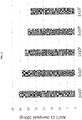
- 6 genes (ANT2, VDAC1, HCCR1, caveolin-1, ⁇ -catenin, and TGF- ⁇ 3) were selected by experiments using exosomes derived from breast cancer cell lines as illustrated in FIG. 1 , the expression levels thereof were independently analyzed three or more times for each of two breast cancer molecular subtype cell lines (MCF7, T47D / BT474, ZR-75-1 / SK-BR3, MDA-MB453 / MDA-MB-231, BT20).
- MCF7, T47D / BT474, ZR-75-1 / SK-BR3, MDA-MB453 / MDA-MB-231, BT20 two breast cancer molecular subtype cell lines
- ANT2 and VDAC1 which play an important role in tumor initiation and proliferation, exhibited a positive correlation with ER- and PR-positive and HER2-positive, respectively, and a HCCR1 gene involved in tumor progression exhibited a positive correlation with ER-positive and PR-positive.
- caveolin-1 and ⁇ -catenin which play an important role in cancer stem cells and anticancer agent resistance, were expected to have a deep correlation with a triple negative molecular subtype (ER-PR-HER2-), but contrary to the expectation, only caveolin-1 was observed to have, specifically, high expression in the triple negative molecular subtype, and in the case of TGF- ⁇ 3, a positive correlation with HER2-positive was confirmed (see Example 1).
- the present invention in order to experimentally discover that the present invention has high sensitivity and prove that the present invention is useful for monitoring the recurrence of breast cancer, as a result of attempting to predict the number of detectable cancer cells by subjecting normal blood to spike-testing in which the normal blood was spiked with breast cancer cell lines (MDA-MB-231 : ER-/PR-/HER2-), it was confirmed that when exosomes secreted by 5x10 5 breast cancer cells (MDA-MB-231) for 48 hours were spiked, the Ct value of real-time PCR was less than 35, and as a result, it was confirmed that the value was within a gene detectable range (see Example 3).
- MDA-MB-231 ER-/PR-/HER2-
- the present invention provides a method for providing information for early diagnosis of breast cancer, the method including: (a) extracting mRNA from exosomes isolated from biological samples of a normal person and a subject; (b) measuring the levels of one or more mRNAs selected from the group consisting of adenine nucleotide translocase 2 (ANT2), voltage-dependent anion-selective channel 1 (VDAC1), human cervical cancer oncogene (HCCR1), caveolin-1, ⁇ -catenin, and transforming growth factor-beta 3 (TGF- ⁇ 3) genes using the extracted mRNA as a template; and (c) determining a case where the mRNA levels of the ANT2 and VDAC 1 genes are increased compared to the normal person as breast cancer.
- ANT2 adenine nucleotide translocase 2
- VDAC1 voltage-dependent anion-selective channel 1
- HCCR1 human cervical cancer oncogene
- TGF- ⁇ 3 transforming growth factor-be
- exosome comprehensively refers to a small vesicle having a double lipid membrane (lipid bilayer) secreted from cells, and the exosome is known to be secreted from various cells and have a diameter of approximately 30 to 200 nm.
- exosomes include various types of proteins, DNA, mRNA, miRNA, and the like derived from cells.
- biological sample refers to all samples including exosomes, capable of being non-invasively obtained, and is preferably blood, plasma, serum, bone marrow, a tissue, a cell, saliva, sputum, hair, urine and the like, and more preferably blood, urine and the like, but is not limited thereto as long as the biological sample is a sample where it is possible to measure the amount of mRNAs of one or more multiple cancer gene biomarkers selected from the group consisting of adenine nucleotide translocase 2 (ANT2), voltage-dependent anion-selective channel 1 (VDAC1), human cervical cancer oncogene (HCCR1), caveolin-1, ⁇ -catenin, and transforming growth factor-beta 1 (TGF- ⁇ 3) genes.
- ANT2 adenine nucleotide translocase 2
- VDAC1 voltage-dependent anion-selective channel 1
- HCCR1 human cervical cancer oncogene
- caveolin-1 caveolin-1
- the term "molecular subtype” refers to a classification type according to molecular diagnosis for clinical use such as diagnosis and treatment of a disease, and recently, while it has become possible to profile a patient's body at the molecular level, there is a tendency that the profiling technique leads to the development of a targeted therapeutic method, and even the classification method of the disease has changed.
- Molecular subtypes according to the classification are closely associated with cancer treatment and prognosis of cancer patients, and are preferably breast cancer, and the associated molecular subtypes of breast cancer are Luminal A, Luminal B, HER2 type, and Triple negative/basal-like, but are not limited thereto.
- the Luminal A type is characterized by being estrogen receptor-positive (ER-positive), progesterone receptor-positive (PR-positive), and human epidermal growth factor receptor 2-negative (HER2-negative)
- molecular subtype Luminal B is characterized by being ER-positive, PR-positive, and HER2-positive
- the molecular subtype HER2 type is ER-negative, PR-negative, and HER2-positive
- the molecular subtype Triple negative/basal-like type is characterized by being ER-negative, PR-negative, and HER2-negative, but the molecular subtypes are not limited thereto.
- the ANT2 and VDAC1 genes are characterized by being genes involved in tumor initiation and proliferation, the HCCR1 gene is characterized by being a gene involved in tumor progression, the TGF- ⁇ 3 gene is characterized by being a gene involved in a tumor immune response, and the caveolin-1 and ⁇ -catenin genes are characterized by being genes involved in cancer stem cells and anticancer agent resistance, but the genes are not limited thereto.
- the present invention provides a composition for early diagnosis of breast cancer using exosomes, the composition including a material which measures the levels of one or more mRNAs selected from the group consisting of adenine nucleotide translocase 2 (ANT2), voltage-dependent anion-selective channel 1 (VDAC1), human cervical cancer oncogene (HCCR1), caveolin-1, ⁇ -catenin, and transforming growth factor-beta 3 (TGF- ⁇ 3) genes.
- ANT2 adenine nucleotide translocase 2
- VDAC1 voltage-dependent anion-selective channel 1
- HCCR1 human cervical cancer oncogene
- caveolin-1 caveolin-1
- ⁇ -catenin transforming growth factor-beta 3
- the present invention provides a kit for early diagnosis of breast cancer using exosomes, the kit including a material which measures the levels of one or more mRNAs selected from the group consisting of adenine nucleotide translocase 2 (ANT2), voltage-dependent anion-selective channel 1 (VDAC1), human cervical cancer oncogene (HCCR1), caveolin-1, ⁇ -catenin, and transforming growth factor-beta 3 (TGF- ⁇ 3) genes.
- ANT2 adenine nucleotide translocase 2
- VDAC1 voltage-dependent anion-selective channel 1
- HCCR1 human cervical cancer oncogene
- caveolin-1 caveolin-1
- ⁇ -catenin transforming growth factor-beta 3
- the exosomes may be isolated from blood or urine, but are not limited thereto, and the material which measures the mRNA level is characterized by being a primer or probe capable of amplifying mRNA, but is not limited thereto.
- the breast cancer cell lines were cultured in a cell incubator under the conditions of 5% CO 2 and 37°C using a Dulbecco's Modified Eagle's medium (DMEM) containing 10% fetal bovine serum (FBS) and 1% penicillin/streptomycin.
- DMEM Dulbecco's Modified Eagle's medium
- FBS fetal bovine serum
- penicillin/streptomycin penicillin/streptomycin
- a cell culture solution containing exosome-depleted FBS from which the exosomes had been removed was used. Before the culture solution was changed, the culture solution was washed twice with phosphate buffered saline (PBS, pH 7.4), and after the culture solution was changed, the enrichment of exosomes was induced by culturing the breast cancer cell lines in a cell incubator under the conditions of 5% CO 2 and 37°C for 48 hours, and after the volume of the culture solution was concentrated to 1/10 using an Amicon Ultra-15 centrifugal filter (Ultracel-3K), exosomes were obtained using an SBI Exoquick TC reagent.
- PBS phosphate buffered saline
- RNAs in exosomes were extracted using an RNA extraction reagent for exosomes produced and sold by Genolution, Inc.
- RNA extraction reagent for exosomes produced and sold by Genolution, Inc.
- exosomes in the culture solution were lysed and only RNAs were isolated from the proteins, DNA, and RNA (mRNA, miRNA, rRNA, and the like) that flowed out of the exosomes, and in this case, an extraction process (protocol) was constructed, which can increase the purity and maximize the RNA extraction concentration (RNA prep yield) by optimizing the proteins and DNA such that they were not contaminated.
- RNA in exosomes extracted from the breast cancer cell line culture solution was measured using NanoDrop (absorbance at a wavelength of 260 nm), RNA purity and contamination were confirmed by a 260/280 ratio and a 260/230 ratio, and RNA belonging to the normal range was used in the experiment.
- the One-step qRT-PCR reagent (SensiFASTTM Probe Lo-ROX One-Step Kit), which is a product of Bioline, was used, in which a reverse transcription and a cDNA amplification process (polymerase chain reaction) are performed as a one-step using 100 ng of breast cancer cell line-derived exosome RNA as a template, and each gene probe is a product of Integrated DNA Technologies (IDT), and the information on the product is shown in [Table 2] below. [Table 2] Gene name Cat No. (assay name) from IDT Company Target gene (Probe cat No.
- the real-time PCR instrument used in the experiment was a StepOne plus instrument of ABI systems, and all samples were duplicated to increase the reliability of the results.
- 10 or more candidate genes were selected from among genes involved in tumor initiation and proliferation, genes involved in tumor progression, genes involved in tumor immune responses, and genes involved in cancer stem cells and anticancer agent resistance, and preliminary experiments were performed on cancer cell line-derived exosomes, genes with a real-time qRT-PCRCt value of 35 or higher based on 100 ng of RNAs concentration were excluded, and 6 genes showing expression above a certain level in cancer cell line-derived exosomes were selected.
- ANT2 and VDAC1 genes are involved in tumor initiation and proliferation
- a HCCR1 gene is involved in tumor progression
- TGF- ⁇ 3 is involved in a tumor immune response
- caveolin-1 and ⁇ -catenin genes are involved in cancer stem cells and anticancer agent resistance.
- the expression levels of the selected 6 genes were independently analyzed three or more times or each of two breast cancer molecular subtype cell lines (MCF7, T47D / BT474, ZR-75-1 / SK-BR3, MDA-MB453 / MDA-MB-231, BT20).
- MCF7, T47D / BT474, ZR-75-1 / SK-BR3, MDA-MB453 / MDA-MB-231, BT20 two genes (b-actin and 18S rRNA) were used as an internal control (housekeeping gene) gene for normalizing RNA concentration, and the relative expression levels were compared by setting the expression of a subtype with the lowest expression of each gene to 1.
- ANT2 and VDAC1 genes which play an important role in tumor initiation and proliferation, exhibited a positive correlation with ER- and PR-positive and HER2-positive, respectively, and a HCCR1 gene involved in tumor progression exhibited a positive correlation with ER-positive and PR-positive.
- caveolin-1 and ⁇ -catenin which play an important role in cancer stem cells and anticancer agent resistance, were expected to have a deep correlation with a triple negative molecular subtype (ER-PR-HER2-), but contrary to the expectation, only caveolin-1 was observed to have, specifically, high expression in the triple negative molecular subtype, and TGF- ⁇ 3 exhibited a positive correlation with HER2-positive.
- the breast cancer molecular subtype Luminal A type (ER+/PR+/HER2-) exhibited a positive correlation with ANT2, VDAC1, and HCCR1 because only ER and PR are positive, and accordingly, it could be confirmed that the three genes are Luminal A type-associated gene markers.
- Luminal B type ER+/PR+/HER2+
- HER2-negative the HCCR1 gene is excluded because the HCCR1 gene does not show a positive correlation, and instead, TGF- ⁇ 3 shows a positive correlation with HER2-positive, so that it could be confirmed that ANT2, VDAC1, and TGF- ⁇ 3 genes having a positive correlation with ER-positive, PR-positive, and HER2-positive were Luminal B type-associated gene markers.
- HER2 type ER-/PR-/HER2+
- ANT2, VDAC1, and TGF- ⁇ 3 genes having a positive correlation with HER2 are also HER2 type-associated gene markers
- Triple negative/basal-like type since all of ER, PR, and are negative, only caveolin-1 is specifically expressed at a high level, so that it could be confirmed that the caveolin-1 gene is a Triple negative/basal-like type gene marker.
- the five gene combinations are expected to not only enable early diagnosis of breast cancer for each molecular subtype, but also be very usefully used for monitoring recurrence after treatment of breast cancer due to the technical feature of high detection sensitivity.
- the expression level of gene biomarkers specifically expressed in the triple negative molecular subtype with the worst treatment prognosis is expected to indirectly predict the prognosis of breast cancer treatment.
- the blood samples of healthy people and patients with cancer used in this study were samples stored frozen (-80°C), and serum collected in SST tubes was used. Specifically, in the case of healthy people, samples within a normal range of biomarkers for cancer protein diagnosis were used, and in the case of patients with cancer, samples that were diagnosed as cancer (confirmed) at a university hospital were used. The minimum volume of serum required to extract RNA in exosomes was 200 ul, and as the sample, a breast cancer patient pooling sample was prepared as follows.
- the samples prepared as described above were aliquoted into 200 ul, respectively and stored at -80°C, and all the samples were subjected to freezing and thawing one time.
- Nextractor NX-48 an automated device produced and sold by Genolution, Inc., was used to extract RNA in exosomes from sera of healthy people and patients with breast cancer, and as a reagent, a reagent for extracting RNA in exosomes from the same company, which is most suitable for the device, was used.
- the principle of extracting RNA in exosomes is as described in Example 1-3.
- the method for quantifying the concentration of RNA in exosomes extracted from serum by an automated device is as described in Example 1-4.
- caveolin-1 corresponding to triple negative which was not a pooling sample for each molecular subtype, showed a relatively low difference between normal people and patients with breast cancer. Accordingly, the difference needs to be confirmed again in the sample for each molecular subtype, and it is determined that ANT2 and VDAC1 which show the largest difference regardless of the molecular subtype of breast cancer are useful for early diagnosis of breast cancer.
- breast cancer cell line-derived exosomes used in the spike test are exosomes secreted by MDA-MB-231 (ER-PR-HER2-) cells, a gene to be analyzed was analyzed using caveolin-1.
- the Ct value of real-time PCR was less than 35 when the exosomes secreted by 5x10 5 or more breast cancer cells (MDA-MB-231) for 48 hours were spiked, so that it was determined to be within a gene-detectable range (generally, when the Ct value of real-time PCR is 35 or more, the gene expression value is not trusted).
- this technique is a highly sensitive detection technique capable of distinguishing examinees who have tumors smaller than 1 cm 3 in size, and is predicted to be not only utilized simply for early diagnosis of breast cancer, but also very useful for monitoring recurrence after treatment of breast cancer.
- the minimal multiple cancer gene biomarker technology applicable to the early diagnosis of breast cancer according to the molecular subtypes of the present invention it is possible to early diagnose breast cancer according to four molecular subtypes thereof, it is possible to determine the degree of breast cancer progression depending on the degree of expression, and it is possible to monitor recurrence after treatment of breast cancer using the analysis of multiple gene expression in exosomes due to the technical feature of high detection sensitivity.
- the regular examination items for monitoring the recurrence of breast cancer which are currently being performed, have disadvantages of not only being expensive, but also causing inconvenience to an examinee and requiring a lot of time, but since a product developed in the present invention is extremely useful in terms of the fact that results can be obtained with high detectability and low cost, simply and in a short time without pain to an examinee, the product is expected to be widely used for developing a medical instrument for ex-vivo gene diagnosis for monitoring recurrence after treatment of breast cancer.
Landscapes
- Chemical & Material Sciences (AREA)
- Life Sciences & Earth Sciences (AREA)
- Health & Medical Sciences (AREA)
- Organic Chemistry (AREA)
- Proteomics, Peptides & Aminoacids (AREA)
- Engineering & Computer Science (AREA)
- Immunology (AREA)
- Pathology (AREA)
- Analytical Chemistry (AREA)
- Zoology (AREA)
- Genetics & Genomics (AREA)
- Wood Science & Technology (AREA)
- Physics & Mathematics (AREA)
- Biotechnology (AREA)
- Microbiology (AREA)
- Molecular Biology (AREA)
- Hospice & Palliative Care (AREA)
- Biophysics (AREA)
- Oncology (AREA)
- Biochemistry (AREA)
- Bioinformatics & Cheminformatics (AREA)
- General Engineering & Computer Science (AREA)
- General Health & Medical Sciences (AREA)
- Measuring Or Testing Involving Enzymes Or Micro-Organisms (AREA)
Applications Claiming Priority (2)
| Application Number | Priority Date | Filing Date | Title |
|---|---|---|---|
| KR1020180090451A KR102211972B1 (ko) | 2018-08-02 | 2018-08-02 | 액체생검 다중 암 유전자 바이오마커를 이용한 유방암 조기진단 및 치료 후 모니터링 방법 |
| PCT/KR2019/007906 WO2020027446A1 (ko) | 2018-08-02 | 2019-06-28 | 액체생검 다중 암 유전자 바이오마커를 이용한 유방암 조기진단 및 치료 후 모니터링 방법 |
Publications (2)
| Publication Number | Publication Date |
|---|---|
| EP3831963A1 true EP3831963A1 (de) | 2021-06-09 |
| EP3831963A4 EP3831963A4 (de) | 2022-04-20 |
Family
ID=69232004
Family Applications (1)
| Application Number | Title | Priority Date | Filing Date |
|---|---|---|---|
| EP19845314.4A Withdrawn EP3831963A4 (de) | 2018-08-02 | 2019-06-28 | Verfahren zur frühen diagnose von brustkrebs und überwachungsverfahren nach der therapie unter verwendung von mehreren krebsgenbiomarkern |
Country Status (6)
| Country | Link |
|---|---|
| US (1) | US20210310078A1 (de) |
| EP (1) | EP3831963A4 (de) |
| JP (1) | JP7187081B2 (de) |
| KR (1) | KR102211972B1 (de) |
| CN (1) | CN112534068A (de) |
| WO (1) | WO2020027446A1 (de) |
Families Citing this family (6)
| Publication number | Priority date | Publication date | Assignee | Title |
|---|---|---|---|---|
| KR102414106B1 (ko) | 2020-03-12 | 2022-06-29 | (주) 바이오인프라생명과학 | 유방암 진단용 다중 바이오마커 및 이의 용도 |
| KR102836680B1 (ko) | 2021-01-26 | 2025-07-21 | 단국대학교 천안캠퍼스 산학협력단 | 진단 및 분석을 위한 마이크로니들 기반 통합 액체생검 마이크로 시스템 |
| JP7783022B2 (ja) * | 2021-11-16 | 2025-12-09 | キヤノンメディカルシステムズ株式会社 | 診断支援装置、プログラム及び診断支援方法 |
| CN116287225A (zh) * | 2021-12-09 | 2023-06-23 | 复旦大学附属华山医院 | 一组食管癌分子标志物及其应用 |
| CN116240287A (zh) * | 2023-01-17 | 2023-06-09 | 普洱市人民医院 | 基于循环肿瘤dna的乳腺癌标志物及其应用 |
| KR20250127882A (ko) | 2024-02-20 | 2025-08-27 | 경북대학교 산학협력단 | 액체 생검 기반 암 진단 및 전이 여부 판별을 위한 세포외소포체 바이오마커 분석 장치 및 방법 |
Family Cites Families (16)
| Publication number | Priority date | Publication date | Assignee | Title |
|---|---|---|---|---|
| US5876711A (en) * | 1996-05-31 | 1999-03-02 | Onyx Pharmaceuticals, Inc. | Methods and compositions for determining the tumor suppressor status of cells |
| US20040022764A1 (en) * | 2002-07-31 | 2004-02-05 | Hanan Polansky | Inhibition of microcompetition with a foreign polynucleotide as treatment of chronic disease |
| US7888019B2 (en) * | 2006-03-31 | 2011-02-15 | Genomic Health, Inc. | Genes involved estrogen metabolism |
| KR20120095263A (ko) * | 2011-02-18 | 2012-08-28 | 주식회사 바이오인프라 | Adenine nucleotide translocator 2 mRNA 발현을 감소시켜 유방암을 치료하는 방법 |
| KR100786759B1 (ko) * | 2006-07-07 | 2007-12-18 | 김현기 | Hccr-1을 포함하는 유방암 예후 마커 및 비만 유도조성물 |
| KR20090116336A (ko) * | 2008-05-07 | 2009-11-11 | 김현기 | 에스트로겐 수용체 양성, 프로게스테론 수용체 양성, p53종양억제유전자변이 및 HER2 포지티브 유방암의 예후예측을 위한 HCCR―1의 발현량의 검출 방법 및 조성물 |
| CA2743211A1 (en) * | 2008-11-12 | 2010-05-20 | Caris Life Sciences Luxembourg Holdings, S.A.R.L. | Methods and systems of using exosomes for determining phenotypes |
| WO2011107819A1 (en) * | 2010-03-01 | 2011-09-09 | Adelbio | Methods for predicting outcome of breast cancer, and/or risk of relapse, response or survival of a patient suffering therefrom |
| KR101335034B1 (ko) * | 2011-08-25 | 2013-12-02 | 주식회사 바이오인프라 | 유방암 진단을 위한 엑소좀 내의 ANT2 mRNA의 이용방법 |
| US9297047B2 (en) * | 2011-10-24 | 2016-03-29 | Jennifer Furchak | Molecular beacon based assay for the detection of biomarkers for breast cancer metastasis |
| EP2780469A1 (de) * | 2011-11-18 | 2014-09-24 | Vanderbilt University | Marker für dreifach negativen brustkrebs und verwendungen davon |
| JP6106277B2 (ja) * | 2012-10-05 | 2017-03-29 | 日立化成株式会社 | 尿中エキソソームmRNAおよびそれを用いて糖尿病性腎症を検出する方法 |
| US20150301058A1 (en) * | 2012-11-26 | 2015-10-22 | Caris Science, Inc. | Biomarker compositions and methods |
| JP6894236B2 (ja) * | 2014-03-26 | 2021-06-30 | デノボ バイオファーマ エルエルシー | 免疫刺激活性を有するレトロウイルスベクター |
| KR101928487B1 (ko) | 2016-11-18 | 2018-12-12 | 의료법인 성광의료재단 | 루미날 서브타입의 유방암 진단용 조성물 및 이의 검출 방법 |
| JP2020511933A (ja) * | 2016-11-22 | 2020-04-23 | プライム ゲノミクス,インク. | 癌検出のための方法 |
-
2018
- 2018-08-02 KR KR1020180090451A patent/KR102211972B1/ko active Active
-
2019
- 2019-06-28 WO PCT/KR2019/007906 patent/WO2020027446A1/ko not_active Ceased
- 2019-06-28 EP EP19845314.4A patent/EP3831963A4/de not_active Withdrawn
- 2019-06-28 CN CN201980051546.0A patent/CN112534068A/zh active Pending
- 2019-06-28 JP JP2021529217A patent/JP7187081B2/ja active Active
- 2019-06-28 US US17/265,351 patent/US20210310078A1/en not_active Abandoned
Also Published As
| Publication number | Publication date |
|---|---|
| JP7187081B2 (ja) | 2022-12-12 |
| KR102211972B1 (ko) | 2021-02-04 |
| EP3831963A4 (de) | 2022-04-20 |
| KR20200015101A (ko) | 2020-02-12 |
| JP2021531832A (ja) | 2021-11-25 |
| US20210310078A1 (en) | 2021-10-07 |
| CN112534068A (zh) | 2021-03-19 |
| WO2020027446A1 (ko) | 2020-02-06 |
Similar Documents
| Publication | Publication Date | Title |
|---|---|---|
| US20210310078A1 (en) | Method for early diagnosis of breast cancer and monitoring after treatment using liquid biopsy multi-cancer gene biomarkers | |
| JP7676321B2 (ja) | 胃がんを診断するためのmiRNAマーカーの組み合わせ物、およびキット | |
| CN105671181B (zh) | 用于检测肺癌的基因标志物、引物、探针及试剂盒 | |
| CN105256014B (zh) | 乳腺癌联合诊断标志物及检测试剂盒 | |
| US20210269885A1 (en) | Multi-gene biomarker for early diagnosis of cancer | |
| EP2210942B1 (de) | Mit leberkrebs assoziiertes gen und verfahren zur bestimmmung des risikos der erkrankung an leberkrebs | |
| JP2021502069A5 (de) | ||
| US20240309460A1 (en) | Use of reagent for detecting pir-hsa-120522 in plasma in preparation of lung cancer screening or diagnosis kit | |
| Yu et al. | Urinary and plasma cell-free DNA comparison for lung cancer patients treated with epidermal growth factor receptor—thyroxine kinase inhibitors | |
| CN112063714A (zh) | 一种与结直肠癌相关的miRNA及其应用 | |
| WO2021030293A1 (en) | Methods for monitoring or predicting response to immunotherapies for gynecologic cancer | |
| Serrano et al. | Circulating tumor cells in cancer-risk populations as a cancer interception tool | |
| WO2023050642A1 (zh) | 甲胎蛋白或癌胚抗原联合基因标志物在肿瘤诊断中的应用 | |
| US20230131016A1 (en) | Methods for disease assessment using drain fluid | |
| HK40044847A (en) | Breast cancer early diagnosis and post-therapy monitoring method using liquid biopsy multiple cancer gene biomarkers | |
| RU2665965C1 (ru) | Способ скрининга злокачественных новообразований у человека | |
| JP6865800B2 (ja) | 乳がん評価方法、および乳がん評価用の尿検査キット | |
| CN107881235B (zh) | 一种用于诊断预示Luminal A型乳腺癌骨转移的基因诊断试剂盒 | |
| CN107904309B (zh) | 一种用于诊断预示三阴性型乳腺癌骨转移的基因诊断试剂盒 | |
| WO2014151465A1 (en) | Brain-specific gene signature of tumor cells | |
| CN116004818B (zh) | 结直肠癌早期诊断标记物及试剂盒 | |
| WO2020001473A1 (zh) | 小核仁核糖核酸snord33作为生物标记物用于制备检测试剂盒中的用途 | |
| CN104745678A (zh) | 一种体外辅助诊断胰腺癌的试剂盒 | |
| CN109182514A (zh) | 肺癌诊断或转移诊断标志物LncRNA Loc729658和试剂盒及其应用 | |
| CN114959018A (zh) | 非小细胞肺癌miRNA标志物及其应用 |
Legal Events
| Date | Code | Title | Description |
|---|---|---|---|
| STAA | Information on the status of an ep patent application or granted ep patent |
Free format text: STATUS: THE INTERNATIONAL PUBLICATION HAS BEEN MADE |
|
| PUAI | Public reference made under article 153(3) epc to a published international application that has entered the european phase |
Free format text: ORIGINAL CODE: 0009012 |
|
| STAA | Information on the status of an ep patent application or granted ep patent |
Free format text: STATUS: REQUEST FOR EXAMINATION WAS MADE |
|
| 17P | Request for examination filed |
Effective date: 20210219 |
|
| AK | Designated contracting states |
Kind code of ref document: A1 Designated state(s): AL AT BE BG CH CY CZ DE DK EE ES FI FR GB GR HR HU IE IS IT LI LT LU LV MC MK MT NL NO PL PT RO RS SE SI SK SM TR |
|
| DAV | Request for validation of the european patent (deleted) | ||
| DAX | Request for extension of the european patent (deleted) | ||
| A4 | Supplementary search report drawn up and despatched |
Effective date: 20220317 |
|
| RIC1 | Information provided on ipc code assigned before grant |
Ipc: C12Q 1/6886 20180101AFI20220311BHEP |
|
| STAA | Information on the status of an ep patent application or granted ep patent |
Free format text: STATUS: EXAMINATION IS IN PROGRESS |
|
| 17Q | First examination report despatched |
Effective date: 20230111 |
|
| STAA | Information on the status of an ep patent application or granted ep patent |
Free format text: STATUS: THE APPLICATION IS DEEMED TO BE WITHDRAWN |
|
| 18D | Application deemed to be withdrawn |
Effective date: 20250103 |